EP0472286A1 - Gène codant pour l'H+ATPase de la membrane plasmatique de Candida albicans - Google Patents
Gène codant pour l'H+ATPase de la membrane plasmatique de Candida albicans Download PDFInfo
- Publication number
- EP0472286A1 EP0472286A1 EP91306542A EP91306542A EP0472286A1 EP 0472286 A1 EP0472286 A1 EP 0472286A1 EP 91306542 A EP91306542 A EP 91306542A EP 91306542 A EP91306542 A EP 91306542A EP 0472286 A1 EP0472286 A1 EP 0472286A1
- Authority
- EP
- European Patent Office
- Prior art keywords
- atpase
- candida albicans
- plasma membrane
- dna
- candida
- Prior art date
- Legal status (The legal status is an assumption and is not a legal conclusion. Google has not performed a legal analysis and makes no representation as to the accuracy of the status listed.)
- Withdrawn
Links
Images





Classifications
-
- C—CHEMISTRY; METALLURGY
- C12—BIOCHEMISTRY; BEER; SPIRITS; WINE; VINEGAR; MICROBIOLOGY; ENZYMOLOGY; MUTATION OR GENETIC ENGINEERING
- C12N—MICROORGANISMS OR ENZYMES; COMPOSITIONS THEREOF; PROPAGATING, PRESERVING, OR MAINTAINING MICROORGANISMS; MUTATION OR GENETIC ENGINEERING; CULTURE MEDIA
- C12N9/00—Enzymes; Proenzymes; Compositions thereof; Processes for preparing, activating, inhibiting, separating or purifying enzymes
- C12N9/14—Hydrolases (3)
Definitions
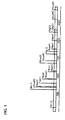
- FIGURE 1 Restriction map depicting the location of sequences recognized by restriction enzymes capable of cleaving the DNA encoding Candida albicans plasma membrane H+ATPase.
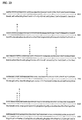
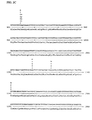
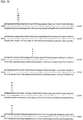
- FIGURE 2A-H Nucleotide and amino acid sequence for Candida albicans plasma membrane H+ATPase including the location of endonuclease restriction sites.
- the plasma membrane H+ATPase of fungi and plants perform an essential role in these organisms by maintaining internal pH and membrane potential required for active transport of nutrients.
- the proton gradient generated by the enzyme results in the active transport of nutrients by H+-symport and may be involved with pH balances that mediate cell growth, Serrano et al ., Nature 319 : 689-693 (1986).
- the genes encoding fungal H+ATPase (PMA1 and PMA2) have been isolated, cloned and sequenced from Saccharomyces cerevisiae (Sarrano et al ., Nature 319 : 689-693 [1986]) and (Schlesser et al ., J. Biol. Chem.
- the gene encoding the H+ATPase from Candida albicans has been cloned and sequenced, see below. Therefore the enzyme form a pathogenic fungus can be produced in excess, genetically manipulated and studied in detail as an antifungal target.
- an object of the present invention to isolate and purify a gene capable of encoding Candida albicans plasma membrane H+ATPase. Another object is to provide for expression of the plasma membrane H+ATPase gene. A further object is to prepare organisms transformed with the Candida albicans plasma membrane H+ATPase gene.
- a unique gene encoding the plasma membrane H+ATPase of the fungi Candida albicans has been isolated, purified, cloned and sequenced.
- the cloned gene is free of other Candida albicans nucleic acids and is used to produce Candida albicans H+ATPase.
- the unique Candida albicans plasma membrane gene can be used to transform non-pathogenic yeast which can be used to evaluate agents capable of perturbing Candida albicans plasma membrane H+ATPase activity.
- the present invention relates to the isolation, characterization, sequencing and expression of the Candida albicans plasma membrane H+ATPase gene. This will allow the enzyme from this pathogenic fungus to be produced in excess, genetically manipulated and studied in detail as an antifungal target.
- the plasma membrane H+ATPase gene is obtained from the DNA of the dimorphic pathogenic fungus Candida albicans , which is capable of producing the enzyme. Strains or species of such fungi include, but are not limited to strains known in the art and readily available from the American Type Culture Collection: Candida albicans ATCC 10261, ATCC 44990 and ATCC 22114.
- Chromosomal DNA is isolated from pure cultures of microorganisms known to produce the ATPase, preferably Candida albicans ATCC 10261, by methods known in the art, as illustrated by Sherman, et al ., (1983, Methods in Yeast Genetics, Cold Spring Harbor Laboratory Press , Cold Spring Harbor, N.Y.).
- the chromosomal DNA is fragmented, for example, by digestion, partially or completely with one or more restriction endonuclease enzymes, such as BamHI, ClaI, BclI, BglII, KpnI, Sau3A, or XhoI, with Sau3A being preferred.
- Cloning vectors as used herein is defined as a DNA sequence which allows the incorporation of specific experimental foreign DNA, with the combined DNA being introduced into a host cell that can exist in a stable manner and express the protein dictated by the experimental DNA.
- the foreign DNA combined with the vector DNA constitutes a recombinant DNA molecule which is derived from recombinant technology.
- Cloning vectors may include plasmids, bacteriophage, viruses, and cosmids. It is to be understood that any cloning vector may be used to clone novel C .
- the cloning vector is cut with a restriction endonucleases such as BamHI, treated with phosphatase and the DNA fragments are ligated with a DNA ligase, T4 DNA ligase is preferred.
- the cloning vectors are used to transform host cells competent for the uptake of DNA. Competent host cells which may be used for cloning, DNA processing and expression generally include bacteria, yeast, fungi, insect, plant or mammalian cells with the preferred hosts being bacteria and yeasts. The most preferred yeasts being from the genera Candida and Saccharomyces and the most preferred bacteria being from the genus Escherichia . The most preferred Escherichia hosts include E .
- albicans libraries are screened for clones which are homologous to the conserved sequences of the H+ATPase genes of these organisms.
- Published DNA sequences from organisms which can be used include, but are not limited to: S . cerevisiae , (Serrano et al ., Nature 319 : 689-693 [1986], Schlesser et al ., J. Biol. Chem. 263 : 19480-87 [1988]); Neurospora crassa (Addison, J. Biol. Chem. 261 : 14896-901[1986], Hager et al ., Proc. Natl. Acad. Sci.
- the host cells containing cloned C . albicans DNA which shows homology with S . cerevisiae PMA1 DNA are propagated and the DNA extracted by routine methods known in the art.
- the gene encoding C . albicans plasma membrane H+ATPase (PMA 1), carried on about a 12 kilobase (kb) insert, is transfered to one or more vectors designed for the production of double-stranded DNA (dsDNA) which are useful for sequence analysis and for restriction mapping.
- vectors include, but are not limited to, pBR322, YEp13, and YEp24 (available commercially), and pGEM3zf(+) and pGEM5zf(+) (Promega).
- Restriction mapping of the dsDNA is performed with a variety of commercially available restriction enzymes by procedures known to those stilled in the art and the results are compared to genomic restriction maps of Candida albicans DNA.
- the genomic map is constructed by extracting chromosomal DNA from Candida albicans which is capable of producing the enzyme.
- Such fungi include, but are not limited to strains known in the art and readily available: Candida albicans ATCC 10261, ATCC 22114 and ATCC 44990.
- Chromosomal DNA is extracted by methods well know to the art (Sherman, F., et al ., 1983, Methods in Yeast Genetics, Cold Spring Harbor Laboratory Press , Cold Spring Harbor, N.Y.).
- a portion of the chromosomal DNA is cut to completion with a number of restriction enzymes, such as EcoRI, HindIII, EcoRV, ClaI, and XhoI.
- restriction enzymes such as EcoRI, HindIII, EcoRV, ClaI, and XhoI.
- some DNA fragments are digested with more than one enzyme.
- the digested fragments of DNA are separated by gel electrophoresis.
- the fragments are then transferred to a solid membrane support such as nitrocellulose or nylon membrane with nylon membrane being the preferred support.
- the nylon blot is then hybridized with a radiolabelled probe.
- the radioisotope of choice is 32P.
- the DNA fragment is radiolabeled either by a nick translation procedure (Rigby et al ., J. Mol. Biol.
- the hybridization blot is incubated overnight with the homologous radiolabeled fragment, with the about 2 kb KpnI from the S . cerevisiae PMA1 gene as the preferred probe (Serrano et al ., Nature 319 : 689-693 [1986]). The following day the blot is washed by methods known to the art (Maniatis et al .,1982, Molecular Cloning: A Laboratory Manual, Cold Spring Harbor Laboratory Press , Cold Spring Harbor).
- the blot is then exposed to XAR-5 film and developed by conventional methods (Laskey and Mills, FEBS Letters, 82 : 314-316 [1977]).
- the size and pattern of the digested fragments which hybridize with the probe generate a genomic map. Comparisons of the genomic map with the restriction map of the cloned sequence confirm the identity of the cloned gene with the desired genomic sequence.
- Candida albicans plasma membrane H+ATPase gene is cloned by homology to sections of the Saccharomyces cerevisiae PMA1 gene, their DNA sequences should have a certain degree of homology to each other and the Saccharomyces sequence should act as a guide for sequencing the Candida DNA.
- the area of highest homology in the Candida clone is in the about 2.0 kb EcoRV fragment, and that is the segment preferred for initial sequencing. This fragment is subcloned into vectors which allow elucidation of the base sequence of the insert, such as pGEM5zf(+) which is a plasmid commercially available from Promega.
- Double stranded DNA is prepared from each of the insertion plasmids by the method Lim and Pene, Gene Anal Techn 5: 32-39 (1988).
- a double stranded sequencing procedure known in the art is used to determine sequence data(Lim and Pene, Gene Anal. Tech. 5: 32-39 [1988] and Sequenase kit protocol manufactured by US Biochemical Corp.).
- Various primers can be used for sequencing, with the commercially available T7 and SP6 primers which are adjacent upstream and downstream, respectively, to the 2.0 kb EcoRV Candida fragment in this vector being preferred. Regions not accessible with the primers were sequenced by use of synthetic oligonucleotides primers.
- the DNA sequence of the cloned Candida albicans plasma membrane H+ATPase is presented in Figure 2.
- the overall length of the cloned C . albicans DNA is about 2.7 kilobase pairs and is shown in Fig. 2.
- the cleavage sites for selected restriction endonucleases are indicated above the sequence and are shown in Fig. 1.
- the predicted amino acid sequences for the C . albicans Plasma membrane H+ATPase gene are shown below the DNA sequence in Fig. 2.
- albicans H+ATPase be interpreted to include all codons that code for the appropriote amino acid in the sequence for H+ATPase, as indicated by the degeneracy of the genetic code. It is also intended that the invention include all normal mutations of the H+ATPase base sequence that may result in a biologically active enzyme. It is further intended that the nucleotide sequence for the ATPase include truncated genes which encode biologically active fragments of the ATPase. It is intended that the pharse altered forms refer to the above changed in the Candida albicans H+ATPase gene. Biologically active as used herein includes the ability of the recombinant gene product to exhibit plasma membrane H+ATPase activity.
- the purified gene is incorporated into an appropriate vector and used to transform a host cell capable of supporting expression of the gene product.
- Host cells include, but are not limited to, bacteria, fungi, blue green algae, plant cells and animal cells.
- the host cells include bacteria and fungi, with the preferred host cells being fungi.
- the most preferred fungal cells include, but are not limited to those in the genera Saccharomyces and Candida . Cloning of the Candida albicans gene into Saccharomyces cerevisiae and Candida albicans is most easily accomplished by subcloning specific Candida DNA fragments into appropriate vectors which allow expression of the Candida gene from its own promoter or from promoters on the cloning vector.
- a promoter is defined as a DNA sequence that is upstream of the experimental gene, C. albicans H+ATPase, that directs RNA polymerase to bind to DNA and to initiate RNA synthesis resulting in mRNA production from the experimental gene.
- a strong promoter is one which causes mRNAs to be initiated at high frequency.
- the about 12 kb ClaI Candida albicans Plasma membrane ATPase fragment or smaller fragments which contain the entire coding region is subcloned into a plasmid such as pUN100 (Elledge and Davis, Gene 70 : 303-312, 1988) containing a selectable marker for Saccharomyces such as the LEU2 gene and a CEN/ARS which enables it to replicate as a low copy plasmid in Saccharomyces cerevisiae .
- the about 12 kb ClaI fragment is obtained from a plasmid containing it, as described above, by enzymatic digestion with the restriction enzyme ClaI using standard techniques.
- the Candida gene is separated from vector components by standard gel electrophoresis techniques and purified by methods outlined in Maniatis et al ., Molecular Cloning: A Laboratory Manual, Cold Spring Harbor Laboratory Press, Cold Spring Harbor (1982).
- the ClaI fragment is treated with T4 DNA to generate blunt ends.
- the recipient plasmid, pUN100 is cut with HindIII and also treated with T4 DNA polymerase to generate blunt ends.
- the ClaI/blunt fragment is ligated to the pUN100 using T4 DNA ligase.
- a similar insertion is constructed in YEp13 or similar vectors, which are plasmids containing a selectable marker for Saccharomyces such as the LEU2 gene and 2 ⁇ sequences which enable it to achieve a high copy number in Saccharomyces .
- the blunt ClaI fragment is inserted into a T4 DNA polymerase treated HindIII site on YEp13.
- the resulting plasmids are transformed into Sacchoromyces cerevisiae , strains such as RS-72 (Serrano et al., Current Genetics 12: 105-110 [1987] or other appropriately marked yeast strains. Transformation are performed by standard methods such as the spheroplasting method outlined by Sherman et al ., Methods in Yeast Genetics, Cold Spring Harbor Laboratory Press , Cold Spring Harbor, N.Y. (1983).
- pRC2312 is a plasmid derived from a plasmid described by Serrano et al., Mol. Gen. Genet. 221: 210-218 (1990). It has a Candida selectable marker, URA3, and has a Candida ARS which permits copies of 2-3 per genome. Other ARS vectors which are capable of producing high copy numbers in Candida are known in the art.
- the 6 kb SnaBI fragment is obtained from a plasmid containing it by enzymatic digestion with the restriction enzyme SnaBI using standard techniques.
- the fragment free of vector is obtained by standard gel electrophoresis techniques and purified by methods described above and in the examples.
- the fragment is subcloned into the SmaI site of pRC2312 using T4 DNA ligase. Since both restriction enzymes, SnaBI and SmaI, yield blunt ends, T4 DNA polymerase treatment is not needed.
- the resulting plasmid, designated pJAM30 is used to transform an appropriately marked strain such as Candida albicans strain 1006, Goshorn et al ., Genetics 123 : 667-673 (1989). The transformation is accomplished by the lithium acetate method of Kurtz, in Genetics of Candida, CRC Press, pp21-73 (1990).
- a single large colony of Candida albicans was isolated from a culture plate containing YEPD (1% yeast extract, 1% peptone and 2% glucose) solidified with agar (1.5%) and used to inoculate 100 ml of YEPD broth. After incubation for 16 hours at 30°C, the cells were collected and the chromosomal DNA extracted by the method of Sherman, F., et al ., Methods in yeast genetics, Cold Spring Harbor Laboratory Press , Cold Spring Harbor, N.Y. (1983).
- a portion of the chromosomal DNA (3 ⁇ g) was cut to completion with a number of restriction enzymes, such as EcoRI, HindIII, EcoRV, ClaI, and XhoI using conditions recommended by the manufacturer.
- the digested DNA fragments were separated by agarose gel electrophoresis to produce discrete bands whose size can be estimated by comparison with commercially available molecular size standards.
- the fragments were then transferred to GeneScreen nylon membrane (New England Nuclear) utilizing the process of Southern, J. Mol. Biol., 98 : 503-517 (1975).
- the DNA fragments on the nylon blot were then hybridized with a 32P radiolabeled probe prepared by the random priming procedure of Feinberg and Vogelstein, Anal. Biochem. 132 : 6-13 (1983).
- the DNA fragment that was used to hybridize the Candida blot was a 2 kb KpnI fragment isolated from plasmid B1138 which contains the Saccharomyces cerevisiae Plasma membrane ATPase (PMA1) gene (Serrano et al., Nature, 319: 689-693 [1986]) in the pUC18 vector. Twenty micrograms of B1138 was digested with KpnI as recommended by the manufacturer. The digested plasmid was separated by electrophoresis on low gelling temperature agarose. The 2 kb band was excised from the gel and the DNA was extracted by procedures outlined by Maniatis et al ., supra.
- PMA1 Saccharomyces cerevisiae Plasma membrane ATPase
- the blot was hybridized overnight with the 2 kb KpnI radiolabeled fragment. The following day the blot was washed by methods described by Maniatis et al., Molecular Cloning: A Laboratory Manual, Cold Spring Harbor Laboratory Press , Cold Spring Harbor (1982). The blot was then exposed to XAR-5 film and developed by conventional methods (Laskey and Mills, FEBS Letters, 82: 314-316 [1977]). The probe hybridized to selected fragments of DNA which had homology to Saccharomyces DNA. When the Candida DNA was cut with EcoRI, 9.4 kb and 3.4 kb bands were generated. When HindIII was used, 7.1 kb and 3.6 kb bands were observed.
- a library of Candida albicans genomic DNA was constructed from BamHI-Hind III cut DNA isolated from strain C . albicans WO-1 and inserted into BamHI-HindII cut DNA of pEMBLY-23 as mentioned in Magee et al, Anal. Biochem. 175: 361-372 (1988).
- the pEMBLY-23 vector was described by Baldari and Cesareni, Gene 35: 27-32 (1985).
- the library of transformed cells were grown on LB plates supplemented with 50 ⁇ g/ml of ampicillin. Twenty plates were prepared at a density of ⁇ 230 colonies per plate or ⁇ 4700 colonies total. The colonies were transferred to NEN Colony/Plaque Screen (New England Nuclear).
- the DNA of the transferred colonies was denatured with 0.5N NaOH and neutralized with 1.0M Tris-HCl pH 7.5 (Grunstein and Hogness (1975) Proc. Natl. Acad. Sci. 72: 3961-3965).
- Duplicate filters were prepared and hybridized overnight with the ⁇ 2kb KpnI Saccharomyces cerevisiae PMA1 fragment. The following morning the filters were washed by standard methods and exposed to XAR-5 film. There were five colonies that contained DNA which hybridized to the 2 kb KpnI probe on duplicate filters. After purification of these five colonies, only one colony, designated 1-10, was reproducibly positive when hybridized to the Saccharomyces 2 kb KpnI fragment.
- a library enriched for the Candida plasma membrane H+ATPase gene was then constructed based on the observation that the Candida and Saccharomyces probes hybridize to a single ClaI fragment of about 12 kb.
- a portion of C . albicans ATCC 10261 chromosomal DNA was completely digested with ClaI.
- the digested DNA fragments were separated by gel electrophoresis.
- a DNA fraction enriched for 10-15 kb fragments was obtained by electroelution of the appropriate segment of electrophoretically separated digested DNA.
- the collected fragments were ligated into the YEp24 vector DNA.
- the YEp24 DNA is commercially available from New England Biolabs and has been described by Botstein et al., Gene 8: 17-24 ( 1979).
- the YEp24 DNA was linearized by complete digestion with ClaI and treated with calf intestine alkaline phosphatase.
- the ligation products were transformed into Escherichia coli K-12 strain DH5 ⁇ .
- Library efficiency DH5 ⁇ cells were obtained from Bethesda Research Laboratories.
- the transformants were recovered as colonies able to grow on LB plates with 50 ⁇ g/ml of ampicillin.
- the transformants were collected and plated on ampicillin plates to determine the number of colonies/ml.
- twenty LB plates supplemented with ampicillin were plated with a colony density of 1500 to 2000 library transformed colonies per plate or ⁇ 35,000 colonies total.
- Candida albicans plasma membrane ATPase (PMA1) gene was cloned by homology to the Saccharomyces cerevisiae PMA1 gene, their DNA sequences should have a high degree of homology to each other and the Saccharomyces sequence should act as a guide for sequencing the Candida DNA. Since the area of highest homology in the Candida clone is the 2.0 kb EcoRV fragment, it was sequenced first. The fragment was subcloned into the EcoRV site of pGEM5zf(+) which is a plasmid commercially available from Promega.
- T7 and SP6 primers are adjacent upstream and downstream, respectively, to the 2.0 kb EcoRV Candida fragment.
- the SP6 and T7 are commercially available primers (Promega) and were used to generate approximately 250 bases of sequence into the 2.0 kb fragment. Regions not accessible with the primers were sequenced by use of synthetic oligonucleotides primers.
- the DNA sequence of the cloned Candida albicans plasma membrane ATPase is presented in Figure 2.
- the overall length of the cloned C . albicans DNA was determined to be 2691 base pairs.
- the cleavage sites for selected restriction endonucleases are indicated above the sequence.
- the predicted 896 amino acids for the plasma membrane gene are shown below the DNA sequence in Figure 2.
Landscapes
- Life Sciences & Earth Sciences (AREA)
- Chemical & Material Sciences (AREA)
- Health & Medical Sciences (AREA)
- Genetics & Genomics (AREA)
- Organic Chemistry (AREA)
- Zoology (AREA)
- Engineering & Computer Science (AREA)
- Bioinformatics & Cheminformatics (AREA)
- Wood Science & Technology (AREA)
- Microbiology (AREA)
- Biotechnology (AREA)
- Biomedical Technology (AREA)
- Molecular Biology (AREA)
- Biochemistry (AREA)
- General Engineering & Computer Science (AREA)
- General Health & Medical Sciences (AREA)
- Medicinal Chemistry (AREA)
- Micro-Organisms Or Cultivation Processes Thereof (AREA)
- Preparation Of Compounds By Using Micro-Organisms (AREA)
- Measuring Or Testing Involving Enzymes Or Micro-Organisms (AREA)
- Enzymes And Modification Thereof (AREA)
- Peptides Or Proteins (AREA)
Applications Claiming Priority (2)
| Application Number | Priority Date | Filing Date | Title |
|---|---|---|---|
| US55512390A | 1990-07-18 | 1990-07-18 | |
| US555123 | 1990-07-18 |
Publications (1)
| Publication Number | Publication Date |
|---|---|
| EP0472286A1 true EP0472286A1 (fr) | 1992-02-26 |
Family
ID=24216060
Family Applications (1)
| Application Number | Title | Priority Date | Filing Date |
|---|---|---|---|
| EP91306542A Withdrawn EP0472286A1 (fr) | 1990-07-18 | 1991-07-18 | Gène codant pour l'H+ATPase de la membrane plasmatique de Candida albicans |
Country Status (3)
| Country | Link |
|---|---|
| EP (1) | EP0472286A1 (fr) |
| JP (1) | JPH0568567A (fr) |
| CA (1) | CA2047028A1 (fr) |
Cited By (2)
| Publication number | Priority date | Publication date | Assignee | Title |
|---|---|---|---|---|
| WO1998010089A1 (fr) * | 1996-09-06 | 1998-03-12 | Peter Ruhdal Jensen | Procede visant a ameliorer la production de biomasse ou d'un produit attendu a partir d'une cellule |
| WO1998018927A1 (fr) * | 1996-10-30 | 1998-05-07 | National Research Council Of Canada | Proteines de candida albicans, associees a la virulence et a la formation d'hyphes, et leurs utilisations |
-
1991
- 1991-07-15 CA CA 2047028 patent/CA2047028A1/fr not_active Abandoned
- 1991-07-18 JP JP17793391A patent/JPH0568567A/ja active Pending
- 1991-07-18 EP EP91306542A patent/EP0472286A1/fr not_active Withdrawn
Non-Patent Citations (36)
| Title |
|---|
| ADDISON, J. BIOL. CHEM., vol. 261, 1986, pages 14896 - 901 |
| BALDARI; CESARENI, GENE, vol. 35, 1985, pages 27 - 32 |
| BOTSTEIN ET AL., GENE, vol. 8, 1979, pages 17 - 24 |
| FEINBERG; VOGELSTEIN, ANAL. BIOCHEM., vol. 132, 1983, pages 6 - 13 |
| GHISLAIM ET AL., J. BIOL. CHEM., vol. 262, 1987, pages 17549 - 17555 |
| GHISLAIN ET AL., J. BIOL. CHEM., vol. 262, 1987, pages 17549 - 55 |
| GILLUM ET AL., MOL.GEN. GENET., vol. 198, 1986, pages 179 - 182 |
| GOSHORN, GENETICS, vol. 1, no. 23, 1989, pages 667 - 673 |
| GRUNSTEIN; HOGNESS, PROC. NATL. ACAD. SCI., vol. 72, 1975, pages 3961 - 3965 |
| HAGER ET AL., PROC. NATL. ACAD. SCI. U.S.A., vol. 83, 1986, pages 7693 - 7697 |
| HAGER ET AL., PROC. NATL. ACAD. SCI. USA, vol. 83, 1986, pages 7693 - 7697 |
| HARPER ET AL., PROC. NATL. ACAD. SCI. USA, vol. 86, 1989, pages 1234 - 38 |
| KURTZ: "Genetic of Candida", 1990, CRC PRESS |
| KURTZ: "Genetics of Candida", 1990, CRC PRESS, article "the lithium acetate method", pages: 21 - 73 |
| LASKEY; MILLS, FEBS LETTERS, vol. 82, 1977, pages 314 - 316 |
| LIM; PENE, GENE ANAL TECHN, vol. 5, 1988, pages 32 - 39 |
| LIM; PENE, GENE ANAL. TECH., vol. 5, 1988, pages 32 - 39 |
| MAGEE ET AL., BIOCHEM., vol. 175, 1988, pages 361 - 372 |
| MAGEE, ANAL. BIOCHEM., vol. 175, 1988, pages 361 - 372 |
| MANIATIS ET AL.: "Molecular Cloning: A Laboratory Manual", 1982, COLD SPRING HARBOR LABORATORY PRESS |
| MANIATIS: "Molecular Cloning: A Laboratory Manual", 1982, COLD SPRING HARBOR LABORATORY PRESS |
| PARDO; SERRANO, J. BIOL. CHEM., vol. 264, 1989, pages 8557 - 8562 |
| RIGBY ET AL., J. MOL. BIOL., vol. 113, 1977, pages 237 - 251 |
| ROSENBLUH ET AL., MOL. GEN. GENET., vol. 200, 1985, pages 500 - 502 |
| SARRANO ET AL., NATURE, vol. 319, 1986, pages 689 - 693 |
| SCHLESSER ET AL., J. BIOL. CHEM., vol. 2, no. 63, 1988, pages 19480 - 87 |
| SCHLESSER ET AL., J. BIOL. CHEM., vol. 263, 1988, pages 19480 - 19487 |
| SERRANO ET AL., CURRENT GENETICS, vol. 12, 1987, pages 105 - 110 |
| SERRANO ET AL., MOL. GEN. GENET., vol. 221, 1990, pages 210 - 218 |
| SERRANO ET AL., NATURE, vol. 319, 1986, pages 689 - 693 |
| SERRANO ET AL.: "he enzyme results in the active transport of nutrients by H+-symport and may be involved with pH balances that mediate cell growth", NATURE, vol. 3L9, 1986, pages 689 - 693 |
| SERRANO, NATURE, vol. 319, 1986, pages 689 - 693 |
| SERRANO, R: "Plasma Membrane ATPase of Plants and Fungi", 1985, CRC PRESS |
| SHERMAN ET AL.: "Methods in Yeast Genetics", 1983, COLD SPRING HARBOR LABORATORY PRESS |
| SHERMAN, F. ET AL.: "Methods in Yeast Genetics", 1983, COLD SPRING HARBOR LABORATORY PRESS |
| SOUTHERN, J. MOL. BIOL., vol. 98, 1975, pages 503 - 517 |
Cited By (4)
| Publication number | Priority date | Publication date | Assignee | Title |
|---|---|---|---|---|
| WO1998010089A1 (fr) * | 1996-09-06 | 1998-03-12 | Peter Ruhdal Jensen | Procede visant a ameliorer la production de biomasse ou d'un produit attendu a partir d'une cellule |
| US6511836B1 (en) | 1996-09-06 | 2003-01-28 | Peter Ruhdal Jensen | Method of improving the production of biomass or a desired product from a cell |
| US7250280B2 (en) | 1996-09-06 | 2007-07-31 | Peter Ruhdal Jensen | Method of improving the production of biomass or a desired product from a cell |
| WO1998018927A1 (fr) * | 1996-10-30 | 1998-05-07 | National Research Council Of Canada | Proteines de candida albicans, associees a la virulence et a la formation d'hyphes, et leurs utilisations |
Also Published As
| Publication number | Publication date |
|---|---|
| JPH0568567A (ja) | 1993-03-23 |
| CA2047028A1 (fr) | 1992-01-19 |
Similar Documents
| Publication | Publication Date | Title |
|---|---|---|
| Fox et al. | [10] Analysis and manipulation of yeast mitochondrial genes | |
| Dieckmann et al. | Identification and cloning of a yeast nuclear gene (CBP1) involved in expression of mitochondrial cytochrome b. | |
| US5580734A (en) | Method of producing a physical map contigous DNA sequences | |
| KR930001117B1 (ko) | Dna 재조합 기술에 의한 폴리펩티드 제조방법 | |
| US4387162A (en) | Hybrid plasmids and microorganisms containing them | |
| WO1990014423A1 (fr) | Transformation de microorganismes | |
| JPS62104585A (ja) | ピチア属酵母の部位選択的ゲノム修飾 | |
| JPH09168388A (ja) | 機能遺伝子を含むdna断片 | |
| JP2559689B2 (ja) | ヤロウイア・リポリテイカの形質転換方法 | |
| JPH05184352A (ja) | ピヒア パストリス(Pichia pastoris)酵母中での異種遺伝子の発現方法、発現ベクターおよび形質転換微生物 | |
| Dons et al. | Molecular cloning of a gene abundantly expressed during fruiting body initiation in Schizophyllum commune | |
| DE68924745T2 (de) | Methode zur Erhöhung der Produktion von sekundären Metaboliten mittels geclusterter biosynthetischer Gene. | |
| Paietta et al. | Molecular cloning and characterization of the cys-3 regulatory gene of Neurospora crassa | |
| EP0045573A2 (fr) | Segment eucaryotique à replication autonome | |
| Mosrin et al. | The RPC31 gene of Saccharomyces cerevisiae encodes a subunit of RNA polymerase C (III) with an acidic tail | |
| Fogel et al. | The molecular genetics of copper resistance in Saccharomyces cerevisiae—a paradigm for non‐conventional yeasts | |
| US4902620A (en) | Novel DNA for expression of delta-aminolevulinic acid synthetase and related method | |
| WO1986006077A1 (fr) | Procede et activeur hybride permettant de commander la transcription de genes exogenes | |
| US4464472A (en) | Construction and use of functional minichromosomes | |
| EP0190119A1 (fr) | Plasmides chimeriques se reproduisant dans des bacteries et dans de la levure; micro-organismes transformes par ceux-ci | |
| Santhanam et al. | A reassessment of flocculosin-mediated biocontrol activity of Pseudozyma flocculosa through CRISPR/Cas9 gene editing | |
| CA2047028A1 (fr) | Gene encodant la membrane plasmatique h+atpase de candida albicans | |
| EP0317209A2 (fr) | Procédé d'augmentation d'expression de gènes | |
| EP0310586A1 (fr) | Intégration génomique stable et expression d'une séquence codante étrangère dans une levure | |
| EP0314274B1 (fr) | Promoteur, vecteur contenant le promoteur plasmide contenant ce vecteur et E. coli transformé par ce plasmide |
Legal Events
| Date | Code | Title | Description |
|---|---|---|---|
| PUAI | Public reference made under article 153(3) epc to a published international application that has entered the european phase |
Free format text: ORIGINAL CODE: 0009012 |
|
| AK | Designated contracting states |
Kind code of ref document: A1 Designated state(s): CH DE FR GB IT LI NL |
|
| 17P | Request for examination filed |
Effective date: 19920706 |
|
| STAA | Information on the status of an ep patent application or granted ep patent |
Free format text: STATUS: THE APPLICATION HAS BEEN WITHDRAWN |
|
| 18W | Application withdrawn |
Withdrawal date: 19930722 |