EP0473111A2 - Rekombinantes Milben-Allergen - Google Patents
Rekombinantes Milben-Allergen Download PDFInfo
- Publication number
- EP0473111A2 EP0473111A2 EP91114354A EP91114354A EP0473111A2 EP 0473111 A2 EP0473111 A2 EP 0473111A2 EP 91114354 A EP91114354 A EP 91114354A EP 91114354 A EP91114354 A EP 91114354A EP 0473111 A2 EP0473111 A2 EP 0473111A2
- Authority
- EP
- European Patent Office
- Prior art keywords
- mite
- allergen
- recombinant
- mite allergen
- gene
- Prior art date
- Legal status (The legal status is an assumption and is not a legal conclusion. Google has not performed a legal analysis and makes no representation as to the accuracy of the status listed.)
- Granted
Links
Images


Classifications
-
- C—CHEMISTRY; METALLURGY
- C12—BIOCHEMISTRY; BEER; SPIRITS; WINE; VINEGAR; MICROBIOLOGY; ENZYMOLOGY; MUTATION OR GENETIC ENGINEERING
- C12N—MICROORGANISMS OR ENZYMES; COMPOSITIONS THEREOF; PROPAGATING, PRESERVING, OR MAINTAINING MICROORGANISMS; MUTATION OR GENETIC ENGINEERING; CULTURE MEDIA
- C12N15/00—Mutation or genetic engineering; DNA or RNA concerning genetic engineering, vectors, e.g. plasmids, or their isolation, preparation or purification; Use of hosts therefor
- C12N15/09—Recombinant DNA-technology
- C12N15/11—DNA or RNA fragments; Modified forms thereof; Non-coding nucleic acids having a biological activity
-
- C—CHEMISTRY; METALLURGY
- C07—ORGANIC CHEMISTRY
- C07K—PEPTIDES
- C07K14/00—Peptides having more than 20 amino acids; Gastrins; Somatostatins; Melanotropins; Derivatives thereof
- C07K14/435—Peptides having more than 20 amino acids; Gastrins; Somatostatins; Melanotropins; Derivatives thereof from animals; from humans
- C07K14/43504—Peptides having more than 20 amino acids; Gastrins; Somatostatins; Melanotropins; Derivatives thereof from animals; from humans from invertebrates
- C07K14/43513—Peptides having more than 20 amino acids; Gastrins; Somatostatins; Melanotropins; Derivatives thereof from animals; from humans from invertebrates from arachnidae
- C07K14/43531—Peptides having more than 20 amino acids; Gastrins; Somatostatins; Melanotropins; Derivatives thereof from animals; from humans from invertebrates from arachnidae from mites
-
- A—HUMAN NECESSITIES
- A61—MEDICAL OR VETERINARY SCIENCE; HYGIENE
- A61K—PREPARATIONS FOR MEDICAL, DENTAL OR TOILETRY PURPOSES
- A61K39/00—Medicinal preparations containing antigens or antibodies
- A61K39/35—Allergens
-
- A—HUMAN NECESSITIES
- A61—MEDICAL OR VETERINARY SCIENCE; HYGIENE
- A61P—SPECIFIC THERAPEUTIC ACTIVITY OF CHEMICAL COMPOUNDS OR MEDICINAL PREPARATIONS
- A61P11/00—Drugs for disorders of the respiratory system
-
- A—HUMAN NECESSITIES
- A61—MEDICAL OR VETERINARY SCIENCE; HYGIENE
- A61P—SPECIFIC THERAPEUTIC ACTIVITY OF CHEMICAL COMPOUNDS OR MEDICINAL PREPARATIONS
- A61P37/00—Drugs for immunological or allergic disorders
- A61P37/08—Antiallergic agents
-
- C—CHEMISTRY; METALLURGY
- C07—ORGANIC CHEMISTRY
- C07K—PEPTIDES
- C07K14/00—Peptides having more than 20 amino acids; Gastrins; Somatostatins; Melanotropins; Derivatives thereof
-
- A—HUMAN NECESSITIES
- A61—MEDICAL OR VETERINARY SCIENCE; HYGIENE
- A61K—PREPARATIONS FOR MEDICAL, DENTAL OR TOILETRY PURPOSES
- A61K38/00—Medicinal preparations containing peptides
-
- C—CHEMISTRY; METALLURGY
- C07—ORGANIC CHEMISTRY
- C07K—PEPTIDES
- C07K2319/00—Fusion polypeptide
-
- C—CHEMISTRY; METALLURGY
- C07—ORGANIC CHEMISTRY
- C07K—PEPTIDES
- C07K2319/00—Fusion polypeptide
- C07K2319/40—Fusion polypeptide containing a tag for immunodetection, or an epitope for immunisation
-
- C—CHEMISTRY; METALLURGY
- C07—ORGANIC CHEMISTRY
- C07K—PEPTIDES
- C07K2319/00—Fusion polypeptide
- C07K2319/61—Fusion polypeptide containing an enzyme fusion for detection (lacZ, luciferase)
-
- Y—GENERAL TAGGING OF NEW TECHNOLOGICAL DEVELOPMENTS; GENERAL TAGGING OF CROSS-SECTIONAL TECHNOLOGIES SPANNING OVER SEVERAL SECTIONS OF THE IPC; TECHNICAL SUBJECTS COVERED BY FORMER USPC CROSS-REFERENCE ART COLLECTIONS [XRACs] AND DIGESTS
- Y10—TECHNICAL SUBJECTS COVERED BY FORMER USPC
- Y10S—TECHNICAL SUBJECTS COVERED BY FORMER USPC CROSS-REFERENCE ART COLLECTIONS [XRACs] AND DIGESTS
- Y10S530/00—Chemistry: natural resins or derivatives; peptides or proteins; lignins or reaction products thereof
- Y10S530/855—Proteins from animals other than mammals or birds
- Y10S530/858—Proteins from animals other than mammals or birds insects; venom
Definitions
- the present invention relates to a recombinant mite allergen possessing allergen activity.
- House dust mites are important as a major cause of allergic diseases such as atopic bronchial asthma.
- hyposensitization therapy using a causative substance of allergy has been recognized as the most important basic approach to the treatment of allergic diseases, and its efficacy has already been well established in the treatment of allergic diseases caused by unavoidable inhaled allergen such as pollenosis, house dust allergy and fungal allergy.
- this hyposensitization therapy necessitates administration of a safe therapeutic antigen since it involves a risk of anaphylaxis due to a sensitized antigen, and investigations are being made on such a sensitized antigen.
- mite allergic diseases two mite species, namely Dermatophagoides pteronyssinus and Dermatophagoides farinae are reported as important sources of allergen in house dust [Allerg. Asthma, 10, 329-334 (1964); J. Allergy, 42, 14-28 (1968)].
- major mite allergens were fractionally separated and identified as glycoproteins (pI 4.6 to 7.2) having a molecular weight of 24 to 28 kD and/or proteins (pI 5 to 7.2) having a molecular weight of 14.5 to 20 kD, both of which are contained in mite excretion and/or mite bodies [J.
- Mite allergen genes have been cloned; for example, with respect to Der p I (molecular weight: 25,371) and Der p II (molecular weight: 14,131 and 17,460), the major allergens of Dermatophagoides pteronyssinus , and Der f II (the molecular weight remains undetermined because the initiation codon remains unidentified), the major allergen of Dermatophagoides farinae , the gene of each major allergen was cloned and its nucleotide sequences were determined [Int. Arch. Allergy Appl. Immunol., 85, 127-129 (1988); J. Exp. Med., 167, 175-182 (1988); J. Exp.
- the diagnosis of mite allergic diseases has been mostly based on inquiry in combination with skin reaction test using a house dust extract and/or mite body extract, with measurements of serum IgE antibody titer (relative value) taken by the RAST (radio allergosorbent test) method, an inhalation provocation test and a nasal mucosal provocation test conducted concurrently in only a few cases. It has therefore been very difficult to carry out direct diagnosis of mite allergic diseases.
- the technical problem underlying the present invention is to overcome these drawbacks by providing a recombinant mite allergen which is free of anaphylaxis-provoking impurities and which serves as a safe and effective therapeutic agent and diagnostic reagent for mite allergic diseases.
- the solution to this technical problem is provided by the embodiments characterized in the claims.
- the present invention relates to:
- the recombinant mite allergen of the present invention is obtained by expression of a mite-body-derived gene.
- mite species used for the present invention are not subject to limitation, house dust mite species such as Dermatophagoides farinae and Dermatophagoides pteronyssinus are used.
- the recombinant mite allergen of the present invention comprises a protein containing the partial amino acid sequence shown below (SEQ ID NO:1) and possesses allergen activity.
- Another recombinant mite allergen of the present invention comprises a protein containing the amino acid sequence shown below (SEQ ID NO:2), which contains the partial amino acid sequence shown above, and possesses allergen activity.
- the recombinant mite allergen of the present invention may be any variant resulting from the substitution, deletion, addition or translocation of one or more amino acids in the amino acid sequence shown above, as long as it possesses allergen activity.
- a variant can be obtained as a naturally-occurring allelic variant or by inducing mutation at a specific site of DNA by recombinant DNA technology.
- the recombinant mite allergen of the present invention may be expressed as a fused protein with another protein.
- a recombinant mite allergen expressed in a fusion with another protein is also referred to as a fused recombinant mite allergen in some cases.
- the other protein involved in the fusion is not subject to limitation, examples thereof include ⁇ -galactosidase, glutathione-S-transferase and protein A.
- the recombinant mite allergen of the present invention may be a protein fragment comprising only a region essential to allergen activity, and may comprise a domain essential to allergen activity.
- an active fragment possessing allergen activity is referred to as a mite allergen fragment.
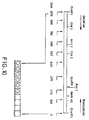
- mite allergen fragment examples thereof include fragments containing at least an amino acid sequence encoded in the region of about 170 bp to about 270 bp, about 270 bp to about 400 bp, or about 170 bp to 400 bp from the EcoR I site located in upstream on the restriction map shown in Figure 10.
- the recombinant mite allergen of the present invention may be obtained not only by expressing mite allergen protein alone but also by eliminating the other protein from a fused protein.
- the recombinant mite allergen of the present invention is an allergen active protein which substantially contains the above-mentioned amino acid sequence obtained by expression of a mite-body-derived gene.
- the recombinant mite allergen of the present invention is exemplified by the following ⁇ -galactosidase-fused recombinant mite allergen expressed in E. coli .
- the fused recombinant mite allergen expressed in E. coli is purified by gel filtration chromatography using Ultrogel AcA 44 (produced by LKB), anti- ⁇ -galactosidase antibody immobilized affinity chromatography and anti-mite-body antibody immobilized affinity chromatography, and possesses the following properties as a recombinant mite allergen.
- the mite-body-derived gene of the present invention is obtained by preparing the mRNA from live mite bodies and synthesizing the cDNA by a conventional method using said mRNA as a template. It codes for an allergen-active protein containing the amino acid sequence described above in the molecule. Examples of the DNA which codes for the partial amino acid sequence include the sequence shown below (SEQ ID NO:1).
- the DNA is also exemplified by the nucleotide sequence shown below (SEQ ID NO:2), which contains the nucleotide sequence shown above.
- This DNA sequence is not homologous to any of the DNA sequences reported for the allergens Der p I, Der p II and Der f II.
- the total nucleotide chain length of the cDNA is about 1.2 kbp [determined by agarose electrophoresis, the length is 1143 bp (about 1.1 kbp) when the linker is excluded, but the length of the translated base chain is 1026 bp (about 1 kbp), including the termination codon, since expression completes at the termination codon before the linker in actual expression], and it has the restriction enzyme map shown in Figure 4.
- the expression vector of the present invention is constructed so that the gene of the present invention described above could be expressed in a transformed bacterium, yeast or mammalian cell.
- the vector DNA used to construct the expression vector is not subject to limitation; any widely available vector DNA can be used, including pUC18, pTV118N (produced by Takara Shuzo), pUEX2 (produced by Amersham), pKK233-2 (produced by Pharmacia) and pMAM-neo (produced by Clontech).
- pAK1 an expression vector of the present invention, can be obtained by, for example, digesting the mite allergen cDNA inserted in ⁇ gt11 phage with Kpn I-Sac I and ligating to the plasmid vector pUC18 at the Kpn I-Sac I site.
- Another expression vector pAKE1 can be obtained by ligating the EcoR I digestion fragment of pAK1 to pUC18 at the EcoR I site in the same manner as above.
- a still another expression vector pAEX201 can be obtained by ligating the EcoR I digestion fragment of pAKE1 to pUEX2 (produced by Amersham) previously cleaved by EcoR I digestion.
- the bacterium, yeast or mammalian cell transformed with the expression vector of the present invention is not subject to limitation, as long as it is capable of expressing the gene of the invention.
- bacteria include E. coli and Bacillus subtilis .
- yeasts include Saccharomyces cereviceae .
- mammalian cells include Chinese hamster ovary (CHO) cells, simian COS cells and mouse fibroblasts.
- the method for production of recombinant mite allergen of the present invention comprises cultivating a bacterium, yeast or mammalian cell transformed with an expression vector which permits the expression of the gene of the present invention under conditions which permit the expression of said gene to produce recombinant mite allergen and then recovering said recombinant mite allergen.
- the method for production of recombinant mite allergen using an E. coli transformant carrying a fused protein expression plasmid inserting the mite allergen cDNA is exemplified as follows: First, an E. coli transformant carrying a ⁇ -galactosidase-fused protein expression plasmid inserting the mite allergen cDNA is subjected to shaking culture by a conventional method to the logarithmic phase, and fused protein synthesized after induction by shifting the temperature or adding a ⁇ -galactosidase inducer while maintaining the logarithmic growth phase.
- E. coli strains used as host cells include E. coli pop2136 (produced by Amersham), and the strain transformed with expression vector is named E. coli pop2136 OL-1 (FERM BP-3497).
- cells are harvested, suspended in a buffer containing serine, cysteine, aspartic acid and metallic protease inhibitors and disrupted by ultrasonication.
- the membrane-localized protein in the cell debris is extracted with a buffer containing both protease inhibitors such as phenylmethanesulfonyl fluoride, monoiodoacetic acid, pepstatin A and ethylenediaminetetraacetic acid and a detergent such as sodium lauryl sulfate (SDS), Triton X-100 or Nonidet P40.
- protease inhibitors such as phenylmethanesulfonyl fluoride, monoiodoacetic acid, pepstatin A and ethylenediaminetetraacetic acid
- a detergent such as sodium lauryl sulfate (SDS), Triton X-100 or Nonidet P40.
- the mite allergen- ⁇ -galactosidase fused protein obtained from the extract or culture concentrate is purified by, for example, gel filtration chromatography using Ultrogel AcA 44 (produced by LKB), anti- ⁇ -galactosidase antibody immobilized affinity chromatography and anti-mite-body antibody immobilized affinity chromatography.
- the anti- ⁇ -galactosidase antibody immobilized carrier is prepared by covalently binding an anti- ⁇ -galactosidase antibody (produced by 5Prime ⁇ 3Prime Inc.) to an activated tresyl carrier such as tresyl GM gel (produced by Kurita Water Industries Ltd.), tresyl Toyopearl (produced by Tosoh Corporation) or tresyl Sepharose (produced by Pharmacia).
- the anti-mite-body antibody immobilized carrier is prepared by covalently binding a rabbit anti-mite-body antibody to the above-mentioned activated carrier.
- the purified recombinant mite allergen fused protein is digested with protease and then fractionated by one or more of the known purification methods such as gel filtration chromatography, ultrafiltration, ion exchange chromatography, affinity chromatography, hydrophobic chromatography, chromatofocusing, isoelectric focusing and gel electrophoresis, while monitoring the course of fractionation by ELISA and a mite allergy patient leukocyte histamine release test [Arerugi, 37, 725 (1988)].
- the known purification methods such as gel filtration chromatography, ultrafiltration, ion exchange chromatography, affinity chromatography, hydrophobic chromatography, chromatofocusing, isoelectric focusing and gel electrophoresis
- the protein components originating from ⁇ -galactosidase are absorbed and removed through an anti- ⁇ -galactosidase antibody immobilized affinity column, after which the recombinant mite allergen fragment is purified using an anti-mite-body antibody immobilized affinity column.
- the above-mentioned methods can also be used singly or in combination to purify the mite allergen fragment from the digested product of the fused protein purified by the method described above with a protease such as pronase, subtilisin, thermolisine or trypsin, or from the decomposition product obtained by treatment with a chemical such as cyanogen bromide, 2-nitro-5-thiocyanobenzoic acid or hydroxylamine.
- a protease such as pronase, subtilisin, thermolisine or trypsin
- the production method for recombinant mite allergen of the present invention includes not only direct expression of mite allergen protein but also the method in which a fused protein expressed as a fused recombinant mite allergen resulting from fusion of mite allergen with another protein via an intervening sequence is recovered and subsequently the fused other protein is eliminated.
- Examples of the other protein to be fused include ⁇ -galactosidase, glutathione-S-transferase, protein A and other proteins which are generally known to form a fused protein.
- Elimination of the other protein can also be achieved by a known method.
- the other protein is ⁇ -galactosidase and a part of collagen or fibrinogen protein is present between the other protein and the mite allergen protein
- the mite allergen protein is purified by one or more of the methods described above using collagenase or thrombin.
- the mite allergen fragment of the present invention can easily be obtained as a recombinant mite allergen by constructing an expression vector from the DNA which codes for the amino acid sequence of said fragment by a conventional method and expressing the DNA in an appropriate host.
- said mite allergen fragment can be used as a synthetic mite allergen, synthesized by the conventional solid phase synthesis method, singly or in conjugation with an appropriate carrier such as human serum albumin or sea squirt antigen, which has been confirmed as safe in intracutaneous administration.
- an appropriate carrier such as human serum albumin or sea squirt antigen
- polypeptide of the present invention which has an epitope contained in the mite allergen derived from mite body, or the polypeptide having an epitope which can be regarded as immunologically identical to said epitope, include the polypeptides having the amino acid sequence shown below (SEQ ID NO:3), or the amino acid sequence shown below (SEQ ID NO:4).
- Examples of the gene which codes for these polypeptides include those containing the DNA sequence shown below (SEQ ID NO:3), or the DNA sequence shown below (SEQ ID NO:4).
- polypeptide of the present invention which has an epitope contained in the mite allergen derived from mite body, or the polypeptide having an epitope which can be regarded as immunologically identical to said epitope, is exemplified above. Although both of them can be used as an active ingredient of a pharmaceutical composition for mite allergic diseases or diagnostic reagent for mite allergic diseases, the polypeptide of SEQ ID NO:4 is preferably used since it is more highly antigenic.
- the pharmaceutical composition for the treatment of mite allergic diseases of the present invention contains as an active ingredient the purified recombinant mite allergen, mite allergen fragment or epitope-containing polypeptide described above, and is used to treat various mite allergic diseases.
- mite allergic diseases include all allergic diseases caused by the specific antigen of mites, such as atopic bronchial asthma, allergic rhinitis, allergic conjunctivitis and allergic dermatitis.
- the pharmaceutical composition for the treatment of mite allergic diseases of the present invention is not subject to limitation with respect to the method of its preparation.
- the recombinant mite allergen purified by the method described above or the mite allergen fragment or epitope-containing polypeptide purified in accordance with the methods described above is dried and collected in a powder form and used as a hyposensitization therapeutic agent for mite allergic diseases.
- the pharmaceutical composition for mite allergic diseases of the present invention may be used as such or in the form of a formula preparation prepared by adding as necessary a commonly used adjuvant or various additives such as a stabilizer, excipient, dissolution aid, emulsifier, buffer, soothing agent, preservative and colorant by a conventional method.
- recombinant mite allergen purified in a powder form is dissolved in a phenol-containing saline, and this solution is used as a stock solution of an antigen for hyposensitization therapy.
- the pharmaceutical composition of the present invention thus obtained comprises as the active ingredient a pharmaceutically effective amount of the recombinant mite allergen and at least one pharmaceutically acceptable carrier or diluent.
- the pharmaceutical composition for mite allergic diseases of the present invention can be administered by ordinary routes such as peroral, intracutaneous, subcutaneous, intramuscular and intraperitoneal injection. Moreover, it can be used as percutaneous or permucosal drugs such as troches, sublingual tablets, eye drops, intranasal spray, poultices, creams and lotions.
- the dosage and administration frequency of the pharmaceutical composition for mite allergic diseases of the present invention are appropriately selected according to the route of administration, symptoms and other conditions so that the dosage does not exceed about 20 ⁇ g per administration for an adult, with an administration frequency of about one time weekly.
- the pharmaceutical composition for mite allergic diseases of the present invention is useful not only as a therapeutic agent but also as a preventive agent for mite allergic diseases. Since the pharmaceutical composition for mite allergic diseases of the present invention is free from anaphylaxis inductive action, it can be safely used for humans.
- the diagnostic reagent for mite allergic diseases of the present invention is used as a skin reaction diagnostic reagent for mite allergic diseases and as a titrating reagent for the diagnosis of mite allergy.
- the diagnostic reagent for mite allergic diseases of the present invention is prepared by a conventional method from the recombinant mite allergen purified by the methods described above or the mite allergen fragment or epitope-containing polypeptide purified in accordance with the methods described above.
- the recombinant mite allergen is dried to a powder form, which is dissolved in a phenol-containing saline and used in dilution.
- the use as a skin reaction diagnostic reagent is in accordance with a conventional method.
- the diagnostic reagent for mite allergy diseases is prepared by a conventional method.
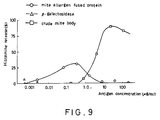
- the recombinant mite allergen is appropriately dissolved in Hanks' solution and used after dilution as a reagent for histamine release titration. This method is carried out normally by the following procedure.
- Blood of a mite allergy patient and a blood cell fraction obtained from this blood by centrifugation are suspended in a buffer to yield a blood cell suspension.
- a given amount of this suspension is titrated using the recombinant mite allergen, a titrating reagent, and the amount of histamine released from basophiles (a kind of leukocyte) in response to allergen stimulation is determined by HPLC [Arerugi, 37, 725 (1988)].
- the amount of histamine released is calculated from the 50% level (inflexion point of the titration curve) of the maximum release.
- This titration has two features. (1) The patient's allergen sensitivity is measured directly from the titer of the blood cell suspension. (2) After pre-reacting blood plasma and recombinant mite allergen, the value obtained by titrating the blood cell suspension with the reaction solution (blood titration curve value) is usually higher than the value obtained by titrating the blood cell suspension with the recombinant mite allergen (blood cell suspension titration curve value). This is because the blood plasma contains an IgG antibody (blocking antibody) capable of allergen neutralization.
- IgG antibody blocking antibody
- the blocking antibody titer can be obtained from the degree of shift of the blood titration curve from the blood cell suspension titration curve.
- the allergen sensitivity and this blocking antibody titer accurate diagnosis of mite allergy is feasible.
- This histamine release titration test is useful to monitor the effect of hyposensitization therapy.
- the Examples illustrate the invention.
- the supernatant was layered on a solution of caesium trifluoroacetate (produced by Katayama Kagaku) in a ratio of 16 ml of the former to 17 ml of the latter and subjected to density gradient centrifugation at 85000 x g for 24°C (15°C, HITACHI SCP55H swing PRS-27-2), and the total RNA fraction forming a pellet on the tube bottom was recovered.
- caesium trifluoroacetate produced by Katayama Kagaku
- RNA fraction was dissolved in a solution of 4.0 M guanidine isocyanate and precipitated with ethanol to yield 1 ml of a solution of TE (10 mM Tris-HCl, pH 7.5, 1 mM EDTA).
- the TE solution of this total mite RNA was heated at 65°C for 10 minutes and rapidly cooled, after which an equal amount of 1 M NaCl was added thereto, and the mixture was applied to an oligo (dT) cellulose column (column volume 0.5 ml, produced by Boehringer Mannheim) pre-equilibrated with a solution of STE (10 mM Tris-HCl, pH 7.5, 1 mM EDTA, 0.5 M NaCl). After the effluent was recycled to the column, the column was washed with a 2.5-fold volume of STE solution. After column washing, poly(A) mRNA was eluted with TE solution.
- RNA was recovered by ethanol precipitation from the pooled fraction to yield a poly(A) mRNA fraction.
- the yield was determined to be about 20 ⁇ g in a spot test together with known concentrations of serial dilutions of the RNA solution.
- a cDNA having a 13mer linker at both ends and containing an EcoR I site was synthesized using a cDNA synthesis kit (produced by Pharmacia) in accordance with the instruction manual.
- a one-fifth amount of the cDNA was mixed with 1 ⁇ g of EcoR I-digested ⁇ gt11 (produced by Stratagene Cloning System). After concentration with ethanol, this mixture was reacted with 200 units of T4 DNA ligase at 12°C for 15 hours, whereby the cDNA was inserted into ⁇ gt11 at the EcoR I site. From this reaction mixture, a cDNA library was prepared using an in vitro packaging kit (Giga pack PLUS, produced by Stratagene Cloning System) in accordance with the instruction manual. After two cycles of this library preparation procedure, a total of 41000 pfu (plaque forming unit) of cDNA was prepared from 2 ⁇ g of poly(A) mRNA.
- EcoR I-digested ⁇ gt11 produced by Stratagene Cloning System
- the cDNA-inserted ⁇ gt11 phage was suspended in a solution of SM (1 M Tris-HCl, pH 7.5, 0.1 M NaCl, 10 mM MgSO4, 2% gelatin). This suspension, together with overnight-incubated E. coli Y1090 (produced by Stratagene Cloning System), was subjected to shaking culture at 37°C for 30 minutes to infect the host with the phage. The resulting culture was spread over plates of LB agar medium [1% Bacto tryptone, 0.5% Bacto yeast extract, 1.5% Bacto agar (all produced by Difco Laboratories), 0.5% NaCl] so that about 2000 plaques per plate were formed.
- SM Tris-HCl, pH 7.5, 0.1 M NaCl, 10 mM MgSO4, 2% gelatin.
- E. coli Y1090 produced by Stratagene Cloning System
- the nitrocellulose membrane was reacted with a rabbit anti-mite-body antigen serum (100-fold dilution in TBS) for 1 hour and then with a peroxidase-coupled goat anti-rabbit IgG antibody (produced by Cappel, 2000-fold dilution in TBS) for 1 hour, and spots were visualized in a TBS solution containing 0.4 mg/ml diaminobenzidine tetrahydrochloride in the presence of 0.01% hydrogen peroxide.
- the rabbit anti-mite-body antigen serum was obtained by suspending mite bodies from a whole mite culture with saturated saline and PBS, washing the mite bodies with PBS, grinding them and using the ground product as an immunogen for booster immunization of rabbits once weekly for 10 weeks.
- the plaque which corresponded to the position of the brown spot was picked up, suspended in SM and stored as a positive clone.
- the positive clone obtained by immunological screening in Example 5 together with 50 ⁇ g of an overnight culture broth of E. coli Y1090, was subjected to shaking culture in 3 ml of an LB liquid medium containing 100 ⁇ g of 100 mM IPTG at 37°C for 8 hours, and the resulting culture supernatant was dialyzed against distilled water and lyophilized to yield a sample for Western blot.
- SDS-PAGE was carried out in accordance with the method of Laemmli et al. [Nature, 227, 680-685 (1970)].
- a 2 mg sample was electrophoresed under conditions of a polyacrylamide gel concentration of 5% and a constant electric current of 15 mA. Then, the sample was transferred from the acrylamide gel to Immobilon membrane (pore size 0.45 ⁇ m, produced by MILLIPORE) by electrophoresis in an SDS-running buffer (192 mM glycine-25 mM Tris, pH 8.3, 0.1% SDS, 20% methanol) at 8 to 10 V/cm for 2 hours.
- SDS-running buffer 192 mM glycine-25 mM Tris, pH 8.3, 0.1% SDS, 20% methanol
- This Immobilon membrane was subjected to protein staining with Auro Dye (produced by JANSSEN Life Sciences Products) and immunological staining with a pool serum of a mite allergy patient, rabbit anti-mite-body antigen serum and rabbit anti- ⁇ -galactosidase antibody (produced by 5Prime ⁇ 3Prime Inc.), and the mite allergen fused protein was detected (Figure 1).
- Auro Dye produced by JANSSEN Life Sciences Products
- rabbit anti-mite-body antigen serum and rabbit anti- ⁇ -galactosidase antibody produced by 5Prime ⁇ 3Prime Inc.
- the DNA was digested with EcoR I. This digestion product was subjected to agarose gel electrophoresis, and the cDNA chain length was determined to be about 1.2 kbp (including the linker) (indicted by arrow in Figure 2).
- the ⁇ gt11 phage DNA containing this cDNA was digested with Kpn I-Sac I.
- the obtained fragment (about 3.3 kbp) was ligated to the plasmid vector pUC18 (produced by Takara Shuzo) at the Kpn I-Sac I site and E. coli JM109 (produced by Takara Shuzo) transformed therewith in accordance with the method of Hanahan [DNA Cloning, vol. 1, Glover, D. M. ed., pp. 109-136, IRL Press (1985)] ( Figure 3).
- pAK 1 The obtained recombinant plasmid was named pAK 1, which was used to draw a restriction enzyme map (1144 bp, not including the linker) ( Figure 4).
- the obtained recombinant plasmid was named pAKE 1, which was used to draw a restriction enzyme map (940 bp, not including the linker) ( Figure 4).
- a single-stranded DNA was prepared by a conventional method from the culture supernatants of transformants of the phage vectors M13mp18 and mp19 (produced by Takara Shuzo) containing various fragments obtained by digesting the recombinant plasmids pAK 1 and pAKE 1 with restriction enzymes such as EcoR I and BamH I, and its partial nucleotide sequence was determined by the dideoxy nucleotide chain termination method using Sequenase Version 2.0 (produced by Toyobo Ltd.) (SEQ ID NO:1).
- nucleotide sequence of about 1.1 kbp (not including the linker) containing the above-mentioned nucleotide sequence was determined (SEQ ID NO:2).
- the EcoR I digestion fragment (940 bp) of the recombinant plasmid pAKE 1 was subjected to agarose gel electrophoresis and extracted using the Geneclean II kit (produced by BIO 101). This extract was ligated to the vector pUEX 2 (produced by Amersham), previously cleaved by EcoR I digestion, so that the frame fit to the direction of translation ( Figure 6).
- the recombinant plasmid obtained in Example 9 was named pAEX201, and E. coli pop2136 (produced by Amersham) was transformed therewith.
- This transformant was subjected to shaking culture in 500 ml of an SBA liquid medium (2.4% Bacto yeast extract, 1.2% Bacto polypeptone, 0.5% glycerol, 0.1 M potassium phosphate, pH 7.5, 50 mg/ml ampicillin) at 28°C until the OD value at 600 nm became 0.6.
- SBA liquid medium (2.4% Bacto yeast extract, 1.2% Bacto polypeptone, 0.5% glycerol, 0.1 M potassium phosphate, pH 7.5, 50 mg/ml ampicillin
- Cells were harvested, washed with sterile water and were suspended in 10 ml of a solution containing protease inhibitors [0.1 M Tris-HCl, pH 7.5, 1 mM EDTA, 0.1 mM phenylmethanesulfonyl fluoride, 1 mM iodoacetic acid, 5 mM 1,2-epoxy-3-(p-nitrophenoxy)-propane].
- protease inhibitors 0.1 M Tris-HCl, pH 7.5, 1 mM EDTA, 0.1 mM phenylmethanesulfonyl fluoride, 1 mM iodoacetic acid, 5 mM 1,2-epoxy-3-(p-nitrophenoxy)-propane.
- This suspension was subjected to 10 cycles of 10-20 kHz ultrasonication for 1 minute to disrupt the cells. After centrifugation, the pellet was suspended in 10 ml of a 0.02% SDS solution. After
- the yield of the lyophilization product of the extract was 122 mg from 500 ml of the culture broth. Five mg of the lyophilization product was dissolved in 500 ⁇ l of water, and this solution was applied to a couple of columns of Ultrogel AcA 44 (produced by LKB, 1.4 x 50 cm) + AG 11A8 (produced by Bio-Rad, 1.4 x 14 cm) and developed using deionized water as a developing solvent at a flow rate of 10 ml/hr, and the fraction eluted in void volume was collected (Figure 8). The yield of the lyophilization product of this fraction was 0.6 mg.
- the lyophilization product was then passed through an anti- ⁇ -galactosidase antibody immobilized affinity column and then purified using an anti-mite-body antibody immobilized affinity column.
- the anti- ⁇ -galactosidase antibody immobilized affinity column was prepared by immobilizing an anti- ⁇ -galactosidase antibody (produced by 5Prime ⁇ 3Prime Inc.) to tresyl GM gel (produced by Kurita Water Industries Ltd.).
- the anti-mite-body antibody immobilized affinity column was prepared by fractionating the rabbit anti-mite-body antigen serum described in Example 5 with ammonium sulfate, then purifying the ammonium sulfate fraction using a column of protein A and immobilizing it onto tresyl GM gel.
- a solution of the purified antigen (1 mg/ml) was diluted to an appropriate volume.
- 200 ⁇ l of a suspension of blood cells from a mite asthma patient washed with Hanks' solution, was added, and reaction was carried out at 37°C for 30 minutes. After centrifugation at 1400 rpm for 10 minutes, 200 ⁇ l of the supernatant was taken.
- 10 ⁇ l of 60% perchloric acid was added, and this mixture was vigorously stirred and centrifuged at 10000 rpm for 10 minutes to remove the protein.
- 150 ⁇ l of this supernatant was subjected to HPLC to determine the amount of histamine in 100 ⁇ l of the supernatant. The total amount of histamine was determined in the same manner as above except that blood cell removal by centrifugation was not conducted.
- the antibody avidity required at least a region about 170 bp to about 270 bp, about 270 bp to about 400 bp, or about 170 bp to about 400 bp from the upstream; the recombinant mite allergen fragment containing the amino acid sequence of this region could be used as an active ingredient of therapeutic agents and diagnostic reagents for mite allergic diseases.
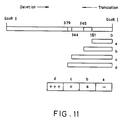
- Example 13 epitope regions in the 170-400 bp region were identified as shown in Figure 11 by adjusting the reaction time of Exonuclease II (produced by Takara Shuzo, Deletion kit for Kilo-Sequence) in the same manner as in Example 13. It was found that two regions of 181-246 bp and 343-378 bp were essential as epitope parts.
- the nucleotide sequence to the enzyme cleavage point was determined using TAQuence (produced by Toyobo Ltd.).
- Polypeptides containing the amino acid sequences (SEQ ID NO:3 and SEQ ID NO:4) deduced from these nucleotide sequences can easily be synthesized by a conventional method using, for example, a peptide synthesizer produced by Applied Biosystems.
- the purified allergen active component is dried, collected in a powder form and used as a hyposensitization therapeutic agent for mite allergy patients.
- the allergen active component is dissolved in a 0.9% saline containing 0.5% phenol to a final concentration of 1 mg/ml to yield a stock solution of an antigen for hyposensitization therapy.
- the purified allergen active component is dried, collected in a powder form and used as a skin reaction diagnostic reagent for mite allergic diseases and as a titrating reagent for the diagnosis of mite allergy.
- the skin reaction diagnostic reagent is prepared by 200,000-fold diluting the allergen active component in a 0.9% physiological saline containing 0.5% phenol.
- the titrating reagent for the diagnosis of mite allergy was prepared by dissolving the allergen active component in Hanks' buffer solution at a concentration of 1 mg/ml to yield a stock solution of a reagent for histamine release titration and diluting the stock solution.
Landscapes
- Health & Medical Sciences (AREA)
- Life Sciences & Earth Sciences (AREA)
- Chemical & Material Sciences (AREA)
- Organic Chemistry (AREA)
- Genetics & Genomics (AREA)
- General Health & Medical Sciences (AREA)
- Engineering & Computer Science (AREA)
- Medicinal Chemistry (AREA)
- Molecular Biology (AREA)
- Zoology (AREA)
- Insects & Arthropods (AREA)
- Bioinformatics & Cheminformatics (AREA)
- Biophysics (AREA)
- Biochemistry (AREA)
- Gastroenterology & Hepatology (AREA)
- Pharmacology & Pharmacy (AREA)
- Biomedical Technology (AREA)
- Animal Behavior & Ethology (AREA)
- Proteomics, Peptides & Aminoacids (AREA)
- Public Health (AREA)
- Veterinary Medicine (AREA)
- Tropical Medicine & Parasitology (AREA)
- Biotechnology (AREA)
- Toxicology (AREA)
- Nuclear Medicine, Radiotherapy & Molecular Imaging (AREA)
- Pulmonology (AREA)
- Chemical Kinetics & Catalysis (AREA)
- Microbiology (AREA)
- Wood Science & Technology (AREA)
- General Engineering & Computer Science (AREA)
- General Chemical & Material Sciences (AREA)
- Immunology (AREA)
- Physics & Mathematics (AREA)
- Epidemiology (AREA)
- Plant Pathology (AREA)
- Mycology (AREA)
- Preparation Of Compounds By Using Micro-Organisms (AREA)
- Medicines Containing Antibodies Or Antigens For Use As Internal Diagnostic Agents (AREA)
- Peptides Or Proteins (AREA)
- Micro-Organisms Or Cultivation Processes Thereof (AREA)
Applications Claiming Priority (6)
| Application Number | Priority Date | Filing Date | Title |
|---|---|---|---|
| JP225886/90 | 1990-08-27 | ||
| JP22588690 | 1990-08-27 | ||
| JP32738290 | 1990-11-27 | ||
| JP327382/90 | 1990-11-27 | ||
| JP03104949A JP3139777B2 (ja) | 1990-08-27 | 1991-03-09 | 組換えダニアレルゲン |
| JP104949/91 | 1991-03-09 |
Publications (3)
| Publication Number | Publication Date |
|---|---|
| EP0473111A2 true EP0473111A2 (de) | 1992-03-04 |
| EP0473111A3 EP0473111A3 (en) | 1992-09-02 |
| EP0473111B1 EP0473111B1 (de) | 1996-11-06 |
Family
ID=27310353
Family Applications (1)
| Application Number | Title | Priority Date | Filing Date |
|---|---|---|---|
| EP91114354A Expired - Lifetime EP0473111B1 (de) | 1990-08-27 | 1991-08-27 | Rekombinantes Milben-Allergen |
Country Status (7)
| Country | Link |
|---|---|
| US (2) | US5314991A (de) |
| EP (1) | EP0473111B1 (de) |
| JP (1) | JP3139777B2 (de) |
| KR (1) | KR0148020B1 (de) |
| AU (1) | AU649704B2 (de) |
| CA (1) | CA2050058C (de) |
| DE (1) | DE69123012T2 (de) |
Cited By (10)
| Publication number | Priority date | Publication date | Assignee | Title |
|---|---|---|---|---|
| EP0503505A1 (de) * | 1991-03-09 | 1992-09-16 | Fumakilla Limited | Gereinigtes Milben-Allergen |
| EP0548200A4 (de) * | 1990-09-11 | 1994-04-06 | The Western Australian Research Institute For Child Health Ltd. | |
| WO1997042318A1 (en) * | 1996-05-02 | 1997-11-13 | The Minister Of Agriculture Fisheries And Food | Vaccines |
| WO1999054349A3 (en) * | 1998-04-17 | 2000-02-03 | Heska Corp | Dermatophagoides nucleic acid molecules, proteins and uses thereof |
| US6077517A (en) * | 1993-03-12 | 2000-06-20 | Immulogic Pharmaceuticals, Inc. | House dust mite allergen, Der p VII, and uses thereof |
| WO2000050450A1 (en) * | 1999-02-25 | 2000-08-31 | Statens Veterinärmedicinska Anstalt | Mite protein |
| WO2002076477A1 (en) * | 2001-03-27 | 2002-10-03 | Bioalletech Co., Ltd. | Skin-test reagents and serum specific ige, igg subtypes detection kits, comprising crude extracts of spider mites such as citrus red mite, two-spotted spider mite and european red mite |
| US7128921B1 (en) | 1998-04-17 | 2006-10-31 | Heska Corporation | Dermatophagoides proteins and fragments thereof |
| EP1743941A4 (de) * | 2004-04-09 | 2008-02-13 | Nippon Zenyaku Kogyo Kk | Neues milbenallergen |
| US11759498B2 (en) | 2017-09-22 | 2023-09-19 | Industry-Academic Cooperation Foundation, Yonsei University | Composition for diagnosing allergies to mites, method of diagnosing allergies to mites, and composition for preventing or treating allergies to mites |
Families Citing this family (23)
| Publication number | Priority date | Publication date | Assignee | Title |
|---|---|---|---|---|
| US5433948A (en) * | 1990-02-13 | 1995-07-18 | Thomas; Wayne R. | Cloning and sequencing of allergens of dermatophagoides (house dust mite) |
| JP2596466B2 (ja) * | 1990-03-03 | 1997-04-02 | アサヒビール株式会社 | ダニの主要アレルゲンの還伝情報を有するdnaおよび該アレルゲンの製造方法 |
| US7288256B1 (en) * | 1991-10-16 | 2007-10-30 | Merck Patent Gmbh | T cell epitopes of the major allergens from dermatophagoides (house dust mite) |
| AU7195194A (en) * | 1993-07-16 | 1995-02-13 | Meiji Milk Products Co., Ltd. | Antiallergic agent |
| US6180771B1 (en) | 1993-12-08 | 2001-01-30 | Immulogic Pharmaceutical Corp. | Nucleic acids encoding a house dust mite allergen, Der p III, and uses therefor |
| JP3520089B2 (ja) * | 1993-12-22 | 2004-04-19 | アサヒビール株式会社 | 新規な組換えDerlアレルゲン物質、そのプロ体及びこれらの産生方法 |
| US20030202980A1 (en) * | 1995-12-29 | 2003-10-30 | Caplan Michael J. | Methods and reagents for decreasing clinical reaction to allergy |
| US5795909A (en) * | 1996-05-22 | 1998-08-18 | Neuromedica, Inc. | DHA-pharmaceutical agent conjugates of taxanes |
| US6576636B2 (en) * | 1996-05-22 | 2003-06-10 | Protarga, Inc. | Method of treating a liver disorder with fatty acid-antiviral agent conjugates |
| AU743647B2 (en) * | 1998-01-31 | 2002-01-31 | Mt. Sinai School Of Medicine Of New York University | Methods and reagents for decreasing allergic reactions |
| US7879977B2 (en) | 1998-01-31 | 2011-02-01 | University Of Arkansas | Methods and reagents for decreasing clinical reaction to allergy |
| RU2149645C1 (ru) * | 1998-02-04 | 2000-05-27 | Матвеева Людмила Александровна | Способ лечения поллиноза у детей |
| US6225444B1 (en) * | 1998-02-10 | 2001-05-01 | Protarga, Inc. | Neuroprotective peptides and uses thereof |
| US7235583B1 (en) * | 1999-03-09 | 2007-06-26 | Luitpold Pharmaceuticals, Inc., | Fatty acid-anticancer conjugates and uses thereof |
| AU1951001A (en) * | 2000-04-06 | 2001-09-17 | Panacea Pharm Llc | Microbial delivery system |
| US8246945B2 (en) * | 2000-04-06 | 2012-08-21 | University Of Arkansas | Methods and reagents for decreasing clinical reaction to allergy |
| US20050063994A1 (en) * | 2000-04-06 | 2005-03-24 | Caplan Michael J. | Methods and reagents for decreasing clinical reaction to allergy |
| ES2387562T3 (es) * | 2001-03-23 | 2012-09-26 | Luitpold Pharmaceuticals, Inc. | Conjugados alcohol graso-medicamento |
| EP1427407A4 (de) | 2001-03-23 | 2005-05-11 | Luitpold Pharm Inc | Fettamin-arzneimittel-konjugate |
| DE10121463A1 (de) * | 2001-05-02 | 2003-02-27 | Henkel Kgaa | Neue Alkalische Protease-Varianten und Wasch- und Reinigungsmittel enthaltend diese neuen Alkalischen Protease-Varianten |
| JP3977162B2 (ja) * | 2002-06-21 | 2007-09-19 | 株式会社バンダイナムコゲームス | キャラクタ情報管理装置、プログラム及び情報記憶媒体 |
| US20060251667A1 (en) * | 2002-08-29 | 2006-11-09 | Chua Kaw Y | Recombinant nucleic acid useful for inducing protective immune response against allergens |
| WO2004078965A1 (ja) * | 2003-03-05 | 2004-09-16 | Juridical Foundation The Chemo-Sero-Therapeutic Research Institute | 大腸菌における異種蛋白質の製造方法 |
Family Cites Families (1)
| Publication number | Priority date | Publication date | Assignee | Title |
|---|---|---|---|---|
| JP2993967B2 (ja) * | 1987-06-17 | 1999-12-27 | インスティテュート・フォー・チャイルド・ヘルス・リサーチ | ダニアレルゲンのクローニング |
-
1991
- 1991-03-09 JP JP03104949A patent/JP3139777B2/ja not_active Expired - Lifetime
- 1991-08-22 US US07/748,783 patent/US5314991A/en not_active Expired - Lifetime
- 1991-08-26 AU AU82710/91A patent/AU649704B2/en not_active Expired
- 1991-08-26 KR KR1019910014784A patent/KR0148020B1/ko not_active Expired - Lifetime
- 1991-08-27 EP EP91114354A patent/EP0473111B1/de not_active Expired - Lifetime
- 1991-08-27 DE DE69123012T patent/DE69123012T2/de not_active Expired - Lifetime
- 1991-08-27 CA CA002050058A patent/CA2050058C/en not_active Expired - Lifetime
-
1993
- 1993-12-15 US US08/166,818 patent/US5405758A/en not_active Expired - Lifetime
Cited By (21)
| Publication number | Priority date | Publication date | Assignee | Title |
|---|---|---|---|---|
| EP0548200A4 (de) * | 1990-09-11 | 1994-04-06 | The Western Australian Research Institute For Child Health Ltd. | |
| US5747047A (en) * | 1991-03-09 | 1998-05-05 | Fumakilla Ltd. | Purified mite allergen |
| EP0503505A1 (de) * | 1991-03-09 | 1992-09-16 | Fumakilla Limited | Gereinigtes Milben-Allergen |
| US6849427B1 (en) | 1993-03-12 | 2005-02-01 | Immulogic Pharmaceutical Corp. | Nucleic acids encoding a house dust mite allergen, Der p VII, and uses therefor |
| US6077517A (en) * | 1993-03-12 | 2000-06-20 | Immulogic Pharmaceuticals, Inc. | House dust mite allergen, Der p VII, and uses thereof |
| US6905845B2 (en) | 1993-03-12 | 2005-06-14 | Heska Corporation | House dust mite allergen, Der f VII, and uses therefor |
| US6413738B1 (en) | 1993-03-12 | 2002-07-02 | Immulogic Pharmaceutical Corporation | House dust mite allergen, Der f VII, and uses therefor |
| WO1997042318A1 (en) * | 1996-05-02 | 1997-11-13 | The Minister Of Agriculture Fisheries And Food | Vaccines |
| US7256263B2 (en) | 1998-04-17 | 2007-08-14 | Heska Corporation | Dermatophagoides proteins and uses thereof |
| US6455686B1 (en) | 1998-04-17 | 2002-09-24 | Heska Corporation | Dermatophagoides nucleic acid molecules, proteins and uses thereof |
| US7128921B1 (en) | 1998-04-17 | 2006-10-31 | Heska Corporation | Dermatophagoides proteins and fragments thereof |
| WO1999054349A3 (en) * | 1998-04-17 | 2000-02-03 | Heska Corp | Dermatophagoides nucleic acid molecules, proteins and uses thereof |
| US7589187B2 (en) | 1998-04-17 | 2009-09-15 | Heska Corporation | Dermatophagoides nucleic acid molecules |
| AU772426B2 (en) * | 1999-02-25 | 2004-04-29 | Statens Veterinarmedicinska Anstalt | Mite protein |
| WO2000050450A1 (en) * | 1999-02-25 | 2000-08-31 | Statens Veterinärmedicinska Anstalt | Mite protein |
| US7105163B1 (en) | 1999-02-25 | 2006-09-12 | Statens Veterinarmedicinska Anstalt | Mite protein |
| WO2002076477A1 (en) * | 2001-03-27 | 2002-10-03 | Bioalletech Co., Ltd. | Skin-test reagents and serum specific ige, igg subtypes detection kits, comprising crude extracts of spider mites such as citrus red mite, two-spotted spider mite and european red mite |
| EP1743941A4 (de) * | 2004-04-09 | 2008-02-13 | Nippon Zenyaku Kogyo Kk | Neues milbenallergen |
| US8075898B2 (en) | 2004-04-09 | 2011-12-13 | Nippon Zenyaku Kogyo Co., Ltd. | Mite allergen |
| US8647630B2 (en) | 2004-04-09 | 2014-02-11 | Nippon Zenyaku Kogyo Co., Ltd. | Mite allergen |
| US11759498B2 (en) | 2017-09-22 | 2023-09-19 | Industry-Academic Cooperation Foundation, Yonsei University | Composition for diagnosing allergies to mites, method of diagnosing allergies to mites, and composition for preventing or treating allergies to mites |
Also Published As
| Publication number | Publication date |
|---|---|
| CA2050058A1 (en) | 1992-02-28 |
| EP0473111B1 (de) | 1996-11-06 |
| EP0473111A3 (en) | 1992-09-02 |
| JP3139777B2 (ja) | 2001-03-05 |
| CA2050058C (en) | 2001-06-12 |
| US5405758A (en) | 1995-04-11 |
| DE69123012D1 (de) | 1996-12-12 |
| JPH04288100A (ja) | 1992-10-13 |
| AU8271091A (en) | 1992-03-05 |
| KR0148020B1 (ko) | 1998-08-01 |
| KR920004572A (ko) | 1992-03-27 |
| AU649704B2 (en) | 1994-06-02 |
| US5314991A (en) | 1994-05-24 |
| DE69123012T2 (de) | 1997-03-13 |
Similar Documents
| Publication | Publication Date | Title |
|---|---|---|
| EP0473111B1 (de) | Rekombinantes Milben-Allergen | |
| Hedstrom et al. | Schistosome heat-shock proteins are immunologically distinct host-like antigens | |
| EP0322533B1 (de) | Bordetella pertussis-Toxin mit veränderter Toxizität | |
| US5958415A (en) | Protein allergen of Derf II and composition | |
| DE4400659A1 (de) | Verfahren zur Gewinnung nativer Domänen viraler Membranproteine, deren Verwendung, insbesondere als Impfstoff gegen HIV, sowie diese nativen Domänen viraler Membranproteine selbst | |
| US5889172A (en) | DNA sequences for immunologically active peptides of pertussis toxin | |
| Lee et al. | Cloning of the gene for phosphoglycerate kinase from Schistosoma mansoni and characterization of its gene product | |
| Ong et al. | Mapping of the antigenic and allergenic epitopes of Lol p VB using gene fragmentation | |
| JPH0698005B2 (ja) | マラリアワクチン用ポリペプチドのイー・コリにおけるクローニングおよび発現 | |
| US5859213A (en) | Aqueous β2'-glycoprotein I composition | |
| Ito et al. | Vaccination against Taenia taeniaeformis infection in rats using a recombinant protein and preliminary analysis of the induced antibody response | |
| US5925546A (en) | Immunologically active polypeptides with altered toxicity useful for the preparation of an antipertussis vaccine | |
| Aki et al. | Structure of IgE epitopes on a new 39-kD allergen molecule from the house dust mite, Dermatophagoides farinae | |
| CN103874509B (zh) | 来自苹果的主要变应原Mal d 1的低变应原性变体 | |
| KR0152637B1 (ko) | 재조합 진드기 알레르겐 | |
| JP3588615B2 (ja) | 組換えダニアレルゲン | |
| JP2011236217A (ja) | 牧草花粉Phlp6アレルゲンの非アナフィラキシー形態及びそれらの使用 | |
| EP0503505B1 (de) | Gereinigtes Milben-Allergen | |
| JP3325332B2 (ja) | 組換えダニアレルゲン | |
| FI121670B (fi) | Dermatophagoidesista (huonepölypunkeista) peräisin olevien pääasiallisten allergeenien T-soluepitoopit | |
| JP3533240B2 (ja) | 組換えダニアレルゲン | |
| JPH01503514A (ja) | 免疫原性ポリペプチドとその精製法 | |
| WO2002022679A2 (en) | Variants of phleum pratense allergenic proteins | |
| JPH1075783A (ja) | 組換えダニアレルゲン | |
| US7482010B2 (en) | Non-anaphylactic forms of grass pollen Phl p 6 allergen and their use |
Legal Events
| Date | Code | Title | Description |
|---|---|---|---|
| PUAI | Public reference made under article 153(3) epc to a published international application that has entered the european phase |
Free format text: ORIGINAL CODE: 0009012 |
|
| AK | Designated contracting states |
Kind code of ref document: A2 Designated state(s): CH DE FR GB IT LI |
|
| PUAL | Search report despatched |
Free format text: ORIGINAL CODE: 0009013 |
|
| AK | Designated contracting states |
Kind code of ref document: A3 Designated state(s): CH DE FR GB IT LI |
|
| 17P | Request for examination filed |
Effective date: 19921106 |
|
| 17Q | First examination report despatched |
Effective date: 19941020 |
|
| GRAH | Despatch of communication of intention to grant a patent |
Free format text: ORIGINAL CODE: EPIDOS IGRA |
|
| GRAH | Despatch of communication of intention to grant a patent |
Free format text: ORIGINAL CODE: EPIDOS IGRA |
|
| GRAA | (expected) grant |
Free format text: ORIGINAL CODE: 0009210 |
|
| ITF | It: translation for a ep patent filed | ||
| AK | Designated contracting states |
Kind code of ref document: B1 Designated state(s): CH DE FR GB IT LI |
|
| REG | Reference to a national code |
Ref country code: CH Ref legal event code: NV Representative=s name: E. BLUM & CO. PATENTANWAELTE |
|
| REF | Corresponds to: |
Ref document number: 69123012 Country of ref document: DE Date of ref document: 19961212 |
|
| ET | Fr: translation filed | ||
| PLBE | No opposition filed within time limit |
Free format text: ORIGINAL CODE: 0009261 |
|
| STAA | Information on the status of an ep patent application or granted ep patent |
Free format text: STATUS: NO OPPOSITION FILED WITHIN TIME LIMIT |
|
| 26N | No opposition filed | ||
| REG | Reference to a national code |
Ref country code: GB Ref legal event code: IF02 |
|
| REG | Reference to a national code |
Ref country code: CH Ref legal event code: PFA Owner name: FUMAKILLA LIMITED Free format text: FUMAKILLA LIMITED#11, KANDAMIKURACHO CHIYODA-KU#TOKYO (JP) $ HIROSHIMA UNIVERSITY#1-89, 1-CHOME HIGASHI SENDA-MACHI, NAKA-KU#HIROSHIMA-SHI, HIROSHIMA-KEN (JP) -TRANSFER TO- FUMAKILLA LIMITED#11, KANDAMIKURACHO CHIYODA-KU#TOKYO (JP) $ HIROSHIMA UNIVERSITY#1-89, 1-CHOME HIGASHI SENDA-MACHI, NAKA-KU#HIROSHIMA-SHI, HIROSHIMA-KEN (JP) |
|
| PGFP | Annual fee paid to national office [announced via postgrant information from national office to epo] |
Ref country code: CH Payment date: 20100830 Year of fee payment: 20 |
|
| PGFP | Annual fee paid to national office [announced via postgrant information from national office to epo] |
Ref country code: IT Payment date: 20100824 Year of fee payment: 20 Ref country code: FR Payment date: 20100901 Year of fee payment: 20 |
|
| PGFP | Annual fee paid to national office [announced via postgrant information from national office to epo] |
Ref country code: GB Payment date: 20100818 Year of fee payment: 20 |
|
| PGFP | Annual fee paid to national office [announced via postgrant information from national office to epo] |
Ref country code: DE Payment date: 20100929 Year of fee payment: 20 |
|
| REG | Reference to a national code |
Ref country code: DE Ref legal event code: R071 Ref document number: 69123012 Country of ref document: DE |
|
| REG | Reference to a national code |
Ref country code: DE Ref legal event code: R071 Ref document number: 69123012 Country of ref document: DE |
|
| REG | Reference to a national code |
Ref country code: CH Ref legal event code: PL |
|
| REG | Reference to a national code |
Ref country code: GB Ref legal event code: PE20 Expiry date: 20110826 |
|
| PG25 | Lapsed in a contracting state [announced via postgrant information from national office to epo] |
Ref country code: GB Free format text: LAPSE BECAUSE OF EXPIRATION OF PROTECTION Effective date: 20110826 |
|
| PG25 | Lapsed in a contracting state [announced via postgrant information from national office to epo] |
Ref country code: DE Free format text: LAPSE BECAUSE OF EXPIRATION OF PROTECTION Effective date: 20110828 |