EP0473128A2 - Monoklonaler Antikörper, der spezifisch mit dem humanen Perforin reagiert - Google Patents
Monoklonaler Antikörper, der spezifisch mit dem humanen Perforin reagiert Download PDFInfo
- Publication number
- EP0473128A2 EP0473128A2 EP91114433A EP91114433A EP0473128A2 EP 0473128 A2 EP0473128 A2 EP 0473128A2 EP 91114433 A EP91114433 A EP 91114433A EP 91114433 A EP91114433 A EP 91114433A EP 0473128 A2 EP0473128 A2 EP 0473128A2
- Authority
- EP
- European Patent Office
- Prior art keywords
- perforin
- hybridoma
- monoclonal antibody
- human
- antibody
- Prior art date
- Legal status (The legal status is an assumption and is not a legal conclusion. Google has not performed a legal analysis and makes no representation as to the accuracy of the status listed.)
- Granted
Links
Images

Classifications
-
- C—CHEMISTRY; METALLURGY
- C07—ORGANIC CHEMISTRY
- C07K—PEPTIDES
- C07K16/00—Immunoglobulins [IG], e.g. monoclonal or polyclonal antibodies
- C07K16/18—Immunoglobulins [IG], e.g. monoclonal or polyclonal antibodies against material from animals or humans
-
- C—CHEMISTRY; METALLURGY
- C07—ORGANIC CHEMISTRY
- C07K—PEPTIDES
- C07K14/00—Peptides having more than 20 amino acids; Gastrins; Somatostatins; Melanotropins; Derivatives thereof
- C07K14/435—Peptides having more than 20 amino acids; Gastrins; Somatostatins; Melanotropins; Derivatives thereof from animals; from humans
- C07K14/46—Peptides having more than 20 amino acids; Gastrins; Somatostatins; Melanotropins; Derivatives thereof from animals; from humans from vertebrates
- C07K14/47—Peptides having more than 20 amino acids; Gastrins; Somatostatins; Melanotropins; Derivatives thereof from animals; from humans from vertebrates from mammals
-
- A—HUMAN NECESSITIES
- A61—MEDICAL OR VETERINARY SCIENCE; HYGIENE
- A61K—PREPARATIONS FOR MEDICAL, DENTAL OR TOILETRY PURPOSES
- A61K38/00—Medicinal preparations containing peptides
-
- Y—GENERAL TAGGING OF NEW TECHNOLOGICAL DEVELOPMENTS; GENERAL TAGGING OF CROSS-SECTIONAL TECHNOLOGIES SPANNING OVER SEVERAL SECTIONS OF THE IPC; TECHNICAL SUBJECTS COVERED BY FORMER USPC CROSS-REFERENCE ART COLLECTIONS [XRACs] AND DIGESTS
- Y02—TECHNOLOGIES OR APPLICATIONS FOR MITIGATION OR ADAPTATION AGAINST CLIMATE CHANGE
- Y02A—TECHNOLOGIES FOR ADAPTATION TO CLIMATE CHANGE
- Y02A50/00—TECHNOLOGIES FOR ADAPTATION TO CLIMATE CHANGE in human health protection, e.g. against extreme weather
- Y02A50/30—Against vector-borne diseases, e.g. mosquito-borne, fly-borne, tick-borne or waterborne diseases whose impact is exacerbated by climate change
Definitions
- the present invention relates to a monoclonal antibody specifically reactive with human perforin and a hybridoma producing the monoclonal antibody.
- Perforin is a protein contained in cytoplasmic granules existing in Killer lymphocytes (hereinafter referred to as K cell), and the protein is released from K cell when the cell attackes and destroys its target cell.
- the released perforin binds to cell membrane of the target cell and polymerizes like "staves" in the presence of calcium ion, thereby it makes a pore in the cell membrane and let the target cell die due to the penetration of water and salts into the cell. Accordingly, enhancement of the pore-forming ability of perforin would provide an efficient means to treat carcinoma, AIDS, and other diseases.
- purified human perforin had not been isolated yet because of the following difficulties; (1) purification of human perforin requires highly trained technique because it exists only in granules of K cells; (2) purification procedure comprises very complicated processes; and (3) human perforin is chemically instable.
- Japanese Patent Publication No. 2350/1989 discloses the mouse perforin gene isolated from K cells, an expression vector containing, integrated therein, the perforin gene, a host cell transformed with the expression vector, and a process for the preparation of a recombinant mouse perforin by culturing the transformed host cell.
- Podack et al succeeded in obtaining a perforin gene from another K cells (see Nature, 335 , pp444-451, 1988).
- coli cells (4) purifying the expressed fused partial perforin, (5) immunizing a mouse with the perforin, and (6) obtaining desired mouse cells which produce an antibody reactive to the fused partial perforin.
- the inventors have found that a hybridoma prepared in conventional manner by the use of the mouse cells obtained above successfully produces anti-human perforin monoclonal antibody specifically reactive with human perforin. The present invention is based on such finding.
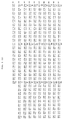
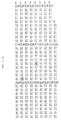
- the present invention is to provide a hybridoma producing a monoclonal antibody specifically reacting with human perforin, which hybridoma is capable of being prepared by a method comprising the following steps: integrating a base sequence encoding an amino acid sequence of from 297 position (inclusive) to 463 position (inclusive) of human perforin depicted in Fig. 1 of the accompanying drawings into an expression vector pET3C depicted in Fig. 2A which contains 35 base sequence depicted in Fig. 2B; transforming E .
- coli cells with the resultant expression vector; allowing the resultant transformant to produce a fused partial human perforin; immunosensitizing a rodentine animal with the fused partial human perforin; and fusing a spleen cell or lymphonodus cell obtained from the sensitized rodentine animal with a mouse myeloma cell to prepare the hybridoma.
- the present invention is also to provide the monoclonal antibody produced by the above-mentioned hybridoma, which antibody is characterized in that the antibody specifically reacts with human perforin, that the antibody belongs to IgG 2b , and that the L chain of the antibody is of ⁇ type.
- the hybridoma and the monoclonal antibody of the invention may be prepared tan the following manner.
- the monoclonal antibody thus obtained is capable of specifically reacting with human perforin molecule, and therefore, find a wide variety of applications.
- KT cells Killer T cells
- a cDNA encoding the amino acid sequence of from 297 position to 463 position was excised and isolated using restriction enzyme.
- the restriction enzyme Sau 3A recognizes the base sequence of GATC and digests the sequence in the following manner The use of this restriction enzyme enabled to excise a base sequence begining from one base before the codon encoding the amino acid of 297 position and ending at one base after the codon encoding the amino acid of 463 position.
- Bluescript vector available from Stratagene (1 ⁇ g/ ⁇ l) containing integrated therein a human perforin gene (1 ⁇ ) was combined with restriction enzyme Sau 3A (10U/ml) (1 ⁇ l) and restriction H buffer (available from Takara Shuzo) (1 ⁇ l), and the mixture was allowed to react at 37°C overnight to effect the excision.
- the resultant mixture was subjected to 1% LMP (Low Melting Point) agarose gel (available form BRL) electrophoresis for 30 minutes using TAE buffer (Tirs-Acetate-EDTA buffer comprising 0.04M Tris-acetate and 0.001M EDTA).
- TAE buffer Ters-Acetate-EDTA buffer comprising 0.04M Tris-acetate and 0.001M EDTA.
- the Sau 3A-restricted perforin gene thus obtained was integrated into an expression vector pET3C (Rosenberg, BNL Laboratory).
- the vector pET3C is characterized in that it contains a starting coding region as shown in Fig. 2A and described in detail in Rosenberg et al, Gene, 56 , pp125-135, 1987.
- the vector plasmid contains BamHI restriction site at the site corresponding to the 12th amino acid of the starting coding region.
- the base sequence of the remaining restriction end after excision by BamHI is GATC which is complementary to the remaining restriction end of partial human perforin fragment which has been formed by excision by Sau 3A.
- Proteinase K (available from Boehringer-Mannheim) (1 ⁇ l) (10mg/ml) was then added thereto, and the mixture was allowed to react at 37°C for 30 minutes. The reaction mixture was extracted with phenol saturated with water, followed by ethanol precipitation to give a dephosphorylated single-stranded pET3C vector.
- the thus obtained expression vector containing partial human perforin gene (PFP-pET3C) was used to transform E . coli BL21 (DC-3, lys S).
- E . coli BL21 DC-3, lys S
- a competent E . coli BL21 was employed.
- Preparation of competent cells was conducted in conventional manner (see Maniatis et al, Molecular Cloning, 2nd Edition).
- PFP-pET3C 10 ⁇ g
- 100 ⁇ l 100 ⁇ l
- LB medium (1ml) containing tripsin (10g/l), yeast extract (5g/l), and NaCl (10g/l) was added, and then the mixture was incubated at 37°C for one hour.
- One minute centrifugation at 3000 rpm recovered BL21, to which fresh LB medium (100 ⁇ l) was added.
- the mixture was plated on LB agar containing ampicillin, and grown BL21 cells were selected.
- the BL21 transformants were cultured on LB medium (2ml), and plasmid DNA was prepared from the culture by means of the alkali method (see Maniatis et al, Molecular Cloning). After BamHI restriction treatment, the lysate was subjected to agarose gel electrophoresis, and BL21 transformant containing partial human perforin gene was selected.
- E . coli BL21 transformant which contains the expression vector bearing partial huamn perforin gene was plated on LB meidum (2.5ml) containing 150 ⁇ g/ml of ampicillin and the medium was cultured at 37°C overnight. The transformant was then subcultured on LB medium (250ml) containing 150 ⁇ g/ml of ampicillin, and the culture was continued for 2-2.5 hours until OD600 becomes 0.6. After addition of IPTG (isopropylthio- ⁇ -D-galactoside) to a final concentration of 0.4mM, the culture was continued for 3 hours. Centrifugation at 6000 rpm for 5 minutes recovered the E . coli cells. The supernatant was discarded.
- IPTG isopropylthio- ⁇ -D-galactoside
- Buffer A 50mM Tris-HCl, pH 8, 2mM EDTA, 1mM dithiothreitol, 1mM PMSF (Phenylmethylsulfonyl Fluoride), 5% glycerol
- lyzozyme available from Sigma
- lyzozyme available from Sigma
- the mixture was allowed to gently stand at 0°C for 30 minutes, and the cells were destructed by means of ultrasonic treatment (Sonfier Cell Disruptor 200, Branson) (15 minutes x 4).
- Triton X-100 was added to a final concentration of 0.5% and the mixture was allowed to gently stand at 0°C for 20 minutes. The mixture was then centrifuged at 10,000 x g for 45 minutes at temperature of 4°C to obtain a crude extraction of fused partial human perforin.
- the crude extract containing the fused partial perforin was subjected to SDS-polyacrylamide gel electrophoresis and the fused partial perforin of 19.8 K dalton was recovered.
- the fused partial human perforin (50 ⁇ g) obtained above was mixed with complete Freund's adjuvant at a ratio of 1:1 to make an emulsion, which was then injected to Balb/c mice (Charles River) at their foot pad. Six and nine days after the injection, the fused partial human perforin (50 ⁇ g) was injected in the foot pad of the same animals for immunosensitization.
- lymphonodus was removed from the inguen of both legs of two mice, and the lymphonodus was cut into small pieces, filtered on a mesh, and allowed to float on RPMI 1640 medium to obtain 8 x 10⁷ lymphonodus cells.
- a mouse-derived 8-azaguanidine-resistant strain PAI (1.3 x 10⁷) (hypoxanthine guanine phophoribosyl transferase-deficient strain) was mixed with the above-obtained lymphonodus cells at a ratio of 1:6, and the mixture was centrifuged (1500 rpm, 5 minutes).
- a 50% polyethylene glycol 4000 (available from Merk)/RPMI 1640 solution (3ml) was added at 37°C over one minute with stirring on a warm water bath.
- RPMI 1640 (15ml) was added with stirring over six minutes to allow the hybridization.
- a lot of RPMI 1640 was added, and centrifugation (1500 rpm, 5 minutes) was conducted and the supernatant was discarded.
- the cell pellet thus obtained was cultured in a 15%-Nu-serum-RPMI 1640 medium (HAT medium, Collaborative Research Incorporated) containing hypoxanthine (100 ⁇ M), aminopterin (0.4 ⁇ M) and thymidine (10 ⁇ M) so that the lymphonodus cells may amount to 1 x 10⁶/ml.
- HAT medium Collaborative Research Incorporated
- hypoxanthine 100 ⁇ M
- aminopterin 0.4 ⁇ M
- thymidine 10 ⁇ M
- the cells-floating medium prepared above was placed on five 96-well microplates (200 ⁇ l each) and cultured at 37°C in a CO2-incubator which was kept at below 5% CO2 gas level. After six days, the formation of colony of hybridoma was confirmed.
- enzyme-linked immunosorbent assay was conducted on the culture medium to detect the antibody.
- 50 ⁇ l of a lysate (crude extract) (5.32mg/ml) of E . coli cells which expressed and produced fused partial human perforin and 50 ⁇ l of a lysate (crude extract) (2.1mg/ml) of E . coli cells which did not expressed and produced the same were separately charged on an assay plate (Dinatech. Immuron 2) and allowed to stand overnight at 4°C so that possible antigen may be fixed on the plates.
- the lysates were discarded, and a blocking reagent (Block Ace, Dainippon Seiyaku K.K.) was added to the plates.
- the culture medium of the hybridoma 50 ⁇ l was added to each plate and allowed to react for one hour at room temperature.
- the plates were then washed with PBS containing 0.05% Tween 20, and to the plates was added 50 ⁇ l of one thousandth (1/1000) dilution of F(ab)2 ⁇ fragment of anti-mouse Ig antibody (Amersham) which was labeled with peroxidase (horse radish, HRP) so that antigen-antibody reaction may occur for one hour at room temperature.
- the plates were washed again with PBS, and to the plates was added a phosphate-citrate buffer (pH 5.0) (100 ⁇ l) containing o-phenylenediamine (0.4mg/ml) and hydrogen peroxide (0.012%) so that the antibody may be detected through color development.
- a well which produced an antibody reactive to E . coli lysate containing fused partial human perforin and non-reactive to E . coli lysate containing no fused partial human perforin, was selected.
- Hybridomas in the well selected in the above step D were cloned by means of limiting dilution analysis.
- the well was diluted with 15% Nu-serum-RPMI 1640 medium so that the final cell concentration may be 0.5 cell/well, and the dilution was portioned on a 96-well plate at a ratio of 200 ⁇ l/well.
- the plate was incubated at 37°C in the presence of 5% CO2.
- the enzyme immunoassay described in the above step D was conducted again in order to examine the production of the antibody against the partial human perforin.
- a hybridoma in the well which showed strong reaction with the partial human perforin was cloned again by the use of the limiting dilution analysis.
- Immunohistological stain was conducted in the following manner to determine if the antibody produced by the hybridoma obtained above reacts with human perforin.
- MPFP-1 and MPFP-2 were considered identical species.
- MPFP-1 was deposited on August 20, 1990, at Fermentation Research Institute Agency of Industrial Science and Technology, 1-3, Higashi 1 chome, Tsukuba-shi, Ibaraki-ken, Japan, under Accession Number of FERM P-11669, and then the deposition was converted to the deposition under Budapest Treaty on August 14, 1991 and assigned Accession No. Bikokenjoki 3514 (FERM BP-3514).
- Each of the hybridomas thus obtained (1 x 10⁷ cells) was cultured in GIT medium (Wakojunyaku) (100ml) for 3 days.
- the culture medium was centrifuged at 1500 rpm for 5 minutes to recover the supernatant, which was then charged in Protein G column (Mab trap G, Pharmacia) to obtain the aimed antibody.
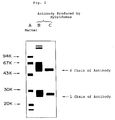
- the antibody was subjected to 10% SDS-polyacrylamide gel electrophoresis. Protein-staining was conducted using Coomassie Brilliant Blue to detect the antibody, which revealed that both of the antibodies derived from the two hybridomas are IgG consisting of H chain having a molecular weight of 50,000 and L chain of 25,000.
- Lane A shows molecular weight marker (90K, 67K, 43K, 30K, 20K)
- Lanes B and C show the antibodies from hybridomas MPFP-1 and MPFP-2, respectively.
- Subclass of each of the antibodies produced by two hybridomas was determined by enzyme immunoassay wherein the anti-human perforin monoclonal antibody in hybridoma culture medium is allowed to react with anti-mouse antibodies (anti-IgG1, anti-IgG 2a , anti-IgG 2b , anti-IgG3, anti-IgM, and anti-IgA antibodies) and anti-mouse L chain antibodies (anti- ⁇ and anti- ⁇ antibodies) (MAB-Isotypic Kit, Pharmingen). Color development was observed only on anti-IgG 2b antibody and anti- ⁇ antibody with respect to both antibodies, which revealed that the two hybridomas produce a monoclonal antibody belonging to subclass IgG 2b and having L chain of ⁇ type.
Landscapes
- Chemical & Material Sciences (AREA)
- Health & Medical Sciences (AREA)
- Organic Chemistry (AREA)
- Life Sciences & Earth Sciences (AREA)
- Medicinal Chemistry (AREA)
- Biophysics (AREA)
- General Health & Medical Sciences (AREA)
- Genetics & Genomics (AREA)
- Biochemistry (AREA)
- Molecular Biology (AREA)
- Proteomics, Peptides & Aminoacids (AREA)
- Immunology (AREA)
- Toxicology (AREA)
- Zoology (AREA)
- Gastroenterology & Hepatology (AREA)
- Preparation Of Compounds By Using Micro-Organisms (AREA)
- Peptides Or Proteins (AREA)
- Micro-Organisms Or Cultivation Processes Thereof (AREA)
Applications Claiming Priority (2)
| Application Number | Priority Date | Filing Date | Title |
|---|---|---|---|
| JP227504/90 | 1990-08-28 | ||
| JP2227504A JPH04108378A (ja) | 1990-08-28 | 1990-08-28 | ヒトパーフォリンと反応するモノクローナル抗体 |
Publications (3)
| Publication Number | Publication Date |
|---|---|
| EP0473128A2 true EP0473128A2 (de) | 1992-03-04 |
| EP0473128A3 EP0473128A3 (en) | 1992-05-06 |
| EP0473128B1 EP0473128B1 (de) | 1996-04-17 |
Family
ID=16861933
Family Applications (1)
| Application Number | Title | Priority Date | Filing Date |
|---|---|---|---|
| EP91114433A Expired - Lifetime EP0473128B1 (de) | 1990-08-28 | 1991-08-28 | Monoklonaler Antikörper, der spezifisch mit dem humanen Perforin reagiert |
Country Status (6)
| Country | Link |
|---|---|
| EP (1) | EP0473128B1 (de) |
| JP (1) | JPH04108378A (de) |
| AT (1) | ATE136929T1 (de) |
| AU (1) | AU655775B2 (de) |
| CA (1) | CA2049883A1 (de) |
| DE (1) | DE69118780T2 (de) |
Cited By (3)
| Publication number | Priority date | Publication date | Assignee | Title |
|---|---|---|---|---|
| US7781567B2 (en) | 2002-05-24 | 2010-08-24 | Nps Pharmaceuticals, Inc. | Method for enzymatic production of GLP-2(1-33) and GLP-2(1-34) peptides |
| US7829307B2 (en) | 2003-11-21 | 2010-11-09 | Nps Pharmaceuticals, Inc. | Production of glucagon-like peptide 2 |
| US8003362B2 (en) * | 2002-05-24 | 2011-08-23 | Medtronic Inc. | Methods and constructs for high yield expression of clostripain |
Families Citing this family (1)
| Publication number | Priority date | Publication date | Assignee | Title |
|---|---|---|---|---|
| AU2001276704A1 (en) * | 2000-08-02 | 2002-02-18 | Orient Cancer Therapy Co., Ltd. | Method of measuring cancer immune function |
Citations (1)
| Publication number | Priority date | Publication date | Assignee | Title |
|---|---|---|---|---|
| JPH022350A (ja) | 1988-06-16 | 1990-01-08 | Sumitomo Electric Ind Ltd | パーフォリン遺伝子 |
Family Cites Families (1)
| Publication number | Priority date | Publication date | Assignee | Title |
|---|---|---|---|---|
| IL94872A (en) * | 1989-06-30 | 1995-03-30 | Oncogen | Monoclonal or chimeric antibodies reactive with human carcinomas, recombinant proteins comprising their antigen binding region, pharmaceutical compositions and kits comprising said antibodies and methods for imaging human carcinoma using same |
-
1990
- 1990-08-28 JP JP2227504A patent/JPH04108378A/ja active Pending
-
1991
- 1991-08-26 CA CA002049883A patent/CA2049883A1/en not_active Abandoned
- 1991-08-27 AU AU82726/91A patent/AU655775B2/en not_active Ceased
- 1991-08-28 AT AT91114433T patent/ATE136929T1/de not_active IP Right Cessation
- 1991-08-28 DE DE69118780T patent/DE69118780T2/de not_active Expired - Fee Related
- 1991-08-28 EP EP91114433A patent/EP0473128B1/de not_active Expired - Lifetime
Patent Citations (1)
| Publication number | Priority date | Publication date | Assignee | Title |
|---|---|---|---|---|
| JPH022350A (ja) | 1988-06-16 | 1990-01-08 | Sumitomo Electric Ind Ltd | パーフォリン遺伝子 |
Non-Patent Citations (8)
| Title |
|---|
| MANIATIS ET AL., MOLECULAR CLONING |
| MANIATIS ET AL.: "Molecular Cloning" |
| NATURE, vol. 335, 1988, pages 444 - 451 |
| OKUMURA ET AL., EUR. J. IMMUNOL., vol. 18, 1988, pages 29 - 33 |
| ROSENBERG ET AL., GENE, vol. 56, 1987, pages 125 - 135 |
| SHINKAI ET AL., IMMUNOGENETICS, vol. 30, 1989, pages 452 - 457 |
| YOUNG ET AL., CELL, vol. 44, 1986, pages 849 - 859 |
| YOUNG ET AL., EXP. MED., vol. 169, 1989, pages 2159 - 71 |
Cited By (4)
| Publication number | Priority date | Publication date | Assignee | Title |
|---|---|---|---|---|
| US7781567B2 (en) | 2002-05-24 | 2010-08-24 | Nps Pharmaceuticals, Inc. | Method for enzymatic production of GLP-2(1-33) and GLP-2(1-34) peptides |
| US8003362B2 (en) * | 2002-05-24 | 2011-08-23 | Medtronic Inc. | Methods and constructs for high yield expression of clostripain |
| US8148508B2 (en) | 2002-05-24 | 2012-04-03 | Nps Pharmaceuticals, Inc. | Method for enzymatic production of GLP-2(1-33) and GLP-2(1-34) peptides |
| US7829307B2 (en) | 2003-11-21 | 2010-11-09 | Nps Pharmaceuticals, Inc. | Production of glucagon-like peptide 2 |
Also Published As
| Publication number | Publication date |
|---|---|
| JPH04108378A (ja) | 1992-04-09 |
| CA2049883A1 (en) | 1992-03-01 |
| AU655775B2 (en) | 1995-01-12 |
| EP0473128A3 (en) | 1992-05-06 |
| ATE136929T1 (de) | 1996-05-15 |
| DE69118780T2 (de) | 1996-09-26 |
| EP0473128B1 (de) | 1996-04-17 |
| AU8272691A (en) | 1992-03-05 |
| DE69118780D1 (de) | 1996-05-23 |
Similar Documents
| Publication | Publication Date | Title |
|---|---|---|
| Chen et al. | Identification of two lysosomal membrane glycoproteins. | |
| US5356775A (en) | Primary structure for functional expression from complementary DNA of a mammalian ATP-sensitive potassium channel | |
| TW200526683A (en) | Neutralizing epitope-based growth enhancing vaccine | |
| JPH08510897A (ja) | 細胞外シグナル制御キナーゼ、配列、製造法および用途 | |
| McLEOD et al. | Characterization of a monoclonal antibody to human serum vitamin D binding protein (Gc globulin): recognition of an epitope hidden in membranes of circulating monocytes | |
| CA2128151A1 (en) | Receptors of interleukin-12 and antibodies | |
| EP0473128B1 (de) | Monoklonaler Antikörper, der spezifisch mit dem humanen Perforin reagiert | |
| AU706833B2 (en) | A prostaglandin D synthase-specific monoclonal antibody | |
| EP0492552A1 (de) | Monoklonaler Antikörper gegen IGF-II | |
| Chen et al. | Immunodominant epitopes of α3 (IV) NC1 induce autoimmune glomerulonephritis in rats | |
| JPH0576384A (ja) | 抗ヒト神経成長因子モノクローナル抗体 | |
| WO2004031241A1 (ja) | ズブチリシン様プロプロテインコンベルターゼ・pace4に対するモノクローナル抗体及びその利用 | |
| EP0582450A2 (de) | Antikörper gegen Oxytocin-Rezeptor und deren Herstellung | |
| Nicolas–Léveque et al. | β-Arrestin–Related Proteins in Ocular Tissues | |
| US5439795A (en) | Monoclonal antibodies that specifically bind somatotropin binding proteins but not to corresponding somatotropin receptors and methods of use in immunoassays | |
| GOTTSTEIN et al. | Identification of a differentially expressed Echinococcus multilocularis protein Em6 potentially related to antigen 5 of Echinococcus granulosus | |
| Guillet et al. | High levels of HMG1-2 protein expression in the cytoplasm and nucleus of hydrocortisone sensitive amphibian thymocytes | |
| JP2969647B2 (ja) | モノクローナル抗体、それからなる阻害剤及びそれを用いた測定方法 | |
| GEE et al. | Dissection of renal brush-border membranes with monoclonal antibodies | |
| US7427666B2 (en) | Antibody directed against a ubiquitin-specific protease occurring in the brain | |
| JP3522877B2 (ja) | 抗チロシナーゼモノクローナル抗体F(ab’)2フラグメント | |
| WO1987007147A1 (en) | Method for producing monoclonal antibodies to an immunogenic antibody-antigen conjunction | |
| JPH08140694A (ja) | ハイブリドーマ | |
| Matsumoto et al. | Identification and immunological characterization of a novel 40-kDa protein linked to CD98 antigen | |
| CN114716547A (zh) | 一种包括抗原结合结构域的结合蛋白及其生产方法和应用 |
Legal Events
| Date | Code | Title | Description |
|---|---|---|---|
| PUAI | Public reference made under article 153(3) epc to a published international application that has entered the european phase |
Free format text: ORIGINAL CODE: 0009012 |
|
| AK | Designated contracting states |
Kind code of ref document: A2 Designated state(s): AT BE CH DE DK ES FR GB GR IT LI LU NL SE |
|
| PUAL | Search report despatched |
Free format text: ORIGINAL CODE: 0009013 |
|
| AK | Designated contracting states |
Kind code of ref document: A3 Designated state(s): AT BE CH DE DK ES FR GB GR IT LI LU NL SE |
|
| 17P | Request for examination filed |
Effective date: 19920619 |
|
| 17Q | First examination report despatched |
Effective date: 19940526 |
|
| GRAA | (expected) grant |
Free format text: ORIGINAL CODE: 0009210 |
|
| AK | Designated contracting states |
Kind code of ref document: B1 Designated state(s): AT BE CH DE DK ES FR GB GR IT LI LU NL SE |
|
| PG25 | Lapsed in a contracting state [announced via postgrant information from national office to epo] |
Ref country code: IT Free format text: LAPSE BECAUSE OF FAILURE TO SUBMIT A TRANSLATION OF THE DESCRIPTION OR TO PAY THE FEE WITHIN THE PRE;WARNING: LAPSES OF ITALIAN PATENTS WITH EFFECTIVE DATE BEFORE 2007 MAY HAVE OCCURRED AT ANY TIME BEFORE 2007. THE CORRECT EFFECTIVE DATE MAY BE DIFFERENT FROM THE ONE RECORDED.SCRIBED TIME-LIMIT Effective date: 19960417 Ref country code: BE Effective date: 19960417 Ref country code: AT Effective date: 19960417 Ref country code: ES Free format text: THE PATENT HAS BEEN ANNULLED BY A DECISION OF A NATIONAL AUTHORITY Effective date: 19960417 Ref country code: FR Effective date: 19960417 Ref country code: GR Free format text: LAPSE BECAUSE OF FAILURE TO SUBMIT A TRANSLATION OF THE DESCRIPTION OR TO PAY THE FEE WITHIN THE PRESCRIBED TIME-LIMIT Effective date: 19960417 Ref country code: DK Effective date: 19960417 Ref country code: NL Free format text: LAPSE BECAUSE OF FAILURE TO SUBMIT A TRANSLATION OF THE DESCRIPTION OR TO PAY THE FEE WITHIN THE PRESCRIBED TIME-LIMIT Effective date: 19960417 |
|
| REF | Corresponds to: |
Ref document number: 136929 Country of ref document: AT Date of ref document: 19960515 Kind code of ref document: T |
|
| REG | Reference to a national code |
Ref country code: CH Ref legal event code: NV Representative=s name: A. BRAUN, BRAUN, HERITIER, ESCHMANN AG PATENTANWAE |
|
| REF | Corresponds to: |
Ref document number: 69118780 Country of ref document: DE Date of ref document: 19960523 |
|
| PG25 | Lapsed in a contracting state [announced via postgrant information from national office to epo] |
Ref country code: SE Effective date: 19960717 |
|
| GRAH | Despatch of communication of intention to grant a patent |
Free format text: ORIGINAL CODE: EPIDOS IGRA |
|
| PG25 | Lapsed in a contracting state [announced via postgrant information from national office to epo] |
Ref country code: LU Free format text: LAPSE BECAUSE OF NON-PAYMENT OF DUE FEES Effective date: 19960831 |
|
| EN | Fr: translation not filed | ||
| NLV1 | Nl: lapsed or annulled due to failure to fulfill the requirements of art. 29p and 29m of the patents act | ||
| PLBE | No opposition filed within time limit |
Free format text: ORIGINAL CODE: 0009261 |
|
| STAA | Information on the status of an ep patent application or granted ep patent |
Free format text: STATUS: NO OPPOSITION FILED WITHIN TIME LIMIT |
|
| 26N | No opposition filed | ||
| REG | Reference to a national code |
Ref country code: GB Ref legal event code: 746 Effective date: 19990614 |
|
| PGFP | Annual fee paid to national office [announced via postgrant information from national office to epo] |
Ref country code: DE Payment date: 20010820 Year of fee payment: 11 |
|
| PGFP | Annual fee paid to national office [announced via postgrant information from national office to epo] |
Ref country code: GB Payment date: 20010822 Year of fee payment: 11 |
|
| PGFP | Annual fee paid to national office [announced via postgrant information from national office to epo] |
Ref country code: CH Payment date: 20010930 Year of fee payment: 11 |
|
| REG | Reference to a national code |
Ref country code: GB Ref legal event code: IF02 |
|
| PG25 | Lapsed in a contracting state [announced via postgrant information from national office to epo] |
Ref country code: GB Free format text: LAPSE BECAUSE OF NON-PAYMENT OF DUE FEES Effective date: 20020828 |
|
| PG25 | Lapsed in a contracting state [announced via postgrant information from national office to epo] |
Ref country code: LI Free format text: LAPSE BECAUSE OF NON-PAYMENT OF DUE FEES Effective date: 20020831 Ref country code: CH Free format text: LAPSE BECAUSE OF NON-PAYMENT OF DUE FEES Effective date: 20020831 |
|
| PG25 | Lapsed in a contracting state [announced via postgrant information from national office to epo] |
Ref country code: DE Free format text: LAPSE BECAUSE OF NON-PAYMENT OF DUE FEES Effective date: 20030301 |
|
| REG | Reference to a national code |
Ref country code: CH Ref legal event code: PL |
|
| GBPC | Gb: european patent ceased through non-payment of renewal fee |
Effective date: 20020828 |