EP0529019B1 - Nematode vaccine - Google Patents
Nematode vaccine Download PDFInfo
- Publication number
- EP0529019B1 EP0529019B1 EP92904571A EP92904571A EP0529019B1 EP 0529019 B1 EP0529019 B1 EP 0529019B1 EP 92904571 A EP92904571 A EP 92904571A EP 92904571 A EP92904571 A EP 92904571A EP 0529019 B1 EP0529019 B1 EP 0529019B1
- Authority
- EP
- European Patent Office
- Prior art keywords
- antigen
- protein
- nucleotide sequence
- amino acid
- host
- Prior art date
- Legal status (The legal status is an assumption and is not a legal conclusion. Google has not performed a legal analysis and makes no representation as to the accuracy of the status listed.)
- Expired - Lifetime
Links
Images



Classifications
-
- C—CHEMISTRY; METALLURGY
- C07—ORGANIC CHEMISTRY
- C07K—PEPTIDES
- C07K16/00—Immunoglobulins [IG], e.g. monoclonal or polyclonal antibodies
- C07K16/18—Immunoglobulins [IG], e.g. monoclonal or polyclonal antibodies against material from animals or humans
-
- A—HUMAN NECESSITIES
- A61—MEDICAL OR VETERINARY SCIENCE; HYGIENE
- A61P—SPECIFIC THERAPEUTIC ACTIVITY OF CHEMICAL COMPOUNDS OR MEDICINAL PREPARATIONS
- A61P33/00—Antiparasitic agents
-
- A—HUMAN NECESSITIES
- A61—MEDICAL OR VETERINARY SCIENCE; HYGIENE
- A61P—SPECIFIC THERAPEUTIC ACTIVITY OF CHEMICAL COMPOUNDS OR MEDICINAL PREPARATIONS
- A61P33/00—Antiparasitic agents
- A61P33/10—Anthelmintics
-
- C—CHEMISTRY; METALLURGY
- C07—ORGANIC CHEMISTRY
- C07K—PEPTIDES
- C07K14/00—Peptides having more than 20 amino acids; Gastrins; Somatostatins; Melanotropins; Derivatives thereof
- C07K14/435—Peptides having more than 20 amino acids; Gastrins; Somatostatins; Melanotropins; Derivatives thereof from animals; from humans
- C07K14/43504—Peptides having more than 20 amino acids; Gastrins; Somatostatins; Melanotropins; Derivatives thereof from animals; from humans from invertebrates
- C07K14/43536—Peptides having more than 20 amino acids; Gastrins; Somatostatins; Melanotropins; Derivatives thereof from animals; from humans from invertebrates from worms
- C07K14/4354—Peptides having more than 20 amino acids; Gastrins; Somatostatins; Melanotropins; Derivatives thereof from animals; from humans from invertebrates from worms from nematodes
-
- A—HUMAN NECESSITIES
- A61—MEDICAL OR VETERINARY SCIENCE; HYGIENE
- A61K—PREPARATIONS FOR MEDICAL, DENTAL OR TOILETRY PURPOSES
- A61K39/00—Medicinal preparations containing antigens or antibodies
-
- C—CHEMISTRY; METALLURGY
- C12—BIOCHEMISTRY; BEER; SPIRITS; WINE; VINEGAR; MICROBIOLOGY; ENZYMOLOGY; MUTATION OR GENETIC ENGINEERING
- C12N—MICROORGANISMS OR ENZYMES; COMPOSITIONS THEREOF; PROPAGATING, PRESERVING, OR MAINTAINING MICROORGANISMS; MUTATION OR GENETIC ENGINEERING; CULTURE MEDIA
- C12N2799/00—Uses of viruses
- C12N2799/02—Uses of viruses as vector
- C12N2799/021—Uses of viruses as vector for the expression of a heterologous nucleic acid
- C12N2799/026—Uses of viruses as vector for the expression of a heterologous nucleic acid where the vector is derived from a baculovirus
Definitions
- the invention relates to antigens which confer protective immunity against infection by parasitic nematodes.
- the invention also relates to vaccines conferring protective immunity against infection by parasitic nematodes, and to antibodies conferring passive immunity to infection by parasitic nematodes.
- Nematodes nema-thread; oides-resembling
- nema-thread unsegmented roundworms with elongated, fusiforn, or saclike bodies covered with cuticle
- nema-thread unsegmented roundworms with elongated, fusiforn, or saclike bodies covered with cuticle
- the roundworm parasites of mammals belong to the phylum Nemathelminthes.
- the roundworms include the hookwork (e.g. Necator americanus and Ancylostoma duodenale), roundworm (eg the common roundworn Ascaris lumbricoides), whipworm (e.g. Trichuris trichiura), and the pinworn or threadworm (e.g. Enterobius vermicularus), as well as Strongyloides stercoralis, Trichinella spiralis (infection in man and pigs) and the filarial worm Wuchereria bancrofti.
- hookwork e.g. Necator americanus and Ancylostoma duodenale
- roundworm eg the common roundworn Ascaris lumbricoides
- whipworm e.g. Trichuris trichiura
- the pinworn or threadworm e.g. Enterobius vermicularus
- Strongyloides stercoralis Trichinella spiralis (infection in man and
- Ancylostoma caninum infections of man
- Strongylus vulgaris infections of horses
- Haemonchus contortus Trichostronaylus colubriformis
- Ostertagia circumcincta infections of sheep and goats
- Ostertagia ostertagi Haemonchus placei (infections of cattle)
- Ascaris suum infections in pigs
- Toxascaris leonia or Uncinaria stenocephala infections of dogs
- Toxocara species circulatory infections of man
- Dirofilaria immitis - circulatory infections of cats and dogs.
- Helminth infections of mammals are a source of great economic loss, especially of livestock and pets, e.g. sheep, cattle, horses, pigs, goats, dogs, cats and birds, especially poultry. These animals must be regularly treated with anthelminthic chemicals in order to keep such infections under control or else the disease may result in anaemia, diarrhoea, dehydration, loss of appetite and even death.
- anthelminthic chemicals are only effective against resident worms present at the time of treatment. Therefore, treatment must be frequent or continuous since the animals are constantly exposed to infection; e.g. anthelminthic treatment with diethylcarbamazine is required every day or every other day most of the year to control Dirofilaria immitis or the dog heartworm. This is an expensive and labour intensive procedure. Due to the widespread use of anthelminthic chemicals, the worms may develop resistance and so new and more potent classes of chemicals must be developed. An alternative approach is clearly desirable.
- recombinant DNA technology could be used to construct microorganisms which synthesize those proteins or portions of the proteins containing protective epitopes and use the products synthesized by the recombinant organism in vaccines to protect animals from infection with the parasites.
- adjuvant refers to an agent used to enhance the immune response of the immunised host to the immunising composition.
- parenteral includes subcutaneous injections, intraperitoneal or intramuscular injection, or infusion techniques.
- homologue refers to proteins or to DNA sequences coding for those proteins which are related in structure to a first protein or DNA sequence to such an extent that it is clear that the proteins are related in function.
- DNA from H. contortus which codes for the protective antigen of the invention can be used in DNA hybridisation experiments to identify specific DNA sequences in other species of parasitic nematodes. These related DNA segments should code for antigens in those other species of parasitic nematodes which are also related in amino acid sequence to the protective antigen isolated from H. contortus. It is contended that the related proteins will act as effective immunogens to protect animals from parasitism by the other species of parasites.
- homologous genes are referred to as homologous genes and the related proteins are referred to as homologous antigens.
- the homology is predicted to be at least 70% over 20 amino acids at the amino acid sequence level and at least 50% over 60 nucleotides at the DNA level.
- the protective antigen is a member of a "gene family" wherein the encoding polynucleotide and the gene product share an homology of the order of 50% over 60 nucleotides or 70% over 20 amino acids respectively, with the encoding gene and protective antigen of this invention.
- These related genes and gene products are also homologues of this invention. Homologues of the invention may also be generated in vitro as hereinafter described.
- derived in the context of the antigens of the invention, as used herein, is intended to encompass antigens obtained by isolation from a parasitic nematode life stage expressing the antigen, as well as antigens obtained by manipulation of and expression from nucleotide sequences encoding the antigen prepared from a parasitic nematode life stage, including genomic DNA, mRNA, cDNA synthesized from mRNA and synthetic nucleotides prepared to have sequences corresponding to the antigen encoding sequences.
- the natural host should be used in such experiments.
- laboratory model animals are not the natural host for the parasite they are likely to be able to reject the parasite by mechanisms of which the natural host is incapable.
- antigens which protect laboratory animals against particular parasites may not be effective in the natural host of the parasite. This will-be more likely to be the case in situations where the natural host develops immunity to the parasite very slowly.
- antigens characterized in the current work are derived from Haemonchus contortus but it is recognised that similar or related antigens, "homologues”, could be identified from other species of parasitic nematode known to infect man or domestic animals and that these related antigens, would provide effective vaccines against parasitism by species of nematode.
- homologues similar or related antigens, "homologues”
- Species of parasites and hosts they may infect include for example:
- Trinchinella spiralis or Ancylostoma caninum infections of man Strongylus vulgaris infections of horses, Trichostrongylus colubriformis infections of sheep, Haemonchus contortus infections of goats, Ostertagia ostertagi infections of cattle, Ascaris suum or Trichinella spiralis infections of pigs, Toxascaris leonina or Uncinaria stenocephala infections of cats and Ancylostoma caninum or Trichuris vulpis infections of dogs as well as infections of the circulatory system of man by larvae of Toxocara spp and of the circulatory system of dogs by Dirofilaria immitis as well as infections of the circulatory system, urogenital system, respiratory system, skin and subcutaneous tissue of these and other species of animal. It should be noted that this list is by no means complete.
- the present inventors have studied in detail the products released from exsheathed third stage larvae of H. contortus upon incubation in culture media. Those components which are capable of giving protection following vaccination of target animals have been purified and characterised at the molecular level.
- the present inventors have found that protective immunity against infection by parasitic nematodes can be induced by immunization.
- a glycosylated or non-glycosylated protein which is a nematode antigen and which comprises the amino acid sequence defined by residues 13 to 219 inclusive of the amino acid sequence illustrated in Figure 2.
- the purity is greater than 90%. This level of purity is demonstrated with respect to the cleanliness of the preparations used in amino acid sequencing.
- a homologue of an antigen of the first embodiment wherein the homologue when administered to a host animal is capable of protecting the host from infection by a parasitic nematode species.
- the homologue is at least 70% homologous to the amino acid sequence of an antigen of the invention over 20 amino acids.
- a polynucleotide molecule encoding an antigen or homologue of the invention.
- the polynucleotide molecule is a DNA molecule.
- DNA molecules in accordance with the present invention include cDNA molecules.
- a recombinant DNA molecule which comprises a DNA molecule of the third embodiment and vector DNA.
- the vector DNA is selected from plasmid, viral and cosmid DNA.
- Preferred vectors in accordance with the present invention include lambda gt 11, pUR 290, pUR 291, pUR 292, pUK 270, pUC 8, pUC 9, pZipNeo, an SV 40 based vector, lambda gt 10, an EMBL vector, pBR 327, pBR 329 or pBR 329 containing a par locus, baculovirus or vaccinia virus.
- a transformed host transformed with at least one recombinant DNA molecule of the fourth embodiment.
- the host is selected from bacteria, yeasts, other fungi, insect, plant and mammalian cell lines.
- Preferred hosts include E. coli K 12 derivatives.
- an expression product of a transformed host of the fifth embodiment which expression product comprises an antigen or a homologue of the invention.
- the expression product may be a fusion product.
- a synthetic polypeptide corresponding to all or part of an antigen, homologue or expression product of the invention which synthetic polypeptide when administered to a host animal is capable of inducing protective immunity against infestation of the host animal by a parasitic nematode.
- the synthetic polypeptides of the invention are prepared by standard techniques of peptide synthesis based on known sequences of antigens, homologues and expression products of the invention.
- a vaccine comprising at least one antigen, homologue, expression product and/or synthetic polypeptide of the invention together with a pharmaceutically and/or veterinarally acceptable, carrier, diluent, excipient and/or adjuvant.
- the vaccines of the invention could alternatively comprise at least one anti-idiotypic antibody capable of protecting a host from infection by a parasitic nematode by mimicking an antigen, homologue, expression product and/or synthetic polypeptide of the invention.
- a pharmaceutically and/or veterinarally acceptable carrier, diluent, excipient and/or adjuvant may be added to the active component.
- the vaccine may be a whole cell vaccine comprising a transformed host of the fifth embodiment together with a pharmaceutically and/or veterinarally acceptable carrier, diluent, excipient and/or adjuvant.
- the cells may be live or killed.
- the transformed cells include those capable of expressing the expression product for mucosal presentation to a host to be vaccinated, such as, as a cell surface fusion product.
- the vaccines of the invention induce in a vaccinated host, protective immunity against infection by parasitic nematodes such as species of the genera Trichinella, Ancylostoma, Strongylus, Trichostrongylus, Haemonchus, Ostertagia, Ascaris, Toxascaris, Uncinaria, Trichuris, Dictycaulus, Dirofilaria, Toxocara, Necator, Enterobius, Strongyloides and Wuchereria, especially the genera Trichostrongylus and Haemonchus.
- parasitic nematodes such as species of the genera Trichinella, Ancylostoma, Strongylus, Trichostrongylus, Haemonchus, Ostertagia, Ascaris, Toxascaris, Uncinaria, Trichuris, Dictycaulus, Dirofilaria, Toxocara, Necator, Enterobius, Strongyloides and Wuchereria, especially the genera Trichostrongylus and Haemon
- Trichinella spiralis or Ancylostoma caninum in man
- Strongylus vulgaris in horses
- Trichostrongylus colubriformis in sheep and goats
- Haemonchus contortus in sheep and goats
- Ostertagia ostertagi in cattle
- Ascaris suum or Trichinella spiralis in pigs
- Toxascaris leonina or Uncinaria stenocephala in cats Ancylostoma caninum or Trichuris vulpis in dogs
- Dirofilaria immitis in dogs
- larvae of Toxocara spp examples include Trichinella spiralis, or Ancylostoma caninum in man, Strongylus vulgaris in horses, Trichostrongylus colubriformis in sheep and goats, Haemonchus contortus in sheep and goats, Ostertagia ostertagi in cattle, Ascaris suum, or Trichinella spiralis in pigs, Toxascaris leonin
- Necator americanus in man, or infection by Necator americanus, Dictycaulus viviparus, Ancylostoma duodenale, Ascaris lumbricoides, Trichuris trichiura, Enterobius vermicularus, Strongyloides stercoralis or Wuchereria bancrofti, particularly Trichostronglyus colubriformis or Haemonchus contortus.
- an antibody raised against an antigen, homologue, expression product, synthetic polypeptide or vaccine of the present invention is provided.
- the antibodies of the invention include polyclonal and monoclonal antibodies and are prepared in accordance with standard techniques of antibody preparation.
- an antibody composition comprising at least one antibody of the ninth embodiment together with a pharmaceutically and/or veterinarally acceptable carrier, diluent and/or excipient.
- a diagnostic kit comprising a sample of an antigen, homologue, expression product or synthetic polypeptide of the present invention and/or an antibody of the present invention.
- a process for the biosynthesis of an expression product of the sixth embodiment which process comprises providing a transformed host of the fifth embodiment, culturing the host under suitable conditions to obtain expression of the expression product and collecting the expression product from the transformed host.
- a method of protecting a host against infestation by a parasitic nematode species which method comprises vaccinating the host with at least one antigen, homologue, expression product, synthetic polypeptide and/or vaccine of the invention.
- a fourteenth embodiment of the present invention there is provided a process for preparing a recombinant DNA molecule of the fourth embodiment which process comprises inserting a DNA molecule of the third embodiment into vector DNA.
- a process for preparing a transformed host of the fifth embodiment which process comprises making a host competent for transformation to provide a competent host and transforming the competent host with a recombinant DNA molecule of the fourth embodiment.
- a process for preparing an antibody of the ninth embodiment which process comprises immunizing an immunoresponsive host with at least one antigen, homologue, expression product, synthetic polypeptide and/or vaccine of the invention.
- a process for preparing a vaccine of the eighth embodiment which process comprises admixing an effective amount of at least one antigen, homologue, expression product synthetic polypeptide and/or transformed host and/or antiidiotype antibody of the invention with a pharmaceutically and/or veterinarally acceptable carrier, diluent, excipient and/or adjuvant.
- an eighteenth embodiment of the present invention there is provided a process for preparing an antibody composition of the tenth embodiment which process comprises admixing an effective amount of an antibody of the ninth embodiment with a pharmaceutically and/or veterinarally acceptable carrier, diluent and/or excipient.
- a method of passively vaccinating a host against a parasitic nematode species comprising administering an antibody of the ninth embodiment or an antibody composition of the tenth embodiment to the host.
- a “homologue” is a polypeptide that retains the basic functional attribute namely, the protective activity of an antigen of the invention, and that is homologous to an antigen of the invention.
- "homology” between two sequences connotes a likeness short of identity indicative of a derivation of the first sequence from the second.
- a polypeptide is "homologous" to an antigen of the invention if a comparison of amino-acid sequences between the polypeptide and the antigen, reveals an identity of greater than about 70% over 20 amino acids. Such a sequence comparison can be performed via known algorithms, such as the one described by Lipman and Pearson, Science 227: 1435 (1985), which are readily implemented by computer.
- Homologues can be produced, in accordance with the present invention, by conventional site-directed mutagenesis, which is one avenue for routinely identifying residues of the molecule that can be modified without rendering the resulting polypeptide biologically inactive.
- Oligonucleotide-directed mutagenesis comprising [i] synthesis of an oligonucleotide with a sequence that contains the desired nucleotide substitution (mutation), [ii] hybridizing the oligonucleotide to a template comprising a structural sequence coding for an antigen of the invention and [iii] using T4 DNA polymerase to extend the oligonucleotide as a primer, is preferred because of its ready utility in determining the effects of particular changes to the antigen structural sequence. Its relative expense may nilitate in favour of an alternative, known direct- mutagenesis method.
- antigen homologues within the present invention are molecules that correspond to a portion of the antigen, or that comprise a portion of the antigen without being coincident with the natural molecule, and that display the protective activity of an antigen of the invention.
- homologues of the present invention are fragments of the antigen that retain protective activity.
- synthetic polypeptides that (i) correspond to a portion of the antigen amino-acid sequence and (ii) retain an activity characteristic of the antigen.
- Such synthetic polypeptides would preferably be between 6 and 30 amino residues in length.
- Whether a synthetic polypeptide meeting criterion (i) also satisfies criterion (ii) can be routinely determined by assaying for protective activity, in an appropriate host.
- the invention provides a method of protecting a mammalian host against infestation by a parasitic nematode which method comprises vaccinating a mammalian host with at least one antigen, homologue, expression product, synthetic polypeptide and/or a vaccine of the present invention.
- Vaccines of the present invention can be formulated using standard techniques.
- the amount of antigen, homologue, expression product and/or synthetic polypeptide that may be combined with carrier to produce a single dosage form will vary depending upon the infestation being prevented, the host to be treated and the particular mode of administration.
- the specific dose level for any particular host will depend upon a variety of factors including the activity of the specific antigen, homologue, expression product and/or synthetic polypeptide employed, the age, body weight, general health, sex, diet of the patient, time of administration, route of administration, rate of excretion, drug combination, etc.
- the vaccines of the present invention may be administered parenterally or potentially via mucosal routes in dosage unit formulations containing conventional, non-toxic, pharmaceutically and/or veterinarally acceptable carriers, diluents, adjuvants and/or excipients as desired.
- sterile injectable preparations for example, sterile injectable aqueous or oleagenous suspensions may be formulated according to the known art using suitable dispersing or wetting agents and suspending agents.
- the sterile injectable preparation may also be a sterile injectable solution or suspension in a non-toxic parenterally acceptable diluent or solvent, for example, a solution in 1,3-butanediol.
- a non-toxic parenterally acceptable diluent or solvent for example, a solution in 1,3-butanediol.
- acceptable vehicles and solvents that may be employed are water, Ringer's solution, and isotonic sodium chloride solution.
- sterile, fixed oils are conventionally employed as a solvent or suspending medium.
- any bland fixed oil may be employed including synthetic mono- or diglycerides.
- fatty acids such as oleic acid find use in the preparation of injectables.
- Suitable adjuvants for the vaccination of animals include but are not limited to oil emulsions such a Freund's complete or incomplete adjuvant (not suitable for livestock use), Marcol 52: Montanide 888 (Marcol is a Trademark of Esso.
- Montanide is a Trademark of SEPPIC, Paris), squalane or squalene, Adjuvant 65 (containing peanut oil, mannide monooleate and aluminium monostearate), mineral gels such as aluminium hydroxide, aluminium phosphate, calcium phosphate and alum, surfactants such a hexadecylamine, octadecylamine, lysolecithin, dimethyldioctadecylammonium bromide, N,N-dioctadecyl-N', N' -bis(2-hydroxyethyl) propanediamine, methoxyhexadecylglycerol and pluronic polyols, polyanions such as pyran, dextran sulfate, polyacrylic acid and carbopol, peptides and amino acids such as muramyl dipeptide, dimethylglycine, tuftsin and trehalose dimycolate.
- the antigens, homologues, expression products and/or synthetic polypeptides of the present invention can also be administered following incorporation into liposomes or other micro-carriers, or after conjugation to polysaccharides, proteins or polymers or in combination with Quil-A to form "Iscoms" (Immunostimulating complexes).
- Other adjuvants suitable for use in the present invention include conjugates comprising the antigen together with an integral membrane protein of prokaryotic origin, such as TraT. (See PCT/AU87/00107).
- the recombinant DNA molecules and transformed host cells of the invention are prepared using standard techniques of molecular biology.
- Expression products of the invention are obtained by culturing transformed host cells of the invention under standard conditions as appropriate to the particular host cell and separating the expression product from the culture by standard techniques.
- the expression product may be used in impure form or may be purified by standard techniques as appropriate to the expression product being produced. Where appropriate, whole cells may be used in vaccines.
- the synthetic polypeptides of the invention are prepared by standard techniques of chemical peptide synthesis from the known sequences of antigens, homologues or expression products of the invention.
- homologues, expression products, synthetic polypeptides, anti-idiotype antibodies and vaccines of the invention can readily be assayed by the methods described in the Examples to determine whether they maintain the protective effect of the antigens of the invention. Those molecules which retain protective activity fall within the scope of the present invention.
- Recombinant DNA technology can be used to provide a large amount of the protective antigen or homologues described herein.
- the DNA segment coding for the protective antigen or the precursor for the protective antigen or homologue can be inserted into any of a number of recombinant plasmid systems to enable the molecule to be synthesised in large amounts.
- the recombinant systems include E. coli, yeast and baculovirus system and viruses such as vaccinia.
- the recombinant organisms can be grown in large volumes in fermenters and the recombinant antigens purified by standard methods - solubilisation in solutions containing urea and reducing agents such as DTT or mercaptoethanol, refolding in the presence of reagents such as reduced and oxidised glutathione, purification by ion exchange, filtration and/or gel permeation chromatography, terminally sterilised by filtration and adjuvanted in any of a number of adjuvants including oils.
- urea and reducing agents such as DTT or mercaptoethanol
- the vaccines of the invention are prepared by mixing, preferably homogeneously mixing, at least one antigen, homologue, expression product, synthetic polypeptide and/or transformed host and/or antiidiotype antibody of the invention, with a pharmaceutically acceptable carrier, diluent, excipient and/or adjuvant using standard methods of pharmaceutical preparation.
- the amount of antigen, homologue, expression product, synthetic polypeptide and/or transformed host and/or antiidiotype antibody required to produce a single dosage form will vary depending upon the particular infection prevented, host to be treated and the particular mode of administration.
- the specific dose level for any particular host will depend upon a variety of factors including the activity of the antigen, homologue, expression product and/or synthetic polypeptide employed, the age, body weight, general health, sex, and diet of the patient, time of administration, route of administration, rate of excretion, drug combination etc.
- the vaccine may be administered parenterally in unit dosage formulations containing conventional, non-toxic, pharmaceutically and/or veterinarally acceptable carriers, diluents, excipients and/or adjuvants as desired.
- Antibodies are raised using standard vaccination regimes in appropriate hosts.
- the host is vaccinated with an antigen, homologue, expression product, synthetic polypeptide and/or vaccine of the invention.
- Antiidiotypes are raised by vaccinating a suitable host with an antigen, expression product, homologue, synthetic polypeptide and/or vaccine of the invention and using the resulting antibodies to raise antibodies against the antigen binding region of the antibodies raised in the first vaccination.
- the antibody composition is prepared by mixing, preferably homogeneously mixing, antibody with a pharmaceutically and/or veterinarally acceptable carrier, diluent, and/or excipient using standard methods of pharmaceutical preparation.
- the amount of antibody required to produce a single dosage form will vary depending upon the infection to be treated, host to be treated and the particular mode of administration.
- the specific dose level for any particular host will depend upon a variety of factors including the activity of the antibody employed, the age, body weight, general health, sex, and diet of the patient, time of administration, route of administration, rate of excretion, drug combination, etc.
- the antibody composition may be administered parenterally in unit dosage formulations containing conventional, non-toxic, pharmaceutically and/or veterinarally acceptable carriers, diluents, and/or excipients as desired to passively protect hosts against nematode infestation.
- Diagnostic kits are prepared by formulating expression product, antibodies, antigen, synthetic polypeptide or homologue at appropriate concentration to the substance(s) to be detected with a pharmaceutically and/or veterinarally acceptable carrier, diluent and/or excipient.
- a positive control standard of a known concentration of the substance to be detected is prepared similarly.
- the negative standard comprises carrier, diluent and/or excipient alone.
- Larvae were cultured from the faeces of sheep infected with H. contortus and stored at 10°C for 2 weeks before use. At this time ca. 2 x 10 7 larvae which migrated through a 25 ⁇ rn mesh sieve were collected and washed. Larvae were then exsheathed by suspension in 20mM borate buffer and gassing with 40% C0 2 -60%N 2 at 40 °C. Exsheathing fluid was removed by washing over a Buchner funnel and larvae were Baermanized to remove sheaths.
- the worms were washed in GKN medium (GIBCO) containing penicillin (200 units/ml) and streptomycin (200 ⁇ g/ml) and incubated in the same medium during roller bottle culture (approximately 200,000 worms/ml.) for 72-144 hours at 37°C.
- GKN medium GKN medium
- penicillin 200 units/ml
- streptomycin 200 ⁇ g/ml
- the viability of the worms was monitored by visual inspection and routinely >95% were alive and 30-40% had developed to the fourth stage.
- the larvae were removed by centrifugation and the supernatant was concentrated 10-fold by ultrafiltration using an Amicon YM-10 membrane.
- the retentate is referred to as "Culture fluid”.
- Culture fluid was prepared from infective larvae as described in Example 1. This material was used to vaccinate guinea pigs intraperitoneally using the procedure described by O'Donnell et al. (1985). 21 days later the guinea pigs were infected with 1000 H. contortus L3 larvae (exsheathed) and slaughtered for worm counts 5 days post challenge. It can be seen (Table 1) that the culture fluid gave highly significant protection in each experiment (64-90% reduction in parasitism) with the exception of the 72-144 hours culture fluid in experiment #277. The 0-72 hours culture period was optimal and was, therefore, used in each subsequent experiment.
- Vaccinates were injected intraperitoneally with the culture fluid. Animals were challenged with 1000 larvae 21 days later and killed for worm counts 5 days post challenge.
- the culture fluid was concentrated 20-fold by ultrafiltration over an Amicon YM-30 membrane and the retentate dialysed against Tris-buffered saline (TBS; 20mM Tris, 150mM NaCI, pH 7.2).
- TBS Tris-buffered saline
- the concentrated culture fluid was incubated with lentil lectin Sepharose-4B (Pharmacia) (300ul packed volume) that had been crosslinked with glutaraldehyde (Scher, et al 1989).
- the slurry was mixed overnight at 4°C before the beads were removed by centrifugation and washed with 3 x 15ml TBS.
- the specifically-bound glycoprotein was eluted by incubation of the beads in 0.2M methyl-D-mannoside in TBS for 2 hrs at room temperature and is referred to as LL + (MM). More strongly bound material was eluted subsequently with 0.2% SDS/0.1 M acetic acid and neutralized with 2M Tris pH8.8 and is referred to as LL + (SDS/HOAc).
- LL + MM
- SDS/HOAc 2M Tris pH8.8
- the material prepared from culture fluid by lentil lectin absorption was used to vaccinate guinea pigs intra-peritoneally.
- the LL + (MM) and LL + (SDS/acetic acid[HOAc]) fractions containing predominantly the 40 kD antigen gave a highly significant degree of protection against subsequent challenge of those guinea pigs with H. contortus (Table 2). It is thus clear that the 40 kD component is capable of eliciting a protective immune response following vaccination.
- the non-bound (LL-) fraction was also protective, however, this may have been due to the presence of some 40 kD material that was not bound to the lentil lectin beads.
- Vaccinates were injected intraperitoneally with the relevant antigen. Animals were challenged with 1000 larvae 21 days later and killed for worm counts 5 days post challenge.
- Example 3 Approximately 25 ⁇ g of the 40 kD antigen purified as described in Example 3 was mixed with 200 ⁇ l of 0.2M Tris-HCI buffer pH 8.5 containing 5mM dithiothreitol and 8M urea, then incubated at 42°C for 30 min. The solution was then cooled to room temperature and sodium iodoacetate added to a final concentration of 15mM. After 35 minutes in the dark, cold methanol was added in a ratio 9:1 (methanol:sample v/v). The sample was stored at -20 °C overnight, centrifuged, the supernatant aspirated and the precipitate dried.
- the precipitate was dissolved in 45 ⁇ l or 0.1 M Tris-HCI buffer containing 2M urea, pH 8.5, then 4 ⁇ l of Endo Lys-C (100 ⁇ g/ml) was added. After 5 hrs at 37 °C, another 4 ⁇ l of enzyme was added and the digestion was continued for a further 15 hours.
- the digest was acidified by the addition of trifluoroacetic acid to a final concentration of 1% and applied directly to a Vydac C-4 column in 0.1% trifluoroacetic acid.
- the peptides were eluted with a linear gradient from 5-60% v/v acetonitrile/water in 0.1% trifluoroacetic acid.
- peptides were rechromatographed in the same solvent system using an Aquapore RP-300 C-8 cartridge. Peptides were collected and applied directly to an Applied Biosystems 470A amino acid sequencer. The following peptide sequences which were obtained are shown in Table 3.
- oligonucleotides could be designed that could be used to screen cDNA and genomic DNA libraries to identify the gene(s) encoding the 40 kD antigen.
- oligonucleotides could be designed for use in conjunction with oligo (dT) in the polymerase chain reaction (PCR) (Saiki et al.,1988) specifically to amplify the DNA encoding the 40 kD protein.
- the following multiply degenerate primers (A140/301, A140/302 and A140/303) were designed and synthesized on an Applied Biosystems Model 380A automated DNA synthesizer. Nucleotides additional to those necessary to encode the required amino acid sequence were included on the 5' ends of the oligonucleotides. These additional sequences encode sites for the restriction enzymes, EcoRl and Smal in order to assist in the subsequent cloning of PCR amplified DNA into appropriate vectors. An oligo (dT) primer which also contained EcoRl and Smal restriction sites was synthesised for use in the PCR.
- RNA was isolated from 1 g (wet weight) of H. contortus using an RNA extraction kit purchased from Pharmacia (Cat #XY-016-00-01). Nematodes were recovered from the abomasum of sheep 15 days after infestation with exsheathed L3 stage parasites and stored at -70 ° C after snap freezing in liquid nitrogen.
- the gradients were centrifuged at 31,000 rpm for 16 hours at 15°C using an SW 50.1 rotor in an L8-70 Beckman ultracentrifuge.
- RNA was dissolved in TE buffer (10 mM Tris-HCI, pH 7.5, 1 mM EDTA) and reprecipitated from ethanol at -20 °C. The sedimented RNA was then dissolved again in TE and further purified by centrifugation through an oligo (dT)-cellulose column (Pharmacia mRNA Purification Kit, Cat # XY-012-00-02) as described by the manufacturer. The resulting purified poly(A) + RNA was used to construct a cDNA library.
- TE buffer 10 mM Tris-HCI, pH 7.5, 1 mM EDTA
- cDNA libraries were prepared using a Pharmacia cDNA Synthesis Kit (Cat # XY-003-00-03). Briefly, polyadenylated RNA purified from 325 mg total RNA was used as a template for oligo(dT) primed cDNA synthesis using Moloney Murine Leukemia Virus Reverse Transcriptase. Second strand cDNA synthesis was accomplished using RNase H and E. coli DNA polymerase I. The double stranded cDNA was then treated with the Klenow fragment of DNA polymerase and ligated to EcoRl/Notl adaptors.
- the cDNA was then incubated with T4 polynucleotide kinase and ligated into EcoRl digested, dephosphorylated lambda gt 10 arms and packaged in vitro into infectious bacteriophage particles.
- the lambda gt 10 arms and packaging mixes were obtained from Promega (Protoclone lambda gt 10 System and Pacagene System). Methods used were as directed by the supplier.
- the packaged cDNA was transfected into E. coli C600 Hfl and plated on Luria agar plates using Luria top agar containing 10mM MgS0 4 . A total of 6 x 10 7 plaque forming units were obtained of which 98% were recombinants with an average insert size of 2.0 kbp.
- a 40 kD antigen-specific double stranded DNA probe was prepared using PCR. The procedure used was based on that described by Saiki et al (1988) and used a cloned form of Taq polymerase obtained from Perkin Elmer Cetus. Two milligrams total RNA was annealed to 100ng oligo (dT) PCR primer in 6 ⁇ l water by heating to 70 ° C for 5 minutes and then leaving to cool to room temperature.
- dT oligo
- RNA-oligo The annealed RNA-oligo (dT) was then incubated with 200 units of reverse transcriptase (BRL) in the presence of 50 mM Tris-HCI (pH 8.3), 75mM KCI, 10mM MgC1 2 , 5mM spermidine, 10 mM DTT, 1 unit RNasin for 1 hour at 37 ° C in a final volume of 25 ⁇ l.
- BTL reverse transcriptase
- a similar reaction from which reverse transcriptase was omitted was also carried out to be used subsequently as a negative control for the PCR.
- the PCR was performed on cDNA produced as described above.
- the reaction mixture contained first strand cDNA synthesized from 1 mg total RNA, 1 ⁇ M each of one of A140/301, A140/302 or A140/303 and 1 ⁇ M oligo (dT) PCR primer, 200 ⁇ M of each dNTP, 50 mM KCI, 10 mM Tris-HCI (pH 9.0), 2 mM MgCI 2 , 0.01 % gelatin, 0.01 % Triton X-100 and 2 units of Taq polymerase in a total volume of 100 ⁇ l. Amplification took place over 25 cycles, each of which consists of denaturation for 1 minute at 94 °C, annealing for 2 minutes at 40 ° C and extension for 3 minutes at 72 ° C.
- the specific 700bp PCR product was digested with EcoRl, purified on an agarose gel, ligated into pUC19 using conventional techniques (Maniatis et al, 1982) and sequenced using the dideoxy chain termination procedure (Amersham Microtitre Plate Sequencing Kit, Cat # RPN.1590). Sequence analysis of the ends of the clone confirmed that it contained the sequence of primer A140/303 at the 5' end and a poly (A) stretch at the 3' end. Translation of the DNA sequence further into the clone from the 5' end indicated homology with the amino terminal sequence of the mature protein obtained previously and described in Example 5. Since the sequence of this clone confirmed that it contained sequence encoding the 40 kD antigen, DNA was isolated, digested with EcoRl and the insert was purified and used to hybridise to the cDNA library described in (b).
- Approximately 10 5 plaque forming units were screened by hybridization of nitrocellulose filter replicas of the library in a solution containing 2 x 10 5 cpm/ml probe, 5 x SSPE, 5 x Denhardt's solution, 0.5 % (w/v) SDS, 20 ⁇ g/ml sheared, denatured salmon sperm DNA at 55 °C. After washing the filters at 60°C in 0.5 x SSC, 0.1 % SDS, and autoradiography, 23 positive plaques were identified. Of these, 19 were picked for subsequent purification and analysis. Not I inserts were isolated from the purified phage DNA and subcloned into pGEM 5zf(+) (Promega) for further analysis. The sequence of one of these clones (pBTA983) is shown in Fig. 2. There is one continuous open reading frame of 657 nucleotides followed by a translation stop codon, TAA.
- the open reading frame does not have a methionine initiation codon at the 5' end of the clone so this clone does not represent the complete coding region.
- the amino terminal sequence predicted from the nucleotide sequence is homologous to the amino acid sequence obtained from purified culture fluid antigen.
- the amino acids N-terminal to this sequence are hydrophobic which is characteristic of leader sequences and there is a potential cleavage recognition site for signal peptidase which processes such leader sequences. It is therefore likely that the cDNA clone codes for the majority of the antigen.
- a number of systems could be used to express the recombinant 40 kD antigen, e.g. mammalian cells, baculovirus infected insect cells, yeasts, or bacteria.
- the gene was expressed in E.coli.
- the cDNA fragment from pBTA 983 was isolated (without the segment coding for the hydrophobic signal sequence) as a 700 bp Bam HI/Sal I fragment, and was subcloned into E.coli expression vector pBTA721.
- pBTA721 E.coli expression vector pBTA721.
- the apparent molecular weight of the fusion protein was approximately 29 kD as expected as it is not glycosylated by E.coli.
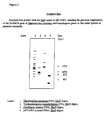
- the fusion protein reacted with rabbit serum raised against culture fluid in Western blots (Fig. 4).
- Such a fusion protein could be purified from the bacterial cells by standard methods known in the art and, possibly following a refolding step in the presence of reagents such as reduced and oxidised glutathione (which facilitate sulphydryl bond interchange), the recombinant antigen could be formulated into a suitable adjuvant and used to stimulate a protective immune response in target animals such as sheep.
- reagents such as reduced and oxidised glutathione (which facilitate sulphydryl bond interchange)
- the recombinant antigen could be formulated into a suitable adjuvant and used to stimulate a protective immune response in target animals such as sheep.
- the baculovirus expression system enables eukaryotic proteins to be produced in insect cells in a near- native conformation (Luckow and Summers, 1988). Purification of such proteins is often facilitated if they are secreted into the culture supernatant.
- the cDNA clone encoding the 40 kD antigen can be manipulated in a way that enables the production of 40 kD antigen and its secretion into the culture supernatant of insect cells infected with the recombinant baculovirus.
- oligonucleotide (5' - CAAAT GGATCC TATAAAT ATG CGT GGC ATC GCT TTG TTC GTA CTA ACG ATT CTG - 3 ' - SEQ ID NO 11) was made with the following features; a Bam H1 restriction site, the 7 nucleotides found immediately upstream of the initiating methionine of the polyhedrin gene from the baculovirus AcMNPV (Summers and Smith, 1987), the 18 nucleotides encoding the first six hydrophobic amino acids of the leader sequence from the Bm86 gene from the tick Boophilus microplus (Rand et al, 1989) and the 18 nucleotides encoding the first six amino acids of the cDNA clone for pBTA983 (Fig. 2).
- the oligonucleotide was used in a PCR reaction to generate DNA molecules encoding 40 kD antigen containing a hybrid Bm86/40 kD secretion signal.
- the plasmid used for the PCR reaction has the 40 kD cDNA fragment inserted at the Not1 site of pGEM5Zf (+) (Promega), with the 5' end of the 40 kD coding strand adjacent to the T7 promoter.
- the PCR products were digested with Bam H1, and Eco R1 (cuts at position 83 in the 40 kD coding region, see Fig . 2).
- the 104 bp fragment was purified from a low melting agarose gel and subcloned into pSp72 (Promega) cut with Bam H1 and Pst 1 in a three way ligation with the 695 bp Eco R1/Pst 1 fragment encoding 40 kD antigen from nucleotide position 83 on.
- plasmid DNA from several clones was isolated and screened by sequencing for any errors introduced during PCR amplification.
- a recombinant baculovirus was plaque purified using a combination of plaque hybrization and visual screening techniques and used to infect insect cells (Summers and Smith, 1987). The 40 kD antigen was purified from the culture supernatant.
- Culture medium of Sf9 cells containing secreted 40 kD antigen was concentrated ten-fold using a Amicon SIY30 spiral cartridge. The retentate was incubated with lentil lectin-Sepharose 4B overnight at 4 ° C. Bound material was specifically eluted with 0.2 M methyl-D-mannoside. The non-bound material was recycled through the column and the combined bound fractions were concentrated two-fold and subjected to gel filtration on a Sephacryl S-300 HR column. The fraction containing the secreted 40 kD antigen was dialysed and passed over a Q-Sepharose fast flow column which was resolved with a linear 0-0.3 M NaCl gradient. The purified 40 kD was judged to be at least 90% pure by SDS-PAGE and Coomassie Blue R-250 staining.
- the recombinant 40 kD antigen purified from Baculovirus/Sf9 culture medium was used to vaccinate guinea pigs as described in Example 2. It can be seen (Table 4) that the recombinant 40 kD antigen gave significant protection when injected with amounts similar to those used in the experiments with the native 40 kD antigen (Example 4).
- Vaccinates were injected intraperitoneally with the antigen. Animals were challenged 28 days later and killed for worm counts 5 days post challenge.
- DNA hybridisation (or Southern bolt analysis) was carried out using standard techniques (Maniatis et al., 1982) to determine whether other species of parasitic nematodes have genes which are "homologous" to that coding for the H contortus protective antigen (Fig. 3).
- the Eco RI insert of the cDNA clone pBTA983 described in Example 6 was used as a hybridisation probe to DNA isolated from a number of other species of parasitic nematodes.
- the probe also hybridized to specific restriction fragments in DNA isolated from Dirofilaria immitis and Trichostrongylus colubriformis.
- the blots were washed at a stringency that suggested that the level of homology was at least 50%.
- H. contortus antigen which was then used in vaccination and challenge trials in sheep and guinea pigs.
- the H. contortus recombinant antigen provided protection to vaccinated sheep against infestation by H. contortus and provided protection to guinea pigs against challenge infection by T. colubriformis.
- nucleotide sequence of the homologous genes and the amino acid sequence of the homologous antigens may not be identical to those of the first target species but will be related by at least 50% over a stretch of at least 60 base pairs and preferably the relationship would be 70 % or more over this same region with the relationship at the amino acid level being at least 70% over 20 amino acids. In most cases, this degree of homology would be sufficient to enable an unambiguous identification of the relatedness of the two genes or proteins.
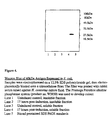
- Antiserum from sheep vaccinated with the 40 kD antigen was used to probe a Western blot of extracts (pre-enriched by binding and specific elution from lentil lectin-Sepharose 4B) from adult D. immitis and infective H. contortus larvae. After development with a second antibody conjugated to horse radish- peroxidase two antigens from each species were shown to be reactive. A major band of 40 kD was detected in both (Fig. 5) with a minor band in the 55-68 kD range. Antigens of very similar molecular weight were also detected in culture fluid run on the same Western blot.
- the large scale fermentations are performed according to standard techniques, the particular techniques selected being appropriate to the transformed host used for production of the antigen.
- Strain BTA 2147 which is E. coli JM109 containing the plasmid pBTA 983, has been deposited with Australian Government Analytical Laboratories of 1 Suakin Street, Pymble 2073, New South Wales, Australia in accordance with the provisions of the Budapest Treaty on 29 January 1992 under accession number N92/4389.
- the genotype of E. coli JM109 is BTA2147 is: JM109 strain, genotype: endA1, recA1, gyrA96, thi, hsdR17(rk-, mk+), re!A1, supE44, X-, 0(lac-proAB), [F', traD36, proAB, laclqZ ⁇ M15].
- pBTA 983 is pGEM5Zf(+)m (Promega, Madison, Wisconsin, USA), containing a 776 base pair Notl insertion coding for a portion of an antigenic protein from the gasto-intestinal nematode, Haemonchus contortus.
- the present invention has utility in the field of providing vaccines for protection of mammalian hosts against infestation by parasitic nematodes.
Landscapes
- Health & Medical Sciences (AREA)
- Chemical & Material Sciences (AREA)
- Organic Chemistry (AREA)
- Life Sciences & Earth Sciences (AREA)
- Medicinal Chemistry (AREA)
- Tropical Medicine & Parasitology (AREA)
- General Health & Medical Sciences (AREA)
- Molecular Biology (AREA)
- Proteomics, Peptides & Aminoacids (AREA)
- Genetics & Genomics (AREA)
- Veterinary Medicine (AREA)
- Biophysics (AREA)
- Biochemistry (AREA)
- Immunology (AREA)
- Gastroenterology & Hepatology (AREA)
- Animal Behavior & Ethology (AREA)
- Pharmacology & Pharmacy (AREA)
- Nuclear Medicine, Radiotherapy & Molecular Imaging (AREA)
- General Chemical & Material Sciences (AREA)
- Chemical Kinetics & Catalysis (AREA)
- Toxicology (AREA)
- Zoology (AREA)
- Public Health (AREA)
- Medicines Containing Antibodies Or Antigens For Use As Internal Diagnostic Agents (AREA)
- Peptides Or Proteins (AREA)
- Micro-Organisms Or Cultivation Processes Thereof (AREA)
- Medicines Containing Material From Animals Or Micro-Organisms (AREA)
- Agricultural Chemicals And Associated Chemicals (AREA)
- Pharmaceuticals Containing Other Organic And Inorganic Compounds (AREA)
- Preparation Of Compounds By Using Micro-Organisms (AREA)
Applications Claiming Priority (3)
| Application Number | Priority Date | Filing Date | Title |
|---|---|---|---|
| AU4487/91 | 1991-02-06 | ||
| AUPK448791 | 1991-02-06 | ||
| PCT/AU1992/000041 WO1992013890A1 (en) | 1991-02-06 | 1992-02-06 | Nematode vaccine |
Publications (3)
| Publication Number | Publication Date |
|---|---|
| EP0529019A1 EP0529019A1 (en) | 1993-03-03 |
| EP0529019A4 EP0529019A4 (en) | 1993-07-28 |
| EP0529019B1 true EP0529019B1 (en) | 1995-10-04 |
Family
ID=3775211
Family Applications (1)
| Application Number | Title | Priority Date | Filing Date |
|---|---|---|---|
| EP92904571A Expired - Lifetime EP0529019B1 (en) | 1991-02-06 | 1992-02-06 | Nematode vaccine |
Country Status (12)
| Country | Link |
|---|---|
| US (2) | US5871738A (da) |
| EP (1) | EP0529019B1 (da) |
| JP (1) | JPH05507208A (da) |
| AT (1) | ATE128729T1 (da) |
| AU (1) | AU663863B2 (da) |
| CA (1) | CA2079871A1 (da) |
| DE (1) | DE69205243T2 (da) |
| DK (1) | DK0529019T3 (da) |
| ES (1) | ES2081097T3 (da) |
| GR (1) | GR3018529T3 (da) |
| NZ (1) | NZ241544A (da) |
| WO (1) | WO1992013890A1 (da) |
Families Citing this family (9)
| Publication number | Priority date | Publication date | Assignee | Title |
|---|---|---|---|---|
| US5492695A (en) * | 1992-05-14 | 1996-02-20 | Colorado State University Research Foundation | Vaccinating cats against Dirofilaria immitis with an L4 homogenate |
| ZA936095B (en) * | 1992-08-21 | 1994-03-14 | Univ Melbourne | Cytokine applications. |
| EP0722474B1 (en) * | 1993-09-17 | 2003-09-17 | The Dow Chemical Company | Film process |
| US5753787A (en) * | 1995-04-10 | 1998-05-19 | Yale University | Nucleic acids encoding ancylostoma secreted protein |
| US5952194A (en) * | 1996-08-01 | 1999-09-14 | Heska Corporation | Flea nucleic acid sequences and uses thereof |
| US7052837B2 (en) * | 2001-03-13 | 2006-05-30 | The Board Of Trustees Of The University Of Arkansas | Histoplasma capsulatum catalase sequences and their use in the detection of Histoplamsa capsulatum and histoplasmosis |
| AUPS021402A0 (en) | 2002-01-30 | 2002-02-21 | Agresearch Limited | Novel monoclonal antibody and nematode larval antigens |
| MY160430A (en) | 2008-12-12 | 2017-03-15 | Univ Sains Malaysia | Recombinant antigen for detection of toxocariasis |
| ES2453391B2 (es) * | 2012-09-05 | 2014-08-14 | Universidad Complutense De Madrid | Proteína recombinante de Haemonchus contortus y su aplicación para la producción de una vacuna frente a la hemoncosis. |
Family Cites Families (6)
| Publication number | Priority date | Publication date | Assignee | Title |
|---|---|---|---|---|
| US4879213A (en) * | 1986-12-05 | 1989-11-07 | Scripps Clinic And Research Foundation | Synthetic polypeptides and antibodies related to Epstein-Barr virus early antigen-diffuse |
| AU618546B2 (en) * | 1987-07-07 | 1992-01-02 | Biotechnology Australia Proprietary Limited | Vaccines against animal parasitic nematodes |
| NZ225295A (en) * | 1987-07-07 | 1991-07-26 | Biotech Australia Pty Ltd | Nematode antigen, its production and vaccines containing it |
| JPH03503054A (ja) * | 1988-09-26 | 1991-07-11 | バイオテクノロジー・オーストラリア・プロプライエタリー・リミテッド | ワクチン |
| AU629249B2 (en) * | 1988-09-26 | 1992-10-01 | Biotechnology Australia Proprietary Limited | Vaccine |
| GB8906156D0 (en) * | 1989-03-17 | 1989-05-04 | Munn Edward A | Production and use of anthelmintic agents and protective immunogens |
-
1992
- 1992-02-06 WO PCT/AU1992/000041 patent/WO1992013890A1/en not_active Ceased
- 1992-02-06 ES ES92904571T patent/ES2081097T3/es not_active Expired - Lifetime
- 1992-02-06 AT AT92904571T patent/ATE128729T1/de not_active IP Right Cessation
- 1992-02-06 DE DE69205243T patent/DE69205243T2/de not_active Expired - Fee Related
- 1992-02-06 US US07/930,685 patent/US5871738A/en not_active Expired - Fee Related
- 1992-02-06 AU AU12369/92A patent/AU663863B2/en not_active Ceased
- 1992-02-06 JP JP92504107A patent/JPH05507208A/ja active Pending
- 1992-02-06 CA CA002079871A patent/CA2079871A1/en not_active Abandoned
- 1992-02-06 DK DK92904571.4T patent/DK0529019T3/da active
- 1992-02-06 EP EP92904571A patent/EP0529019B1/en not_active Expired - Lifetime
- 1992-02-07 NZ NZ241544A patent/NZ241544A/en unknown
-
1995
- 1995-06-05 US US08/461,005 patent/US5734035A/en not_active Expired - Fee Related
- 1995-12-27 GR GR950403669T patent/GR3018529T3/el unknown
Also Published As
| Publication number | Publication date |
|---|---|
| JPH05507208A (ja) | 1993-10-21 |
| US5734035A (en) | 1998-03-31 |
| WO1992013890A1 (en) | 1992-08-20 |
| DK0529019T3 (da) | 1996-03-18 |
| NZ241544A (en) | 1994-04-27 |
| DE69205243D1 (de) | 1995-11-09 |
| ATE128729T1 (de) | 1995-10-15 |
| EP0529019A4 (en) | 1993-07-28 |
| GR3018529T3 (en) | 1996-03-31 |
| EP0529019A1 (en) | 1993-03-03 |
| AU1236992A (en) | 1992-09-07 |
| ES2081097T3 (es) | 1996-02-16 |
| CA2079871A1 (en) | 1992-08-07 |
| US5871738A (en) | 1999-02-16 |
| AU663863B2 (en) | 1995-10-26 |
| DE69205243T2 (de) | 1996-06-13 |
Similar Documents
| Publication | Publication Date | Title |
|---|---|---|
| WO1990003433A1 (en) | Vaccine | |
| CA1340301C (en) | Vaccines against animal parasitic nematodes | |
| US9085634B2 (en) | Vaccine composition for controlling ectoparasite infestations | |
| US5734035A (en) | Nematode vaccine | |
| US5525508A (en) | Haemonchus contortus vaccine | |
| KR20000065265A (ko) | 말라리아 원충 msp-1의 c-말단 단편을 함유하는 재조합 단백질 | |
| EP0290565A1 (en) | Vaccine that contains tick-antigen. | |
| AU676828B2 (en) | Antigens protective against (echinococcus granulosus) infection and vaccines containing such antigens | |
| AU629249B2 (en) | Vaccine | |
| US5843710A (en) | Vaccines against animal parasitic nematodes | |
| EP0540128B1 (en) | Nematode vaccine | |
| US5587311A (en) | DNA encoding a cell membrane glycoprotein of a tick gut | |
| US5948644A (en) | Polynucleotides encoding excretory/secretory proteins of parasitic nematodes, host cells transformed therewith | |
| WO1995004827A1 (en) | Tick antigen | |
| US20040131633A1 (en) | Parasite antigens | |
| EP1818341A2 (en) | Sheep lice, bovicula ovis, allergen treatment | |
| AU614503B2 (en) | Vaccine containing tick antigens | |
| AU2001252799A1 (en) | Sheep lice, Bovicola Ovis, Allergen Treatment | |
| AU688949B2 (en) | Antigen for inclusion in a vaccine against blowfly strike | |
| AU7378194A (en) | Tick antigen | |
| JPH05507207A (ja) | 線虫ワクチン | |
| NZ280083A (en) | A pm48 antigen from blowflies; sheep vaccine |
Legal Events
| Date | Code | Title | Description |
|---|---|---|---|
| PUAI | Public reference made under article 153(3) epc to a published international application that has entered the european phase |
Free format text: ORIGINAL CODE: 0009012 |
|
| 17P | Request for examination filed |
Effective date: 19921106 |
|
| AK | Designated contracting states |
Kind code of ref document: A1 Designated state(s): AT BE CH DE DK ES FR GB GR IT LI LU MC NL SE |
|
| RHK1 | Main classification (correction) |
Ipc: C12N 15/12 |
|
| A4 | Supplementary search report drawn up and despatched |
Effective date: 19930614 |
|
| AK | Designated contracting states |
Kind code of ref document: A4 Designated state(s): AT BE CH DE DK ES FR GB GR IT LI LU MC NL SE |
|
| 17Q | First examination report despatched |
Effective date: 19940222 |
|
| GRAA | (expected) grant |
Free format text: ORIGINAL CODE: 0009210 |
|
| AK | Designated contracting states |
Kind code of ref document: B1 Designated state(s): AT BE CH DE DK ES FR GB GR IT LI LU MC NL SE |
|
| PG25 | Lapsed in a contracting state [announced via postgrant information from national office to epo] |
Ref country code: MC Free format text: LAPSE BECAUSE OF NON-PAYMENT OF DUE FEES Effective date: 19951004 |
|
| REF | Corresponds to: |
Ref document number: 128729 Country of ref document: AT Date of ref document: 19951015 Kind code of ref document: T |
|
| REF | Corresponds to: |
Ref document number: 69205243 Country of ref document: DE Date of ref document: 19951109 |
|
| ITF | It: translation for a ep patent filed | ||
| REG | Reference to a national code |
Ref country code: CH Ref legal event code: NV Representative=s name: SCHAAD, BALASS & PARTNER AG |
|
| REG | Reference to a national code |
Ref country code: ES Ref legal event code: FG2A Ref document number: 2081097 Country of ref document: ES Kind code of ref document: T3 |
|
| ET | Fr: translation filed | ||
| PG25 | Lapsed in a contracting state [announced via postgrant information from national office to epo] |
Ref country code: LU Free format text: LAPSE BECAUSE OF NON-PAYMENT OF DUE FEES Effective date: 19960229 |
|
| REG | Reference to a national code |
Ref country code: GR Ref legal event code: FG4A Free format text: 3018529 |
|
| REG | Reference to a national code |
Ref country code: DK Ref legal event code: T3 |
|
| PLBE | No opposition filed within time limit |
Free format text: ORIGINAL CODE: 0009261 |
|
| STAA | Information on the status of an ep patent application or granted ep patent |
Free format text: STATUS: NO OPPOSITION FILED WITHIN TIME LIMIT |
|
| 26N | No opposition filed | ||
| PGFP | Annual fee paid to national office [announced via postgrant information from national office to epo] |
Ref country code: SE Payment date: 19990204 Year of fee payment: 8 |
|
| PGFP | Annual fee paid to national office [announced via postgrant information from national office to epo] |
Ref country code: FR Payment date: 19990209 Year of fee payment: 8 |
|
| PGFP | Annual fee paid to national office [announced via postgrant information from national office to epo] |
Ref country code: DK Payment date: 19990211 Year of fee payment: 8 Ref country code: AT Payment date: 19990211 Year of fee payment: 8 |
|
| PGFP | Annual fee paid to national office [announced via postgrant information from national office to epo] |
Ref country code: DE Payment date: 19990212 Year of fee payment: 8 |
|
| PGFP | Annual fee paid to national office [announced via postgrant information from national office to epo] |
Ref country code: ES Payment date: 19990222 Year of fee payment: 8 |
|
| PGFP | Annual fee paid to national office [announced via postgrant information from national office to epo] |
Ref country code: NL Payment date: 19990224 Year of fee payment: 8 |
|
| PGFP | Annual fee paid to national office [announced via postgrant information from national office to epo] |
Ref country code: CH Payment date: 19990226 Year of fee payment: 8 Ref country code: GR Payment date: 19990226 Year of fee payment: 8 |
|
| PGFP | Annual fee paid to national office [announced via postgrant information from national office to epo] |
Ref country code: BE Payment date: 19990416 Year of fee payment: 8 |
|
| PG25 | Lapsed in a contracting state [announced via postgrant information from national office to epo] |
Ref country code: DK Free format text: LAPSE BECAUSE OF NON-PAYMENT OF DUE FEES Effective date: 20000206 Ref country code: AT Free format text: LAPSE BECAUSE OF NON-PAYMENT OF DUE FEES Effective date: 20000206 |
|
| PG25 | Lapsed in a contracting state [announced via postgrant information from national office to epo] |
Ref country code: SE Free format text: LAPSE BECAUSE OF NON-PAYMENT OF DUE FEES Effective date: 20000207 Ref country code: ES Free format text: LAPSE BECAUSE OF NON-PAYMENT OF DUE FEES Effective date: 20000207 |
|
| PG25 | Lapsed in a contracting state [announced via postgrant information from national office to epo] |
Ref country code: BE Free format text: LAPSE BECAUSE OF NON-PAYMENT OF DUE FEES Effective date: 20000228 |
|
| PG25 | Lapsed in a contracting state [announced via postgrant information from national office to epo] |
Ref country code: LI Free format text: LAPSE BECAUSE OF NON-PAYMENT OF DUE FEES Effective date: 20000229 Ref country code: GR Free format text: LAPSE BECAUSE OF NON-PAYMENT OF DUE FEES Effective date: 20000229 Ref country code: CH Free format text: LAPSE BECAUSE OF NON-PAYMENT OF DUE FEES Effective date: 20000229 |
|
| BERE | Be: lapsed |
Owner name: COMMONWEALTH SCIENTIFIC AND INDUSTRIAL RESEARCH O Effective date: 20000228 Owner name: BIOTECH AUSTRALIA PTY. LTD Effective date: 20000228 |
|
| PG25 | Lapsed in a contracting state [announced via postgrant information from national office to epo] |
Ref country code: NL Free format text: LAPSE BECAUSE OF NON-PAYMENT OF DUE FEES Effective date: 20000901 |
|
| EUG | Se: european patent has lapsed |
Ref document number: 92904571.4 |
|
| REG | Reference to a national code |
Ref country code: CH Ref legal event code: PL |
|
| REG | Reference to a national code |
Ref country code: DK Ref legal event code: EBP |
|
| PG25 | Lapsed in a contracting state [announced via postgrant information from national office to epo] |
Ref country code: FR Free format text: LAPSE BECAUSE OF NON-PAYMENT OF DUE FEES Effective date: 20001031 |
|
| NLV4 | Nl: lapsed or anulled due to non-payment of the annual fee |
Effective date: 20000901 |
|
| PG25 | Lapsed in a contracting state [announced via postgrant information from national office to epo] |
Ref country code: DE Free format text: LAPSE BECAUSE OF NON-PAYMENT OF DUE FEES Effective date: 20001201 |
|
| REG | Reference to a national code |
Ref country code: FR Ref legal event code: ST |
|
| REG | Reference to a national code |
Ref country code: ES Ref legal event code: FD2A Effective date: 20010910 |
|
| REG | Reference to a national code |
Ref country code: GB Ref legal event code: IF02 |
|
| PGFP | Annual fee paid to national office [announced via postgrant information from national office to epo] |
Ref country code: GB Payment date: 20040204 Year of fee payment: 13 |
|
| PG25 | Lapsed in a contracting state [announced via postgrant information from national office to epo] |
Ref country code: IT Free format text: LAPSE BECAUSE OF NON-PAYMENT OF DUE FEES;WARNING: LAPSES OF ITALIAN PATENTS WITH EFFECTIVE DATE BEFORE 2007 MAY HAVE OCCURRED AT ANY TIME BEFORE 2007. THE CORRECT EFFECTIVE DATE MAY BE DIFFERENT FROM THE ONE RECORDED. Effective date: 20050206 Ref country code: GB Free format text: LAPSE BECAUSE OF NON-PAYMENT OF DUE FEES Effective date: 20050206 |
|
| GBPC | Gb: european patent ceased through non-payment of renewal fee |
Effective date: 20050205 |