EP0537008B1 - Utilisation de biphosphonates pour la fabrication d'un médicament pour bloquer des transformations néoplastiques de cellules provoquées par des oncogènes ras - Google Patents
Utilisation de biphosphonates pour la fabrication d'un médicament pour bloquer des transformations néoplastiques de cellules provoquées par des oncogènes ras Download PDFInfo
- Publication number
- EP0537008B1 EP0537008B1 EP92309185A EP92309185A EP0537008B1 EP 0537008 B1 EP0537008 B1 EP 0537008B1 EP 92309185 A EP92309185 A EP 92309185A EP 92309185 A EP92309185 A EP 92309185A EP 0537008 B1 EP0537008 B1 EP 0537008B1
- Authority
- EP
- European Patent Office
- Prior art keywords
- alkyl
- substituted
- optionally substituted
- group
- aryl
- Prior art date
- Legal status (The legal status is an assumption and is not a legal conclusion. Google has not performed a legal analysis and makes no representation as to the accuracy of the status listed.)
- Expired - Lifetime
Links
- 0 C1C*C*C1 Chemical compound C1C*C*C1 0.000 description 19
- VCJPCEVERINRSG-UHFFFAOYSA-N CC1CC(C)C(C)CC1 Chemical compound CC1CC(C)C(C)CC1 VCJPCEVERINRSG-UHFFFAOYSA-N 0.000 description 1
- MCDJVKHVNPBFPK-UHFFFAOYSA-N CCCC1C(C2C3)C23C(C)C1 Chemical compound CCCC1C(C2C3)C23C(C)C1 MCDJVKHVNPBFPK-UHFFFAOYSA-N 0.000 description 1
- MSCBPINEJIRXOH-UHFFFAOYSA-N CNC(c(cc1)ccc1Cl)OC Chemical compound CNC(c(cc1)ccc1Cl)OC MSCBPINEJIRXOH-UHFFFAOYSA-N 0.000 description 1
Classifications
-
- A—HUMAN NECESSITIES
- A61—MEDICAL OR VETERINARY SCIENCE; HYGIENE
- A61K—PREPARATIONS FOR MEDICAL, DENTAL OR TOILETRY PURPOSES
- A61K31/00—Medicinal preparations containing organic active ingredients
- A61K31/66—Phosphorus compounds
-
- A—HUMAN NECESSITIES
- A61—MEDICAL OR VETERINARY SCIENCE; HYGIENE
- A61K—PREPARATIONS FOR MEDICAL, DENTAL OR TOILETRY PURPOSES
- A61K31/00—Medicinal preparations containing organic active ingredients
- A61K31/66—Phosphorus compounds
- A61K31/665—Phosphorus compounds having oxygen as a ring hetero atom, e.g. fosfomycin
-
- A—HUMAN NECESSITIES
- A61—MEDICAL OR VETERINARY SCIENCE; HYGIENE
- A61K—PREPARATIONS FOR MEDICAL, DENTAL OR TOILETRY PURPOSES
- A61K31/00—Medicinal preparations containing organic active ingredients
- A61K31/66—Phosphorus compounds
- A61K31/67—Phosphorus compounds having sulfur as a ring hetero atom
-
- A—HUMAN NECESSITIES
- A61—MEDICAL OR VETERINARY SCIENCE; HYGIENE
- A61K—PREPARATIONS FOR MEDICAL, DENTAL OR TOILETRY PURPOSES
- A61K31/00—Medicinal preparations containing organic active ingredients
- A61K31/66—Phosphorus compounds
- A61K31/675—Phosphorus compounds having nitrogen as a ring hetero atom, e.g. pyridoxal phosphate
-
- A—HUMAN NECESSITIES
- A61—MEDICAL OR VETERINARY SCIENCE; HYGIENE
- A61P—SPECIFIC THERAPEUTIC ACTIVITY OF CHEMICAL COMPOUNDS OR MEDICINAL PREPARATIONS
- A61P35/00—Antineoplastic agents
Definitions
- the present invention relates to the use of biphosphonates for the manufacture of a medicament for treating and/or preventing tumors by blocking the prenylation of CAAX box containing proteins, including ras oncogene products, by administering a therapeutic amount of a protein-prenyl transferase inhibitor which is a bisphosphonate or analog thereof.
- Other aspects of the invention are set forth in the claims.
- ras genes comprise a family of guanine nucleotide binding proteins that are involved in the control of eukaryotic cell proliferation. Specific point mutations result in ras oncoproteins which have the ability to neoplasticly transform mammalian cells, and activated ras genes have been observed in at least 10% of all human tumors. Their incidence in certain malignancies, such as in colorectal and pancreatic cancers, is far greater.
- ras proteins referred to as ras p21
- ras p21 ras proteins must be formed by post-translational modification of a precursor protein with a defined carboxy-terminal structure, in order to exert their biological function.
- This structure known as the CAAX box, is formed of a conserved cysteine residue located four amino acid-residues from the carboxy terminus, which in the case of ras is position 186 (except in the K- ras 4B p21 protein, in which cysteine is located at position 185), followed by two aliphatic amino acids and any carboxy-terminal amino acid residue.
- FPP farnesyl pyrophosphate
- FT protein-farnesyl transferase
- EP-A-456,180 discloses protein-farnesyl transferase (FT) assays for identifying compounds that block the farnesylation of ras oncogene products.
- the EP-A-456,180 invention is based, in part, on the discovery and identification of the FT enzyme which catalyses the transfer of the farnesyl group from the donor, farnesyl pyrophosphate (FPP), to the ras p21 Cys186 residue.
- FPP farnesyl pyrophosphate
- Farnesylation of ras proteins is required for their attachment to the inner cell membrane and biological activity.
- Farnesylation of ras oncogene products is required for ras mediated transforming activity.
- the assays of the EP-A-456,180 invention are designed to target a step subsequent to the synthesis of FPP (in the cholesterol chain), they allow for the identification of compounds that interfere with farnesylation of the ras oncogene products and inhibit their transforming activity, yet do not interfere with the synthesis of FPP, a precursor in the synthesis of cholesterol, ubiquinones, dolichols and Haem A. Therefore, FT inhibitory compounds that do not disrupt important cellular pathways which require FPP may be identified using the EP-A-456,180 assay.
- Squalene synthetase is a microsomal enzyme which catalyses the reductive dimerization of two molecules of farnesyl pyrophosphate (FPP) in the presence of nicotinamide adenine dinucleotide phosphate (reduced form) (NADPH) to form squalene (Poulter, C. D.; Rilling, H. C., in "Biosynthesis of Isoprenoid Compounds," Vol. I, Chapter 8, pp. 413-441, J. Wiley and Sons, 1981, and references therein). This enzyme is the first committed step of the de novo cholesterol biosynthetic pathway.
- FPP farnesyl pyrophosphate
- NADPH nicotinamide adenine dinucleotide phosphate
- Squalene synthetase inhibitors which block the action of squalene synthetase (after the formation of farnesyl pyrophosphate) are disclosed in U.S. Patent Nos. 4,871,721 and 5,025,003, European patent application No. 89115400.7 (EP-A-356,866), European patent application No. 90113700.0 (EP-A-409,181), and European patent application No. 92108074.3.
- post-translational modification of CAAX box containing proteins may be inhibited by administering a protein-prenyl transferase inhibitor which inhibits the transfer of the prenyl group [such as farnesyl (in the case of ras oncogene products), geranyl or geranylgeranyl] to the cysteine of the CAAX box by the protein-prenyl transferase enzyme.
- a protein-prenyl transferase inhibitor which inhibits the transfer of the prenyl group [such as farnesyl (in the case of ras oncogene products), geranyl or geranylgeranyl] to the cysteine of the CAAX box by the protein-prenyl transferase enzyme.
- the protein-prenyl transferase inhibitor will block the protein-prenyl transferase enzyme from catalyzing the transfer of the prenyl group (for example, farnesyl, geranyl or geranylgeranyl) from the prenyl pyrophosphate to the cys residue of the CAAX box, such as the ras p21 cys, or to the CAAX box cysteine of other CAAX box containing proteins.
- the prenyl group for example, farnesyl, geranyl or geranylgeranyl
- CAAX box containing proteins which have been demonstrated or are believed to undergo prenylation include, but are not limited to, nuclear lamins, ⁇ or ⁇ subunits of heterotrimeric G-proteins, ⁇ -subunits of retinal transducin, G25K and K-rev p21, and protein families including rho, rap, rac, ral, and rab.
- the present invention resides in a method for blocking or preventing the prenylation of CAAX box containing proteins such as ras oncogene products, and thereby inhibit disease promoting effects of the CAAX box containing protein or more specifically prevent and/or treat ras -related tumors, by administering to a patient in need of treatment a therapeutic amount of a protein-prenyl transferase inhibitor.
- the protein-prenyl transferase inhibitors unlike HMG CoA reductase inhibitors, will interfere with prenylation of the ras oncogene products and inhibit their transforming activity, yet may or may not interfere with the synthesis of FPP, a precursor in the synthesis of ubiquinones, dolichols and Haem A.
- the activity of the protein-prenyl transferase inhibitors in blocking the protein-prenyl (e.g. farnesyl, geranyl or geranylgeranyl) transferase from catalyzing the transfer of the prenyl group (e.g. farnesyl, geranyl or geranylgeranyl) from the prenyl pyrophosphate to the cys residue of the CAAX box may be assayed by the procedure described in EP-A-456,180.
- the bisphosphonate compounds disclosed in European patent application No. 92108073.5 include a methylene bridge between the phosphonate moities and includes at least one lipophilic group attached to the methlene bridge.
- the bisphosphonates disclosed in Application No. 92108073.5 have the structure wherein R1, R2, R3 and R4 are the same or different and are H, alkyl, aryl, alkylaryl, arylalkyl, ammonium, alkali metal or a prodrug ester, preferably no more than one of R1, R2, R3 and R4 is alkyl, wherein at least one of R5 and R6 is a hydrocarbyl group having at least 6 carbons (such as alkyl, alkenyl, alkynyl, cycloalkyl, aryl, alkylaryl, arylalkyl, arylalkenyl); heterocyclic (such as succinimdyl, pyridyl, quinalyl, morpholino, furanyl, indolyl, picolinyl, thiophene, imidazole, oxazole, isoxazole, thiazole, pyridine, 1,2,3-triazo
- EP 0298553A1 European Patent Application 0298553A1 (Norwich Eaton Pharmaceuticals, Inc.), published January 11, 1989, (hereinafter referred to as EP 0298553).
- EP 0298553 compounds useful in the method of the invention are methylene phosphonoalkylphosphinic acids, and the pharmaceutically acceptable salts and esters thereof, having the general structure: wherein R1 is selected from hydrogen, substituted alkyl and unsubstituted alkyl.
- a and B are independent substituent moieties, at least one of which is a lipophilic group.
- lipophilic group is as defined hereinbefore.
- alkyl as used herein, unless otherwise specified, means chemically-stable carbon-containing chains which may be straight, branched, or cyclic; and further which may be saturated, monounsaturated (e.g., one double bond; one triple bond), or polyunsaturated (e.g. two double bonds; two triple bonds; three double bonds; one double and one triple bond).
- Preferred alkyl have from 1 to 20 carbon atoms.
- Cycloalkyls as used herein, having from 3 to 10 carbon atoms are preferred. Also preferred are straight chain alkyl, saturated alkyl or monounsaturated alkyl.
- Alkyl is preferably unsubstituted but may be substituted.
- Preferred substituent groups for alkyl are as follows: halogen, nitro, cyano, heterocycle, aryl, heteroaryl, unsubstituted amino, and the amide thereof derived from a carboxylic acid of an alkyl, heterocycle, aryl or heteroaryl group, amino substituted with one alkyl, heterocycle, aryl or heteroaryl group and the amide thereof derived from a carboxylic acid of an alkyl group, amino substituted independently with one alkyl group and one alkyl, heterocycle, aryl or heteroaryl group, hydroxy, and the ester thereof derived from a carboxylic acid of an alkyl, heterocycle, aryl or heteroaryl group; ether having an alkyl, heterocycle, aryl or heteroaryl group; thiol, and the thiol ester thereof derived from a carboxylic acid of an alkyl, heterocycle, aryl
- lower alkyl as used herein, unless otherwise specified, means unsubstituted alkyl having from 1 to 6 carbon atoms which may be saturated or unsaturated. Preferred lower alkyl are saturated and have from one to 4 carbon atoms. For lower alkyl groups specified herein as substituted, preferred substituents are the same as for alkyl hereinabove.
- heterocycle means chemically-stable non-aromatic rings, including fused non-aromatic rings, having from 5 to 20 atoms, comprising at least one heteroatom selected from nitrogen, sulfur, phosphorus and oxygen.
- 5 and 6 membered ring heterocycles which comprise from 1 to 3 heteroatoms. More preferred are 5 and 6 membered ring heterocycles which comprise one or two heteroatoms (especially nitrogen heteroatoms).
- the 6 membered ring heterocycles comprising one nitrogen atom, especially piperidinyl and piperidinylidene heterocycles.
- Heterocycles may be unsubstituted or substituted, saturated or unsaturated.
- Preferred heterocycles are unsubstituted or substituted with alkyl; halogen; nitro; cyano; heterocycle; aryl; heteroaryl; unsubstituted amino, and the amide thereof derived from a carboxylic acid of an alkyl heterocycle, aryl or heteroaryl group; amino substituted with one alkyl, heterocycle, aryl or heteroaryl group and the amide thereof derived from a carboxylic acid of an alkyl group; amino substituted independently with one alkyl group and one alkyl, heterocycle, aryl or heteroaryl group; hydroxy, and the ester thereof derived from a carboxylic acid of an alkyl, heterocycle, aryl or heteroaryl group; ether having an alkyl, heterocycle, aryl or heteroaryl group; thio, and the thiol ester thereof derived from a carboxylic acid of an alkyl, heterocycle, aryl or heteroaryl group; thioether having an alkyl
- aryl as used herein, unless otherwise specified, mean chemically-stable aromatic rings, including fused aromatic rings, having from 6 to 20 carbon atoms. Preferred aryl are phenyl or naphthyl, most preferred is phenyl. Aryls may be unsubstituted or substituted.
- Preferred aryls are unsubstituted or substituted with alkyl; halogen; nitro; cyano; heterocycle; aryl; heteroaryl, unsubstituted amino, and the amide thereof derived from a carboxylic acid of an alkyl, heterocycle, aryl or heteroaryl group; amino substituted with one alkyl, heterocycle, aryl or heteroaryl group and the amide thereof derived from a caroxylic acid of an alkyl group; amino substituted independently with one alkyl group and one alkyl, heterocycle, aryl or heteroaryl group; hydroxy, and the ester thereof derived from a carboxylic acid of an alkyl, heterocycle, aryl or heteroaryl group; ether having an alkyl, heterocycle, aryl or heteroaryl group; thiol, and the thiol ester thereof derived from a carboxylic acid of an alkyl, heterocycle, aryl or heteroaryl group; thioether having an
- heteroaryl means chemically-stable aromatic rings, including fused aromatic rings and fused aromatic and non-aromatic rings, having from about 5 to about 20 atoms, comprising at least one heteroatom selected from nitrogen, sulfur, phosphorus and oxygen.
- Preferred are 5 and 6 membered ring heteroaryls which comprise from 1 to 3 heteroatoms. More preferred are 5 and 6 membered ring heteroaryls which comprise one or two heteroatoms (especially nitrogen heteroatoms). Most preferred heteroaryl is pyridinyl. Heteroaryls may be unsubstituted or substituted.
- Preferred heteroaryls are unsubstituted or substituted with alkyl; halogen; nitro; cyano; heterocycle; aryl; heteroaryl; unsubstituted amino, and the amide thereof derived from a carboxylic acid of an alkyl, heterocycle, aryl or heteroaryl group; amino substituted with one alkyl, heterocycle, aryl or heteroaryl group and the amide thereof derived from a carboxylic acid of an alkyl group; amino substituted independently with one alkyl group and one alkyl heterocyle, aryl or heteroaryl group; hydroxy, and the ester thereof derived from a carboxylic acid of an alkyl heterocycle, aryl or heteroaryl group; ether having an alkyl, heterocycle, aryl or heteroaryl group; thiol, and the thiol ester thereof derived from a carboxylic acid of an alkyl, heterocycle, aryl or heteroaryl group; thioether having an
- substituted group means hydrogen or an alkyl, heterocycle, aryl or heteroaryl group, unless otherwise specified.
- R1 is a moiety selected from hydrogen, and alkyl.
- Preferred R1 is unsubstituted alkyl, especially lower alkyl.
- Preferred substituents on the R1 alkyl, when substituted, include halogen, alkoxy, unsubstituted and substituted phenyl, hydroxy, carboxy, and chemically-stable combinations thereof.
- A is a moiety selected from the group consisting of hydrogen; halogen; nitro; alkyl; heterocycle; aryl; heteroaryl; unsubstituted amino, and the amide thereof derived from a carboxylic acid of a substituent group; amino substituted with one substituent group, and the amide thereof derived from a carboxylic acid of a substituent group; amino substituted independently with one alkyl group and one substituent group; hydroxy, and the ester thereof derived from a carboxylic acid of a substituent group; ether having a substituent group; thiol, and the thiol ester thereof derived from a carboxylic acid of a substituent group; thioether having a substituent group, and the sulfoxide and sulfone derivative thereof; -SO3H, the pharmaceutically acceptable salts thereof, the ester thereof derived from an alcohol of a substituent group, the unsubstituted amide thereof, and the amide thereof substituted with one or two
- a moieties include
- Preferred A moieties of the present invention are optionally substituted alkyl, optionally substituted alkenyl, and optionally substituted aryl.
- B is a moiety selected from hydrogen; halogen; unsubstituted and substituted lower alkyl; unsubstituted and substituted cycloalkyl having from 3 to 7 atoms in the ring; unsubstituted and substituted heterocycle having from 3 to 7 atoms in the ring; unsubstituted and substituted phenyl; hydroxy, and the ester thereof derived from a carboxylic acid of a lower alkyl group; thiol; unsubstituted amino, and the amide thereof derived from a carboxylic acid of a lower alkyl group; amino substituted with one lower alkyl group, and the amide thereof derived from a carboxylic acid of a lower alkyl group; amino substituted independently with two lower alkyl groups; -CO2H, the pharmaceutically acceptable salts thereof, the ester thereof derived from an alcohol of a lower alkyl group, the unsubstituted amide thereof, and the amide thereof substituted with one
- the A and B moieties do not both have heteroatoms (N, O or S), or a heteroatom and a halogen, bonded to the methylene phosphonoalkylphosphinate moiety (i.e., the carbon atom geminally substituted with the phosphorus atoms).
- B is selected from hydrogen; unsubstituted or substituted lower alkyl, cycloalkyl, heterocycle (where a carbon atom of the heterocycle is bonded to the geminal carbon atoms), or phenyl; -CO2H, the pharmaceutically acceptable salts thereof, the ester thereof derived from an alcohol of a lower alkyl group, the unsubstituted amide thereof, and the amide thereof substituted with one or two lower alkyl groups.
- Preferred B is selected from hydrogen, halogen, unsubstituted and substituted lower alkyl, unsubstituted and substituted phenyl, unsubstituted and substituted benzyl, hydroxy and the ester thereof derived from a carboxylic acid of a lower alkyl group, thiol, unsubstituted amino and the amide thereof derived from a carboxylic acid of a lower alkyl group, amino substituted with one lower alkyl group and the amide thereof derived from a carboxylic acid of a lower alkyl group, amino substituted independently with two lower alkyl groups, and -CO2H, and the pharmaceutically acceptable salts thereof and the ester thereof derived from an alcohol of a lower alkyl group and the unsubstituted amide thereof or the amide thereof substituted with one or two lower alkyl groups.
- the use of the invention may also be carried out employing the bisphosphonate and/or methylene phosphonoalkylphosphinate in combination with an antihyperlipoproteinemic agent such as probucol and/or with one or more serum cholesterol lowering agents such as Lopid (gemfibrozil), fibric acid derivatives such as bezafibrate, bile acid sequestrants such as cholestyramine, colestipol, polidexide (DEAE-Sephadex) as well as clofibrate, nicotinic acid and its derivatives, neomycin, p-aminosalicyclic acid, bezafibrate and the like and/or one or more HMG CoA reductase inhibitors such as lovastatin, pravastatin, velostatin or simvastatin.
- an antihyperlipoproteinemic agent such as probucol and/or with one or more serum cholesterol lowering agents
- fibric acid derivatives such as be
- the compounds employed in the methods of the invention may also be employed with sodium lauryl sulfate or other pharmaceutically acceptable detergents to enhance oral bioavailability of such compounds.
- a pharmaceutical composition will be employed containing at least one bisphosphonate and/or one methylene phosphonoalkylphosphinate protein-prenyl transferase inhibitor in association with a pharmaceutical vehicle or diluent.
- the pharmaceutical compostion can be formulated employing conventional solid or liquid vehicles or diluents and pharmaceutical additives of a type appropriate to the mode of desired administration.
- the compounds can be administered to mammalian species including humans, monkeys, dogs, etc. by an oral route, for example, in the form of tablets, capsules, granules or powders, or they can be administered by a parenteral route in the form of injectable preparations.
- the dose for adults is preferably between 200 and 2,000 mg per day, which can be administered in a single dose or in the form of individual doses from 1-4 times per day.
- a typical capsule for oral administration contains protein-prenyl transferase inhibitor (250 mg), lactose (75 mg) and magnesium stearate (15 mg). The mixture is passed through a 60 mesh sieve and packed into a No. 1 gelatin capsule.
- a typical injectible preparation is produced by asceptically placing 250 mg of sterile protein-prenyl transferase inhibitor into a vial, asceptically freeze-drying and sealing. For use, the contents of the vial are mixed with 2 ml of physiological saline, to produce an injectible preparation.
Landscapes
- Health & Medical Sciences (AREA)
- Veterinary Medicine (AREA)
- Chemical & Material Sciences (AREA)
- Medicinal Chemistry (AREA)
- Pharmacology & Pharmacy (AREA)
- Life Sciences & Earth Sciences (AREA)
- Animal Behavior & Ethology (AREA)
- General Health & Medical Sciences (AREA)
- Public Health (AREA)
- Epidemiology (AREA)
- Chemical Kinetics & Catalysis (AREA)
- General Chemical & Material Sciences (AREA)
- Nuclear Medicine, Radiotherapy & Molecular Imaging (AREA)
- Organic Chemistry (AREA)
- Pharmaceuticals Containing Other Organic And Inorganic Compounds (AREA)
- Peptides Or Proteins (AREA)
- Medicinal Preparation (AREA)
- Medicines That Contain Protein Lipid Enzymes And Other Medicines (AREA)
Claims (10)
- Utilisation d'un bisphosphonate, en tant qu'inhibiteur de protéine-prényl transférase, dans la formule duquel les phosphonates sont réunis par un pont méthylène, et qui comporte au moins un groupe lipophile, fixé au groupe méthylène, qui contient au moins six atomes de carbone, pour la fabrication d'un médicament permettant de traiter et/ou de prévenir les tumeurs liées aux ras en bloquant la prénylation des produits oncogènes ras.
- Utilisation d'un bisphosphonate de formule
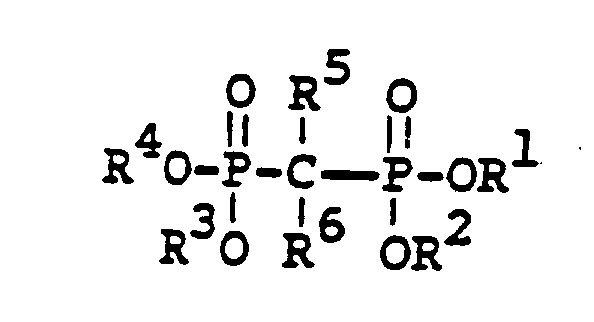


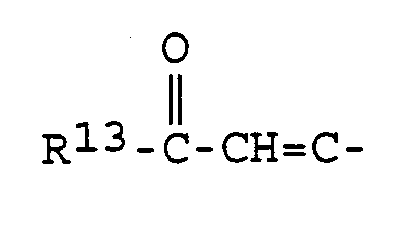
4-Cl-C₆H₅-S-CH₂; aryloxy;
R¹⁷-(QCH₂CH₂)dO- (où R¹⁷ est un groupe alkyle en C₁-C₁₀, alcényle en C₂-C₁₀, aryle ou arylalkyle, ou bien chacun des groupes R¹⁷ ci-dessus, facultativement substitué par un groupe alkyle en C₁-C₄, amine, alkylamine, carboxyle, alcoxycarbonyle, hydroxy, alcoxy, phénoxy, mercapto, alkylthio, phénylthio, par un atome d'halogène ou par le groupe trifluorométhyle, Q est O ou S et d est égal à 0, 1 ou 2);
thiol; phénylthio; chlorophénylthio; 4-thiomorpholinyle;
R¹⁹SCH₂- (où R¹⁹ est un groupe alkyle, aryle ou arylalkyle);
A-(CH₂)f-NH- (où A est un groupe cycloalcényle en C₅-C₈, bicycloheptyle, bicycloheptényle, un hétérocycle en C₄-C₇ saturé contenant O, S, SO ou SO₂);

un groupe mono- ou biazacyclylalkyle substitué par aromatique (le groupe alkyle est lié à l'atome d'azote dans l'hétérocycle) (tel que le groupe 3-(4-phénylpipéridino)propyle);
R³¹-Ax-CO-CH₂-
(où Ax est un groupe phényle ou naphtyle ou un hétérocycle azoté mono- ou bicyclique et R³¹ est l'hydrogène, un halogène ou un groupe alkyle en C₁-C₆ ou alcoxy en C₁-C₆);
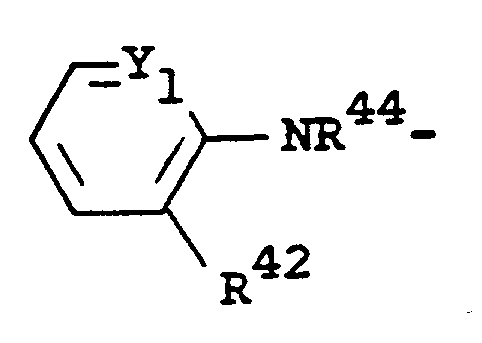


R⁵⁰-NH-
(où R⁵⁰ est


R₂₇-Z₉-
(où R₂₇ est un groupe aryle ou hétérocyclyle, qui sont tous deux facultativement substitués par un ou plusieurs groupes alkyle en C₁-C₆, alcoxy en C₁-C₆, alkylthio en C₁-C₆, halo-alkyle en C₁-C₆, acyle, acylamine ou atomes d'halogène, ou bien R₂₇ est un groupe alkyle en C₁-C₆ substitué par un groupe hétérocyclyle qui est facultativement substitué par un groupe acyle); R₂₇-Z₉ est R₂₇-NHC(=X₉), R₂₇-C(=O)NH-, R₂₇-SO₂-NH- (où X₉ est O ou S);
R₂₉-CO-[-R₃₀(CH₂)oCO-]p-NH-
(où R₂₉-CO- est un reste de composé à action pharmaceutique R₂₉-COOH, où R₂₉ est un anti-inflammatoire, un anti-oncotique ou une hormone,
R₃₀ est -NH- ou -O-
p est égal à 0 ou 1;
o est un nombre de 1 à 10);
R₃₃-(CH₂)q-
(où R₃₃ est un groupe azabicycloalkyle lié à N avec des cycles de 3 à 8 chaînons et q est un nombre de 2 à 4);
R₃₄-(CH₂)r-
(où R₃₄ est un groupe mono- ou diazacycloaliphatique aryl-substitué lié à N);
R₃₆ peut être un atome C substitué par un groupe alkyle en C₁-C₆, phényle (facultativement substitué par alkyle en C₁-C₆, alcoxy et/ou halogène), alcoxy en C₁-C₆, OH, di(alkyl inférieur)amine, alkylthio en C₁-C₆ et/ou halogène, et/ou un atome N substitué par un groupe alkyle en C₁-C₆ ou phényl-alkyle en C₁-C₆ (facultativement substitué par alkyle inférieur, alcoxy inférieur et/ou halogène);
R₃₇ est l'hydrogène ou un groupe alkyle en C₁-C₆; sous réserve que R₃₇ ne soit pas l'hydrogène si R₃₆ est un groupe alkyle facultativement substitué et/ou un groupe 3-pyrazolyle ou 3-isoxazolyle halo-substitué);
t est un nombre de 0 à 3;
X₁₁ est O S (facultativement oxydé) ou un groupe imine (facultativement substitué par un groupe aliphatique);
alk₁ et alk₂ sont des groupes aliphatiques divalents; R₃₉ est l'hydrogène ou un groupe aliphatique monovalent);

R₄₈ et R₄₉ sont chacun le groupe méthyle ou éthyle, et
M est l'hydrogène ou un cation d'une base soluble dans l'eau);
x est égal à 0 ou 1;
u est égal à 0, 1 ou 2;
ou bien R₆₂ et R₆₄ peuvent compléter un cycle aliphatique saturé de 5 à 7 chaînons, facultativement substitué par un ou plusieurs groupes alkyle);
Qb est une liaison covalente, O, S ou NR₇₆;
y, z, et y + z sont des nombres entiers de 0 à 10;
R₇₆ est l'hydrogène ou un groupe alkyle en C₁-C₃;
R₇₇ est formé par un ou plusieurs substituants choisis entre l'hydrogène, les halogènes, les groupes alkyle de 1 à 3 atomes de carbone, le groupe amine non substitué et son amide dérivé d'un acide carboxylique en C₁-C₃, un groupe mono(alkyl en C₁-C₃)amine et son amide dérivé d'un acide carboxylique en C₁-C₃, un groupe di(alkyl en C₁-C₃)amine, tri(alkyl en C₁-C₃)ammonium, hydroxy, ou son ester dérivé d'un acide carboxylique en C₁-C₃, éther ayant de 1 à 3 atomes de carbone, CO₂H et ses sels et esters dérivés d'alcools en C₁-C₃, son amide facultativement substitué par un ou deux groupes alkyle en C₁-C₃, et NO₂);
un groupe alkyle en C₁-C₆,
un groupe cycloalkyle en C₅-C₇,
un groupe phényle facultativement monosubstitué ou polysubstitué par un halogène, un groupe alkyle en C₁-C₆ ou un groupe trifluorométhyle, ou bien
un hétérocycle à 5 ou 6 chaînons contenant 1 ou 2 hétéroatomes choisis entre l'azote et le soufre,
Alk désigne un groupe alkylène en C₁-C₆ linéaire ou ramifié,
a⁵ représente 0 ou le nombre entier 1 ou 2);

le noyau est facultativement substitué par un groupe alkyle de 1 à 6 atomes de carbone (facultativement substitué, facultativement insaturé), un groupe aryle facultativement substitué, un groupe benzyle facultativement substitué, OH, halogène, carbonyle, alcoxy, NO₂, CONH₂, NH₂ facultativement substitué et/ou carboxylate, tel que le noyau pyridine, pyridazine, pyrimidine ou pyrazine;
R₇₈ est l'hydrogène ou un groupe alkyle de 1 à 4 atomes de carbone facultativement substitué et facultativement insaturé;
R₇₉ est l'hydrogène ou un groupe alkyle de 1 à 6 atomes de carbone facultativement substitué, facultativement insaturé, un groupe aryle facultativement substitué, un groupe benzyle facultativement substitué, OH, un halogène, carbonyle, alcoxy, NO₂, CONH₂, amine facultativement substitué ou carboxylate,
y' + z' est un nombre de 0 à 5);
R₈₅ est l'hydrogène ou un groupe alkyle de 1 à 4 atomes de carbone, facultativement substitué, et facultativement insaturé;
R₈₆ est formé par un ou plusieurs des atomes et groupes suivants: hydrogène, alkyle de 1 à 6 atomes de carbone facultativement substitué et facultativement insaturé, aryle facultativement substitué, benzyle facultativement substitué, OH, halogène, oxo, alcoxy, NO₂, amide, NH₂ facultativement substitué ou carboxylate;
R₈₇ est l'hydrogène, un groupe alkyle de 1 à 4 atomes de carbone facultativement substitué et facultativement insaturé, ou un groupe acyle;
a' est un nombre de 1 à 5);
R₉₁ est l'hydrogène ou un groupe alkyle de 1 à 4 atomes de carbone facultativement substitué et facultativement insaturé;
R₉₂ est l'hydrogène ou est formé par un ou plusieurs substituants choisis entre un groupe alkyle de 1 à 6 atomes facultativement substitué et facultativement insaturé, un groupe aryle facultativement substitué, un groupe benzyle facultativement substitué, OH, halogène, carbonyle, alcoxy, NO₂, amide, amine facultativement substitué ou carboxylate;
R₉₃ est l'hydrogène, un groupe alkyle de 1 à 4 atomes de carbone facultativement substitué et facultativement insaturé, ou un groupe acyle;
a² est un nombre de 1 à 5);

Rb est le, groupe cyclohexyle ou cyclophénylméthyle; et
A₂est l'hydrogène ou le chlore);


W et W' sont identiques ou différents et chacun d'eux est un atome d'hydrogène, de fluor ou de chlore, et
l'un de V et V' est l'azote et l'autre est un reste méthyne facultativement substitué par un groupe phényle, et

X₁₅ est O, S ou NH;
a₇ est égal à 0 ou 1;
a₈ est égal à 0 ou un nombre entier de 1 à 6);
D₁ est l'hydrogène ou un groupe alkyle en C₁-C₆);
D₇ es l'hydrogène ou un groupe alcanoyle en C₂-C₆);


et l'autre de R⁵ et R⁶ est l'hydrogène, un halogène, un groupe alkyle en C₁-C₃₀, amine, alkylamine, dialkylamine, uréido (NH₂CO-N(R³⁸)- où R³⁸ est l'hydrogène, un groupe alkyle, benzyle, phényle facultativement substitué par le chlore ou par CH₃); alcénylamine, cycloalkylamine, aryloxy, pyridinium, guanidinium, ammonium, di-et tri-(alcanol inférieur) ammonium, hydroxy, arylalkyle, alcoxy, alkylaryloxy, -CH₂CO₂H, -CH₂PO₃H₂, -CH(PO₃H₂)(OH), -CH₂CO₂C₂H₅, -CH₂CH(PO₃H₂)₂, un radical hydrocarbyle tel qu'il est défini ici, un radical hétérocyclique tel qu'il est défini ici, un groupe alcanoyle, un radical R⁶ ou R⁵ tel qu'il est défini ici, un ester de pro-médicament (tel que le groupe (1-alcanoyloxy)alkyle, par exemple t-C₄H₉CO₂CH₂-, CH₃CO₂CH₂-);
au moins l'un de R⁵ et R⁶ étant un groupe lipophile, ou bien R⁵ et R⁶ pouvant être réunis pour former un noyau carbocyclique contenant de 3 à 12 atomes de carbone ou un noyau hétérocyclique contenant des atomes d'azote, d'oxygène et/ou de soufre, tels ceux de formule
- Utilisation d'un méthylène phosphonoalkylphosphinate, en tant qu'inhibiteur de protéine-prényl transférase, pour la fabrication d'un médicament permettant de traiter et/ou de prévenir les tumeurs liées aux ras en bloquant la prénylation des produits oncogènes ras.
- Utilisation selon la revendication 3, dans laquelle le méthylène phosphonoalkylphosphinate inhibiteur de protéine-prényl transférase comporte au moins un groupe lipophile qui est un groupe qui contient au moins 6 atomes de carbone et qui est exigé pour une forte fixation de l'inhibiteur de l'enzyme et pour l'inhibition de la squalène synthétase ou d'autres enzymes dans le processus de biosynthèse du cholestérol.
- Utilisation selon la revendication 3, dans laquelle le méthylène phosphonoalkylphosphinate a pour formule

- Utilisation selon la revendication 5, dans laquelle A est un élément choisi entre les suivants: hydrogène; halogène; nitro; alkyle; hétérocycle; aryle; hétéroaryle; amine non substitué, et son amide dérivé d'un acide carboxylique d'un groupe substituant; amine substitué par un groupe substituant, et son amide dérivé d'un acide carboxylique d'un groupe substituant; amine substitué indépendamment par un groupe alkyle et un groupe substituant; hydroxy, et son ester dérivé d'un acide carboxylique d'un groupe substituant; éther portant un groupe substituant; thiol, et son ester de thiol dérivé d'un acide carboxylique d'un groupe substituant; thioéther portant un groupe substituant, ainsi que son sulfoxyde et sa sulfone; -SO₃H, ses sels pharmaceutiquement acceptables, son ester dérivé d'un alcool d'un groupe substituant, son amide non substitué, et son amide substitué par un ou deux groupes alkyle; -CO₂H, ses sels pharmaceutiquement acceptables, son ester dérivé d'un alcool d'un groupe substituant, son amide non substitué, et son amide substitué par un ou deux groupes alkyle; aldéhyde; cétone portant un groupe substituant; carbamate, non substitué ou substitué par un ou deux groupes alkyle; peptides comportant environ une à 100 séquences d'acides aminés; ou bien les éléments A et B sont liés par covalence de façon à former un cycle ayant de 3 à 7 atomes, avec de 0 à 3 hétéroatomes choisis dans le groupe composé de l'azote, du soufre, du phosphore et de l'oxygène, le cycle n'étant pas substitué ou bien étant substitué par un ou plusieurs des substituants précités de A; ou bien les éléments A et B sont remplacés par un groupe alkyle non substitué ou substitué fixé au carbone géminé par une double liaison; et
B est un élément choisi entre les suivants: hydrogène; halogène; alkyle inférieur éventuellement substitué; cycloalkyle éventuellement substitué ayant de 3 à 7 atomes dans le cycle; hétérocycle éventuellement substitué ayant de 3 à 7 atomes dans le cycle; phényle éventuellement substitué; hydroxy, et son ester dérivé d'un acide carboxylique d'un groupe alkyle en C₁-C₆; thiol; amine non substitué, et son amide dérivé d'un acide carboxylique d'un groupe alkyle en C₁-C₆; amine substitué par un groupe alkyle en C₁-C₆, et son amide dérivé d'un acide carboxylique d'un groupe alkyle en C₁-C₆; amine substitué indépendamment par deux groupes alkyle en C₁-C₆ ; -CO₂H, ses sels pharmaceutiquement acceptables, son ester dérivé d'un alcool d'un groupe alkyle en C₁-C₆, son amide non substitué, et son amide substitué par un ou deux groupes alkyle en C₁-C₆. - Utilisation selon la revendication 6, dans laquelle le groupe alkyle est substitué par halogène, nitro, cyano, hétérocycle, aryle, hétéroaryle, amine non substitué, et son amide dérivé d'un acide carboxylique d'un groupe alkyle, hétérocyclique, aryle ou hétéroaryle, amine substitué par un groupe alkyle, hétérocyclique, aryle ou hétéroaryle et son amide dérivé d'un acide carboxylique d'un groupe alkyle, amine substitué indépendamment par un groupe alkyle et un groupe alkyle, hétérocyclique, aryle ou hétéroaryle, hydroxy, et son ester dérivé d'un acide carboxylique d'un groupe alkyle, hétérocyclique, aryle ou hétéroaryle; éther portant un groupe alkyle, hétérocyclique, aryle ou hétéroaryle; thiol, et son ester de thiol dérivé d'un acide carboxylique d'un groupe alkyle, hétérocyclique, aryle ou hétéroaryle; thioéther portant un groupe alkyle, hétérocyclique, aryle ou hétéroaryle, et ses dérivés sulfoxyde et sulfone; -SO₃H, ses sels pharmaceutiquement acceptables, son ester dérivé d'un alcool d'un groupe alkyle, son amide non substitué, et son amide substitué par un ou deux groupes alkyle; -CO₂H, ses sels pharmaceutiquement acceptables, son ester dérivé d'un alcool d'un groupe alkyle, son amide non substitué, et son amide substitué par un ou deux groupes alkyle; PO₃H₂, ses sels pharmaceutiquement acceptables, son ester dérivé d'un alcool d'un groupe alkyle, son amide non substitué, et son amide substitué par un ou deux groupes alkyle; -(R⁸)PO₂H (où R⁸ est l'hydrogène ou un groupe alkyle inférieur non substitué), ses sels pharmaceutiquement acceptables, son ester dérivé d'un alcool d'un groupe alkyle, son amide non substitué, et son amide substitué par un ou deux groupes alkyle; aldéhyde; cétone portant un groupe alkyle; carbamate, non substitué ou substitué par un ou deux groupes alkyle; peptidyle; et leurs combinaisons.
- Utilisation selon la revendication 7, dans laquelle le terme "hétérocycle" désigne des noyaux non aromatiques chimiquement stables, y compris des noyaux non aromatiques soudés, ayant de 5 à 20 atomes, comprenant au moins un hétéroatome choisi entre l'azote, le soufre, le phosphore et l'oxygène.
- Utilisation selon la revendication 8, dans laquelle le terme "aryle" désigne des noyaux aromatiques chimiquement stables, y compris des noyaux aromatiques soudés, ayant de 6 à 20 atomes de carbone.
- Utilisation selon la revendication 6, dans laquelle A est un élément choisi entre(1) l'hydrogène;(2) un halogène;(3) un groupe alkyle éventuellement substitué ayant la structure générale:
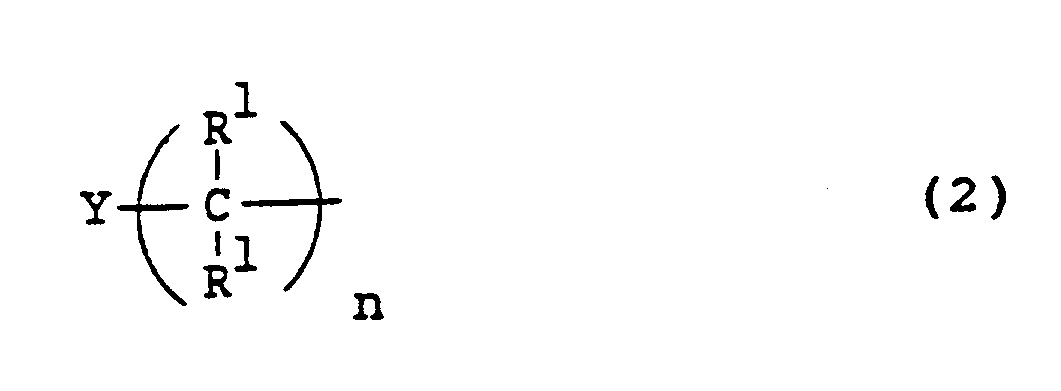 (4) cycloalkyle ayant de 4 à 10 atomes de carbone, et de préférence 5 ou 6 atomes de carbone;(5) hétérocycle ayant 5 ou 6 atomes dans le cycle; de préférence hétérocycles ayant 1 ou 2 atomes d'azote dans le cycle, ou mieux hétérocycles ayant un atome d'azote dans le cycle; ou encore mieux un groupe pipéridinyle, pyrrolidinyle, pipérazinyle ou morpholinyle éventuellement substitué;(6) phényle éventuellement substitué; naphtyle;(7) hétéroaryles à cycle de 5 ou 6 chaînons, éventuellement substitués, avec un ou deux hétéroatomes (notamment des hétéroatomes d'azote); le meilleur choix est le groupe pyridinyle;(8) groupe aminé ayant la structure générale:
 (9) groupe oxygéné ayant la structure générale:
 (10) groupe soufré ayant la structure générale:
 (11) groupe contenant des peptides, ayant la structure générale:
Applications Claiming Priority (2)
| Application Number | Priority Date | Filing Date | Title |
|---|---|---|---|
| US77491191A | 1991-10-11 | 1991-10-11 | |
| US774911 | 1991-10-11 |
Publications (2)
| Publication Number | Publication Date |
|---|---|
| EP0537008A1 EP0537008A1 (fr) | 1993-04-14 |
| EP0537008B1 true EP0537008B1 (fr) | 1995-10-25 |
Family
ID=25102663
Family Applications (1)
| Application Number | Title | Priority Date | Filing Date |
|---|---|---|---|
| EP92309185A Expired - Lifetime EP0537008B1 (fr) | 1991-10-11 | 1992-10-08 | Utilisation de biphosphonates pour la fabrication d'un médicament pour bloquer des transformations néoplastiques de cellules provoquées par des oncogènes ras |
Country Status (8)
| Country | Link |
|---|---|
| EP (1) | EP0537008B1 (fr) |
| JP (1) | JPH05201869A (fr) |
| AT (1) | ATE129407T1 (fr) |
| CA (1) | CA2080158A1 (fr) |
| DE (1) | DE69205657T2 (fr) |
| DK (1) | DK0537008T3 (fr) |
| ES (1) | ES2080452T3 (fr) |
| GR (1) | GR3018754T3 (fr) |
Cited By (2)
| Publication number | Priority date | Publication date | Assignee | Title |
|---|---|---|---|---|
| US6271197B1 (en) | 1996-04-11 | 2001-08-07 | Gpc-Biotech Inc. | Assays and reagents for identifying anti-fungal agents, and uses related thereto |
| US6727082B1 (en) | 1996-04-11 | 2004-04-27 | Gpc Biotech Inc. | Assays and reagents for identifying anti-fungal agents, and uses related thereto |
Families Citing this family (8)
| Publication number | Priority date | Publication date | Assignee | Title |
|---|---|---|---|---|
| US5451401A (en) * | 1993-09-29 | 1995-09-19 | The Procter & Gamble Company | Diphosphonic acid esters as tartar control agents |
| US5574025A (en) * | 1994-10-26 | 1996-11-12 | Merck & Co., Inc. | Inhibitors of prenyl-protein transferases |
| GB9422814D0 (en) * | 1994-11-11 | 1995-01-04 | Medinnova Sf | Chemical method |
| WO1997005902A1 (fr) * | 1995-08-09 | 1997-02-20 | Banyu Pharmaceutical Co., Ltd. | Composition medicinale |
| US6117641A (en) | 1996-04-11 | 2000-09-12 | Mitotix, Inc. | Assays and reagents for identifying anti-fungal agents and uses related thereto |
| WO1999066875A2 (fr) * | 1998-06-24 | 1999-12-29 | Hassan Jomaa | Preparation combinee de composes a action anti-infectieuse inhibant la voie metabolique de la 2-c-methylerythrose-4, et inhibiteurs du metabolisme lipidique |
| IL143328A0 (en) * | 1998-11-25 | 2002-04-21 | Genetica Inc | Methods and reagents for increasing proliferative capacity and preventing replicative senescence |
| CA2451881A1 (fr) | 2001-07-16 | 2003-01-30 | Universite Paris 13 | Nouveaux derives de bisphosphonates, leurs preparations et utilisations |
Family Cites Families (2)
| Publication number | Priority date | Publication date | Assignee | Title |
|---|---|---|---|---|
| CA2018470A1 (fr) * | 1989-07-17 | 1991-01-17 | Scott Adams Biller | Inhibiteurs de la synthetase de la squalene contenant du soufre, et methode pour ceux-ci |
| JPH05163150A (ja) * | 1991-05-13 | 1993-06-29 | E R Squibb & Sons Inc | アテローム性動脈硬化症の抑制・治療剤 |
-
1992
- 1992-10-08 AT AT92309185T patent/ATE129407T1/de not_active IP Right Cessation
- 1992-10-08 DK DK92309185.4T patent/DK0537008T3/da active
- 1992-10-08 ES ES92309185T patent/ES2080452T3/es not_active Expired - Lifetime
- 1992-10-08 DE DE69205657T patent/DE69205657T2/de not_active Expired - Fee Related
- 1992-10-08 CA CA002080158A patent/CA2080158A1/fr not_active Abandoned
- 1992-10-08 EP EP92309185A patent/EP0537008B1/fr not_active Expired - Lifetime
- 1992-10-12 JP JP4272809A patent/JPH05201869A/ja not_active Withdrawn
-
1996
- 1996-01-23 GR GR960400153T patent/GR3018754T3/el unknown
Cited By (3)
| Publication number | Priority date | Publication date | Assignee | Title |
|---|---|---|---|---|
| US6271197B1 (en) | 1996-04-11 | 2001-08-07 | Gpc-Biotech Inc. | Assays and reagents for identifying anti-fungal agents, and uses related thereto |
| US6277564B1 (en) | 1996-04-11 | 2001-08-21 | Gpc Biotech Inc. | Assays and reagents for identifying anti-fungal agents, and uses related thereto |
| US6727082B1 (en) | 1996-04-11 | 2004-04-27 | Gpc Biotech Inc. | Assays and reagents for identifying anti-fungal agents, and uses related thereto |
Also Published As
| Publication number | Publication date |
|---|---|
| DK0537008T3 (da) | 1995-12-04 |
| GR3018754T3 (en) | 1996-04-30 |
| DE69205657T2 (de) | 1996-06-13 |
| CA2080158A1 (fr) | 1993-04-12 |
| ES2080452T3 (es) | 1996-02-01 |
| JPH05201869A (ja) | 1993-08-10 |
| EP0537008A1 (fr) | 1993-04-14 |
| DE69205657D1 (de) | 1995-11-30 |
| ATE129407T1 (de) | 1995-11-15 |
Similar Documents
| Publication | Publication Date | Title |
|---|---|---|
| Luckman et al. | Heterocycle‐containing bisphosphonates cause apoptosis and inhibit bone resorption by preventing protein prenylation: Evidence from structure‐activity relationships in J774 macrophages | |
| Uludag | Bisphosphonates as a foundation of drug delivery to bone | |
| Thompson et al. | Cytosolic entry of bisphosphonate drugs requires acidification of vesicles after fluid-phase endocytosis | |
| Dunford et al. | Structure-activity relationships for inhibition of farnesyl diphosphate synthase in vitro and inhibition of bone resorption in vivo by nitrogen-containing bisphosphonates | |
| Russell et al. | The pharmacology of bisphosphonates and new insights into their mechanisms of action | |
| CN1318434C (zh) | 线粒体靶向的抗氧剂 | |
| Park et al. | Human isoprenoid synthase enzymes as therapeutic targets | |
| EP0918523A1 (fr) | Traitement des affections arthritiques, de la polyarthrite rhumatoide et des manifestations associees aux affections rhumatoides | |
| EP0537008A1 (fr) | Utilisation de biphosphonates pour la fabrication d'un médicament pour bloquer des transformations néoplastiques de cellules provoquées par des oncogènes ras | |
| CZ301701B6 (cs) | Lécivo obsahující kyselinu zoledronovou pro ošetrování bolesti | |
| PT1509537E (pt) | Acumulação celular de análogos de fosfonato de compostos inibidores da protease do vih e os próprios compostos | |
| SE9003564L (sv) | Laekemedel, vilka som aktiv substans innehaaller karboxylsyror innehaallande svavel samt deras anvaendning foer bekaempning av retrovirus | |
| US20010036936A1 (en) | Compositions and methods for treating osteoporosis | |
| JP4502641B2 (ja) | 抗癌組み合わせおよびその使用方法 | |
| CZ446099A3 (cs) | Použití inhibitoru faktoru Xa, samotného nebo v kombinaci s činidlem proti shlukování krevních destiček a farmaceutické prostředky, které obsahují tyto složky | |
| EP0537007B1 (fr) | Utilisation d'inhibiteurs de farnésyl-protéine transferase pour la fabrication d'un médicament pour bloquer les transformations néoplastiques de cellules provoquées par des oncogènes ras | |
| EP0513760A2 (fr) | Utilisation de biphosphonates inhibiteurs de la synthèse du squalène dans des préparations pharmaceutiques utiles pour baisser le taux de cholestérol | |
| CA2017412A1 (fr) | Methode de prevention ou de traitement de la depression a l'aide d'un inhibiteur de l'ace | |
| McConnell et al. | Inhibition of calmodulin-stimulated (Ca2++ Mg2+)-ATPase activity by dimethyl sulfoxide | |
| US6277366B1 (en) | Release-sustaining agent for drugs and sustained-release pharmaceutical composition | |
| EP1203583B1 (fr) | Remedes contre la polyarthrite rhumatoide | |
| WO2005117864A1 (fr) | Produit combine comprenant de l'anastrozole et un inhibiteur double de la prenyl transferase | |
| BR0011094A (pt) | Polimorfos de um citrato cristalino de azobiciclo[2,2,2]octan-3-amina e suas composições farmacêuticas | |
| Coxon et al. | Resorbing osteoclasts increase the availability of mineral-bound bisphosphonates to non-resorbing cells | |
| BRPI0610022A2 (pt) | compostos fluoroquinolonas fosfonadas, seus análogos antibacterianos, composição farmacêutica que os contém, bem como o uso dos mesmos |
Legal Events
| Date | Code | Title | Description |
|---|---|---|---|
| PUAI | Public reference made under article 153(3) epc to a published international application that has entered the european phase |
Free format text: ORIGINAL CODE: 0009012 |
|
| AK | Designated contracting states |
Kind code of ref document: A1 Designated state(s): AT BE CH DE DK ES FR GB GR IE IT LI LU MC NL PT SE |
|
| 17P | Request for examination filed |
Effective date: 19930923 |
|
| 17Q | First examination report despatched |
Effective date: 19931108 |
|
| GRAA | (expected) grant |
Free format text: ORIGINAL CODE: 0009210 |
|
| AK | Designated contracting states |
Kind code of ref document: B1 Designated state(s): AT BE CH DE DK ES FR GB GR IE IT LI LU MC NL PT SE |
|
| REF | Corresponds to: |
Ref document number: 129407 Country of ref document: AT Date of ref document: 19951115 Kind code of ref document: T |
|
| REG | Reference to a national code |
Ref country code: IE Ref legal event code: FG4D Free format text: 65836 |
|
| REF | Corresponds to: |
Ref document number: 69205657 Country of ref document: DE Date of ref document: 19951130 |
|
| REG | Reference to a national code |
Ref country code: DK Ref legal event code: T3 |
|
| ET | Fr: translation filed | ||
| REG | Reference to a national code |
Ref country code: CH Ref legal event code: NV Representative=s name: KIRKER & CIE SA |
|
| ITF | It: translation for a ep patent filed | ||
| SC4A | Pt: translation is available |
Free format text: 951030 AVAILABILITY OF NATIONAL TRANSLATION |
|
| REG | Reference to a national code |
Ref country code: ES Ref legal event code: FG2A Ref document number: 2080452 Country of ref document: ES Kind code of ref document: T3 |
|
| REG | Reference to a national code |
Ref country code: GR Ref legal event code: FG4A Free format text: 3018754 |
|
| PLBE | No opposition filed within time limit |
Free format text: ORIGINAL CODE: 0009261 |
|
| 26N | No opposition filed | ||
| REG | Reference to a national code |
Ref country code: GB Ref legal event code: IF02 |
|
| PGFP | Annual fee paid to national office [announced via postgrant information from national office to epo] |
Ref country code: PT Payment date: 20080912 Year of fee payment: 17 |
|
| PGFP | Annual fee paid to national office [announced via postgrant information from national office to epo] |
Ref country code: NL Payment date: 20081005 Year of fee payment: 17 |
|
| PGFP | Annual fee paid to national office [announced via postgrant information from national office to epo] |
Ref country code: MC Payment date: 20081002 Year of fee payment: 17 Ref country code: LU Payment date: 20081016 Year of fee payment: 17 Ref country code: IE Payment date: 20081015 Year of fee payment: 17 Ref country code: DK Payment date: 20081013 Year of fee payment: 17 Ref country code: DE Payment date: 20081014 Year of fee payment: 17 Ref country code: CH Payment date: 20081016 Year of fee payment: 17 |
|
| PGFP | Annual fee paid to national office [announced via postgrant information from national office to epo] |
Ref country code: ES Payment date: 20081121 Year of fee payment: 17 Ref country code: AT Payment date: 20081013 Year of fee payment: 17 |
|
| PGFP | Annual fee paid to national office [announced via postgrant information from national office to epo] |
Ref country code: SE Payment date: 20081022 Year of fee payment: 17 Ref country code: BE Payment date: 20081010 Year of fee payment: 17 Ref country code: IT Payment date: 20081028 Year of fee payment: 17 |
|
| PGFP | Annual fee paid to national office [announced via postgrant information from national office to epo] |
Ref country code: FR Payment date: 20081014 Year of fee payment: 17 |
|
| PGFP | Annual fee paid to national office [announced via postgrant information from national office to epo] |
Ref country code: GR Payment date: 20080919 Year of fee payment: 17 Ref country code: GB Payment date: 20081008 Year of fee payment: 17 |
|
| REG | Reference to a national code |
Ref country code: PT Ref legal event code: MM4A Free format text: LAPSE DUE TO NON-PAYMENT OF FEES Effective date: 20100408 |
|
| BERE | Be: lapsed |
Owner name: E.R. *SQUIBB & SONS INC. Effective date: 20091031 |
|
| REG | Reference to a national code |
Ref country code: NL Ref legal event code: V1 Effective date: 20100501 |
|
| PG25 | Lapsed in a contracting state [announced via postgrant information from national office to epo] |
Ref country code: MC Free format text: LAPSE BECAUSE OF NON-PAYMENT OF DUE FEES Effective date: 20091031 |
|
| REG | Reference to a national code |
Ref country code: CH Ref legal event code: PL |
|
| EUG | Se: european patent has lapsed | ||
| REG | Reference to a national code |
Ref country code: DK Ref legal event code: EBP |
|
| REG | Reference to a national code |
Ref country code: IE Ref legal event code: MM4A |
|
| REG | Reference to a national code |
Ref country code: FR Ref legal event code: ST Effective date: 20100630 |
|
| PG25 | Lapsed in a contracting state [announced via postgrant information from national office to epo] |
Ref country code: PT Free format text: LAPSE BECAUSE OF NON-PAYMENT OF DUE FEES Effective date: 20100408 Ref country code: NL Free format text: LAPSE BECAUSE OF NON-PAYMENT OF DUE FEES Effective date: 20100501 Ref country code: FR Free format text: LAPSE BECAUSE OF NON-PAYMENT OF DUE FEES Effective date: 20091102 Ref country code: DE Free format text: LAPSE BECAUSE OF NON-PAYMENT OF DUE FEES Effective date: 20100501 |
|
| PG25 | Lapsed in a contracting state [announced via postgrant information from national office to epo] |
Ref country code: AT Free format text: LAPSE BECAUSE OF NON-PAYMENT OF DUE FEES Effective date: 20091008 |
|
| PG25 | Lapsed in a contracting state [announced via postgrant information from national office to epo] |
Ref country code: LI Free format text: LAPSE BECAUSE OF NON-PAYMENT OF DUE FEES Effective date: 20091031 Ref country code: IE Free format text: LAPSE BECAUSE OF NON-PAYMENT OF DUE FEES Effective date: 20091008 Ref country code: GR Free format text: LAPSE BECAUSE OF NON-PAYMENT OF DUE FEES Effective date: 20100504 Ref country code: CH Free format text: LAPSE BECAUSE OF NON-PAYMENT OF DUE FEES Effective date: 20091031 Ref country code: BE Free format text: LAPSE BECAUSE OF NON-PAYMENT OF DUE FEES Effective date: 20091031 |
|
| PG25 | Lapsed in a contracting state [announced via postgrant information from national office to epo] |
Ref country code: GB Free format text: LAPSE BECAUSE OF NON-PAYMENT OF DUE FEES Effective date: 20091008 |
|
| PG25 | Lapsed in a contracting state [announced via postgrant information from national office to epo] |
Ref country code: DK Free format text: LAPSE BECAUSE OF NON-PAYMENT OF DUE FEES Effective date: 20091031 |
|
| REG | Reference to a national code |
Ref country code: ES Ref legal event code: FD2A Effective date: 20110309 |
|
| PG25 | Lapsed in a contracting state [announced via postgrant information from national office to epo] |
Ref country code: IT Free format text: LAPSE BECAUSE OF NON-PAYMENT OF DUE FEES Effective date: 20091008 |
|
| PG25 | Lapsed in a contracting state [announced via postgrant information from national office to epo] |
Ref country code: LU Free format text: LAPSE BECAUSE OF NON-PAYMENT OF DUE FEES Effective date: 20091008 |
|
| PG25 | Lapsed in a contracting state [announced via postgrant information from national office to epo] |
Ref country code: SE Free format text: LAPSE BECAUSE OF NON-PAYMENT OF DUE FEES Effective date: 20091009 |
|
| PG25 | Lapsed in a contracting state [announced via postgrant information from national office to epo] |
Ref country code: ES Free format text: LAPSE BECAUSE OF NON-PAYMENT OF DUE FEES Effective date: 20110308 |
|
| PG25 | Lapsed in a contracting state [announced via postgrant information from national office to epo] |
Ref country code: ES Free format text: LAPSE BECAUSE OF NON-PAYMENT OF DUE FEES Effective date: 20091009 |