EP0595659A2 - Rezeptorliganden von der extrazellularen Matrix, die die Leukozytenfunktion modulieren - Google Patents
Rezeptorliganden von der extrazellularen Matrix, die die Leukozytenfunktion modulieren Download PDFInfo
- Publication number
- EP0595659A2 EP0595659A2 EP93308688A EP93308688A EP0595659A2 EP 0595659 A2 EP0595659 A2 EP 0595659A2 EP 93308688 A EP93308688 A EP 93308688A EP 93308688 A EP93308688 A EP 93308688A EP 0595659 A2 EP0595659 A2 EP 0595659A2
- Authority
- EP
- European Patent Office
- Prior art keywords
- protein
- soluble
- extracellular matrix
- cell
- proteins
- Prior art date
- Legal status (The legal status is an assumption and is not a legal conclusion. Google has not performed a legal analysis and makes no representation as to the accuracy of the status listed.)
- Withdrawn
Links
Images

Classifications
-
- C—CHEMISTRY; METALLURGY
- C07—ORGANIC CHEMISTRY
- C07K—PEPTIDES
- C07K19/00—Hybrid peptides, i.e. peptides covalently bound to nucleic acids, or non-covalently bound protein-protein complexes
-
- A—HUMAN NECESSITIES
- A61—MEDICAL OR VETERINARY SCIENCE; HYGIENE
- A61P—SPECIFIC THERAPEUTIC ACTIVITY OF CHEMICAL COMPOUNDS OR MEDICINAL PREPARATIONS
- A61P37/00—Drugs for immunological or allergic disorders
-
- A—HUMAN NECESSITIES
- A61—MEDICAL OR VETERINARY SCIENCE; HYGIENE
- A61P—SPECIFIC THERAPEUTIC ACTIVITY OF CHEMICAL COMPOUNDS OR MEDICINAL PREPARATIONS
- A61P43/00—Drugs for specific purposes, not provided for in groups A61P1/00-A61P41/00
-
- C—CHEMISTRY; METALLURGY
- C07—ORGANIC CHEMISTRY
- C07K—PEPTIDES
- C07K14/00—Peptides having more than 20 amino acids; Gastrins; Somatostatins; Melanotropins; Derivatives thereof
- C07K14/435—Peptides having more than 20 amino acids; Gastrins; Somatostatins; Melanotropins; Derivatives thereof from animals; from humans
- C07K14/705—Receptors; Cell surface antigens; Cell surface determinants
- C07K14/70578—NGF-receptor/TNF-receptor superfamily, e.g. CD27, CD30, CD40, CD95
-
- C—CHEMISTRY; METALLURGY
- C07—ORGANIC CHEMISTRY
- C07K—PEPTIDES
- C07K14/00—Peptides having more than 20 amino acids; Gastrins; Somatostatins; Melanotropins; Derivatives thereof
- C07K14/435—Peptides having more than 20 amino acids; Gastrins; Somatostatins; Melanotropins; Derivatives thereof from animals; from humans
- C07K14/705—Receptors; Cell surface antigens; Cell surface determinants
- C07K14/71—Receptors; Cell surface antigens; Cell surface determinants for growth factors; for growth regulators
-
- C—CHEMISTRY; METALLURGY
- C07—ORGANIC CHEMISTRY
- C07K—PEPTIDES
- C07K14/00—Peptides having more than 20 amino acids; Gastrins; Somatostatins; Melanotropins; Derivatives thereof
- C07K14/435—Peptides having more than 20 amino acids; Gastrins; Somatostatins; Melanotropins; Derivatives thereof from animals; from humans
- C07K14/705—Receptors; Cell surface antigens; Cell surface determinants
- C07K14/715—Receptors; Cell surface antigens; Cell surface determinants for cytokines; for lymphokines; for interferons
-
- A—HUMAN NECESSITIES
- A61—MEDICAL OR VETERINARY SCIENCE; HYGIENE
- A61K—PREPARATIONS FOR MEDICAL, DENTAL OR TOILETRY PURPOSES
- A61K38/00—Medicinal preparations containing peptides
-
- C—CHEMISTRY; METALLURGY
- C07—ORGANIC CHEMISTRY
- C07K—PEPTIDES
- C07K2319/00—Fusion polypeptide
- C07K2319/01—Fusion polypeptide containing a localisation/targetting motif
- C07K2319/02—Fusion polypeptide containing a localisation/targetting motif containing a signal sequence
-
- C—CHEMISTRY; METALLURGY
- C07—ORGANIC CHEMISTRY
- C07K—PEPTIDES
- C07K2319/00—Fusion polypeptide
- C07K2319/30—Non-immunoglobulin-derived peptide or protein having an immunoglobulin constant or Fc region, or a fragment thereof, attached thereto
-
- C—CHEMISTRY; METALLURGY
- C07—ORGANIC CHEMISTRY
- C07K—PEPTIDES
- C07K2319/00—Fusion polypeptide
- C07K2319/32—Fusion polypeptide fusions with soluble part of a cell surface receptor, "decoy receptors"
Definitions
- the amino acid sequences of leukocyte surface molecules often contain motifs that have about 20 - 30% amino acid identity to motifs either within the molecule or in other proteins. These motifs are predicted to be evolutionarily related, have similar folding patterns and mediate similar types of interaction. A number of superfamilies have been described, containing conserved sequence motifs, such as the Ig-like domains of the immunoglobulin superfamily, fibronectin type III domains and a conserved motif found in many of the receptors for cytokines. The term domain is used where there are structural data to indicate that the motif may form a discrete structure, whereas the term motif is used where only sequence data are available.
- NGFR nerve growth factor receptor
- B-cell antigen CD40 the B-cell antigen CD40
- MRC OX-40 antigen which is a marker of activated T cells of the CD4 phenotype
- TNF tumour necrosis factor
- TNFR-I and TNFR-II two receptors for tumour necrosis factor
- FAS a polypeptide expressed in various human cells including myeloid cells, T lymphoblastoid cells and diploid fibroblasts
- CD27 a T cell activation antigen
- CD30 an antigen on the surface of T and B cells which is a characteristic marker for Hodgkin's disease.
- the members of the family are acids, in the extracellular part of the molecule. They are not associated with any other motif type in the extracellular region, although there is a hinge-like region, characterized by a lack of Cys residues and a high proportion of Ser, Thr and Pro, in MRC OX-40, NGFR and TNFR-II. This segment is likely to be glycosylated with O-linked sugars and could have an extended structure. Alignment of all the motifs shows that they contain either four or six cysteine residues in a characteristic and conserved pattern. There is considerable variation in the rest of the sequence, although some other residues are conserved in most of the motifs.
- the motifs in the 4-1BB protein are less homologous but two motifs separated by truncated motif can be found.
- the motifs contain a variety of residues found in the nonconserved positions. Although there are some differences in the number of residues between the Cys residues, the motifs are remarkably similar in length.
- the cysteine-rich motifs in the NGFR superfamily are clearly distinct from cysteine-rich repeats found in other proteins, such as the low-density lipoprotein (LDL) repeat.
- LDL low-density lipoprotein
- a FAS polypeptide has been produced which is encoded by the cDNA for the human cell surface antigen FAS, and it has been shown that this polypeptide can mediate apoptosis (Itoh, N. et al. (1991) Cell 66 :233-243). Defects in the FAS antigen have been associated with lymphoproliferative disorders in mice, producing lupus-like symptoms (Watanabe-Fukunaga, R. et al. (1992) Nature 356 :314-317). Binding of TNF to the cell surface FAS antigen has been shown to mediate cytolytic activity, suggesting that the FAS antigen serves as a receptor for TNF's cytolytic effects (Yonehara, S. et al. in Tumor Necrosis Factor: Structure-Function Relationships and Clinical Applications ., Basel (1992) pp. 58-65).
- CD30 is a marker for Hodgkin's disease and is interchangeably referred to as the Ki-1 antigen.
- CD30 has 5 cysteine-rich repeat regions that are homologous with the NGFR superfamily. Although the function of CD30 in Hodgkin's disease is unknown, it is a marker of T cell and B cell activation (Durkop, H. et al. (1992) Cell 68 :421-427).
- the T cell activation antigen CD27 is a member of the NGFR gene family, and it may be involved in T cell proliferation and survival following activation (Camerini, D. et al. (1991) J. Immunol. 147 :31653169).
- CD27 is a dimeric membrane glycoprotein and is found on the surface of most human T lymphocytes. Structural similarities of CD27 suggest that it belongs to a lymphocyte-specific subgroup of the NGFR family together with CD40, MRC OX40 and 4-1BB.
- NGFR Functions of four members of the NGFR superfamily are known: the NGFR, FAS, and the two TNFRs are growth factor receptors. Binding of polypeptide cytokines to these receptors results in a variety of functional effects.
- the binding of NGF to its high-affinity receptor significantly affects neuronal differentiation and survival (Barde, Y-A. (1989) Neuron 2 :1525-1534).
- Both TNF- ⁇ and TNF- ⁇ bind to the two TNFRs, leading to a diverse range of effects including inflammation and tumor cell death (Beutler, B. et al. (1989) Annu. Rev. Immunol. 7 :625-655; Sprang, S.R. (1990) Trend Biochem.
- the 4-1BB has been characterized only as a cDNA clone found in activated T-cell clones and there are not data on the product although it appears to code for a cell surface protein (Kwon, B.S., (1989) Proc. Natl. Acad. Sci. USA 86: 1963-1967).
- the vaccinia and Shope viral sequences are characterized only as sequences and it is not known whether the proteins are expressed (Upton, C. et al. (1987) Virology 160 :20-30; Howard, S.T. et al. (1991) Virology 180 :633-647).
- NGFR superfamily cell surface proteins may function as receptors for cytokines. Those characterized so far are unusual in that they can bind to more than one ligand, and these ligands are polymeric in nature.
- the size of the extracellular domains of the NGFR superfamily members is relatively homogeneous compared with other superfamilies. The characterized members share 3 - 4 motifs, and in some cases a hinge-like region. Presumably, new members have yet to be defined and sequence analysis is required to see whether these features are common to all members of this superfamily.
- TNFR-I and TNFR-II bind TNF- ⁇ and TNF- ⁇ with high affinity (Schall, T.J. et al. (1990) Cell 61 :361-370; Smith C.A. et al. (1990) Science 248 :1010-1023; Sprang, S.R. (1990) Trends Biochem. Sci. 15 :366-368). These two cytokines are only 30% identical in amino acid sequence.
- TNF- ⁇ is thought to have similar structure to TNF- ⁇ , which contains a ⁇ sheet structure in a trimeric arrangement (Jones, E.Y. et al. (1989) Nature 338 :225-228; Eck, M.J. et al. (1989) J. Biol. Chem. 264 :17595-17605).
- the two TNFRs are only 27% identical in the extracellular domains, which is the same order as that for other, functionally unrelated, members of this superfamily.
- the two receptor molecules are homologous only within a 150 residue cysteine-rich segment presumed to be the ligand-binding domain.
- An analog of this sequence is found also in the receptor for nerve growth factor (NGFR), a hormone which is unlikely to have any structural resemblance to TNF.
- NGFR nerve growth factor
- the surface of the binding scaffold presented by this cysteine-rich fold is potentially complementary to a variety of ligands.
- Tumor necrosis factor is the collective name for two related cytokine hormones, TNF- ⁇ and TNF- ⁇ .
- TNF- ⁇ is named for its ability to induce hemorrhagic necrosis of certain murine tumors and its cytotoxicity to some tumor cell lines (Beutler, B. et al. (1988) Annu. Rev. Biochem. 57 :505-518).
- Known also as cachectin, TNF- ⁇ is a mediator of inflammation, sepsis-induced shock and the wasting syndrome (cachexia) associated with chronic infection and neoplastic disease.
- TNF- ⁇ acts as an immunoregulator, represses lipogenic pathways in adipocytes, stimulates collagenase production in epithelial cells and is a growth factor for fibroblasts.
- TNF- ⁇ , or lymphotoxin is a lymphocyte-derived homologue of TNF- ⁇ and appears to effect many of the same functions.
- the present invention is directed to soluble lymphocyte ligand proteins and methods of modulating leukocyte function by inhibiting the interaction between extracellular matrix associated proteins and lymphocytes.
- the soluble ligand proteins are administered to a patient and bind to these extracellular matrix associated proteins. This blocks the ability of the lymphocytes to bind to the extracellular matrix receptors.
- the soluble lymphocyte ligand proteins of this invention contain the soluble extracellular portions of lymphocyte surface receptors, particularly lymphocyte proteins which are members of the nerve growth factor receptor superfamily.
- Specific proteins of the present invention include 4-1BB fusion proteins, such as 4-1BB Rg, as well as fusion proteins of CD27, CD30, FAS, etc.
- the present invention demonstrates that the soluble lymphocyte ligand proteins developed are involved in the binding of extracellular matrix associated proteins. Because interactions between leukocyte receptors and their ligands results in the modulation of leukocyte function, the inhibition of this interaction by administration of the soluble proteins of the present invention effectively alters leukocyte activity.
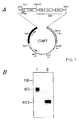
- FIGURE 1 illustrates the 4-1BB immunoglobulin fusion gene.
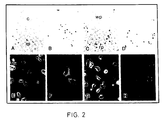
- FIGURE 2 illustrates the reactivity of 4-1BB Rg to murine tissue sections and binding of extracellular matrix proteins to COS cells expressing 4-1BB.
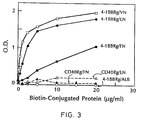
- FIGURE 3 illustrates the binding of 4-1BB Rg to extracellular matrix proteins.
- 4-1BB Rg was immobilized on plastic coated with affinity purified goat anti-human IgG antibodies and its ability to bind to increasing amounts of biotin-conjugated fibronectin, vitronectin, laminin or BSA was measured using an ELISA assay, as described in the materials and methods section.
- As a control the binding of a similarly immobilized CD40 Rg fusion protein to biotin-conjugated fibronectin and laminin was monitored.
- the data are expressed as the mean of triplicate samples. The SD were ⁇ 1%.
- the data shown are representative of at least three separate experiments.
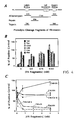
- FIGURE 4 illustrates that the binding of 4-1BB Rg to fibronectin is mediated by multiple fibronectin domains. Extracellular matrix proteins bind to 4-1BB Rg via overlapping binding sites.
- FIGURE 5 illustrates glycosaminoglycan blocking of the binding of 4-1BB to extracellular matrix proteins.
- 4-1BB Rg is modified with N-linked and O-linked oligosaccharides but not glycosaminoglycans.
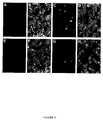
- FIGURE 6 illustrates mock transfection of COS cells stained with either anti-CD30 mAb (A, B) or anti-CD27 mAb (E, F) viewed under fluorescence (A, E) or phase contrast microscopy (B, F).
- COS cells transfected with CD30Rg (C, D) or CD27Rg (G, H) are similarly stained and viewed under fluorescence (C, G) or phase contrast microscopy (D, H), respectively.
- the present invention is directed to soluble fusion molecules of T cell surface ligands that are capable of inhibiting the interaction of leukocytes with proteins associated with the extracellular matrix of target tissue, and to methods for the inhibiting of leukocyte action.
- Soluble fusion molecules of the present invention include the extracellular domain of a T cell surface ligand fused to an immunoglobulin chain (Rg).
- Particularly preferred fusion molecules of the present invention include 4-1BBRg, CD30Rg, CD27Rg, CD40Rg and TNFRg.
- soluble lymphocyte ligand protein and grammatical variations thereof refers to a fusion protein composed of an extracellular region of a lymphocyte receptor protein such as 4-1BB, CD30, CD27, FAS, MRC OX40, TNF receptor (TNFR), etc. fused to a soluble structural protein such as in immunoglobulin (Rg) or T cell receptor region.
- a lymphocyte receptor protein such as 4-1BB, CD30, CD27, FAS, MRC OX40, TNF receptor (TNFR), etc.
- soluble structural protein such as in immunoglobulin (Rg) or T cell receptor region.
- Illustrative soluble lymphocyte ligand proteins of the present invention include 4-1BBRg, CD27Rg, and FAS Rg and the like.
- extracellular matrix associated proteins refers to proteins found within the extracellular matrix of tissues and include fibronectin, laminin, collagen type VI, and TNF-like molecules associated therewith.
- Codoning vector is any plasmid or virus into which a foreign DNA may be inserted to be cloned.
- Plasmid is an autonomous self-replicating extra-chromosomal circular DNA.
- Open Reading Frame is a DNA sequence which is (potentially) translatable into protein.
- Gene (cistron) is the segment of DNA that encodes the sequence of a peptide chain; it can include regions preceding and following the coding region (leader and trailer) as well as intervening sequences (introns) between individual coding segments (exons).
- “Expression”, as used herein, is the process undergone by a structural gene to produce a peptide or protein. It is a combination of transcription and translation.
- base pair is a partnership of adenine (A) with thymine (T), or of cytosine (C) with guanine (G) in a DNA double helix.
- expression vector is any plasmid or virus into which a foreign DNA may be inserted and/or expressed.
- downstream identifies sequences proceeding further in the direction of expression; for example, the peptide coding region of a gene is downstream from the initiation codon or in the 3' direction away from the gene; upstream is 5' to the sequence in question.
- PCR polymerase chain reaction
- unit dose refers to physically discrete units suitable as unitary dosages for animals, each unit contains a predetermined quantity of active material calculated to produce the desired therapeutic effect in association with the required diluent; that is, a carrier or vehicle.
- the specifications for the novel unit dose of this invention are dictated by, and are directly dependent upon, (a) the unique characteristics of the active material and the particular therapeutic effect to be achieved, and (b) the limitations inherent in the art of compounding such active material for therapeutic use.
- conservative substitution denotes that one amino acid residue has been replaced by another, biologically similar residue.
- conservative substitutions include the substitutions of one hydrophobic residue such as Ile, Val, Leu, or Met for another, or the substitution of one polar residue for another such as between Arg and Lys, between Glu and Asp or between Gln and Asn, and the like.
- an ionic residue by an oppositely charged ionic residue such as Asp by Lys has been determined conservative in the art in that those ionic groups are thought to merely provide solubility assistance. In general, however, since the replacements discussed herein are on a relatively short region, replacement of an ionic residue by another ionic residue of opposite charge is considered herein to be a "radical replacement" as are replacements by nonionic and ionic residues, and bulky residues such as Phe, Tyr or Trp and less bulky residues such as Gly, Ile and Val.
- nonionic and ionic residues are used herein in their usual sense to designate those amino acid residues that either bear no charge or normally bear a charge, respectively, at physiological pH value.
- exemplary nonionic residues include Thr and Gln, while exemplary ionic residues include Arg and Asp.
- phrases "pharmaceutically acceptable salts” and “physiologically tolerable salts”, as used interchangeably herein, refer to non-toxic alkali metal, alkaline earth metal and ammonium salts used in the pharmaceutical industry, including the sodium, potassium, lithium, calcium, magnesium and ammonium salts and the like that are prepared by methods well-known in the art.
- the phrase also includes non-toxic acid addition salts that are generally prepared by reacting the compounds in this invention with a suitable organic or inorganic acid.
- Representative salts include the hydrochloride, hydrobromide, sulfate, bisulfate, acetate, oxalate, valerate, oleate, laureate, vorate, benzoate, lactate, phosphate, tosylate, citrate, maleate, fumarate, succinate, tartrate and the like.
- cellular adhesion molecule refers to specific inflammatory cell surface molecules that are recognized and bind to vascular endothelium and/or granulocytes.
- the term "operatively attached” refers to the linkage of groups in a manner such that the binding affinity of the group is not inhibited by the attachment.
- IgG constant region refers to domains of the gamma chain of the IgG molecule that are adjacent to the variable region that corresponds to the first 107 amino acids of the gamma chain or fragments thereof.
- the four domains within the gamma chain constant region are designated CH1, H, CH2, and CH3.
- CH1 is adjacent to the variable region and encompasses amino acid residues 114 through 223.
- H is adjacent to CH1 and contains the cysteine residues that form the disulfide bonds which covalently link the two immunoglobulin heavy chains.
- CH2 is adjacent to the hinge and encompasses amino acid residues 246 through 361, followed by CH3 which contains amino acid residues 362 through 496.
- library refers to a large random collection of cloned DNA fragments obtained from the transcription system of interest. The gene library was then screened with labeled cDNA probes.
- a carrier is a material useful for administering the active compound and must be "acceptable” in the sense of being compatible with the other ingredients of the composition and not deleterious to the recipient thereof.
- compositions are prepared by any of the methods well known in the art of pharmacy all of which involve bringing into association the active compound and the carrier therefor.
- the agent utilized in the present invention can be administered in the form of conventional pharmaceutical compositions.
- Such compositions can be formulated so as to be suitable for oral or parenteral administration, or as suppositories.
- the agent is typically dissolved or dispersed in a physiologically tolerable carrier.
- the compounds of the present invention can be utilized in liquid compositions such as sterile suspensions or solutions, or as isotonic preparations containing suitable preservatives.
- liquid compositions such as sterile suspensions or solutions, or as isotonic preparations containing suitable preservatives.
- injectable media constituted by aqueous injectable isotonic and sterile saline or glucose solutions.
- Additional liquid forms in which the present compounds may be incorporated for administration include flavored emulsions with edible oils such as cottonseed oil, sesame oil, coconut oil, peanut oil, and the like, as well as elixirs and similar pharmaceutical vehicles.
- the present compounds can also be used in compositions such as tablets or pills, preferably containing a unit dose of the compound.
- the agent active ingredient
- conventional tabletting ingredients such as corn starch, lactose, sucrose, sorbitol, talc, stearic acid, magnesium stearate, dicalcium phosphate, gums or similar materials as non-toxic, physiologically tolerable carriers.
- the tablets or pills of the present compositions can be laminated or otherwise compounded to provide unit dosage forms affording prolonged or delayed action.
- the pharmaceutical formulation described herein can include, as appropriate, one or more additional carrier ingredients such as diluents, buffers, flavoring agents, binders, surface active agents, thickeners, lubricants, preservatives (including antioxidants) and the like, and substances included for the purpose of rendering the formulation isotonic with the blood of the intended recipient.
- additional carrier ingredients such as diluents, buffers, flavoring agents, binders, surface active agents, thickeners, lubricants, preservatives (including antioxidants) and the like, and substances included for the purpose of rendering the formulation isotonic with the blood of the intended recipient.
- the tablets or pills can also be provided with an enteric layer in the form of an envelope that serves to resist disintegration in the stomach and permits the active ingredient to pass intact into the duodenum or to be delayed in release.
- enteric layers or coatings including polymeric acids or mixtures of such acids with such materials as shellac, shellac and acetyl alcohol, cellulose acetate, and the like.
- a particularly suitable enteric coating comprises a styrene-maleic acid copolymer together with known materials that contribute to the enteric properties of the coating.
- label As used herein, the terms “label”, “indicating means” and “labeled indicating means”, in their various grammatical forms refer to single atoms and molecules that are either directly or indirectly involved in the production of a detectable signal to indicate or detect the presence of a reaction product. Such labels are themselves well known in clinical diagnostic chemistry and constitute a part of this invention only insofar as they are utilized with otherwise novel methods and/or systems.
- the indicating means can be a fluorescent labeling agent that chemically binds to antibodies or protein antigens without denaturing them to form a fluorochrome (dye) that is a useful immunofluorescent tracer.
- Suitable fluorescent labeling agents are fluorochrome, such as fluorescein isocyanate (FIC), fluorescein isothiocyanate (FITC), 5-dimethylamine-1-naphthalene sulfonyl chloride (DANSC), tetramethylrhodamine isocyanate (TRITC), lissamine and the like.
- Immunofluorescence analysis techniques are well known in the art, and for example, is described in DeLuca, "Immunofluorescence Analysis” in Immunofluorescence Analysis , Marchalonis et al., (1982) eds., John Wiley & Sons, Ltd., pp. 189-231, which is incorporated herein by reference.
- indicating means are colorimetric agents and enzymes, such as horseradish peroxidase, glucose oxidase or the like, linked as described above, as well as radioactive elements, preferably an element that produces gamma ray emissions.
- Elements which emit gamma rays such as 124I, 125I, 128I, 132 I, and 51Cr represent one class of radioactive indicating groups.
- Another group of useful labeling means are those elements such as 11C, 18F, 15O and 13N which emit positrons. The positrons so emitted produce gamma rays upon interaction with electrons present.
- the T cell activation marker 4-1BB was isolated by differential screening of a cDNA library prepared from the lymphokine activated cytotoxic T cell line L3 (Kwon, B.S. et al. (1987) Proc. Natl. Acad. Sci. USA 84 :2896-2900). Nucleotide sequencing of three overlapping cDNA cell lines of the 4-1BB gene revealed that it encodes a type I membrane protein of 256 amino acids. The extracellular domain of 4-1BB can be divided into two regions; a cysteine-rich region and a serine/threonine rich region.
- Ligand blocking experiments showed that various anionic carbohydrate polymers such as fucoidan, dextran sulfate or the glycosaminoglycans heparin, chondroitin sulfate, and hyaluronan could block the extracellular matrix protein-4-1BB interaction and suggests that carbohydrates participate in this interaction.
- Fibronectin binding to 4-1BB was not mediated by the RGD or CS-1 sequences which have been shown to mediate fibronectin binding to lymphocyte integrins (Springer T.A. (1990) Nature 346 :425-434). Binding studies with fibronectin peptides showed that distinct regions of the fibronectin molecule can bind to 4-1BB. Four out of the six proteolytic cleavage fragments of fibronectin were able to inhibit the 4-1BB-fibronectin interaction in a concentration dependent fashion. However, of these, only one, C120, contains sequences known previously to mediate fibronectin-cell attachment (Pytela, R. (1985) Cell 40 :191-198).
- T30 and T60 proteolytic fragments of fibronectin suggest that the binding sites of 4-1BB for all the extracellular matrix proteins are overlapping. T30 and T60 completely blocked the binding of laminin, vitronectin, and collagen VI to 4-1BB.
- Extracellular matrix proteins are known to bind to proteoglycans by an Arg-Gly-Asp (RGD) and CS-1 independent mechanism (Ruoslahti, E. et al. (1991) Cell 64 :867-869; Ruoslahti, E. (1988) Ann. Rev. Cell. Biol. 4 :229-255).
- RGD Arg-Gly-Asp
- CS-1 CS-1 independent mechanism
- 4-1BB Rg Digestion of 4-1BB Rg with chondroitin ABC lyase, hyaluronidase, heparinase, and heparatinase gave no evidence for the presence of these glycosaminoglycans on 4-1BB Rg. Keratanase digestion reduced the molecular mass of 4-1BB Rg, and 4-1BB Rg reacted with anti-keratin mAb suggesting that 4-1BB Rg contains carbohydrate moieties with the sequence GlcNac ( ⁇ -1,3)Gal( ⁇ -1,4)GlcNAc (Fukuda, M.N. (1981) J. Biol. Chem. 256 :3900-3905) and possibly keratan sulfate. Digestion with N-glycanase, O-glycanase and neuraminidase show that 4-1BB contains N-linked carbohydrates, O-linked carbohydrates and sialic acid. These results indicate that 4-1BB is
- 4-1BB is significantly homologous to the Cys rich domains of the short arms of laminin (Sasaki, M. et al. (1988) J. Biol. Chem. 263 :16536-16544), the proteoglycan perlecan (Noonan, D.M. et al. (1991) J. Biol. Chem. 266 :22939-22947) and the human ⁇ 5 integrin chain (Cheresh, D.A. et al.
- 4-1BB is a T cell surface protein involved in the binding of extracellular matrix proteins.
- An increasing body of evidence indicates that the interaction between leukocyte extracellular matrix receptors and their ligands result in the modulation of leukocyte function (Springer, T.A. (1990) Nature 346 :425-434; Nojim Y. et al. (1990) J. Exp. Med. 172 :11851192).
- This work suggests that the 4-1BB-extracellular matrix interaction results in the modulation of T cell function and that interactions between the cytoplasmic domain of 4-1BB and p56 lck are involved in this process.
- Soluble 4-1BB and antibodies to 4-1BB could be used to identify conditions under which normal T cells express high levels of 4-1BB and/or to identify cell lines which express high levels of this protein. Once these cells have been identified, the role of the interaction between extracellular matrix proteins and 4-1BB can be further characterized.
- soluble immunoglobulin fusion proteins of other members of the TNF gene family expressed by leukocytes have been prepared and are contemplated by the present invention.
- Figure 6 illustrates COS cell transfectants expressing fusion proteins of the T cell antigen CD27, and the B cell antigen CD30.
- a similar soluble immunoglobulin fusion molecule has been prepared for the leukoycte antigen FAS. These proteins were prepared in a maner analogous to that utilized for preparation of CD40 and 4-1BB fusion proteins. These fusion proteins can be utilized to inhibit leukocyte interactions thereby providing a method for modulating immune responses in a clinical setting.
- these proteins have ligands which are related to TNF as has been shown for CD40 and/or bind to extracellular matrix associated proteins as does 4-1BB.
- the fusion proteins of the present invention will be utilized to isolate specific ligands which may modulate immune responses.
- the full length 4-1BB cDNA sequence was amplified using the polymerase chain reaction (PCR) method using the conditions and reagents suggested by the vendor (Cetus).
- PCR polymerase chain reaction
- a 4-1BB synthetic primer encoding sequences immediately upstream of the signal sequence and including a Hind III site with the following sequence was synthesized:
- the soluble 4-1BB-immunoglobulin fusion protein (4-1BB-Rg) used in this study was created by isolating the cDNA fragment encoding the extracellular domain of 4-1BB by PCR as described (Aruffo, A. et al. (1990) Cell 61 :1303-1313).
- a 4-1BB primer encoding the sequence immediately downstream of the signal peptide cleavage point and including a Kpn I site was synthesized with the following sequence:
- a reverse primer containing a Bam HI restriction site was synthesized with the following sequence:
- the 4-1BB extracellular region PCR product was digested with Bam H1 and Kpn I and ligated to KpnI-Bam H1-cut CD5-IgG1 vector (Aruffo, A. et al. (1990) Cell 61 :1303-1313).
- the CD40 cDNA and the CD40-immunoglobulin fusion protein (CD40 Rg) used in these studies as controls have been previously described (Stamenkovic, I. et al. (1989) EMBO J 8 :1403-1410).
- the resulting constructs were transfected into COS cells and the desired fusion protein was recovered from the supernatant as described (Aruffo, A. et al. (1990) Cell 61 :1303-1313).
- Polystyrene 96-well plates were coated with affinity purified goat anti-human IgG Fc portion (Cappel) diluted to 5 ⁇ g/ml in PBS, 1 mM CaCl2, 1 mM MgCl2 (PBS/Ca2+/Mg2+) for one hour at 22° C.
- Wells were blocked with 10X Specimen Diluent Concentrate (Genetic Systems) diluted 1:10 with ddH20 overnight at 4 °C.
- Wells were washed and treated with 100 ⁇ l per well 4-1BB or CD40-Rg diluted in (PBS/Ca2+/Mg2+) at the appropriate concentrations (1.0 ⁇ g/ml for laminin) for one hour at 22 °C.
- Wells were treated with biotin-conjugated extracellular matrix proteins diluted in PBS/Ca2+/Mg2+ titrated from 20 ⁇ g/ml with 1:2 dilutions to 0.06 ⁇ g/ml for one hour at 22 °C.
- Bound material was detected using peroxidase-conjugated avidin (Sigma) diluted 1:500 in 1X Specimen Diluent Concentrate as above for one hour at 22 °C. Wells were washed and treated with EIA Chromogen Reagent (Genetic Systems) diluted 1:100 in EIA Buffered Substrate (Genetic Systems) for 15 min. at 22 °C. The colormetric reaction was quenched by adding Stop Buffer (Genetic Systems) and the optical density was measured on an ELISA reader at dual wavelengths 450,630.
- Blocking of the binding of 4-1BB-Rg to extracellular matrix proteins was tested using the ELISA method described above with the following alterations: After coating the wells with 4-1BB-Rg or CD40-Rg, fibronectin tryptic fragments were diluted to 4 nM, 0.8 nM, 0.16 nM, and 0.032 nM, and RGD and CS-1 peptides were diluted to 500 ⁇ g/ml, 100 ⁇ g/ml, 20 ⁇ g/ml and 4 ⁇ g/ml in PBS/Ca2+/Mg2+ added at 100 ⁇ l/well and incubated for one hour at 22 °C, after which biotin-conjugated extracellular matrix proteins were added as above to the well without washing and incubated for another hour at 22 °C.
- CDM8 vectors containing either the full length 4-1BB cDNA or the full length CD40 cDNA were transfected into COS cells using DEAE dextran method (Aruffo, A. et al. (1990) Cell 61 :1303-1313). Twenty-four hours post-transfection, cells were trypsinized, seeded onto 15 x 35 mm plates and allowed to grow another twenty-four hours. Before staining, cells were washed with staining buffer (PBS containing 2% FBS, 1 mM CaCl2, 1mM MgCl2). Cells were incubated with 4 ⁇ g of biotin-conjugated extracellular matrix protein for one hour at 22 °C.
- staining buffer PBS containing 2% FBS, 1 mM CaCl2, 1mM MgCl2
- Each scan measured the average fluorescence of a 1.8 mm2 area, and each plate was scanned three times. Background fluorescence was subtracted by removing all areas of fluorescence smaller than 400 um2. Each scan was expressed as the percent of the positive control (4-1BB expressing COS cells stained with biotinylated FN plus phycoerythrin-conjugated avidin), and the scans of each sample were averaged to generate a mean and standard deviation.
- COS cells transfected with either CD40-Rg or 4-1BB-Rg cDNAs were incubated in Cys/Met free DMEM for 30 min. before the addition of 1.0 mCi of 35 S-cysteine and 1.0 mCi 35S-methionine (Amersham). After 18 hours Rg fusion proteins were purified as described (Aruffo, A. et al. (1990) Cell 61 :1303-1313).
- 35 S-labeled 4-1BB-Rg or CD40-Rg were digested with heparinase (0.017 U/ml), heparatinase (ICN, 0.017 U/ml), keratinase (ICN, 0.33 U/ml) or hyaluronidase (Sigma, 17 U/ml) in PBS at pH 7.0, 7.0, 7.4 and 7.4, respectively for 18 hours at 37 °C.
- Chondroitin ABC lyase (ICN) digestions were performed with 1.0 U/ml of enzyme in 40 mM Tris-HCl (pH 8.6) containing 40 mM sodium acetate (NaOAc) for 18 hours at 37 °C.
- N-glycanase (Genzyme) digestions were performed with 35 U/ml enzyme in 0.1 Tris-HCl (pH 8.0) for 18 hours at 37 °C.
- Neuraminidase (Genzyme) digestions were done with 0.4 U/ml enzyme in 0.1 M NaOAc (pH 6.5) containing 10 mM Ca(OAc)2 for 2 hours at 37 °C.
- O-glycanase (Genzyme) digestions (0.17 U/ml) were performed on neuraminidase treated fusion proteins for 18 hours at 37 °C. Following digestions, SDS gel sample buffer was added and the digests subjected to SDS-PAGE analysis. Gels were fixed, dried and exposed to film.
- Proteins were electrophoresed in a 7.5% polyacrylamide gel, then electroblotted onto nitrocellulose for 1 hour at 80 mA.
- the membrane was blocked with 5% nonfat milk in PBS for 18 hours before including an anti-keratan sulfate antibody (5D4, ICN) diluted 1:100 in PBS 0.05% Tween-20 (PBS-TweenTM) for 2 hours at 22 °C.
- an anti-keratan sulfate antibody 5D4, ICN
- PBS-TweenTM PBS 0.05% Tween-20
- After one wash with the PBS-TweenTM solution the membrane was incubated with peroxidase-conjugated goat anti-mouse Ig (Tago) diluted 1:100 in PBS-TweenTM for 2 hours at 22 °C.
- the blot was washed and developed with 4-chloro-1-naphtol as substrate.
- a soluble immunoglobulin chimera of 4-1BB was prepared.
- This recombinant globulin (Rg) was used in immunohistochemical studies to identify tissues expressing the 4-1BB ligand.
- the fusion gene encoding the 4-1BB Rg chimera was prepared by genetic fusion of a cDNA fragment encoding the extracellular domain of 4-1BB to a genomic DNA fragment encoding the hinge, CH2, and CH3 domains of a human IgGl and subcloned into a mammalian expression vector ( Figure 1A). When transfected into COS cells this plasmid directs the expression and secretion of the 4-1BB Rg.
- the 4-1BB Rg is produced as a disulfide-linked homodimer ( Figure 1B) and accumulates in the supernatant of transfected cells in concentrations of ⁇ 14 mg/l.
- the 4-1BB Rg protein used in these studies was recovered from the supernatant by affinity chromatography on a protein A column.
- a CD40 Rg chimera was used or human IgG1.
- the human B cell surface protein CD40 is distantly related to 4-1BB (Mallett, S. et al. (1991) Immunol. Today 12 :220-223).
- Immunohistology studies with the 4-1BB Rg showed broad reactivity with a number of tissues including kidney, liver, epidermis and dermis of skin, in addition to primary and secondary lymphoid tissues.
- Isotype matched human IgG1 control showed no binding ( Figure 2).
- 4-1BB Rg bound to both lymphoid and stromal elements in the cortex and medulla, with more extensive labeling of the medulla.
- 4-1BB Rg bound red pulp more extensively than white pulp.
- the complete 4-1BB protein was expressed in a heterologous system and its ability to bind to extracellular matrix proteins was examined.
- a cDNA fragment encoding the complete 4-1BB protein was isolated from a murine T cell cDNA library, subcloned into the mammalian expression vector CDM8 (Seed, B. (1987) Nature 329 :840-843) and transfected into COS cells. Biotin-conjugated fibronectin, laminin, vitronectin and collagen VI bound to COS cells expressing 4-1BB whole biotin-conjugated collagen I and BSA or the phycoerythrin-conjugated strept-avidin alone did not ( Figure 2E-H). COS cells expressing CD40 (Stamenkovic, I. (1989) EMBO J 8 :1403-1410) showed no binding to any of the purified extracellular matrix or control proteins.
- integrins proteins which mediate the interaction between lymphocytes and the extracellular matrix have been identified, including the integrins which have been shown to bind to fibronectin, laminin, vitronectin and collagen (Springer, T.A. (1990) Nature 346 :425-434).
- the interaction between integrins and extracellular matrix proteins has been shown to be mediated by Arg-Gly-Asp (RGD) sequences in the extracellular matrix proteins (Ruoslahti, E. et al. (1987) Science 238 :491-497).
- RGD Arg-Gly-Asp
- the interaction between fibronectin and the VLA-5 integrin has been shown to be RGD dependent (Rytela, R.
- These peptides include RGD peptides which inhibit cell binding to either fibronectin or vitronectin, specifically, or RGD peptides which inhibit the binding to both fibronectin and vitronectin, or the CS-1 peptide, a scrambled version of the CS-1 peptide, or a mixture of RGD and CS-1 peptides.
- RGD peptides and peptide combinations had little or no effect on 4-1BB Rg-fibronectin adhesion even at concentrations 10X greater than those which inhibit the fibronectin-VLA-4 interaction (Nojim, Y. et al. (1990) J. Exp. Med. 172 :1185-1192).
- T30 and T60 fibronectin proteolytic fragments were found to block the binding of laminin, vitronectin, and collagen VI to immobilized 4-1BB Rg in a concentration dependent fashion ( Figure 4C).
- glycosaminoglycans as well as simple sugars were examined using COS cell transfectants expressing 4-1BB.
- the glycosaminoglycans heparin, hyaluronan and chondroitin sulfate partially inhibited the binding of extracellular matrix proteins to 4-1BB, while de-sulfated heparin had no effect (Figure 5A).
- the interaction between extracellular matrix proteins and 4-1BB was also inhibited by the anionic carbohydrate polymers fucoidan and dextran sulfate (Figure 5A).
- the simple carbohydrates fucose, galactose, mannose, glucose, galactose-6-sulfate, N-acetyl-galactosamine, N-acetyl-glucosamine, and N-acetyl-neuraminic acid had little or no effect on the 4-1BB-fibronectin interaction.
- 4-1BB contains no Ser-Gly sequences which are putative for chondroitin/dermatan sulfate attachment (Doege, K. et al. (1987) J. Biol. Chem. 262 :17757-17767; Oldberg, A. et al. (1987) Biochem. J. 243 :255-259) and SDS-PAGE analysis of 4-1BB Rg treated with chondroitin ABC lyase, heparinase, heparatinase, and hyaluronidase showed no evidence for the presence of these glycosaminoglycans (Figure 5B).
Landscapes
- Health & Medical Sciences (AREA)
- Chemical & Material Sciences (AREA)
- Life Sciences & Earth Sciences (AREA)
- Organic Chemistry (AREA)
- General Health & Medical Sciences (AREA)
- Medicinal Chemistry (AREA)
- Biochemistry (AREA)
- Genetics & Genomics (AREA)
- Biophysics (AREA)
- Molecular Biology (AREA)
- Proteomics, Peptides & Aminoacids (AREA)
- Immunology (AREA)
- Gastroenterology & Hepatology (AREA)
- Cell Biology (AREA)
- Zoology (AREA)
- Toxicology (AREA)
- Nuclear Medicine, Radiotherapy & Molecular Imaging (AREA)
- Veterinary Medicine (AREA)
- Public Health (AREA)
- Animal Behavior & Ethology (AREA)
- Pharmacology & Pharmacy (AREA)
- Engineering & Computer Science (AREA)
- General Chemical & Material Sciences (AREA)
- Chemical Kinetics & Catalysis (AREA)
- Bioinformatics & Cheminformatics (AREA)
- Peptides Or Proteins (AREA)
- Preparation Of Compounds By Using Micro-Organisms (AREA)
- Medicines That Contain Protein Lipid Enzymes And Other Medicines (AREA)
- Investigating Or Analysing Biological Materials (AREA)
Applications Claiming Priority (2)
| Application Number | Priority Date | Filing Date | Title |
|---|---|---|---|
| US96970092A | 1992-10-30 | 1992-10-30 | |
| US969700 | 1992-10-30 |
Publications (2)
| Publication Number | Publication Date |
|---|---|
| EP0595659A2 true EP0595659A2 (de) | 1994-05-04 |
| EP0595659A3 EP0595659A3 (de) | 1995-01-11 |
Family
ID=25515876
Family Applications (1)
| Application Number | Title | Priority Date | Filing Date |
|---|---|---|---|
| EP93308688A Withdrawn EP0595659A3 (de) | 1992-10-30 | 1993-10-29 | Rezeptorliganden von der extrazellularen Matrix, die die Leukozytenfunktion modulieren. |
Country Status (8)
| Country | Link |
|---|---|
| EP (1) | EP0595659A3 (de) |
| JP (1) | JPH072899A (de) |
| AU (1) | AU5034493A (de) |
| CA (1) | CA2109398A1 (de) |
| FI (1) | FI934751A7 (de) |
| IL (1) | IL107432A0 (de) |
| MX (1) | MX9306682A (de) |
| NO (1) | NO933860L (de) |
Cited By (15)
| Publication number | Priority date | Publication date | Assignee | Title |
|---|---|---|---|---|
| WO1995028957A3 (en) * | 1994-04-25 | 1995-11-23 | Dartmouth College | Methods for inducing t cell tolerance to a tissue or organ graft |
| WO1999023229A1 (en) * | 1997-10-30 | 1999-05-14 | Cornell Research Foundation, Inc. | A method of inhibiting an immune response to a recombinant vector |
| US6087329A (en) * | 1991-10-25 | 2000-07-11 | Immunex Corporation | CD40 ligand polypeptide |
| US6210669B1 (en) | 1996-10-11 | 2001-04-03 | Bristol-Myers Squibb Co. | Methods and compositions for immunomodulation |
| US6290972B1 (en) | 1991-10-25 | 2001-09-18 | Immunex Corporation | Method of augmenting a vaccine response by administering CD40 ligand |
| WO2008080623A2 (en) | 2006-12-28 | 2008-07-10 | Deutsches Krebsforschungszentrum Stiftung des öffentlichen Rechts | Neutralization of cd95 activity blocks invasion of glioblastoma cells in vivo |
| US7405270B2 (en) | 1991-10-25 | 2008-07-29 | Immunex Corporation | CD40-Ligand lacking native-pattern glycosylation |
| WO2014013036A1 (en) | 2012-07-18 | 2014-01-23 | Apogenix Gmbh | Inhibitors of the cd95 signaling pathway for treatment of mds |
| EP3076179A1 (de) | 2015-03-30 | 2016-10-05 | Deutsches Krebsforschungszentrum Stiftung des Öffentlichen Rechts | Diagnose und behandlung von minderwertigen glioma |
| WO2017044752A1 (en) * | 2015-09-10 | 2017-03-16 | University Of Pittsburgh-Of The Commonwealth System Of Higher Education | Anti-fibrotic effect of cd70 |
| WO2020205662A1 (en) | 2019-03-29 | 2020-10-08 | Myst Therapeutics, Inc. | Ex vivo methods for producing a t cell therapeutic and related compositions and methods |
| WO2021108727A1 (en) | 2019-11-27 | 2021-06-03 | Myst Therapeutics, Inc. | Method of producing tumor-reactive t cell composition using modulatory agents |
| WO2021174208A1 (en) | 2020-02-27 | 2021-09-02 | Myst Therapeutics, Llc | Methods for ex vivo enrichment and expansion of tumor reactive t cells and related compositions thereof |
| WO2026044087A1 (en) | 2024-08-21 | 2026-02-26 | Shape Therapeutics Inc. | Increased cellular stability for aav production |
| WO2026073032A1 (en) | 2024-09-27 | 2026-04-02 | Shape Therapeutics Inc. | Constructs for improved aav production |
Families Citing this family (2)
| Publication number | Priority date | Publication date | Assignee | Title |
|---|---|---|---|---|
| US5246113A (en) * | 1992-02-11 | 1993-09-21 | Riverwood International Corporation | Carrier for stacked articles |
| JP2014184804A (ja) | 2013-03-22 | 2014-10-02 | Toyota Motor Corp | 車両用動力伝達装置の制御装置 |
Family Cites Families (5)
| Publication number | Priority date | Publication date | Assignee | Title |
|---|---|---|---|---|
| AU3149289A (en) * | 1988-03-18 | 1989-09-21 | Rockefeller University, The | Method and agent for inhibiting the binding of human polymorphonuclear leukocytes to endothelium and compositions therefor |
| US5057604A (en) * | 1988-08-03 | 1991-10-15 | Washington University | Novel monoclonal antibodies |
| CA2000048A1 (en) * | 1988-10-03 | 1990-04-03 | Edward F. Plow | Peptides and antibodies that inhibit integrin-ligand bindin g |
| US5169930A (en) * | 1990-01-05 | 1992-12-08 | La Jolla Cancer Research Foundation | Fibronectin receptor |
| WO1991019511A1 (en) * | 1990-06-18 | 1991-12-26 | The General Hospital Corporation | CONTROLLING CELLULAR IMMUNE/INFLAMMATORY RESPONSES WITH β2 INTEGRINS |
-
1993
- 1993-10-27 CA CA002109398A patent/CA2109398A1/en not_active Abandoned
- 1993-10-27 NO NO933860A patent/NO933860L/no unknown
- 1993-10-27 MX MX9306682A patent/MX9306682A/es unknown
- 1993-10-27 FI FI934751A patent/FI934751A7/fi not_active Application Discontinuation
- 1993-10-28 IL IL107432A patent/IL107432A0/xx unknown
- 1993-10-29 EP EP93308688A patent/EP0595659A3/de not_active Withdrawn
- 1993-10-29 JP JP5272526A patent/JPH072899A/ja active Pending
- 1993-10-29 AU AU50344/93A patent/AU5034493A/en not_active Abandoned
Cited By (22)
| Publication number | Priority date | Publication date | Assignee | Title |
|---|---|---|---|---|
| US6290972B1 (en) | 1991-10-25 | 2001-09-18 | Immunex Corporation | Method of augmenting a vaccine response by administering CD40 ligand |
| US7405270B2 (en) | 1991-10-25 | 2008-07-29 | Immunex Corporation | CD40-Ligand lacking native-pattern glycosylation |
| US6087329A (en) * | 1991-10-25 | 2000-07-11 | Immunex Corporation | CD40 ligand polypeptide |
| US6391637B1 (en) | 1991-10-25 | 2002-05-21 | Richard J. Armitage | Use of CD40 ligand, a cytokine that binds CD40, to stimulate hybridoma cells |
| US7501124B2 (en) | 1994-04-25 | 2009-03-10 | Trustees Of Dartmouth College | Methods of inducing T-cell non-responsiveness with anti-gp39 24-31 antibodies |
| EP1530973A3 (de) * | 1994-04-25 | 2006-12-27 | The Trustees Of Dartmouth College | Verfahren zur Anregung von T-Zelltoleranz zu einem Gewebe- oder Organtransplantat |
| WO1995028957A3 (en) * | 1994-04-25 | 1995-11-23 | Dartmouth College | Methods for inducing t cell tolerance to a tissue or organ graft |
| US6210669B1 (en) | 1996-10-11 | 2001-04-03 | Bristol-Myers Squibb Co. | Methods and compositions for immunomodulation |
| US6525029B1 (en) | 1997-10-30 | 2003-02-25 | Cornell Research Foundation, Inc. | Method of inhibiting and immune response to a recombinant vector |
| WO1999023229A1 (en) * | 1997-10-30 | 1999-05-14 | Cornell Research Foundation, Inc. | A method of inhibiting an immune response to a recombinant vector |
| WO2008080623A2 (en) | 2006-12-28 | 2008-07-10 | Deutsches Krebsforschungszentrum Stiftung des öffentlichen Rechts | Neutralization of cd95 activity blocks invasion of glioblastoma cells in vivo |
| EP2428252A1 (de) | 2006-12-28 | 2012-03-14 | Deutsches Krebsforschungszentrum Stiftung des Öffentlichen Rechts | In-vivo-Neutralisierung der Invasion von CD95-Aktivitätsblöcken von Glioblastomazellen |
| EP3150224A1 (de) | 2012-07-18 | 2017-04-05 | Apogenix AG | Inhibitoren des cd95-signalweges zur behandlung von mds |
| WO2014013036A1 (en) | 2012-07-18 | 2014-01-23 | Apogenix Gmbh | Inhibitors of the cd95 signaling pathway for treatment of mds |
| EP3076179A1 (de) | 2015-03-30 | 2016-10-05 | Deutsches Krebsforschungszentrum Stiftung des Öffentlichen Rechts | Diagnose und behandlung von minderwertigen glioma |
| WO2017044752A1 (en) * | 2015-09-10 | 2017-03-16 | University Of Pittsburgh-Of The Commonwealth System Of Higher Education | Anti-fibrotic effect of cd70 |
| WO2020205662A1 (en) | 2019-03-29 | 2020-10-08 | Myst Therapeutics, Inc. | Ex vivo methods for producing a t cell therapeutic and related compositions and methods |
| WO2021108727A1 (en) | 2019-11-27 | 2021-06-03 | Myst Therapeutics, Inc. | Method of producing tumor-reactive t cell composition using modulatory agents |
| WO2021174208A1 (en) | 2020-02-27 | 2021-09-02 | Myst Therapeutics, Llc | Methods for ex vivo enrichment and expansion of tumor reactive t cells and related compositions thereof |
| EP4512828A2 (de) | 2020-02-27 | 2025-02-26 | Turnstone Biologics Corp. | Verfahren zur ex-vivo-anreicherung und vermehrung von tumorreaktiven t-zellen und verwandten zusammensetzungen davon |
| WO2026044087A1 (en) | 2024-08-21 | 2026-02-26 | Shape Therapeutics Inc. | Increased cellular stability for aav production |
| WO2026073032A1 (en) | 2024-09-27 | 2026-04-02 | Shape Therapeutics Inc. | Constructs for improved aav production |
Also Published As
| Publication number | Publication date |
|---|---|
| EP0595659A3 (de) | 1995-01-11 |
| FI934751A0 (fi) | 1993-10-27 |
| JPH072899A (ja) | 1995-01-06 |
| CA2109398A1 (en) | 1994-05-01 |
| FI934751L (fi) | 1994-05-01 |
| NO933860L (no) | 1994-05-02 |
| FI934751A7 (fi) | 1994-05-01 |
| AU5034493A (en) | 1994-05-12 |
| MX9306682A (es) | 1994-04-29 |
| IL107432A0 (en) | 1994-01-25 |
| NO933860D0 (no) | 1993-10-27 |
Similar Documents
| Publication | Publication Date | Title |
|---|---|---|
| EP0595659A2 (de) | Rezeptorliganden von der extrazellularen Matrix, die die Leukozytenfunktion modulieren | |
| Chalupny et al. | T-cell activation molecule 4-1BB binds to extracellular matrix proteins. | |
| Stamenkovic et al. | The hematopoietic and epithelial forms of CD44 are distinct polypeptides with different adhesion potentials for hyaluronate‐bearing cells. | |
| US5808004A (en) | Fragments of a lymphocyte adhesion receptor for high endothelium, CD44 | |
| KR100319126B1 (ko) | 시디40(cd40)을위한수용성리간드 | |
| JP3520272B2 (ja) | リンパ球機能関連抗原3のcd2結合ドメイン | |
| CN102143758B (zh) | Fgf21突变体及其用途 | |
| HU230547B1 (hu) | Osteoprotegerin-kötő fehérjék és receptorok | |
| JPH05503009A (ja) | リガンド結合タンパク質および安定血漿タンパク質からなる融合タンパク質 | |
| US20110039780A1 (en) | Platelet glycoprotein ib alpha variant fusion polypeptides and methods of use thereof | |
| PT2219675E (pt) | Formulações para proteínas de fusão de taci-imunoglobulina | |
| AU764020B2 (en) | Method of modulating memory effector T-cells and compositions | |
| WO1994013312A1 (en) | Mucosal vascular addressin, dna and expression | |
| Hansen et al. | Ectodomain shedding of CD30 is specifically regulated by peptide motifs in its cysteine‐rich domains 2 and 5 | |
| EP4527856A1 (de) | Fusionsprotein mit lichtprotein und anti-fap-antikörper und verwendungen davon | |
| AU722388B2 (en) | CD6 ligand | |
| WO1998003551A1 (en) | Cd6 ligand | |
| AU703694B2 (en) | CD6 ligand | |
| CA2377489A1 (en) | Chimeric proteins mediating targeted apoptosis | |
| EP0689600B1 (de) | Verfahren zur induktion des todes von tumorzellen | |
| US6007816A (en) | Methods of using CD44-specific antibodies | |
| KR102777035B1 (ko) | 암 치료를 위한 키메라 항원 수용체 | |
| KR102671409B1 (ko) | Cd30을 발현하는 세포에 독성을 나타내는 재조합 단백질 및 이를 유효성분으로 포함하는 암의 치료용 약학적 조성물 | |
| HK40120735A (en) | Fusion protein comprising light protein and anti-fap antibody and uses thereof | |
| Wolffe | Biochemical and structural studies of Pgp-1 (CD44): A novel adhesion molecule with properties of a hyaluronic acid-binding proteoglycan |
Legal Events
| Date | Code | Title | Description |
|---|---|---|---|
| PUAI | Public reference made under article 153(3) epc to a published international application that has entered the european phase |
Free format text: ORIGINAL CODE: 0009012 |
|
| AK | Designated contracting states |
Kind code of ref document: A2 Designated state(s): AT BE CH DE DK ES FR GB GR IE IT LI LU MC NL PT SE |
|
| RIN1 | Information on inventor provided before grant (corrected) |
Inventor name: LEDBETTER, JEFFREY A. Inventor name: MARKEN, JOHN Inventor name: CHALUPNY, JAN N. Inventor name: RUFFO, ALEJANDRO A. |
|
| PUAL | Search report despatched |
Free format text: ORIGINAL CODE: 0009013 |
|
| AK | Designated contracting states |
Kind code of ref document: A3 Designated state(s): AT BE CH DE DK ES FR GB GR IE IT LI LU MC NL PT SE |
|
| 17P | Request for examination filed |
Effective date: 19950509 |
|
| 17Q | First examination report despatched |
Effective date: 19980512 |
|
| 18D | Application deemed to be withdrawn |
Effective date: 19980501 |