EP0623821A2 - Essais utilisant des conjugués luminescents mixtes - Google Patents
Essais utilisant des conjugués luminescents mixtes Download PDFInfo
- Publication number
- EP0623821A2 EP0623821A2 EP94303234A EP94303234A EP0623821A2 EP 0623821 A2 EP0623821 A2 EP 0623821A2 EP 94303234 A EP94303234 A EP 94303234A EP 94303234 A EP94303234 A EP 94303234A EP 0623821 A2 EP0623821 A2 EP 0623821A2
- Authority
- EP
- European Patent Office
- Prior art keywords
- luminescent
- substance
- substances
- label
- quantitating
- Prior art date
- Legal status (The legal status is an assumption and is not a legal conclusion. Google has not performed a legal analysis and makes no representation as to the accuracy of the status listed.)
- Ceased
Links
- 238000012360 testing method Methods 0.000 title claims abstract description 80
- 238000003556 assay Methods 0.000 title claims description 94
- 238000000034 method Methods 0.000 claims abstract description 115
- 239000000126 substance Substances 0.000 claims abstract description 106
- 230000008569 process Effects 0.000 claims abstract description 53
- 239000000463 material Substances 0.000 claims abstract description 19
- 239000012925 reference material Substances 0.000 claims abstract description 10
- 239000013643 reference control Substances 0.000 claims abstract description 5
- 239000000523 sample Substances 0.000 claims description 72
- 238000009739 binding Methods 0.000 claims description 51
- 230000027455 binding Effects 0.000 claims description 49
- 239000000203 mixture Substances 0.000 claims description 37
- HWYHZTIRURJOHG-UHFFFAOYSA-N luminol Chemical compound O=C1NNC(=O)C2=C1C(N)=CC=C2 HWYHZTIRURJOHG-UHFFFAOYSA-N 0.000 claims description 32
- 238000007254 oxidation reaction Methods 0.000 claims description 27
- 150000007523 nucleic acids Chemical class 0.000 claims description 22
- 239000002245 particle Substances 0.000 claims description 22
- 238000006243 chemical reaction Methods 0.000 claims description 20
- 108020004707 nucleic acids Proteins 0.000 claims description 19
- 102000039446 nucleic acids Human genes 0.000 claims description 19
- 239000000427 antigen Substances 0.000 claims description 18
- 108091007433 antigens Proteins 0.000 claims description 18
- 102000036639 antigens Human genes 0.000 claims description 18
- 230000003647 oxidation Effects 0.000 claims description 18
- HUDPLKWXRLNSPC-UHFFFAOYSA-N 4-aminophthalhydrazide Chemical compound O=C1NNC(=O)C=2C1=CC(N)=CC=2 HUDPLKWXRLNSPC-UHFFFAOYSA-N 0.000 claims description 17
- FQQREHKSHAYSMG-UHFFFAOYSA-N 1,2-dimethylacridine Chemical compound C1=CC=CC2=CC3=C(C)C(C)=CC=C3N=C21 FQQREHKSHAYSMG-UHFFFAOYSA-N 0.000 claims description 15
- LEOJISUPFSWNMA-UHFFFAOYSA-N ABEI Chemical compound O=C1NNC(=O)C=2C1=CC(N(CCCCN)CC)=CC=2 LEOJISUPFSWNMA-UHFFFAOYSA-N 0.000 claims description 14
- 230000001590 oxidative effect Effects 0.000 claims description 14
- 230000004913 activation Effects 0.000 claims description 11
- -1 benzacridinium ester Chemical class 0.000 claims description 11
- 108020004711 Nucleic Acid Probes Proteins 0.000 claims description 10
- 239000002853 nucleic acid probe Substances 0.000 claims description 10
- 230000005298 paramagnetic effect Effects 0.000 claims description 10
- 238000000926 separation method Methods 0.000 claims description 10
- DZBUGLKDJFMEHC-UHFFFAOYSA-N acridine Chemical class C1=CC=CC2=CC3=CC=CC=C3N=C21 DZBUGLKDJFMEHC-UHFFFAOYSA-N 0.000 claims description 9
- JEGZRTMZYUDVBF-UHFFFAOYSA-N Benz[a]acridine Chemical class C1=CC=C2C3=CC4=CC=CC=C4N=C3C=CC2=C1 JEGZRTMZYUDVBF-UHFFFAOYSA-N 0.000 claims description 8
- 239000007787 solid Substances 0.000 claims description 8
- 239000003054 catalyst Substances 0.000 claims description 7
- 239000003053 toxin Substances 0.000 claims description 4
- 231100000765 toxin Toxicity 0.000 claims description 4
- 108700012359 toxins Proteins 0.000 claims description 4
- 239000003814 drug Substances 0.000 claims description 3
- 229940079593 drug Drugs 0.000 claims description 3
- 229940088597 hormone Drugs 0.000 claims description 3
- 239000005556 hormone Substances 0.000 claims description 3
- 102000005962 receptors Human genes 0.000 claims description 3
- 108020003175 receptors Proteins 0.000 claims description 3
- 230000004044 response Effects 0.000 claims description 3
- 229920000936 Agarose Polymers 0.000 claims description 2
- VYPSYNLAJGMNEJ-UHFFFAOYSA-N Silicium dioxide Chemical compound O=[Si]=O VYPSYNLAJGMNEJ-UHFFFAOYSA-N 0.000 claims description 2
- 239000001913 cellulose Substances 0.000 claims description 2
- 229920002678 cellulose Polymers 0.000 claims description 2
- 239000011521 glass Substances 0.000 claims description 2
- 239000012678 infectious agent Substances 0.000 claims description 2
- 239000004816 latex Substances 0.000 claims description 2
- 229920000126 latex Polymers 0.000 claims description 2
- 239000012528 membrane Substances 0.000 claims description 2
- 229920002401 polyacrylamide Polymers 0.000 claims description 2
- 239000012491 analyte Substances 0.000 description 52
- 239000003153 chemical reaction reagent Substances 0.000 description 49
- 238000003018 immunoassay Methods 0.000 description 42
- MHAJPDPJQMAIIY-UHFFFAOYSA-N Hydrogen peroxide Chemical compound OO MHAJPDPJQMAIIY-UHFFFAOYSA-N 0.000 description 24
- 230000009977 dual effect Effects 0.000 description 18
- ZMXDDKWLCZADIW-UHFFFAOYSA-N N,N-Dimethylformamide Chemical compound CN(C)C=O ZMXDDKWLCZADIW-UHFFFAOYSA-N 0.000 description 16
- 238000002820 assay format Methods 0.000 description 16
- 150000001875 compounds Chemical class 0.000 description 16
- XLYOFNOQVPJJNP-UHFFFAOYSA-N water Substances O XLYOFNOQVPJJNP-UHFFFAOYSA-N 0.000 description 16
- 102000012673 Follicle Stimulating Hormone Human genes 0.000 description 15
- 108010079345 Follicle Stimulating Hormone Proteins 0.000 description 15
- 102000009151 Luteinizing Hormone Human genes 0.000 description 15
- 108010073521 Luteinizing Hormone Proteins 0.000 description 15
- 229940028334 follicle stimulating hormone Drugs 0.000 description 15
- 229940040129 luteinizing hormone Drugs 0.000 description 15
- RXNXLAHQOVLMIE-UHFFFAOYSA-N phenyl 10-methylacridin-10-ium-9-carboxylate Chemical compound C12=CC=CC=C2[N+](C)=C2C=CC=CC2=C1C(=O)OC1=CC=CC=C1 RXNXLAHQOVLMIE-UHFFFAOYSA-N 0.000 description 15
- 239000007790 solid phase Substances 0.000 description 15
- 239000000243 solution Substances 0.000 description 15
- 238000001514 detection method Methods 0.000 description 13
- 230000000295 complement effect Effects 0.000 description 11
- HEMHJVSKTPXQMS-UHFFFAOYSA-M Sodium hydroxide Chemical compound [OH-].[Na+] HEMHJVSKTPXQMS-UHFFFAOYSA-M 0.000 description 9
- 238000009396 hybridization Methods 0.000 description 9
- 238000005259 measurement Methods 0.000 description 9
- 108010029942 microperoxidase Proteins 0.000 description 9
- 108090000790 Enzymes Proteins 0.000 description 8
- 102000004190 Enzymes Human genes 0.000 description 8
- 108090000623 proteins and genes Proteins 0.000 description 8
- 239000012530 fluid Substances 0.000 description 7
- 238000000159 protein binding assay Methods 0.000 description 7
- 230000035945 sensitivity Effects 0.000 description 7
- 239000006249 magnetic particle Substances 0.000 description 6
- 241000283973 Oryctolagus cuniculus Species 0.000 description 5
- 238000012875 competitive assay Methods 0.000 description 5
- 108010074605 gamma-Globulins Proteins 0.000 description 5
- 239000007788 liquid Substances 0.000 description 5
- 239000000047 product Substances 0.000 description 5
- 235000018102 proteins Nutrition 0.000 description 5
- 102000004169 proteins and genes Human genes 0.000 description 5
- 210000002966 serum Anatomy 0.000 description 5
- 239000001488 sodium phosphate Substances 0.000 description 5
- 229910000162 sodium phosphate Inorganic materials 0.000 description 5
- 239000000758 substrate Substances 0.000 description 5
- RYFMWSXOAZQYPI-UHFFFAOYSA-K trisodium phosphate Chemical compound [Na+].[Na+].[Na+].[O-]P([O-])([O-])=O RYFMWSXOAZQYPI-UHFFFAOYSA-K 0.000 description 5
- 239000004793 Polystyrene Substances 0.000 description 4
- FAPWRFPIFSIZLT-UHFFFAOYSA-M Sodium chloride Chemical compound [Na+].[Cl-] FAPWRFPIFSIZLT-UHFFFAOYSA-M 0.000 description 4
- 230000003321 amplification Effects 0.000 description 4
- 230000000890 antigenic effect Effects 0.000 description 4
- 230000015572 biosynthetic process Effects 0.000 description 4
- 230000021615 conjugation Effects 0.000 description 4
- 230000005291 magnetic effect Effects 0.000 description 4
- 238000003199 nucleic acid amplification method Methods 0.000 description 4
- 229920002223 polystyrene Polymers 0.000 description 4
- 238000003127 radioimmunoassay Methods 0.000 description 4
- XUIIKFGFIJCVMT-GFCCVEGCSA-N D-thyroxine Chemical compound IC1=CC(C[C@@H](N)C(O)=O)=CC(I)=C1OC1=CC(I)=C(O)C(I)=C1 XUIIKFGFIJCVMT-GFCCVEGCSA-N 0.000 description 3
- 108020004414 DNA Proteins 0.000 description 3
- OKKJLVBELUTLKV-UHFFFAOYSA-N Methanol Chemical compound OC OKKJLVBELUTLKV-UHFFFAOYSA-N 0.000 description 3
- GRYLNZFGIOXLOG-UHFFFAOYSA-N Nitric acid Chemical compound O[N+]([O-])=O GRYLNZFGIOXLOG-UHFFFAOYSA-N 0.000 description 3
- ZMANZCXQSJIPKH-UHFFFAOYSA-N Triethylamine Chemical compound CCN(CC)CC ZMANZCXQSJIPKH-UHFFFAOYSA-N 0.000 description 3
- 239000002585 base Substances 0.000 description 3
- 230000008901 benefit Effects 0.000 description 3
- 238000001311 chemical methods and process Methods 0.000 description 3
- 239000007795 chemical reaction product Substances 0.000 description 3
- 230000009918 complex formation Effects 0.000 description 3
- 230000001268 conjugating effect Effects 0.000 description 3
- 239000012153 distilled water Substances 0.000 description 3
- 238000002474 experimental method Methods 0.000 description 3
- 230000002068 genetic effect Effects 0.000 description 3
- 238000004020 luminiscence type Methods 0.000 description 3
- 229910017604 nitric acid Inorganic materials 0.000 description 3
- 238000007899 nucleic acid hybridization Methods 0.000 description 3
- 108090000765 processed proteins & peptides Proteins 0.000 description 3
- 230000035484 reaction time Effects 0.000 description 3
- 125000006850 spacer group Chemical group 0.000 description 3
- 238000010561 standard procedure Methods 0.000 description 3
- 229940034208 thyroxine Drugs 0.000 description 3
- XUIIKFGFIJCVMT-UHFFFAOYSA-N thyroxine-binding globulin Natural products IC1=CC(CC([NH3+])C([O-])=O)=CC(I)=C1OC1=CC(I)=C(O)C(I)=C1 XUIIKFGFIJCVMT-UHFFFAOYSA-N 0.000 description 3
- 108091003079 Bovine Serum Albumin Proteins 0.000 description 2
- SXRSQZLOMIGNAQ-UHFFFAOYSA-N Glutaraldehyde Chemical compound O=CCCCC=O SXRSQZLOMIGNAQ-UHFFFAOYSA-N 0.000 description 2
- 108091028043 Nucleic acid sequence Proteins 0.000 description 2
- DZBUGLKDJFMEHC-UHFFFAOYSA-O acridine;hydron Chemical class C1=CC=CC2=CC3=CC=CC=C3[NH+]=C21 DZBUGLKDJFMEHC-UHFFFAOYSA-O 0.000 description 2
- 150000001413 amino acids Chemical group 0.000 description 2
- 238000000137 annealing Methods 0.000 description 2
- 238000003149 assay kit Methods 0.000 description 2
- 238000005415 bioluminescence Methods 0.000 description 2
- 230000029918 bioluminescence Effects 0.000 description 2
- 238000001574 biopsy Methods 0.000 description 2
- 210000004369 blood Anatomy 0.000 description 2
- 239000008280 blood Substances 0.000 description 2
- 229940098773 bovine serum albumin Drugs 0.000 description 2
- 210000004027 cell Anatomy 0.000 description 2
- 230000008878 coupling Effects 0.000 description 2
- 238000010168 coupling process Methods 0.000 description 2
- 238000005859 coupling reaction Methods 0.000 description 2
- 239000008367 deionised water Substances 0.000 description 2
- 229910021641 deionized water Inorganic materials 0.000 description 2
- 238000013461 design Methods 0.000 description 2
- 239000003599 detergent Substances 0.000 description 2
- 238000010790 dilution Methods 0.000 description 2
- 239000012895 dilution Substances 0.000 description 2
- 230000000694 effects Effects 0.000 description 2
- 230000005284 excitation Effects 0.000 description 2
- 230000005281 excited state Effects 0.000 description 2
- 210000003608 fece Anatomy 0.000 description 2
- 125000000524 functional group Chemical group 0.000 description 2
- 238000011534 incubation Methods 0.000 description 2
- 239000003446 ligand Substances 0.000 description 2
- 230000007246 mechanism Effects 0.000 description 2
- 238000002156 mixing Methods 0.000 description 2
- 238000012986 modification Methods 0.000 description 2
- 230000004048 modification Effects 0.000 description 2
- 238000003752 polymerase chain reaction Methods 0.000 description 2
- 238000002360 preparation method Methods 0.000 description 2
- 238000012545 processing Methods 0.000 description 2
- 230000005855 radiation Effects 0.000 description 2
- 230000009467 reduction Effects 0.000 description 2
- 239000011780 sodium chloride Substances 0.000 description 2
- 230000009870 specific binding Effects 0.000 description 2
- 238000001228 spectrum Methods 0.000 description 2
- 239000012086 standard solution Substances 0.000 description 2
- 239000011550 stock solution Substances 0.000 description 2
- 239000006228 supernatant Substances 0.000 description 2
- 239000000725 suspension Substances 0.000 description 2
- 210000001519 tissue Anatomy 0.000 description 2
- 210000002700 urine Anatomy 0.000 description 2
- 238000005406 washing Methods 0.000 description 2
- SIMGTYYNENLHTM-UHFFFAOYSA-N 1,2,3-trimethylacridine Chemical compound C1=CC=C2C=C(C(C)=C(C(C)=C3)C)C3=NC2=C1 SIMGTYYNENLHTM-UHFFFAOYSA-N 0.000 description 1
- GEYOCULIXLDCMW-UHFFFAOYSA-N 1,2-phenylenediamine Chemical compound NC1=CC=CC=C1N GEYOCULIXLDCMW-UHFFFAOYSA-N 0.000 description 1
- FALRKNHUBBKYCC-UHFFFAOYSA-N 2-(chloromethyl)pyridine-3-carbonitrile Chemical compound ClCC1=NC=CC=C1C#N FALRKNHUBBKYCC-UHFFFAOYSA-N 0.000 description 1
- 102000002260 Alkaline Phosphatase Human genes 0.000 description 1
- 108020004774 Alkaline Phosphatase Proteins 0.000 description 1
- 241000894006 Bacteria Species 0.000 description 1
- 208000035473 Communicable disease Diseases 0.000 description 1
- IGXWBGJHJZYPQS-SSDOTTSWSA-N D-Luciferin Chemical compound OC(=O)[C@H]1CSC(C=2SC3=CC=C(O)C=C3N=2)=N1 IGXWBGJHJZYPQS-SSDOTTSWSA-N 0.000 description 1
- CYCGRDQQIOGCKX-UHFFFAOYSA-N Dehydro-luciferin Natural products OC(=O)C1=CSC(C=2SC3=CC(O)=CC=C3N=2)=N1 CYCGRDQQIOGCKX-UHFFFAOYSA-N 0.000 description 1
- QOSSAOTZNIDXMA-UHFFFAOYSA-N Dicylcohexylcarbodiimide Chemical compound C1CCCCC1N=C=NC1CCCCC1 QOSSAOTZNIDXMA-UHFFFAOYSA-N 0.000 description 1
- BJGNCJDXODQBOB-UHFFFAOYSA-N Fivefly Luciferin Natural products OC(=O)C1CSC(C=2SC3=CC(O)=CC=C3N=2)=N1 BJGNCJDXODQBOB-UHFFFAOYSA-N 0.000 description 1
- 108010001336 Horseradish Peroxidase Proteins 0.000 description 1
- 108010021625 Immunoglobulin Fragments Proteins 0.000 description 1
- 102000008394 Immunoglobulin Fragments Human genes 0.000 description 1
- DDWFXDSYGUXRAY-UHFFFAOYSA-N Luciferin Natural products CCc1c(C)c(CC2NC(=O)C(=C2C=C)C)[nH]c1Cc3[nH]c4C(=C5/NC(CC(=O)O)C(C)C5CC(=O)O)CC(=O)c4c3C DDWFXDSYGUXRAY-UHFFFAOYSA-N 0.000 description 1
- NQTADLQHYWFPDB-UHFFFAOYSA-N N-Hydroxysuccinimide Chemical compound ON1C(=O)CCC1=O NQTADLQHYWFPDB-UHFFFAOYSA-N 0.000 description 1
- 206010028980 Neoplasm Diseases 0.000 description 1
- 206010036790 Productive cough Diseases 0.000 description 1
- 229920005654 Sephadex Polymers 0.000 description 1
- 239000012507 Sephadex™ Substances 0.000 description 1
- AUYYCJSJGJYCDS-LBPRGKRZSA-N Thyrolar Chemical compound IC1=CC(C[C@H](N)C(O)=O)=CC(I)=C1OC1=CC=C(O)C(I)=C1 AUYYCJSJGJYCDS-LBPRGKRZSA-N 0.000 description 1
- 241000700605 Viruses Species 0.000 description 1
- 230000005856 abnormality Effects 0.000 description 1
- 238000010521 absorption reaction Methods 0.000 description 1
- 238000010306 acid treatment Methods 0.000 description 1
- 125000000217 alkyl group Chemical group 0.000 description 1
- 238000003388 alternate assay format Methods 0.000 description 1
- 238000012801 analytical assay Methods 0.000 description 1
- 125000003710 aryl alkyl group Chemical group 0.000 description 1
- 125000003118 aryl group Chemical group 0.000 description 1
- 230000001580 bacterial effect Effects 0.000 description 1
- 102000005936 beta-Galactosidase Human genes 0.000 description 1
- 108010005774 beta-Galactosidase Proteins 0.000 description 1
- 239000000872 buffer Substances 0.000 description 1
- 239000007853 buffer solution Substances 0.000 description 1
- 201000011510 cancer Diseases 0.000 description 1
- 230000000711 cancerogenic effect Effects 0.000 description 1
- 239000011545 carbonate/bicarbonate buffer Substances 0.000 description 1
- 231100000315 carcinogenic Toxicity 0.000 description 1
- 238000005119 centrifugation Methods 0.000 description 1
- 210000001175 cerebrospinal fluid Anatomy 0.000 description 1
- 210000000349 chromosome Anatomy 0.000 description 1
- 230000002860 competitive effect Effects 0.000 description 1
- 238000011109 contamination Methods 0.000 description 1
- 238000010908 decantation Methods 0.000 description 1
- 238000011161 development Methods 0.000 description 1
- 238000007865 diluting Methods 0.000 description 1
- 230000007613 environmental effect Effects 0.000 description 1
- 238000001952 enzyme assay Methods 0.000 description 1
- GNBHRKFJIUUOQI-UHFFFAOYSA-N fluorescein Chemical compound O1C(=O)C2=CC=CC=C2C21C1=CC=C(O)C=C1OC1=CC(O)=CC=C21 GNBHRKFJIUUOQI-UHFFFAOYSA-N 0.000 description 1
- 238000001506 fluorescence spectroscopy Methods 0.000 description 1
- 235000013305 food Nutrition 0.000 description 1
- 239000012634 fragment Substances 0.000 description 1
- 238000002523 gelfiltration Methods 0.000 description 1
- 230000008570 general process Effects 0.000 description 1
- 230000005283 ground state Effects 0.000 description 1
- 125000005842 heteroatom Chemical group 0.000 description 1
- 238000000265 homogenisation Methods 0.000 description 1
- 238000000338 in vitro Methods 0.000 description 1
- 238000001727 in vivo Methods 0.000 description 1
- 238000002347 injection Methods 0.000 description 1
- 239000007924 injection Substances 0.000 description 1
- 239000010422 internal standard material Substances 0.000 description 1
- 238000002372 labelling Methods 0.000 description 1
- 239000007791 liquid phase Substances 0.000 description 1
- 108010026228 mRNA guanylyltransferase Proteins 0.000 description 1
- 238000007885 magnetic separation Methods 0.000 description 1
- 230000001404 mediated effect Effects 0.000 description 1
- 238000012961 medicinal therapy Methods 0.000 description 1
- 239000002808 molecular sieve Substances 0.000 description 1
- 238000012544 monitoring process Methods 0.000 description 1
- 239000011236 particulate material Substances 0.000 description 1
- 239000008188 pellet Substances 0.000 description 1
- 239000008363 phosphate buffer Substances 0.000 description 1
- 238000005424 photoluminescence Methods 0.000 description 1
- 210000002381 plasma Anatomy 0.000 description 1
- 108091033319 polynucleotide Proteins 0.000 description 1
- 102000040430 polynucleotide Human genes 0.000 description 1
- 239000002157 polynucleotide Substances 0.000 description 1
- 102000004196 processed proteins & peptides Human genes 0.000 description 1
- 235000004252 protein component Nutrition 0.000 description 1
- 230000016434 protein splicing Effects 0.000 description 1
- 239000000700 radioactive tracer Substances 0.000 description 1
- 238000007829 radioisotope assay Methods 0.000 description 1
- 238000010188 recombinant method Methods 0.000 description 1
- 230000010076 replication Effects 0.000 description 1
- PYWVYCXTNDRMGF-UHFFFAOYSA-N rhodamine B Chemical compound [Cl-].C=12C=CC(=[N+](CC)CC)C=C2OC2=CC(N(CC)CC)=CC=C2C=1C1=CC=CC=C1C(O)=O PYWVYCXTNDRMGF-UHFFFAOYSA-N 0.000 description 1
- 238000012163 sequencing technique Methods 0.000 description 1
- URGAHOPLAPQHLN-UHFFFAOYSA-N sodium aluminosilicate Chemical compound [Na+].[Al+3].[O-][Si]([O-])=O.[O-][Si]([O-])=O URGAHOPLAPQHLN-UHFFFAOYSA-N 0.000 description 1
- 210000003802 sputum Anatomy 0.000 description 1
- 208000024794 sputum Diseases 0.000 description 1
- 229940014800 succinic anhydride Drugs 0.000 description 1
- 239000004094 surface-active agent Substances 0.000 description 1
- 238000010998 test method Methods 0.000 description 1
- 229940126585 therapeutic drug Drugs 0.000 description 1
- 231100000331 toxic Toxicity 0.000 description 1
- 230000002588 toxic effect Effects 0.000 description 1
- 238000013519 translation Methods 0.000 description 1
- 229940035722 triiodothyronine Drugs 0.000 description 1
- 238000003260 vortexing Methods 0.000 description 1
Images


Classifications
-
- G—PHYSICS
- G01—MEASURING; TESTING
- G01N—INVESTIGATING OR ANALYSING MATERIALS BY DETERMINING THEIR CHEMICAL OR PHYSICAL PROPERTIES
- G01N33/00—Investigating or analysing materials by specific methods not covered by groups G01N1/00 - G01N31/00
- G01N33/48—Biological material, e.g. blood, urine; Haemocytometers
- G01N33/50—Chemical analysis of biological material, e.g. blood, urine; Testing involving biospecific ligand binding methods; Immunological testing
- G01N33/58—Chemical analysis of biological material, e.g. blood, urine; Testing involving biospecific ligand binding methods; Immunological testing involving labelled substances
- G01N33/582—Chemical analysis of biological material, e.g. blood, urine; Testing involving biospecific ligand binding methods; Immunological testing involving labelled substances with fluorescent label
-
- Y—GENERAL TAGGING OF NEW TECHNOLOGICAL DEVELOPMENTS; GENERAL TAGGING OF CROSS-SECTIONAL TECHNOLOGIES SPANNING OVER SEVERAL SECTIONS OF THE IPC; TECHNICAL SUBJECTS COVERED BY FORMER USPC CROSS-REFERENCE ART COLLECTIONS [XRACs] AND DIGESTS
- Y10—TECHNICAL SUBJECTS COVERED BY FORMER USPC
- Y10S—TECHNICAL SUBJECTS COVERED BY FORMER USPC CROSS-REFERENCE ART COLLECTIONS [XRACs] AND DIGESTS
- Y10S435/00—Chemistry: molecular biology and microbiology
- Y10S435/968—High energy substrates, e.g. fluorescent, chemiluminescent, radioactive
-
- Y—GENERAL TAGGING OF NEW TECHNOLOGICAL DEVELOPMENTS; GENERAL TAGGING OF CROSS-SECTIONAL TECHNOLOGIES SPANNING OVER SEVERAL SECTIONS OF THE IPC; TECHNICAL SUBJECTS COVERED BY FORMER USPC CROSS-REFERENCE ART COLLECTIONS [XRACs] AND DIGESTS
- Y10—TECHNICAL SUBJECTS COVERED BY FORMER USPC
- Y10S—TECHNICAL SUBJECTS COVERED BY FORMER USPC CROSS-REFERENCE ART COLLECTIONS [XRACs] AND DIGESTS
- Y10S435/00—Chemistry: molecular biology and microbiology
- Y10S435/973—Simultaneous determination of more than one analyte
Definitions
- the present invention relates to methods for detecting or quantitating each of at least two analytes or an analyte(s) and an internal reference material or a control material in a test sample using at least two different luminescent labelled conjugates.
- the luminescent conjugates are characterized in that they are activated to emit light by at least two different reaction mechanisms.
- the invention also provides for test kits containing at least two different luminescent labelled conjugates for detecting or quantitating at least two analytes or an analyte(s) and an internal reference material or a control material in a test sample.
- analyte in a wide variety of test samples, is provided by assay techniques which rely upon the formation of a complex between the analyte and a corresponding complementary reagent or binding partner.
- Reagent or binding partner pairing or annealing of an analyte is an integral part of immunoassays, protein-binding assays, nucleic acid hybridization assays, and amplification assays.
- the analyte may be either an antigen or an antibody and the corresponding binding partner generally is an antibody or antigen, respectively.
- Various alternate immunoassay or hybridization and amplification techniques and formats thereof are well known in the art.
- test sample containing or suspected of containing the analyte sought to be detected or quantitated may be derived from an industrial or a biological source and may be liquid, e.g., blood or urine, or solid, e.g., tissue biopsy or feces. Control or reference samples are also tested to provide a standard curve to convert the detected amount of the analyte into a quantitated value and for calibration of the instrument.
- Assays of the above-stated types have also been used to analyze a wide variety of analytes in test samples in epidemiological and environmental disciplines. In the food industry, for example, such assays have been used to detect toxins and bacterial contamination.
- Immunoassays and protein-binding assays may be used to detect or quantitate protein or peptide analytes, therapeutic drugs, and other substances; while nucleic acid hybridization methods may be used to determine the presence or absence of nucleic acid analytes.
- hybridization assays also rely upon the formation of a complex between an analyte and a complementary binding substance.
- the analyte or target in a hybridization assay is a DNA or RNA having a sequence of bases and the binding substance is a nucleic acid probe capable of binding or annealing to the nucleic acid analyte.
- Hybridization assays may be used in connection with a nucleic acid analyte or target having a known or unknown sequence. See U.S. Patent 4,851,336. Thus, hybridization assays are potentially useful for any of the applications discussed with reference to immunoassays and protein-binding assays.
- the assays may take a variety of formats.
- a complex is formed between the analyte and its binding partner.
- an indirect assay format such as a competitive assay, a complex is formed between a competitor to the analyte and the binding substance.
- the competitor is characterized by being capable of competing with the analyte for attachment to the binding partner or complementary reagent.
- radioisotopes e.g., 125I, 3H, 14C, 32 P
- enzymes e.g., horse radish peroxidase
- fluorescent compounds e.g., fluorescein or rhodamine
- bioluminescent compounds e.g., luciferin
- chemiluminescent compounds e.g., luminol, isoluminol and their derivatives and acridinium esters and benzacridinium esters.
- luminol isoluminol and their derivatives and acridinium esters and benzacridinium esters.
- a radioisotope must have a sufficiently high radiation energy and decay rate to be detectable at less than picogram quantities, i.e, 10 ⁇ 12 grams/ml, and at the same time have a sufficiently long half-life that the labelled reagents will have a reasonable shelf life. Disposal, safety issues and short half-lives present problems with the use of radioisotopes.
- the labels must have chemical properties such that they can be easily attached to reagents or binding partners or competing without altering the ability of these molecules to undergo their specific binding reactions.
- enzyme labels have avoided many of the problems associated with radioisotopes, enzyme immunoassays are not as sensitive as radioimmunoassays and in general, have a sensitivity limit in the nanograms per milliliter range, i.e., 10 ⁇ 9 grams/ml. Enzymes also have additional inherent disadvantages as labels, including variability in activity in response to changes in temperature and pH conditions. In addition, enzyme assays require the use of substrates or compounds that react with the enzyme label to produce a detectable product. Many substrates are generally unstable and must be prepared immediately before use. Some substrates are also toxic and one such substrate, o-phenylenediamine, is considered carcinogenic.
- Luminescent compounds have been used either as substrates in enzyme immunoassays or as labels in luminescent immunoassays.
- Luminescence refers to the emission of light associated with the dissipation of energy from an electronically excited substance. The different forms of luminescence are distinguished by the mechanism that causes the excitation.
- photoluminescence i.e., fluorescence
- the luminescent substance is stimulated by photons of light of a particular wavelength to emit light of a longer wavelength.
- bioluminescence a chemical reaction mediated by enzymes is responsible for the excitation of the luminescent substance.
- chemiluminescence light emission by the luminescent substance is caused by a chemical reaction.
- a double label assay using fluorescent labels with each label having emission or absorption maxima at wavelengths sufficiently different to enable easy discrimination, has been used to determine the presence or absence of more than one analyte in a sample. Fluorescent labels are particularly inappropriate for assaying serum samples since many normal protein components of serum are also capable of fluorescing.
- Acridinium esters and benzacridinium esters have shown good utility for use in test assays. Acridinium esters are easily oxidized and unlike luminol, the oxidation reaction does not require a catalyst. Moreover, acridinium esters and benzacridinium esters may be conjugated to binding partners and to other molecules without a significant reduction in light emission upon oxidation, and acridinium-labelled assay reagents are generally quite stable in an aqueous environment.
- the primary embodiment of the invention provides a method for detecting or quantitating each of at least two substances or at least one substance and an internal reference material or a control material in a test sample, comprising forming a test mixture by admixing said test sample with at least two different luminescent conjugates to form complexes capable of being activated under different process conditions to emit light, and detecting or quantitating each of said substances by applying said different process conditions.
- At least two of the process conditions may be the same, so long as the light emission of the process conditions are discernable.
- Another embodiment of the invention provides a method of detecting or quantitating each of at least two substances in a sample, comprising forming a test mixture by admixing said test sample with at least two different luminescent conjugates to form complexes capable of being activated under a plurality of process conditions, at least two of the process conditions being distinctive so as to be capable of being carried out in sequence, and detecting or quantitating one of said substances after a first process condition is applied and then detecting or quantitating other of said substances after applying subsequent process conditions.
- Another embodiment of the invention provides a method for detecting or quantitating at least two substances in a test sample, comprising the steps of forming a test mixture comprising, said sample containing at least a first substance, and a second substance, a first binding partner capable of specifically attaching to said first substance, a second binding partner capable of specifically attaching to said second substance, a first competitor to said first substance, a second competitor to said second substance, a first luminescent label, said first label attached to one of said first binding partner or said first competitor, and a second luminescent label, said second label attached to one of said second binding partner or said second competitor; allowing said test mixture to react under conditions and for a period of time sufficient to form a first complex comprising, either said first labelled binding partner attached to one of said first substance or the labelled first competitor attached to a binding partner for the first substance, and a second complex comprising either said second labelled binding partner attached to one of said second substance or the labelled second competitor attached to a binding partner for the second substance; detecting or quantit
- a method is further provided for carrying out a multi-luminescent label assay in which at least one of each of a plurality of luminescent labelled conjugates is bound to at least one analyte, and a light emitted by each of said luminescent labelled conjugates is determined after oxidizing said labels; carrying out oxidizing steps in sequence; and detecting or quantitating the presence or absence or each analyte in response to each of said oxidizing steps.
- the invention further provides a kit for detecting or quantitating a plurality of substances in a test sample, comprising at least two different luminescent conjugates, each capable of being activated by a different process condition.
- luminol, isoluminol and their derivatives can be detected at a lower pH than other luminescent labels, i.e. acridinium esters, and this provides for the ability to perform assays using two different luminescent labels.
- Another object of the invention is to provide a kit for detecting or quantitating a plurality of substances in a sample.
- the kit contains at least two different luminescent labelled conjugates capable of being activated under at least two different process conditions.
- a method for detecting or quantitating each of at least two different analytes in a test sample.
- the method comprises forming a test mixture by mixing the test sample with at least two different luminescent conjugates to form complexes capable of being activated under at least two different process conditions.
- each of the analytes is detected or quantitated by subjecting the test mixture to the different process conditions.
- the process conditions include oxidizing conditions which are carried out in sequence. Detection is carried out by measuring emitted light in a light measuring instrument, such as a luminometer, and thereafter quantitating the analyte.
- a further advantage of the invention is that the stability of the luminescent compounds and the luminescent conjugates provide a sufficiently long shelf-life to render commercially viable the product of the invention.
- a method for detecting or quantitating each of at least two different substances in a test sample.
- the sample may be of industrial, biological or other origin and may be liquid or solid. If solid, the sample may be carried in a suitable suspending medium such as water, aqueous-based fluids or organic fluids.
- test sample When the test sample is biological, it may be a fluid, e.g., plasma, serum, urine, sputum, whole blood, cerebral spinal fluid, or it may be a solid, e.g., tissue, biopsy material, cells, feces. In some instances, it may be necessary to process or pretreat the sample to make its components suitable for assay. Such process steps may include, for example, homogenization and centrifugation to remove particulate material, base or acid treatment, heat, etc. to access particular substances to be detected or quantitated.
- process steps may include, for example, homogenization and centrifugation to remove particulate material, base or acid treatment, heat, etc. to access particular substances to be detected or quantitated.
- the term "substance” refers broadly to any material capable of being detected by formation of a complex with a corresponding complementary reagent or binding partner. Such complex formation is an integral part of various classes of assays, including for example, immunoassays, protein-binding assays, hybridization assays and hybridization steps as part of an amplification assay.
- the substance can be one or more of an antigen or antibody in an immunoassay, a protein in a protein-binding assay, or a nucleic acid or nucleic acid probe in a hybridization assay or step and an internal reference material or a control material for use in any of such assays.
- the internal reference materials and control materials serve to assess the performance of the test method, i.e., for checking against false-positive results.
- the internal reference materials and control materials are of either known concentration or of known sequence, i.e., in the case of a nucleic acid sequence or amino acid sequence.
- conjugate refers to the combination of a label chemically attached to a reagent or binding partner or competitor.
- the analyte may be either an antigen or an antibody and the corresponding complementary reagent or binding partner an antibody or antigen, respectively.
- antigen or “antigenic analyte” refer broadly to any substance against which antibodies can be produced.
- antigen includes such broad categories of substances as peptides, proteins, nucleic acids and substances formed thereof.
- Antigenic analytes encompass a diverse spectrum of substances, including antigens, antibodies or derivatives thereof, hormones, haptens, receptors, nucleic acids, nucleic acid probes, toxins, drugs, organic molecules, viruses, and bacteria.
- a fragment or a derivative of an antibody refers to a portion(s) of the antibody which retains the ability to recognize the epitopes originally recognized by the antibody from which they were derived.
- the term antibody refers to antibodies produced in vivo or in vitro and includes polyclonal, monoclonal antibody fragments, chimeric antibodies, and other materials produced by recombinant methods, protein splicing techniques, and other methods known in the art.
- the analyte is generally a DNA or RNA having a sequence of bases and its complementary reagent or binding partner is a nucleic acid probe which is capable of hybridizing to the nucleic acid analyte.
- nucleic acid analyte refers broadly to any nucleic acid having a substantially known sequence against which a complementary nucleic acid probe can be prepared. The sequence of the nucleic acid analyte may be known with certainty, such as by direct nucleic acid sequencing, or may be deduced from a substantially known amino acid sequence for a translation product of the nucleic acid analyte.
- nucleic acid analytes is not limited to a DNA or RNA which is ultimately translated to a protein product, but also includes non-coding nucleic acid or non-coding nucleic acid sequences within a coding nucleic acid.
- the sample is mixed with the binding partner for each substance, with each binding partner having attached thereto a different luminescent label.
- the luminescent labels of the conjugates are capable of being activated to emit light under at least two different process conditions.
- the test mixture includes a labelled or unlabelled competitor for the substance to be detected in a competitive assay format.
- a chemiluminescent label is a luminescent substance which is activated to emit light by a specific chemical reaction. Representative chemiluminescent compounds include luminol, isoluminol and their derivatives, acridinium esters and benzacridinium esters.
- each luminescent conjugate becomes bound to a substance to be detected; and in a different format a labelled competitor competes with the substance for specific attachment to the binding partner.
- the assay is referred to as being in a direct assay format.
- the assay includes a labelled competitor to the analyte, the assay is referred to as being in an indirect or competitive assay format.
- Any of the above-recited classes of assays e.g., immunoassays, protein-binding assays, hybridization assays, can be designed to be in either a direct or indirect assay format.
- a multi-luminescent conjugate assay detects or quantitates at least two different substances in a single test sample
- it is also possible to design a double luminescent assay such that the assay for one substance is in a direct assay format and the assay for the other substance is in an indirect or competitive format.
- Luminol i.e., 5-amino-2, 3, -dihydro-1, 4-phthalazine dione, isoluminol, its variants and derivatives thereof and acridinium esters are well known examples of luminescent compounds.
- Luminol, isoluminol and their derivatives are activated with a dilute solution of hydrogen peroxide in the presence of a catalyst, such as microperoxidase, to yield an unstable product which emits light as it reverts to a ground state.
- a catalyst such as microperoxidase
- a spacer arm may include a branched or straight-chained alkyl, substituted or unsubstituted aryl or aralkyl, optionally containing up to 20 heteroatoms.
- luminol, isoluminol and their derivatives can be detected at a lower pH than other luminescent labels, i.e. acridinium esters, and this provides for the ability to perform assays using two different luminescent labels.
- Acridinium esters and benzacridinium esters do not require a catalyst for oxidation and are activated to emit light under somewhat different oxidation conditions.
- dimethyl acridinium ester (DMAE) (Ciba Corning Diagnostics Corp.) is used as a chemiluminescent label, and activation of the label occurs upon the sequential addition of a 0.5% hydrogen peroxide solution containing 0.1 N nitric acid and a 0.25 N sodium hydroxide solution containing 0.5% detergent.
- each of at least two different substances in a test sample is detected or quantitated by forming a test mixture containing the test sample, binding partners to each substance sought to be detected or quantitated, e.g., analytes including antibodies, with each binding partner having a luminescent label chemically attached thereto.
- the test mixture is allowed to react under conditions and for a period of time sufficient to form a plurality of complexes.
- a first complex comprises an antibody directed against a first analyte, which antibody is labelled.
- the second or another complex comprises the antibody directed against a second analyte, which antibody is labelled. Thereafter, the presence or absence of the analytes, is determined by detecting the luminescent label in each of the complexes.
- each of the analytes is an antigen or antigenic analyte.
- the present invention also provides for an immunoassay in which each of the analytes is an antibody and the complementary reagent or binding partner is the antigen against which the antibody is directed.
- the invention provides for an immunoassay in which one analyte is an antigen and the second analyte is an antibody.
- any of the above-mentioned reagents may be assayed in a direct assay format, or in an indirect competitive assay format.
- the method of the invention could be used to detect or quantitate at least two different genes, at least two different loci on a single chromosome genome, nucleic acid sequence or antibody.
- the method would have application to assays of at least two antibodies of different specifities; assays including at least two antigens; assays including at least one antigen and at least one antibody; and assays for a plurality of molecules indicative of cancer, infectious diseases, genetic abnormalities, genetic disposition, genetic assessment and to monitor medicinal therapy.
- a first luminescent label could be attached to a nucleic acid probe which specifically binds to one gene and a second luminescent label could be attached to a nucleic acid probe which specifically binds to another or to a different locus on the same gene.
- the acridinium ester compounds and the benzacridinium ester compounds can be reacted directly with the specific binding partner, ligand, or hapten either in an aqueous or an organic medium.
- the labels can include an appropriate leaving group or an electrophilic functional group attached with a leaving group or functional groups which can be readily converted into such reactive groups, directly attached or connected via a spacer for attaching a substance to form a conjugate to be utilized in a test assay.
- N-(4-aminobutyl)-N-ethylisoluminol and dimethyl acridinium ester exemplify in the preferred embodiment a pair of luminescent labels that may be used in a double luminescent labels assay, since each label of the pair is activated to emit light under a different process condition.
- Process conditions refer to reaction conditions under which the luminescent labels are, for example, activated to an electronically excited state capable of emitting light as it relaxes to a less electronically excited state.
- first process condition refers to the conditions used to activate a first luminescent label.
- the second process condition refers to the condition used to activate a second luminescent label.
- the label is conjugated to a binding partner for the substance to be detected or to a competitor of the substance to be detected depending on the assay format. Additional process conditions may be added for assays testing for more than two substances in a test sample. Such additional process conditions need not be different from the first and second process conditions so long as the light emission of the labels can be distinguished or corrected for where overlap in light emission occurs.
- Another embodiment of the invention provides for a dual label assay, where the labels include a luminol derivative and an acridinium ester, and the luminol derivative is oxidized by a first process step and the acridinium ester is activated by a second process step.
- emitted light is measured after subjecting the test mixture to a first process condition, and again after subjecting the test mixture to a second process condition.
- the process conditions are chemically activated oxidation reactions which are carried out in sequence. Appropriate separation steps may be necessary depending on the test assay. Oxidizing conditions may include reaction times of from a millisecond to minutes and temperatures from room temperature to 60°C. Alternate assay formats for testing other substances in a test sample may require reaction times and temperatures beyond or different from those stated herein. In alternate assay methods the process steps, depending on the labels utilized, may be carried out simultaneously and detected simultaneously or sequentially.
- emitted light is measured after a first oxidizing step and again, after a second oxidizing step.
- the emitted light is measured using a photomultiplier tube detector device.
- the detector is preferably equipped with reagent pumps to automatically inject the reagents necessary to activate the first and second labels.
- a photomultiplier tube detector known as the MAGIC® Lite Analyzer (MLA-1) (Ciba Corning Diagnostics Corp.) was used to measure emitted light in the below Examples.
- the MLA-1 is capable of automatically injecting reagents, measuring sample light emission and converting the light emission to analyte concentration by relating sample light emission to the emission of standards containing known amounts of substances in a test sample.
- a luminometer having a plurality of PMT's is described in EP 94 301 957.0, which may be utilized in the practice of the present invention.
- Example 1 A representative process for the selection of a preferred pair of luminescent labels is disclosed in Example 1.
- the first luminescent label, luminol is oxidized to emit light after a first oxidizing step and the second luminescent label, dimethyl methyl acridinium ester, is oxidized to emit light after a second oxidizing step.
- the experiment showed that the two labels could be discriminated in the presence of one another.
- luminescent labels may be utilized for such dual label luminescent assays, provided that the pairs of labels are selected such that each member label of the pair is activated to emit light under a different process condition.
- Examples of alternative chemiluminescent labels which can be used in accordance with the method of the present invention include benzacridinium esters.
- a multi-luminescent assay refers to the performance of at least two different luminescent assays in the same vessel or where at least one reaction product(s) or complex is formed in one vessel and is transferred to a second vessel for detection or quantitation or where a first process step is performed in a first vessel and then the contents or a portion thereof are transferred to a second vessel for a second process step. Variations in these process steps may be utilized where multiple substances in a test sample are to be detected or quantitated or where the assay format requires alternate processing and detection steps.
- the present invention provides a more efficient process for detecting the presence or absence of a plurality of different substances in a test sample because it obviates the need for processing a separate test reaction or admixture for each of said substances and where an internal standard material or a control material may be added to the test sample and detected or quantitated in the same assay for at least one substance in the test sample.
- Examples 2-5 illustrate the development and execution of a double luminescent label immunoassay for quantitating rabbit gamma globulin (RGG) and thyroxine (T4) in a prepared test sample.
- RMG rabbit gamma globulin
- T4 thyroxine
- Example 2 describes the preparation of a conjugate of RGG with N-(4-aminobutyl)-N-ethylisoluminol (ABEI) for an RGG immunoassay.
- a luminescent immunoassay for RGG comprises a test mixture including RGG, an ABEI-labelled RGG and a limited amount of immobilized antibody directed against RGG.
- the test mixture is allowed to react under conditions and for a period of time sufficient to form a complex of either the RGG or the ABEI-labelled RGG to the immobilized antibody.
- the reaction conditions include vortex mixing the test mixture and allowing the mixture to react for 60 minutes under standard conditions of room temperature, i.e., 20°C, and atmospheric pressure. If RGG is not present in the sample, the complex formed contains a certain amount of the labelled-competitor. If RGG is present in the test sample a portion of that present will bind to the immobilized antibody. Accordingly, the amount of luminescent label present in the complex will be reduced by an amount proportional to the amount of RGG in the sample.
- the reaction product is next separated in order to quantitate the luminescent conjugate, and hence indirectly the amount of RGG in the sample.
- the assay format such that the complex will be present on a solid phase, for example, by attaching the complementary reagent or binding partner to a solid support or solid phase.
- monoclonal antibodies to the antigenic analytes are attached to paramagnetic particles using conjugation methods known in the art, e.g., glutaraldehyde activation.
- Other solid supports may be utilized in accordance with the methods of the present invention, including latex particles, silica particles, glass particles, cellulose particles, cells, polyacrylamide, agarose, chromatographic support materials, test tubes, microtitre wells and membranes.
- Methods are known in the art for separating a test mixture into a liquid and a solid phase fraction.
- the solid phase When paramagnetic particles are used as the solid phase, a magnetic force is used to effect separation in accordance with standard procedures in the art.
- the solid phase is washed to remove unbound reagents which may have become entrapped in the solid phase during the separation step, i.e., non-specifically bound materials.
- the washed solid phase is resuspended in a suitable fluid, e.g., distilled or deionized water, and the tubes containing the resuspended solid phase are placed in a detector, e.g., a luminometer, for detection and/or quantitation.
- a catalyst e.g., microperoxidase
- the catalyst may be added before or after the tubes are introduced to the detector.
- the dilute hydrogen peroxide solution e.g., 0.3 ml of a 0.3% solution of hydrogen peroxide in 0.1 M sodium phosphate, pH 7.4
- the amount of analyte present in the sample may be quantitatively determined by relating sample light emission to that of standards containing known amounts of analyte.
- a luminescent immunoassay for thyroxine (T4) follows the same general process and conditions as described in reference to the luminescent immunoassay for RGG.
- the luminescent immunoassay for the determination of T4 may be formatted as a competitive assay in which a dimethyl acridinium ester is conjugated to a T4 competitor.
- the competitor in the T4 assay is identical to the analyte to be detected.
- a chemiluminescent compound, dimethyl acridinium ester, is conjugated to T4 according to standard methods well-known in the art.
- U.S. Patents 4,745,181, 4,918,192, 5,110,932, 5,241,070 and 5,227,489 describe stable polysubstituted aryl acridinium esters; all of which are commonly assigned and incorporated herein by reference.
- USSN 08/035,130 describes benzacridinium compounds and conjugates.
- the antibody directed against T4 is attached to paramagnetic particles, also using standard methods well-known in the art. As described above in reference to the RGG assay, paramagnetic particles serve as a solid phase to facilitate separation of the detectable reaction product(s) or complex. Such separation is necessary to ultimately detect the luminescent conjugate in a complex, thereby detecting or quantitating the substance(s) in the test sample.
- the separated fraction After washing the separated fraction to remove soluble reagents which may have become entrapped in the separated fraction during the separation step, the separated fraction is resuspended in a suitable fluid, e.g., distilled water, and the tubes containing the resuspended separated fraction are placed in a detector. In some assay formats, washing may not be necessary, as simple decanting may suffice.
- a suitable fluid e.g., distilled water
- the dual label luminescent immunoassay of the present invention see Example 5, the immunoassay for RGG, Example 3, is combined with the immunoassay for T4, Example 4, and the two assays are performed in a single vessel.
- the dual luminescent label assay uses the ABEI-labelled RGG of Example 3, and the dimethyl acridinium ester-labelled RGG of Example 4, as first and second luminescent conjugates which, after the test reaction, are activated to emit light under first and second process conditions.
- the first luminescent label is not limited to the isoluminol derivative ABEI of Example 3, but may be a derivative or variant of luminol or any other luminescent label, as long as the variant or other label is capable of being activated to emit light under reaction conditions which differ from those conditions required for activation of the second luminescent label.
- the assay conditions for the dual luminescent label assays are the same as those of single label assays, with minor variations. Accordingly, the test mixture of the dual assay is allowed to react for 60 minutes under standard conditions of room temperature. Reaction conditions may be varied, however, to decrease or increase the reaction time.
- test mixture is separated into a liquid phase and a solid phase.
- separation is effected by magnetic particles to which are attached the reaction complexes.
- one or more of any of the above-recited solid supports and methods may be used to separate the test mixture of the double label assay into one or more soluble and insoluble fractions.
- the solid phase fraction is washed to remove unbound reagents or substances which may have become entrapped in the insoluble fraction during the separation step. Thereafter, the washed insoluble fraction is resuspended in a suitable fluid, e.g., distilled or deionized water, and the catalyst required for the oxidation of luminol, isoluminol or derivatives thereof, is added to the tubes.
- the tubes are then placed in a photomultiplier tube detector device, i.e., a luminometer, which is capable of sequentially injecting the reagents to activate the first and second chemical process conditions.
- a photomultiplier tube detector device i.e., a luminometer
- the first chemical process condition is the oxidation reaction for the activation of the isoluminol derivative label of Example 3
- the second chemical reaction is the oxidation reaction for the activation of dimethyl acridinium ester label, as described in Example 4.
- the detection of the first luminescent label in the first complex indicates the presence or absence of the first substance in the sample depending on the assay format.
- the detection of the second luminescent label in the second complex indicates the presence or absence of the second substance in the sample depending on assay format, where said second substance may include an internal reference material or control material.
- the amount of substance in a test sample can be quantitatively determined by relating sample light output to that of standard samples containing known amounts of substances or, by comparison, with a control material, if appropriate.
- Example 6 A theoretical dual luminescent label assay is shown in Example 6 to illustrate the potential clinical utility of the method of the invention.
- the theoretical assay describes the determination of luteinizing hormone (LH) and follicle stimulating hormone (FSH) contained in a serum sample.
- LH luteinizing hormone
- FSH follicle stimulating hormone
- the invention provides a kit for detecting or quantitating at least two analytes in a test sample.
- the kit comprises at least two different luminescent labels each of which is conjugated to a binding partner for a substance to be detected in the test sample or at least one labelled or unlabelled competitor for a substance to be detected in the test sample, depending on assay format to form a complex capable of being activated under at least two different reaction conditions.
- kits may be used to detect or quantitate a plurality of substances, including antigens, antibodies, hormones, haptens, receptors, nucleic acids, nucleic acid probes, toxins, organic chemicals, drugs, and infectious agents.
- the kit may contain at least one labelled complementary reagent or binding partner, or a labelled or unlabelled competitor of the substance to be detected depending on the assay format.
- the analytes are antigens and the reagents or binding partners are antibodies.
- the analytes are nucleic acids and the reagents or binding partners are nucleic acid probes, capable of binding to the nucleic acid analytes.
- Example 1 is the experimental discrimination between two luminescent labels by two different process conditions.
- Example 2 shows a preferred method for the conjugation of an isoluminol derivative label to RGG.
- Example 3 illustrates a luminescent label immunoassay for the determination of a single analyte.
- Example 4 illustrates a luminescent label immunoassay for the determination of a single analyte (T4).
- Example 5 is a dual luminescent conjugate immunoassay for the determination of two different analytes in accordance with the method of the invention.
- Example 6 illustrates a theoretical dual luminescent label immunoassay for the determination of FSH and LH.
- Standard solutions of DMAE dimethyl acridinium ester at known concentrations as shown in Table 1 were made by dilution of a stock solution of DMAE-NHS (2,6-dimethyl-4-)2-succinimidyloxycarbonylethyl)-phenyl-10-methyl acridinium-9-carboxylate fluorosulfonate) in DMF (dimethyl formamide) (153 ug/ml) to a concentration in the range of 0.25-10.0 ng/ml with PBS/BSA.
- the reagents in the MLA-1 were then changed to Reagent 1 (0.5% to hydrogen peroxide plus 0.1N nitric acid) and Reagent 2 (0.25N sodium hydroxide, plus surfactant) (Ciba Corning Diagnostics Corp.).
- Reagent 1 (0.5% to hydrogen peroxide plus 0.1N nitric acid)
- Reagent 2 (0.25N sodium hydroxide, plus surfactant) (Ciba Corning Diagnostics Corp.).
- the same samples were oxidized a second time by sequentially injecting Reagent 1 and Reagent 2 and the light generated was again measured for 60 seconds.
- the total counts of emitted light for each sample tube were recorded and are shown in Table 1.
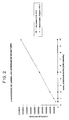
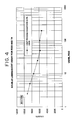
- the results are also depicted graphically in FIG. 1 (luminol emission) and in FIG. 2 (acridinium ester emission). TABLE 1 LUMINESCENCE OF LUMINOL AND ACRIDINIUM ESTER MIXTURES Conc.
- Second Oxidation (Reagents 1 and 2) Luminol Acridinium Ester 0 0 37030 14750 0.25 0 708800 18360 0.5 0 1380650 21650 1.0 0 2563010 29240 2.5 0 7145260 55740 5.0 0 12290630 75010 0 0.5 36290 1090150 0 1.0 37080 2118340 0 2.0 37650 4091630 0 5.0 39720 9402260 0 10.0 40850 18828160 0.125 5.0 369940 9939740 0.25 2.5 709910 4929400 0.5 1.0 1334770 2090000 1.25 0.5 3148700 1068000 2.5 0.25 6137300 578320
- a method for conjugating an isoluminol derivative label to rabbit gamma globulin (RGG) is provided herein.
- ABEI N-(4-aminobutyl)-N-ethylisoluminol
- the conjugate was separated from unconjugated ABEI on a PD-10 gel filtration column prepacked with Sephadex G25, (Pharmacia) and eluted with PBS (sodium phosphate, 0.15 M sodium chloride, pH 7.4). Fractions containing the initial peak of luminescent material were combined for use in the luminescent immunoassay for RGG, described in Example 3.
- the antibody solution was prepared by diluting a 10 mg/ml stock suspension of antibody coupled particles up to 1:50 with PBS/BSA. Reaction tubes were vortexed and incubated for 1 hour, at room temperature. Thereafter, a three minute magnetic separation was performed, followed by decantation. The solid phase fraction, was then resuspended in 1.0 ml of water, separated for 3 minutes, and decanted for 3 minutes. Next, 100 microliters of water was added to the reaction tubes containing the solid phase fraction.
- microperoxidase Fifty microliters of microperoxidase (MP-11, Sigma, 10 ug/ml in water) was added to each tube. All tubes were then transferred to a detector (MLA-1), and 0.3 ml of 0.3% hydrogen peroxide in 0.01M sodium phosphate pH 7.4 was injected into each tube, and the light emitted in each tube was measured for 10 seconds. The counts bound, i.e., counts of light attributed to the ABEI-labelled RGG which was bound to the solid phase are shown in Table 2.
- the luminescent assay for T4 is based on a version of the Magic Lite T4 assay kit sold by Ciba Corning Diagnostics Corp., modified for the purpose of this example.
- the modification consists of the use of a range of T4 standards, 0.5 to 50 ug/dl, in PBS/BSA, instead of the two serum-based standards supplied in the kit.
- the other reagents used in the example are those supplied in the kit, i.e., a suspension of a monoclonal antibody to T4, attached to paramagnetic particles (MAb-anti-T4 PMP), and a dimethyl acridinium ester T4.
- the T4 assay when performed on its own, uses the following procedure: To polystyrene tubes containing 50 ul of the sample to be assayed, or of a T4 standard solution, is added 100 ul of dimethyl acridinium ester T4, diluted in PBS/BSA to give approximately 5x10⁵ counts. Five hundred microliters of the paramagnetic particles is then added to each tube. The reaction tubes are vortexed and incubated for 60 minutes at room temperature. During this time, the antibody binds to the analyte T4 or the acridinium ester T4.
- Example 3 Separation of the test mixture into a soluble fraction and an insoluble fraction is as described in Example 3.
- the pellet of insoluble antibody, with the bound analyte or labelled analyte, is then resuspended in 1 ml of water to wash off any unbound label.
- the antibody containing particles are again collected in the magnetic field for 3 minutes, and the water decanted and discarded. Finally, the particles are resuspended in 100 ul of water and transferred to the MLA-1 for performance of the oxidation reaction and measurement of emitted light.
- the MLA-1 is programmed to automatically inject Reagent 1 and Reagent 2 which comprises a process condition as described herein.
- Reagent 1 is injected first, followed by Reagent 2.
- the light emitted in each tube is measured for 2 seconds.
- the counts recorded, representing acridinium ester labelled T4 bound to the antibody, have an inverse relationship to the T4 in the sample.
- a dual label luminescent immunoassay refers to the performance of two luminescent immunoassays in the same vessel.
- the isoluminol-based assay for RGG antigen was combined with the acridinium ester-based assay for T4 antigen.
- the reagents for the dual luminescent label immunoassay were added to polystyrene tubes in the following order: the RGG standards and ABEI-labelled RGG, the T4 standards and the acridinium ester T4, and the two insoluble antibodies bound to paramagnetic particles.
- the tubes were vortexed, incubated for 60 minutes, and the paramagnetic particles were then separated, washed, and resuspended as described in reference to the individual assays for RGG and T4. Fifty microliters of 10 ug/ml microperoxidase were added to each tube. Thereafter, the tubes were placed in the MLA-1 and 0.3 ml of 0.3% hydrogen peroxide solution was injected into each tube.
- the light emitted upon the oxidation of the ABEI-labelled RGG was collected for 10 seconds.
- Reagent 1, followed by Reagent 2 were then injected to the same set of tubes.
- the light emitted by the dimethyl acridinium T4 upon exposure to Reagent 1 and Reagent 2 was collected for 10 seconds.
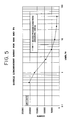
- the dual luminescent assay for RGG and T4 was used to determine the concentrations of RGG and T4 in a set of simulated "unknown" mixtures containing RGG and T4 at known concentrations. As shown in Table 4, the relative concentrations of T4 and RGG were selected to maximize assay interference by one analyte in the determination of the other analyte, i.e., low concentrations of one analyte were determined in the presence of high concentrations of the other analyte. TABLE 4 Mixture of "Unknowns" Counts Bound First Oxidation Second Oxidation A. 25 ug/ml RGG plus 0.5 ug/dl T4 6530 198295 B.
- the mixtures are allowed to incubate for a period of time (for example 30 minutes), during which the labelled antibodies combine with the LH and FSH.
- a further incubation period (for example 30 minutes) then occurs, during which the complexes of LH and FSH with their respective labelled antibodies are bound in turn by the corresponding antibodies on the magnetic particles.
- the magnetic particles are then collected at the bottom of the incubation tube by the application of a magnetic field, and the supernatant liquid is decanted and discarded.
- the particles are washed by resuspension in water, and collected again by the magnetic field.
- the supernatant wash fluid is decanted and discarded.
- the particles are resuspended in a small volume of water (for example 100 ul), to which is added a solution of microperoxidase (for example 50 ul of a 10 ug/ml solution).
- a solution of microperoxidase for example 50 ul of a 10 ug/ml solution.
- the reaction tubes are then placed in turn in the luminometer. Hydrogen peroxide (0.3% in phosphate buffer, pH 7.4) is injected, and the emitted light measured for several seconds (for example 5 seconds). This measurement represents the amount of isoluminol labelled FSH antibody bound to the magnetic particles, and is therefore related to the amount of FSH in the sample.
- Reagent 1 and Reagent 2 are injected sequentially, followed again by measurement of the emitted light.
- This second measurement represents the amount of DMAE labelled LH antibody bound to the particles, and is therefore related to the amount of LH in the sample.
- the amount of luminescent label quantitated will be reduced by an amount proportional to the amount of LH or FSH in the sample.
- the actual concentrations of FSH and LH in the unknown sample are computed by reference to the amounts of light emitted from standards containing known amounts of FSH and LH, which have been subjected to the same assay procedure.
Landscapes
- Life Sciences & Earth Sciences (AREA)
- Health & Medical Sciences (AREA)
- Engineering & Computer Science (AREA)
- Molecular Biology (AREA)
- Biomedical Technology (AREA)
- Chemical & Material Sciences (AREA)
- Hematology (AREA)
- Immunology (AREA)
- Urology & Nephrology (AREA)
- Cell Biology (AREA)
- Biochemistry (AREA)
- Biotechnology (AREA)
- Food Science & Technology (AREA)
- Medicinal Chemistry (AREA)
- Physics & Mathematics (AREA)
- Analytical Chemistry (AREA)
- Microbiology (AREA)
- General Health & Medical Sciences (AREA)
- General Physics & Mathematics (AREA)
- Pathology (AREA)
- Investigating Or Analysing Materials By The Use Of Chemical Reactions (AREA)
- Measuring Or Testing Involving Enzymes Or Micro-Organisms (AREA)
- Investigating Or Analysing Biological Materials (AREA)
Applications Claiming Priority (2)
| Application Number | Priority Date | Filing Date | Title |
|---|---|---|---|
| US5861793A | 1993-05-06 | 1993-05-06 | |
| US58617 | 1993-05-06 |
Publications (2)
| Publication Number | Publication Date |
|---|---|
| EP0623821A2 true EP0623821A2 (fr) | 1994-11-09 |
| EP0623821A3 EP0623821A3 (fr) | 1995-09-20 |
Family
ID=22017918
Family Applications (1)
| Application Number | Title | Priority Date | Filing Date |
|---|---|---|---|
| EP94303234A Ceased EP0623821A3 (fr) | 1993-05-06 | 1994-05-05 | Essais utilisant des conjugués luminescents mixtes. |
Country Status (5)
| Country | Link |
|---|---|
| US (1) | US5672475A (fr) |
| EP (1) | EP0623821A3 (fr) |
| JP (1) | JPH0712731A (fr) |
| AU (1) | AU679008B2 (fr) |
| CA (1) | CA2111555A1 (fr) |
Cited By (3)
| Publication number | Priority date | Publication date | Assignee | Title |
|---|---|---|---|---|
| WO1999056130A1 (fr) * | 1998-04-29 | 1999-11-04 | Queen Mary & Westfield College | Procede de dosage de plusieurs analytes |
| EP1015892A4 (fr) * | 1997-06-25 | 2007-01-10 | Quest Diagnostics Invest Inc | Double injecteur pour systeme d'immunoanalyse par chimioluminescence |
| CN106796229A (zh) * | 2014-07-10 | 2017-05-31 | Fio公司 | 侧向流/免疫层析试条服务与盒式分析装置、系统、方法和计算机可读媒体 |
Families Citing this family (13)
| Publication number | Priority date | Publication date | Assignee | Title |
|---|---|---|---|---|
| JP3353978B2 (ja) * | 1993-12-06 | 2002-12-09 | オリンパス光学工業株式会社 | 光学的特異親和性測定方法及びこれに用いられる特異親和性測定装置 |
| JP2002504689A (ja) | 1998-02-18 | 2002-02-12 | デイド・ベーリング・インコーポレイテッド | 複数の検体の検出において使用するための化学ルミネセンス組成物 |
| US6068979A (en) * | 1998-04-22 | 2000-05-30 | Lumigen, Inc. | Simplified sequential chemiluminescent detection |
| US7195867B2 (en) * | 1998-06-08 | 2007-03-27 | Acgt Medico Inc. | Method for detection of multiple test materials in a sample |
| WO2001063284A2 (fr) * | 2000-02-25 | 2001-08-30 | Luminex Corporation | Normes et controles internes pour un dosage multiplex |
| US6346384B1 (en) | 2000-03-27 | 2002-02-12 | Dade Behring Inc. | Real-time monitoring of PCR using LOCI |
| JP4755755B2 (ja) * | 2000-12-15 | 2011-08-24 | 独立行政法人産業技術総合研究所 | 複数検査多重化用懸濁液およびその懸濁液を用いた複数検査多重化方法 |
| US6723851B2 (en) | 2001-10-31 | 2004-04-20 | Quest Diagnostics Investment Incorporated | Chemiluminescent compounds and use thereof |
| CA2480673A1 (fr) * | 2002-03-29 | 2003-10-09 | Genentech, Inc. | Procedes et compositions de detection et quantification d'analytes d'acides nucleiques |
| US7723127B2 (en) * | 2005-03-03 | 2010-05-25 | Novx Systems Inc. | Immunoassay with extended dynamic range |
| US7566573B2 (en) * | 2005-12-19 | 2009-07-28 | Idexx Laboratories, Inc. | Dual standard curve immunoassay |
| US20090196852A1 (en) * | 2008-02-04 | 2009-08-06 | Watkinson D Tobin | Compositions and methods for diagnosing and treating immune disorders |
| HK1220759A1 (zh) | 2013-03-15 | 2017-05-12 | Hycor Biomedical Llc | 用於进行过敏症和自身免疫性疾病的诊断测定的自动化免疫分析系统 |
Family Cites Families (28)
| Publication number | Priority date | Publication date | Assignee | Title |
|---|---|---|---|---|
| NL154600B (nl) * | 1971-02-10 | 1977-09-15 | Organon Nv | Werkwijze voor het aantonen en bepalen van specifiek bindende eiwitten en hun corresponderende bindbare stoffen. |
| US3654090A (en) * | 1968-09-24 | 1972-04-04 | Organon | Method for the determination of antigens and antibodies |
| US3689351A (en) * | 1970-06-26 | 1972-09-05 | Evgeny Timofeevich Samodaev | Installation for setting and glueing facing tiles to backing material |
| US3867517A (en) * | 1971-12-21 | 1975-02-18 | Abbott Lab | Direct radioimmunoassay for antigens and their antibodies |
| US3996345A (en) * | 1974-08-12 | 1976-12-07 | Syva Company | Fluorescence quenching with immunological pairs in immunoassays |
| US4174384A (en) * | 1975-06-30 | 1979-11-13 | Syva Company | Fluorescence quenching with immunological pairs in immunoassays |
| US4016043A (en) * | 1975-09-04 | 1977-04-05 | Akzona Incorporated | Enzymatic immunological method for the determination of antigens and antibodies |
| JPS5341420A (en) * | 1976-09-29 | 1978-04-14 | Mochida Pharm Co Ltd | Immunochemically measuring methoa of hapten |
| US4098876A (en) * | 1976-10-26 | 1978-07-04 | Corning Glass Works | Reverse sandwich immunoassay |
| IL51668A (en) * | 1977-03-16 | 1981-12-31 | Israel State | Analytical method for the quantitative determination of immunogens and antibodies and a kit therefor |
| US4233402A (en) * | 1978-04-05 | 1980-11-11 | Syva Company | Reagents and method employing channeling |
| US4220450A (en) * | 1978-04-05 | 1980-09-02 | Syva Company | Chemically induced fluorescence immunoassay |
| US4297273A (en) * | 1978-07-24 | 1981-10-27 | Miles Laboratories, Inc. | Chemiluminescent phthalhydrazide-labeled protein and polypeptide conjugates |
| US4334069A (en) * | 1978-07-24 | 1982-06-08 | Miles Laboratories, Inc. | Chemiluminescent phthalhydrazide-labeled hapten conjugates |
| SE428332B (sv) * | 1979-03-08 | 1983-06-20 | Wallac Oy | Forfarande for fluorescensspektroskopisk bestemning av biologiskt aktivt emne, sasom hapten, antikropp eller antigen |
| US4261968A (en) * | 1979-05-10 | 1981-04-14 | Syva Company | Fluorescence quenching with immunological pairs in immunoassays |
| US4385126A (en) * | 1980-11-19 | 1983-05-24 | International Diagnostic Technology, Inc. | Double tagged immunoassay |
| BR8108936A (pt) * | 1980-12-22 | 1982-12-14 | Seromed Med Vertrieb | Processo para determinacao quantitativa e qualitativa de antigenos anticorpos e seus complexos |
| CA1180647A (fr) * | 1981-07-17 | 1985-01-08 | Cavit Akin | Methode de diagnostic d'hybridation de polynucleotides par emission de lumiere |
| SE454115B (sv) * | 1982-09-13 | 1988-03-28 | Wallac Oy | Homogenfasanalys med lantanidkelat som merksubstans |
| DE3463395D1 (en) * | 1983-02-11 | 1987-06-04 | Nat Res Dev | Enhanced luminescent or luminometric assay |
| US4931223A (en) * | 1986-07-24 | 1990-06-05 | Tropix, Inc. | Methods of using chemiluminescent 1,2-dioxetanes |
| US5089630A (en) * | 1987-12-31 | 1992-02-18 | Bronstein Irena Y | Dioxetanes for use in assays |
| GB2233450B (en) * | 1989-06-24 | 1993-06-30 | Univ Wales Medicine | Detecting or quantifing multiple analytes with luminescent reagents |
| AU6602890A (en) * | 1989-10-05 | 1991-04-28 | Exoxemis, Inc. | Haloperoxidase acid optimum chemiluminescence assay system |
| JPH06504374A (ja) * | 1990-12-28 | 1994-05-19 | アボット・ラボラトリーズ | 時間分解不均一化学ルミネッセンスアッセイを用いた複数の分析対象物の同時決定 |
| US5206179A (en) * | 1991-03-25 | 1993-04-27 | Abbott Laboratories | Fluorescence polarization immunoassays for multiple analytes using sequential addition of tracers |
| US5395752A (en) * | 1993-03-19 | 1995-03-07 | Ciba Corning Diagnostics Corp. | Long emission wavelength chemiluminescent compounds and their use in test assays |
-
1993
- 1993-11-24 AU AU51872/93A patent/AU679008B2/en not_active Ceased
- 1993-12-15 CA CA002111555A patent/CA2111555A1/fr not_active Abandoned
-
1994
- 1994-05-05 EP EP94303234A patent/EP0623821A3/fr not_active Ceased
- 1994-05-06 JP JP6094305A patent/JPH0712731A/ja not_active Withdrawn
-
1995
- 1995-01-20 US US08/375,466 patent/US5672475A/en not_active Expired - Lifetime
Non-Patent Citations (1)
| Title |
|---|
| SCHROEDER ET AL, ANALYTICAL BIOCHEMISTRY, vol. 48, 1976, pages 1933 - 1937 * |
Cited By (3)
| Publication number | Priority date | Publication date | Assignee | Title |
|---|---|---|---|---|
| EP1015892A4 (fr) * | 1997-06-25 | 2007-01-10 | Quest Diagnostics Invest Inc | Double injecteur pour systeme d'immunoanalyse par chimioluminescence |
| WO1999056130A1 (fr) * | 1998-04-29 | 1999-11-04 | Queen Mary & Westfield College | Procede de dosage de plusieurs analytes |
| CN106796229A (zh) * | 2014-07-10 | 2017-05-31 | Fio公司 | 侧向流/免疫层析试条服务与盒式分析装置、系统、方法和计算机可读媒体 |
Also Published As
| Publication number | Publication date |
|---|---|
| US5672475A (en) | 1997-09-30 |
| CA2111555A1 (fr) | 1994-11-07 |
| AU5187293A (en) | 1994-11-10 |
| EP0623821A3 (fr) | 1995-09-20 |
| JPH0712731A (ja) | 1995-01-17 |
| AU679008B2 (en) | 1997-06-19 |
Similar Documents
| Publication | Publication Date | Title |
|---|---|---|
| JP3550358B2 (ja) | ダイナミックレンジが拡張されたアッセイ法 | |
| US5672475A (en) | Mixed luminescent conjugate test | |
| Ullman et al. | Luminescent oxygen channeling assay (LOCI): sensitive, broadly applicable homogeneous immunoassay method | |
| US5756011A (en) | Detecting or quantifying multiple analytes using labelling techniques | |
| JP3021038B2 (ja) | 標識技術を用いた複数分析物の検出または定量 | |
| JP4163869B2 (ja) | 検出方法 | |
| US7635571B2 (en) | Amplified signal in binding assays | |
| US6087188A (en) | Two-site immunoassay for an antibody with chemiluminescent label and biotin bound ligand | |
| JPS6337347B2 (fr) | ||
| JP2902581B2 (ja) | 測定すべき物質の定性的または/および定量的検出法 | |
| JP2000508075A (ja) | 発光特異的結合アッセイ | |
| JPH0648996B2 (ja) | 増幅発光分析 | |
| FI111194B (fi) | Kaksikohtainen immuunitesti vasta-aineelle käyttäen kemiluminisoivaa leimaa ja biotiiniin sidottua ligandia | |
| US20020072053A1 (en) | Immunoassay based on DNA replication using labeled primer | |
| CN1474185A (zh) | 心肌肌钙蛋白鲁米诺化学发光免疫分析检测方法 | |
| JP2892879B2 (ja) | 高分子量分析物の測定法 | |
| AU582341B2 (en) | Assay for immobilized reporter groups | |
| WO1999056130A1 (fr) | Procede de dosage de plusieurs analytes | |
| CN117554615A (zh) | 一种adamts13酶活性发光免疫检测方法及adamts13酶活性检测试剂盒 | |
| EP0682254B1 (fr) | Essai de chimiluminescence à enzyme liée | |
| EP0383860A1 (fr) | Methodes de titrage par liaison specifique | |
| JP2003502671A (ja) | 生物学的サンプル中の被検体を定量するための化学発光酸化還元アッセイ | |
| JP2660661B2 (ja) | 遺伝子の定量方法 | |
| JP2002196000A (ja) | 類縁体に起因する非特異反応を抑制した新規測定法 | |
| CN117604072A (zh) | 一种基于CRISPR/Cas13a的均相时间分辨荧光免疫分析方法 |
Legal Events
| Date | Code | Title | Description |
|---|---|---|---|
| PUAI | Public reference made under article 153(3) epc to a published international application that has entered the european phase |
Free format text: ORIGINAL CODE: 0009012 |
|
| AK | Designated contracting states |
Kind code of ref document: A2 Designated state(s): AT BE CH DE DK ES FR GB IT LI NL |
|
| PUAL | Search report despatched |
Free format text: ORIGINAL CODE: 0009013 |
|
| AK | Designated contracting states |
Kind code of ref document: A3 Designated state(s): AT BE CH DE DK ES FR GB IT LI NL |
|
| 17P | Request for examination filed |
Effective date: 19951019 |
|
| 17Q | First examination report despatched |
Effective date: 19980812 |
|
| RAP1 | Party data changed (applicant data changed or rights of an application transferred) |
Owner name: BAYER CORPORATION |
|
| GRAG | Despatch of communication of intention to grant |
Free format text: ORIGINAL CODE: EPIDOS AGRA |
|
| STAA | Information on the status of an ep patent application or granted ep patent |
Free format text: STATUS: THE APPLICATION HAS BEEN REFUSED |
|
| 18R | Application refused |
Effective date: 20010908 |