EP0705833B1 - Dc-89 derivat - Google Patents
Dc-89 derivat Download PDFInfo
- Publication number
- EP0705833B1 EP0705833B1 EP95916020A EP95916020A EP0705833B1 EP 0705833 B1 EP0705833 B1 EP 0705833B1 EP 95916020 A EP95916020 A EP 95916020A EP 95916020 A EP95916020 A EP 95916020A EP 0705833 B1 EP0705833 B1 EP 0705833B1
- Authority
- EP
- European Patent Office
- Prior art keywords
- alkyl
- substituted
- amino
- unsubstituted
- defined above
- Prior art date
- Legal status (The legal status is an assumption and is not a legal conclusion. Google has not performed a legal analysis and makes no representation as to the accuracy of the status listed.)
- Expired - Lifetime
Links
- 0 *CC(CN(*)c1c2)c1c(c(*)c(C=C)[n]1)c1c2O Chemical compound *CC(CN(*)c1c2)c1c(c(*)c(C=C)[n]1)c1c2O 0.000 description 18
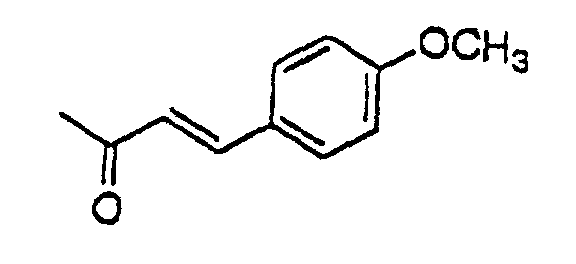
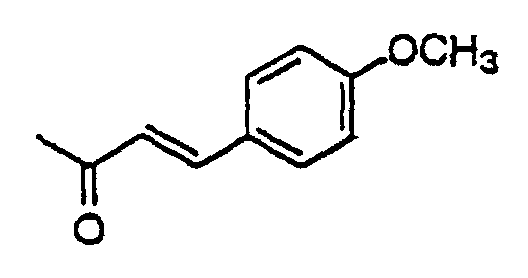
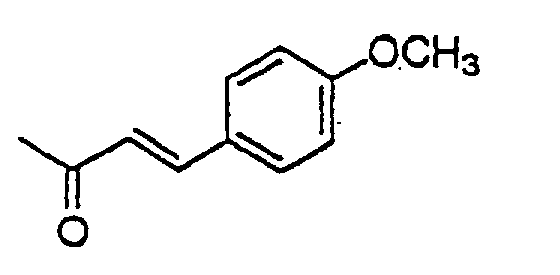
- WRRZKDVBPZBNJN-ONEGZZNKSA-N CC(/C=C/c(cc1)ccc1OC)=O Chemical compound CC(/C=C/c(cc1)ccc1OC)=O WRRZKDVBPZBNJN-ONEGZZNKSA-N 0.000 description 4
- SMJDPOYUDOXQTH-UHFFFAOYSA-N CC(c1cc(cc(c(OC)c2OC)OC)c2[nH]1)=O Chemical compound CC(c1cc(cc(c(OC)c2OC)OC)c2[nH]1)=O SMJDPOYUDOXQTH-UHFFFAOYSA-N 0.000 description 2
- KSZRTQLIIKKDPN-NSCUHMNNSA-N CC(/C=C/c1ccc(C=O)cc1)=O Chemical compound CC(/C=C/c1ccc(C=O)cc1)=O KSZRTQLIIKKDPN-NSCUHMNNSA-N 0.000 description 1
Classifications
-
- C—CHEMISTRY; METALLURGY
- C07—ORGANIC CHEMISTRY
- C07D—HETEROCYCLIC COMPOUNDS
- C07D487/00—Heterocyclic compounds containing nitrogen atoms as the only ring hetero atoms in the condensed system, not provided for by groups C07D451/00 - C07D477/00
- C07D487/02—Heterocyclic compounds containing nitrogen atoms as the only ring hetero atoms in the condensed system, not provided for by groups C07D451/00 - C07D477/00 in which the condensed system contains two hetero rings
- C07D487/04—Ortho-condensed systems
-
- A—HUMAN NECESSITIES
- A61—MEDICAL OR VETERINARY SCIENCE; HYGIENE
- A61P—SPECIFIC THERAPEUTIC ACTIVITY OF CHEMICAL COMPOUNDS OR MEDICINAL PREPARATIONS
- A61P35/00—Antineoplastic agents
Definitions
- the present invention relates to DC-89 derivatives.
- the compounds of the present invention exhibit excellent anti-tumor activity and are useful as anti-tumor agents.
- DC-89A1, DC-89A2, DC-89B1 and DC-89B2 represented by the following structural formula are known, and these compounds exhibit antibacterial activity against various bacteria and also antitumor activity against melanoma B-16, etc.
- DC-89A1 is disclosed in WO87/06265, and DC-89A2, DC-89B1 and DC-89B2 are disclosed in JP,A,2-119787.
- SF2582A and SF2582B which are the same compounds as DC-89A2 and DC-89A1, are disclosed in JP,A,1-139590.
- DC-88A and DC113 are disclosed in WO87/06265 and JP,A,2-177890, respectively. These compounds exhibit not only antibacterial activity against various bacteria but also anti-tumor activity against melanoma B-16, etc.
- DC-88A derivatives and DC-89 derivatives are disclosed in JP,A,2-288879, JP,A,3-7287, JP,A,3-128379 and JP,A,5-178858.
- JP,A,3-128379 discloses Compounds (A) and (C) represented by the following formulae
- JP,A,5-178858 discloses Compounds (B) and (D) represented by the following formulae.
- CC-1065 and its derivatives are disclosed in JP,A,54-64695, JP,A,60-193989, WO88/04659, EP-359454 and JP,A,3-14581.
- Related derivatives are disclosed in JP,A, 6-1162691, EP-537575 and EP-520435. It is an object of the present invention to provide DC-89 derivatives which exhibit excellent anti-tumor activity.
- the present invention provides DC-89 derivatives represented by formula (I) wherein X represents Cl or Br; R represents substituted or unsubstituted C 1 -C 8 alkyl, substituted or unsubstituted C 7 -C 20 aralkyl, COR 1 ⁇ in which R 1 represents hydrogen, substituted or unsubstituted C 1 -C 8 alkyl, substituted or unsubstituted aryl selected from the group consisting of phenyl and naphthyl, substituted or unsubstituted heterocyclic group selected from the group consisting of pyridyl, pyrazinyl and pyrimidinyl, OR 2 (in which R 2 represents substituted or unsubstituted C 1 -C 8 alkyl or aryl as defined above), SR 2 (in which R 2 has the same meaning as defined above), NR 3 R 4 (in which R 3 represents hydrogen, substituted C 1 -C 8 alkyl, amino, or mono- or di(C 1
- Compounds (I) are hereinafter referred to as Compounds (I).
- the compounds represented by formulae (I) to (IX) are referred to as Compounds (I) to (IX).
- Compounds (I)a, (I)b, etc. are intended to be included in Compounds (I)
- Compounds (I)b-1, (I)b-2, etc. are intended to be included in Compounds (I)b.
- C 1 -C 8 alkyl and the alkyl moiety of mono- or di(C 1 -C 8 alkyl)amino consist of linear or branched alkyl groups having 1 to 8 carbon atoms such as methyl, ethyl, propyl, isopropyl, butyl, isobutyl, sec-butyl, tert-butyl, pentyl, isopentyl, hexyl, isohexyl, heptyl, octyl and iso-octyl.
- Aryl represents phenyl and naphthyl.
- Aralkyl represents groups having 7 to 20 carbon atoms such as benzyl, phenetyl, styryl, benzhydryl and trityl.
- the heterocyclic group is a pyridyl, pyrazinyl and pyrimidinyl.
- the substituted C 1 -C 8 alkyl has 1 to 3 independently-selected substituents such as C 1 -C 8 alkoxy, C 1 -C 8 alkylthio optionally substituted by carboxy, (C 1 -C 8 alkoxy)carbonyl, benzyloxycarbonyl, amino, mono- or di(C 1 -C 8 alkyl)amino, cyclic amino optionally substituted by C 1 -C 8 alkyl or cyclic amino, halogen and phenyl, in which examples of the cyclic amino group include pyrrolidino, piperidino, piperazinyl and morpholino, and C 1 -C 8 alkyl and the C 1 -C 8 moiety of C 1 -C 8 alkoxy, C 1 -C 8 alkylthio, (C 1 -C 8 alkoxy)carbonyl and mono- or di(C 1 -C 8 alkyl)amino has the same definition as that of the above-menti
- halogen examples include fluorine, chlorine, bromine and iodine atoms.
- the substituted aryl, the substituted aralkyl and the substituted heterocyclic group each has 1 to 3 independently-selected substituents such as C 1 -C 8 alkyl, substituted C 1 -C 8 alkyl, C 1 -C 8 alkoxy, (C 1 -C 8 alkoxy)carbonyl, amino, mono- or di(C 1 -C 8 alkyl) amino, pyrrole and halogen, in which C 1 -C 8 alkyl and the alkyl moiety of (C 1 -C 8 alkoxy)carbonyl and mono- or di(C 1 -C 8 alkyl)amino has the same definition as that of the above-mentioned C 1 -C 8 alkyl, and the substituents of substituted C 1 -C 8 alkyl and halogen have the same meanings as defined above.
- Examples of the pharmaceutically acceptable salts of Compounds (I) include inorganic acid-addition salts such as hydrochloride, hydrobromide, hydroiodide, sulfate, phosphate and nitrate, and organic acid-addition salts such as acetate, benzoate, maleate, fumarate, succinate, tartrate, citrate, oxalate, glyoxylate, aspartate and methanesulfonate.
- inorganic acid-addition salts such as hydrochloride, hydrobromide, hydroiodide, sulfate, phosphate and nitrate
- organic acid-addition salts such as acetate, benzoate, maleate, fumarate, succinate, tartrate, citrate, oxalate, glyoxylate, aspartate and methanesulfonate.
- the processes can be easily carried out by using protection/deprotection method for functional groups conventionally employed in organic synthetic chemistry including oxidation, reduction and hydrolysis.
- Compound (I)a which is Compound (I) wherein R is substituted or unsubstituted alkyl or substituted or unsubstituted aralkyl, can be prepared by the following process.
- Compound (II) can be prepared by treating Compound (C) or Compound (D) with perchloric acid in an inert solvent.
- Y has the same meaning as defined above.
- Perchloric acid is usually used in an amount of 1 to 20 equivalents based on Compound (C) or (D).
- inert solvent water, dimethylformamide, tetrahydrofuran, toluene, dioxane, acetonitrile, etc. may be used singly or in combination.
- the reaction is usually conducted at -20°C to 50°C for 10 minutes to 10 hours.
- Compound (IV) can be prepared by reacting Compound (II), in the presence of a base in an inert solvent, with R 9 -Hal (III) wherein R 9 is substituted or unsubstituted lower alkyl or substituted or unsubstituted aralkyl in the definition of R, and Hal is a chlorine, bromine or iodine atom.
- R 9 and Y have the same meanings as defined above.
- Compound (III) is usually used in an amount of 1 to 10 equivalents based on Compound (II).
- the base include potassium carbonate, sodium hydrogen carbonate, potassium tert-butoxide, triethylamine, pyridine and 4-dimethylaminopyridine.
- the base is usually used in an amount of 1 to 10 equivalents based on Compound (II).
- As the inert solvent dimethylformamide, acetone, tetrahydrofuran, toluene, dioxane, acetonitrile, etc. may be used singly or in combination.
- the reaction is usually conducted at -20°C to 80°C for 1 hour to 3 days.
- Compound (V) can be prepared by reacting Compound (IV) with methanesulfonyl chloride in the presence of a base in an inert solvent.
- R 9 and Y have the same meanings as defined above.
- Methanesulfonyl chloride is usually used in an amount of 1 to 5 equivalents based on Compound (IV).
- the base include potassium tert-butoxide, triethylamine, pyridine and 4-dimethylaminopyridine.
- the base is usually used in an amount of 1 to 5 equivalents based on Compound (IV).
- the base serves also as a solvent, it is used in large excess.
- the inert solvent pyridine, methylene chloride, chloroform, dimethylformamide, tetrahydrofuran, toluene, dioxane, etc. may be used singly or in combination.
- the reaction is usually conducted at -80°C to 50°C for 30 minutes to 1 day.
- Compound (I)a can be prepared by reacting Compound (V), in an inert solvent, with Met-X (VI) wherein Met is an alkali metal such as lithium, sodium and potassium, and X has the same meaning as defined above.
- Met is an alkali metal such as lithium, sodium and potassium
- X has the same meaning as defined above.
- R 9 , Met, X and Y have the same meanings as defined above.
- Compound (VI) is usually used in an amount of 1 to 20 equivalents based on Compound (V).
- the inert solvent dimethylformamide, dimethylsulfoxide, tetrahydrofuran, toluene, dioxane, acetonitrile, etc. may be used singly or in combination.
- the reaction is usually conducted at 0°C to 100°C for. 30 minutes to 2 days.
- Compound (I)b which is Compound (I) wherein R is COR 1 in which R 1 has the same meaning as defined above, can be prepared by the following process.
- Compound (VII) can be prepared by treating Compound (C) or Compound (D) with hydrochloric acid or hydrobromic acid in an inert solvent.
- X and Y have the same meanings as defined above.
- Hydrochloric acid or hydrobromic acid is usually used in an amount of 1 to 20 equivalents based on Compound (C) or (D).
- the inert solvent water, dimethylformamide, tetrahydrofuran, dioxane, acetonitrile, etc. may be used singly or in combination.
- the reaction is usually conducted at -30°C to 50°C for 10 minutes to 5 hours.
- Compound (C) can be prepared from Compound (E) having the following structure, which is a precursor of Compound (C), by the process desclosed in JP,A,3-128379. Compound (C) thus obtained also may be used without isolation in the above process.
- Me represents a methyl group
- t-Bu represents a tert-butyl group.
- Compound (I)b-1 which is Compound (I)b wherein R 1 is hydrogen, substituted or unsubstituted alkyl, substituted or unsubstituted aryl or substituted or unsubstituted heterocyclic group, can be prepared by reacting Compound (VII), in an inert solvent, with a condensation agent such as dicyclohexylcarbodiimide (DCC), 4-dimethylaminopyridine and R 10 CO 2 H (in which R 10 is hydrogen, substituted or unsubstituted alkyl, substituted or unsubstituted aryl or substituted or unsubstituted heterocyclic group in the definition of R 1 ).
- DCC dicyclohexylcarbodiimide
- R 10 CO 2 H in which R 10 is hydrogen, substituted or unsubstituted alkyl, substituted or unsubstituted aryl or substituted or unsubstituted heterocyclic group in the definition of R 1 .
- R 10 CO 2 H, DCC and 4-dimethylaminopyridine are usually used in amounts of 1 to 10 equivalents based on Compound (VII).
- the inert solvent methylene chloride, chloroform, dimethylformamide, tetrahydrofuran, toluene, dioxane, acetonitrile, etc. may be used singly or in combination.
- the reaction is usually conducted at -20°C to 50°C for 1 hour to 1 day.
- Compound (I)b-1 can be prepared by reacting Compound (VII) with an acid anhydride represented by the formula (R 10 CO) 2 O in which R 10 has the same meaning as defined above in the presence of a base in an inert solvent.
- R 10 , X and Y have the same meanings as defined above.
- the acid anhydride is usually used in an amount of 1 to 10 equivalents based on Compound (VII).
- the base include triethylamine, pyridine and 4-dimethylaminopyridine.
- the base is usually used in an amount of 1 to 10 equivalents based on Compound (VII).
- the base serves also as a solvent, it is used in large excess.
- the inert solvent methylene chloride, chloroform, dimethylformamide, tetrahydrofuran, toluene, dioxane, pyridine, etc. may be used singly or in combination.
- the reaction is usually conducted at - 20°C to 50°C for 30 minutes to 1 day.
- Compound (I)b-2 which is Compound (I)b wherein R 1 is OR 2 or SR 2 in which R 2 has the same meaning as defined above, can be prepared by reacting Compound (VII) with R 2 -Z-COCl (VIII) wherein Z is oxygen or sulfur, and R 2 has the same meaning as defined above in the presence of a base in an inert solvent.
- R 1 is OR 2 or SR 2 in which R 2 has the same meaning as defined above
- Compound (VIII) is usually used in an amount of 1 to 10 equivalents based on Compound (VII).
- the base include potassium tert-butoxide, triethylamine, pyridine and 4-dimethylaminopyridine.
- the base is usually used in an amount of 1 to 10 equivalents based on Compound (VII).
- the base serves also as a solvent, it is used in large excess.
- the inert solvent methylene chloride, chloroform, dimethylformamide, tetrahydrofuran, toluene, dioxane, pyridine, etc. may be used singly or in combination.
- the reaction is usually conducted at -80°C to 50°C for 30 minutes to 1 day.
- Compound (I)b-3 which is Compound (I)b wherein R 1 is NR 3a R 4a wherein R 3a and R 4a independently represent hydrogen or substituted or unsubstituted lower alkyl in the definition of R 3 and R 4 , can be prepared by the following process.
- Compound (IX) can be prepared by reacting Compound (VII) with p-nitrophenyl chloroformate in the presence of a base in an inert solvent.
- X and Y have the same meanings as defined above.
- p-Nitrophenyl chloroformate is usually used in an amount of 1 to 5 equivalents based on Compound (VII).
- the base include potassium tert-butoxide, triethylamine, pyridine and 4-dimethylaminopyridine.
- the base is usually used in an amount of 1 to 5 equivalents based on Compound (VII).
- the base serves also as a solvent, it is used in large excess.
- the inert solvent methylene chloride, chloroform, pyridine, dimethylformamide, tetrahydrofuran, toluene, dioxane, etc. may be used singly or in combination.
- the reaction is usually conducted at -80°C to 30°C for 30 minutes to 10 hours.
- Compound (I)b-3 can be prepared by reacting Compound (IX) with R 3 R 4 NH (in which R 3 and R 4 have the same meanings as defined above) in the presence of a base in an inert solvent.
- R 3 and R 4 have the same meanings as defined above.
- R 3 R 4 NH is usually used in an amount of 1 to 5 equivalents based on Compound (IX).
- the base include triethylamine, pyridine and 4-dimethylaminopyridine.
- the base is usually used in an amount of 1 to 5 equivalents based on Compound (IX).
- the base serves also as a solvent, it is used in large excess.
- the inert solvent methylene chloride, chloroform, dimethylformamide, tetrahydrofuran, toluene, dioxane, etc. may be used singly or in combination.
- the reaction is usually conducted at -80°C to 80°C for 30 minutes to 1 day.
- Compound (I)b-4 which is Compound (I)b wherein R 1 is NR 3b R 4b (in which R 3b and R 4b independently represent hydrogen, amino or mono- or di(lower alkyl)amino in the definition of R 3 and R 4 ) or (in which R 5 and R 6 have the same meanings as defined above), can be prepared by reacting Compound (IX), in the presence of a base in an inert solvent, with HNR 3b R 4b (X) a or wherein R 3b , R 4b , R 5 and R 6 have the same meanings as defined above.
- R 11 is NR 3b R 4b (in which R 3b and R 4b have the same meanings as defined above) or (in which R 5 and R 6 have the same meanings as defined above) in the definition of R 1 , and X and Y have the same meanings as defined above.
- Compound (X) is usually used in an amount of 1 to 5 equivalents based on Compound (IX).
- the base include triethylamine, pyridine and 4-dimethylaminopyridine.
- the base is usually used in an amount of 1 to 5 equivalents based on Compound (IX).
- the base serves also as a solvent, it is used in large excess.
- the inert solvent methylene chloride, chloroform, dimethylformamide, tetrahydrofuran, toluene, dioxane, etc. may be used singly or in combination.
- the reaction is usually conducted at -80°C to 50°C for 30 minutes to 1 day.
- Compound (I)c which is Compound (I) wherein R is SO 2 R 8 (in which R 8 has the same meaning as defined above), can be prepared by reacting Compound (VII), in the presence of a base in an inert solvent, with Compound (XI) represented by the formula R 8 SO 2 Cl (XI) wherein R 8 has the same meaning as defined above.
- R 8 , X and Y have the same meanings as defined above.
- Compound (XI) is usually used in an amount of 1 to 10 equivalents based on Compound (VII).
- the base include potassium tert-butoxide, triethylamine, pyridine and 4-dimethylaminopyridine.
- the base is usually used in an amount of 1 to 5 equivalents based on Compound (VII).
- the base serves also as a solvent, it is used in large excess.
- the inert solvent methylene chloride, chloroform, dimethylformamide, pyridine, tetrahydrofuran, toluene, dioxane, etc. may be used singly or in combination.
- the reaction is usually conducted at -80°C to 50°C for 30 minutes to 20 hours.
- the desired salt can be obtained by dissolving or suspending Compound (I) in a suitable solvent and adding a suitable acid to the solution or suspension.
- reaction intermediates may be directly used in the subsequent step without isolation or purification.
- Compounds (I) and its pharmaceutically acceptable salts may be in the form of adducts with water or various solvents, which are also within the scope of the present invention. Further, all possible isomers of Compounds (I) including optical isomers and mixtures thereof also fall within the scope of the present invention.
- HeLaS 3 cells were suspended in MEM medium containing 10% fetal calf serum and 2 mM glutamine to a concentration of 2.67 x 10 4 cells/ml.
- the cell suspension thus prepared was put into wells of a 24-well culture plate in an amount of 0.75 ml per well. After the cells were incubated in a CO 2 incubator overnight at 37°C, Compound (I) which had been appropriately diluted with a culture medium was added to each well in an amount of 0.25 ml.
- the cells were further incubated in the CO 2 incubator for 72 hours, and the culture supernatant was removed. Then, the cells were dispersed in a solution of trypsin and EDTA, and recovered. The number of the cells was counted using a cell counter. The concentration of Compound (I) at which the growth of the cells is inhibited by 50% was calculated by comparing the number of untreated cells with the number of the cells treated with Compound (I) at known concentrations, and the value was defined as IC 50 .
- mice Five male ddY-strain mice each weighing 18-20 g were used for each group as test animals, and 5 x 10 5 Sarcoma 180 tumor cells were implantedat the axilla subcutaneously.
- 0.2 ml of a physiological saline containing Compound (I) at the concentration shown in Table 3 was intravenously administered to each mouse.
- T/C T: average tumor volume (mm 3 ) of the group treated with the test compound, C: average tumor volume (mm 3 ) of the control group (to which 0.2 ml of a physiological saline was intravenously administered
- Compound (I) was intravenously administered to ddY-strain male mice each weighing 20 ⁇ 1 g. MLD (minimum lethal dose) was determined by observing the mortality at 14 days after administration. The result is shown in Table 4.
- Compounds (I) and pharmaceutically acceptable salts thereof can be used as anti-tumor compositions singly or in combination with at least one pharmaceutically acceptable auxiliary.
- Compounds (I) or salts thereof are dissolved in a physiological saline or in an aqueous solution of glucose, lactose, mannitol, etc. to prepare a pharmaceutical composition suitable for injection.
- Compounds (I) or salts thereof are freeze-dried in a conventional manner and mixed with sodium chloride to prepare a powder injection.
- the pharmaceutical composition of the present invention may contain additives which are known in the art of medical preparation, for example, pharmaceutically acceptable salts.
- composition of the present invention varies depending on the age, condition, etc. of a patient
- Compound (I) is administered to mammals including human beings at a dose of 0.01 to 60 mg/kg/day. Administration may be conducted, for example, once a day (single administration or consecutive administrations) or intermittently 1 to 3 times a week or once every 2 to 3 weeks, intravenously. If desired, intraarterial administration, intraperitoneal administration, intrathoracial administration, etc. are also possible at a similar dose and in a similar manner. Further, if desired, the composition may also be administered orally, in a similar dose and in a similar manner.
- Forms for oral administration include tablets, capsules, powders, granules and ampoules, which contain pharmaceutical auxiliaries well known in the art of medical preparation.
- the present invention is illustrated by referring to the following Examples.
- the physicochemical properties shown in the following Examples were determined with the following equipment.
- silica-gel plate (Silica gel 60F 254s 0.5 mm 20 x 20 cm) manufactured by Merck Co. was used.
- silica gel Wakogel C-200 manufactured by Wako Pure Chemical Industries, Ltd. was used.
- the obtained crude product was dissolved in 2.6 ml of N,N-dimethylformamide, and 15.5 mg (0.178 mmol) of lithium bromide was added thereto. The mixture was stirred at 80'C for 3 hours. To the resulting reaction mixture was added a 0.01 M phosphate buffer (pH 7), and the mixture was extracted with ethyl acetate. The ethyl acetate layer was washed with a saturated aqueous solution of sodium chloride, dried over anhydrous sodium sulfate, and concentrated under reduced pressure.
- Ethylene dichloride (8ml) was added to the tert-butyl ester of Compound 13 (80 mg, 0.10 mmol), and 0.18 ml of 48% hydrobromic acid was added thereto. The mixture was stirred at 50°C for 4 hours.
- To the reaction mixture was added a 1 N hydrobromic acid aqueous solution, and the mixture was extracted with chloroform. The chloroform layer was dried over anhydrous sodium sulfate, and concentrated under reduced pressure.
- the obtained crude product was dissolved in 0.75 ml of methylene chloride, and 0.30 ml of methylene chloride containing 17.7 mg (0.143 mmol) of nicotinic acid and 29.6 mg (0.143 mmol) of dicyclohexylcarbodiimide was added thereto at -20°C. The mixture was stirred for 5 minutes. Subsequently, to the mixture was added 17.5 mg (0.143 mmol) of 4-dimethylaminopyridine, and the mixture was stirred at -20°C to room temperature for 18.5 hours.
- the obtained crude product was dissolved in 1.74 ml of methylene chloride, and 43.4 mg (0.215 mmol) of p-nitrophenyl chloroformate and 30 ⁇ l (0.215 mmol) of triethylamine were added thereto at -78°C. The mixture was stirred for 40 minutes. Subsequently, to the mixture was added 43 ⁇ l (0.359 mmol) of 1-amino-4-methylpiperazine, and the mixture was stirred at -78°C to 0°C for 24 hours. To the reaction mixture was added a saturated aqueous solution of sodium hydrogen carbonate, and the resulting mixture was extracted with chloroform.
- the obtained crude product was dissolved in 1.74 ml of methylene chloride, and 43.4 mg (0.215 mmol) of p-nitrophenyl chloroformate and 30 ⁇ l (0.215 mmol) of triethylamine were added thereto at -78°C. The mixture was stirred for 35 minutes. Subsequently, to the mixture was added 34.6 ⁇ l (0.359 mmol) of 4-aminomorpholine, and the mixture was stirred at -78°C to room temperature for 23 hours. To the reaction mixture was added a saturated aqueous solution of sodium hydrogen carbonate, and the resulting mixture was extracted with chloroform.
- the obtained crude product was dissolved in 1.31 ml of methylene chloride, and 24.9 mg (0.179 mmol) of 3-aminopyrazine-2-carboxylic acid and 37 mg (0.179 mmol) of dicyclohexylcarbodiimide were added thereto at -20°C. The mixture was stirred for 5 minutes. Subsequently, to the mixture was added 21.9 mg (0.179 mmol) of 4-dimethylaminopyridine, and the mixture was stirred at -20°C to room temperature for 18.5 hours. To the reaction mixture was added a saturated aqueous solution of sodium hydrogen carbonate, and the resulting mixture was extracted with chloroform.
- the obtained crude product was dissolved in 1.45 ml of methylene chloride, and 27 mg (0.179 mmol) of 3,4-diaminobenzoic acid and 37 mg (0.179 mmol) of dicyclohexylcarbodiimide were added thereto at -20°C. The mixture was stirred for 10 minutes. Subsequently, to the mixture was added 21.9 mg (0.179 mmol) of 4-dimethylaminopyridine, and the mixture was stirred at -20°C to room temperature for 16 hours., To the reaction mixture was added a saturated aqueous solution of sodium hydrogen carbonate, and the resulting mixture was extracted with chloroform.
- Acetonitrile (1.45 ml) and 33.8 ⁇ l of 48% hydrobromic acid were added to 25.0 mg (0.0597 mmol) of Compound D, and the mixture was stirred at room temperature for 50 minutes.
- To the reaction mixture was further added 13.5 ⁇ l of 48% hydrobromic acid, and the mixture was stirred for 20 minutes.
- To the reaction mixture was added a 1 N hydrobromic acid aqueous solution, and the resulting mixture was extracted with chloroform. The chloroform layer was washed with a saturated aqueous solution of sodium chloride, dried over anhydrous sodium sulfate, and concentrated under reduced pressure.
- the obtained crude product was dissolved in 0.94 ml of methylene chloride, and 0.37 ml of methylene chloride containing 29.6 mg (0.179 mmol) of 4-dimethylaminobenzoic acid and 37 mg (0.179 mmol) of dicyclohexylcarbodiimide was added thereto at -20°C. The mixture was stirred for 5 minutes. Subsequently, to the mixture was added 21.9 mg (0.179 mmol) of 4-dimethylaminopyridine, and the mixture was stirred at -20°C to room temperature for 18 hours. To the reaction mixture was added a saturated aqueous solution of sodium hydrogen carbonate, and the resulting mixture was extracted with chloroform.
- the obtained crude product was dissolved in 2.32 ml of methylene chloride, and 47.4 mg (0.287 mmol) of 3-dimethylaminobenzoic acid and 59.2 mg (0.287 mmol) of dicyclohexylcarbodiimide were added thereto at -20°C. The mixture was stirred for 5 minutes. Subsequently, to the mixture was added 35 mg (0.287 mmol) of 4-dimethylaminopyridine, and the mixture was stirred at -20°C to room temperature for 17.5 hours. To the reaction mixture was added a saturated aqueous solution of sodium hydrogen carbonate, and the resulting mixture was extracted with chloroform.
- the chloroform layer was washed with a saturated aqueous solution of sodium hydrogen carbonate and with a saturated aqueous solution of sodium chloride, dried over anhydrous sodium sulfate, and concentrated under reduced pressure.
- the obtained crude product was purified by thin-layer chromatography (chloroform) to give 43.8 mg of a crude product.
- the obtained crude product was dissolved in 2.32 ml of methylene chloride, and 55.4 mg (0.287 mmol) of 4-diethylaminobenzoic acid and 59.2 mg (0.287 mmol) of dicyclohexylcarbodiimide were added thereto at -20°C. The mixture was stirred for 5 minutes. Subsequently, to the mixture was added 35 mg (0.287 mmol) of 4-dimethylaminopyridine, and the mixture was stirred at -20°C to room temperature for 21.5 hours. To the reaction mixture was added a saturated aqueous solution of sodium hydrogen carbonate, and the resulting mixture was extracted with chloroform.
- the chloroform layer was washed with a saturated aqueous solution of sodium hydrogen carbonate and with a saturated aqueous solution of sodium chloride, dried over anhydrous sodium sulfate, and concentrated under reduced pressure.
- the obtained crude product was dissolved in 2.32 ml of methylene chloride, and 40.3 mg (0.215 mmol) of 4-(1H-pyrrol-1-yl)benzoic acid and 44.4 mg (0.215 mmol) of dicyclohexylcarbodiimide were added thereto at -20°C. The mixture was stirred for 5 minutes. Subsequently, to the mixture was added 26.3 mg (0.215 mmol) of 4-dimethylaminopyridine, and the mixture was stirred at -20°C to room temperature for 17 hours and 15 minutes. To the reaction mixture was added a saturated aqueous solution of sodium hydrogen carbonate, and the resulting mixture was extracted with chloroform.
- the chloroform layer was washed with a saturated aqueous solution of sodium hydrogen carbonate and with a saturated aqueous solution of sodium chloride, dried over anhydrous sodium sulfate, and concentrated under reduced pressure.
- the obtained crude product was purified by column chromatography (chloroform) to give 29.3 mg of a crude product.
- the obtained crude product was dissolved in 1.16 ml of methylene chloride, and 33.6 mg (0.143 mmol) of 4-(4-methylpiperazinylmethyl)benzoic acid and 29.6 mg (0.143 mmol) of dicyclohexylcarbodiimide were added thereto at -20°C. The mixture was stirred for 5 minutes. Subsequently, to the mixture was added 17.5 mg (0.143 mmol) of 4-dimethylaminopyridine, and the mixture was stirred at -20°C to room temperature for 21 hours and 15 minutes. To the reaction mixture was added a saturated aqueous solution of sodium hydrogen carbonate, and the resulting mixture was extracted with chloroform.
- the obtained crude product was dissolved in 1.74 ml of methylene chloride, and 43.4 mg (0.215 mmol) of p-nitrophenyl chloroformate and 30 ⁇ l (0.215 mmol) of triethylamine were added thereto at -78°C. The mixture was stirred for 1.5 hours. Subsequently, to the mixture was further added 14.5 mg (0.0717 mmol) of p-nitrophenyl chloroformate, and the mixture was stirred for 30 minutes. Then, 27.2 ⁇ l (0.359 mmol) of 1,1-dimethylhydrazine was added thereto, and the mixture was stirred at -78° to -20°C for 24 hours.
- the obtained crude product was dissolved in, 0.87 ml of methylene chloride, and 21.6 mg (0.107 mmol) of p-nitrophenyl chloroformate and 15 ⁇ l (0.107 mmol) of triethylamine were added thereto at -78°C. The mixture was stirred for 40 minutes. Subsequently, to the mixture was added 9.5 ⁇ l (0.179 mmol) of 1-methylhydrazine, and the mixture was stirred at -78°C to 0°C for 100 minutes. To the reaction mixture was added a saturated aqueous solution of sodium hydrogen carbonate, and the resulting mixture was extracted with chloroform.
- the obtained crude product was dissolved in 3.0 ml of methylene chloride, and 95.5 mg (0.474 mmol) of p-nitrophenyl chloroformate and 66 ⁇ l (0.474 mmol) of triethylamine were added thereto at -78°C, and the mixture was stirred for 45 minutes.
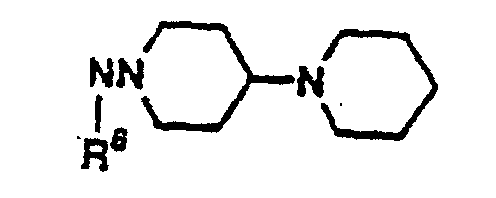
- To the mixture was added 0.78 ml of a dichloromethane solution containing 101 mg (0.553 mmol) of 1-amino-4-piperidinopiperidine, and the mixture was stirred at 0°C to room temperature for 23.5 hours.
- To the reaction mixture was added a saturated aqueous solution of sodium hydrogen carbonate, and the resulting mixture was extracted with chloroform.
- the chloroform layer was washed with a saturated aqueous solution of sodium hydrogen carbonate and with a saturated aqueous solution of sodium chloride, dried over anhydrous sodium sulfate, and concentrated under reduced pressure.
- the obtained crude product was dissolved in 1.74 ml of methylene chloride, and 54.1 mg (0.215 mmol) of 4-(tert-butoxycarbonylaminomethyl)benzoic acid and 44.4 mg (0.215 mmol) of dicyclohexylcarbodiimide were added thereto at -20°C. The mixture was stirred for 5 minutes. Subsequently, to the mixture was added 26.3 mg (0.215 mmol) of 4-dimethylaminopyridine, and the mixture was stirred at -20°C to room temperature for 5.5 hours. To the reaction mixture was added a 0.01 M phosphate buffer of pH 7, and the resulting mixture was extracted with chloroform.
- the chloroform layer was washed with a saturated aqueous solution of sodium chloride, dried over anhydrous sodium sulfate, and concentrated under reduced pressure.
- 1,2-Dichloromethane (2.0 ml) and 1.445 g (0.893 mmol) of 5% hydrobromic acid in methanol were added to 65.4 mg (0.0717 mmol) of the crude product obtained in Example 34, and the mixture was stirred at 60°C for 5 hours and 45 minutes.
- a saturated aqueous solution of sodium hydrogen carbonate was added to the reaction mixture, and the resulting mixture was extracted with chloroform.
- the chloroform layer was washed with a saturated aqueous solution of sodium hydrogen carbonate and with a saturated aqueous solution of sodium chloride, dried over anhydrous sodium sulfate, and concentrated under reduced pressure.
- the obtained crude product was dissolved in 1.1 ml of methylene chloride, and 28.9 mg (0.143 mmol) of p-nitrophenyl chloroformate and 20 ⁇ l (0.143 mmol) of triethylamine were added thereto at -78°C. The mixture was stirred for 45 minutes. Then, to the mixture was added a solution of 31.8 mg (0.239 mmol) of 1,2-dimethylhydrazine dihydrochloride and 67 ⁇ l (0.478 mmol) of triethylamine in 0.31 ml of chloroform. The mixture was stirred at -20°C for 2 hours and 25 minutes.
- the present invention relates to DC-89 derivatives.
- the compounds of the present invention exhibit excellent anti-tumor activity and are useful as anti-tumor agents.
Landscapes
- Chemical & Material Sciences (AREA)
- Organic Chemistry (AREA)
- Health & Medical Sciences (AREA)
- Chemical Kinetics & Catalysis (AREA)
- General Chemical & Material Sciences (AREA)
- Medicinal Chemistry (AREA)
- Nuclear Medicine, Radiotherapy & Molecular Imaging (AREA)
- Pharmacology & Pharmacy (AREA)
- Life Sciences & Earth Sciences (AREA)
- Animal Behavior & Ethology (AREA)
- General Health & Medical Sciences (AREA)
- Public Health (AREA)
- Veterinary Medicine (AREA)
- Pharmaceuticals Containing Other Organic And Inorganic Compounds (AREA)
- Gyroscopes (AREA)
- Oscillators With Electromechanical Resonators (AREA)
- Jib Cranes (AREA)
- Earth Drilling (AREA)
- Video Image Reproduction Devices For Color Tv Systems (AREA)
- Plural Heterocyclic Compounds (AREA)
- Developing Agents For Electrophotography (AREA)
- Refinement Of Pig-Iron, Manufacture Of Cast Iron, And Steel Manufacture Other Than In Revolving Furnaces (AREA)
- Lubrication Of Internal Combustion Engines (AREA)
Claims (16)
- DC-89 Derivat, wiedergeben durch die Formelworin X = Cl oder Br darstellt; R darstellt: substituiertes oder unsubstituiertes C1-C8-Alkyl, substituiertes oder unsubstituiertes C7-C20-Aralkyl, COR1 {worin R1 Wasserstoff, substituiertes oder unsubstituiertes C1-C8-Alkyl, substituiertes oder unsubstituiertes Aryl, ausgewählt aus der aus Phenyl und Naphthyl bestehenden Gruppe, substituierte oder unsubstituierte heterocyclische Gruppe, ausgewählt aus der aus Pyridyl, Pyrazinyl und Pyrimidinyl bestehenden Gruppe, OR2 (worin R2 substituiertes oder unsubstituiertes C1-C8-Alkyl oder Aryl, wie oben definiert, darstellt), SR2 (worin R2 dieselbe Bedeutung, wie oben definiert, hat), NR3R4 (worin R3 Wasserstoff, substituiertes C1-C8-Alkyl, Amino oder Mono- oder Di-(C1-C8alkyl)amino darstellt und R4 Amino oder Mono- oder Di-(C1-C8alkyl)amino darstellt),
 worin R5 = NR7 (worin R7 Wasserstoff oder substituiertes oder unsubstituiertes C1-C8-Alkyl darstellt) oder Sauerstoff darstellt, und R6 dieselbe Bedeutung, wie oben für R7 definiert, hat, oder
 (worin R6 dieselbe Bedeutung, wie oben definiert, hat)}, oder SO2R8 (worin R8 substituiertes oder unsubstituiertes C1-C8-Alkyl oder substituiertes oder unsubstituiertes Aryl, wie oben definiert, darstellt); und Y darstellt:
 oder ein pharmazeutisch annehmbares Salz hiervon,
wobei:das Alkyl, falls substituiert, 1 bis 3 unabhängig ausgewählte Substituenten hat, die umfassen: C1-C8-Alkoxy, C1-C8-Alkylthio, wahlweise substituiert mit Carboxy, Carboxy, (C1-C8-Alkoxy)carbonyl, Benzyloxycarbonyl, Amino, Mono- oder Di(C1-C8-alkyl)amino, cyclisches Amino, wahlweise substituiert mit C1-C8-Alkyl oder cyclischem Amino, Halogen und Phenyl,
unddie Aryl-, Aralkylgruppe und heterocyclische Gruppe, falls substituiert, jede 1 bis 3 unabhängig ausgewählte Substituenten hat, die umfassen: C1-C8-Alkyl, substituiertes C1-C8-Alkyl (das substituierte Alkyl hat 1 bis 3 unabhängig ausgewählte Substituenten, die umfassen: C1-C8-Alkoxy, C1-C8-Alkylthio, wahlweise substituiert mit Carboxy, Carboxy, (C1-C8-Alkoxy)carbonyl, Benzyloxycarbonyl, Amino, Mono- oder Di-(C1-C8-alkyl)amino, cyclisches Amino, wahlweise substituiert mit C1-C8-Alkyl oder cyclischem Amino, Halogen und Phenyl), C1-C8-Alkoxy, (C1-C8-Alkoxy)carbonyl, Amino, Mono- oder Di-(C1-C8-Alkylamino, Pyrrolyl und Halogen. - DC-89 Derivat nach Anspruch 1, wiedergegeben durch die Formel:worin X Cl oder Br darstellt; und Ra darstellt: COR1 {worin R1 substituiertes oder unsubstituiertes C1-C8-Alkyl, substituiertes oder unsubstituiertes Aryl, ausgewählt aus der aus Phenyl und Naphthyl bestehenden Gruppe, NR3R4 (worin R3 Wasserstoff, substituiertes C1-C8-Alkyl, Amino oder Monooder Di-(C1-C8-alkyl)amino darstellt und R4 Amino oder Monooder Di-(C1-C8-alkyl)amino darstellt),
 (worin R6 und R7 unabhängig Wasserstoff oder substituiertes oder unsubstituiertes C1-C8-Alkyl darstellen) oder
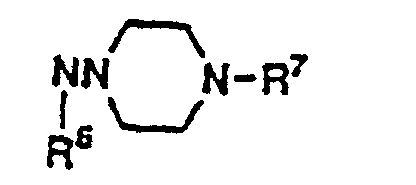 (worin R6 dieselbe Bedeutung, wie oben definiert, hat)}, oder ein pharmazeutisch annehmbares Salz hiervon.
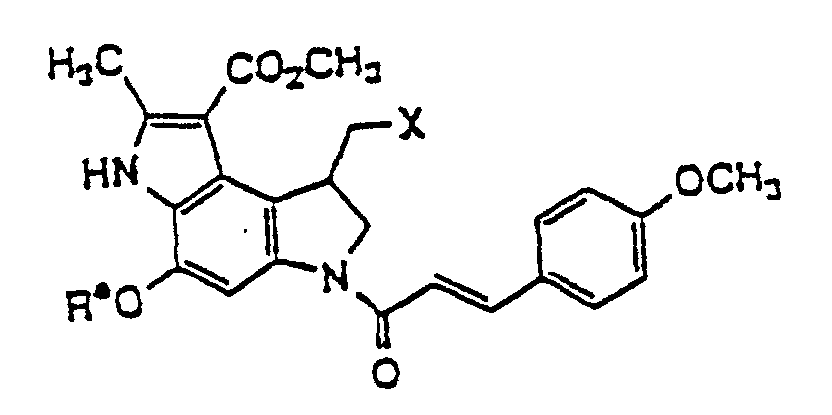
- DC-89 Derivat nach Anspruch 1, wiedergegeben durch die Formel:worin X = Cl oder Br darstellt; und R1a darstellt:
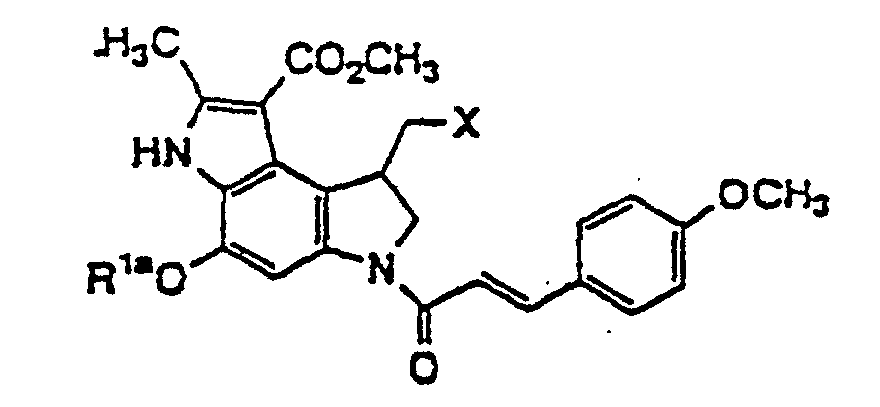 (worin R7 Wasserstoff oder substituiertes oder unsubstituiertes C1-C8-Alkyl darstellt), oder
 oder ein pharmazeutisch annehmbares Salz hiervon.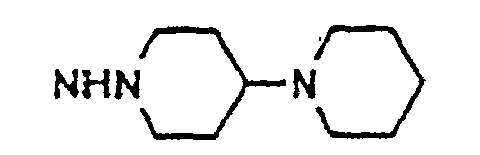
- DC-89 Derivat nach Anspruch 1, wiedergegeben durch die Formel:worin X = Cl oder Br darstellt;

R2a darstellt: substituiertes oder unsubstituiertes C1-C8-Alkyl, substituiertes oder unsubstituiertes C7-C20-Aralkyl, COR1 {worin R1 Wasserstoff, substituiertes oder unsubstituiertes C1-C8-Alkyl, substituiertes oder unsubstituiertes Aryl, ausgewählt aus der aus Phenyl und Naphthyl bestehenden Gruppe, substituierte oder unsubstituierte heterocyclische Gruppe, ausgewählt aus der aus Pyridyl, Pyrazinyl und Pyrimidinyl bestehenden Gruppe, OR2 (worin R2 substituiertes oder unsubstituiertes C1-C8-Alkyl oder Aryl, wie oben definiert, darstellt), SR2 (worin R2 dieselbe Bedeutung, wie oben definiert, hat), NR3aR4a (worin R3a substituiertes C1-C8-Alkyl, Amino oder Mono- oder Di-(C1-C8-alkyl)amino darstellt und R4a Amino oder Mono- oder Di-(C1-C8-alkyl)amino darstellt),worin R5 = NR7 (worin R7 Wasserstoff oder substituiertes oder unsubstituiertes C1-C8-Alkyl darstellt) oder Sauerstoff darstellt, und R6 dieselbe Bedeutung, wie oben für R7 definiert, hat, oder (worin R6 dieselbe Bedeutung, wie oben definiert, hat)}, oder SO2R8 (worin R8 substituiertes oder unsubstituiertes C1-C8-Alkyl oder substituiertes oder unsubstituiertes Aryl, wie oben definiert, darstellt); und Y darstellt:
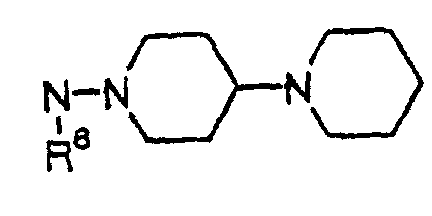 wobei:
 oder ein pharmazeutisch annehmbares Salz hiervon.das Alkyl, falls substituiert, 1 bis 3 unabhängig ausgewählte Substituenten hat, die umfassen: C1-C8-Alkoxy, C1-C8-Alkylthio, wahlweise substituiert mit Carboxy, Carboxy, C1-C8-Alkoxycarbonyl, Benzyloxycarbonyl, Amino, Mono- oder Di(C1-C8-alkyl)amino, cyclisches Amino, wahlweise substituiert mit C1-C8-Alkyl oder cyclischem Amino, Halogen und Phenyl,
unddie Aryl-, Aralkylgruppe und heterocyclische Gruppe, falls substituiert, jede 1 bis 3 unabhängig ausgewählte Substituenten hat, die umfassen: C1-C8-Alkyl, substituiertes C1-C8-Alkyl, C1-C8-Alkoxy, C1-C8-Alkoxycarbonyl, Amino, Mono- oder Di-(1-C8-alkyl)amino, Pyrrolyl und Halogen, - DC-89 Derivat, wiedergeben durch die Formelworin X = Cl oder Br darstellt;
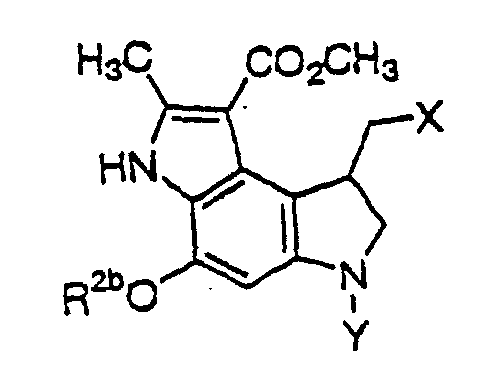
R2b darstellt: substituiertes oder unsubstituiertes C1-C8-Alkyl, substituiertes oder unsubstituiertes C7-C20-Aralkyl, COR1 {worin R1 Wasserstoff, substituiertes oder unsubstituiertes C1-C8-Alkyl, substituiertes oder unsubstituiertes Aryl, ausgewählt aus der aus Phenyl und Naphthyl bestehenden Gruppe, substituierte oder unsubstituierte heterocyclische Gruppe, ausgewählt aus der aus Pyridyl, Pyrazinyl und Pyrimidinyl bestehenden Gruppe, OR2 (worin R2 substituiertes oder unsubstituiertes C1-C8-Alkyl oder Aryl, wie oben definiert, darstellt), SR2 (worin R2 dieselbe Bedeutung, wie oben definiert, hat), NR3bR4a (worin R3b Wasserstoff, Amino oder Monooder Di-(C1-C8-alkyl)amino darstellt und R4a Amino oder Monooder Di-(C1-C8-alkyl)amino darstellt),worin R5 = NR7 (worin R7 Wasserstoff oder substituiertes oder unsubstituiertes C1-C8-Alkyl darstellt) oder Sauerstoff darstellt, und R6 dieselbe Bedeutung, wie oben für R7 definiert, hat, oder (worin R6 dieselbe Bedeutung, wie oben definiert, hat)}, oder SO2R8 (worin R8 substituiertes oder unsubstituiertes C1-C8-Alkyl oder substituiertes oder unsubstituiertes Aryl, wie oben definiert, darstellt); und Y darstellt:
 wobei:
 oder ein pharmazeutisch annehmbares Salz hiervon.das Alkyl, falls substituiert, 1 bis 3 unabhängig ausgewählte Substituenten hat, die umfassen: C1-C8-Alkoxy, C1-C8-Alkylthio, wahlweise substituiert mit Carboxy, Carboxy, C1-C8-Alkoxycarbonyl, Benzyloxycarbonyl, Amino, Mono- oder Di(C1-C8-alkyl)amino, cyclisches Amino, wahlweise substituiert mit C1-C8-Alkyl oder cyclischem Amino, Halogen und Phenyl,
unddie Aryl-, Aralkylgruppe und heterocyclische Gruppe, falls substituiert, jede 1 bis 3 unabhängig ausgewählte Substituenten hat, die umfassen: C1-C8-Alkyl, substituiertes C1-C8-Alkyl, C1-C8-Alkoxy, C1-C8-Alkoxycarbonyl, Amino, Mono- oder Di-(C1-C8-Alkyl)amino, Pyrrolyl und Halogen, - DC-89 Derivat, wiedergeben durch die Formelworin X = Cl oder Br darstellt;

R2c darstellt: substituiertes oder unsubstituiertes C1-C8-Alkyl, substituiertes oder unsubstituiertes C7-C20-Aralkyl, COR1 {worin R1 Wasserstoff, substituiertes oder unsubstituiertes C1-C8-Alkyl, substituiertes oder unsubstituiertes Aryl, ausgewählt aus der aus Phenyl und Naphthyl bestehenden Gruppe, substituierte oder unsubstituierte heterocyclische Gruppe, ausgewählt aus der aus Pyridyl, Pyrazinyl und Pyrimidinyl bestehenden Gruppe, OR2 (worin R2 substituiertes oder unsubstituiertes C1-C8-Alkyl oder Aryl, wie oben definiert, darstellt), SR2 (worin R2 dieselbe Bedeutung, wie oben definiert, hat), NR3cR4a (worin R3c Amino oder Mono- oder Di-(C1-C8-alkyl)amino darstellt und R4a Amino oder Mono- oder Di-(C1-C8-alkyl)amino darstellt),worin R5 = NR7 (worin R7 Wasserstoff oder substituiertes oder unsubstituiertes C1-C8-Alkyl darstellt) oder Sauerstoff darstellt, und R6 dieselbe Bedeutung, wie oben für R7 definiert, hat, oder (worin R6 dieselbe Bedeutung, wie oben definiert, hat)}, oder SO2R8 (worin R8 substituiertes oder unsubstituiertes C1-C8-Alkyl oder substituiertes oder unsubstituiertes Aryl, wie oben definiert, darstellt); und Y darstellt:
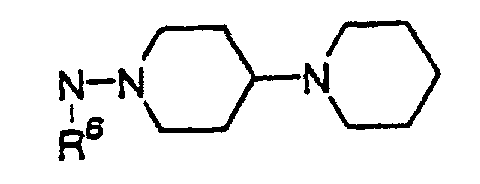 wobei:
 oder ein pharmazeutisch annehmbares Salz hiervon.das Alkyl, falls substituiert, 1 bis 3 unabhängig ausgewählte Substituenten hat, die umfassen: C1-C8-Alkoxy, C1-C8-Alkylthio, wahlweise substituiert mit Carboxy, Carboxy, C1-C8-Alkoxycarbonyl, Benzyloxycarbonyl, Amino, Mono- oder Di(C1-C8-alkyl)amino, cyclisches Amino, wahlweise substituiert mit C1-C8-Alkyl oder cyclischem Amino, Halogen und Phenyl,
unddie Aryl-, Aralkylgruppe und heterocyclische Gruppe, falls substituiert, jede 1 bis 3 unabhängig ausgewählte Substituenten hat, die umfassen: C1-C8-Alkyl, substituiertes C1-C8-Alkyl, C1-C8- Alkoxy, C1-C8-Alkoxycarbonyl, Amino, Mono- oder Di-(C1-C8-Alkyl)amino, Pyrrolyl und Halogen, - DC-89 Derivat, wiedergeben durch die Formelworin X = Cl oder Br darstellt;

R2d darstellt: substituiertes oder unsubstituiertes C1-C8-Alkyl, substituiertes oder unsubstituiertes C7-C20-Aralkyl, COR1 {worin R1 Wasserstoff, substituiertes oder unsubstituiertes C1-C8-Alkyl, substituiertes oder unsubstituiertes Aryl, ausgewählt aus der aus Phenyl und Naphthyl bestehenden Gruppe, substituierte oder unsubstituierte heterocyclische Gruppe, ausgewählt aus der aus Pyridyl, Pyrazinyl und Pyrimidinyl bestehenden Gruppe, OR2 (worin R2 substituiertes oder unsubstituiertes C1-C8-Alkyl oder Aryl, wie oben definiert, darstellt), SR2 (worin R2 dieselbe Bedeutung, wie oben definiert, hat),worin R5 = NR7 (worin R7 Wasserstoff oder substituiertes oder unsubstituiertes C1-C8-Alkyl darstellt) oder Sauerstoff darstellt, und R6 dieselbe Bedeutung, wie oben für R7 definiert, hat, oder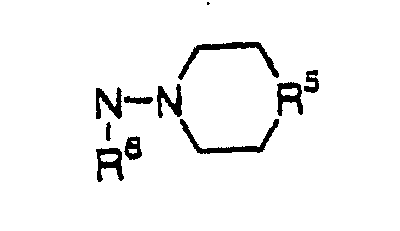 (worin R6 dieselbe Bedeutung, wie oben definiert, hat)}, oder SO2R8 (worin R8 substituiertes oder unsubstituiertes C1-C8-Alkyl oder substituiertes oder unsubstituiertes Aryl, wie oben definiert, darstellt); und Y darstellt:
 wobei:
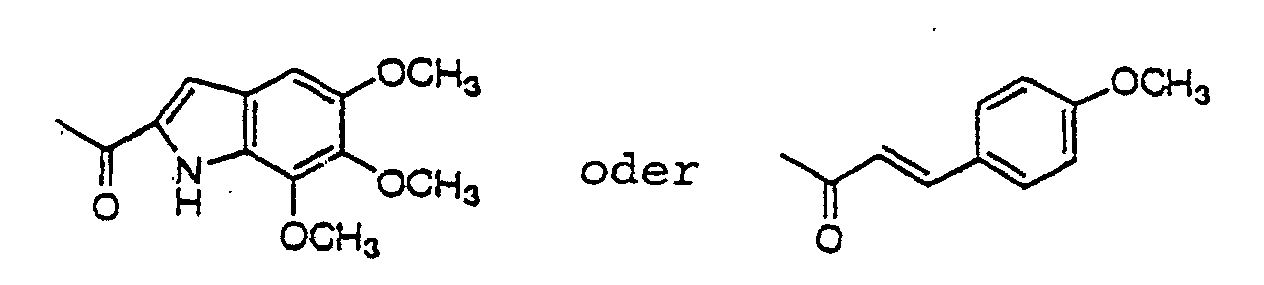 oder ein pharmazeutisch annehmbares Salz hiervon.das Alkyl, falls substituiert, 1 bis 3 unabhängig ausgewählte Substituenten hat, die umfassen: C1-C8-Alkoxy, C1-C8-Alkylthio, wahlweise substituiert mit Carboxy, Carboxy, C1-C8-Alkoxycarbonyl, Benzyloxycarbonyl, Amino, Mono- oder Di(C1-C8-alkyl)amino, cyclisches Amino, wahlweise substituiert mit C1-C8-Alkyl oder cyclischem Amino, Halogen und Phenyl,
unddie Aryl-, Aralkylgruppe und heterocyclische Gruppe, falls substituiert, jede 1 bis 3 unabhängig ausgewählte Substituenten hat, die umfassen: C1-C8-Alkyl, substituiertes C1-C8-Alkyl, C1-C8-Alkoxy, C1-C8-Alkoxycarbonyl, Amino, Mono- oder Di-(C1-C8-Alkyl)amino, Pyrrolyl und Halogen, - DC-89 Derivat, wiedergeben durch die Formelworin X = Cl oder Br darstellt;

R2e darstellt: COR1 {worin R1 Wasserstoff, substituiertes oder unsubstituiertes C1-C8-Alkyl, substituiertes oder unsubstituiertes Aryl, ausgewählt aus der aus Phenyl und Naphthyl bestehenden Gruppe, substituierte oder unsubstituierte heterocyclische Gruppe, ausgewählt aus der aus Pyridyl, Pyrazinyl und Pyrimi-dinyl bestehenden Gruppe, OR2 (worin R2 substituiertes oder unsubstituiertes C1-C8-Alkyl oder Aryl, wie oben definiert, darstellt), SR2 (worin R2 dieselbe Bedeutung, wie oben definiert, hat),worin R5 = NR7 (worin R7 Wasserstoff oder substituiertes oder unsubstituiertes C1-C8-Alkyl darstellt) oder Sauerstoff darstellt, und R6 dieselbe Bedeutung, wie oben für R7 definiert, hat, oder (worin R6 dieselbe Bedeutung, wie oben definiert, hat)), oder SO2R8 (worin R8 substituiertes oder unsubstituiertes C1-C8-Alkyl oder substituiertes oder unsubstituiertes Aryl, wie oben definiert, darstellt); und Y darstellt:
 wobei:
 oder ein pharmazeutisch annehmbares Salz hiervon.das Alkyl, falls substituiert, 1 bis 3 unabhängig ausgewählte Substituenten hat, die umfassen: C1-C8-Alkoxy, C1-C8-Alkylthio, wahlweise substituiert mit Carboxy, Carboxy, C1-C8-Alkoxycarbonyl, Benzyloxycarbonyl, Amino, Mono- oder Di-(C1-C8-alkyl)amino, cyclisches Amino, wahlweise substituiert mit C1-C8-Alkyl oder cyclischem Amino, Halogen und Phenyl,
unddie Aryl-, Aralkylgruppe und heterocyclische Gruppe, falls substituiert, jede 1 bis 3 unabhängig ausgewählte Substituenten hat, die umfassen: C1-C8-Alkyl, substituiertes C1-C8-Alkyl, C1-C8- Alkoxy, C1-C8-Alkoxycarbonyl, Amino, Mono- oder Di-(C1-C8-Alkyl)amino, Pyrrolyl und Halogen, - DC-89 Derivat, wiedergeben durch die Formelworin X = Cl oder Br darstellt;
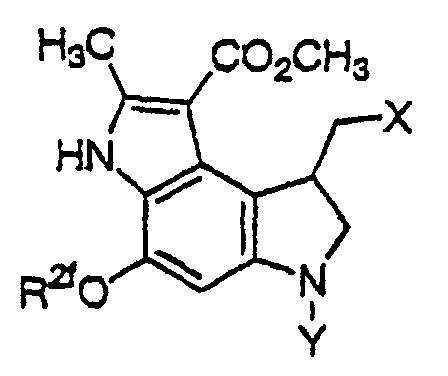
R2f darstellt: COR1 {worin R1 Wasserstoff, substituiertes oder unsubstituiertes C1-C8-Alkyl, substituiertes oder unsubstituiertes Aryl, ausgewählt aus der aus Phenyl und Naphthyl bestehenden Gruppe,worin R5 = NR7 (worin R7 Wasserstoff oder substituiertes oder unsubstituiertes C1-C8-alkyl darstellt) oder Sauerstoff darstellt, und R6 dieselbe Bedeutung, wie oben für R7 definiert, hat, oder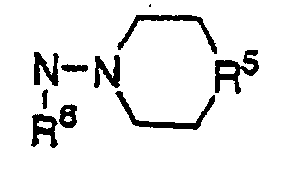 (worin R6 dieselbe Bedeutung, wie oben definiert, halt)}; und
Y darstellt:wobei:
das Alkyl, falls substituiert, 1 bis 3 unabhängig ausgewählte Substituenten hat, die umfassen: C1-C8-Alkoxy, C1-C8-Alkylthio, wahlweise substituiert mit Carboxy, Carboxy, C1-C8-Alkoxycarbonyl, Benzyloxycarbonyl, Amino, Mono- oder Di- (C1-C8-alkyl)amino, cyclisches Amino, wahlweise substituiert mit C1-C8-Alkyl oder cyclischem Amino, Halogen und Phenyl,
und
die Aryl, Aralkylgruppe und heterocyclische Gruppe, falls substituiert, jede 1 bis 3 unahbängig ausgewählte Substituenten hat, die umfassen: C1-C8-Alkyl, substituiertes C1-C8-Alkyl, C1-C8- Alkoxy, C1-C8-Alkoxycarbonyl, Amino, Mono- oder Di-(C1-C8-Alkyl)amino, Pyrrolyl und Halogen,
oder ein pharmazeutisch annehmbares Salz hiervon. - DC-89 Derivat, wiedergeben durch die Formelworin X = Cl oder Br darstellt;

R darstellt: substituiertes oder unsubstituiertes C1-C8-Alkyl, substituiertes oder unsubstituiertes C7-C20-Aralkyl, COR1 {worin R1 Wasserstoff, substituiertes oder unsubstituiertes C1-C8-Alkyl, substituier-tes oder unsubstituiertes Aryl, ausgewählt aus der aus Phenyl und Naphthyl bestehenden Gruppe, substituierte oder unsubstituierte heterocyclische Gruppe, ausgewählt aus der aus Pyridyl, Pyrazinyl und Pyrimidinyl bestehenden Gruppe, OR2 (worin R2 substituiertes oder unsubstituiertes C1-C8-Alkyl oder Aryl, wie oben definiert, darstellt), SR2 (worin R2 dieselbe Bedeutung, wie oben definiert, hat), NR3R4 (worin R3 Wasserstoff, substituiertes C1-C8-Alkyl, Amino oder Mono- oder Di-(C1-C8-alkyl)amino darstellt und R4 Amino oder Mono- oder Di-(C1-C8-alkyl)amino darstellt),worin R5 = NR7 (worin R7 Wasserstoff oder substituiertes oder unsubstituiertes C1-C8-Alkyl darstellt) oder Sauerstoff darstellt, und R6 dieselbe Bedeutung, wie oben für R7 definiert, hat, oder (worin R6 dieselbe Bedeutung, wie oben definiert, hat)}, oder SO2R8 (worin R8 substituiertes oder unsubstituiertes C1-C8-Alkyl oder substituiertes oder unsubstituiertes Aryl, wie oben definiert, darstellt); und Ya darstellt:
 wobei:
 oder ein pharmazeutisch annehmbares Salz hiervon.das Alkyl, falls substituiert, 1 bis 3 unabhängig ausgewählte Substituenten hat, die umfassen: C1-C8-Alkoxy, C1-C8-Alkylthio, wahlweise substituiert mit Carboxy, Carboxy, C1-C8-Alkoxycarbonyl, Benzyloxycarbonyl, Amino, Mono- oder Di-(C1-C8-alkyl)amino, cyclisches Amino, wahlweise substituiert mit C1-C8-Alkyl oder cyclischem Amino, Halogen und Phenyl,
unddie Aryl-, Aralkylgruppe und heterocyclische Gruppe, falls substituiert, jede 1 bis 3 unabhängig ausgewählte Substituenten hat, die umfassen: C1-C8-Alkyl, substituiertes C1-C8-Alkyl, C1-C8- Alkoxy, C1-C8-Alkoxycarbonyl, Amino, Mono- oder Di-(C1-C8-Alkyl)amino, Pyrrolyl und Halogen, - DC-89 Derivat, wiedergeben durch die Formelworin X = Cl oder Br darstellt;
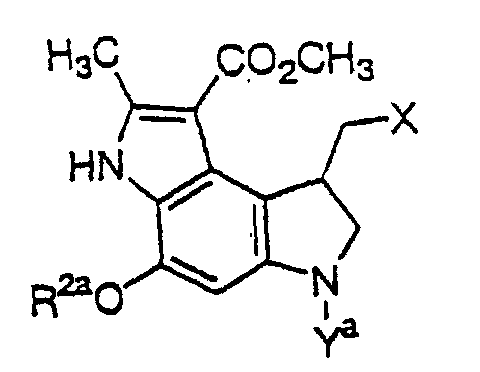
R2a darstellt: substituiertes oder unsubstituiertes C1-C8-Alkyl, substituiertes oder unsubstituiertes C7-C20-Aralkyl, COR1 {worin R1 Wasserstoff, substituiertes oder unsubstituiertes C1-C8-Alkyl, substituiertes oder unsubstituiertes Aryl, ausgewählt aus der aus Phenyl und Naphthyl bestehenden Gruppe, substituierte oder unsubstituierte heterocyclische Gruppe, ausgewählt aus der aus Pyridyl, Pyrazinyl und Pyrimidinyl bestehenden Gruppe, OR2 (worin R2 substituiertes oder unsubstituiertes C1-C8-Alkyl oder Aryl, wie oben definiert, darstellt), SR2 (worin R2 dieselbe Bedeutung, wie oben definiert, hat), NR3aR4a (worin R3a substituiertes C1-C8-Alkyl, Amino oder Mono- oder Di-(C1-C8-alkyl)amino dar-stellt und R4a Amino oder Mono- oder Di-(C1-C8-alkyl)amino darstellt),worin R5 = NR7 (worin R7 Wasserstoff oder substituiertes oder unsubstituiertes C1-C8-Alkyl darstellt) oder Sauerstoff darstellt, und R6 dieselbe Bedeutung, wie oben für R7 definiert, hat, oder (worin R6 dieselbe Bedeutung, wie oben definiert, hat)}, oder SO2R8 (worin R8 substituiertes oder unsubstituiertes C1-C8-Alkyl oder substituiertes oder unsubstituiertes Aryl, wie oben definiert, darstellt); und Y darstellt:
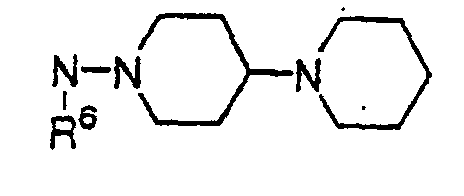 wobei:
 oder ein pharmazeutisch annehmbares Salz hiervon.das Alkyl, falls substituiert, 1 bis 3 unabhängig ausgewählte Substituenten hat, die umfassen: C1-C8-Alkoxy, C1-C8-Alkylthio, wahlweise substituiert mit Carboxy, Carboxy, C1-C8-Alkoxycarbonyl, Benzyloxycarbonyl, Amino, Mono- oder Di(C1-C8-alkyl)amino, cyclisches Amino, wahlweise substituiert mit C1-C8-Alkyl oder cyclischem Amino, Halogen und Phenyl,
unddie Aryl-, Aralkylgruppe und heterocyclische Gruppe, falls substituiert, jede 1 bis 3 unabhängig ausgewählte Substituenten hat, die umfassen: C1-C8-Alkyl, substituiertes C1-C8-Alkyl,C1-C8-Alkoxy, C1-C8-Alkoxycarbonyl, Amino, Mono- oder Di-(C1-C8-Alkyl)amino, Pyrrolyl und Halogen, - DC-89 Derivat, wiedergeben durch die Formelworin X = Cl oder Br darstellt;
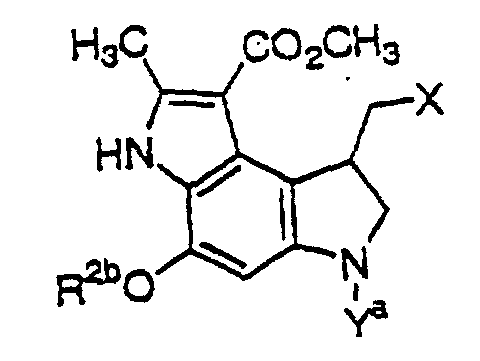
R2b darstellt: substituiertes oder unsubstituiertes C1-C8-Alkyl, substituiertes oder unsubstituiertes C7-C20-Aralkyl, COR1 {worin R1 Wasserstoff, substituiertes oder unsubstituiertes C1-C8-Alkyl, substituiertes oder unsubstituiertes
Aryl, ausgewählt aus der aus Phenyl und Naphthyl bestehenden Gruppe, substituierte oder unsubstituierte heterocyclische Gruppe, ausgewählt aus der aus Pyridyl, Pyräzinyl und Pyrimidinyl bestehenden Gruppe, OR2 (worin R2 substituiertes oder unsubstituiertes C1-C8-Alkyl oder Aryl, wie oben definiert, darstellt), SR2 (worin R2 dieselbe Bedeutung, wie oben definiert, hat), NR3bR4a (worin R3a Wasserstoff, substituiertes C1-C8-Alkyl, Amino oder Mono- oder Di-(C1-C8-alkyl)amino darstellt und R4a Amino oder Mono- oder Di-(C1-C8-alkyl)amino darstellt),worin R5 = NR7 (worin R7 Wasserstoff oder substituiertes oder unsubstituiertes C1-C8-Alkyl darstellt) oder Sauerstoff darstellt, und R6 dieselbe Bedeutung, wie oben für R7 definiert, hat, oder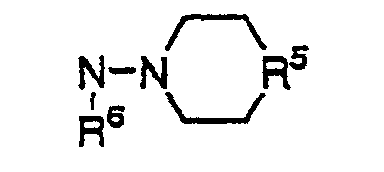 (worin R6 dieselbe Bedeutung, wie oben definiert, hat)}, oder SO2R8 (worin R8 substituiertes oder unsubstituiertes C1-C8-Alkyl oder substituiertes oder unsubstituiertes Aryl, wie oben definiert, darstellt); und Y darstellt:
 wobei:
 oder ein pharmazeutisch annehmbares Salz hiervon.das Alkyl, falls substituiert, 1 bis 3 unabhängig ausgewählte Substituenten hat, die umfassen: C1-C8-Alkoxy, C1-C8-Alkylthio, wahlweise substituiert mit Carboxy, Carboxy, C1-C8-Alkoxycarbonyl, Benzyloxycarbonyl, Amino, Mono- oder Di(C1-C8-alkyl)amino, cyclisches Amino, wahlweise substituiert mit C1-C8-Alkyl oder cyclischem Amino, Halogen und Phenyl,
unddie Aryl-, Aralkylgruppe und heterocyclische Gruppe, falls substituiert, jede 1 bis 3 unabhängig ausgewählte Substituenten hat, die umfassen: C1-C8-Alkyl, substituiertes C1-C8-Alkyl, C1-C8-Alkoxy, C1-C8-Alkoxycarbonyl, Amino, Mono- oder Di-(C1-C8-Alkyl)amino, Pyrrolyl und Halogen, - DC-89 Derivat, wiedergeben durch die Formelworin X = Cl oder Br darstellt;

R2c darstellt: substituiertes oder unsubstituiertes C1-C8-Alkyl, substituiertes oder unsubstituiertes C7-C20-Aralkyl, COR1 {worin R1 Wasserstoff, substituiertes oder unsubstituiertes C1-C8-Alkyl, substituiertes oder unsubstituiertes Aryl, ausgewählt aus der aus Phenyl und Naphthyl bestehenden Gruppe, substituierte oder unsubstituierte heterocyclische Gruppe, ausgewählt aus der aus Pyridyl, Pyrazinyl und Pyrimidinyl bestehenden Gruppe, OR2 (worin R2 substituiertes oder unsubstituiertes C1-C8-Alkyl oder Aryl, wie oben definiert, darstellt), SR2 (worin R2 dieselbe Bedeutung, wie oben definiert, hat), NR3cR4a (worin R3c Amino oder Mono- oder Di-(C1-C8-alkyl)amino darstellt und R4a Amino oder Mono- oder Di(C1-C8-alkyl)amino darstellt),worin R5 = NR7 (worin R7 Wasserstoff oder substituiertes oder unsubstituiertes C1-C8-Alkyl darstellt) oder Sauerstoff darstellt, und R6 dieselbe Bedeutung, wie oben für R7 definiert, hat, oder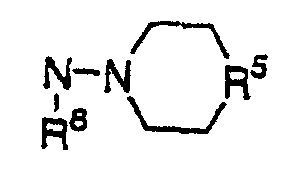 (worin R6 dieselbe Bedeutung, wie oben definiert, hat)}, oder SO2R8 (worin R8 substituiertes oder unsubstituiertes C1-C8-Alkyl oder substituiertes oder unsubstituiertes Aryl, wie oben definiert, darstellt); und Y darstellt:
 wobei:
 oder ein pharmazeutisch annehmbares Salz hiervon.das Alkyl, falls substituiert, 1 bis 3 unabhängig ausgewählte Substituenten hat, die umfassen: C1-C8-Alkoxy, C1-C8-Alkylthio, wahlweise substituiert mit Carboxy, Carboxy, C1-C8-Alkoxycarbonyl, Benzyloxycarbonyl, Amino, Mono- oder Di-(C1-C8-alkyl)amino, cyclisches Amino, wahlweise substituiert mit C1-C8-Alkyl oder cyclischem Amino, Halogen und Phenyl,
unddie Aryl-, Aralkylgruppe und heterocyclische Gruppe, falls substituiert, jede 1 bis 3 unabhängig ausgewählte Substituenten hat, die umfassen: C1-C8-Alkyl, substituiertes C1-C8-Alkyl, C1-C8-Alkoxy, C1-C8-Alkoxycarbonyl, Amino, Mono- oder Di-(C1-C8-Alkyl)amino, Pyrrolyl und Halogen, - DC-89 Derivat, wiedergeben durch die Formelworin X = Cl oder Br darstellt;

R2d darstellt: substituiertes oder unsubstituiertes C1-C8-Alkyl, substituiertes oder unsubstituiertes C7-C20-Aralkyl, COR1 {worin R1 Wasserstoff, substituiertes oder unsubstituiertes C1-C8-Alkyl, substituiertes oder unsubstituiertes Aryl, ausgewählt aus der aus Phenyl und Naphthyl bestehenden Gruppe, substituierte oder unsubstituierte heterocyclische Gruppe, ausgewählt aus der aus Pyridyl, Pyrazinyl und Pyrimidinyl bestehenden Gruppe, OR2 (worin R2 substituiertes oder unsubstituiertes C1-C8-Alkyl oder Aryl, wie oben definiert, darstellt), SR2 (worin R2 dieselbe Bedeutung, wie oben definiert, hat),worin R5 = NR7 (worin R7 Wasserstoff oder substituiertes oder unsubstituiertes C1-C8-Alkyl darstellt) oder Sauerstoff darstellt, und R6 dieselbe Bedeutung, wie oben für R7 definiert, hat, oder (worin R6 dieselbe Bedeutung, wie oben definiert, hat)}, oder SO2R8 (worin R8 substituiertes oder unsubstituiertes C1-C8-Alkyl oder substituiertes oder unsubstituiertes Aryl, wie oben definiert, darstellt); und Ya darstellt:
 wobei:
 oder ein pharmazeutisch annehmbares Salz hiervon.das Alkyl, falls substituiert, 1 bis 3 unabhängig ausgewählte Substituenten hat, die umfassen: C1-C8-Alkoxy, C1-C8-Alkylthio, wahlweise substituiert mit Carboxy, Carboxy, C1-C8-Alkoxycarbonyl, Benzyloxycarbonyl, Amino, Mono- oder Di-(C1-C8-alkyl)amino, cyclisches Amino, wahlweise substituiert mit C1-C8-Alkyl oder cyclischem Amino, Halogen und Phenyl,
unddie Aryl-, Aralkylgruppe und heterocyclische Gruppe, falls substituiert, jede 1 bis 3 unabhängig ausgewählte Substituenten hat, die umfassen: C1-C8-Alkyl, substituiertes C1-C8-Alkyl, C1-C8-Alkoxy, C1-C8-Alkoxycarbonyl, Amino, Mono- oder Di-(C1-C8-Alkyl)amino, Pyrrolyl und Halogen, - DC-89 Derivat, wiedergeben durch die Formelworin X = Cl oder Br darstellt;

R2e darstellt: COR1 {worin R1 Wasserstoff, substituiertes oder unsubstituiertes C1-C8-Alkyl, substituiertes oder unsubstituiertes Aryl, ausgewählt aus der aus Phenyl und Naphthyl bestehenden Gruppe, substituierte oder unsubstituierte heterocyclische Gruppe, ausgewählt aus der aus Pyridyl, Pyrazinyl und Pyrimidinyl bestehenden Gruppe, OR2 (worin R2 substituiertes oder unsubstituiertes C1-C8-Alkyl oder Aryl, wie oben definiert, darstellt), SR2 (worin R2 dieselbe Bedeutung, wie oben definiert, hat),worin R5 = NR7 (worin R7 Wasserstoff oder substituiertes oder unsubstituiertes C1-C8-Alkyl darstellt) oder Sauerstoff darstellt, und R6 dieselbe Bedeutung, wie oben für R7 definiert, hat, oder (worin R6 dieselbe Bedeutung, wie oben definiert, hat)}, oder SO2R8 (worin R8 substituiertes oder unsubstituiertes C1-C8-Alkyl oder substituiertes oder unsubstituiertes Aryl, wie oben definiert, darstellt); und Ya darstellt:
 wobei:
 oder ein pharmazeutisch annehmbares Salz hiervon.das Alkyl, falls substituiert, 1 bis 3 unabhängig ausgewählte Substituenten hat, die umfassen: C1-C8-Alkoxy, C1-C8-Alkylthio, wahlweise substituiert mit Carboxy, Carboxy, C1-C8-Alkoxycarbonyl, Benzyloxycarbonyl, Amino, Mono- oder Di-(C1-C8-alkyl)amino, cyclisches Amino, wahlweise substituiert mit C1-C8-Alkyl oder cyclischem Amino, Halogen und Phenyl,
unddie Aryl-, Aralkylgruppe und heterocyclische Gruppe, falls substituiert, jede 1 bis 3 unabhängig ausgewählte Substituenten hat, die umfassen: C1-C8-Alkyl, substituiertes C1-C8-Alkyl, C1-C8-Alkoxy, C1-C8-Alkoxycarbonyl, Amino, Mono- oder Di-(C1-C8-Alkyl)amino, Pyrrolyl und Halogen, - DC-89 Derivat, wiedergeben durch die Formelworin X = Cl oder Br darstellt;

R2f darstellt: COR1 {worin R1 Wasserstoff, substituiertes oder unsubstituiertes C1-C8-Alkyl, substituiertes oder unsubstituiertes Aryl, ausgewählt aus der aus Phenyl und Naphthyl bestehenden Gruppe,worin R5 = NR7 (worin R7 Wasserstoff oder substituiertes oder unsubstituiertes C1-C8-Alkyl darstellt) oder Sauerstoff darstellt, und R6 dieselbe Bedeutung, wie oben für R7 definiert, hat, oder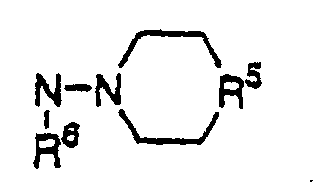 (worin R6 dieselbe Bedeutung, wie oben definiert, hat)}, und Ya darstellt:
 wobei:
 oder ein pharmazeutisch annehmbares Salz hiervon.das Alkyl, falls substituiert, 1 bis 3 unabhängig ausgewählte Substituenten hat, die umfassen: C1-C8-Alkoxy, C1-C8-Alkylthio, wahlweise substituiert mit Carboxy, Carboxy, C1-C8-Alkoxycarbonyl, Benzyloxycarbonyl, Amino, Mono- oder Di-(C1-C8-alkyl)amino, cyclisches Amino, wahlweise substituiert mit C1-C8-Alkyl oder cyclischem Amino, Halogen und Phenyl,
unddie Aryl-, Aralkylgruppe und heterocyclische Gruppe, falls substituiert, jede 1 bis 3 unabhängig ausgewählte Substituenten hat, die umfassen: C1-C8-Alkyl, substituiertes C1-C8-Alkyl, C1-C8-Alkoxy, C1-C8-Alkoxycarbonyl, Amino, Mono- oder Di-(C1-C8-Alkyl)amino, Pyrrolyl und Halogen,
Priority Applications (1)
| Application Number | Priority Date | Filing Date | Title |
|---|---|---|---|
| DK95916020T DK0705833T3 (da) | 1995-04-20 | 1995-04-20 | DC-89-derivat |
Applications Claiming Priority (4)
| Application Number | Priority Date | Filing Date | Title |
|---|---|---|---|
| JP8471494 | 1994-04-22 | ||
| JP8471494 | 1994-04-22 | ||
| JP84714/94 | 1994-04-22 | ||
| PCT/JP1995/000779 WO1995029179A1 (en) | 1994-04-22 | 1995-04-20 | Dc-89 derivative |
Publications (3)
| Publication Number | Publication Date |
|---|---|
| EP0705833A1 EP0705833A1 (de) | 1996-04-10 |
| EP0705833A4 EP0705833A4 (de) | 1997-04-02 |
| EP0705833B1 true EP0705833B1 (de) | 2004-07-21 |
Family
ID=13838345
Family Applications (1)
| Application Number | Title | Priority Date | Filing Date |
|---|---|---|---|
| EP95916020A Expired - Lifetime EP0705833B1 (de) | 1994-04-22 | 1995-04-20 | Dc-89 derivat |
Country Status (10)
| Country | Link |
|---|---|
| US (1) | US5641780A (de) |
| EP (1) | EP0705833B1 (de) |
| KR (1) | KR100350260B1 (de) |
| AT (1) | ATE271557T1 (de) |
| AU (1) | AU685939B2 (de) |
| CA (1) | CA2165819C (de) |
| DE (1) | DE69533277T2 (de) |
| ES (1) | ES2220927T3 (de) |
| PT (1) | PT705833E (de) |
| WO (1) | WO1995029179A1 (de) |
Families Citing this family (77)
| Publication number | Priority date | Publication date | Assignee | Title |
|---|---|---|---|---|
| AU4134597A (en) * | 1996-09-03 | 1998-03-26 | Kyowa Hakko Kogyo Co. Ltd. | Dc-89 derivatives |
| NZ504884A (en) * | 1997-12-08 | 2002-10-25 | Scripps Research Inst | Synthesis of the dihydroindole C-ring of CC-1065/duocarmycin analogs and certain intermediates |
| GB0019950D0 (en) * | 2000-08-12 | 2000-09-27 | Smithkline Beecham Plc | Compounds |
| US6989452B2 (en) * | 2001-05-31 | 2006-01-24 | Medarex, Inc. | Disulfide prodrugs and linkers and stabilizers useful therefor |
| US7691962B2 (en) * | 2004-05-19 | 2010-04-06 | Medarex, Inc. | Chemical linkers and conjugates thereof |
| JP4806680B2 (ja) * | 2004-05-19 | 2011-11-02 | メダレックス インコーポレイテッド | 自己犠牲リンカー及び薬剤複合体 |
| JP2008529556A (ja) * | 2005-02-18 | 2008-08-07 | メダレックス, インク. | 前立腺特異的膜抗原(psma)に対するヒトモノクローナル抗体 |
| US8323645B2 (en) | 2005-03-24 | 2012-12-04 | Millennium Pharmaceuticals, Inc. | Antibodies that bind OV064 and methods of use therefor |
| US7714016B2 (en) * | 2005-04-08 | 2010-05-11 | Medarex, Inc. | Cytotoxic compounds and conjugates with cleavable substrates |
| EP2354163A3 (de) | 2005-09-26 | 2013-04-24 | Medarex, Inc. | Konjugate von Duocarmycin und Anti-CD70 oder Anti-PSMA Antikörpern |
| RS52100B (sr) | 2005-10-26 | 2012-06-30 | Medarex, Inc. | Postupci i jedinjenja za pripremu analoga cc-1065 |
| WO2007059404A2 (en) | 2005-11-10 | 2007-05-24 | Medarex, Inc. | Duocarmycin derivatives as novel cytotoxic compounds and conjugates |
| US8481683B2 (en) | 2006-12-01 | 2013-07-09 | Medarex, Inc. | Human antibodies that bind CD22 and uses thereof |
| CL2007003622A1 (es) | 2006-12-13 | 2009-08-07 | Medarex Inc | Anticuerpo monoclonal humano anti-cd19; composicion que lo comprende; y metodo de inhibicion del crecimiento de celulas tumorales. |
| MX2009006277A (es) | 2006-12-14 | 2009-07-24 | Medarex Inc | Anticuerpos humanos que se enlazan a cd70 y usos de los mismos. |
| TWI412367B (zh) | 2006-12-28 | 2013-10-21 | 梅達雷克斯有限責任公司 | 化學鏈接劑與可裂解基質以及其之綴合物 |
| AR065404A1 (es) * | 2007-02-21 | 2009-06-03 | Medarex Inc | Conjugados farmaco-ligando, los que se unen a citotoxinas potentes, composicion farmaceutica que los contienen y su uso para retardar o detener el crecimiento de un tumor en un mamifero |
| US8865875B2 (en) | 2007-08-22 | 2014-10-21 | Medarex, L.L.C. | Site-specific attachment of drugs or other agents to engineered antibodies with C-terminal extensions |
| ES2526355T3 (es) | 2007-10-01 | 2015-01-09 | Bristol-Myers Squibb Company | Anticuerpos humanos que se adhieren a mesotelina, y usos de los mismos |
| US20110020329A1 (en) * | 2007-11-30 | 2011-01-27 | Bristol-Myers Squibb Company | Conjugates of anti-rg-1 antibodies |
| NZ621170A (en) | 2009-05-13 | 2015-08-28 | Genzyme Corp | Anti-human cd52 immunoglobulins |
| WO2011028952A1 (en) | 2009-09-02 | 2011-03-10 | Xencor, Inc. | Compositions and methods for simultaneous bivalent and monovalent co-engagement of antigens |
| EP2470569A1 (de) | 2009-10-13 | 2012-07-04 | Oxford Biotherapeutics Ltd. | Antikörper gegen epha10 |
| AU2011283694B2 (en) | 2010-07-29 | 2017-04-13 | Xencor, Inc. | Antibodies with modified isoelectric points |
| EP3828205A1 (de) | 2010-10-01 | 2021-06-02 | Oxford BioTherapeutics Ltd | Anti-ror1-antikörper |
| JOP20210044A1 (ar) | 2010-12-30 | 2017-06-16 | Takeda Pharmaceuticals Co | الأجسام المضادة لـ cd38 |
| PL2726508T3 (pl) | 2011-06-28 | 2017-12-29 | Oxford Biotherapeutics Ltd | Przeciwciała przeciwko cyklazie ADP-rybozylowej 2 |
| WO2013022855A1 (en) | 2011-08-05 | 2013-02-14 | Xencor, Inc. | Antibodies with modified isoelectric points and immunofiltering |
| US12466897B2 (en) | 2011-10-10 | 2025-11-11 | Xencor, Inc. | Heterodimeric human IgG1 polypeptides with isoelectric point modifications |
| US10851178B2 (en) | 2011-10-10 | 2020-12-01 | Xencor, Inc. | Heterodimeric human IgG1 polypeptides with isoelectric point modifications |
| AU2012323287B2 (en) | 2011-10-10 | 2018-02-01 | Xencor, Inc. | A method for purifying antibodies |
| CA2891280C (en) | 2012-11-24 | 2018-03-20 | Hangzhou Dac Biotech Co., Ltd. | Hydrophilic linkers and their uses for conjugation of drugs to cell binding molecules |
| US9605084B2 (en) | 2013-03-15 | 2017-03-28 | Xencor, Inc. | Heterodimeric proteins |
| US9701759B2 (en) | 2013-01-14 | 2017-07-11 | Xencor, Inc. | Heterodimeric proteins |
| US10487155B2 (en) | 2013-01-14 | 2019-11-26 | Xencor, Inc. | Heterodimeric proteins |
| US10131710B2 (en) | 2013-01-14 | 2018-11-20 | Xencor, Inc. | Optimized antibody variable regions |
| US11053316B2 (en) | 2013-01-14 | 2021-07-06 | Xencor, Inc. | Optimized antibody variable regions |
| KR102211837B1 (ko) | 2013-01-14 | 2021-02-03 | 젠코어 인코포레이티드 | 신규한 이형이량체 단백질 |
| US10968276B2 (en) | 2013-03-12 | 2021-04-06 | Xencor, Inc. | Optimized anti-CD3 variable regions |
| WO2014113510A1 (en) | 2013-01-15 | 2014-07-24 | Xencor, Inc. | Rapid clearance of antigen complexes using novel antibodies |
| AR095199A1 (es) | 2013-03-15 | 2015-09-30 | Genzyme Corp | Anticuerpos anti-cd52 |
| US10858417B2 (en) | 2013-03-15 | 2020-12-08 | Xencor, Inc. | Heterodimeric proteins |
| JP6594855B2 (ja) | 2013-03-15 | 2019-10-23 | ゼンコア インコーポレイテッド | ヘテロ二量体タンパク質 |
| US10519242B2 (en) | 2013-03-15 | 2019-12-31 | Xencor, Inc. | Targeting regulatory T cells with heterodimeric proteins |
| EP2970486B1 (de) | 2013-03-15 | 2018-05-16 | Xencor, Inc. | Modulation von t-zellen mit bispezifischen antikörpern und fc-fusionen |
| US10106624B2 (en) | 2013-03-15 | 2018-10-23 | Xencor, Inc. | Heterodimeric proteins |
| CN105745224B (zh) | 2013-10-11 | 2019-11-05 | 牛津生物疗法有限公司 | 用于治疗癌症的针对ly75的偶联抗体 |
| US10464955B2 (en) | 2014-02-28 | 2019-11-05 | Hangzhou Dac Biotech Co., Ltd. | Charged linkers and their uses for conjugation |
| EP3699195A3 (de) | 2014-03-28 | 2020-11-04 | Xencor, Inc. | Bispezifische, an cd38 und cd3 bindende antikörper |
| EP3194449A1 (de) | 2014-07-24 | 2017-07-26 | Xencor, Inc. | Schnelle beseitigung von antigenkomplexen unter verwendung neuartiger antikörper |
| US10259887B2 (en) | 2014-11-26 | 2019-04-16 | Xencor, Inc. | Heterodimeric antibodies that bind CD3 and tumor antigens |
| EP3223907A2 (de) | 2014-11-26 | 2017-10-04 | Xencor, Inc. | Cd3 und cd38 bindende heterodimere antikörper |
| PE20171324A1 (es) | 2014-11-26 | 2017-09-11 | Xencor Inc | Anticuerpos heterodimericos que se unen a cd3 y a antigenos tumorales |
| WO2016105450A2 (en) | 2014-12-22 | 2016-06-30 | Xencor, Inc. | Trispecific antibodies |
| US10227411B2 (en) | 2015-03-05 | 2019-03-12 | Xencor, Inc. | Modulation of T cells with bispecific antibodies and FC fusions |
| NZ739830A (en) | 2015-07-12 | 2021-12-24 | Hangzhou Dac Biotech Co Ltd | Bridge linkers for conjugation of cell-binding molecules |
| US9839687B2 (en) | 2015-07-15 | 2017-12-12 | Suzhou M-Conj Biotech Co., Ltd. | Acetylenedicarboxyl linkers and their uses in specific conjugation of a cell-binding molecule |
| CA3007030A1 (en) | 2015-12-07 | 2017-06-15 | Xencor, Inc. | Heterodimeric antibodies that bind cd3 and psma |
| JP7010854B2 (ja) | 2016-06-14 | 2022-01-26 | ゼンコア インコーポレイテッド | 二重特異性チェックポイント阻害剤抗体 |
| CN109715663B (zh) | 2016-06-28 | 2022-11-25 | Xencor股份有限公司 | 结合生长抑素受体2的异源二聚抗体 |
| US10793632B2 (en) | 2016-08-30 | 2020-10-06 | Xencor, Inc. | Bispecific immunomodulatory antibodies that bind costimulatory and checkpoint receptors |
| MY203000A (en) | 2016-10-14 | 2024-06-01 | Xencor Inc | Il15/il15r� heterodimeric fc-fusion proteins |
| KR20220150408A (ko) | 2016-11-14 | 2022-11-10 | 항저우 디에이씨 바이오테크 씨오, 엘티디 | 결합 링커, 그러한 결합 링커를 함유하는 세포 결합 분자-약물 결합체, 링커를 갖는 그러한 결합체의 제조 및 사용 |
| WO2019006472A1 (en) | 2017-06-30 | 2019-01-03 | Xencor, Inc. | TARGETED HETETRODIMERIC FUSION PROTEINS CONTAINING IL-15 / IL-15RA AND ANTIGEN-BINDING DOMAINS |
| JP2021502100A (ja) | 2017-11-08 | 2021-01-28 | ゼンコア インコーポレイテッド | 新規抗pd−1配列を用いた二重特異性および単一特異性抗体 |
| US10981992B2 (en) | 2017-11-08 | 2021-04-20 | Xencor, Inc. | Bispecific immunomodulatory antibodies that bind costimulatory and checkpoint receptors |
| IL275426B2 (en) | 2017-12-19 | 2025-03-01 | Xencor Inc | Engineered il-2 fc fusion proteins |
| CA3096052A1 (en) | 2018-04-04 | 2019-10-10 | Xencor, Inc. | Heterodimeric antibodies that bind fibroblast activation protein |
| EP3781598A1 (de) | 2018-04-18 | 2021-02-24 | Xencor, Inc. | Auf tim-3 abzielende heterodimere fusionsproteine mit il-15-/il-15ra-fc-fusionsproteinen und tim-3-antigen-bindenden domänen |
| SG11202010163QA (en) | 2018-04-18 | 2020-11-27 | Xencor Inc | Pd-1 targeted heterodimeric fusion proteins containing il-15/il-15ra fc-fusion proteins and pd-1 antigen binding domains and uses thereof |
| TW202519260A (zh) | 2018-07-02 | 2025-05-16 | 美商安進公司 | 抗steap1抗原結合蛋白 |
| AU2019355971B2 (en) | 2018-10-03 | 2025-05-08 | Xencor, Inc. | IL-12 heterodimeric Fc-fusion proteins |
| CA3132185A1 (en) | 2019-03-01 | 2020-09-10 | Xencor, Inc. | Heterodimeric antibodies that bind enpp3 and cd3 |
| WO2021231976A1 (en) | 2020-05-14 | 2021-11-18 | Xencor, Inc. | Heterodimeric antibodies that bind prostate specific membrane antigen (psma) and cd3 |
| US11739144B2 (en) | 2021-03-09 | 2023-08-29 | Xencor, Inc. | Heterodimeric antibodies that bind CD3 and CLDN6 |
| EP4305065A1 (de) | 2021-03-10 | 2024-01-17 | Xencor, Inc. | Cd3 und gpc3 bindende heterodimere antikörper |
| EP4426727A2 (de) | 2021-11-03 | 2024-09-11 | Hangzhou Dac Biotech Co., Ltd. | Spezifische konjugation eines antikörpers |
Citations (1)
| Publication number | Priority date | Publication date | Assignee | Title |
|---|---|---|---|---|
| EP0520435A2 (de) * | 1991-06-28 | 1992-12-30 | Kyowa Hakko Kogyo Co., Ltd. | Derivate der Verbindung DC 89 |
Family Cites Families (5)
| Publication number | Priority date | Publication date | Assignee | Title |
|---|---|---|---|---|
| CA1238907A (en) * | 1984-02-21 | 1988-07-05 | Robert C. Kelly | 1,2,8,8a-tetrahydrocyclopropa¬c|pyrrolo(3,2-e)- indol-4(5h)-ones and related compounds |
| DE3750612T2 (de) * | 1986-12-19 | 1995-03-02 | Upjohn Co | Cc-1065 analoge. |
| JP2510335B2 (ja) * | 1989-07-03 | 1996-06-26 | 協和醗酵工業株式会社 | Dc―88a誘導体 |
| JPH05178858A (ja) * | 1991-06-28 | 1993-07-20 | Kyowa Hakko Kogyo Co Ltd | Dc−89誘導体 |
| JPH0597853A (ja) * | 1991-10-07 | 1993-04-20 | Kyowa Hakko Kogyo Co Ltd | Dc−89誘導体の臭化水素酸塩 |
-
1995
- 1995-04-20 US US08/564,178 patent/US5641780A/en not_active Expired - Fee Related
- 1995-04-20 DE DE69533277T patent/DE69533277T2/de not_active Expired - Fee Related
- 1995-04-20 WO PCT/JP1995/000779 patent/WO1995029179A1/ja not_active Ceased
- 1995-04-20 ES ES95916020T patent/ES2220927T3/es not_active Expired - Lifetime
- 1995-04-20 AT AT95916020T patent/ATE271557T1/de not_active IP Right Cessation
- 1995-04-20 CA CA002165819A patent/CA2165819C/en not_active Expired - Fee Related
- 1995-04-20 PT PT95916020T patent/PT705833E/pt unknown
- 1995-04-20 KR KR1019950705313A patent/KR100350260B1/ko not_active Expired - Fee Related
- 1995-04-20 AU AU22671/95A patent/AU685939B2/en not_active Ceased
- 1995-04-20 EP EP95916020A patent/EP0705833B1/de not_active Expired - Lifetime
Patent Citations (1)
| Publication number | Priority date | Publication date | Assignee | Title |
|---|---|---|---|---|
| EP0520435A2 (de) * | 1991-06-28 | 1992-12-30 | Kyowa Hakko Kogyo Co., Ltd. | Derivate der Verbindung DC 89 |
Also Published As
| Publication number | Publication date |
|---|---|
| CA2165819A1 (en) | 1995-11-02 |
| WO1995029179A1 (en) | 1995-11-02 |
| KR100350260B1 (ko) | 2003-01-06 |
| DE69533277D1 (de) | 2004-08-26 |
| ATE271557T1 (de) | 2004-08-15 |
| AU685939B2 (en) | 1998-01-29 |
| PT705833E (pt) | 2004-11-30 |
| US5641780A (en) | 1997-06-24 |
| ES2220927T3 (es) | 2004-12-16 |
| KR960702464A (ko) | 1996-04-27 |
| CA2165819C (en) | 2005-12-27 |
| DE69533277T2 (de) | 2005-07-21 |
| EP0705833A1 (de) | 1996-04-10 |
| EP0705833A4 (de) | 1997-04-02 |
| AU2267195A (en) | 1995-11-16 |
Similar Documents
| Publication | Publication Date | Title |
|---|---|---|
| EP0705833B1 (de) | Dc-89 derivat | |
| EP0406749B1 (de) | DC-88A-Derivate | |
| US5736549A (en) | Hypoxanthine and guanine compounds | |
| US5187186A (en) | Pyrroloindole derivatives | |
| US4923986A (en) | Derivatives of physiologically active substance K-252 | |
| US5344926A (en) | Process for producing staurosporine derivatives | |
| MXPA97002488A (en) | Compounds of purine and guanine as inhibitors of | |
| US4889859A (en) | Pyrido[2,3-d]pyrimidine derivatives | |
| EP0468400B1 (de) | DC-89-Derivate als Antitumor-Wirkstoffe | |
| JPH05247055A (ja) | スタウロスポリン誘導体及びそれを含有する抗腫瘍効果増強剤 | |
| US5258383A (en) | DC-89 derivatives | |
| US5670492A (en) | DC-89 derivatives | |
| US5214065A (en) | Dc-89 derivatives | |
| US6310210B1 (en) | Camptothecin derivatives | |
| US5248692A (en) | DC-89 derivatives as anti-tumor agents | |
| EP0369749B1 (de) | Antitumor-Verbindungen | |
| US5220026A (en) | Pyrazoloacridone derivatives | |
| CA2163890A1 (en) | Dc-89 derivative | |
| EP0499130A1 (de) | Derivate der Verbindung DC-89 | |
| JPH0551384A (ja) | Dc−89誘導体 | |
| JPWO1995029179A1 (ja) | Dc−89誘導体 | |
| JPH05178858A (ja) | Dc−89誘導体 | |
| US5218126A (en) | Halogen substituted mitomycin derivatives | |
| US4215121A (en) | Pyrazine substituted ureas | |
| JPH05208979A (ja) | Dc113誘導体 |
Legal Events
| Date | Code | Title | Description |
|---|---|---|---|
| PUAI | Public reference made under article 153(3) epc to a published international application that has entered the european phase |
Free format text: ORIGINAL CODE: 0009012 |
|
| 17P | Request for examination filed |
Effective date: 19960103 |
|
| AK | Designated contracting states |
Kind code of ref document: A1 Designated state(s): AT BE CH DE DK ES FR GB GR IE IT LI LU MC NL PT SE |
|
| K1C1 | Correction of patent application (title page) published |
Effective date: 19960410 |
|
| A4 | Supplementary search report drawn up and despatched | ||
| AK | Designated contracting states |
Kind code of ref document: A4 Designated state(s): AT BE CH DE DK ES FR GB GR IE IT LI LU MC NL PT SE |
|
| 17Q | First examination report despatched |
Effective date: 19981210 |
|
| GRAP | Despatch of communication of intention to grant a patent |
Free format text: ORIGINAL CODE: EPIDOSNIGR1 |
|
| GRAS | Grant fee paid |
Free format text: ORIGINAL CODE: EPIDOSNIGR3 |
|
| GRAA | (expected) grant |
Free format text: ORIGINAL CODE: 0009210 |
|
| AK | Designated contracting states |
Kind code of ref document: B1 Designated state(s): AT BE CH DE DK ES FR GB GR IE IT LI LU MC NL PT SE |
|
| REG | Reference to a national code |
Ref country code: GB Ref legal event code: FG4D |
|
| XX | Miscellaneous (additional remarks) |
Free format text: A REQUEST FOR CORRECTION OF THE DESCRIPTION IN PAGE 48 HAS BEEN FILED PURSUANT TO RULE 88 EPC. A DECISIONON THE REQUEST WILL BE TAKEN DURINGTH |
|
| REG | Reference to a national code |
Ref country code: CH Ref legal event code: EP |
|
| REG | Reference to a national code |
Ref country code: IE Ref legal event code: FG4D |
|
| REF | Corresponds to: |
Ref document number: 69533277 Country of ref document: DE Date of ref document: 20040826 Kind code of ref document: P |
|
| REG | Reference to a national code |
Ref country code: SE Ref legal event code: TRGR |
|
| REG | Reference to a national code |
Ref country code: DK Ref legal event code: T3 Ref country code: CH Ref legal event code: NV Representative=s name: BOVARD AG PATENTANWAELTE |
|
| REG | Reference to a national code |
Ref country code: GR Ref legal event code: EP Ref document number: 20040403253 Country of ref document: GR |
|
| REG | Reference to a national code |
Ref country code: PT Ref legal event code: SC4A Free format text: AVAILABILITY OF NATIONAL TRANSLATION Effective date: 20040928 |
|
| REG | Reference to a national code |
Ref country code: ES Ref legal event code: FG2A Ref document number: 2220927 Country of ref document: ES Kind code of ref document: T3 |
|
| ET | Fr: translation filed | ||
| PLBE | No opposition filed within time limit |
Free format text: ORIGINAL CODE: 0009261 |
|
| STAA | Information on the status of an ep patent application or granted ep patent |
Free format text: STATUS: NO OPPOSITION FILED WITHIN TIME LIMIT |
|
| 26N | No opposition filed |
Effective date: 20050422 |
|
| PGFP | Annual fee paid to national office [announced via postgrant information from national office to epo] |
Ref country code: NL Payment date: 20070316 Year of fee payment: 13 Ref country code: AT Payment date: 20070316 Year of fee payment: 13 |
|
| PGFP | Annual fee paid to national office [announced via postgrant information from national office to epo] |
Ref country code: SE Payment date: 20070319 Year of fee payment: 13 Ref country code: MC Payment date: 20070319 Year of fee payment: 13 |
|
| PGFP | Annual fee paid to national office [announced via postgrant information from national office to epo] |
Ref country code: DK Payment date: 20070320 Year of fee payment: 13 |
|
| PGFP | Annual fee paid to national office [announced via postgrant information from national office to epo] |
Ref country code: PT Payment date: 20070321 Year of fee payment: 13 |
|
| PGFP | Annual fee paid to national office [announced via postgrant information from national office to epo] |
Ref country code: IE Payment date: 20070327 Year of fee payment: 13 |
|
| PGFP | Annual fee paid to national office [announced via postgrant information from national office to epo] |
Ref country code: DE Payment date: 20070410 Year of fee payment: 13 |
|
| PGFP | Annual fee paid to national office [announced via postgrant information from national office to epo] |
Ref country code: ES Payment date: 20070412 Year of fee payment: 13 Ref country code: CH Payment date: 20070412 Year of fee payment: 13 |
|
| PGFP | Annual fee paid to national office [announced via postgrant information from national office to epo] |
Ref country code: BE Payment date: 20070508 Year of fee payment: 13 |
|
| PGFP | Annual fee paid to national office [announced via postgrant information from national office to epo] |
Ref country code: LU Payment date: 20070608 Year of fee payment: 13 |
|
| PGFP | Annual fee paid to national office [announced via postgrant information from national office to epo] |
Ref country code: GB Payment date: 20070410 Year of fee payment: 13 |
|
| PGFP | Annual fee paid to national office [announced via postgrant information from national office to epo] |
Ref country code: IT Payment date: 20070627 Year of fee payment: 13 |
|
| PGFP | Annual fee paid to national office [announced via postgrant information from national office to epo] |
Ref country code: GR Payment date: 20070323 Year of fee payment: 13 |
|
| PGFP | Annual fee paid to national office [announced via postgrant information from national office to epo] |
Ref country code: FR Payment date: 20070313 Year of fee payment: 13 |
|
| BERE | Be: lapsed |
Owner name: *KYOWA HAKKO KOGYO CO. LTD Effective date: 20080430 |
|
| REG | Reference to a national code |
Ref country code: PT Ref legal event code: MM4A Free format text: LAPSE DUE TO NON-PAYMENT OF FEES Effective date: 20081020 |
|
| PG25 | Lapsed in a contracting state [announced via postgrant information from national office to epo] |
Ref country code: MC Free format text: LAPSE BECAUSE OF NON-PAYMENT OF DUE FEES Effective date: 20080430 |
|
| REG | Reference to a national code |
Ref country code: CH Ref legal event code: PL |
|
| REG | Reference to a national code |
Ref country code: DK Ref legal event code: EBP |
|
| EUG | Se: european patent has lapsed | ||
| GBPC | Gb: european patent ceased through non-payment of renewal fee |
Effective date: 20080420 |
|
| NLV4 | Nl: lapsed or anulled due to non-payment of the annual fee |
Effective date: 20081101 |
|
| REG | Reference to a national code |
Ref country code: IE Ref legal event code: MM4A |
|
| PG25 | Lapsed in a contracting state [announced via postgrant information from national office to epo] |
Ref country code: PT Free format text: LAPSE BECAUSE OF NON-PAYMENT OF DUE FEES Effective date: 20081020 Ref country code: NL Free format text: LAPSE BECAUSE OF NON-PAYMENT OF DUE FEES Effective date: 20081101 Ref country code: LI Free format text: LAPSE BECAUSE OF NON-PAYMENT OF DUE FEES Effective date: 20080430 Ref country code: DE Free format text: LAPSE BECAUSE OF NON-PAYMENT OF DUE FEES Effective date: 20081101 Ref country code: CH Free format text: LAPSE BECAUSE OF NON-PAYMENT OF DUE FEES Effective date: 20080430 |
|
| REG | Reference to a national code |
Ref country code: FR Ref legal event code: ST Effective date: 20081231 |
|
| PG25 | Lapsed in a contracting state [announced via postgrant information from national office to epo] |
Ref country code: AT Free format text: LAPSE BECAUSE OF NON-PAYMENT OF DUE FEES Effective date: 20080420 |
|
| PG25 | Lapsed in a contracting state [announced via postgrant information from national office to epo] |
Ref country code: BE Free format text: LAPSE BECAUSE OF NON-PAYMENT OF DUE FEES Effective date: 20080430 |
|
| PG25 | Lapsed in a contracting state [announced via postgrant information from national office to epo] |
Ref country code: IE Free format text: LAPSE BECAUSE OF NON-PAYMENT OF DUE FEES Effective date: 20080421 Ref country code: FR Free format text: LAPSE BECAUSE OF NON-PAYMENT OF DUE FEES Effective date: 20080430 Ref country code: DK Free format text: LAPSE BECAUSE OF NON-PAYMENT OF DUE FEES Effective date: 20080430 |
|
| REG | Reference to a national code |
Ref country code: ES Ref legal event code: FD2A Effective date: 20080421 |
|
| PG25 | Lapsed in a contracting state [announced via postgrant information from national office to epo] |
Ref country code: GR Free format text: LAPSE BECAUSE OF NON-PAYMENT OF DUE FEES Effective date: 20081104 Ref country code: GB Free format text: LAPSE BECAUSE OF NON-PAYMENT OF DUE FEES Effective date: 20080420 |
|
| PG25 | Lapsed in a contracting state [announced via postgrant information from national office to epo] |
Ref country code: ES Free format text: LAPSE BECAUSE OF NON-PAYMENT OF DUE FEES Effective date: 20080421 |
|
| PG25 | Lapsed in a contracting state [announced via postgrant information from national office to epo] |
Ref country code: IT Free format text: LAPSE BECAUSE OF NON-PAYMENT OF DUE FEES Effective date: 20080420 |
|
| PG25 | Lapsed in a contracting state [announced via postgrant information from national office to epo] |
Ref country code: LU Free format text: LAPSE BECAUSE OF NON-PAYMENT OF DUE FEES Effective date: 20080420 |
|
| PG25 | Lapsed in a contracting state [announced via postgrant information from national office to epo] |
Ref country code: SE Free format text: LAPSE BECAUSE OF NON-PAYMENT OF DUE FEES Effective date: 20080421 |