EP0718393A1 - Huile de lubrification contenant un compose d'ether aromatique - Google Patents
Huile de lubrification contenant un compose d'ether aromatique Download PDFInfo
- Publication number
- EP0718393A1 EP0718393A1 EP95924516A EP95924516A EP0718393A1 EP 0718393 A1 EP0718393 A1 EP 0718393A1 EP 95924516 A EP95924516 A EP 95924516A EP 95924516 A EP95924516 A EP 95924516A EP 0718393 A1 EP0718393 A1 EP 0718393A1
- Authority
- EP
- European Patent Office
- Prior art keywords
- stands
- lubricating oil
- group
- carbon atoms
- ether compound
- Prior art date
- Legal status (The legal status is an assumption and is not a legal conclusion. Google has not performed a legal analysis and makes no representation as to the accuracy of the status listed.)
- Withdrawn
Links
Images

Classifications
-
- C—CHEMISTRY; METALLURGY
- C10—PETROLEUM, GAS OR COKE INDUSTRIES; TECHNICAL GASES CONTAINING CARBON MONOXIDE; FUELS; LUBRICANTS; PEAT
- C10M—LUBRICATING COMPOSITIONS; USE OF CHEMICAL SUBSTANCES EITHER ALONE OR AS LUBRICATING INGREDIENTS IN A LUBRICATING COMPOSITION
- C10M105/00—Lubricating compositions characterised by the base-material being a non-macromolecular organic compound
- C10M105/08—Lubricating compositions characterised by the base-material being a non-macromolecular organic compound containing oxygen
- C10M105/18—Ethers, e.g. epoxides
-
- C—CHEMISTRY; METALLURGY
- C10—PETROLEUM, GAS OR COKE INDUSTRIES; TECHNICAL GASES CONTAINING CARBON MONOXIDE; FUELS; LUBRICANTS; PEAT
- C10M—LUBRICATING COMPOSITIONS; USE OF CHEMICAL SUBSTANCES EITHER ALONE OR AS LUBRICATING INGREDIENTS IN A LUBRICATING COMPOSITION
- C10M105/00—Lubricating compositions characterised by the base-material being a non-macromolecular organic compound
- C10M105/50—Lubricating compositions characterised by the base-material being a non-macromolecular organic compound containing halogen
- C10M105/54—Lubricating compositions characterised by the base-material being a non-macromolecular organic compound containing halogen containing carbon, hydrogen, halogen and oxygen
-
- C—CHEMISTRY; METALLURGY
- C10—PETROLEUM, GAS OR COKE INDUSTRIES; TECHNICAL GASES CONTAINING CARBON MONOXIDE; FUELS; LUBRICANTS; PEAT
- C10M—LUBRICATING COMPOSITIONS; USE OF CHEMICAL SUBSTANCES EITHER ALONE OR AS LUBRICATING INGREDIENTS IN A LUBRICATING COMPOSITION
- C10M107/00—Lubricating compositions characterised by the base-material being a macromolecular compound
- C10M107/20—Lubricating compositions characterised by the base-material being a macromolecular compound containing oxygen
- C10M107/30—Macromolecular compounds obtained otherwise than by reactions only involving carbon-to-carbon unsaturated bonds
- C10M107/32—Condensation polymers of aldehydes or ketones; Polyesters; Polyethers
- C10M107/34—Polyoxyalkylenes
-
- C—CHEMISTRY; METALLURGY
- C10—PETROLEUM, GAS OR COKE INDUSTRIES; TECHNICAL GASES CONTAINING CARBON MONOXIDE; FUELS; LUBRICANTS; PEAT
- C10M—LUBRICATING COMPOSITIONS; USE OF CHEMICAL SUBSTANCES EITHER ALONE OR AS LUBRICATING INGREDIENTS IN A LUBRICATING COMPOSITION
- C10M107/00—Lubricating compositions characterised by the base-material being a macromolecular compound
- C10M107/38—Lubricating compositions characterised by the base-material being a macromolecular compound containing halogen
-
- C—CHEMISTRY; METALLURGY
- C10—PETROLEUM, GAS OR COKE INDUSTRIES; TECHNICAL GASES CONTAINING CARBON MONOXIDE; FUELS; LUBRICANTS; PEAT
- C10M—LUBRICATING COMPOSITIONS; USE OF CHEMICAL SUBSTANCES EITHER ALONE OR AS LUBRICATING INGREDIENTS IN A LUBRICATING COMPOSITION
- C10M129/00—Lubricating compositions characterised by the additive being an organic non-macromolecular compound containing oxygen
- C10M129/02—Lubricating compositions characterised by the additive being an organic non-macromolecular compound containing oxygen having a carbon chain of less than 30 atoms
- C10M129/16—Ethers
- C10M129/18—Epoxides
-
- C—CHEMISTRY; METALLURGY
- C10—PETROLEUM, GAS OR COKE INDUSTRIES; TECHNICAL GASES CONTAINING CARBON MONOXIDE; FUELS; LUBRICANTS; PEAT
- C10M—LUBRICATING COMPOSITIONS; USE OF CHEMICAL SUBSTANCES EITHER ALONE OR AS LUBRICATING INGREDIENTS IN A LUBRICATING COMPOSITION
- C10M131/00—Lubricating compositions characterised by the additive being an organic non-macromolecular compound containing halogen
- C10M131/08—Lubricating compositions characterised by the additive being an organic non-macromolecular compound containing halogen containing carbon, hydrogen, halogen and oxygen
- C10M131/10—Alcohols; Ethers; Aldehydes; Ketones
-
- C—CHEMISTRY; METALLURGY
- C10—PETROLEUM, GAS OR COKE INDUSTRIES; TECHNICAL GASES CONTAINING CARBON MONOXIDE; FUELS; LUBRICANTS; PEAT
- C10M—LUBRICATING COMPOSITIONS; USE OF CHEMICAL SUBSTANCES EITHER ALONE OR AS LUBRICATING INGREDIENTS IN A LUBRICATING COMPOSITION
- C10M171/00—Lubricating compositions characterised by purely physical criteria, e.g. containing as base-material, thickener or additive, ingredients which are characterised exclusively by their numerically specified physical properties, i.e. containing ingredients which are physically well-defined but for which the chemical nature is either unspecified or only very vaguely indicated
- C10M171/008—Lubricant compositions compatible with refrigerants
-
- C—CHEMISTRY; METALLURGY
- C10—PETROLEUM, GAS OR COKE INDUSTRIES; TECHNICAL GASES CONTAINING CARBON MONOXIDE; FUELS; LUBRICANTS; PEAT
- C10M—LUBRICATING COMPOSITIONS; USE OF CHEMICAL SUBSTANCES EITHER ALONE OR AS LUBRICATING INGREDIENTS IN A LUBRICATING COMPOSITION
- C10M2207/00—Organic non-macromolecular hydrocarbon compounds containing hydrogen, carbon and oxygen as ingredients in lubricant compositions
- C10M2207/04—Ethers; Acetals; Ortho-esters; Ortho-carbonates
-
- C—CHEMISTRY; METALLURGY
- C10—PETROLEUM, GAS OR COKE INDUSTRIES; TECHNICAL GASES CONTAINING CARBON MONOXIDE; FUELS; LUBRICANTS; PEAT
- C10M—LUBRICATING COMPOSITIONS; USE OF CHEMICAL SUBSTANCES EITHER ALONE OR AS LUBRICATING INGREDIENTS IN A LUBRICATING COMPOSITION
- C10M2209/00—Organic macromolecular compounds containing oxygen as ingredients in lubricant compositions
- C10M2209/10—Macromolecular compoundss obtained otherwise than by reactions only involving carbon-to-carbon unsaturated bonds
- C10M2209/103—Polyethers, i.e. containing di- or higher polyoxyalkylene groups
-
- C—CHEMISTRY; METALLURGY
- C10—PETROLEUM, GAS OR COKE INDUSTRIES; TECHNICAL GASES CONTAINING CARBON MONOXIDE; FUELS; LUBRICANTS; PEAT
- C10M—LUBRICATING COMPOSITIONS; USE OF CHEMICAL SUBSTANCES EITHER ALONE OR AS LUBRICATING INGREDIENTS IN A LUBRICATING COMPOSITION
- C10M2209/00—Organic macromolecular compounds containing oxygen as ingredients in lubricant compositions
- C10M2209/10—Macromolecular compoundss obtained otherwise than by reactions only involving carbon-to-carbon unsaturated bonds
- C10M2209/103—Polyethers, i.e. containing di- or higher polyoxyalkylene groups
- C10M2209/104—Polyethers, i.e. containing di- or higher polyoxyalkylene groups of alkylene oxides containing two carbon atoms only
-
- C—CHEMISTRY; METALLURGY
- C10—PETROLEUM, GAS OR COKE INDUSTRIES; TECHNICAL GASES CONTAINING CARBON MONOXIDE; FUELS; LUBRICANTS; PEAT
- C10M—LUBRICATING COMPOSITIONS; USE OF CHEMICAL SUBSTANCES EITHER ALONE OR AS LUBRICATING INGREDIENTS IN A LUBRICATING COMPOSITION
- C10M2209/00—Organic macromolecular compounds containing oxygen as ingredients in lubricant compositions
- C10M2209/10—Macromolecular compoundss obtained otherwise than by reactions only involving carbon-to-carbon unsaturated bonds
- C10M2209/103—Polyethers, i.e. containing di- or higher polyoxyalkylene groups
- C10M2209/105—Polyethers, i.e. containing di- or higher polyoxyalkylene groups of alkylene oxides containing three carbon atoms only
-
- C—CHEMISTRY; METALLURGY
- C10—PETROLEUM, GAS OR COKE INDUSTRIES; TECHNICAL GASES CONTAINING CARBON MONOXIDE; FUELS; LUBRICANTS; PEAT
- C10M—LUBRICATING COMPOSITIONS; USE OF CHEMICAL SUBSTANCES EITHER ALONE OR AS LUBRICATING INGREDIENTS IN A LUBRICATING COMPOSITION
- C10M2209/00—Organic macromolecular compounds containing oxygen as ingredients in lubricant compositions
- C10M2209/10—Macromolecular compoundss obtained otherwise than by reactions only involving carbon-to-carbon unsaturated bonds
- C10M2209/103—Polyethers, i.e. containing di- or higher polyoxyalkylene groups
- C10M2209/106—Polyethers, i.e. containing di- or higher polyoxyalkylene groups of alkylene oxides containing four carbon atoms only
-
- C—CHEMISTRY; METALLURGY
- C10—PETROLEUM, GAS OR COKE INDUSTRIES; TECHNICAL GASES CONTAINING CARBON MONOXIDE; FUELS; LUBRICANTS; PEAT
- C10M—LUBRICATING COMPOSITIONS; USE OF CHEMICAL SUBSTANCES EITHER ALONE OR AS LUBRICATING INGREDIENTS IN A LUBRICATING COMPOSITION
- C10M2211/00—Organic non-macromolecular compounds containing halogen as ingredients in lubricant compositions
- C10M2211/04—Organic non-macromolecular compounds containing halogen as ingredients in lubricant compositions containing carbon, hydrogen, halogen, and oxygen
- C10M2211/042—Alcohols; Ethers; Aldehydes; Ketones
-
- C—CHEMISTRY; METALLURGY
- C10—PETROLEUM, GAS OR COKE INDUSTRIES; TECHNICAL GASES CONTAINING CARBON MONOXIDE; FUELS; LUBRICANTS; PEAT
- C10M—LUBRICATING COMPOSITIONS; USE OF CHEMICAL SUBSTANCES EITHER ALONE OR AS LUBRICATING INGREDIENTS IN A LUBRICATING COMPOSITION
- C10M2211/00—Organic non-macromolecular compounds containing halogen as ingredients in lubricant compositions
- C10M2211/06—Perfluorinated compounds
-
- C—CHEMISTRY; METALLURGY
- C10—PETROLEUM, GAS OR COKE INDUSTRIES; TECHNICAL GASES CONTAINING CARBON MONOXIDE; FUELS; LUBRICANTS; PEAT
- C10M—LUBRICATING COMPOSITIONS; USE OF CHEMICAL SUBSTANCES EITHER ALONE OR AS LUBRICATING INGREDIENTS IN A LUBRICATING COMPOSITION
- C10M2213/00—Organic macromolecular compounds containing halogen as ingredients in lubricant compositions
-
- C—CHEMISTRY; METALLURGY
- C10—PETROLEUM, GAS OR COKE INDUSTRIES; TECHNICAL GASES CONTAINING CARBON MONOXIDE; FUELS; LUBRICANTS; PEAT
- C10M—LUBRICATING COMPOSITIONS; USE OF CHEMICAL SUBSTANCES EITHER ALONE OR AS LUBRICATING INGREDIENTS IN A LUBRICATING COMPOSITION
- C10M2213/00—Organic macromolecular compounds containing halogen as ingredients in lubricant compositions
- C10M2213/04—Organic macromolecular compounds containing halogen as ingredients in lubricant compositions obtained from monomers containing carbon, hydrogen, halogen and oxygen
-
- C—CHEMISTRY; METALLURGY
- C10—PETROLEUM, GAS OR COKE INDUSTRIES; TECHNICAL GASES CONTAINING CARBON MONOXIDE; FUELS; LUBRICANTS; PEAT
- C10M—LUBRICATING COMPOSITIONS; USE OF CHEMICAL SUBSTANCES EITHER ALONE OR AS LUBRICATING INGREDIENTS IN A LUBRICATING COMPOSITION
- C10M2213/00—Organic macromolecular compounds containing halogen as ingredients in lubricant compositions
- C10M2213/06—Perfluoro polymers
-
- C—CHEMISTRY; METALLURGY
- C10—PETROLEUM, GAS OR COKE INDUSTRIES; TECHNICAL GASES CONTAINING CARBON MONOXIDE; FUELS; LUBRICANTS; PEAT
- C10N—INDEXING SCHEME ASSOCIATED WITH SUBCLASS C10M RELATING TO LUBRICATING COMPOSITIONS
- C10N2040/00—Specified use or application for which the lubricating composition is intended
-
- C—CHEMISTRY; METALLURGY
- C10—PETROLEUM, GAS OR COKE INDUSTRIES; TECHNICAL GASES CONTAINING CARBON MONOXIDE; FUELS; LUBRICANTS; PEAT
- C10N—INDEXING SCHEME ASSOCIATED WITH SUBCLASS C10M RELATING TO LUBRICATING COMPOSITIONS
- C10N2040/00—Specified use or application for which the lubricating composition is intended
- C10N2040/30—Refrigerators lubricants or compressors lubricants
-
- C—CHEMISTRY; METALLURGY
- C10—PETROLEUM, GAS OR COKE INDUSTRIES; TECHNICAL GASES CONTAINING CARBON MONOXIDE; FUELS; LUBRICANTS; PEAT
- C10N—INDEXING SCHEME ASSOCIATED WITH SUBCLASS C10M RELATING TO LUBRICATING COMPOSITIONS
- C10N2040/00—Specified use or application for which the lubricating composition is intended
- C10N2040/32—Wires, ropes or cables lubricants
-
- C—CHEMISTRY; METALLURGY
- C10—PETROLEUM, GAS OR COKE INDUSTRIES; TECHNICAL GASES CONTAINING CARBON MONOXIDE; FUELS; LUBRICANTS; PEAT
- C10N—INDEXING SCHEME ASSOCIATED WITH SUBCLASS C10M RELATING TO LUBRICATING COMPOSITIONS
- C10N2040/00—Specified use or application for which the lubricating composition is intended
- C10N2040/34—Lubricating-sealants
-
- C—CHEMISTRY; METALLURGY
- C10—PETROLEUM, GAS OR COKE INDUSTRIES; TECHNICAL GASES CONTAINING CARBON MONOXIDE; FUELS; LUBRICANTS; PEAT
- C10N—INDEXING SCHEME ASSOCIATED WITH SUBCLASS C10M RELATING TO LUBRICATING COMPOSITIONS
- C10N2040/00—Specified use or application for which the lubricating composition is intended
- C10N2040/36—Release agents or mold release agents
-
- C—CHEMISTRY; METALLURGY
- C10—PETROLEUM, GAS OR COKE INDUSTRIES; TECHNICAL GASES CONTAINING CARBON MONOXIDE; FUELS; LUBRICANTS; PEAT
- C10N—INDEXING SCHEME ASSOCIATED WITH SUBCLASS C10M RELATING TO LUBRICATING COMPOSITIONS
- C10N2040/00—Specified use or application for which the lubricating composition is intended
- C10N2040/38—Conveyors or chain belts
-
- C—CHEMISTRY; METALLURGY
- C10—PETROLEUM, GAS OR COKE INDUSTRIES; TECHNICAL GASES CONTAINING CARBON MONOXIDE; FUELS; LUBRICANTS; PEAT
- C10N—INDEXING SCHEME ASSOCIATED WITH SUBCLASS C10M RELATING TO LUBRICATING COMPOSITIONS
- C10N2040/00—Specified use or application for which the lubricating composition is intended
- C10N2040/40—Generators or electric motors in oil or gas winning field
-
- C—CHEMISTRY; METALLURGY
- C10—PETROLEUM, GAS OR COKE INDUSTRIES; TECHNICAL GASES CONTAINING CARBON MONOXIDE; FUELS; LUBRICANTS; PEAT
- C10N—INDEXING SCHEME ASSOCIATED WITH SUBCLASS C10M RELATING TO LUBRICATING COMPOSITIONS
- C10N2040/00—Specified use or application for which the lubricating composition is intended
- C10N2040/42—Flashing oils or marking oils
-
- C—CHEMISTRY; METALLURGY
- C10—PETROLEUM, GAS OR COKE INDUSTRIES; TECHNICAL GASES CONTAINING CARBON MONOXIDE; FUELS; LUBRICANTS; PEAT
- C10N—INDEXING SCHEME ASSOCIATED WITH SUBCLASS C10M RELATING TO LUBRICATING COMPOSITIONS
- C10N2040/00—Specified use or application for which the lubricating composition is intended
- C10N2040/44—Super vacuum or supercritical use
-
- C—CHEMISTRY; METALLURGY
- C10—PETROLEUM, GAS OR COKE INDUSTRIES; TECHNICAL GASES CONTAINING CARBON MONOXIDE; FUELS; LUBRICANTS; PEAT
- C10N—INDEXING SCHEME ASSOCIATED WITH SUBCLASS C10M RELATING TO LUBRICATING COMPOSITIONS
- C10N2040/00—Specified use or application for which the lubricating composition is intended
- C10N2040/50—Medical uses
Definitions
- the present invention relates to a lubricating oil containing aromatic ether compounds.
- the invention relates to a lubricating oil containing a particular aromatic ether compound, exhibiting excellent compatibility with ozone layer non-depleting hydrogenated fluorocarbons (HFC) such as R-134a that are used as coolant for refrigerators, as well as excellent lubricating property, cleaning property and electrically insulating property.
- HFC hydrogenated fluorocarbons
- Lubricating oils include gear oils for industrial use, engine oils, lubricating oils for refrigerators, lubricating oils for fibers, lubricating oils for rolling, oils for electric insulation and the like oils.
- the synthetic hydrocarbon oils and carboxylic ester oils are not still satisfactory in regard to lubricating property, form carbonates after heated for extended periods of time, and are not capable of playing the role of lubricating oils under high-temperature conditions.
- the glycol lubricating oils have a merit of forming carbonates in small amounts even after heated for extended periods of time but have insufficient lubricating property and strong hygroscopic property, leaving room for improvement in regard to lubricating property and hygroscopic property.
- the lubricating oils for the two-cycle engines are burned being added to the gasoline and, hence, its cleaning property is most important.
- Castor oils and polybutenes have heretofore been used as lubricating oils for the two-cycle engines, but their lubricating property and cleaning property are not still satisfactory.
- Gear oils for automobiles and, particularly, gear oils for ATF must have small coefficients of friction and must be aged little. Therefore, there have heretofore been used a friction-reducing agent and a friction-adjusting agent. However, gear oils for automobiles containing these additives still have a problem in that their coefficients of friction change greatly with the passage of time.
- a lubricating oil chiefly consisting of beef tallow has long been used for the rolling.
- This lubricating oil features excellent lubricating property and rolling efficiency but has very poor cleaning property, making it necessary to carry out the step of cleansing the beef tallow.
- a lubricating oil of the type of carboxylic ester has been used for the rolling featuring very good cleaning property but low practicability because of its poor lubricating property.
- U.S. Patent No. 4,755,316 discloses a composition for compression refrigerators, comprising a tetrafluoroethane and a polyoxyalkylene glycol having a molecular weight of 300 to 2,000 and a kinematic viscosity of about 25 to 150 cst at 37°C.
- glycol ether lubricating oils have insufficient heat stability, strong hygroscopic property and cause rubber sealing members such as of NBR to shrink and hardened.
- the electric wirings are immersed in the lubricating oil. Therefore, leakage of current and short-circuiting must be avoided.
- the lubricating oil for the electric refrigerators and room air conditioners must have excellent electrically insulating property in addition to lubricating property and compatibility with the hydrogenated fluorocarbons.
- the carboxylic ester lubricating oils have poor electrically insulating property and are not suited for the electric refrigerators and room air conditioners.
- the present invention is to solve the above-mentioned problems inherent in the prior art, and its object is to provide a highly thermally stable lubricating oil having excellent lubricating property, cleaning property, electrically insulating property and compatibility with ozone layer non-depleting hydrogenated fluorocarbons (HFC) yet suppressing the evolution of carboxylic acid and carbonic acid gas.
- HFC hydrogenated fluorocarbons
- the object of the present invention is to provide a lubricating oil that can be preferably used for the refrigerators such as electric refrigerators and room air conditioners that use ozone layer non-depleting hydrogenated fluorocarbons as a coolant.
- R1 stands each independently for a hydrocarbon group having 1 to 20 carbon atoms, an etheric oxygen-containing hydrocarbon group having 2 to 30 carbon atoms, an alkoxyl group having 1 to 20 carbon atoms, or a
- the above-mentioned aromatic ether compound of the present invention has excellent lubricating property, cleaning property and electrically insulating property. Therefore, the lubricating oil of the present invention which comprises the above-mentioned aromatic ether compound exhibits excellent lubricating property, cleaning property and electrically insulating property, and can be extensively used for the refrigerators such as of car air conditioners, electric refrigerators and room air conditioners, and can be further used as an industrial gear oil, as an engine oil for automobiles, as a gear oil for automobiles, as a lubricating oil for fibers and as a lubricating oil for rolling.
- the lubricating oil of the present invention exhibits excellent compatibility with ozone layer non-depleting hydrogenated fluorocarbons (HFC) such as R-134a, R-152a and R-32, excellent compatibility with hydrogenated chlorofluorocarbons (HCFC) having small ozone depletion potential such as R-22, R-123 and R-124 and excellent compatibility with a mixture of these hydrogenated products, does not form carboxylic acid unlike esters, and further exhibits particularly excellent thermal stability. Accordingly, the lubricating oil of the present invention evolves carbonic acid gas in amounts very smaller than those of the conventional polycarbonates. Therefore, the lubricating oil of the present invention can be favorably used for lubricating the refrigerators.
- HFC ozone layer non-depleting hydrogenated fluorocarbons
- HCFC hydrogenated chlorofluorocarbons
- the lubricating oil of the present invention evolves carbonic acid gas in amounts very smaller than those of the conventional polycarbonates. Therefore, the lubricating
- the lubricating oil of the present invention contains an aromatic ether compound represented by the following general formula [I], (R1) n Ph-O-(R2O) m -R3 [I] wherein R1 stands each independently for a hydrocarbon group having 1 to 20 carbon atoms, an etheric oxygen-containing hydrocarbon group having 2 to 30 carbon atoms, an alkoxyl group having 1 to 20 carbon atoms, or a halogen-substituted hydrocarbon group having 1 to 10 carbon atoms, R2 stands each independently for an alkylene group having 2 to 4 carbon atoms, R3 stands for a hydrocarbon group having 1 to 12 carbon atoms, Ph stands for an aromatic substituent, n stands for an integer of from 1 to 5, and m stands for an integer of from 1 to 30.
- R1 stands each independently for a hydrocarbon group having 1 to 20 carbon atoms, an etheric oxygen-containing hydrocarbon group having 2 to 30 carbon atoms, an alkoxyl group having 1 to 20 carbon atoms,
- group R1 examples include straight-chain or branched-chain hydrocarbons such as methyl group, ethyl group, n-propyl group, isopropyl group, n-butyl group, isobutyl group, s-butyl group, t-butyl group, pentyl group, isopentyl group, neopentyl group, n-hexyl group, 2,3-dimethylbutyl group, isohexyl group, n-heptyl group, isoheptyl group, n-octyl group, 2-ethylhexyl group, isooctyl group, n-nonyl group, isononyl group, n-decyl group, isodecyl group, n-undecyl group, isoundecyl group, n-dodecyl group, isododecyl group, n-tridec
- group Ph examples include phenylene group and the like groups.
- group R2 examples include straight-chain or branched-chain alkylene groups such as ethylene group, propylene group and butylene group.
- group R3 examples include straight-chain or branched-chain hydrocarbons such as methyl group, ethyl group, n-propyl group, isopropyl group, n-butyl group, isobutyl group, s-butyl group, t-butyl group, pentyl group, isopentyl group, neopentyl group, n-hexyl group, 2,3-dimethylbutyl group, isohexyl group, n-heptyl group, isoheptyl group, n-octyl group, 2-ethylhexyl group, isooctyl group, n-nonyl group, isononyl group, n-decyl group, isodecyl group, n-undecyl group, isoundecyl group, n-dodecyl group, isododecyl group, 4-methylpentyl
- Examples of the aromatic ether compound represented by the above-mentioned general formula [I] include the following compounds:
- the aromatic ether compound represented by the above-mentioned general formula [I] can be prepared by, for example, a method that is described below.
- the catalyst is removed by filtration from the reaction solution and, then, an aromatic ether compound represented by the above-mentioned general formula [I] is isolated by distillation.
- the reaction liquid After filtering, as required, the reaction liquid is neutralized with an alkali and is washed with water.
- the reaction solution may be diluted with a solvent.
- the solvent there can be used hydrocarbon solvents such as hexane, toluene, etc., and ether solvents such as dioxane, isobutyl ether, etc.
- aromatic ring-containing alcohol (a) examples include: a p-t-butylphenol to which is added one mol of ethylene oxide; a p-t-amylphenol to which is added one mol of ethylene oxide; an o, p-di-t-butylphenol to which is added one mol of ethylene oxide; a p-isooctylphenol to which is added one mol of ethylene oxide; a p-isononylphenol to which is added one mol of propylene oxide; an m-isopropylphenol to which is added one mol of ethylene oxide; a p-isopropylphenol to which is added one mol of ethylene oxide; a p-t-butylphenol to which is added 3 mols of ethylene oxide; a p-isooctylphenol to which is added 3 mols of ethylene oxide; a p-isononylphenol to which is added one mole of ethylene oxide
- concrete examples of the olefin having 2 to 12 carbon atoms include ethylene, propylene, 1-butene, 2-butene, isobutene, 1-pentene, 2-pentene, 2-methyl-1-butene, 3-methyl-1-butene, 2-methyl-2-butene, 1-hexene, 1-heptene, 1-octene, 1-nonene, 1-decene, 1-undecene and 1-dodecene.
- the acid catalyst there can be usually used an inorganic acid, an organic acid, an acidic ion-exchange resin, a solid acid or a Lewis acid.
- the reaction temperature is from 0 to 300°C, preferably, from 10 to 100°C and, more preferably, from 20 to 60°C.
- the reaction time is from 0.1 to 300 hours, preferably, from 0.2 to 50 hours and, more preferably, from 1 to 10 hours.
- the solvent is used in such an amount that the ratio of solvent/aromatic ring-containing alcohol (on the basis of weight) is from 0.2 to 100 and, preferably, from 1 to 10. Any solvent can be used provided it does not adversely affect the reaction.
- the aromatic ring-containing alcohol (a) and the olefin (b) are used in such amounts that the number of mols of (b)/the number of mols of (a) is from 0.1 to 10, preferably, from 0.5 to 5 and, more preferably, from 0.8 to 3.
- the aromatic ring-containing alcohol (a) and a dimethyl sulfate (c) are reacted in the presence of an alkali, water and a quaternary ammonium salt, and a hydroxyl group of the aromatic ring-containing alcohol is methyl-etherified. Then, the reaction product is washed with water. After the solvent is removed, the reaction product is subjected to the isolation by distillation to obtain the aromatic ether compound represented by the above-mentioned general formula [I].
- alkali examples include NaOH and KOH
- concrete examples of the quaternary ammonium salt include (C2H5)4NCl, (C2H5)4NBr, (C2H5)4NI, (C2H5)4NHSO4, (C2H5)4NClO4, (C4H9)4NCl, (C4H9)4NBr, (C4H9)4NI, (C4H9)4NHSO4, (C4H9)4NClO4 and the like.
- a solvent may be used.
- the solvent is preferably a hydrocarbon solvent such as hexane or toluene, or an ether solvent such as isobutyl ether.
- the solvent is used in such an amount that the ratio of solvent/aromatic ring-containing alcohol (a) (weight basis) is from 0.2 to 100 and, preferably, from 1 to 10.
- water is used in such an amount that the ratio of water/aromatic ring-containing alcohol (a) (weight basis) is from 0.05 to 10 and, preferably, from 0.2 to 1.
- the aromatic ring-containing alcohol (a) and the dimethyl sulfate (c) are used in such amounts that the mol ratio of dimethyl sulfate (c)/aromatic ring-contain ing alcohol (a) is from 0.5 to 10, preferably, from 0.5 to 5 and, more preferably, from 0.8 to 3.
- the alkali is used in such an amount that the mol ratio of alkali/dimethyl sulfate (c) is from 0.5 to 50 and, preferably, from 1 to 10.
- the quaternary ammonium salt is used in such an amount that the mol ratio of quaternary ammonium salt/dimethyl sulfate (c) is from 10 ⁇ 1 to 10 ⁇ 5 and, preferably, from 10 ⁇ 2 to 10 ⁇ 4.
- the reaction temperature is from -20°C to 150°C, preferably, from -10°C to 100°C and, more preferably, from 0°C to 80°C.
- the reaction time is from 0.1 to 300 hours, preferably, from 0.2 to 50 hours and, more preferably, from 1 to 10 hours.
- the aromatic ether compound prepared as described above exhibits excellent lubricating property, cleaning property, as well as a volume resistivity of the order of from 1012 to 1014 ⁇ cm, and features high electrically insulating property compared with that of the conventional polyether lubricating oils.
- the aromatic ether compound does not form acid unlike the ester lubricating oils, and does not cause corrosion to the machinery. Therefore, the lubricating oil containing the aromatic ether compound can be desirably used particularly for the applications where electrically insulating property is required.
- the lubricating oil of the present invention may contain other components in addition to the above-mentioned aromatic ether compound.
- the lubricating oil of the present invention may be further blended with other components such as mineral oils like neutral oil or blight stock in addition to the above-mentioned aromatic ether compound.
- the lubricating oil may be further blended with an ⁇ -olefin oligomer such as liquid polybutene, liquid decene oligomer or the like; ester of carboxylic acod such as diisooctyl adipate, diisooctyl sebacate, dilauryl sebacate, pentaerythritol, tetraester of 2-ethylhexanoic acid, triester of hexanoic acid of trimethylolpropane and the like; plant oil and the like.
- an ⁇ -olefin oligomer such as liquid polybutene, liquid decene oligomer or the like
- ester of carboxylic acod such as diisooctyl adipate, diisooctyl sebacate, dilauryl sebacate, pentaerythritol, tetraester of 2-ethylhex
- the present invention furthermore, it is allowable to add to the lubricating oil widely known additives such as cleaning/dispersing agent, anti-oxidizing agent, load carrying agent, oiliness agent, and pour point depressant that have been disclosed in Toshio Sakurai, "Petroleum Product Additives” (Saiwai Shobo Co., 1974) in amounts that do not impair the object of the invention.
- additives such as cleaning/dispersing agent, anti-oxidizing agent, load carrying agent, oiliness agent, and pour point depressant that have been disclosed in Toshio Sakurai, "Petroleum Product Additives” (Saiwai Shobo Co., 1974) in amounts that do not impair the object of the invention.
- the lubricating oil of the present invention may be used in the form of a composition being blended with additives, assistant base oils, etc. as described below.
- compositions using a mineral oil such as paraffin oil or naphthene oil as a base oil For instance, those compositions using a mineral oil such as paraffin oil or naphthene oil as a base oil.
- compositions blended with poly ⁇ -olefin polybutene, 1-octene oligomer, 1-decene oligomer, etc.
- alkylbenzene alkylnaphthalene
- diester diitridecyl glutarate, di-2-ethylhexyl adipate, diisodecyl adipate, ditridecyl adipate, di-2-ethylhexyl sebacate, etc.
- polyol ester penentaerythritol 2-ethyl hexanoate, pentaerythritol pelargonate, trimethylolpropane pelargonate, trimethylolpropane hexanoate, etc.
- polyoxyalkylene glycol polyphenyl ether, silicone oil, or a mixture of two or more kinds thereof.
- oils are mixed in amounts of not larger than 50% by weight and, preferably, not larger than 30% by weight with respect to the whole amount of the lubricating oil.
- the lubricating oil of the present invention is used for the refrigerators that use HFC such as R-134a, R-152a or R-32 as the ozone layer non-depleting coolant gas
- HFC such as R-134a, R-152a or R-32
- other components that can be added to the aromatic ether compound are limited to acetals, glycol ethers and carboxylic esters from the standpoint of compatibility.
- these components deteriorate heat resistance, compatibility with R-134a and hygroscopic property. Therefore, these components should be added in amounts of smaller than 60% by weight per 100% by weight of the lubricating oil.
- the lubricating oil for refrigerators of the present invention may be further blended with an epoxy compound that serves as a chlorine-trapping agent in case of the infiltration of phenolic stabilizer, defoaming agent or chlorine-containing coolant.
- the lubricating oil for the refrigerators may be blended with the above-mentioned widely known additives for the lubricating oils.
- the lubricating oil for the refrigerators may be further blended with hydrogenated fluorocarbons (HFC) such as R-134a, R-152a or R-32, hydrogenated chlorofluorocarbons (HCFC) having small ozone depletion potential such as R-22, or a mixture of these hydrogenated products.
- HFC hydrogenated fluorocarbons
- HCFC hydrogenated chlorofluorocarbons
- glycol ethers and carboxylic esters that can be added to the lubricating oil for the refrigerators
- polyglycol such as polyoxyalkylene glycol, polyoxyalkylene glycol monoalkyl ether, polyoxyalkylene glycol dialkyl ether, polyoxyalkylene glycol glycerol ether, complex esters of monool, diol, monocarboxylic acid and dicarboxylic acid, esters of carboxylic acid and neopentyl-type polyol such as pentaerythritol, trimethylolpropane or dimer or trimer thereof, complex esters of neopentyl-type polyol, monocarboxylic acid and carboxylic acid, carbonic ester having a structure different from that of the present invention, fluorosilicone oil, perfluoropolyether, polyethylene trifluoride chloride, etc.
- oils may be used in a single kind or in a combination of several kinds, and in amounts of not larger than 80% by weight, preferably, not larger than 70% by weight and, more preferably, not larger than 50% by weight per the whole amount of the lubricating oil.
- the lubricating oil of the present invention may be further blended with at least one kind of phosphorus compound selected from the group consisting of phosphoric ester, chlorinated phosphoric ester, acid phosphoric ester, amine salt of acid phosphoric ester, tertiary phosphite and secondary phosphite in order to further improve wear resistance and resistance against the electric charge.
- phosphorus compounds are esters of phosphoric acid or phosphorous acid and alkanol or polyether-type alcohol, or derivatives thereof.
- Concrete examples of phosphoric ester include tributyl phosphate, triphenyl phosphate and tricresyl phosphate.
- chlorinated phosphoric ester examples include trischloroethyl phosphate, trisdichloropropyl phosphate and the like.
- acid phosphoric ester examples include ethyl acid phosphate, isopropyl acid phosphate, butyl acid phosphate, 2-ethylhexyl acid phosphate, lauryl acid phosphate, tetradecyl acid phosphate, pentadecyl acid phosphate, hexadecyl acid phosphate, heptadecyl acid phosphate, octadecyl acid phosphate, stearyl acid phosphate, isostearyl acid phosphate and oleyl acid phosphate.
- amine salt of acid phosphoric ester examples include octylamine, oleylamine, coconutamine and beef tallowamine of the acid phosphoric ester.
- tertiary phosphite examples include triphenyl phosphite, tricresyl phosphite, diphenylisodecyl phosphite, phenyldiisodecyl phosphite, tristearyl phosphite and trilauryl phosphite.
- the secondary phosphite examples include di-2-ethylhexylhydrodiene phosphite, dilaurylhydrodiene phosphite and dioleylhydrogen phosphite. These phosphorus compounds can be used being mixed together. It is desired that these phosphorus compounds are blended in an amount of from 0.0005 to 5.0% by weight and, preferably, from 0.001 to 3.0% by weight per the whole amount of the lubricating oil.
- the lubricating oil of the present invention can be blended with at least one epoxy compound or an ether compound selected from the group consisting of phenylglycidyl ether-type epoxy compound, alkylglycidyl ether-type epoxy compound, cycloaliphatic-type epoxy compound, glycidyl ester-type epoxy compound, epoxylated fatty acid monoester, epoxylated plant oil and crown ethers.
- examples of the phenylglycidyl ether-type epoxy compound include phenylglycidyl ether and alkylphenylglycidyl ether.
- the alkylphenylglycidyl ether has 1 to 3 alkyl groups with 1 to 13 carbon atoms, and its preferred examples include butylphenylglycidyl ether, pentylphenylglycidyl ether and hexylphenylglycidyl ether.
- alkylglycidyl ether-type epoxy compound examples include hexylglycidyl ether, heptylglycidyl ether, octylglycidyl ether, nonylglycidyl ether and decylglycidyl ether.
- glycidyl ester-type epoxy compound examples include phenylglycidyl ester, alkylglycidyl ester, alkenylglycidyl ester and, preferably, glycidyl benzoate, glycidyl acrylate and glycidyl methacrylate.
- Examples of the epoxylated fatty acid monoester include esters of an epoxylated fatty acid having 12 to 20 carbon atoms and an alcohol having 1 to 8 carbon atoms, phenol or alkylphenol.
- esters of an epoxylated fatty acid having 12 to 20 carbon atoms and an alcohol having 1 to 8 carbon atoms, phenol or alkylphenol there can be preferably used butyl, hexyl, benzyl, cyclohexyl, methoxyethyl, octyl, phenyl and butylphenyl ester of epoxystearic acid.
- epoxylated plant oil there can be exemplified epoxy compounds of such plant oils as soybeen oil, linseed oil, cotton seed oil, etc.
- epoxylated compounds preferred examples include phenylglycidyl ether-type epoxy compound, epoxylated fatty acid monoester and cycloaliphatic-type epoxy compound.
- particularly preferred examples are phenylglycidyl ether, butylphenylglycidyl ether, and a mixture thereof.
- epoxy compounds are blended in amounts of from 0.01 to 5.0% by weight and, preferably, from 0.1 to 2.0% by weight per the lubricating oil.
- the lubricating oil of the present invention can be further blended with additives that have heretofore been added to the oils for the refrigerators such as phenol-type antioxidizing agent like di-tert-butyl-p-cresol or bisphenol A, amine-type antioxidizing agent like phenyl-o-naphthylamine, N,N-di-(2-naphthyl)-p-phenylene diamine, wear-preventing agent such as zinc dithiophosphate, extreme pressure additives such as paraffin chloride, sulfur compound and the like, oiliness agent such as fatty acid, defoaming agent such as silicone oil, and metal inactivating agent such as benzotriazole in a single kind or in a combination of plural kinds in order to further improve properties.
- additives are added in a total amount of usually not larger than 10% by weight and, preferably, not larger than 5% by weight per the lubricating oil.
- the aromatic ether compound of the present invention may be used in an amount of not smaller than 5% by weight per the lubricating oil but should preferably be used in an amount of usually not smaller than 50% by weight and, preferably, not smaller than 70% by weight.
- the lubricating oil of the present invention When used for the rolling, for machining metals and for the fibers, the lubricating oil of the present invention may be used as an emulsion by using a suitable emulsifying agent.
- the lubricating oil of the present invention exhibits excellent lubricating property, cleaning property and electrically insulating property, and further exhibits excellent sealing property because of its high viscosity and abrasion resistance.
- the lubricating oil of the invention does not form carboxylic acid by degradation unlike the ester-type lubricating oils. Therefore, the lubricating oil of the present invention can be extensively used as a lubricating oil for the refrigerators of car air conditioners, electric refrigerators, room air conditioners, as an industrial gear oil, as an engine oil for automobiles, as a gear oil for automobiles, as a lubricating oil for fibers, as a lubricating oil for rolling and as an oil for electric insulation.
- the lubricating oil of the present invention exhibits not only the above-mentioned excellent properties but also excellent compatibility with ozone layer non-depleting hydrogenated fluorocarbons (HFC) such as R-134a,R-152a and R-32, excellent compatibility with hydrogenated chlorofluorocarbons (HCFC) having small ozone depletion potential such as R-22, R-123 and R-124, and excellent compatibility with mixtures thereof.
- HFC ozone layer non-depleting hydrogenated fluorocarbons
- HCFC hydrogenated chlorofluorocarbons having small ozone depletion potential
- the lubricating oil of the invention can be favorably used for the refrigerators such as electric refrigerators and room air conditioners that use the above-mentioned hydrogenated compounds as coolants.
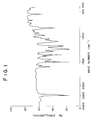
- the obtained aromatic ether compound was liquid and possessed a purity of 97% as a result of GC analysis. From the result of 1H-NMR analysis and IR analysis, it was learned that the aromatic ether compound was a p-t-amylphenoxyethylene mono-t-butyl ether having the following structure, CH3CH2C(CH3)2C6H4-O-C2H4O-C(CH3)3 Measurement of the obtained aromatic ether compound by 1H-NMR indicated the following peaks on the chart. During the measurement, CDCl3 was used as a solvent. 0.66 ppm, 1.22 ppm, 1.24 ppm, 1.60 ppm, 3.70 ppm, 4.05 ppm, 6.85 ppm, 7.20 ppm.
- An aromatic ether compound was obtained in an amount of 396 g by carrying out the procedure in the same manner as in Example 1 with the exception of using 497 g of a p-t-butylphenol/1 mole ethylene oxide aduct [trade name, PTBP-EO, molecular weight of 194, produced by Toho Kagaku Kogyo Co.] instead of using p-t-amylphen ol/1 mole ethylene oxide aduct of Example 1.
- the obtained aromatic ether compound was liquid and possessed a purity of 96% as a result of GC analysis. From the result of 1H-NMR analysis and IR analysis, it was learned that the aromatic ether compound was a p-t-butylphenoxyethylene mono-t-butyl ether having the following structure, (CH3)3C-C6H4-O-C2H4O-C(CH3)3 Measurement of the obtained aromatic ether compound by 1H-NMR indicated the following peaks on the chart. During the measurement, CDCl3 was used as a solvent. 1.20 ppm, 1.28 ppm, 3.68 ppm, 4.05 ppm, 6.83 ppm, 7.25 ppm.
- An aromatic ether compound was obtained in an amount of 296 g by carrying out the procedure in the same manner as in Example 1 with the exception of using 506 g of an o-p-di-t-butylphenol/1 mol ethylene oxide aduct [trade name, DTBP-EO, molecular weight of 250, produced by Toho Kagaku Kogyo Co.] instead of using p-t-amylphenol/1 mol ethylene oxide aduct of Example 1.
- the obtained aromatic ether compound was liquid and possessed a purity of 97% as a result of GC analysis. From the result of 1H-NMR analysis and IR analysis, it was learned that the aromatic ether compound was an o,p-di-t-butylphenoxyethylene mono-t-butyl ether having the following structure, Measurement of the obtained aromatic ether compound by 1H-NMR indicated the following peaks on the chart. During the measurement, CDCl3 was used as a solvent. 1.23 ppm, 1.30 ppm, 1.42 ppm, 3.74 ppm, 4.07 ppm, 6.78 ppm, 7.14 ppm, 7.31 ppm.
- An aromatic ether compound was obtained in an amount of 496 g by carrying out the procedure in the same manner as in Example 1 with the exception of using 600 g of a p-isooctylphenol/1 mol ethylene oxide aduct [trade name, POP-EO, molecular weight of 250, produced by Toho Kagaku Kogyo Co.] instead of using p-t-amylphenol/1 mol ethylene oxide aduct of Example 1.
- the obtained aromatic ether compound was liquid and possessed a purity of 96% as a result of GC analysis. From the result of 1H-NMR analysis and IR analysis, it was learned that the aromatic ether compound was a p-isooctylphenoxyethylene mono-t-butyl ether having the following structure, (CH3)3CCH2C(CH3)2-C6H4-O-C2H4O-C(CH3)3 Measurement of the obtained aromatic ether compound by 1H-NMR indicated the following peaks on the chart. During the measurement, CDCl3 was used as a solvent. 0.70 ppm, 1.22 ppm, 1.33 ppm, 3.70 ppm, 4.05 ppm, 6.82 ppm, 7.25 ppm.
- the aromatic ether compound was liquid and possessed a purity of 90% as a result of GC analysis. From the result of 1H-NMR analysis and IR analysis, it was learned that the aromatic ether compound was an o,p-di-butylphenoxyethylene mono-t-butyl ether having the following structure, Measurement of the obtained aromatic ether compound by 1H-NMR indicated the following peaks on the chart. During the measurement, CDCl3 was used as a solvent. 1.30 ppm, 1.42 ppm, 3.35 ppm, 3.74 ppm, 4.07 ppm, 6.78 ppm, 7.14 ppm, 7.31 ppm.
- An aromatic ether compound was obtained in an amount of 202 g by carrying out the procedure in the same manner as in Example 5 with the exception of using 250 g of a p-isooctylphenol/1 mol ethylene oxide aduct [trade name, POP-EO, molecular weight of 250, produced by Toho Kagaku Kogyo Co.] instead of using o,p-di-t-butylphenol/1 mol ethylene oxide aduct of Example 5.
- An aromatic ether compound was obtained in an amount of 202 g by carrying out the procedure in the same manner as in Example 1 with the exception of using 274 g of a p-isononylphenol/1 mol propylene oxide aduct [trade name, PNP-EO, molecular weight of 274, produced by Toho Kagaku Kogyo Co.] instead of using o,p-di-t-butylphenol/1 mol ethylene oxide aduct of Example 5.
- the aromatic ether compound was liquid and possessed a purity of 93% as a result of GC analysis. From the result of 1H-NMR analysis and IR analysis, it was learned that the aromatic ether compound was a p-isooctylphenoxypropylene monomethyl ether having the following structure, C3H7CH(CH3)CH2C(CH3)2-C6H4-O-CH2CH(CH3)O-CH3 Measurement of the obtained aromatic ether compound by 1H-NMR indicated the following peaks on the chart. During the measurement, CDCl3 was used as a solvent.
- An aliphatic ether compound was obtained by carrying out the procedure in the same manner as in Example 5 with the exception of using 308 g of a trimethylolpropane/3 mols propylene oxide aduct [trade name, TMP-PO, molecular weight of 308, produced by Toho Kagaku Kogyo Co.] instead of using o,p-di-t-butylphenol /1 mol ethylene oxide aduct of Example 5.
- the aliphatic ether compound was liquid and possessed a purity of 97% as a result of GC analysis. From the result of 1H-NMR analysis and IR analysis, it was learned that the aliphatic ether compound was a terminal trimethyl ether that corresponded to a trimethylolpropane/3 mols propylene oxide aduct and having the following structure, CH3CH2C(CH2OCH2CH2CH2OCH3)3 Table 1 shows the evaluation of lubricating oil basic performance of the obtained aliphatic ether compound.
- An aromatic ether compound was obtained in an amount of 212 g by carrying out the procedure in the same manner as in Example 5 with the exception of using 250 g of a p-isononylphenol/3 mols ethylene oxide aduct [molecular weight of 362, produced by Toho Kagaku Kogyo Co.].
- the aromatic ether compound was liquid and possessed a purity of 96% as a result of GC analysis. From the result of 1H-NMR analysis and IR analysis, it was learned that the aromatic ether compound possessed the following structure, C3H7CH(CH3)-CH2C(CH3)2-(C6H4)-O-(C2H4O)3CH3 Table 1 shows the evaluation of lubricating oil basic performance of the obtained aromatic ether compound.
- An aromatic ether compound was obtained in an amount of 286 g by carrying out the procedure in the same manner as in Example 5 with the exception of using 300 g of a p-isononylphenol/3 mols propylene oxide aduct [molecular weight of 404, produced by Toho Kagaku Kogyo Co.].
- the aromatic ether compound was liquid and possessed a purity of 96% as a result of GC analysis. From the result of 1H-NMR analysis and IR analysis, it was learned that the aromatic ether compound possessed the following structure, C3H7CH(CH3)-CH2C(CH3)2-(C6H4)-O-[CH2CH(CH3)O]3CH3 Table 1 shows the evaluation of lubricating oil basic performance of the obtained aromatic ether compound.
- An aromatic ether compound was obtained in an amount of 336 g by carrying out the procedure in the same manner as in Example 5 with the exception of using 350 g of a p-isononylphenol/3 mols ethylene oxide and 3 mols propylene oxide random aduct [molecular weight of 468, produced by Toho Kagaku Kogyo Co.].
- the aromatic ether compound was liquid and possessed a purity of 96% as a result of GC analysis. From the result of 1H-NMR analysis and IR analysis, it was learned that the aromatic ether compound possessed the following structure, C3H7CH(CH3)-CH2C(CH3)2-(C6H4)-O-(C2H4O)3[CH2CH(CH3)O]3CH3 Table 1 shows the evaluation of lubricating oil basic performance of the obtained aromatic ether compound.
- An aromatic ether compound was obtained in an amount of 522 g by carrying out the procedure in the same manner as in Example 1 with the exception of using 503 g of a p-isooctylphenol/4 mols ethylene oxide aduct [molecular weight of 382, produced by Toho Kagaku Kogyo Co.].
- the aromatic ether compound was liquid and possessed a purity of 95% as a result of GC analysis. From the result of 1H-NMR analysis and IR analysis, it was learned that the aromatic ether compound possessed the following structure, (CH3)3CCH2C(CH3)2-(C6H4)-O-(C2H4O)4-C(CH3)3 Table 1 shows the evaluation of lubricating oil basic performance of the obtained aromatic ether compound.
- An aromatic ether compound was obtained in an amount of 431 g by carrying out the procedure in the same manner as in Example 1 with the exception of using 405 g of a p-t-butylphenol/4 mols propylene oxide and 2 mols ethylene oxide block aduct [molecular weight of 406, produced by Toho Kagaku Kogyo Co.].
- the aromatic ether compound was liquid and possessed a purity of 97% as a result of GC analysis. From the result of 1H-NMR analysis and IR analysis, it was learned that the aromatic ether compound possessed the following structure, C(CH3)4-(C6H4)-O-[C2H4(CH3)]4(C2H4O)2-C(CH3)3
- Table 1 shows the evaluation of lubricating oil basic performance of the obtained aromatic ether compound.
Landscapes
- Chemical & Material Sciences (AREA)
- Chemical Kinetics & Catalysis (AREA)
- General Chemical & Material Sciences (AREA)
- Oil, Petroleum & Natural Gas (AREA)
- Organic Chemistry (AREA)
- Health & Medical Sciences (AREA)
- Emergency Medicine (AREA)
- Lubricants (AREA)
- Organic Low-Molecular-Weight Compounds And Preparation Thereof (AREA)
Applications Claiming Priority (3)
| Application Number | Priority Date | Filing Date | Title |
|---|---|---|---|
| JP15502094 | 1994-07-06 | ||
| JP155020/94 | 1994-07-06 | ||
| PCT/JP1995/001354 WO1996001301A1 (fr) | 1994-07-06 | 1995-07-06 | Huile de lubrification contenant un compose d'ether aromatique |
Publications (2)
| Publication Number | Publication Date |
|---|---|
| EP0718393A1 true EP0718393A1 (fr) | 1996-06-26 |
| EP0718393A4 EP0718393A4 (fr) | 1997-07-23 |
Family
ID=15596922
Family Applications (1)
| Application Number | Title | Priority Date | Filing Date |
|---|---|---|---|
| EP95924516A Withdrawn EP0718393A4 (fr) | 1994-07-06 | 1995-07-06 | Huile de lubrification contenant un compose d'ether aromatique |
Country Status (6)
| Country | Link |
|---|---|
| US (1) | US5639719A (fr) |
| EP (1) | EP0718393A4 (fr) |
| KR (1) | KR960705006A (fr) |
| CN (1) | CN1045791C (fr) |
| CA (1) | CA2171102A1 (fr) |
| WO (1) | WO1996001301A1 (fr) |
Cited By (3)
| Publication number | Priority date | Publication date | Assignee | Title |
|---|---|---|---|---|
| WO2007058082A1 (fr) | 2005-11-15 | 2007-05-24 | Idemitsu Kosan Co., Ltd. | Composition d'huile pour machine frigorifique |
| EP3227416A1 (fr) * | 2014-12-03 | 2017-10-11 | The Lubrizol Corporation | Composition lubrifiante contenant un composé polyol aromatique oxyalkylé |
| WO2021161199A1 (fr) * | 2020-02-14 | 2021-08-19 | Chevron Oronite Company Llc | Composés hydroxyaromatiques à substitution alkyle ayant des ramifications alkyle hautement structurées |
Families Citing this family (19)
| Publication number | Priority date | Publication date | Assignee | Title |
|---|---|---|---|---|
| EP0785247B1 (fr) * | 1994-10-05 | 2003-11-19 | Idemitsu Kosan Company Limited | Composition d'huile pour machines frigorifiques |
| JPH10231490A (ja) * | 1997-02-20 | 1998-09-02 | Asahi Glass Co Ltd | 冷凍機用潤滑油 |
| TW385332B (en) | 1997-02-27 | 2000-03-21 | Idemitsu Kosan Co | Refrigerating oil composition |
| JP3627467B2 (ja) * | 1997-09-11 | 2005-03-09 | 株式会社日立製作所 | 冷媒圧縮機および冷凍装置 |
| US6271186B1 (en) * | 1999-10-18 | 2001-08-07 | Harry C. Hardee | Electrical contact lubricant composition for inhibiting fretting failure |
| TWI259202B (en) * | 2000-06-01 | 2006-08-01 | Asahi Kasei Corp | Cleaning method and cleaning apparatus |
| US20020107296A1 (en) * | 2000-10-03 | 2002-08-08 | Schnur Nicholas E. | Non-silicone foaming additive for ester based lubricants |
| DE10209987A1 (de) * | 2002-03-07 | 2003-09-25 | Clariant Gmbh | Thermisch stabile Polyalkylenglykole als Schmiermittel für Kältemaschinen |
| DE10224978A1 (de) * | 2002-06-05 | 2003-12-24 | Schuelke & Mayr Gmbh | Glycerinether als Konservierungsmittel für Kühlschmierstoffe |
| CN102311853B (zh) * | 2011-08-16 | 2013-04-24 | 中国人民解放军空军油料研究所 | 一种航空润滑油组合物 |
| CN102311852B (zh) * | 2011-08-16 | 2013-04-24 | 中国人民解放军空军油料研究所 | 一种航空润滑油组合物的制备方法 |
| WO2015060984A1 (fr) * | 2013-10-25 | 2015-04-30 | Exxonmobil Research And Engineering Company | Huiles de base lubrifiantes à basse viscosité, basse volatilité |
| US10323204B2 (en) * | 2013-10-25 | 2019-06-18 | Exxonmobil Research And Engineering Company | Low viscosity, low volatility lubricating oil basestocks |
| JP6575009B2 (ja) * | 2015-03-30 | 2019-09-18 | 出光興産株式会社 | 冷凍機潤滑油及び冷凍機用混合組成物 |
| EP4119639A1 (fr) * | 2015-11-06 | 2023-01-18 | The Lubrizol Corporation | Lubrifiant ayant un niveau de pyrophosphate élevé |
| US9822323B2 (en) | 2015-11-13 | 2017-11-21 | Exxonmobil Research And Engineering Company | Low viscosity low volatility lubricating oil base stocks and processes for preparing same |
| SG11201802293PA (en) | 2015-11-13 | 2018-05-30 | Exxonmobil Res & Eng Co | Low viscosity low volatility lubricating oil base stocks and processes for preparing same |
| CA3007127A1 (fr) * | 2015-12-15 | 2017-06-22 | The Lubrizol Corporation | Detergents de catecholate sulfure pour compositions lubrifiantes |
| WO2021131993A1 (fr) * | 2019-12-23 | 2021-07-01 | 昭和電工株式会社 | Composé éther fluoré, lubrifiant pour support d'enregistrement magnétique, et support d'enregistrement magnétique |
Family Cites Families (14)
| Publication number | Priority date | Publication date | Assignee | Title |
|---|---|---|---|---|
| US3019187A (en) * | 1957-12-06 | 1962-01-30 | Exxon Research Engineering Co | Lubricating compositions |
| FR2169718B1 (fr) * | 1971-12-31 | 1974-09-13 | Inst Francais Du Petrole | |
| JPS53140469A (en) * | 1977-05-13 | 1978-12-07 | Nippon Oil Co Ltd | Component of high viscosity refrigerator oil |
| JPS6026864B2 (ja) * | 1978-05-30 | 1985-06-26 | 花王株式会社 | 合成繊維用潤滑処理剤 |
| US4479882A (en) * | 1981-06-01 | 1984-10-30 | Texaco Inc. | Marine diesel cylinder oils containing polyalkoxylated phenoxy compounds for improved spreadability |
| DE3129244A1 (de) * | 1981-07-24 | 1983-02-10 | Hoechst Ag, 6000 Frankfurt | Wasserloesliche schmiermittel |
| JPS5838793A (ja) * | 1981-08-31 | 1983-03-07 | Sanyo Chem Ind Ltd | 潤滑油組成物 |
| JPS6049472A (ja) * | 1983-08-29 | 1985-03-18 | Fujitsu Ltd | イメ−ジデ−タの検索方式 |
| JP2710980B2 (ja) * | 1989-03-31 | 1998-02-10 | 出光興産株式会社 | フッ化アルカン冷媒用冷凍機油 |
| US4851144A (en) * | 1989-01-10 | 1989-07-25 | The Dow Chemical Company | Lubricants for refrigeration compressors |
| DE69019146T2 (de) * | 1989-12-14 | 1995-08-31 | Idemitsu Kosan Co | Anwendung von Schmierölzusammensetzung für Fluorkohlenwasserstoff-Kältemittel. |
| JPH0445194A (ja) * | 1990-06-12 | 1992-02-14 | Toho Chem Ind Co Ltd | フロンを冷媒とする冷凍機用の潤滑油 |
| JPH0649472A (ja) * | 1992-08-03 | 1994-02-22 | Asahi Chem Ind Co Ltd | 含フッ素芳香族系潤滑剤 |
| JPH06212182A (ja) * | 1993-01-20 | 1994-08-02 | Nippon Oil Co Ltd | 2サイクルエンジン用潤滑油 |
-
1995
- 1995-07-06 EP EP95924516A patent/EP0718393A4/fr not_active Withdrawn
- 1995-07-06 US US08/605,088 patent/US5639719A/en not_active Expired - Fee Related
- 1995-07-06 WO PCT/JP1995/001354 patent/WO1996001301A1/fr not_active Ceased
- 1995-07-06 CN CN95190612A patent/CN1045791C/zh not_active Expired - Fee Related
- 1995-07-06 CA CA002171102A patent/CA2171102A1/fr not_active Abandoned
- 1995-07-06 KR KR1019960701138A patent/KR960705006A/ko not_active Abandoned
Cited By (8)
| Publication number | Priority date | Publication date | Assignee | Title |
|---|---|---|---|---|
| WO2007058082A1 (fr) | 2005-11-15 | 2007-05-24 | Idemitsu Kosan Co., Ltd. | Composition d'huile pour machine frigorifique |
| EP1956073A4 (fr) * | 2005-11-15 | 2011-12-28 | Idemitsu Kosan Co | Composition d'huile pour machine frigorifique |
| TWI411673B (zh) * | 2005-11-15 | 2013-10-11 | Idemitsu Kosan Co | Frozen oil composition |
| US8765005B2 (en) | 2005-11-15 | 2014-07-01 | Idemitsu Kosan Co., Ltd. | Refrigerator oil composition |
| EP3227416A1 (fr) * | 2014-12-03 | 2017-10-11 | The Lubrizol Corporation | Composition lubrifiante contenant un composé polyol aromatique oxyalkylé |
| WO2021161199A1 (fr) * | 2020-02-14 | 2021-08-19 | Chevron Oronite Company Llc | Composés hydroxyaromatiques à substitution alkyle ayant des ramifications alkyle hautement structurées |
| CN115103826A (zh) * | 2020-02-14 | 2022-09-23 | 雪佛龙奥伦耐有限责任公司 | 具有高度结构化的烷基支链的烷基取代的羟基芳族化合物 |
| US12030842B2 (en) | 2020-02-14 | 2024-07-09 | Chevron Oronite Company Llc | ALKYL-substituted hydroxyaromatic compounds with highly structured ALKYL branches |
Also Published As
| Publication number | Publication date |
|---|---|
| CN1045791C (zh) | 1999-10-20 |
| KR960705006A (ko) | 1996-10-09 |
| CA2171102A1 (fr) | 1996-01-18 |
| US5639719A (en) | 1997-06-17 |
| WO1996001301A1 (fr) | 1996-01-18 |
| CN1130398A (zh) | 1996-09-04 |
| EP0718393A4 (fr) | 1997-07-23 |
Similar Documents
| Publication | Publication Date | Title |
|---|---|---|
| EP0718393A1 (fr) | Huile de lubrification contenant un compose d'ether aromatique | |
| EP0461262B1 (fr) | Utilisation d'huile réfrigérante pour réfrigérant à base d'hydrofluorocarbone | |
| KR100287584B1 (ko) | 냉동기유 조성물 | |
| US5326486A (en) | Lubricating oil composition | |
| EP0693546B1 (fr) | Composition d'huile et de fluide pour réfrigérateur | |
| US3773668A (en) | Lubricating compositions | |
| HK1001065B (en) | Lubricating oil composition | |
| JPH0328297A (ja) | 冷凍機油組成物 | |
| EP0470788B1 (fr) | Huile lubrifiante synthétique | |
| US6190574B1 (en) | Phosphorus-comprising lubricating oil composition | |
| EP1257623B1 (fr) | Huiles lubrifiantes comprenant des derives de polyoxalkylene-glycol | |
| CA2060685A1 (fr) | Lubrifiant compose d'ether et d'ester | |
| EP0017072B1 (fr) | Lubrifiant résistant à l'eau pour compresseurs et moteurs marins | |
| EP0463773B1 (fr) | Huile pour réfrigérateur | |
| EP0717098A2 (fr) | Huile pour machine frigorifique et composition fluide destinée à être utilisée dans une machine frigorifique | |
| EP0733618B1 (fr) | Monocarbonates, leur utilisation et procédé de préparation de compositions contenant des monocarbonates | |
| WO1997010319A1 (fr) | Composition d'huile lubrifiante | |
| US6548457B1 (en) | Lubricant for refrigerating machine employing ammonia refrigerant | |
| MXPA02010385A (es) | Un metodo para reducir el desgaste de superficies metalicas y mantener un ambiente hidroliticamente estable en equipo de refrigeracion durante la operacion de dicho equipo. | |
| CA3240415A1 (fr) | Lubrifiants de compresseur alternatif | |
| JPH0354998B2 (fr) | ||
| JPH05194968A (ja) | 合成潤滑油 | |
| JPWO1996001301A1 (ja) | 芳香族エーテル化合物含有潤滑油 | |
| JPH0649471A (ja) | 冷凍機作動流体用組成物 | |
| JPH0586391A (ja) | 潤 滑 油 |
Legal Events
| Date | Code | Title | Description |
|---|---|---|---|
| PUAI | Public reference made under article 153(3) epc to a published international application that has entered the european phase |
Free format text: ORIGINAL CODE: 0009012 |
|
| 17P | Request for examination filed |
Effective date: 19960308 |
|
| AK | Designated contracting states |
Kind code of ref document: A1 Designated state(s): DE FR GB IT NL |
|
| A4 | Supplementary search report drawn up and despatched |
Effective date: 19970606 |
|
| AK | Designated contracting states |
Kind code of ref document: A4 Designated state(s): DE FR GB IT NL |
|
| RAP1 | Party data changed (applicant data changed or rights of an application transferred) |
Owner name: MITSUI CHEMICALS, INC. |
|
| 17Q | First examination report despatched |
Effective date: 19990209 |
|
| STAA | Information on the status of an ep patent application or granted ep patent |
Free format text: STATUS: THE APPLICATION IS DEEMED TO BE WITHDRAWN |
|
| 18D | Application deemed to be withdrawn |
Effective date: 20010201 |