EP0719343B1 - Adeno-assoziierte virale (avv) liposomen und damit zusammenhängende verfahren - Google Patents
Adeno-assoziierte virale (avv) liposomen und damit zusammenhängende verfahren Download PDFInfo
- Publication number
- EP0719343B1 EP0719343B1 EP94927972A EP94927972A EP0719343B1 EP 0719343 B1 EP0719343 B1 EP 0719343B1 EP 94927972 A EP94927972 A EP 94927972A EP 94927972 A EP94927972 A EP 94927972A EP 0719343 B1 EP0719343 B1 EP 0719343B1
- Authority
- EP
- European Patent Office
- Prior art keywords
- cells
- cell
- plasmid
- tumor
- aav
- Prior art date
- Legal status (The legal status is an assumption and is not a legal conclusion. Google has not performed a legal analysis and makes no representation as to the accuracy of the status listed.)
- Expired - Lifetime
Links
Images










Classifications
-
- C—CHEMISTRY; METALLURGY
- C07—ORGANIC CHEMISTRY
- C07K—PEPTIDES
- C07K14/00—Peptides having more than 20 amino acids; Gastrins; Somatostatins; Melanotropins; Derivatives thereof
- C07K14/435—Peptides having more than 20 amino acids; Gastrins; Somatostatins; Melanotropins; Derivatives thereof from animals; from humans
- C07K14/52—Cytokines; Lymphokines; Interferons
- C07K14/54—Interleukins [IL]
- C07K14/55—IL-2
-
- A—HUMAN NECESSITIES
- A61—MEDICAL OR VETERINARY SCIENCE; HYGIENE
- A61K—PREPARATIONS FOR MEDICAL, DENTAL OR TOILETRY PURPOSES
- A61K47/00—Medicinal preparations characterised by the non-active ingredients used, e.g. carriers or inert additives; Targeting or modifying agents chemically bound to the active ingredient
- A61K47/50—Medicinal preparations characterised by the non-active ingredients used, e.g. carriers or inert additives; Targeting or modifying agents chemically bound to the active ingredient the non-active ingredient being chemically bound to the active ingredient, e.g. polymer-drug conjugates
- A61K47/69—Medicinal preparations characterised by the non-active ingredients used, e.g. carriers or inert additives; Targeting or modifying agents chemically bound to the active ingredient the non-active ingredient being chemically bound to the active ingredient, e.g. polymer-drug conjugates the conjugate being characterised by physical or galenical forms, e.g. emulsion, particle, inclusion complex, stent or kit
- A61K47/6905—Medicinal preparations characterised by the non-active ingredients used, e.g. carriers or inert additives; Targeting or modifying agents chemically bound to the active ingredient the non-active ingredient being chemically bound to the active ingredient, e.g. polymer-drug conjugates the conjugate being characterised by physical or galenical forms, e.g. emulsion, particle, inclusion complex, stent or kit the form being a colloid or an emulsion
- A61K47/6911—Medicinal preparations characterised by the non-active ingredients used, e.g. carriers or inert additives; Targeting or modifying agents chemically bound to the active ingredient the non-active ingredient being chemically bound to the active ingredient, e.g. polymer-drug conjugates the conjugate being characterised by physical or galenical forms, e.g. emulsion, particle, inclusion complex, stent or kit the form being a colloid or an emulsion the form being a liposome
-
- A—HUMAN NECESSITIES
- A61—MEDICAL OR VETERINARY SCIENCE; HYGIENE
- A61K—PREPARATIONS FOR MEDICAL, DENTAL OR TOILETRY PURPOSES
- A61K48/00—Medicinal preparations containing genetic material which is inserted into cells of the living body to treat genetic diseases; Gene therapy
-
- A—HUMAN NECESSITIES
- A61—MEDICAL OR VETERINARY SCIENCE; HYGIENE
- A61P—SPECIFIC THERAPEUTIC ACTIVITY OF CHEMICAL COMPOUNDS OR MEDICINAL PREPARATIONS
- A61P31/00—Antiinfectives, i.e. antibiotics, antiseptics, chemotherapeutics
- A61P31/12—Antivirals
-
- A—HUMAN NECESSITIES
- A61—MEDICAL OR VETERINARY SCIENCE; HYGIENE
- A61P—SPECIFIC THERAPEUTIC ACTIVITY OF CHEMICAL COMPOUNDS OR MEDICINAL PREPARATIONS
- A61P35/00—Antineoplastic agents
-
- A—HUMAN NECESSITIES
- A61—MEDICAL OR VETERINARY SCIENCE; HYGIENE
- A61P—SPECIFIC THERAPEUTIC ACTIVITY OF CHEMICAL COMPOUNDS OR MEDICINAL PREPARATIONS
- A61P37/00—Drugs for immunological or allergic disorders
-
- A—HUMAN NECESSITIES
- A61—MEDICAL OR VETERINARY SCIENCE; HYGIENE
- A61P—SPECIFIC THERAPEUTIC ACTIVITY OF CHEMICAL COMPOUNDS OR MEDICINAL PREPARATIONS
- A61P37/00—Drugs for immunological or allergic disorders
- A61P37/02—Immunomodulators
- A61P37/04—Immunostimulants
-
- B—PERFORMING OPERATIONS; TRANSPORTING
- B82—NANOTECHNOLOGY
- B82Y—SPECIFIC USES OR APPLICATIONS OF NANOSTRUCTURES; MEASUREMENT OR ANALYSIS OF NANOSTRUCTURES; MANUFACTURE OR TREATMENT OF NANOSTRUCTURES
- B82Y5/00—Nanobiotechnology or nanomedicine, e.g. protein engineering or drug delivery
-
- C—CHEMISTRY; METALLURGY
- C12—BIOCHEMISTRY; BEER; SPIRITS; WINE; VINEGAR; MICROBIOLOGY; ENZYMOLOGY; MUTATION OR GENETIC ENGINEERING
- C12N—MICROORGANISMS OR ENZYMES; COMPOSITIONS THEREOF; PROPAGATING, PRESERVING, OR MAINTAINING MICROORGANISMS; MUTATION OR GENETIC ENGINEERING; CULTURE MEDIA
- C12N15/00—Mutation or genetic engineering; DNA or RNA concerning genetic engineering, vectors, e.g. plasmids, or their isolation, preparation or purification; Use of hosts therefor
- C12N15/09—Recombinant DNA-technology
- C12N15/11—DNA or RNA fragments; Modified forms thereof; Non-coding nucleic acids having a biological activity
-
- C—CHEMISTRY; METALLURGY
- C12—BIOCHEMISTRY; BEER; SPIRITS; WINE; VINEGAR; MICROBIOLOGY; ENZYMOLOGY; MUTATION OR GENETIC ENGINEERING
- C12N—MICROORGANISMS OR ENZYMES; COMPOSITIONS THEREOF; PROPAGATING, PRESERVING, OR MAINTAINING MICROORGANISMS; MUTATION OR GENETIC ENGINEERING; CULTURE MEDIA
- C12N15/00—Mutation or genetic engineering; DNA or RNA concerning genetic engineering, vectors, e.g. plasmids, or their isolation, preparation or purification; Use of hosts therefor
- C12N15/09—Recombinant DNA-technology
- C12N15/63—Introduction of foreign genetic material using vectors; Vectors; Use of hosts therefor; Regulation of expression
- C12N15/79—Vectors or expression systems specially adapted for eukaryotic hosts
- C12N15/85—Vectors or expression systems specially adapted for eukaryotic hosts for animal cells
- C12N15/86—Viral vectors
-
- C—CHEMISTRY; METALLURGY
- C12—BIOCHEMISTRY; BEER; SPIRITS; WINE; VINEGAR; MICROBIOLOGY; ENZYMOLOGY; MUTATION OR GENETIC ENGINEERING
- C12N—MICROORGANISMS OR ENZYMES; COMPOSITIONS THEREOF; PROPAGATING, PRESERVING, OR MAINTAINING MICROORGANISMS; MUTATION OR GENETIC ENGINEERING; CULTURE MEDIA
- C12N15/00—Mutation or genetic engineering; DNA or RNA concerning genetic engineering, vectors, e.g. plasmids, or their isolation, preparation or purification; Use of hosts therefor
- C12N15/09—Recombinant DNA-technology
- C12N15/87—Introduction of foreign genetic material using processes not otherwise provided for, e.g. co-transformation
- C12N15/88—Introduction of foreign genetic material using processes not otherwise provided for, e.g. co-transformation using microencapsulation, e.g. using amphiphile liposome vesicle
-
- C—CHEMISTRY; METALLURGY
- C12—BIOCHEMISTRY; BEER; SPIRITS; WINE; VINEGAR; MICROBIOLOGY; ENZYMOLOGY; MUTATION OR GENETIC ENGINEERING
- C12N—MICROORGANISMS OR ENZYMES; COMPOSITIONS THEREOF; PROPAGATING, PRESERVING, OR MAINTAINING MICROORGANISMS; MUTATION OR GENETIC ENGINEERING; CULTURE MEDIA
- C12N2750/00—MICROORGANISMS OR ENZYMES; COMPOSITIONS THEREOF; PROPAGATING, PRESERVING, OR MAINTAINING MICROORGANISMS; MUTATION OR GENETIC ENGINEERING; CULTURE MEDIA ssDNA viruses
- C12N2750/00011—Details
- C12N2750/14011—Parvoviridae
- C12N2750/14111—Dependovirus, e.g. adenoassociated viruses
- C12N2750/14141—Use of virus, viral particle or viral elements as a vector
- C12N2750/14143—Use of virus, viral particle or viral elements as a vector viral genome or elements thereof as genetic vector
Definitions
- the present invention involves cellular manipulation, more particularly it relates to use of cationic liposomes to facilitate transfection by adeno-associated viral (AAV) plasmids.
- AAV adeno-associated viral
- Transfection of eukaryotic cells has become an increasingly important technique for the study and development of gene therapy. Advances in gene therapy depend in large part upon the development of delivery systems capable of efficiently introducing DNA into a target cell. A number of methods have been developed for the stable or transient expression of heterologous genes in cultured cell types. These include transduction techniques which use a carrier molecule or virus.
- adenovirus and other DNA viral vectors can produce infectious sequelae, can be immunogenic after repeated administrations, and can only package a limited amount of insert DNA.
- AAV adeno-associated viral
- ITRs inverted terminal repeats
- adeno-associated viral (AAV) vectors differ from adenoviral vectors, the transgene DNA size limitation and packaging properties are the same as with any other DNA viral vectors.
- AAV is a linear single stranded DNA parvovirus, and requires co-infection by a second unrelated virus in order to achieve productive infection.
- AAV carries two sets of functional genes: rep genes, which are necessary for viral replication, and structural capsid protein genes (Hermonat, P.L., et al., "Genetics of adeno-associated virus: Isolation and preliminary characterization of adeno-associated type 2 mutants," J. Virol. (1984) 51 :329-339).
- the rep and capsid genes of AAV can be replaced by a desired DNA fragment to generate AAV plasmid DNA.
- Transcomplementation of rep and capsid genes are required to create a recombinant virus stock. Upon transduction using such virus stock, the recombinant virus uncoats in the nucleus and integrates into the host genome by its molecular ends.
- Liposomes have been used to encapsulate and deliver a variety of materials to cells, including nucleic acids and viral particles (Faller, D.V. and D. Baltimore, "Liposome encapsulation of retrovirus allows efficient superinfection of resistant cell lines,” J. Virol. (1984) 49 :269-272).
- Cationic liposomes comprising some cationic lipid, that contained a membrane fusion-promoting lipid dioctadecyl-dimethyl-ammonium-bromide (DDAB) have efficiently transferred heterologous genes into eukaryotic cells (Rose, J.K., et al., "A new cationic liposome reagent mediating nearly quantitative transfection of animal cells," Biotechniques (1991) 10 :520-525).
- DDAB membrane fusion-promoting lipid dioctadecyl-dimethyl-ammonium-bromide
- Cationic liposomes can mediate high level cellular expression of transgenes, or mRNA, by delivering them into a variety of cultured cell lines (Malone, R., et al., "Cationic liposome mediated RNA transfection,” Proc. Natl. Acad. Sci. USA (1989) 86 :6077-6081).
- interleukin-2 interleukin-2
- RRC metastatic renal cell carcinoma
- Cellular elements which potentially improve the immune destruction of tumors when combined with IL-2 include lymphokine activated killer (LAK) cells and cytotoxic T lymphocyte (CTL) cells such as cytotoxic tumor infiltrating lymphocyte (TIL) cells.
- LAK lymphokine activated killer
- CTL cytotoxic T lymphocyte
- TIL tumor infiltrating lymphocyte
- TIL Tumor infiltrating lymphocytes
- TIL cells are of interest in the study of neoplasia treatment because these cells have affinity for tumor cells. Accordingly, cytotoxic TIL are of particular interest since these cells have affinity for tumor and also possess cytotoxic qualities.
- TIL have been reinfused into a host along with exogenous IL-2.
- IL-2 see, e.g. , U.S. Patent No. 5,126,132 to Rosenberg, issued 30 June 1992
- Treatment with IL-2 in combination TIL has, in some instances, resulted in durable complete remissions in the treatment of advanced malignancies.
- AAV plasmid DNA, complexed with liposomes showed several-fold higher levels of expression than complexes with standard plasmids. In addition, expression lasted for a period of 30 days without any selection.
- AAV plasmid:liposome complexes induced levels of transgene expression that were comparable to those obtained by recombinant AAV transduction. High level gene expression was observed in freshly isolated CD4 + and CD8 + T cells, tumor infiltrating lymphocytes, and CD34 + stem cells from normal human peripheral blood.
- Transfected tumor cells were able to express transgene product after lethal irradiation. Transfection efficiency ranged from 10-50% as assessed by B-galactosidase gene expression. The ability to express transgenes in primary tumor cells is utilized to produce tumor vaccine and to produce lymphoid cells that permit highly specific modulations of the cellular immune response in cancer and AIDS, and in gene therapies.
- compositions for genetic manipulation comprising a liposome comprising lipid material and adeno-associated viral DNA, the adeno-associated viral DNA can be a plasmid, and the plasmid can be pMP6-IL2 as shown in Figure 3, or pACMV-IL2 as shown in Figure 1.
- the adeno-associated viral DNA can comprise an inverted terminal repeat, or two or more inverted terminal repeats.
- a genetic material of interest can be integrated between two inverted terminal repeats; moreover, a promoter can be integrated between two inverted terminal repeats, the promoter can be an a CMV immediate-early promoter, a CMV immediate-late promoter, a CMV early promoter, an ADA promoter, or a TK promoter.
- the composition can comprise a genetic sequence of interest, such as a genetic sequence of an IL-2 gene or a ⁇ -gal gene.
- the lipid material can comprise a cationic lipid. Disclosed are cells transfected by the composition.
- the method comprises steps of providing a composition comprising liposome adeno-associated viral DNA and a genetic sequence of interest and contacting the composition with a host cell which comprises genetic material whereby the genetic sequence of interest is introduced into the host cell.
- the host cell can be a CD34 + stem cell; a T-cell, such as a CD3 + , CD4 + , or CD8 + cell; a cell of a tumor cell line such as a bladder, prostate, B lymphoma, or an embryonic kidney cell line; or a primary tumor cell.
- the step of providing a composition can comprise providing a liposome that itself comprises cationic lipid.
- the step of providing a composition can provide adeno-associated viral DNA that comprises a plasmid, and the plasmid can be pMP6-IL2 as shown in Figure 3, or pACMV-IL2 as shown in Figure 1.
- the method for introducing the genetic sequence of interest into a cell can further comprise a step of integrating the genetic material of interest into the genetic material of the host cell.
- the method comprises providing a patient with a condition; and providing a composition comprising liposome adeno-associated viral DNA and a genetic sequence of interest.
- the method further comprises a step of contacting the composition with a host cell, whereby the genetic sequence of interest is introduced into the host cell.
- the contacting step can be in vivo and the host cell is a cell of the patient.
- the contacting can be ex vivo , if the contacting is ex vivo the method further comprises a step of delivering the host cell comprising the introduced genetic sequence of interest to the patient.
- the step of providing a patient can provide a patient with a condition such as a neoplasm; an infection, such as HIV infection; an auto-immune condition; or a genetic abnormality, such as a missing or defective gene.
- the step of providing a composition can provide a genetic sequence of interest which encodes a peptide, an anti-sense oligonucleotide, or RNA.
- the step of providing a composition can provide a plasmid such as pMP6-IL2 as shown in Figure 3, or pACMV-IL2 as shown in Figure 1.
- the step of providing a composition can provide a genetic sequence of interest which comprises a genetic sequence encoding a cytokine, a costimulatory factor, a MHC class I molecule, a tumor-specific antigen, or a tumor-associated antigen.
- the step of providing a patient can provide a patient with a malignant neoplastic condition, or an HIV infection; the step of providing a composition can provide a genetic sequence of interest which comprises IL-2 genomic material to such patients.
- the step of providing a patient can provide a patient with a malignant neoplastic condition; the step of providing a composition can provide a genetic sequence which comprises the MDR I gene, for such patients.
- the step of contacting the composition with a host cell can comprise contacting with a host cell that is a neoplastic cell, a bone marrow hematopoietic cell or a peripheral blood cell; the contacting step can comprise contacting with a host cell that is a tumor infiltrating lymphocyte, a cell of a tumor cell line, or a primary tumor cell.
- an expression vector which comprises a genetic sequence essentially that of which is depicted in Figure 3; disclosed is an expression vector which comprises a genetic sequence substantially that of the genetic sequence of Figure 3; and disclosed is an expression vector which comprises a genetic sequence which is that of the genetic sequence in Figure 3.
- an expression vector comprising a genetic sequence essentially that of the genetic sequence of plasmid pMP6; an expression vector comprising a genetic sequence substantially that of the genetic sequence of plasmid pMP6; an expression vector having a genetic sequence which is that of the genetic sequence of plasmid pMP6.
- An expression vector comprising a genetic sequence essentially that of genetic sequence of plasmid pMP6 can further comprise a genetic sequence of interest; a cell can be gene modified with such an expression vector, the cell can be a peripheral blood cell, a bone marrow cell, a tumor infiltrating lymphocyte, a tumor cell line cell, or a primary tumor cell.
- the protein production method comprises steps of providing a composition comprising liposome, adeno-associated viral DNA and a genetic sequence of interest.
- the composition is contacted with a host cell which comprises genetic material, whereby the genetic sequence of interest is introduced into the host cell.
- the production method further comprises a step of expressing a protein encoded by the genetic sequence of interest.
- the host cell can be a CD34 + stem cell, a T-cell, a cell of a tumor cell line, or a primary tumor cell; the host cell can be a tumor infiltrating lymphocyte, CD3 + , CD4 + , or CD8 + cell.
- the host cell can be from a tumor cell line which is a bladder, prostate, a B lymphoma, or an embryonic kidney cell line.
- the step of providing a composition comprising liposome can comprise providing a composition which comprises cationic lipid.
- the step of providing a composition can provide adeno-associated viral DNA which comprises a plasmid, such as pMP6-IL2 as shown in Figure 3, or pACMV-IL2 as shown in Figure 1.
- the method for producing a protein can comprise a further step of integrating the genetic material of interest into the genetic material of the host cell.
- the step of expressing a protein can comprise expressing a lymphokine analog.
- the step of expressing a protein can express IL-2, ⁇ -galactosidase chloramphenicol-acetyl-transferase, or MDR I.
- the method comprises steps of obtaining a cell composition comprising effector T-lymphocyte cells; contacting the cell composition with specific binding proteins, wherein the specific binding proteins are covalently attached to a surface, whereby effector T-lymphocyte cells specifically bound by the specific binding proteins become specifically bound to the surface, and, removing cells that are non-bound while leaving specifically bound effector T-lymphocyte cells bound to the surface.
- the method for preparing a therapeutic cellular composition can further comprise a step of expanding the effector T-lymphocyte cells, whereby a substantially homogeneous phenotype population is provided; the expanding step can further comprise culturing the effector T-lymphocyte cells with tumor cells; the tumor cells can be irradiated; the tumor cells can be gene-modified with a vector comprising an expression cassette for interleukin-2.
- the obtaining step can comprise obtaining effector T-lymphocyte cells which are tumor infiltrating lymphocytes, the tumor infiltrating lymphocytes can be from a neoplastic tissue which is autologous or allogenic.
- the contacting step can comprise contacting the cell composition with specific binding proteins specific for CD4, CD8, or a mixture of specific binding proteins specific for CD4 and CD8.
- the method for preparing a therapeutic cellular composition can further comprise a step of releasing the specifically bound cells whereby the release of cells are substantially free of the specific binding proteins.
- the specific binding proteins can comprise monoclonal antibodies.
- the method can further comprise a step of gene-modifying the specifically bound cells, such as by transfecting with a plasmid comprising IL-2 genomic material, whereby a therapeutic cellular composition results which has therapeutic effect absent systemic administration of interleukin-2.
- Disclosed is a substantially homogeneous population of cells prepared according to the method.
- a population prepared according to the method to treat a patient having a neoplasm, such as renal cell carcinoma, infiltrating ductile carcinoma, melanoma, ovarian carcinoma, carcinoma of the lung or squamous cell carcinoma.
- a neoplasm such as renal cell carcinoma, infiltrating ductile carcinoma, melanoma, ovarian carcinoma, carcinoma of the lung or squamous cell carcinoma.
- a substantially homogeneous population of CD8 + TIL cells wherein the cells of the population comprise external surfaces and wherein the external surfaces of the cells are substantially free of antibody; the cells of the population can be at least 80% homogeneous for CD8.
- Disclosed is a method for preparing a therapeutic cellular composition for treating a patient with a neoplasm comprising obtaining neoplastic cells; gene modifying the cells with a composition comprising liposome comprising lipid material and adeno-associated viral DNA and further comprising a genetic sequence of interest; such as a sequence encoding a lymphokine use of a composition prepared according to this method is also disclosed.
- Fig. 1 Plasmid maps of three plasmids used in the present studies.
- the plasmid pACMV-IL2 contained the CMV promoter, IL-2 cDNA and Rat preproinsulin and SV40 polyadenylation sequences identical to pBC12/CMV-IL2 plasmid, additionally pACMV-IL2 also had AAV inverted terminal repeats (ITRs) at both ends.
- the plasmid pA1CMVIX-CAT was constructed with CMV promoter and CAT gene inserted between the two AAV ITRs.
- FIG. 2 This figure provides a detailed restriction map of the IL-2 embodiment of the pMP6 plasmid (pMP6-IL2)
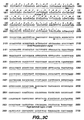
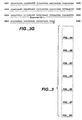
- FIG. 3A-G This figure depicts the DNA sequence of the pMP6-IL2 plasmid.
- Fig. 4a-b depicts the levels of gene expression induced by plasmid DNA:liposome complexes.
- Various IL-2 plasmid constructs were tested for their capability to induce gene expression with a rat bladder and a rat prostate cell line, when the constructs were complexed with liposomes. In both cell lines, the AAV plasmid construct showed the highest level of expression. The levels are expressed as picogram per ml per 10 6 cells.
- Fig. 4b depicts the time-course of gene expression induced by AAV plasmid:liposome complexes.
- the prostate cell line was transfected with the AAV plasmid (pACMV-IL2) and the corresponding control plasmid (pBC12/CMV-IL2) complexed with liposomes.
- AAV plasmid pACMV-IL2
- pBC12/CMV-IL2 the corresponding control plasmid
- IL-2 levels are expressed as picogram/ml/10 6 cells in 24 hrs of culture.
- Fig. 5a-b A comparison of AAV plasmid:liposome complex mediated transfection to recombinant AAV transduction.
- the prostate cell line (Fig. 5a) and bladder line (Fig. 5b) were used to compare the transfection and transduction of IL-2 gene.
- IL-2 levels were assessed using an ELISA. The levels are expressed as picogram/ml/10 6 cells in 24 hrs of culture.
- Fig. 6 Expression of IL-2 gene by lipofection with AAV plasmid:liposome complexes of various primary tumor cells.
- AAV plasmid:liposome complexes of various primary tumor cells One lung, one ovarian, and two breast tumor samples were isolated from fresh tumor biopsies.
- IL-2 levels were measured using an ELISA. The levels are indicated as picogram/ml/10 6 cells in 24 hrs of culture.
- Fig. 7a-b Expression of IL-2 by cells transfected in accordance with the invention, then subjected to lethal irradiation.
- the prostate cell line (Fig. 7a) and primary breast cells (Fig. 7b) were transfected and assessed for gene expression after lethal irradiation, as described herein.
- Supernatants were collected 24, 48, 72 and 96 hrs after irradiation and tested for IL-2 levels.
- IL-2 levels are expressed as pg/ml/10 6 cells in 24 hr culture.
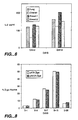
- Fig. 8 Efficiency of AAV:liposome transfection as measured by ⁇ -gal gene expression.
- the ⁇ -gal reporter gene was used to assess the transfection efficiency on a per cell basis.
- the prostate cell line was used for transfection, as described herein. The data is represented as percent of cells positive for fluorescence.
- Fig. 9a-d Thin layer chromatography studies depicting transfected T lymphocytes. Blood was obtained from donors referred to as A or B. Donor's A or B peripheral blood was used to isolate T cells, and for transfection. Primary T cells freshly isolated from a donor's peripheral blood were tested for transgene expression using AAV plasmid DNA:liposome complexes. T lymphocytes were fractionated as CD3 + (Fig. 9a), or CD5/8 + (Fig. 9b), or as CD4 + (Fig. 9c) or CD8 + (Fig. 9d) populations using AIS MicroCELLector devices. The relevant cells were captured and cultured as described herein.
- Fig. 10 Thin layer chromatography of peripheral blood CD34 + stem cells transfected with AAV plasmid:liposomes. The cells were harvested on Day 3 and Day 7 after transfection. Normalized protein content from the extracts were assayed for CAT activity using a chromatographic assay.
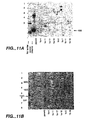
- Fig. 11a-b Enhanced chemiluminescence (ECL) Southern analysis of genomic DNA from clones transfected with AAV plasmid DNA:liposome complexes.
- Fig. 11a samples were digested with Bam HI and Hind III and probed with IL-2.
- Fig. 11b samples were digested with Bam HI and probed with IL-2. All clones analyzed show presence of IL-2 gene, as demonstrated by the 0.685 kb bands.
- Fig. 11a-b Enhanced chemiluminescence
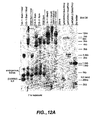
- Fig. 12a-b Southern analysis ( 32 P) of clone 1A11 and 1B11. After Southern blotting, the filter depicted in Fig. 12a was probed with a 0.68 kb IL2 Bam HI/Hind III fragment of pACMV-IL-2.
- Fig. 12a Southern analysis ( 32 P) of clone 1A11 and 1B11. After Southern blotting, the filter depicted in Fig. 12a was probed with a 0.68 kb IL2 Bam HI/Hind III fragment of pACMV-IL-2.
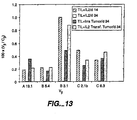
- FIG. 13 This figure depicts T Cell Receptor (TCR) repertoire analysis with RNAase protection of breast cancer TIL expanded with autologous tumor, with IL-2 transduced tumor, and with IL-2 alone.
- TCR T Cell Receptor
- V ⁇ is a variable segment of the ⁇ chain of the TCR
- C ⁇ is the constant segment of the B chain of the TCR
- A, B, and C represent different patients.
- Fig. 14 This figure depicts the proliferation of breast cancer tumor infiltrating lymphocytes (TIL); the data was obtained 5 days following IL-2 gene transfection.
- TIL tumor infiltrating lymphocytes
- Fig. 15 This figure depicts the efficiency of gene expression in breast cancer TIL transfected with the pMP6 plasmid containing the neomycin resistance gene and the Thy 1.2 gene (pMP6/neo/Thy1.2) instead of the gene for IL-2.
- the pMP6/neo/Thy1.2 plasmid was complexed to DDAB:DOPE liposomes.
- the liposome compositions were the same compositions as those for the data corresponding to Fig. 14.
- Fig. 16 This figure compares the level and duration of transgene expression following transfections with various plasmid constructs.
- the prostate tumor cell line R3327 was transfected with standard plasmid (pBC12/CMV-IL2) or plasmid (pACMV-IL2) complexed to DDAB:DOPE liposomes. Supernatants were collected at various time points and assayed by ELISA for IL-2 levels. IL-2 levels are expressed as pg/ml/10 6 cells in 24 hrs of culture.
- FIG. 17 This figure depicts Southern blot analysis of chromosomal DNA from R3327 cells transfected with either the AAV plasmid (pACMV-IL2) or the standard plasmid (pBC12/CMV-IL2). The blot was probed with the 0.685 kb Bam HI/Hind III fragment of the IL-2 gene.
- C DNA from untransfected cells. The IL-2 insert is shown in the last lane.
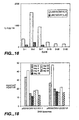
- Fig. 18 The figure depicts results of an intracellular assay of the transfection efficiency of the IL-2 gene in prostate cell line R3327.
- the cells were transfected with AAV IL-2 plasmid complexed with DDAB:DOPE liposomes, 1:1 or 1:2 composition.
- Transfected cells were stained at various time points for intracellular IL-2 protein levels. The data is represented as percent positive cells expressing IL-2 protein. Untransfected cells were used as negative controls and the values of controls were subtracted from the values of transfected groups.
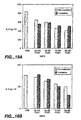
- FIG. 19a-b This figure depicts expression of IL-2 by irradiated prostate tumor cell line cells (Fig. 19a) and by irradiated primary breast tumor (Fig. 19b).
- Primary breast cells and prostate cell line cells were transfected and assessed for gene expression post lethal irradiation.
- Supernatants were collected 24, 48, 72 and 96 hrs after irradiation and tested for IL-2 levels.
- IL-2 levels are expressed as pg/ml/10 6 cells in 24 hr culture.
- a method in accordance with the present disclosure efficiently transfected several mammalian cell types by use of liposomes comprising AAV material.
- the present disclosure relates to transfection, and utilizes the elegant carrier system of lipofection together with the proficient transduction capability of the AAV plasmid construct.
- cationic liposomes were used as a means to facilitate the entry of AAV plasmid DNA into cells in the absence of rep and capsid transcomplementation, recombinant virus or wild type AAV.
- a lipofection method in accordance with the invention was evaluated to assess the efficiency of gene expression.
- the present data established the ability to transfect unmodified stem cells, unmodified primary lymphoid cells such as T cells, a variety of freshly isolated tumor cells, and cultured mammalian cell types, with high efficiency for both transient and sustained expression of DNA.
- unmodified T cells such as tumor infiltrating lymphocytes; unmodified stem cells; tumor cell line cells; and, primary tumor cells is disclosed for the first time in the art.
- Fig. 11a samples were digested with Bam HI and Hind III and probed with IL-2. As shown in Fig. 11a, all clones showed the presence of the IL-2 gene, as demonstrated by the 0.685 kb band in Bam HI and Hind III digested genomic DNA.
- Fig. 11b For the data in Fig. 11b, samples were digested with Bam HI and probed with IL-2. Again, all clones showed IL-2 gene integration.
- FIG. 11b In Fig. 11b, integration of IL-2 was demonstrated by the high molecular weight bands (between 1.6 and 2 kb), bands which are consistent with integration of the gene in conjunction with attached host genomic material obtained via digestion. The data in Fig. 11b indicate that there was more than one integration site, since there were multiple high molecular weight bands in the Bam HI digested genomic DNA. Furthermore, the integration site was shown to be in different locations in different clones, as demonstrated by the different size bands in the digested clones (Fig. 11b).
- Fig. 12a-b depict chromosomal DNA analyses, using a 32 P Southern assay, of two clones obtained from the present study.
- Nuclear DNA was isolated from the two IL-2 clones (1A11 and 1B11) using the Hirt fractionation protocol.
- As a negative control total DNA was isolated from untransfected cells of the R3327 cell line.
- 10 micrograms of each sample, along with appropriate plasmid controls were loaded onto a 1% agarose gel, electrophoresed, denatured and transferred onto Hybond+ membrane.
- the filters were hybridized overnight at 68°C with DNA fragments labelled with 32 P by random priming.
- the membranes were then washed at 68°C for 2x 30 minutes each with 2x SSC, 0.1% SDS and 0.2x SSC, 0.1% SDS. Autoradiograms of these filters were exposed on x-ray film.
- Fig. 12a the IL-2 gene was again used as the probe. Tnus, after Southern blotting, the filter depicted in Fig. 12a was probed with a 0.68 kb IL2 Bam HI/Hind III fragment of pACMV-IL2.
- the data in Fig. 12a indicate that the number of copies of the IL-2 gene that integrated into a clone, varied from clone to clone; this finding was demonstrated by the various densities of the 0.685 kb band in the digests (as specified in the Brief Description of the Drawings) of cells of the two clones. Moreover, higher molecular weight bands were also demonstrated, which is consistent with integration of the IL-2 gene, together with host genomic material obtained from the various digest protocols.
- the filter was probed with a 0.85 kb pvuII/HindIII (AAV ITR/CMV) fragment of the plasmid pACMV-IL2.
- the data in Fig. 12b indicate the presence of the right AAV ITR, as demonstrated by the 0.8 kb band in the smaI and pvuII digested chromosomal DNA.
- the presence of the left AAV ITR in one clone (clone A) was demonstrated by the 2.1 kb band in the smaI and pvuII digested chromosomal DNA.
- a method in accordance with the invention utilizing liposomes that comprise AAV viral material, is used to deliver genes for cytokines, costimulatory molecules such as B7, and molecules having MHC class I antigens into a wide variety of cell types.
- genomic material can be delivered into primary tumor cells or tumor cell lines to provide tumor vaccines; into peripheral blood or bone marrow cells to treat hematologic or neoplastic conditions.
- a method in accordance with the invention comprising use of liposomes that contain AAV viral material, is used to deliver and express genes for substances such as peptides, anti-sense oligonucleotides, and RNA.
- substances such as peptides, anti-sense oligonucleotides, and RNA.
- a subject's immune response is modulated.
- the modulation of the immune response is either that of inducing the immune response or inhibiting the immune response. Accordingly, HIV infection is treated by using anti-sense oligonucleotides, RNA, or ribozymes that have been expressed by a method in accordance with the invention.
- the immunologic response to a tumor is modulated by use of peptides or RNA expressed in accordance with the invention.
- a patient's immune response is modulated so as to respond to tumor-specific and/or tumor-associated antigens. Accordingly, non-immunogenic tumors are modified into immunogenic tumors which induce a cytolytic T cell response, both in vivo and in vitro .
- a method in accordance with the invention is used to deliver genes to primary lymphoid cells, such as B cells or T cells.
- An alternate method in accordance with the invention is used to deliver genetic material to CD34 + stem cells.
- the genes are expressed and are used in therapy for conditions such as HIV infection, conditions of genetic defect, neoplasias, and auto-immune conditions, wherein expression of a gene of interest is desired, as is appreciated by one of ordinary skill in the art.
- the MDR I gene is delivered in accordance with the invention, is expressed, and has therapeutic effect.
- CD8 + cells are selected with AIS MicroCELLectors.
- the source material for the CD8 + cells is peripheral blood for HIV patients, and tumor samples for patients with neoplasias.
- the T cells are then activated according to methods known in the art, such as by use of phytohemagglutinin (PHA).
- PHA phytohemagglutinin
- the activated cells are grown for 20 days.
- the cells are transfected in accordance with the invention with AAV:liposome complexes comprising IL-2 genomic material.
- the transfected cells are returned to the patient.
- the subsequent administration of IL-2 to a patient in order to maintain their cytotoxic T cell activity is reduced.
- the IL-2 gene, administered in accordance with the invention permits lessened amounts of IL-2 to be provided systemically to a patient. Reducing the amount of IL-2 that is systemically administered is advantageous, since systemically administered IL-2 is associated with lethal dose-related toxicity.
- tumor vaccination protocols employ nonproliferating neoplastic cells. Proliferation of neoplastic cells is prevented by exposure of the cells to radiation, or by the cells being subjected to high pressure chambers. It is believed that when the neoplastic cells are present in the body, apart from initial tumor massings or foci, that the body is able to mount an effective antitumor response.
- GMT gene-modified tumor
- melanoma and renal cell cancer in order to enhance tumor cell antigenicity
- these trials have relied upon ex vivo retroviral gene transfer.
- Ex vivo retroviral gene transfer suffers from the disadvantages that it is a very complex method to perform, and that there must be active target cell division to achieve incorporation and expression of the delivered genes.
- it can be very difficult to ex vivo culture sufficient neoplastic cells to provide for a suitable quantity of therapeutic product.
- plasmid constructs possessing the terminal repeat elements of adeno-associated virus (AAV) in locations 3' and 5' to the gene to be transduced were expressed efficiently when introduced via nonviral liposome-mediated transfer.
- AAV adeno-associated virus
- liposomes were used to deliver AAV plasmid, such as pMP6-IL2, that comprised cDNA for interleukin-2 into primary human tumor cells, such as melanoma cells. The primary tumor cells then subsequently expressed interleukin-2. Tumor cell lines were also effectively transfected.
- IL-2 obtained by use of AAV-liposome transfection has been durable, and of high-level.
- cells are gene-modified by use of a composition comprising AAV plasmid and liposomes; these gene-modified cells are utilized in therapeutic tumor vaccination regimens.
- gene modification by use of a composition comprising AAV plasmid and liposomes allowed primary tumor cells to be modified, thereby obviating the general need to establish a tumor cell line from primary tumor cells in order to affect gene modification as required prior to the present disclosure.
- tumor cells that are gene-modified and express IL-2 do not need to be administered along with systemic IL-2: Systemic IL-2 is known to induce extremely serious, even fatal, side effects.
- Systemic IL-2 is a current treatment for certain serious conditions such as malignant neoplasia. Additionally, activated T cells become dependent on exogenous IL-2 for the growth and survival both in vitro and in vivo. When the IL-2 stimulus is withdrawn, the T cells undergo apoptosis (DNA fragmentation) within a few days. Systemically administered IL-2 is, however, known to cause severe side effects, including death. There is a need, therefore, to develop therapies which eliminate or decrease the need for systemic IL-2 administration.
- the studies represented by the following data addressed the transportation into T cells of AAV plasmid DNA and transgene DNA by a system that does not involve viral transduction. More particularly, the present data relates to transfection, and utilized the elegant carrier system of lipofection and the proficient transduction capability of AAV plasmid constructs.
- AAV plasmids containing transgene and AAV terminal repeats were used as a DNA vector, and cationic liposomes were used as carrier molecules.
- the transgene is for IL-2.
- AAV plasmid:liposome complexes induced levels of transgene expression comparable to levels obtained by recombinant AAV transduction.
- the cationic liposomes facilitated the entry of AAV plasmid DNA into cells in the absence of rep and capsid transcomplementation, recombinant virus or wild type AAV.
- the AAV plasmid DNA:liposome complexes efficiently transfected TIL cells.
- AAV plasmid DNA complexed with liposomes provided several-fold higher levels of expression than complexes with standard plasmids. Moreover, expression lasted for a period of 30 days without any selection.
- the IL-2 gene expression system for T cells disclosed herein enables activated cells to produce sufficient endogenous IL-2 to support their maintenance in vivo ; thereby apoptosis is prevented and there is no need to systemically administer IL-2.
- T cell populations were transfected with an AAV plasmid, carrying IL-2 cDNA, complexed to liposomes; these populations were tested for their ability to maintain growth and proliferation without exogenous IL-2 in vitro .
- IL-2 transfected CD8 + cells were maintained without exogenous IL-2 and apoptosis was significantly reduced.
- Southern blot analysis on these transfected T cells showed the presence of the IL-2 plasmid up to 25 days. The present data demonstrated that IL-2 gene transfer into ex vivo activated and expanded CD8 + cells supported the growth of such cells, and prevented apoptosis without any exogenous IL-2.
- Cells that can be gene-modified include but are not limited to: primary lung, ovarian and breast carcinoma; melanoma; autologous fibroblasts; transformed B cells; dendritic cells; and cells of cell lines.
- Gene-modified cells such as these can be used alone or in conjunction with tumor cells to stimulate TIL.
- Gene modified cells can be made to express tumor associated antigens (e.g., HER2, K-ras, mucins) of use to provide antigen presentation for TIL stimulation during culture.
- antigen presenting cells such as transformed B cells and dendritic cells, can be gene-modified and made to express tumor associated antigenic peptides such as MAGE-1 and MART-1 to provide antigen presentation for TIL stimulation during culture.
- the present data establishes the ability to transfect T cells and neoplastic cells with high efficiency for both transient and sustained expression of DNA.
- the transfection occurred in the absence of any recombinant virus (producible from rep and cap capsid particles in adenoviral infected cells).
- the cells obtained by AAV transfection are used to treat patients. The patients treated with such cells obtain notable therapeutic benefit.
- Plasmid contains the human interleukin-2 gene (IL-2) as IL-2 cDNA, and the immediate-early promoter-enhancer element of the human cytomegalovirus (CMV), and rat preproinsulin and SV40 polyadenylation sequences, flanked by adeno-associated virus inverted terminal repeats (ITRs) at both ends.
- CMV human cytomegalovirus
- ITRs adeno-associated virus inverted terminal repeats
- a corresponding control plasmid, pBC12/CMV-IL2 was identical to pACMV-IL2 but lacked the AAV terminal repeats.
- Fig. 1 depicts plasmid maps of pACMV-IL2 and pBC12/CMV-IL2.
- plasmid pMP6-IL2 is a double stranded circular plasmid.
- the pMP6-IL2 plasmid has the human interleukin-2 gene under the control of a CMV promoter and a SV40 polyadenylation signal. Between the promoter and the coding sequences of IL-2, there is an intron which enhances the expression of IL-2. The whole expression cassette is between the left and right terminal sequences of adeno-associated virus.
- the pMP6-IL2 plasmid also has a Bluescript backbone; the backbone has a Col-E1 bacterial origin of replication and an ampicillin resistance gene which facilitates the propagation of this plasmid in E. coli.
- Figure 3a-e depicts the DNA sequence of the pMP6-IL2 plasmid; panels a through e depict successive portions of the sequence.
- portions of the pMP6-IL2 sequence which correspond to known DNA sequences are indicated; the corresponding sequence information is listed directly beneath sequence information for the pMP6-IL2 plasmid. Unmarked sequences are from linkers.
- the pMP6-IL2 plasmids were purified by alkaline lysis and ammonium acetate precipitation. The concentration of nucleic acid was determined by UV absorption at 260nm.
- Plasmid pAlCMVIX-CAT contains the CMV promoter enhancer element, the intervening splice acceptor sequences, the bacterial chloramphenicol acetyltransferase (CAT) gene and the simian virus 540 late polyadenylation signal flanked by AAV terminal repeats in a pBR 322 derivative.
- Plasmids were purified by alkaline lysis and ammonium acetate precipitation. Nucleic acid concentration was measured by UV absorption at 260 nm.
- Small unilamellar liposomes were prepared from the cationic lipid, dioctadecyl-dimethyl-ammonium-bromide (DDAB) (Sigma), in combination with the neutral lipid, dioleoyl-phosphatidyl-ethanolamine (DOPE) (Avanti Polar Lipids).
- DDAB dioctadecyl-dimethyl-ammonium-bromide
- DOPE dioleoyl-phosphatidyl-ethanolamine
- the lipids were dissolved in chloroform.
- DDAB was mixed with DOPE in a 1:1 molar ratio in a round-bottomed flask.
- the lipid mixture was dried on a rotary evaporator.
- the lipid film was rehydrated by adding sterile double distilled water to yield a final concentration of 1 mM DDAB. This solution was sonicated in a bath sonicator (Laboratory Supplies, Hicksville, NY) until
- Liposomes were prepared by combining the cationic lipid dioctadecyl-dimethyl-ammonium-bromide (DDAB) with the neutral lipid dioleoyl-phosphatidyl-ethanolamine (DOPE) in a 1:1 molar ratio; or by combining DDAB with cholesterol in a 1:0.6 molar ratio, and evaporating the lipids to dryness in a rotary evaporator.
- the lipids were resuspended in sterile deionized water to yield a concentration of 1mM DDAB and then sonicated to clarity in an ultrasonic bath. Liposomes were stored under argon at 4°C; and, were stable for at least 4 months.
- Liposomes were prepared by combining the cationic lipid (DDAB) with either the neutral lipid (DOPE) or cholesterol in a 1:1 or 1:2 molar ratio and evaporating the lipids to dryness in a rotary evaporator. The lipids were resuspended in sterile deionized water to yield a concentration of 1 mM DDAB. The solution was then sonicated to clarity in an ultrasonic bath. Liposomes were stored under argon at 4°C and were stable for at least 4 months.
- TIL cells were selected with AIS MicroCELLectors®.
- the source material was tumor or lymphatic system samples taken from patients with a neoplasia.
- the T cells were then activated according to methods known in the art, such as by use of IL-2.
- the activated cells were grown for 20 days.
- T cell populations were isolated from peripheral blood mononuclear cells, and TIL and tumor cells were isolated by use of subject devices (Microcellector®, Applied Immune Sciences). The cells were prepared for transfection according to standard methodologies.
- plasmid DNA comprising IL-2 genomic material (e . g ., pMP6-IL2) was mixed with 50 nmoles of DDAB (as the liposomes composed of DDAB and DOPE in a 1:1 molar ratio).
- Serum-free media (0.5 ml) was added to the AAV:liposome complex.
- the AAV:liposome complex and serum-free media was then placed with the cells.
- the cells were incubated at room temperature for 5 minutes, then fetal bovine serum was added to the cells to yield a final concentration of 5% fetal bovine serum.
- the transfected TIL cells are returned to the patient. These cells provide the therapeutic benefits of cytotoxic TIL cells in combination with IL-2.
- cytotoxic TIL cells in combination with IL-2.
- the need to systemically administer IL-2 to a patient in order to maintain cytotoxic T cell activity is reduced or eliminated.
- a reduction in the amount of systemically administered IL-2 is advantageous since IL-2 administered in this manner is known to correlate with potentially lethal dose-related toxicity.
- Neoplastic cell culture such as a culture of breast cancer cells or ovarian tumor cells
- Neoplastic cells (1 x 10 6 cells) were transfected with 5 micrograms of plasmid DNA (e.g. , pMP6-IL2) mixed with 30 nmoles of total lipid, wherein the lipid comprises liposomes composed of DDAB and DOPE in a 1:1 molar ratio.
- plasmid DNA e.g. , pMP6-IL2
- One ml of AIM V media was added to the liposome-DNA complex, and was incubated at room temperature for 30 minutes. The combination of the media and the liposome-DNA complex was then transferred to the cells.
- the cells were then incubated at 37°C for 24 hours. After 24 hours, the cells were lethally irradiated (10,000 RADS).
- DNA-liposome complexes were formed by the following method: The desired amount of DNA was transferred to a sterile vial and one or 2 nmole DDAB per ⁇ g DNA was added and mixed. Then, 1 ml serum free media was added to the liposome-DNA complex. All cells to be transfected were plated in six well plates. Primary tumor and tumor cell lines were plated at 1 x 10 6 cells per well in 2 ml serum-free media. The liposome-DNA complex was added to the cells and incubated for 5 min at room temperature. FBS was added to bring the final concentration to 10%.
- Chromosomal DNA was isolated by Hirt fractionation. After restriction digestions, 5 ⁇ g of DNA per sample was electrophoresed, transferred to Hybond N + nylon membrane and hybridized with the 0.685 kb IL-2 fragment.
- Target cells were labelled with 100 ⁇ Ci 51 Cr per 1 X 10 6 cells. 5000 target cells were plated in triplicate in 96 well plates. Effector cells were added to yield a 20:1 effector to target ratio. 100 ⁇ l supernatant from each well was collected after a four hour incubation, and counted in a ⁇ -counter.
- TIL cells were frozen at various time points in culture and after stimulation experiments. TCR restriction was analyzed by reverse transcriptase (RT) PCR in accordance with methodologies known in the art.
- RT reverse transcriptase
- Stimulation was carried out with TIL cultured in a 50:1 ratio with autologous irradiated tumor; or with IL-2 transfected, irradiated autologous tumor. The period of stimulation was for 5-7 days. These cells were compared to TIL cultured in AIM V media supplemented with 600 IU/ml rIL-2. Cells were assayed after stimulation for changes in phenotype, cytotoxic activity, proliferation and TCR repertoire. This simple and rapid method of stimulating TIL cells during culture is utilized for both in vitro and in vivo gene transfer protocols.
- tumor associated antigenic peptides may be added directly to the TIL culture.
- neoplastic cells were transfected, for example, with pMP6-IL2, and irradiated. Twenty-four hours after irradiation, the transfected cells were washed, harvested by trypsinization, pelleted by centrifugation, and resuspended in culture media. The transfected and irradiated neoplastic cells were then cultured with TIL.
- TIL Tumor specificity was retained by the TIL during culture and expansion.
- tumor cells both autologous and HLA matched allogeneic were used to re-stimulate selected TIL during the expansion phase. This is of significant value because the specificity of T cells for their target is sometimes known to diminish during the course of expansion.
- tumor cells themselves were genetically modified, for example with a composition comprising liposome and pMP6-IL2, to further increase their antigenicity.
- TIL Long term culture of TIL often induced polyclonal expansion, with a diminution of tumor specificity by the expanded cells. As shown in Fig. 13, when expanded TIL were stimulated with autologous tumor, the specificity was enhanced. The specificity of TIL stimulated with IL-2 transduced tumor was greater than with unmodified tumor as assessed by TCR repertoires. The enhanced specificity of TIL cultured/stimulated with transfected tumor was particularly notable for data obtained past 30 days of culture.
- TCR analysis demonstrated expansion of tumor-specific T cells; these tumor-specific T cells having been affected by culture of bulk expanded TIL with gene modified autologous tumor.
- breast TIL were isolated from pleural effusion with subject CD8 devices, and cultured for three weeks in media containing 600IU/ml IL-2. Analogous experiments were performed with TIL from ovarian tumor; the results were consistent with the results obtained with breast tumor TIL.
- TIL cells were transfected with various compositions comprising pMP6-IL2 DNA:liposome complexes.
- the RPR DDAB liposomes had a DDAB:DOPE ratio of 1:1; the 1100-28 liposomes had a DDAB:DOPE ratio of 1:0.6.
- the transfected TIL cells were then cultured without any exogenous IL2; positive controls were cultured in the presence of 600IU/ml IL-2.
- transfected and untransfected groups were labelled with 3 H thymidine and assessed for incorporation.
- the counts from the positive controls were established as 100 percent. Percent growth ranged from 40-80% for the RPR DDAB liposome-transfected groups, and from 40-60% for the 1100-28 liposome group.
- Fig. 14 demonstrates that breast cancer TIL, when transfected with the IL-2 gene, did not require exogenous IL-2 to maintain proliferation in vitro.
- breast cancer TIL were transfected with pMP6 plasmid containing the neomycin resistance gene and the murine Thy 1.2 gene (pMP6/neo/Thy1.2), as an alternate embodiment of the pMP6 plesmid which contained the IL-2 gene.
- the pMP6/neo/Thyl.2 plasmid was complexed to DDAB:DOPE liposomes.
- the liposome compositions were the same compositions as those described for the data depicted in Fig. 14.
- the transfected cells were stained with anti-Thy1.2 PE antibodies (Pharmingen, San Diego, CA) and analyzed by flow cytometry.
- the mouse T cell surface marker Thy1.2 was expressed efficiently in transfected human CD8 + TIL.
- Melanoma cells were isolated from metastatic foci by following enzymatic digestion methodologies known to those of ordinary skill in the art. Cells were grown in DMEM supplemented with 5-10% fetal calf serum and maintained in culture for a time period of between 5 days to 8 years.
- tumor cells were plated onto 60 mm dishes at a volume of 5 x 10 5 cells/dish.
- liposomes comprising 10-30 nmol of cationic lipid and 2-10 ⁇ g of DNA were admixed and transferred in serum-free media to the adherent monolayers. Cells were incubated for 1-5 hours and FCS was added to the media.
- DMRIE:DOPE in a 1:1 molar ratio (Vical, San Diego CA); DOSPA:DOPE, 3:1 mass ratio (Gibco, Gaithersberg, MD) and DDAB:DOPE in a 1:2 molar ratio.
- the transfected cells were exposed to lethal levels of x-irradiation (5000 rads) 24 hours following lipofection. Supernatants were collected at 72 hours; thereafter IL-2 levels were measured by ELISA in accordance with information known to those of ordinary skill in the art. The highest level of IL-2 expression obtained with each liposome preparation is listed in Table 4.
- the prostate tumor cell line, R3327 was transfected with 10 ⁇ g standard plasmid (pBC12/CMV-IL2) or 10 ⁇ g AAV plasmid (pA CMV-IL2) complexed to 10 nmole DDAB as DDAB:DOPE 1:2 liposomes.
- IL-2 levels were expressed as pg/ml/10 6 cells in 24 hrs of culture.
- Transfection with AAV plasmid produced IL-2 levels significantly higher than with standard plasmid.
- transfection with AAV plasmid caused production of IL-2 for at least 30 days, in contrast to only 7 days with standard IL-2 plasmid.
- Fig. 17 depicts Southern blot analysis of chromosomal DNA from R3327 cells transfected with an AAV plasmid (pACMV-IL2) or the standard plasmid (pBC12/CMV-IL2). The blot was probed with the 0.685 kb Bam HI/Hind III fragment of the IL-2 gene.
- control (C) is DNA from untransfected cells.
- the IL-2 insert is shown in the last lane.
- the prostate cell line R3327 was transfected with AAV IL-2 plasmid (such as pACMV-IL2) complexed with DDAB:DOPE liposomes; the liposomes in a 1:1 or 1:2 DDAB:DOPE composition ratio.
- AAV IL-2 plasmid such as pACMV-IL2
- DDAB:DOPE liposomes in a 1:1 or 1:2 DDAB:DOPE composition ratio.
- the DNA:liposome ratio was 10 ⁇ g DNA:10 nmole DDAB in both groups.
- Transfected cells were stained at various time points for intracellular IL-2 protein levels using a modified flow cytometry procedure as described herein; the results are shown in Fig. 18.
- the data in Fig. 18 are represented as percent positive cells expressing IL-2 protein. Untransfected cells were used as negative controls and the values of controls were subtracted from the values of transfected groups.
- AAV plasmid-liposome complexes were employed to transfect various primary tumor cells.
- One lung, one ovarian, and two breast tumor samples were isolated from fresh tumor biopsies.
- Tumor cells were cultured in RPMI-1640 media supplemented with 10% FBS for 2-3 weeks prior to the transfection.
- the primary tumor cells were transfected with 10 ⁇ g of plasmid (such as pACMV-IL2) complexed to 10 nmoles of DDAB as DDAB:DOPE 1:1. Supernatants were collected on day 2 and 3. IL-2 levels were measured by ELISA; the results are depicted in Fig. 6 where IL-2 levels are expressed as pg/ml/10 6 cells in 24 hours of culture.
- plasmid such as pACMV-IL2
- a composition comprising pACMV-IL2 and DDAB:DOPE liposome complexes, and assessed for gene expression post lethal irradiation.
- the data for the tumor cell line is shown in Fig. 19A, and the data for the primary tumor cells is in Fig. 19B.
- the transgene was for IL-2.
- an aliquot of the cells was subjected to 6000r using a 60 Co irradiator and then returned to culture. Supernatants were collected 24, 48, 72 and 96 hrs after irradiation and tested for IL-2 levels.
- lethal irradiation following transfection did not inhibit transgene expression.
- IL-2 levels are expressed as pg/ml/10 6 cells in 24 hr culture.
- the AAV plasmid which contained transgene and AAV terminal repeats was used as a DNA vector, and cationic liposomes were used as carrier molecules. It was demonstrated that the AAV plasmid DNA:liposome complexes efficiently transfected primary tumor cells, cultured cell lines, primary lymphoid cells, and CD34 + stem cells. It was also demonstrated that, in the absence of any recombinant virus (producible from rep and cap capsid particles in adenoviral infected cells), integration with high level and sustained expression of transgene was achieved by the elegant transfection process.
- virus vectors can be altogether replaced by liposomes, and efficient expression and integration was attained by utilizing the construct, including the viral elements responsible for both the efficiency and integration. In this manner, production of virus for infection is avoided, thus virtually eliminating the possibility of an adverse recombinant event.
- the end results were accomplished by use of an elegant transfection process combining AAV plasmid and cationic liposomes.
- the combination of AAV plasmid and cationic liposomes not only transfected the cultured cell lines efficiently, but also transfected primary tumor cells and peripheral blood cells such as T cells and stem cells.
- a fundamental disadvantage of the retroviral system is understood to be the inability to transfect non-dividing primary cells.
- the present studies have shown that cationic liposomes comprising AAV material mediated transfection of both dividing and non-dividing cell types.
- AAV plasmid:cationic liposomes have provided a highly efficient transfection system that achieved sustained, high-level expression.
- plasmid DNA:liposome complexes can be delivered in vivo (such as by intravenous, intraperitoneal and aerosol administration) without any measurable toxicity (Philip, R., et al., " In vivo gene delivery: Efficient transfection of T lymphocytes in adult mice," J. Biol. Chem. (1993) 268 :16087-16090; Stribling, R., et al., "Aerosol Gene Delivery in vivo ,” Proc. Natl. Acad. Sci.
- DNA concentration can be optimized to obtain maximum expression.
- liposomes comprising AAV material transferred AAV and transgene material into a wide variety of cell types ex vivo , and is of use in vivo as well.
- AAV adeno-associated viral
- TIL transfected with cytokine transgene were found to expand without the need for exogenous cytokine. This result is very advantageous since TIL can be provided to patients without the need to treat with systemic IL-2, overcoming the serious side-effects of systemic IL-2 treatment.
- IL-2 gene expression in the transfected T cells altered the effects of exogenous IL-2 withdrawal.
- IL-2 transfected T cells produced sufficient endogenous IL-2 to maintain their growth and proliferation and to prevent apoptosis that normally occurs with exogenous IL-2 withdrawal from the effector T cells known in the art. The dependence on exogenous IL-2 was eliminated.
- Primary breast, lung and ovarian tumor cells were transfectable using AAV plasmid DNA:liposome complexes. Transfected primary and cultured tumor cells were able to express the transgene product even after lethal irradiation.
- Embodiments of the present disclosure include that tumor cells (both autologous and HLA matched allogeneic) can be used to re-stimulate selected TIL during the expansion phase.
- Transfected neoplastic cells are used in tumor vaccination protocols. Typically the transfected neoplastic cells are provided together with a pharmaceutical excipient, as is known in the art. Transfected neoplastic cells are also used to stimulate corresponding TIL cells during culture. Phenotype, cytotoxicity and T cell receptor analyses demonstrated that although TILs initially showed tumor cell specificity when they were isolated from tumor, long term culture in rIL-2 often induced polyclonal expansion and loss of tumor specificity. By culture of TIL in a milieu comprising neoplastic cells, and most preferably transfected neoplastic cells, tumor specificity of the expanded TIL cells was markedly increased.
Landscapes
- Health & Medical Sciences (AREA)
- Life Sciences & Earth Sciences (AREA)
- Chemical & Material Sciences (AREA)
- Engineering & Computer Science (AREA)
- Genetics & Genomics (AREA)
- Organic Chemistry (AREA)
- Bioinformatics & Cheminformatics (AREA)
- General Health & Medical Sciences (AREA)
- Biotechnology (AREA)
- General Engineering & Computer Science (AREA)
- Zoology (AREA)
- Biomedical Technology (AREA)
- Molecular Biology (AREA)
- Wood Science & Technology (AREA)
- Medicinal Chemistry (AREA)
- Biophysics (AREA)
- Pharmacology & Pharmacy (AREA)
- Biochemistry (AREA)
- Public Health (AREA)
- Veterinary Medicine (AREA)
- Animal Behavior & Ethology (AREA)
- Plant Pathology (AREA)
- Microbiology (AREA)
- Physics & Mathematics (AREA)
- Nanotechnology (AREA)
- Immunology (AREA)
- Chemical Kinetics & Catalysis (AREA)
- General Chemical & Material Sciences (AREA)
- Nuclear Medicine, Radiotherapy & Molecular Imaging (AREA)
- Epidemiology (AREA)
- Virology (AREA)
- Gastroenterology & Hepatology (AREA)
- Dispersion Chemistry (AREA)
- Medical Informatics (AREA)
- Crystallography & Structural Chemistry (AREA)
- Proteomics, Peptides & Aminoacids (AREA)
- Toxicology (AREA)
- Communicable Diseases (AREA)
- Oncology (AREA)
- Medicines That Contain Protein Lipid Enzymes And Other Medicines (AREA)
Claims (43)
- Zusammensetzung zur genetischen Manipulation, umfassend:ein Liposom, das Lipidmaterial beinhaltet; undadenoassoziierte Virus-DNA, die eine oder mehrere terminale invertierte Wiederholungen umfasst.
- Zusammensetzung nach Anspruch 1, wobei sich die adenoassoziierte Virus-DNA in einem Plasmid befindet.
- Zusammensetzung nach Anspruch 2, wobei das Plasmid pMP6-IL2, wie in Fig. 3 dargestellt, oder pACMV-IL2 ist, wie in Fig. 1 dargestellt.
- Zusammensetzung nach einem der vorherigen Ansprüche, wobei die adenoassoziierte Virus-DNA zwei terminale invertierte Wiederholungen umfasst.
- Zusammensetzung nach einem der vorherigen Ansprüche, ferner umfassend eine genetische Sequenz von Interesse.
- Zusammensetzung nach einem der vorherigen Ansprüche, wobei eine genetische Sequenz von Interesse zwischen zwei terminalen invertierten Wiederholungen eingebaut ist.
- Zusammensetzung nach einem der vorherigen Ansprüche, wobei ein Promotor zwischen zwei terminalen invertierten Wiederholungen eingebaut ist.
- Zusammensetzung nach Anspruch 7, wobei der Promotor ein unmittelbar früher CMV-Promotor, ein unmittelbar später CMV-Promotor, ein früher CMV-Promotor, ein ADA-Promotor oder ein TK-Promotor ist.
- Zusammensetzung nach einem der Ansprüche 5 bis 8, wobei die genetische Sequenz von Interesse ein IL-2-Gen oder ein β-Gal-Gen umfasst.
- Zusammensetzung nach einem der vorherigen Ansprüche, wobei das Lipidmaterial ein kationisches Lipid umfasst.
- Verfahren zur Einführung einer genetischen Sequenz von Interesse in eine Wirtszelle, wobei das Verfahren Folgendes umfasst:Bereitstellen einer Zusammensetzung, umfassend ein Liposom, eine adenoassoziierte Virus-DNA, umfassend eine oder mehrere terminale invertierte Wiederholungen und eine genetische Sequenz von Interesse; undInkontaktbringen der Zusammensetzung ex vivo mit einer Wirtszelle, die genetisches Material beinhaltet, so dass die genetische Sequenz von Interesse in die Wirtszelle eingeführt wird.
- Verfahren nach Anspruch 11, wobei die Wirtszelle eine CD34+ Stammzelle, eine T-Zelle, eine Zelle einer Tumorzelllinie oder eine Primärtumorzelle ist.
- Verfahren nach Anspruch 12, wobei die Wirtszelle ein tumorinfiltrierender Lymphozyt, eine CD3+, CD4+ oder CD8+ Zelle ist.
- Verfahren nach Anspruch 12, wobei die Zelle von einer Tumorzelllinie stammt, die eine Blasen-, Prostata-, B-Lymphom- oder eine Urnierenzelllinie ist.
- Verfahren nach einem der Ansprüche 11 bis 14, wobei das Liposom ein kationisches Lipid umfasst.
- Verfahren nach einem der Ansprüche 11 bis 15, wobei die Zusammensetzung der Definition in den Ansprüchen 1 bis 9 entspricht.
- Verfahren nach einem der Ansprüche 11 bis 16, ferner umfassend das Einbauen des genetischen Materials von Interesse in das genetische Material der Wirtszelle.
- Zelle, die durch eine Zusammensetzung nach einem der Ansprüche 1 bis 10 transfiziert ist oder in die eine genetische Sequenz durch ein Verfahren nach einem der Ansprüche 11 bis 17 eingeführt wurde.
- Verwendung einer Zusammensetzung nach einem der Ansprüche 1 bis 10 oder von Wirtszellen nach Anspruch 18 zur Herstellung eines Medikamentes zur Behandlung einer Krankheit, ausgewählt aus einem Neoplasma, einer Infektion, einer Autoimmunkrankheit oder einer genetischen Anomalie.
- Verwendung nach Anspruch 19 einer Zusammensetzung nach einem der Ansprüche 5 bis 10.
- Verwendung nach Anspruch 20, wobei die genetische Anomalie ein fehlendes oder defektes Gen beinhaltet.
- Verwendung nach Anspruch 20, wobei die Krankheit eine HIV-Infektion ist.
- Verwendung nach einem der Ansprüche 20 bis 22, wobei die genetische Sequenz von Interesse ein Peptid kodiert, ein Antisense-Oligonucleotid oder RNA ist.
- Verwendung nach einem der Ansprüche 20 bis 23, wobei die Zusammensetzung ein Plasmid bereitstellt.
- Verwendung nach Anspruch 24, wobei das Plasmid pMP6-IL2, wie in Fig. 3 dargestellt, oder pACMV-IL2 ist, wie in Fig. 1 dargestellt.
- Verwendung nach einem der Ansprüche 20 bis 25, wobei die genetische Sequenz von Interesse eine genetische Sequenz umfasst, die ein Cytokin, einen Costimulationsfaktor, ein MHC-Klasse-I-Molekül, ein tumorspezifisches Antigen oder ein tumorassoziiertes Antigen umfasst.
- Verwendung nach Anspruch 20, wobei die Krankheit eine maligne neoplastische Krankheit oder HIV-Infektion ist und die genetische Sequenz IL-2-Genommaterial umfasst.
- Verwendung nach Anspruch 20, wobei die Krankheit eine maligne neoplastische Krankheit ist und die genetische Sequenz das MDR-I-Gen umfasst.
- Verwendung nach Anspruch 20, die das Inkontaktbringen der Zusammensetzung mit einer Wirtszelle ex vivo beinhaltet, so dass die genetische Sequenz von Interesse in die Wirtszelle eingeführt wird, und die Wirtszelle autolog oder allogen ist.
- Verwendung nach Anspruch 29, wobei die Wirtszelle eine neoplastische Zelle, eine Knochenmarkblutbildungszelle oder eine periphere Blutzelle ist.
- Verwendung nach Anspruch 30, wobei die Wirtszelle ein tumorinfiltrierender Lymphozyt, eine Zelle einer Tumorzelllinie oder eine Primärtumorzelle ist.
- Zusammensetzung nach einem der Ansprüche 1 bis 10 oder eine Zelle nach Anspruch 18 zur Verwendung in einem Verfahren zur Behandlung des menschlichen Körpers.
- Verfahren zur Herstellung eines Proteins, wobei das Verfahren Folgendes umfasst:Bereitstellen einer Zusammensetzung, umfassend Liposom, adenoassoziierte Virus-DNA, umfassend eine oder mehrere terminale invertierte Wiederholungen und eine genetische Sequenz von Interesse;Inkontaktbringen der Zusammensetzung mit einer Wirtszelle, die genetisches Material umfasst, so dass die genetische Sequenz von Interesse in die Wirtszelle eingeführt wird; undExprimieren eines Proteins, das durch die genetische Sequenz von Interesse kodiert ist.
- Verfahren nach Anspruch 33, wobei die Wirtszelle eine CD34+ Stammzelle, eine T-Zelle, eine Zelle einer Tumorzelllinie oder eine Primärtumorzelle ist.
- Verfahren nach Anspruch 34, wobei die Wirtszelle ein tumorinfiltrierender Lymphozyt, eine CD3+, CD4+ oder CD8+ Zelle ist.
- Verfahren nach Anspruch 34, wobei die Zelle von einer Tumorzelllinie abstammt, die eine Blasen-, eine Prostata-, eine B-Lymphom- oder eine Urnierenzelllinie ist.
- Verfahren nach Anspruch 33, wobei die Zusammensetzung ein kationisches Lipid umfasst.
- Verfahren nach einem der Ansprüche 33 bis 37, wobei die adenoassoziierte Virus-DNA ein Plasmid umfasst.
- Verfahren nach Anspruch 38, wobei das Plasmid pMP6-IL2, wie in Fig. 3 dargestellt, oder pACMV-IL2 ist, wie in Fig. 1 dargestellt.
- Verfahren nach einem der Ansprüche 33 bis 39, ferner umfassend das Einbauen des genetischen Materials von Interesse in das genetische Material der Wirtszelle.
- Verfahren nach einem der Ansprüche 33 bis 40, wobei das exprimierte Protein ein Lymphokin-Analog ist.
- Verfahren nach Anspruch 41, wobei das Protein IL-2 ist.
- Verfahren nach Anspruch 40, wobei das Protein P-Galactosidase, Chloramphenicol-Acetyl-Transferase oder MDR I ist.
Applications Claiming Priority (5)
| Application Number | Priority Date | Filing Date | Title |
|---|---|---|---|
| US305221 | 1989-02-02 | ||
| US12060593A | 1993-09-13 | 1993-09-13 | |
| US120605 | 1993-09-13 | ||
| US08/305,221 US5834441A (en) | 1993-09-13 | 1994-09-12 | Adeno-associated viral (AAV) liposomes and methods related thereto |
| PCT/US1994/009774 WO1995007995A2 (en) | 1993-09-13 | 1994-09-13 | Adeno-associated viral (aav) liposomes and methods related thereto |
Publications (2)
| Publication Number | Publication Date |
|---|---|
| EP0719343A1 EP0719343A1 (de) | 1996-07-03 |
| EP0719343B1 true EP0719343B1 (de) | 2004-01-02 |
Family
ID=26818551
Family Applications (1)
| Application Number | Title | Priority Date | Filing Date |
|---|---|---|---|
| EP94927972A Expired - Lifetime EP0719343B1 (de) | 1993-09-13 | 1994-09-13 | Adeno-assoziierte virale (avv) liposomen und damit zusammenhängende verfahren |
Country Status (15)
| Country | Link |
|---|---|
| US (3) | US5834441A (de) |
| EP (1) | EP0719343B1 (de) |
| JP (1) | JPH09505982A (de) |
| KR (1) | KR100421753B1 (de) |
| AT (1) | ATE257177T1 (de) |
| AU (1) | AU692470B2 (de) |
| CA (1) | CA2171318A1 (de) |
| DE (1) | DE69433462T2 (de) |
| DK (1) | DK0719343T3 (de) |
| ES (1) | ES2213149T3 (de) |
| FI (1) | FI961146A7 (de) |
| NO (1) | NO961010L (de) |
| PT (1) | PT719343E (de) |
| SG (1) | SG48099A1 (de) |
| WO (1) | WO1995007995A2 (de) |
Families Citing this family (109)
| Publication number | Priority date | Publication date | Assignee | Title |
|---|---|---|---|---|
| US6652850B1 (en) | 1993-09-13 | 2003-11-25 | Aventis Pharmaceuticals Inc. | Adeno-associated viral liposomes and their use in transfecting dendritic cells to stimulate specific immunity |
| US6197553B1 (en) | 1994-07-15 | 2001-03-06 | Merck & Co., Inc. | Method for large scale plasmid purification |
| AU708798B2 (en) * | 1994-07-15 | 1999-08-12 | Merck & Co., Inc. | A method for large scale plasmid purification |
| US5856152A (en) * | 1994-10-28 | 1999-01-05 | The Trustees Of The University Of Pennsylvania | Hybrid adenovirus-AAV vector and methods of use therefor |
| US6342390B1 (en) | 1994-11-23 | 2002-01-29 | The United States Of America As Represented By The Secretary Of Health And Human Services | Lipid vesicles containing adeno-associated virus rep protein for transgene integration and gene therapy |
| US5843742A (en) * | 1994-12-16 | 1998-12-01 | Avigen Incorporated | Adeno-associated derived vector systems for gene delivery and integration into target cells |
| AR003122A1 (es) * | 1995-05-19 | 1998-07-08 | Merck & Co Inc | Un proceso para aislacion y purificacion de plasmidos en fermentadores de gran escala y el adn aislado y purificado obtenido mediante dicho proceso. |
| JPH11510046A (ja) * | 1995-07-21 | 1999-09-07 | ローヌ−プーラン ローラー ファーマシューティカルズ インコーポレイテッド | アデノ関連ウイルスリポソーム及び樹状細胞をトランスフェクトして特異性免疫を刺激することにおけるそれらの使用 |
| US6086913A (en) * | 1995-11-01 | 2000-07-11 | University Of British Columbia | Liposomal delivery of AAV vectors |
| DE19608751B4 (de) | 1996-03-06 | 2006-05-18 | Medigene Ag | Verwendung eines Adeno-assoziierten Virus-Vektors zur Steigerung der Immunogenität von Zellen |
| US5952221A (en) * | 1996-03-06 | 1999-09-14 | Avigen, Inc. | Adeno-associated virus vectors comprising a first and second nucleic acid sequence |
| US5866552A (en) * | 1996-09-06 | 1999-02-02 | The Trustees Of The University Of Pennsylvania | Method for expressing a gene in the absence of an immune response |
| US6251677B1 (en) | 1997-08-25 | 2001-06-26 | The Trustees Of The University Of Pennsylvania | Hybrid adenovirus-AAV virus and methods of use thereof |
| US6221349B1 (en) | 1998-10-20 | 2001-04-24 | Avigen, Inc. | Adeno-associated vectors for expression of factor VIII by target cells |
| US6200560B1 (en) | 1998-10-20 | 2001-03-13 | Avigen, Inc. | Adeno-associated virus vectors for expression of factor VIII by target cells |
| US6759237B1 (en) * | 1998-11-05 | 2004-07-06 | The Trustees Of The University Of Pennsylvania | Adeno-associated virus serotype 1 nucleic acid sequences, vectors and host cells containing same |
| ATE454445T1 (de) * | 1998-11-10 | 2010-01-15 | Univ North Carolina | Virusvektoren und verfahren für ihre herstellung und verabreichung. |
| US7935805B1 (en) | 1998-12-31 | 2011-05-03 | Novartis Vaccines & Diagnostics, Inc | Polynucleotides encoding antigenic HIV Type C polypeptides, polypeptides and uses thereof |
| EP1980617A1 (de) | 1998-12-31 | 2008-10-15 | Novartis Vaccines and Diagnostics, Inc. | Verbesserte Expression von HIV-Polypeptiden und Herstellung virusähnlicher Partikel |
| US6387368B1 (en) | 1999-02-08 | 2002-05-14 | The Trustees Of The University Of Pennsylvania | Hybrid adenovirus-AAV virus and methods of use thereof |
| US6165754A (en) * | 1999-06-08 | 2000-12-26 | Cornell Research Foundation, Inc. | Method of expressing an exogenous nucleic acid |
| AU2001239884B2 (en) * | 2000-02-25 | 2006-08-10 | Vegenics Limited | Materials and methods involving hybrid vascular endothelial growth factor DNAs and proteins and screening methods for modulators |
| NZ521898A (en) | 2000-03-31 | 2004-11-26 | Purdue Research Foundation | Use of a ligand-immunogen conjugate such as folate-FITC for enhancing an endogenous immune response |
| US20030198621A1 (en) | 2001-07-05 | 2003-10-23 | Megede Jan Zur | Polynucleotides encoding antigenic HIV type B and/or type C polypeptides, polypeptides and uses thereof |
| CA2452015C (en) | 2001-07-05 | 2012-07-03 | Chiron Corporation | Polynucleotides encoding antigenic hiv type c polypeptides, polypeptides and uses thereof |
| AU2002304965A1 (en) | 2002-05-24 | 2003-12-12 | Zensun (Shanghai) Sci-Tech.Ltd | Neuregulin based methods and compositions for treating viral myocarditis and dilated cardiomyopathy |
| US20070073048A1 (en) | 2003-05-15 | 2007-03-29 | Ying Lian | Hiv polynucleotides and polypeptides derived from botswana mj4 |
| US7261882B2 (en) | 2003-06-23 | 2007-08-28 | Reagents Of The University Of Colorado | Methods for treating neuropathic pain by administering IL-10 polypeptides |
| EP1670415A4 (de) * | 2003-09-12 | 2007-12-05 | Vertex Pharma | Tiermodell für die proteaseaktivität und leberschäden |
| ATE507240T1 (de) * | 2004-03-05 | 2011-05-15 | Vegenics Pty Ltd | Materialien und verfahren für wachstumsfaktorbindende konstrukte |
| US7582442B2 (en) | 2004-03-16 | 2009-09-01 | The Regents Of The University Of Michigan | Methods and compositions for using aleveolar macrophage phospholipase A2 |
| US7319015B2 (en) * | 2004-03-16 | 2008-01-15 | The Regents Of The University Of Michigan | Methods and compositions for using alveolar macrophage phospholipase A2 |
| US7622125B2 (en) | 2004-05-05 | 2009-11-24 | Novartis Vaccines And Diagnostics, Inc. | Polycistronic HIV vector constructs |
| AU2005287393A1 (en) * | 2004-06-18 | 2006-03-30 | The University Of Montana | AAV mediated gene delivery to cochlear cells |
| WO2006014798A2 (en) * | 2004-07-27 | 2006-02-09 | Mount Sinai School Of Medicine | Methods and compositions for using sax2 |
| FI20050753A7 (fi) | 2004-09-03 | 2006-03-04 | Licentia Oy | Uudet peptidit |
| EP2266602A3 (de) | 2004-11-01 | 2011-08-10 | Novartis Vaccines and Diagnostics, Inc. | Kombinationswege zur Erzeugung von Immunantworten |
| AU2005316476A1 (en) * | 2004-12-15 | 2006-06-22 | University Of Florida Research Foundation, Inc. | Chimeric vectors |
| WO2006101629A2 (en) * | 2005-02-17 | 2006-09-28 | Vertex Pharmaceuticals Incorporated | SODIUM CHANNEL PROTEIN TYPE III α-SUBUNIT SPLICE VARIANT |
| WO2007022287A2 (en) | 2005-08-15 | 2007-02-22 | Vegenics Limited | Modified vegf and pdgf with improved angiogenic properties |
| US7972813B2 (en) * | 2005-09-30 | 2011-07-05 | Vertex Pharmaceuticals Incorporated | Tetrodotoxin-resistant sodium channel alpha subunit |
| US20080200408A1 (en) * | 2005-09-30 | 2008-08-21 | Mccormack Kenneth | Deletion mutants of tetrodotoxin-resistant sodium channel alpha subunit |
| AU2006335256B2 (en) | 2005-11-22 | 2012-10-18 | Novartis Vaccines And Diagnostics, Inc. | Norovirus and sapovirus antigens |
| AU2005339101B2 (en) | 2005-12-14 | 2013-01-10 | Herantis Pharma Plc. | Novel neurotrophic factor protein and uses thereof |
| US20090214496A1 (en) * | 2006-01-30 | 2009-08-27 | Licentia Ltd. | Bmx/etk tyrosine kinase gene therapy materials and methods |
| DK2548578T3 (da) | 2006-05-17 | 2014-10-06 | Ludwig Inst Cancer Res | Målretning af VEGF-B-regulering af fedtsyretransportører til modulering af humane sygdomme |
| US10155038B2 (en) | 2007-02-02 | 2018-12-18 | Yale University | Cells prepared by transient transfection and methods of use thereof |
| US8859229B2 (en) * | 2007-02-02 | 2014-10-14 | Yale University | Transient transfection with RNA |
| US9249423B2 (en) | 2007-02-02 | 2016-02-02 | Yale University | Method of de-differentiating and re-differentiating somatic cells using RNA |
| RU2484132C2 (ru) * | 2007-10-08 | 2013-06-10 | Интрексон Корпорейшн | Модифицированные дендритные клетки и их применение в лечении злокачественных опухолей |
| US9593340B2 (en) | 2007-10-15 | 2017-03-14 | Admedus Vaccines Pty Ltd. | Expression system for modulating an immune response |
| FI20070808A0 (fi) | 2007-10-25 | 2007-10-25 | Mart Saarma | GDNF:n silmukointivariantit ja niiden käytöt |
| US20090196854A1 (en) * | 2008-02-04 | 2009-08-06 | Kytos Biosystems S.A. | Methods and compositions for use of crl 5803 cells for expression of biotherapeutics and encapsulated cell-based delivery |
| FI20080326A0 (fi) | 2008-04-30 | 2008-04-30 | Licentia Oy | Neurotroofinen tekijä MANF ja sen käytöt |
| EP2318036B1 (de) | 2008-06-30 | 2015-06-03 | The Regents of the University of Michigan | Aktivität von lysosomaler phospholipase a2 (lpla2) als diagnostisches und therapeutisches target zur identifizierung und behandlung von systemischem lupus erythematodes |
| US8889641B2 (en) | 2009-02-11 | 2014-11-18 | The University Of North Carolina At Chapel Hill | Modified virus vectors and methods of making and using the same |
| US20130052221A1 (en) | 2010-02-26 | 2013-02-28 | The Govt. of the U.S, as represented by The Sec. of The Dept. of Health and Human Services | Dna-protein vaccination protocols |
| WO2011119920A2 (en) | 2010-03-25 | 2011-09-29 | Oregon Health & Science University | Cmv glycoproteins and recombinant vectors |
| US9795658B2 (en) | 2010-04-20 | 2017-10-24 | Admedus Vaccines Pty Ltd | Expression system for modulating an immune response |
| EP2670426B1 (de) | 2011-01-31 | 2017-05-10 | The General Hospital Corporation | Multimodale trail-moleküle und ihre verwendungen in zelltherapien |
| WO2012158989A2 (en) | 2011-05-19 | 2012-11-22 | The Regents Of The University Of Michigan | Integrin alpha-2 binding agents and use thereof to inhibit cancer cell proliferation |
| SMT201800284T1 (it) | 2011-06-10 | 2018-07-17 | Univ Oregon Health & Science | Glicoproteine cmv e vettori ricombinanti |
| EP2568289A3 (de) | 2011-09-12 | 2013-04-03 | International AIDS Vaccine Initiative | Immunselektion von rekombinantem vesikulärem Stomatitisvirus mit Expression von HIV-1-Proteinen durch Breitbandneutralisierungs-Antikörper |
| EP2586461A1 (de) | 2011-10-27 | 2013-05-01 | Christopher L. Parks | Von einem eingehüllten Virus abgeleitete Virenpartikel |
| US9365496B2 (en) | 2011-11-30 | 2016-06-14 | Ludwig Institute For Cancer Research | iNKT cell modulators and methods of using the same |
| WO2013082106A1 (en) | 2011-12-02 | 2013-06-06 | The General Hospital Corporation | Differentiation into brown adipocytes |
| GB201120860D0 (en) | 2011-12-05 | 2012-01-18 | Cambridge Entpr Ltd | Cancer immunotherapy |
| WO2013184209A1 (en) | 2012-06-04 | 2013-12-12 | Ludwig Institute For Cancer Research Ltd. | Mif for use in methods of treating subjects with a neurodegenerative disorder |
| ES2631608T3 (es) | 2012-06-27 | 2017-09-01 | International Aids Vaccine Initiative | Variante de la glicoproteína Env del VIH-1 |
| US20140037599A1 (en) * | 2012-08-03 | 2014-02-06 | The Trustees Of The University Of Pennsylvania | Compositions and Methods of Treating T Cell Deficiency |
| WO2014035474A1 (en) | 2012-08-30 | 2014-03-06 | The General Hospital Corporation | Compositions and methods for treating cancer |
| EP2892617B1 (de) | 2012-09-06 | 2018-06-13 | The University of Chicago | Antisense-polynukleotide zur induktion von exon-skipping sowie verfahren zur behandlung von muskeldystrophien |
| MY199344A (en) | 2013-02-18 | 2023-10-24 | Vegenics Pty Ltd | Ligand binding molecules and uses thereof |
| AU2013379773B2 (en) | 2013-03-01 | 2018-04-19 | The United States Of America As Represented By The Secretary, Department Of Health And Human Services | Methods of producing enriched populations of tumor reactive T cells from peripheral blood |
| CN105682674A (zh) | 2013-04-17 | 2016-06-15 | 建新公司 | 用于治疗和预防黄斑变性的组合物和方法 |
| WO2014191630A2 (en) | 2013-05-28 | 2014-12-04 | Helsingin Yliopisto | Non-human animal model encoding a non-functional manf gene |
| EP2848937A1 (de) | 2013-09-05 | 2015-03-18 | International Aids Vaccine Initiative | Verfahren zur Identifizierung neuartiger HIV-1-Immunogene |
| EP2873423B1 (de) | 2013-10-07 | 2017-05-31 | International Aids Vaccine Initiative | Lösliche hiv-1-hüllglykoproteintrimere |
| US10172916B2 (en) | 2013-11-15 | 2019-01-08 | The Board Of Trustees Of The Leland Stanford Junior University | Methods of treating heart failure with agonists of hypocretin receptor 2 |
| BR112016017817A2 (pt) | 2014-02-06 | 2017-10-10 | Genzyme Corp | composições e métodos para o tratamento e a prevenção de degeneração macular |
| EP3194446B1 (de) | 2014-09-18 | 2022-10-26 | Cedars-Sinai Medical Center | Zusammensetzungen und verfahren zur behandlung von fibrose |
| US10174292B2 (en) | 2015-03-20 | 2019-01-08 | International Aids Vaccine Initiative | Soluble HIV-1 envelope glycoprotein trimers |
| US9931394B2 (en) | 2015-03-23 | 2018-04-03 | International Aids Vaccine Initiative | Soluble HIV-1 envelope glycoprotein trimers |
| PT3283500T (pt) | 2015-04-08 | 2021-01-28 | Univ Chicago | Composições e métodos para corrigir distrofia muscular das cinturas tipo 2c com utilização de salto do exão |
| WO2016168601A1 (en) | 2015-04-17 | 2016-10-20 | Khalid Shah | Agents, systems and methods for treating cancer |
| WO2016172479A1 (en) | 2015-04-22 | 2016-10-27 | Cedars-Sinai Medical Center | Enterically delivered bitter oligopeptides for the treatment for type 2 diabetes |
| EP4276106A3 (de) | 2015-05-13 | 2024-01-24 | The United States of America as represented by the Secretary of the Department of Health and Human Services | Methoden und zusammensetzungen beruhend auf konstruktenenthaltend konservierte elemente zur induktion einer immunantwort |
| WO2016196366A1 (en) | 2015-05-29 | 2016-12-08 | The United States Of America As Represented By The Secretary Of The Department Of Health And Human Services | Extension of replicative lifespan in diseases of premature aging using p53 isoforms |
| US10550379B2 (en) | 2015-06-29 | 2020-02-04 | The Board Of Trustees Of The Leland Stanford Junior University | Degron fusion constructs and methods for controlling protein production |
| CA3006779A1 (en) | 2015-12-09 | 2017-06-15 | Admedus Vaccines Pty Ltd | Immunomodulating composition for treatment |
| US11814627B2 (en) | 2016-06-20 | 2023-11-14 | The Board Of The Leland Stanford Junior University | Circular RNAs and their use in immunomodulation |
| CN110662762A (zh) | 2017-05-24 | 2020-01-07 | 诺华股份有限公司 | 抗体细胞因子移植蛋白和用于治疗癌症的方法 |
| CA3075532A1 (en) | 2017-09-15 | 2019-03-21 | The Board Of Trustees Of The Leland Stanford Junior University | Multiplex production and barcoding of genetically engineered cells |
| MX2020013450A (es) | 2018-06-11 | 2021-08-11 | Univ Florida | Materiales y métodos para tratar el cancer y los trastornos relacionados con el estrés. |
| CN111363761A (zh) * | 2020-03-17 | 2020-07-03 | 苏州吉恒基因科技有限公司 | 利用阳离子多聚体dna复合物促进aav介导的基因表达方法 |
| WO2023070072A1 (en) | 2021-10-21 | 2023-04-27 | The J. David Gladstone Institutes, A Testamentary Trust Established Under The Will Of J. David Gladstone | Retroelement-generated transcription factor decoys |
| EP4426832A1 (de) | 2021-11-03 | 2024-09-11 | The J. David Gladstone Institutes, A Testamentary Trust Established under The Will of J. David Gladstone | Genaue genomeditierung mit retrons |
| WO2023141602A2 (en) | 2022-01-21 | 2023-07-27 | Renagade Therapeutics Management Inc. | Engineered retrons and methods of use |
| WO2023183627A1 (en) | 2022-03-25 | 2023-09-28 | The J. David Gladstone Institutes, A Testamentary Trust Established Under The Will Of J. David Gladstone | Production of reverse transcribed dna (rt-dna) using a retron reverse transcriptase from exogenous rna |
| US20250215422A1 (en) | 2022-03-25 | 2025-07-03 | The J. David Gladstone Institutes, a testamentary trust established under the Will of J. David Glads | RT-DNA Fidelity and Retron Genome Editing |
| US20250223586A1 (en) | 2022-03-25 | 2025-07-10 | The J. David Gladstone Institutes, A Testamentary Trust Established Under The Will Of J. David | Methods of assessing engineered retron activity, and uses thereof |
| CN120344660A (zh) | 2022-07-18 | 2025-07-18 | 雷纳嘉德医疗管理公司 | 基因编辑组分、系统和使用方法 |
| WO2024044673A1 (en) | 2022-08-24 | 2024-02-29 | The J. David Gladstone Institutes, A Testamentary Trust Established Under The Will Of J. David Gladstone | Dual cut retron editors for genomic insertions and deletions |
| WO2024044723A1 (en) | 2022-08-25 | 2024-02-29 | Renagade Therapeutics Management Inc. | Engineered retrons and methods of use |
| EP4704807A1 (de) | 2023-05-03 | 2026-03-11 | IOX Therapeutics Limited | Liposomale inkt-zellmodulatorzusammensetzungen und verfahren zur verwendung |
| AU2024357861A1 (en) | 2023-10-12 | 2026-04-23 | Renagade Therapeutics Management Inc. | Nickase-retron template-based precision editing system and methods of use |
| TW202540200A (zh) | 2023-12-01 | 2025-10-16 | 美商基利科學股份有限公司 | 抗fap-light融合蛋白及其用途 |
| WO2025155753A2 (en) | 2024-01-17 | 2025-07-24 | Renagade Therapeutics Management Inc. | Improved gene editing system, guides, and methods |
| US20260056209A1 (en) | 2024-06-14 | 2026-02-26 | Gilead Sciences, Inc. | Anti-ccr8 antibodies and uses thereof |
Family Cites Families (18)
| Publication number | Priority date | Publication date | Assignee | Title |
|---|---|---|---|---|
| US4394448A (en) * | 1978-02-24 | 1983-07-19 | Szoka Jr Francis C | Method of inserting DNA into living cells |
| CA1203049A (en) * | 1981-08-10 | 1986-04-08 | Ahti A. Koski | Zinc peroxide process |
| JPH0634727B2 (ja) * | 1984-08-17 | 1994-05-11 | 東レ株式会社 | ベクタ−および形質転換体 |
| FR2583770B1 (fr) * | 1985-06-21 | 1988-08-19 | Transgene Sa | Expression de l'il-2 humaine dans les cellules de mammiferes par un poxvirus recombine |
| ES8800981A1 (es) * | 1985-06-28 | 1987-12-01 | Univ Minnesota | Un procedimiento para tratar celulas efectoras que tienen receptores de superficie para la region fc de un anticuerpo |
| US5139941A (en) * | 1985-10-31 | 1992-08-18 | University Of Florida Research Foundation, Inc. | AAV transduction vectors |
| US4935372A (en) * | 1986-05-20 | 1990-06-19 | Dana Farber Cancer Institute | Art nucleotide segments, vectors, cell lines methods of preparation and use |
| US5198344A (en) * | 1986-07-15 | 1993-03-30 | Massachusetts Institute Of Technology | DNA sequence that encodes the multidrug resistance gene |
| US5250431A (en) * | 1988-06-13 | 1993-10-05 | Dana-Farber Cancer Institute, Inc. | Alteration of the interaction of a T-cell receptor with a proteintyrosine kinase |
| DE69012105T2 (de) * | 1989-02-21 | 1994-12-22 | Terumo Corp | Proliferation von cd4-lymfocyten. |
| WO1990013629A1 (en) * | 1989-05-11 | 1990-11-15 | The Public Health Research Institute Of The City Of New York, Inc. | A method for the activation of t cells |
| DK0405867T3 (da) * | 1989-06-27 | 1995-05-22 | Smithkline Beecham Biolog | Hidtil ukendte forbindelser |
| US5126132A (en) * | 1989-08-21 | 1992-06-30 | The United States Of America As Represented By The Department Of Health And Human Services | Tumor infiltrating lymphocytes as a treatment modality for human cancer |
| US5436146A (en) * | 1989-09-07 | 1995-07-25 | The Trustees Of Princeton University | Helper-free stocks of recombinant adeno-associated virus vectors |
| US5188959A (en) * | 1989-09-28 | 1993-02-23 | Trustees Of Tufts College | Extracellular matrix protein adherent t cells |
| US5252479A (en) * | 1991-11-08 | 1993-10-12 | Research Corporation Technologies, Inc. | Safe vector for gene therapy |
| CA2128722A1 (en) * | 1992-01-22 | 1993-08-05 | William I. Wood | Novel protein tyrosine kinases |
| US5587308A (en) * | 1992-06-02 | 1996-12-24 | The United States Of America As Represented By The Department Of Health & Human Services | Modified adeno-associated virus vector capable of expression from a novel promoter |
-
1994
- 1994-09-12 US US08/305,221 patent/US5834441A/en not_active Expired - Fee Related
- 1994-09-13 ES ES94927972T patent/ES2213149T3/es not_active Expired - Lifetime
- 1994-09-13 KR KR1019960701259A patent/KR100421753B1/ko not_active Expired - Fee Related
- 1994-09-13 WO PCT/US1994/009774 patent/WO1995007995A2/en not_active Ceased
- 1994-09-13 AU AU77175/94A patent/AU692470B2/en not_active Ceased
- 1994-09-13 DE DE1994633462 patent/DE69433462T2/de not_active Expired - Fee Related
- 1994-09-13 AT AT94927972T patent/ATE257177T1/de not_active IP Right Cessation
- 1994-09-13 PT PT94927972T patent/PT719343E/pt unknown
- 1994-09-13 DK DK94927972T patent/DK0719343T3/da active
- 1994-09-13 JP JP7509211A patent/JPH09505982A/ja active Pending
- 1994-09-13 FI FI961146A patent/FI961146A7/fi not_active IP Right Cessation
- 1994-09-13 SG SG1996007027A patent/SG48099A1/en unknown
- 1994-09-13 CA CA002171318A patent/CA2171318A1/en not_active Abandoned
- 1994-09-13 EP EP94927972A patent/EP0719343B1/de not_active Expired - Lifetime
-
1995
- 1995-06-02 US US08/458,342 patent/US5861171A/en not_active Expired - Fee Related
- 1995-06-06 US US08/471,603 patent/US5861314A/en not_active Expired - Fee Related
-
1996
- 1996-03-12 NO NO961010A patent/NO961010L/no not_active Application Discontinuation
Also Published As
| Publication number | Publication date |
|---|---|
| KR960705055A (ko) | 1996-10-09 |
| DE69433462D1 (de) | 2004-02-05 |
| US5861171A (en) | 1999-01-19 |
| US5861314A (en) | 1999-01-19 |
| PT719343E (pt) | 2004-05-31 |
| EP0719343A1 (de) | 1996-07-03 |
| DE69433462T2 (de) | 2004-11-18 |
| US5834441A (en) | 1998-11-10 |
| SG48099A1 (en) | 1998-04-17 |
| WO1995007995A2 (en) | 1995-03-23 |
| JPH09505982A (ja) | 1997-06-17 |
| AU692470B2 (en) | 1998-06-11 |
| AU7717594A (en) | 1995-04-03 |
| ATE257177T1 (de) | 2004-01-15 |
| NO961010D0 (no) | 1996-03-12 |
| KR100421753B1 (ko) | 2004-07-01 |
| FI961146A0 (fi) | 1996-03-12 |
| FI961146L (fi) | 1996-05-10 |
| ES2213149T3 (es) | 2004-08-16 |
| FI961146A7 (fi) | 1996-05-10 |
| NO961010L (no) | 1996-05-07 |
| DK0719343T3 (da) | 2004-04-26 |
| WO1995007995A3 (en) | 1995-07-20 |
| CA2171318A1 (en) | 1995-03-23 |
Similar Documents
| Publication | Publication Date | Title |
|---|---|---|
| US5834441A (en) | Adeno-associated viral (AAV) liposomes and methods related thereto | |
| EP0840622A1 (de) | Adeno-assoziierte virusliposomen und ihre verwendung zur transfektion von dendritischen zellen zur stimulation spezifischer immunität | |
| Philip et al. | Efficient and sustained gene expression in primary T lymphocytes and primary and cultured tumor cells mediated by adeno-associated virus plasmid DNA complexed to cationic liposomes | |
| US5827703A (en) | Methods and composition for in vivo gene therapy | |
| Hanania et al. | Recent advances in the application of gene therapy to human disease | |
| Prince | Gene transfer: a review of methods and applications | |
| CA2128616A1 (en) | Ex vivo gene transfer | |
| CA2238873A1 (en) | Cell activation process and reagents therefor | |
| Herrmann | Cancer gene therapy: principles, problems, and perspectives | |
| WO2022078310A1 (zh) | 新型PiggyBac转座子系统及其用途 | |
| Roddie et al. | Gene transfer to primary acute myeloid leukaemia blasts and myeloid leukaemia cell lines | |
| Philip et al. | Gene modification of primary tumor cells for active immunotherapy of human breast and ovarian cancer. | |
| US20030109475A1 (en) | Methods and compositions for in vivo gene therapy | |
| Boulikas | Cancer gene therapy and immunotherapy | |
| US7407777B2 (en) | IL-2 transmembrane construct | |
| Licht et al. | Retroviral transfer of human MDR1 gene to hematopoietic cells: effects of drug selection and of transcript splicing on expression of encoded P-glycoprotein | |
| Kopantzev et al. | Interleukin-2-mediated modulation of plasma cell tumor growth in a model of multiple myeloma | |
| JP2002506980A (ja) | 新規の相補的レセプター−リガンド対およびそれを使用する養子免疫療法 | |
| EP0995802B1 (de) | Verfahren zur Verabreichng von Nukleinsäuren in Zellen in vitro oder ex vivo | |
| AU672412C (en) | Expression cassette with regulatory regions functional in the mammalian host | |
| Bachier et al. | Gene therapy of solid tumors and hematopoietic neoplasms | |
| Philip et al. | Cationic Liposome-Mediated Transfection of Immune Effector Cells | |
| O’MALLEY JR et al. | Gene therapy for cancer: strategies and review of clinical trials | |
| US20020081733A1 (en) | Method to prepare drug-resistant, non-malignant hematopoietic cells |
Legal Events
| Date | Code | Title | Description |
|---|---|---|---|
| PUAI | Public reference made under article 153(3) epc to a published international application that has entered the european phase |
Free format text: ORIGINAL CODE: 0009012 |
|
| 17P | Request for examination filed |
Effective date: 19960318 |
|
| AK | Designated contracting states |
Kind code of ref document: A1 Designated state(s): AT BE CH DE DK ES FR GB GR IE IT LI LU MC NL PT SE |
|
| 17Q | First examination report despatched |
Effective date: 20010502 |
|
| RAP1 | Party data changed (applicant data changed or rights of an application transferred) |
Owner name: AVENTIS PHARMACEUTICALS INC. |
|
| GRAH | Despatch of communication of intention to grant a patent |
Free format text: ORIGINAL CODE: EPIDOS IGRA |
|
| GRAS | Grant fee paid |
Free format text: ORIGINAL CODE: EPIDOSNIGR3 |
|
| GRAA | (expected) grant |
Free format text: ORIGINAL CODE: 0009210 |
|
| AK | Designated contracting states |
Kind code of ref document: B1 Designated state(s): AT BE CH DE DK ES FR GB GR IE IT LI LU MC NL PT SE |
|
| REG | Reference to a national code |
Ref country code: GB Ref legal event code: FG4D |
|
| REG | Reference to a national code |
Ref country code: CH Ref legal event code: EP |
|
| REG | Reference to a national code |
Ref country code: IE Ref legal event code: FG4D |
|
| REF | Corresponds to: |
Ref document number: 69433462 Country of ref document: DE Date of ref document: 20040205 Kind code of ref document: P |
|
| RAP2 | Party data changed (patent owner data changed or rights of a patent transferred) |
Owner name: GENCELL S.A. |
|
| REG | Reference to a national code |
Ref country code: GR Ref legal event code: EP Ref document number: 20040400576 Country of ref document: GR |
|
| REG | Reference to a national code |
Ref country code: CH Ref legal event code: NV Representative=s name: PATENTANWAELTE SCHAAD, BALASS, MENZL & PARTNER AG |
|
| REG | Reference to a national code |
Ref country code: SE Ref legal event code: TRGR |
|
| REG | Reference to a national code |
Ref country code: DK Ref legal event code: T3 |
|
| NLT2 | Nl: modifications (of names), taken from the european patent patent bulletin |
Owner name: GENCELL S.A. |
|
| REG | Reference to a national code |
Ref country code: PT Ref legal event code: SC4A Free format text: AVAILABILITY OF NATIONAL TRANSLATION Effective date: 20040330 |
|
| REG | Reference to a national code |
Ref country code: ES Ref legal event code: FG2A Ref document number: 2213149 Country of ref document: ES Kind code of ref document: T3 |
|
| ET | Fr: translation filed | ||
| PG25 | Lapsed in a contracting state [announced via postgrant information from national office to epo] |
Ref country code: LU Free format text: LAPSE BECAUSE OF NON-PAYMENT OF DUE FEES Effective date: 20040913 Ref country code: IE Free format text: LAPSE BECAUSE OF NON-PAYMENT OF DUE FEES Effective date: 20040913 Ref country code: GB Free format text: LAPSE BECAUSE OF NON-PAYMENT OF DUE FEES Effective date: 20040913 Ref country code: AT Free format text: LAPSE BECAUSE OF NON-PAYMENT OF DUE FEES Effective date: 20040913 |
|
| PG25 | Lapsed in a contracting state [announced via postgrant information from national office to epo] |
Ref country code: SE Free format text: LAPSE BECAUSE OF NON-PAYMENT OF DUE FEES Effective date: 20040914 Ref country code: ES Free format text: LAPSE BECAUSE OF NON-PAYMENT OF DUE FEES Effective date: 20040914 |
|
| PG25 | Lapsed in a contracting state [announced via postgrant information from national office to epo] |
Ref country code: MC Free format text: LAPSE BECAUSE OF NON-PAYMENT OF DUE FEES Effective date: 20040930 Ref country code: LI Free format text: LAPSE BECAUSE OF NON-PAYMENT OF DUE FEES Effective date: 20040930 Ref country code: DK Free format text: LAPSE BECAUSE OF NON-PAYMENT OF DUE FEES Effective date: 20040930 Ref country code: CH Free format text: LAPSE BECAUSE OF NON-PAYMENT OF DUE FEES Effective date: 20040930 Ref country code: BE Free format text: LAPSE BECAUSE OF NON-PAYMENT OF DUE FEES Effective date: 20040930 |
|
| PLBE | No opposition filed within time limit |
Free format text: ORIGINAL CODE: 0009261 |
|
| STAA | Information on the status of an ep patent application or granted ep patent |
Free format text: STATUS: NO OPPOSITION FILED WITHIN TIME LIMIT |
|
| 26N | No opposition filed |
Effective date: 20041005 |
|
| BERE | Be: lapsed |
Owner name: S.A. *GENCELL Effective date: 20040930 |
|
| PG25 | Lapsed in a contracting state [announced via postgrant information from national office to epo] |
Ref country code: NL Free format text: LAPSE BECAUSE OF NON-PAYMENT OF DUE FEES Effective date: 20050401 Ref country code: DE Free format text: LAPSE BECAUSE OF NON-PAYMENT OF DUE FEES Effective date: 20050401 |
|
| PG25 | Lapsed in a contracting state [announced via postgrant information from national office to epo] |
Ref country code: GR Free format text: LAPSE BECAUSE OF NON-PAYMENT OF DUE FEES Effective date: 20050405 |
|
| EUG | Se: european patent has lapsed | ||
| GBPC | Gb: european patent ceased through non-payment of renewal fee |
Effective date: 20040913 |
|
| REG | Reference to a national code |
Ref country code: CH Ref legal event code: PL |
|
| PG25 | Lapsed in a contracting state [announced via postgrant information from national office to epo] |
Ref country code: FR Free format text: LAPSE BECAUSE OF NON-PAYMENT OF DUE FEES Effective date: 20050531 |
|
| NLV4 | Nl: lapsed or anulled due to non-payment of the annual fee |
Effective date: 20050401 |
|
| REG | Reference to a national code |
Ref country code: DK Ref legal event code: EBP |
|
| PG25 | Lapsed in a contracting state [announced via postgrant information from national office to epo] |
Ref country code: PT Free format text: LAPSE BECAUSE OF NON-PAYMENT OF DUE FEES Effective date: 20050613 |
|
| REG | Reference to a national code |
Ref country code: IE Ref legal event code: MM4A |
|
| REG | Reference to a national code |
Ref country code: FR Ref legal event code: ST |
|
| PG25 | Lapsed in a contracting state [announced via postgrant information from national office to epo] |
Ref country code: IT Free format text: LAPSE BECAUSE OF NON-PAYMENT OF DUE FEES Effective date: 20050913 |
|
| REG | Reference to a national code |
Ref country code: PT Ref legal event code: MM4A Effective date: 20050614 |
|
| REG | Reference to a national code |
Ref country code: ES Ref legal event code: FD2A Effective date: 20040914 |
|
| BERE | Be: lapsed |
Owner name: S.A. *GENCELL Effective date: 20040930 |
|
| PG25 | Lapsed in a contracting state [announced via postgrant information from national office to epo] |
Ref country code: PT Free format text: LAPSE BECAUSE OF NON-PAYMENT OF DUE FEES Effective date: 20040913 |