EP0727490A1 - Prostacycline-synthase d'origine humaine - Google Patents
Prostacycline-synthase d'origine humaine Download PDFInfo
- Publication number
- EP0727490A1 EP0727490A1 EP95917481A EP95917481A EP0727490A1 EP 0727490 A1 EP0727490 A1 EP 0727490A1 EP 95917481 A EP95917481 A EP 95917481A EP 95917481 A EP95917481 A EP 95917481A EP 0727490 A1 EP0727490 A1 EP 0727490A1
- Authority
- EP
- European Patent Office
- Prior art keywords
- pgis
- human
- dna
- originated
- sequence
- Prior art date
- Legal status (The legal status is an assumption and is not a legal conclusion. Google has not performed a legal analysis and makes no representation as to the accuracy of the status listed.)
- Granted
Links
- 102000015846 Prostacyclin synthases Human genes 0.000 title claims abstract description 9
- 108010064377 prostacyclin synthetase Proteins 0.000 title claims abstract description 9
- 238000000034 method Methods 0.000 claims abstract description 100
- 239000013598 vector Substances 0.000 claims abstract description 55
- KAQKFAOMNZTLHT-OZUDYXHBSA-N prostaglandin I2 Chemical compound O1\C(=C/CCCC(O)=O)C[C@@H]2[C@@H](/C=C/[C@@H](O)CCCCC)[C@H](O)C[C@@H]21 KAQKFAOMNZTLHT-OZUDYXHBSA-N 0.000 claims abstract description 50
- 238000004519 manufacturing process Methods 0.000 claims abstract description 44
- 241000282414 Homo sapiens Species 0.000 claims abstract description 34
- 239000002773 nucleotide Substances 0.000 claims abstract description 34
- 125000003729 nucleotide group Chemical group 0.000 claims abstract description 34
- 241001465754 Metazoa Species 0.000 claims abstract description 21
- 201000010099 disease Diseases 0.000 claims abstract description 19
- 208000037265 diseases, disorders, signs and symptoms Diseases 0.000 claims abstract description 19
- 229920001184 polypeptide Polymers 0.000 claims abstract description 17
- 108090000765 processed proteins & peptides Proteins 0.000 claims abstract description 17
- 102000004196 processed proteins & peptides Human genes 0.000 claims abstract description 17
- 239000008194 pharmaceutical composition Substances 0.000 claims abstract description 11
- 230000001737 promoting effect Effects 0.000 claims abstract description 8
- 238000012258 culturing Methods 0.000 claims abstract description 6
- 230000009257 reactivity Effects 0.000 claims abstract description 5
- 125000003275 alpha amino acid group Chemical group 0.000 claims abstract 6
- 239000003937 drug carrier Substances 0.000 claims description 7
- 101710179550 Prostacyclin synthase Proteins 0.000 abstract description 147
- 102100033075 Prostacyclin synthase Human genes 0.000 abstract description 142
- 108020004999 messenger RNA Proteins 0.000 abstract description 20
- 238000009826 distribution Methods 0.000 abstract description 9
- 238000000746 purification Methods 0.000 abstract description 9
- DSNBHJFQCNUKMA-SCKDECHMSA-N thromboxane A2 Chemical compound OC(=O)CCC\C=C/C[C@@H]1[C@@H](/C=C/[C@@H](O)CCCCC)O[C@@H]2O[C@H]1C2 DSNBHJFQCNUKMA-SCKDECHMSA-N 0.000 abstract description 9
- 208000024172 Cardiovascular disease Diseases 0.000 abstract description 8
- 239000003814 drug Substances 0.000 abstract description 8
- 238000011161 development Methods 0.000 abstract description 6
- 229940124597 therapeutic agent Drugs 0.000 abstract description 6
- 238000001727 in vivo Methods 0.000 abstract description 4
- 239000003153 chemical reaction reagent Substances 0.000 abstract description 3
- 238000002991 immunohistochemical analysis Methods 0.000 abstract description 3
- 230000003902 lesion Effects 0.000 abstract description 3
- 108020004414 DNA Proteins 0.000 description 92
- 210000004027 cell Anatomy 0.000 description 78
- 108020004635 Complementary DNA Proteins 0.000 description 59
- 238000010804 cDNA synthesis Methods 0.000 description 59
- 239000002299 complementary DNA Substances 0.000 description 59
- 101001135385 Homo sapiens Prostacyclin synthase Proteins 0.000 description 46
- 150000001413 amino acids Chemical group 0.000 description 32
- 239000013612 plasmid Substances 0.000 description 26
- 108090000623 proteins and genes Proteins 0.000 description 26
- 108091008146 restriction endonucleases Proteins 0.000 description 25
- 239000013604 expression vector Substances 0.000 description 24
- 239000012634 fragment Substances 0.000 description 23
- 239000002609 medium Substances 0.000 description 21
- 241000283690 Bos taurus Species 0.000 description 15
- 238000007796 conventional method Methods 0.000 description 15
- 230000000694 effects Effects 0.000 description 15
- 238000004458 analytical method Methods 0.000 description 14
- 210000004102 animal cell Anatomy 0.000 description 14
- 230000003053 immunization Effects 0.000 description 12
- 235000018102 proteins Nutrition 0.000 description 12
- 102000004169 proteins and genes Human genes 0.000 description 12
- 239000000523 sample Substances 0.000 description 12
- 240000004808 Saccharomyces cerevisiae Species 0.000 description 11
- 235000014680 Saccharomyces cerevisiae Nutrition 0.000 description 11
- IQFYYKKMVGJFEH-XLPZGREQSA-N Thymidine Chemical compound O=C1NC(=O)C(C)=CN1[C@@H]1O[C@H](CO)[C@@H](O)C1 IQFYYKKMVGJFEH-XLPZGREQSA-N 0.000 description 11
- 210000001519 tissue Anatomy 0.000 description 11
- 241000894006 Bacteria Species 0.000 description 10
- 108091003079 Bovine Serum Albumin Proteins 0.000 description 10
- 241000238631 Hexapoda Species 0.000 description 10
- PEDCQBHIVMGVHV-UHFFFAOYSA-N Glycerine Chemical compound OCC(O)CO PEDCQBHIVMGVHV-UHFFFAOYSA-N 0.000 description 9
- 238000010367 cloning Methods 0.000 description 9
- 238000009396 hybridization Methods 0.000 description 9
- 238000002649 immunization Methods 0.000 description 9
- 239000000047 product Substances 0.000 description 9
- 108091032973 (ribonucleotides)n+m Proteins 0.000 description 8
- 108010015742 Cytochrome P-450 Enzyme System Proteins 0.000 description 8
- 102000002004 Cytochrome P-450 Enzyme System Human genes 0.000 description 8
- 108020005038 Terminator Codon Proteins 0.000 description 8
- 239000012894 fetal calf serum Substances 0.000 description 8
- 210000004408 hybridoma Anatomy 0.000 description 8
- YBYRMVIVWMBXKQ-UHFFFAOYSA-N phenylmethanesulfonyl fluoride Chemical compound FS(=O)(=O)CC1=CC=CC=C1 YBYRMVIVWMBXKQ-UHFFFAOYSA-N 0.000 description 8
- YIBNHAJFJUQSRA-YNNPMVKQSA-N prostaglandin H2 Chemical compound C1[C@@H]2OO[C@H]1[C@H](/C=C/[C@@H](O)CCCCC)[C@H]2C\C=C/CCCC(O)=O YIBNHAJFJUQSRA-YNNPMVKQSA-N 0.000 description 8
- 108090000695 Cytokines Proteins 0.000 description 7
- 102000004127 Cytokines Human genes 0.000 description 7
- 241000588724 Escherichia coli Species 0.000 description 7
- 241000699666 Mus <mouse, genus> Species 0.000 description 7
- 108091081024 Start codon Proteins 0.000 description 7
- 230000003321 amplification Effects 0.000 description 7
- 230000007910 cell fusion Effects 0.000 description 7
- 230000002068 genetic effect Effects 0.000 description 7
- 239000012528 membrane Substances 0.000 description 7
- 238000003199 nucleic acid amplification method Methods 0.000 description 7
- 150000000640 6-keto-prostaglandin F1α derivatives Chemical class 0.000 description 6
- LFQSCWFLJHTTHZ-UHFFFAOYSA-N Ethanol Chemical compound CCO LFQSCWFLJHTTHZ-UHFFFAOYSA-N 0.000 description 6
- 241000283973 Oryctolagus cuniculus Species 0.000 description 6
- ISWSIDIOOBJBQZ-UHFFFAOYSA-N Phenol Chemical compound OC1=CC=CC=C1 ISWSIDIOOBJBQZ-UHFFFAOYSA-N 0.000 description 6
- 210000000709 aorta Anatomy 0.000 description 6
- 230000004071 biological effect Effects 0.000 description 6
- VHJLVAABSRFDPM-QWWZWVQMSA-N dithiothreitol Chemical compound SC[C@@H](O)[C@H](O)CS VHJLVAABSRFDPM-QWWZWVQMSA-N 0.000 description 6
- 239000001963 growth medium Substances 0.000 description 6
- 238000002360 preparation method Methods 0.000 description 6
- 238000012216 screening Methods 0.000 description 6
- 210000004989 spleen cell Anatomy 0.000 description 6
- 239000006228 supernatant Substances 0.000 description 6
- 238000004809 thin layer chromatography Methods 0.000 description 6
- 230000002792 vascular Effects 0.000 description 6
- 206010003210 Arteriosclerosis Diseases 0.000 description 5
- 241000193830 Bacillus <bacterium> Species 0.000 description 5
- DWRXFEITVBNRMK-UHFFFAOYSA-N Beta-D-1-Arabinofuranosylthymine Natural products O=C1NC(=O)C(C)=CN1C1C(O)C(O)C(CO)O1 DWRXFEITVBNRMK-UHFFFAOYSA-N 0.000 description 5
- 239000006144 Dulbecco’s modified Eagle's medium Substances 0.000 description 5
- 102000004190 Enzymes Human genes 0.000 description 5
- 108090000790 Enzymes Proteins 0.000 description 5
- 239000012980 RPMI-1640 medium Substances 0.000 description 5
- 229920002684 Sepharose Polymers 0.000 description 5
- 208000007536 Thrombosis Diseases 0.000 description 5
- 230000009471 action Effects 0.000 description 5
- 238000005273 aeration Methods 0.000 description 5
- 238000013019 agitation Methods 0.000 description 5
- 208000011775 arteriosclerosis disease Diseases 0.000 description 5
- IQFYYKKMVGJFEH-UHFFFAOYSA-N beta-L-thymidine Natural products O=C1NC(=O)C(C)=CN1C1OC(CO)C(O)C1 IQFYYKKMVGJFEH-UHFFFAOYSA-N 0.000 description 5
- 238000006243 chemical reaction Methods 0.000 description 5
- 230000018109 developmental process Effects 0.000 description 5
- 238000001962 electrophoresis Methods 0.000 description 5
- 229940088598 enzyme Drugs 0.000 description 5
- 150000003174 prostaglandin I2 derivatives Chemical class 0.000 description 5
- 238000011160 research Methods 0.000 description 5
- 210000002966 serum Anatomy 0.000 description 5
- 238000003786 synthesis reaction Methods 0.000 description 5
- 229940104230 thymidine Drugs 0.000 description 5
- 241000701161 unidentified adenovirus Species 0.000 description 5
- 241000701447 unidentified baculovirus Species 0.000 description 5
- IJGRMHOSHXDMSA-UHFFFAOYSA-N Atomic nitrogen Chemical compound N#N IJGRMHOSHXDMSA-UHFFFAOYSA-N 0.000 description 4
- 238000011725 BALB/c mouse Methods 0.000 description 4
- 102000004410 Cholesterol 7-alpha-monooxygenases Human genes 0.000 description 4
- 108090000943 Cholesterol 7-alpha-monooxygenases Proteins 0.000 description 4
- KCXVZYZYPLLWCC-UHFFFAOYSA-N EDTA Chemical compound OC(=O)CN(CC(O)=O)CCN(CC(O)=O)CC(O)=O KCXVZYZYPLLWCC-UHFFFAOYSA-N 0.000 description 4
- WQZGKKKJIJFFOK-GASJEMHNSA-N Glucose Natural products OC[C@H]1OC(O)[C@H](O)[C@@H](O)[C@@H]1O WQZGKKKJIJFFOK-GASJEMHNSA-N 0.000 description 4
- 108060003951 Immunoglobulin Proteins 0.000 description 4
- 108091028043 Nucleic acid sequence Proteins 0.000 description 4
- FAPWRFPIFSIZLT-UHFFFAOYSA-M Sodium chloride Chemical compound [Na+].[Cl-] FAPWRFPIFSIZLT-UHFFFAOYSA-M 0.000 description 4
- 241000700605 Viruses Species 0.000 description 4
- 238000007792 addition Methods 0.000 description 4
- 210000000628 antibody-producing cell Anatomy 0.000 description 4
- 239000000427 antigen Substances 0.000 description 4
- 108091007433 antigens Proteins 0.000 description 4
- 102000036639 antigens Human genes 0.000 description 4
- 239000000872 buffer Substances 0.000 description 4
- 239000012228 culture supernatant Substances 0.000 description 4
- LOKCTEFSRHRXRJ-UHFFFAOYSA-I dipotassium trisodium dihydrogen phosphate hydrogen phosphate dichloride Chemical compound P(=O)(O)(O)[O-].[K+].P(=O)(O)([O-])[O-].[Na+].[Na+].[Cl-].[K+].[Cl-].[Na+] LOKCTEFSRHRXRJ-UHFFFAOYSA-I 0.000 description 4
- 239000008103 glucose Substances 0.000 description 4
- 235000001727 glucose Nutrition 0.000 description 4
- 102000018358 immunoglobulin Human genes 0.000 description 4
- 238000000338 in vitro Methods 0.000 description 4
- 230000000977 initiatory effect Effects 0.000 description 4
- 239000007788 liquid Substances 0.000 description 4
- 210000004072 lung Anatomy 0.000 description 4
- 230000007246 mechanism Effects 0.000 description 4
- 208000010125 myocardial infarction Diseases 0.000 description 4
- 235000015097 nutrients Nutrition 0.000 description 4
- 238000004806 packaging method and process Methods 0.000 description 4
- 230000036961 partial effect Effects 0.000 description 4
- 239000000825 pharmaceutical preparation Substances 0.000 description 4
- 229940127557 pharmaceutical product Drugs 0.000 description 4
- 239000002953 phosphate buffered saline Substances 0.000 description 4
- 150000003180 prostaglandins Chemical class 0.000 description 4
- UCSJYZPVAKXKNQ-HZYVHMACSA-N streptomycin Chemical compound CN[C@H]1[C@H](O)[C@@H](O)[C@H](CO)O[C@H]1O[C@@H]1[C@](C=O)(O)[C@H](C)O[C@H]1O[C@@H]1[C@@H](NC(N)=N)[C@H](O)[C@@H](NC(N)=N)[C@H](O)[C@H]1O UCSJYZPVAKXKNQ-HZYVHMACSA-N 0.000 description 4
- 210000004509 vascular smooth muscle cell Anatomy 0.000 description 4
- 206010002383 Angina Pectoris Diseases 0.000 description 3
- 241000201370 Autographa californica nucleopolyhedrovirus Species 0.000 description 3
- UXVMQQNJUSDDNG-UHFFFAOYSA-L Calcium chloride Chemical compound [Cl-].[Cl-].[Ca+2] UXVMQQNJUSDDNG-UHFFFAOYSA-L 0.000 description 3
- CURLTUGMZLYLDI-UHFFFAOYSA-N Carbon dioxide Chemical compound O=C=O CURLTUGMZLYLDI-UHFFFAOYSA-N 0.000 description 3
- 241000588722 Escherichia Species 0.000 description 3
- 108700007698 Genetic Terminator Regions Proteins 0.000 description 3
- 238000000636 Northern blotting Methods 0.000 description 3
- 239000002202 Polyethylene glycol Substances 0.000 description 3
- 239000002671 adjuvant Substances 0.000 description 3
- 238000001042 affinity chromatography Methods 0.000 description 3
- 235000001014 amino acid Nutrition 0.000 description 3
- 210000002798 bone marrow cell Anatomy 0.000 description 3
- 239000001110 calcium chloride Substances 0.000 description 3
- 229910001628 calcium chloride Inorganic materials 0.000 description 3
- 239000001506 calcium phosphate Substances 0.000 description 3
- 229910000389 calcium phosphate Inorganic materials 0.000 description 3
- 235000011010 calcium phosphates Nutrition 0.000 description 3
- 238000005119 centrifugation Methods 0.000 description 3
- 238000012136 culture method Methods 0.000 description 3
- -1 disintegrator Substances 0.000 description 3
- 238000001914 filtration Methods 0.000 description 3
- 238000001415 gene therapy Methods 0.000 description 3
- 238000010353 genetic engineering Methods 0.000 description 3
- 210000002216 heart Anatomy 0.000 description 3
- 230000001900 immune effect Effects 0.000 description 3
- 238000002955 isolation Methods 0.000 description 3
- 210000003734 kidney Anatomy 0.000 description 3
- 239000002502 liposome Substances 0.000 description 3
- 238000013507 mapping Methods 0.000 description 3
- 230000003228 microsomal effect Effects 0.000 description 3
- 210000001589 microsome Anatomy 0.000 description 3
- 238000010369 molecular cloning Methods 0.000 description 3
- 239000013600 plasmid vector Substances 0.000 description 3
- 229920001223 polyethylene glycol Polymers 0.000 description 3
- 239000013641 positive control Substances 0.000 description 3
- 210000001236 prokaryotic cell Anatomy 0.000 description 3
- 210000002307 prostate Anatomy 0.000 description 3
- 239000013049 sediment Substances 0.000 description 3
- 210000002027 skeletal muscle Anatomy 0.000 description 3
- 239000000243 solution Substances 0.000 description 3
- 239000007929 subcutaneous injection Substances 0.000 description 3
- 239000000126 substance Substances 0.000 description 3
- 238000006467 substitution reaction Methods 0.000 description 3
- 239000000725 suspension Substances 0.000 description 3
- 238000012360 testing method Methods 0.000 description 3
- 230000001225 therapeutic effect Effects 0.000 description 3
- RZWIIPASKMUIAC-VQTJNVASSA-N thromboxane Chemical compound CCCCCCCC[C@H]1OCCC[C@@H]1CCCCCCC RZWIIPASKMUIAC-VQTJNVASSA-N 0.000 description 3
- 238000001890 transfection Methods 0.000 description 3
- 230000009466 transformation Effects 0.000 description 3
- QORWJWZARLRLPR-UHFFFAOYSA-H tricalcium bis(phosphate) Chemical compound [Ca+2].[Ca+2].[Ca+2].[O-]P([O-])([O-])=O.[O-]P([O-])([O-])=O QORWJWZARLRLPR-UHFFFAOYSA-H 0.000 description 3
- 238000002525 ultrasonication Methods 0.000 description 3
- 241001430294 unidentified retrovirus Species 0.000 description 3
- 238000011144 upstream manufacturing Methods 0.000 description 3
- 210000003556 vascular endothelial cell Anatomy 0.000 description 3
- LPXQRXLUHJKZIE-UHFFFAOYSA-N 8-azaguanine Chemical compound NC1=NC(O)=C2NN=NC2=N1 LPXQRXLUHJKZIE-UHFFFAOYSA-N 0.000 description 2
- 229960005508 8-azaguanine Drugs 0.000 description 2
- 102000007469 Actins Human genes 0.000 description 2
- 108010085238 Actins Proteins 0.000 description 2
- CIWBSHSKHKDKBQ-JLAZNSOCSA-N Ascorbic acid Chemical compound OC[C@H](O)[C@H]1OC(=O)C(O)=C1O CIWBSHSKHKDKBQ-JLAZNSOCSA-N 0.000 description 2
- 244000063299 Bacillus subtilis Species 0.000 description 2
- 235000014469 Bacillus subtilis Nutrition 0.000 description 2
- 241000409811 Bombyx mori nucleopolyhedrovirus Species 0.000 description 2
- OKTJSMMVPCPJKN-UHFFFAOYSA-N Carbon Chemical compound [C] OKTJSMMVPCPJKN-UHFFFAOYSA-N 0.000 description 2
- 108020004705 Codon Proteins 0.000 description 2
- 241000701022 Cytomegalovirus Species 0.000 description 2
- 102000012410 DNA Ligases Human genes 0.000 description 2
- 108010061982 DNA Ligases Proteins 0.000 description 2
- 239000006145 Eagle's minimal essential medium Substances 0.000 description 2
- 241000283073 Equus caballus Species 0.000 description 2
- ZHNUHDYFZUAESO-UHFFFAOYSA-N Formamide Chemical compound NC=O ZHNUHDYFZUAESO-UHFFFAOYSA-N 0.000 description 2
- 108700028146 Genetic Enhancer Elements Proteins 0.000 description 2
- 244000068988 Glycine max Species 0.000 description 2
- 235000010469 Glycine max Nutrition 0.000 description 2
- 206010020772 Hypertension Diseases 0.000 description 2
- 108090001005 Interleukin-6 Proteins 0.000 description 2
- GDBQQVLCIARPGH-UHFFFAOYSA-N Leupeptin Natural products CC(C)CC(NC(C)=O)C(=O)NC(CC(C)C)C(=O)NC(C=O)CCCN=C(N)N GDBQQVLCIARPGH-UHFFFAOYSA-N 0.000 description 2
- TWRXJAOTZQYOKJ-UHFFFAOYSA-L Magnesium chloride Chemical compound [Mg+2].[Cl-].[Cl-] TWRXJAOTZQYOKJ-UHFFFAOYSA-L 0.000 description 2
- 241000699670 Mus sp. Species 0.000 description 2
- 206010028980 Neoplasm Diseases 0.000 description 2
- 229930182555 Penicillin Natural products 0.000 description 2
- JGSARLDLIJGVTE-MBNYWOFBSA-N Penicillin G Chemical compound N([C@H]1[C@H]2SC([C@@H](N2C1=O)C(O)=O)(C)C)C(=O)CC1=CC=CC=C1 JGSARLDLIJGVTE-MBNYWOFBSA-N 0.000 description 2
- 206010035226 Plasma cell myeloma Diseases 0.000 description 2
- 229920001213 Polysorbate 20 Polymers 0.000 description 2
- 108091034057 RNA (poly(A)) Proteins 0.000 description 2
- 241000700159 Rattus Species 0.000 description 2
- 238000002105 Southern blotting Methods 0.000 description 2
- 229920002472 Starch Polymers 0.000 description 2
- 229930006000 Sucrose Natural products 0.000 description 2
- CZMRCDWAGMRECN-UGDNZRGBSA-N Sucrose Chemical compound O[C@H]1[C@H](O)[C@@H](CO)O[C@@]1(CO)O[C@@H]1[C@H](O)[C@@H](O)[C@H](O)[C@@H](CO)O1 CZMRCDWAGMRECN-UGDNZRGBSA-N 0.000 description 2
- 101710162629 Trypsin inhibitor Proteins 0.000 description 2
- 229940122618 Trypsin inhibitor Drugs 0.000 description 2
- HMNZFMSWFCAGGW-XPWSMXQVSA-N [3-[hydroxy(2-hydroxyethoxy)phosphoryl]oxy-2-[(e)-octadec-9-enoyl]oxypropyl] (e)-octadec-9-enoate Chemical compound CCCCCCCC\C=C\CCCCCCCC(=O)OCC(COP(O)(=O)OCCO)OC(=O)CCCCCCC\C=C\CCCCCCCC HMNZFMSWFCAGGW-XPWSMXQVSA-N 0.000 description 2
- 108010045649 agarase Proteins 0.000 description 2
- 125000000539 amino acid group Chemical group 0.000 description 2
- 229960000723 ampicillin Drugs 0.000 description 2
- AVKUERGKIZMTKX-NJBDSQKTSA-N ampicillin Chemical compound C1([C@@H](N)C(=O)N[C@H]2[C@H]3SC([C@@H](N3C2=O)C(O)=O)(C)C)=CC=CC=C1 AVKUERGKIZMTKX-NJBDSQKTSA-N 0.000 description 2
- 238000000137 annealing Methods 0.000 description 2
- 238000003556 assay Methods 0.000 description 2
- AFYNADDZULBEJA-UHFFFAOYSA-N bicinchoninic acid Chemical compound C1=CC=CC2=NC(C=3C=C(C4=CC=CC=C4N=3)C(=O)O)=CC(C(O)=O)=C21 AFYNADDZULBEJA-UHFFFAOYSA-N 0.000 description 2
- 230000015572 biosynthetic process Effects 0.000 description 2
- 210000004369 blood Anatomy 0.000 description 2
- 239000008280 blood Substances 0.000 description 2
- 229940098773 bovine serum albumin Drugs 0.000 description 2
- 210000004556 brain Anatomy 0.000 description 2
- 201000011510 cancer Diseases 0.000 description 2
- 229910052799 carbon Inorganic materials 0.000 description 2
- 235000011089 carbon dioxide Nutrition 0.000 description 2
- 230000003197 catalytic effect Effects 0.000 description 2
- 239000003795 chemical substances by application Substances 0.000 description 2
- 238000005352 clarification Methods 0.000 description 2
- 238000012790 confirmation Methods 0.000 description 2
- 238000010276 construction Methods 0.000 description 2
- 230000001276 controlling effect Effects 0.000 description 2
- 239000012045 crude solution Substances 0.000 description 2
- 238000012217 deletion Methods 0.000 description 2
- 230000037430 deletion Effects 0.000 description 2
- 230000029087 digestion Effects 0.000 description 2
- 210000002889 endothelial cell Anatomy 0.000 description 2
- 238000005516 engineering process Methods 0.000 description 2
- 239000003623 enhancer Substances 0.000 description 2
- 210000003527 eukaryotic cell Anatomy 0.000 description 2
- 238000000605 extraction Methods 0.000 description 2
- 239000000706 filtrate Substances 0.000 description 2
- 230000006870 function Effects 0.000 description 2
- 239000000499 gel Substances 0.000 description 2
- 102000006602 glyceraldehyde-3-phosphate dehydrogenase Human genes 0.000 description 2
- 108020004445 glyceraldehyde-3-phosphate dehydrogenase Proteins 0.000 description 2
- 230000012010 growth Effects 0.000 description 2
- 150000003278 haem Chemical class 0.000 description 2
- 230000013632 homeostatic process Effects 0.000 description 2
- FDGQSTZJBFJUBT-UHFFFAOYSA-N hypoxanthine Chemical compound O=C1NC=NC2=C1NC=N2 FDGQSTZJBFJUBT-UHFFFAOYSA-N 0.000 description 2
- 230000028993 immune response Effects 0.000 description 2
- 238000003119 immunoblot Methods 0.000 description 2
- 230000002163 immunogen Effects 0.000 description 2
- 239000007924 injection Substances 0.000 description 2
- 238000002347 injection Methods 0.000 description 2
- 238000003780 insertion Methods 0.000 description 2
- 230000037431 insertion Effects 0.000 description 2
- NOESYZHRGYRDHS-UHFFFAOYSA-N insulin Chemical compound N1C(=O)C(NC(=O)C(CCC(N)=O)NC(=O)C(CCC(O)=O)NC(=O)C(C(C)C)NC(=O)C(NC(=O)CN)C(C)CC)CSSCC(C(NC(CO)C(=O)NC(CC(C)C)C(=O)NC(CC=2C=CC(O)=CC=2)C(=O)NC(CCC(N)=O)C(=O)NC(CC(C)C)C(=O)NC(CCC(O)=O)C(=O)NC(CC(N)=O)C(=O)NC(CC=2C=CC(O)=CC=2)C(=O)NC(CSSCC(NC(=O)C(C(C)C)NC(=O)C(CC(C)C)NC(=O)C(CC=2C=CC(O)=CC=2)NC(=O)C(CC(C)C)NC(=O)C(C)NC(=O)C(CCC(O)=O)NC(=O)C(C(C)C)NC(=O)C(CC(C)C)NC(=O)C(CC=2NC=NC=2)NC(=O)C(CO)NC(=O)CNC2=O)C(=O)NCC(=O)NC(CCC(O)=O)C(=O)NC(CCCNC(N)=N)C(=O)NCC(=O)NC(CC=3C=CC=CC=3)C(=O)NC(CC=3C=CC=CC=3)C(=O)NC(CC=3C=CC(O)=CC=3)C(=O)NC(C(C)O)C(=O)N3C(CCC3)C(=O)NC(CCCCN)C(=O)NC(C)C(O)=O)C(=O)NC(CC(N)=O)C(O)=O)=O)NC(=O)C(C(C)CC)NC(=O)C(CO)NC(=O)C(C(C)O)NC(=O)C1CSSCC2NC(=O)C(CC(C)C)NC(=O)C(NC(=O)C(CCC(N)=O)NC(=O)C(CC(N)=O)NC(=O)C(NC(=O)C(N)CC=1C=CC=CC=1)C(C)C)CC1=CN=CN1 NOESYZHRGYRDHS-UHFFFAOYSA-N 0.000 description 2
- 238000011835 investigation Methods 0.000 description 2
- 238000004255 ion exchange chromatography Methods 0.000 description 2
- 229930027917 kanamycin Natural products 0.000 description 2
- 229960000318 kanamycin Drugs 0.000 description 2
- SBUJHOSQTJFQJX-NOAMYHISSA-N kanamycin Chemical compound O[C@@H]1[C@@H](O)[C@H](O)[C@@H](CN)O[C@@H]1O[C@H]1[C@H](O)[C@@H](O[C@@H]2[C@@H]([C@@H](N)[C@H](O)[C@@H](CO)O2)O)[C@H](N)C[C@@H]1N SBUJHOSQTJFQJX-NOAMYHISSA-N 0.000 description 2
- 229930182823 kanamycin A Natural products 0.000 description 2
- 150000002617 leukotrienes Chemical class 0.000 description 2
- GDBQQVLCIARPGH-ULQDDVLXSA-N leupeptin Chemical compound CC(C)C[C@H](NC(C)=O)C(=O)N[C@@H](CC(C)C)C(=O)N[C@H](C=O)CCCN=C(N)N GDBQQVLCIARPGH-ULQDDVLXSA-N 0.000 description 2
- 108010052968 leupeptin Proteins 0.000 description 2
- 239000003446 ligand Substances 0.000 description 2
- 150000002632 lipids Chemical class 0.000 description 2
- 210000004185 liver Anatomy 0.000 description 2
- HQKMJHAJHXVSDF-UHFFFAOYSA-L magnesium stearate Chemical compound [Mg+2].CCCCCCCCCCCCCCCCCC([O-])=O.CCCCCCCCCCCCCCCCCC([O-])=O HQKMJHAJHXVSDF-UHFFFAOYSA-L 0.000 description 2
- 239000003550 marker Substances 0.000 description 2
- 239000002207 metabolite Substances 0.000 description 2
- 238000012986 modification Methods 0.000 description 2
- 230000004048 modification Effects 0.000 description 2
- 201000000050 myeloid neoplasm Diseases 0.000 description 2
- 239000013642 negative control Substances 0.000 description 2
- 229910052757 nitrogen Inorganic materials 0.000 description 2
- 125000001477 organic nitrogen group Chemical group 0.000 description 2
- 239000008188 pellet Substances 0.000 description 2
- 229940049954 penicillin Drugs 0.000 description 2
- 229950000964 pepstatin Drugs 0.000 description 2
- 108010091212 pepstatin Proteins 0.000 description 2
- FAXGPCHRFPCXOO-LXTPJMTPSA-N pepstatin A Chemical compound OC(=O)C[C@H](O)[C@H](CC(C)C)NC(=O)[C@H](C)NC(=O)C[C@H](O)[C@H](CC(C)C)NC(=O)[C@H](C(C)C)NC(=O)[C@H](C(C)C)NC(=O)CC(C)C FAXGPCHRFPCXOO-LXTPJMTPSA-N 0.000 description 2
- 230000008488 polyadenylation Effects 0.000 description 2
- 239000000256 polyoxyethylene sorbitan monolaurate Substances 0.000 description 2
- 235000010486 polyoxyethylene sorbitan monolaurate Nutrition 0.000 description 2
- 229920002981 polyvinylidene fluoride Polymers 0.000 description 2
- 239000008057 potassium phosphate buffer Substances 0.000 description 2
- 238000001556 precipitation Methods 0.000 description 2
- 230000037452 priming Effects 0.000 description 2
- 230000035755 proliferation Effects 0.000 description 2
- 230000001105 regulatory effect Effects 0.000 description 2
- 230000010076 replication Effects 0.000 description 2
- 230000004043 responsiveness Effects 0.000 description 2
- 230000000717 retained effect Effects 0.000 description 2
- FGDZQCVHDSGLHJ-UHFFFAOYSA-M rubidium chloride Chemical compound [Cl-].[Rb+] FGDZQCVHDSGLHJ-UHFFFAOYSA-M 0.000 description 2
- 238000005185 salting out Methods 0.000 description 2
- 239000002356 single layer Substances 0.000 description 2
- 235000020183 skimmed milk Nutrition 0.000 description 2
- 210000000813 small intestine Anatomy 0.000 description 2
- 210000000329 smooth muscle myocyte Anatomy 0.000 description 2
- 239000011780 sodium chloride Substances 0.000 description 2
- 239000001509 sodium citrate Substances 0.000 description 2
- NLJMYIDDQXHKNR-UHFFFAOYSA-K sodium citrate Chemical compound O.O.[Na+].[Na+].[Na+].[O-]C(=O)CC(O)(CC([O-])=O)C([O-])=O NLJMYIDDQXHKNR-UHFFFAOYSA-K 0.000 description 2
- 238000002415 sodium dodecyl sulfate polyacrylamide gel electrophoresis Methods 0.000 description 2
- 239000002904 solvent Substances 0.000 description 2
- 241000894007 species Species 0.000 description 2
- 210000000952 spleen Anatomy 0.000 description 2
- 208000010110 spontaneous platelet aggregation Diseases 0.000 description 2
- 239000008107 starch Substances 0.000 description 2
- 235000019698 starch Nutrition 0.000 description 2
- 229960005322 streptomycin Drugs 0.000 description 2
- 238000010254 subcutaneous injection Methods 0.000 description 2
- 239000005720 sucrose Substances 0.000 description 2
- 208000024891 symptom Diseases 0.000 description 2
- 238000011200 topical administration Methods 0.000 description 2
- 230000014621 translational initiation Effects 0.000 description 2
- 239000002753 trypsin inhibitor Substances 0.000 description 2
- 241000701366 unidentified nuclear polyhedrosis viruses Species 0.000 description 2
- 241001515965 unidentified phage Species 0.000 description 2
- 210000004291 uterus Anatomy 0.000 description 2
- 210000005167 vascular cell Anatomy 0.000 description 2
- 238000005406 washing Methods 0.000 description 2
- XLYOFNOQVPJJNP-UHFFFAOYSA-N water Substances O XLYOFNOQVPJJNP-UHFFFAOYSA-N 0.000 description 2
- MZOFCQQQCNRIBI-VMXHOPILSA-N (3s)-4-[[(2s)-1-[[(2s)-1-[[(1s)-1-carboxy-2-hydroxyethyl]amino]-4-methyl-1-oxopentan-2-yl]amino]-5-(diaminomethylideneamino)-1-oxopentan-2-yl]amino]-3-[[2-[[(2s)-2,6-diaminohexanoyl]amino]acetyl]amino]-4-oxobutanoic acid Chemical compound OC[C@@H](C(O)=O)NC(=O)[C@H](CC(C)C)NC(=O)[C@H](CCCN=C(N)N)NC(=O)[C@H](CC(O)=O)NC(=O)CNC(=O)[C@@H](N)CCCCN MZOFCQQQCNRIBI-VMXHOPILSA-N 0.000 description 1
- QKNYBSVHEMOAJP-UHFFFAOYSA-N 2-amino-2-(hydroxymethyl)propane-1,3-diol;hydron;chloride Chemical compound Cl.OCC(N)(CO)CO QKNYBSVHEMOAJP-UHFFFAOYSA-N 0.000 description 1
- BFSVOASYOCHEOV-UHFFFAOYSA-N 2-diethylaminoethanol Chemical compound CCN(CC)CCO BFSVOASYOCHEOV-UHFFFAOYSA-N 0.000 description 1
- TVZGACDUOSZQKY-LBPRGKRZSA-N 4-aminofolic acid Chemical compound C1=NC2=NC(N)=NC(N)=C2N=C1CNC1=CC=C(C(=O)N[C@@H](CCC(O)=O)C(O)=O)C=C1 TVZGACDUOSZQKY-LBPRGKRZSA-N 0.000 description 1
- KFGOFTHODYBSGM-IJCBKZNRSA-N 6-Keto-prostaglandin F1a Chemical compound CCCCC[C@H](O)C=C[C@H]1[C@H](O)C[C@H](O)[C@@H]1CC(=O)CCCCC(O)=O KFGOFTHODYBSGM-IJCBKZNRSA-N 0.000 description 1
- 241000186046 Actinomyces Species 0.000 description 1
- 229920001817 Agar Polymers 0.000 description 1
- GUBGYTABKSRVRQ-XLOQQCSPSA-N Alpha-Lactose Chemical compound O[C@@H]1[C@@H](O)[C@@H](O)[C@@H](CO)O[C@H]1O[C@@H]1[C@@H](CO)O[C@H](O)[C@H](O)[C@H]1O GUBGYTABKSRVRQ-XLOQQCSPSA-N 0.000 description 1
- 206010003445 Ascites Diseases 0.000 description 1
- 241000972773 Aulopiformes Species 0.000 description 1
- 108091035707 Consensus sequence Proteins 0.000 description 1
- 241000699802 Cricetulus griseus Species 0.000 description 1
- 201000003883 Cystic fibrosis Diseases 0.000 description 1
- FBPFZTCFMRRESA-KVTDHHQDSA-N D-Mannitol Chemical compound OC[C@@H](O)[C@@H](O)[C@H](O)[C@H](O)CO FBPFZTCFMRRESA-KVTDHHQDSA-N 0.000 description 1
- 102000004594 DNA Polymerase I Human genes 0.000 description 1
- 108010017826 DNA Polymerase I Proteins 0.000 description 1
- 108020003215 DNA Probes Proteins 0.000 description 1
- 239000003298 DNA probe Substances 0.000 description 1
- 238000001712 DNA sequencing Methods 0.000 description 1
- 108010014303 DNA-directed DNA polymerase Proteins 0.000 description 1
- 102000016928 DNA-directed DNA polymerase Human genes 0.000 description 1
- 229920002307 Dextran Polymers 0.000 description 1
- 238000002965 ELISA Methods 0.000 description 1
- 241001131785 Escherichia coli HB101 Species 0.000 description 1
- 241000701959 Escherichia virus Lambda Species 0.000 description 1
- 241001524679 Escherichia virus M13 Species 0.000 description 1
- 239000004606 Fillers/Extenders Substances 0.000 description 1
- 241000233866 Fungi Species 0.000 description 1
- 108010010803 Gelatin Proteins 0.000 description 1
- 108010001336 Horseradish Peroxidase Proteins 0.000 description 1
- 229920002153 Hydroxypropyl cellulose Polymers 0.000 description 1
- UGQMRVRMYYASKQ-UHFFFAOYSA-N Hypoxanthine nucleoside Natural products OC1C(O)C(CO)OC1N1C(NC=NC2=O)=C2N=C1 UGQMRVRMYYASKQ-UHFFFAOYSA-N 0.000 description 1
- 206010061218 Inflammation Diseases 0.000 description 1
- 102000004877 Insulin Human genes 0.000 description 1
- 108090001061 Insulin Proteins 0.000 description 1
- 102100034343 Integrase Human genes 0.000 description 1
- 108010044467 Isoenzymes Proteins 0.000 description 1
- CKLJMWTZIZZHCS-REOHCLBHSA-N L-aspartic acid Chemical compound OC(=O)[C@@H](N)CC(O)=O CKLJMWTZIZZHCS-REOHCLBHSA-N 0.000 description 1
- FFEARJCKVFRZRR-BYPYZUCNSA-N L-methionine Chemical compound CSCC[C@H](N)C(O)=O FFEARJCKVFRZRR-BYPYZUCNSA-N 0.000 description 1
- GUBGYTABKSRVRQ-QKKXKWKRSA-N Lactose Natural products OC[C@H]1O[C@@H](O[C@H]2[C@H](O)[C@@H](O)C(O)O[C@@H]2CO)[C@H](O)[C@@H](O)[C@H]1O GUBGYTABKSRVRQ-QKKXKWKRSA-N 0.000 description 1
- 239000004166 Lanolin Substances 0.000 description 1
- WHXSMMKQMYFTQS-UHFFFAOYSA-N Lithium Chemical compound [Li] WHXSMMKQMYFTQS-UHFFFAOYSA-N 0.000 description 1
- 102000004083 Lymphotoxin-alpha Human genes 0.000 description 1
- 108090000542 Lymphotoxin-alpha Proteins 0.000 description 1
- 241000124008 Mammalia Species 0.000 description 1
- 229930195725 Mannitol Natural products 0.000 description 1
- 108010014251 Muramidase Proteins 0.000 description 1
- 102000016943 Muramidase Human genes 0.000 description 1
- 108010062010 N-Acetylmuramoyl-L-alanine Amidase Proteins 0.000 description 1
- 125000001429 N-terminal alpha-amino-acid group Chemical group 0.000 description 1
- 108091061960 Naked DNA Proteins 0.000 description 1
- GRYLNZFGIOXLOG-UHFFFAOYSA-N Nitric acid Chemical class O[N+]([O-])=O GRYLNZFGIOXLOG-UHFFFAOYSA-N 0.000 description 1
- 239000000020 Nitrocellulose Substances 0.000 description 1
- 239000004677 Nylon Substances 0.000 description 1
- 108091034117 Oligonucleotide Proteins 0.000 description 1
- 241001494479 Pecora Species 0.000 description 1
- 239000001888 Peptone Substances 0.000 description 1
- 108010080698 Peptones Proteins 0.000 description 1
- 241000009328 Perro Species 0.000 description 1
- 239000004264 Petrolatum Substances 0.000 description 1
- 241000276498 Pollachius virens Species 0.000 description 1
- 108010021757 Polynucleotide 5'-Hydroxyl-Kinase Proteins 0.000 description 1
- 102000008422 Polynucleotide 5'-hydroxyl-kinase Human genes 0.000 description 1
- 108010076504 Protein Sorting Signals Proteins 0.000 description 1
- 108010092799 RNA-directed DNA polymerase Proteins 0.000 description 1
- 208000019155 Radiation injury Diseases 0.000 description 1
- 102000007056 Recombinant Fusion Proteins Human genes 0.000 description 1
- 108010008281 Recombinant Fusion Proteins Proteins 0.000 description 1
- 102000006382 Ribonucleases Human genes 0.000 description 1
- 108010083644 Ribonucleases Proteins 0.000 description 1
- 241000235070 Saccharomyces Species 0.000 description 1
- 238000012300 Sequence Analysis Methods 0.000 description 1
- 244000061456 Solanum tuberosum Species 0.000 description 1
- 235000002595 Solanum tuberosum Nutrition 0.000 description 1
- 235000019764 Soybean Meal Nutrition 0.000 description 1
- 241000282898 Sus scrofa Species 0.000 description 1
- 239000004098 Tetracycline Substances 0.000 description 1
- 108060008682 Tumor Necrosis Factor Proteins 0.000 description 1
- 102000000852 Tumor Necrosis Factor-alpha Human genes 0.000 description 1
- 241000700618 Vaccinia virus Species 0.000 description 1
- 101100068489 Vicia faba AGPC gene Proteins 0.000 description 1
- 108010006886 Vitrogen Proteins 0.000 description 1
- 240000008042 Zea mays Species 0.000 description 1
- 235000005824 Zea mays ssp. parviglumis Nutrition 0.000 description 1
- 235000002017 Zea mays subsp mays Nutrition 0.000 description 1
- 230000002159 abnormal effect Effects 0.000 description 1
- QPMSXSBEVQLBIL-CZRHPSIPSA-N ac1mix0p Chemical compound C1=CC=C2N(C[C@H](C)CN(C)C)C3=CC(OC)=CC=C3SC2=C1.O([C@H]1[C@]2(OC)C=CC34C[C@@H]2[C@](C)(O)CCC)C2=C5[C@]41CCN(C)[C@@H]3CC5=CC=C2O QPMSXSBEVQLBIL-CZRHPSIPSA-N 0.000 description 1
- 239000002253 acid Substances 0.000 description 1
- 239000000654 additive Substances 0.000 description 1
- 239000011543 agarose gel Substances 0.000 description 1
- 229960003896 aminopterin Drugs 0.000 description 1
- 150000003863 ammonium salts Chemical class 0.000 description 1
- BFNBIHQBYMNNAN-UHFFFAOYSA-N ammonium sulfate Chemical compound N.N.OS(O)(=O)=O BFNBIHQBYMNNAN-UHFFFAOYSA-N 0.000 description 1
- 229910052921 ammonium sulfate Inorganic materials 0.000 description 1
- 235000011130 ammonium sulphate Nutrition 0.000 description 1
- 230000003698 anagen phase Effects 0.000 description 1
- 238000003975 animal breeding Methods 0.000 description 1
- 239000003242 anti bacterial agent Substances 0.000 description 1
- 229940088710 antibiotic agent Drugs 0.000 description 1
- 238000013459 approach Methods 0.000 description 1
- 235000010323 ascorbic acid Nutrition 0.000 description 1
- 229960005070 ascorbic acid Drugs 0.000 description 1
- 239000011668 ascorbic acid Substances 0.000 description 1
- 235000003704 aspartic acid Nutrition 0.000 description 1
- WQZGKKKJIJFFOK-VFUOTHLCSA-N beta-D-glucose Chemical compound OC[C@H]1O[C@@H](O)[C@H](O)[C@@H](O)[C@@H]1O WQZGKKKJIJFFOK-VFUOTHLCSA-N 0.000 description 1
- OQFSQFPPLPISGP-UHFFFAOYSA-N beta-carboxyaspartic acid Natural products OC(=O)C(N)C(C(O)=O)C(O)=O OQFSQFPPLPISGP-UHFFFAOYSA-N 0.000 description 1
- 230000000975 bioactive effect Effects 0.000 description 1
- 230000003115 biocidal effect Effects 0.000 description 1
- 230000023555 blood coagulation Effects 0.000 description 1
- 239000003130 blood coagulation factor inhibitor Substances 0.000 description 1
- 210000004204 blood vessel Anatomy 0.000 description 1
- 230000037396 body weight Effects 0.000 description 1
- 239000007975 buffered saline Substances 0.000 description 1
- 210000004899 c-terminal region Anatomy 0.000 description 1
- 239000002775 capsule Substances 0.000 description 1
- 125000003178 carboxy group Chemical group [H]OC(*)=O 0.000 description 1
- 239000005018 casein Substances 0.000 description 1
- BECPQYXYKAMYBN-UHFFFAOYSA-N casein, tech. Chemical compound NCCCCC(C(O)=O)N=C(O)C(CC(O)=O)N=C(O)C(CCC(O)=N)N=C(O)C(CC(C)C)N=C(O)C(CCC(O)=O)N=C(O)C(CC(O)=O)N=C(O)C(CCC(O)=O)N=C(O)C(C(C)O)N=C(O)C(CCC(O)=N)N=C(O)C(CCC(O)=N)N=C(O)C(CCC(O)=N)N=C(O)C(CCC(O)=O)N=C(O)C(CCC(O)=O)N=C(O)C(COP(O)(O)=O)N=C(O)C(CCC(O)=N)N=C(O)C(N)CC1=CC=CC=C1 BECPQYXYKAMYBN-UHFFFAOYSA-N 0.000 description 1
- 235000021240 caseins Nutrition 0.000 description 1
- 230000010261 cell growth Effects 0.000 description 1
- 210000000170 cell membrane Anatomy 0.000 description 1
- 230000004663 cell proliferation Effects 0.000 description 1
- 239000006285 cell suspension Substances 0.000 description 1
- 210000002421 cell wall Anatomy 0.000 description 1
- 239000001913 cellulose Substances 0.000 description 1
- 229920002678 cellulose Polymers 0.000 description 1
- 230000008859 change Effects 0.000 description 1
- 238000004587 chromatography analysis Methods 0.000 description 1
- 239000013611 chromosomal DNA Substances 0.000 description 1
- 210000001728 clone cell Anatomy 0.000 description 1
- 239000013599 cloning vector Substances 0.000 description 1
- 238000004040 coloring Methods 0.000 description 1
- 238000004891 communication Methods 0.000 description 1
- 150000001875 compounds Chemical class 0.000 description 1
- 235000005822 corn Nutrition 0.000 description 1
- 210000004748 cultured cell Anatomy 0.000 description 1
- 230000009089 cytolysis Effects 0.000 description 1
- 210000000805 cytoplasm Anatomy 0.000 description 1
- RGWHQCVHVJXOKC-SHYZEUOFSA-J dCTP(4-) Chemical compound O=C1N=C(N)C=CN1[C@@H]1O[C@H](COP([O-])(=O)OP([O-])(=O)OP([O-])([O-])=O)[C@@H](O)C1 RGWHQCVHVJXOKC-SHYZEUOFSA-J 0.000 description 1
- 238000004925 denaturation Methods 0.000 description 1
- 230000036425 denaturation Effects 0.000 description 1
- 238000000502 dialysis Methods 0.000 description 1
- 239000005546 dideoxynucleotide Substances 0.000 description 1
- 239000003085 diluting agent Substances 0.000 description 1
- 238000010790 dilution Methods 0.000 description 1
- 239000012895 dilution Substances 0.000 description 1
- 229940079593 drug Drugs 0.000 description 1
- 150000002066 eicosanoids Chemical class 0.000 description 1
- 238000004520 electroporation Methods 0.000 description 1
- 239000003995 emulsifying agent Substances 0.000 description 1
- 239000000839 emulsion Substances 0.000 description 1
- 230000007613 environmental effect Effects 0.000 description 1
- 230000002255 enzymatic effect Effects 0.000 description 1
- 238000012869 ethanol precipitation Methods 0.000 description 1
- 210000003754 fetus Anatomy 0.000 description 1
- 210000002950 fibroblast Anatomy 0.000 description 1
- 239000000796 flavoring agent Substances 0.000 description 1
- 235000019634 flavors Nutrition 0.000 description 1
- 235000003599 food sweetener Nutrition 0.000 description 1
- 230000000799 fusogenic effect Effects 0.000 description 1
- 239000008273 gelatin Substances 0.000 description 1
- 229920000159 gelatin Polymers 0.000 description 1
- 235000019322 gelatine Nutrition 0.000 description 1
- 235000011852 gelatine desserts Nutrition 0.000 description 1
- 238000002523 gelfiltration Methods 0.000 description 1
- 239000006451 grace's insect medium Substances 0.000 description 1
- ZJYYHGLJYGJLLN-UHFFFAOYSA-N guanidinium thiocyanate Chemical compound SC#N.NC(N)=N ZJYYHGLJYGJLLN-UHFFFAOYSA-N 0.000 description 1
- 238000003306 harvesting Methods 0.000 description 1
- BTIJJDXEELBZFS-QDUVMHSLSA-K hemin Chemical compound CC1=C(CCC(O)=O)C(C=C2C(CCC(O)=O)=C(C)\C(N2[Fe](Cl)N23)=C\4)=N\C1=C/C2=C(C)C(C=C)=C3\C=C/1C(C)=C(C=C)C/4=N\1 BTIJJDXEELBZFS-QDUVMHSLSA-K 0.000 description 1
- 229940025294 hemin Drugs 0.000 description 1
- 239000000413 hydrolysate Substances 0.000 description 1
- 229910052588 hydroxylapatite Inorganic materials 0.000 description 1
- 239000001863 hydroxypropyl cellulose Substances 0.000 description 1
- 235000010977 hydroxypropyl cellulose Nutrition 0.000 description 1
- 229940071676 hydroxypropylcellulose Drugs 0.000 description 1
- 230000016784 immunoglobulin production Effects 0.000 description 1
- 238000012744 immunostaining Methods 0.000 description 1
- 230000006872 improvement Effects 0.000 description 1
- 238000011534 incubation Methods 0.000 description 1
- 208000015181 infectious disease Diseases 0.000 description 1
- 230000004054 inflammatory process Effects 0.000 description 1
- 229910017053 inorganic salt Inorganic materials 0.000 description 1
- 229940125396 insulin Drugs 0.000 description 1
- 238000007918 intramuscular administration Methods 0.000 description 1
- 239000007927 intramuscular injection Substances 0.000 description 1
- 238000007912 intraperitoneal administration Methods 0.000 description 1
- 239000007928 intraperitoneal injection Substances 0.000 description 1
- 238000010253 intravenous injection Methods 0.000 description 1
- 238000001155 isoelectric focusing Methods 0.000 description 1
- 239000008101 lactose Substances 0.000 description 1
- 235000019388 lanolin Nutrition 0.000 description 1
- 229940039717 lanolin Drugs 0.000 description 1
- 210000002429 large intestine Anatomy 0.000 description 1
- 210000000265 leukocyte Anatomy 0.000 description 1
- 230000000670 limiting effect Effects 0.000 description 1
- 238000009630 liquid culture Methods 0.000 description 1
- 229910052744 lithium Inorganic materials 0.000 description 1
- 210000001165 lymph node Anatomy 0.000 description 1
- 229960000274 lysozyme Drugs 0.000 description 1
- 235000010335 lysozyme Nutrition 0.000 description 1
- 239000004325 lysozyme Substances 0.000 description 1
- 229910001629 magnesium chloride Inorganic materials 0.000 description 1
- 235000019359 magnesium stearate Nutrition 0.000 description 1
- 210000004962 mammalian cell Anatomy 0.000 description 1
- 239000000594 mannitol Substances 0.000 description 1
- 235000010355 mannitol Nutrition 0.000 description 1
- 235000013372 meat Nutrition 0.000 description 1
- WSFSSNUMVMOOMR-NJFSPNSNSA-N methanone Chemical compound O=[14CH2] WSFSSNUMVMOOMR-NJFSPNSNSA-N 0.000 description 1
- 229930182817 methionine Natural products 0.000 description 1
- 244000005700 microbiome Species 0.000 description 1
- 239000007758 minimum essential medium Substances 0.000 description 1
- 239000000203 mixture Substances 0.000 description 1
- 229910000403 monosodium phosphate Inorganic materials 0.000 description 1
- 235000019799 monosodium phosphate Nutrition 0.000 description 1
- CJWXCNXHAIFFMH-AVZHFPDBSA-N n-[(2s,3r,4s,5s,6r)-2-[(2r,3r,4s,5r)-2-acetamido-4,5,6-trihydroxy-1-oxohexan-3-yl]oxy-3,5-dihydroxy-6-methyloxan-4-yl]acetamide Chemical compound C[C@H]1O[C@@H](O[C@@H]([C@@H](O)[C@H](O)CO)[C@@H](NC(C)=O)C=O)[C@H](O)[C@@H](NC(C)=O)[C@@H]1O CJWXCNXHAIFFMH-AVZHFPDBSA-N 0.000 description 1
- 229920001220 nitrocellulos Polymers 0.000 description 1
- 108020004707 nucleic acids Proteins 0.000 description 1
- 102000039446 nucleic acids Human genes 0.000 description 1
- 150000007523 nucleic acids Chemical class 0.000 description 1
- 229920001778 nylon Polymers 0.000 description 1
- 239000002674 ointment Substances 0.000 description 1
- 210000000056 organ Anatomy 0.000 description 1
- 210000001672 ovary Anatomy 0.000 description 1
- 229940094443 oxytocics prostaglandins Drugs 0.000 description 1
- 210000000496 pancreas Anatomy 0.000 description 1
- 239000002245 particle Substances 0.000 description 1
- 101150019841 penP gene Proteins 0.000 description 1
- XYJRXVWERLGGKC-UHFFFAOYSA-D pentacalcium;hydroxide;triphosphate Chemical compound [OH-].[Ca+2].[Ca+2].[Ca+2].[Ca+2].[Ca+2].[O-]P([O-])([O-])=O.[O-]P([O-])([O-])=O.[O-]P([O-])([O-])=O XYJRXVWERLGGKC-UHFFFAOYSA-D 0.000 description 1
- 235000019319 peptone Nutrition 0.000 description 1
- 230000002093 peripheral effect Effects 0.000 description 1
- 210000001322 periplasm Anatomy 0.000 description 1
- 235000019271 petrolatum Nutrition 0.000 description 1
- 229940066842 petrolatum Drugs 0.000 description 1
- 239000000546 pharmaceutical excipient Substances 0.000 description 1
- 239000008363 phosphate buffer Substances 0.000 description 1
- 210000002826 placenta Anatomy 0.000 description 1
- 229940057838 polyethylene glycol 4000 Drugs 0.000 description 1
- 230000003389 potentiating effect Effects 0.000 description 1
- 239000000843 powder Substances 0.000 description 1
- 239000002244 precipitate Substances 0.000 description 1
- 239000003755 preservative agent Substances 0.000 description 1
- 230000002335 preservative effect Effects 0.000 description 1
- 210000001938 protoplast Anatomy 0.000 description 1
- 230000002285 radioactive effect Effects 0.000 description 1
- 101150079601 recA gene Proteins 0.000 description 1
- 238000010188 recombinant method Methods 0.000 description 1
- 238000011084 recovery Methods 0.000 description 1
- 230000003252 repetitive effect Effects 0.000 description 1
- 238000004007 reversed phase HPLC Methods 0.000 description 1
- 229940102127 rubidium chloride Drugs 0.000 description 1
- 235000019515 salmon Nutrition 0.000 description 1
- 239000012266 salt solution Substances 0.000 description 1
- 230000003248 secreting effect Effects 0.000 description 1
- 238000004062 sedimentation Methods 0.000 description 1
- 239000006152 selective media Substances 0.000 description 1
- 230000007651 self-proliferation Effects 0.000 description 1
- 239000012679 serum free medium Substances 0.000 description 1
- 238000009958 sewing Methods 0.000 description 1
- 230000035939 shock Effects 0.000 description 1
- 210000002460 smooth muscle Anatomy 0.000 description 1
- AJPJDKMHJJGVTQ-UHFFFAOYSA-M sodium dihydrogen phosphate Chemical compound [Na+].OP(O)([O-])=O AJPJDKMHJJGVTQ-UHFFFAOYSA-M 0.000 description 1
- 238000000527 sonication Methods 0.000 description 1
- 239000004455 soybean meal Substances 0.000 description 1
- 239000007921 spray Substances 0.000 description 1
- 239000003381 stabilizer Substances 0.000 description 1
- 238000010186 staining Methods 0.000 description 1
- 239000008223 sterile water Substances 0.000 description 1
- 238000012916 structural analysis Methods 0.000 description 1
- 238000007920 subcutaneous administration Methods 0.000 description 1
- 239000000758 substrate Substances 0.000 description 1
- 239000004094 surface-active agent Substances 0.000 description 1
- 239000003765 sweetening agent Substances 0.000 description 1
- 239000003826 tablet Substances 0.000 description 1
- 239000000454 talc Substances 0.000 description 1
- 235000012222 talc Nutrition 0.000 description 1
- 229940033134 talc Drugs 0.000 description 1
- 229910052623 talc Inorganic materials 0.000 description 1
- 210000001550 testis Anatomy 0.000 description 1
- 229960002180 tetracycline Drugs 0.000 description 1
- 229930101283 tetracycline Natural products 0.000 description 1
- 235000019364 tetracycline Nutrition 0.000 description 1
- 150000003522 tetracyclines Chemical class 0.000 description 1
- 238000010257 thawing Methods 0.000 description 1
- 239000002562 thickening agent Substances 0.000 description 1
- 210000001541 thymus gland Anatomy 0.000 description 1
- 238000013518 transcription Methods 0.000 description 1
- 230000035897 transcription Effects 0.000 description 1
- 238000013519 translation Methods 0.000 description 1
- GPRLSGONYQIRFK-MNYXATJNSA-N triton Chemical compound [3H+] GPRLSGONYQIRFK-MNYXATJNSA-N 0.000 description 1
- 210000004026 tunica intima Anatomy 0.000 description 1
- 238000000108 ultra-filtration Methods 0.000 description 1
- 230000004218 vascular function Effects 0.000 description 1
- 229940124549 vasodilator Drugs 0.000 description 1
- 239000003071 vasodilator agent Substances 0.000 description 1
- 235000015112 vegetable and seed oil Nutrition 0.000 description 1
- 239000008158 vegetable oil Substances 0.000 description 1
- 230000003612 virological effect Effects 0.000 description 1
- 229940088594 vitamin Drugs 0.000 description 1
- 239000011782 vitamin Substances 0.000 description 1
- 235000013343 vitamin Nutrition 0.000 description 1
- 229930003231 vitamin Natural products 0.000 description 1
Images






Classifications
-
- C—CHEMISTRY; METALLURGY
- C12—BIOCHEMISTRY; BEER; SPIRITS; WINE; VINEGAR; MICROBIOLOGY; ENZYMOLOGY; MUTATION OR GENETIC ENGINEERING
- C12N—MICROORGANISMS OR ENZYMES; COMPOSITIONS THEREOF; PROPAGATING, PRESERVING, OR MAINTAINING MICROORGANISMS; MUTATION OR GENETIC ENGINEERING; CULTURE MEDIA
- C12N9/00—Enzymes; Proenzymes; Compositions thereof; Processes for preparing, activating, inhibiting, separating or purifying enzymes
- C12N9/90—Isomerases (5.)
-
- A—HUMAN NECESSITIES
- A61—MEDICAL OR VETERINARY SCIENCE; HYGIENE
- A61P—SPECIFIC THERAPEUTIC ACTIVITY OF CHEMICAL COMPOUNDS OR MEDICINAL PREPARATIONS
- A61P9/00—Drugs for disorders of the cardiovascular system
-
- A—HUMAN NECESSITIES
- A61—MEDICAL OR VETERINARY SCIENCE; HYGIENE
- A61K—PREPARATIONS FOR MEDICAL, DENTAL OR TOILETRY PURPOSES
- A61K38/00—Medicinal preparations containing peptides
-
- A—HUMAN NECESSITIES
- A61—MEDICAL OR VETERINARY SCIENCE; HYGIENE
- A61K—PREPARATIONS FOR MEDICAL, DENTAL OR TOILETRY PURPOSES
- A61K48/00—Medicinal preparations containing genetic material which is inserted into cells of the living body to treat genetic diseases; Gene therapy
Definitions
- the present invention relates to a polypeptide having an amino acid sequence of human-originated prostacyclin synthase (hereinafter referred to as PGIS), a DNA encoding same, a vector containing said DNA, a host cell transformed with said vector and a method for preparing human-originated PGIS comprising culturing said host cell.
- PGIS human-originated prostacyclin synthase
- the present invention also relates to an antibody having a reactivity with said PGIS or its fragment.
- the present invention relates to a pharmaceutical composition comprising said DNA or a vector containing said DNA, a method for promoting the production of prostaglandin I 2 and a method for the treatment of the diseases induced by a low production of prostaglandin I 2 .
- PGIS is mainly contained in microsomal fractions of vascular endothelial cells, and is an enzyme that catalyzes synthesis of prostaglandin I 2 (hereinafter referred to as PGI 2 ), that is, conversion of prostaglandin H 2 (hereinafter referred to as PGH 2 ) to PGI 2 .
- PGI 2 synthesized by this enzyme has potent platelet aggregation-inhibitory action and vascular smooth muscle-relaxing action.
- platelets contain thromboxane A 2 (hereinafter referred to as TXA 2 ) having strong platelet aggregation action and vascular smooth muscle-contracting action, and the both substances act antagonistically in the vascular system to maintain homeostasis [British Journal of Pharmacology, vol. 76, p 3 (1982)].
- Cardiovascular diseases such as myocardial infarction, thrombosis and arteriosclerosis, which are among the adult diseases, have recently been considered to be caused by the imbalance in the vascular production of PGI 2 and TXA 2 , particularly, insufficient vascular function due to low production of PGI 2 (ibid.).
- PGI 2 may be supplemented as a pharmaceutical product from the outside of the body.
- PGI 2 is chemically extremely unstable to the extent that a practical use of PGI 2 itself as a pharmaceutical product may be unrealizable.
- stable PGI 2 analogs such as blood coagulation inhibitor or vasodilator are under development.
- An object of the present invention is to clarify an amino acid sequence of PGIS derived from human and provide said human-originated PGIS and DNA encoding said PGIS.
- Said PGIS and DNA encoding said PGIS are useful as reagents for 1 the analysis of the physicochemical and biological properties of PGIS at the molecular or genetic level; 2 the analysis of the mechanism controlling the production of PGIS and the mechanism controlling the production of PGI 2 by PGIS; and 3 the investigation of the cause of various cardiovascular diseases considered to be induced by the production imbalance between PGI 2 and TXA 2 , and the molecular or genetic level analysis for the development of therapeutic agents for said diseases.
- PGIS and its mRNA are useful as diagnostics for the determination of expression level and distribution in the body tissues.
- cardiovascular disorders such as thrombosis, myocardial infarction, arteriosclerosis and angina pectoris, which enhance the production level of PGI 2 upon introduction of themselves, fragment thereof or modified compound thereof into the body in a lesion-specific manner.
- Another object of the present invention is to provide a recombinant vector containing a DNA encoding human-originated PGIS, the expression system of PGIS which comprises a host cell transformed with said vector, and a method for preparing PGIS by genetic engineering using said expression system.
- human-originated PGIS can be prepared in great amounts with ease and with high efficiency.
- the present invention also aims at providing a human-originated PGIS antibody useful for the purification of human-originated PGIS and immunohistochemical analysis of the cause of a disease.
- the present inventor has conducted intensive studies with the aim of accomplishing the above-mentioned objects, and succeeded in cloning cDNA encoding PGIS from human aorta endothelial cells and identifying the primary structure of human-originated PGIS from the nucleotide sequence of said cDNA, which resulted in the completion of the present invention.
- the present invention relates to a DNA comprising a DNA having a nucleotide sequence encoding an amino acid sequence of human-originated PGIS substantially depicted in Sequence No. 12, preferably a DNA comprising a DNA having a 28th-1527th nucleotide sequence substantially shown in Sequence No. 11, and more preferably a DNA having a 28th-1527th nucleotide sequence shown in Sequence No. 11.
- the present invention also relates to a recombinant vector comprising the above-mentioned DNA, a host cell transformed with said vector and a method for preparing human-originated PGIS comprising culturing said host cell in a medium and recovering human-originated PGIS from the obtained culture.
- the present invention also relates to a polypeptide having an amino acid sequence of human-originated PGIS which is substantially shown in Sequence No. 12, and antibodies having reactivities with said human-originated PGIS.
- the present invention further relates to a pharmaceutical composition
- a pharmaceutical composition comprising said DNA or a recombinant vector comprising said DNA.
- Said pharmaceutical composition can be used as a medicament for promoting PGI 2 production or for treating the diseases induced by a low production of PGI 2 .
- the present invention moreover relates to a method for promoting the production of PGI 2 , comprising introducing the above-mentioned DNA or a recombinant vector comprising said DNA into human or other animals.
- the present invention also relates to a method for treating the diseases induced by a low production of PGI 2 , comprising introducing the above-mentioned DNA or a recombinant vector comprising said DNA into human or other animals.
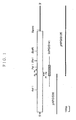
- Fig. 1 shows a restriction enzyme map of human PGIS cDNA, and the PGIS DNA region comprised in ⁇ hPGIS141, pHPGIS135 and pHPGIS36.
- Fig. 2 shows a restriction enzyme map of plasmid pHPGIS36.
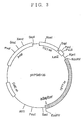
- Fig. 3 shows a restriction enzyme map of plasmid pHPGIS135.
- Fig. 4 shows a restriction enzyme map of plasmid pHPGIS1.
- Fig. 5 shows a restriction enzyme map of human PGIS expression vector pCMV-HPGIS1.
- Fig. 6 shows an expression vector pUC-CAGGS.
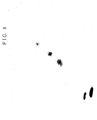
- Fig. 7 is a photograph showing the results of the analysis, by thin layer chromatography, of the PGIS activity in the cells into which pCMV-HPGIS1 has been introduced.
- Fig. 8 is a photograph showing the results of the analysis, by thin layer chromatography, of the PGIS activity in positive control (bovine platelet microsomes).
- Fig. 9 is a photograph showing the results of the analysis, by thin layer chromatography, of negative control wherein pCMV alone was introduced.
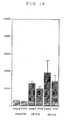
- Fig. 10 is a graph showing the effects of the introduction of human PGIS expression vector on the blood vessel smooth muscle cell proliferation.
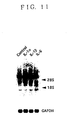
- Fig. 11 is a photograph showing the results of RNA blot (electrophoresis) analysis of human pGIS mRNA treated with cytokines.
- Fig. 12 is a photograph showing the distribution of PGIS mRNA expression in human body (pancreas, kidney, skeletal muscle, liver, lung, placenta, brain and heart) by electrophoresis.
- Fig. 13 is a photograph showing the distribution of PGIS mRNA expression in human body (peripheral leukocyte, large intestine, small intestine, ovary, testicle, prostate, thymus and spleen) by electrophoresis.
- the polypeptide of the present invention has a catalytic activity to convert PGH 2 to PGI 2 and has an amino acid sequence of human-originated PGIS substantially shown in Sequence Listing, Sequence No. 12 to be mentioned later.
- polypeptide of the present invention is not limited to the polypeptide having the amino acid sequence shown in Sequence No. 12, but may include deletion, substitution and addition with respect to some of the amino acids in the amino acid sequence shown in Sequence No. 12, as long as the polypeptide has immunological and biological activity (human PGIS activity) similar to that of human-originated PGIS having said amino acid sequence.
- the polypeptide of the present invention preferably has an amino acid sequence of human-originated PGIS shown in Sequence No. 12.
- the PGIS activity possessed by the polypeptide of the present invention is a catalytic activity to convert PGH 2 to PGI 2 .
- Said PGIS activity can be determined according to the method of Salmon, J.A. and Flower, R.J. et al [Methods Enzymol., 86 , pp. 91-99 (1982)] wherein the conversion of 14 C-labeled PGH 2 to PGI 2 is assayed by separating the metabolite of 6-keto-PGF 1 ⁇ by thin layer chromatography and detecting the radioactivity of said 6-keto-PGF 1 ⁇ .
- the present invention also relates to a DNA comprising a DNA having a nucleotide sequence encoding the amino acid sequence of human-originated PGIS substantially shown in Sequence No. 12.
- Said DNA may be any as long as it comprises a DNA having a nucleotide sequence encoding the aforementioned amino acid sequence of human-originated PGIS, and is exemplified by a DNA encoding the polypeptide having the amino acid sequence shown in Sequence No. 12 or a polypeptide having the equivalent immunological and biological activity. More specifically, it is a DNA comprising the 28th-1572nd nucleotide sequence in the nucleotide sequence shown in Sequence No. 11.
- the genetic recombinant technique enables conversion of at least one nucleotide of a DNA sequence of a gene to a different nucleotide according to the degeneracy of the genetic code, without changing the amino acid sequence of a protein produced by the gene.
- the DNA of the present invention encompasses a DNA comprising a nucleotide sequence obtained by modification for substitution, based on the genetic code, of the 28th-1527th nucleotide sequence of Sequence Listing Sequence No. 11.
- the DNA of the present invention can be obtained by any method.
- the present invention encompasses complementary DNA (cDNA) prepared from mRNA, DNA prepared from genomic DNA, DNA obtained by chemical synthesis, DNA obtained by amplification by PCR using RNA or DNA as a template, and DNA constructed by suitably combining these methods.
- cDNA complementary DNA
- the DNA of the present invention can be obtained by a method comprising cloning cDNA from mRNA of human-originated PGIS by a conventional method, a method comprising splicing an isolated genomic DNA for PGIS, a method comprising chemical synthesis or other method.
- a method for cloning cDNA from mRNA encoding human-originated PGIS comprises the following steps.
- mRNA encoding said PGIS is prepared from the culture thereof.
- mRNA is prepared by, for example, applying entire RNA prepared by a known method such as guanidine thiocyanate method [Chirgwin, J.M. et al., Biochem., 18 , 5294 (1979)], heat phenol method and AGPC to affinity chromatography using oligo(dT)-cellulose or poly U-sepharose.
- cDNA chain is synthesized by a known method using a reverse transcriptase [e.g., the method of Okayama, H. et al: Okayama, H. et al., Mol. Cell. Biol., 2 , 161 (1982) and ibid. 3 , 280 (1983)], and the method of Gubler, U. and Hoffman, B.J.: Gubler, H. and Hoffman, B.J., Gene, 25 , 263 (1983)], thereby converting the same to a double stranded cDNA.
- This cDNA is inserted into a plasmid vector or a phage vector, with which Escherichia coli is transformed, or transfected after in vitro packaging, to prepare cDNA library.
- the plasmid vector used here is not subject to any particular limitation as long as it can be retained by replication in the host, and the phage vector is not limited either as long as it can proliferate in the host.
- Examples of the conventionally-used cloning vector include pUC119, ⁇ gt10 and ⁇ gt11.
- the vector preferably contains a promoter capable of expressing the PGIS gene in the host.
- the method for insertion of a cDNA into plasmid is exemplified by a method described in Maniatis, T. et al [Molecular Cloning, A Laboratory Manual, Cold Spring Harbor Laboratory, p. 239 (1982)].
- the method for insertion of a cDNA into phage vector includes the method of Hyunh, T.V. et al [DNA Cloning, a practical approach, 1 , 49 (1985)].
- a commercially available ligation kit e.g., those manufactured by Takara Shuzo
- the recombinant plasmid and phage vector thus obtained are introduced into a suitable host such as prokaryotic cells (e.g., E. coli HB101, DH5 and MC1061/P3).
- the method for introducing a plasmid into a host includes calcium chloride method and calcium chloride/rubidium chloride method described in Maniatis, T. et al [Molecular Cloning, A Laboratory Manual, Cold Spring Harbor Laboratory, p. 239 (1982)] and electroporation method.
- the method for introducing a phage vector into a host is exemplified by a method comprising in vitro packaging of phage DNA and introducing same into proliferated host cells. In vitro packaging can be carried out easily by using a commercially available in vitro packaging kit (e.g., product of Stratagene and product of Amersham).
- the cDNA encoding the PGIS of the present invention can be isolated from the cDNA library prepared by the above method, by a combination of general cDNA screening methods.
- Such methods include, for example, a method wherein an oligonucleotide considered to be corresponding to the amino acid sequence of human PGIS is chemically synthesized separately and labeled with 32 P to give a probe, and a clone having the desired cDNA is screened by a known colony hybridization [Crunstein, M. and Hogness, D.S., Proc. Natl. Acid. Sci. USA, 72 , 3961 (1975)] or plaque hybridization [Molecular Cloning, A Laboratory Manual, Cold Spring Harbor Laboratory, p.
- PCR primer is prepared and a specific region of PGIS is amplified by PCR method, which is followed by selecting a clone having a DNA fragment encoding said region.
- a cDNA library prepared using a vector e.g. ⁇ gt11 phage vector
- the objective clone can be selected based on an antigen-antibody reaction using the PGIS antibody of the present invention to be mentioned later.
- screening based on PCR is preferable.
- the nucleotide sequence of DNA thus obtained can be determined by Maxam-Gilbert method [Maxam, A.M. and Gilbert, W., Proc. Natl. Acad. Sci. USA., 74 , 560 (1977)] or synthetic dideoxynucleotide chain termination method using phage M13 [Sanger, F. et al, Proc. Natl. Acad. Sci. USA., 74 , 5463-5467 (1977)].
- the PGIS gene can be obtained by cleaving all or part thereof from the clone obtained above by using a restriction enzyme and the like.
- a preparation method comprising isolating DNA encoding PGIS from genomic DNA of human aorta vascular cells includes, for example, the following method.
- Human aorta vascular cells are lysed preferably using SDS or protenase K, and DNA is deproteinized by repetitive extraction with phenol.
- RNA is preferably digested with ribonuclease.
- the obtained DNA is partially digested with a suitable restriction enzyme and the obtained DNA fragment is amplified by a suitable phage or cosmid to form a library.
- the clone having the desired sequence is detected by, for example, a method using a DNA probe with a radioactive label, and a whole or partial PGIS gene is cleaved from said clone by using a restriction enzyme and the like.
- the present invention further relates to a recombinant vector comprising DNA encoding the above-mentioned PGIS.
- the recombinant vector of the present invention is not particularly limited as long as it can be retained by replication or self-proliferation in various prokaryotic and/or eukaryotic host cells, and includes plasmid vector and phage vector.
- the recombinant vector can be easily prepared by ligating the DNA encoding human-originated PGIS of the present invention with a commercially available recombinant vector (plasmid DNA and bacteriophage DNA) by a conventional method.
- Usable recombinant vector includes, for example, Escherichia coli -originated plasmids pBR322, pBR325, pUC12 and pUC13; yeast-originated plasmids pSH19 and pSH15; and Bacillus subtilis -originated plasmids pUB110, pTP5 and pC194.
- phage examples include bacteriophage such as ⁇ phage, and animal or insect viruses such as retrovirus, vaccinia virus, nuclear polyhedrosis virus and adenovirus [e.g. pVL1392, pBK283, Autographa californica nuclear polyhedrosis virus (AcNPV) and Bombyx mori nuclear polyhedrosis virus (BmNPV)].
- bacteriophage such as ⁇ phage
- animal or insect viruses such as retrovirus, vaccinia virus, nuclear polyhedrosis virus and adenovirus [e.g. pVL1392, pBK283, Autographa californica nuclear polyhedrosis virus (AcNPV) and Bombyx mori nuclear polyhedrosis virus (BmNPV)].
- an expression vector is useful.
- the expression vector is not particularly limited as long as it expresses the PGIS gene in various prokaryotic and/or eukaryotic host cells and is capable of producing proteins. Preferred are that derived from insect virus which infects insect cells and produces PGIS in said cells, and that derived from animal virus which infects animal cells and produces PGIS in said cells.
- the expression vector When bacteria, particularly Escherichia coli , is used as the host cell, the expression vector generally consists of at least promoter-operator region, initiation codon, DNA encoding the PGIS of the present invention, termination codon, terminator region and replicon.
- the expression vector preferably consists of at least promoter, initiation codon, DNA encoding the polypeptide of the present invention and termination codon. It may contain DNA encoding signal peptide, enhancer sequence, non-translation region on the 5' or 3' side of the polypeptide of the present invention, splicing junction, polyadenylation site, selection marker region, replicon and the like.
- the promoter-operator region for expressing the polypeptide of the present invention in bacteria contains promoter, operator and Shine-Dalgarno (SD) sequence such as AAGG.
- SD Shine-Dalgarno
- the region preferably contains, for example, Trp promoter, lac promoter, recA promoter, ⁇ PL promoter and lpp promoter.
- the promoter for expressing PGIS in yeast includes, for example, PH05 promoter, PGK promoter, GAP promoter and ADH promoter, and when the host is bacteria belonging to the genus Bacillus , SL01 promoter, SP02 promoter and penP promoter can be used.
- examples of the promoter include, but not limited to, SV40-derived promoter, retrovirus promoter, heat shock promoter, polyhedron promoter that a nuclear polyhedrosis virus has, cytomegalovirus promoter, adenovirus promoter and ⁇ -actin promoter.
- the use of an enhancer is also effective for the expression.
- Preferable initiation codon includes, for example, methionine codon (ATG).
- the termination codon is exemplified by conventional termination codons such as TAG and TGA.
- terminator region conventional intact or synthetic terminator can be used.
- replicon is meant a DNA capable of reproducing the entire DNA sequence in the host cell, and exemplified by naturally occurring plasmid, artificially modified plasmid (DNA fragment prepared from naturally occurring plasmid) and synthetic plasmid.
- preferable plasmid include plasmid pBR322 and artificial modification thereof (DNA fragment obtained by treating pBR322 with a suitable restriction enzyme) in the case of E.
- yeast 2 ⁇ plasmid and yeast chromosomal DNA in the case of yeast and plasmid pRSVneo ATCC 37198, plasmid pSV2dhfr ATCC 37145, plasmid pdBPV-MMTneo ATCC 37224 and plasmid pSV2neo ATCC 37149 in the case of mammalian cell.
- Enhancer sequence, polyadenylation site and splicing junction site can be those conventionally used by artisan, such as respective ones derived from SV40.
- selection marker conventional ones can be used according to a conventional method. Examples thereof include a gene resistant to antibiotic such as tetracycline, ampicillin and kanamycin.
- the expression vector of the present invention can be prepared by ligating at least the above-mentioned promoter, initiation codon, DNA encoding PGIS of the present invention, termination codon and terminator region sequentially and cyclically into a suitable replicatable unit.
- suitable DNA fragments such as linker and other restriction sites can be used by a conventional method such as digestion with restriction enzyme and ligation using T4DNA ligase on demand.
- the transformant of the present invention can be prepared by introducing the above-mentioned expression vector into a host cell.
- Examples of the host cell include microorganisms such as bacteria (e.g. bacteria belonging to the genera Escherichia and Bacillus ), yeast such as those belonging to the genus Saccharomyces , animal cells and insect cells. Specifically exemplified are Escherichia coli K12DH1, M103, JA221, HB101, C600, XL-1 Blue and JM109 as the bacteria belonging to the genus Escherichia ; and Bacillus subtilis 207-21 as the bacteria belonging to the genus Bacillus .
- Examples of the yeast include Saccharomyces cerevisiae AH22, AH22R - , NA87-11A and DKD-5D.
- Examples of animal cell include simian cell COS-7, Vero, Chinese hamster cell CHO, mouse L cell, human FL cell and human 293 cell.
- Examples of insect cell include BmN4 and Sf9. Preferred are insect cells and animal cells.
- the preferred host cell for cloning the DNA sequence and constructing the vector is generally a prokaryotic cell.
- the expression vector constructed is used to transform a suitable host cell.
- the host cell may be a prokaryotic cell or an eukaryotic cell as well.
- Preferred are insect cells (e.g., BmN4 and Sf) and animal cells.
- the expression vector is introduced (i.e., transformation which is used in a concept inclusive of transfection in the present invention) into host cells by a conventionally known method.
- Bacteriol., 153 , 163 (1983)] may be used; in the case of animal cells, the method of Graham [Virology., 52 , 456 (1973)], lipofectin method or HVJ-liposome method [Hypertension, 21 , 894-899 (1993)] may be used; and in the case of insect cells, the method of Summers et al [Mol. Cell. Biol., 3 , 2156-2165 (1983)] may be used for transformation.
- the human-originated PGIS of the present invention can be prepared by culturing, in a nutrient medium, a transformant (which term is used in a concept inclusive of transfectant in the present invention) comprising the expression vector prepared as in the above.
- the nutrient medium preferably contains carbon source, inorganic nitrogen source or organic nitrogen source necessary for the growth of host cell (transformant).
- carbon source include glucose, dextran, soluble starch and sucrose
- inorganic nitrogen source or organic nitrogen source include ammonium salts, nitric acid salts, amino acid, corn steep liquor, peptone, casein, meat extract, soybean meal and potato liquid extract.
- other nutrients such as inorganic salt (e.g. calcium chloride, sodium dihydrogenphosphate and magnesium chloride), vitamins, and antibiotics such as ampicillin and kanamycin may be added to the medium.
- Culture is carried out according to the method known in the pertinent field. Culture conditions such as temperature, pH of the medium and culture time are appropriately determined so that the maximum potency of PGIS can be obtained.
- liquid media containing the above-mentioned nutrient sources are appropriate.
- preferable medium is M9 medium [Miller, J., Exp. Mol. Genet., p. 431, Cold Spring Harbor Laboratory, New York (1972)].
- culture is performed with aeration and agitation as necessary, at 14-43°C for about 3 to 24 hours.
- culture is performed with aeration and agitation as necessary, at 30-40°C for about 16 to 96 hours.
- the medium is exemplified by Burkholder minimum medium [Bostian, K. L. et al, Proc. Natl. Acad. Sci. USA, 77, 4505 (1980)] which preferably has a pH of 5-8. Culture is generally performed at about 20-35°C for about 14 to 144 hours with aeration and agitation where necessary.
- the medium is exemplified by MEM medium containing fetal calf serum at about 5-20% [Science, 122 , 501 (1952)], DMEM medium [Virology, 8 , 396 (1959)], RPMI1640 medium [J. Am. Med. Assoc., 199 , 519 (1967)] and 199 medium [Proc. Soc. Exp. Biol. Med., 73 , 1 (1950)].
- the pH of the medium is preferably about 6-8, and culture is generally performed at about 30-40°C for about 15-60 hours with aeration and agitation where necessary.
- the medium is exemplified by Grace's medium containing fetal calf serum [Proc. Natl. Acad. Sci. USA, 82 , 8404 (1985)] which preferably has a pH of about 5-8. Culture is generally performed at about 20-40°C for about 15 to 100 hours with aeration and agitation where necessary.
- the human-originated PGIS of the present invention can be recovered as in the following from the culture obtained above.
- the culture thus obtained is subjected to filtration or centrifugation to separate culture filtrate (supernatant), and PGIS is purified and separated from said culture filtrate by a conventional method employed for purifying and isolating natural or synthetic proteins.
- the method for purification and isolation includes, for example, a method utilizing the solubility, such as salting out and solvent precipitation, a method utilizing the difference in molecular weights such as dialysis, ultrafiltration, gel filtration and sodium dodecyl sulfate-polyacrylamide gel electrophoresis, a method utilizing charge such as ion exchange chromatography and hydroxyapatite chromatography, a method utilizing specific affinity such as affinity chromatography, a method utilizing the difference in hydrophobicity such as reversed phase high performance liquid chromatography and a method utilizing difference in isoelectric point such as isoelectric focusing.
- solubility such as salting out and solvent precipitation
- a method utilizing the difference in molecular weights such as dialysis, ultrafiltration, gel filtration and sodium dodecyl sulfate-polyacrylamide gel electrophoresis
- a method utilizing charge such as ion exchange chromatography and hydroxyapatite chromat
- the culture is subjected to a conventional method such as filtration and centrifugation to collect the cells; the cells are suspended in a suitable buffer and subjected to lysis of cell wall and/or cell membrane by ultrasonication, using lysozyme or by freeze-thawing; and the membrane fraction containing PGIS is obtained by centrifugation or filtration. Said membrane fraction is solubilized with surfactant such as Triton to give a crude solution.
- the crude solution is treated by a conventional method as exemplified supra to isolate and purify PGIS of the present invention.
- the present invention also relates to an antibody having a reactivity with the above-said human-originated PGIS.
- the antibody of the present invention encompasses both the polyclonal antibody and monoclonal antibody having the above-mentioned properties.
- the antibody of the present invention can be obtained by a conventional method.
- the monoclonal antibody of the present invention can be prepared from hybridoma produced by so-called cell fusion. That is, fused hybridoma is formed from the antibody-producing cell and bone marrow cell; said hybridoma is cloned; and a clone is selected which produces an antibody having a specific affinity for an antigen, i.e. a polypeptide having part or whole of the human-originated PGIS amino acid sequence.
- the procedure therefor may be known methods except the use of the human-originated PGIS of the present invention as an immunizing antigen.
- the immunogen can be used for immunizing animals after admixing with, for example, complete Freund adjuvant.
- the animal include mouse, rat and rabbit.
- the animals are immunized by subcutaneous, intramuscular or intraperitoneal injection of about 5-200 ⁇ g/injection.
- the immunization includes 1-4 times of immunization at about every 1-2 weeks from the initial immunization and final immunization at about 1-4 weeks thereafter.
- antibody-producing cells are separated from the immunized animal.
- the antibody-producing cells are exemplified by spleen cells and lymph node cells.
- the bone marrow cells are, for example, those derived from mouse, rat and human. Examples thereof include mouse myeloma P3 ⁇ X63 ⁇ Ag8, P3 ⁇ X63 ⁇ Ag8-U1, P3 ⁇ NS1-Ag4, SP2/0-Ag14 and X63-Ag8 ⁇ 653. It is preferable that the antibody-producing cells and bone marrow cells be derived from the same species of animals.
- Cell fusion is performed by the method described in, for example, Nature, vol. 266, p. 550 (1977) or an analogous method. Specifically, it is performed using 30-50% polyethylene glycol having an average molecular weight of 1,000-4,000 at 30-40°C for about 1-3 minutes.
- the cells obtained by cell fusion are subjected to screening for a clone which produces the desired monoclonal antibody. That is, the cells are cultured in, for example, a microplate and the antibody titer of the culture supernatant in the well in which cell growth was acknowledged is determined by, for example, enzyme antibody method to obtain the well in which suitable antibody has been produced. Cloning by, for example, limiting dilution from such well gives clones.
- the monoclonal antibody of the present invention can be obtained by culturing said hybridoma cell clone by conventional culture method, high density culture method or spinner-flask culture method and purification thereof by affinity chromatography using protein A-bound carrier or anti-mouse immunoglobulin-bound carrier.
- the cultured hybridoma cells are intraperitoneally injected to the mouse of the same species which has been previously treated with pristance, and ascites obtained is subjected to salting out with ammonium sulfate and DEAE ion exchange chromatography to give purified IgG fraction containing the same.
- the DNA encoding the human-originated PGIS of the present invention can be used for gene therapy.
- the DNA encoding the human-originated PGIS of the present invention or a recombinant vector comprising said DNA is introduced into human or other animals, whereby PGIS is produced in the human or other animals to promote production of PGI 2 .
- the promoted PGI 2 production in turn enables treatment (therapeutic treatment or improvement of symptoms) of the diseases induced by a low production of PGI 2 .
- the diseases induced by the low production of PGI 2 include cardiovascular diseases such as thrombosis, myocardial infarction, arteriosclerosis and angina pectoris.
- the recombinant vector may be introduced into human or other animals in the form of cells transformed with said recombinant vector.
- the gene therapy utilizing the gene (inclusive of DNA and recombinant vector) of the present invention permits setting an appropriate environment in which the gene of the present invention introduced into a human or other animal can fully show its function.
- the treatment can be given by a conventional method as long as it intends expression of desired effects of the gene of the present invention.
- Such method is exemplified by virological means utilizing retrovirus vector or adenovirus vector, physical means for introducing gene by particle gun method or by using naked DNA, and chemical means such as lipid method [Molecular Medicine, vol. 30, No. 12, p. 1526 (1993); Jikken Igaku , vol. 12, No. 3, p. 15, 28 and 40 (1994); Proc. Natl. Acad. Sci.
- a method using an adenovirus vector which can be used for the gene therapy of cystic fibrosis and which is known to permit efficient introduction of gene into differentiated cells and tissues and expression therein, and a method using a fusogenic liposome which allows introduction of optional gene into tissue cells in vivo are preferable for the gene treatment of the present invention.
- the dose of the DNA or recombinant vector of the present invention is subject to appropriate change according to sex, age and body weight of patients, the kind of disease and symptoms thereof, and administration route. For example, 100 ⁇ g-10 mg of DNA is generally administered.
- DNA and recombinant vector of the present invention are administered by intravenous injection, transmucosal administration, oral administration using enteric-coated agents, or topical administration, with preference given to topical administration using catheter and the like.
- the DNA encoding human-originated PGIS and recombinant vector comprising said DNA of the present invention are admixed with conventional, pharmaceutically acceptable carrier, excipient, diluent, extender, disintegrator, stabilizer, preservative, buffer, emulsifier, flavor, coloring, sweetener, thickener, elixir, solubilizer and other additives such as water, salt solution, phosphate buffer, vegetable oil, ethanol, polyethylene glycol, glycerol, gelatin, lactose, glucose, mannitol, starch, sucrose, magnesium stearate, hydroxypropylcellulose, talc, lanolin and petrolatum, and can be use used in the form of injection, tablet, powder, capsule, enteric-coated agent, ointment, suspension, emulsion, spray, inhalant, collunarium and the like.
- a pharmaceutical composition comprising the DNA or recombinant vector comprising said DNA of the present invention can be administered to mammals such as human, mouse, rat, rabbit, pig, cow, sheep, dog and cat.
- the present invention gives the first clarification of the amino acid sequence of human-originated PGIS and nucleotide sequence of DNA encoding the enzyme having said sequence. Based on the elucidation of such amino acid sequence and nucleotide sequence, the present invention provides a method for preparing PGIS by genetic engineering and an expression system related thereto.
- the PGIS and DNA encoding same of the present invention are useful as reagents for
- cardiovascular diseases such as thrombosis, myocardial infarction, arteriosclerosis and angina pectoris, which increase the production level of PGI 2 based on lesion-specific introduction, into human and other animals, of PGIS, DNA encoding PGIS, fragment thereof or modified product thereof.
- the expression system of PGIS comprising a recombinant vector containing DNA encoding the human-originated PGIS of the present invention, and a host cell transformed with said vector is useful for the production by genetic engineering, which enables easy and efficient mass production of human-originated PGIS.
- human-originated PGIS antibody of the present invention serves well for the purification of human-originated PGIS and the immunohistochemical analysis of the cause of a disease (specific staining of various tissues such as uterus, heart, skeletal muscle, lung and prostate).
- the plasmid, enzyme such as restriction enzyme, T4DNA ligase and other substances to be used in Examples of the present invention are commercially available and can be used according to a conventional method.
- the procedures for cloning of cDNA, determination of nucleotide sequence, transfection of host cell, culture of transfectant, harvesting and purification of PGIS from obtained culture, and obtainment of antibody are well known to those skilled in the art, or can be known from literatures.
- pHPGIS36 (PBJT-BA-4, deposit number FERM BP-4653) and pHPGIS135 (PBJT-BA 5, deposit number FERM BP-4654) used in the present invention are at international deposit at National Institute of Bioscience and Human-Technology Agency of Industrial Science and Technology.
- Human genomic library (Genomic lung fibroblast cell line, W I 38, manufactured by Clone-Tech) was seeded at about 2 ⁇ 10 5 PFU, and screened by plaque hybridization using, as a probe, a bovine cDNA prepared in advance by the inventor (see Tanabe, T., Hara, S., Miyata, A., Brugger, R., and Ullrich, V. (1993) in Abstract book of 3rd international conference on eicosanoid and other bioactive lipids in cancer, inflammation and radiation Injury, pp. 137).
- ⁇ hPGIS141 thus obtained was structurally analyzed by restriction enzyme site mapping and nucleotide sequence determination, and it was found that ⁇ hPGIS141 contained the region corresponding to a 673rd - 855th nucleotide sequence of bovine PGIS cDNA (SQ No. 8).
- primers [SQ No. 1 : P1 primer (674-689), SQ No. 2 : P2 primer (699-718), SQ No. 3 : P3 primer (696-713), SQ No. 4 : P4 primer (805-822)] having the sequences depicted in Sequence List SQ Nos. 1-4 were synthesized.
- HAEC human aorta vascular endothelial cells
- cDNA was primed with a dT 17 adapter (5'-GACTCGAGTCGACATCGA-(T) 17 -3', SQ No. 5), and elongated to give a first cDNA chain which was amplified with P1 primer (674-689) and the adapter primer (SQ No. 6), and then with P2 primer (699-718) and the adapter primer (SQ No. 6).
- the 5'-upstream region of the cDNA was amplified using a 5' RACE system (GIBCO BRL).
- homomeric dC tail was added to the first cDNA chain and a second cDNA chain was formed using an adapter primer (5'-(CUA) 4 GGCCACGCGTCGACTAGTACGGGIIGGGIIGGGIIG-3') (SQ No. 7).
- the fist step amplification was performed using P4 primer and the adapter primer (SQ No. 7).
- the second step amplification was performed using P3 primer and the adapter primer (SQ No. 7).
- the PCR method was repeated 35 cycles according to the following cycloprofile. Denaturation 94°C, 1 minute Annealing 54°C, 1 minute Elongation 72°C, 3 minutes
- the respective PCR products (3'-downstream region amplification product and 5'-downstream region amplification product) were partially taken out and purified by electrophoresis using 1% agarose gel. Southern hybridization was applied using bovine cDNA (pBPGISI) as a probe, and DNA was extracted from the band which cross-hybridized to said probe. The obtained DNA was cloned into pBluescriptII SK(-).
- the hybridization was performed at 60°C in 6 ⁇ SSC [1 ⁇ SSC containing 0.15 M NaCl, 15 mM sodium citrate (pH 7.0)], 5 ⁇ Denhardt's solution, 250 ⁇ g/ml salmon sperm DNA, 0.1% SDS and cDNA fragment (10 6 cpm/ml) labeled by random priming method.
- the filter obtained was washed twice with 3 ⁇ SSC and 0.1% SDS at room temperature for 5 minutes and twice with 0.1 ⁇ SSC and 0.1% SDS at 50°C for 15 minutes.
- the filter was air-dried, and exposed to Fuji X ray film using a intensifying screen at -80°C for 12-16 hr.
- the obtained DNA insert was subcloned into pBluescriptII SK(-).
- a clone pHPGIS1305 containing 3'-downstream region DNA of human-originated PGIS and a clone (pHPGIS36) containing 5'-upstream region DNA of human-originated PGIS were obtained.
- the nucleotide sequence of the DNA insert of respective clones was determined by the Sanger method [Sanger, F., Nickle,, S., and Coulson, A.R. (1977) Proc. Natl. Acad. Sci.
- pHPGIS36 clone had, as a DNA insert sequence, a 740 bp nucleotide sequence (SQ No. 9) of cDNA of human PGIS, having an adapter sequence on the 5' side, based on which partial amino acid sequence of PGIS comprising 238 amino acid residues wherein ATG is the translation initiation sequence (Met) was identified.
- pHPGIS135 clone comprised, as a DNA insert sequence, a 1277 bp nucleotide sequence (SQ No. 10) of cDNA of human PGIS, having an adapter sequence on the 3' side, based on which partial amino acid sequence of PGIS on the carboxyl side region starting from 226th aspartic acid was identified.
- SQ No. 10 The nucleotide sequence of human PGIS cDNA contained in pHPGIS36 clone and the amino acid sequence deduced therefrom are depicted in SQ No.
- Fig. 1 shows a restriction enzyme map of human PGIS cDNA and the region of human PGIS cDNA, which corresponds to the DNA contained in ⁇ hPGIS141, pHPGIS36 and pHPGIS135.
- Fig. 2 shows a restriction enzyme map of pHPGIS36 and Fig. 3 shows a restriction enzyme map of pHPGIS135.
- Human PGIS cDNA obtained by the above-mentioned cloning had a consensus sequence of the initiation codon of eukaryotic shown by Kozak et al [Nucleic Acids Res. 12, 857-872 (1984)] at around the translation initiation codon, and TGA codon corresponding to the termination codon at 500 codons therefrom. Based on these facts, it was found that the cDNA of the cloned human PGIS comprised 1977 bp comprising 1500 bp encoding 500 amino acid residues, as shown in SQ No. 12, and the molecular weight of the protein coded thereby was speculated to be about 57,000.
- bovine PGIS had a 31% homology with cholesterol 7 ⁇ -hydroxylase, it had only a 16% homology with human thromboxane synthase belonging to the cytochrome P450 family and a not more than 40% homology with any of the known cytochrome P450 proteins. It is postulated, therefore, that it is a new family in the cytochrome P450 super family, and human PGIS also belongs to this new family.
- a search for such structural correlation in activity is indispensable for the study and development of pharmaceutical products. Such search is accomplished only after the primary structure of human PGIS has been clarified. Accordingly, the present invention which discloses the primary structure of human PGIS for the first time is extremely important and significant for the research, and from industrial aspect as well.
- a cDNA insert region is cleaved out respectively from the obtained pHPGIS36 clone and pHPGIS135 clone using a suitable restriction enzyme, and purified.
- the both fragments obtained were thermally denatured (95°C for 10 minutes), followed by annealing.
- cDNA is replicated using a DNA polymerase to the both directions toward 5' and 3' from the overlapped region as the synthesis initiation region.
- a primer is synthesized from each region of initiation codon or termination codon and PCR is performed.
- a suitable restriction enzyme site is constructed as an anchor site at 3' of the primer.
- the PCR product thus obtained is purified, the nucleotide sequence of which is confirmed, and the product is digested with BamHI and SmaI (BglII) to give a BamHI-SmaI (BglII) fragment.
- BamHI-SmaI (BglII) fragment is introduced into the BamHI-SmaI site of pVL1393 expression vector previously treated with BamHI-SmaI.
- the recombinant plasmid thus formed (PGIS7) is characterized by restriction enzyme mapping and DNA sequence analysis.
- Sf9 cells (manufactured by In Vitrogen) are mono-layer cultured in a Grace's insect medium containing 10% fetal calf serum, 0.33% yeastolate and 0.33% lactoalbumin hydrolysate at 27°C.
- Sf9 cell 1.5 ⁇ 10 6 cells
- PGIS7, 50 ⁇ g recombinant plasmid
- AcNPV wild type baculovirus DNA
- the recombinant baculovirus is isolated and amplified by a combination of plaque assay and slot hybridization using a 32 P-labeled cDNA fragment of PGIS as a probe.
- Said Sf9 cells are infected with wild type baculovirus or recombinant baculovirus. At 3 days after the infection, cells are collected (2 ⁇ 10 8 cells) and incubated for S hours in a serum-containing medium with or without 10 ⁇ M hemin.
- the obtained cells are washed with phosphate-buffered saline and preserved at -80°C.
- the microsomal fraction of the cell is prepared according to the method of Haurand and Ullrich et al. (J. Biol. Chem. 260, 15059-15067).
- the obtained cells (2 ⁇ 10 8 cells ) are homogenized in a solution (20 ml) of 10 mM potassium phosphate buffer (pH 7.0), 10 mM EDTA, 5 mM glucose, 0.1 mM dithiothreitol (DTT), 1.15% KCl, 2 ⁇ g/ml leupeptin, 2 ⁇ g/ml pepstatin, 10 ⁇ g/ml soybean trypsin inhibitor and 44 ⁇ g/ml phenylmethylsulfonyl fluoride, and subjected to ultrasonication (30 seconds, 4 times) using a Branson sonifier model 450.
- the obtained homogenate is centrifuged at 7,000 ⁇ g for 15 minutes, and the obtained supernatant is centrifuged at 105,000 ⁇ g for 60 minutes.
- the sediment obtained is suspended in 10 mM potassium phosphate buffer (3 ml, pH 7.0) containing 20% glycerol, 1 mM DTT and 1 mM EDTA by sonication.
- the protein concentration is determined by Lowry method using bovine serum albumin as a standard, and a solution for immunoblot analysis and PGIS assay at 5 mg/ml is prepared.
- the infected Sf9 cells and human platelet microsomal fraction are subjected to 10% SDS-PAGE according to the method of Laemmli [Nature 227, 680-685 (1979)].
- the migrated protein is electrophoretically transferred onto a polyvinylidene difluoride (PVDF) membrane (Immobilon, Millipore) according to the method of Towbin et al. [Proc. Natl. Acad. Sci. USA 76,4350-4354 (1979)].
- PVDF polyvinylidene difluoride
- Tris-HCl buffered saline (TBS) (pH 7.4) containing 10% equine serum is pretreated at room temperature for 30 minutes, and the blot membrane is incubated with polyclonal antibody against bovine PGIS in TBS containing 3% skim milk.
- the membrane After washing with TBS containing 0.05% Tween 20, the membrane is incubated in TBS containing 3% skim milk at 37°C for 30 minutes together with anti-mouse IgG equine antibody conjugated with horseradish peroxidase (manufactured by Vector Laboratories). After thorough washing with TBS containing 0.05% Tween 20, the band showing positive immunological response is detected using an immunostaining HRP kit (manufactured by Konica).
- Example 3 Expression of human PGIS in cultured animal cell
- pHPGIS36 clone was cleaved out with restriction enzymes SalI and NspI and purified to give a SaLI-NspI fragment.
- the pHPGIS135 clone was cleaved out with restriction enzymes PstI and BamHI and purified to give a PstI-BamHI fragment.
- primers [SQ No. 13 : P5 primer (676-699), SQ No. 14 : P6 primer (832-855)] having sequences depicted in Sequence Listing Sequence Nos. 13 and 14 were synthesized based on the nucleotide sequence of ⁇ hPGIS141.
- a middle stream region of human PGIS cDNA was amplified by PCR method, cleaved with restriction enzymes NspI and PstI, purified and confirmed for the nucleotide sequence and used as an NspI-PstI fragment.
- These SalI-NspI fragment, PstI-BamHI fragment and NspI-PstI fragment were bound and introduced into the SalI-BamHI site of pBluescriptII SK+ (manufactured by STRATAGENE) previously treated with SalI-BamHI, whereby a plasmid (pHPGIS1) containing the whole length human PGIS cDNA was prepared.
- Fig. 4 shows the restriction enzyme map of pHPGIS 1.
- Human PGIS cDNA insert region was cleaved out from the obtained pHPGIS1 clone with restriction enzymes SalI and BamHI and purified to give a SalI-BamHI fragment.
- This SalI-BamHI fragment was introduced into the SalI-BamHI site of pCMV7 expression vector [supplied by Dr. David W. Russel, University of Texas Southwestern Medical Center, Cell, 75, 187-197 (1993); J. Biol. Chem., 264, 8222-8229 (1989)] previously treated with SalI-BamHI, whereby a human PGIS expression vector (pCMV-HPGIS 1) for cultured animal cell was prepared.
- Fig. 5 shows the restriction enzyme map of pCMV-HPGIS 1.
- Human fetus kidney-derived 293 cells (manufactured by Dainippon Pharmaceutical Co., Ltd.) were sewn in a 60 mm dish at 3 ⁇ 10 5 cells, and mono-layer cultured at 37°C for 24 hours in Dulbecco modified Eagle's medium (DMEM) containing 10% fetal calf serum, 100 U/ml penicillin and 100 ⁇ g/ml streptomycin. Then, a recombinant plasmid (pCMV-HPGIS 1, 3 ⁇ g) and pVA1 [adenovirus VA1 gene, 3 ⁇ g : supplied by Dr. David W. Russel, University of Texas Southwestern Medical Center, Mol. Cell.
- DMEM Dulbecco modified Eagle's medium
- the obtained homogenate was centrifuged at 100,000 ⁇ g for 60 minutes and the obtained sediment was suspended in 10 mM calcium phosphate buffer (pH 7.0) containing 1 mM EDTA, 1 mM PMSF, 20% glycerol and 0.1 mM DTT.
- the protein concentration of the obtained sample was determined using a BCA (bicinchoninic acid) protein concentration determination kit (manufactured by PIERCE) using bovine serum albumin as a standard.
- the PGIS activity of the obtained sample was determined by reacting same with 14 C-labeled PGH 2 (5 nmole) as a substrate at 24°C for 2 minutes, separating 6-keto-PGF 1 ⁇ , which is a metabolite of the produced PGI 2 , by thin layer chromatography, and detecting the radioactivity of the 6-keto-PGF 1 ⁇ .
- Fig. 7 shows the detected PGIS activity
- Fig. 8 shows PGIS activity of positive control (bovine platelet microsomes)
- Fig. 9 shows the analysis results, by thin layer chromatography, of negative control wherein pCMV7 alone was introduced.
- PGIS cDNA incorporated in the expression vector was expressed as a recombinant protein (recombinant PGIS) having PGIS activity and this protein acted on PGH 2 to produce 6-keto-PGF 1 ⁇ which is a metabolite of PGI 2 .
- Example 4 Expression of human PGIS in cultured animal cell
- Human PGIS cDNA was bound to the XhoI site of the expression vector pUC-CAGGS [having an enhancer of cytomegalovirus and chiken ⁇ -actin promoter] as shown in Fig. 6 [prepared according to the description in Gene 108, 193-200 (1991)] to construct an expression vector.
- vascular smooth muscle cells respectively prepared from rat aorta by HVJ-liposome method [Hypertension 21, 894-899 (1993)] and incubated in a serum-free medium [Dulbecco modified Eagle's medium (DMEM) containing 5 ⁇ 10 -7 M insulin, 50 ⁇ g/ml transferin, 0.2 mM ascorbic acid, 100 U/ml penicillin and 100 ⁇ g/ml streptomycin] in a CO 2 incubator at 37°C for 2 days.
- DMEM Dulbecco modified Eagle's medium
- the medium was changed to a medium containing 1% or 5% fetal calf serum (FCS), and 3 H-thymidine was added 16 hours later.
- FCS fetal calf serum
- the thymidine uptake was determined by a conventional method [Cancer Immunol. Immunother. 24, 158-164 (1987)].
- control was a cell into which a vacant vector was introduced and PGIS was a cell into which an expression vector bound with human PGIS cDNA was introduced.
- PGIS dissolved in 0.5 ml of phosphate-buffered saline (PBS) and an equivalent amount of adjuvant were emulsified and subcutaneously injected to rabbit. Thereafter, similar subcutaneous injection was given twice every 10 days, and blood was taken from the rabbit 10 days after the final subcutaneous injection.
- Anti-PGIS/IgG was purified and obtained from rabbit anti-PGIS serum prepared from the blood of said rabbit using protein A sepharose 4B (Bio-Rad).
- mice Male inbred line BALB/c mice (5 weeks of age) were obtained and bred on standard pellet in an animal breeding chamber (23+1°C, 70% humidity) with optional watering.
- Human-originated purified PGIS was used.
- the human PGIS was prepared to a concentration of 1 mg/ml with Dulbecco PBS, dispensed into test tubes by 100 ⁇ g and freeze-preserved at -80°C until use.
- Human PGIS 100 ⁇ g/0.5 ml and an equivalent amount of Freund's complete adjuvant were mixed.
- An emulsified antigen (20 ⁇ g) was administered to five male BALB/c mice (5 weeks of age) intraperitoneally and subcutaneously at dozen sites on the back every 2 weeks for 2 months. After the immunization for 2 months, antibody titer was measured, and the mice having high antibody titer were picked and applied with additional intraperitoneal administration of 50 ⁇ g, 100 ⁇ g or 200 ⁇ g thereof every other week.
- mice After the immunization for 2 months, two different mice were intraperitoneally administered with 100 ⁇ g thereof after a blank of one month. One week later, 100 ⁇ g thereof was intravenously injected for additional immunization.
- the spleen of the BALB/c mice was removed to prepare suspensions of spleen cells in EMEM culture medium.
- the spleen cells were washed 4 times with EMEM culture medium and counted.
- X63 cells 2-amino-6-oxy-8 azapuraine (8-Azaguanine)-resistant BALB/c mouse myeloma-derived cultured cell line (P3-X63-Ag8 ⁇ 653, hereinafter abbreviated as X63 cells) was used as a parent cell line.
- the X63 cells were subcultured in RPMI-1640 culture medium (20 ⁇ g/ml, containing 8-Azaguanine) supplemented with 5% inactivated fetal calf serum (FCS), and X63 cells in the logarithmic growth phase were washed 3 times with RPMI-1640 culture medium and counted.
- Cell fusion is performed in RPMI-1640 culture medium containing polyethylene glycol 4000 at a concentration of 50 (w/v)%.
- spleen cells and X63 cells are mixed at a ratio of 10:1 and centrifuged at 1500 rpm for 5 minutes. Supernatant is removed, and cell pellets are thoroughly suspended and subjected to cell fusion according to the method of Kohler and Milstein using polyethylene glycol. Thereafter, the spleen cells are suspended in an HAT selective medium (10% FCS-added RPMI-1640 culture medium containing 1 ⁇ 10 -4 M hypoxanthine, 4 ⁇ 10 -7 M aminopterin and 1.6 ⁇ 10 -5 M thymidine) so that the spleen cells are contained at a concentration of 3.5 ⁇ 10 6 cells/ml.
- HAT selective medium 10% FCS-added RPMI-1640 culture medium containing 1 ⁇ 10 -4 M hypoxanthine, 4 ⁇ 10 -7 M aminopterin and 1.6 ⁇ 10 -5 M thymidine
- the cell suspension is dispensed into each well of 96 well microtest plate by 100 ⁇ l and cultured in a carbonic acid gas incubator (37°C, 95% humidity, 8% carbonic acid gas).
- a carbonic acid gas incubator 37°C, 95% humidity, 8% carbonic acid gas.
- HAT medium is added by one drop to each well and by 2 drops on day 7 and day 9 after the initiation of incubation, which is followed by further culture.
- hybridoma culture supernatant is subjected to an antigen-antibody reaction test.
- RNA blot hybridization analysis was made to examine the influence of several kinds of cytokines on the expression of HAEC-derived human PGIS mRNA.
- RNA (30 ⁇ g) derived from each HAEC which was incubated for 24 hours with several kinds of cytokines [IL-1 ⁇ (1 ng/ml), IL-1 ⁇ (1 ng/ml), IL-6 (2.5 ng/ml), TNF- ⁇ (5 ng/ml) and TNF- ⁇ (1 ng/ml)] was denatured with formamide, electrophoresed on 1% agar gel containing 1.5% formaldehyde, and transferred onto a nylon membrane.
- cytokines IL-1 ⁇ (1 ng/ml), IL-1 ⁇ (1 ng/ml), IL-6 (2.5 ng/ml), TNF- ⁇ (5 ng/ml) and TNF- ⁇ (1 ng/ml)
- a probe [pHPGIS 135 and glyceraldehyde-3-phosphate dehydrogenase (GAPDH)] was labeled with [ ⁇ - 32 P]dCTP by random priming method [Feinberg, A.P., and Vogelstein, B. (1983) Anal. Biochem. 132, 6-13].
- test results revealed that the expression of human PGIS mRNA incubated for 24 hours with IL-1 ⁇ , IL-1 ⁇ or IL-6 increased about 2-fold as compared with the control without cytokine treatment. Accordingly, increase in PGI 2 production caused by cytokine is considered to be attributable to the increased expression and production of PGIS which was achieved by cytokine. Thus, the treatment with cytokine is an extremely useful method for increasing PGIS expression to increase PGIS activity, which in turn accelerates PGI 2 production.
- RNA blot analysis was made to examine the distribution of PGIS mRNA expression in human body. Specifically, a filter was purchased from Clone-Tech on which poly (A) + RNA of various human tissues was electrophoresed and blotted. hPGIS135 was labeled with 32 P by the aforementioned method and subjected to Northern blot hybridization under the same conditions as above.
- Fig. 12 and Fig. 13 The results confirm that PGIS mRNA was abundantly expressed widely in human tissues, particularly, in uterus, heart, skeletal muscle, lung and prostate and at significant levels, though slightly, in small intestine, kidney, liver and brain. These results coincide with the conventional reports of enzymatic activity and distribution in tissue of immunological response of PGIS, thus suggesting various biological roles assumed by PGIS besides the action in the vascular system.
- the 6 kb main, strong band and 3 weak bands as shown in Fig. 11 were observed in all tissues mentioned above, though relative thickness among the weak bands varied between tissues.
- Such various modes of presence of transcription products suggest possible different splicing of mRNA or the presence of an analogous gene (isozyme) as found in prostaglandin endoperoxidase.
Landscapes
- Health & Medical Sciences (AREA)
- Life Sciences & Earth Sciences (AREA)
- Chemical & Material Sciences (AREA)
- Organic Chemistry (AREA)
- Engineering & Computer Science (AREA)
- Bioinformatics & Cheminformatics (AREA)
- Wood Science & Technology (AREA)
- Genetics & Genomics (AREA)
- Zoology (AREA)
- Medicinal Chemistry (AREA)
- General Health & Medical Sciences (AREA)
- Biotechnology (AREA)
- Microbiology (AREA)
- Biochemistry (AREA)
- General Engineering & Computer Science (AREA)
- Biomedical Technology (AREA)
- Molecular Biology (AREA)
- Pharmacology & Pharmacy (AREA)
- Public Health (AREA)
- Chemical Kinetics & Catalysis (AREA)
- General Chemical & Material Sciences (AREA)
- Nuclear Medicine, Radiotherapy & Molecular Imaging (AREA)
- Cardiology (AREA)
- Animal Behavior & Ethology (AREA)
- Heart & Thoracic Surgery (AREA)
- Veterinary Medicine (AREA)
- Micro-Organisms Or Cultivation Processes Thereof (AREA)
- Preparation Of Compounds By Using Micro-Organisms (AREA)
- Enzymes And Modification Thereof (AREA)
- Medicines That Contain Protein Lipid Enzymes And Other Medicines (AREA)
- Curing Cements, Concrete, And Artificial Stone (AREA)
- Silicon Polymers (AREA)
- Medicines Containing Material From Animals Or Micro-Organisms (AREA)
Applications Claiming Priority (3)
| Application Number | Priority Date | Filing Date | Title |
|---|---|---|---|
| JP11431694 | 1994-04-28 | ||
| JP114316/94 | 1994-04-28 | ||
| PCT/JP1995/000838 WO1995030013A1 (fr) | 1994-04-28 | 1995-04-27 | Prostacycline-synthase d'origine humaine |
Publications (3)
| Publication Number | Publication Date |
|---|---|
| EP0727490A1 true EP0727490A1 (fr) | 1996-08-21 |
| EP0727490A4 EP0727490A4 (fr) | 2002-05-29 |
| EP0727490B1 EP0727490B1 (fr) | 2006-06-28 |
Family
ID=14634811
Family Applications (1)
| Application Number | Title | Priority Date | Filing Date |
|---|---|---|---|
| EP95917481A Expired - Lifetime EP0727490B1 (fr) | 1994-04-28 | 1995-04-27 | Prostacycline-synthase d'origine humaine |
Country Status (6)
| Country | Link |
|---|---|
| US (2) | US5814509A (fr) |
| EP (1) | EP0727490B1 (fr) |
| AT (1) | ATE331794T1 (fr) |
| CA (1) | CA2166328C (fr) |
| DE (1) | DE69535091T2 (fr) |
| WO (1) | WO1995030013A1 (fr) |
Cited By (2)
| Publication number | Priority date | Publication date | Assignee | Title |
|---|---|---|---|---|
| WO2001009360A1 (fr) * | 1999-08-02 | 2001-02-08 | Avigen, Inc. | Utilisation du vecteur viral adeno-associe (raav) a des fins de prevention de la proliferation cellulaire du muscle lisse dans une greffe vasculaire |
| WO2002000258A1 (fr) * | 2000-06-27 | 2002-01-03 | Anges Mg, Inc. | Compositions medicales de therapie angiogenique |
Families Citing this family (5)
| Publication number | Priority date | Publication date | Assignee | Title |
|---|---|---|---|---|
| US20030118567A1 (en) * | 1999-03-26 | 2003-06-26 | Stewart Duncan John | Cell-based therapy for the pulmonary system |
| JP4632481B2 (ja) * | 2000-05-22 | 2011-02-16 | 忠 田邉 | プロスタサイクリン合成酵素遺伝子含有医薬組成物 |
| US7622260B2 (en) | 2001-09-05 | 2009-11-24 | The Brigham And Women's Hospital, Inc. | Diagnostic and prognostic tests |
| JP2005120069A (ja) * | 2003-10-13 | 2005-05-12 | Anges Mg Inc | 炎症性疾患治療薬 |
| US20120156170A1 (en) | 2009-08-31 | 2012-06-21 | Tadashi Tanabe | Drug composition for angiogenesis therapy |
-
1995
- 1995-04-27 AT AT95917481T patent/ATE331794T1/de not_active IP Right Cessation
- 1995-04-27 DE DE69535091T patent/DE69535091T2/de not_active Expired - Lifetime
- 1995-04-27 WO PCT/JP1995/000838 patent/WO1995030013A1/fr not_active Ceased
- 1995-04-27 CA CA002166328A patent/CA2166328C/fr not_active Expired - Fee Related
- 1995-04-27 EP EP95917481A patent/EP0727490B1/fr not_active Expired - Lifetime
- 1995-04-27 US US08/578,709 patent/US5814509A/en not_active Expired - Lifetime
-
2003
- 2003-06-30 US US10/608,536 patent/US20040049015A1/en not_active Abandoned
Non-Patent Citations (4)
| Title |
|---|
| GRYGLEWSKI RJ ET AL: "Prostacyclin and vascular disease" PHILOS TRANS R SOC LOND B BIOL SCI , vol. 294, no. 1072, 18 August 1981 (1981-08-18), pages 383-388, XP001062949 * |
| PEREIRA B ET AL: "BOVINE PROSTACYCLIN SYNTHASE: PURIFICATION AND ISOLATION OF PARTIAL CDNA" BIOCHEMICAL AND BIOPHYSICAL RESEARCH COMMUNICATIONS, ACADEMIC PRESS INC. ORLANDO, FL, US, vol. 197, no. 3, 30 December 1993 (1993-12-30), pages 1041-1048, XP000570379 ISSN: 0006-291X * |
| SATOH K ET AL: "Role of prostaglandins in pregnancy-induced hypertension" AM J KIDNEY, vol. 17, no. 2, February 1991 (1991-02), pages 133-138, XP001062950 * |
| See also references of WO9530013A1 * |
Cited By (5)
| Publication number | Priority date | Publication date | Assignee | Title |
|---|---|---|---|---|
| WO2001009360A1 (fr) * | 1999-08-02 | 2001-02-08 | Avigen, Inc. | Utilisation du vecteur viral adeno-associe (raav) a des fins de prevention de la proliferation cellulaire du muscle lisse dans une greffe vasculaire |
| WO2002000258A1 (fr) * | 2000-06-27 | 2002-01-03 | Anges Mg, Inc. | Compositions medicales de therapie angiogenique |
| AU2001266338B2 (en) * | 2000-06-27 | 2006-11-09 | Anges Mg, Inc. | Pharmaceutical compositions for angiogenic therapy |
| AU2001266338B8 (en) * | 2000-06-27 | 2006-12-14 | Anges Mg, Inc. | Pharmaceutical compositions for angiogenic therapy |
| US7994151B2 (en) | 2000-06-27 | 2011-08-09 | Anges Mg, Inc. | Compositions and methods for angiogenic therapy utilizing genes encoding ets-1 |
Also Published As
| Publication number | Publication date |
|---|---|
| US5814509A (en) | 1998-09-29 |
| CA2166328C (fr) | 2007-08-14 |
| WO1995030013A1 (fr) | 1995-11-09 |
| DE69535091D1 (en) | 2006-08-10 |
| US20040049015A1 (en) | 2004-03-11 |
| EP0727490A4 (fr) | 2002-05-29 |
| DE69535091T2 (de) | 2007-01-04 |
| CA2166328A1 (fr) | 1995-11-09 |
| EP0727490B1 (fr) | 2006-06-28 |
| ATE331794T1 (de) | 2006-07-15 |
Similar Documents
| Publication | Publication Date | Title |
|---|---|---|
| US6461609B1 (en) | Recombinant α-galactosidase a therapy for Fabry disease | |
| US6589782B1 (en) | Angiogenic factor and use thereof in treating cardiovascular disease | |
| US20050100540A1 (en) | Platelet-activating factor acetylhydrolase | |
| JP2001504324A (ja) | α―ガラクトシダーゼA欠損症の治療 | |
| JPH09507744A (ja) | 新規の核分裂リンタンパク質:ミトシン | |
| JP2002536018A (ja) | グリコシル化レプチン組成物および関連する方法 | |
| EP0463109A1 (fr) | Alpha-galactosidase de recombinaison, une therapie contre la maladie de fabry | |
| JPH10507930A (ja) | プロスタグランジンレセプターdp | |
| US7772204B1 (en) | Perlecan and growth factor for wound and cutaneous injury healing | |
| US5814509A (en) | Prostacyclin synthase derived from human | |
| WO1996020959A1 (fr) | Nouvel anticorps monoclonal ayant un effet inhibiteur sur la phospholipase a2 de type ii, et proteine contenant une partie de cet anticorps | |
| JPH0284192A (ja) | 哺乳動物の14―β―ga1レクチン類 | |
| JPH07258293A (ja) | 新規な蛋白質ならびにその製造方法 | |
| JPH04228089A (ja) | 高カルシウム血症治療・予防剤 | |
| US5629415A (en) | DNA encoding canine immunoglobulin E | |
| CA2426384A1 (fr) | Anticorps inhibant l'activite vplf | |
| US7119176B2 (en) | Antibodies specific to human prostacyclin synthase | |
| US5847088A (en) | Antibodies specific for platelet-activating factor acetylhydrolase | |
| JP3904584B2 (ja) | ヒト由来プロスタサイクリンシンターゼ | |
| JPWO1995030013A1 (ja) | ヒト由来プロスタサイクリンシンターゼ | |
| US7125715B2 (en) | Nucleic acid encoding a polypeptide promoting type II collagen formation and aggrecan production | |
| JP2005176855A (ja) | ヒト由来プロスタサイクリンシンターゼ | |
| JP2006262902A (ja) | ヒト由来プロスタサイクリンシンターゼ | |
| US6469152B2 (en) | Flea allantoinase nucleic acid molecules, proteins and uses thereof | |
| US5622842A (en) | DNA encoding canine immunoglobulin A |
Legal Events
| Date | Code | Title | Description |
|---|---|---|---|
| PUAI | Public reference made under article 153(3) epc to a published international application that has entered the european phase |
Free format text: ORIGINAL CODE: 0009012 |
|
| 17P | Request for examination filed |
Effective date: 19960425 |
|
| AK | Designated contracting states |
Kind code of ref document: A1 Designated state(s): AT BE CH DE DK ES FR GB GR IE IT LI LU MC NL PT SE |
|
| A4 | Supplementary search report drawn up and despatched |
Effective date: 20020417 |
|
| AK | Designated contracting states |
Kind code of ref document: A4 Designated state(s): AT BE CH DE DK ES FR GB GR IE IT LI LU MC NL PT SE |
|
| 17Q | First examination report despatched |
Effective date: 20020905 |
|
| GRAP | Despatch of communication of intention to grant a patent |
Free format text: ORIGINAL CODE: EPIDOSNIGR1 |
|
| GRAJ | Information related to disapproval of communication of intention to grant by the applicant or resumption of examination proceedings by the epo deleted |
Free format text: ORIGINAL CODE: EPIDOSDIGR1 |
|
| GRAP | Despatch of communication of intention to grant a patent |
Free format text: ORIGINAL CODE: EPIDOSNIGR1 |
|
| GRAS | Grant fee paid |
Free format text: ORIGINAL CODE: EPIDOSNIGR3 |
|
| GRAA | (expected) grant |
Free format text: ORIGINAL CODE: 0009210 |
|
| AK | Designated contracting states |
Kind code of ref document: B1 Designated state(s): AT BE CH DE DK ES FR GB GR IE IT LI LU MC NL PT SE |
|
| PG25 | Lapsed in a contracting state [announced via postgrant information from national office to epo] |
Ref country code: NL Free format text: LAPSE BECAUSE OF FAILURE TO SUBMIT A TRANSLATION OF THE DESCRIPTION OR TO PAY THE FEE WITHIN THE PRESCRIBED TIME-LIMIT Effective date: 20060628 Ref country code: IT Free format text: LAPSE BECAUSE OF FAILURE TO SUBMIT A TRANSLATION OF THE DESCRIPTION OR TO PAY THE FEE WITHIN THE PRE;WARNING: LAPSES OF ITALIAN PATENTS WITH EFFECTIVE DATE BEFORE 2007 MAY HAVE OCCURRED AT ANY TIME BEFORE 2007. THE CORRECT EFFECTIVE DATE MAY BE DIFFERENT FROM THE ONE RECORDED.SCRIBED TIME-LIMIT Effective date: 20060628 Ref country code: BE Free format text: LAPSE BECAUSE OF FAILURE TO SUBMIT A TRANSLATION OF THE DESCRIPTION OR TO PAY THE FEE WITHIN THE PRESCRIBED TIME-LIMIT Effective date: 20060628 Ref country code: AT Free format text: LAPSE BECAUSE OF FAILURE TO SUBMIT A TRANSLATION OF THE DESCRIPTION OR TO PAY THE FEE WITHIN THE PRESCRIBED TIME-LIMIT Effective date: 20060628 |
|
| REG | Reference to a national code |
Ref country code: GB Ref legal event code: FG4D |
|
| XX | Miscellaneous (additional remarks) |
Free format text: THE APPLICANT HAS SUBSEQUENTLY FILED A SEQUENCE LISTING AND DECLARED, THAT IT INCLUDES NO NEW MATTER. |
|
| REG | Reference to a national code |
Ref country code: CH Ref legal event code: EP |
|
| REG | Reference to a national code |
Ref country code: IE Ref legal event code: FG4D |
|
| REF | Corresponds to: |
Ref document number: 69535091 Country of ref document: DE Date of ref document: 20060810 Kind code of ref document: P |
|
| PG25 | Lapsed in a contracting state [announced via postgrant information from national office to epo] |
Ref country code: SE Free format text: LAPSE BECAUSE OF FAILURE TO SUBMIT A TRANSLATION OF THE DESCRIPTION OR TO PAY THE FEE WITHIN THE PRESCRIBED TIME-LIMIT Effective date: 20060928 Ref country code: DK Free format text: LAPSE BECAUSE OF FAILURE TO SUBMIT A TRANSLATION OF THE DESCRIPTION OR TO PAY THE FEE WITHIN THE PRESCRIBED TIME-LIMIT Effective date: 20060928 |
|
| REG | Reference to a national code |
Ref country code: CH Ref legal event code: NV Representative=s name: A. BRAUN, BRAUN, HERITIER, ESCHMANN AG PATENTANWAE |
|
| PG25 | Lapsed in a contracting state [announced via postgrant information from national office to epo] |
Ref country code: ES Free format text: LAPSE BECAUSE OF FAILURE TO SUBMIT A TRANSLATION OF THE DESCRIPTION OR TO PAY THE FEE WITHIN THE PRESCRIBED TIME-LIMIT Effective date: 20061009 |
|
| PG25 | Lapsed in a contracting state [announced via postgrant information from national office to epo] |
Ref country code: PT Free format text: LAPSE BECAUSE OF FAILURE TO SUBMIT A TRANSLATION OF THE DESCRIPTION OR TO PAY THE FEE WITHIN THE PRESCRIBED TIME-LIMIT Effective date: 20061128 |
|
| NLV1 | Nl: lapsed or annulled due to failure to fulfill the requirements of art. 29p and 29m of the patents act | ||
| ET | Fr: translation filed | ||
| PLBE | No opposition filed within time limit |
Free format text: ORIGINAL CODE: 0009261 |
|
| STAA | Information on the status of an ep patent application or granted ep patent |
Free format text: STATUS: NO OPPOSITION FILED WITHIN TIME LIMIT |
|
| 26N | No opposition filed |
Effective date: 20070329 |
|
| PG25 | Lapsed in a contracting state [announced via postgrant information from national office to epo] |
Ref country code: GR Free format text: LAPSE BECAUSE OF FAILURE TO SUBMIT A TRANSLATION OF THE DESCRIPTION OR TO PAY THE FEE WITHIN THE PRESCRIBED TIME-LIMIT Effective date: 20060929 |
|
| PG25 | Lapsed in a contracting state [announced via postgrant information from national office to epo] |
Ref country code: IE Free format text: LAPSE BECAUSE OF NON-PAYMENT OF DUE FEES Effective date: 20070427 |
|
| REG | Reference to a national code |
Ref country code: CH Ref legal event code: PFA Owner name: TANABE, TADASHI Free format text: TANABE, TADASHI#18-13, HIGASHITOYONAKA-CHO 3-CHOME#TOYONAKA-SHI, OSAKA 569 (JP) -TRANSFER TO- TANABE, TADASHI#18-13, HIGASHITOYONAKA-CHO 3-CHOME#TOYONAKA-SHI, OSAKA 569 (JP) |
|
| PG25 | Lapsed in a contracting state [announced via postgrant information from national office to epo] |
Ref country code: MC Free format text: LAPSE BECAUSE OF NON-PAYMENT OF DUE FEES Effective date: 20070430 |
|
| PG25 | Lapsed in a contracting state [announced via postgrant information from national office to epo] |
Ref country code: LU Free format text: LAPSE BECAUSE OF NON-PAYMENT OF DUE FEES Effective date: 20070427 |
|
| PGFP | Annual fee paid to national office [announced via postgrant information from national office to epo] |
Ref country code: CH Payment date: 20140327 Year of fee payment: 20 |
|
| PGFP | Annual fee paid to national office [announced via postgrant information from national office to epo] |
Ref country code: GB Payment date: 20140325 Year of fee payment: 20 |
|
| REG | Reference to a national code |
Ref country code: CH Ref legal event code: PCAR Free format text: NEW ADDRESS: HOLBEINSTRASSE 36-38, 4051 BASEL (CH) |
|
| PGFP | Annual fee paid to national office [announced via postgrant information from national office to epo] |
Ref country code: IT Payment date: 20140417 Year of fee payment: 20 Ref country code: FR Payment date: 20140411 Year of fee payment: 20 Ref country code: DE Payment date: 20140414 Year of fee payment: 20 |
|
| REG | Reference to a national code |
Ref country code: DE Ref legal event code: R071 Ref document number: 69535091 Country of ref document: DE |
|
| REG | Reference to a national code |
Ref country code: CH Ref legal event code: PL |
|
| REG | Reference to a national code |
Ref country code: GB Ref legal event code: PE20 Expiry date: 20150426 |
|
| PG25 | Lapsed in a contracting state [announced via postgrant information from national office to epo] |
Ref country code: GB Free format text: LAPSE BECAUSE OF EXPIRATION OF PROTECTION Effective date: 20150426 |