EP0743958B1 - Avidin-biotin immunokonjugate - Google Patents
Avidin-biotin immunokonjugate Download PDFInfo
- Publication number
- EP0743958B1 EP0743958B1 EP95910893A EP95910893A EP0743958B1 EP 0743958 B1 EP0743958 B1 EP 0743958B1 EP 95910893 A EP95910893 A EP 95910893A EP 95910893 A EP95910893 A EP 95910893A EP 0743958 B1 EP0743958 B1 EP 0743958B1
- Authority
- EP
- European Patent Office
- Prior art keywords
- growth factor
- avidin
- cell
- group
- biotin
- Prior art date
- Legal status (The legal status is an assumption and is not a legal conclusion. Google has not performed a legal analysis and makes no representation as to the accuracy of the status listed.)
- Expired - Lifetime
Links
Images





Classifications
-
- C—CHEMISTRY; METALLURGY
- C12—BIOCHEMISTRY; BEER; SPIRITS; WINE; VINEGAR; MICROBIOLOGY; ENZYMOLOGY; MUTATION OR GENETIC ENGINEERING
- C12N—MICROORGANISMS OR ENZYMES; COMPOSITIONS THEREOF; PROPAGATING, PRESERVING, OR MAINTAINING MICROORGANISMS; MUTATION OR GENETIC ENGINEERING; CULTURE MEDIA
- C12N15/00—Mutation or genetic engineering; DNA or RNA concerning genetic engineering, vectors, e.g. plasmids, or their isolation, preparation or purification; Use of hosts therefor
- C12N15/09—Recombinant DNA-technology
- C12N15/63—Introduction of foreign genetic material using vectors; Vectors; Use of hosts therefor; Regulation of expression
-
- B—PERFORMING OPERATIONS; TRANSPORTING
- B82—NANOTECHNOLOGY
- B82Y—SPECIFIC USES OR APPLICATIONS OF NANOSTRUCTURES; MEASUREMENT OR ANALYSIS OF NANOSTRUCTURES; MANUFACTURE OR TREATMENT OF NANOSTRUCTURES
- B82Y5/00—Nanobiotechnology or nanomedicine, e.g. protein engineering or drug delivery
-
- A—HUMAN NECESSITIES
- A61—MEDICAL OR VETERINARY SCIENCE; HYGIENE
- A61K—PREPARATIONS FOR MEDICAL, DENTAL OR TOILETRY PURPOSES
- A61K47/00—Medicinal preparations characterised by the non-active ingredients used, e.g. carriers or inert additives; Targeting or modifying agents chemically bound to the active ingredient
- A61K47/50—Medicinal preparations characterised by the non-active ingredients used, e.g. carriers or inert additives; Targeting or modifying agents chemically bound to the active ingredient the non-active ingredient being chemically bound to the active ingredient, e.g. polymer-drug conjugates
- A61K47/51—Medicinal preparations characterised by the non-active ingredients used, e.g. carriers or inert additives; Targeting or modifying agents chemically bound to the active ingredient the non-active ingredient being chemically bound to the active ingredient, e.g. polymer-drug conjugates the non-active ingredient being a modifying agent
- A61K47/68—Medicinal preparations characterised by the non-active ingredients used, e.g. carriers or inert additives; Targeting or modifying agents chemically bound to the active ingredient the non-active ingredient being chemically bound to the active ingredient, e.g. polymer-drug conjugates the non-active ingredient being a modifying agent the modifying agent being an antibody, an immunoglobulin or a fragment thereof, e.g. an Fc-fragment
- A61K47/6891—Pre-targeting systems involving an antibody for targeting specific cells
- A61K47/6897—Pre-targeting systems with two or three steps using antibody conjugates; Ligand-antiligand therapies
- A61K47/6898—Pre-targeting systems with two or three steps using antibody conjugates; Ligand-antiligand therapies using avidin- or biotin-conjugated antibodies
-
- A—HUMAN NECESSITIES
- A61—MEDICAL OR VETERINARY SCIENCE; HYGIENE
- A61P—SPECIFIC THERAPEUTIC ACTIVITY OF CHEMICAL COMPOUNDS OR MEDICINAL PREPARATIONS
- A61P35/00—Antineoplastic agents
-
- C—CHEMISTRY; METALLURGY
- C07—ORGANIC CHEMISTRY
- C07K—PEPTIDES
- C07K16/00—Immunoglobulins [IG], e.g. monoclonal or polyclonal antibodies
-
- C—CHEMISTRY; METALLURGY
- C07—ORGANIC CHEMISTRY
- C07K—PEPTIDES
- C07K16/00—Immunoglobulins [IG], e.g. monoclonal or polyclonal antibodies
- C07K16/18—Immunoglobulins [IG], e.g. monoclonal or polyclonal antibodies against material from animals or humans
- C07K16/28—Immunoglobulins [IG], e.g. monoclonal or polyclonal antibodies against material from animals or humans against receptors, cell surface antigens or cell surface determinants
-
- C—CHEMISTRY; METALLURGY
- C07—ORGANIC CHEMISTRY
- C07K—PEPTIDES
- C07K16/00—Immunoglobulins [IG], e.g. monoclonal or polyclonal antibodies
- C07K16/18—Immunoglobulins [IG], e.g. monoclonal or polyclonal antibodies against material from animals or humans
- C07K16/28—Immunoglobulins [IG], e.g. monoclonal or polyclonal antibodies against material from animals or humans against receptors, cell surface antigens or cell surface determinants
- C07K16/2863—Immunoglobulins [IG], e.g. monoclonal or polyclonal antibodies against material from animals or humans against receptors, cell surface antigens or cell surface determinants against receptors for growth factors, growth regulators
-
- C—CHEMISTRY; METALLURGY
- C07—ORGANIC CHEMISTRY
- C07K—PEPTIDES
- C07K16/00—Immunoglobulins [IG], e.g. monoclonal or polyclonal antibodies
- C07K16/18—Immunoglobulins [IG], e.g. monoclonal or polyclonal antibodies against material from animals or humans
- C07K16/32—Immunoglobulins [IG], e.g. monoclonal or polyclonal antibodies against material from animals or humans against translation products of oncogenes
-
- C—CHEMISTRY; METALLURGY
- C12—BIOCHEMISTRY; BEER; SPIRITS; WINE; VINEGAR; MICROBIOLOGY; ENZYMOLOGY; MUTATION OR GENETIC ENGINEERING
- C12N—MICROORGANISMS OR ENZYMES; COMPOSITIONS THEREOF; PROPAGATING, PRESERVING, OR MAINTAINING MICROORGANISMS; MUTATION OR GENETIC ENGINEERING; CULTURE MEDIA
- C12N15/00—Mutation or genetic engineering; DNA or RNA concerning genetic engineering, vectors, e.g. plasmids, or their isolation, preparation or purification; Use of hosts therefor
- C12N15/09—Recombinant DNA-technology
- C12N15/87—Introduction of foreign genetic material using processes not otherwise provided for, e.g. co-transformation
-
- A—HUMAN NECESSITIES
- A61—MEDICAL OR VETERINARY SCIENCE; HYGIENE
- A61K—PREPARATIONS FOR MEDICAL, DENTAL OR TOILETRY PURPOSES
- A61K38/00—Medicinal preparations containing peptides
-
- A—HUMAN NECESSITIES
- A61—MEDICAL OR VETERINARY SCIENCE; HYGIENE
- A61K—PREPARATIONS FOR MEDICAL, DENTAL OR TOILETRY PURPOSES
- A61K48/00—Medicinal preparations containing genetic material which is inserted into cells of the living body to treat genetic diseases; Gene therapy
-
- C—CHEMISTRY; METALLURGY
- C07—ORGANIC CHEMISTRY
- C07K—PEPTIDES
- C07K2317/00—Immunoglobulins specific features
- C07K2317/70—Immunoglobulins specific features characterized by effect upon binding to a cell or to an antigen
- C07K2317/77—Internalization into the cell
Definitions
- the present invention relates generally to the field of molecular biology and therapeutics. More specifically, the present invention relates to a novel avidin-biotin immuno conjugate for the delivery of genetic information to cells.
- retroviral vectors adenoviral vectors
- adenoviral vector adenoviral vector
- a viral vector has many disadvantages.
- the target cells e.g., human cells, must be capable of interacting with viruses through, expression of a specific cell surface element which may not be expressed on the cells or tissue of interest for delivery of genetic information.
- the genetic material must be integrated and expressed in the target, e.g., human cell, which requires that target cells be actively dividing, a condition hindering the efficiency and homogeneity of this delivery system. Even if successfully integrated, the gene may be transcriptionally silent by host cell mechanisms.
- the size of the genetic information allowable in this system is limited and must be engineered with great precision to ensure biologic activity.
- the replication defective viruses must be utilized for gene therapy applications to reduce the risk of recombination with endogenous viruses which may form new infectious agents. Replication defective viruses may reduce this hazard but do not eliminate it.
- the replication defective viruses are by design not self-removing, requiring repetitive infection to achieve successful delivery of gene sequences to all cells.
- the prior art is deficient in the absence of non-viral vectors.
- the present invention fulfills this longstanding need and desire in the art.
- the present invention provides, inter alia , a novel avidin-biotin immuno conjugate for delivery of genetic materials capable of modification of deleterious or undesirable phenotypic characteristics.
- a non-viral vector comprising a cell binding component having a biotin-binding element conjugated to a biotinylated moiety.
- a method of introducing genetic material inside a specific cell comprising the administration of the non-viral vector to a human, wherein said non-viral vector comprises a cell binding component having a biotin-binding element conjugated to a biotinylated moiety.
- a method of delivering a cytotoxic moiety to a cell comprising the administration of the avidin-biotin immuno conjugate to a human.
- the present invention provides a non-viral vector, comprising a cell binding component having a biotin-binding element conjugated to a biotinylated moiety.
- the biotin-binding element of the present invention is any that chemical that binds biotin and would be easily recognizable by a person having ordinary skill in this art.
- the biotin-binding element is selected from the group consisting of avidin, streptavidin or analogues of avidin or streptavidin.
- the cell binding element of the present invention may be one of several different embodiments.
- the cell binding element may be a monoclonal antibody.
- Monoclonal antibody useful in the compositions and methods of the present invention are those that specifically bind an antigen.
- Representative examples of antigens to which such antibodies would bind are epidermal growth factor receptor, c-erbB2 antigen, Lewis Y antigen, transferrin receptor, MDR1, MDR3, insulin receptor, CD45, CD33, GP240, GD2, GD3, fibroblast growth factor receptor, platelet derived growth factor receptor.
- the cell binding element is a ligand which specifically binds a cell surface receptor.
- ligands binding cell surface receptors include transforming growth factor-alpha, heregulin, fibroblast growth factor, platelet-derived growth factor receptor.
- the biotinylated moiety may be any compound which can be appropriately biotinylated and which is a chemical which one desires to specifically introduce inside a cell to exert a particular biological or pharmacological effect.
- the biotinylated moiety may be a protein or a nucleic acid.
- proteins useful in the compositions and methods of the present invention are gelonin, ricin, saporin, abrin, diptheria toxin, psuedomonas exotoxin, rayalase, superoxide dismutase, protein tyrosine phosphatase, protein phosphatase (PP-1 or PP-2), protein kinase A and protein kinase C.
- nucleic acids are triple helix oligonucleotides, e.g., triplex EGF receptor oligonucleotides, anti-sense oligonucleotides, e.g., for EGF or myc, partial gene sequences, e.g., sequences encoding a single domain of a protein with several domains such as c-src or the EGF receptor and entire genes, i.e., taken from an integrative unit of the retroviral genome.
- triple oligonucleotides e.g., triplex EGF receptor oligonucleotides
- anti-sense oligonucleotides e.g., for EGF or myc
- partial gene sequences e.g., sequences encoding a single domain of a protein with several domains such as c-src or the EGF receptor and entire genes, i.e., taken from an integrative unit of the retroviral genome.
- the present invention also provides a method of introducing genetic material inside a specific cell comprising the administration of the non-viral vector to a human, wherein said non-viral vector comprises a cell binding component having a biotin-binding element conjugated to a biotinylated moiety.
- the present invention also provides a method of delivering a cytotoxic moiety to a cell comprising the administration of the non-viral vector to a human.
- the present invention involves compositions and methods permitting the introduction of nucleic acids into a specific subset of cells without using a viral infection or transfection component.
- Monoclonal antibodies directed against a cell-surface component are modified and utilized to carry, to the intracellular compartment, nucleic acids capable of modifying gene expression, specifically increasing or decreasing the level of protein expressed within target cells.
- the present invention is applicable for anti-sense nucleic acid technology in humans.
- Monoclonal antibodies directed against a cell surface component are modified with a biotin-binding moiety and nucleic acid sequences that bind genomic DNA or mRNA sequences such that gene expression is altered and are linked through avidin:biotin interaction using biotinylated derivatives of nucleic acid sequences.
- biotin-binding moiety and nucleic acid sequences that bind genomic DNA or mRNA sequences such that gene expression is altered and are linked through avidin:biotin interaction using biotinylated derivatives of nucleic acid sequences.
- active nucleic acid sequences are cointernalized, increasing the intracellular content of these sequences.
- Use of the present invention (1) increases intracellular content of gene expression modulating nucleic acid sequences by mechanisms other than those related to viral vectors or through simple or facilitated diffusion through the plasma membrane; (2) allows one to bypass the restrictions of small molecular size, i.e., of active nucleic acid sequences (-20-mers) by eliminating the need of simple diffusion through the plasma membrane as the mechanism of entry of these sequences into the cell; and (3) delivers sequences of interest to cells specifically or selectively through an antibody:antigen interaction rather than through global delivery or viral infection to increase cellular content of active nucleic acid sequences.
- A108 recognizes the human receptor for epidermal growth factor. 10 mg of A108 in 2.2 mls of phosphate-buffered saline was added to a 12 x 75 mm glass tube. An aliquot of 9.35 ⁇ ls of antibody and a 2.5 fold molar excess of SPDP (N-succinimidyl 3-(2-pyridyldithio)propionate) from a stock of 3 mg/ml in dimethyl formamide was added slowly to the tube while vortexing. The mixture was vortexed every five minutes during a 30 minute incubation at room temperature.
- SPDP N-succinimidyl 3-(2-pyridyldithio)propionate
- FIGURE 1 shows the addition of SPDP to anti-EGFr antibody (A108) through covalent coupling.
- A108 was modified through lysine and N-terminal amino acid modification using SPDP.
- the unreacted material was removed from the high molecular weight A108 by gel filtration.
- the elution profile of SPDP-modified A108 is shown in Figure 1.
- Figure 1 demonstrates that modified A108 was recovered after SPDP conjugation.
- modified antibody and modified avidin fractions were incubated together at 4°C under a stream of nitrogen gas for 20 hours (15.5 ml total volume).
- a solution of 0.1 M iodoacetamide (0.310 ml) was added to make a final concentration of 2 mM to block any remaining free sulfhydryl groups, and incubation continued for 1 hour at room temperature.
- SPDP-modified A108 and 2-iminothiolane-modified avidin were incubated together so that A108 would become covalently bound to the avidin through a sulphydryl linkage supplied by SPDP: 2-iminothiolane chemistry.
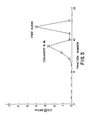
- the immunoconjugate composed of A108-avidin (labeled as conjugate in Figure 3) was separated from unreacted avidin by gel filtration.
- the peak of protein eluting into fractions 7-9 represents unmodified A108 and A108-avidin which was recovered and further purified.
- Non-conjugated avidin was removed from the reaction mixture by gel filtration on a Pharmacia FPLC Superdex S-200 column (2.6 x 60 cm) pre-equilibrated with 20 mM Tris and 150 mM NaCl (pH 7.4).
- the antibody-avidin conjugate and free antibody fractions (6-10) were pooled and dialyzed (Spectra/Par molecular porous membrane tubing #2 MWCO 12,000-14,000) overnight against PBS at 4°C.
- the free antibody was removed from the mixture by use of a concavalin-A (Vector) agarose bound affinity.
- Column 1.5 cm x 7 cm) pre-equilibrated PBS (20 mM Na-K-phosphate, 150 mM NaCl, pH 7.0).
- the column was washed once with 40 ml of PBS containing 1 M NaCl (pH 7.0), and the conjugate was eluted with PBS containing 200 mM of methyl-D-mannose (pH 7.0) (fractions 34-38) (2 mls each).
- the protein content of the eluted fractions was measured on a Varian Spectrophotometer at 280 mm.
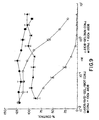
- A108-avidin was separated from A108 by its retention on an immobilized support of the plant lectin concanavalin A (Con A) which binds alpha-methylmannoside (which is present on avidin). Free antibody has no alpha-methylmannoside and was washed through the Con A column (shown as free Ab on Figure 4).
- Con A plant lectin concanavalin A
- A108-avidin (labeled as conjugate) was displaced from the Con A-Sepharose column using elution with alpha-methylmannoside in solution. The conjugate was recovered by this procedure and was free of unmodified A108.
- the purity of the A108-avidin conjugate was monitored by sodium dodecyl sulfate polyacrylamide gel electrophoresis (SDS-PAGE) which separates proteins based upon their molecular size.
- SDS-PAGE sodium dodecyl sulfate polyacrylamide gel electrophoresis
- a 7.5% acrylamide SDS-PAGE mini gel was run to examine the purification steps of the conjugation.
- proteins representing A108, avidin or conjugates of A108-avidin were resolved and visualized when proteins were subjected to staining with Cooomasie blue dye in the polyacrylamide gel and destained to eliminate background.
- the sample applied to lane 7 represents the purified immunoconjugate (A108-avidin) which was utilized in subsequent studies.
- A108-avidin to bind biotin and internalize into eukaryotic cells can be demonstrated utilizing a biotinylated protein having toxic activity only when internalized into cells (e.g., the plant protein, gelonin).
- a biotinylated protein having toxic activity only when internalized into cells e.g., the plant protein, gelonin.
- Purified gelonin protein was chemically modified with biotin (by covalently bonding through lysine residues on gelonin with NHS-biotin) and purified from unbound biotin by gel filtration.
- the gelonin stock was 2 mg gelonin in 2 ml of a 50 mM bicarbonate buffer (pH 8.5). 5 mg biotin was dissolved in 500 ⁇ l dry dimethylformamide (DMF), and immediately 20 ⁇ l (0.2 mg) of this biotin solution was added to the gelonin in a clean, dry 13 x 100 mm glass tube. The sample was vortexed and incubated for 2 hours on ice.
- biotinylated gelonin was immobilized on a polystyrene support with an antibody directed against the gelonin protein. Indicated amounts of unmodified gelonin or biotinylated gelonin were incubated in wells containing the anti-gelonin antibody. The retention of biotin with gelonin was detected by rinsing the wells and adding streptavidin, which was chemically conjugated to the enzyme horseradish peroxidase, which when incubated with a colorless peroxidase substrate (ABTS) turns green and is measurable by spectrophotometer at the wavelength of 405 nanometers.
- streptavidin was chemically conjugated to the enzyme horseradish peroxidase, which when incubated with a colorless peroxidase substrate (ABTS) turns green and is measurable by spectrophotometer at the wavelength of 405 nanometers.
- the amount of absorbance at 405 nm is directly proportional to the amount of biotin incorporated in the gelonin molecule.
- the gelonin subjected to biotinylation did retain biotin, based upon the increase in green color, by increasing amounts of biotinylated gelonin placed into the assay.
- the results demonstrate that biotin can be incorporated into the gelonin molecule and recognized by proteins with an affinity for biotin.
- a solution of gelonin in PBS was prepared in a concentration of 2 mg/ml.
- a solution of biotinylated gelonin in PBS was prepared, also at concentration of 2 mg/ml.
- 100 ⁇ l of 1 mg/ml solution of BSA in PBS was added to the plate, leaving the first row empty.
- 200 ⁇ l/well of the stock gelonin solution was added, and to the second half of the row 200 ⁇ l/well of the biotinylated stock solution was added.
- 100 ⁇ l was withdrawn from this first row and was mixed with 100 ⁇ l BSA-PBS in the second row.
- a 5 molar excess of biotinylated gelonin to A108-avidin was used.
- One ml (250 ⁇ g) of A108-avidin was combined with 175 ⁇ l (175 ⁇ g) of biotinylated gelonin. The sample was vortexed and incubated together for 1 hour at room temperature.
- A431 cells were diluted 3 x 10 4 cell/ml in growing media (MEM-minimum essential medium) with nonessential amino acid, 100 mM glutamine and 50 ul gentamicin (Tri-Bio Laboratories) with 5% fetal bovine serum and 5% bovine calf serum. 100 ⁇ l of this solution was added to each well of a 96-well microtiter plate (Falcon) and incubated overnight at 37°C in a 5% CO 2 incubator.
- growing media MEM-minimum essential medium
- nonessential amino acid 100 mM glutamine and 50 ul gentamicin (Tri-Bio Laboratories) with 5% fetal bovine serum and 5% bovine calf serum.
- A108-gelonin conjugate Direct conjugate of A108-gelonin using SPDP modified A108 and 2-IT modified gelonin covalently linked to each other through the same chemistry used to prepare A108-avidin
- A108-avidin Direct conjugate of A108-gelonin using SPDP modified A108 and 2-IT modified gelonin covalently linked to each other through the same chemistry used to prepare A108-avidin
- the A108-avidin:biotinylated gelonin was similarly prepared and 100 ⁇ l of each dilution was added in triplicate to the plate. As there was already 100 ⁇ l media present in the plate, the final concentration was 1 ⁇ g/ml for each conjugate.
- the conjugates were prepared in the same way but each with an addition of 100-fold molar excess (100 ⁇ g/ml) antibody A108 added to each.
- the cells were incubated.3 days and then stained with 0.5% crystal violet in 20% methanol and rinsed in distilled water and 150 ⁇ l of Sorenson's buffer was added to extract dye from the cells.
- the plate was then read in the Microplate Autoreader at 540 nm.
- Figure 9 shows the ability of the conjugate to transfer gelonin to the inside of the cell where it can induce cytotoxicity.
- the conjugate was incubated with cells that express EGF receptor at their cell surface (A431). Internalization of the conjugate allows the intracellular effects of gelonin, i.e., cytotoxicity to occur.
- nanomolar (nM) concentrations (1 x 10 -6 molar) killed A431 cells, demonstrating that A108-avidin can allow entry of biotinylated-gelonin into the A431 cell (-open circles).
- the direct covalent conjugate of A108-gelonin was also active in killing A431 by introduction of gelonin into the intracellular compartment of A431 cells (open triangles). Including 100-fold molar excess of free A108 with this direct conjugate also protected cells from intoxication by gelonin, demonstrating that the A108-gelonin was introduced to the intracellular compartment of the cell by its ability to interact and internalize with EGF receptor.
- utilization of the avidin:biotin interaction will allow introduction of a molecule into the intracellular compartment of the cell if directed and carried into that compartment with an antibody capable of recognizing an antigen on the cell which is internalized following engagement with the antigen (in this case the EGF receptor).
- EGF receptor protein The ability of triple-helix forming oligonucleotide or nucleic acid sequences to suppress the expression of EGF receptor protein in intact cell was demonstrated.
- A431 cells were incubated for 72 hours with 40 ⁇ M EGF receptor gene nucleic acid sequence (#5 EGFr) capable of binding EGF receptor gene promoter region or a non-sense control sequence (which contains the same nucleic acids but in a random sequence.
- EGFr and control nucleic acid sequences were prepared in media by heating to 95° for 2-5 minutes and filter sterilizing. Growth media was removed from cell culture dishes containing 2x10 5 A431 cells. #5EGFr diluted in 2 ml media to a final concentration of 40 ⁇ M was added to 1 dish. Control nucleic acid sequences were diluted in 2 ml media to a final concentration of 40 ⁇ M and this solution was added to the second dish of A431 cells. 2 ml of media only was added to the third dish. Incubation was for 72 hours. The cells were harvested by washing each dish three times with ice cold PBS.
- the EGF receptor in these extracts was immunoprecipitated with A108 antibody and the insoluble antibody-binding reagent pansorbin. Supernatant containing 200 ⁇ g of protein was incubated for 2 hours at 4°C with 2.5 ⁇ g of antibody A108. 50 ⁇ l Pansorbin was added to each sample, vortexed and incubated for 30 minutes at 4°C. The EGF receptor bound to A108-pansorbin was washed to remove other proteins. After centrifugation for 1 minute (4°C) on a Sorvall microcentrifuge at 12,000 rpm, the supernatant was decanted.
- the pellet was washed by resuspending 3x with PBS containing 0.1% Triton followed by centrifugation and repelleting by centrifugation after each resuspension. After final washing and centrifugation, the supernatant was poured off.
- the EGF receptor present in each immunoprecipitate was detected by incubating it with radioactive ( 32 P)labeled-ATP.
- the pellet was resuspended in 25 ⁇ l of 0.4 mM Na vanadate in 20 mM Hepes buffer (pH 7.4 ).
- 25 ⁇ l of 20 mM Hepes buffer containing 32 P-labeled ATP (10 ⁇ Ci) and 12 mM MnCl 2 was added. Samples were incubated for 5 minutes at room temperature. Since EGF receptor contains an enzyme activity capable of transferring 32 P from ATP to EGF receptor itself, the amount of 32 P transferred to EGF receptor becomes a measure of the quantity of EGF receptor in the immunoprecipitate from each of the lysates.
- the amount of radioactivity on EGF receptor can be compared by separating the EGF receptor from free 32 P ATP by SDS-PAGE and measuring radioactive EGF receptor by autoradiography of the polyacrylamide gel using commercial x-ray film.
- A108:nucleic acid sequences are introduced into A431 cells through an avidin:biotin linkage.
- A108-avidin chemically-linked conjugate is made and purified.
- Nucleic acid sequences are synthesized but with the substitution of a biotinylated-nucleotide for a normal nucleotide at one position in the sequence (preferably at the end or beginning of the sequence). These sequences are incubated with A108-avidin to allow complexes containing A108-avidin:biotin-nucleic acid sequences to form.
- hybrid molecules are purified to remove free nucleic acid sequences and the amount of nucleic acid associated with A108-avidin is determined and is incubated with A431 cells. If gene expression-suppressing nucleic acid sequences are incorporated into the correct intracellular region of the A431 cells, it should be biochemically measurable.
- the specificity of the nucleic acid sequences to interrupt EGF receptor expression is determined by testing immunoconjugates formed between anti-sense EGFr, or non-sense EGFr, with A108-avidin and measuring EGF receptor phosphorylation as described above in Example 9.
- nucleic acid sequences' ability to get into the cell through formation of A108:EGF receptor complexes is tested by including a large molar excess of free A108 in the incubation mixture with A431 cells.
- the suppressive effects of hybrid molecules composed of antibody:nucleic acid sequences is inhibited in the presence of free A108 and confirms that nucleic acids are introduced into cells by their internalization with antibodies through engagement with an internalizable cell-surface antigen, e.g., the EGF receptor.
- biotinylated-nucleic acids are utilized to determine whether or not their entry into cells is mediated through the A108-avidin mechanism.
- concentration of nucleic acid sequences presented to cells through the A108-avidin mechanism which are necessary to alter EGF receptor levels will be compared to normal nucleic acid sequences free in solution.
- the ability of A108-avidin to direct active nucleic acid sequences to specific antigen expressing cells e.g., the EGF receptor
- the delivery of these nucleic acids to specific cells within animals bearing cells which express this antigen is examined. Suppression of EGF receptor is measured.
- Both antisense or non-sense nucleic acid sequences complexed with A108-avidin are used (in addition to cells which do not express the specific antigen) as a measure of specificity of this delivery system and its intracellular biochemical specificity.
- a monoclonal antibody against the breast carcinoma expressed antigen HER2/Neu (e.g., TAb 250) is chemically conjugated to avidin as described in Examples 1-4 for the A108 antibody.
- Antisense nucleic acid sequences against the antigene c-myc (5'-AACGTTGAGGGGCAT-3') are synthesized with a biotinylated adenine nucleotide replacing the adenosine at the terminal 5' position.
- the biotinylated adenine nucleic acid sequences are incubated with TAb-250-avidin and antibody-nucleic acid complexes composed of TAb-250:antisense c-myc are purified.
- HER2/Neu e.g., BT-474 cells or cells negative for this antigen, e.g., BT-20 cells.
- the suppression of c-myc by antisense nucleic acids is measured by western blotting for the c-myc protein from crude cell lysates. C-myc expression will be altered in HER2/Neu positive cells but not in antigen negative cells. Additionally, specificity is implied if a large excess (100-fold) of unmodified TAb-250 is able to inhibit the suppressive effects of the antibody-nucleic acid complexes on c-myc in antigen positive cell.
- biotinylated nucleic acid sequence is altered by changing the position of the biotinylated-nucleotide within the sequence or by increasing the size of the sequence complementary to and spanning the translation start site or first splice junction on the c-myc mRNA.
- the modifications are tested to obtain the most specific and sensitive anti-sense sequence deliverable to breast carcinoma cells expressing HER2/Neu antigen which will suppress c-myc expression.
- the monoclonal antibody A108 is conjugated chemically to avidin as described in Examples 1-4.
- Anti-sense oligonucleotides representing the complementary sequence to the basic fibroblast growth factor (bFGF) mRNA translation start site (5'- GGCTGCCATGGTCCC- 3') are chemically synthesized with a biotinylated guanosine in place of the unmodified nucleotide at the 5'-terminal position. These sequences are incubated with A108-avidin to form antibody:nucleic acid complexes and are purified away from uncomplexed nucleic acid.
- bFGF basic fibroblast growth factor
- SNB-19 human glioma cells
- SNB cell growth is measured to determine the extent of growth suppression by preventing expression of bFGF in these target cells.
- excess A108 coincubated with A108:nucleic acid complexes to asses specificity and to confirm the mechanism of entry of antisense sequences through antigen internalization.
- Monoclonal antibody, BR96 which specifically binds Lewis Y antigen on several human carcinomas is chemically conjugated to avidin as described above.
- Antisense oligonucleotides complementary to the c-Ha-ras 5' flanking mRNA sequence is chemically synthesized 5'-CAGCTGCAACCCAGC-3' with a biotinylated cytosine nucleotide in place of unmodified cytosine in the 5' position.
- BR96-antisense ras oligonucleotides are formed by incubation with T24 bladder carcinoma cells which express Lewis Y antigen and also contain the c-Ha-ras oncogene.
- the product of the ras oncogene, p21 is monitored by western blotting. Cell growth is also monitored. Neutralization of the effects of ras oncogene by intracellular delivery of antisense molecules through internalization of the Lewis Y antigen is demonstrated.
- A108-avidin chemical conjugate is synthesized as described above and utilized to internalize synthetic doublestranded RNA molecules which are cytotoxic to specific carcinoma cells.
- a polymer of inosine (PI) is chemically synthesized (40mer) and hybridized to a polycytosine (PC) 39mer with a terminal cytosine derivatized with biotin.
- This double stranded RNA molecule is incubated with A108-avidin and A108-avidin:biotin-PC:PI complexes are purified and applied to the growth medium of ME-180 cervical carcinoma cells which express EGF receptor and are cytotoxically sensitive to PI:PC (dsRNA).
- the intracellular delivery of dsRNA though internalization of the EGF receptor is measured by monitoring cell viability following incubation with this construct. Cytotoxicity induced by incubation with this conjugate will show that nucleic acids can be delivered to a specific set of cells with a non-viral vector.
Landscapes
- Health & Medical Sciences (AREA)
- Chemical & Material Sciences (AREA)
- Life Sciences & Earth Sciences (AREA)
- Organic Chemistry (AREA)
- Genetics & Genomics (AREA)
- Engineering & Computer Science (AREA)
- General Health & Medical Sciences (AREA)
- Medicinal Chemistry (AREA)
- Immunology (AREA)
- Molecular Biology (AREA)
- Biophysics (AREA)
- Bioinformatics & Cheminformatics (AREA)
- Biochemistry (AREA)
- Biotechnology (AREA)
- General Engineering & Computer Science (AREA)
- Proteomics, Peptides & Aminoacids (AREA)
- Pharmacology & Pharmacy (AREA)
- Biomedical Technology (AREA)
- Wood Science & Technology (AREA)
- Zoology (AREA)
- Animal Behavior & Ethology (AREA)
- Veterinary Medicine (AREA)
- Nanotechnology (AREA)
- Public Health (AREA)
- Epidemiology (AREA)
- Physics & Mathematics (AREA)
- Plant Pathology (AREA)
- Microbiology (AREA)
- Crystallography & Structural Chemistry (AREA)
- Oncology (AREA)
- Medical Informatics (AREA)
- Chemical Kinetics & Catalysis (AREA)
- General Chemical & Material Sciences (AREA)
- Nuclear Medicine, Radiotherapy & Molecular Imaging (AREA)
- Peptides Or Proteins (AREA)
- Medicines That Contain Protein Lipid Enzymes And Other Medicines (AREA)
- Medicines Containing Material From Animals Or Micro-Organisms (AREA)
- Heterocyclic Carbon Compounds Containing A Hetero Ring Having Oxygen Or Sulfur (AREA)
- Medicinal Preparation (AREA)
- Enzymes And Modification Thereof (AREA)
Claims (17)
- Ein vorgeformtes, durch die Avidin-Biotin Wechselwirkung gekoppeltes Immunokonjugat umfassend eine internalisierbare Zellbindungskomponente mit einem an eine biotinylierte Gruppe konjugierten Biotin-bindenden Element, worin die besagte biotinylierte Gruppe ausgewählt ist aus der Gruppe bestehend aus zytotoxischen Proteinen und Nukleinsäuren, worin das besagte Protein ausgewählt ist aus der Gruppe bestehend aus Gelonin, Ricin, Saporin, Abrin, Diphtheria Toxin, Pseudomonas Exotoxin, Rayalase, Superoxid Dismutase, Protein Tyrosin Phosphatase, Protein Phosphatase (PP-1 oder PP-2), Protein Kinase A und Protein Kinase C.
- Ein Immunokonjugat gemäss Anspruch 1, worin das besagte Biotin-bindende Element ausgewählt ist aus der Gruppe bestehend aus Avidin, Streptavidin oder Analogen von Avidin oder Streptavidin.
- Ein Immunokonjugat gemäss Anspruch 1, worin das besagte Zellbindungselement ein monoklonaler Antikörper ist.
- Ein Immunokonjugat gemäss Anspruch 3, worin der besagte monoklonale Antikörper spezifisch an ein Antigen ausgewählt aus der Gruppe bestehend aus dem Epidermal Growth Factor-Rezeptor, c-erbB2 Antigen, Lewis Y Antigen, Transferrin Rezeptor, MDR1, MDR3, Insulin Rezeptor, CD45, CD33, GP240, GD2, GD3, Fibroblast Growth Factor-Rezeptor, Platelet-derived Growth Factor-Rezeptor bindet.
- Ein Immunokonjugat gemäss Anspruch 1, worin das besagte Zellbindungselement ein Ligand ist, der spezifisch an einen Rezeptor an der Zelloberfläche ausgewählt aus der Gruppe bestehend aus dem Transforming Growth Factor-alpha, Heregulin, Fibroblast Growth Factor, Platelet-derived Growth Factor-Rezeptor bindet.
- Ein Immunokonjugat gemäss Anspruch 1, worin die besagte Nukleinsäure ausgewählt ist aus der Gruppe bestehend aus Triplex-bildenden Oligonukleotiden, Antisense Oligonukleotiden, partiellen Gensequenzen und gesamten Genen.
- Ein Verfahren zur Einführung von genetischem Material in eine spezifische Zelle umfassend die in vitro Verabreichung eines vorgeformten Immunokonjugates an eine Zelle, worin das besagte Immunokonjugat in die besagte Zelle internalisiert wird, und worin das besagte Immunokonjugat eine Zellbindungkomponente mit einem Biotin-bindenden Element umfasst, wobei die besagte Komponente an eine biotinylierte Gruppe konjugiert ist und die besagte Gruppe das besagte genetische Material umfasst.
- Das Verfahren gemäss Anspruch 7, worin das besagte Biotin-bindende Element ausgewählt ist aus der Gruppe bestehend aus Avidin, Streptavidin oder Analogen von Avidin oder Streptavidin.
- Das Verfahren gemäss Anspruch 8, worin das besagte Zellbindungselement ein monoklonaler Antikörper ist.
- Das Verfahren gemäss Anspruch 9, worin der besagte monoklonale Antikörper spezifisch an ein Antigen ausgewählt aus der Gruppe bestehend aus dem Epidermal Growth Factor-Rezeptor, c-erbB2 Antigen, Lewis Y Antigen, Transferrin Rezeptor, MDR1, MDR3, Insulin Rezeptor, CD45, CD33, BP240, GD2, GD3, Fibroblast Growth Factor-Rezeptor, Platelet-derived Growth Factor-Rezeptor bindet.
- Das Verfahren gemäss Anspruch 7, worin das besagte Zellbindungselement ein Ligand ist, der spezifisch an einen Rezeptor an der Zelloberfläche ausgewählt aus der Gruppe bestehend aus dem Transforming Growth Factor-alpha, Heregulin, Fibroblast Growth Factor, Platelet-derived Growth Factor-Rezeptor bindet.
- Das Verfahren gemäss Anspruch 7, worin die besagte biotinylierte Gruppe eine Nukleinsäure ausgewählt aus der Gruppe bestehend aus Triplex-bildenden Oligonukleotiden, Antisense Oligonukleotiden, partiellen Gensequenzen und gesamten Genen ist.
- Ein Verfahren um eine zytotoxische Gruppe einer Zelle zuzuführen umfassend die in vitro Verabreichung eines vorgeformten, durch die Avidin-Biotin Wechselwirkung an die Zelle gekoppelten Immunokonjugates, worin das besagte, vorgeformte Immunokonjugat eine internalisierbare Zellbindungskomponente mit einem an eine biotinylierte Gruppe konjugierten Biotin-bindenden Element umfasst, wobei die besagte biotinylierte Gruppe ausgewählt ist aus der Gruppe bestehend aus zytotoxischen Proteinen, worin das besagte Protein ausgewählt ist aus der Gruppe bestehend aus Gelonin, Ricin, Saporin, Abrin, Diphtheria Toxin, Pseudomonas Exotoxin, Rayalase, Superoxid Dismutase, Protein Tyrosin Phosphatase, Protein Phosphatase (PP-1 oder PP-2), Protein Kinase A und Protein Kinase C.
- Das Verfahren gemäss Anspruch 13, worin das besagte Biotin-bindende Element ausgewählt ist aus der Gruppe bestehend aus Avidin, Streptavidin oder Analogen von Avidin oder Streptavidin.
- Das Verfahren gemäss Anspruch 14, worin das besagte Zellbindungselement ein monoklonaler Antikörper ist.
- Das Verfahren gemäss Anspruch 15, worin der besagte monoklonale Antikörper spezifisch an ein Antigen ausgewählt aus der Gruppe bestehend aus dem Epidermal Growth Factor-Rezeptor, c-erbB2 Antigen, Lewis Y Antigen, Transferrin Rezeptor, MDR1, MDR3, Insulin Rezeptor, CD45, CD33, GP240, GD2, GD3, Fibroblast Growth Factor-Rezeptor, Platelet-derived Growth Factor-Rezeptor bindet.
- Das Verfahren gemäss Anspruch 13, worin das besagte Zellbindungselement ein Ligand ist, der spezifisch an einen Rezeptor an der Zelloberfläche ausgewählt aus der Gruppe bestehend aus dem Transforming Growth Factor-alpha, Heregulin, Fibroblast Growth Factor, Platelet-derived Growth Factor-Rezeptor bindet.
Applications Claiming Priority (3)
| Application Number | Priority Date | Filing Date | Title |
|---|---|---|---|
| US19265594A | 1994-02-07 | 1994-02-07 | |
| US192655 | 1994-02-07 | ||
| PCT/US1995/001161 WO1995021195A1 (en) | 1994-02-07 | 1995-02-06 | Non-viral vector |
Publications (3)
| Publication Number | Publication Date |
|---|---|
| EP0743958A1 EP0743958A1 (de) | 1996-11-27 |
| EP0743958A4 EP0743958A4 (de) | 1999-07-28 |
| EP0743958B1 true EP0743958B1 (de) | 2003-07-23 |
Family
ID=22710534
Family Applications (1)
| Application Number | Title | Priority Date | Filing Date |
|---|---|---|---|
| EP95910893A Expired - Lifetime EP0743958B1 (de) | 1994-02-07 | 1995-02-06 | Avidin-biotin immunokonjugate |
Country Status (16)
| Country | Link |
|---|---|
| US (1) | US6214974B1 (de) |
| EP (1) | EP0743958B1 (de) |
| JP (1) | JP4015693B2 (de) |
| KR (1) | KR100376390B1 (de) |
| CN (1) | CN1200950C (de) |
| AT (1) | ATE245662T1 (de) |
| AU (1) | AU695564B2 (de) |
| CA (1) | CA2182616A1 (de) |
| DE (1) | DE69531342D1 (de) |
| FI (1) | FI963103A7 (de) |
| IL (1) | IL112372A (de) |
| NO (1) | NO319899B1 (de) |
| NZ (1) | NZ281763A (de) |
| RU (1) | RU2164943C2 (de) |
| SA (1) | SA95150519B1 (de) |
| WO (1) | WO1995021195A1 (de) |
Families Citing this family (36)
| Publication number | Priority date | Publication date | Assignee | Title |
|---|---|---|---|---|
| NZ237688A (en) * | 1990-04-19 | 1993-01-27 | Res Dev Foundation | Antibody-cytotoxic immunoconjugate-containing compositions and cancer treatment |
| WO1995022086A1 (fr) * | 1994-02-08 | 1995-08-17 | Nippon Steel Corporation | Appareil de formation d'image polychrome a developpeur liquide |
| DE19605279A1 (de) * | 1996-02-13 | 1997-08-14 | Hoechst Ag | Zielzellspezifische Vektoren für die Einschleusung von Genen in Zellen, Arzneimittel enthaltend derartige Vektoren und deren Verwendung |
| WO2000003737A2 (en) * | 1998-07-17 | 2000-01-27 | The United States Of America, Represented By The Secretary, Department Of Health And Human Services | Water-soluble drugs and methods for their production |
| FR2793414B1 (fr) * | 1999-05-10 | 2003-05-23 | Centre Nat Rech Scient | Conjugue acide nucleique-anticorps pour delivrer un acide nucleique etranger dans les cellules |
| GB9930533D0 (en) * | 1999-12-23 | 2000-02-16 | Mitsubishi Tokyo Pharm Inc | Nucleic acid delivery |
| ZA200305980B (en) * | 2001-02-12 | 2007-01-31 | Res Dev Foundation | Modified proteins, designer toxins, and methods of making thereof |
| US7265208B2 (en) * | 2001-05-01 | 2007-09-04 | The Regents Of The University Of California | Fusion molecules and treatment of IgE-mediated allergic diseases |
| JP2005502030A (ja) * | 2001-05-29 | 2005-01-20 | リージェンツ オブ ザ ユニバーシティ オブ ミシガン | タンパク質解析のシステムおよび方法 |
| AU2002329540A1 (en) * | 2001-06-20 | 2003-01-02 | Morphosys Ag | Antibodies that block receptor protein tyrosine kinase activation, methods of screening for and uses thereof |
| US20050271663A1 (en) * | 2001-06-28 | 2005-12-08 | Domantis Limited | Compositions and methods for treating inflammatory disorders |
| DK1399484T3 (da) * | 2001-06-28 | 2010-11-08 | Domantis Ltd | Dobbelt-specifik ligand og anvendelse af denne |
| US7101977B2 (en) * | 2001-07-17 | 2006-09-05 | Research Development Foundation | Therapeutic agents comprising pro-apoptotic proteins |
| WO2003082346A1 (fr) * | 2002-04-02 | 2003-10-09 | 'asgl-Farmatsevticheskie Innovatsii', Zakrytoe Aktsionernoe Obschestvo | Proteine chimerique recombinante servant a l'administration ciblee d'adn dans des cellules cibles eucaryotes |
| JP2006506964A (ja) * | 2002-06-12 | 2006-03-02 | リサーチ ディベロップメント ファンデーション | 治療剤としての免疫毒素及びその利用 |
| US7696320B2 (en) | 2004-08-24 | 2010-04-13 | Domantis Limited | Ligands that have binding specificity for VEGF and/or EGFR and methods of use therefor |
| US9321832B2 (en) * | 2002-06-28 | 2016-04-26 | Domantis Limited | Ligand |
| ES2263984T3 (es) * | 2002-06-28 | 2006-12-16 | Domantis Limited | Ligandos doble-especificos con una vida media serica aumentada. |
| AU2003290330A1 (en) * | 2002-12-27 | 2004-07-22 | Domantis Limited | Dual specific single domain antibodies specific for a ligand and for the receptor of the ligand |
| US20050095627A1 (en) * | 2003-09-03 | 2005-05-05 | The Salk Institute For Biological Studies | Multiple antigen detection assays and reagents |
| CN101104856B (zh) * | 2003-11-18 | 2010-11-10 | 中国医学科学院基础医学研究所 | 一个系列的非病毒载体及包含其的药物组合物 |
| JP2008528633A (ja) * | 2005-02-01 | 2008-07-31 | リサーチ ディベロップメント ファウンデーション | Blysレセプターを標的化するためのblys融合タンパク質およびb細胞増殖性疾患の処置方法 |
| CA2632866A1 (en) * | 2005-12-01 | 2007-06-07 | Domantis Limited | Noncompetitive domain antibody formats that bind interleukin 1 receptor type 1 |
| RU2430740C2 (ru) * | 2006-08-18 | 2011-10-10 | Ф.Хоффманн-Ля Рош Аг | Поликонъюгаты для введения in vivo полинуклеотидов |
| WO2008149147A2 (en) * | 2007-06-06 | 2008-12-11 | Domantis Limited | Polypeptides, antibody variable domains and antagonists |
| AR084020A1 (es) | 2010-11-30 | 2013-04-17 | Genentech Inc | Anticuerpos para el receptor de la barrera hematoencefalica de baja afinidad y sus usos |
| US9623117B2 (en) * | 2011-04-04 | 2017-04-18 | Wisconsin Alumni Research Foundation | Method for selective targeting and entry of bacterial toxins to cells |
| CN103648489A (zh) | 2011-05-11 | 2014-03-19 | 儿童医疗中心有限公司 | 多抗原提呈免疫原性组合物及其方法和用途 |
| JP6494527B2 (ja) | 2013-02-07 | 2019-04-03 | ザ チルドレンズ メディカル センター コーポレーション | 肺炎球菌のコロニー形成および/または疾患からの保護を提供するタンパク質抗原 |
| AU2016206475B2 (en) | 2015-01-16 | 2021-11-04 | City Of Hope | Cell penetrating antibodies |
| AU2018243910B2 (en) | 2017-03-28 | 2025-04-10 | The Children's Medical Center Corporation | A multiple antigen presenting system (MAPS)-based staphylococcus aureus vaccine, immunogenic composition, and uses thereof |
| WO2018237221A1 (en) | 2017-06-23 | 2018-12-27 | Nosocomial Vaccine Corporation | IMMUNOGENIC COMPOSITIONS |
| JP7535791B2 (ja) | 2018-09-12 | 2024-08-19 | ザ チルドレンズ メディカル センター コーポレーション | 肺炎球菌融合タンパク質ワクチン |
| IL281204B2 (en) | 2018-09-12 | 2025-07-01 | Affinivax Inc | Multivalent pneumococcal vaccines |
| AU2021338361A1 (en) | 2020-09-03 | 2023-04-06 | Chen, Irvin S.Y | Soluble alkaline phosphatase constructs and expression vectors including a polynucleotide encoding for soluble alkaline phosphatase constructs |
| IL326005A (en) | 2021-09-09 | 2026-03-01 | Affinivax Inc | Multivalent pneumococcal vaccines |
Family Cites Families (13)
| Publication number | Priority date | Publication date | Assignee | Title |
|---|---|---|---|---|
| JPS5510590A (en) * | 1978-05-04 | 1980-01-25 | Wellcome Found | Enzyme immunity quantity analysis |
| US4545985A (en) * | 1984-01-26 | 1985-10-08 | The United States Of America As Represented By The Secretary, Dept. Of Health And Human Services | Pseudomonas exotoxin conjugate immunotoxins |
| US5525338A (en) * | 1992-08-21 | 1996-06-11 | Immunomedics, Inc. | Detection and therapy of lesions with biotin/avidin conjugates |
| US4863713A (en) * | 1986-06-23 | 1989-09-05 | The Board Of Trustees Of Leland Stanford Jr. Univ. | Method and system for administering therapeutic and diagnostic agents |
| IE62463B1 (en) * | 1988-07-07 | 1995-02-08 | Res Dev Foundation | Immunoconjugates for cancer diagnosis and therapy |
| US5026785A (en) * | 1989-05-12 | 1991-06-25 | The United States Of America As Represented By The Department Of Health And Human Services | Avidin and streptavidin modified water-soluble polymers such as polyacrylamide, and the use thereof in the construction of soluble multivalent macromolecular conjugates |
| IT1245748B (it) * | 1990-12-21 | 1994-10-14 | Mini Ricerca Scient Tecnolog | Preparazione includente anticorpi monoclonali biotinilati, avidina e biotina, per la diagnosi di affezioni tumorali e suo impiego |
| ZA932523B (en) * | 1992-04-10 | 1994-10-08 | Res Dev Foundation | Immunotoxins directed against cd33 related surface antigens |
| ZA932522B (en) * | 1992-04-10 | 1993-12-20 | Res Dev Foundation | Immunotoxins directed against c-erbB-2(HER/neu) related surface antigens |
| EP1138334A3 (de) * | 1992-06-09 | 2002-04-03 | Neorx Corporation | Pretargeting Verfahren und Mitteln |
| US5482698A (en) * | 1993-04-22 | 1996-01-09 | Immunomedics, Inc. | Detection and therapy of lesions with biotin/avidin polymer conjugates |
| CA2163107C (en) * | 1993-05-17 | 2001-04-17 | David Milton Goldenberg | Improved detection and therapy of lesions with biotin/avidin-metal chelating protein conjugates |
| EP1346730A1 (de) * | 1993-12-07 | 2003-09-24 | Neorx Corporation | Pretargeting Verfahren und neue Konjugate zum Pretargeting |
-
1995
- 1995-01-18 IL IL11237295A patent/IL112372A/xx not_active IP Right Cessation
- 1995-02-06 WO PCT/US1995/001161 patent/WO1995021195A1/en not_active Ceased
- 1995-02-06 CN CNB951920138A patent/CN1200950C/zh not_active Expired - Fee Related
- 1995-02-06 RU RU96118117/13A patent/RU2164943C2/ru not_active IP Right Cessation
- 1995-02-06 NZ NZ281763A patent/NZ281763A/en not_active IP Right Cessation
- 1995-02-06 CA CA002182616A patent/CA2182616A1/en not_active Abandoned
- 1995-02-06 AU AU18687/95A patent/AU695564B2/en not_active Ceased
- 1995-02-06 DE DE69531342T patent/DE69531342D1/de not_active Expired - Lifetime
- 1995-02-06 AT AT95910893T patent/ATE245662T1/de not_active IP Right Cessation
- 1995-02-06 FI FI963103A patent/FI963103A7/fi not_active Application Discontinuation
- 1995-02-06 KR KR1019960704269A patent/KR100376390B1/ko not_active Expired - Fee Related
- 1995-02-06 EP EP95910893A patent/EP0743958B1/de not_active Expired - Lifetime
- 1995-02-06 JP JP52066595A patent/JP4015693B2/ja not_active Expired - Fee Related
- 1995-03-12 SA SA95150519A patent/SA95150519B1/ar unknown
- 1995-03-27 US US08/410,390 patent/US6214974B1/en not_active Expired - Fee Related
-
1996
- 1996-08-06 NO NO19963283A patent/NO319899B1/no unknown
Non-Patent Citations (1)
| Title |
|---|
| WILCHEK AND BAYER: "Review: The avidin-biotin complex in bioanalytical applications", ANALYTICAL BIOCHEMISTRY, vol. 171, 1988, pages 1 - 32 * |
Also Published As
| Publication number | Publication date |
|---|---|
| DE69531342D1 (de) | 2003-08-28 |
| FI963103L (fi) | 1996-10-01 |
| ATE245662T1 (de) | 2003-08-15 |
| NO963283L (no) | 1996-08-06 |
| FI963103A0 (fi) | 1996-08-06 |
| AU695564B2 (en) | 1998-08-13 |
| IL112372A (en) | 2001-08-26 |
| JP4015693B2 (ja) | 2007-11-28 |
| NO963283D0 (no) | 1996-08-06 |
| CN1143374A (zh) | 1997-02-19 |
| RU2164943C2 (ru) | 2001-04-10 |
| IL112372A0 (en) | 1995-03-30 |
| FI963103A7 (fi) | 1996-10-01 |
| CA2182616A1 (en) | 1995-08-10 |
| NZ281763A (en) | 2001-06-29 |
| KR100376390B1 (ko) | 2003-06-12 |
| AU1868795A (en) | 1995-08-21 |
| EP0743958A1 (de) | 1996-11-27 |
| WO1995021195A1 (en) | 1995-08-10 |
| KR970700771A (ko) | 1997-02-12 |
| EP0743958A4 (de) | 1999-07-28 |
| US6214974B1 (en) | 2001-04-10 |
| JPH09508792A (ja) | 1997-09-09 |
| NO319899B1 (no) | 2005-09-26 |
| CN1200950C (zh) | 2005-05-11 |
| SA95150519B1 (ar) | 2005-07-24 |
Similar Documents
| Publication | Publication Date | Title |
|---|---|---|
| EP0743958B1 (de) | Avidin-biotin immunokonjugate | |
| US7244826B1 (en) | Internalizing ERB2 antibodies | |
| FI105485B (fi) | Transferriini-polykationi-konjugaatit ja nukleiinihappokompleksit | |
| US5420105A (en) | Polymeric carriers for non-covalent drug conjugation | |
| US20090098148A1 (en) | High efficiency tissue-specific compound delivery system using streptavadin-protein a fusion protein | |
| JPH08504565A (ja) | 高分子のトランスロケーションシグナル促進核輸送 | |
| JP2004516809A (ja) | 選択した化合物を標的に輸送するための分子輸送媒体 | |
| US6608034B1 (en) | Immunovectors for the intracellular and intranuclear transport | |
| US20030027773A1 (en) | Protein-polycation conjugates | |
| WO2001007084A1 (en) | Anti-growth factor receptor avidin fusion proteins as universal vectors for drug delivery | |
| Déas et al. | In vivo-targeted gene delivery using antibody-based nonviral vector | |
| WO2004030610A2 (en) | Compositions and methods for the intracellular delivery of antibodies | |
| Stadlmayr et al. | Efficient spontaneous site-selective cysteine-mediated toxin attachment within a structural loop of antibodies | |
| JPH1084959A (ja) | 細胞表面レセプターに対するモノクローナル抗体ならびにそのフラグメントの結合体ならびに複合体、それらの製法ならびに細胞への嵌入方法および使用方法 | |
| Sdiqui et al. | Inhibition of Human mammary cell line proliferation by membrane lectin-mediated uptake of Ha-ras antisense oligodeoxynucleotide | |
| WO2025007748A1 (zh) | 纳米递送系统、其制备方法和用途 | |
| Lucas | Cationic polypeptides for gene delivery to eukaryotic cells | |
| AU2007234594A1 (en) | Internalizing ErbB2 antibodies |
Legal Events
| Date | Code | Title | Description |
|---|---|---|---|
| PUAI | Public reference made under article 153(3) epc to a published international application that has entered the european phase |
Free format text: ORIGINAL CODE: 0009012 |
|
| 17P | Request for examination filed |
Effective date: 19960802 |
|
| AK | Designated contracting states |
Kind code of ref document: A1 Designated state(s): AT BE CH DE DK ES FR GB GR IE IT LI LU MC NL PT SE |
|
| A4 | Supplementary search report drawn up and despatched |
Effective date: 19990610 |
|
| AK | Designated contracting states |
Kind code of ref document: A4 Designated state(s): AT BE CH DE DK ES FR GB GR IE IT LI LU MC NL PT SE |
|
| 17Q | First examination report despatched |
Effective date: 20000602 |
|
| GRAH | Despatch of communication of intention to grant a patent |
Free format text: ORIGINAL CODE: EPIDOS IGRA |
|
| RTI1 | Title (correction) |
Free format text: AVIDIN-BIOTIN IMMUNOCONJUGATES |
|
| RTI1 | Title (correction) |
Free format text: AVIDIN-BIOTIN IMMUNOCONJUGATES |
|
| RTI1 | Title (correction) |
Free format text: AVIDIN-BIOTIN IMMUNOCONJUGATES |
|
| GRAH | Despatch of communication of intention to grant a patent |
Free format text: ORIGINAL CODE: EPIDOS IGRA |
|
| GRAA | (expected) grant |
Free format text: ORIGINAL CODE: 0009210 |
|
| AK | Designated contracting states |
Designated state(s): AT BE CH DE DK ES FR GB GR IE IT LI LU MC NL PT SE |
|
| PG25 | Lapsed in a contracting state [announced via postgrant information from national office to epo] |
Ref country code: NL Free format text: LAPSE BECAUSE OF FAILURE TO SUBMIT A TRANSLATION OF THE DESCRIPTION OR TO PAY THE FEE WITHIN THE PRESCRIBED TIME-LIMIT Effective date: 20030723 Ref country code: IT Free format text: LAPSE BECAUSE OF FAILURE TO SUBMIT A TRANSLATION OF THE DESCRIPTION OR TO PAY THE FEE WITHIN THE PRE;WARNING: LAPSES OF ITALIAN PATENTS WITH EFFECTIVE DATE BEFORE 2007 MAY HAVE OCCURRED AT ANY TIME BEFORE 2007. THE CORRECT EFFECTIVE DATE MAY BE DIFFERENT FROM THE ONE RECORDED.SCRIBED TIME-LIMIT Effective date: 20030723 Ref country code: FR Free format text: LAPSE BECAUSE OF FAILURE TO SUBMIT A TRANSLATION OF THE DESCRIPTION OR TO PAY THE FEE WITHIN THE PRESCRIBED TIME-LIMIT Effective date: 20030723 Ref country code: BE Free format text: LAPSE BECAUSE OF FAILURE TO SUBMIT A TRANSLATION OF THE DESCRIPTION OR TO PAY THE FEE WITHIN THE PRESCRIBED TIME-LIMIT Effective date: 20030723 Ref country code: AT Free format text: LAPSE BECAUSE OF FAILURE TO SUBMIT A TRANSLATION OF THE DESCRIPTION OR TO PAY THE FEE WITHIN THE PRESCRIBED TIME-LIMIT Effective date: 20030723 |
|
| REG | Reference to a national code |
Ref country code: GB Ref legal event code: FG4D |
|
| REG | Reference to a national code |
Ref country code: CH Ref legal event code: EP |
|
| REG | Reference to a national code |
Ref country code: IE Ref legal event code: FG4D |
|
| REF | Corresponds to: |
Ref document number: 69531342 Country of ref document: DE Date of ref document: 20030828 Kind code of ref document: P |
|
| REG | Reference to a national code |
Ref country code: CH Ref legal event code: NV Representative=s name: ING. MARCO ZARDI C/O M. ZARDI & CO. S.A. |
|
| PG25 | Lapsed in a contracting state [announced via postgrant information from national office to epo] |
Ref country code: SE Free format text: LAPSE BECAUSE OF FAILURE TO SUBMIT A TRANSLATION OF THE DESCRIPTION OR TO PAY THE FEE WITHIN THE PRESCRIBED TIME-LIMIT Effective date: 20031023 Ref country code: GR Free format text: LAPSE BECAUSE OF FAILURE TO SUBMIT A TRANSLATION OF THE DESCRIPTION OR TO PAY THE FEE WITHIN THE PRESCRIBED TIME-LIMIT Effective date: 20031023 Ref country code: DK Free format text: LAPSE BECAUSE OF FAILURE TO SUBMIT A TRANSLATION OF THE DESCRIPTION OR TO PAY THE FEE WITHIN THE PRESCRIBED TIME-LIMIT Effective date: 20031023 |
|
| PG25 | Lapsed in a contracting state [announced via postgrant information from national office to epo] |
Ref country code: DE Free format text: LAPSE BECAUSE OF FAILURE TO SUBMIT A TRANSLATION OF THE DESCRIPTION OR TO PAY THE FEE WITHIN THE PRESCRIBED TIME-LIMIT Effective date: 20031024 |
|
| PG25 | Lapsed in a contracting state [announced via postgrant information from national office to epo] |
Ref country code: ES Free format text: LAPSE BECAUSE OF FAILURE TO SUBMIT A TRANSLATION OF THE DESCRIPTION OR TO PAY THE FEE WITHIN THE PRESCRIBED TIME-LIMIT Effective date: 20031103 |
|
| NLV1 | Nl: lapsed or annulled due to failure to fulfill the requirements of art. 29p and 29m of the patents act | ||
| PG25 | Lapsed in a contracting state [announced via postgrant information from national office to epo] |
Ref country code: PT Free format text: LAPSE BECAUSE OF FAILURE TO SUBMIT A TRANSLATION OF THE DESCRIPTION OR TO PAY THE FEE WITHIN THE PRESCRIBED TIME-LIMIT Effective date: 20031223 |
|
| PG25 | Lapsed in a contracting state [announced via postgrant information from national office to epo] |
Ref country code: LU Free format text: LAPSE BECAUSE OF NON-PAYMENT OF DUE FEES Effective date: 20040206 Ref country code: IE Free format text: LAPSE BECAUSE OF NON-PAYMENT OF DUE FEES Effective date: 20040206 |
|
| PG25 | Lapsed in a contracting state [announced via postgrant information from national office to epo] |
Ref country code: MC Free format text: LAPSE BECAUSE OF NON-PAYMENT OF DUE FEES Effective date: 20040228 |
|
| PLBE | No opposition filed within time limit |
Free format text: ORIGINAL CODE: 0009261 |
|
| STAA | Information on the status of an ep patent application or granted ep patent |
Free format text: STATUS: NO OPPOSITION FILED WITHIN TIME LIMIT |
|
| 26N | No opposition filed |
Effective date: 20040426 |
|
| EN | Fr: translation not filed | ||
| REG | Reference to a national code |
Ref country code: IE Ref legal event code: MM4A |
|
| REG | Reference to a national code |
Ref country code: CH Ref legal event code: PCAR Free format text: ISLER & PEDRAZZINI AG;POSTFACH 1772;8027 ZUERICH (CH) |
|
| PGFP | Annual fee paid to national office [announced via postgrant information from national office to epo] |
Ref country code: CH Payment date: 20080228 Year of fee payment: 14 |
|
| PGFP | Annual fee paid to national office [announced via postgrant information from national office to epo] |
Ref country code: GB Payment date: 20080227 Year of fee payment: 14 |
|
| REG | Reference to a national code |
Ref country code: CH Ref legal event code: PL |
|
| GBPC | Gb: european patent ceased through non-payment of renewal fee |
Effective date: 20090206 |
|
| PG25 | Lapsed in a contracting state [announced via postgrant information from national office to epo] |
Ref country code: LI Free format text: LAPSE BECAUSE OF NON-PAYMENT OF DUE FEES Effective date: 20090228 Ref country code: CH Free format text: LAPSE BECAUSE OF NON-PAYMENT OF DUE FEES Effective date: 20090228 |
|
| PG25 | Lapsed in a contracting state [announced via postgrant information from national office to epo] |
Ref country code: GB Free format text: LAPSE BECAUSE OF NON-PAYMENT OF DUE FEES Effective date: 20090206 |