EP0754231B1 - Peptidfragment des g-proteins des respiratorischen syncytialvirus, immunogene verbindung und pharmazeutische zusammensetzung, die es enthalten, und herstellungsverfahren - Google Patents
Peptidfragment des g-proteins des respiratorischen syncytialvirus, immunogene verbindung und pharmazeutische zusammensetzung, die es enthalten, und herstellungsverfahren Download PDFInfo
- Publication number
- EP0754231B1 EP0754231B1 EP95916721A EP95916721A EP0754231B1 EP 0754231 B1 EP0754231 B1 EP 0754231B1 EP 95916721 A EP95916721 A EP 95916721A EP 95916721 A EP95916721 A EP 95916721A EP 0754231 B1 EP0754231 B1 EP 0754231B1
- Authority
- EP
- European Patent Office
- Prior art keywords
- protein
- sequence
- amino acids
- peptide
- seq
- Prior art date
- Legal status (The legal status is an assumption and is not a legal conclusion. Google has not performed a legal analysis and makes no representation as to the accuracy of the status listed.)
- Expired - Lifetime
Links
Images



Classifications
-
- A—HUMAN NECESSITIES
- A61—MEDICAL OR VETERINARY SCIENCE; HYGIENE
- A61K—PREPARATIONS FOR MEDICAL, DENTAL OR TOILETRY PURPOSES
- A61K39/00—Medicinal preparations containing antigens or antibodies
- A61K39/12—Viral antigens
- A61K39/155—Paramyxoviridae, e.g. parainfluenza virus
-
- A—HUMAN NECESSITIES
- A61—MEDICAL OR VETERINARY SCIENCE; HYGIENE
- A61K—PREPARATIONS FOR MEDICAL, DENTAL OR TOILETRY PURPOSES
- A61K39/00—Medicinal preparations containing antigens or antibodies
- A61K39/12—Viral antigens
-
- A—HUMAN NECESSITIES
- A61—MEDICAL OR VETERINARY SCIENCE; HYGIENE
- A61K—PREPARATIONS FOR MEDICAL, DENTAL OR TOILETRY PURPOSES
- A61K47/00—Medicinal preparations characterised by the non-active ingredients used, e.g. carriers or inert additives; Targeting or modifying agents chemically bound to the active ingredient
- A61K47/50—Medicinal preparations characterised by the non-active ingredients used, e.g. carriers or inert additives; Targeting or modifying agents chemically bound to the active ingredient the non-active ingredient being chemically bound to the active ingredient, e.g. polymer-drug conjugates
- A61K47/51—Medicinal preparations characterised by the non-active ingredients used, e.g. carriers or inert additives; Targeting or modifying agents chemically bound to the active ingredient the non-active ingredient being chemically bound to the active ingredient, e.g. polymer-drug conjugates the non-active ingredient being a modifying agent
- A61K47/62—Medicinal preparations characterised by the non-active ingredients used, e.g. carriers or inert additives; Targeting or modifying agents chemically bound to the active ingredient the non-active ingredient being chemically bound to the active ingredient, e.g. polymer-drug conjugates the non-active ingredient being a modifying agent the modifying agent being a protein, peptide or polyamino acid
- A61K47/64—Drug-peptide, drug-protein or drug-polyamino acid conjugates, i.e. the modifying agent being a peptide, protein or polyamino acid which is covalently bonded or complexed to a therapeutically active agent
- A61K47/646—Drug-peptide, drug-protein or drug-polyamino acid conjugates, i.e. the modifying agent being a peptide, protein or polyamino acid which is covalently bonded or complexed to a therapeutically active agent the entire peptide or protein drug conjugate elicits an immune response, e.g. conjugate vaccines
-
- A—HUMAN NECESSITIES
- A61—MEDICAL OR VETERINARY SCIENCE; HYGIENE
- A61P—SPECIFIC THERAPEUTIC ACTIVITY OF CHEMICAL COMPOUNDS OR MEDICINAL PREPARATIONS
- A61P11/00—Drugs for disorders of the respiratory system
-
- A—HUMAN NECESSITIES
- A61—MEDICAL OR VETERINARY SCIENCE; HYGIENE
- A61P—SPECIFIC THERAPEUTIC ACTIVITY OF CHEMICAL COMPOUNDS OR MEDICINAL PREPARATIONS
- A61P31/00—Antiinfectives, i.e. antibiotics, antiseptics, chemotherapeutics
- A61P31/12—Antivirals
-
- A—HUMAN NECESSITIES
- A61—MEDICAL OR VETERINARY SCIENCE; HYGIENE
- A61P—SPECIFIC THERAPEUTIC ACTIVITY OF CHEMICAL COMPOUNDS OR MEDICINAL PREPARATIONS
- A61P31/00—Antiinfectives, i.e. antibiotics, antiseptics, chemotherapeutics
- A61P31/12—Antivirals
- A61P31/14—Antivirals for RNA viruses
-
- A—HUMAN NECESSITIES
- A61—MEDICAL OR VETERINARY SCIENCE; HYGIENE
- A61P—SPECIFIC THERAPEUTIC ACTIVITY OF CHEMICAL COMPOUNDS OR MEDICINAL PREPARATIONS
- A61P37/00—Drugs for immunological or allergic disorders
- A61P37/02—Immunomodulators
- A61P37/04—Immunostimulants
-
- C—CHEMISTRY; METALLURGY
- C07—ORGANIC CHEMISTRY
- C07K—PEPTIDES
- C07K14/00—Peptides having more than 20 amino acids; Gastrins; Somatostatins; Melanotropins; Derivatives thereof
- C07K14/005—Peptides having more than 20 amino acids; Gastrins; Somatostatins; Melanotropins; Derivatives thereof from viruses
-
- C—CHEMISTRY; METALLURGY
- C07—ORGANIC CHEMISTRY
- C07K—PEPTIDES
- C07K14/00—Peptides having more than 20 amino acids; Gastrins; Somatostatins; Melanotropins; Derivatives thereof
- C07K14/195—Peptides having more than 20 amino acids; Gastrins; Somatostatins; Melanotropins; Derivatives thereof from bacteria
- C07K14/24—Peptides having more than 20 amino acids; Gastrins; Somatostatins; Melanotropins; Derivatives thereof from bacteria from Enterobacteriaceae (F), e.g. Citrobacter, Serratia, Proteus, Providencia, Morganella, Yersinia
- C07K14/26—Klebsiella (G)
-
- C—CHEMISTRY; METALLURGY
- C07—ORGANIC CHEMISTRY
- C07K—PEPTIDES
- C07K14/00—Peptides having more than 20 amino acids; Gastrins; Somatostatins; Melanotropins; Derivatives thereof
- C07K14/435—Peptides having more than 20 amino acids; Gastrins; Somatostatins; Melanotropins; Derivatives thereof from animals; from humans
- C07K14/76—Albumins
- C07K14/765—Serum albumin, e.g. HSA
-
- A—HUMAN NECESSITIES
- A61—MEDICAL OR VETERINARY SCIENCE; HYGIENE
- A61K—PREPARATIONS FOR MEDICAL, DENTAL OR TOILETRY PURPOSES
- A61K39/00—Medicinal preparations containing antigens or antibodies
- A61K2039/555—Medicinal preparations containing antigens or antibodies characterised by a specific combination antigen/adjuvant
- A61K2039/55505—Inorganic adjuvants
-
- A—HUMAN NECESSITIES
- A61—MEDICAL OR VETERINARY SCIENCE; HYGIENE
- A61K—PREPARATIONS FOR MEDICAL, DENTAL OR TOILETRY PURPOSES
- A61K39/00—Medicinal preparations containing antigens or antibodies
- A61K2039/555—Medicinal preparations containing antigens or antibodies characterised by a specific combination antigen/adjuvant
- A61K2039/55511—Organic adjuvants
- A61K2039/55566—Emulsions, e.g. Freund's adjuvant, MF59
-
- A—HUMAN NECESSITIES
- A61—MEDICAL OR VETERINARY SCIENCE; HYGIENE
- A61K—PREPARATIONS FOR MEDICAL, DENTAL OR TOILETRY PURPOSES
- A61K39/00—Medicinal preparations containing antigens or antibodies
- A61K2039/60—Medicinal preparations containing antigens or antibodies characteristics by the carrier linked to the antigen
- A61K2039/6031—Proteins
- A61K2039/6037—Bacterial toxins, e.g. diphteria toxoid [DT], tetanus toxoid [TT]
-
- A—HUMAN NECESSITIES
- A61—MEDICAL OR VETERINARY SCIENCE; HYGIENE
- A61K—PREPARATIONS FOR MEDICAL, DENTAL OR TOILETRY PURPOSES
- A61K39/00—Medicinal preparations containing antigens or antibodies
- A61K2039/60—Medicinal preparations containing antigens or antibodies characteristics by the carrier linked to the antigen
- A61K2039/6031—Proteins
- A61K2039/6068—Other bacterial proteins, e.g. OMP
-
- A—HUMAN NECESSITIES
- A61—MEDICAL OR VETERINARY SCIENCE; HYGIENE
- A61K—PREPARATIONS FOR MEDICAL, DENTAL OR TOILETRY PURPOSES
- A61K39/00—Medicinal preparations containing antigens or antibodies
- A61K2039/60—Medicinal preparations containing antigens or antibodies characteristics by the carrier linked to the antigen
- A61K2039/6031—Proteins
- A61K2039/6081—Albumin; Keyhole limpet haemocyanin [KLH]
-
- A—HUMAN NECESSITIES
- A61—MEDICAL OR VETERINARY SCIENCE; HYGIENE
- A61K—PREPARATIONS FOR MEDICAL, DENTAL OR TOILETRY PURPOSES
- A61K38/00—Medicinal preparations containing peptides
-
- C—CHEMISTRY; METALLURGY
- C07—ORGANIC CHEMISTRY
- C07K—PEPTIDES
- C07K2319/00—Fusion polypeptide
-
- C—CHEMISTRY; METALLURGY
- C07—ORGANIC CHEMISTRY
- C07K—PEPTIDES
- C07K2319/00—Fusion polypeptide
- C07K2319/40—Fusion polypeptide containing a tag for immunodetection, or an epitope for immunisation
-
- C—CHEMISTRY; METALLURGY
- C12—BIOCHEMISTRY; BEER; SPIRITS; WINE; VINEGAR; MICROBIOLOGY; ENZYMOLOGY; MUTATION OR GENETIC ENGINEERING
- C12N—MICROORGANISMS OR ENZYMES; COMPOSITIONS THEREOF; PROPAGATING, PRESERVING, OR MAINTAINING MICROORGANISMS; MUTATION OR GENETIC ENGINEERING; CULTURE MEDIA
- C12N2760/00—MICROORGANISMS OR ENZYMES; COMPOSITIONS THEREOF; PROPAGATING, PRESERVING, OR MAINTAINING MICROORGANISMS; MUTATION OR GENETIC ENGINEERING; CULTURE MEDIA ssRNA viruses negative-sense
- C12N2760/00011—Details
- C12N2760/18011—Paramyxoviridae
- C12N2760/18511—Pneumovirus, e.g. human respiratory syncytial virus
- C12N2760/18522—New viral proteins or individual genes, new structural or functional aspects of known viral proteins or genes
-
- C—CHEMISTRY; METALLURGY
- C12—BIOCHEMISTRY; BEER; SPIRITS; WINE; VINEGAR; MICROBIOLOGY; ENZYMOLOGY; MUTATION OR GENETIC ENGINEERING
- C12N—MICROORGANISMS OR ENZYMES; COMPOSITIONS THEREOF; PROPAGATING, PRESERVING, OR MAINTAINING MICROORGANISMS; MUTATION OR GENETIC ENGINEERING; CULTURE MEDIA
- C12N2760/00—MICROORGANISMS OR ENZYMES; COMPOSITIONS THEREOF; PROPAGATING, PRESERVING, OR MAINTAINING MICROORGANISMS; MUTATION OR GENETIC ENGINEERING; CULTURE MEDIA ssRNA viruses negative-sense
- C12N2760/00011—Details
- C12N2760/18011—Paramyxoviridae
- C12N2760/18511—Pneumovirus, e.g. human respiratory syncytial virus
- C12N2760/18534—Use of virus or viral component as vaccine, e.g. live-attenuated or inactivated virus, VLP, viral protein
Definitions
- the present invention relates to Respiratory Syncytial Virus (RSV) to a Klebsiella pneumoniae immuno adjuvant OmpA protein, to compositions containing immunogenic polypeptides derived from associated with such an adjuvant protein, and to their preparation method. .
- RSV Respiratory Syncytial Virus
- Respiratory syncytial virus is the most common cause of respiratory disease in the newborn: bronchopneumopathies (bronchiolitis). WHO estimates 50 million cases of RSV each year, including 160,000 deaths worldwide. There are two subgroups of the virus (subgroups A and B).
- RSV is classified in the family Paramyxoviridae, a pneumovirus genus with a non-segmented, negative-polarity RNA genome encoding 10 specific proteins.
- WO 87/04185 has proposed using RSV structural proteins for a vaccine, such as envelope proteins called protein F (fusion protein) or protein G, a glycoprotein of 22 Kd, a protein of 9.5 Kd, or the major capsid protein (N protein).
- fusion protein fusion protein
- protein G glycoprotein of 22 Kd
- protein of 9.5 Kd a protein of 9.5 Kd
- N protein the major capsid protein
- the application WO 89/02935 describes the protection properties of the whole RSV F protein, optionally modified in monomeric or deacetylated form.
- RSV infections of the upper respiratory tract the treatment is essentially based on symptomatic medications identical to those of other viral infections.
- RSV infections of the lower airways treatment in infants is based on maintaining proper hydration, aspiration of secretions and oxygen delivery if needed.
- a positive effect has been observed with ribavirin, an active nucleotide in vitro against RSV.
- the present invention describes a polypeptide useful in particular in the production of immunogen carried by the peptide sequence between amino acid residues 130 and 230 of the G protein sequence of respiratory syncytial virus, or by a sequence having at least 80% homology with said peptide sequence.
- This sequence differs slightly for subgroups A and B of human RSV, or for bovine RSV.
- the invention includes sequences from human RSV subgroup A and B, or bovine
- Protein G is a RSV envelope glycoprotein of molecular weight between 84 and 90 Kd, which is poor in methionine.
- the Applicant has demonstrated that the sequence between amino acids 130 and 230 of the natural G protein is particularly suitable for inducing effective protection against RSV infection.
- the invention includes sequences from human RSV subgroup A or B, or bovine.
- the present invention particularly describes polypeptides, useful in particular as an immunogenic element included in the preceding and which comprise the peptide sequence between the amino acid residues numbered 174 and 187 of the RSV G protein (human, subgroups A and B, or bovine) or a sequence having at least 80% homology with the corresponding sequence.
- peptide sequences adapted to the preparation of an immunogen included in said RSV G protein sequence consist of the sequence between the amino acid residues numbered 171 and 187 of the human or bovine RSV G protein, or a sequence having at least 8096 homology with the corresponding sequence.
- Other peptides of interest are carried by the sequence between the nucleotides numbered 158 and 190 of the VRS G protein or a sequence having at least 80% homology with the corresponding sequence.
- the invention also discloses peptides useful for the preparation of an immunogen and having a sequence corresponding to the sequence between the amino acid residues numbered 140 and 200 of the human or bovine RSV protein G, or a sequence exhibiting at least 80 % of homology with the corresponding sequence. Sequences beginning at the amino acid 140 of said RSV G protein and whose C-terminus corresponds to amino acid 198, 196, 194, 192, or 190, respectively, and sequences having at least 80% of homology with the sequences carried by these fragments are particularly advantageous.
- the 130-230 polypeptide sequence of RSV subgroup A can be used completely, in its native form. This sequence corresponds to the sequence denoted Seq id No. 1 (or G2A).
- the complete polypeptide sequence 130-230 of the RSV subgroup B can be used in its native form. This sequence corresponds to the sequence denoted Seq id No. 2 (G2B).
- Sequences having at least 80% homology with G2A or G2B are also suitable.
- amino acids 130 and 230 can be modified by replacing the cysteine residues at positions 173 and 186 with serine residues to obtain a peptide that retains good immunogenic properties, by maintaining the loop formed by the Cys residues. at positions 176 and 182.
- the amino acid and nucleotide sequences of this polypeptide for subgroup A are shown in seq id # 3 (G2A ⁇ Cys).
- subgroup B the amino acid and nucleotide sequences are shown in seq id # 4 (G2B ⁇ Cys).
- the peptide sequences will be denoted G2A ⁇ Cys and G2B ⁇ Cys.
- polypeptide useful for the preparation of an immunogen consisting of the peptide sequence between the amino acid residues numbered 174 and 187 of the VRS G protein or a sequence having at least 80% homology with said peptide sequence.
- Maintaining immunogenic properties is achieved by replacing the disulfide bridge (between the natural Cys) by an amide bridge between positions 176 and 182.
- the invention also discloses a polypeptide useful as an immunogen having one of the preceding sequences and which further comprises at least one cysteine residue in the N-terminal or C-terminal position.
- the invention also discloses a polypeptide which consists of the peptide sequence comprised between the amino acid residues numbered 130 and 230 of the RSV subgroup A and subgroup B protein G sequence, or a homology sequence having 8096 with said peptide sequence and which is in the form of a fusion protein with the human serumalbumin receptor, designated BBG2A ⁇ C or BBG2B ⁇ C, or another binding protein.
- the sequence of the complete BB protein is appended (Seq ID No. 74).
- polypeptides may be prepared by peptide synthesis or by recombinant DNA techniques, which are known to those skilled in the art.
- sequences of the gene encoding the epitope of about 100 amino acids can be prepared by solid phase gene assembly, and the corresponding protein expressed for example in E coli intracellularly.
- RNA or DNA The nucleotide sequences (RNA or DNA) coding for the proteins or polypeptides defined above can also be cited.
- the subject of the present invention is an isolated protein characterized in that it is the OmpA protein of the external membrane of Kbelsiella pneumoniae of sequence SEQ ID No. 13.
- Another subject of the invention is an immunogenic conjugate which comprises a polypeptide as defined above coupled to
- the OmpA type carrier protein of the outer membrane of bacteria of the genus Klebsiella according to the invention.
- the Applicant has been able to show that while the variants of the 174-187 sequence of the RSV G protein are weakly immunogenic, their coupling with such a protein induces a specific immune response.
- the intensity of the immune response was compared with that obtained with conventional adjuvants, such as KLH carrier coupling (keyhole limpet hemocyanin) coadministered with Freund's adjuvant, or coupling to TT carrier protein (tetanus toxoid) .
- KLH carrier coupling keyhole limpet hemocyanin
- TT carrier protein tetanus toxoid
- the nucleotide sequence (DNA or RNA) coding for the protein of sequence id # 13 is included in the invention.
- the polypeptide may be conjugated to the carrier protein by a binding protein, for example the human serum albumin receptor (BB).
- a binding protein for example the human serum albumin receptor (BB).
- the divalent cation salt used in step a) is preferably a calcium or magnesium salt. After centrifugation, the supernatant proteins can be recovered in good yield by two ethanol precipitations.
- the membrane proteins after resuspension, are separated on an anion exchange column, which can be used under industrial conditions.
- This chromatographic support is very stable and compatible with the drastic depyrogenation treatments, which was not the case chromatographic media already described.
- the elution of the protein can be carried out under isocratic conditions and not by application of a NaCl gradient (as described above), which is particularly advantageous in industrial conditions.
- a second chromatography step is carried out on a cation exchanger, and the fractions containing the adjuvant protein, which are concentrated, are recovered. This additional step allows better removal of lipopolysaccharides.
- the adjuvant protein is then conjugated with an immunogenic polypeptide according to the invention
- the invention describes a composition useful for the prevention and / or treatment of conditions caused by RSV, characterized in that it contains a polypeptide characterized above.
- compositions further contain pharmaceutically acceptable excipients suitable for injectable administration.
- compositions results in protection, not by a neutralizing effect, but by a systemic immune response of the body.
- the humoral and cellular responses are caused by the product which also induces long-term protection and immunological memory against RSVs in groups a and b.
- the invention also discloses a method for preparing a conjugate between an immunogenic peptide and a Klebsiella membrane protein, in particular the K. pneumoniae p40 protein, wherein the coupling is carried out in the presence of glutaraldehyde at lower concentrations or equal to 0.05%.
- the conjugated peptide can be frozen and used as is or lyophilized.
- sequence polypeptide denoted G 1 A is prepared by solid phase synthesis using Boc chemistry.
- the peptide assembly is carried out by solid phase peptide synthesis on polystyrene (1% divinylbenzene), starting with a Boc-Lys (2-cl-Z) -phenylacetamidomethyl linker.
- the coupling is carried out in DMF with a preformed hydroxybenzotriazole ester for 30 min. Each coupling step is checked, if residual free amine functions are present, by the ninhydrin test. If necessary, a double coupling is performed.
- the peptide is cleaved from the resin and completely deprotected by a liquid hydrogen fluoride treatment. 10 ml of hydrogen fluoride per gram of peptide-resin are conventionally used at 0 ° C. for 45 min in the presence of p-cresol and ethanedithiol as a trap. After evaporation of the hydrogen fluoride, the crude reaction mixture is washed with ether, dissolved in TFA, precipitated with ether and dried.
- the crude peptide obtained after cleavage is purified under the conditions described above (gradient of 20 to 50% B). Fractions having a purity higher than 70-80% (HPLC) are combined and lyophilized. The peptide is then purified in a mixture of acetonitrile water and DMSO (1 mg / ml) and left stirring until the cyclization is complete (4 to 6 days). The evolution of the reaction is monitored by HPLC. The reaction mixture is finally concentrated on the preparative HPLC column and a gradient of 15 to 40% B is applied over 30 minutes to purify the peptide.
- the purity and identity of the final product are monitored by analytical HPLC, amino acid analysis and FAB mass analysis.
- the serine residue in thirteenth position replaces the Cys residue of the natural peptide, thus avoiding heterogeneity in the formation of disulfide bridges, which may be detrimental to immunogenicity.
- 0.2 pmol of the following 5 'phosphorylated oligo is added in 60 ⁇ l of hybridization / ligation buffer (50 mM Tris-HCl pH 7.6, 10 mM MgCl 2 , 1 mM ATP, 1 mM 1,4-dithiothreitol [DTT] , 5% polyethylene glycol [PEG] 8000).
- the hybridization mixture is incubated at 70 ° C. for 5 minutes and allowed to return to 37 ° C. before adding 3 units of T4 DNA ligase (BRL). followed by 15 minutes of incubation at 37 ° C.
- the reaction mixture is rinsed before adding 0.2 pmol of following oligo.
- the hybridization / ligation procedure is repeated as many times as a new 5 'phosphorylated complementary oligo is added.
- the DNA duplex attached to magnetic beads can be separated from the support by cutting with the appropriate restriction enzymes.
- the DNA corresponding to the G2A ⁇ Cys sequence and to the G2A ⁇ Cys sequence linked to the human serum albumin binding protein (BB) denoted BB-G2A ⁇ Cys is prepared.
- the nucleotide sequence is expressed in E. coli to recover the corresponding proteins.
- pVABBG2A ⁇ C is an expression vector of intracellular type, it contains a promoter of origin E. coli, the tryptophan operation (Trp), suvi of the gene coding for the human serum albumin receptor BB (PA Nygrén et al, J. Mol. Recognit., 1988, 1 , 60) and finally the gene encoding G2A ⁇ C of RSV. Expression of the heterologous gene can be induced in the presence of IAA (3- ⁇ -indolacrylic acid).
- the BBG2A ⁇ C fusion product can be purified by affinity on an HSA-Sepharose column, after having released the cytoplasmic E coli proteins .
- the E. coli strain RV 308 (Maurer et al ., J. Mol Biol., 1980, 139 , 147) transfected with the plasmid pVABBG2 ⁇ C, was selected on agar containing ampicillin (100 ⁇ g / ml) and tetracycline (8 ⁇ g / ml).
- the strain is inoculated into an Erlenmeyer flask containing 100 ml of TSB culture medium (Tryptic Soy broth, Difco) (30 g / l), supplemented with yeast (Yeast Extract, Difco) (5 g / l), Ampicillin (100 ⁇ g / ml), tetracycline (8 ⁇ g / ml) and tryptophan (100 ⁇ g / ml). Incubate at 32 ° C for 12 hours with shaking (190 rpm). Transfer the culture to another Erlenmeyer flask (5 liters) containing four times the initial volume (400 ml TSB + yeast + the same antibiotics at the same concentration).
- the production of the proteins is induced by adding in the IAA medium to the final concentration of 25 ⁇ g / ml.
- the culture is stopped after 5 hours of incubation, with stirring (190 rpm) at 32 ° C. After centrifugation, the bacterial pellet is resuspended in a container containing about 60 ml of TST solution (50 mM TrisHCl, pH 8.0, 200mM NaCl, 0.05% Tween 20, 0.5 mM EDTA) cold.
- TST solution 50 mM TrisHCl, pH 8.0, 200mM NaCl, 0.05% Tween 20, 0.5 mM EDTA
- a standard sonicator probe is introduced into the container (VIBRA-CELL, Somics Mat, USA). The sonication is done at power 5 for about two minutes. The solution supernatant after centrifugation is filtered at 0.45 ⁇ m, and passed through a column containing about 3 ml of HSA-Sepharose gel (STAHL et al, J. Immunol Meth, 1989, 124. 43).
- the purified proteins are analyzed by SDS-PAGE on the Phast System device (PHARMACIA) or on Mini Protean BIORAD. The gels are revealed by Coomassie blue.
- the BBG2A ⁇ C protein, representing more than 90% purity, corresponds to the expected size (39.3 Kda) relative to known molecular weight standards.
- Example 3 Isolation and purification of the natural p40 protein
- the method for purifying P40 protein from Klebsiella pneumoniae biomass, strain I-145 has been developed with a main objective: to develop a process for large scale transposition and industrial extrapolation. This process successively involves the preparation of a fraction enriched in membrane proteins and the purification of the P40 protein by chromatography.
- the biomass of Klebsiella pneumoniae (strain 1-145, 40 g of dry cells) is adjusted to pH 2.5 with pure acetic acid. After addition of 1/2 volume of a solution containing 6% cetrimide, 60% ethanol, 1.5 M CaCl 2, the pH of which is adjusted to 2.5 with acetic acid, the mixture is stirred for 16 hours. at room temperature.
- the pellets obtained after the second precipitation are resuspended in a solution of zwittergent 3-14, 1%.
- Proteins of the MP fraction are dialyzed against 20 mM Tris / HCl buffer pH 8.0; zwittergent 3-14, 0.1%.
- the P40 protein is eluted at a concentration of 50 mM NaCl in the equilibration buffer.
- Fractions containing P40 are pooled and dialyzed against a 20 mM citrate buffer pH 3.0; zwittergent 3-14, 0.1%.
- the P40 protein is eluted at a concentration of 0.7 M NaCl.
- Fractions containing P40 are pooled and concentrated by ultrafiltration using a Minitan Millipore tangential flow filtration system used with membrane plates having a cut-off threshold of 10 kDa.
- the fractions obtained after each chromatographic step are analyzed by SDS-PAGE in order to collect those containing the P40 protein.
- Protein amounts are measured by the Lowry method (Table I). The purity and homogeneity of the P40 protein are estimated by SDS-PAGE, in the presence of molecular weight standards.
- the P40 protein is devoid of the major contaminant present in the MP fraction (the protein having an apparent molecular mass of 18 kDa) and has a degree of purity higher than 95%.
- the electrophoretic profile of the P40 reveals several bands. These bands are recognized after immunoblotting by P40 monoclonal antibodies obtained in mice.
- the upper major band corresponds to the denatured protein (by the treatment at 100 ° C, 15 min in the presence of SDS), and the minor band lower to the protein in its native form.
- P40 is indeed a so-called "heat-modifiable” protein, and we were able to verify this property using a heating kinetics at 100 ° C in the presence of SDS. Without heating, the protein in native form has an ⁇ -helix structure which fixes more SDS and therefore migrates further towards the anode than the denatured form (complete denaturation after 5 min at 100 ° C.) which has a ⁇ -sheet structure. (KB Keller (1978) J. Bacteriol 134 , 1181-1183).
- LPS contamination is estimated by gas chromatographic assay of ⁇ -hydroxymyristic acid, the marker fatty acid of Klebsiella pneumoniae LPS (Table 1).
- Table 1 Table 1
- This method is used to approximate the LPS content of samples from the different purification steps.
- the amount of ⁇ -hydroxymyristic acid present in fraction P40 after cation exchange chromatography being below the quantification threshold of the assay, it can be estimated that the amount of residual LPS is less than 1%.
- Example 4 cloning of the p40 protein and expression of BBp40
- Lysis buffer 25 mM Taps pH 9.3 2 mM MgCl2
- Amplification buffer 25 mM Taps pH 9.3 2mM MgC12 tween 20 0.1% 200 mM dNTP.
- the nucleotide primers were determined from that portion of the published OMPA sequence of Klebsiella pneumoniae (LAWRENCE, GJ, et al., Journal of General Microbiology, 1991, 137, 1911-1921) of the consensus sequence derived from alignment of OMPA sequences of enterobacteria (E. coli, S. trypumurium, S. marcescens, S. dysenteriae, E. aeroginosae), as well as sequences of peptides obtained by manual sequencing.
- enterobacteria E. coli, S. trypumurium, S. marcescens, S. dysenteriae, E. aeroginosae
- oligonucleotides were synthesized according to the chemical phosphoramidite method on the "Gene Assembler Plus” device from Pharmacia.
- OMPA DNA from Klebsiella pneumoniae was amplified as follows.
- a colony of Klebsiella pneumoniae is lysed in 10 .mu.l of lysis buffer by heating at 95.degree. C. for 5 minutes.
- each cycle comprises a 30-second denaturation step at 95 ° C followed by hybridization of the primer to the DNA and an extension of one minute at 72 ° C. 30 cycles are thus carried out using a 9000 Perkin Elmer Cetus "Gen Amp PCR" thermal cycler.
- the following PCRs are performed from previously amplified DNA fragments.
- the amplified DNA fragments are then digested, purified and bound to the pRIT vector 28.
- the fragments thus cloned are sequenced on an automatic Sequencer 373 DNA Sequencer Applied Biosystem.
- the sequencing reactions are carried out using the "dye terminator" kit according to the supplier's recommendations (Applied Biosystem) or on double-stranded DNA obtained after gene amplification or from maxiprep or on single-stranded DNA derived from denatured PCR fragments (Hultman et al., Nucleid acids res., 1989, 17: 4937-4946).
- the entire P40 gene is cloned into the pVABB expression vector.
- This vector makes it possible to add a "BB" affinity tail to P40; B being the part of the streptococcal G protein that binds serum albumin (Nygren P.A and Col, Journal mol Recognit 1988, 1, 69-74).
- the strains of Ecoli RV308 transformed with the vector pVABBP40 are cultured overnight at 37 ° C. with shaking, in 100 ml of TSB supplemented with yeast extract, with ampicillin (200 ⁇ g / ml) in tetracycline (8 ⁇ g / ml). ) and tryptophan (100 ⁇ g / ml).
- the expression of the protein is induced by the addition of IAA to (25 ⁇ g / ml) in the medium.
- the culture is centrifuged at 4 ° C at 2460 g for 10 minutes.
- the pellet is taken up in 20 ml of 1 ⁇ pH 7.4 TST, and the solution is then centrifuged at 4 ° C. at 23,000 g for 30 minutes.
- the supernatant is passed on Sepharose which allows to isolate the so-called soluble proteins.
- the pellet is washed with washing buffer and then centrifuged at 23000 g at 4 ° C for 30 minutes.
- the pellet containing the inclusion bodies is then taken up in 900 .mu.l of a denaturing solution + 100 .mu.l of 10mM Diothiothreitol and incubated for 2 hours at 37.degree.
- the solution is then incubated overnight at room temperature, with stirring, in 100 ml of renaturation buffer at 2300 g for 1 hour.
- the supernatant is passed on HSA Sepharose.
- the collected fractions are then annalyzed on SDS-PAGE electrophoresis gel and Immuno blot.
- Cloning of the gene was carried out in three stages according to the strategy presented in FIG.
- the entire gene was obtained by melting the two parts 8/4 and 3/14 and then cloned into the vector pRIT 28.
- the sequence corresponds to SEQ ID No. 13.
- the protein is expressed as BBP40.
- the electrophoretic profile shows that BBP40, obtained after denaturation, is of high purity.
- the apparent molecular weight corresponds to the calculated theoretical weight which is 63 kDa.
- p40 (5 mg / ml, 40 mg) is dialyzed against 300 volumes of 0.1 M sodium phosphate buffer pH 7, zwittergent 3-14, 0.1%.
- the dialysate is adjusted to a concentration of 2 mg / ml using a 0.1 M carbonate buffer pH 9; zwittergent 3-14, 0.1%.
- Sodium dodecyl sulfate (SDS) is added to reach a final concentration of 4%.
- Peptide G 1 (10 mg / 10 ml of 0.1 M carbonate buffer pH 9, 3% zwittergent 0.1%) is added to the solution of p40.
- the pH value is controlled (between pH 9 and pH 10).
- the reaction is stopped by adding 100 ⁇ l of 1 M lysine.
- the solution is dialyzed for 24 hours at 4 ° C.
- SDS is removed by double precipitation with KCl.
- the solution containing the p40 conjugate is frozen and used as it is or lyophilized.
- the serum is collected and tested by EL1SA.
- the anti-G1 or anti-carrier Ig are isolated on a BSA-G1 support and on a "carrier" support (KLH or TT or P40). Ig is revealed using an anti-Ig rabbit peroxidase conjugate.
- the optical density is read at 450 nm and the anti-G1 antibody titer is given by the inverse of the last dilution giving twice the background.
- the results represent the mean ⁇ standard deviation of the titles of the 5 mice.
- mice are immunized with G1A in different forms according to an identical immunization scheme.
- the antibody responses induced by the different forms of G1A are compared 28 days after the start of the experiment.
- the pure G1A synthetic peptide does not induce an immune response even when coadministered with Freund's adjuvant.
- G1A induces a weak response that is significantly increased by the coadministration of Freund's adjuvant (AF).
- AF Freund's adjuvant
- G1A induces a response superior to that obtained in the classical KLH / Gl + AF immunization scheme, p40 to "self-adjuvant carrier" properties.
- mice are immunized with G1A in different forms according to an identical immunization scheme.
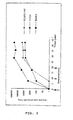
- the antibody responses induced by the different forms of G1A are compared in time: 7, 17, 28, 35, 42 days after the start of the experiment.
- the anti-G1A response is significantly higher and faster when the mice are immunized with p40 / G1A than the more conventional TT / G1A and KLH / G1A + AF immunizations.
- a single injection of p40 / G1A makes it possible, in 7 days, to obtain an anti-G1A antibody titre of 1000. This titre is obtained with TT / G1A or KLH / G1A + AF in 28 days.
- the maximum response (titre 1/380 000), obtained after three injections, in 28 days, is approximately 30 times higher than that obtained with KLH / G1A + AF and 70 times higher than that obtained with TT / G1A.
- the anti-G1A antibody titre continues unabated until day 42.
- mice are immunized with G1A coupled to a carrier according to an identical immunization scheme.
- the antibody responses induced by the different carriers are compared in time, 7, 17, 28, 35, 42 days after the start of the experiment.
- the anti-p40 response (titre close to 10 000) is greater than the anti-KLH response but not significantly different from the anti-TT response.
- the chemical coupling of the G1A peptide on the p40 protein made it possible to induce an anti-G1A response significantly greater and faster than those caused by the KLH / G1A + AF or TT / G1A reference models. Coupling of the G1B peptide should induce similar responses.
- mice received 3 intramuscular doses (200 ⁇ g / mouse) with aluminum hydroxide as an adjuvant (commonly used in humans).
- the results of the protection tests as well as the immunological profile of the sera are shown in Table 2.
- G1A 2.45 ⁇ 2.0 ⁇ 0.4 2.15 ⁇ 2.0 ⁇ 0.4 (100 to 157 ⁇ g) ⁇ 1.7 p ⁇ 0.001 ⁇ 1.7 p ⁇ 0.001 4000 ⁇ 3.0 ⁇ 1.7 ⁇ 1.7 ⁇ 1.7 ⁇ 1.7 ⁇ 1.7 ⁇ 1.7 P40.
- mice received 3 intramuscular doses (200 ⁇ g / mouse) with Freund's adjuvant.
- the results of the protection tests as well as the immunological profile of the sera are shown in Table 3.
- the preparation KLH-G1A allows a complete protection vis-à-vis the RSV subgroup A but not vis-à-vis the RSV subgroup B.
- the preparation KLH-G1B allows a complete protection vis-à-vis RSV subgroup B but not vis-à-vis the RSV subgroup A.
- the ELISA test reflects the same situation. ⁇ b> ⁇ u> Table 3: ⁇ / u> ⁇ /b> Conferred protection and immunological profile of sera after challenge with long RS (subgroup A) or with RS 8/60 (subgroup B) continued immunization of BALB / c mice with the G1A and G1B peptides.
- Peptide prepared by solid phase synthesis using Boc chemistry is coupled to KLH using glutaraldehyde (Schaaper et al Mol Immunol (1989) 26: 81-85).
- the animals are challenged with the Snook strain, 21 days after the last inoculation, intranasally and intratracheally with each 1ml of virus titrating at 2x10⁵ / ml.
- the virus titrated on veal kidney cells according to the plate method is determined in the nasopharyngeal washings respectively 3 and 2 days after the challenge and 7 days in the lungs of the sacrificed animals.
- Veal 3432 (KLH + FIA): Dated Treatment Title log10 ELISA Peptide + KLH peptide KLH BRSV (Snook) 23/11 D0 vaccination ⁇ 1.0 ⁇ 1.0 ⁇ 1.0 ⁇ 1.5 14/12 J21 Vaccination ⁇ 1.0 ⁇ 1.0 3.0 ⁇ 1.5 04/01 J42 vaccination ⁇ 1.0 ⁇ 7.0 4.7 ⁇ 1.5 01/02 J70 VRS IN / IT ⁇ 1.0 ⁇ 1.0 5.7 ⁇ 1.5 08/02 J77 sacrifice 1.5 ⁇ 1.0 4.8 ⁇ 1.5
- Veal 3440 (Peptide - KLH + FIA) Dated Treatment
Landscapes
- Health & Medical Sciences (AREA)
- Life Sciences & Earth Sciences (AREA)
- Chemical & Material Sciences (AREA)
- Medicinal Chemistry (AREA)
- General Health & Medical Sciences (AREA)
- Organic Chemistry (AREA)
- Virology (AREA)
- Molecular Biology (AREA)
- Proteomics, Peptides & Aminoacids (AREA)
- Veterinary Medicine (AREA)
- Pharmacology & Pharmacy (AREA)
- Animal Behavior & Ethology (AREA)
- Public Health (AREA)
- Immunology (AREA)
- Bioinformatics & Cheminformatics (AREA)
- Engineering & Computer Science (AREA)
- Biophysics (AREA)
- Epidemiology (AREA)
- Genetics & Genomics (AREA)
- Biochemistry (AREA)
- Gastroenterology & Hepatology (AREA)
- Microbiology (AREA)
- Nuclear Medicine, Radiotherapy & Molecular Imaging (AREA)
- Chemical Kinetics & Catalysis (AREA)
- General Chemical & Material Sciences (AREA)
- Mycology (AREA)
- Pulmonology (AREA)
- Communicable Diseases (AREA)
- Oncology (AREA)
- Toxicology (AREA)
- Zoology (AREA)
- Peptides Or Proteins (AREA)
- Medicines Containing Antibodies Or Antigens For Use As Internal Diagnostic Agents (AREA)
- Preparation Of Compounds By Using Micro-Organisms (AREA)
- Saccharide Compounds (AREA)
Claims (17)
- Isoliertes Protein, dadurch gekennzeichnet, dass das Protein das Protein OmpA der äußeren Membran des Bakteriums Klebsiella pneumoniae mit der Sequenz SEQ ID Nr. 13 ist.
- Protein nach Anspruch 1, dadurch gekennzeichnet, dass es auf rekombinantem Wege erhalten wird.
- Protein nach Anspruch 1, dadurch gekennzeichnet, dass es durch Reinigung ausgehend von einer Kultur von Klebsiella pneumoniae erhalten wird.
- Protein nach einem der Ansprüche 1 bis 3, dadurch gekennzeichnet, dass das Protein ein Trägerprotein ist.
- Konjugat, dadurch gekennzeichnet, dass es ein Protein nach einem der Ansprüche 1 bis 4 und ein immunogenes Peptid umfasst, wobei das immunogene Peptid dadurch gekennzeichnet ist, dass es die Peptidsequenz zwischen den Aminosäureresten 174 und 187 eingeschlossen umfasst und dass es durch die Peptidsequenz SEQ lD Nr. 1, Nr. 2 oder Nr. 51, welche zwischen den Säureresten 130 und 230 eingeschlossen der Sequenz des Proteins G des humanen Respiratory-Syncytial-Virus der Untergruppe A und B oder des Respiratory-Syncytial-Virus vom Rind liegt, getragen wird und in welchem immunogenen Peptid die Aminosäure Cys an Position 173 und/oder 186 des Proteins G ein Serin sein kann.
- Konjugat nach Anspruch 5, dadurch gekennzeichnet, dass es durch chemische Kopplung erhalten wird.
- Konjugat nach Anspruch 5 oder 6, dadurch gekennzeichnet, dass es löslich ist.
- Konjugat nach Anspruch 7, dadurch gekennzeichnet, dass das Konjugat erhalten wird durch das Verfahren, umfassend die folgenden Schritte:a) man fällt die Lipopolysaccharide von Membranen von Bakterien der Gattung Klebsiella in Gegenwart eines Salzes eines zweiwertigen Kations und von Detergentien aus, um die gesamten Membranproteine im Überstand zu gewinnen,b) man unterwirft die Proteine einer Anionenaustauschchromatographie, um die Fraktion, welche das Immunitäts-Adjuvansprotein enthält, abzutrennen,c) man konzentriert die Fraktion, welche das Immunitäts-Adjuvansprotein enthält, auf,d) man konjugiert das Immunitäts-Adjuvansprotein mit einem immunogenen Polypeptid, um ein lösliches Konjugat zu bilden,wobei das immunogene Polypeptid dadurch gekennzeichnet ist, dass es die Peptidsequenz zwischen den Aminosäureresten 174 und 187 eingeschlossen umfasst und dass es durch die Peptidsequenz SEQ ID Nr. 1, Nr. 2 oder Nr. 51, welche zwischen den Säureresten 130 und 230 eingeschlossen der Sequenz des Proteins G des humanen Respiratory-Syncytial-Virus der Untergruppe A und B oder des Respiratory-Syncytial-Virus vom Rind liegt, getragen wird und in welchem immunogenen Peptid die Aminosäure Cys an Position 173 und/oder 186 des Proteins G ein Serin sein kann.
- Konjugat nach einem der Ansprüche 5 bis 8, dadurch gekennzeichnet, dass das immunogene Peptid mit dem Trägerprotein durch das für die Bindung an humanes Serumalbumin zuständige Protein BB konjugiert ist.
- Konjugat nach Anspruch 9, dadurch gekennzeichnet, dass das Protein BB das Protein mit der Sequenz SEQ ID Nr. 74 oder der Sequenz SEQ ID Nr. 73 umfasst.
- Konjugat nach Anspruch 9 oder 10, dadurch gekennzeichnet, dass es durch genetische Rekombination erhalten wird.
- Isolierte Nukleinsäure, dadurch gekennzeichnet, dass deren Sequenz das Protein mit der Sequenz SEQ ID Nr. 13 kodiert.
- Impfzusammensetzung, dadurch gekennzeichnet, dass sie ein Konjugat nach einem der Ansprüche 5 bis 11 umfasst.
- Zusammensetzung nach Anspruch 13, welche auf dem Injektionsweg oder auf subkutanem Wege verabreichbar ist
- Zusammensetzung nach Anspruch 13 oder 14, welche außerdem pharmazeutisch annehmbare Trägersubstanzen umfasst.
- Verwendung eines Proteins nach Anspruch 1 für die Herstellung einer Zusammensetzung, welche für die Verhütung oder die Behandlung von Respiratory-Syncytial-Virus (RSV)-Erkrankungen bestimmt ist.
- Antikörper, welche gegen das Protein mit der Sequenz SEQ ID Nr. 13 gerichtet sind.
Priority Applications (1)
| Application Number | Priority Date | Filing Date | Title |
|---|---|---|---|
| EP00126606A EP1111053A3 (de) | 1994-04-06 | 1995-04-06 | Peptidfragmente des g-proteins des respiratorischen syncytialvirus, immunogene verbindung und pharmazeutische zusammensetzung, die es enthaelt, und herstellungsverfahren |
Applications Claiming Priority (3)
| Application Number | Priority Date | Filing Date | Title |
|---|---|---|---|
| FR9404009A FR2718452B1 (fr) | 1994-04-06 | 1994-04-06 | Elément d'immunogène, agent immunogène, composition pharmaceutique et procédé de préparation. |
| FR9404009 | 1994-04-06 | ||
| PCT/FR1995/000444 WO1995027787A1 (fr) | 1994-04-06 | 1995-04-06 | Fragment peptidique de la proteine g du virus respiratoire syncytial, agent immunogene, composition pharmaceutique le contenant et procede de preparation |
Related Child Applications (1)
| Application Number | Title | Priority Date | Filing Date |
|---|---|---|---|
| EP00126606A Division EP1111053A3 (de) | 1994-04-06 | 1995-04-06 | Peptidfragmente des g-proteins des respiratorischen syncytialvirus, immunogene verbindung und pharmazeutische zusammensetzung, die es enthaelt, und herstellungsverfahren |
Publications (2)
| Publication Number | Publication Date |
|---|---|
| EP0754231A1 EP0754231A1 (de) | 1997-01-22 |
| EP0754231B1 true EP0754231B1 (de) | 2006-06-21 |
Family
ID=9461767
Family Applications (2)
| Application Number | Title | Priority Date | Filing Date |
|---|---|---|---|
| EP95916721A Expired - Lifetime EP0754231B1 (de) | 1994-04-06 | 1995-04-06 | Peptidfragment des g-proteins des respiratorischen syncytialvirus, immunogene verbindung und pharmazeutische zusammensetzung, die es enthalten, und herstellungsverfahren |
| EP00126606A Withdrawn EP1111053A3 (de) | 1994-04-06 | 1995-04-06 | Peptidfragmente des g-proteins des respiratorischen syncytialvirus, immunogene verbindung und pharmazeutische zusammensetzung, die es enthaelt, und herstellungsverfahren |
Family Applications After (1)
| Application Number | Title | Priority Date | Filing Date |
|---|---|---|---|
| EP00126606A Withdrawn EP1111053A3 (de) | 1994-04-06 | 1995-04-06 | Peptidfragmente des g-proteins des respiratorischen syncytialvirus, immunogene verbindung und pharmazeutische zusammensetzung, die es enthaelt, und herstellungsverfahren |
Country Status (14)
| Country | Link |
|---|---|
| US (5) | US6113911A (de) |
| EP (2) | EP0754231B1 (de) |
| JP (2) | JP3883569B2 (de) |
| AT (1) | ATE331031T1 (de) |
| AU (1) | AU708856B2 (de) |
| BR (1) | BR1100321A (de) |
| CA (2) | CA2635998A1 (de) |
| DE (1) | DE69535074T2 (de) |
| DK (1) | DK0754231T3 (de) |
| ES (1) | ES2268691T3 (de) |
| FR (1) | FR2718452B1 (de) |
| NZ (2) | NZ329833A (de) |
| PT (1) | PT754231E (de) |
| WO (1) | WO1995027787A1 (de) |
Families Citing this family (51)
| Publication number | Priority date | Publication date | Assignee | Title |
|---|---|---|---|---|
| FR2718452B1 (fr) * | 1994-04-06 | 1996-06-28 | Pf Medicament | Elément d'immunogène, agent immunogène, composition pharmaceutique et procédé de préparation. |
| EP0777685B1 (de) * | 1994-08-25 | 1999-04-14 | Stichting Instituut voor Dierhouderij en Diergezondheid | Antigene peptide abgeleitet vom g-protein des rsv (respiratorisches synzytialvirus) für die typen- und subtypen spezifische diagnose einer rsv-infektionen |
| FR2726472B1 (fr) * | 1994-11-07 | 1997-01-31 | Pf Medicament | Proteine porteuse a effet adjuvant, complexe immunogene la contenant, leur procede de preparation, sequence nucleotidique et vaccin |
| FR2748476B1 (fr) * | 1996-05-07 | 1998-08-14 | Pf Medicament | Complexe immunogene, son utilisation, son procede de preparation et vaccin le contenant |
| AUPO026596A0 (en) * | 1996-06-05 | 1996-06-27 | Biomolecular Research Institute Limited | Viral peptide |
| FR2766192B1 (fr) * | 1997-07-17 | 2001-07-13 | Pf Medicament | Epitopes du vrs et anticorps les comportant, utiles dans le diagnostic et la therapie |
| FR2776521B1 (fr) * | 1998-03-27 | 2000-12-15 | Pf Medicament | Utilisation de conjugues p40 actifs par voie nasale |
| US6451987B1 (en) * | 1999-03-15 | 2002-09-17 | Novo Nordisk A/S | Ion exchange chromatography of proteins and peptides |
| FR2790959B1 (fr) * | 1999-03-15 | 2003-06-27 | Pf Medicament | Utilisation de fractions membranaires bacteriennes a effet adjuvant, leurs procedes de preparation et composition pharmaceutique les contenant |
| US6444788B1 (en) | 1999-03-15 | 2002-09-03 | Novo Nordisk A/S | Ion exchange chromatography of GLP-1, analogs and derivatives thereof |
| EP1174506A1 (de) * | 2000-06-28 | 2002-01-23 | Stichting Dienst Landbouwkundig Onderzoek | C-terminales Erns-Peptide und Analoge davon |
| CA2426312C (en) | 2000-10-18 | 2014-01-14 | Ralph A. Tripp | Compositions and methods for modulating rsv infection and immunity |
| FR2819810B1 (fr) * | 2001-01-23 | 2004-05-28 | Pf Medicament | Peptides non glycosyles derives de la proteine g du vrs et leur utilisation dans un vaccin |
| FR2827605B1 (fr) | 2001-07-20 | 2004-07-16 | Pf Medicament | Nouveaux peptides derives de la proteine g du vrs et leur utilisation dans un vaccin |
| BRPI0413644A (pt) * | 2003-08-21 | 2006-10-17 | Novo Nordisk As | métodos para separar as duas formas de um polipeptìdeo tendo uma única racemização de aminoácido, e para separar dois polipeptìdeos, produto de polipeptìdeo, e, composição farmacêutica |
| GB0613977D0 (en) | 2006-02-07 | 2006-08-23 | Peptcell Ltd | Peptide sequences and compositions |
| WO2007101441A1 (en) * | 2006-03-06 | 2007-09-13 | Symphogen A/S | Recombinant polyclonal antibody for treatment of respiratory syncytial virus infections |
| FR2899902B1 (fr) * | 2006-04-18 | 2012-01-27 | Agronomique Inst Nat Rech | Proteines de fusion proteine n d'un virus de la famille des paramyxoviridae-proteine d'interet et leurs utilisations pour la vaccination et la vectorisation intra-cellulaire. |
| US8647349B2 (en) | 2006-10-18 | 2014-02-11 | Hologic, Inc. | Systems for performing gynecological procedures with mechanical distension |
| US8025656B2 (en) | 2006-11-07 | 2011-09-27 | Hologic, Inc. | Methods, systems and devices for performing gynecological procedures |
| US20080146872A1 (en) | 2006-11-07 | 2008-06-19 | Gruber William H | Mechanical distension systems for performing a medical procedure in a remote space |
| JP2010534057A (ja) * | 2007-03-06 | 2010-11-04 | シムフォゲン・アクティーゼルスカブ | 呼吸器合胞体ウイルス感染症を治療するための組換え抗体 |
| US9095366B2 (en) | 2007-04-06 | 2015-08-04 | Hologic, Inc. | Tissue cutter with differential hardness |
| US9259233B2 (en) | 2007-04-06 | 2016-02-16 | Hologic, Inc. | Method and device for distending a gynecological cavity |
| WO2008124650A1 (en) | 2007-04-06 | 2008-10-16 | Interlace Medical, Inc. | Method, system and device for tissue removal |
| US20090270895A1 (en) | 2007-04-06 | 2009-10-29 | Interlace Medical, Inc. | Low advance ratio, high reciprocation rate tissue removal device |
| EP2190863B1 (de) * | 2007-07-31 | 2015-09-02 | Affibody AB | Neue albuminbindende zusammensetzungen, verfahren und anwendungen |
| KR100938105B1 (ko) * | 2007-09-21 | 2010-01-21 | 이화여자대학교 산학협력단 | 호흡기 신시치아 바이러스 백신 |
| JP5711972B2 (ja) | 2007-12-24 | 2015-05-07 | アイディー バイオメディカル コーポレイション オブ ケベック | 組換えrsv抗原 |
| US20110177117A1 (en) * | 2008-07-18 | 2011-07-21 | Normand Blais | Chimeric respiratory syncytial virus polypeptide antigens |
| WO2010032138A2 (en) | 2008-09-18 | 2010-03-25 | Novartis Ag | Vaccine adjuvant combinations |
| US11903602B2 (en) | 2009-04-29 | 2024-02-20 | Hologic, Inc. | Uterine fibroid tissue removal device |
| EP2445527A2 (de) | 2009-06-24 | 2012-05-02 | ID Biomedical Corporation of Quebec | Impfstoff |
| HUE028085T2 (en) | 2009-06-24 | 2016-11-28 | Glaxosmithkline Biologicals Sa | Recombinant RSV antigens |
| CA2768186A1 (en) | 2009-07-15 | 2011-01-20 | Novartis Ag | Rsv f protein compositions and methods for making same |
| US8846056B2 (en) | 2009-08-04 | 2014-09-30 | The United States Of America As Represented By The Secretary Of The Department Of Health And Human Services, Centers For Disease Control | Anti-RSV immunogens and methods of immunization |
| EP2470205A1 (de) | 2009-08-27 | 2012-07-04 | Novartis AG | Hilfsstoff mit aluminium, oligonukleotid und polykation |
| WO2011027222A2 (en) | 2009-09-02 | 2011-03-10 | Novartis Ag | Immunogenic compositions including tlr activity modulators |
| CN106008716B (zh) | 2010-07-07 | 2019-08-13 | 人工细胞科技公司 | 呼吸道合胞病毒抗原组合物和方法 |
| AU2011295853A1 (en) | 2010-09-01 | 2013-04-04 | Irm Llc | Adsorption of immunopotentiators to insoluble metal salts |
| ES2630029T3 (es) | 2010-12-14 | 2017-08-17 | Glaxosmithkline Biologicals Sa | Análisis de citometría de flujo de materiales adsorbidos en sales metálicas |
| WO2012117377A1 (en) | 2011-03-02 | 2012-09-07 | Novartis Ag | Combination vaccines with lower doses of antigen and/or adjuvant |
| CA2835644C (en) | 2011-05-13 | 2021-06-15 | Novartis Ag | Pre-fusion rsv f antigens |
| JP6085886B2 (ja) | 2011-08-29 | 2017-03-01 | 国立大学法人徳島大学 | Rsv粘膜ワクチン |
| JP2015510872A (ja) | 2012-03-07 | 2015-04-13 | ノバルティス アーゲー | Streptococcuspneumoniae抗原の増強された製剤 |
| SI2822947T1 (sl) | 2012-03-07 | 2016-10-28 | Glaxosmithkline Biologicals S.A. | Argininske soli TLR7 agonista |
| MX372965B (es) | 2012-03-08 | 2020-04-01 | Glaxosmithkline Biologicals Sa | Formulaciones adyuvadas de vacunas de difteria, tetanos y tos ferina (dtp) de refuerzo. |
| KR102435054B1 (ko) | 2012-08-01 | 2022-08-22 | 버베리안 노딕 에이/에스 | 재조합 변형된 백시니아 바이러스 앙카라(ankara) (mva) 호흡기 신시티알 바이러스(rsv) 백신 |
| KR101705603B1 (ko) * | 2015-03-19 | 2017-02-13 | 을지대학교 산학협력단 | 엔테로박테리아세아 유래 세포 투과 단백질 및 이의 용도 |
| CA3052708A1 (en) * | 2016-02-16 | 2017-08-24 | The University Of Queensland | Novel alpha conotoxin peptides |
| EP3765516A2 (de) * | 2018-03-14 | 2021-01-20 | Elstar Therapeutics, Inc. | Multifunktionale moleküle und verwendungen davon |
Family Cites Families (6)
| Publication number | Priority date | Publication date | Assignee | Title |
|---|---|---|---|---|
| MX9203458A (es) * | 1987-12-23 | 1992-09-01 | Upjohn Co | Segmentos inmunogenicos que contienen glicoproteinas quimericas de las glicoproteinas de virus sincitial respiratorio humano. |
| DE3828666A1 (de) * | 1988-08-24 | 1990-03-01 | Behringwerke Ag | Expression funktionsfaehiger homologer und heterologer proteine auf der aeusseren membran von e.coli und anderen gramnegativen bakterien |
| DK0545951T3 (da) * | 1990-08-31 | 1994-10-17 | Upjohn Co | HRSV-vaccine |
| SE9101433D0 (sv) * | 1991-05-13 | 1991-05-13 | Marianne Hansson | Recombinant dna sequence and its use |
| GB9200117D0 (en) * | 1992-01-06 | 1992-02-26 | Connaught Lab | Production of recombinant chimeric proteins for vaccine use |
| FR2718452B1 (fr) * | 1994-04-06 | 1996-06-28 | Pf Medicament | Elément d'immunogène, agent immunogène, composition pharmaceutique et procédé de préparation. |
-
1994
- 1994-04-06 FR FR9404009A patent/FR2718452B1/fr not_active Expired - Fee Related
-
1995
- 1995-04-06 PT PT95916721T patent/PT754231E/pt unknown
- 1995-04-06 NZ NZ329833A patent/NZ329833A/en not_active IP Right Cessation
- 1995-04-06 WO PCT/FR1995/000444 patent/WO1995027787A1/fr not_active Ceased
- 1995-04-06 EP EP95916721A patent/EP0754231B1/de not_active Expired - Lifetime
- 1995-04-06 ES ES95916721T patent/ES2268691T3/es not_active Expired - Lifetime
- 1995-04-06 AU AU23109/95A patent/AU708856B2/en not_active Ceased
- 1995-04-06 JP JP52612395A patent/JP3883569B2/ja not_active Expired - Fee Related
- 1995-04-06 DK DK95916721T patent/DK0754231T3/da active
- 1995-04-06 NZ NZ284500A patent/NZ284500A/en not_active IP Right Cessation
- 1995-04-06 CA CA002635998A patent/CA2635998A1/fr not_active Abandoned
- 1995-04-06 AT AT95916721T patent/ATE331031T1/de active
- 1995-04-06 CA CA2187083A patent/CA2187083C/fr not_active Expired - Fee Related
- 1995-04-06 US US08/721,979 patent/US6113911A/en not_active Expired - Fee Related
- 1995-04-06 EP EP00126606A patent/EP1111053A3/de not_active Withdrawn
- 1995-04-06 DE DE69535074T patent/DE69535074T2/de not_active Expired - Lifetime
-
1997
- 1997-04-22 BR BR1100321A patent/BR1100321A/pt active IP Right Grant
-
2000
- 2000-06-30 US US09/582,876 patent/US6537556B1/en not_active Expired - Fee Related
- 2000-09-01 US US09/654,289 patent/US6410030B1/en not_active Expired - Fee Related
-
2002
- 2002-03-05 US US10/091,257 patent/US6616930B2/en not_active Expired - Fee Related
-
2003
- 2003-09-05 US US10/655,855 patent/US7220545B2/en not_active Expired - Fee Related
-
2005
- 2005-07-29 JP JP2005221425A patent/JP4180590B2/ja not_active Expired - Fee Related
Also Published As
| Publication number | Publication date |
|---|---|
| AU2310995A (en) | 1995-10-30 |
| JP2006020637A (ja) | 2006-01-26 |
| US6537556B1 (en) | 2003-03-25 |
| AU708856B2 (en) | 1999-08-12 |
| PT754231E (pt) | 2006-11-30 |
| CA2187083A1 (fr) | 1995-10-19 |
| FR2718452A1 (fr) | 1995-10-13 |
| JP3883569B2 (ja) | 2007-02-21 |
| JPH09511404A (ja) | 1997-11-18 |
| US6410030B1 (en) | 2002-06-25 |
| ATE331031T1 (de) | 2006-07-15 |
| US6113911A (en) | 2000-09-05 |
| CA2187083C (fr) | 2011-06-07 |
| WO1995027787A1 (fr) | 1995-10-19 |
| FR2718452B1 (fr) | 1996-06-28 |
| BR1100321A (pt) | 2000-03-21 |
| DE69535074T2 (de) | 2007-06-28 |
| ES2268691T3 (es) | 2007-03-16 |
| JP4180590B2 (ja) | 2008-11-12 |
| US20050250933A1 (en) | 2005-11-10 |
| CA2635998A1 (fr) | 1995-10-19 |
| EP0754231A1 (de) | 1997-01-22 |
| US6616930B2 (en) | 2003-09-09 |
| EP1111053A2 (de) | 2001-06-27 |
| NZ284500A (en) | 1998-04-27 |
| DE69535074D1 (de) | 2006-08-03 |
| EP1111053A3 (de) | 2001-08-08 |
| NZ329833A (en) | 2000-02-28 |
| DK0754231T3 (da) | 2006-10-23 |
| US20030064078A1 (en) | 2003-04-03 |
| US7220545B2 (en) | 2007-05-22 |
Similar Documents
| Publication | Publication Date | Title |
|---|---|---|
| EP0754231B1 (de) | Peptidfragment des g-proteins des respiratorischen syncytialvirus, immunogene verbindung und pharmazeutische zusammensetzung, die es enthalten, und herstellungsverfahren | |
| EP0791064B1 (de) | Verfahren zur verbesserung der immunogenität einer immunogenen zusammensetzung oder eines haptens und verwendung zur herstellung von impfstoffen | |
| EP1409692B1 (de) | Peptide aus dem g-protein des respiratorischen synzytialvirus und deren verwendung in einem impfstoff | |
| EP0791063B1 (de) | Trägerprotein mit adjuvant aktivität, diese enthaltende immunogene komplexe, ihre herstellung, nukleotidsequenz und impfstoff | |
| EP1353690A2 (de) | Nicht-glykosylierte peptide aus dem protein g des respiratory syncytial-virus und deren vervendung in impfstoffe | |
| FR2798857A1 (fr) | Utilisation d'une proteine de membrane ompa d'enterobacterie associee a un peptide immunogene du vrs pour la preparation de vaccins administrables par voie nasale | |
| EP1292333B1 (de) | Adjuvanszusammensetzung enthaltend fha oder ein fha-fragment in freier form | |
| JP2000000099A (ja) | ヘモフィルスインフルエンザb型菌の外皮膜タンパク質P2の部分断片を用いた接合体 | |
| FR2789902A1 (fr) | PROTEINE OmpA DE KLEBSIELLA PNEUMONIAE ASSOCIEE A LA CHAINE BETA DE L'HORMONE hCG OU A UN COMPOSE IMPLIQUE DANS LA PROLIFERATION DE CELLULES TUMORALES OU DANS LA FERTILITE, UTILE DANS UNE COMPOSITION PHARMACEUTIQUE | |
| AU728139B2 (en) | Peptide fragment of the respiratory syncytial virus G protein |
Legal Events
| Date | Code | Title | Description |
|---|---|---|---|
| PUAI | Public reference made under article 153(3) epc to a published international application that has entered the european phase |
Free format text: ORIGINAL CODE: 0009012 |
|
| 17P | Request for examination filed |
Effective date: 19961028 |
|
| AK | Designated contracting states |
Kind code of ref document: A1 Designated state(s): AT BE CH DE DK ES FR GB GR IE IT LI LU MC NL PT SE |
|
| 17Q | First examination report despatched |
Effective date: 20000120 |
|
| GRAP | Despatch of communication of intention to grant a patent |
Free format text: ORIGINAL CODE: EPIDOSNIGR1 |
|
| GRAS | Grant fee paid |
Free format text: ORIGINAL CODE: EPIDOSNIGR3 |
|
| GRAA | (expected) grant |
Free format text: ORIGINAL CODE: 0009210 |
|
| AK | Designated contracting states |
Kind code of ref document: B1 Designated state(s): AT BE CH DE DK ES FR GB GR IE IT LI LU MC NL PT SE |
|
| PG25 | Lapsed in a contracting state [announced via postgrant information from national office to epo] |
Ref country code: IT Free format text: LAPSE BECAUSE OF FAILURE TO SUBMIT A TRANSLATION OF THE DESCRIPTION OR TO PAY THE FEE WITHIN THE PRE;WARNING: LAPSES OF ITALIAN PATENTS WITH EFFECTIVE DATE BEFORE 2007 MAY HAVE OCCURRED AT ANY TIME BEFORE 2007. THE CORRECT EFFECTIVE DATE MAY BE DIFFERENT FROM THE ONE RECORDED.SCRIBED TIME-LIMIT Effective date: 20060621 |
|
| REG | Reference to a national code |
Ref country code: GB Ref legal event code: FG4D Free format text: NOT ENGLISH |
|
| REG | Reference to a national code |
Ref country code: CH Ref legal event code: EP |
|
| REG | Reference to a national code |
Ref country code: IE Ref legal event code: FG4D Free format text: LANGUAGE OF EP DOCUMENT: FRENCH |
|
| REG | Reference to a national code |
Ref country code: CH Ref legal event code: NV Representative=s name: MICHELI & CIE INGENIEURS-CONSEILS |
|
| REF | Corresponds to: |
Ref document number: 69535074 Country of ref document: DE Date of ref document: 20060803 Kind code of ref document: P |
|
| REG | Reference to a national code |
Ref country code: SE Ref legal event code: TRGR |
|
| GBT | Gb: translation of ep patent filed (gb section 77(6)(a)/1977) |
Effective date: 20060908 |
|
| REG | Reference to a national code |
Ref country code: DK Ref legal event code: T3 |
|
| REG | Reference to a national code |
Ref country code: GR Ref legal event code: EP Ref document number: 20060403172 Country of ref document: GR |
|
| REG | Reference to a national code |
Ref country code: PT Ref legal event code: SC4A Free format text: AVAILABILITY OF NATIONAL TRANSLATION Effective date: 20060919 |
|
| REG | Reference to a national code |
Ref country code: ES Ref legal event code: FG2A Ref document number: 2268691 Country of ref document: ES Kind code of ref document: T3 |
|
| PLBE | No opposition filed within time limit |
Free format text: ORIGINAL CODE: 0009261 |
|
| STAA | Information on the status of an ep patent application or granted ep patent |
Free format text: STATUS: NO OPPOSITION FILED WITHIN TIME LIMIT |
|
| 26N | No opposition filed |
Effective date: 20070322 |
|
| PG25 | Lapsed in a contracting state [announced via postgrant information from national office to epo] |
Ref country code: FR Free format text: LAPSE BECAUSE OF NON-PAYMENT OF DUE FEES Effective date: 20070430 |
|
| PGFP | Annual fee paid to national office [announced via postgrant information from national office to epo] |
Ref country code: IE Payment date: 20120323 Year of fee payment: 18 Ref country code: MC Payment date: 20120319 Year of fee payment: 18 Ref country code: LU Payment date: 20120326 Year of fee payment: 18 |
|
| PGFP | Annual fee paid to national office [announced via postgrant information from national office to epo] |
Ref country code: PT Payment date: 20120319 Year of fee payment: 18 |
|
| PGFP | Annual fee paid to national office [announced via postgrant information from national office to epo] |
Ref country code: DK Payment date: 20120323 Year of fee payment: 18 Ref country code: GR Payment date: 20120327 Year of fee payment: 18 |
|
| PGFP | Annual fee paid to national office [announced via postgrant information from national office to epo] |
Ref country code: DE Payment date: 20120416 Year of fee payment: 18 Ref country code: NL Payment date: 20120326 Year of fee payment: 18 Ref country code: CH Payment date: 20120419 Year of fee payment: 18 Ref country code: BE Payment date: 20120430 Year of fee payment: 18 |
|
| PGFP | Annual fee paid to national office [announced via postgrant information from national office to epo] |
Ref country code: GB Payment date: 20120423 Year of fee payment: 18 Ref country code: FR Payment date: 20120511 Year of fee payment: 18 Ref country code: SE Payment date: 20120423 Year of fee payment: 18 |
|
| PGFP | Annual fee paid to national office [announced via postgrant information from national office to epo] |
Ref country code: IT Payment date: 20120423 Year of fee payment: 18 |
|
| PGFP | Annual fee paid to national office [announced via postgrant information from national office to epo] |
Ref country code: ES Payment date: 20120425 Year of fee payment: 18 |
|
| PGFP | Annual fee paid to national office [announced via postgrant information from national office to epo] |
Ref country code: AT Payment date: 20120322 Year of fee payment: 18 |
|
| REG | Reference to a national code |
Ref country code: PT Ref legal event code: MM4A Free format text: LAPSE DUE TO NON-PAYMENT OF FEES Effective date: 20131007 |
|
| BERE | Be: lapsed |
Owner name: PIERRE *FABRE MEDICAMENT Effective date: 20130430 |
|
| REG | Reference to a national code |
Ref country code: NL Ref legal event code: V1 Effective date: 20131101 |
|
| PG25 | Lapsed in a contracting state [announced via postgrant information from national office to epo] |
Ref country code: MC Free format text: LAPSE BECAUSE OF NON-PAYMENT OF DUE FEES Effective date: 20130430 |
|
| REG | Reference to a national code |
Ref country code: CH Ref legal event code: PL |
|
| REG | Reference to a national code |
Ref country code: SE Ref legal event code: EUG |
|
| REG | Reference to a national code |
Ref country code: DK Ref legal event code: EBP Effective date: 20130430 |
|
| REG | Reference to a national code |
Ref country code: AT Ref legal event code: MM01 Ref document number: 331031 Country of ref document: AT Kind code of ref document: T Effective date: 20130430 |
|
| GBPC | Gb: european patent ceased through non-payment of renewal fee |
Effective date: 20130406 |
|
| REG | Reference to a national code |
Ref country code: GR Ref legal event code: ML Ref document number: 20060403172 Country of ref document: GR Effective date: 20131104 |
|
| REG | Reference to a national code |
Ref country code: IE Ref legal event code: MM4A |
|
| PG25 | Lapsed in a contracting state [announced via postgrant information from national office to epo] |
Ref country code: DE Free format text: LAPSE BECAUSE OF NON-PAYMENT OF DUE FEES Effective date: 20131101 Ref country code: LI Free format text: LAPSE BECAUSE OF NON-PAYMENT OF DUE FEES Effective date: 20130430 Ref country code: AT Free format text: LAPSE BECAUSE OF NON-PAYMENT OF DUE FEES Effective date: 20130430 Ref country code: CH Free format text: LAPSE BECAUSE OF NON-PAYMENT OF DUE FEES Effective date: 20130430 Ref country code: GB Free format text: LAPSE BECAUSE OF NON-PAYMENT OF DUE FEES Effective date: 20130406 Ref country code: BE Free format text: LAPSE BECAUSE OF NON-PAYMENT OF DUE FEES Effective date: 20130430 Ref country code: PT Free format text: LAPSE BECAUSE OF NON-PAYMENT OF DUE FEES Effective date: 20131007 Ref country code: SE Free format text: LAPSE BECAUSE OF NON-PAYMENT OF DUE FEES Effective date: 20130407 |
|
| REG | Reference to a national code |
Ref country code: FR Ref legal event code: ST Effective date: 20131231 |
|
| REG | Reference to a national code |
Ref country code: DE Ref legal event code: R119 Ref document number: 69535074 Country of ref document: DE Effective date: 20131101 |
|
| PG25 | Lapsed in a contracting state [announced via postgrant information from national office to epo] |
Ref country code: GR Free format text: LAPSE BECAUSE OF NON-PAYMENT OF DUE FEES Effective date: 20131104 Ref country code: IT Free format text: LAPSE BECAUSE OF NON-PAYMENT OF DUE FEES Effective date: 20130406 Ref country code: FR Free format text: LAPSE BECAUSE OF NON-PAYMENT OF DUE FEES Effective date: 20130430 Ref country code: NL Free format text: LAPSE BECAUSE OF NON-PAYMENT OF DUE FEES Effective date: 20131101 |
|
| PG25 | Lapsed in a contracting state [announced via postgrant information from national office to epo] |
Ref country code: IE Free format text: LAPSE BECAUSE OF NON-PAYMENT OF DUE FEES Effective date: 20130406 Ref country code: DK Free format text: LAPSE BECAUSE OF NON-PAYMENT OF DUE FEES Effective date: 20130430 |
|
| REG | Reference to a national code |
Ref country code: ES Ref legal event code: FD2A Effective date: 20140606 |
|
| PG25 | Lapsed in a contracting state [announced via postgrant information from national office to epo] |
Ref country code: ES Free format text: LAPSE BECAUSE OF NON-PAYMENT OF DUE FEES Effective date: 20130407 |
|
| PG25 | Lapsed in a contracting state [announced via postgrant information from national office to epo] |
Ref country code: LU Free format text: LAPSE BECAUSE OF NON-PAYMENT OF DUE FEES Effective date: 20130406 |