EP0764205B1 - Chondroitin lyase enzymen - Google Patents
Chondroitin lyase enzymen Download PDFInfo
- Publication number
- EP0764205B1 EP0764205B1 EP95926207A EP95926207A EP0764205B1 EP 0764205 B1 EP0764205 B1 EP 0764205B1 EP 95926207 A EP95926207 A EP 95926207A EP 95926207 A EP95926207 A EP 95926207A EP 0764205 B1 EP0764205 B1 EP 0764205B1
- Authority
- EP
- European Patent Office
- Prior art keywords
- chondroitinase
- separating
- fractions
- gradient
- bacteria
- Prior art date
- Legal status (The legal status is an assumption and is not a legal conclusion. Google has not performed a legal analysis and makes no representation as to the accuracy of the status listed.)
- Expired - Lifetime
Links
Images

Classifications
-
- C—CHEMISTRY; METALLURGY
- C12—BIOCHEMISTRY; BEER; SPIRITS; WINE; VINEGAR; MICROBIOLOGY; ENZYMOLOGY; MUTATION OR GENETIC ENGINEERING
- C12N—MICROORGANISMS OR ENZYMES; COMPOSITIONS THEREOF; PROPAGATING, PRESERVING, OR MAINTAINING MICROORGANISMS; MUTATION OR GENETIC ENGINEERING; CULTURE MEDIA
- C12N9/00—Enzymes; Proenzymes; Compositions thereof; Processes for preparing, activating, inhibiting, separating or purifying enzymes
- C12N9/88—Lyases (4.)
Definitions
- the present invention is the purification and cloning of chondroitin lyase enzymes found in Flavobacterium heparinum .
- Glycosaminoglycans are unbranched polysaccharides consisting of alternating hexosamine and hexuronic residues which carry sulfate groups in different positions. This class of molecules can be divided into three families according to the composition of the disaccharide backbone. These are: heparin/heparan sulfate [HexA-GlcNAc(SO 4 )]; chondroitin sulfate [HexA-GalNAc]; and keratan sulfate [Gal-GlcNAc].
- the chondroitin sulfate family includes seven sub-types designated unsulfated chondroitin sulfate, oversulfated chondroitin sulfate and chondroitin sulfates A-E which vary in the number and position of their sulfate functional groups. Additionally, chondroitin sulfate B, also referred to as dermatan sulfate, differs in that iduronic acid is the predominant residue in the alternative hexuronic acid position.
- Chondroitin sulfates A, B and C are the predominant forms found in mammals and may be involved in the modulation of various biological activities including cell differentiation, adhesion, enzymatic pathways and hormone interactions.
- the presence of chondroitin sulfate proteoglycans is elevated in the later stages of cell growth in response to tissue and vessel damage, as reported by Yeo, et al., Am. J. Pathol. 138:1437-1450, 1991, Richardson and Hatton, Exp. Mol. Pathol . 58:77-95, 1993 and Forrester, et al., J. Am. Coll. Cardiol. 17:758-769, 1991.
- Chondroitin sulfates also have been associated with events involved in the progression of vascular disease and lipoprotein uptake as described by Tabas, et al., J. Biol. Chem ., 268(27):20419-20432, 1993.
- Chondroitin enzymes of a suitable purity and characterization could be useful tools in determining the role of chondroitin sulfates in modulating these cellular events and in developing therapeutics for the treatment of disease states.
- chondroitinases Chondroitin sulfate degrading enzymes, referred to as chondroitinases or chondroitin sulfate lyases, from several bacterial species have been reported. Takegawa, et al., J. Ferm. Bioeng. 77(2):128-131, 1991, report a chondroitinase AC from Aureobacterium with a molecular weight of between 81,000 and 83,000 Daltons that is inhibited by copper ions. Bacteriodes thetaiotamicron produces two chondroitinase AC degrading enzymes of molecular weight 104,000 and 108,000 Daltons, as described by Linn, et al., J. Bacteriol. 165:859-866, 1985.
- bacterium including Flavobacterium heparinum, Proteus vulgaris, Arthrobacter aurescens and Pseudomonas fluorescens produce chondroitinase AC or chondroitinase ABC enzymes which are not well characterized, as reviewed by Linhardt, et al., Appl. Biochem. Biotechnol. 12:135-177, 1986.
- F. heparinum is the only microbe that produces an enzyme which is specific for dermatan sulfate, chondroitinase B, as reported by Linhardt, R., et al. However, the chondroitinase degrading enzymes from F. heparinum have not been purified to homogeneity or thoroughly characterized.
- a method for purifying chondroitin lyase enzymes from bacteria such as the Gram negative organism, Flavobacterium heparinum have been developed which yields purified chondroitinase AC and chondroitinase B.
- Cells are grown by fermentation culture, the cells are lysed preferably using an osmotic shock technique which selectively releases proteins from the periplasmic space, then fractionated by cation exchange chromatography.
- Fractions containing chondroitinase degrading activity are further fractionated by affinity chromatography using a sulfated cellulose based resin and hydroxylapatite chromatography which separate the chondroitinase AC and chondroitinase B activities.
- chondroitinase AC and chondroitinase B enzymes of Flavobacterial origin were cloned. These can be used in conjunction with suitable expression systems to produce the enzymes in Flavobacterium , for example, under the control of overexpression promoters, or in micro organisms other than Flavobacterium .
- Chondroitin sulfate A is included in the media at a concentration of between 0.5 and 10 g/l, preferably between 1.0 g/L to 2.0 g/l to induce chondroitinase AC and chondroitinase B synthesis.
- Crude enzyme extracts are prepared by liberating soluble proteins from the cells by standard cell disruption techniques, preferably osmotic shock based techniques which selectively release proteins from the cell's periplasmic space.
- proteins can be released from the periplasmic space by treatment with non-ionic detergents in the range of 0.01 to 1.0%, freezing and thawing the cells, partial sonication for 0.5 to 6.0 minutes at 30 to 60% power in a pulsed mode 25/75 to 75/25, lysosyme treatment at 0.001 to 1.0 mg/ml for 15 to 60 minutes between 4 and 25°C, organic solvent treatment with 0.01 to 1.0% chloroform or toluene or by the osmotic shock process described in U.S. Patent No. 5,169,772 to Zimmermann and Cooney.
- cells are partially sonicated for between 0.5 and 4.0 minutes, poser 3-6 pulsed mode 50/50, partial homogenization 250 to 500 psi, followed by lysozyme treatment at 0.001 to 1.0 mg/ml for between 15 and 60 minutes at between 4 and 23°C, and organic solvent treatment with 0.01 to 1.0% chloroform or 0.01 to 1.0% toluene.
- the crude extract is fractionated by cation exchange chromatography using a high flow rate resin such as SepharoseTM S Big Beads (Pharmacia), MonoSTM (Pharmacia), CBX (J.T. Baker), SepharoseTM S (Pharmacia), and CM cellulose (Bio-Rad or Sigma), at a pH of between 6.0 and 8.5 with a salt gradient equivalent to 0.01 to 1.0 M NaCl.
- the bound proteins are preferably eluted with step gradients of 0.25 M sodium chloride and 1.0 M sodium chloride, at pH 7.0. Chondroitinase activity elutes in the 0.25 M sodium chloride fraction.
- Other salts can be utilized, such as sodium phosphate or sodium sulfate to create the salt gradient.
- a pH gradient in the range of 6.0 to 10.0 could be employed or a combination of a salt and pH gradient.
- Fractions containing chondroitinase degrading activity are further fractionated by affinity chromatography using a sulfated cellulose based resin with a linear gradient of 0.0 to 0.4 M NaCl.
- Chondroitinase AC primarily elutes at 0.23 to 0.26 M NaCl and chondroitinase B elutes at 0.27 to 0.3 M NaCl. This is followed by hydroxylapatite chromatography using a step gradient of 0.25 M NaCl followed by a linear gradient of 0.25 to 1.0 M NaCl at pH 7.7.
- Chondroitinase B elutes at 0.25 M NaCl while chondroitinase AC elutes at 0.85 to 0.95 M NaCl.
- Ultrafiltration or dialysis membranes with molecular weight cutoffs in the range of 10,000 to 30 000 Daltons are useful in removing small contaminants while ultrafiltration and dialysis membranes with molecular weight cut-offs in the range of 70,000 to 1,000,000 Daltons are useful to remove larger contaminants.
- chondroitinase B containing samples of sufficient purity, more than 25% pure could be further purified by subjecting the sample to gel electrophoresis according to standard laboratory procedures, and excising the major band appearing at a molecular weight of 55,000 ⁇ 2,300 Daltons.
- the method of producing and purifying the chondroitinase lyase enzymes is exemplified as follows.
- F. heparinum was cultured in 15 L computer controlled fermenters in a variation of the defined nutrient medium described by Galliher, et al., Appl. Environ. Microbiol. 41(2):360-365, 1981. Chondroitin sulfate A (Sigma) was included in the media at a concentration of 1.0 g/L as the inducer of chondroitinase AC and chondroitinase B synthesis. The cells were harvested by centrifugation and the desired enzymes released from the periplasmic space by a variation of the osmotic shock procedure described by U.S. Patent No. 5, 169,772 to Zimmermann and Cooney.
- Cells were resuspended in 0.01 M sodium phosphate and 0.3 M sodium chloride at pH 7.0 ⁇ 0.1 to give a final cell concentration of 100 absorbance units at 600 nm.
- the non-ionic detergent NoneditTM P-40 was added to the cell suspension to a final concentration of 0.1% and the cells stirred for 1 hour at room temperature using a magnetic stir bar device.
- Cells and cell debris were then removed by centrifugation using a SorvalTM RC5C centrifuge with a JA-10 rotor at 10,000 RPM for 45 minutes. The cell pellet was discarded and the osmolate supernatant retained for further processing.
- Osmolates obtained from F. heparinum fermentations induced with chondroitin sulfate A were subjected to centrifugation to remove cells and cell debris and the supernatant applied to a cation exchange column (5.0 cm x 30 cm, SepharoseTM S Big Beads, Pharmacia) at a linear flow rate of 10 cm•min -1 .
- the bound proteins were eluted at a linear flow rate of 5.1 cm•min -1 with step gradients of 0.01 M phosphate, 0.01 M phosphate/0.25 M sodium chloride and 0.01 M phosphate/1.0 M sodium chloride, all at pH 7.0 ⁇ 0.1. Chondroitinase activity eluted in the 0.25 M sodium chloride fraction.
- This fraction was further purified by diluting the chondroitinase containing fraction two-fold with 0.01 M sodium phosphate and applying the material onto a column containing cellufine sulfate (2.6 cm i.d. x 100 cm, Amicon) and eluting at a linear flow rate of 1.88 cm•min -1 with a linear gradient of sodium chloride, 0.0 to 0.4 M.
- Chondroitinase AC primarily eluted at 0.23 to 0.26 M sodium chloride while chondroitinase B eluted at 0.27 to 0.3 M sodium chloride.
- Each fraction was diluted two-fold with 0.01 M sodium phosphate and applied to a hydroxylapatite column (2.6 cm i.d. x 30 cm).
- the bound proteins were eluted with a step gradient of 0.25 M sodium chloride followed by a linear gradient of 0.25 to 1.0 M sodium chloride all in 0.025 M sodium phosphate at pH 7.7 ⁇ 0.1.
- Chondroitinase B elutes in the 0.25 M sodium chloride step while chondroitinase AC elutes at 0.85 to 0.95 M sodium chloride.
- the chondroitinase B fraction was diluted two-fold in 0.01 M sodium phosphate and applied to a strong cation exchange column (CBX-S, J.T. Baker, 1.6 cm i.d. x 10 cm).
- the bound material was eluted at a flow rate of 1.0 cm•min -1 with a linear gradient from 0.125 to 0.325 M sodium chloride in 0.025 M sodium phosphate at pH 7.0 ⁇ 0.1.
- Chondroitinase B eluted in a protein peak at 0.175 to 0.225 M sodium chloride and contained a minor contaminating protein of molecular weight 20,000 Daltons.
- This protein was removed by gel filtration chromatography by loading the chondroitinase B sample onto a SuperdexTM 200 column (1.0 cm i.d. x 30 cm, Pharmacia) and eluting with 0.05 M sodium phosphate, pH 7.2 at a linear flow rate of 1.25 cm•min -1 and collecting the protein containing fractions.
- the chondroitinase AC fraction collected from hydroxylapatite chromatography was diluted three-fold in 0.01 M sodium phosphate and applied to a strong cation exchange column (CBX-S, J.T. Baker, 1.6 cm i.d. x 10 cm).
- the bound material was eluted at a flow rate of 1.0 cm•min -1 with a linear gradient from 0.125 to 0.325 M sodium chloride in 0.025 M sodium phosphate at pH 7.0 ⁇ 0.1.
- Chondroitinase AC eluted in a single protein peak at 0.175 to 0.225 M sodium chloride. Purification results for the chondroitinase enzymes are shown in Table 1.
- Chondroitinase activity was determined by a modification of the spectrophotometric assay described by Yang, et al., J. Biol. Chem ., 160(30):1849-1857, 1985. Chondroitinases degrade their respective substrates by an eliminative reaction resulting in the formation of 4,5-unsaturated sulfated disaccharides which absorb ultraviolet light at 232 nm.
- Reaction buffers contained 50 mM Tris, pH 8.0 and 0.5 mg/ml substrate; dermatan sulfate for chondroitinase B activity, chondroitin sulfate A for chondroitinase AC activity.
- a continuous spectrophotometric assay is carried out by transferring a 10 to 50 ⁇ l sample to a quartz cuvette and adding the reaction buffer to make a final volume of one ml.
- the cuvette is placed in a Beckman DU 640 spectrophotometer, controlled to maintain a constant temperature of 30°C, and the increase in absorbance at 232 nm monitored for three to five minutes. Activities are calculated using the molar extinction coefficient for chondroitin sulfate, 5.1 x 10 3 M -1 , and are expressed in international units, IU, where one IU is the amount of enzyme required to catalyze the formation of one ⁇ mole unsaturated product per minute.
- the purification method described herein is suitable for obtaining sufficient quantities of purified chondroitinase AC and chondroitinase B for characterization studies.
- the purified enzymes were analyzed by SDS-PAGE using the technique of Laemmli, Nature, 227:680-685, 1970, and the gels quantified with a scanning densitometer (Bio-Rad, Model GS-670).
- Chondroitinase AC was shown to have a molecular weight of 77,000 ⁇ 5,000 Daltons and a purity of greater than 99% while chondroitinase B has a molecular weight of 55,000 ⁇ 2,300 Daltons and a purity of greater than 99%.
- Kinetic parameters of the 77,000 Dalton chondroitinase AC protein were measured using both chondroitin sulfate A and chondroitin sulfate C as substrates.
- the K m and K cat values for chondroitinase A activity were 6 ⁇ M and 230 s -1 , respectively, while the K m and K cat values for chondroitinase C activity were 9.3 ⁇ M and 150 s -1 , respectively.
- Kinetic parameters of the 55,000 Dalton chondroitinase B protein were measured using dermatan sulfate as the substrate.
- the K m and K cat values for chondroitinase B activity were 7.4 ⁇ M and 192 s -1 , respectively.
- the V max of the chondroitinase enzymes can be effected by trace amounts of certain elements.
- Table 2 Effects of 0.1 mM of various reagents on the activity of chondroitinase enzymes.
- the chondroitinase enzyme activity can be stabilized by addition of excipients or by lyophilization.
- Stabilizers include carbohydrates, amino acids, fatty acids, and surfactants and are known to those skilled in the art. Examples include carbohydrate such as sucrose, lactose, mannitol, and dextran, proteins such as albumin and protamine, amino acids such as arginine, glycine, and threonine, surfactants such as TweenTM and PluronicTM, salts such as calcium chloride and sodium phosphate, and lipids such as fatty acids, phospholipids, and bile salts.
- the stabilizers are generally added to the protein in a ratio of 1:10 to 4:1, carbohydrate to protein, amino acids to protein, protein stabilizer to protein, and salts to protein; 1:1000 to 1:20, surfactant to protein; and 1:20 to 4:1, lipids to protein.
- Other stabilizers include high concentrations of ammonium sulfate, sodium acetate or sodium sulfate, based on comparative studies with heparinase activity.
- the stabilizing agents preferably the ammonium sulfate or other similar salt, are added to the enzyme in a ratio of 0.1 to 4.0 mg ammonium sulfate/IU enzyme.
- the use of stabilizers is demonstrated as follows.
- the purified chondroitinase enzymes were dialyzed into 10 mM sodium phosphate, pH 7.5, to a concentration of 2 IU/ml and supplemented with either 1 mg/ml bovine serum albumin, 1.5 M sodium acetate, 0.0025 M Tris or 0.15 M Tris, and an accelerated shelf life performed at 37°C.
- 2 IU of purified chondroitinase enzymes also were placed into various buffers, lyophilized and an accelerated shelf life performed at 37°C. The results are shown in Table 3.
- Table 3 Stability of chondroitinase enzymes at 37°C.
- the purified proteins were analyzed by the technique of Edman, Ann. N. Y. Acad. Sci. 88:602, 1950, to determine the N-terminal amino acid.
- Edman chemistry was unable to liberate an amino acid, indicating that a post-translational modification had occurred at the N-terminal amino acid of both chondroitinase proteins.
- One nmol samples of chondroitinases AC and B were used for deblocking with pyroglutamate aminopeptidase. Control samples were produced by mock deblocking 1 nmol samples without adding the peptidase. All samples were placed in 10 mM ammonium carbonate buffer at pH 7.5 with 10 mM dithiothreitol.
- the N-terminal sequence of chondroitinase AC was QTGTAEL (Sequence ID No. 2, amino acids 24 to 30) and of chondroitinase B was WASNEL (Sequence ID No. 4, amino acids 27 to 34).
- chondroitinase enzymes were subjected to enzymatic fragmentation using the arginine specific protease clostripain (EC 3.4.22.8, Sigma).
- Pre-activated clostripain was added to chondroitinase AC at a 1 to 2 % w/w ratio in 0.025 M sodium phosphate, 0.0002 M calcium acetate and 0.0025 M dithiothreitol at pH 7.5 ⁇ 0.1 and incubated for 2 to 3 hours at 37°C.
- the reaction mixture was applied to a Vydac C 18 reverse phase HPLC column (0.46 cm I.D.
- Clostripain was added to chondroitinase B at a 1 to 2 % w/w ratio in 0.025 M sodium phosphate, 0.0002 M calcium acetate and 0.0025 M dithiothreitol at pH 7.5 ⁇ 0.1 and incubated for 2 to 3 hours at 37°C.
- the reaction mixture was applied to a VydacTM C 18 reverse phase HPLC column and the peptide fragments eluted at a linear flow rate of 6.0 cm ⁇ min -1 with a linear gradient of 10 to 90 % acetonitrile in 1 % trifluoroacetic acid.
- Three of the peptide fragments obtained were subjected to amino acid sequence determination.
- a Flavobacterium heparinum chromosomal DNA library was constructed in lambda phage DASHII. 0.4 ⁇ g of F. heparinum chromosomal DNA was partially digested with restriction enzyme, Sau 3A, to produce a majority of fragments around 20 kb in size, as described in Maniatis, et al., Molecular Cloning, A laboratory Manual , 1982. This DNA was phenol/chloroform extracted, ethanol precipitated, ligated with DASHII arms and packaged with packaging extracts from a Lambda DASHIITM/ Bam HI Cloning Kit (Stratagene, La Jolla, CA).
- the library was titered at approximately 10 -5 pfu/ml after packaging, was amplified to 10 -8 pfu/ml by the plate lysis method, and stored at -70°C as described by Silhavy et al . in Experiments with Gene Fusions, Cold Spring Harbor Laboratory, 1972.
- the F. heparinum chromosomal library was titered to about 300 pfu/plate, overlaid on a lawn of E. coli, and allowed to transfect the cells overnight at 37°C, forming plaques.
- the phage plaques were transferred to nitrocellulose paper, and the phage DNA bound to the filters, as described in Maniatis, et al ., ibid .
- Degenerate primers were designed from peptides AC-1, AC-3 and AC-4 (Sequence ID No. 2, amino acids 395 to 413; 603 to 617; 514 to 536; and 280 to 288, respectively). Amplification of the primers was carried out in a 0.1 ml reaction buffer containing 50 mM KCl, 10 mM Tris/HCl pH 9, 0.1% Triton X-100, 2.5 mM MgCl 2 , plus the four dNTPs at 200 ⁇ M, 2.5 units Taq Polymerase (Bio/Can, Mississauga, Ont.), 0.1 mM of each primer and 10 ng of F. heparinum genomic DNA.
- the amplified primers were linearized with Sal I, Not I, and Xba I in individual restriction digests, and combined, after purification, for use as template DNA.
- the samples were placed in an automated heating block, (DNA ThermocyclerTM, Barnstead/Thermolyne, Dubuque, IA) programmed for cycles with temperatures of denaturation at 94°C for 1 min., annealing at 50°C for 2 min., and extension at 72°C for 2 min., with 35 repetitions of this sequence.
- the combination of synthetic oligonucleotide primers 5'-TCNGGRAARTARTANCCDATNGCRTCRTG-3' (Sequence ID No.
- E. coli FTB1 was constructed as follows: the F' episome from E. coli XL-1 Blue, (Stratagene, La Jolla CA) carrying the lac I q repressor gene was moved, as described by Miller, Experiments in Molecular Genetics , Cold Spring Harbor, 1972, into E. coli TB1 described by Baker et al ., Proc. Natl. Acad. Sci. 81:6779-6783, 1984.
- the FTB1 background permits a more stringent repression of transcription from plasmids carrying promoters with a lac operator such as the lac and tac promoters.
- a restriction site was incorporated at the 5' ends of the primers.
- the PCR products were analyzed for the absence of restriction sites which are found in the multiple cloning site of pBluescript (Stratagene, La Jolla, CA) to determine which restriction site should be added to the primers. This ensured that the PCR products would not be cut into multiple fragments when treated with the restriction enzyme used to form overhangs on the ends of the DNA fragments.
- Bam HI met this criteria for all three PCR fragments.
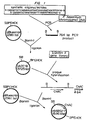
- New primers were synthesized with Bam HI sites at their 5' ends, which were otherwise identical to those described above, and used to produce a 764 bp PCR product, Figure 1.
- This DNA fragment was digested with Bam HI, isolated on an agarose gel, as described by Maniatis et al ., ibid, and purified using the GenecleanTM kit (Bio/Can, Mississauga, Ont.)
- pBluescript was digested with Bam HI, the 5' ends dephosphorylated by alkaline phosphatase treatment as described by Maniatis et al., ibid, and purified from an agarose gel using the GenecleanTM kit.
- the treated PCR fragment and pBluescript plasmid DNA were ligated, transformed into FTB1, and plated onto LB agar plates containing ampicillin at 0.2 mg/ml.
- Plasmids from colonies grown on these plates were isolated by colony cracking as described in Maniatis et al., ibid. All enzymes were supplied by New England Biolabs (Mississauga, Ont.). Plasmids were isolated using the RPMTM kit (Bio/Can, Mississuaga, Ont.). Sequence analysis of the cloned PCR fragment correlated with reverse transcribed peptide sequences from chondroitinase AC peptides, indicating that the PCR fragment encodes the chondroitinase AC gene. DNA sequencing was performed by the dideoxy-chain termination method of Sanger et al ., Proc. Natl. Acad. Sci .
- Sequencing reactions were carried out with the SequenaseTM Kit (U.S. Biochemical Corp., Cleveland, Ohio) and S-dATP (Amersham Canada Ltd., Oakville, Ontario, Canada), as specified by the supplier.
- the 764 bp PCR fragment, contained in plasmid pA2C1BS-11 represents approximately 36% of the coding region for the Chondroitinase AC gene. This entire 764 bp fragment was sequenced and was found to contain a continuous open reading frame which encoded peptides AC-3, AC-4 and AC-1 (Sequence ID No. 2, amino acids 395-413; 603-617; 514-536; 280-288, respectively).
- the 764 bp PCR fragment was used to probe the genomic F. heparinase lambda library.
- pA2C1BS-11 was isolated via the boiling method, as described in Maniatis et al ., ibid.
- the plasmid was digested with Bam HI, separated from the vector, purified as described above and labeled with a Nick TranslationTM kit (Boehringer Mannheim, Montreal, Canada) using radiolabelled 32 P ⁇ -dATP.
- E. coli P2392 (Stratagene, La Jolla, CA) was used as the lawn for plating the lambda library.
- plaque hybridization was carried out, at 65°C for 16 hours in a Tek StarTM hybridization oven (Bio/CAN Scientific, Mississauga, Ontario). Subsequent washes were performed at 65°C, twice for 15 min. in 2X SSC, once in 2X SSC/0.1% SDS for 30 min. and once in 0.5X SSC/0.1% SDS for 15 min. More than 100 positive plaques were identified and isolated, some of which were clusters of plaques.
- chondroitinase AC is approximately 75 kD
- the size of the corresponding gene would be approximately 2.05 kb.
- Both the 4.5 kb Sal I and the 6 kb Bam HI chromosomal DNA fragments could include the entire chondroitinase AC gene.
- the pBluescript plasmid containing this Bam HI fragment was isolated using the Qiagene kit (Bio/Can, Miss, Ont). A method of DNA sequencing, the walking primer strategy (Voss et al. Meth. Molec. Cell.
- the Pharmacia AutoCycleTM kit (Pharmacia LKB, Mtl, Qc), and a automated heating block (DNA ThermocyclerTM, Barnstead/Thermolyne, Dubuque, Iowa), programmed for step cycles of 95°C for 36 sec, 50°C for 36 sec and 72°C for 84 sec, repeated 25 times, sequencing of secondary structure regions was accomplished. Any ambiguous areas still not resolved by the first method were sequenced by the method of Sanger et al ., Proc. Natl. Acad. Sci. 74 : 5463-5467 (1978), using 35 S a-dATP, and a USB SequenaseTM kit (LaJolla, Ca.) in which dGTP was replaced by dITP.
- the vector pGB is an E. coli expression vector which contains an unique BamH I site, whereby expression of a DNA fragment inserted into this site is driven by a double tac promoter.
- the vector also includes a kanamycin resistance gene and the lac I q gene to allow induction of transcription with IPTG. PCR was used to generate a mature chondroitinase AC gene.
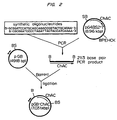
- oligonucleotide 5'-GCGGATCCATGCAGCAGACCGGTACTGCAGAA-3', (Sequence ID No. 7) was designed to insert an ATG-start site immediately preceding the codon for the first amino acid (Q-23) of mature chondroitinase AC, while an oligonucleotide 5'-CGCGGATCCCCTAGATTACTACCATCAAAA-3' (Sequence ID No. 8) was designed to hybridize downstream of the TAG-stop codon. Both oligonucleotides also contain a Bam HI site. Plasmid p64BS2-7 was used as the template in a PCR reaction with an annealing temperature of 45°C. A specific fragment of the expected size of 2034 bp was obtained. This fragment was isolated and inserted into a Bam HI site of the expression vector pGB.
- the construct was transformed into E. coli strain, F-TB1, and the transformed bacteria was grown at 37°C in LB medium containing 75 ⁇ g/ml kanamycin to an OD 600 of 0.5, at which point the tac promoter from pGB was induced by the addition of 1 mM IPTG. Cultures were grown an additional 2 to 5.5 hours at either 23°C, 30°C or 37°C. The cells were cooled on ice, concentrated by centrifugation and resuspended in cold PBS at 1/10th the original culture volume. Cells were lysed by sonication and cell debris removed by centrifugation at 10,000 x g, 5 minutes.
- the pellet and supernatant fractions were analyzed separately for chondroitin sulfate A or C degrading (chondroitinase AC) activity.
- Chondroitin sulfate A degrading activities of 1.24 x 10 -2 , 2.88 x 10 -2 , and 4.25 x 10 -2 IU/ml/OD and chondroitin sulfate C degrading activities of 1.57 x 10 -2 , 2.24 x 10 -2 , and 6.02 x 10 -2 IU/ml/OD were observed from cultures grown at 23, 30 and 37°C, respectively.
- the activities using chondroitin sulfate A as the substrate are approximately twice that of those using chondroitin sulfate C as the substrate. This ratio is also observed when measuring the activity of the wild type chondroitinase AC using both these substrates.
- E. coli F-TB1(pGB-ChAC) was grown in a 3.5 L Braun Biostat E computer controlled fermenter in M9 medium to a dry cell weight concentration of 35 g/L.
- Glucose and ammonia were added as needed to maintain growth and pH at 7.0.
- Chondroitinase A activity accumulated to 103.44 IU/ml while chondroitinase C activity accumulated to 28.26 IU/ml.
- Partial-guessmer PCR primers were designed using the amino acid sequences of the clostripain-generated peptides from the chondroitinase B protein and the codons commonly found in Flavobacterium genes, Table 4. Three peptides were generated, designated CHB-1 (Sequence ID No. 4, amino acids 373 to 384), CHB-2 (Sequence ID No. 4, amino acids 41 to 50), and CHB-3 (Sequence ID No. 4, amino acids 130 to 146). Table 4: Codon usage table for Flavobacterium and Escherichia coli . consensus codon amino acid codon(s) E.
- Flavobacterium A GCT, GCC, GCG, GCA GCT GCC C TGT,TGC EITHER EITHER D GAT, GAC EITHER EITHER E GAG, GAA GAA GAA F TTC, TTT EITHER TTT G GGC, GGA, GGG, GGT GGC or GGT GGC H CAC, CAT CAT CAT I ATC, ATA, ATT ATA ATC K AAA, AAG AAA AAA L CTT, CTA, CTG, TTG, TTA, CTC CTG CTG M ATG ATG ATG N AAC, AAT AAC AAT P CCC, CCT, CCA, CCG CCG CCG Q CAG, CAA CAG CAG R CGT, AGA, CGC, CGA, AGG, CGG CGT CGC S TCA, TCC, TCG, TCT, AGC, AGT TCT ND T ACG, ACC, ACT, ACA ACC or ACT ACC or ACA V GTC, GTA, GTA
- 5'-CGG GAT CCC ARA TYG CCG AYG GNA CNT ATA AAG A-3' was derived from the CHB-2 peptide (Sequence ID No. 4, amino acids 41 to 50) and 5'-CGG GAT CCG GCN SKA TTG CGT TCR TCA AA-3' (Sequence ID No. 10) was derived from peptide CHB-3, Sequence ID No. 4, amino acids 130 to 146.
- a Bam HI site was present on the 5' end of each primer to increase the efficiency of cloning of the PCR product. Using linear F.
- heparinum chromosomal DNA described above, as a template
- a single 300 bp DNA fragment was amplified.
- Conditions for the amplification were as follows: denaturation at 94°C for 40 sec, annealing at 45 or 50°C for 1 min. and extension at 72°C for 2 min. This cycle was repeated 35 times.
- the PCR fragment was purified on an agarose gel, digested with Bam HI and ligated into Bam HI digested, dephosphorylated pBluescript.
- the ligation mixture was used to transform E. coli FTB1. Of the 50 resulting transformants, one yielded a 300 bp fragment when cut with Bam HI.
- the insert in this plasmid, pCHB300 was subjected to DNA sequence analysis, performed as described above, which revealed that the insert contained DNA sequences outside of the primer regions which encoded amino acid sequence matching that determined for two chondroitinase B peptides. This insert was used to screen the lambda library of F. heparinum chromosomal DNA, which was constructed as described above.
- the lambda library was plated with a density of 200 plaques per dish. Plate lifts of 20 dishes were made. For production of the probe, 500 ng of pCHB300 was submitted to 30 cycles of PCR amplification; denaturation at 93°C, annealing at 55°C and extension at 72°C, each for 1 min., using the primers described above. The resulting PCR fragment was purified on agarose gels and labelled with dATPa 32 P, using the Random Primer labelling kit (Boehringer Mannheim, Laval, Canada). Thirty-one potential lambda clones were found which hybridized with this probe, after the lifts were subjected to washing one time, in 2X SSC at 58°C.
- Rescreening of these plaques gave a positive signal for 17 of the plaques after washing at 58°C, 2X for 15 min. in 2X SSC, 1X for 30 min. in 2X SSC/0.1% SDS and 1X for 20 min. in 0.5X SSC/0.1% SDS.
- Two of 8 clones analyzed further showed a 5.0 kb HindIII fragment hybridizing with the probe and comigrating with a Hind III fragment from F. heparinum chromosomal DNA which also hybridized with the 300 bp probe.
- the 5.0 kb fragment was gel purified from both lambda clones, ligated into the Hind III site of pBluescript and transformed into FTB1.
- sequencing reactions were carried out as described above for the A.L.F. DNA sequencer. Sequence analysis revealed a single 1.52 kb open reading frame coding for 506 amino acid residues. The preprotein was found to have a signal peptide of 25 amino acids. The mature chondroitinase B enzyme contains 481 amino acids with a calculated molecular weight of 53,563 daltons.
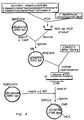
- chondroitinase B Construction of an expression vector for chondroitinase B is shown in Figure 4. Primers were designed to amplify the coding region of the chondroitinase B gene in an analogous manner to that described above with reference to expression of the chondroitinase AC gene.
- One oligonucleotide used for amplification of the chondroitinase B coding sequence (5'-CGCGGATCCATGCAGGTGTTGCTCAAATGAAACT-3') (Sequence ID No. 11), contained a Bam HI restriction site at its 5' end and an ATG codon that was to be inserted before the first amino acid of the mature protein.
- the second oligonucleotide (5'-CGGAATCAATTCACCGGG-AT-3') (Sequence ID No. 12) was designed with a Xmn I restriction site and a termination codon to be inserted at the end of the coding sequence of the gene.
- pCHB78 100 ng of pCHB78 as template, with an annealing temperature of 52°C, the 1.5 kb fragment was amplified, gel purified, restriction digested and inserted into pGB previously cut with Bam HI and Xmn I. This resulted in the definitive pGB-CHB construct used to express the protein.
- the present invention describes a methodology for obtaining highly purified chondroitin degrading enzymes derived from the natural organism Flavobacterium heparinum , and the genes encoding these enzymes.
- Derivatives of the genes can be prepared by making conservative substitutions, additions and deletions thereof, which do not substantially impact on the resulting enzymatic activity, or by using degenerative forms of the genes.
- conservative substitutions involve substitutions of codons which encode the same amino acids and substitutions of amino acids for amino acids having similar structure or chemical characteristics, which are well known to those skilled in the art, for example, groups of structurally similar amino acids include (I,L,V); (F,Y); (K,R); (Q,N); (D,E); AND (G,A) .
Landscapes
- Life Sciences & Earth Sciences (AREA)
- Chemical & Material Sciences (AREA)
- Health & Medical Sciences (AREA)
- Genetics & Genomics (AREA)
- Organic Chemistry (AREA)
- Zoology (AREA)
- Engineering & Computer Science (AREA)
- Bioinformatics & Cheminformatics (AREA)
- Wood Science & Technology (AREA)
- Microbiology (AREA)
- Biotechnology (AREA)
- Biomedical Technology (AREA)
- Molecular Biology (AREA)
- Biochemistry (AREA)
- General Engineering & Computer Science (AREA)
- General Health & Medical Sciences (AREA)
- Medicinal Chemistry (AREA)
- Enzymes And Modification Thereof (AREA)
- Medicines That Contain Protein Lipid Enzymes And Other Medicines (AREA)
- Medicines Containing Material From Animals Or Micro-Organisms (AREA)
Claims (16)
- Zusammensetzung, die(a) eine Enzymzubereitung, die zu mehr als 99 % aus Chondroitinase AC aus dem Bakterium Flavobacterium heparinum besteht, wobei das übrige Material in der Enzymzubereitung Verunreinigung ist; und optional(b) ein Streckmittel umfasst;wobei die Enzymzubereitung aus den Bakterien durch ein Verfahren erhältlich ist, das die folgenden Stufen umfasst:Lyse der Bakterien;Extraktion von Proteinen aus dem periplasmatischen Raum der lysierten Bakterien;Trennen der extrahierten Proteine durch Kationenaustauschchromatographie unter Verwendung eines Salz- oder pH-Gradienten;Trennen der durch Elution der Kationenaustauschchromatographiematrix erhaltenen Fraktionen mit enzymatischer Aktivität durch Chromatographie auf einem sulfatierten Celluloseharz unter Verwendung eines Salz- oder pH-Gradienten;Trennen der durch Elution des sulfatierten Celluloseharzes erhaltenen Fraktionen mit enzymatischer Aktivität auf Hydroxyapatit unter Verwendung eines Salz- oder pH-Gradienten;Trennen der durch Elution des Hydroxyapatits erhaltenen Fraktionen mit enzymatischer Aktivität durch Chromatographie unter Verwendung von Kationenaustauschchromatographie unter Verwendung eines Salz- oder pH-Gradienten; undTrennen der Fraktionen mit enzymatischer Aktivität auf der Basis des Molekulargewichts.
- Zusammensetzung nach Anspruch 1, wobei die Chondroitinase AC ein Molekulargewicht zwischen 72 000 und 82 000 Dalton aufweist und zum Abbau von Chondroitinsulfat A und Chondroitinsulfat C fähig ist.
- Rekombinante Chondroitinase, die durch die Nucleotidsequenz von Sequenz ID NO. 1 oder ein Derivat derselben codiert wird, wobei das Derivat konservative oder degenerative Substitutionen, Additionen oder Deletionen umfasst und wobei die rekombinante Chondroitinase Chondroitinsulfat A und Chondroitinsulfat C abbaut.
- Enzym nach Anspruch 3, das die Aminosäuresequenz von Sequenz ID NO. 2 oder Sequenzen derselben mit konservativen Substitutionen besitzt.
- Zusammensetzung nach Anspruch 1, wobei das Streckmittel ein pharmazeutisch akzeptabler Träger ist.
- Chondroitinase nach Anspruch 3, die die in SEQ ID NO. 2 angegebene Aminosäuresequenz besitzt.
- Verfahren zur Reinigung von Chondroitinase AC aus Flavobacterium heparinum durch ein Verfahren, das die folgenden Stufen umfasst:Lyse der Bakterien;Extraktion von Proteinen aus dem periplasmatischen Raum der lysierten Bakterien;Trennen der extrahierten Proteine durch Kationenaustauschchromatographie unter Verwendung eines Salz- oder pH-Gradienten;Trennen der durch Elution der Kationenaustauschchromatographiematrix erhaltenen Fraktionen mit enzymatischer Aktivität durch Chromatographie auf einem sulfatierten Celluloseharz unter Verwendung eines Salz- oder pH-Gradienten;Trennen der durch Elution des sulfatierten Celluloseharzes erhaltenen Fraktionen mit enzymatischer Aktivität auf Hydroxyapatit unter Verwendung eines Salz- oder pH-Gradienten;Trennen der durch Elution des Hydroxyapatits erhaltenen Fraktionen mit enzymatischer Aktivität durch Chromatographie unter Verwendung von Kationaustauschchromatographie unter Verwendung eines Salz- oder pH-Gradienten; undTrennen der Fraktionen mit enzymatischer Aktivität auf der Basis des Molekulargewichts in Fraktionen, die Chondroitinase AC getrennt von anderen Enzymen umfassen.
- Zusammensetzung nach einem der Ansprüche 1, 2 oder 5, die zu mehr als 99 % aus Chondroitinase AC besteht, wobei das übrige Material eine Verunreinigung ist.
- Zusammensetzung nach einem der Ansprüche 1, 2, 5 oder 8 oder Verfahren nach Anspruch 7, wobei die Bakterien rekombinant ein Gen mit Codierung für die Chondroitinase AC exprimieren.
- Rekombinantes Polynucleotid mit Codierung für Chondroitinase AC gemäß der Definition in einem der Ansprüche 1-4 oder 6.
- Verfahren zur Herstellung von Chondroitinase AC, das das Exprimieren der Chondroitinase ausgehend von einem rekombinanten Polynucleotid gemäß der Definition in Anspruch 10 in einem Wirtsmikroorganizmus umfasst.
- Verfahren nach Anspruch 11, das ferner die Stufe der Reinigung der auf diese Weise exprimierten Chondroitinase aus dem Wirtsmikroorganismus umfasst.
- Verfahren nach Anspruch 11 oder 12, wobei der Wirtsmikroorganismus ein Bakterium ist.
- Verfahren nach Anspruch 13, wobei das Bakterium Flavobacterium heparinum ist.
- Verfahren nach Anspruch 13 oder 14, wobei die Stufe der Reinigung der auf diese Weise exprimierten Chondroitinase aus dem Wirtsmikroorganismus das Verfahren von Anspruch 7 umfasst.
- Verfahren nach einem der Ansprüche 11 bis 13, wobei der Wirtsmikroorganismus ein von Flavobacterium heparinum verschiedener Organismus ist.
Priority Applications (1)
| Application Number | Priority Date | Filing Date | Title |
|---|---|---|---|
| EP05075080A EP1607478B1 (de) | 1994-07-08 | 1995-07-07 | Chondroitinlyase-Enzyme |
Applications Claiming Priority (3)
| Application Number | Priority Date | Filing Date | Title |
|---|---|---|---|
| US08/272,247 US6093563A (en) | 1994-07-08 | 1994-07-08 | Chondroitin lyase enzymes |
| US272247 | 1994-07-08 | ||
| PCT/US1995/008560 WO1996001894A1 (en) | 1994-07-08 | 1995-07-07 | Chondroitin lyase enzymes |
Related Child Applications (2)
| Application Number | Title | Priority Date | Filing Date |
|---|---|---|---|
| EP05075080A Division EP1607478B1 (de) | 1994-07-08 | 1995-07-07 | Chondroitinlyase-Enzyme |
| EP05075080.1 Division-Into | 2005-01-18 |
Publications (2)
| Publication Number | Publication Date |
|---|---|
| EP0764205A1 EP0764205A1 (de) | 1997-03-26 |
| EP0764205B1 true EP0764205B1 (de) | 2005-09-21 |
Family
ID=23039019
Family Applications (2)
| Application Number | Title | Priority Date | Filing Date |
|---|---|---|---|
| EP05075080A Expired - Lifetime EP1607478B1 (de) | 1994-07-08 | 1995-07-07 | Chondroitinlyase-Enzyme |
| EP95926207A Expired - Lifetime EP0764205B1 (de) | 1994-07-08 | 1995-07-07 | Chondroitin lyase enzymen |
Family Applications Before (1)
| Application Number | Title | Priority Date | Filing Date |
|---|---|---|---|
| EP05075080A Expired - Lifetime EP1607478B1 (de) | 1994-07-08 | 1995-07-07 | Chondroitinlyase-Enzyme |
Country Status (10)
| Country | Link |
|---|---|
| US (2) | US6093563A (de) |
| EP (2) | EP1607478B1 (de) |
| JP (2) | JPH10506263A (de) |
| AT (2) | ATE305032T1 (de) |
| AU (1) | AU693916B2 (de) |
| CA (1) | CA2194375C (de) |
| DE (2) | DE69534466T2 (de) |
| DK (1) | DK0764205T3 (de) |
| ES (1) | ES2255062T3 (de) |
| WO (1) | WO1996001894A1 (de) |
Cited By (1)
| Publication number | Priority date | Publication date | Assignee | Title |
|---|---|---|---|---|
| US9796970B1 (en) | 2017-04-24 | 2017-10-24 | Advantek Serum Laboratories Ltd. | Production of high purity chondroitinase ABC |
Families Citing this family (50)
| Publication number | Priority date | Publication date | Assignee | Title |
|---|---|---|---|---|
| CA2242693C (en) * | 1997-09-04 | 2002-09-17 | Becton, Dickinson And Company | Additive formulation and method of use thereof |
| US6979563B1 (en) | 1999-11-17 | 2005-12-27 | Biomarin Enzymes, Inc. | Attenuation of tumor growth, metastasis and angiogenesis |
| JP3271008B2 (ja) * | 1999-11-18 | 2002-04-02 | 独立行政法人産業技術総合研究所 | コンドロイチン硫酸類の製造方法 |
| JP2004504262A (ja) | 1999-12-02 | 2004-02-12 | アイベックス テクノロジーズ, インコーポレイテッド | 線維芽細胞の増殖の弱毒化 |
| WO2001053474A2 (en) * | 2000-01-21 | 2001-07-26 | Ibex Pharmaceuticals, Inc. | Flavobacterium heparinum expression system |
| JP4749667B2 (ja) | 2001-08-13 | 2011-08-17 | ユニバーシティ オブ フロリダ リサーチ ファンデーション インコーポレーティッド | 神経組織の修復を促進するための材料および方法 |
| MXPA04008031A (es) * | 2002-02-19 | 2004-11-26 | Procter & Gamble | Nueva lipasa fungica. |
| GB0205022D0 (en) | 2002-03-04 | 2002-04-17 | Univ Cambridge Tech | Materials and methods for the treatment of cns damage |
| EP1575548B1 (de) | 2002-05-04 | 2011-03-09 | Acorda Therapeutics, Inc. | Zusammensetzungen und verfahren zur förderung des neuronalen wachstums |
| CA2493509C (en) * | 2002-06-03 | 2010-03-09 | Massachusetts Institute Of Technology | Rationally designed polysaccharide lyases derived from chondroitinase b |
| EP1530643B1 (de) * | 2002-08-15 | 2011-05-04 | Acorda Therapeutics, Inc. | Chimärisches protein |
| US7319021B2 (en) * | 2002-11-01 | 2008-01-15 | Promega Corporation | Cell lysis composition, methods of use, apparatus and kit |
| US7959914B2 (en) | 2003-05-16 | 2011-06-14 | Acorda Therapeutics, Inc. | Methods of reducing extravasation of inflammatory cells |
| AU2013201097B2 (en) * | 2003-05-16 | 2016-03-31 | Acorda Therapeutics, Inc. | Proteoglycan degrading mutants for treatment of cns |
| MXPA05012305A (es) * | 2003-05-16 | 2006-04-18 | Acorda Therapeutics Inc | Composiciones y metodos para el tratamiento de lesiones del snc. |
| US7429375B2 (en) | 2003-05-16 | 2008-09-30 | Acorda Therapeutics, Inc. | Proteoglycan degrading mutants for the treatment of CNS |
| JPWO2005019465A1 (ja) * | 2003-08-26 | 2006-10-19 | 生化学工業株式会社 | 糖鎖切断剤 |
| US7507570B2 (en) * | 2004-03-10 | 2009-03-24 | Massachusetts Institute Of Technology | Recombinant chondroitinase ABC I and uses thereof |
| ES2411504T3 (es) * | 2004-05-18 | 2013-07-05 | Acorda Therapeutics, Inc. | Métodos de purificación de condroitinasa y formulaciones estables de la misma |
| US20050261241A1 (en) * | 2004-05-19 | 2005-11-24 | Celsus Biopharmaceuticals, Inc. | Use of dermatan sulfates and/or desulfated heparins to treat or prevent heparinoid-induced autoimmune responses |
| WO2007038548A2 (en) * | 2005-09-26 | 2007-04-05 | Acorda Therapeutics, Inc. | Compositions and methods of using chondroitinase abci mutants |
| EP2450442B1 (de) | 2006-10-10 | 2017-07-19 | Acorda Therapeutics, Inc. | Zusammensetzungen und verfahren zur verwendung von chondroitinase-abci-mutanten |
| US20080299622A1 (en) * | 2007-02-07 | 2008-12-04 | Paulson Bradley A | Starch Hydrolysis Using Phytase with an Alpha Amylase |
| EP2250277A1 (de) * | 2008-02-06 | 2010-11-17 | Danisco US Inc. | Ph-einstellungsfreies system zur herstellung von vergärbaren zuckern und alkohol |
| TWI395593B (zh) | 2008-03-06 | 2013-05-11 | Halozyme Inc | 可活化的基質降解酵素之活體內暫時性控制 |
| US20090286289A1 (en) * | 2008-03-10 | 2009-11-19 | Pang Danny Z | Production of Hyaluronate Unsaturated Disaccharides and its Application |
| EP2662090A1 (de) | 2008-04-14 | 2013-11-13 | Halozyme, Inc. | Modifizierte Hyaluronidasen und ihre Verwendungen bei der Behandlung von Erkrankungen und Zuständen im Zusammenhang mit Hyaluronan |
| TWI394580B (zh) | 2008-04-28 | 2013-05-01 | Halozyme Inc | 超快起作用胰島素組成物 |
| US8292918B2 (en) | 2009-02-20 | 2012-10-23 | Boston Scientific Scimed, Inc. | Composite plug for arteriotomy closure and method of use |
| US8317824B2 (en) * | 2009-02-20 | 2012-11-27 | Boston Scientific Scimed, Inc. | Tissue puncture closure device |
| US8529598B2 (en) * | 2009-02-20 | 2013-09-10 | Boston Scientific Scimed, Inc. | Tissue puncture closure device |
| US20100217309A1 (en) * | 2009-02-20 | 2010-08-26 | Boston Scientific Scimed, Inc. | Plug for arteriotomy closure and method of use |
| US9913634B2 (en) * | 2009-02-20 | 2018-03-13 | Boston Scientific Scimed, Inc. | Locking element for vascular closure device |
| US8052914B2 (en) * | 2009-02-20 | 2011-11-08 | Boston Scientific Scimed, Inc. | Modified plug for arteriotomy closure |
| US8375553B2 (en) * | 2009-02-20 | 2013-02-19 | Boston Scientific Scimed, Inc. | Locking element for vascular closure device |
| WO2011100547A2 (en) | 2010-02-11 | 2011-08-18 | Boston Scientific Scimed, Inc. | Automatic vascular closure deployment devices and methods |
| MX348420B (es) | 2010-07-20 | 2017-06-12 | Halozyme Inc | Efectos secundarios adversos asociados con la administracion de agentes anti-hialuronano y metodos para mejorar o prevenir los efectos secundarios. |
| US8758402B2 (en) | 2010-12-17 | 2014-06-24 | Boston Scientific Scimed, Inc. | Tissue puncture closure device |
| ES2634669T3 (es) | 2011-02-08 | 2017-09-28 | Halozyme, Inc. | Composición y formulación lipídica de una enzima de degradación de hialuronano y uso de la misma para el tratamiento de la hiperplasia benigna de próstata |
| WO2012174478A2 (en) | 2011-06-17 | 2012-12-20 | Halozyme, Inc. | Stable formulations of a hyaluronan-degrading enzyme |
| MX341448B (es) | 2011-06-17 | 2016-08-19 | Halozyme Inc | Metodos de infusion de insulina subcutanea continua con una enzima que degrada a hialuronano. |
| US9993529B2 (en) | 2011-06-17 | 2018-06-12 | Halozyme, Inc. | Stable formulations of a hyaluronan-degrading enzyme |
| WO2013040501A1 (en) | 2011-09-16 | 2013-03-21 | Pharmathene, Inc. | Compositions and combinations of organophosphorus bioscavengers and hyaluronan-degrading enzymes, and uses thereof |
| AU2012328880B2 (en) | 2011-10-24 | 2017-02-23 | Halozyme, Inc. | Companion diagnostic for anti-hyaluronan agent therapy and methods of use thereof |
| NZ700073A (en) | 2012-04-04 | 2016-08-26 | Halozyme Inc | Combination therapy with an anti - hyaluronan agent and a tumor - targeted taxane |
| US9278124B2 (en) | 2012-10-16 | 2016-03-08 | Halozyme, Inc. | Hypoxia and hyaluronan and markers thereof for diagnosis and monitoring of diseases and conditions and related methods |
| WO2014092960A1 (en) | 2012-12-11 | 2014-06-19 | Danisco Us Inc. | Trichoderma reesei host cells expressing a glucoamylase from aspergillus fumigatus and methods of use thereof |
| EP3186281B1 (de) | 2014-08-28 | 2019-04-10 | Halozyme, Inc. | Kombinationstherapie mit einer hyaluronanabbauendem enzym und einem immun-checkpoint-hemmer |
| US20190351031A1 (en) | 2018-05-16 | 2019-11-21 | Halozyme, Inc. | Methods of selecting subjects for combination cancer therapy with a polymer-conjugated soluble ph20 |
| CN114480182B (zh) * | 2022-01-10 | 2023-10-31 | 中国农业大学 | 一种假节杆菌pl-410及其在产软骨素裂解酶中的应用 |
Family Cites Families (8)
| Publication number | Priority date | Publication date | Assignee | Title |
|---|---|---|---|---|
| JPS6031478B2 (ja) * | 1978-02-10 | 1985-07-22 | 生化学工業株式会社 | 純コンドロイチナ−ゼbの製造法 |
| JPS54107865A (en) * | 1978-02-13 | 1979-08-24 | Soujirou Fujino | Periphery formation of cylindrical metal container |
| JPS55127988A (en) * | 1979-03-23 | 1980-10-03 | Seikagaku Kogyo Co Ltd | Preparation of peptidase |
| US4390628A (en) * | 1979-05-17 | 1983-06-28 | De Forenede Bryggerier A/S | Process for isolating Cu, Zn-superoxide dismutase from aqueous solutions containing said enzyme together with accompanying proteins |
| US4696816A (en) * | 1985-11-07 | 1987-09-29 | Brown Mark D | Method for treating intervertebral disc displacement with enzymes |
| US5169772A (en) * | 1988-06-06 | 1992-12-08 | Massachusetts Institute Of Technology | Large scale method for purification of high purity heparinase from flavobacterium heparinum |
| ZA912770B (en) * | 1990-04-16 | 1992-01-29 | Bethesda Eye Inst | Enzymatic disinsertion of vitreous body |
| JPH0698769A (ja) * | 1992-09-22 | 1994-04-12 | Maruha Corp | コンドロイチナーゼ及びその遺伝子 |
-
1994
- 1994-07-08 US US08/272,247 patent/US6093563A/en not_active Expired - Fee Related
-
1995
- 1995-07-07 AT AT95926207T patent/ATE305032T1/de not_active IP Right Cessation
- 1995-07-07 CA CA002194375A patent/CA2194375C/en not_active Expired - Fee Related
- 1995-07-07 JP JP8504422A patent/JPH10506263A/ja not_active Withdrawn
- 1995-07-07 DE DE69534466T patent/DE69534466T2/de not_active Expired - Fee Related
- 1995-07-07 EP EP05075080A patent/EP1607478B1/de not_active Expired - Lifetime
- 1995-07-07 DE DE69535939T patent/DE69535939D1/de not_active Expired - Fee Related
- 1995-07-07 DK DK95926207T patent/DK0764205T3/da active
- 1995-07-07 WO PCT/US1995/008560 patent/WO1996001894A1/en not_active Ceased
- 1995-07-07 ES ES95926207T patent/ES2255062T3/es not_active Expired - Lifetime
- 1995-07-07 AT AT05075080T patent/ATE428774T1/de not_active IP Right Cessation
- 1995-07-07 AU AU30044/95A patent/AU693916B2/en not_active Ceased
- 1995-07-07 EP EP95926207A patent/EP0764205B1/de not_active Expired - Lifetime
-
1997
- 1997-09-17 US US08/931,952 patent/US6054569A/en not_active Expired - Fee Related
-
2007
- 2007-11-02 JP JP2007286768A patent/JP2008086325A/ja active Pending
Cited By (1)
| Publication number | Priority date | Publication date | Assignee | Title |
|---|---|---|---|---|
| US9796970B1 (en) | 2017-04-24 | 2017-10-24 | Advantek Serum Laboratories Ltd. | Production of high purity chondroitinase ABC |
Also Published As
| Publication number | Publication date |
|---|---|
| US6054569A (en) | 2000-04-25 |
| EP1607478A2 (de) | 2005-12-21 |
| EP1607478B1 (de) | 2009-04-15 |
| AU3004495A (en) | 1996-02-09 |
| JPH10506263A (ja) | 1998-06-23 |
| US6093563A (en) | 2000-07-25 |
| CA2194375A1 (en) | 1996-01-25 |
| WO1996001894A1 (en) | 1996-01-25 |
| DE69534466T2 (de) | 2006-06-22 |
| JP2008086325A (ja) | 2008-04-17 |
| DE69534466D1 (de) | 2006-02-02 |
| EP0764205A1 (de) | 1997-03-26 |
| AU693916B2 (en) | 1998-07-09 |
| CA2194375C (en) | 2002-06-11 |
| ES2255062T3 (es) | 2006-06-16 |
| DE69535939D1 (de) | 2009-05-28 |
| ATE305032T1 (de) | 2005-10-15 |
| ATE428774T1 (de) | 2009-05-15 |
| DK0764205T3 (da) | 2005-11-28 |
| EP1607478A3 (de) | 2006-02-22 |
Similar Documents
| Publication | Publication Date | Title |
|---|---|---|
| EP1607478B1 (de) | Chondroitinlyase-Enzyme | |
| US5714376A (en) | Heparinase gene from flavobacterium heparinum | |
| Hartmann et al. | Purification, properties and primary structure of H2-forming N 5, N10-methylenetetrahydromethanopterin dehydrogenase from Methanococcus thermolithotrophicus | |
| Yonemoto et al. | Bacterial alginate lyase gene: nucleotide sequence and molecular route for generation of alginate lyase species | |
| US5137821A (en) | Gene and process of making glucose-6-phosphate dehydrogenase | |
| WO1998011239A1 (en) | REGULATORY SEQUENCE OF CELLULASE cbh1 GENES ORIGINATING IN TRICHODERMA VIRIDE AND SYSTEM FOR MASS-PRODUCING PROTEINS OR PEPTIDES THEREWITH | |
| Tokuyasu et al. | Cloning and expression of chitin deacetylase gene from a Deuteromycete, Colletotrichum lindemuthianum | |
| AU6818394A (en) | Cloning and expression of the chondroitinase i and ii genes from (p. vulgaris) | |
| EP0579907A1 (de) | Neue Nitril-Hydratase, das sie kodierende Gen und ihre Verwendung zur Herstellung von Amiden aus Nitrilen | |
| JPH0698769A (ja) | コンドロイチナーゼ及びその遺伝子 | |
| JP2850033B2 (ja) | 新規なl―乳酸脱水素酵素及びそれをコードする遺伝子 | |
| JP3489604B2 (ja) | 5−アミノレブリン酸合成酵素遺伝子 | |
| US5217880A (en) | L-fucose dehydrogenase gene, microorganism having said gene and production of l-fucose dehydrogenase by the use of said microorganism | |
| US5827710A (en) | DNA encoding the subunit of avian lactate dehydrogenase | |
| GB2213822A (en) | Dna encoding l-´-glycerophosphate | |
| JP2706223B2 (ja) | ピルビン酸オキシダーゼの遺伝情報を有するdnaの用途 | |
| JPH08238087A (ja) | サルコシンオキシダーゼおよびその製造法 | |
| JP3012908B2 (ja) | ジヒドロ葉酸還元酵素―抗アレルギー性ペンタペプチド多量体の融合タンパク質(▲i▼) | |
| JP3003785B2 (ja) | イソクエン酸脱水素酵素の遺伝子情報を有するdnaおよびその用途 | |
| JP2788070B2 (ja) | 2―ハロ酸デハロゲナーゼ生産性遺伝子 | |
| JP2000245471A (ja) | ギ酸脱水素酵素遺伝子、それを含有する組換えベクター、その組換えベクターを含有する形質転換体及びその形質転換体を用いたギ酸脱水素酵素の製造方法 | |
| JPH11225769A (ja) | 糖類変換酵素をコードするdna、それを含む組換えdna並びに形質転換体 | |
| JPH0767390B2 (ja) | ピルビン酸オキシダ−ゼの遺伝情報を有するdnaおよびその用途 | |
| JPH0638769A (ja) | プロリンイミノペプチダーゼの遺伝情報を有するdna断片およびその用途 | |
| JPH10257890A (ja) | 新規なクレアチンアミジノヒドロラーゼ |
Legal Events
| Date | Code | Title | Description |
|---|---|---|---|
| PUAI | Public reference made under article 153(3) epc to a published international application that has entered the european phase |
Free format text: ORIGINAL CODE: 0009012 |
|
| 17P | Request for examination filed |
Effective date: 19970123 |
|
| AK | Designated contracting states |
Kind code of ref document: A1 Designated state(s): AT BE CH DE DK ES FR GB GR IE IT LI LU MC NL PT SE |
|
| RAP1 | Party data changed (applicant data changed or rights of an application transferred) |
Owner name: IBEX TECHNOLOGIES |
|
| RAP1 | Party data changed (applicant data changed or rights of an application transferred) |
Owner name: IBEX TECHNOLGIES R AND D, INC. |
|
| 17Q | First examination report despatched |
Effective date: 20021121 |
|
| GRAP | Despatch of communication of intention to grant a patent |
Free format text: ORIGINAL CODE: EPIDOSNIGR1 |
|
| GRAS | Grant fee paid |
Free format text: ORIGINAL CODE: EPIDOSNIGR3 |
|
| RAP1 | Party data changed (applicant data changed or rights of an application transferred) |
Owner name: BIOMARIN PHARMACEUTICALS, INC. |
|
| GRAA | (expected) grant |
Free format text: ORIGINAL CODE: 0009210 |
|
| AK | Designated contracting states |
Kind code of ref document: B1 Designated state(s): AT BE CH DE DK ES FR GB GR IE IT LI LU MC NL PT SE |
|
| PG25 | Lapsed in a contracting state [announced via postgrant information from national office to epo] |
Ref country code: NL Free format text: LAPSE BECAUSE OF FAILURE TO SUBMIT A TRANSLATION OF THE DESCRIPTION OR TO PAY THE FEE WITHIN THE PRESCRIBED TIME-LIMIT Effective date: 20050921 Ref country code: BE Free format text: LAPSE BECAUSE OF FAILURE TO SUBMIT A TRANSLATION OF THE DESCRIPTION OR TO PAY THE FEE WITHIN THE PRESCRIBED TIME-LIMIT Effective date: 20050921 Ref country code: AT Free format text: LAPSE BECAUSE OF FAILURE TO SUBMIT A TRANSLATION OF THE DESCRIPTION OR TO PAY THE FEE WITHIN THE PRESCRIBED TIME-LIMIT Effective date: 20050921 |
|
| REG | Reference to a national code |
Ref country code: GB Ref legal event code: FG4D |
|
| REG | Reference to a national code |
Ref country code: CH Ref legal event code: EP |
|
| REG | Reference to a national code |
Ref country code: IE Ref legal event code: FG4D |
|
| REF | Corresponds to: |
Ref document number: 69534466 Country of ref document: DE Date of ref document: 20051027 Kind code of ref document: P |
|
| RAP2 | Party data changed (patent owner data changed or rights of a patent transferred) |
Owner name: BIOMARIN PHARMACEUTICAL INC. |
|
| REG | Reference to a national code |
Ref country code: DK Ref legal event code: T3 |
|
| PG25 | Lapsed in a contracting state [announced via postgrant information from national office to epo] |
Ref country code: SE Free format text: LAPSE BECAUSE OF FAILURE TO SUBMIT A TRANSLATION OF THE DESCRIPTION OR TO PAY THE FEE WITHIN THE PRESCRIBED TIME-LIMIT Effective date: 20051221 Ref country code: GR Free format text: LAPSE BECAUSE OF FAILURE TO SUBMIT A TRANSLATION OF THE DESCRIPTION OR TO PAY THE FEE WITHIN THE PRESCRIBED TIME-LIMIT Effective date: 20051221 |
|
| NLT2 | Nl: modifications (of names), taken from the european patent patent bulletin |
Owner name: BIOMARIN PHARMACEUTICAL INC. Effective date: 20051116 |
|
| REG | Reference to a national code |
Ref country code: CH Ref legal event code: NV Representative=s name: KIRKER & CIE SA |
|
| REF | Corresponds to: |
Ref document number: 69534466 Country of ref document: DE Date of ref document: 20060202 Kind code of ref document: P |
|
| PG25 | Lapsed in a contracting state [announced via postgrant information from national office to epo] |
Ref country code: PT Free format text: LAPSE BECAUSE OF FAILURE TO SUBMIT A TRANSLATION OF THE DESCRIPTION OR TO PAY THE FEE WITHIN THE PRESCRIBED TIME-LIMIT Effective date: 20060221 |
|
| NLV1 | Nl: lapsed or annulled due to failure to fulfill the requirements of art. 29p and 29m of the patents act | ||
| ET | Fr: translation filed | ||
| REG | Reference to a national code |
Ref country code: ES Ref legal event code: FG2A Ref document number: 2255062 Country of ref document: ES Kind code of ref document: T3 |
|
| PLBE | No opposition filed within time limit |
Free format text: ORIGINAL CODE: 0009261 |
|
| STAA | Information on the status of an ep patent application or granted ep patent |
Free format text: STATUS: NO OPPOSITION FILED WITHIN TIME LIMIT |
|
| 26N | No opposition filed |
Effective date: 20060622 |
|
| PG25 | Lapsed in a contracting state [announced via postgrant information from national office to epo] |
Ref country code: LU Free format text: LAPSE BECAUSE OF NON-PAYMENT OF DUE FEES Effective date: 20060707 |
|
| PGFP | Annual fee paid to national office [announced via postgrant information from national office to epo] |
Ref country code: MC Payment date: 20080619 Year of fee payment: 14 |
|
| PGFP | Annual fee paid to national office [announced via postgrant information from national office to epo] |
Ref country code: CH Payment date: 20080730 Year of fee payment: 14 Ref country code: ES Payment date: 20080728 Year of fee payment: 14 Ref country code: DK Payment date: 20080729 Year of fee payment: 14 Ref country code: DE Payment date: 20080829 Year of fee payment: 14 |
|
| PGFP | Annual fee paid to national office [announced via postgrant information from national office to epo] |
Ref country code: IT Payment date: 20080726 Year of fee payment: 14 Ref country code: IE Payment date: 20080725 Year of fee payment: 14 Ref country code: FR Payment date: 20080729 Year of fee payment: 14 |
|
| PGFP | Annual fee paid to national office [announced via postgrant information from national office to epo] |
Ref country code: GB Payment date: 20080729 Year of fee payment: 14 |
|
| PG25 | Lapsed in a contracting state [announced via postgrant information from national office to epo] |
Ref country code: MC Free format text: LAPSE BECAUSE OF NON-PAYMENT OF DUE FEES Effective date: 20090731 |
|
| REG | Reference to a national code |
Ref country code: CH Ref legal event code: PL |
|
| REG | Reference to a national code |
Ref country code: DK Ref legal event code: EBP |
|
| GBPC | Gb: european patent ceased through non-payment of renewal fee |
Effective date: 20090707 |
|
| REG | Reference to a national code |
Ref country code: FR Ref legal event code: ST Effective date: 20100331 |
|
| REG | Reference to a national code |
Ref country code: IE Ref legal event code: MM4A |
|
| PG25 | Lapsed in a contracting state [announced via postgrant information from national office to epo] |
Ref country code: LI Free format text: LAPSE BECAUSE OF NON-PAYMENT OF DUE FEES Effective date: 20090731 Ref country code: FR Free format text: LAPSE BECAUSE OF NON-PAYMENT OF DUE FEES Effective date: 20090731 Ref country code: CH Free format text: LAPSE BECAUSE OF NON-PAYMENT OF DUE FEES Effective date: 20090731 |
|
| PG25 | Lapsed in a contracting state [announced via postgrant information from national office to epo] |
Ref country code: GB Free format text: LAPSE BECAUSE OF NON-PAYMENT OF DUE FEES Effective date: 20090707 |
|
| PG25 | Lapsed in a contracting state [announced via postgrant information from national office to epo] |
Ref country code: DE Free format text: LAPSE BECAUSE OF NON-PAYMENT OF DUE FEES Effective date: 20100202 |
|
| PG25 | Lapsed in a contracting state [announced via postgrant information from national office to epo] |
Ref country code: IE Free format text: LAPSE BECAUSE OF NON-PAYMENT OF DUE FEES Effective date: 20090707 Ref country code: DK Free format text: LAPSE BECAUSE OF NON-PAYMENT OF DUE FEES Effective date: 20090731 |
|
| REG | Reference to a national code |
Ref country code: ES Ref legal event code: FD2A Effective date: 20090708 |
|
| PG25 | Lapsed in a contracting state [announced via postgrant information from national office to epo] |
Ref country code: ES Free format text: LAPSE BECAUSE OF NON-PAYMENT OF DUE FEES Effective date: 20090708 |
|
| PG25 | Lapsed in a contracting state [announced via postgrant information from national office to epo] |
Ref country code: IT Free format text: LAPSE BECAUSE OF NON-PAYMENT OF DUE FEES Effective date: 20090707 |