EP0771192B1 - Utilisation d'agents diriges contre le facteur de croissance des cellules endotheliales dans le traitement de l'endometriose - Google Patents
Utilisation d'agents diriges contre le facteur de croissance des cellules endotheliales dans le traitement de l'endometriose Download PDFInfo
- Publication number
- EP0771192B1 EP0771192B1 EP95919578A EP95919578A EP0771192B1 EP 0771192 B1 EP0771192 B1 EP 0771192B1 EP 95919578 A EP95919578 A EP 95919578A EP 95919578 A EP95919578 A EP 95919578A EP 0771192 B1 EP0771192 B1 EP 0771192B1
- Authority
- EP
- European Patent Office
- Prior art keywords
- vegf
- composition
- agent
- inhibiting
- macrophages
- Prior art date
- Legal status (The legal status is an assumption and is not a legal conclusion. Google has not performed a legal analysis and makes no representation as to the accuracy of the status listed.)
- Expired - Lifetime
Links
- WWDABSPKHWIPAN-UHFFFAOYSA-N CCC1CC(C2)C2C1 Chemical compound CCC1CC(C2)C2C1 WWDABSPKHWIPAN-UHFFFAOYSA-N 0.000 description 1
Images






Classifications
-
- A—HUMAN NECESSITIES
- A61—MEDICAL OR VETERINARY SCIENCE; HYGIENE
- A61K—PREPARATIONS FOR MEDICAL, DENTAL OR TOILETRY PURPOSES
- A61K31/00—Medicinal preparations containing organic active ingredients
- A61K31/56—Compounds containing cyclopenta[a]hydrophenanthrene ring systems; Derivatives thereof, e.g. steroids
- A61K31/565—Compounds containing cyclopenta[a]hydrophenanthrene ring systems; Derivatives thereof, e.g. steroids not substituted in position 17 beta by a carbon atom, e.g. estrane, estradiol
- A61K31/568—Compounds containing cyclopenta[a]hydrophenanthrene ring systems; Derivatives thereof, e.g. steroids not substituted in position 17 beta by a carbon atom, e.g. estrane, estradiol substituted in positions 10 and 13 by a chain having at least one carbon atom, e.g. androstanes, e.g. testosterone
- A61K31/569—Compounds containing cyclopenta[a]hydrophenanthrene ring systems; Derivatives thereof, e.g. steroids not substituted in position 17 beta by a carbon atom, e.g. estrane, estradiol substituted in positions 10 and 13 by a chain having at least one carbon atom, e.g. androstanes, e.g. testosterone substituted in position 17 alpha, e.g. ethisterone
-
- A—HUMAN NECESSITIES
- A61—MEDICAL OR VETERINARY SCIENCE; HYGIENE
- A61K—PREPARATIONS FOR MEDICAL, DENTAL OR TOILETRY PURPOSES
- A61K31/00—Medicinal preparations containing organic active ingredients
-
- A—HUMAN NECESSITIES
- A61—MEDICAL OR VETERINARY SCIENCE; HYGIENE
- A61K—PREPARATIONS FOR MEDICAL, DENTAL OR TOILETRY PURPOSES
- A61K31/00—Medicinal preparations containing organic active ingredients
- A61K31/13—Amines
- A61K31/135—Amines having aromatic rings, e.g. ketamine, nortriptyline
- A61K31/138—Aryloxyalkylamines, e.g. propranolol, tamoxifen, phenoxybenzamine
-
- A—HUMAN NECESSITIES
- A61—MEDICAL OR VETERINARY SCIENCE; HYGIENE
- A61K—PREPARATIONS FOR MEDICAL, DENTAL OR TOILETRY PURPOSES
- A61K31/00—Medicinal preparations containing organic active ingredients
- A61K31/56—Compounds containing cyclopenta[a]hydrophenanthrene ring systems; Derivatives thereof, e.g. steroids
- A61K31/57—Compounds containing cyclopenta[a]hydrophenanthrene ring systems; Derivatives thereof, e.g. steroids substituted in position 17 beta by a chain of two carbon atoms, e.g. pregnane or progesterone
-
- A—HUMAN NECESSITIES
- A61—MEDICAL OR VETERINARY SCIENCE; HYGIENE
- A61K—PREPARATIONS FOR MEDICAL, DENTAL OR TOILETRY PURPOSES
- A61K31/00—Medicinal preparations containing organic active ingredients
- A61K31/56—Compounds containing cyclopenta[a]hydrophenanthrene ring systems; Derivatives thereof, e.g. steroids
- A61K31/575—Compounds containing cyclopenta[a]hydrophenanthrene ring systems; Derivatives thereof, e.g. steroids substituted in position 17 beta by a chain of three or more carbon atoms, e.g. cholane, cholestane, ergosterol, sitosterol
-
- A—HUMAN NECESSITIES
- A61—MEDICAL OR VETERINARY SCIENCE; HYGIENE
- A61K—PREPARATIONS FOR MEDICAL, DENTAL OR TOILETRY PURPOSES
- A61K31/00—Medicinal preparations containing organic active ingredients
- A61K31/70—Carbohydrates; Sugars; Derivatives thereof
- A61K31/7088—Compounds having three or more nucleosides or nucleotides
- A61K31/7105—Natural ribonucleic acids, i.e. containing only riboses attached to adenine, guanine, cytosine or uracil and having 3'-5' phosphodiester links
-
- A—HUMAN NECESSITIES
- A61—MEDICAL OR VETERINARY SCIENCE; HYGIENE
- A61K—PREPARATIONS FOR MEDICAL, DENTAL OR TOILETRY PURPOSES
- A61K38/00—Medicinal preparations containing peptides
- A61K38/16—Peptides having more than 20 amino acids; Gastrins; Somatostatins; Melanotropins; Derivatives thereof
- A61K38/17—Peptides having more than 20 amino acids; Gastrins; Somatostatins; Melanotropins; Derivatives thereof from animals; from humans
- A61K38/177—Receptors; Cell surface antigens; Cell surface determinants
- A61K38/179—Receptors; Cell surface antigens; Cell surface determinants for growth factors; for growth regulators
-
- A—HUMAN NECESSITIES
- A61—MEDICAL OR VETERINARY SCIENCE; HYGIENE
- A61P—SPECIFIC THERAPEUTIC ACTIVITY OF CHEMICAL COMPOUNDS OR MEDICINAL PREPARATIONS
- A61P13/00—Drugs for disorders of the urinary system
- A61P13/02—Drugs for disorders of the urinary system of urine or of the urinary tract, e.g. urine acidifiers
-
- A—HUMAN NECESSITIES
- A61—MEDICAL OR VETERINARY SCIENCE; HYGIENE
- A61P—SPECIFIC THERAPEUTIC ACTIVITY OF CHEMICAL COMPOUNDS OR MEDICINAL PREPARATIONS
- A61P15/00—Drugs for genital or sexual disorders; Contraceptives
-
- C—CHEMISTRY; METALLURGY
- C07—ORGANIC CHEMISTRY
- C07K—PEPTIDES
- C07K16/00—Immunoglobulins [IG], e.g. monoclonal or polyclonal antibodies
- C07K16/18—Immunoglobulins [IG], e.g. monoclonal or polyclonal antibodies against material from animals or humans
- C07K16/24—Immunoglobulins [IG], e.g. monoclonal or polyclonal antibodies against material from animals or humans against cytokines, lymphokines or interferons
-
- C—CHEMISTRY; METALLURGY
- C07—ORGANIC CHEMISTRY
- C07K—PEPTIDES
- C07K2317/00—Immunoglobulins specific features
- C07K2317/70—Immunoglobulins specific features characterized by effect upon binding to a cell or to an antigen
- C07K2317/73—Inducing cell death, e.g. apoptosis, necrosis or inhibition of cell proliferation
Definitions
- VEGF vascular endothelial growth factor
- Flt and KDR vascular endothelial growth factor
- Endometriosis is defined as the presence of endometrial cells outside of the uterine cavity.
- the disease affects women during their childbearing years with deleterious social, sexual and reproductive consequences.
- the development and maintenance of endometriosis involves the establishment and subsequent sustained growth of endometrial cells at ectopic sites, most commonly the pelvic peritoneum, following retrograde menstruation (Sampson 1927 Am. J. Obstet. Gynecol. 14 , 422; Ridley & Edward 1958 Am. J. Obstet. Gynecol. 76 , 783-790; Lieu & Hitchcock 1968 Br. J. Obstet. Gynecol. 93, 859-862; and Thomas & Prentice 1992 Repro. Med.
- Endometriotic lesions are characterised by hyper-vascularisation both within the endometriotic tissue and in the surrounding peritoneum (Shaw, p46-47 "An atlas of endometriosis” 1993, The Parthenon publishing group; and Folkman & Shing 1992 J. Biol. Chem. 267 , 10931-10934).
- Vascular endothelial growth factor (VEGF) is a recently characterised angiogenic protein being a potent mitogen for endothelial cells and a mediator of vessel permeability (Ferrara et al ., 1992 Endocrinol. Rev. 13, 18-32).
- VEGF and its receptors fit and KDR, which are expressed on endothelial cells, (De Vries et al ., 1992 Science 255 , 989-991) have been implicated in angiogenesis in the developing embryo (Breier et al ., 1992 Development 114 , 521-532; Jakeman et al ., 1993 Endocrinology 133, 848-859; and Millauer et al ., 1993 Cell 72 , 835-846) and in adult tissue undergoing profound angiogenesis such as eutopic endometrium (Charnock-Jones et al ., 1993 Biol. Repro.
- the present inventors sought to determine whether VEGF and its associated receptor fit are present in endometrial tissue. In addition, they sought to determine whether other cells such as the peritoneal macrophages, whose numbers and activation status are known to be elevated in this disease (Halme et al ., 1983 Am. J. Obstet. Gynecol. 145 , 333-337; Olive et al ., 1985 Fertil. Steril. 44 , 772-777; and Halme et al ., 1987 Am. J. Obstet. Gynecol. 156, 783-789), may also be involved in the pathogenesis of endometriosis through the secretion of VEGF.
- the invention provides a composition for use in the treatment of endometriosis, comprising an agent capable of interfering with the production and activity of VEGF, and a physiologically acceptable carrier substance.
- agents could be used to block VEGF production systematically or, preferably, locally (i.e. in or around the endometriotic tissue).
- agents could be used to block VEGF production by local macrophages, which seems to play a particularly important role in pathogenesis.
- VEGF expression may be regulated by steroids (e.g. Charnock-Jones et al., 1993 Biology of Reproduction 48 , 1120-1128), and it is suspected that macrophages possess steroid receptors.
- steroids and steroid inhibitors are known (e.g. oestrogens and the anti-oestrogen Tamoxifen; progesterone and the anti-progestogen RU 486).
- VEGF anti-sense RNA or ribozymes e.g. Zaug et al., 1986 Nature 324, 429-433
- ribozymes e.g. Zaug et al., 1986 Nature 324, 429-433
- VEGF vascular endothelial growth factor
- anti-VEGF antibodies or effective portions thereof, such as Fv, Fab or scFv portions
- VEGF antagonists which could compete with VEGF for binding to KDR and/or fit receptors (e.g.
- soluble truncated forms of fit receptor which bind to VEGF, as described, for example, in WO 94/21679); and tyrosine kinase inhibitors, which could be introduced into the cells upon which VEGF exerts its effects - preferably these take the form of comparatively small peptides (conveniently, synthetic peptides), or agents which can be packaged in particles (such as liposomes) which advantageously will be phagocytosed by macrophages.
- agents could be used to inhibit flt and/or KDR expression in the cells in and around the endometriotic tissue.
- agents could include anti-sense RNA or ribozymes specifically to inhibit the translation of flt and/or KDR mRNA, or agents to be used in gene therapy methods.
- a "dominant negative receptor" gene see Millauer et al., Nature 367, 576-579, typically by means of a retroviral vector, in order to prevent the cells from expressing a functional VEGF receptor.
- the composition will comprise an agent which is targeted to macrophages in or around the endometriotic tissue.
- the agent will be associated with a ligand for a macrophage-specific cell surface marker (such as CD14), which can help target the agent to macrophages.
- compositions are not necessarily mutually exclusive, and indeed, some synergy may well result if a composition were to include two or more agents, preferably having different modes of action.
- compositions in accordance with the invention might be given systemically (e.g. i-v), or given locally.
- Intra-peritoneal or intra-uterine administration may well be advantageous. Appropriate doses and routes of administration could be elucidated by trial and error without requiring the exercise of inventive effort.
- the invention provides a composition for the treatment of endometriosis comprising an agent which inhibits the activation and/or recruitment of peritoneal macrophages, and a physiologically acceptable carrier substance.
- Agents having such properties include: immunomodulatory agents, such as cvytokines, which can specifically inhibit macrophage activation and/or recruitment; antibodies (or effective portions thereof) to block appropriate macrophage receptors; substances which inhibit macrophage activation/recruitment signals (e.g. antibodies, specific antagonists); or anti-sense RNA or ribozymes to prevent translation in macrophages of mRNAs which encode polypeptides leading to activation of the macrophages..
- immunomodulatory agents such as cvytokines, which can specifically inhibit macrophage activation and/or recruitment
- antibodies or effective portions thereof to block appropriate macrophage receptors
- substances which inhibit macrophage activation/recruitment signals e.g. antibodies, specific antagonists
- anti-sense RNA or ribozymes to prevent translation in macrophages of mRNAs which encode polypeptides leading to activation of the macrophages.
- the invention provides a method of making a composition for use in the treatment of endometriosis, comprising mixing a physiologically acceptable carrier substance together with an agent capable of inhibiting the production and activity of VEGF.
- the invention provides a method of making a composition for use in the treatment of endometriosis comprising mixing a physiologically acceptable carrier substance together with an agent capable of inhibiting the activation and/or recruitment of peritoneal macrophages.
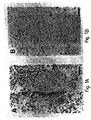
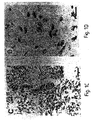
- Table 1 shows the details of the six endometriotic patients and the results of in situ hybridisation, using probes specific for VEGF mRNA (performed as described below), in matched ectopic and eutopic endometrial tissue.
- Patient Age Day of Cycle AFS Score Ectopic Tissue Eutopic Tissue 1 30 7 II (minimal) S/G S 2 24 10 IV (minimal) -ve S 3 30 14 II (minimal) S/G S 4 31 17 XII (mild) S/G S/G 5 44 22 VII (mild) -ve S/G 6 31 28 I (minimal) S/G S/G S Hybridisation in the stroma
- PF Peritoneal fluid
- Cells were washed in phosphate buffered saline (PBS) and counted before being resuspended at a concentration of 1x10 6 cells/ml in DMEM-H (Gibco., Paisley, UK) containing 5mM Hepes, penicillin (100mU/ml), streptomycin (100 ⁇ g/ml) and L-glutamine (2mM). Cell suspensions were further purified by adherence to treated slides for 2h at 37°C in 5% CO 2 , which allows the "sticky" macrophages to be retained on the slide whilst other leukocytes are washed away.
- PBS phosphate buffered saline
- the purity of the preparation was determined by using non-specific esterase staining using a kit (Sigma., Poole, UK), and immunohistochemical staining with the macrophage monoclonal antibody to CD14 (Leu M3)(Dako., Cambridge, UK).
- In situ hybridisation was carried out according to the method of Kanzaki as described previously (Sharkey et al ., 1993 Mol. Endo. 6, 1235-1241). Cryostat sections were collected onto 3-aminopropyl-triethoxysilane coated slides, air dried, and fixed in 4% paraformaldehyde in PBS for 20min at 4°C. Slides were dehydrated through alcohols and stored at -70°C. A plasmid containing 579 bp of the coding region of VEGF was linearised with the restriction enzymes Not I or Bam I and used as templates for the generation of sense and anti-sense RNA probes, respectively. Approximately 2 x 10 6 cpm of 35 S-UTP were incorporated per microgram of probe.
- the air dried slides were prehybridised in 50% formamide, single-strength Denhardt's, (20mM Tris-HCl (pH 8.0), 0.3M NaCl, 5mM EDTA, 10mM sodium phosphate), and 0.5mg/ml yeast tRNA at 50°C for 1hour.
- the prehybridization buffer was removed and hybridisation solution was added, containing (in addition to the above) 10% dextran sulphate, 50mM dithiothreitol, and 1 x 10 5 cpm/ ⁇ l 35 S-labelled sense or antisense probe. Hybridisation was carried out at 50°C for 16-18hours.
- the slides were washed twice in (2x-strength) saline sodium citrate (SSC)/14mM ⁇ -mercaptoethanol at 50°C for 20 minutes, rinsed in (2x-strength) SSC and treated with RNAse A (10 ⁇ g/ml) for 30 minutes at 37°C in 0.5M NaCl, 10mM Tris, pH 7.0, 1mM EDTA.
- the slides were washed twice in double-strength SSC at room temperature for 15 minutes followed by (0.1x-strength) SSC for 60 minutes at 65°C, then dehydrated in an ethanol series. Autoradiography was carried out at 4°C for 2-3 weeks after coating the slides in Ilford K5 emulsion.
- the slides were developed with Kodak K19, fixed, and counterstained with haemalum.
- Cryostat sections (7-30 ⁇ m thick) were taken of ectopic and eutopic endometrial tissue, fixed in cold acetone for 10 minutes and stored at -70°C until required. Sections for staining were thawed and air-dried before further fixing in acetone for 2 minutes. The sections were then washed in PBS and incubated for 20 minutes in 10% goat serum to block non-specific staining. Endogenous peroxidase activity was inactivated by a 10 minute incubation with 1% H 2 O 2 in PBS.
- VEGF polyclonal rabbit antibody Santa Cruz Biotechnology, Hatfield, UK
- VEGF antibody which had been preabsorbed for 24 hours with a 10-fold excess of VEGF peptide
- This latter treatment served as negative control.
- Binding was visualised following incubation with a goat anti-rabbit biotinylated antibody (1:200) for 1 hour, and subsequent complexing with ABC (Vector, Peterborough, UK). The complex was detected with diaminobenzidine and hydrogen peroxide in 0.1M Tris-HCl (pH 7.5). Positive controls included the detection of immunostaining in chorionic plate.
- Macrophages in both tissue sections and isolated monocyctes and peritoneal macrophages were identified following a similar immunohistochemical staining procedure using the monoclonal antibody Leu M3 (CD14) (Houck et al ., 1991 Mol. Endocrinol. 5 , 1806-1814).
- Acid phosphatase is a hydrolytic enzyme marker for macrophages and increases in its activity are associated with macrophage activation (Halme et al ., 1983 Am. J. Obstet. Gynecol. 145, 333-337). Its activity was determined in peritoneal fluid, devoid of cells, from six matched endometriotic and normal patients whose tissue was used for in situ hybridisation and immunohistochemical staining. The enzyme activity was determined using a quantitative colourimetric determination kit which measured formation of p-nitrophenol (Sigma, Poole, Dorset). Differences between the acid phosphatase activities in peritoneal fluid from endometriotic and non-endometriotic patients were analysed with the unpaired Student's t-test. P-values of 0.05 or less were considered significant.
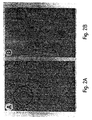
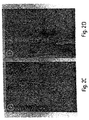
- FIG. 2 shows four micrographs (A-D): micrographs C and D show positive immunohistochemical staining for VEGF in endometriotic tissue - specifically in the stroma (C) and glandular epithelium (D). Micrographs A and B are negative controls. All sections were counterstained with haemalum. The scale bar included represents 15 ⁇ m (A and C) or 38 ⁇ m (B and D). It can be seen that individual cells within the stroma of ectopic tissue stained intensely positive, and positive staining was also evident in the glands. However few, if any, individual cells within the eutopic endometrial stroma were immunohistochemically positive for VEGF.
- Peripheral blood monocytes are the precursors of macrophages and samples of these cells from both normal patients and those suffering from endometriosis were immunostained for VEGF protein.
- Macrophages isolated from the peritoneal fluid from both groups of patients were also immunostained for VEGF protein and it was found that only patients suffering from endometriosis stained positively for VEGF.
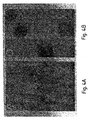
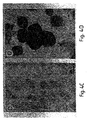
- Figure 4 illustrates immunohistochemical localisation of VEGF protein in peritoneal macrophages isolated from endometriotic (micrograph C) or non-endometriotic (micrograph D) subjects.
- Micrographs A and B represent negative controls. All slides were counterstained with haemalum.
- the scale bar represents 9 ⁇ m for micrographs A and C, 5 ⁇ m for B and D.
- Macrophage activation was assessed by acid phosphatase activity and, in summary, peritoneal fluid from endometriotic patients demonstrated a higher acid phosphatase activity (15.77 ⁇ 2.25U/ml) than fluid from normal subjects (8.55 ⁇ 2.29U/ml).
- the results are shown as a bar chart in Figure 5.
- the data are expressed as units/ml of acid phosphatase activity in peritoneal fluid, ⁇ 1 standard deviation.
- Statistical analysis showed a significant difference (P ⁇ 0.001) in acid phosphatase activity between peritoneal fluid from endometriotic and non-endometriotic subjects.
- fit receptor was detected by PCR in cDNA from all peritoneal macrophage (PM) samples tested. This included both patients with and without endometriosis. No qualitative cycle-dependent differences were detected in either patient group. Agarose gel electrophoresis of the PCR products is shown in the lower panel of Figure 6.
- KDR receptor was detected by PCR in cDNA from both patient groups. A cycle-dependent expression of the KDR receptor was evident within both groups. Both groups showed positive results with macrophages isolated from PF taken during the secretory phase of the cycle, but not from those cells isolated from proliferative phase peritoneal fluid. Agarose gel electrophoresis of the PCR products is shown in the upper panel of Figure 6.
- lane 1 contains molecular weight markers
- lane 2 is the negative control (no cDNA added)
- lane 3 is the positive control (placental cDNA)
- lane 4 is cDNA from PM isolated from endometriotic subjects in secretory phase
- lane 6 is cDNA from PM isolated from normal subjects in proliferative phase
- lane 7 is cDNA from PM isolated from normal subjects in secretory phase. Calculated sizes of the PCR products are indicated on the right.
- FACS flt-specific fluorescence activated cell sorting
- Isolated PM from both patient groups were used.
- the cells were originally incubated in serum to block non-specific staining. These cells were then incubated for 30 minutes at 4°C in either fit antibody (1:50) or fit antibody which had been previously preabsorbed with its original antigenic peptide. This last sample served as the control.
- the cells were then incubated in a FITC labelled secondary antibody (1:200) for 30 minutes at 4°C. After incubation the cells were fixed in 2% paraformaldehyde before analysis on the FACS scan. The cells were washed 2x with PBS between each stage. Determination of macrophages was achieved using the antibody Leu M3 (which is raised against CD14); this stage was done just after the removal of the secondary antibody.
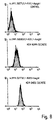
- Graph a shows the control (cells labelled with peptide pre-absorbed anti-KDR antibody)
- graph b shows the results for cells isolated from the secretory phase of normal subjects incubated with anti-KDR antibody
- graph c shows the results for cells isolated from endometriotic subjects in the secretory phase.
- the x axis represents log fluorescence intensity of staining for KDR
- the y axis represents cell numbers.
- Figure 10 shows the chemotactic index (as a percentage of control samples) for endometriotic subjects (solid columns) or normal subjects (hatched columns) at 5, 1, 0.5 and 0.1ng/ml (respectivelyu) of VEGF.
- VEGF concentration in peritoneal fluid was determined using an ELISA system developed by the inventors. Plates were coated with a polyclonal anti-VEGF antibody (100 ⁇ g/ml) raised against complete human rVEGF 165 (Boocock et al., 1995) and incubated overnight at 4°C and then blocked with 3% BSA in TBS for 2 hours at room temperature. Human rVEGF 165 (between 1-64ng/ml) or PF samples were added to the coated well and incubated for 2 hours at room temperature. Plates were then incubated with biotinylated polyclonal anti-VEGF antibody. Substrate solution was added to plates.
- FIG. 11 shows the concentration of VEGF (ng/ml) in individual samples of peritoneal fluid from normal and endometriotic subjects in both the proliferative and the secretory phase of the menstrual cycle.
- VEGF was found in women with and without endometriosis.
- Endometriotic PF from the proliferative phase of the cycle contained significantly more VEGF than PF from the secretory phase, and from both phases of the cycle in women without endometriosis.
- Normal patient group Endometriotic patients proliferative secretory proliferative secretory 15 ⁇ 8 15.1 ⁇ 9.2 30 ⁇ 13,, 10.8 ⁇ 4.8
- the results are shown in the bar chart in Figure 12.
- the chart shows tritiated thymidine incorporation (as a percentage of control samples) for HUVECs exposed to medium conditioned by PM from endometriotic subjects (left hand columns) or normal subjects (right hand columns).
- the solid columns are PM-conditioned medium only, whilst the hatched columns show the results obtained with PM-conditioned medium treated with anti-VEGF antibody.
- the single + sign denotes significantly greater 3 H incorporation (P ⁇ 0.05) compared to controls; + + denotes significantly less 3 H incorporation (P ⁇ 0.05) compared to endometriotic macrophage conditioned medium; and ** denotes significantly greater 3 H incorporation (P ⁇ 0.05) compared to normal macrophage conditioned medium.
- Conditioned media from both groups produced a stimulation of 3 H thymidine which was significantly greater than the control.
- Endometriotic media produced a stimulation of 3 H thymidine incorporation significantly greater than that shown by normal media, and was the only group to have this incorporation significantly reduced by the action of anti-VEGF.
- VEGF may be involved in the pathology of endometriosis not only via its effects on angiogenesis but also via its effects on macrophage function (e.g. activation status, migration, protease and/or cytokine release).
- Endometrium can be widely disseminated by a number of mechanisms, however both clinical and experimental evidence point towards retrograde menstruation as being the most likely mechanism by which endometrium enters the peritoneal cavity (Lieu & Hitchcock 1968, cited previously; and Blumenkrantz et al ., 1981 Obstet. Gynecol. 57 , 667). Apart from ovarian hormones little is known of the other factors which may lead to endometrial implantation.
- Peritoneal macrophages which differentiate from peripheral monocytes are known to be increased in number and activation in women with endometriosis (Halme et al ., 1983; Olive et al ., both cited previously).
- peritoneal macrophages from endometriotic patients stained intensely for VEGF and in situ hybridisation demonstrated significant amount of mRNA, but peritoneal macrophages from normal patients and circulating monocytes from both patient groups did not stain positive for VEGF.
- peritoneal fluid macrophages could infiltrate the ectopic tissue.
- immunohistochemical staining failed to identify any population of macrophages expressing VEGF in matched eutopic endometrium, suggesting that the VEGF expressing macrophages found in the ectopic endometriotic tissue originated from another source. More likely these macrophages may have infiltrated from the peritoneal fluid.
- Klein and workers (1993, Am. J. Human Repro. 30 , 74-81) recently showed an increase in resident leukocytes in endometriotic tissue compared to normal tissue, and concluded that they originated from the peritoneal population of leukocytes.
- endometriotic tissue can secrete factors such as interferon- ⁇ (Klein et al ., cited above) which is chemotactic for leukocytes (Tabibzadeh 1991, cited previously).
- VEGF itself is chemotactic for leukocytes (Clauss et al ., 1990 J. Exp. Med. 172 , 1535-1545) which in this study was shown to be secreted in endometriotic glandular epithelium.
- peritoneal fluid from women with endometriosis contained a population of VEGF expressing macrophages. Given these observations, infiltrations of VEGF secreting macrophages into the ectopic endometrium is a distinct possibility.
- VEGF has been shown to be expressed in endometriotic tissue, with immunostaining seen most intensely in macrophage positive cells, and to a lesser extent in glandular epithelium.
- Our studies with isolated macrophages and monocytes suggest that only peritoneal macrophages from women with endometriosis, produce VEGF. This may lead to elevated levels of this potent angiogenic factor in peritoneal fluid of endometriotics, and to infiltration of ectopic endometriotic tissue by VEGF producing macrophages. Both events may be crucial to the successful implantation and maintenance of endometriotic explants through the increase in VEGF resulting in vascularisation both within the ectopic tissue and the surrounding peritoneum.
Landscapes
- Health & Medical Sciences (AREA)
- Life Sciences & Earth Sciences (AREA)
- Chemical & Material Sciences (AREA)
- Medicinal Chemistry (AREA)
- General Health & Medical Sciences (AREA)
- Pharmacology & Pharmacy (AREA)
- Animal Behavior & Ethology (AREA)
- Public Health (AREA)
- Veterinary Medicine (AREA)
- Epidemiology (AREA)
- Organic Chemistry (AREA)
- Molecular Biology (AREA)
- Proteomics, Peptides & Aminoacids (AREA)
- Bioinformatics & Cheminformatics (AREA)
- Biochemistry (AREA)
- Immunology (AREA)
- Engineering & Computer Science (AREA)
- Cell Biology (AREA)
- Zoology (AREA)
- Biophysics (AREA)
- Genetics & Genomics (AREA)
- Chemical Kinetics & Catalysis (AREA)
- Nuclear Medicine, Radiotherapy & Molecular Imaging (AREA)
- General Chemical & Material Sciences (AREA)
- Gastroenterology & Hepatology (AREA)
- Urology & Nephrology (AREA)
- Endocrinology (AREA)
- Reproductive Health (AREA)
- Medicines That Contain Protein Lipid Enzymes And Other Medicines (AREA)
- Pharmaceuticals Containing Other Organic And Inorganic Compounds (AREA)
- Physical Or Chemical Processes And Apparatus (AREA)
- Organic Low-Molecular-Weight Compounds And Preparation Thereof (AREA)
Claims (14)
- Composition destinée à être utilisée dans le traitement de l'endométriose, comprenant: un agent capable d'interférer avec la production de VEGF; un agent capable d'inhiber l'activité du VEGF; et une substance porteuse physiologiquement acceptable.
- Composition selon la revendication 1, dans laquelle l'agent interférant est capable d'inhiber l'expression du VEGF par des macrophages présents dans ou autour du tissu endométriotique.
- Composition selon la revendication 1 ou la revendication 2, dans laquelle l'agent interférant est un médicament stéroïdien/anti-stéroïdien; un ARN anti-sens du VEGF; ou un ribozyme d'ARNm anti-VEGF.
- Composition selon l'une quelconque des revendications 1 à 3, dans laquelle l'agent inhibant est capable d'inhiber l'effet du VEGF sur le tissu endométriotique.
- Composition selon l'une quelconque des revendications 1 à 3, dans laquelle l'agent inhibant est capable d'inhiber l'effet du VEGF sur les macrophages présents dans ou autour du tissu endométriotique.
- Composition selon la revendication 4 ou la revendication 5, dans laquelle l'agent inhibant est un anticorps anti-VEGF ou une partie efficace de ce dernier; un antagoniste du VEGF; ou un inhibiteur de la tyrosine-kinase.
- Composition selon la revendication 6, dans laquelle l'agent inhibant est une forme soluble tronquée du récepteur du fit ou du KDR qui se lie au VEGF et agit comme antagoniste vis-à-vis de ce dernier.
- Composition selon l'une quelconque des revendications 1 à 4, dans laquelle l'agent inhibant est capable d'inhiber l'expression du fit et/ou du KDR dans des cellules situées dans ou autour du tissu endométriotique.
- Composition selon la revendication 8, dans laquelle l'agent inhibant est de l'ARN anti-sens du fit ou du KDR; un ribozyme d'ARNm anti-fit ou anti-KDR ou un gène récepteur dominant négatif du fit ou du KDR.
- Composition selon l'une quelconque des revendications précédentes, dans laquelle au moins l'un des agents actifs est ciblé spécifiquement sur les macrophages présents dans ou autour du tissu endométriotique.
- Composition selon la revendication 10, dans laquelle l'agent spécifiquement ciblé est associé à un ligand d'un marqueur de la surface des cellules spécifiques aux macrophages.
- Composition selon l'une quelconque des revendications 1 à 11, comprenant en outre un antagoniste d'ARN anti-sens, de ribozyme ou d'un composé signalant l'activation des macrophages, qui inhibe l'activation et/ou le recrutement de macrophages du péritoine.
- Utilisation d'une quantité efficace d'un agent capable d'interférer avec la production de VEGF et d'un agent capable d'inhiber l'activité du VEGF dans la fabrication d'un médicament pour le traitement de l'endométriose.
- Utilisation d'une quantité efficace d'un agent qui inhibe l'activation et/ou le recrutement des macrophages du péritoine dans la fabrication d'un médicament pour le traitement de l'endométriose.
Applications Claiming Priority (3)
| Application Number | Priority Date | Filing Date | Title |
|---|---|---|---|
| GB9410533A GB9410533D0 (en) | 1994-05-26 | 1994-05-26 | In situ hybridisation and immuno-Chemical localisation of a growth factor |
| GB9410533 | 1994-05-26 | ||
| PCT/GB1995/001212 WO1995032708A1 (fr) | 1994-05-26 | 1995-05-26 | Utilisation d'agents diriges contre le facteur de croissance des cellules endotheliales dans le traitement de l'endometriose |
Publications (2)
| Publication Number | Publication Date |
|---|---|
| EP0771192A1 EP0771192A1 (fr) | 1997-05-07 |
| EP0771192B1 true EP0771192B1 (fr) | 2002-08-21 |
Family
ID=10755736
Family Applications (1)
| Application Number | Title | Priority Date | Filing Date |
|---|---|---|---|
| EP95919578A Expired - Lifetime EP0771192B1 (fr) | 1994-05-26 | 1995-05-26 | Utilisation d'agents diriges contre le facteur de croissance des cellules endotheliales dans le traitement de l'endometriose |
Country Status (11)
| Country | Link |
|---|---|
| US (1) | US6121230A (fr) |
| EP (1) | EP0771192B1 (fr) |
| JP (1) | JPH10505321A (fr) |
| AT (1) | ATE222488T1 (fr) |
| AU (1) | AU692874B2 (fr) |
| CA (1) | CA2191070A1 (fr) |
| DE (1) | DE69527847T2 (fr) |
| ES (1) | ES2184800T3 (fr) |
| GB (1) | GB9410533D0 (fr) |
| NZ (1) | NZ285833A (fr) |
| WO (1) | WO1995032708A1 (fr) |
Cited By (1)
| Publication number | Priority date | Publication date | Assignee | Title |
|---|---|---|---|---|
| EP1984522B1 (fr) * | 2006-01-18 | 2010-08-11 | The General Hospital Corporation | Methodes d'augmentation de la fonction lymphatique |
Families Citing this family (31)
| Publication number | Priority date | Publication date | Assignee | Title |
|---|---|---|---|---|
| AU3968597A (en) | 1996-08-02 | 1998-02-25 | Children's Medical Center Corporation | Method of regulating the female reproductive system through angiogenesis inhibitors |
| WO1998039035A1 (fr) | 1997-03-07 | 1998-09-11 | The Wistar Institute Of Anatomy & Biology | Procede et compositions permettant de soigner les defauts tissulaires et d'induire l'hypervascularite dans des tissus mammiferes |
| US6753138B1 (en) | 1998-06-04 | 2004-06-22 | Reprogen, Inc. | Use of prothymosin in the diagnosis and treatment of endometriosis |
| CA2299436A1 (fr) * | 1998-06-04 | 1999-12-09 | Reprogen, Inc. | Utilisation de la prothymosine dans le diagnostic et le traitement de l'endometriose |
| IL145941A (en) | 1999-04-28 | 2007-08-19 | Univ Texas | Compositions and methods for cancer treatment by selectively inhibiting vegf |
| US6703020B1 (en) | 1999-04-28 | 2004-03-09 | Board Of Regents, The University Of Texas System | Antibody conjugate methods for selectively inhibiting VEGF |
| US6780594B2 (en) * | 2000-09-25 | 2004-08-24 | Schering Aktiengesellschaft | Method for in vitro diagnosis of endometriosis |
| US20050271663A1 (en) * | 2001-06-28 | 2005-12-08 | Domantis Limited | Compositions and methods for treating inflammatory disorders |
| AU2002319402B2 (en) * | 2001-06-28 | 2008-09-11 | Domantis Limited | Dual-specific ligand and its use |
| EP1414964B1 (fr) * | 2001-08-01 | 2010-03-24 | University Of Bristol | Isoforme de facteur de croissance |
| WO2003018752A2 (fr) | 2001-08-23 | 2003-03-06 | The Wistar Institute Of Anatomy And Biology | Culture organotypique intestinale et son utilisation |
| DE10229379A1 (de) * | 2002-06-26 | 2004-01-29 | Schering Ag | EG-VEGF Rezeptor Antagonisten |
| US9321832B2 (en) * | 2002-06-28 | 2016-04-26 | Domantis Limited | Ligand |
| US7696320B2 (en) | 2004-08-24 | 2010-04-13 | Domantis Limited | Ligands that have binding specificity for VEGF and/or EGFR and methods of use therefor |
| EP1600459A3 (fr) * | 2002-06-28 | 2005-12-07 | Domantis Limited | Ligand |
| JP2006523090A (ja) * | 2002-12-27 | 2006-10-12 | ドマンティス リミテッド | リガンドに、そしてリガンド受容体に特異的な二重特異性単一ドメイン抗体 |
| ATE354592T1 (de) * | 2003-03-28 | 2007-03-15 | Regeneron Pharma | Vegf-antagonisten zur behandlung von diabetes |
| WO2004103159A2 (fr) * | 2003-05-14 | 2004-12-02 | The Board Of Trustees Of The Leland Stanford Junior University | Methodes de modulation de l'endometre |
| GB0320238D0 (en) * | 2003-08-29 | 2003-10-01 | Medical Res Council | Treatment of disease |
| US20050214280A1 (en) * | 2004-03-02 | 2005-09-29 | Ludwig Institute For Cancer Research | Method for inhibiting tumor formation and growth |
| US8257742B2 (en) * | 2005-02-17 | 2012-09-04 | Yissum Research Development Company Of The Hebrew University Of Jerusalem | Bisphosphonates for treating endometriosis |
| CN101454344A (zh) * | 2005-12-01 | 2009-06-10 | 杜门蒂斯有限公司 | 与白细胞介素-1受体1型结合的非竞争性域抗体形式 |
| NZ580530A (en) | 2007-06-06 | 2012-04-27 | Domantis Ltd | Anti vegf polypeptides, antibody variable domains and antagonists |
| WO2011073521A1 (fr) | 2009-12-15 | 2011-06-23 | Petri Salven | Méthodes pour l'enrichissement de cellules progénitrices endothéliales adultes et leurs utilisations |
| SG187592A1 (en) | 2010-07-23 | 2013-03-28 | Univ Boston | Anti-despr inhibitors as therapeutics for inhibition of pathological angiogenesis and tumor cell invasiveness and for molecular imaging and targeted delivery |
| JO3283B1 (ar) | 2011-04-26 | 2018-09-16 | Sanofi Sa | تركيب يتضمن أفليبيرسيبت, حمض فولينيك, 5- فلورويوراسيل (5- Fu) وإرينوسيتان (FOLFIRI) |
| US20130022551A1 (en) | 2011-07-22 | 2013-01-24 | Trustees Of Boston University | DEspR ANTAGONISTS AND AGONISTS AS THERAPEUTICS |
| US9993427B2 (en) | 2013-03-14 | 2018-06-12 | Biorest Ltd. | Liposome formulation and manufacture |
| WO2016008975A1 (fr) | 2014-07-18 | 2016-01-21 | Sanofi | Méthode de prédiction du résultat d'un traitement à l'aide d'aflibercept d'un patient suspecté d'être atteint d'un cancer |
| US10877045B2 (en) * | 2015-07-21 | 2020-12-29 | Saint Louis University | Compositions and methods for diagnosing and treating endometriosis-related infertility |
| MX2022013812A (es) | 2020-05-08 | 2022-12-15 | Regeneron Pharma | Trampas y mini-trampas de vegf y metodos para el tratamiento de trastornos oculares y cancer. |
Family Cites Families (3)
| Publication number | Priority date | Publication date | Assignee | Title |
|---|---|---|---|---|
| DE3733478A1 (de) * | 1987-10-01 | 1989-04-13 | Schering Ag | Antigestagen- und antioestrogenwirksame verbindungen zur geburtseinleitung und zum schwangerschaftsabbruch sowie zur behandlung gynaekologischer stoerungen und hormonabhaengiger tumore |
| DK1975181T3 (da) * | 1992-10-28 | 2011-06-06 | Genentech Inc | Anvendelse af vaskulære endothelcelle-vækstfaktor-antagonister |
| WO1994021679A1 (fr) * | 1993-03-25 | 1994-09-29 | Merck & Co., Inc. | Inhibiteur du facteur de croissance de cellules endotheliales vasculaires |
-
1994
- 1994-05-26 GB GB9410533A patent/GB9410533D0/en active Pending
-
1995
- 1995-05-26 WO PCT/GB1995/001212 patent/WO1995032708A1/fr not_active Ceased
- 1995-05-26 NZ NZ285833A patent/NZ285833A/en unknown
- 1995-05-26 CA CA002191070A patent/CA2191070A1/fr not_active Abandoned
- 1995-05-26 JP JP8500493A patent/JPH10505321A/ja active Pending
- 1995-05-26 AU AU25353/95A patent/AU692874B2/en not_active Ceased
- 1995-05-26 EP EP95919578A patent/EP0771192B1/fr not_active Expired - Lifetime
- 1995-05-26 ES ES95919578T patent/ES2184800T3/es not_active Expired - Lifetime
- 1995-05-26 US US08/750,143 patent/US6121230A/en not_active Expired - Fee Related
- 1995-05-26 DE DE69527847T patent/DE69527847T2/de not_active Expired - Fee Related
- 1995-05-26 AT AT95919578T patent/ATE222488T1/de not_active IP Right Cessation
Cited By (1)
| Publication number | Priority date | Publication date | Assignee | Title |
|---|---|---|---|---|
| EP1984522B1 (fr) * | 2006-01-18 | 2010-08-11 | The General Hospital Corporation | Methodes d'augmentation de la fonction lymphatique |
Also Published As
| Publication number | Publication date |
|---|---|
| GB9410533D0 (en) | 1994-07-13 |
| WO1995032708A1 (fr) | 1995-12-07 |
| ES2184800T3 (es) | 2003-04-16 |
| CA2191070A1 (fr) | 1995-12-07 |
| DE69527847T2 (de) | 2003-04-30 |
| ATE222488T1 (de) | 2002-09-15 |
| EP0771192A1 (fr) | 1997-05-07 |
| AU692874B2 (en) | 1998-06-18 |
| DE69527847D1 (de) | 2002-09-26 |
| JPH10505321A (ja) | 1998-05-26 |
| US6121230A (en) | 2000-09-19 |
| NZ285833A (en) | 1999-09-29 |
| AU2535395A (en) | 1995-12-21 |
Similar Documents
| Publication | Publication Date | Title |
|---|---|---|
| US6121230A (en) | Anti-VEGF agents in the treatment of endometriosis | |
| Ishihara et al. | Gonadotropin-releasing hormone agonist and danazol normalize aromatase cytochrome P450 expression in eutopic endometrium from women with endometriosis, adenomyosis, or leiomyomas | |
| Greb et al. | Vascular endothelial growth factor in primate endometrium is regulated by oestrogen-receptor and progesterone-receptor ligands in vivo. | |
| Vázquez et al. | Progesterone regulates proliferation of endothelial cells | |
| Bukulmez et al. | Inflammatory status influences aromatase and steroid receptor expression in endometriosis | |
| PRESS et al. | Localization of progesterone receptor with monoclonal antibodies to the human progestin receptor | |
| Mehasseb et al. | Estrogen and progesterone receptor isoform distribution through the menstrual cycle in uteri with and without adenomyosis | |
| Jolicoeur et al. | Increased expression of monocyte chemotactic protein-1 in the endometrium of women with endometriosis | |
| Charpin et al. | Quantitative immuno cytochemical assays of P-glycoprotein in breast carcinomas: correlation to messenger RNA expression and to immunohistochemical prognostic indicators | |
| Maliqueo et al. | Expression of steroid receptors and proteins related to apoptosis in endometria of women with polycystic ovary syndrome | |
| Smith et al. | The role of colony-stimulating factor 1 and its receptor in the etiopathogenesis of endometrial adenocarcinoma. | |
| Cassoni et al. | Oxytocin receptors in human adenocarcinomas of the endometrium: presence and biological significance | |
| Classen-Linke et al. | Progestins, progesterone receptor modulators, and progesterone antagonists change VEGF release of endometrial cells in culture | |
| Gómez et al. | Effects of hyperprolactinemia treatment with the dopamine agonist quinagolide on endometriotic lesions in patients with endometriosis-associated hyperprolactinemia | |
| FAZLEABAS et al. | An insulin-like growth factor-binding protein in the baboon (Papio anubis) endometrium: synthesis, immunocytochemical localization, and hormonal regulation | |
| Planz et al. | Immunolocalization of the keratinocyte growth factor in benign and neoplastic human prostate and its relation to androgen receptor | |
| FEIL et al. | Progestin-mediated changes in progesterone receptor forms in the normal human endometrium | |
| Critchley et al. | Regulation of bcl-2 gene family members in human endometrium by antiprogestin administration in vivo | |
| Song et al. | Endocrinology: The effect of high-dose medium-and long-term progestogen exposure on endometrial vessels | |
| Lantinga-van Leeuwen et al. | Cloning and cellular localization of the canine progesterone receptor: co-localization with growth hormone in the mammary gland | |
| López-Boado et al. | Glucocorticoids and androgens up-regulate the Zn-α2-glycoprotein messenger RNA in human breast cancer cells | |
| Sandberg et al. | Differential regulation of the plasminogen activator inhibitor-1 (PAI-1) gene expression by growth factors and progesterone in human endometrial stromal cells. | |
| Sun et al. | Progesterone receptor isoform B in the human fallopian tube and endometrium following mifepristone | |
| Lockwood et al. | Biological mechanisms underlying the clinical effects of RU 486: modulation of cultured endometrial stromal cell plasminogen activator and plasminogen activator inhibitor expression | |
| Duncan et al. | Expression of tissue inhibitor of metalloproteinases-1 in the human corpus luteum after luteal rescue |
Legal Events
| Date | Code | Title | Description |
|---|---|---|---|
| PUAI | Public reference made under article 153(3) epc to a published international application that has entered the european phase |
Free format text: ORIGINAL CODE: 0009012 |
|
| AK | Designated contracting states |
Kind code of ref document: A1 Designated state(s): AT BE CH DE DK ES FR GB GR IE IT LI LU MC NL PT SE |
|
| AX | Request for extension of the european patent |
Free format text: LT PAYMENT 970103;LV PAYMENT 970103;SI PAYMENT 970103 |
|
| 17P | Request for examination filed |
Effective date: 19961224 |
|
| RAX | Requested extension states of the european patent have changed |
Free format text: LT PAYMENT 961224;LV PAYMENT 961224;SI PAYMENT 961224 |
|
| 17Q | First examination report despatched |
Effective date: 20000323 |
|
| GRAG | Despatch of communication of intention to grant |
Free format text: ORIGINAL CODE: EPIDOS AGRA |
|
| GRAG | Despatch of communication of intention to grant |
Free format text: ORIGINAL CODE: EPIDOS AGRA |
|
| GRAH | Despatch of communication of intention to grant a patent |
Free format text: ORIGINAL CODE: EPIDOS IGRA |
|
| GRAH | Despatch of communication of intention to grant a patent |
Free format text: ORIGINAL CODE: EPIDOS IGRA |
|
| GRAA | (expected) grant |
Free format text: ORIGINAL CODE: 0009210 |
|
| AK | Designated contracting states |
Kind code of ref document: B1 Designated state(s): AT BE CH DE DK ES FR GB GR IE IT LI LU MC NL PT SE |
|
| AX | Request for extension of the european patent |
Free format text: LT PAYMENT 19961224;LV PAYMENT 19961224;SI PAYMENT 19961224 |
|
| PG25 | Lapsed in a contracting state [announced via postgrant information from national office to epo] |
Ref country code: LI Free format text: LAPSE BECAUSE OF FAILURE TO SUBMIT A TRANSLATION OF THE DESCRIPTION OR TO PAY THE FEE WITHIN THE PRESCRIBED TIME-LIMIT Effective date: 20020821 Ref country code: GR Free format text: LAPSE BECAUSE OF FAILURE TO SUBMIT A TRANSLATION OF THE DESCRIPTION OR TO PAY THE FEE WITHIN THE PRESCRIBED TIME-LIMIT Effective date: 20020821 Ref country code: CH Free format text: LAPSE BECAUSE OF FAILURE TO SUBMIT A TRANSLATION OF THE DESCRIPTION OR TO PAY THE FEE WITHIN THE PRESCRIBED TIME-LIMIT Effective date: 20020821 Ref country code: BE Free format text: LAPSE BECAUSE OF FAILURE TO SUBMIT A TRANSLATION OF THE DESCRIPTION OR TO PAY THE FEE WITHIN THE PRESCRIBED TIME-LIMIT Effective date: 20020821 Ref country code: AT Free format text: LAPSE BECAUSE OF FAILURE TO SUBMIT A TRANSLATION OF THE DESCRIPTION OR TO PAY THE FEE WITHIN THE PRESCRIBED TIME-LIMIT Effective date: 20020821 |
|
| REF | Corresponds to: |
Ref document number: 222488 Country of ref document: AT Date of ref document: 20020915 Kind code of ref document: T |
|
| REG | Reference to a national code |
Ref country code: GB Ref legal event code: FG4D |
|
| REG | Reference to a national code |
Ref country code: CH Ref legal event code: EP |
|
| REF | Corresponds to: |
Ref document number: 69527847 Country of ref document: DE Date of ref document: 20020926 |
|
| REG | Reference to a national code |
Ref country code: IE Ref legal event code: FG4D |
|
| RAP2 | Party data changed (patent owner data changed or rights of a patent transferred) |
Owner name: METRIS THERAPEUTICS LIMITED |
|
| PG25 | Lapsed in a contracting state [announced via postgrant information from national office to epo] |
Ref country code: DK Free format text: LAPSE BECAUSE OF FAILURE TO SUBMIT A TRANSLATION OF THE DESCRIPTION OR TO PAY THE FEE WITHIN THE PRESCRIBED TIME-LIMIT Effective date: 20021121 |
|
| PG25 | Lapsed in a contracting state [announced via postgrant information from national office to epo] |
Ref country code: PT Free format text: LAPSE BECAUSE OF FAILURE TO SUBMIT A TRANSLATION OF THE DESCRIPTION OR TO PAY THE FEE WITHIN THE PRESCRIBED TIME-LIMIT Effective date: 20021204 |
|
| ET | Fr: translation filed | ||
| LTIE | Lt: invalidation of european patent or patent extension |
Effective date: 20020821 |
|
| NLT2 | Nl: modifications (of names), taken from the european patent patent bulletin |
Owner name: METRIS THERAPEUTICS LIMITED |
|
| REG | Reference to a national code |
Ref country code: CH Ref legal event code: PL |
|
| REG | Reference to a national code |
Ref country code: ES Ref legal event code: FG2A Ref document number: 2184800 Country of ref document: ES Kind code of ref document: T3 |
|
| PG25 | Lapsed in a contracting state [announced via postgrant information from national office to epo] |
Ref country code: LU Free format text: LAPSE BECAUSE OF NON-PAYMENT OF DUE FEES Effective date: 20030526 Ref country code: IE Free format text: LAPSE BECAUSE OF NON-PAYMENT OF DUE FEES Effective date: 20030526 |
|
| PG25 | Lapsed in a contracting state [announced via postgrant information from national office to epo] |
Ref country code: SE Free format text: LAPSE BECAUSE OF NON-PAYMENT OF DUE FEES Effective date: 20030527 Ref country code: ES Free format text: LAPSE BECAUSE OF NON-PAYMENT OF DUE FEES Effective date: 20030527 |
|
| PG25 | Lapsed in a contracting state [announced via postgrant information from national office to epo] |
Ref country code: MC Free format text: LAPSE BECAUSE OF NON-PAYMENT OF DUE FEES Effective date: 20030531 |
|
| PLBE | No opposition filed within time limit |
Free format text: ORIGINAL CODE: 0009261 |
|
| STAA | Information on the status of an ep patent application or granted ep patent |
Free format text: STATUS: NO OPPOSITION FILED WITHIN TIME LIMIT |
|
| 26N | No opposition filed |
Effective date: 20030522 |
|
| PG25 | Lapsed in a contracting state [announced via postgrant information from national office to epo] |
Ref country code: NL Free format text: LAPSE BECAUSE OF NON-PAYMENT OF DUE FEES Effective date: 20031201 |
|
| EUG | Se: european patent has lapsed | ||
| NLV4 | Nl: lapsed or anulled due to non-payment of the annual fee |
Effective date: 20031201 |
|
| REG | Reference to a national code |
Ref country code: IE Ref legal event code: MM4A |
|
| REG | Reference to a national code |
Ref country code: ES Ref legal event code: FD2A Effective date: 20030527 |
|
| PGFP | Annual fee paid to national office [announced via postgrant information from national office to epo] |
Ref country code: IT Payment date: 20060531 Year of fee payment: 12 |
|
| PGFP | Annual fee paid to national office [announced via postgrant information from national office to epo] |
Ref country code: GB Payment date: 20060719 Year of fee payment: 12 |
|
| PGFP | Annual fee paid to national office [announced via postgrant information from national office to epo] |
Ref country code: FR Payment date: 20060725 Year of fee payment: 12 |
|
| PGFP | Annual fee paid to national office [announced via postgrant information from national office to epo] |
Ref country code: DE Payment date: 20060727 Year of fee payment: 12 |
|
| GBPC | Gb: european patent ceased through non-payment of renewal fee |
Effective date: 20070526 |
|
| REG | Reference to a national code |
Ref country code: FR Ref legal event code: ST Effective date: 20080131 |
|
| PG25 | Lapsed in a contracting state [announced via postgrant information from national office to epo] |
Ref country code: DE Free format text: LAPSE BECAUSE OF NON-PAYMENT OF DUE FEES Effective date: 20071201 |
|
| PG25 | Lapsed in a contracting state [announced via postgrant information from national office to epo] |
Ref country code: GB Free format text: LAPSE BECAUSE OF NON-PAYMENT OF DUE FEES Effective date: 20070526 |
|
| PG25 | Lapsed in a contracting state [announced via postgrant information from national office to epo] |
Ref country code: FR Free format text: LAPSE BECAUSE OF NON-PAYMENT OF DUE FEES Effective date: 20070531 |
|
| PG25 | Lapsed in a contracting state [announced via postgrant information from national office to epo] |
Ref country code: IT Free format text: LAPSE BECAUSE OF NON-PAYMENT OF DUE FEES Effective date: 20070526 |