EP0777677B1 - Procede d'identification de composes utiles dans le traitement des maladies auto-immunes - Google Patents
Procede d'identification de composes utiles dans le traitement des maladies auto-immunes Download PDFInfo
- Publication number
- EP0777677B1 EP0777677B1 EP95930911A EP95930911A EP0777677B1 EP 0777677 B1 EP0777677 B1 EP 0777677B1 EP 95930911 A EP95930911 A EP 95930911A EP 95930911 A EP95930911 A EP 95930911A EP 0777677 B1 EP0777677 B1 EP 0777677B1
- Authority
- EP
- European Patent Office
- Prior art keywords
- ciita
- transcription
- polypeptide
- domain
- dna
- Prior art date
- Legal status (The legal status is an assumption and is not a legal conclusion. Google has not performed a legal analysis and makes no representation as to the accuracy of the status listed.)
- Expired - Lifetime
Links
- 0 *C1*(*)CCC1 Chemical compound *C1*(*)CCC1 0.000 description 1
- UXUHBXLRPRIXAX-UHFFFAOYSA-N CCCC1(CC=C)CCCC1 Chemical compound CCCC1(CC=C)CCCC1 UXUHBXLRPRIXAX-UHFFFAOYSA-N 0.000 description 1
Images









Classifications
-
- C—CHEMISTRY; METALLURGY
- C07—ORGANIC CHEMISTRY
- C07K—PEPTIDES
- C07K14/00—Peptides having more than 20 amino acids; Gastrins; Somatostatins; Melanotropins; Derivatives thereof
- C07K14/37—Peptides having more than 20 amino acids; Gastrins; Somatostatins; Melanotropins; Derivatives thereof from fungi
- C07K14/39—Peptides having more than 20 amino acids; Gastrins; Somatostatins; Melanotropins; Derivatives thereof from fungi from yeasts
- C07K14/395—Peptides having more than 20 amino acids; Gastrins; Somatostatins; Melanotropins; Derivatives thereof from fungi from yeasts from Saccharomyces
-
- A—HUMAN NECESSITIES
- A61—MEDICAL OR VETERINARY SCIENCE; HYGIENE
- A61P—SPECIFIC THERAPEUTIC ACTIVITY OF CHEMICAL COMPOUNDS OR MEDICINAL PREPARATIONS
- A61P37/00—Drugs for immunological or allergic disorders
-
- C—CHEMISTRY; METALLURGY
- C07—ORGANIC CHEMISTRY
- C07K—PEPTIDES
- C07K14/00—Peptides having more than 20 amino acids; Gastrins; Somatostatins; Melanotropins; Derivatives thereof
- C07K14/435—Peptides having more than 20 amino acids; Gastrins; Somatostatins; Melanotropins; Derivatives thereof from animals; from humans
- C07K14/46—Peptides having more than 20 amino acids; Gastrins; Somatostatins; Melanotropins; Derivatives thereof from animals; from humans from vertebrates
- C07K14/47—Peptides having more than 20 amino acids; Gastrins; Somatostatins; Melanotropins; Derivatives thereof from animals; from humans from vertebrates from mammals
- C07K14/4701—Peptides having more than 20 amino acids; Gastrins; Somatostatins; Melanotropins; Derivatives thereof from animals; from humans from vertebrates from mammals not used
- C07K14/4702—Regulators; Modulating activity
-
- C—CHEMISTRY; METALLURGY
- C12—BIOCHEMISTRY; BEER; SPIRITS; WINE; VINEGAR; MICROBIOLOGY; ENZYMOLOGY; MUTATION OR GENETIC ENGINEERING
- C12Q—MEASURING OR TESTING PROCESSES INVOLVING ENZYMES, NUCLEIC ACIDS OR MICROORGANISMS; COMPOSITIONS OR TEST PAPERS THEREFOR; PROCESSES OF PREPARING SUCH COMPOSITIONS; CONDITION-RESPONSIVE CONTROL IN MICROBIOLOGICAL OR ENZYMOLOGICAL PROCESSES
- C12Q1/00—Measuring or testing processes involving enzymes, nucleic acids or microorganisms; Compositions therefor; Processes of preparing such compositions
- C12Q1/68—Measuring or testing processes involving enzymes, nucleic acids or microorganisms; Compositions therefor; Processes of preparing such compositions involving nucleic acids
- C12Q1/6897—Measuring or testing processes involving enzymes, nucleic acids or microorganisms; Compositions therefor; Processes of preparing such compositions involving nucleic acids involving reporter genes operably linked to promoters
-
- G—PHYSICS
- G01—MEASURING; TESTING
- G01N—INVESTIGATING OR ANALYSING MATERIALS BY DETERMINING THEIR CHEMICAL OR PHYSICAL PROPERTIES
- G01N33/00—Investigating or analysing materials by specific methods not covered by groups G01N1/00 - G01N31/00
- G01N33/48—Biological material, e.g. blood, urine; Haemocytometers
- G01N33/50—Chemical analysis of biological material, e.g. blood, urine; Testing involving biospecific ligand binding methods; Immunological testing
- G01N33/68—Chemical analysis of biological material, e.g. blood, urine; Testing involving biospecific ligand binding methods; Immunological testing involving proteins, peptides or amino acids
-
- C—CHEMISTRY; METALLURGY
- C07—ORGANIC CHEMISTRY
- C07K—PEPTIDES
- C07K2319/00—Fusion polypeptide
-
- G—PHYSICS
- G01—MEASURING; TESTING
- G01N—INVESTIGATING OR ANALYSING MATERIALS BY DETERMINING THEIR CHEMICAL OR PHYSICAL PROPERTIES
- G01N2500/00—Screening for compounds of potential therapeutic value
Definitions
- This invention relates to autoimmune diseases.
- MHC class II molecules are expressed on the surfaces of antigen-presenting cells and B lymphocytes. By binding antigens and presenting the antigens to T cells, the MHC class II molecules are involved in triggering an immune response. Thus, the level of expression of the MHC class II molecules affects the induction of an immune response.
- HLA-D histocompatability leukocyte antigen-D
- HLA-DP histocompatability leukocyte antigen-D region of the chromosome.
- HLA-DR alleles include DR1, DR2, DR3, and DR4.
- subtypes of these alleles exist; for example, subtypes of DR4 include Dw4, Dw10, Dw13, Dw14, and Dw15.
- autoimmune diseases are associated with expression of particular alleles of the MHC class II genes.
- HLA-DR1, HLA-DR4, or both Approximately 93% of patients afflicted with rheumatoid arthritis express HLA-DR1, HLA-DR4, or both (McDermott et al., Bulletin on the Rheumatic Diseases, 38:1-10; see Table 1).
- HLA-DQ3.2B Approximately 70% of patients with insulin-dependent diabetes mellitus express HLA-DQ3.2B, DQA1, or DQB1, and susceptibility to the autoimmune dermatologic disease pemphigus vulgaris is linked to expression of HLA-DQB1.3 (Scharf et al., 1989, PNAS 86:6215-6219).
- Activation of transcription of the MHC Class II genes is dependent upon the transactivator CIITA (Steimle et al., 1993, Cell 75:135-146).
- CIITA CIITA transcription activation domain
- CIITA transcription activation domain CIITA transcription activation domain
- CIITA transcription activation domain CIITA transcription activation domain
- a second portion of CIITA is sufficient, in the absence of the remainder of the protein and in the presence of an otherwise complete transcription system, to mediate the interaction of CIITA and its target protein in the cellular transcription machinery and to activate all MHC class II promoters.
- CIITA interaction domain we refer to this domain as the CIITA interaction domain, and compounds which inhibit binding of this domain to its target protein can inhibit CIITA-dependent transcription and thus are potential autoimmune disease therapeutics.
- clone 13 CIITA a mutant of CIITA (referred to herein as clone 13 CIITA) activates transcription of a subset of the MHC class II genes.
- this mutant we refer to this mutant as isotype-specific; the transcription activation and interaction domains of isotype-specific CIITA proteins are useful for identifying compounds which are isotype-specific inhibitors of transcription.
- the invention features methods which employ the CIITA activation domain or interaction domain to determine whether a compound is a potential autoimmune disease therapeutic.
- the presence or absence of a functional CIITA activation domain or a functional CIITA interaction domain can be established using the transcription measuring techniques described below.
- the ability of a compound to inhibit transcription of a reporter gene is measured, with inhibition of transcription indicating that the compound is a potential autoimmune disease therapeutic.
- the ability of a compound to inhibit binding of the CIITA interaction domain to its target protein is measured, with inhibition of binding indicating that the compound is a potential autoimmune disease therapeutic.
- the ability of the CIITA interaction domain to mediate transcription is measured in the absence of a CIITA transcription activation domain and in the presence of the transcription activation domain of another protein.
- Compounds which inhibit the function of the interaction domain are potential autoimmune disease therapeutics.
- the invention further features methods which employ isotype-specific CIITA interaction and transcription activation domains to identify compounds which are isotype-specific inhibitors of transcription.
- compounds are tested for their ability to differentially affect transcription mediated by wild-type and isotype-specific CIITA interaction and transcription activation domains.
- isotype-specific inhibitors are useful for selectively affecting the immune system.
- Inhibition of transcription can be measured in vivo, in vitro, or in cell-based assays.
- a wide variety of techniques for measuring the activity of a transcription activation domain are known in the art (see, e.g., Keegan et al., 1986, Science 23: 699; Ma et al., 1987, Cell 48: 847; Lin et al., 1988, Cell 54: 659; Sadowski et al., 1988, Nature 335: 563; Roberts et al., 1993, Nature 363: 741; and Ma et al., 1988, Cell 55: 443).
- These and other transcription assays can be modified for the purpose of identifying compounds which inhibit CIITA activation of transcription.
- CIITA transcription activation domain for the activation domain used in a previously described assay.
- Compounds which inhibit CIITA activation of transcription can be identified by simply adding the compounds to the transcription reaction and determining whether the compound inhibits transcription. Such compounds are potential autoimmune disease therapeutics.
- potential autoimmune disease therapeutics are identified by:
- the CIITA interaction domain is used to identify potential autoimmune disease therapeutics. These methods involve:
- compounds which are potential autoimmune disease therapeutics are identified by:
- the invention also features a substantially purified polypeptide which includes a CIITA transcription activation domain without a functional CIITA interaction domain.
- the polypeptide includes a greater than 50 amino acid sequence substantially identical to a greater than 50 amino acid sequence of amino acids 26-352 of the sequence shown in Fig. 1.
- the invention features substantially pure DNA (e.g., genomic DNA, cDNA, or synthetic DNA) encoding a CIITA transcription activation domain without encoding a functional CIITA interaction domain.
- substantially pure DNA e.g., genomic DNA, cDNA, or synthetic DNA
- the invention further features a substantially purified polypeptide which includes a CIITA interaction domain without including a functional CIITA transcription activation domain.
- the polypeptide includes a greater than 50 amino acid sequence substantially identical to a greater than 50 amino acid sequence of amino acids 301-1130 of the sequence shown in Fig. 1.
- the invention features substantially pure DNA (e.g., genomic DNA, cDNA, or synthetic DNA) encoding a CIITA interaction domain without encoding a functional CIITA transcription activation domain.
- substantially pure DNA e.g., genomic DNA, cDNA, or synthetic DNA
- the invention features a substantially purified polypeptide which includes the interaction domain of the CIITA polypeptide, but not the transcription activation domain, of the clone 13 cell line (for a description of the cell line, see Ono et al., 1991, J. Exp. Med. 173:629-637).
- the clone 13 CIITA activates transcription of the MHC class II DQ gene but does not activate transcription of the MHC class II DR and DP genes.
- the polypeptide includes a greater than 50 amino acid sequence substantially identical to a greater than 50 amino acids 301-1077 of the sequence shown in Fig. 1, while lacking amino acids 1-300 and 1078-1130 of the sequence shown in Fig. 1.
- the invention includes a substantially pure DNA (e.g., genomic DNA, cDNA, or synthetic DNA) encoding the interaction domain, but not the transcription activation domain, of the clone 13 CIITA.
- isotype-specific CIITA mutants also are included in the invention, and the invention further features methods which employ the activation and interaction domains of isotype-specific mutants of CIITA to determine whether a compound is an isotype-specific inhibitor of transcription.
- a compound which is an isotype-specific inhibitors also is a potential autoimmune disease therapeutic. Such a compound is particularly useful as it can inhibit the transcription of particular genes known to be involved in autoimmune diseases while allowing expression of other MHC class II genes.
- an isotype-specific compound when used as an autoimmune disease therapeutic, can avoid causing generalized immunosuppression.
- a compound which is isotype-specific can be identified by using an isotype-specific CIITA in one of the inhibition assays described herein, and comparing the results with those obtained using wild-type CIITA or a CIITA mutant of a different isotype specificity.
- a compound which inhibits transcription that is dependent upon wild-type CIITA, but not the clone 13 CIITA is useful for inhibiting transcription of the MHC class II DR and DP genes. Because expression of DR1 and/or DR4 is associated with 93% of rheumatoid arthritis cases, a compound which specifically inhibits transcription of the DR genes is a strong candidate for a rheumatoid arthritis therapeutic.
- two isotype-specific mutants of CIITA can be used to determine whether a compound is an isotype-specific inhibitor of transcription.
- a comparative method can involve a first CIITA mutant which activates transcription of DR and DP, and a second CIITA mutant which activates transcription of only DP.
- a compound which inhibits the ability of the first mutant but not the second mutant is useful for selectively inhibiting the expression of DR.
- class II transactivator gene CIITA gene
- CIITA gene class II transactivator gene
- CIITA transcription activation domain is meant a polypeptide having about 80% or greater sequence identity to amino acids 26-352 of the CIITA polypeptide shown in Fig. 1 without having a functional CIITA interaction domain.
- CIITA interaction domain is meant a polypeptide having about 80% or greater sequence identity to amino acids 301-1130 of the CIITA polypeptide shown in Fig. 1 without having a functional CIITA transcription activation domain.
- An example of a mutant CIITA interaction domain is the interaction domain of clone 13 CIITA, the DNA sequence of which is characterized, at least in part, by a deletion of nucleotides 3211-3214 of the wild-type CIITA sequence shown in Fig. 1 (this corresponds to nucleotides 3326-3329 of the cDNA sequence described previously (Steimle et al., infra )), resulting in a protein which is truncated by 53 amino acids relative to wild-type.
- CIITA transcription activation and interaction domains as defined herein overlap by about 51 amino acids. However, the region of overlap is not sufficient to constitute a functional transcription activation or interaction domain.
- a polypeptide having amino acids 26-352 and lacking amino acids 353-1130 of the sequence shown in Fig. 1 has a functional transcription activation domain but lacks a functional interaction domain.
- a polypeptide having amino acids 301-1130 and lacking amino acids 1-300 of the sequence shown in Fig. 1 has a functional interaction domain, but lacks a functional transcription activation domain.
- polypeptide any chain of amino acids, regardless of length or post-translational modification (e.g., glycosylation or phosphorylation).
- operably linked is meant that a gene and a regulatory sequence(s) are connected in such a way as to permit gene expression when the appropriate molecules (e.g., transcriptional activator proteins) are bound to the regulatory sequence(s).
- reporter gene is meant a gene whose expression may be assayed; such genes include, without limitation, the lacZ, chloramphenicol acetyltransferase (CAT), ⁇ -glucuronidase (GUS), and luciferase genes.
- CAT chloramphenicol acetyltransferase
- GUS ⁇ -glucuronidase
- luciferase genes include, without limitation, the lacZ, chloramphenicol acetyltransferase (CAT), ⁇ -glucuronidase (GUS), and luciferase genes.
- substantially identical is meant a polypeptide or nucleic acid exhibiting at least 50%, preferably 85%, more preferably 90%, and most preferably 95% homology to a reference amino acid or nucleic acid sequence.
- the length of comparison sequences will generally be at least 16 amino acids, preferably at least 20 amino acids, more preferably at least 25 amino acids, and most preferably at least 35 amino acids.
- the length of comparison sequences will generally be at least 50 nucleotides, preferably at least 60 nucleotides, more preferably at least 75 nucleotides, and most preferably 110 nucleotides.
- Sequence identity is typically measured using sequence analysis software (e.g., Sequence Analysis Software Package of the Genetics Computer Group, University of Wisconsin Biotechnology Center, 1710 University Avenue, Madison, WI 53705). Such software matches similar sequences by assigning degrees of homology to various substitutions, deletions, substitutions, and other modifications. Conservative substitutions typically include substitutions within the following groups: glycine, alanine; valine, isoleucine, leucine; aspartic acid, glutamic acid, asparagine, glutamine; serine, threonine; lysine, arginine; and phenylalanine, tyrosine.
- sequence analysis software e.g., Sequence Analysis Software Package of the Genetics Computer Group, University of Wisconsin Biotechnology Center, 1710 University Avenue, Madison, WI 53705
- Conservative substitutions typically include substitutions within the following groups: glycine, alanine; valine, isoleucine, leucine; aspartic acid, glutamic acid, asparagine,
- substantially pure polypeptide is meant a polypeptide which has been separated from components which naturally accompany it.
- the polypeptide is substantially pure when it is at least 60%, by weight, free from the proteins and naturally-occurring organic molecules with which it is naturally associated.
- the preparation is at least 75%, more preferably at least 90%, and most preferably at least 99%, by weight, the desired protein.
- a substantially pure CIITA transcription activation domain or CIITA interaction domain can be obtained, for example, by extraction from a natural source (e.g., a human cell); by expression of a recombinant nucleic acid encoding a CIITA transcription activation domain or CIITA interaction domain; or by chemically synthesizing the polypeptide. Purity can be measured by any appropriate method (e.g., column chromatography, polyacrylamide gel electrophoresis, and HPLC analysis).
- a protein is substantially free of naturally associated components when it is separated from those contaminants which accompany it in its natural state.
- a protein which is chemically synthesized, synthesized in vitro, or produced in a cellular system different from the cell from which it naturally originates will be substantially free from its naturally associated components.
- substantially pure polypeptides include those derived from eukaryotic organisms but synthesized in E. coli or other prokaryotes.
- substantially pure DNA DNA that is free of the genes which, in the naturally-occurring genome of the organism from which the DNA of the invention is derived, flank the gene.
- the term therefore includes, for example, a recombinant DNA which is incorporated into a vector; into an autonomously replicating plasmid or virus; or into the genomic DNA of a prokaryote or eukaryote (e.g., a yeast cell); or which exists as a separate molecule (e.g., a cDNA or a genomic or cDNA fragment produced by PCR or restriction endonuclease digestion) independent of other sequences. It also includes a recombinant DNA which is part of a hybrid gene encoding additional polypeptide sequence.
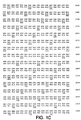
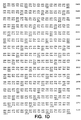
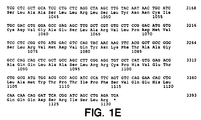
- Fig. 1 is a listing of the nucleotide and predicted amino acid sequences of full length CIITA (SEQ ID NO: 1).
- Fig. 2 is a schematic representation of the CIITA deletion mutants and the in vivo assay used to identify the CIITA transcription activation and interaction domains. The results of the transcription assays are also summarized in this Fig.
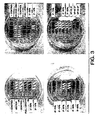
- Fig. 3 is a photograph of the yeast cells used in the transcription assays to identify the CIITA transcription activation and interaction domains.
- Fig. 4 is a histogram showing data obtained from a colorimetric assay used to measure transcription of the lacZ gene for identification of the CIITA transcription activation and interaction domains.
- Fig. 5 is a schematic representation of plasmid pCMV.ciita.
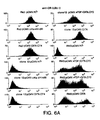
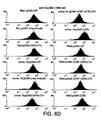
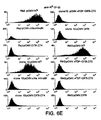
- Fig. 6A-E is a series of FACS profiles which shows that expression an ⁇ -TDF/CIITA fusion protein in clone 13 and RM3 cells restores expression of the MHC class II genes.
- Fig. 7 is a series of FACS profiles which shows that expression of wild-type CIITA in clone 13 cells corrects the deficiency in the expression of the DR and DP isotypes and increases expression of DQ.
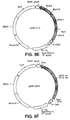
- Fig. 8A-F is a schematic representation of plasmids described herein.
- CIITA segment of CIITA that is sufficient, in the absence of the remainder of the CIITA protein and in the presence of an otherwise complete transcription system, to activate transcription.
- This segment was the transcription activation domain of CIITA.
- plasmids was constructed (from the vector pEG202) to produce fusion proteins containing portions of CIITA attached to the N-terminal 202 amino acid dimerization and DNA binding domain of the E. coli repressor protein LexA. Methods for constructing these plasmids and other plasmids described herein are provided below under "Construction of Plasmids.”
- Yeast cells of the strain EGY48 (his3 - and ura3 - ) then were co-transformed with each LexA-CIITA construct, independently, and a lacZ reporter plasmid (pSH18-34). Expression of these plasmids in yeast was maintained by expression of the HIS3 gene from the LexA-CIITA plasmid, and expression of URA3 from pSH18-34.
- the regulatory sequences of the lacZ reporter plasmid included 8 LexA binding sites in place of the GAL1 upstream activating sequences (Fig. 2). In this assay, the LexA polypeptide served as a DNA-binding protein, bringing the CIITA polypeptides close to the site of transcription.
- yeast bearing the pSH18-34 reporter gene did not produce detectable quantities of ⁇ -galactosidase from the lacZ gene and appeared white on X-gal-containing media (Fig. 3; pHRFM1, a negative control).
- yeast bearing a plasmid expressing only the LexA N-terminal 202 amino acids or a fusion protein which is known not that transcriptional activity (pSH17-4) failed to produce detectable quantities of ⁇ -galactosidase.
- yeast strains having the LexA polypeptide fused to the transcription activation domain of CIITA induced synthesis of sufficient amounts of ⁇ -galactosidase that the host yeast cells appeared blue on X-gal-containing media (Fig. 3; pSH17-4, a positive control).
- quantitative colorimetric assays were performed by measuring the optical density of media containing the fusion proteins and o-nitrophenyl- ⁇ -galactoside (ONPG) (see Fig. 4) (Ausubel et al., In : Current Protocols in Molecular Biology, J. Wiley & Sons, 1994).
- a polypeptide which includes approximately 8% of the N-terminal region of CIITA is sufficient to activate transcription.
- This portion of CIITA contains the acidic portion of the transcription activation domain; if desired, the experiments performed with the N-terminal 29% can be compared with experiments performed with the N-terminal 8%.
- a polypeptide which includes approximately 29% of the N-terminal region of CIITA activates transcription at least as efficiently as the full length CIITA protein does.
- amino acids 26-352 and nucleotides 78 to 1,056 of the full length CIITA represent the transcription activation domain (these numbers refer to the CIITA coding sequence, the beginning of which is at nucleotide 116 of the CIITA cDNA sequence (Steimle et al., infra )).
- the activation domain of CIITA can be used in a method of identifying compounds which inhibit CIITA-dependent transcription. Because CIITA is required for activation of MHC class II genes, compounds which specifically inhibit CIITA-dependent transcription are strong candidates for autoimmune disease therapeutics. Our discovery that a segment of CIITA (termed the CIITA transcription activation domain) is able to activate transcription in the absence of the remainder of the CIITA protein, and in the presence of an otherwise complete transcription system, facilitates the identification of compounds which inhibit transcription activation by CIITA.
- Useful compounds are identified by their ability to inhibit CIITA-dependent transcription. To this end, the compound can be tested for inhibition of transcription in any transcription assay system which employs the CIITA activation domain. There now follows an example of an assay which can be used to identify compounds which inhibit CIITA-dependent transcription; compounds identified with this assay are candidates for autoimmune disease therapeutics.
- Example 1 Identification of Compounds which Inhibit the CIITA Transcription Activation Domain
- the host yeast strain EGY48 (his3 - , ura3 - , and leu - ) is transformed with two plasmids.
- the first plasmid, pSH18-34 carries the GAL1 TATA transcription start site and a segment of the GAL1 coding sequence operably linked to the lacZ gene (Zervos et al., 1993, Cell 72: 223-232 and Gyuris et al., 1993, Cell 75: 791-803).
- This plasmid also carries 8 binding sites for LexA in place of the GAL1 upstream activating sequences, and it carries a URA3 selectable marker.
- the second plasmid, pEG.ciita.N29 is derived from the parental plasmid pEG202 and carries sequences which encode the CIITA transcription activation domain. This plasmid also carries a gene for a selectable marker (HIS3) and the DNA-binding and dimerization domains of LexA (amino acids 1-202).
- HIS3 selectable marker
- the second plasmid can be pSH17-4 (Gyuris et al., 1993, Cell 75:791-803) which encodes LexA fused to a transcription activation domain such as those of pHRFM1 or CDK2 (Zervos et al., 1993, Cell 72: 223-232 and Gyuris et al., 1993, Cell 75: 791-803).
- Small cultures of the doubly-transformed yeast strains are mixed with the compounds to be screened and grown in a suitable medium (e.g., SGR, -his, -ura, + X-gal (80 mg/L)) under suitable conditions (e.g., at 30° C with agitation overnight).
- suitable conditions e.g., at 30° C with agitation overnight.
- the amount of blue chromophore produced is then determined (e.g., by measuring the optical density or by manually examining the cultures).
- Compounds which inhibit activation of transcription by the test plasmid pEG.ciita.N29
- pSH17-4 can inhibit expression of the MHC class II molecules, and, therefore, are strong candidates for autoimmune disease therapeutics.
- a polypeptide which included amino acids 1-26 and 301-1130 (nucleotides 1-78 and 903-3390) of the full-length CIITA did not, alone, activate transcription (Figs. 1, 2, and 3). Since this domain is not capable of activating transcription in the absence of a transcription activation domain (derived from CIITA or another activator of transcription), we conclude that this domain mediates transcription by binding to another component of the cellular transcription machinery (e.g., a polymerase or a DNA binding protein). Accordingly, amino acids 301-1130 (the C-terminal 74%) of CIITA have been termed the CIITA interaction domain. Although the CIITA interaction domain cannot, alone, activate transcription, compounds which inhibit binding of the interaction domain to its normal cellular target protein are useful for inhibiting transcription of CIITA and therefore are potential autoimmune disease therapeutics.
- pCMV.ciita ⁇ HindIII which encodes the CIITA transcription activation domain in the absence of an interaction domain.
- cell were transfected with pCMV/K b .
- pCMV.ciita which encodes the full-length CIITA.
- plasmids were transfected, independently, into human B cells.
- One B cell line, RM3, is deficient in expression of the DR, DP, and DQ isotypes.
- a second B cell line, clone 13 is deficient in expression of DR and DP, but not DQ.
- the third cell line, Raji expresses wild-type levels of the three MHC class II genes.
- Cells from each line were stained, using standard techniques, with antibodies against DR (LB3.1), DQ (SPV.L3, which are equivalent to Genox.53), DP (B7/21), class I molecules (W6/32) or K b (Y-3) and then analyzed by fluorescence activated cell sorting (FACS; Fig. 6).
- FACS fluorescence activated cell sorting
- the above-described method can be modified to provide a method of determining whether a compound inhibits CIITA-dependent transcription.
- a compound to be tested is simply added to the culture of transfected cells.
- a compound which inhibits the ability of the ⁇ -TDF/CIITA fusion protein to restore expression of the MHC class II molecules on the cell surface is a potential autoimmune disease therapeutic.
- This method also permits the identification of compounds which are isotype-specific inhibitors of transcription.
- a compound which causes the ⁇ -TDF/CIITA fusion protein to restore expression of only a subset of the MHC class II genes is an isotype-specific inhibitor.
- Such a compound is particularly valuable as a potential autoimmune disease therapeutic because it allows for selective inhibition of MHC class II gene transcription.
- the cell-based assay described above can be used alone or in conjunction with the assay described below which employs two fusion proteins.
- a compound which inhibits CIITA-dependent transcription can also be identified by virtue of its ability to inhibit binding of the CIITA interaction domain to its target protein in the cellular transcription machinery.
- the CIITA target protein can be cloned rapidly and conveniently by employing the widely-used technique known as interaction trap cloning.
- interaction trap cloning a modification of interaction trap cloning can be used to identify compounds which inhibit binding of the CIITA interaction domain to its target protein; such compounds are potential autoimmune disease therapeutics.
- interaction trap cloning employs the interaction domain of a protein and the activation domain of a second protein to rapidly and easily identify a target protein with which the interaction domain associates.
- the target protein enables the interaction domain to mediate transcription of a reporter gene; transcription can be assayed as described infra .
- the target protein of the CIITA interaction domain can be cloned rapidly and easily.
- a host cell e.g., a yeast cell of the strain EGY48
- a first plasmid which encodes a first fusion protein.
- the first fusion protein includes a DNA binding protein (e.g., the N-terminal 202 amino acids of LexA) fused to the CIITA interaction domain without a CIITA activation domain.
- the yeast cell also carries a reporter gene (e.g., a lacZ, CAT, GUS, human growth hormone, alkaline phosphatase, or luciferase gene) which is operably linked to a regulatory sequence to which the first fusion protein binds.
- the reporter gene can be located on a plasmid or a chromosome.
- the yeast cell is transformed with a plasmid which encodes a second fusion protein.
- the second fusion protein includes the transcription activation domain of a protein (e.g., the B42 acidic activation domain (Ma et al., 1988, Cell 55:443-446)) fused to a test polypeptide which is assayed for its ability to mediate transcription of the reporter gene as described infra .
- the polypeptide which permits transcription of the reporter gene is the target protein of the CIITA interaction domain.
- DNA molecules encoding the potential target protein are obtained from a library (such as a cDNA library prepared from poly-A + RNA obtained from the human Burkitt's B cell lymphoma, Raji).
- a library such as a cDNA library prepared from poly-A + RNA obtained from the human Burkitt's B cell lymphoma, Raji.
- the CIITA interaction domain is replaced by the interaction domain of another protein (e.g., pHRFM1 or CDK2 (Zervos and Gyuris, infra )).
- Compounds which inhibit transcription by interfering with the CIITA interaction domain can be identified by assaying the compound's ability to inhibit binding of the CIITA interaction domain to its target protein. Any method which measures protein-protein interactions can be used to identify compounds which, when added to the assay, inhibit the protein-protein interaction. For example, assays based on ELISAs, Southwestern blotting, filter- and membrane-bound proteins, and immobilized proteins are among the assays which can be used to measure inhibition of binding of the CIITA interaction domain to its target protein. There now follows a detailed example of a method for identifying compounds which inhibit the function of the CIITA interaction domain, and which, therefore, are potential autoimmune disease therapeutics.
- a host cell e.g., a yeast cell of the strain EGY48
- a first plasmid which encodes a first fusion protein.
- the first fusion protein includes a DNA-binding protein (e.g., the N-terminal 202 amino acids of LexA) fused to the CIITA interaction domain without a CIITA activation domain.
- the yeast cell also carries a reporter gene (e.g., a lacZ, CAT, GUS, human growth hormone, alkaline phosphatase, or luciferase gene) which is operably linked to a regulatory sequence to which the fusion protein binds.
- the reporter gene can be located on a plasmid or a chromosome.
- the yeast cell is transformed with a plasmid which encodes a second fusion protein.
- the second fusion protein includes the transcription activation domain of a protein (e.g., B42) fused to the target protein of the CIITA interaction domain.
- Useful compounds are identified by their ability to inhibit transcription of the reporter gene in this assay. Small cultures of the transformed cells are mixed with the compounds to be tested and grown in a medium which is suitable to maintain expression of the plasmids, and under suitable conditions (e.g., at 30° C with agitation overnight). The level of gene expression is then measured. For example, if the lacZ gene is used as the reporter gene, the amount of blue chromophore produced in the presence of X-gal can be determined (e.g., by measuring the optical density or by manually examining the color of the cell cultures).
- Compounds which inhibit activation of transcription in assays employing the CIITA interaction domain but not the control interaction domain can inhibit expression of the MHC class II molecules, and, therefore, are strong candidates for autoimmune disease therapeutics.
- This assay can be used alone or in combination with the cell-based assay described in Example 2.
- clone 13 CIITA This mutant CIITA, termed clone 13 CIITA, is present in the clone 13 cell line, a derivative of the human B cell lymphoma, Jijoye (available from L. Glimcher, Harvard University, MA).
- the clone 13 CIITA is defective in transcription of the DR and DP isotypes but not the DQ isotype of the MHC class II genes.
- expression of the wild-type CIITA gene in clone 13 cells enables the cells to transcribe the DR and DP isotypes.
- the CIITA gene was cloned into the vector pCMV, and the resulting vector, pCMV.ciita (Fig. 5), was then transfected by electroporation into clone 13 cells.
- the transfected cells were analyzed by FACS for expression of the DR and DP isotypes (Fig. 7).
- Raji cells which express the DR, DP, and DQ isotypes
- untransformed clone 13 cells were examined in the same manner. Standard techniques were used to stain the cells with antibodies.
- the cells were stained with anti-class I antibodies (W6/32; a positive control, ATCC #HB95) and anti-Kb antibodies (Y-3; a negative control, ATCC #HB176).
- anti-class I antibodies W6/32; a positive control, ATCC #HB95
- anti-Kb antibodies Y-3; a negative control, ATCC #HB176.
- expression of CIITA in clone 13 cells increases the relative fluorescence of those cells when they are stained with anti-DP, anti-DR, or anti-DQ antibodies.
- expression of wild-type CIITA in clone 13 cells corrects the deficiency of the clone 13 mutant CIITA.
- the interaction domain of the clone 13 mutant CIITA can be used in the assays described in Example 4 to identify compounds which are isotype-specific inhibitors of CIITA-dependent transcription. If desired, the clone 13 CIITA transcription activation domain or full-length polypeptide can be used in other assays to identify useful compounds.
- Compounds which inhibit CIITA-dependent transcription involving wild-type CIITA, but not the clone 13 mutant CIITA are useful for inhibiting expression of the DR and DP MHC class II isotypes without inhibiting expression of the DQ isotype.
- Such compounds are isotype-specific and can be used to inhibit the expression of particular genes involved in the induction of an immune response, without causing generalized immunosuppression. Because numerous autoimmune diseases, such as rheumatoid arthritis (see Tables 1 and 2) are associated with particular isotypes, compounds which can inhibit expression of a subset of the MHC class II genes are particularly valuable for selectively affecting the immune system.
- the activation and interaction domains of isotype-specific CIITA mutants other than the clone 13 CIITA are within the invention.
- Isotype-specific CIITA mutants can be identified as described above for the clone 13 CIITA.
- Cell lines which are defective in expression of a subset of the MHC class II genes are candidate sources of isotype-specific CIITA proteins.
- a cell line containing an isotype-specific CIITA can be identified by expressing wild-type CIITA in the candidate cell line and determining whether expression of CIITA corrects the deficiency in expression of the MHC class II gene(s).
- the mutant CIITA gene can be cloned using the techniques described for the clone 13 CIITA.
- the methods presented in Example 5 are useful for isolating other isotype-specific CIITA mutants which can be used to determine whether a compound is an isotype-specific inhibitors of transcription.
- Additional methods of assaying CIITA-dependent transcription also are within the invention.
- previously-described transcription assays see, e.g., Keegan et al., 1986, Science 23: 699; Ma et al., 1987, Cell 48: 847; Lin et al., 1988, Cell 54: 659; Sadowski et al., 1988, Nature 335: 563; Roberts et al., 1993, Nature 363: 741; and Ma et al., 1988, Cell 55: 443
- modifications of the above-described assay can be used in the invention.
- DNA-binding proteins such as GAL4
- Reporter genes such as chloramphenicol acetyl transferase (CAT), luciferase, ⁇ -glucuronidase (GUS), human growth hormone, alkaline phosphatase or any gene whose expression can be assayed can substitute for the lacZ gene.
- Host cells other than yeast also can-be used; for example, prokaryotic and other eukaryotic cells (e.g., bacterial, mammalian and plant cells) are useful.
- Methods of measuring protein-protein interactions such as assays based on ELISAs, Southwestern blotting, filter- and membrane-bound proteins, and immobilized proteins also can be used to identify compounds which inhibit binding of the CIITA interaction domain to its target protein. It will be readily apparent that standard techniques of molecular biology will enable one to use the CIITA interaction domain in other assays of protein-protein interactions.
- the original CIITA templates were obtained by RT-PCR with polyA + RNA extracted from the HLA class II positive B lymphoid cell line Raji.
- the PCR products were then directly cloned into pCRII (Invitrogen).
- pCRII.ciita.b, pCRII.ciita.h, and pCRII.ciita.p were used to generate a complete cDNA eukaryotic expression construct (See Figs. 5 and 8).
- pCRII.ciita.b The CIITA-specific PCR primers used for this construct were 5'-GGAAGCTGAGGGCACGAGGAG-3' for the 5' end and 3'-CAGAAGAGACAGGGGACGGTAAC-5' for the 3' end.
- pCRII.ciita.h The CIITA-specific PCR primers used for this construct were 5'-CTCCAACAAGCTTCCAAAATG-3' for the 5' end and 3'-GTACAAGAGACTCCTGTGATTG-5' for the 3' end.
- pCRII.ciita.p The CIITA-specific PCR primers used for this construct were 5'-GTCCCTGAAGGATGTGGAAGAC-3' for the 5' end and 3'-GTCTGACCTTCGTGTCGAAG-5' for the 3' end.
- pCMV.ciita This construct was made via multistep subcloning using pLB-1 as the vector and pCRII.ciita.b, pCRII.ciita.h and pCRII.ciita.p as inserts.
- the vector DNA was prepared by cutting pLB-1 with Hind III, treating with T4 polymerase, followed by Not I activation digestion;
- the 5' CIITA DNA insert was prepared by cutting pCRII.ciita.b with Eco RI at sites which flank the PCR insert in pCRII constructs, gel purification of the smaller fragment, T4 polymerase treatment, followed by NotI activation digestion ( Not I at nucleotide 1340 in the CIITA sequence). These two fragments were ligated with T4 ligase and the resulting pCMV.ciita sub-construct is termed pCMV.ciita.b.
- pCMV.ciita.b was then digested with Bam HI, and the smaller fragment was gel-purified, blunted T4 polymerase, and activated by Not I digestion; pCRII.ciita.p was similarly cut with Eco RI, blunted with T4 polymerase, and followed by NotI activation digestion. The smaller fragment was gel-purified and used. The vector and insert fragments were ligated with T4 ligase, and the resulting pCMV.ciita second sub-construct was termed pCMV.ciita.bp.
- pCMV.ciita.bp was further digested with Bam HI and Not I; pCRII.ciita.h was also cut with Bam HI and Not I, and the smaller fragment was gel-purified. These two fragments were ligated with T4 ligase and the resulting construct which contains CIITA cDNA sequences (nucleotides 48-4471) is termed pCMV.ciita.bp.
- pCMV.CIITA This construct was made after pCMV.ciita had been constructed and confirmation of its biological function in restoring HLA class II general expression (by transfection of HLA class II-negative cell lines (RM3 and clone 13) and FACS analysis).
- the CIITA cDNA construct termed pKS/CIITA (+) (from Dr. B. Mach, University of Geneva; Geneva, Switzerland) was also used in these experiments.
- the vector was pBluescript KS(+) (Stratagene), and the cDNA was inserted into the Sal I site of the multiple cloning site.
- pCMV.CIITA To make pCMV.CIITA, pCMV was digested with Xho I and Nhe I, and the CIITA cDNA fragment was obtained by cutting pKS/CIITA with Xho I and Spe I whose recognition sites flank the cDNA insert. The two fragments were ligated with T4 ligase, and the resulting construct was termed pCMV.CIITA (the upper-case letters indicate that the DNA source was from original cDNA library).
- pEG.CIITA This plasmid was made using pEG.CIITA. Sal I and pTrc.CIITA. pEG.CIITA. Sal I was digested with Bam HI and the larger fragment was gel-purified; the CIITA sequence was obtained by digesting pTrc.ciita with Bam HI, and the vector and insert were ligated with T4 ligase.
- Sal I pEG.CIITA.
- Sal I pEG202 was first linearized with Sal I and dephosphorylated with CIP; CIITA cDNA was obtained by Sal I digestion of pCMV.CIITA; the vector and insert fragment were then ligated and the resulting intermediate pEG construct with the CIITA cDNA insert was termed pEG.CIITA. Sal I.
- pTrc.ciita This construct was originally generated from over-expression of the recombinant CIITA protein. First the 5' CIITA sequence was cloned (using PCR, in the same way as in the construction of pEG.ciita.N29, below) into the Bam HI site and the Xho I site of pTrcHis C (Invitrogen).
- pTrc5 or pTrc/ciita5 was linearized with Xho I, blunted with T4 polymerase, and activated with Dra III; the downstream 3790 bp of CIITA was obtained by digesting pCMV.ciita with Sca I and Dra III, and the two fragments were ligated.
- pEG.ciita.N29 A pair of PCR primers was designed in order to fuse the N-terminal 29% of CIITA in-frame into pEG202, following the 202nd codon of the LexA N-terminus.
- the sequence for the 5' back primer is AATGGATCcgttgcctggctcca (upper case letters indicating the tagged sequence which includes a Bam HI site for in-frame cloning) and the sequence of the 3' forward primer is CCGCTCGAGcggcaccatacgtgt (the tagged sequence includes an Xho I site).
- PCR polymerase chain reaction
- the PCR reaction profiles were 3 cycles of 95°C for 5 minutes, 55°C for 5 minutes, and 72°C for 3 minutes; followed by 30 cycles of 95°C for 1 minute, 60°C for 2 minutes, and 72°C for 1 minute.
- the resulting DNA fragment was digested with Bam HI and Xho I, and cloned into the corresponding Bam HI and Xho I sites of the pEG202 vector.
- the stop codon for this fusion protein is provided by the vector sequence following the Xho I site of pEG202.
- pCMV is an EBV over-expression vector generated by partial digestion of pREP7 (Invitrogen) with Sal I; insertion of a Bgl II linker into the second Sal I site (nt.1091) after blunting it with Klenow; double digestion with Hind III and Bgl II; and finally ligation with the CMV promoter fragment from pCDM8 (Invitrogen), which was prepared by Spe I digestion of pCDM8; blunting with Klenow; Bgl II linker insertion; and Hin dIII and Bgl II digestion and gel-purification.
- the actual vector used to make the first ciita (lower-case letters indicate the construct was a PCR- derived product) subconstruct was pLB-1, which was derived from pCMV by inserting a -1 kb stuffer DNA between the Hind III and Not I sites to facilitate Hind III/ Not I double digestion.
- pEG.CIITA.C74 pEG202 was linearized with Bam III, blunted with T4 polymerase and activated with Sal I; the insert was prepared by digesting pCMV.CIITA with Sph I, blunting with T4 polymerase, and activating with Sal I; the two fragments were then ligated.
- pEG.CIITA.C50 pEG202 was linearized with EcoRI, blunted with T4 polymerase and activated with Sal I; the insert was prepared by digesting pCMV.CIITA with NcoI, blunting with T4 polymerase, and activating with Sal I; the two fragments were then ligated.
- pEG.CIITA.C30 pEG202 was linearized with Bam HI, blunted with T4 polymerase, and activated with Sal I; the insert was prepared by digesting pCMV.CIITA with Kpn I, blunting with T4 polymerase, and activating with Sal I; the two fragments were then ligated.
- pEG.CIITA.C14 pEG.CiiTA was completely cut with Bam HI, diluted, and ligated. A recircularized deletion construct which contains the CIITA ORF N-14% was isolated using standard techniques.
- pEG.ciita.N70 pEG202 was linearized with Xho I, blunted with T4 polymerase, and activated with Bam HI.
- the insert was prepared by digesting pET.ciiTA with Kpn I, blunting with T4 polymerase, and activating with Bam HI; the two fragments were then ligated.
- pET.ciiTA a construct for over-expression of CIITA, was made by cloning the CIITA open reading frame, as in the construction of pEG.ciiTA (above), into pET28c (Novagen).
- pEG.ciita.N56 pEG202 was linearized with Xho I, blunted with T4 polymerase and activated with Bam HI; the insert was prepared by digesting pET.ciiTA with Sfi I, blunting with T4 polymerase, and activating with Bam HI; the two fragments were then ligated.
- pEG.ciita.N22 The insert was obtained by digesting the ciita-containing Nhe I/ Xho I fragment of pTrc5 with Ban I, blunting with T4 polymerase and cutting with Bam HI.
- the vector was prepared by linearizing pEG202 with Xho I, blunting with T4 polymerase and finally cutting with Bam HI. The prepared insert and vector then were ligated.
- pEG.ciita.N17 The insert was obtained by digesting the small Nhe I/ Xho I fragment of pTrc5 with Eae I, blunting with T4 polymerase and finally cutting with Bam HI.
- the vector was prepared by linearizing pEG202 with Xho I, blunting with T4 polymerase and finally cutting with Bam HI. The prepared insert and vector then were ligated.
- pEG.ciita.N12 The insert was obtained by digesting the small Nhe I/ Xho I fragment of pTrc5 with Msp I, blunting with T4 polymerase and finally cutting with Bam HI.
- the vector was prepared by linearizing pEG202 with Sal I, blunting with T4 polymerase and finally cutting with Bam HI. The prepared insert and vector then were ligated in frame.
- pEG.ciita.N7.6 The insert was obtained by digesting the small Nhe I/ Xho I fragment of pTrc5 with Eco NI, blunting with T4 polymerase and finally cutting with Bam HI; the vector was prepared by linearizing pEG202 with Xho I, blunting with T4 polymerase and finally cutting with Bam HI. The prepared insert and vector then were ligated.
- pEG.C- ⁇ TDF This construct was made by inserting the C-terminal 16% of HSV1 (strain F) ⁇ -transducing factor (Pellett et al., 1985, PNAS 82:5870-5874; accession number K03350) into pEG202.
- pEG.C'- ⁇ TDF This construct was made by inserting the C-terminal 16% (except the very C-terminal 3 codons,) of HSV1 (strain F) ⁇ -transducing factor. The insert in this construct was later used to construct pCMV. ⁇ TDF-CIITA.C70.
- pCMV.ciita ⁇ HindIII This construct contains the CIITA N-terminal 29% of the ORF, and was made by digesting pCMV.ciita with Hind dIII, purifying the major band and recircularizing.
- pCMV.CIITA.C74 This construct contains the N-terminal 25 codons and about 74% of the C-terminal ORF of CIITA. It was generated by multistep subloning. First, pKS/CIITA(+) was cut with Nco I, blunted with T4 polymerase and then cut with Xho I as the vector. In parallel, it was cut with Sph I, blunted with T4 polymerase, and then cut with Xho I as the insert. The two fragments were ligated with T4 polymerase, and the resulting construct was termed pKS.CIITA ⁇ N/S.
- pKS.CIITA ⁇ N/S was cut with Spe I and Xho I, and the CIITA-containing fragment was then inserted into Nhe I/ Xho I cut pCMV vector.
- pCMV. ⁇ TDF-CIITA.C70 This was generated by multistep subcloning. First, pKS/CIITA(+) was cut with Tth111I, blunted with T4 polymerase, and then ligated with T4 ligase. This intermediate construct was termed pKS/CIITA. ⁇ Tth. It was then cut with NcoI and AatII, blunted with T4 polymerase, and ligated in-frame with a fragment which encodes the C-terminal 16%, (except the very C-terminal 3 codons) of HSV1 (strain F) ⁇ -transducing factor. This second intermediate construct was termed pKS/ ⁇ TDF-CIITA. ⁇ Tth.
- the 5' ⁇ TDF-CIITA containing Not I fragment was then used to replace the corresponding 5' Not I fragment of pKS/CIITA(+).
- This third intermediate construct was termed pKS/ ⁇ TDF-CIITAC.70.
- pKS/ ⁇ TDF-CIITAC.70 was cut with Spe I and Xho I.
- the ⁇ TDF-CIITA containing fragment was then inserted into Nhe I/ Xho I cut pCMV vector.
Landscapes
- Life Sciences & Earth Sciences (AREA)
- Health & Medical Sciences (AREA)
- Chemical & Material Sciences (AREA)
- Organic Chemistry (AREA)
- Engineering & Computer Science (AREA)
- Molecular Biology (AREA)
- Proteomics, Peptides & Aminoacids (AREA)
- General Health & Medical Sciences (AREA)
- Genetics & Genomics (AREA)
- Biochemistry (AREA)
- Medicinal Chemistry (AREA)
- Immunology (AREA)
- Zoology (AREA)
- Biophysics (AREA)
- Microbiology (AREA)
- Analytical Chemistry (AREA)
- Mycology (AREA)
- Biomedical Technology (AREA)
- Biotechnology (AREA)
- Wood Science & Technology (AREA)
- Hematology (AREA)
- Gastroenterology & Hepatology (AREA)
- Physics & Mathematics (AREA)
- Urology & Nephrology (AREA)
- Bioinformatics & Cheminformatics (AREA)
- Cell Biology (AREA)
- Toxicology (AREA)
- General Engineering & Computer Science (AREA)
- General Physics & Mathematics (AREA)
- Pathology (AREA)
- Food Science & Technology (AREA)
- Public Health (AREA)
- Pharmacology & Pharmacy (AREA)
- Chemical Kinetics & Catalysis (AREA)
- Veterinary Medicine (AREA)
- General Chemical & Material Sciences (AREA)
- Animal Behavior & Ethology (AREA)
- Nuclear Medicine, Radiotherapy & Molecular Imaging (AREA)
- Investigating Or Analysing Biological Materials (AREA)
- Measuring Or Testing Involving Enzymes Or Micro-Organisms (AREA)
Claims (14)
- Procédé permettant de déterminer in vitro si un composé inhibe l'aptitude d'un polypeptide à activer la transcription, le polypeptide étant caractérisé en ce qu'il comprend un domaine d'activation de la transcription de CIITA et ne possède pas un domaine d'interaction fonctionnel de CIITA, l'inhibition de la transcription indiquant que ledit composé est un agent thérapeutique potentiel des maladies auto-immunes.
- Procédé selon la revendication 1,(a) où l'inhibition de l'activation de la transcription est mesurée à l'aide des étapes consistant à :a) fournir une protéine de fusion comprenant ledit polypeptide fusionné à une protéine de liaison à l'ADN ;b) fournir une séquence d'ADN qui régule la transcription, liée de manière opérationnelle à un gène rapporteur dans un système approprié pour la transcription dudit gène rapporteur lorsque ladite protéine de fusion est liée à ladite séquence d'ADN régulatrice ;c) fournir ladite protéine de fusion et ledit composé dans ledit système ; etd) mesurer l'aptitude dudit composé à inhiber la transcription dudit gène rapporteur ; ou(b) comprenant en outre la mesure de l'aptitude dudit composé à inhiber l'aptitude d'un second polypeptide à activer la transcription, le second polypeptide étant caractérisé en ce qu'il comprend un domaine d'activation de la transcription de CIITA spécifique d'un isotype et ne possède pas un domaine d'interaction fonctionnel de CIITA, ledit procédé identifiant des composés spécifiques d'un isotype.
- ADN pratiquement pur codant pour un domaine d'activation de la transcription de CIITA sans coder pour un domaine d'interaction fonctionnel de CIITA.
- ADN selon la revendication 3 où,(a) ledit ADN possède la séquence nucléotidique des nucléotides 76-1056 de la figure 1 (SEQ ID N° :1), ou des variants dégénérés de celle-ci ; ou(b) ledit ADN présente une identité de séquence d'environ 80% ou plus avec les nucléotides 76-1056 de la séquence d'ADN de la figure 1 ; ou(c) ledit CIITA est spécifique d'un isotype.
- Polypeptide pratiquement pur comprenant un domaine d'activation de la transcription de CIITA et ne possédant pas un domaine d'interaction fonctionnel de CIITA.
- Polypeptide selon la revendication 5,(a) comprenant une séquence d'acides aminés pratiquement identique aux acides aminés 26 à 352 de la séquence d'ADN de la figure 1 ; ou(b) où ledit CIITA est spécifique d'un isotype.
- Procédé permettant de déterminer in vitro si un composé inhibe l'aptitude d'un polypeptide à se lier à sa protéine cible, ledit polypeptide étant caractérisé en ce qu'il comprend un domaine d'interaction de CIITA et ne possède pas un domaine d'activation de la transcription de CIITA, l'inhibition de la liaison indiquant que ledit composé est un agent thérapeutique potentiel des maladies auto-immunes.
- Procédé de la revendication 7,(i) où ledit procédé comprend la détermination du fait que ledit composé inhibe l'aptitude dudit polypeptide à médier la transcription, une inhibition de la transcription indiquant que ledit composé est un agent thérapeutique potentiel des maladies auto-immunes, et ladite inhibition étant par exemple mesurée à l'aide des étapes consistant à :a) fournir une première protéine de fusion comprenant ledit polypeptide fusionné à une protéine de liaison à l'ADN ;b) fournir une séquence de régulation de la transcription de la séquence d'ADN, liée de manière opérationnelle à un gène rapporteur dans un système approprié pour la transcription dudit gène marqueur ;c) fournir une seconde protéine de fusion, ladite seconde protéine de fusion étant caractérisée en ce qu'elle comprend un domaine d'activation de la transcription fusionné à la protéine cible d'un domaine d'interaction de CIITA ;d) fournir lesdites première et seconde protéines de fusion et ledit composé dans un système ; ete) mesurer l'aptitude dudit composé à inhiber la transcription dudit gène rapporteur ; ou(ii) comprenant en outre la mesure de l'aptitude dudit composé à inhiber l'aptitude d'un second polypeptide à se lier à sa protéine cible, ledit second polypeptide étant caractérisé en ce qu'il comprend un domaine d'interaction de CIITA spécifique d'un isotype et ne possède pas un domaine d'activation de la transcription de CIITA fonctionnel, ledit procédé identifiant des composés spécifiques d'un isotype.
- ADN pratiquement pur codant pour un domaine d'interaction de CIITA sans coder pour un domaine d'activation de la transcription de CIITA fonctionnel.
- ADN selon la revendication 9 où,(a) ledit ADN possède la séquence nucléotidique des nucléotides 901-3390 de la figure 1, ou des variants dégénérés de celle-ci ; ou(b) ledit ADN présente une identité de séquence d'environ 80% ou plus avec les nucléotides 901-3390 de la séquence d'ADN de la figure 1 ; ou(c) ledit CIITA est spécifique d'un isotype.
- Polypeptide pratiquement pur comprenant un domaine d'interaction fonctionnel de CIITA et ne possédant pas un domaine d'activation de la transcription de CIITA fonctionnel.
- Polypeptide selon la revendication 11,(a) comprenant une séquence d'acides aminés pratiquement identique aux acides aminés 301 à 1130 de la séquence d'acides aminés de la figure 1 ;
ou(b) où ledit CIITA est spécifique d'un isotype. - Procédé permettant de déterminer in vitro si un composé inhibe l'aptitude d'un polypeptide à médier la transcription, ledit polypeptide étant caractérisé en ce qu'il comprend un domaine d'interaction de CIITA fusionné avec un domaine d'activation de la transcription et ne possède pas un domaine d'activation de la transcription CIITA, l'inhibition de la transcription indiquant que ledit composé est un agent thérapeutique potentiel des maladies auto-immunes.
- Procédé selon la revendication 13 comprenant en outre le fait de fournir ledit polypeptide dans un lymphocyte B et de tester l'expression de gènes de la CMH de classe II, ladite cellule étant par exemple un lymphocyte B humain.
Applications Claiming Priority (3)
| Application Number | Priority Date | Filing Date | Title |
|---|---|---|---|
| US08/295,502 US5672473A (en) | 1994-08-24 | 1994-08-24 | Methods of identifying compounds useful for treating autoimmune diseases |
| US295502 | 1994-08-24 | ||
| PCT/US1995/010691 WO1996006107A1 (fr) | 1994-08-24 | 1995-08-22 | Procede d'identification de composes utiles dans le traitement des maladies auto-immunes |
Publications (3)
| Publication Number | Publication Date |
|---|---|
| EP0777677A1 EP0777677A1 (fr) | 1997-06-11 |
| EP0777677A4 EP0777677A4 (fr) | 1998-04-01 |
| EP0777677B1 true EP0777677B1 (fr) | 2002-06-12 |
Family
ID=23137979
Family Applications (1)
| Application Number | Title | Priority Date | Filing Date |
|---|---|---|---|
| EP95930911A Expired - Lifetime EP0777677B1 (fr) | 1994-08-24 | 1995-08-22 | Procede d'identification de composes utiles dans le traitement des maladies auto-immunes |
Country Status (18)
| Country | Link |
|---|---|
| US (1) | US5672473A (fr) |
| EP (1) | EP0777677B1 (fr) |
| JP (1) | JPH10507908A (fr) |
| KR (1) | KR970705573A (fr) |
| AT (1) | ATE219099T1 (fr) |
| AU (1) | AU700235B2 (fr) |
| CA (1) | CA2197233C (fr) |
| DE (1) | DE69527073T2 (fr) |
| ES (1) | ES2178677T3 (fr) |
| FI (1) | FI970735L (fr) |
| MX (1) | MX9701295A (fr) |
| NO (1) | NO970803L (fr) |
| NZ (1) | NZ292369A (fr) |
| PL (1) | PL318812A1 (fr) |
| PT (1) | PT777677E (fr) |
| RU (1) | RU2160447C2 (fr) |
| WO (1) | WO1996006107A1 (fr) |
| ZA (1) | ZA957120B (fr) |
Families Citing this family (10)
| Publication number | Priority date | Publication date | Assignee | Title |
|---|---|---|---|---|
| US20020155542A1 (en) * | 1994-08-26 | 2002-10-24 | Mach Bernard F. | Inhibitors for suppressing the activity of proteins displaying CIITA activity, methods for their identification and pharmaceutical compositions |
| US5994082A (en) * | 1994-08-26 | 1999-11-30 | Mach; Bernard | Methods for the identification of inhibitors which suppress the activity of proteins displaying CIITA activity |
| WO1998025968A1 (fr) * | 1996-12-11 | 1998-06-18 | The University Of North Carolina At Chapel Hill | Nouvelles formes de transactivateurs de classe ii (ciita) |
| US6426411B1 (en) * | 1997-05-30 | 2002-07-30 | Dana-Farber Cancer Institute | PGC-1, a novel brown fat pparγ coactivator |
| US6410261B2 (en) | 1997-11-06 | 2002-06-25 | President And Fellows Of Harvard College | CIITA-interacting proteins and methods of use therefor |
| FR2775003A1 (fr) | 1998-02-19 | 1999-08-20 | Transgene Sa | Methode de criblage de composes capables d'inhiber la fixation entre le facteur de transcription stat1 et le facteur de transcription usf1 |
| AU4219899A (en) | 1998-05-28 | 1999-12-13 | President And Fellows Of Harvard College | Methods and compositions relating to modulation of cartilage cell growth and/or differentiation by modulation of nfatp activity |
| US20050244849A1 (en) * | 2000-12-15 | 2005-11-03 | Genetics Institute, Llc | Screening assays for rheumatoid arthritis |
| US20030125273A1 (en) * | 2001-12-05 | 2003-07-03 | Isis Pharmaceuticals Inc, | Antisense modulation of MHC class II transactivator expression |
| WO2005049860A2 (fr) * | 2003-11-05 | 2005-06-02 | Karolinska Innovations Ab | Methodes et analyses diagnostiques et therapeutiques |
Family Cites Families (2)
| Publication number | Priority date | Publication date | Assignee | Title |
|---|---|---|---|---|
| US5130297A (en) * | 1988-06-23 | 1992-07-14 | Anergen, Inc. | Conjugates useful in ameliorating autoimmunity MHC-II-peptide |
| DE69429608T2 (de) * | 1993-08-26 | 2002-09-12 | Novimmune Sa, Genf/Geneve | MHC-Klasse-II Transaktivator (CIITA) und dessen Anwendungen |
-
1994
- 1994-08-24 US US08/295,502 patent/US5672473A/en not_active Expired - Lifetime
-
1995
- 1995-08-22 JP JP8508279A patent/JPH10507908A/ja active Pending
- 1995-08-22 AU AU34126/95A patent/AU700235B2/en not_active Ceased
- 1995-08-22 NZ NZ292369A patent/NZ292369A/xx unknown
- 1995-08-22 KR KR1019970701167A patent/KR970705573A/ko not_active Ceased
- 1995-08-22 FI FI970735A patent/FI970735L/fi unknown
- 1995-08-22 WO PCT/US1995/010691 patent/WO1996006107A1/fr not_active Ceased
- 1995-08-22 ES ES95930911T patent/ES2178677T3/es not_active Expired - Lifetime
- 1995-08-22 PT PT95930911T patent/PT777677E/pt unknown
- 1995-08-22 EP EP95930911A patent/EP0777677B1/fr not_active Expired - Lifetime
- 1995-08-22 RU RU97104477/14A patent/RU2160447C2/ru active
- 1995-08-22 AT AT95930911T patent/ATE219099T1/de not_active IP Right Cessation
- 1995-08-22 MX MX9701295A patent/MX9701295A/es unknown
- 1995-08-22 DE DE69527073T patent/DE69527073T2/de not_active Expired - Fee Related
- 1995-08-22 PL PL95318812A patent/PL318812A1/xx unknown
- 1995-08-22 CA CA002197233A patent/CA2197233C/fr not_active Expired - Fee Related
- 1995-08-24 ZA ZA957120A patent/ZA957120B/xx unknown
-
1997
- 1997-02-21 NO NO970803A patent/NO970803L/no not_active Application Discontinuation
Also Published As
| Publication number | Publication date |
|---|---|
| DE69527073D1 (de) | 2002-07-18 |
| ES2178677T3 (es) | 2003-01-01 |
| CA2197233C (fr) | 2001-02-20 |
| NO970803L (no) | 1997-04-21 |
| PT777677E (pt) | 2002-11-29 |
| ZA957120B (en) | 1996-03-26 |
| DE69527073T2 (de) | 2003-01-23 |
| WO1996006107A1 (fr) | 1996-02-29 |
| CA2197233A1 (fr) | 1996-02-29 |
| AU3412695A (en) | 1996-03-14 |
| AU700235B2 (en) | 1998-12-24 |
| KR970705573A (ko) | 1997-10-09 |
| JPH10507908A (ja) | 1998-08-04 |
| NO970803D0 (no) | 1997-02-21 |
| US5672473A (en) | 1997-09-30 |
| EP0777677A1 (fr) | 1997-06-11 |
| ATE219099T1 (de) | 2002-06-15 |
| PL318812A1 (en) | 1997-07-07 |
| FI970735A7 (fi) | 1997-04-21 |
| RU2160447C2 (ru) | 2000-12-10 |
| NZ292369A (en) | 1999-01-28 |
| FI970735L (fi) | 1997-04-21 |
| EP0777677A4 (fr) | 1998-04-01 |
| MX9701295A (es) | 1997-05-31 |
| FI970735A0 (fi) | 1997-02-21 |
Similar Documents
| Publication | Publication Date | Title |
|---|---|---|
| Siomi et al. | The protein product of the fragile X gene, FMR1, has characteristics of an RNA-binding protein | |
| Durand et al. | RFXAP, a novel subunit of the RFX DNA binding complex is mutated in MHC class II deficiency | |
| Yamaguchi et al. | Drosophila proliferating cell nuclear antigen (cyclin) gene: structure, expression during development, and specific binding of homeodomain proteins to its 5′-flanking region | |
| Hsu et al. | Multiple zinc finger forms resulting from developmentally regulated alternative splicing of a transcription factor gene | |
| AU781103B2 (en) | Zinc finger domains and methods of identifying same | |
| Landschulz et al. | Isolation of a recombinant copy of the gene encoding C/EBP. | |
| Méthot et al. | The translation initiation factor eIF-4B contains an RNA-binding region that is distinct and independent from its ribonucleoprotein consensus sequence | |
| de la Brousse et al. | Molecular and genetic characterization of GABP beta. | |
| Andrew et al. | The stoned locus of Drosophila melanogaster produces a dicistronic transcript and encodes two distinct polypeptides | |
| US5460965A (en) | DNA and RNA encoding proteins useful in the regulation of KB-containing genes, and cells containing same | |
| CA2188061A1 (fr) | Proteines cibles immunodepressives | |
| Suzuki et al. | Mouse Oct-1 contains a composite homeodomain of human Oct-1 and Oct-2 | |
| EP0777677B1 (fr) | Procede d'identification de composes utiles dans le traitement des maladies auto-immunes | |
| US20050158833A1 (en) | Rapidly degrading GFP-fusion proteins and methods of use | |
| LaBoissière et al. | Concerted activity of host cell factor subregions in promoting stable VP16 complex assembly and preventing interference by the acidic activation domain | |
| Payre et al. | Two types of zinc fingers are required for dimerization of the serendipity δ transcriptional activator | |
| EP0647271B1 (fr) | Gene de l'ataxie-telangiectasies du groupe de complementation d (atdc) | |
| Char et al. | SpOct, a gene encoding the major octamer-binding protein in sea urchin embryos: expression profile, evolutionary relationships, and DNA binding of expressed protein | |
| US5504192A (en) | Human insulin receptor endocytic code binding protein | |
| WO1998031804A1 (fr) | Proteines neuronales de domaine bhlh-pas | |
| JPH10500311A (ja) | 核タンパク質と相互作用する因子 | |
| Bumbulis et al. | Genetic analysis of Xenopus transcription factor IIIA | |
| Munnes et al. | A novel insertional mutation and differentially spliced mRNAs in the human BRCA1 gene | |
| US7122328B2 (en) | Gene involved in mineral deposition and uses thereof | |
| US20020155542A1 (en) | Inhibitors for suppressing the activity of proteins displaying CIITA activity, methods for their identification and pharmaceutical compositions |
Legal Events
| Date | Code | Title | Description |
|---|---|---|---|
| PUAI | Public reference made under article 153(3) epc to a published international application that has entered the european phase |
Free format text: ORIGINAL CODE: 0009012 |
|
| 17P | Request for examination filed |
Effective date: 19970307 |
|
| AK | Designated contracting states |
Kind code of ref document: A1 Designated state(s): AT BE CH DE DK ES FR GB GR IE IT LI LU MC NL PT SE |
|
| A4 | Supplementary search report drawn up and despatched |
Effective date: 19980216 |
|
| AK | Designated contracting states |
Kind code of ref document: A4 Designated state(s): AT BE CH DE DK ES FR GB GR IE IT LI LU MC NL PT SE |
|
| 17Q | First examination report despatched |
Effective date: 19991125 |
|
| GRAG | Despatch of communication of intention to grant |
Free format text: ORIGINAL CODE: EPIDOS AGRA |
|
| GRAG | Despatch of communication of intention to grant |
Free format text: ORIGINAL CODE: EPIDOS AGRA |
|
| GRAH | Despatch of communication of intention to grant a patent |
Free format text: ORIGINAL CODE: EPIDOS IGRA |
|
| GRAH | Despatch of communication of intention to grant a patent |
Free format text: ORIGINAL CODE: EPIDOS IGRA |
|
| GRAA | (expected) grant |
Free format text: ORIGINAL CODE: 0009210 |
|
| AK | Designated contracting states |
Kind code of ref document: B1 Designated state(s): AT BE CH DE DK ES FR GB GR IE IT LI LU MC NL PT SE |
|
| PG25 | Lapsed in a contracting state [announced via postgrant information from national office to epo] |
Ref country code: NL Free format text: LAPSE BECAUSE OF FAILURE TO SUBMIT A TRANSLATION OF THE DESCRIPTION OR TO PAY THE FEE WITHIN THE PRESCRIBED TIME-LIMIT Effective date: 20020612 Ref country code: LI Free format text: LAPSE BECAUSE OF FAILURE TO SUBMIT A TRANSLATION OF THE DESCRIPTION OR TO PAY THE FEE WITHIN THE PRESCRIBED TIME-LIMIT Effective date: 20020612 Ref country code: IT Free format text: LAPSE BECAUSE OF FAILURE TO SUBMIT A TRANSLATION OF THE DESCRIPTION OR TO PAY THE FEE WITHIN THE PRE;WARNING: LAPSES OF ITALIAN PATENTS WITH EFFECTIVE DATE BEFORE 2007 MAY HAVE OCCURRED AT ANY TIME BEFORE 2007. THE CORRECT EFFECTIVE DATE MAY BE DIFFERENT FROM THE ONE RECORDED.SCRIBED TIME-LIMIT Effective date: 20020612 Ref country code: GR Free format text: LAPSE BECAUSE OF FAILURE TO SUBMIT A TRANSLATION OF THE DESCRIPTION OR TO PAY THE FEE WITHIN THE PRESCRIBED TIME-LIMIT Effective date: 20020612 Ref country code: FR Free format text: LAPSE BECAUSE OF FAILURE TO SUBMIT A TRANSLATION OF THE DESCRIPTION OR TO PAY THE FEE WITHIN THE PRESCRIBED TIME-LIMIT Effective date: 20020612 Ref country code: CH Free format text: LAPSE BECAUSE OF FAILURE TO SUBMIT A TRANSLATION OF THE DESCRIPTION OR TO PAY THE FEE WITHIN THE PRESCRIBED TIME-LIMIT Effective date: 20020612 Ref country code: BE Free format text: LAPSE BECAUSE OF FAILURE TO SUBMIT A TRANSLATION OF THE DESCRIPTION OR TO PAY THE FEE WITHIN THE PRESCRIBED TIME-LIMIT Effective date: 20020612 Ref country code: AT Free format text: LAPSE BECAUSE OF FAILURE TO SUBMIT A TRANSLATION OF THE DESCRIPTION OR TO PAY THE FEE WITHIN THE PRESCRIBED TIME-LIMIT Effective date: 20020612 |
|
| REF | Corresponds to: |
Ref document number: 219099 Country of ref document: AT Date of ref document: 20020615 Kind code of ref document: T |
|
| REG | Reference to a national code |
Ref country code: GB Ref legal event code: FG4D |
|
| REG | Reference to a national code |
Ref country code: CH Ref legal event code: EP |
|
| REF | Corresponds to: |
Ref document number: 69527073 Country of ref document: DE Date of ref document: 20020718 |
|
| REG | Reference to a national code |
Ref country code: IE Ref legal event code: FG4D |
|
| PG25 | Lapsed in a contracting state [announced via postgrant information from national office to epo] |
Ref country code: LU Free format text: LAPSE BECAUSE OF NON-PAYMENT OF DUE FEES Effective date: 20020822 Ref country code: IE Free format text: LAPSE BECAUSE OF NON-PAYMENT OF DUE FEES Effective date: 20020822 |
|
| PG25 | Lapsed in a contracting state [announced via postgrant information from national office to epo] |
Ref country code: SE Free format text: LAPSE BECAUSE OF FAILURE TO SUBMIT A TRANSLATION OF THE DESCRIPTION OR TO PAY THE FEE WITHIN THE PRESCRIBED TIME-LIMIT Effective date: 20020912 Ref country code: DK Free format text: LAPSE BECAUSE OF FAILURE TO SUBMIT A TRANSLATION OF THE DESCRIPTION OR TO PAY THE FEE WITHIN THE PRESCRIBED TIME-LIMIT Effective date: 20020912 |
|
| NLV1 | Nl: lapsed or annulled due to failure to fulfill the requirements of art. 29p and 29m of the patents act | ||
| REG | Reference to a national code |
Ref country code: PT Ref legal event code: SC4A Free format text: AVAILABILITY OF NATIONAL TRANSLATION Effective date: 20020905 |
|
| REG | Reference to a national code |
Ref country code: CH Ref legal event code: PL |
|
| REG | Reference to a national code |
Ref country code: ES Ref legal event code: FG2A Ref document number: 2178677 Country of ref document: ES Kind code of ref document: T3 |
|
| EN | Fr: translation not filed | ||
| PG25 | Lapsed in a contracting state [announced via postgrant information from national office to epo] |
Ref country code: MC Free format text: LAPSE BECAUSE OF NON-PAYMENT OF DUE FEES Effective date: 20030301 |
|
| PLBE | No opposition filed within time limit |
Free format text: ORIGINAL CODE: 0009261 |
|
| STAA | Information on the status of an ep patent application or granted ep patent |
Free format text: STATUS: NO OPPOSITION FILED WITHIN TIME LIMIT |
|
| REG | Reference to a national code |
Ref country code: IE Ref legal event code: MM4A |
|
| 26N | No opposition filed |
Effective date: 20030313 |
|
| PGFP | Annual fee paid to national office [announced via postgrant information from national office to epo] |
Ref country code: GB Payment date: 20030813 Year of fee payment: 9 |
|
| PGFP | Annual fee paid to national office [announced via postgrant information from national office to epo] |
Ref country code: PT Payment date: 20030829 Year of fee payment: 9 |
|
| PGFP | Annual fee paid to national office [announced via postgrant information from national office to epo] |
Ref country code: ES Payment date: 20030908 Year of fee payment: 9 |
|
| PGFP | Annual fee paid to national office [announced via postgrant information from national office to epo] |
Ref country code: DE Payment date: 20030930 Year of fee payment: 9 |
|
| PG25 | Lapsed in a contracting state [announced via postgrant information from national office to epo] |
Ref country code: GB Free format text: LAPSE BECAUSE OF NON-PAYMENT OF DUE FEES Effective date: 20040822 |
|
| PG25 | Lapsed in a contracting state [announced via postgrant information from national office to epo] |
Ref country code: ES Free format text: LAPSE BECAUSE OF NON-PAYMENT OF DUE FEES Effective date: 20040823 |
|
| PG25 | Lapsed in a contracting state [announced via postgrant information from national office to epo] |
Ref country code: PT Free format text: LAPSE BECAUSE OF NON-PAYMENT OF DUE FEES Effective date: 20050222 |
|
| PG25 | Lapsed in a contracting state [announced via postgrant information from national office to epo] |
Ref country code: DE Free format text: LAPSE BECAUSE OF NON-PAYMENT OF DUE FEES Effective date: 20050301 |
|
| GBPC | Gb: european patent ceased through non-payment of renewal fee |
Effective date: 20040822 |
|
| REG | Reference to a national code |
Ref country code: PT Ref legal event code: MM4A Free format text: LAPSE DUE TO NON-PAYMENT OF FEES Effective date: 20050222 |
|
| REG | Reference to a national code |
Ref country code: ES Ref legal event code: FD2A Effective date: 20040823 |