EP0811074B1 - Methodes et compositions de therapie genique pour le traitement d'anomalies du metabolisme lipoproteique - Google Patents
Methodes et compositions de therapie genique pour le traitement d'anomalies du metabolisme lipoproteique Download PDFInfo
- Publication number
- EP0811074B1 EP0811074B1 EP96909592A EP96909592A EP0811074B1 EP 0811074 B1 EP0811074 B1 EP 0811074B1 EP 96909592 A EP96909592 A EP 96909592A EP 96909592 A EP96909592 A EP 96909592A EP 0811074 B1 EP0811074 B1 EP 0811074B1
- Authority
- EP
- European Patent Office
- Prior art keywords
- vector
- vldl
- adenovirus
- gene
- ldl
- Prior art date
- Legal status (The legal status is an assumption and is not a legal conclusion. Google has not performed a legal analysis and makes no representation as to the accuracy of the status listed.)
- Expired - Lifetime
Links
- 238000000034 method Methods 0.000 title claims description 36
- 238000011282 treatment Methods 0.000 title abstract description 14
- 238000001415 gene therapy Methods 0.000 title description 24
- 230000008604 lipoprotein metabolism Effects 0.000 title description 8
- 239000000203 mixture Substances 0.000 title description 6
- 230000007547 defect Effects 0.000 title description 4
- 239000013598 vector Substances 0.000 claims abstract description 138
- 230000014509 gene expression Effects 0.000 claims abstract description 54
- 108010023795 VLDL receptor Proteins 0.000 claims abstract description 50
- 239000013603 viral vector Substances 0.000 claims abstract description 46
- 210000003494 hepatocyte Anatomy 0.000 claims abstract description 33
- 101000666934 Homo sapiens Very low-density lipoprotein receptor Proteins 0.000 claims abstract description 15
- 230000001105 regulatory effect Effects 0.000 claims abstract description 12
- 238000000338 in vitro Methods 0.000 claims abstract description 8
- 230000037430 deletion Effects 0.000 claims description 28
- 238000012217 deletion Methods 0.000 claims description 28
- 238000004519 manufacturing process Methods 0.000 claims description 20
- 239000003814 drug Substances 0.000 claims description 8
- 101150005585 E3 gene Proteins 0.000 claims description 6
- 239000008194 pharmaceutical composition Substances 0.000 claims description 6
- 101150029662 E1 gene Proteins 0.000 claims description 5
- 239000003937 drug carrier Substances 0.000 claims description 3
- 238000010361 transduction Methods 0.000 claims description 3
- 230000026683 transduction Effects 0.000 claims description 3
- 241000701161 unidentified adenovirus Species 0.000 abstract description 156
- 102100024640 Low-density lipoprotein receptor Human genes 0.000 abstract description 87
- 208000000563 Hyperlipoproteinemia Type II Diseases 0.000 abstract description 23
- 206010045261 Type IIa hyperlipidaemia Diseases 0.000 abstract description 23
- 201000001386 familial hypercholesterolemia Diseases 0.000 abstract description 23
- 201000001376 Familial Combined Hyperlipidemia Diseases 0.000 abstract description 16
- 238000001727 in vivo Methods 0.000 abstract description 11
- 208000030159 metabolic disease Diseases 0.000 abstract description 9
- 238000009825 accumulation Methods 0.000 abstract description 4
- 241000700605 Viruses Species 0.000 description 116
- HVYWMOMLDIMFJA-DPAQBDIFSA-N cholesterol Chemical compound C1C=C2C[C@@H](O)CC[C@]2(C)[C@@H]2[C@@H]1[C@@H]1CC[C@H]([C@H](C)CCCC(C)C)[C@@]1(C)CC2 HVYWMOMLDIMFJA-DPAQBDIFSA-N 0.000 description 108
- 210000004027 cell Anatomy 0.000 description 99
- 108090000623 proteins and genes Proteins 0.000 description 95
- 241000699670 Mus sp. Species 0.000 description 71
- 108010001831 LDL receptors Proteins 0.000 description 63
- 108010062497 VLDL Lipoproteins Proteins 0.000 description 60
- 108010007622 LDL Lipoproteins Proteins 0.000 description 44
- 102000007330 LDL Lipoproteins Human genes 0.000 description 44
- 102100039066 Very low-density lipoprotein receptor Human genes 0.000 description 44
- 108700019146 Transgenes Proteins 0.000 description 39
- 238000001802 infusion Methods 0.000 description 35
- 239000002245 particle Substances 0.000 description 35
- 210000004185 liver Anatomy 0.000 description 32
- 241001465754 Metazoa Species 0.000 description 28
- 230000003472 neutralizing effect Effects 0.000 description 28
- 238000004806 packaging method and process Methods 0.000 description 27
- 102000013462 Interleukin-12 Human genes 0.000 description 26
- 108010065805 Interleukin-12 Proteins 0.000 description 26
- 229940117681 interleukin-12 Drugs 0.000 description 25
- 230000003612 virological effect Effects 0.000 description 24
- 241000283973 Oryctolagus cuniculus Species 0.000 description 23
- 238000011813 knockout mouse model Methods 0.000 description 23
- 102000004169 proteins and genes Human genes 0.000 description 23
- 235000018102 proteins Nutrition 0.000 description 22
- 230000000694 effects Effects 0.000 description 21
- 101150115477 Vldlr gene Proteins 0.000 description 20
- 102000005962 receptors Human genes 0.000 description 20
- 108020003175 receptors Proteins 0.000 description 20
- 235000012000 cholesterol Nutrition 0.000 description 19
- 239000000047 product Substances 0.000 description 18
- 108010005774 beta-Galactosidase Proteins 0.000 description 17
- 239000013612 plasmid Substances 0.000 description 17
- 108010074328 Interferon-gamma Proteins 0.000 description 16
- 102000004895 Lipoproteins Human genes 0.000 description 16
- 108090001030 Lipoproteins Proteins 0.000 description 16
- 230000007423 decrease Effects 0.000 description 16
- 230000006870 function Effects 0.000 description 16
- 101001051093 Homo sapiens Low-density lipoprotein receptor Proteins 0.000 description 15
- 230000002950 deficient Effects 0.000 description 15
- 241000702421 Dependoparvovirus Species 0.000 description 14
- 241001135569 Human adenovirus 5 Species 0.000 description 14
- 241000701022 Cytomegalovirus Species 0.000 description 13
- 239000002299 complementary DNA Substances 0.000 description 13
- 210000002443 helper t lymphocyte Anatomy 0.000 description 13
- 101150066555 lacZ gene Proteins 0.000 description 13
- 230000035772 mutation Effects 0.000 description 13
- 230000003993 interaction Effects 0.000 description 12
- 239000002773 nucleotide Substances 0.000 description 12
- 125000003729 nucleotide group Chemical group 0.000 description 12
- 238000012546 transfer Methods 0.000 description 12
- 102100037850 Interferon gamma Human genes 0.000 description 11
- 241000699666 Mus <mouse, genus> Species 0.000 description 11
- 150000007523 nucleic acids Chemical group 0.000 description 11
- 230000001225 therapeutic effect Effects 0.000 description 11
- 102100026189 Beta-galactosidase Human genes 0.000 description 10
- 238000011740 C57BL/6 mouse Methods 0.000 description 10
- 210000003719 b-lymphocyte Anatomy 0.000 description 10
- 230000015572 biosynthetic process Effects 0.000 description 10
- 230000003247 decreasing effect Effects 0.000 description 10
- 102000004127 Cytokines Human genes 0.000 description 9
- 108090000695 Cytokines Proteins 0.000 description 9
- 102000004388 Interleukin-4 Human genes 0.000 description 9
- 108090000978 Interleukin-4 Proteins 0.000 description 9
- 230000004913 activation Effects 0.000 description 9
- 239000000427 antigen Substances 0.000 description 9
- 108091007433 antigens Proteins 0.000 description 9
- 102000036639 antigens Human genes 0.000 description 9
- 238000010276 construction Methods 0.000 description 9
- 238000002474 experimental method Methods 0.000 description 9
- 229940028885 interleukin-4 Drugs 0.000 description 9
- 230000001404 mediated effect Effects 0.000 description 9
- 230000010076 replication Effects 0.000 description 9
- WZUVPPKBWHMQCE-UHFFFAOYSA-N Haematoxylin Chemical compound C12=CC(O)=C(O)C=C2CC2(O)C1C1=CC=C(O)C(O)=C1OC2 WZUVPPKBWHMQCE-UHFFFAOYSA-N 0.000 description 8
- 238000004458 analytical method Methods 0.000 description 8
- 239000003795 chemical substances by application Substances 0.000 description 8
- 235000005911 diet Nutrition 0.000 description 8
- 230000037213 diet Effects 0.000 description 8
- 230000008030 elimination Effects 0.000 description 8
- 238000003379 elimination reaction Methods 0.000 description 8
- 239000003623 enhancer Substances 0.000 description 8
- 208000015181 infectious disease Diseases 0.000 description 8
- 238000002347 injection Methods 0.000 description 8
- 239000007924 injection Substances 0.000 description 8
- 150000002632 lipids Chemical class 0.000 description 8
- 239000002953 phosphate buffered saline Substances 0.000 description 8
- 108010029697 CD40 Ligand Proteins 0.000 description 7
- 102100032937 CD40 ligand Human genes 0.000 description 7
- 230000027455 binding Effects 0.000 description 7
- 208000037265 diseases, disorders, signs and symptoms Diseases 0.000 description 7
- 230000001965 increasing effect Effects 0.000 description 7
- 210000004698 lymphocyte Anatomy 0.000 description 7
- 108020004707 nucleic acids Proteins 0.000 description 7
- 102000039446 nucleic acids Human genes 0.000 description 7
- 230000009467 reduction Effects 0.000 description 7
- 230000004044 response Effects 0.000 description 7
- 230000028327 secretion Effects 0.000 description 7
- 206010046865 Vaccinia virus infection Diseases 0.000 description 6
- 108010067390 Viral Proteins Proteins 0.000 description 6
- 238000003556 assay Methods 0.000 description 6
- 230000000903 blocking effect Effects 0.000 description 6
- 230000000295 complement effect Effects 0.000 description 6
- 238000011161 development Methods 0.000 description 6
- 208000035475 disorder Diseases 0.000 description 6
- 239000003446 ligand Substances 0.000 description 6
- 210000005228 liver tissue Anatomy 0.000 description 6
- 230000004048 modification Effects 0.000 description 6
- 238000012986 modification Methods 0.000 description 6
- 210000001519 tissue Anatomy 0.000 description 6
- 238000001890 transfection Methods 0.000 description 6
- 230000001052 transient effect Effects 0.000 description 6
- 208000007089 vaccinia Diseases 0.000 description 6
- CMSMOCZEIVJLDB-UHFFFAOYSA-N Cyclophosphamide Chemical compound ClCCN(CCCl)P1(=O)NCCCO1 CMSMOCZEIVJLDB-UHFFFAOYSA-N 0.000 description 5
- 108010046315 IDL Lipoproteins Proteins 0.000 description 5
- 102000008070 Interferon-gamma Human genes 0.000 description 5
- 102000000588 Interleukin-2 Human genes 0.000 description 5
- 108010002350 Interleukin-2 Proteins 0.000 description 5
- 108091028043 Nucleic acid sequence Proteins 0.000 description 5
- NPGIHFRTRXVWOY-UHFFFAOYSA-N Oil red O Chemical compound Cc1ccc(C)c(c1)N=Nc1cc(C)c(cc1C)N=Nc1c(O)ccc2ccccc12 NPGIHFRTRXVWOY-UHFFFAOYSA-N 0.000 description 5
- 108700008625 Reporter Genes Proteins 0.000 description 5
- FAPWRFPIFSIZLT-UHFFFAOYSA-M Sodium chloride Chemical compound [Na+].[Cl-] FAPWRFPIFSIZLT-UHFFFAOYSA-M 0.000 description 5
- 230000024932 T cell mediated immunity Effects 0.000 description 5
- 230000008901 benefit Effects 0.000 description 5
- 230000003915 cell function Effects 0.000 description 5
- 229960004397 cyclophosphamide Drugs 0.000 description 5
- 230000001419 dependent effect Effects 0.000 description 5
- 230000003292 diminished effect Effects 0.000 description 5
- 239000012634 fragment Substances 0.000 description 5
- 229940044627 gamma-interferon Drugs 0.000 description 5
- 230000028993 immune response Effects 0.000 description 5
- 230000002401 inhibitory effect Effects 0.000 description 5
- 210000004072 lung Anatomy 0.000 description 5
- 230000004060 metabolic process Effects 0.000 description 5
- 239000013600 plasmid vector Substances 0.000 description 5
- 238000000746 purification Methods 0.000 description 5
- 230000002829 reductive effect Effects 0.000 description 5
- 210000002966 serum Anatomy 0.000 description 5
- 210000003462 vein Anatomy 0.000 description 5
- 108020004774 Alkaline Phosphatase Proteins 0.000 description 4
- 108060003951 Immunoglobulin Proteins 0.000 description 4
- 210000001744 T-lymphocyte Anatomy 0.000 description 4
- 230000002411 adverse Effects 0.000 description 4
- 230000003263 anti-adenoviral effect Effects 0.000 description 4
- 210000004369 blood Anatomy 0.000 description 4
- 239000008280 blood Substances 0.000 description 4
- AIYUHDOJVYHVIT-UHFFFAOYSA-M caesium chloride Chemical compound [Cl-].[Cs+] AIYUHDOJVYHVIT-UHFFFAOYSA-M 0.000 description 4
- 210000000234 capsid Anatomy 0.000 description 4
- 150000001768 cations Chemical class 0.000 description 4
- 208000029078 coronary artery disease Diseases 0.000 description 4
- 230000003111 delayed effect Effects 0.000 description 4
- 229940079593 drug Drugs 0.000 description 4
- 239000012636 effector Substances 0.000 description 4
- 230000009716 hepatic expression Effects 0.000 description 4
- 230000028996 humoral immune response Effects 0.000 description 4
- 102000018358 immunoglobulin Human genes 0.000 description 4
- 230000002458 infectious effect Effects 0.000 description 4
- 210000005015 mediastinal lymph node Anatomy 0.000 description 4
- 230000002503 metabolic effect Effects 0.000 description 4
- 210000000056 organ Anatomy 0.000 description 4
- 229920000656 polylysine Polymers 0.000 description 4
- 230000002035 prolonged effect Effects 0.000 description 4
- 239000000243 solution Substances 0.000 description 4
- 238000010186 staining Methods 0.000 description 4
- 230000007306 turnover Effects 0.000 description 4
- 239000003981 vehicle Substances 0.000 description 4
- OPIFSICVWOWJMJ-AEOCFKNESA-N 5-bromo-4-chloro-3-indolyl beta-D-galactoside Chemical compound O[C@@H]1[C@@H](O)[C@@H](O)[C@@H](CO)O[C@H]1OC1=CNC2=CC=C(Br)C(Cl)=C12 OPIFSICVWOWJMJ-AEOCFKNESA-N 0.000 description 3
- 102000002260 Alkaline Phosphatase Human genes 0.000 description 3
- 102100039998 Apolipoprotein C-II Human genes 0.000 description 3
- 108010024284 Apolipoprotein C-II Proteins 0.000 description 3
- 108090000565 Capsid Proteins Proteins 0.000 description 3
- 102100023321 Ceruloplasmin Human genes 0.000 description 3
- 102100039498 Cytotoxic T-lymphocyte protein 4 Human genes 0.000 description 3
- 108700028146 Genetic Enhancer Elements Proteins 0.000 description 3
- PEDCQBHIVMGVHV-UHFFFAOYSA-N Glycerine Chemical compound OCC(O)CO PEDCQBHIVMGVHV-UHFFFAOYSA-N 0.000 description 3
- 108010010234 HDL Lipoproteins Proteins 0.000 description 3
- 101000889276 Homo sapiens Cytotoxic T-lymphocyte protein 4 Proteins 0.000 description 3
- 101000914514 Homo sapiens T-cell-specific surface glycoprotein CD28 Proteins 0.000 description 3
- 101100317056 Homo sapiens VLDLR gene Proteins 0.000 description 3
- 206010061218 Inflammation Diseases 0.000 description 3
- OKKJLVBELUTLKV-UHFFFAOYSA-N Methanol Chemical compound OC OKKJLVBELUTLKV-UHFFFAOYSA-N 0.000 description 3
- 101001130142 Mus musculus Low-density lipoprotein receptor Proteins 0.000 description 3
- 108010039918 Polylysine Proteins 0.000 description 3
- 102100027213 T-cell-specific surface glycoprotein CD28 Human genes 0.000 description 3
- 241000700618 Vaccinia virus Species 0.000 description 3
- 230000035508 accumulation Effects 0.000 description 3
- 125000003275 alpha amino acid group Chemical group 0.000 description 3
- 230000004071 biological effect Effects 0.000 description 3
- BHQCQFFYRZLCQQ-OELDTZBJSA-N cholic acid Chemical compound C([C@H]1C[C@H]2O)[C@H](O)CC[C@]1(C)[C@@H]1[C@@H]2[C@@H]2CC[C@H]([C@@H](CCC(O)=O)C)[C@@]2(C)[C@@H](O)C1 BHQCQFFYRZLCQQ-OELDTZBJSA-N 0.000 description 3
- 238000007796 conventional method Methods 0.000 description 3
- 230000001461 cytolytic effect Effects 0.000 description 3
- 238000001514 detection method Methods 0.000 description 3
- 238000010790 dilution Methods 0.000 description 3
- 239000012895 dilution Substances 0.000 description 3
- 230000036541 health Effects 0.000 description 3
- 230000002440 hepatic effect Effects 0.000 description 3
- 238000010324 immunological assay Methods 0.000 description 3
- 230000001524 infective effect Effects 0.000 description 3
- 230000004054 inflammatory process Effects 0.000 description 3
- 230000006372 lipid accumulation Effects 0.000 description 3
- 210000005229 liver cell Anatomy 0.000 description 3
- 230000007246 mechanism Effects 0.000 description 3
- 239000002609 medium Substances 0.000 description 3
- 239000002243 precursor Substances 0.000 description 3
- 101150066583 rep gene Proteins 0.000 description 3
- 108091008146 restriction endonucleases Proteins 0.000 description 3
- 239000000523 sample Substances 0.000 description 3
- 239000006228 supernatant Substances 0.000 description 3
- 230000002459 sustained effect Effects 0.000 description 3
- 230000029812 viral genome replication Effects 0.000 description 3
- XZKIHKMTEMTJQX-UHFFFAOYSA-N 4-Nitrophenyl Phosphate Chemical compound OP(O)(=O)OC1=CC=C([N+]([O-])=O)C=C1 XZKIHKMTEMTJQX-UHFFFAOYSA-N 0.000 description 2
- 101150037123 APOE gene Proteins 0.000 description 2
- 101800001976 Apolipoprotein B-48 Proteins 0.000 description 2
- 102400000352 Apolipoprotein B-48 Human genes 0.000 description 2
- 102100029470 Apolipoprotein E Human genes 0.000 description 2
- 108010071619 Apolipoproteins Proteins 0.000 description 2
- 102000007592 Apolipoproteins Human genes 0.000 description 2
- 201000001320 Atherosclerosis Diseases 0.000 description 2
- 108010063916 CD40 Antigens Proteins 0.000 description 2
- 108010004942 Chylomicron Remnants Proteins 0.000 description 2
- 108010004103 Chylomicrons Proteins 0.000 description 2
- 241000557626 Corvus corax Species 0.000 description 2
- 101100216294 Danio rerio apoeb gene Proteins 0.000 description 2
- KCXVZYZYPLLWCC-UHFFFAOYSA-N EDTA Chemical compound OC(=O)CN(CC(O)=O)CCN(CC(O)=O)CC(O)=O KCXVZYZYPLLWCC-UHFFFAOYSA-N 0.000 description 2
- 238000002965 ELISA Methods 0.000 description 2
- 208000028782 Hereditary disease Diseases 0.000 description 2
- 208000035150 Hypercholesterolemia Diseases 0.000 description 2
- 101150013552 LDLR gene Proteins 0.000 description 2
- 208000024556 Mendelian disease Diseases 0.000 description 2
- 102000007056 Recombinant Fusion Proteins Human genes 0.000 description 2
- 108010008281 Recombinant Fusion Proteins Proteins 0.000 description 2
- 102100040245 Tumor necrosis factor receptor superfamily member 5 Human genes 0.000 description 2
- 108020005202 Viral DNA Proteins 0.000 description 2
- 108700005077 Viral Genes Proteins 0.000 description 2
- 206010048215 Xanthomatosis Diseases 0.000 description 2
- 150000001413 amino acids Chemical class 0.000 description 2
- 238000010171 animal model Methods 0.000 description 2
- 230000003466 anti-cipated effect Effects 0.000 description 2
- 230000008827 biological function Effects 0.000 description 2
- 230000020411 cell activation Effects 0.000 description 2
- 229940099352 cholate Drugs 0.000 description 2
- 238000010367 cloning Methods 0.000 description 2
- 238000011109 contamination Methods 0.000 description 2
- 230000009089 cytolysis Effects 0.000 description 2
- 230000007812 deficiency Effects 0.000 description 2
- 238000005516 engineering process Methods 0.000 description 2
- YQGOJNYOYNNSMM-UHFFFAOYSA-N eosin Chemical compound [Na+].OC(=O)C1=CC=CC=C1C1=C2C=C(Br)C(=O)C(Br)=C2OC2=C(Br)C(O)=C(Br)C=C21 YQGOJNYOYNNSMM-UHFFFAOYSA-N 0.000 description 2
- 230000001744 histochemical effect Effects 0.000 description 2
- 230000006801 homologous recombination Effects 0.000 description 2
- 238000002744 homologous recombination Methods 0.000 description 2
- 208000006575 hypertriglyceridemia Diseases 0.000 description 2
- 238000010166 immunofluorescence Methods 0.000 description 2
- 238000010185 immunofluorescence analysis Methods 0.000 description 2
- 230000005764 inhibitory process Effects 0.000 description 2
- 238000003780 insertion Methods 0.000 description 2
- 230000037431 insertion Effects 0.000 description 2
- 230000010354 integration Effects 0.000 description 2
- 238000001990 intravenous administration Methods 0.000 description 2
- 230000000670 limiting effect Effects 0.000 description 2
- 230000007774 longterm Effects 0.000 description 2
- 239000006166 lysate Substances 0.000 description 2
- 210000002540 macrophage Anatomy 0.000 description 2
- 238000010369 molecular cloning Methods 0.000 description 2
- 230000007935 neutral effect Effects 0.000 description 2
- 230000002688 persistence Effects 0.000 description 2
- 230000008488 polyadenylation Effects 0.000 description 2
- 239000013641 positive control Substances 0.000 description 2
- 230000002028 premature Effects 0.000 description 2
- 102000004196 processed proteins & peptides Human genes 0.000 description 2
- 108090000765 processed proteins & peptides Proteins 0.000 description 2
- 238000011160 research Methods 0.000 description 2
- 239000011780 sodium chloride Substances 0.000 description 2
- 239000007787 solid Substances 0.000 description 2
- 230000000638 stimulation Effects 0.000 description 2
- 239000000758 substrate Substances 0.000 description 2
- 230000000153 supplemental effect Effects 0.000 description 2
- 239000000725 suspension Substances 0.000 description 2
- 238000005199 ultracentrifugation Methods 0.000 description 2
- 241001430294 unidentified retrovirus Species 0.000 description 2
- 238000001262 western blot Methods 0.000 description 2
- BHQCQFFYRZLCQQ-UHFFFAOYSA-N (3alpha,5alpha,7alpha,12alpha)-3,7,12-trihydroxy-cholan-24-oic acid Natural products OC1CC2CC(O)CCC2(C)C2C1C1CCC(C(CCC(O)=O)C)C1(C)C(O)C2 BHQCQFFYRZLCQQ-UHFFFAOYSA-N 0.000 description 1
- IHPYMWDTONKSCO-UHFFFAOYSA-N 2,2'-piperazine-1,4-diylbisethanesulfonic acid Chemical compound OS(=O)(=O)CCN1CCN(CCS(O)(=O)=O)CC1 IHPYMWDTONKSCO-UHFFFAOYSA-N 0.000 description 1
- CXURGFRDGROIKG-UHFFFAOYSA-N 3,3-bis(chloromethyl)oxetane Chemical compound ClCC1(CCl)COC1 CXURGFRDGROIKG-UHFFFAOYSA-N 0.000 description 1
- 238000010600 3H thymidine incorporation assay Methods 0.000 description 1
- FWMNVWWHGCHHJJ-SKKKGAJSSA-N 4-amino-1-[(2r)-6-amino-2-[[(2r)-2-[[(2r)-2-[[(2r)-2-amino-3-phenylpropanoyl]amino]-3-phenylpropanoyl]amino]-4-methylpentanoyl]amino]hexanoyl]piperidine-4-carboxylic acid Chemical compound C([C@H](C(=O)N[C@H](CC(C)C)C(=O)N[C@H](CCCCN)C(=O)N1CCC(N)(CC1)C(O)=O)NC(=O)[C@H](N)CC=1C=CC=CC=1)C1=CC=CC=C1 FWMNVWWHGCHHJJ-SKKKGAJSSA-N 0.000 description 1
- 239000013607 AAV vector Substances 0.000 description 1
- 208000021959 Abnormal metabolism Diseases 0.000 description 1
- 102000007469 Actins Human genes 0.000 description 1
- 108010085238 Actins Proteins 0.000 description 1
- 241000701242 Adenoviridae Species 0.000 description 1
- 208000010370 Adenoviridae Infections Diseases 0.000 description 1
- 108010024878 Adenovirus E1A Proteins Proteins 0.000 description 1
- 108010087905 Adenovirus E1B Proteins Proteins 0.000 description 1
- 206010060931 Adenovirus infection Diseases 0.000 description 1
- 229920001817 Agar Polymers 0.000 description 1
- 102100040202 Apolipoprotein B-100 Human genes 0.000 description 1
- 108010008150 Apolipoprotein B-100 Proteins 0.000 description 1
- 101710095339 Apolipoprotein E Proteins 0.000 description 1
- 108010025628 Apolipoproteins E Proteins 0.000 description 1
- 206010003211 Arteriosclerosis coronary artery Diseases 0.000 description 1
- 206010003445 Ascites Diseases 0.000 description 1
- 208000037260 Atherosclerotic Plaque Diseases 0.000 description 1
- 230000003844 B-cell-activation Effects 0.000 description 1
- 102000005738 B7 Antigens Human genes 0.000 description 1
- 108010045634 B7 Antigens Proteins 0.000 description 1
- 102100035687 Bile salt-activated lipase Human genes 0.000 description 1
- 101150013553 CD40 gene Proteins 0.000 description 1
- 206010057248 Cell death Diseases 0.000 description 1
- 241000282693 Cercopithecidae Species 0.000 description 1
- 238000008620 Cholesterol Assay Methods 0.000 description 1
- 108010089254 Cholesterol oxidase Proteins 0.000 description 1
- 239000004380 Cholic acid Substances 0.000 description 1
- VYZAMTAEIAYCRO-UHFFFAOYSA-N Chromium Chemical compound [Cr] VYZAMTAEIAYCRO-UHFFFAOYSA-N 0.000 description 1
- 108091026890 Coding region Proteins 0.000 description 1
- 108020004635 Complementary DNA Proteins 0.000 description 1
- 108091035707 Consensus sequence Proteins 0.000 description 1
- 229930105110 Cyclosporin A Natural products 0.000 description 1
- PMATZTZNYRCHOR-CGLBZJNRSA-N Cyclosporin A Chemical compound CC[C@@H]1NC(=O)[C@H]([C@H](O)[C@H](C)C\C=C\C)N(C)C(=O)[C@H](C(C)C)N(C)C(=O)[C@H](CC(C)C)N(C)C(=O)[C@H](CC(C)C)N(C)C(=O)[C@@H](C)NC(=O)[C@H](C)NC(=O)[C@H](CC(C)C)N(C)C(=O)[C@H](C(C)C)NC(=O)[C@H](CC(C)C)N(C)C(=O)CN(C)C1=O PMATZTZNYRCHOR-CGLBZJNRSA-N 0.000 description 1
- 108010036949 Cyclosporine Proteins 0.000 description 1
- 102000012605 Cystic Fibrosis Transmembrane Conductance Regulator Human genes 0.000 description 1
- 108010079245 Cystic Fibrosis Transmembrane Conductance Regulator Proteins 0.000 description 1
- 108020004414 DNA Proteins 0.000 description 1
- 102000053602 DNA Human genes 0.000 description 1
- 230000004543 DNA replication Effects 0.000 description 1
- 241000450599 DNA viruses Species 0.000 description 1
- 102000052510 DNA-Binding Proteins Human genes 0.000 description 1
- 101710116602 DNA-Binding protein G5P Proteins 0.000 description 1
- 239000006144 Dulbecco’s modified Eagle's medium Substances 0.000 description 1
- 102000004190 Enzymes Human genes 0.000 description 1
- 108090000790 Enzymes Proteins 0.000 description 1
- 241000287828 Gallus gallus Species 0.000 description 1
- 101000834253 Gallus gallus Actin, cytoplasmic 1 Proteins 0.000 description 1
- 241001272178 Glires Species 0.000 description 1
- 208000002705 Glucose Intolerance Diseases 0.000 description 1
- 206010018429 Glucose tolerance impaired Diseases 0.000 description 1
- SXRSQZLOMIGNAQ-UHFFFAOYSA-N Glutaraldehyde Chemical compound O=CCCCC=O SXRSQZLOMIGNAQ-UHFFFAOYSA-N 0.000 description 1
- 206010019851 Hepatotoxicity Diseases 0.000 description 1
- 241000282412 Homo Species 0.000 description 1
- 101000907783 Homo sapiens Cystic fibrosis transmembrane conductance regulator Proteins 0.000 description 1
- 101000938351 Homo sapiens Ephrin type-A receptor 3 Proteins 0.000 description 1
- 241000598171 Human adenovirus sp. Species 0.000 description 1
- 102000004286 Hydroxymethylglutaryl CoA Reductases Human genes 0.000 description 1
- 108090000895 Hydroxymethylglutaryl CoA Reductases Proteins 0.000 description 1
- 208000031226 Hyperlipidaemia Diseases 0.000 description 1
- 108700002232 Immediate-Early Genes Proteins 0.000 description 1
- 102000018297 Immunoglobulin subtype Human genes 0.000 description 1
- 108050007411 Immunoglobulin subtype Proteins 0.000 description 1
- 208000001019 Inborn Errors Metabolism Diseases 0.000 description 1
- 208000026350 Inborn Genetic disease Diseases 0.000 description 1
- 102100021244 Integral membrane protein GPR180 Human genes 0.000 description 1
- 108091092195 Intron Proteins 0.000 description 1
- KFZMGEQAYNKOFK-UHFFFAOYSA-N Isopropanol Chemical group CC(C)O KFZMGEQAYNKOFK-UHFFFAOYSA-N 0.000 description 1
- 102000001851 Low Density Lipoprotein Receptor-Related Protein-1 Human genes 0.000 description 1
- 108010015340 Low Density Lipoprotein Receptor-Related Protein-1 Proteins 0.000 description 1
- 241000124008 Mammalia Species 0.000 description 1
- NTIZESTWPVYFNL-UHFFFAOYSA-N Methyl isobutyl ketone Chemical compound CC(C)CC(C)=O NTIZESTWPVYFNL-UHFFFAOYSA-N 0.000 description 1
- 101000666933 Mus musculus Very low-density lipoprotein receptor Proteins 0.000 description 1
- 206010028980 Neoplasm Diseases 0.000 description 1
- PVNIIMVLHYAWGP-UHFFFAOYSA-N Niacin Chemical compound OC(=O)C1=CC=CN=C1 PVNIIMVLHYAWGP-UHFFFAOYSA-N 0.000 description 1
- 238000000636 Northern blotting Methods 0.000 description 1
- 208000008589 Obesity Diseases 0.000 description 1
- 108091034117 Oligonucleotide Proteins 0.000 description 1
- 239000007990 PIPES buffer Substances 0.000 description 1
- 102000003992 Peroxidases Human genes 0.000 description 1
- 241000125945 Protoparvovirus Species 0.000 description 1
- 101710185720 Putative ethidium bromide resistance protein Proteins 0.000 description 1
- 101900083372 Rabies virus Glycoprotein Proteins 0.000 description 1
- 101710162453 Replication factor A Proteins 0.000 description 1
- 101710176758 Replication protein A 70 kDa DNA-binding subunit Proteins 0.000 description 1
- 241000714474 Rous sarcoma virus Species 0.000 description 1
- 101710176276 SSB protein Proteins 0.000 description 1
- 101710126859 Single-stranded DNA-binding protein Proteins 0.000 description 1
- 238000002105 Southern blotting Methods 0.000 description 1
- 108010055297 Sterol Esterase Proteins 0.000 description 1
- 210000000662 T-lymphocyte subset Anatomy 0.000 description 1
- IQFYYKKMVGJFEH-XLPZGREQSA-N Thymidine Chemical compound O=C1NC(=O)C(C)=CN1[C@@H]1O[C@H](CO)[C@@H](O)C1 IQFYYKKMVGJFEH-XLPZGREQSA-N 0.000 description 1
- 229920004890 Triton X-100 Polymers 0.000 description 1
- 239000013504 Triton X-100 Substances 0.000 description 1
- 230000010530 Virus Neutralization Effects 0.000 description 1
- 206010048214 Xanthoma Diseases 0.000 description 1
- 101000756604 Xenopus laevis Actin, cytoplasmic 1 Proteins 0.000 description 1
- 238000002679 ablation Methods 0.000 description 1
- 230000005856 abnormality Effects 0.000 description 1
- 239000002253 acid Substances 0.000 description 1
- 150000007513 acids Chemical class 0.000 description 1
- 208000011589 adenoviridae infectious disease Diseases 0.000 description 1
- 108700010877 adenoviridae proteins Proteins 0.000 description 1
- 210000000577 adipose tissue Anatomy 0.000 description 1
- 239000008272 agar Substances 0.000 description 1
- 210000001552 airway epithelial cell Anatomy 0.000 description 1
- AVKUERGKIZMTKX-NJBDSQKTSA-N ampicillin Chemical compound C1([C@@H](N)C(=O)N[C@H]2[C@H]3SC([C@@H](N3C2=O)C(O)=O)(C)C)=CC=CC=C1 AVKUERGKIZMTKX-NJBDSQKTSA-N 0.000 description 1
- 229960000723 ampicillin Drugs 0.000 description 1
- 230000000840 anti-viral effect Effects 0.000 description 1
- 230000000890 antigenic effect Effects 0.000 description 1
- 230000001640 apoptogenic effect Effects 0.000 description 1
- 239000007864 aqueous solution Substances 0.000 description 1
- 210000001367 artery Anatomy 0.000 description 1
- 229920000080 bile acid sequestrant Polymers 0.000 description 1
- 230000008436 biogenesis Effects 0.000 description 1
- 210000004556 brain Anatomy 0.000 description 1
- 239000000872 buffer Substances 0.000 description 1
- 125000003178 carboxy group Chemical group [H]OC(*)=O 0.000 description 1
- 239000005018 casein Substances 0.000 description 1
- BECPQYXYKAMYBN-UHFFFAOYSA-N casein, tech. Chemical compound NCCCCC(C(O)=O)N=C(O)C(CC(O)=O)N=C(O)C(CCC(O)=N)N=C(O)C(CC(C)C)N=C(O)C(CCC(O)=O)N=C(O)C(CC(O)=O)N=C(O)C(CCC(O)=O)N=C(O)C(C(C)O)N=C(O)C(CCC(O)=N)N=C(O)C(CCC(O)=N)N=C(O)C(CCC(O)=N)N=C(O)C(CCC(O)=O)N=C(O)C(CCC(O)=O)N=C(O)C(COP(O)(O)=O)N=C(O)C(CCC(O)=N)N=C(O)C(N)CC1=CC=CC=C1 BECPQYXYKAMYBN-UHFFFAOYSA-N 0.000 description 1
- 235000021240 caseins Nutrition 0.000 description 1
- 238000005119 centrifugation Methods 0.000 description 1
- 230000008859 change Effects 0.000 description 1
- 238000006243 chemical reaction Methods 0.000 description 1
- -1 cholesterol Chemical class 0.000 description 1
- 229960002471 cholic acid Drugs 0.000 description 1
- 235000019416 cholic acid Nutrition 0.000 description 1
- 239000011651 chromium Substances 0.000 description 1
- 229910052804 chromium Inorganic materials 0.000 description 1
- 210000000349 chromosome Anatomy 0.000 description 1
- 229960001265 ciclosporin Drugs 0.000 description 1
- 238000012411 cloning technique Methods 0.000 description 1
- 238000012761 co-transfection Methods 0.000 description 1
- 229940110456 cocoa butter Drugs 0.000 description 1
- 235000019868 cocoa butter Nutrition 0.000 description 1
- 235000019864 coconut oil Nutrition 0.000 description 1
- 239000003240 coconut oil Substances 0.000 description 1
- 210000002808 connective tissue Anatomy 0.000 description 1
- 208000026758 coronary atherosclerosis Diseases 0.000 description 1
- 230000002089 crippling effect Effects 0.000 description 1
- 239000012228 culture supernatant Substances 0.000 description 1
- 230000001186 cumulative effect Effects 0.000 description 1
- 230000034994 death Effects 0.000 description 1
- KXGVEGMKQFWNSR-UHFFFAOYSA-N deoxycholic acid Natural products C1CC2CC(O)CCC2(C)C2C1C1CCC(C(CCC(O)=O)C)C1(C)C(O)C2 KXGVEGMKQFWNSR-UHFFFAOYSA-N 0.000 description 1
- 230000008021 deposition Effects 0.000 description 1
- 238000011033 desalting Methods 0.000 description 1
- 238000013461 design Methods 0.000 description 1
- 230000001066 destructive effect Effects 0.000 description 1
- 239000012470 diluted sample Substances 0.000 description 1
- LOKCTEFSRHRXRJ-UHFFFAOYSA-I dipotassium trisodium dihydrogen phosphate hydrogen phosphate dichloride Chemical compound P(=O)(O)(O)[O-].[K+].P(=O)(O)([O-])[O-].[Na+].[Na+].[Cl-].[K+].[Cl-].[Na+] LOKCTEFSRHRXRJ-UHFFFAOYSA-I 0.000 description 1
- 201000010099 disease Diseases 0.000 description 1
- 230000002526 effect on cardiovascular system Effects 0.000 description 1
- 239000013604 expression vector Substances 0.000 description 1
- 239000000835 fiber Substances 0.000 description 1
- 210000002950 fibroblast Anatomy 0.000 description 1
- GNBHRKFJIUUOQI-UHFFFAOYSA-N fluorescein Chemical compound O1C(=O)C2=CC=CC=C2C21C1=CC=C(O)C=C1OC1=CC(O)=CC=C21 GNBHRKFJIUUOQI-UHFFFAOYSA-N 0.000 description 1
- MHMNJMPURVTYEJ-UHFFFAOYSA-N fluorescein-5-isothiocyanate Chemical compound O1C(=O)C2=CC(N=C=S)=CC=C2C21C1=CC=C(O)C=C1OC1=CC(O)=CC=C21 MHMNJMPURVTYEJ-UHFFFAOYSA-N 0.000 description 1
- 238000005194 fractionation Methods 0.000 description 1
- 238000012224 gene deletion Methods 0.000 description 1
- 230000007274 generation of a signal involved in cell-cell signaling Effects 0.000 description 1
- 230000009395 genetic defect Effects 0.000 description 1
- 208000016361 genetic disease Diseases 0.000 description 1
- 230000002068 genetic effect Effects 0.000 description 1
- 238000010353 genetic engineering Methods 0.000 description 1
- 230000012010 growth Effects 0.000 description 1
- 210000002216 heart Anatomy 0.000 description 1
- 238000007490 hematoxylin and eosin (H&E) staining Methods 0.000 description 1
- 230000007686 hepatotoxicity Effects 0.000 description 1
- 231100000304 hepatotoxicity Toxicity 0.000 description 1
- 238000012766 histopathologic analysis Methods 0.000 description 1
- 102000056427 human CFTR Human genes 0.000 description 1
- 102000057382 human EPHA3 Human genes 0.000 description 1
- 238000009396 hybridization Methods 0.000 description 1
- 230000036737 immune function Effects 0.000 description 1
- 230000008105 immune reaction Effects 0.000 description 1
- 210000000987 immune system Anatomy 0.000 description 1
- 230000036039 immunity Effects 0.000 description 1
- 238000003125 immunofluorescent labeling Methods 0.000 description 1
- 230000002163 immunogen Effects 0.000 description 1
- 229940072221 immunoglobulins Drugs 0.000 description 1
- 230000003116 impacting effect Effects 0.000 description 1
- 238000000099 in vitro assay Methods 0.000 description 1
- 230000002779 inactivation Effects 0.000 description 1
- 208000016245 inborn errors of metabolism Diseases 0.000 description 1
- 238000010348 incorporation Methods 0.000 description 1
- 238000011534 incubation Methods 0.000 description 1
- 230000006698 induction Effects 0.000 description 1
- 230000001939 inductive effect Effects 0.000 description 1
- 208000015978 inherited metabolic disease Diseases 0.000 description 1
- 239000003112 inhibitor Substances 0.000 description 1
- 230000000977 initiatory effect Effects 0.000 description 1
- 108700027921 interferon tau Proteins 0.000 description 1
- 210000000936 intestine Anatomy 0.000 description 1
- 230000007154 intracellular accumulation Effects 0.000 description 1
- 238000007918 intramuscular administration Methods 0.000 description 1
- 210000003734 kidney Anatomy 0.000 description 1
- 210000003292 kidney cell Anatomy 0.000 description 1
- 230000037356 lipid metabolism Effects 0.000 description 1
- 230000004130 lipolysis Effects 0.000 description 1
- 108010022197 lipoprotein cholesterol Proteins 0.000 description 1
- 239000002502 liposome Substances 0.000 description 1
- 230000003908 liver function Effects 0.000 description 1
- 210000001165 lymph node Anatomy 0.000 description 1
- 210000003712 lysosome Anatomy 0.000 description 1
- 230000001868 lysosomic effect Effects 0.000 description 1
- 230000036210 malignancy Effects 0.000 description 1
- 239000000463 material Substances 0.000 description 1
- 108020004999 messenger RNA Proteins 0.000 description 1
- 230000006371 metabolic abnormality Effects 0.000 description 1
- WSFSSNUMVMOOMR-NJFSPNSNSA-N methanone Chemical compound O=[14CH2] WSFSSNUMVMOOMR-NJFSPNSNSA-N 0.000 description 1
- RFKMCNOHBTXSMU-UHFFFAOYSA-N methoxyflurane Chemical compound COC(F)(F)C(Cl)Cl RFKMCNOHBTXSMU-UHFFFAOYSA-N 0.000 description 1
- 229960002455 methoxyflurane Drugs 0.000 description 1
- 230000003278 mimic effect Effects 0.000 description 1
- 230000000394 mitotic effect Effects 0.000 description 1
- 208000010125 myocardial infarction Diseases 0.000 description 1
- 239000013642 negative control Substances 0.000 description 1
- 238000011587 new zealand white rabbit Methods 0.000 description 1
- 235000001968 nicotinic acid Nutrition 0.000 description 1
- 229960003512 nicotinic acid Drugs 0.000 description 1
- 239000011664 nicotinic acid Substances 0.000 description 1
- 235000020824 obesity Nutrition 0.000 description 1
- 210000000496 pancreas Anatomy 0.000 description 1
- 239000012188 paraffin wax Substances 0.000 description 1
- 230000036961 partial effect Effects 0.000 description 1
- 230000001575 pathological effect Effects 0.000 description 1
- 230000007170 pathology Effects 0.000 description 1
- 230000037361 pathway Effects 0.000 description 1
- 108040007629 peroxidase activity proteins Proteins 0.000 description 1
- 230000001766 physiological effect Effects 0.000 description 1
- 210000002826 placenta Anatomy 0.000 description 1
- 230000036470 plasma concentration Effects 0.000 description 1
- 238000003752 polymerase chain reaction Methods 0.000 description 1
- 229920001184 polypeptide Polymers 0.000 description 1
- 230000002265 prevention Effects 0.000 description 1
- 239000002516 radical scavenger Substances 0.000 description 1
- 230000009257 reactivity Effects 0.000 description 1
- 230000010837 receptor-mediated endocytosis Effects 0.000 description 1
- 230000003362 replicative effect Effects 0.000 description 1
- 230000003248 secreting effect Effects 0.000 description 1
- 230000035945 sensitivity Effects 0.000 description 1
- 238000000926 separation method Methods 0.000 description 1
- 230000019491 signal transduction Effects 0.000 description 1
- 239000002356 single layer Substances 0.000 description 1
- 210000002027 skeletal muscle Anatomy 0.000 description 1
- 210000001082 somatic cell Anatomy 0.000 description 1
- 230000000392 somatic effect Effects 0.000 description 1
- 241000894007 species Species 0.000 description 1
- 210000004988 splenocyte Anatomy 0.000 description 1
- 230000010473 stable expression Effects 0.000 description 1
- 238000010561 standard procedure Methods 0.000 description 1
- 230000004936 stimulating effect Effects 0.000 description 1
- 238000007920 subcutaneous administration Methods 0.000 description 1
- 238000006467 substitution reaction Methods 0.000 description 1
- 239000013589 supplement Substances 0.000 description 1
- 230000008093 supporting effect Effects 0.000 description 1
- 208000024891 symptom Diseases 0.000 description 1
- 230000008685 targeting Effects 0.000 description 1
- 210000002435 tendon Anatomy 0.000 description 1
- 238000012360 testing method Methods 0.000 description 1
- 238000002560 therapeutic procedure Methods 0.000 description 1
- 210000003437 trachea Anatomy 0.000 description 1
- 238000013518 transcription Methods 0.000 description 1
- 230000035897 transcription Effects 0.000 description 1
- 230000002463 transducing effect Effects 0.000 description 1
- UFTFJSFQGQCHQW-UHFFFAOYSA-N triformin Chemical compound O=COCC(OC=O)COC=O UFTFJSFQGQCHQW-UHFFFAOYSA-N 0.000 description 1
- 210000003934 vacuole Anatomy 0.000 description 1
- 230000007442 viral DNA synthesis Effects 0.000 description 1
- 210000002845 virion Anatomy 0.000 description 1
- XLYOFNOQVPJJNP-UHFFFAOYSA-N water Substances O XLYOFNOQVPJJNP-UHFFFAOYSA-N 0.000 description 1
Images












Classifications
-
- C—CHEMISTRY; METALLURGY
- C12—BIOCHEMISTRY; BEER; SPIRITS; WINE; VINEGAR; MICROBIOLOGY; ENZYMOLOGY; MUTATION OR GENETIC ENGINEERING
- C12N—MICROORGANISMS OR ENZYMES; COMPOSITIONS THEREOF; PROPAGATING, PRESERVING, OR MAINTAINING MICROORGANISMS; MUTATION OR GENETIC ENGINEERING; CULTURE MEDIA
- C12N15/00—Mutation or genetic engineering; DNA or RNA concerning genetic engineering, vectors, e.g. plasmids, or their isolation, preparation or purification; Use of hosts therefor
- C12N15/09—Recombinant DNA-technology
- C12N15/63—Introduction of foreign genetic material using vectors; Vectors; Use of hosts therefor; Regulation of expression
- C12N15/79—Vectors or expression systems specially adapted for eukaryotic hosts
- C12N15/85—Vectors or expression systems specially adapted for eukaryotic hosts for animal cells
- C12N15/86—Viral vectors
-
- A—HUMAN NECESSITIES
- A61—MEDICAL OR VETERINARY SCIENCE; HYGIENE
- A61P—SPECIFIC THERAPEUTIC ACTIVITY OF CHEMICAL COMPOUNDS OR MEDICINAL PREPARATIONS
- A61P3/00—Drugs for disorders of the metabolism
- A61P3/06—Antihyperlipidemics
-
- C—CHEMISTRY; METALLURGY
- C07—ORGANIC CHEMISTRY
- C07K—PEPTIDES
- C07K14/00—Peptides having more than 20 amino acids; Gastrins; Somatostatins; Melanotropins; Derivatives thereof
- C07K14/435—Peptides having more than 20 amino acids; Gastrins; Somatostatins; Melanotropins; Derivatives thereof from animals; from humans
- C07K14/705—Receptors; Cell surface antigens; Cell surface determinants
-
- A—HUMAN NECESSITIES
- A61—MEDICAL OR VETERINARY SCIENCE; HYGIENE
- A61K—PREPARATIONS FOR MEDICAL, DENTAL OR TOILETRY PURPOSES
- A61K38/00—Medicinal preparations containing peptides
-
- A—HUMAN NECESSITIES
- A61—MEDICAL OR VETERINARY SCIENCE; HYGIENE
- A61K—PREPARATIONS FOR MEDICAL, DENTAL OR TOILETRY PURPOSES
- A61K48/00—Medicinal preparations containing genetic material which is inserted into cells of the living body to treat genetic diseases; Gene therapy
-
- C—CHEMISTRY; METALLURGY
- C12—BIOCHEMISTRY; BEER; SPIRITS; WINE; VINEGAR; MICROBIOLOGY; ENZYMOLOGY; MUTATION OR GENETIC ENGINEERING
- C12N—MICROORGANISMS OR ENZYMES; COMPOSITIONS THEREOF; PROPAGATING, PRESERVING, OR MAINTAINING MICROORGANISMS; MUTATION OR GENETIC ENGINEERING; CULTURE MEDIA
- C12N2710/00—MICROORGANISMS OR ENZYMES; COMPOSITIONS THEREOF; PROPAGATING, PRESERVING, OR MAINTAINING MICROORGANISMS; MUTATION OR GENETIC ENGINEERING; CULTURE MEDIA dsDNA viruses
- C12N2710/00011—Details
- C12N2710/10011—Adenoviridae
- C12N2710/10311—Mastadenovirus, e.g. human or simian adenoviruses
- C12N2710/10341—Use of virus, viral particle or viral elements as a vector
- C12N2710/10344—Chimeric viral vector comprising heterologous viral elements for production of another viral vector
-
- C—CHEMISTRY; METALLURGY
- C12—BIOCHEMISTRY; BEER; SPIRITS; WINE; VINEGAR; MICROBIOLOGY; ENZYMOLOGY; MUTATION OR GENETIC ENGINEERING
- C12N—MICROORGANISMS OR ENZYMES; COMPOSITIONS THEREOF; PROPAGATING, PRESERVING, OR MAINTAINING MICROORGANISMS; MUTATION OR GENETIC ENGINEERING; CULTURE MEDIA
- C12N2799/00—Uses of viruses
- C12N2799/02—Uses of viruses as vector
- C12N2799/021—Uses of viruses as vector for the expression of a heterologous nucleic acid
- C12N2799/022—Uses of viruses as vector for the expression of a heterologous nucleic acid where the vector is derived from an adenovirus
Definitions
- the present invention relates to the field of somatic gene therapy and the treatment of genetic disorders related to lipoprotein metabolism.
- VLDL Very low density lipoprotein
- apoE apolipoprotein E
- LDL low density lipoprotein
- LDL is the major cholesterol-transport lipoprotein in human plasma.
- the VLDL /apoE receptors are expressed in heart, skeletal muscle, and adipose tissue [F. M. Wittmaack et al, Endocrinol. , 136 (1):340-348 (1995)] with lower levels of expression in the kidney, placenta, pancreas, and brain. This receptor has been suggested to play a role in the uptake of triglyceride-rich lipoprotein particles by specific organs.
- the cDNA encoding the putative human VLDL receptor was recently cloned [M. E. Gafvels et al, Som. Cell Mol. Genet., 19 :557-569 (1993), incorporated by reference herein].
- the receptor for LDL is located in coated pits on the surfaces of cells in the liver and other organs.
- apolipoprotein B48 (Apo-B48), apolipoprotein C-II (Apo-C-II) and Apo E form a chylomicron particle in plasma passing through the intestines, which interacts with a chylomicron remnant receptor in the liver.
- VLDL the primary lipoprotein
- Apo-E Apo-E
- Apo-C-II apolipoprotein B100
- Apo B100 apolipoprotein B100
- VLDL is metabolized into LDL, which binds to the LDL receptor in the liver via Apo B100.
- the LDL receptor in the liver facilitates the uptake of LDL by receptor-mediated endocytosis. LDL is degraded in lysosomes, and its cholesterol is released for metabolic use.
- the human disease familial hypercholesterolemia is caused primarily by one or more mutations in the gene encoding the LDL receptor.
- FH is characterized clinically by (1) an elevated concentration of LDL; (2) deposition of LDL -derived cholesterol in tendons and skin (xanthomas) and in arteries (atheromas); and (3) inheritance as an autosomal dominant trait with a gene dosage effect.
- Individuals with FH develop premature coronary heart disease, usually in childhood. Heterozygotes number about 1 in 500 persons, placing FH among the most common inborn errors of metabolism.
- Heterozygotes have twofold elevations in plasma cholesterol (350 to 550 mg/dl) from birth and tend to develop tendon xanthomas and coronary atherosclerosis after age 20.
- Homozygotes number 1 in 1 million persons and are characterized by severe hypercholesterolemia (650 to 1000 mg/dl), cutaneous xanthomas which appear within the first 4 years of life, and coronary heart disease which begins in childhood and frequently causes death before age 20.
- severe hypercholesterolemia 650 to 1000 mg/dl
- cutaneous xanthomas which appear within the first 4 years of life
- coronary heart disease which begins in childhood and frequently causes death before age 20.
- FCH familial combined hyperlipidemia
- FCH patients generally have one of three phenotypes: (1) elevated levels of VLDL, (2) elevated levels of LDL, or (3) increases in the levels of both lipoproteins in plasma.
- FCH appears in only 10 to 20 percent of patients in childhood, usually in the form of hypertriglyceridemia. Homozygosity for the trait may result in severe hypertriglyceridemia.
- J. Goldstein et al "Disorders of the Biogenesis and Secretion of Lipoproteins", Chapter 44B in The Metabolic Basis of Inherited Disease, 6th ed., C. R. Scrivers et al (eds), McGraw-Hill Information Services Co., NY, NY, (1989) pp. 1155-1156].
- This disorder is also associated with the appearance of glucose intolerance and obesity in a number of individuals.
- FCH Fluorescence Activated Cell Sorting
- treatment for FH and FCH is directed at lowering the plasma level of LDL by the administration of drugs, i.e., combined administration of a bile acid-binding resin and an inhibitor of 3-hydroxy-3-methylglutaryl CoA reductase for treatment of FH and niacin for treatment of FCH.
- drugs i.e., combined administration of a bile acid-binding resin and an inhibitor of 3-hydroxy-3-methylglutaryl CoA reductase for treatment of FH and niacin for treatment of FCH.
- drugs i.e., combined administration of a bile acid-binding resin and an inhibitor of 3-hydroxy-3-methylglutaryl CoA reductase for treatment of FH and niacin for treatment of FCH.
- FH homozygotes with two nonfunctional genes are resistant to drugs that work by stimulating LDL receptors.
- such drugs are not particularly effective in FCH.
- plasma LDL levels can be lowered only by physical or surgical means.
- Adenovirus vectors are capable of providing extremely high levels of transgene delivery to virtually all cell types, regardless of the mitotic state.
- the efficacy of this system in delivering a therapeutic transgene in vivo that complements a genetic imbalance has been demonstrated in animal models of various disorders [K. F. Kozarsky et al, Somatic Cell Mol. Genet. , 19 :449-458 (1993) ("Kozarsky I”); K. F. Kozarsky et al, J. Biol. Chem. , 269 :13695-13702 (1994) ("Kozarsky II); Y.
- adenovirus vectors in the transduction of genes into hepatocytes in vivo has previously been demonstrated in rodents and rabbits [see, e.g., Kozarsky II, cited above, and S. Ishibashi et al, J. Clin. Invest. , 92 :883-893 (1993)].
- the invention provides a recombinant viral vector comprising a human VLDL receptor (“VLDL R ”) gene operatively linked to regulatory sequences directing its expression in a hepatocyte.
- VLDL R human VLDL receptor
- the invention provides a mammalian hepatocyte which expresses a human VLDL R gene introduced therein through transduction by a viral vector according to the invention.
- the invention provides a method for in vitro delivering and stably integrating a VLDL R gene into a mammalian hepatocyte cell comprising introducing into said cell an effective amount of a recombinant viral vector according to the invention.
- the invention also includes a pharmaceutical composition comprising a pharmaceutically acceptable carrier and a vector according to the invention, and the use of such a vector in the manufacture of a medicament.
- a patient having a metabolic disorder can be treated by administering to the patient by an appropriate route an effective amount of a vector according to the invention, so that said VLDL R gene is integrated into the chromosome of said patient's hepatocytes and said receptor is expressed stably in vivo at a location in the body where it is not normally expressed.
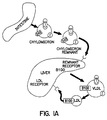
- Fig. 1A is a schematic drawing of normal human and rabbit lipoprotein metabolism.
- the apolipoproteins are referred to as B48, B100, C-II, and E. LDL and VLDL are identified.
- Fig. 1B is a schematic drawing of lipoprotein metabolism in FH patients and WHHL rabbits. The abbreviations are as described in Fig. 1A.
- Fig. 1C is a schematic drawing of lipoprotein metabolism in rabbits infused with the recombinant VLDLR gene according to the invention.
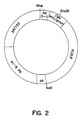
- Fig. 2 is a schematic drawing of plasmid pAd.CMV VLDL R, which contains adenovirus map units 0-1 (Ad 0-1), followed by a cytomegalovirus enhancer/promoter (CMV enh/prom), a human VLDL R gene, a polyadenylation signal (pA), adenovirus map units 9-16 (Ad 9-16) and plasmid sequences from plasmid pAT153 including an origin of replication and ampicillin resistance gene. Restriction endonuclease enzymes are represented by conventional designations in the plasmid construct.
- Fig. 3 is a schematic map of recombinant adenovirus H5.010CMV VLDL R, in which 0 to 100 represent the map units of an adenovirus type 5 (Genbank Accession No. M73260), and the CMV/ VLDL R/pA minicassette of pAd.CMV VLDL R is inserted between adenovirus map units 1 and 9, with the remaining Ad5 map units 9-100 having a partial E3 gene deletion between about map unit 78.5 and about 84.3.
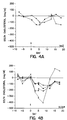
- Fig. 4A is a graph plotting changes in plasma cholesterol levels in mg/dl for WHHL rabbits as a function of days before and after receiving recombinant adenovirus H5.010CMVlacZ. The symbols represent individual animals. See Example 3.
- Fig. 4B is a graph plotting changes in plasma cholesterol levels in mg/dl for WHHL rabbits as a function of days before and after receiving recombinant adenovirus H5.010CMV VLDL R. The symbols represent the response of four individual animals. See Example 3.
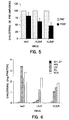
- Fig. 5 is a bar graph representing cholesterol levels (measured as % pre-infusion) in mice infused with recombinant adenovirus H5.010CMVlacZ (lacZ), recombinant adenovirus H5.010CMV VLDL R and recombinant adenovirus H5.010CBh LDL R.
- the dotted bars represent pre-infusion levels and the solid bars represent post-infusion levels. See Example 4.
- Fig. 6 is a bar graph representing cholesterol levels, specifically the levels of the fractions of plasma lipoproteins (measured as mg/fraction) in mice infused with recombinant adenovirus H5.010CMVlacZ (lacZ), recombinant adenovirus H5.010CMV VLDL R and recombinant adenovirus H5.010CBh LDL R.
- the solid bars represent proteins or fragments falling within a density (d) > 1.21; the thickly cross-hatched bars represent HDL; the closely cross-hatched bars represent LDL, the spaced apart slanted hatched bars represent intermediate density lipoprotein (IDL), and the clear bars represent VLDL levels. See Example 4.
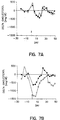
- Fig. 7A is a graph plotting changes in cholesterol levels (measured in mg/dl) as a function of days pre- and post-infusion for LDL receptor knockout mice infused with H5.010CMVlacZ. The symbols represent the responses of individual animals. See Example 5.
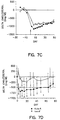
- Fig. 7B is a graph plotting changes in cholesterol levels (measured in mg/dl) as a function of days pre- and post-infusion for LDL receptor knockout mice infused with H5.010CBh LDL R. The symbols are the same as for Fig. 7A. See Example 5.
- Fig. 7C is a graph plotting changes in cholesterol levels (measured in mg/dl) vs. days pre and post-infusion for LDL receptor knockout mice infused with H5.010CMV VLDL R. The symbols are the same as for Fig. 7A. See Example 5.
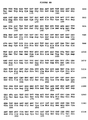
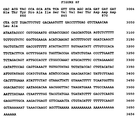
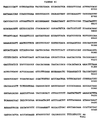
- Figs. 8A-8F are the DNA sequence [SEQ ID NO: 1] with encoded amino acid sequence [SEQ ID NO: 2] of the human VLDL receptor gene, as reported by Gafvels et al, cited above.
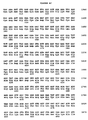
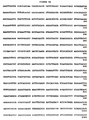
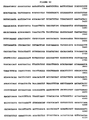
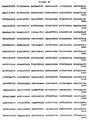
- Figs. 9A-9I are the DNA sequence of pAd.CMV VLDL R [SEQ IDNO: 3], in which Ad 0-1 spans nucleotides 12-364, CMV ehn/prom spans nucleotides 381-862; nucleotides 966-4107 encode VLDL R, pA spans nucleotides 4192-4390; Ad 9.2-16.1 span nucleotides 4417-6880 and nucleotides 6881-9592 are pAT153 sequences.
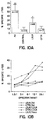
- Fig. 10B is a line graph illustrating the CTL activity measured against varying effector:target ratios.
- Fig. 11A is a graph summarizing neutralizing antibody titer present in BAL samples of C57BL/6 mice adenovirus-infected on day 0 and necrotized on day 28 as described in Example 9.
- Control represents normal mice ("control");
- CD4 mAB represents CD4 + cell depleted mice;
- IL-12 represents IL-12 treated mice and
- IFN- ⁇ represent IFN- ⁇ treated mice.
- Fig. 11B is a graph summarizing the relative amounts (OD 405 ) of IgG present in BAL samples. The symbols are as described in Fig. 11A.
- Fig. 11C is a graph summarizing the relative amounts (OD 405 ) of IgA present in BAL samples. The symbols are as described in Fig. 11A.
- the present invention provides novel compositions and methods which enable the therapeutic treatment of metabolic disorders, such as FH and FCH, characterized by the accumulation of LDL in human plasma.
- This invention provides for the use of a viral vector to introduce and stably express a gene normally expressed in mammals, i.e., the gene encoding a normal receptor for very low density lipoprotein (VLDL R ), in a location in the body where that gene is not naturally present, i.e., in the liver.
- VLDL R very low density lipoprotein
- the methods and compositions of the present invention overcome the problems previously identified in the gene therapy treatment of LDL receptor-deficient individuals.
- the VLDL receptor gene is introduced into and stably expressed in liver cells.
- the present invention differs from direct gene replacement in that the VLDL receptor protein is expressed normally in LDL receptor deficient individuals, e.g., the macrophages.
- gene therapy using a liver-directed viral vector carrying a VLDLR gene would result not in expression of a new gene product, but rather, in de novo expression in an organ which otherwise does not express the gene product.
- the patient does not mount an immune response against the VLDLR gene product expressed in the liver because the vector-delivered VLDL R gene is not recognized as a foreign antigen, and there is no induction of CTL-mediated elimination of the transfected cell.
- CTL-mediated elimination of viral vectors is a problem when an LDL R gene is administered to an LDL R-deficient individual with FH [see, e.g., Kozarsky I and II, cited above].
- VLDL R gene expression in transfected hepatocytes occurs for the duration of the hepatocyte's life.
- the lipoprotein metabolic disorder may be treated for longer times without the need for reinfusing the viral vector, thus limiting the number of viral exposures and potential immune reactions to vector-encoded viral proteins.
- the vectors and methods of this invention can provide gene therapy useful to treat and/or supplement current treatments for lipoprotein metabolic disorders.
- the presence of the VLDL receptor gene in the transfected hepatocytes according to this invention permits the binding of VLDL, a precursor of LDL, from the plasma at the site of the liver, thereby decreasing the amount of VLDL in plasma. The decrease in VLDL in the plasma consequently decreases the production of plasma LDL.
- this reduction in plasma LDL can compensate for the defective LDL receptors in the liver.
- this reduced production of plasma LDL from VLDL prevents the normal LDL receptors in the liver from becoming overloaded by excess LDL, and reduces the excess VLDL which contributes to the disorder.
- FIG. 1A the schematic representations of the normal operation of lipid metabolism
- FIG. 1B the abnormal metabolism caused by FH
- Fig. 1C the method of this invention
- compositions of this invention involve the construction of desirable gene therapy vectors, which are capable of delivering and stably integrating a functional, normal VLDL receptor gene to hepatocytes.
- gene therapy vectors include a selected virus vector, desirably deleted in one or more viral genes, a minigene containing the VLDL R gene under the control of regulatory sequences, and optional helper viruses and/or packaging cell lines which supply to the viral vectors any necessary products of deleted viral genes.
- the viral sequences used in the vectors, helper viruses, if needed, and recombinant viral particles, and other vector components and sequences employed in the construction of the vectors described herein are obtained from commercial or academic sources based on previously published and described sequences. These viral materials may also be obtained from an individual patient.
- the viral sequences and vector components may be generated by resort to the teachings and references contained herein, coupled with standard recombinant molecular cloning techniques known and practiced by those skilled in the art. Modifications of existing nucleic acid sequences forming the vectors, including sequence deletions, insertions, and other mutations taught by this specification may be generated using standard techniques.
- minigene is meant the combination of the VLDL R gene and the other regulatory elements necessary to transcribe the gene and express the gene product in vivo.
- the human VLDL receptor sequence has been provided [see, Gafvels et al, cited above; SEQ ID NOS: 1 and 2]. Generally, the entire coding region of this receptor sequence is used in the minigene; the 5' and 3' untranslated sequences of SEQ ID NO: 1 are not essential to the minigene.
- VLDL receptor genes of other mammalian origins, e.g., rabbit, monkey, etc., may also be useful in this invention.
- VLDL R The VLDL receptor gene (VLDL R ) is operatively linked to regulatory components in a manner which permits its transcription. Such components include conventional regulatory elements necessary to drive expression of the VLDL R transgene in a cell transfected with the viral vector.
- the minigene also contains a selected promoter which is linked to the transgene and located, with other regulatory elements, within the selected viral sequences of the recombinant vector.
- promoter is a routine matter and is not a limitation of this invention.
- Useful promoters may be constitutive promoters or regulated (inducible) promoters, which will enable control of the amount of the transgene to be expressed.
- a desirable promoter is that of the cytomegalovirus immediate early promoter/enhancer [see, e.g., Boshart et al, Cell, 41 :521-530 (1985)].
- Another desirable promoter includes the Rous sarcoma virus LTR promoter/enhancer.
- Still another promoter/enhancer sequence is the chicken cytoplasmic ⁇ -actin promoter [T. A. Kost et al, Nucl. Acids Res., 11 (23):8287 (1983)].
- Other suitable promoters may be selected by one of skill in the art.
- the minigene may also desirably contain nucleic acid sequences heterologous to the viral vector sequences including sequences providing signals required for efficient polyadenylation of the transcript (poly-A or pA) and introns with functional splice donor and acceptor sites.
- a common poly-A sequence which is employed in the exemplary vectors of this invention is that derived from the papovavirus SV-40.
- the poly-A sequence generally is inserted in the minigene following the transgene sequences and before the viral vector sequences.
- a common intron sequence is also derived from SV-40, and is referred to as the SV-40 T intron sequence.
- a minigene of the present invention may also contain such an intron, desirably located between the promoter/enhancer sequence and the transgene.
- Selection of these and other common vector elements are conventional [see, e.g., Sambrook et al, "Molecular Cloning. A Laboratory Manual.”, 2d ed., Cold Spring Harbor Laboratory, New York (1989) and references cited therein] and many such sequences are available from commercial and industrial sources as well as from Genbank.
- the minigene is located in the site of any selected deletion in the viral vector. See Example 1 below.
- adenoviral vector adeno-associated vector
- Adenovirus vectors as described below are preferred because they can be purified in large quantities and highly concentrated, and the virus can transduce genes into non-dividing cells.
- retrovirus, vaccinia or other virus vectors it is within the skill of the art for other adenovirus, or even retrovirus, vaccinia or other virus vectors to be similarly constructed.
- Adenoviruses are eukaryotic DNA viruses that can be modified to efficiently deliver a therapeutic or reporter transgene to a variety of cell types.
- Human adenoviruses comprise a linear, approximately 36 kb double-stranded DNA genome, which is divided into 100 map units (m.u.), each of which is 360 bp in length.
- the DNA contains short inverted terminal repeats (ITR) at each end of the genome that are required for viral DNA replication.
- the gene products are organized into early (E1 through E4) and late (L1 through L5) regions, based on expression before or after the initiation of viral DNA synthesis [see, e.g., Horwitz, Virology , 2d edit., ed. B. N. Fields, Raven Press, Ltd. , New York (1990)].
- the general adenoviruses types 2 and 5 are not associated with human malignancies.
- Suitable adenovirus vectors useful in gene therapy are well known [see, e.g., M. S. Horwitz et al, "Adenoviridae and Their Replication", Virology, second edition, pp. 1712, ed. B. N. Fields et al, Raven Press Ltd., New York (1990); M. Rosenfeld et al, Cell , 68 :143-155 (1992); J. F. Engelhardt et al, Human Genet. Ther., 4 :759-769 (1993); Y. Yang et al, Nature Genet., 7:362-269 (1994); J. Wilson, Nature, 365 :691-692 (Oct. 1993); B. J. Carter, in “Handbook of Parvoviruses", ed. P. Tijsser, CRC Press, pp. 155-168 (1990). The selection of the adenovirus type is not anticipated to limit the following invention.
- Adenovirus vectors useful in this invention may include the DNA sequences of a number of adenovirus types.
- the adenovirus sequences useful in the vectors described herein may be obtained from any known adenovirus type, including the presently identified 41 human types [see, e.g., Horwitz, cited above].
- the sequence of a strain of adenovirus type 5 may be readily obtained from Genbank Accession No. M73260.
- adenoviruses known to infect other animals may also be employed in the vector constructs of this invention.
- a variety of adenovirus strains are available from the American Type Culture Collection, Rockville, Maryland, or available by request from a variety of commercial and institutional sources.
- Adenovirus vectors useful in this invention include recombinant, defective adenoviruses, optionally bearing other mutations, e.g., temperature-sensitive mutations, deletions and hybrid vectors formed with adenovirus/adeno-associated virus sequences. Suitable vectors are described in the published literature [see, for example, Kozarsky I and II, cited above, and references cited therein, U. S. Patent No. 5,240,846 and the co-pending applications incorporated herein by reference below.
- adenovirus vectors for delivery of the VLDL R gene to the liver minimal adenovirus nucleic acid sequences may be used to make a vector, in which case the use of a helper virus to produce a hybrid virus particle is required.
- a helper virus to produce a hybrid virus particle is required.
- only selected deletions of one or more adenovirus genes may be employed to construct a viral vector. Deleted gene products can be supplied by using a selected packaging cell line which supplies the missing gene product.
- Desirable adenovirus (Ad) vectors useful in the present invention are described in detail in co-pending, co-owned U.S. Patent Application Serial No. 08/331,381, which is incorporated by reference herein for the purpose of describing these vectors.
- the minimal Ad virus is a viral particle containing only the adenovirus cis-elements necessary for replication and virion encapsidation, but otherwise deleted of all adenovirus genes. That is, the vector contains only the cis-acting 5' and 3' inverted terminal repeat (ITR) sequences of an adenovirus (which function as origins of replication) and the native 5' packaging/enhancer domain, that contains sequences necessary for packaging linear Ad genomes and enhancer elements for the E1 promoter.
- ITR inverted terminal repeat
- This left terminal (5') sequence of the Ad5 genome spans bp 1 to about 360 of the conventional published Ad5 adenovirus genome, also referred to as map units 0-1 of the viral genome, and generally is from about 353 to about 360 nucleotides in length.
- This sequence includes the 5'ITR (bp 1 to about 103 of the adenovirus genome); and the packaging/enhancer domain (bp about 194 to about 358 of the adenovirus genome).
- the minimal 3' adenovirus sequences of the adenovirus vector may include the right terminal (3') ITR sequence of the adenoviral genome spanning about bp 35,353 to the end of the adenovirus genome, or map units ⁇ 98.4-100. This sequence is generally about 580 nucleotide in length. Between such sequences, a VLDL R minigene, as described above, is inserted.
- a second type of minimal vector also disclosed in the above-incorporated reference places the 5' Ad terminal sequence in a head-to-tail arrangement relative to the 3' terminal sequence.
- the minimal Ad vector co-infected with a helper virus and/or a packaging cell line provides all of the viral gene products necessary to produce an infective recombinant viral particle containing the VLDL R minigene.
- this vector can contain additional adenovirus gene sequences, which then are not required to be supplied by a helper virus.
- Recombinant, replication-deficient adenoviruses useful for gene therapy of this invention may be characterized by containing more than the minimal adenovirus sequences defined above.
- Ad vectors can be characterized by deletions of various portions of gene regions of the virus, and infectious virus particles formed by the optional use of helper viruses and/or packaging cell lines. Suitable defective adenoviruses are described in more detail in Kozarsky and Wilson, Curr. Opin. Genet. Devel., 3:499-503 (1993); Kozarsky I and II, cited above, and references cited therein, all incorporated herein by reference.
- suitable vectors may be formed by deleting all or a sufficient portion of the adenoviral early immediate early gene E1a (which spans mu 1.3 to 4.5) and delayed early gene E1b (which spans mu 4.6 to 11.2) so as to eliminate their normal biological functions.
- These replication-defective E1-deleted viruses are capable of replicating and producing infectious virus when grown on an adenovirus-transformed, complementation human embryonic kidney cell line, the 293 cell [ATCC CRL1573], containing functional adenovirus E1a and E1b genes which provide the corresponding gene products in trans.
- the resulting virus is capable of infecting many cell types and can express a transgene (i.e., VLDL R gene), but cannot replicate in most cells that do not carry the E1 region DNA unless the cell is infected at a very high multiplicity of infection.
- VLDL R gene a transgene
- Extensive experience in animals indicates that E1-deleted vectors are not particularly desirable for gene therapy because low levels of viral proteins are expressed which elicit destructive cellular immune responses.
- adenovirus delayed early gene E3 (which spans mu 76.6 to 86.2) may be eliminated from the adenovirus sequence which forms a part of the hybrid construct.
- the function of E3 is irrelevant to the function and production of the recombinant virus particle.
- Ad vectors may be constructed with a therapeutic minigene inserted into the E1-deleted region of the known mutant Ad5 sub360 backbone [J. Logan et al, Proc. Natl. Acad. Sci. USA, 81 :3655-3659 (1984)]; or the Ad5 mutant d17001 backbone [Dr. William Wold, Washington University, St. Louis].
- Both mutant viruses also contain a deletion in the E3 region of the adenoviral genome; in sub360, at 78.5 to 84.3 mu, and in d17001, at 78.4 to 86 mu.
- the life cycle of both sub360 and d17001 display wild type characteristics.
- More preferred adenovirus vectors may be constructed having a deletion of the E1 gene, at least a portion of the E3 region, and an additional deletion within adenovirus genes other than E1 and E3 to accommodate the VLDL R minigene and/or other mutations which result in reduced expression of adenoviral protein and/or reduced viral replication.
- E2a which spans mu 67.9 to 61.5
- E4 which spans mu 96.8 to 91.3
- Deletions may also be made in any of the late genes L1 through L5, which span mu 16.45 to 99 of the adenovirus genome. Similarly, deletions may be useful in the intermediate genes IX (which maps between mu 9.8 and 11.2) and IVa 2 (which maps between 16.1 to 11.1). Other useful deletions may also be made in the other structural or non-structural adenovirus genes.
- an adenovirus sequence for use in the present invention may contain deletions of E1 only. Alternatively, deletions of entire genes or portions effective to destroy their biological activity may be used in any combination.
- the adenovirus sequence may contain deletions of the E1 genes and the E3 gene, or of the E1, E2a and E3 genes, or of the E1 and E4 genes, or of E1, E2a and E4 genes, with or without deletion of E3, and so on.
- Vectors may also contain additional mutations in genes necessary for viral replication.
- Adenovirus vectors may contain a mutation which produces temperature-sensitive (ts) viruses.
- ts temperature-sensitive viruses
- mutations include the incorporation of the missense temperature-sensitive mutation in the E2a region found in the Ad5 H5ts125 strain [P. Vander Vliet et al, J. Virol., 15 :348-354 (1975)] at 62.5 mu.
- a single amino acid substitution (62.5 mu) at the carboxy end of the 72 kd protein (DBP) produced from the E2a gene in this strain produces a protein product which is a single-stranded DNA binding protein and is involved in the replication of adenoviral genomic DNA.
- the ts strain is capable of full life cycle growth on HeLa cells, while at non-permissive temperatures (approximately 38°C), no replication of adenoviral DNA is seen. In addition, at non-permissive temperatures, decreased immunoreactive 72 kd protein is seen in HeLa cells.
- Exemplary vectors for use in this invention may be obtained by combining fragments from three independent DNA constructs, including sub360 or d17001, H5ts125, and a cDNA plasmid with Ela sequences placed 5' to a therapeutic minigene.
- This type of vector is described, for example, by J. F. Engelhardt et al, Proc. Natl. Acad. Sci. USA, 91 :6196-6200 (June 1994); Y. Yang et al, Nature Genet., 7 : 362-369 (July, 1994) and references cited therein, all references incorporated herein by reference.
- adenovirus vectors Due to the mutations in the vector, there is reduced viral replication, reduction in expressed protein and an increase in the persistence of transgene expression.
- Other preferred adenovirus vectors contain the H5ts125 mutation in addition to E3 deletions of sub360 and d17001.
- the minigene containing VLDL R as the transgene may be inserted into any deleted region of the selected Ad virus.
- Ad virus vector used to demonstrate this invention is the defective adenovirus vector H5.010CMV VLDL R, which contains adenovirus sequences Ad m.u. 0-1, followed by a VLDL R minigene, and the sequence Ad m.u.9 to 100 with small deletions in E3. See Fig. 3, described above.
- the recombinant adenovirus was fully deleted of E1a, E1b and partially deleted of E3. This recombinant virus vector is described in detail in Example 1.
- Another preferred vector is a hybrid Ad/AAV vector, which is the subject of co-owned, co-pending U.S. Patent Application Ser. No. 08/331,384, which is incorporated by reference herein.
- the adenovirus nucleic acid sequences employed in the hybrid vector of this invention are the minimal adenovirus genomic sequences required for packaging adenoviral genomic DNA into a preformed capsid head, as described above.
- the entire adenovirus 5' sequence containing the 5'ITR and packaging/enhancer region can be employed as the 5' adenovirus sequence in the hybrid vector.
- the 3' adenovirus sequences of the vector include the right terminal (3') ITR sequence of the adenoviral genome discussed above.
- the hybrid vectors of this invention are sequences of an adeno-associated virus.
- the AAV sequences useful in the hybrid vector are the viral sequences from which the rep and cap polypeptide encoding sequences are deleted. More specifically, the AAV sequences employed are the cis-acting 5' and 3' inverted terminal repeat (ITR) sequences [See, e.g., B. J. Carter, cited above].
- ITR inverted terminal repeat
- the AAV ITR sequences are about 143 bp in length. Substantially the entire sequences encoding the ITRs are used in the vectors, although some degree of minor modification of these sequences is expected to be permissible for this use. The ability to modify these ITR sequences is within the skill of the art. See, e.g., Sambrook et al, cited above.
- the AAV sequences are flanked by the adenovirus sequences discussed above.
- the 5' and 3' AAV ITR sequences themselves flank a VLDL R minigene sequence as described above.
- the sequence formed by the VLDL R minigene and flanking 5' and 3' AAV sequences may be inserted at any deletion site in the adenovirus sequences of the vector.
- the AAV sequences are desirably inserted at the site of deleted E1a/E1b genes of the adenovirus, i.e., after map unit 1.
- the AAV sequences may be inserted at an E3 deletion, E2a deletion, and so on. If only the adenovirus 5' ITR/packaging sequences and 3' ITR sequences are used in the vector, the AAV sequences are inserted between them.
- those gene sequences not present in the adenovirus portion of the hybrid vector must be supplied by either a packaging cell line and/or a helper adenovirus to generate the recombinant hybrid viral particle. Uptake of this hybrid virus by the cell is caused by the infective ability contributed to the vector by the adenovirus and AAV sequences. Once the virus or virus conjugate is taken up by a cell, the AAV ITR flanked transgene must be rescued from the parental adenovirus backbone. Rescue of the transgene is dependent upon supplying the infected cell with an AAV rep gene.
- the AAV rep gene can be supplied to the hybrid virus by several methods described in the above-incorporated application.
- One embodiment for providing rep proteins in trans is by transfecting into the target monolayer of cells previously infected with the hybrid vector, a liposome enveloped plasmid containing the genes encoding the AAV rep 78 kDa and 52 kDa proteins under the control of the AAV P5 promoter. More preferably for in vivo use, the AAV rep gene may also be delivered as part of the hybrid virus.
- This single particle concept is supplied by a polycation conjugate of hybrid virus. Infection of this modified virus conjugate is accomplished in the same manner and with regard to the same target cells as identified above.
- the polylysine conjugate of the hybrid virus onto which was directly complexed a plasmid that encoded the rep 78 and 52 proteins, combines all of the functional components into a single particle structure.
- the hybrid virus conjugate permits delivery of a single particle to the cell, which is considerably more desirable for therapeutic use.
- the hybrid virus is modified by cloning the rep cDNA directly into the adenovirus genome portion of the hybrid vector.
- a packaging cell line or a helper adenovirus or both may be necessary to provide sufficient adenovirus gene sequences necessary to produce an infective recombinant viral particle containing the VLDL R minigene.
- Useful helper viruses contain selected adenovirus gene sequences not present in the adenovirus vector construct or expressed by the cell line in which the vector is transfected.
- a preferred helper virus is desirably replication defective and contains a variety of adenovirus genes in addition to the modified sequences described above.
- the helper virus is desirably used in combination with a packaging cell line that stably expresses adenovirus genes.
- Helper viruses may also be formed into poly-cation conjugates as described in Wu et al, J. Biol. Chem., 264 :16985-16987 (1989); K. J. Fisher and J. M. Wilson, Biochem. J., 299 :49 (April 1, 1994), and in U. S. Patent Application Serial No. 08/331,381, incorporated by reference herein.
- Helper virus may optionally contain a second reporter minigene.
- a number of such reporter genes are known to the art.
- the presence of a reporter gene on the helper virus which is different from the transgene on the adenovirus vector allows both the Ad vector and the helper virus to be independently monitored.
- This second reporter is used to enable separation between the resulting recombinant virus and the helper virus upon purification.
- the construction of desirable helper cells is within the skill of the art.
- the helper virus may be a wild type Ad vector supplying the necessary adenovirus early genes E1, E2a, E4 and all remaining late, intermediate, structural and non-structural genes of the adenovirus genome.
- the packaging cell line is 293, which supplies the E1 proteins, the helper cell line need not contain the E1 gene.
- the adenovirus vector construct is replication defective (no E1 gene and optionally no E3 gene) and the 293 cell line is employed, no helper virus is necessary for production of the hybrid virus. E3 may be eliminated from the helper virus because this gene product is not necessary for the formation of a functioning virus particle.
- helper virus to facilitate purification and reduce contamination of the viral vector particle with the helper virus, it is useful to modify the helper virus' native adenoviral gene sequences which direct efficient packaging, so as to substantially disable or "cripple" the packaging function of the helper virus or its ability to replicate.
- a desirable "crippled" adenovirus is modified in its 5' ITR packaging/enhancer domain, which normally contains at least seven distinct yet functionally redundant sequences necessary for efficient packaging of replicated linear adenovirus genomes ("PAC" sequences).
- PAC linear adenovirus genomes
- five of these PAC sequences are localized: PAC I or its complement at bp 241-248 [SEQ ID NO: 4], PAC II or its complement at bp 262-269 [SEQ ID NO: 5], PAC III or its complement at bp 304-311 [SEQ ID NO: 6], PAC IV or its complement at bp 314-321 [SEQ ID NO: 7], and PAC V or its complement at bp 339-346 [SEQ ID NO: 8].
- Mutations or deletions may be made to one or more of these PAC sequences in an adenovirus helper virus to generate desirable crippled helper viruses. Modifications of this domain may include 5' adenovirus sequences which contain less than all five of the native adenovirus PAC sequences, including deletions of contiguous or non-contiguous PAC sequences.
- An alternative modification may be the replacement of one or more of the native PAC sequences with one or more repeats of a consensus sequence containing the most frequently used nucleotides of the five native PAC sequences.
- this adenovirus region may be modified by deliberately inserted mutations which disrupt one or more of the native PAC sequences.
- One of skill in the art may further manipulate the PAC sequences to similarly achieve the effect of reducing the helper virus packaging efficiency to a desired level.
- helper viruses or develop other packaging cell lines to complement the adenovirus deletions in the vector construct and enable production of the recombinant virus particle, given this information. Therefore, the use or description of any particular helper virus or packaging cell line is not limiting.
- helper virus may accordingly be deleted of the genes encoding these adenoviral proteins.
- Such additionally deleted helper viruses also desirably contain crippling modifications as described above.
- Poly-cation helper virus conjugates which may be associated with a plasmid containing other adenoviral genes, which are not present in the helper virus may also be useful.
- the helper viruses described above may be further modified by resort to adenovirus-polylysine conjugate technology. See, e.g., Wu et al, cited above; and K. J. Fisher and J. M. Wilson, cited above.
- a helper virus containing preferably the late adenoviral genes is modified by the addition of a poly-cation sequence distributed around the capsid of the helper virus.
- the poly-cation is poly-lysine, which attaches around the negatively-charged vector to form an external positive charge.
- a plasmid is then designed to express those adenoviral genes not present in the helper virus, e.g., the E1, E2 and/or E4 genes.
- the plasmid associates to the helper virus-conjugate through the charges on the poly-lysine sequence.
- This conjugate permits additional adenovirus genes to be removed from the helper virus and be present on a plasmid which does not become incorporated into the virus during production of the recombinant viral vector. Thus, the impact of contamination is considerably lessened.
- Assembly of the selected DNA sequences of the adenovirus, the AAV and the reporter genes or therapeutic genes and other vector elements into the hybrid vector and the use of the hybrid vector to produce a hybrid viral particle utilize conventional techniques.
- Such techniques include conventional cloning techniques of cDNA such as those described in texts [Sambrook et al, cited above], use of overlapping oligonucleotide sequences of the adenovirus and AAV genomes, polymerase chain reaction, and any suitable method which provides the desired nucleotide sequence.
- Standard transfection and co-transfection techniques are employed, e.g., CaPO 4 transfection techniques using the complementation 293 cell line.
- Other conventional methods employed include homologous recombination of the viral genomes, plaquing of viruses in agar overlay, methods of measuring signal generation, and the like.
- the vector is infected in vitro in the presence of an optional helper virus and/or a packaging cell line. Homologous recombination occurs between the helper and the vector, which permits the adenovirus-transgene sequences in the vector to be replicated and packaged into virion capsids, resulting in the recombinant vector viral particles.
- the current method for producing such virus particles is transfection-based. Briefly, helper virus is used to infect cells, such as the packaging cell line human HEK 293, which are then subsequently transfected with an adenovirus plasmid vector containing a VLDL R transgene by conventional methods. About 30 or more hours post-transfection, the cells are harvested, an extract prepared and the recombinant virus vector containing the VLDL R transgene is purified by buoyant density ultracentrifugation in a CsCl gradient.
- the yield of transducing viral particles is largely dependent on the number of cells that are transfected with the plasmid, making it desirable to use a transfection protocol with high efficiency.
- One such method involves use of a poly-L-lysinylated helper adenovirus as described above. A plasmid containing the VLDL R minigene is then complexed directly to the positively charged helper virus capsid, resulting in the formation of a single transfection particle containing the plasmid vector and the helper functions of the helper virus.
- the resulting recombinant adenoviral vector containing the VLDL R minigene produced by cooperation of the adenovirus vector and helper virus or adenoviral vector and packaging cell line, as described above, thus provides an efficient gene transfer vehicle which can deliver the VLDL R gene to a patient in vivo or ex vivo and provide for integration of the gene into a liver cell.
- a viral vector bearing the VLDL R gene may be administered to a patient, preferably suspended in a biologically compatible solution or pharmaceutically acceptable delivery vehicle.
- a suitable vehicle includes sterile saline.
- Other aqueous and non-aqueous isotonic sterile injection solutions and aqueous and non-aqueous sterile suspensions known to be pharmaceutically acceptable carriers and well known to those of skill in the art may be employed for this purpose.
- the viral vectors are administered in sufficient amounts to transfect the liver cells and provide sufficient levels of transfer and expression of the VLDL R gene to provide a therapeutic benefit without undue adverse or with medically acceptable physiological effects which can be determined by those skilled in the medical arts.
- Conventional and pharmaceutically acceptable routes of administration include direct delivery to the liver, intranasal, intravenous, intramuscular, subcutaneous, intradermal, oral and other parental routes of administration. Routes of administration may be combined, if desired.
- Dosages of the viral vector will depend primarily on factors such as the condition being treated, the age, weight and health of the patient, and may thus vary among patients.
- a therapeutically effective human dosage of the viral vector is generally in the range of from about 20 to about 100 ml of saline solution containing concentrations of from about 1 x 10 9 to 1 x 10 11 pfu/ml virus vector.
- a preferred human dosage is estimated to be about 50 ml saline solution at 2 x 10 10 pfu/ml.
- the dosage will be adjusted to balance the therapeutic benefit against any adverse side effects.
- the levels of expression of the VLDL R gene can be monitored to determine the frequency of dosage administration.
- An optional method step involves the coadministration to the patient, either concurrently with, or before or after administration of the viral vector, of a suitable amount of an immune modulator, which is preferably short-acting.
- the selected immune modulator is defined herein as an agent capable of inhibiting the formation of neutralizing antibodies directed against products of the recombinant vector of this invention and/or capable of inhibiting cytolytic T lymphocyte (CTL) elimination of the vector containing cells.
- CTL cytolytic T lymphocyte
- the immune modulator may interfere with the interactions between the T helper subsets (T H1 or T H2 ) and B cells to inhibit neutralizing antibody formation.
- the immune modulator may be selected to inhibit the interaction between T H1 cells and CTLs to reduce the occurrence of CTL elimination of the vector. More specifically, the immune modulator desirably interferes with, or blocks, the function of the CD4 T cells.
- Immune modulators for use in inhibiting neutralizing antibody formation may be selected based on the determination of the immunoglobulin subtype of any neutralizing antibody produced in response to the VLDL R-containing adenovirus vector.
- the neutralizing antibody is a T H2 mediated antibody, such as IgA
- the immune modulator desirably suppresses or prevents the interaction of T H2 with B cells.
- the induced neutralizing antibody is a T H1 mediated antibody, such as IgG 2A
- the immune modulator desirably suppresses or prevents the interaction of T H1 with B cells.
- the neutralizing antibody which develops in response to administration of a viral vector of this invention can be based on what vehicle is being used to deliver the vector and/or the location of delivery. For instance, administration of adenoviral vectors via the lungs generally induces production of IgA neutralizing antibody. Administration of adenoviral vectors via the blood generally induces IgG 1 neutralizing antibody. The determination of the neutralizing antibody is readily determined in trials of the selected viral vector in animal models. Where the reduction of CTL elimination of the viral vectors is desired, the immune modulator is selected for its ability to suppress or block CD4 + T H1 cells to permit prolonged residence of the viral vector in vitro.
- the immune modulator may be soluble proteins or naturally occurring proteins, including cytokines, monoclonal antibodies.
- the immune modulators may be conventional pharmaceuticals.
- the immune modulators identified herein may be used alone or in combination with one another.
- cyclophosphamide and the more specific immune modulator anti-CD4 monoclonal antibody may be co-administered.
- cyclophosphamide serves as an agent to block T H1 activation and stabilized transgene expression beyond the period of transient immune blockade.
- a suitable amount or dosage of the immune modulator will depend primarily on the amount of the recombinant vector bearing the VLDL R gene which is initially administered to the patient and the type of immune modulator selected. Other secondary factors such as the condition being treated, the age, weight, general health, and immune status of the patient, may also be considered by a physician in determining the dosage of immune modulator to be delivered to the patient.
- a therapeutically effective human dosage of a cytokine immune modulator e.g., IL-12 or ⁇ -IFN
- a cytokine immune modulator e.g., IL-12 or ⁇ -IFN
- IL-12 or ⁇ -IFN is generally in the range of from about 0.5 ⁇ g to about 5 mg per about 1 x 10 7 pfu/ml virus vector.
- Various dosages may be determined by one of skill in the art to balance the therapeutic benefit against any side effects.
- the method of inhibiting an adverse immune response to the gene therapy vector involves non-specific inactivation of CD4 + cells.
- blocking antibodies are "humanized” to prevent the recipient from mounting an immune response to the blocking antibody.
- a “humanized antibody” refers to an antibody having its complementarily determining regions (CDRs) and/or other portions of its light and/or heavy variable domain framework regions derived from a non-human donor immunoglobulin, the remaining immunoglobulin-derived parts of the molecule being derived from one or more human immunoglobulins.
- Such antibodies can also include antibodies characterized by a humanized heavy chain associated with a donor or acceptor unmodified light chain or a chimeric light chain, or vice versa.
- Such "humanization” may be accomplished by methods known to the art. See, for example, G.E. Mark and E. A. Padlan, "Chap. 4. Humanization of Monoclonal Antibodies", The Handbook of Experimental Pharmacology, vol. 113, Springer-Verlag, New York (1994), pp. 105-133, which is incorporated by reference herein.
- Suitable antibodies include those that specifically inhibit or deplete CD4 + cells, such as an antibody directed against cell surface CD4. Depletion of CD4 + cells has been shown by the inventors to inhibit the CTL elimination of the viral vector.
- modulatory agents include but are not limited to anti-T cell antibodies, such as anti-OKT3+ [see, e.g., US Patent No. 4,658,019; European Patent Application No. 501,233, published September 2, 1992]. See Example 2 below, which employs the commercially available antibody GK1.5 (ATCC Accession No. TIB207) to deplete CD4 + cells.
- any agent that interferes with or blocks the interactions necessary for the activation of B cells by T H cells, and thus the production of neutralizing antibodies is useful as an immune modulator according to these methods.
- B cell activation by T cells requires certain interactions to occur [F. H. Durie et al, Immunol. Today, 15 (9):406-410 (1994)], such as the binding of CD40 ligand on the T helper cell to the CD40 antigen on the B cell, and the binding of the CD28 and/or CTLA4 ligands on the T cell to the B7 antigen on the B cell. Without both interactions, the B cell cannot be activated to induce production of the neutralizing antibody.
- the CD40 ligand (CD40L)-CD40 interaction is a desirable point to block the immune response to gene therapy vectors because of its broad activity in both T helper cell activation and function as well as the absence of redundancy in its signaling pathway.
- a currently preferred method of the present invention thus involves transiently blocking the interaction of CD40L with CD40 at the time of adenoviral vector administration. This can be accomplished by treating with an agent which blocks the CD40 ligand on the T H cell and interferes with the normal binding of CD40 ligand on the T helper cell with the CD40 antigen on the B cell. Blocking CD40L-CD40 interaction prevents the activation of the T helper cells that contributes to problems with transgene stability and readministration.
- an antibody to CD40 ligand [available from Bristol-Myers Squibb Co; see, e.g., European patent application 555,880, published August 18, 1993] or a soluble CD40 molecule can be a selected immune modulator in this method.
- an agent which blocks the CD28 and/or CTLA4 ligands present on T helper cells interferes with the normal binding of those ligands with the antigen B7 on the B cell.
- a soluble form of B7 or an antibody to CD28 or CTLA4 e.g., CTLA4-Ig [available from Bristol-Myers Squibb Co; see, e.g., European patent application 606,217, published July 20, 1994] can be the selected immune modulator in the method of this invention.
- This method has greater advantages than the below-described cytokine administration to prevent T H2 activation, because it addresses both cellular and humoral immune responses to foreign antigens.
- an immune modulator which selectively inhibits the function of the T H1 subset of CD4 + T helper cells may be administered at the time of primary administration of the viral vector.
- One such immune modulator is interleukin-4 (IL-4).
- IL-4 enhances antigen specific activity of T H2 cells at the expense of the T H1 cell function [see, e.g., Yokota et al, Proc. Natl. Acad. Sci.. USA, 83 :5894-5898 (1986); United States Patent No. 5,017,691]. It is envisioned that other immune modulators that can inhibit T H1 cell function will also be useful in the methods of this invention.
- the immune modulator can be a cytokine that prevents the activation of the T H2 subset of T helper cells.
- the success of this method depends on the relative contribution that T H2 dependent Ig isotypes play in virus neutralization, the profile of which may be affected by strain, the species of animal as well as the mode of virus delivery and target organ.
- a desirable immune modulator which selectively inhibits the CD4 + T cell subset T H2 function at the time of primary administration of the viral vector includes interleukin-12 (IL-12).
- IL-12 enhances antigen specific activity of T H1 cells at the expense of T H2 cell function [see, e.g., European Patent Application No. 441,900; P. Scott, Science, 260 :496-497 (1993); R. Manetti et al, J. Exp. Med., 177 :1199 (1993); A. D'Andrea et al, J. Exp. Med., 176 :1387 (1992)].
- IL-12 for use in this method is preferably in protein form. Human IL-12 may be recombinantly produced using known techniques or may be obtained commercially. Alternatively, it may be engineered into a viral vector (which optionally may be the same as that used to express the transgene) and expressed in a target cell in vivo or ex vivo.
- T H2 specific ablation with IL-12 is particularly effective in lung-directed gene therapies where IgA is the primary source of neutralizing antibody.
- IgA is the primary source of neutralizing antibody.
- liver-directed gene therapy both T H1 and T H2 cells contribute to the production of virus specific antibodies. However, the total amount of neutralizing antibody can be diminished with IL-12.
- IFN- ⁇ gamma interferon
- IFN- ⁇ is believed to mediate many of the biological effects of IL-12 via secretion of activated macrophages and T helper cells. IFN- ⁇ also partially inhibits IL-4 stimulated activation of T H2 . IFN- ⁇ may also be obtained from a variety of commercial sources.
- it may be engineered into a viral vector and expressed in a target cell in vivo or ex vivo using known genetic engineering techniques.
- cytokine immune modulators are in the form of human recombinant proteins. These proteins may be produced by methods extant in the art. Active peptides, fragments, subunits or analogs of the known immune modulators described herein, such as IL-12 or gamma interferon, which share the T H2 inhibitory function of these proteins, will also be useful in this method when the neutralizing antibodies are T H2 mediated.
- cyclosporin A or cyclophosphamide may also be used in the methods of the invention.
- cyclophosphamide a short course of cyclophosphamide has been demonstrated to successfully interrupt both CD4 and CD8 T helper cell activation to adenovirus capsid protein at the time of virus delivery to the liver.
- transgene expression was prolonged and, at higher doses, formation of neutralizing antibody was prevented, allowing successful vector readministration.
- cyclophosphamide prevented formation of neutralizing antibodies at all doses and stabilized transgene expression at high dose.
- the optional administration of the selected immune modulator may be repeated during the treatment with the recombinant adenovirus vector carrying the human VLDL R gene, during the period of time that the VLDL R gene is expressed (as monitored by e.g., LDL levels), or with every booster of the recombinant vector.
- compositions and methods of this invention provide a desirable treatment for defects in LDL metabolism, by providing stable expression of the VLDL R gene in human hepatocytes, and the ability to re-administer the vector as desired without incurring an undesired immune response by the patient.
- Example 1 An exemplary recombinant adenovirus encoding the human VLDL receptor was constructed as described in Example 1 below. These examples are illustrative only, and do not limit the scope of the present invention.
- VLDL very low density lipoprotein
- SEQ ID NO: 1 The cDNA for the human very low density lipoprotein (VLDL) receptor [M. E. Gafvels et al, cited above; SEQ ID NO: 1] was inserted into the polylinker region of plasmid pRc/CMV (obtained from Invitrogen Corp.). The resulting plasmid, pRc/CMV VLDL R, was digested with the restriction enzymes SnaBI and NotI and the 4 kb fragment containing the cytomegalovirus (CMV) immediate-early promoter and VLDL receptor cDNA was isolated.
- VLDL very low density lipoprotein
- pAd.CMVlacZ The plasmid pAd.CMVlacZ [Kozarsky II, cited above] was digested with SnaBI and NotI to remove the CMV promoter and lacZ cDNA and the 5.6 kb backbone was isolated. The two fragments were ligated to generate pAd.CMV VLDL R (Figs. 2 and 9; SEQ ID NO: 3). pAd.CMV VLDL R was linearized with NheI and co-transfected into 293 cells with sub360 DNA (derived from adenovirus type 5) which had been digested with XbaI and ClaI as previously described [K. F. Kozarsky I and II cited above].
- H5.010CMV VLDL R contains the sequence from about nucleotide 12 to about 4390 of pAd.CMV VLDL R and Ad.5 map units 9-100 with a small deletion in the E3 gene (see GenBank Accession No. M73260 and discussion of Fig. 3).
- This recombinant adenovirus was isolated following two rounds of plaque purification.
- H5.010CMV VLDL R was grown on 293 cells and purified by two rounds of cesium chloride density centrifugation as previously described [K. F. Kozarsky I and II cited above].
- Cesium chloride was removed by passing the virus over a BioRad 1ODG desalting column equilibrated with phosphate-buffered saline.
- virus was used freshly purified; for mouse experiments, virus was either used fresh, or after column purification glycerol was added to a final concentration of 10% (v/v), and virus was stored at -70°C until use.
- this recombinant adenovirus vector was introduced into the livers of WHHL rabbits and into the livers of LDL receptor knockout mice to determine the in vivo function of the VLDL receptor, and to determine its usefulness as an alternative or supplemental gene therapy for LDL receptor deficiency.
- H5.010CMVlacZ encoding the lacZ gene under the control of the CMV enhancer/promoter
- H5.010CBh LDL R encoding the human low density lipoprotein (LDL) receptor cDNA under the control of the CMV-enhanced chicken ⁇ -actin promoter
- H5.010CMV VLDL R or H5.010CMVlacZ (encoding ⁇ -galactosidase), obtained as described in Examples 1 and 2, was infused intravenously into WHHL rabbits [Camm Research] as follows. Rabbits were infused with 7.5 x 10 12 particles of either recombinant adenovirus through a marginal ear vein on day 0. In addition, two New Zealand White (NZW) rabbits [Hazleton, Inc.] were infused with each virus and sacrificed on day 5 post-infusion to document the extent of gene transfer in the liver.
- NZW New Zealand White
- Rabbits were maintained in a 12 hour light/dark cycle on a diet of Purina laboratory chow, delivered each day at approximately 11:00 am. Venous samples were obtained through a marginal ear vein at approximately 10:00 am on the days indicated.
- Fig. 4A shows that rabbits infused with H5.010CMVlacZ had no significant changes in cholesterol levels. However, following infusion with H5.010CMV VLDL R, cholesterol levels dropped, with maximum decreases that ranged from 140 to 420 mg/dl (Fig. 4B). This demonstrated that expression of the VLDL receptor results in decreased cholesterol levels in LDL receptor-deficient rabbits.
- liver Portions of liver were paraffin embedded, sectioned, and stained with hematoxylin and eosin. Some portions were fresh-frozen, sectioned, fixed in glutaraldehyde, stained with X-gal and lightly counterstained with hematoxylin. Some fresh-frozen sections were fixed in methanol, and then stained with either a polyclonal anti- ⁇ -galactosidase antibody (5 prime-3 prime), a polyclonal anti-human LDL receptor antibody, or with a polyclonal anti-VLDL receptor antibody, followed by a fluorescein isothiocyanate-conjugated anti-rabbit antibody (Jackson Immunoresearch) as previously described [K. F. Kozarsky I and II cited above].
- Oil Red O staining was performed on fresh-frozen sections fixed for 1 minute in 37% formaldehyde, then rinsed and stained in Oil Red O (3 parts 0.5% Oil Red O in isopropyl alcohol/2 parts water) for 10 minutes. Slides were counterstained in hematoxylin and mounted in aqueous solution.
- C57BL/6 mice and LDL receptor knockout mice (Jackson Labs) were infused intravenously with 0.5 or 1.0 x 10 10 particles of recombinant adenovirus through the tail vein and cholesterol levels were monitored before and after infusion.
- mice were infused with either H5.010CMVlacZ, H5.010CMV VLDL R, or H5.010CBh LDL R (encoding the human LDL receptor cDNA). This last virus was included as a control to confirm published results [Kozarsky I and II cited above].
- Plasma samples were obtained by retro-orbital bleeds using heparinized capillary tubes.
- the LDL receptor knockout mice were maintained upon a high cholesterol diet composed of Purina mouse chow supplemented with 1.25% cholesterol, 7.5% cocoa butter, 7.5% casein, and 0.5% cholate (1.25% cholesterol diet) for at least 3 weeks immediately following weaning before experiments were initiated. Mice were sacrificed on day 5 post-infusion.
- liver tissues were analyzed by immunofluorescence for transgene expression by the techniques described in Example 3, and plasma cholesterol levels were measured as similarly described.
- lipoprotein fractionations plasma from triplicate LDL receptor knockout mice were pooled, subjected to density ultracentrifugation, fractions were collected, and the cholesterol content was determined by conventional means.
- Immunofluorescence analysis revealed moderate levels of ⁇ -galactosidase expression in H5.010CMVlacZ-infused mice, and higher levels of either human LDL receptor and VLDL receptor expression in H5.010CBh LDL R- and in H5.010CMV VLDL R-infused mice, respectively.
- VLDL receptor results in increased clearance of VLDL from the plasma, resulting in decreases in the amounts of lipoproteins for which VLDL is the precursor (i.e., IDL and LDL), and an overall drop in total plasma cholesterol.
- LDL receptor knockout mice In order to achieve cholesterol levels closer to those observed in both FH patients and WHHL rabbits, LDL receptor knockout mice (Jackson Labs) were maintained on a high cholesterol diet composed of Purina mouse chow supplemented with 0.2% cholesterol, 10% coconut oil, and 0.05% cholate (0.2% cholesterol diet). Cholesterol levels in these mice ranged from 930 to 1550 mg/dl, whereas the mice on the 1.25% cholesterol (Example 4) diet had levels of 1900 to 3100 mg/dl.
- Virus was thawed immediately before use and diluted with PBS to a concentration of 1x10 12 particles/ml.
- Three mice were each infused intravenously with 0.1 ml of virus containing 1 x 10 11 particles of an E1-deleted recombinant adenovirus encoding either ⁇ -galactosidase (H5.010CMV lacZ ) or human LDL receptor (H5.010CBhLDLR), and serum lipids were followed over time.
- mice were anesthetized with methoxyflurane and blood was collected into heparinized capillary tubes by puncture of the retro-orbital venous plexus.
- Fig. 7A shows that serum cholesterol levels in H5.010CMVlacZ-infused mice demonstrated a characteristic but not significant fluctuation over time, reflected in minor changes of all lipoprotein fractions (HDL, IDL/VLDL, and LDL).
- mice infused with H5.010CBh LDL R have a large but transient decrease in cholesterol (see, Fig. 7B). Particularly, these mice demonstrated large plasma cholesterol decreases which lasted for approximately 2 weeks.
- VLDL and LDL fractions were undetectable; over time, the LDL fraction slowly recovered, although even at 10 weeks post-infusion, the LDL peak height was slightly lower than the HDL peak height. VLDL remained undetectable although minor differences may escape detection because of limitations in the sensitivity of the cholesterol assay.
- the LDL peaks mirrored the total plasma cholesterol levels, and confirmed that the prolonged lowering of plasma cholesterol was accompanied by sustained decreases in VLDL and LDL levels.
- mice normal C57B1/6 mice were infused with each of the recombinant adenoviruses. These mice were sacrificed at various times post-infusion, and liver tissues were harvested for direct analysis of transgene expression using X-gal histochemistry to detect ⁇ -galactosidase expression and immunofluorescence performed to measure LDL receptor expression. Tissues harvested three days after infusion of virus demonstrated either expression of ⁇ -galactosidase or the human LDL receptor in at least 80% of hepatocytes.
- the vector specific signal was substantially higher than that seen in animals before gene transfer or following infusion with identical quantities of an adenovirus expressing an irrelevant gene.
- transgene expression diminished to undetectable levels by day 21 and was associated with the development of a self limited mononuclear infiltrate in liver that peaked at day 10.
- the infiltrate consisted of portal as well as lobular inflammation, accompanied by the presence of apoptic bodies.
- the extent of pathology was indistinguishable between the lacZ and LDL receptor infused mice.
- the time course of LDL receptor expression is consistent with the initial large decline in plasma cholesterol and subsequent return to baseline.
- mice infused with H5.010CMVV LDL R expressed the VLDL receptor at high levels.
- the percent of hepatocytes may have decreased slightly as compared to the day 5 mice.
- LDL receptor knockout mice were infused with recombinant adenovirus after 3 weeks on the high cholesterol diet as described in Example 4. Three mice each were injected with the lacZ and VLDL receptor adenoviruses; one mouse was injected with the LDL receptor adenovirus. On day 5 post-infusion, mice were injected via the tail vein with approximately 8 x 10 6 cpm of 125 I-labeled human LDL, and 1.6 x 10 5 cpm of 131 I-labeled human VLDL in a total volume of 0.2 ml. A blood sample was obtained 1 minute following injection of radiolabel, and designated the "time zero" sample. Blood was collected into heparinized capillary tubes at the indicated times, and radioactivity remaining was determined using a gamma counter.
- VLDL turnover in mice infused with the VLDL receptor adenovirus was significantly faster than in lacZ infused mice although the magnitude of this effect was far less than that seen in animals treated with LDL receptor virus.
- VLDL receptor-mediated clearance of circulating VLDL may not be the only pathway leading to diminished serum VLDL.
- One potential mechanism is secretion-recapture, which occurs with hepatic uptake of chylomicron remnants [T. Willnow & J. Herz, J. Mol. Med. , 73 :213-220 (1995); H. Shimano et al, J. Clin. Invest., 93 :2215-2223 (1994)], and would result in decreased secretion of VLDL and reduced levels of plasma VLDL.
- a second mechanism may involve the interaction of the VLDL receptor with receptor-associated protein (RAP) [Battey, cited above; H. Mokuno et al, J. Biol. Chem., 269 :13238-13243 (1994)] which interacts with a variety of receptors inside the cell, apparently to prevent ligand binding before the receptor reaches the cell surface [G. Bu et al, EMBO J , 14:2269-2280 (1995)].
- RAP receptor-associated protein
- VLDL receptor expressed in the livers of adenovirus-infused mice overwhelms the available RAP, so that VLDL receptor is binding to newly synthesized ligand (apoE, either free or in association with lipid) within the cell, and preventing its secretion into the plasma.
- apoE newly synthesized ligand
- LDL receptor knockout mice were injected intravenously on day 0 with 1x10 11 particles of H5.010CMV lacZ , H5.010CBh LDL R, or H5.010CMV VLDL R. Mice were sacrificed on the indicated days after injection (3, 10 or 21), and fresh-frozen sections of liver were stained with X-gal to detect expression of the lacZ gene, and with anti- LDL receptor antibody or anti-VLDL receptor antibody, followed by a fluorescein-conjugated secondary antibody to detect LDL receptor and VLDL receptor, respectively.
- VLDL receptor protein in >80% of hepatocytes; the bright fluorescent signal, which localized to the perimeter of the cell, was absent before gene transfer and in tissues of animals infected with lacZ or LDL receptor containing adenoviruses.
- Expression of VLDL receptor protein was remarkably stable with recombinant protein detected in approximately 5 to 10% of hepatocytes from tissue harvested 105 days after infusion of virus. This is in striking contrast to the results obtained with lacZ and LDL receptor adenovirus, where expression of the transgene extinguished to undetectable levels within three weeks of gene transfer. VLDL receptor expression remained detectable through the duration of the experiment (22 weeks).
- Genomic DNA was isolated from mouse liver, digested with EcoRI, and subjected to Southern blotting [K. Kozarsky et al. J. Biol. Chem., 269 :13695-13702 (1994)] to monitor the presence over time of adenoviral DNA sequences.
- Adenovirus sequences were detected using the Genius kit from Boehringer Mannheim, followed by chemiluminescent detection.
- C57BL/6 mice infused with the lacZ adenovirus viral DNA diminished rapidly with time, plateauing at barely detectable levels ( ⁇ 0.05 copies/cell) through day 70 post-infusion.
- Mice infused with VLDL receptor had slightly higher initial levels of DNA, but a similar time course of loss of adenovirus sequences. Additional DNA hybridization studies showed that the majority of adenovirus DNA initially delivered to the liver is not integrated into the mouse genome (data not shown), however, this assay cannot rule out some level of integration.
- liver tissue from mice infused with the VLDL receptor virus revealed inflammation and apoptotic cells at early time points. The timing and extent of the pathologic findings were indistinguishable from liver tissues of mice infused with lacZ and LDL receptor viruses. At 15 and 22 weeks post-infusion, however, liver tissue from VLDL receptor-infused mice displayed discernible accumulations of neutral lipids, as demonstrated by hematoxylin and eosin as well as oil red O staining. Similar changes were observed infrequently in LDL receptor knockout mice infused with PBS, LDL receptor and/or lacZ adenoviruses.
- Plasma samples from mice infused with VLDL receptor adenovirus were analyzed for the presence of antibodies directed against the VLDL receptor protein. Only one mouse out of twelve generated antibodies to the VLDL receptor despite the presence of high level antibodies to adenovirus capsid proteins in each animal that received virus. Animals infused with the VLDL receptor adenovirus mounted a CTL response to adenoviral proteins indistinguishable from that obtained from animals infused with either lacZ or LDL receptor adenoviruses. These mice, however, did not mount a CTL response to the VLDL receptor protein. Thus, the development of a CTL response to the transgene following infusion of recombinant adenovirus is dependent on the antigenicity of the specific transgene in the treated animal.
- Two LDL receptor knockout mice (K020 and K027) or two normal C57BL/6 mice were injected via the tail vein with 1x10 11 particles of H5.010CBhLDLR at day O and serum samples were collected both before injection (pre), and on days 10, 24, 39, 52 and 70 following injection for the knockout mice and on day 21 for the C57BL/6 mice.
- Western blots were performed as previously described [K. Kozarsky et al, J. Biol. Chem., 269 :13695-13702 (1994); K. Kozarsky et al., Som. Cell and Molec. Genet., 19 :449-458 (1993)].
- To detect anti-adenovirus antibodies purified adenovirus was used as the antigen.
- the positive control (+) was rabbit antiserum isolated following intravenous infusion of purified H5.010CBhLDLR.
- the negative control (-) was pre-immune rabbit serum.
- Western blots with ⁇ -galactosidase were performed using purified protein (Sigma), with a monoclonal antibody specific for ⁇ -galactosidase (Sigma) as a positive control.
- Antibodies directed against the human LDL receptor were detected using lysates prepared from 24-23 cells, a 3T3 cell line which was transduced with retrovirus encoding the human LDL receptor.
- a lysate was prepared from HeLa cells two days following infection with H5.010 CMVVLDLR.
- mice infused with 1x10 11 particles of recombinant adenovirus developed antibodies to adenovirus capsid proteins, with major bands corresponding to hexon, penton and fiber.
- All mice infused with H5.010CBh LDLR developed antibodies to the human LDL receptor protein with LDL receptor knockout mice consistently developing higher titer antibodies that C57BL/6 mice.
- Antibodies from LDL receptor knockout mice cross-reacted with mouse LDL receptor protein, whereas antibodies from C57BL/6 mice (which express normal mouse LDL receptor) did not.
- VLDL receptor although the human and not the mouse sequence was used, was not immunogenic in these mice.
- the amino acid sequences of the human and mouse LDL receptors are approximately 78% identical, while the human and mouse VLDL receptors are >94% identical. This increased sequence similarity is likely to account for the absence of antibody development to the human VLDL receptor despite high level expression in the mouse liver as a result of infusion of H5.010CMVVLDLR.
- This study analyzed animals following infusion with the LDL receptor adenovirus for activation of CTLs to both viral antigens and the transgene product, human LDL receptor.
- CTL assays were performed as described in Y. Yang et al, Immunity , 1 :433-442 (1994).
- Target cells expressing recombinant vaccinia proteins were generated by infecting with recombinant vaccinia were generated as follows.
- the VLDV receptor CDNA in the pRC/CMV plasmid
- the CFTR cDNA [J.R. Riordan et al, Science, 245 :1066-1073 (1989) was cloned into the Pstl site of Bluescript KS+ (Stratagene).
- the LDL receptor cDNA in the pUC19 vector [T.
- the control recombinant vaccinia, VRG expresses a rabies virus glycoprotein and was prepared as described in T. Wiktor et al, Proc. Natl. Acad. Sci. USA, 81 : 7194-7198 (1984).
- FIG. 10 presents both an example of a 51 Cr release assay in which % specific lysis is measured as a function of increasing the effector to target ratio (Fig. 10B), as well as a summary of the cumulative data (Fig. 10A).
- Splenocytes from C57BL/6 mice infused with recombinant adenovirus containing either human LDL receptor or human CFTR were evaluated for their ability to lyse targets infected with either recombinant adenovirus, to measure activity to viral proteins, or with vaccinia virus containing LDL receptor, to measure activity to LDL receptor protein. Cytolytic activity was demonstrated with lymphocytes from animals infected with the LDL receptor virus to target cells infected with the same virus. No cytolysis was detected to mock infected targets supporting the specificity of the assay. These same effector cells demonstrated significant cytolytic activity to targets infected with LDL receptor vaccinia virus that was not present when infected with a control vaccinia. These experiments provide strong evidence for the presence of activated CTL to human LDL receptor in C57BL/6 mice following gene therapy.
- Example 9 Enhancement of Adenovirus Mediated Gene Transfer upon Second Administration by IL-12 and IFN- ⁇ in Mouse Lung .
- the recombinant adenoviruses H5.010CMVlacZ and H5.010CBALP (alkaline phosphatase gene expressed from the CMV enhanced ⁇ -actin promoter in the sub360 backbone) were used in this example. Each similar virus expresses a different reporter gene whose expression can be discriminated from that of the first reporter gene.
- mice Female C57B1/6 mice (6 ⁇ 8 week old) were infected with suspensions of H5.010CB ALP (1 x 10 9 pfu in 50 ⁇ l of PBS) via the trachea at day 0 and similarly with H5.010CMV lacZ at day 28. One group of such mice was used as a control. Another group of mice were acutely depleted of CD4 + cells by i.p. injection of antibody to CD4 + cells (GK1.5; ATCC No. TIB207, 1:10 dilution of ascites) at the time of the initial gene therapy (days - 3, 0, and +3). A third group of mice were injected with IL-12 (1 ⁇ g intratracheal or 2 ⁇ g, i.p.
- mice were injected with gamma interferon (1 ⁇ g intratracheal or 2 ⁇ g, i.p. injections) at the time of the first administration of virus (days 0 and +1).
- mice When mice were subsequently euthanized and necropsied at days 3, 28, or 31, lung tissues were prepared for cryosections, while bronchial alveolar lavage (BAL) and mediastinal lymph nodes (MLN) were harvested for immunological assays.
- BAL bronchial alveolar lavage
- MN mediastinal lymph nodes
- the lung tissues were evaluated for alkaline phosphatase expression by histochemical staining following the procedures of Y. Yang et al, cited above.
- the gamma-interferon treated animals were virtually indistinguishable from the animals treated with IL-12 in that efficient gene transfer was accomplished upon a second administration of virus.
- Lymphocytes from MLN of the control group and IL-12 treated group of C57B1/6 mice harvested 28 days after administration of H5.010CB ALP were restimulated in vitro with UV-inactivated H5.010CMV lacZ at 10 particles/ cell for 24 hours.
- Cell-free supernatants were assayed for the presence of IL-2 or IL-4 on HT-2 cells (an IL-2 or IL-4-dependent cell line) [Y. Yang et al, cited above]. Presence of IFN- ⁇ in the same lymphocyte culture supernatant was measured on L929 cells as described [Y. Yang et al, cited above].
- Stimulation index was calculated by dividing 3 H-thymidine cpm incorporated into HT-2 cells cultured in supernatants of lymphocytes restimulated with virus by those incorporated into HT-2 cells cultured in supernatants of lymphocytes incubated in antigen-free medium.
- T H1 i.e., IL-2 and IFN- ⁇
- T H2 i.e., IL-4
- BAL samples obtained from animals 28 days after primary exposure to recombinant virus were evaluated for neutralizing antibodies to adenovirus and anti-adenovirus antibody isotypes as follows.
- the same four groups of C57B1/6 mice, i.e., control, CD4 + depleted, IL-12 treated and IFN- ⁇ treated, were infected with H5.010CB ALP .
- Neutralizing antibody was measured in serially diluted BAL samples (100 ⁇ l) which were mixed with H5.010CMV lacZ (1 x 10 6 pfu in 20 ⁇ l), incubated for 1 hour at 37°C, and applied to 80% confluent Hela cells in 96 well plates (2 x 10 4 cells per well). After 60 minutes of incubation at 37°C, 100 ⁇ l of DMEM containing 20% FBS was added to each well. Cells were fixed and stained for ⁇ -galactosidase expression the following day.
- Adenovirus-specific antibody isotype was determined in BAL by using enzyme-linked immunosorbent assay (ELISA). Briefly, 96-well plates were coated with 100 ⁇ l of PBS containing 5 x 10 9 particles of H5.010CMV lacZ for 18 hours at 4°C. The wells were washed 5 times with PBS. After blocking with 200 ⁇ l of 2% BSA in PBS, the plates were rinsed once with PBS and incubated with 1:10 diluted BAL samples for 90 minutes at 4°C. Thereafter, the wells were extensively washed and refilled with 100 ⁇ l of 1:1000 diluted alkaline phosphatase-conjugated anti-mouse IgG or IgA (Sigma).
- ELISA enzyme-linked immunosorbent assay
- the plates were incubated, subsequently washed 5 times, and 100 ⁇ l of the substrate solution (p-nitrophenyl phosphate, PNPP) was added to each well. Substrate conversion was stopped by the addition of 50 ⁇ l of 0.1M EDTA. Plates were read at 405 nm.
- substrate solution p-nitrophenyl phosphate, PNPP
- Figs. 11A through 11C summarize neutralizing antibody titer, and the relative amounts (OD 405 ) of IgG and IgA present in BAL samples.
- the titer of neutralizing antibody for each sample was reported as the highest dilution with which less than 50% of cells stained blue.
- the cytokines identified in Table 1 above were associated in the control mice with the appearance of antibodies to adenovirus proteins in BAL of both the IgG and IgA isotypes that were capable of neutralizing the human Ad5 recombinant vector in an in vitro assay out to a 1:800 dilution.
- transient CD4 + cell depletion inhibited the formation of neutralizing antibody (Fig. 11A) and virus specific IgA antibody (Fig. 11C) by 80-fold, thereby allowing efficient gene transfer to occur following a second administration of virus.
- Fig. 11B shows a slight inhibition of IgG as well.
- IL-12 selectively blocked secretion of antigen specific IgA (Fig. 11C), without significantly impacting on formation of IgG (Fig. 11B). This was concurrent with a 32-fold reduction in neutralizing antibody (Fig. 11A).
- Figs. 11A through 11B The gamma-interferon treated animals (fourth bar of Figs. 11A through 11B) were virtually indistinguishable from the animals treated with IL-12 in that virus specific IgA (Fig. 11C) and neutralizing antibody (Fig. 11A) were decreased as compared to the control animals not treated with cytokine, but not to the extent obtained with those treated with IL-12.
Landscapes
- Health & Medical Sciences (AREA)
- Life Sciences & Earth Sciences (AREA)
- Chemical & Material Sciences (AREA)
- Genetics & Genomics (AREA)
- Organic Chemistry (AREA)
- Engineering & Computer Science (AREA)
- Zoology (AREA)
- General Health & Medical Sciences (AREA)
- Bioinformatics & Cheminformatics (AREA)
- Biotechnology (AREA)
- Biomedical Technology (AREA)
- Biochemistry (AREA)
- Molecular Biology (AREA)
- Wood Science & Technology (AREA)
- Biophysics (AREA)
- General Engineering & Computer Science (AREA)
- Medicinal Chemistry (AREA)
- Microbiology (AREA)
- Toxicology (AREA)
- Physics & Mathematics (AREA)
- Immunology (AREA)
- Virology (AREA)
- Plant Pathology (AREA)
- Cell Biology (AREA)
- Gastroenterology & Hepatology (AREA)
- Proteomics, Peptides & Aminoacids (AREA)
- Obesity (AREA)
- Animal Behavior & Ethology (AREA)
- Diabetes (AREA)
- Chemical Kinetics & Catalysis (AREA)
- General Chemical & Material Sciences (AREA)
- Nuclear Medicine, Radiotherapy & Molecular Imaging (AREA)
- Pharmacology & Pharmacy (AREA)
- Hematology (AREA)
- Public Health (AREA)
- Veterinary Medicine (AREA)
- Medicines That Contain Protein Lipid Enzymes And Other Medicines (AREA)
- Medicines Containing Material From Animals Or Micro-Organisms (AREA)
- Pharmaceuticals Containing Other Organic And Inorganic Compounds (AREA)
- Peptides Or Proteins (AREA)
Claims (17)
- Vecteur viral recombinant comprenant un gène du récepteur de la VLDL humain lié de manière opérationnelle à des séquences de régulation dirigeant son expression dans un hépatocyte.
- Vecteur selon la revendication 1, caractérisé en ce que ledit vecteur est un vecteur adénoviral.
- Vecteur selon la revendication 2, comprenant en outre une délétion dans tout ou une partie du gène adénoviral E1.
- Vecteur selon la revendication 3, comprenant en outre une délétion dans tout ou une partie du gène adénoviral E3.
- Vecteur selon la revendication 1, caractérisé en ce que ledit vecteur est un vecteur viral adéno-associé.
- Procédé de délivrance in vitro d'un gène du récepteur de la VLDL dans un hépatocyte comprenant l'étape d'introduction dans ledit hépatocyte d'une quantité efficace d'un vecteur viral recombinant comprenant un gène du récepteur de la VLDL humain lié de manière opérationnelle à des séquences de régulation dirigeant son expression dans ledit hépatocyte.
- Procédé selon la revendication 6, caractérisé en ce que ledit vecteur est un vecteur adénoviral.
- Procédé selon la revendication 6, caractérisé en ce que ledit vecteur est un vecteur viral adéno-associé.
- Hépatocyte de mammifère exprimant un récepteur de la VLDL humain qui y est introduit par transduction dudit hépatocyte par un vecteur viral recombinant comprenant un gène du récepteur de la VLDL humain lié de manière opérationnelle à des séquences de régulation dirigeant son expression dans ledit hépatocyte.
- Hépatocyte de mammifère selon la revendication 9, caractérisé en ce que ledit vecteur est un vecteur adénoviral.
- Hépatocyte de mammifère selon la revendication 9, caractérisé en ce que ledit vecteur est un vecteur viral adéno-associé.
- Composition pharmaceutique comprenant un support pharmaceutiquement acceptable et un vecteur viral, ledit vecteur comprenant un gène du récepteur de la VLDL humain lié de manière opérationnelle à des séquences de régulation dirigeant son expression dans des hépatocytes.
- Composition pharmaceutique selon la revendication 12, caractérisée en ce que ledit vecteur est un vecteur adénoviral.
- Composition pharmaceutique selon la revendication 13, caractérisée en ce que ledit vecteur adénoviral comprend une délétion dans tout ou une partie du gène adénoviral E1.
- Composition pharmaceutique selon la revendication 13, caractérisée en ce que ledit vecteur adénoviral comprend une délétion dans tout ou une partie du gène adénoviral E3.
- Composition pharmaceutique selon la revendication 12, caractérisée en ce que ledit vecteur est un vecteur viral adéno-associé.
- Utilisation d'un vecteur viral recombinant de l'une quelconque des revendications 1-5 dans la fabrication d'un médicament.
Applications Claiming Priority (3)
| Application Number | Priority Date | Filing Date | Title |
|---|---|---|---|
| US393734 | 1995-02-24 | ||
| US08/393,734 US5652224A (en) | 1995-02-24 | 1995-02-24 | Methods and compositions for gene therapy for the treatment of defects in lipoprotein metabolism |
| PCT/US1996/003041 WO1996026286A1 (fr) | 1995-02-24 | 1996-02-23 | Methodes et compositions de therapie genique pour le traitement d'anomalies du metabolisme lipoproteique |
Publications (2)
| Publication Number | Publication Date |
|---|---|
| EP0811074A1 EP0811074A1 (fr) | 1997-12-10 |
| EP0811074B1 true EP0811074B1 (fr) | 2001-02-07 |
Family
ID=23556020
Family Applications (1)
| Application Number | Title | Priority Date | Filing Date |
|---|---|---|---|
| EP96909592A Expired - Lifetime EP0811074B1 (fr) | 1995-02-24 | 1996-02-23 | Methodes et compositions de therapie genique pour le traitement d'anomalies du metabolisme lipoproteique |
Country Status (13)
| Country | Link |
|---|---|
| US (4) | US5652224A (fr) |
| EP (1) | EP0811074B1 (fr) |
| JP (1) | JP3868489B2 (fr) |
| AT (1) | ATE199099T1 (fr) |
| AU (1) | AU696979B2 (fr) |
| CA (1) | CA2213254C (fr) |
| DE (1) | DE69611753T2 (fr) |
| DK (1) | DK0811074T3 (fr) |
| ES (1) | ES2155932T3 (fr) |
| GR (1) | GR3035812T3 (fr) |
| MX (1) | MX9706485A (fr) |
| PT (1) | PT811074E (fr) |
| WO (1) | WO1996026286A1 (fr) |
Families Citing this family (72)
| Publication number | Priority date | Publication date | Assignee | Title |
|---|---|---|---|---|
| US5962322A (en) * | 1996-11-15 | 1999-10-05 | Massachusetts Institute Of Technology | Methods for modulation of cholesterol transport |
| WO1996013597A2 (fr) * | 1994-10-28 | 1996-05-09 | The Trustees Of The University Of Pennsylvania | Adenovirus recombine et ses procedes d'utilisation |
| US6924128B2 (en) * | 1994-12-06 | 2005-08-02 | Targeted Genetics Corporation | Packaging cell lines for generation of high titers of recombinant AAV vectors |
| US5652224A (en) * | 1995-02-24 | 1997-07-29 | The Trustees Of The University Of Pennsylvania | Methods and compositions for gene therapy for the treatment of defects in lipoprotein metabolism |
| US6265212B1 (en) | 1995-06-15 | 2001-07-24 | Introgene B.V. | Packaging systems for human recombinant adenovirus to be used in gene therapy |
| US6783980B2 (en) * | 1995-06-15 | 2004-08-31 | Crucell Holland B.V. | Packaging systems for human recombinant adenovirus to be used in gene therapy |
| SI0833934T2 (sl) | 1995-06-15 | 2013-04-30 | Crucell Holland B.V. | Pakirni sistemi za humani rekombinantni adenovirus za uporabo v genski terapiji |
| US6340459B1 (en) | 1995-12-01 | 2002-01-22 | The Trustees Of Columbia University In The City Of New York | Therapeutic applications for the anti-T-BAM (CD40-L) monoclonal antibody 5C8 in the treatment of reperfusion injury in non-transplant recipients |
| IL125928A (en) * | 1996-03-20 | 2002-11-10 | Bristol Myers Squibb Co | The use of soluble ligands that react with CTLA4, B7, CD40, gp39 and / or CD28 for the preparation of pharmaceutical preparations |
| DE19620687A1 (de) * | 1996-05-22 | 1997-11-27 | Centeon Pharma Gmbh | Neuer adenoviraler Vektor für den Transfer humaner Gene in vivo |
| US6995006B2 (en) | 1997-09-05 | 2006-02-07 | Targeted Genetics Corporation | Methods for generating high titer helper-free preparations of released recombinant AAV vectors |
| US6346415B1 (en) | 1997-10-21 | 2002-02-12 | Targeted Genetics Corporation | Transcriptionally-activated AAV inverted terminal repeats (ITRS) for use with recombinant AAV vectors |
| AU3072799A (en) | 1998-03-19 | 1999-10-11 | Human Genome Sciences, Inc. | Cytokine receptor common gamma chain like |
| ES2219011T3 (es) * | 1998-04-24 | 2004-11-16 | University Of Florida | Vector viral adeno-asociado recombinante que codifica alfa-1 antitripsina para terapia genica. |
| US6670188B1 (en) | 1998-04-24 | 2003-12-30 | Crucell Holland B.V. | Packaging systems for human recombinant adenovirus to be used in gene therapy |
| WO2000015821A1 (fr) | 1998-09-11 | 2000-03-23 | The Regents Of The University Of California | Adenovirus recombinant pouvant accomplir une expression specifique du tissu cardiaque |
| US6406861B1 (en) | 1998-10-07 | 2002-06-18 | Cell Genesys, Inc. | Methods of enhancing effectiveness of therapeutic viral immunogenic agent administration |
| US6893865B1 (en) | 1999-04-28 | 2005-05-17 | Targeted Genetics Corporation | Methods, compositions, and cells for encapsidating recombinant vectors in AAV particles |
| FR2794771B1 (fr) * | 1999-06-11 | 2001-08-10 | Aventis Pharma Sa | Adenovirus recombinants codant pour le transporteur specifique de l'iode (nis) |
| EP2206720A1 (fr) | 2000-04-12 | 2010-07-14 | Human Genome Sciences, Inc. | Protéines de fusion d'albumine |
| CA2444632A1 (fr) | 2001-04-13 | 2002-10-24 | Human Genome Sciences, Inc. | Facteur de croissance 2, endothelial, vasculaire |
| WO2002088319A2 (fr) * | 2001-05-01 | 2002-11-07 | Genstar Therapeutics Corp. | Vecteur mini-adenoviral et ses methodes d'utilisation |
| EP1429650B1 (fr) * | 2001-08-30 | 2009-06-24 | Mount Sinai School of Medicine of New York University | Facteur tissulaire circulant presentant un epissage alternatif |
| DK2359869T3 (en) | 2001-12-17 | 2019-04-15 | Univ Pennsylvania | Sequences of adeno-associated virus (AAV) serotype 8, vectors containing these, and uses thereof |
| EP2261250B1 (fr) | 2001-12-21 | 2015-07-01 | Human Genome Sciences, Inc. | Protéines de fusion d'albumine et GCSF |
| US7582290B2 (en) * | 2002-04-08 | 2009-09-01 | The Johns Hopkins University | Packaging cell line for diphtheria toxin expressing non-replicating adenovirus |
| AU2003269884A1 (en) * | 2002-05-22 | 2003-12-22 | Incyte Corporation | Receptors and membrane-associated proteins |
| EP1585815A4 (fr) * | 2003-01-21 | 2006-02-22 | Bristol Myers Squibb Co | Polynucleotide codant une nouvelle co-enzyme d'acyle a, monoacylglycerol acyltransferase-2 (mgat2), et utilisations de ceux-ci |
| EP1598428A1 (fr) | 2004-05-18 | 2005-11-23 | Georg Dewald | Procédés et trousses pour la détection d'angioedema héréditaire type III |
| US20060039949A1 (en) * | 2004-08-20 | 2006-02-23 | Nycz Jeffrey H | Acetabular cup with controlled release of an osteoinductive formulation |
| US20060045902A1 (en) * | 2004-09-01 | 2006-03-02 | Serbousek Jon C | Polymeric wrap for in vivo delivery of osteoinductive formulations |
| US20060057184A1 (en) * | 2004-09-16 | 2006-03-16 | Nycz Jeffrey H | Process to treat avascular necrosis (AVN) with osteoinductive materials |
| US8414907B2 (en) * | 2005-04-28 | 2013-04-09 | Warsaw Orthopedic, Inc. | Coatings on medical implants to guide soft tissue healing |
| US9119901B2 (en) * | 2005-04-28 | 2015-09-01 | Warsaw Orthopedic, Inc. | Surface treatments for promoting selective tissue attachment to medical impants |
| US20070179615A1 (en) * | 2006-01-31 | 2007-08-02 | Sdgi Holdings, Inc. | Intervertebral prosthetic disc |
| US20070179618A1 (en) * | 2006-01-31 | 2007-08-02 | Sdgi Holdings, Inc. | Intervertebral prosthetic disc |
| US7572618B2 (en) | 2006-06-30 | 2009-08-11 | Bristol-Myers Squibb Company | Polynucleotides encoding novel PCSK9 variants |
| BR112012020257A8 (pt) | 2010-02-11 | 2018-02-14 | Recombinetics Inc | métodos e aparelhos para produzir artiodátilos transgênicos |
| US10920242B2 (en) | 2011-02-25 | 2021-02-16 | Recombinetics, Inc. | Non-meiotic allele introgression |
| WO2014120975A1 (fr) | 2013-02-01 | 2014-08-07 | California Institute Of Technology | Immunocontraception à médiation par un anticorps |
| RS60902B1 (sr) | 2014-03-09 | 2020-11-30 | Univ Pennsylvania | Kompozicije korisne u lečenju nedostatka ornitinske transkarbamilaze (otc) |
| WO2015191508A1 (fr) | 2014-06-09 | 2015-12-17 | Voyager Therapeutics, Inc. | Capsides chimériques |
| AU2015328459A1 (en) | 2014-10-06 | 2017-04-20 | Dexcom, Inc. | System and method for data analytics and visualization |
| SG11201703148TA (en) | 2014-11-05 | 2017-05-30 | Voyager Therapeutics Inc | Aadc polynucleotides for the treatment of parkinson's disease |
| CN119876138A (zh) | 2014-11-14 | 2025-04-25 | 沃雅戈治疗公司 | 调节性多核苷酸 |
| CA3193811A1 (fr) | 2014-11-14 | 2016-05-19 | Voyager Therapeutics, Inc. | Compositions et methodes de traitement de la sclerose laterale amyotrophique (sla) |
| HK1245326A1 (zh) | 2014-12-12 | 2018-08-24 | Voyager Therapeutics, Inc. | 用於生产scaav的组合物和方法 |
| US10966414B2 (en) | 2015-05-26 | 2021-04-06 | California Institute Of Technology | Population control using engineered translocations |
| WO2017096162A1 (fr) | 2015-12-02 | 2017-06-08 | Voyager Therapeutics, Inc. | Dosages pour la détection d'anticorps neutralisants de vaa |
| US11020160B2 (en) | 2016-03-21 | 2021-06-01 | Warsaw Orthopedic, Inc. | Surgical injection system and method |
| US10709814B2 (en) | 2016-04-22 | 2020-07-14 | Warsaw Orthopedic, Inc. | Osteoimplant comprising an insoluble fibrous polymer |
| EP3448874A4 (fr) | 2016-04-29 | 2020-04-22 | Voyager Therapeutics, Inc. | Compositions pour le traitement de maladies |
| EP3448987A4 (fr) | 2016-04-29 | 2020-05-27 | Voyager Therapeutics, Inc. | Compositions pour le traitement de maladies |
| CA3024449A1 (fr) | 2016-05-18 | 2017-11-23 | Voyager Therapeutics, Inc. | Compositions et methodes de traitement de la maladie de huntington |
| CA3024448C (fr) | 2016-05-18 | 2025-09-09 | Voyager Therapeutics, Inc. | Polynucleotides modulateurs |
| WO2018044933A1 (fr) | 2016-08-30 | 2018-03-08 | The Regents Of The University Of California | Procédés de ciblage et d'administration biomédicaux, et dispositifs et systèmes pour la mise en œuvre de ceux-ci |
| EP3612205B9 (fr) * | 2017-04-21 | 2023-10-04 | Precision Biosciences, Inc. | Méganucléases modifiées spécifiques pour des séquences de reconnaissance dans le gène pcsk9 |
| EP3618839A4 (fr) | 2017-05-05 | 2021-06-09 | Voyager Therapeutics, Inc. | Compositions et méthodes de traitement de la sclérose latérale amyotrophique (sla) |
| JP2020518259A (ja) | 2017-05-05 | 2020-06-25 | ボイジャー セラピューティクス インコーポレイテッドVoyager Therapeutics,Inc. | ハンチントン病治療組成物および方法 |
| JOP20190269A1 (ar) | 2017-06-15 | 2019-11-20 | Voyager Therapeutics Inc | بولي نوكليوتيدات aadc لعلاج مرض باركنسون |
| JP7229989B2 (ja) | 2017-07-17 | 2023-02-28 | ボイジャー セラピューティクス インコーポレイテッド | 軌道アレイガイドシステム |
| JP7221275B2 (ja) | 2017-08-03 | 2023-02-13 | ボイジャー セラピューティクス インコーポレイテッド | Aavを送達するための組成物および方法 |
| US20200263199A1 (en) | 2017-09-29 | 2020-08-20 | Voyager Therapeutics, Inc. | Rescue of central and peripheral neurological phenotype of friedreich's ataxia by intravenous delivery |
| WO2019079242A1 (fr) | 2017-10-16 | 2019-04-25 | Voyager Therapeutics, Inc. | Traitement de la sclérose latérale amyotrophique (sla) |
| TW202413649A (zh) | 2017-10-16 | 2024-04-01 | 美商航海家醫療公司 | 肌萎縮性脊髓側索硬化症(als)之治療 |
| SG11202011296VA (en) | 2018-05-15 | 2020-12-30 | Voyager Therapeutics Inc | Compositions and methods for the treatment of parkinson's disease |
| WO2020053808A1 (fr) | 2018-09-12 | 2020-03-19 | Georg Dewald | Procédé de diagnostic de troubles vasorégulateurs |
| US12281321B2 (en) | 2018-09-28 | 2025-04-22 | Voyager Therapeutics, Inc. | Frataxin expression constructs having engineered promoters and methods of use thereof |
| US11965172B2 (en) | 2018-11-05 | 2024-04-23 | California Institute Of Technology | DNA sequence modification-based gene drive |
| KR20210130158A (ko) | 2019-01-31 | 2021-10-29 | 오레곤 헬스 앤드 사이언스 유니버시티 | Aav 캡시드의 전사 의존적 유도 진화를 사용하는 방법 |
| WO2021222653A1 (fr) * | 2020-04-29 | 2021-11-04 | Saliogen Therapeutics, Inc. | Compositions et méthodes pour le traitement de l'hypercholestérolémie familiale et du cholestérol à lipoprotéines de basse densité élevée |
| WO2022165313A1 (fr) | 2021-02-01 | 2022-08-04 | Regenxbio Inc. | Thérapie génique de céroïdes-lipofuscinoses neuronales |
Family Cites Families (24)
| Publication number | Priority date | Publication date | Assignee | Title |
|---|---|---|---|---|
| US4658019A (en) * | 1979-04-26 | 1987-04-14 | Ortho Pharmaceutical Corporation | Complement-fixing monoclonal antibody to human T cells |
| US5139941A (en) * | 1985-10-31 | 1992-08-18 | University Of Florida Research Foundation, Inc. | AAV transduction vectors |
| US5017691A (en) * | 1986-07-03 | 1991-05-21 | Schering Corporation | Mammalian interleukin-4 |
| US5166320A (en) * | 1987-04-22 | 1992-11-24 | University Of Connecticut | Carrier system and method for the introduction of genes into mammalian cells |
| JP2917998B2 (ja) | 1988-02-05 | 1999-07-12 | ホワイトヘッド・インスティチュート・フォー・バイオメディカル・リサーチ | 修飾された肝細胞およびその用途 |
| US5580776A (en) * | 1988-02-05 | 1996-12-03 | Howard Hughes Medical Institute | Modified hepatocytes and uses therefor |
| CA2441636A1 (fr) * | 1988-11-10 | 1990-05-10 | The Wistar Institute Of Anatomy And Biology | Facteur stimulatoire letal naturel |
| US5240846A (en) * | 1989-08-22 | 1993-08-31 | The Regents Of The University Of Michigan | Gene therapy vector for cystic fibrosis |
| WO1991018088A1 (fr) * | 1990-05-23 | 1991-11-28 | The United States Of America, Represented By The Secretary, United States Department Of Commerce | Vecteurs eucaryotiques a base de virus adeno-associes (aav) |
| CA2059824A1 (fr) * | 1991-02-26 | 1992-08-27 | Thomas M. Aune | Hybridomes et anticorps monoclonaux qui inhibent la proliferation des lymphocytes t stimules anti-cd3 |
| DE69226871T3 (de) * | 1991-06-27 | 2009-09-24 | Bristol-Myers Squibb Co. | CTL4A-Rezeptor, ihn enthaltenden Fusionsproteine und deren Verwendung |
| CA2089229C (fr) * | 1992-02-14 | 2010-04-13 | Alejandro A. Aruffo | Recepteur cd40cr et ligands pour celui-ci |
| WO1994010322A1 (fr) * | 1992-10-29 | 1994-05-11 | Board Of Regents, The University Of Texas System | Transfert et ciblage du gene recepteur ldl induit par l'adenovirus |
| AU680459B2 (en) * | 1992-12-03 | 1997-07-31 | Genzyme Corporation | Gene therapy for cystic fibrosis |
| AU6133394A (en) * | 1993-02-09 | 1994-08-29 | Scripps Research Institute, The | Targeting and delivery of genes and antiviral agents into cells by the adenovirus penton |
| FR2704556B1 (fr) | 1993-04-30 | 1995-07-13 | Rhone Poulenc Rorer Sa | Virus recombinants et leur utilisation en thérapie génique. |
| BR9405507A (pt) | 1993-07-13 | 1999-05-25 | Rhone Poulenc Rorer Sa | Adenovirus recombinante defeituoso linhagem celular e composição farmaceutica |
| US6686200B1 (en) * | 1993-08-31 | 2004-02-03 | Uab Research Foundation | Methods and compositions for the large scale production of recombinant adeno-associated virus |
| US5750367A (en) * | 1993-11-08 | 1998-05-12 | Baylor College Of Medicine | Human and mouse very low density lipoprotein receptors and methods for use of such receptors |
| US5856152A (en) * | 1994-10-28 | 1999-01-05 | The Trustees Of The University Of Pennsylvania | Hybrid adenovirus-AAV vector and methods of use therefor |
| US5652224A (en) | 1995-02-24 | 1997-07-29 | The Trustees Of The University Of Pennsylvania | Methods and compositions for gene therapy for the treatment of defects in lipoprotein metabolism |
| US5872154A (en) * | 1995-02-24 | 1999-02-16 | The Trustees Of The University Of Pennsylvania | Method of reducing an immune response to a recombinant adenovirus |
| WO1997032990A1 (fr) | 1996-03-04 | 1997-09-12 | Targeted Genetics Corporation | Procede de transduction de cellules dans des vaisseaux sanguins a l'aide de vecteurs de virus adeno-associes (vaa) recombinants |
| US7111111B2 (en) * | 2003-07-08 | 2006-09-19 | Broadcom Corporation | Scheme for optimal settings for DDR interface |
-
1995
- 1995-02-24 US US08/393,734 patent/US5652224A/en not_active Expired - Fee Related
-
1996
- 1996-02-23 PT PT96909592T patent/PT811074E/pt unknown
- 1996-02-23 WO PCT/US1996/003041 patent/WO1996026286A1/fr not_active Ceased
- 1996-02-23 MX MX9706485A patent/MX9706485A/es unknown
- 1996-02-23 AT AT96909592T patent/ATE199099T1/de active
- 1996-02-23 AU AU53031/96A patent/AU696979B2/en not_active Expired
- 1996-02-23 JP JP52587596A patent/JP3868489B2/ja not_active Expired - Lifetime
- 1996-02-23 DK DK96909592T patent/DK0811074T3/da active
- 1996-02-23 CA CA002213254A patent/CA2213254C/fr not_active Expired - Lifetime
- 1996-02-23 EP EP96909592A patent/EP0811074B1/fr not_active Expired - Lifetime
- 1996-02-23 US US08/894,489 patent/US6174527B1/en not_active Expired - Lifetime
- 1996-02-23 ES ES96909592T patent/ES2155932T3/es not_active Expired - Lifetime
- 1996-02-23 DE DE69611753T patent/DE69611753T2/de not_active Expired - Lifetime
-
2001
- 2001-04-30 GR GR20010400660T patent/GR3035812T3/el unknown
-
2002
- 2002-06-10 US US10/167,264 patent/US6887463B2/en not_active Expired - Fee Related
-
2005
- 2005-01-05 US US11/029,942 patent/US7306794B2/en not_active Expired - Fee Related
Also Published As
| Publication number | Publication date |
|---|---|
| DK0811074T3 (da) | 2001-06-18 |
| ATE199099T1 (de) | 2001-02-15 |
| MX9706485A (es) | 1997-11-29 |
| AU696979B2 (en) | 1998-09-24 |
| US6887463B2 (en) | 2005-05-03 |
| JPH11500623A (ja) | 1999-01-19 |
| US20020182182A1 (en) | 2002-12-05 |
| PT811074E (pt) | 2001-07-31 |
| US6174527B1 (en) | 2001-01-16 |
| ES2155932T3 (es) | 2001-06-01 |
| US5652224A (en) | 1997-07-29 |
| GR3035812T3 (en) | 2001-07-31 |
| CA2213254A1 (fr) | 1996-08-29 |
| US7306794B2 (en) | 2007-12-11 |
| AU5303196A (en) | 1996-09-11 |
| US20050112103A1 (en) | 2005-05-26 |
| WO1996026286A1 (fr) | 1996-08-29 |
| EP0811074A1 (fr) | 1997-12-10 |
| DE69611753T2 (de) | 2001-08-09 |
| CA2213254C (fr) | 2009-05-12 |
| JP3868489B2 (ja) | 2007-01-17 |
| DE69611753D1 (de) | 2001-03-15 |
Similar Documents
| Publication | Publication Date | Title |
|---|---|---|
| EP0811074B1 (fr) | Methodes et compositions de therapie genique pour le traitement d'anomalies du metabolisme lipoproteique | |
| US5872154A (en) | Method of reducing an immune response to a recombinant adenovirus | |
| EP0787200B1 (fr) | Adenovirus ameliore et ses procedes d'utilisation | |
| Kozarsky et al. | Effective treatment of familial hypercholesterolaemia in the mouse model using adenovirus–mediated transfer of the VLDL receptor gene | |
| Jooss et al. | Blunting of immune responses to adenoviral vectors in mouse liver and lung with CTLA4Ig | |
| Kopfler et al. | Adenovirus-mediated transfer of a gene encoding human apolipoprotein AI into normal mice increases circulating high-density lipoprotein cholesterol. | |
| Christ et al. | Gene therapy with recombinant adenovirus vectors: evaluation of the host immune response | |
| Kleinerman et al. | Application of a tumor suppressor (C-CAM1)-expressing recombinant adenovirus in androgen-independent human prostate cancer therapy: a preclinical study | |
| AU697022B2 (en) | Methods and compositions for administering gene therapy vectors | |
| KR100330142B1 (ko) | 재조합 바이러스 및 유전자 치료에서의 그의 사용 | |
| Shiraki‐Iida et al. | Improvement of multiple pathophysiological phenotypes of klotho (kl/kl) mice by adenovirus‐mediated expression of the klotho gene | |
| JPH11507240A (ja) | 組み換えアデノウイルス及びアデノ随伴ウイルス、細胞株、並びに生産方法並びにその使用 | |
| JP2003501043A (ja) | 腫瘍壊死因子(tnf)関連障害において、tnfのレベルを低下させるための方法および組成物 | |
| Wilson et al. | Transient inhibition of CD28 and CD40 ligand interactions prolongs adenovirus-mediated transgene expression in the lung and facilitates expression after secondary vector administration | |
| US6251957B1 (en) | Method of reducing an immune response to a recombinant virus | |
| US6372208B1 (en) | Method of reducing an immune response to a recombinant virus | |
| JP2002514908A (ja) | うっ血性心不全のための遺伝子治療 | |
| WO1996014837A1 (fr) | Therapie genique contre l'hypercholesterolemie | |
| SK124897A3 (en) | Recombinant viruses expressing lecithin-cholesterol acyltransferase, and uses thereof in gene therapy | |
| WO1997030167A1 (fr) | Procede de traitement des troubles du foie | |
| JP2009171980A (ja) | 高トリグリセリド血症を誘発することなくコレステロールレベルを低下するための化合物と方法 | |
| JP2002512785A (ja) | 疾患治療用のアデノウイルスベクター | |
| JPH10127287A (ja) | 生体内でヒト遺伝子を導入するための新規アデノウィルス・ベクター | |
| AU5161600A (en) | Methods for induction of tolerance to adenoviral vectors and transgene products |
Legal Events
| Date | Code | Title | Description |
|---|---|---|---|
| PUAI | Public reference made under article 153(3) epc to a published international application that has entered the european phase |
Free format text: ORIGINAL CODE: 0009012 |
|
| 17P | Request for examination filed |
Effective date: 19970915 |
|
| AK | Designated contracting states |
Kind code of ref document: A1 Designated state(s): AT BE CH DE DK ES FR GB GR IE IT LI LU MC NL PT SE |
|
| GRAG | Despatch of communication of intention to grant |
Free format text: ORIGINAL CODE: EPIDOS AGRA |
|
| 17Q | First examination report despatched |
Effective date: 20000131 |
|
| GRAG | Despatch of communication of intention to grant |
Free format text: ORIGINAL CODE: EPIDOS AGRA |
|
| GRAG | Despatch of communication of intention to grant |
Free format text: ORIGINAL CODE: EPIDOS AGRA |
|
| GRAH | Despatch of communication of intention to grant a patent |
Free format text: ORIGINAL CODE: EPIDOS IGRA |
|
| GRAH | Despatch of communication of intention to grant a patent |
Free format text: ORIGINAL CODE: EPIDOS IGRA |
|
| GRAA | (expected) grant |
Free format text: ORIGINAL CODE: 0009210 |
|
| AK | Designated contracting states |
Kind code of ref document: B1 Designated state(s): AT BE CH DE DK ES FR GB GR IE IT LI LU MC NL PT SE |
|
| REF | Corresponds to: |
Ref document number: 199099 Country of ref document: AT Date of ref document: 20010215 Kind code of ref document: T |
|
| REG | Reference to a national code |
Ref country code: CH Ref legal event code: EP |
|
| REF | Corresponds to: |
Ref document number: 69611753 Country of ref document: DE Date of ref document: 20010315 |
|
| REG | Reference to a national code |
Ref country code: IE Ref legal event code: FG4D |
|
| ITF | It: translation for a ep patent filed | ||
| REG | Reference to a national code |
Ref country code: CH Ref legal event code: NV Representative=s name: A. BRAUN, BRAUN, HERITIER, ESCHMANN AG PATENTANWAE |
|
| ET | Fr: translation filed | ||
| REG | Reference to a national code |
Ref country code: ES Ref legal event code: FG2A Ref document number: 2155932 Country of ref document: ES Kind code of ref document: T3 |
|
| REG | Reference to a national code |
Ref country code: DK Ref legal event code: T3 |
|
| REG | Reference to a national code |
Ref country code: PT Ref legal event code: SC4A Free format text: AVAILABILITY OF NATIONAL TRANSLATION Effective date: 20010430 |
|
| PLBE | No opposition filed within time limit |
Free format text: ORIGINAL CODE: 0009261 |
|
| REG | Reference to a national code |
Ref country code: GB Ref legal event code: IF02 |
|
| 26N | No opposition filed | ||
| REG | Reference to a national code |
Ref country code: CH Ref legal event code: PFA Owner name: THE TRUSTEES OF THE UNIVERSITY OF PENNSYLVANIA Free format text: THE TRUSTEES OF THE UNIVERSITY OF PENNSYLVANIA#CENTER FOR TECHNOLOGY TRANSFER, 3700 MARKET STREET, SUITE 300#PHILADELPHIA, PENNSYLVANIA 19104-3147 (US) -TRANSFER TO- THE TRUSTEES OF THE UNIVERSITY OF PENNSYLVANIA#CENTER FOR TECHNOLOGY TRANSFER, 3700 MARKET STREET, SUITE 300#PHILADELPHIA, PENNSYLVANIA 19104-3147 (US) |
|
| REG | Reference to a national code |
Ref country code: CH Ref legal event code: PCAR Free format text: NEW ADDRESS: HOLBEINSTRASSE 36-38, 4051 BASEL (CH) |
|
| REG | Reference to a national code |
Ref country code: FR Ref legal event code: PLFP Year of fee payment: 20 |
|
| PGFP | Annual fee paid to national office [announced via postgrant information from national office to epo] |
Ref country code: NL Payment date: 20150210 Year of fee payment: 20 |
|
| PGFP | Annual fee paid to national office [announced via postgrant information from national office to epo] |
Ref country code: IT Payment date: 20150217 Year of fee payment: 20 Ref country code: DK Payment date: 20150210 Year of fee payment: 20 Ref country code: PT Payment date: 20150223 Year of fee payment: 20 Ref country code: DE Payment date: 20150218 Year of fee payment: 20 Ref country code: MC Payment date: 20150128 Year of fee payment: 20 Ref country code: LU Payment date: 20150213 Year of fee payment: 20 Ref country code: IE Payment date: 20150210 Year of fee payment: 20 Ref country code: ES Payment date: 20150113 Year of fee payment: 20 Ref country code: CH Payment date: 20150213 Year of fee payment: 20 |
|
| PGFP | Annual fee paid to national office [announced via postgrant information from national office to epo] |
Ref country code: SE Payment date: 20150212 Year of fee payment: 20 Ref country code: FR Payment date: 20150210 Year of fee payment: 20 Ref country code: GR Payment date: 20150114 Year of fee payment: 20 Ref country code: AT Payment date: 20150126 Year of fee payment: 20 Ref country code: GB Payment date: 20150218 Year of fee payment: 20 |
|
| PGFP | Annual fee paid to national office [announced via postgrant information from national office to epo] |
Ref country code: BE Payment date: 20150211 Year of fee payment: 20 |
|
| REG | Reference to a national code |
Ref country code: DE Ref legal event code: R071 Ref document number: 69611753 Country of ref document: DE |
|
| REG | Reference to a national code |
Ref country code: NL Ref legal event code: MK Effective date: 20160222 |
|
| REG | Reference to a national code |
Ref country code: CH Ref legal event code: PL Ref country code: DK Ref legal event code: EUP Effective date: 20160223 |
|
| REG | Reference to a national code |
Ref country code: PT Ref legal event code: MM4A Free format text: MAXIMUM VALIDITY LIMIT REACHED Effective date: 20160223 |
|
| REG | Reference to a national code |
Ref country code: GB Ref legal event code: PE20 Expiry date: 20160222 |
|
| REG | Reference to a national code |
Ref country code: IE Ref legal event code: MK9A |
|
| REG | Reference to a national code |
Ref country code: SE Ref legal event code: EUG |
|
| REG | Reference to a national code |
Ref country code: AT Ref legal event code: MK07 Ref document number: 199099 Country of ref document: AT Kind code of ref document: T Effective date: 20160223 |
|
| PG25 | Lapsed in a contracting state [announced via postgrant information from national office to epo] |
Ref country code: GB Free format text: LAPSE BECAUSE OF EXPIRATION OF PROTECTION Effective date: 20160222 Ref country code: IE Free format text: LAPSE BECAUSE OF EXPIRATION OF PROTECTION Effective date: 20160223 |
|
| REG | Reference to a national code |
Ref country code: ES Ref legal event code: FD2A Effective date: 20160530 |
|
| PG25 | Lapsed in a contracting state [announced via postgrant information from national office to epo] |
Ref country code: PT Free format text: LAPSE BECAUSE OF EXPIRATION OF PROTECTION Effective date: 20160301 |
|
| REG | Reference to a national code |
Ref country code: GR Ref legal event code: MA Ref document number: 20010400660 Country of ref document: GR Effective date: 20160224 |
|
| PG25 | Lapsed in a contracting state [announced via postgrant information from national office to epo] |
Ref country code: ES Free format text: LAPSE BECAUSE OF EXPIRATION OF PROTECTION Effective date: 20160224 |
|
| PLAA | Information modified related to event that no opposition was filed |
Free format text: ORIGINAL CODE: 0009299DELT |
|
| PLBE | No opposition filed within time limit |
Free format text: ORIGINAL CODE: 0009261 |
|
| STAA | Information on the status of an ep patent application or granted ep patent |
Free format text: STATUS: NO OPPOSITION FILED WITHIN TIME LIMIT |
|
| R26N | No opposition filed (corrected) |
Effective date: 20011108 |
|
| RIN2 | Information on inventor provided after grant (corrected) |
Inventor name: STRAUSS, JEROME, III Inventor name: KOZARSKY, KAREN Inventor name: WILSON, JAMES, M. |