EP0838149A1 - Virusresistente pflanzen welche aus tierzellen stammende 2',5'-oligoadenylsäuresynthetase und ribonuclease l exprimieren und verfahren zu ihrer herstellung - Google Patents
Virusresistente pflanzen welche aus tierzellen stammende 2',5'-oligoadenylsäuresynthetase und ribonuclease l exprimieren und verfahren zu ihrer herstellung Download PDFInfo
- Publication number
- EP0838149A1 EP0838149A1 EP96920025A EP96920025A EP0838149A1 EP 0838149 A1 EP0838149 A1 EP 0838149A1 EP 96920025 A EP96920025 A EP 96920025A EP 96920025 A EP96920025 A EP 96920025A EP 0838149 A1 EP0838149 A1 EP 0838149A1
- Authority
- EP
- European Patent Office
- Prior art keywords
- rnasel
- 5aase
- tobacco
- plant
- derived
- Prior art date
- Legal status (The legal status is an assumption and is not a legal conclusion. Google has not performed a legal analysis and makes no representation as to the accuracy of the status listed.)
- Withdrawn
Links
Images














Classifications
-
- C—CHEMISTRY; METALLURGY
- C12—BIOCHEMISTRY; BEER; SPIRITS; WINE; VINEGAR; MICROBIOLOGY; ENZYMOLOGY; MUTATION OR GENETIC ENGINEERING
- C12N—MICROORGANISMS OR ENZYMES; COMPOSITIONS THEREOF; PROPAGATING, PRESERVING, OR MAINTAINING MICROORGANISMS; MUTATION OR GENETIC ENGINEERING; CULTURE MEDIA
- C12N9/00—Enzymes; Proenzymes; Compositions thereof; Processes for preparing, activating, inhibiting, separating or purifying enzymes
- C12N9/10—Transferases (2.)
- C12N9/12—Transferases (2.) transferring phosphorus containing groups, e.g. kinases (2.7)
- C12N9/1205—Phosphotransferases with an alcohol group as acceptor (2.7.1), e.g. protein kinases
-
- C—CHEMISTRY; METALLURGY
- C12—BIOCHEMISTRY; BEER; SPIRITS; WINE; VINEGAR; MICROBIOLOGY; ENZYMOLOGY; MUTATION OR GENETIC ENGINEERING
- C12N—MICROORGANISMS OR ENZYMES; COMPOSITIONS THEREOF; PROPAGATING, PRESERVING, OR MAINTAINING MICROORGANISMS; MUTATION OR GENETIC ENGINEERING; CULTURE MEDIA
- C12N15/00—Mutation or genetic engineering; DNA or RNA concerning genetic engineering, vectors, e.g. plasmids, or their isolation, preparation or purification; Use of hosts therefor
- C12N15/09—Recombinant DNA-technology
- C12N15/63—Introduction of foreign genetic material using vectors; Vectors; Use of hosts therefor; Regulation of expression
- C12N15/79—Vectors or expression systems specially adapted for eukaryotic hosts
- C12N15/82—Vectors or expression systems specially adapted for eukaryotic hosts for plant cells, e.g. plant artificial chromosomes (PACs)
- C12N15/8241—Phenotypically and genetically modified plants via recombinant DNA technology
- C12N15/8261—Phenotypically and genetically modified plants via recombinant DNA technology with agronomic (input) traits, e.g. crop yield
- C12N15/8271—Phenotypically and genetically modified plants via recombinant DNA technology with agronomic (input) traits, e.g. crop yield for stress resistance, e.g. heavy metal resistance
- C12N15/8279—Phenotypically and genetically modified plants via recombinant DNA technology with agronomic (input) traits, e.g. crop yield for stress resistance, e.g. heavy metal resistance for biotic stress resistance, pathogen resistance, disease resistance
- C12N15/8283—Phenotypically and genetically modified plants via recombinant DNA technology with agronomic (input) traits, e.g. crop yield for stress resistance, e.g. heavy metal resistance for biotic stress resistance, pathogen resistance, disease resistance for virus resistance
-
- C—CHEMISTRY; METALLURGY
- C12—BIOCHEMISTRY; BEER; SPIRITS; WINE; VINEGAR; MICROBIOLOGY; ENZYMOLOGY; MUTATION OR GENETIC ENGINEERING
- C12N—MICROORGANISMS OR ENZYMES; COMPOSITIONS THEREOF; PROPAGATING, PRESERVING, OR MAINTAINING MICROORGANISMS; MUTATION OR GENETIC ENGINEERING; CULTURE MEDIA
- C12N9/00—Enzymes; Proenzymes; Compositions thereof; Processes for preparing, activating, inhibiting, separating or purifying enzymes
- C12N9/10—Transferases (2.)
- C12N9/12—Transferases (2.) transferring phosphorus containing groups, e.g. kinases (2.7)
-
- C—CHEMISTRY; METALLURGY
- C12—BIOCHEMISTRY; BEER; SPIRITS; WINE; VINEGAR; MICROBIOLOGY; ENZYMOLOGY; MUTATION OR GENETIC ENGINEERING
- C12N—MICROORGANISMS OR ENZYMES; COMPOSITIONS THEREOF; PROPAGATING, PRESERVING, OR MAINTAINING MICROORGANISMS; MUTATION OR GENETIC ENGINEERING; CULTURE MEDIA
- C12N9/00—Enzymes; Proenzymes; Compositions thereof; Processes for preparing, activating, inhibiting, separating or purifying enzymes
- C12N9/14—Hydrolases (3)
- C12N9/16—Hydrolases (3) acting on ester bonds (3.1)
- C12N9/22—Ribonucleases [RNase]; Deoxyribonucleases [DNase]
Definitions
- the present invention relates to a technology for creating a virus resistant plant expressing an animal cell-derived (2'-5') oligoadenylate synthetase and an animal cell-derived ribonuclease L using recombinant DNA technology. More specifically, the present invention relates to a method for creating a plant having resistance to viruses, comprising incorporating DNA sequences encoding an animal cell-derived (2'-5')oligoadenylate synthetase and an animal cell-derived ribonuclease L into a chromosome(s) of the plant and expressing the DNA sequences; and a virus resistant plant obtained by the above method.
- Viruses are one of the major stress sources for plants. It is not seldom that crop-producing districts shift or cultivars are renewed due to damage from viral diseases. At present, there is no effective drug that acts on viruses directly. Thus, plants infected with viruses are subjected to incineration. Although virus resistance is an important goal for breeding, it has been impossible to rear a virus resistant cultivar with conventional breeding technologies such as crossing where a source of a resistance gene cannot be found in wild-type or related species.
- the present inventors have made intensive and extensive researches expecting that, by expressing both an animal cell-derived (2'-5')oligoadenylate synthetase gene and an animal cell-derived ribonuclease L gene in a plant, virus resistance will be remarkably increased compared to that obtained by the expression of a (2'-5') oligoadenylate synthetase gene alone.
- the present invention has been achieved.
- the present invention relates to a method for creating a plant having resistance to RNA viruses, comprising incorporating a DNA sequence encoding an animal cell-derived (2'-5')oligoadenylate synthetase (hereinafter referred to as "2-5Aase”) and a DNA sequence encoding an animal cell-derived ribonuclease L (hereinafter referred to as "RNaseL”) into a chromosome(s) of the plant and expressing the DNA sequences; and a virus resistant plant created by the above method.
- 2-5Aase an animal cell-derived (2'-5')oligoadenylate synthetase
- RNaseL an animal cell-derived ribonuclease L
- 2-5Aase protein is a protein having an enzymatic activity to synthesize (2'-5') oligoadenylate (usually a trimer or tetramer; hereinafter referred to as "2-5A") from its substrate adenosine triphosphate (ATP) when activated upon recognition of double-stranded RNA.
- 2-5Aase protein is a protein having an enzymatic activity to synthesize (2'-5') oligoadenylate (usually a trimer or tetramer; hereinafter referred to as "2-5A" from its substrate adenosine triphosphate (ATP) when activated upon recognition of double-stranded RNA.
- ATP adenosine triphosphate
- DNA sequences encoding 2-5Aase cloned from animal species other than those enumerated above, and even the above DNA sequences having replacement, deletion, addition or insertion in the encoded amino acids may also be used in the present invention as long as they can provide the above-described 2-5Aase activity.
- RNaseL protein is a protein which has an activity to bind with 2-5A and which exhibits RNA degradation activity upon binding with 2-5A.
- a cDNA encoding RNaseL has been cloned from human (Cell, 72 , 753, 1993). Also, the present inventors have succeeded this time in cloning a cDNA encoding RNaseL from bovine.
- DNA sequences encoding RNaseL may also be used in the present invention.
- DNA sequences encoding RNaseL cloned from animal species other than those mentioned above, and even the above DNA sequences having replacement, deletion, addition or insertion in the encoded amino acids may also be used in the present invention as long as they can provide the above-described RNaseL activity.
- DNA sequences encoding 2-5Aase and RNaseL are used as DNA sequences encoding 2-5Aase and RNaseL. Needless to say, however, DNA sequences encoding 2-5Aase and RNaseL which may be used in the present invention are not limited to these human- or bovine-derived 2-5Aase and RNaseL.
- DNA sequences encoding 2-5Aase and RNaseL used in the present invention, it is needless to say that any genetic code may be used as long as it does not alter the amino acid sequence of the polypeptide encoded by the DNA sequence.
- RNA sequences encoding 2-5Aase and RNaseL are transcribed into RNAs.
- a foreign gene is incorporated in a plant chromosome, it is known that such a gene is incorporated into a transcription region on the chromosome with a certain probability (EMBO J., 6, 3891, 1987). Therefore, it is possible to incorporate a DNA sequence encoding 2-5Aase or RNaseL alone into a plant chromosome and to express it in the plant. However, it is preferable to incorporate such a DNA sequence after ligating thereto appropriate promoter and terminator sequences.
- any promoter which has been known to function in plant cells may be used.
- Specific examples include a promoter for a gene encoding ribulose-1,5-bisphosphate carboxylase small subunit; a promoter for nopaline synthetase gene; a promoter allowing production of cauliflower mosaic virus 35S-RNA (CaMV 35S promoter) (Proc. Natl. Acad. Sci. USA, 83 , 2358, 1986; Plant Cell Rep., 4 , 355, 1985; Cell, 30 , 763, 1982; Nature, 313 , 810, 1985) and the like.
- CaMV 35S promoter cauliflower mosaic virus 35S-RNA
- any terminator which has been known to function in plant cells may be used.
- Specific examples include a terminator for nopaline synthetase gene; a terminator for octopine synthetase gene (J. Mol. Appl. Gen., 1, 561, 1982; EMBO J., 3 , 835, 1984) and the like.
- a method using the Ti plasmid of Agrobacterium tumefaciens as a vector a method of introducing a DNA sequence directly into plant sections or plant protoplasts, or the like may be used depending on the plant species of interest (see, for example, "Plant Genetic Transformation and Gene Expression; A Laboratory Manual", Draper, J. et al., Blackwell Scientific Publications, 1988).
- tissue culturing the transformed plant tissues or cells under appropriate conditions for the plant species the transformed plant can be regenerated.
- a method for obtaining a transformed plant which expresses 2-5Aase simultaneously with RNaseL comprises examining the expression of each of the genes of interest in 2-5Aase-introduced plant and RNaseL-introduced plant and crossing a plant expressing 2-5Aase with a plant expressing RNaseL.
- a 2-5Aase- or RNaseL-introduced transformant plant may be re-transformed with RNaseL gene or 2-5Aase gene, respectively. It is also possible to transform a plant with both 2-5Aase gene and RNaseL gene at the same time.
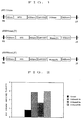
- Fig. 1 is a diagram showing vectors for plant transformation which individually comprise a human-derived 2-5Aase cDNA or a human-derived RNaseL cDNA, respectively.
- Fig. 2 is a graph showing the activity of 2-5Aase in leaves of a 2-5Aase-introduced transformant tobacco plant (cv Xanthi nc).
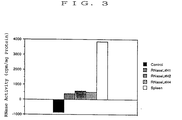
- Fig. 3 is a graph showing the activity of RNaseL in leaves of a partial length RNaseL-introduced transformant tobacco plant (cv Xanthi nc).
- Fig. 4 is a graph showing the activity of RNaseL in leaves of a full length RNaseL-introduced transformant tobacco plant (cv Xanthi nc).
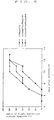
- Fig. 5 is a graph showing ratios (%) of the 2-5Aase-introduced tobacco (2-5Aase#11b) individuals and [2-5Aase + partial length RNaseL]-introduced tobacco (2-5Aase#11b+RNaseL#H1, 2-5Aase#11b+RNaseL#H4) individuals in which uninoculated upper leaves exhibited disease symptoms after CMV (Y strain) inoculation.
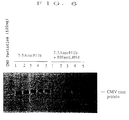
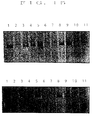
- Fig. 6 is a photograph showing the results of electrophoresis to detect CMV coat protein in CMV (Y strain)-inoculated tobacco leaves.
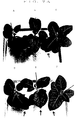
- Fig. 7 shows photographs of plant morphologies exhibiting the presence or absence of necrotic spots in 2-5Aase+RNaseL (F)-introduced tobacco, 2-5Aase-introduced tobacco and RNaseL (F)-introduced tobacco 3 days after inoculation with CMV Y strain.
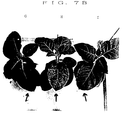
- Fig. 8 shows photographs of plant morphologies exhibiting the presence or absence of systemic symptoms in 2-5Aase+RNaseL(F)-introduced tobacco, 2-5Aase-introduced tobacco and RNaseL(F)-introduced tobacco 12 days after inoculation with CMV Y strain.
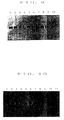
- Fig. 9 is a photograph showing the results of electrophoresis to detect CMV in portions with no necrotic spots in inoculated leaves exhibiting necrotic spots in various transformant tobacco plants 5 days after inoculation.
- Fig. 10 is a photograph showing the results of electrophoresis to detect CMV in uninoculated upper leaves in various transformant tobacco plants 12 days after inoculation.
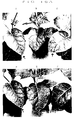
- Fig. 11 shows photographs of plant morphologies exhibiting the presence or absence of necrotic spots in 2-5Aase+RNaseL (F)-introduced tobacco, 2-5Aase-introduced tobacco and RNaseL (F)-introduced tobacco 5 days after inoculation with a crude extract from CMV Y strain-infected leaves.
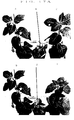
- Fig. 12 shows photographs of plant morphologies exhibiting the presence or absence of systemic symptoms in 2-5Aase+RNaseL (F)-introduced tobacco, 2-5Aase-introduced tobacco and RNaseL (F)-introduced tobacco 16 days after inoculation with a crude extract from CMV Y strain-infected leaves.
- Fig. 13 shows photographs of plant morphologies exhibiting the presence or absence of necrotic spots in 2-5Aase+RNaseL (F)-introduced tobacco, 2-5Aase-introduced tobacco and RNaseL (F)-introduced tobacco 5 days after inoculation with a crude extract from PVY T strain-infected leaves.
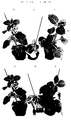
- Fig. 14 shows photographs of plant morphologies exhibiting the presence or absence of systemic symptoms in 2-5Aase+RNaseL(F)-introduced tobacco, 2-5Aase-introduced tobacco and RNaseL(F)-introduced tobacco 14 days after inoculation with a crude extract from PVY T strain-infected leaves.
- Fig. 15 shows photographs representing the results of electrophoresis to detect PVY T strain in uninoculated upper leaves 5 days after infection (A) and uninoculated upper leaves 10 days after infection (B) in various transformant tobacco plants.
- Fig. 16 shows photographs of plant morphologies exhibiting the presence or absence of necrotic spots in 2-5Aase+RNaseL(F)-introduced tobacco, 2-5Aase-introduced tobacco and RNaseL(F)-introduced tobacco 3 days after inoculation with a crude extract from PVY O strain-infected leaves.
- Fig. 17 shows photographs of plant morphologies exhibiting the presence or absence of systemic symptoms in 2-5Aase+RNaseL(F)-introduced tobacco, 2-5Aase-introduced tobacco and RNaseL(F)-introduced tobacco 15 days after inoculation with a crude extract from PVY O strain-infected leaves.
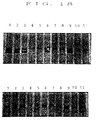
- Fig. 18 shows photographs representing the results of electrophoresis to detect PVY O strain in inoculated leaves 5 days after inoculation (A) and uninoculated upper leaves 6 days after inoculation (B) in various transformant tobacco plants.
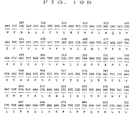
- Fig. 19 shows a base sequence for a bovine 2-5Aase cDNA and an amino acid sequence deduced therefrom.
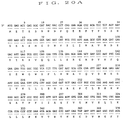
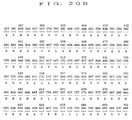
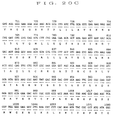
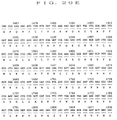
- Fig. 20 shows a base sequence for a bovine RNaseL cDNA and an amino acid sequence deduced therefrom.
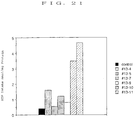
- Fig. 21 is a graph showing the activity of 2-5Aase in leaves of 2-5Aase-introduced transformant tobacco (cv Samsun).
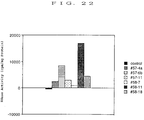
- Fig. 22 is a graph showing the activity of RNaseL in leaves of RNaseL (F)-introduced transformant tobacco (cv Samsun).
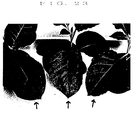
- Fig. 23 shows photographs of plant morphologies exhibiting the presence or absence of necrotic spots in 2-5Aase+RNaseL(F)-introduced tobacco, 2-5Aase-introduced tobacco and RNaseL(F)-introduced tobacco 3 days after inoculation with a crude extract from CMV Y strain-infected leaves.
- Fig. 24 shows photographs of plant morphologies exhibiting the presence or absence of systemic symptoms in 2-5Aase+RNaseL(F)-introduced tobacco, 2-5Aase-introduced tobacco and RNaseL(F)-introduced tobacco 10 days after inoculation with a crude extract from CMV Y strain-infected leaves.
- human-derived cDNAs were used as DNA sequences for 2-5Aase and RNaseL, and CaMV 35S promoter was used as a promoter for expressing the above genes in plants.
- CaMV 35S promoter was used as a promoter for expressing the above genes in plants.
- pBI121 vector EMBO J., 6, 3901, 1987
- ⁇ GUS ⁇ -glucuronidase gene
- RNaseL cDNA obtained from Dr. Detlef Becker, Institute for Genetics, Cologne University
- a tobacco cultivar (Xanthi nc) was used as a host plant to confirm the effect of the present invention.
- tobacco transformants were obtained from the above strain ("Plant Genetic Transformation and Gene Expression; A Laboratory Manual", Draper, J. et al., Blackwell Scientific Publications, 1988).
- the presence or absence of expression of the 2-5Aase or RNaseL cDNA in the transformants was examined by preparing crude extracts from transformant leaves and determining the 2-5Aase activity (J. Biol. Chem., 259, 1363, 1984) and the RNaseL activity (Anal. Biochem., 144, 450, 1985) separately.
- a transformant tobacco expressing both the 2-5Aase cDNA and the RNaseL cDNA was obtained by crossing a tobacco plant expressing the 2-5Aase activity with a tobacco plant expressing the RNaseL activity.
- a tobacco plant expressing 2-5Aase alone and a tobacco plant expressing both 2-5Aase and RNaseL were inoculated with cucumber mosaic virus (CMV Y strain)
- CMV Y strain cucumber mosaic virus
- SEQ ID NO: 2 Based on the DNA sequence (SEQ ID NO: 1) for the human-derived 2-5Aase described in Proc. Natl. Acad. Sci. USA, 80 , 4904, 1983, a probe for cDNA cloning (SEQ ID NO: 2) was prepared.
- a library for cDNA cloning was prepared by treating HeLa cells (obtained from Assistant Professor Enomoto, Division of Physiochemistry, Department of Pharmacology, the University of Tokyo) with 200 units/ml of human ⁇ interferon (Paesel Lorei GMBH & CO., Frankfurt) for 12 hours, extracting mRNAs therefrom, preparing cDNAs from the mRNA using a Pharmacia cDNA synthesis kit, and ligating the cDNAs to Lambda gt10 vector. It has been reported that there are two 2-5Aase mRNAs (1.6 kb and 1.8 kb). For expression in plants, the cDNA corresponding to the 1.6 kb mRNA was used.
- a plasmid pBI2-5Aase for expression in plant was prepared by replacing ⁇ GUS in pBI121 with the 2-5Aase cDNA (EcoRI fragment).
- the human-derived RNaseL cDNA was obtained by preparing a probe (SEQ ID NO: 4) based on the DNA sequence (SEQ ID NO: 3) disclosed in Cell, 72 , 753, 1993 and screening a human spleen cDNA library (Clontech) with the probe. From the human spleen cDNA library, two cDNA clones were obtained: a partial length clone (lacking C-terminal 61 amino acid residues) and a full length clone.
- each of these two RNaseL cDNAs (HindIII-EcoRI fragments)
- CaMV 35S promoter was ligated and then the resultant fragment was replaced with the HindIII-SacI fragment of pBIB-HYG vector, to thereby obtain plasmids for expression in plant.
- the plasmid containing the partial length RNaseL and the plasmid containing the full length RNaseL are designated pBIBRNaseL(T) and pBIBRNaseL(F), respectively.
- Tobacco cv Xanthi nc was used for transformation. Plasmids pBI2-5Aase and pBIBRNaseL(F) shown in Fig. 1 were separately introduced into Agrobacterium tumefaciens LBA4404 strain by electroporation. Tobacco leaf sections were infected with the Agrobacterium by the leaf disk method and placed on MS-B5 medium [vitamin B5-added Murashige & Skoog basal medium (Physiol. Plant., 15 , 473, 1962)] containing 250 ⁇ g/ml claforan, 100 ⁇ g/ml kanamycin or 20 ⁇ g/ml hygromycin to select transformants.
- MS-B5 medium vitamin B5-added Murashige & Skoog basal medium (Physiol. Plant., 15 , 473, 1962)
- Plasmid pBIBRNaseL(T) was introduced into protoplasts prepared from tobacco leaves by electroporation.
- Protoplasts were prepared from tobacco (cv Xanthi nc) mesophyll cells by treating them in an enzyme solution [1% Cellulase Onozuka RS (Yakult), 1% Driselase (Kyowa Hakko Kogyo), 0.1% Pectolyase (Seishin Pharmaceutical), 0.4 M D-mannitol (pH 5.7)] overnight at room temperature.
- the protoplasts were washed 3 times with cold 0.4 M D-mannitol, and 1x10 8 protoplasts were suspended in 0.8 ml of an electroporation buffer (0.3 M D-mannitol, 5 mM 2-(N-morpholino)ethanesulfonic acid, pH 5.8, 70 mM KCl) containing about 10 ⁇ g of the DNA plasmid. Then, the suspension was transferred into an electroporation cuvette (Bio-Rad, 0.4 cm in width), and a voltage of 300 V was applied at a capacitance of 125 ⁇ F.
- an electroporation buffer 0.3 M D-mannitol, 5 mM 2-(N-morpholino)ethanesulfonic acid, pH 5.8, 70 mM KCl
- the electroporated protoplasts were cultured in 1% agarose-containing spheroplast medium (Murashige & Skoog medium containing 1% sucrose, 0.4 M D-mannitol, 0.2 ⁇ g/ml 2,4-dichlorophenoxyacetic acid) for one week at 28°C under dark conditions. Subsequently, selection of transformants was performed with hygromycin (20 ⁇ g/ml). When shoots were formed in the resultant colonies, the colonies were transferred to a hormone-free medium to obtain transformant plants. The resultant transformant plants were aseptically cultured in vitro in plant boxes. Then, after potting, they were crossed with 2-5Aase-introduced plants to obtain F1 seeds.
- 1% agarose-containing spheroplast medium Morashige & Skoog medium containing 1% sucrose, 0.4 M D-mannitol, 0.2 ⁇ g/ml 2,4-dichlorophenoxyacetic acid
- a crude extract was prepared from in vitro cultured tobacco leaves and interferon-treated HeLa cells separately by the method of Wells et al. (J. Biol. Chem., 259 , 1363, 1984). After measurement of wet weight, leaves were crushed in liquid nitrogen.
- a lysis buffer [0.5% Nonidet P-40, 90 mM KCl, 1 mM magnesium acetate, 10 mM Hepes, pH 7.6, 2 mM 2-mercaptoethanol, 20 ⁇ g/ml leupeptin, 50 ⁇ g/ml bovine lung aprotinin, 50 ⁇ M phenylmethylsulfonyl fluoride (PMSF), 50 ⁇ g/ml trypsin inhibitor] was added thereto, homogenized in a Teflon Pestle homogenizer and centrifuged at 15,000 rpm at 4°C for 20 minutes twice to obtain the supernatant.
- a lysis buffer 0.5% Nonidet P-40, 90 mM KCl, 1 mM magnesium acetate, 10 mM Hepes, pH 7.6, 2 mM 2-mercaptoethanol, 20 ⁇ g/ml leupeptin, 50 ⁇ g/ml bovine lung aprotinin, 50 ⁇ M phenyl
- reaction solution was washed 3 times by centrifugation with a washing buffer (20 mM Hepes, pH 7.0, 10 mM magnesium acetate, 5 mM KCl), suspended in 50 ⁇ l of a reaction mixture (20 mM Hepes, pH 7.0, 20% glycerol, 7 mM 2-mercaptoethanol, 2 mM ATP, 5 mM KCl, 10 mM magnesium acetate) containing 0.2 ⁇ l of 32 P-rATP (10 mCi/ml, 3000Ci/mmol; NEN) and reacted at 30°C overnight (for 16-20 hours).
- a washing buffer (20 mM Hepes, pH 7.0, 10 mM magnesium acetate, 5 mM KCl
- a reaction mixture (20 mM Hepes, pH 7.0, 20% glycerol, 7 mM 2-mercaptoethanol, 2 mM ATP, 5 mM KCl, 10 mM magnesium acetate
- the 32 P-labelled oligoadenylate produced in the reaction solution was purified by the method of Wells et al. (J. Biol. Chem., 259, 1363, 1984) using DEAE cellulose. Then, the radioactivity was measured with a liquid scintillation counter.
- the polyI:polyC cellulose was prepared by the method of Wells et al. (J. Biol. Chem., 259, 1363, 1984). The amount of protein in the crude extract was determined with a protein assay kit from Bio-Rad.
- 2-5Aase-introduced transformants exhibited significantly higher activity than that of non-transformant.
- the amount of ATP intake was 219 nmol/mg protein/4 hours, showing much higher 2-5Aase activity than that in 2-5Aase-introduced tobacco plants.
- a crude extract was prepared from in vitro cultured tobacco leaves and mouse spleens separately by the method of Silverman et al. (J. Biol. Chem., 263, 7336, 1988). After measurement of wet weight, leaves were crushed in liquid nitrogen. Then, an equal volume of a hypo buffer (0.5% Nonidet P-40, 20 mM Hepes, pH 7.6, 10 mM potassium acetate, 15 mM magnesium acetate, 1 mM dithiothreitol (DTT), 100 ⁇ M PMSF, 20 ⁇ g/ml leupeptin) was added thereto and homogenized with Polytron TM.
- a hypo buffer (0.5% Nonidet P-40, 20 mM Hepes, pH 7.6, 10 mM potassium acetate, 15 mM magnesium acetate, 1 mM dithiothreitol (DTT), 100 ⁇ M PMSF, 20 ⁇ g/ml leupeptin
- 2-5A (5'-triphosphate tetramer; Seikagaku Kogyo) cellulose and control (ATP) cellulose were prepared in substantially the same manner as described in Example 3 for polyI:polyC cellulose.
- a tobacco leaf extract 0.5 ml in the case of full length RNaseL-introduced tobacco
- a mouse spleen extract diluted 4-fold with the hypo buffer
- 2.5 ⁇ l of 0.1 M ATP and 7.5 ⁇ l of 3 M KCl were added and mixed with 25 ⁇ l of ATP cellulose suspension.
- the mixture was reacted at 4°C for 1 hour and then centrifuged to collect the supernatant.
- 25 ⁇ l of 2-5Aase cellulose suspension was added and reacted at 4°C for 2 hours. Then, the supernatant was discarded.
- the ATP cellulose and 2-5Aase cellulose centrifuged and precipitated after reaction were separately washed 3 times by centrifugation with buffer A (11.5 mM Hepes, pH 7.6, 104 mM KCl, 5.8 mM magnesium acetate, 8.8 mM 2-mercaptoethanol, 10 ⁇ M PMSF, 20 ⁇ g/ml leupeptin) and suspended in 50 ⁇ l of buffer A.
- a 32 P-labelled polyU substrate was prepared by the method of Silverman (Anal. Biochem., 144, 450, 1985). 20 ⁇ l of the above suspension and 20 ⁇ l of a reaction solution (4 ⁇ l of 100 ⁇ M 2-5A, 2 ⁇ l of 5x buffer A, 0.25 ⁇ l of 32 P-polyUpCp, 0.05 ⁇ l of 10 ⁇ M cold polyU, 13.7 ⁇ l of water) were mixed and reacted at 37°C overnight (for 16 hours). Then, the reaction was terminated by adding 50 ⁇ l of 10 mg/ml yeast RNA and 1 ml of trichloroacetic acid (TCA). The reaction solution was left on ice for more than 15 minutes.
- the TCA-insoluble fraction was trapped on Whatman GF/C filter and the radioactivity thereof was measured with a liquid scintillation counter.
- 2-5A dependent RNase activity i.e., RNaseL activity
- the amount of protein in the crude extract was determined with a protein assay kit from Bio-Rad. While the non-transformant tobacco exhibited an activity value below 0 (zero), partial length RNaseL-introduced transformants exhibited positive values (Fig. 3). Full length RNaseL-introduced transformants exhibited still higher activity than that of partial length RNaseL-introduced transformants (Fig. 4).
- R1 seeds (2-5Aase-introduced tobacco and 2-5Aase+RNaseL(T)-introduced tobacco) were sown on MS agar medium containing 800 ⁇ g/ml kanamycin or 800 ⁇ g/ml kanamycin + 100 ⁇ g/ml hygromycin to select 2-5Aase-introduced plants or 2-5Aase+RNaseL-introduced plants, respectively. After potting the young plants, DNA was extracted from a part of their leaves (Nuc. Acids Res., 21 , 4153, 1993). Then, the presence of 2-5Aase cDNA or RNaseL cDNA was confirmed by PCR.
- the protein was transferred onto a polyvinylidene difluoride (PVDF) membrane (Millipore) to detect CMV in infected plant leaves by color formation with anti-CMV rabbit serum (about 2000-fold dilution) and protein A-alkaline phosphatase.
- PVDF polyvinylidene difluoride
- a strong CMV accumulation was observed in all of the five individuals sampled.
- 2-5Aase#11b+RNaseL#H4-introduced tobacco CMV accumulation was observed only in two individuals out of the five (Fig. 6).
- R1 seeds [1 line of 2-5Aase-introduced tobacco (2-5Aase#13b); 3 lines of RNaseL(F)-introduced tobacco (RNaseL(F)#23a, RNaseL(F)#27a, RNaseL(F)#30b)] and F1 seeds [3 lines of 2-5Aase+RNaseL(F)-introduced tobacco (2-5Aase#13b+RNaseL(F)#23a, 2-5Aase#13b+RNaseL(F)#27a, 2-5Aase#13b+RNaseL(F)#30b)] were sown on MS agar medium containing 100 ⁇ g/ml hygromycin to select RNaseL(F)-introduced tobacco.
- the total protein was extracted from portions with no necrotic spots in inoculated leaves exhibiting necrotic spots in each transformant tobacco 5 days after infection; and from uninoculated upper leaves of each transformant tobacco 12 days after inoculation by the method described in Example 5, to thereby detect CMV in infected plant leaves.
- CMV was not detected in non-necrotic spot-forming portions of 2-5Aase+RNaseL(F)-introduced tobacco though a small quantity of CMV was detected in necrotic spots (Fig. 9).
- a crude extract was prepared by infecting a tobacco plant about 2 weeks after potting with CMV Y strain and grinding those tobacco leaves (cv Xanthi nc) exhibiting disease symptoms in 10 times the leaf weight of an extraction buffer (10 mM phosphate buffer, pH 7.0, 20 mM 2-mercaptoethanol).
- the crude extract was inoculated into tobacco plants about 2 weeks after potting, and the time course after inoculation and the development of disease symptoms were observed.
- 2 individuals were used for the inoculation experiment. As a result, similar progress as seen when 15 ⁇ g/ml of purified virus was infected in Example 6 was observed.
- necrotic spots were observed 3 days after inoculation in inoculated leaves of all the individuals of all the lines in 2-5Aase+RNaseL(F)-introduced tobacco.
- no necrotic spots were observed in 2-5Aase-introduced tobacco and RNaseL(F)-introduced tobacco.
- Inoculated leaves 5 days after inoculation are shown in Fig. 11.
- a crude extract was prepared by infecting a tobacco plant with PVY T strain and grinding those tobacco leaves (cv Samsun) exhibiting disease symptoms in 10 times the leaf weight of an extraction buffer (10 mM phosphate buffer, pH 7.0, 20 mM 2-mercaptoethanol).
- the crude extract was inoculated into tobacco plants about 2 weeks after potting, and the time course after inoculation and the development of disease symptoms were observed.
- 5 to 7 individuals were used for the inoculation experiment.
- necrotic spots were observed 3 days after inoculation in inoculated leaves of all the individuals of all the lines in 2-5Aase+RNaseL(F)-introduced tobacco.
- necrotic spots were observed in 2-5Aase-introduced tobacco and RNaseL(F)-introduced tobacco.
- Inoculated leaves 5 days after inoculation are shown in Fig. 13.
- necrosis began to be formed in uninoculated upper leaves of all the individuals of all the lines in 2-5Aase+RNaseL(F)-introduced tobacco. This necrosis gradually spread and the plants almost completely withered 20 days after inoculation.
- Plants 14 days after inoculation are shown in Fig. 14.
- no withered plants were observed in 2-5Aase-introduced tobacco and RNaseL(F)-introduced tobacco. These tobacco plants presented disease symptoms peculiar to PVY T strain.
- the total protein was extracted from uninoculated upper leaves of each transformant tobacco 5 days and 10 days after inoculation in the same manner as described in Example 5 to thereby detect the accumulation of PVY T strain.
- the accumulation of PVY T strain was detected in uninoculated upper leaves both 5 days and 10 days after inoculation in 2-5Aase-introduced tobacco and RNaseL(F)-introduced tobacco, no accumulation of PVY T strain was detected in 2-5Aase+RNaseL(F)-introduced tobacco (Fig. 15).
- necrotic spots were formed in inoculated leaves of 2-5Aase+RNaseL(F)-introduced tobacco and the infected cells died from necrosis; on the other hand, activation of RNaseL has occurred in uninoculated upper leaves also for some unknown reason, which has caused the systemic withering.
- the fact that the accumulation of PVY T strain was not detected in uninoculated upper leaves both 5 days after inoculation when necrosis began to develop and 10 days after inoculation when necrosis was progressing indicates that the immediate cause for the systemic withering was not excessive accumulation of PVY T strain.
- virus-infected plants are disposed as early as possible in order to avoid the spreading of virus into surrounding plants (secondary infection).
- second infection 2-5Aase+RNaseL(F)-introduced tobacco infected with PVY T strain withers without undergoing the process of virus accumulation means that 2-5Aase+RNaseL(F)-introduced plants will not become sources of secondary infection even if they are infected with PVY T strain and that they will wither naturally. Thus, reduction of labor can be expected when such plants are actually cultured.
- a crude extract was prepared by infecting a tobacco plant with PVY O strain and grinding those tobacco leaves (cv Samsun) exhibiting disease symptoms in 10 times the leaf weight of an extraction buffer (10 mM phosphate buffer, pH 7.0, 20 mM 2-mercaptoethanol).
- the crude extract was inoculated into tobacco plants about 2 weeks after potting, and the time course after inoculation and the development of disease symptoms were observed.
- 5 individuals were used for the inoculation experiment. As a result, almost the same results as seen when PVY T strain was inoculated were observed.
- necrotic spots were observed 3 days after inoculation in inoculated leaves of all the individuals of all the lines in 2-5Aase+RNaseL(F)-introduced tobacco.
- no necrotic spots were observed in 2-5Aase-introduced tobacco and RNaseL(F)-introduced tobacco (Fig. 16).
- necrosis began to be formed in uninoculated upper leaves of all the individuals of all the lines in 2-5Aase+RNaseL(F)-introduced tobacco. This necrosis gradually spread and the plants almost completely withered 20 days after inoculation. Plants 15 days after inoculation are shown in Fig. 17.
- no withered plants were observed in 2-5Aase-introduced tobacco and RNaseL(F)-introduced tobacco. These tobacco plants presented disease symptoms peculiar to PVY O strain.
- the total protein was extracted from inoculated leaves of each transformant 5 days after inoculation and from uninoculated upper leaves of each transformant 6 days after inoculation in the same manner as described in Example 5 to thereby detect the accumulation of PVY O strain.
- PVY O strain was accumulated in both the inoculated leaves 5 days after inoculation and the uninoculated upper leaves 6 days after inoculation in 2-5Aase-introduced tobacco and RNaseL(F)-introduced tobacco, no accumulation of PVY O strain was detected in 2-5Aase+RNaseL(F)-introduced tobacco (Fig. 18).
- Phage DNA was extracted from a bovine spleen-derived phage lambda gt10 cDNA library (Clontech) by the method of Ishida et al. ("Gene Expression Experimental Manual", Chapter 2, published by Kodansha, 1994) and used as a DNA template for PCR. Primers for use in PCR cloning of bovine 2-5Aase and RNaseL cDNA fragments were designed as follows based on the base sequences for human 2-5Aase cDNA (EMBO J., 4 , 2249, 1985) and human RNaseL cDNA (Cell, 72 , 753, 1993).
- a PCR was performed by the method of Ishida et al. and the amplified DNA fragments were subcloned into pBluescript SKII + plasmid (Stratagene) ("Gene Expression Experimental Manual", Chapter 2, published by Kodansha, 1994). Base sequences for these PCR-amplified DNA fragments (2-5Aase: 455 bp; RNaseL: 292 bp) were determined. These base sequences were compared with the base sequences for human 2-5Aase and RNaseL, respectively. As a result, homology was recognized [2-5Aase: 80%; RNaseL: 73% (sequences for primers were excluded from the calculation)]. Thus, these PCR-amplified DNA fragments were confirmed to be parts of bovine-derived 2-5Aase cDNA and bovine-derived RNaseL cDNA, respectively.
- bovine spleen-derived cDNA phage library was screened to thereby isolate phage clones encoding full length 2-5Aase cDNA and RNaseL cDNA, respectively.
- DNA was extracted from each of the isolated phage clones and subcloned into pBluescript SKII + plasmid as a cDNA insert.
- DNA Sequencer 373A from Applied Biosystems, the DNA sequence was determined by the fluorescent dye terminator method, and the amino acid sequence deduced therefrom was obtained (Fig. 19: bovine 2-5Aase cDNA; Fig. 20: bovine RNaseL cDNA).
- bovine 2-5Aase has homology to human 2-5AaseE18 (EMBO J., 4, 2249, 1985) and mouse 2-5AaseL3 (Virology, 179, 228, 1990).
- bovine 2-5Aase cDNA and bovine RNaseL cDNA By expressing the thus obtained bovine 2-5Aase cDNA and bovine RNaseL cDNA in plants, it becomes possible to breed virus resistant plants.
- Tobacco cultivar Samsun (genotype of N gene: nn) was used for transformation.
- Transformants [2-5Aase(S) tobacco and RNaseL(S) tobacco] were created by the method described in Example 2 (i.e., by using pBI2-5Aase- or pBIBRNaseL(F)-introduced Agrobacterium LBA4404). The resultant transformants were potted. Subsequently, R1 seeds were obtained by self-pollination and F1 seeds [2-5Aase(S) + RNaseL(S) tobacco] by crossing.
- Detection of 2-5Aase activity was performed in the same manner as described in Example 3 and detection of RNaseL activity in the same manner as described in Example 4. The results are shown in Figs. 21 and 22. Both the 2-5Aase activity in 2-5Aase(S) tobacco and the RNaseL activity in RNaseL(S) tobacco were significantly higher than those in non-transformants.
- necrotic spots were observed 3 days after inoculation in inoculated leaves of all the individuals of all the lines in 2-5Aase+RNaseL(F)-introduced tobacco.
- no necrotic spots were observed in 2-5Aase-introduced tobacco and RNaseL(F)-introduced tobacco (Fig. 23).
- the 2-5Aase/RNaseL system expresses ribonuclease activity in cytoplasm upon recognition of double-stranded RNA produced when cells are infected with virus, to thereby inhibit viral proliferation. Since RNA viruses generally form double-stranded RNA at the stage of replication, this system is effective against all of the RNA viruses.
- the technology of the invention for creating virus resistant plants comprising introducing 2-5Aase and RNaseL into plants by recombinant DNA technology is widely applicable to the breeding of virus resistant plant varieties.
Landscapes
- Health & Medical Sciences (AREA)
- Life Sciences & Earth Sciences (AREA)
- Genetics & Genomics (AREA)
- Chemical & Material Sciences (AREA)
- Engineering & Computer Science (AREA)
- Bioinformatics & Cheminformatics (AREA)
- Zoology (AREA)
- Organic Chemistry (AREA)
- Wood Science & Technology (AREA)
- Molecular Biology (AREA)
- Biomedical Technology (AREA)
- General Engineering & Computer Science (AREA)
- Biotechnology (AREA)
- Biochemistry (AREA)
- Microbiology (AREA)
- General Health & Medical Sciences (AREA)
- Medicinal Chemistry (AREA)
- Physics & Mathematics (AREA)
- Plant Pathology (AREA)
- Biophysics (AREA)
- Cell Biology (AREA)
- Virology (AREA)
- Breeding Of Plants And Reproduction By Means Of Culturing (AREA)
- Micro-Organisms Or Cultivation Processes Thereof (AREA)
- Enzymes And Modification Thereof (AREA)
Applications Claiming Priority (7)
| Application Number | Priority Date | Filing Date | Title |
|---|---|---|---|
| JP13374195 | 1995-05-31 | ||
| JP133741/95 | 1995-05-31 | ||
| JP285401/95 | 1995-11-01 | ||
| JP28540195 | 1995-11-01 | ||
| JP5201096 | 1996-03-08 | ||
| JP52010/96 | 1996-03-08 | ||
| PCT/JP1996/001485 WO1996038034A1 (en) | 1995-05-31 | 1996-05-31 | Virus-resistant plant expressing 2',5'-oligoadenylic acid synthetase and ribonuclease l originating in animal cells and process for constructing the same |
Publications (2)
| Publication Number | Publication Date |
|---|---|
| EP0838149A1 true EP0838149A1 (de) | 1998-04-29 |
| EP0838149A4 EP0838149A4 (de) | 2002-01-30 |
Family
ID=27294515
Family Applications (1)
| Application Number | Title | Priority Date | Filing Date |
|---|---|---|---|
| EP96920025A Withdrawn EP0838149A4 (de) | 1995-05-31 | 1996-05-31 | Virusresistente pflanzen welche aus tierzellen stammende 2',5'-oligoadenylsäuresynthetase und ribonuclease l exprimieren und verfahren zu ihrer herstellung |
Country Status (7)
| Country | Link |
|---|---|
| US (1) | US6320099B1 (de) |
| EP (1) | EP0838149A4 (de) |
| JP (1) | JP3178723B2 (de) |
| CN (1) | CN1154414C (de) |
| AU (1) | AU689389B2 (de) |
| CA (1) | CA2222696C (de) |
| WO (1) | WO1996038034A1 (de) |
Families Citing this family (3)
| Publication number | Priority date | Publication date | Assignee | Title |
|---|---|---|---|---|
| US5990388A (en) * | 1995-06-07 | 1999-11-23 | Research Corporation Technologies, Inc. | Resistance to viruses and viroids in transgenic plants and animals expressing dsRNA-binding protein |
| US20080038753A1 (en) * | 2006-08-01 | 2008-02-14 | Illumigen Biosciences, Inc. | Pharmaceutical manufacturing methods |
| RU2393226C1 (ru) * | 2009-03-16 | 2010-06-27 | Учреждение Российской академии наук Институт цитологии и генетики Сибирского отделения РАН (ИЦиГ СО РАН) | РЕКОМБИНАНТНАЯ ПЛАЗМИДА, ОБЕСПЕЧИВАЮЩАЯ ЭКСПРЕССИЮ ГЕНА ЭКСТРАКЛЕТОЧНОЙ РИБОНУКЛЕАЗЫ Zinnia elegans ZRNaseII В ТРАНСГЕННЫХ РАСТЕНИЯХ (ВАРИАНТЫ), И СПОСОБ ПОЛУЧЕНИЯ ВИРУСОУСТОЙЧИВЫХ ФОРМ РАСТЕНИЙ |
Family Cites Families (6)
| Publication number | Priority date | Publication date | Assignee | Title |
|---|---|---|---|---|
| IL69382A (en) | 1982-08-05 | 1991-01-31 | Carter William Alvin | Method of protecting plants against viral pathogens by inserting into plant cells genes encoding polypeptides containing interferon domains |
| US5589625A (en) | 1992-03-18 | 1996-12-31 | Kemira Oy, Biotech | Transgenic plants displaying multiple virus resistance and a process for their production |
| PL171446B1 (pl) * | 1992-03-18 | 1997-04-30 | Kemira Bio Holding Bv | Sposób wytwarzania rosliny transgenicznej PL PL PL PL PL PL PL |
| DK0592685T3 (da) * | 1992-04-17 | 2002-02-11 | Kirin Brewery | Plante, som er resistent over for to eller flere vira, og fremstilling deraf |
| AU6403694A (en) * | 1993-03-08 | 1994-09-26 | Cleveland Clinic Foundation, The | Animal 2-5a-dependent rnases and encoding sequences therefor |
| US5866787A (en) * | 1993-03-08 | 1999-02-02 | Cleveland Clinic Foundation | Transgenic plants co-expressing a functional human 2-5A system |
-
1996
- 1996-05-31 US US08/973,005 patent/US6320099B1/en not_active Expired - Fee Related
- 1996-05-31 WO PCT/JP1996/001485 patent/WO1996038034A1/ja not_active Ceased
- 1996-05-31 CA CA002222696A patent/CA2222696C/en not_active Expired - Fee Related
- 1996-05-31 CN CNB961958235A patent/CN1154414C/zh not_active Expired - Fee Related
- 1996-05-31 JP JP53638096A patent/JP3178723B2/ja not_active Expired - Fee Related
- 1996-05-31 AU AU58453/96A patent/AU689389B2/en not_active Ceased
- 1996-05-31 EP EP96920025A patent/EP0838149A4/de not_active Withdrawn
Also Published As
| Publication number | Publication date |
|---|---|
| AU689389B2 (en) | 1998-03-26 |
| AU5845396A (en) | 1996-12-18 |
| WO1996038034A1 (en) | 1996-12-05 |
| CN1154414C (zh) | 2004-06-23 |
| CN1191464A (zh) | 1998-08-26 |
| CA2222696C (en) | 2005-01-04 |
| JP3178723B2 (ja) | 2001-06-25 |
| US6320099B1 (en) | 2001-11-20 |
| EP0838149A4 (de) | 2002-01-30 |
| CA2222696A1 (en) | 1996-12-05 |
Similar Documents
| Publication | Publication Date | Title |
|---|---|---|
| JP7453999B2 (ja) | 高いタンパク質含有量及びストレスに対する抵抗性のためのnf-yc4プロモーター中の転写リプレッサー結合部位の修飾 | |
| Galuszka et al. | Cytokinin oxidase/dehydrogenase genes in barley and wheat: cloning and heterologous expression | |
| DK2231861T3 (en) | Transgenic plants modified to produce less cadmium transport, derivative products and related methods. | |
| US20120071348A1 (en) | Methods for large scale functional evaluation of nucleotide sequences in plants | |
| CN112424365A (zh) | 核酸构建体及其使用方法 | |
| KR102826087B1 (ko) | 식물 내 환원당 함량 조절 | |
| CN104487451A (zh) | 拟南芥非宿主抗性基因及其在工程化疾病抗性植物中的应用 | |
| EP0838149A1 (de) | Virusresistente pflanzen welche aus tierzellen stammende 2',5'-oligoadenylsäuresynthetase und ribonuclease l exprimieren und verfahren zu ihrer herstellung | |
| CZ69899A3 (cs) | Izolované polynukleotidy, jimi kódované proteinkinázy, je obsahující konstrukty a transgenní rostliny a způsob jejich použití | |
| JP3110460B2 (ja) | 複数のウィルスに抵抗性を持つ植物及びその作製法 | |
| CA2880151A1 (en) | Soybean ccp1 promoter and its use in constitutive expression of transgenic genes in plants | |
| CN101297039A (zh) | 来自avicennia marina的用于赋予植物耐盐性的脱水素基因 | |
| JPWO1993020686A1 (ja) | 複数のウィルスに抵抗性を持つ植物及びその作製法 | |
| JPWO1996038034A1 (ja) | 動物細胞由来2′,5′オリゴアデニル酸合成酵素及びリボヌクレアーゼlを発現するウイルス抵抗性植物及びその作製法 | |
| US20170298372A1 (en) | Soybean if5a promoter and its use in constitutive expression of transgenic genes in plants | |
| JP4849670B2 (ja) | トバモウイルス抵抗性遺伝子Tm−1 | |
| US9719101B2 (en) | Soybean GAPD promoter and its use in constitutive expression of transgenic genes in plants | |
| CN112702908A (zh) | 抗生物胁迫的水稻植株材料 | |
| US6372962B1 (en) | Pathogen resistance in plants using CDNA-N/intron constructs | |
| EP1934351B1 (de) | Für ein protein codierendes abiotisches stresstoleranzgen aus avicennia marina | |
| EP2947150A1 (de) | Verfahren zur Erhöhung der Resistenz einer Pflanze gegen ein Pflanzen-RNA-Virus | |
| JPH0965881A (ja) | 傷ストレス誘導性mapキナーゼおよびその遺伝子 | |
| JPWO2005001088A1 (ja) | 植物培養細胞で糖欠乏により働くプロモーターの有用タンパク質の分泌生産への適用 |
Legal Events
| Date | Code | Title | Description |
|---|---|---|---|
| PUAI | Public reference made under article 153(3) epc to a published international application that has entered the european phase |
Free format text: ORIGINAL CODE: 0009012 |
|
| 17P | Request for examination filed |
Effective date: 19971128 |
|
| AK | Designated contracting states |
Kind code of ref document: A1 Designated state(s): AT BE CH DE DK ES FR GB GR IE IT LI NL PT SE |
|
| A4 | Supplementary search report drawn up and despatched |
Effective date: 20011217 |
|
| AK | Designated contracting states |
Kind code of ref document: A4 Designated state(s): AT BE CH DE DK ES FR GB GR IE IT LI NL PT SE |
|
| RIC1 | Information provided on ipc code assigned before grant |
Free format text: 7C 12N 15/82 A, 7C 12N 9/22 B, 7C 12N 9/12 B, 7C 12N 15/54 B, 7A 01H 5/00 B |
|
| 17Q | First examination report despatched |
Effective date: 20031215 |
|
| RIN1 | Information on inventor provided before grant (corrected) |
Inventor name: ISHIDA, ISAO,KIRIN BEER KK, KIBAN GIJUTSU KENK. Inventor name: YOSHIOKA, MASAHARU,KIRIN BEER KK, KIBAN GIJUTSU K Inventor name: OGAWA, TOSHIYA,KIRIN BEER KK, KIBAN GIJUTSU KENK. |
|
| 17Q | First examination report despatched |
Effective date: 20031215 |
|
| STAA | Information on the status of an ep patent application or granted ep patent |
Free format text: STATUS: THE APPLICATION IS DEEMED TO BE WITHDRAWN |
|
| 18D | Application deemed to be withdrawn |
Effective date: 20070626 |