EP0861266B1 - Aus thymischen hormonen abstammende peptid konjugierte, deren verwendung als medikamente und aus deren enthaltende zusammensetzungen - Google Patents
Aus thymischen hormonen abstammende peptid konjugierte, deren verwendung als medikamente und aus deren enthaltende zusammensetzungen Download PDFInfo
- Publication number
- EP0861266B1 EP0861266B1 EP96939132A EP96939132A EP0861266B1 EP 0861266 B1 EP0861266 B1 EP 0861266B1 EP 96939132 A EP96939132 A EP 96939132A EP 96939132 A EP96939132 A EP 96939132A EP 0861266 B1 EP0861266 B1 EP 0861266B1
- Authority
- EP
- European Patent Office
- Prior art keywords
- ser
- gly
- lys
- gln
- acid
- Prior art date
- Legal status (The legal status is an assumption and is not a legal conclusion. Google has not performed a legal analysis and makes no representation as to the accuracy of the status listed.)
- Expired - Lifetime
Links
Images




Classifications
-
- A—HUMAN NECESSITIES
- A61—MEDICAL OR VETERINARY SCIENCE; HYGIENE
- A61K—PREPARATIONS FOR MEDICAL, DENTAL OR TOILETRY PURPOSES
- A61K8/00—Cosmetics or similar toiletry preparations
- A61K8/18—Cosmetics or similar toiletry preparations characterised by the composition
- A61K8/30—Cosmetics or similar toiletry preparations characterised by the composition containing organic compounds
- A61K8/64—Proteins; Peptides; Derivatives or degradation products thereof
-
- A—HUMAN NECESSITIES
- A61—MEDICAL OR VETERINARY SCIENCE; HYGIENE
- A61K—PREPARATIONS FOR MEDICAL, DENTAL OR TOILETRY PURPOSES
- A61K8/00—Cosmetics or similar toiletry preparations
- A61K8/18—Cosmetics or similar toiletry preparations characterised by the composition
- A61K8/30—Cosmetics or similar toiletry preparations characterised by the composition containing organic compounds
- A61K8/33—Cosmetics or similar toiletry preparations characterised by the composition containing organic compounds containing oxygen
- A61K8/36—Carboxylic acids; Salts or anhydrides thereof
-
- A—HUMAN NECESSITIES
- A61—MEDICAL OR VETERINARY SCIENCE; HYGIENE
- A61K—PREPARATIONS FOR MEDICAL, DENTAL OR TOILETRY PURPOSES
- A61K8/00—Cosmetics or similar toiletry preparations
- A61K8/18—Cosmetics or similar toiletry preparations characterised by the composition
- A61K8/30—Cosmetics or similar toiletry preparations characterised by the composition containing organic compounds
- A61K8/33—Cosmetics or similar toiletry preparations characterised by the composition containing organic compounds containing oxygen
- A61K8/36—Carboxylic acids; Salts or anhydrides thereof
- A61K8/362—Polycarboxylic acids
-
- A—HUMAN NECESSITIES
- A61—MEDICAL OR VETERINARY SCIENCE; HYGIENE
- A61K—PREPARATIONS FOR MEDICAL, DENTAL OR TOILETRY PURPOSES
- A61K8/00—Cosmetics or similar toiletry preparations
- A61K8/18—Cosmetics or similar toiletry preparations characterised by the composition
- A61K8/30—Cosmetics or similar toiletry preparations characterised by the composition containing organic compounds
- A61K8/49—Cosmetics or similar toiletry preparations characterised by the composition containing organic compounds containing heterocyclic compounds
- A61K8/4986—Cosmetics or similar toiletry preparations characterised by the composition containing organic compounds containing heterocyclic compounds with sulfur as the only hetero atom
-
- A—HUMAN NECESSITIES
- A61—MEDICAL OR VETERINARY SCIENCE; HYGIENE
- A61P—SPECIFIC THERAPEUTIC ACTIVITY OF CHEMICAL COMPOUNDS OR MEDICINAL PREPARATIONS
- A61P17/00—Drugs for dermatological disorders
-
- A—HUMAN NECESSITIES
- A61—MEDICAL OR VETERINARY SCIENCE; HYGIENE
- A61P—SPECIFIC THERAPEUTIC ACTIVITY OF CHEMICAL COMPOUNDS OR MEDICINAL PREPARATIONS
- A61P17/00—Drugs for dermatological disorders
- A61P17/14—Drugs for dermatological disorders for baldness or alopecia
-
- A—HUMAN NECESSITIES
- A61—MEDICAL OR VETERINARY SCIENCE; HYGIENE
- A61P—SPECIFIC THERAPEUTIC ACTIVITY OF CHEMICAL COMPOUNDS OR MEDICINAL PREPARATIONS
- A61P37/00—Drugs for immunological or allergic disorders
-
- A—HUMAN NECESSITIES
- A61—MEDICAL OR VETERINARY SCIENCE; HYGIENE
- A61P—SPECIFIC THERAPEUTIC ACTIVITY OF CHEMICAL COMPOUNDS OR MEDICINAL PREPARATIONS
- A61P37/00—Drugs for immunological or allergic disorders
- A61P37/02—Immunomodulators
-
- A—HUMAN NECESSITIES
- A61—MEDICAL OR VETERINARY SCIENCE; HYGIENE
- A61Q—SPECIFIC USE OF COSMETICS OR SIMILAR TOILETRY PREPARATIONS
- A61Q19/00—Preparations for care of the skin
- A61Q19/08—Anti-ageing preparations
-
- A—HUMAN NECESSITIES
- A61—MEDICAL OR VETERINARY SCIENCE; HYGIENE
- A61Q—SPECIFIC USE OF COSMETICS OR SIMILAR TOILETRY PREPARATIONS
- A61Q7/00—Preparations for affecting hair growth
-
- C—CHEMISTRY; METALLURGY
- C07—ORGANIC CHEMISTRY
- C07K—PEPTIDES
- C07K14/00—Peptides having more than 20 amino acids; Gastrins; Somatostatins; Melanotropins; Derivatives thereof
- C07K14/435—Peptides having more than 20 amino acids; Gastrins; Somatostatins; Melanotropins; Derivatives thereof from animals; from humans
- C07K14/575—Hormones
- C07K14/66—Thymopoietins
-
- C—CHEMISTRY; METALLURGY
- C07—ORGANIC CHEMISTRY
- C07K—PEPTIDES
- C07K7/00—Peptides having 5 to 20 amino acids in a fully defined sequence; Derivatives thereof
- C07K7/04—Linear peptides containing only normal peptide links
- C07K7/06—Linear peptides containing only normal peptide links having 5 to 11 amino acids
- C07K7/062—Serum thymic factor
-
- A—HUMAN NECESSITIES
- A61—MEDICAL OR VETERINARY SCIENCE; HYGIENE
- A61K—PREPARATIONS FOR MEDICAL, DENTAL OR TOILETRY PURPOSES
- A61K2800/00—Properties of cosmetic compositions or active ingredients thereof or formulation aids used therein and process related aspects
- A61K2800/40—Chemical, physico-chemical or functional or structural properties of particular ingredients
- A61K2800/57—Compounds covalently linked to a(n inert) carrier molecule, e.g. conjugates, pro-fragrances
-
- A—HUMAN NECESSITIES
- A61—MEDICAL OR VETERINARY SCIENCE; HYGIENE
- A61K—PREPARATIONS FOR MEDICAL, DENTAL OR TOILETRY PURPOSES
- A61K38/00—Medicinal preparations containing peptides
Definitions
- the invention relates to new synthetic derivatives of two thymic hormones, thymulin and thymosin, and their applications, as a medicine or in the field of cosmetology.
- Thymic hormones in particular thymulin, "J.F. BACH and coll. ", thymopoietin” GRANDSTEIN “and Thymosine” DAYNE “were identified as being polypeptide and peptide in nature.
- hormones and mainly thymulin and thymopoietin, have the property of inducing the maturation of T lymphocytes and of stimulating the the body's immune response.
- the loss of activity of the thymus results in the appearance of physiological disorders: “diseases autoimmune, alopecia (abnormal hair loss) etc ... ".
- keratinocytes also secrete, under certain conditions, a hormone of the type thymopoietin identical to that secreted by the thymus, and are capable induce post thymic lymphocyte maturation, and take thus the relay of the thymus.
- ETAF Epidermal Thymocyte Activating Factor
- thymic hormones especially thymulin and Thymopoietin in therapy, has been the subject of numerous works pharmacological and clinical, for stimulation and regulation the body's immune defenses.
- Patent application FR 2 411 174 discloses an amino acid sequence - ALA-LYS-SER-GLN- which has a biological activity by injection, useful in the immune system of humans and animals.
- Patent application EP 166 612 describes penta-peptides derived from the thymopoietin, useful in the treatment of diseases involving infections chronic.
- the object of the present invention is to obtain by synthesis chemistry of peptide derivatives of thymic hormones, including structure has been oriented to provide them with great stability physico-chemical, and a perfectly defined pharmacological activity.
- the subject of the present invention is the production of peptide derivatives of synthesis, whose physiological and therapeutic activity is oriented towards stimulation and modulation of the immune defenses of the dermis and the epidermis preferentially to any systemic action.
- One of the preferred objects of the invention relates to the production by chemical synthesis of metallopeptides with physiological properties are specifically aimed at activating the immune system skin, and stimulation of the germinal functions of the basal cells of the epidermis excluding any side effect on immunity systemic (general).
- the subject of the present invention is the production of molecules peptides, homologs, or derivatives of the active peptide sequences of main thymic hormones "thymulin and thymopoietin".
- one of the objects of the invention is the realization of compounds in the form of metallopeptides obtained by synthesis, including physiological activities are geared towards modulation of the system immune and activation of the germ cells of the epidermis, by local topical applications, according to the pharmacological principle of "relationships-structures-activities" (Hänch principle).
- the conjugates according to the invention are low weight derivatives molecular, which are obtained in particular in the form of salts, esters or amides of the compounds of formula I or II.
- carboxylic acids with essential metabolic activity of the cycle Krebs tricarboxylic, acting at the level of the mitochondria, as oxidative decarboxylation coenzyme, the properties of which are preferentially covalently fix on the ⁇ amino functions of certain peptides, in the form of lipoamides, thus facilitating the presentation of the peptide conjugates obtained according to the inventon at class G beta receptor, cells of the epidermis.
- R represents a C 1 -C 20 aliphatic chain, it can be substituted by a ring chosen from
- R I represents an optionally substituted C 4 -C 8 alkylene residue.
- Peptide conjugates according to the invention are especially those for which the acid of general formula I is chosen from acid acetic, pyroglutamic acid, DL lipoic acid, acid dihydrolipoic, N-lypoyl-lysine, hydroxydecenoic acids and decenoids, retinoic acid and its derivatives, retinal and retinol, myristic acid and its derivatives, palmitic acid, in the form of salts, esters or amides, or the acid of general formula II is chosen from adipic acid, ⁇ -amino adipic acid, pimelic acid, acid sebacique and their derivatives.
- the acid of general formula II is chosen from adipic acid, ⁇ -amino adipic acid, pimelic acid, acid sebacique and their derivatives.
- the acids of general formulas I or II are preferably chosen among acetic acid and its derivatives, pyroglutamic acid, acid ⁇ -DL-Lipoic and its derivatives, dihydrolipoic acid, N-Lipoyl-Lysine, adipic acid, ⁇ -amino-adipic acid, pimelic acid, acid sebacic and its derivatives, trans-10-hydroxy- ⁇ 2-decenoic acid and acid trans-oxo-9-decene-2-oic, retinoic acid and its derivatives, retinol, and retinal, myristic acid and palmitic acid.
- amino acid sequence of the conjugates according to the invention will contain one of the following 3 sequences: Gln-Gly-Gly Arg-Lys-Asp Lys-Asp-Val
- the present invention relates to the production of two series of peptide molecules whose activities are complementary, in terms of applications in the fields of human medicine and dermo-cosmetology.
- the present invention preferably relates to conjugates peptides, derivatives of the circulating thymic hormone, thymulin, and whose physiological activities are oriented towards the maturation of immune system and different mediators of the immune system skin.
- peptide conjugates being particularly oriented towards treatment of autoimmune skin diseases, and in particular, the prevention and treatment of alopecia of whatever origin physiological (aging), traumatic or pathological.
- the present invention also relates to the production of peptide conjugates, derived from cellular thymic hormone, the thymopoietin, and whose physiological activities are also oriented towards the maturation of the skin's immune system, while having a preferential activity for the stimulation of metabolisms, epidermal cells, in particular germinal keratinocytes, which they stimulate the secretions and cell synthesis of low molecular weight keratin structure molecules and kératohyalines ".
- This series of peptide conjugates being particularly indicated, towards the treatment of skin diseases, linked to deficits immune, and in particular, preventive and curative treatment, physiological (age) or pathological skin aging.
- the amino acid sequence of the peptide conjugates derived from thymulin corresponds to the following general formula: X-Gln-Gly-Gly-Y wherein Gln represents glutamine or a derivative of glutamine, Gly represents glycine or a derivative of glycine; the derivatives include in particular the halogenated derivatives of the amino acids in question.
- the amino acids can be in natural form or not.
- Pyr represents the acid pyroglutamic.
- the peptide conjugates of formula III comprise a sequence of at least 4 amino acids, in particular 4 to 9 amino acids, the latter advantageously comprising the sequence Gln-Gly-Gly-Ser.
- the present invention relates very particularly to the following conjugates: I A - Pyr - Ala - Lys - Ser - Gln - Gly - Gly - Ser - Asn - NH 2 II A - Pyr - Ala - Lys - Ser - Gln - Gly - Gly - Ser - NH 2 III A - Ala - Lys - Ser - Gln - Gly - Gly - Ser - Asn - NH 2 IV A - Ala - Lys - Ser - Gln - Gly - Gly - Ser - NH 2 V A - Lys - Ser - Gln - Gly - Gly - Ser - Asn - NH 2 VI A - Lys - Ser - Gln - Gly - Gly - Ser - Asn - NH 2 VI A - Lys - Ser - Gln - Gly - G
- A being defined above as well as the derivatives of these molecules under form of salts, esters or amides.
- amino acid sequences mentioned above can be natural or unnatural amino acid sequences.
- peptide conjugates mentioned above and forming the subject of the present invention can be obtained in the NH 2 terminal form and in the OH terminal form.
- amino acids have functions, for example glycosylations.
- Peptide conjugates of formula IV comprising the sequence Arg-Lys-Asp-Val give excellent results.
- the amino acids can be in D, L or DL form and can be possibly glycosylated.
- Particularly suitable peptide conjugates are the following conjugates of formula IV: XI A-Glu-Gln-Arg-Lys-Asp-Val-Tyr-NH 2 XII A-Glu-Gln-Arg-Lys-Asp-Val-Tyr-OH XIII A-Gln-Arg-Lys-Asp-Val-Tyr-NH 2 XIV A-Gln-Arg-Lys-Asp-Val-Tyr-OH XV A-Arg-Lys-Asp-Val-Tyr-NH 2 XVI A-Arg-Lys-Asp-Val-Tyr-OH XVII A-Lys-Asp-Val-Tyr-NH 2 XVIII A-Lys-Asp-Val-Tyr-OH XIX A-Arg-Lys-Asp-Val-Tyr-NH 2 XVIII A-Lys-Asp-
- A being defined previously as well as the derivatives of these molecules in the form of salts, esters, or amides.
- amino acid sequences mentioned above can be natural or unnatural amino acid sequences.
- peptide conjugates mentioned above can be obtained in the terminal form NH 2 or OH.
- the peptide conjugates according to the invention can also be present as molecular complexes with a metal, especially zinc.
- conjugates according to the invention can be obtained by synthesis, by techniques known to those skilled in the art.
- Syntheses of free peptides can be carried out according to the MERRIFIELD techniques, using two processes.
- a Glutamine derivative is used protected in its ⁇ amide function by the "Mbh” 4,4-dimethoxybenzhydryl.
- the synthesis is carried out without protection of the ⁇ amide of the Glutamine residues.
- the protected party C-terminal of the dipeptide is associated respectively with the tetrapeptide protected Ser-Gln-Gly and protected hexapeptide Ala-Lys-Gln-Gly-Gly.
- the preparation of the polypeptides of sequence X-Gln-Gly-Gly-Y, in which Y represents Ser-Asn and X represents Ser or Ala-Lys-Ser is carried out by combining the protected dipeptide Ser-Asn with the protected peptide X-Gln-Gly-Gly and by the possible subsequent elimination of the protective groups.
- this is the octapeptide Ala-Lys-Ser-Gln-Gly-Gly-Ser-Asn which is obtained while using the first procedure, the same octapeptide is prepared from the hexapeptide Ser-Gln-Gly-Gly-Ser-Asn via the heptapeptide Lys-Ser-Gln-Gly-Gly-Ser-Asn.
- the octaptide Ala-Lys-Ser-Gln-Gly-Gly-Ser-Asn then allows to prepare the two forms, by combining the first PyroGlu residue or Gln.
- the process used to associate the PyroGlu residue in the Ala-Lys-Ser-Gln-Gly-Gly-Y sequence is the same whatever the possible meanings of Y, namely Ser and Ser-Asn, and the meanings possible that are derived from it by the modification of an amino acid, by example for Ser-Asp, Ala-Asn.
- peptide derivatives which are the subject of the present invention and previously described, can be used in their peptide form or in the form of conjugates, with the carboxylic acids previously described corresponding to the general formula I.
- the metal used for producing the metallo-peptide complexes of the present invention is for example Zinc, in the form of ZnCl 2 which can be coupled in the form of a salt, with a carboxylic group of the terminal amino acid, or in the form of "peptide-Zn 2 " complexes in the following proportions of 0.5 to 5%, preferably 1% of ZnCl 2 per peptide molecule.
- the metallo-peptide complex can in particular be obtained in 10% solution of Zncl 2 , for a peptide molecule, after heating at 20 ° C for 10 minutes.
- the complex is then purified, for example on a biogel column P-2, and eluted with distilled water and lyophilized.
- a stable colyophilisate is obtained containing 1% of Zinc fixed at the peptide molecule by affinity.
- conjugates according to the present invention can serve the preparation of a drug intended to correct deficiencies in the system immune.
- compositions can contain at least one conjugate according to the invention and excipients suitable for administration by the parenteral or external topically.
- compositions can be used both in the field of human and veterinary medicine, administered orally, or parenteral, but preferably in the form of topical administration external.
- the peptide conjugates which are the subject of the invention, their derivatives and their galenical compositions can be presented in the form of creams, milks, lotions or sprays, and include known excipients and possibly other active ingredients.
- the invention also relates to the use of the peptide conjugates in dermocosmetology and cosmetology.
- the present invention therefore relates to galenical compositions, pharmaceutical, and cosmetological comprising at least one of the conjugates described above.
- the peptide conjugates of the invention can be used in the form cosmetic and hair preparations, especially for rejuvenation and renewal of the surface layers of the skin, and in particular for the cosmetic-capillary treatment of hair loss.
- a homogeneous product is obtained by chromatography in solvents G and H, at pH 2.3. HPLC analysis of amino acids. Asp-0.97; Ser-1.67; Glu-1.84; Gly-2.00; Ala-0.98.
- mediators cellular messengers
- mice Male C 57 - BL / 6 mice aged 5 to 7 weeks, distributed at 4 per cage, with free access to water and food subject to a photoperiod of 12 h of light per 24 hours, receive daily and for 5 consecutive days a topical application of peptide in propylene glycol (50 ⁇ l vol), on the dorsal side of the ear.
- propylene glycol 50 ⁇ l vol
- the dorsal tissue is immersed in Na EDTA (0.020 M) for 2 h at 37 ° C.
- the epidermis is removed in the form of a sheet intact fixed with acetone and rehydrated in PBS (phosphate buffer).
- the CEDs dendritic epidermal cells
- Thy 1-2 + and la + are identified by double labeling in indirect immunofluorescence.
- the number of cells per mm 2 is determined by the peripheral zones of the same surface, for each epidermal sheet.
- the CEDs (dendritic epidermal cells) carrying the marker Ia + were identified by the use of an anti-Ia + monoclonal antibody.
- the epidermal sheets are fixed with acetone, then incubated for 1 h at 37 ° C. in the presence of the anti-Ia + monoclonal antibody and labeled by the indirect immunoperoxidase (Kit) method.
- Thy 1.2 + CEDs have been identified by double labeling in indirect immunofluorescence.
- the epidermal sheets were fixed with acetone and then rehydrated in PBS.
- the tissue samples were washed three times in PBS for 60 min and then incubated for 60 min at 37 ° C. , either with anti-mouse goat antibodies coupled to rhodamine, diluted 1:20, or with anti-rabbit goat antibodies coupled to fluorescein (fluorescin diluted 1:20 in PBS.
- the witnesses had unmarked epidermal sheets at the primary antibody and incubated only in the presence of the reagents secondary, in order to highlight possible cross reactions with antibodies conjugated to rhodamine and fluorescein.
- the number of Langerhans Ia + or CED Thy 1.2 + cells per square millimeter was determined in four peripheral zones of the same surface for each epidermal sheet, by immunofluorescence, with a Zeiss confocal microscope equipped for this purpose. At least four animals were studied in each of the groups. The cell density of Langerhans la + and CED Thy 1.2 + is indicated for each measurement.
- the cutaneous immune response is dependent on the activity of nucleated keratinocytes which secrete ETAF and mediators of immunity, i.e. the 2nd signal without which there is no normal physiological immune function ( LDH immunodermatology).
- ETF and its counterparts can be considered to restore the immune functions of the epidermis by activating the keratinocytes of the basal layers physiologically, as opposed to exogenous antigenic stimulation.
- the epidermis is then dissociated under gentle mechanical action or enzymatic in order to obtain individualized cells. Only cells basales will be able to multiply in vitro.
- the culture is carried out in a controlled humid atmosphere (95% O 2 - 5% CO 2 ) at 37 ° C.
- the calcium concentration is between 0.05 and 0.1 mM.
- the Keratinocytes proliferate quickly but do not form strata.
- the synthesis of keratinocytes is maintained.
- the intercellular spaces are wide: the connections cellular are provided by microvilli and not by tight-junctions.
- the tonofilaments of the perinuclear space are visible but they are not yet attached to the inking plates.
- Stratification can be induced by an increase in the final calcium concentration in the culture medium up to 1.2 mM. Then the formation of desmosomes appears after 2 hours. The intracellular sodium and potassium level increases from the 12th hour, moreover, it is not blocked by conventional inhibitors of the Ca2 + / Na + flow.
- the vertical stratification is visible after 2 days and the terminal differentiation is completed by cells with a cornified envelope.
- Collagen type I or IV is incorporated into the culture medium.
- 3T3 fibroblasts are added to this solution at a concentration of 1.5 ⁇ 10 5 / ml and seeded in a 35 mm petri dish which are then placed at 37 ° C.
- medium is added so as to cover fully lattices.
- the keratinocytes are seeded and maintained thus in submerged culture for 7 days.
- Oxide cornea endothelial cells are grown on filters covered with collagen. After stimulation with a factor of FGF type growth, these cells secrete IV collagen and laminin, as well as other molecules that deposit on collagen thus reconstituting a basal pseudo-membrane.
- the keratinocytes are seeded on this support.
- Fibroblasts are incorporated into a collagen gel. After retraction of the gel, the keratinocytes are seeded on this lattice.
- the differentiation control of the epidermis is carried out by electron microscopy (Prunieras, 1988), by biochemical analysis (Tinois et al, 1993) and by immunological analysis (Woodcock et al, 1982, Prunieras, 1988).
- the latter can involve anti-involucrine antibodies, epidermal anti-transglutaminase, anti-fillagrine and anti-keratins (AE1, AE2, AE3).
- Keratins 50 and 58 Kd are the permanent markers of keratins.
- the keratins 56.5 and 65/67 Kd are the markers of the differentiation.
- the cellular markers chosen are the low-weight Keratins molecular 46/47 KD specific for cell growth and their cell differentiation.
- Tables II and III summarize the activity of peptide IX IX "ETF” on the growth of germ cells in the basal layers and suprobasales of the epidermis - "Young keratinocytes”.
- the immune response of the epidermis is dependent on Keratinocytes and Langerhans cells, in combination with others "granulocyte-thymocyte” cell lines, etc.
- Langerhans cells are considerably less competent for phagocytosis as keratinocytes, which formally differentiates from macrophages ".
- Langerhans cells The action of Langerhans cells is the result of cooperation cellular, in particular with "phagocyte” granulocytic cells under the dominance of keratinocytes.
- ETF epidermal Cell derived Natural Killer Activating Factor
- Polymorphonuclear cells from human peripheral blood (neutrophilic granulocytes), at a concentration of 10 6 cells / ml, are preincubated 20 mm at 37 ° C. before the addition of luminolet particles of zymosan particles opsonized with serum.
- Chemiluminescence is measured every 3 minutes after the addition of the last reagent. Results represent the average of 5 independent measurements for each point. (Lower standard deviation at 5% on average).
- the inducing agent is the peptide ETF n ° 1 present throughout the duration of the test.
- ETF Enriched normal human peripheral blood granulocytes by dextran sedimentation and freed from erythrocytes by lysis hypotonic. ETF is tested at concentrations of 10, 1 and 0.1 ⁇ g / ml.
- the inducing agent ETF is removed by washing after preincubation and before the addition of the chemiluminescent reagents.
- a pool of normal mouse spleen cells is obtained and incubated in microplates with ETF alone in increasing doses. DNA is dosed at D1, D3, D5.
- the ETF shows a very clear response, proportional to the dose.
- the higher dose used (10 ⁇ g / ml) gives the greatest DNA synthesis to daily control with a maximum on the 3rd day. It should be noted, however, that the baseline values are greater than the 3rd day, the response specific may actually be earlier.
- mice receiving 5 ⁇ g of ETF sc 10 8 GRM (sheep red blood cells) in 0.1 ml of PBS are injected iv 20, 10, and 3 days after ETF or 2 days before. Cunningham and Szenberg PFC technique.
- mice receive topically 15 ⁇ g of ETF each day in solution in Propylene Glycol at 10 -5 M / ml, for 14 consecutive days. An identical booster dose is administered on the 18th day.
- the measurement of the lytic activity is made every 3 days by counting the 51 Cr released for effector cell: target cell ratios of 200: 1, 100: 1, 50: 1, 25: 1, for 4 hours of incubation. .
- the measurement of the lysis is made by counting the 51 Cr released for effector / target cell ratios of 200: 1, 100: 1, 50: 1, 25: 1 for 4 hours of incubation.
- ETF very strongly stimulates the activity of NK cells in vitro so proportional to the dose.
- the activity of ETF is still very greater than 25 ⁇ g / ml poly I: C.
- test substance EMF No. VII
- PBS phosphatidylcholine
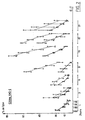
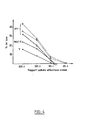
- FIG. 6 it can be seen that the activation of the NK cells by ETF is due to an inducing effect of interferon. There is a drastic reduction NK cells when co-administered with anti-interferon ( ⁇ -IF).
- the NK cell stimulation by EFT is short-lived by injection.
- ETF stimulates both cells NK and pre-NK identically at doses of tilorone of 1 mg per animal.
Landscapes
- Health & Medical Sciences (AREA)
- Life Sciences & Earth Sciences (AREA)
- General Health & Medical Sciences (AREA)
- Animal Behavior & Ethology (AREA)
- Chemical & Material Sciences (AREA)
- Veterinary Medicine (AREA)
- Public Health (AREA)
- Organic Chemistry (AREA)
- Epidemiology (AREA)
- Birds (AREA)
- Medicinal Chemistry (AREA)
- Dermatology (AREA)
- Nuclear Medicine, Radiotherapy & Molecular Imaging (AREA)
- Genetics & Genomics (AREA)
- General Chemical & Material Sciences (AREA)
- Chemical Kinetics & Catalysis (AREA)
- Bioinformatics & Cheminformatics (AREA)
- Engineering & Computer Science (AREA)
- Emergency Medicine (AREA)
- Proteomics, Peptides & Aminoacids (AREA)
- Molecular Biology (AREA)
- Biochemistry (AREA)
- Biophysics (AREA)
- Pharmacology & Pharmacy (AREA)
- Immunology (AREA)
- Gerontology & Geriatric Medicine (AREA)
- Endocrinology (AREA)
- Toxicology (AREA)
- Zoology (AREA)
- Gastroenterology & Hepatology (AREA)
- Peptides Or Proteins (AREA)
- Medicines That Contain Protein Lipid Enzymes And Other Medicines (AREA)
- Cosmetics (AREA)
Claims (23)
- Zusammensetzung zur Verabreichung auf topischem Wege, dadurch gekennzeichnet, dass sie enthält(i) wenigstens ein Peptidkonjugat, das eine Sequenz von wenigstens 3 Aminosäuren, abgeleitet von einem aus Thymulin und Thymopoetin ausgewählten Thymushormon, umfasst, wobei die Aminosäuren unabhängig voneinander in D-, L- oder DL-Form vorliegen können,
wobei die Sequenz chemisch oder physikalisch mit wenigstens einer Verbindung konjugiert ist, die ausgewählt ist unter:den Monocarbonsäuren der allgemeinen Formel
wie auch den Alkohol- oder Aldehyd- oder Amidderivaten der Säuren der Formel I;den Dicarbonsäuren der allgemeinen Formel(ii) in Kombination mit einem pharmazeutisch und/oder aus kosmetischer Hinsicht verträglichen Träger, der für die Verabreichung auf topischem äußerlichem Wege angepasst ist, und dadurch, dass das Konjugat die allgemeine Formel
A eine Verbindung der allgemeinen Formel I oder II oder der entsprechende Rest ist,wobei die Aminosäuren in D-, L- oder DL-Form vorliegen, oder das Konjugat die allgemeine FormelX : Ser, Lys-Ser, Ala-Lys-Ser, Pyr-Ala-Lys-Ser, eine Bindung oder Glx-Ala-Lys-Ser ist, worin Glx: Pyro-Glu, Glu oder Gly und dessen Derivate ist,Y : Ser-Asn-OH
Ser-Asn-NH2
Ser-OH
Ser-NH2 ist,
A eine Verbindung der allgemeinen Formel I oder II oder der entsprechende Rest ist,- W für :
- Glu-Gln-Arg, Gln-Arg, Arg,
Arg-Lys-, Arg-Lys-Asp oder eine Bindung steht, - Z für :
- Val-Tyr-NH2, Val-Tyr-OH,
Val-NH2, Val-OH, Tyr-OH, Tyr-NH2,
OH oder NH2 steht,
wobei die Aminosäuren in D-, L- oder DL-Form vorliegen. - Zusammensetzung nach Anspruch 1, dadurch gekennzeichnet, dass in der allgemeinen Formel I R stehen kann für:einen einfach ungesättigten Rest von cis- oder trans-Konfiguration mit der allgemeinen Formeleinen gegebenenfalls substituierten linearen oder verzweigten aliphatischen C1-C20-Rest, insbesondere einen Alkyl-, Alkenyl- oder Alkinylrest, der eine oder mehrere Ungesättigtheiten umfassen kann und substituiert sein kann durch einen oder mehrere Reste, die ausgewählt sind aus der Gruppe, umfassend:NH2, OH, Oxo, Thiol oder einen cyclischen, nicht-aromatischen Rest, der 5 bis 6 Atome im Ring umfassen kann, von denen 1 oder 2 von Kohlenstoff verschieden sein können, insbesondereS, O oder N sein können, wobei die Cyclen durch C1-C3-Alkylreste, insbesondere Methylreste, substituiert sein können.
- Zusammensetzung nach einem der Ansprüche 1 oder 2, dadurch gekennzeichnet, dass in der Formel II R1 für einen gegebenenfalls substituierten C4-C8-Alkylenrest steht.
- Zusammensetzung nach einem der Ansprüche 1 bis 3, dadurch gekennzeichnet, dass die Säuren der allgemeinen Formel I oder II unter Essigsäure und deren Derivaten, Pyroglutaminsäure, DL-Liponsäure und deren Derivaten, Dihydroliponsäure und Derivaten, N-Lipoyllysin, Adipinsäure, α-Aminoadipinsäure, Pimelinsäure, Sebacinsäure und Derivaten, den α-einfach ungesättigten Fettsäuren, für die "R2" einen linearen oder an C7 verzweigten Alkylrest darstellt, insbesondere den Hydroxydecensäuren und Decenoylsäuren, ausgewählt werden.
- Zusammensetzung nach Anspruch 4, dadurch gekennzeichnet, dass die Säuren der allgemeinen Formel I oder II vorzugsweise unter Essigsäure und deren Derivaten, Pyroglutaminsäure, DL-Liponsäure und deren Derivaten, Dihydroliponsäure, N-Lipoyllysinsäure, Adipinsäure, α-Aminoadipinsäure, Pimelinsäure, Sebacinsäure und deren Derivaten, trans-10-Hydroxy-Δ2-decensäure und trans-Oxo-9-decensäure ausgewählt werden.
- Zusammensetzung nach einem der Ansprüche 1 bis 5, dadurch gekennzeichnet, dass die Aminosäuresequenz an die Säure oder an das Derivat der Formel I oder II in Form von Salz, Ester oder Amid gebunden ist.
- Zusammensetzung nach einem der Ansprüche 1 bis 6, dadurch gekennzeichnet, dass das Konjugat unter den folgenden Peptidderivaten ausgewählt wird:
- Zusammensetzung nach einem der Ansprüche 1 bis 7, dadurch gekennzeichnet, dass wenigstens ein Teil der Aminosäuren in glycosylierter Form vorliegt.
- Zusammensetzung nach einem der Ansprüche 1 bis 8, dadurch gekennzeichnet, dass wenigstens ein Konjugat in Form eines Metall-Peptid-Komplexes vorliegt, der chemisch oder physikalisch an ein Zinksalz gebunden ist.
- Zusammensetzung nach einem der Ansprüche 1 bis 9, dadurch gekennzeichnet, dass sie eines der folgenden Konjugate enthält:Essigsäure - Arg - Lys - Asp - Val - Tyr - NH2Pyr - Ala - Lys - Ser - Gln - Gly - Gly - Ser - Asn - OH.
- Verwendung einer Zusammensetzung nach einem der Ansprüche 1 bis 10 zur Herstellung eines Arzneimittels, das dazu bestimmt ist, Mängel des Immunsystems zu korrigieren.
- Verwendung eines Konjugats nach einem der Ansprüche 1 bis 10 zur Herstellung einer Zusammensetzung, die für die Behandlung und die Prävention von Haarausfall bestimmt ist.
- Zusammensetzung nach einem der Ansprüche 1 bis 10, dadurch gekennzeichnet, dass es sich um ein Präparat für eine dermatologische Verwendung, das in Form von Cremes, Milchpräparaten, Lotionen, Sprays verwendet werden kann, im Rahmen einer topischen Verabreichung für die präventive und heilende Behandlung von Alopezien handelt.
- Zusammensetzung nach einem der Ansprüche 1 bis 10, dadurch gekennzeichnet, dass es sich um eine kosmetische Zusammensetzung für die Haut handelt.
- Zusammensetzung nach einem der Ansprüche 1 bis 10 oder 14, dadurch gekennzeichnet, dass es sich um ein kosmetisches Präparat für die Haut oder kosmetisches Präparat für eine Verwendung bei der Schönheitspflege und der Verjüngung der Haut im Rahmen von lokalen Anwendungen handelt, das in Form von Cremes, Gelpräparaten, Milchpräparaten, Lotionen und Sprays verwendet werden kann.
- Zusammensetzung nach einem der Ansprüche 1 bis 10 oder 14, dadurch gekennzeichnet, dass es sich um kosmetische Präparate für das Haar handelt, die für die Prävention und die Behandlung von Haarausfall bestimmt sind, die lokal in Form von Lotionen, Sprays und lyophilisierten Ampullen, mit Lösemittel, für lokale Anwendungen aufgetragen werden können.
- Peptidkonjugat, das in der Lage ist, in eine Zusammensetzung nach einem der vorangegangenen Ansprüche Eingang zu finden, dadurch gekennzeichnet, dass es eine Sequenz von wenigstens 3 Aminosäuren, abgeleitet von Thymulin, umfasst, wobei die Aminosäuren unabhängig voneinander in D-, L- oder DL-Form vorliegen können,
wobei die Sequenz chemisch oder physikalisch mit wenigstens einer Verbindung konjugiert ist, die ausgewählt ist unter:in welcher R für einen linearen oder verzweigten, gegebenenfalls substituierten aliphatischen C1-C20-Rest, der eine oder mehrere Ungesättigtheiten enthalten kann, steht,den Monocarbonsäuren der allgemeinen Formel
wie auch den Alkohol- oder Aldehyd- oder Amidderivaten der Säuren der Formel I;in welcher R1 für einen gerad- oder verzweigtkettigen zweiwertigen aliphatischen Rest, der wenigstens 3 Kohlenstoffatome, vorzugsweise 3 bis 10 Kohlenstoffatome umfasst, insbesondere einen Alkyl-, Alkylen-, Alkenylen- oder Alkinylenrest, der eine oder mehrere Ungesättigtheiten umfassen kann, der gegebenenfalls substituiert ist, insbesondere durch eine oder mehrere Amino-, Hydroxy-, Oxogruppen oder einen C1-C3-Alkylrest, wobei R1 mit einer der Säurefunktionen einen Cyclus bilden kann, steht,den Dicarbonsäuren der allgemeinen Formel
und dadurch, dass es die allgemeine Formel
A eine Verbindung der allgemeinen Formel I oder II oder der entsprechende Rest ist,wobei die Aminosäuren in D-, L- oder DL-Form vorliegeh.X : Ser, Lys-Ser, Ala-Lys-Ser, Pyr-Ala-Lys-Ser, eine Bindung oder Glx-Ala-Lys-Ser ist, worin Glx: Pyro-Glu, Glu oder Gly und dessen Derivate ist,Y : Ser-Asn-OH
Ser-Asn-NH2
Ser-OH
Ser-NH2 ist, - Peptidkonjugat nach Anspruch 17, dadurch gekennzeichnet, dass in der allgemeinen Formel I R stehen kann für:einen einfach ungesättigten Rest von cis- oder trans-Konfiguration mit der allgemeinen Formeleinen gegebenenfalls substituierten linearen oder verzweigten aliphatischen C1-C20-Rest, insbesondere einen Alkyl-, Alkenyl- oder Alkinylrest, der eine oder mehrere Ungesättigtheiten umfassen kann und substituiert sein kann durch einen oder mehrere Reste, die ausgewählt sind aus der Gruppe, umfassend:NH2, OH, Oxo, Thiol oder einen cyclischen, nicht-aromatischen Rest, der 5 bis 6 Atome im Ring umfassen kann, von denen 1 oder 2 von Kohlenstoff verschieden sein können, insbesondere S, O oder N sein können, wobei die Cyclen durch C1-C3-Alkylreste, insbesondere Methylreste substituiert sein können, und in der allgemeinen Formel II R1 für einen gegebenenfalls substituierten C4-C8-Alkylenrest steht.
- Konjugat nach einem der Ansprüche 17 oder 18, dadurch gekennzeichnet, dass die Säuren der allgemeinen Formel I oder II unter Essigsäure und deren Derivaten, Pyroglutaminsäure, DL-Liponsäure und deren Derivaten, Dihydroliponsäure und Derivaten, N-Lipoyllysin, Adipinsäure, α-Aminoadipinsäure, Pimelinsäure, Sebacinsäure und deren Derivaten, den α-einfach ungesättigten Fettsäuren, für die "R2" einen linearen oder an C7 verzweigten Alkylrest darstellt, insbesondere den Hydroxydecensäuren und Decenoylsäuren, wie trans-10-Hydroxy-Δ2-decensäure und trans-Oxo-9-decensäure, ausgewählt werden.
- Konjugat nach einem der Ansprüche 17 bis 19, dadurch gekennzeichnet, dass die Aminosäuresequenz an die Säure oder das Derivat der Formel I oder II in Form von Salz, Ester oder Amid gebunden ist.
- Konjugat nach einem der Ansprüche 17 bis 20, dadurch gekennzeichnet, dass es unter den folgenden Peptidderivaten ausgewählt wird:
- Konjugat nach einem der Ansprüche 17 bis 21, dadurch gekennzeichnet, dass es in Form eines Metall-Peptid-Komplexes vorliegt, der chemisch oder physikalisch an ein Zinksalz gebunden ist.
- Konjugat nach einem der Ansprüche 17 bis 22 als Arzneimittel.
Applications Claiming Priority (3)
| Application Number | Priority Date | Filing Date | Title |
|---|---|---|---|
| FR9513544 | 1995-11-15 | ||
| FR9513544A FR2741076B1 (fr) | 1995-11-15 | 1995-11-15 | Conjugues peptidiques derives des hormones thymiques, leur utilisation a titre de medicament et compositions les contenant |
| PCT/FR1996/001812 WO1997018239A1 (fr) | 1995-11-15 | 1996-11-15 | Conjugues peptidiques derives des hormones thymiques, leur utilisation a titre de medicament et compositions les contenant |
Publications (3)
| Publication Number | Publication Date |
|---|---|
| EP0861266A1 EP0861266A1 (de) | 1998-09-02 |
| EP0861266B1 true EP0861266B1 (de) | 2003-04-23 |
| EP0861266B3 EP0861266B3 (de) | 2009-04-08 |
Family
ID=9484596
Family Applications (1)
| Application Number | Title | Priority Date | Filing Date |
|---|---|---|---|
| EP96939132A Expired - Lifetime EP0861266B3 (de) | 1995-11-15 | 1996-11-15 | Aus thymischen hormonen abstammende peptid konjugierte, deren verwendung als medikamente und aus deren enthaltende zusammensetzungen |
Country Status (10)
| Country | Link |
|---|---|
| US (1) | US6211155B1 (de) |
| EP (1) | EP0861266B3 (de) |
| JP (1) | JP2000500447A (de) |
| AT (1) | ATE238348T1 (de) |
| AU (1) | AU7683296A (de) |
| CA (1) | CA2237995C (de) |
| DE (2) | DE69627691D1 (de) |
| ES (1) | ES2196187T7 (de) |
| FR (1) | FR2741076B1 (de) |
| WO (1) | WO1997018239A1 (de) |
Cited By (2)
| Publication number | Priority date | Publication date | Assignee | Title |
|---|---|---|---|---|
| US7404948B2 (en) | 2003-07-18 | 2008-07-29 | Institut Europeen De Biologie Cellulaire | Peptidic conjugates for alopecia prevention and treatment |
| US7507719B2 (en) | 2003-07-18 | 2009-03-24 | Institut European De Biologie Cellulaire | Use of peptidic conjugates for preparing compositions for alopecia preventive and curative treatment |
Families Citing this family (13)
| Publication number | Priority date | Publication date | Assignee | Title |
|---|---|---|---|---|
| US6030948A (en) * | 1997-12-19 | 2000-02-29 | Mann; Morris A. | Hair regeneration compositions for treatment of alopecia and methods of application related thereto |
| US6462019B1 (en) * | 1998-07-10 | 2002-10-08 | Osteoscreen, Inc. | Inhibitors of proteasomal activity and production for stimulating bone growth |
| US6902721B1 (en) * | 1998-07-10 | 2005-06-07 | Osteoscreen, Inc. | Inhibitors of proteasomal activity for stimulating bone growth |
| AU766826B2 (en) * | 1998-07-30 | 2003-10-23 | Government of The United States of America, as represented by The Secretary Department of Health & Human Services, The National Institutes of Health, The | Thymosin beta4 promotes wound repair |
| US20070015698A1 (en) * | 1998-07-30 | 2007-01-18 | United States Of America As Represented By The Secretary Of Health | Treatment of skin, and wound repair, with thymosin beta 4 |
| US20060142227A1 (en) * | 2003-10-14 | 2006-06-29 | Itschak Lamensdorf | Amphiphylic peptide-PNA conjugates for the delivery of PNA through the blood brain barrier |
| ES2355571T3 (es) | 2004-03-26 | 2011-03-29 | Dsm Ip Assets B.V. | Conjugados de ácidos arilalquílicos con aminoácidos y péptidos para usos cosméticos. |
| FR2899105B1 (fr) * | 2006-03-30 | 2012-07-27 | Soc Extraction Principes Actif | Composition cosmetique et/ou pharmaceutique comprenant comme ingredient actif, au moins un hydrolysat de proteines de poacees et utilisation de cet hydrolysat |
| CA2701420C (en) * | 2007-10-29 | 2016-02-09 | Helix Biomedix Inc. | Protective skin care tetrapeptides |
| WO2009068688A2 (en) * | 2007-11-30 | 2009-06-04 | Immundiagnostik Ag | Composition for treatment and prevention of hair loss and premature graying of hair |
| FR3042192B1 (fr) | 2015-10-09 | 2017-12-08 | Inst Europeen De Biologie Cellulaire | Peptides utiles dans le traitement preventif et curatif de l'alopecie |
| US20180228837A1 (en) * | 2017-02-15 | 2018-08-16 | Tanya Rhodes | Stable iodine solutions with medical applications |
| CU24626B1 (es) | 2019-12-26 | 2022-11-07 | Centro Nac De Biopreparados | Composición farmacéutica a base de proteínas con actividad neuroprotectora, inmunomoduladora, antiinflamatoria y antimicrobiana |
Family Cites Families (5)
| Publication number | Priority date | Publication date | Assignee | Title |
|---|---|---|---|---|
| CA1126261A (en) * | 1977-05-25 | 1982-06-22 | Jean-Francois Bach | Polypeptides and processes for the synthesis thereof |
| NZ189101A (en) * | 1977-12-08 | 1984-07-06 | Ortho Pharma Corp | Polypeptides having the ability to induce differentiation of both th-1+ t-lymphocytes and bu-1+ b-lymphocytes;pharmaceutical compositions |
| JPS5852225A (ja) * | 1981-09-22 | 1983-03-28 | Mitsui Pharmaceut Inc | 脱髄疾患治療剤 |
| JPS6089499A (ja) * | 1983-10-21 | 1985-05-20 | Mitsui Pharmaceut Inc | ペプチド |
| US4629723A (en) * | 1984-06-27 | 1986-12-16 | Ortho Pharmaceutical Corporation | Potent thymopentin analogs |
-
1995
- 1995-11-15 FR FR9513544A patent/FR2741076B1/fr not_active Expired - Fee Related
-
1996
- 1996-11-15 JP JP9518639A patent/JP2000500447A/ja active Pending
- 1996-11-15 DE DE69627691A patent/DE69627691D1/de not_active Expired - Lifetime
- 1996-11-15 AT AT96939132T patent/ATE238348T1/de not_active IP Right Cessation
- 1996-11-15 EP EP96939132A patent/EP0861266B3/de not_active Expired - Lifetime
- 1996-11-15 ES ES96939132T patent/ES2196187T7/es active Active
- 1996-11-15 DE DE69627691T patent/DE69627691T4/de not_active Expired - Lifetime
- 1996-11-15 AU AU76832/96A patent/AU7683296A/en not_active Abandoned
- 1996-11-15 WO PCT/FR1996/001812 patent/WO1997018239A1/fr not_active Ceased
- 1996-11-15 US US09/068,767 patent/US6211155B1/en not_active Expired - Lifetime
- 1996-11-15 CA CA2237995A patent/CA2237995C/fr not_active Expired - Lifetime
Cited By (2)
| Publication number | Priority date | Publication date | Assignee | Title |
|---|---|---|---|---|
| US7404948B2 (en) | 2003-07-18 | 2008-07-29 | Institut Europeen De Biologie Cellulaire | Peptidic conjugates for alopecia prevention and treatment |
| US7507719B2 (en) | 2003-07-18 | 2009-03-24 | Institut European De Biologie Cellulaire | Use of peptidic conjugates for preparing compositions for alopecia preventive and curative treatment |
Also Published As
| Publication number | Publication date |
|---|---|
| CA2237995A1 (fr) | 1997-05-22 |
| ES2196187T3 (es) | 2003-12-16 |
| ATE238348T1 (de) | 2003-05-15 |
| DE69627691T4 (de) | 2009-10-08 |
| DE69627691T2 (de) | 2004-03-11 |
| WO1997018239A1 (fr) | 1997-05-22 |
| FR2741076A1 (fr) | 1997-05-16 |
| EP0861266A1 (de) | 1998-09-02 |
| DE69627691D1 (de) | 2003-05-28 |
| JP2000500447A (ja) | 2000-01-18 |
| CA2237995C (fr) | 2011-08-09 |
| US6211155B1 (en) | 2001-04-03 |
| ES2196187T7 (es) | 2009-11-05 |
| EP0861266B3 (de) | 2009-04-08 |
| AU7683296A (en) | 1997-06-05 |
| FR2741076B1 (fr) | 1998-01-30 |
Similar Documents
| Publication | Publication Date | Title |
|---|---|---|
| EP0861266B1 (de) | Aus thymischen hormonen abstammende peptid konjugierte, deren verwendung als medikamente und aus deren enthaltende zusammensetzungen | |
| EP0759292B1 (de) | Verwendung von Derivaten des Melanocyte-stimulierenden Hormons vom Typ alpha zur Stimulierung des Haarwachstums | |
| FR2788777A1 (fr) | Utilisation cosmetique ou dermopharmaceutique de peptides pour la regulation des dysfonctionnements immunologiques cutanes et dans l'inflammation cutanee induits par le vieillissement ou par les u.v. | |
| WO2000058347A1 (fr) | Compositions cosmetiques ou dermopharmaceutiques contenant le tripeptide n-biotinyl-gly-his-lys, pour prevenir, reduire ou supprimer la chute des cheveux ainsi que pour favoriser leur repousse | |
| WO1999002149A1 (fr) | Utilisation de l'acide petroselinique pour le traitement des inflammations | |
| EP0669938A1 (de) | Peptidderivate von alpha-msh und deren anwendung | |
| EP0120722A1 (de) | Verfahren zur Stimulierung der Multiplikation von Zellen; kosmetische und pharmazeutische Zusammenstellung und komplementare Zusammenstellung für zellulose Kulturen, die das Verfahren anwerden | |
| EP0869969B1 (de) | PEPTIDKONJUGATE, DEREN VERWENDUNG ALS HEILMITTEL UND ZUSAMMENSeTZUNGen, DIEse ENTHALTENd | |
| CA2532679C (fr) | Utilisation de conjugues peptidiques pour la preparation de compositions destinees au traitement preventif et curatif de l'alopecie | |
| EP0837881B1 (de) | KONJUGATE VON alpha-MSH MIT EINER FETTSÄURE, VERFAHREN ZU IHRER HERSTELLUNG UND IHRE VERWENDUNG ALS MEDIKAMENT | |
| EP2523967B1 (de) | Neue anti-ageing-peptide zur survivin-modulierung und zusammensetzungen damit | |
| EP1646651B1 (de) | Neue peptidische konjugate für eine alopecie verhindernde und heilende behandlung | |
| FR2786394A1 (fr) | Extrait de tourteau de graine de noix, composition cosmetique comprenant ledit extrait et applications | |
| EP1092427B1 (de) | Verwendung eines Hautüberempfindlichkeit vermeidenden Peptids, insbesondere bei kosmetischen Zusammensetzungen | |
| FR2648351A1 (fr) | Utilisation de complexes glycoproteiques extraits de bacteries gram(-) pour la fabrication d'un medicament facilitant la cicatrisation de la peau et procede de preparation |
Legal Events
| Date | Code | Title | Description |
|---|---|---|---|
| PUAI | Public reference made under article 153(3) epc to a published international application that has entered the european phase |
Free format text: ORIGINAL CODE: 0009012 |
|
| 17P | Request for examination filed |
Effective date: 19980612 |
|
| AK | Designated contracting states |
Kind code of ref document: A1 Designated state(s): AT BE CH DE DK ES FI FR GB GR IE IT LI LU MC NL PT SE |
|
| 17Q | First examination report despatched |
Effective date: 20020125 |
|
| GRAH | Despatch of communication of intention to grant a patent |
Free format text: ORIGINAL CODE: EPIDOS IGRA |
|
| GRAH | Despatch of communication of intention to grant a patent |
Free format text: ORIGINAL CODE: EPIDOS IGRA |
|
| GRAA | (expected) grant |
Free format text: ORIGINAL CODE: 0009210 |
|
| AK | Designated contracting states |
Designated state(s): AT BE CH DE DK ES FI FR GB GR IE IT LI LU MC NL PT SE |
|
| PG25 | Lapsed in a contracting state [announced via postgrant information from national office to epo] |
Ref country code: NL Free format text: LAPSE BECAUSE OF FAILURE TO SUBMIT A TRANSLATION OF THE DESCRIPTION OR TO PAY THE FEE WITHIN THE PRESCRIBED TIME-LIMIT Effective date: 20030423 Ref country code: IE Free format text: LAPSE BECAUSE OF NON-PAYMENT OF DUE FEES Effective date: 20030423 Ref country code: FI Free format text: LAPSE BECAUSE OF FAILURE TO SUBMIT A TRANSLATION OF THE DESCRIPTION OR TO PAY THE FEE WITHIN THE PRESCRIBED TIME-LIMIT Effective date: 20030423 Ref country code: AT Free format text: LAPSE BECAUSE OF FAILURE TO SUBMIT A TRANSLATION OF THE DESCRIPTION OR TO PAY THE FEE WITHIN THE PRESCRIBED TIME-LIMIT Effective date: 20030423 |
|
| REG | Reference to a national code |
Ref country code: GB Ref legal event code: FG4D Free format text: NOT ENGLISH |
|
| REG | Reference to a national code |
Ref country code: CH Ref legal event code: EP |
|
| GBT | Gb: translation of ep patent filed (gb section 77(6)(a)/1977) |
Effective date: 20030423 |
|
| REF | Corresponds to: |
Ref document number: 69627691 Country of ref document: DE Date of ref document: 20030528 Kind code of ref document: P |
|
| REG | Reference to a national code |
Ref country code: IE Ref legal event code: FG4D Free format text: FRENCH |
|
| REG | Reference to a national code |
Ref country code: CH Ref legal event code: NV Representative=s name: MICHELI & CIE INGENIEURS-CONSEILS |
|
| PG25 | Lapsed in a contracting state [announced via postgrant information from national office to epo] |
Ref country code: SE Free format text: LAPSE BECAUSE OF FAILURE TO SUBMIT A TRANSLATION OF THE DESCRIPTION OR TO PAY THE FEE WITHIN THE PRESCRIBED TIME-LIMIT Effective date: 20030723 Ref country code: PT Free format text: LAPSE BECAUSE OF FAILURE TO SUBMIT A TRANSLATION OF THE DESCRIPTION OR TO PAY THE FEE WITHIN THE PRESCRIBED TIME-LIMIT Effective date: 20030723 Ref country code: GR Free format text: LAPSE BECAUSE OF FAILURE TO SUBMIT A TRANSLATION OF THE DESCRIPTION OR TO PAY THE FEE WITHIN THE PRESCRIBED TIME-LIMIT Effective date: 20030723 Ref country code: DK Free format text: LAPSE BECAUSE OF FAILURE TO SUBMIT A TRANSLATION OF THE DESCRIPTION OR TO PAY THE FEE WITHIN THE PRESCRIBED TIME-LIMIT Effective date: 20030723 |
|
| NLV1 | Nl: lapsed or annulled due to failure to fulfill the requirements of art. 29p and 29m of the patents act | ||
| PG25 | Lapsed in a contracting state [announced via postgrant information from national office to epo] |
Ref country code: LU Free format text: LAPSE BECAUSE OF NON-PAYMENT OF DUE FEES Effective date: 20031115 |
|
| REG | Reference to a national code |
Ref country code: IE Ref legal event code: FD4D Ref document number: 0861266E Country of ref document: IE |
|
| PG25 | Lapsed in a contracting state [announced via postgrant information from national office to epo] |
Ref country code: MC Free format text: LAPSE BECAUSE OF NON-PAYMENT OF DUE FEES Effective date: 20031130 Ref country code: BE Free format text: LAPSE BECAUSE OF NON-PAYMENT OF DUE FEES Effective date: 20031130 |
|
| REG | Reference to a national code |
Ref country code: ES Ref legal event code: FG2A Ref document number: 2196187 Country of ref document: ES Kind code of ref document: T3 |
|
| PLBE | No opposition filed within time limit |
Free format text: ORIGINAL CODE: 0009261 |
|
| 26N | No opposition filed |
Effective date: 20040126 |
|
| BERE | Be: lapsed |
Owner name: *INSTITUT EUROPEEN DE BIOLOGIE CELLULAIRE Effective date: 20031130 |
|
| PLCP | Request for limitation filed |
Free format text: ORIGINAL CODE: EPIDOSNLIM1 |
|
| PLCQ | Request for limitation of patent found admissible |
Free format text: ORIGINAL CODE: 0009231 |
|
| LIM1 | Request for limitation found admissible |
Free format text: SEQUENCE NO: 1; FILED AFTER OPPOSITION PERIOD Filing date: 20071219 |
|
| PLCO | Limitation procedure: reply received to communication from examining division + time limit |
Free format text: ORIGINAL CODE: EPIDOSNLIR3 |
|
| PLCR | Communication despatched that request for limitation of patent was allowed |
Free format text: ORIGINAL CODE: 0009245 |
|
| PLCN | Payment of fee for limitation of patent |
Free format text: ORIGINAL CODE: EPIDOSNRAL3 |
|
| PUAM | (expected) publication of b3 document |
Free format text: ORIGINAL CODE: 0009410 |
|
| STAA | Information on the status of an ep patent application or granted ep patent |
Free format text: STATUS: THE PATENT HAS BEEN LIMITED |
|
| REG | Reference to a national code |
Ref country code: CH Ref legal event code: AEN Free format text: REQUETE DE LIMITATION ACCORDEE |
|
| PGFP | Annual fee paid to national office [announced via postgrant information from national office to epo] |
Ref country code: CH Payment date: 20121112 Year of fee payment: 17 Ref country code: DE Payment date: 20121113 Year of fee payment: 17 |
|
| PGFP | Annual fee paid to national office [announced via postgrant information from national office to epo] |
Ref country code: ES Payment date: 20121123 Year of fee payment: 17 Ref country code: IT Payment date: 20121128 Year of fee payment: 17 Ref country code: GB Payment date: 20121127 Year of fee payment: 17 |
|
| REG | Reference to a national code |
Ref country code: CH Ref legal event code: PL |
|
| GBPC | Gb: european patent ceased through non-payment of renewal fee |
Effective date: 20131115 |
|
| PG25 | Lapsed in a contracting state [announced via postgrant information from national office to epo] |
Ref country code: LI Free format text: LAPSE BECAUSE OF NON-PAYMENT OF DUE FEES Effective date: 20131130 Ref country code: CH Free format text: LAPSE BECAUSE OF NON-PAYMENT OF DUE FEES Effective date: 20131130 |
|
| PG25 | Lapsed in a contracting state [announced via postgrant information from national office to epo] |
Ref country code: DE Free format text: LAPSE BECAUSE OF NON-PAYMENT OF DUE FEES Effective date: 20140603 Ref country code: IT Free format text: LAPSE BECAUSE OF NON-PAYMENT OF DUE FEES Effective date: 20131115 |
|
| REG | Reference to a national code |
Ref country code: DE Ref legal event code: R119 Ref document number: 69627691 Country of ref document: DE Effective date: 20140603 |
|
| PG25 | Lapsed in a contracting state [announced via postgrant information from national office to epo] |
Ref country code: GB Free format text: LAPSE BECAUSE OF NON-PAYMENT OF DUE FEES Effective date: 20131115 |
|
| REG | Reference to a national code |
Ref country code: ES Ref legal event code: FD2A Effective date: 20150407 |
|
| PG25 | Lapsed in a contracting state [announced via postgrant information from national office to epo] |
Ref country code: ES Free format text: LAPSE BECAUSE OF NON-PAYMENT OF DUE FEES Effective date: 20131116 |
|
| REG | Reference to a national code |
Ref country code: FR Ref legal event code: PLFP Year of fee payment: 20 |
|
| PGFP | Annual fee paid to national office [announced via postgrant information from national office to epo] |
Ref country code: FR Payment date: 20151116 Year of fee payment: 20 |