EP0868512B9 - Nukleotidsequenzen, proteine, medikamente und diagnoseagentien zur anwendung in krebsbehandlung - Google Patents
Nukleotidsequenzen, proteine, medikamente und diagnoseagentien zur anwendung in krebsbehandlung Download PDFInfo
- Publication number
- EP0868512B9 EP0868512B9 EP96943177A EP96943177A EP0868512B9 EP 0868512 B9 EP0868512 B9 EP 0868512B9 EP 96943177 A EP96943177 A EP 96943177A EP 96943177 A EP96943177 A EP 96943177A EP 0868512 B9 EP0868512 B9 EP 0868512B9
- Authority
- EP
- European Patent Office
- Prior art keywords
- tsap
- seq
- sequence
- gene
- genes
- Prior art date
- Legal status (The legal status is an assumption and is not a legal conclusion. Google has not performed a legal analysis and makes no representation as to the accuracy of the status listed.)
- Expired - Lifetime
Links
- 108090000623 proteins and genes Proteins 0.000 title claims abstract description 105
- 102000004169 proteins and genes Human genes 0.000 title claims abstract description 32
- 206010028980 Neoplasm Diseases 0.000 title claims abstract description 28
- 239000003814 drug Substances 0.000 title claims description 6
- 201000011510 cancer Diseases 0.000 title abstract description 12
- 108091028043 Nucleic acid sequence Proteins 0.000 title description 4
- 239000000032 diagnostic agent Substances 0.000 title description 3
- 229940039227 diagnostic agent Drugs 0.000 title description 3
- 229940079593 drug Drugs 0.000 title 1
- 239000002773 nucleotide Substances 0.000 claims abstract description 27
- 125000003729 nucleotide group Chemical group 0.000 claims abstract description 27
- 230000014509 gene expression Effects 0.000 claims description 31
- 239000000523 sample Substances 0.000 claims description 27
- 230000003321 amplification Effects 0.000 claims description 6
- 238000003199 nucleic acid amplification method Methods 0.000 claims description 6
- 239000013598 vector Substances 0.000 claims description 6
- 230000000692 anti-sense effect Effects 0.000 claims description 5
- 230000001413 cellular effect Effects 0.000 claims description 4
- 230000001093 anti-cancer Effects 0.000 claims description 3
- 150000001875 compounds Chemical class 0.000 claims description 3
- 238000000338 in vitro Methods 0.000 claims description 3
- 241001430294 unidentified retrovirus Species 0.000 claims description 3
- 239000013603 viral vector Substances 0.000 claims description 3
- 230000002401 inhibitory effect Effects 0.000 claims description 2
- 241000701161 unidentified adenovirus Species 0.000 claims description 2
- 241001529453 unidentified herpesvirus Species 0.000 claims description 2
- 239000013604 expression vector Substances 0.000 claims 1
- 102000039446 nucleic acids Human genes 0.000 claims 1
- 108020004707 nucleic acids Proteins 0.000 claims 1
- 150000007523 nucleic acids Chemical class 0.000 claims 1
- 238000012216 screening Methods 0.000 claims 1
- 230000006907 apoptotic process Effects 0.000 abstract description 27
- 102100021838 E3 ubiquitin-protein ligase SIAH1 Human genes 0.000 abstract description 13
- 230000037361 pathway Effects 0.000 abstract description 11
- 101100203238 Homo sapiens SIAH1 gene Proteins 0.000 abstract description 10
- 108010040002 Tumor Suppressor Proteins Proteins 0.000 abstract description 7
- 102000001742 Tumor Suppressor Proteins Human genes 0.000 abstract description 7
- 230000001225 therapeutic effect Effects 0.000 abstract description 3
- 210000004027 cell Anatomy 0.000 description 61
- 102100025064 Cellular tumor antigen p53 Human genes 0.000 description 39
- 238000000034 method Methods 0.000 description 28
- 239000002299 complementary DNA Substances 0.000 description 26
- 108020004999 messenger RNA Proteins 0.000 description 18
- 101150054147 sina gene Proteins 0.000 description 14
- 238000000636 Northern blotting Methods 0.000 description 12
- 108091032973 (ribonucleotides)n+m Proteins 0.000 description 11
- 238000004458 analytical method Methods 0.000 description 11
- 230000003211 malignant effect Effects 0.000 description 11
- 230000008569 process Effects 0.000 description 11
- 244000089409 Erythrina poeppigiana Species 0.000 description 10
- 235000009776 Rathbunia alamosensis Nutrition 0.000 description 10
- 101710116362 E3 ubiquitin-protein ligase sina Proteins 0.000 description 8
- 241001529936 Murinae Species 0.000 description 8
- 108700025694 p53 Genes Proteins 0.000 description 8
- 230000005760 tumorsuppression Effects 0.000 description 8
- 108700025695 Suppressor Genes Proteins 0.000 description 7
- 238000011161 development Methods 0.000 description 7
- 230000018109 developmental process Effects 0.000 description 7
- 229940000406 drug candidate Drugs 0.000 description 7
- 230000006698 induction Effects 0.000 description 7
- 210000004881 tumor cell Anatomy 0.000 description 7
- 206010073150 Multiple endocrine neoplasia Type 1 Diseases 0.000 description 6
- 238000007901 in situ hybridization Methods 0.000 description 6
- 238000002955 isolation Methods 0.000 description 6
- 238000002560 therapeutic procedure Methods 0.000 description 6
- 208000024827 Alzheimer disease Diseases 0.000 description 5
- 241000255581 Drosophila <fruit fly, genus> Species 0.000 description 5
- 241000699666 Mus <mouse, genus> Species 0.000 description 5
- 238000012217 deletion Methods 0.000 description 5
- 230000037430 deletion Effects 0.000 description 5
- 238000001514 detection method Methods 0.000 description 5
- 238000009396 hybridization Methods 0.000 description 5
- AFWRJOYNLMVZQO-GMFATLNBSA-N (1r,2r,4as,8as)-1-[(1e,3e)-5-hydroxy-3-methylpenta-1,3-dienyl]-2,5,5,8a-tetramethyl-3,4,4a,6,7,8-hexahydro-1h-naphthalen-2-ol Chemical compound CC1(C)CCC[C@]2(C)[C@@H](/C=C/C(=C/CO)/C)[C@](C)(O)CC[C@H]21 AFWRJOYNLMVZQO-GMFATLNBSA-N 0.000 description 4
- 101150090724 3 gene Proteins 0.000 description 4
- 102000002431 Cyclin G Human genes 0.000 description 4
- 108090000404 Cyclin G1 Proteins 0.000 description 4
- 241000702620 H-1 parvovirus Species 0.000 description 4
- 102100022033 Presenilin-1 Human genes 0.000 description 4
- HCHKCACWOHOZIP-UHFFFAOYSA-N Zinc Chemical compound [Zn] HCHKCACWOHOZIP-UHFFFAOYSA-N 0.000 description 4
- 230000004913 activation Effects 0.000 description 4
- 231100000504 carcinogenesis Toxicity 0.000 description 4
- 239000000499 gel Substances 0.000 description 4
- 238000001415 gene therapy Methods 0.000 description 4
- 230000006882 induction of apoptosis Effects 0.000 description 4
- 230000035772 mutation Effects 0.000 description 4
- 210000001519 tissue Anatomy 0.000 description 4
- 239000011701 zinc Substances 0.000 description 4
- 229910052725 zinc Inorganic materials 0.000 description 4
- 208000005623 Carcinogenesis Diseases 0.000 description 3
- 108020004414 DNA Proteins 0.000 description 3
- 101710128187 E3 ubiquitin-protein ligase Siah1 Proteins 0.000 description 3
- WSFSSNUMVMOOMR-UHFFFAOYSA-N Formaldehyde Chemical compound O=C WSFSSNUMVMOOMR-UHFFFAOYSA-N 0.000 description 3
- 102100031181 Glyceraldehyde-3-phosphate dehydrogenase Human genes 0.000 description 3
- 108010036933 Presenilin-1 Proteins 0.000 description 3
- 230000002159 abnormal effect Effects 0.000 description 3
- 230000009471 action Effects 0.000 description 3
- 150000001413 amino acids Chemical group 0.000 description 3
- 230000001640 apoptogenic effect Effects 0.000 description 3
- 230000015572 biosynthetic process Effects 0.000 description 3
- 230000036952 cancer formation Effects 0.000 description 3
- 238000004113 cell culture Methods 0.000 description 3
- 230000010261 cell growth Effects 0.000 description 3
- 230000000120 cytopathologic effect Effects 0.000 description 3
- 238000003745 diagnosis Methods 0.000 description 3
- LOKCTEFSRHRXRJ-UHFFFAOYSA-I dipotassium trisodium dihydrogen phosphate hydrogen phosphate dichloride Chemical compound P(=O)(O)(O)[O-].[K+].P(=O)(O)([O-])[O-].[Na+].[Na+].[Cl-].[K+].[Cl-].[Na+] LOKCTEFSRHRXRJ-UHFFFAOYSA-I 0.000 description 3
- 230000004064 dysfunction Effects 0.000 description 3
- 230000000694 effects Effects 0.000 description 3
- 238000002474 experimental method Methods 0.000 description 3
- 239000012634 fragment Substances 0.000 description 3
- 108020004445 glyceraldehyde-3-phosphate dehydrogenase Proteins 0.000 description 3
- 238000001727 in vivo Methods 0.000 description 3
- 239000012528 membrane Substances 0.000 description 3
- 230000037353 metabolic pathway Effects 0.000 description 3
- 206010051747 multiple endocrine neoplasia Diseases 0.000 description 3
- 231100000590 oncogenic Toxicity 0.000 description 3
- 230000002246 oncogenic effect Effects 0.000 description 3
- 239000002953 phosphate buffered saline Substances 0.000 description 3
- 238000011002 quantification Methods 0.000 description 3
- 230000001105 regulatory effect Effects 0.000 description 3
- 238000009256 replacement therapy Methods 0.000 description 3
- 230000001629 suppression Effects 0.000 description 3
- 238000012360 testing method Methods 0.000 description 3
- 102000040650 (ribonucleotides)n+m Human genes 0.000 description 2
- FWMNVWWHGCHHJJ-SKKKGAJSSA-N 4-amino-1-[(2r)-6-amino-2-[[(2r)-2-[[(2r)-2-[[(2r)-2-amino-3-phenylpropanoyl]amino]-3-phenylpropanoyl]amino]-4-methylpentanoyl]amino]hexanoyl]piperidine-4-carboxylic acid Chemical compound C([C@H](C(=O)N[C@H](CC(C)C)C(=O)N[C@H](CCCCN)C(=O)N1CCC(N)(CC1)C(O)=O)NC(=O)[C@H](N)CC=1C=CC=CC=1)C1=CC=CC=C1 FWMNVWWHGCHHJJ-SKKKGAJSSA-N 0.000 description 2
- 102000007469 Actins Human genes 0.000 description 2
- 108010085238 Actins Proteins 0.000 description 2
- 108020004635 Complementary DNA Proteins 0.000 description 2
- LFQSCWFLJHTTHZ-UHFFFAOYSA-N Ethanol Chemical compound CCO LFQSCWFLJHTTHZ-UHFFFAOYSA-N 0.000 description 2
- 241000699729 Muridae Species 0.000 description 2
- 241000699670 Mus sp. Species 0.000 description 2
- 102000043276 Oncogene Human genes 0.000 description 2
- 108700020796 Oncogene Proteins 0.000 description 2
- 108700025716 Tumor Suppressor Genes Proteins 0.000 description 2
- 102000044209 Tumor Suppressor Genes Human genes 0.000 description 2
- 230000005856 abnormality Effects 0.000 description 2
- 238000009825 accumulation Methods 0.000 description 2
- 239000000427 antigen Substances 0.000 description 2
- 108091007433 antigens Proteins 0.000 description 2
- 102000036639 antigens Human genes 0.000 description 2
- 239000003443 antiviral agent Substances 0.000 description 2
- 208000034615 apoptosis-related disease Diseases 0.000 description 2
- 238000013459 approach Methods 0.000 description 2
- 238000003556 assay Methods 0.000 description 2
- 230000030833 cell death Effects 0.000 description 2
- 230000008859 change Effects 0.000 description 2
- 230000002759 chromosomal effect Effects 0.000 description 2
- 210000000349 chromosome Anatomy 0.000 description 2
- 238000010367 cloning Methods 0.000 description 2
- 230000003831 deregulation Effects 0.000 description 2
- 238000005516 engineering process Methods 0.000 description 2
- 230000001939 inductive effect Effects 0.000 description 2
- 230000005764 inhibitory process Effects 0.000 description 2
- 238000004519 manufacturing process Methods 0.000 description 2
- 230000003278 mimic effect Effects 0.000 description 2
- 230000003990 molecular pathway Effects 0.000 description 2
- 208000025113 myeloid leukemia Diseases 0.000 description 2
- 239000002831 pharmacologic agent Substances 0.000 description 2
- 230000009457 physiological apoptosis Effects 0.000 description 2
- 230000001766 physiological effect Effects 0.000 description 2
- 239000013641 positive control Substances 0.000 description 2
- 238000004445 quantitative analysis Methods 0.000 description 2
- 238000012163 sequencing technique Methods 0.000 description 2
- 238000006467 substitution reaction Methods 0.000 description 2
- 208000011580 syndromic disease Diseases 0.000 description 2
- 238000003786 synthesis reaction Methods 0.000 description 2
- 230000009897 systematic effect Effects 0.000 description 2
- 230000009466 transformation Effects 0.000 description 2
- 230000003612 virological effect Effects 0.000 description 2
- 229920000936 Agarose Polymers 0.000 description 1
- 206010006187 Breast cancer Diseases 0.000 description 1
- 208000026310 Breast neoplasm Diseases 0.000 description 1
- 101100322245 Caenorhabditis elegans des-2 gene Proteins 0.000 description 1
- 108091026890 Coding region Proteins 0.000 description 1
- 206010010144 Completed suicide Diseases 0.000 description 1
- SHIBSTMRCDJXLN-UHFFFAOYSA-N Digoxigenin Natural products C1CC(C2C(C3(C)CCC(O)CC3CC2)CC2O)(O)C2(C)C1C1=CC(=O)OC1 SHIBSTMRCDJXLN-UHFFFAOYSA-N 0.000 description 1
- 241000255582 Drosophilidae Species 0.000 description 1
- 108050002772 E3 ubiquitin-protein ligase Mdm2 Proteins 0.000 description 1
- 102000012199 E3 ubiquitin-protein ligase Mdm2 Human genes 0.000 description 1
- 102100031748 E3 ubiquitin-protein ligase SIAH2 Human genes 0.000 description 1
- 101710128185 E3 ubiquitin-protein ligase Siah2 Proteins 0.000 description 1
- 241000282412 Homo Species 0.000 description 1
- 101000864761 Homo sapiens Splicing factor 1 Proteins 0.000 description 1
- 101000805943 Homo sapiens Usher syndrome type-1G protein Proteins 0.000 description 1
- 102100034343 Integrase Human genes 0.000 description 1
- 108010044467 Isoenzymes Proteins 0.000 description 1
- 206010024305 Leukaemia monocytic Diseases 0.000 description 1
- 239000007993 MOPS buffer Substances 0.000 description 1
- WGZDBVOTUVNQFP-UHFFFAOYSA-N N-(1-phthalazinylamino)carbamic acid ethyl ester Chemical compound C1=CC=C2C(NNC(=O)OCC)=NN=CC2=C1 WGZDBVOTUVNQFP-UHFFFAOYSA-N 0.000 description 1
- 239000004677 Nylon Substances 0.000 description 1
- 238000012408 PCR amplification Methods 0.000 description 1
- 229930040373 Paraformaldehyde Natural products 0.000 description 1
- 241001494479 Pecora Species 0.000 description 1
- 241000125945 Protoparvovirus Species 0.000 description 1
- 238000002123 RNA extraction Methods 0.000 description 1
- 108010092799 RNA-directed DNA polymerase Proteins 0.000 description 1
- 239000012980 RPMI-1640 medium Substances 0.000 description 1
- 101000605573 Rattus norvegicus 1-phosphatidylinositol 4,5-bisphosphate phosphodiesterase beta-4 Proteins 0.000 description 1
- 102000004278 Receptor Protein-Tyrosine Kinases Human genes 0.000 description 1
- 108090000873 Receptor Protein-Tyrosine Kinases Proteins 0.000 description 1
- 229940127593 SEQ-9 Drugs 0.000 description 1
- 102100030056 Splicing factor 1 Human genes 0.000 description 1
- 101710172711 Structural protein Proteins 0.000 description 1
- 238000012288 TUNEL assay Methods 0.000 description 1
- 108091023040 Transcription factor Proteins 0.000 description 1
- 102000040945 Transcription factor Human genes 0.000 description 1
- 108010078814 Tumor Suppressor Protein p53 Proteins 0.000 description 1
- 102100037929 Usher syndrome type-1G protein Human genes 0.000 description 1
- 241000251539 Vertebrata <Metazoa> Species 0.000 description 1
- 208000008383 Wilms tumor Diseases 0.000 description 1
- MMWCIQZXVOZEGG-HOZKJCLWSA-N [(1S,2R,3S,4S,5R,6S)-2,3,5-trihydroxy-4,6-diphosphonooxycyclohexyl] dihydrogen phosphate Chemical compound O[C@H]1[C@@H](O)[C@H](OP(O)(O)=O)[C@@H](OP(O)(O)=O)[C@H](O)[C@H]1OP(O)(O)=O MMWCIQZXVOZEGG-HOZKJCLWSA-N 0.000 description 1
- 230000003213 activating effect Effects 0.000 description 1
- 230000004075 alteration Effects 0.000 description 1
- 230000003443 anti-oncogenic effect Effects 0.000 description 1
- 239000002246 antineoplastic agent Substances 0.000 description 1
- 238000003782 apoptosis assay Methods 0.000 description 1
- 238000000211 autoradiogram Methods 0.000 description 1
- 238000000376 autoradiography Methods 0.000 description 1
- 230000001580 bacterial effect Effects 0.000 description 1
- 230000008901 benefit Effects 0.000 description 1
- 230000004071 biological effect Effects 0.000 description 1
- 230000000903 blocking effect Effects 0.000 description 1
- 210000004556 brain Anatomy 0.000 description 1
- 238000004364 calculation method Methods 0.000 description 1
- 230000022131 cell cycle Effects 0.000 description 1
- 230000011712 cell development Effects 0.000 description 1
- 230000004663 cell proliferation Effects 0.000 description 1
- 238000006243 chemical reaction Methods 0.000 description 1
- 239000003795 chemical substances by application Substances 0.000 description 1
- 230000000295 complement effect Effects 0.000 description 1
- 108091036078 conserved sequence Proteins 0.000 description 1
- 210000000805 cytoplasm Anatomy 0.000 description 1
- 210000004292 cytoskeleton Anatomy 0.000 description 1
- 230000034994 death Effects 0.000 description 1
- 230000002950 deficient Effects 0.000 description 1
- 230000001419 dependent effect Effects 0.000 description 1
- 150000001982 diacylglycerols Chemical class 0.000 description 1
- 238000002405 diagnostic procedure Methods 0.000 description 1
- 230000004069 differentiation Effects 0.000 description 1
- QONQRTHLHBTMGP-UHFFFAOYSA-N digitoxigenin Natural products CC12CCC(C3(CCC(O)CC3CC3)C)C3C11OC1CC2C1=CC(=O)OC1 QONQRTHLHBTMGP-UHFFFAOYSA-N 0.000 description 1
- SHIBSTMRCDJXLN-KCZCNTNESA-N digoxigenin Chemical compound C1([C@@H]2[C@@]3([C@@](CC2)(O)[C@H]2[C@@H]([C@@]4(C)CC[C@H](O)C[C@H]4CC2)C[C@H]3O)C)=CC(=O)OC1 SHIBSTMRCDJXLN-KCZCNTNESA-N 0.000 description 1
- 238000010790 dilution Methods 0.000 description 1
- 239000012895 dilution Substances 0.000 description 1
- 208000037265 diseases, disorders, signs and symptoms Diseases 0.000 description 1
- 208000035475 disorder Diseases 0.000 description 1
- 238000006073 displacement reaction Methods 0.000 description 1
- 230000009109 downstream regulation Effects 0.000 description 1
- 238000001035 drying Methods 0.000 description 1
- 230000002068 genetic effect Effects 0.000 description 1
- PCHJSUWPFVWCPO-UHFFFAOYSA-N gold Chemical compound [Au] PCHJSUWPFVWCPO-UHFFFAOYSA-N 0.000 description 1
- 230000012010 growth Effects 0.000 description 1
- 230000013632 homeostatic process Effects 0.000 description 1
- 230000007062 hydrolysis Effects 0.000 description 1
- 238000006460 hydrolysis reaction Methods 0.000 description 1
- 239000005457 ice water Substances 0.000 description 1
- 238000011065 in-situ storage Methods 0.000 description 1
- 238000011534 incubation Methods 0.000 description 1
- 230000000977 initiatory effect Effects 0.000 description 1
- 230000010354 integration Effects 0.000 description 1
- 210000000936 intestine Anatomy 0.000 description 1
- 210000004153 islets of langerhan Anatomy 0.000 description 1
- 210000003734 kidney Anatomy 0.000 description 1
- 238000002372 labelling Methods 0.000 description 1
- 210000004185 liver Anatomy 0.000 description 1
- 210000004072 lung Anatomy 0.000 description 1
- 230000007257 malfunction Effects 0.000 description 1
- 239000000463 material Substances 0.000 description 1
- 238000005259 measurement Methods 0.000 description 1
- 230000001404 mediated effect Effects 0.000 description 1
- 238000000386 microscopy Methods 0.000 description 1
- 230000011278 mitosis Effects 0.000 description 1
- 239000000203 mixture Substances 0.000 description 1
- 238000012986 modification Methods 0.000 description 1
- 230000004048 modification Effects 0.000 description 1
- 201000006894 monocytic leukemia Diseases 0.000 description 1
- 210000003205 muscle Anatomy 0.000 description 1
- 210000000066 myeloid cell Anatomy 0.000 description 1
- 230000010309 neoplastic transformation Effects 0.000 description 1
- 229920001778 nylon Polymers 0.000 description 1
- 210000000056 organ Anatomy 0.000 description 1
- 230000002018 overexpression Effects 0.000 description 1
- 229920002866 paraformaldehyde Polymers 0.000 description 1
- 210000002990 parathyroid gland Anatomy 0.000 description 1
- 230000000144 pharmacologic effect Effects 0.000 description 1
- JTJMJGYZQZDUJJ-UHFFFAOYSA-N phencyclidine Chemical compound C1CCCCN1C1(C=2C=CC=CC=2)CCCCC1 JTJMJGYZQZDUJJ-UHFFFAOYSA-N 0.000 description 1
- 230000035790 physiological processes and functions Effects 0.000 description 1
- 230000001817 pituitary effect Effects 0.000 description 1
- 210000003635 pituitary gland Anatomy 0.000 description 1
- 210000002826 placenta Anatomy 0.000 description 1
- 229920002401 polyacrylamide Polymers 0.000 description 1
- 238000003752 polymerase chain reaction Methods 0.000 description 1
- 230000005522 programmed cell death Effects 0.000 description 1
- 238000011160 research Methods 0.000 description 1
- 230000004044 response Effects 0.000 description 1
- 238000007894 restriction fragment length polymorphism technique Methods 0.000 description 1
- 238000010839 reverse transcription Methods 0.000 description 1
- 238000003757 reverse transcription PCR Methods 0.000 description 1
- 230000019491 signal transduction Effects 0.000 description 1
- 210000002027 skeletal muscle Anatomy 0.000 description 1
- 241000894007 species Species 0.000 description 1
- 210000000952 spleen Anatomy 0.000 description 1
- 230000008685 targeting Effects 0.000 description 1
- 210000001550 testis Anatomy 0.000 description 1
- 238000012546 transfer Methods 0.000 description 1
- 239000001226 triphosphate Substances 0.000 description 1
- 230000004614 tumor growth Effects 0.000 description 1
- 230000004222 uncontrolled growth Effects 0.000 description 1
- 238000011144 upstream manufacturing Methods 0.000 description 1
Images






Classifications
-
- C—CHEMISTRY; METALLURGY
- C07—ORGANIC CHEMISTRY
- C07K—PEPTIDES
- C07K14/00—Peptides having more than 20 amino acids; Gastrins; Somatostatins; Melanotropins; Derivatives thereof
- C07K14/435—Peptides having more than 20 amino acids; Gastrins; Somatostatins; Melanotropins; Derivatives thereof from animals; from humans
- C07K14/46—Peptides having more than 20 amino acids; Gastrins; Somatostatins; Melanotropins; Derivatives thereof from animals; from humans from vertebrates
- C07K14/47—Peptides having more than 20 amino acids; Gastrins; Somatostatins; Melanotropins; Derivatives thereof from animals; from humans from vertebrates from mammals
- C07K14/4701—Peptides having more than 20 amino acids; Gastrins; Somatostatins; Melanotropins; Derivatives thereof from animals; from humans from vertebrates from mammals not used
- C07K14/4747—Apoptosis related proteins
-
- A—HUMAN NECESSITIES
- A61—MEDICAL OR VETERINARY SCIENCE; HYGIENE
- A61P—SPECIFIC THERAPEUTIC ACTIVITY OF CHEMICAL COMPOUNDS OR MEDICINAL PREPARATIONS
- A61P25/00—Drugs for disorders of the nervous system
- A61P25/28—Drugs for disorders of the nervous system for treating neurodegenerative disorders of the central nervous system, e.g. nootropic agents, cognition enhancers, drugs for treating Alzheimer's disease or other forms of dementia
-
- A—HUMAN NECESSITIES
- A61—MEDICAL OR VETERINARY SCIENCE; HYGIENE
- A61P—SPECIFIC THERAPEUTIC ACTIVITY OF CHEMICAL COMPOUNDS OR MEDICINAL PREPARATIONS
- A61P35/00—Antineoplastic agents
-
- C—CHEMISTRY; METALLURGY
- C07—ORGANIC CHEMISTRY
- C07K—PEPTIDES
- C07K14/00—Peptides having more than 20 amino acids; Gastrins; Somatostatins; Melanotropins; Derivatives thereof
- C07K14/435—Peptides having more than 20 amino acids; Gastrins; Somatostatins; Melanotropins; Derivatives thereof from animals; from humans
- C07K14/46—Peptides having more than 20 amino acids; Gastrins; Somatostatins; Melanotropins; Derivatives thereof from animals; from humans from vertebrates
- C07K14/47—Peptides having more than 20 amino acids; Gastrins; Somatostatins; Melanotropins; Derivatives thereof from animals; from humans from vertebrates from mammals
- C07K14/4701—Peptides having more than 20 amino acids; Gastrins; Somatostatins; Melanotropins; Derivatives thereof from animals; from humans from vertebrates from mammals not used
- C07K14/4702—Regulators; Modulating activity
-
- C—CHEMISTRY; METALLURGY
- C07—ORGANIC CHEMISTRY
- C07K—PEPTIDES
- C07K14/00—Peptides having more than 20 amino acids; Gastrins; Somatostatins; Melanotropins; Derivatives thereof
- C07K14/82—Translation products from oncogenes
-
- A—HUMAN NECESSITIES
- A61—MEDICAL OR VETERINARY SCIENCE; HYGIENE
- A61K—PREPARATIONS FOR MEDICAL, DENTAL OR TOILETRY PURPOSES
- A61K38/00—Medicinal preparations containing peptides
-
- C—CHEMISTRY; METALLURGY
- C12—BIOCHEMISTRY; BEER; SPIRITS; WINE; VINEGAR; MICROBIOLOGY; ENZYMOLOGY; MUTATION OR GENETIC ENGINEERING
- C12N—MICROORGANISMS OR ENZYMES; COMPOSITIONS THEREOF; PROPAGATING, PRESERVING, OR MAINTAINING MICROORGANISMS; MUTATION OR GENETIC ENGINEERING; CULTURE MEDIA
- C12N2799/00—Uses of viruses
- C12N2799/02—Uses of viruses as vector
- C12N2799/021—Uses of viruses as vector for the expression of a heterologous nucleic acid
- C12N2799/022—Uses of viruses as vector for the expression of a heterologous nucleic acid where the vector is derived from an adenovirus
-
- C—CHEMISTRY; METALLURGY
- C12—BIOCHEMISTRY; BEER; SPIRITS; WINE; VINEGAR; MICROBIOLOGY; ENZYMOLOGY; MUTATION OR GENETIC ENGINEERING
- C12N—MICROORGANISMS OR ENZYMES; COMPOSITIONS THEREOF; PROPAGATING, PRESERVING, OR MAINTAINING MICROORGANISMS; MUTATION OR GENETIC ENGINEERING; CULTURE MEDIA
- C12N2799/00—Uses of viruses
- C12N2799/02—Uses of viruses as vector
- C12N2799/021—Uses of viruses as vector for the expression of a heterologous nucleic acid
- C12N2799/023—Uses of viruses as vector for the expression of a heterologous nucleic acid where the vector is derived from a poxvirus
-
- C—CHEMISTRY; METALLURGY
- C12—BIOCHEMISTRY; BEER; SPIRITS; WINE; VINEGAR; MICROBIOLOGY; ENZYMOLOGY; MUTATION OR GENETIC ENGINEERING
- C12N—MICROORGANISMS OR ENZYMES; COMPOSITIONS THEREOF; PROPAGATING, PRESERVING, OR MAINTAINING MICROORGANISMS; MUTATION OR GENETIC ENGINEERING; CULTURE MEDIA
- C12N2799/00—Uses of viruses
- C12N2799/02—Uses of viruses as vector
- C12N2799/021—Uses of viruses as vector for the expression of a heterologous nucleic acid
- C12N2799/027—Uses of viruses as vector for the expression of a heterologous nucleic acid where the vector is derived from a retrovirus
-
- C—CHEMISTRY; METALLURGY
- C12—BIOCHEMISTRY; BEER; SPIRITS; WINE; VINEGAR; MICROBIOLOGY; ENZYMOLOGY; MUTATION OR GENETIC ENGINEERING
- C12N—MICROORGANISMS OR ENZYMES; COMPOSITIONS THEREOF; PROPAGATING, PRESERVING, OR MAINTAINING MICROORGANISMS; MUTATION OR GENETIC ENGINEERING; CULTURE MEDIA
- C12N2799/00—Uses of viruses
- C12N2799/02—Uses of viruses as vector
- C12N2799/021—Uses of viruses as vector for the expression of a heterologous nucleic acid
- C12N2799/028—Uses of viruses as vector for the expression of a heterologous nucleic acid where the vector is derived from a herpesvirus
Definitions
- the present invention relates to the detection of genes involved in the molecular pathways of tumor suppression and the use of the genes thus identified for the treatment of certain gene dysfunctions, in particular cancers.
- the present invention has been made possible by the isolation of cDNA corresponding to messenger RNAs expressed or repressed during the apoptosis process induced by the p53 suppressor gene.
- Oncogenes due to their deregulation in cancer (most often resulting from a mutation or translocalization) will induce a positive signal that will promote neoplastic growth.
- the suppressor genes because of their deletion, the absence of their expression by mutation of the promoter, for example, or else mutations which will modify the structure and the function of the protein, will be incapable in the cancer of providing the signal that it normally should curb this abnormal growth. As a result, the dysfunction of suppressor genes contributes to neoplastic transformation.
- the object of the present invention is the isolation of genes normally having an action in tumor suppression and from which it will then be possible to monitor and treat any malfunctions.
- the isolation of these genes makes it possible to resort to gene replacement therapy or the synthesis of pharmacological agents, protein or non-protein, which, directly or indirectly indirectly, by their action on the promoters, will induce the activation and expression of these genes, or the synthesis of pharmacological agents that will mimic the physiological effect of these suppressor genes.
- the ultimate objective is either to inhibit tumor growth, or better, to induce the apoptotic process of these tumor cells, that is to say, to drive the tumor cells to "suicide”.
- the present invention relates to the detection of genes that are involved in this apoptosis. Indeed, each cell has in it a program of physiological death. It is also a physiological process that is involved in the development to maintain the homeostasis of the body and not to see abnormal cell proliferations establish, even if, moreover, they have no character clever.
- mice nullizygous for p53 were much more sensitive to the formation of tumors. It has also been demonstrated that, in cancers, the p53 gene was very often altered and led to the production of proteins incapable of conveying the apoptosis message.
- the present invention is based on the finding that it is not possible, or at least it seems very difficult, to implement a direct substitution therapy during a p53 gene dysfunction. Indeed, p53 mutated as it is in cancer will cancel the physiological effect of normal p53.
- the present invention has therefore endeavored to study genes located downstream of p53 in order to "bypass" the difficulty mentioned above.
- the isolation of the genes involved in the deletion was carried out either by positional cloning or by the use of double hybrids.
- the first method allowed, by a statistical calculation, to calculate the highest probability where a candidate suppressor gene could be located at the chromosomal level for a particular type of cancer, especially those of familial origin.
- the double hybrid system makes it possible to isolate one by one the proteins that interact with a given gene.
- sequences are sequences whose function is known and which are involved in the process of apoptosis induced by the suppressor gene p53.
- this method has been used on a cellular model described by Moshe Oren, it is a question of tumor myeloid cells of mice which have been transfected by a stable mutant of the p53 gene, in fact, the expression of this gene.
- is thermosensitive that is to say that under cell culture conditions at 37 ° C the protein produced is a mutated protein, that is to say that it can not play the role of tumor suppressor and therefore that the corresponding cell line develops as a malignant cell
- the expressed p53 protein like the natural protein, is capable of acting as a suppressor and prevents the corresponding cell line from becoming malignant .
- sequences 1 to 11 are meant both the nucleotide sequence corresponding to the entire gene and fragments of this gene, especially when they encode an equivalent protein as will be described below.
- the nucleotide sequences can be either DNA or RNA or sequences in which some of the nucleotides are unnatural, either to improve their pharmacological properties, or to allow their identification.
- sequences mentioned in (b) are essentially the total or partial complementary sequences (in particular for the cases mentioned above).
- Sequences (a) and (b) allow not only access to the murine gene from which they are derived, but also to the corresponding human genes by homology.
- the present invention also applies to sequences coding for the same protein, taking into account the degeneracy of the genetic code, but also for the equivalent proteins, that is to say producing the same proteins. same effects, in particular the proteins deleted and / or having undergone point mutations.
- sequences mentioned above are more particularly the sequences which are induced or inhibited during cell apoptosis, in particular those induced by p53.
- Said genes are grouped in TSAP or "Tumor Supprcssor Activated Pathway" and denominated from TSAP 1 to TSAP 8 and human TSAP 3, corresponding to IND.SEQ 1 to 8 and 11 (HUMSIAH) respectively, and to TSIP or "Tumor Suppressor Inhibited Pathway” "and referred to as TSIP 1 and TSIP 2. corresponding to IND.SEQ 9 and 10.
- TSIP genes can intervene in processes other than oncogenic processes; indeed, p53 is in a way the guardian of the integrity of the genome, under these conditions the TSAP or TSIP genes are probably also involved in this control function, so it is the set of possible alterations of the genome that can be responsible for the previous detection and therapy.
- TSIP genes are expressed during oncogenesis and not during apoptosis, so it is also interesting to detect the possible abnormality of TSIP and also to provide an inhibition / blocking therapy.
- the replacement therapy can be performed by gene therapy, that is to say by introducing the TSAP gene with the elements that allow its expression in vivo.
- gene therapy is to say by introducing the TSAP gene with the elements that allow its expression in vivo.
- viral or non-viral vectors for example adenoviruses, retroviruses, herpes viruses or poxviruses, may be used. Most of the time these vectors are used in defective form that will serve as TSAP expression vehicles with or without integration.
- the vectors can also be synthetic, that is to say mimic viral sequences, or be constituted by DNA or naked RNA according to the technique developed in particular by the company VICAL.
- Expression systems for producing proteins can be eukaryotic systems such as the above vectors as well as prokaryotic systems in bacterial cells.
- the present invention also relates, as a medicament, to a compound assuring the inhibition of the cellular expression of SEQ ID No. 10 as described above when it is inhibited during cell apoptosis, namely TSIP 2.
- the present invention relates to the use of the foregoing medicaments as an anti-cancer agent.
- the product of the human TSAP 3 gene (HUMSIAH) is also useful as an antiviral agent, as will become apparent on reading Example 2.
- the present invention also relates, as a diagnostic agent for the determination of cancer susceptibility, all or part of SEQ ID No. 10 to be used as a nucleotide probe or as an amplification primer, but also as a treatment agent. diagnosis for determining the susceptibility to cancer an antigen corresponding to all or part of the proteins encoded by the sequence according to the invention or the antibodies, in particular the corresponding monoclonal antibodies, possibly after culture.
- Diagnostic methods are known, for example, microsequencing techniques of variable parts after isolation and possible amplification or RFLP type detection methods or simple amplification in particular. Differential techniques can, in particular, make it possible to highlight the difference between normal and abnormal TSAP or TSIP.
- the human TSAP 3 gene (HUMSIAH) can be isolated, in particular, using the PCR method or other amplification methods by taking advantage of the structure of the gene. It is also possible to synthesize this gene per piece, if necessary.
- Myeloid leukemia cells M1 (clone S6) and M1 cells stably transfected with a mutant sensitive to the temperature 135 p53 p53 (LTR6) (3).
- a "touch down" (2) of 10 cycles of 50 ° C to 40 ° C is performed (94 ° C 30 seconds - 50 ° C 1 minute - 72 ° C 30 seconds), followed by 35 cycles (94 ° C). seconds - 40 ° C 1 minute - 72 ° C 30 seconds) and a final extension of 5 minutes at 72 ° C.
- the PCR products are separated on non-denaturing 6% polyacrylamide gels (4). The gels are exposed without drying. Each differential presentation is performed by comparing M1S6 and LTR6 at 37 ° C and after 4 hours of incubation of both cell lines at 32 ° C.
- the differentially expressed bands are cut from the gel, eluted and reamplified (1).
- the PCR products are subcloned using the TA-cloning system (Invitrogen, San Diego CA) following the indications provided.
- RNA extraction analyzes and probes Northern blots
- RNA is extracted with Trizol (Life Technologies).
- PolyA + RNAs are prepared using the OligotexdT kit (Qjagen, CA). 30 ⁇ g of the total RNA or 2 ⁇ g of polyA + RNA are separated on agarose 1% / 1 x MOPS / 2% formaldehyde gel, transferred onto a nylon membrane (Hybond N +, Appligene, France) as described previously (5).
- Northern blots are hybridized with probes labeled with P32 on the TSAP and TSIP inserts and washed as described previously (5).
- Northern blots are hybridized with a cyclin G probe (6).
- the blots are hybridized with a GAPDH probe.
- Different Northern blots (Clontech CA) are used under identical conditions and hybridized for control with a ⁇ -actin probe.
- the RT-PCR products for LTR6 are amplified using the following Siah 1b primers: 5'CAGTAAACCACTGAAAAACC3 'and 5'CAAACCAAACCAAAACCAC3'.
- the subcloned PCR product is used as the control probe of siah 1b.
- Northern blots are exposed for 10 days at -80 ° C.
- the reproducibility of the results obtained by Northern blot analyzes The blots are prepared (Bio-Rad, Hercules CA) by placing the PCR products (200 ng Zeta-Probe Blotting Membranes, Bio-Rad, according to the manufacturer's instructions) of TSAP clones and hybridized with a P32-labeled cDNA probe. (Gibco-BRL Superscript II, Life Technologies) corresponding to the RNA of LTR6 cells incubated at 37 ° C and then 4 hours at 32 ° C. The PCR product of the clone containing cyclin G is also deposited on the membranes and used as a positive control. Slot blots are exposed overnight at -80 ° C.
- the cells are washed 3 times in "cytospinned” phosphate buffered saline (PBS) and fixed with 4% paraformaldehyde in PBS for 10 minutes and then stored in 70% ethanol.
- Transcripts RNA labeled with digoxigenin-11-uredin-5'-triphosphate (DIG) and biotin-11-UTP of TSAP 3 are used in the assays following the procedure previously described (Boehringer-Mannheim).
- DIG digoxigenin-11-uredin-5'-triphosphate
- biotin-11-UTP of TSAP 3 are used in the assays following the procedure previously described (Boehringer-Mannheim).
- SAD-10 10 nm of gold-labeled sheep anti-DIG antibodies at 1/1000 dilution, Biocell UK. The analysis is performed using confocal laser microscopy.
- the p53 gene is, in the present state of our knowledge, the tumor suppressor that is mutated in the greatest number of cancers of very diverse origins, and the use of the val-135 p53 sensitive mutant was already shown previously provide very important information regarding the operation of p53. by inducing either the arrest of G-1 phase cell growth or the initiation of the cell death program.
- genes downstream of p53 include gadd 45, mdm 2, mck, "Mouse endogenous retrovirus” LTR, p21-waf and Cyclin G.
- the present invention has made it possible to demonstrate the existence of 11 genes that are differentially expressed in cells expressing p53 in its active suppressor form or in tumor cells expressing the non-active p53 gene.
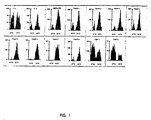
- FIG. 1 shows the quantification of the hybridization signals corresponding to the differential expression of 8 of these genes which are activated at 32 ° C., that is to say in which the function of wild p53 is activated and therefore leads to apoptosis of the cells, these genes which are activated will hereinafter be called TSAP (for Tumor Suppressor Activated Pathway), on the other hand it is found that in two experiments 2 genes expressed at 37 ° C. are partially inhibited at 32 ° C. which would imply that they are inhibited during programmed cell death, these genes have been called TSIP (for Tumor Suppressor Inhibited Pathway).
- TSAP Tumor Suppressor Activated Pathway
- TSIP1 cDNA which is inhibited in its expression during apoptosis, it shows no homology with known genes.
- TSIP 2 cDNA which is also inhibited in its expression during apoptosis, it shows a high homology with the S182 transcript of the AD3 gene involved in the metabolic pathways of Alzheimer's disease (Sherrington et al.) (FIG. 8 ).
- the subject of the present invention is therefore also, as a medicament, a compound which provides the cellular expression of TSIP 2 for the treatment of Alzheimer's disease as well as a diagnostic agent for the determination of the predisposition to Alzheimer's disease, all or part of the TSIP 2 sequence to be used as a nucleotide probe or as an amplification primer and an antigen corresponding to all or part of the proteins encoded by TSIP 2 or the antibodies, in particular the monoclonal antibodies corresponding, possibly after culture.
- TSAP 1 is homologous to rat phospholipase C beta 4.
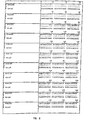
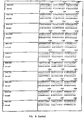
- the sequence of TSAP 1 has 100% identity with PLC between nucleotides 3967 and 3985; 82% between nucleotides 3986 and 4116 and 85% between nucleotides 4070 and 4220 ( Figure 4).
- PLC is known to be involved in the tyrosine kinase receptor signaling pathway, and to catalyze the hydrolysis of phosphatidylinositol-4,5-biphosphate to diacylglycerol and inositol-1,4,5-triphosphate.
- PLC is a downstream target in p53-mediated apoptosis.
- TSAP 2 shows conserved sequences (92% identity between nucleotides 259 and 299, 100% identity between nucleotides 418 and 458 and 92% identity between nucleotides 645 and 685) with the zinc digitized protein (ZFM 1) which is localized in the Multiple Endocrine Neoplasia (MEN 1) locus ( Figure 5).
- ZFM 1 zinc digitized protein
- MEN 1 is an autosomal dominant disorder associated with the development of tumors affecting the anterior lobe of the pituitary and parathyroid glands and pancreatic islet cells. It is particularly interesting to have demonstrated that both ZFM and a PLC isoenzyme are colocalized in the same chromosomal region 11q13 containing the gene for susceptibility to MEN 1.
- the homologous regions are located on the chromosome 19B. Finding that TSAP 1 and TSAP 2 are activated in response to p53 may suggest that these genes belong to a more global tumor suppression pathway and that p53 may cooperate with MEN 1.
- TSAP 3 is identical to Siah 1b.
- This gene is the homologue in vertebrates of the Drosophila seven in absentia (sina) gene.
- the clone described has 94% identity with the murine homolog (nucleotides 1496 to 1634) ( Figure 6).
- Figure 6 By Northern blot analysis using a TSAP 3 probe, it was possible to detect a differential expression of a 1.9 kb messenger of this gene (FIG. 2A). This is confirmed by using a second probe corresponding to the same region of the described siah 1b sequence (FIG. 2B).
- Figure 2C shows the tissue distribution of this gene using a TSAP 3 probe that detects both 1.9 and 2.4 kb mRNA corresponding to the previously mentioned results when a siah probe is used.
- In situ hybridization shows that the TSAP 3 mRNA is induced rapidly 1 hour after the induction of apoptosis (FIG. 3D). Its expression increases after 2 and 4 hours ( Figures 3E and 3F). In the cells that entered mitosis no signal is detected.
- TSAP 3 / siah 1b is activated in the cell death program in M1 cells induced by the p53 tumor suppressor gene. Since this gene encodes a nuclear zinc digitized protein, it could be a regulatory transcription factor that is downstream of the p53 signal. The results also show a direct link between the genes for development in Drosophila and a major pathway for tumor suppression.
- TSAP 3 murine cDNA fragment obtained by mRNA differential analysis
- a probe was constructed to isolate a 1.1 kb fragment from a human cDNA library which then was expanded to the entire coding region by a RACE-PCR.
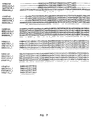
- FIG. 7 shows the cDNA and amino acid sequence of the human sina gene (TSAP 3).
- This sequence encodes a 282 amino acid protein with a C3HC4 zinc digested motif.
- This protein also has analogies with proteins capable of binding to RNA.
- the amino acid sequence is highly conserved between Drosophila, the mouse and the human gene ( Figure 7).
- tissue distribution indicates that the human sina is ubiquitously expressed and encodes a 2.3 kb mRNA and, in the placenta, there is an additional 2.5 kb transcript.
- FISH In situ hybridization fluorescence
- KS cells selected from human K562 erythro-leukemic cells. While K562 parental cells are sensitive to the cytopathic effect of parvovirus H-1, KS cells are resistant. These resistant cells re-express the wild-type p53 and have a deleted phenotype both in vitro and in vivo.
- daughter cells US3 and US4 were selected from a monoclone of human U937 monocytic leukemia. These clones are resistant to the cytopathic effect of parvovirus H-1 and show reversion of the malignant phenotype in vivo. Analysis of surface markers for 20 cells indicates that there is no displacement in the differentiation stage between U937 and US clones indicating that deletion of the malignant phenotype is not due to terminal differentiation.
- the sina gene is activated by the inducible p53 wild type in M1 cells as well as in KS cells that re-express wild-type p53.
- sina is activated in cells that become apoptotic, as shown by double labeling using a sina probe for in situ hybridization combined with a TUNEL assay
- sina is at the crossroads of the p53 and WAF-1 pathways.
Landscapes
- Health & Medical Sciences (AREA)
- Chemical & Material Sciences (AREA)
- Organic Chemistry (AREA)
- Life Sciences & Earth Sciences (AREA)
- General Health & Medical Sciences (AREA)
- Medicinal Chemistry (AREA)
- Biophysics (AREA)
- Gastroenterology & Hepatology (AREA)
- Proteomics, Peptides & Aminoacids (AREA)
- Molecular Biology (AREA)
- Genetics & Genomics (AREA)
- Biochemistry (AREA)
- Zoology (AREA)
- Public Health (AREA)
- Bioinformatics & Cheminformatics (AREA)
- Biomedical Technology (AREA)
- Nuclear Medicine, Radiotherapy & Molecular Imaging (AREA)
- Neurology (AREA)
- Neurosurgery (AREA)
- Animal Behavior & Ethology (AREA)
- Toxicology (AREA)
- Pharmacology & Pharmacy (AREA)
- Veterinary Medicine (AREA)
- Engineering & Computer Science (AREA)
- Chemical Kinetics & Catalysis (AREA)
- General Chemical & Material Sciences (AREA)
- Psychiatry (AREA)
- Hospice & Palliative Care (AREA)
- Oncology (AREA)
- Medicines That Contain Protein Lipid Enzymes And Other Medicines (AREA)
- Measuring Or Testing Involving Enzymes Or Micro-Organisms (AREA)
- Peptides Or Proteins (AREA)
- Preparation Of Compounds By Using Micro-Organisms (AREA)
- Micro-Organisms Or Cultivation Processes Thereof (AREA)
- Medicines Containing Antibodies Or Antigens For Use As Internal Diagnostic Agents (AREA)
Claims (7)
- Verwendung einer Verbindung, die in der Lage ist, die Expression von SEQ ID Nr. 10 zu hemmen, ausgewählt in der Gruppe, umfassend eine Antisinn-Sequenz von SEQ ID Nr. 10 und einen gegen das durch SEQ ID Nr. 10 kodierte Protein gerichteten monoklonalen Antikörper, für die Herstellung eines Arzneimittels, welches für die Behandlung von Krebserkrankungen bestimmt ist.
- Verwendung von Zellen, die durch einen Vektor für eine zelluläre Expression von SEQ ID Nr. 10 transformiert sind, für das Screening von antineoplastischen Arzneimitteln.
- Verwendung nach Anspruch 2, dadurch gekennzeichnet, dass der Vektor ein viraler Vektor ist.
- Verwendung nach Anspruch 3, dadurch gekennzeichnet, dass der virale Vektor von einem Adenovirus, einem Retrovirus, einem Herpes-Virus oder einem Poxvirus stammt.
- Verwendung nach Anspruch 2, dadurch gekennzeichnet, dass der Vektor ein Vektor mit nackter Nukleinsäure ist.
- In vitro-Verwendung der Gesamtheit oder eines Teils von SEQ ID Nr. 10 als Nukleotidsonde oder als Amplifizierungsprimer für die Bestimmung der Veranlagung für und die Verfolgung von Krebserkrankungen.
- In vitro-Verwendung eines gegen das durch SEQ ID Nr. 10 kodierte Protein gerichteten Antikörpers für die Bestimmung der Veranlagung für und die Verfolgung von Krebserkrankungen.
Applications Claiming Priority (5)
| Application Number | Priority Date | Filing Date | Title |
|---|---|---|---|
| FR9515146 | 1995-12-20 | ||
| FR9515146A FR2742766B1 (fr) | 1995-12-20 | 1995-12-20 | Sequences nucleotidiques, proteines, medicaments et agents diagnostics utiles dans le traitement du cancer |
| FR9604853A FR2747691B1 (fr) | 1996-04-18 | 1996-04-18 | Acides nucleiques et proteines utiles a titre d'agent anticancereux et antiviral |
| FR9604853 | 1996-04-18 | ||
| PCT/FR1996/002061 WO1997022695A2 (fr) | 1995-12-20 | 1996-12-20 | Sequences nucleotidiques, proteines, medicaments et agents diagnostiques utiles dans le traitement du cancer |
Publications (3)
| Publication Number | Publication Date |
|---|---|
| EP0868512A2 EP0868512A2 (de) | 1998-10-07 |
| EP0868512B1 EP0868512B1 (de) | 2005-10-26 |
| EP0868512B9 true EP0868512B9 (de) | 2006-09-06 |
Family
ID=26232392
Family Applications (1)
| Application Number | Title | Priority Date | Filing Date |
|---|---|---|---|
| EP96943177A Expired - Lifetime EP0868512B9 (de) | 1995-12-20 | 1996-12-20 | Nukleotidsequenzen, proteine, medikamente und diagnoseagentien zur anwendung in krebsbehandlung |
Country Status (6)
| Country | Link |
|---|---|
| EP (1) | EP0868512B9 (de) |
| JP (1) | JP2000502893A (de) |
| AT (1) | ATE307886T1 (de) |
| CA (1) | CA2240449A1 (de) |
| DE (1) | DE69635349T2 (de) |
| WO (1) | WO1997022695A2 (de) |
Cited By (1)
| Publication number | Priority date | Publication date | Assignee | Title |
|---|---|---|---|---|
| US20240110250A1 (en) * | 2010-03-15 | 2024-04-04 | Queen's University At Kingston | Methods, probe sets, and kits for detection of deletion of tumor suppressor genes by fluorescence in situ hybridization |
Families Citing this family (18)
| Publication number | Priority date | Publication date | Assignee | Title |
|---|---|---|---|---|
| FR2768346B1 (fr) * | 1997-09-15 | 2002-04-19 | Fond Jean Dausset Ceph | Compose assurant l'inhibition de la preseniline 1 pour la preparation d'un medicament et agent de diagnostic |
| FR2782085B1 (fr) * | 1998-08-05 | 2002-12-13 | Fond Jean Dausset Ceph | Genes impliques dans les voies moleculaires de la suppression tumorale et/ou la resistance aux virus |
| AU769889B2 (en) * | 1999-04-29 | 2004-02-05 | University Of Tennessee Research Corporation, The | Isolated nucleic acids of the p-Hyde family, P-Hyde proteins, and methods of inducing susceptibility to induction of cell death in cancer |
| US6835812B1 (en) | 1999-04-29 | 2004-12-28 | University Of Tennessee Research Corporation | Human p-Hyde proteins |
| US6638734B1 (en) | 1999-06-11 | 2003-10-28 | The Burnham Institute | Nucleic acid encoding proteins involved in protein degradation, products and methods related thereto |
| WO2000077207A2 (en) * | 1999-06-11 | 2000-12-21 | The Burnham Institute | Nucleic acid encoding proteins involved in protein degradation, products and methods related thereto |
| US7504253B2 (en) | 1999-06-11 | 2009-03-17 | The Burnham Institute For Medical Research | Nucleic acid encoding proteins involved in protein degradation, products and methods related thereof |
| US7087386B2 (en) | 1999-06-11 | 2006-08-08 | The Burnham Institute | Nucleic acid encoding proteins involved in protein degradation, products and methods related thereto |
| CN1314359A (zh) * | 2000-03-17 | 2001-09-26 | 上海博德基因开发有限公司 | 一种新的多肽——肿瘤抑制因子63和编码这种多肽的多核苷酸 |
| US20040175770A1 (en) * | 2000-06-30 | 2004-09-09 | Nori Matsunami | Method of screening for chemotherapeutic treatments for cancer |
| EP1346230B1 (de) * | 2000-12-26 | 2006-04-12 | Cerenis | Auf tsap6-bindungspartnern beruhendes screeningverfahren |
| FR2818747B1 (fr) * | 2000-12-26 | 2003-05-16 | Molecular Engines Laboratoires | Procede de criblage base sur l'interaction siah-numb |
| FR2818661A1 (fr) * | 2000-12-26 | 2002-06-28 | Molecular Engines Laboratoires | Gene implique dans la regulation de l'apoptose |
| WO2003025176A2 (fr) * | 2001-09-17 | 2003-03-27 | Molecular Engines Laboratories | Sequences impliquees dans les phenomenes de suppression tumorale, reversion tumorale, apoptose et/ou resistance aux virus et leur utilisation comme medicaments |
| WO2003040369A2 (fr) * | 2001-09-17 | 2003-05-15 | Molecular Engines Laboratories | Sequences impliquees dans les phenomenes de suppression tumorale, reversion tumorale, apoptose et/ou resistance aux virus et leur utilisation comme medicaments |
| WO2003025177A2 (fr) * | 2001-09-17 | 2003-03-27 | Molecular Engines Laboratories | Sequences impliquees dans les phenomenes de suppression tumorale, reversion tumorale, apoptose et/ou resistance aux virus et leur utilisation comme medicaments |
| WO2003025175A2 (fr) * | 2001-09-17 | 2003-03-27 | Molecular Engines Laboratories | Sequences impliquees dans les phenomenes de suppression tumorale, reversion tumorale, apoptose et/ou resistance aux virus et leur utilisation comme medicaments |
| JP4536588B2 (ja) * | 2005-05-11 | 2010-09-01 | 財団法人宮崎県産業支援財団 | 成人t細胞白血病の診断器具 |
Family Cites Families (2)
| Publication number | Priority date | Publication date | Assignee | Title |
|---|---|---|---|---|
| WO1995011301A1 (en) * | 1993-10-19 | 1995-04-27 | The Regents Of The University Of Michigan | P53-mediated apoptosis |
| US5659024A (en) * | 1994-01-14 | 1997-08-19 | The Burnham Institute | Promotors that regulate the expression of genes involved in cell death |
-
1996
- 1996-12-20 EP EP96943177A patent/EP0868512B9/de not_active Expired - Lifetime
- 1996-12-20 AT AT96943177T patent/ATE307886T1/de not_active IP Right Cessation
- 1996-12-20 DE DE69635349T patent/DE69635349T2/de not_active Expired - Fee Related
- 1996-12-20 WO PCT/FR1996/002061 patent/WO1997022695A2/fr not_active Ceased
- 1996-12-20 CA CA002240449A patent/CA2240449A1/fr not_active Abandoned
- 1996-12-20 JP JP9522549A patent/JP2000502893A/ja not_active Ceased
Cited By (1)
| Publication number | Priority date | Publication date | Assignee | Title |
|---|---|---|---|---|
| US20240110250A1 (en) * | 2010-03-15 | 2024-04-04 | Queen's University At Kingston | Methods, probe sets, and kits for detection of deletion of tumor suppressor genes by fluorescence in situ hybridization |
Also Published As
| Publication number | Publication date |
|---|---|
| DE69635349T2 (de) | 2006-07-20 |
| WO1997022695A2 (fr) | 1997-06-26 |
| EP0868512A2 (de) | 1998-10-07 |
| ATE307886T1 (de) | 2005-11-15 |
| EP0868512B1 (de) | 2005-10-26 |
| CA2240449A1 (fr) | 1997-06-26 |
| DE69635349D1 (de) | 2005-12-01 |
| WO1997022695A3 (fr) | 1997-09-18 |
| JP2000502893A (ja) | 2000-03-14 |
Similar Documents
| Publication | Publication Date | Title |
|---|---|---|
| EP0868512B9 (de) | Nukleotidsequenzen, proteine, medikamente und diagnoseagentien zur anwendung in krebsbehandlung | |
| AU2022200673B2 (en) | Compositions and methods for degradation of misfolded proteins | |
| JP3626206B2 (ja) | Smad6及びその使用 | |
| JPH08510391A (ja) | Mts遺伝子における生殖系統の変異およびmts遺伝子における癌の素因の検出方法 | |
| JPH08510651A (ja) | Mts遺伝子、それにおける変異、およびmts遺伝子配列を用いる癌の診断方法 | |
| EP1225224A1 (de) | Dna der scherbelastungsantwort | |
| JP4005135B2 (ja) | 神経アポトーシス抑制性蛋白質(naip)の使用 | |
| EP0980427B1 (de) | Verwendung von ulip proteinen zur diagnose und therapie von krebs und paraneoplastischen neurologischen syndromen | |
| FR2782085A1 (fr) | Genes impliques dans les voies moleculaires de la suppression tumorale et/ou la resistance aux virus | |
| JP2003508011A (ja) | ヒトfez1遺伝子である新規ガン抑制遺伝子に関する組成物、キットおよび方法 | |
| CA2461692A1 (fr) | Utilisation d'une proteine de la famille des crmps pour le traitement des maladies liees au systeme immunitaire | |
| FR2742766A1 (fr) | Sequences nucleotidiques, proteines, medicaments et agents diagnostics utiles dans le traitement du cancer | |
| US20040241797A1 (en) | Use of alphacp1, alphacp2, and hur for modulating gene expression and inducing angiogenesis | |
| EP1259606B1 (de) | Zur steuerung der parkinaktivität brauchbare zusammensetzungen | |
| US6503502B1 (en) | Nucleotide sequences, proteins, drugs and diagnostic agents of use in treating cancer | |
| WO2001009319A1 (fr) | Gene exprime specifiquement dans le muscle cardiaque foetal humain | |
| US20050089858A1 (en) | Salvador tumor suppressor gene | |
| EP1578792A2 (de) | Neuescentrosom-assoziiertes protein und dessen anwendungen | |
| WO1999001465A1 (en) | A senescence gene and its use in the treatment of cancer and other diseases | |
| EP1121427A1 (de) | Mit onkogenen mutanten von p53 interagierendes polypeptid (mbp1) | |
| JP2002078493A (ja) | 細胞増殖及び遺伝子発現制御に関わる新規遺伝子とその蛋白質 | |
| WO2000071708A2 (fr) | UTILISATION DE EF-Ts DANS LE CADRE DES HYPERPLASIES DES CELLULES MUSCULAIRES LISSES (CML) | |
| JPWO2001083705A1 (ja) | 心筋細胞増殖関連遺伝子 | |
| JPWO2001025427A1 (ja) | ずり応力応答性dna | |
| FR2784383A1 (fr) | Polypeptides capables d'interagir avec les mutants oncogeniques de la proteine p53 |
Legal Events
| Date | Code | Title | Description |
|---|---|---|---|
| PUAI | Public reference made under article 153(3) epc to a published international application that has entered the european phase |
Free format text: ORIGINAL CODE: 0009012 |
|
| 17P | Request for examination filed |
Effective date: 19980713 |
|
| AK | Designated contracting states |
Kind code of ref document: A2 Designated state(s): AT BE CH DE DK ES FI FR GB GR IE IT LI LU MC NL PT SE |
|
| RAP1 | Party data changed (applicant data changed or rights of an application transferred) |
Owner name: MOLECULAR ENGINES LABORATORIES |
|
| 17Q | First examination report despatched |
Effective date: 20010208 |
|
| GRAP | Despatch of communication of intention to grant a patent |
Free format text: ORIGINAL CODE: EPIDOSNIGR1 |
|
| GRAS | Grant fee paid |
Free format text: ORIGINAL CODE: EPIDOSNIGR3 |
|
| GRAA | (expected) grant |
Free format text: ORIGINAL CODE: 0009210 |
|
| RAP1 | Party data changed (applicant data changed or rights of an application transferred) |
Owner name: CERENIS |
|
| AK | Designated contracting states |
Kind code of ref document: B1 Designated state(s): AT BE CH DE DK ES FI FR GB GR IE IT LI LU MC NL PT SE |
|
| PG25 | Lapsed in a contracting state [announced via postgrant information from national office to epo] |
Ref country code: NL Free format text: LAPSE BECAUSE OF FAILURE TO SUBMIT A TRANSLATION OF THE DESCRIPTION OR TO PAY THE FEE WITHIN THE PRESCRIBED TIME-LIMIT Effective date: 20051026 Ref country code: IT Free format text: LAPSE BECAUSE OF FAILURE TO SUBMIT A TRANSLATION OF THE DESCRIPTION OR TO PAY THE FEE WITHIN THE PRESCRIBED TIME-LIMIT;WARNING: LAPSES OF ITALIAN PATENTS WITH EFFECTIVE DATE BEFORE 2007 MAY HAVE OCCURRED AT ANY TIME BEFORE 2007. THE CORRECT EFFECTIVE DATE MAY BE DIFFERENT FROM THE ONE RECORDED. Effective date: 20051026 Ref country code: IE Free format text: LAPSE BECAUSE OF FAILURE TO SUBMIT A TRANSLATION OF THE DESCRIPTION OR TO PAY THE FEE WITHIN THE PRESCRIBED TIME-LIMIT Effective date: 20051026 Ref country code: FI Free format text: LAPSE BECAUSE OF FAILURE TO SUBMIT A TRANSLATION OF THE DESCRIPTION OR TO PAY THE FEE WITHIN THE PRESCRIBED TIME-LIMIT Effective date: 20051026 Ref country code: AT Free format text: LAPSE BECAUSE OF FAILURE TO SUBMIT A TRANSLATION OF THE DESCRIPTION OR TO PAY THE FEE WITHIN THE PRESCRIBED TIME-LIMIT Effective date: 20051026 |
|
| REG | Reference to a national code |
Ref country code: GB Ref legal event code: FG4D Free format text: NOT ENGLISH |
|
| REG | Reference to a national code |
Ref country code: CH Ref legal event code: EP |
|
| REG | Reference to a national code |
Ref country code: IE Ref legal event code: FG4D Free format text: LANGUAGE OF EP DOCUMENT: FRENCH |
|
| REF | Corresponds to: |
Ref document number: 69635349 Country of ref document: DE Date of ref document: 20051201 Kind code of ref document: P |
|
| REG | Reference to a national code |
Ref country code: CH Ref legal event code: NV Representative=s name: MICHELI & CIE INGENIEURS-CONSEILS |
|
| PG25 | Lapsed in a contracting state [announced via postgrant information from national office to epo] |
Ref country code: MC Free format text: LAPSE BECAUSE OF NON-PAYMENT OF DUE FEES Effective date: 20051231 Ref country code: LU Free format text: LAPSE BECAUSE OF NON-PAYMENT OF DUE FEES Effective date: 20051231 |
|
| PG25 | Lapsed in a contracting state [announced via postgrant information from national office to epo] |
Ref country code: SE Free format text: LAPSE BECAUSE OF FAILURE TO SUBMIT A TRANSLATION OF THE DESCRIPTION OR TO PAY THE FEE WITHIN THE PRESCRIBED TIME-LIMIT Effective date: 20060126 Ref country code: GR Free format text: LAPSE BECAUSE OF FAILURE TO SUBMIT A TRANSLATION OF THE DESCRIPTION OR TO PAY THE FEE WITHIN THE PRESCRIBED TIME-LIMIT Effective date: 20060126 Ref country code: DK Free format text: LAPSE BECAUSE OF FAILURE TO SUBMIT A TRANSLATION OF THE DESCRIPTION OR TO PAY THE FEE WITHIN THE PRESCRIBED TIME-LIMIT Effective date: 20060126 |
|
| PG25 | Lapsed in a contracting state [announced via postgrant information from national office to epo] |
Ref country code: ES Free format text: LAPSE BECAUSE OF FAILURE TO SUBMIT A TRANSLATION OF THE DESCRIPTION OR TO PAY THE FEE WITHIN THE PRESCRIBED TIME-LIMIT Effective date: 20060206 |
|
| GBT | Gb: translation of ep patent filed (gb section 77(6)(a)/1977) |
Effective date: 20060214 |
|
| PG25 | Lapsed in a contracting state [announced via postgrant information from national office to epo] |
Ref country code: PT Free format text: LAPSE BECAUSE OF FAILURE TO SUBMIT A TRANSLATION OF THE DESCRIPTION OR TO PAY THE FEE WITHIN THE PRESCRIBED TIME-LIMIT Effective date: 20060327 |
|
| NLV1 | Nl: lapsed or annulled due to failure to fulfill the requirements of art. 29p and 29m of the patents act | ||
| REG | Reference to a national code |
Ref country code: IE Ref legal event code: FD4D |
|
| PLBE | No opposition filed within time limit |
Free format text: ORIGINAL CODE: 0009261 |
|
| STAA | Information on the status of an ep patent application or granted ep patent |
Free format text: STATUS: NO OPPOSITION FILED WITHIN TIME LIMIT |
|
| 26N | No opposition filed |
Effective date: 20060727 |
|
| PGFP | Annual fee paid to national office [announced via postgrant information from national office to epo] |
Ref country code: DE Payment date: 20061229 Year of fee payment: 11 |
|
| PGFP | Annual fee paid to national office [announced via postgrant information from national office to epo] |
Ref country code: CH Payment date: 20070118 Year of fee payment: 11 |
|
| PGFP | Annual fee paid to national office [announced via postgrant information from national office to epo] |
Ref country code: GB Payment date: 20070119 Year of fee payment: 11 |
|
| PGFP | Annual fee paid to national office [announced via postgrant information from national office to epo] |
Ref country code: BE Payment date: 20070201 Year of fee payment: 11 |
|
| PGFP | Annual fee paid to national office [announced via postgrant information from national office to epo] |
Ref country code: FR Payment date: 20061227 Year of fee payment: 11 |
|
| BERE | Be: lapsed |
Owner name: *CERENIS Effective date: 20071231 |
|
| REG | Reference to a national code |
Ref country code: CH Ref legal event code: PL |
|
| GBPC | Gb: european patent ceased through non-payment of renewal fee |
Effective date: 20071220 |
|
| PG25 | Lapsed in a contracting state [announced via postgrant information from national office to epo] |
Ref country code: BE Free format text: LAPSE BECAUSE OF NON-PAYMENT OF DUE FEES Effective date: 20071231 |
|
| PG25 | Lapsed in a contracting state [announced via postgrant information from national office to epo] |
Ref country code: LI Free format text: LAPSE BECAUSE OF NON-PAYMENT OF DUE FEES Effective date: 20071231 Ref country code: DE Free format text: LAPSE BECAUSE OF NON-PAYMENT OF DUE FEES Effective date: 20080701 Ref country code: CH Free format text: LAPSE BECAUSE OF NON-PAYMENT OF DUE FEES Effective date: 20071231 |
|
| REG | Reference to a national code |
Ref country code: FR Ref legal event code: ST Effective date: 20081020 |
|
| PG25 | Lapsed in a contracting state [announced via postgrant information from national office to epo] |
Ref country code: GB Free format text: LAPSE BECAUSE OF NON-PAYMENT OF DUE FEES Effective date: 20071220 |
|
| PG25 | Lapsed in a contracting state [announced via postgrant information from national office to epo] |
Ref country code: FR Free format text: LAPSE BECAUSE OF NON-PAYMENT OF DUE FEES Effective date: 20071231 |