EP0871485B1 - Zusammensetzungen und methoden zur katalysierten hydrolyse von hiv gp120 - Google Patents
Zusammensetzungen und methoden zur katalysierten hydrolyse von hiv gp120 Download PDFInfo
- Publication number
- EP0871485B1 EP0871485B1 EP96926751A EP96926751A EP0871485B1 EP 0871485 B1 EP0871485 B1 EP 0871485B1 EP 96926751 A EP96926751 A EP 96926751A EP 96926751 A EP96926751 A EP 96926751A EP 0871485 B1 EP0871485 B1 EP 0871485B1
- Authority
- EP
- European Patent Office
- Prior art keywords
- antibody
- hiv
- catalytic
- human
- lay2
- Prior art date
- Legal status (The legal status is an assumption and is not a legal conclusion. Google has not performed a legal analysis and makes no representation as to the accuracy of the status listed.)
- Expired - Lifetime
Links
Images



Classifications
-
- C—CHEMISTRY; METALLURGY
- C12—BIOCHEMISTRY; BEER; SPIRITS; WINE; VINEGAR; MICROBIOLOGY; ENZYMOLOGY; MUTATION OR GENETIC ENGINEERING
- C12N—MICROORGANISMS OR ENZYMES; COMPOSITIONS THEREOF; PROPAGATING, PRESERVING, OR MAINTAINING MICROORGANISMS; MUTATION OR GENETIC ENGINEERING; CULTURE MEDIA
- C12N9/00—Enzymes; Proenzymes; Compositions thereof; Processes for preparing, activating, inhibiting, separating or purifying enzymes
- C12N9/0002—Antibodies with enzymatic activity, e.g. abzymes
-
- A—HUMAN NECESSITIES
- A61—MEDICAL OR VETERINARY SCIENCE; HYGIENE
- A61P—SPECIFIC THERAPEUTIC ACTIVITY OF CHEMICAL COMPOUNDS OR MEDICINAL PREPARATIONS
- A61P31/00—Antiinfectives, i.e. antibiotics, antiseptics, chemotherapeutics
-
- A—HUMAN NECESSITIES
- A61—MEDICAL OR VETERINARY SCIENCE; HYGIENE
- A61P—SPECIFIC THERAPEUTIC ACTIVITY OF CHEMICAL COMPOUNDS OR MEDICINAL PREPARATIONS
- A61P31/00—Antiinfectives, i.e. antibiotics, antiseptics, chemotherapeutics
- A61P31/12—Antivirals
- A61P31/14—Antivirals for RNA viruses
- A61P31/18—Antivirals for RNA viruses for HIV
-
- C—CHEMISTRY; METALLURGY
- C07—ORGANIC CHEMISTRY
- C07K—PEPTIDES
- C07K16/00—Immunoglobulins [IG], e.g. monoclonal or polyclonal antibodies
- C07K16/08—Immunoglobulins [IG], e.g. monoclonal or polyclonal antibodies against material from viruses
- C07K16/10—RNA viruses
- C07K16/112—Retroviridae (F), e.g. leukemia viruses
- C07K16/114—Lentivirus (G), e.g. human immunodeficiency virus [HIV], feline immunodeficiency virus [FIV] or simian immunodeficiency virus [SIV]
- C07K16/1145—Env proteins, e.g. gp41, gp110/120, gp160, V3, principal neutralising domain [PND] or CD4-binding site
-
- A—HUMAN NECESSITIES
- A61—MEDICAL OR VETERINARY SCIENCE; HYGIENE
- A61K—PREPARATIONS FOR MEDICAL, DENTAL OR TOILETRY PURPOSES
- A61K39/00—Medicinal preparations containing antigens or antibodies
- A61K2039/505—Medicinal preparations containing antigens or antibodies comprising antibodies
-
- A—HUMAN NECESSITIES
- A61—MEDICAL OR VETERINARY SCIENCE; HYGIENE
- A61K—PREPARATIONS FOR MEDICAL, DENTAL OR TOILETRY PURPOSES
- A61K38/00—Medicinal preparations containing peptides
-
- C—CHEMISTRY; METALLURGY
- C07—ORGANIC CHEMISTRY
- C07K—PEPTIDES
- C07K2317/00—Immunoglobulins specific features
- C07K2317/50—Immunoglobulins specific features characterized by immunoglobulin fragments
Definitions
- This invention relates to treatment of HIV infection and associated pathologies.
- catalytic (proteolytic) antibodies, or derivatives thereof are provided, which catalyze the hydrolysis of the HIV gp120 protein.
- the envelope glycoproteins of HIV-1 are initially synthesized as a single 160 kD precursor, gp160, which is cleaved at the Arg511-Ala512 bond by a cellular protease, producing gp120 and the integral membrane protein gp41 (Kido, H., et al., J. Biol. Chem. 268 :13406-13413 (1993)).
- the biological activity of gp120 is a key ingredient in initial binding of host cells by HIV-1, propagation of the virus and its toxic effects on uninfected neurons and other cells (Kieber-Emmons, T., et al., Biochim. Biophys. Acta.
- gp120 is a target of passive and active immunization against AIDS (Kahn, J.O., et al., J. Infec. Dis. 170 :1288-1291 (1994); Birx, D.L., et al., Curr. Opin. Immunol. 5:600-607 (1993); Berman, P.W., et al., Proc. Natl. Acad. Sci. USA 85 :5200-5204 (1988)).
- Binding of a conformational epitope of gp120 to CD4 receptors on host cells is the first step in HIV-1 infection. Individual amino acids constituting this epitope appear to be located in the second (C2), third (C3), and fourth (C4) conserved gp120 segments (Olshevsky, T.J., et al., J. Virol. 64 :5701-5705 (1990)). These are gp120 residues 256, 257, 368-370, 421-427 and 457. Monoclonal antibodies that bind the CD4 binding site have been described (Thali, M., et al., J. Virol. 65 :6188-6193 (1991); Thali, M., et al., J.
- CD4 binding site is a conformational epitope
- distant residues that are not themselves constituents of the epitope may be important in maintaining the ability to bind CD4.
- Gp120 interactions with other host cell proteins are also essential for virus propagation. For example, binding of gp120 by calmodulin may be involved in HIV-1 infectivity, as revealed by the inhibitory effect of calmodulin antagonists (Srinivas, R.V., et al., AIDS Res. Hum. Retroviruses 108 :1489-1496 (1994).
- Asp180 located between the V1 and V2 regions of gp120 is critical for viral replication (Wang, W-K., et al., J.
- V3 loop is essential for infectivity (Ivanoff, L.A., et al., Virology 187 :423-432 (1992)). It is clear, therefore, that structural determinants in gp120 other than those constituting the CD4 binding site are likely to be necessary for virus genome replication, coat protein synthesis and virus particle packaging.
- gp120 Shedding of gp120 by virus particles and infected cells has been proposed as a factor in the pathogenesis of AIDS (Gelderblom, H.R. et al., Lancett ii:1016-1017 (1985)).
- Purified gp120 is toxic for cultured neurons (Brenneman, D.E. et al., Nature 335:639-642 (1988); Muller, W.E.G. et al., Eur. J. Pharmacol 226 :209-214 (1992)).
- Uninfected T-lymphocytes coated with gp120 can be lysed by antibody-dependent monocytes (Hober, D. et al., FEMS Immunol. Med. Microbiol.
- Uninfected CD4+ cells can die because binding of the gp120-gp41 complex induces apoptosis (Laurent-Crawford, A.G. et al., Res. Virol 146 :5-17 995)). Gp120 also binds complement components (Stoiber, H. et al., AIDS 9 :19-26 (1995)).
- soluble gp120 shed by the virus and cytokines produced by infected cells may be responsible for the damage (Lipton, S.A., Brain Pathol. 1 :193-199 (1991), Giulian, D. et al., Science 250 :1593-1595 (1990); Benos, D.J. et al., Proc. Natl. Acad. Sci. USA 91:494-498 (1994)).
- the neurotoxic effects of gp120 may be indirect, involving stimulation of the NMDA receptor (Benos, D.J. et al., Proc. Natl. Acad.
- Gp120 also stimulates neurotoxin release from monocytes (Giulian, D. et al., Proc. Natl Acad. Sci. USA 90: 2769-2773, (1993)), indicating that its neurotoxic effects may require the participation of this cell type.
- the evidence for neurotoxicity of soluble gp120 includes:
- gp120 expresses many linear and conformational antigenic epitopes to which antibodies are made. These include neutralizing antibodies made by HIV-infected individuals to the V3 loop (Dreyer, E.B. et al., Science 248 :364-367 (1990); Meylan, P.R. et al., AIDS 6 :128-130 (1992); Pollard, S. et al., Proc. Natl. Acad. Sci. USA 88 :11320-11324 (1991)). Because the V3 loop is a hypervariable region, these antibodies are type-specific, with neutralizing activity directed only against HIV variants with V3 sequences similar to the virus strain responsible for initial infection.
- antibodies made in the later stages of the disease can be broadly protective, as measured by inhibition of the ability of different HIV-1 strains to infect susceptible cell lines and primary lymphoid cell cultures in vitro.
- a subset of these protective antibodies are directed against conserved regions of gp120 essential for binding the CD4 receptor and virus propagation (Hattori, T. et al., FEBS Lett 248 :48-52 (1989); Schulz, T. et al., AIDS Res. Hum. Retroviruses 9 :159-166 (1993); Clements, G.J. et al., AIDS Res. Hum. Retroviruses 7 :3-16 (1991)). It is widely believed that recruitment of neutralizing antibody responses to the conserved regions of gp120 will be necessary for effective vaccination against AIDS. Similarly, the success of passive immunization with antibodies will depend on the ability to recognize conserved gp120 regions.
- Antibodies with enzymatic activity offer the possibility of specific, high efficiency catalytic chemical conversion of ligands.
- Many biological mediators are peptides or proteins, including the antigens of pathogenic organisms, hormones, neurotransmitters and tumor specific antigens. It is possible to utilize the vast repertoire of specificities that the immune system encompasses to catalyze chemical reactions not within the scope of naturally occurring enzymes.
- the combination of antibody specificity with the catalytic power of enzymes has the potential of generating potent therapeutic agents, i.e., catalytic antibodies capable of specifically hydrolyzing key viral envelope proteins.
- a cure for HIV infection has not yet been developed. Treatments available to date are directed to inhibition of viral replication to prolong the latency period of the illness.
- the present invention provides methods and compositions that may be used in AIDS patients to reduce the level of HIV and soluble gp120 in the body. Administration of these compositions to patients may alleviate the neurological symptoms of patients suffering from AIDS related dementia.
- the present invention comprises hydrolytic anti-gp120 antibodies and L chain antibody components isolated from patient sera that efficiently cleave gp120 into inactive subfragments. Methods are provided for the isolation of and purification of catalytic antibodies and antibody components that mediate hydrolysis of gp120.
- Preferred embodiments of the invention are antibodies and antibody components produced using recombinant methods. Following screening of sera for gp120 cleavage activity, peripheral blood lymphocytes are isolated and used as a source of mRNA encoding the activity for cDNA library generation. Isolation of genes encoding the catalytic antibodies and antibody components of the invention is performed using methods well known to those skilled in the art. Phage display of the L chains of the invention for isolation of L chain expressing clones is contemplated. Also envisioned is cloning of the immune repertoire from lymphocytes isolated from HIV-1 and SLE patients using primers to conserved regions of IgG genes.
- the catalytic gp120 cleaving antibody or components thereof may administered i.v. in a suitable pharmaceutical preparation.
- the gp120 hydrolytic antibodies of the invention may be administered to the intraventricular compartment of the brain via a cannula.
- the catalytic L chains of the invention may also be translationally fused to transferrin to mediate passage of the blood brain barrier in patients infected with HIV-1.
- a normal human protein is capable of specifically recognizing gp120 and catalyzing lysis of a peptide bond in gp120 opens the possibility of developing a new therapeutic intervention in acquired immunodeficiency syndrome (AIDS).
- An anti-gp120 hydrolytic antibody may be used pharmacologically in the treatment of AIDS patients, for example in the treatment of AIDS-related dementia.
- Preliminary data have indicated that anti-gp120 proteolysis eliminates gp120-mediated neurotoxicity.
- Another and more direct application would be as an injectable protein solution that by binding to and cleaving gp120 would diminish HIV infectivity, either by destroying the gp120 receptor binding site, or by destabilizing the viral receptor binding site.
- the hydrolytic gp120 antibody may be used as an immune system supplement to enhance the ability of the body's natural mechanisms to control the disease.
- One of the L-chains with gp120 hydrolyzing activity exemplified in this application was isolated from a multiple myeloma patient (Lay2).
- the original antigenic stimulus responsible for the specificity of the myeloma L-chain is unknown.
- the reaction of the L-chain with gp120 may reflect a cross-reactivity phenomenon, due to chance structural fit between the binding site and gp120.
- AIDS was not a recognized clinical entity and it is not known whether the patient was positive for HIV-1 antibodies.
- Multiple myeloma can occur at increased frequency in AIDS patients (Erhan, S., et al., Nature 251 :353-355 (1974), but there is no evidence that the donor of the catalytic L-chain had AIDS.
- Radiolabeling of electrophoretically pure gp120 was by the chloramine-T method, followed by purification of 125 I-gp120 by gel filtration. A single band of radiolabeled gp120 at 120 kD was observed by SDS-PAGE and autoradiography.
- Figure 1 is a silver-stained SDS-PAGE gel showing the purity of the L chain preparation. The L chains were incubated with 125 I-gp120 and the reaction mixtures were analyzed by SDS-polyacrylamide gel electrophoresis and quantitative autoradiography (Brugger, C., et al., J. Biol. Chem. 266 :18358-18362 (1991).
- L-chain with gp120 hydrolyzing activity was identified (Lay2).
- the remaining L chains and anti-VIP antibodies were devoid of activity.
- the gp120 hydrolyzing activity coeluted from a gel filtration column with the L-chain protein peak.
- Nearly equivalent cleavage of gp120 by Lay2 was observed in physiological buffers and nutrient media (phosphate buffered saline (PBS), Hank's buffered saline solution (HBSS) and RPMI 1640).
- PBS phosphate buffered saline
- HBSS Hank's buffered saline solution
- RPMI 1640 Four radiolabeled gp120 cleavage products of mass approximately 80 kD, a smear around 50 kD, 20 kD, and ⁇ 6 kD were evident by nonreducing electrophoresis.
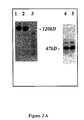
- Lay2 There was no hydrolysis of 125 I-albumin by Lay2, suggesting that the observed gp120 hydrolysis is not a nonspecific phenomenon, Figure 2A.
- Increasing concentrations of VIP inhibited hydrolysis of 125 I-gp120 by Lay2 (apparent Ki of VIP, 620 nM).
- Lay2 also hydrolyzed radiolabeled VIP, with a Km of 144 nM. Based on a comparison of its Km for gp120 and Ki/Km for VIP, Lay2 appears to bind gp120 about 5-21 fold more strongly than VIP.
- gp120 has two short regions of homology with VIP (LaRosa, G.J., et al., Science 149:932-935 (1990); Gorny, M., et al, J. Immunol. 150 :635-643 (1993)), which might underlie reactivity of both polypeptides with Lay2.
- Lay2 is a member of the kappa IIc subgroup.
- the number of Ser/Thr residues in the CDRs of this L-chain is unusually high.
- Site-directed mutagenesis of a catalytic anti-VIP L-chain has showed that its Ser27a and His93 are the catalytic residues.
- a Ser residue is also present at position 27a in Lay2.
- Position 93 in Lay2 is occupied by Glu (instead of His in the anti-VIP L-chain).
- AbM Martin, A.C.R., et al., Proc. Natl. Acad. Sci.
- Ser27a and Glu93 are within hydrogen bonding distance (2.9 angstroms). If these residues are hydrogen bonded, the resultant increase in the nucleophilicity of the Ser residue may permit its participation in peptide bond hydrolysis by a mechanism analogous to that occurring in serine protease catalysis.
- control gp120 and gp120 treated with Lay2 (10 ⁇ M, 30 hours) were compared.
- sub-picomolar concentrations of control gp120 were toxic for these cells.
- cerebral cortical cells were prepared from newborn Wistar rats using 0.25% trypsin to dissociate the tissue. Cells were cultured in MEM medium supplemented with 10% fetal calf serum. After 2 days, about 80% of the cells are neurons and about 20% are glial fibrillary acidic protein positive astrocytes.
- Lay 2 was assayed for its ability to inhibit HIV-1 infectivity. Under serum-free conditions, pretreatment with this catalytic L chain indeed inhibited infection of MT-2 cells, a T-cell line, by HIV-1 (IIIB), as determined by microscopic observation for cytopathic effects (syncytium formation) and the microculture tetrazolium (MTA) assay using 2,3 bis(2-methoxy-4-nitro-5-sulfophenyl) 5-[(phenylamino)-2H-tetrazolium hydroxide. See Figure 6. The multiplicity of infection (MOI) in this experiment was 3.2. At lower MOI values, the L chain is likely to display even better potency. Treatment of the cells with the L chain in the absence of HIV-1 did not produce a cytopathic effect. These results indicate that the L chain is capable of recognizing and cleaving native gp120.
- Lay2 the human Bence Jones protein designated Lay2 was provided by Dr. Alan Solomon, University of Tennessee and was collected from a patient who is now deceased.
- the need for a replenishable supply of the catalyst has been met by constructing a recombinant form of Lay2 in a bacterial expression system. This is expected to permit engineering of derivatives of Lay2 with improved catalytic characteristics.
- the sequence of the variable domain of the Lay2 L-chain has been previously determined in Dr. Solomon's laboratory.
- the V-exon encoded portion varies from that of one of the three germline genes (O11-01) (Klein, R., et al., Eur. J. Immunol. 23:3248-3271 (1993)) that encode the human II L-chain family at six positions. Of these differences, presumably reflecting somatic mutations, one involves a CDR position. At position 92 in CDR3, Lay2 has a Leu residue rather than Ile.
- the remaining five differences between the Lay2 protein and the germline gene O11-01 involve FR sites distant from the CDR segments; Lay2 also has an additional residue, Glu, at position 0, representing a seventh variance of unknown significance.
- the similarity between the Lay2 sequence and the 011-01 germ line sequence is noteworthy, in that it may reflect the capability of other V L domains derived from this germ line gene to bind and hydrolyze gp120.
- the cDNA encoding the Lay2 V L domain protein has been synthesized by recursive PCR. See Figure 7.
- the fully functional recombinant form of the protein may be expressed as described below.
- These methods have previously been used to successfully construct genes that encode human variable domains (Wilkins-Stevens, P., et al. Prot. Science 4 :421-432 (1995). Briefly, construction of the V L domain cDNA involves the use of recursive PCR (Prodromou, C., et al., Prot. Eng.
- the cDNA also includes a short C-terminal linker segment for use in constructing an Fv.
- the L chain described in the preceding section was isolated by random screening of multiple myeloma patients. It is known that catalytic antibodies are formed at high levels in autoimmune diseases like lupus, and gp120 binding antibodies have been found in SLE patients. This observation has prompted us to analyze the sera of HIV-1 positive patients and lupus patients for the presence of catalytic antibodies to gp120.
- the IgG fraction purified from the serum (-0.5 ml) of AIDS patients and SLE patients was purified by DEAE-cellulose chromatography (DE52 matrix, Whatman) or Protein G-Sepharose (Pharmacia) in 50 mM Tris-HCl, pH 7.5, 0.002% sodium azide.
- the IgG fractions were obtained as the unbound material from the DEAE-cellulose column and as the acid eluted protein from the Protein G column. Elution was performed using 100 mM glycine, pH 2.7, followed by neutralization of the solution with 1M Tris base, pH 9.0.
- the DEAE-cellulose purified IgG was subjected to further chromatography on a high performance gel filtration column (Superose-12, Pharmacia) in 50 mM Tris-HCl, 100 mM glycine, 150 mM NaCl, 0.025% Tween-20, 0.02% sodium azide, pH 7.5 (flow rate 0.5 ml/minute; fraction size 0.5 ml).
- L chains present in the DEAE-cellulose purified IgG were identified as the fraction eluting at mass 25 kD based on column calibration with standard proteins with known mass.
- Protein concentrations were obtained by measurement of ultraviolet light absorbance at 280 mn (0.8 mg/ml protein solution gives a reading of 1.0 optical density at 280 nm using a 1 cm path length cuvette). gp120 cleavage was measured by SDS-electrophoresis and autoradiography as described in the preceding section.
- Figure 8 shows that incubation of 125 I-gp120 (2nM) with protein G sepharose purified IgG (3 ⁇ M) from an SLE patient (laboratory code # 530) for 18 hours at 37°C resulted in appearance of cleavage products of gp120 corresponding to a smear at about 110 kD and resolved bands at mass 37 kD, 24 kD and 10kD.
- the intact gp 120 is evident as the 120 kD band.
- the 110 kD smear may be a mixture of polypeptides or it may be a single products that is too close in mass to intact gp120 to permit its clean separation by the experimental procedures applied in this experiment.
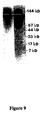
- Figure 9 shows the incubation of 125 I-gp120 (2 nM) with L chains purified from an HIV positive patient (laboratory code number #005) for 17 hours at 37°C resulted in the appearance of cleavage products of gp120 corresponding to 90 kD, 25 kD, 12 kD and ⁇ 10 kD. Similar L chain fractions from HIV negative controls did not display the gp120 cleaving activity. It is known that the concentrations of L chains in IgG preparations like the one used for the gel filtration in this experiment are very small. SDS-electrophoresis and silver staining showed that the L chain concentration in this IgG fraction was ⁇ 1.5%. The specific activity (% cleavage of gp120/protein concentration) of the L chains used as catalysts can be calculated, therefore to be at least 112-fold greater than that of the Lay2 catalytic antibody L chain described in the preceding section.
- L chains with gp120 cleaving activity may be a fairly common component of the immune response in HIV-1 and SLE afflicted patients.
- a replenishable supply of the L chains can be obtained by cloning the immune repertoire of the above referenced patients employing techniques that have been successful in the isolation of VIP cleaving L chains from an asthma patient as described in Gao et al., In Antibody Engineering Protocols , pages 51 :286-291, ed. S. Paul, Humana Press, Totowa, NJ, (1995).
- V L-chain phage display library has been prepared from the peripheral blood lymphocytes of an asthma patient (Tyutyulkova, S., et al., Appl. Biochem. Biotech. 47:191-198 (1994); Tyutyulkova, S., et al., In Antibody Engineering Protocols , pages 51 21:377-394, ed. S. Paul, Humana Press, Totowa, NJ, (1995).
- phage particles with VIP binding activity were enriched by affinity chromatography on immobilized VIP.
- Two VIP binding L chains were expressed in soluble form in E. coli, their primary structure deduced by cDNA sequencing and the proteins purified to electrophoretic homogeneity by metal chelating and protein L affinity chromatography.
- the proteolytic activity of the L chains was measured using (Tyr10- 125 I)VIP substrate. With increasing concentrations of the recombinant L chains, a linear increase in VIP hydrolysis was evident. The reaction for both L chains displayed saturation kinetics with respect to the substrate concentration. The kinetic efficiencies (kcat/Km) using VIP as substrate were better or comparable to that of trypsin, a highly evolved protease. The L chains did not catalyze the cleavage of resorufin, a nonspecific protease substrate. The monomer form of the L-chain was responsible for hydrolysis of VIP, shown by elution of the activity at ⁇ 26kD from a gel filtration column.
- Similar methods may be adapted to clone and express the L chains of the HIV and SLE patients described above.
- Peripheral blood lymphocytes would be collected, and L chain cDNA prepared by the reverse transcriptase-PCR method.
- the PCR products would then be cloned into the phagemid vector pCANTABhis6, which allows display of L chains on the surface of phage particles or their expression as soluble proteins.
- phage particles displaying L chains fused to protein 3 were rescued by superinfection with VCSM13 helper phage, precipitated with polyethylene glycol and subjected to affinity chromatography on a gp120-sepharose column.
- Clones will be isolated by low pH elution and tested for gp120 binding by radioimmunoassay and/or ELISA.
- the clones would be grown in E. coli cells and the cultures induced with IPTG (1mM) for 24 hours to permit secretion of soluble L chains into the supernatant.
- L chains may also be expressed in the periplasmic space by reducing the induction period with IPTG from 24 to 3 hours.
- catalytic antibodies are synthesized in response to immunization with substrate.
- An antibody L-chain library has been cloned from a mouse immunized with VIP.
- the proteolytic activity of L-chain clones selected randomly or selected based on their antigen-binding activity was determined. Selection was done by chromatography of phages on immobilized VIP. Potent catalysts capable of hydrolyzing (Tyr10- 125 I) VIP and generic protease substrates (peptide-methylcoumarinamides) were isolated.
- the clones selected based on their VIP-binding activity displayed improved catalysis by 1-2 orders of magnitude. The increase in catalytic activity was due to increased VIP-binding affinity.
- the catalytic anti-gp120 L chain antibodies may be administered to patients in a suitable pharmaceutical excipient to reduce levels of soluble gp120 antigen in the body.
- IVIG intravenous administration
- the purified gp120 hydrolyzing L chains of the instant invention would be administered by i.v. to patients to reduce the levels of HIV-1 and soluble gp120 in the body. Dosages would be adjusted according to the viral burden in the patient and may range between 1/100th of the viral burden to stoichiometric (1:1) levels. Because the L chains are catalytic, substantially lower dosages may be required for viral neutralization. It is known that dosages of IgG ranging from 0.25-1g/kg of body weight are safe. Efficacy would be measured by analyzing the levels of soluble gp120 before and after treatment by ELISA.
- the anti-gp120 hydrolyzing antibodies of the invention would be directly administered to the brains of patients afflicted with AIDS related dementia.
- the delivery of therapeutic agents to the brain has been described in the literature. See for example Harbaugh, R.E., Biomed. Pharmacother. 43 :483-485 (1989); Johnson et al., J. Neurosurg. 70 :240-248, 1989); Giannone, L., et al., J. Clin. Oncol. 4 : 68-73 (1986).
- the gp120 hydrolyzing light chains may be delivered directly to the intraventricular compartment via a cannula or alternatively they may be conjugated to a transferrin molecule and delivered via i.v.
- the construction of fusion proteins is well known in the art.
- the genetic sequences encoding the catalytic L chain of the invention would be operably linked to the genetic sequences encoding transferrin. Transferrin has been shown to be capable of crossing the blood brain barrier and thus may effectively deliver the L chain of the invention to the brain (Shin et al., Proc. Natl Acad. Sci. 92 :2820-2824 (1995).
Landscapes
- Health & Medical Sciences (AREA)
- Life Sciences & Earth Sciences (AREA)
- Chemical & Material Sciences (AREA)
- Organic Chemistry (AREA)
- Virology (AREA)
- Genetics & Genomics (AREA)
- Medicinal Chemistry (AREA)
- General Health & Medical Sciences (AREA)
- Molecular Biology (AREA)
- Zoology (AREA)
- Wood Science & Technology (AREA)
- Biochemistry (AREA)
- Bioinformatics & Cheminformatics (AREA)
- Engineering & Computer Science (AREA)
- Immunology (AREA)
- Chemical Kinetics & Catalysis (AREA)
- Communicable Diseases (AREA)
- Public Health (AREA)
- Veterinary Medicine (AREA)
- Pharmacology & Pharmacy (AREA)
- Nuclear Medicine, Radiotherapy & Molecular Imaging (AREA)
- General Chemical & Material Sciences (AREA)
- Biomedical Technology (AREA)
- Biotechnology (AREA)
- Oncology (AREA)
- Microbiology (AREA)
- Animal Behavior & Ethology (AREA)
- Proteomics, Peptides & Aminoacids (AREA)
- Biophysics (AREA)
- General Engineering & Computer Science (AREA)
- AIDS & HIV (AREA)
- Tropical Medicine & Parasitology (AREA)
- Peptides Or Proteins (AREA)
- Preparation Of Compounds By Using Micro-Organisms (AREA)
- Medicines Containing Antibodies Or Antigens For Use As Internal Diagnostic Agents (AREA)
- Steroid Compounds (AREA)
- Medicines That Contain Protein Lipid Enzymes And Other Medicines (AREA)
Claims (9)
- Isolierter menschlicher katalytischer Antikörper, der die Spaltung einer Peptidbindung im Glykoprotein 120 eines menschlichen Immunschwächevirus ("Human Immunodeficiency Virus", HIV) katalysiert, wobei der Antikörper aus dem Serum von Menschen, die mit HIV infiziert sind, oder von SLE-Patienten erhältlich ist.
- Antikörper nach Anspruch 1, worin der Antikörper ein IgG ist.
- Fv, das unter Einsatz von für einen Antikörper nach Anspruch 1 oder Anspruch 2 kodierenden Nucleinsäuren rekombinant hergestellt ist.
- Verfahren zur Isolation eines menschlichen katalytischen Antikörpers, der die Spaltung von gp120 katalysiert, folgende Schritte umfassend:a) das Screenen von menschlichen Serumproben auf die Gegenwart des menschlichen katalytischen Antikörpers, wie anhand der Bildung von Spaltprodukten des gp120 mit weniger als 120 kD gemessen; undb) das Reinigen des Antikörpers;
worin das Serum von einem mit HIV-1 infizierten Patienten oder von einem SLE-Patienten stammt. - Verfahren nach Anspruch 4, wobei das Verfahren weiteres folgende Schritte umfasst:c) das Bestimmen der genetischen Sequenz des menschlichen katalytischen Antikörpers;d) das Einführen der für den menschlichen katalytischen Antikörper kodierenden Sequenz in eine Zelle;e) das Exprimieren des Antikörpers in der Zelle.
- Verfahren zur Herstellung eines katalytischen Anti-gp120-Antikörpers aus dem Serum von mit HIV infizierten Menschen oder von SLE-Patienten, umfassend:a) das Isolieren von mRNA aus den Lymphozyten im peripheren Blut des Menschen;b) das Bilden einer cDNA aus der mRNA unter Einsatz von Umkehrtranskriptase-PCR;c) das Einführen der cDNA in einen Vektor unter Einsatz von geeigneten Restriktionsstellen; undd) das Inkorporieren des Vektors in einen Phagen, sodass cDNA-Sequenzen exprimiert werden und rekombinante Proteine auf der Oberfläche des Phagen exponiert werden;e) das Isolieren von Phagenteilchen, welche die Anti-gp120-Katalyseaktivität exprimieren, mittels Säulenchromatographie;f) das Transformieren von E. coli mit dem Phagen, der die gp120-Katalyseaktivität exprimiert; undg) das Reinigen der katalytischen Anti-gp120-Antikörper aus den transformierten E.-coli-Zellen.
- Verfahren nach einem der Ansprüche 4 bis 6, worin der Antikörper ein IgG ist.
- Verwendung eines menschlichen katalytischen Antikörpers nach Anspruch 1 oder 2 oder eines Fv nach Anspruch 3 bei der Herstellung eines Medikaments zur Behandlung eines HIV-1-positiven Patienten, worin die Herstellung eines Medikaments, das ein Fv nach Anspruch 3 umfasst, Folgendes umfasst:a) das operable Verbinden einer genetischen Sequenz, die für das Fv kodiert, mit einer genetischen Sequenz, die für Transferrin kodiert;b) das Transformieren einer Zelle mit diesen operabel verbundenen Sequenzen, sodass ein Fusionsprotein synthetisiert wird;c) das Reinigen des Fusionsproteins; undd) das Herstellen eines Medikaments, das dieses Fusionsprotein umfasst, zur Verabreichung an einen Patienten in einem geeigneten pharmazeutischen Träger.
- Verwendung nach Anspruch 8 eines menschlichen katalytischen Antikörpers nach Anspruch 1 oder Anspruch 2, worin der Antikörper i.v. in einem Dosierungsbereich von 0,1-1 g/kg Körpergewicht verabreicht wird.
Applications Claiming Priority (3)
| Application Number | Priority Date | Filing Date | Title |
|---|---|---|---|
| US132195P | 1995-07-21 | 1995-07-21 | |
| US601321 | 1995-07-21 | ||
| PCT/US1996/012025 WO1997003696A1 (en) | 1995-07-21 | 1996-07-19 | COMPOSITIONS AND METHODS FOR CATALYZING HYDROLYSIS OF HIV gp120 |
Publications (3)
| Publication Number | Publication Date |
|---|---|
| EP0871485A1 EP0871485A1 (de) | 1998-10-21 |
| EP0871485A4 EP0871485A4 (de) | 2000-05-03 |
| EP0871485B1 true EP0871485B1 (de) | 2007-02-21 |
Family
ID=21695441
Family Applications (1)
| Application Number | Title | Priority Date | Filing Date |
|---|---|---|---|
| EP96926751A Expired - Lifetime EP0871485B1 (de) | 1995-07-21 | 1996-07-19 | Zusammensetzungen und methoden zur katalysierten hydrolyse von hiv gp120 |
Country Status (8)
| Country | Link |
|---|---|
| US (1) | US6156541A (de) |
| EP (1) | EP0871485B1 (de) |
| JP (2) | JPH11510047A (de) |
| CN (1) | CN1165344C (de) |
| AT (1) | ATE354374T1 (de) |
| CA (1) | CA2223914A1 (de) |
| ES (1) | ES2283005T3 (de) |
| WO (1) | WO1997003696A1 (de) |
Families Citing this family (13)
| Publication number | Priority date | Publication date | Assignee | Title |
|---|---|---|---|---|
| IT1293511B1 (it) | 1997-07-30 | 1999-03-01 | Gentili Ist Spa | Anticorpi monoclonali catalitici ad attivita' proteasica per la lisi selettiva della componente proteica di placche e aggregati correlati |
| WO1999033968A1 (fr) * | 1997-12-26 | 1999-07-08 | Taizo Uda | Procede de production d'anticorps catalytique et son procede d'utilisation |
| US7560529B2 (en) | 2001-04-24 | 2009-07-14 | FDS Pharma | Method for producing catalytic antibodies (variants), antigens for immunization and nucleotide sequence |
| RU2221873C2 (ru) | 2001-04-24 | 2004-01-20 | Закрытое акционерное общество "АСГЛ-Фармацевтические Инновации" | Способ получения каталитических антител (варианты), антигены для иммунизации и нуклеотидная последовательность |
| JP5503837B2 (ja) | 2003-03-26 | 2014-05-28 | ポール,サッドヒル | 非共有結合により誘導される求核性タンパク質へのリガンドの共有結合 |
| JP4939929B2 (ja) * | 2003-03-26 | 2012-05-30 | ポール,サッドヒル | タンパク質分解抗体および共有結合抗体 |
| JP2007524603A (ja) * | 2003-03-27 | 2007-08-30 | ザ ユニバーシティー オブ テキサス | Hiv/エイズの受動免疫治療用ループス抗体 |
| EP1917977B1 (de) * | 2005-08-23 | 2011-12-28 | Akira Matsumori | Therapeutikum für herzkrankheit und viruskrankheit |
| EP1934605B1 (de) * | 2005-09-22 | 2014-03-26 | Prosci Incorporated | In hefemutanten produzierte glykosylierte polypeptide und verwendungsverfahren dafür |
| CA2637600A1 (en) | 2006-01-17 | 2007-07-26 | Health Research, Inc. | Heteroduplex tracking assay |
| EP2068906B1 (de) * | 2006-09-19 | 2012-08-01 | Sungkyunkwan University Foundation for Corporate Collaboration | Antivirales mittel gegen tierische viren |
| US9969797B2 (en) | 2008-04-23 | 2018-05-15 | Covalent Bioscience Incorporated | Immunoglobulins directed to bacterial, viral and endogenous polypeptides |
| CA2722304A1 (en) * | 2007-04-23 | 2009-02-19 | Sudhir Paul | Immunoglobulins directed to bacterial, viral and endogeneous polypeptides |
Citations (5)
| Publication number | Priority date | Publication date | Assignee | Title |
|---|---|---|---|---|
| WO1991010741A1 (en) * | 1990-01-12 | 1991-07-25 | Cell Genesys, Inc. | Generation of xenogeneic antibodies |
| WO1992003918A1 (en) * | 1990-08-29 | 1992-03-19 | Genpharm International, Inc. | Transgenic non-human animals capable of producing heterologous antibodies |
| WO1994002602A1 (en) * | 1992-07-24 | 1994-02-03 | Cell Genesys, Inc. | Generation of xenogeneic antibodies |
| WO1994025585A1 (en) * | 1993-04-26 | 1994-11-10 | Genpharm International, Inc. | Transgenic non-human animals capable of producing heterologous antibodies |
| WO1995002421A1 (en) * | 1993-07-16 | 1995-01-26 | Alkermes, Inc. | Transferrin receptor specific ligand-neuropharmaceutical agent fusion proteins |
Family Cites Families (4)
| Publication number | Priority date | Publication date | Assignee | Title |
|---|---|---|---|---|
| US5229272A (en) * | 1989-04-25 | 1993-07-20 | Igen, Inc. | Catalytic antibody components |
| ZA893284B (en) * | 1988-05-04 | 1990-03-28 | Igen Inc | Peptide analogs and their use as haptens to elicit catalytic antibodies |
| US5318897A (en) * | 1989-04-25 | 1994-06-07 | Igen, Inc. | Monoclonal antibody and antibody components elicited to a polypeptide antigen ground state |
| IL104829A (en) * | 1992-02-24 | 1999-04-11 | Igen Inc | Selection is based on a response to the expression and concentration of catalytic units |
-
1996
- 1996-07-19 US US09/000,023 patent/US6156541A/en not_active Expired - Lifetime
- 1996-07-19 AT AT96926751T patent/ATE354374T1/de not_active IP Right Cessation
- 1996-07-19 JP JP9506926A patent/JPH11510047A/ja active Pending
- 1996-07-19 ES ES96926751T patent/ES2283005T3/es not_active Expired - Lifetime
- 1996-07-19 CA CA002223914A patent/CA2223914A1/en not_active Abandoned
- 1996-07-19 WO PCT/US1996/012025 patent/WO1997003696A1/en not_active Ceased
- 1996-07-19 CN CNB961970839A patent/CN1165344C/zh not_active Expired - Fee Related
- 1996-07-19 EP EP96926751A patent/EP0871485B1/de not_active Expired - Lifetime
-
2007
- 2007-07-25 JP JP2007193476A patent/JP4185151B2/ja not_active Expired - Fee Related
Patent Citations (5)
| Publication number | Priority date | Publication date | Assignee | Title |
|---|---|---|---|---|
| WO1991010741A1 (en) * | 1990-01-12 | 1991-07-25 | Cell Genesys, Inc. | Generation of xenogeneic antibodies |
| WO1992003918A1 (en) * | 1990-08-29 | 1992-03-19 | Genpharm International, Inc. | Transgenic non-human animals capable of producing heterologous antibodies |
| WO1994002602A1 (en) * | 1992-07-24 | 1994-02-03 | Cell Genesys, Inc. | Generation of xenogeneic antibodies |
| WO1994025585A1 (en) * | 1993-04-26 | 1994-11-10 | Genpharm International, Inc. | Transgenic non-human animals capable of producing heterologous antibodies |
| WO1995002421A1 (en) * | 1993-07-16 | 1995-01-26 | Alkermes, Inc. | Transferrin receptor specific ligand-neuropharmaceutical agent fusion proteins |
Non-Patent Citations (4)
| Title |
|---|
| G.GOLOLOBOV ET AL.: "Nucleophilic proteolytic antibodies", APPLIED BIOCHEMISTRY AND BIOTECHNOLOGY, vol. 83, 2000, pages 221 - 232 * |
| S. KARLE ET AL.: "Cross-clade HIV-1 neutralization by an antibody fragment from a lupus phage display library", AIDS, vol. 18, 2004, pages 329 - 347 * |
| S. PAUL ET AL.: "Natural catalytic antibodies: peptide-hydrolyzing activities of Bence Jones Proteins and VL fragment", THE JOURNAL OF BIOLOGICAL CHEMISTRY, vol. 270, no. 25, 23 June 1995 (1995-06-23), pages 15257 - 15261 * |
| S. PAUL ET AL.: "Natural catalytic immunity is not restricted to autoantigenic substrates", APPLIED BIOCHEMISTRY AND BIOTECHNOLOGY, vol. 83, no. 1-3, 2000, pages 71 - 84 * |
Also Published As
| Publication number | Publication date |
|---|---|
| JPH11510047A (ja) | 1999-09-07 |
| CN1165344C (zh) | 2004-09-08 |
| CN1197394A (zh) | 1998-10-28 |
| ATE354374T1 (de) | 2007-03-15 |
| US6156541A (en) | 2000-12-05 |
| EP0871485A4 (de) | 2000-05-03 |
| CA2223914A1 (en) | 1997-02-06 |
| WO1997003696A1 (en) | 1997-02-06 |
| JP4185151B2 (ja) | 2008-11-26 |
| EP0871485A1 (de) | 1998-10-21 |
| JP2007332151A (ja) | 2007-12-27 |
| ES2283005T3 (es) | 2007-10-16 |
Similar Documents
| Publication | Publication Date | Title |
|---|---|---|
| JP4185151B2 (ja) | HIVgp120の加水分解を触媒する組成物および方法 | |
| EP1009756B1 (de) | RECOMBINANTES IgA | |
| US5852186A (en) | Reactive neutralizing human anti-GP120 recombinant antibody, DNA coding the same and use thereof | |
| US20110287031A1 (en) | Covalently reactive transition state analogs and methods of use thereof | |
| EP1064308B1 (de) | Verfahren zur identifizierung von induktoren und inhibitoren proteolytischer antikörper, zusammensetzungen sowie deren verwendungen | |
| JP4939929B2 (ja) | タンパク質分解抗体および共有結合抗体 | |
| JP5102205B2 (ja) | 触媒免疫グロブリン | |
| CA2153165C (en) | Recombinant anti-hiv antibody and process for preparing the same | |
| Paul et al. | Nature and nurture of catalytic antibodies | |
| US6855804B2 (en) | Covalently reactive transition state analogs and methods of use thereof | |
| US6140091A (en) | Anti-idiotype vaccines to elicit catalytic antibodies | |
| Hifumi et al. | How and why 41S-2 antibody subunits acquire the ability to catalyze decomposition of the conserved sequence of gp41 of HIV-1 | |
| Zhou et al. | Prospects for immunotherapeutic proteolytic antibodies | |
| EP0517817B1 (de) | Inhibitoren von katalytischen antikörpern | |
| Nishiyama et al. | Towards irreversible HIV inactivation: stable gp120 binding by nucleophilic antibodies | |
| CN101222937A (zh) | 具有不抗il-2而抗hiv中和活性的抗体或其片段 | |
| DE69636924T2 (de) | Zusammensetzungen und methoden zur katalysierten hydrolyse von hiv gp120 | |
| RU2769223C1 (ru) | Средство и способ терапии и экстренной профилактики заболеваний, вызываемых вирусом SARS-CoV-2 на основе рекомбинантного антитела и гуманизированного моноклонального антитела | |
| RU2765731C1 (ru) | Гуманизированное моноклональное антитело, специфически связывающиеся с RBD S белка вируса SARS-CoV-2, средство и способ для терапии и экстренной профилактики заболеваний, вызываемых вирусом SARS-CoV-2 | |
| JPH06506947A (ja) | 抗ウィルスハイブリッド抗体 | |
| WO2002079223A9 (en) | Covalently reactive transition state analogs and methods of use thereof | |
| AU2012203683A1 (en) | Catalytic immunoglobulins |
Legal Events
| Date | Code | Title | Description |
|---|---|---|---|
| PUAI | Public reference made under article 153(3) epc to a published international application that has entered the european phase |
Free format text: ORIGINAL CODE: 0009012 |
|
| 17P | Request for examination filed |
Effective date: 19980210 |
|
| AK | Designated contracting states |
Kind code of ref document: A1 Designated state(s): AT BE CH DE DK ES FI FR GB GR IE IT LI LU MC NL PT SE |
|
| RIC1 | Information provided on ipc code assigned before grant |
Free format text: 7A 61K 39/42 A, 7C 12P 21/08 B, 7C 07K 16/10 B, 7C 12N 9/00 B |
|
| A4 | Supplementary search report drawn up and despatched |
Effective date: 20000316 |
|
| AK | Designated contracting states |
Kind code of ref document: A4 Designated state(s): AT BE CH DE DK ES FI FR GB GR IE IT LI LU MC NL PT SE |
|
| 17Q | First examination report despatched |
Effective date: 20000921 |
|
| GRAP | Despatch of communication of intention to grant a patent |
Free format text: ORIGINAL CODE: EPIDOSNIGR1 |
|
| GRAS | Grant fee paid |
Free format text: ORIGINAL CODE: EPIDOSNIGR3 |
|
| GRAA | (expected) grant |
Free format text: ORIGINAL CODE: 0009210 |
|
| AK | Designated contracting states |
Kind code of ref document: B1 Designated state(s): AT BE CH DE DK ES FI FR GB GR IE IT LI LU MC NL PT SE |
|
| PG25 | Lapsed in a contracting state [announced via postgrant information from national office to epo] |
Ref country code: NL Free format text: LAPSE BECAUSE OF FAILURE TO SUBMIT A TRANSLATION OF THE DESCRIPTION OR TO PAY THE FEE WITHIN THE PRESCRIBED TIME-LIMIT Effective date: 20070221 Ref country code: LI Free format text: LAPSE BECAUSE OF FAILURE TO SUBMIT A TRANSLATION OF THE DESCRIPTION OR TO PAY THE FEE WITHIN THE PRESCRIBED TIME-LIMIT Effective date: 20070221 Ref country code: FI Free format text: LAPSE BECAUSE OF FAILURE TO SUBMIT A TRANSLATION OF THE DESCRIPTION OR TO PAY THE FEE WITHIN THE PRESCRIBED TIME-LIMIT Effective date: 20070221 Ref country code: DK Free format text: LAPSE BECAUSE OF FAILURE TO SUBMIT A TRANSLATION OF THE DESCRIPTION OR TO PAY THE FEE WITHIN THE PRESCRIBED TIME-LIMIT Effective date: 20070221 Ref country code: CH Free format text: LAPSE BECAUSE OF FAILURE TO SUBMIT A TRANSLATION OF THE DESCRIPTION OR TO PAY THE FEE WITHIN THE PRESCRIBED TIME-LIMIT Effective date: 20070221 Ref country code: BE Free format text: LAPSE BECAUSE OF FAILURE TO SUBMIT A TRANSLATION OF THE DESCRIPTION OR TO PAY THE FEE WITHIN THE PRESCRIBED TIME-LIMIT Effective date: 20070221 Ref country code: AT Free format text: LAPSE BECAUSE OF FAILURE TO SUBMIT A TRANSLATION OF THE DESCRIPTION OR TO PAY THE FEE WITHIN THE PRESCRIBED TIME-LIMIT Effective date: 20070221 |
|
| REG | Reference to a national code |
Ref country code: GB Ref legal event code: FG4D |
|
| REG | Reference to a national code |
Ref country code: CH Ref legal event code: EP |
|
| REF | Corresponds to: |
Ref document number: 69636924 Country of ref document: DE Date of ref document: 20070405 Kind code of ref document: P |
|
| REG | Reference to a national code |
Ref country code: IE Ref legal event code: FG4D |
|
| PG25 | Lapsed in a contracting state [announced via postgrant information from national office to epo] |
Ref country code: SE Free format text: LAPSE BECAUSE OF FAILURE TO SUBMIT A TRANSLATION OF THE DESCRIPTION OR TO PAY THE FEE WITHIN THE PRESCRIBED TIME-LIMIT Effective date: 20070521 |
|
| PG25 | Lapsed in a contracting state [announced via postgrant information from national office to epo] |
Ref country code: PT Free format text: LAPSE BECAUSE OF FAILURE TO SUBMIT A TRANSLATION OF THE DESCRIPTION OR TO PAY THE FEE WITHIN THE PRESCRIBED TIME-LIMIT Effective date: 20070723 |
|
| NLV1 | Nl: lapsed or annulled due to failure to fulfill the requirements of art. 29p and 29m of the patents act | ||
| ET | Fr: translation filed | ||
| REG | Reference to a national code |
Ref country code: CH Ref legal event code: PL |
|
| REG | Reference to a national code |
Ref country code: ES Ref legal event code: FG2A Ref document number: 2283005 Country of ref document: ES Kind code of ref document: T3 |
|
| PLBE | No opposition filed within time limit |
Free format text: ORIGINAL CODE: 0009261 |
|
| STAA | Information on the status of an ep patent application or granted ep patent |
Free format text: STATUS: NO OPPOSITION FILED WITHIN TIME LIMIT |
|
| 26N | No opposition filed |
Effective date: 20071122 |
|
| PG25 | Lapsed in a contracting state [announced via postgrant information from national office to epo] |
Ref country code: MC Free format text: LAPSE BECAUSE OF NON-PAYMENT OF DUE FEES Effective date: 20070731 Ref country code: GR Free format text: LAPSE BECAUSE OF FAILURE TO SUBMIT A TRANSLATION OF THE DESCRIPTION OR TO PAY THE FEE WITHIN THE PRESCRIBED TIME-LIMIT Effective date: 20070522 |
|
| PG25 | Lapsed in a contracting state [announced via postgrant information from national office to epo] |
Ref country code: IE Free format text: LAPSE BECAUSE OF NON-PAYMENT OF DUE FEES Effective date: 20070719 |
|
| PG25 | Lapsed in a contracting state [announced via postgrant information from national office to epo] |
Ref country code: LU Free format text: LAPSE BECAUSE OF NON-PAYMENT OF DUE FEES Effective date: 20070719 |
|
| PGFP | Annual fee paid to national office [announced via postgrant information from national office to epo] |
Ref country code: FR Payment date: 20090723 Year of fee payment: 14 Ref country code: ES Payment date: 20090720 Year of fee payment: 14 |
|
| PGFP | Annual fee paid to national office [announced via postgrant information from national office to epo] |
Ref country code: GB Payment date: 20090720 Year of fee payment: 14 Ref country code: DE Payment date: 20090727 Year of fee payment: 14 |
|
| PGFP | Annual fee paid to national office [announced via postgrant information from national office to epo] |
Ref country code: IT Payment date: 20090728 Year of fee payment: 14 |
|
| GBPC | Gb: european patent ceased through non-payment of renewal fee |
Effective date: 20100719 |
|
| REG | Reference to a national code |
Ref country code: FR Ref legal event code: ST Effective date: 20110331 |
|
| PG25 | Lapsed in a contracting state [announced via postgrant information from national office to epo] |
Ref country code: DE Free format text: LAPSE BECAUSE OF NON-PAYMENT OF DUE FEES Effective date: 20110201 |
|
| REG | Reference to a national code |
Ref country code: DE Ref legal event code: R119 Ref document number: 69636924 Country of ref document: DE Effective date: 20110201 |
|
| PG25 | Lapsed in a contracting state [announced via postgrant information from national office to epo] |
Ref country code: IT Free format text: LAPSE BECAUSE OF NON-PAYMENT OF DUE FEES Effective date: 20100719 Ref country code: FR Free format text: LAPSE BECAUSE OF NON-PAYMENT OF DUE FEES Effective date: 20100802 |
|
| PG25 | Lapsed in a contracting state [announced via postgrant information from national office to epo] |
Ref country code: GB Free format text: LAPSE BECAUSE OF NON-PAYMENT OF DUE FEES Effective date: 20100719 |
|
| REG | Reference to a national code |
Ref country code: ES Ref legal event code: FD2A Effective date: 20110818 |
|
| PG25 | Lapsed in a contracting state [announced via postgrant information from national office to epo] |
Ref country code: ES Free format text: LAPSE BECAUSE OF NON-PAYMENT OF DUE FEES Effective date: 20100720 |