EP0880269A2 - Faksimilegerät - Google Patents
Faksimilegerät Download PDFInfo
- Publication number
- EP0880269A2 EP0880269A2 EP98202792A EP98202792A EP0880269A2 EP 0880269 A2 EP0880269 A2 EP 0880269A2 EP 98202792 A EP98202792 A EP 98202792A EP 98202792 A EP98202792 A EP 98202792A EP 0880269 A2 EP0880269 A2 EP 0880269A2
- Authority
- EP
- European Patent Office
- Prior art keywords
- facsimile
- data
- computer
- microprocessor
- communication
- Prior art date
- Legal status (The legal status is an assumption and is not a legal conclusion. Google has not performed a legal analysis and makes no representation as to the accuracy of the status listed.)
- Withdrawn
Links
- 238000004891 communication Methods 0.000 claims description 57
- 230000005540 biological transmission Effects 0.000 claims description 22
- 238000012937 correction Methods 0.000 claims description 4
- 230000003111 delayed effect Effects 0.000 claims description 3
- 238000010348 incorporation Methods 0.000 claims description 2
- 238000012544 monitoring process Methods 0.000 claims 2
- 230000003190 augmentative effect Effects 0.000 claims 1
- 238000012546 transfer Methods 0.000 abstract description 51
- 238000000034 method Methods 0.000 description 9
- 230000006870 function Effects 0.000 description 5
- 238000012986 modification Methods 0.000 description 4
- 230000004048 modification Effects 0.000 description 4
- 230000011664 signaling Effects 0.000 description 4
- 238000010586 diagram Methods 0.000 description 3
- 230000004075 alteration Effects 0.000 description 2
- 238000011017 operating method Methods 0.000 description 2
- 230000008569 process Effects 0.000 description 2
- 230000006399 behavior Effects 0.000 description 1
- 230000003139 buffering effect Effects 0.000 description 1
- 230000015556 catabolic process Effects 0.000 description 1
- 238000006243 chemical reaction Methods 0.000 description 1
- 238000012790 confirmation Methods 0.000 description 1
- 238000013497 data interchange Methods 0.000 description 1
- 238000001514 detection method Methods 0.000 description 1
- 230000010354 integration Effects 0.000 description 1
- 238000012549 training Methods 0.000 description 1
Images



Classifications
-
- H—ELECTRICITY
- H04—ELECTRIC COMMUNICATION TECHNIQUE
- H04N—PICTORIAL COMMUNICATION, e.g. TELEVISION
- H04N1/00—Scanning, transmission or reproduction of documents or the like, e.g. facsimile transmission; Details thereof
- H04N1/00127—Connection or combination of a still picture apparatus with another apparatus, e.g. for storage, processing or transmission of still picture signals or of information associated with a still picture
- H04N1/00204—Connection or combination of a still picture apparatus with another apparatus, e.g. for storage, processing or transmission of still picture signals or of information associated with a still picture with a digital computer or a digital computer system, e.g. an internet server
- H04N1/00236—Connection or combination of a still picture apparatus with another apparatus, e.g. for storage, processing or transmission of still picture signals or of information associated with a still picture with a digital computer or a digital computer system, e.g. an internet server using an image reading or reproducing device, e.g. a facsimile reader or printer, as a local input to or local output from a computer
- H04N1/00238—Connection or combination of a still picture apparatus with another apparatus, e.g. for storage, processing or transmission of still picture signals or of information associated with a still picture with a digital computer or a digital computer system, e.g. an internet server using an image reading or reproducing device, e.g. a facsimile reader or printer, as a local input to or local output from a computer using an image reproducing device as a local output from a computer
-
- H—ELECTRICITY
- H04—ELECTRIC COMMUNICATION TECHNIQUE
- H04M—TELEPHONIC COMMUNICATION
- H04M11/00—Telephonic communication systems specially adapted for combination with other electrical systems
- H04M11/06—Simultaneous speech and data transmission, e.g. telegraphic transmission over the same conductors
-
- H—ELECTRICITY
- H04—ELECTRIC COMMUNICATION TECHNIQUE
- H04N—PICTORIAL COMMUNICATION, e.g. TELEVISION
- H04N1/00—Scanning, transmission or reproduction of documents or the like, e.g. facsimile transmission; Details thereof
- H04N1/00127—Connection or combination of a still picture apparatus with another apparatus, e.g. for storage, processing or transmission of still picture signals or of information associated with a still picture
- H04N1/00204—Connection or combination of a still picture apparatus with another apparatus, e.g. for storage, processing or transmission of still picture signals or of information associated with a still picture with a digital computer or a digital computer system, e.g. an internet server
- H04N1/00206—Transmitting or receiving computer data via an image communication device, e.g. a facsimile transceiver
-
- H—ELECTRICITY
- H04—ELECTRIC COMMUNICATION TECHNIQUE
- H04N—PICTORIAL COMMUNICATION, e.g. TELEVISION
- H04N1/00—Scanning, transmission or reproduction of documents or the like, e.g. facsimile transmission; Details thereof
- H04N1/00127—Connection or combination of a still picture apparatus with another apparatus, e.g. for storage, processing or transmission of still picture signals or of information associated with a still picture
- H04N1/00204—Connection or combination of a still picture apparatus with another apparatus, e.g. for storage, processing or transmission of still picture signals or of information associated with a still picture with a digital computer or a digital computer system, e.g. an internet server
- H04N1/00209—Transmitting or receiving image data, e.g. facsimile data, via a computer, e.g. using e-mail, a computer network, the internet, I-fax
-
- H—ELECTRICITY
- H04—ELECTRIC COMMUNICATION TECHNIQUE
- H04N—PICTORIAL COMMUNICATION, e.g. TELEVISION
- H04N1/00—Scanning, transmission or reproduction of documents or the like, e.g. facsimile transmission; Details thereof
- H04N1/00127—Connection or combination of a still picture apparatus with another apparatus, e.g. for storage, processing or transmission of still picture signals or of information associated with a still picture
- H04N1/00204—Connection or combination of a still picture apparatus with another apparatus, e.g. for storage, processing or transmission of still picture signals or of information associated with a still picture with a digital computer or a digital computer system, e.g. an internet server
- H04N1/00236—Connection or combination of a still picture apparatus with another apparatus, e.g. for storage, processing or transmission of still picture signals or of information associated with a still picture with a digital computer or a digital computer system, e.g. an internet server using an image reading or reproducing device, e.g. a facsimile reader or printer, as a local input to or local output from a computer
-
- H—ELECTRICITY
- H04—ELECTRIC COMMUNICATION TECHNIQUE
- H04N—PICTORIAL COMMUNICATION, e.g. TELEVISION
- H04N1/00—Scanning, transmission or reproduction of documents or the like, e.g. facsimile transmission; Details thereof
- H04N1/00127—Connection or combination of a still picture apparatus with another apparatus, e.g. for storage, processing or transmission of still picture signals or of information associated with a still picture
- H04N1/00204—Connection or combination of a still picture apparatus with another apparatus, e.g. for storage, processing or transmission of still picture signals or of information associated with a still picture with a digital computer or a digital computer system, e.g. an internet server
- H04N1/00236—Connection or combination of a still picture apparatus with another apparatus, e.g. for storage, processing or transmission of still picture signals or of information associated with a still picture with a digital computer or a digital computer system, e.g. an internet server using an image reading or reproducing device, e.g. a facsimile reader or printer, as a local input to or local output from a computer
- H04N1/00241—Connection or combination of a still picture apparatus with another apparatus, e.g. for storage, processing or transmission of still picture signals or of information associated with a still picture with a digital computer or a digital computer system, e.g. an internet server using an image reading or reproducing device, e.g. a facsimile reader or printer, as a local input to or local output from a computer using an image reading device as a local input to a computer
-
- H—ELECTRICITY
- H04—ELECTRIC COMMUNICATION TECHNIQUE
- H04N—PICTORIAL COMMUNICATION, e.g. TELEVISION
- H04N1/00—Scanning, transmission or reproduction of documents or the like, e.g. facsimile transmission; Details thereof
- H04N1/32—Circuits or arrangements for control or supervision between transmitter and receiver or between image input and image output device, e.g. between a still-image camera and its memory or between a still-image camera and a printer device
- H04N1/32358—Circuits or arrangements for control or supervision between transmitter and receiver or between image input and image output device, e.g. between a still-image camera and its memory or between a still-image camera and a printer device using picture signal storage, e.g. at transmitter
- H04N1/324—Circuits or arrangements for control or supervision between transmitter and receiver or between image input and image output device, e.g. between a still-image camera and its memory or between a still-image camera and a printer device using picture signal storage, e.g. at transmitter intermediate the transmitter and receiver terminals, e.g. at an exchange
-
- H—ELECTRICITY
- H04—ELECTRIC COMMUNICATION TECHNIQUE
- H04N—PICTORIAL COMMUNICATION, e.g. TELEVISION
- H04N1/00—Scanning, transmission or reproduction of documents or the like, e.g. facsimile transmission; Details thereof
- H04N1/32—Circuits or arrangements for control or supervision between transmitter and receiver or between image input and image output device, e.g. between a still-image camera and its memory or between a still-image camera and a printer device
- H04N1/32358—Circuits or arrangements for control or supervision between transmitter and receiver or between image input and image output device, e.g. between a still-image camera and its memory or between a still-image camera and a printer device using picture signal storage, e.g. at transmitter
- H04N1/324—Circuits or arrangements for control or supervision between transmitter and receiver or between image input and image output device, e.g. between a still-image camera and its memory or between a still-image camera and a printer device using picture signal storage, e.g. at transmitter intermediate the transmitter and receiver terminals, e.g. at an exchange
- H04N1/32406—Circuits or arrangements for control or supervision between transmitter and receiver or between image input and image output device, e.g. between a still-image camera and its memory or between a still-image camera and a printer device using picture signal storage, e.g. at transmitter intermediate the transmitter and receiver terminals, e.g. at an exchange in connection with routing or relaying, e.g. using a fax-server or a store-and-forward facility
- H04N1/32427—Optimising routing, e.g. for minimum cost
-
- H—ELECTRICITY
- H04—ELECTRIC COMMUNICATION TECHNIQUE
- H04N—PICTORIAL COMMUNICATION, e.g. TELEVISION
- H04N1/00—Scanning, transmission or reproduction of documents or the like, e.g. facsimile transmission; Details thereof
- H04N1/32—Circuits or arrangements for control or supervision between transmitter and receiver or between image input and image output device, e.g. between a still-image camera and its memory or between a still-image camera and a printer device
- H04N1/327—Initiating, continuing or ending a single-mode communication; Handshaking therefor
- H04N1/32704—Establishing a communication with one of a facsimile and another telecommunication apparatus sharing a single line
-
- H—ELECTRICITY
- H04—ELECTRIC COMMUNICATION TECHNIQUE
- H04N—PICTORIAL COMMUNICATION, e.g. TELEVISION
- H04N1/00—Scanning, transmission or reproduction of documents or the like, e.g. facsimile transmission; Details thereof
- H04N1/32—Circuits or arrangements for control or supervision between transmitter and receiver or between image input and image output device, e.g. between a still-image camera and its memory or between a still-image camera and a printer device
- H04N1/327—Initiating, continuing or ending a single-mode communication; Handshaking therefor
- H04N1/32704—Establishing a communication with one of a facsimile and another telecommunication apparatus sharing a single line
- H04N1/32706—Type of the other apparatus
- H04N1/32713—Data transmission device, e.g. switched network of teleprinters for the distribution of text-based information transceiver
-
- H—ELECTRICITY
- H04—ELECTRIC COMMUNICATION TECHNIQUE
- H04N—PICTORIAL COMMUNICATION, e.g. TELEVISION
- H04N1/00—Scanning, transmission or reproduction of documents or the like, e.g. facsimile transmission; Details thereof
- H04N1/32—Circuits or arrangements for control or supervision between transmitter and receiver or between image input and image output device, e.g. between a still-image camera and its memory or between a still-image camera and a printer device
- H04N1/327—Initiating, continuing or ending a single-mode communication; Handshaking therefor
- H04N1/32704—Establishing a communication with one of a facsimile and another telecommunication apparatus sharing a single line
- H04N1/32715—Detecting
- H04N1/32728—Detecting an off-hook condition
-
- H—ELECTRICITY
- H04—ELECTRIC COMMUNICATION TECHNIQUE
- H04N—PICTORIAL COMMUNICATION, e.g. TELEVISION
- H04N1/00—Scanning, transmission or reproduction of documents or the like, e.g. facsimile transmission; Details thereof
- H04N1/32—Circuits or arrangements for control or supervision between transmitter and receiver or between image input and image output device, e.g. between a still-image camera and its memory or between a still-image camera and a printer device
- H04N1/327—Initiating, continuing or ending a single-mode communication; Handshaking therefor
- H04N1/32704—Establishing a communication with one of a facsimile and another telecommunication apparatus sharing a single line
- H04N1/32715—Detecting
- H04N1/3273—Detecting a loop current
-
- H—ELECTRICITY
- H04—ELECTRIC COMMUNICATION TECHNIQUE
- H04N—PICTORIAL COMMUNICATION, e.g. TELEVISION
- H04N1/00—Scanning, transmission or reproduction of documents or the like, e.g. facsimile transmission; Details thereof
- H04N1/42—Systems for two-way working, e.g. conference systems
-
- H—ELECTRICITY
- H04—ELECTRIC COMMUNICATION TECHNIQUE
- H04N—PICTORIAL COMMUNICATION, e.g. TELEVISION
- H04N2201/00—Indexing scheme relating to scanning, transmission or reproduction of documents or the like, and to details thereof
- H04N2201/0008—Connection or combination of a still picture apparatus with another apparatus
- H04N2201/0015—Control of image communication with the connected apparatus, e.g. signalling capability
- H04N2201/0022—Selecting or switching between an image communication mode and a non-image communication mode
-
- H—ELECTRICITY
- H04—ELECTRIC COMMUNICATION TECHNIQUE
- H04N—PICTORIAL COMMUNICATION, e.g. TELEVISION
- H04N2201/00—Indexing scheme relating to scanning, transmission or reproduction of documents or the like, and to details thereof
- H04N2201/0008—Connection or combination of a still picture apparatus with another apparatus
- H04N2201/0015—Control of image communication with the connected apparatus, e.g. signalling capability
- H04N2201/0024—Converting image communication control signals, e.g. group 3 facsimile protocol signals, to non-image communication control signals or vice versa
-
- H—ELECTRICITY
- H04—ELECTRIC COMMUNICATION TECHNIQUE
- H04N—PICTORIAL COMMUNICATION, e.g. TELEVISION
- H04N2201/00—Indexing scheme relating to scanning, transmission or reproduction of documents or the like, and to details thereof
- H04N2201/0008—Connection or combination of a still picture apparatus with another apparatus
- H04N2201/0034—Details of the connection, e.g. connector, interface
-
- H—ELECTRICITY
- H04—ELECTRIC COMMUNICATION TECHNIQUE
- H04N—PICTORIAL COMMUNICATION, e.g. TELEVISION
- H04N2201/00—Indexing scheme relating to scanning, transmission or reproduction of documents or the like, and to details thereof
- H04N2201/0077—Types of the still picture apparatus
- H04N2201/0086—Image transceiver
Definitions
- the present invention relates to a facsimile device for connecting a facsimile transceiver to a computer.
- the facsimile device may also be connected to a telephone network.
- facsimile modems and data modems for performing facsimile transmission of documents or file transfers using facsimile protocols.
- Such devices may be either internal or external devices which can be connected to computer provided with the appropriate software.
- Such devices may not be easily interconnected with an existing facsimile transceiver at the same local site.
- Prior art devices provide only for connection to a facsimile device at a remote site over a telephone network. Therefore, any connection between the computer and the local facsimile transceiver is only possible via the telephone network. In such a case, a telephone exchange and telephone lines are required to communicate between the computer and the facsimile transceiver.
- Phase B is the low speed (300 baud) pre-message signalling in which the capabilities of the respective machines are indicated and selected.
- the called station first responds with a Digital Information Signal (DIS) in which its capabilities in terms of group type, speed, resolution, and other special capabilities are indicated. At this time file transfer capabilities may also be indicated.
- the calling machine then responds with a Digital Command Signal (DCS) in which, in line with its own capabilities, the capabilities required for the forthcoming transmission are selected. This is followed by a high speed training sequence related to synchronisation, equalisation and other functions.
- DIS Digital Information Signal
- DCS Digital Command Signal
- Phase C is entered during which the transfer of facsimile information takes place.
- the transmitting machine will progressively scan the input document, code and compress the pixel information according to the selected resolution and transmit the information at the selected speed.
- the receiving machine will correspondingly decompress and decode the received information and print the required image.
- Phase D is entered. This post-message signalling determines if there are more pages to transmit, in which case Phase C is repeated. If there are no more pages then Phase E is entered at which time the call is terminated and the line disconnected.
- BFT is considered most general and most suitable for widespread application for PC compatible communications. This is because the binary file mode allows the transfer of any type of file including those indicated by the other modes.
- the first two transfer modes are more appropriate for integration with telex or similar communications, whereas the fourth relates specifically to the standard form for electronic data interchange for administration commerce and transport (EDIFACT).
- the preferred embodiments may include equipment which is capable of transceiving file information in any of the above modes and interfacing with equipment which is designed specifically for the transception of information in any of the above file transfer modes.
- File transfers may be affected, with a compatible receiver, by making the appropriate DCS selection in Phase B. This may be after the completion of a normal facsimile transfer in Phase C. In this case, Error Correction Mode (ECM) will also be selected to guarantee data integrity. File transfer will take place in Phase C according to the BFT or other selected file transfer mode.
- ECM Error Correction Mode
- the file or files selected for transfer, and those received will normally reside on the hard disk or floppy disk of the personal computer, according to the user's specification.
- the files for transception will normally reside on a floppy disk.
- the facility may exist for the calling device to receive facsimile information from a remote called device which has a document to transmit (polling). This facility is also relevant for file transfers, as per CCITT Recommendation T.30.
- a facsimile device for local facsimile/computer interconnection comprising at the local site:
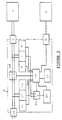
- Figure 1 illustrates a local communications facsimile device 3 for local facsimile to computer interconnection.
- the device 3 is provided with a first termination means comprising connector 4 and a second termination means comprising a serial port connector 5.
- Connector 4 is preferably a PSTN-type connector for connection to the connector of the facsimile transceiver 1.
- a facsimile transceiver 1 can be directly connected to the connector 4 and a computer can be directly connected to the serial port connector 5 at a local site.
- the facsimile transceiver 1 and the computer 2 are thus connected to each other using the device 3.
- the device 3 is further provides a first communications means having a ring generator means comprising ring generator 6, a first line interface means comprising line interface unit 7, and a first detector means comprising a line loop detector 8.
- the ring generator 6, line interface unit 7 and line loop detector 8 are connected to the connector for communication with the facsimile transceiver 1.
- a control means comprising microprocessor 10 which is connected to the ring generator 6 and the line loop detector 8.
- a modem 9 is connected between the line interface unit and the microprocessor 10.
- the microprocessor 10 is also connected to a second communications means which includes the serial port connector 5 for communication with the computer 2.
- the microprocessor 10 may be provided with system memory 11 for storing communication information and a control program for the microprocessor 10.
- the device 3 may also be provided with a display 12 for communicating information to the user and a keypad 13 to provide the user with control of the device 3.
- the device 3 may be used to connect the computer 2 to a facsimile transceiver 1 to serve as a printer for the computer 2.
- the computer 2 wishes to print to the facsimile transceiver 1
- the computer 2 sends a printing request signal to the microprocessor 10 requesting the device 3 to establish communication with the facsimile transceiver 1 for the purposes of printing.
- Microprocessor 10 then sends a ring request signal to the ring generator 6 which produces a ring signal to the facsimile transceiver 1 via the connector 4.
- the line loop detector 8 detects the answer which is communicated to the microprocessor 10.
- the microprocessor 10 establishes communication between the device 3 and the facsimile transceiver 1 by exchanging communication protocol information according to Phase B as set out hereinbefore.
- the microprocessor 10 then proceeds to receive the information to be printed from the computer 2 and forwards the serial data from the computer 2 to the modem 9.
- the modem 9 modulates the data and forwards the modulated data to the line interface unit 7.
- the line interface unit 7 then sends the modulated data to the facsimile transceiver 1 via the connector 4.
- the facsimile transceiver 1 thus prints the data communicated from the computer 2 and once all the information has been transferred the microprocessor 10 indicates to the facsimile transceiver 1 that communications are completed and the microprocessor 10 terminates the data transfer from the computer 2 to the facsimile transceiver 1.
- the facsimile transceiver 1 may also be used as a scanner for scanning documents and communicating the scanned documents to the computer 2.
- a number is dialled on the facsimile transceiver 1 as if the user requires to send a facsimile.
- the line loop detector 8 detects the dialling function of the facsimile transceiver 1 and the microprocessor 10 is readied for receiving a facsimile transmission from the facsimile transceiver 1.
- the microprocessor 10 answers the facsimile transceiver 1 using modem 9 and line interface 7. Communication is established between the microprocessor 10 and the facsimile transceiver 1 by exchanging the normal facsimile communication protocol information.
- the facsimile transceiver 1 sends modulated signals representing the scanned documents via the connector 4 to the line interface unit 7 and to the modem 9 where the modulated signals are demodulated.
- the demodulated signals are communicated from the modem 9 to the microprocessor 10.
- the microprocessor 10 can then transfer the demodulated signals representing the scan documents to the computer 2 via the serial port connector 5. Again, once facsimile transmission is completed the microprocessor 10 disconnects from the facsimile transceiver 1 and the computer 2.
- the operation of the device 3 can be controlled via the display 12 and the key pad 13.
- the microprocessor 10 is under control of a program stored in the system memory 11.
- the memory 11 may also be used as a buffer to temporarily store information transferred between the computer 2 and the facsimile transceiver 1 is either of the devices are disconnected.
- FIG. 2 illustrates another preferred embodiment of the present invention which is provided with a third communication means for connecting the device 3 to a telephone network.
- the third communications device is comprised of a PSTN connector 15, a ring detector 16, a line interface unit 17, a line loop detector 18 and a modem 19.
- the ring detector 16 detects a ring signal which comes in via the PSTN connector 15 if another device tries to contact the device 3.
- the ring detection signal is transmitted to the microprocessor 10 which then establishes communication with the other device via the line interface unit 17 and the modem 19.
- the line loop detector 18 detects where the other device disconnects or hangs up the telephone connection and communication with the device 3 is disconnected.
- the device shown in Figure 2 can thus be used by the computer 2 as a normal data modem or facsimile modem for communicating with another device via PSTN connector 15.
- the device 3 may also be set such that any incoming calls are answered by the microprocessor 10 and directed to the computer 2.
- a switch device 14 may be provided to connect the PSTN connector 15 to the connector 4 under the control of microprocessor 10.
- the device 3 can thus be set by the user such that switch 14 is closed and any incoming calls are automatically directed from the telephone network to the facsimile transceiver 1 via the switch 14.
- the facsimile transceiver 1 can transmit a facsimile directly to the telephone network via switch 14.
- switch 14 may be open such that all incoming calls are firstly directed to microprocessor 10 which is then able to redirect the call either to the facsimile transceiver 1 or the computer 2.
- either the facsimile transceiver 1 or the computer 2 may send facsimile information via the telephone network through the microprocessor 10.
- enhanced capabilities of the device 3 may be used for improved communication. For example, if the device 3 is able to transmit at higher speeds than that of the facsimile transceiver 1, the device 3 can be used to accelerate communication. Alternatively, the device 3 may be provided with Error Correction Mode and file transfer capabilities which thus augments the facilities provided by the facsimile transceiver 1 and the computer 2.
- the microprocessor 10 may also perform any buffering of data in memory 11 in order to maintain synchronisation between the local and remote devices.
- the transfer is effected by the microprocessor 10 in conjunction with an optional floppy disk drive which can be provided in the device 3.
- the files contained on the disk in the disk drive can then be transferred via the modem according to known file transfer procedures.
- the call is terminated.
- the file transfer may be directed to the computer 2 for storage on the disk drive of the computer.
- the device shown in Figure 2 may also be used similarly to the device shown in Figure 1 to allow the facsimile transceiver 1 to be used as a printer or a scanner. In such a mode of operation the connection 15 to the telephone network is disconnected.
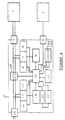
- Figure 3 is another preferred embodiment of the present invention illustrating a device 3 similar to that of Figure 2. Like features have been numbered using the same reference numerals. However, instead of having a modem 9 and a modem 19 as shown in Figure 2, the device 3 shown in Figure 3 has a modem 24 and a switch 23. The modem 24 is used to perform the same role as the modems 9 and 19 of Figure 2 by switching the switch 23 to connect the modem either to the facsimile transceiver 1 or the telephone network. This embodiment reduces the cost of the device since only 1 modem component is required. In this case the local modem capabilities of the device enabling it to connect to both the external telephone line and the facsimile transceiver are achieved by switching the modem to the appropriate line. With this device, rerouting of facsimile data within one call session is not possible.
- Figure 4 illustrates another preferred embodiment of the present invention similar to the preferred embodiment shown in Figure 2. Like features have been numbered using similar reference numerals. However, the embodiment shown in Figure 4 is further provided with a disk drive 21 and a disk controller 22 for controlling the disk drive 21.
- the disk drive 21 may be used for file transfer using the modified CCITT Recommendations T.4 and T.30 governing facsimile communication including file transfers using facsimile protocols.
- a disk is inserted in the disk drive 21 and the key pad 13 is operated to indicate to the device 3 that the data stored on the disk can be transmitted from the device 3 to a remote location via the telephone network connected to PSTN connector 15.
- file transfer information may be directed to the disk drive 21 if the device 3 has been set to transfer such file information to the disk drive 21.
- file information may be sent to the personal computer 2, depending on the modes set on the facsimile device.
- the device operates as a facsimile modem in connection to the computer. Communications between the device and the computer are controlled via standard AT command set. Facsimile file conversions and session supervision may be provided by computer software. File transfer capabilities may be implemented by the computer software or provided in conjunction with the disk drive of the device. In this Mode the facsimile transceiver may also be used for sending facsimiles.
- the second operational Mode all incoming facsimiles are directed to the facsimile transceiver.
- This is the standby mode, when the computer is not in use, enabling the use of all existing functions of the facsimile transceiver. If available however, the computer may also be used to send facsimiles, including file transfers in this Mode.
- the third operational Mode allows local communications.
- a facsimile may be sent from the facsimile transceiver to the computer, enabling the facsimile, in conjunction with computer software, to operate as a desktop scanner.
- a facsimile may be sent from the computer to the facsimile transceiver, thus enabling the facsimile to be used as a printer.
- this device relies on the facsimile transceiver or the computer for dialling functions.
- the device may incorporate its own dialling facility so that it may operate independently. When not in operation for remote communication it may transmit journal information regarding file transfers to the facsimile transceiver.
- a flow chart, indicating the operation of the device 3, when a facsimile transmission is initiated from the facsimile transceiver 1 is shown in Figure 5.
- Modes 1 and 2 communication with a remote facsimile is initiated.
- Mode 3 communication with the local facsimile transceiver 1 is initiated.
- the call is detected by the ring detector 16 and line interface unit 17.
- the switch 14 is closed by the microprocessor 10 for the purpose of call establishment.
- data is routed directly from the facsimile transceiver 1 to the PSTN connector 15 in the case of modes 1 and 2.
- a file transfer is requested, this is performed at the end of a normal facsimile transmission.
- a file transfer in conjunction with the sending of a facsimile from the facsimile transceiver is facilitated in preferred embodiments of the invention which incorporate a disk drive.
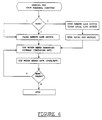
- the operating procedure of the device 3 in sending a facsimile from the computer is shown in Figure 6. In this case all sending operations are performed in conjunction with the computer 2. In Modes 1 and 2 the facsimile transceiver 1 is kept off line. In Mode 3 the outgoing facsimile is routed to the facsimile transceiver 1, thus providing an effective printing function for computer documents.
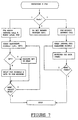
- the operating procedure of the device 3 when receiving a facsimile is shown in Figure 7. If the device 3 has been configured in Mode 1, the incoming data is routed to the computer 2. In Mode 2, incoming data is routed to the facsimile transceiver 1.
- file information may be routed to disk and facsimile image data routed to the facsimile transceiver 1.
- the routing of data may be further selected by the user via appropriate commands or switches. Error diagnostics and file receive indication are provided by the user interface display.
- all received data may be optionally directed to the computer.
- the device In the case of embodiments not containing a disk drive, the device must be configured in Mode 1 in order to receive file transfers on the computer 2.
- Mode 3 when the device 3 is configured for local mode operations, (Mode 3), it is unavailable to receive a facsimile from a remote source, and will not answer an incoming call.
- the preferred embodiments may also provide the following facilities:
- the above preferred embodiments provide a facsimile device which can be used to connect a facsimile transceiver to a computer for communication between the facsimile transceiver and the computer.
- the facsimile transceiver can thus be used as a printer or a scanner for the computer.
- the device may be connected to a telephone network, thus enabling communication between the computer or the facsimile transceiver to devices at remote locations.
- the facsimile devise can operate either as a standard modem or a facsimile modem.
- file transfers may also be made using facsimile protocols using a floppy disk drive built into the device.
- the facsimile device may be provided on a card for location in the computer.
- the card would have a connector for the facsimile transceiver to connect the computer directly to the facsimile transceiver.
Landscapes
- Engineering & Computer Science (AREA)
- Signal Processing (AREA)
- General Engineering & Computer Science (AREA)
- Multimedia (AREA)
- Computing Systems (AREA)
- Computer Networks & Wireless Communication (AREA)
- Facsimiles In General (AREA)
- Facsimile Transmission Control (AREA)
Applications Claiming Priority (5)
| Application Number | Priority Date | Filing Date | Title |
|---|---|---|---|
| AUPL263192 | 1992-05-27 | ||
| AUPL2631/92 | 1992-05-27 | ||
| AUPL662992 | 1992-12-31 | ||
| AUPL6629/92 | 1992-12-31 | ||
| EP93909694A EP0643897A4 (en) | 1992-05-27 | 1993-05-27 | A facsimile device. |
Related Parent Applications (1)
| Application Number | Title | Priority Date | Filing Date |
|---|---|---|---|
| EP93909694A Division EP0643897A4 (en) | 1992-05-27 | 1993-05-27 | A facsimile device. |
Publications (2)
| Publication Number | Publication Date |
|---|---|
| EP0880269A2 true EP0880269A2 (de) | 1998-11-25 |
| EP0880269A3 EP0880269A3 (de) | 1998-12-16 |
Family
ID=25644258
Family Applications (2)
| Application Number | Title | Priority Date | Filing Date |
|---|---|---|---|
| EP98202792A Withdrawn EP0880269A3 (de) | 1992-05-27 | 1993-05-27 | Faksimilegerät |
| EP93909694A Withdrawn EP0643897A4 (en) | 1992-05-27 | 1993-05-27 | A facsimile device. |
Family Applications After (1)
| Application Number | Title | Priority Date | Filing Date |
|---|---|---|---|
| EP93909694A Withdrawn EP0643897A4 (en) | 1992-05-27 | 1993-05-27 | A facsimile device. |
Country Status (5)
| Country | Link |
|---|---|
| US (1) | US5452106A (de) |
| EP (2) | EP0880269A3 (de) |
| JP (1) | JPH09507003A (de) |
| MY (1) | MY109795A (de) |
| WO (1) | WO1993025041A1 (de) |
Families Citing this family (43)
| Publication number | Priority date | Publication date | Assignee | Title |
|---|---|---|---|---|
| US5418628A (en) * | 1989-12-22 | 1995-05-23 | Perkins; John L. | Integrated data communication system |
| US5696600A (en) * | 1992-05-27 | 1997-12-09 | Exfax Technologies Pty Ltd | Modem device for use with a facsimile machine combined with a PC |
| MY109795A (en) * | 1992-05-27 | 1997-07-31 | Perkins John L | A facsimile device |
| JPH0766899A (ja) * | 1993-08-27 | 1995-03-10 | Canon Inc | 通信装置 |
| AU716111B2 (en) * | 1994-01-10 | 2000-02-17 | Exfax Technologies Pty Ltd | Facsimile accessory device |
| AU694473B2 (en) * | 1994-01-10 | 1998-07-23 | Exfax Technologies Pty Ltd | Facsimile accessory device |
| WO1995019089A1 (en) * | 1994-01-10 | 1995-07-13 | Exfax Technologies Pty. Ltd. | Facsimile accessory device |
| JP2755153B2 (ja) * | 1994-01-26 | 1998-05-20 | 富士ゼロックス株式会社 | ファイル転送機能を有するファクシミリ装置 |
| JPH07240829A (ja) * | 1994-02-28 | 1995-09-12 | Fuji Xerox Co Ltd | ファイル転送機能を有するファクシミリ装置 |
| US5956155A (en) * | 1994-03-11 | 1999-09-21 | Mita Industrial Co., Ltd. | Facsimile apparatus having a modem function |
| US5530558A (en) * | 1994-04-11 | 1996-06-25 | Nachman; Bruce | Interface circuit for utilizing a facsimile coupled to a PC as a scanner or printer |
| JP3007793B2 (ja) * | 1994-05-16 | 2000-02-07 | シャープ株式会社 | 情報処理装置 |
| JP3060830B2 (ja) * | 1994-05-30 | 2000-07-10 | ブラザー工業株式会社 | ファクシミリ装置 |
| US6323962B1 (en) * | 1994-05-30 | 2001-11-27 | Brother Kogyo Kabushiki Kaisha | Facsimile machine with facsimile data receiver and external computer |
| US5666489A (en) * | 1994-07-06 | 1997-09-09 | Microsoft Corporation | Method and apparatus for enhancing capabilities of office machines |
| JP3042668B2 (ja) * | 1994-09-12 | 2000-05-15 | 京セラミタ株式会社 | 情報通信装置 |
| US5787155A (en) * | 1994-11-04 | 1998-07-28 | Physio-Control Corporation | Priority line switching system |
| DE69522430T2 (de) * | 1994-12-28 | 2002-05-23 | Canon K.K., Tokio/Tokyo | Bildübertragungsgerät, das eine Leitung zu einem externen Informationsverarbeitungsendgerät schalten kann |
| US5764866A (en) * | 1995-05-26 | 1998-06-09 | Ricoh Company, Ltd. | Scanner, network scanner system, and method for network scanner system |
| FR2735315B1 (fr) * | 1995-06-09 | 1997-08-29 | Parienti Raoul | Dispositif reliant un telecopieur a un ordinateur permettant notamment, de scanner, imprimer et archiver |
| FR2736174B1 (fr) * | 1995-06-28 | 1997-08-22 | Ohayon Salomon | Boitier d'interconnexion entre un micro-ordinateur et un telecopieur |
| US5848135A (en) * | 1995-08-01 | 1998-12-08 | In A Pinch Inc. | Battery-powered adapter |
| US5790279A (en) * | 1995-09-13 | 1998-08-04 | Sakellaropoulos; Spiro | Combined scanner, printer and facsimile apparatus |
| US5757892A (en) * | 1995-10-11 | 1998-05-26 | Phonetics, Inc. | Self-contained fax communications appliance |
| US5790268A (en) * | 1995-12-06 | 1998-08-04 | Intra-Video, Inc. | FM broadcast fax system |
| US5841843A (en) * | 1996-01-02 | 1998-11-24 | Brother International Corporation | Facsimile forwarding method and system using a simulated telephone line interface |
| US5808751A (en) * | 1996-01-19 | 1998-09-15 | Novell, Inc. | Method and apparatus for messaging of binary files |
| JP3847882B2 (ja) | 1996-02-09 | 2006-11-22 | キヤノン株式会社 | 通信装置およびその処理方法 |
| JPH1027150A (ja) * | 1996-07-09 | 1998-01-27 | Murata Mach Ltd | 情報処理装置及び外部装置 |
| US5937029A (en) * | 1996-08-02 | 1999-08-10 | Nice Systems, Ltd. | Data logging system employing M N +1! redundancy |
| JP3598690B2 (ja) * | 1996-11-26 | 2004-12-08 | 村田機械株式会社 | 情報処理装置 |
| KR100223213B1 (ko) * | 1996-11-28 | 1999-10-15 | 윤종용 | 복합기능을 가지는 팩시밀리에서 문서 강제 수신방법 |
| JPH10173807A (ja) * | 1996-12-11 | 1998-06-26 | Murata Mach Ltd | 通信端末装置 |
| US6278532B1 (en) | 1996-12-20 | 2001-08-21 | Link2It | Apparatus and method for reception and transmission of information using different protocols |
| US5970218A (en) * | 1997-02-11 | 1999-10-19 | Toshiba America Information Systems, Inc. | Private print |
| KR100229026B1 (ko) * | 1997-02-26 | 1999-11-01 | 윤종용 | 팩시밀리와 컴퓨터간의 인터페이싱 방법 |
| US5862202A (en) * | 1997-04-10 | 1999-01-19 | Information Medical Retrieval, Inc. | Fax routing system and method using standard fax machine and personal computer |
| US6310942B1 (en) | 1997-04-10 | 2001-10-30 | Infotrieve, Inc. | Fax routing system and method of using standard fax machine and personal computer |
| US6137599A (en) * | 1998-01-30 | 2000-10-24 | Toshiba America Information Systems, Inc. | Method of administering a work group fax device |
| US6223223B1 (en) * | 1998-09-30 | 2001-04-24 | Hewlett-Packard Company | Network scanner contention handling method |
| US20060109501A1 (en) * | 2004-11-24 | 2006-05-25 | Evans Charles E | Printer-based modem |
| US20080241579A1 (en) * | 2007-03-30 | 2008-10-02 | Caterpillar Inc. | Method for casting a component |
| US20080252933A1 (en) * | 2007-04-12 | 2008-10-16 | Microsoft Corporation | Enhanced facsimile handling |
Family Cites Families (30)
| Publication number | Priority date | Publication date | Assignee | Title |
|---|---|---|---|---|
| JPS59224964A (ja) * | 1983-06-03 | 1984-12-17 | Oki Electric Ind Co Ltd | アダプタ装置 |
| CA1247230A (en) * | 1983-08-29 | 1988-12-20 | Takaho Koshiishi | Image information processing system |
| GB8408320D0 (en) * | 1984-03-30 | 1984-05-10 | Int Computers Ltd | Facsimile system |
| GB2169174B (en) * | 1984-11-28 | 1989-06-01 | Canon Kk | Data communication apparatus |
| US4827349A (en) * | 1985-04-30 | 1989-05-02 | Canon Kabushiki Kaisha | Communication terminal device |
| DE3526998C1 (de) * | 1985-07-27 | 1986-08-14 | Loewe Opta Gmbh, 8640 Kronach | Faksimile-Empfaenger mit einer Abtasteinrichtung zur Erzeugung von digitalen Bildsignalen |
| US4816911A (en) * | 1986-07-05 | 1989-03-28 | Kirsch Technologies, Inc. | Handling process and information station |
| JP2733220B2 (ja) * | 1986-09-30 | 1998-03-30 | シャープ株式会社 | 複合型画像処理装置 |
| US5289582A (en) * | 1986-12-27 | 1994-02-22 | Canon Kabushiki Kaisha | Communication control unit |
| JPH07112217B2 (ja) * | 1987-03-12 | 1995-11-29 | キヤノン株式会社 | 通信装置 |
| JPS63283351A (ja) * | 1987-05-15 | 1988-11-21 | Canon Inc | Isdnタ−ミナルアダプタ |
| JPH0748779B2 (ja) * | 1987-09-01 | 1995-05-24 | 株式会社村田製作所 | モデム装置 |
| US4802204A (en) * | 1987-09-25 | 1989-01-31 | Climax Technology Co., Ltd. | Selecting interface device for facsimile apparatuses |
| GB2210234A (en) * | 1987-09-26 | 1989-06-01 | Paul Lin | Interface simulating exchange line signals to set up connection between computer and facsimile machine |
| US4991200A (en) * | 1987-09-29 | 1991-02-05 | Paul Lin | Interface device for the intercommunication of a computer and a fax machine |
| JPH01168160A (ja) * | 1987-12-24 | 1989-07-03 | Nec Corp | ファクシミリ装置 |
| JPH01168161A (ja) * | 1987-12-24 | 1989-07-03 | Nec Corp | ファクシミリ装置 |
| JPH01181373A (ja) * | 1988-01-14 | 1989-07-19 | Ricoh Co Ltd | 通信アダプタ装置 |
| US4850008A (en) * | 1988-02-29 | 1989-07-18 | Extel Corporation | Method and apparatus for discrimination between different kinds of data transmission |
| WO1990010989A1 (en) * | 1989-03-10 | 1990-09-20 | Spectrafax Corporation | Voice prompted facsimile retrieval system |
| US5062133A (en) * | 1989-07-07 | 1991-10-29 | Logotronix Incorporated | Multi-function telephone call management system |
| US5196943A (en) * | 1989-08-25 | 1993-03-23 | Copia International, Ltd. | Facsimile information distribution apparatus |
| JPH03145259A (ja) * | 1989-10-31 | 1991-06-20 | Canon Inc | 複合電子機器 |
| US5418628A (en) * | 1989-12-22 | 1995-05-23 | Perkins; John L. | Integrated data communication system |
| US5091790A (en) * | 1989-12-29 | 1992-02-25 | Morton Silverberg | Multipurpose computer accessory for facilitating facsimile communication |
| US5127048A (en) * | 1990-05-11 | 1992-06-30 | Fisk Communications, Inc. | Free standing data transfer device for coupling a facsimile machine to a telephone line |
| DE69129779T2 (de) * | 1990-09-28 | 1999-03-11 | Hewlett-Packard Co., Palo Alto, Calif. | Schalter zur gemeinsamen Benutzung eines Peripheriegeräts |
| US5227893A (en) * | 1990-10-31 | 1993-07-13 | International Business Machines Corporation | Pseudo-bar code control of image transmission |
| US5202899A (en) * | 1991-08-16 | 1993-04-13 | Rockwell International Corporation | Apparatus for providing dynamic selection of modem protocol to support multiple modem types |
| MY109795A (en) * | 1992-05-27 | 1997-07-31 | Perkins John L | A facsimile device |
-
1993
- 1993-05-26 MY MYPI93000984A patent/MY109795A/en unknown
- 1993-05-27 WO PCT/AU1993/000247 patent/WO1993025041A1/en not_active Ceased
- 1993-05-27 US US08/170,289 patent/US5452106A/en not_active Expired - Fee Related
- 1993-05-27 JP JP6525348A patent/JPH09507003A/ja active Pending
- 1993-05-27 EP EP98202792A patent/EP0880269A3/de not_active Withdrawn
- 1993-05-27 EP EP93909694A patent/EP0643897A4/en not_active Withdrawn
Also Published As
| Publication number | Publication date |
|---|---|
| EP0643897A4 (en) | 1995-03-29 |
| JPH09507003A (ja) | 1997-07-08 |
| EP0643897A1 (de) | 1995-03-22 |
| EP0880269A3 (de) | 1998-12-16 |
| US5452106A (en) | 1995-09-19 |
| WO1993025041A1 (en) | 1993-12-09 |
| MY109795A (en) | 1997-07-31 |
Similar Documents
| Publication | Publication Date | Title |
|---|---|---|
| US5452106A (en) | Modem device for communication of facsimile or file data | |
| US5377017A (en) | Automatic on-line facsimile confirmation | |
| EP0506717B1 (de) | Integriertes datenkommunikationssystem | |
| US5696600A (en) | Modem device for use with a facsimile machine combined with a PC | |
| HK179196A (en) | Facsimile service | |
| US5956154A (en) | Certified facsimile | |
| WO1995019089A1 (en) | Facsimile accessory device | |
| AU678353B2 (en) | A facsimile device | |
| KR100328961B1 (ko) | 팩시밀리장치및팩시밀리교신방법 | |
| US20040085571A1 (en) | Method of transmitting data | |
| JPS61255158A (ja) | フアクシミリ伝送方式 | |
| KR100283186B1 (ko) | 무선가입자망에서 아날로그 팩스를 사용하기 위한 팩스서버장치 | |
| KR940005253B1 (ko) | 컴퓨터-팩시밀리 접속 시스템에서의 컴퓨터 화일 송신을 위한 팩시밀리측 제어방법 | |
| EP0612455A4 (en) | Stand-alone device to transfer computer files using a communication line shared by a facsimile machine. | |
| JPH0215778A (ja) | フアクシミリ装置 | |
| JP2950224B2 (ja) | ファクシミリモデムとそれを使用するコンピュータ通信システム | |
| JP3514594B2 (ja) | ファクシミリ装置 | |
| JP4428601B2 (ja) | モデム装置 | |
| GB2290929A (en) | Facsimile interface apparatus | |
| KR100277736B1 (ko) | 팩스 데이터를 송/수신하는 방법 | |
| JP3594209B2 (ja) | ファクシミリ装置 | |
| JPS63102538A (ja) | ファクシミリ通信方法 | |
| JP2001144880A (ja) | 通信端末装置 | |
| EP0719030A2 (de) | Gerät zur faksimilekodierten Übertragung von Datensignalen | |
| JPH03187568A (ja) | ファクシミリ装置 |
Legal Events
| Date | Code | Title | Description |
|---|---|---|---|
| PUAI | Public reference made under article 153(3) epc to a published international application that has entered the european phase |
Free format text: ORIGINAL CODE: 0009012 |
|
| PUAL | Search report despatched |
Free format text: ORIGINAL CODE: 0009013 |
|
| 17P | Request for examination filed |
Effective date: 19980820 |
|
| AC | Divisional application: reference to earlier application |
Ref document number: 643897 Country of ref document: EP |
|
| AK | Designated contracting states |
Kind code of ref document: A2 Designated state(s): AT BE CH DE DK ES FR GB GR IE IT LI LU MC NL PT SE |
|
| AK | Designated contracting states |
Kind code of ref document: A3 Designated state(s): AT BE CH DE DK ES FR GB GR IE IT LI LU MC NL PT SE |
|
| RTI1 | Title (correction) | ||
| STAA | Information on the status of an ep patent application or granted ep patent |
Free format text: STATUS: THE APPLICATION IS DEEMED TO BE WITHDRAWN |
|
| 18D | Application deemed to be withdrawn |
Effective date: 20011201 |