EP0891876A2 - Fotoempfindliche Donorelemente, Materialeinheiten, und damit verbundene Verfahren zur thermischen laser-induzierten Übertragung - Google Patents
Fotoempfindliche Donorelemente, Materialeinheiten, und damit verbundene Verfahren zur thermischen laser-induzierten Übertragung Download PDFInfo
- Publication number
- EP0891876A2 EP0891876A2 EP98111136A EP98111136A EP0891876A2 EP 0891876 A2 EP0891876 A2 EP 0891876A2 EP 98111136 A EP98111136 A EP 98111136A EP 98111136 A EP98111136 A EP 98111136A EP 0891876 A2 EP0891876 A2 EP 0891876A2
- Authority
- EP
- European Patent Office
- Prior art keywords
- layer
- photohardenable
- photosensitive
- receiver
- laser
- Prior art date
- Legal status (The legal status is an assumption and is not a legal conclusion. Google has not performed a legal analysis and makes no representation as to the accuracy of the status listed.)
- Granted
Links
- 238000000034 method Methods 0.000 title claims abstract description 41
- 238000012546 transfer Methods 0.000 title claims abstract description 33
- 230000008569 process Effects 0.000 title claims abstract description 29
- 239000011230 binding agent Substances 0.000 claims abstract description 67
- 229920000642 polymer Polymers 0.000 claims abstract description 64
- 230000004888 barrier function Effects 0.000 claims abstract description 41
- 238000000354 decomposition reaction Methods 0.000 claims abstract description 24
- 239000003999 initiator Substances 0.000 claims abstract description 16
- 230000005855 radiation Effects 0.000 claims description 76
- 239000002253 acid Substances 0.000 claims description 2
- 230000002378 acidificating effect Effects 0.000 claims 1
- 238000007639 printing Methods 0.000 abstract description 60
- 239000000463 material Substances 0.000 abstract description 57
- 229920002120 photoresistant polymer Polymers 0.000 abstract description 10
- 238000004519 manufacturing process Methods 0.000 abstract description 9
- 239000010410 layer Substances 0.000 description 269
- 239000000386 donor Substances 0.000 description 61
- 239000000203 mixture Substances 0.000 description 49
- -1 polyethylene terephthalate Polymers 0.000 description 35
- 239000000049 pigment Substances 0.000 description 29
- 239000000178 monomer Substances 0.000 description 25
- 238000000576 coating method Methods 0.000 description 24
- PPBRXRYQALVLMV-UHFFFAOYSA-N Styrene Chemical compound C=CC1=CC=CC=C1 PPBRXRYQALVLMV-UHFFFAOYSA-N 0.000 description 23
- 239000000975 dye Substances 0.000 description 22
- 239000011248 coating agent Substances 0.000 description 21
- 229920000915 polyvinyl chloride Polymers 0.000 description 20
- 239000004800 polyvinyl chloride Substances 0.000 description 20
- 239000000654 additive Substances 0.000 description 18
- 229920001577 copolymer Polymers 0.000 description 17
- 239000002904 solvent Substances 0.000 description 17
- 238000003384 imaging method Methods 0.000 description 16
- 239000004014 plasticizer Substances 0.000 description 16
- 238000011161 development Methods 0.000 description 13
- 239000000243 solution Substances 0.000 description 12
- 239000003086 colorant Substances 0.000 description 11
- 239000006185 dispersion Substances 0.000 description 11
- ZWEHNKRNPOVVGH-UHFFFAOYSA-N 2-Butanone Chemical compound CCC(C)=O ZWEHNKRNPOVVGH-UHFFFAOYSA-N 0.000 description 10
- 238000006243 chemical reaction Methods 0.000 description 10
- 239000002270 dispersing agent Substances 0.000 description 10
- 230000006870 function Effects 0.000 description 10
- 230000009477 glass transition Effects 0.000 description 9
- 238000001931 thermography Methods 0.000 description 9
- 238000009472 formulation Methods 0.000 description 8
- 230000003287 optical effect Effects 0.000 description 8
- XLYOFNOQVPJJNP-UHFFFAOYSA-N water Substances O XLYOFNOQVPJJNP-UHFFFAOYSA-N 0.000 description 8
- 239000006229 carbon black Substances 0.000 description 7
- 238000004132 cross linking Methods 0.000 description 7
- 239000003960 organic solvent Substances 0.000 description 7
- 239000007787 solid Substances 0.000 description 7
- KAKZBPTYRLMSJV-UHFFFAOYSA-N Butadiene Chemical compound C=CC=C KAKZBPTYRLMSJV-UHFFFAOYSA-N 0.000 description 6
- 230000008859 change Effects 0.000 description 6
- 150000001875 compounds Chemical class 0.000 description 6
- 238000000113 differential scanning calorimetry Methods 0.000 description 6
- 150000002148 esters Chemical class 0.000 description 6
- 230000001976 improved effect Effects 0.000 description 6
- 229920000139 polyethylene terephthalate Polymers 0.000 description 6
- 239000005020 polyethylene terephthalate Substances 0.000 description 6
- 238000006116 polymerization reaction Methods 0.000 description 6
- 238000012545 processing Methods 0.000 description 6
- 230000035945 sensitivity Effects 0.000 description 6
- CERQOIWHTDAKMF-UHFFFAOYSA-N Methacrylic acid Chemical compound CC(=C)C(O)=O CERQOIWHTDAKMF-UHFFFAOYSA-N 0.000 description 5
- 229920003171 Poly (ethylene oxide) Polymers 0.000 description 5
- 239000004952 Polyamide Substances 0.000 description 5
- 230000000996 additive effect Effects 0.000 description 5
- 230000003321 amplification Effects 0.000 description 5
- QVGXLLKOCUKJST-UHFFFAOYSA-N atomic oxygen Chemical compound [O] QVGXLLKOCUKJST-UHFFFAOYSA-N 0.000 description 5
- 125000002091 cationic group Chemical group 0.000 description 5
- 239000003795 chemical substances by application Substances 0.000 description 5
- DWNAQMUDCDVSLT-UHFFFAOYSA-N diphenyl phthalate Chemical compound C=1C=CC=C(C(=O)OC=2C=CC=CC=2)C=1C(=O)OC1=CC=CC=C1 DWNAQMUDCDVSLT-UHFFFAOYSA-N 0.000 description 5
- 238000010438 heat treatment Methods 0.000 description 5
- 238000003199 nucleic acid amplification method Methods 0.000 description 5
- 239000001301 oxygen Substances 0.000 description 5
- 229910052760 oxygen Inorganic materials 0.000 description 5
- 230000000704 physical effect Effects 0.000 description 5
- 229920002647 polyamide Polymers 0.000 description 5
- 239000004417 polycarbonate Substances 0.000 description 5
- 229920000515 polycarbonate Polymers 0.000 description 5
- 229920000728 polyester Polymers 0.000 description 5
- 238000002360 preparation method Methods 0.000 description 5
- VHUUQVKOLVNVRT-UHFFFAOYSA-N Ammonium hydroxide Chemical compound [NH4+].[OH-] VHUUQVKOLVNVRT-UHFFFAOYSA-N 0.000 description 4
- IJGRMHOSHXDMSA-UHFFFAOYSA-N Atomic nitrogen Chemical compound N#N IJGRMHOSHXDMSA-UHFFFAOYSA-N 0.000 description 4
- SOGAXMICEFXMKE-UHFFFAOYSA-N Butylmethacrylate Chemical compound CCCCOC(=O)C(C)=C SOGAXMICEFXMKE-UHFFFAOYSA-N 0.000 description 4
- RRHGJUQNOFWUDK-UHFFFAOYSA-N Isoprene Chemical compound CC(=C)C=C RRHGJUQNOFWUDK-UHFFFAOYSA-N 0.000 description 4
- 150000001252 acrylic acid derivatives Chemical class 0.000 description 4
- 125000000217 alkyl group Chemical group 0.000 description 4
- 229910052782 aluminium Inorganic materials 0.000 description 4
- XAGFODPZIPBFFR-UHFFFAOYSA-N aluminium Chemical compound [Al] XAGFODPZIPBFFR-UHFFFAOYSA-N 0.000 description 4
- 239000000908 ammonium hydroxide Substances 0.000 description 4
- ISAOCJYIOMOJEB-UHFFFAOYSA-N benzoin Chemical compound C=1C=CC=CC=1C(O)C(=O)C1=CC=CC=C1 ISAOCJYIOMOJEB-UHFFFAOYSA-N 0.000 description 4
- 238000001035 drying Methods 0.000 description 4
- 230000005012 migration Effects 0.000 description 4
- 238000013508 migration Methods 0.000 description 4
- 150000003254 radicals Chemical class 0.000 description 4
- 238000011282 treatment Methods 0.000 description 4
- NLHHRLWOUZZQLW-UHFFFAOYSA-N Acrylonitrile Chemical compound C=CC#N NLHHRLWOUZZQLW-UHFFFAOYSA-N 0.000 description 3
- YMWUJEATGCHHMB-UHFFFAOYSA-N Dichloromethane Chemical compound ClCCl YMWUJEATGCHHMB-UHFFFAOYSA-N 0.000 description 3
- VGGSQFUCUMXWEO-UHFFFAOYSA-N Ethene Chemical compound C=C VGGSQFUCUMXWEO-UHFFFAOYSA-N 0.000 description 3
- 239000005977 Ethylene Substances 0.000 description 3
- VVQNEPGJFQJSBK-UHFFFAOYSA-N Methyl methacrylate Chemical compound COC(=O)C(C)=C VVQNEPGJFQJSBK-UHFFFAOYSA-N 0.000 description 3
- 238000010521 absorption reaction Methods 0.000 description 3
- 239000007864 aqueous solution Substances 0.000 description 3
- 230000015572 biosynthetic process Effects 0.000 description 3
- 229920001400 block copolymer Polymers 0.000 description 3
- XCJYREBRNVKWGJ-UHFFFAOYSA-N copper(II) phthalocyanine Chemical compound [Cu+2].C12=CC=CC=C2C(N=C2[N-]C(C3=CC=CC=C32)=N2)=NC1=NC([C]1C=CC=CC1=1)=NC=1N=C1[C]3C=CC=CC3=C2[N-]1 XCJYREBRNVKWGJ-UHFFFAOYSA-N 0.000 description 3
- 239000003431 cross linking reagent Substances 0.000 description 3
- 230000000694 effects Effects 0.000 description 3
- 229940117927 ethylene oxide Drugs 0.000 description 3
- 238000002844 melting Methods 0.000 description 3
- 230000008018 melting Effects 0.000 description 3
- QSHDDOUJBYECFT-UHFFFAOYSA-N mercury Chemical compound [Hg] QSHDDOUJBYECFT-UHFFFAOYSA-N 0.000 description 3
- 229940102838 methylmethacrylate Drugs 0.000 description 3
- 150000002924 oxiranes Chemical class 0.000 description 3
- 239000002245 particle Substances 0.000 description 3
- 229920000058 polyacrylate Polymers 0.000 description 3
- 229920000193 polymethacrylate Polymers 0.000 description 3
- 229920002635 polyurethane Polymers 0.000 description 3
- 239000004814 polyurethane Substances 0.000 description 3
- NXQMCAOPTPLPRL-UHFFFAOYSA-N 2-(2-benzoyloxyethoxy)ethyl benzoate Chemical compound C=1C=CC=CC=1C(=O)OCCOCCOC(=O)C1=CC=CC=C1 NXQMCAOPTPLPRL-UHFFFAOYSA-N 0.000 description 2
- VVBLNCFGVYUYGU-UHFFFAOYSA-N 4,4'-Bis(dimethylamino)benzophenone Chemical compound C1=CC(N(C)C)=CC=C1C(=O)C1=CC=C(N(C)C)C=C1 VVBLNCFGVYUYGU-UHFFFAOYSA-N 0.000 description 2
- NIXOWILDQLNWCW-UHFFFAOYSA-M Acrylate Chemical compound [O-]C(=O)C=C NIXOWILDQLNWCW-UHFFFAOYSA-M 0.000 description 2
- OKTJSMMVPCPJKN-UHFFFAOYSA-N Carbon Chemical compound [C] OKTJSMMVPCPJKN-UHFFFAOYSA-N 0.000 description 2
- ZAMOUSCENKQFHK-UHFFFAOYSA-N Chlorine atom Chemical compound [Cl] ZAMOUSCENKQFHK-UHFFFAOYSA-N 0.000 description 2
- RYGMFSIKBFXOCR-UHFFFAOYSA-N Copper Chemical compound [Cu] RYGMFSIKBFXOCR-UHFFFAOYSA-N 0.000 description 2
- 239000004593 Epoxy Chemical class 0.000 description 2
- IAYPIBMASNFSPL-UHFFFAOYSA-N Ethylene oxide Chemical class C1CO1 IAYPIBMASNFSPL-UHFFFAOYSA-N 0.000 description 2
- 206010073306 Exposure to radiation Diseases 0.000 description 2
- FLIACVVOZYBSBS-UHFFFAOYSA-N Methyl palmitate Chemical compound CCCCCCCCCCCCCCCC(=O)OC FLIACVVOZYBSBS-UHFFFAOYSA-N 0.000 description 2
- 239000000020 Nitrocellulose Substances 0.000 description 2
- ATUOYWHBWRKTHZ-UHFFFAOYSA-N Propane Chemical compound CCC ATUOYWHBWRKTHZ-UHFFFAOYSA-N 0.000 description 2
- 244000028419 Styrax benzoin Species 0.000 description 2
- 235000000126 Styrax benzoin Nutrition 0.000 description 2
- 235000008411 Sumatra benzointree Nutrition 0.000 description 2
- GWEVSGVZZGPLCZ-UHFFFAOYSA-N Titan oxide Chemical compound O=[Ti]=O GWEVSGVZZGPLCZ-UHFFFAOYSA-N 0.000 description 2
- ZFOZVQLOBQUTQQ-UHFFFAOYSA-N Tributyl citrate Chemical compound CCCCOC(=O)CC(O)(C(=O)OCCCC)CC(=O)OCCCC ZFOZVQLOBQUTQQ-UHFFFAOYSA-N 0.000 description 2
- XTXRWKRVRITETP-UHFFFAOYSA-N Vinyl acetate Chemical compound CC(=O)OC=C XTXRWKRVRITETP-UHFFFAOYSA-N 0.000 description 2
- 239000006096 absorbing agent Substances 0.000 description 2
- NIXOWILDQLNWCW-UHFFFAOYSA-N acrylic acid group Chemical group C(C=C)(=O)O NIXOWILDQLNWCW-UHFFFAOYSA-N 0.000 description 2
- 238000005054 agglomeration Methods 0.000 description 2
- 230000002776 aggregation Effects 0.000 description 2
- 150000001298 alcohols Chemical class 0.000 description 2
- 239000002216 antistatic agent Substances 0.000 description 2
- 239000012298 atmosphere Substances 0.000 description 2
- 230000008901 benefit Effects 0.000 description 2
- 229960002130 benzoin Drugs 0.000 description 2
- RWCCWEUUXYIKHB-UHFFFAOYSA-N benzophenone Chemical compound C=1C=CC=CC=1C(=O)C1=CC=CC=C1 RWCCWEUUXYIKHB-UHFFFAOYSA-N 0.000 description 2
- 239000012965 benzophenone Substances 0.000 description 2
- BJQHLKABXJIVAM-UHFFFAOYSA-N bis(2-ethylhexyl) phthalate Chemical compound CCCCC(CC)COC(=O)C1=CC=CC=C1C(=O)OCC(CC)CCCC BJQHLKABXJIVAM-UHFFFAOYSA-N 0.000 description 2
- 230000001680 brushing effect Effects 0.000 description 2
- 238000003490 calendering Methods 0.000 description 2
- 125000002843 carboxylic acid group Chemical group 0.000 description 2
- 238000010538 cationic polymerization reaction Methods 0.000 description 2
- 229920002678 cellulose Polymers 0.000 description 2
- 239000000460 chlorine Substances 0.000 description 2
- 229910052801 chlorine Inorganic materials 0.000 description 2
- 229910052802 copper Inorganic materials 0.000 description 2
- 239000010949 copper Substances 0.000 description 2
- JHIVVAPYMSGYDF-UHFFFAOYSA-N cyclohexanone Chemical compound O=C1CCCCC1 JHIVVAPYMSGYDF-UHFFFAOYSA-N 0.000 description 2
- 239000012954 diazonium Substances 0.000 description 2
- 150000001990 dicarboxylic acid derivatives Chemical class 0.000 description 2
- ALOUNLDAKADEEB-UHFFFAOYSA-N dimethyl sebacate Chemical compound COC(=O)CCCCCCCCC(=O)OC ALOUNLDAKADEEB-UHFFFAOYSA-N 0.000 description 2
- 238000010894 electron beam technology Methods 0.000 description 2
- 229920002313 fluoropolymer Polymers 0.000 description 2
- 239000004811 fluoropolymer Substances 0.000 description 2
- 238000007646 gravure printing Methods 0.000 description 2
- 235000019382 gum benzoic Nutrition 0.000 description 2
- 239000000852 hydrogen donor Substances 0.000 description 2
- 230000003993 interaction Effects 0.000 description 2
- 230000031700 light absorption Effects 0.000 description 2
- 230000000670 limiting effect Effects 0.000 description 2
- 239000007788 liquid Substances 0.000 description 2
- FPYJFEHAWHCUMM-UHFFFAOYSA-N maleic anhydride Chemical compound O=C1OC(=O)C=C1 FPYJFEHAWHCUMM-UHFFFAOYSA-N 0.000 description 2
- 150000002734 metacrylic acid derivatives Chemical class 0.000 description 2
- 229910052751 metal Inorganic materials 0.000 description 2
- 239000002184 metal Substances 0.000 description 2
- UQDUPQYQJKYHQI-UHFFFAOYSA-N methyl laurate Chemical compound CCCCCCCCCCCC(=O)OC UQDUPQYQJKYHQI-UHFFFAOYSA-N 0.000 description 2
- 230000001617 migratory effect Effects 0.000 description 2
- 229920001220 nitrocellulos Polymers 0.000 description 2
- 229910052757 nitrogen Inorganic materials 0.000 description 2
- 230000036961 partial effect Effects 0.000 description 2
- 150000002978 peroxides Chemical class 0.000 description 2
- IEQIEDJGQAUEQZ-UHFFFAOYSA-N phthalocyanine Chemical class N1C(N=C2C3=CC=CC=C3C(N=C3C4=CC=CC=C4C(=N4)N3)=N2)=C(C=CC=C2)C2=C1N=C1C2=CC=CC=C2C4=N1 IEQIEDJGQAUEQZ-UHFFFAOYSA-N 0.000 description 2
- BWHMMNNQKKPAPP-UHFFFAOYSA-L potassium carbonate Chemical compound [K+].[K+].[O-]C([O-])=O BWHMMNNQKKPAPP-UHFFFAOYSA-L 0.000 description 2
- 239000000047 product Substances 0.000 description 2
- 238000010526 radical polymerization reaction Methods 0.000 description 2
- 230000001235 sensitizing effect Effects 0.000 description 2
- 238000000926 separation method Methods 0.000 description 2
- 239000002356 single layer Substances 0.000 description 2
- 239000012748 slip agent Substances 0.000 description 2
- 239000004094 surface-active agent Substances 0.000 description 2
- 238000002076 thermal analysis method Methods 0.000 description 2
- URAYPUMNDPQOKB-UHFFFAOYSA-N triacetin Chemical compound CC(=O)OCC(OC(C)=O)COC(C)=O URAYPUMNDPQOKB-UHFFFAOYSA-N 0.000 description 2
- 238000005406 washing Methods 0.000 description 2
- RGCVYEOTYJCNOS-UHFFFAOYSA-N (4-cyano-2-methylphenyl)boronic acid Chemical compound CC1=CC(C#N)=CC=C1B(O)O RGCVYEOTYJCNOS-UHFFFAOYSA-N 0.000 description 1
- QGKMIGUHVLGJBR-UHFFFAOYSA-M (4z)-1-(3-methylbutyl)-4-[[1-(3-methylbutyl)quinolin-1-ium-4-yl]methylidene]quinoline;iodide Chemical compound [I-].C12=CC=CC=C2N(CCC(C)C)C=CC1=CC1=CC=[N+](CCC(C)C)C2=CC=CC=C12 QGKMIGUHVLGJBR-UHFFFAOYSA-M 0.000 description 1
- 239000001149 (9Z,12Z)-octadeca-9,12-dienoate Substances 0.000 description 1
- WTTJVINHCBCLGX-UHFFFAOYSA-N (9trans,12cis)-methyl linoleate Natural products CCCCCC=CCC=CCCCCCCCC(=O)OC WTTJVINHCBCLGX-UHFFFAOYSA-N 0.000 description 1
- YVXDRFYHWWPSOA-BQYQJAHWSA-N 1-methyl-4-[(e)-2-phenylethenyl]pyridin-1-ium Chemical group C1=C[N+](C)=CC=C1\C=C\C1=CC=CC=C1 YVXDRFYHWWPSOA-BQYQJAHWSA-N 0.000 description 1
- JCTXKRPTIMZBJT-UHFFFAOYSA-N 2,2,4-trimethylpentane-1,3-diol Chemical compound CC(C)C(O)C(C)(C)CO JCTXKRPTIMZBJT-UHFFFAOYSA-N 0.000 description 1
- KWVGIHKZDCUPEU-UHFFFAOYSA-N 2,2-dimethoxy-2-phenylacetophenone Chemical compound C=1C=CC=CC=1C(OC)(OC)C(=O)C1=CC=CC=C1 KWVGIHKZDCUPEU-UHFFFAOYSA-N 0.000 description 1
- TXWSZJSDZKWQAU-UHFFFAOYSA-N 2,9-dimethyl-5,12-dihydroquinolino[2,3-b]acridine-7,14-dione Chemical compound N1C2=CC=C(C)C=C2C(=O)C2=C1C=C(C(=O)C=1C(=CC=C(C=1)C)N1)C1=C2 TXWSZJSDZKWQAU-UHFFFAOYSA-N 0.000 description 1
- YAAYJRKCGZQWCB-UHFFFAOYSA-N 2-(1-cyanopropyldiazenyl)butanenitrile Chemical compound CCC(C#N)N=NC(CC)C#N YAAYJRKCGZQWCB-UHFFFAOYSA-N 0.000 description 1
- UNAGFBFCWKQKGZ-UHFFFAOYSA-N 2-(2-acetyloxy-2-oxoethyl)-2-hydroxy-4-methoxy-4-oxobutanoic acid Chemical compound COC(=O)CC(O)(C(O)=O)CC(=O)OC(C)=O UNAGFBFCWKQKGZ-UHFFFAOYSA-N 0.000 description 1
- SMZOUWXMTYCWNB-UHFFFAOYSA-N 2-(2-methoxy-5-methylphenyl)ethanamine Chemical compound COC1=CC=C(C)C=C1CCN SMZOUWXMTYCWNB-UHFFFAOYSA-N 0.000 description 1
- FKOKUHFZNIUSLW-UHFFFAOYSA-N 2-Hydroxypropyl stearate Chemical compound CCCCCCCCCCCCCCCCCC(=O)OCC(C)O FKOKUHFZNIUSLW-UHFFFAOYSA-N 0.000 description 1
- JZSMZIOJUHECHW-GTJZZHROSA-N 2-hydroxypropyl (z,12r)-12-hydroxyoctadec-9-enoate Chemical compound CCCCCC[C@@H](O)C\C=C/CCCCCCCC(=O)OCC(C)O JZSMZIOJUHECHW-GTJZZHROSA-N 0.000 description 1
- BQZJOQXSCSZQPS-UHFFFAOYSA-N 2-methoxy-1,2-diphenylethanone Chemical compound C=1C=CC=CC=1C(OC)C(=O)C1=CC=CC=C1 BQZJOQXSCSZQPS-UHFFFAOYSA-N 0.000 description 1
- ALKCLFLTXBBMMP-UHFFFAOYSA-N 3,7-dimethylocta-1,6-dien-3-yl hexanoate Chemical compound CCCCCC(=O)OC(C)(C=C)CCC=C(C)C ALKCLFLTXBBMMP-UHFFFAOYSA-N 0.000 description 1
- LNJCGNRKWOHFFV-UHFFFAOYSA-N 3-(2-hydroxyethylsulfanyl)propanenitrile Chemical compound OCCSCCC#N LNJCGNRKWOHFFV-UHFFFAOYSA-N 0.000 description 1
- AYKYXWQEBUNJCN-UHFFFAOYSA-N 3-methylfuran-2,5-dione Chemical compound CC1=CC(=O)OC1=O AYKYXWQEBUNJCN-UHFFFAOYSA-N 0.000 description 1
- OFNISBHGPNMTMS-UHFFFAOYSA-N 3-methylideneoxolane-2,5-dione Chemical compound C=C1CC(=O)OC1=O OFNISBHGPNMTMS-UHFFFAOYSA-N 0.000 description 1
- HIQIXEFWDLTDED-UHFFFAOYSA-N 4-hydroxy-1-piperidin-4-ylpyrrolidin-2-one Chemical compound O=C1CC(O)CN1C1CCNCC1 HIQIXEFWDLTDED-UHFFFAOYSA-N 0.000 description 1
- CDSULTPOCMWJCM-UHFFFAOYSA-N 4h-chromene-2,3-dione Chemical class C1=CC=C2OC(=O)C(=O)CC2=C1 CDSULTPOCMWJCM-UHFFFAOYSA-N 0.000 description 1
- 239000004342 Benzoyl peroxide Substances 0.000 description 1
- OMPJBNCRMGITSC-UHFFFAOYSA-N Benzoylperoxide Chemical compound C=1C=CC=CC=1C(=O)OOC(=O)C1=CC=CC=C1 OMPJBNCRMGITSC-UHFFFAOYSA-N 0.000 description 1
- LCFVJGUPQDGYKZ-UHFFFAOYSA-N Bisphenol A diglycidyl ether Chemical compound C=1C=C(OCC2OC2)C=CC=1C(C)(C)C(C=C1)=CC=C1OCC1CO1 LCFVJGUPQDGYKZ-UHFFFAOYSA-N 0.000 description 1
- 229920002799 BoPET Polymers 0.000 description 1
- WKBOTKDWSSQWDR-UHFFFAOYSA-N Bromine atom Chemical compound [Br] WKBOTKDWSSQWDR-UHFFFAOYSA-N 0.000 description 1
- 239000007848 Bronsted acid Substances 0.000 description 1
- UGFAIRIUMAVXCW-UHFFFAOYSA-N Carbon monoxide Chemical compound [O+]#[C-] UGFAIRIUMAVXCW-UHFFFAOYSA-N 0.000 description 1
- PYGXAGIECVVIOZ-UHFFFAOYSA-N Dibutyl decanedioate Chemical compound CCCCOC(=O)CCCCCCCCC(=O)OCCCC PYGXAGIECVVIOZ-UHFFFAOYSA-N 0.000 description 1
- DKMROQRQHGEIOW-UHFFFAOYSA-N Diethyl succinate Chemical compound CCOC(=O)CCC(=O)OCC DKMROQRQHGEIOW-UHFFFAOYSA-N 0.000 description 1
- RWSOTUBLDIXVET-UHFFFAOYSA-N Dihydrogen sulfide Chemical class S RWSOTUBLDIXVET-UHFFFAOYSA-N 0.000 description 1
- JIGUQPWFLRLWPJ-UHFFFAOYSA-N Ethyl acrylate Chemical compound CCOC(=O)C=C JIGUQPWFLRLWPJ-UHFFFAOYSA-N 0.000 description 1
- 108010010803 Gelatin Proteins 0.000 description 1
- DGAQECJNVWCQMB-PUAWFVPOSA-M Ilexoside XXIX Chemical compound C[C@@H]1CC[C@@]2(CC[C@@]3(C(=CC[C@H]4[C@]3(CC[C@@H]5[C@@]4(CC[C@@H](C5(C)C)OS(=O)(=O)[O-])C)C)[C@@H]2[C@]1(C)O)C)C(=O)O[C@H]6[C@@H]([C@H]([C@@H]([C@H](O6)CO)O)O)O.[Na+] DGAQECJNVWCQMB-PUAWFVPOSA-M 0.000 description 1
- 239000002841 Lewis acid Substances 0.000 description 1
- OYHQOLUKZRVURQ-HZJYTTRNSA-N Linoleic acid Chemical class CCCCC\C=C/C\C=C/CCCCCCCC(O)=O OYHQOLUKZRVURQ-HZJYTTRNSA-N 0.000 description 1
- PKIXXJPMNDDDOS-UHFFFAOYSA-N Methyl linoleate Natural products CCCCC=CCCC=CCCCCCCCC(=O)OC PKIXXJPMNDDDOS-UHFFFAOYSA-N 0.000 description 1
- DRUKNYVQGHETPO-UHFFFAOYSA-N Nonanedioic acid dimethyl ester Natural products COC(=O)CCCCCCCC(=O)OC DRUKNYVQGHETPO-UHFFFAOYSA-N 0.000 description 1
- 239000005062 Polybutadiene Substances 0.000 description 1
- 239000004695 Polyether sulfone Substances 0.000 description 1
- 239000004698 Polyethylene Substances 0.000 description 1
- 239000004642 Polyimide Substances 0.000 description 1
- 229920001710 Polyorthoester Polymers 0.000 description 1
- 239000004743 Polypropylene Substances 0.000 description 1
- 239000004793 Polystyrene Substances 0.000 description 1
- 239000004372 Polyvinyl alcohol Substances 0.000 description 1
- 229920001328 Polyvinylidene chloride Polymers 0.000 description 1
- OFOBLEOULBTSOW-UHFFFAOYSA-N Propanedioic acid Natural products OC(=O)CC(O)=O OFOBLEOULBTSOW-UHFFFAOYSA-N 0.000 description 1
- 241000612182 Rexea solandri Species 0.000 description 1
- YSMRWXYRXBRSND-UHFFFAOYSA-N TOTP Chemical compound CC1=CC=CC=C1OP(=O)(OC=1C(=CC=CC=1)C)OC1=CC=CC=C1C YSMRWXYRXBRSND-UHFFFAOYSA-N 0.000 description 1
- ZJCCRDAZUWHFQH-UHFFFAOYSA-N Trimethylolpropane Chemical compound CCC(CO)(CO)CO ZJCCRDAZUWHFQH-UHFFFAOYSA-N 0.000 description 1
- BAECOWNUKCLBPZ-HIUWNOOHSA-N Triolein Natural products O([C@H](OCC(=O)CCCCCCC/C=C\CCCCCCCC)COC(=O)CCCCCCC/C=C\CCCCCCCC)C(=O)CCCCCCC/C=C\CCCCCCCC BAECOWNUKCLBPZ-HIUWNOOHSA-N 0.000 description 1
- PHYFQTYBJUILEZ-UHFFFAOYSA-N Trioleoylglycerol Natural products CCCCCCCCC=CCCCCCCCC(=O)OCC(OC(=O)CCCCCCCC=CCCCCCCCC)COC(=O)CCCCCCCC=CCCCCCCCC PHYFQTYBJUILEZ-UHFFFAOYSA-N 0.000 description 1
- 229920000690 Tyvek Polymers 0.000 description 1
- 239000004775 Tyvek Substances 0.000 description 1
- BZHJMEDXRYGGRV-UHFFFAOYSA-N Vinyl chloride Chemical compound ClC=C BZHJMEDXRYGGRV-UHFFFAOYSA-N 0.000 description 1
- 238000002679 ablation Methods 0.000 description 1
- 239000011358 absorbing material Substances 0.000 description 1
- 150000008062 acetophenones Chemical class 0.000 description 1
- 150000008065 acid anhydrides Chemical group 0.000 description 1
- 150000003926 acrylamides Chemical class 0.000 description 1
- 230000009471 action Effects 0.000 description 1
- 230000003213 activating effect Effects 0.000 description 1
- 238000012644 addition polymerization Methods 0.000 description 1
- 238000007259 addition reaction Methods 0.000 description 1
- 150000001278 adipic acid derivatives Chemical class 0.000 description 1
- 230000002411 adverse Effects 0.000 description 1
- 125000001931 aliphatic group Chemical group 0.000 description 1
- 150000001338 aliphatic hydrocarbons Chemical class 0.000 description 1
- 150000001336 alkenes Chemical class 0.000 description 1
- 125000005001 aminoaryl group Chemical group 0.000 description 1
- 150000003863 ammonium salts Chemical class 0.000 description 1
- 238000004873 anchoring Methods 0.000 description 1
- PYKYMHQGRFAEBM-UHFFFAOYSA-N anthraquinone Natural products CCC(=O)c1c(O)c2C(=O)C3C(C=CC=C3O)C(=O)c2cc1CC(=O)OC PYKYMHQGRFAEBM-UHFFFAOYSA-N 0.000 description 1
- 150000004056 anthraquinones Chemical class 0.000 description 1
- 239000003963 antioxidant agent Substances 0.000 description 1
- 239000003125 aqueous solvent Substances 0.000 description 1
- 238000000149 argon plasma sintering Methods 0.000 description 1
- 150000004982 aromatic amines Chemical class 0.000 description 1
- 150000004945 aromatic hydrocarbons Chemical class 0.000 description 1
- 150000001535 azelaic acid derivatives Chemical class 0.000 description 1
- 125000000852 azido group Chemical group *N=[N+]=[N-] 0.000 description 1
- 150000001541 aziridines Chemical class 0.000 description 1
- 125000004069 aziridinyl group Chemical group 0.000 description 1
- 238000000498 ball milling Methods 0.000 description 1
- 150000001558 benzoic acid derivatives Chemical class 0.000 description 1
- 235000019400 benzoyl peroxide Nutrition 0.000 description 1
- ROPXFXOUUANXRR-YPKPFQOOSA-N bis(2-ethylhexyl) (z)-but-2-enedioate Chemical compound CCCCC(CC)COC(=O)\C=C/C(=O)OCC(CC)CCCC ROPXFXOUUANXRR-YPKPFQOOSA-N 0.000 description 1
- WLLCYXDFVBWGBU-UHFFFAOYSA-N bis(8-methylnonyl) nonanedioate Chemical compound CC(C)CCCCCCCOC(=O)CCCCCCCC(=O)OCCCCCCCC(C)C WLLCYXDFVBWGBU-UHFFFAOYSA-N 0.000 description 1
- 230000000903 blocking effect Effects 0.000 description 1
- GDTBXPJZTBHREO-UHFFFAOYSA-N bromine Substances BrBr GDTBXPJZTBHREO-UHFFFAOYSA-N 0.000 description 1
- 229910052794 bromium Inorganic materials 0.000 description 1
- HGWAKQDTQVDVRP-OKULMJQMSA-N butyl (z,12r)-12-hydroxyoctadec-9-enoate Chemical compound CCCCCC[C@@H](O)C\C=C/CCCCCCCC(=O)OCCCC HGWAKQDTQVDVRP-OKULMJQMSA-N 0.000 description 1
- CQEYYJKEWSMYFG-UHFFFAOYSA-N butyl acrylate Chemical compound CCCCOC(=O)C=C CQEYYJKEWSMYFG-UHFFFAOYSA-N 0.000 description 1
- ULBTUVJTXULMLP-UHFFFAOYSA-N butyl octadecanoate Chemical compound CCCCCCCCCCCCCCCCCC(=O)OCCCC ULBTUVJTXULMLP-UHFFFAOYSA-N 0.000 description 1
- 239000006227 byproduct Substances 0.000 description 1
- 229910052799 carbon Inorganic materials 0.000 description 1
- 125000004432 carbon atom Chemical group C* 0.000 description 1
- 229910002091 carbon monoxide Inorganic materials 0.000 description 1
- 150000004649 carbonic acid derivatives Chemical class 0.000 description 1
- 150000001732 carboxylic acid derivatives Chemical class 0.000 description 1
- 150000001735 carboxylic acids Chemical class 0.000 description 1
- 229920002301 cellulose acetate Polymers 0.000 description 1
- 229920006217 cellulose acetate butyrate Polymers 0.000 description 1
- 229920003086 cellulose ether Polymers 0.000 description 1
- 150000001860 citric acid derivatives Chemical class 0.000 description 1
- 239000008199 coating composition Substances 0.000 description 1
- 239000011247 coating layer Substances 0.000 description 1
- 238000009833 condensation Methods 0.000 description 1
- 230000005494 condensation Effects 0.000 description 1
- 238000007334 copolymerization reaction Methods 0.000 description 1
- 239000011258 core-shell material Substances 0.000 description 1
- 238000012937 correction Methods 0.000 description 1
- 238000005034 decoration Methods 0.000 description 1
- 230000003247 decreasing effect Effects 0.000 description 1
- 238000006356 dehydrogenation reaction Methods 0.000 description 1
- 230000001419 dependent effect Effects 0.000 description 1
- 150000008049 diazo compounds Chemical class 0.000 description 1
- 150000001989 diazonium salts Chemical class 0.000 description 1
- IJGRMHOSHXDMSA-UHFFFAOYSA-O diazynium Chemical compound [NH+]#N IJGRMHOSHXDMSA-UHFFFAOYSA-O 0.000 description 1
- JBSLOWBPDRZSMB-BQYQJAHWSA-N dibutyl (e)-but-2-enedioate Chemical compound CCCCOC(=O)\C=C\C(=O)OCCCC JBSLOWBPDRZSMB-BQYQJAHWSA-N 0.000 description 1
- JBSLOWBPDRZSMB-FPLPWBNLSA-N dibutyl (z)-but-2-enedioate Chemical compound CCCCOC(=O)\C=C/C(=O)OCCCC JBSLOWBPDRZSMB-FPLPWBNLSA-N 0.000 description 1
- HCQHIEGYGGJLJU-UHFFFAOYSA-N didecyl hexanedioate Chemical compound CCCCCCCCCCOC(=O)CCCCC(=O)OCCCCCCCCCC HCQHIEGYGGJLJU-UHFFFAOYSA-N 0.000 description 1
- 238000006471 dimerization reaction Methods 0.000 description 1
- VNGOYPQMJFJDLV-UHFFFAOYSA-N dimethyl benzene-1,3-dicarboxylate Chemical compound COC(=O)C1=CC=CC(C(=O)OC)=C1 VNGOYPQMJFJDLV-UHFFFAOYSA-N 0.000 description 1
- 229940014772 dimethyl sebacate Drugs 0.000 description 1
- FHESUNXRPBHDQM-UHFFFAOYSA-N diphenyl benzene-1,3-dicarboxylate Chemical compound C=1C=CC(C(=O)OC=2C=CC=CC=2)=CC=1C(=O)OC1=CC=CC=C1 FHESUNXRPBHDQM-UHFFFAOYSA-N 0.000 description 1
- 238000009826 distribution Methods 0.000 description 1
- POULHZVOKOAJMA-UHFFFAOYSA-N dodecanoic acid Chemical class CCCCCCCCCCCC(O)=O POULHZVOKOAJMA-UHFFFAOYSA-N 0.000 description 1
- 230000009977 dual effect Effects 0.000 description 1
- 238000005516 engineering process Methods 0.000 description 1
- 238000005530 etching Methods 0.000 description 1
- 150000002170 ethers Chemical class 0.000 description 1
- SUPCQIBBMFXVTL-UHFFFAOYSA-N ethyl 2-methylprop-2-enoate Chemical compound CCOC(=O)C(C)=C SUPCQIBBMFXVTL-UHFFFAOYSA-N 0.000 description 1
- 239000004744 fabric Substances 0.000 description 1
- 239000000945 filler Substances 0.000 description 1
- 238000001914 filtration Methods 0.000 description 1
- 239000012467 final product Substances 0.000 description 1
- 230000016615 flocculation Effects 0.000 description 1
- 238000005189 flocculation Methods 0.000 description 1
- 239000006260 foam Substances 0.000 description 1
- 150000002237 fumaric acid derivatives Chemical class 0.000 description 1
- 229920000159 gelatin Polymers 0.000 description 1
- 239000008273 gelatin Substances 0.000 description 1
- 235000019322 gelatine Nutrition 0.000 description 1
- 235000011852 gelatine desserts Nutrition 0.000 description 1
- 150000002314 glycerols Chemical class 0.000 description 1
- 235000013773 glyceryl triacetate Nutrition 0.000 description 1
- 239000010439 graphite Substances 0.000 description 1
- 229910002804 graphite Inorganic materials 0.000 description 1
- XXMIOPMDWAUFGU-UHFFFAOYSA-N hexane-1,6-diol Chemical compound OCCCCCCO XXMIOPMDWAUFGU-UHFFFAOYSA-N 0.000 description 1
- 229920001519 homopolymer Polymers 0.000 description 1
- 239000012943 hotmelt Substances 0.000 description 1
- 229930195733 hydrocarbon Natural products 0.000 description 1
- 229920013821 hydroxy alkyl cellulose Polymers 0.000 description 1
- 125000002887 hydroxy group Chemical group [H]O* 0.000 description 1
- UWNADWZGEHDQAB-UHFFFAOYSA-N i-Pr2C2H4i-Pr2 Natural products CC(C)CCC(C)C UWNADWZGEHDQAB-UHFFFAOYSA-N 0.000 description 1
- 238000007654 immersion Methods 0.000 description 1
- 239000004615 ingredient Substances 0.000 description 1
- 239000003112 inhibitor Substances 0.000 description 1
- 230000000977 initiatory effect Effects 0.000 description 1
- 239000001023 inorganic pigment Substances 0.000 description 1
- MGFYSGNNHQQTJW-UHFFFAOYSA-N iodonium Chemical compound [IH2+] MGFYSGNNHQQTJW-UHFFFAOYSA-N 0.000 description 1
- KQNPFQTWMSNSAP-UHFFFAOYSA-N isobutyric acid Chemical class CC(C)C(O)=O KQNPFQTWMSNSAP-UHFFFAOYSA-N 0.000 description 1
- 150000002531 isophthalic acids Chemical class 0.000 description 1
- XUGNVMKQXJXZCD-UHFFFAOYSA-N isopropyl palmitate Chemical compound CCCCCCCCCCCCCCCC(=O)OC(C)C XUGNVMKQXJXZCD-UHFFFAOYSA-N 0.000 description 1
- 238000005304 joining Methods 0.000 description 1
- 150000007517 lewis acids Chemical class 0.000 description 1
- 238000001459 lithography Methods 0.000 description 1
- VZCYOOQTPOCHFL-UPHRSURJSA-N maleic acid Chemical compound OC(=O)\C=C/C(O)=O VZCYOOQTPOCHFL-UPHRSURJSA-N 0.000 description 1
- 239000011976 maleic acid Substances 0.000 description 1
- 150000002688 maleic acid derivatives Chemical class 0.000 description 1
- 230000007246 mechanism Effects 0.000 description 1
- DZVCFNFOPIZQKX-LTHRDKTGSA-M merocyanine Chemical compound [Na+].O=C1N(CCCC)C(=O)N(CCCC)C(=O)C1=C\C=C\C=C/1N(CCCS([O-])(=O)=O)C2=CC=CC=C2O\1 DZVCFNFOPIZQKX-LTHRDKTGSA-M 0.000 description 1
- 125000005395 methacrylic acid group Chemical class 0.000 description 1
- 238000003801 milling Methods 0.000 description 1
- 238000002156 mixing Methods 0.000 description 1
- WIBFFTLQMKKBLZ-SEYXRHQNSA-N n-butyl oleate Chemical compound CCCCCCCC\C=C/CCCCCCCC(=O)OCCCC WIBFFTLQMKKBLZ-SEYXRHQNSA-N 0.000 description 1
- 229920005615 natural polymer Polymers 0.000 description 1
- QIQXTHQIDYTFRH-UHFFFAOYSA-N octadecanoic acid Chemical class CCCCCCCCCCCCCCCCCC(O)=O QIQXTHQIDYTFRH-UHFFFAOYSA-N 0.000 description 1
- JRZJOMJEPLMPRA-UHFFFAOYSA-N olefin Natural products CCCCCCCC=C JRZJOMJEPLMPRA-UHFFFAOYSA-N 0.000 description 1
- 150000002888 oleic acid derivatives Chemical class 0.000 description 1
- 239000012860 organic pigment Substances 0.000 description 1
- 229920000620 organic polymer Polymers 0.000 description 1
- 150000002942 palmitic acid derivatives Chemical class 0.000 description 1
- 239000012188 paraffin wax Substances 0.000 description 1
- WXZMFSXDPGVJKK-UHFFFAOYSA-N pentaerythritol Chemical compound OCC(CO)(CO)CO WXZMFSXDPGVJKK-UHFFFAOYSA-N 0.000 description 1
- PNJWIWWMYCMZRO-UHFFFAOYSA-N pent‐4‐en‐2‐one Natural products CC(=O)CC=C PNJWIWWMYCMZRO-UHFFFAOYSA-N 0.000 description 1
- 230000002093 peripheral effect Effects 0.000 description 1
- 230000035699 permeability Effects 0.000 description 1
- 239000000546 pharmaceutical excipient Substances 0.000 description 1
- 125000001997 phenyl group Chemical group [H]C1=C([H])C([H])=C(*)C([H])=C1[H] 0.000 description 1
- 150000003013 phosphoric acid derivatives Chemical class 0.000 description 1
- 150000003021 phthalic acid derivatives Chemical class 0.000 description 1
- 238000007747 plating Methods 0.000 description 1
- 229920001490 poly(butyl methacrylate) polymer Polymers 0.000 description 1
- 229920003229 poly(methyl methacrylate) Polymers 0.000 description 1
- 229920002492 poly(sulfone) Polymers 0.000 description 1
- 229920002589 poly(vinylethylene) polymer Polymers 0.000 description 1
- 229920003251 poly(α-methylstyrene) Polymers 0.000 description 1
- 229920002239 polyacrylonitrile Polymers 0.000 description 1
- 229920002857 polybutadiene Polymers 0.000 description 1
- 229920001610 polycaprolactone Polymers 0.000 description 1
- 229920006267 polyester film Polymers 0.000 description 1
- 229920006393 polyether sulfone Polymers 0.000 description 1
- 229920000573 polyethylene Polymers 0.000 description 1
- 229920001721 polyimide Polymers 0.000 description 1
- 229920001195 polyisoprene Polymers 0.000 description 1
- 239000004926 polymethyl methacrylate Substances 0.000 description 1
- 229920005862 polyol Polymers 0.000 description 1
- 229920000098 polyolefin Polymers 0.000 description 1
- 150000003077 polyols Chemical class 0.000 description 1
- 229920006324 polyoxymethylene Polymers 0.000 description 1
- 229920001155 polypropylene Polymers 0.000 description 1
- 229920000379 polypropylene carbonate Polymers 0.000 description 1
- 229920002223 polystyrene Polymers 0.000 description 1
- 229920002451 polyvinyl alcohol Polymers 0.000 description 1
- 239000005033 polyvinylidene chloride Substances 0.000 description 1
- 229910000027 potassium carbonate Inorganic materials 0.000 description 1
- 239000002243 precursor Substances 0.000 description 1
- 150000003139 primary aliphatic amines Chemical class 0.000 description 1
- 239000001294 propane Substances 0.000 description 1
- 229940093625 propylene glycol monostearate Drugs 0.000 description 1
- 150000004053 quinones Chemical class 0.000 description 1
- 230000000191 radiation effect Effects 0.000 description 1
- 238000007348 radical reaction Methods 0.000 description 1
- 230000008707 rearrangement Effects 0.000 description 1
- 230000002829 reductive effect Effects 0.000 description 1
- 239000012744 reinforcing agent Substances 0.000 description 1
- 229920005989 resin Polymers 0.000 description 1
- 239000011347 resin Substances 0.000 description 1
- 230000000717 retained effect Effects 0.000 description 1
- WBHHMMIMDMUBKC-XLNAKTSKSA-N ricinelaidic acid Chemical class CCCCCC[C@@H](O)C\C=C\CCCCCCCC(O)=O WBHHMMIMDMUBKC-XLNAKTSKSA-N 0.000 description 1
- 150000003839 salts Chemical class 0.000 description 1
- 239000004576 sand Substances 0.000 description 1
- 150000003329 sebacic acid derivatives Chemical class 0.000 description 1
- CDBYLPFSWZWCQE-UHFFFAOYSA-L sodium carbonate Substances [Na+].[Na+].[O-]C([O-])=O CDBYLPFSWZWCQE-UHFFFAOYSA-L 0.000 description 1
- 229910000029 sodium carbonate Inorganic materials 0.000 description 1
- 230000007928 solubilization Effects 0.000 description 1
- 238000005063 solubilization Methods 0.000 description 1
- 241000894007 species Species 0.000 description 1
- 230000003595 spectral effect Effects 0.000 description 1
- 238000001228 spectrum Methods 0.000 description 1
- 238000005507 spraying Methods 0.000 description 1
- 238000003860 storage Methods 0.000 description 1
- 150000003440 styrenes Chemical class 0.000 description 1
- 238000000859 sublimation Methods 0.000 description 1
- 230000008022 sublimation Effects 0.000 description 1
- 238000005092 sublimation method Methods 0.000 description 1
- 239000000126 substance Substances 0.000 description 1
- 239000000758 substrate Substances 0.000 description 1
- 150000003443 succinic acid derivatives Chemical class 0.000 description 1
- 150000003458 sulfonic acid derivatives Chemical class 0.000 description 1
- 229920001059 synthetic polymer Polymers 0.000 description 1
- PZTAGFCBNDBBFZ-UHFFFAOYSA-N tert-butyl 2-(hydroxymethyl)piperidine-1-carboxylate Chemical compound CC(C)(C)OC(=O)N1CCCCC1CO PZTAGFCBNDBBFZ-UHFFFAOYSA-N 0.000 description 1
- 150000003512 tertiary amines Chemical class 0.000 description 1
- TUNFSRHWOTWDNC-UHFFFAOYSA-N tetradecanoic acid Chemical class CCCCCCCCCCCCCC(O)=O TUNFSRHWOTWDNC-UHFFFAOYSA-N 0.000 description 1
- 125000000383 tetramethylene group Chemical group [H]C([H])([*:1])C([H])([H])C([H])([H])C([H])([H])[*:2] 0.000 description 1
- 238000005979 thermal decomposition reaction Methods 0.000 description 1
- 238000012719 thermal polymerization Methods 0.000 description 1
- 238000002411 thermogravimetry Methods 0.000 description 1
- 150000007944 thiolates Chemical class 0.000 description 1
- 239000004408 titanium dioxide Substances 0.000 description 1
- VZCYOOQTPOCHFL-UHFFFAOYSA-N trans-butenedioic acid Natural products OC(=O)C=CC(O)=O VZCYOOQTPOCHFL-UHFFFAOYSA-N 0.000 description 1
- 230000007704 transition Effects 0.000 description 1
- 229960002622 triacetin Drugs 0.000 description 1
- 150000003918 triazines Chemical class 0.000 description 1
- STCOOQWBFONSKY-UHFFFAOYSA-N tributyl phosphate Chemical compound CCCCOP(=O)(OCCCC)OCCCC STCOOQWBFONSKY-UHFFFAOYSA-N 0.000 description 1
- ZIBGPFATKBEMQZ-UHFFFAOYSA-N triethylene glycol Chemical compound OCCOCCOCCO ZIBGPFATKBEMQZ-UHFFFAOYSA-N 0.000 description 1
- 125000005591 trimellitate group Chemical group 0.000 description 1
- PHYFQTYBJUILEZ-IUPFWZBJSA-N triolein Chemical compound CCCCCCCC\C=C/CCCCCCCC(=O)OCC(OC(=O)CCCCCCC\C=C/CCCCCCCC)COC(=O)CCCCCCC\C=C/CCCCCCCC PHYFQTYBJUILEZ-IUPFWZBJSA-N 0.000 description 1
- FJFYFBRNDHRTHL-UHFFFAOYSA-N tris(8-methylnonyl) benzene-1,2,4-tricarboxylate Chemical compound CC(C)CCCCCCCOC(=O)C1=CC=C(C(=O)OCCCCCCCC(C)C)C(C(=O)OCCCCCCCC(C)C)=C1 FJFYFBRNDHRTHL-UHFFFAOYSA-N 0.000 description 1
- 150000003673 urethanes Chemical class 0.000 description 1
- 125000000391 vinyl group Chemical group [H]C([*])=C([H])[H] 0.000 description 1
- 229920002554 vinyl polymer Polymers 0.000 description 1
- 239000001993 wax Substances 0.000 description 1
- 239000012463 white pigment Substances 0.000 description 1
Images
Classifications
-
- B—PERFORMING OPERATIONS; TRANSPORTING
- B41—PRINTING; LINING MACHINES; TYPEWRITERS; STAMPS
- B41M—PRINTING, DUPLICATING, MARKING, OR COPYING PROCESSES; COLOUR PRINTING
- B41M5/00—Duplicating or marking methods; Sheet materials for use therein
- B41M5/26—Thermography ; Marking by high energetic means, e.g. laser otherwise than by burning, and characterised by the material used
- B41M5/382—Contact thermal transfer or sublimation processes
- B41M5/38207—Contact thermal transfer or sublimation processes characterised by aspects not provided for in groups B41M5/385 - B41M5/395
- B41M5/38214—Structural details, e.g. multilayer systems
-
- G—PHYSICS
- G03—PHOTOGRAPHY; CINEMATOGRAPHY; ANALOGOUS TECHNIQUES USING WAVES OTHER THAN OPTICAL WAVES; ELECTROGRAPHY; HOLOGRAPHY
- G03F—PHOTOMECHANICAL PRODUCTION OF TEXTURED OR PATTERNED SURFACES, e.g. FOR PRINTING, FOR PROCESSING OF SEMICONDUCTOR DEVICES; MATERIALS THEREFOR; ORIGINALS THEREFOR; APPARATUS SPECIALLY ADAPTED THEREFOR
- G03F7/00—Photomechanical, e.g. photolithographic, production of textured or patterned surfaces, e.g. printing surfaces; Materials therefor, e.g. comprising photoresists; Apparatus specially adapted therefor
- G03F7/26—Processing photosensitive materials; Apparatus therefor
- G03F7/34—Imagewise removal by selective transfer, e.g. peeling away
- G03F7/346—Imagewise removal by selective transfer, e.g. peeling away using photosensitive materials other than non-macromolecular photopolymerisable compounds having carbon-to-carbon double bonds
-
- Y—GENERAL TAGGING OF NEW TECHNOLOGICAL DEVELOPMENTS; GENERAL TAGGING OF CROSS-SECTIONAL TECHNOLOGIES SPANNING OVER SEVERAL SECTIONS OF THE IPC; TECHNICAL SUBJECTS COVERED BY FORMER USPC CROSS-REFERENCE ART COLLECTIONS [XRACs] AND DIGESTS
- Y10—TECHNICAL SUBJECTS COVERED BY FORMER USPC
- Y10S—TECHNICAL SUBJECTS COVERED BY FORMER USPC CROSS-REFERENCE ART COLLECTIONS [XRACs] AND DIGESTS
- Y10S430/00—Radiation imagery chemistry: process, composition, or product thereof
- Y10S430/146—Laser beam
-
- Y—GENERAL TAGGING OF NEW TECHNOLOGICAL DEVELOPMENTS; GENERAL TAGGING OF CROSS-SECTIONAL TECHNOLOGIES SPANNING OVER SEVERAL SECTIONS OF THE IPC; TECHNICAL SUBJECTS COVERED BY FORMER USPC CROSS-REFERENCE ART COLLECTIONS [XRACs] AND DIGESTS
- Y10—TECHNICAL SUBJECTS COVERED BY FORMER USPC
- Y10S—TECHNICAL SUBJECTS COVERED BY FORMER USPC CROSS-REFERENCE ART COLLECTIONS [XRACs] AND DIGESTS
- Y10S430/00—Radiation imagery chemistry: process, composition, or product thereof
- Y10S430/165—Thermal imaging composition
Definitions
- This invention relates to a photosensitive donor element for laser-induced thermal transfer processes. More particularly, it relates to a photosensitive multilayer donor element.
- Laser-induced thermal transfer processes are well-known in applications such as color proofing and lithography. Such laser-induced processes include, for example, dye sublimation, dye transfer, melt transfer, and ablative material transfer. These processes have been described in, for example, Baldock, U.K. Patent 2,083,726; DeBoer, U.S. Patent 4,942,141; Kellogg, U.S. Patent 5,019,549; Evans, U.S. Patent 4,948,776; Foley et al., U.S. Patent 5,156,938; Ellis et al., U.S. Patent 5,171,650; and Koshizuka et al., U.S. Patent 4,643,917.
- Laser-induced processes use a laserable assemblage comprising (a) a donor element that contains the imageable component. i.e. , the material to be transferred, and (b) a receiver element.
- the donor element is imagewise exposed by a laser, usually an infrared laser, resulting in transfer of material to the receiver element. The exposure takes place only in a small, selected region of the donor at one time, so that the transfer can be built up one pixel at a time.
- Computer control produces transfer with high resolution and at high speed.
- the imageable component is a colorant.
- the imageable component is an olephilic material which will receive and transfer ink in printing.
- Photosensitive elements which can be used to make relief images are well known.
- the photosensitive compositions generally comprise a photoinitiator and a component which is capable of reacting with the initiator, after it has been activated by exposure to actinic radiation.
- the reaction of the initiator and the second component produces a change in the physical properties of the layer such that the exposed areas can be differentiated from the nonexposed areas.
- Imagewise exposure of a photosensitive element generally requires the use of a phototool which is a mask (photomask) having clear and opaque areas covering the photosensitive layer (e.g., photoimageable and/or photopolymerizable layer).
- the phototool prevents exposure and photoreaction in the non-image areas, so that the image can be later developed.
- the phototool is clear, i.e., transparent to actinic radiation, in the image areas so that those areas are exposed to radiation and has high optical density in the areas where exposure is not desired.
- the phototool is usually a photographic negative (or positive) of the desired printing image. If corrections are needed in the final image a new negative (or positive) must be made. This is a time-consuming process.
- the phototool may change slightly in dimension due to changes in temperature and humidity. Thus, the same phototool, when used at different times or in different environments, may give different results and could cause registration problems.
- the invention is an assemblage for use in a laser-induced thermal transfer process, the assemblage comprising:
- the invention is a laser-induced, thermal transfer process which comprises:
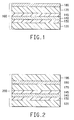
- the photosensitive donor element of this invention comprises in order:
- the photosensitive donor element of this invention is useful in fabricating a photomask on a flexographic printing element, which photomask can be subsequently used to create a relief image.
- the support can be any material which is conventionally used with photosensitive elements and, in particular, those used to prepare flexographic printing plates or photoresists.
- suitable support materials include polymeric films such as those formed by addition polymers and linear condensation polymers, translucent foams and fabrics.
- a preferred support is polyester film; particularly preferred is polyethylene terephthalate.
- the support typically has a thickness from 2 to 10 mils (0.0051 to 0.025 cm), with a preferred thickness of 3 to 8 mils (0.0076 to 0.020 cm).
- the support can be subbed or surface treated to improve adhesion.
- the photohardenable layer generally comprises a photoinitiator, which is sensitive to actinic radiation, and a component that is capable of reacting with the initiator, after it has been activated by exposure to actinic radiation.
- the interaction of the initiator and the component produces a change in the physical properties of the layer.
- the areas of the photohardenable layer which have been exposed to actinic radiation are differentiated from the areas which have not been exposed based on the photoinduced difference in the physical properties of the exposed and nonexposed areas.
- the types of physical property changes in photohardenable layers that can be used to advantage in the process of the invention include changes in solubility, swellability or dispersability, changes in softening point, changes in tackiness, changes in permeability for processing solution, and the like.
- solubility is intended to mean the ability to be removed by the action of a developer liquid and is intended to encompass swellability and dispersability, as well as complete solubility.
- the change in solubility can be an increase due to a photosolubilization reaction, or a decrease due to a photohardening reaction, either photocrosslinking or photopolymerization.
- Photosolubilization generally occurs by the reaction of a preformed polymer with either pendant reactive groups or other molecules to increase the solubility (or the rate of solubilization) of the photosensitive material.
- Photocrosslinking generally occurs by the crosslinking of a preformed polymer to form a less soluble crosslinked polymeric network. This can take place either through dimerization of pendant reactive groups attached directly to the polymer chain, or reaction of the polymer with a separate polyfunctional photoactive crosslinking agent. Photopolymerization generally occurs when relatively low molecular weight monomers or oligomers undergo photoinitiated cationic or free radical polymerization to form less soluble polymers.
- Photohardenable materials are used as the photohardenable layer in the process of the invention.
- Photohardenable materials can be photocrosslinkable, photopolymerizable, or combinations of both.
- Photohardenable materials generally comprise a binder, a photoinitiator or photoinitiator system (hereinafter referred to as "photoinitiator system") and a photohardenable component, which is at least one of (i) a low molecular weight monomer or oligomer capable of undergoing polymerization, (ii) reactive groups pendant to the binder which are capable of reacting with each other or (iii) reactive groups pendant to the binder and a crosslinking agent capable of reacting with the reactive groups.
- photoinitiator system a photoinitiator or photoinitiator system
- photohardenable component which is at least one of (i) a low molecular weight monomer or oligomer capable of undergoing polymerization, (ii) reactive groups pendant to the binder which are capable
- Materials which can be used as the binder include polymers and copolymers of acrylates, methacrylates, acrylamides, styrene, vinyl acetate and its partially hydrogenated derivatives, including amphoteric interpolymers. Also gelatin and cellulose esters and ethers, and elastomeric materials, such as polymers and copolymers of butadiene and isoprene can be used.
- the photoinitiator system is one which, upon irradiation with actinic radiation, forms a species which will initiate either free radical or cationic crosslinking or polymerization reactions.
- actinic radiation it is meant high energy radiation including but not limited to UV, visible, electron beam, and X-ray.
- Suitable photoinitiator systems of the first type include peroxides, such as benzoyl peroxide; azo compounds, such as 2,2'-azobis(butyronitrile); bezoin derivatives, such as benzoin and benzoin methyl ether; derivatives of acetophenone, such as 2,2-dimethoxy-2-phenylacetophenone; ketoxime esters of benzoin; triazines; and biimidazoles.
- Suitable photoinitiator systems of the second type include anthraquinone and a hydrogen donor; benzophenone and tertiary amines; Michler's ketone alone and with benzophenone; thioxanthones; and 3-ketocoumarins.
- Photoinitiator systems suitable for cationic crosslinking or polymerization reactions are those which, upon irradiation, produce a Lewis acid or a protonic Bronsted acid which is capable of initiating polymerization of ethylene oxide or epoxy derivatives.
- Most photoinitiator systems of this type are onium salts, such as diazonium, iodonium and sulfonium salts.
- Sensitizing agents can also be included with the photoinitiator systems discussed above.
- sensitizing agents are those materials which absorb radiation at a wavelength different than that of the reaction-initiating component, and are capable of transferring the absorbed energy to that component.
- the wavelength of the activating radiation can be adjusted.
- the binder can have pendant groups which are capable of undergoing free-radical induced or cationic crosslinking reactions.
- Pendant groups which are capable of undergoing free-radical induced crosslinking reactions are generally those which contain sites of ethylenic unsaturation, such as mono- and polyunsaturated alkyl groups; acrylic and methacrylic acids and esters.
- the pendant crosslinking group can itself be photosensitive, as is the case with pendant cinnamoyl or N-alkyl stilbazolium groups.
- Pendant groups which are capable of undergoing cationic crosslinking reactions include substituted and unsubstituted epoxide and aziridine groups.
- Monomers undergoing free-radical polymerization are typically ethylenically unsaturated compounds. Examples of which include acrylate and methacrylate esters of alcohols and their low molecular weight oligomers. Examples of suitable monomers and oligomers with two or more sites of unsaturation capable of undergoing free radical induced addition reactions, include the polyacrylate and polymethacrylate esters of polyols such as triethyleneglycol, trimethylolpropane, 1,6-hexanediol, and pentaerythritol, and their low molecular weight monomers.
- Monomers which undergo cationic polymerization include mono- and polyfunctional epoxides and aziridines. In some cases, where there are residual reactive sites in the binder, e.g., residual unsaturation or epoxide groups, the crosslinking agent can also react with the binder.
- photohardenable materials which are suitable for the preparation of flexographic printing plates and/or photoresists are preferred, and normally used, and are described in greater detail below.
- the photohardenable material comprises a binder, at least one photohardenable component (e.g., a monomer) and an initiator system, where the initiator system has a sensitivity to actinic radiation. In most cases, the initiator will be sensitive to visible or ultraviolet radiation.
- a photohardenable composition which are suitable for the formation of flexographic printing plates or imaged resist patterns can be used for the present invention. Examples of suitable compositions for flexographic printing plates have been disclosed, for example, in Chen et al. U.S. Patent 4,323,637, Gruetzmacher et al. U.S. Patent 4,427,759 and Feinberg et al. U.S. Patent 4,894,315.
- an elastomeric binder For creating a relief image on a flexographic printing plate, an elastomeric binder is selected.
- the elastomeric binder can be a single polymer or mixture of polymers which can be soluble or dispersible in aqueous, semi-aqueous or organic solvent developers. Binders which are soluble or dispersible in aqueous or semi-aqueous developers have been disclosed in Alles U.S. Patent 3,458,311; Pohl U.S. Patent 4,442,302; Pine U.S. Patent 4,361,640; Inoue et al., U.S. Patent 3,794,494; Proskow U.S. Patent 4,177,074; Proskow U.S. Patent 4,431,723; and Worns U.S.
- Binders which are soluble or dispersible in organic solvent developers include natural or synthetic polymers of conjugated diolefin hydrocarbons, including polyisoprene, 1,2-polybutadiene, 1,4-polybutadiene, butadiene/acrylonitrile, butadiene/styrene and isoprene/styrene thermoplastic-elastomeric block copolymers and other copolymers.
- the block copolymers discussed in Chen U.S. Patent 4,323,636; Heinz et al., U.S. Patent 4,430,417; and Toda et al., U.S. Patent 4,045,231 can be used. It is preferred that the binder be present in at least an amount of 50% by weight of the photohardenable layer.
- binder encompasses core shell microgels and blends of microgels and preformed macromolecular polymers, such as those disclosed in Fryd et al. U.S. Patent 4,956,252.
- the binder component of the photosensitive and/or photohardenable layer of the photosensitive element is preferably a carboxylic acid containing copolymer, such as those disclosed in U.S. Patents 3,458,311 and 4,273,857, and can be prepared by any of the addition polymerization techniques known to those skilled in the art such as described therein.
- the level of carboxylic acid groups is determined for a given composition by optimizing the amount needed for good development in aqueous alkaline developer.
- Preferred binders are those comprised of comonomers of structural unit: in which R 1 is H or alkyl; R 2 is phenyl or CO 2 R 3 and R 3 is H or alkyl, which is unsubstituted or substituted.
- Alkyl groups can contain one to twelve carbon atoms and preferably one to four.
- Comonomers, which are suitable for forming the binder copolymer are styrene and unsaturated carboxylic acids and their derivatives, such as (meth)acrylic acid and (meth)acrylates. Acrylic acid, methacrylic acid, methyl methacrylate, styrene, ethyl acrylate, ethyl methacrylate, butyl methacrylate and butyl acrylate are preferred.
- the binder copolymers of the invention can be formed by direct copolymerization of one or more ethylenically unsaturated dicarboxylic acid anhydrides, or the corresponding alkyl diesters, with one or more of the above comonomers.
- Suitable ethylenically unsaturated dicarboxylic acid anhydrides are, for example, maleic anhydride, itaconic acid anhydride and citraconic acid anhydride and alkyl diesters such as the diisobutyl ester of maleic anhydride.
- the copolymer binder containing acid anhydride functionality can be reacted with primary aliphatic or aromatic amines.
- the binder material should contain sufficient carboxylic acid groups to render the photoresist coating composition processable in aqueous alkaline developer.
- the coating layer formed from the element will be removed in portions which are not exposed to radiation but will be substantially unaffected in exposed portions during development by aqueous alkaline liquids such as wholly aqueous solutions containing 1% sodium or potassium carbonate by weight for a time period of up to two minutes at a temperature of 30°C.
- the acid number of the copolymer binder should be within the range of 5 to 500 and preferably from about 20 to 250.
- the quantity of total copolymeric binder in the photohardenable layer is from about 10 to 90 parts by weight of the photohardenable layer composition.
- One or more cobinders may be present to optimize manufacturability, development or stripping properties, or performance in printed circuit process steps such as electrolytic copper plating or copper etching.
- the photohardenable layer can contain a single monomer or mixture of monomers which should be compatible with the binder to the extent that a clear, non-cloudy photosensitive layer is produced.
- Monomers that can be used in the photohardenable layer are well known in the art. Examples of such monomers can be found in Chen U.S. Patent 4,323,636; Fryd et al., U.S. Patent 4,753,865; Fryd et al., U.S. Patent 4,726,877; and Feinberg et al., U.S. Patent 4,894,315. It is preferred that the monomer be present in at least an amount of 5% by weight of the photohardenable layer.
- the photoinitiator system can be any single compound or group of compounds which is sensitive to actinic radiation, generating free radicals which initiate the polymerization of the monomer or monomers without excessive termination.
- the photoinitiator is generally sensitive to visible or ultraviolet radiation, preferably ultraviolet radiation. It should be thermally inactive at and below 185°C.
- suitable photoinitiators include the substituted and unsubstituted polynuclear quinones. Examples of suitable systems have been disclosed in Gruetzmacher et al., U.S. Patent 4,460,675 and Feinberg et al., U.S. Patent 4,894,315. Photoinitiators are generally present in amounts from 0.001% to 10.0% based on the weight of the photohardenable composition.
- the photohardenable layer can contain other additives depending on the final properties desired.
- additives include thermal polymerization inhibitors, sensitizers, plasticizers, colorants, antioxidants, antiozonants, fillers or reinforcing agents.
- the photohardenable layer can be prepared in many ways by admixing the binder, monomer, initiator, and other ingredients. It is preferred that the photohardenable mixture be formed into a hot melt and then calendered to the desired thickness.
- An extruder can be used to perform the functions of melting, mixing, deaerating and filtering the composition. The extruded mixture is then calendered between the support and a temporary, removable coversheet.
- the temporary coversheet is generally previously coated with a barrier layer. The adhesion between the barrier layer and the temporary coversheet must be low, so that the barrier layer will remain intact on the photohardenable layer when the temporary coversheet is removed, which is normally done just prior to use in making a laserable assemblage.
- the photohardenable material can be placed between the support and the barrier layer coated temporary coversheet in a mold. The layers of material are then pressed flat by the application of heat and/or pressure.
- the flat sheet photosensitive element i.e., the support, photohardenable layer and barrier layer, top layer, and optionally other layers
- the flat sheet photosensitive element can be reprocessed by wrapping the element around a cylindrical form, usually a printing sleeve or the printing cylinder itself, and fusing the edges of the photosensitive layer together to form a seamless, continuous element.
- the photohardenable layer is wrapped around the cylindrical form and the edges joined.
- One process for joining the edges has been disclosed in German Patent DE 28 44 426.
- a receiver element can be made is sleeve form and wrapped around the continuous photosensitive element (donor element), such that the top layer of the donor element is adjacent to the receiver element (receiver support or image-receiving layer).
- the resulting structure is a laserable assemblage.
- Continuous printing elements have applications in the flexographic printing of continuous designs such as in wallpaper, decoration and gift wrapping paper. Furthermore, such continuous printing elements are well-suited for mounting on conventional laser equipment.
- the sleeve or cylinder on which the printing element is wrapped when the edges are fused, can be mounted directly into the laser apparatus where it functions as the rotating drum during the laser exposure step.
- flexographic printing plate or element encompasses plates or elements in any form suitable for flexographic printing, including, but not limited to, flat sheets and seamless continuous forms.
- the laserable assemblage consisting of the photosensitive donor element and the receiver element is first imagewise exposed to infrared laser radiation in the thermal imaging step to effect fabrication of a photomask on the photosensitive donor element, which is a precursor to the flexographic printing plate.
- actinic radiation opaque mask which adheres to the photohardenable layer (or barrier layer or coversheet) in a pattern.
- the element is exposed overall to actinic radiation, preferably UV radiation, through the mask and then developed to remove the unexposed areas of the photohardenable layer, i.e., those areas which hake not been photohardened. If a barrier layer is present. It is removed in at least the unexposed areas.
- Developers which can be used with the photohardenable elements which are used to prepare flexographic printing plates include organic solvent developers, aqueous and semi-aqueous solutions.
- Suitable organic solvent developers include aromatic or aliphatic hydrocarbon and aliphatic or aromatic halohydrocarbon solvents, or mixtures of such solvents with suitable alcohols.
- Other organic solvent developers have been disclosed in published German Application 38 28 551.
- Suitable semi-aqueous developers usually contain water and a water miscible organic solvent and an alkaline material.
- Suitable aqueous developers contain water and an alkaline material.
- Other suitable aqueous developer combinations are described in U.S. Patent No. 3,796,602.
- Development time can vary, but it is preferably in the range of about 2 to 25 minutes.
- Developer can be applied in any convenient manner, including immersion, spraying and brush or roller application.
- Brushing aids can be used to remove the unpolymerized portions of the composition.
- washout is frequently carried out in an automatic processing unit which uses developer and mechanical brushing action to remove the unexposed portions of the plate, leaving a relief constituting the exposed image and the floor.
- the relief printing plates are generally blotted or wiped dry, and then dried in a forced air or infrared oven. Drying times and temperatures may vary, however, typically the flexographic plate is dried for 60 to 120 minutes at 60°C. High temperatures are not recommended because the support can shrink and this can cause registration problems.
- Additional process steps can be carried out in the preparation of flexographic printing plates from elastomeric photohardenable elements.
- One additional step is to give the element a blanket exposure to actinic radiation through the support.
- This exposure generally called a backflash exposure
- This exposure is used to create a shallow layer of photohardened material, or a floor, on the support side of the photohardenable layer and to sensitize the photohardenable layer.
- the floor provides improved adhesion between the photohardenable layer and the support and also establishes the depth of the plate relief.
- This backflash exposure can take place before, after or during the other imaging steps. It is preferred that this step take place immediately prior to the exposure step through the radiation opaque mask. Any conventional sources of actinic radiation can be used for this exposure step. Exposure times for the backflash generally range from a few seconds up to about a minute.
- flexographic printing plates are uniformly post-exposed to ensure that the photohardening process (e.g., photopolymerization or photocrosslinking) is complete and that the plate will remain stable during printing and storage.
- This post-exposure step utilizes the same radiation source as the main exposure.
- Detackification is an optional post-development treatment which can be applied if the surface is still tacky, such tackiness not generally being removed in post-exposure. Tackiness can be eliminated by methods well known in the art, such as treatment with bromine or chlorine solutions. Such treatments have been disclosed in, for example, U.S. Patents 4,400,459, 4,400,460 and German Patent 28 23 300. Detackification can also be accomplished by exposure to radiation sources having a wavelength not longer than 300 nm, as disclosed in European Published Patent Application 0 017927 and Gibson U.S. Patent 4,806,506.
- the photohardenable layers can be inherently tacky, especially the photohardenable layers used to make flexographic printing plates.
- the barrier layer can be helpful in achieving the correct adhesion balance.
- the barrier layer prevents the migration of monomer, if present, from the photohardenable layer to the top layer or ejection layer. If the monomer is compatible with the materials used in the top layer and/or is migratory, monomer migration may occur with time and can drastically alter the adhesion balance. If the monomer is substantially incompatible with the top layer or substantially non-migratory, there may be no migration. But if there is even marginal compatibility, migration may occur. When the element is not imaged and developed immediately after it is put together, it is preferred that a barrier layer be present.
- the barrier layer should be transparent to actinic radiation so that when the element is exposed to actinic radiation through the photomask created in or from the top layer or in the donor element, the radiation passes through the barrier layer to the underlying photohardenable layer without significant diminution in intensity.
- the barrier layer should also initially (i.e., prior to exposure to actinic radiation) be soluble, swellable, or dispersible in the developer solvent for the photopolymerizable layer or it should be liftable in that solvent.
- liftable it is meant that the solvent is able to lift off the barrier layer at least partially intact.
- the first type is one which is insensitive to actinic radiation and is soluble, swellable, dispersible or liftable in developer solutions for the photopolymerizable layer both before and after exposure to actinic radiation.
- This type of barrier layer is completely removed in both exposed and unexposed areas, along with the unexposed areas of the photopolymerizable layer, during processing with the developer.
- Examples of materials which are suitable for use as the barrier layer of this first type include those materials which are conventionally used as a release layer in flexographic printing elements, such as polyamides, polyvinyl alcohol, hydroxyalkyl cellulose, copolymers of ethylene and vinyl acetate, amphoteric interpolymers, and combinations thereof. Polyamide is preferred.
- the second type of barrier layer is one which is soluble, swellable or dispersible in the developer solvent prior to exposure to actinic radiation, but is not affected by the developer solvent after exposure to actinic radiation. When this type of barrier layer is used, it is removed by the developer solvent only in those areas which are not exposed to actinic radiation. The barrier layer which has been exposed to actinic radiation remains on the surface of the polymerized areas of the photopolymerizable layer and becomes the actual printing surface of the printing plate.
- This type of barrier layer can be photosensitive itself, i.e., contain monomer and initiator, or it can become photosensitive when in contact with the photopolymerizable layer.
- This second type of barrier layer is usually a layer of an elastomeric composition.
- the composition can consist simply of a nonphoto-sensitive elastomeric binder layer similar to the binder in the photopolymerizable layer or it can be the binder in combination with a monomer and initiator.
- a preferred barrier layer is an elastomeric composition comprising an elastomeric polymeric binder, a second polymeric binder and optionally a nonmigatory dye or pigment.
- the elastomeric polymeric binder in the elastomeric composition is generally the same as or similar to the elastomeric binder present in the photopolymer layer.
- Suitable compositions for the barrier layer are those disclosed as elastomeric compositions in the multilayer cover element described in Gruetzmacher et al., U.S. Patent Nos. 4,427,759 and 4,460,675.
- barrier layer it is also possible to use more than one barrier layer.
- an elastomeric barrier layer can be present next to the photohardenable layer and this, in turn, can be overcoated with a barrier layer which is soluble both before and after exposure to actinic radiation.
- barrier layer(s) will depend on the nature of the photohardenable layer(s) of the photosensitive element and the top layer and other physical requirements of the laserable assemblage.
- the coversheet should provide the proper adhesion balance with the photohardenable layer and/or the optional barrier layer.
- the coversheet is a dimensionally stable polymeric film.
- the coversheet is generally a thin transparent film of polyester, polycarbonate, polyamide, fluoropolymers, polystyrene, polyethylene, polypropylene, or other strippable material.
- a preferred coversheet is polyethylene terephthalate.
- the coversheet typically has a thickness from 0.1 to 10 mils (0.00025 to 0.025 cm), with a preferred thickness of 0.5 to 5 mils (0.0013 to 0.013 cm).
- the coversheet is another optional layer of the photosensitive donor element. In a preferred embodiment, the coversheet is removed during preparation of the photosensitive donor element and is not present in this element.
- the ejection layer provides the force to effect transfer of the imageable component to the receiver element.
- this layer decomposes into gaseous molecules providing the necessary pressure to propel or eject the imageable component onto the receiver element.
- This is accomplished by using a polymer having a relatively low decomposition temperature (less than about 350°C, preferably less than about 325°C, and more preferably less than about 275°C).
- the first decomposition temperature should be lower than 350°C.
- the ejection layer in order for the ejection layer to have suitably high flexibility and conformability, it should preferably have a tensile modulus that is less than or equal to 2.5 Gigapascals (GPa), more preferably less than 1.5 GPa, and still more preferably less than 1 Gigapascal (GPa).
- the polymer chosen should also be one that is dimensionally stable. If the laserable assemblage is imaged through the donor ejection layer, the ejection layer should be capable of transmitting the laser radiation, and not be adversely affected by this radiation.
- suitable polymers include (a) polycarbonates having low decomposition temperatures (T d ), such as polypropylene carbonate; (b) substituted styrene polymers having low decomposition temperatures, such as poly(alpha-methylstyrene); (c) polyacrylate and polymethacrylate esters, such as polymethylmethacrylate and polybutylmethacrylate; (d) cellulosic materials having low decomposition temperatures (T d ), such as cellulose acetate butyrate and nitrocellulose; and (e) other polymers such as polyvinyl chloride; poly(chlorovinyl chloride) polyacetals; polyvinylidene chloride; polyurethanes with low T d ; polyesters; polyorthoesters; acrylonitrile and substituted acrylonitrile polymers; maleic acid resins; and copolymers of the above.
- T d polycarbonates having low decomposition temperatures
- Polymers having low decomposition temperatures can also be used. Additional examples of polymers having low decomposition temperatures can be found in Foley et al., U.S. Patent 5,156,938. These include polymers which undergo acid-catalyzed decomposition. For these polymers, it is frequently desirable to include one or more hydrogen donors with the polymer.
- Preferred polymers for the ejection layer are polyacrylate and polymethacrylate esters, low T d polycarbonates, nitrocellulose, poly(vinyl chloride) (PVC), and chlorinated polyl(vinyl chloride) (CPVC). Most preferred are poly(vinyl chloride) and chlorinated poly(vinyl chloride).
- additives can be present as additives in the ejection layer as long as they do not interfere with the essential function of the layer.
- additives include coating aids flow additives, slip agents antihalation agents, antistatic agents, surfactants, and others which are known to be used in the formulation of coatings.
- Preferred embodiments of this invention include those having relatively flexible ejection layers.
- One or more plasticizers can be added to a given ejection layer polymer composition in order to increase the flexibility of the polymeric composition.
- the increase in flexibility is indicated by changes in the magnitudes of two key physical parameters ⁇ the tensile modulus and the glass transition temperature (GTT). Both of these parameters tend to decrease in magnitude as the amount of plasticizer is increased, which indicates increasing flexibility of the polymeric composition.
- plasticizers include, but are not limited to, the following: phthalic acid derivatives, such as diphenyl phthalate and di-(2-ethylhexyl) phthalate, ricinoleic acid derivatives, such as butyl ricinoleate and propylene glycol ricinoleate, sebacic acid derivatives, such as dibutyl sebacate and dimethyl sebacate, stearic acid derivatives, such as n-butyl stearate and propylene glycol monostearate, succinic acid derivatives, such as diethyl succinate, sulfonic acid derivatives, such as N-ethyl o,p-toluenesulfonamide, phosphoric acid derivatives, such as tricresyl phosphate and tributyl phosphate, paraffin derivatives, such as chloroparaffins containing
- the binder polymer(s) generally makes up 100 percent by weight of the ejection layer unless plasticizer or other excipients are added.
- the relative weight percentage of plasticizer to binder varies depending upon the flexibility of the polymeric binder.
- the weight percentage of plasticizer generally ranges from 0-20 percent based upon the total weight of the ejection layer.
- the amount of plasticizer may be varied beyond this percentage range depending upon the particular polymeric composition and upon the desired tensile modulus and flexibility.
- Sufficient binder should be present at least in the proximity adjacent to the heating layer to effectively decompose and propel the transfer layer.
- the donor ejection layer in this invention typically has a thickness of about 12.5 micrometers (0.5 mil) to about 250 micrometers (10 mils) when it is present as a single or multiple layer without an additional bottom layer (optional).
- the thickness of the ejection layer(s) in this embodiment is important. If the thickness is less than about 12.5 micrometers (0.5 mil), the ejection layer is not of sufficient strength to be properly handled readily; if the thickness is greater than about 250 micrometers (10 mils), the ejection layer is likely to have significantly reduced flexibility and conformability.
- a preferred thickness is about 25 micrometers (1 mil) to about 100 micrometers (4 mils). The most preferred thickness is about 50 micrometers (2 mils) to about 75 micrometers (3 mils).
- ejection layer Although it is preferred to have a single ejection layer, it is also possible to have more than one ejection layer or an ejection layer or layers on a flexible bottom layer ⁇ e.g. ⁇ at least a four-layer system.
- the different ejection layers in an ejection multilayer system can have the same or different compositions, as long as they all function as described above.
- the total thickness of all the ejection layers and/or the ejection layer(s) and the bottom layer should be in the range given above, i.e. , about 12.5 micrometers (0.5 mil) to about 250 micrometers (10 mils).
- Several different embodiments of ejection multilayer systems of this invention are described below. The invention is exemplified by these particular embodiments but is not limited to only these embodiments. If a flexible bottom layer is utilized the ejection layer can be less than 1 mil ⁇ e.g. , an ultrathin layer to 1 mil.
- the ejection layer(s) can be coated as a dispersion in a suitable solvent, provided that the resulting ejection layer(s) obtained upon drying are sufficiently transparent such that little or no scattering of laser light occurs. However, in most cases, it is preferred to coat the layer(s) from a solution to insure that a transparent ejection layer(s) results.
- Any suitable solvent can be used as a coating solvent, as long as it does not deleteriously affect the properties of the assemblage, using conventional coating techniques or printing techniques, such as those used in, for example, gravure printing.
- a thermal amplification additive is optionally present in the ejection layer(s) or the top layer. It can also be present in both of these layers.
- the function of the additive is to amplify the effect of the heat generated in the heating layer and thus to further increase sensitivity.
- the additive should be stable at room temperature.
- the additive can be (1) a compound which, when heated, decomposes to form gaseous byproducts, (2) a dye which absorbs the incident laser radiation, or (3) a compound which undergoes a thermally induced unimolecular rearrangement which is exothermic. Combinations of these types of additives may also be used.
- Thermal amplification additives which decompose upon heating include those which decompose to form nitrogen, such as diazo alkyls, diazonium salts, and azido (-N 3 ) compounds; ammonium salts; oxides which decompose to form oxygen; carbonates; peroxides. Mixtures of additives can also be used.
- Preferred thermal amplification additives of this type are diazo compounds such as 4-diazo-N,N' diethyl-aniline fluoroborate (DAFB).
- the ejection layer When absorbing dye is incorporated in the ejection layer, its function is to absorb the incident radiation and convert this into heat, leading to more efficient heating. It is preferred that the dye absorb in the infrared region. For imaging applications, it is also preferred that the dye have very low absorption in the visible region.
- suitable infrared absorbing dyes which can be used alone or in combination include poly(substituted) phthalocyanine compounds and metal-containing phthalocyanine compounds; cyanine dyes; squarylium dyes; chalcogenopyryioacrylidene dyes; croconium dyes; metal thiolate dyes; bis(chalcogenopyrylo) polymethine dyes; oxyindolizine dyes; bis(aminoaryl) polymethine dyes; merocyanine dyes; and quinoid dyes.
- Infrared absorbing materials disclosed in U.S. Patent Nos. 4,778,128; 4,942,141; 4,948,778; 4,950,639; 5,019,549; 4,948,776; 4,948,777 and 4,952,552 may also be suitable herein.
- the weight percentage of the thermal amplification additive, versus, for example, the total solid weight composition of the ejection layer may range from 0-20%. When present in the transfer coating, the thermal amplification weight percentage is generally at a level of 0.95-11.5%. The percentage can range up to 25% of the total weight percentage in the transfer coating. These percentages are non-limiting and one of ordinary skill in the art can vary them depending upon the particular composition of the ejection layer or transfer layer.
- the top layer comprises (i) a polymeric binder which is different from the polymer in the ablatable portion(s) of the ejection layer, and (ii) an imageable component.
- the imageable component is black.
- the binder should be film forming and coatable from solution or from a dispersion. Binders having melting points less than about 250°C or plasticized to such an extent that the glass transition temperature is ⁇ 70°C are preferred. However, heat-fusible binders, such as waxes should be avoided as the sole binder since such binders may not be as durable, although they are useful as cobinders in decreasing the melting point of the top layer.
- the binder does not self-oxidize decompose or degrade at the temperature achieved during the laser exposure so that the imageable component and binder are transferred intact for improved durability.
- suitable binders include copolymers of styrene and (meth)acrylate esters, such as styrene/methyl-methacrylate; copolymers of styrene and olefin monomers, such as styrene/ethylene/butylene; copolymers of styrene and acrylonitrile; fluoropolymers; copolymers of (meth)acrylate esters with ethylene and carbon monoxide, polycarbonates having higher decomposition temperatures; (meth)acrylate homopolymers and copolymers; polysulfones; polyurethanes; polyesters.
- the monomers for the above polymers can be substituted or unsubstituted. Mixtures of polymers can also be used.
- the binder generally has a concentration of about 15-50% by weight, based on the total weight of the top layer, preferably 30-40% by weight.
- the imageable component will be a colorant.
- the colorant can be a pigment or a non-sublimable dye. It is preferred to use a pigment as the colorant for stability and for color density, and also for the high decomposition temperature.
- a black imageable component is preferred.
- preferred inorganic pigments include carbon black and graphite.
- suitable organic pigments include Rubine F6B (C.I. No. Pigment 184); Cromophthal® Yellow 3G (C.I. No. Pigment Yellow 93); Hostaperm® Yellow 3G (C.I. No. Pigment Yellow 154); Monastral® Violet R (C.I. No.
- Pigment Violet 19 2,9-dimethylquinacridone (C.I. No. Pigment Red 122); Indofast® Brilliant Scarlet R6300 (C.I. No. Pigment Red 123); Quindo Magenta RV 6803; Monastral® Blue G (C.I. No. Pigment Blue 15); Monastral® Blue BT 383D (C.I. No. Pigment Blue 15); Monastral® Blue G BT 284D (C.I. No. Pigment Blue 15); and Monastral® Green GT 751D (C.I. No. Pigment Green 7). Combinations of pigments and/or dyes can also be used.
- the concentration of colorant will be chosen to achieve the optical density desired in the final image.
- the amount of colorant will depend on the thickness of the active coating and the absorption of the colorant.
- Optical densities greater than 1.3 at the wavelength of maximum absorption are typically required.
- Preferred optical densities in this invention are those greater than about 2, and more preferred, greater than about 3.
- a dispersant is usually present when a pigment is to be transferred, in order to achieve maximum color strength transparency and gloss.
- the dispersant is generally an organic polymeric compound and is used to separate the fine pigment particles and avoid flocculation and agglomeration.
- a wide range of dispersants is commercially available.
- a dispersant will be selected according to the characteristics of the pigment surface and other components in the composition as practiced by those skilled in the art. However, one class of dispersant suitable for practicing the invention is that of the AB dispersants.
- the A segment of the dispersant adsorbs onto the surface of the pigment.
- the B segment extends into the solvent into which the pigment is dispersed.
- the B segment provides a barrier between pigment particles to counteract the attractive forces of the particles, and thus to prevent agglomeration.
- the B segment should have good compatibility with the solvent used.
- the AB dispersants of choice are generally described in "Use of AB Block Polymers as Dispersants for Non-aqueous Coating Systems", by H. C. Jakubauskas, Journal of Coating Technology. Vol. 58, No. 736, pages 71-82. Suitable AB dispersants are also disclosed in U.K. Patent 1,339,930 and U.S. Patent Nos. 3,684,771; 3,788,996; 4,070,388; 4,912,019; and 4,032,698. Conventional pigment dispersing techniques, such as ball milling, sand milling, etc., can be employed.
- a black dye and/or pigment such as carbon black or other dark material is present in the top layer as the imageable component.
- the imageable component(s) for photomask applications are chosen such that optical densities on the receiver element in areas where material has been transferred are preferably at least 2.0 and more preferably are about 3.0 or higher.
- the imageable component is present in an amount of from about 25 to 95% by weight, based on the total weight of the top coating.
- the amount of imageable component is preferably 35-65% by weight; for lithographic printing applications, preferably 65-85% by weight.
- additives can be present as additives in the top layer as long as they do not interfere with the essential function of the layer.
- additives include coating aids, plasticizers, flow additives, slip agents, antihalation agents, antistatic agents, surfactants, and others which are known to be used in the formulation of coatings.
- coating aids plasticizers
- flow additives slip agents
- antihalation agents antistatic agents
- surfactants surfactants
- the top layer generally has a thickness in the range of about 0.1 to 5 micrometers, preferably in the range of about 0.1 to 1.5 micrometers. Thicknesses greater than about 5 micrometers are generally not preferred as they require excessive energy in order to be effectively transferred to the receiver.
- top layer Although it is preferred to have a single top layer, it is also possible to have more than one top layer, and the different layers can have the same or different compositions, as long as they all function as described above.
- the total thickness of the combined top layers should be in the range given above.
- the top layer(s) can be coated onto the ejection layer of the donor or on a temporary support as a dispersion in a suitable solvent, however, it is preferred to coat the layer(s) from a solution.
- Any suitable solvent can be used as a coating solvent, as long as it does not deleteriously affect the properties of the assemblage, using conventional coating techniques or printing techniques, for example, gravure printing.
- the donor element can have additional layers as well.
- an antihalation layer can be used on the side of the flexible ejection layer opposite the top layer. Materials which can be used as antihalation agents are well known in the art.
- Other anchoring or subbing layers can be present on either side of the flexible ejection layer and are also well known in the art.
- a pigment such as carbon black
- the top layer can have a dual function of being both a heating layer and a colorant-bearing layer.
- a preferred colorant/heat absorber is carbon black.
- the receiver element is the second part of the laserable assemblage, to which the imageable component and non-degraded polymer (polymeric binder) are transferred in the course of thermal imaging.
- the imageable component will not be removed from the donor element in the absence of a receiver element. That is, exposure of the donor element alone to laser radiation does not cause material to be removed, or transferred into air.
- the material, i.e. , the imageable component and binder is removed from the donor element only when it is exposed to laser radiation and the donor element is in contact with the receiver element, i.e ., the donor element actually touches the receiver element.
- the receiver element may comprise a receiver support and, optionally, an image-receiving layer.
- the receiver support comprises a dimensionally stable sheet material.
- the assemblage can he imaged through the receiver support if that support is transparent.
- transparent films include, for example polyethylene terephthalate, polyether sulfone, a polyimide, a poly(vinyl alcohol-co-acetal), or a cellulose ester, such as cellulose acetate.
- opaque support materials include, for example, polyethylene terephthalate filled with a white pigment such as titanium dioxide, ivory paper, or synthetic paper, such as Tyvek® spunbonded polyolefin. Paper supports are typical and are preferred for most applications of this invention. For lithographic printing applications, the support is typically a thin sheet of aluminum (such as anodized aluminum) or a polyester. Roughened supports may also be used in the receiver element.
- the receiver element typically has an additional image-receiving layer on one surface thereof.
- the image-receiving layer can be a coating of, for example, a polycarbonate, a polyurethane, a polyester, polyvinyl chloride, styrene/acrylonitrile copolymer, poly(caprolactone), and mixtures thereof.
- This image-receiving layer can be present in any amount effective for the intended purpose. In general, good results have been obtained at coating weights of 1 to 5 g/m 2 .
- the aluminum sheet is treated to form a layer of anodized aluminum on the surface as a receptor layer. Such treatments are well known in the lithographic art.
- the receiver element does not have to be the final intended support for the imageable component.
- the receiver element can be an intermediate element and the laser imaging step can be followed by one or more transfer steps by which the imageable component is transferred to the final support. This is most likely the case for multicolor proofing applications in which the multicolor image is built up on the receiver element and then transferred to the permanent paper support.
- the first step in the process of the invention is imagewise exposing the laserable assemblage to laser radiation.
- the laserable assemblage comprises the (photosensitive) donor element and the receiver element, described above.
- the donor element (160) and the receiver element (195) can optionally be laminated together to form the laserable assemblage, or they can optionally be bonded peripherally to form the laserable assemblage.
- the assemblage is prepared following removal of coversheet(s), if present, by placing the donor element in contact with the receiver element such that the top layer coating actually touches the receiver element or the image-receiving layer on the receiver element.
- the coversheet of the receiver element is not removed in which case the top layer touches the coversheet of the receiver element.
- Vacuum and/or pressure can be used to hold the two elements together.
- the donor and receiver elements can be taped together and taped to the imaging apparatus or bonded together at peripheral edges prior to imaging, or a pin/clamping system can be used.
- the donor element can be laminated to the receiver element to afford a laserable assemblage.
- the laserable assemblage can be conveniently, mounted on a drum to facilitate laser imaging.
- the laser is preferably one emitting in the infrared, near-infrared or visible region. Particularly advantageous are diode lasers emitting in the region of 750 to 870 nm which offer a substantial advantage in terms of their small size, low cost, stability, reliability, ruggedness and ease of modulation. Diode lasers emitting in the range of 780 to 850 nm are most preferred. Such lasers are available from, for example, Spectra Diode Laboratories (San Jose, California).
- the exposure can take place through the donor element or through the receiver element, provided that these are substantially transparent to the laser radiation.
- laser imaging in this invention can effectively be done with high resolution through the photosensitive donor element, even though the imaging infrared actinic radiation must pass through the photohardenable layer to reach the top layer.
- One skilled in the art might have expected considerable loss of resolution due to light scattering upon passage of actinic radiation through the photohardenable layer, since it is a multiphase composition which contains numerous components that can have differing refractive index values.
- imaging through the photosensitive donor element i.e., wherein light first passes through the donor element support
- an opaque paper can then be employed as the receiver element.
- imaging can be effected through the receiver element, if the receiver element is substantially transparent to infrared radiation. Imaging in this case is carried out by imagewise exposure of the laserable assemblage through the receiver element to infrared laser radiation.
- the laserable assemblage is exposed imagewise so that material, i.e. , the binder and the imageable component, is transferred to the receiver element in a pattern.
- the pattern itself can be, for example, in the form of dots or line work generated by a computer, in a form obtained by scanning artwork to be copied, in the form of a digitized image taken from original artwork, or a combination of any of these forms which can be electronically combined on a computer prior to laser exposure.
- the laser beam and the laserable assemblage are in constant motion with respect to each other, such that each minute area of the assemblage, i.e. , "pixel" is individually addressed by the laser. This is generally accomplished by mounting the laserable assemblage on a rotatable drum.
- a flat bed recorder can also be used.
- the material transferred from each donor to each receiver and which becomes a mask area, or, alternatively, in other embodiments the material remaining on the receiver as a mask area must be “substantially opaque to actinic radiation".
- substantially opaque to actinic radiation means that the amount of actinic radiation transmitted to the underlying photosensitive layer or photohardenable layer is so miniscule that no significant amount of photoinduced reaction occurs in the photosensitive or photohardenable layer.
- the next step in the process of the invention is separating the donor element from the receiver element. Usually this is done by simply peeling the two elements apart. This generally requires very little peel force, and is accomplished by simply separating the donor support from the receiver element. This can be done using any conventional separation technique and can be manual or automatic without operator intervention.
- additional processing steps will normally include, but are not limited to, imagewise exposure of the photosensitive element to create areas that are photohardened and with other areas still present that remain unphotohardened (areas that remain photohardenable).
- a subsequent development step to remove unphotohardened material is done under conditions where the areas that are photohardened remain during the course of development, thus creating a relief image on what was the photosensitive element with use of the photomask. Additional details are presented below.
- the imagewise exposure is often achieved, but is not limited to, overall exposing the photosensitive element with actinic radiation through the photomask after fabrication of the photomask on the photosensitive element.
- the type of radiation used is dependent on the type of photoinitiator in the photohardenable layer, and can include, but is not limited to, ultraviolet (UV), visible, and near-infrared radiation.
- UV ultraviolet
- the actinic radiation-opaque material in the photomask on the photohardenable layer prevents the material beneath from being exposed to the actinic laser radiation.
- those areas covered by the actinic radiation-opaque mask do not polymerize or crosslink. The areas not covered by the actinic radiation-opaque mask are exposed to actinic radiation and photoharden.
- photoinitiators are sensitive to visible or UV radiation.
- suitable visible or UV sources include carbon arcs, mercury-vapor arcs, fluorescent lamps, electron flash units electron beam units and photographic flood lamps.
- the most suitable sources of UV radiation are the mercury-vapor lamps, particularly the sun lamps.
- a standard radiation source is the Sylvania 350 Blacklight fluorescent lamp (FR 48T12/350 VL/VHO/180, 115 w) which has a central wavelength of emission around 354 nm.
- both the imagewise exposure of a laserable assemblage to actinic radiation during thermal imaging to create a photomask on a photosensitive element and the subsequent overall exposure to actinic radiation (to create areas that are photohardened while other areas remain unphotohardened) can be carried out in the same equipment. It is preferred that this be done using a drum-i.e., the photosensitive element is mounted on a drum which is rotated to allow for exposure of different areas of the element.
- this exposure step be carried out in the absence of oxygen.
- the photohardening reactions will take place when oxygen is present, but they require longer exposure times and the results are less reproducible.
- the element can be placed in a vacuum frame for the exposure step. If the surface of the photohardenable layer is tacky some type of releasable covering should be put over the layer to prevent it from sticking to the cover in the vacuum frame. Exposure can also be carried out in an inert atmosphere, e.g., nitrogen, or with the surface being swept with an inert atmosphere.
- a barrier layer it will effectively prevent the interaction of oxygen with the photohardenable layer and, thus, the exposure step can be carried out in the presence of atmospheric oxygen.
- the actinic radiation exposure time can vary from a few seconds to minutes, depending upon the intensity and spectral energy distribution of the radiation, its distance from the photosensitive element, and the nature and amount of the photosensitive composition (e.g., photohardenable composition).
- a mercury vapor arc or a sunlamp is used at a distance of about 1.5 to about 60 inches (3.8 to 153 cm) from the element.
- Exposure temperatures are preferably ambient or slightly higher, i.e., about 20°C to about 35°C.
- the image is developed to form a relief.
- the development step is based on the differences in physical properties between the areas of the photohardenable layer which have been exposed to actinic radiation, and those areas which have not been exposed. Development may involve, e.g ., washing out the more soluble portions of the photohardenable layer, or transfer of areas of the photohardenable layer to another substrate. When systems are used in which exposure to actinic radiation results in differences in solubility, development is accomplished by washing with a suitable developer solvent. Development is usually carried out at about room temperature.
- the developers can be organic solvents, aqueous or semi-aqueous solutions. The choice of the developer will depend on the chemical nature of the photosensitive material (e.g., material in the photohardenable layer of the photosensitive element) to be removed.
- an image on a receiver was obtained in making a photomask such that undesired pigmented material is transferred imagewise upon laser imaging to the receiver element from the (photosensitive) donor element to afford areas on the donor element that are transparent to actinic radiation.
- the donor element Upon completion of this laser imaging for photomask fabrication, the donor element has fabricated on it a photomask having areas where pigmented material has been removed (i.e., transferred to the paper) that are transparent to actinic radiation and other areas that are pigmented that are not transparent to actinic radiation.
- the images on paper were obtained using a CREO exposure engine (Creo Inc., Vancouver, Canada).
- the system comprises an external drum 30 inches (76 cm) long and 12 inches (30 cm) in diameter.
- the laserable assemblage comprising the donor element and the paper (receiver element) was written with an array of 32 infrared diode lasers writing at 830 nm at 1 microsecond pulse width. Beam size was adjusted to 5.8 microns, and the drum speed varied at 25 RPM increments from 100 to 300 RPM to measure sensitivity.
- a paper (as the receiver element) was vacuum held on the drum surface, and a black pigment-coated (photopolymer and/or photohardenable) photosensitive element (e.g., flexographic printing plate or a photoresist) was placed on top of the paper, such that the black pigment-coated layer was in direct contact with the paper.
- This black pigment-coated photosensitive element is the donor element, and it is exposed from the backside (i.e., actinic radiation first passes through the support (120) as illustrated in Figure 1). The photosensitive element was cut wider and longer than the paper receiver underneath.
- a Cyrel® 67 HOS plate consists of a support, a photopolymer layer and a polyamide release barrier layer after removal of a coversheet.
- a 2-layer thermal film was coated onto the release layer of the flexographic printing plate in two coating steps of two different layers.
- a 1 micron flexible ejection layer was coated from a 10% by weight PVC solution directly onto the commercial 67 HOS Cyrel® flexographic printing plate. The solids in the PVC solution were adjusted to a viscosity of 300-400 centipoise. Diphenyl phthalate was the plasticizer in this PVC formulation.
- the formulation of the (flexible) ejection layer was as follows:
- a black dispersion was used containing carbon black/ binder.
- the ratio of pigment to binder in this example was 2:1.
- Top Coating 1 Black Dispersion 15% solids) where Black Dispersion is Calvin Black (Degussa Co.. Germany) 18 grs 15% Polyethylene Oxide in water 2 grs
- the resulting flexographic printing plate coated with the 2-layer thermal film which is the donor element in this example, was exposed in the CREO® laser unit with the following arrangement.
- a piece of receiving paper (receiver element) was placed on the drum and the black coated side of the coated flexographic printing plate was placed directly in contact with the receiving paper. Good contact between the black-coated layer of the coated printing plate and the paper receiver was maintained by holding the structure with applied vacuum.
- the laser diode head was focused onto the black pigmented layer and the flexographic printing plate was exposed from the back (i.e., incident laser light first passes through the support layer of the flexographic printing plate). That is, the lasers were incident from the back side of the flexographic printing plate, focused onto the ejection layer/black layer interface.
- a Cyrel® 67 HOS plate consists of a support, a photopolymer layer, and a polyamide release layer after removal of a coversheet.
- a 2-layer thermal film was coated onto the release layer of the flexographic printing plate in two coating steps of two different layers to produce the photosensitive donor element.
- a 1 micron (flexible) ejection layer was coated from a 10% by weight PVC solution directly onto the commercial 67 HOS Cyrel® flexographic printing plate. The solids in the PVC solution were adjusted to a viscosity of 300-400 centipoise. Diphenyl phthalate was the plasticizer in this PVC formulation.
- the formulation of the flexible ejection layer was as follows:
- the black dispersion used contains a carbon black/ binder.
- the binder was an A//B type block copolymer of a composition having n-butylmethacrylate (10)/methylmethacrylate (5)//methacrylic acid (10) as comonomers for the A and B blocks, respectively. It was neutralized with ammonium hydroxide. It had been prepared by group transfer polymerization (see U.S. 4,417,034).
- the top layer composition was: pigment/ binder dispersion 15% in H 2 O 50 grs Ammonium Hydroxide 0.833 grs H 2 O 8.054 grs
- the ratio of pigment to binder in this example was 2:1.
- the pigment in this example was carbon black from Cabot Corp.
- the resulting flexographic printing plate coated with the 2-layer thermal film which is the photosensitive donor element in this example, was exposed in the CREO® laser unit with the following arrangement.
- a piece of receiving paper (receiver element) was placed on the drum and the black coated side of the coated flexographic printing plate was placed directly in contact with the receiving paper. Good contact between the black-coated layer of the coated printing plate and the paper receiver was maintained by holding the structure with applied vacuum.
- the laser diode head was focused onto the black pigmented layer and the flexographic printing plate was exposed from the back (i.e., incident laser light first passes through the support layer of the flexographic printing plate).
- the lasers were incident from the back side of the flexographic printing plate, focused onto the flexible ejection layer/black layer interface.
- the light absorption at this interface led to a local temperature rise and partial decomposition of the (PVC) flexible ejection layer.
- Gaseous products trapped with high kinetic energy led to the transfer of the black layer onto the paper receiver.
- a % dot range pattern was digitally written onto the mask by transferring the exposed material onto the receiver at 125 RPM.
- the focus was maintained at 8 microns.
- the exposed mask with a solid optical density of 2.97 held 1.5 to 99% dots in 150 lines per inch screen. From these results, it was concluded that there was obtained a high resolution photomask on the flexographic printing plate.
Landscapes
- Physics & Mathematics (AREA)
- Optics & Photonics (AREA)
- Spectroscopy & Molecular Physics (AREA)
- General Physics & Mathematics (AREA)
- Thermal Transfer Or Thermal Recording In General (AREA)
- Photosensitive Polymer And Photoresist Processing (AREA)
Applications Claiming Priority (2)
| Application Number | Priority Date | Filing Date | Title |
|---|---|---|---|
| US891776 | 1997-07-14 | ||
| US08/891,776 US5840463A (en) | 1997-07-14 | 1997-07-14 | Photosensitive donor element assemblages and associated process for laser-induced thermal transfer |
Publications (3)
| Publication Number | Publication Date |
|---|---|
| EP0891876A2 true EP0891876A2 (de) | 1999-01-20 |
| EP0891876A3 EP0891876A3 (de) | 1999-06-23 |
| EP0891876B1 EP0891876B1 (de) | 2002-09-25 |
Family
ID=25398806
Family Applications (1)
| Application Number | Title | Priority Date | Filing Date |
|---|---|---|---|
| EP98111136A Expired - Lifetime EP0891876B1 (de) | 1997-07-14 | 1998-06-17 | Fotoempfindliche Donorelemente, Materialeinheiten, und damit verbundene Verfahren zur thermischen laser-induzierten Übertragung |
Country Status (4)
| Country | Link |
|---|---|
| US (1) | US5840463A (de) |
| EP (1) | EP0891876B1 (de) |
| JP (1) | JP3014676B2 (de) |
| DE (1) | DE69808189T2 (de) |
Cited By (1)
| Publication number | Priority date | Publication date | Assignee | Title |
|---|---|---|---|---|
| EP1033622A3 (de) * | 1999-03-02 | 2000-12-27 | Du Pont De Nemours (Deutschland) Gmbh | Photopolymerisierbares Aufzeichnungselement und Verfahren zur Herstellung von flexographischen Druckformen |
Families Citing this family (50)
| Publication number | Priority date | Publication date | Assignee | Title |
|---|---|---|---|---|
| IL129076A (en) | 1999-03-21 | 2002-02-10 | Creoscitex Corp Ltd | A printing plate with a socket method for short runs and a method for using it |
| JP4590663B2 (ja) * | 1999-10-29 | 2010-12-01 | セイコーエプソン株式会社 | カラーフィルタの製造方法 |
| JP2001166459A (ja) * | 1999-12-06 | 2001-06-22 | Fuji Photo Film Co Ltd | 感熱性平版印刷用原板 |
| FR2803246B1 (fr) * | 1999-12-31 | 2002-11-29 | Rollin Sa | Plaque d'impression presentee en rouleau et procede d'obtention |
| NL1015180C2 (nl) * | 2000-05-12 | 2001-11-15 | Houtstra Polimero Deutschland | Werkwijze voor het vervaardigen van een drukplaat. |
| DE10063819B4 (de) * | 2000-12-21 | 2006-02-02 | Man Roland Druckmaschinen Ag | Maskenerstellung zur Herstellung einer Druckform |
| US6773859B2 (en) | 2001-03-06 | 2004-08-10 | E. I. Du Pont De Nemours And Company | Process for making a flexographic printing plate and a photosensitive element for use in the process |
| US7122828B2 (en) | 2003-09-24 | 2006-10-17 | Lucent Technologies, Inc. | Semiconductor devices having regions of induced high and low conductivity, and methods of making the same |
| US8450723B2 (en) * | 2003-11-04 | 2013-05-28 | Alcatel Lucent | Apparatus having an aromatic dielectric and an aromatic organic semiconductor including an alkyl chain |
| US7115900B2 (en) * | 2003-11-26 | 2006-10-03 | Lucent Technologies Inc. | Devices having patterned regions of polycrystalline organic semiconductors, and methods of making the same |
| US7398812B2 (en) * | 2003-12-31 | 2008-07-15 | E.I. Du Pont De Nemours And Company | Apparatus for thermal development having a removable support member |
| US7682775B2 (en) * | 2004-03-05 | 2010-03-23 | E. I. Du Pont De Nemours And Company | Process for preparing a flexographic printing plate |
| US20060027113A1 (en) | 2004-08-03 | 2006-02-09 | Hackler Mark A | Method and apparatus for thermal development with supporting surface for a development medium |
| US7503258B2 (en) | 2004-08-03 | 2009-03-17 | E. I. Du Pont De Nemours & Company | Method and apparatus for thermal development with development medium remover |
| US20060154180A1 (en) | 2005-01-07 | 2006-07-13 | Kannurpatti Anandkumar R | Imaging element for use as a recording element and process of using the imaging element |
| US20060234152A1 (en) | 2005-04-19 | 2006-10-19 | Hackler Mark A | Method for thermal development of a photosensitive element using an oriented development medium |
| US8475985B2 (en) * | 2005-04-28 | 2013-07-02 | Xerox Corporation | Magnetic compositions |
| US7358026B2 (en) * | 2005-09-15 | 2008-04-15 | E. I. Du Pont De Nemours And Company | Method for thermal development of a photosensitive element using a development medium having a support |
| US7531285B2 (en) * | 2006-01-17 | 2009-05-12 | David Recchia | Method of creating a digital mask for flexographic printing elements in situ |
| US7846639B2 (en) | 2006-06-30 | 2010-12-07 | E. I. Du Pont De Nemours And Company | Imaging element having a photoluminescent tag and process of using the imaging element to form a recording element |
| US7819060B2 (en) | 2007-04-13 | 2010-10-26 | E.I. Du Pont De Nemours And Company | Method for mounting cylindrically-shaped printing forms |
| US7691550B2 (en) | 2007-06-20 | 2010-04-06 | E.I. Du Pont De Nemours And Company | Method for making a relief printing form |
| EP2026132B1 (de) | 2007-08-16 | 2013-03-13 | E. I. Du Pont de Nemours and Company | Verfahren zur Herstellung eines zylindrisch geformten lichtempfindlichen Elements zur Verwendung als Druckform |
| US8470518B2 (en) | 2007-09-14 | 2013-06-25 | E I Du Pont De Nemours And Company | Photosensitive element having reinforcing particles and method for preparing a printing form from the element |
| US8236479B2 (en) | 2008-01-23 | 2012-08-07 | E I Du Pont De Nemours And Company | Method for printing a pattern on a substrate |
| EP2085820B1 (de) | 2008-01-30 | 2015-02-25 | E. I. du Pont de Nemours and Company | Vorrichtung und Verfahren zur Herstellung einer Reliefdruckform |
| US8241835B2 (en) | 2008-01-30 | 2012-08-14 | E I Du Pont De Nemours And Company | Device and method for preparing relief printing form |
| EP2112556B1 (de) | 2008-03-31 | 2015-04-29 | E.I. Dupont De Nemours And Company | Verfahren und Vorrichtung zur thermischen Entwicklung mit einem verformbaren Träger |
| US8492073B2 (en) * | 2008-03-31 | 2013-07-23 | E I Du Pont De Nemours And Company | Method for thermal development with a conformable support |
| US9057958B2 (en) | 2008-03-31 | 2015-06-16 | E I Du Pont De Nemours And Company | Apparatus for thermal development with a conformable support |
| US8359975B2 (en) | 2008-05-23 | 2013-01-29 | E.I. Du Pont De Nemours And Company | Process and apparatus having an adjustable heater |
| US8129091B2 (en) | 2008-05-28 | 2012-03-06 | E.I. Du Pont De Nemours And Company | Method for preparing a composite printing form using a template |
| EP2154572B1 (de) | 2008-08-15 | 2017-05-03 | E. I. du Pont de Nemours and Company | Verfahren zur Herstellung eines zylinderförmigen lichtempfindlichen Elements zur Verwendung als Druckform |
| US8465904B2 (en) | 2008-10-31 | 2013-06-18 | E I Du Pont De Nemours And Company | Method for preparing a printing form from a photopolymerizable element |
| US8153347B2 (en) | 2008-12-04 | 2012-04-10 | Eastman Kodak Company | Flexographic element and method of imaging |
| US8468940B2 (en) | 2009-06-19 | 2013-06-25 | E. I. Du Pont De Nemours And Company | Apparatus and process for exposing a printing form having a cylindrical support |
| US8899148B2 (en) | 2009-07-02 | 2014-12-02 | E I Du Pont De Nemours And Company | Method for printing a material onto a substrate |
| US8263314B2 (en) | 2009-08-14 | 2012-09-11 | E I Du Pont De Nemours And Company | Method for preparing a composite printing form |
| US8198013B2 (en) | 2010-05-05 | 2012-06-12 | E. I. Du Pont De Nemours And Company | Method for preparing a printing form |
| EP2748678B1 (de) | 2011-08-26 | 2018-07-04 | E. I. du Pont de Nemours and Company | Verfahren zur herstellung einer reliefdruckform |
| US9032877B2 (en) | 2011-11-02 | 2015-05-19 | E I Du Pont De Nemours And Company | Method and an apparatus having a compressible collar for thermally treating a photosensitive precursor |
| US8985020B2 (en) | 2011-11-02 | 2015-03-24 | E I Du Pont De Nemours And Company | Method and apparatus for thermal treatment of printing surface in relief printing |
| US8895228B2 (en) | 2011-11-02 | 2014-11-25 | E I Du Pont De Nemours And Company | Method for thermal treatment of relief surface for a relief printing form |
| US20130139714A1 (en) | 2011-12-02 | 2013-06-06 | E.I. Du Pont De Nemours And Company | Method for making flexographic printing forms by welding edges of photosensitive elements with microwave energy |
| US9134612B2 (en) | 2012-03-27 | 2015-09-15 | E I Du Pont De Nemours And Company | Printing form precursor having elastomeric cap layer and a method of preparing a printing form from the precursor |
| US9097974B2 (en) | 2012-08-23 | 2015-08-04 | E I Du Pont De Nemours And Company | Method for preparing a relief printing form |
| US9477152B2 (en) | 2012-09-27 | 2016-10-25 | E I Du Pont De Nemours And Company | Printing form precursor having indicia and a method for preparing a printing form from the precursor |
| US9436090B2 (en) | 2013-04-18 | 2016-09-06 | E I Du Pont De Nemours And Company | Exposure apparatus and a method for controlling radiation from a lamp for exposing a photosensitive element |
| US10668711B2 (en) | 2015-06-02 | 2020-06-02 | E I Du Pont De Nemours And Company | Printing form precursor, a process for making the precursor, and a method for preparing a printing form from the precursor |
| EP3695274A1 (de) | 2017-10-09 | 2020-08-19 | DuPont Electronics, Inc. | Druckformvorläufer und druckform mit einem zweidimensionalen code zur verfolgung und system zur verwendung davon |
Family Cites Families (44)
| Publication number | Priority date | Publication date | Assignee | Title |
|---|---|---|---|---|
| US4105569A (en) * | 1977-02-07 | 1978-08-08 | George A. Goulston Co., Ltd. | Yarn finish formulation |
| US4347300A (en) * | 1977-06-02 | 1982-08-31 | Polychrome Corporation | Imaging peel apart element employing two photohardenable layers |
| US4588674A (en) * | 1982-10-14 | 1986-05-13 | Stewart Malcolm J | Laser imaging materials comprising carbon black in overlayer |
| JPS58212993A (ja) * | 1983-05-26 | 1983-12-10 | Canon Inc | 熱転写記録方法 |
| JPH0611587B2 (ja) * | 1983-08-24 | 1994-02-16 | コニカ株式会社 | 感熱転写記録媒体 |
| US4476267A (en) * | 1983-11-02 | 1984-10-09 | Ethyl Corporation | High impact polystyrene containing halophenoxyalkylsilane flame retardant |
| JPS60110498A (ja) * | 1983-11-22 | 1985-06-15 | Mitsui Toatsu Chem Inc | 画像形成材料 |
| JPS60110497A (ja) * | 1983-11-22 | 1985-06-15 | Mitsui Toatsu Chem Inc | 画像形成材料 |
| JPS6034898A (ja) * | 1984-07-17 | 1985-02-22 | Dainippon Printing Co Ltd | 被熱転写シート |
| JPS61206691A (ja) * | 1985-03-11 | 1986-09-12 | Daicel Chem Ind Ltd | レ−ザ−記録用フイルム |
| JPS61254354A (ja) * | 1985-05-08 | 1986-11-12 | Ricoh Co Ltd | 熱転写記録装置 |
| JPS61291184A (ja) * | 1985-06-19 | 1986-12-20 | Ricoh Co Ltd | レ−ザ−記録方法 |
| JPS62176899A (ja) * | 1986-01-30 | 1987-08-03 | Konishiroku Photo Ind Co Ltd | 感熱転写記録媒体 |
| JPS6282083A (ja) * | 1985-10-07 | 1987-04-15 | Daicel Chem Ind Ltd | レ−ザ−記録用フイルム |
| JP2590315B2 (ja) * | 1986-04-01 | 1997-03-12 | コニカ株式会社 | 感熱転写記録方法 |
| DE3611705A1 (de) * | 1986-04-08 | 1987-10-22 | Basf Ag | Verfahren zur herstellung von schlagfestem poly(alkyl)styrol |
| JPS62279987A (ja) * | 1986-05-28 | 1987-12-04 | Daicel Chem Ind Ltd | レ−ザ−記録用フイルム |
| JPH085929B2 (ja) * | 1987-01-22 | 1996-01-24 | 出光興産株式会社 | スチレン系重合体の製造法 |
| JPS63276591A (ja) * | 1987-05-08 | 1988-11-14 | Ricoh Co Ltd | 感熱転写記録媒体 |
| JPS63319192A (ja) * | 1987-06-23 | 1988-12-27 | Showa Denko Kk | 熱転写材料 |
| JPS63319191A (ja) * | 1987-06-23 | 1988-12-27 | Showa Denko Kk | 感熱記録用転写材料 |
| US5212232A (en) * | 1987-09-28 | 1993-05-18 | Idemitsu Kosan Co., Ltd. | Process for production of styrene-based polymers |
| JPH01118842A (ja) * | 1987-11-02 | 1989-05-11 | Daicel Chem Ind Ltd | レジストパターン形成方法 |
| US5162445A (en) * | 1988-05-27 | 1992-11-10 | Exxon Chemical Patents Inc. | Para-alkylstyrene/isoolefin copolymers and functionalized copolymers thereof |
| JPH02175291A (ja) * | 1988-12-28 | 1990-07-06 | Canon Inc | 昇華型熱転写記録媒体と熱転写記録方法 |
| US5256506A (en) * | 1990-10-04 | 1993-10-26 | Graphics Technology International Inc. | Ablation-transfer imaging/recording |
| US5156938A (en) * | 1989-03-30 | 1992-10-20 | Graphics Technology International, Inc. | Ablation-transfer imaging/recording |
| US5171650A (en) * | 1990-10-04 | 1992-12-15 | Graphics Technology International, Inc. | Ablation-transfer imaging/recording |
| DE69030083T3 (de) * | 1989-03-30 | 2002-03-14 | Pgi Graphics Imaging Llc, Waltham | Im nahen uv-bereich arbeitenden laser absorbierende beschichtung sowie gebrauch derselben in der herstellung von farbbildern und prüffolien |
| US4963606A (en) * | 1989-09-06 | 1990-10-16 | Ethyl Corporation | Thermally stabilized styrenic polymer-based thermoplastic formulations |
| US5378385A (en) * | 1989-12-21 | 1995-01-03 | Alliedsignal Inc. | Partially fluorinated silicone refrigeration lubricants |
| US5238990A (en) * | 1991-06-05 | 1993-08-24 | Exxon Chemical Patents Inc. | High modulus toughened polyamide composition |
| US5607814A (en) * | 1992-08-07 | 1997-03-04 | E. I. Du Pont De Nemours And Company | Process and element for making a relief image using an IR sensitive layer |
| US5262275A (en) * | 1992-08-07 | 1993-11-16 | E. I. Du Pont De Nemours And Company | Flexographic printing element having an IR ablatable layer and process for making a flexographic printing plate |
| US5278023A (en) * | 1992-11-16 | 1994-01-11 | Minnesota Mining And Manufacturing Company | Propellant-containing thermal transfer donor elements |
| US5308737A (en) * | 1993-03-18 | 1994-05-03 | Minnesota Mining And Manufacturing Company | Laser propulsion transfer using black metal coated substrates |
| EP0649757B1 (de) * | 1993-10-25 | 1996-12-11 | Agfa-Gevaert N.V. | Wärmeempfindliches Aufzeichnungsmaterial und Bildaufzeichnungsverfahren, das dieses Material verwendet |
| US5326619A (en) * | 1993-10-28 | 1994-07-05 | Minnesota Mining And Manufacturing Company | Thermal transfer donor element comprising a substrate having a microstructured surface |
| US5459016A (en) * | 1993-12-16 | 1995-10-17 | Minnesota Mining And Manufacturing Company | Nanostructured thermal transfer donor element |
| EP0689940B1 (de) * | 1994-06-30 | 1997-09-10 | E.I. Du Pont De Nemours And Company | Donor-element für thermische Übertragung durch Laser |
| US5563019A (en) * | 1994-06-30 | 1996-10-08 | E. I. Du Pont De Nemours And Company | Donor element for laser-induced thermal transfer |
| US5506086A (en) * | 1995-05-01 | 1996-04-09 | E. I. Du Pont De Nemours And Company | Process for making a flexographic printing plate |
| US5534383A (en) * | 1995-08-09 | 1996-07-09 | Fuji Photo Film Co., Ltd. | Image transfer sheet, its laminate and image forming method |
| US5766819A (en) * | 1995-11-29 | 1998-06-16 | E. I. Dupont De Nemours And Company | Donor elements, assemblages, and associated processes with flexible ejection layer(s) for laser-induced thermal transfer |
-
1997
- 1997-07-14 US US08/891,776 patent/US5840463A/en not_active Expired - Fee Related
-
1998
- 1998-06-17 EP EP98111136A patent/EP0891876B1/de not_active Expired - Lifetime
- 1998-06-17 DE DE69808189T patent/DE69808189T2/de not_active Expired - Fee Related
- 1998-07-14 JP JP10199354A patent/JP3014676B2/ja not_active Expired - Fee Related
Cited By (1)
| Publication number | Priority date | Publication date | Assignee | Title |
|---|---|---|---|---|
| EP1033622A3 (de) * | 1999-03-02 | 2000-12-27 | Du Pont De Nemours (Deutschland) Gmbh | Photopolymerisierbares Aufzeichnungselement und Verfahren zur Herstellung von flexographischen Druckformen |
Also Published As
| Publication number | Publication date |
|---|---|
| DE69808189D1 (de) | 2002-10-31 |
| EP0891876A3 (de) | 1999-06-23 |
| EP0891876B1 (de) | 2002-09-25 |
| JPH1178261A (ja) | 1999-03-23 |
| DE69808189T2 (de) | 2003-06-05 |
| US5840463A (en) | 1998-11-24 |
| JP3014676B2 (ja) | 2000-02-28 |
Similar Documents
| Publication | Publication Date | Title |
|---|---|---|
| EP0891876B1 (de) | Fotoempfindliche Donorelemente, Materialeinheiten, und damit verbundene Verfahren zur thermischen laser-induzierten Übertragung | |
| EP0891877B1 (de) | Laser-induziertes thermisches Übertragungsaufzeichnungsverfahren | |
| US5766819A (en) | Donor elements, assemblages, and associated processes with flexible ejection layer(s) for laser-induced thermal transfer | |
| EP0654151B1 (de) | Verfahren und element zur herstellung eines reliefbildes mittels einsatz einer infrarot empfindlichen schicht | |
| US6929898B2 (en) | Flexographic element having an infrared ablatable layer | |
| EP0741329B1 (de) | Verfahren zur Herstellung von Flexodruckformen | |
| US8530142B2 (en) | Flexographic printing plate precursor, imaging assembly, and use | |
| CA2374207C (en) | A process for making a flexographic printing plate and a photosensitive element for use in the process | |
| KR102616599B1 (ko) | 인쇄 조판 전구체, 상기 전구체의 제조 방법, 및 상기 전구체로부터의 인쇄 조판의 제조 방법 | |
| WO2002008801A1 (en) | Laser-induced thermal transfer recording process | |
| EP1093018B1 (de) | Analoger sowie digitaler Farbauszug | |
| EP1176028A1 (de) | Laser-bebilderbare Anlage für das thermische Übertragungsverfahren | |
| KR20030019305A (ko) | 레이저 유도 열 전사 기록 방법 | |
| JPH05165205A (ja) | 感光要素及びそれを用いた画像形成方法 |
Legal Events
| Date | Code | Title | Description |
|---|---|---|---|
| PUAI | Public reference made under article 153(3) epc to a published international application that has entered the european phase |
Free format text: ORIGINAL CODE: 0009012 |
|
| AK | Designated contracting states |
Kind code of ref document: A2 Designated state(s): DE FR GB IT |
|
| AX | Request for extension of the european patent |
Free format text: AL;LT;LV;MK;RO;SI |
|
| PUAL | Search report despatched |
Free format text: ORIGINAL CODE: 0009013 |
|
| AK | Designated contracting states |
Kind code of ref document: A3 Designated state(s): AT BE CH CY DE DK ES FI FR GB GR IE IT LI LU MC NL PT SE |
|
| AX | Request for extension of the european patent |
Free format text: AL;LT;LV;MK;RO;SI |
|
| RIC1 | Information provided on ipc code assigned before grant |
Free format text: 6B 41M 5/38 A, 6B 41M 5/40 B, 6G 03F 7/34 B, 6B 41C 1/10 B, 6B 41M 1/04 B |
|
| 17P | Request for examination filed |
Effective date: 19991209 |
|
| AKX | Designation fees paid |
Free format text: DE FR GB IT |
|
| 17Q | First examination report despatched |
Effective date: 20000322 |
|
| GRAG | Despatch of communication of intention to grant |
Free format text: ORIGINAL CODE: EPIDOS AGRA |
|
| GRAG | Despatch of communication of intention to grant |
Free format text: ORIGINAL CODE: EPIDOS AGRA |
|
| GRAH | Despatch of communication of intention to grant a patent |
Free format text: ORIGINAL CODE: EPIDOS IGRA |
|
| GRAH | Despatch of communication of intention to grant a patent |
Free format text: ORIGINAL CODE: EPIDOS IGRA |
|
| GRAA | (expected) grant |
Free format text: ORIGINAL CODE: 0009210 |
|
| AK | Designated contracting states |
Kind code of ref document: B1 Designated state(s): DE FR GB IT |
|
| REG | Reference to a national code |
Ref country code: GB Ref legal event code: FG4D |
|
| REF | Corresponds to: |
Ref document number: 69808189 Country of ref document: DE Date of ref document: 20021031 |
|
| ET | Fr: translation filed | ||
| PLBE | No opposition filed within time limit |
Free format text: ORIGINAL CODE: 0009261 |
|
| STAA | Information on the status of an ep patent application or granted ep patent |
Free format text: STATUS: NO OPPOSITION FILED WITHIN TIME LIMIT |
|
| 26N | No opposition filed |
Effective date: 20030626 |
|
| PGFP | Annual fee paid to national office [announced via postgrant information from national office to epo] |
Ref country code: IT Payment date: 20090620 Year of fee payment: 12 |
|
| PGFP | Annual fee paid to national office [announced via postgrant information from national office to epo] |
Ref country code: GB Payment date: 20090617 Year of fee payment: 12 Ref country code: DE Payment date: 20090615 Year of fee payment: 12 |
|
| GBPC | Gb: european patent ceased through non-payment of renewal fee |
Effective date: 20100617 |
|
| REG | Reference to a national code |
Ref country code: FR Ref legal event code: ST Effective date: 20110228 |
|
| PG25 | Lapsed in a contracting state [announced via postgrant information from national office to epo] |
Ref country code: IT Free format text: LAPSE BECAUSE OF NON-PAYMENT OF DUE FEES Effective date: 20100617 |
|
| PG25 | Lapsed in a contracting state [announced via postgrant information from national office to epo] |
Ref country code: DE Free format text: LAPSE BECAUSE OF NON-PAYMENT OF DUE FEES Effective date: 20110101 |
|
| PG25 | Lapsed in a contracting state [announced via postgrant information from national office to epo] |
Ref country code: FR Free format text: LAPSE BECAUSE OF NON-PAYMENT OF DUE FEES Effective date: 20100630 |
|
| PG25 | Lapsed in a contracting state [announced via postgrant information from national office to epo] |
Ref country code: GB Free format text: LAPSE BECAUSE OF NON-PAYMENT OF DUE FEES Effective date: 20100617 |
|
| PGFP | Annual fee paid to national office [announced via postgrant information from national office to epo] |
Ref country code: FR Payment date: 20090611 Year of fee payment: 12 |