EP0915968B2 - Isolierung, vermehrung und gezielte differenzierung von säugetierstammzellen des zentralnervensystems - Google Patents
Isolierung, vermehrung und gezielte differenzierung von säugetierstammzellen des zentralnervensystems Download PDFInfo
- Publication number
- EP0915968B2 EP0915968B2 EP97923569.4A EP97923569A EP0915968B2 EP 0915968 B2 EP0915968 B2 EP 0915968B2 EP 97923569 A EP97923569 A EP 97923569A EP 0915968 B2 EP0915968 B2 EP 0915968B2
- Authority
- EP
- European Patent Office
- Prior art keywords
- cells
- stem cells
- neurons
- cell
- culture
- Prior art date
- Legal status (The legal status is an assumption and is not a legal conclusion. Google has not performed a legal analysis and makes no representation as to the accuracy of the status listed.)
- Expired - Lifetime
Links
Images









Classifications
-
- G—PHYSICS
- G01—MEASURING; TESTING
- G01N—INVESTIGATING OR ANALYSING MATERIALS BY DETERMINING THEIR CHEMICAL OR PHYSICAL PROPERTIES
- G01N33/00—Investigating or analysing materials by specific methods not covered by groups G01N1/00 - G01N31/00
- G01N33/48—Biological material, e.g. blood, urine; Haemocytometers
- G01N33/50—Chemical analysis of biological material, e.g. blood, urine; Testing involving biospecific ligand binding methods; Immunological testing
- G01N33/5005—Chemical analysis of biological material, e.g. blood, urine; Testing involving biospecific ligand binding methods; Immunological testing involving human or animal cells
- G01N33/5008—Chemical analysis of biological material, e.g. blood, urine; Testing involving biospecific ligand binding methods; Immunological testing involving human or animal cells for testing or evaluating the effect of chemical or biological compounds, e.g. drugs, cosmetics
- G01N33/5044—Chemical analysis of biological material, e.g. blood, urine; Testing involving biospecific ligand binding methods; Immunological testing involving human or animal cells for testing or evaluating the effect of chemical or biological compounds, e.g. drugs, cosmetics involving specific cell types
- G01N33/5073—Stem cells
-
- C—CHEMISTRY; METALLURGY
- C12—BIOCHEMISTRY; BEER; SPIRITS; WINE; VINEGAR; MICROBIOLOGY; ENZYMOLOGY; MUTATION OR GENETIC ENGINEERING
- C12N—MICROORGANISMS OR ENZYMES; COMPOSITIONS THEREOF; PROPAGATING, PRESERVING, OR MAINTAINING MICROORGANISMS; MUTATION OR GENETIC ENGINEERING; CULTURE MEDIA
- C12N5/00—Undifferentiated human, animal or plant cells, e.g. cell lines; Tissues; Cultivation or maintenance thereof; Culture media therefor
- C12N5/06—Animal cells or tissues; Human cells or tissues
- C12N5/0602—Vertebrate cells
- C12N5/0618—Cells of the nervous system
- C12N5/0623—Stem cells
-
- G—PHYSICS
- G01—MEASURING; TESTING
- G01N—INVESTIGATING OR ANALYSING MATERIALS BY DETERMINING THEIR CHEMICAL OR PHYSICAL PROPERTIES
- G01N33/00—Investigating or analysing materials by specific methods not covered by groups G01N1/00 - G01N31/00
- G01N33/48—Biological material, e.g. blood, urine; Haemocytometers
- G01N33/50—Chemical analysis of biological material, e.g. blood, urine; Testing involving biospecific ligand binding methods; Immunological testing
- G01N33/5005—Chemical analysis of biological material, e.g. blood, urine; Testing involving biospecific ligand binding methods; Immunological testing involving human or animal cells
- G01N33/5008—Chemical analysis of biological material, e.g. blood, urine; Testing involving biospecific ligand binding methods; Immunological testing involving human or animal cells for testing or evaluating the effect of chemical or biological compounds, e.g. drugs, cosmetics
- G01N33/502—Chemical analysis of biological material, e.g. blood, urine; Testing involving biospecific ligand binding methods; Immunological testing involving human or animal cells for testing or evaluating the effect of chemical or biological compounds, e.g. drugs, cosmetics for testing non-proliferative effects
-
- G—PHYSICS
- G01—MEASURING; TESTING
- G01N—INVESTIGATING OR ANALYSING MATERIALS BY DETERMINING THEIR CHEMICAL OR PHYSICAL PROPERTIES
- G01N33/00—Investigating or analysing materials by specific methods not covered by groups G01N1/00 - G01N31/00
- G01N33/48—Biological material, e.g. blood, urine; Haemocytometers
- G01N33/50—Chemical analysis of biological material, e.g. blood, urine; Testing involving biospecific ligand binding methods; Immunological testing
- G01N33/5005—Chemical analysis of biological material, e.g. blood, urine; Testing involving biospecific ligand binding methods; Immunological testing involving human or animal cells
- G01N33/5008—Chemical analysis of biological material, e.g. blood, urine; Testing involving biospecific ligand binding methods; Immunological testing involving human or animal cells for testing or evaluating the effect of chemical or biological compounds, e.g. drugs, cosmetics
- G01N33/5044—Chemical analysis of biological material, e.g. blood, urine; Testing involving biospecific ligand binding methods; Immunological testing involving human or animal cells for testing or evaluating the effect of chemical or biological compounds, e.g. drugs, cosmetics involving specific cell types
- G01N33/5058—Neurological cells
-
- G—PHYSICS
- G01—MEASURING; TESTING
- G01N—INVESTIGATING OR ANALYSING MATERIALS BY DETERMINING THEIR CHEMICAL OR PHYSICAL PROPERTIES
- G01N33/00—Investigating or analysing materials by specific methods not covered by groups G01N1/00 - G01N31/00
- G01N33/48—Biological material, e.g. blood, urine; Haemocytometers
- G01N33/50—Chemical analysis of biological material, e.g. blood, urine; Testing involving biospecific ligand binding methods; Immunological testing
- G01N33/94—Chemical analysis of biological material, e.g. blood, urine; Testing involving biospecific ligand binding methods; Immunological testing involving narcotics or drugs or pharmaceuticals, neurotransmitters or associated receptors
- G01N33/9406—Neurotransmitters
- G01N33/9413—Dopamine
-
- A—HUMAN NECESSITIES
- A61—MEDICAL OR VETERINARY SCIENCE; HYGIENE
- A61K—PREPARATIONS FOR MEDICAL, DENTAL OR TOILETRY PURPOSES
- A61K35/00—Medicinal preparations containing materials or reaction products thereof with undetermined constitution
- A61K35/12—Materials from mammals; Compositions comprising non-specified tissues or cells; Compositions comprising non-embryonic stem cells; Genetically modified cells
-
- C—CHEMISTRY; METALLURGY
- C12—BIOCHEMISTRY; BEER; SPIRITS; WINE; VINEGAR; MICROBIOLOGY; ENZYMOLOGY; MUTATION OR GENETIC ENGINEERING
- C12N—MICROORGANISMS OR ENZYMES; COMPOSITIONS THEREOF; PROPAGATING, PRESERVING, OR MAINTAINING MICROORGANISMS; MUTATION OR GENETIC ENGINEERING; CULTURE MEDIA
- C12N2500/00—Specific components of cell culture medium
- C12N2500/90—Serum-free medium, which may still contain naturally-sourced components
-
- C—CHEMISTRY; METALLURGY
- C12—BIOCHEMISTRY; BEER; SPIRITS; WINE; VINEGAR; MICROBIOLOGY; ENZYMOLOGY; MUTATION OR GENETIC ENGINEERING
- C12N—MICROORGANISMS OR ENZYMES; COMPOSITIONS THEREOF; PROPAGATING, PRESERVING, OR MAINTAINING MICROORGANISMS; MUTATION OR GENETIC ENGINEERING; CULTURE MEDIA
- C12N2501/00—Active agents used in cell culture processes, e.g. differentation
- C12N2501/10—Growth factors
- C12N2501/11—Epidermal growth factor [EGF]
-
- C—CHEMISTRY; METALLURGY
- C12—BIOCHEMISTRY; BEER; SPIRITS; WINE; VINEGAR; MICROBIOLOGY; ENZYMOLOGY; MUTATION OR GENETIC ENGINEERING
- C12N—MICROORGANISMS OR ENZYMES; COMPOSITIONS THEREOF; PROPAGATING, PRESERVING, OR MAINTAINING MICROORGANISMS; MUTATION OR GENETIC ENGINEERING; CULTURE MEDIA
- C12N2501/00—Active agents used in cell culture processes, e.g. differentation
- C12N2501/10—Growth factors
- C12N2501/115—Basic fibroblast growth factor (bFGF, FGF-2)
-
- C—CHEMISTRY; METALLURGY
- C12—BIOCHEMISTRY; BEER; SPIRITS; WINE; VINEGAR; MICROBIOLOGY; ENZYMOLOGY; MUTATION OR GENETIC ENGINEERING
- C12N—MICROORGANISMS OR ENZYMES; COMPOSITIONS THEREOF; PROPAGATING, PRESERVING, OR MAINTAINING MICROORGANISMS; MUTATION OR GENETIC ENGINEERING; CULTURE MEDIA
- C12N2501/00—Active agents used in cell culture processes, e.g. differentation
- C12N2501/10—Growth factors
- C12N2501/13—Nerve growth factor [NGF]; Brain-derived neurotrophic factor [BDNF]; Cilliary neurotrophic factor [CNTF]; Glial-derived neurotrophic factor [GDNF]; Neurotrophins [NT]; Neuregulins
-
- C—CHEMISTRY; METALLURGY
- C12—BIOCHEMISTRY; BEER; SPIRITS; WINE; VINEGAR; MICROBIOLOGY; ENZYMOLOGY; MUTATION OR GENETIC ENGINEERING
- C12N—MICROORGANISMS OR ENZYMES; COMPOSITIONS THEREOF; PROPAGATING, PRESERVING, OR MAINTAINING MICROORGANISMS; MUTATION OR GENETIC ENGINEERING; CULTURE MEDIA
- C12N2501/00—Active agents used in cell culture processes, e.g. differentation
- C12N2501/10—Growth factors
- C12N2501/148—Transforming growth factor alpha [TGF-a]
-
- C—CHEMISTRY; METALLURGY
- C12—BIOCHEMISTRY; BEER; SPIRITS; WINE; VINEGAR; MICROBIOLOGY; ENZYMOLOGY; MUTATION OR GENETIC ENGINEERING
- C12N—MICROORGANISMS OR ENZYMES; COMPOSITIONS THEREOF; PROPAGATING, PRESERVING, OR MAINTAINING MICROORGANISMS; MUTATION OR GENETIC ENGINEERING; CULTURE MEDIA
- C12N2501/00—Active agents used in cell culture processes, e.g. differentation
- C12N2501/30—Hormones
- C12N2501/38—Hormones with nuclear receptors
- C12N2501/395—Thyroid hormones
-
- C—CHEMISTRY; METALLURGY
- C12—BIOCHEMISTRY; BEER; SPIRITS; WINE; VINEGAR; MICROBIOLOGY; ENZYMOLOGY; MUTATION OR GENETIC ENGINEERING
- C12N—MICROORGANISMS OR ENZYMES; COMPOSITIONS THEREOF; PROPAGATING, PRESERVING, OR MAINTAINING MICROORGANISMS; MUTATION OR GENETIC ENGINEERING; CULTURE MEDIA
- C12N2501/00—Active agents used in cell culture processes, e.g. differentation
- C12N2501/90—Polysaccharides
- C12N2501/91—Heparin
-
- C—CHEMISTRY; METALLURGY
- C12—BIOCHEMISTRY; BEER; SPIRITS; WINE; VINEGAR; MICROBIOLOGY; ENZYMOLOGY; MUTATION OR GENETIC ENGINEERING
- C12N—MICROORGANISMS OR ENZYMES; COMPOSITIONS THEREOF; PROPAGATING, PRESERVING, OR MAINTAINING MICROORGANISMS; MUTATION OR GENETIC ENGINEERING; CULTURE MEDIA
- C12N2506/00—Differentiation of animal cells from one lineage to another; Differentiation of pluripotent cells
- C12N2506/02—Differentiation of animal cells from one lineage to another; Differentiation of pluripotent cells from embryonic cells
-
- C—CHEMISTRY; METALLURGY
- C12—BIOCHEMISTRY; BEER; SPIRITS; WINE; VINEGAR; MICROBIOLOGY; ENZYMOLOGY; MUTATION OR GENETIC ENGINEERING
- C12N—MICROORGANISMS OR ENZYMES; COMPOSITIONS THEREOF; PROPAGATING, PRESERVING, OR MAINTAINING MICROORGANISMS; MUTATION OR GENETIC ENGINEERING; CULTURE MEDIA
- C12N2510/00—Genetically modified cells
- C12N2510/02—Cells for production
Definitions
- the present invention relates to a technology where stem cells from embryonic and adult brain are isolated, propagated, and differentiated efficiently in culture to generate large numbers of nerve cells.
- This technology for the first time, enables one to generate large numbers of many different kinds of neurons found in a normal brain and provides a new foundation for gene therapy, cell therapy, novel growth factor screening, and drug screening for nervous system disorders.
- the brain is composed of highly diverse nerve cell types making specific interconnections and, once destroyed, the nerve cells (neurons) do not regenerate.
- the brain is protected by a blood-brain barrier that effectively blocks the flow of large molecules into the brain, rendering peripheral injection of potential growth factor drugs ineffective.
- a degenerative disease like Parkinson's
- the most comprehensive approach to regain a lost neural function may be to replace the damaged cells with healthy cells, rather than just a single gene product.
- a disease gene i.e., a normal gene
- This development ideally requires cells of neuronal origin that (1) proliferate in culture to a large number, (2) are amenable to various methods of gene transfer, and (3) integrate and behave as the cells of a normal brain.
- neurons do not divide and therefore cannot be propagated in culture.
- various transformed cells of neural and non-neural origins such as glias, fibroblasts, and even muscle cells, which can be proliferated in culture, have been used as possible vehicles for delivering a gene of interest into brain cells.
- such cells do not and cannot be expected to provide neuronal functions.
- Another alternative approach has been to force a neural cell of unknown origin to divide in culture by genetically modifying some of its properties, while still retaining some of its ability to become and function as a neuron. Although some "immortalized" cells can display certain features of a neuron, it is unclear whether these altered cells are truly a viable alternative for clinical purposes.
- a developing fetal brain contains all of the cells germinal to the cells of an adult brain as well as all of the programs necessary to orchestrate them toward the final network of neurons.
- the nervous system is populated by germinal cells from which all other cells, mainly neurons, astrocytes, and oligodendrocytes, derive during subsequent stages of development.
- germinal cells that are precursors of the normal brain development would be ideal for all gene-based and cell-based therapies if these germinal cells could be isolated, propagated, and differentiated into mature cell types.
- the usefulness of the isolated primary cells for both basic research and for therapeutic application depends upon the extent to which the isolated cells resemble those in the brain. Just how many different kinds of precursor cells there are in the developing brain is unknown. However, several distinct cell types may exist:
- Vicario-Abejon et al. used the following culture conditions which differ from the those described in the present invention:
- Gage et al. report isolation, propagation, and transplantation of cells from adult hippocampus . These mixtures of cells were maintained in culture for one year through multiple passages. 80% of them exhibit rather unusual properties such as co-expressing glial and neuronal antigens while remaining mitotic. These properties are not exhibited by stem cells isolated from the adult striatal subventricular zone.
- the procedure in the present invention permits propagation of stem cells throughout the developing CNS as well as the striatum of the adult brain. It also uses adherent culture and actively avoids cell-cell contact and high cell density. As a result, it permits much more efficient expansion of the cells in an undifferentiated multipotential state and much more precise and efficient control over differentiation of the expanded cells.
- bFGF regulates the proliferative fate of unipotent (neuronal) and bipotent (neuronal/ astroglial) EGF-generated CNS progenitor cells, Neuron 11, 951-966 (1993 ) 41 .
- EGF epidermal growth factor
- BDNF brain-derived growth factor
- B27 This study utilizes the sphere culture with EGF as described above to test a commercially available medium supplement called "B27". The study simply reports that use of B27 enhances cell survival (not neuronal survival) in a mixed culture containing neurons, astrocytes, and oligodendrocytes.
- the authors utilize the clonal culture system reported in the above-described reference 43 to test mitogenic efficacy of bFGF and EGF on cortical cells from E10 and E17 embryos. Again, the culture condition applies strictly to microculture in serum containing medium to demonstrate existence of different precursor cells in developing brain. There is no mass expansion, long-term culture, or systematic differentiation protocol.
- the present invention provides a method for efficiently propagating the undifferentiated germinal cells, i.e., stem cells of the central nervous system (CNS), in culture and defines conditions to effectively turn the undifferentiated cells into mature cell types.
- CNS stem cells display the multipotential capacity to differentiate into all three major cell types of a mature brain -- neurons, astrocytes, and oligodendrocytes.
- the same culture conditions enable isolation, expansion, and differentiation of equivalent multipotential cells from the adult brain.
- Schinstine and Iacovitti 56 reported that some of the astrocytes derived from EGF-generated neural precursor cells expressed neuronal antigens such as tau and MAP2.
- Qian et al. 57 reported that different concentrations of bFGF proliferate stem-like cells of E10 mouse cortex with varying differentiation potentials ranging from only neuronal to multipotential.
- Finley et al. 66 reported that the mouse embryonic carcinoma cells line, P19, can form neuronal polarity and be eletrophysiologically active when induced by retinoic acid and serum.
- Strubing et al. 67 reported that embryonic stem cells grown in serum-containing medium could differentiate into electrophysiologically active neurons in vitro.
- Okabe et al. 68 also reported differentiation of some of embryonic stem cells into neurons in vitro.
- Gritti et al. 40 reported that multipotential stem cells could be isolated from adult mouse subependyme by EGF and bFGF, which when differentiated, could be eletrophysiologically active and express GABA-, gluatamate-, and ChAT-immunoreactivities, but not others. The frequency of such neurons, however, was not documented and thus it is difficult to ascertain how efficient neuronal maturation was. Moreover, these neuronal phenotypes derived from dividing stem cells were not directly demonstrated by BrdU labeling. This is particularly relevant since aggregate cultures are extremely prone to be contaminated by primary neurons from the tissue, which carry over for several passages. Weiss et al. 49 , in fact, stated that only GABA-positive cells could be obtained from their cultures. Most of the GABA-positive cells may be oligodendrocytes.
- Feldman et al. 69 reported electrophysiological studies of EGF-generated rat neural precursors. They found that most, if not all, electrophysiologically active cells are in fact non-neuronal, and that glial cells do contain voltage-sensitive Na channels that evoke action potential-like conductances.
- Results such as these illustrate that identifying CNS stem cells, defining conditions that stably maintain CNS stem cell properties for long-term, and controlling their differentiation into mature cell types are neither obvious nor predictable to those skilled in this art.
- the present specification describes an in vitro culture of stem cells of the central nervous system of a mammal, a method for the in vitro culture of the stem cells, and a method for the differentiation of the stem cells.
- the stem cells maintain the multipotential capacity to differentiate into neurons, astrocytes, and oligodendrocytes.
- the stem cells can be derived from central nervous system tissue from a human, fetus or adult.
- the central nervous system tissue may be hippocampus, cerebral cortex, striatum, septum, diencephalon, mesencephalon, hindbrain, or spinal cord.
- the stem cells can differentiate to mature neurons exhibiting axon-dendrite polarity, synaptic terminals, and localization of proteins involved in synaptogenesis and synaptic activity including neurotransmitter receptors, transporters, and processing enzymes.
- the stem cells retain their capacity to generate subtypes of neurons having molecular differences among the subtypes.
- the method is applicable with stems cells derived from central nervous system tissue from a human, fetus or adult.
- the central nervous system tissue may be hippocampus, cerebral cortex, striatum, septum, diencephalon, mesencephalon, hindbrain, or spinal cord.
- the application also discloses a method for the differentiation of an in vitro culture of stem cells of the central nervous system of a mammal, where the stem cells maintain the multipotential capacity to differentiate into neurons, astrocytes, and oligo-dendrocytes, wherein said method is as set forth in the claims.
- differentiation may be specifically directed by adding a second growth factor to the cultured cells either before or after removing the first growth factor from the cultured cells.
- the second or added growth factor may be platelet-derived growth factor (PDGF), ciliary neurotropic factor (CNTF), leukemia inhibitory factor (LIF), or thyroid hormone, iodothyronine (T3).
- the present application also describes an in vitro culture of region-specific, terminally differentiated, mature neurons derived from cultures of mammalian multipotential CNS stem cells and an in vitro culture method for generation of the differentiated neurons.
- multipotential CNS stem cells from a specific region are cultured in a chemically defined serum-free culture medium containing a growth factor; the medium is replaced with growth factor-free medium; the stem cells are harvested by trypsinization; plated at a density of between 100,000 to 250,000 cells per square centimeter; and cultured in a glutamic acid-free chemically defined serum-free culture medium.
- the specific region of the CNS from which the multipotential stems cells are derived are selected from the group consisting of cortex, olfactory tubercle, retina, septum, lateral ganglionic eminence, medial ganglionic eminence, amygdala, hippocampus, thalamus, hypothalamus, ventral and dorsal mesencephalon, brain stem, cerebellum, and spinal cord.
- the chemically defined serum-free culture medium may be selected from N2 (DMEM/F12, glucose, glutamine, sodium bicarbonate, 25 ug/ml insulin, 100 ⁇ g/ml human apotransferrin, 25 nM progesterone, 100 ⁇ M putrescine, 30 nM sodium selenite, pH 7.2 8 ) or N2-modified media.
- the growth factor may be selected from the group consisting of bFGF, EGF, TGF-alpha and aFGF.
- the glutamic acid-free chemically defined serum-free culture medium may be supplemented with between 10-100 ng/ml of brain-derived neurotropic factor.
- the method is applicable to multipotential CNS stem cells derived from central nervous system tissue from any mammal, including rat and human.
- the present application also describes in vitro cultures of region-specific, terminally differentiated, mature neurons derived from cultures of mammalian multipotential CNS stem cells from a specific region of the CNS.
- the specific region from which the multipotential stems cells are derived are selected from the group consisting of cortex, olfactory tubercle, retina, septum, lateral ganglionic eminence, medial ganglionic eminence, amygdala, hippocampus, thalamus, hypothalamus, ventral and dorsal mesencephalon, brain stem, cerebellum, and spinal cord.
- the in vitro culture of region-specific differentiated neurons may be derived from any mammalian multipotential CNS stem cell, including rat and human.
- conditions are defined which permit mass expansion up to 10 9 fold in culture and controlled differentiation of multipotential CNS stem cells from the embryonic and adult brain of mammals.
- clones derived from single cells differentiate into neurons, astrocytes, and oligodendrocytes. Addition of single factors can dramatically shift the proportion of cell types within a clone.
- the procedure for isolating, propagating, and differentiating the CNS stem cells are given in detail below.
- the procedure contains four essential steps that must be followed in concert for successful isolation and differentiation of the CNS stem cells.
- the four essential steps are as follows:
- the cells are treated with Hank's buffered saline solution (HBSS) to remove divalent cations in the culture which disrupts the ionic interactions between the cadherins and the integrins on the cell surface and extracellular matrix proteins on the culture plate, causing the cells to round up.
- HBSS Hank's buffered saline solution
- Differentiation of the CNS stem cells is achieved by simply removing the mitogen, bFGF or other selected growth factor, from the medium.
- Specification of the cell types i.e., neurons, oligodendrocytes, and astrocytes, occurs constitutively.
- the cells In order for the effective controlled differentiation, the cells must be in a homogeneous state which can be achieved by following steps 1-4, above.
- the isolation of the CNS stem cells in the above-described manner further permits directed differentiation of the cells by treating them with specific growth factors.
- One practical significance of this directed differentiation to biotechnology is that a single cell type can be enriched in vitro .
- PDGF 37 platelet-derived growth factor
- CNTF ciliary neurotrophic factor
- T3 thyroid hormone, tri-iodothyronine
- PDGF-induced neurons appear to be actually neuronal progenitors that can further proliferate and expand in culture by PDGF. These cells differentiate only to neurons or to neurons and oligodendrocytes and differ from the stem cells. Isolation of neuronal progenitors from mammalian CNS by PDGF has not been described previously.
- Rat embryonic hippocampus (gestation day 16; day of conception is day 1, Taconic Farm) were dissected in Hank's buffered saline solution (HBSS) and dissociated by brief mechanical trituration in HBSS.
- the cells were collected by centrifugation and resuspended in a serum-free medium containing DMEM/F12, glucose, glutamine, sodium bicarbonate, 25 ⁇ g/ml insulin, 100 ⁇ g/ml human apotransferrin, 25 nM progesterone, 100 ⁇ M putrescine, 30 nM sodium selenite, pH 7.2 8 , plus 10 ng/ml recombinant human basic fibroblast growth factor 12 (bFGF; R&D Inc.).
- bFGF basic fibroblast growth factor 12
- Cells with multipotential capacity were found throughout the developing neuroepithelium. Under identical culture conditions, similar cells could be prepared from other regions of the developing CNS including cerebral cortex, striatum, septum, diencephalon, mesencephalon, hindbrain, and spinal cord. From E14 cortex and striatum and E16 hippocampus, approximately 70% of acutely dissociated cells responded to bFGF within 2 days of plating by undergoing mitosis.
- Hippocampal cells isolated from embryonic rat brains were expanded by daily addition of basic fibroblast growth factor (bFGF) in serum-free medium. Continuous supply of bFGF was important to repress differentiation and to maintain a homogeneous population of rapidly dividing cells expressing nestin, an intermediate filament protein characteristic for CNS precursor cells 13,14 . Less than 1% of the cells expressed the astroglial marker GFAP or the oligodendroglial markers, 04 and GalC.
- bFGF basic fibroblast growth factor
- the cells were passaged 4 days after plating during which time cell number increased rapidly with an average cell doubling time of approximately 24 hours. Passaged cells were replated at 0.5 x 10 6 cells per 10 cm plate and were allowed to propagate further. Cells could be passaged up to five times in this manner for a total of 20 days in vitro during which time a yield of 2 20 cells could be ideally expected. After this time period, the mitotic rate of the cells declined rapidly and the cells gradually lost their multipotential capacity, exhibiting glial characteristics and unable to differentiate into neurons.
- Differentiation capacity of the cells expanded in mass culture was assessed at each passage by plating 200 cells per 10 cm plate and cultured under conditions as described above. Within 24 hours of plating, well isolated single cells were marked with a 3 mm ring (Nikon) on the bottom of the plate. Initial viability of the marked single cells was 5-10% and each plate typically yielded 10-20 marked clones. Only a single cell resided in each circle. The subsequent population of cells within each circle are progeny of that single cell. Clones were expanded for up to 10 days (500-2000 cells). Average double time was approximately 24 hours.
- Immunopositive cells were counted under 400x magnification. At least five fields with a total cell number greater than 1,000 per sample were counted. Results shown ( Fig. 1A ) are cell counts averaged from two experiments.
- Antibody reagents used were: anti-nestin antiserum; monoclonal anti-MAP2 (clone HM-2, Sigma) and anti-tau antiserum (Sigma), monoclonal anti-neurofilament L and M (clones NR4 and NN18, Boehringer-Manheim), anti-beta tubulin type III (TuJl), monoclonal anti-GFAP (ICN), A2B5 (ATCC), 04, and anti-galactocerebroside (GalC).
- clonal density 200 cells per 10 cm plate
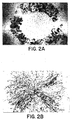
- well-isolated single cells were marked with 3 mm diameter circles. 5-10% of the marked single cells survived and proliferated with a doubling time of 24 hours to generate clones. After various periods of expansion (clone sizes ranging from 2 4 to 2 10 cells), differentiation of clones was initiated by washing the plates once with HBSS and culturing in the same medium but in the absence of bFGF ( Fig. 2 ).
- Double staining was done sequentially using a commercial kit (Zymed) according to the manufacturer instructions.
- oligodendrocyte staining cells fixed with 4% paraformaldehyde were stained first for the cell-surface antigens 04 or GalC without permeabilization. The first antibody was developed with alkaline phosphatase reaction (blue) and the second with peroxidase reaction (red) (Zymed).
- Neurofilament expression was delayed under these conditions. On average, 8% of the cells in a clone were GalC+ and had typical oligodendrocyte morphology. An additional 8% expressed GFAP and displayed a characteristic astrocytic morphology. The remaining cells were unstained by any of the antibodies specific for differentiated cell types but reacted with A2B5 and/or anti-nestin antibodies. A maximum of 20% of the cells died during differentiation. Identical results were obtained whether clones were obtained from acutely dissociated cells with no prior passage or from cells after 4 passages (26 days in vitro ).
- Proliferating clones of the multipotential cells contained uniform morphology and patterns of antigen expression. Yet, the separation of neuronal and non-neuronal morphologies occurred rapidly within 24 hours and only after the mitogen withdrawal. The early neurons were evenly distributed throughout the clone without obvious polarity or localization, suggesting the absence of committed neuronal progenitors during clonal expansion. Moreover, the number of neurons increased linearly with increasing clone size and reproducibly constituted 50% of the clone ( Fig. 1B ).
- the subependymal layer of adult rat brain contains mitotic nestin positive cells that could be expanded in aggregate culture in the presence of epidermal growth factor (EGF) but not bFGF 15 . Some of the cells in aggregates showed neuronal and astrocytic properties.
- EGF epidermal growth factor
- the mitotic population 1% of 1 x 10 5 cells/brain
- bFGF bFGF-like growth factor
- the cells were dissociated by incubating minced tissues at room temperature for 10 minutes with trypsin (1 mg/ml), hyaluronidase (0.7 mg/ml), and kynurenic acid (0.2 mg/ml) in oxygenated HBSS. They were washed once in HBSS with 0.7 mg/ml ovomucoid and 0.2 mg/ml kynurenic acid, resuspended, and mechanically triturated in the same solution. Dissociated cells were recovered by centrifugation and cultured in the serum-free medium plus bFGF (10 ng/ml) as described for the embryonic cells.
- the morphology and growth characteristics of the nestin-positive adult cells were similar to those of embryonic cells. Following bFGF withdrawal, marked clones differentiated into multiple cell types expressing MAP2, TuJ1, GFAP, and GalC ( Fig. 3B and D ). Strikingly, the same high proportion of neurons were found in differentiated clones of adult cells as in the embryonic clones (Table III). More specifically, Table III shows the cell type composition of differentiated clones derived from adult subependymal cells. 23 clones from three independent experiments were quantified.
- Acutely dissociated cells from various regions of embryonic brain were cultured in the presence of either EGF (20 ng/ml) or bFGF (10 ng/ml) under identical conditions as described above.
- Acutely dissociated adult cells were prepared as described above and cultured under identical condition as the embryonic cells.
- the possible effect of initial cell density on the mitogenic response was tested by varying the initial cell density from 1 x 10 4 to 2.5 x 10 6 per plate. At low density, efficiency of colony formation was measured; at high density, BrdU+/nestin+ mitotic cells per field were counted. EGF- and bFGF-expanded colonies were also differentiated by withdrawing the mitogens and cell types analyzed as described above.
- EGF was an equally effective mitogen as bFGF for adult cells ( Fig. 1C ) and, when clones were differentiated, they gave rise to all three cell types. EGF-expanded embryonic clones, with and without passage, also differentiated into all three cell types. Unlike the adult cells, however, EGF was at least 10-fold less effective than bFGF as a mitogen for the embryonic cells from several different regions, regardless of initial cell density ( Fig. 1C ). Thus, with the exception of the proliferative effects of EGF, these data reveal that the multipotential cells from embryonic and adult CNS are remarkably similar.
- TGF ⁇ (10 ng/ml) was also a mitogen for the multipotential cells and was indistinguishable from EGF, while aFGF (10 ng/ml) in the presence of heparin (1 ⁇ g/ml) mimicked the effects of bFGF.
- the clonal analysis suggests that the multipotential precursors are not committed prior to mitogen withdrawal and thus extracellular signals may regulate cell type determination.
- Influence of growth factors on cell type specification was tested by adding them to the culture two days before the withdrawal of bFGF and during the 6 days of differentiation. Factors were added daily and medium was changed every 2 days. At the end of the 6 days, the clones were analyzed for cell type composition by double-staining as described above. Final concentrations of the factors were 10 ng/ml PDGF-AA, -AB, or -BB, 10 ng/ml CNTF, and 3 ng/ml T3.
- the cells expressing the neuronal antigens showed a less mature morphology under these conditions.
- ciliary neurotrophic factor CNTF
- clones gave rise almost exclusively to astrocytes ( Fig. 3G and H , Table IV).
- astrocytes Fig. 3G and H , Table IV.
- MAP2-positive less than 1% of the cells were MAP2-positive in this condition.
- the CNTF-treated cells were intensely GFAP-positive and all showed a flat, astrocytic morphology. LIF showed identical effects as CNTF.
- Thyroid hormone, tri-iodothyronine (T3) influenced the differentiation of the multipotential precursors toward a mixed glial fate ( Fig. 3I and J , Table IV).
- Astrocytes and oligodendrocytes were both increased 3-fold and there was a marked decrease in the proportion of neurons.
- GalC- and O4-positive cells showed characteristic oligodendrocyte morphologies.
- the clones were of similar size in all the experiments and numerical analysis of dead cells showed that selective cell death cannot account for the changes in the proportion of cell types.
- Similar results were obtained with multipotential stem cells from embryonic cortex and striatum.
- the multipotential cells derived from subependymal layer of the adult brain showed quantitatively similar differentiation responses to PDGF, CNTF, and T3 ( Fig. 3 , Table IV). This emphasizes the general nature of these pathways.
- NGF neurotrophic factor
- NT-3 BDNF
- TGFb1 TGFb1
- IL2-11 G-CSF
- M-CSF M-CSF
- GM-CSF oncostatin M
- stem cell factor erythropoietin
- interferon gamma 9-cis and all-trans retinoic acid
- retinyl acetate dexamethasone
- corticosterone corticosterone
- Tissues from various regions of human fetal brains were obtained from fetuses. The tissues were dissociated in HBSS by mechanical trituration as described above. Cells were collected by centrifugation, resuspended, plated at 1 x 10 6 cells per 10 cm plate, and expanded in the serum-free medium plus 10 ng/ml bFGF under conditions identical to those described for rodent fetal CNS stem cells above.
- the remaining cells were of large elongated glial morphology. Approximately 10% of the cells expressed mature astrocytic antigen, GFAP, and about 2% expressed oligodendrocytic antigens 04 or galactocerebroside (GalC) (Table V). This clonal analysis thus demonstrates that the culture system described here permits efficient isolation, mass-expansion, and differentiation of multipotential stem cells from human fetal CNS.
- T3 increased 04- or GalC-positive oligodendroglial cells as well as GFAP-positive astroglial cells, while MAP2-positive neurons decreased (Table V).
- CNS stem cells Multipotentiality of CNS stem cells and their directed differentiation by defined extracellular signals unequivocally establish that neurons derive from stem cells directly.
- the origin of neuronal diversity seen in mature brain starts from CNS stem cells.
- stem cells derived from embryonic rat hippocampus were allowed to differentiate for up to 21 days at high density.
- snapsin proteins found in synaptic vesicles of mature neurons at axon terminals and are involved in exocytosis of neurotransmitters. All four proteins were highly co-localized in the stem cell-derived neurons, in punctate pattern, most likely delineating the axon terminals.
- the processes bearing the synaptic vesicle proteins were thin, highly elaborate, traveled long distance, and decorated the perimeter of neighboring neurons ( Fig. 7G ). They contained axon-specific proteins such as tau and neurofilament and were devoid of dendrite specific proteins such as MAP2a and MAP2b ( Fig. 7H and 7I ).
- the stem cell-derived neurons display proper axon-dendrite polarity and exhibit synaptic activity.
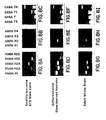
- Stem cell-derived neurons also expressed major neurotransmitter receptors, transporters, and processing enzymes important for neurotransmitter functions. These included members of glutamate receptors, GABA receptors, and dopamine receptors ( Fig. 8 ). Furthermore, the stem cells retain their capacity to generate subtypes of neurons having molecular differences among the subtypes.
- CNS stem cells To answer these questions, we have successfully isolated from early rat neuroepithelium multipotential precursor cells, CNS stem cells, and examined quantitatively their differentiation capacity in vitro 64 (see also Examples 1-3, 5 and 6). Under constitutive conditions with no exogenous influence, CNS stem cell clones differentiated into all three major cell types-- neurons, astrocytes, and oligodendrocytes. In the presence of single extracellular factors, however, their fate choice could be directed toward single cell types. Moreover, such multipotential stem cells were by far the majority of expandable populations in culture suggesting that they are abundant in the neuroepithelium. These properties are also shared by CNS stem cells from human fetal brain. Thus, these are the defining properties of mammalian CNS stem cells, which constitute the majority of embryonic CNS and are the direct precursors to neurons of the adult brain.
- Examples, 1-3, 5 and 6 we limited the differentiation of CNS stem cell clones only to the earliest time point of maturation at which all three cellular phenotypes, i.e., neurons, astrocytes and oligodendrocytes, could be sampled without encountering significant cell death. Hence, neuronal differentiation was limited only to early stages of differentiation. We decided to examine to what extent CNS stem cell-derived neurons could differentiate in vitro under constitutive conditions, that is, in serum-free, defined minimal medium in the absence of exogenous factors.
- Neuronal differentiation encompasses many distinct phases of cellular maturation.
- One of the earliest characteristics of a functional neuron to be expected is the polarization of a neuron into distinct compartments, i.e., soma, dendrite and axon.
- addition of various commercially available neurotrophic factors including NGF and FGF families could not overcome this barrier.
- BDNF brain-derived neurotrophic factor
- CNS stem cells were isolated and expanded under defined conditions as previously described above in Examples 1-3, 5 and 6. Different neurons were derived by isolating CNS stem cells from different regions of the central nervous system and from different stages of the CNS development. Differentiation conditions for obtaining all neuronal phenotypes were identical and different neurons derived only from allowing expression of inherent information already embedded in the expanded CNS stem cells.
- differentiation was overtly triggered by withdrawal of mitogen, e.g., bFGF, by replacing the growth medium with mitogen-free medium.
- mitogen e.g., bFGF
- the cells were harvested by trypsinization and centrifugation according to conventional procedures. Trypsin was inactivated by adding trypsin inhibitor.
- the resulting cell pellet was resuspended in the same N2 growth medium without bFGF or any other factor and plated at high cell density, optimally at 125,000 cells per square centimeter, onto tissue culture plates precoated with poly-L-ornithine (15 ⁇ g/ml) and fibronectin (1 ⁇ g/ml) or laminin (1 ⁇ g/ml). Two to four days later, the N2 medium was replaced by N2 medium without glutamic acid. The high cell density was necessary for efficient neuronal differentiation and the absence of glutamic acid was necessary to permit long-term survival of mature neurons.
- Neurons were maintained for long periods (up to 30 days) under these conditions with the medium changed every 3-4 days. Supplementing the medium with 20 ng/ml of recombinant human BDNF further facilitated neuronal survival and maturation. After 12-30 days of differentiation, cells were fixed with 4% paraformaldehyde and neuronal phenotypes were identified by immunocytochemistry against marker proteins.
- CNS stem cells from various embryonic brain regions which had been expanded in vitro for long-term (approximately 16 days and 16 cell divisions through 4 passages) were overtly differentiated for 21 days total as described above.
- Mitotic CNS stem cells were pulse-labeled with bromodeoxyuridine (BrdU) for the last 24 to 48 hours prior to differentiation. From all regions, up to 86% of MAP2ab-positive neurons were also positive for BrdU. By 24 hour-BrdU labeling, approximately 50%-75% of the neurons immunopositive for the antigens specific for different neuronal subtypes were also positive for BrdU.
- Neurons thus obtained contained distinct localization of dendritic proteins such as MAP2ab from axonal proteins such as tau, neurofilaments, and several synaptic vesicle proteins.
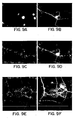
- Fig. 9 are typical neurons derived from rat embryonic hippocampal stem cells. Mature neurons were triple-immunostained with antibodies against BrdU ( Fig. 9A ), MAP2ab ( Fig. 9B ), and synapsin ( Fig. 9C ). Combined staining is shown in Fig. 9D .
- Figures 9E and F show another typical example of hippocampal stem cell-derived neurons double-stained for synaptophysin ( Fig. 9E ), a synaptic vesicle protein labeling axon terminals, and MAP2ab ( Fig. 9F ) labeling dendritic process.
- Fig. 9E a synaptic vesicle protein labeling axon terminals
- MAP2ab Fig. 9F
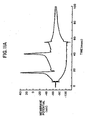
- These immunostaining results demonstrate polarization of neurons into axons and dendrites and significantly suggest numerous synaptic junctions. Further examination of these morphologies by electron microscopy confirmed the abundant presence of synapses containing synaptic vesicles and synaptic densities ( Fig. 10 ).
- CNS stem cells Long-term expanded CNS stem cells derived from several different regions of the neuroepithelium gave rise to distinct subpopulations of neurons.
- CNS stem cells were isolated from several different regions of rat embryonic CNS at times known to be at the beginning or in the midst of neurogenesis-- embryonic gestation day 15.5 (E 15.5) cortex (CTX), septum (SEP), lateral ganglionic eminence (LGE), medial ganglionic eminence (MGE), hippocampus, E13.5 thalamus, hypothalamus, E12.5 ventral and dorsal mesencephalon, and E11.5-E13.5 spinal cords. From each of these regions, almost homogeneous cultures of CNS stem cells could be expanded for long term (typically for 16 days with average doubling time of 24 hours) according to the culture conditions described previously 64 .
- Lateral and medial ganglionic eminence are two closely adjacent structures that develop in parallel into striatum and globus pallidus in the adult brain.
- Dopamine receptors, D1 and D2 are expressed in striatum, but only D2 is present in pallidus.
- the expression of D1 and D2 receptors from CNS stem cells isolated from E16 lateral and medial ganglionic eminence was examined by RT-PCR ( Fig. 12 ). Prior to differentiation, CNS stem cells from either region expressed no dopamine receptors. After 9 days of differentiation, D1 and D2 receptors were expressed in LGE-derived stem cells, but only D2 receptor was expressed in cells from MGE. -This differential pattern was stable throughout the differentiation course up to 21 days examined ( Fig. 12 ).
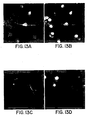
- FIG. 13A shows a septal CNS stem cell-derived cholinergic neuron immuno-stained for acetylcholine transferase.
- Figure 13B shows the same field of view as Fig. 13A stained for the mitotic label BrdU.
- Figure 13C and D show another example of a cholinergic neuron double-stained for vesicular acetylcholine transporter and BrdU, respectively.
- Table VII summarizes the number of MAP2ab-positive neurons per square centimeter and the proportions of different neuronal phenotypes relative to the total MAP2ab-positive neurons derived from CNS stem cells of several different regions and ages. Approximately 4-5% of the MAP2 positive neurons were cholinergic. In contrast, hippocampal and cortical CNS stem cells gave rise to no cholinergic neurons.
- LGE and MGE CNS stem cells also expressed vesicular acetylcholine transporter, a specific marker of cholinergic neurons (Table VII).
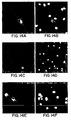
- Figures 14A , C, and D show typical LGE CNS stem cell-derived neurons stained for neuropeptide Y, met-enkephalin, and leu-enkephalin, respectively.
- Figures 14B , D, and F show the immunostaining for BrdU of the same fields as in Figs. 14A , C, and E, respectively.
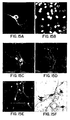
- FIG. 15A shows a typical CNS stem cell derived TH-positive neuron and Figure 15B shows the corresponding BrdU staining of the same field. All TH-positive cells are neurons as shown by double-staining for TH and MAP2ab ( Figs. 15C and D , respectively). Most of the remaining neurons were positive for the marker of GABAergic neurons, glutamic acid decarboxylase (GAD) as well as for GABA itself ( Fig. 15E ) and/or for acetylcholine esterase ( Fig. 15F ; Table VII) which is known to be expressed in monoaminergic neurons in this area.
- GABAergic neurons glutamic acid decarboxylase
- Fig. 15E glutamic acid decarboxylase
- Fig. 15F acetylcholine esterase
- CNS stem cells derived from dorsal mesencephalon in contrast, generated no TH-positive neurons (Table VII). Almost all neurons of this area (100.9 ⁇ 9.1%) expressed acetylcholine esterase (Table VII). They are most likely monoaminergic neurons, consistent with the in vivo pattern. Significantly, no TH-positive neurons arose from CNS stem cells derived from cortex, septum, hippocampus, striatum, and spinal cord (Table VII). Thus, in parallel with the known in vivo expression pattern, generation of TH-positive neurons were unique to ventral mesencephalon CNS stem cells in vitro .
- CNS stem cells from E13.5 cervical and thoracic spinal cords were expanded and differentiated.
- 1.2 ⁇ 0.1% of MAP2 positive neurons were cholinergic containing vesicular acetylcholine transporter (Table VII).
- Cholinergic neurons also expressing acetylcholine transferase and BrdU-positive are shown in Figures 16C and D , respectively.
- a typical acetylcholine esterase-positive and BrdU-positive neuron is shown in Figure 16A and B , respectively.
- Neurons derived from E15.5 hippocampal and cortical CNS stem cells did not express tyrosine hydroxylase, acetylcholine esterase, acetylcholine transferase, and vesicular acetylcholine transporter (Table VII). This is appropriate for known absence of these markers in hippocampus in vivo .
- About 30% of MAP2ab-positive neurons were GABAergic, indicated by expression of GAD and GABA.
- Figures 17A and B show typical examples of GAD- and GABA-positive staining, respectively, which completely overlap.
- a typical hippocampal calretinin- and MAP2ab-positive neuron is shown in Figures 17C and D , respectively.
- Mature neurons can be also be derived with equal efficiency from E13.5 thalamus and hypothalamus. These neurons contain exceptionally long axonal processes.
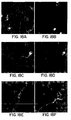
- a typical thalamic neuron stained for the axonal protein, tau, and BrdU is shown in Figures 18A and B , respectively.
- a typical hypothalamic neuron stained for tau and BrdU is shown in Figures 18C and D , respectively.
- Synapsin staining of thalamic and hypothalamic neurons is shown in Figures 18E and F , respectively.
- neurons and the CNS stem cells capable of differentiating into such neurons provide the key element for gene therapy, cell therapy, and identification of novel therapeutic molecules (proteins, peptides, DNA, oligonucleotides, synthetic and natural organic compounds) directed to nervous system disorders.
- the multipotential cells could be efficiently isolated from many regions of the developing CNS, indicating that they are abundant throughout the neuroepithelium. This contrasts with the widely-held notion that stem cells are rare. Differentiation of the stem cells can be effectively directed by extracellular factors that are known to be present during CNS development 16-23 . This suggests that different extracellular factors can act on a single class of stem cells to generate different cell types. A similar instructive mechanism has also been observed in vitro with stem cells isolated from the peripheral nervous system 24 .
- Another mechanism of fate choice regulation in vivo may involve intermediate stages of differentiation. Identification of the bipotential oligodendrocyte precursor cell, O-2A, from postnatal optic nerve directly demonstrated that restricted progenitors are produced during development 25,26 .
- the stem cells are distinct from the 0-2A cells. Their origins, properties, and developmental capacities differ. Given that the stem cells differentiate into oligodendrocytes, the differentiation pathway may involve an obligatory intermediate stage, a committed progenitor state like the O-2A cell. The similar responses of both cells to T3 and CNTF 27,28 may reflect this common step.
- this CNS stem cell technology permits large scale culture of homogeneous stem cells in an undifferentiated state. The longer that the cells can be maintained in the stem cell state, the higher the yield of neurons that can be derived from the culture, thereby enabling more efficient gene transfer and large scale selection of those cells carrying the gene of interest.
- this culture system permits controlled differentiation of the stem cells where 50% of the expanded cells now turn into neurons. This efficient differentiation, combined with efficient proliferation, routinely yields more than 100 million neurons from the neocortex of one rat fetal brain in a two-week period.
- the differentiation of the stem cells into neurons, astrocytes, and oligodendrocytes occurs constitutively where all three cell types continue to mature in culture, most likely due to nurturing interactions with each other, as during normal brain development. Many different types of neurons arise, which respond to many growth factors and contain neurotransmitters and their receptors. Thus, a significant portion of the brain development can be recapitulated in a manipulable environment, thereby highlighting the potential to extract and test novel neurotropic factors normally secreted by these cells.
- the stem cell technology of the present invention can be developed for direct application to many different aspects of therapy and drug discovery for nervous system disorders.
- Outlined below are four examples for potential commercial applications, i.e., gene therapy for Parkinson's disease, cell therapy, search for novel growth factors, and assays for drug screening.
- the CNS stem cells more than meet the technical criteria as vehicles for gene therapies and cell therapies in general.
- the stem cells can be expanded rapidly under precisely controlled, reproducible conditions. Furthermore, these cells are readily accessible to all standard gene transfer protocols such as via retroviruses, adenoviruses, liposomes, and calcium phosphate treatment, as well as subsequent selection and expansion protocols.
- the expanded stem cells efficiently differentiate into neurons en masse.
- stem cells make them unique as the fundamental basis of therapeutic development directed at the human nervous system.
- stem cells once stem cells are triggered to differentiate into mature cell types, all of the molecular interactions are in place within the culture system to generate, to mature, and to survive a variety of different cell types and neuronal subtypes. These interactions recapitulate a significant portion of the natural brain development process. Therefore, the stem cells, as vehicles of gene therapy and cell therapy, refurnish not only a single potential gene or factor to be delivered but also the whole infrastructure for nerve regeneration.
- the stem cells in culture are expanded from the multipotential germinal precursors of the normal brain development. Hence, these stem cells retain the capacity to become not only three different cell types but also many different types of neurons depending upon the environmental cues to which they are exposed. This broad plasticity, which is the inherent property of the stem cells, distinctly suggests that, once transplanted, the cells may retain the capacity to conform to many different host brain regions and to differentiate into neurons specific for that particular host region.
- These intrinsic properties of the primary stem cells are far different from the existing tumorigenic cell lines where some neuronal differentiation can be induced under artificial conditions. Therefore, with these unique properties, the expandable human CNS stem cells contain significant commercial potential by themselves with little further development.
- Parkinson's Disease results mainly from degeneration of dopamine releasing neurons in the substantia nigra of the brain and the resulting depletion of dopamine neurotransmitter in the striatum.
- the cause of this degeneration is unknown but the motor degeneration symptoms of the disease can be alleviated by peripherally administering the dopamine precursor, L-dopa, at the early onset of the disease.
- L-dopa is no longer effective and currently no further treatment is available.
- One promising treatment being developed is to transplant dopamine-rich substantia nigra neurons from fetal brain into the striatum of the brain of the patient. Results obtained from various clinical centers look extremely optimistic.
- Tyrosine hydroxylase is the key enzyme for dopamine synthesis.
- Human CNS stem cells derived from fetal basal ganglia can be produced which express the tyrosine hydroxylase (TH) gene. These cells can be expanded, differentiated, and transplanted into the patient's striatum. Since the cells are originally derived from the primordial striatum, they would have the best chance of integrating into this region of the brain. Production of such cells and their successful transplantation into animal models will result in the most promising application of gene therapy to date.
- CNS stem cells are the natural germinal cells of the developing brain with the capacity to become the cells of the mature brain, the stem cells from the spinal cord and different regions of the brain may be used directly to repopulate degenerated nerves in various neuropathies.
- Drug discovery by traditional pharmacology had been performed without the knowledge of such complexity using whole brain homogenate and animals, and mostly produced analogs of neurotransmitters with broad actions and side effects.
- the next generation of pharmaceutical drugs aimed to modify specific brain functions may be obtained by screening potential chemicals against neurons displaying a specific profile of neurotransmitters, receptors complexes, and ion channels.
- CNS stem cells expanded and differentiated into neurons in culture express several neurotransmitters and receptor complexes.
- Many cell lines derived from stem cells and neuronal progenitors of different regions of the brain can be developed which, when differentiated into mature neurons, would display a unique profile of neurotransmitter receptor complexes.
- Such neuronal cell lines will be valuable tools for designing and screening potential drugs.
- the CNS stem cell technology of this application offers broad and significant potentials for treating nervous system disorders.
- MAP2 Embryonic Neuron
- MAP2 45.9 81.0 0.9 11.5 Neuron
- TuJ1 9.9 72.4 N.D. N.D.
- Neuron NF-M
- Oligodendrocyte GalC 7.4 2.8 4.5 21.2 Astrocyte (GFAP) 6.3 2.0 97.3 20.7
- MAP2 36.8 73.9 11.8 35.2 Neuron
- TuJ1 47.9 72.4 N.D. N.D.
- Oligodendrocyte GalC
- MAP2 microtubule associated protein a and b
- TH tyrosine hydroxylase
- AchE acetylcholine esterase
- VAT vesicular acetylcholine transporter
- ChAT choline acetyl transferase
- GAD glutamic acid decarboxylase
- NPY neuropeptide Y
- L-Enk leu-enkephalin
- M-Enk met-enkephalin. 2 Regions from where CNS stem cells were derived.
- SEPT E15.5 septum
- LGE E15.5 lateral ganglionic eminence
- MGE E15.5 medial ganglionic eminence
- HI E15.5 hippocampus
- VM E12.5 ventral mesencephalon
- DM E12.5 dorsal mesencephalon
- SPC E13.5 spinal cord. 3 Shown are the average number of MAP2ab-positve cells per square centimeter. Initial number of cells plated for all regions was 125,000 cells per square centimeter. ⁇ standard mean error.
Landscapes
- Health & Medical Sciences (AREA)
- Life Sciences & Earth Sciences (AREA)
- Engineering & Computer Science (AREA)
- Biomedical Technology (AREA)
- Immunology (AREA)
- Chemical & Material Sciences (AREA)
- Molecular Biology (AREA)
- Hematology (AREA)
- Urology & Nephrology (AREA)
- Cell Biology (AREA)
- Bioinformatics & Cheminformatics (AREA)
- Biotechnology (AREA)
- Biochemistry (AREA)
- Microbiology (AREA)
- General Health & Medical Sciences (AREA)
- Food Science & Technology (AREA)
- Pathology (AREA)
- Medicinal Chemistry (AREA)
- Physics & Mathematics (AREA)
- Analytical Chemistry (AREA)
- General Physics & Mathematics (AREA)
- Toxicology (AREA)
- Tropical Medicine & Parasitology (AREA)
- Neurology (AREA)
- Developmental Biology & Embryology (AREA)
- Neurosurgery (AREA)
- Genetics & Genomics (AREA)
- Wood Science & Technology (AREA)
- Zoology (AREA)
- Organic Chemistry (AREA)
- General Engineering & Computer Science (AREA)
- Pharmacology & Pharmacy (AREA)
- Micro-Organisms Or Cultivation Processes Thereof (AREA)
- Medicines Containing Material From Animals Or Micro-Organisms (AREA)
- Measuring Or Testing Involving Enzymes Or Micro-Organisms (AREA)
Claims (9)
- Verfahren zur Expansion und in vitro-Kultivierung von Stammzellen aus dem zentralen Nervensystem eines Säugers, wobei die Stammzellen die multipotente Fähigkeit zur Differenzierung zu Neuronen, Astrozyten und Oligodendrozyten beibehalten, umfassend die Schritte:a) Dissoziieren von Zellen aus Gewebe des zentralen Nervensystems durch mechanisches Triturieren in einer Kochsalzlösung in Abwesenheit zweiwertiger Kationen,b) Kultivieren der auf einer Platte anhaftenden dissoziierten Zellen in einem chemisch definierten serumfreien Kulturmedium,c) Ausplattieren von dissoziierten Zellen in einer Dichte, welche 20 000 Zellen/cm2 nicht übersteigt, und erneutes Ausplattieren der kultivierten Zellen in nachfolgenden Passagen in einer Dichte, welche 10 000 Zellen/cm2 nicht übersteigt und in einer Dichte von näherungsweise 0,5 x 10⁶ pro 10 cm Platte,d) tägliches Hinzufügen eines Wachstumsfaktors ausgewählt aus der Gruppe bestehend ausi) bFGF in einer Konzentration von mindestens 10 ng/ml,ii) EGF in einer Konzentration von mindestens 10 ng/ml,iii) TGF-alpha in einer Konzentration von mindestens 10 ng/ml, undiv) aFGF in einer Konzentration von mindestens 10 ng/ml plus 1 µg/ml Heparin,zu den kultivierten Zellen,e) Ersetzen des Kulturmediums durch frisches Medium alle zwei Tage;f) Passagieren der kultivierten Zellen alle vier Tagen nach Ausplattieren, so dass eine 50%ige Konfluenz nicht überschritten wird, undg) Passagieren der kultivierten Zellen durch Behandeln der kultivierten Zellen mit Hanks gepufferter Kochsalzlösung.
- Verfahren zur Differenzierung einer in vitro-Kultur von Stammzellen aus dem zentralen Nervensystem eines Säugers, wobei die Stammzellen die multipotente Fähigkeit zur Differenzierung zu Neuronen, Astrozyten und Oligodendrozyten beibehalten, umfassend die Schritte:a) Dissoziieren von Zellen aus Gewebe des zentralen Nervensystems durch mechanisches Triturieren in einer Kochsalzlösung in Abwesenheit zweiwertiger Kationen,b) Kultivieren der auf einer Platte anhaftenden dissoziierten Zellen in einem serumfreien Kulturmedium,c) Ausplattieren von dissoziierten Zellen in einer Dichte, welche 20 000 Zellen/cm2 nicht übersteigt, und erneutes Ausplattieren der kultivierten Zellen in nachfolgenden Passagen in einer Dichte, welche 10 000 Zellen/cm2 nicht übersteigt und in einer Dichte von näherungsweise 0,5 x 10⁶ pro 10 cm Platte,d) tägliches Hinzufügen eines ersten Wachstumsfaktors ausgewählt aus der Gruppe bestehend ausi) bFGF in einer Konzentration von mindestens 10 ng/ml,ii) EGF in einer Konzentration von mindestens 10 ng/ml,iii) TGF-alpha in einer Konzentration von mindestens 10 ng/ml, undiv) aFGF in einer Konzentration von mindestens 10 ng/ml plus 1 µg/ml Heparin,zu den kultivierten Zellen,e) Passagieren der kultivierten Zellen alle vier Tagen nach Ausplattieren, so dass eine 50%ige Konfluenz nicht überschritten wird,f) Passagieren der kultivierten Zellen durch Behandeln der kultivierten Zellen mit Hanks gepufferter Kochsalzlösung, undg) Entfernen des ersten Wachstumsfaktors von den kultivierten Zellen, wobei das Entfernen zur Differenzierung der kultivierten Zellen zu Neuronen, Astrozyten und/oder Oligodendrozyten führt.
- Verfahren nach Anspruch 1 oder Anspruch 2, wobei in Schritt (b) das Kulturmedium chemisch definiert ist und das Kulturmedium alle zwei Tage durch frisches Medium ersetzt wird, und wobei in Schritt (f) die Kochsalzlösung frei von zweiwertigen Kationen ist und die Zellen von der Platte abgekratzt werden.
- Verfahren nach einem der Ansprüche 1 bis 3, wobei die Stammzellen aus Gewebe aus dem zentralen Nervensystem eines Menschen stammen.
- Verfahren nach einem der Ansprüche 1 bis 3, wobei die Stammzellen aus Gewebe aus dem zentralen Nervensystem eines nicht-menschlichen Fötus stammen.
- Verfahren nach Anspruch 4, wobei die Stammzellen aus Gewebe aus dem zentralen Nervensystem eines Erwachsenen stammen.
- Verfahren nach Anspruch 4, 5 oder 6, wobei die Stammzellen aus Gewebe aus dem zentralen Nervensystem stammen, welches aus der Gruppe bestehend aus Hippocampus, Großhirnrinde, Striatum, Septum, Diencephalon, Mesencephalon, Rautenhirn und Wirbelsäule ausgewählt ist.
- Verfahren nach Anspruch 2, weiterhin umfassend das Hinzufügen eines zweiten Wachstumsfaktors zu den kultivierten Zellen nach Entfernen des ersten Wachstumsfaktors von den kultivierten Zellen, wobei sich der zweite Wachstumsfaktor von dem ersten Wachstumsfaktor unterscheidet.
- Verfahren nach Anspruch 8, wobei der zweite Wachstumsfaktor aus der Gruppe bestehend aus Blutplättchen-Wachstumsfaktor (PDGF), ciliärer neurotropher Faktor (CNTF), Leukämie inhibierender Faktor (LIF), und Schilddrüsenhormon, lodthyronin (T3), ausgewählt ist.
Priority Applications (1)
| Application Number | Priority Date | Filing Date | Title |
|---|---|---|---|
| DE69737949.3T DE69737949T3 (de) | 1996-05-23 | 1997-05-07 | Isolierung, vermehrung und gezielte differenzierung von säugetierstammzellen des zentralnervensystems |
Applications Claiming Priority (5)
| Application Number | Priority Date | Filing Date | Title |
|---|---|---|---|
| US719450 | 1991-06-24 | ||
| US1820696P | 1996-05-23 | 1996-05-23 | |
| US18206P | 1996-05-23 | ||
| US08/719,450 US5753506A (en) | 1996-05-23 | 1996-09-25 | Isolation propagation and directed differentiation of stem cells from embryonic and adult central nervous system of mammals |
| PCT/US1997/007669 WO1997044442A1 (en) | 1996-05-23 | 1997-05-07 | Isolation, propagation, and directed differentiation of stem cells from central nervous system of mammals |
Publications (3)
| Publication Number | Publication Date |
|---|---|
| EP0915968A1 EP0915968A1 (de) | 1999-05-19 |
| EP0915968B1 EP0915968B1 (de) | 2007-07-25 |
| EP0915968B2 true EP0915968B2 (de) | 2014-10-22 |
Family
ID=26690851
Family Applications (1)
| Application Number | Title | Priority Date | Filing Date |
|---|---|---|---|
| EP97923569.4A Expired - Lifetime EP0915968B2 (de) | 1996-05-23 | 1997-05-07 | Isolierung, vermehrung und gezielte differenzierung von säugetierstammzellen des zentralnervensystems |
Country Status (8)
| Country | Link |
|---|---|
| US (2) | US5753506A (de) |
| EP (1) | EP0915968B2 (de) |
| AT (1) | ATE368103T1 (de) |
| AU (1) | AU2934197A (de) |
| CA (1) | CA2257068C (de) |
| DE (1) | DE69737949T3 (de) |
| ES (1) | ES2292187T5 (de) |
| WO (1) | WO1997044442A1 (de) |
Families Citing this family (284)
| Publication number | Priority date | Publication date | Assignee | Title |
|---|---|---|---|---|
| US7037721B1 (en) * | 1990-01-29 | 2006-05-02 | Hy-Gene Biomedical, Inc. | Protein-free defined media for the growth of normal human keratinocytes |
| US7361505B1 (en) | 1991-07-08 | 2008-04-22 | Neurospheres Holdings Ltd. | Multipotent neural stem cell compositions |
| US6497872B1 (en) * | 1991-07-08 | 2002-12-24 | Neurospheres Holdings Ltd. | Neural transplantation using proliferated multipotent neural stem cells and their progeny |
| US7166277B1 (en) | 1991-07-08 | 2007-01-23 | Neurospheres Holdings Ltd. | Remyelination of neurons using multipotent neural stem cell progeny |
| US6399369B1 (en) | 1991-07-08 | 2002-06-04 | Neurospheres Holdings Ltd. | Multipotent neural stem cell cDNA libraries |
| US5910161A (en) * | 1994-09-20 | 1999-06-08 | Fujita; Makoto | Refrigerating apparatus |
| US7544511B2 (en) * | 1996-09-25 | 2009-06-09 | Neuralstem Biopharmaceuticals Ltd. | Stable neural stem cell line methods |
| US6787355B1 (en) | 1996-08-26 | 2004-09-07 | Mcgill University | Multipotent neural stem cells from peripheral tissues and uses thereof |
| US6969608B1 (en) | 1996-08-26 | 2005-11-29 | Mcgill University | Pharmaceuticals containing multipotential precursor cells from tissues containing sensory receptors |
| AU6131198A (en) * | 1997-01-07 | 1998-08-03 | Dennis A. Steindler | Isolated mammalian neural stem cells, methods of making such cells, and methods of using such cells |
| US6245564B1 (en) | 1997-01-23 | 2001-06-12 | Cornell Research Foundation, Inc. | Method for separating cells |
| US6361996B1 (en) * | 1997-05-07 | 2002-03-26 | University Of Utah Research Foundation | Neuroepithelial stem cells and glial-restricted intermediate precursors |
| US6232119B1 (en) | 1997-06-13 | 2001-05-15 | University Technology Corporation | Immortalized human fetal neuronal cell line |
| US6734015B1 (en) * | 1997-07-04 | 2004-05-11 | University Of Utah Research Foundation | Isolation of lineage-restricted neuronal precursors |
| US6235527B1 (en) * | 1997-11-29 | 2001-05-22 | University Of Utah Research Foundation | Lineage restricted glial precursors from the central nervous system |
| US20020123143A1 (en) * | 1997-08-22 | 2002-09-05 | Jean Toma | Multipotent stem cells from peripheral tissues and uses thereof |
| US20020016002A1 (en) * | 2000-01-24 | 2002-02-07 | Jean Toma | Multipotent neural stem cells from peripheral tissues and uses thereof |
| US5968829A (en) * | 1997-09-05 | 1999-10-19 | Cytotherapeutics, Inc. | Human CNS neural stem cells |
| US6126955A (en) * | 1998-04-16 | 2000-10-03 | University Of Utah Research Foundation | Apo-transferrin as a potent inhibitor of bacterial adhesion to biomaterials |
| US6171610B1 (en) | 1998-04-24 | 2001-01-09 | University Of Massachusetts | Guided development and support of hydrogel-cell compositions |
| US6027744A (en) * | 1998-04-24 | 2000-02-22 | University Of Massachusetts Medical Center | Guided development and support of hydrogel-cell compositions |
| US20080206206A1 (en) | 1998-05-07 | 2008-08-28 | University Of South Florida | Bone marrow-derived neuronal cells |
| ES2246085T3 (es) * | 1998-05-07 | 2006-02-01 | University Of South Florida | Celulas de medula osea como fuente de neuronas util para reparar la medula espinal y el cerebro. |
| SE9802264D0 (sv) * | 1998-06-25 | 1998-06-25 | Neuronova Ab | A method of isolating cells |
| US6541247B1 (en) | 1998-06-25 | 2003-04-01 | Neuronova Ab | Method of isolating ependymal neural stem cells |
| JP2002521025A (ja) * | 1998-07-24 | 2002-07-16 | ザ カーネギー インスチチューション オブ ワシントン | 増殖因子のTGF−βファミリーのメンバーを使用する、生殖系列幹細胞の維持および増殖のための方法。 |
| US5958767A (en) | 1998-08-14 | 1999-09-28 | The Children's Medical Center Corp. | Engraftable human neural stem cells |
| US7186409B2 (en) * | 1998-08-14 | 2007-03-06 | The Children's Medical Center Corporation | Neural stem cells and use thereof for brain tumor therapy |
| US20020115213A1 (en) * | 1998-08-14 | 2002-08-22 | Northeastern Ohio Universities Of Medicine | Engraftable neural progenitor & stem cells for brain tumor therapy |
| EP1115841B1 (de) * | 1998-09-22 | 2016-05-18 | Neuralstem, Inc. | Stabile zelllinien von neuralen stammzellen |
| WO2000020560A1 (en) * | 1998-10-07 | 2000-04-13 | The Children's Hospital Medical Center Corp. | Engraftable neural progenitor and stem cells for brain tumor therapy |
| US8263402B1 (en) | 1998-10-19 | 2012-09-11 | Cornell Research Foundation, Inc. | Method for isolating and purifying oligodendrocytes and oligodendrocyte progenitor cells |
| US20020168766A1 (en) * | 2000-01-11 | 2002-11-14 | Gold Joseph D. | Genetically altered human pluripotent stem cells |
| US7410798B2 (en) * | 2001-01-10 | 2008-08-12 | Geron Corporation | Culture system for rapid expansion of human embryonic stem cells |
| US6667176B1 (en) | 2000-01-11 | 2003-12-23 | Geron Corporation | cDNA libraries reflecting gene expression during growth and differentiation of human pluripotent stem cells |
| SE9900134D0 (sv) * | 1999-01-15 | 1999-01-15 | A & Science Invest Ab | A method for introducing substances into cells, and use of said method |
| US6087168A (en) | 1999-01-20 | 2000-07-11 | Cedars Sinai Medical Center | Conversion of non-neuronal cells into neurons: transdifferentiation of epidermal cells |
| US7041507B1 (en) | 1999-01-20 | 2006-05-09 | Cedars-Sinai Medical Center | Transdiffentiation of transfected epidermal basal cells into neural progenitor cells, neuronal cells and/or glial cells |
| AU3594400A (en) * | 1999-02-11 | 2000-08-29 | Salk Institute For Biological Studies, The | Isolation of stem cells and methods of use thereof |
| US7105150B2 (en) * | 1999-02-12 | 2006-09-12 | Stemcells California, Inc. | In vivo screening methods using enriched neural stem cells |
| US6468794B1 (en) | 1999-02-12 | 2002-10-22 | Stemcells, Inc. | Enriched central nervous system stem cell and progenitor cell populations, and methods for identifying, isolating and enriching for such populations |
| US7037719B1 (en) | 1999-02-12 | 2006-05-02 | Stemcells California, Inc. | Enriched central nervous system stem cell and progenitor cell populations, and methods for identifying, isolating and enriching for such populations |
| AU780256B2 (en) | 1999-02-12 | 2005-03-10 | Boco Silicon Valley, Inc. | Enriched central nervous system stem cell and progenitor cell populations, and methods for identifying, isolating and enriching for such populations |
| US7217565B2 (en) * | 1999-02-12 | 2007-05-15 | Stemcells California, Inc. | Enriched central nervous system stem cell and progenitor cell populations, and methods for identifying, isolating and enriching for such populations |
| US6238922B1 (en) | 1999-02-26 | 2001-05-29 | Stemcells, Inc. | Use of collagenase in the preparation of neural stem cell cultures |
| GB9907243D0 (en) * | 1999-03-29 | 1999-05-26 | Reneuron Ltd | Therapy |
| DE60026512D1 (de) * | 1999-05-07 | 2006-05-04 | Univ Utah Res Found | Auf eine zellinie beschränkte vorläuferzellen aus dem neuralrohr der maus und aus embryonalen stammzellen der maus |
| US6903068B1 (en) | 1999-08-17 | 2005-06-07 | Board Of Regents, The University Of Texas System | Use of colostrinin, constituent peptides thereof, and analogs thereof for inducing cytokines |
| US6852685B1 (en) * | 1999-08-17 | 2005-02-08 | Board Of Regents, The University Of Texas System | Use of colostrinin, constituent peptides thereof, and analogs thereof to promote neuronal cell differentiation |
| US7119064B2 (en) * | 1999-08-17 | 2006-10-10 | Board Of Regents, The University Of Texas System | Use of colostrinin, constituent peptides thereof, and analogs thereof as modulators of intracellular signaling molecules |
| US6500798B1 (en) * | 1999-08-17 | 2002-12-31 | Board Of Regents, The University Of Texas System | Use of colostrinin, constituent peptides thereof, and analogs thereof, as oxidative stress regulators |
| US6749850B1 (en) | 1999-08-18 | 2004-06-15 | The General Hospital Corporation | Methods, compositions and kits for promoting recovery from damage to the central nervous system |
| US20050118143A1 (en) * | 1999-10-01 | 2005-06-02 | Steindler Dennis A. | Isolated mammalian neural stem cells, methods of making such cells, and methods of using such cells |
| ES2183665B1 (es) * | 1999-10-14 | 2004-08-01 | Universidad Miguel Hernandez De Elche | Segmentos de adn utiles para seleccionar tipos celulares diferenciados y sus aplicaciones. |
| US6878543B1 (en) * | 1999-10-25 | 2005-04-12 | Nsgene Sa | Cultures of GFAP+ nestin+ cells that differentiate to neurons |
| WO2001042421A2 (en) * | 1999-12-07 | 2001-06-14 | Monash University | Long-term cell culture compositions and genetically modified animals derived therefrom |
| AUPQ463799A0 (en) * | 1999-12-14 | 2000-01-13 | Novio Phenolic Foam Pty Ltd | Fire resistant compositions |
| AU2913801A (en) * | 1999-12-23 | 2001-07-03 | Cornell Research Foundation Inc. | A method for isolating and purifying multipotential neural progenitor cells and multipotential neural progenitor cells |
| US7575921B2 (en) * | 1999-12-30 | 2009-08-18 | Vbi Technologies, L.L.C. | Spore-like cells and uses thereof |
| US7560275B2 (en) * | 1999-12-30 | 2009-07-14 | Vbi Technologies, L.L.C. | Compositions and methods for generating skin |
| US7455983B2 (en) * | 2000-01-11 | 2008-11-25 | Geron Corporation | Medium for growing human embryonic stem cells |
| US20050042749A1 (en) * | 2001-05-16 | 2005-02-24 | Carpenter Melissa K. | Dopaminergic neurons and proliferation-competent precursor cells for treating Parkinson's disease |
| US7785882B2 (en) * | 2000-01-18 | 2010-08-31 | Cornell Research Foundation, Inc. | Neuronal progenitor cells from hippocampal tissue and a method for isolating and purifying them |
| US6395546B1 (en) * | 2000-02-01 | 2002-05-28 | Neurogeneration, Inc. | Generation of dopaminergic neurons from human nervous system stem cells |
| ATE473751T1 (de) * | 2000-02-11 | 2010-07-15 | Schepens Eye Res Inst | Isolierung und transplantation von retinalen stammzellen |
| AU4744201A (en) * | 2000-03-15 | 2001-09-24 | Childrens Medical Center | Systemic gene delivery vehicles for the treatment of tumors |
| US6673606B1 (en) | 2000-04-12 | 2004-01-06 | The Children's Hospital Of Philadelphia | Therapeutic uses for mesenchymal stromal cells |
| US7037493B2 (en) | 2000-05-01 | 2006-05-02 | Cornell Research Foundation, Inc. | Method of inducing neuronal production in the brain and spinal cord |
| US6828145B2 (en) | 2000-05-10 | 2004-12-07 | Cedars-Sinai Medical Center | Method for the isolation of stem cells by immuno-labeling with HLA/MHC gene product marker |
| EP1302533A4 (de) * | 2000-05-16 | 2004-11-17 | Kyowa Hakko Kogyo Kk | Neue methode zur induktion der differenzierung von embryonalen stammzellen in ektodermale zellen und deren verwendungen |
| US8273570B2 (en) * | 2000-05-16 | 2012-09-25 | Riken | Process of inducing differentiation of embryonic cell to cell expressing neural surface marker using OP9 or PA6 cells |
| US7250294B2 (en) * | 2000-05-17 | 2007-07-31 | Geron Corporation | Screening small molecule drugs using neural cells differentiated from human embryonic stem cells |
| AU6319901A (en) | 2000-05-17 | 2001-11-26 | Geron Corp | Neural progenitor cell populations |
| AU2001265268A1 (en) * | 2000-06-01 | 2001-12-11 | Pharmacia And Upjohn Company | Mice heterozygous for wfs1 gene as mouse models for depression |
| US6897061B1 (en) * | 2000-06-16 | 2005-05-24 | Spinal Cord Society | Transdifferentiation of glial cells |
| US7146217B2 (en) * | 2000-07-13 | 2006-12-05 | Northstar Neuroscience, Inc. | Methods and apparatus for effectuating a change in a neural-function of a patient |
| US7672730B2 (en) * | 2001-03-08 | 2010-03-02 | Advanced Neuromodulation Systems, Inc. | Methods and apparatus for effectuating a lasting change in a neural-function of a patient |
| US7236831B2 (en) | 2000-07-13 | 2007-06-26 | Northstar Neuroscience, Inc. | Methods and apparatus for effectuating a lasting change in a neural-function of a patient |
| US7305268B2 (en) | 2000-07-13 | 2007-12-04 | Northstar Neurscience, Inc. | Systems and methods for automatically optimizing stimulus parameters and electrode configurations for neuro-stimulators |
| US7831305B2 (en) * | 2001-10-15 | 2010-11-09 | Advanced Neuromodulation Systems, Inc. | Neural stimulation system and method responsive to collateral neural activity |
| US7010351B2 (en) * | 2000-07-13 | 2006-03-07 | Northstar Neuroscience, Inc. | Methods and apparatus for effectuating a lasting change in a neural-function of a patient |
| US7756584B2 (en) * | 2000-07-13 | 2010-07-13 | Advanced Neuromodulation Systems, Inc. | Methods and apparatus for effectuating a lasting change in a neural-function of a patient |
| US7024247B2 (en) * | 2001-10-15 | 2006-04-04 | Northstar Neuroscience, Inc. | Systems and methods for reducing the likelihood of inducing collateral neural activity during neural stimulation threshold test procedures |
| US20030125786A1 (en) * | 2000-07-13 | 2003-07-03 | Gliner Bradford Evan | Methods and apparatus for effectuating a lasting change in a neural-function of a patient |
| JP4031901B2 (ja) * | 2000-07-19 | 2008-01-09 | 株式会社東芝 | 固体撮像装置 |
| WO2002010347A2 (en) * | 2000-08-01 | 2002-02-07 | Yissum Research Development Company | Directed differentiation of embryonic cells |
| US8044259B2 (en) * | 2000-08-03 | 2011-10-25 | The Regents Of The University Of Michigan | Determining the capability of a test compound to affect solid tumor stem cells |
| US6984522B2 (en) * | 2000-08-03 | 2006-01-10 | Regents Of The University Of Michigan | Isolation and use of solid tumor stem cells |
| AUPR095200A0 (en) * | 2000-10-24 | 2000-11-16 | Bresagen Limited | Cell production |
| US20020151050A1 (en) * | 2000-10-30 | 2002-10-17 | Vacanti Charles A. | Isolation of spore-like cells from tissues exposed to extreme conditions |
| AU2002251681A1 (en) * | 2000-12-05 | 2002-08-28 | Layton Bioscience Inc. | Production and use of dopaminergic cells to treat dopaminergic deficiencies |
| US20040121460A1 (en) * | 2001-01-24 | 2004-06-24 | Lumelsky Nadya L | Differentiation of stem cells to pancreatic endocrine cells |
| US7299096B2 (en) * | 2001-03-08 | 2007-11-20 | Northstar Neuroscience, Inc. | System and method for treating Parkinson's Disease and other movement disorders |
| US20020132346A1 (en) * | 2001-03-08 | 2002-09-19 | Jose Cibelli | Use of RNA interference for the creation of lineage specific ES and other undifferentiated cells and production of differentiated cells in vitro by co-culture |
| FR2821947B1 (fr) * | 2001-03-12 | 2003-05-16 | Canon Kk | Procede et dispositif de validation de parametres definissant une image |
| US6506576B2 (en) | 2001-03-14 | 2003-01-14 | Board Of Trustees Of The University Of Arkansas | Serum-and steroid-free culture media for cerebellar granule neurons |
| US7838292B1 (en) * | 2001-03-29 | 2010-11-23 | University Of Louisville Research Foundation, Inc. | Methods for obtaining adult human olfactory progenitor cells |
| WO2002083877A1 (en) * | 2001-04-11 | 2002-10-24 | Stem Cell Therapeutics Inc. | Production of tyrosine hydroxylase positive neurons |
| KR100449141B1 (ko) * | 2001-04-19 | 2004-09-21 | (주)라이프코드 | 간엽 간세포를 신경세포로 분화시키는 방법 |
| WO2002086073A2 (en) * | 2001-04-20 | 2002-10-31 | Memorial Sloan-Kettering Cancer Center | Generation of differentiated tissue from nuclear transfer embryonic stem cells and methods of use |
| EP1385938A1 (de) * | 2001-04-23 | 2004-02-04 | Nsgene A/S | Methode und kulturmedium zur herstellung von neuronalenzellen ausdrücken tyrosin hydroxylase |
| US7943376B2 (en) * | 2001-04-27 | 2011-05-17 | Stem Cell Therapuetics Inc. | Platelet derived growth factor (PDGF)-derived neurospheres define a novel class of progenitor cells |
| WO2002087662A1 (en) * | 2001-04-27 | 2002-11-07 | Nexell Therapeutics Inc. | Cell processing and fluid transfer apparatus and method of use |
| AU2007251905B2 (en) * | 2001-04-27 | 2012-04-26 | Stem Cell Therapeutics Inc. | Neural progenitor cells |
| US20030211605A1 (en) * | 2001-05-01 | 2003-11-13 | Lee Sang-Hun | Derivation of midbrain dopaminergic neurons from embryonic stem cells |
| EP1397485A2 (de) * | 2001-06-05 | 2004-03-17 | Thomas Rohrmeier | Zellpopulationen zur auffindung neuronaler targets und potentieller wirkstoffe |
| WO2002102989A2 (en) * | 2001-06-18 | 2002-12-27 | Psychiatric Genomics, Inc. | Method for neural stem cell differentiation using valproate |
| US7132287B2 (en) * | 2001-06-18 | 2006-11-07 | Psychiatric Genomics, Inc. | Method for neural stem cell differentiation using 5HT-1A agonists |
| CA2364095C (en) * | 2001-07-20 | 2011-07-12 | Neurostasis, Inc | Production of radial glial cells |
| US7632680B2 (en) * | 2001-08-08 | 2009-12-15 | Levesque Biosciences, Inc. | Compositions and methods for isolation, propagation, and differentiation of human stem cells and uses thereof |
| US7150989B2 (en) | 2001-08-10 | 2006-12-19 | Cornell Research Foundation, Inc. | Telomerase immortalized neural progenitor cells |
| US20040092013A1 (en) * | 2001-08-14 | 2004-05-13 | Snyder Evan Y. | Method of treating alzheimer's disease with cell therapy |
| AU2002325712C1 (en) * | 2001-08-30 | 2008-07-31 | Stem Cell Therapeutics Inc. | Differentiation of neural stem cells and therapeutic use theeof |
| US7393830B2 (en) * | 2001-09-14 | 2008-07-01 | Stem Cell Therapeutics Inc. | Prolactin induced increase in neural stem cell numbers |
| US20030134415A1 (en) * | 2001-09-19 | 2003-07-17 | Gruenberg Micheal L. | Th1 cell adoptive immunotherapy |
| AU2002341717A1 (en) * | 2001-09-17 | 2003-04-01 | Medcell Biologics, Llc. | Cell therapy system |
| US20030134341A1 (en) * | 2001-09-19 | 2003-07-17 | Medcell Biologics, Llc. | Th1 cell adoptive immunotherapy |
| AR036402A1 (es) * | 2001-09-18 | 2004-09-08 | Stem Cell Therapeutics Inc | Efecto de la hormona de crecimiento y de igf-1 sobre celulas madre neuronales. |
| WO2003026738A1 (en) * | 2001-09-28 | 2003-04-03 | Northstar Neuroscience, Inc. | Methods and apparatus for electrically stimulating cells implanted in the nervous system |
| US20030119080A1 (en) * | 2001-10-15 | 2003-06-26 | Mangano Joseph A. | Strategies for the identification and isolation of cancer stem cells and non-cancerous stem cells |
| US7129034B2 (en) * | 2001-10-25 | 2006-10-31 | Cedars-Sinai Medical Center | Differentiation of whole bone marrow |
| JP2005511754A (ja) * | 2001-12-07 | 2005-04-28 | リージェンツ オブ ザ ユニバーシティ オブ ミシガン | 乳癌幹細胞の予測的同定および特徴づけ |
| WO2003059276A2 (en) * | 2002-01-14 | 2003-07-24 | The Board Of Trustees Of The University Of Illinois | Novel mammalian multipotent stem cells and compositions, methods of preparation and methods of administration thereof |
| EP1472340A4 (de) * | 2002-02-05 | 2006-11-08 | Rappaport Family Inst For Res | Für telomerasepromotoraktivität ausgewählte, zellinienmässig festgelegte stammzellen |
| US20040005301A1 (en) * | 2002-02-12 | 2004-01-08 | Goldman Steven A. | Identification and high-yield isolation of human pancreatic islet progenitor and stem cells |
| WO2003070189A2 (en) * | 2002-02-15 | 2003-08-28 | Cornell Research Foundation, Inc. | Enhancing neurotrophin-induced neurogenesis by endogenous neural progenitor cells by concurrent overexpression of brain derived neurotrophic factor and an inhibitor of a pro-gliogenic bone morphogenetic protein |
| US20030175272A1 (en) * | 2002-03-07 | 2003-09-18 | Medcell Biologics, Inc. | Re-activated T-cells for adoptive immunotherapy |
| US7221981B2 (en) * | 2002-03-28 | 2007-05-22 | Northstar Neuroscience, Inc. | Electrode geometries for efficient neural stimulation |
| US7285415B2 (en) * | 2002-07-11 | 2007-10-23 | The Regents Of The University Of California | Oligodendrocytes derived from human embryonic stem cells for remyelination and treatment of spinal cord injury |
| US20050101014A1 (en) * | 2002-07-11 | 2005-05-12 | Keirstead Hans S. | Oligodendrocytes derived from human embryonic stem cells for remyelination and treatment of spinal cord injury |
| EP1551956A4 (de) * | 2002-07-12 | 2006-12-27 | Univ Washington | Verfahren und systeme zur verlängerten in-vitro-kultur neuronaler zellen |
| US7632679B2 (en) * | 2002-07-16 | 2009-12-15 | The Trustees Of Columbia University In The City Of New York | Systems and methods for screening for modulators of neural differentiation |
| US7390659B2 (en) * | 2002-07-16 | 2008-06-24 | The Trustees Of Columbia University In The City Of New York | Methods for inducing differentiation of embryonic stem cells and uses thereof |
| US20040224302A1 (en) * | 2002-07-16 | 2004-11-11 | Thomas Jessel | Systems and methods for screening for modulators of neural differentiation |
| WO2004011497A1 (en) | 2002-07-31 | 2004-02-05 | Stem Cell Therapeutics Inc. | Method of enhancing neural stem cell proliferation, differentiation, and survival using pituitary adenylate cyclase activating polypeptide (pacap) |
| WO2004015077A2 (en) * | 2002-08-08 | 2004-02-19 | University Of Georgia Research Foundation, Inc. | Compositions and methods for neural differentiation of embryonic stem cells |
| US20060099651A1 (en) * | 2002-08-27 | 2006-05-11 | Nobuko Uchida | Enriched central nervous system stem cell and progenitor cell populations, and methods for identifying, isolating and enriching for such populations |
| US20040077985A1 (en) * | 2002-09-03 | 2004-04-22 | Donnie Rudd | Method of replenishing cells damaged by treatment for cancer |
| US20040043009A1 (en) * | 2002-09-03 | 2004-03-04 | Donnie Rudd | Method of repairing primate mammalian tissue |
| US20040076605A1 (en) * | 2002-09-03 | 2004-04-22 | Donnie Rudd | Method of regenerating human tissue |
| US20040076620A1 (en) * | 2002-09-03 | 2004-04-22 | Donnie Rudd | Method of repairing primate mammalian tissue |
| US20040042997A1 (en) * | 2002-09-03 | 2004-03-04 | Donnie Rudd | Method of regenerating human tissue |
| US20040044300A1 (en) * | 2002-09-03 | 2004-03-04 | Donnie Rudd | Method of replenishing cells damaged by treatment for cancer |
| KR100495532B1 (ko) * | 2002-09-18 | 2005-06-14 | 에프씨비파미셀 주식회사 | 간엽 간세포를 신경세포로 분화 및 증식시키는 방법 |
| WO2004029203A2 (en) * | 2002-09-25 | 2004-04-08 | Bresagen, Inc. | Compositions and methods for enrichment of neural stem cells using ceramide analogs |
| US20050075679A1 (en) * | 2002-09-30 | 2005-04-07 | Gliner Bradford E. | Methods and apparatuses for treating neurological disorders by electrically stimulating cells implanted in the nervous system |
| WO2004037851A2 (en) * | 2002-10-22 | 2004-05-06 | Board Of Regents The University Of Texas System | Colostrinin and peptides thereof as modulators of intracellular signaling molecules and inhibitors of apoptosis |
| US7236830B2 (en) * | 2002-12-10 | 2007-06-26 | Northstar Neuroscience, Inc. | Systems and methods for enhancing or optimizing neural stimulation therapy for treating symptoms of Parkinson's disease and/or other movement disorders |
| US20040147020A1 (en) * | 2002-11-01 | 2004-07-29 | The Regents Of The University Of Colorado, A Body Corporate | Dopamine neurons from human embryonic stem cells |
| US7302298B2 (en) * | 2002-11-27 | 2007-11-27 | Northstar Neuroscience, Inc | Methods and systems employing intracranial electrodes for neurostimulation and/or electroencephalography |
| US20050075680A1 (en) | 2003-04-18 | 2005-04-07 | Lowry David Warren | Methods and systems for intracranial neurostimulation and/or sensing |
| AU2003293409A1 (en) * | 2002-12-09 | 2004-06-30 | Karl K. Johe | Method for discovering neurogenic agents |
| US6959215B2 (en) * | 2002-12-09 | 2005-10-25 | Northstar Neuroscience, Inc. | Methods for treating essential tremor |
| US8293488B2 (en) | 2002-12-09 | 2012-10-23 | Neuralstem, Inc. | Method for screening neurogenic agents |
| US7565199B2 (en) * | 2002-12-09 | 2009-07-21 | Advanced Neuromodulation Systems, Inc. | Methods for treating and/or collecting information regarding neurological disorders, including language disorders |
| WO2004076624A2 (en) * | 2002-12-18 | 2004-09-10 | Bresagen, Inc. | Compositions and methods for neural cell production and stabilization |
| JP2006517586A (ja) * | 2003-02-04 | 2006-07-27 | ラドウィグ インスティテュート フォー キャンサー リサーチ | 幹細胞のvegf−b及びpdgf調節 |
| US20040258673A1 (en) * | 2003-04-03 | 2004-12-23 | Hirose Thomas Gordon | Elective collection and banking of autologous peripheral blood stem cells |
| WO2004091663A1 (ja) * | 2003-04-18 | 2004-10-28 | Kyowa Hakko Kogyo Co., Ltd. | 神経再生薬 |
| US7459152B2 (en) * | 2003-04-23 | 2008-12-02 | Rush University Medical Center | Erythropoietin administration to improve graft survival |
| IL155783A (en) | 2003-05-05 | 2010-11-30 | Technion Res & Dev Foundation | Multicellular systems of pluripotent human embryonic stem cells and cancer cells and uses thereof |
| EP2198922B1 (de) | 2003-05-16 | 2013-03-20 | Université Laval | CNS Chlorid-Modulierung und Verwendung derselben |
| CA2528115A1 (en) * | 2003-06-03 | 2004-12-16 | Nancy L. Parenteau | Selection and propagation of progenitor cells |
| CA2528669A1 (en) * | 2003-06-09 | 2005-01-20 | The Regents Of The University Of Michigan | Compositions and methods for treating and diagnosing cancer |
| AR046076A1 (es) * | 2003-07-18 | 2005-11-23 | Otsuka Pharma Co Ltd | Procedimiento para obtener una poblacion homogenea de celulas precursoras de oligodendrocitos y poblacion obtenida |
| US20070111932A1 (en) * | 2003-07-31 | 2007-05-17 | Stem Cell Therapeutics Inc. | Method of enhancing and/or inducing neuronal migration using erythropoietin |
| US7684866B2 (en) * | 2003-08-01 | 2010-03-23 | Advanced Neuromodulation Systems, Inc. | Apparatus and methods for applying neural stimulation to a patient |
| WO2005017189A2 (en) * | 2003-08-05 | 2005-02-24 | University Of Florida Research Foundation, Inc. | Neural cell assay |
| WO2005033297A1 (en) * | 2003-09-19 | 2005-04-14 | The Rockefeller University | Compositions, methods and kits relating to reprogramming adult differentiated cells and production of embryonic stem cell-like cells |
| ES2579804T3 (es) * | 2003-12-02 | 2016-08-16 | Celavie Biosciences, Llc | Composiciones y métodos para la propagación de células progenitoras neurales |
| US20070269412A1 (en) * | 2003-12-02 | 2007-11-22 | Celavie Biosciences, Llc | Pluripotent cells |
| CA2560544C (en) | 2004-01-16 | 2015-05-19 | Carnegie Mellon University | Cellular labeling for nuclear magnetic resonance techniques |
| EP1718767B1 (de) * | 2004-02-03 | 2012-04-11 | The Regents Of The University Of Michigan | Zusammensetzungen zur behandlung von brust- und bauchspeicheldrüsenkrebs |
| WO2005079250A2 (en) * | 2004-02-13 | 2005-09-01 | Cornell Research Foundation, Inc. | Purines are self-renewal signals for neural stem cells, and purine receptor antagonists promote neuronal and glial differentiation therefrom |
| US7846898B2 (en) * | 2004-02-13 | 2010-12-07 | Stem Cell Therapeutics Corp. | Pheromones and the luteinizing hormone for inducing proliferation of neural stem cells and neurogenesis |
| CN101421394A (zh) * | 2004-03-16 | 2009-04-29 | 赛若代姆公司 | 存在lif时的神经干细胞扩增 |
| NL1026137C2 (nl) * | 2004-05-07 | 2005-11-08 | Vanderlande Ind Nederland | Inrichting voor het sorteren van producten. |
| JP2008501356A (ja) * | 2004-06-09 | 2008-01-24 | ザ・ユニバーシティ・コート・オブ・ザ・ユニバーシティ・オブ・エディンバラ | 神経幹細胞 |
| KR100563297B1 (ko) * | 2004-06-16 | 2006-03-27 | 시 명 김 | 골프공 이송장치 |
| US7456019B2 (en) | 2004-06-30 | 2008-11-25 | Regenetech, Inc. | Three-dimensional cell to tissue development process |
| US20080044890A1 (en) * | 2004-06-30 | 2008-02-21 | Parker Clayton R | Interchangable sleeve for enhancing proliferation of cells in a rotating bioreactor |
| US20060228795A1 (en) * | 2004-06-30 | 2006-10-12 | Parker Clayton R | Apparatus for enhancing proliferation of cells in a small-scale cell culturing container |
| US7483747B2 (en) * | 2004-07-15 | 2009-01-27 | Northstar Neuroscience, Inc. | Systems and methods for enhancing or affecting neural stimulation efficiency and/or efficacy |
| WO2006033103A2 (en) * | 2004-09-21 | 2006-03-30 | Nvr Labs. Ltd. | Compositions and methods for stem cell expansion and differentiation |
| US20060106430A1 (en) * | 2004-11-12 | 2006-05-18 | Brad Fowler | Electrode configurations for reducing invasiveness and/or enhancing neural stimulation efficacy, and associated methods |
| US7565200B2 (en) * | 2004-11-12 | 2009-07-21 | Advanced Neuromodulation Systems, Inc. | Systems and methods for selecting stimulation sites and applying treatment, including treatment of symptoms of Parkinson's disease, other movement disorders, and/or drug side effects |
| KR101505347B1 (ko) * | 2004-11-17 | 2015-03-23 | 뉴럴스템, 인크. | 신경퇴행성 증상의 치료를 위한 인간 신경 세포의 이식 |
| WO2006056998A2 (en) * | 2004-11-29 | 2006-06-01 | Yeda Research And Development Co. Ltd. | Methods of cell therapy, neurogenesis and oligodendrogenesis |
| US7629169B2 (en) * | 2004-12-01 | 2009-12-08 | Stem Cell Therapeutics Corp. | Methods for the production of platelet-derived growth factor-responsive neural precursor cells |
| US20060252073A1 (en) * | 2005-04-18 | 2006-11-09 | Regents Of The University Of Michigan | Compositions and methods for the treatment of cancer |
| US20090311323A1 (en) * | 2005-04-28 | 2009-12-17 | Joaquin Cortiella | Autologous somatic cells from peripheral blood and uses thereof |
| JP2008546387A (ja) * | 2005-06-13 | 2008-12-25 | ザ リージェンツ オブ ザ ユニバーシティ オブ ミシガン | 癌を処置および診断するための組成物および方法 |
| WO2006135886A2 (en) * | 2005-06-13 | 2006-12-21 | The Regents Of The University Of Michigan | Compositions and methods for treating and diagnosing cancer |
| CA2614289A1 (en) | 2005-07-08 | 2007-01-18 | Braincells, Inc. | Methods for identifying agents and conditions that modulate neurogenesis |
| US20070054397A1 (en) * | 2005-08-26 | 2007-03-08 | Harald Ott | Adult cardiac uncommitted progenitor cells |
| US9029146B2 (en) | 2005-09-02 | 2015-05-12 | Agency For Science, Technology And Research | Mesenchymal stem cell conditioned medium |
| CA2664629A1 (en) | 2005-09-27 | 2007-04-05 | Christopher Gregg | Oligodendrocyte precursor cell proliferation regulated by prolactin |
| US20070088403A1 (en) * | 2005-10-19 | 2007-04-19 | Allen Wyler | Methods and systems for establishing parameters for neural stimulation |
| US8929991B2 (en) | 2005-10-19 | 2015-01-06 | Advanced Neuromodulation Systems, Inc. | Methods for establishing parameters for neural stimulation, including via performance of working memory tasks, and associated kits |
| US7729773B2 (en) | 2005-10-19 | 2010-06-01 | Advanced Neuromodualation Systems, Inc. | Neural stimulation and optical monitoring systems and methods |
| PL1978993T3 (pl) | 2005-10-31 | 2017-07-31 | Oncomed Pharmaceuticals, Inc. | Kompozycje i sposoby leczenia raka oparte na ludzkich receptorach FZD |
| US7723477B2 (en) | 2005-10-31 | 2010-05-25 | Oncomed Pharmaceuticals, Inc. | Compositions and methods for inhibiting Wnt-dependent solid tumor cell growth |
| EP1945754B1 (de) | 2005-10-31 | 2014-07-23 | The Regents Of The University Of Michigan | Zusammensetzungen und verfahren zur behandlung und diagnostizierung von krebs |
| CA2643502A1 (en) * | 2006-03-17 | 2007-09-27 | Stem Cell Therapeutics Corp. | Dosing regimes for lh or hcg and epo for treatment of neurological disorders |
| JP2009533684A (ja) * | 2006-04-14 | 2009-09-17 | カーネギー・メロン・ユニバーシティ | 核磁気共鳴技術のための細胞標識及び定量 |
| WO2008054509A2 (en) * | 2006-04-14 | 2008-05-08 | Celsense, Inc. | Methods for assessing cell labeling |
| WO2007146432A2 (en) | 2006-06-15 | 2007-12-21 | Neostem, Inc. | Processing procedure for peripheral blood stem cells |
| US20080003676A1 (en) * | 2006-06-26 | 2008-01-03 | Millipore Corporation | Growth of embryonic stem cells |
| WO2008027848A2 (en) * | 2006-08-31 | 2008-03-06 | The University Of Louisville Research Foundation, Inc. | Transcription factors for differentiation of adult human olfactory progenitor cells |
| WO2008092002A2 (en) | 2007-01-24 | 2008-07-31 | The Regents Of The University Of Michigan | Compositions and methods for treating and diagnosing pancreatic cancer |
| US20080249591A1 (en) * | 2007-04-06 | 2008-10-09 | Northstar Neuroscience, Inc. | Controllers for implantable medical devices, and associated methods |
| US9765297B2 (en) * | 2007-04-13 | 2017-09-19 | The Trustees Of Columbia University In The City Of New York | Stem cell-based culture system for drug development |
| US20100196328A1 (en) * | 2007-04-25 | 2010-08-05 | Tonya Bliss | ISCHEMIA-INDUCED NEOVASCULARIZATION IS ENHANCED BY hCNS-SC TRANSPLANTATION |
| EP2155860B1 (de) * | 2007-05-03 | 2014-08-27 | The Brigham and Women's Hospital, Inc. | Multipotente stammzellen und ihre verwendung |
| US8574567B2 (en) * | 2007-05-03 | 2013-11-05 | The Brigham And Women's Hospital, Inc. | Multipotent stem cells and uses thereof |
| WO2008148218A1 (en) * | 2007-06-06 | 2008-12-11 | The Hospital For Sick Children | Skin-derived precursor cells and uses thereof |
| WO2009009105A2 (en) * | 2007-07-10 | 2009-01-15 | Carnegie Mellon University | Compositions and methods for producing cellular labels for nuclear magnetic resonance techniques |
| US20090136461A1 (en) * | 2007-11-28 | 2009-05-28 | Moon Suk Kim | Neuronal differentiation method of adult stem cells using small molecules |
| WO2009097421A1 (en) | 2008-01-30 | 2009-08-06 | Geron Corporation | Synthetic surfaces for culturing stem cell derived oligodendrocyte progenitor cells |
| EP2271747B1 (de) | 2008-03-17 | 2016-09-07 | Agency for Science, Technology And Research | Mikroträger für pluripotente stammzellkultur |
| US20110212062A1 (en) * | 2008-03-27 | 2011-09-01 | Neostem, Inc. | Compositions and methods using stem cells in cutaneous wound healing |
| EP2280736B1 (de) * | 2008-05-02 | 2016-11-02 | Celsense Inc. | Zusammensetzungen und verfahren zur herstellung von emulsionen für kernmagnetresonanzverfahren und andere anwendungen |
| US20120052003A9 (en) * | 2008-05-16 | 2012-03-01 | Szalay Aladar A | Microorganisms for preventing and treating neoplasms accompanying cellular therapy |
| US8669048B2 (en) | 2008-06-24 | 2014-03-11 | Parkinson's Institute | Pluripotent cell lines and methods of use thereof |
| PT2331136T (pt) | 2008-09-26 | 2018-03-27 | Oncomed Pharm Inc | Agentes de ligação a frizzled e utilizações dos mesmos |
| US8748177B2 (en) | 2008-09-30 | 2014-06-10 | The Hospital For Sick Children | Compositions for proliferation of cells and related methods |
| US8969081B2 (en) * | 2008-12-10 | 2015-03-03 | The Trustees Of Columbia University In The City Of New York | Caudal motor neuron derived from embryonic stem cells under conditions essentially free of any retinoid |
| WO2010075500A1 (en) | 2008-12-23 | 2010-07-01 | Stemcells California, Inc | Target populations of oligodendrocyte precursor cells and methods of making and using same |
| US20100209399A1 (en) * | 2009-02-13 | 2010-08-19 | Celavie Biosciences, Llc | Brain-derived stem cells for repair of musculoskeletal system in vertebrate subjects |
| KR101962477B1 (ko) | 2009-07-21 | 2019-03-26 | 에이비티 홀딩 컴퍼니 | 백혈구 혈관외유출을 감소시키기 위한 줄기 세포의 용도 |
| ES2690199T3 (es) | 2009-07-21 | 2018-11-19 | Abt Holding Company | Uso de células madre para reducir la extravasación de leucocitos |
| CN102762720B (zh) | 2009-11-12 | 2015-03-11 | Vbi技术有限责任公司 | 类孢子细胞子群及其用途 |
| TWI535445B (zh) | 2010-01-12 | 2016-06-01 | 安可美德藥物股份有限公司 | Wnt拮抗劑及治療和篩選方法 |
| WO2011106521A1 (en) | 2010-02-25 | 2011-09-01 | Abt Holding Company | Modulation of macrophage activation |
| AU2011235904B2 (en) | 2010-04-01 | 2015-10-08 | Oncomed Pharmaceuticals, Inc. | Frizzled-binding agents and uses thereof |
| NZ623207A (en) | 2010-07-28 | 2014-12-24 | Neuralstem Inc | Methods for treating and/or reversing neurodegenerative diseases and/or disorders |
| EP2625263B1 (de) | 2010-10-08 | 2020-03-11 | Terumo BCT, Inc. | Konfigurierbare verfahren und systeme für züchtung und ernte von zellen in einem hohlfaser-bioreaktorsystem |
| AU2011323729B2 (en) | 2010-10-25 | 2016-08-04 | The Children's Hospital Of Philadelphia | Compositions and methods for the generation of platelets and methods of use thereof |
| WO2012106281A2 (en) | 2011-01-31 | 2012-08-09 | The General Hospital Corporation | Multimodal trail molecules and uses in cellular therapies |
| CN108261423B (zh) | 2011-05-03 | 2021-01-08 | 免疫创新治疗有限公司 | 用于加工含有活细胞的生物药物的方法 |
| US20120308531A1 (en) | 2011-06-06 | 2012-12-06 | ReGenesys BVBA | Expansion of Stem Cells in Hollow Fiber Bioreactors |
| US8450107B1 (en) | 2011-11-30 | 2013-05-28 | The Broad Institute Inc. | Nucleotide-specific recognition sequences for designer TAL effectors |
| EP2814947B1 (de) | 2012-02-17 | 2018-11-21 | Schepens Eye Research Institute | Phänotypenprofil menschlicher retina-vorläuferzellen |
| WO2013150303A1 (en) | 2012-04-03 | 2013-10-10 | Reneuron Limited | Stem cell microparticles |
| GB201302468D0 (en) | 2013-02-12 | 2013-03-27 | Reneuron Ltd | Stem cell product |
| JP2015529450A (ja) | 2012-07-19 | 2015-10-08 | リニューロン・リミテッドReNeuron Limited | 幹細胞微粒子 |
| US9605074B2 (en) | 2012-08-30 | 2017-03-28 | The General Hospital Corporation | Multifunctional nanobodies for treating cancer |
| EP2911691B1 (de) | 2012-10-23 | 2018-10-10 | OncoMed Pharmaceuticals, Inc. | Verfahren zur behandlung von neuroendokrinen tumoren mit wnt-pad-bindemitteln |
| US9359444B2 (en) | 2013-02-04 | 2016-06-07 | Oncomed Pharmaceuticals Inc. | Methods and monitoring of treatment with a Wnt pathway inhibitor |
| SG11201506284RA (en) | 2013-02-12 | 2015-09-29 | Reneuron Ltd | Method of producing microparticles |
| US9168300B2 (en) | 2013-03-14 | 2015-10-27 | Oncomed Pharmaceuticals, Inc. | MET-binding agents and uses thereof |
| KR102057601B1 (ko) | 2013-03-15 | 2019-12-19 | 웨이크 포리스트 유니버시티 헬스 사이언시즈 | 신경 전구 세포 분화 |
| SG10201914136UA (en) | 2013-04-12 | 2020-03-30 | Saverio Lafrancesca | Improving organs for transplantation |
| AU2014266935B2 (en) | 2013-04-30 | 2020-06-11 | Katholieke Universiteit Leuven | Cell therapy for myelodysplastic syndromes |
| GB201317887D0 (en) | 2013-10-09 | 2013-11-20 | Reneuron Ltd | Product |
| GB201317889D0 (en) | 2013-10-09 | 2013-11-20 | Reneuron Ltd | Product and use |
| US8916339B1 (en) | 2013-10-31 | 2014-12-23 | Vivex Biomedical, Inc. | Spinal cord tissue dehydrated and micronized |
| EP3068866B1 (de) | 2013-11-16 | 2018-04-25 | Terumo BCT, Inc. | Zellenexpansion in einem bioreaktor |
| EP3122866B1 (de) | 2014-03-25 | 2019-11-20 | Terumo BCT, Inc. | Passives ersetzen von medien |
| CN106715676A (zh) | 2014-09-26 | 2017-05-24 | 泰尔茂比司特公司 | 按计划供养 |
| JP6983069B2 (ja) | 2014-10-20 | 2021-12-17 | ニューラルステム, インコーポレイテッド | 成長因子をコードする外因性ポリヌクレオチドを含む安定な神経幹細胞およびその使用の方法 |
| US9402869B1 (en) | 2015-03-27 | 2016-08-02 | Vivex Biomedical, Inc. | Treated neural tissue composition |
| US20180112006A1 (en) | 2015-04-17 | 2018-04-26 | The General Hospital Corporation | Agents, systems and methods for treating cancer |
| EP3288570A4 (de) | 2015-04-29 | 2018-11-21 | Fred Hutchinson Cancer Research Center | Modifizierte stammzellen und verwendungen davon |
| WO2017004592A1 (en) | 2015-07-02 | 2017-01-05 | Terumo Bct, Inc. | Cell growth with mechanical stimuli |
| US11406721B2 (en) | 2016-02-22 | 2022-08-09 | The Regents Of The University Of California | Compositions and methods for imaging cell populations |
| JP7034949B2 (ja) | 2016-05-25 | 2022-03-14 | テルモ ビーシーティー、インコーポレーテッド | 細胞の増殖 |
| US11104874B2 (en) | 2016-06-07 | 2021-08-31 | Terumo Bct, Inc. | Coating a bioreactor |
| US11685883B2 (en) | 2016-06-07 | 2023-06-27 | Terumo Bct, Inc. | Methods and systems for coating a cell growth surface |
| US11624046B2 (en) | 2017-03-31 | 2023-04-11 | Terumo Bct, Inc. | Cell expansion |
| EP3656841A1 (de) | 2017-03-31 | 2020-05-27 | Terumo BCT, Inc. | Zellexpansion |
| US12234441B2 (en) | 2017-03-31 | 2025-02-25 | Terumo Bct, Inc. | Cell expansion |
| WO2019241499A1 (en) | 2018-06-13 | 2019-12-19 | Miromatrix Medical Inc. | Fistula filler and deployment system |
| JP7695192B2 (ja) | 2018-10-08 | 2025-06-18 | アレン インスティテュート | 介在ニューロンにおける遺伝子発現を選択的に調節するための人工発現構築物 |
| CA3145681A1 (en) | 2019-07-05 | 2021-01-14 | Case Western Reserve University | Priming media and methods for stem cell culture and therapy |
| GB201919021D0 (en) | 2019-12-20 | 2020-02-05 | Reneuron Ltd | Nucleic acid constructs for delivering polynucleotides into exosomes |
| CA3180017A1 (en) | 2020-06-04 | 2021-12-09 | Tanya DAIGLE | Artificial expression constructs for selectively modulating gene expression in inhibitory neocortical neurons |
| CN112226411A (zh) * | 2020-10-16 | 2021-01-15 | 武汉睿健医药科技有限公司 | 一种化学培养体系及其应用 |
| WO2022204315A1 (en) | 2021-03-23 | 2022-09-29 | Terumo Bct, Inc. | Cell capture and expansion |
| GB202114441D0 (en) | 2021-10-08 | 2021-11-24 | Reneuron Ltd | Proteins and extracellular vesicles |
| CN113881634A (zh) * | 2021-10-18 | 2022-01-04 | 中山大学中山眼科中心 | 一种原代成年灵长类动物海马神经干细胞团的培养方法 |
| US12152699B2 (en) | 2022-02-28 | 2024-11-26 | Terumo Bct, Inc. | Multiple-tube pinch valve assembly |
| USD1099116S1 (en) | 2022-09-01 | 2025-10-21 | Terumo Bct, Inc. | Display screen or portion thereof with a graphical user interface for displaying cell culture process steps and measurements of an associated bioreactor device |
| CN118895246A (zh) * | 2024-08-09 | 2024-11-05 | 广东龄值生物科技有限公司 | 一种神经干细胞的分离与体外培养方法 |
Family Cites Families (6)
| Publication number | Priority date | Publication date | Assignee | Title |
|---|---|---|---|---|
| NZ226750A (en) * | 1987-10-29 | 1990-09-26 | Amrad Corp Ltd | Immortalisation of neural precursor cells by introducing a retrovirus vector containing a myc-oncogene |
| US5851832A (en) * | 1991-07-08 | 1998-12-22 | Neurospheres, Ltd. | In vitro growth and proliferation of multipotent neural stem cells and their progeny |
| AU678988B2 (en) * | 1992-07-27 | 1997-06-19 | California Institute Of Technology | Mammalian multipotent neural stem cells |
| US5589376A (en) * | 1992-07-27 | 1996-12-31 | California Institute Of Technology | Mammalian neural crest stem cells |
| JPH08502652A (ja) * | 1992-10-28 | 1996-03-26 | ニューロスフィアーズ リミテッド | 生物学的因子と神経幹細胞 |
| EP1130394B1 (de) * | 1994-09-23 | 2006-11-15 | NeuroSpheres Holdings Ltd. | In-vitro-Musters für ZNS - Funktion und Dysfunktion |
-
1996
- 1996-09-25 US US08/719,450 patent/US5753506A/en not_active Expired - Lifetime
-
1997
- 1997-05-07 WO PCT/US1997/007669 patent/WO1997044442A1/en not_active Ceased
- 1997-05-07 DE DE69737949.3T patent/DE69737949T3/de not_active Expired - Lifetime
- 1997-05-07 AU AU29341/97A patent/AU2934197A/en not_active Abandoned
- 1997-05-07 US US08/919,580 patent/US6040180A/en not_active Expired - Lifetime
- 1997-05-07 CA CA2257068A patent/CA2257068C/en not_active Expired - Lifetime
- 1997-05-07 AT AT97923569T patent/ATE368103T1/de not_active IP Right Cessation
- 1997-05-07 ES ES97923569.4T patent/ES2292187T5/es not_active Expired - Lifetime
- 1997-05-07 EP EP97923569.4A patent/EP0915968B2/de not_active Expired - Lifetime
Also Published As
| Publication number | Publication date |
|---|---|
| AU2934197A (en) | 1997-12-09 |
| ATE368103T1 (de) | 2007-08-15 |
| DE69737949T2 (de) | 2008-04-10 |
| US6040180A (en) | 2000-03-21 |
| ES2292187T5 (es) | 2015-02-10 |
| EP0915968A1 (de) | 1999-05-19 |
| US5753506A (en) | 1998-05-19 |
| CA2257068C (en) | 2013-04-30 |
| DE69737949D1 (de) | 2007-09-06 |
| EP0915968B1 (de) | 2007-07-25 |
| CA2257068A1 (en) | 1997-11-27 |
| DE69737949T3 (de) | 2015-01-08 |
| ES2292187T3 (es) | 2008-03-01 |
| WO1997044442A1 (en) | 1997-11-27 |
Similar Documents
| Publication | Publication Date | Title |
|---|---|---|
| EP0915968B1 (de) | Isolierung, vermehrung und gezielte differenzierung von zäugetierstammzellen des zentralnervensystems | |
| Johe et al. | Single factors direct the differentiation of stem cells from the fetal and adult central nervous system. | |
| Chambers et al. | Spatiotemporal selectivity of response to Notch1 signals in mammalian forebrain precursors | |
| Moriarty et al. | A combined cell and gene therapy approach for homotopic reconstruction of midbrain dopamine pathways using human pluripotent stem cells | |
| Vicario‐Abejón et al. | Hippocampal stem cells differentiate into excitatory and inhibitory neurons | |
| Imura et al. | Phenotypic and functional heterogeneity of GFAP‐expressing cells in vitro: Differential expression of LeX/CD15 by GFAP‐expressing multipotent neural stem cells and non‐neurogenic astrocytes | |
| US7651853B2 (en) | Cultures of GFAP+ nestin+ cells that differentiate to neurons | |
| Avellana‐Adalid et al. | Expansion of rat oligodendrocyte progenitors into proliferative “oligospheres” that retain differentiation potential | |
| Vescovi et al. | Establishment and properties of neural stem cell clones: plasticity in vitro and in vivo | |
| Babu et al. | Enriched monolayer precursor cell cultures from micro-dissected adult mouse dentate gyrus yield functional granule cell-like neurons | |
| CN100384986C (zh) | 用于治疗帕金森病的多巴胺能神经元和具有增殖能力的前体细胞 | |
| US20180298333A1 (en) | Personalized 3d neural culture system for generating human oligodendrocytes and studying myelination in vitro | |
| CA2532216A1 (en) | Oligodendrocyte precursor cells and methods of obtaining and culturing the same | |
| Harkany et al. | Region‐specific generation of functional neurons from naive embryonic stem cells in adult brain | |
| US6734015B1 (en) | Isolation of lineage-restricted neuronal precursors | |
| US12110510B2 (en) | Functional cortico-spinal-muscle assembled spheroids | |
| Uchida et al. | Potential functional neural repair with grafted neural stem cells of early embryonic neuroepithelial origin | |
| Chen et al. | Oligodendrocyte progenitor cells derived from mouse embryonic stem cells give rise to type-1 and type-2 astrocytes in vitro | |
| Vellosillo et al. | Oligodendroglia generated from adult rat adipose tissue by direct cell conversion | |
| EP0923640A1 (de) | Stammzellen aus dem zns von embryonen und erwachsenen | |
| Moore et al. | Hyperoxia Inhibits the Growth of Mouse Forebrain Oligodendrocyte Progenitors but Promotes Their Differentiation | |
| Mansergh et al. | Neurons, stem cells and potential therapies | |
| Gottlieb et al. | AN IN VITRO PATHWAY FROM ES CELLS TO NEURONS AND GLIA | |
| Kleiderman | The Generation of Astrocytes from Stem Cells and Their Potency to Regain Stem Cell Potential | |
| Meyer | Characterization and therapeutic transplantation of stem cells |
Legal Events
| Date | Code | Title | Description |
|---|---|---|---|
| PUAI | Public reference made under article 153(3) epc to a published international application that has entered the european phase |
Free format text: ORIGINAL CODE: 0009012 |
|
| 17P | Request for examination filed |
Effective date: 19981222 |
|
| AK | Designated contracting states |
Kind code of ref document: A1 Designated state(s): AT BE CH DE DK ES FI FR GB GR IE IT LI LU MC NL PT SE |
|
| 17Q | First examination report despatched |
Effective date: 20030821 |
|
| GRAP | Despatch of communication of intention to grant a patent |
Free format text: ORIGINAL CODE: EPIDOSNIGR1 |
|
| GRAS | Grant fee paid |
Free format text: ORIGINAL CODE: EPIDOSNIGR3 |
|
| GRAA | (expected) grant |
Free format text: ORIGINAL CODE: 0009210 |
|
| AK | Designated contracting states |
Kind code of ref document: B1 Designated state(s): AT BE CH DE DK ES FI FR GB GR IE IT LI LU MC NL PT SE |
|
| REG | Reference to a national code |
Ref country code: GB Ref legal event code: FG4D |
|
| REG | Reference to a national code |
Ref country code: CH Ref legal event code: EP |
|
| REG | Reference to a national code |
Ref country code: IE Ref legal event code: FG4D |
|
| REF | Corresponds to: |
Ref document number: 69737949 Country of ref document: DE Date of ref document: 20070906 Kind code of ref document: P |
|
| REG | Reference to a national code |
Ref country code: SE Ref legal event code: TRGR |
|
| ET | Fr: translation filed | ||
| REG | Reference to a national code |
Ref country code: CH Ref legal event code: NV Representative=s name: A. BRAUN, BRAUN, HERITIER, ESCHMANN AG PATENTANWAE |
|
| PG25 | Lapsed in a contracting state [announced via postgrant information from national office to epo] |
Ref country code: PT Free format text: LAPSE BECAUSE OF FAILURE TO SUBMIT A TRANSLATION OF THE DESCRIPTION OR TO PAY THE FEE WITHIN THE PRESCRIBED TIME-LIMIT Effective date: 20071226 Ref country code: NL Free format text: LAPSE BECAUSE OF FAILURE TO SUBMIT A TRANSLATION OF THE DESCRIPTION OR TO PAY THE FEE WITHIN THE PRESCRIBED TIME-LIMIT Effective date: 20070725 Ref country code: FI Free format text: LAPSE BECAUSE OF FAILURE TO SUBMIT A TRANSLATION OF THE DESCRIPTION OR TO PAY THE FEE WITHIN THE PRESCRIBED TIME-LIMIT Effective date: 20070725 |
|
| NLV1 | Nl: lapsed or annulled due to failure to fulfill the requirements of art. 29p and 29m of the patents act | ||
| PG25 | Lapsed in a contracting state [announced via postgrant information from national office to epo] |
Ref country code: AT Free format text: LAPSE BECAUSE OF FAILURE TO SUBMIT A TRANSLATION OF THE DESCRIPTION OR TO PAY THE FEE WITHIN THE PRESCRIBED TIME-LIMIT Effective date: 20070725 |
|
| REG | Reference to a national code |
Ref country code: ES Ref legal event code: FG2A Ref document number: 2292187 Country of ref document: ES Kind code of ref document: T3 |
|
| PG25 | Lapsed in a contracting state [announced via postgrant information from national office to epo] |
Ref country code: BE Free format text: LAPSE BECAUSE OF FAILURE TO SUBMIT A TRANSLATION OF THE DESCRIPTION OR TO PAY THE FEE WITHIN THE PRESCRIBED TIME-LIMIT Effective date: 20070725 |
|
| PLBI | Opposition filed |
Free format text: ORIGINAL CODE: 0009260 |
|
| PG25 | Lapsed in a contracting state [announced via postgrant information from national office to epo] |
Ref country code: GR Free format text: LAPSE BECAUSE OF FAILURE TO SUBMIT A TRANSLATION OF THE DESCRIPTION OR TO PAY THE FEE WITHIN THE PRESCRIBED TIME-LIMIT Effective date: 20071026 Ref country code: DK Free format text: LAPSE BECAUSE OF FAILURE TO SUBMIT A TRANSLATION OF THE DESCRIPTION OR TO PAY THE FEE WITHIN THE PRESCRIBED TIME-LIMIT Effective date: 20070725 |
|
| 26 | Opposition filed |
Opponent name: STEMCELLS, INC. Effective date: 20080421 |
|
| PLAX | Notice of opposition and request to file observation + time limit sent |
Free format text: ORIGINAL CODE: EPIDOSNOBS2 |
|
| REG | Reference to a national code |
Ref country code: CH Ref legal event code: PFA Owner name: NEURALSTEM BIOPHARMACEUTICALS Free format text: NEURALSTEM BIOPHARMACEUTICALS#BUILDING 335, PAINT BRANCH DRIVE#COLLEGE PARK, MD 20742 (US) -TRANSFER TO- NEURALSTEM BIOPHARMACEUTICALS#BUILDING 335, PAINT BRANCH DRIVE#COLLEGE PARK, MD 20742 (US) |
|
| PLAF | Information modified related to communication of a notice of opposition and request to file observations + time limit |
Free format text: ORIGINAL CODE: EPIDOSCOBS2 |
|
| PLBB | Reply of patent proprietor to notice(s) of opposition received |
Free format text: ORIGINAL CODE: EPIDOSNOBS3 |
|
| PG25 | Lapsed in a contracting state [announced via postgrant information from national office to epo] |
Ref country code: MC Free format text: LAPSE BECAUSE OF NON-PAYMENT OF DUE FEES Effective date: 20080531 |
|
| PLAB | Opposition data, opponent's data or that of the opponent's representative modified |
Free format text: ORIGINAL CODE: 0009299OPPO |
|
| R26 | Opposition filed (corrected) |
Opponent name: STEMCELLS, INC. Effective date: 20080421 |
|
| PG25 | Lapsed in a contracting state [announced via postgrant information from national office to epo] |
Ref country code: LU Free format text: LAPSE BECAUSE OF NON-PAYMENT OF DUE FEES Effective date: 20080507 |
|
| PG25 | Lapsed in a contracting state [announced via postgrant information from national office to epo] |
Ref country code: IT Free format text: LAPSE BECAUSE OF NON-PAYMENT OF DUE FEES Effective date: 20080531 |
|
| APBM | Appeal reference recorded |
Free format text: ORIGINAL CODE: EPIDOSNREFNO |
|
| APBP | Date of receipt of notice of appeal recorded |
Free format text: ORIGINAL CODE: EPIDOSNNOA2O |
|
| APAH | Appeal reference modified |
Free format text: ORIGINAL CODE: EPIDOSCREFNO |
|
| APBQ | Date of receipt of statement of grounds of appeal recorded |
Free format text: ORIGINAL CODE: EPIDOSNNOA3O |
|
| PLAB | Opposition data, opponent's data or that of the opponent's representative modified |
Free format text: ORIGINAL CODE: 0009299OPPO |
|
| R26 | Opposition filed (corrected) |
Opponent name: STEMCELLS, INC. Effective date: 20080421 |
|
| APBU | Appeal procedure closed |
Free format text: ORIGINAL CODE: EPIDOSNNOA9O |
|
| REG | Reference to a national code |
Ref country code: CH Ref legal event code: PCAR Free format text: NEW ADDRESS: HOLBEINSTRASSE 36-38, 4051 BASEL (CH) |
|
| PUAH | Patent maintained in amended form |
Free format text: ORIGINAL CODE: 0009272 |
|
| STAA | Information on the status of an ep patent application or granted ep patent |
Free format text: STATUS: PATENT MAINTAINED AS AMENDED |
|
| 27A | Patent maintained in amended form |
Effective date: 20141022 |
|
| AK | Designated contracting states |
Kind code of ref document: B2 Designated state(s): AT BE CH DE DK ES FI FR GB GR IE IT LI LU MC NL PT SE |
|
| REG | Reference to a national code |
Ref country code: DE Ref legal event code: R102 Ref document number: 69737949 Country of ref document: DE Ref country code: DE Ref legal event code: R079 Ref document number: 69737949 Country of ref document: DE Free format text: PREVIOUS MAIN CLASS: C12N0005080000 Ipc: C12N0005074000 |
|
| RIC2 | Information provided on ipc code assigned after grant |
Ipc: C12N 5/07 20100101ALI20140916BHEP Ipc: C12N 5/079 20100101AFI20140916BHEP |
|
| REG | Reference to a national code |
Ref country code: CH Ref legal event code: AELC |
|
| REG | Reference to a national code |
Ref country code: DE Ref legal event code: R102 Ref document number: 69737949 Country of ref document: DE Effective date: 20141022 Ref country code: DE Ref legal event code: R079 Ref document number: 69737949 Country of ref document: DE Free format text: PREVIOUS MAIN CLASS: C12N0005080000 Ipc: C12N0005074000 Effective date: 20141022 |
|
| REG | Reference to a national code |
Ref country code: SE Ref legal event code: RPEO |
|
| REG | Reference to a national code |
Ref country code: ES Ref legal event code: DC2A Ref document number: 2292187 Country of ref document: ES Kind code of ref document: T5 Effective date: 20150210 |
|
| REG | Reference to a national code |
Ref country code: FR Ref legal event code: PLFP Year of fee payment: 20 |
|
| PGFP | Annual fee paid to national office [announced via postgrant information from national office to epo] |
Ref country code: GB Payment date: 20160504 Year of fee payment: 20 Ref country code: ES Payment date: 20160412 Year of fee payment: 20 Ref country code: IE Payment date: 20160509 Year of fee payment: 20 Ref country code: DE Payment date: 20160504 Year of fee payment: 20 Ref country code: CH Payment date: 20160511 Year of fee payment: 20 |
|
| PGFP | Annual fee paid to national office [announced via postgrant information from national office to epo] |
Ref country code: FR Payment date: 20160412 Year of fee payment: 20 Ref country code: SE Payment date: 20160511 Year of fee payment: 20 |
|
| REG | Reference to a national code |
Ref country code: DE Ref legal event code: R071 Ref document number: 69737949 Country of ref document: DE |
|
| REG | Reference to a national code |
Ref country code: CH Ref legal event code: PL |
|
| REG | Reference to a national code |
Ref country code: GB Ref legal event code: PE20 Expiry date: 20170506 |
|
| REG | Reference to a national code |
Ref country code: IE Ref legal event code: MK9A |
|
| REG | Reference to a national code |
Ref country code: SE Ref legal event code: EUG |
|
| PG25 | Lapsed in a contracting state [announced via postgrant information from national office to epo] |
Ref country code: IE Free format text: LAPSE BECAUSE OF EXPIRATION OF PROTECTION Effective date: 20170507 Ref country code: GB Free format text: LAPSE BECAUSE OF EXPIRATION OF PROTECTION Effective date: 20170506 |
|
| REG | Reference to a national code |
Ref country code: ES Ref legal event code: FD2A Effective date: 20170825 |
|
| PG25 | Lapsed in a contracting state [announced via postgrant information from national office to epo] |
Ref country code: ES Free format text: LAPSE BECAUSE OF EXPIRATION OF PROTECTION Effective date: 20170508 |