EP0998501B1 - Kationische polymere, diese kationische polymere enthaltende komplexe und wenigstens eine negative ladung enthaltende therapeutisch wirksame mittel, insbesondere nukleinsäuren und ihre verwendung in gentherapie - Google Patents
Kationische polymere, diese kationische polymere enthaltende komplexe und wenigstens eine negative ladung enthaltende therapeutisch wirksame mittel, insbesondere nukleinsäuren und ihre verwendung in gentherapie Download PDFInfo
- Publication number
- EP0998501B1 EP0998501B1 EP98939713A EP98939713A EP0998501B1 EP 0998501 B1 EP0998501 B1 EP 0998501B1 EP 98939713 A EP98939713 A EP 98939713A EP 98939713 A EP98939713 A EP 98939713A EP 0998501 B1 EP0998501 B1 EP 0998501B1
- Authority
- EP
- European Patent Office
- Prior art keywords
- complex according
- functions
- polymer
- chosen
- free
- Prior art date
- Legal status (The legal status is an assumption and is not a legal conclusion. Google has not performed a legal analysis and makes no representation as to the accuracy of the status listed.)
- Expired - Lifetime
Links
- 229920006317 cationic polymer Polymers 0.000 title claims abstract description 58
- 150000007523 nucleic acids Chemical class 0.000 title claims abstract description 36
- 102000039446 nucleic acids Human genes 0.000 title claims abstract description 35
- 108020004707 nucleic acids Proteins 0.000 title claims abstract description 35
- 239000013543 active substance Substances 0.000 title claims abstract description 24
- 238000001415 gene therapy Methods 0.000 title claims abstract description 10
- 229920000642 polymer Polymers 0.000 claims abstract description 61
- 230000008685 targeting Effects 0.000 claims abstract description 14
- 210000004027 cell Anatomy 0.000 claims description 84
- 238000001890 transfection Methods 0.000 claims description 49
- 108090000623 proteins and genes Proteins 0.000 claims description 43
- WHTVZRBIWZFKQO-AWEZNQCLSA-N (S)-chloroquine Chemical compound ClC1=CC=C2C(N[C@@H](C)CCCN(CC)CC)=CC=NC2=C1 WHTVZRBIWZFKQO-AWEZNQCLSA-N 0.000 claims description 35
- 229960003677 chloroquine Drugs 0.000 claims description 35
- WHTVZRBIWZFKQO-UHFFFAOYSA-N chloroquine Natural products ClC1=CC=C2C(NC(C)CCCN(CC)CC)=CC=NC2=C1 WHTVZRBIWZFKQO-UHFFFAOYSA-N 0.000 claims description 35
- 108090000765 processed proteins & peptides Proteins 0.000 claims description 33
- 102000004196 processed proteins & peptides Human genes 0.000 claims description 27
- 239000013612 plasmid Substances 0.000 claims description 21
- 229920001184 polypeptide Polymers 0.000 claims description 18
- 238000000034 method Methods 0.000 claims description 17
- 229920000083 poly(allylamine) Polymers 0.000 claims description 17
- 239000002202 Polyethylene glycol Substances 0.000 claims description 11
- 239000003446 ligand Substances 0.000 claims description 11
- 229920001223 polyethylene glycol Polymers 0.000 claims description 11
- 102000004169 proteins and genes Human genes 0.000 claims description 11
- IAZDPXIOMUYVGZ-UHFFFAOYSA-N Dimethylsulphoxide Chemical compound CS(C)=O IAZDPXIOMUYVGZ-UHFFFAOYSA-N 0.000 claims description 10
- 150000001412 amines Chemical class 0.000 claims description 10
- LFQSCWFLJHTTHZ-UHFFFAOYSA-N Ethanol Chemical compound CCO LFQSCWFLJHTTHZ-UHFFFAOYSA-N 0.000 claims description 9
- 238000001727 in vivo Methods 0.000 claims description 9
- 241000282414 Homo sapiens Species 0.000 claims description 8
- 150000001875 compounds Chemical class 0.000 claims description 8
- 239000000203 mixture Substances 0.000 claims description 8
- 206010028980 Neoplasm Diseases 0.000 claims description 7
- 238000000338 in vitro Methods 0.000 claims description 7
- 238000002360 preparation method Methods 0.000 claims description 7
- WEVYAHXRMPXWCK-UHFFFAOYSA-N Acetonitrile Chemical compound CC#N WEVYAHXRMPXWCK-UHFFFAOYSA-N 0.000 claims description 6
- PEDCQBHIVMGVHV-UHFFFAOYSA-N Glycerine Chemical compound OCC(O)CO PEDCQBHIVMGVHV-UHFFFAOYSA-N 0.000 claims description 6
- ZMXDDKWLCZADIW-UHFFFAOYSA-N N,N-Dimethylformamide Chemical compound CN(C)C=O ZMXDDKWLCZADIW-UHFFFAOYSA-N 0.000 claims description 6
- DNIAPMSPPWPWGF-UHFFFAOYSA-N Propylene glycol Chemical compound CC(O)CO DNIAPMSPPWPWGF-UHFFFAOYSA-N 0.000 claims description 6
- 108091032973 (ribonucleotides)n+m Proteins 0.000 claims description 5
- 108090000994 Catalytic RNA Proteins 0.000 claims description 5
- 102000053642 Catalytic RNA Human genes 0.000 claims description 5
- 239000004354 Hydroxyethyl cellulose Substances 0.000 claims description 5
- 229920000663 Hydroxyethyl cellulose Polymers 0.000 claims description 5
- 229920006187 aquazol Polymers 0.000 claims description 5
- 239000001913 cellulose Chemical class 0.000 claims description 5
- 229920002678 cellulose Chemical class 0.000 claims description 5
- 239000003814 drug Substances 0.000 claims description 5
- 235000019447 hydroxyethyl cellulose Nutrition 0.000 claims description 5
- 229940031574 hydroxymethyl cellulose Drugs 0.000 claims description 5
- 102000006240 membrane receptors Human genes 0.000 claims description 5
- 108020004084 membrane receptors Proteins 0.000 claims description 5
- 239000008194 pharmaceutical composition Substances 0.000 claims description 5
- 108091092562 ribozyme Proteins 0.000 claims description 5
- 241001465754 Metazoa Species 0.000 claims description 4
- 229920000954 Polyglycolide Chemical class 0.000 claims description 4
- 239000002671 adjuvant Substances 0.000 claims description 4
- 239000000427 antigen Substances 0.000 claims description 4
- 108091007433 antigens Proteins 0.000 claims description 4
- 102000036639 antigens Human genes 0.000 claims description 4
- 201000011510 cancer Diseases 0.000 claims description 4
- 230000000799 fusogenic effect Effects 0.000 claims description 4
- 229940088597 hormone Drugs 0.000 claims description 4
- 239000005556 hormone Substances 0.000 claims description 4
- 229920003063 hydroxymethyl cellulose Polymers 0.000 claims description 4
- 150000002632 lipids Chemical class 0.000 claims description 4
- 210000004962 mammalian cell Anatomy 0.000 claims description 4
- 230000030648 nucleus localization Effects 0.000 claims description 4
- 239000004633 polyglycolic acid Chemical class 0.000 claims description 4
- 238000000746 purification Methods 0.000 claims description 4
- HHVIBTZHLRERCL-UHFFFAOYSA-N sulfonyldimethane Chemical compound CS(C)(=O)=O HHVIBTZHLRERCL-UHFFFAOYSA-N 0.000 claims description 4
- 241000282412 Homo Species 0.000 claims description 3
- 108091034117 Oligonucleotide Proteins 0.000 claims description 3
- JLCPHMBAVCMARE-UHFFFAOYSA-N [3-[[3-[[3-[[3-[[3-[[3-[[3-[[3-[[3-[[3-[[3-[[5-(2-amino-6-oxo-1H-purin-9-yl)-3-[[3-[[3-[[3-[[3-[[3-[[5-(2-amino-6-oxo-1H-purin-9-yl)-3-[[5-(2-amino-6-oxo-1H-purin-9-yl)-3-hydroxyoxolan-2-yl]methoxy-hydroxyphosphoryl]oxyoxolan-2-yl]methoxy-hydroxyphosphoryl]oxy-5-(5-methyl-2,4-dioxopyrimidin-1-yl)oxolan-2-yl]methoxy-hydroxyphosphoryl]oxy-5-(6-aminopurin-9-yl)oxolan-2-yl]methoxy-hydroxyphosphoryl]oxy-5-(6-aminopurin-9-yl)oxolan-2-yl]methoxy-hydroxyphosphoryl]oxy-5-(6-aminopurin-9-yl)oxolan-2-yl]methoxy-hydroxyphosphoryl]oxy-5-(6-aminopurin-9-yl)oxolan-2-yl]methoxy-hydroxyphosphoryl]oxyoxolan-2-yl]methoxy-hydroxyphosphoryl]oxy-5-(5-methyl-2,4-dioxopyrimidin-1-yl)oxolan-2-yl]methoxy-hydroxyphosphoryl]oxy-5-(4-amino-2-oxopyrimidin-1-yl)oxolan-2-yl]methoxy-hydroxyphosphoryl]oxy-5-(5-methyl-2,4-dioxopyrimidin-1-yl)oxolan-2-yl]methoxy-hydroxyphosphoryl]oxy-5-(5-methyl-2,4-dioxopyrimidin-1-yl)oxolan-2-yl]methoxy-hydroxyphosphoryl]oxy-5-(6-aminopurin-9-yl)oxolan-2-yl]methoxy-hydroxyphosphoryl]oxy-5-(6-aminopurin-9-yl)oxolan-2-yl]methoxy-hydroxyphosphoryl]oxy-5-(4-amino-2-oxopyrimidin-1-yl)oxolan-2-yl]methoxy-hydroxyphosphoryl]oxy-5-(4-amino-2-oxopyrimidin-1-yl)oxolan-2-yl]methoxy-hydroxyphosphoryl]oxy-5-(4-amino-2-oxopyrimidin-1-yl)oxolan-2-yl]methoxy-hydroxyphosphoryl]oxy-5-(6-aminopurin-9-yl)oxolan-2-yl]methoxy-hydroxyphosphoryl]oxy-5-(4-amino-2-oxopyrimidin-1-yl)oxolan-2-yl]methyl [5-(6-aminopurin-9-yl)-2-(hydroxymethyl)oxolan-3-yl] hydrogen phosphate Polymers Cc1cn(C2CC(OP(O)(=O)OCC3OC(CC3OP(O)(=O)OCC3OC(CC3O)n3cnc4c3nc(N)[nH]c4=O)n3cnc4c3nc(N)[nH]c4=O)C(COP(O)(=O)OC3CC(OC3COP(O)(=O)OC3CC(OC3COP(O)(=O)OC3CC(OC3COP(O)(=O)OC3CC(OC3COP(O)(=O)OC3CC(OC3COP(O)(=O)OC3CC(OC3COP(O)(=O)OC3CC(OC3COP(O)(=O)OC3CC(OC3COP(O)(=O)OC3CC(OC3COP(O)(=O)OC3CC(OC3COP(O)(=O)OC3CC(OC3COP(O)(=O)OC3CC(OC3COP(O)(=O)OC3CC(OC3COP(O)(=O)OC3CC(OC3COP(O)(=O)OC3CC(OC3COP(O)(=O)OC3CC(OC3COP(O)(=O)OC3CC(OC3CO)n3cnc4c(N)ncnc34)n3ccc(N)nc3=O)n3cnc4c(N)ncnc34)n3ccc(N)nc3=O)n3ccc(N)nc3=O)n3ccc(N)nc3=O)n3cnc4c(N)ncnc34)n3cnc4c(N)ncnc34)n3cc(C)c(=O)[nH]c3=O)n3cc(C)c(=O)[nH]c3=O)n3ccc(N)nc3=O)n3cc(C)c(=O)[nH]c3=O)n3cnc4c3nc(N)[nH]c4=O)n3cnc4c(N)ncnc34)n3cnc4c(N)ncnc34)n3cnc4c(N)ncnc34)n3cnc4c(N)ncnc34)O2)c(=O)[nH]c1=O JLCPHMBAVCMARE-UHFFFAOYSA-N 0.000 claims description 3
- 210000004102 animal cell Anatomy 0.000 claims description 3
- 230000000692 anti-sense effect Effects 0.000 claims description 3
- 239000003795 chemical substances by application Substances 0.000 claims description 3
- 108020004999 messenger RNA Proteins 0.000 claims description 3
- 210000001236 prokaryotic cell Anatomy 0.000 claims description 3
- 239000011782 vitamin Substances 0.000 claims description 3
- 229940088594 vitamin Drugs 0.000 claims description 3
- 229930003231 vitamin Natural products 0.000 claims description 3
- 235000013343 vitamin Nutrition 0.000 claims description 3
- 102000040650 (ribonucleotides)n+m Human genes 0.000 claims description 2
- AVQQQNCBBIEMEU-UHFFFAOYSA-N 1,1,3,3-tetramethylurea Chemical compound CN(C)C(=O)N(C)C AVQQQNCBBIEMEU-UHFFFAOYSA-N 0.000 claims description 2
- BQCCJWMQESHLIT-UHFFFAOYSA-N 1-propylsulfinylpropane Chemical compound CCCS(=O)CCC BQCCJWMQESHLIT-UHFFFAOYSA-N 0.000 claims description 2
- 108020005544 Antisense RNA Proteins 0.000 claims description 2
- FXHOOIRPVKKKFG-UHFFFAOYSA-N N,N-Dimethylacetamide Chemical compound CN(C)C(C)=O FXHOOIRPVKKKFG-UHFFFAOYSA-N 0.000 claims description 2
- 108091005461 Nucleic proteins Proteins 0.000 claims description 2
- 108020004566 Transfer RNA Proteins 0.000 claims description 2
- 238000012387 aerosolization Methods 0.000 claims description 2
- 150000001408 amides Chemical class 0.000 claims description 2
- 239000002299 complementary DNA Substances 0.000 claims description 2
- 239000003184 complementary RNA Substances 0.000 claims description 2
- CCAFPWNGIUBUSD-UHFFFAOYSA-N diethyl sulfoxide Chemical compound CCS(=O)CC CCAFPWNGIUBUSD-UHFFFAOYSA-N 0.000 claims description 2
- 150000002148 esters Chemical group 0.000 claims description 2
- 210000003527 eukaryotic cell Anatomy 0.000 claims description 2
- 230000001747 exhibiting effect Effects 0.000 claims description 2
- 125000002887 hydroxy group Chemical group [H]O* 0.000 claims description 2
- 238000007918 intramuscular administration Methods 0.000 claims description 2
- 230000002080 lysosomotropic effect Effects 0.000 claims description 2
- 239000003550 marker Substances 0.000 claims description 2
- FQPSGWSUVKBHSU-UHFFFAOYSA-N methacrylamide Chemical class CC(=C)C(N)=O FQPSGWSUVKBHSU-UHFFFAOYSA-N 0.000 claims description 2
- 229920000747 poly(lactic acid) Chemical class 0.000 claims description 2
- 239000004626 polylactic acid Chemical class 0.000 claims description 2
- -1 polymethyloxazoline Polymers 0.000 claims description 2
- 229920000036 polyvinylpyrrolidone Polymers 0.000 claims description 2
- 239000001267 polyvinylpyrrolidone Substances 0.000 claims description 2
- 235000013855 polyvinylpyrrolidone Nutrition 0.000 claims description 2
- HXJUTPCZVOIRIF-UHFFFAOYSA-N sulfolane Chemical compound O=S1(=O)CCCC1 HXJUTPCZVOIRIF-UHFFFAOYSA-N 0.000 claims description 2
- 210000005253 yeast cell Anatomy 0.000 claims description 2
- 235000000346 sugar Nutrition 0.000 claims 2
- 150000008163 sugars Chemical class 0.000 claims 2
- 239000003937 drug carrier Substances 0.000 claims 1
- 230000002708 enhancing effect Effects 0.000 claims 1
- 108020004418 ribosomal RNA Proteins 0.000 claims 1
- 230000000699 topical effect Effects 0.000 claims 1
- 125000002091 cationic group Chemical group 0.000 abstract description 5
- 229920002401 polyacrylamide Polymers 0.000 description 84
- 108020004414 DNA Proteins 0.000 description 37
- 108060001084 Luciferase Proteins 0.000 description 18
- 229920000656 polylysine Polymers 0.000 description 18
- 230000000694 effects Effects 0.000 description 17
- 238000012546 transfer Methods 0.000 description 17
- 239000005089 Luciferase Substances 0.000 description 16
- 108010039918 Polylysine Proteins 0.000 description 16
- 239000000243 solution Substances 0.000 description 16
- ZMANZCXQSJIPKH-UHFFFAOYSA-N Triethylamine Chemical compound CCN(CC)CC ZMANZCXQSJIPKH-UHFFFAOYSA-N 0.000 description 15
- 239000002609 medium Substances 0.000 description 9
- 238000006467 substitution reaction Methods 0.000 description 9
- XLYOFNOQVPJJNP-UHFFFAOYSA-N water Substances O XLYOFNOQVPJJNP-UHFFFAOYSA-N 0.000 description 8
- 241000699670 Mus sp. Species 0.000 description 7
- 210000001519 tissue Anatomy 0.000 description 7
- CSCPPACGZOOCGX-UHFFFAOYSA-N Acetone Chemical compound CC(C)=O CSCPPACGZOOCGX-UHFFFAOYSA-N 0.000 description 6
- IJGRMHOSHXDMSA-UHFFFAOYSA-N Atomic nitrogen Chemical compound N#N IJGRMHOSHXDMSA-UHFFFAOYSA-N 0.000 description 6
- 229910019142 PO4 Inorganic materials 0.000 description 6
- 235000021317 phosphate Nutrition 0.000 description 6
- 239000000126 substance Substances 0.000 description 6
- 230000003612 virological effect Effects 0.000 description 6
- 238000002474 experimental method Methods 0.000 description 5
- 230000002068 genetic effect Effects 0.000 description 5
- 238000011534 incubation Methods 0.000 description 5
- 238000009448 modified atmosphere packaging Methods 0.000 description 5
- NBIIXXVUZAFLBC-UHFFFAOYSA-K phosphate Chemical compound [O-]P([O-])([O-])=O NBIIXXVUZAFLBC-UHFFFAOYSA-K 0.000 description 5
- 239000010452 phosphate Substances 0.000 description 5
- 238000003786 synthesis reaction Methods 0.000 description 5
- 230000001225 therapeutic effect Effects 0.000 description 5
- 239000013598 vector Substances 0.000 description 5
- QGZKDVFQNNGYKY-UHFFFAOYSA-N Ammonia Chemical compound N QGZKDVFQNNGYKY-UHFFFAOYSA-N 0.000 description 4
- 108091003079 Bovine Serum Albumin Proteins 0.000 description 4
- 241000700588 Human alphaherpesvirus 1 Species 0.000 description 4
- 239000002253 acid Substances 0.000 description 4
- 231100000135 cytotoxicity Toxicity 0.000 description 4
- 239000012154 double-distilled water Substances 0.000 description 4
- 239000012894 fetal calf serum Substances 0.000 description 4
- 230000001965 increasing effect Effects 0.000 description 4
- 238000010253 intravenous injection Methods 0.000 description 4
- 235000019837 monoammonium phosphate Nutrition 0.000 description 4
- 108091033319 polynucleotide Proteins 0.000 description 4
- 102000040430 polynucleotide Human genes 0.000 description 4
- 239000002157 polynucleotide Substances 0.000 description 4
- 239000006228 supernatant Substances 0.000 description 4
- 238000013518 transcription Methods 0.000 description 4
- 230000035897 transcription Effects 0.000 description 4
- QSECPQCFCWVBKM-UHFFFAOYSA-N 2-iodoethanol Chemical compound OCCI QSECPQCFCWVBKM-UHFFFAOYSA-N 0.000 description 3
- 102000004127 Cytokines Human genes 0.000 description 3
- 108090000695 Cytokines Proteins 0.000 description 3
- 241000701022 Cytomegalovirus Species 0.000 description 3
- 239000006144 Dulbecco’s modified Eagle's medium Substances 0.000 description 3
- 241000700605 Viruses Species 0.000 description 3
- 238000013459 approach Methods 0.000 description 3
- 230000001413 cellular effect Effects 0.000 description 3
- 239000003153 chemical reaction reagent Substances 0.000 description 3
- 230000003013 cytotoxicity Effects 0.000 description 3
- 210000001163 endosome Anatomy 0.000 description 3
- 239000012634 fragment Substances 0.000 description 3
- 238000004020 luminiscence type Methods 0.000 description 3
- 210000004072 lung Anatomy 0.000 description 3
- 239000012139 lysis buffer Substances 0.000 description 3
- 238000002156 mixing Methods 0.000 description 3
- 229910052757 nitrogen Inorganic materials 0.000 description 3
- 210000000056 organ Anatomy 0.000 description 3
- 239000000047 product Substances 0.000 description 3
- 230000002685 pulmonary effect Effects 0.000 description 3
- 230000001177 retroviral effect Effects 0.000 description 3
- 210000002966 serum Anatomy 0.000 description 3
- 239000007787 solid Substances 0.000 description 3
- 238000012360 testing method Methods 0.000 description 3
- 238000013519 translation Methods 0.000 description 3
- 230000014616 translation Effects 0.000 description 3
- OPCHFPHZPIURNA-MFERNQICSA-N (2s)-2,5-bis(3-aminopropylamino)-n-[2-(dioctadecylamino)acetyl]pentanamide Chemical compound CCCCCCCCCCCCCCCCCCN(CC(=O)NC(=O)[C@H](CCCNCCCN)NCCCN)CCCCCCCCCCCCCCCCCC OPCHFPHZPIURNA-MFERNQICSA-N 0.000 description 2
- 102000012605 Cystic Fibrosis Transmembrane Conductance Regulator Human genes 0.000 description 2
- 108010079245 Cystic Fibrosis Transmembrane Conductance Regulator Proteins 0.000 description 2
- RTZKZFJDLAIYFH-UHFFFAOYSA-N Diethyl ether Chemical compound CCOCC RTZKZFJDLAIYFH-UHFFFAOYSA-N 0.000 description 2
- 102000001039 Dystrophin Human genes 0.000 description 2
- 108010069091 Dystrophin Proteins 0.000 description 2
- WQZGKKKJIJFFOK-GASJEMHNSA-N Glucose Natural products OC[C@H]1OC(O)[C@H](O)[C@@H](O)[C@@H]1O WQZGKKKJIJFFOK-GASJEMHNSA-N 0.000 description 2
- 108010017213 Granulocyte-Macrophage Colony-Stimulating Factor Proteins 0.000 description 2
- 102100039620 Granulocyte-macrophage colony-stimulating factor Human genes 0.000 description 2
- 108010063738 Interleukins Proteins 0.000 description 2
- 102000015696 Interleukins Human genes 0.000 description 2
- 108090001090 Lectins Proteins 0.000 description 2
- 102000004856 Lectins Human genes 0.000 description 2
- 108700020796 Oncogene Proteins 0.000 description 2
- 201000000582 Retinoblastoma Diseases 0.000 description 2
- FAPWRFPIFSIZLT-UHFFFAOYSA-M Sodium chloride Chemical compound [Na+].[Cl-] FAPWRFPIFSIZLT-UHFFFAOYSA-M 0.000 description 2
- 101150003725 TK gene Proteins 0.000 description 2
- 229910021529 ammonia Inorganic materials 0.000 description 2
- 239000008346 aqueous phase Substances 0.000 description 2
- 230000008901 benefit Effects 0.000 description 2
- 102000005936 beta-Galactosidase Human genes 0.000 description 2
- 108010005774 beta-Galactosidase Proteins 0.000 description 2
- 230000015572 biosynthetic process Effects 0.000 description 2
- 210000000170 cell membrane Anatomy 0.000 description 2
- 238000001704 evaporation Methods 0.000 description 2
- 230000008020 evaporation Effects 0.000 description 2
- 239000000284 extract Substances 0.000 description 2
- 238000000605 extraction Methods 0.000 description 2
- 238000001914 filtration Methods 0.000 description 2
- 239000012737 fresh medium Substances 0.000 description 2
- 239000008103 glucose Substances 0.000 description 2
- ZDXPYRJPNDTMRX-UHFFFAOYSA-N glutamine Natural products OC(=O)C(N)CCC(N)=O ZDXPYRJPNDTMRX-UHFFFAOYSA-N 0.000 description 2
- 239000001963 growth medium Substances 0.000 description 2
- 230000028993 immune response Effects 0.000 description 2
- 238000009169 immunotherapy Methods 0.000 description 2
- 238000002347 injection Methods 0.000 description 2
- 239000007924 injection Substances 0.000 description 2
- 239000002523 lectin Substances 0.000 description 2
- 238000004519 manufacturing process Methods 0.000 description 2
- 239000000463 material Substances 0.000 description 2
- 239000007758 minimum essential medium Substances 0.000 description 2
- 239000000178 monomer Substances 0.000 description 2
- 230000007935 neutral effect Effects 0.000 description 2
- 239000002245 particle Substances 0.000 description 2
- 238000000425 proton nuclear magnetic resonance spectrum Methods 0.000 description 2
- 108020003175 receptors Proteins 0.000 description 2
- 102000005962 receptors Human genes 0.000 description 2
- 230000001105 regulatory effect Effects 0.000 description 2
- 230000010076 replication Effects 0.000 description 2
- PFNFFQXMRSDOHW-UHFFFAOYSA-N spermine Chemical compound NCCCNCCCCNCCCN PFNFFQXMRSDOHW-UHFFFAOYSA-N 0.000 description 2
- 238000010257 thawing Methods 0.000 description 2
- 238000002560 therapeutic procedure Methods 0.000 description 2
- 231100000331 toxic Toxicity 0.000 description 2
- 230000002588 toxic effect Effects 0.000 description 2
- 230000002103 transcriptional effect Effects 0.000 description 2
- 210000004881 tumor cell Anatomy 0.000 description 2
- 230000035899 viability Effects 0.000 description 2
- LDGWQMRUWMSZIU-LQDDAWAPSA-M 2,3-bis[(z)-octadec-9-enoxy]propyl-trimethylazanium;chloride Chemical compound [Cl-].CCCCCCCC\C=C/CCCCCCCCOCC(C[N+](C)(C)C)OCCCCCCCC\C=C/CCCCCCCC LDGWQMRUWMSZIU-LQDDAWAPSA-M 0.000 description 1
- KSXTUUUQYQYKCR-LQDDAWAPSA-M 2,3-bis[[(z)-octadec-9-enoyl]oxy]propyl-trimethylazanium;chloride Chemical compound [Cl-].CCCCCCCC\C=C/CCCCCCCC(=O)OCC(C[N+](C)(C)C)OC(=O)CCCCCCC\C=C/CCCCCCCC KSXTUUUQYQYKCR-LQDDAWAPSA-M 0.000 description 1
- WALUVDCNGPQPOD-UHFFFAOYSA-M 2,3-di(tetradecoxy)propyl-(2-hydroxyethyl)-dimethylazanium;bromide Chemical compound [Br-].CCCCCCCCCCCCCCOCC(C[N+](C)(C)CCO)OCCCCCCCCCCCCCC WALUVDCNGPQPOD-UHFFFAOYSA-M 0.000 description 1
- JKMHFZQWWAIEOD-UHFFFAOYSA-N 2-[4-(2-hydroxyethyl)piperazin-1-yl]ethanesulfonic acid Chemical compound OCC[NH+]1CCN(CCS([O-])(=O)=O)CC1 JKMHFZQWWAIEOD-UHFFFAOYSA-N 0.000 description 1
- 101150090724 3 gene Proteins 0.000 description 1
- AZKSAVLVSZKNRD-UHFFFAOYSA-M 3-(4,5-dimethylthiazol-2-yl)-2,5-diphenyltetrazolium bromide Chemical compound [Br-].S1C(C)=C(C)N=C1[N+]1=NC(C=2C=CC=CC=2)=NN1C1=CC=CC=C1 AZKSAVLVSZKNRD-UHFFFAOYSA-M 0.000 description 1
- 101150044182 8 gene Proteins 0.000 description 1
- 102000007469 Actins Human genes 0.000 description 1
- 108010085238 Actins Proteins 0.000 description 1
- 102000005427 Asialoglycoprotein Receptor Human genes 0.000 description 1
- 108700020463 BRCA1 Proteins 0.000 description 1
- 102000036365 BRCA1 Human genes 0.000 description 1
- 101150072950 BRCA1 gene Proteins 0.000 description 1
- 208000035143 Bacterial infection Diseases 0.000 description 1
- 0 C*N(*(C)=C)N Chemical compound C*N(*(C)=C)N 0.000 description 1
- OYPRJOBELJOOCE-UHFFFAOYSA-N Calcium Chemical compound [Ca] OYPRJOBELJOOCE-UHFFFAOYSA-N 0.000 description 1
- 241000282472 Canis lupus familiaris Species 0.000 description 1
- 206010008342 Cervix carcinoma Diseases 0.000 description 1
- 102100022641 Coagulation factor IX Human genes 0.000 description 1
- 201000003883 Cystic fibrosis Diseases 0.000 description 1
- 206010013801 Duchenne Muscular Dystrophy Diseases 0.000 description 1
- 108010031111 EBV-encoded nuclear antigen 1 Proteins 0.000 description 1
- 102000004190 Enzymes Human genes 0.000 description 1
- 108090000790 Enzymes Proteins 0.000 description 1
- 108010076282 Factor IX Proteins 0.000 description 1
- 108010054218 Factor VIII Proteins 0.000 description 1
- 102000001690 Factor VIII Human genes 0.000 description 1
- CEAZRRDELHUEMR-URQXQFDESA-N Gentamicin Chemical compound O1[C@H](C(C)NC)CC[C@@H](N)[C@H]1O[C@H]1[C@H](O)[C@@H](O[C@@H]2[C@@H]([C@@H](NC)[C@@](C)(O)CO2)O)[C@H](N)C[C@@H]1N CEAZRRDELHUEMR-URQXQFDESA-N 0.000 description 1
- 229930182566 Gentamicin Natural products 0.000 description 1
- AEMRFAOFKBGASW-UHFFFAOYSA-M Glycolate Chemical compound OCC([O-])=O AEMRFAOFKBGASW-UHFFFAOYSA-M 0.000 description 1
- 102000009465 Growth Factor Receptors Human genes 0.000 description 1
- 108010009202 Growth Factor Receptors Proteins 0.000 description 1
- 239000007995 HEPES buffer Substances 0.000 description 1
- 101150004167 HMG gene Proteins 0.000 description 1
- 101710154606 Hemagglutinin Proteins 0.000 description 1
- 101001133056 Homo sapiens Mucin-1 Proteins 0.000 description 1
- 241000701044 Human gammaherpesvirus 4 Species 0.000 description 1
- 108060003951 Immunoglobulin Proteins 0.000 description 1
- 102000001706 Immunoglobulin Fab Fragments Human genes 0.000 description 1
- 108010054477 Immunoglobulin Fab Fragments Proteins 0.000 description 1
- 102000008394 Immunoglobulin Fragments Human genes 0.000 description 1
- 108010021625 Immunoglobulin Fragments Proteins 0.000 description 1
- 208000026350 Inborn Genetic disease Diseases 0.000 description 1
- 108090000467 Interferon-beta Proteins 0.000 description 1
- 102000003996 Interferon-beta Human genes 0.000 description 1
- 102000008070 Interferon-gamma Human genes 0.000 description 1
- 108010074328 Interferon-gamma Proteins 0.000 description 1
- 108090000978 Interleukin-4 Proteins 0.000 description 1
- 108090001005 Interleukin-6 Proteins 0.000 description 1
- 108010002586 Interleukin-7 Proteins 0.000 description 1
- 108091092195 Intron Proteins 0.000 description 1
- 108090000862 Ion Channels Proteins 0.000 description 1
- 102000004310 Ion Channels Human genes 0.000 description 1
- 206010058467 Lung neoplasm malignant Diseases 0.000 description 1
- 108010059343 MM Form Creatine Kinase Proteins 0.000 description 1
- 102100034256 Mucin-1 Human genes 0.000 description 1
- 241000699666 Mus <mouse, genus> Species 0.000 description 1
- 238000000636 Northern blotting Methods 0.000 description 1
- 101710163270 Nuclease Proteins 0.000 description 1
- 102000043276 Oncogene Human genes 0.000 description 1
- 101710093908 Outer capsid protein VP4 Proteins 0.000 description 1
- 101710135467 Outer capsid protein sigma-1 Proteins 0.000 description 1
- 208000030852 Parasitic disease Diseases 0.000 description 1
- 229920002873 Polyethylenimine Polymers 0.000 description 1
- 101710176177 Protein A56 Proteins 0.000 description 1
- 108700008625 Reporter Genes Proteins 0.000 description 1
- 241000714474 Rous sarcoma virus Species 0.000 description 1
- 240000004808 Saccharomyces cerevisiae Species 0.000 description 1
- 102000044209 Tumor Suppressor Genes Human genes 0.000 description 1
- 108700025716 Tumor Suppressor Genes Proteins 0.000 description 1
- 241000700618 Vaccinia virus Species 0.000 description 1
- 208000036142 Viral infection Diseases 0.000 description 1
- 241001441550 Zeiformes Species 0.000 description 1
- HIHOWBSBBDRPDW-PTHRTHQKSA-N [(3s,8s,9s,10r,13r,14s,17r)-10,13-dimethyl-17-[(2r)-6-methylheptan-2-yl]-2,3,4,7,8,9,11,12,14,15,16,17-dodecahydro-1h-cyclopenta[a]phenanthren-3-yl] n-[2-(dimethylamino)ethyl]carbamate Chemical compound C1C=C2C[C@@H](OC(=O)NCCN(C)C)CC[C@]2(C)[C@@H]2[C@@H]1[C@@H]1CC[C@H]([C@H](C)CCCC(C)C)[C@@]1(C)CC2 HIHOWBSBBDRPDW-PTHRTHQKSA-N 0.000 description 1
- 230000003213 activating effect Effects 0.000 description 1
- QGZKDVFQNNGYKY-UHFFFAOYSA-O ammonium group Chemical group [NH4+] QGZKDVFQNNGYKY-UHFFFAOYSA-O 0.000 description 1
- 229920006318 anionic polymer Polymers 0.000 description 1
- 239000003242 anti bacterial agent Substances 0.000 description 1
- 230000003302 anti-idiotype Effects 0.000 description 1
- 230000000259 anti-tumor effect Effects 0.000 description 1
- 108010006523 asialoglycoprotein receptor Proteins 0.000 description 1
- 230000001580 bacterial effect Effects 0.000 description 1
- 208000022362 bacterial infectious disease Diseases 0.000 description 1
- AFYNADDZULBEJA-UHFFFAOYSA-N bicinchoninic acid Chemical compound C1=CC=CC2=NC(C=3C=C(C4=CC=CC=C4N=3)C(=O)O)=CC(C(O)=O)=C21 AFYNADDZULBEJA-UHFFFAOYSA-N 0.000 description 1
- 230000003115 biocidal effect Effects 0.000 description 1
- 210000004369 blood Anatomy 0.000 description 1
- 239000008280 blood Substances 0.000 description 1
- 210000001185 bone marrow Anatomy 0.000 description 1
- 210000004556 brain Anatomy 0.000 description 1
- 229910052791 calcium Inorganic materials 0.000 description 1
- 239000011575 calcium Substances 0.000 description 1
- 238000004364 calculation method Methods 0.000 description 1
- 210000000845 cartilage Anatomy 0.000 description 1
- 230000015556 catabolic process Effects 0.000 description 1
- 238000004113 cell culture Methods 0.000 description 1
- 210000003855 cell nucleus Anatomy 0.000 description 1
- 230000003833 cell viability Effects 0.000 description 1
- 210000003169 central nervous system Anatomy 0.000 description 1
- 238000005119 centrifugation Methods 0.000 description 1
- 208000019065 cervical carcinoma Diseases 0.000 description 1
- 238000010549 co-Evaporation Methods 0.000 description 1
- 238000000975 co-precipitation Methods 0.000 description 1
- 238000004737 colorimetric analysis Methods 0.000 description 1
- 230000000536 complexating effect Effects 0.000 description 1
- 238000010276 construction Methods 0.000 description 1
- 238000007796 conventional method Methods 0.000 description 1
- 230000009089 cytolysis Effects 0.000 description 1
- 231100000433 cytotoxic Toxicity 0.000 description 1
- 230000001472 cytotoxic effect Effects 0.000 description 1
- 230000007547 defect Effects 0.000 description 1
- 230000007812 deficiency Effects 0.000 description 1
- 238000006731 degradation reaction Methods 0.000 description 1
- 230000000593 degrading effect Effects 0.000 description 1
- 239000000412 dendrimer Substances 0.000 description 1
- 229920000736 dendritic polymer Polymers 0.000 description 1
- 238000001514 detection method Methods 0.000 description 1
- 238000011161 development Methods 0.000 description 1
- 238000000502 dialysis Methods 0.000 description 1
- 230000029087 digestion Effects 0.000 description 1
- 201000010099 disease Diseases 0.000 description 1
- 208000037265 diseases, disorders, signs and symptoms Diseases 0.000 description 1
- 230000004064 dysfunction Effects 0.000 description 1
- 238000004520 electroporation Methods 0.000 description 1
- 230000009881 electrostatic interaction Effects 0.000 description 1
- 210000003038 endothelium Anatomy 0.000 description 1
- 239000002532 enzyme inhibitor Substances 0.000 description 1
- 229940125532 enzyme inhibitor Drugs 0.000 description 1
- 210000000981 epithelium Anatomy 0.000 description 1
- 230000029142 excretion Effects 0.000 description 1
- 210000001508 eye Anatomy 0.000 description 1
- 239000004744 fabric Substances 0.000 description 1
- 229960004222 factor ix Drugs 0.000 description 1
- 229960000301 factor viii Drugs 0.000 description 1
- 230000002349 favourable effect Effects 0.000 description 1
- 210000002950 fibroblast Anatomy 0.000 description 1
- 239000000945 filler Substances 0.000 description 1
- 230000008014 freezing Effects 0.000 description 1
- 238000007710 freezing Methods 0.000 description 1
- 238000011990 functional testing Methods 0.000 description 1
- 238000007306 functionalization reaction Methods 0.000 description 1
- 125000002519 galactosyl group Chemical group C1([C@H](O)[C@@H](O)[C@@H](O)[C@H](O1)CO)* 0.000 description 1
- 208000016361 genetic disease Diseases 0.000 description 1
- 230000013595 glycosylation Effects 0.000 description 1
- 238000006206 glycosylation reaction Methods 0.000 description 1
- 239000000185 hemagglutinin Substances 0.000 description 1
- 210000003958 hematopoietic stem cell Anatomy 0.000 description 1
- 238000000265 homogenisation Methods 0.000 description 1
- 230000001900 immune effect Effects 0.000 description 1
- 230000002163 immunogen Effects 0.000 description 1
- 102000018358 immunoglobulin Human genes 0.000 description 1
- 229940072221 immunoglobulins Drugs 0.000 description 1
- 238000001114 immunoprecipitation Methods 0.000 description 1
- 230000003308 immunostimulating effect Effects 0.000 description 1
- 230000006698 induction Effects 0.000 description 1
- 230000001939 inductive effect Effects 0.000 description 1
- 208000015181 infectious disease Diseases 0.000 description 1
- 230000002458 infectious effect Effects 0.000 description 1
- 230000028709 inflammatory response Effects 0.000 description 1
- 230000002401 inhibitory effect Effects 0.000 description 1
- 238000003780 insertion Methods 0.000 description 1
- 230000037431 insertion Effects 0.000 description 1
- 230000010354 integration Effects 0.000 description 1
- 230000003993 interaction Effects 0.000 description 1
- 229960003130 interferon gamma Drugs 0.000 description 1
- 229960001388 interferon-beta Drugs 0.000 description 1
- 238000001361 intraarterial administration Methods 0.000 description 1
- 230000003834 intracellular effect Effects 0.000 description 1
- 230000010189 intracellular transport Effects 0.000 description 1
- 230000002601 intratumoral effect Effects 0.000 description 1
- 238000001990 intravenous administration Methods 0.000 description 1
- 238000002955 isolation Methods 0.000 description 1
- 210000003734 kidney Anatomy 0.000 description 1
- 231100001231 less toxic Toxicity 0.000 description 1
- 239000007788 liquid Substances 0.000 description 1
- 210000004185 liver Anatomy 0.000 description 1
- 210000005229 liver cell Anatomy 0.000 description 1
- 238000011068 loading method Methods 0.000 description 1
- 238000003670 luciferase enzyme activity assay Methods 0.000 description 1
- 210000002751 lymph Anatomy 0.000 description 1
- 210000005210 lymphoid organ Anatomy 0.000 description 1
- 229920001427 mPEG Polymers 0.000 description 1
- 238000013507 mapping Methods 0.000 description 1
- 230000001404 mediated effect Effects 0.000 description 1
- 125000002496 methyl group Chemical group [H]C([H])([H])* 0.000 description 1
- 238000000520 microinjection Methods 0.000 description 1
- 239000013580 millipore water Substances 0.000 description 1
- 210000003470 mitochondria Anatomy 0.000 description 1
- 210000004400 mucous membrane Anatomy 0.000 description 1
- 210000003205 muscle Anatomy 0.000 description 1
- 210000000663 muscle cell Anatomy 0.000 description 1
- 238000002703 mutagenesis Methods 0.000 description 1
- 231100000350 mutagenesis Toxicity 0.000 description 1
- 230000002956 necrotizing effect Effects 0.000 description 1
- 239000013642 negative control Substances 0.000 description 1
- 239000002773 nucleotide Substances 0.000 description 1
- 125000003729 nucleotide group Chemical group 0.000 description 1
- 210000004940 nucleus Anatomy 0.000 description 1
- 210000001672 ovary Anatomy 0.000 description 1
- 210000000496 pancreas Anatomy 0.000 description 1
- 230000035515 penetration Effects 0.000 description 1
- 230000002093 peripheral effect Effects 0.000 description 1
- 210000001428 peripheral nervous system Anatomy 0.000 description 1
- 239000012071 phase Substances 0.000 description 1
- 150000003013 phosphoric acid derivatives Chemical class 0.000 description 1
- 238000000053 physical method Methods 0.000 description 1
- 229920000333 poly(propyleneimine) Polymers 0.000 description 1
- 238000006116 polymerization reaction Methods 0.000 description 1
- 239000002244 precipitate Substances 0.000 description 1
- 150000003141 primary amines Chemical group 0.000 description 1
- 125000002924 primary amino group Chemical group [H]N([H])* 0.000 description 1
- 230000008569 process Effects 0.000 description 1
- 230000000069 prophylactic effect Effects 0.000 description 1
- 238000002331 protein detection Methods 0.000 description 1
- 239000012474 protein marker Substances 0.000 description 1
- 238000011084 recovery Methods 0.000 description 1
- 210000000664 rectum Anatomy 0.000 description 1
- BOLDJAUMGUJJKM-LSDHHAIUSA-N renifolin D Natural products CC(=C)[C@@H]1Cc2c(O)c(O)ccc2[C@H]1CC(=O)c3ccc(O)cc3O BOLDJAUMGUJJKM-LSDHHAIUSA-N 0.000 description 1
- 238000012552 review Methods 0.000 description 1
- 210000003705 ribosome Anatomy 0.000 description 1
- 229920006395 saturated elastomer Polymers 0.000 description 1
- 230000028327 secretion Effects 0.000 description 1
- 239000011780 sodium chloride Substances 0.000 description 1
- 229940063675 spermine Drugs 0.000 description 1
- 210000000952 spleen Anatomy 0.000 description 1
- 230000006641 stabilisation Effects 0.000 description 1
- 238000011105 stabilization Methods 0.000 description 1
- 238000004659 sterilization and disinfection Methods 0.000 description 1
- 238000003756 stirring Methods 0.000 description 1
- 210000002784 stomach Anatomy 0.000 description 1
- 239000004094 surface-active agent Substances 0.000 description 1
- 239000000725 suspension Substances 0.000 description 1
- 210000001550 testis Anatomy 0.000 description 1
- 210000001541 thymus gland Anatomy 0.000 description 1
- 231100000419 toxicity Toxicity 0.000 description 1
- 230000001988 toxicity Effects 0.000 description 1
- 239000003053 toxin Substances 0.000 description 1
- 231100000765 toxin Toxicity 0.000 description 1
- 210000003437 trachea Anatomy 0.000 description 1
- 238000003151 transfection method Methods 0.000 description 1
- 230000032258 transport Effects 0.000 description 1
- 241000712461 unidentified influenza virus Species 0.000 description 1
- 210000003932 urinary bladder Anatomy 0.000 description 1
- 238000002255 vaccination Methods 0.000 description 1
- 238000012795 verification Methods 0.000 description 1
- 239000013603 viral vector Substances 0.000 description 1
- 238000001262 western blot Methods 0.000 description 1
Images










Classifications
-
- C—CHEMISTRY; METALLURGY
- C12—BIOCHEMISTRY; BEER; SPIRITS; WINE; VINEGAR; MICROBIOLOGY; ENZYMOLOGY; MUTATION OR GENETIC ENGINEERING
- C12N—MICROORGANISMS OR ENZYMES; COMPOSITIONS THEREOF; PROPAGATING, PRESERVING, OR MAINTAINING MICROORGANISMS; MUTATION OR GENETIC ENGINEERING; CULTURE MEDIA
- C12N15/00—Mutation or genetic engineering; DNA or RNA concerning genetic engineering, vectors, e.g. plasmids, or their isolation, preparation or purification; Use of hosts therefor
- C12N15/09—Recombinant DNA-technology
- C12N15/87—Introduction of foreign genetic material using processes not otherwise provided for, e.g. co-transformation
-
- A—HUMAN NECESSITIES
- A61—MEDICAL OR VETERINARY SCIENCE; HYGIENE
- A61K—PREPARATIONS FOR MEDICAL, DENTAL OR TOILETRY PURPOSES
- A61K47/00—Medicinal preparations characterised by the non-active ingredients used, e.g. carriers or inert additives; Targeting or modifying agents chemically bound to the active ingredient
- A61K47/50—Medicinal preparations characterised by the non-active ingredients used, e.g. carriers or inert additives; Targeting or modifying agents chemically bound to the active ingredient the non-active ingredient being chemically bound to the active ingredient, e.g. polymer-drug conjugates
- A61K47/51—Medicinal preparations characterised by the non-active ingredients used, e.g. carriers or inert additives; Targeting or modifying agents chemically bound to the active ingredient the non-active ingredient being chemically bound to the active ingredient, e.g. polymer-drug conjugates the non-active ingredient being a modifying agent
- A61K47/62—Medicinal preparations characterised by the non-active ingredients used, e.g. carriers or inert additives; Targeting or modifying agents chemically bound to the active ingredient the non-active ingredient being chemically bound to the active ingredient, e.g. polymer-drug conjugates the non-active ingredient being a modifying agent the modifying agent being a protein, peptide or polyamino acid
- A61K47/64—Drug-peptide, drug-protein or drug-polyamino acid conjugates, i.e. the modifying agent being a peptide, protein or polyamino acid which is covalently bonded or complexed to a therapeutically active agent
- A61K47/645—Polycationic or polyanionic oligopeptides, polypeptides or polyamino acids, e.g. polylysine, polyarginine, polyglutamic acid or peptide TAT
-
- A—HUMAN NECESSITIES
- A61—MEDICAL OR VETERINARY SCIENCE; HYGIENE
- A61K—PREPARATIONS FOR MEDICAL, DENTAL OR TOILETRY PURPOSES
- A61K47/00—Medicinal preparations characterised by the non-active ingredients used, e.g. carriers or inert additives; Targeting or modifying agents chemically bound to the active ingredient
- A61K47/50—Medicinal preparations characterised by the non-active ingredients used, e.g. carriers or inert additives; Targeting or modifying agents chemically bound to the active ingredient the non-active ingredient being chemically bound to the active ingredient, e.g. polymer-drug conjugates
- A61K47/51—Medicinal preparations characterised by the non-active ingredients used, e.g. carriers or inert additives; Targeting or modifying agents chemically bound to the active ingredient the non-active ingredient being chemically bound to the active ingredient, e.g. polymer-drug conjugates the non-active ingredient being a modifying agent
- A61K47/68—Medicinal preparations characterised by the non-active ingredients used, e.g. carriers or inert additives; Targeting or modifying agents chemically bound to the active ingredient the non-active ingredient being chemically bound to the active ingredient, e.g. polymer-drug conjugates the non-active ingredient being a modifying agent the modifying agent being an antibody, an immunoglobulin or a fragment thereof, e.g. an Fc-fragment
- A61K47/6835—Medicinal preparations characterised by the non-active ingredients used, e.g. carriers or inert additives; Targeting or modifying agents chemically bound to the active ingredient the non-active ingredient being chemically bound to the active ingredient, e.g. polymer-drug conjugates the non-active ingredient being a modifying agent the modifying agent being an antibody, an immunoglobulin or a fragment thereof, e.g. an Fc-fragment the modifying agent being an antibody or an immunoglobulin bearing at least one antigen-binding site
- A61K47/6883—Polymer-drug antibody conjugates, e.g. mitomycin-dextran-Ab; DNA-polylysine-antibody complex or conjugate used for therapy
-
- A—HUMAN NECESSITIES
- A61—MEDICAL OR VETERINARY SCIENCE; HYGIENE
- A61K—PREPARATIONS FOR MEDICAL, DENTAL OR TOILETRY PURPOSES
- A61K48/00—Medicinal preparations containing genetic material which is inserted into cells of the living body to treat genetic diseases; Gene therapy
-
- C—CHEMISTRY; METALLURGY
- C08—ORGANIC MACROMOLECULAR COMPOUNDS; THEIR PREPARATION OR CHEMICAL WORKING-UP; COMPOSITIONS BASED THEREON
- C08F—MACROMOLECULAR COMPOUNDS OBTAINED BY REACTIONS ONLY INVOLVING CARBON-TO-CARBON UNSATURATED BONDS
- C08F126/00—Homopolymers of compounds having one or more unsaturated aliphatic radicals, each having only one carbon-to-carbon double bond, and at least one being terminated by a single or double bond to nitrogen or by a heterocyclic ring containing nitrogen
- C08F126/02—Homopolymers of compounds having one or more unsaturated aliphatic radicals, each having only one carbon-to-carbon double bond, and at least one being terminated by a single or double bond to nitrogen or by a heterocyclic ring containing nitrogen by a single or double bond to nitrogen
-
- C—CHEMISTRY; METALLURGY
- C08—ORGANIC MACROMOLECULAR COMPOUNDS; THEIR PREPARATION OR CHEMICAL WORKING-UP; COMPOSITIONS BASED THEREON
- C08F—MACROMOLECULAR COMPOUNDS OBTAINED BY REACTIONS ONLY INVOLVING CARBON-TO-CARBON UNSATURATED BONDS
- C08F8/00—Chemical modification by after-treatment
Definitions
- the present invention relates to new cationic polymers usable to form cationic polymer complexes and of therapeutically active substances comprising at least one negative charge and the corresponding complexes, useful in particular for the transfer of a therapeutically active substance, especially a nucleic acid, in a target cell.
- Genetic diseases are explained in particular by a dysfunction in the expression of specific genes or by the expression of non-functional mutated polypeptides in at least one cell type.
- the therapeutic solution that seems best suited to this type of condition is to transfer genetic information capable of correcting the defect observed to specific target cells extracted and then reintroduced into the human body, or directly into the affected organs. It could for example be the gene coding for the CFTR protein in the case of cystic fibrosis or the gene coding for dystrophin in the case of Duchenne muscular dystrophy.
- genetic information is introduced either in vitro into a cell extracted from the organ, the modified cell then being reintroduced into the organism ( ex vivo process), or directly in vivo in the appropriate tissue.
- Many publications also describe the implementation of a gene therapy protocol in order to obtain in the target cells the expression of a protein of therapeutic interest by introducing the corresponding genetic information.
- the therapeutic interest can for example reside in the possibility of eliminating a tumor, or failing to delay its progression, by the transfer into the target cancer cells of immunostimulatory genes (immunotherapy) capable of inducing or activating an immune response cell mediated against the tumor, or the administration of genes coding for cytokines, of cytotoxic genes conferring toxicity on the cells expressing them, for example the tk gene of the Herpes Simplex virus type 1 (HSV-1) , or anti-oncogenes, such as for example the gene associated with retinoblastoma or p53, or polynucleotides capable of inhibiting the activity of an oncogene, such as for example antisense molecules or ribozymes capable of degrading RNA specific messengers of oncogenes.
- immunostimulatory genes immunostimulatory genes
- the first category concerns physical techniques such as microinjection, electroporation or particle bombardment which, although effective, are largely limited to in vitro applications and whose implementation is cumbersome and delicate.
- the second category uses techniques relating to molecular and cellular biology for which the genetic material to be transferred is associated with a vector of biological or synthetic nature which promotes the introduction of said material.
- viruses are viral, in particular adenoviral or retroviral vectors.
- the techniques developed are based on the natural properties available to these viruses to cross cell membranes, escape degradation of their genetic material and make their genome penetrate the cell nucleus.
- These viruses have already been the subject of numerous studies and some of them are already used on an experimental basis as gene vectors in humans for the purpose of, for example, vaccination, immunotherapy or therapy aimed at compensating for a genetic deficiency.
- cationic lipids such as DOTMA: N- (1- (2,3-dioleyloxyl) propyl) -N, N, N-trimethylammonium (Felgner and al., 1987, PNAS, 84, 7413-7417), DOGS: dioctadecylamidoglycylspermine (Behr et al., 1989, PNAS, 86, 6982-6986 or Transfectam TM), DMRIE: 1,2-dimiristyloxypropyl-3-dimethyl-hydroxyethylammonium and DORIE: 1,2-diooleyloxypropyl-3-dimethyl-hydroxyethylammnoium (Felgner et al., 1993, Methods 5, 67-75), DC-CHOD: 3 ⁇ [N- (N ', N'-dimethylaminoethane) -carbamoyl]
- the depositor has today identified new complexes comprising cationic polymers having properties particularly advantageous for transfer into cells of therapeutically active substances containing fillers negative, especially nucleic acids.
- polymers used have the advantage of being easily accessible, in particular by chemical synthesis and inexpensive :. They are very weakly toxic to cells which constitutes a considerable advantage in the field of therapy gene.
- cationic polymer included in the complex according to the invention is defined by the following formula II:
- said cationic polymer is defined by formula III:
- the polymers of formula II and III have the characteristics as defined previously for the polymer of more general formula I.
- hydrophilic group intends to designate a group comprising at least one function hydrophilic. It may for example be a hydrophilic function chosen from the functions, amine, hydroxyl, amide and ester.
- hydrophilic functions can be directly associated with the free NH 2 functions of the polymer via an NC bond, or indirectly via an arm.
- the hydrophilic group R or R ' consists of a polymer having properties hydrophilic, such as for example polyethylene glycol (PEG) or its derivatives, for example a methoxy-PEG, polyvinylpyrrolidone, polymethyloxazoline, polyethyloxazoline, polyhydroxypropyl methacrylamide, polylactic acid, acid polyglycolic and cellulose derivatives such as hydroxymethylcellulose or hydroxyethylcellulose.
- the molecular weight of such polymers varies from preferably from 300 to 5000, more particularly from 1000 to 4000, and is advantageously from 2000.
- the preferred polymer for setting work of such a variant of the invention is polyethylene glycol (PEG) and more particularly PEG 2000.
- n and / or n 'are greater than 5 the solubility of the cationic polymer thus formed or its capacity to form stable interactions with a charged molecule negatively can be disturbed. Nevertheless, it is at the scope of the skilled person to analyze the properties of such structures and determine by experiment the conditions the most favorable for the use of such polymers, especially for complexing with nucleic acids and for cell transfection.
- the complex according to the invention comprises at least one cationic polymer as defined by formulas I, II, III or IV and which further comprises at least one element of targeting.
- targeting can help direct transfer of an active substance to certain types cells or certain specific tissues (tumor cells, pulmonary epithelium cells, hematopoietic cell, muscle cell. They can also allow direct the transfer of an active substance to certain preferred intracellular compartments such as the nucleus, mitochondria. They may also be elements which facilitate penetration into the cell or lysis of endosomes.
- targeting elements are widely described in Literature.
- lectins can for example be all or part of lectins, peptides, in particular the peptide JTS-1 (see request for WO 94/40958), oligonucleotides, lipids, hormones, vitamins, antigens, antibodies, specific ligands of membrane receptors, ligands capable of reacting with a anti-ligand, fusogenic peptides, peptides nuclear localization, or a combination of such compounds.
- they may be galactosyl residues making it possible to target the asialoglycoprotein receptor on the surface of liver cells, ligands that can interact with receptors such as growth factor receptors, receptor for cytokines, lectins, adhesion proteins, it can also be an antibody fragment such as Fab fragment of a fusogenic INF-7 peptide derived from the HA-2 unit of the influenza virus hemagglutinin (Plank et al., 1994, J. Biol. Chem. 269, 12918-12924), of a signal nuclear localization derived from the SV40 virus T antigen or the EBNA-1 protein of the Epstein Barr virus.
- This targeting element is covalently linked or not covalent, to the polymer of formula I, or II, or III, or IV.
- the cationic polymer is associated with an active substance with negative charges to form a complex according to the present invention, it is possible that said targeting element is linked to said active substance.
- such a complex is characterized in that that said therapeutically active substance is chosen from nucleic acids and proteins.
- nucleic acid is meant a DNA fragment and / or RNA, double strand or single strand, linear or circular, natural isolated or synthetic, designating a precise sequence of nucleotides, modified or not, making it possible to define a fragment or a region of a nucleic acid without size limitation.
- the therapeutically substance active is a nucleic acid selected from the group consisting of cDNA; genomic DNA; plasmid DNA; a messenger RNA ; antisense RNA; a ribozyme; a transfer RNA; an RNA ribosomal; or DNA encoding such RNAs; a polynucleotide free of any compound facilitating its introduction into cells; a nucleic acid associated with at least one polypeptide, including a polypeptide of viral origin, and more particularly of adenoviral or retroviral origin, or a synthetic polypeptide; a nucleic acid associated with a ligand; a nucleic acid associated with amphiphiles, in particular lipids, cationic; a nucleic acid associated with polymers different cationic polymers according to the present invention or to neutral or anionic polymers.
- said therapeutically active substance included in said complex is a nucleic acid which comprises a gene of interest and elements of expression of said gene of interest.
- a gene of interest could, for example, code for all or part of a ribozyme or an antisense nucleic acid.
- said gene of interest codes for all or part of a polypeptide, in particular a marker polypeptide (luciferase, ⁇ -galactosidase, product conferring resistance to an antibiotic or a polypeptide exhibiting a therapeutic or prophylactic activity (therapeutically active polypeptide), and more particularly an immunogenic activity of cell or humoral type
- a marker polypeptide luciferase, ⁇ -galactosidase, product conferring resistance to an antibiotic or a polypeptide exhibiting a therapeutic or prophylactic activity (therapeutically active polypeptide)
- therapeutically active polypeptide an immunogenic activity of cell or humoral type
- polypeptide is understood without restriction as to its size or its degree of glycosylation.
- genes of interest genes encoding an enzyme, an enzyme inhibitor, a hormone, a cytokine, a membrane receptor, a structural polypeptide, a polypeptide forming a membrane channel, a transport polypeptide, a molecule d , a ligand, a factor for regulating transcription, translation, replication, stabilization of transcripts, a coa factor gulation, a polypeptide with antitumor effect, a polypeptide capable of slowing the development of a bacterial, viral or parasitic infection, a toxin, or an antibody, such as for example the gene coding for the protein CFTR, dystrophin, factor VIII or IX, E6 / E7 of HPV, MUC1, BRCA1, interferon ⁇ , interferon ⁇ , interleukin (IL) 2, IL-4, IL-6, IL-7, l 'IL-12, tumor necrotizing factor (TNF) type alpha, GM-CSF (Granulocyte Macrophage Colony
- nucleic acid comprises all or part of a gene of interest encoding all or part of a polypeptide
- said nucleic acid also contains the elements necessary to ensure the expression of said DNA after transfer to a target cell, in particular sequences promoters and / or effective regulatory sequences in said cell, and possibly the sequences required for allow excretion or expression on the surface of cells targets of said polypeptide.
- promoters such as RSV virus promoters (Rous Sarcoma Virus), MPSV, SV40 (Simian virus), CMV (Cytomegalovirus) or vaccinia virus, promoters of the gene encoding for muscle creatine kinase, for actin, for surfactant pulmonary. It is also possible to choose a sequence promoter specific for a given cell type, or activatable under defined conditions. Literature provides a great number of information relating to those promoter sequences.
- said nucleic acid can comprise at least two sequences, identical or different, showing activity of transcriptional promoter and / or at least two coding sequences of DNA, identical or different, located one with respect to the other in a contiguous, distant, in the same direction or in opposite direction, provided that the function of promoter transcriptional or transcription of said sequences is either not affected.
- this type of acid construction nucleic acid it is possible to introduce nucleic acid sequences "neutral" or introns that do not interfere with the transcription and are spliced before the translation stage. Such sequences and their uses are described in the literature (WO 94/29471).
- Said nucleic acid may also contain sequences required for intracellular transport, for replication and / or for integration, for secretion, for transcription or translation. Such sequences are well known to humans art.
- the nucleic acids which can be used according to the present invention can also be nucleic acids modified so that it is not possible for them to integrate in the genome of the target cell or nucleic acids stabilized with agents, such as for example spermine, which as such have no effect on the effectiveness of the transfection.
- a specific relationship will be chosen between the number of positive charges of said cationic polymer and the number negative charges of said therapeutically active substance.
- We will choose to preferably quantities of the different charges so that that the ratio between the positive charges of the cationic polymer and the negative charges of the active substance is between 1 and 30, in particular between 1.5 and 10, and preferably between 2.5 and 5.
- the calculation to arrive at such a report will take into account consideration of the negative charges borne by the substance active and we will adjust the amount of cationic polymer necessary to satisfy the report indicated above.
- the polymer also contains one or more elements of targeting, quantities and concentrations of the elements of targeting are adjusted according to their respective molar mass and their number of positive and / or negative charges.
- the invention also relates to a process for preparing cationic polymer / therapeutically active substance complexes according to the invention, characterized in that a or more polymers according to the invention with one or more therapeutically active substances comprising at least one negative charge and in that said complex is recovered.
- the recovery of said complex may be accompanied by a phase of purification.
- purification techniques are possible such as those based on the use of a density gradient or affinity column, specific or not specific. These purification techniques are well known from a person skilled in the art who has sufficient skills to Implementation.
- the invention also relates to a method for transferring a therapeutically active substance, in particular an acid nucleic acid in a target cell in vitro, ex vivo or in vivo characterized in that at least one complex is brought into contact according to the invention with target cells.
- a therapeutically active substance in particular an acid nucleic acid in a target cell in vitro, ex vivo or in vivo characterized in that at least one complex is brought into contact according to the invention with target cells.
- a mode of carrying out the method according to the invention contacting cells grown on a suitable medium with a suspension comprising at least one cationic polymer / substance complex with negative charges as described in the presence invention. After a certain incubation time, the cells are washed and recovered. Verification of transfection can be carried out by any appropriate means, and in particular by measuring expression of the gene carried by the complex forming nucleic acid with the cationic polymer or by measuring the concentration of expressed polypeptide.
- the transfection method is well known in itself and denotes
- target cells prokaryotic cells, yeast cells and eukaryotic cells, in particular animal cells, and in particular mammalian cells, in particular human and / or cancer cells.
- the complexes according to the invention can be administered in the interstitial or luminal space of tissues such as the lung, the trachea, the skin, the muscle, the brain, the liver, the heart, the spleen, the bone marrow, thymus, bladder, lymph, blood, pancreas, stomach, kidney, ovaries, testes, rectum, peripheral or central nervous system, eyes, lymphoid organs, cartilage , the endothelium.
- the expression of a gene after transfection inside the cells can be analyzed by conventional techniques those that for example the detection of messenger RNAs by Northern blot or Si nuclease digestion and / or protein detection by Western blot immunoprecipitation or functional test. This last test is particularly suitable when the gene codes for a protein marker such as for example luciferase or ⁇ -galactosidase.
- the invention also relates to the use of complexes as described above for the preparation of a medicament for the treatment of the human or animal body, in particular by gene therapy.
- the medicament can be administered directly in vivo or by an ex vivo approach which consists in removing cells from the patient, transfecting them in vitro according to the invention and in re-administering them to said patient.
- the invention relates to a pharmaceutical composition characterized in that it comprises at least one complex depending on the presence invention.
- said composition pharmaceutical comprises at least one adjuvant capable of improving the transfection power of said complex inside a target cell in vitro, ex vivo or in vivo.
- said adjuvant is chosen from the group consisting of an agent lysosomotropic such as for example chloroquine, a compound protic polar chosen in particular from propylene glycol, polyethylene glycol, glycerol, ethanol, 1-methyl L -2-pyrrolidone or their derivatives, and an aprotic polar compound chosen in particular from dimethylsulfoxide (DMSO), diethylsulfoxide, di-n-propylsulfoxide, dimethylsulfone, sulfolane, dimethylformamide, dimethylacetamide, tetramethylurea, acetonitrile or their derivatives.
- DMSO dimethylsulfoxide
- composition of the invention can also be added to the composition of the invention an acceptable support from a pharmaceutical point of view allowing administration to man or animal.
- an acceptable support from a pharmaceutical point of view allowing administration to man or animal. The use of such supports is described in the litterature.
- a complex or a pharmaceutical composition according to the invention can be administered in vivo in particular in injectable form, in particular by intramuscular route.
- injectable form in particular by intramuscular route.
- systems suitable for the treatment of the airways or mucous membranes such as inhalation, instillation, or aerosolization, topically, by oral administration or any other perfectly known means of those skilled in the art and applicable to the present invention.
- the administration can take place in single or repeated dose, one or more times after a certain interval of interval.
- the most appropriate route and dosage vary according to different parameters such as for example the individual or the disease to be treated, or the nucleic acid to be transferred or the target organ / tissue.
- the invention also relates to a cationic polymer of formula I as defined above in which the group R is chosen from polymethyloxazoline, polyethyloxazoline, polyglycolic acid and cellulose derivatives such as hydroxy-methylcellulose or hydroxyethylcellulose
- the cationic polymer according to the invention contains monomers carrying free NH 2 functions capable, under appropriate pH conditions, of becoming NH 3 . Under these conditions, said cationic polymer is capable of forming a complex with at least one substance, in particular a therapeutically active substance, comprising negative charges.
- the invention relates to a cell transfected with a complex or pharmaceutical composition as defined previously, particularly a prokaryotic cell, a cell yeast or eukaryotic, in particular an animal cell, in particularly a mammalian cell, and more particularly a cancer cell.
- Figure 1 It represents a synthesis scheme for polyallylamines (PAM.) Glycolilated at 50% (PAM / 0.5G).
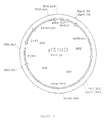
- Figure 2 mapping of the plasmid pTG11033.
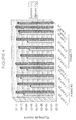
- FIG. 3 Influence of the charge of the DNA / substituted cationic polymer complex on the transfection efficiency.
- the efficiency of the transfection is expressed by the quantity of luciferase produced (expressed in RLU / mg of protein).
- the shaded columns “clear” represent the results observed in the absence of transfection aid (chloroquine (Cq)), the shaded columns “dark” represent the results observed in the presence of 100 ⁇ M of chloroquine.
- PAM / 0.5G 50% polyallylamine glycolilated polymer
- PAM / 0.7G 70% glycolylated polyallylamine polymer.
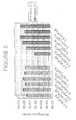
- FIG. 4 Influence of the quantity of DNA on the transfection.
- the shaded columns “clear” represent the results observed without chloroquine (Cq), the shaded columns “dark” represent the results observed in the presence of 100 ⁇ M of chloroquine.
- Figure 5 Gene transfer in MRC5 cells.
- the light columns represent the results observed with the PAM / 0.5G, the dark columns represent the results observed with the PAM / 0.7G.
- the presence (Cq) or absence of chloroquine is indicated on the abscissa.
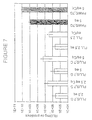
- Figure 7 Comparison of the transfection efficiencies of PAM / 0.7G and PLL / 0.7G.
- PLL unsubstituted polylysine polymer
- PLL / 0.7G 70% glycollilated polylysine polymer.
- Figure 8 Cytotoxicity of cationic substituted polymers PAM / 0.5G and PAM / 0.7G.
- FIG. 9 Cytotoxicity of plasmid DNA / substituted cationic polymer complexes (PAM / 0.5G or PAM / 0.7G).
- Figure 10 Influence of the substitution rate of the cationic polymer on the efficiency of transfection.
- the black columns indicate that the experiment was carried out in the presence of chloroquine, the white columns in the absence of chloroquine.
- Figure 11 Influence of the size of polymers on the efficiency of transfection, in the presence or absence of chloroquine.
- Cq chloroquine.
- the curves identified by ⁇ represent the results observed with PAM 0.7G, 60kDa and the curves identified by ⁇ represent the results observed with PAM 0.74G, 10kDa.
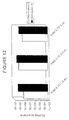
- Figure 12 Gene transfer in Hela cells.
- the complexes used contain 0.7G PAM at different charge equivalents (1.5, 2.5 or 5 Eq) indicated on the abscissa.
- the light columns represent the results observed in the absence of chloroquine, the dark columns represent the results observed in the presence of chloroquine.
- FIG. 13 Effect of the addition of JTS-1 to 0.7G PAM complexes on the transfection of A549 cells.
- the amounts of JTS-1 peptide added are indicated on the abscissa.
- the white columns show the results observed in the absence of chloroquine and the black columns in the presence of chloroquine.
- the luciferase activity is expressed in RLU measured over 15 seconds.
- FIG. 15 Transfection of A549 cells with ethoxylated PAMs PAM / 0.6E or PAM / 0.8E.
- the white columns show the results observed in the absence of chloroquine and the black columns in the presence of chloroquine.
- the load equivalents analyzed are indicated on the abscissa.
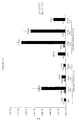
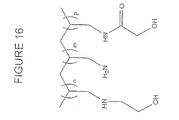
- FIG. 17 Transfection of A549 cells with PAMs glycolylated 76% / ethoxylated 5 or 20%.
- the white columns show the results observed in the absence of chloroquine and the black columns in the presence of chloroquine.
- the load equivalents analyzed are indicated on the abscissa.
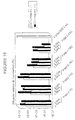
- FIG. 18 Intravenous injection of PAM / 0.7G or PAM / 0.GE into mice at a fixed loading rate of 5.
- the substitution rate of the different products is determined by proton NMR.
- the A549 (pulmonary carcinoma) and MRCS (pulmonary fibroblasts) cells are respectively maintained in culture in a DMEM medium (Dulbecco modified medium) or MEM (minimum essential medium) supplemented with 10% fetal calf serum, 286 mg / ml of glutamine and 2 g / l of glucose, in an incubator at 37 ° C, in a saturated humidity atmosphere containing 5% CO 2 .
- DMEM medium Dulbecco modified medium
- MEM minimum essential medium
- the cells are detached from the support by treatment with trypsin-EDTA and reseeded in a culture flask containing 15 ml of fresh medium.
- the cell cultures are distributed in multi-well dishes, in a medium containing 10% fetal calf serum so as to obtain 70-80% confluence during the transfection.
- the polynucleotide chosen contains the gene coding for luciferase under control of the CMV promoter, the intron 1 of the HMG gene and the signal polyA termination of SV40.
- 100 ⁇ l of the complex obtained in point 5 is poured onto the cells distributed in multi-wells as described above, previously rinsed with fresh medium without serum. After 2 to 3 h, the medium is replaced by medium supplemented with 10% of Fetal Calf Serum. The level of expression of the luciferase gene is measured after 48 h. For this, the transfected cells are lysed in a lysis buffer (Promega). Cellular debris are then removed by centrifugation and luciferase activity (in RLU / min, Relative light unit per minute) is measured on 20 ⁇ l of supernatant according to supplier's instructions (Promega) by adding 100 ⁇ l of reagent and measuring the activity by luminescence.
- a lysis buffer Promega
- the amount of total protein is, per elsewhere determined by the colorimetric acid method bicinchoninique BCA (Smith et al., 1985, Anal. Biochem., 150, 76-85 Pierce) from an aliquot of supernatant. this allows to express luciferase activity in RLU per milligram of protein extracted from cells.
- the volume required of a 10 mM solution of chloroquine is added to the culture medium just before the addition of the complex DNA / polymer so as to obtain a final concentration by 100 ⁇ M well.
- Example 1 Gene transfer in A549 cells and influence of the charge of the DNA / cationic polymer complex .
- the complexes for this series of experiments are formed in mixing increasing amounts of plasmid DNA (2, 4 or 6 ⁇ g) and varying amounts of PAM / 0.5G or PAM / 0.7G to to obtain N / P ratios of 1.5 eq, 2.5 eq or 5 eq.
- the results obtained ( Figure 4) after transfection of A549 cells with these different complexes show that the polymers PAM / 0.5G and PAM / 0.7G allow efficient transfection of cells, with or without chloroquine, regardless of the amount of DNA. He is in besides interesting to note that chloroquine is not essential to obtain a high efficiency rate when a DNA / PAN / 0.7G complex prepared is used for the transfection from 4 ⁇ g of DNA and at 5 charge equivalents.
- A549 cells The transfection of A549 cells was carried out as described previously using DNA / cationic polymer complexes for which said polymer is PAM / 0.7G or PLL / 0.7G or non-substituted polylysine.
- these complexes have been prepared with different amounts of DNA (2 or 4 ⁇ g), and varying the N / P ratio (2.5 or 5 eq).
- the A549 cells in culture are placed in the presence of increasing amounts of uncomplexed polymers. These quantities correspond to the quantities necessary to form complexes with 4 ⁇ g of DNA and to obtain N / P ratios ranging from 2.5 to 30 eq.
- the cell viability observed with PAM / 0.7G at 30 equivalents is greater than 70%. This is very promising for in vivo tests where the quantities of DNA and therefore of polymer, to be used can be significant.
- Example 6 Gene transfer in A549 cells and influence of the substitution rate of the cationic polymer.
- Different cationic polymers according to the invention are prepared therefore the substitution rates vary from 70 to 85%. Consistent to the protocols described above, several complexes are formed from a fixed quantity of plasmid pTG11033 (2 ⁇ g) and these different cationic polymers (0.7G, 0.74G, 0.76G, 0.79G, 0.85G) so as to obtain different N / P ratios (equivalents; 1.5, 2.5 or 5 eq). This makes it possible to study whether the rate of substitution of the polymer plays a role on the effectiveness of transfection. For each series, five independent experiences have been executed. In addition, the polymer ExGen500 (Euromedex, Souffelweirsheim, France) complexed with 2 ⁇ g of plasmid is used as standard.
- ExGen500 Euromedex, Souffelweirsheim, France
- Cationic polymers according to the invention with two degrees different polymerizations (60 kDa and 10 kDa Aldrich) presenting comparable substitution rates (74% and 70%) are prepared.
- Complexes are formed according to the protocols described previously for which the amount of complexed plasmid varies from 0.1 to 2 ⁇ g, the N / P ratios vary from 1.5, 2.5 to 5 eq.
- HeLa cells a line derived from a human cervix carcinoma.
- the complexes were prepared as described above by mixing 2 ⁇ g of plasmid DNA and variable amounts of cationic polymers PAM / 0.7G so as to get load equivalent values of 1.5, 2.5 or 5 eq. Furthermore, the transfections were performed in the presence or in the absence of chloroquine (100 ⁇ M).
- Example 9 Influence of an endosome disrupting peptide on the efficiency of transfection.
- the expression of the gene coding for luciferase is measured 24 hours after transfection.
- the transfected cells are lysed in 100 ⁇ l of lysis buffer (Proméga) and frozen at -80 ° C. After thawing, 20 ⁇ l of extracts are taken for dosing luciferase.
- a Microlumat luminometer (Berthold Microlumat LB96P) is used to quantify the production of luciferase. 100 ⁇ l of reagent (Luciferase assay system, Proméga) are added on the extracts and the luminescence expressed in RLU is measured for 15 sec.
- Example 10 Chemical synthesis of ethoxylated polyallylamine PAM / 0.6E and PAM / 0.8E ( Figure 14).
- polyallylamines substituted by another hydrophilic group 0.2854 g (2.762 mmol of amine function) of PAM-HCl (Aldrich-28,322-3) dissolved in 0.5 ml of millipore water are added to 198 ml of iodoethanol (0.92 equivalents - 2,541 mmol). Are then added a) 2 ml of DMSO in order to satisfy the iodoethanol solubility constraints and b) 0.74 ml of triethylamine (5.524 mmol).
- the medium After stirring at 30 ° C for 72h00, the medium is evaporated under vacuum, and three co-evaporations with 18% ammonia make it possible to eliminate the triethylamine.
- the residue is taken up in water then is acidified by adding HCl concentrated.
- the final volume of the aqueous phase is 60 ml.
- Three extractions with 20 ml of ether are carried out in order to remove the majority of residual iodoethanol.
- the aqueous phase is concentrated with Rotavap TM and then precipitated in 600 ml of acetone. After filtration on a sinter, the solid is taken up in water. After dialysis against several 4 l baths of milloporous water, the sample is freeze-dried.
- the degree of functionalization is determined by proton NMR. According to the conditions described above, 60% of the primary amine functions of the polymer are ethoxylated. Similarly, the protocol has been adapted from so as to obtain polymers with 80% of the amine functions primary are ethoxylated.
- DNA / polymer complexes (PAM / 0.6E or PAM / 0.8E) are prepared under the same conditions as those previously described for the preparation of complexes comprising glycolylated MAPs, in particular the load equivalents are defined in the same way way (potentially protonable amine / DNA phosphate).
- the A549 cells are transfected with 2 ⁇ g of plasmid pTG11033 complexed with the desired amount of polymer, in the presence or in absence of chloroquine (100 ⁇ M final).
- the luciferase activity is measured after 48 hours of incubation.
- the results ( Figure 15) confirm that the substitution of polyallylamines by a group hydrophilic in nature makes it possible to observe a transfection rate effective, in the presence and absence of chloroquine.
- Example 12 Transfection of A549 cells with PAMs both ethoxylated and glycolylated: PAM / 0.76G / 0.05E or PAM / 0.76G / 0.2E.
- DNA / polymer complexes (PAM / 0.76G / 0.05E or PAM / 0.76G / 0.2E) are prepared under the same conditions as those previously described for the preparation of complexes comprising MAPs glycolylated, in particular the charge equivalents are similarly defined (potentially amine protonable / DNA phosphate).
- PAM / 0.76G / 0.05E or PAM / 0.76G / 0.2E are prepared under the same conditions as those previously described for the preparation of complexes comprising MAPs glycolylated, in particular the charge equivalents are similarly defined (potentially amine protonable / DNA phosphate).
- A549 cells are transfected with 2 ⁇ g of plasmid pTG11033 complexed with the desired amount of polymer, in the presence or absence of chloroquine (100 ⁇ M final). Luciferase activity is measured after 48 hours incubation.
- the results ( Figure 17) confirm that the substitution of polyallylamines by
- mice used are C57BL / 6 female mice of 6 weeks. Intravenous injections are performed in the tail after disinfection of the skin with 70% ethanol. Volume injected is 250 ⁇ l and the DNA concentration is 0.24 mg / ml. A day after the injections, the mice are sacrificed. After extraction, the tissues are frozen in liquid nitrogen. In order to measure luciferase activity, the tissues are put in 200 or 500 ⁇ l of lysis buffer (Promega) and then ground to using a Polytron homogenizer (Kinenatica). The fabrics are subjected to a homogenization of 2 x 30 s and during the first 5 s the rotation speed of the Polytron is increased gradually to the maximum (position 11 on the device).
- the homogenate thus obtained from the lungs is subjected to three freezing / thawing steps.
- Cellular debris is pelletized by centifugation and luciferase activity (in RLU / min, Relative light unit per minute) is measured on 20 ⁇ l of supernatant according to supplier's instructions (Promega) by adding 100 ⁇ l of reagent and measuring the activity by luminescence (Berthold 9500 luminometer).
- the quantity of total protein is, moreover, determined by the method colorimetric of bicinchoninic acid BCA (Smith et al., 1985, Anal. Biochem., 150, 76-85 Pierce) from an aliquot of supernatant. This makes it possible to express the luciferase activity in RLU per milligram of protein extracted from tissue. Mouses not injected were used as a negative control.
- Results show expression of reporter gene luciferase in the lungs after intravenous injection of complexes as described above compared to mice not injected.
- the values indicated are average values obtained from 2 (not injected), 3 (PAM 0.7G) and 1 (PAM 0.6 E) injected mice.
Landscapes
- Health & Medical Sciences (AREA)
- Chemical & Material Sciences (AREA)
- Life Sciences & Earth Sciences (AREA)
- Engineering & Computer Science (AREA)
- Bioinformatics & Cheminformatics (AREA)
- Medicinal Chemistry (AREA)
- Genetics & Genomics (AREA)
- General Health & Medical Sciences (AREA)
- Biotechnology (AREA)
- Organic Chemistry (AREA)
- Pharmacology & Pharmacy (AREA)
- Public Health (AREA)
- Veterinary Medicine (AREA)
- Molecular Biology (AREA)
- Epidemiology (AREA)
- Animal Behavior & Ethology (AREA)
- Wood Science & Technology (AREA)
- Proteomics, Peptides & Aminoacids (AREA)
- Biomedical Technology (AREA)
- Polymers & Plastics (AREA)
- General Engineering & Computer Science (AREA)
- Chemical Kinetics & Catalysis (AREA)
- Zoology (AREA)
- Physics & Mathematics (AREA)
- Microbiology (AREA)
- Biochemistry (AREA)
- Immunology (AREA)
- Plant Pathology (AREA)
- Biophysics (AREA)
- General Chemical & Material Sciences (AREA)
- Pharmaceuticals Containing Other Organic And Inorganic Compounds (AREA)
- Medicines That Contain Protein Lipid Enzymes And Other Medicines (AREA)
- Medicinal Preparation (AREA)
- Other Resins Obtained By Reactions Not Involving Carbon-To-Carbon Unsaturated Bonds (AREA)
- Addition Polymer Or Copolymer, Post-Treatments, Or Chemical Modifications (AREA)
Claims (39)
- Komplex, umfassend mindestens ein kationisches Polymer der Formel:in dem n eine ganze Zahl von 0 bis 5 ist und p eine ganze Zahl von 2 bis 20000 ist, p spezieller von 10 bis 18000 und vorteilhaft von 200 bis 1000 variiert,
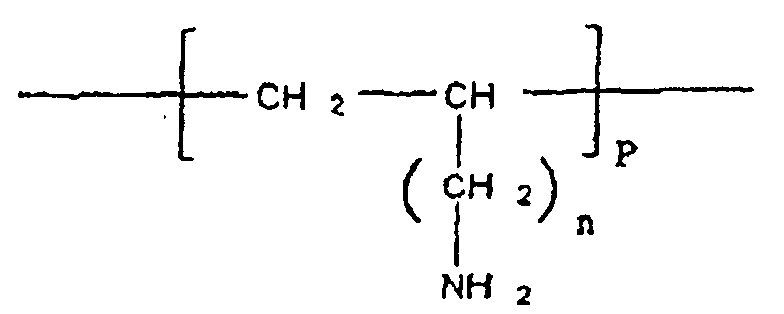
dadurch gekennzeichnet, dass:verbunden mit mindestens einer therapeutisch aktiven Substanz, die mindestens eine negative Ladung enthält.mindestens 10%, vorteilhaft 30 bis 80%, bevorzugt 70% der freien NH2-Funktionen durch identische oder verschiedene hydrophile Gruppen R substituiert sind,das kationische Polymer darüber hinaus mindestens ein Targetelement umfassen kann, das auf kovalente oder nicht-kovalente Weise mit den freien NH2-Funktionen und/oder den hydrophilen Gruppen R verknüpft ist, mit der Maßgabe, dass das kationische Polymer mindestens 20%, vorzugsweise mindestens 30%, freie NH2-Funktionen enthält, - Komplex nach Anspruch 1, dadurch gekennzeichnet, dass das kationische Polymer der Formel:entspricht (n = 0).

- Komplex nach Anspruch 1, dadurch gekennzeichnet, dass das kationische Polymer der Formel:entspricht (n = 1).

- Komplex nach irgendeinem der Ansprüche 1 bis 3, dadurch gekennzeichnet, dass die hydrophilen Gruppen R des kationischen Polymers mindestens eine hydrophile Funktion umfassen, die ausgewählt ist aus den Funktionen Amin, Hydroxyl, Amid und Ester.
- Komplex nach irgendeinem der Ansprüche 1 bis 4, dadurch gekennzeichnet, dass R ausgewählt ist aus den Gruppen R'-C=O und -(CH2)n'-R', worin R' eine Gruppierung bezeichnet, die mindestens eine hydrophile Funktion enthält, n' eine ganze Zahl von 1 bis 5 ist.
- Komplex nach irgendeinem der Ansprüche 1 bis 4, dadurch gekennzeichnet, dass R oder R' aus einem Polymer besteht, das hydrophile Eigenschaften aufweist.
- Komplex nach Anspruch 6, dadurch gekennzeichnet, dass R oder R' ausgewählt ist aus Polyethylenglycol und seinen Derivaten, Polyvinylpyrrolidon, Polymethyloxazolin, Polyethyloxazolin, Polyhydroxypropylmethacrylamid, Polymilchsäure, Polyglycolsäure und Cellulose-Derivaten, wie Hydroxymethylcellulose oder Hydroxyethylcellulose.
- Komplex nach Anspruch 7, dadurch gekennzeichnet, dass R oder R' Polyethylenglycol (PEG) ist, das ein Molekulargewicht von 300 bis 5000, spezieller von 1000 bis 4000 aufweist und vorteilhaft ein Molekulargewicht von 2000 (PEG 2000) aufweist.
- Komplex nach einem der Ansprüche 3 oder 4, dadurch gekennzeichnet, dass es sich um ein glycolisiertes Polyallylamin handelt.
- Komplex nach Anspruch 9, dadurch gekennzeichnet, dass R fürsteht und etwa 50 bis etwa 70% der freien NH2-Funktionen durch R substituiert sind.
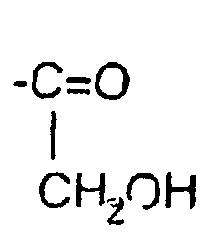
- Komplex nach Anspruch 3 oder 4, dadurch gekennzeichnet, dass es sich um ein ethoxyliertes Polylallylamin handelt.
- Komplex nach Anspruch 11, dadurch gekennzeichnet, dass R für (CH2)2-OH steht und etwa 50 bis etwa 80% der freien NH2-Funktionen durch R substituiert sind.
- Komplex nach Anspruch 10 oder 12, dadurch gekennzeichnet, dass p = 592.
- Komplex nach irgendeinem der Ansprüche 1 bis 13, dadurch gekennzeichnet, dass das Targetelement in dem kationischen Polymer anwesend ist und dass es ausgewählt ist aus der Gruppe bestehend aus ganzen oder einem Teil von Zuckern, Peptiden, Oligonukleotiden, Lipiden, Hormonen, Vitaminen, Antigenen, Antikörpern, spezifischen Liganden von Membranrezeptoren, Liganden, die mit einem Antiliganden reagieren können, Fusionspeptiden, Zellkern-Peptiden oder einer Kombination derartiger Verbindungen.
- Komplex nach irgendeinem der Ansprüche 1 bis 14, dadurch gekennzeichnet, dass die therapeutisch aktive Substanz ausgewählt ist aus Nukleinsäuren und Proteinen.
- Komplex nach Anspruch 15, dadurch gekennzeichnet, dass die therapeutisch aktive Substanz eine Nukleinsäure ist, die ausgewählt ist aus der Gruppe bestehend aus einer cDNS, einer genomischen DNS, einer Plasmid-DNS, einer Boten-RNS, einer Antisinn-RNS, einem Ribozym, einer Transfer-RNS, einer ribosomischen RNS oder einer DNS, die für derartige RNS kodiert.
- Komplex nach Anspruch 16, dadurch gekennzeichnet, dass die Nukleinsäure ein interessierendes Gen und Elemente zur Expression des interessierenden Gens umfasst.
- Komplex nach Anspruch 17, dadurch gekennzeichnet, dass das interessierende Gen für das Ganze oder einen Teil eines Ribozyms, einer Antisinn-Nukleinsäure, eines Polypeptids, insbesondere eines therapeutisch aktiven oder Marker-Polypeptids, kodiert.
- Komplex nach einem der Ansprüche 1 bis 18, dadurch gekennzeichnet, dass das Verhältnis zwischen der Zahl der positiven Ladungen des kationischen Polymers und der Zahl der negativen Ladungen der therapeutisch aktiven Substanz von 1 bis 30, vorzugsweise 1,5 bis 10 und vorteilhaft von 2,5 bis 5 variiert.
- Verfahren zur Herstellung eines Komplexes nach irgendeinem der Ansprüche 1 bis 19, dadurch gekennzeichnet, dass man ein oder mehrere kationische Polymere der Formel:worin n eine ganze Zahl von 0 bis 5 ist und p eine ganze Zahl von 2 bis 20000 ist, spezieller p von 10 bis 18000 und vorteilhaft von 200 bis 1000 variiert, dadurch gekennzeichnet, dass
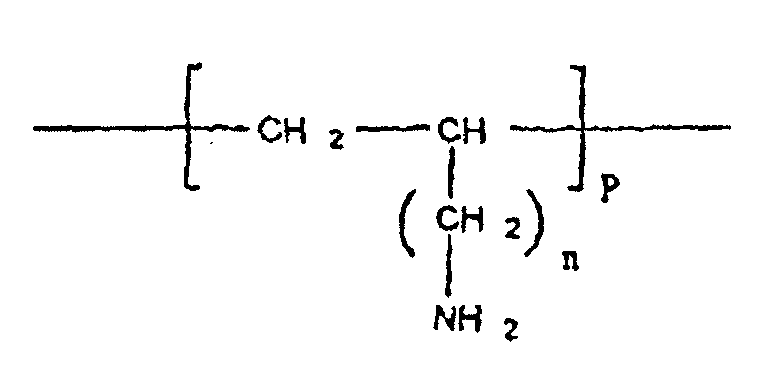 mit einer oder mehreren therapeutisch aktiven Substanzen in Kontakt bringt, welche mindestens eine negative Ladung umfassen, und dass man den Komplex gegebenenfalls nach einem Reinigungsschritt gewinnt.mindestens 10%, vorteilhaft 30 bis 80%, bevorzugt 70% der freien NH2-Funktionen durch identische oder verschiedene hydrophile Gruppen R substituiert sind,das kationische Polymer darüber hinaus mindestens ein Targetelement umfassen kann, das auf kovalente oder nicht-kovalente Weise mit den freien NH2-Funktionen und/oder den hydrophilen Gruppen R verknüpft ist, mit der Maßgabe, dass das kationische Polymer mindestens 20%, vorzugsweise mindestens 30%, freie NH2-Funktionen enthält,
 - Verfahren zum Überführen einer therapeutisch aktiven Substanz in eine Targetzelle in vitro, dadurch gekennzeichnet, dass man die Targetzellen mit mindestens einem Komplex nach irgendeinem der Ansprüche 1 bis 19 in Kontakt bringt.
- Verfahren nach Anspruch 21, dadurch gekennzeichnet, dass die Targetzelle ausgewählt ist aus prokaryontischen Zellen, Hefezellen, eukaryontischen Zellen, insbesondere Tierzellen und spezieller Säugerzellen, insbesondere menschlichen und/oder Krebs-Zellen.
- Verwendung eines Komplexes nach irgendeinem der Ansprüche 1 bis 19 für die Herstellung eines Medikaments für die Behandlung des menschlichen oder tierischen Körpers, insbesondere durch Gentherapie.
- Verwendung nach Anspruch 23, dadurch gekennzeichnet, dass das Medikament dazu bestimmt ist, in injizierbarer Form, insbesondere auf intramuskularem Weg, verabreicht zu werden.
- Verwendung nach Anspruch 23, dadurch gekennzeichnet, dass das Medikament dazu bestimmt ist, durch Inhalation, durch Instillation, durch Aerolisierung, auf topischem Weg oder auf oralem Weg verabreicht zu werden.
- Pharmazeutische Zusammensetzung, dadurch gekennzeichnet, dass sie mindestens einen Komplex nach irgendeinem der Ansprüche 1 bis 19 umfasst.
- Zusammensetzung nach Anspruch 26, dadurch gekennzeichnet, dass sie mindestens ein Adjuvans umfasst, das in der Lage ist, das Vermögen der Transfektion des Komplexes in das Innere einer Targetzelle in vitro, ex vivo oder in vivo zu verbessern.
- Zusammensetzung nach Anspruch 27, dadurch gekennzeichnet, dass das Adjuvans ausgewählt ist aus der Gruppe bestehend aus einem lysosomotropen Mittel, wie Chloroquin, einer polaren protischen Verbindung, ausgewählt aus Propylenglycol, Polyethylenglycol, Glycerin, Ethanol, 1-Methyl-L-2-pyrrolidon oder deren Derivaten, und einer aprotischen polaren Verbindung, insbesondere ausgewählt aus Dimethylsulfoxid (DMSO), Diethylsulfoxid, Di-n-propylsulfoxid, Dimethylsulfon, Sulfolan, Dimethylformamid, Dimethylacetamid, Tetramethylharnstoff, Acetonitril oder deren Derivaten.
- Zusammensetzung nach einem der Ansprüche 26 bis 28, dadurch gekennzeichnet, dass sie einen Träger umfasst, der unter einem pharmazeutischen Gesichtspunkt annehmbar ist und ihre Verabreichung beim Menschen oder beim Tier gestattet.
- Zelle, die mit einem Komplex nach irgendeinem der Ansprüche 1 bis 19 oder einer pharmazeutischen Zusammensetzung nach einem der Ansprüche 26 bis 29 transfiziert ist.
- Kationisches Polymer der Formel:in dem n eine ganze Zahl von 0 bis 5 ist und p eine ganze Zahl von 2 bis 20000 ist, p spezieller von 10 bis 18000 und vorteilhaft von 200 bis 1000 variiert,
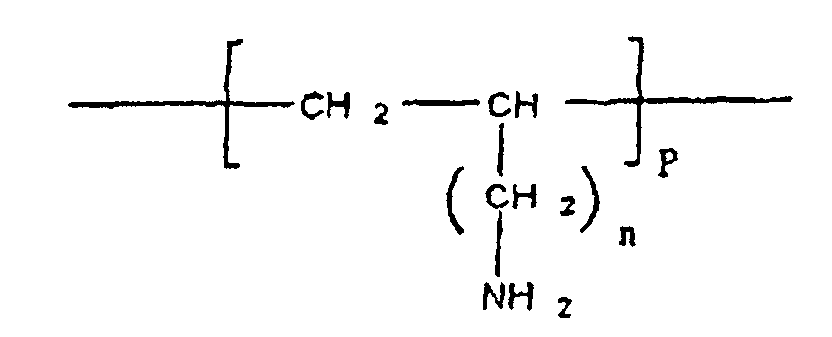
dadurch gekennzeichnet, dass;mindestens 10%, vorteilhaft 30 bis 80%, bevorzugt 70% der freien NH2-Funktionen durch identische oder verschiedene hydrophile Gruppen R substituiert sind, die ausgewählt sind aus Polymethyloxazolin, Polyethyloxazolin, Polyglycolsäure und Cellulose-Derivaten, wie Hydroxymethylcellulose oder Hydroxyethylcellulose,das kationische Polymer darüber hinaus mindestens ein Targetelement umfassen kann, das auf kovalente oder nicht-kovalente Weise mit den freien NH2-Funktionen und/oder den hydrophilen Gruppen R verknüpft ist, mit der Maßgabe, dass das kationische Polymer mindestens 20%, vorzugsweise mindestens 30%, freie NH2-Funktionen enthält. - Polymer nach Anspruch 31, dadurch gekennzeichnet, dass R ausgewählt ist aus den Gruppen R-C=O und -(CH2)n'-R', worin R' eine Gruppierung bezeichnet, die mindestens eine hydrophile Funktion enthält, n' eine ganze Zahl von 1 bis 5 ist.
- Polymer nach Anspruch 32, dadurch gekennzeichnet, dass R' ausgewählt ist aus Polymethyloxazolin, Polyethyloxazolin, Polyglycolsäure und Cellulose-Derivaten, wie Hydroxymethylcellulose oder Hydroxyethylcellulose.
- Polymer nach einem der Ansprüche 31 bis 33, dadurch gekennzeichnet, dass es sich um glycolisiertes Polyallylamin handelt.
- Polymer nach Anspruch 34, dadurch gekennzeichnet, dass R fürsteht und etwa 50 bis etwa 70% der freien NH2-Funktionen durch R substituiert sind.

- Polymer nach einem der Ansprüche 31 bis 33, dadurch gekennzeichnet, dass es sich um ein ethoxyliertes Polyallylamin handelt.
- Komplex nach Anspruch 36, dadurch gekennzeichnet, dass R für (CH2)2-OH steht und etwa 50 bis etwa 80% der freien NH2-Funktionen durch R substituiert sind.
- Polymer nach Anspruch 35 oder 37, dadurch gekennzeichnet, dass p = 592.
- Polymer nach irgendeinem der Ansprüche 31 bis 38, dadurch gekennzeichnet, dass das Targetelement anwesend ist und dadurch, dass es ausgewählt ist aus der Gruppe bestehend aus ganzen oder einem Teil von Zuckern, Peptiden, Oligonukleotiden, Lipiden, Hormonen, Vitaminen, Antigenen, Antikorpern, spezifischen Liganden von Membranrezeptoren, Liganden, die mit einem Antiliganden reagieren können, Fusionspeptiden, Zellkern-Peptiden oder einer Kombination derartiger Verbindungen.
Applications Claiming Priority (5)
| Application Number | Priority Date | Filing Date | Title |
|---|---|---|---|
| FR9709209 | 1997-07-21 | ||
| FR9709209A FR2766194A1 (fr) | 1997-07-21 | 1997-07-21 | Polymeres cationiques, complexes associant lesdits polymeres cationiques et des substances therapeutiquement actives comprenant au moins une charge negative, notamment des acides nucleiques, et leur utilisation en therapie genique |
| FR9715807A FR2766195A1 (fr) | 1997-07-21 | 1997-12-12 | Polymeres cationiques, complexes associant lesdits polymeres cationiques et des substances therapeutiquement actives comprenant au moins une charges negative, notamment des acides nucleiques, et leur utilisation en therapie genique |
| FR9715807 | 1997-12-12 | ||
| PCT/FR1998/001581 WO1999005183A1 (fr) | 1997-07-21 | 1998-07-20 | Polymeres cationiques, complexes associant lesdits polymeres cationiques et des substances therapeutiquement actives comprenant au moins une charge negative, notamment des acides nucleiques, et leur utilisation en therapie genique |
Publications (2)
| Publication Number | Publication Date |
|---|---|
| EP0998501A1 EP0998501A1 (de) | 2000-05-10 |
| EP0998501B1 true EP0998501B1 (de) | 2002-03-27 |
Family
ID=26233691
Family Applications (1)
| Application Number | Title | Priority Date | Filing Date |
|---|---|---|---|
| EP98939713A Expired - Lifetime EP0998501B1 (de) | 1997-07-21 | 1998-07-20 | Kationische polymere, diese kationische polymere enthaltende komplexe und wenigstens eine negative ladung enthaltende therapeutisch wirksame mittel, insbesondere nukleinsäuren und ihre verwendung in gentherapie |
Country Status (12)
| Country | Link |
|---|---|
| US (1) | US6407178B1 (de) |
| EP (1) | EP0998501B1 (de) |
| JP (1) | JP2001510863A (de) |
| AT (1) | ATE215099T1 (de) |
| AU (1) | AU740392B2 (de) |
| CA (1) | CA2297487A1 (de) |
| DE (1) | DE69804463T2 (de) |
| DK (1) | DK0998501T3 (de) |
| ES (1) | ES2172180T3 (de) |
| FR (1) | FR2766195A1 (de) |
| PT (1) | PT998501E (de) |
| WO (1) | WO1999005183A1 (de) |
Families Citing this family (19)
| Publication number | Priority date | Publication date | Assignee | Title |
|---|---|---|---|---|
| US20030134420A1 (en) * | 2000-02-18 | 2003-07-17 | Lollo Charles Peter | Methods and compositions for gene delivery |
| WO2002032396A2 (en) * | 2000-10-16 | 2002-04-25 | Massachusetts Institute Of Technology | Lipid-protein-sugar particles for delivery of nucleic acids |
| CA2444046C (en) * | 2001-04-18 | 2011-06-07 | Steven K. Burke | Use of colesevelam in reducing serum glucose |
| WO2003101952A2 (en) * | 2002-05-31 | 2003-12-11 | The Regents Of The University Of California | Polyamine-mediated transfection |
| AU2003240978A1 (en) * | 2002-05-31 | 2003-12-19 | Genteric, Inc. | Multi-functional polyamines for delivery of biologically-active polynucleotides |
| DE10310196A1 (de) * | 2003-03-06 | 2004-09-23 | Rina-Netzwerk Rna Technologien Gmbh | Verwendung eines trizyklischen Antidepressivums zur Förderung der Endozytose |
| AU2004260935A1 (en) * | 2003-06-30 | 2005-02-10 | Canji, Inc. | Polymer encapsulation of adenoviruses |
| US20090123468A1 (en) | 2003-10-24 | 2009-05-14 | Gencia Corporation | Transducible polypeptides for modifying metabolism |
| EP1687017B1 (de) | 2003-10-24 | 2013-03-06 | Gencia Corporation | Verfahren und Zusammensetzungen zur Abgabe von Polynukleotiden |
| US8507277B2 (en) | 2003-10-24 | 2013-08-13 | Gencia Corporation | Nonviral vectors for delivering polynucleotides |
| US8133733B2 (en) | 2003-10-24 | 2012-03-13 | Gencia Corporation | Nonviral vectors for delivering polynucleotides to target tissues |
| US8062891B2 (en) | 2003-10-24 | 2011-11-22 | Gencia Corporation | Nonviral vectors for delivering polynucleotides to plants |
| US20070176158A1 (en) * | 2006-02-01 | 2007-08-02 | Robinson Jeffery A | Portable safety barrier |
| US8686129B2 (en) * | 2007-03-20 | 2014-04-01 | Agilent Technologies, Inc. | Methods for the separation of biological molecules using sulfolane |
| US8357531B2 (en) | 2007-07-03 | 2013-01-22 | Transgene S.A. | Immortalized avian cell lines |
| KR20100065190A (ko) * | 2007-09-14 | 2010-06-15 | 닛토덴코 가부시키가이샤 | 약물 담체 |
| AU2015270888B2 (en) * | 2008-05-28 | 2017-11-16 | Wayne State University | Method and composition for a protein transduction technology and its applications |
| US8722348B2 (en) * | 2008-05-28 | 2014-05-13 | Wayne State University | Method and composition for a protein transduction technology and its applications |
| US10076574B2 (en) | 2013-10-25 | 2018-09-18 | Wayne State University | Methods, systems and compositions relating to cell conversion via protein-induced in-vivo cell reprogramming |
Family Cites Families (12)
| Publication number | Priority date | Publication date | Assignee | Title |
|---|---|---|---|---|
| US3440320A (en) * | 1964-06-18 | 1969-04-22 | Mortimer D Sackler | Chelated suppository and method of using same |
| US3325472A (en) * | 1964-06-18 | 1967-06-13 | Mortimer D Sackler | Polycyclohexose-polyoxyethyleneglycol suppository bases |
| JPS60106804A (ja) * | 1983-11-15 | 1985-06-12 | Nitto Boseki Co Ltd | ポリアリルアミンから誘導される新規な機能性樹脂 |
| US4908404A (en) * | 1988-08-22 | 1990-03-13 | Biopolymers, Inc. | Synthetic amino acid-and/or peptide-containing graft copolymers |
| SE467309B (sv) * | 1990-10-22 | 1992-06-29 | Berol Nobel Ab | Hydrofiliserad fast yta, foerfarande foer dess framstaellning samt medel daerfoer |
| EP0580079B1 (de) * | 1992-07-22 | 1996-12-11 | Hoechst Aktiengesellschaft | Vernetzte, stickstoffhaltige Vinylcopolymere, Verfahren zu ihrer Herstellung sowie die Verwendung dieser Verbindungen |
| ES2110543T3 (es) * | 1992-07-22 | 1998-02-16 | Hoechst Ag | Derivados de poli(vinil-aminas) que tienen centros hidrofilos, procedimiento para su preparacion asi como la utilizacion de los compuestos como medicamentos, vehiculos de sustancias activas e ingredientes auxiliares para alimentos. |
| DE4227019A1 (de) * | 1992-08-14 | 1994-02-17 | Geckeler Kurt E Priv Doz Dr | Herstellung und Modifikation von Materialien auf der Basis von Amino- oder Amidpolymeren |
| DE4322884A1 (de) * | 1992-10-09 | 1994-04-14 | Bayer Ag | Biologisch aktive Polymere |
| US5260385A (en) * | 1992-11-02 | 1993-11-09 | Director-General Of Agency Of Industrial Science And Technology | Biguanide group-containing polyallylamine and method of producing same |
| EP0712421A1 (de) * | 1993-07-23 | 1996-05-22 | Massachusetts Institute Of Technology | Nanopartikel und mikropartikel aus nichtlinearen hydrophilen-hydrophoben multiblockcopolymeren |
| US5629184A (en) * | 1995-01-25 | 1997-05-13 | Amgen Inc. | Cationic copolymers of vinylamine and vinyl alcohol for the delivery of oligonucleotides |
-
1997
- 1997-12-12 FR FR9715807A patent/FR2766195A1/fr active Pending
-
1998
- 1998-07-20 DE DE69804463T patent/DE69804463T2/de not_active Expired - Fee Related
- 1998-07-20 CA CA002297487A patent/CA2297487A1/fr not_active Abandoned
- 1998-07-20 DK DK98939713T patent/DK0998501T3/da active
- 1998-07-20 JP JP2000504174A patent/JP2001510863A/ja active Pending
- 1998-07-20 ES ES98939713T patent/ES2172180T3/es not_active Expired - Lifetime
- 1998-07-20 WO PCT/FR1998/001581 patent/WO1999005183A1/fr not_active Ceased
- 1998-07-20 PT PT98939713T patent/PT998501E/pt unknown
- 1998-07-20 US US09/463,249 patent/US6407178B1/en not_active Expired - Fee Related
- 1998-07-20 AU AU88131/98A patent/AU740392B2/en not_active Ceased
- 1998-07-20 AT AT98939713T patent/ATE215099T1/de not_active IP Right Cessation
- 1998-07-20 EP EP98939713A patent/EP0998501B1/de not_active Expired - Lifetime
Also Published As
| Publication number | Publication date |
|---|---|
| FR2766195A1 (fr) | 1999-01-22 |
| DE69804463T2 (de) | 2002-10-10 |
| ES2172180T3 (es) | 2002-09-16 |
| PT998501E (pt) | 2002-08-30 |
| US20020031763A1 (en) | 2002-03-14 |
| ATE215099T1 (de) | 2002-04-15 |
| WO1999005183A1 (fr) | 1999-02-04 |
| CA2297487A1 (fr) | 1999-02-04 |
| JP2001510863A (ja) | 2001-08-07 |
| US6407178B1 (en) | 2002-06-18 |
| AU8813198A (en) | 1999-02-16 |
| AU740392B2 (en) | 2001-11-01 |
| DK0998501T3 (da) | 2002-07-01 |
| DE69804463D1 (de) | 2002-05-02 |
| EP0998501A1 (de) | 2000-05-10 |
Similar Documents
| Publication | Publication Date | Title |
|---|---|---|
| EP0998501B1 (de) | Kationische polymere, diese kationische polymere enthaltende komplexe und wenigstens eine negative ladung enthaltende therapeutisch wirksame mittel, insbesondere nukleinsäuren und ihre verwendung in gentherapie | |
| EP0901463B1 (de) | Glycerolipide verbindungen und ihre anwendung zum transport einer aktiven substanz in eine zielzelle | |
| CA2194797C (fr) | Composition contenant des acides nucleiques, preparation et utilisations | |
| EP0948360A1 (de) | Neue lipidverbindungen und diese enthaltende zusammensetzungen zur verwendung beim transfer mindestens einer aktivsubstanz, insbesondere eines polynukleotids, in eine zielzelle sowie die therapeutische verwendung | |
| FR2714830A1 (fr) | Composition contenant des acides nucléiques, préparation et utilisations. | |
| KR19990030290A (ko) | 생물학적으로 허용되는 저분자량의 폴리에틸렌이민 | |
| WO2012096399A1 (ja) | 粒子組成物および該粒子組成物を用いた医薬組成物 | |
| EP0854930A1 (de) | Pharmazeutische zusammensetzung zur transfektion von nukleinsaeuren und ihre verwendungen | |
| Ganbold et al. | Efficient in vivo siRNA delivery by stabilized d-peptide-based lipid nanoparticles | |
| US11554173B2 (en) | Methods of transfection for large cargo using poly(beta-amino esters) | |
| MXPA01012802A (es) | Copolimeros para el transporte de acidos nucleicos a las celulas. | |
| Nam et al. | Evaluation of histidylated arginine-grafted bioreducible polymer to enhance transfection efficiency for use as a gene carrier | |
| EP0934342B1 (de) | Chitosan enthaltende zusammensetzung | |
| FR2766194A1 (fr) | Polymeres cationiques, complexes associant lesdits polymeres cationiques et des substances therapeutiquement actives comprenant au moins une charge negative, notamment des acides nucleiques, et leur utilisation en therapie genique | |
| KR20120108842A (ko) | 폴리소르비톨계 삼투압적 활성 전달체 및 이를 이용한 유전자 치료 | |
| CA2281442A1 (en) | Use of a cationic polymer for the preparation of a complex with nucleic acid and related compositions | |
| Mazumder et al. | Advanced materials for gene delivery | |
| FR2754823A1 (fr) | Nouveaux derives du chitosan, compositions comportant du chitosan ou ses derives et application de ces compositions sur le transfert d'acide nucleique dans une cellule hote | |
| Brumbach | POLYMERIC GENE CARRIER MIXTURES FOR FACILE CARRIER EVALUATION AND IMPROVED GENE DELIVERY VEHICLES | |
| JP2007124956A (ja) | 遺伝子ベクター |
Legal Events
| Date | Code | Title | Description |
|---|---|---|---|
| PUAI | Public reference made under article 153(3) epc to a published international application that has entered the european phase |
Free format text: ORIGINAL CODE: 0009012 |
|
| 17P | Request for examination filed |
Effective date: 20000207 |
|
| AK | Designated contracting states |
Kind code of ref document: A1 Designated state(s): AT BE CH CY DE DK ES FI FR GB GR IE IT LI LU MC NL PT SE |
|
| 17Q | First examination report despatched |
Effective date: 20010508 |
|
| GRAG | Despatch of communication of intention to grant |
Free format text: ORIGINAL CODE: EPIDOS AGRA |
|
| GRAG | Despatch of communication of intention to grant |
Free format text: ORIGINAL CODE: EPIDOS AGRA |
|
| GRAH | Despatch of communication of intention to grant a patent |
Free format text: ORIGINAL CODE: EPIDOS IGRA |
|
| GRAH | Despatch of communication of intention to grant a patent |
Free format text: ORIGINAL CODE: EPIDOS IGRA |
|
| REG | Reference to a national code |
Ref country code: GB Ref legal event code: IF02 |
|
| GRAH | Despatch of communication of intention to grant a patent |
Free format text: ORIGINAL CODE: EPIDOS IGRA |
|
| GRAA | (expected) grant |
Free format text: ORIGINAL CODE: 0009210 |
|
| AK | Designated contracting states |
Kind code of ref document: B1 Designated state(s): AT BE CH CY DE DK ES FI FR GB GR IE IT LI LU MC NL PT SE |
|
| REF | Corresponds to: |
Ref document number: 215099 Country of ref document: AT Date of ref document: 20020415 Kind code of ref document: T |
|
| REG | Reference to a national code |
Ref country code: CH Ref legal event code: EP |
|
| REF | Corresponds to: |
Ref document number: 69804463 Country of ref document: DE Date of ref document: 20020502 |
|
| REG | Reference to a national code |
Ref country code: CH Ref legal event code: NV Representative=s name: MICHELI & CIE INGENIEURS-CONSEILS Ref country code: IE Ref legal event code: FG4D Free format text: FRENCH |
|
| REG | Reference to a national code |
Ref country code: DK Ref legal event code: T3 |
|
| PG25 | Lapsed in a contracting state [announced via postgrant information from national office to epo] |
Ref country code: CY Free format text: LAPSE BECAUSE OF FAILURE TO SUBMIT A TRANSLATION OF THE DESCRIPTION OR TO PAY THE FEE WITHIN THE PRESCRIBED TIME-LIMIT Effective date: 20020731 |
|
| REG | Reference to a national code |
Ref country code: PT Ref legal event code: SC4A Free format text: AVAILABILITY OF NATIONAL TRANSLATION Effective date: 20020516 |
|
| REG | Reference to a national code |
Ref country code: GR Ref legal event code: EP Ref document number: 20020401816 Country of ref document: GR |
|
| REG | Reference to a national code |
Ref country code: ES Ref legal event code: FG2A Ref document number: 2172180 Country of ref document: ES Kind code of ref document: T3 |
|
| PLBE | No opposition filed within time limit |
Free format text: ORIGINAL CODE: 0009261 |
|
| STAA | Information on the status of an ep patent application or granted ep patent |
Free format text: STATUS: NO OPPOSITION FILED WITHIN TIME LIMIT |
|
| PG25 | Lapsed in a contracting state [announced via postgrant information from national office to epo] |
Ref country code: MC Free format text: LAPSE BECAUSE OF NON-PAYMENT OF DUE FEES Effective date: 20030201 |
|
| 26N | No opposition filed |
Effective date: 20021230 |
|
| PGFP | Annual fee paid to national office [announced via postgrant information from national office to epo] |
Ref country code: ES Payment date: 20030626 Year of fee payment: 6 |
|
| PGFP | Annual fee paid to national office [announced via postgrant information from national office to epo] |
Ref country code: GR Payment date: 20030627 Year of fee payment: 6 Ref country code: PT Payment date: 20030627 Year of fee payment: 6 |
|
| PGFP | Annual fee paid to national office [announced via postgrant information from national office to epo] |
Ref country code: FI Payment date: 20030704 Year of fee payment: 6 |
|
| PGFP | Annual fee paid to national office [announced via postgrant information from national office to epo] |
Ref country code: LU Payment date: 20030708 Year of fee payment: 6 |
|
| PGFP | Annual fee paid to national office [announced via postgrant information from national office to epo] |
Ref country code: IE Payment date: 20030709 Year of fee payment: 6 |
|
| PGFP | Annual fee paid to national office [announced via postgrant information from national office to epo] |
Ref country code: GB Payment date: 20030716 Year of fee payment: 6 Ref country code: SE Payment date: 20030716 Year of fee payment: 6 |
|
| PGFP | Annual fee paid to national office [announced via postgrant information from national office to epo] |
Ref country code: DK Payment date: 20030722 Year of fee payment: 6 |
|
| PGFP | Annual fee paid to national office [announced via postgrant information from national office to epo] |
Ref country code: AT Payment date: 20030724 Year of fee payment: 6 |
|
| PGFP | Annual fee paid to national office [announced via postgrant information from national office to epo] |
Ref country code: FR Payment date: 20030729 Year of fee payment: 6 |
|
| PGFP | Annual fee paid to national office [announced via postgrant information from national office to epo] |
Ref country code: NL Payment date: 20030731 Year of fee payment: 6 Ref country code: DE Payment date: 20030731 Year of fee payment: 6 |
|
| PGFP | Annual fee paid to national office [announced via postgrant information from national office to epo] |
Ref country code: BE Payment date: 20030812 Year of fee payment: 6 |
|
| PGFP | Annual fee paid to national office [announced via postgrant information from national office to epo] |
Ref country code: CH Payment date: 20030910 Year of fee payment: 6 |
|
| PG25 | Lapsed in a contracting state [announced via postgrant information from national office to epo] |
Ref country code: LU Free format text: LAPSE BECAUSE OF NON-PAYMENT OF DUE FEES Effective date: 20040720 Ref country code: IE Free format text: LAPSE BECAUSE OF NON-PAYMENT OF DUE FEES Effective date: 20040720 Ref country code: GB Free format text: LAPSE BECAUSE OF NON-PAYMENT OF DUE FEES Effective date: 20040720 Ref country code: FI Free format text: LAPSE BECAUSE OF NON-PAYMENT OF DUE FEES Effective date: 20040720 Ref country code: AT Free format text: LAPSE BECAUSE OF NON-PAYMENT OF DUE FEES Effective date: 20040720 |
|
| PG25 | Lapsed in a contracting state [announced via postgrant information from national office to epo] |
Ref country code: SE Free format text: LAPSE BECAUSE OF NON-PAYMENT OF DUE FEES Effective date: 20040721 Ref country code: ES Free format text: LAPSE BECAUSE OF NON-PAYMENT OF DUE FEES Effective date: 20040721 |
|
| PG25 | Lapsed in a contracting state [announced via postgrant information from national office to epo] |
Ref country code: LI Free format text: LAPSE BECAUSE OF NON-PAYMENT OF DUE FEES Effective date: 20040731 Ref country code: CH Free format text: LAPSE BECAUSE OF NON-PAYMENT OF DUE FEES Effective date: 20040731 Ref country code: BE Free format text: LAPSE BECAUSE OF NON-PAYMENT OF DUE FEES Effective date: 20040731 |
|
| PG25 | Lapsed in a contracting state [announced via postgrant information from national office to epo] |
Ref country code: DK Free format text: LAPSE BECAUSE OF NON-PAYMENT OF DUE FEES Effective date: 20040802 |
|
| PG25 | Lapsed in a contracting state [announced via postgrant information from national office to epo] |
Ref country code: PT Free format text: LAPSE BECAUSE OF NON-PAYMENT OF DUE FEES Effective date: 20050120 |
|
| BERE | Be: lapsed |
Owner name: S.A. *TRANSGENE Effective date: 20040731 |
|
| PG25 | Lapsed in a contracting state [announced via postgrant information from national office to epo] |
Ref country code: NL Free format text: LAPSE BECAUSE OF NON-PAYMENT OF DUE FEES Effective date: 20050201 Ref country code: DE Free format text: LAPSE BECAUSE OF NON-PAYMENT OF DUE FEES Effective date: 20050201 |
|
| PG25 | Lapsed in a contracting state [announced via postgrant information from national office to epo] |
Ref country code: GR Free format text: LAPSE BECAUSE OF NON-PAYMENT OF DUE FEES Effective date: 20050203 |
|
| REG | Reference to a national code |
Ref country code: DK Ref legal event code: EBP |
|
| EUG | Se: european patent has lapsed | ||
| GBPC | Gb: european patent ceased through non-payment of renewal fee |
Effective date: 20040720 |
|
| REG | Reference to a national code |
Ref country code: CH Ref legal event code: PL |
|
| PG25 | Lapsed in a contracting state [announced via postgrant information from national office to epo] |
Ref country code: FR Free format text: LAPSE BECAUSE OF NON-PAYMENT OF DUE FEES Effective date: 20050331 |
|
| REG | Reference to a national code |
Ref country code: PT Ref legal event code: MM4A Free format text: LAPSE DUE TO NON-PAYMENT OF FEES Effective date: 20050120 |
|
| NLV4 | Nl: lapsed or anulled due to non-payment of the annual fee |
Effective date: 20050201 |
|
| REG | Reference to a national code |
Ref country code: FR Ref legal event code: ST |
|
| REG | Reference to a national code |
Ref country code: IE Ref legal event code: MM4A |
|
| PG25 | Lapsed in a contracting state [announced via postgrant information from national office to epo] |
Ref country code: IT Free format text: LAPSE BECAUSE OF NON-PAYMENT OF DUE FEES Effective date: 20050720 |
|
| REG | Reference to a national code |
Ref country code: ES Ref legal event code: FD2A Effective date: 20040721 |
|
| BERE | Be: lapsed |
Owner name: S.A. *TRANSGENE Effective date: 20040731 |