EP1003531B1 - Procedes de preparation de constructions d'acides nucleiques - Google Patents
Procedes de preparation de constructions d'acides nucleiques Download PDFInfo
- Publication number
- EP1003531B1 EP1003531B1 EP98924828A EP98924828A EP1003531B1 EP 1003531 B1 EP1003531 B1 EP 1003531B1 EP 98924828 A EP98924828 A EP 98924828A EP 98924828 A EP98924828 A EP 98924828A EP 1003531 B1 EP1003531 B1 EP 1003531B1
- Authority
- EP
- European Patent Office
- Prior art keywords
- cpg
- dna
- motifs
- antigen
- nucleic acid
- Prior art date
- Legal status (The legal status is an assumption and is not a legal conclusion. Google has not performed a legal analysis and makes no representation as to the accuracy of the status listed.)
- Expired - Lifetime
Links
Images







Classifications
-
- C—CHEMISTRY; METALLURGY
- C12—BIOCHEMISTRY; BEER; SPIRITS; WINE; VINEGAR; MICROBIOLOGY; ENZYMOLOGY; MUTATION OR GENETIC ENGINEERING
- C12N—MICROORGANISMS OR ENZYMES; COMPOSITIONS THEREOF; PROPAGATING, PRESERVING, OR MAINTAINING MICROORGANISMS; MUTATION OR GENETIC ENGINEERING; CULTURE MEDIA
- C12N15/00—Mutation or genetic engineering; DNA or RNA concerning genetic engineering, vectors, e.g. plasmids, or their isolation, preparation or purification; Use of hosts therefor
- C12N15/09—Recombinant DNA-technology
- C12N15/63—Introduction of foreign genetic material using vectors; Vectors; Use of hosts therefor; Regulation of expression
- C12N15/79—Vectors or expression systems specially adapted for eukaryotic hosts
- C12N15/85—Vectors or expression systems specially adapted for eukaryotic hosts for animal cells
- C12N15/86—Viral vectors
-
- A—HUMAN NECESSITIES
- A61—MEDICAL OR VETERINARY SCIENCE; HYGIENE
- A61K—PREPARATIONS FOR MEDICAL, DENTAL OR TOILETRY PURPOSES
- A61K39/00—Medicinal preparations containing antigens or antibodies
- A61K39/12—Viral antigens
-
- A—HUMAN NECESSITIES
- A61—MEDICAL OR VETERINARY SCIENCE; HYGIENE
- A61K—PREPARATIONS FOR MEDICAL, DENTAL OR TOILETRY PURPOSES
- A61K39/00—Medicinal preparations containing antigens or antibodies
- A61K39/12—Viral antigens
- A61K39/29—Hepatitis virus
- A61K39/292—Serum hepatitis virus, hepatitis B virus, e.g. Australia antigen
-
- A—HUMAN NECESSITIES
- A61—MEDICAL OR VETERINARY SCIENCE; HYGIENE
- A61K—PREPARATIONS FOR MEDICAL, DENTAL OR TOILETRY PURPOSES
- A61K39/00—Medicinal preparations containing antigens or antibodies
- A61K39/39—Medicinal preparations containing antigens or antibodies characterised by the immunostimulating additives, e.g. chemical adjuvants
-
- A—HUMAN NECESSITIES
- A61—MEDICAL OR VETERINARY SCIENCE; HYGIENE
- A61K—PREPARATIONS FOR MEDICAL, DENTAL OR TOILETRY PURPOSES
- A61K48/00—Medicinal preparations containing genetic material which is inserted into cells of the living body to treat genetic diseases; Gene therapy
-
- A—HUMAN NECESSITIES
- A61—MEDICAL OR VETERINARY SCIENCE; HYGIENE
- A61K—PREPARATIONS FOR MEDICAL, DENTAL OR TOILETRY PURPOSES
- A61K39/00—Medicinal preparations containing antigens or antibodies
- A61K2039/51—Medicinal preparations containing antigens or antibodies comprising whole cells, viruses or DNA/RNA
- A61K2039/53—DNA (RNA) vaccination
-
- A—HUMAN NECESSITIES
- A61—MEDICAL OR VETERINARY SCIENCE; HYGIENE
- A61K—PREPARATIONS FOR MEDICAL, DENTAL OR TOILETRY PURPOSES
- A61K39/00—Medicinal preparations containing antigens or antibodies
- A61K2039/555—Medicinal preparations containing antigens or antibodies characterised by a specific combination antigen/adjuvant
- A61K2039/55511—Organic adjuvants
- A61K2039/55561—CpG containing adjuvants; Oligonucleotide containing adjuvants
-
- A—HUMAN NECESSITIES
- A61—MEDICAL OR VETERINARY SCIENCE; HYGIENE
- A61K—PREPARATIONS FOR MEDICAL, DENTAL OR TOILETRY PURPOSES
- A61K39/00—Medicinal preparations containing antigens or antibodies
- A61K2039/57—Medicinal preparations containing antigens or antibodies characterised by the type of response, e.g. Th1, Th2
-
- C—CHEMISTRY; METALLURGY
- C12—BIOCHEMISTRY; BEER; SPIRITS; WINE; VINEGAR; MICROBIOLOGY; ENZYMOLOGY; MUTATION OR GENETIC ENGINEERING
- C12N—MICROORGANISMS OR ENZYMES; COMPOSITIONS THEREOF; PROPAGATING, PRESERVING, OR MAINTAINING MICROORGANISMS; MUTATION OR GENETIC ENGINEERING; CULTURE MEDIA
- C12N2710/00—MICROORGANISMS OR ENZYMES; COMPOSITIONS THEREOF; PROPAGATING, PRESERVING, OR MAINTAINING MICROORGANISMS; MUTATION OR GENETIC ENGINEERING; CULTURE MEDIA dsDNA viruses
- C12N2710/00011—Details
- C12N2710/10011—Adenoviridae
- C12N2710/10311—Mastadenovirus, e.g. human or simian adenoviruses
- C12N2710/10341—Use of virus, viral particle or viral elements as a vector
- C12N2710/10343—Use of virus, viral particle or viral elements as a vector viral genome or elements thereof as genetic vector
-
- C—CHEMISTRY; METALLURGY
- C12—BIOCHEMISTRY; BEER; SPIRITS; WINE; VINEGAR; MICROBIOLOGY; ENZYMOLOGY; MUTATION OR GENETIC ENGINEERING
- C12N—MICROORGANISMS OR ENZYMES; COMPOSITIONS THEREOF; PROPAGATING, PRESERVING, OR MAINTAINING MICROORGANISMS; MUTATION OR GENETIC ENGINEERING; CULTURE MEDIA
- C12N2730/00—Reverse transcribing DNA viruses
- C12N2730/00011—Details
- C12N2730/10011—Hepadnaviridae
- C12N2730/10111—Orthohepadnavirus, e.g. hepatitis B virus
- C12N2730/10134—Use of virus or viral component as vaccine, e.g. live-attenuated or inactivated virus, VLP, viral protein
Definitions
- This invention relates generally to immune responses and more particularly to vectors containing immunostimulatory CpG motifs and/or a reduced number of neutralizing motifs and methods of use for immunization purposes as well as vectors containing neutralizing motifs and/or a reduced number of immunostimulatory CpG motifs and methods of use for gene therapy protocols.
- PBMC peripheral blood mononuclear cells
- CpG DNA In addition to its direct effects on B cells, CpG DNA also directly activates monocytes, macrophages, and dendritic cells to secrete predominantly Th 1 cytokines, including high levels ofIL-12 ( Klinman, D., et al. Proc. Natl. Acad. Sci. USA. 93: 2879-2883 (1996 ); Halpem et al, 1996; Cowdery et al., J. Immunol. 156: 4570-4575 (1996 ).
- cytokines stimulate natural killer (NK) cells to secrete ⁇ -interferon (IFN- ⁇ ) and to have increased lytic activity (Klinman et al., 1996, supra ; Cowdery et al., 1996, supra ; Yamamoto et al., J. Immunol. 148: 4072-4076 (1992) ; Ballas et al., J. Immunol. 157: 1840-1845 (1996) ).
- NK natural killer
- IFN- ⁇ ⁇ -interferon
- Activation may also be triggered by addition of synthetic oligodeoxynucleotides (ODN) that contain CpG-S motifs ( Tokunaga et aL, Jpn. J. Cancer Res. 79: 682-686 1988 ; Yi et al., J. Immunol. 156: 558-564, 1996 ; Davis et al., J. Immunol. 160: 870-876, 1998 ).
- ODN synthetic oligodeoxynucleotides
- CpG dinucleotides are present at the expected frequency in bacterial DNA but are under-represented and methylated in vertebrate DNA ( Bird, Trends in Genetics. 3: 342-347, 1987 ).
- vertebrate DNA essentially does not contain CpG stimulatory (CpG-S) motifs and it appears likely that the rapid immune activation in response to CpG-S DNA may have evolved as one component of the innate immune defense mechanisms that recognize structural patterns specific to microbial molecules.
- Viruses have evolved a broad range of sophisticated strategies for avoiding host immune defenses. For example, nearly all DNA viruses and retroviruses appear to have escaped the defense mechanism of the mammalian immune system to respond to immunostimulatory CpG motifs. In most cases this has been accomplished through reducing their genomic content of CpG dinucleotides by 50-94% from that expected based on random base usage ( Karlin et al., J. Virol. 68: 2889-2897, 1994 ). CpG suppression is absent from bacteriophage, indicating that it is not an inevitable result of having a small genome. Statistical analysis indicates that the CpG suppression in lentiviruses is an evolutionary adaptation to replication in a eukaryotic host ( Shaper et al., Nucl. Acids Res. 18: 5793-5797, 1990 ).
- Serotype 2 and 5 adenoviruses are endemic causes of upper respiratory infections and are notable for their ability to establish persistent infections in lymphocytes. These adenoviral serotypes are frequently modified by deletion of early genes for use in gene therapy applications, where a major clinical problem has been the frequent inflammatory immune responses to the viral particles. Serotype 12 adenovirus (subgenus A) does not establish latency, but can be oncogenic.
- serotype 2 adenoviral DNA surprisingly is nonstimulatory and can actually inhibit activation by bacterial DNA.
- the arrangement and flanking bases of the CpG dinucleotides are responsible for this difference.
- type 2 adenoviral DNA contains six times the expected frequency of CpG dinucleotides, it has CpG-S motifs at only one quarter of the frequency predicted by chance. Instead, most CpG motifs are found in clusters of direct repeats or with a C on the 5' side or a G on the 3' side.
- CpG-N immune-neutralizing
- CpG-N ODN and CpG-S are administered with antigen
- the antigen-specific immune response is blunted compared to that with CpG-S alone.
- CpG-N ODN alone is administered in vivo with an antigen, Th2-like antigen-specific immune responses are induced.
- B cell activation by CpG-S DNA is T cell independent and antigen non-specific.
- B cell activation by low concentrations of CpG DNA has strong synergy with signals delivered through the B cell antigen receptor for both B cell proliferation and Ig secretion ( Krieg et al., 1995, supra ).
- This strong synergy between the B cell signaling pathways triggered through the B cell antigen receptor and by CpG-S DNA promotes antigen specific immune responses.
- the strong direct effects (T cell independent) of CpG-S DNA on B cells, as well as the induction of cytokines which could have indirect effects on B-cells via T-help pathways suggests utility of CpG-S DNA as a vaccine adjuvant.
- CpG-S ODN have potent Th-1 like adjuvant effects with protein antigens ( Chu et al., J. Exp. Med 186: 1623-1631 1997 ; Lipford et al., Eur. J. Immunol. 27: 2340-2344, 1997 ; Roman et al., Nature Med. 3: 849-854, 1997 ; Weiner et al., Proc. Natl. Acad. Sci. USA. 94: 10833, 1997 ; Davis et al., 1998, supra, Moldoveanu et al., A Novel Adjuvant for Systemic and Mucosal Immunization with Influenza Virus. Vaccine (in press) 1998 ).
- the present invention is based on the discovery that removal of neutralizing motifs (e.g. CpG-N or poly G) from a vector used for immunisation purposes, results in an antigen-specific immunostimulatory effect greater than with the starting vector. Further, when neutralizing motifs (e.g. CpG-N or poly G) are removed from the vector and stimulatory CpG-S motifs are inserted into the vector, the vector has even more enhanced immunostimulatory efficacy.
- neutralizing motifs e.g. CpG-N or poly G
- the invention provides a process for preparing a nucleic acid construct, for enhancing an immunostimulatory effect of an antigen, comprising the steps of determining the neutralising motifs present in the construct, wherein the motifs comprise direct repeats of CpG dinucleotides, CCG trinucleotides, CGG trinucleotides, CCGG tetranucleotides, CGCG tetranucleotides or a combination of any of these motifs, or at least four G nucleotides in a row or two GGG trinucleotides; removing neutralising motifs; and optionally inserting stimulatory CpG (CpG-S) motifs in the construct.
- CpG-S stimulatory CpG
- the invention provides a process for preparing a nucleic acid construct, for enhancing the in vivo expression of a therapeutic polypeptide encoded by nucleic acid contained in the construct, comprising the steps of determining the stimulatory CpG (CpG-S) motifs present in the construct; removing stimulatory CpG-S motifs; and inserting neutralising motifs, which comprise direct repeats of CpG dinucleotides, CCG trinucleotides, CGG trinucleotides, CCGG tetranucleotides, CGCG tetranucleotides or a combination of any of these motifs, or at least four G nucleotides in a row or two GGG trinucleotides.
- CpG-S stimulatory CpG
- the invention provides a process for preparing a nucleic acid construct, for delivery of antisense polynucleotides or ribozymes in vivo, comprising the steps of determining the stimulatory CpG (CpG-S) motifs present in the construct; removing stimulatory CpG-S motifs; and optionally inserting neutralising motifs, which comprise direct repeats of CpG dinucleotides, CCG trinucleotides, CGG trinucleotides, CCGG tetranucleotides, CGCG tetranucleotides or a combination of any of these motifs, or at least four G nucleotides in a row or two GGG trinucleotides.
- CpG-S stimulatory CpG
- the present invention provides processes for preparing vectors for immunization or therapeutic purposes based on the presence or absence of CpG dinucleotide immunomodulating motifs.
- immunostimulatory motifs CpG-S
- immunoinhibitory CpG motifs CpG-N
- CpG-N immunoinhibitory CpG motifs
- Plasmid DNA expression cassettes were designed using CpG-S and CpG-N motifs.
- removal of CpG-N motifs and addition of CpG-S motifs should allow induction of a more potent and appropriately directed immune response.
- the opposite approach with gene therapy vectors namely the removal of CpG-S motifs and addition of CpG-N motifs, allows longer lasting therapeutic effects by abrogating immune responses against the expressed protein.
- DNA vaccines have been found to induce potent humoral and cell-mediated immune responses. These are frequently Th1-like, especially when the DNA is administered by intramuscular injection ( Davis, H.L. (1998) Gene-based Vaccines. In: Advanced Gene Delivery: From Concepts to Pharmaceutical Products (Ed. A. Rolland), Harwood Academic Publishers (in press ); Donnelly et al., Life Sciences 60:163, 1997 ; Donnelly et al., Ann Rev. Immunol. 15:617,1997 ; Sato et al., Science 273:352, 1996 ). Most DNA vaccines comprise antigen-expressing plasmid DNA vectors.
- the present invention shows that DNA vaccine vectors can be improved by removal of CpG-N motifs and further improved by the addition of CpG-S motifs.
- the optimized vector should preferably include a promoter/enhancer, which is not down-regulated by the cytokines induced by the immunostimulatory CpG motifs.
- the DNA vaccine provides its own adjuvant in the form of CpG DNA. Since single-stranded but not double-stranded DNA can induce immunostimulation in vitro, the CpG adjuvant effect of DNA vaccines in vivo is likely due to oligonucleotides resulting from plasmid degradation by nucleases. Only a small portion of the plasmid DNA injected into a muscle actually enters a cell and is expressed; the majority of the plasmid is degraded in the extracellular space.
- the present invention provides processes for preparing DNA vaccine vectors further improved by removal of undesirable immunoinhibitory CpG motifs and addition of appropriate CpG immunostimulatory sequences in the appropriate number and spacing.
- the correct choice of immunostimulatory CpG motifs could allow one to preferentially augment humoral or CTL responses, or to preferentially induce certain cytokines.
- the optimized plasmid cassettes of the invention are ready to receive genes encoding any particular antigen or group of antigens or antigenic epitopes.
- One of skill in the art can create cassettes to preferentially induce certain types of immunity, and the choice of which cassette to use would depend on the disease to be immunized against.
- immunostimulatory CpG motif(s) to be added will depend on the ultimate purpose of the vector. If it is to be used for prophylactic vaccination, preferable motifs stimulate humoral and/or cell-mediated immunity, depending on what would be most protective for the disease in question. It the DNA vaccine is for therapeutic purposes, such as for the treatment of a chronic viral infection, then motifs which preferentially induce cell-mediated immunity and/or a particular cytokine profile is added to the cassette.
- motifs also depends on the species to be immunized as different motifs are optimal in different species. Thus, there would be one set of cassettes for humans as well as cassettes for different companion and food-source animals which receive veterinary vaccination.
- the strength of the cytotoxic T-cell response correlates well with in vitro induction of IFN- ⁇ .
- the preferred promoter is not down-regulated by cytokines.
- the CMV immediate-early promoter/enhancer which is used in almost all DNA vaccines today, is turned off by IFN- ⁇ and IFN- ⁇ ( Gribaudo et al., Virology. 197: 303-311, 1993 ; Harms & Splitter, Human Gene Ther. 6: 1291-1297, 1995 ; Xiang et al., Vaccine, 15: 896-898, 1997 ).
- Another example is the down-regulation of a hepatitis B viral promoter in the liver of HBsAg-expressing transgenic mice by IFN- ⁇ and TNF- ⁇ ( Guidotti et al., Proc. Natl. Acad Sci. USA. 91: 3764-3768, 1994 ).
- Such viral promoters may still be used for DNA vaccines as they are very strong, they work in several cell types, and despite the possibility of promoter turn-off, the duration of expression with these promoters has been shown to be sufficient for use in DNA vaccines ( Davis et al., Human Molec. Genetics. 2: 1847-1851, 1993 ).
- the use of CpG-optimized DNA vaccine vectors could improve immune responses to antigen expressed for a limited duration, as with these viral promoters.
- down-regulation of expression may be avoidable by choosing CpG-S motfis that do not induce the cytokine(s) that affect the promoter (Harms and Splitter, 1995 supra ).
- promoters for use as described herein are eukaryotic promoters.
- Such promoters can be cell- or tissue-specific.
- Preferred cells/tissues for high antigen expression are those which can act as professional antigen presenting cells (APC) (e.g. , macrophages, dendritic cells), since these have been shown to be the only cell types that can induce immune responses following DNA-based immunization (Ulmer et al., 1996; Corr et al., J. Exp. Med., 184, 1555-1560, 1996 ; Doe et al., Proc. Natl. Acad. Sci. USA, 93, 8578-8583, 1996 ; Iwasaki et al., J. Immunol., 159: 11-141998 ).
- Examples of such a promoter are the mammalian MHC I or MHC II promoters.
- the invention also includes the use of a promoter whose expression is up-regulated by cytokines.
- a promoter whose expression is up-regulated by cytokines.
- An example of this is the mammalian MHC I promoter that has the additional advantage of expressing in APC, which as discussed above is highly desirable. This promoter has also been shown to have enhanced expression with IFN- ⁇ (Harms & Splitter, 1995, supra ).
- muscle fibers may be efficiently transfected and produce a relatively large amount of antigen that may be secreted or otherwise released (e.g. , by cytolytic attack on the antigen-expressing muscle fibers) ( Davis et al., Current Opinions Biotech. 8: 635-640, 1997 ). Even though antigen-expressing muscle fibers do not appear to induce immune responses from the point of view of antigen presentation, B-cells must meet circulating antigen to be activated, it is possible that antibody responses are augmented by antigen secreted or otherwise released from other cell types (e.g. , myofibers, keratinocytes).
- other cell types e.g. , myofibers, keratinocytes.
- DNA vaccines with muscle- or other non-APC tissue-specific promoters it may be preferable to administer it in conjunction with a DNA vaccine encoding the same antigen but under the control of a promoter that will work strongly in APC (e.g. , viral promoter or tissue specific for APC).
- APC e.g. , viral promoter or tissue specific for APC.
- a hybrid construct such as the ⁇ -actin promoter with the CMV enhancer ( Niwa et al, Gene. 108: 193-199, 1991 ) is also desirable to circumvent some of the problems of strictly viral promoters.
- DNA vaccine vectors may include a signal sequence to direct secretion, humoral and cell-mediated responses are possible even when the antigen is not secreted.
- HBsAg hepatitis B surface antigen
- antibodies are induced in rabbits following IM immunization with DNA containing the gene for cottontail rabbit papilloma virus major capsid protein (L1), which has a nuclear localization signal (Donnelly et al., 1996).
- L1 rabbit papilloma virus major capsid protein
- the B-cells may not be fully activated until the expressed antigen is released from transfected muscle (or other) cells upon lysis by antigen-specific CTL.
- the CpG-S motifs in the construct include a motif having the formula: 5'X 1 CGX 2 3' wherein at least one nucleotide separates consecutive CpGs, X 1 is adenine, guanine, or thymine and X 2 is cytosine, thymine, or adenine.
- Exemplary CpG-S oligonucleotide motifs include GACGTT, AGCGTT, AACGCT, GTCGTT and AACGAT. Another oligonucleotide useful in the construct contains TCAACGTT.
- oligonucleotides of the invention contain GTCG(T/C)T, TGACGTT, TGTCG(T/C)T, TCCATGTCGTTCCTGTCGTT (SEQ ID NO:1), TCCTGACGTTCCTGACGTT (SEQ ID NO:2) and TCGTCGTTTTGTCGTTTTGTCGTT (SEQ ID NO:3).
- CpG-N motifs contain direct repeats of CpG dinucleotides, CCG trinucleotides, CGG trinucleotides, CCGG tetranucleotides, CGCG tetranucleotides or a combination of any of these motifs.
- the neutralizing motifs of the invention may include oligos that contain a sequence motif that is a poly-G motif, which may contain at least about four Gs in a row or two G trimers, for example ( Yaswen et al., Antisense Research and Development 3:67, 1993 ; Burgess et al., PNAS 92:4051, 1995 ).
- the nucleic acid construct is preferably an expression vector.
- expression vector refers to a plasmid, virus or other vehicle known in the art that has been manipulated by insertion or incorporation of genetic coding sequences. Polynucleotide sequence which encode polypeptides can be operatively linked to expression control sequences.
- “Operatively linked” refers to a juxtaposition wherein the components so described are in a relationship permitting them to function in their intended manner.
- An expression control sequence operatively linked to a coding sequence is ligated such that expression of the coding sequence is achieved under conditions compatible with the expression control sequences.
- expression control sequences refers to nucleic acid sequences that regulate the expression of a nucleic acid sequence to which it is operatively linked. Expression control sequences are operatively linked to a nucleic acid sequence when the expression control sequences control and regulate the transcription and, as appropriate, translation of the nucleic acid sequence.
- expression control sequences can include appropriate promoters, enhancers, transcription terminators, a start codon (i.e., ATG) in front of a protein-encoding gene, splicing signal for introns, maintenance of the correct reading frame of that gene to permit proper translation of mRNA, and stop codons.
- start codon i.e., ATG
- control sequences is intended to include, at a minimum, components whose presence can influence expression, and can also include additional components whose presence is advantageous, for example, leader sequences and fusion partner sequences.
- Expression control sequences can include a promoter.
- the nucleic acid construct of the invention may include any of a number of suitable transcription and translation elements, including constitutive and inducible promoters, transcription enhancer elements, transcription terminators, etc. may be used in the expression vector (see e.g. , Bitter et al., 1987, Methods in Enzymology 153:516-544 ).
- promoters derived from the genome of mammalian cells e.g. , metallothionein promoter
- mammalian viruses e.g. , the retrovirus long terminal repeat; the adenoviral late promoter; the vaccinia virus 7.5K promoter
- Promoters produced by recombinant DNA or synthetic techniques may also be used to provide for transcription of the inserted polypeptide coding sequence.
- Mammalian cell systems which utilize recombinant viruses or viral elements to direct expression may be engineered.
- the polypeptide coding sequence may be ligated to an adenovirus transcription/translation control complex, e.g. , the late promoter and tripartite leader sequence.
- the vaccinia virus 7.5K promoter may be used.
- Mackett et al., 1982, Proc. Natl. Acad. Sci. USA 79: 7415-7419 ; Mackett et al., 1984, J. Virol. 49: 857-864 ; Panicali et al., 1982, Proc. Natl. Acad. Sci. USA 79: 4927-4931 are vectors based on bovine papilloma virus which have the ability to replicate as extrachromosomal elements ( Sarver, et al., 1981, Mol. Cell. Biol. 1: 486 ).
- the plasmid Shortly after entry of this DNA into mouse cells, the plasmid replicates to about 100 to 200 copies per cell. Transcription of the inserted cDNA does not require integration of the plasmid into the host's chromosome, thereby yielding a high level of expression.
- These vectors can be used for stable expression by including a selectable marker in the plasmid, such as, for example, the neo gene.
- the retroviral genome can be modified for use as a vector capable of introducing and directing the expression of the gene of interest in host cells ( Cone & Mulligan,1984, Proc. Natl. Acad Sci. USA 81:6349-6353 ). High level expression may also be achieved using inducible promoters, including, but not limited to, the metallothionine IIA promoter and heat shock promoters.
- the polypeptide that acts as an antigen in the methods described herein refers to an immunogenic polypeptide antigen, group of antigens or peptides encoding particular epitopes.
- a polynucleotide encoding such antigen(s) is inserted into the nucleic acid construct as described herein.
- a nucleic acid sequence encoding an antigenic polypeptide derived from a virus, such as Hepatitis B virus (HBV) (e.g. , HBV surface antigen), an antigen derived from a parasite, from a tumor, or a bacterial antigen is cloned into the nucleic acid construct described herein.
- HBV Hepatitis B virus
- Virtually any antigen, groups of antigens, or antigenic epitopes can be used in the construct.
- Other antigens, such as peptides that mimic nonpeptide antigens, such as polysaccharides, are included in the invention.
- Gene transfer into eukaryotic cells can be carried out by direct ( in vivo ) or indirect ( in vitro or ex vivo ) means ( Miller et al., A. D. Nature. 357: 455-460, 1992 ).
- the DNA vector can also be transferred in various forms and formulations. For example, pure plasmid DNA in an aqueous solution (also called “naked” DNA) can be delivered by direct gene transfer.
- Plasmid DNA can also be formulated with cationic and neutral lipids (liposomes) (Gregoriadis et al, 1996), microencapsulated (Mathiowitz et al., 1997), or encochleated (Mannino and Gould Fogerite, 1995) for either direct or indirect delivery.
- the DNA sequences can also be contained within a viral ( e.g. , adenoviral, retroviral, herpesvius, pox virus) vector, which can be used for either direct or indirect delivery.
- DNA vaccines will preferably be administered by direct ( in vivo ) gene transfer.
- Naked DNA can be give by intramuscular (Davis et al., 1993), intradermal (Raz et al., 1994; Condon et al., 1996; Gramzinski et al., 1998), subcutaneous, intravenous (Yokoyama et al., 1996; Liu et al., 1997), intraarterial (Nabel et al., 1993) or buccal injection (Etchart et al., 1997; Hinkula et al., 1997).
- Plasmid DNA may be coated onto gold particles and introduced biolistically with a "gene-gun" into the epidermis if the skin or the oral or vaginal mucosae ( Fynan et al. Proc. Natl. Acad. Sci. USA 90:11478, 1993 ; Tang et al, Nature 356:152, 1992 ; Fuller, et al., J. Med. Primatol. 25:236, 1996 ; Keller et al., Cancer Gene Ther., 3:186,1996 ). DNA vaccine vectors may also be used in conjunction with various delivery systems.
- Liposomes have been used to deliver DNA vaccines by intramuscular injection ( Gregoriadis et al., FEBS Lett.402:107, 1997 ) or into the respiratory system by non-invasive means such as intranasal inhalation (Fynan et al., supra ).
- Other potential delivery systems include microencapsulation (Jones et al., 1998; Mathiowitz et al., 1997) or cochleates ( Mannino et al., 1995, Lipid matrix-based vaccines for mucosal and systemic immunization.
- Vaccine Designs The Subunit and Adjuvant Approach, M.F. Powell and M.J.
- DNA vaccines can also be injected directly into tumors or directly into lymphoid tissues (e.g. , Peyer's patches in the gut wall). It is also possible to formulate the vector to target delivery to certain cell types, for example to APC. Targeting to APC such as dendritic cells is possible through atachment of a mannose moiety (dendritic cells have a high density of mannose receptors) or a ligand for one of the other receptors found preferentially on APC.
- APC APC
- APC APC
- APC ligand for one of the other receptors found preferentially on APC.
- transfected cells would be subsequently administered to the subject so that the antigen they expressed could induce an immune response.
- Nucleotide sequences in the nucleic acid construct can be intentionally manipulated to produce CpG-S sequences or to reduce the number of CpG-N sequences for immunization vectors.
- site-directed mutagenesis can be utilized to produce a desired CpG motif.
- a particular CpG motif can be synthesized and inserted into the nucleic acid construct.
- one of skill in the art can produce double-stranded CpG oligos that have self-complementary ends that can be ligated together to form long chains or concatemers that can be ligated into a plasmid, for example.
- CpG motifs or CpG-containing oligos that can be concatenated will depend on the length of the individual oligos and can be readily determined by those of skill in the art without undue experimentation. After formation of concatemers, multiple oligos can be cloned into a vector for use in the methods of the invention.
- the invention relates to a method for stimulating a protective immune response in a subject.
- the method includes administering to the subject an immunomostimulatory effective amount of a nucleic acid construct produced by removing neutralizing CpG (CpG-N) motifs and optionally inserting stimulatory CpG (CpG-S) motifs, thereby producing a nucleic acid construct having enhanced immunostimulatory efficacy and stimulating a protective immune response in the subject.
- the construct typically further includes regulatory sequences for expression of DNA in eukaryotic cells and nucleic acid sequences encoding at least one polypeptide.
- constructs prepared by the processes of the present invention can be used to prevent or treat bacterial, viral, parasitic or other disease states, including tumors, in a subject.
- the subject can be a human or may be a non-human such as a pig, cow, sheep, horse, dog, cat, fish, chicken, for example.
- the terms "treating,” “treatment,” and the like are used herein to mean obtaining a desired pharmacologic and/or physiologic effect.
- the effect may be prophylactic in terms of completely or partially preventing a particular infection or disease (e.g.
- Treating covers any treatment of ( e.g. , complete or partial), or prevention of, an infection or disease in a non-human, such as a mammal, or more particularly a human, and includes:
- Delivery of polynucleotides can be achieved using a plasmid vector as described herein, that can be administered as "naked DNA” (i.e., in an aqueous solution), formulated with a delivery system (e.g. , liposome, cochelates, microencapsulated), or coated onto gold particles. Delivery of polynucleotides can also be achieved using recombinant expression vectors such as a chimeric virus.
- the invention includes a nucleic acid construct as described herein as a pharmaceutical composition useful for allowing transfection of some cells with the DNA vector such that antigen will be expressed and induce a protective (to prevent infection) or a therapeutic (to ameliorate symptoms attributable to infection or disease) immune response.
- compositions according to the invention are prepared by bringing the construct according to the present invention into a form suitable for administration to a subject using solvents, carriers, delivery systems, excipients, and additives or auxiliaries.
- solvents include sterile water and saline (buffered or not).
- a frequently used carrier includes gold particles, which are delivered biolistically (i.e., under gas pressure).
- Other frequently used carriers or delivery systems include cationic liposomes, cochleates and microcapsules, which may be given as a liquid, solution, enclosed within a delivery capsule or incorporated into food.
- the pharmaceutical compositions are preferably prepared and administered in dose units.
- Liquid dose units would be injectable solutions or nasal sprays or liquids to be instilled ( e.g. , into the vagina) or swallowed or applied onto the skin ( e.g. , with allergy tines, with tattoo needles or with a dermal patch).
- Solid dose units would be DNA-coated gold particles, creams applied to the skin or formulations incorporated into food or capsules or embedded under the skin or mucosae or pressed into the skin ( e.g. , with allergy tines). Different doses will be required depending on the activity of the compound, form and formulation, manner of administration, and age or size of patient ( i.e., pediatric versus adult), purpose (prophylactic vs therapeutic).
- Doses will be given at appropriate intervals, separated by weeks or months, depending on the application. Under certain circumstances higher or lower, or more frequent or less frequent doses may be appropriate.
- the administration of a dose at a single time point may be carried out as a single administration or a multiple administration ( e.g. , several sites with gene-gun or for intradermal injection or different routes).
- the pharmaceutical composition Whether the pharmaceutical composition is delivered locally or systemically, it will induce systemic immune responses.
- therapeutically effective dose is meant the quantity of a vector or construct according to the invention necessary to induce an immune response that can prevent, cure, or at least partially arrest the symptoms of the disease and its complications. Amounts effective for this will of course depend on the mode of administration, the age of the patient (pediatric versus adult) and the disease state of the patient. Animal models may be used to determine effective doses for the induction of particular immune responses and in some cases for the prevention or treatment of particular diseases.
- an effective amount of a nucleic acid molecule refers to the amount necessary or sufficient to realize a desired biologic effect.
- an effective amount of a nucleic acid construct containing at least one unmethylated CpG for treating a disorder could be that amount necessary to induce an immune response of sufficient magnitude to eliminate a tumor, cancer, or bacterial, parasitic, viral or fungal infection.
- An effective amount for use as a vaccine could be that amount useful for priming and boosting a protective immune response in a subject.
- the effective amount for any particular application can vary depending on such factors as the disease or condition being treated, the particular nucleic acid being administered (e.g.
- An effective amount for use as a prophylactic vaccine is that amount useful for priming and boosting a protective immune response in a subject.
- the invention provides a process for preparing a nucleic acid construct containing CpG motifs as described herein.
- the construct could be provided as a pharmaceutical composition useful for inducing an immune response to a bacterial, parasitic, fungal, viral infection, or the like, or to a tumor in a subject, comprising an immunologically effective amount of nucleic acid construct of the invention in a pharmaceutically acceptable carrier.
- administering the pharmaceutical composition of the present invention may be accomplished by any means known to the skilled artisan.
- subject is meant any animal, preferably a mammal, most preferably a human.
- immunologically effective amount is meant to denote that amount of nucleic acid construct which is necessary to induce, in an animal, the production of a protective immune response to the bacteria, fungus, virus, tumor, or antigen in general.
- compositions can include adjuvants or additional nucleic acid constructs that express adjuvants such as cytokines or costimulatory molecules.
- adjuvants include CpG motifs such as those described in copending application Serial No. 09/030,701 .
- the methods using the constructs prepared by the processes of the invention also include slow release nucleic acid delivery systems such as microencapsulation of the nucleic acid constructs or incorporation of the nucleic acid constructs into liposomes.
- nucleic acid delivery systems such as microencapsulation of the nucleic acid constructs or incorporation of the nucleic acid constructs into liposomes.
- Such particulate delivery systems may be taken up by the liver and spleen and are easily phagocytosed by macrophages.
- These delivery systems also allow co-entrapment of other immunomodulatory molecules, or nucleic acid constructs encoding other immunomodulatory molecules, along with the antigen-encoding nucleic acid construct, so that modulating molecules may be delivered to the site of antigen synthesis and antigen processing, allowing modulation of the immune system towards protective responses.
- Retroviridae e.g., human immunodeficiency viruses, such as HIV-1 (also referred to as HTLV-III, LAV or HTLV-III/LAV, or HIV-III; and other isolates, such as HIV-LP; Picornaviridae ( e.g., polio viruses, hepatitis A virus; enteroviruses, human coxsackie viruses, rhinoviruses, echoviruses); Calciviridae ( e.g., strains that cause gastroenteritis); Togaviridae ( e.g., equine encephalitis viruses, rubella viruses); Flaviridae ( e.g., dengue viruses, encephalitis viruses, yellow fever viruses); Coronaviridae ( e.g., coronaviruses); Rhabdoviridae ( e.g., vesicular stomatitis viruses, rabies
- HIV-1 also referred to as HTLV-III, LAV
- infectious bacteria to which stimulation of a protective immune response is desirable include: Helicobacter pyloris, Borellia burgdorferi, Legionella pneumophilia, Mycobacteria sps (e.g. M tuberculosis, M avium, M intracellulare, M. kansaii, M.
- Streptococcus pneumoniae pathogenic Campylobacter sp., Enterococcus sp., Haemophilus influenzae, Bacillus antracis, corynebacterium diphtheriae, corynebacterium sp., Erysipelothrix rhusiopathiae, Clostridium perfringers, Clostridium tetani, Enterobacter aerogenes, Klebsiella pneumoniae, Pasturella multocida, Bacteroides sp., Fusobacterium nucleatum, Streptobacillus moniliformis, Treponema pallidium, Treponema permur, Leptospira, and Actinomyces israelli.
- infectious fungi examples include: Cryptococcus neoformans, Histoplasma capsulatum, Coccidioides immitis, Blastomyces dermatitidis, Chlamydia trachomatis, Candida albicans.
- Other infectious organisms i.e ., protists
- Plasmodium falciparum and Toxoplasma gondii examples include: Plasmodium falciparum and Toxoplasma gondii.
- an "immunostimulatory nucleic acid molecule” or oligonucleotide as used herein refers to a nucleic acid molecule, which contains an unmethylated cytosine, guanine dinucleotide sequence (i.e. "CpG DNA” or DNA containing a cytosine followed by guanosine and linked by a phosphate bond) and stimulates ( e.g. has a mitogenic effect on, or induces or increases cytokine expression by) a vertebrate lymphocyte.
- An immunostimulatory nucleic acid molecule can be double-stranded or single-stranded. Generally, double-stranded molecules are more stable in vivo, while single-stranded molecules may have increased immune activity.
- Unmethylated immunostimulatory CpG motifs either within a nucleic acid construct or an oligonucleotide, directly activate lymphocytes and co-stimulate antigen-specific responses. As such, they are fundamentally different form aluminum precipitates (alum), currently the only adjuvant licensed for human use, which is thought to act largely through adsorbing the antigen thereby maintaining it available to immune cells for a longer period. Further, alum cannot be added to all types of antigens (e.g. , live attentuated pathogens, some multivalent vaccines), and it induces primarily Th2 type immune responses, namely humoral immunity but rarely CTL. For many pathogens, a humoral response alone is insufficient for protection, and for some pathogens can even be detrimental.
- alum aluminum precipitates
- an immunostimulatory oligonucleotide in the nucleic acid construct of the invention can be administered prior to, along with or after administration of a chemotherapy or other immunotherapy to increase the responsiveness of malignant cells to subsequent chemotherapy or immunotherapy or to speed the recovery of the bone marrow through induction of restorative cytokines such as GM-CSF.
- CpG nucleic acids also increase natural killer cell lytic activity and antibody dependent cellular cytotoxicity (ADCC). Induction of NK activity and ADCC may likewise be beneficial in cancer immunotherapy, alone or in conjunction with other treatments.
- Plasmid or vector DNA may also be useful for certain gene therapy applications. In most such cases, an immune response against the encoded gene product would not be desirable. Thus, the optimal plasmid DNA cassette for gene therapy purposes will have all possible immunostimulatory (CpG-S) motifs removed and several immunoinhibitory (CpG-N) motifs added in.
- CpG-S immunostimulatory
- CpG-N immunoinhibitory
- DNA from serotype 12 adenovirus is immune stimulatory, but serotype 2 is nonstimulatory and can even inhibit activation by bacterial DNA.
- serotype 2 is nonstimulatory and can even inhibit activation by bacterial DNA.
- the distribution of CpG-flanking bases is similar to that predicted by chance.
- the immune stimulatory CpG-S motifs are outnumbered by a 15 to 30 fold excess of CpG dinucleotides in clusters of direct repeats or with a C on the 5' side or a G on the 3' side.
- CpG-N putative neutralizing
- prokaryotic DNA can be either immune-stimulatory or neutralizing.
- Gene therapy like DNA-based immunization, involves introduction of new genes into cells of the body, where they will be expressed to make a desired protein.
- an immune response against the expressed gene product is not desired for gene therapy purposes. Rather, prolonged expression of the gene product is desired to augment or replace the function of a defective gene, and thus immune responses against the gene product are definitely undesirable.
- Plasmid DNA expression vectors are also used for gene therapy approaches. They may be preferable to viral vectors (i.e., recombinant adenovirus or retrovirus), which themselves are immunogenic ( Newman, K.D., et al., J. Clin. Invest., 96:2955-2965, 1995 ; Zabner, J., et al., J. Clin. Invest., 97:1504-1511, 1996 ). Immune responses directed against such vectors may interfere with successful gene transfer if the same vector is used more than once. Double-stranded DNA is poorly immunogenic ( Pisetsky, D. S.Antisense Res. Devel. 5: 219-225, 1995 ; Pisetsky, D. S. J Immunol. 156: 421-423, 1996 ), and thus from this perspective, repeated use is not a problem with plasmid DNA.
- CpG-S motifs The finding that removal of CpG-S motifs from DNA vaccines can abolish their efficacy suggests that such a strategy may prove useful for creating gene therapy vectors where immune responses against the encoded protein are undesirable. Furthermore, the more recent discovery of CpG-N motifs opens up the possibility of actually abrogating unwanted immune responses through incorporating such motifs into gene delivery vectors. In particular, the Th-2 bias of CpG-N motifs may prevent induction of cytotoxic T-cells, which are likely the primary mechanism for destruction of transfected cells.
- the invention relates to a method for enhancing the expression of a therapeutic polypeptide in vivo wherein the polypeptide is contained in a nucleic acid construct.
- the construct is produced by removing stimulatory CpG (CpG-S) motifs and optionally inserting neutralizing CpG (CpG-N) motifs, thereby producing a nucleic acid construct providing enhanced expression of the therapeutic polypeptide.
- CpG-S stimulatory CpG
- CpG-N neutralizing CpG
- the invention envisions using the construct for delivery of antisense polynucleotides or ribozymes.
- Typical CpG-S motifs that are removed from the construct include a motif having the formula: 5' X 1 CGX 2 3' wherein at least one nucleotide separates consecutive CpGs, X 1 is adenine, guanine, or thymine and X 2 is cytosine, thymine, or adenine.
- Exemplary CpG-S oligonucleotide motifs include GACGTT, AGCGTT, AACGCT, GTCGTT and AACGAT. Another oligonucleotide useful in the construct contains TCAACGTT.
- oligonucleotides of the invention contain GTCG(T/C)T, TGACGTT, TGTCG(T/C)T, TCCATGTCGTTCCTGTCGTT (SEQ ID NO:1), TCCTGACGTTCCTGACGTT (SEQ ID NO:2) and TCGTCGTTTTGTCGTTTTGTCGTT (SEQ ID N0:3). These motifs can be removed by site-directed mutagenesis, for example.
- CpG-N motifs contain direct repeats of CpG dinucleotides, CCG trinucleotides, CGG trinucleotides, CCGG tetranucleotides, CGCG tetranucleotides or a combination of any of these motifs.
- the neutralizing motifs of the invention may include oligos that contain a sequence motif that is a poly-G motif, which may contain at least about four Gs in a row or two G trimers, for example ( Yaswen et al., Antisense Research and Development 3:67, 1993 ; Burgess et al., PNAS 92:4051, 1995 ).
- the present invention provides processes for preparing gene therapy vectors. Such therapy would achieve its therapeutic effect by introduction of a specific sense or antisense polynucleotide into cells or tissues affected by a genetic or other disease. It is also possible to introduce genetic sequences into a different cell or tissue than that affected by the disease, with the aim that the gene product will have direct or indirect impact on the diseases cells or tissues. Delivery of polynucleotides can be achieved using a plasmid vector as described herein (in "naked” or formulated form) or a recombinant expression vector (e.g. , a chimeric vector).
- host cells can be transformed with a heterologous cDNA controlled by appropriate expression control elements (e.g. , promoter, enhancer, sequences, transcription terminators, polyadenylation sites, etc. ), and a selectable marker.
- expression control elements e.g. , promoter, enhancer, sequences, transcription terminators, polyadenylation sites, etc.
- the selectable marker in a recombinant plasmid or vector confers resistance to the selection and allows cells to stably integrate the plasmid into their chromosomes and grow to form foci which in turn can be cloned and expanded into cell lines.
- engineered cells may be allowed to grow for 1-2 days in an enriched media, and then are switched to a selective media.
- a number of selection systems may be used, including but not limited to the herpes simplex virus thymidine kinase ( Wigler, et al., 1977, Cell 11: 223 ), hypoxanthine-guanine phosphoribosyltransferase ( Szybalska & Szybalski, 1962, Proc. Natl. Acad. Sci.
- adenine phosphoribosyltransferase genes can be employed in tk-, hgprt - or aprt - cells respectively.
- antimetabolite resistance can be used as the basis of selection for dhfr, which confers resistance to methotrexate ( Wigler, et al., 1980, Natl. Acad Sci. USA 77: 3567 ; O'Hare, et al., 1981, Proc. Natl. Acad Sci. USA 78: 1527 ); gpt, which confers resistance to mycophenolic acid ( Mulligan & Berg, 1981, Proc.
- neo which confers resistance to the aminoglycoside G-418 ( Colberre-Garapin, et al.,1981, J. Mol. BioL 150: 1 ); and hygro, which confers resistance to hygromycin ( Santerre, et al., 1984, Gene 30: 147 ) genes.
- trpB which allows cells to utilize indole in place of tryptophan
- hisD which allows cells to utilize histinol in place of histidine
- ODC omithine decarboxylase
- RNA virus such as a retrovirus
- retroviral vector is a derivative of a murine or avian retrovirus.
- retroviral vectors in which a single foreign gene can be inserted include, but are not limited to: Moloney murine leukemia virus (MoMuLV), Harvey murine sarcoma virus (HaMuSV), murine mammary tumor virus (MuMTV), and Rous Sarcoma Virus (RSV).
- MoMuLV Moloney murine leukemia virus
- HaMuSV Harvey murine sarcoma virus
- MuMTV murine mammary tumor virus
- RSV Rous Sarcoma Virus
- GaLV gibbon ape leukemia virus
- retroviral vectors can incorporate multiple genes. All of these vectors can transfer or incorporate a gene for a selectable marker so that transduced cells can be identified and generated.
- Therapeutic peptides or polypeptides are typically included in the vector for gene therapy.
- immunomodulatory agents and other biological response modifiers can be administered for incorporation by a cell.
- biological response modifiers is meant to encompass substances which are involved in modifying the immune response.
- immune response modifiers include such compounds as lymphokines. Lymphokines include tumor necrosis factor, interleukins (e.g., IL-2, -4, -6, -10 and -12), lymphotoxin, macrophage activating factor, migration inhibition factor, colony stimulating factor, and alpha-interferon, beta-interferon, and gamma-interferon and their subtypes.
- polynucleotides which encode metabolic enzymes and proteins, including Factor VIII or Factor IX.
- Other therapeutic polypeptides include the cystic fibrosis transmembrane conductance regulator (e.g. , to treat cystic fibrosis); structural or soluble muscle proteins such as dystrophin (e.g. , to treat muscular dystrophies); or hormones.
- suicide or tumor repressor genes can be utilized in a gene therapy vector described herein.
- antisense polynucleotides can be incorporated into the nucleic acid construct of the invention.
- Antisense polynucleotides in context of the present invention includes both short sequences of DNA known as oligonucleotides of usually 10-50 bases in length as well as longer sequences of DNA that may exceed the length of the target gene sequence itself.
- Antisense polynucleotides useful for the present invention are complementary to specific regions of a corresponding target mRNA. Hybridization of antisense polynucleotides to their target transcripts can be highly specific as a result of complementary base pairing.
- Transcriptional regulatory sequences include a promoter region sufficient to direct the initiation of RNA synthesis.
- Suitable eukaryotic promoters include the promoter of the mouse metallothionein I gene ( Hamer et al., J. Molec. Appl. Genet. 1: 273 (1982 ); the TK promoter of Herpes virus ( McKnight, Cell 31: 355 (1982 ); the SV40 early promoter ( Benoist et al., Nature 290: 304 (1981 ); the Rous sarcoma virus promoter ( Gorman et al., Proc. Nat'l Acad Sci. USA 79: 6777 (1982 ); and the cytomegalovirus promoter ( Foecking et al., Gene 45: 101 (1980 )) (See also discussion above for suitable promoters).
- a prokaryotic promoter such as the bacteriophage T3 RNA polymerase promoter, can be used to control fusion gene expression if the prokaryotic promoter is regulated by a eukaryotic promoter.
- a prokaryotic promoter such as the bacteriophage T3 RNA polymerase promoter
- muscle promoters as described in the previous section are particularly applicable here. Except for treating a muscle disease per se, use of muscle is typically only suitable where there is a secreted protein so that it can circulate and function elsewhere (e.g. , hormones, growth factors, clotting factors).
- Plasmid DNA can be "naked” or formulated with cationic and neutral lipids (liposomes), microencapsulated, or encochleated for either direct or indirect delivery.
- the DNA sequences can also be contained within a viral (e.g. , adenoviral, retroviral, herpesvius, pox virus) vector, which can be used for either direct or indirect delivery. Delivery routes include but are not limited to intramuscular, intradermal ( Sato, Y.
- polynucleotides can be achieved using a plasmid vector as described herein, that can be administered as "naked DNA” (i.e., in an aqueous solution), formulated with a delivery system (e.g. , liposome, cochelates, microencapsulated). Delivery of polynucleotides can also be achieved using recombinant expression vectors such as a chimeric virus.
- the invention includes a nucleic acid construct as described herein as a pharmaceutical composition useful for allowing transfection of some cells with the DNA vector such that a therapeutic polypeptide will be expressed and have a therapeutic effect (to ameliorate symptoms attributable to infection or disease).
- compositions according to the invention are prepared by bringing the construct according to the present invention into a form suitable for administration to a subject using solvents, carriers, delivery systems, excipients, and additives or auxiliaries.
- solvents include sterile water and saline (buffered or not).
- One carrier includes gold particles, which are delivered biolistically (i.e., under gas pressure).
- Other frequently used carriers or delivery systems include cationic liposomes, cochleates and microcapsules, which may be given as a liquid solution, enclosed within a delivery capsule or incorporated into food.
- Liposomes are microscopic vesicles that consist of one or more lipid bilayers surrounding aqueous compartments. See, generally, Bakker-Woudenberg et al., Eur. J. Clin. Microbiol. Infect. Dis. 12 (Suppl. 1): S61 (1993 ), and Kim, Drugs 46: 618 (1993 ). Liposomes are similar in composition to cellular membranes and as a result, liposomes can be administered safely and are biodegradable.
- liposomes may be unilamellar or multilamellar, and liposomes can vary in size with diameters ranging from 0.02 ⁇ m to greater than 10 ⁇ m. See, for example, Machy et al., LIPOSOMES IN CELL BIOLOGY AND PHARMACOLOGY (John Libbey 1987 ), and Ostro et al., American J. Hosp. Pharm. 46: 1576 (1989 ).
- reticuloendothelial system After intravenous administration, conventional liposomes are preferentially phagocytosed into the reticuloendothelial system.
- the reticuloendothelial system can be circumvented by several methods including saturation with large doses of liposome particles, or selective macrophage inactivation by pharmacological means. Claassen et al., Biochim. Biophys. Acta 802: 428 (1984 ).
- incorporation of glycolipid- or polyethelene glycol-derivatised phospholipids into liposome membranes has been shown to result in a significantly reduced uptake by the reticuloendothelial system. Allen et al., Biochim. Biophys.
- Expression vectors can be encapsulated within liposomes using standard techniques.
- a variety of different liposome compositions and methods for synthesis are known to those of skill in the art. See, for example, U.S. Patent No. 4,844,904 , U.S. Patent No. 5,000,959 , U.S. Patent No. 4,863,740 , U.S. Patent No. 5,589,466 , U.S. Patent No. 5,580,859 , and U.S. Patent No. 4,975,282 , all of which are hereby incorporated by reference.
- Liposomes can be prepared for targeting to particular cells or organs by varying phospholipid composition or by inserting receptors or ligands into the liposomes.
- antibodies specific to tumor associated antigens may be incorporated into liposomes, together with gene therapy vectors, to target the liposome more effectively to the tumor cells. See, for example, Zelphati et al., Antisense Research and Development 3: 323-338 (1993) , describing the use "immunoliposomes" containing vectors for human therapy.
- the dosage of administered liposome-encapsulated vectors will vary depending upon such factors as the patient's age, weight, height, sex, general medical condition and previous medical history. Dose ranges for particular formulations can be determined by using a suitable animal model.
- Ribozymes can be utilized with the gene therapy vectors described herein.
- Ribozymes are RNA molecules possessing the ability to specifically cleave other single-stranded RNA in a manner analogous to DNA restriction endonucleases. Through the modification of nucleotide sequences which encode these RNAs, it is possible to engineer molecules that recognize specific nucleotide sequences in an RNA molecule and cleave it ( Cech, J.Amer.Med. Assn., 260:3030, 1988 ). A major advantage of this approach is that, because they are sequence-specific, only mRNAs with particular sequences are inactivated.
- ribozymes There are two basic types of ribozymes namely, tetrahymena -type ( Hasselhoff, Nature, 334:585, 1988 ) and "hammerhead"-type. Tetrahymena -type ribozymes recognize sequences which are four bases in length, while “hammerhead”-type ribozymes recognize base sequences 11-18 bases in length. The longer the recognition sequence, the greater the likelihood that the sequence will occur exclusively in the target mRNA species. Consequently, hammerhead-type ribozymes are preferable to tetrahymena -type ribozymes for inactivating a specific mRNA species and 18-based recognition sequences are preferable to shorter recognition sequences.
- the cloning vector pUK21 which contains one Col E1 replication region, kanamycin resistance gene and polylinker, was provided by Martin Schleef of Qiagen Inc. (Qiagen, Hilden, Germany).
- the expression vector pcDNA3 was purchased from Invitrogen Corp. (Carlsbad, USA).
- E. coli strain DH5 ⁇ was used as the bacterial host.
- T4 DNA ligase T4 DNA ligase, dNTP and ATP were purchased from Boerhinger Mannheim (Mannheim, Germany).
- T4 DNA polymerase large fragment of DNA polymerase I (klenow), T4 DNA polynucleotide kinase, CIP (calf intestinal alkaline phosphatase) and restriction enzymes were purchased from New England BioLabs (Beverly, USA) and GIBCO BRL (Gaithersburg, USA). General laboratory chemicals were from Sigma Chemical Corp. (St. Louis, USA).
- Plasmid DNA was prepared with Qiagen Plasmid Kits (Qiagen Inc). DNA purification was carried out by separating DNA fragments on an agarose gel and extracting with QIAquick Gel Extraction Kit (Qiagen Inc). Double-stranded DNA sequencing was performed with ABI PRISM automatic sequencing system (Perkin Elmer Corp., Norwalk, USA). Oligonucleotides for primers were synthesized with a DNA synthesizer, model Oligo 1000, manufactured by Beckman Instrument Inc.(Palo Alto, USA). PCR was performed with the Perkin Elmer PCR system 2400.
- the pUK21 vector was used as the starting material to construct a basic expression vector, which was subsequently used for construction of either a CpG-optimized DNA vaccine vectors or a CpG-optimized gene therapy vectors.
- DNA sequences required for gene expression in eukaryotic cells were obtained by PCR using the expression vector pcDNA3 as a template.
- the CMV promoter (from pcDNA3 position 209 to 863) was amplified by PCR using 30 ng pcDNA3 as a template.
- the forward PCR primer 5' CGT GGA TAT C CG ATG TAC GGG CCA GAT AT 3' (SEQ ID NO:4) introduced an Eco RV site
- the reverse PCR primer 5' AGT C GC GGC CGC AAT TTC GAT AAG CCA GTA AG 3' (SEQ ID NO:5)introduced a Not I site.
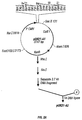
- a 0.7 kb PCR fragment containing the CMV promoter was purified and inserted into the pUK21 polylinker between Xba I and Not I sites.
- the Xba I sticky end of pUK21 was filled in with the large fragment of T4 DNA polymerase after digestion to create a blunt end.
- the inserted CMV promoter was confirmed by sequencing.
- the resulting plasmid was pUK21-A 1 ( Figure 1).
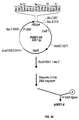
- BGH polyA (from pcDNA3 position 1018 to 1249) was amplified by PCR using pcDNA3 as template.
- the forward PCR primer 5' ATT CTC GAG TCT AGA CTA GAG CTC GCT GAT CAG CC 3' (SEQ ID NO:6) introduced XhoI and XbaI sites
- the reverse PCR primer 5' ATT AGG CCT TCC CCA GCA TGC CTG CTA TT 3' (SEQ ID NO:7) introduced a Stu I site.
- the CpG-optimized DNA vaccine vectors were made from the basic expression vector (pUK21-A2) in several steps:
- the pUK21-A2 vector was used as the starting material for construction of an optimized DNA vaccine vector.
- Site-directed mutagenesis was carried out to mutate those CpG-N sequences that were easy to mutate.
- 22 point-mutations were made to change a total of 15 CpG-N motifs to alternative non-CpG sequences.
- the new sequences encoded the same amino acids as before through alternative codon usage.
- the mutated sequences were all in the kanamycin resistance gene or immediately adjacent regions.
- f1 origin and two unique restriction enzyme sites were introduced into pUK21-A2 for later vector construction.
- f1 origin (from pcDNA3 position 1313 to 1729) was amplified by PCR using pcDNA3 as template.
- the mutagenesis was carried out as follows: In the first round of overlap extension PCR, the pairs of primers: Mu-0F/Mu-(4+5)R Mu-(4+5)F/Mu-9R, Mu-9F/Mu-13R and Mu-13F/Mu-0R were used to introduce four point-mutations at positions 1351, 1363, 1717 and 1882.
- the PCR-generated Eco RI lAlw NI -Eco O109I lXba I fragment was inserted into the pcDNA3 polylinker between the Eco R I and Xba I sites.
- the mutated Msp I at position 1717 was used to identify the pcDNA3-insert containing the appropriate mutant DNA fragment.
- the pcDNA3-insert from the first-round was used as a PCR template, the pairs of primers: Mu-0F/Mu-2R, Mu-2F/Mu-7R, Mu-7F/Mu-10R and Mu-10F/Mu-0R were used to introduce three point-mutations at positions 1285, 1549 and 1759.
- the PCR-generated Eco RI lAlw N- Eco O109I/ Xba I fragment was inserted into the pcDNA3 polylinker between the Eco RI and Xba I sites.
- the Sna BI site created by mutation at position 1759 was used to identify the pcDNA3-insert containing the appropriate mutant DNA fragment.
- the pcDNA3-insert from the second-round was used as a template, the pairs of primers: Mu-0F/Mu-3R, Mu-3F/Mu-8R, Mu-8F/Mu-14R and Mu-14F/Mu-0R were used to introduce five point-mutations at positions 1315, 1633, 1636, 1638 and 1924.
- the PCR-generated Eco RI lAlw NI- Eco O109I/ Xba I fragment was inserted into the pcDNA3 polylinker between the Eco RI and Xba I sites.
- the mutated Msp I site at position 1636 was used to identify the pcDNA3-insert containing the appropriate DNA mutant fragment.
- the pcDNA3-insert from the third-round was used as a template, the pairs of primers: Mu-0F/Mu-1R, Mu-1F/Mu-6R, Mu-6F/Mu-(11+12)R, Mu-(11+12)F/Mu-15R and Mu-15F/Mu-0R were used to introduce 10-point mutations at positions 1144, 1145, 1148, 1149, 1152, 1153, 1453, 1777, 1795 and 1984.
- the PCR-generated 1.3 kb fragment was inserted into pUK21-A to replace the corresponding part, resulting in pUK21-B. All the 22 point-mutations were confirmed by sequencing, and the PCR-generated Alw NI- Eco O109I fragment was free from PCR errors.
- Oligonucleotides 5' AAA TTC GAA AGT ACT GGA CC T GTT AAC A 3' (SEQ ID NO:10) and its complementary strand 5' CGT GTT AAC A GG TCC AGT ACT TTC GAA TTT 3' (SEQ ID NO:11) were synthesized, and 5'-phosphorylated. Annealing of these two phosphorylated oligos resulted in 28 base pair double-stranded DNA containing three unique restriction enzyme sites ( Sca I, Ava II, Hpa I), one sticky end and one blunt end. Replacing the 0.4 kb Nar I- Dra I fragment of pUK21-B with this double-stranded DNA fragment resulted in the universal vector pMAS for DNA vaccine development ( Figures 4 and 5).
- the vector is now ready for cloning CpG-S motifs.
- the exact motif which would be added to the vector would depend on its ultimate application, including the species it is to be used in and whether a strong humoral and/or a cell-mediated response was preferred. The following description gives an example of how a varying number of a given motif could be added to the vector.
- Insertion of murine-specific CpG-S motifs was carried out by first synthesizing the oligonucleotide 5' GAC TCC AT G ACG TT C CT G ACG TT T CCA T GA CGT T CC T GA CGT T G 3' (SEQ ID NO:12) which contains four CpG-S motifs (underlined), and its complementary sequence 5' GTC CAA CGT CAG GAA CGT CAT GGA AAC GTC AGG AAC GTC ATG GA 3' (SEQ ID NO:13). This sequence is based on the CpG-S motifs contained in oligo #1826, which has potent stimulatory effects on murine cells in vitro and is a potent adjuvant for protein vaccines in vivo.
- the pHCG series of vectors contain multiple copies of the following sequence 5' GAC TTC GTG TCG TT C TTC T GT CGT C TT T AG CGC T TC TCC TGC GTG CGT C CC TTG 3' (SEQ ID NO:14) (CpG-S motifs are underlined). This sequence incorporates various CpG-S motifs that had previously been found to have potent stimulatory effects on human cells in vitro.
- the vector pHCG-30, pHCG-50, pHCG-100 and pHCG-200 contain 30, 50, 100 and 200 human CpG-S motifs respectively (Table 3).
- the pHIS series of vectors contain multiple copies of the following sequence: 5' GA C TCG TCG TT T T T GTC GT T TT GTC GTT TCG TCG TT T T GT CGT T TT GTC GTT G 3' (SEQ ID NO:15) (CpG-S motifs are underlined). This sequence is based on the CpG-S motifs in oligo #2006, which has potent stimulatory effects on human cells in vitro
- the vector pHIS-40, pHIS-64, pHIS-128 and pHIS-192 contain 40, 64, 128 and 192 human CpG motifs respectively (Table 3).
- the S gene (subtype ayw ) encoding the hepatitis B surface antigen (HBsAg) was amplified by PCR and cloned into the polylinker of pUK21-A2 using the Eco RV and Pst I restriction enzyme sites. The S gene was analyzed by sequencing, and then subcloned into the same restriction enzyme sites of the pMCG and pHCG series of vectors (Table 4).
- the S gene (subtype adw2) encoding the hepatitis B surface antigen (HBsAg) was cloned into the pHIS series of vectors following the same strategy as described above (Table 4).
- the optimized gene therapy vectors were constructed from the basic expression vector (pUK21-A2) in several steps.
- Oligonucleotides 5' GCC CT A GTA CTG TTA ACT TTA AAG GGC CC 3' (SEQ ID NO:16) and its complementary strand 5' GGC GGG CCC TTT AAA GTT AAC AGT ACT AG 3' (SEQ ID NO:17) were synthesized, and 5'-phosphorylated. Annealing of these two phosphorylated oligos resulted in a 26 bp double-stranded DNA fragment containing four unique restriction enzyme sites ( Sca I , Hpa I , Dra I and Apa I) and two Eco O109 I-cut sticky ends. Insertion of this 26 bp DNA fragment into pGT created the vector pGTU.
- Annealing of these two oligonucleotides created a double-stranded DNA fragment, which was self-ligated first and then cloned into the EcoO109I site of the vector pGTU.
- the recombinant plasmids will be screened by restriction enzyme digestion and the vectors with the desired number of CpG inhibitory motifs will be sequenced and tested.
- mice Female BALB/c mice aged 6-8 weeks (Charles River, Montreal) were immunized with DNA vaccines ofHBsAg-encoding DNA (see vectors described above) by intramuscular injection into the tibialis anterior (TA) muscle.
- the plasmid DNA was produced in E. coli and purified using Qiagen endotoxin-free DNA purification mega columns (Qiagen GmbH, Chatsworth, CA). DNA was precipitated and redissolved in endotoxin-free PBS (Sigma, St. Louis MO) at a concentration of 0.01, 0.1 or 1 mg/ml. Total doses of 1,10 or 100 ⁇ g were delivered by injection of 50 ⁇ l bilaterally into the TA muscles, as previously described (Davis et al., 1993b).
- CpG ODN 10 or 100 ⁇ g was added to the DNA vaccine (pCMV-S, Davis et al., 1993b).
- the sequences and backbones of the ODN used are outlined in Table 6.
- mice were bled via the retro-orbital plexus at various times after immunization and recovered plasma was assayed for presence of anti-HBs antibodies (total IgG or IgG1 and IgG2a isotypes) by end-point dilution ELISA assay, as previously described (Davis et al., 1993a).
- mice were killed and their spleens removed. Splenocytes were restimulated in vitro with HBsAg-expressing cells and CTL activity was evaluated by chromium release assay as previously described (Davis et al., 1998).
- adenoviral genomes do not show suppression of CpG dinucleotides (Karlin et al., 1994; Sun et al., 1997).
- Analysis of different adenoviral genomes reveals surprising variability among each other and compared to human and E. coli in the flanking bases around CpG dinucleotides (Table 7).
- Adenoviral strains 2 and 5 belong to the same family but strain 12 is quite distinct from them.
- Purified type 12 adenoviral DNA induced cytokine secretion from human PBMC to a degree similar to that seen with bacterial DNA (EC DNA) (Table 8).
- DNA from types 2 and 5 adenoviruses induced little or no production of cytokines (Tables 3, 4).
- type 2 and 5 adenoviral DNA did not only did type 2 and 5 adenoviral DNA fail to induce TNF- ⁇ or IFN- ⁇ secretion, it actively inhibited the induction of this secretion by EC DNA (Table 9).
- type 12 adenoviral DNA had no discernible inhibitory effects.
- the bases flanking CpG motifs determine whether a CpG dinucleotide will cause immune stimulation, and may also determine the type of cytokines secreted.
- type 2 and 5 adenoviral DNA was not only nonstimulatory but actually inhibitory of CpG DNA, suggested that certain nonstimulatory CpG motifs may even be able to block the stimulatory motifs and that the inhibitory motifs should be over-represented in the genomes of adenovirus type 2 and 5 compared to type 12 (or to human DNA). By analysis of these genomes, it was possible to identify sequences that could block the effects of known CpG-S sequences on in vitro B cell proliferation (Table 10) and cytokine secretion (Table 11).
- Sequences which were found to be immunoinhibitory by in vitro assay were chosen to be mutated (wherever easily possible) from the backbone of the DNA vaccine vector.
- CpG-S ODN is a potent vaccine adjuvant when given with HBsAg protein (Davis et al., 1998). Antibodies against HBsAg (anti-HBs) were augmented many times over those obtained with HBsAg alone or even HBsAg with alum as adjuvant. In addition, the humoral response was more strongly Th1, as indicated by a greater proportion of IgG2a than IgG1 isotypes of antibodies in immunized BALB/c mice. The strong Th1 effect of the CpG-S motifs was further demonstrated by the greatly enhanced cytotoxic T-cell activity.
- One of the most potent CpG-S ODN in mice was 1826, a 20-mer with 2 CpG-dinucleotides and made with a synthetic phosphorothioate backbone (see Table 6 for sequence).
- ODN #1826 used in the above studies is an ODN with a phosphorothioate backbone (S-ODN) and it is possible that the synthetic sulfur-containing backbone interfered with the ability of the plasmid DNA to transfect target cells.
- Zhao et al. (1994) investigated the effect of the backbone on binding, uptake and degradation of ODN by mouse splenocytes and found that S-ODN had the highest affinity for ODN-binding sites on the cell membrane and could competitively inhibit binding of ODN made with a natural phosphodiester backbone (O-ODN). A similar blocking of binding might be taking place when S-ODN is mixed with plasmid DNA, which contains a natural phosphodiester backbone like O-ODN.
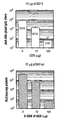
- CTL responses were likewise improved by removal of CpG-N motifs, and then more so by the addition of CpG-S motifs to the DNA vaccines.
- Oligodeoxynucleotides (ODN) and DNA Phosphodiester ODN were purchased from Operon Technologies (Alameda, CA) and nuclease resistant phosphorothioate ODN were purchased from Oligos Etc. (Wilsonville, OR) or Hybridon Specialty Products (Milford, MA). All ODN had undetectable endotoxin levels (less than 1 ng/mg) by Limulus assay (Whittaker Bioproducts, Walkersville, MD). E. coli (strain B) DNA was purchased from Sigma (St.
- ELISA assays were performed using standard techniques and commercially available reagents as previously described ( Klinman, D., et al., Proc. Natl. Acad. Sci. USA, 93, 2879-2883 (1996) ; Yi et al., J. Immunol., 157, 5394-5402 (1996) ). Standard deviations of the triplicate wells were ⁇ 10%.
- the starting material was pUK21-A2, an expression vector containing the immediate early promoter of human cytomegalovirus (CMV IE), the bovine growth hormone (BGH) polyadenylation signal, and the kanamycin resistance gene (Wu and Davis, unpublished).
- CMV IE human cytomegalovirus
- BGH bovine growth hormone
- kanamycin resistance gene Wang and Davis, unpublished.
- mutagenesis designed to eliminate CpG-N motifs was restricted to the kanamycin resistance gene and non-essential DNA sequences following the gene.
- a total of 22 point mutations were introduced to alter 15 CpG-N motifs (a "motif” refers to a hexamer containing one or more CpG dinucleotides) containing 19 CpG dinucleotides, 12 of which were eliminated and 7 of which were transformed into CpG-S motifs.
- Site-directed mutagenesis was performed by overlap extension PCR as described by Ge et al. ( Prosch, S., et al., Biol. Chem., 377, 195-201 (1996) ).
- the 1.3 kb fragment was regenerated by four rounds of overlap extension PCR using appropriate mutagenic primers, and substituted for the original Alw N I- Eco O 109 I fragment, resulting in pUK21-B2. All the mutations were confirmed by sequencing.
- the S gene encoding ay subtype of hepatitis B surface antigen (HBsAg) was amplified by PCR and cloned into the Eco RV - Pst I sites of the vectors, resulting in pUK-S, pMAS-S, pMCG16-S, and pMCG50-S respectively.
- Vector sequences were confirmed by sequencing and have been deposited in GenBank under accession numbers AFO53406 (pUK-S), AFO53407 (pMAS-S), AFO53408 (pMCG16-S), and AFO53409 (pMCG50-S).
- Immunization of mice against HBsAg Immunization of 6-8 wk old female BALB/c mice (Charles River, Montreal, QC) was by injection into the tibialis anterior muscle (TA) of 1 ⁇ g recombinant HBsAg or 10 ⁇ g HBsAg-expressing DNA vaccine (Chace, J.H., et al., Immunopath, In press (1997)).
- Assay for antibodies against HBsAg (anti-HBs) was by end point dilution and for cytotoxic T lymphocytes (CTL) was by chromium release assay as described previously 19 . Both the protein ( ⁇ ODN) and DNA vaccines were resuspended in saline for injection.
- Type 12 adenoviral DNA is immune stimulatory, but types 2 and 5 adenoviral DNA are immune neutralizing.
- DNA from types 2 and 5 adenovirus failed to induce cytokine production (Table 8).
- type 2 or 5 adenoviral DNA severely reduced the cytokine expression induced by co-administered immunostimulatory E. coli genomic DNA (Table 9). This indicates that type 2 and 5 adenoviral DNA does not simply lack CpG-S motifs, but contains sequences that actively suppress those in E. coli DNA.
- CpG-N motifs are approximately three to six fold more common in the immune inhibitory type 2 and 5 adenoviral genomes than in those of immune-stimulatory type 12 adenoviral, E. coli or non-stimulatory human genomic DNAs (Table 7).
- This hexamer analysis further revealed that the frequency of hexamers containing CpG-S motifs (e.g., GACGTT or AACGTT) in the type 2 adenoviral genome is as low as that in the human genome: only 1/3 to 1/6 of that in E. coli and type 12 adenoviral DNA (Table 7).
- CpG-N motifs Effect of CpG-N motifs on the immune stimulatory effects of CpG-S motifs.
- CpG-N motifs To determine whether these over-represented CpG-N motifs could explain the neutralizing properties of type 2 and 5 adenoviral DNA, we tested the in vitro immune effects of synthetic oligodeoxynucleotides bearing a CpG-S motif, one or more CpG-N motifs, or combinations of both.
- An ODN containing a single CpG-S motif induces spleen cell production of IL-6, IL-12, and IFN- ⁇ (ODN 1619, Table 13).
- DNA vaccines can be highly effective inducers of Th1-like immune responses ( Raz, E., et al., Proc. Natl. Sci. Acad. USA, 93, 5141-5145 (1996) ; Donnelly , J.J., et al., Ann. Rev. Immunol., 15, 617-648 (1997) ).
- Th1-like immune responses Raz, E., et al., Proc. Natl. Sci. Acad. USA, 93, 5141-5145 (1996) ; Donnelly , J.J., et al., Ann. Rev. Immunol., 15, 617-648 (1997) ).
- the starting vector, pUK21-A2 contained 254 CpG dinucleotides, of which 134 were within CpG-N motifs.
- This vector was further modified by the introduction of 16 or 50 CpG-S motifs, yielding vectors pMCG16 and pMCG50 respectively.
- the S gene for HBsAg was then cloned into these vectors downstream from the CMV promoter, to make pUK-S, pMAS-S, pMCG16-S, and pMCG50-S respectively.
- genomic DNA from type 12 adenovirus is immune stimulatory, compatible with its relatively high content of CpG-S motifs.
- genomic DNA from type 2 and 5 adenoviruses is not stimulatory, but rather is immune neutralizing and blocks the cytokine induction of bacterial DNA ( Tables 8 and 9 ).
- genomic frequency of all hexamer sequences was analyzed.
- CpG-N motifs oppose CpG-S motifs in cis or trans.
- the mechanism through which CpG-N motifs work is not yet clear, but does not appear to involve competition for cell uptake or binding to a CpG-S-specific binding protein. Further studies are underway to determine the molecular mechanisms through which CpG-N and CpG-S motifs exert their respective immune effects.
- the hexamers that contain CpG-N motifs are from 15 to 30 times more common in type 2 and 5 adenoviral genomes than those that contain immune stimulatory CpG-S motifs.
- type 12 adenoviral genomes the frequencies of hexamers containing CpG-N and CpG-S motifs do not differ substantially from chance.
- CpG-N motifs in the genomes of types 2 and 5 adenovirus may contribute to the biologic properties, such as persistent infection of lymphocytes, which distinguish them from type 12 adenovirus.
- the presence of large numbers of CpG-N motifs within these adenoviral genomes may have played an important role in the evolution of this virus by enabling it to avoid triggering CpG-induced immune defenses. It will be interesting to determine the general distribution of CpG-N and CpG-S motifs in different families of microbial and viral genomes, and to explore their possible roles in disease pathogenesis.
- CpG-N motifs are also over-represented in the human genome, where their hexamers are approximately two to five-fold more common than CpG-S motifs. While this skewing is far less marked than that in adenoviral DNA, it would still be expected to reduce or eliminate any immune stimulatory effect from the unmethylated CpGs present in CpG islands within vertebrate DNA. We and others have found that even when predominantly or completely unmethylated, vertebrate DNA is still not immune stimulatory (A. Krieg and P. Jones, unpublished data) ( Sun, S., et al., J. Immunol., 159:3119-3125 (1997) ) which is in keeping with its predominance of CpG-N motifs (Table 7).
- the field of gene therapy may benefit from the discovery of CpG-N motifs through their insertion into gene transfer vectors to prevent or reduce the induction of host immune responses.
- Most of the CpG-N motifs in the adenoviral genome are in the left hand (5') side, which is generally partially or totally deleted for the preparation of gene therapy vectors, especially with the "gutless" vectors ( Kochanek, S., et al., Proc. Natl. Acad. Sci. USA, 93:5731-5736 (1996) ). This could lead to an enhanced CpG-S effect.
- nucleic acids produced in viral vectors are unmethylated, they may produce inflammatory effects if they contain a relative excess of CpG-S over CpG-N motifs and are delivered at an effective concentration (about 1 ⁇ g/ml).
- Gene therapy studies with adenoviral vectors have used doses up to 10 infectious units (IU)/ml (which contains 0.4 ⁇ g of DNA/ml based on the genome size of 36 kb).
- adenoviral particles Given that approximately 99% of adenoviral particles are noninfectious, this corresponds to a DNA dose of approximately 40 ⁇ g/ml, which is well within the range at which CpG DNA causes in vivo immune stimulatory effects; just 10 ⁇ g/mouse induces IFN-y production acts as an adjuvant for immunization ( Davis, H.L., et al., J. Immunol., 160:870-876 (1998) ; Chu, R.S., et al., J. Exp.Med., 186:1623-1631 (1997) ; Lipford, G.B., et al., Eur. J.
- CpG-S motifs Another reason to avoid the presence of CpG-S motifs in gene therapy vectors is that the cytokines that are produced due to the immune stimulation may reduce plasmid vector expression, especially when this is driven by viral promoters ( Raz, E., et al., Proc. Natl. Acad. Sci. USA, 93:5141-5145 (1996) ).
- ODN All ODN were synthesized by Hybridon (Milford, MA) or Operon (Alameda, CA). ODN were ethanol precipitated and resuspended in saline prior to use alone or as an additive to the plasmid DNA solution.
- Table 7 Genomic frequencies of selected hexamers Genomic frequency (X 10 -3 ) hexamer: Adenovirus Adenovirus E.
- the hexamer frequencies in type 5 adenovirus are essentially identical to those in type 2, and are therefore not shown.
- Adenoviral type 5 DNA suppresses the cytokine response to EC DNA by human PBMC DNA
- Source IL-6 ⁇ g/ml
- IFN- pg/ml
- TNF- pg/ml
- EC DNA 50 ⁇ g/ml
- EC DNA 5 ⁇ g/ml
- EC DNA 0.5 ⁇ g/ml
- >3000 200 350
- EC DNA 0.05 ⁇ g/ml) 3000 ND 100
- Adenoviral DNA 5 ⁇ g/ml) 1500 0 0
- EC:Adeno DNA 50:50 ⁇ g/ml) 2000
- 35 675 EC:Adeno DNA 5:5 ⁇ g/ml) 1500
- 40 ND 1 Represents the level
- inhibitory CpG motifs can block B cell proliferation induced by a stimulatory CpG motif Oligonucleotide added cpm medium 194 1668 (TCCATGACGTTCCTGATGCT) 34,669 1668 + 1735 (GCGTTTTTTTTTGCG) 24,452 1720 (TCCATGAGCTTCCTGATGCT) 601 1720 + 1735 1109
- Splenic B cells from a DBA/2 mouse were cultured at 5 X 10 4 cells/100 ⁇ l well in 96 well microtiter plates in RPMI as previously described (Krieg, et al., 1995) with or without the indicated phosphorothioate modified oligonucleotides at a concentration of 60 ng/ml for 48 hr.
- the cells were then pulsed with 3 H thymidine, harvested, and the cpm determined by scintillation counting.
- the stimulatory CpG oligo 1668 was slightly but significantly inhibited by the inhibitory motifs in oligo 1735.
- the non CpG oligo 1720 is included as a negative control. (SEQ ID NO:68-70, respectively).
- Human PBMC were cultured in 96 well microtiter plates at 10 5 /200 ⁇ l for 24 hr in RPMI containing 10% autologous serum. Supernatants were collected at the end of the culture and tested for IL-12 by ELISA. All wells except the control (medium) contained 60 ⁇ g/ml of the stimulatory CpG oligodcoxynucleotide 1619; stimulatory (1949) and inhibitory (all other sequences have a strong inhibitory motif) oligos were added to the indicated wells at .the same concentration at the beginning of culture. All oligos have unmodified backbones.
- APC can induce immune responses with DNA vaccine - transfected muscle cells cannot:
Landscapes
- Health & Medical Sciences (AREA)
- Life Sciences & Earth Sciences (AREA)
- Chemical & Material Sciences (AREA)
- Virology (AREA)
- Genetics & Genomics (AREA)
- General Health & Medical Sciences (AREA)
- Animal Behavior & Ethology (AREA)
- Engineering & Computer Science (AREA)
- Veterinary Medicine (AREA)
- Public Health (AREA)
- Epidemiology (AREA)
- Pharmacology & Pharmacy (AREA)
- Microbiology (AREA)
- Medicinal Chemistry (AREA)
- Biotechnology (AREA)
- Mycology (AREA)
- Immunology (AREA)
- Wood Science & Technology (AREA)
- Bioinformatics & Cheminformatics (AREA)
- Organic Chemistry (AREA)
- General Engineering & Computer Science (AREA)
- Molecular Biology (AREA)
- Biomedical Technology (AREA)
- Zoology (AREA)
- Plant Pathology (AREA)
- Biophysics (AREA)
- Biochemistry (AREA)
- Physics & Mathematics (AREA)
- General Chemical & Material Sciences (AREA)
- Chemical Kinetics & Catalysis (AREA)
- Communicable Diseases (AREA)
- Medicines That Contain Protein Lipid Enzymes And Other Medicines (AREA)
- Medicines Containing Antibodies Or Antigens For Use As Internal Diagnostic Agents (AREA)
- Medicines Containing Material From Animals Or Micro-Organisms (AREA)
- Preparation Of Compounds By Using Micro-Organisms (AREA)
- Peptides Or Proteins (AREA)
Claims (25)
- Processus de préparation d'un gène hybride d'acide nucléique, pour améliorer l'effet immunostimulateur d'un antigène, comprenant les étapes consistant à :déterminer les motifs de neutralisation présents dans le gène hybride, dans lequel les motifs comprennent des répétitions directes de dinucléotides CpG, trinucléotides CCG, trinucléotides CGG, tétranucléotides CCGG, tétranucléotides CGCG ou une combinaison de l'un quelconque de ces motifs, ou au moins quatre nucléotides G dans un rang ou deux trinucléotides GGG ;retirer les motifs de neutralisation ; etinsérer éventuellement des motifs CpG stimulateurs (CpG-S) dans le gène hybride.
- Processus tel que revendiqué à la revendication 1, dans lequel l'antigène est codé par l'acide nucléique contenu dans le gène hybride.
- Processus de préparation d'un gène hybride d'acide nucléique, pour améliorer l'expression in vivo d'un polypeptide thérapeutique codé par l'acide nucléique contenu dans le gène hybride, comprenant les étapes consistant à :déterminer les motifs CpG stimulateurs (CpG-S) présents dans le gène hybride ;retirer les motifs CpG-S stimulateurs ; etinsérer des motifs de neutralisation, qui comprennent des répétitions directes de dinucléotides CpG, trinucléotides CCG, trinucléotides CGG, tétranucléotides CCGG, tétranucléotides CGCG ou une combinaison d'un quelconque de ces motifs, ou au moins quatre nucléotides G dans un rang ou deux trinucléotides GGG.
- Processus de préparation d'un gène hybride d'acide nucléique, pour livrer des polynucléotides antisens ou ribozymes in vivo, comprenant les étapes consistant à :déterminer les motifs CpG stimulateurs (CpG-S) présents dans le gène hybride ;retirer les motifs CpG-S stimulateurs ; etinsérer éventuellement des motifs de neutralisation, qui comprennent des répétitions directes de dinucléotides CpG, trinucléotides CCG, trinucléotides CGG, tétranucléotides CCGG, tétranucléotides CGCG ou une combinaison d'un quelconque de ces motifs, ou au moins quatre nucléotides G dans un rang ou deux trinucléotides GGG.
- Processus tel que revendiqué dans l'une quelconque des revendications 1 à 4, dans lequel le motif CpG-N ou CpG-S est retiré par une mutagénèse dirigée.
- Processus tel que revendiqué dans l'une quelconque des revendications 1 à 5, dans lequel le motif CpG-N est sélectionné parmi le groupe constitué d'agrégats de répétitions directes de CpG dinucléotides, CCG trinucléotides, CGG trinucléotides, CCGG tétranucléotides, CGCG tétranucléotides et une combinaison de ceux-ci.
- Processus tel que revendiqué dans l'une quelconque des revendications 1 à 3, dans lequel le gène hybride d'acide nucléique est un vecteur d'expression.
- Processus tel que revendiqué à la revendication 7, dans lequel le vecteur d'expression est un plasmide ou un vecteur viral.
- Processus tel que revendiqué dans l'une quelconque des revendications 1 à 4, dans lequel les motifs CpG-S dans le gène hybride comprennent un motif ayant la formule :
5'X1CGX23'
dans lequel au moins un nucléotide sépare des CpG consécutifs, X1 est de l'adénine, de la guanine ou de la thymine et X2 est de la cytosine, de la thymine ou de l'adénine. - Processus tel que revendiqué à la revendication 9, dans lequel le motif est sélectionné parmi le groupe constitué de GACGTT, AGCGTT, AACGCT, GTCGTT et AACGAT.
- Processus selon la revendication 9, dans lequel le motif comprend :(a) TCAACGTT ;(b) GTCG (T/C) T ou TGACGTT ;(c) TGTCG (T/C) T ;(d) TCCATGTCGTTCCTGTCGTT ;(e) TCCTGACGTTCCTGACGTT ; ou(f) TCGTCGTTTTGTCGTTTTGTCGTT.
- Processus tel que revendiqué à la revendication 1 ou à la revendication 2, dans lequel l'antigène est :(a) un antigène viral ;(b) un antigène bactérien ; ou(c) dérivé d'un parasite.
- Processus tel que revendiqué à la revendication 12, dans lequel l'antigène viral est issu du virus de l'hépatite B (HBV) .
- Processus tel que revendiqué à la revendication 13, dans lequel l'antigène viral est un antigène de surface HBV.
- Processus tel que revendiqué à la revendication 1 ou à la revendication 2, dans lequel le gène hybride d'acide nucléique comprend en outre une séquence régulatrice pour l'expression d'ADN dans des cellules eucaryotiques et une séquence d'acide nucléique codant au moins un polypeptide antigène.
- Processus tel que revendiqué à la revendication 3, dans lequel le gène hybride d'acide nucléique comprend en outre une séquence régulatrice pour l'expression d'ADN dans des cellules eucaryotiques et une séquence d'acide nucléique codant au moins un polypeptide thérapeutique.
- Processus tel que revendiqué à la revendication 15 ou à la revendication 16, dans lequel la séquence régulatrice est un promoteur.
- Processus tel que revendiqué à la revendication 17, dans lequel le promoteur est :(a) insensible à la régulation de cytokine ;(b) un promoteur non viral ;(c) un promoteur viral ; ou(d) un promoteur spécifique à un tissu ou une cellule.
- Processus tel que revendiqué à la revendication 18, dans lequel le promoteur viral est un promoteur CMV.
- Processus tel que revendiqué à la revendication 15, dans lequel la séquence régulatrice est un promoteur qui est sensible à la cytokine.
- Processus tel que revendiqué à la revendication 15, dans lequel la séquence régulatrice est un promoteur spécifique à une cellule qui fonctionne dans des cellules présentant un antigène.
- Processus tel que revendiqué à la revendication 21, dans lequel le promoteur spécifique à une cellule est un promoteur MHC I mammifère.
- Processus tel que revendiqué à la revendication 3, dans lequel le polypeptide thérapeutique est sélectionné à partir du groupe constitué de facteurs de croissance, toxines, suppresseurs de tumeur, cytokines, protéines apoptotiques, interférons, hormones, facteurs de coagulation, ligands et récepteurs.
- Processus tel que revendiqué à la revendication 16, dans lequel la séquence régulatrice est un promoteur spécifique à un tissu et le tissu est un muscle.
- Processus tel que revendiqué à la revendication 16, dans lequel la séquence régulatrice est un promoteur spécifique à une cellule et dans lequel la cellule est une cellule d'un système non immunitaire.
Applications Claiming Priority (5)
| Application Number | Priority Date | Filing Date | Title |
|---|---|---|---|
| US4723397P | 1997-05-20 | 1997-05-20 | |
| US4720997P | 1997-05-20 | 1997-05-20 | |
| US47209P | 1997-05-20 | ||
| US47233P | 1997-05-20 | ||
| PCT/US1998/010408 WO1998052581A1 (fr) | 1997-05-20 | 1998-05-20 | Vecteurs et procedes destines a l'immunisation et a des protocoles therapeutiques |
Publications (3)
| Publication Number | Publication Date |
|---|---|
| EP1003531A1 EP1003531A1 (fr) | 2000-05-31 |
| EP1003531A4 EP1003531A4 (fr) | 2001-05-09 |
| EP1003531B1 true EP1003531B1 (fr) | 2007-08-22 |
Family
ID=26724749
Family Applications (1)
| Application Number | Title | Priority Date | Filing Date |
|---|---|---|---|
| EP98924828A Expired - Lifetime EP1003531B1 (fr) | 1997-05-20 | 1998-05-20 | Procedes de preparation de constructions d'acides nucleiques |
Country Status (7)
| Country | Link |
|---|---|
| US (3) | US6339068B1 (fr) |
| EP (1) | EP1003531B1 (fr) |
| AT (1) | ATE370740T1 (fr) |
| AU (1) | AU7690898A (fr) |
| CA (1) | CA2301575C (fr) |
| DE (1) | DE69838294T2 (fr) |
| WO (1) | WO1998052581A1 (fr) |
Families Citing this family (504)
| Publication number | Priority date | Publication date | Assignee | Title |
|---|---|---|---|---|
| US5849719A (en) * | 1993-08-26 | 1998-12-15 | The Regents Of The University Of California | Method for treating allergic lung disease |
| US6727230B1 (en) | 1994-03-25 | 2004-04-27 | Coley Pharmaceutical Group, Inc. | Immune stimulation by phosphorothioate oligonucleotide analogs |
| US6239116B1 (en) | 1994-07-15 | 2001-05-29 | University Of Iowa Research Foundation | Immunostimulatory nucleic acid molecules |
| US20030026782A1 (en) * | 1995-02-07 | 2003-02-06 | Arthur M. Krieg | Immunomodulatory oligonucleotides |
| US7935675B1 (en) * | 1994-07-15 | 2011-05-03 | University Of Iowa Research Foundation | Immunostimulatory nucleic acid molecules |
| US6429199B1 (en) | 1994-07-15 | 2002-08-06 | University Of Iowa Research Foundation | Immunostimulatory nucleic acid molecules for activating dendritic cells |
| US6207646B1 (en) | 1994-07-15 | 2001-03-27 | University Of Iowa Research Foundation | Immunostimulatory nucleic acid molecules |
| US5981501A (en) * | 1995-06-07 | 1999-11-09 | Inex Pharmaceuticals Corp. | Methods for encapsulating plasmids in lipid bilayers |
| US7422902B1 (en) * | 1995-06-07 | 2008-09-09 | The University Of British Columbia | Lipid-nucleic acid particles prepared via a hydrophobic lipid-nucleic acid complex intermediate and use for gene transfer |
| EP0909323B1 (fr) | 1996-01-04 | 2007-02-28 | Novartis Vaccines and Diagnostics, Inc. | Bacterioferritine de helicobacter pilori |
| CA2244946C (fr) * | 1996-01-30 | 2010-04-13 | The Regents Of The University Of California | Vecteurs d'expression genique generant une reponse immune specifique d'un antigene et leurs procedes d'utilisation |
| US20030078223A1 (en) * | 1996-01-30 | 2003-04-24 | Eyal Raz | Compositions and methods for modulating an immune response |
| EP0855184A1 (fr) | 1997-01-23 | 1998-07-29 | Grayson B. Dr. Lipford | Composition pharmaceutique comprenant un polynucléotide et un antigène notamment pour la vaccination |
| US6406705B1 (en) * | 1997-03-10 | 2002-06-18 | University Of Iowa Research Foundation | Use of nucleic acids containing unmethylated CpG dinucleotide as an adjuvant |
| CA2289702C (fr) | 1997-05-14 | 2008-02-19 | Inex Pharmaceuticals Corp. | Encapsulation hautement efficace d'agents therapeutiques charges dans des vesicules lipidiques |
| EP1003531B1 (fr) | 1997-05-20 | 2007-08-22 | Ottawa Health Research Institute | Procedes de preparation de constructions d'acides nucleiques |
| US6589940B1 (en) | 1997-06-06 | 2003-07-08 | Dynavax Technologies Corporation | Immunostimulatory oligonucleotides, compositions thereof and methods of use thereof |
| WO1998055609A1 (fr) | 1997-06-06 | 1998-12-10 | The Regents Of The University Of California | Inhibiteurs de l'activite de sequences immunostimulatrices de l'adn |
| US20040006034A1 (en) * | 1998-06-05 | 2004-01-08 | Eyal Raz | Immunostimulatory oligonucleotides, compositions thereof and methods of use thereof |
| US20030045492A1 (en) * | 1997-08-13 | 2003-03-06 | Tang De-Chu C. | Vaccination by topical application of recombinant vectors |
| US20030125278A1 (en) * | 1997-08-13 | 2003-07-03 | Tang De-Chu C. | Immunization of animals by topical applications of a salmonella-based vector |
| US7588766B1 (en) | 2000-05-26 | 2009-09-15 | Elan Pharma International Limited | Treatment of amyloidogenic disease |
| US7790856B2 (en) * | 1998-04-07 | 2010-09-07 | Janssen Alzheimer Immunotherapy | Humanized antibodies that recognize beta amyloid peptide |
| US6787523B1 (en) * | 1997-12-02 | 2004-09-07 | Neuralab Limited | Prevention and treatment of amyloidogenic disease |
| US6761888B1 (en) | 2000-05-26 | 2004-07-13 | Neuralab Limited | Passive immunization treatment of Alzheimer's disease |
| US20080050367A1 (en) * | 1998-04-07 | 2008-02-28 | Guriq Basi | Humanized antibodies that recognize beta amyloid peptide |
| US7964192B1 (en) | 1997-12-02 | 2011-06-21 | Janssen Alzheimer Immunotherapy | Prevention and treatment of amyloidgenic disease |
| TWI239847B (en) * | 1997-12-02 | 2005-09-21 | Elan Pharm Inc | N-terminal fragment of Abeta peptide and an adjuvant for preventing and treating amyloidogenic disease |
| US6218371B1 (en) * | 1998-04-03 | 2001-04-17 | University Of Iowa Research Foundation | Methods and products for stimulating the immune system using immunotherapeutic oligonucleotides and cytokines |
| AU760795B2 (en) * | 1998-05-14 | 2003-05-22 | Coley Pharmaceutical Gmbh | Methods for regulating hematopoiesis using CpG-oligonucleotides |
| DK1079824T3 (da) | 1998-05-19 | 2011-11-21 | Res Dev Foundation | Triterpen-sammensætninger og fremgangsmåder til anvendelse deraf |
| DK1077722T3 (da) | 1998-05-22 | 2006-11-27 | Ottawa Health Research Inst | Fremgangsmåder og produkter til induktion af mukosaimmunitet |
| US20020106635A1 (en) * | 1998-05-27 | 2002-08-08 | Bruce Freimark | Cytokine resistant cytomegalovirus promoter mutants and related products and methods |
| US20040247662A1 (en) * | 1998-06-25 | 2004-12-09 | Dow Steven W. | Systemic immune activation method using nucleic acid-lipid complexes |
| US6693086B1 (en) * | 1998-06-25 | 2004-02-17 | National Jewish Medical And Research Center | Systemic immune activation method using nucleic acid-lipid complexes |
| US20030022854A1 (en) | 1998-06-25 | 2003-01-30 | Dow Steven W. | Vaccines using nucleic acid-lipid complexes |
| ATE315405T1 (de) * | 1998-08-10 | 2006-02-15 | Antigenics Inc | Cpg-zusammensetzungen, saponin-adjuvantien und verfahren zu deren verwendung |
| US20020065236A1 (en) * | 1998-09-09 | 2002-05-30 | Yew Nelson S. | CpG reduced plasmids and viral vectors |
| JP2002524473A (ja) * | 1998-09-09 | 2002-08-06 | ジエンザイム コーポレイション | プラスミドベクターのメチル化 |
| WO2000020039A1 (fr) * | 1998-10-05 | 2000-04-13 | The Regents Of The University Of California | Procedes et adjuvants stimulant l'immunite des muqueuses |
| US6558951B1 (en) * | 1999-02-11 | 2003-05-06 | 3M Innovative Properties Company | Maturation of dendritic cells with immune response modifying compounds |
| DE60044236D1 (de) | 1999-02-17 | 2010-06-02 | Csl Ltd | Immunogene komplexe und methoden in bezug auf diese |
| AU2457100A (en) | 1999-02-26 | 2000-09-14 | Chiron S.P.A. | Enhancement of bactericidal activity of neisseria antigens with oligonucleotidescontaining cg motifs |
| WO2000050006A2 (fr) | 1999-02-26 | 2000-08-31 | Chiron Corporation | Microemulsions a macromolecules et microparticules adsorbees |
| EP1176966B1 (fr) | 1999-04-12 | 2013-04-03 | THE GOVERNMENT OF THE UNITED STATES OF AMERICA, as represented by THE SECRETARY, DEPARTMENT OF HEALTH AND HUMAN SERVICES | Un oligodesoxynucleotide et son emploi pour induire une reponse immunitaire |
| US6977245B2 (en) * | 1999-04-12 | 2005-12-20 | The United States Of America As Represented By The Department Of Health And Human Services | Oligodeoxynucleotide and its use to induce an immune response |
| US20040009936A1 (en) * | 1999-05-03 | 2004-01-15 | Tang De-Chu C. | Vaccine and drug delivery by topical application of vectors and vector extracts |
| US20050226890A1 (en) * | 1999-08-12 | 2005-10-13 | Cohen David I | Tat-based vaccine compositions and methods of making and using same |
| US7479285B1 (en) | 1999-08-19 | 2009-01-20 | Dynavax Technologies Corporation | Methods of modulating an immune response using immunostimulatory sequences and compositions for use therein |
| WO2001022972A2 (fr) * | 1999-09-25 | 2001-04-05 | University Of Iowa Research Foundation | Acides nucleiques immunostimulateurs |
| US6949520B1 (en) * | 1999-09-27 | 2005-09-27 | Coley Pharmaceutical Group, Inc. | Methods related to immunostimulatory nucleic acid-induced interferon |
| EP1688147A1 (fr) * | 1999-09-27 | 2006-08-09 | Coley Pharmaceutical Group, Inc. | Procédé utilisant de l'interferon immunostimulatant induit par des acides nucléiques |
| IL148844A0 (en) * | 1999-09-27 | 2002-09-12 | Coley Pharm Group Inc | Methods related to immunostimulatory nucleic acid-induced interferon |
| ATE421584T1 (de) * | 1999-11-02 | 2009-02-15 | Novartis Vaccines & Diagnostic | Cpg rezeptor (cpg-r) und darauf bezogene methoden |
| US20040234539A1 (en) * | 1999-11-03 | 2004-11-25 | Powderject Research Limited | Nucleic acid vaccine compositions having a mammalian cd80/cd86 gene promoter driving antigen expression |
| AU1358501A (en) * | 1999-11-03 | 2001-05-14 | Powderject Vaccines, Inc. | Nucleic acid vaccine compositions having a mammalian cd80/cd86 gene promoter driving antigen expression |
| US7223398B1 (en) | 1999-11-15 | 2007-05-29 | Dynavax Technologies Corporation | Immunomodulatory compositions containing an immunostimulatory sequence linked to antigen and methods of use thereof |
| DE60039715D1 (de) * | 1999-11-19 | 2008-09-11 | Csl Ltd | Hcv-impfstoff zusammensetzungen |
| CA2291367A1 (fr) * | 1999-12-06 | 2001-06-06 | Isabelle Henry | Assemblages genetiques possedant un nombre reduit ou accru de zones de controle epigenetiques et methodes pour leur utilisation |
| WO2001051500A1 (fr) * | 2000-01-14 | 2001-07-19 | The United States Of America, Represented By The Secretary, Department Of Health And Human Services | Oligonucleotide synthetique et son utilisation pour induire une reaction immunitaire |
| US7585847B2 (en) | 2000-02-03 | 2009-09-08 | Coley Pharmaceutical Group, Inc. | Immunostimulatory nucleic acids for the treatment of asthma and allergy |
| US20040131628A1 (en) * | 2000-03-08 | 2004-07-08 | Bratzler Robert L. | Nucleic acids for the treatment of disorders associated with microorganisms |
| US7157437B2 (en) * | 2000-03-10 | 2007-01-02 | Dynavax Technologies Corporation | Methods of ameliorating symptoms of herpes infection using immunomodulatory polynucleotide sequences |
| US20030129251A1 (en) | 2000-03-10 | 2003-07-10 | Gary Van Nest | Biodegradable immunomodulatory formulations and methods for use thereof |
| US20020107212A1 (en) * | 2000-03-10 | 2002-08-08 | Nest Gary Van | Methods of reducing papillomavirus infection using immunomodulatory polynucleotide sequences |
| US7129222B2 (en) | 2000-03-10 | 2006-10-31 | Dynavax Technologies Corporation | Immunomodulatory formulations and methods for use thereof |
| US20010046967A1 (en) * | 2000-03-10 | 2001-11-29 | Gary Van Nest | Methods of preventing and treating respiratory viral infection using immunomodulatory polynucleotide |
| US20020098199A1 (en) * | 2000-03-10 | 2002-07-25 | Gary Van Nest | Methods of suppressing hepatitis virus infection using immunomodulatory polynucleotide sequences |
| US20020028784A1 (en) * | 2000-03-10 | 2002-03-07 | Nest Gary Van | Methods of preventing and treating viral infections using immunomodulatory polynucleotide sequences |
| EP1296714B1 (fr) | 2000-06-22 | 2009-08-26 | University Of Iowa Research Foundation | Combinaison de CpG et d'anticorps contre le CD19, CD20, CD22 ou CD40 pour la prévention ou pour le traitement du cancer. |
| WO2002002172A1 (fr) * | 2000-06-30 | 2002-01-10 | Univ Jefferson | Palindrome d'adn compositions d'acide oligo-guanylique et utilisations associees |
| KR100917101B1 (ko) * | 2000-08-04 | 2009-09-15 | 도요 보세키 가부시키가이샤 | 플렉시블 금속적층체 및 그 제조방법 |
| US20080044435A1 (en) * | 2004-03-16 | 2008-02-21 | Cohen David I | Tat-Based Tolerogen Compositions and Methods of Making and Using Same |
| EP1366077B1 (fr) | 2000-09-15 | 2011-05-25 | Coley Pharmaceutical GmbH | Procede de criblage a haut rendement d'immuno-agoniste/antagoniste base sur cpg |
| US7939087B2 (en) | 2000-10-27 | 2011-05-10 | Novartis Vaccines And Diagnostics, Inc. | Nucleic acids and proteins from Streptococcus groups A & B |
| US7700751B2 (en) | 2000-12-06 | 2010-04-20 | Janssen Alzheimer Immunotherapy | Humanized antibodies that recognize β-amyloid peptide |
| PE20020574A1 (es) * | 2000-12-06 | 2002-07-02 | Wyeth Corp | Anticuerpos humanizados que reconocen el peptido amiloideo beta |
| US20060142202A1 (en) * | 2000-12-08 | 2006-06-29 | 3M Innovative Properties Company | Compositions and methods for targeted delivery of immune response modifiers |
| WO2002069369A2 (fr) * | 2000-12-08 | 2002-09-06 | Coley Pharmaceutical Gmbh | Acides nucleiques du type cpg et procedes d'utilisation correspondants |
| US6677347B2 (en) * | 2000-12-08 | 2004-01-13 | 3M Innovative Properties Company | Sulfonamido ether substituted imidazoquinolines |
| EP1364010B1 (fr) | 2000-12-27 | 2010-06-16 | Dynavax Technologies Corporation | Polynucleotides immunomodulants et methodes d'utilisation correspondantes |
| US20030050268A1 (en) * | 2001-03-29 | 2003-03-13 | Krieg Arthur M. | Immunostimulatory nucleic acid for treatment of non-allergic inflammatory diseases |
| EP1390494A2 (fr) | 2001-05-21 | 2004-02-25 | Intercell AG | Procede de stabilisation des acides nucleiques |
| AU2002317771A1 (en) * | 2001-06-05 | 2002-12-16 | Cellectis | Methods for modifying the cpg content of polynucleotides |
| US6818787B2 (en) * | 2001-06-11 | 2004-11-16 | Xenoport, Inc. | Prodrugs of GABA analogs, compositions and uses thereof |
| GB0115176D0 (en) | 2001-06-20 | 2001-08-15 | Chiron Spa | Capular polysaccharide solubilisation and combination vaccines |
| US7785610B2 (en) * | 2001-06-21 | 2010-08-31 | Dynavax Technologies Corporation | Chimeric immunomodulatory compounds and methods of using the same—III |
| KR100985457B1 (ko) | 2001-06-21 | 2010-10-06 | 다이나박스 테크놀로지 코퍼레이션 | 키메라 면역조절 화합물 및 그것들의 사용 방법 |
| GB0118249D0 (en) | 2001-07-26 | 2001-09-19 | Chiron Spa | Histidine vaccines |
| US7666674B2 (en) | 2001-07-27 | 2010-02-23 | The United States Of America As Represented By The Secretary Of The Department Of Health And Human Services | Use of sterically stabilized cationic liposomes to efficiently deliver CPG oligonucleotides in vivo |
| GB0121591D0 (en) | 2001-09-06 | 2001-10-24 | Chiron Spa | Hybrid and tandem expression of neisserial proteins |
| AU2002318944A1 (en) * | 2001-08-01 | 2003-02-17 | Coley Pharmaceutical Gmbh | Methods and compositions relating to plasmacytoid dendritic cells |
| AU2002326561B2 (en) | 2001-08-07 | 2008-04-03 | Dynavax Technologies Corporation | Immunomodulatory compositions, formulations, and methods for use thereof |
| CA2456201A1 (fr) * | 2001-08-10 | 2003-02-27 | Dynavax Technologies Corporation | Preparations d'oligonucleotides immunomodulateurs et leurs procedes d'utilisation |
| US7354909B2 (en) * | 2001-08-14 | 2008-04-08 | The United States Of America As Represented By Secretary Of The Department Of Health And Human Services | Method for rapid generation of mature dendritic cells |
| EA007232B1 (ru) * | 2001-08-17 | 2006-08-25 | Коли Фармасьютикал Гмбх | Иммуностимулирующие олигонуклеотиды, содержащие комбинацию мотивов и обладающие повышенной активностью |
| EP2518142B1 (fr) | 2001-08-24 | 2015-07-15 | UVic Industry Partnerships Inc. | Proaerolysine contenant des séquences d'activation de protease et procédés destinés au traitement du cancer de la prostate |
| CA2458876A1 (fr) * | 2001-08-30 | 2003-03-13 | 3M Innovative Properties Company | Procedes de maturation de cellules dendritiques plasmocytoides au moyen de molecules modifiant les reponses immunitaires |
| EP1435987A4 (fr) * | 2001-09-07 | 2005-11-23 | Univ Boston | Procede et composition pour traiter les troubles lies aux complexes immuns |
| EP1450856B1 (fr) | 2001-09-14 | 2009-11-11 | Cytos Biotechnology AG | Emballage de cpg dans des particules de type virus : procede de preparation et utilisation correspondante |
| EP1425040A2 (fr) * | 2001-09-14 | 2004-06-09 | Cytos Biotechnology AG | Activation in vivo de cellules presentant un antigene en vue d'augmenter les reponses immunes induites par des particules de type virus |
| AU2002353783A1 (en) | 2001-09-24 | 2003-04-07 | The Government Of The United States Of America As Represented By The Secretary Of The Department Of | SUPPRESSORS OF CpG OLIGONUCLEOTIDES AND METHODS OF USE |
| WO2004012669A2 (fr) | 2002-08-01 | 2004-02-12 | The Government Of The United States Of America As Represented By The Secretary Of The Department Of Health And Human Services | Procede de traitement des arthropathies inflammatoires au moyen de suppresseurs des oligonucleotides cpg |
| AR045702A1 (es) | 2001-10-03 | 2005-11-09 | Chiron Corp | Composiciones de adyuvantes. |
| WO2003031573A2 (fr) * | 2001-10-05 | 2003-04-17 | Coley Pharmaceutical Gmbh | Agonistes et antagonistes de signalisation du recepteur 3 de type toll |
| AU2002360278A1 (en) * | 2001-10-12 | 2003-11-11 | Coley Pharmaceutical Gmbh | Methods and products for enhancing immune responses using imidazoquinoline compounds |
| WO2003039595A2 (fr) * | 2001-11-07 | 2003-05-15 | Inex Pharmaceuticals Corporation | Modeles ameliores de vaccins administrables par voie muqueuse et modes d'utilisation |
| DK1719511T3 (da) * | 2001-11-16 | 2009-04-14 | Coley Pharm Group Inc | N-[4-(4-amino-2-ethyl-1H-imidazo[4,5-c]quinolin-1-yl)butyl]methansulfonamid, en farmaceutisk sammensætning omfattende samme, og anvendelse deraf |
| JP2005510533A (ja) | 2001-11-21 | 2005-04-21 | ザ ボード オブ トラスティーズ オブ レランド スタンフォード ジュニア ユニバーシティ | ポリヌクレオチド療法 |
| CA2365732A1 (fr) * | 2001-12-20 | 2003-06-20 | Ibm Canada Limited-Ibm Canada Limitee | Etalonnages |
| US8466116B2 (en) | 2001-12-20 | 2013-06-18 | The Unites States Of America As Represented By The Secretary Of The Department Of Health And Human Services | Use of CpG oligodeoxynucleotides to induce epithelial cell growth |
| AU2002366710A1 (en) | 2001-12-20 | 2003-07-09 | The Government Of The United States Of America As Represented By The Secretary Of The Department Of | USE OF CpG OLIGODEOXYNUCLEOTIDES TO INDUCE ANGIOGENESIS |
| JP4646516B2 (ja) | 2002-02-20 | 2011-03-09 | ノバルティス バクシンズ アンド ダイアグノスティックス,インコーポレーテッド | 吸着したポリペプチド含有分子を有する微粒子 |
| US7030129B2 (en) * | 2002-02-22 | 2006-04-18 | 3M Innovative Properties Company | Method of reducing and treating UVB-induced immunosuppression |
| MY139983A (en) * | 2002-03-12 | 2009-11-30 | Janssen Alzheimer Immunotherap | Humanized antibodies that recognize beta amyloid peptide |
| AU2003218181A1 (en) * | 2002-03-15 | 2003-09-29 | Multicell Immunotherapeutics, Inc. | Immunostimulatory double stranded RNA and methods of inducing, enhancing or modulating the immune response |
| EP2258712A3 (fr) | 2002-03-15 | 2011-05-04 | Multicell Immunotherapeutics, Inc. | Compositions et procédés permettant d'initier ou d'ameliorer les réponses des cellules T limitées par le complexe majeur d 'histocompatibilité de classe I ou II et un anticorps au moyen de motifs d'ARN non codants immunomodulateurs |
| NZ535952A (en) * | 2002-04-04 | 2009-01-31 | Coley Pharm Gmbh | Immunostimulatory G,U-containing oligoribonucleotides |
| US20030224013A1 (en) * | 2002-04-19 | 2003-12-04 | Cole Garry T. | Methods for protection against Coccidioides spp. infection using Coccidioides spp. urea amidohydrolase (Ure) protein |
| CN101160399A (zh) * | 2002-04-22 | 2008-04-09 | 拜奥尼茨生命科学公司 | 寡核苷酸组合物及其在调节免疫应答中的应用 |
| US20040009944A1 (en) * | 2002-05-10 | 2004-01-15 | Inex Pharmaceuticals Corporation | Methylated immunostimulatory oligonucleotides and methods of using the same |
| KR100456681B1 (ko) * | 2002-05-22 | 2004-11-10 | 주식회사 대웅 | 박테리아의 염색체 dna 파쇄물과 비독성리포폴리사카라이드를 포함하는 면역강화 및 조절 조성물 |
| CA2388049A1 (fr) * | 2002-05-30 | 2003-11-30 | Immunotech S.A. | Oligonucleotides immunostimulateurs et utilisations connexes |
| WO2003103586A2 (fr) * | 2002-06-05 | 2003-12-18 | Coley Pharmaceutical Group, Inc. | Methode de traitement de maladies auto-immunes ou inflammatoires a l'aide de combinaisons d'oligonucleotides inhibiteurs et de petites molecules antagonistes d'acides nucleiques cpg immunostimulateurs |
| ATE489969T1 (de) * | 2002-06-20 | 2010-12-15 | Cytos Biotechnology Ag | Verpackte virusartige partikel in kombination mit cpg zur verwendung als adjuvantien mit allergenen. herstellungsverfahren und verwendung |
| US7576066B2 (en) * | 2002-07-03 | 2009-08-18 | Coley Pharmaceutical Group, Inc. | Nucleic acid compositions for stimulating immune responses |
| US7569553B2 (en) | 2002-07-03 | 2009-08-04 | Coley Pharmaceutical Group, Inc. | Nucleic acid compositions for stimulating immune responses |
| US7605138B2 (en) * | 2002-07-03 | 2009-10-20 | Coley Pharmaceutical Group, Inc. | Nucleic acid compositions for stimulating immune responses |
| US7807803B2 (en) * | 2002-07-03 | 2010-10-05 | Coley Pharmaceutical Group, Inc. | Nucleic acid compositions for stimulating immune responses |
| US20040053880A1 (en) * | 2002-07-03 | 2004-03-18 | Coley Pharmaceutical Group, Inc. | Nucleic acid compositions for stimulating immune responses |
| JP2005533855A (ja) | 2002-07-24 | 2005-11-10 | インターツェル・アクチェンゲゼルシャフト | 病原性ウイルスからの別のリーディングフレームによりコードされる抗原 |
| WO2004032829A2 (fr) | 2002-08-15 | 2004-04-22 | 3M Innovative Properties Company | Compositions immunostimulantes et procedes de stimulation d'une reponse immune |
| AR040996A1 (es) * | 2002-08-19 | 2005-04-27 | Coley Pharm Group Inc | Acidos nucleicos inmunoestimuladores |
| GB0220194D0 (en) | 2002-08-30 | 2002-10-09 | Chiron Spa | Improved vesicles |
| EP1537418A2 (fr) | 2002-09-13 | 2005-06-08 | Intercell AG | Procede pour isoler des peptides du virus de l'hepatite c |
| US8263091B2 (en) * | 2002-09-18 | 2012-09-11 | The United States Of America As Represented By The Secretary Of The Department Of Health And Human Services | Method of treating and preventing infections in immunocompromised subjects with immunostimulatory CpG oligonucleotides |
| US7179797B2 (en) * | 2002-09-27 | 2007-02-20 | Wisconsin Alumni Research Foundation | Methods and compositions for treating prostate cancer using DNA vaccines |
| US8043622B2 (en) | 2002-10-08 | 2011-10-25 | The United States Of America As Represented By The Secretary Of The Department Of Health And Human Services | Method of treating inflammatory lung disease with suppressors of CpG oligonucleotides |
| US20060148064A1 (en) * | 2002-10-25 | 2006-07-06 | Srivastava Pramod K | Apparatus and method for immunotherapy of a cancer through controlled cell lysis |
| NZ540098A (en) * | 2002-10-29 | 2008-09-26 | Coley Pharmaceutical Group Ltd | Use of CPG oligonucleotides in the treatment of hepatitis C virus infection |
| AU2003304107B2 (en) * | 2002-11-01 | 2008-05-15 | The Government Of The United States Of America As Represented By The Secretary Of The Department Of Health And Human Services | Method of preventing infections from bioterrorism agents with immunostimulatory CpG oligonucleotides |
| GB0226717D0 (en) * | 2002-11-15 | 2002-12-24 | Collen Res Foundation D | DNA vaccination |
| CA2506318C (fr) | 2002-11-15 | 2011-07-12 | Chiron Srl | Proteines de surface inattendues sur le meningocoque |
| DK1569696T3 (da) | 2002-11-21 | 2010-11-15 | Bayhill Therapeutics Inc | Fremgangsmåder og immunmodulatoriske nukleinsyrepræparater til forebyggelse og behandling af sygdomme |
| GB0227346D0 (en) | 2002-11-22 | 2002-12-31 | Chiron Spa | 741 |
| US7956043B2 (en) | 2002-12-11 | 2011-06-07 | Coley Pharmaceutical Group, Inc. | 5′ CpG nucleic acids and methods of use |
| AU2003300831A1 (en) * | 2002-12-11 | 2004-06-30 | Hawaii Biotech, Inc. | Recombinant vaccine against flavivirus infection |
| AU2003287316A1 (en) * | 2002-12-11 | 2004-06-30 | 3M Innovative Properties Company | Assays relating to toll-like receptor activity |
| WO2004053057A2 (fr) * | 2002-12-11 | 2004-06-24 | 3M Innovative Properties Company | Systemes d'expression genetique et lignees cellulaires de recombinaison |
| US8158768B2 (en) * | 2002-12-23 | 2012-04-17 | Dynavax Technologies Corporation | Immunostimulatory sequence oligonucleotides and methods of using the same |
| DK1992635T3 (da) | 2002-12-23 | 2012-03-05 | Dynavax Tech Corp | Oligonukleotider med immunstimulatorisk sekvens og fremgangsmåder til anvendelse af disse |
| EP2263687B1 (fr) | 2002-12-27 | 2015-03-25 | Novartis Vaccines and Diagnostics, Inc. | Compositions immunogènes contenant des phospholipides |
| US7387271B2 (en) | 2002-12-30 | 2008-06-17 | 3M Innovative Properties Company | Immunostimulatory combinations |
| KR20050118669A (ko) * | 2003-02-01 | 2005-12-19 | 뉴랄랩 리미티드 | 가용성 a-베타에 대한 항체를 생성하기 위한 능동 면역화 |
| JP2006517974A (ja) * | 2003-02-13 | 2006-08-03 | スリーエム イノベイティブ プロパティズ カンパニー | Irm化合物およびトル様受容体8に関する方法および組成物 |
| WO2004074454A2 (fr) | 2003-02-20 | 2004-09-02 | University Of Connecticut Health Center | Methodes et compositions de traitement du cancer et de maladies infectieuses utilisant des complexes de molecules antigenes d'alpha (2) macroglobuline |
| EP1599726A4 (fr) * | 2003-02-27 | 2009-07-22 | 3M Innovative Properties Co | Modulation selective d'une activite biologique induite par le recepteur tlr |
| WO2004078138A2 (fr) | 2003-03-04 | 2004-09-16 | 3M Innovative Properties Company | Traitement prophylactique de la neoplasie epidermique induite par les uv |
| AU2004220465A1 (en) | 2003-03-13 | 2004-09-23 | 3M Innovative Properties Company | Method of tattoo removal |
| KR20050109562A (ko) * | 2003-03-13 | 2005-11-21 | 쓰리엠 이노베이티브 프로퍼티즈 컴파니 | 피부의 질을 개선시키는 방법 |
| US7262027B2 (en) * | 2003-03-14 | 2007-08-28 | Medical College Of Ohio | Polypeptide and DNA immunization against Coccidioides spp. infections |
| AU2004224746B2 (en) | 2003-03-24 | 2009-04-23 | Valneva Austria Gmbh | Improved vaccines |
| US20040192585A1 (en) | 2003-03-25 | 2004-09-30 | 3M Innovative Properties Company | Treatment for basal cell carcinoma |
| CN101675993A (zh) | 2003-03-26 | 2010-03-24 | 赛托斯生物技术公司 | Melan-a肽类似物-病毒样颗粒偶联物 |
| US7537767B2 (en) | 2003-03-26 | 2009-05-26 | Cytis Biotechnology Ag | Melan-A- carrier conjugates |
| JP2006522806A (ja) * | 2003-03-26 | 2006-10-05 | マルチセル・イミュノセラピューティクス,インコーポレイテッド | 細胞死及び/又はアポトーシスを誘導するための、選択されたrnaモチーフ |
| EP1608403A2 (fr) * | 2003-04-02 | 2005-12-28 | Coley Pharmaceutical Group, Ltd. | Formulations de type huile-dans-l'eau a base d'acides nucleiques immunostimulateurs, et procedes d'utilisation associes |
| US20040265351A1 (en) * | 2003-04-10 | 2004-12-30 | Miller Richard L. | Methods and compositions for enhancing immune response |
| AU2004229478B2 (en) * | 2003-04-10 | 2009-12-24 | 3M Innovative Properties Company | Delivery of immune response modifier compounds |
| SE0301109D0 (sv) * | 2003-04-14 | 2003-04-14 | Mallen Huang | Nucleotide vaccine composition |
| WO2004096144A2 (fr) * | 2003-04-28 | 2004-11-11 | 3M Innovative Properties Company | Compositions et methodes d'induction de recepteurs opoides |
| TWI306458B (en) * | 2003-05-30 | 2009-02-21 | Elan Pharma Int Ltd | Humanized antibodies that recognize beta amyloid peptide |
| ES2596553T3 (es) | 2003-06-02 | 2017-01-10 | Glaxosmithkline Biologicals Sa | Composiciones inmunogénicas a base de micropartículas que comprenden toxoide adsorbido y un antígeno que contiene un polisacárido |
| EP1633778B1 (fr) | 2003-06-05 | 2013-09-11 | GOVERNMENT OF THE UNITED STATES OF AMERICA, as represented by THE SECRETARY, DEPARTMENT OF HEALTH AND HUMAN SERVICES | Conjugues d'acide poly-gamma-glutamique pour solliciter des reponses immunitaires dirigees contre des bacilles |
| US7410975B2 (en) * | 2003-06-20 | 2008-08-12 | Coley Pharmaceutical Group, Inc. | Small molecule toll-like receptor (TLR) antagonists |
| US20050013812A1 (en) * | 2003-07-14 | 2005-01-20 | Dow Steven W. | Vaccines using pattern recognition receptor-ligand:lipid complexes |
| CA2533128A1 (fr) * | 2003-07-31 | 2005-02-10 | 3M Innovative Properties Company | Compositions bioactives comprenant des triazines |
| JP2007501252A (ja) * | 2003-08-05 | 2007-01-25 | スリーエム イノベイティブ プロパティズ カンパニー | 免疫応答調整剤を含有する製剤 |
| WO2005018556A2 (fr) * | 2003-08-12 | 2005-03-03 | 3M Innovative Properties Company | Composes contenant une structure imidazo a substitution hydroxylamine |
| US20060035242A1 (en) | 2004-08-13 | 2006-02-16 | Michelitsch Melissa D | Prion-specific peptide reagents |
| KR100662660B1 (ko) | 2003-08-13 | 2007-01-02 | 학교법인 한림대학교 | 사이토메가로바이러스 ie 인헨서/프로모터의 활성을촉진하는 올리고뉴크레오타이드 |
| US20050048072A1 (en) * | 2003-08-25 | 2005-03-03 | 3M Innovative Properties Company | Immunostimulatory combinations and treatments |
| CA2536249A1 (fr) * | 2003-08-25 | 2005-03-10 | 3M Innovative Properties Company | Administration de composes modificateurs de la reponse immunitaire |
| RU2006105101A (ru) * | 2003-08-27 | 2007-10-10 | 3М Инновейтив Пропертиз Компани (US) | Арилокси и арилалкиленокси замещенные имидазохинолины |
| AU2004268665A1 (en) * | 2003-09-02 | 2005-03-10 | 3M Innovative Properties Company | Methods related to the treatment of mucosal associated conditions |
| WO2005023190A2 (fr) * | 2003-09-05 | 2005-03-17 | 3M Innovative Properties Company | Traitement pour le lymphome a cellules b cd5+ |
| JP4989225B2 (ja) * | 2003-09-25 | 2012-08-01 | コーリー ファーマシューティカル グループ,インコーポレイテッド | 核酸親油性接合体 |
| US8871782B2 (en) * | 2003-10-03 | 2014-10-28 | 3M Innovative Properties Company | Alkoxy substituted imidazoquinolines |
| US7544697B2 (en) * | 2003-10-03 | 2009-06-09 | Coley Pharmaceutical Group, Inc. | Pyrazolopyridines and analogs thereof |
| US20090075980A1 (en) * | 2003-10-03 | 2009-03-19 | Coley Pharmaceutical Group, Inc. | Pyrazolopyridines and Analogs Thereof |
| CA2542099A1 (fr) * | 2003-10-11 | 2005-04-21 | Inex Pharmaceuticals Corporation | Procedes et compositions permettant de renforcer l'immunite innee et la cytotoxicite cellulaire dependant des anticorps |
| NZ546275A (en) * | 2003-10-30 | 2009-05-31 | Coley Pharm Gmbh | C-class oligonucleotides analogs with enhanced immunostimulatory potency |
| US20050239733A1 (en) * | 2003-10-31 | 2005-10-27 | Coley Pharmaceutical Gmbh | Sequence requirements for inhibitory oligonucleotides |
| AU2004285575A1 (en) * | 2003-10-31 | 2005-05-12 | 3M Innovative Properties Company | Neutrophil activation by immune response modifier compounds |
| US20050100983A1 (en) * | 2003-11-06 | 2005-05-12 | Coley Pharmaceutical Gmbh | Cell-free methods for identifying compounds that affect toll-like receptor 9 (TLR9) signaling |
| CA2545774A1 (fr) | 2003-11-14 | 2005-06-02 | 3M Innovative Properties Company | Composes d'un anneau d'imidazo substitues par oxime |
| US8598192B2 (en) * | 2003-11-14 | 2013-12-03 | 3M Innovative Properties Company | Hydroxylamine substituted imidazoquinolines |
| AR046781A1 (es) * | 2003-11-25 | 2005-12-21 | 3M Innovative Properties Co | Derivados de imidazoquinolinas. composiciones farmaceuticas. |
| US20050277127A1 (en) * | 2003-11-26 | 2005-12-15 | Epitomics, Inc. | High-throughput method of DNA immunogen preparation and immunization |
| US20050287118A1 (en) * | 2003-11-26 | 2005-12-29 | Epitomics, Inc. | Bacterial plasmid with immunological adjuvant function and uses thereof |
| JP2007513165A (ja) * | 2003-12-02 | 2007-05-24 | スリーエム イノベイティブ プロパティズ カンパニー | Irm化合物を含む併用薬および治療方法 |
| US20050226878A1 (en) * | 2003-12-02 | 2005-10-13 | 3M Innovative Properties Company | Therapeutic combinations and methods including IRM compounds |
| JP4817599B2 (ja) * | 2003-12-25 | 2011-11-16 | 独立行政法人科学技術振興機構 | 免疫活性増強剤とこれを用いた免疫活性の増強方法 |
| WO2005066170A1 (fr) * | 2003-12-29 | 2005-07-21 | 3M Innovative Properties Company | Imidazoquinolines a substitution arylalcenyle et arylalkynyle |
| WO2005067500A2 (fr) * | 2003-12-30 | 2005-07-28 | 3M Innovative Properties Company | Amelioration de la reponse immunitaire |
| CA2551399A1 (fr) * | 2003-12-30 | 2005-07-21 | 3M Innovative Properties Company | Sulfonamides d'imidazoquinolinyle, d'imidazopyridinyle et d'imidazonaphtyridinyle |
| GB0401876D0 (en) | 2004-01-28 | 2004-03-03 | Vereniging Het Nl Kanker I | New use for cancer antigen |
| US20050181035A1 (en) * | 2004-02-17 | 2005-08-18 | Dow Steven W. | Systemic immune activation method using non CpG nucleic acids |
| JP2007526253A (ja) * | 2004-02-19 | 2007-09-13 | コーリー ファーマシューティカル グループ,インコーポレイテッド | 免疫刺激性ウイルスrnaオリゴヌクレオチド |
| JP2007523173A (ja) * | 2004-02-20 | 2007-08-16 | イデラ ファーマシューティカルズ インコーポレイテッド | 修飾免疫調節オリゴヌクレオチドにより誘導された強力な粘膜免疫応答 |
| US20050208482A1 (en) * | 2004-03-16 | 2005-09-22 | Cohen David I | Tat-based immunomodulatory compositions and methods for their discovery and use |
| AU2005228150A1 (en) * | 2004-03-24 | 2005-10-13 | 3M Innovative Properties Company | Amide substituted imidazopyridines, imidazoquinolines, and imidazonaphthyridines |
| TWI235440B (en) * | 2004-03-31 | 2005-07-01 | Advanced Semiconductor Eng | Method for making leadless semiconductor package |
| CA2564855A1 (fr) * | 2004-04-28 | 2005-10-28 | 3M Innovative Properties Company | Compositions et methodes pour vaccination muqueuse |
| AU2005247341B2 (en) | 2004-05-06 | 2008-05-08 | The Government Of The United States Of America As Represented By The Secretary Of The Department Of Health And Human Services | Methods and compositions for the treatment of uveitis |
| HUE026644T2 (en) | 2004-05-28 | 2016-07-28 | Oryxe | A mixture for transdermal delivery of low and high molecular weight compounds |
| US20050267145A1 (en) * | 2004-05-28 | 2005-12-01 | Merrill Bryon A | Treatment for lung cancer |
| WO2005123080A2 (fr) * | 2004-06-15 | 2005-12-29 | 3M Innovative Properties Company | Imidazoquinolines et imidazonaphthyridines substituees par un heterocyclyle contenant un azote |
| WO2006038923A2 (fr) * | 2004-06-18 | 2006-04-13 | 3M Innovative Properties Company | Imidazonaphthyridines substituees par aryle |
| WO2006065280A2 (fr) * | 2004-06-18 | 2006-06-22 | 3M Innovative Properties Company | Composes a noyau imidazo a substitutif d'isoxazole, de dihydroisoxazole et d'oxadiazole |
| US8026366B2 (en) * | 2004-06-18 | 2011-09-27 | 3M Innovative Properties Company | Aryloxy and arylalkyleneoxy substituted thiazoloquinolines and thiazolonaphthyridines |
| WO2006009832A1 (fr) * | 2004-06-18 | 2006-01-26 | 3M Innovative Properties Company | Systemes cycliques imidazo substitues, et procedes correspondants |
| JP2008506789A (ja) * | 2004-07-18 | 2008-03-06 | シーエスエル、リミテッド | インターフェロン−ガンマ応答強化を誘発するための免疫刺激複合体及びオリゴヌクレオチド処方物 |
| CA2575490A1 (fr) * | 2004-08-03 | 2006-02-16 | Frank Notka | Methode de modulation de l'expression genetique par modification du contenu cpg |
| WO2006026470A2 (fr) * | 2004-08-27 | 2006-03-09 | 3M Innovative Properties Company | Compositions immunostimulatrices contre le vih |
| US20090270443A1 (en) * | 2004-09-02 | 2009-10-29 | Doris Stoermer | 1-amino imidazo-containing compounds and methods |
| EP2149583B1 (fr) | 2004-09-24 | 2015-10-28 | Novartis AG | Protéine de capside VP1 modifiée du parvovirus B19 |
| JP2008515928A (ja) * | 2004-10-08 | 2008-05-15 | スリーエム イノベイティブ プロパティズ カンパニー | Dnaワクチンのためのアジュバント |
| EP2808384B1 (fr) | 2004-10-08 | 2017-12-06 | The Government of the United States of America as represented by the Secretary of the Department of Health and Human Services | Modulation de la valeur d'adaptation réplicative par désoptimisation de codons synonymes |
| KR101215780B1 (ko) * | 2004-10-15 | 2012-12-26 | 죠 지바 | 동물의 면역 방법, 면역용 조성물, 항체의 제조 방법,하이브리도마의 제조 방법 및 모노클로날 항체의 제조 방법 |
| MY159370A (en) * | 2004-10-20 | 2016-12-30 | Coley Pharm Group Inc | Semi-soft-class immunostimulatory oligonucleotides |
| WO2006065549A2 (fr) | 2004-12-03 | 2006-06-22 | Medical University Of Ohio | Vaccin vivant utile pour l'immunisation contre les infections provoquees par les coccidioides spp |
| EP1819364A4 (fr) * | 2004-12-08 | 2010-12-29 | 3M Innovative Properties Co | Compositions, combinaisons immunomodulatrices et procedes associes |
| WO2006065751A2 (fr) | 2004-12-13 | 2006-06-22 | Government Of The United States Of America, Represented By The Secretary, Department Of Health And Human Services | Promedicaments d'oligonucleotides cpg, compositions afferentes et procedes therapeutiques associes |
| ES2396555T3 (es) | 2004-12-15 | 2013-02-22 | Janssen Alzheimer Immunotherapy | Anticuerpos que reconocen péptido beta amiloide |
| EP1838348B1 (fr) * | 2004-12-15 | 2013-06-26 | Janssen Alzheimer Immunotherapy | Anticorps du peptide beta-amyloide humanises utilises dans l'amelioration de la cognition |
| JP2008526765A (ja) | 2004-12-30 | 2008-07-24 | スリーエム イノベイティブ プロパティズ カンパニー | 皮膚転移の処置 |
| EP1831226B1 (fr) * | 2004-12-30 | 2012-08-08 | 3M Innovative Properties Company | Composes chiraux tetracycliques incitant la biosynthese d'interferon |
| AU2005326708C1 (en) | 2004-12-30 | 2012-08-30 | 3M Innovative Properties Company | Substituted chiral fused [1,2]imidazo[4,5-c] ring compounds |
| CN101107007B (zh) | 2005-01-27 | 2011-08-17 | 奥克兰儿童医院及研究中心 | 对脑膜炎奈瑟球菌所致疾病具有广谱保护作用的gna1870囊泡疫苗 |
| AU2006210392A1 (en) * | 2005-02-04 | 2006-08-10 | Coley Pharmaceutical Group, Inc. | Aqueous gel formulations containing immune response modifiers |
| CA2597587A1 (fr) | 2005-02-11 | 2006-08-17 | Coley Pharmaceutical Group, Inc. | Composes cycliques imidazo[4,5-c] substitues par oxime et hydroxylamine et procedes associes |
| WO2006091915A2 (fr) * | 2005-02-24 | 2006-08-31 | Coley Pharmaceutical Group, Inc. | Oligonucleotides immunostimulateurs |
| US7943636B2 (en) | 2005-04-01 | 2011-05-17 | 3M Innovative Properties Company | 1-substituted pyrazolo (3,4-C) ring compounds as modulators of cytokine biosynthesis for the treatment of viral infections and neoplastic diseases |
| WO2006107853A2 (fr) | 2005-04-01 | 2006-10-12 | Coley Pharmaceutical Group, Inc. | Pyrazolopyridine-1,4-diamines et analogues associes |
| EP1874325A2 (fr) * | 2005-04-08 | 2008-01-09 | Coley Pharmaceutical Group, Inc. | Methodes de traitement d'un asthme exacerbe par une maladie infectieuse |
| WO2006110655A2 (fr) | 2005-04-08 | 2006-10-19 | Chimerix, Inc. | Composes, compositions et methodes de traitement des infections a poxvirus |
| CA2605808A1 (fr) * | 2005-04-25 | 2006-11-02 | 3M Innovative Properties Company | Compositions immunostimulantes |
| AU2006241149A1 (en) * | 2005-04-26 | 2006-11-02 | Coley Pharmaceutical Gmbh | Modified oligoribonucleotide analogs with enhanced immunostimulatory activity |
| CN101238145B (zh) | 2005-06-14 | 2013-04-24 | 普罗陶克斯有限公司 | 修饰的成孔蛋白在制备治疗或预防良性前列腺增生的药物中的应用 |
| SI2380584T1 (sl) * | 2005-07-01 | 2014-04-30 | Index Pharmaceuticals Ab | Imunostimulatorni postopek |
| PT2179737E (pt) | 2005-07-01 | 2013-12-05 | Index Pharmaceuticals Ab | Método para modular a capacidade de resposta aos esteróides |
| WO2007008463A2 (fr) * | 2005-07-07 | 2007-01-18 | Coley Pharmaceutical Group, Inc. | Polytherapie associant un anticorps anti-ctla-4 et un oligodesoxynucleotide synthetique a motif cpg destinee au traitement du cancer |
| WO2007008904A2 (fr) | 2005-07-08 | 2007-01-18 | The Government Of The United States Of America As Represented By The Secretary Of The Department Of Health And Human Services | Ciblage de l'acide poly-gamma-glutamique en vue de traiter les infections provoquees par le staphylococcus epidermidis et les infections apparentees |
| KR20080047463A (ko) * | 2005-09-16 | 2008-05-28 | 콜리 파마슈티칼 게엠베하 | 뉴클레오티드 변형에 의한 짧은 간섭 리보핵산(sirna)의 면역자극 특성의 조절 |
| US20090214578A1 (en) * | 2005-09-16 | 2009-08-27 | Coley Pharmaceutical Gmbh | Immunostimulatory Single-Stranded Ribonucleic Acid with Phosphodiester Backbone |
| US20070081972A1 (en) * | 2005-09-30 | 2007-04-12 | The University Of Iowa Research Foundation | Polymer-based delivery system for immunotherapy of cancer |
| AU2006306805A1 (en) * | 2005-10-28 | 2007-05-03 | Index Pharmaceuticals Ab | Composition and method for the prevention, treatment and/or alleviation of an inflammatory disease |
| WO2007062107A2 (fr) | 2005-11-25 | 2007-05-31 | Coley Pharmaceutical Gmbh | Oligoribonucleotides immunostimulateurs |
| AU2006325225B2 (en) | 2005-12-14 | 2013-07-04 | Cytos Biotechnology Ag | Immunostimulatory nucleic acid packaged particles for the treatment of hypersensitivity |
| WO2007095316A2 (fr) * | 2006-02-15 | 2007-08-23 | Coley Pharmaceutical Gmbh | Compositions et procédés pour formulations à base d'oligonucléotides |
| EP1988896A4 (fr) | 2006-02-22 | 2011-07-27 | 3M Innovative Properties Co | Conjugués du modificateur de réponse immune |
| WO2007106536A2 (fr) | 2006-03-14 | 2007-09-20 | Oregon Health & Science University | Procédés pour induire une réponse immunitaire à la tuberculose |
| US8784810B2 (en) * | 2006-04-18 | 2014-07-22 | Janssen Alzheimer Immunotherapy | Treatment of amyloidogenic diseases |
| WO2007143582A2 (fr) * | 2006-06-05 | 2007-12-13 | Baylor College Of Medicine | Inversion de la fonction supressive de lymphocytes t spécifiques par le signal du récepteur 8 de type toll |
| SI2032592T1 (sl) | 2006-06-12 | 2013-10-30 | Cytos Biotechnology Ag | Postopki za pakiranje oligonukleotidov v virusu-podobne delce RNA bakteriofagov |
| US20100130593A1 (en) * | 2006-06-13 | 2010-05-27 | Bayhill Therapeutics, Inc. | Methods and immune modulator nucleic acid compositions for preventing and treating disease |
| WO2008094183A2 (fr) * | 2006-07-11 | 2008-08-07 | University Of Connecticut | Utilisation de souches de plasmodium conditionnelles exemptes de transporteurs de nutriments dans la vaccination anti-paludique |
| US8153116B2 (en) | 2006-07-11 | 2012-04-10 | University Of Connecticut | Use of conditional plasmodium strains lacking an essential gene in malaria vaccination |
| US7906506B2 (en) * | 2006-07-12 | 2011-03-15 | 3M Innovative Properties Company | Substituted chiral fused [1,2] imidazo [4,5-c] ring compounds and methods |
| EP2066356B1 (fr) * | 2006-08-29 | 2016-02-17 | The United States of America, as represented by The Secretary of the Army, Walter Reed Army Institute of Research | Nouvelles proteines vaccinales contre p. falciparum et sequences de codage |
| MX2009003398A (es) | 2006-09-27 | 2009-08-12 | Coley Pharm Gmbh | Analogos de oligonucleotidos cpg que contienen analogos t hidrofobos con actividad inmunoestimuladora mejorada. |
| EP2104738A2 (fr) * | 2006-10-26 | 2009-09-30 | Coley Pharmaceuticals GmbH | Oligoribonucleotides et leurs utilisations |
| EP3276349B1 (fr) | 2006-11-01 | 2019-08-07 | Ventana Medical Systems, Inc. | Haptènes, conjugués de haptène, compositions de haptène, procédé de fabrication et utilisation |
| US20090142362A1 (en) * | 2006-11-06 | 2009-06-04 | Avant Immunotherapeutics, Inc. | Peptide-based vaccine compositions to endogenous cholesteryl ester transfer protein (CETP) |
| US20080149123A1 (en) | 2006-12-22 | 2008-06-26 | Mckay William D | Particulate material dispensing hairbrush with combination bristles |
| CA2678404C (fr) | 2007-02-28 | 2019-03-19 | The Government Of The United States Of America As Represented By The Secretary Of The Department Of Health And Human Services | Polypeptides brachyury et procedes d'utilisation. |
| WO2008131298A2 (fr) * | 2007-04-18 | 2008-10-30 | Elan Pharma International Limited | Prévention et traitement d'angiopathie amyloïde cérébrale |
| US8003097B2 (en) * | 2007-04-18 | 2011-08-23 | Janssen Alzheimer Immunotherapy | Treatment of cerebral amyloid angiopathy |
| US8518903B2 (en) | 2007-04-19 | 2013-08-27 | University of Pittsburgh—of the Commonwealth System of Higher Education | Use of toll-like receptor-9 agonists |
| BRPI0811621A2 (pt) * | 2007-05-17 | 2014-10-21 | Coley Pharm Group Inc | Oligonucleotídeos de classe a com potência imunoestimuladora, composição contendo os mesmos e uso da referida composição |
| SI2170353T1 (sl) * | 2007-05-18 | 2015-09-30 | Adiu Tide Pharmaceuticals Gmbh | Fosfatno modificirani oligonukleotidni analogi z imunostimulatorno aktivnostjo |
| US7985557B2 (en) | 2007-05-23 | 2011-07-26 | Ventana Medical Systems, Inc. | Polymeric carriers for immunohistochemistry and in situ hybridization |
| ES2498040T3 (es) | 2007-07-27 | 2014-09-24 | Janssen Alzheimer Immunotherapy | Tratamiento de enfermedades amiloidogénicas con anticuerpos anti-beta humanizados |
| US7879812B2 (en) | 2007-08-06 | 2011-02-01 | University Of Iowa Research Foundation | Immunomodulatory oligonucleotides and methods of use therefor |
| JP2010536907A (ja) | 2007-08-31 | 2010-12-02 | ニューリミューン セラピューティクス エイジー | 患者にアミロイドーシスおよびタンパク質凝集性障害における特異的免疫応答をもたらす方法 |
| CN101820908A (zh) * | 2007-10-09 | 2010-09-01 | 科利制药公司 | 包含改性糖部分的免疫刺激寡核苷酸类似物 |
| JO3076B1 (ar) * | 2007-10-17 | 2017-03-15 | Janssen Alzheimer Immunotherap | نظم العلاج المناعي المعتمد على حالة apoe |
| CA2703519C (fr) | 2007-11-09 | 2017-04-18 | The Salk Institute For Biological Studies | Utilisation d'inhibiteurs de recepteurs tam en tant qu'immunostimulateurs et activateurs tam en tant qu'immunosuppresseurs |
| AU2008335457B2 (en) | 2007-12-07 | 2015-04-16 | Glaxosmithkline Biologicals S.A. | Compositions for inducing immune responses |
| US20100040576A1 (en) * | 2007-12-18 | 2010-02-18 | The Texas A&M University System | Modified Oligonucleotides For The Treatment Of Hepatitis C Infection |
| ES2352534T3 (es) * | 2007-12-28 | 2011-02-21 | Deutsches Krebsforschungszentrum, Stiftung Des Öffentlichen Rechts | PARVOVIRUS DOTADO DE UN GENOMA ENRIQUECIDO EN CpG ÚTIL PARA EL TRATAMIENTO DEL CÁNCER. |
| WO2009105641A2 (fr) * | 2008-02-20 | 2009-08-27 | New York University | Prévention et traitement de dépôt de bêta-amyloïde par stimulation de l'immunité innée |
| AU2009223613B2 (en) | 2008-03-10 | 2014-09-25 | Children's Hospital & Research Center At Oakland | Chimeric factor H binding proteins (fHBP) containing a heterologous B domain and methods of use |
| EP2278979A4 (fr) | 2008-05-21 | 2012-09-26 | Us Gov Health & Human Serv | Procédé de traitement d'une pneumoconiose par des oligodésoxynucléotides |
| CA2979353C (fr) | 2008-06-05 | 2020-06-30 | Ventana Medical Systems, Inc. | Compositions comprenant des nanomateriaux et procede d'utilisation de ces compositions pour des processus histochimiques |
| TWI351288B (en) * | 2008-07-04 | 2011-11-01 | Univ Nat Pingtung Sci & Tech | Cpg dna adjuvant in avian vaccines |
| US20110136897A1 (en) * | 2008-08-14 | 2011-06-09 | Yissum Research Development Company Of The Hebrew University Of Jerusalem Ltd. | Toll-like receptor 9 agonists for the treatment of anxiety-related disorders and inflammatory disorders |
| EP2353008A2 (fr) | 2008-09-22 | 2011-08-10 | Oregon Health and Science University | Méthodes permettant de détecter une infection par le bacille de koch |
| US9061001B2 (en) * | 2008-10-16 | 2015-06-23 | University Of Saskatchewan | Combination adjuvant formulation |
| US9067981B1 (en) | 2008-10-30 | 2015-06-30 | Janssen Sciences Ireland Uc | Hybrid amyloid-beta antibodies |
| KR101329374B1 (ko) | 2008-12-09 | 2013-11-14 | 콜레이 파마시티컬 그룹, 인코포레이티드 | 면역자극성 올리고뉴클레오타이드 |
| BRPI0922561A2 (pt) | 2008-12-09 | 2020-08-11 | Pfizer Vaccines Llc | vacina de peptídeo de ch3 da ige. |
| WO2010099472A2 (fr) | 2009-02-27 | 2010-09-02 | The U.S.A. Of America, As Represented By The Secretary, Department Of Health And Human Services | Polypeptides spanx-b et leur utilisation |
| JP5692933B2 (ja) | 2009-03-23 | 2015-04-01 | ナニアールエックス セラピューティックス インコーポレイテッド | 免疫刺激HIVTat誘導体ポリペプチドによる腫瘍治療 |
| KR101856462B1 (ko) | 2009-03-25 | 2018-05-10 | 보드 오브 리전츠, 더 유니버시티 오브 텍사스 시스템 | 병원체에 대한 포유동물의 선천성 면역 저항성의 자극을 위한 조성물 |
| DK2424562T3 (en) | 2009-04-30 | 2015-12-07 | Coley Pharm Group Inc | Pneumococcal vaccine and uses thereof |
| WO2010138193A2 (fr) | 2009-05-27 | 2010-12-02 | Selecta Biosciences, Inc. | Nanosupports de synthèse ciblés se caractérisant par une libération sensible au ph d'agents immunomodulateurs |
| CN102596236B (zh) | 2009-07-30 | 2015-06-24 | 辉瑞疫苗有限责任公司 | 抗原性Tau肽及其用途 |
| US20110033515A1 (en) * | 2009-08-04 | 2011-02-10 | Rst Implanted Cell Technology | Tissue contacting material |
| WO2011026111A1 (fr) | 2009-08-31 | 2011-03-03 | The United States Of America, As Represented By The Secretary, Department Of Health And Human Services | Distribution par voie orale d'un vaccin au gros intestin pour induire une immunité mucosale |
| KR101660578B1 (ko) | 2009-09-03 | 2016-09-27 | 화이자 백신스 엘엘씨 | Pcsk9 백신 |
| US20110052666A1 (en) * | 2009-09-03 | 2011-03-03 | Medtronic, Inc. | Compositions, Methods, and Systems for SIRNA Delivery |
| CA2776922A1 (fr) | 2009-10-07 | 2011-04-14 | Uvic Industry Partnerships Inc. | Vaccins comprenant des transgenes thermosensibles |
| WO2011047340A1 (fr) | 2009-10-16 | 2011-04-21 | The United States Of America, As Represented By The Secretary, Department Of Health & Human Services | Insertion de gènes étrangers dans le virus de la rubéole et leur expression stable dans un vaccin viral vivant atténué |
| US8961989B2 (en) | 2009-11-20 | 2015-02-24 | Oregon Health & Science University | Methods for producing an immune response to tuberculosis |
| SG181628A1 (en) | 2009-12-22 | 2012-07-30 | Celldex Therapeutics Inc | Vaccine compositions |
| CA2789443C (fr) | 2010-02-12 | 2016-09-13 | Chimerix, Inc. | Sels de nucleoside phosphonate |
| WO2011112599A2 (fr) | 2010-03-12 | 2011-09-15 | The United States Of America, As Represented By The Secretary. Department Of Health & Human Services | Peptides pote immunogènes et leurs procédés d'utilisation |
| TR201802933T4 (tr) | 2010-03-30 | 2018-03-21 | Childrens Hospital & Res Center At Oakland | Özellikleri değiştirilmiş faktör h bağlama proteinleri (fhbp) ve bunların kullanım yöntemi. |
| PT3351636T (pt) | 2010-05-14 | 2020-09-24 | Univ Oregon Health & Science | Vectores de hcmv e rhcmv recombinantes codificadores de um antigénio heterólogo isolado a partir de um vírus paramyxoviridae e seus usos |
| CN107029223A (zh) | 2010-05-26 | 2017-08-11 | 西莱克塔生物科技公司 | 合成纳米载体联合疫苗 |
| EP2575868A1 (fr) | 2010-06-07 | 2013-04-10 | Pfizer Vaccines LLC | Vaccin peptidique ige ch3 |
| CA2798837A1 (fr) | 2010-06-07 | 2011-12-15 | Pfizer Inc. | Peptides her-2 et vaccins |
| CA2811103C (fr) | 2010-09-14 | 2020-01-14 | University Of Pittsburgh-Of The Commonwealth System Of Higher Education | Antigenes contre la grippe a reactivite large optimises par ordinateur |
| US9072760B2 (en) | 2010-09-24 | 2015-07-07 | University of Pittsburgh—of the Commonwealth System of Higher Education | TLR4 inhibitors for the treatment of human infectious and inflammatory disorders |
| US10668092B2 (en) | 2010-09-24 | 2020-06-02 | The John Hopkins University | Compositions and methods for treatment of inflammatory disorders |
| EP2640190A4 (fr) | 2010-11-05 | 2016-05-11 | Selecta Biosciences Inc | Composés nicotiniques modifiés et procédés associés |
| WO2012088425A2 (fr) | 2010-12-22 | 2012-06-28 | University Of Pittsburgh - Of The Commonwealth System Of Higher Education | Agents favorisant les jonctions communicantes utilisables en vue du traitement de l'entérocolite nécrosante et des affections intestinales inflammatoires non spécifiques |
| WO2012131504A1 (fr) | 2011-03-02 | 2012-10-04 | Pfizer Inc. | Vaccin à base de pcsk9 |
| JP5930146B2 (ja) * | 2011-03-28 | 2016-06-08 | 国立研究開発法人物質・材料研究機構 | 免疫刺激オリゴヌクレオチドおよび前記免疫刺激オリゴヌクレオチドを含む治療剤 |
| AU2012262021B2 (en) | 2011-06-01 | 2016-07-28 | Janus Biotherapeutics, Inc. | Novel immune system modulators |
| BR112013030894A2 (pt) | 2011-06-01 | 2016-08-16 | Janus Biotherapeutics Inc | moduladores do sistema imune |
| EP3153180A1 (fr) | 2011-06-03 | 2017-04-12 | 3M Innovative Properties Company | Lieurs hétérobifonctionnels avec segments de polyéthylène glycol et conjugués de modificateur de réponse immunitaire fabriqués à partir de ceux-ci |
| BR112013031028A2 (pt) | 2011-06-03 | 2016-11-29 | 3M Innovative Properties Co | conectores heterobifuncionais com segmentos de polietileno glicol e conjugados de modificadores de resposta imunológica feitos a partir deles |
| EP2721158B1 (fr) | 2011-06-20 | 2017-05-03 | University of Pittsburgh - Of the Commonwealth System of Higher Education | Antigènes réactifs à large spectre optimisés par le calcul pour le virus de la grippe h1n1 |
| US20130023736A1 (en) | 2011-07-21 | 2013-01-24 | Stanley Dale Harpstead | Systems for drug delivery and monitoring |
| JP2014521687A (ja) | 2011-07-29 | 2014-08-28 | セレクタ バイオサイエンシーズ インコーポレーテッド | 体液性および細胞傷害性tリンパ球(ctl)免疫応答を生成する合成ナノキャリア |
| US20140348865A1 (en) | 2011-09-12 | 2014-11-27 | The United States Of America, As Represented By The Secretary, Department Of Health And Human Ser. | Immunogens based on an hiv-1 v1v2 site-of-vulnerability |
| WO2013049535A2 (fr) | 2011-09-30 | 2013-04-04 | The United States Of America, As Represented By The Secretary, Department Of Health & Human Services | Vaccin antigrippal |
| CA2850932A1 (fr) | 2011-10-04 | 2013-04-11 | Janus Biotherapeutics, Inc. | Nouveaux modulateurs du systeme immunitaire a base d'imidazole quinoline |
| EP3269728B1 (fr) | 2011-10-20 | 2020-12-16 | The Government of The United States of America as represented by The Secretary, Department of Health and Human Services | Polypeptides d'e-glycoprotéine du virus de la dengue contenant des mutations qui éliminent des épitopes immunodominants à réaction croisée |
| FI123955B (en) * | 2011-11-25 | 2014-01-15 | Oncos Therapeutics Ltd | Oncolytic adenovirus |
| EP2596806A1 (fr) | 2011-11-25 | 2013-05-29 | Index Pharmaceuticals AB | Procédé pour la prévention de la colectomie |
| US12268718B2 (en) | 2012-01-16 | 2025-04-08 | Labyrinth Holdings Llc | Control of cellular redox levels |
| US20140086849A1 (en) | 2012-09-21 | 2014-03-27 | Elizabeth McKenna | Naturally-Occurring CpG Oligonucleotide Compositions and Therapeutic Applications Thereof |
| SG10202013014RA (en) | 2012-01-16 | 2021-02-25 | Mckenna Elizabeth | Compositions and Methods for the Treatment of Hepatic Diseases and Disorders |
| SG11201404653UA (en) | 2012-02-07 | 2014-09-26 | Univ Pittsburgh | Computationally optimized broadly reactive antigens for h3n2, h2n2, and b influenza viruses |
| CA2863949C (fr) | 2012-02-13 | 2021-06-29 | University Of Pittsburgh-Of The Commonwealth System Of Higher Education | Antigenes largement reactifs optimises par ordinateur pour la grippe h5n1 humaine et aviaire |
| CA2866185C (fr) | 2012-03-23 | 2021-04-06 | The Government Of The United States Of America As Represented By The Secretary Of The Department Of Health And Human Services | Isolats de phlebovirus pathogenes, ainsi que des compositions et des methodes d'utilisation |
| PL2844282T3 (pl) | 2012-05-04 | 2019-11-29 | Pfizer | Antygeny związane z gruczołem krokowym i schematy immunoterapii oparte na szczepionce |
| JP6216371B2 (ja) | 2012-05-23 | 2017-10-18 | ザ ユナイテッド ステイツ オブ アメリカ, アズ リプレゼンテッド バイ ザ セクレタリー, デパートメント オブ ヘルス アンド ヒューマン サービシーズ | YersiniapestisF1−V融合タンパク質を発現するSalmonellaTyphiTy21aおよびその使用 |
| CN104428008B (zh) | 2012-05-24 | 2020-10-09 | 美国政府(由卫生和人类服务部的部长所代表) | 多价脑膜炎球菌缀合物及制备缀合物的方法 |
| WO2013192144A2 (fr) | 2012-06-19 | 2013-12-27 | The Government Of The United States Of America As Represented By The Secretary Of The Department Of Health And Human Services | Particules de réplicon du virus de la fièvre de la vallée du rift et leur utilisation |
| WO2014043518A1 (fr) | 2012-09-14 | 2014-03-20 | The United States Of America, As Represented By The Secretary, Department Of Health And Human Services | Protéine brachyury, vecteurs non levure, non poxvirus, codant pour la protéine brachyury, et leur utilisation |
| DK178233B1 (en) * | 2012-09-17 | 2015-09-14 | Novartis Tiergesundheit Ag | Fiskevaccine |
| US9562066B2 (en) * | 2012-09-25 | 2017-02-07 | University Of Pittsburgh-Of The Commonwealth System Of Higher Education | Oral therapy of necrotizing enterocolitis |
| JP2016518126A (ja) | 2013-04-19 | 2016-06-23 | ザ リージェンツ オブ ザ ユニバーシティ オブ カリフォルニア | ローンスターウイルス |
| CN112999344A (zh) | 2013-05-15 | 2021-06-22 | 阿尔伯达大学董事会 | E1e2 hcv疫苗及使用方法 |
| EP3024476A1 (fr) | 2013-07-26 | 2016-06-01 | INSERM (Institut National de la Santé et de la Recherche Médicale) | Procédés et compositions pharmaceutiques pour le traitement d'infections bactériennes |
| ES2957209T3 (es) | 2013-09-30 | 2024-01-15 | Triad Nat Security Llc | Polipéptidos inmunogénicos mosaicos del VIH de región conservada |
| WO2015051245A1 (fr) | 2013-10-04 | 2015-04-09 | Pin Pharma, Inc. | Polypeptides immunostimulants dérivés du tat de vih utilisés dans le traitement du cancer |
| EP3524262A1 (fr) | 2013-11-01 | 2019-08-14 | Pfizer Inc | Vecteurs d'expression d'antigènes associés à la prostate |
| US10688129B2 (en) | 2013-11-26 | 2020-06-23 | Central Biomedia, Inc. | Method of producing a designer blood product, method of using a designer blood product, and diet for selectively enhancing blood profile |
| WO2015089469A1 (fr) | 2013-12-13 | 2015-06-18 | The United States Of America, As Represented By The Secretary, Department Of Health And Human Services | Vaccin de peptide tarp à multiples épitopes, et ses utilisations |
| IL312327B2 (en) | 2014-01-21 | 2026-02-01 | Pfizer | Immunogenic preparations comprising conjugated capsular saccharide antigens and their uses |
| FI3583947T3 (fi) | 2014-01-21 | 2023-10-12 | Pfizer | Streptococcus pneumoniaen kapselipolysakkaridit ja niiden konjugaatit |
| US11160855B2 (en) | 2014-01-21 | 2021-11-02 | Pfizer Inc. | Immunogenic compositions comprising conjugated capsular saccharide antigens and uses thereof |
| BR112016015835B1 (pt) | 2014-01-21 | 2023-12-26 | Pfizer Inc | Processo de preparação de conjugados compreendendo polissacarídeos capsulares de streptococcus pneumoniae |
| EP3104877B1 (fr) | 2014-02-11 | 2020-01-22 | The USA, as represented by The Secretary, Department of Health and Human Services | Vaccin à base de pcsk9 et méthodes d'utilisation dudit vaccin |
| EP3149479A2 (fr) | 2014-05-30 | 2017-04-05 | Sanofi Pasteur Inc. | Expression et analyse de conformation de l'hémagglutinine de la grippe génétiquement modifiée |
| AU2015269412B2 (en) | 2014-06-04 | 2020-03-12 | Exicure Operating Company | Multivalent delivery of immune modulators by liposomal spherical nucleic acids for prophylactic or therapeutic applications |
| BR112017001417B1 (pt) | 2014-07-23 | 2023-11-07 | Children's Hospital & Research Center At Oakland | Variantes da proteína de ligação ao fator h (fhbp), composição imunogênica e uso de uma fhbp variante referência cruzada |
| US20170275287A1 (en) | 2014-08-22 | 2017-09-28 | Janus Biotherapeutics, Inc. | Novel n2, n4, n7, 6-tetrasubstituted pteridine-2,4,7-triamine and 2, 4, 6, 7-tetrasubstituted pteridine compounds and methods of synthesis and use thereof |
| WO2016044839A2 (fr) | 2014-09-19 | 2016-03-24 | The Board Of Regents Of The University Of Texas System | Compositions et méthodes pour traiter des infections virales par le biais de l'immunité innée stimulée en combinaison avec des composés antiviraux |
| PL3244917T3 (pl) | 2015-01-15 | 2023-07-17 | Pfizer Inc. | Kompozycje immunogenne do zastosowania w szczepionkach przeciwko pneumokokom |
| EP3256608A4 (fr) | 2015-02-13 | 2019-02-20 | Icahn School of Medicine at Mount Sinai | Compositions contenant de l'arn et leurs méthodes d'utilisation |
| WO2016180852A1 (fr) | 2015-05-12 | 2016-11-17 | INSERM (Institut National de la Santé et de la Recherche Médicale) | Procédés de préparation de cellules t spécifiques de l'antigène à partir d'un échantillon de sang de cordon ombilical |
| WO2016196846A2 (fr) | 2015-06-02 | 2016-12-08 | Sanofi Pasteur Inc. | Polypeptides antigéniques de la grippe modifiés et compositions immunogènes correspondantes |
| US10927151B2 (en) | 2015-06-09 | 2021-02-23 | Sanofi Pasteur Inc. | Methods of optimizing nucleotide sequences encoding engineered influenza proteins |
| DK3307878T3 (da) | 2015-06-10 | 2021-10-11 | Us Health | Fremgangsmåder til fremstilling og oprensning af nukleinsyreholdige sammensætninger |
| AU2016282879A1 (en) * | 2015-06-26 | 2018-01-18 | Bayer Animal Health Gmbh | Methods of modulating cytosolic DNA surveillance molecules |
| KR20250058066A (ko) | 2015-07-21 | 2025-04-29 | 화이자 인코포레이티드 | 접합된 캡슐형 사카라이드 항원을 포함하는 면역원성 조성물, 그를 포함하는 키트 및 그의 용도 |
| US20190030153A1 (en) | 2015-07-22 | 2019-01-31 | University Of Saskatchewan | Mycoplasma vaccines and uses thereof |
| TW201718001A (zh) * | 2015-07-31 | 2017-06-01 | 拜耳動物保健有限公司 | 豬物種中增強之免疫反應 |
| CN107921113B (zh) | 2015-08-25 | 2026-08-11 | 巴比塔·阿格拉沃尔 | 免疫调节组合物及其使用方法 |
| EP3349717A4 (fr) | 2015-09-17 | 2019-04-17 | JRX Biotechnology, Inc. | Approches pour améliorer l'hydratation ou l'humidification de la peau |
| WO2017059280A1 (fr) | 2015-10-02 | 2017-04-06 | The University Of North Carolina At Chapel Hill | Nouveaux inhibiteurs de pan-tam et doubles inhibiteurs de mer/axl |
| EP3359651A1 (fr) | 2015-10-05 | 2018-08-15 | THE UNITED STATES OF AMERICA, represented by the S | Souche de rotavirus humain g9p[6]et utilisation comme vaccin |
| CN117229414A (zh) | 2015-10-08 | 2023-12-15 | 艾伯塔大学理事会 | 丙型肝炎病毒e1/e2异二聚体及其生产方法 |
| CA3002685A1 (fr) | 2015-10-30 | 2017-05-04 | The United States Of America, As Represented By The Secretary, Department Of Health And Human Services | Compositions et methodes pour le traitement de tumeurs solides a surexpression de her |
| US10786561B2 (en) | 2015-11-20 | 2020-09-29 | Pfizer Inc. | Immunogenic compositions for use in pneumococcal vaccines |
| CA2954892A1 (fr) | 2016-01-19 | 2017-07-19 | Pfizer Inc. | Immunogenes derives d'antigenes associes a une tumeur ou des modules d'acide nucleique codant les immunogenes |
| WO2017189448A1 (fr) | 2016-04-25 | 2017-11-02 | The United States Of America, As Represented By The Secretary, Department Of Health And Human Services | Conjugué immunogène bivalent contre le paludisme et la typhoïde |
| CA3023451A1 (fr) | 2016-05-06 | 2017-11-09 | Exicure, Inc. | Constructions d'acides nucleiques spheriques liposomales (sna) presentant des oligonucleotides antisens (aso) pour l'inactivation specifique de l'arnm du recepteur de l'interleukine 17 |
| WO2017201390A1 (fr) | 2016-05-19 | 2017-11-23 | The Regents Of The University Of Michigan | Nouvelles compositions adjuvantes |
| EP3464328A1 (fr) | 2016-06-02 | 2019-04-10 | Sanofi Pasteur Inc. | Polypeptides antigéniques de la grippe modifiés et compositions immunogéniques associées |
| EP3464327A1 (fr) | 2016-06-03 | 2019-04-10 | Sanofi Pasteur Inc. | Polypeptides d'hémagglutinine d'influenza modifiés |
| CA3026807A1 (fr) | 2016-06-13 | 2017-12-21 | The United States Of America, As Represented By The Secretary, Department Of Health And Human Services | Acides nucleiques codant pour des particules du type du virus zika et leur utilisation dans des vaccins contre le virus zika et des dosages de diagnostic |
| WO2018009604A1 (fr) | 2016-07-08 | 2018-01-11 | The United States Of America, As Represented By The Secretary, Department Of Health And Human Services | Vaccins de virus zika à virus de la dengue/zika chimère vivants-atténués |
| WO2018009603A1 (fr) | 2016-07-08 | 2018-01-11 | The United State of America, as represented by the Secretary, Department of Health and Human Service | Virus chimériques du nil occidental/zika et procédés d'utilisation |
| EP3493837B1 (fr) | 2016-08-05 | 2022-08-31 | Sanofi Pasteur, Inc. | Composition de conjugué polysaccharide pneumococcique multivalent-protéine |
| US11224652B2 (en) | 2016-08-05 | 2022-01-18 | Sanofi Pasteur Inc. | Multivalent pneumococcal polysaccharide-protein conjugate composition |
| US10172933B2 (en) | 2016-10-31 | 2019-01-08 | The United States Of America, As Represented By The Secretary Of Agriculture | Mosaic vaccines for serotype a foot-and-mouth disease virus |
| BR112019014833A2 (pt) | 2017-01-20 | 2020-04-14 | Pfizer | composições imunogênicas para uso em vacinas pneumococais |
| WO2018201090A1 (fr) | 2017-04-28 | 2018-11-01 | Exicure, Inc. | Synthèse d'acides nucléiques sphériques à l'aide de fractions lipophiles |
| WO2019018744A1 (fr) | 2017-07-21 | 2019-01-24 | The United States Of America, As Represented By The Secretary, Department Of Health And Human Services | Compositions immunogènes de neisseria meningitidis |
| US11235046B2 (en) | 2017-11-04 | 2022-02-01 | Nevada Research & Innovation Corporation | Immunogenic conjugates and methods of use thereof |
| US11116830B2 (en) | 2017-12-18 | 2021-09-14 | The United States Of America, As Represented By The Secretary, Department Of Health And Human Services | Bacterial polysaccharide-conjugated carrier proteins and use thereof |
| JP2021506851A (ja) | 2017-12-19 | 2021-02-22 | マサチューセッツ インスティテュート オブ テクノロジー | 抗原−アジュバントカップリング試薬および使用の方法 |
| WO2019143955A1 (fr) | 2018-01-22 | 2019-07-25 | The United States Of America, As Represented By The Secretary, Department Of Health And Human Services | Vaccin inactivé largement protecteur contre le virus de la grippe |
| WO2019152921A1 (fr) | 2018-02-05 | 2019-08-08 | Sanofi Pasteur Inc. | Composition de conjugué polysaccharide-protéine pneumococcique multivalent |
| BR112020015696A2 (pt) | 2018-02-05 | 2020-12-08 | Sanofi Pasteur, Inc. | Composição de conjugado polissacarídeo-proteína pneumocócico multivalente |
| MX387358B (es) | 2018-02-28 | 2025-03-18 | Pfizer | Variantes de il-15 y usos de las mismas |
| US11633471B2 (en) | 2018-03-06 | 2023-04-25 | Unm Rainforest Innovations | Compositions and methods for reducing serum triglycerides |
| EP3774884B1 (fr) | 2018-03-28 | 2023-12-06 | Sanofi Pasteur Inc. | Procédés de génération de compositions de vaccin largement protectrices comprenant de l'hémagglutinine |
| CN112584858A (zh) | 2018-04-03 | 2021-03-30 | 赛诺菲 | 抗原性ospa多肽 |
| CN112512566A (zh) | 2018-04-03 | 2021-03-16 | 赛诺菲 | 抗原性爱泼斯坦-巴尔病毒多肽 |
| EP3773698A1 (fr) | 2018-04-03 | 2021-02-17 | Sanofi | Protéines de ferritine |
| JP2021519600A (ja) | 2018-04-03 | 2021-08-12 | サノフイSanofi | 抗原性インフルエンザ−フェリチンポリペプチド |
| JP7614841B2 (ja) | 2018-04-03 | 2025-01-16 | サノフイ | 抗原性呼吸器合胞体ウイルスポリペプチド |
| AU2019274654B2 (en) | 2018-05-23 | 2023-07-20 | Pfizer Inc. | Antibodies specific for CD3 and uses thereof |
| US11525010B2 (en) | 2018-05-23 | 2022-12-13 | Pfizer Inc. | Antibodies specific for GUCY2c and uses thereof |
| WO2020014656A1 (fr) | 2018-07-13 | 2020-01-16 | University Of Georgia Research Foundation | Immunogènes largement réactifs du virus de la grippe h3, compositions et procédés d'utilisation de ceux-ci |
| US11260119B2 (en) | 2018-08-24 | 2022-03-01 | Pfizer Inc. | Escherichia coli compositions and methods thereof |
| CA3120324A1 (fr) | 2018-12-04 | 2020-06-11 | The Rockefeller University | Immunogenes de vaccin contre le vih |
| WO2020123777A1 (fr) | 2018-12-12 | 2020-06-18 | The United States Of America, As Represented By The Secretary, Department Of Health And Human Services | Vaccin contre le virus des oreillons recombinant exprimant des protéines de fusion g de génotype g et d'hémagglutinine-neuraminidase |
| US20220016229A1 (en) | 2018-12-12 | 2022-01-20 | Pfizer Inc. | Immunogenic Multiple Hetero-Antigen Polysaccharide-Protein Conjugates and uses thereof |
| EP3894429B1 (fr) | 2018-12-14 | 2024-02-21 | University of Georgia Research Foundation, Inc. | Particules de réplicon du virus de la fièvre hémorragique de crimée-congo et utilisation correspondante |
| WO2020128893A1 (fr) | 2018-12-21 | 2020-06-25 | Pfizer Inc. | Traitements combinés de cancer comprenant un agoniste de tlr |
| JP7657727B2 (ja) | 2019-04-02 | 2025-04-07 | サノフイ | 抗原性多量体呼吸器合胞体ウイルスポリペプチド |
| US20220184199A1 (en) | 2019-04-10 | 2022-06-16 | Pfizer Inc. | Immunogenic compositions comprising conjugated capsular saccharide antigens, kits comprising the same and uses thereof |
| AU2020351168A1 (en) | 2019-09-18 | 2022-04-14 | Children's Medical Center Corporation | An anaplastic lymphoma kinase (ALK) cancer vaccine and methods of use |
| AU2020375214B2 (en) | 2019-11-01 | 2024-02-08 | Pfizer Inc. | Escherichia coli compositions and methods thereof |
| JP7369297B2 (ja) | 2019-12-17 | 2023-10-25 | ファイザー・インク | Cd47、pd-l1に特異的な抗体、およびその使用 |
| US12653875B2 (en) | 2019-12-17 | 2026-06-16 | The United States Of America, As Represented By The Secretary, Department Of Health And Human Services | Live attenuated Leishmania parasite vaccines with enhanced safety characteristics |
| US12691169B2 (en) | 2020-01-10 | 2026-07-28 | University Of Georgia Research Foundation, Inc. | Broadly reactive viral antigens as immunogens, compositions and methods of use thereof |
| KR20220143910A (ko) | 2020-02-23 | 2022-10-25 | 화이자 인코포레이티드 | 에스케리키아 콜라이 조성물 및 그의 방법 |
| WO2021173907A1 (fr) | 2020-02-28 | 2021-09-02 | Sanofi Pasteur, Inc. | Vaccin contre la grippe à dose élevée pour patients pédiatriques |
| US11213482B1 (en) | 2020-03-05 | 2022-01-04 | University of Pittsburgh—Of the Commonwealth System of Higher Educat | SARS-CoV-2 subunit vaccine and microneedle array delivery system |
| EP4138894A4 (fr) | 2020-04-20 | 2024-06-26 | The University of Saskatchewan | Compositions et méthodes pour prévenir, lutter contre et diagnostiquer des infections mycobactériennes |
| MX2023000662A (es) | 2020-07-17 | 2023-02-27 | Pfizer | Anticuerpos terapeuticos y sus usos. |
| US12138302B2 (en) | 2020-10-27 | 2024-11-12 | Pfizer Inc. | Escherichia coli compositions and methods thereof |
| MX2023004912A (es) | 2020-10-27 | 2023-05-16 | Pfizer | Composiciones de escherichia coli y metodos de las mismas. |
| CA3200602A1 (fr) | 2020-11-04 | 2022-05-12 | Pfizer Inc. | Compositions immunogenes destinees a etre utilisees dans des vaccins pneumococciques |
| US20230405137A1 (en) | 2020-11-10 | 2023-12-21 | Pfizer Inc. | Immunogenic compositions comprising conjugated capsular saccharide antigens and uses thereof |
| US12357681B2 (en) | 2020-12-23 | 2025-07-15 | Pfizer Inc. | E. coli FimH mutants and uses thereof |
| WO2022147373A1 (fr) | 2020-12-31 | 2022-07-07 | The United States Of America, As Represented By The Secretary, Department Of Health And Human Services | Immunogènes imitant la pcsk9 guidés par des anticorps et ne présentant pas de chevauchement de séquence de 9 résidus avec des protéines humaines |
| TW202245836A (zh) | 2021-02-19 | 2022-12-01 | 美商賽諾菲巴斯德公司 | 重組b型腦膜炎球菌疫苗 |
| JPWO2022196701A1 (fr) | 2021-03-16 | 2022-09-22 | ||
| EP4310095A4 (fr) | 2021-03-16 | 2025-07-23 | Univ Osaka | Cellules t auxiliaires folliculaires (tfh) spécifiques du virus sars-cov-2 |
| JP7714690B2 (ja) | 2021-05-28 | 2025-07-29 | ファイザー・インク | コンジュゲートさせた莢膜糖抗原を含む免疫原性組成物およびその使用 |
| CA3221075A1 (fr) | 2021-05-28 | 2022-12-01 | Pfizer Inc. | Compositions immunogenes comprenant des antigenes saccharidiques capsulaires conjugues et leurs utilisations |
| WO2023288263A1 (fr) | 2021-07-16 | 2023-01-19 | The Board Of Trustees Of The University Of Illinois | Vaccin universel contre le virus de la grippe à base de protéine m2 tétramère incorporée dans des nanodisques |
| US20240335525A1 (en) | 2021-08-11 | 2024-10-10 | Sanofi Pasteur Inc. | Truncated influenza neuraminidase and methods of using the same |
| AU2022361432A1 (en) | 2021-10-08 | 2024-05-23 | Sanofi Pasteur Inc. | Multivalent influenza vaccines |
| MX2024005482A (es) | 2021-11-05 | 2024-05-22 | Sanofi Sa | Vacunas hibridas multivalentes antigripales que comprenden hemaglutinina y neuraminidasa y metodos de uso de las mismas. |
| WO2023081798A1 (fr) | 2021-11-05 | 2023-05-11 | Sanofi Pasteur Inc. | Vaccins contre la grippe multivalents comprenant de l'hémagglutinine et de la neuraminidase recombinantes et leurs méthodes d'utilisation |
| US20230302112A1 (en) | 2021-11-05 | 2023-09-28 | Sanofi | Respiratory synctial virus rna vaccine |
| JP2024544054A (ja) | 2021-11-30 | 2024-11-27 | サノフィ パスツール インコーポレイテッド | ヒトメタニューモウイルスのウイルスベクターに基づくワクチン |
| AR127808A1 (es) | 2021-11-30 | 2024-02-28 | Sanofi Pasteur Inc | Vacunas contra el metapneumovirus humano |
| CA3242439A1 (fr) | 2021-12-17 | 2023-06-22 | Sanofi | Vaccin a base d'arn contre la maladie de lyme |
| JP2025508749A (ja) | 2022-01-13 | 2025-04-10 | ファイザー・インク | コンジュゲートさせた莢膜糖抗原を含む免疫原性組成物およびその使用 |
| JP2025503207A (ja) | 2022-01-27 | 2025-01-30 | サノフィ・パスツール | 修飾されたVero細胞、及びウイルス産生にこれを使用する方法 |
| WO2023161817A1 (fr) | 2022-02-25 | 2023-08-31 | Pfizer Inc. | Procédés d'incorporation de groupes azido dans des polysaccharides capsulaires bactériens |
| US20250191693A1 (en) | 2022-03-14 | 2025-06-12 | Sanofi Pasteur, Inc. | Machine-learning techniques in protein design for vaccine generation |
| WO2023214082A2 (fr) | 2022-05-06 | 2023-11-09 | Sanofi | Séquences de signaux pour vaccins à base d'acides nucléiques |
| US20250312433A1 (en) | 2022-05-11 | 2025-10-09 | Pfizer Inc. | Process for Producing of Vaccine Formulations With Preservatives |
| KR20250099727A (ko) | 2022-11-04 | 2025-07-02 | 사노피 파스퇴르 인크 | 호흡기 세포융합 바이러스 rna 백신접종 |
| WO2024110827A1 (fr) | 2022-11-21 | 2024-05-30 | Pfizer Inc. | Procédés de préparation d'antigènes saccharidiques capsulaires conjugués et leurs utilisations |
| EP4622665A2 (fr) | 2022-11-22 | 2025-10-01 | Pfizer Inc. | Compositions immunogènes comprenant des antigènes saccharidiques capsulaires conjugués et leurs utilisations |
| CN120513083A (zh) | 2022-12-01 | 2025-08-19 | 辉瑞大药厂 | 肺炎链球菌缀合物疫苗制剂 |
| WO2024121380A1 (fr) | 2022-12-08 | 2024-06-13 | Pierre Fabre Medicament | Composition vaccinale et adjuvant |
| AU2023393199A1 (en) | 2022-12-13 | 2025-05-29 | Pfizer Inc. | Immunogenic compositions and methods for eliciting an immune response against clostridioides (clostridium) difficile |
| TW202438514A (zh) | 2022-12-20 | 2024-10-01 | 法商賽諾菲公司 | 鼻病毒mrna疫苗 |
| WO2024163327A1 (fr) | 2023-01-30 | 2024-08-08 | The United States Of America, As Represented By The Secretary, Department Of Health And Human Services | Immunogènes de la glycoprotéine 42 du virus epstein-barr pour la vaccination et la découverte d'anticorps |
| WO2024166008A1 (fr) | 2023-02-10 | 2024-08-15 | Pfizer Inc. | Compositions immunogènes comprenant des antigènes saccharidiques capsulaires conjugués et leurs utilisations |
| AR132053A1 (es) | 2023-03-02 | 2025-05-21 | Sanofi Pasteur | Composiciones para su uso en el tratamiento de clamidia |
| AU2024246082A1 (en) | 2023-03-30 | 2025-10-16 | Pfizer Inc. | Immunogenic compositions comprising conjugated capsular saccharide antigens and uses thereof |
| PE20252779A1 (es) | 2023-04-14 | 2025-12-22 | Pfizer | Composiciones inmunogenas que comprenden antigenos de sacarido capsular conjugados y usos de estos |
| WO2024224266A1 (fr) | 2023-04-24 | 2024-10-31 | Pfizer Inc. | Compositions immunogènes comprenant des antigènes saccharidiques capsulaires conjugués et utilisations associées |
| IL324411A (en) | 2023-05-05 | 2026-01-01 | Sanofi Pasteur Inc | Preparations for use in the treatment of acne |
| US20250009865A1 (en) | 2023-05-10 | 2025-01-09 | Sanofi | Combination respiratory mrna vaccines |
| EP4709418A1 (fr) | 2023-05-11 | 2026-03-18 | Sanofi Pasteur Inc. | Vaccin contre le virus respiratoire syncytial et méthodes d'utilisation |
| CN121263203A (zh) | 2023-05-19 | 2026-01-02 | 葛兰素史克生物有限公司 | 诱导对呼吸道合胞病毒和肺炎链球菌感染的免疫反应的方法 |
| JP2026518371A (ja) | 2023-06-01 | 2026-06-05 | サノフィ ワクチンズ ユーエス インコーポレイテッド | Mrna脂質ナノ粒子を含む熱安定性組成物 |
| WO2025006737A1 (fr) | 2023-06-30 | 2025-01-02 | The United States Of America, As Represented By The Secretary, Department Of Health And Human Services | Mutant génétiquement détoxifié de neisseria et vaccin à vésicule de membrane externe (omv) |
| IL325951A (en) | 2023-07-19 | 2026-03-01 | Sanofi Sa | Porphyromonas gingivalis antigenic constructs |
| TW202527960A (zh) | 2023-09-06 | 2025-07-16 | 美商賽諾菲巴斯德公司 | 經修飾b型流感血球凝集素多肽及核酸及其用途 |
| TW202527906A (zh) | 2023-09-14 | 2025-07-16 | 美商輝瑞股份有限公司 | 包含經結合之肺炎鏈球菌莢膜醣抗原之佐劑化致免疫性組成物及其用途 |
| AU2024380679A1 (en) | 2023-11-17 | 2026-07-02 | Sanofi Vaccines US Inc. | Trehalose vaccine formulation |
| WO2025133971A1 (fr) | 2023-12-23 | 2025-06-26 | Pfizer Inc. | Procédés améliorés de production de glycoconjugués de saccharides capsulaires de bactéries |
| WO2025163460A2 (fr) | 2024-01-30 | 2025-08-07 | Pfizer Inc. | Vaccins contre des maladies respiratoires |
| WO2025186705A2 (fr) | 2024-03-06 | 2025-09-12 | Pfizer Inc. | Compositions immunogènes comprenant des antigènes saccharidiques capsulaires conjugués et leurs utilisations |
| WO2025186459A1 (fr) | 2024-03-08 | 2025-09-12 | Sanofi | Polypeptides antigéniques du virus d'epstein barr |
| TW202602467A (zh) | 2024-03-11 | 2026-01-16 | 美商輝瑞股份有限公司 | 包含經共軛之大腸桿菌糖的免疫原性組成物及其用途 |
| WO2025210592A1 (fr) | 2024-04-05 | 2025-10-09 | Sanofi Pasteur Inc. | Dosages de contrôle de qualité de lnp-arnm de cellules musculaires |
| WO2025219904A1 (fr) | 2024-04-19 | 2025-10-23 | Pfizer Inc. | Procédés améliorés de production de glycoconjugués par amination réductrice dans un solvant aprotique |
| TW202610680A (zh) | 2024-05-14 | 2026-03-16 | 美商輝瑞股份有限公司 | 鋁佐劑奈米粒子、其製造方法及其用途 |
| TW202612726A (zh) | 2024-06-12 | 2026-04-01 | 美商輝瑞股份有限公司 | 誘發針對困難梭狀芽孢桿菌的免疫反應之免疫原性組成物和方法 |
| EP4670733A1 (fr) | 2024-06-27 | 2025-12-31 | Sanofi | Procédés de préparation de protéines virales et leurs utilisations |
| WO2026052773A1 (fr) | 2024-09-06 | 2026-03-12 | Sanofi | Polypeptides d'hémagglutinine de la grippe a modifiés et acides nucléiques et leurs utilisations |
| WO2026104670A1 (fr) | 2024-11-15 | 2026-05-21 | Sanofi Pasteur | Variants de la glycoprotéine b du virus d'epstein-barr, acides nucléiques les codant et leurs utilisations |
| WO2026139467A1 (fr) | 2024-12-23 | 2026-07-02 | Institut National de la Santé et de la Recherche Médicale | Procédés de production de vésicules et leurs applications |
Family Cites Families (36)
| Publication number | Priority date | Publication date | Assignee | Title |
|---|---|---|---|---|
| US3906092A (en) | 1971-11-26 | 1975-09-16 | Merck & Co Inc | Stimulation of antibody response |
| CH668554A5 (de) | 1984-04-09 | 1989-01-13 | Sandoz Ag | Liposomen welche polypeptide mit interleukin-2-aktivitaet enthalten sowie verfahren zu ihrer herstellung. |
| US4975282A (en) | 1985-06-26 | 1990-12-04 | The Liposome Company, Inc. | Multilamellar liposomes having improved trapping efficiencies |
| ATE68968T1 (de) | 1985-11-22 | 1991-11-15 | Takeda Chemical Industries Ltd | Liposomzusammensetzung. |
| JP2666345B2 (ja) | 1987-04-16 | 1997-10-22 | 武田薬品工業株式会社 | リポソーム製剤およびその製造法 |
| CA1339596C (fr) | 1987-08-07 | 1997-12-23 | New England Medical Center Hospitals, Inc. | Inhibiteurs d'expression virale |
| US5703055A (en) | 1989-03-21 | 1997-12-30 | Wisconsin Alumni Research Foundation | Generation of antibodies through lipid mediated DNA delivery |
| DK0737750T3 (da) | 1989-03-21 | 2003-09-01 | Vical Inc | Ekspression af exogene polynucleotidsekvenser i vertebrater |
| US5786189A (en) | 1989-11-29 | 1998-07-28 | Smithkline Beecham Biologicals (S.A.) | Vaccine |
| US5248670A (en) | 1990-02-26 | 1993-09-28 | Isis Pharmaceuticals, Inc. | Antisense oligonucleotides for inhibiting herpesviruses |
| US5514577A (en) | 1990-02-26 | 1996-05-07 | Isis Pharmaceuticals, Inc. | Oligonucleotide therapies for modulating the effects of herpes viruses |
| EP0468520A3 (en) | 1990-07-27 | 1992-07-01 | Mitsui Toatsu Chemicals, Inc. | Immunostimulatory remedies containing palindromic dna sequences |
| HUT63430A (en) | 1990-08-16 | 1993-08-30 | Isis Pharmaceuticals Inc | Process for producing oligonucleotides influencing the effect of cytomegalovirus infection |
| CA2106386A1 (fr) | 1991-04-18 | 1992-10-19 | Barbara C. F. Chu | Oligodesoxynucleotides et oligonucleotides agissant comme des leurres pour des proteines qui se lient selectivement a des sequences definies d'adn |
| WO1992021353A1 (fr) | 1991-05-31 | 1992-12-10 | Genta Incorporated | Compositions et systemes d'apport destines a l'administration par voie transdermique d'oligomeres neutres |
| US5585479A (en) | 1992-07-24 | 1996-12-17 | The United States Of America As Represented By The Secretary Of The Navy | Antisense oligonucleotides directed against human ELAM-I RNA |
| US5849719A (en) | 1993-08-26 | 1998-12-15 | The Regents Of The University Of California | Method for treating allergic lung disease |
| JPH09501936A (ja) | 1993-08-26 | 1997-02-25 | ザ リージェンツ オブ ザ ユニバーシティ オブ カリフォルニア | 生物活性ペプチドをコードする裸のポリヌクレオチドを投与するための方法、組成物および装置 |
| US5804566A (en) | 1993-08-26 | 1998-09-08 | The Regents Of The University Of California | Methods and devices for immunizing a host through administration of naked polynucleotides with encode allergenic peptides |
| US5679647A (en) | 1993-08-26 | 1997-10-21 | The Regents Of The University Of California | Methods and devices for immunizing a host against tumor-associated antigens through administration of naked polynucleotides which encode tumor-associated antigenic peptides |
| WO1995026204A1 (fr) | 1994-03-25 | 1995-10-05 | Isis Pharmaceuticals, Inc. | Stimulation immunitaire par des analogues d'oligonucleotides de phosphorothioate |
| US6239116B1 (en) | 1994-07-15 | 2001-05-29 | University Of Iowa Research Foundation | Immunostimulatory nucleic acid molecules |
| US6207646B1 (en) | 1994-07-15 | 2001-03-27 | University Of Iowa Research Foundation | Immunostimulatory nucleic acid molecules |
| AU713040B2 (en) | 1994-07-15 | 1999-11-18 | University Of Iowa Research Foundation, The | Immunomodulatory oligonucleotides |
| ATE271128T1 (de) | 1995-05-11 | 2004-07-15 | Applied Research Systems | Inhibitoren der il-6 aktivitaet |
| US5780448A (en) * | 1995-11-07 | 1998-07-14 | Ottawa Civic Hospital Loeb Research | DNA-based vaccination of fish |
| CA2244946C (fr) | 1996-01-30 | 2010-04-13 | The Regents Of The University Of California | Vecteurs d'expression genique generant une reponse immune specifique d'un antigene et leurs procedes d'utilisation |
| CA2281838A1 (fr) | 1997-02-28 | 1998-09-03 | University Of Iowa Research Foundation | Utilisation d'acides nucleiques contenant des dinucleotides cpg non methyles dans le traitement des troubles associes aux lipopolysaccharides |
| AU753688B2 (en) | 1997-03-10 | 2002-10-24 | Ottawa Civic Loeb Research Institute | Use of nucleic acids containing unmethylated CpG dinucleotide as an adjuvant |
| EP1003531B1 (fr) | 1997-05-20 | 2007-08-22 | Ottawa Health Research Institute | Procedes de preparation de constructions d'acides nucleiques |
| EP1053343A2 (fr) | 1998-02-11 | 2000-11-22 | Maxygen, Inc. | Ciblage de vecteurs de vaccins genetiques |
| US6218371B1 (en) | 1998-04-03 | 2001-04-17 | University Of Iowa Research Foundation | Methods and products for stimulating the immune system using immunotherapeutic oligonucleotides and cytokines |
| EP1077708A1 (fr) | 1998-05-06 | 2001-02-28 | University Of Iowa Research Foundation | Methodes de prevention et de traitement des parasitoses et maladies associees a l'aide d'oligonucleotides cpg |
| AU760795B2 (en) | 1998-05-14 | 2003-05-22 | Coley Pharmaceutical Gmbh | Methods for regulating hematopoiesis using CpG-oligonucleotides |
| DK1077722T3 (da) | 1998-05-22 | 2006-11-27 | Ottawa Health Research Inst | Fremgangsmåder og produkter til induktion af mukosaimmunitet |
| JP2002524473A (ja) | 1998-09-09 | 2002-08-06 | ジエンザイム コーポレイション | プラスミドベクターのメチル化 |
-
1998
- 1998-05-20 EP EP98924828A patent/EP1003531B1/fr not_active Expired - Lifetime
- 1998-05-20 US US09/082,649 patent/US6339068B1/en not_active Expired - Fee Related
- 1998-05-20 DE DE1998638294 patent/DE69838294T2/de not_active Expired - Lifetime
- 1998-05-20 AT AT98924828T patent/ATE370740T1/de not_active IP Right Cessation
- 1998-05-20 AU AU76908/98A patent/AU7690898A/en not_active Abandoned
- 1998-05-20 CA CA 2301575 patent/CA2301575C/fr not_active Expired - Fee Related
- 1998-05-20 WO PCT/US1998/010408 patent/WO1998052581A1/fr not_active Ceased
-
2001
- 2001-09-26 US US09/965,101 patent/US6821957B2/en not_active Expired - Fee Related
-
2004
- 2004-05-03 US US10/838,659 patent/US20050032734A1/en not_active Abandoned
Non-Patent Citations (1)
| Title |
|---|
| None * |
Also Published As
| Publication number | Publication date |
|---|---|
| ATE370740T1 (de) | 2007-09-15 |
| DE69838294T2 (de) | 2009-08-13 |
| WO1998052581A1 (fr) | 1998-11-26 |
| WO1998052581A9 (fr) | 1999-04-01 |
| CA2301575C (fr) | 2003-12-23 |
| EP1003531A1 (fr) | 2000-05-31 |
| CA2301575A1 (fr) | 1998-11-26 |
| US20050032734A1 (en) | 2005-02-10 |
| US6821957B2 (en) | 2004-11-23 |
| EP1003531A4 (fr) | 2001-05-09 |
| US6339068B1 (en) | 2002-01-15 |
| HK1031097A1 (en) | 2001-06-01 |
| DE69838294D1 (de) | 2007-10-04 |
| AU7690898A (en) | 1998-12-11 |
| US20040186067A1 (en) | 2004-09-23 |
Similar Documents
| Publication | Publication Date | Title |
|---|---|---|
| CA2301575C (fr) | Vecteurs et procedes destines a l'immunisation et a des protocoles therapeutiques | |
| JP5087758B2 (ja) | アジュバントとして非メチル化CpGジヌクレオチドを含む核酸の使用 | |
| ES2340532T3 (es) | Arnm con un contenido g/c aumentado que codifica para un antigeno bacteriano y utilizacion del mismo. | |
| Babiuk et al. | Induction of immune responses by DNA vaccines in large animals | |
| JP5016733B2 (ja) | 免疫賦活性オリゴヌクレオチド | |
| Giese | DNA-antiviral vaccines: new developments and approaches—a review | |
| JP2022524007A (ja) | B型肝炎免疫化レジメンおよび組成物 | |
| JP2003510290A5 (fr) | ||
| KR20160122849A (ko) | 면역자극성 플라스미드 | |
| JP2005503320A (ja) | CpG−含有ポリヌクレオチドで自己免疫疾患を処置または防止する方法 | |
| US7279555B2 (en) | Advanced antigen presentation platform | |
| Yamamoto et al. | Discovery of immunostimulatory CpG-DNA and its application to tuberculosis vaccine development | |
| EP1165773A1 (fr) | Plate-forme perfectionnee de presentation d'antigenes | |
| CA2445266A1 (fr) | Vaccin contre le virus de la maladie de la fievre aphteuse | |
| AU2002303503A1 (en) | Foot and mouth disease virus vaccine | |
| Montgomery et al. | Protein expression in vivo by injection of polynucleotides | |
| Webster | Potential advantages of DNA immunization for influenza epidemic and pandemic planning | |
| HK1031097B (en) | Processes for preparing nucleic acid constructs | |
| US20050266012A1 (en) | Compositions comprising demethylating agents as enhancers of immunotherapy for the treatment of chronic infections and neoplastic diseases and methods for treating the same | |
| Krieg et al. | Vectors and methods for immunization or therapeutic protocols | |
| CN108712912B (zh) | 在水生物种中增强的免疫应答 | |
| Li et al. | CpG DNA enhances the immune responses elicited by the DNA vaccine against foot-and-mouth disease virus in guinea pigs | |
| Davis | Gene-based vaccines | |
| HK1143062A (en) | Use of nucleic acids containing unmethylated cpg dinucleotide as an adjuvant | |
| Thompson | An alternative system for the preparation and delivery of genes for DNA vaccination |
Legal Events
| Date | Code | Title | Description |
|---|---|---|---|
| PUAI | Public reference made under article 153(3) epc to a published international application that has entered the european phase |
Free format text: ORIGINAL CODE: 0009012 |
|
| 17P | Request for examination filed |
Effective date: 19991220 |
|
| AK | Designated contracting states |
Kind code of ref document: A1 Designated state(s): AT BE CH CY DE DK ES FI FR GB GR IE IT LI LU MC NL PT SE |
|
| RIC1 | Information provided on ipc code assigned before grant |
Free format text: 7A 61K 35/00 A, 7A 61K 48/00 B, 7C 12N 15/63 B, 7C 12N 15/86 B |
|
| A4 | Supplementary search report drawn up and despatched |
Effective date: 20010326 |
|
| AK | Designated contracting states |
Kind code of ref document: A4 Designated state(s): AT BE CH CY DE DK ES FI FR GB GR IE IT LI LU MC NL PT SE |
|
| RAP1 | Party data changed (applicant data changed or rights of an application transferred) |
Owner name: QIAGEN GMBH Owner name: UNIVERSITY OF IOWA RESEARCH FOUNDATION Owner name: LOEB HEALTH RESEARCH INSTITUTE AT THE OTTAWA HOSPI |
|
| RAP1 | Party data changed (applicant data changed or rights of an application transferred) |
Owner name: QIAGEN GMBH Owner name: UNIVERSITY OF IOWA RESEARCH FOUNDATION Owner name: OTTAWA HEALTH RESEARCH INSTITUTE |
|
| 17Q | First examination report despatched |
Effective date: 20030124 |
|
| 17Q | First examination report despatched |
Effective date: 20030124 |
|
| GRAP | Despatch of communication of intention to grant a patent |
Free format text: ORIGINAL CODE: EPIDOSNIGR1 |
|
| RIN1 | Information on inventor provided before grant (corrected) |
Inventor name: WU, TONG-LOEB RESEARCH INSTITUTE Inventor name: SCHORR, JOACHIM Inventor name: KRIEG, ARTHUR, M. Inventor name: DAVIS, HEATHER, L.-LOEB RESEARCH INSTITUTE |
|
| RTI1 | Title (correction) |
Free format text: PROCESSES FOR PREPARING NUCLEIC ACID CONSTRUCTS |
|
| GRAS | Grant fee paid |
Free format text: ORIGINAL CODE: EPIDOSNIGR3 |
|
| GRAA | (expected) grant |
Free format text: ORIGINAL CODE: 0009210 |
|
| GRAL | Information related to payment of fee for publishing/printing deleted |
Free format text: ORIGINAL CODE: EPIDOSDIGR3 |
|
| GRAS | Grant fee paid |
Free format text: ORIGINAL CODE: EPIDOSNIGR3 |
|
| AK | Designated contracting states |
Kind code of ref document: B1 Designated state(s): AT BE CH CY DE DK ES FI FR GB GR IE IT LI LU MC NL PT SE |
|
| REG | Reference to a national code |
Ref country code: GB Ref legal event code: FG4D |
|
| REG | Reference to a national code |
Ref country code: CH Ref legal event code: EP |
|
| REG | Reference to a national code |
Ref country code: IE Ref legal event code: FG4D |
|
| REF | Corresponds to: |
Ref document number: 69838294 Country of ref document: DE Date of ref document: 20071004 Kind code of ref document: P |
|
| ET | Fr: translation filed | ||
| REG | Reference to a national code |
Ref country code: HK Ref legal event code: GR Ref document number: 1031097 Country of ref document: HK |
|
| PG25 | Lapsed in a contracting state [announced via postgrant information from national office to epo] |
Ref country code: NL Free format text: LAPSE BECAUSE OF FAILURE TO SUBMIT A TRANSLATION OF THE DESCRIPTION OR TO PAY THE FEE WITHIN THE PRESCRIBED TIME-LIMIT Effective date: 20070822 Ref country code: FI Free format text: LAPSE BECAUSE OF FAILURE TO SUBMIT A TRANSLATION OF THE DESCRIPTION OR TO PAY THE FEE WITHIN THE PRESCRIBED TIME-LIMIT Effective date: 20070822 Ref country code: ES Free format text: LAPSE BECAUSE OF FAILURE TO SUBMIT A TRANSLATION OF THE DESCRIPTION OR TO PAY THE FEE WITHIN THE PRESCRIBED TIME-LIMIT Effective date: 20071203 |
|
| NLV1 | Nl: lapsed or annulled due to failure to fulfill the requirements of art. 29p and 29m of the patents act | ||
| PG25 | Lapsed in a contracting state [announced via postgrant information from national office to epo] |
Ref country code: AT Free format text: LAPSE BECAUSE OF FAILURE TO SUBMIT A TRANSLATION OF THE DESCRIPTION OR TO PAY THE FEE WITHIN THE PRESCRIBED TIME-LIMIT Effective date: 20070822 |
|
| PG25 | Lapsed in a contracting state [announced via postgrant information from national office to epo] |
Ref country code: BE Free format text: LAPSE BECAUSE OF FAILURE TO SUBMIT A TRANSLATION OF THE DESCRIPTION OR TO PAY THE FEE WITHIN THE PRESCRIBED TIME-LIMIT Effective date: 20070822 |
|
| PG25 | Lapsed in a contracting state [announced via postgrant information from national office to epo] |
Ref country code: GR Free format text: LAPSE BECAUSE OF FAILURE TO SUBMIT A TRANSLATION OF THE DESCRIPTION OR TO PAY THE FEE WITHIN THE PRESCRIBED TIME-LIMIT Effective date: 20071123 Ref country code: DK Free format text: LAPSE BECAUSE OF FAILURE TO SUBMIT A TRANSLATION OF THE DESCRIPTION OR TO PAY THE FEE WITHIN THE PRESCRIBED TIME-LIMIT Effective date: 20070822 |
|
| PG25 | Lapsed in a contracting state [announced via postgrant information from national office to epo] |
Ref country code: PT Free format text: LAPSE BECAUSE OF FAILURE TO SUBMIT A TRANSLATION OF THE DESCRIPTION OR TO PAY THE FEE WITHIN THE PRESCRIBED TIME-LIMIT Effective date: 20080122 |
|
| PLBE | No opposition filed within time limit |
Free format text: ORIGINAL CODE: 0009261 |
|
| STAA | Information on the status of an ep patent application or granted ep patent |
Free format text: STATUS: NO OPPOSITION FILED WITHIN TIME LIMIT |
|
| PG25 | Lapsed in a contracting state [announced via postgrant information from national office to epo] |
Ref country code: SE Free format text: LAPSE BECAUSE OF FAILURE TO SUBMIT A TRANSLATION OF THE DESCRIPTION OR TO PAY THE FEE WITHIN THE PRESCRIBED TIME-LIMIT Effective date: 20071122 |
|
| 26N | No opposition filed |
Effective date: 20080526 |
|
| PG25 | Lapsed in a contracting state [announced via postgrant information from national office to epo] |
Ref country code: MC Free format text: LAPSE BECAUSE OF NON-PAYMENT OF DUE FEES Effective date: 20080531 |
|
| PG25 | Lapsed in a contracting state [announced via postgrant information from national office to epo] |
Ref country code: CY Free format text: LAPSE BECAUSE OF FAILURE TO SUBMIT A TRANSLATION OF THE DESCRIPTION OR TO PAY THE FEE WITHIN THE PRESCRIBED TIME-LIMIT Effective date: 20070822 |
|
| PG25 | Lapsed in a contracting state [announced via postgrant information from national office to epo] |
Ref country code: LU Free format text: LAPSE BECAUSE OF NON-PAYMENT OF DUE FEES Effective date: 20080520 |
|
| PG25 | Lapsed in a contracting state [announced via postgrant information from national office to epo] |
Ref country code: IT Free format text: LAPSE BECAUSE OF NON-PAYMENT OF DUE FEES Effective date: 20080531 |
|
| PGFP | Annual fee paid to national office [announced via postgrant information from national office to epo] |
Ref country code: IE Payment date: 20120525 Year of fee payment: 15 Ref country code: CH Payment date: 20120525 Year of fee payment: 15 Ref country code: DE Payment date: 20120529 Year of fee payment: 15 |
|
| PGFP | Annual fee paid to national office [announced via postgrant information from national office to epo] |
Ref country code: FR Payment date: 20120607 Year of fee payment: 15 Ref country code: GB Payment date: 20120525 Year of fee payment: 15 |
|
| REG | Reference to a national code |
Ref country code: CH Ref legal event code: PL |
|
| GBPC | Gb: european patent ceased through non-payment of renewal fee |
Effective date: 20130520 |
|
| PG25 | Lapsed in a contracting state [announced via postgrant information from national office to epo] |
Ref country code: CH Free format text: LAPSE BECAUSE OF NON-PAYMENT OF DUE FEES Effective date: 20130531 Ref country code: LI Free format text: LAPSE BECAUSE OF NON-PAYMENT OF DUE FEES Effective date: 20130531 Ref country code: DE Free format text: LAPSE BECAUSE OF NON-PAYMENT OF DUE FEES Effective date: 20131203 |
|
| REG | Reference to a national code |
Ref country code: IE Ref legal event code: MM4A |
|
| REG | Reference to a national code |
Ref country code: FR Ref legal event code: ST Effective date: 20140131 |
|
| REG | Reference to a national code |
Ref country code: DE Ref legal event code: R119 Ref document number: 69838294 Country of ref document: DE Effective date: 20131203 |
|
| PG25 | Lapsed in a contracting state [announced via postgrant information from national office to epo] |
Ref country code: IE Free format text: LAPSE BECAUSE OF NON-PAYMENT OF DUE FEES Effective date: 20130520 Ref country code: GB Free format text: LAPSE BECAUSE OF NON-PAYMENT OF DUE FEES Effective date: 20130520 |
|
| PG25 | Lapsed in a contracting state [announced via postgrant information from national office to epo] |
Ref country code: FR Free format text: LAPSE BECAUSE OF NON-PAYMENT OF DUE FEES Effective date: 20130531 |