EP1084252B1 - Nukleinsäure-impfstoffe zur verhinderung der flaviviren-infektion - Google Patents
Nukleinsäure-impfstoffe zur verhinderung der flaviviren-infektion Download PDFInfo
- Publication number
- EP1084252B1 EP1084252B1 EP99955295A EP99955295A EP1084252B1 EP 1084252 B1 EP1084252 B1 EP 1084252B1 EP 99955295 A EP99955295 A EP 99955295A EP 99955295 A EP99955295 A EP 99955295A EP 1084252 B1 EP1084252 B1 EP 1084252B1
- Authority
- EP
- European Patent Office
- Prior art keywords
- nucleic acid
- virus
- protein
- jev
- flavivirus
- Prior art date
- Legal status (The legal status is an assumption and is not a legal conclusion. Google has not performed a legal analysis and makes no representation as to the accuracy of the status listed.)
- Expired - Lifetime
Links
Images



Classifications
-
- C—CHEMISTRY; METALLURGY
- C07—ORGANIC CHEMISTRY
- C07K—PEPTIDES
- C07K14/00—Peptides having more than 20 amino acids; Gastrins; Somatostatins; Melanotropins; Derivatives thereof
- C07K14/005—Peptides having more than 20 amino acids; Gastrins; Somatostatins; Melanotropins; Derivatives thereof from viruses
-
- A—HUMAN NECESSITIES
- A61—MEDICAL OR VETERINARY SCIENCE; HYGIENE
- A61K—PREPARATIONS FOR MEDICAL, DENTAL OR TOILETRY PURPOSES
- A61K39/00—Medicinal preparations containing antigens or antibodies
- A61K39/12—Viral antigens
-
- A—HUMAN NECESSITIES
- A61—MEDICAL OR VETERINARY SCIENCE; HYGIENE
- A61P—SPECIFIC THERAPEUTIC ACTIVITY OF CHEMICAL COMPOUNDS OR MEDICINAL PREPARATIONS
- A61P31/00—Antiinfectives, i.e. antibiotics, antiseptics, chemotherapeutics
- A61P31/12—Antivirals
- A61P31/14—Antivirals for RNA viruses
-
- A—HUMAN NECESSITIES
- A61—MEDICAL OR VETERINARY SCIENCE; HYGIENE
- A61P—SPECIFIC THERAPEUTIC ACTIVITY OF CHEMICAL COMPOUNDS OR MEDICINAL PREPARATIONS
- A61P37/00—Drugs for immunological or allergic disorders
-
- C—CHEMISTRY; METALLURGY
- C07—ORGANIC CHEMISTRY
- C07K—PEPTIDES
- C07K16/00—Immunoglobulins [IG], e.g. monoclonal or polyclonal antibodies
- C07K16/08—Immunoglobulins [IG], e.g. monoclonal or polyclonal antibodies against material from viruses
- C07K16/10—RNA viruses
- C07K16/116—Togaviridae (F); Matonaviridae (F); Flaviviridae (F)
-
- C—CHEMISTRY; METALLURGY
- C12—BIOCHEMISTRY; BEER; SPIRITS; WINE; VINEGAR; MICROBIOLOGY; ENZYMOLOGY; MUTATION OR GENETIC ENGINEERING
- C12Q—MEASURING OR TESTING PROCESSES INVOLVING ENZYMES, NUCLEIC ACIDS OR MICROORGANISMS; COMPOSITIONS OR TEST PAPERS THEREFOR; PROCESSES OF PREPARING SUCH COMPOSITIONS; CONDITION-RESPONSIVE CONTROL IN MICROBIOLOGICAL OR ENZYMOLOGICAL PROCESSES
- C12Q1/00—Measuring or testing processes involving enzymes, nucleic acids or microorganisms; Compositions therefor; Processes of preparing such compositions
- C12Q1/70—Measuring or testing processes involving enzymes, nucleic acids or microorganisms; Compositions therefor; Processes of preparing such compositions involving virus or bacteriophage
- C12Q1/701—Specific hybridization probes
-
- G—PHYSICS
- G01—MEASURING; TESTING
- G01N—INVESTIGATING OR ANALYSING MATERIALS BY DETERMINING THEIR CHEMICAL OR PHYSICAL PROPERTIES
- G01N33/00—Investigating or analysing materials by specific methods not covered by groups G01N1/00 - G01N31/00
- G01N33/48—Biological material, e.g. blood, urine; Haemocytometers
- G01N33/50—Chemical analysis of biological material, e.g. blood, urine; Testing involving biospecific ligand binding methods; Immunological testing
- G01N33/53—Immunoassay; Biospecific binding assay; Materials therefor
- G01N33/569—Immunoassay; Biospecific binding assay; Materials therefor for microorganisms, e.g. protozoa, bacteria, viruses
- G01N33/56983—Viruses
-
- A—HUMAN NECESSITIES
- A61—MEDICAL OR VETERINARY SCIENCE; HYGIENE
- A61K—PREPARATIONS FOR MEDICAL, DENTAL OR TOILETRY PURPOSES
- A61K39/00—Medicinal preparations containing antigens or antibodies
- A61K2039/51—Medicinal preparations containing antigens or antibodies comprising whole cells, viruses or DNA/RNA
- A61K2039/53—DNA (RNA) vaccination
-
- A—HUMAN NECESSITIES
- A61—MEDICAL OR VETERINARY SCIENCE; HYGIENE
- A61K—PREPARATIONS FOR MEDICAL, DENTAL OR TOILETRY PURPOSES
- A61K48/00—Medicinal preparations containing genetic material which is inserted into cells of the living body to treat genetic diseases; Gene therapy
-
- C—CHEMISTRY; METALLURGY
- C07—ORGANIC CHEMISTRY
- C07K—PEPTIDES
- C07K2319/00—Fusion polypeptide
- C07K2319/01—Fusion polypeptide containing a localisation/targetting motif
- C07K2319/02—Fusion polypeptide containing a localisation/targetting motif containing a signal sequence
-
- C—CHEMISTRY; METALLURGY
- C12—BIOCHEMISTRY; BEER; SPIRITS; WINE; VINEGAR; MICROBIOLOGY; ENZYMOLOGY; MUTATION OR GENETIC ENGINEERING
- C12N—MICROORGANISMS OR ENZYMES; COMPOSITIONS THEREOF; PROPAGATING, PRESERVING, OR MAINTAINING MICROORGANISMS; MUTATION OR GENETIC ENGINEERING; CULTURE MEDIA
- C12N2770/00—MICROORGANISMS OR ENZYMES; COMPOSITIONS THEREOF; PROPAGATING, PRESERVING, OR MAINTAINING MICROORGANISMS; MUTATION OR GENETIC ENGINEERING; CULTURE MEDIA ssRNA viruses positive-sense
- C12N2770/00011—Details
- C12N2770/24011—Flaviviridae
- C12N2770/24022—New viral proteins or individual genes, new structural or functional aspects of known viral proteins or genes
-
- C—CHEMISTRY; METALLURGY
- C12—BIOCHEMISTRY; BEER; SPIRITS; WINE; VINEGAR; MICROBIOLOGY; ENZYMOLOGY; MUTATION OR GENETIC ENGINEERING
- C12N—MICROORGANISMS OR ENZYMES; COMPOSITIONS THEREOF; PROPAGATING, PRESERVING, OR MAINTAINING MICROORGANISMS; MUTATION OR GENETIC ENGINEERING; CULTURE MEDIA
- C12N2770/00—MICROORGANISMS OR ENZYMES; COMPOSITIONS THEREOF; PROPAGATING, PRESERVING, OR MAINTAINING MICROORGANISMS; MUTATION OR GENETIC ENGINEERING; CULTURE MEDIA ssRNA viruses positive-sense
- C12N2770/00011—Details
- C12N2770/24011—Flaviviridae
- C12N2770/24111—Flavivirus, e.g. yellow fever virus, dengue, JEV
- C12N2770/24122—New viral proteins or individual genes, new structural or functional aspects of known viral proteins or genes
-
- C—CHEMISTRY; METALLURGY
- C12—BIOCHEMISTRY; BEER; SPIRITS; WINE; VINEGAR; MICROBIOLOGY; ENZYMOLOGY; MUTATION OR GENETIC ENGINEERING
- C12N—MICROORGANISMS OR ENZYMES; COMPOSITIONS THEREOF; PROPAGATING, PRESERVING, OR MAINTAINING MICROORGANISMS; MUTATION OR GENETIC ENGINEERING; CULTURE MEDIA
- C12N2770/00—MICROORGANISMS OR ENZYMES; COMPOSITIONS THEREOF; PROPAGATING, PRESERVING, OR MAINTAINING MICROORGANISMS; MUTATION OR GENETIC ENGINEERING; CULTURE MEDIA ssRNA viruses positive-sense
- C12N2770/00011—Details
- C12N2770/24011—Flaviviridae
- C12N2770/24111—Flavivirus, e.g. yellow fever virus, dengue, JEV
- C12N2770/24134—Use of virus or viral component as vaccine, e.g. live-attenuated or inactivated virus, VLP, viral protein
-
- G—PHYSICS
- G01—MEASURING; TESTING
- G01N—INVESTIGATING OR ANALYSING MATERIALS BY DETERMINING THEIR CHEMICAL OR PHYSICAL PROPERTIES
- G01N2333/00—Assays involving biological materials from specific organisms or of a specific nature
- G01N2333/005—Assays involving biological materials from specific organisms or of a specific nature from viruses
- G01N2333/08—RNA viruses
- G01N2333/18—Togaviridae; Flaviviridae
-
- Y—GENERAL TAGGING OF NEW TECHNOLOGICAL DEVELOPMENTS; GENERAL TAGGING OF CROSS-SECTIONAL TECHNOLOGIES SPANNING OVER SEVERAL SECTIONS OF THE IPC; TECHNICAL SUBJECTS COVERED BY FORMER USPC CROSS-REFERENCE ART COLLECTIONS [XRACs] AND DIGESTS
- Y02—TECHNOLOGIES OR APPLICATIONS FOR MITIGATION OR ADAPTATION AGAINST CLIMATE CHANGE
- Y02A—TECHNOLOGIES FOR ADAPTATION TO CLIMATE CHANGE
- Y02A50/00—TECHNOLOGIES FOR ADAPTATION TO CLIMATE CHANGE in human health protection, e.g. against extreme weather
- Y02A50/30—Against vector-borne diseases, e.g. mosquito-borne, fly-borne, tick-borne or waterborne diseases whose impact is exacerbated by climate change
Definitions
- the vaccines are recombinant nucleic acids which contain genes for structural proteins of flaviviruses, such as Japanese encephalitis virus (JEV). These vaccines serve as a transcriptional unit for the biosynthesis of the virus protein antigens when administered in vivo.
- JEV Japanese encephalitis virus
- Flaviviruses are members of the genus Flavivirus, which is classified within the family Flaviviridae. The flaviviruses are largely pathogenic to humans and other mammals. Flaviviruses that inflict disease on humans include yellow fever virus. JEV, dengue virus (including the four serotypes dengue-1, dengue-2, dengue-3 and dengue-4), tick-borne encephalitis virus, St. Louis encephalitis virus (SLEV), and others Altogether there are about 70 species currently identified (Kuno et al., J. of Virol. 72: 73-83 (1998)).
- the flaviviruses generally contain three structural proteins: M, the matrix or membrane protein: E, the envelope protein; and C, the capsid protein.
- M has a molecular weight (MW) of about 7-8 kDa; and E has a MW of about 55-60 kDa.
- M is synthesized as a larger precursor termed prM. The additional portion of prM is processed in the host cell to form M prior to secretion of mature virions M and E are found in the membrane or envelope of the flavivirus particle, and so have long been considered to constitute important immunogenic components of the viruses.
- the flaviviruses are RNA viruses whose single stranded RNA has a length, among the various species, of about 10 kb.
- the C protein whose MW is 12-14 kDa. complexes with the RNA to form a nucleocapsid complex
- Several nonstructural proteins are also encoded in the RNA genome; they are termed NS1, NS2A, NS2B, NS3, NS4A, NS4B and NS5.
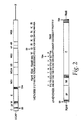
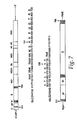
- the genome is translated within the host cell as a polyprotein, then processed co- or post-translationally into the individual gene products by viral- or host-specific proteases ( Figure 1).
- the nucleotide sequences of the genomes of several flaviviruses are known, as summarized in U. S. Patent 5,494,671. That for JEV is provided by Sumiyoshi et al. (Virology 161:497-510 (1987)) and Hashimoto et al. (Virus Genes 1, 305-317 (1988)).
- the nucleotide sequences of the virulent strain SA-14 of JEV and the attenuated strain SA-14-14-2 used as a vaccine in the People's Republic of China are compared in the work of Nitayaphan et al. (Virology 177: 541-552 (1990)).
- Nucleotide sequences encoding the structural proteins of other flavivirus species are also known. In many cases the sequences for the complete genomes have been reported The sequences available include dengue type 1 virus (Mason et al., Virology 161:262-267 (1987)), dengue type 2 virus (Deubel et al., Virology 155:365-377 (1986), Gruenberg et al. J. Gen Virol. 69, 1391-1398 (1988); Hahn et al.
- Virology 162 167-180 (1988)
- dengue type 3 virus Osatomi et al., Virus Genes 2.99-108 (1988)
- dengue type 4 virus Mackow et al., Virology 159:217-228 (1987); Zhao et al Virology 155: 77-88 (1986)
- yellow fever virus YFV
- JEV flaviviruses
- Many flaviviruses including JEV are transmitted to humans and other host animals by mosquitoes. They therefore occur over widespread areas, and their transmission is not easily interrupted or prevented. JEV affects adults and children and there is a high mortality rate among infants, children, and the elderly, in areas of tropical and subtropical Asia (Tsai et al., in "Vaccines” (Plotkin, ed.) W.B. Saunders. Philadelphia. Pa. 1994, pp. 671-713). Among survivors, there are serious neurological consequences, related to the symptoms of encephalitis, that persist after infection. In more developed countries of this region such as Japan, the Republic of China, and Korea, JEV has been largely controlled by use of a vaccine of inactivated JEV Nevertheless, it is still prevalent in other countries of the region.
- Dengue virus disease is also mosquito-borne, occurring globally in regions with tropical and sub-tropical climates. Symptoms include fever, rash, severe headache and joint pain, but mortality from dengue is low. Epidemics of dengue virus are sufficiently frequent and widespread that the disease represents a major public health problem. Nevertheless, safe and effective vaccines to protect against dengue are not available, despite decades of effort. There thus is a strong need for a vaccine against dengue.
- the vaccines available for use against JEV include live virus inactivated by such methods as formalin treatment as well as attenuated virus (Tsai et al.).
- Whole virus vaccines although effective, do have certain problems and/or disadvantages
- the viruses are cultivated in mouse brain or in cell culture using mammalian cells as the host. Such culture methods are cumbersome and expensive.
- the virus may not be fully or completely inactivated or attenuated, and thus, the vaccine may actually cause disease.
- a recombinant flavivirus which is a chimera between two flaviviruses is disclosed in WO 93/06214.
- the chimera is a construct fusing non-structural proteins from one "type", or serotype, of dengue viruses or a flavivirus, with structural proteins from a different "type", or serotype, of dengue virus or another flavivirus.
- the second flavivirus may be JEV.
- U. S. Patent No. 4,810,492 describes the production of the E glycoprotein of JEV for use as the antigen in a vaccine.
- the corresponding DNA is cloned into an expression system in order to express the antigen protein in a suitable host cell such as E. coli, yeast, or a higher organism cell culture.
- U. S. Patent No. 5,229,293 discloses recombinant baculovirus harboring the gene for JEV E protein. The virus is used to infect insect cells in culture such that the E protein is produced and recovered for use as a vaccine.
- U. S. Patent No. 5,021,347 discloses a recombinant vaccinia virus into whose genome the gene for JEV E protein has been incorporated.
- the live recombinant vaccinia virus is used as the vaccine to immunize against JEV Recombinant vaccinia and baculoviruses in which the viruses incorporate a gene for a C-terminal truncation of the E protein of dengue type 2, dengue type 4, and JEV are disclosed in U.S. Patent 5,494,671.
- Patent 5,514,375 discloses various recombinant vaccinia viruses which express portions of the JEV open reading frame extending from prM to NS2B These pox viruses induced formation of extracellular particles that contain the processed M protein and the E protein Two recombinants encoding these JEV proteins produced high titers of neutralizing and hemagglutinin-inhibiting antibodies, and protective immunity, in mice The extent of these effects was greater after two immunization treatments than after only one Recombinant vaccinia virus containing genes for the M and E proteins of JEV conferred protective immunity when administered to mice (Konishi et al., Virology 180: 401-410 (1991)).
- HeLa cells infected with recombinant vaccinia virus bearing genes for prM and E from JEV were shown to produce subviral particles (Konishi et al., Virology 188: 714-720 (1992))
- Dmitriev et al. report immunization of mice with a recombinant vaccinia virus encoding structural and certain nonstructural proteins from tick-borne encephalitis virus (J. Biotechnol 44:97-103 (1996)).
- Recombinant virus vectors have also been prepared to serve as virus vaccines for dengue fever Zhao et al. (J. Virol 61. 4019-4022 (1987)) prepared recombinant vaccinia virus bearing structural proteins and NS1 from dengue type 4 and achieved expression after infecting mammalian cells with the recombinant. Similar expression was obtained using recombinant baculovirus infecting target insect cells (Zhang et al. J. Virol. 62, 3027-3031(1988)). Bray et al. (J. Virol.
- mice that received three intradermal injections of recombinant dengue-2 plasmid DNA containing prM 100% developed anti-dengue-2 neutralizing antibodies, and 92% of those receiving the corresponding E gene likewise developed neutralizing antibodies (Kochel et al.)
- Challenge experiments using a two-dose schedule failed to protect mice against lethal dengue-2 virus challenge.
- Recombinant vaccines based on the biosynthetic expression of only certain of the proteins of the JEV genome appear not to induce high antibody titers, and, as with the whole virus preparations, carry the risk of adverse allergic reaction to antigens from the host organism, or to the vaccinia virus vector, as the case may be. Similar problems attend the preparation of vaccines against YFV. Vaccine development against dengue is less advanced, and such virus-based or recombinant protein-based vaccines face similar problems as those just alluded to.
- the present invention provides a nucleic acid molecule which contains a transcriptional unit (TU) for immunogenic flavivirus antigens M protein and E protein and the consensus kozak ribosomal binding sequence GCCGCCGCC.
- the TU directs a host cell, after being incorporated within the cell, to synthesize the antigens.
- the flavivirus is either yellow fever virus (YFV), dengue type I virus, dengue type 2 virus, dengue type 3 virus, dengue type 4 virus, St. Louis encephalitis virus (SLEV), or Japanese encephalitis virus (JEV).
- the host cell secretes subviral particles containing the M and E antigens.
- the nucleic acid is a DNA molecule.
- the nucleic acid TU includes a control sequence disposed appropriately such that it operably controls the expression of the M and E antigens; this control sequence may advantageously be the cytomegalovirus immediate early promoter.
- the transcriptional unit also includes a poly-A terminator.
- the present invention further provides a host cell harboring a nucleic acid molecule which includes the transcriptional unit.
- the flavivirus may be YFV, dengue type 1 virus, dengue type 2 virus, dengue type 3 virus, dengue type 4 virus, SLEV, or JEV.
- the cell secretes subviral particles containing the M and E antigens.
- the invention provides a composition for vaccinating a subject against a flavivirus containing a nucleic acid molecule that includes the transcriptional unit.
- the transcriptional unit directs a cell within the body of the subject, after being incorporated therein, to synthesize the immunogenic antigens.
- the composition further includes a pharmaceutically acceptable carrier.
- the flavivirus may be yellow fever virus, dengue type 1 virus, dengue type 2 virus, dengue type 3 virus, dengue type 4 virus. SLEV, or JEV.
- the cell secretes subviral particles comprising the flavivirus M and E antigens.
- the nucleic acid molecule is a DNA molecule.
- the transcriptional unit additionally contains a control sequence disposed appropriately such that it operably controls the expression of the M and E antigens when the nucleic acid is introduced into the cell of the subject; advantageously the control sequence is the cytomegalovirus immediate early promoter.
- the transcriptional unit also includes a poly-A terminator.
- the invention provides still further for use of the TV in the manufacture of a medicament for immunizing a subject against infection by a flavivirus.
- the transcriptional unit directs a cell within the body of the subject, after being taken up by the cell, to synthesize the immunogenic antigen.
- the composition additionally includes a pharmaceutically acceptable carrier.
- the flavivirus may be yellow fever virus, dengue type 1 virus, dengue type 2 virus, dengue type 3 virus, dengue type 4 virus. SLEV, or JEV.
- the cell within the body of the subject after incorporating the nucleic acid within it, secretes subviral particles comprising the flaviviral M and E antigens.
- the vaccinating composition may be for administration to the subject in a single dose, and may be for administration via a parenteral route.
- the nucleic acid is a DNA molecule.
- the transcriptional unit further includes a control sequence disposed appropriately such that it operably controls the expression of the M and E antigens; in a significant aspect of this embodiment, the control sequence is the cytomegalovirus immediate early promoter.
- the transcriptional unit may further include a poly-A terminator.
- nucleic acid TU-containing vaccine Being a nucleic acid construct involving only portions of the flavivirus genome rather than the sequence encompassing the complete genome, the nucleic acid TU-containing vaccine is completely nonviable. It therefore poses no danger of infection by the flavivirus to those involved in its manufacture, and none to subjects receiving the vaccine.
- the nucleic acid vaccine is easy to prepare and to administer, and is stable to storage prior to use. Unexpectedly it has been found that the nucleic acid vaccine of the invention is essentially 100% successful in conferring protective immunity in mammals after administering only a single dose.
- nucleic acid TU is able to engender immunity to a flavivirus in a female mammal which can be transmitted to its progeny through the milk.
- the inventor believes that a possible mechanism for the success of the nucleic acid in conferring protective immunity is that a host cell harboring the nucleic acid, such as the cell of a subject to whom the vaccine is administered, produces subviral particles containing the flaviviral M and E antigens. These particles may closely mimic the immunogenic attributes of virulent flaviviruses themselves.
- the invention encompasses nucleic acid transcriptional units which encode flaviviral antigenic proteins, the M and E protein antigens.
- the nucleic acids function to express the M and E protein antigens when the nucleic acid is taken up by an appropriate host cell, especially when the host cell is the cell of a subject.
- the invention also encompasses a vaccine whose active agent is the nucleic acid transcriptional unit (TU).
- the invention further encompasses the cultured host cells when they contain within them a nucleic acid TU.
- the invention in addition allows for immunizing a subject against flaviviral infection by administering to the subject an effective amount of a vaccine containing the nucleic acid TU molecules
- nucleic acid transcriptional unit or “nucleic acid transcriptional unit molecule” relates to a nucleic acid encoding one or more specified genes.
- the TU has the biological activity that, after having been introduced into a suitable host cell, the nucleic acid induces the biosynthesis of one or more specified gene products encoded by the specified gene or genes.
- the gene product(s) is(are) other biological macromolecules, such as proteins, not chemically related to the TU.
- the nucleic acid TU induces the cell to employ its cellular components to produce the specific gene product or products whose gene or genes are contained in the TU.
- the TU is the DNA of a plasmid or similar vector, wherein the plasmid or vector encompasses in addition coding sequences for marker genes or other sequence constructions that facilitate experimentation and biosynthesis of the TU.
- control sequence is a regulatory nucleotide sequence incorporated within a nucleic acid TU which interacts with appropriate cellular components of the host cell and leads to enhanced or activated biosynthesis of the gene products encoded by the TU.
- a suitable control sequence is one with which the components of the host cell have the capability to interact, resulting in stimulated synthesis of the gene product.
- a control sequence When operably disposed in a nucleic acid with respect to a specified gene, a control sequence effectively controls expression of the specified gene.
- a "promoter” is a nucleotide sequence in a nucleic acid TU which serves as a control sequence.
- a "terminator” is an extended nucleotide sequence which acts to induce polyadenylation at the 3' end of a mature mRNA.
- a terminator sequence is found after, or downstream from, a particular coding sequence.
- a "host cell” is a prokaryotic or eukaryotic cell harboring a nucleic acid TU coding for one or more gene products, or into which such a TU has been introduced.
- a host cell harbors a foreign or heterologous substance, the TU, which is not naturally or indigenously found in it as a component.
- a suitable host cell is one which has the capability for the biosynthesis of the gene products as a consequence of the introduction of the TU.
- a suitable host cell is one which responds to a control sequence and to a terminator sequence, if any, that may be included within the TU.
- the host cell is a mammalian cell.
- the host cell is a naturally occurring cell in the body of a human or nonhuman subject to whom (which) the TU has been administered as a component of a vaccine.
- the mammalian cell may be a human or nonhuman cell cultured in vitro.
- a "vaccine” or a “composition for vaccinating a subject” specific for a particular pathogen relates to a preparation, which, when administered to a subject, leads to an immunogenic response in a subject.
- an "immunogenic" response is one that confers upon the subject protective immunity against the pathogen. Without wishing to be bound by theory, it is believed that an immunogenic response may arise from the generation of neutralizing antibodies, or from cytotoxic cells of the immune system, or both.
- an "immunogenic antigen” is an antigen which leads to an immunogenic response when it is introduced into a subject, or, as in the case of the present invention, when it is synthesized within the cells of a host or a subject
- an "effective mount" of a vaccine or vaccinating composition is an amount which, when administered to a subject, is sufficient to confer protective immunity upon the subject.
- a vaccine has been understood to contain as an active principle one or more specific molecular components or structures which comprise the pathogen, especially its surface. Such structures may include surface components such as proteins, complex carbohydrates, and/or complex lipids which commonly are found in pathogenic organisms.
- the terms "vaccine” or “composition for vaccinating a subject” extend the conventional meaning summarized in the preceding paragraph. As used herein, these terms also relate to the nucleic acid TU molecule of the instant invention or to compositions containing the TU.
- the TU induces the biosynthesis of one or more specified gene products encoded by the TU within the cells of the subject, wherein the gene products are specified antigenic proteins of the pathogen.
- the biosynthetic antigens then serve as the immunogen.
- the TU, and hence the vaccine may be any nucleic acid that bears specified genes for the specified immunogenic antigens.
- the TU of the vaccine is a DNA.
- the TU may be a plasmid or vector incorporating additional genes or particular sequences for the convenience of the skilled worker in the fields of molecular biology, cell biology, and viral immunology (See “Molecular Cloning: A Laboratory Manual”, 2nd Ed., Sambrook, Fritsch and Maniatis, Cold Spring Harbor Laboratory, Cold Spring Harbor, NY, 1989; and “Current Protocols in Molecular Biology", Ausubel et al., John Wiley and Sons. New York 1987 (updated quarterly), which are incorporated herein by reference)
- nucleic acid TU molecules of the instant invention designate nucleic acids, or derivatives of nucleic acids, whose nucleotide sequences encode specific gene products related to antigenic proteins of flaviviruses such as JEV, dengue, yellow fever virus and St. Louis encephalitis virus
- any nucleic acid may serve as a TU, in an important embodiment, the TU is a DNA.
- the nucleic acids may be RNA molecules They may also be any one of several derivatives of DNA or RNA whose backbone phosphodiester bonds have been chemically modified to increase the stability of the TU as a pharmaceutical agent Modifications so envisioned include, but are not limited to, phosphorothioate derivatives or phosphonate derivatives; these and other examples of derivatives are well known to persons skilled in the field of nucleic acid chemistry.
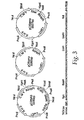
- JEV is an RNA virus whose genome has been characterized and sequenced (see Figures 1 and 2)
- the gene for the M structural gene includes a pre-M sequence (prM) which is translated intracellularly. This sequence allows assembly of JEV particles intracellularly.
- the pre-M sequence is then cleaved from the gene product to yield virus particles containing mature M proteins prior to secretion.
- Related flaviviruses such as YFV, dengue, and SLEV, have similar genomic structures and functions (see, for example, Figures 6 and 7).
- an important TU for flaviviral M and E proteins in the instant invention is a DNA
- this DNA encodes the gene for M comprising the pre-M sequence as well, it also encodes the gene for the E protein.
- the intended gene products are enabled to form subviral particles within the host cell.
- the host cell then may cleave the pre-M sequence in a fashion analogous to that which occurs with respect to replete virions
- nucleic acid TU In order to function effectively in vivo as a vaccine, it is advantageous to include within the nucleic acid TU a control sequence that has the effect of enhancing or promoting the translation of the sequences encoding the antigens.
- Use of such promoters is well known to those of skill in the fields of molecular biology, cell biology, and viral immunology (See “Molecular Cloning A Laboratory Manual”, 2nd Ed., Sambrook. Fritsch and Maniatis. Cold Spring Harbor Laboratory, Cold Spring Harbor, NY, 1989, and “Current Protocols in Molecular Biology", Ausubel et al., John Wiley and Sons, New York 1987 (updated quarterly)).
- the promoter to be employed is preferably one which operates effectively in mammalian cells.
- Such a promoter is disposed with respect to the genes whose translation is to be promoted, at a position at which it may operably promote such translation
- this promoter is the cytomegalovirus early promoter
- the genes are followed, in the TU nucleic acid, by a terminator sequence (Sambrook et al.).
- a terminator sequence See Sambrook et al.).
- RNA molecule may be isolated from a sample of live virus by methods widely known among virologists familiar with flaviviridae, for example, and with other groups of viruses as well. Methods used with JEV are summarized in Kuno et al (1990).
- RNA is used as a template for the synthesis of cDNA using reverse transcriptase.
- a fragment containing the pre-M through E gene may be obtained by digestion with restriction nucleases known to cleave the cDNA appropriately to provide such fragments
- restriction digestion of JEV for example, are provided in Nitayaphan et al (1990) and Konishi et al. (1991).
- Incorporation of promoters, such as the cytomegalovirus promoter, and of the polyadenylation signal, is likewise well known to skilled practitioners in molecular biology and recombinant DNA engineering.
- nucleic acid molecule harboring a TU containing the desired genes and control sequences When a nucleic acid molecule harboring a TU containing the desired genes and control sequences is prepared, it may be obtained in larger quantities by methods that amplify a nucleic acid fragment. Such methods are widely known to workers skilled in molecular biology and recombinant DNA engineering. Examples of these methods include incorporation of the nucleic acid fragment into a plasmid for replication by culturing in a cell such as a prokaryotic cell and harvesting the plasmid after completing the culture, as well as amplification of the nucleic acid fragment by methods using the polymerase chain reaction. These examples are not intended to limit the ways in which the nucleic acid containing the TU may be obtained
- the TU-containing nucleic acid molecules of the instant invention may be introduced into appropriate host cells in many ways well known to skilled workers in the fields of molecular biology and viral immunology.
- these include, but are not limited to, incorporation into a plasmid or similar nucleic acid vector which is taken up by the host cells, or encapsulation within vesicular lipid structures such as liposomes, especially liposomes comprising cationic lipids, or adsorption to particles that are incorporated into the host cell by endocytosis.
- a host cell is a prokaryotic or eukaryotic cell harboring a nucleic acid TU, or into which such a TU molecule has been introduced.
- the TU of the present invention induces the intracellular biosynthesis of the encoded E and M antigens.
- a suitable host cell is one which has the capability for the biosynthesis of the gene products as a consequence of the introduction of the nucleic acid.
- a suitable host cell is one which responds to a control sequence and to a terminator sequence, if any, which may be included within the TU. In order to respond in this fashion, such a host cell contains within it components which interact with a control sequence and with a terminator and act to carry out the respective promoting and terminating functions.
- the host cell When the host cell is cultured in vitro, it may be a prokaryote, a single-celled eukaryote or a mammalian cell. In particular embodiments of the present invention, the host cell is a mammalian cell. In these cases. the synthesized E and M protein gene products are available for use in analytical, or diagnostic applications, or for demonstrative purposes.
- the E and M antigens are secreted in the form of subviral particles. These are aggregates of E and M proteins resembling live virus in surface ultrastructural morphology and immunogenic properties. Since the nucleic acid TU of the invention does not include the remainder of the flaviviral genome, however, there is no capsid incorporated, and most importantly, no infectious viral RNA.
- the host cell is a natural cellular component of the subject to whom the TU has been administered as a vaccine.
- the nucleic acid TU when so administered, is understood to be taken up by the cells of the subject, whereby those cells become host cells as used herein.
- the subject's cells have the capability of responding to any promoter sequences, and terminator, if present.
- the TU nucleic acid induces the subject's cells to synthesize flaviviral E and M gene products.
- the subject's host cells produce subviral particles in vivo consisting of the M and E antigens, just as has been found to occur with cultured mammalian host cells in vitro.
- Such subviral particles serve as the in vivo immunogen, stimulating the immune system of the subject to generate immunological responses which confer protective immunity on the subject.
- the resulting protective immunity may arise via either humoral or cellular immunity. i.e.. via either an MHC class II- or class I-restricted mechanism, respectively, or by both mechanisms.
- Subjects may be immunized against infection by flaviviruses, such as JEV, YFV, dengue, and SLEV, by administering to them an effective amount of a nucleic acid TU encoding genes for the M and E antigens.
- flaviviruses such as JEV, YFV, dengue, and SLEV
- the nucleic acid after being incorporated into the cells of the subject, leads to the synthesis of the flaviviral M and E antigens.
- nucleic acid TU In order to administer the nucleic acid TU to the subject, it is incorporated into a composition which comprises as well a pharmaceutically acceptable carrier.
- a pharmaceutically acceptable carrier Such carriers are well known to those of skill in pharmaceutical science. They include water for injection, and common physiological buffers (Remington, Pharmaceutical Sciences). They may also include vesicle or liposome structures, especially those containing cationic lipids, as is known to skilled workers in the fields of pharmaceutical science and immunology.
- An effective amount of a vaccinating composition is readily determined by those of skill in the field of viral immunology to be an amount which, when administered to a subject, confers protective immunity upon the subject.
- the skilled artisan may assess the ability to induce flaviviral M- and E-specific antibodies and/or flaviviral M- and E-specific cytotoxic T lymphocytes present in the blood of a subject to whom the vaccine has been administered.
- One may in addition determine the level of protective immunity conferred upon an experimental animal by challenge with live JEV. Such challenge experiments are well known to workers of skill in viral immunology.
- nucleic acid TU molecules employed in such methods may have differing overall sizes
- doses ranging from about 0.1 ⁇ g/kg body weight to about 50 ⁇ g/kg body weight may be used.
- a TU of the present invention which is a DNA confers protective immunity at a level of effectiveness approximating 100% after administration of only a single effective dose of the TU. This is in contrast to many immunization methods carried out using conventional vaccines (as described above), which frequently require one or more booster vaccinations and which may not confer protective immunity to an effectiveness near 100%.
- protective immunity may be transmitted from a vaccinated female subject to the offspring of the subject.
- a significant proportion of neonatal mice was shown to be protected against viral challenge after their mothers were vaccinated using the TU DNA of the invention
- passive immunity may be conferred on neonatal mammals due to the presence in maternal milk of neutralizing antibodies specific for various pathogens. It is possible that the protective immunity against JEV found with the neonates was transmitted to them in this way.
- Genomic RNA was extracted from 150 ⁇ L of JEV strain SA 14 virus seed grown from mouse brain using a QIAamp TM Viral RNA Kit (Qiagen. Santa Clarita, CA) RNA, adsorbed on a silica membrane, was eluted in 80 ⁇ L of nuclease-free water, and used as a template for the amplification of JEV prM and E gene coding sequences. Primer sequences were obtained from the work of Nitayaphan et al.
- RT-PCR reverse transcriptase-polymerase chain reaction
- Restriction sites KpnI and XbaI, the consensus Kozak ribosomal binding sequence, and the translation initiation site were engineered at the 5' terminus of the cDNA by amplimer 14DV389 (SEQ ID NO 1).
- One-tube RT-PCR was performed using a Titan RT-PCR Kit (Boehringer Mannheim, Indianapolis. IN).
- RT-PCR performed as follows 1 cycle (50°C for 30 min, 94°C for 3 min, 50°C for 30 s, 68°C for 2.5 min). 9 cycles (94°C for 30 s, 50°C for 30 s, 68°C for 2.5 min), 20 cycles (94°C for 30 s, 50°C for 30 s, 68°C for 2.5 min in the first cycle, with an increment of 5 s per cycle thereafter), and a final extension at 68°C for 15 min.
- the RT-PCR product was purified by a QIAquick TM PCR Purification Kit (Qiagen) and eluted with 50 ⁇ L of 1 mM Tris-HCl, pH 7.5.
- the fragment of plasmid pCDNA3 (Invitrogen. Carlsbad. CA) from nucleotide (nt) 1289 to nt 3455, containing fl ori, SV40 ori, the neomycin resistance gene, and SV40 poly(A) elements was deleted by PvuII digestion and then ligated to generate the pCBamp plasmid.
- the vector pCIBamp, containing a chimeric intron insertion at the NcoI/KpnI site of the pCBamp was constructed by excising the intron sequence from pCI (Promega, Madison, WI) by digestion with NcoI and KpnI.
- Plasmids containing the transcriptional unit encoding JEV prM and E proteins were prepared from these plasmids.
- the cDNA fragment containing the JEV prM and E coding regions in the recombinant plasmid pCDJE2-7, derived from the pCDNA3 vector, was excised by digestion with NotI and KpnI or Xbal and cloned into the KpnI-NotI site of pCBamp, pCIBamp, pCEP4 (Invitrogen, Carlsbad, CA), or pREP4 (Invitrogen, Carlsbad, CA), or into the SpeI-NotI site of pRc/RSV (Invitrogen.
- Plasmid DNA for use in the in vitro transformation of mammalian cells or mouse immunization experiments was purified by anion exchange chromatography using an EndoFree TM Plasmid Maxi Kit (Qiagen).
- Example 2 Evaluation of JEV prM and E proteins expressed by various recombinant plasmids using an indirect immunofluorescent antibody assay.
- the expression of JE V specific gene products by the various recombinant expression plasmids was evaluated in transiently transfected cell lines of COS-1, COS-7 and SV-T2 (ATCC, Rockville MD; 1650-CRL, 1651-CRL, and 163.1-CCL, respectively) by indirect immunofluorescent antibody assay (IFA).
- IFA indirect immunofluorescent antibody assay
- the SV-T2 cell line was excluded from further testing since a preliminary result showed only 1-2% of transformed SV-T2 cells were JEV antigen positive.
- cells were grown to 75% confluence in 150 cm 2 culture flasks, trypsinized.
- plasmid DNA was electroporated into 300 ⁇ L of cell suspension using a BioRad Gene Pulse TM (Bio-Rad) set at 150 V, 960 ⁇ F and 100 ⁇ resistance. Five minutes after electroporation, cells were diluted with 25 mL fresh medium and seeded into a 75 cm 2 flask.
- PBS phosphate buffered saline
- COS-1 and COS-7 cell lines were transiently transformed by an equal amount of pCDJE2-7, pCEJE, pREJE, or pRCJE plasmid DNA. JEV antigens were expressed in both cell lines transformed by all four recombinant plasmids, thus confirming that the CMV or RSV (rous sarcoma virus) promoter and BGH or SV40 poly(A) elements were functionally active.
- the percentage of transformed cells and the level of JEV antigens expressed as determined by the number of IFA positive cells and IFA intensity, respectively, differed greatly among the various plasmids (see Table 1).
- the plasmid pCBJE1-14 was constructed so that a 2166-bp fragment, containing fl ori, SV40 ori, the neomycin resistance gene and SV40 poly(a) elements from pCDJE2-7, was deleted. A chimeric intron was then inserted into pCBJE1-14 to generate pCIBJES14. The pCIBJES14 plasmid was used to determine if the expression of JEV proteins could be enhanced by the intron sequence.
- pCBJE1-14, pCIBJES14, pCEJEm pREJE, or pRCJE Cells were trypsinized 48 hours later and tested by an indirect immunofluorescent antibody assay (IFA) with JE virus-specific HIAF. Data are presented as the intensity (scale of 1+ to 4+) and the percentage of IFA positive cells.
- the pCDNA3/CAT transformed cells were used as the negative control.
- Example 3 Selection of an in vitro transformed, stable cell line constitutively expressing JEV specific gene products.
- COS-1 cells were transformed with 10 ⁇ g of pCDJE2-7 DNA by electroporation as described in the previous example. After a 24 hr incubation in non-selective culture medium, cells were treated with neomycin (0.5 mg/mL, Sigma Chemical Co.). Neomycin-resistant colonies, which became visible after 2-3 weeks, were cloned by limited dilution in neomycin-containing medium.
- Expression of vector-encoded JEV gene products was initially screened by IFA using JEV HIAF.
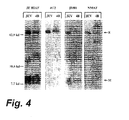
- One JEV-IFA positive clone (JE-4B) and one negative clone (JE-5A) were selected for further analysis and maintained in medium containing 200 ⁇ g/mL neomycin.
- JEV E protein expressed by the JE-4B clone was demonstrated by epitope mapping by IFA using a panel of JEV E-specific murine monoclonal antibodies (Mab) (Kimura-Kuroda et al., J. Virol. 45, 124-132 (1983). Kimura-Kuroda et al., J. Gen Virol 67, 2663-2672 (1986), Zhang et al., J. Med Virol 29, 133-138 (1989); and Roehrig et al., Virol. 128, 118-126 (1983)). JEV HIAF and normal mouse serum were used as positive and negative antibody controls, respectively.
- Example 4 Antigenic properties and immunological detection of subviral particles secreted by the JE-4B COS-1 cell line.
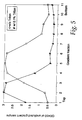
- HA activity was determined in the pH range from 6.1 to 7.0 by the method of Clarke and Casals (Amer. J. Trop. Med. Hyg. 7:561-573 (1958)).
- the subviral particle secreted by JE-4B cells and the virion particle produced by JEV infected COS-1 cells had a similar HA profile with the optimum pH determined to be 6.6.
- Example 5 Comparison of the immune response in mice vaccinated with pCDJE2-7 nucleic acid vaccine of the invention and commercial JEV vaccine.
- Groups of five 3-week-old female, ICR outbred mice were injected intramuscularly in the left and right quadriceps with 100 ⁇ g of pCDJE2-7 plasmid in 100 ⁇ L of dH 2 O or were given doses of JE-VAX (manufactured by the Research Foundation for Microbial Disease of Osaka University and distributed by Connaught Laboratories, Swiftwater, PA.) subcutaneously that are one-fifth the dose given to humans.
- JE-VAX manufactured by the Research Foundation for Microbial Disease of Osaka University and distributed by Connaught Laboratories, Swiftwater, PA.
- the plasmid pCDNA3/CAT which encodes and expresses an unrelated protein, (Invitrogen), was used as the negative vaccination control. Except for one group of pCDJE2-7-vaccinated mice, all animals were boosted 3 weeks later with an additional dose of plasmid or JE-VAX. Mice were bled from the retroorbital sinus at 3, 6, 9, 23, 40 and 60 weeks after inoculation. JEV antibody titers were determined by enzyme-linked imunosorbent assay (ELISA) against purified JEV or by plaque reduction neutralization tests (PRNT) (Roehrig et al., Virol. 171. 49-60 (1989); and Hunt and Calisher. Amer J Trop. Med Hyg 28 740-749 (1979))
- the pCDJE2-7 nucleic acid vaccine and JE-VAX provided 100% seroconversion three weeks after the first vaccination in all three groups of mice (Table 3).
- the JEV ELISA and PRNT antibody titers reached the highest level at week 6 and week 9, respectively, after immunization. Mice receiving 1 dose of DNA vaccine had similar antibody responses as those receiving 2 doses. Comparable ELISA antibody titers were maintained in DNA-vaccinated groups up to 60 weeks, after which the experiment was terminated. However, only one of four mice in the JE-VAX group was JEV antibody positive at 60 weeks post-inoculation. The pCDNA3/CAT control group did not have any measurable JEV antibody.
- Example 6 Comparison of various nucleic acid vaccine constructs of the invention and commercial JEV vaccine for effectiveness of vaccination at different ages.
- a similar level of JEV protein was expressed by COS-1 cells transformed by either pCDJE2-7 pCBJEI-14, or pCIBJES14.
- JEV antibody induction by these nucleic acid constructs was compared to JE-VAX commercial vaccine at two different ages at vaccination.
- Serum specimens were collected at 3 and 7 weeks after immunization and tested at a 1:1600 dilution by ELISA using purified JEV as an antigen. Results are shown in Table 4.
- Plasmid pCBJE1-14 provided the highest extent of seroconversion, i.e., antibody titer greater than 1:1600, achieving 80-100% at both ages of vaccination
- Administration of pCDJE2-7 or pCIBJES 14 provided moderate seroconversion by 7 weeks when 3-day old mice were vaccinated (60% for each), but weaker seroconversion (40% and 10%, respectively) when measured 3 weeks after vaccination.
- seroconversions were administered at the age of 3 weeks, however, seroconversions of 90% or 100% were attained at both 3 weeks and 7 weeks after vaccination.
- the commercial vaccine JE-VAX. conferred no seroconversion when administered at 3 days of age and 100% when given at 3 weeks of age.
- nucleic acid TU's for JEV prM and E provided an extent of seroconversion better than a very high dose of the commercial vaccine, and unexpectedly high seroconversion in both young and more mature animals Table 4.
- the age-dependent percent seropositive rate in mice following vaccination with various JEV vaccines 3-day old 3-week old 3 weeks PV 7 weeks PV 3 weeks PV 7 weeks PV JE-VAX 0 0 100 100 pCDNA3/CAT 0 0 0 0 pCDJE2-7 40 60 90 90 pC1BJES14 10 60 80 100 pCBJE1-14 80 100 100 100 100 100
- Example 7 Protective immunity conferred by the nucleic acid vaccine of the invention .
- Three-day old vaccinated groups from Example 6 were challenged 7 weeks after vaccination by intraperitoneal injection of 50,000 pfu/100 ⁇ L of the mouse-adapted JEV strain SA14 and observed for 3 weeks. 100% protection was achieved in groups that received various nucleic acid TU-containing vaccine constructs for up to 21 days (Table 5).
- 60% of the JE-VAX-vaccinated mice, as well as 70% of the pCDNA3/CAT-vaccinated negative controls did not survive virus challenge by 21 days.
- JE-VAX the inactivated human vaccine currently used, does not appear to be effective in young animals. Table 5. Protection from JEV challenge in 8 week old mice following vaccination at 3 days old with various JEV vaccines. Vaccine Pre-challenge JEV seroconversion Days post-challenge survival rate (%) 6 7 8 9 21 JE-VAX 0 100 100 60 40 40 pCDNA3/CAT 0 100 80 30 30 30 pCDTE2-7 60 100 100 100 100 100 100 100 pC1BJES14 60 100 100 100 100 100 100 pCBJE1-14 100 100 100 100 100 100 100 100 100 100 100 100 100 100 100 100 100 100 100 100 100 100 100 100 100 100 100 100 100 100 100 100 100 100 100 100 100 100 100 100 100 100 100 100 100 100 100 100 100 100 100 100 100 100 100 100 100 100 100 100 100 100 100 100 100 100 100 100 100 100 100 100 100 100 100 100 100 100 100 100 100 100 100 100 100 100 100 100 100 100 100 100 100 100 100 100 100 100 100 100 100 100 100 100 100 100 100 100 100 100 100 100 100
- Example 8 Passive protection of neonatal mice correlated with the maternal antibody titer .
- Female ICR mice at the age of 3 weeks were vaccinated with either one dose or two doses spaced two days apart of pCDTE2-7 plasmid DNA, at 100 ⁇ g/100 ⁇ L, or with two doses of JE-VAX that were one-fifth the dose given to humans.
- the negative control group received two doses of 100 ⁇ g/100 ⁇ L of pCDNA-3/CAT plasmid Passive protection by maternal antibody was evaluated in pups resulting from matings of experimental females with non-immunized male mice that occurred nine weeks following the first vaccination or 6 weeks following the second vaccination.
- Pups were challenged between 3-15 days after birth by intraperitoneal administration of 5.000 pfu/100 ⁇ L of mouse-adapted SA14 virus and observed daily for 3 weeks (see Table 6).
- the survival rates correlated with the maternal neutralizing antibody titers. 100% of pups nursed by mothers with a PRNT of 1:80 survived viral infection, whereas none of the pups from the control mother survived (Table 6) Partial protection of 45% and 75% was observed in older pups that were nursed by mothers with a PRNT titer of 1:20 and 1:40, respectively.
- the survival rates also correlated with the length of time that pups were nursed by the immune mother. As just indicated, 13-15 day old pups had high survival rates.
- Example 9 Preparation of recombinant plasmids containing coding sequences for yellow fever virus (YFV) or St. Louis encephalitis virus (SLEV) prM and E proteins .
- YFV yellow fever virus
- SLEV St. Louis encephalitis virus
- a strategy similar to constructing the pCDJE2-7 recombinant plasmid was used to prepare YFV and SLEV recombinant plasmids.
- Genomic RNA was extracted from 150 ⁇ L of YFV strain TRI-788379 or SLE strain 78V-6507 virus seeds using Q1Aamp TM Viral RNA Kit (Qiagen, Santa Clarita, CA.).
- the viral RNA was used as a template for amplification of YFV or SLEV prM and E gene coding regions
- Primer sequences and structures of the amplified YFV and SLEV DNA products are shown in Figures 6 and 7, respectively RT-PCR amplified cDNA, digested with KpnI and Notl enzymes, was inserted into the KpnI-NotI site of a eukaryotic expression plasmid vector, pCDNA3 (Invitrogen). Both strands of the cDNA were sequenced and verified for identity to sequences from YFV strain TRI-788379 or SLEV strain 78V-6507 (unpublished; Chang, 1998).
- Recombinant plasmids pCDYF2 and pCDSLE4-3 which contained the nucleotide sequences of the prM and E coding regions for YFV or SLEV, respectively, were purified using an EndoFree TM Plasmid Maxi Kit (Qiagen), and used for in vitro transformation or mouse immunization.
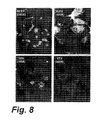
- YFV or SLEV specific antigens were expressed in COS-1 cells transformed by pCDYF2 or pCDSLE4-3, respectively ( Figure 8).
- the level of expressed proteins was similar to a YFV- or SLEV-infected COS-1 cell control.
- COS-1 cell lines transformed by vectors bearing genes for the viral antigens were obtained which constitutively express YFV or SLEV antigenic proteins.
- Epitope mapping by IFA using a panel of YFV or SLEV E-specific Mabs indicated that the authentic E protein was expressed by the pCDYF2- or pCDSLE4-3-transformed COS-1 cells.
- a preliminary study indicated that 100% of three week-old female, ICR mice seroconverted after intramuscular inoculation with a single dose of 100 ⁇ g/100 ⁇ L of pCDSLE4-3 plasid in deionized water.
- Example 10 Preparation of plasmids containing coding sequences for dengue type 2 structural proteins Procedures such as those carried out for JEV (see Example 1) are to be followed to prepare vectors including nucleic acid TU's for dengue type 2 antigens.
- a plasmid containing the dengue type 2 gene region from prM to E is to be constructed
- the dengue type 2 prM and E genes (Deubel et al., Virology 155.365-377 (1986); Gruenberg et al., J Gen Virol 69:1301-1398 (1988); Hahn et al., Virology 162:167-180 (1988)) are to be ligated into a plasmid such as pCDNA3, and then excised and cloned into vectors such as pCBamp, pCEP4, pREP4, or pRc/RSV (supplied by Invitrogen, Carlsbad. CA) to enable expression.
- a dengue type 2 virus-specific sequence encoded in a cDNA sequence may be amplified using a procedure such as the polymerase chain reaction (PCR).
- PCR polymerase chain reaction
- a DNA sequence may be amplified by a reverse transcriptase-PCR procedure.
- a DNA fragment including an initiation codon at the 5' end, and a termination codon at the 3 end is to be cloned into an expression vector at an appropriate restriction nuclease-specific site, in such a way that the cytomegalovirus (CMV) immediate early (IE) promoter, an initiation codon, and a terminator, are operably linked to the dengue type 2 virus sequence.
- CMV cytomegalovirus
- IE immediate early
- Example 11 Vaccination of mice using a dengue type 2 DNA vaccine.
- the dengue type 2 nucleic TU vaccine encoding the gene region from prM to E prepared in Example 10 is to be suspended in a suitable pharmaceutical carrier, such as water for injection or buffered physiological saline, and injected intramuscularly into groups of weanling mice. Control groups receive a comparable plasmid preparation lacking the dengue type 2 specific genes.
- the generation of dengue type 2-specific antibodies, and/or of dengue type 2-specific immune system cytotoxic cells is to be assessed at fixed intervals thereafter, for example at weekly intervals.
- mice are to be challenged with dengue type 2 virus Levels of viremia are to be assessed at appropriate intervals thereafter, such as every second day. Passive protection by maternal antibody is to be assessed as indicated in Example 8.
Landscapes
- Health & Medical Sciences (AREA)
- Life Sciences & Earth Sciences (AREA)
- Chemical & Material Sciences (AREA)
- Virology (AREA)
- Organic Chemistry (AREA)
- Immunology (AREA)
- General Health & Medical Sciences (AREA)
- Engineering & Computer Science (AREA)
- Molecular Biology (AREA)
- Medicinal Chemistry (AREA)
- Proteomics, Peptides & Aminoacids (AREA)
- Biochemistry (AREA)
- Biophysics (AREA)
- Microbiology (AREA)
- Genetics & Genomics (AREA)
- Public Health (AREA)
- Physics & Mathematics (AREA)
- Analytical Chemistry (AREA)
- Hematology (AREA)
- Veterinary Medicine (AREA)
- Animal Behavior & Ethology (AREA)
- Urology & Nephrology (AREA)
- Biotechnology (AREA)
- Biomedical Technology (AREA)
- Pharmacology & Pharmacy (AREA)
- Wood Science & Technology (AREA)
- Zoology (AREA)
- Bioinformatics & Cheminformatics (AREA)
- Pathology (AREA)
- Chemical Kinetics & Catalysis (AREA)
- Mycology (AREA)
- Tropical Medicine & Parasitology (AREA)
- Epidemiology (AREA)
- General Physics & Mathematics (AREA)
- Cell Biology (AREA)
- Food Science & Technology (AREA)
- Gastroenterology & Hepatology (AREA)
- General Engineering & Computer Science (AREA)
- General Chemical & Material Sciences (AREA)
- Nuclear Medicine, Radiotherapy & Molecular Imaging (AREA)
Claims (11)
- Nucleinsäuremolekül, das eine Transkriptionseinheit für die immunogenen Flavivirus-Antigene M-Protein und E-Protein umfasst, worin die Transkriptionseinheit die Struktur K-pr-M-E aufweist,
worin
K die ribosomale Konsensus-Kozak-Bindungssequenz GCCGCCGCC ist,
pr-M ein flavivirales M-Strukturgen ist, das eine Prä-M-Sequenz umfasst, die aus einer Signalpeptidsequenz und einer für M-Protein kodierenden Sequenz besteht, und
E eine für E-Protein kodierende Sequenz ist
und worin die Transkriptionseinheit weiters eine Kontrollsequenz umfasst, die geeigneterweise so angeordnet ist, dass sie die Expression des M-Proteins und des E-Proteins operabel steuert,
worin die Transkriptionseinheit eine Wirtszelle steuert, nachdem sie in diese inkorporiert wurde, um die immunogenen Flavivirus-Antigene zu synthetisieren und um subvirale Partikel zu sekretieren, die die immunogenen Flavivirus-Antigene M-Protein und E-Protein umfassen. - Nucleinsäuremolekül nach Anspruch 1, worin das Flavivirus aus der aus dem Gelbfieber-Virus, dem Typ-1-Dengue-Virus, dem Typ-2-Dengue-Virus, dem Typ-3-Dengue-Virus, dem Typ-4-Dengue-Virus und dem Japanischen-Encephalitis-Virus (JEV) bestehenden Gruppe ausgewählt ist.
- Nucleinsäuremolekül nach Anspruch 1, worin das Flavivirus das St.-Louis-Encephalitis-Virus ist.
- Nucleinsäuremolekül nach einem der Ansprüche 1 bis 3, das ein DNA-Molekül ist.
- Nucleinsäuremolekül nach Anspruch 1, worin die Kontrollsequenz der unmittelbare frühe Promotor des Zytomegalievirus ist.
- Nucleinsäuremolekül nach einem der Ansprüche 1 bis 5, worin die Transkriptionseinheit weiters einen Poly-A-Terminator umfasst.
- Wirtszelle, die in vitro ein Nucleinsäuremolekül in sich beherbergt, das eine Transkriptionseinheit nach einem der Ansprüche 1 bis 6 umfasst.
- Zusammensetzung zum Impfen eines Individuums gegen ein Flavivirus, umfassend ein Nucleinsäuremolekül, das eine Transkriptionseinheit nach einem der Ansprüche 1 bis 6 umfasst, worin die Transkriptionseinheit eine Zelle im Körper des Patienten steuert, nachdem sie darin inkorporiert wurde, um die immunogenen Antigene zu synthetisieren und um subvirale Partikel zu sekretieren, die das Flavivirus-M-Protein und -E-Protein umfassen, und worin die Zusammensetzung weiters einen pharmazeutisch annehmbaren Träger umfasst.
- Verwendung einer Nucleinsäure nach einem der Ansprüche 1 bis 6 bei der Herstellung eines Medikaments zur Immunisierung eines Individuums gegen eine Infektion durch ein Flavivirus.
- Verwendung nach Anspruch 9, worin das Medikament zur Verabreichung an das Individuum in einer Einzeldosis vorliegt.
- Verwendung nach Anspruch 9, worin das Medikament zur Verabreichung auf parenteralem Weg vorliegt.
Applications Claiming Priority (3)
| Application Number | Priority Date | Filing Date | Title |
|---|---|---|---|
| US8790898P | 1998-06-04 | 1998-06-04 | |
| US87908P | 1998-06-04 | ||
| PCT/US1999/012298 WO1999063095A1 (en) | 1998-06-04 | 1999-06-03 | Nucleic acid vaccines for prevention of flavivirus infection |
Publications (2)
| Publication Number | Publication Date |
|---|---|
| EP1084252A1 EP1084252A1 (de) | 2001-03-21 |
| EP1084252B1 true EP1084252B1 (de) | 2006-12-27 |
Family
ID=22207979
Family Applications (1)
| Application Number | Title | Priority Date | Filing Date |
|---|---|---|---|
| EP99955295A Expired - Lifetime EP1084252B1 (de) | 1998-06-04 | 1999-06-03 | Nukleinsäure-impfstoffe zur verhinderung der flaviviren-infektion |
Country Status (9)
| Country | Link |
|---|---|
| US (3) | US7417136B1 (de) |
| EP (1) | EP1084252B1 (de) |
| JP (1) | JP4489943B2 (de) |
| AU (1) | AU778988B2 (de) |
| BR (1) | BR9910830A (de) |
| CA (1) | CA2331368C (de) |
| DE (1) | DE69934583T2 (de) |
| IL (2) | IL139844A0 (de) |
| WO (1) | WO1999063095A1 (de) |
Families Citing this family (22)
| Publication number | Priority date | Publication date | Assignee | Title |
|---|---|---|---|---|
| WO1999063095A1 (en) | 1998-06-04 | 1999-12-09 | The Government Of The United States Of America As Represented By The Secretary Of The Department Of Health And Human Services | Nucleic acid vaccines for prevention of flavivirus infection |
| US7227011B2 (en) | 1998-06-04 | 2007-06-05 | United States Of America As Represented By The Secretary Of The Department Of Health And Human Services, Centers For Disease Control And Prevention | Nucleic acid vaccines for prevention of flavivirus infection |
| US7425437B2 (en) | 1999-11-26 | 2008-09-16 | Crucell Holland B.V. | Vaccines against West Nile Virus |
| DK2278012T3 (en) | 2000-02-16 | 2015-12-07 | Us Government | Immunogenic dengue 2 virus chimeras |
| AU2007202304B2 (en) * | 2001-04-04 | 2010-03-18 | THE GOVERNMENT OF THE UNITED STATES OF AMERICA as represented by THE SECRETARY, DEPARTMENT OF HEALTH AND HUMAN SERVICES, CENTERS FOR DISEASE CONTROL AND PREVENTION | Nucleic acid vaccines for prevention of flavivirus infection |
| ES2435095T3 (es) | 2001-07-27 | 2013-12-18 | Zoetis W Llc | Vacuna del Nilo Occidental |
| CN1829796B (zh) * | 2002-10-09 | 2010-05-26 | Cid株式会社 | 新的日本脑炎病毒的全长基因组RNA、来自它的感染性的JEV cDNA及其应用 |
| ATE521627T1 (de) | 2004-07-27 | 2011-09-15 | Us Gov Health & Human Serv | Identifikation kreuzreaktiver epitope des flavivirus-hüllglykoproteins |
| CA2591665C (en) | 2004-12-20 | 2015-05-05 | Crucell Holland B.V. | Binding molecules capable of neutralizing west nile virus and uses thereof |
| CA2608058C (en) | 2005-05-12 | 2013-09-10 | Crucell Holland B.V. | Host cell specific binding molecules capable of neutralizing viruses and uses thereof |
| ES2524975T3 (es) | 2009-07-31 | 2014-12-16 | Ge Healthcare Bio-Sciences Corp. | Cepa del virus de la fiebre amarilla de alto rendimiento con mayor propagación en células |
| US20110182976A1 (en) * | 2010-01-28 | 2011-07-28 | National Taiwan Ocean University | Lipoplex-patch based dna vaccine |
| CA3177574C (en) | 2013-03-15 | 2026-03-31 | The Government Of The United States Of America As Represented By The Secretary Of The Department Of Health And Human Services | Compositions and methods for dengue virus chimeric constructs in vaccines |
| CN105311647B (zh) * | 2015-05-05 | 2018-11-30 | 中国人民解放军第二军医大学 | 丝切蛋白在防治乙型脑炎病毒感染中的应用 |
| CN105311646B (zh) * | 2015-05-05 | 2019-03-29 | 中国人民解放军第二军医大学 | 埃兹蛋白在防治乙型脑炎病毒感染中的应用 |
| CA3026807A1 (en) | 2016-06-13 | 2017-12-21 | The United States Of America, As Represented By The Secretary, Department Of Health And Human Services | Nucleic acids encoding zika virus-like particles and their use in zika virus vaccines and diagnostic assays |
| TWI599654B (zh) | 2016-06-24 | 2017-09-21 | 國立中興大學 | 日本腦炎病毒類病毒顆粒表現質體及日本腦炎dna疫苗 |
| WO2018052549A1 (en) | 2016-09-19 | 2018-03-22 | The Usa, As Represented By The Secretary, Dept. Of Health And Human Services | Zika virus vaccines |
| WO2018152526A1 (en) | 2017-02-20 | 2018-08-23 | The Usa, As Represented By The Secretary, Dept. Of Health And Human Services | Zika virus vaccines |
| US11590221B2 (en) | 2018-09-05 | 2023-02-28 | Takeda Vaccines, Inc. | Dengue vaccine unit dose and administration thereof |
| US11464815B2 (en) | 2018-09-05 | 2022-10-11 | Takeda Vaccines, Inc. | Dengue vaccine unit dose and administration thereof |
| US11426461B2 (en) | 2018-09-05 | 2022-08-30 | Takeda Vaccines, Inc. | Methods for preventing dengue and hepatitis A |
Family Cites Families (30)
| Publication number | Priority date | Publication date | Assignee | Title |
|---|---|---|---|---|
| JPS53133627A (en) | 1977-04-25 | 1978-11-21 | Nippon Seibutsu Kagaku Kenkiyu | High purity deactivated vaccine for japanese encephalitis |
| JPH0768267B2 (ja) | 1986-06-05 | 1995-07-26 | 財団法人阪大微生物病研究会 | フラビウイルス抗原 |
| JPS634895A (ja) | 1986-06-24 | 1988-01-09 | Mitsubishi Electric Corp | オゾン精製水供給装置 |
| JPS6325725A (ja) | 1986-07-18 | 1988-02-03 | Nec Corp | アドレス表分類方式 |
| JPS63105682A (ja) | 1986-10-23 | 1988-05-10 | Mitsubishi Kasei Corp | デングウイルス3型由来のcDNA |
| FR2614219B1 (fr) | 1987-04-23 | 1993-07-09 | Materiels Annexes Dialyse | Procede de fabrication de granules destines a la preparation de solutions de dialyse et installation pour sa mise en oeuvre. |
| JPH084508B2 (ja) | 1987-09-16 | 1996-01-24 | 国立予防衛生研究所長 | 組み換えワクチニアウイルス |
| US4783502A (en) | 1987-12-03 | 1988-11-08 | Ppg Industries, Inc. | Stable nonaqueous polyurethane microparticle dispersion |
| JP2511494B2 (ja) | 1988-05-12 | 1996-06-26 | 善治 松浦 | 日本脳炎ウイルス表面抗原蛋白質の製造法 |
| IL91304A0 (en) | 1988-08-20 | 1990-03-19 | Us Health | Recombinant vaccinia virus for prevention of disease caused by flavivirus |
| JPH0425408A (ja) | 1990-05-21 | 1992-01-29 | Hitachi Ltd | ペレタイジングシステムの自動連続運転制御方法 |
| FR2665710A1 (fr) | 1990-08-10 | 1992-02-14 | Pasteur Institut | Baculovirus recombinant exprimant les proteines e et ns1 de virus appartenant aux flaviviridae ou de virus apparentes aux flaviviridae, applications diagnostiques et therapeutiques. |
| MY109299A (en) | 1990-08-15 | 1996-12-31 | Virogenetics Corp | Recombinant pox virus encoding flaviviral structural proteins |
| US5514375A (en) | 1990-08-15 | 1996-05-07 | Virogenetics Corporation | Flavivirus recombinant poxvirus vaccine |
| US5494671A (en) | 1990-08-27 | 1996-02-27 | The United States Of America As Represented By The Department Of Health And Human Services | C-terminally truncated dengue and Japanese encephalitis virus envelope proteins |
| EP0872553B1 (de) | 1991-09-19 | 2000-11-15 | THE GOVERNMENT OF THE UNITED STATES OF AMERICA as represented by the Secretary of the Department of HEALTH AND HUMAN SERVICES | Chimäre und/oder wachstumgehemmte Flaviviren |
| JPH05276941A (ja) * | 1992-02-28 | 1993-10-26 | Nippon Zeon Co Ltd | フラビウイルス科に属するウイルスの表面抗原タンパク質を含む非感染性の構造物粒子の製造方法 |
| JPH07265093A (ja) | 1994-03-30 | 1995-10-17 | Chemo Sero Therapeut Res Inst | 哺乳動物細胞を用いる日本脳炎ウイルス表面抗原蛋白質の製法 |
| DE69624815T2 (de) | 1995-05-24 | 2003-07-10 | Hawaii Biotech Group | Untereinheitsimpfstoff gegen flavivirus infektion |
| US6136561A (en) | 1995-05-24 | 2000-10-24 | Hawaii Biotechnology Group, Inc. | Methods of preparing carboxy-terminally truncated recombinant flavivirus envelope glycoproteins employing drosophila melanogaster expression systems |
| US6074865A (en) | 1995-07-20 | 2000-06-13 | The United States Of America As Represented By The Secretary Of The Army | Recombinant dengue virus DNA fragment |
| US6455509B1 (en) * | 1996-06-04 | 2002-09-24 | The United States Of America As Represented By The Secretary Of The Navy | Dengue nucleic acid vaccines that induce neutralizing antibodies |
| EP0931156A2 (de) * | 1996-10-18 | 1999-07-28 | Valentis Inc. | Genexpressions- und transfersysteme und deren verwendungen |
| ES2345614T3 (es) | 1997-02-28 | 2010-09-28 | Sanofi Pasteur Biologics Co. | Vacunas quimericas de flavivirus. |
| KR20010022452A (ko) | 1997-07-31 | 2001-03-15 | 추후제출 | 플라비바이러스 감염에 대한 재조합 다이머형 엔벨롭 백신 |
| EP1047448B1 (de) * | 1997-11-20 | 2006-02-01 | United States Army Medical Research and Materiel Command | Dna impfstoffe gegen zecken-flavivieren |
| WO1999063095A1 (en) | 1998-06-04 | 1999-12-09 | The Government Of The United States Of America As Represented By The Secretary Of The Department Of Health And Human Services | Nucleic acid vaccines for prevention of flavivirus infection |
| US20050048073A1 (en) | 2001-02-28 | 2005-03-03 | De Groot Anne S. | Methods of determining west nile virus epitopes and method of using the same |
| US20030148261A1 (en) | 2001-03-12 | 2003-08-07 | Erol Fikrig | Compositions and methods comprising West Nile virus polypeptides |
| JP5276941B2 (ja) | 2008-09-24 | 2013-08-28 | 株式会社村田製作所 | 大変位アクチュエータ |
-
1999
- 1999-06-03 WO PCT/US1999/012298 patent/WO1999063095A1/en not_active Ceased
- 1999-06-03 IL IL13984499A patent/IL139844A0/xx unknown
- 1999-06-03 EP EP99955295A patent/EP1084252B1/de not_active Expired - Lifetime
- 1999-06-03 CA CA002331368A patent/CA2331368C/en not_active Expired - Lifetime
- 1999-06-03 US US09/701,536 patent/US7417136B1/en not_active Expired - Fee Related
- 1999-06-03 DE DE69934583T patent/DE69934583T2/de not_active Expired - Lifetime
- 1999-06-03 AU AU43296/99A patent/AU778988B2/en not_active Expired
- 1999-06-03 BR BR9910830-5A patent/BR9910830A/pt active Search and Examination
- 1999-06-03 JP JP2000552289A patent/JP4489943B2/ja not_active Expired - Lifetime
-
2000
- 2000-11-22 IL IL139844A patent/IL139844A/en not_active IP Right Cessation
-
2008
- 2008-05-16 US US12/122,330 patent/US8105609B2/en not_active Expired - Fee Related
-
2011
- 2011-12-28 US US13/338,529 patent/US8728488B2/en not_active Expired - Fee Related
Also Published As
| Publication number | Publication date |
|---|---|
| IL139844A0 (en) | 2002-02-10 |
| JP2002517200A (ja) | 2002-06-18 |
| EP1084252A1 (de) | 2001-03-21 |
| CA2331368A1 (en) | 1999-12-09 |
| IL139844A (en) | 2008-11-03 |
| JP4489943B2 (ja) | 2010-06-23 |
| AU778988B2 (en) | 2004-12-23 |
| DE69934583D1 (de) | 2007-02-08 |
| WO1999063095A9 (en) | 2000-06-02 |
| US20080241186A1 (en) | 2008-10-02 |
| US8105609B2 (en) | 2012-01-31 |
| WO1999063095A1 (en) | 1999-12-09 |
| US7417136B1 (en) | 2008-08-26 |
| US8728488B2 (en) | 2014-05-20 |
| US20120093862A1 (en) | 2012-04-19 |
| CA2331368C (en) | 2009-02-10 |
| BR9910830A (pt) | 2001-02-13 |
| AU4329699A (en) | 1999-12-20 |
| DE69934583T2 (de) | 2007-10-04 |
Similar Documents
| Publication | Publication Date | Title |
|---|---|---|
| US8105609B2 (en) | Flavivirus immunogens comprising extracellular viral particles composed of the premembrane (prM) and envelope (E) antigens | |
| US7227011B2 (en) | Nucleic acid vaccines for prevention of flavivirus infection | |
| KR100991717B1 (ko) | 바이러스에 대한 효과를 유도하는 단백질을 코딩하는키메라 사슬 | |
| AU2010202127B2 (en) | Nucleic acid vaccines for prevention of flavivirus infection | |
| AU2002307147B2 (en) | Nucleic acid vaccines for prevention of flavivirus infection | |
| AU2002307147A1 (en) | Nucleic acid vaccines for prevention of flavivirus infection |
Legal Events
| Date | Code | Title | Description |
|---|---|---|---|
| PUAI | Public reference made under article 153(3) epc to a published international application that has entered the european phase |
Free format text: ORIGINAL CODE: 0009012 |
|
| 17P | Request for examination filed |
Effective date: 20010104 |
|
| AK | Designated contracting states |
Kind code of ref document: A1 Designated state(s): DE FR GB NL |
|
| 17Q | First examination report despatched |
Effective date: 20040512 |
|
| RAP1 | Party data changed (applicant data changed or rights of an application transferred) |
Owner name: THE GOVERNMENT OF THE UNITED STATES OF AMERICA, AS |
|
| GRAP | Despatch of communication of intention to grant a patent |
Free format text: ORIGINAL CODE: EPIDOSNIGR1 |
|
| GRAS | Grant fee paid |
Free format text: ORIGINAL CODE: EPIDOSNIGR3 |
|
| GRAA | (expected) grant |
Free format text: ORIGINAL CODE: 0009210 |
|
| AK | Designated contracting states |
Kind code of ref document: B1 Designated state(s): DE FR GB NL |
|
| REG | Reference to a national code |
Ref country code: GB Ref legal event code: FG4D |
|
| REF | Corresponds to: |
Ref document number: 69934583 Country of ref document: DE Date of ref document: 20070208 Kind code of ref document: P |
|
| ET | Fr: translation filed | ||
| PLBE | No opposition filed within time limit |
Free format text: ORIGINAL CODE: 0009261 |
|
| STAA | Information on the status of an ep patent application or granted ep patent |
Free format text: STATUS: NO OPPOSITION FILED WITHIN TIME LIMIT |
|
| 26N | No opposition filed |
Effective date: 20070928 |
|
| REG | Reference to a national code |
Ref country code: FR Ref legal event code: PLFP Year of fee payment: 18 |
|
| REG | Reference to a national code |
Ref country code: FR Ref legal event code: PLFP Year of fee payment: 19 |
|
| REG | Reference to a national code |
Ref country code: FR Ref legal event code: PLFP Year of fee payment: 20 |
|
| PGFP | Annual fee paid to national office [announced via postgrant information from national office to epo] |
Ref country code: NL Payment date: 20180626 Year of fee payment: 20 |
|
| PGFP | Annual fee paid to national office [announced via postgrant information from national office to epo] |
Ref country code: FR Payment date: 20180626 Year of fee payment: 20 |
|
| PGFP | Annual fee paid to national office [announced via postgrant information from national office to epo] |
Ref country code: DE Payment date: 20180627 Year of fee payment: 20 Ref country code: GB Payment date: 20180627 Year of fee payment: 20 |
|
| REG | Reference to a national code |
Ref country code: DE Ref legal event code: R071 Ref document number: 69934583 Country of ref document: DE |
|
| REG | Reference to a national code |
Ref country code: NL Ref legal event code: MK Effective date: 20190602 |
|
| REG | Reference to a national code |
Ref country code: GB Ref legal event code: PE20 Expiry date: 20190602 |
|
| PG25 | Lapsed in a contracting state [announced via postgrant information from national office to epo] |
Ref country code: GB Free format text: LAPSE BECAUSE OF EXPIRATION OF PROTECTION Effective date: 20190602 |