EP1094073A2 - PTH und PTHRP Analoge, deren Herstellung und Verwendung für die Behandlung von Osteoporosis - Google Patents
PTH und PTHRP Analoge, deren Herstellung und Verwendung für die Behandlung von Osteoporosis Download PDFInfo
- Publication number
- EP1094073A2 EP1094073A2 EP00122853A EP00122853A EP1094073A2 EP 1094073 A2 EP1094073 A2 EP 1094073A2 EP 00122853 A EP00122853 A EP 00122853A EP 00122853 A EP00122853 A EP 00122853A EP 1094073 A2 EP1094073 A2 EP 1094073A2
- Authority
- EP
- European Patent Office
- Prior art keywords
- xaa
- haa
- laa
- absent
- polypeptide
- Prior art date
- Legal status (The legal status is an assumption and is not a legal conclusion. Google has not performed a legal analysis and makes no representation as to the accuracy of the status listed.)
- Withdrawn
Links
- 0 CCC1C(CCCC***C(*)CCCCCCCCC(C)C(*)*N=C)C1CC* Chemical compound CCC1C(CCCC***C(*)CCCCCCCCC(C)C(*)*N=C)C1CC* 0.000 description 1
- BMVXCPBXGZKUPN-UHFFFAOYSA-N CCCCCCN Chemical compound CCCCCCN BMVXCPBXGZKUPN-UHFFFAOYSA-N 0.000 description 1
Images

Classifications
-
- A—HUMAN NECESSITIES
- A61—MEDICAL OR VETERINARY SCIENCE; HYGIENE
- A61K—PREPARATIONS FOR MEDICAL, DENTAL OR TOILETRY PURPOSES
- A61K9/00—Medicinal preparations characterised by special physical form
- A61K9/0012—Galenical forms characterised by the site of application
- A61K9/0043—Nose
-
- A—HUMAN NECESSITIES
- A61—MEDICAL OR VETERINARY SCIENCE; HYGIENE
- A61K—PREPARATIONS FOR MEDICAL, DENTAL OR TOILETRY PURPOSES
- A61K38/00—Medicinal preparations containing peptides
- A61K38/04—Peptides having up to 20 amino acids in a fully defined sequence; Derivatives thereof
-
- A—HUMAN NECESSITIES
- A61—MEDICAL OR VETERINARY SCIENCE; HYGIENE
- A61P—SPECIFIC THERAPEUTIC ACTIVITY OF CHEMICAL COMPOUNDS OR MEDICINAL PREPARATIONS
- A61P19/00—Drugs for skeletal disorders
- A61P19/08—Drugs for skeletal disorders for bone diseases, e.g. rachitism, Paget's disease
- A61P19/10—Drugs for skeletal disorders for bone diseases, e.g. rachitism, Paget's disease for osteoporosis
-
- A—HUMAN NECESSITIES
- A61—MEDICAL OR VETERINARY SCIENCE; HYGIENE
- A61P—SPECIFIC THERAPEUTIC ACTIVITY OF CHEMICAL COMPOUNDS OR MEDICINAL PREPARATIONS
- A61P3/00—Drugs for disorders of the metabolism
-
- A—HUMAN NECESSITIES
- A61—MEDICAL OR VETERINARY SCIENCE; HYGIENE
- A61P—SPECIFIC THERAPEUTIC ACTIVITY OF CHEMICAL COMPOUNDS OR MEDICINAL PREPARATIONS
- A61P43/00—Drugs for specific purposes, not provided for in groups A61P1/00-A61P41/00
-
- C—CHEMISTRY; METALLURGY
- C07—ORGANIC CHEMISTRY
- C07K—PEPTIDES
- C07K14/00—Peptides having more than 20 amino acids; Gastrins; Somatostatins; Melanotropins; Derivatives thereof
- C07K14/435—Peptides having more than 20 amino acids; Gastrins; Somatostatins; Melanotropins; Derivatives thereof from animals; from humans
- C07K14/575—Hormones
- C07K14/635—Parathyroid hormone, i.e. parathormone; Parathyroid hormone-related peptides
-
- A—HUMAN NECESSITIES
- A61—MEDICAL OR VETERINARY SCIENCE; HYGIENE
- A61K—PREPARATIONS FOR MEDICAL, DENTAL OR TOILETRY PURPOSES
- A61K38/00—Medicinal preparations containing peptides
-
- A—HUMAN NECESSITIES
- A61—MEDICAL OR VETERINARY SCIENCE; HYGIENE
- A61K—PREPARATIONS FOR MEDICAL, DENTAL OR TOILETRY PURPOSES
- A61K47/00—Medicinal preparations characterised by the non-active ingredients used, e.g. carriers or inert additives; Targeting or modifying agents chemically bound to the active ingredient
- A61K47/06—Organic compounds, e.g. natural or synthetic hydrocarbons, polyolefins, mineral oil, petrolatum or ozokerite
- A61K47/28—Steroids, e.g. cholesterol, bile acids or glycyrrhetinic acid
-
- A—HUMAN NECESSITIES
- A61—MEDICAL OR VETERINARY SCIENCE; HYGIENE
- A61K—PREPARATIONS FOR MEDICAL, DENTAL OR TOILETRY PURPOSES
- A61K47/00—Medicinal preparations characterised by the non-active ingredients used, e.g. carriers or inert additives; Targeting or modifying agents chemically bound to the active ingredient
- A61K47/30—Macromolecular organic or inorganic compounds, e.g. inorganic polyphosphates
- A61K47/36—Polysaccharides; Derivatives thereof, e.g. gums, starch, alginate, dextrin, hyaluronic acid, chitosan, inulin, agar or pectin
- A61K47/40—Cyclodextrins; Derivatives thereof
-
- C—CHEMISTRY; METALLURGY
- C07—ORGANIC CHEMISTRY
- C07K—PEPTIDES
- C07K2319/00—Fusion polypeptide
Definitions
- This invention relates to novel analogs of parathyroid hormone and parathyroid hormone related peptide, their synthesis by solid phase and recombinant techniques, and their use for increasing bone mass in mammalian subjects.
- Osteoporosis is the most common form of metabolic bone disease and may be considered the symptomatic, fracture stage of bone loss (osteopenia). Although osteoporosis may occur secondary to a number of underlying diseases, 90% of all cases appear to be idiopathic. Postmenopausal women are particularly at risk for idiopathic osteoporosis (postmeno-pausal or Type I osteoporosis). Another high risk group for idiopathic osteoporosis is the elderly of either sex (senile or Type II osteoporosis).
- Osteoporosis has also been related to corticosteroid use, immobilization or extended bed rest, alcoholism, diabetes, gonadotoxic chemotherapy, hyperprolactinemia, anorexia nervosa, primary and secondary amenorrhea, and oophorectomy.
- osteoporosis In the various forms of osteoporosis, bone fractures, which are the result of bone loss that has reached the point of mechanical failure, frequently occur. Postmenopausal osteoporosis is characterized by fractures of the wrist and spine, while femoral neck fractures seem to be the dominant feature of senile osteoporosis.
- osteoporotics The mechanism by which bone is lost in osteoporotics is believed to involve an imbalance in the process by which the skeleton renews itself. This process has been termed bone remodeling. It occurs in a series of discrete pockets of activity. These pockets appear spontaneously within the bone matrix on a given bone surface as a site of bone resorption. Osteoclasts (bone dissolving or resorbing cells) are responsible for the resorption of a portion of bone of generally constant dimension. This resorption process is followed by the appearance of osteoblasts (bone forming cells) which then refill with new bone the cavity left by the osteoclasts.
- bone remodeling It occurs in a series of discrete pockets of activity. These pockets appear spontaneously within the bone matrix on a given bone surface as a site of bone resorption. Osteoclasts (bone dissolving or resorbing cells) are responsible for the resorption of a portion of bone of generally constant dimension. This resorption process is followed by the appearance of osteoblasts (bone forming cells)
- osteoporotics In a healthy adult subject, the rate at which osteoclasts and osteoblasts are formed is such that bone formation and bone resorption are in balance. However, in osteoporotics an imbalance in the bone remodeling process develops which results in bone being lost at a rate faster than it is being made. Although this imbalance occurs to some extent in most individuals as they age, it is much more severe and occurs at a younger age in postmenopausal osteoporotics or following oophorectomy.
- the mammalian parathyroid hormones e.g. human (hPTH), bovine (bPTH), and porcine (pPTH) are single polypeptide chains of 84 amino acid residues, with molecular weights of approximately 9500. Biological activity is associated with the N-terminal portion, with residues (1-34) apparently the minimum required.
- the N-terminal segment of human PTH differs from the N-terminal segment of the bovine and porcine hormones by only three and two amino acid residues, respectively:
- PTH The primary function of PTH is to elicit the adaptive changes that serve to maintain a constant concentration of Ca 2+ in the extracellular fluid.
- PTH acts on the kidneys to increase tubular reabsorption of Ca 2+ from the urine, as well as stimulating the conversion of calcifediol to calcitriol, which is responsible for absorption of Ca 2+ from the intestines.
- One prominent effect is to promote the mobilization of Ca 2+ from bone.
- PTH acts on bone to increase the rate of resorption of Ca 2+ and phosphate.
- PTH stimulates the rate of bone resorption by osteoclasts, increases the rate of differentiation of mesenchymal cells to osteoclasts, and prolongs the half life of these latter cells. With prolonged action of PTH the number of bone forming osteoblasts is also increased; thus, the rate of bone turnover and remodeling is enhanced. However, individual osteoblasts appear to be less active than normal.
- PTHrp Parathyroid hormone-related peptide
- a 140+ amino acid protein and fragments thereof, reproduce the major biological actions of PTH.
- PTHrp is elaborated by a number of human and animal tumors and other tissues and may play a role in hypercalcemia of malignancy.
- the sequence of hPTHrp (1-34) is as follows:
- hPTH and hPTHrp are largely limited to the 13 N-terminal residues, 8 of which are identical; only 1 of 10 amino acids in the (25-34) receptor binding region of hPTH is conserved in hPTHrp.
- Conformational similarity may underlie the common activity. Cohen, et al. in J. Biol. Chem . 266:3, 1997-2004 (1991) have suggested that much of the sequence of PTH(1-34) and PTHrp(1-34), in particular regions (5-18) and (21-34), assumes an ⁇ -helical configuration, while noting that there is some question whether this configuration prevails for the carboxyl terminal end under physiological conditions.
- Such a secondary structure may be important for lipid interaction, receptor interaction, and/or structural stabilization.
- This invention provides synthetic polypeptide analogs of parathyroid hormone (PTH), parathyroid hormone related peptide (PTHrp), and of the physiologically active truncated homologs and analogs of PTH and PTHrp, and salts thereof, in which amino acid residues (22-31) form an amphipathic ⁇ -helix, said residues (22-31) selected from hydrophilic amino acids (Haa) and lipophilic amino acids (Laa) ordered in the sequence:
- the resulting polypeptides are effective bone remodeling agents.
- this invention provides analogs of PTH, PTHrp, and the physiologically active truncated analogs and homologs of PTH and PTHrp, or salts thereof, in which amino acid residues (22-31) form an amphipathic ⁇ -helix, the sequence of said residues (22-31) selected from:
- this invention provides analogs of PTH, PTHrp, and of the physiologically active truncated homologs and analogs of PTH and PTHrp, or salts thereof, in which amino acid residues (22-31) form an amphipathic ⁇ -helix, the sequence of said residues (22-31) selected from:
- compositions for the prevention or treatment of conditions characterized by decreases in bone mass comprising an effective bone mass increasing amount of a polypeptide analog of parathyroid hormone (PTH), parathyroid hormone related peptide (PTHrp), and of the physiologically active truncated homologs and analogs of PTH and PTHrp, and salts thereof, in which amino acid residues (22-31) form an amphipathic ⁇ -helix, said residues (22-31) selected from hydrophilic amino acids (Haa) and lipophilic amino acids (Laa) ordered in the sequence:
- this invention provides methods for treating mammalian conditions characterized by decreases in bone mass which methods comprise administering to a mammal in need thereof an effective bone mass increasing amount of a polypeptide analog of PTH, PTHrp, or of a physiologically active truncated homolog or analog of PTH or PTHrp, or a salt thereof, in which amino acid residues (22-31) form an amphipathic ⁇ -helix, said residues (22-31) selected from hydrophilic amine acids (Haa) and lipophilic amino acids (Laa) ordered in the sequence:
- this invention provides methods for treating mammalian conditions characterized by decreases in bone mass which methods comprise administering to a mammal in need thereof an effective bone mass increasing amount of a polypeptide analog of PTH, PTHrp, or of a physiologically active truncated homolog or analog of PTH or PTHrp, or salt thereof, in which amino acid residues (22-31) form an amphipathic ⁇ -helix, the sequence of said residues (22-31) selected from: (SEQ ID NOS: 26, 27, 28, 29, and 30).
- This invention also includes processes for the solid phase synthesis of polypeptide analogs of PTH, PTHrp, and of the physiologically active truncated homologs and analogs of PTH and PTHrp, and salts thereof, in which amino acid residues (22-31) form an amphipathic ⁇ -helix, said residues (22-31) selected from hydrophilic amino acids (Haa) and lipophilic amino acids (Laa) ordered in the sequence:
- This invention also encompasses processes for the solid phase synthesis of polypeptide analogs of PTH, pTHrp, and of the physiologically active truncated homologs and analogs of PTH and PTHrp, and salts thereof, in which amino acid residues (22-31) form an amphipathic ⁇ -helix, the sequence of said residues (22-31) selected from: (SEQ ID NOS: 26, 27, 28, 29, and 30); which processes comprise sequentially coupling protected amino acids on a suitable resin support, removing the side chain and N ⁇ -protecting groups, and cleaving the polypeptide from the resin.
- amino acid residues (22-31) form an amphipathic ⁇ -helix, said residues (22-31) selected from hydrophilic amino acids (Haa) and lipophilic amino acids (Laa) ordered in the sequence:
- L-amino acids unless otherwise designated as D- or D,L-.
- Certain amino acids, both natural and non-natural, are achiral, e.g. glycine. All peptide sequences are presented with the N-terminal amino acid on the left and the C-terminal amino acid on the right.
- Hydrophilic amino acid refers to an amino acid having at least one hydrophilic functional group in addition to those required for peptide bond formation, such as arginine, asparagine, aspartic acid, glutamic acid, glutamine, histidine, lysine, serine, threonine, and their homologs.
- Lipophilic amino acid (Laa) refers to an uncharged, aliphatic or aromatic amino acid, such as isoleucine, leucine, methionine, phenylalanine, tryptophan, tyrosine, valine, and their homologs.
- alanine is classified as "amphiphilic” i.e., capable of acting as either hydrophilic or lipophilic.
- Physiologically active truncated homolog or analog of PTH or PTHrp refers to a polypeptide having a sequence comprising less than the full complement of amino acids found in PTH or PTHrp which, however, elicits a similar physiological response.
- the truncated PTH or PTHrp need not be fully homologous with PTH or PTHrp to elicit a similar physiological response.
- PTH(1-34) and PTHrp(1-34) are preferred, but not exclusive, representatives of this group.
- Amphipathic ⁇ -helix refers to the secondary structure exhibited by certain polypeptides in which the amino acids assume an ⁇ -helical configuration having opposing polar and nonpolar faces oriented along the long axis of the helix.
- the possibility of ⁇ -helical structure in the polypeptide of interest may be explored to some extent by the construction of a "Schiffer-Edmundson wheel” (M. Schiffer and A. B. Edmundson, Biophys. J . 7, 121 (1967)), of the appropriate pitch and noting the segregation of the hydrophilic and lipophilic residues on opposite faces of the cylinder circumscribing the helix.
- the hydrophobic moment may be expressed as the mean hydrophobic moment per residue by dividing ⁇ H by N to obtain ⁇ H ⁇ .
- ⁇ H ⁇ at 100° ⁇ 20° of about 0.20 or greater is suggestive of amphipathic helix formation.
- the ⁇ H ⁇ values at 100° for hPTHrp (22-31) and hPTH (22-31) are 0.19 and 0.37, respectively.
- a substitute amphipathic ⁇ -helical amino acid sequence may lack homology with the sequence of a given segment of a naturally occurring polypeptide but elicits a similar secondary structure, i. e. an ⁇ -helix having opposing polar and nonpolar faces, in the physiological environment.
- Replacement of the naturally occurring amino acid sequence with an alternative sequence may beneficially affect the physiological activity, stability, or other properties of the altered parent polypeptide.
- Guidance as to the design and selection of such sequences is provided in J. L. Krstenansky, et al., FEBS Letters 242:2, 409-413 (1989), and J. P. Segrest, et al. Proteins: Structure, Function, and Genetics 8:103-117 (1990) among others.
- the ten amino acid amphipathic ⁇ -helix of this invention has the formula:
- Alanine may be substituted for either hydrophilic or lipophilic amino acids, since Ala can reside readily on either face of an amphipathic ⁇ -helix, although Ala 10 does not form an amphipathic ⁇ -helix.
- proline, cysteine, and tyrosine are not used; however, their presence and other random errors in the sequence may be tolerated, e.g. a hydrophilic residue on the lipophilic face, as long as the remaining amino acids in the segment substantially conform to the hydrophilic face - lipophilic face division.
- a convenient method for determining if a sequence is sufficiently amphipathic to be a sequence of this invention is to calculate the mean hydrophobic moment, as defined above. If the peak mean moment per residue at 100° ⁇ 20° exceeds about 0.20, then the sequence will form an amphipathic helix and is a sequence of this invention.
- Xaa Glu
- the mean peak hydrophobic moment occurs at 92° and has a value of 0.48.
- this invention provides analogs of PTH, PTHrp, and the physiologically active truncated analogs and homologs of PTH and PTHrp, or salts thereof, in which amino acid residues (22-31) form an amphipathic ⁇ -helix, the sequence of said residues (22-31) selected from:
- this invention provides analogs of PTH, PTHrp, and the physiologically active truncated analogs and homologs of PTH and PTHrp, or salts thereof, of the formula:
- this invention includes polypeptide analogs of the physiologically active truncated homolog hPTHrp(1-34), as shown in Formula (I):
- a more specific aspect of the invention includes those polypeptides of Formula (I) wherein Xaa 22-31 is (SEQ ID NO:26), for which ⁇ H ⁇ at 100° exceeds 0.45.
- a still more specific aspect of the invention includes those Formula (I) polypeptides wherein Xaa 22-31 is (SEQ ID NO:26); Xaa 11 and Xaa 13 are both Lys; and Xaa 19 and Xaa 21 are both Arg.
- Representative polypeptides include, but are not limited to:
- Another aspect of this invention includes those polypeptides of Formula (I) wherein Xaa 22-31 is (SEQ ID NO:26); Xaa 11 and Xaa 13 are both Lys; and one of Xaa 19 and Xaa 21 is Arg and the other is Ala.
- Representative poly-peptides of this subgenus include, but are not limited to:
- this invention includes those polypeptides of Formula (I) wherein Xaa 22-31 is (SEQ ID NO:26); one of Xaa 11 and Xaa 13 is Leu and the other is Lys; and Xaa 19 and Xaa 21 are both Arg.
- Representative polypeptides of this subgenus include, but are not limited to:
- this invention includes those polypeptides of Formula (I) wherein Xaa 22-31 is (SEQ ID NO:27), for which ⁇ H ⁇ at 100° exceeds 0.50.
- a further aspect of this invention includes those Formula (I) polypeptides wherein Xaa 22-31 is (SEQ ID NO:27); Xaa 11 and Xaa 13 are both Lys or both Arg; and Xaa 19 and Xaa 21 are both Arg.
- Representative polypeptides of this subgenus include, but are not limited to:
- this invention includes polypeptides of Formula (I) wherein Xaa 22-31 is (SEQ ID NO:28), for which ⁇ H ⁇ at 100° is about 0.25.
- Representative polypeptides of this subgenus include, but are not limited to:
- this invention includes polypeptides of Formula (I) wherein Xaa 22-31 is (SEQ ID NO:29), for which ⁇ H ⁇ at 100° is about 0.28.
- Representative polypeptides of this subgenus include, but are not limited to:
- this invention includes polypeptides of Formula (I) wherein Xaa 22-31 is (SEQ ID NO:30), for which ⁇ H ⁇ at 100° is about 0.29.
- Representative polypeptides of this subgenus include, but are not limited to:
- Still another aspect of this invention includes polypeptide analogs of the physiologically active truncated homolog bPTH(1-34), as shown in Formula (II):
- polypeptides include, but are not limited to:
- polypeptide analogs may be synthesized which will possess the desirable attributes of those described herein provided that an amino acid sequence having a mean hydrophobic moment per residue at 100° ⁇ 20° greater than about 0.20 is inserted at positions (22-31).
- polypeptides of the instant invention may be synthesized by methods such as those set forth in J.M. Stewart and J.D. Young, Solid Phase Peptide Synthesis , 2nd ed., Pierce Chemical Co., Rockford, Illinois (1984) and J. Meienhofer, Hormonal Proteins and Peptides , Vol. 2, Academic Press, New York, (1973) for solid phase synthesis and E. Schroder and K. Lubke, The Peptides , Vol. 1, Academic Press, New York, (1965) for solution synthesis.
- these methods involve the sequential addition of protected amino acids to a growing peptide chain. Normally, either the amino or carboxyl group of the first amino acid and any reactive side chain group are protected. This protected amino acid is then either attached to an inert solid support, or utilized in solution, and the next amino acid in the sequence, also suitably protected, is added under conditions amenable to formation of the amide linkage. After all the desired amino acids have been linked in the proper sequence, protecting groups and any solid support are removed to afford the crude polypeptide. The polypeptide is desalted and purified, preferably chromatographically, to yield the final product.
- a preferred method of preparing the analogs of the physiologically active truncated polypeptides, having fewer than about forty amino acids involves solid phase peptide synthesis.
- the ⁇ -amino (N ⁇ ) functions and any reactive side chains are protected by acid- or base-sensitive groups.
- the protecting group should be stable to the conditions of peptide linkage formation, while being readily removable without affecting the extant polypeptide chain.
- Suitable ⁇ -amino protecting groups include, but are not limited to t -butoxycarbonyl (Boc), benzyloxycarbonyl (Cbz), o-chlorobenzyloxycarbonyl, biphenylisopropyloxycarbonyl, t -amyloxycarbonyl (Amoc), isobornyloxycarbonyl, ⁇ , ⁇ -dimethyl-3,5-dimethoxybenzyloxy-carbonyl, o -nitrophenylsulfenyl, 2-cyano- t -butoxycarbonyl, 9-fluorenylmethoxycarbonyl (Fmoc) and the like, preferably t -butoxycarbonyl (Boc).
- Suitable side chain protecting groups include, but are not limited to: acetyl, benzyl (Bzl), benzyloxymethyl (Bom), o -bromobenzyloxycarbonyl, t-butyl, t-butyldimethylsilyl, 2-chlorobenzyl (Cl-z), 2,6-dichlorobenzyl, cyclohexyl, cyclopentyl, isopropyl, pivalyl, tetrahydropyran-2-yl, tosyl (Tos), trimethylsilyl, and trityl.
- the C-terminal amino acid is first attached to a suitable resin support.
- suitable resin supports are those materials which are inert to the reagents and reaction conditions of the stepwise condensation and deprotection reactions, as well as being insoluble in the media used.
- commercially available resins include styrene/divinylbenzene resins modified with a reactive group, e.g., chloromethylated co-poly-(styrene-divinylbenzene), hydroxymethylated co-poly-(styrene-divinylbenzene), and the like.
- Benzylated, hydroxy-methylated phenylacetamidomethyl (PAM) resin is preferred.
- a preferred resin is p-methylbenzhydrylamino-co-poly(styrene-divinyl-benzene) resin.
- Attachment to the PAM resin may be accomplished by reaction of the N ⁇ -protected amino acid, preferably the Boc-amino acid, as its ammonium, cesium, triethylammonium, 1,5-diazabicyclo-[5.4.0]undec-5-ene, tetramethylammonium, or similar salt in ethanol, acetonitrile, N,N-dimethylformamide (DMF), and the like, preferably the cesium salt in DMF, with the resin at an elevated temperature, for example between about 40° and 60°C, preferably about 50°C, for from about 12 to 72 hours, preferably about 48 hours.
- the N ⁇ -protected amino acid preferably the Boc-amino acid
- the resin at an elevated temperature, for example between about 40° and 60°C, preferably about 50°C, for from about 12 to 72 hours, preferably about 48 hours.
- the N ⁇ -Boc-amino acid may be attached to the benzhydrylamine resin by means of, for example, an N,N'-diisopropylcarbodiimide (DIC)/1-hydroxybenzotriazole (HOBt) mediated coupling for from about 2 to about 24 hours, preferably about 2 hours at a temperature of between about 10° and 50°C, preferably 25°C in a solvent such as dichloro-methane or dimethylformamide, preferably dichloromethane.
- DIC N,N'-diisopropylcarbodiimide
- HOBt 1-hydroxybenzotriazole
- each protected amino acid is preferably introduced in approximately 1.5 to 2.5 fold molar excess and the coupling carried out in an inert, nonaqueous, polar solvent such as dichloromethane, DMF, or mixtures thereof, preferably in dichloromethane at ambient temperature.
- an inert, nonaqueous, polar solvent such as dichloromethane, DMF, or mixtures thereof, preferably in dichloromethane at ambient temperature.
- Representative coupling agents are N,N'-dicyclohexylcarbodiimide (DCC), N,N'-diisopropyl-carbodiimide (DIC) or other carbodiimide, either alone or in the presence of 1-hydroxybenzotriazole (HOBt), O-acyl ureas, benzotriazol-1-yl-oxytris(pyrrolidino)phosphonium hexafluorophosphate (PyBop), N-hydroxysuccinimide, other N-hydroxyimides, or oximes.
- protected amino acid active esters e.g. p-nitrophenyl, pentafluorophenyl and the like
- symmetrical anhydrides may be used.
- cleavage may be effected by means of aminolysis with an alkylamine or fluoroalkylamine for peptides with an alkylamide C-terminus, or by aminolysis with, for example, ammonia/methanol or ammonia/ethanol for peptides with an unsubstituted amide C-terminus, at a temperature between about -10° and 50°C, preferably about 25°C, for between about 12 and 24 hours, preferably about 18 hours.
- Peptides with a hydroxy C-terminus may be cleaved by HF or other strongly acidic deprotection regimen or by saponification.
- the peptide may be removed from the resin by transesterification, e.g., with methanol, followed by aminolysis or saponification.
- the protected peptide may be purified by silica gel chromatography.
- the side chain protecting groups may be removed from the peptide by treating the aminolysis product with, for example, anhydrous liquid hydrogen fluoride in the presence of anisole or other carbonium ion scavenger, treatment with hydrogen fluoride/pyridine complex, treatment with tris(trifluoroacetyl)boron and trifluoroacetic acid, by reduction with hydrogen and palladium on carbon or polyvinylpyrrolidone, or by reduction with sodium in liquid ammonia, preferably with liquid hydrogen fluoride and anisole at a temperature between about -10° and +10°C, preferably at about 0°C, for between about 15 minutes and 2 hours, preferably about 1.5 hours.
- anhydrous liquid hydrogen fluoride in the presence of anisole or other carbonium ion scavenger
- treatment with hydrogen fluoride/pyridine complex treatment with tris(trifluoroacetyl)boron and trifluoroacetic acid
- hydrogen and palladium on carbon or polyvinylpyrrolidone or by
- the resin cleavage and deprotection steps may be combined in a single step utilizing liquid hydrogen fluoride and anisole as described above.
- the solution may be desalted (e.g. with BioRad AG-3® anion exchange resin) and the peptide purified by a sequence of chromatographic steps employing any or all of the following types: ion exchange on a weakly basic resin in the acetate form; hydrophobic adsorption chromatography on underivatized co-poly(styrene-divinylbenzene), e.g. Amberlite® XAD; silica gel adsorption chromatography; ion exchange chromatography on carboxymethylcellulose; partition chromatography, e.g. on Sephadex® G-25; countercurrent distribution; or high performance liquid chromatography (HPLC), especially reversed-phase HPLC on octyl- or octadecylsilylsilica (ODS) bonded phase column packing.
- HPLC high performance liquid chromatography
- Another aspect of the present invention relates to processes for preparing polypeptides and pharmaceutically acceptable salts thereof which processes comprise sequentially condensing protected amino acids on a suitable resin support, removing the protecting groups and resin support, and purifying the product, to afford analogs of the physiologically active truncated homologs and analogs of PTH and PTHrp, preferably of PTH(1-34) and PTHrp(1-34), in which the amino acids at positions (22-31) form an amphipathic ⁇ -helical peptide sequence, as defined above.
- the polypeptides of this invention may be prepared by cloning and expression of a gene encoding for the desired polypeptide.
- a plasmid containing the desired DNA sequence is prepared and inserted into an appropriate host microorganism, typically a bacteria, such as E . coli , or a yeast, such as Saccharomyces cerevisiae , inducing the host microorganism to produce multiple copies of the plasmid, and so of the cDNA encoding for the polypeptide analogs of this invention.
- a synthetic gene coding for the selected PTH or PTHrp analog is designed with convenient restriction enzyme cleavage sites to facilitate subsequent alterations.
- Polymerase chain reaction (PCR) as taught by Mullis in U. S. Patent Nos. 4,683,195 and 4,683,202, may be used to amplify the sequence.
- the amplified synthetic gene may be isolated and ligated to a suitable plasmid, such as a Trp LE plasmid, into which four copies of the gene may be inserted in tandem.
- a suitable plasmid such as a Trp LE plasmid
- Trp LE plasmids Preparation of Trp LE plasmids is described in U.S. Patent No. 4,738,921 and European Patent Publication No. 0212532.
- Trp LE plasmids generally produce 8-10 times more protein than Trp E plasmids.
- the multi-copy gene may then be expressed in an appropriate host, such as E . coli or S . cerevisiae .
- Trp LE 18 Prot (Ile 3 , Pro 5 ) containing the following elements: a pBR322 fragment (EcoRI-BamHI) containing the ampicillin resistant gene and the plasmid origin of replication; an EcoRI-SacII fragment containing the trp promoter and the trpE gene; an HIV protease (Ile 3 ,Pro 5 ) gene fragment (SacII-HindIII); a bGRF gene fragment (HindIII-BamHI); and a transcription terminator from E . coli rpoc gene.
- the HIV protease and bGRF gene fragments are not critical and may be replaced with other coding sequences, if desired.
- the expressed multimeric fusion proteins accumulate intracellularly into stable inclusion bodies and may be separated by centrifugation from the rest of the cellular protein.
- the isolated fusion protein is converted to the monomeric PTH or PTHrp analog and may be purified by cation exchange and/or reverse phase HPLC.
- polypeptides of this invention are useful for the prevention and treatment of a variety of mammalian conditions manifested by loss of bone mass.
- the compounds of this invention are indicated for the prophylaxis and therapeutic treatment of osteoporosis and osteopenia in humans.
- the polypeptides of this invention, or salts thereof are administered in amounts between about 0.002 and 1 ⁇ g/kg body weight per day, preferably from about 0.04 to about 0.2 ⁇ g/kg body weight per day.
- the daily dose of active ingredient is from about 0.1 to about 50 ⁇ gs, preferably from about 2.0 to about 10 ⁇ gs. In other mammals, such as horses, dogs, and cattle, higher doses may be required.
- This dosage may be delivered in a conventional pharmaceutical composition by a single administration, by multiple applications, or via controlled release, as needed to achieve the most effective results, preferably one or more times daily by injection.
- the selection of the exact dose and composition and the most appropriate delivery regimen will be influenced by, inter alia , the pharmacological properties of the selected polypeptide, the nature and severity of the condition being treated, and the physical condition and mental acuity of the recipient.
- Representative delivery regimens include oral, parenteral (including subcutaneous, intramuscular and intravenous), rectal, buccal (including sublingual), pulmonary, transdermal, and intranasal.
- salts retain the desired biological activity of the parent polypeptide without toxic side effects.
- examples of such salts are (a) acid addition salts formed with inorganic acids, for example hydrochloric acid, hydrobromic acid, sulfuric acid, phosphoric acid, nitric acid and the like; and salts formed with organic acids such as, for example, acetic acid, oxalic acid, tartaric acid, succinic acid, maleic acid, fumaric acid, gluconic acid, citric acid, malic acid, ascorbic acid, benzoic acid, tannic acid, pamoic acid, alginic acid, polyglutamic acid, naphthalenesulfonic acids, naphthalene disulfonic acids, polygalacturonic acid and the like; (b) base addition salts formed with polyvalent metal cations such as zinc, calcium, bismuth, barium, magnesium, aluminum, copper, cobalt, nickel, cadmium, and the like; or with an organic cation formed from
- compositions comprising as an active ingredient a polypeptide of the present invention, or pharmaceutically acceptable salt thereof, in admixture with a pharmaceutically acceptable, non-toxic carrier.
- compositions may be prepared for parenteral (subcutaneous, intramuscular or intravenous) administration, particularly in the form of liquid solutions or suspensions; for oral or buccal administration, particularly in the form of tablets or capsules; for pulmonary or intranasal administration, particularly in the form of powders, nasal drops or aerosols; and for rectal or transdermal administration.
- compositions may conveniently be administered in unit dosage form and may be prepared by any of the methods well-known in the pharmaceutical art, for example as described in Remington's Pharmaceutical Sciences , 17th ed., Mack Publishing Company, Easton, PA., (1985).
- Formulations for parenteral administration may contain as excipients sterile water or saline, alkylene glycols such as propylene glycol, polyalkylene glycols such as polyethylene glycol, oils of vegetable origin, hydrogenated naphthalenes and the like.
- the formulation can be enhanced by the addition of bile salts or acylcarnitines.
- Formulations for nasal administration may be solid and may contain excipients, for example, lactose or dextran, or may be aqueous or oily solutions for use in the form of nasal drops or metered spray.
- excipients include sugars, calcium stearate, magnesium stearate, pregelatinated starch, and the like.
- the absorption across the nasal mucous membrane may be enhanced by surfactant acids, such as for example, glycocholic acid, cholic acid, taurocholic acid, ethocholic acid, deoxycholic acid, chenodeoxycholic acid, dehydrocholic acid, glycodeoxycholic acid, cyclodextrins and the like in an amount in the range between about 0.2 and 15 weight percent, preferably between about 0.5 and 4 weight percent, most preferably about 2 weight percent.
- surfactant acids such as for example, glycocholic acid, cholic acid, taurocholic acid, ethocholic acid, deoxycholic acid, chenodeoxycholic acid, dehydrocholic acid, glycodeoxycholic acid, cyclodextrins and the like in an amount in the range between about 0.2 and 15 weight percent, preferably between about 0.5 and 4 weight percent, most preferably about 2 weight percent.
- Delivery of the compounds of the present invention to the subject over prolonged periods of time, for example, for periods of one week to one year, may be accomplished by a single administration of a controlled release system containing sufficient active ingredient for the desired release period.
- a controlled release system containing sufficient active ingredient for the desired release period.
- Various controlled release systems such as monolithic or reservoir-type microcapsules, depot implants, osmotic pumps, vesicles, micelles, liposomes, transdermal patches, iontophoretic devices and alternative injectable dosage forms may be utilized for this purpose.
- Localization at the site to which delivery of the active ingredient is desired is an additional feature of some controlled release devices, which may prove beneficial in the treatment of certain disorders.
- controlled release formulation contains the polypeptide or its salt dispersed or encapsulated in a slowly degrading, non-toxic, non-antigenic polymer such as copoly(lactic/glycolic) acid, as described in the pioneering work of Kent, Lewis, Sanders, and Tice, U.S. 4,675,189.
- the compounds or, preferably, their relatively insoluble salts may also be formulated in cholesterol or other lipid matrix pellets, or silastomer matrix implants. Additional slow release, depot implant or injectable formulations will be apparent to the skilled artisan. See, for example, Sustained and Controlled Release Drug Delivery Systems , J. R. Robinson ed., Marcel Dekker, Inc., New York, 1978, and R. W. Baker, Controlled Release of Biologically Active Agents , John Wiley & Sons, New York, 1987.
- Compound 1 (SEQ ID NO:7) was prepared on 0.5 mmol scale by the solid phase method on 4-methylbenzhydrylamine resin, using an automated Applied Biosystems Model 430A peptide synthesizer.
- the ⁇ -amino groups were protected with t-butoxycarbonyl (Boc).
- the side chain protecting groups were: benzyl (Bzl) for Asp, Glu, and Ser; tosyl (Tos) for Arg; benzyloxymethyl (Bom) for His; and 2-chlorobenzyl (Cl-z) for Lys.
- the amino acids were coupled sequentially using N,N-dicyclohexylcarbodiimide/1-hydroxybenzotriazole (DCC/HOBt) following Stewart and Young ( supra ).
- DCC/HOBt N,N-dicyclohexylcarbodiimide/1-hydroxybenzotriazole
- the peptide was acetylated using a mixture of acetic anhydride and diisopropylethylamine in N-methylpyrrolidone.
- the completed peptide was cleaved from the resin with simultaneous deprotection of the side chain protecting groups using anhydrous HF (25 mL) in the presence of anisole (2.5 mL) at -10°C for 30 minutes and at 0°C for 60 minutes.
- the side chain cyclized analog (Compound 57) was synthesized as above except the N ⁇ -Boc-N ⁇ -Fmoc-Lys and N ⁇ -Boc-N ⁇ -Fmoc-Asp were placed in positions 13 and 17, respectively.
- the resin was traated with 20% piperidine in DMF at room termperature for 30 minutes.
- the resin was filtered and washed with DMF, MeOH and CH 2 Cl 2 .
- the resin (1.1 g) was suspended in 10 ml DMF containing 250 mg PyBOP. The pH was adjusted to 8-9 with DIEA and the resin stirred for 1 hour.
- the resin was filtered, washed with DMF and CH 2 Cl 2 , then resuspended in DMF. The coupling was repeated using 125 mg of PyBOP. The resin was filtered, washed with DMF, MeOH, and CH 2 Cl 2 and dried. The resin was then treated with HF and the peptide purified as mentioned above.
- the crude hSerlactone analog, Compound 4 was concentrated and treated with 25 mL saturated NH 3 in methanol. The solution was stirred at 0°C for 2 hr and at room temperature for 16 hr. The reaction was monitored by HPLC (Vydac® C-18, 300 ⁇ , 4.6 x 250 mm, flow of 1.2 mL/min, gradient 20-45% acetonitrile in 0.1% TFA) and was complete within 18 hr. The solution was concentrated and purified by preparative RP-HPLC (Vydac® C-18, gradient of 25-45% acetonitrile in 0.1% TFA). The homoserine amide peptide fractions were pooled and lyophilized to give 30 mgs of white solid of >98% purity, Compound 3.
- the homoserine alkylamides were similarly prepared from the homoserine lactone by dissolving it in DMF containing an excess of the corresponding alkylamine. After stirring at room temperature for several days (the reaction was monitored by analytical HPLC) the mixture was evaporated to dryness and the peptide purified by preparative HPLC. Representative homoserine alkylamides are Compounds 55 and 56.
- the peptide resin was treated with 50 mL of 20% piperidine in dimethylformamide (DMF) at room temperature for 30 minutes to remove the fluorenylmethoxy-carbonyl (Fmoc) protecting group on lysine.
- the resin was washed successively with DMF, MeOH, CH 2 Cl 2 and dried to give 1.6 g partially protected peptide.
- Peptide was synthesized, cleaved and purified in the same manner as in Example IV except 2-methoxypoly(ethylene-oxy) acetic acid [PEG(5000)CH 2 CO 2 H] was used as the acylating agent. 0.8 g (0.175 mmol) of partially protected peptide yielded 300 mgs of pure Compound 20.
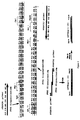
- a synthetic gene coding for the hPTHrp(1-34) analog Compound 4 (SEQ ID NO:9) was designed having the nucleotide sequence and enzyme restriction sites shown in Figure 1.
- the requisite oligodeoxynucleotides were prepared with a DNA synthesizer (Milligen/Biosearch) using the phosphoramidite process of Sinha, et al., Nucleic Acid Research 12, 4539-4557 (1984). After deprotection, the crude oligonucleotides were purified by gel electrophoresis on preparative 15% polyacrylamide gels. The oligonucleotides were located with UV, excised from the gel, desalted over Waters c18 Sep-pak® cartridges, and lyophilized.
- PCR polymerase chain reaction
- PTH3 Two overlapping oligonucleotides, an 88mer (2 ⁇ g), PTH3, (SEQ ID NO:31): were prepared as the template DNA sequence for the hPTHrp (1-34) analog gene.
- PTHPCRl CCTCTAGATC TCCGCGGCGC TAG
- PTHPCR2 CCTCGAAGCT TATGCATCAT TATC (SEQ ID NO:34)
- the entire gene was amplified by PCR.
- the amplified DNA products were purified by gel electrophoresis on 4% NuSieve® agarose gel.
- the band containing the synthetic hPTHrp(1-34) analog gene was excised from the gel and approximately 200 ng of DNA isolated by Elu-Quik® glass gel DNA extraction (Schleicher & Schuell, Keene, NH).
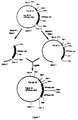
- hPTHrp(1-34) analog gene of Example VI 200 ng of the amplified DNA was isolated and cut by restriction enzymes HinD III and Sac II. As shown in Figure 2, the DNA was ligated to 2 ⁇ g TrpLE 18 Prot (Ile 3 ,Pro 5 ) plasmid previously cleaved with Hind III and Sac II.
- TrpLE 18 hPTHrp(1-34)1 containing one copy of the hPTHrp(1-34) analog gene was then transformed into competent E . coli HB 101 cells (CLONTECH, Palo Alto, CA). Transformants were subjected to PCR analysis to verify insertion. Transformed cell colonies were selected and boiled in 200 ⁇ L of water for 5 minutes; 2 ⁇ L were subjected to PCR with two primers flanking the insert. The PCR product was then analyzed on 1% agarose gel to confirm the presence of one copy of the hPTHrp(1-34) gene insert. TrpLE 18 hPTHrp(1-34)1 construct was then verified by DNA sequencing on an automated DNA sequencer (Applied Biosystems Model 373A, Foster City, CA) using the vendor's Dye Deoxy Terminator Sequencing kit.
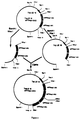
- Trp LE 18 hPTHrp(1-34)4 containing four copies of the hPTHrp(1-34) gene was constructed, as shown in Figure 4.
- the sequence of Trp LE 18 hPTHrp(1-34)4 was found to be correct by DNA sequence analysis.
- the culture was then grown with vigorous shaking to an A 550 of between 0.6 and 0.8, whereupon 2 mL of a 10 mg/mL solution of indole acrylic acid (IAA) was added. Growth was continued with good aeration for about 16 hr to a final A 550 of about 6 (typically, between 4 and 10).
- the cells were concentrated by centrifugation and resuspended in 500 mL of 50 mM Tris-HCl, pH 7.5, 0.1 mM EDTA buffer solution (Tris buffer).
- the suspension was sonicated using a Heat Systems-Ultrasonics, Inc. model 220F sonicator (equipped with a 3/4" horn) operated at 50% of full capacity to avoid overheating.
- the cell lysate was centrifuged for 15 min. at about 3600 x g to pellet the Trp LE 18 hPTHrp(1-34)4 fusion protein; the supernatant was discarded. The pellet was resuspended in 200 mL Tris buffer. (typically 40-80 A 550 /mL).
- TrpLE 18 hPTHrp(1-34)4 fusion protein was resuspended by gently stirring in 60 mL of 70% formic acid (about 20 mg/mL total protein; typically material from 1000 A 550 units of cells is dissolved in 3 mL). A few drops of octanol were added and N 2 bubbled through the solution for 20 minutes before adding 5.5 g CNBr. This reaction was allowed to proceed for 6 hours at 25°C before an equal volume of 50:50 MeOH:H 2 O was mixed with the sample and subsequently removed by rotary evaporation. After 2 to 4 repetitions of this process, the bulk of the formic acid and CNBr were essentially removed. The sample was then evaporated to dryness, redissolved in 200 mL water and lyophilized for storage.
- the CNBr cleaved supernatant was dialyzed against 50 mM KH 2 PO 4 pH 6.5 for 24 hours with multiple changes. During dialysis, pH was maintained at 6.5. After dialysis, the precipitates were removed by high speed centrifugation. The supernatant was clarified through a Gelmen 0.45 ⁇ filter device (Acrodisc 4184).
- Retention time of the homo-Serlactone hPTHrp(1-34), Compound 4 was approximately 2.943 minutes.
- the purified peptide was approximately 98% pure as determined by mass spectroscopy.
- the compounds of this invention were evaluated for their effect on bone mass in ovariectomized rats, generally in accord with the procedures of Gunness-Hey and Hock, Metab. Bone Dis . 5:177 181 (1984).
- the rats were sacrificed and the right femurs excised.
- the femurs were cut in half and the distal half femurs (DHF) were further separated into trabecular bone (TB) and cortical bone (CB) by drilling out the trabeculae.
- DHF distal half femurs
- TB trabecular bone
- CB cortical bone
- Calcium was extracted and measured by Calcette calcium analyzer and expressed as mean bone Ca in mg/DHF/100 g body weight.
- the two sample t-test was used to compare OVX and sham groups.
- One-way ANOVA was used to compare OVX groups, followed by Fisher's LSD multiple comparison to compare each treatment group to vehicle.
- Ovariectomy induced substantial total bone loss, primarily from trabecular bone.
- Total bone calcium was 47 to 54% lower than for sham-operated controls.
- bPTH(1-34) and hPTHrp(1-34) at 80 ⁇ g/kg/day provided statistically significant increases in total bone calcium for treated OVX rats, ranging from 53 to 95% and 18 to 40%, respectively; however, there was no significant increase in cortical bone calcium.
- ovariectomized rats were dosed for 5, 10 and 20 days, at 40 ⁇ g/kg/day, with the following results: Compound Number n (# of tests) # of Days (d) of dosing Total Bone Calcium (% increase over OVX) Compound 1 (SEQ ID NO:7) 3 20d 73-109% Compound 4 (SEQ ID NO:9) 5 20d 79-105% Compound 4 (SEQ ID NO:9) 1 10d 79% Compound 49 (SEQ ID NO:63) 1 10d 93% Compound 4 (SEQ ID NO:9) 1 5d 55% Compound 42 (SEQ ID NO:56) 1 5d 60%
Landscapes
- Health & Medical Sciences (AREA)
- Chemical & Material Sciences (AREA)
- Life Sciences & Earth Sciences (AREA)
- Medicinal Chemistry (AREA)
- Organic Chemistry (AREA)
- General Health & Medical Sciences (AREA)
- Endocrinology (AREA)
- Pharmacology & Pharmacy (AREA)
- Animal Behavior & Ethology (AREA)
- Public Health (AREA)
- Veterinary Medicine (AREA)
- Proteomics, Peptides & Aminoacids (AREA)
- Engineering & Computer Science (AREA)
- Gastroenterology & Hepatology (AREA)
- Bioinformatics & Cheminformatics (AREA)
- Molecular Biology (AREA)
- Biophysics (AREA)
- Chemical Kinetics & Catalysis (AREA)
- General Chemical & Material Sciences (AREA)
- Physical Education & Sports Medicine (AREA)
- Genetics & Genomics (AREA)
- Biochemistry (AREA)
- Epidemiology (AREA)
- Nuclear Medicine, Radiotherapy & Molecular Imaging (AREA)
- Toxicology (AREA)
- Zoology (AREA)
- Rheumatology (AREA)
- Otolaryngology (AREA)
- Orthopedic Medicine & Surgery (AREA)
- Immunology (AREA)
- Hematology (AREA)
- Obesity (AREA)
- Diabetes (AREA)
- Medicines That Contain Protein Lipid Enzymes And Other Medicines (AREA)
- Peptides Or Proteins (AREA)
- Superconductors And Manufacturing Methods Therefor (AREA)
- Saccharide Compounds (AREA)
- Preparation Of Compounds By Using Micro-Organisms (AREA)
- Pharmaceuticals Containing Other Organic And Inorganic Compounds (AREA)
- Acyclic And Carbocyclic Compounds In Medicinal Compositions (AREA)
Applications Claiming Priority (3)
| Application Number | Priority Date | Filing Date | Title |
|---|---|---|---|
| US07/915,247 US5589452A (en) | 1992-07-14 | 1992-07-14 | Analogs of parathyroid hormone and parathyroid hormone related peptide: synthesis and use for the treatment of osteoporosis |
| EP93917060A EP0651765B1 (de) | 1992-07-14 | 1993-07-13 | Pth und pthrp analoge deren herstellung und verwendung für die behandlung von osteoporosis. |
| US915247 | 2001-07-25 |
Related Parent Applications (1)
| Application Number | Title | Priority Date | Filing Date |
|---|---|---|---|
| EP93917060A Division EP0651765B1 (de) | 1992-07-14 | 1993-07-13 | Pth und pthrp analoge deren herstellung und verwendung für die behandlung von osteoporosis. |
Publications (2)
| Publication Number | Publication Date |
|---|---|
| EP1094073A2 true EP1094073A2 (de) | 2001-04-25 |
| EP1094073A3 EP1094073A3 (de) | 2002-09-25 |
Family
ID=25435450
Family Applications (2)
| Application Number | Title | Priority Date | Filing Date |
|---|---|---|---|
| EP93917060A Expired - Lifetime EP0651765B1 (de) | 1992-07-14 | 1993-07-13 | Pth und pthrp analoge deren herstellung und verwendung für die behandlung von osteoporosis. |
| EP00122853A Withdrawn EP1094073A3 (de) | 1992-07-14 | 1993-07-13 | PTH und PTHRP Analoge, deren Herstellung und Verwendung für die Behandlung von Osteoporosis |
Family Applications Before (1)
| Application Number | Title | Priority Date | Filing Date |
|---|---|---|---|
| EP93917060A Expired - Lifetime EP0651765B1 (de) | 1992-07-14 | 1993-07-13 | Pth und pthrp analoge deren herstellung und verwendung für die behandlung von osteoporosis. |
Country Status (17)
| Country | Link |
|---|---|
| US (8) | US5589452A (de) |
| EP (2) | EP0651765B1 (de) |
| JP (1) | JP4106082B2 (de) |
| KR (3) | KR100458350B1 (de) |
| AT (1) | ATE202115T1 (de) |
| AU (1) | AU671851B2 (de) |
| CA (1) | CA2140281C (de) |
| DE (1) | DE69330347T2 (de) |
| DK (1) | DK0651765T3 (de) |
| ES (1) | ES2159293T3 (de) |
| FI (1) | FI120586B (de) |
| GR (1) | GR3036521T3 (de) |
| HU (2) | HU217843B (de) |
| MX (1) | MX9304226A (de) |
| NZ (1) | NZ254554A (de) |
| PT (1) | PT651765E (de) |
| WO (1) | WO1994001460A1 (de) |
Cited By (1)
| Publication number | Priority date | Publication date | Assignee | Title |
|---|---|---|---|---|
| DE10123668A1 (de) * | 2001-05-16 | 2002-11-28 | Johein Harmeyer | Anwendung einer Hormonpräparation zur Induzierung und Stimulierung des intestinalen Calciumtransports |
Families Citing this family (122)
| Publication number | Priority date | Publication date | Assignee | Title |
|---|---|---|---|---|
| US5814603A (en) * | 1992-06-12 | 1998-09-29 | Affymax Technologies N.V. | Compounds with PTH activity |
| US5821225A (en) * | 1992-07-14 | 1998-10-13 | Syntex (U.S.A.) Inc. | Method for the treatment of corticosteroid induced osteopenia comprising administration of modified PTH or PTHrp |
| US5589452A (en) * | 1992-07-14 | 1996-12-31 | Syntex (U.S.A.) Inc. | Analogs of parathyroid hormone and parathyroid hormone related peptide: synthesis and use for the treatment of osteoporosis |
| US5977070A (en) * | 1992-07-14 | 1999-11-02 | Piazza; Christin Teresa | Pharmaceutical compositions for the nasal delivery of compounds useful for the treatment of osteoporosis |
| AU672790B2 (en) * | 1992-07-15 | 1996-10-17 | Novartis Ag | Variants of parathyroid hormone and its fragments |
| WO1995002610A1 (en) * | 1993-07-13 | 1995-01-26 | Syntex (U.S.A.) Inc. | Analogs of parathyroid hormone and parathyroid hormone related peptide: synthesis and use for the treatment of osteoporosis |
| US6110892A (en) | 1994-06-20 | 2000-08-29 | National Research Council Of Canada | Parathyroid hormone analogues for the treatment of osteoporosis |
| US5955425A (en) * | 1996-08-02 | 1999-09-21 | National Research Council Of Canada | Parathyroid hormone analogues for the treatment of osteoporosis |
| US5955574A (en) * | 1995-07-13 | 1999-09-21 | Societe De Conseils De Recherches Et D'applications Scientifiques, S.A. | Analogs of parathyroid hormone |
| US5969095A (en) * | 1995-07-13 | 1999-10-19 | Biomeasure, Inc. | Analogs of parathyroid hormone |
| US6544949B1 (en) * | 1995-07-13 | 2003-04-08 | Societe De Conseils De Recherches Et D'applications Scientifiques, S.A.S. | Analogs of parathyroid hormone |
| US5723577A (en) * | 1995-07-13 | 1998-03-03 | Biomeasure Inc. | Analogs of parathyroid hormone |
| US7410948B2 (en) * | 1995-07-13 | 2008-08-12 | Societe De Conseils De Recherches Et D'applications Scientifiques, Sas | Analogs of parathyroid hormone |
| DE69713485T2 (de) * | 1996-02-01 | 2003-01-30 | Chugai Seiyaku K.K., Tokio/Tokyo | Medikamente für die Behandlung oder Vorbeugung von Thrombocytopenie |
| TW505654B (en) * | 1996-07-30 | 2002-10-11 | Hoffmann La Roche | Synthesis of analogs of PTH and PTHrP |
| JP4142743B2 (ja) * | 1996-07-31 | 2008-09-03 | ザ・ジェネラル・ホスピタル・コーポレイション | 副甲状腺ホルモンに関連する新規ペプチド類似体 |
| DK0915911T3 (da) * | 1996-08-02 | 2004-03-08 | Ca Nat Research Council | Analoger til parathyreoideahormon til behandling af osteoporose |
| US6273634B1 (en) | 1996-11-22 | 2001-08-14 | Shell Oil Company | Connector for an expandable tubing string |
| US6335195B1 (en) * | 1997-01-28 | 2002-01-01 | Maret Corporation | Method for promoting hematopoietic and mesenchymal cell proliferation and differentiation |
| US20020168718A1 (en) * | 1997-04-03 | 2002-11-14 | California Institute Of Technology | Enzyme-mediated modification of fibrin for tissue engineering |
| WO1998047087A1 (en) * | 1997-04-17 | 1998-10-22 | Glaxo Group Ltd. | Statistical deconvoluting of mixtures |
| HUP0003349A3 (en) * | 1997-05-14 | 2001-12-28 | Aventis Pharmaceuticals Inc Co | Peptide parathyroid hormone analogs, pharmaceutical compositions comprising thereof and their use |
| HRP20000109A2 (en) * | 1997-09-09 | 2001-02-28 | Hoffmann La Roche | FRACTURE HEALING USING PTHrP ANALOGS |
| US6248587B1 (en) | 1997-11-26 | 2001-06-19 | University Of Southern Cailfornia | Method for promoting mesenchymal stem and lineage-specific cell proliferation |
| EP1053004A2 (de) | 1998-02-09 | 2000-11-22 | University Of Southern California | Verwendung von angiotensin-analoga zur forderung der erythropoiesis |
| US6455500B1 (en) | 1998-03-10 | 2002-09-24 | University Of Southern California | Radiation therapy methods |
| US7173011B2 (en) * | 2000-11-20 | 2007-02-06 | University Of Southern California | Radiation therapy methods |
| AU3077299A (en) | 1998-03-11 | 1999-09-27 | University Of Southern California | Method of promoting production of living tissue equivalents |
| US7531621B1 (en) * | 1998-05-05 | 2009-05-12 | Societe De Conseils De Recherches Et D'applications Scientifiques S.A.S. | PTH2 receptor selective compounds |
| US6475988B1 (en) | 1998-05-11 | 2002-11-05 | University Of Southern California | Methods to increase white blood cell survival after chemotherapy |
| US6762167B1 (en) | 1998-05-11 | 2004-07-13 | University Of Southern California | Methods for treating a patient undergoing chemotherapy |
| US6258778B1 (en) | 1998-07-13 | 2001-07-10 | University Of Southern California | Methods for accelerating bone and cartilage growth and repair |
| US6916783B2 (en) * | 1998-07-13 | 2005-07-12 | University Of Southern California | Methods for accelerating bone and cartilage growth and repair |
| AU755943B2 (en) | 1998-08-13 | 2003-01-02 | University Of Southern California | Methods to increase blood flow to ischemic tissue |
| US7241730B2 (en) | 1998-08-27 | 2007-07-10 | Universitat Zurich | Enzyme-mediated modification of fibrin for tissue engineering: fibrin formulations with peptides |
| US6894022B1 (en) * | 1998-08-27 | 2005-05-17 | Eidgenossische Technische Hochschule Zurich | Growth factor modified protein matrices for tissue engineering |
| US7601685B2 (en) * | 1998-08-27 | 2009-10-13 | Eidgenossische Technische Hochschule Zurich | Growth factor modified protein matrices for tissue engineering |
| JP4486256B2 (ja) | 1998-10-22 | 2010-06-23 | ザ・ジェネラル・ホスピタル・コーポレイション | 副甲状腺ホルモン(PTH)および副甲状腺ホルモン関連ペプチド(PTHrP)の生物活性ペプチドおよびペプチド誘導体 |
| DE69938064T2 (de) * | 1998-11-25 | 2009-01-15 | The General Hospital Corp., Boston | Aminoterminal modifizierte parathyroidhormon (pth) analoge |
| AU4217299A (en) | 1998-11-30 | 2000-06-19 | General Hospital Corporation, The | Pth1r and pth3r receptors, methods and uses thereof |
| US7820393B2 (en) * | 1999-01-14 | 2010-10-26 | Scantibodies Laboratory, Inc. | Methods, kits and antibodies for detecting parathyroid hormone |
| US6689566B1 (en) | 1999-01-14 | 2004-02-10 | Scantibodies Laboratory, Inc. | Methods, kits, and antibodies for detecting parathyroid hormone |
| US6730775B1 (en) | 1999-03-23 | 2004-05-04 | University Of Southern California | Methods for limiting scar and adhesion formation |
| US7338938B2 (en) * | 1999-05-10 | 2008-03-04 | University Of Southern California | Methods for treating a patient undergoing chemotherapy |
| WO2004028444A2 (en) * | 1999-06-02 | 2004-04-08 | Scantibodies Laboratory, Inc. | Parathyroid hormone antagonists and uses thereof |
| US20080108086A1 (en) * | 1999-06-02 | 2008-05-08 | Cantor Thomas L | Parathyroid hormone antagonists and uses thereof |
| US6923968B2 (en) * | 2000-08-10 | 2005-08-02 | Scantibodies Laboratory, Inc. | Cyclase inhibiting parathyroid hormone antagonists or modulators and osteoporosis |
| ATE412670T1 (de) | 1999-09-29 | 2008-11-15 | Gen Hospital Corp | Parathyroid hormon (pth) polypeptidderivate |
| US7022815B1 (en) | 1999-09-29 | 2006-04-04 | The General Hospital Corporation | Polypeptide derivatives of parathyroid hormone (PTH) |
| WO2001023521A2 (en) | 1999-09-29 | 2001-04-05 | The General Hospital Corporation | Polypeptide derivatives of parathyroid hormone (pth) |
| GB9924351D0 (en) * | 1999-10-14 | 1999-12-15 | Brennan Frank | Immunomodulation methods and compositions |
| US20020076741A1 (en) * | 2000-02-11 | 2002-06-20 | Tencza Sarah Burroughs | Peptide biosensors for anthrax protease |
| US20050124537A1 (en) * | 2000-04-27 | 2005-06-09 | Amgen Inc. | Modulators of receptors for parathyroid hormone and parathyroid hormone-related protein |
| US6756480B2 (en) * | 2000-04-27 | 2004-06-29 | Amgen Inc. | Modulators of receptors for parathyroid hormone and parathyroid hormone-related protein |
| DE60116520T2 (de) * | 2000-10-10 | 2006-08-31 | Microchips, Inc., Bedford | Microchip-reservoir-vorrichtungen mit drahtloser übertragung von energie und daten |
| AU2002308522A1 (en) * | 2001-05-01 | 2002-11-11 | University Of Southern California | Methods for inhibiting tumor cell proliferation |
| US20030232324A1 (en) * | 2001-05-31 | 2003-12-18 | Chiron Corporation | Chimeric alphavirus replicon particles |
| KR100491737B1 (ko) * | 2001-07-20 | 2005-05-27 | 주식회사 한국아이템개발 | 공기 정화 기능의 모기 퇴치기 |
| AU2002339843B2 (en) | 2001-07-23 | 2007-12-06 | The General Hospital Corporation | Conformationally constrained parathyroid hormone (PTH) analogs |
| US20050032685A1 (en) * | 2001-09-17 | 2005-02-10 | Chugai Seiyaku Kabushiki Kaisha | Remedies for bone loss |
| JP4560291B2 (ja) * | 2001-12-18 | 2010-10-13 | イジュノシッヒ テクニッヒ ホッフシューラ チューリッヒ | 組織操作のための成長因子改変タンパク質マトリクス |
| US7247609B2 (en) * | 2001-12-18 | 2007-07-24 | Universitat Zurich | Growth factor modified protein matrices for tissue engineering |
| EP1531855A4 (de) * | 2002-01-10 | 2009-07-22 | Osteotrophin Llc | Behandlung von knochenerkrankungen mit skelettalen anabolika |
| EP1477496A4 (de) * | 2002-02-01 | 2006-08-02 | Chugai Pharmaceutical Co Ltd | Peg-konjugiertes pth bzw. peg-konjugiertes pth-derivat |
| AU2003239869A1 (en) * | 2002-05-23 | 2003-12-12 | Michael Holick | Use of a parathyroid hormone peptide analogs for the treatment of vaginal atrophy |
| AU2003278766A1 (en) * | 2002-09-04 | 2004-03-29 | Microchips, Inc. | Method and device for the controlled delivery of parathyroid hormone |
| US20040067526A1 (en) * | 2002-10-03 | 2004-04-08 | Cantor Thomas L. | Methods for diagnosing and guiding treatment of bone turnover disease |
| US8263666B2 (en) * | 2002-10-29 | 2012-09-11 | L'oreal | Composition in the form of an oil-in-water emulsion and uses thereof |
| CA2511966A1 (en) * | 2002-11-01 | 2004-07-22 | Amgen Inc. | Modulators of receptors for parathyroid hormone and parathyroid hormone-related protein |
| US8088734B2 (en) * | 2003-01-21 | 2012-01-03 | Unigene Laboratories Inc. | Oral delivery of peptides |
| US7795220B2 (en) * | 2003-03-19 | 2010-09-14 | The General Hospital Corporation | Conformationally constrained parathyroid hormones with alpha-helix stabilizers |
| KR100540659B1 (ko) * | 2003-07-02 | 2006-01-10 | 삼성전자주식회사 | 이미지 확대 인쇄 방법과 장치 및 컴퓨터 프로그램을저장하는 컴퓨터로 읽을 수 있는 기록 매체 |
| JP4871128B2 (ja) | 2003-07-17 | 2012-02-08 | ザ ジェネラル ホスピタル コーポレイション | 高次構造的に制約された副甲状腺ホルモン(pth)アナログ |
| US7562876B2 (en) * | 2003-10-15 | 2009-07-21 | Sklansky Games, Llc | System and method for playing community hand poker games utilizing mathematical dealer qualifying criteria |
| US7044468B2 (en) * | 2003-10-15 | 2006-05-16 | Sklansky Games, Llc | System and method for playing community hand poker games utilizing dealer qualifying criteria |
| WO2005046798A1 (en) * | 2003-11-12 | 2005-05-26 | Nps Allelix Corp. | Treatment of bone loss utilizing full length parathyroid hormone |
| EP1758927A4 (de) * | 2004-01-21 | 2008-09-17 | Unigene Lab Inc | Amidierte parathyroidhormonfragmente und verwendungen davon |
| US7541140B2 (en) * | 2004-06-03 | 2009-06-02 | Scantibodies Laboratory, Inc. | Assessing risk for kidney stones using parathyroid hormone agonist and antagonist |
| US20080214440A1 (en) * | 2004-10-08 | 2008-09-04 | Forbes Medi-Tech (Research), Inc. | Vasoactive intestinal polypeptide compositions |
| US20090170775A1 (en) * | 2004-10-08 | 2009-07-02 | Transition Therapeutics, Inc. | Vasoactive intestinal polypeptide compositions |
| BRPI0516126A (pt) * | 2004-10-08 | 2008-08-26 | Forbes Medi Tech Res Inc | produtos farmacêuticos de polipeptìdeos intestinais vasoativos |
| US7595294B2 (en) * | 2004-10-08 | 2009-09-29 | Transition Therapeutics, Inc. | Vasoactive intestinal polypeptide pharmaceuticals |
| US20070293429A1 (en) * | 2004-10-08 | 2007-12-20 | Therapei Pharmaceuticals, Inc. | Vasoactive Intestinal Polypeptide Compositions |
| US20060147443A1 (en) * | 2004-12-22 | 2006-07-06 | Kuros Biosurgery Ag | Synthetic biomaterials having incorporated therein bioactive factors through enzymatically degradable linkages |
| WO2006073711A2 (en) * | 2005-01-06 | 2006-07-13 | Kuros Biosurgery Ag | Use of a matrix comprising a contrast agent in soft tissues |
| MX2007008319A (es) * | 2005-01-06 | 2007-10-04 | Kuros Biosurgery Ag | Matrices suplementadas para la reparacion de fracturas oseas. |
| US8575101B2 (en) | 2005-01-06 | 2013-11-05 | Kuros Biosurgery Ag | Supplemented matrices for the repair of bone fractures |
| WO2006081279A2 (en) * | 2005-01-25 | 2006-08-03 | Microchips, Inc. | Control of drug release by transient modification of local microenvironments |
| CA2628945A1 (en) * | 2005-11-10 | 2007-05-24 | Board Of Control Of Michigan Technological University | Black bear parathyroid hormone and methods of using black bear parathyroid hormone |
| TW200736277A (en) | 2005-11-14 | 2007-10-01 | Amgen Inc | RANKL antibody-PTH/PTHrP chimeric molecules |
| DE102006014579A1 (de) * | 2006-03-29 | 2007-10-04 | Epcos Ag | Verfahren zur Reinigung einer Monomer-Lösung und Herstellungsverfahren für ein elektrisches Bauelement umfassend das Reinigungsverfahren |
| US20090022684A1 (en) * | 2006-05-09 | 2009-01-22 | Paul Morley | Methods for hematopoietic stimulation |
| WO2008019062A2 (en) * | 2006-08-04 | 2008-02-14 | The General Hospital Corporation | Polypeptide derivatives of parathyroid hormone (pth) |
| US8012694B2 (en) * | 2006-09-14 | 2011-09-06 | Immutopics, Inc. | Assay for the detection of phosphorylated PTH |
| USRE49444E1 (en) | 2006-10-03 | 2023-03-07 | Radius Health, Inc. | Method of treating osteoporosis comprising administration of PTHrP analog |
| US7803770B2 (en) * | 2006-10-03 | 2010-09-28 | Radius Health, Inc. | Method of treating osteoporosis comprising administration of PTHrP analog |
| BRPI0719821B8 (pt) * | 2006-10-03 | 2021-05-25 | Ipsen Pharma Sas | composição estável na armazenagem apropriada para administração a pacientes |
| BRPI0719885B8 (pt) * | 2006-10-13 | 2021-05-25 | Lilly Co Eli | peptídeos peguilados como moduladores de receptores de pth, seus usos, e composição. |
| DK2136850T3 (da) * | 2007-04-13 | 2012-04-10 | Kuros Biosurgery Ag | Polymervævforsegling |
| CN104072606B (zh) | 2007-08-01 | 2017-09-22 | 总医院有限公司 | 利用g蛋白偶联受体和相关组合物的筛选方法 |
| WO2009083544A2 (en) * | 2007-12-28 | 2009-07-09 | Kuros Biosurgery Ag | Pdgf fusion proteins incorporated into fibrin foams |
| WO2009114461A2 (en) * | 2008-03-10 | 2009-09-17 | University Of Southern California | Angiotensin (1-7) dosage forms and uses thereof |
| WO2010111617A2 (en) | 2009-03-27 | 2010-09-30 | Van Andel Research Institute | Parathyroid hormone peptides and parathyroid hormone-related protein peptides and methods of use |
| BR112012013725A2 (pt) | 2009-12-07 | 2017-01-10 | Univ Michigan Tech | paratormônio de urso preto e métodos de usar o paratormônio de uso preto. |
| HUE030072T2 (en) | 2010-05-12 | 2017-04-28 | Radius Health Inc | Therapeutic prescriptions |
| MX358161B (es) | 2010-05-13 | 2018-08-06 | The General Hospital Corp Star | Analogos de hormona paratiroidea y usos para los mismos. |
| US9133182B2 (en) | 2010-09-28 | 2015-09-15 | Radius Health, Inc. | Selective androgen receptor modulators |
| EP2686027B1 (de) | 2011-03-16 | 2021-05-05 | Kuros Biosurgery AG | Pharmazeutische formulierung zur verwendung für die wirbelsäulenfusion |
| CN108892709A (zh) * | 2011-05-18 | 2018-11-27 | 欧莫德里斯制药公司 | 改良的肽药物 |
| US20200354428A9 (en) | 2013-06-23 | 2020-11-12 | Wisconsin Alumni Research Foundation | Analogues of parathyroid hormone (1-34) that function as agonists of the parathyroid hormone receptor-1 and display modified activity profiles |
| ES3055185T3 (en) | 2014-03-28 | 2026-02-10 | Univ Duke | Treatment of an estrogen receptor positive breast cancer using a selective estrogen receptor modulator |
| KR20250152679A (ko) | 2015-04-29 | 2025-10-23 | 래디어스 파마슈티컬스, 인코포레이티드 | 암을 치료하는 방법 |
| US10568937B2 (en) | 2016-04-18 | 2020-02-25 | Radius Health, Inc. | Formulations of abaloparatide, transdermal patches thereof, and uses thereof |
| MX389702B (es) | 2016-06-22 | 2025-03-20 | Ellipses Pharma Ltd | Compuestos para usarse en el tratamiento de cancer de mama que expresa el receptor de androgenos (ar+). |
| JP7481115B2 (ja) | 2017-01-05 | 2024-05-10 | ラジウス ファーマシューティカルズ,インコーポレイテッド | Rad1901-2hclの多形性形態 |
| US10996208B2 (en) | 2017-04-28 | 2021-05-04 | Radius Health, Inc. | Abaloparatide formulations and methods of testing, storing, modifying, and using same |
| TW202000205A (zh) | 2018-02-21 | 2020-01-01 | 美商Ai治療公司 | 使用阿吡莫德與麩胺酸性劑的組合治療 |
| US12589097B2 (en) | 2018-02-21 | 2026-03-31 | OrphAl Therapeutics Inc. | Apilimod compositions and methods of use |
| MX2020013713A (es) | 2018-07-04 | 2021-03-02 | Radius Pharmaceuticals Inc | Formas polimorficas de rad1901-2hcl. |
| EP3924328A1 (de) | 2019-02-12 | 2021-12-22 | Radius Pharmaceuticals, Inc. | Verfahren und verbindungen |
| CN109734794A (zh) * | 2019-03-07 | 2019-05-10 | 苏州科技大学 | 一种阿巴帕肽的制备方法 |
| CN114057863B (zh) * | 2020-08-06 | 2023-10-20 | 珠海联邦制药股份有限公司 | 一种甲状旁腺激素相关肽类似物及其应用 |
Family Cites Families (32)
| Publication number | Priority date | Publication date | Assignee | Title |
|---|---|---|---|---|
| US4086196A (en) * | 1975-03-28 | 1978-04-25 | Armour Pharmaceutical Company | Parathyroid hormone |
| US4423037A (en) * | 1982-05-13 | 1983-12-27 | The General Hospital Corporation | Inhibitors of peptide hormone action |
| US4643988A (en) * | 1984-05-15 | 1987-02-17 | Research Corporation | Amphipathic peptides |
| US4738921A (en) * | 1984-09-27 | 1988-04-19 | Eli Lilly And Company | Derivative of the tryptophan operon for expression of fused gene products |
| ES2000859A6 (es) * | 1985-08-12 | 1988-03-16 | Syntex Inc | Un metodo para producir un vector de expresion bacteriana para la expresion de proteinas de fusion |
| US5116952A (en) * | 1986-07-18 | 1992-05-26 | The University Of Melbourne | Protein active in humoral hypercalcemia of malignancy-pthrp |
| EP0260350B1 (de) * | 1986-09-05 | 1992-02-12 | Cetus Oncology Corporation | Oxidationsresistente Muteine von beta-Interferon, deren Herstellung und diese Muteine enthaltende Präparate |
| US5010010A (en) * | 1986-10-22 | 1991-04-23 | Selmer-Sande, A.S. | Production of human parathyroid hormone from microorganisms |
| US4833125A (en) * | 1986-12-05 | 1989-05-23 | The General Hospital Corporation | Method of increasing bone mass |
| US4835255A (en) * | 1987-03-26 | 1989-05-30 | Yale University | T-cell membrane protein |
| US4771124A (en) * | 1987-05-26 | 1988-09-13 | Merck & Co., Inc. | Parathyroid hormone antagonists with simplified synthetic methodology |
| EP0293160A3 (de) * | 1987-05-26 | 1990-05-09 | Merck & Co. Inc. | Parathyroid-Hormon-Antagonisten mit vergrösserten metabolischen Eigenschaften |
| US5001223A (en) * | 1987-05-26 | 1991-03-19 | Merck & Co., Inc. | Parathyroid hormone antagonists with enhanced metabolic properties |
| EP0293158A3 (de) * | 1987-05-26 | 1990-05-09 | Merck & Co. Inc. | Parathyroide Hormon-Antagonisten |
| DE3725319A1 (de) * | 1987-07-30 | 1989-02-09 | Biotechnolog Forschung Gmbh | Pth-modifikationen und therapeutische zusammensetzungen, die sie enthalten und daraus bestehen |
| DE3725320A1 (de) * | 1987-07-30 | 1989-02-09 | Biotechnolog Forschung Gmbh | Expressionsvektoren und verfahren unter deren verwendung zur gewinnung von cro/ss-galaktosidase/pth-fusionsproteinen und von pth |
| US4861756A (en) * | 1988-03-08 | 1989-08-29 | Merrell Dow Pharmaceuticals Inc. | Synthetic pulmonary surfactant |
| EP0341963A3 (de) * | 1988-05-09 | 1991-07-24 | Merck & Co. Inc. | Parathyroidhormonhemmer |
| US4968669A (en) * | 1988-05-09 | 1990-11-06 | Merck & Co., Inc. | Parathyroid hormone antagonists |
| JPH03504201A (ja) * | 1989-02-23 | 1991-09-19 | ゲゼルシャフト・フュア・ビオテクノロギッシェ・フォルシュンク・ミット・ベシュレンクテル・ハフツング (ゲー・ベー・エフ) | Pth変種をコードするdna配列、pth変種、発現ベクター、細菌宿主、利用と治療用組成物 |
| CA2032527C (en) * | 1989-04-10 | 2002-07-02 | Jesse M. Jaynes | Lytic peptides: their use in the treatment of microbial infections, cancer and in the promotion of growth |
| CA2040264A1 (en) * | 1990-04-12 | 1991-10-13 | Tatsuhiko Kanmera | Parathyroid hormone antagonists |
| US5093233A (en) * | 1990-04-25 | 1992-03-03 | Merck & Co., Inc. | Antagonists with position 13 modification |
| US5087562A (en) * | 1990-04-25 | 1992-02-11 | Merck & Co., Inc. | Humoral hypercalcemic factor antagonists with modification at position 13 . . . |
| AU667662B2 (en) * | 1990-07-13 | 1996-04-04 | Regents Of The University Of California, The | Parathyroid hormone analogues modified at positions 3, 6 or 9 |
| US5149779A (en) * | 1990-07-26 | 1992-09-22 | Merck & Co., Inc. | Humoral hypercalcemic factor antagonists |
| JPH0532696A (ja) * | 1990-09-28 | 1993-02-09 | Takeda Chem Ind Ltd | 副甲状腺ホルモン誘導体 |
| WO1992011286A1 (en) * | 1990-12-21 | 1992-07-09 | Allelix Biopharmaceuticals Inc. | Oxidation resistant variants of parathyroid hormone |
| US5317010A (en) * | 1991-10-10 | 1994-05-31 | Peter K. T. Pang | Parathyroid hormone analogues substituted at AA 25, 26, 27, and use in osteoporosis treatment |
| US5434246A (en) * | 1992-03-19 | 1995-07-18 | Takeda Chemical Industries, Ltd. | Parathyroid hormone derivatives |
| US5382658A (en) * | 1992-04-03 | 1995-01-17 | Allelix Biopharmaceuticals Inc. | Stability-enhanced variants of parathyroid hormone |
| US5589452A (en) * | 1992-07-14 | 1996-12-31 | Syntex (U.S.A.) Inc. | Analogs of parathyroid hormone and parathyroid hormone related peptide: synthesis and use for the treatment of osteoporosis |
-
1992
- 1992-07-14 US US07/915,247 patent/US5589452A/en not_active Expired - Lifetime
-
1993
- 1993-07-13 MX MX9304226A patent/MX9304226A/es unknown
- 1993-07-13 PT PT93917060T patent/PT651765E/pt unknown
- 1993-07-13 DE DE69330347T patent/DE69330347T2/de not_active Expired - Lifetime
- 1993-07-13 WO PCT/US1993/006465 patent/WO1994001460A1/en not_active Ceased
- 1993-07-13 DK DK93917060T patent/DK0651765T3/da active
- 1993-07-13 ES ES93917060T patent/ES2159293T3/es not_active Expired - Lifetime
- 1993-07-13 KR KR10-2002-7001830A patent/KR100458350B1/ko not_active Expired - Lifetime
- 1993-07-13 JP JP50352794A patent/JP4106082B2/ja not_active Expired - Lifetime
- 1993-07-13 NZ NZ254554A patent/NZ254554A/en not_active IP Right Cessation
- 1993-07-13 KR KR10-2002-7001833A patent/KR100404008B1/ko not_active Expired - Lifetime
- 1993-07-13 KR KR1019950700136A patent/KR100461618B1/ko not_active Expired - Lifetime
- 1993-07-13 AU AU46705/93A patent/AU671851B2/en not_active Expired
- 1993-07-13 AT AT93917060T patent/ATE202115T1/de active
- 1993-07-13 EP EP93917060A patent/EP0651765B1/de not_active Expired - Lifetime
- 1993-07-13 EP EP00122853A patent/EP1094073A3/de not_active Withdrawn
- 1993-07-13 CA CA002140281A patent/CA2140281C/en not_active Expired - Lifetime
- 1993-07-13 HU HU9500110A patent/HU217843B/hu unknown
-
1994
- 1994-01-18 US US08/184,328 patent/US5874086A/en not_active Expired - Lifetime
-
1995
- 1995-01-13 FI FI950169A patent/FI120586B/fi not_active IP Right Cessation
- 1995-05-23 US US08/447,856 patent/US6051686A/en not_active Expired - Lifetime
- 1995-05-23 US US08/448,070 patent/US5695955A/en not_active Expired - Lifetime
- 1995-05-23 US US08/443,863 patent/US5693616A/en not_active Expired - Lifetime
- 1995-05-24 US US08/449,500 patent/US5798225A/en not_active Expired - Lifetime
- 1995-05-24 US US08/449,447 patent/US5840837A/en not_active Expired - Lifetime
- 1995-05-24 US US08/449,317 patent/US5807823A/en not_active Expired - Lifetime
- 1995-06-20 HU HU95P/P00281P patent/HU211348A9/hu unknown
-
2001
- 2001-09-05 GR GR20010401381T patent/GR3036521T3/el unknown
Cited By (1)
| Publication number | Priority date | Publication date | Assignee | Title |
|---|---|---|---|---|
| DE10123668A1 (de) * | 2001-05-16 | 2002-11-28 | Johein Harmeyer | Anwendung einer Hormonpräparation zur Induzierung und Stimulierung des intestinalen Calciumtransports |
Also Published As
Similar Documents
| Publication | Publication Date | Title |
|---|---|---|
| EP0651765B1 (de) | Pth und pthrp analoge deren herstellung und verwendung für die behandlung von osteoporosis. | |
| EP0835262B1 (de) | Methode zur behandlung der corticosteroid-induzierten orteopenie | |
| US5977070A (en) | Pharmaceutical compositions for the nasal delivery of compounds useful for the treatment of osteoporosis | |
| WO1995002610A1 (en) | Analogs of parathyroid hormone and parathyroid hormone related peptide: synthesis and use for the treatment of osteoporosis | |
| US7595294B2 (en) | Vasoactive intestinal polypeptide pharmaceuticals | |
| JP2008515437A (ja) | 血管活性腸管ポリペプチド医薬品 | |
| HK1010376B (en) | Method for the treatment of corticosteroid induced osteopenia | |
| NO319848B1 (no) | Syntetiske peptidanaloger til PTH og PTHrp, fremgangsmate for fastfasesyntese derav, farmasoytiske preparater som omfatter dem, og anvendelse derav til fremstilling av medikamenter til behandling av reduksjoner i benmasse. | |
| MXPA98001630A (en) | Pharmaceutical compositions of nasal administration of useful compounds for the treatment of osteoporo |
Legal Events
| Date | Code | Title | Description |
|---|---|---|---|
| PUAI | Public reference made under article 153(3) epc to a published international application that has entered the european phase |
Free format text: ORIGINAL CODE: 0009012 |
|
| AC | Divisional application: reference to earlier application |
Ref document number: 651765 Country of ref document: EP |
|
| AK | Designated contracting states |
Kind code of ref document: A2 Designated state(s): AT BE CH DE DK ES FR GB GR IE IT LI LU MC NL PT SE |
|
| AX | Request for extension of the european patent |
Free format text: AL;LT;LV;MK;RO;SI |
|
| RAP1 | Party data changed (applicant data changed or rights of an application transferred) |
Owner name: SYNTEX (U.S.A.) LLC |
|
| PUAL | Search report despatched |
Free format text: ORIGINAL CODE: 0009013 |
|
| AK | Designated contracting states |
Kind code of ref document: A3 Designated state(s): AT BE CH DE DK ES FR GB GR IE IT LI LU MC NL PT SE |
|
| AX | Request for extension of the european patent |
Free format text: AL;LT;LV;MK;RO;SI |
|
| 17P | Request for examination filed |
Effective date: 20030325 |
|
| AKX | Designation fees paid |
Designated state(s): AT BE CH DE DK ES FR GB GR IE IT LI LU MC NL PT SE |
|
| RAP1 | Party data changed (applicant data changed or rights of an application transferred) |
Owner name: ROCHE PALO ALTO LLC |
|
| 17Q | First examination report despatched |
Effective date: 20050517 |
|
| STAA | Information on the status of an ep patent application or granted ep patent |
Free format text: STATUS: THE APPLICATION IS DEEMED TO BE WITHDRAWN |
|
| 18D | Application deemed to be withdrawn |
Effective date: 20051129 |