EP1097994A2 - Polypeptides Bad humaine codant des acides nucléitiques et leurs procédés d'utilisation - Google Patents
Polypeptides Bad humaine codant des acides nucléitiques et leurs procédés d'utilisation Download PDFInfo
- Publication number
- EP1097994A2 EP1097994A2 EP01101828A EP01101828A EP1097994A2 EP 1097994 A2 EP1097994 A2 EP 1097994A2 EP 01101828 A EP01101828 A EP 01101828A EP 01101828 A EP01101828 A EP 01101828A EP 1097994 A2 EP1097994 A2 EP 1097994A2
- Authority
- EP
- European Patent Office
- Prior art keywords
- human bad
- bad
- human
- binding
- bcl
- Prior art date
- Legal status (The legal status is an assumption and is not a legal conclusion. Google has not performed a legal analysis and makes no representation as to the accuracy of the status listed.)
- Withdrawn
Links
Images


Classifications
-
- C—CHEMISTRY; METALLURGY
- C07—ORGANIC CHEMISTRY
- C07K—PEPTIDES
- C07K14/00—Peptides having more than 20 amino acids; Gastrins; Somatostatins; Melanotropins; Derivatives thereof
- C07K14/435—Peptides having more than 20 amino acids; Gastrins; Somatostatins; Melanotropins; Derivatives thereof from animals; from humans
- C07K14/46—Peptides having more than 20 amino acids; Gastrins; Somatostatins; Melanotropins; Derivatives thereof from animals; from humans from vertebrates
- C07K14/47—Peptides having more than 20 amino acids; Gastrins; Somatostatins; Melanotropins; Derivatives thereof from animals; from humans from vertebrates from mammals
- C07K14/4701—Peptides having more than 20 amino acids; Gastrins; Somatostatins; Melanotropins; Derivatives thereof from animals; from humans from vertebrates from mammals not used
- C07K14/4747—Apoptosis related proteins
-
- A—HUMAN NECESSITIES
- A61—MEDICAL OR VETERINARY SCIENCE; HYGIENE
- A61P—SPECIFIC THERAPEUTIC ACTIVITY OF CHEMICAL COMPOUNDS OR MEDICINAL PREPARATIONS
- A61P43/00—Drugs for specific purposes, not provided for in groups A61P1/00-A61P41/00
-
- A—HUMAN NECESSITIES
- A61—MEDICAL OR VETERINARY SCIENCE; HYGIENE
- A61K—PREPARATIONS FOR MEDICAL, DENTAL OR TOILETRY PURPOSES
- A61K38/00—Medicinal preparations containing peptides
-
- A—HUMAN NECESSITIES
- A61—MEDICAL OR VETERINARY SCIENCE; HYGIENE
- A61K—PREPARATIONS FOR MEDICAL, DENTAL OR TOILETRY PURPOSES
- A61K48/00—Medicinal preparations containing genetic material which is inserted into cells of the living body to treat genetic diseases; Gene therapy
Definitions
- the present invention relates generally to apoptosis or, programed cell death, and more particularly, nucleic acids encoding human Bad polypeptides which can be used to modulate apoptosis for the therapeutic treatment of human diseases.
- Apoptosis is a normal physiological process of cell death that plays a critical role in the regulation of tissue homeostasis by ensuring that the rate of new cell accumulation produced by cell division is offset by a commensurate rate of cell loss due to death. It has now become clear that disturbances in apoptosis, also referred to as physiological cell death of programmed cell death, that prevent or delay normal cell turnover can be just as important to the pathogenesis of diseases as are known abnormalities in the regulation of proliferation and the cell cycle. Like cell division, apoptosis is similarly regulated under normal circumstances through complex interaction of gene products that either promote or inhibit cell death.
- the stimuli which regulate the function of these apoptotic gene products include both extracellular and intracellular signals. Either the presence or the absence of a particular stimuli can be sufficient to evoke a positive or negative apoptotic signal.
- physiological stimuli that prevent or inhibit apoptosis include, for example, growth factors, extracellular matrix, CD40 ligand, viral gene products neutral amino acids, zinc, estrogen and androgens.
- stimuli which promote apoptosis include growth factors such as tumor necrosis factor (TNF), Fas, and transforming growth factor ⁇ (TGF ⁇ ), neurotransmitters, growth factor withdrawal, loss of extracellular matrix attachment, intracellular calcium and glucocorticoids, for example.
- TNF tumor necrosis factor
- Fas Fas
- TGF ⁇ transforming growth factor ⁇
- apoptosis is mediated by diverse signals and complex interactions of cellular gene products which ultimately result in a cell death pathway that is required to regulate normal tissue homeostasis.
- gene products which modulate the apoptotic process have now been identified. Although these products can in general be separated into two basic categories, gene products from each category can function to either inhibit or induce programmed cell death.
- One family of gene products are those which are members of the Bcl-2 family of proteins. Bcl-2, is the best characterized member of this family and inhibits apoptosis when overexpressed in cells.
- Other members of this gene family include, for example, Bax, Bak, Bcl-x L , Bcl-x s , and Bad. While some of these proteins can prevent apoptosis, others such as Bax, Bcl-x s and Bak function to augment apoptosis.
- ASCPs aspartate-specific cysteine proteases
- the ASCPs family of proteases includes, for example, human ICE (interleukin-1- ⁇ converting enzyme), ICH-1 L , ICH-1 s , CPP32, Mch2, Mch3, ICH-2 and ICE rel - III.
- ICE interleukin-1- ⁇ converting enzyme
- ICH-1 L ICH-1 L
- ICH-1 s CPP32
- Mch2 Mch3, ICH-2
- ICE rel - III One common feature of these gene products is that they are cysteine proteases with specificity for substrate cleavage at Asp-X bonds.
- these proteases induce cell death when expressed in cells, several alternative structural forms such as ICE ⁇ , ICES, ICH-1 s and Mch2 ⁇ are known which actually function to inhibit apoptosis.
- tissue homeostasis is required in a range of physiological processes such as embryonic development and immune cell regulation as well as in normal cellular turnover.
- the dysfunction, or loss of regulated apoptosis can lead to a variety of pathological disease states.
- the loss of apoptosis can lead to the pathological accumulation of self-reactive lymphocytes such as that occurring with many autoimmune diseases.
- Inappropriate loss of apoptosis can also lead to the accumulation of virally infected cells and of hyperproliferative cells such as neoplastic or tumor cells.
- the inappropriate activation of apoptosis can also contribute to a variety of pathological disease states including, for example, acquired immunodeficiency syndrome (AIDS), neurodegenerative diseases and ischemic injury.
- AIDS acquired immunodeficiency syndrome
- Treatments which are specifically designed to modulate the apoptotic pathways in these and other pathological conditions can change the natural progression of many of these diseases.
- human proteins since distinct differences are known to exist between human and other species such as C. elegans, it is advantageous to use human proteins for the production of biopharmaceuticals as well as other molecules or compounds which are produced to modify the function of a regulator of programed cell death.
- the use of human proteins as both biopharmaceuticals and to identify compounds is also important in regard to the therapeutic efficacy and safety of the treatment.
- the half-life of non-human proteins can be comprised in a heterologous environment and the induction of a host immune response against a non-human protein can be potentially dangerous to the patient.
- the invention provides an isolated gene and an isolated nucleic acid sequence encoding human Bad and functional fragments thereof. Also provided is an isolated human Bad polypeptide and functional fragments thereof. Methods of identifying human Bad binding partners and methods of screening for compounds which interfere with the association of human Bad interacting polypeptides with human Bad are also provided. Finally, methods for decreasing or increasing the viability of a cell are provided as well.
- Figure 1 shows the nucleotide and predicted amino acid sequence of human Bad (SEQ ID NOS:1 and 2, respectively).
- Figure 2 shows a comparison of the amino acid sequence between human Bad (SEQ ID NO: 2; clone PBM1) and mouse Bad (SEQ ID NO: 3; PmBad).
- the boxed regions emphasize amino acid identities and differences.
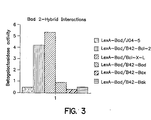
- Figure 3 shows binding interactions between human Bad and Bcl-2 and between human Bad and Bcl-X L in a yeast two-hybrid assay.
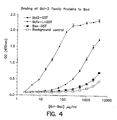
- Figure 4 shows the binding interactions between human Bad and Bcl-2 and between human Bad and Bcl-X L in an ELIZA assay.
- This invention is directed to the human Bcl-x L /Bcl-2 associated death (Bad) promoting polypeptide and encoding nucleic acids.
- This protein is a member of the Bcl-2 family of cell death regulatory proteins in that it shows sequence homology with this family of proteins and is able to bind Bcl-x L and to Bcl-2.
- the binding of human Bad to Bcl-x L results in the induction of programmed cell death.
- the binding properties of human Bad to BCl-x L have been found to be different from the properties of Bax and Bak, two other death-enhancing Bcl-2 family proteins.
- the invention is directed to nucleic acids encoding human Bad.
- the nucleic acids are used to produce recombinant Bad polypeptides which can be used in screening assays to identify compounds that interfere with Bad function. These screening assays yield compounds that antagonize the function of Bad and thus will prevent apoptosis.
- Such pharmaceutical compounds are useful for the treatment or prevention of diseases which are characterized by apoptotic cell death.
- assays can be configured to yield compounds that exhibit substantially the same function as, or "mimic" the function of Bad and thus enhance apoptosis. These pharmaceutical compounds are useful for the treatment or prevention of diseases which are characterized by the loss of apoptotic cell death.
- Human Bad polypeptides can also be used to identify novel interacting polypeptides and to identify the binding domains within these proteins as well as within known binding polypeptides such as Bcl-X L . Similarly, these novel binding polypeptides and binding domains can be used to inhibit or enhance apoptosis or to identify compounds which modulate their apoptotic function.
- the term "substantially" when referring to the human Bad nucleotide or amino acid sequence is intended to refer to the degree to which two sequences of between about 15-30 or more nucleotides in length, are identical or similar so as to be considered by those skilled in the art to be functionally equivalent.
- the human Bad nucleic acid of the invention has a nucleotide sequence substantially the same as that shown in Figure 1 and as SEQ ID NO:1.
- SEQ ID NO:1 if a second sequence is substantially the same as that shown as SEQ ID NO:1 so as to selectively hybridize, then it is considered functionally equivalent by those skilled in the art.
- Functionally equivalent nucleic acid sequences include, for example, sequences that are related, but different and encode the same human Bad polypeptide due to the degeneracy of the genetic code as well as sequences that are related, but different and encode a different human Bad polypeptide that exhibits similar functional activity. In both cases, the nucleic acids encode functionally equivalent gene products. Functional fragments of human Bad encoding nucleic acids such as oligonucleotides, polyoligonucleotides, primers and modified forms thereof are also considered to be within the definition of the term and the invention as claimed. Modified forms of functionally equivalent nucleic acid sequences include, for example, chemical modifications or derivatives such as those used in antisense therapy. Functional equivalency is also relevant to human Bad nucleic acids which do not encode gene products, for example, but instead are functional elements in and of themselves. Specific examples of such functional nucleic acids include, for example, promoters, enhances and other gene expression regulatory elements.
- Human Bad polypeptides of the invention have an amino acid sequence substantially similar to that shown in Figures 1 and in SEQ ID NO:2.
- Functionally equivalent human Bad amino acid sequences similarly includes, for example, related, but different sequences so long as the different polypeptide exhibits at least one functional activity of human Bad.
- Specific examples of Bad polypeptide functional activities include functions such as the ability to bind or otherwise interact with Bad interacting polypeptides and/or Bad binding partners and the ability to promote cell death by heterdimerization with, for example, Bcl-x L and Bcl-2.
- Related, but different polypeptides also include, for example, substitutions of conserved and/or non-essential amino acids within the Bad polypeptide sequence. Fragments and functional domains of human Bad are similarly included within the definition of the term and the claimed invention.
- Bind interacting polypeptide is intended to mean a peptide, polypeptide or protein which interacts directly or indirectly with the human Bad polypeptide.
- polypeptides include, for example, Bcl-x L and Bcl-2.
- Bcl-x L and Bcl-2 When associated with human Bad, these interacting polypeptides form a heterodimer with the human Bad polypeptide.
- Direct interaction can include the direct binding of human Bad polypeptide with the interacting polypeptide. Binding can occur, for example, through polypeptide-polypeptide binding interaction or through binding involving post-translational modifications. Examples of post-translational modifications can include phosphorylation, glycosylation, acylation and lipidation.
- Indirect interaction between Bad and Bad interacting polypeptides can include, for example, the interaction of human Bad with a docking protein such as an SH2 or SH3 containing protein with functions to regulate the activity of a cell death protein proximal in the human Bad pathway.
- Human Bad interacting polypeptides can enhance Bad activity such as by augmenting the interaction of Bad with Bcl-x L or Bcl-2 or with other cell death regulatory molecules.
- human Bad interacting polypeptides can inhibit Bad activity by preventing the interaction of Bad with, for example, Bcl-x L , Bcl-2 or other cell death regulatory molecules. Similarly, such interactions can occur directly or indirectly.
- human Bad binding partner is intended to mean polypeptides, non-polypeptide mimetics, organic molecules and other compounds which bind to the human Bad polypeptide. As with human Bad interacting polypeptide, human Bad binding partners can either inhibit or enhance the function of Bad through the binding of these partners to human Bad.
- the invention provides a gene encoding human Bad or functional fragment thereof.
- the invention also provides an isolated nucleic acid sequence encoding human Bad or fragment thereof.
- the gene and nucleic acid sequences encode substantially the sequence as shown in SEQ ID NO:1. Fragments of the gene or nucleic acid sequence are provided which comprise single or double stranded nucleic acids having substantially the sequences shown in SEQ ID NO:1.
- the human Bad nucleic acids of the present invention were identified by searching a human database of expressed sequence tags (ESTs) to identify potential new sequence fragments which may have homology to the mouse Bad gene and other Bcl-2 family cell death regulators. This approach was chosen because the standard approach of using the mouse sequence to probe human cDNA libraries had failed in this case as described in the Examples. Searches of the EST database identified short ESTs containing partial nucleotide sequence homology to the mouse Bad nucleotide sequence. These EST sequences were then used to design probes for the screening of cDNA libraries.
- ESTs expressed sequence tags
- a given EST returned by the search may not include one of these functionally important highly homologous sites, but rather, may only include a region within the polypeptide with cryptic homology. Confirming an EST as an actual Bad or BH1 and BH2 encoding polypeptide involves translation of all positive EST hits in three different reading frames and subsequent identification of conservative sequence homologies to the gene of interest.
- a full length cDNA of the putative novel gene can be obtained and 1) analyzed for overall structural homology to Bad and Bcl-2 family members, 2) recombinantly expressed and analyzed for binding activity to other Bcl-2 family proteins and 3) analyzed for the induction or suppression of programmed cell death by heterologous expression of the cDNA in appropriate cells.
- recombinant DNA methods currently used by those skilled in the art include the polymerase chain reaction (PCR) which, combined with the human Bad nucleotide and amino acid sequences described herein, allows reproduction of human Bad encoding sequences. Desired sequences can be amplified exponentially starting from as little as a single gene copy by means of PCR.
- PCR polymerase chain reaction
- the PCR technology is the subject matter of United States Patent Nos. 4,683,195, 4,800,159, 4,754,065, and 4,683,202 all of which are incorporated by reference herein.
- the invention provides an isolated human Bad polypeptide comprising substantially the amino acid sequence as that shown in Figure 1 (SEQ ID NO:2). Human Bad functional fragments are also provided. A specific example of a human Bad functional fragment is the Bcl-X L binding domain.
- Isolated human Bad polypeptides of the invention can be obtained by a variety of methods known within the art.
- the isolated peptides can be purified by biochemical methods including, for example, affinity chromatography.
- Affinity matrices which can be used for human Bad isolation can be anti-human Bad monoclonal or polyclonal antibodies prepared against the amino acid sequence shown in Figure 1 (SEQ ID NO:2), or fragments thereof such as synthetic peptides, recombinant fragments or the like.
- cognate binding domains or polypeptides as well as other compounds known in the art which specifically bind to human Bad can similarly be used as affinity matrices to isolate substantially pure human Bad polypeptides of the invention.
- Human Bad polypeptides can also be produced by recombinant methods known to those skilled in the art.
- I Recombinant human Bad polypeptides include, for example, an amino acid sequence substantially the same as that shown in Figures 1 (SEQ ID NO:2) as well as fusion proteins and fragments thereof.
- the human Bad encoding nucleic acids can be cloned into the appropriate vectors for propagation, manipulation and expression. Such vectors are known or can be constructed by those skilled in the art and should contain all expression elements necessary for the transcription, translation, regulation, and if desired, sorting of the human Bad polypeptides.
- the vectors can also be for use in either prokaryotic or eukaryotic host systems so long as the expression and regulatory elements are of compatible origin. One of ordinary skill in the art will know which host systems are compatible with a particular vector.
- the recombinant polypeptides produced can be isolated by, for example, the methods described above.
- Apoptosis plays a significant role in numerous pathological conditions in that programmed cell death is either inhibited, resulting in increased cell survival, or enhanced which results in the loss of cell viability.
- pathological conditions in which increased cell survival contributes to the disease process include cancers in general, and more particularly cancers such as lymphomas and hormone dependent tumors.
- hormone dependent tumors include, for example, breast, prostate and ovarian cancer.
- Inhibition of programed cell death of immune cells plays a role in autoimmune diseases such as systemic lupus erythematosus and immune-mediated glomerulonephritis.
- Viruses such as herpesvirus, poxvirus and adenovirus carry anti-apoptotic genes to prolong production of viral particles by the host cell by preventing the host cell from committing suicide.
- apoptotic diseases where enhanced programed cell death is part of the disease process generally include, for example, neurodegenerative disorders such as Alzheimer's disease, Parkinson's disease, Amyotrophic lateral sclerosis, Retinitis pigmentosa, and Cerebellar degeneration.
- Other diseases associated with increased apoptosis include, for example, myelodysplastic syndromes such as aplastic anemia and ischemic injury including myocardial infarction, stroke and reperfusion injury.
- the human Bad encoding nucleic acids and polypeptides of the invention can be used to diagnose, treat or reduce the severity of cell death mediated diseases such as those described above as well as other diseases mediated by either increased or decreased programmed cell death. Additionally, the human Bad encoding nucleic acids and polypeptides of the invention can be used to screen for pharmaceutical compounds and macromolecules which inhibit or promote human Bad mediated programmed cell death.
- the human Bad encoding nucleic acids, polypeptides and functional fragments thereof can be used to diagnose, or to generate reagents to diagnose diseases mediated or characterized by programed cell death.
- Diagnosis can be by, for example, nucleic acid probe hybridization with human Bad containing nucleotide sequences or by antibody or ligand mediated detection with human Bad binding agents. Such methods are routine to those skilled in the art.
- Detection can be performed ex vivo, for example, by removing a cell or tissue sample from an individual exhibiting or suspected of exhibiting a cell death mediated disease. Correlation of increased human Bad expression or activity is indicative of diseases characterized by enhanced programmed cell death whereas correlation of decreased human Bad expression or activity is indicative of diseases characterized by the suppression of programmed cell death.
- human Bad polypeptides can also be formulated into pharmaceutical compositions known within the art for the treatment of cell death mediated diseases characterized by increased cell survival and proliferation.
- Functional fragments, including peptides and peptide mimetics corresponding to the Bcl-X L binding domain of human Bad can similarly be formulated for the treatment of such diseases associated with increased cell survival and proliferation.
- Administration of human Bad polypeptides and functional fragments thereof will induce apoptosis in treated cells and eliminate those cells characterized by increased cell survival or proliferation.
- Administration of non-human Bad polypeptides, molecules or compounds that induce the activation, regulation or expression of human Bad can similarly be used for the treatment of diseases characterized by increased cell survival and proliferation.
- Specific examples of such polypeptides, molecules and compounds include Bad interacting polypeptides, binding partners and non-peptide compound equivalents.
- the human Bad polypeptides must be introduced into the cells characterized by increased cell survival.
- Introduction can be accomplished by a variety of means known within the art including, for example, lipid vesicles and receptor mediated endocytosis. Targeting to the appropriate cell type can similarly be accomplished through conjugation to specific receptor ligands, specific target cell antibodies and the like.
- the human Bad polypeptides are administered by conventional methods, in dosages which are sufficient to induce apoptosis in the cells characterized by increased cell survival or proliferation. Such dosages are known or can be easily determined by those skilled in the art. Administration can be accomplished by, for example, intravenous, intraperitoneal or subcutaneous injection. Administration can be performed in a variety of different regimens which include single high dose administration or repeated small dose administration or a combination of both. The dosing will depend on the cell type, progression of the disease and overall health of the individual and will be known or can be determined by those skilled in the art.
- inhibitors of human Bad can be used to treat diseases characterized by increased programmed cell death.
- Such inhibitors can be, for example, binding domain inhibitors, including small non-peptide, organic molecule inhibitors.
- Such inhibitors are formulated in a medium which allows introduction into the desired cell type.
- such inhibitors can be attached to targeting ligands for introduction by cell mediated endocytosis and other receptor mediated events.
- inhibitors of human Bad include, for example, small molecules and organic compounds which bind and inactivate human Bad by a competitive or non-competitive type mechanism.
- Molecules, polypeptides or compounds which indirectly inhibit the human Bad pathway can also be used as inhibitors of human Bad. Indirect inhibition can be accomplished by, for example, inhibition of Bad interacting polypeptides with Bad. Such inhibition includes, for example, the inhibition of binding events as well as post-translational modifications which function in promoting human Bad mediated cell death.
- Human Bad inhibitors can be identified by screening for molecules which demonstrate specific or beneficial human Bad inhibitory activity. Such methods are described further below and can be practiced by those skilled in the art given the human Bad nucleotide and amino acid sequences described herein.
- Treatment or reduction of the severity of cell death mediated diseases can also be accomplished by, for example, introducing expressible nucleic acids encoding human Bad polypeptides or functional fragments thereof into cells characterized by such diseases.
- elevated synthesis rates of human Bad can be achieved by, for example, using recombinant expression vectors and gene transfer technology.
- treatment or reduction of the severity of cell death mediated diseases can also be accomplished by introducing and expressing antisense human Bad nucleic acids so as to inhibit the synthesis rates of human Bad.
- Such methods are well known within the art and include, for example, the introduction of a compatible expression vector into population of cells characterized by either increased or decreased programmed cell death.
- Vectors can include, for example, both DNA and RNA viral vectors.
- Adenovirus is a specific example of a DNA viral vector.
- oligonucleotides which are permeable to the cell membrane.
- Such oligonucleotides can include methylphosphonate and thiophosphonate chemical moieties for facilitating membrane permeability.
- the oligonucleotide can be employed for antisense inhibition of RNA processing, transport or translation events, or alternatively, oligonucleotides which form triple helices can be used for the inhibition of transcription. Such methods are well known in the art.
- the vector to be used in the methods of the invention will depend on desired cell type to be targeted. For example, if neurodegenerative diseases are to be treated by decreasing the human Bad activity of affected neuronal cells then a vector specific for cells of the neuronal cell lineage should be used. Likewise, if diseases or pathological conditions of the hematopoietic system are to be treated, than a viral vector that is specific for blood cells and their precursors, preferably for the specific type of hematopoietic cell, should be used. Moreover, such vectors can additionally be modified with specific receptors or ligands and the like to modify or alter target specificity through receptor mediated events. These modification procedures can be performed by, for example, recombinant DNA techniques or synthetic chemistry procedures. The specific type of vector will depend upon the intended application. The actual vectors are also known and readily available within the art or can be constructed by one skilled in the art using methodology well known to those skilled in the art.
- Vectors containing human Bad nucleic acids or inhibitors of human Bad such as antisense nucleic acids can be administered in several ways to obtain expression and therefore either increase or decrease the activity of human Bad in the cells affected by the disease or pathological condition. If viral vectors are used, for example, the procedure can take advantage of their target specificity and consequently, do not have to be administered locally at the diseased site. However, local administration can provide a quicker and more effective treatment. Administration can also be performed by, for example, intravenous or subcutaneous injection into the subject. Injection of the viral vectors into the spinal fluid can also be used as a mode of administration, especially in the case of neurodegenerative diseases.
- Transfection vehicles such as liposomes can be used to introduce the non-viral vectors into recipient cells within and inoculated area. Such transfection vehicles are known by one skilled within the art. Alternatively, non-targeting vectors can be administered directly into a tissue of any individual. Such methods are known within the art and are described by, for example, Wolff et al. (Science 247:1465-1468 (1990)).
- Additional features can be added to the vectors to ensure safety and/or enhance therapeutic efficacy.
- Such features include, for example, markers that can be used to negatively select against cells infected with the recombinant virus.
- An example of such a negative selection marker is the TK gene described above that confers sensitivity to the antibiotic gancyclovir. Negative selection is therefore a means by which infection can be controlled because it provides inducible suicide through the addition of antibiotic. Such protection ensures that if, for example, mutations arise that produce mutant forms of human Bad, dysfunction of apoptosis will not occur.
- the human Bad encoding nucleic acids and human Bad polypeptides of the invention can be used to screen for compounds which inhibit or enhance the activity of human Bad.
- Such compounds can act directly or indirectly on human Bad, human Bad binding partners or human Bad interacting polypeptides.
- screening methods are known to those skilled in the art and can be performed by either in vitro or in vivo procedures.
- described in Example II is a specific in vivo assay for human Bad binding activity.
- the identification of a human Bad binding domain which can be used as an inhibitory compound for human Bad binding activity.
- this binding domain can also be used to model alternative inhibitors of human Bad and human Bad binding partners. Methods other than that described in Example II can also be used to screen and identify compounds which inhibit human Bad.
- Phage display peptide libraries can similarly be screened for inhibitory polypeptides. Such libraries offer the advantages of producing greater than 10 8 peptide sequences which can be screened in a single round of panning. These methods as well as others are known within the art and can be utilized to identify compounds which inhibit or enhance human Bad binding activity.
- the EST database (NCBI) was searched with a 204 amino acid mouse protein sequence using the BLAST network service. Initial search attempts resulted in partial sequences showing limited homology to the search query. Briefly, an EST sequence was identified that had 25 out of 32 identical amino acids in the region corresponding to mouse residues 100-131 and 7 out of 7 identical amino acids in a region corresponding to mouse residues 147-153. Overall, this EST sequence was 364 nucleotides in length and exhibited an overall sequence homology to the mouse sequence of 72% at the nucleotide level.
- Human cDNA libraries were screened using a 200 bp fragment amplified from the above putative human Bad EST.
- the 200 bp fragment was labeled with 32 P-dCTP and then used to screen libraries derived from human substantia nigra, bone marrow and placenta. Screening methods were used were those known in the art and which are essentially described in Sambrook et al., Molecular Cloning: A Laboratory Manual, Cold Spring Harbor Laboratory, New York (1992). Briefly, 10 6 plaque forming units were screened per library using a commercially available hybridization buffer, Quick Hybe (Stratagene) containing the above described putative human Bad EST probe. To identify positive plaques, duplicate filters were washed three times in 1X SSC and exposed to X-OMAT film (Kodak).
- yeast two-hybrid system was employed using the above described clones. Briefly, the full length human Bad sequence was subcloned into the yeast 2-hybrid vector pEGE202, or "bait-vector" to express Bad as a fusion protein with the DNA-binding protein LexA (Ruden et al., Nature (1991) 350:426-430).
- PCR reaction we used the following primers: 5'ATC AGT GAA TTC ACT ATG TTC CAG ATC CCA GAC3' (SEQ ID NO: 4) and 5'ATC GAT CTC GAG TCA CTG GGA GGG GGC GGA GCT3' (SEQ ID NO: 5).
- the resultant PCR fragment was digested with EcoRI and Xho I and then subcloned into the bait vector.
- the human Bad sequence was also PCR amplified and subcloned into the prey-vector using the same primers and subcloning strategy as described above.
- Human Bak was PCR amplified and subcloned as an EcoRI/XhoI fragment into vector pJG4-5 using the following primers: 5'ATC AGT GAA TTC ACT ATG GCT TCG GGG CAA GGC CC-3' (SEQ ID NO: 6) and 5' ATC GAT CTC GAG TCA GTT CAG GAT GGG ACC ATT GC-3 (SEQ ID NO: 7).
- Human Bax was PCR amplified and subcloned as an EcoRI/XhoI fragment into vector pJG4-5 using the following primers: 5' ATC AGT GAA TTC ACT ATG GAC GGG TCC GGG GAG-3' (SEQ ID NO: 8) and 5'-TAC AGT CTC GAG TCA GGT CAC GGT CTG CCA CGT GGG-3 (SEQ ID NO: 9).
- Human Bcl-2, Bcl-X-L and Bcl-X-S in the yeast 2-hybrid vector pJG4-5 were available and used as described previously by Sato et al. (Proc. Natl. Acad. Sci. 91:9238-9242 (1994)).
- the Bad-bait plasmid was cotransformed with every prey plasmid and the reporter plasmid p18-34 into the yeast strain EGY191. Cells were induced for 6 hours with galactose to allow expression from the prey plasmid.
- This Example shows the screening and identification of compounds which inhibit human Bad interacting polypeptides and human Bad associations using recombinant human Bad polypeptides.
- an ELISA-type assay is employed. This assay format is used here due to its reliability and simplicity, however, other formats and binding assays can be substituted in place of the ELISA.
- yeast-2-hybrid interaction between Bad and Bcl-X L or Bcl-2 shown in Example II can also be used as a compound screening assay.
- pET15b-bad construct was made as follows. Full length bad cDNA was amplified by PCR using cDNA BM1 as template and primers containing NdeI (5') and XhoI (3') restriction sites (5' primer: 5'-GGG AAT TCC ATA TGT TCC AGA TCC CAG AG-3' (SEQ ID NO: 10)); 3' primer: 5'-TAC AGT CTC GAG TCA CTG GGA GGG GGC GGA GCT-3' (SEQ ID NO: 11)).
- the PCR product was then digested with NdeI/XhoI and ligated into the NdeI and XhoI sites of pET15b.
- the above primer sequences were chosen such that the bad ORF sequence would be in frame with 5' vector sequence encoding a six residue Histidine tag.
- the final construct was termed pET-15 6H Bad.
- the pGEX-Bcl-X L and pGEX Bax were constructed in similar fashion using primers containing EcoRI sites on both 5' and 3' ends (Bcl-X L , 5' primer: 5'-AGT ATC GAA TTC ATG TCT CAG AGC AAC CGG-3' (SEQ ID NO: 12), BcL-X L 3' primer: 5'-ATT GAT GAA TTC GTT GAA GCG TTC CTG GCC CTT-3' (SEQ ID NO: 13), Bax-5' primer: 5'-ATC AGT CTC GAG ACT ATG GAC GGG TCC GGG GAG-3' (SEQ ID NO: 14), Bax-3' primer: 5'-TAC GAT GAA TTC GGT CAC GGT CTG CCA CGT GGG-3' (SEQ ID NO: 15).
- PCR products were then digested with EcoRI and ligated into the EcoRI site of pGEX 4T1.
- the above primer sequences were chosen such that Bcl-X L and Bax ORF sequence would be in frame with 5' vector sequence encoding a glutathione-S-transferase tag.
- Proteins were purified according to methods known in the art and to protocols provided by the vendor. Briefly, pET 15-6Hbad was transformed into E. coli strain BL21 plysS and pGE constructs into strain XL1-Blue for protein production. Bacteria were grown in the presence of 100 ⁇ g/ml carbenicillin (and 34 ⁇ g/ml chloramphenicol in the case of BL21 plysS) until reaching an O.D of 1. The cultures were induced with 1 mM IPTG and grown for an additional 3 hours.
- Bacteria were harvested by centrifugation, and protein isolated by sonication in 50 mM Tris, pH7 with 0.1% Triton X-100 containing protease inhibitors PMSF, leupeptin (1 mg/ml) and benzamidine (1 mM). Proteins were then purified by affinity chromatography using either nickel (for 6HBad) or glutathione (for GST Bcl-X L and GST-Bax) as the affinity ligand.
- multiwell plates were coated overnight at 4°C with 50 ⁇ l/well of the 6HBad fusion protein (4 ⁇ g/ml) in phosphate buffered saline (PBS). The plates were then washed twice with phosphate-buffered saline containing 0.02% Tween (PBST) and blocked with PBS containing 1% BSA (150 ⁇ l/well) for 2 hours at room temperature. Prior to addition of compounds to be tested, the plates were washed twice with PBST. Test compounds were added to the wells to a final concentration of about 20 ⁇ M (50 ⁇ l/well) in PBST + 0.5% BSA. The plates were then incubated for 1 hour at room temperature.
- PBS phosphate buffered saline
- GST-Bcl-x L fusion protein (liquid phase) at about 1.5 ⁇ g/ml in PBST + 0.5% BSA was then added to the plates (50 ⁇ l/well) and incubated for 2 hours at room temperature.
- GST-Bcl-x L was added in the absence of the test compound.
- assays were performed on plates not coated with the 6HBad fusion protein.
- An ELISA assay was then performed by first washing the plates five times with PBST and then adding an anti-GST monoclonal antibody (1:5000) in PBST + 0.5% BSA to the well (50 ⁇ l/well). This antibody will detect the GST-Bcl-x L fusion protein that remains bound to the human Bad polypeptide on the plates. The antibody was allowed to incubate for 1 hour at room temperature. Plates were washed five times with PBST and then incubated with goat-anti-mouse-alkaline phosphatase conjugated secondary antibody (1:1000) in PBST + 0.5% BSA (50 ⁇ l/well). The secondary antibody is allowed to incubate for 1 hour at room temperature.
- the plates were washed five times with PBST and then incubated for 20 minutes with pNPP substrate (50 ⁇ l/well). Development of the plates was stopped by addition of 0.4M NaOH (50 ⁇ l/well) . The plates were then read in a Molecular Devices plate reader at 405 nm. Compounds which inhibit the association of human Bad interacting polypeptides such as the GST-Bcl-x L fusion protein described above will result in a lower signal compared to the positive control.
Landscapes
- Health & Medical Sciences (AREA)
- Chemical & Material Sciences (AREA)
- Life Sciences & Earth Sciences (AREA)
- Organic Chemistry (AREA)
- Medicinal Chemistry (AREA)
- General Health & Medical Sciences (AREA)
- Biochemistry (AREA)
- Biophysics (AREA)
- Gastroenterology & Hepatology (AREA)
- Genetics & Genomics (AREA)
- Zoology (AREA)
- Molecular Biology (AREA)
- Proteomics, Peptides & Aminoacids (AREA)
- Toxicology (AREA)
- Engineering & Computer Science (AREA)
- Public Health (AREA)
- Chemical Kinetics & Catalysis (AREA)
- General Chemical & Material Sciences (AREA)
- Nuclear Medicine, Radiotherapy & Molecular Imaging (AREA)
- Pharmacology & Pharmacy (AREA)
- Animal Behavior & Ethology (AREA)
- Bioinformatics & Cheminformatics (AREA)
- Veterinary Medicine (AREA)
- Medicines That Contain Protein Lipid Enzymes And Other Medicines (AREA)
- Peptides Or Proteins (AREA)
- Measuring Or Testing Involving Enzymes Or Micro-Organisms (AREA)
- Micro-Organisms Or Cultivation Processes Thereof (AREA)
- Investigating Or Analysing Biological Materials (AREA)
Applications Claiming Priority (3)
| Application Number | Priority Date | Filing Date | Title |
|---|---|---|---|
| US08/717,123 US5965703A (en) | 1996-09-20 | 1996-09-20 | Human bad polypeptides, encoding nucleic acids and methods of use |
| US717123 | 1996-09-20 | ||
| EP97945253A EP0929674A2 (fr) | 1996-09-20 | 1997-09-18 | POLYPEPTIDES DE Bad HUMAINE CODANT DES ACIDES NUCLEIQUES ET LEURS PROCEDES D'UTILISATION |
Related Parent Applications (1)
| Application Number | Title | Priority Date | Filing Date |
|---|---|---|---|
| EP97945253A Division EP0929674A2 (fr) | 1996-09-20 | 1997-09-18 | POLYPEPTIDES DE Bad HUMAINE CODANT DES ACIDES NUCLEIQUES ET LEURS PROCEDES D'UTILISATION |
Publications (2)
| Publication Number | Publication Date |
|---|---|
| EP1097994A2 true EP1097994A2 (fr) | 2001-05-09 |
| EP1097994A3 EP1097994A3 (fr) | 2003-01-15 |
Family
ID=24880795
Family Applications (2)
| Application Number | Title | Priority Date | Filing Date |
|---|---|---|---|
| EP01101828A Withdrawn EP1097994A3 (fr) | 1996-09-20 | 1997-09-18 | Polypeptides Bad humaine codant des acides nucléitiques et leurs procédés d'utilisation |
| EP97945253A Ceased EP0929674A2 (fr) | 1996-09-20 | 1997-09-18 | POLYPEPTIDES DE Bad HUMAINE CODANT DES ACIDES NUCLEIQUES ET LEURS PROCEDES D'UTILISATION |
Family Applications After (1)
| Application Number | Title | Priority Date | Filing Date |
|---|---|---|---|
| EP97945253A Ceased EP0929674A2 (fr) | 1996-09-20 | 1997-09-18 | POLYPEPTIDES DE Bad HUMAINE CODANT DES ACIDES NUCLEIQUES ET LEURS PROCEDES D'UTILISATION |
Country Status (6)
| Country | Link |
|---|---|
| US (4) | US5965703A (fr) |
| EP (2) | EP1097994A3 (fr) |
| JP (1) | JP2001507211A (fr) |
| AU (1) | AU724639B2 (fr) |
| CA (1) | CA2265912C (fr) |
| WO (1) | WO1998012328A2 (fr) |
Families Citing this family (65)
| Publication number | Priority date | Publication date | Assignee | Title |
|---|---|---|---|---|
| US7192713B1 (en) | 1999-05-18 | 2007-03-20 | President And Fellows Of Harvard College | Stabilized compounds having secondary structure motifs |
| JP2003506071A (ja) * | 1999-05-28 | 2003-02-18 | アポプトシス テクノロジー,アイエヌシー. | アポトーシスを制御する化合物および方法ならびにアポトーシスを制御する化合物を製造およびスクリーニングする方法 |
| US6737511B1 (en) * | 1999-08-16 | 2004-05-18 | The United States Of America As Represented By The Department Of Health And Human Services | Receptor-mediated uptake of an extracellular BCL-xL fusion protein inhibits apoptosis |
| US7193044B1 (en) * | 2000-05-30 | 2007-03-20 | Immunogen, Inc. | Compounds and methods for regulating apoptosis, and methods of making and screening for compounds that regulate apoptosis |
| WO2002020568A2 (fr) * | 2000-09-06 | 2002-03-14 | Abbott Laboratories | Peptides mutants derives de bad et leur utilisation pour identifier des substances se liant a un element de la famille de proteines bcl-2 |
| US20030171279A1 (en) * | 2001-07-31 | 2003-09-11 | Joshua Munger | Methods and composition concerning herpesvirus Us3 and BAD-involved apoptosis |
| JPWO2003018058A1 (ja) * | 2001-08-22 | 2004-12-09 | 横田 充弘 | 心筋細胞のアポトーシス抑制剤 |
| US20040171809A1 (en) * | 2002-09-09 | 2004-09-02 | Korsmeyer Stanley J. | BH3 peptides and method of use thereof |
| ES2586387T3 (es) * | 2003-11-05 | 2016-10-14 | Dana-Farber Cancer Institute, Inc. | Péptidos alfa helicoidales adecuados para activar o inhibir la muerte celular |
| CA2591992A1 (fr) | 2004-12-22 | 2006-06-29 | The Salk Institute For Biological Studies | Compositions et procedes pour produire des proteines recombinees |
| CA2645853A1 (fr) | 2006-03-31 | 2007-11-01 | Dana-Farber Cancer Institute | Procedes de determination de la chimiosensibilite cellulaire |
| US7981998B2 (en) | 2006-12-14 | 2011-07-19 | Aileron Therapeutics, Inc. | Bis-sulfhydryl macrocyclization systems |
| BRPI0720306A2 (pt) * | 2006-12-14 | 2014-02-04 | Aileron Therapeutics Inc | Sistemas de macrociclização da bis-sufidrila |
| DK2118123T3 (en) | 2007-01-31 | 2016-01-25 | Dana Farber Cancer Inst Inc | Stabilized p53 peptides and uses thereof |
| ES2649941T3 (es) | 2007-02-23 | 2018-01-16 | Aileron Therapeutics, Inc. | Aminoácidos sustituidos para preparar péptidos macrocíclicos unidos a triazol |
| US8592377B2 (en) | 2007-03-28 | 2013-11-26 | President And Fellows Of Harvard College | Stitched polypeptides |
| DE112009000300T5 (de) * | 2008-02-08 | 2011-01-20 | Aileron Therapeutics, Inc., Cambridge | Therapeutische Peptidomimetische Makrocyclen |
| US20110144303A1 (en) * | 2008-04-08 | 2011-06-16 | Aileron Therapeutics, Inc. | Biologically Active Peptidomimetic Macrocycles |
| EP2310407A4 (fr) * | 2008-04-08 | 2011-09-14 | Aileron Therapeutics Inc | Macrocycles peptidomimétiques biologiquement actifs |
| US8829282B2 (en) * | 2008-05-14 | 2014-09-09 | Monsanto Technology, Llc | Plants and seeds of spring canola variety SCV425044 |
| US7964774B2 (en) * | 2008-05-14 | 2011-06-21 | Monsanto Technology Llc | Plants and seeds of spring canola variety SCV384196 |
| US7947877B2 (en) * | 2008-05-14 | 2011-05-24 | Monosanto Technology LLC | Plants and seeds of spring canola variety SCV328921 |
| US7935870B2 (en) * | 2008-05-14 | 2011-05-03 | Monsanto Technology Llc | Plants and seeds of spring canola variety SCV354718 |
| EP2356139A4 (fr) | 2008-07-23 | 2013-01-09 | Harvard College | Ligature de polypeptides agrafés |
| CN102203126A (zh) | 2008-09-22 | 2011-09-28 | 爱勒让治疗公司 | 用于制备纯化的多肽组合物的方法 |
| US9175047B2 (en) | 2009-01-14 | 2015-11-03 | Aileron Therapeutics, Inc. | Peptidomimetic macrocycles |
| US8071848B2 (en) * | 2009-06-17 | 2011-12-06 | Monsanto Technology Llc | Plants and seeds of spring canola variety SCV218328 |
| AU2010273220B2 (en) | 2009-07-13 | 2015-10-15 | President And Fellows Of Harvard College | Bifunctional stapled polypeptides and uses thereof |
| CN102712675A (zh) | 2009-09-22 | 2012-10-03 | 爱勒让治疗公司 | 拟肽大环化合物 |
| US8138394B2 (en) * | 2010-02-26 | 2012-03-20 | Monsanto Technology Llc | Plants and seeds of spring canola variety SCV431158 |
| US8148611B2 (en) * | 2010-02-26 | 2012-04-03 | Monsanto Technology Llc | Plants and seeds of spring canola variety SCV453784 |
| US8143488B2 (en) * | 2010-02-26 | 2012-03-27 | Monsanto Technoloy LLC | Plants and seeds of spring canola variety SCV470336 |
| US8581048B2 (en) * | 2010-03-09 | 2013-11-12 | Monsanto Technology, Llc | Plants and seeds of spring canola variety SCV119103 |
| US8153865B2 (en) * | 2010-03-11 | 2012-04-10 | Monsanto Technology Llc | Plants and seeds of spring canola variety SCV152154 |
| ES2711526T3 (es) | 2010-08-13 | 2019-05-06 | Aileron Therapeutics Inc | Macrociclos peptidomiméticos |
| WO2012040459A2 (fr) | 2010-09-22 | 2012-03-29 | President And Fellows Of Harvard College | Peptides de ciblage de la béta-caténine et leurs utilisations |
| US8513494B2 (en) | 2011-04-08 | 2013-08-20 | Chunren Wu | Plants and seeds of spring canola variety SCV695971 |
| US8507761B2 (en) | 2011-05-05 | 2013-08-13 | Teresa Huskowska | Plants and seeds of spring canola variety SCV372145 |
| US9487562B2 (en) | 2011-06-17 | 2016-11-08 | President And Fellows Of Harvard College | Stabilized polypeptides as regulators of RAB GTPase function |
| TW201806968A (zh) | 2011-10-18 | 2018-03-01 | 艾利倫治療公司 | 擬肽巨環化合物 |
| BR112014020103A2 (pt) | 2012-02-15 | 2018-10-09 | Aileron Therapeutics, Inc. | macrociclos peptidomiméticos |
| EP2819688A4 (fr) | 2012-02-15 | 2015-10-28 | Aileron Therapeutics Inc | Macrocycles peptidomimétiques réticulés par triazole et par thioéther |
| US8802935B2 (en) | 2012-04-26 | 2014-08-12 | Monsanto Technology Llc | Plants and seeds of spring canola variety SCV942568 |
| JP6352924B2 (ja) | 2012-09-19 | 2018-07-04 | ダナ−ファーバー キャンサー インスティテュート, インコーポレイテッド | ダイナミックbh3プロファイリング |
| WO2014052647A2 (fr) | 2012-09-26 | 2014-04-03 | President And Fellows Of Harvard College | Peptides agrafés bloqués par la proline et leurs utilisations |
| WO2014071241A1 (fr) | 2012-11-01 | 2014-05-08 | Aileron Therapeutics, Inc. | Acides aminés disubstitués et procédés de préparation et d'utilisation de ceux-ci |
| EP3391898A3 (fr) | 2013-03-13 | 2019-02-13 | President and Fellows of Harvard College | Polypeptides piqués et agrafés et leurs utilisations |
| JP2016523241A (ja) | 2013-06-14 | 2016-08-08 | プレジデント アンド フェローズ オブ ハーバード カレッジ | 安定化されたポリペプチドインスリン受容体調節剤 |
| AU2014323526B2 (en) | 2013-09-19 | 2020-07-23 | Dana-Farber Cancer Institute, Inc. | Methods of BH3 profiling |
| CA2949535C (fr) | 2014-05-21 | 2023-09-12 | President And Fellows Of Harvard College | Peptides inhibiteurs de ras et leurs utilisations |
| EP3197478A4 (fr) | 2014-09-24 | 2018-05-30 | Aileron Therapeutics, Inc. | Macrocycles peptidomimétiques et leurs utilisations |
| AU2015320545C1 (en) | 2014-09-24 | 2020-05-14 | Aileron Therapeutics, Inc. | Peptidomimetic macrocycles and formulations thereof |
| WO2016154058A1 (fr) | 2015-03-20 | 2016-09-29 | Aileron Therapeutics, Inc. | Macrocycles peptidomimétiques et leurs utilisations |
| HK1251655A1 (zh) | 2015-04-20 | 2019-02-01 | Tolero Pharmaceuticals, Inc. | 通过线粒体分析预测对阿伏西地的应答 |
| EP3288964B1 (fr) | 2015-04-27 | 2024-02-21 | Dana-Farber Cancer Institute, Inc. | Profilage bh3 à haut rendement : une technologie rapide et échelonnable pour un profil bh3 sur un faible nombre de cellules |
| KR102608921B1 (ko) | 2015-05-18 | 2023-12-01 | 스미토모 파마 온콜로지, 인크. | 생체 이용률이 증가된 알보시딥 프로드러그 |
| US10059741B2 (en) | 2015-07-01 | 2018-08-28 | Aileron Therapeutics, Inc. | Peptidomimetic macrocycles |
| JP7083497B2 (ja) | 2015-08-03 | 2022-06-13 | スミトモ ファーマ オンコロジー, インコーポレイテッド | がんの処置のための併用療法 |
| WO2017044633A1 (fr) | 2015-09-10 | 2017-03-16 | Aileron Therapeutics, Inc. | Macrocycles peptidomimétiques en tant que modulateurs de mcl-1 |
| WO2018094275A1 (fr) | 2016-11-18 | 2018-05-24 | Tolero Pharmaceuticals, Inc. | Promédicaments de l'alvocidib et leur utilisation en tant qu'inhibiteurs de protéines kinases |
| AU2017379847B2 (en) | 2016-12-19 | 2022-05-26 | Sumitomo Pharma Oncology, Inc. | Profiling peptides and methods for sensitivity profiling |
| JP7196160B2 (ja) | 2017-09-12 | 2022-12-26 | スミトモ ファーマ オンコロジー, インコーポレイテッド | Mcl-1阻害剤アルボシジブを用いた、bcl-2阻害剤に対して非感受性である癌の治療レジメン |
| US11034710B2 (en) | 2018-12-04 | 2021-06-15 | Sumitomo Dainippon Pharma Oncology, Inc. | CDK9 inhibitors and polymorphs thereof for use as agents for treatment of cancer |
| EP3931563A4 (fr) | 2019-02-26 | 2022-12-21 | Dana-Farber Cancer Institute, Inc. | Profilage de bh3 dynamique par imagerie de cellules vivantes |
| WO2020191326A1 (fr) | 2019-03-20 | 2020-09-24 | Sumitomo Dainippon Pharma Oncology, Inc. | Traitement de la leucémie myéloïde aiguë (aml) après échec du vénétoclax |
Family Cites Families (7)
| Publication number | Priority date | Publication date | Assignee | Title |
|---|---|---|---|---|
| US4754065A (en) * | 1984-12-18 | 1988-06-28 | Cetus Corporation | Precursor to nucleic acid probe |
| US4683195A (en) * | 1986-01-30 | 1987-07-28 | Cetus Corporation | Process for amplifying, detecting, and/or-cloning nucleic acid sequences |
| US4683202A (en) * | 1985-03-28 | 1987-07-28 | Cetus Corporation | Process for amplifying nucleic acid sequences |
| US4800159A (en) * | 1986-02-07 | 1989-01-24 | Cetus Corporation | Process for amplifying, detecting, and/or cloning nucleic acid sequences |
| US5352771A (en) * | 1992-08-31 | 1994-10-04 | Iowa State University Research Foundation Inc. | Hydrolysis of peptide bonds using Pt (II) and Pd (II) complexes |
| US5622852A (en) * | 1994-10-31 | 1997-04-22 | Washington University | Bcl-x/Bcl-2 associated cell death regulator |
| US5663316A (en) * | 1996-06-18 | 1997-09-02 | Clontech Laboratories, Inc. | BBC6 gene for regulation of cell death |
-
1996
- 1996-09-20 US US08/717,123 patent/US5965703A/en not_active Expired - Lifetime
-
1997
- 1997-09-18 CA CA002265912A patent/CA2265912C/fr not_active Expired - Fee Related
- 1997-09-18 EP EP01101828A patent/EP1097994A3/fr not_active Withdrawn
- 1997-09-18 EP EP97945253A patent/EP0929674A2/fr not_active Ceased
- 1997-09-18 WO PCT/US1997/016991 patent/WO1998012328A2/fr not_active Ceased
- 1997-09-18 AU AU46499/97A patent/AU724639B2/en not_active Expired
- 1997-09-18 JP JP51499798A patent/JP2001507211A/ja active Pending
-
1999
- 1999-08-16 US US09/375,257 patent/US6504022B1/en not_active Expired - Fee Related
-
2001
- 2001-08-03 US US09/922,378 patent/US6824991B2/en not_active Expired - Lifetime
-
2002
- 2002-02-01 US US10/066,179 patent/US20020115631A1/en not_active Abandoned
Also Published As
| Publication number | Publication date |
|---|---|
| JP2001507211A (ja) | 2001-06-05 |
| US6824991B2 (en) | 2004-11-30 |
| AU4649997A (en) | 1998-04-14 |
| US20020037869A1 (en) | 2002-03-28 |
| US5965703A (en) | 1999-10-12 |
| EP1097994A3 (fr) | 2003-01-15 |
| CA2265912C (fr) | 2009-11-24 |
| WO1998012328A2 (fr) | 1998-03-26 |
| CA2265912A1 (fr) | 1998-03-26 |
| EP0929674A2 (fr) | 1999-07-21 |
| AU724639B2 (en) | 2000-09-28 |
| WO1998012328A3 (fr) | 1998-05-28 |
| US20020115631A1 (en) | 2002-08-22 |
| US6504022B1 (en) | 2003-01-07 |
Similar Documents
| Publication | Publication Date | Title |
|---|---|---|
| AU724639B2 (en) | Human bad polypeptides, encoding nucleic acids and methods of use | |
| WO1998012328A9 (fr) | Polypeptides de bad humaine codant des acides nucleiques et leurs procedes d'utilisation | |
| JP4299886B2 (ja) | アポトーシス関連ペプチドをコードする遺伝子ファミリー、それによってコードされるペプチド、およびそれらの使用方法 | |
| WO1998034946A1 (fr) | Daxx, nouvelle proteine fixatrice de fas activant une jnk (kinase n-terminale de jun) et l'apoptose | |
| US5876939A (en) | FAS associated proteins | |
| WO1998034946A9 (fr) | Daxx, nouvelle proteine fixatrice de fas activant une jnk (kinase n-terminale de jun) et l'apoptose | |
| JP2002502590A (ja) | Card関連蛋白質ファミリーの新規分子とその使用 | |
| US20020119517A1 (en) | Leptin induced genes | |
| JP2002517996A (ja) | 短型のApaf−1およびその使用方法 | |
| US7528244B2 (en) | Regulators of apoptosis | |
| JP2002524039A (ja) | ヒトアポプトシス阻害剤タンパク質hiap3をコードするdna | |
| US7196182B2 (en) | Card domain containing polypeptides, encoding nucleic acids, and methods of use | |
| US6953691B2 (en) | Nucleic acid molecule encoding a PANG6 polypeptide | |
| WO2002026780A2 (fr) | Polypeptides contenant un domaine paad, acides nucleiques codant ces polypeptides, et procedes d'utilisation | |
| US6348573B1 (en) | Compositions and methods for identifying apoptosis signaling pathway inhibitors and activators | |
| US6570002B1 (en) | Inhibitor of programmed cell death | |
| Bonfoco et al. | Characterization of a novel proapoptotic caspase-2-and caspase-9-binding protein | |
| JP2001523943A (ja) | 2つのヒト・カテプシンタンパク質 | |
| JP2000500338A (ja) | Mch3、アポトーシス性プロテアーゼ、コードする核酸、および使用方法 | |
| JP2003510031A (ja) | 細胞死調節に関与するcardタンパク質 | |
| US6190912B1 (en) | Blk genes and uses thereof in apoptosis | |
| PL204844B1 (pl) | Izolowany polinukleotyd, polinukleotyd antysensowny, izolowany polipeptyd, przeciwciało monoklonalne lub jego fragment wiążący antygen, wektor ekspresyjny, komórka gospodarza transformowana lub transfekowana wektorem ekspresyjnym, kompozycja farmaceutyczna, zastosowanie izolowanego polipeptydu | |
| HK1038588A (en) | Human bad polypeptides, encoding nucleic acids and methods of use | |
| JP2002520055A (ja) | ヒトプレセニリン関連タンパク質 | |
| JP2000517175A (ja) | ヒトdbi/acbp様タンパク質 |
Legal Events
| Date | Code | Title | Description |
|---|---|---|---|
| PUAI | Public reference made under article 153(3) epc to a published international application that has entered the european phase |
Free format text: ORIGINAL CODE: 0009012 |
|
| 17P | Request for examination filed |
Effective date: 20010126 |
|
| AC | Divisional application: reference to earlier application |
Ref document number: 929674 Country of ref document: EP |
|
| AK | Designated contracting states |
Kind code of ref document: A2 Designated state(s): AT BE CH DE DK ES FI FR GB GR IE IT LI LU MC NL PT SE |
|
| RIN1 | Information on inventor provided before grant (corrected) |
Inventor name: OLTERSDORF, TILMAN |
|
| PUAL | Search report despatched |
Free format text: ORIGINAL CODE: 0009013 |
|
| AK | Designated contracting states |
Kind code of ref document: A3 Designated state(s): AT BE CH DE DK ES FI FR GB GR IE IT LI LU MC NL PT SE |
|
| 17Q | First examination report despatched |
Effective date: 20030606 |
|
| AKX | Designation fees paid |
Designated state(s): AT BE CH DE DK ES FI FR GB GR IE IT LI LU MC NL PT SE |
|
| STAA | Information on the status of an ep patent application or granted ep patent |
Free format text: STATUS: THE APPLICATION IS DEEMED TO BE WITHDRAWN |
|
| 18D | Application deemed to be withdrawn |
Effective date: 20041106 |
|
| REG | Reference to a national code |
Ref country code: HK Ref legal event code: WD Ref document number: 1038588 Country of ref document: HK |