EP1100936B1 - Methode de production des plantes resistantes au stress - Google Patents
Methode de production des plantes resistantes au stress Download PDFInfo
- Publication number
- EP1100936B1 EP1100936B1 EP99932877A EP99932877A EP1100936B1 EP 1100936 B1 EP1100936 B1 EP 1100936B1 EP 99932877 A EP99932877 A EP 99932877A EP 99932877 A EP99932877 A EP 99932877A EP 1100936 B1 EP1100936 B1 EP 1100936B1
- Authority
- EP
- European Patent Office
- Prior art keywords
- nucleotide sequence
- seq
- plant
- sequence
- protein
- Prior art date
- Legal status (The legal status is an assumption and is not a legal conclusion. Google has not performed a legal analysis and makes no representation as to the accuracy of the status listed.)
- Expired - Lifetime
Links
Images



Classifications
-
- C—CHEMISTRY; METALLURGY
- C12—BIOCHEMISTRY; BEER; SPIRITS; WINE; VINEGAR; MICROBIOLOGY; ENZYMOLOGY; MUTATION OR GENETIC ENGINEERING
- C12N—MICROORGANISMS OR ENZYMES; COMPOSITIONS THEREOF; PROPAGATING, PRESERVING, OR MAINTAINING MICROORGANISMS; MUTATION OR GENETIC ENGINEERING; CULTURE MEDIA
- C12N15/00—Mutation or genetic engineering; DNA or RNA concerning genetic engineering, vectors, e.g. plasmids, or their isolation, preparation or purification; Use of hosts therefor
- C12N15/09—Recombinant DNA-technology
- C12N15/63—Introduction of foreign genetic material using vectors; Vectors; Use of hosts therefor; Regulation of expression
- C12N15/79—Vectors or expression systems specially adapted for eukaryotic hosts
- C12N15/82—Vectors or expression systems specially adapted for eukaryotic hosts for plant cells, e.g. plant artificial chromosomes (PACs)
- C12N15/8241—Phenotypically and genetically modified plants via recombinant DNA technology
- C12N15/8261—Phenotypically and genetically modified plants via recombinant DNA technology with agronomic (input) traits, e.g. crop yield
- C12N15/8287—Phenotypically and genetically modified plants via recombinant DNA technology with agronomic (input) traits, e.g. crop yield for fertility modification, e.g. apomixis
- C12N15/8289—Male sterility
-
- C—CHEMISTRY; METALLURGY
- C12—BIOCHEMISTRY; BEER; SPIRITS; WINE; VINEGAR; MICROBIOLOGY; ENZYMOLOGY; MUTATION OR GENETIC ENGINEERING
- C12N—MICROORGANISMS OR ENZYMES; COMPOSITIONS THEREOF; PROPAGATING, PRESERVING, OR MAINTAINING MICROORGANISMS; MUTATION OR GENETIC ENGINEERING; CULTURE MEDIA
- C12N15/00—Mutation or genetic engineering; DNA or RNA concerning genetic engineering, vectors, e.g. plasmids, or their isolation, preparation or purification; Use of hosts therefor
- C12N15/09—Recombinant DNA-technology
- C12N15/63—Introduction of foreign genetic material using vectors; Vectors; Use of hosts therefor; Regulation of expression
- C12N15/79—Vectors or expression systems specially adapted for eukaryotic hosts
- C12N15/82—Vectors or expression systems specially adapted for eukaryotic hosts for plant cells, e.g. plant artificial chromosomes (PACs)
- C12N15/8241—Phenotypically and genetically modified plants via recombinant DNA technology
- C12N15/8261—Phenotypically and genetically modified plants via recombinant DNA technology with agronomic (input) traits, e.g. crop yield
- C12N15/8262—Phenotypically and genetically modified plants via recombinant DNA technology with agronomic (input) traits, e.g. crop yield involving plant development
- C12N15/8263—Ablation; Apoptosis
-
- C—CHEMISTRY; METALLURGY
- C12—BIOCHEMISTRY; BEER; SPIRITS; WINE; VINEGAR; MICROBIOLOGY; ENZYMOLOGY; MUTATION OR GENETIC ENGINEERING
- C12N—MICROORGANISMS OR ENZYMES; COMPOSITIONS THEREOF; PROPAGATING, PRESERVING, OR MAINTAINING MICROORGANISMS; MUTATION OR GENETIC ENGINEERING; CULTURE MEDIA
- C12N9/00—Enzymes; Proenzymes; Compositions thereof; Processes for preparing, activating, inhibiting, separating or purifying enzymes
- C12N9/10—Transferases (2.)
- C12N9/1048—Glycosyltransferases (2.4)
- C12N9/1077—Pentosyltransferases (2.4.2)
-
- Y—GENERAL TAGGING OF NEW TECHNOLOGICAL DEVELOPMENTS; GENERAL TAGGING OF CROSS-SECTIONAL TECHNOLOGIES SPANNING OVER SEVERAL SECTIONS OF THE IPC; TECHNICAL SUBJECTS COVERED BY FORMER USPC CROSS-REFERENCE ART COLLECTIONS [XRACs] AND DIGESTS
- Y10—TECHNICAL SUBJECTS COVERED BY FORMER USPC
- Y10T—TECHNICAL SUBJECTS COVERED BY FORMER US CLASSIFICATION
- Y10T436/00—Chemistry: analytical and immunological testing
- Y10T436/14—Heterocyclic carbon compound [i.e., O, S, N, Se, Te, as only ring hetero atom]
- Y10T436/142222—Hetero-O [e.g., ascorbic acid, etc.]
- Y10T436/143333—Saccharide [e.g., DNA, etc.]
Definitions
- the invention relates to the use of poly (ADP-ribose) polymerase (PARP) proteins, particularly mutant PARP proteins or parts thereof, and genes encoding the same, to produce plant cells and plants, with modified programmed cell death.
- Plant cells and plants are provided wherein PCD of the cells or of at least part of the cells in an organism is inhibited, by modulation of the level or activity of PARP proteins in those cells.
- the invention also relates to plant cells and plants, expressing such genes.
- PCD Programmed cell death
- the disassembly of cells undergoing PCD is morphologically accompanied by condensation, shrinkage and fragmentation of the cytoplasm and nucleus, often into small sealed packets (Cohen 1993, Wang et al. 1996). Biochemically.
- PCD is characterized by fragmentation of the nuclear DNA into generally about 50 kb fragments representing oligonucleosomes, as well as the induction of cysteine proteinases and endonucleases.
- the fragmentation of the DNA can be detected by terminal deoxynucleotidyl transferase-mediated dUTP nick end labeling (TUNEL) of DNA 3'-OH groups in sections of cells.
- TUNEL terminal deoxynucleotidyl transferase-mediated dUTP nick end labeling
- PCD In animals, PCD is involved in the elimination or death of unwanted cells such as tadpole tail cells at metamorphosis, cells between developing digits in vertebrates, overproduced vertebrate neurons, cells during cell specialization such as keratocytes etc. Damaged cells, which are no longer able to function properly, can also be eliminated by PCD, preventing them from multiplying and/or spreading. PCD, or the lack thereof, has also been involved in a number of pathological conditions in humans (AIDS, Alzheimer's disease, Huntington's disease, Lou Gehring's disease, cancers).
- AIDS Alzheimer's disease
- Huntington's disease Huntington's disease
- Lou Gehring's disease cancers
- PCD has been demonstrated or is believed to be involved in a number of developmental processes such as e.g., removal of the suspensor cells during the development of an embryo, the elimination of aleurone cells after germination of monocotyledonous seeds; the elimination of the root cap cells after seed germination and seedling growth; cell death during cell specialization as seen in development of xylem tracheary element or trichomes, or floral organ aborting in unisexual flowers. Also the formation of aerochyma in roots under hypoxic conditions and the formation of leaf lobes or perforations in some plants seem to involve PCD. Large scale cell death in plants occurs during upon senescence of leaves or other organs.
- the hypersensitive response in plants in other words the rapid cell death occurring at the site of entry of an avirulent pathogen leading to a restricted lesion, is an another example of PCD in response to an environmental cue.
- poly(ADP-ribose) polymerase An enzyme which has been implied to be involved in PCD or apoptosis is poly(ADP-ribose) polymerase.
- Poly(ADP-ribose) polymerase PARP
- ADPRT poly(ADP-ribose) transferase
- PARP Poly(ADP-ribose) polymerase
- ADPRT poly(ADP-ribose) transferase
- the enzymatic activity has also been demonstrated in a number of plants (Payne et al., 1976; Willmitzer and Wagner, 1982; Chen et al ., 1994; O'Farrell, 1995).
- PARP catalyzes the transfer of an ADP-ribose moiety derived from NAD + , mainly to the carboxyl group of a glutamic acid residue in the target protein, and subsequent ADP-ribose polymerization.
- the major target protein is PARP itself, but also histones, high mobility group chromosomal proteins, a topoisomerase, endonucleases and DNA polymerases have been shown to be subject to this modification.
- the PARP protein from animals is a nuclear protein of 113-120 kDa, abundant in most cell types, that consist of three major functional domains: an amino-terminal DNA-binding domain containing two Zn-finger domains, a carboxy-terminal catalytic domain, and an internal domain which is automodified (de Murcia and Ménissier de Murcia, 1994; Kameshita et al., 1984; Lindahl et al., 1995).
- the enzymatic activity in vitro is greatly increased upon binding to single-strand breaks in DNA.
- the in vivo activity is induced by conditions that eventually result in DNA breaks (Alvarez-Gonzalez and Althaus, 1989; Ikejima et al., 1990).
- Automodification of the central domain apparently serves as a negative feedback regulation of PARP.
- PARP activity in plant cells was first demonstrated by examining the incorporation of 3 H from labelled NAD + into the nuclei of root tip cells (Payne et al., 1976; Willmitzer and Wagner, 1982). The enzymatic activity was also partially purified from maize seedlings and found to be associated with a protein of an apparent molecular mass of 113 kDa, suggesting that the plant PARP might be similar to the enzyme from animals (Chen et al., 1994; O'Farrell, 1995).
- cDNAs corresponding to PARP proteins have isolated from several species including mammals, chicken, Xenopus, insects and Caenorhabditis elegans.
- the N-terminal domain of the protein does not reveal any sequence similarity with the corresponding domain of PARP from vertebrates but is composed of four stretches of amino acids (named A1, A2, B and C) showing similarity to the N-terminus of a number of nuclear and DNA binding proteins.
- the predicted secondary structure of A1 and A2 was a helix-loop-helix structure.
- Genbank database contains the sequences of two cDNAS from Zea mays for which the amino acid sequence of the translation products has either homology to the conventional PARP proteins (AJ222589) or to the non-conventional PARP proteins, as identified in Arabidopsis (AJ222588)
- PARP poly-ADP ribosylation in eukaryotic cells
- PARP is involved or believed to be involved either directly or indirectly in a number of cellular processes such as DNA repair, replication and recombination, in cell division and cell differentiation or in the signalling pathways that sense alterations in the integrity of the genome.
- PARP activity may significantly reduce the cellular NAD + pool, it has also been suggested that the enzyme may play a critical role in programmed cell death (Heller et al., 1995; Zhang et al., 1994).
- nicotinamide resulting from NAD+ hydrolysis or the products of the turn-over of poly-ADP-ribose by poly-ADP-ribose glycohydrolase may be stress response signals in eukaryotes.
- PARP inhibitors such as 3ABA, nicotinamide, and 6(5H)-phenasthridinone
- PCT application WO97/06267 describes the use of PARP inhibitors to improve the transformation (qualitatively or quantitatively) of eukaryotic cells, particularly plant cells.
- the invention provides a method for producing a stress tolerant plant, preferably a cold stress, drought stress or heat stress tolerant plant, comprising the steps of introducing a chimeric gene in cells of said plant to obtain transgenic plant cells and regenerating a plant from the transgenic plant cells, wherein the chimeric gene comprises the following operably linked DNA regions:
- the DNA region of the chimeric gene which when transcribed yields an RNA molecule capable of reducing the expression of endogenous poly (ADP-ribose) polymerase encoding genes may yield an RNA molecule comprising
- the invention also provides transgenic plants, such as corn, oil seed rape, linseed, wheat, grass, alfalfa, legume, brassica vegetable, tomato, lettuce, cotton, rice, barley, potato, tobacco, sugar beet, sunflower, carnation, rose, chrysanthemum or tulip exhibiting increased stress tolerance when compared to a control plant, whereby the transgenic plant comprises in its cells a chimeric gene comprising the following operably linked DNA regions:
- the invention further relates to the use of a nucleotide sequence of a plant poly (ADP-ribose) polymerase encoding gene or the complement thereof to produce a stress tolerant plant, by introduction of that nucleotide sequence into cells of said plant characterized in that the nucleotide sequence or its complement comprises a nucleotide sequence of 100 nucleotides having 75% to 100% sequence identity with a nucleotide sequence of 100 nucleotides from an endogenous PARP gene of said plant and is capable of reducing the expression of endogenous poly (ADP-ribose) polymerase encoding genes.
- plant-expressible promoter means a promoter which is capable of driving transcription in a plant cell. This includes any promoter of plant origin, but also any promoter of non-plant origin which is capable of directing transcription in a plant cell, e.g., certain promoters of viral or bacterial origin such as the CaMV35S or the T-DNA gene promoters.
- RNA which is biologically active i.e., which is either capable of interaction with another nucleic acid or protein or which is capable of being translated into a biologically active polypeptide or protein.
- a gene is said to encode an RNA when the end product of the expression of the gene is biologically active RNA, such as e.g. an antisense RNA or a ribozyme.
- a gene is said to encode a protein when the end product of the expression of the gene is a biologically active protein or polypeptide.
- the term “gene” means any DNA fragment comprising a DNA region (the "transcribed DNA region") that is transcribed into a RNA molecule (e.g., a mRNA) in a cell under control of suitable regulatory regions, e.g., a plant-expressible promoter.
- a gene may thus comprise several operably linked DNA fragments such as a promoter, a 5' leader sequence, a coding region, and a 3' region comprising a polyadenylation site.
- An endogenous plant gene is a gene which is naturally found in a plant species.
- a chimeric gene is any gene which is not normally found in a plant species or, alternatively, any gene in which the promoter is not associated in nature with part or all of the transcribed DNA region or with at least one other regulatory regions of the gene.
- nucleic acid or protein comprising a sequence of nucleotides or amino acids
- a chimeric gene comprising a DNA region which is functionally or structurally defined, may comprise additional DNA regions etc.
- eukaryotic cells particularly plant cells, quite particularly Zea mays cells contain simultaneously at least two functional major PARP protein isoforms(classes) which differ in size and amino-acid sequence, yet are both capable of binding DNA, particularly DNA with single stranded breaks, and both have poly-ADP ribosylation activity.
- programmed cell death in eukaryotes, particularly in plants can be modulated by altering the expression level of the PARP genes or by altering the activity of the encoded proteins genetically, and that in order to achieve this goal, the expression of both genes needs to be altered or in the alternative both classes of proteins need to be altered in their activity.
- the level of expression of PARP genes or the activity of PARP proteins is controlled genetically by introduction of PCD modulating chimeric genes altering the expression of PARP genes and/or by introduction of PCD modulating chimeric genes altering the apparent activity of the PARP proteins and/or by alteration of the endogenous PARP encoding genes.
- the expression of the introduced PCD modulating chimeric genes or of the modified endogenous genes will thus influence the functional level of PARP protein, and indirectly interfere with programmed cell death.
- a moderate decrease in the functional level of PARP proteins leads to an inhibition of programmed cell death, particularly to prevention of programmed cell death, while a severe decrease in the functional level of the PARP proteins leads to induction of programmed cell death.
- the combined level of both PARP proteins and/or their activity or apparent activity is decreased significantly, however avoiding that DNA repair (governed directly or indirectly by PARP) is inhibited in such a way that the cells wherein the function of the PARP proteins is inhibited cannot recover from DNA damage or cannot maintain their genome integrity.
- the level and/or activity of the PARP proteins in the target cells should be decreased about 75 %, preferably about 80%, particularly about 90% of the normal level and/or activity in the target cells so that about 25%, preferably about 20%, particularly about 10% of the normal level and/or acttivity of PARP is retained in the target cells .
- the decrease in level and/or activity of the PARP proteins should not exceed 95%, preferably not exceed 90% of the normal activity and/or level in the target cells.
- Methods to determine the content of a specific protein such as the PARP proteins are well known to the person skilled in the art and include, but are not limited to (histochemical) quantification of such proteins using specific antibodies.
- Methods to quantify PARP activity are also available in the art and include the above-mentioned TUNEL assay ( in vivo ) or the in vitro assay described Collinge and Althaus (1994) for synthesis of poly (ADP-ribose) (see Examples).
- the combined level of both PARP proteins and/or their activity or apparent activity is decreased substantially, preferably reduced almost completely such that the DNA repair and maintenance of the genome integrity are no longer possible.
- the combined level and/or activity of the PARP proteins in the target cells should be decreased at least about 90%, preferably about 95%, more preferably about 99%, of the normal level and/or activity in the target cells, particularly the PARP activity should be inhibited completely. It is particularly preferred that the functional levels of both classes of PARP proteins seperately are reduced to the mentioned levels.
- PARP proteins are defined as proteins having poly (ADP-ribose) polymerase activity, preferably comprising the so-called "PARP signature".
- the PARP signature is an amino acid sequence which is highly conserved between PARP proteins, defined by de Murcia and Menussier de Murcia (1994) as extending from amino acid at position 858 to the amino acid at position 906 from the Mus musculus PARP protein.
- This domain corresponds to the amino acid sequence from position 817 to 865 of the conventional PARP protein of Zea mays (ZAP1; SEQ ID No 2) or to the amino acid sequence from position 827 to 875 of the conventional PARP protein of Zea mays (ZAP2; SEQ ID No 11) or to the amino acid sequence from position 500 to 547 of the non-conventional PARP protein of Zea mays (SEQ ID No 4) or to the amino acid sequence from position 485 to 532 of the non-conventional PARP protein of Arabidopsis thaliana (SEQ ID No 6).
- This amino sequence is highly conserved between the different PARP proteins (having about 90% to 100% sequence identity).
- PARP proteins may further comprise an N-terminal DNA binding domain and/or a nuclear localization signal (NLS).
- NLS nuclear localization signal
- the first class comprises the so-called classical Zn-finger containing PARP proteins (ZAP). These proteins range in size from 113-120 kDA and are further characterized by the presence of at least one, preferably two Zn-finger domains located in the N-terminal domain of the protein, particularly located within the about 355 to about 375 first amino acids of the protein.
- Zn-fingers are defined as peptide sequences having the sequence CxxCx n HxxC (whereby n may vary from 26 to 30) capable of complexing a Zn atom.
- Examples of amino acid sequences for PARP proteins from the ZAP class include the sequences which can be found in the PIR protein database with accession number P18493 ( Bos taurus ) , P26466 ( Gallus gallus ), P35875 ( Drosophila melanogaster ) , P09874 ( Homo sapiens ) , P11103 ( Mus musculus ) , Q08824 ( Oncorynchus masou ) , P27008 ( Rattus norvegicus ) , Q11208 ( Sarcophaga peregrina ) , P31669 ( Xenopus laevis ) and the currently identified sequences of the ZAP1 and ZAP2 protein from Zea mays (SEO ID No 2 / SEQ ID No 11).
- nucleotide sequence of the corresponding cDNAs can be found in the EMBL database under accession numbers D90073 ( Bos taurus ) , X52690 ( Gallus gallus ) , D13806 ( Drosophila melanogaster ) , M32721 ( Homo sapiens ) , X14206 ( Mus musculus ), D13809 ( Oncorynchus masou ) , X65496 ( Rattus norvegicus ) , D16482 ( Sarcophaga peregrina ) , D14667 ( Xenopus laevis ) and in SEQ ID No 1 and 10 ( Zea mays ) .
- the second class as defined herein comprises the so-called non-classical PARP proteins (NAP). These proteins are smaller (72-73 kDa) and are further characterized by the absence of a Zn-finger domain at the N-terminus of the protein, and by the presence of an N-terminal domain comprising stretches of amino acids having similarity with DNA binding proteins.
- PARP protein of these class comprise at least one amino acid sequence of about 30 to 32 amino acids which comprise the sequence R G x x x x G x K x x x x x x R L (amino acids are represented in the standard one-letter code, whereby x stands for any amino acid; SEQ ID No 7).
- these PARP proteins comprise at least 1 amino acid sequence of about 32 amino acids having the sequence x L x V x x x R x x L x x R G L x x x G V K x x L V x R L x x A I (SEQ ID No 8) (the so-called A1 domain) or at least 1 amino acid sequence of about 32 amino acids having the sequence G M x x x E L x x x x A x x R G x x x x G x K K D x x R L x x (SEQ ID No 9) (the so-called A2 domain) or both.
- the A1 and A2, domain are capable of forming a helix-loop-helix structure.
- These PARP proteins may further comprise a basic "B" domain (K/R rich amino acid sequence of about 35 to about 56 amino acids, involved in targeting the protein to the nucleus) and/or a an acid "C” domain (D/E rich amino acid sequence of about 36 amino acids).
- Examples of protein sequences from the NAP class include the APP protein from Arabidopsis thaliana (accessible from PIR protein database under accession number Q11207; SEQ ID No 6) and the NAP protein from Zea mays (SEQ ID No 4).
- eukaryotic cells particularly plant cells, express simultaneously genes encoding PARP proteins from both classes.
- genes or cDNAs encoding PARP proteins from both classes as defined, or parts thereof can be isolated from other eukaryotic species or varieties, particularly from other plant species or varieties.
- These PARP genes or cDNAs can be isolated e.g. by Southern hybridization (either low-stringency or high-stringency hybridization depending on the relation between the species from which one intends to isolate the PARP gene and the species from which the probe was ultimately derived) using as probes DNA fragments with the nucleotide sequence of the above mentioned PARP genes or cDNAs, or parts thereof, preferably parts which are conserved such as a gene fragment comprising the nucleotide sequence encoding the PARP signature mentioned supra.
- nucleotide sequences corresponding to the PARP signature from the PARP proteins encoded by plant genes are the nucleotide sequence of SEQ ID No 1 from nucleotide 2558 to 2704 or the nucleotide sequence of SEQ ID No 3 from nucleotide 1595 to 1747 or the nucleotide sequence of SEQ ID No 5 from nucleotide 1575 to 1724. If a discrimination is to be made between the classes of PARP genes, parts of the PARP genes which are specific for the class, such as the N-terminal domains preceding the catalytic domain or parts thereof, should preferably be used.
- the genes or cDNAs encoding PARP proteins or parts thereof can also be isolated by PCR-amplification using appropriate primers such as the degenerated primers with the nucleotide sequence corresponding to the sequences indicated in SEQ ID No 13, SEPA ID No 14, or primers with the nucleotide sequence corresponding to the sequences indicated in SEQ ID No 15 to 20.
- primers such as the degenerated primers with the nucleotide sequence corresponding to the sequences indicated in SEQ ID No 13, SEPA ID No 14, or primers with the nucleotide sequence corresponding to the sequences indicated in SEQ ID No 15 to 20.
- the person skilled in the art can design alternative oligonucleotides for use in PCR or can use oligonucleotides comprising a nucleotide sequence of at least 20, preferably at least about 30, particularly at least about 50, consecutive nucleotides of any of the PARP genes to isolate the genes or part thererof by PCR amplification.
- PARP genes encoding PARP proteins wherein some of the amino acids have been exchanged for other, chemically similar, amino acids (so-called conservative substitutions), or synthetic PARP genes (which encode similar proteins as natural PARP genes but with a different nucleotide sequence, based on the degeneracy of the genetic code) and parts thereof are also suited for the methods of the invention.
- PCD in eukaryotic cells can be inhibited by a moderate decrease in the functional level of PARP in those eukaryotic cells.
- the functional level of PARP in eukaryotic cells, particularly in plant cells may be reduced by introduction of at least one PCD modulating chimeric gene in those cells, comprising a promoter capable of directing transcription in these cells, preferably a plant-expressible promoter, and a functional 3' transcription termination and polyadenylation region, operably linked to a DNA region which when transcribed yields a biologically active RNA molecule which is capable of decreasing the functional level of the endogenous PARP activity encoded by both classes of PARP genes.
- At least two such PCD modulating chimeric genes can be introduced in the cells, whereby the biologically active RNA encoded by the first PCD modulating chimeric gene decreases the functional level of the endogenous PARP activity encoded by the genes of the NAP class, and whereby the biologically active RNA encoded by the second PCD modulating chimeric gene decreases the functional level of the endogenous PARP activity encoded by the genes of the ZAP class, so that the combined PARP activity is moderately decreased.
- the PCD modulating chimeric genes decrease the functional level of the endogenous PARP activity by reducing the level of expression of the endogenous PARP genes.
- the transcribed DNA region encodes a biologically active RNA which decreases the mRNAs encoding NAP and ZAP class PARP proteins, that is available for translation. This can be achieved through techniques such as antisense RNA, co-suppression or ribozyme action.
- co-suppression refers to the process of transcriptional and/or post-transcriptional suppression of RNA accumulation in a sequence specific manner, resulting in the suppression of expression of homologous endogenous genes or transgenes.
- Suppressing the expression of the endogenous PARP genes can thus be achieved by introduction of a transgene comprising a strong promoter operably linked to a DNA region whereby the resulting transcribed RNA is a sense RNA or an antisense RNA comprising a nucleotide sequence which has at least 75%, preferably at least 80%, particularly at least 85%, more particularly at least 90%, especially at least 95% sequence identity with or is identical to the coding or transcribed DNA sequence (sense) or to the complement (antisense) of part of the PARP gene whose expression is to be suppressed.
- the transcribed DNA region does not code for a functional protein.
- the transcribed region does not code for a protein.
- nucleotide sequence of the sense or antisense region should preferably be at least about 100 nucleotides in length, more preferably at least about 250 nucleotides, particularly at least about 500 nucleotides but may extend to the full length of the coding region of the gene whose expression is to be reduced.
- sequence identity of two related nucleotide or amino acid sequences, expressed as a percentage, refers to the number of positions in the two optimally aligned sequences which have identical residues (x100) divided by the number of positions compared.
- a gap i.e. a position in an alignment where a residue is present in one sequence but not in the other is regarded as a position with non-identical residues.
- the alignment of the two sequences is performed by the Wilbur and Upmann algorithm (Wilbur and Lipmann ,1983) using a window-size of 20 nucleotides or amino acids, a word length of 2 amino acids, and a gap penalty of 4.
- Computer-assisted analysis and interpretation of sequence data, including sequence alignment as described above, can be conveniently performed using commercially available software packages such as the programs of the Intelligenetics TM Suite (lntelligenetics Inc., CA),
- one or more sense or antisense PCD modulating chimeric genes can be used to achieve the goals of the invention.
- this gene must be capable of simultaneously reducing the expression of PARP genes of both classes. This can e.g. be achieved by choosing the transcribed region of the chimeric gene in such a way that expression of both classes of genes can be regulated by one sense or antisense RNA, i.e. by choosing target regions corresponding to the highest homology DNA region of the PARP genes of both classes and incorporating a sense or antisense transcribed DNA region corresponding to both target regions, conform to the conditions described above for sense and antisense RNA.
- RNA molecules encoded by one transcribed region of one PCD modulating chimeric gene.
- the different sense or antisense RNA regions specific for regulating the expression of one class of PARP genes can be introduced as separate PCD modulating chimeric genes.
- Preferred sense and antisense encoding transcribed regions comprise a nucleotide sequence corresponding (with sequence identity constraints as indicated above) to a sequence of at least about 100 consecutive nucleotides selected from the N-terminal domains of the PARP genes, preferably corresponding to a sequence of at least about 100 consecutive nucleotides selected from the sequence of SEQ ID No 1 from nucleotide position 113 to 1189, the sequence of SEQ ID No 3 from nucleotide position 107 to 583, the sequence of SEQ ID No 5 from nucleotide position 131 to 542 or the sequence of SEQ ID No 10 from nucleotide position 81 to 1180.
- sense or antisense encoding transcribed regions can be used comprising a sequence corresponding to the complete sequence of the N-terminal domain of the PARP genes, or even to complete sequence of the PARP genes, particularly the protein-encoding region thereof.
- sense and antisense encoding transcribed regions which comprise a nucleotide sequence corresponding (with sequence identity constraints as indicated above) to a sequence of at least about 100 consecutive nucleotides selected from the C-terminal catalytic domains of the PARP genes, preferably a sequence of at least 100 nucleotides encompassing the PARP-signature encoding nucleotide sequences, particularly the PARP-signature encoding nucleotide sequences indicated supra.
- sense or antisense encoding transcribed regions can be used comprising a sequence corresponding to the complete sequence of the C-terminal domain of the PARP genes.
- PCD modulating chimeric genes may decrease the functional level of the endogenous PARP activity by reducing the level of apparent activity of the endogenous PARPs of both classes.
- the transcribed DNA region encodes a biologically active RNA which is translated into a protein or peptide inhibiting NAP or ZAP class PARP proteins or both, such as inactivating antibodies or dominant negative PARP mutants.
- “Inactivating antibodies of PARP proteins” are antibodies or parts thereof which specifically bind at least to some epitopes of PARP proteins, such as the epitope covering part of the ZN finger If from position 111 -118 in ZAP1 or a corresponding peptide in ZAP2, and which inhibit the activity of the target protein.
- Dominant negative PARP mutants are proteins or peptides comprising at least part of a PARP protein (or a variant thereof), preferably a PARP protein endogenous to the eukaryotic target host cell, which have no PARP activity, and which have an inhibitory effect on the activity of the endogenous PARP proteins when expressed in that host cell.
- Preferred dominant negative PARP mutants are proteins comprising or consisting of a functional DNA binding domain (or a variant therof) without a catalytic domain (such as the N-terminal Zn-finger containing domain of about 355 to about 375 amino acids of a PARP of the ZAP class, particularly a DNA binding protein domain comprising the amino acid sequence of SEQ ID No 2 from amino acid 1 to 370 or a DNA binding protein domain comprising the amino acid sequence of SEQ ID No 11 from amino acid 1 to 98, or a DNA binding protein domain comprising the amino acid sequence of SEQ ID No 2 from amino acid 1 to 370 wherein the amino acid sequence from amino acid 1 to 88 is replaced by the amino acid sequence of SEQ ID No 11, from amino acid at position 1 to the amino acid at position 98, or such as the N-terminal DNA binding protein domain of about 135 to 160 amino acids of a PARP of the NAP class, particularly a DNA binding protein domain comprising the amino acid sequence of SEQ ID No 4 from amino acid 1 to 159 or
- PCD modulating genes encoding one or more dominant negative PARP mutants can be used.
- this gene must be capable of simultaneously reducing the expression of PARP genes of both classes.
- the functional level of PARP in eukaryotic cells, particularly in plant cells can be reduced by modification of the nucleotide sequence of the endogenous PARP genes in those cells so that the encoded mutant PARP proteins retain about 10% of their activity.
- Methods to achieve such a modification of endogenous PARP genes include homologous recombination to exchange the endogenous PARP genes for mutant PARP genes e.g. by the methods described in US patent 5,527,695 .
- site-directed modification of the nucleotide sequence of the endogenous PARP genes is achieved by introduction of chimeric DNA/RNA oligonucleotides as described in WO 96/22364 or US patent 5,565,350 .
- one PCD modulating chimeric gene preferably encoding biologically active RNA active in reducing the expression of one class of the PARP genes, particularly of PARP genes of the ZAP class, may be sufficient for reduction of the total PARP activity in those plant cells in accordance with the invention, i.e. for inhibiting or preventing programmed cell death in those plant cells.
- the PCD modulating chimeric gene preferably comprises a transcribed region which codes for a biologically active RNA which comprises at least one RNA region, preferably of at least 100 nucleotides in length, classifying according to the herein mentioned criteria as a sense RNA for one of the endogenous PARP genes, and which comprises at least on other RNA region, preferably of at least 100 nucleotides in length, classifying according to the herein mentioned criteria as an antisense RNA for one of the endogenous PARP genes, whereby the antisense and sense RNA region are capable of combining into a double stranded region, preferably over a distance of at least about 100 nucleotides.
- PCD modulating chimeric gene which can decrease the functional or apparent level of one class of PARP proteins, particularly a PARP protein of the ZAP class, as herein described, may likewise be sufficient for reduction of the total PARP activity in plant cells in accordance with the invention.
- the reduced or inhibited programmed cell death in plant cells comprising at least one PCD modulating chimeric gene in accordance with the invention can result in enhanced resistance to adversary conditions, such as resistance to stress imposed by treatment with chemicals, cold stress resistance, resistance to stress imposed by pathogens and pests , drought resistance, heat stress resistance etc.
- PCD modulating chimeric genes into eukaryotic cells will ultimately result in a moderately reduced or a severally reduced functional level of combined PARP in those cells -i.e. in inhibited PCD or enhanced PCD- will usually be determined by the expression level (either on transcriptional level or combined transcriptional/tranlational level) of those PCD modulating genes.
- a major contributing factor to the expression level of the PCD modulating gene is the choice of the promoter region, although other factors (such as, but not limited to, the choice of the 3'end, the presence of introns, codon usage of the transcribed region, mRNA stability, presence of consensus sequence around translation initiation site, choice of 5' and 3' untranslated RNA regions, presence of PEST sequences, the influence of chromatin structure surrounding the insertion site of a stabile integrated PCD modulating gene, copy number of the introduced PCD modulating genes, etc.) or combinations thereof will also contribute to the ultimate expression level of the PCD modulating gene.
- factors such as, but not limited to, the choice of the 3'end, the presence of introns, codon usage of the transcribed region, mRNA stability, presence of consensus sequence around translation initiation site, choice of 5' and 3' untranslated RNA regions, presence of PEST sequences, the influence of chromatin structure surrounding the insertion site of a stabile integrated PCD modulating gene, copy number of the
- PCD modulating genes comprising a relatively weak promoter
- severe reduction of functional levels of combined PARP can be achieved by PCD modulating genes comprising a relatively strong promoter.
- expression level of a PCD modulating gene comprising a specific promoter and eventually its effect on PCD can vary as a function of the other contributing factors, as already mentioned.
- the PCD modulating chimeric genes may comprise a constitutive promoter, or a promoter which is expressed in all or the majority of the cell types throughout the organism, particularly throughout the plant, such as the promoter regions derived from the T-DNA genes, particularly the opine synthase genes of Agrobacterium Ti- or Ri-plasmids (e.g. nos, ocs promoters), or the promoter regions of viral genes (such as CaMV35S promoters, or variants thereof).
- a constitutive promoter or a promoter which is expressed in all or the majority of the cell types throughout the organism, particularly throughout the plant, such as the promoter regions derived from the T-DNA genes, particularly the opine synthase genes of Agrobacterium Ti- or Ri-plasmids (e.g. nos, ocs promoters), or the promoter regions of viral genes (such as CaMV35S promoters, or variants thereof).
- an inducible promoter which can be activated by an external stimuli, such as, but not limited to application of chemical compounds (e.g. safeners, herbicides, glucocorticoids), light conditions, exposure to abiotic stress (e.g. wounding, heavy metals, extreme temperatures, salinity or drought) or biotic stress (e.g. pathogen or pest infection including infection by fungi, viruses, bacteria, insects, nematodes, mycoplasms and mycoplasma like organisms etc.).
- chemical compounds e.g. safeners, herbicides, glucocorticoids
- light conditions e.g. wounding, heavy metals, extreme temperatures, salinity or drought
- biotic stress e.g. pathogen or pest infection including infection by fungi, viruses, bacteria, insects, nematodes, mycoplasms and mycoplasma like organisms etc.
- plant-expressible inducible promoters suitable for the invention are: nematode inducible promoters (such as disclosed in WO 92/21757 ), fungus inducible promoters ( WO 93/19188 , WO 96/28561 ), promoters inducible after application of glucocorticoids such as dexamethasone ( ), or promoters repressed or activated after application of tetracyclin (Gatz et al. 1988 ; Weimann et al. 1994)
- the PCD modulating genes may include tissue-specific or cell type-specific promoters.
- tissue-specific or cell type-specific promoters include but are not limited to seed-specific promoters (e.g. WO89/03887 ), organ-primordia specific promoters (An et al., 1996), stem-specific promoters (keister et al., 1988), leaf specific promoters (Hudspeth et al.
- mesophyl-specific promoters such as the light-inducible Rubisco promoters
- root-specific promoters Keller et al .,1989)
- tuber-specific promoters Kel et al., 1989
- vascular tissue specific promoters Pier et al., 1989
- meristem specific promoters such as the promoter of the SHOOTMERISTEMLESS (STM) gene, Long et al., 1996)
- primordia specific promoter such as the promoter of the Antirrhinum CycD3a gene, Doonan et al ., 1998)
- anther specific promoters WO 89/10396 , WO9213956 , WO9213957
- stigma-specific promoters WO 91/02068
- dehiscence-zone specific promoters WO 97/13865
- seed-specific promoters WO 89/03887
- the chimeric PCD modulating genes are accompanied by a marker gene, preferably a chimeric marker gene comprising a marker DNA that is operably linked at its 5' end to a plant-expressible promoter, preferably a constitutive promoter, such as the CaMV 35S promoter, or a light inducible promoter such as the promoter of the gene encoding the small subunit of Rubisco; and operably linked at its 3' end to suitable plant transcription 3' end formation and polyadenylation signals.
- a marker gene preferably a chimeric marker gene comprising a marker DNA that is operably linked at its 5' end to a plant-expressible promoter, preferably a constitutive promoter, such as the CaMV 35S promoter, or a light inducible promoter such as the promoter of the gene encoding the small subunit of Rubisco; and operably linked at its 3' end to suitable plant transcription 3' end formation and polyadenylation signals.
- a plant-expressible promoter
- a marker DNA can encode a protein that provides a distinguishable "color" to the transformed plant cell, such as the A1 gene (Meyer et al., 1987) or Green Fluorescent Protein (Sheen et al., 1995), can provide herbicide resistance to the transformed plant cell, such as the bar gene, encoding resistance to phosphinothricin ( EP 0,242,246 ), or can provided antibiotic resistance to the transformed cells, such as the aac(6') gene, encoding resistance to gentamycin ( WO94/01560 ).
- PCD modulating chimeric genes are well known in the art, and are believed not to be critical for the methods of the invention. Transformation results in either transient or stably transformed cells (whereby the PCD modulating chimeric genes are stably inserted in the genome of the cell, particularly in the nuclear genome of the cell).
- Inhibition of PCD by the methods and means described herein can be used to relieve the stress imposed upon the cells, particularly the plant cells, during transformation and thus to increase transformation efficiency, as described in WO 97/06267 .
- Inhibition of PCD can also be used to improve cell culture of eukaryotic cells, particularly of plant cells.
- a PCD modulating chimeric gene modulating the expression of a PARP gene preferably a chimeric gene modulating the expression of a PARP gene of the ZAP class, particularly a chimeric gene modulating the expression of a PARP gene of the ZAP class wherein the transcribed region codes for a biologically active RNA comprising simultaneously a sense and antisense RNA as herein described, the transformed plant cells, plant calli and plants exhibited an enhanced growth.
- the enhanced growth is a consequence of the reduced number of cells which undergo programmed cell death, probably by increasing the threshold for a signal inhibiting cell division, thus leading to more vigorously growing plants. These plants are also more stress resistant as explained elsewhere in this application.
- the invention also relates to a method for enhancing growth, preferably vegetative growth, of plant cells, plant tissues and plants comprising at least one PCD modulating chimeric gene according the first aspect of the invention preferably a chimeric gene modulating the expression of a PARP gene of the ZAP class, particularly a chimeric gene modulating the expression of a PARP gene of the ZAP class wherein the transcribed region codes for a biologically active RNA comprising simultaneously a sense and antisense RNA.
- the methods described herein can be applied essentially to all plant species and varieties, the invention will be especially suited to after programmed cell death in plants with a commercial value.
- Particularly preferred plants to which the invention can be applied are corn, oil seed rape, linseed, wheat, grasses, alfalfa, legumes, a brassica vegetable, tomato, lettuce, cotton, rice, barley, potato, tobacco, sugar beet, sunflower, and ornamental plants such as carnation, chrysanthemum, roses, tulips and the like.
- the obtained transformed plant can be used in a conventional breeding scheme to produce more transformed plants with the same characteristics or to introduce the chimeric cell-division controlling gene of the invention in other varieties of the same or related plant species.
- Seeds obtained from the transformed plants contain the PCD modulating gene of the invention as a stable genomic insert.
- Saccharomyces cerevisiae strain DY (MATa his3 can1-10 ade2 leu2 trp1 ura3 ::(3xSV40 AP1-lacZ) (Kuge and Jones, 1994) was used for the expression of the APP protein.
- Yeast transformation was carried out according to Dohmen et al. (1991). Strains were grown on a minimal SDC medium (0.67% yeast nitrogen base, 0.37% casamino acids, 2% glucose, 50 mg l -1 of adenine and 40 mg l -1 of tryptophan). For the induction of the APP expression, glucose in SDC was substituted with 2% galactose.
- Escherichia coli strain XL-I (Stratagene, La Jolla, CA) was used for the plasmid manipulations and library screenings, which were carried out according to standard procedures (Ausubel et al., 1987; Sambrook et al., 1989).
- E. coli BL21 (Studier and Moffat, 1986) was used for the APP protein expression and Agrobacterium tumefaciens C58C1Rif R (pGV2260) (Deblaere et al., 1985) for the stable transformation of plants.
- Enzymatic activity of the APP was assayed in total protein extracts of yeast strains prepared as follows. DY(pV8SPA) or DY(pYeDP1/8-2) were grown in 50 ml of SDC medium overnight at 30°C on a gyratory shaker at 150 rpm. Yeast cells were harvested by centrifugation at 1,000xg, washed three times with 150 ml of 0.1 M potassium phosphate buffer (pH 6.5), and resuspended in 5 ml of sorbitol buffer (1.2 M sorbitol, 0.12 M K 2 HPO 4 , 0.033 M citric acid, pH 5.9).
- Lyticase (Boehringer, Mannheim, Germany) was added to the cell suspension to a final concentration of 30 U ml -1 and cells were incubated at 30°C for 1 h. Yeast spheroplasts were then washed three times with sorbitol buffer and resuspended in 2 ml of ice-cold lysis buffer (100 mM Tris-HCl, pH 7.5, 400 mM NaCl, 1 mM EDTA, 10% glycerol, 1 mM DTT).
- reaction buffer 100 mM Tris-HCl, pH 8.0, 10 mM MgCl 2 , 1 mM DTT.
- reaction buffer 100 mM Tris-HCl, pH 8.0, 10 mM MgCl 2 , 1 mM DTT.
- Nucleic acids were removed from the total extracts by adding NaCl and protamine sulfate to a final concentration of 600 mM and 10 mg ml -1 , respectively. After incubation at room temperature for 10 min, the precipitate was removed by centrifugation at 20,000xg for 15 min at 4°C. The buffer of the supernatant was exchanged for the reaction buffer by gel filtration on an Econo-PackTM 10 DG column.
- the assay for the synthesis of poly(ADP-ribose) was adapted from Collinge and Althaus (1994). Approximately 500 ⁇ g of total yeast protein were incubated in a reaction buffer supplemented with 30 ⁇ Ci of 32 P-NAD + (500 Ci mmol -1 ), unlabeled NAD + to a final concentration of 60 ⁇ M, and 10 ⁇ g ml -1 sonicated salmon sperm DNA.
- the stop buffer 200 mM Tris-HCl, pH 7.6, 0.1 M NaCl, 5 mM EDTA, 1% Na + -N-lauroyl-sarcosine, and 20 ⁇ g ml -1 proteinase K
- the stop buffer 200 mM Tris-HCl, pH 7.6, 0.1 M NaCl, 5 mM EDTA, 1% Na + -N-lauroyl-sarcosine, and 20 ⁇ g ml -1 proteinase K
- polymers were precipitated with 2.5 volumes of ethanol with 0.1 M NaAc (pH 5.2). The pellet was washed with 70% ethanol, dried, and dissolved in 70% formamide, 10 mM EDTA, 0.01% bromophenol blue, and 0.01% xylene cyanol.
- a truncated app cDNA encoding an APP polypeptide from amino acids Met 310 to His 637 was expressed as a translation fusion with six histidine residues at the N terminus after induction of a 500-ml culture of the E. coli BL21(pET ⁇ NdeSPA) with 1 mM isopropyl- ⁇ -D-thiogalactopyranoside.
- the APP polypeptide was purified to near homogeneity by affinity chromatography under denaturing conditions (in the presence of 6 M guanidinium hydrochloride) on a Ni 2+ -NTA-agarose column, according to the manufacturer's protocol (Qiagen, Chatsworth, CA).
- In situ antigen localization in yeast cells was carried out as described (Harlow and Lane, 1988).
- anti-APP serum was diluted 1:3,000 to 1:5,000 in Tris-buffered saline-BSA buffer.
- 10H monoclonal antibody which specifically recognizes poly(ADP-ribose) polymer (Ikajima et al., 1990) was used in a 1:100 dilution in PBS buffer.
- the mouse antibody were detected with the sheep anti-mouse IgG F(ab') 2 fragment conjugated to fluorescein isothiocyanate (FITC) (Sigma) at a dilution of 1:200.
- FITC fluorescein isothiocyanate
- Rabbit IgG was detected with CY-3 conjugated sheep anti-rabbit IgG sheep F(ab') 2 fragment (Sigma), at a dilution of 1:200.
- slides were incubated for 1 min in PBS with 10 ⁇ g ml -1 of 4',6-diamidino-2-phenylindole (DAPI; Sigma). Fluorescence imaging was performed on an Axioskop epifluorescence microscope (Zeiss, Jena, Germany). For observation of FITC and CY-3 fluorochromes, 23 and 15 filter cubes were used, respectively. Cells were photographed with Fuji Color-100 super plus film.
- Nicotiana tabacum SR1 (Maliga et al., 1975) was used for the generation of stable transformants following the procedure of leaf disc cocultivation (De Block et al., 1987) with A. tumefaciens C58C1Rif R (pGV2260; pGCNSPAGUS).
- N. tabacum SR1 line transformed with authentic GUS under the control of the 35S CaMV was used as a control.
- Arabidopsis thaliana ecotype Columbia was used for the transformation of the app-promoter-GUS fusion following the in situ infiltration procedure.
- plasmid construction steps were routinely verified by DNA sequencing carried out according to protocols provided by USB Biochemicals (Cleveland, OH).
- 32 P-labeled DNA probes for nucleic acid hybridization were synthesized by the Ready-Prime DNA labelling kit (Amersham).
- the buffer system of Church and Gilbert (1984) was used (0.25 M sodium phosphate, pH 7.2, 7% SDS, 1% BSA, 1 mM EDTA).
- yeast total proteins were extracted with phenol essentially as described for plant tissues (Hurkman and Tanaka, 1986).
- Northern blot analysis total yeast RNA was extracted with hot phenol as described (Ausubel et al., 1987). RNA was resolved on 1.5% agarose gels after denaturation with glyoxal (Sambrook et al., 1989). Hybond-N nylon filters (Amersham) were used for the nucleic acid blotting.
- Example 1 Isolation of genes encoding PARP homologues from Zea mays.
- a maize cDNA library was screened under low-stringency DNA—DNA hybridization conditions using a DNA probe prepared from the Arabidopsis app cDNA.
- PCR amplification of part of the maize PARP was performed, using the first-strand cDNA as a template and two degenerate primers, designed on the basis of the sequence of the "PARP signature", the most conserved amino acid sequence between all known PARP proteins.
- RACE 5' rapid amplification of cDNA ends
- the template was prepared with the Marathon kit (Clontech, Palo Alto, CA) and 0.5 ⁇ g of maize poly(A) + RNA isolated from inner sheath, outer sheath, and leaves of 1-week-old maize seedlings.
- the gene-specific, nested primers for PCR amplification were 5'-GGGACCATGTAGTTTATCTTGACCT-3' (SEQ ID No 15) and 5'-GACCTCGTACCCCAACTCTTCCCCAT-3' (SEQ ID No 16) for nap primers.
- the amplified PCR products were subcloned and sequenced.
- a fragment of 800 bp was amplified with nap-specific primers which allowed to reconstruct the 2295-bp-long sequence of nap cDNA (SEQ ID No 3).
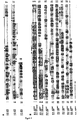
- the NAP protein was 653 amino acids long (molecular mass -73 kDa; SEQ ID No 4) and highly similar (61% sequence identity and 69% similarity) to the APP. Most importantly, NAP had an organization of the N-terminus congruent to APP ( Figure 1A ), suggesting a rather strict selection pressure on the structure of APP-like proteins in plants.
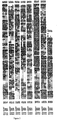
- the nap gene was unique in the maize genome ( Figure 2A ) and encoded a transcript of 2.4 kb ( Figure 2C ).
- a 310-bp fragment was amplified.
- the first strand cDNA was used as a template and was synthesized using 5 ⁇ g of poly(A) + RNA from young maize leaves and MuMLV reverse transcriptase.
- PCR amplifications were performed with Taq DNA polymerase in 100 ⁇ l volume using the following conditions: 1 min at 95°C, 2 min at 45°C, 3 min at 72°C, followed by 38 cycles of 1 min at 95°C, 2 min at 45°C, 3 min at 72°C, with a final incubation four 10 min at 72°C.
- the sequence of the 310 bp fragment showed 55% sequence identity and 64% sequence similarity with human PARP over the same region, but was, however, different from the sequence of the nap cDNA.
- Three zap cDNAs were identified after screening with the 310-bp fragment, which was obtained by PCR with degenerate primers. These three purified cDNA were all derived from the same transcript because they had identical 3' non-coding regions; the longest clone (#9) was sequenced on both strands (SEQ ID No 1).
- This cDNA encoded a PARP-homologous polypeptide of 689 amino acids (SEQ ID No 2; molecular mass -109 kDa), which we designated as ZAP1 ( Figure 1B ).
- the first Zn-finger of ZAP1 was probably nonfunctional because it had the sequence CKSCxxxHASV, which included no third cysteine residue.
- 5'RACE PCR analysis of zap transcripts from the maize line LG2080 was performed as described above using the following zap specific primers 5'-AAGTCGACGCGGCCGCCACACCTAGTGCCAGGTCAG-3' (SEQ ID No 17) and 5'-ATCTCAATTGTACATTTCTCAGGA-3' (SEQ ID No 18).
- a 450-bp PCR product was obtained after PCR with zap-specific primers. Eight independent, because of their slight differences in lengths at their 5' ends, 5'RACE PCR fragments generated with zap-specific primers were sequenced.
- the putative automodification domain was poorly conserved and was shorter in ZAP than in mouse PARP.
- the compilation of the homology of the catalytic dmains between. ZAP, NAP, APP and mouse PARP is shown in Figure 2 . It should be noted that the NAD + -binding domain of ZAP was more similar to the mammalian enzyme (48% identity) than to that of APP and NAP (40% and 42% sequence identity, respectively), whereas APP and NAP were 68% identical and 76% similar in their catalytic domain.
- Example 2 Demonstration that non-conventional PARP protein has a DNA-dependent poly(ADP-ribose) polymerase activity.
- APP is a DNA-dependent poly(ADP-ribose) polymerase
- the full-length app cDNA was placed in pYeDP1/8-2 under the control of a galactose-inducible yeast promoter in the following way, the full-length app cDNA was excised from pC3 (Lepiniec et al., 1995) as an Xho I- Eco RI fragment. The ends were filled in with the Klenow fragment of DNA polymerase I, and the fragment was subcloned into the Sma I site of the yeast expression vector pYeDP1/8-2 (Cullin and Pompon, 1988). The resulting expression vector pV8SPA ( Figure 4A ) was transformed into S. cerevisiae strain DY.
- APP expression in E. coli the complete coding region of the app cDNA was PCR amplified with Pfu DNA polymerase (Stratagene), using the primers 5'-AGGATCCCATGGCGAACAAGCTCAAAGTGAC-3' (SEQ ID No 19) and 5'-AGGATCCTTAGTGCTTGTAGTTGAAT-3' (SEQ ID No 20), and subcloned as a BamH I fragment into pET19b (Novagene, Madison, WI), resulting in pETSPA.
- the expression of the full-length APP in E. coli BL21 from pETSPA was very poor.
- pETSPA was digested with Nco I and Nde I or with Smal, the ends were filled in by the Klenow fragment of DNA polymerase I, and the plasmids were then self-ligated.
- pETANdeSPA gave satisfactory expression of the truncated APP polypeptide (Met 310 to His 637 ) in E. coli BL21.
- Fig 4 The expression of the APP in yeast was verified by Northern and Western blot analysis.
- Fig 4 As the promoter in pV8SPA is inactive when cells are grown on glucose and derepressed on galactose-containing media, the expression was expected to be tightly regulated by the carbon source.
- Northern blot analysis of RNA and immunoblot analysis of proteins in DY(pV8SPA) as compared to the control DY strain containing the empty vector showed that app mRNA and APP protein were expressed in yeast even when grown on glucose-containing media ( Figure 4B , lane 2).
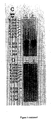
- FIG. 5 shows that poly(ADP-ribose) is synthesized by protein extracts of DY(pV8SPA) grown on galactose ( Figure 5A , lanes 1 and 2), but not by a strain containing the empty vector ( Figure 5A , lane 4).
- APP is a nuclear protein
- PARP activity is localized in the nucleus (Schreiber et al., 1992).
- the intracellular localization, if nuclear, of APP could provide an important additional indication that APP is a bona fide plant PARP.
- the localization of the APP polypeptides in yeast cells was analyzed using anti-APP antisera.
- the APP polypeptide synthesized in yeast grown on galactose was found mainly in the nucleus. This localization was unaffected by the presence in the media of the PARP inhibitors.
- Plasmid pETSPA was cut with Sma I, treated with alkaline phosphatase, and ligated to a blunted Nco I -Xba I fragment from pGUS1 (Plant Genetic Systems N.V., Gent, Belgium). The ligation mix was transformed into E. coli XL-I and cells were plated onto LB medium supplemented with 0.1 mM isopropyl- ⁇ -D-thiogalactopyranoside, 40 ⁇ g ml -1 5-bromo-4-chloro-3-indolyl- ⁇ -D-glucuronide, and 100 ⁇ g ml -1 of ampicillin. In this way, pETSPAGUS was selected as blue colonies. The expression in E.
- coli of the ⁇ 110-kDa fusion protein was confirmed by in situ GUS activity gels (Lee et al ., 1995).
- the APP-GUS fusion was placed under the control of the 35S promoter of the CaMV (the Klenow-blunted Bam HI fragment from pETSPAGUS was subcloned into Smal-digested pJD330; Gallie and Walbot, 1992) and the resulting expression cassette was subcloned as an Xba I fragment into the Xba I site of the pCGN1547 binary vector (McBride and Summerfelt, 1990) to give pGCNSPAGUS.
- the pGCNSPAGUS was finally introduced into A. tumefaciens C58C1Rif R (pGV2260) by the freezing-thawing transformation procedure.
- fusion protein was verified in E. coli.
- the chimeric cDNA under the control of the 35S CaMV promoter was stably integrated into the tobacco genome.
- Progeny from four independent transgenic tobacco plants were analyzed for the subcellular distribution of the GUS activity after in situ histochemical staining (Jefferson et al., 1987). In 2-day-old seedlings GUS activity could be detected in cotyledons and in roots, but not in hypocotyls or root tips. Because of the transparency of root tissues, GUS staining was clearly localized in the nuclei of root hairs and epidermal cells. Additionally, some diffuse, non-localized staining of other root cells was seen, in particular along the vascular cylinders.
- the inflorescences of the control plants and plants heterozygous for the ligase mutation were stained for the activity of GUS.
- the GUS staining pattern mostly detected in aging tissues probably reflects the expression of the app gene, although we have no firm evidence that all of the regulatory sequences were present in the constructs used. This pattern was the same both in the inflorescences of control plants, not carrying the mutant ligase gene and plants heterozygous for a mutation.
- Approximately one-fourth of the ovules in the mutant plants with the fusion protein are GUS positive. Closer microscopical examination showed that in the GUS-positive ovules only the gametophyte was stained.
- Example 3 Construction of PCD modulating chimeric genes and introduction of the T-DNA vectors comprising such PCD modulating genes in an Agrobacterium strain.
- the chimeric PCD modulating genes described under 3.1 to 3.5 are excised and introduced in the polylinker between the T-DNA borders of a T-DNA vector derived from pGSV5 ( WO 97/13865 ) together with either the gat marker gene or the bar marker gene.
- the resulting T-DNA vectors are schematically represented in Figure 6 .
- the T-DNA vectors are introduced in Agrobacterium tumefaciens C58C1 Rif(pGV4000) by electroporation as described by Walkerpeach and Velten (1995) and transformants are selected using spectinomycin and streptomycin.
- Example 4 Agrobacterium -mediated transformation of Arabidopsis thaliana with the T-DNA vectors of Example 3.
- the Agrobacterium strains are used to transform Arabidopsis thaliana var. C24 applying the root transformation method as described by Valvekens et al. (1992).
- the explants are coinfected with the Agrobacteria strains containing the dsRNA-APP respectively the dsRNA-ZAP constructs.
- the dsRNA-APP constructs are used in combination with the pact:bar gene .
- the dsRNA-ZAP constructs are used in combination with the pact:gat gene.
- Transformants are selected for phosphinothricin resistance.
- the regenerated rooted transgenic lines are tested for the presence of the other T-DNA by screening for kanamycin resistance.
- Transgenic lines containing both T-DNA's are transfered to the greenhouse. The phenotype of the T0-transgenic lines is scored and the T1-generations are studied further in more detail.
- Example 5 Agrobacterium -mediated transformation of Brassica napus with the T-DNA vectors of Example 3.
- the Agrobacterium strains are used to transform the Brassica napus var. N90-740 applying the hypocotyl transformation method essentially as described by De Block et al. (1989), except for the following modifications:
- the co-transformation method is applied, essentially as described by De Block and Debrouwer (1991). Transformed plant lines are selected on phosphinothricin containing medium after which the presence of the second T-DNA is screened by testing the regenerated rooted shoots for kanamycin resistance.
- the dsRNA-APP constructs are used in combination with the pact:bar gene.
- the dsRNA-ZAP constructs are used in combination with the pact:gatgene.
- Transgenic lines containing both T-DNA's are transfered to the greenhouse. The phenotype of the T0-transgenic lines is scored and the T1-generations are studied further in more detail.
- Example 6 In vitro assay to test vigor of plant lines
- Seeds are soaked in 70% ethanol for 2 min, then surface-sterilized for 15 min in a sodium hypochlorite solution (with about 6% active chlorine) containing 0.1% Tween20. Finally, the seeds are rinsed with 1l of sterile destilled water. Put 7 seeds/1l vessel (Weck) containing about 75ml of sowing medium. The seeds are germinated at 23°C and 30 ⁇ Einstein/s -1 m -2 with a daylength of 16h. The line N90-740 is always included for standardization between experiments.
- TTC-H O . D .485 + TTC - O . D .485 + TTC
- Plant medium Half concentrated Murashige and Skoog salts
- Example 7 Phenotypic analyses of the transgenic lines containing both dsRNA-APP and dsRNA-ZAP constructs.
- the flower phenotype and pollen viability (Alexander staining (Alexander, 1969) and germination asssay) of the T0-lines containing dsRNA-APP and dsRNA-ZAP under the control of tapetum or pollen specific promoters were scored.
- the T1-generation is obtained by selving or if the plants are male sterile by backcrossing using pollen of non-transformed wild type plants.
- the T1-generation is always obtained by backcrossing using pollen of non-transformed plants.
- T1-seed is germinated on kanamycin containing medium after which the resistant plants are scored by means of the ammonium-multiwell assay for phosphinothricine resistance (De Block et al., 1995).
- One half of the plants that contains both T-DNA's is transfered to the greenhouse to score the male fertility of the plants, while the other half is used to quantify the vigor of the plants by means of the fitness assay.
- Example 8 Phenotypic analysis of plants comprising a PCD modulating chimeric gene.
- p35S::(dsRNA-ZAP) chimeric gene was constructed using standard recombinant DNA procedures, by operably linking the following DNA regions:
- pNos::(dsRNA-ZAP) chimeric gene was constructed using standard recombinant DNA procedures, by operably linking the following DNA regions:
- p35S::(dsRNA-APP) chimeric gene was constructed using standard recombinant DNA procedures, by operably linking the following DNA regions:
- pNos::(dsRNA-APP) chimeric gene was constructed using standard recombinant DNA procedures, by operably linking the following DNA regions:
- This chimeric gene was introduced in the polylinker between the T-DNA borders of a T-DNA vector derived from pGSV5 (described in WO 97/13865 ) together with the bar marker gene, and yield T-DNA vector pTYG30, which was introduced in Agrobacterium C58C1 Rif(pGV4000) by electroporation as described.
- the resulting Agrobacterium strains were used to introduce the different PCD modulating genes separately into Brassica napus and Arabidopsis thaliana (Columbia and C24) plants as described in Examples 4 and 5.
- Transgenic Arabidopsis thaliana plants obtained by selfing of the T0 generation (T1 generation) were germinated on medium containing phosphinotricin. The resistant transgenic plants were further cultivated.
- transgenic T1 plants both derived from Columbia or C24 comprising a pNOS::(dsRNA-ZAP) construct as in pTYG33 or a p35S::(dsRNA-ZAP) construct as in pTYG34, was significantly faster than control transgenic plants transformed by the T-DNA of the T-DNA vector without PCD modulating chimeric gene (see Table 1).
- PPT-resistant transgenic callus obtained from Brassica napus transformed by the dsRNA-ZAP or dsRNA-APP constructs of pTYG29, pTYG30, pTYG33 or pTYG34 was incubated on a medium containing 50 mg/L aspirine for 2 days. After 2 days, the weight of the calli was determined and the calli were transferred on a medium without aspirine and further incubated for 5 days. At the end of the 5 days period, the weight of the calli was determined, and the increase in weight was expressed as a percentage of the weight after the two days period incubation.
- transgenic callus transformed by a T-DNA without a PCD modulating chimeric gene was taken through the same procedure with the exception that no aspirine was added during the 2 day incubation.
- the results are summarized in Table II and indicate that transgenic Brassica napus cells comprising a PCD modulating chimeric gene are more stress resistant than the control cells. Table 1.
Landscapes
- Health & Medical Sciences (AREA)
- Genetics & Genomics (AREA)
- Life Sciences & Earth Sciences (AREA)
- Engineering & Computer Science (AREA)
- Chemical & Material Sciences (AREA)
- Organic Chemistry (AREA)
- Bioinformatics & Cheminformatics (AREA)
- Wood Science & Technology (AREA)
- Zoology (AREA)
- Biomedical Technology (AREA)
- Molecular Biology (AREA)
- Biotechnology (AREA)
- General Engineering & Computer Science (AREA)
- General Health & Medical Sciences (AREA)
- Biochemistry (AREA)
- Microbiology (AREA)
- Biophysics (AREA)
- Plant Pathology (AREA)
- Physics & Mathematics (AREA)
- Cell Biology (AREA)
- Medicinal Chemistry (AREA)
- Breeding Of Plants And Reproduction By Means Of Culturing (AREA)
- Micro-Organisms Or Cultivation Processes Thereof (AREA)
- Enzymes And Modification Thereof (AREA)
- Compounds Of Unknown Constitution (AREA)
- Fertilizers (AREA)
- Medicines Containing Material From Animals Or Micro-Organisms (AREA)
- Chemical And Physical Treatments For Wood And The Like (AREA)
- Steroid Compounds (AREA)
- Agricultural Chemicals And Associated Chemicals (AREA)
- Peptides Or Proteins (AREA)
- Immobilizing And Processing Of Enzymes And Microorganisms (AREA)
Claims (15)
- Méthode de production d'une plante tolérante au stress, ladite méthode comprenant l'introduction d'un gène chimère dans des cellules de ladite plante afin d'obtenir des cellules végétales transgéniques, ledit gène chimère comprenant les régions d'ADN suivantes liées de manière opérationnelle :(a) un promoteur exprimable chez les plantes ;(b) une région d'ADN qui, lorsqu'elle est transcrite, donne une molécule d'ARN, ladite molécule d'ARN étant susceptible de réduire l'expression de gènes endogènes codant pour des poly(ADP-ribose)polymérases, ladite molécule d'ARN comprenant une séquence nucléotidique de 100 nucléotides présentant de 75 % à 100 % d'identité de séquence avec une séquence nucléotidique de 100 nucléotides d'un gène endogène codant pour une poly(ADP-ribose)polymérase ou son complémentaire ; et(c) une région d'ADN impliquée dans la terminaison de la transcription et la polyadénylation ;et la régénération d'une plante à partir desdites cellules végétales transgéniques.
- Méthode selon la revendication 1, ledit stress étant choisi parmi un stress de froid, un stress de sécheresse et un stress de chaleur.
- Méthode selon la revendication 1 ou la revendication 2, ledit gène chimère comprenant les régions d'ADN suivantes liées de manière opérationnelle :(a) un promoteur exprimable chez les plantes ;(b) une région d'ADN qui, lorsqu'elle est transcrite, donne une molécule d'ARN, ladite molécule d'ARN étant susceptible de réduire l'expression de gènes endogènes codant pour des poly(ADP-ribose)polymérases, ladite molécule d'ARN comprenant(i) une séquence nucléotidique sens comprenant une séquence nucléotidique de 100 nucléotides présentant de 75 % à 100 % d'identité de séquence avec une séquence nucléotidique d'un gène endogène codant pour une poly(ADP-ribose)polymérase de ladite plante ; et(ii) une séquence nucléotidique antisens comprenant une séquence nucléotidique de 100 nucléotides présentant de 75 % à 100 % d'identité de séquence avec le complémentaire d'une séquence nucléotidique dudit gène endogène codant pour une poly(ADP-ribose)polymérase de ladite plante ;ladite séquence nucléotidique sens et ladite séquence nucléotidique antisens étant susceptibles de se combiner en une région d'ARN double brin ; et(c) une région d'ADN impliquée dans la terminaison de la transcription et la polyadénylation.
- Méthode selon la revendication 1, ledit gène chimère comprenant les régions d'ADN suivantes liées de manière opérationnelle :(a) un promoteur exprimable chez les plantes ;(b) une région d'ADN qui, lorsqu'elle est transcrite, donne une molécule d'ARN, ladite molécule d'ARN étant susceptible de réduire l'expression de gènes endogènes codant pour des poly(ADP-ribose)polymérases, ladite molécule d'ARN comprenant(i) une séquence nucléotidique sens comprenant une séquence nucléotidique de 100 nucléotides présentant de 75 % à 100 % d'identité de séquence avec une séquence nucléotidique choisie dans le groupe constitué d'une séquence nucléotidique codant pour une protéine ayant la séquence d'acides aminés de SEQ ID NO : 2, d'une séquence nucléotidique codant pour une protéine ayant la séquence d'acides aminés de SEQ ID NO : 4, d'une séquence nucléotidique codant pour une protéine ayant la séquence d'acides aminés de SEQ ID NO : 6 et d'une séquence nucléotidique codant pour une protéine ayant la séquence d'acides aminés de SEQ ID NO : 11 ; et(ii) une séquence nucléotidique antisens comprenant une séquence nucléotidique de 100 nucléotides présentant de 75 % à 100 % d'identité de séquence avec le complémentaire d'une séquence nucléotidique choisie dans le groupe constitué d'une séquence nucléotidique codant pour une protéine ayant la séquence d'acides aminés de SEQ ID NO : 2, d'une séquence nucléotidique codant pour une protéine ayant la séquence d'acides aminés de SEQ ID NO : 4, d'une séquence nucléotidique codant pour une protéine ayant la séquence d'acides aminés de SEQ ID NO : 6 et d'une séquence nucléotidique codant pour une protéine ayant la séquence d'acides aminés de SEQ ID NO : 11, ladite séquence nucléotidique sens et ladite séquence nucléotidique antisens étant susceptibles de se combiner en une région d'ARN double brin ; et(c) une région d'ADN impliquée dans la terminaison de la transcription et la polyadénylation.
- Méthode selon la revendication 1 ou 2, ladite molécule d'ARN susceptible de réduire l'expression de gènes endogènes codant pour des poly(ADP-ribose)polymérases comprenant(i) une séquence nucléotidique sens comprenant une séquence nucléotidique de 100 nucléotides présentant de 75 % à 100 % d'identité de séquence avec une séquence nucléotidique choisie dans le groupe constitué de la séquence nucléotidique de SEQ ID NO : 1, de la séquence nucléotidique de SEQ ID NO : 3, de la séquence nucléotidique de SEQ ID NO : 5 et de la séquence nucléotidique de SEQ ID NO : 10 ; et(ii) une séquence nucléotidique antisens comprenant une séquence nucléotidique de 100 nucléotides présentant de 75 % à 100 % d'identité de séquence avec le complémentaire d'une séquence nucléotidique choisie dans le groupe constitué de la séquence nucléotidique de SEQ ID NO : 1, de la séquence nucléotidique de SEQ ID NO : 3, de la séquence nucléotidique de SEQ ID NO : 5 et de la séquence nucléotidique de SEQ ID NO : 10,ladite séquence nucléotidique sens et ladite séquence nucléotidique antisens étant susceptibles de se combiner en une région d'ARN double brin.
- Méthode selon l'une quelconque des revendications 1 à 5, ledit promoteur exprimable chez les plantes étant un promoteur constitutif.
- Méthode selon l'une quelconque des revendications 1 à 6, comprenant en outre l'étape consistant à produire davantage de plantes comprenant ledit gène chimère grâce à un programme de sélection classique.
- Méthode selon l'une quelconque des revendications 1 à 7, ladite plante étant choisie dans le groupe constitué du maïs, du colza oléagineux, du lin, du blé, d'une graminée, de la luzerne, des légumineuses, d'un légume du genre Brassica, de la tomate, de la laitue, du coton, du riz, de l'orge, de la pomme de terre, du tabac, de la betterave sucrière, du tournesol, de l'oeillet, de la rose, du chrysanthème et de la tulipe.
- Plante transgénique affichant une tolérance au stress accrue par rapport à une plante témoin, ladite plante transgénique comprenant dans ses cellules un gène chimère comprenant les régions d'ADN suivantes liées de manière opérationnelle :(a) un promoteur exprimable chez les plantes ;(b) une région d'ADN qui, lorsqu'elle est transcrite, donne une molécule d'ARN, ladite molécule d'ARN étant susceptible de réduire l'expression de gènes endogènes codant pour des poly(ADP-ribose)polymérases, ladite molécule d'ARN comprenant(i) une séquence nucléotidique sens comprenant une séquence nucléotidique de 100 nucléotides présentant de 75 % à 100 % d'identité de séquence avec une séquence nucléotidique d'un gène endogène codant pour une poly(ADP-ribose)polymérase ; et(ii) une séquence nucléotidique antisens comprenant une séquence nucléotidique de 100 nucléotides présentant de 75 % à 100 % d'identité de séquence avec le complémentaire d'une séquence nucléotidique d'un gène endogène codant pour une poly(ADP-ribose)polymérase, ladite séquence nucléotidique sens et ladite séquence nucléotidique antisens étant susceptibles de se combiner en une région d'ARN double brin ; et(c) une région d'ADN impliquée dans la terminaison de la transcription et la polyadénylation.
- Plante transgénique selon la revendication 9, ledit gène chimère comprenant les régions d'ADN suivantes liées de manière opérationnelle :(a) un promoteur exprimable chez les plantes ;(b) une région d'ADN qui, lorsqu'elle est transcrite, donne une molécule d'ARN, ladite molécule d'ARN étant susceptible de réduire l'expression de gènes endogènes codant pour des poly(ADP-ribose)polymérases, ladite molécule d'ARN comprenant(i) une séquence nucléotidique sens comprenant une séquence nucléotidique de 100 nucléotides présentant de 75 % à 100 % d'identité de séquence avec une séquence nucléotidique choisie dans le groupe constitué d'une séquence nucléotidique codant pour une protéine ayant la séquence d'acides aminés de SEQ ID NO : 2, d'une séquence nucléotidique codant pour une protéine ayant la séquence d'acides aminés de SEQ ID NO : 4, d'une séquence nucléotidique codant pour une protéine ayant la séquence d'acides aminés de SEQ ID NO : 6 et d'une séquence nucléotidique codant pour une protéine ayant la séquence d'acides aminés de SEQ ID NO : 11 ; et(ii) une séquence nucléotidique antisens comprenant une séquence nucléotidique de 100 nucléotides présentant de 75 % à 100 % d'identité de séquence avec le complémentaire d'une séquence nucléotidique choisie dans le groupe constitué d'une séquence nucléotidique codant pour une protéine ayant la séquence d'acides aminés de SEQ ID NO : 2, d'une séquence nucléotidique codant pour une protéine ayant la séquence d'acides aminés de SEQ ID NO : 4, d'une séquence nucléotidique codant pour une protéine ayant la séquence d'acides aminés de SEQ ID NO : 6 et d'une séquence nucléotidique codant pour une protéine ayant la séquence d'acides aminés de SEQ ID NO : 11, ladite séquence nucléotidique sens et ladite séquence nucléotidique antisens étant susceptibles de se combiner en une région d'ARN double brin ; et(c) une région d'ADN impliquée dans la terminaison de la transcription et la polyadénylation.
- Plante transgénique selon la revendication 10, ladite molécule d'ARN susceptible de réduire l'expression de gènes endogènes codant pour des poly(ADP-ribose)polymérases comprenant(i) une séquence nucléotidique sens comprenant une séquence nucléotidique de 100 nucléotides présentant de 75 % à 100 % d'identité de séquence avec une séquence nucléotidique choisie dans le groupe constitué de la séquence nucléotidique de SEQ ID NO : 1, de la séquence nucléotidique de SEQ ID NO : 3, de la séquence nucléotidique de SEQ ID NO : 5 et de la séquence nucléotidique de SEQ ID NO : 10 ; et(ii) une séquence nucléotidique antisens comprenant une séquence nucléotidique de 100 nucléotides présentant de 75 % à 100 % d'identité de séquence avec le complémentaire d'une séquence nucléotidique choisie dans le groupe constitué de la séquence nucléotidique de SEQ ID NO : 1, de la séquence nucléotidique de SEQ ID NO : 3, de la séquence nucléotidique de SEQ ID NO : 5 et de la séquence nucléotidique de SEQ ID NO : 10, ladite séquence nucléotidique sens et ladite séquence nucléotidique antisens étant susceptibles de se combiner en une région d'ARN double brin.
- Méthode selon l'une quelconque des revendications 9 à 11, ledit promoteur exprimable chez les plantes étant un promoteur constitutif.
- Plante transgénique selon l'une quelconque des revendications 9 à 12, ladite plante étant choisie dans le groupe constitué du maïs, du colza oléagineux, du lin, du blé, d'une graminée, de la luzerne, des légumineuses, d'un légume du genre Brassica, de la tomate, de la laitue, du coton, du riz, de l'orge, de la pomme de terre, du tabac, de la betterave sucrière, du tournesol, de l'oeillet, de la rose, du chrysanthème et de la tulipe.
- Graine de la plante selon l'une quelconque des revendications 9 à 13, comprenant ledit gène chimère.
- Utilisation d'une séquence nucléotidique d'un gène de plante codant pour une poly(ADP-ribose)polymérase ou de son complémentaire pour produire une plante tolérante au stress, par l'introduction de ladite séquence nucléotidique dans des cellules de ladite plante, caractérisée en ce que ladite séquence nucléotidique ou son complémentaire comprend une séquence nucléotidique de 100 nucléotides présentant de 75 % à 100 % d'identité de séquence avec une séquence nucléotidique de 100 nucléotides d'un gène endogène de PARP de ladite plante et est susceptible de réduire l'expression de gènes endogènes codant pour des poly(ADP-ribose)polymérases.
Priority Applications (3)
| Application Number | Priority Date | Filing Date | Title |
|---|---|---|---|
| SI9931023T SI1100936T1 (sl) | 1998-07-17 | 1999-07-12 | Postopek za proizvajanje stresno tolerantnih rastlin |
| EP08075612.5A EP1997899B1 (fr) | 1998-07-17 | 1999-07-12 | Procédé et moyens pour moduler la mort cellulaire programmée dans des cellules eucaryotes |
| CY20091100043T CY1108712T1 (el) | 1998-07-17 | 2009-01-14 | Μεθοδος για την παραγωγη ανθεκτικων φυτων σε διαφορες μορφες στρες |
Applications Claiming Priority (3)
| Application Number | Priority Date | Filing Date | Title |
|---|---|---|---|
| US118276 | 1998-07-17 | ||
| US09/118,276 US6693185B2 (en) | 1998-07-17 | 1998-07-17 | Methods and means to modulate programmed cell death in eukaryotic cells |
| PCT/EP1999/004940 WO2000004173A1 (fr) | 1998-07-17 | 1999-07-12 | Methode et dispositif permettant de moduler la mort cellulaire programmee dans des cellules eucaryotes |
Related Child Applications (1)
| Application Number | Title | Priority Date | Filing Date |
|---|---|---|---|
| EP08075612.5A Division EP1997899B1 (fr) | 1998-07-17 | 1999-07-12 | Procédé et moyens pour moduler la mort cellulaire programmée dans des cellules eucaryotes |
Publications (2)
| Publication Number | Publication Date |
|---|---|
| EP1100936A1 EP1100936A1 (fr) | 2001-05-23 |
| EP1100936B1 true EP1100936B1 (fr) | 2008-10-15 |
Family
ID=22377590
Family Applications (2)
| Application Number | Title | Priority Date | Filing Date |
|---|---|---|---|
| EP08075612.5A Expired - Lifetime EP1997899B1 (fr) | 1998-07-17 | 1999-07-12 | Procédé et moyens pour moduler la mort cellulaire programmée dans des cellules eucaryotes |
| EP99932877A Expired - Lifetime EP1100936B1 (fr) | 1998-07-17 | 1999-07-12 | Methode de production des plantes resistantes au stress |
Family Applications Before (1)
| Application Number | Title | Priority Date | Filing Date |
|---|---|---|---|
| EP08075612.5A Expired - Lifetime EP1997899B1 (fr) | 1998-07-17 | 1999-07-12 | Procédé et moyens pour moduler la mort cellulaire programmée dans des cellules eucaryotes |
Country Status (14)
| Country | Link |
|---|---|
| US (4) | US6693185B2 (fr) |
| EP (2) | EP1997899B1 (fr) |
| JP (1) | JP4782925B2 (fr) |
| CN (1) | CN1289680C (fr) |
| AT (1) | ATE411391T1 (fr) |
| AU (1) | AU766672B2 (fr) |
| CA (1) | CA2333432C (fr) |
| CY (1) | CY1108712T1 (fr) |
| DE (1) | DE69939744D1 (fr) |
| DK (1) | DK1100936T3 (fr) |
| ES (2) | ES2629771T3 (fr) |
| PT (2) | PT1997899T (fr) |
| SI (1) | SI1100936T1 (fr) |
| WO (1) | WO2000004173A1 (fr) |
Families Citing this family (244)
| Publication number | Priority date | Publication date | Assignee | Title |
|---|---|---|---|---|
| US6717033B1 (en) * | 1998-01-27 | 2004-04-06 | Pioneer Hi-Bred International, Inc. | Poly ADP-ribose polymerase gene and its uses |
| US6693185B2 (en) | 1998-07-17 | 2004-02-17 | Bayer Bioscience N.V. | Methods and means to modulate programmed cell death in eukaryotic cells |
| EP1349946B1 (fr) | 2000-08-25 | 2011-01-26 | BASF Plant Science GmbH | Polynucleotides vegetaux codant de nouvelles proteases prenyle |
| AU2004227111B2 (en) | 2003-04-09 | 2009-05-28 | Bayer Cropscience Nv. | Methods and means for increasing the tolerance of plants to stress conditions |
| US7786349B2 (en) | 2003-04-09 | 2010-08-31 | Bayer Bioscience N.V. | Methods and means for increasing the tolerance of plants to stress conditions |
| WO2004113542A1 (fr) | 2003-06-23 | 2004-12-29 | Bayer Bioscience N.V. | Methodes et moyens permettant de retarder l'eclatement des graines chez les plantes |
| WO2005044980A2 (fr) * | 2003-08-13 | 2005-05-19 | The Trustees Of Columbia University In The City Of New York | Proteine zap et compositions et methodes associees |
| US20050227870A1 (en) * | 2004-04-07 | 2005-10-13 | Cotney Floyd C | Method to kill kudzu |
| PL1794306T3 (pl) | 2004-09-24 | 2010-05-31 | Bayer Cropscience Nv | Rośliny oporne na stres |
| EP1807519B1 (fr) * | 2004-10-29 | 2012-02-01 | Bayer BioScience N.V. | Cotonniers résistants au stress |
| EP1731037A1 (fr) | 2005-06-04 | 2006-12-13 | Bayer CropScience AG | Augmentation de la tolérance au stress par l'application de néonicotinoïdes sur des plantes génétiquement modifiées dans le but de résister au stress |
| EP1893759B1 (fr) | 2005-06-15 | 2009-08-12 | Bayer BioScience N.V. | Methodes permettant d'augmenter la resistance de plantes a des conditions d'hypoxie |
| US8158856B2 (en) | 2006-03-21 | 2012-04-17 | Bayer Cropscience Nv | Stress resistant plants |
| US8420890B2 (en) | 2006-03-28 | 2013-04-16 | Cornell Research Foundation, Inc. | Use of NAP gene to manipulate leaf senescence in plants |
| US8237017B2 (en) | 2006-05-12 | 2012-08-07 | Bayer Cropscience Nv | Stress-related microRNA molecules and uses thereof |
| CL2007003744A1 (es) | 2006-12-22 | 2008-07-11 | Bayer Cropscience Ag | Composicion que comprende un derivado 2-piridilmetilbenzamida y un compuesto insecticida; y metodo para controlar de forma curativa o preventiva hongos fitopatogenos de cultivos e insectos. |
| CL2007003743A1 (es) * | 2006-12-22 | 2008-07-11 | Bayer Cropscience Ag | Composicion que comprende fenamidona y un compuesto insecticida; y metodo para controlar de forma curativa o preventiva hongos fitopatogenos de cultivos e insectos. |
| BRPI0808798A2 (pt) | 2007-03-12 | 2014-10-07 | Bayer Cropscience Ag | Fenoxifenilamidinas 3,5-dissubstituídas e seu uso como fungicidas |
| BRPI0808786A2 (pt) | 2007-03-12 | 2014-09-16 | Bayer Cropscience Ag | Di-halogenofenoxifenilamidinas e seu uso como fungicidas |
| EP1969929A1 (fr) | 2007-03-12 | 2008-09-17 | Bayer CropScience AG | Phénylamidine substituée et son utilisation en tant que fongicide |
| EP1969931A1 (fr) * | 2007-03-12 | 2008-09-17 | Bayer CropScience Aktiengesellschaft | Fluoalkylphénylamidine et son utilisation en tant que fongicide |
| EP1969934A1 (fr) * | 2007-03-12 | 2008-09-17 | Bayer CropScience AG | Phénoxyphénylamidine substituée par 4 cycloalkyl ou 4 aryl et son utilisation en tant que fongicide |
| WO2008128639A1 (fr) * | 2007-04-19 | 2008-10-30 | Bayer Cropscience Aktiengesellschaft | Thiadiazolyloxyphénylamidines et leur utilisation comme fongicides |
| DE102007045922A1 (de) | 2007-09-26 | 2009-04-02 | Bayer Cropscience Ag | Wirkstoffkombinationen mit insektiziden und akariziden Eigenschaften |
| DE102007045956A1 (de) | 2007-09-26 | 2009-04-09 | Bayer Cropscience Ag | Wirkstoffkombination mit insektiziden und akariziden Eigenschaften |
| DE102007045957A1 (de) | 2007-09-26 | 2009-04-09 | Bayer Cropscience Ag | Wirkstoffkombinationen mit insektiziden und akarziden Eigenschaften |
| DE102007045920B4 (de) | 2007-09-26 | 2018-07-05 | Bayer Intellectual Property Gmbh | Synergistische Wirkstoffkombinationen |
| DE102007045919B4 (de) | 2007-09-26 | 2018-07-05 | Bayer Intellectual Property Gmbh | Wirkstoffkombinationen mit insektiziden und akariziden Eigenschaften |
| DE102007045953B4 (de) | 2007-09-26 | 2018-07-05 | Bayer Intellectual Property Gmbh | Wirkstoffkombinationen mit insektiziden und akariziden Eigenschaften |
| EP2090168A1 (fr) | 2008-02-12 | 2009-08-19 | Bayer CropScience AG | Méthode destinée à l'amélioration de la croissance des plantes |
| EP2072506A1 (fr) | 2007-12-21 | 2009-06-24 | Bayer CropScience AG | Thiazolyloxyphenylamidine ou thiadiazolyloxyphenylamidine et son utilisation en tant que fongicide |
| EP2168434A1 (fr) | 2008-08-02 | 2010-03-31 | Bayer CropScience AG | Utilisation d'azoles destinés à l'augmentation de la résistance de plantes ou de parties de plantes contre le stress abiotique |
| BRPI0917094B1 (pt) | 2008-08-08 | 2018-01-16 | Bayer Cropscience Nv | Métodos para identificação de fibra de planta processada, para análise do genoma de uma planta de algodão produtora de fibra, e para o isolamento de DNA de ocorrência natural de fibras de planta de algodão processadas, uso dos referidos métodos, bem como métodos para o isolamento de um DNA de ocorrência natural de tecido ou de pano tricotado, para determinar as quantidades relativas de diferentes fibras de planta de algodão em uma mistura de fibras de algodão processadas, e para certificar a identidade de fibras de algodão comercializadas |
| CN102186809A (zh) | 2008-08-14 | 2011-09-14 | 拜尔农作物科学股份公司 | 杀虫性的4-苯基-1h-吡唑 |
| DE102008041695A1 (de) | 2008-08-29 | 2010-03-04 | Bayer Cropscience Ag | Methoden zur Verbesserung des Pflanzenwachstums |
| AR075466A1 (es) | 2008-10-22 | 2011-04-06 | Basf Se | Uso de herbicidas tipo auxina en plantas cultivadas |
| AR075465A1 (es) | 2008-10-22 | 2011-04-06 | Basf Se | Uso de herbicidas de sulfonilurea en plantas cultivadas |
| EP2201838A1 (fr) | 2008-12-05 | 2010-06-30 | Bayer CropScience AG | Combinaisons utiles de matière active ayant des propriétés insecticides et acaricides |
| EP2198709A1 (fr) | 2008-12-19 | 2010-06-23 | Bayer CropScience AG | Procédé destiné à lutter contre des parasites animaux résistants |
| EP2223602A1 (fr) | 2009-02-23 | 2010-09-01 | Bayer CropScience AG | Procédé destiné à l'utilisation améliorée du potentiel de production de plantes génétiquement modifiées |
| EP2204094A1 (fr) | 2008-12-29 | 2010-07-07 | Bayer CropScience AG | Procédé pour l'utilisation améliorée d'un potentiel de production d'introduction de plantes transgéniques |
| CN102333445B (zh) | 2008-12-29 | 2014-09-03 | 拜尔农作物科学股份公司 | 改善利用转基因植物生产潜力的方法 |
| EP2039772A2 (fr) | 2009-01-06 | 2009-03-25 | Bayer CropScience AG | Procédé pour améliorer l'utilisation du potentiel de production de plantes transgéniques |
| EP2039770A2 (fr) | 2009-01-06 | 2009-03-25 | Bayer CropScience AG | Procédé pour améliorer l'utilisation du potentiel de production de plantes transgéniques |
| EP2039771A2 (fr) | 2009-01-06 | 2009-03-25 | Bayer CropScience AG | Procédé pour améliorer l'utilisation du potentiel de production de plantes transgéniques |
| JP5558490B2 (ja) | 2009-01-19 | 2014-07-23 | バイエル・クロップサイエンス・アーゲー | 環状ジオンならびに殺虫剤、殺ダニ剤および/または殺真菌剤としてのその使用 |
| EP2227951A1 (fr) | 2009-01-23 | 2010-09-15 | Bayer CropScience AG | Utilisation des composés d'énaminocarbonyle de combattre des virus transmis par les insectes |
| US8349884B2 (en) | 2009-01-28 | 2013-01-08 | Bayer Cropscience Ag | Fungicide N-cycloalkyl-N-bicyclimethylene-carboxamide derivatives |
| AR075126A1 (es) | 2009-01-29 | 2011-03-09 | Bayer Cropscience Ag | Metodo para el mejor uso del potencial de produccion de plantas transgenicas |
| WO2010094666A2 (fr) | 2009-02-17 | 2010-08-26 | Bayer Cropscience Ag | N-(phénylcycloalkyl)carboxamide, n-(benzylcycloalkyl)carboxamide et dérivés thiocarboxamides fongicides |
| EP2218717A1 (fr) | 2009-02-17 | 2010-08-18 | Bayer CropScience AG | Dérivés de N-((HET)aryléthyl)thiocarboxamide fongicides |
| TW201031331A (en) | 2009-02-19 | 2010-09-01 | Bayer Cropscience Ag | Pesticide composition comprising a tetrazolyloxime derivative and a fungicide or an insecticide active substance |
| DE102009001469A1 (de) | 2009-03-11 | 2009-09-24 | Bayer Cropscience Ag | Verfahren zur verbesserten Nutzung des Produktionspotentials transgener Pflanzen |
| DE102009001681A1 (de) | 2009-03-20 | 2010-09-23 | Bayer Cropscience Ag | Verfahren zur verbesserten Nutzung des Produktionspotentials transgener Pflanzen |
| DE102009001728A1 (de) | 2009-03-23 | 2010-09-30 | Bayer Cropscience Ag | Verfahren zur verbesserten Nutzung des Produktionspotentials transgener Pflanzen |
| DE102009001730A1 (de) | 2009-03-23 | 2010-09-30 | Bayer Cropscience Ag | Verfahren zur verbesserten Nutzung des Produktionspotentials transgener Pflanzen |
| DE102009001732A1 (de) | 2009-03-23 | 2010-09-30 | Bayer Cropscience Ag | Verfahren zur verbesserten Nutzung des Produktionspotentials transgener Pflanzen |
| EP2232995A1 (fr) | 2009-03-25 | 2010-09-29 | Bayer CropScience AG | Procédé destiné à l'utilisation améliorée du potentiel de production de plantes transgéniques |
| BRPI0924451B1 (pt) | 2009-03-25 | 2017-12-26 | Bayer Intellectual Property Gmbh | Combinations of active substances and their uses, as well as methods for the control of animal pests and method for the manufacture of insecticides and acaricides |
| KR101647702B1 (ko) | 2009-03-25 | 2016-08-11 | 바이엘 인텔렉쳐 프로퍼티 게엠베하 | 살충 및 살비성을 지니는 활성 성분 배합물 |
| MX2011009916A (es) | 2009-03-25 | 2011-10-06 | Bayer Cropscience Ag | Combinaciones de principios activos con propiedades insecticidas y acaricidas. |
| JP2012521371A (ja) | 2009-03-25 | 2012-09-13 | バイエル・クロップサイエンス・アーゲー | 殺虫特性および殺ダニ特性を有する活性化合物の組合せ |
| WO2010108507A2 (fr) | 2009-03-25 | 2010-09-30 | Bayer Cropscience Ag | Combinaisons d'agents actifs synergiques |
| EP2239331A1 (fr) | 2009-04-07 | 2010-10-13 | Bayer CropScience AG | Procédé pour améliorer l'utilisation du potentiel de production dans des plantes transgéniques |
| CN102458125B (zh) | 2009-05-06 | 2015-04-29 | 拜尔农作物科学股份公司 | 环戊二酮化合物及其用作杀昆虫剂、杀螨剂和/或杀菌剂的用途 |
| AR076839A1 (es) | 2009-05-15 | 2011-07-13 | Bayer Cropscience Ag | Derivados fungicidas de pirazol carboxamidas |
| EP2251331A1 (fr) | 2009-05-15 | 2010-11-17 | Bayer CropScience AG | Dérivés de carboxamides de pyrazole fongicides |
| EP2255626A1 (fr) | 2009-05-27 | 2010-12-01 | Bayer CropScience AG | Utilisation d'inhibiteurs de succinate déhydrogénase destinés à l'augmentation de la résistance de plantes ou de parties de plantes contre le stress abiotique |
| UA106618C2 (uk) | 2009-06-02 | 2014-09-25 | Баєр Кропсаєнс Аг | Застосування інгібіторів сукцинатдегідрогенази для контролю підвиду sclerotinia |
| CA2764697A1 (fr) * | 2009-06-09 | 2010-12-16 | Bayer Bioscience N.V. | Plantes a forte teneur en huile |
| CN102510721B (zh) | 2009-07-16 | 2014-11-19 | 拜尔农作物科学股份公司 | 含苯基三唑的协同活性物质结合物 |
| WO2011015524A2 (fr) | 2009-08-03 | 2011-02-10 | Bayer Cropscience Ag | Dérivés dhétérocycles fongicides |
| EP2292094A1 (fr) | 2009-09-02 | 2011-03-09 | Bayer CropScience AG | Combinaisons de composés actifs |
| EP2343280A1 (fr) | 2009-12-10 | 2011-07-13 | Bayer CropScience AG | Dérivés de quinoléine fongicides |
| EP2519103B1 (fr) | 2009-12-28 | 2014-08-13 | Bayer Intellectual Property GmbH | Dérivés fongicides d'hydroximoyl-tétrazole |
| JP5894928B2 (ja) | 2009-12-28 | 2016-03-30 | バイエル・クロップサイエンス・アクチェンゲゼルシャフト | 殺菌剤ヒドロキシモイル−ヘテロ環誘導体 |
| BR112012012340A2 (pt) | 2009-12-28 | 2015-09-08 | Bayer Cropscience Ag | composto, composição fungicida e método para o controle de fungo fitopatogênico de culturas |
| EP2525658B1 (fr) | 2010-01-22 | 2017-03-01 | Bayer Intellectual Property GmbH | Combinaisons d'agents actifs acaricides et/ou insecticides |
| WO2011107504A1 (fr) | 2010-03-04 | 2011-09-09 | Bayer Cropscience Ag | 2-amidobenzimidazoles substitués par fluoroalkyle et leur utilisation pour augmenter la tolérance au stress chez les végétaux |
| EP2547204A2 (fr) | 2010-03-18 | 2013-01-23 | Bayer Intellectual Property GmbH | Aryl- et hétarylsulfonamides en tant que substances actives contre le stress abiotique des végétaux |
| JP2013523795A (ja) | 2010-04-06 | 2013-06-17 | バイエル・インテレクチユアル・プロパテイー・ゲー・エム・ベー・ハー | 植物のストレス耐性を増強させるための4−フェニル酪酸及び/又はその塩の使用 |
| BR112012025848A2 (pt) | 2010-04-09 | 2015-09-08 | Bayer Ip Gmbh | uso de derivados do ácido (1-cianociclopropil) fenilfosfínico, os ésteres do mesmo e/ou os sais do mesmo para aumentar a tolerância de plantas a estresse abiótico. |
| US20130045995A1 (en) | 2010-04-28 | 2013-02-21 | Christian Beier | Fungicide hydroximoyl-heterocycles derivatives |
| WO2011134913A1 (fr) | 2010-04-28 | 2011-11-03 | Bayer Cropscience Ag | Dérivés d'hydroximoyl-hétérocycles fongicides |
| WO2011134911A2 (fr) | 2010-04-28 | 2011-11-03 | Bayer Cropscience Ag | Dérivés hydroximoyle-tétrazole fongicides |
| US9232799B2 (en) | 2010-06-03 | 2016-01-12 | Bayer Intellectual Property Gmbh | N-[(het)arylethyl)] pyrazole(thio)carboxamides and their heterosubstituted analogues |
| EP2576517B1 (fr) | 2010-06-03 | 2014-12-17 | Bayer Intellectual Property GmbH | N-[(het)arylalkyl)]pyrazole(thio)carboxamides et leurs analogues hétérosubstitués |
| UA110703C2 (uk) | 2010-06-03 | 2016-02-10 | Байєр Кропсайнс Аг | Фунгіцидні похідні n-[(тризаміщений силіл)метил]-карбоксаміду |
| US9593317B2 (en) | 2010-06-09 | 2017-03-14 | Bayer Cropscience Nv | Methods and means to modify a plant genome at a nucleotide sequence commonly used in plant genome engineering |
| AU2011264075B2 (en) | 2010-06-09 | 2015-01-29 | Bayer Cropscience Nv | Methods and means to modify a plant genome at a nucleotide sequence commonly used in plant genome engineering |
| AR082286A1 (es) | 2010-07-20 | 2012-11-28 | Bayer Cropscience Ag | Benzocicloalquenos como agentes antifungicos |
| EP2595486A2 (fr) | 2010-07-20 | 2013-05-29 | Bayer Intellectual Property GmbH | Utilisation de dérivés d'amide d'acide anthranilique pour lutter contre des insectes et des tétranyques par arrosage, mélange avec le sol, traitement de sillons, application goutte-à-goutte, injection dans le sol, dans le tronc ou dans les fleurs, dans des systèmes hydroponiques, par traitement de trous de plantation ou immersion, application sous forme flottante ou au moyen de boîtes de semences ou par traitement de semences, et pour augmenter la tolérance des plantes au stress abiotique |
| CN103228141B (zh) | 2010-09-03 | 2016-04-20 | 拜耳知识产权有限责任公司 | 取代的稠合的嘧啶酮和二氢嘧啶酮 |
| EP2460406A1 (fr) | 2010-12-01 | 2012-06-06 | Bayer CropScience AG | Utilisation de fluopyram pour contrôler les nématodes dans les cultures résistant aux nématodes |
| CN103298341B (zh) | 2010-09-22 | 2016-06-08 | 拜耳知识产权有限责任公司 | 活性成分在抗线虫作物中用于防治线虫的用途 |
| RS58401B1 (sr) | 2010-10-07 | 2019-04-30 | Bayer Cropscience Ag | Sastav fungicida koji sadrži derivat tetrazoliloksima i derivat tiazolilpiperidina |
| KR20130132816A (ko) | 2010-10-21 | 2013-12-05 | 바이엘 인텔렉쳐 프로퍼티 게엠베하 | 1-(헤테로시클릭 카르보닐) 피페리딘 |
| MX2013004278A (es) | 2010-10-21 | 2013-06-05 | Bayer Ip Gmbh | N-bencil carboxamidas heterociclicas. |
| UA109460C2 (uk) | 2010-11-02 | 2015-08-25 | Байєр Інтелекчуал Проперті Гмбх | N-гетарилметилпіразолілкарбоксаміди |
| US20130231303A1 (en) | 2010-11-15 | 2013-09-05 | Bayer Intellectual Property Gmbh | 5-halogenopyrazole(thio)carboxamides |
| WO2012065947A1 (fr) | 2010-11-15 | 2012-05-24 | Bayer Cropscience Ag | 5-halogénopyrazolecarboxamides |
| EP2640706B1 (fr) | 2010-11-15 | 2017-03-01 | Bayer Intellectual Property GmbH | N-aryl pyrazole(thio)carboxamides |
| JP6412311B2 (ja) | 2010-12-01 | 2018-10-24 | バイエル・インテレクチュアル・プロパティ・ゲゼルシャフト・ミット・ベシュレンクテル・ハフツングBayer Intellectual Property GmbH | 作物において線虫類を防除するための、及び、収量を増加させるための、フルオピラムの使用 |
| EP2460407A1 (fr) | 2010-12-01 | 2012-06-06 | Bayer CropScience AG | Combinaisons de substance actives comprenant du pyridyléthylbenzamide et d'autres substances actives |
| CN103380124A (zh) | 2010-12-29 | 2013-10-30 | 拜耳知识产权有限责任公司 | 杀真菌剂肟基-四唑衍生物 |
| EP2474542A1 (fr) | 2010-12-29 | 2012-07-11 | Bayer CropScience AG | Dérivés fongicides d'hydroximoyl-tétrazole |
| EP2471363A1 (fr) | 2010-12-30 | 2012-07-04 | Bayer CropScience AG | Utilisation d'acides aryl-, hétéroaryl- et benzylsulfonaminés, d'esters d'acide aminé, d'amides d'acide aminé et carbonitrile ou leurs sels pour l'augmentation de la tolérance au stress dans des plantes |
| WO2012101118A1 (fr) | 2011-01-24 | 2012-08-02 | Bayer Cropscience N.V. | Utilisation du promoteur rd29 ou de fragments de celui-ci pour l'expression de transgènes inductible par le stress chez le coton |
| EP2494867A1 (fr) | 2011-03-01 | 2012-09-05 | Bayer CropScience AG | Composés substitués par un halogène en combinaison avec des fongicides |
| EP2683239A1 (fr) | 2011-03-10 | 2014-01-15 | Bayer Intellectual Property GmbH | Utilisation de composés de lipochito-oligosaccharide pour la protection des graines traitées |
| JP2014509599A (ja) | 2011-03-14 | 2014-04-21 | バイエル・インテレクチユアル・プロパテイー・ゲー・エム・ベー・ハー | 殺菌剤ヒドロキシモイル−テトラゾール誘導体 |
| WO2012136581A1 (fr) | 2011-04-08 | 2012-10-11 | Bayer Cropscience Ag | Dérivés fongicides d'hydroximoyl-tétrazole |
| EP2510786A1 (fr) | 2011-04-15 | 2012-10-17 | Bayer CropScience AG | Dérivés de prop-2-yn-1-ol et prop-2-en-1-ol substitués |
| AR085585A1 (es) | 2011-04-15 | 2013-10-09 | Bayer Cropscience Ag | Vinil- y alquinilciclohexanoles sustituidos como principios activos contra estres abiotico de plantas |
| EP2511255A1 (fr) | 2011-04-15 | 2012-10-17 | Bayer CropScience AG | Dérivés de prop-2-yn-1-ol et prop-2-en-1-ol substitués |
| AR085568A1 (es) | 2011-04-15 | 2013-10-09 | Bayer Cropscience Ag | 5-(biciclo[4.1.0]hept-3-en-2-il)-penta-2,4-dienos y 5-(biciclo[4.1.0]hept-3-en-2-il)-pent-2-en-4-inos sustituidos como principios activos contra el estres abiotico de las plantas |
| AR090010A1 (es) | 2011-04-15 | 2014-10-15 | Bayer Cropscience Ag | 5-(ciclohex-2-en-1-il)-penta-2,4-dienos y 5-(ciclohex-2-en-1-il)-pent-2-en-4-inos sustituidos como principios activos contra el estres abiotico de las plantas, usos y metodos de tratamiento |
| CA2833749C (fr) | 2011-04-22 | 2019-06-04 | Bayer Intellectual Property Gmbh | Combinaisons de composes actifs comprenant un derive de (thio)carboximide et un compose fongicide |
| WO2012168124A1 (fr) | 2011-06-06 | 2012-12-13 | Bayer Cropscience Nv | Méthodes et moyens pour modifier le génome d'une plante en un site présélectionné |
| EP2729007A1 (fr) | 2011-07-04 | 2014-05-14 | Bayer Intellectual Property GmbH | Utilisation d'isoquinoléinones, d'isoquinoléinediones, d'isoquinoléinetriones et de dihydroisoquinoléinones substituées ou de leurs sels comme principes actifs contre le stress abiotique des plantes |
| US9265252B2 (en) | 2011-08-10 | 2016-02-23 | Bayer Intellectual Property Gmbh | Active compound combinations comprising specific tetramic acid derivatives |
| WO2013023992A1 (fr) | 2011-08-12 | 2013-02-21 | Bayer Cropscience Nv | Expression spécifique des cellules de garde de transgènes dans le coton |
| EP2748161A1 (fr) | 2011-08-22 | 2014-07-02 | Bayer Intellectual Property GmbH | Dérivés d'hydroximoyl-tétrazole fongicides |
| CN103890181A (zh) | 2011-08-22 | 2014-06-25 | 拜尔作物科学公司 | 修饰植物基因组的方法和手段 |
| EP2561759A1 (fr) | 2011-08-26 | 2013-02-27 | Bayer Cropscience AG | 2-amidobenzimidazoles fluoroalkyl substitués et leur effet sur la croissance des plantes |
| BR112014005262A2 (pt) | 2011-09-09 | 2017-04-04 | Bayer Ip Gmbh | método para aprimorar um vegetal e utilização de um composto de fórmula (i) ou (ii) |
| WO2013037717A1 (fr) | 2011-09-12 | 2013-03-21 | Bayer Intellectual Property Gmbh | Dérivés de 3-{phényl[(hétérocyclylméthoxy)imino]méthyl}-1,2,4-oxadizol-5(4h)-one 4-substituée fongicides |
| CN103929956B (zh) | 2011-09-16 | 2017-02-22 | 拜耳知识产权有限责任公司 | 酰基磺酰胺用于改善植物产量的用途 |
| CA2848622A1 (fr) | 2011-09-16 | 2013-03-21 | Bayer Intellectual Property Gmbh | Utilisation de 5-phenyl- ou de 5-benzyl-2-isoxazoline-3-carboxylates pour ameliorer le rendement de vegetaux |
| EA029005B1 (ru) | 2011-09-16 | 2018-01-31 | Байер Интеллектчуал Проперти Гмбх | Применение фенилпиразолин-3-карбоксилатов для повышения урожайности растений |
| BR112014006940A2 (pt) | 2011-09-23 | 2017-04-04 | Bayer Ip Gmbh | uso de derivados de ácido 1-fenilpirazol-3-carboxílico 4-substituído como agentes contra estresse abiótico em plantas |
| CN103842507A (zh) | 2011-10-04 | 2014-06-04 | 拜耳知识产权有限责任公司 | 通过抑制酵母氨酸脱氢酶基因控制真菌和卵菌的RNAi |
| WO2013050324A1 (fr) | 2011-10-06 | 2013-04-11 | Bayer Intellectual Property Gmbh | Combinaison, destinée à réduire le stress abiotique de plantes, contenant de l'acide 4-phénylbutyrique (4-pba) ou un de ses sels (composant (a)) et un ou plusieurs autres composés agronomiquement actifs sélectionnés (composant(s) (b) |
| KR20140102238A (ko) | 2011-11-21 | 2014-08-21 | 바이엘 인텔렉쳐 프로퍼티 게엠베하 | 살진균제 n-[(트리치환실릴)메틸]-카르복사미드 유도체 |
| CN104066721B (zh) | 2011-11-30 | 2016-03-30 | 拜耳知识产权有限责任公司 | 杀真菌的n-二环烷基和n-三环烷基吡唑-4-(硫代)羧酰胺衍生物 |
| US9414595B2 (en) | 2011-12-19 | 2016-08-16 | Bayer Cropscience Ag | Use of anthranilic acid diamide derivatives for pest control in transgenic crops |
| JP5976837B2 (ja) | 2011-12-29 | 2016-08-24 | バイエル・インテレクチュアル・プロパティ・ゲゼルシャフト・ミット・ベシュレンクテル・ハフツングBayer Intellectual Property GmbH | 殺菌性3−[(1,3−チアゾール−4−イルメトキシイミノ)(フェニル)メチル]−2−置換−1,2,4−オキサジアゾール−5(2h)−オン誘導体 |
| JP6002242B2 (ja) | 2011-12-29 | 2016-10-05 | バイエル・インテレクチュアル・プロパティ・ゲゼルシャフト・ミット・ベシュレンクテル・ハフツングBayer Intellectual Property GmbH | 殺菌性3−[(ピリジン−2−イルメトキシイミノ)(フェニル)メチル]−2−置換−1,2,4−オキサジアゾール−5(2h)−オン誘導体 |
| NZ722692A (en) | 2012-02-22 | 2018-02-23 | Bayer Ip Gmbh | Use of succinate dehydrogenase inhibitors (sdhis) for controlling wood diseases in grape |
| MX360174B (es) | 2012-02-27 | 2018-10-12 | Bayer Ip Gmbh | Combinaciones de compuestos activos que contienen una tiazolilisoxazolina y un fungicida. |
| WO2013139949A1 (fr) | 2012-03-23 | 2013-09-26 | Bayer Intellectual Property Gmbh | Compositions comprenant un composé de strigolactame pour la croissance et le rendement accrus de plantes |
| EP2836489B1 (fr) | 2012-04-12 | 2016-06-29 | Bayer Cropscience AG | N-acyl-2-(cyclo) alkylpyrrolidines et piperidines utilisés comme fongicides |
| UA115663C2 (uk) | 2012-04-20 | 2017-12-11 | Байєр Кропсайнс Аг | (тіо)карбоксамідні похідні n-циклоалкіл-n-[(гетероциклілфеніл)метилену] |
| EP2838363A1 (fr) | 2012-04-20 | 2015-02-25 | Bayer Cropscience AG | Dérivés de n-cycloalkyl-n-[(silylphényle trisubstitué) méthylène]-(thio)carboxamide |
| AU2013254857B2 (en) | 2012-04-23 | 2018-04-26 | Bayer Cropscience Nv | Targeted genome engineering in plants |
| EP2662363A1 (fr) | 2012-05-09 | 2013-11-13 | Bayer CropScience AG | Biphénylcarboxamides 5-halogenopyrazoles |
| EP2662360A1 (fr) | 2012-05-09 | 2013-11-13 | Bayer CropScience AG | Carboxamides indanyles 5-halogenopyrazoles |
| EP2662361A1 (fr) | 2012-05-09 | 2013-11-13 | Bayer CropScience AG | Carboxamides indanyles de pyrazole |
| JP6262208B2 (ja) | 2012-05-09 | 2018-01-17 | バイエル・クロップサイエンス・アクチェンゲゼルシャフト | ピラゾールインダニルカルボキサミド類 |
| MX2014013489A (es) | 2012-05-09 | 2015-02-12 | Bayer Cropscience Ag | 5-halogenopirazolindanil carboxamidas. |
| EP2662364A1 (fr) | 2012-05-09 | 2013-11-13 | Bayer CropScience AG | Carboxamides tétrahydronaphtyles de pyrazole |
| EP2662370A1 (fr) | 2012-05-09 | 2013-11-13 | Bayer CropScience AG | Carboxamides de benzofuranyle 5-halogenopyrazole |
| EP2662362A1 (fr) | 2012-05-09 | 2013-11-13 | Bayer CropScience AG | Carboxamides indanyles de pyrazole |
| AR091104A1 (es) | 2012-05-22 | 2015-01-14 | Bayer Cropscience Ag | Combinaciones de compuestos activos que comprenden un derivado lipo-quitooligosacarido y un compuesto nematicida, insecticida o fungicida |
| AU2013289301A1 (en) | 2012-07-11 | 2015-01-22 | Bayer Cropscience Ag | Use of fungicidal combinations for increasing the tolerance of a plant towards abiotic stress |
| EA201590482A1 (ru) | 2012-09-05 | 2015-07-30 | Байер Кропсайенс Аг | Применение замещенных 2-амидобензимидазолов, 2-амидобензоксазолов и 2-амидобензотиазолов или их солей в качестве биологически активных веществ против абиотического стресса растений |
| JP2015532274A (ja) | 2012-10-01 | 2015-11-09 | ビーエーエスエフ ソシエタス・ヨーロピアBasf Se | 栽培植物へのn−チオ−アントラニルアミド化合物の使用 |
| JP6153619B2 (ja) | 2012-10-19 | 2017-06-28 | バイエル・クロップサイエンス・アクチェンゲゼルシャフト | カルボキサミド誘導体を含む活性化合物の組み合わせ |
| UA114648C2 (uk) | 2012-10-19 | 2017-07-10 | Байєр Кропсайнс Аг | Спосіб обробки рослин проти грибів, стійких до фунгіцидів, із застосуванням карбоксамідних або тіокарбоксамідних похідних |
| WO2014060519A1 (fr) | 2012-10-19 | 2014-04-24 | Bayer Cropscience Ag | Procédé d'amélioration de la tolérance des plantes aux stress abiotiques à l'aide de dérivés carboxamide ou thiocarboxamide |
| EP2908640B1 (fr) | 2012-10-19 | 2019-10-02 | Bayer Cropscience AG | Procédé de promotion de la croissance végétale à l'aide de dérivés de carboxamide |
| WO2014079820A1 (fr) | 2012-11-22 | 2014-05-30 | Basf Se | Utilisation de composés d'anthranilamides pour réduire les infections virales véhiculées par les insectes |
| EP2735231A1 (fr) | 2012-11-23 | 2014-05-28 | Bayer CropScience AG | Combinaisons de composés actifs |
| WO2014079957A1 (fr) | 2012-11-23 | 2014-05-30 | Bayer Cropscience Ag | Inhibition sélective de la transduction du signal éthylène |
| EP2925135A2 (fr) | 2012-11-30 | 2015-10-07 | Bayer CropScience AG | Mélanges binaires pesticides et fongicides |
| BR112015012054A2 (pt) | 2012-11-30 | 2017-07-11 | Bayer Cropscience Ag | mistura fungicida ou pesticida binária |
| CA2892693C (fr) | 2012-11-30 | 2021-08-10 | Bayer Cropscience Ag | Melanges fongicides binaires |
| BR122020019349B1 (pt) | 2012-11-30 | 2021-05-11 | Bayer Cropscience Ag | composição, seu processo de preparação, método para controlar um ou mais microrganismos nocivos, semente resistente a microorganismos nocivos e seu método de tratamento |
| CA2892712A1 (fr) | 2012-11-30 | 2014-06-05 | Bayer Cropscience Ag | Melanges fongicides et pesticides ternaires |
| WO2014086751A1 (fr) | 2012-12-05 | 2014-06-12 | Bayer Cropscience Ag | Utilisation de 1-(aryléthinyl)-cyclohexanols, 1-(hétéroaryléthinyl)-cyclohexanols, 1-(hétérocyclyléthinyl)-cyclohexanols et 1-(cyloalcényléthinyl)-cyclohexanols substitués comme principes actifs contre le stress abiotique des plantes |
| EP2740720A1 (fr) | 2012-12-05 | 2014-06-11 | Bayer CropScience AG | Dérivés d'acides pent-2-en-4-ines bicycliques et tricycliques substitués et leur utilisation pour augmenter la tolérance au stress chez les plantes |
| EP2740356A1 (fr) | 2012-12-05 | 2014-06-11 | Bayer CropScience AG | Dérivés d'acides (2Z)-5(1-hydroxycyclohexyl)pent-2-en-4-ines substitués |
| AR093909A1 (es) | 2012-12-12 | 2015-06-24 | Bayer Cropscience Ag | Uso de ingredientes activos para controlar nematodos en cultivos resistentes a nematodos |
| AR093996A1 (es) | 2012-12-18 | 2015-07-01 | Bayer Cropscience Ag | Combinaciones bactericidas y fungicidas binarias |
| BR112015014307A2 (pt) | 2012-12-19 | 2017-07-11 | Bayer Cropscience Ag | difluorometil-nicotínico- tetrahidronaftil carboxamidas |
| CN105705490A (zh) | 2013-03-07 | 2016-06-22 | 拜耳作物科学股份公司 | 杀真菌的3-{苯基[(杂环基甲氧基)亚氨基]甲基}-杂环衍生物 |
| WO2014159306A1 (fr) | 2013-03-13 | 2014-10-02 | Pioneer Hi-Bred International, Inc. | Application de glyphosate pour désherbage d'une brassicée |
| BR112015023285B1 (pt) | 2013-03-14 | 2022-03-03 | Pioneer Hi-Bred International, Inc. | Cassete de expressão, célula hospedeira bacteriana e método para controlar uma praga de planta do tipo coleóptero |
| CA2901316A1 (fr) | 2013-03-15 | 2014-09-25 | Pioneer Hi-Bred International, Inc. | Polypeptides phi-4 et leurs procedes d'utilisation |
| EP2981614A1 (fr) | 2013-04-02 | 2016-02-10 | Bayer CropScience NV | Modification ciblée du génome dans des cellules eucaryotes |
| JP6397482B2 (ja) | 2013-04-12 | 2018-09-26 | バイエル・クロップサイエンス・アクチェンゲゼルシャフト | 新規トリアゾール誘導体 |
| EP2984080B1 (fr) | 2013-04-12 | 2017-08-30 | Bayer CropScience Aktiengesellschaft | Nouveaux dérivés de triazole |
| WO2014170345A2 (fr) | 2013-04-19 | 2014-10-23 | Bayer Cropscience Ag | Procédé pour l'utilisation améliorée du potentiel de production de plantes transgéniques |
| JP2016519687A (ja) | 2013-04-19 | 2016-07-07 | バイエル・クロップサイエンス・アクチェンゲゼルシャフト | バイナリー殺虫または農薬混合物 |
| TW201507722A (zh) | 2013-04-30 | 2015-03-01 | Bayer Cropscience Ag | 做為殺線蟲劑及殺體內寄生蟲劑的n-(2-鹵素-2-苯乙基)-羧醯胺類 |
| WO2014177514A1 (fr) | 2013-04-30 | 2014-11-06 | Bayer Cropscience Ag | Phénéthylcarboxamides n-substitués nématicides |
| EP3013802B1 (fr) | 2013-06-26 | 2019-08-14 | Bayer Cropscience AG | Dérivés de n-cycloalkyl-n-[(bicyclylphenyl)méthylène]-(thio)carboxamide |
| AU2014289341A1 (en) | 2013-07-09 | 2016-01-28 | Bayer Cropscience Aktiengesellschaft | Use of selected pyridone carboxamides or salts thereof as active substances against abiotic plant stress |
| MX359026B (es) | 2013-08-16 | 2018-09-12 | Pioneer Hi Bred Int | Proteinas insecticidas y metodos de uso. |
| CA3223359A1 (fr) | 2013-09-13 | 2015-03-19 | Pioneer Hi-Bred International, Inc. | Proteines insecticides et leurs procedes d'utilisation |
| EA036403B1 (ru) | 2013-09-24 | 2020-11-06 | Басф Се | Белок с активностью целлюлоза:ксилоглюкан-эндотрансглюкозилазы (cxe) и его применение |
| US10070645B2 (en) | 2013-12-05 | 2018-09-11 | Bayer Cropscience Aktiengesellschaft | N-cycloalkyl-N-{[2-(1-substitutedcycloalkyl)phenyl]methylene}-(thio)carboxamide derivatives |
| WO2015082587A1 (fr) | 2013-12-05 | 2015-06-11 | Bayer Cropscience Ag | Dérivés de n-cycloalkyl-n-{[2- (cycloalkyl-1-substitué)phényl]méthylène}-(thio)carboxamide |
| CA3290904A1 (en) | 2014-02-07 | 2026-03-02 | E. I. Du Pont De Nemours And Company | Insecticidal proteins and methods for their use |
| AR101214A1 (es) | 2014-07-22 | 2016-11-30 | Bayer Cropscience Ag | Ciano-cicloalquilpenta-2,4-dienos, ciano-cicloalquilpent-2-en-4-inas, ciano-heterociclilpenta-2,4-dienos y ciano-heterociclilpent-2-en-4-inas sustituidos como principios activos contra el estrés abiótico de plantas |
| CA2961733A1 (fr) | 2014-09-17 | 2016-03-24 | Pioneer Hi-Bred International, Inc. | Compositions et procedes de lutte contre des insectes ravageurs |
| CA2963558C (fr) | 2014-10-16 | 2023-04-04 | Pioneer Hi-Bred International, Inc. | Proteines insecticides et leurs procedes d'utilisation |
| EP3028573A1 (fr) | 2014-12-05 | 2016-06-08 | Basf Se | Utilisation d'un triazole fongicide sur des plantes transgéniques |
| WO2016091674A1 (fr) | 2014-12-12 | 2016-06-16 | Basf Se | Utilisation de cyclaniliprole sur des plantes cultivées |
| AR103024A1 (es) | 2014-12-18 | 2017-04-12 | Bayer Cropscience Ag | Piridoncarboxamidas seleccionadas o sus sales como sustancias activas contra estrés abiótico de las plantas |
| US20170359965A1 (en) | 2014-12-19 | 2017-12-21 | E I Du Pont De Nemours And Company | Polylactic acid compositions with accelerated degradation rate and increased heat stability |
| CN107635396B (zh) | 2015-01-15 | 2021-12-24 | 先锋国际良种公司 | 杀昆虫蛋白及其使用方法 |
| US11064696B2 (en) | 2015-04-07 | 2021-07-20 | Basf Agrochemical Products B.V. | Use of an insecticidal carboxamide compound against pests on cultivated plants |
| CN107531676A (zh) | 2015-04-13 | 2018-01-02 | 拜耳作物科学股份公司 | N‑环烷基‑n‑(双杂环基亚乙基)‑(硫代)羧酰胺衍生物 |
| CN116333064A (zh) | 2015-05-19 | 2023-06-27 | 先锋国际良种公司 | 杀昆虫蛋白及其使用方法 |
| AU2016278142A1 (en) | 2015-06-16 | 2017-11-30 | E. I. Du Pont De Nemours And Company | Compositions and methods to control insect pests |
| CA3012607A1 (fr) | 2015-06-18 | 2016-12-22 | The Broad Institute Inc. | Enzymes et systemes crispr |
| CA3268091A1 (en) | 2015-08-06 | 2026-03-02 | Pioneer Hi-Bred International, Inc. | Plant derived insecticidal proteins and methods for their use |
| CN108513584A (zh) | 2015-08-28 | 2018-09-07 | 先锋国际良种公司 | 苍白杆菌介导的植物转化 |
| WO2017105987A1 (fr) | 2015-12-18 | 2017-06-22 | Pioneer Hi-Bred International, Inc. | Protéines insecticides et leurs procédés d'utilisation |
| EP3210469A1 (fr) | 2016-02-23 | 2017-08-30 | Bayer Cropscience AG | Utilisation des thio-1,2,4-triazoles substitués pour augmenter le tolerance de stress dans des plants |
| WO2017174430A1 (fr) | 2016-04-06 | 2017-10-12 | Bayer Cropscience Aktiengesellschaft | Combinaison de virus de la polyédrose nucléaire et de diamides |
| MX387077B (es) | 2016-05-04 | 2025-03-19 | Pioneer Hi Bred Int | Proteinas insecticidas y metodos para sus usos. |
| WO2017218207A1 (fr) | 2016-06-16 | 2017-12-21 | Pioneer Hi-Bred International, Inc. | Compositions et procédés de lutte contre des insectes nuisibles |
| CA3026113A1 (fr) | 2016-07-01 | 2018-01-04 | Pioneer Hi-Bred International, Inc. | Proteines insecticides issues de plantes et procedes pour leur utilisation |
| WO2018013333A1 (fr) | 2016-07-12 | 2018-01-18 | Pioneer Hi-Bred International, Inc. | Compositions et procédés de lutte contre des insectes nuisibles |
| BR112019001764A2 (pt) | 2016-07-29 | 2019-05-07 | Bayer Cropscience Ag | combinações de compostos ativos e métodos para proteção de material de propagação de plantas |
| EP3515907A1 (fr) | 2016-09-22 | 2019-07-31 | Bayer CropScience Aktiengesellschaft | Nouveaux dérivés triazole |
| CN109715622A (zh) | 2016-09-22 | 2019-05-03 | 拜耳作物科学股份公司 | 新的三唑衍生物及其作为杀真菌剂的用途 |
| US20190225974A1 (en) | 2016-09-23 | 2019-07-25 | BASF Agricultural Solutions Seed US LLC | Targeted genome optimization in plants |
| WO2018064208A1 (fr) | 2016-09-28 | 2018-04-05 | The Broad Institute, Inc. | Criblage systématique et cartographie d'éléments régulateurs dans des régions non codantes du génome, ainsi que procédés, compositions et applications associés |
| CN109890204A (zh) | 2016-10-26 | 2019-06-14 | 拜耳作物科学股份公司 | Pyraziflumid用于在种子处理应用中控制核盘菌属种的用途 |
| MX387927B (es) | 2016-11-01 | 2025-03-19 | Pioneer Hi Bred Int | Proteinas insecticidas y metodos para su uso. |
| RU2755433C2 (ru) | 2016-12-08 | 2021-09-16 | Байер Кропсайенс Акциенгезельшафт | Применение инсектицидов для борьбы с проволочниками |
| WO2018108627A1 (fr) | 2016-12-12 | 2018-06-21 | Bayer Cropscience Aktiengesellschaft | Utilisation d'indolinylméthylsulfonamides substitués ou de leurs sels pour accroître la tolérance au stress chez les plantes |
| EP3332645A1 (fr) | 2016-12-12 | 2018-06-13 | Bayer Cropscience AG | Utilisation de pyrimidinedione ou ses sels respectifs en tant qu'agent contre l'agression abiotique des plantes |
| EP3338552A1 (fr) | 2016-12-21 | 2018-06-27 | Basf Se | Utilisation d'un fongicide tetrazolinone sur des plantes transgéniques |
| WO2018202800A1 (fr) | 2017-05-03 | 2018-11-08 | Kws Saat Se | Utilisation d'endonucléases crispr-cas pour l'ingénierie génomique de plantes |
| US11591601B2 (en) | 2017-05-05 | 2023-02-28 | The Broad Institute, Inc. | Methods for identification and modification of lncRNA associated with target genotypes and phenotypes |
| EP3625342B1 (fr) | 2017-05-18 | 2022-08-24 | The Broad Institute, Inc. | Systèmes, procédés et compositions d'édition ciblée d'acides nucléiques |
| WO2019025153A1 (fr) | 2017-07-31 | 2019-02-07 | Bayer Cropscience Aktiengesellschaft | Utilisation de n-sulfonyl-n'-aryldiaminoalcanes et de n-sulfonyl-n'-hétéroaryldiaminoalcanes substitués ou de leurs sels pour accroître la tolérance au stress chez les plantes |
| JP2020535802A (ja) | 2017-09-21 | 2020-12-10 | ザ・ブロード・インスティテュート・インコーポレイテッド | 標的化核酸編集のための系、方法、及び組成物 |
| WO2019126709A1 (fr) | 2017-12-22 | 2019-06-27 | The Broad Institute, Inc. | Systèmes cas12b, procédés et compositions pour l'édition de base d'adn ciblée |
| AU2019234566B2 (en) | 2018-03-14 | 2024-09-26 | Hexima Limited | Insecticidal proteins from plants and methods for their use |
| CN111867377B (zh) | 2018-03-14 | 2023-05-23 | 先锋国际良种公司 | 来自植物的杀昆虫蛋白及其使用方法 |
| US10968257B2 (en) | 2018-04-03 | 2021-04-06 | The Broad Institute, Inc. | Target recognition motifs and uses thereof |
| WO2019233863A1 (fr) | 2018-06-04 | 2019-12-12 | Bayer Aktiengesellschaft | Benzoylpyrazoles bicycliques utilisés comme herbicide |
| WO2020020895A1 (fr) | 2018-07-26 | 2020-01-30 | Bayer Aktiengesellschaft | Utilisation du fluopyram, inhibiteur de la succinate déshydrogénase, pour lutter contre un complexe de pourriture des racines et/ou un complexe de maladie de semis provoqués par rhizoctonia solani, des espèces de fusarium et des espèces de pythium dans des espèces de brassicaceae |
| EP3852531A1 (fr) | 2018-09-17 | 2021-07-28 | Bayer Aktiengesellschaft | Utilisation du fluopyram inhibiteur de la succinate déshydrogénase pour lutter contre la claviceps purpurea et réduire le sclérotium dans les céréales |
| EA202190768A1 (ru) | 2018-09-17 | 2021-08-09 | Байер Акциенгезельшафт | Применение фунгицида изофлуципрама для борьбы с claviceps purpurea и уменьшения количества склероциев в злаковых культурах |
| CA3124110A1 (fr) | 2018-12-17 | 2020-06-25 | The Broad Institute, Inc. | Systemes de transposases associes a crispr et procedes d'utilisation correspondants |
| US12168774B2 (en) | 2020-07-14 | 2024-12-17 | Pioneer Hi-Bred International, Inc. | Insecticidal proteins and methods for their use |
| WO2022268520A1 (fr) | 2021-06-21 | 2022-12-29 | Bayer Aktiengesellschaft | Utilisation de pyrrolidinones substituées ou de leurs sels pour augmenter la tolérance au stress des plantes |
| CN116807044B (zh) * | 2023-07-17 | 2026-03-31 | 云南中烟工业有限责任公司 | 一种提高侧流烟气中乙基香兰素-β-D-葡萄糖苷转化率的方法 |
Family Cites Families (20)
| Publication number | Priority date | Publication date | Assignee | Title |
|---|---|---|---|---|
| ATE57390T1 (de) | 1986-03-11 | 1990-10-15 | Plant Genetic Systems Nv | Durch gentechnologie erhaltene und gegen glutaminsynthetase-inhibitoren resistente pflanzenzellen. |
| JP3026985B2 (ja) | 1987-10-20 | 2000-03-27 | プラント・ジェネティック・システムズ・エヌ・ブイ | 遺伝子導入植物内の修飾された貯蔵種子タンパク質遺伝子の発現による生物学的に活性なペプチドの製造方法 |
| GB8810120D0 (en) | 1988-04-28 | 1988-06-02 | Plant Genetic Systems Nv | Transgenic nuclear male sterile plants |
| ATE197816T1 (de) | 1989-08-04 | 2000-12-15 | Aventis Cropscience Nv | Pflanzen mit modifizierten blüten, samen oder embryos |
| ATE381622T1 (de) | 1991-02-07 | 2008-01-15 | Bayer Bioscience Nv | Staubblatt spezifische promotoren aus mais |
| CA2103573C (fr) | 1991-02-08 | 2005-04-26 | Frank Michiels | Promoteurs pour la culture d'antheres de riz |
| WO1992021757A1 (fr) | 1991-05-30 | 1992-12-10 | Plant Genetic Systems, N.V. | Promoteurs destines aux plantes et reagissant aux nematodes |
| WO1994001560A1 (fr) | 1991-07-12 | 1994-01-20 | Immulogic Pharmaceutical Corporation | Proteines et peptides allergenes tires du pollen du cedre du japon |
| AU676471B2 (en) | 1992-03-20 | 1997-03-13 | Max-Planck-Gesellschaft Zur Forderung Der Wissenschaften E.V. | Fungus-responsive chimaeric gene |
| US5527695A (en) | 1993-01-29 | 1996-06-18 | Purdue Research Foundation | Controlled modification of eukaryotic genomes |
| ATE203772T1 (de) | 1993-05-13 | 2001-08-15 | Aventis Cropscience Nv | Markiergen |
| GB9311147D0 (en) * | 1993-05-28 | 1993-07-14 | Long Ashton Research Station | Regulation of plant growth |
| EP0733059B1 (fr) | 1993-12-09 | 2000-09-13 | Thomas Jefferson University | Composes et procedes pour realiser des mutations dirigees sur le site dans des cellules eucaryotes |
| US5780296A (en) | 1995-01-17 | 1998-07-14 | Thomas Jefferson University | Compositions and methods to promote homologous recombination in eukaryotic cells and organisms |
| AU716814B2 (en) | 1995-03-09 | 2000-03-09 | Max-Planck-Gesellschaft Zur Forderung Der Wissenschaften E.V. | Chimeric genes comprising a fungus-responsive element |
| EP0757102A1 (fr) * | 1995-08-04 | 1997-02-05 | Plant Genetic Systems N.V. | Transformation génétique utilisant un inhibiteur de PARP |
| WO1997013865A1 (fr) | 1995-10-06 | 1997-04-17 | Plant Genetic Systems, N.V. | Eclatement des graines |
| US6717033B1 (en) * | 1998-01-27 | 2004-04-06 | Pioneer Hi-Bred International, Inc. | Poly ADP-ribose polymerase gene and its uses |
| WO1999037789A1 (fr) | 1998-01-27 | 1999-07-29 | Pioneer Hi-Bred International, Inc. | Gene de poly adp-ribose polymerase et ses utilisations |
| US6693185B2 (en) * | 1998-07-17 | 2004-02-17 | Bayer Bioscience N.V. | Methods and means to modulate programmed cell death in eukaryotic cells |
-
1998
- 1998-07-17 US US09/118,276 patent/US6693185B2/en not_active Expired - Lifetime
-
1999
- 1999-07-12 JP JP2000560270A patent/JP4782925B2/ja not_active Expired - Lifetime
- 1999-07-12 WO PCT/EP1999/004940 patent/WO2000004173A1/fr not_active Ceased
- 1999-07-12 EP EP08075612.5A patent/EP1997899B1/fr not_active Expired - Lifetime
- 1999-07-12 DK DK99932877T patent/DK1100936T3/da active
- 1999-07-12 EP EP99932877A patent/EP1100936B1/fr not_active Expired - Lifetime
- 1999-07-12 AU AU49103/99A patent/AU766672B2/en not_active Expired
- 1999-07-12 AT AT99932877T patent/ATE411391T1/de active
- 1999-07-12 PT PT80756125T patent/PT1997899T/pt unknown
- 1999-07-12 CA CA2333432A patent/CA2333432C/fr not_active Expired - Lifetime
- 1999-07-12 SI SI9931023T patent/SI1100936T1/sl unknown
- 1999-07-12 ES ES08075612.5T patent/ES2629771T3/es not_active Expired - Lifetime
- 1999-07-12 PT PT99932877T patent/PT1100936E/pt unknown
- 1999-07-12 CN CNB998087475A patent/CN1289680C/zh not_active Expired - Lifetime
- 1999-07-12 DE DE69939744T patent/DE69939744D1/de not_active Expired - Lifetime
- 1999-07-12 ES ES99932877T patent/ES2317698T3/es not_active Expired - Lifetime
-
2003
- 2003-11-12 US US10/705,197 patent/US7241936B2/en not_active Expired - Lifetime
-
2007
- 2007-05-22 US US11/802,343 patent/US8058510B2/en not_active Expired - Fee Related
-
2009
- 2009-01-14 CY CY20091100043T patent/CY1108712T1/el unknown
-
2011
- 2011-09-23 US US13/244,200 patent/US8685736B2/en not_active Expired - Fee Related
Also Published As
| Publication number | Publication date |
|---|---|
| PT1100936E (pt) | 2009-01-14 |
| CA2333432C (fr) | 2011-09-20 |
| ES2317698T3 (es) | 2009-04-16 |
| CN1309714A (zh) | 2001-08-22 |
| EP1100936A1 (fr) | 2001-05-23 |
| US20120164650A1 (en) | 2012-06-28 |
| DK1100936T3 (da) | 2009-02-16 |
| EP1997899A1 (fr) | 2008-12-03 |
| CY1108712T1 (el) | 2014-04-09 |
| DE69939744D1 (de) | 2008-11-27 |
| SI1100936T1 (sl) | 2009-04-30 |
| WO2000004173A1 (fr) | 2000-01-27 |
| ES2629771T3 (es) | 2017-08-14 |
| US20090205069A1 (en) | 2009-08-13 |
| AU4910399A (en) | 2000-02-07 |
| US20040128704A1 (en) | 2004-07-01 |
| AU766672B2 (en) | 2003-10-23 |
| US8685736B2 (en) | 2014-04-01 |
| CN1289680C (zh) | 2006-12-13 |
| JP4782925B2 (ja) | 2011-09-28 |
| US7241936B2 (en) | 2007-07-10 |
| US20010011381A1 (en) | 2001-08-02 |
| HK1038590A1 (en) | 2002-03-22 |
| US6693185B2 (en) | 2004-02-17 |
| ATE411391T1 (de) | 2008-10-15 |
| CA2333432A1 (fr) | 2000-01-27 |
| EP1997899B1 (fr) | 2017-05-24 |
| PT1997899T (pt) | 2017-07-12 |
| US8058510B2 (en) | 2011-11-15 |
| JP2002520062A (ja) | 2002-07-09 |
Similar Documents
| Publication | Publication Date | Title |
|---|---|---|
| EP1100936B1 (fr) | Methode de production des plantes resistantes au stress | |
| Babiychuk et al. | Higher plants possess two structurally different poly (ADP‐ribose) polymerases | |
| US6005167A (en) | Male-sterile plants, method for obtaining male-sterile plants and recombinant DNA for use therein | |
| AU751341B2 (en) | Plants with modified growth | |
| US6248937B1 (en) | Transcription factor and method for regulation of seed development, quality and stress-tolerance | |
| US5880330A (en) | Shoot meristem specific promoter sequences | |
| AU674029B2 (en) | Genetic moderation or restoration of plant phenotypes | |
| US6639130B2 (en) | Plant sterol reductases and uses thereof | |
| US8026413B2 (en) | EMP4 gene | |
| HK1127082A (en) | Method and means to modulate programmed cell death in eukaryotic cells | |
| US5750873A (en) | Nucleic acid molecules that encode tassel seed 2(TS2), a protein involved in the control of flower development in plants | |
| HUP0201126A2 (en) | Tapetum-specific promoters |
Legal Events
| Date | Code | Title | Description |
|---|---|---|---|
| PUAI | Public reference made under article 153(3) epc to a published international application that has entered the european phase |
Free format text: ORIGINAL CODE: 0009012 |
|
| 17P | Request for examination filed |
Effective date: 20010219 |
|
| AK | Designated contracting states |
Kind code of ref document: A1 Designated state(s): AT BE CH CY DE DK ES FI FR GB GR IE IT LI LU MC NL PT SE |
|
| AX | Request for extension of the european patent |
Free format text: AL PAYMENT 20010219;LT PAYMENT 20010219;LV PAYMENT 20010219;MK PAYMENT 20010219;RO PAYMENT 20010219;SI PAYMENT 20010219 |
|
| RIN1 | Information on inventor provided before grant (corrected) |
Inventor name: DE BLOCK, MARC Inventor name: KUSHNIR, SERGEI Inventor name: BABIYCHUK, ELENA |
|
| RAP1 | Party data changed (applicant data changed or rights of an application transferred) |
Owner name: BAYER BIOSCIENCE N.V. |
|
| 17Q | First examination report despatched |
Effective date: 20030924 |
|
| RAP1 | Party data changed (applicant data changed or rights of an application transferred) |
Owner name: BAYER BIOSCIENCE N.V. |
|
| RTI1 | Title (correction) |
Free format text: METHOD FOR PRODUCTION OF STRESS TOLERANT PLANTS |
|
| GRAP | Despatch of communication of intention to grant a patent |
Free format text: ORIGINAL CODE: EPIDOSNIGR1 |
|
| GRAS | Grant fee paid |
Free format text: ORIGINAL CODE: EPIDOSNIGR3 |
|
| GRAA | (expected) grant |
Free format text: ORIGINAL CODE: 0009210 |
|
| AK | Designated contracting states |
Kind code of ref document: B1 Designated state(s): AT BE CH CY DE DK ES FI FR GB GR IE IT LI LU MC NL PT SE |
|
| AX | Request for extension of the european patent |
Extension state: AL LT LV MK RO SI |
|
| REG | Reference to a national code |
Ref country code: GB Ref legal event code: FG4D Ref country code: CH Ref legal event code: EP |
|
| REG | Reference to a national code |
Ref country code: IE Ref legal event code: FG4D |
|
| REF | Corresponds to: |
Ref document number: 69939744 Country of ref document: DE Date of ref document: 20081127 Kind code of ref document: P |
|
| REG | Reference to a national code |
Ref country code: CH Ref legal event code: NV Representative=s name: PATENTANWAELTE SCHAAD, BALASS, MENZL & PARTNER AG |
|
| REG | Reference to a national code |
Ref country code: PT Ref legal event code: SC4A Free format text: AVAILABILITY OF NATIONAL TRANSLATION Effective date: 20090106 |
|
| REG | Reference to a national code |
Ref country code: SE Ref legal event code: TRGR |
|
| REG | Reference to a national code |
Ref country code: DK Ref legal event code: T3 Ref country code: GR Ref legal event code: EP Ref document number: 20090400074 Country of ref document: GR |
|
| REG | Reference to a national code |
Ref country code: ES Ref legal event code: FG2A Ref document number: 2317698 Country of ref document: ES Kind code of ref document: T3 |
|
| PLBE | No opposition filed within time limit |
Free format text: ORIGINAL CODE: 0009261 |
|
| STAA | Information on the status of an ep patent application or granted ep patent |
Free format text: STATUS: NO OPPOSITION FILED WITHIN TIME LIMIT |
|
| 26N | No opposition filed |
Effective date: 20090716 |
|
| REG | Reference to a national code |
Ref country code: CH Ref legal event code: PUE Owner name: BAYER CROPSCIENCE N.V. Free format text: BAYER BIOSCIENCE N.V.#TECHNOLOGIEPARK 38#9052 GENT (BE) -TRANSFER TO- BAYER CROPSCIENCE N.V.#J.E. MOMMAERTSLAAN 14#1831 DIEGEM (BE) |
|
| REG | Reference to a national code |
Ref country code: FR Ref legal event code: TP Owner name: BAYER CROPSCIENCE NV, BE Effective date: 20120410 |
|
| REG | Reference to a national code |
Ref country code: DE Ref legal event code: R082 Ref document number: 69939744 Country of ref document: DE Representative=s name: HOFFMANN - EITLE, DE |
|
| REG | Reference to a national code |
Ref country code: NL Ref legal event code: SD Effective date: 20120717 Ref country code: GB Ref legal event code: 732E Free format text: REGISTERED BETWEEN 20120628 AND 20120704 |
|
| REG | Reference to a national code |
Ref country code: PT Ref legal event code: PC4A Owner name: BAYER CROPSCIENCE N.V., BE Effective date: 20120717 |
|
| REG | Reference to a national code |
Ref country code: DE Ref legal event code: R082 Ref document number: 69939744 Country of ref document: DE Representative=s name: HOFFMANN - EITLE PATENT- UND RECHTSANWAELTE PA, DE Effective date: 20120717 Ref country code: DE Ref legal event code: R082 Ref document number: 69939744 Country of ref document: DE Representative=s name: HOFFMANN - EITLE, DE Effective date: 20120717 Ref country code: DE Ref legal event code: R081 Ref document number: 69939744 Country of ref document: DE Owner name: BAYER CROPSCIENCE NV, BE Free format text: FORMER OWNER: BAYER BIOSCIENCE N.V., GENT, BE Effective date: 20120717 |
|
| REG | Reference to a national code |
Ref country code: ES Ref legal event code: PC2A Owner name: BAYER CROPSCIENCE NV Effective date: 20120917 |
|
| REG | Reference to a national code |
Ref country code: SI Ref legal event code: SP73 Owner name: BAYER CROPSCIENCE NV; BE Effective date: 20120824 |
|
| REG | Reference to a national code |
Ref country code: AT Ref legal event code: PC Ref document number: 411391 Country of ref document: AT Kind code of ref document: T Owner name: BAYER CROPSCIENCE NV, BE Effective date: 20121022 |
|
| REG | Reference to a national code |
Ref country code: FR Ref legal event code: PLFP Year of fee payment: 18 |
|
| REG | Reference to a national code |
Ref country code: FR Ref legal event code: PLFP Year of fee payment: 19 |
|
| REG | Reference to a national code |
Ref country code: FR Ref legal event code: PLFP Year of fee payment: 20 |
|
| PGFP | Annual fee paid to national office [announced via postgrant information from national office to epo] |
Ref country code: MC Payment date: 20180627 Year of fee payment: 20 Ref country code: NL Payment date: 20180625 Year of fee payment: 20 Ref country code: LU Payment date: 20180625 Year of fee payment: 20 |
|
| PGFP | Annual fee paid to national office [announced via postgrant information from national office to epo] |
Ref country code: GR Payment date: 20180628 Year of fee payment: 20 Ref country code: FR Payment date: 20180628 Year of fee payment: 20 Ref country code: BE Payment date: 20180626 Year of fee payment: 20 |
|
| PGFP | Annual fee paid to national office [announced via postgrant information from national office to epo] |
Ref country code: DE Payment date: 20180626 Year of fee payment: 20 Ref country code: IT Payment date: 20180713 Year of fee payment: 20 Ref country code: IE Payment date: 20180710 Year of fee payment: 20 Ref country code: ES Payment date: 20180801 Year of fee payment: 20 |
|
| PGFP | Annual fee paid to national office [announced via postgrant information from national office to epo] |
Ref country code: AT Payment date: 20180625 Year of fee payment: 20 Ref country code: FI Payment date: 20180710 Year of fee payment: 20 Ref country code: SE Payment date: 20180710 Year of fee payment: 20 Ref country code: DK Payment date: 20180711 Year of fee payment: 20 Ref country code: CH Payment date: 20180713 Year of fee payment: 20 Ref country code: GB Payment date: 20180711 Year of fee payment: 20 |
|
| PGFP | Annual fee paid to national office [announced via postgrant information from national office to epo] |
Ref country code: PT Payment date: 20180703 Year of fee payment: 20 |
|
| PGFP | Annual fee paid to national office [announced via postgrant information from national office to epo] |
Ref country code: CY Payment date: 20180628 Year of fee payment: 20 |
|
| REG | Reference to a national code |
Ref country code: DE Ref legal event code: R071 Ref document number: 69939744 Country of ref document: DE |
|
| REG | Reference to a national code |
Ref country code: CH Ref legal event code: PL Ref country code: DK Ref legal event code: EUP Effective date: 20190712 |
|
| REG | Reference to a national code |
Ref country code: NL Ref legal event code: MK Effective date: 20190711 |
|
| REG | Reference to a national code |
Ref country code: GB Ref legal event code: PE20 Expiry date: 20190711 |
|
| REG | Reference to a national code |
Ref country code: IE Ref legal event code: MK9A Ref country code: BE Ref legal event code: MK Effective date: 20190712 |
|
| REG | Reference to a national code |
Ref country code: AT Ref legal event code: MK07 Ref document number: 411391 Country of ref document: AT Kind code of ref document: T Effective date: 20190712 |
|
| PG25 | Lapsed in a contracting state [announced via postgrant information from national office to epo] |
Ref country code: IE Free format text: LAPSE BECAUSE OF EXPIRATION OF PROTECTION Effective date: 20190712 Ref country code: PT Free format text: LAPSE BECAUSE OF EXPIRATION OF PROTECTION Effective date: 20190719 |
|
| PG25 | Lapsed in a contracting state [announced via postgrant information from national office to epo] |
Ref country code: GB Free format text: LAPSE BECAUSE OF EXPIRATION OF PROTECTION Effective date: 20190711 |
|
| REG | Reference to a national code |
Ref country code: ES Ref legal event code: FD2A Effective date: 20200723 |
|
| PG25 | Lapsed in a contracting state [announced via postgrant information from national office to epo] |
Ref country code: ES Free format text: LAPSE BECAUSE OF EXPIRATION OF PROTECTION Effective date: 20190713 |