EP1132080A2 - Biodegradierbare Polymeren Matrizen mit verzögerter Freisetzung von Lokalanaesthetika - Google Patents
Biodegradierbare Polymeren Matrizen mit verzögerter Freisetzung von Lokalanaesthetika Download PDFInfo
- Publication number
- EP1132080A2 EP1132080A2 EP01201822A EP01201822A EP1132080A2 EP 1132080 A2 EP1132080 A2 EP 1132080A2 EP 01201822 A EP01201822 A EP 01201822A EP 01201822 A EP01201822 A EP 01201822A EP 1132080 A2 EP1132080 A2 EP 1132080A2
- Authority
- EP
- European Patent Office
- Prior art keywords
- polymer
- local anesthetic
- formulation
- anesthetic
- patient
- Prior art date
- Legal status (The legal status is an assumption and is not a legal conclusion. Google has not performed a legal analysis and makes no representation as to the accuracy of the status listed.)
- Withdrawn
Links
Images



Classifications
-
- A—HUMAN NECESSITIES
- A61—MEDICAL OR VETERINARY SCIENCE; HYGIENE
- A61K—PREPARATIONS FOR MEDICAL, DENTAL OR TOILETRY PURPOSES
- A61K31/00—Medicinal preparations containing organic active ingredients
- A61K31/33—Heterocyclic compounds
- A61K31/395—Heterocyclic compounds having nitrogen as a ring hetero atom, e.g. guanethidine or rifamycins
- A61K31/435—Heterocyclic compounds having nitrogen as a ring hetero atom, e.g. guanethidine or rifamycins having six-membered rings with one nitrogen as the only ring hetero atom
- A61K31/44—Non condensed pyridines; Hydrogenated derivatives thereof
- A61K31/445—Non condensed piperidines, e.g. piperocaine
-
- A—HUMAN NECESSITIES
- A61—MEDICAL OR VETERINARY SCIENCE; HYGIENE
- A61K—PREPARATIONS FOR MEDICAL, DENTAL OR TOILETRY PURPOSES
- A61K31/00—Medicinal preparations containing organic active ingredients
- A61K31/16—Amides, e.g. hydroxamic acids
- A61K31/165—Amides, e.g. hydroxamic acids having aromatic rings, e.g. colchicine, atenolol, progabide
-
- A—HUMAN NECESSITIES
- A61—MEDICAL OR VETERINARY SCIENCE; HYGIENE
- A61K—PREPARATIONS FOR MEDICAL, DENTAL OR TOILETRY PURPOSES
- A61K31/00—Medicinal preparations containing organic active ingredients
- A61K31/16—Amides, e.g. hydroxamic acids
- A61K31/165—Amides, e.g. hydroxamic acids having aromatic rings, e.g. colchicine, atenolol, progabide
- A61K31/167—Amides, e.g. hydroxamic acids having aromatic rings, e.g. colchicine, atenolol, progabide having the nitrogen of a carboxamide group directly attached to the aromatic ring, e.g. lidocaine, paracetamol
-
- A—HUMAN NECESSITIES
- A61—MEDICAL OR VETERINARY SCIENCE; HYGIENE
- A61K—PREPARATIONS FOR MEDICAL, DENTAL OR TOILETRY PURPOSES
- A61K31/00—Medicinal preparations containing organic active ingredients
- A61K31/21—Esters, e.g. nitroglycerine, selenocyanates
- A61K31/215—Esters, e.g. nitroglycerine, selenocyanates of carboxylic acids
- A61K31/235—Esters, e.g. nitroglycerine, selenocyanates of carboxylic acids having an aromatic ring attached to a carboxyl group
- A61K31/24—Esters, e.g. nitroglycerine, selenocyanates of carboxylic acids having an aromatic ring attached to a carboxyl group having an amino or nitro group
- A61K31/245—Amino benzoic acid types, e.g. procaine, novocaine
-
- A—HUMAN NECESSITIES
- A61—MEDICAL OR VETERINARY SCIENCE; HYGIENE
- A61K—PREPARATIONS FOR MEDICAL, DENTAL OR TOILETRY PURPOSES
- A61K31/00—Medicinal preparations containing organic active ingredients
- A61K31/33—Heterocyclic compounds
- A61K31/395—Heterocyclic compounds having nitrogen as a ring hetero atom, e.g. guanethidine or rifamycins
- A61K31/435—Heterocyclic compounds having nitrogen as a ring hetero atom, e.g. guanethidine or rifamycins having six-membered rings with one nitrogen as the only ring hetero atom
- A61K31/47—Quinolines; Isoquinolines
-
- A—HUMAN NECESSITIES
- A61—MEDICAL OR VETERINARY SCIENCE; HYGIENE
- A61K—PREPARATIONS FOR MEDICAL, DENTAL OR TOILETRY PURPOSES
- A61K9/00—Medicinal preparations characterised by special physical form
- A61K9/14—Particulate form, e.g. powders, Processes for size reducing of pure drugs or the resulting products, Pure drug nanoparticles
- A61K9/16—Agglomerates; Granulates; Microbeadlets ; Microspheres; Pellets; Solid products obtained by spray drying, spray freeze drying, spray congealing,(multiple) emulsion solvent evaporation or extraction
- A61K9/1605—Excipients; Inactive ingredients
- A61K9/1629—Organic macromolecular compounds
- A61K9/1641—Organic macromolecular compounds obtained otherwise than by reactions only involving carbon-to-carbon unsaturated bonds, e.g. polyethylene glycol, poloxamers
-
- A—HUMAN NECESSITIES
- A61—MEDICAL OR VETERINARY SCIENCE; HYGIENE
- A61K—PREPARATIONS FOR MEDICAL, DENTAL OR TOILETRY PURPOSES
- A61K9/00—Medicinal preparations characterised by special physical form
- A61K9/20—Pills, tablets, discs, rods
- A61K9/2004—Excipients; Inactive ingredients
- A61K9/2022—Organic macromolecular compounds
- A61K9/2031—Organic macromolecular compounds obtained otherwise than by reactions only involving carbon-to-carbon unsaturated bonds, e.g. polyethylene glycol, polyethylene oxide, poloxamers
-
- A—HUMAN NECESSITIES
- A61—MEDICAL OR VETERINARY SCIENCE; HYGIENE
- A61P—SPECIFIC THERAPEUTIC ACTIVITY OF CHEMICAL COMPOUNDS OR MEDICINAL PREPARATIONS
- A61P25/00—Drugs for disorders of the nervous system
- A61P25/02—Drugs for disorders of the nervous system for peripheral neuropathies
-
- A—HUMAN NECESSITIES
- A61—MEDICAL OR VETERINARY SCIENCE; HYGIENE
- A61K—PREPARATIONS FOR MEDICAL, DENTAL OR TOILETRY PURPOSES
- A61K9/00—Medicinal preparations characterised by special physical form
- A61K9/0012—Galenical forms characterised by the site of application
- A61K9/0019—Injectable compositions; Intramuscular, intravenous, arterial, subcutaneous administration; Compositions to be administered through the skin in an invasive manner
- A61K9/0024—Solid, semi-solid or solidifying implants, which are implanted or injected in body tissue
Definitions
- This invention is generally in the field of anesthesiology and, in particular, the delivery of anesthetic agents which locally block pain for periods of time of less than about two weeks.
- anesthetic administered through a catheter or syringe to a site where the pain is to be blocked. This requires repeated administration where the pain is to be blocked over a period of greater than one day, either as a bolus or through an indwelling catheter connected to an infusion pump.
- These methods have the disadvantage of potentially causing irreversible damage to nerves or surrounding tissues due to fluctuations in concentration and high levels of anesthetic.
- anesthetic administered by these methods are generally neither confined to the target area, nor delivered in a linear, continuous manner. In all cases, analgesia rarely lasts for longer than six to twelve hours, more typically four to six hours.
- the infusion lines are difficult to position and secure, the patient has limited, encumbered mobility and, when the patient is a small child or mentally impaired, may accidentally disengage the pump.
- Drugs are typically administered in a variety of ways, including by injection, topical administration, oral ingestion, and sustained release devices. Methods which provide for systemic, rather than localized, delivery are not an option with local anesthetics since these could interfere with the patient's ability to breathe, if administered systemically. Devices could potentially provide for a sustained, controlled, constant localized release for longer periods of time than can be achieved by injection or topical administration. These devices typically consist of a polymeric matrix or liposome from which drug is released by diffusion and/or degradation of the matrix. The release pattern is usually principally determined by the matrix material, as well as by the percent loading, method of manufacture, type of drug being administered and type of device, for example, microsphere. A major advantage of a biodegradable controlled release system over others is that it does not require the surgical removal of the drug depleted device, which is slowly degraded and absorbed by the patient's body, and ultimately cleared along with other soluble metabolic waste products.
- An improved biodegradable controlled release device for the prolonged administration of a local anesthetic agent, and a method for the manufacture thereof are disclosed.
- the device is formed of a biodegradable polymer degrading significantly within a month, with at least 50% of the polymer degrading into non-toxic residues which are removed by the body within a two week period.
- Useful polymers include polyanhydrides, polylactic acid-glycolic acid copolymers and polyorthoesters containing a catalyst.
- Local anesthetics are incorporated into the polymer using a method that yields a uniform dispersion, such as melt casting or spray drying, not compression molding.
- the device can be formed as slabs, films, microparticles, including microspheres, or a paste.
- anesthetic The type of anesthetic and the quantity are selected based on the known pharmaceutical properties of these compounds. It has been discovered that bupivacaine is a better anesthetic agent for use in polymeric devices than other local anesthetics such as dibucaine. It has also been determined that salts of the anesthetic agents (e.g., hydrochlorides, bromides, acetates, citrates, sulfates, etc.) yield better results when incorporated into polymeric devices than the free base forms.
- salts of the anesthetic agents e.g., hydrochlorides, bromides, acetates, citrates, sulfates, etc.
- the polymeric devices are implanted at the site where the anesthetic is to be released. This can be at the time of surgery, prior to or at the time of injection, especially when the device is in the form of microparticles, or following removal of systemic anesthetic.
- Examples demonstrate the superiority of making the polymeric device using a method resulting in uniform dispersion of anesthetic in the device and prevention of inflammation by incorporation of an antiinflammatory with the anesthetic-polymeric device.
- the device delivers the local anesthetic at rates above 3.5 mg/day for up to four days or more with substantially zero order kinetics, i.e., linear release.
- the effectiveness of these devices in vivo is also demonstrated.
- Using a rat sciatic nerve in vivo model it was shown that the devices provide degrees of sensory blockade for up to five to six days and motor blockade for up to three days. The blockade appeared reversible, with complete recovery of strength and sensation.
- the examples demonstrate the effect of cis-hydroxyproline and dexamethasone on inflammation, encapsulation and duration of sensory and motor blockade following implantation of bupivacaine 20% CPP:SA (20:80) polymer matrices along the sciatic nerves of rats.
- Cis-hydroxyproline (CHP) did not diminish encapsulation and did not alter the duration of sensory or motor blockade.
- dexamethasone (DMS) produced significant reductions in encapsulation and inflammation, and was associated with more prolonged sensory analgesia.
- DMS was effective in inhibiting an antiinflammatory response and preventing encapsulation of the polymeric device in rats at doses from 45 ⁇ g to 180 ⁇ g, administered in three pellets containing between 15 ⁇ g and 60 ⁇ g DMS/pellet.
- the preferred dosage is 60 ⁇ g anti-inflammatory/kg body weight, which is equivalent to a dosage range of between 20 ⁇ g/kg body weight, and 1 mg/kg body weight. These doses did not produce suppression of glucocorticoid secretion.
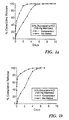
- Figures 1a and 1b are graphs of the percent cumulative release of bupivacaine HCl ( Figure 1a) and dibucaine HCl ( Figure 1b) as a function of time in days, comparing release from hot melt molded devices with release from compression molded devices formed of 1,3 bis (p-carboxyphenoxy)propane:sebacic acid (CPP:SA) (1:4).
- CPP:SA 1,3 bis (p-carboxyphenoxy)propane:sebacic acid
- Figure 2 is a graph of in vitro polymeric pellet release studies, percent cumulative release over time in days of 12% bupivacaine HCl in 10 ml PBS (dark circles); 20% bupivacaine HCl in 25 ml PBS (open triangles); 20% bupivacaine 10 ml PBS (dark squares); and 20% bupivacaine in 2 ml PBS (open square).
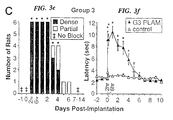
- Figures 3a-3f are graphs of the results of nerve block assays:
- Figure 3a is a graph of the number of rats over days post-implantation showing dense, partial or no block pain relief;
- Figure 3b is a graph of latency in seconds over days post-implantation for G1 devices (dark squares) and control (open squares);
- Figure 3c is a graph of the number of rats showing dense, partial or no block pain relief over days post-implantation;
- Figure 3d is a graph of latency in seconds over days post-implantation for G2 devices (dark circles) and control (open circles);
- Figure 3e is a graph of the number of rats showing dense, partial or no block pain relief over days post-implantation;
- Figure 3f is a graph of latency in seconds over days post-implantation for G3 devices (dark circles) and control (open circles).
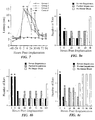
- Figure 5 is a graph of latency in seconds versus hours post-implantation for groups 4 (squares), 5 (diamonds), 6 (circles) and control (triangles) rats treated with PLAMs containing anesthetic and antiinflammatory.
- Figures 6a, b, and c are graphs of number of PLAM treated rats versus hours post-implantation who showed severe impairment (dark bars), partial impairment (stripes), and no motor block (open bars).
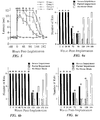
- Figure 7 are graphs of latency in seconds versus hours post-implantation for groups 1 (squares), 2 (diamonds), 3 (circles) and control (triangles) rats treated with PLAMs containing anesthetic and antiinflammatory.
- Figures 8a, 8b, and 8c are graphs of number of PLAM treated rats versus hours post-implantation who showed severe impairment (dark bars), partial impairment (stripes), and no motor block (open bars).
- Systems for the controlled and prolonged delivery of a local anesthetic agent to a targeted area are provided. These systems can be used for the management of various forms of persistent pain, such as postoperative pain, sympathetically maintained pain, or certain forms of chronic pain such as the pain associated with many types of cancer.
- the polymer degrade in vivo over a period of less than a year, with at least 50% of the polymer degrading within six months or less. More preferably, the polymer will degrade significantly within a month, with at least 50% of the polymer degrading into non-toxic residues which are removed by the body, and 100% of the drug being released within a two week period. Polymers should also degrade by hydrolysis by surface erosion, rather than by bulk erosion, so that release is not only sustained but also linear.
- Polymers which meet this criteria include some of the polyanhydrides, co-polymers of lactic acid and glycolic acid wherein the weight ratio of lactic acid to glycolic acid is no more than 4:1 (i.e., 80% or less lactic acid to 20% or more glycolic acid by weight), and polyorthoesters containing a catalyst or degradation enhancing compound, for example, containing at least 1% by weight anhydride catalyst such as maleic anhydride.
- Other polymers include protein polymers such as gelatin and fibrin and polysaccharides such as hyaluronic acid. Polylactic acid is not useful since it takes at least one year to degrade in vivo.
- the polymers should be biocompatible. Biocompatibility is enhanced by recrystallization of either the monomers forming the polymer and/or the polymer using standard techniques.
- the systems employ biodegradable polymer matrices which provide controlled release of local anesthetics.
- local anesthetic means a drug which provides local numbness or pain relief.
- a number of different local anesthetics can be used, including dibucaine, bupivacaine, etidocaine, tetracaine, lidocaine, and xylocaine.
- the preferred anesthetic is bupivacaine or dibucaine, most preferably in the form of a salt, for example, the hydrochloride, bromide, acetate, citrate, or sulfate.
- Bupivacaine is a particularly long acting and potent local anesthetic when incorporated into a PLAM. Its other advantages include sufficient sensory anesthesia without significant motor blockage, lower toxicity, and wide availability.
- the devices can also be used to administer local anesthetics that produce modality-specific blockade, as reported by Schneider, et al., Anesthesiology , 74:270-281 (1991), or that possess physical-chemical attributes that make them more useful for sustained release then for single injection blockade, as reported by Masters, et al., Soc. Neurosci. Abstr. , 18:200 (1992), the teachings of which are incorporated herein.
- the anesthetic is incorporated into the polymer in a percent loading of 0.1% to 70% by weight, preferably 5% to 50% by weight. It is possible to tailor a system to deliver a specified loading and subsequent maintenance dose by manipulating the percent drug incorporated in the polymer and the shape of the matrix, in addition to the form of local anesthetic (free base versus salt) and the method of production.
- the amount of drug released per day increases proportionately with the percentage of drug incorporated into the matrix (for example, from 5 to 10 to 20%).
- polymer matrices with not more than about 30% drug incorporated are utilized, although it is possible to incorporate substantially more drug, depending on the drug, the method used for making and loading the device, and the polymer.
- Antiinflammatories that are useful include steroids such as dexamethasone, cortisone, prednisone, and others routinely administered orally or by injection. Useful loadings are from 1 to 30% by weight.
- the preferred dosage is 60 ⁇ g anti-inflammatory/kg body weight, which is equivalent to a dosage range of between 20 ⁇ g/kg body weight, and 1 mg/kg body weight.
- Encapsulation involves formation of a fibrous material around foreign bodies. It begins with attempts by granulocytes to phagocytose and incorporate the foreign material during the initial acute inflammatory response. The process of encapsulation through fibrosis is due to histiocytes and fibroblasts, which generate the layers of collagenous connective tissue surrounding the implant. Encapsulation depends upon several factors, including the chemical and physical characteristics of the implant, the mechanical action of the implant, its site in the body and the presence of microorganisms.
- dexamethasone reduces encapsulation, does not reduce the intensity of the nerve block generated by the release of anesthetic from the polymer, does not affect the recovery of sensation and strength, and works only locally due to the low doses which are effective, and therefore exerts no effect on the normal pituitary-adrenal hormone responses.
- the polymeric devices are preferably manufactured using a method that evenly disperses the anesthetic throughout the device, such as solvent casting, spray drying or hot melt, rather than a method such as compression molding.
- a method that evenly disperses the anesthetic throughout the device such as solvent casting, spray drying or hot melt, rather than a method such as compression molding.
- hot melt molded tablets have denser and more homogenous matrices, causing them to release drug in a more safe and linear fashion.
- the form of the polymeric matrix is also important.
- Devices can be shaped as slabs, beads, pellets, microparticles, including microspheres and microcapsules, or formed into a paste. Microparticles, microspheres, and microcapsules are collectively referred to herein as "microparticles".
- the device can be coated with another polymer or other material to alter release characteristics or enhance biocompatibility.
- the microparticles can be administered as a suspension or as a device within a gelatin capsule, or used to form a paste, for example.
- the device will be in the form of microparticles.
- a desired release profile can be achieved by using a mixture of microparticles formed of polymers having different release rates, for example, polymers releasing in one day, three days, and one week, so that linear release is achieved even when each polymer per se does not release linearly over the same time period.
- the devices are microparticles and are administered by injection at the site where pain relief is to be achieved.
- the device is surgically implanted at the site.
- the pellets may be injected through a trochar, or the pellets or slabs may be surgically placed adjacent to nerves.
- Potential applications include two to five day intercostal blockade for thoracotomy, or longer term intercostal blockade for thoracic post-therapeutic neuralgia, lumbar sympathetic blockade for reflex sympathetic dystrophy, or three-day ilioinguinal/iliohypogastric blockade for hernia repair.
- Example 1 Preparation of Polymer Matrices for Sustained Release of Bupivacaine HCL.
- Monomers of CPP and SA (20:80) were converted to mixed anhydrides after a 30 minute reflux in acetic anhydride.
- the prepolymers were then recrystallized over several weeks in a mixed solvent of acetic anhydride and dimethylformamide, followed by polycondensation under nitrogen sweep.
- the resulting polymers were then ground to a fine powder and mixed with crystalline Bupivacaine HCL (20% ⁇ 2% drug by dry weight).
- Cylindrical pellets were then produced by placing a tuberculin syringe filled with drug-polymer mixture in a dry oven at 115°C for 15-20 min. and then injecting the molten solid into teflon tubing (3.2 mm i.d.) or by compression of the polymer powder.
- Example 2 Preparation of Polymer Matrices for Sustained Release of Dibucaine.
- Polymer-drug matrices were prepared as detailed above, substituting crystalline dibucaine HCl for bupivacaine HCl. Release of dibucaine from matrices was then measured in phosphate buffer, pH 7.4, over a period of 10 days. The results comparing release from compression molded-tablets and hot melt-pellets are shown in Figure 1b. The same release profiles were observed.
- Example 3 Prolonged regional nerve blockade by controlled release of local anesthetic from a biodegradable polymeric matrix.
- Cylindrical pellets made from polymer matrices incorporated with bupivacaine-HCl were implanted surgically along the sciatic nerves of rats in vivo. Sensory and motor blockade was produced for periods ranging from two to six days. Contralateral control legs receiving polymer implants without drug showed no block. Blockade was reversible, and animals appeared to recover sensory and motor function normally. Biochemical indices of nerve and muscle function were indistinguishable from contralateral controls. This biodegradable polymer system provides a promising new alternative for the delivery of local anesthetics to peripheral nerves to produce prolonged blockage for the management of acute and chronic pain.
- Biodegradable polymeric pellets were formed from a polymer mixture, 20% poly[bis(p-carboxyphenoxy) propane anhydride] (poly CPP) and 80% sebacic acid (SA), impregnated with crystalline bupivacaine ⁇ HCl, to release this local anesthetic in a controlled manner.
- Polymer-local anesthetic matrix (PLAM) pellets were made by mixing 150 ⁇ m sieved crystals of bupivacaine-HCl at 12% and 20% with polymer powder.
- cylindrical pellets were produced by melting the mixtures in a tuberculin syringe at 115°C in a dry oven and then injecting the molten mixture into Teflon tubing (3.2 or 4.8 mm i.d.). After cooling, the pellets were cut to specified lengths and weights. Control pellets were made in an identical manner using polymer without drug.
- PLAM pellets Three sizes of PLAM pellets, loaded to 20% by weight with bupivacaine ⁇ HCl, were used as implants to examine dosage effects.
- Group 1 pellets weighed 50 ⁇ 3 mg and were 4.0 ⁇ 0.3 mm long, 3.1 ⁇ 0.2 mm diameter.
- Group 2 pellets were twice the length of Group 1 pellets, 100 ⁇ 5 mg, 9.8 ⁇ 2 mm long and 3.1 ⁇ 0.2 diameter.
- Group 3 pellets weighed 125 ⁇ 5 mg and were 6.0 ⁇ 0.1 mm long, 4.7 ⁇ 0.2 mm diameter. Pellets were sterilized via gamma irradiation for in vitro or in vivo use. Different batches of PLAM pellets were used and similar results were obtained.
- Bupivacaine PLAM pellets (equal in size to Group 2 pellets) loaded with 12% or 20% bupivacaine were immersed in various volumes (2 ml, 10 ml, 25 ml) of phosphate-buffered saline (PBS) with 0.1% sodium azide (pH 7.4 at 37°C). Buffer was collected and replaced at 0.5, 2, 8, 16, 24 hour time points, then once daily thereafter for 3 weeks and stored at -20°C before high performance liquid chromatography (HPLC) assay. Bupivacaine standards, 0.23, 0.46, 0.77, 2.3 ⁇ g, analyzed on average after every tenth sample, produced linear response values (R 2 > 0.995).
- PBS phosphate-buffered saline
- HPLC high performance liquid chromatography
- mice Male rats (150-250 g Sprague-Dawley) were anesthetized with 50-75 mg/kg pentobarbital (i.p.) for Groups 1 and 2 and halothane for Group 3 (4% in oxygen for induction and 2% for maintenance).
- pentobarbital i.p.
- halothane 4% in oxygen for induction and 2% for maintenance.
- the shaved skin of the dorsal thigh was incised midway between the hip and the knee.
- the hamstring muscles were divided with a small hemostat, exposing the dorsal aspect of the sciatic nerve. Under direct vision, polymer pellets could be easily fitted into a large space between muscle layers surrounding the nerve.
- the space containing the pellets was bathed with 0.5 cc of an antibiotic solution (5000 units/ml penicillin G sodium and 5000 ⁇ g/ml streptomycin sulfate).
- an antibiotic solution 5000 units/ml penicillin G sodium and 5000 ⁇ g/ml streptomycin sulfate.
- the fascia overlaying the hamstrings were reapproximated with a single suture before closing skin with two wound clips.
- PLAM pellets were implanted surgically along the sciatic nerve in the upper thigh, with drug-containing implants on the experimental side and control (drug-free) implants on the contralateral (control) side.
- Sensory blockade was measured by the time required for each rat to withdraw its hind paw from a 56°C plate (IITC Life Science Instruments, Model 35-D, Woodland Hills, CA).
- the rats were held with a cloth gently wrapped above their waist to restrain the upper extremities and obstruct vision.
- the rats were positioned to stand with one hind paw on a hot plate and the other on a room temperature plate.
- a computer data collection system Apple IIe with a footpad switch
- latency to withdraw each hind paw to the hot plate was recorded by alternating paws and allowing at least fifteen seconds of recovery between each measurement.
- HPLC reliably quantified bupivacaine concentrations in the plasma methanol extraction phase down to 10 ng/ml.
- the bupivacaine standards used for blood plasma analyses were added to plasma aliquots prior to methanol extraction.
- the peak matching the standard bupivacaine peak's retention time was verified in plasma samples by doping with bupivacaine.
- the gastrocnemius muscle was excised from rats that had received group 2 implants and assayed for I 125 alpha-bungarotoxin binding as described by Martyn et al., Anesthesiology 76:822-843, 1992; and Masters et al. Meeting for the American Society of Anesthesiologists 75:A680, 1991.
- Gastrocnemius muscle I 125 alpha-bungarotoxin binding was used as a measure of acetylcholine receptor number, which up-regulate (increase) in response to denervation.
- Ganglia were excised from cervical (C3-5) and lumbar (L4-6) regions, immediately frozen on dry ice and homogenized in a 3 M lithium chloride/5 M urea solution.
- the spun-down pellets were purified for RNA analysis by the method of Masters, et al., BioTechnigues , 12:902-911, 1992, and the supernatants were desalted on C-18 columns for peptide radioimmunoassay (RIA).
- RNA encoding for the neuropeptide substance P were normalized to 28S ribosomal RNA (gamma-preprotachykinin/28S rRNA autoradiography grayscale density). Ethidium bromide photonegatives and hybridization autoradiograms were digitized with a flatbed optical scanner and the resulting image analyzed for grayscale density of the signal bands.
- the Northern analysis used a full length cDNA of T-preprotachykinin provided by Dr. J. Krause, Washington University, St. Louis, MO and subcloned into a Promega (Madison, WI) pGEM-3Z riboprobe vector.
- 32 P-UTP labeled riboprobe (specific activity of approximately 10 9 cpm/ ⁇ g) was made using RNA T7-polymerase (Promega Piscataway, NJ).
- a 30-mer oligonucleotide sequence complementary to a region of rat 28S ribosomal RNA (5'-AAUCCUGCUC AGUACGAGAG GAACCGCAGG-3'), was for normalization of total RNA loaded into the electrophoretic gel.
- oligonucleotide Twenty ng of oligonucleotide was 32 P end-labeled with the given procedure using T4 polynucleotide kinase (GIBCO BRL; Gaithersburg, MD) and purified on a Nick size exclusion column. The specific activity of the probe was greatly reduced (to approximately 10 5 cpm/ ⁇ g) by adding 4 ⁇ g unlabeled oligonucleotide to the column eluent (400 ⁇ l) to reduce the hybridization signal and improve hybridization kinetics.
- T4 polynucleotide kinase G4 polynucleotide kinase
- HPLC results showed that 96% of the 20 mg of bupivacaine incorporated into a 100 mg PLAM pellet was released within 8 days. Because release rate decreased with time, cumulative release rose toward an asymptote. The cumulative release profile was similar for 12% bupivacaine pellets in 10 ml buffer. Group 2 pellets were found to release approximately 75% of the loaded bupivacaine within 4 days in vitro, as shown in Figure 2.
- Sciatic nerve histologic examination showed minimal perineural inflammation with a foreign body response consistent with a local response to previous surgery. Using light microscopy, no evidence of axonal degeneration or demyelination was noted either proximal or distal to the implantation site.
- Prolonged release of local anesthetic and polymer degradation near the sciatic nerve did not lead to differences in any of several biochemical comparisons made between the side that received PLAM implants and the contralateral control side, two weeks post-implantation (Table 1). There was no significant difference found in tests for: (1) acetylcholine receptor number in gastrocnemius muscle, (2) the level of substance P, a neuromodulator involved in nociception, in lumbar or cervical dorsal root ganglia, or (3) the level of RNA encoding for substance P, preprotachykinin (PPT), in lumbar dorsal root ganglia, using a novel small-sample Northern blot system, as demonstrated by Figure 4.
- PPT preprotachykinin
- a potential risk of prolonged nerve blockade is systemic accumulation of local anesthetics, leading to convulsion, arrhythmia, and myocardial depression.
- plasma concentrations of bupivacaine were measured in five additional rats implanted with Group 1 PLAM pellets (295 ⁇ 5 mg total), at 1, 4, 24, 48, 72 and 96 hours post-implantation. All concentrations were less than 0.1 ⁇ g/ml, far below the threshold for toxicity of 305 ⁇ g/ml.
- Example 4 Implantation of PLAMs containing anesthetic in combination with antiinflammatory.
- Encapsulation involves formation of a fibrous material around foreign bodies. It begins with attempts by granulocytes to phagocytose and incorporate the foreign material during the initial acute inflammatory response. The process of encapsulation through fibrosis is due to_ histiocytes and fibroblasts, which generate the layers of collagenous connective tissue surrounding the implant. Encapsulation depends upon several factors, including the chemical and physical characteristics of the implant, the mechanical action of the implant, its site in the body and the presence of microorganisms.
- the protective function which encapsulation provides may also produce unwanted scarring.
- An example of this is shown by the studies examining the presence of fibrous capsules around silicon breast implants. Besides forming a large "scar" inside the body, encapsulation may also be a limiting factor in the applicability and usefulness of biodegradable drug delivery systems.
- Work by Anderson, et al. J.M. Anderson, H. Niven, J. Pelagalli, L.S. Olanoff, and R.D. Jones, "The role of the fibrous capsule in the function of implanted drug-polymer sustained released systems," J. Biomed. Mater.
- a method which reduces encapsulation is therefore needed for two reasons: (1) to diminish the unwanted consequences of "scarring” and (2) to enhance the release behavior of drug-polymer sustained release systems.
- Galletti tissue reaction to intraperitoneal polymer implants: species difference and effects of corticoid and doxorubicin," J. Biomed. Mater. Res. , 23, 705-718 (1989); D. Ingber and J. Folkman, "Inhibition of angiogenesis through modulation of collagen metabolism,” Lab. Invest. , 59, 44-51 (1988); and J.P. Iannotti, T.C. Baradet, M. Tobin, A. Alavi, and M. Staum, “Synthesis and characterization of magnetically responsive albumin microspheres containing cis-hydroxyproline for scar inhibition," Orthop. Res. Soc. , 9, 432-444 (1991)). Their individual effects on reducing encapsulation and improving drug release behavior were examined in this study.
- Copolymers of 1,3-bis(p-carboxy-phenoxy)propane and sebacic acid (20:80) were synthesized as described above. Polymers were repurified by three cycles of the following process:
- Polymer was dissolved in chloroform, precipitated with 5 volumes of hexane, the solvents was removed, and the precipitate was washed with diethyl ether. Copolymers were then ground to a fine powder under liquid nitrogen, lyophilized overnight, and stored under N 2 at -20°C until use.
- PLAMs containing 10% and 20% L-cis-hydroxyproline (CHP) by weight of CPP:SA (20:80) copolymer were produced using the hot melt procedure, as follows:
- Dry CHP is added to copolymer and mixed by both vortex and manual stirring with a spatula.
- the mixture is then transferred to a 1 cc syringe, heated for 10 to 15 minutes at 116 ⁇ 2°C until the polymer becomes molten but CHP remains solid with its crystals widely dispersed throughout the polymer.
- the mixture is then injected into Teflon® tubing. After the PLAM solidifies for 1 h, the PLAM in Teflon® tubing is cut into cylindrical pellets. The pellets are sterilized by gamma irradiation for 1 h and stored sealed at -20°C until use.
- CHP PLAMs were synthesized using Teflon® tubing (3.1 ⁇ 0.2 mm diameter, denoted "regular bore”). These pellets were cut 1 cm in length and weighed approximately 100 mg. Group 1 animals were implanted with one 10% CHP PLAM pellet on the experimental side. Group 2 animals were implanted with one 20% CHP PLAM pellet on the experimental side and another on the control side.
- PLAMs containing 20% crystalline bupivacaine-HCL by weight of CPP:SA 20:80 copolymer were synthesized via the hot melt procedure described above for CHP PLAMs.
- Teflon® tubing Two different-sized diameter Teflon® tubing were used: regular bore (3.1 ⁇ 0.2 mm) and large bore (4.9 ⁇ 0.3 mm). Regular bore pellets were cut 1 cm in length and weighed approximately 100 mg. Large bore pellets were cut 0.5 mm in length and weighed approximately 130 mg. Groups 1, 2 and 3a/3b animals were implanted with 3 regular bore bupivacaine pellets on the experimental side. Group 4 animals were implanted with 3 large bore bupivacaine pellets on the experimental side.
- PLAMs incorporated both bupivacaine and dexamethasone (DMS) were synthesized via the hot melt procedure described for CHP PLAMs with some differences in initial preparations.
- a uniform mixture of DMS and bupivacaine was formed by combining DMS dissolved in 95% ethanol with bupivacaine dissolved in 95% ethanol. The solution was air-dried under the hood at room temperature until the ethanol evaporated and left behind a well-dispersed mixture of dry crystalline DMS and bupivacaine. The crystalline mixture was pulverized under mortar and pestle and combined with copolymer. The rest of the procedures followed those described for CHP PLAMs. All DMS/bupivacaine PLAMs were synthesized using large bore Teflon® tubing.
- Hd-DMS/bupivacaine PLAMs contained approximately 60 ⁇ g DMS per pellet.
- Ld-DMS/bupivacaine PLAMs contained approximately 15 ⁇ g per pellet. Both sets contained 20% bupivacaine by weight.
- Group 5 animals were implanted with 3 hd-DMS/bupivacaine PLAM pellets on the experimental side.
- Group 6 animals were implanted with 3 ld-DMS/bupivacaine PLAM pellets on the experimental side. The protocols and results are shown in Table 4.
- PLAMs containing DMS were synthesized via the hot melt procedure described for CHP PLAMs with some differences in initial preparation, as follows.
- a uniform mixture of DMS and copolymer was produced by combining DMS dissolved in chloroform with copolymer dissolved in chloroform. The mixture was air-dried under the hood at room temperature until the chloroform evaporated and left behind a dry well-dispersed mass of DMS and copolymer. The dry mixture was pulverized under mortar and pestle and transferred to syringe. The rest of the procedure followed those described for CHP PLAMs. All DMS PLAMs were synthesized using large bore Teflon® tubing. Group 7 animals were implanted with 3 DMS PLAM pellets on the experimental side.
- Control PLAMs were synthesized via the hot melt procedure described for CHP PLAMs.
- Control PLAMs contained only CPP:SA (20:80) copolymer and all pellets were synthesized with large bore Teflon® tubing. Groups 6 and 7 animals were implanted with 3 control PLAM pellets on the control side.
- Tritium labeled dexamethasone ( 3 H-DMS) was purchased from New England Nuclear Corporation (Boston, MA). An aliquot consisting of 10 7 counts was added to a mixture of 200 ⁇ g unlabelled DMS and 190 mg bupivacaine dissolved in 95% ethanol. This solution was air-dried under the hood at room temperature until the ethanol evaporated and left behind a well-dispersed mixture of dry crystalline 3 H-labelled DMS, unlabelled DMS and bupivacaine. This dry crystalline mixture was pulverized under mortar and pestle and combined with 650 mg CPP:SA (20:80) copolymer. The rest of the procedure followed those described for CHP PLAMs.
- All 3 H-DMS/unlabelled DMS/bupivacaine PLAMs were synthesized using large bore Teflon® tubing. Each pellet was placed in 5 mL of sterile 1X PBS (phosphate-buffered saline) containing 1% sodium azide and incubated at 37°C. The incubated 1X PBS media was removed and stored at -20°C, and replaced with 5 ml of fresh sterile 1X PBS at 2h, 6 h and 24 h time points and then once daily thereafter for 3 weeks. The 3 H released was counted using a liquid scintillation counter (Rackbeta 1214).
- sterile 1X PBS phosphate-buffered saline
- Rats housed in groups of 4 were habituated to a hotplate of 56°C both before and after surgery. They were tested between 10 am and 12 pm daily and allowed to adjust to their surroundings in a quiet room at 22 ⁇ 1°C for at least 30 minutes before testing.
- the rat was wrapped in a towel from the waist up for visual obstruction and hinderance of upper body motion.
- the animal's hindpaw was placed on the hotplate and latencies recorded, starting on contact and ceasing with withdrawal from hotplate, via a foot-switch connected to a computer. If latencies exceeded 12 seconds, the rat's hindpaw was removed to prevent injury. No rats were observed to have inflammation or blisters. Rats were tested for at least two weeks prior to surgery to achieve a consistent baseline latency, and testing continued for two weeks after surgery to confirm complete recovery from sensory blockade.
- Motor blockade was rated on a 4-point scale. Animals with a motor block of 4 had a clubbed hindpaw and usually dragged their affected leg when walking. Motor block 3 animals walked normally but had toes that failed to splay when the animal was lifted. Animals with motor block of 2 showed toes that splayed but not as fully as normal or motor block 1 animals.
- MMI maximum block intensity
- PLAMS drug-containing PLAMS
- the control (contralateral) side varied among the groups.
- Group 1 used 10% CHP PLAMs on the control side to compare the effects of bupivacaine and CHP PLAMs vs. CHP PLAMs alone.
- Groups 2, 3a/3b and 5 received sham operations on the control side to compare the effects of drug vs. both drug-free and PLAM-free states. Sham operations consisted of exposing the sciatic nerve, irrigation of the site with antibiotic solution, and closure of the surgical site without implantation of any PLAM pellets.
- Groups 4, 6 and 7 used control PLAMs on the control side to compare the effects of drug vs. drug-free PLAM states.
- Capsules Encapsulation was evaluated by gross examination at the time of dissection and through photographs by a blinded observer. This evaluation was divided into 3 categories. The first type was characterized by no true capsule. It involved nonspecific, unorganized inflammatory debris surrounding the implantation site. The other two capsule types were classified according to the manner of Ksander, et al. (G.A. Ksander, L.M. Vistnes and D.C. Fogerty, "Experimental effects on surrounding fibrous capsule formation from placing steroid in a silicone bag-gel prosthesis before implantation," Plast. & Reconstr. Surg. , 62, 873-883 (1978)).
- the second type was characterized by flimsiness, an ability to be easily deformed and torn, and an irregular dull surface of white to gray color. This type was designated as a diffuse capsule.
- the third type was characterized by toughness, resistance to deformation by handling and tearing at excision, and a smooth glossy inner surface of yellowish-brown to clear translucence. This type was designated as a laminar capsule. It was a true histological capsule with highly organized, fibrous walls enclosing the implanted pellets, completely separating it from immediate surrounding tissue. A severity scale of 0-4, similar to that described above, was used to rank the degree of inflammation of the perineural fascia and muscle fascia.
- Cross-sections of formalin-fixed capsules were examined by light microscopy and rated on a severity scale from 0-4, specifically looking at (1) thickness of capsule wall, (2) proportion of PMN's in relation to other inflammatory cells, (3) proportion of lymphocytes to other inflammatory cells, (4) proportion of plasma cells to other inflammatory cells, (5) proportion of foreign body giant cells to other inflammatory cells, (6) proportion of immature fibroblasts to mature fibroblasts, and (7) extent of collagen deposition in the capsule wall.
- Group 7 rats who were implanted with hd-DMS PLAMs, showed no sensory and motor block, and all time points could not be distinguished from baseline.
- Group 1 and 3a/3b rats who were implanted with 10% CHP PLAM plus bupivacaine PLAMs, 20% CHP PLAMs and plus bupivacaine PLAMs, and bupivacaine PLAMs alone, respectively, all displayed similar sensory block durations and intensities. All groups showed sensory block durations of 2-4 days with dense block seen on Day 1 and the majority of rats returning to baseline on Days 2-4, as shown by Figure 7. Motor blockade were similar for Groups 1 and 3a/3b. Duration of motor block lasted for 1-2 days with the densest block observed primarily on day 1. Group 2 had motor blockade lasting for 1-4 days with the densest block also occurring on day 1, as shown by Figures 8a, 8b and 8c. One animal from Group 2 was dropped from the study because it did not recover motor- and sensory-wise. One animal from Group 3a was dropped from the study because it did not recover motorwise, although its sensory functions were intact and it returned to baseline.
- Plasma assays performed on Groups 5, 6 and 7 animals showed no difference in ACTH and corticosterone levels compared to normal values of rats taken at the same period of day and under similar stress-level conditions. Prolonged release of dexamethasone, approximately 5-10 ⁇ g per day for 2 weeks, did not cause pituitary suppression of ACTH and consequently, did not decrease plasma levels of corticosterone.
- DMS released from biodegradable polymer matrices can prevent encapsulation around polymer implants seen during autopsy at 2 weeks post-implantation. Sensory and motor blockade is profoundly enhanced in animals treated with DMS. Light microscopy studies show that DMS-treated sides have equivalent neural inflammation to sham operations, control PLAMs or bupivacaine PLAMs.
Landscapes
- Health & Medical Sciences (AREA)
- Pharmacology & Pharmacy (AREA)
- Life Sciences & Earth Sciences (AREA)
- Animal Behavior & Ethology (AREA)
- Chemical & Material Sciences (AREA)
- General Health & Medical Sciences (AREA)
- Medicinal Chemistry (AREA)
- Veterinary Medicine (AREA)
- Public Health (AREA)
- Epidemiology (AREA)
- Engineering & Computer Science (AREA)
- Bioinformatics & Cheminformatics (AREA)
- Emergency Medicine (AREA)
- Pain & Pain Management (AREA)
- General Chemical & Material Sciences (AREA)
- Organic Chemistry (AREA)
- Nuclear Medicine, Radiotherapy & Molecular Imaging (AREA)
- Chemical Kinetics & Catalysis (AREA)
- Neurosurgery (AREA)
- Neurology (AREA)
- Biomedical Technology (AREA)
- Medicinal Preparation (AREA)
- Pharmaceuticals Containing Other Organic And Inorganic Compounds (AREA)
- Acyclic And Carbocyclic Compounds In Medicinal Compositions (AREA)
- Biological Depolymerization Polymers (AREA)
- Medicines That Contain Protein Lipid Enzymes And Other Medicines (AREA)
Applications Claiming Priority (3)
| Application Number | Priority Date | Filing Date | Title |
|---|---|---|---|
| US94328792A | 1992-09-10 | 1992-09-10 | |
| US943287 | 1992-09-10 | ||
| EP93922174A EP0659073B1 (de) | 1992-09-10 | 1993-09-10 | Biodegradierbare polymeren matrizen mit verzoegerter freisetzung von lokalanaesthetika |
Related Parent Applications (1)
| Application Number | Title | Priority Date | Filing Date |
|---|---|---|---|
| EP93922174A Division EP0659073B1 (de) | 1992-09-10 | 1993-09-10 | Biodegradierbare polymeren matrizen mit verzoegerter freisetzung von lokalanaesthetika |
Publications (2)
| Publication Number | Publication Date |
|---|---|
| EP1132080A2 true EP1132080A2 (de) | 2001-09-12 |
| EP1132080A3 EP1132080A3 (de) | 2001-10-17 |
Family
ID=25479379
Family Applications (2)
| Application Number | Title | Priority Date | Filing Date |
|---|---|---|---|
| EP93922174A Expired - Lifetime EP0659073B1 (de) | 1992-09-10 | 1993-09-10 | Biodegradierbare polymeren matrizen mit verzoegerter freisetzung von lokalanaesthetika |
| EP01201822A Withdrawn EP1132080A3 (de) | 1992-09-10 | 1993-09-10 | Biodegradierbare Polymeren Matrizen mit verzögerter Freisetzung von Lokalanaesthetika |
Family Applications Before (1)
| Application Number | Title | Priority Date | Filing Date |
|---|---|---|---|
| EP93922174A Expired - Lifetime EP0659073B1 (de) | 1992-09-10 | 1993-09-10 | Biodegradierbare polymeren matrizen mit verzoegerter freisetzung von lokalanaesthetika |
Country Status (11)
| Country | Link |
|---|---|
| US (1) | US5618563A (de) |
| EP (2) | EP0659073B1 (de) |
| JP (1) | JP3007687B2 (de) |
| AT (1) | ATE210969T1 (de) |
| AU (1) | AU683022B2 (de) |
| CA (1) | CA2144407C (de) |
| DE (1) | DE69331387T2 (de) |
| DK (1) | DK0659073T3 (de) |
| ES (1) | ES2170074T3 (de) |
| PT (1) | PT659073E (de) |
| WO (1) | WO1994005265A1 (de) |
Cited By (1)
| Publication number | Priority date | Publication date | Assignee | Title |
|---|---|---|---|---|
| US10669383B2 (en) | 2006-10-31 | 2020-06-02 | Evonik Corporation | Spheronized polymer particles |
Families Citing this family (160)
| Publication number | Priority date | Publication date | Assignee | Title |
|---|---|---|---|---|
| MX9301821A (es) * | 1992-03-30 | 1994-03-31 | Alza Corp | Sistema de matriz polimerica biodegradable regulador de degradacion y metodo de tratamiento del mismo. |
| US5700485A (en) * | 1992-09-10 | 1997-12-23 | Children's Medical Center Corporation | Prolonged nerve blockade by the combination of local anesthetic and glucocorticoid |
| US5922340A (en) | 1992-09-10 | 1999-07-13 | Children's Medical Center Corporation | High load formulations and methods for providing prolonged local anesthesia |
| US20040127884A1 (en) * | 1994-12-12 | 2004-07-01 | Omeros Corporation | Vascular irrigation solution and method for inhibition of pain, inflammation, spasm and restenosis |
| AU4467396A (en) | 1994-12-12 | 1996-07-10 | Omeros Medical Systems, Inc. | Irrigation solution and method for inhibition of pain, inflammation and spasm |
| US20020028798A1 (en) * | 1995-12-12 | 2002-03-07 | Omeros Medical Systems | Irrigation solution and method for inhibition of pain and inflammation |
| US6492332B1 (en) * | 1995-12-12 | 2002-12-10 | Omeros Corporation | Irrigation solution and methods for inhibition of tumor cell adhesion, pain and inflammation |
| US7091181B2 (en) | 1994-12-12 | 2006-08-15 | Omeros Corporation | Method of inhibition of pain and inflammation during surgery comprising administration of soluble TNF receptors |
| US5869079A (en) * | 1995-06-02 | 1999-02-09 | Oculex Pharmaceuticals, Inc. | Formulation for controlled release of drugs by combining hydrophilic and hydrophobic agents |
| US5942241A (en) * | 1995-06-09 | 1999-08-24 | Euro-Celtique, S.A. | Formulations and methods for providing prolonged local anesthesia |
| US6007843A (en) * | 1995-09-29 | 1999-12-28 | Lam Pharmaceuticals Corp. | Sustained release delivery system |
| US6413961B1 (en) | 1995-12-12 | 2002-07-02 | Omeros Medical Systems, Inc. | Irrigation solution and method for inhibition of pain and inflammation |
| US5747060A (en) * | 1996-03-26 | 1998-05-05 | Euro-Celtique, S.A. | Prolonged local anesthesia with colchicine |
| AU733867B2 (en) | 1996-06-24 | 2001-05-31 | Euro-Celtique S.A. | Methods for providing safe local anesthesia |
| AU770226B2 (en) * | 1996-06-24 | 2004-02-19 | Euro-Celtique S.A. | Methods for providing safe local anaesthesia |
| US6046187A (en) | 1996-09-16 | 2000-04-04 | Children's Medical Center Corporation | Formulations and methods for providing prolonged local anesthesia |
| US8003705B2 (en) | 1996-09-23 | 2011-08-23 | Incept Llc | Biocompatible hydrogels made with small molecule precursors |
| ES2130969B1 (es) * | 1997-02-24 | 2000-02-16 | Univ Valencia Estudi General | Biomembranas para la encapsulacion extemporanea de tetracaina. |
| AU7389098A (en) | 1997-05-16 | 1998-12-08 | Brigham And Women's Hospital | Local anesthetic formulations |
| IL129951A0 (en) * | 1997-07-02 | 2000-02-29 | Euro Celtique Sa | Prolonged anesthesia in joints and body spaces |
| AU775685B2 (en) * | 1997-07-02 | 2004-08-12 | Euro-Celtique S.A. | Prolonged anesthesia in joints and body spaces |
| KR20010031363A (ko) | 1997-10-22 | 2001-04-16 | 젠스 포니카우 | 진균류에 의한 점막염을 국소 치료하기 위한 항진균제의용도 |
| US6197324B1 (en) * | 1997-12-18 | 2001-03-06 | C. R. Bard, Inc. | System and methods for local delivery of an agent |
| US6251418B1 (en) * | 1997-12-18 | 2001-06-26 | C.R. Bard, Inc. | Systems and methods for local delivery of an agent |
| US6423345B2 (en) | 1998-04-30 | 2002-07-23 | Acusphere, Inc. | Matrices formed of polymer and hydrophobic compounds for use in drug delivery |
| US6451335B1 (en) | 1998-07-02 | 2002-09-17 | Euro-Celtique S.A. | Formulations and methods for providing prolonged local anesthesia |
| ATE502670T1 (de) * | 1998-08-14 | 2011-04-15 | Incept Llc | Apparat für die in-situ-bildung von hydrogelen |
| US6632457B1 (en) * | 1998-08-14 | 2003-10-14 | Incept Llc | Composite hydrogel drug delivery systems |
| US6179862B1 (en) | 1998-08-14 | 2001-01-30 | Incept Llc | Methods and apparatus for in situ formation of hydrogels |
| CN1221249C (zh) | 1998-08-19 | 2005-10-05 | 斯凯伊药品加拿大公司 | 普鲁泊福的可注射水分散体 |
| US6458092B1 (en) | 1998-09-30 | 2002-10-01 | C. R. Bard, Inc. | Vascular inducing implants |
| US6251079B1 (en) | 1998-09-30 | 2001-06-26 | C. R. Bard, Inc. | Transthoracic drug delivery device |
| US7067144B2 (en) * | 1998-10-20 | 2006-06-27 | Omeros Corporation | Compositions and methods for systemic inhibition of cartilage degradation |
| EP1137373A4 (de) | 1998-12-04 | 2004-05-19 | Chandrashekhar P Pathak | Biokompatible, vernetzte polymere |
| US6267776B1 (en) | 1999-05-03 | 2001-07-31 | O'connell Paul T. | Vena cava filter and method for treating pulmonary embolism |
| US6986784B1 (en) | 1999-05-14 | 2006-01-17 | C. R. Bard, Inc. | Implant anchor systems |
| US6855160B1 (en) | 1999-08-04 | 2005-02-15 | C. R. Bard, Inc. | Implant and agent delivery device |
| US6385491B1 (en) * | 1999-10-04 | 2002-05-07 | Medtronic, Inc. | Temporary medical electrical lead having biodegradable electrode mounting pad loaded with therapeutic drug |
| US6383511B1 (en) * | 1999-10-25 | 2002-05-07 | Epicept Corporation | Local prevention or amelioration of pain from surgically closed wounds |
| US6579533B1 (en) | 1999-11-30 | 2003-06-17 | Bioasborbable Concepts, Ltd. | Bioabsorbable drug delivery system for local treatment and prevention of infections |
| US20040009228A1 (en) * | 1999-11-30 | 2004-01-15 | Pertti Tormala | Bioabsorbable drug delivery system for local treatment and prevention of infections |
| US7232421B1 (en) | 2000-05-12 | 2007-06-19 | C. R. Bard, Inc. | Agent delivery systems |
| US7204847B1 (en) | 2000-07-28 | 2007-04-17 | C. R. Bard, Inc. | Implant anchor systems |
| US20030152637A1 (en) * | 2001-01-25 | 2003-08-14 | Mark Chasin | Local anesthetic, and method of use |
| US6558702B2 (en) * | 2001-04-13 | 2003-05-06 | Alkermes Controlled Therapeutics, Inc. | Method of modifying the release profile of sustained release compositions |
| US20060269602A1 (en) * | 2001-04-13 | 2006-11-30 | Dasch James R | Method of modifying the release profile of sustained release compositions |
| US8403954B2 (en) | 2001-05-22 | 2013-03-26 | Sanostec Corp. | Nasal congestion, obstruction relief, and drug delivery |
| US20070196415A1 (en) * | 2002-11-14 | 2007-08-23 | Guohua Chen | Depot compositions with multiple drug release rate controls and uses thereof |
| ATE507816T1 (de) * | 2001-11-14 | 2011-05-15 | Durect Corp | Injizierbare depotzusammensetzungen und deren verwendung |
| AU2002359407B2 (en) * | 2001-11-14 | 2008-02-28 | Durect Corporation | Catheter injectable depot compositions and uses thereof |
| US7162303B2 (en) | 2002-04-08 | 2007-01-09 | Ardian, Inc. | Renal nerve stimulation method and apparatus for treatment of patients |
| US8347891B2 (en) | 2002-04-08 | 2013-01-08 | Medtronic Ardian Luxembourg S.A.R.L. | Methods and apparatus for performing a non-continuous circumferential treatment of a body lumen |
| US8145317B2 (en) | 2002-04-08 | 2012-03-27 | Ardian, Inc. | Methods for renal neuromodulation |
| US20140018880A1 (en) | 2002-04-08 | 2014-01-16 | Medtronic Ardian Luxembourg S.A.R.L. | Methods for monopolar renal neuromodulation |
| US7653438B2 (en) | 2002-04-08 | 2010-01-26 | Ardian, Inc. | Methods and apparatus for renal neuromodulation |
| US20070129761A1 (en) | 2002-04-08 | 2007-06-07 | Ardian, Inc. | Methods for treating heart arrhythmia |
| US7756583B2 (en) | 2002-04-08 | 2010-07-13 | Ardian, Inc. | Methods and apparatus for intravascularly-induced neuromodulation |
| US8774913B2 (en) | 2002-04-08 | 2014-07-08 | Medtronic Ardian Luxembourg S.A.R.L. | Methods and apparatus for intravasculary-induced neuromodulation |
| US9636174B2 (en) | 2002-04-08 | 2017-05-02 | Medtronic Ardian Luxembourg S.A.R.L. | Methods for therapeutic renal neuromodulation |
| US20080213331A1 (en) | 2002-04-08 | 2008-09-04 | Ardian, Inc. | Methods and devices for renal nerve blocking |
| US7853333B2 (en) | 2002-04-08 | 2010-12-14 | Ardian, Inc. | Methods and apparatus for multi-vessel renal neuromodulation |
| US9308043B2 (en) | 2002-04-08 | 2016-04-12 | Medtronic Ardian Luxembourg S.A.R.L. | Methods for monopolar renal neuromodulation |
| US8175711B2 (en) | 2002-04-08 | 2012-05-08 | Ardian, Inc. | Methods for treating a condition or disease associated with cardio-renal function |
| US6978174B2 (en) | 2002-04-08 | 2005-12-20 | Ardian, Inc. | Methods and devices for renal nerve blocking |
| US8150519B2 (en) | 2002-04-08 | 2012-04-03 | Ardian, Inc. | Methods and apparatus for bilateral renal neuromodulation |
| US8131371B2 (en) | 2002-04-08 | 2012-03-06 | Ardian, Inc. | Methods and apparatus for monopolar renal neuromodulation |
| US20070135875A1 (en) | 2002-04-08 | 2007-06-14 | Ardian, Inc. | Methods and apparatus for thermally-induced renal neuromodulation |
| US8145316B2 (en) | 2002-04-08 | 2012-03-27 | Ardian, Inc. | Methods and apparatus for renal neuromodulation |
| US7620451B2 (en) | 2005-12-29 | 2009-11-17 | Ardian, Inc. | Methods and apparatus for pulsed electric field neuromodulation via an intra-to-extravascular approach |
| US7617005B2 (en) | 2002-04-08 | 2009-11-10 | Ardian, Inc. | Methods and apparatus for thermally-induced renal neuromodulation |
| US8774922B2 (en) | 2002-04-08 | 2014-07-08 | Medtronic Ardian Luxembourg S.A.R.L. | Catheter apparatuses having expandable balloons for renal neuromodulation and associated systems and methods |
| US9308044B2 (en) | 2002-04-08 | 2016-04-12 | Medtronic Ardian Luxembourg S.A.R.L. | Methods for therapeutic renal neuromodulation |
| WO2004000103A2 (en) * | 2002-06-24 | 2003-12-31 | Noyes William R | Fillers and methods for displacing tissues to improve radiological outcomes |
| US20040001889A1 (en) | 2002-06-25 | 2004-01-01 | Guohua Chen | Short duration depot formulations |
| CN1684663A (zh) * | 2002-07-31 | 2005-10-19 | 阿尔萨公司 | 可注射的多模式聚合物储库组合物以及其用途 |
| WO2004012703A1 (en) * | 2002-07-31 | 2004-02-12 | Alza Corporation | Injectable depot compositions and uses thereof |
| US20040220153A1 (en) * | 2002-09-24 | 2004-11-04 | Jost-Price Edward Roydon | Methods and reagents for the treatment of diseases and disorders associated with increased levels of proinflammatory cytokines |
| AU2003282955A1 (en) * | 2002-10-17 | 2004-05-04 | Alkermes Controlled Therapeutics, Inc. Ii | Microencapsulation and sustained release of biologically active polypeptides |
| EP1567127A4 (de) * | 2002-10-17 | 2007-02-21 | Alkermes Inc | Verfahren zur modifizierung des freisetzungsprofiles von zusammensetzungen mit verzögerter freisetzung |
| EP2218448B1 (de) | 2002-12-13 | 2015-09-23 | Durect Corporation | Orale Darreichungsform mit flüssigen hochviskose Trägersystemen |
| CA2510319A1 (en) * | 2002-12-20 | 2004-07-15 | Thomas J. Smith | High pressure compaction for pharmaceutical formulations |
| US9445901B2 (en) * | 2003-03-12 | 2016-09-20 | Deger C. Tunc | Prosthesis with sustained release analgesic |
| WO2005070333A1 (en) * | 2004-01-13 | 2005-08-04 | Orthobiologica, Inc. | Drug delivery to a joint |
| US20050245905A1 (en) * | 2004-04-30 | 2005-11-03 | Schmidt Steven P | Local drug-delivery system |
| US20090324678A1 (en) * | 2004-07-16 | 2009-12-31 | Spinal Restoration, Inc. | Methods and kits for treating joints and soft tissues |
| ES2726548T3 (es) | 2004-07-28 | 2019-10-07 | Medtronic Ardian Luxembourg | Procedimientos y dispositivos para bloqueo del nervio renal |
| WO2006026325A2 (en) * | 2004-08-26 | 2006-03-09 | Pathak Chandrashekhar P | Implantable tissue compositions and method |
| DK2767292T3 (en) | 2004-09-17 | 2016-12-19 | Durect Corp | RENEWABLE local anesthetic COMPOSITION CONTAINING SAIB |
| US7937143B2 (en) * | 2004-11-02 | 2011-05-03 | Ardian, Inc. | Methods and apparatus for inducing controlled renal neuromodulation |
| US20060142234A1 (en) * | 2004-12-23 | 2006-06-29 | Guohua Chen | Injectable non-aqueous suspension |
| US7611494B2 (en) | 2005-02-08 | 2009-11-03 | Confluent Surgical, Inc. | Spray for fluent materials |
| US8734481B2 (en) * | 2005-04-04 | 2014-05-27 | B. Braun Medical Sas | Removeable filter head |
| US20070027105A1 (en) | 2005-07-26 | 2007-02-01 | Alza Corporation | Peroxide removal from drug delivery vehicle |
| US7875697B2 (en) * | 2006-06-29 | 2011-01-25 | Medtronic, Inc. | Poly(orthoester) polymers, and methods of making and using same |
| AU2007325918B2 (en) | 2006-11-03 | 2013-10-17 | Durect Corporation | Transdermal delivery systems comprising bupivacaine |
| WO2008118712A1 (en) * | 2007-03-22 | 2008-10-02 | Alkermes, Inc. | Coacervation process |
| WO2008124768A1 (en) | 2007-04-09 | 2008-10-16 | The General Hospital Corporation | Hemojuvelin fusion proteins and uses thereof |
| CN201075472Y (zh) * | 2007-05-28 | 2008-06-18 | 富士康(昆山)电脑接插件有限公司 | 电连接器 |
| US20080317805A1 (en) * | 2007-06-19 | 2008-12-25 | Mckay William F | Locally administrated low doses of corticosteroids |
| US20080317865A1 (en) * | 2007-06-20 | 2008-12-25 | Alkermes, Inc. | Quench liquids and washing systems for production of microparticles |
| US9125807B2 (en) * | 2007-07-09 | 2015-09-08 | Incept Llc | Adhesive hydrogels for ophthalmic drug delivery |
| US20090123508A1 (en) * | 2007-10-04 | 2009-05-14 | Boston Scientific Scimed, Inc. | Implantable Drug Depot for Intrathecal Drug Delivery System for Pain Management |
| JP2011503213A (ja) * | 2007-11-19 | 2011-01-27 | カプスレイテッド システムズ インコーポレイテッド | マイクロ粒子を使用する局所麻酔薬の持続放出および手術適用方法 |
| EP2067471B1 (de) | 2007-12-06 | 2018-02-14 | Durect Corporation | Orale arzneimitteldosierformen |
| WO2009086270A1 (en) * | 2007-12-28 | 2009-07-09 | Khashayar Kevin Neshat | Controlled release local anesthetic for post dental surgery and method of use |
| US8745133B2 (en) * | 2008-03-28 | 2014-06-03 | Yahoo! Inc. | System and method for optimizing the storage of data |
| US8524267B2 (en) * | 2008-04-18 | 2013-09-03 | Warsaw Orthopedic, Inc. | Dexamethasone formulations in a biodegradable material |
| US8956642B2 (en) * | 2008-04-18 | 2015-02-17 | Medtronic, Inc. | Bupivacaine formulation in a polyorthoester carrier |
| US8475823B2 (en) * | 2008-04-18 | 2013-07-02 | Medtronic, Inc. | Baclofen formulation in a polyorthoester carrier |
| WO2009143174A2 (en) * | 2008-05-19 | 2009-11-26 | Children's Medical Center Corporation | Chemical permeation enhancers enhance nerve blockade by toxins |
| CA2738766A1 (en) * | 2008-09-25 | 2010-04-01 | Invivo Therapeutics Corporation | Spinal cord injury, inflammation, and immune-disease: local controlled release of therapeutic agents |
| US20100260844A1 (en) | 2008-11-03 | 2010-10-14 | Scicinski Jan J | Oral pharmaceutical dosage forms |
| US8652129B2 (en) | 2008-12-31 | 2014-02-18 | Medtronic Ardian Luxembourg S.A.R.L. | Apparatus, systems, and methods for achieving intravascular, thermally-induced renal neuromodulation |
| US20100203102A1 (en) * | 2009-02-10 | 2010-08-12 | Warsaw Orthopedic, Inc. | Compositions and methods for treating post-operative pain using bupivacaine and an anti-onflammatory agent |
| JP5890182B2 (ja) | 2009-02-12 | 2016-03-22 | インセプト エルエルシー | ヒドロゲルプラグによる薬物送達 |
| US8952152B2 (en) | 2009-03-24 | 2015-02-10 | Proteus S.A. | Methods for purifying phycotoxins, pharmaceutical compositions containing purified phycotoxins, and methods of use thereof |
| WO2011017520A1 (en) | 2009-08-05 | 2011-02-10 | Wake Forest University Health Sciences | Compositions and methods for inducing apoptosis in prostate cancer cells |
| WO2011031996A2 (en) | 2009-09-10 | 2011-03-17 | University Of Pittsburgh - Of The Commonwealth System Of Higher Education | Engineered microparticles for macromolecule delivery |
| US20110117175A1 (en) * | 2009-11-18 | 2011-05-19 | Rosenbaum Richard J | Sweet analgesic for use in medical procedures or treatments |
| EP2507266B1 (de) | 2009-12-01 | 2015-02-18 | Boston Medical Center Corporation | Behandlung von ige-vermittelten erkrankungen |
| EP3960215B1 (de) | 2009-12-15 | 2024-10-16 | Incept, LLC | Implantate und biologisch abbaubare bezugsmarkierungen |
| US8961501B2 (en) | 2010-09-17 | 2015-02-24 | Incept, Llc | Method for applying flowable hydrogels to a cornea |
| CN103347520A (zh) | 2010-10-13 | 2013-10-09 | 波士顿大学管理委员会 | 用作癌症化学治疗的晚期sv40因子(lsf)的抑制剂 |
| CN103313671B (zh) | 2010-10-25 | 2017-06-06 | 美敦力Af卢森堡有限责任公司 | 用于神经调节治疗的估算及反馈的装置、系统及方法 |
| US20140227293A1 (en) | 2011-06-30 | 2014-08-14 | Trustees Of Boston University | Method for controlling tumor growth, angiogenesis and metastasis using immunoglobulin containing and proline rich receptor-1 (igpr-1) |
| US10226417B2 (en) | 2011-09-16 | 2019-03-12 | Peter Jarrett | Drug delivery systems and applications |
| US9205150B2 (en) | 2011-12-05 | 2015-12-08 | Incept, Llc | Medical organogel processes and compositions |
| MX365403B (es) | 2012-01-09 | 2019-05-31 | Serpin Pharma Llc | Peptidos y metodos para usarlos. |
| EP3348220B1 (de) | 2012-03-08 | 2024-10-23 | Medtronic Ardian Luxembourg S.à.r.l. | Biomarkerprobenahme in zusammenhang mit neuromodulationsvorrichtungen sowie entsprechende systeme |
| US9750568B2 (en) | 2012-03-08 | 2017-09-05 | Medtronic Ardian Luxembourg S.A.R.L. | Ovarian neuromodulation and associated systems and methods |
| EP2825173B1 (de) | 2012-03-16 | 2018-10-10 | Children's Medical Center Corporation | Calmodulin-hemmer zur behandlung von ribosomalen erkrankungen und ribosomapathien |
| US20140110296A1 (en) | 2012-10-19 | 2014-04-24 | Medtronic Ardian Luxembourg S.A.R.L. | Packaging for Catheter Treatment Devices and Associated Devices, Systems, and Methods |
| KR102787826B1 (ko) | 2013-03-15 | 2025-03-31 | 더 칠드런스 메디칼 센터 코포레이션 | 지속성 국소 마취용 네오삭시톡신 조합 제형 |
| CA2905131A1 (en) | 2013-03-15 | 2014-09-18 | Durect Corporation | Compositions with a rheological modifier to reduce dissolution variability |
| CN110575445B (zh) | 2013-03-21 | 2023-08-18 | 优普顺药物公司美国分部 | 可注射的持续释放组合物及其用于治疗关节炎症及相关疼痛的方法 |
| WO2015088990A1 (en) | 2013-12-09 | 2015-06-18 | Durect Corporation | Pharmaceutically active agent complexes, polymer complexes, and compositions and methods involving the same |
| US10194979B1 (en) | 2014-03-28 | 2019-02-05 | Medtronic Ardian Luxembourg S.A.R.L. | Methods for catheter-based renal neuromodulation |
| US10194980B1 (en) | 2014-03-28 | 2019-02-05 | Medtronic Ardian Luxembourg S.A.R.L. | Methods for catheter-based renal neuromodulation |
| US9980766B1 (en) | 2014-03-28 | 2018-05-29 | Medtronic Ardian Luxembourg S.A.R.L. | Methods and systems for renal neuromodulation |
| BR102014028009B1 (pt) | 2014-11-10 | 2023-04-18 | Universidade Federal De Pelotas | Composições filmogênicas para bioadesivos anestésicos tópicos (bats) para liberação controlada de princípios ativos e bioadesivos anestésicos tópicos |
| WO2016094585A1 (en) * | 2014-12-09 | 2016-06-16 | The Regents Of The Univeristy Of California | Methods of promoting tissue healing and repair |
| EP3229855B1 (de) | 2014-12-09 | 2024-05-08 | The Regents of the University of California | Neuartige wundheilungsverbesserungsvorrichtungen |
| ES2885551T3 (es) | 2014-12-15 | 2021-12-14 | Univ California | Agentes antiarrítmicos |
| GB201505527D0 (en) | 2015-03-31 | 2015-05-13 | Jmedtech Pte Ltd | Composition |
| AU2016317726B2 (en) | 2015-08-28 | 2022-05-26 | Serpin Pharma, Llc | Methods for treatment of diseases |
| AU2016343952A1 (en) | 2015-10-27 | 2018-05-10 | Eupraxia Pharmaceuticals Inc. | Sustained release formulations of local anesthetics |
| CN109475505A (zh) | 2016-07-06 | 2019-03-15 | 度瑞公司 | 具有药物组成物、屏障层及药物层的口服剂型 |
| DK3484474T3 (da) | 2016-07-13 | 2024-06-24 | Childrens Medical Ct Corp | Phenothiazinforbindelser til behandlingen af ribosomale lidelser og ribosomopatier |
| US11992482B2 (en) | 2016-12-21 | 2024-05-28 | Rilento Pharma, Llc | Malleable controlled release local anesthetic with hemostatic composition |
| US9943466B1 (en) * | 2017-05-09 | 2018-04-17 | Research Triangle Institute | Biocompatible dental putty formulations for controlled release of bupivacaine |
| JP2020519593A (ja) * | 2017-05-11 | 2020-07-02 | ステディメッド, エルティーディー.Steadymed, Ltd. | 溶解度を増強させた薬物含有製剤 |
| EP3691618A1 (de) | 2017-10-06 | 2020-08-12 | Foundry Therapeutics, Inc. | Implantierbare depots zur kontrollierten freisetzung therapeutischer wirkstoffe |
| CN116650732A (zh) | 2018-01-08 | 2023-08-29 | 铸造疗法股份有限公司 | 经由治疗剂的控制递送用于治疗腔内癌症的装置、系统和方法 |
| US10646252B2 (en) | 2018-03-08 | 2020-05-12 | Modern Surgical Solutions, Llc | Medication sleeve for a trocar assembly |
| US12458589B2 (en) | 2018-05-12 | 2025-11-04 | Foundry Therapeutics, Inc. | Implantable polymer depots for the controlled release of therapeutic agents |
| EP3843710A1 (de) | 2018-08-28 | 2021-07-07 | Foundry Therapeutics, Inc. | Polymerimplantate |
| AU2019328276B2 (en) | 2018-08-31 | 2025-07-03 | Rilento Pharma, Llc | Pharmaceutical formulation and system and method for delivery |
| WO2021146215A1 (en) | 2020-01-13 | 2021-07-22 | Durect Corporation | Sustained release drug delivery systems with reduced impurities and related methods |
| CA3203561A1 (en) | 2021-01-12 | 2022-07-21 | Adrian Neil Verity | Sustained release drug delivery systems and related methods |
| AU2022382676B2 (en) * | 2021-11-05 | 2026-04-02 | G2Gbio, Inc. | Pharmaceutical kit for parenteral co-administration |
Family Cites Families (60)
| Publication number | Priority date | Publication date | Assignee | Title |
|---|---|---|---|---|
| US891225A (en) * | 1905-04-11 | 1908-06-23 | William C Anderson | Fruit-grader. |
| US3185625A (en) * | 1961-11-08 | 1965-05-25 | Brown Ethan Allan | Injectionable substances |
| US3755558A (en) * | 1971-02-23 | 1973-08-28 | Du Pont | Polylactide drug mixtures for topical application atelet aggregation |
| US4039653A (en) * | 1974-01-23 | 1977-08-02 | Defoney, Brenman, Mayes & Baron | Long-acting articles for oral delivery and process |
| JPS5138412A (en) * | 1974-09-24 | 1976-03-31 | Nippon Kayaku Kk | Kokoseizai no seiho |
| US4093709A (en) * | 1975-01-28 | 1978-06-06 | Alza Corporation | Drug delivery devices manufactured from poly(orthoesters) and poly(orthocarbonates) |
| US4131648A (en) * | 1975-01-28 | 1978-12-26 | Alza Corporation | Structured orthoester and orthocarbonate drug delivery devices |
| US3972995A (en) * | 1975-04-14 | 1976-08-03 | American Home Products Corporation | Dosage form |
| US4034758A (en) * | 1975-09-08 | 1977-07-12 | Alza Corporation | Osmotic therapeutic system for administering medicament |
| US4070347A (en) * | 1976-08-16 | 1978-01-24 | Alza Corporation | Poly(orthoester) co- and homopolymers and poly(orthocarbonate) co- and homopolymers having carbonyloxy functionality |
| US4585651A (en) * | 1978-10-17 | 1986-04-29 | Stolle Research & Development Corporation | Active/passive immunization of the internal female reproductive organs |
| GB2042888B (en) * | 1979-03-05 | 1983-09-28 | Teijin Ltd | Preparation for administration to the mucosa of the oral or nasal cavity |
| US4622244A (en) * | 1979-09-04 | 1986-11-11 | The Washington University | Process for preparation of microcapsules |
| US4369172A (en) * | 1981-12-18 | 1983-01-18 | Forest Laboratories Inc. | Prolonged release therapeutic compositions based on hydroxypropylmethylcellulose |
| US4434153A (en) * | 1982-03-22 | 1984-02-28 | Alza Corporation | Drug delivery system comprising a reservoir containing a plurality of tiny pills |
| US4542025A (en) * | 1982-07-29 | 1985-09-17 | The Stolle Research And Development Corporation | Injectable, long-acting microparticle formulation for the delivery of anti-inflammatory agents |
| US4530840A (en) * | 1982-07-29 | 1985-07-23 | The Stolle Research And Development Corporation | Injectable, long-acting microparticle formulation for the delivery of anti-inflammatory agents |
| US4568535A (en) * | 1982-08-06 | 1986-02-04 | Loesche Walter J | Composition for periodontal administration |
| US4906474A (en) * | 1983-03-22 | 1990-03-06 | Massachusetts Institute Of Technology | Bioerodible polyanhydrides for controlled drug delivery |
| US4946929A (en) * | 1983-03-22 | 1990-08-07 | Massachusetts Institute Of Technology | Bioerodible articles useful as implants and prostheses having predictable degradation rates |
| US4757128A (en) * | 1986-08-01 | 1988-07-12 | Massachusetts Institute Of Technology | High molecular weight polyanhydride and preparation thereof |
| US4597960A (en) * | 1983-04-19 | 1986-07-01 | Cohen Edgar C | Microencapsulated astringent hemostatic agents and methods of use |
| JPS59222406A (ja) * | 1983-06-01 | 1984-12-14 | Teijin Ltd | 歯周疾患治療用製剤及びその製造法 |
| US4685883A (en) * | 1983-09-12 | 1987-08-11 | Jernberg Gary R | Local delivery of chemotherapeutic agents for the treatment of periodontal disease |
| JPS60100516A (ja) * | 1983-11-04 | 1985-06-04 | Takeda Chem Ind Ltd | 徐放型マイクロカプセルの製造法 |
| US4704383A (en) * | 1983-12-29 | 1987-11-03 | The Research Foundation Of State University Of New York | Non-antibacterial tetracycline compositions possessing anti-collagenolytic properties and methods of preparing and using same |
| US4591496A (en) * | 1984-01-16 | 1986-05-27 | Massachusetts Institute Of Technology | Process for making systems for the controlled release of macromolecules |
| US4623588A (en) * | 1984-02-06 | 1986-11-18 | Biotek, Inc. | Controlled release composite core coated microparticles |
| US4753652A (en) * | 1984-05-04 | 1988-06-28 | Children's Medical Center Corporation | Biomaterial implants which resist calcification |
| US4886870A (en) * | 1984-05-21 | 1989-12-12 | Massachusetts Institute Of Technology | Bioerodible articles useful as implants and prostheses having predictable degradation rates |
| US4891225A (en) * | 1984-05-21 | 1990-01-02 | Massachusetts Institute Of Technology | Bioerodible polyanhydrides for controlled drug delivery |
| US4779806A (en) * | 1984-07-23 | 1988-10-25 | Massachusetts Institute Of Technology | Ultrasonically modulated polymeric devices for delivering compositions |
| US4650665A (en) * | 1985-02-08 | 1987-03-17 | Ethicon, Inc. | Controlled release of pharmacologically active agents from an absorbable biologically compatible putty-like composition |
| US4568536A (en) * | 1985-02-08 | 1986-02-04 | Ethicon, Inc. | Controlled release of pharmacologically active agents from an absorbable biologically compatible putty-like composition |
| US4863735A (en) * | 1985-02-19 | 1989-09-05 | Massachusetts Institute Of Technology | Biodegradable polymeric drug delivery system with adjuvant activity |
| US4638045A (en) * | 1985-02-19 | 1987-01-20 | Massachusetts Institute Of Technology | Non-peptide polyamino acid bioerodible polymers |
| US4900556A (en) * | 1985-04-26 | 1990-02-13 | Massachusetts Institute Of Technology | System for delayed and pulsed release of biologically active substances |
| US4713244A (en) * | 1985-08-16 | 1987-12-15 | Bausch & Lomb Incorporated | Sustained-release formulation containing an amino acid polymer with a lower alkyl (C1 -C4) polar solvent |
| US4732155A (en) * | 1985-08-27 | 1988-03-22 | The Children's Medical Center Corporation | Implantable chemoattractant system |
| US4806621A (en) * | 1986-01-21 | 1989-02-21 | Massachusetts Institute Of Technology | Biocompatible, bioerodible, hydrophobic, implantable polyimino carbonate article |
| US4735945A (en) * | 1986-03-13 | 1988-04-05 | Vipont Laboratories, Inc. | Method for inhibiting bone resorption and collagenase release |
| US4919939A (en) * | 1986-04-29 | 1990-04-24 | Pharmetrix Corporation | Periodontal disease treatment system |
| US4780320A (en) * | 1986-04-29 | 1988-10-25 | Pharmetrix Corp. | Controlled release drug delivery system for the periodontal pocket |
| US4933185A (en) * | 1986-09-24 | 1990-06-12 | Massachusetts Institute Of Technology | System for controlled release of biologically active compounds |
| US4789724A (en) * | 1986-10-17 | 1988-12-06 | Massachusetts Institute Of Technology | Preparation of anhydride copolymers |
| US5075109A (en) * | 1986-10-24 | 1991-12-24 | Southern Research Institute | Method of potentiating an immune response |
| US4861627A (en) * | 1987-05-01 | 1989-08-29 | Massachusetts Institute Of Technology | Preparation of multiwall polymeric microcapsules |
| JP2816972B2 (ja) * | 1987-07-02 | 1998-10-27 | 富士写真フイルム株式会社 | 写真フィルムパトローネ用容器本体 |
| US4933431A (en) * | 1987-07-31 | 1990-06-12 | Massachusetts Institute Of Technology | One step preparation of poly(amide-anhydride) |
| US4916204A (en) * | 1987-07-31 | 1990-04-10 | Massachusetts Institute Of Technology | Pure polyanhydride from dicarboxylic acid and coupling agent |
| US4857311A (en) * | 1987-07-31 | 1989-08-15 | Massachusetts Institute Of Technology | Polyanhydrides with improved hydrolytic degradation properties |
| US4951720A (en) * | 1987-09-18 | 1990-08-28 | Dayco Products, Inc. | Hose assembly and method of making the same |
| US4898734A (en) * | 1988-02-29 | 1990-02-06 | Massachusetts Institute Of Technology | Polymer composite for controlled release or membrane formation |
| US5122367A (en) * | 1989-03-31 | 1992-06-16 | Massachusetts Institute Of Technology | Polyanhydride bioerodible controlled release implants for administration of stabilized growth hormone |
| US5227165A (en) * | 1989-11-13 | 1993-07-13 | Nova Pharmaceutical Corporation | Liposphere delivery systems for local anesthetics |
| US5188837A (en) * | 1989-11-13 | 1993-02-23 | Nova Pharmaceutical Corporation | Lipsopheres for controlled delivery of substances |
| ES2185615T3 (es) * | 1990-05-16 | 2003-05-01 | Southern Res Inst | Uso y liberacion controlada de las microcapsulas para estimular el crecimiento de la fibra nerviosa. |
| AU8935591A (en) * | 1990-10-30 | 1992-05-26 | Alza Corporation | Drug delivery system and method |
| MX9301817A (es) * | 1992-03-30 | 1994-01-31 | Alza Corp | Sistema polimerico que contiene un compuesto parcialmente soluble. |
| WO1995009613A1 (en) * | 1993-10-04 | 1995-04-13 | Mark Chasin | Controlled release microspheres |
-
1993
- 1993-09-10 DE DE69331387T patent/DE69331387T2/de not_active Expired - Fee Related
- 1993-09-10 AU AU51269/93A patent/AU683022B2/en not_active Ceased
- 1993-09-10 PT PT93922174T patent/PT659073E/pt unknown
- 1993-09-10 EP EP93922174A patent/EP0659073B1/de not_active Expired - Lifetime
- 1993-09-10 ES ES93922174T patent/ES2170074T3/es not_active Expired - Lifetime
- 1993-09-10 DK DK93922174T patent/DK0659073T3/da active
- 1993-09-10 CA CA002144407A patent/CA2144407C/en not_active Expired - Fee Related
- 1993-09-10 US US08/119,958 patent/US5618563A/en not_active Expired - Lifetime
- 1993-09-10 AT AT93922174T patent/ATE210969T1/de not_active IP Right Cessation
- 1993-09-10 WO PCT/US1993/008568 patent/WO1994005265A1/en not_active Ceased
- 1993-09-10 JP JP6507554A patent/JP3007687B2/ja not_active Expired - Fee Related
- 1993-09-10 EP EP01201822A patent/EP1132080A3/de not_active Withdrawn
Cited By (1)
| Publication number | Priority date | Publication date | Assignee | Title |
|---|---|---|---|---|
| US10669383B2 (en) | 2006-10-31 | 2020-06-02 | Evonik Corporation | Spheronized polymer particles |
Also Published As
| Publication number | Publication date |
|---|---|
| JPH08503695A (ja) | 1996-04-23 |
| ES2170074T3 (es) | 2002-08-01 |
| JP3007687B2 (ja) | 2000-02-07 |
| ATE210969T1 (de) | 2002-01-15 |
| US5618563A (en) | 1997-04-08 |
| PT659073E (pt) | 2002-06-28 |
| DK0659073T3 (da) | 2002-03-11 |
| AU683022B2 (en) | 1997-10-30 |
| WO1994005265A1 (en) | 1994-03-17 |
| EP0659073A1 (de) | 1995-06-28 |
| EP0659073B1 (de) | 2001-12-19 |
| CA2144407A1 (en) | 1994-03-17 |
| AU5126993A (en) | 1994-03-29 |
| CA2144407C (en) | 2000-05-30 |
| DE69331387D1 (de) | 2002-01-31 |
| DE69331387T2 (de) | 2002-08-22 |
| EP1132080A3 (de) | 2001-10-17 |
Similar Documents
| Publication | Publication Date | Title |
|---|---|---|
| EP0659073B1 (de) | Biodegradierbare polymeren matrizen mit verzoegerter freisetzung von lokalanaesthetika | |
| US6214387B1 (en) | Biodegradable polymer matrices for sustained delivery of local anesthetic agents | |
| US6046187A (en) | Formulations and methods for providing prolonged local anesthesia | |
| US6238702B1 (en) | High load formulations and methods for providing prolonged local anesthesia | |
| RU2510263C2 (ru) | Способы и композиции, содержащие клонидин, предназначенные для лечения послеоперационной боли | |
| JP5341172B2 (ja) | 生分解性ポリマー担体中のクロニジン製剤 | |
| KR100245395B1 (ko) | 장기간의 국소 마취를 제공하는 제형 및 그 방법 | |
| US6203813B1 (en) | Pharmaceutical delivery device and method of preparation therefor | |
| US20160367477A1 (en) | Implantable polymeric device for sustained release of buprenorphine | |
| EP2067468A1 (de) | Anhaltende Freisetzungsdosierungsformen aus Anästhetika zur Schmerztherapie | |
| US20020114835A1 (en) | Methods for providing safe local anesthesia | |
| AU770226B2 (en) | Methods for providing safe local anaesthesia | |
| HK1181650B (en) | Implantable polymeric device for sustained release of buprenorphine | |
| HK1181650A (en) | Implantable polymeric device for sustained release of buprenorphine |
Legal Events
| Date | Code | Title | Description |
|---|---|---|---|
| PUAI | Public reference made under article 153(3) epc to a published international application that has entered the european phase |
Free format text: ORIGINAL CODE: 0009012 |
|
| PUAL | Search report despatched |
Free format text: ORIGINAL CODE: 0009013 |
|
| 17P | Request for examination filed |
Effective date: 20010518 |
|
| AC | Divisional application: reference to earlier application |
Ref document number: 659073 Country of ref document: EP |
|
| AK | Designated contracting states |
Kind code of ref document: A2 Designated state(s): AT BE CH DE DK ES FR GB GR IE IT LI LU MC NL PT SE |
|
| AK | Designated contracting states |
Kind code of ref document: A3 Designated state(s): AT BE CH DE DK ES FR GB GR IE IT LI LU MC NL PT SE |
|
| AKX | Designation fees paid |
Free format text: AT BE CH DE DK ES FR GB GR IE IT LI LU MC NL PT SE |
|
| STAA | Information on the status of an ep patent application or granted ep patent |
Free format text: STATUS: THE APPLICATION IS DEEMED TO BE WITHDRAWN |
|
| 18D | Application deemed to be withdrawn |
Effective date: 20040401 |