EP1150577B1 - Improved microbial preparations - Google Patents
Improved microbial preparations Download PDFInfo
- Publication number
- EP1150577B1 EP1150577B1 EP00902498A EP00902498A EP1150577B1 EP 1150577 B1 EP1150577 B1 EP 1150577B1 EP 00902498 A EP00902498 A EP 00902498A EP 00902498 A EP00902498 A EP 00902498A EP 1150577 B1 EP1150577 B1 EP 1150577B1
- Authority
- EP
- European Patent Office
- Prior art keywords
- starch
- product
- process according
- microbes
- resistant starch
- Prior art date
- Legal status (The legal status is an assumption and is not a legal conclusion. Google has not performed a legal analysis and makes no representation as to the accuracy of the status listed.)
- Expired - Lifetime
Links
Images




Classifications
-
- A—HUMAN NECESSITIES
- A61—MEDICAL OR VETERINARY SCIENCE; HYGIENE
- A61K—PREPARATIONS FOR MEDICAL, DENTAL OR TOILETRY PURPOSES
- A61K35/00—Medicinal preparations containing materials or reaction products thereof with undetermined constitution
- A61K35/66—Microorganisms or materials therefrom
- A61K35/74—Bacteria
-
- C—CHEMISTRY; METALLURGY
- C12—BIOCHEMISTRY; BEER; SPIRITS; WINE; VINEGAR; MICROBIOLOGY; ENZYMOLOGY; MUTATION OR GENETIC ENGINEERING
- C12N—MICROORGANISMS OR ENZYMES; COMPOSITIONS THEREOF; PROPAGATING, PRESERVING, OR MAINTAINING MICROORGANISMS; MUTATION OR GENETIC ENGINEERING; CULTURE MEDIA
- C12N1/00—Microorganisms; Compositions thereof; Processes of propagating, maintaining or preserving microorganisms or compositions thereof; Processes of preparing or isolating a composition containing a microorganism; Culture media therefor
- C12N1/20—Bacteria; Culture media therefor
-
- A—HUMAN NECESSITIES
- A23—FOODS OR FOODSTUFFS; TREATMENT THEREOF, NOT COVERED BY OTHER CLASSES
- A23C—DAIRY PRODUCTS, e.g. MILK, BUTTER OR CHEESE; MILK OR CHEESE SUBSTITUTES; PREPARATION THEREOF
- A23C9/00—Milk preparations; Milk powder or milk powder preparations
- A23C9/12—Fermented milk preparations; Treatment using microorganisms or enzymes
- A23C9/123—Fermented milk preparations; Treatment using microorganisms or enzymes using only microorganisms of the genus lactobacteriaceae; Yoghurt
- A23C9/1234—Fermented milk preparations; Treatment using microorganisms or enzymes using only microorganisms of the genus lactobacteriaceae; Yoghurt characterised by using a Lactobacillus sp. other than Lactobacillus Bulgaricus, including Bificlobacterium sp.
-
- A—HUMAN NECESSITIES
- A23—FOODS OR FOODSTUFFS; TREATMENT THEREOF, NOT COVERED BY OTHER CLASSES
- A23C—DAIRY PRODUCTS, e.g. MILK, BUTTER OR CHEESE; MILK OR CHEESE SUBSTITUTES; PREPARATION THEREOF
- A23C9/00—Milk preparations; Milk powder or milk powder preparations
- A23C9/12—Fermented milk preparations; Treatment using microorganisms or enzymes
- A23C9/13—Fermented milk preparations; Treatment using microorganisms or enzymes using additives
- A23C9/137—Thickening substances
-
- A—HUMAN NECESSITIES
- A23—FOODS OR FOODSTUFFS; TREATMENT THEREOF, NOT COVERED BY OTHER CLASSES
- A23L—FOODS, FOODSTUFFS OR NON-ALCOHOLIC BEVERAGES, NOT OTHERWISE PROVIDED FOR; PREPARATION OR TREATMENT THEREOF
- A23L29/00—Foods or foodstuffs containing additives; Preparation or treatment thereof
- A23L29/065—Microorganisms
-
- A—HUMAN NECESSITIES
- A23—FOODS OR FOODSTUFFS; TREATMENT THEREOF, NOT COVERED BY OTHER CLASSES
- A23L—FOODS, FOODSTUFFS OR NON-ALCOHOLIC BEVERAGES, NOT OTHERWISE PROVIDED FOR; PREPARATION OR TREATMENT THEREOF
- A23L29/00—Foods or foodstuffs containing additives; Preparation or treatment thereof
- A23L29/20—Foods or foodstuffs containing additives; Preparation or treatment thereof containing gelling or thickening agents
- A23L29/206—Foods or foodstuffs containing additives; Preparation or treatment thereof containing gelling or thickening agents of vegetable origin
- A23L29/212—Starch; Modified starch; Starch derivatives, e.g. esters or ethers
-
- A—HUMAN NECESSITIES
- A23—FOODS OR FOODSTUFFS; TREATMENT THEREOF, NOT COVERED BY OTHER CLASSES
- A23L—FOODS, FOODSTUFFS OR NON-ALCOHOLIC BEVERAGES, NOT OTHERWISE PROVIDED FOR; PREPARATION OR TREATMENT THEREOF
- A23L29/00—Foods or foodstuffs containing additives; Preparation or treatment thereof
- A23L29/20—Foods or foodstuffs containing additives; Preparation or treatment thereof containing gelling or thickening agents
- A23L29/206—Foods or foodstuffs containing additives; Preparation or treatment thereof containing gelling or thickening agents of vegetable origin
- A23L29/212—Starch; Modified starch; Starch derivatives, e.g. esters or ethers
- A23L29/219—Chemically modified starch; Reaction or complexation products of starch with other chemicals
-
- A—HUMAN NECESSITIES
- A23—FOODS OR FOODSTUFFS; TREATMENT THEREOF, NOT COVERED BY OTHER CLASSES
- A23L—FOODS, FOODSTUFFS OR NON-ALCOHOLIC BEVERAGES, NOT OTHERWISE PROVIDED FOR; PREPARATION OR TREATMENT THEREOF
- A23L7/00—Cereal-derived products; Malt products; Preparation or treatment thereof
- A23L7/10—Cereal-derived products
- A23L7/117—Flakes or other shapes of ready-to-eat type; Semi-finished or partly-finished products therefor
-
- A—HUMAN NECESSITIES
- A61—MEDICAL OR VETERINARY SCIENCE; HYGIENE
- A61K—PREPARATIONS FOR MEDICAL, DENTAL OR TOILETRY PURPOSES
- A61K35/00—Medicinal preparations containing materials or reaction products thereof with undetermined constitution
- A61K35/66—Microorganisms or materials therefrom
- A61K35/74—Bacteria
- A61K35/741—Probiotics
- A61K35/744—Lactic acid bacteria, e.g. enterococci, pediococci, lactococci, streptococci or leuconostocs
- A61K35/745—Bifidobacteria
-
- A—HUMAN NECESSITIES
- A61—MEDICAL OR VETERINARY SCIENCE; HYGIENE
- A61P—SPECIFIC THERAPEUTIC ACTIVITY OF CHEMICAL COMPOUNDS OR MEDICINAL PREPARATIONS
- A61P1/00—Drugs for disorders of the alimentary tract or the digestive system
-
- A—HUMAN NECESSITIES
- A61—MEDICAL OR VETERINARY SCIENCE; HYGIENE
- A61K—PREPARATIONS FOR MEDICAL, DENTAL OR TOILETRY PURPOSES
- A61K47/00—Medicinal preparations characterised by the non-active ingredients used, e.g. carriers or inert additives; Targeting or modifying agents chemically bound to the active ingredient
- A61K47/30—Macromolecular organic or inorganic compounds, e.g. inorganic polyphosphates
- A61K47/36—Polysaccharides; Derivatives thereof, e.g. gums, starch, alginate, dextrin, hyaluronic acid, chitosan, inulin, agar or pectin
Definitions
- the present invention relates generally to a process of preparing a microbial preparation containing microbes having increased survival/recovery rates in use.
- the microbial preparations obtainable by the process are particularly suitable for inclusion in prebiotic and probiotic preparations and products including food, feed, nutraceutical and pharmaceutical products containing probiotic microorganisms, and products fermented by added microorganisms.
- Probiotic products for example solutions, powders, tablets and capsules are orally administered for improving health.
- foods are consumed not only for sustenance but also for added health benefits such as through the addition of probiotic microorganisms.
- Animal feeds are also being prepared with added probiotic microorganisms in order to assist the growth and performance of animals.
- Recent trends of consuming probiotic compositions for health benefits has led to the use of probiotic microorganisms in a variety of preparations, as well as inclusion into a wide range of processed food and feed products, including processed milk-based products.
- Microorganisms are also added as starter cultures in order to produce a range of fermented foods e.g. milk, meat, vegetable products.
- a probiotic or probiotic microorganism is a live microbial feed supplement which beneficially effects the host animal by improving its intestinal microbial balance. This is the definition provided by R. Fuller (AFRC Institute of Food Research, Reading Laboratory, UK) in Journal of Applied Bacteriology, 1989. 66, pp. 365-378 "Probiotics in Man and Animals - A Review", and has subsequently been extended to include supplements and food for humans.
- a probiotic or probiotic microorganism also includes a live microbial supplement or pharmaceutical preparation which can be delivered to the nasal cavity or vaginal tract which beneficially affects the host animal by improving its microbial balance at the respective site of delivery.
- the constitution and quantity of the gut microflora can be influenced by conditions or stress induced by disease, life style, travel, and other factors. If microorganisms which positively effect the health and well being of the individual can be encouraged to populate the large bowel, this should improve the physiological well being of the host.
- beneficial microorganisms or probiotics
- the introduction of beneficial microorganisms, or probiotics is normally accomplished by the ingestion of the microorganisms in foods, drinks, fermented dairy products such as yoghurts, capsules, confectionary and other forms in such a way that the organism arrives in a viable condition in the large bowel or other site of interest in the host.
- probiotic microorganisms One problem with the inclusion of probiotic microorganisms into processed food products is that the microorganisms often cannot survive in the food product for any length of time. During production and storage of the food products, there is often a substantial decrease in the numbers of viable microorganisms. For example, usual shelf-life of milk-based products is calculated on the period of time before spoilage of the product. When probiotic microorganisms are added to these products, the shelf-life stated for the product may not be applicable with regard to delivering the desired number of microorganisms to the gut to obtain the required beneficial effect.
- microbes include biocontrol and bioremediation.
- Microbial preparations including microbes suitable for these uses having increased growth/yield potential, or increased survival/recovery rates would be an advantage.
- certain bifidobacteria and acidophilus strains are active against Escherichia coli and Salmonella spp means that the bacteria have applications as biocontrol agents.
- Other microbes also have biocontrol applications - for instance, various fungi and Bacillus species.
- Pseudomonads are known to be efficacious for bioremediation and the present invention is applicable for promoting their survival.
- Another commonly used bioremediation microbe is Alcaligenes.
- the present inventors have made the surprising discovery that the inclusion of resistant starch in the form of, or derived from, starches containing dietary fibre, in the growth medium for the microorganisms can increase growth and yield of the microorganisms, as well as increase the survival of microorganisms in microbial preparations or starter cultures and in food and feed products during production and over the shelf-life of these products, and improve rate of survival of the microbes during transit through the digestive tract.
- Dietary fibre is defined as measured by the AOAC, International (Association of the Official Analytical Chemistry) Total dietary fiber in foods:
- a process of preparing a microbial preparation having an increased survival/recovery rate in a product comprising growing or culturing microbes in media based on, or containing, resistant starch, and harvesting the cultured microbes, the harvested microbes having increased survival/recovery rate when subsequently incorporated in a product as compared with the same microbes grown or cultured in a media without resistant starch.
- the product is a food, feed, nutraceutical. pharmaceutical, biocontrol or bioremediation product.
- resistant starch particularly suitable for the present invention is starch containing resistant starch, particularly high amylose maize starches or materials derived from high amylose maize starches.
- microbes used in the process of the present invention or the microbes in the improved microbial preparation obtainable by a process of the present invention may be particularly resistant to aeration, sheer, freeze drying, freezing, drying including high, medium and low water activity, elevated temperatures, low temperatures, pressure and pressure fluctuations, low pH, high pH, bile acids, moisture, high or low osmolarity, high salt, or combinations thereof.
- microbes used in the process of the present invention or the microbial preparation obtainable by a process according to the present invention is particularly suitable for use in probiotics, starter cultures, biocontrol or bioremediation agents.
- a microbial preparation containing microbes having an increased survival rate/recovery in product as compared with the same microbes grown or cultured in a media without resistant starch preparable by the process according to the first aspect of the present invention.
- a product containing microbes having an increased survival late/recovery as compared with the same microbes grown or cultured in a media without resistant starch the product including a microbial preparation according to the second aspect of the present invention.
- the product is a food, feed, nutraceutical, pharmaceutical biocontrol or bioremediation product
- a fourth aspect of the present invention there is provided use of resistant starch in microbial culture media to produce microbes which when subsequently used in a product after being harvested from the media have an increased survival rate as compared with the same microbes grown or cultured in media without resistant starch.
- resistant starch particularly suitable for the present invention is starch containing resistant starch.
- the starches have an amylose content of at least 40% (w/w).
- the starch is from maize having an amylose content of at least 70% (w/w), at least 80% (w/w) or at least 90% (w/w).
- the starch can also be chemically, physically, or enzymically treated or modified. Chemical modification can be by oxidation, cross-bonding, etherification, esterification, acidification, dextrinisation, or mixtures thereof.
- Starches can also be treated to enhance the resistant starch content by a number of physical or chemical means.
- One preferred means is to heat-treat starch in the presence of moisture (heat-moisture treatment) which can be achieved by a number of processes including heating under negative, atmospheric or positive pressure under elevated moisture, or cycling techniques through different temperatures and pressures. Heating can be in the order of 100 to 180°C, preferably around 120 to 150°C and moisture levels of 10 to 80%, preferably 20 to 60%. Repeated autoclaving and rapid cooling can also be used to increase the resistant starch content of starches. It will be appreciated that these processes and conditions can be changed to achieve the desired increase in the level of resistant starch in the starch being treated.
- Treatment can also be by solvent extraction to remove fats and/or minerals from the starch.
- probiotic microorganisms which are suitable for use in this invention including yeasts such as Saccharomyces, and bacteria such as the genera Bifidobacterium, Bacteroides, Clostridium, Fusobacterium, Propionibacterium, Streptococcus, Enterococcus, Lactococcus, Staphylococcus, Leuconostoc, Peptostreptococcus and Lactobacillus.
- yeasts such as Saccharomyces
- bacteria such as the genera Bifidobacterium, Bacteroides, Clostridium, Fusobacterium, Propionibacterium, Streptococcus, Enterococcus, Lactococcus, Staphylococcus, Leuconostoc, Peptostreptococcus and Lactobacillus.
- yeasts such as Saccharomyces
- bacteria such as the genera Bifidobacterium, Bacteroides, Clostridium, Fusobacterium, Propionibacter
- the starter cultures include, but not limited, to lactic acid bacteria including lactobacillus, lactococcus and streptococcus, leuconostoc, and yeasts.
- the microorganisms for use in biocontrol or bioremediation products include bifidobacteria, acidophilus, fungi, Bacillus species, pseudomonads and Alcaligenes. It will be appreciated, however, that other species of microorganisms would also be suitable candidates for use according to the present invention.
- Such arrangements may also include microorganisms of different strains or species, including non-starchteils, to interact and demonstrate improved growth and/or activity in the large bowel, nasal tract or vaginal tract.
- the microbial preparations are starter cultures or probiotic preparations which can be liquid, frozen or dried.
- the preparations may also include food and feed products containing other microbial additives.
- These products include fluid-based or solid-based products.
- Fluid-based food products include milk-based products where the edible ingredient is one or more milk-based ingredients including whole milk, milk solids, milk fat, cream, non-fat dried milk, any other component or derivative from milk that can be used in milk-based products, water-based fluids, cereal and plant extracts such as soy-based beverages and additives.
- Solid-based food products include snack bars, breakfast cereals, bread, confectionary, extruded food products, muesli bars, buns, biscuits, feed pellets, coated food products, tablets, food additives, health supplements, and pharmaceutical preparations.
- the food products according to the third aspect of the present invention include any food product that is suitable to contain and deliver probiotic microorganisms.
- examples include, but not limited to, food stuffs, fruit beverages, water ices, confectionary, coatings or covertures, yoghurts, yoghurt drinks, unfermented drinks, flavoured milk drinks, modified milk drinks, ice-creams, and dairy desserts.
- Standard methods employed by the art can be used to prepare the food, feed, nutraceutical or pharmaceutical products according to the fourth aspect of the present invention.
- the resistant starch may be added separately, in combination with one or more of the ingredients that form part of the food product.
- the resistant starch when added separately may interact positively and/or synergistically with other ingredients in the food, feed, nutraceutical or pharmaceutical products.
- the increase in survival rate of the microbes in the product relates to an increase over the expected survival rate of the same microbe in a similar product that does not contain the resistant starch-grown microbes.
- the resistant starch is the Hi-maizeTM and Culture ProTM range of resistant starch products.
- the resistant starch can be used in growth media at a concentration of about 0.01 to 10% (w/w) and in subsequent additions during preparation of the microbial preparations and in liquid food, feed, nutraceutical or pharmaceutical products.
- the resistant starch is used at 0.1 to 5% (w/w) and more preferably at about 1% (w/w).
- the starch containing resistant starch and/or dietary fibre can be used in dry food, feed, nutraceutical or pharmaceutical products and microbial preparations at a concentration of about 0.1 to 90% (w/w) total product or preparation.
- the starch is used at about 1 to 10% (w/w).
- Resistant starch has been found to be particularly suitable in fluid-based foods at a concentration of 0.1 to 5% w/v, in solid-based foods at 0.1 to 15% (w/w), and in feed, nutraceutical or pharmaceutical products at 0.1 to 95% (w/w).
- resistant starch A further advantage of the use of resistant starch is that additional resistant starch can also be added at any stage during the processing of the food, feed, nutraceutical or pharmaceutical product.
- the properties of the resistant starch are not adversely effected by the processes involved in producing processed products.
- One distinct advantage is that there is no need to add the resistant starch in sterile form at the end of the process. The product can undergo pasteurisation or the like without the concern of adversely effecting the starches' properties.
- resistant starch includes those forms defined as RS1, RS2, RS3 and RS4 as defined in Brown, McNaught and Moloney (1995) Food Australia 47: 272-275. Either modified or unmodified resistant starches or mixtures thereof can be used in the present invention.
- high amylose starches which are resistant starches and include maize starch having an amylose content of 50% (w/w) or more, particularly 80% (w/w) or more, rice starch having an amylose content of 27% (w/w) or more, or a wheat starch having 35% (w/w) or more.
- maize starch having an amylose content of 50% or more and enhanced resistant starch content these starches including maize, barley, and legumes.
- This invention is not, however, limited to these forms of resistant starch.
- other forms of resistant starch are derived from sources such as bananas and tubers such as potatoes and modified forms thereof.
- the resistant starches are derived or obtained from corn (maize). It will be appreciated, however, that other sources of resistant starch could be used in the present invention. Examples include cereals like sorghum, wheat, barley, oats and rice, tubers like potatoes and tapioca, legumes such as peas, and others including starches derived from genetically modified plant species.
- Hi-maizeTM and Culture ProTM refers to products obtained from high amylose starch containing over 70% amylose obtained from Starch Australasia Limited. High amylose starches containing resistant starch suitable for the present invention are described in AU 660560.
- the present inventors have found that the inclusion of resistant starch to microbial growth media and optionally in subsequent stages of production of microbial preparations containing the resistant starch-grown microbes resulted in a surprising and unexpected increase in growth recovery and/or survival of the microbes during production and storage of the preparations and products.
- LaftiTM 13B was anaerobically grown on a basal agar medium (BM) supplemented with 1% (w/w) of either glucose or resistant starch (Culture ProTM). After growth, cells were harvested from the plates using phosphate buffered saline (PBS) and aliquots were mixed with either PBS or PBS containing the starch granules (10% w/w). Aliquots of the mixtures were freeze dried. The susceptibility of the LaftiTM 13B cells to low pH was evaluated by adding the bacterial mixtures before freeze drying and rehydrated after freeze drying, to glycine buffer at a pH of 3.5.
- PBS phosphate buffered saline
- the viable cells were enumerated by determining colony forming units using Tryptone Yeast Extract Peptone plates (TYP) when added to pH 3.5 and after 3 hours.
- the reduction of viability over the 3 hours is presented in Table 1. It was noted that cells grown in the presence of starch were more resistant and that the inclusion of the starch further enhanced the resistance. Table 1.
- the reduction of viability over the 3 hours of Bifidobacterium cells Presence of starch after growth Reduction of viability Glucose grown cells - 26 x 10 2 Glucose grown cells + 15 x 10 2 Starch grown cells - 26 Starch grown cells + 5
- Bifidobacterium strain LaftiTM 13B was pre-cultured in Basal broth (BM) supplemented with 1% w/v glucose or high amylose maize starch granules (Culture ProTM). Anaerobically grown cultures were inoculated (10 ⁇ l) onto BM agar or into broth, both media containing 1% (w/v) glucose or Culture ProTM. Plates were either spot inoculated or spread and then incubated anaerobically for 48 hr. Growth in broth or cells harvested from spread plates were quantified by enumerating the colony forming units (CFU).
- CFU colony forming units
- Pre-culture in starch medium prior to growth in starch medium enhanced recovery/survival after exposure to stress conditions as outlined above, as well as enhancing yield.
- the invention is further illustrated by the following examples using two starches containing resistant starch, referred to as Starch 1 (about 20% (w/w) resistant starch) and Starch 2 (about 60% (w/w) resistant starch) which were granular high amylose maize starches, as well as a number of Bifidobacterium strains, referred to as strains A, B, C, D, E and F.
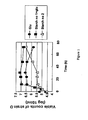
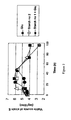
- Bifidobacterium strain D The growth and yield of Bifidobacterium strain D, Bifidobacterium strain E and Bifidobacterium strain C in the presence of natural granular maize starch was studied.
- a pre-culture of the strain was grown in 20 ml PYG broth for 18 hours and used to inoculate (0.1 ml aliquots) 20 ml of PY growth medium containing either glucose (0.5%), Starch 1 (0.5%), Starch 2 (0.5%), or a mixture of Starch 1 (0.25%) + glucose (0.25%).
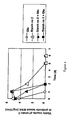
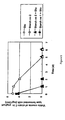
- the survival/recovery of starch-grown microbes in foods was evaluated for Bifidobacterium strain C that had been grown in the presence of glucose (0.5%), or Starch 1 (0.25%) + glucose (0.25%), or Starch 2 (0.5%), or Starch 2 (0.25%) + glucose (0.25%).
- the bifidobacterium cells were collected after 40 hours of anaerobic growth and diluted in the food product to yield approximately 10 5 CFU per ml of food.
- the foods trialed included orange juice, a probiotic based drink and a yoghurt type fermented milk product.
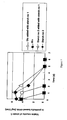
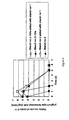
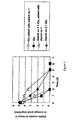
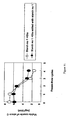
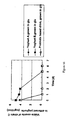
- the food products containing the Bifidobacterium strain C cells were stored at room temperature (for accelerated storage conditions) and sampled at 0, 1, 2, 5 and 6 days to quantify the survival of Bifidobacterium strain C cells. From the results presented in Figure 4, enhanced survival of strain C in the probiotic based drink occurred when the strain was previously cultured in the presence of Starch 1 or 2. Similarly, enhanced survival of strain C was noted in the yoghurt type fermented milk product. For starch grown cells ( Figure 5) and in orange juice for starch grown cells ( Figure 6).
- the foods trialed included orange juice, a probiotic based drink and a yoghurt type fermented milk product.
- the food products containing the Bifidobacterium strain C cells with additional starch were stored at room temperature (for accelerated storage conditions) and sampled at 0, 1, 2, 5 and 6 days to quantify the survival of Bifidobacterium strain C cells.
- additional Starch 1 extended survival of the bacteria in a probiotic based drink irrespective what growth medium was used, and, as seen in Figure 8, in yoghurt type fermented milk product.
- the additional starch also extended survival of strain C in orange juice (Figure 9).
- mice were orogastrically intubated with a suspension of cells harvested from glucose based plates or Starch 1 or Starch 2 based plates.
- the bacterial suspensions were standardised to a consistent optical density corresponding to approximately 10 8 per ml of diluent.
- the bifidobacterium cells in freshly void faecal samples were enumerated using PAM agar plates and identification confirmed using PCR. Faecal samples were collected at 4, 10, 24 and 48 hours after administration of the bifidobacterium. No bifidobacterium cells were detected in mice dosed with glucose grown cells (Table 2).
- mice dosed with strain C grown on Starch 1 agar had approximately log 7 CFU per gram wet weight in faeces detected 4 and 10 hours after oral administration. Numbers decreased in the 24 and 48 hours samples but were still detectable.
- Bifidobacterium strain C grown on Starch 2 agar was orogastrically dosed to mice, approximately log 8 CFU per gram wet weight of faeces were detected 4 and 10 hours after administration, with a decrease for the 24 and 48 hour samples. It was concluded that growth on resistant starch based agar results in bifidobacterium cells which were more resistant to in vivo conditions which would include low stomach pH , bile acids and pancreatic enzymes. Table 2.
- Microorganisms cultured in the presence of resistant starch were shown to be more resistant to physical stress as illustrated by the following example in which bifidobacterium strains were exposed to a freeze-thaw cycle after growth in the presence of resistant starch.
- Bifidobacterium strain C that had been grown in the presence of glucose (0.5%), or Starch 1 (0.25%) + glucose (0.25%), or Starch 2 (0.5%), or Starch 2 (0.25%) + glucose (0.25%).
- the bifidobacterium cells were collected after 40 hours of anaerobic growth and the samples ere divided into two. One portion was frozen directly (-20°C) and the other portion was mixed with 2.5% Starch 1 for 1 hour.
- the cells plus starch granules were then collected by centrifuging and also frozen at -20° C.
- the viable bifidobacterium cells were quantified after 0, 1, 2, 3, and 4 freeze thaw cycles which involved thawing the samples at room temperature each day for 4 days.
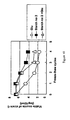
- growth in the presence of resistant starch prior to exposure to the physical stress enhanced survival of the bifidobacterium.
- the addition of more resistant starch before freezing improved further the survival of the Bifidobacterium cells ( Figures 11 and 12).
- Bacteria grown in the presence of resistant starch and subsequently freeze dried prior to storage at elevated temperatures were more resistant to elevated temperatures than those grown in the absence of the starch.
- Three Bifidobacterium strains A, B and D were each grown in fermentors with pH control. The cell biomass was harvested and freeze dried. The dried powder was then stored at 42°C for 7 days and sampled daily for 4 days and then again on day 7 to quantify the viable bifidobacteria. The results are expressed as the colony forming units per gram of dried powder. As illustrated in Table 3, cells that were grown in the presence of Starch 1, survived better or were recovered at higher levels than those grown in the absence of the resistant starch. Table 3.
- microorganisms useful for different applications may be rendered to have increased growth/yield potential. or increased survival/recovery rate in use.
- Growth and survival can be enhanced if additional resistant starch is added to the microorganisms after growth, and even when added to cells grown in the absence of resistant starch and which are subsequently mixed with starch.
- microorganisms grown in the presence of resistant starch are more resistant to stresses such as aeration, shear. freezing, drying, freeze drying. high temperature, low temperature, temperature fluctuations, pressure fluctuations, high pressure, low pressure, low pH, high pH, moisture, in vivo conditions.
- the resistant starch including RS1, RS2, RS3 and RS4 types, can be natural starches containing resistant starch and/or modifications thereof including both chemical and enzymatic modifications, and/or mixtures thereof. Examples of two different starches were used in the examples but one skilled in the art would appreciate that other forms of resistant starch would also be suitable for use in the present invention.
- resistant starch grown cells adhered better to starch granules which in turn would ensure better survival or recovery. Since the resistant starch has reduced digestibility, it would be appreciated that other indigestible compounds including proteins and lipids could also provide enhanced growth/yield and/or survival or recovery of microorganisms.
Landscapes
- Life Sciences & Earth Sciences (AREA)
- Health & Medical Sciences (AREA)
- Chemical & Material Sciences (AREA)
- Engineering & Computer Science (AREA)
- Microbiology (AREA)
- Polymers & Plastics (AREA)
- Food Science & Technology (AREA)
- Nutrition Science (AREA)
- Medicinal Chemistry (AREA)
- General Health & Medical Sciences (AREA)
- Organic Chemistry (AREA)
- Pharmacology & Pharmacy (AREA)
- Animal Behavior & Ethology (AREA)
- Public Health (AREA)
- Veterinary Medicine (AREA)
- Bioinformatics & Cheminformatics (AREA)
- Mycology (AREA)
- Dispersion Chemistry (AREA)
- Epidemiology (AREA)
- Molecular Biology (AREA)
- Chemical Kinetics & Catalysis (AREA)
- Biotechnology (AREA)
- Zoology (AREA)
- Wood Science & Technology (AREA)
- Genetics & Genomics (AREA)
- Biomedical Technology (AREA)
- Tropical Medicine & Parasitology (AREA)
- Biochemistry (AREA)
- General Engineering & Computer Science (AREA)
- General Chemical & Material Sciences (AREA)
- Nuclear Medicine, Radiotherapy & Molecular Imaging (AREA)
- Virology (AREA)
- Micro-Organisms Or Cultivation Processes Thereof (AREA)
- Coloring Foods And Improving Nutritive Qualities (AREA)
- Medicines Containing Material From Animals Or Micro-Organisms (AREA)
- Medicinal Preparation (AREA)
- Dental Preparations (AREA)
- Preparation Of Compounds By Using Micro-Organisms (AREA)
- Jellies, Jams, And Syrups (AREA)
- Fodder In General (AREA)
Applications Claiming Priority (3)
| Application Number | Priority Date | Filing Date | Title |
|---|---|---|---|
| AUPP816899 | 1999-01-14 | ||
| AUPP8168A AUPP816899A0 (en) | 1999-01-14 | 1999-01-14 | Improved microbial products |
| PCT/AU2000/000021 WO2000041576A1 (en) | 1999-01-14 | 2000-01-14 | Improved microbial preparations |
Publications (3)
| Publication Number | Publication Date |
|---|---|
| EP1150577A1 EP1150577A1 (en) | 2001-11-07 |
| EP1150577A4 EP1150577A4 (en) | 2002-09-18 |
| EP1150577B1 true EP1150577B1 (en) | 2006-10-18 |
Family
ID=3812373
Family Applications (1)
| Application Number | Title | Priority Date | Filing Date |
|---|---|---|---|
| EP00902498A Expired - Lifetime EP1150577B1 (en) | 1999-01-14 | 2000-01-14 | Improved microbial preparations |
Country Status (14)
| Country | Link |
|---|---|
| EP (1) | EP1150577B1 (da) |
| JP (1) | JP2002534108A (da) |
| KR (1) | KR100632718B1 (da) |
| AT (1) | ATE342668T1 (da) |
| AU (1) | AUPP816899A0 (da) |
| CA (1) | CA2360346A1 (da) |
| DE (1) | DE60031372T2 (da) |
| DK (1) | DK1150577T3 (da) |
| ES (1) | ES2273664T3 (da) |
| NO (1) | NO322150B1 (da) |
| NZ (1) | NZ513197A (da) |
| PT (1) | PT1150577E (da) |
| WO (1) | WO2000041576A1 (da) |
| ZA (1) | ZA200106115B (da) |
Cited By (2)
| Publication number | Priority date | Publication date | Assignee | Title |
|---|---|---|---|---|
| CN110251474A (zh) * | 2019-07-15 | 2019-09-20 | 北京工商大学 | 一种淀粉基大肠靶向双层益生菌片的制备方法 |
| US10588320B2 (en) | 2014-09-09 | 2020-03-17 | Concentric Ag Corporation | Cell free supernatant composition of microbial culture for agricultural use |
Families Citing this family (33)
| Publication number | Priority date | Publication date | Assignee | Title |
|---|---|---|---|---|
| US6013299A (en) | 1997-11-04 | 2000-01-11 | Nabisco Techology Company | Process for making enzyme-resistant starch for reduced-calorie flour replacer |
| US20030143262A1 (en) | 2001-12-13 | 2003-07-31 | Brusk Ulla Forsgren | Hygiene tissue |
| US7252836B2 (en) | 2003-01-13 | 2007-08-07 | Penwest, Ltd. | Food and feed compositions including resistant starch |
| EP3539981A1 (en) | 2006-09-10 | 2019-09-18 | Glycotope GmbH | Use of human cells of myeloid leukaemia origin for expression of antibodies |
| US20080254166A1 (en) * | 2007-01-25 | 2008-10-16 | Potter Susan M | Food Additives Containing Combinations of Prebiotics and Probiotics |
| EP2211879B1 (en) * | 2007-10-26 | 2014-05-07 | Brenda E. Moore | Probiotic compositions and methods for inducing and supporting weight loss |
| JP2011520435A (ja) * | 2008-05-13 | 2011-07-21 | グリコトープ ゲーエムベーハー | 発酵プロセス |
| EP2119365B1 (de) | 2008-05-13 | 2017-08-16 | Glycotope GmbH | Fermentationsprozess |
| US9210945B2 (en) | 2009-07-31 | 2015-12-15 | The Iams Company | Animal food having low water activity |
| US9173423B2 (en) | 2009-07-31 | 2015-11-03 | The Iams Company | Animal food kibble with electrostatically adhered dusting |
| US8691303B2 (en) | 2009-07-31 | 2014-04-08 | The Iams Company | Dusted animal food |
| US10104903B2 (en) | 2009-07-31 | 2018-10-23 | Mars, Incorporated | Animal food and its appearance |
| US20110027417A1 (en) | 2009-07-31 | 2011-02-03 | Patrick Joseph Corrigan | Process for Dusting Animal Food |
| RU2014111049A (ru) * | 2011-08-22 | 2015-09-27 | Гликотоп Гмбх | Микроорганизмы вида bacteroides xylanisolvens |
| ES2686313T3 (es) | 2011-08-22 | 2018-10-17 | Glycotope Gmbh | Microorganismos que portan un antígeno tumoral |
| AU2016220193A1 (en) | 2015-02-16 | 2017-09-07 | Mars, Incorporated | Interlocking kibble |
| AU2016255437B2 (en) | 2015-04-28 | 2020-10-08 | Mars, Incorporated | Process of preparing a sterilized wet pet food product |
| CN105852138B (zh) * | 2016-03-31 | 2018-11-20 | 天蕉健康食品(广东)有限公司 | 一种香蕉天然抗性淀粉的提取方法 |
| RU2658978C1 (ru) * | 2017-09-22 | 2018-06-26 | Владимир Львович Темнянский | Комбинированная закваска для переработки растительного сырья с получением кормового белка |
| RU2658977C1 (ru) * | 2017-09-22 | 2018-06-26 | Владимир Львович Темнянский | Способ получения белковой кормовой добавки |
| SG11202010496WA (en) | 2018-05-18 | 2020-12-30 | Daiichi Sankyo Co Ltd | Anti-muc1 antibody-drug conjugate |
| CN109055475A (zh) * | 2018-08-03 | 2018-12-21 | 菏泽睿智科技开发有限公司 | 一种粪产碱杆菌的新用途 |
| CN111227042A (zh) * | 2018-11-29 | 2020-06-05 | 内蒙古伊利实业集团股份有限公司 | 一种乳饮料及其制备方法 |
| RU2717991C1 (ru) * | 2019-07-22 | 2020-03-27 | Общество с ограниченной ответственностью "ГИПРОБИОСИНТЕЗ"ООО " ГИПРОБИОСИНТЕЗ" | Белковая кормовая добавка для сельскохозяйственных животных и рыб |
| CN112385754B (zh) * | 2020-11-19 | 2023-02-28 | 山东龙昌动物保健品有限公司 | 一种保护南美白对虾肝肠的复合菌剂及其应用 |
| KR102491681B1 (ko) * | 2022-01-04 | 2023-01-27 | 주식회사 르빵 | 전분을 포함하는 고체 배지 조성물 및 이를 이용한 효모 배양방법 |
| KR102739283B1 (ko) * | 2022-04-05 | 2024-12-06 | 농업회사법인 주식회사 네오팜 | 전분 배양 고체 효모를 이용한 통밤식빵 제조방법 |
| KR102739281B1 (ko) * | 2022-04-05 | 2024-12-06 | 주식회사 르빵 | 전분 배양 고체 효모를 이용한 맘모스빵 제조방법 |
| KR102463103B1 (ko) * | 2022-04-06 | 2022-11-04 | 임태언 | 전분 배양 고체 효모를 이용한 크라상 제조방법 |
| KR102463104B1 (ko) * | 2022-04-06 | 2022-11-04 | 임태언 | 전분 배양 고체 효모를 이용한 통밀 바게트 제조방법 |
| KR102463105B1 (ko) * | 2022-04-06 | 2022-11-04 | 임태준 | 전분 배양 고체 효모를 이용한 감자빵 제조방법 |
| KR102463099B1 (ko) * | 2022-04-06 | 2022-11-04 | 주식회사 르빵 | 전분 배양 고체 효모를 이용한 햄버거 번 제조방법 |
| KR102463102B1 (ko) * | 2022-04-06 | 2022-11-04 | 임태언 | 전분 배양 고체 효모를 이용한 치아바타 제조방법 |
Family Cites Families (5)
| Publication number | Priority date | Publication date | Assignee | Title |
|---|---|---|---|---|
| AUPM823094A0 (en) * | 1994-09-16 | 1994-10-13 | Goodman Fielder Limited | Probiotic compositions |
| AUPN881396A0 (en) * | 1996-03-20 | 1996-04-18 | Arnott's Biscuits Limited | Enhancement of microbial colonization of the gastrointestinal tract |
| ATE407700T1 (de) * | 1996-03-20 | 2008-09-15 | Univ New South Wales | Veränderung der mikrobenflora im verdauungstrakt |
| AUPN880996A0 (en) * | 1996-03-20 | 1996-04-18 | Arnott's Biscuits Limited | Selection and/or enhancement of resident microorganisms in the gastrointestinal tract |
| AUPO824397A0 (en) * | 1997-07-25 | 1997-08-21 | Arnott's Biscuits Limited | Improved food products |
-
1999
- 1999-01-14 AU AUPP8168A patent/AUPP816899A0/en not_active Abandoned
-
2000
- 2000-01-14 CA CA002360346A patent/CA2360346A1/en not_active Abandoned
- 2000-01-14 KR KR1020017008910A patent/KR100632718B1/ko not_active Expired - Fee Related
- 2000-01-14 NZ NZ513197A patent/NZ513197A/en unknown
- 2000-01-14 PT PT00902498T patent/PT1150577E/pt unknown
- 2000-01-14 EP EP00902498A patent/EP1150577B1/en not_active Expired - Lifetime
- 2000-01-14 DE DE60031372T patent/DE60031372T2/de not_active Expired - Fee Related
- 2000-01-14 AT AT00902498T patent/ATE342668T1/de not_active IP Right Cessation
- 2000-01-14 ES ES00902498T patent/ES2273664T3/es not_active Expired - Lifetime
- 2000-01-14 WO PCT/AU2000/000021 patent/WO2000041576A1/en not_active Ceased
- 2000-01-14 DK DK00902498T patent/DK1150577T3/da active
- 2000-01-14 JP JP2000593196A patent/JP2002534108A/ja active Pending
-
2001
- 2001-07-09 NO NO20013388A patent/NO322150B1/no unknown
- 2001-07-25 ZA ZA200106115A patent/ZA200106115B/en unknown
Cited By (3)
| Publication number | Priority date | Publication date | Assignee | Title |
|---|---|---|---|---|
| US10588320B2 (en) | 2014-09-09 | 2020-03-17 | Concentric Ag Corporation | Cell free supernatant composition of microbial culture for agricultural use |
| CN110251474A (zh) * | 2019-07-15 | 2019-09-20 | 北京工商大学 | 一种淀粉基大肠靶向双层益生菌片的制备方法 |
| CN110251474B (zh) * | 2019-07-15 | 2022-01-07 | 北京工商大学 | 一种淀粉基大肠靶向双层益生菌片的制备方法 |
Also Published As
| Publication number | Publication date |
|---|---|
| AUPP816899A0 (en) | 1999-02-11 |
| ZA200106115B (en) | 2002-10-25 |
| KR100632718B1 (ko) | 2006-10-11 |
| ES2273664T3 (es) | 2007-05-16 |
| DK1150577T3 (da) | 2007-02-05 |
| PT1150577E (pt) | 2006-12-29 |
| NZ513197A (en) | 2003-11-28 |
| ATE342668T1 (de) | 2006-11-15 |
| NO20013388D0 (no) | 2001-07-09 |
| DE60031372D1 (de) | 2006-11-30 |
| NO20013388L (no) | 2001-08-21 |
| EP1150577A4 (en) | 2002-09-18 |
| EP1150577A1 (en) | 2001-11-07 |
| WO2000041576A8 (en) | 2000-10-12 |
| NO322150B1 (no) | 2006-08-21 |
| JP2002534108A (ja) | 2002-10-15 |
| KR20010101531A (ko) | 2001-11-14 |
| DE60031372T2 (de) | 2007-08-23 |
| CA2360346A1 (en) | 2000-07-20 |
| WO2000041576A1 (en) | 2000-07-20 |
Similar Documents
| Publication | Publication Date | Title |
|---|---|---|
| EP1150577B1 (en) | Improved microbial preparations | |
| EP0778778B2 (en) | Probiotic compositions | |
| US6841181B2 (en) | Encapsulated multifunctional biologically active food component, process for its production and its use | |
| US6783780B1 (en) | Preparation that contains oligosaccharides and probiotics | |
| EP0901371B1 (en) | Alteration of microbial populations in the gastrointestinal tract | |
| CA2753083C (en) | Symbiotic maple product compositions and methods | |
| Ahire et al. | Developing formulations of prebiotics and probiotics | |
| AU766768B2 (en) | Improved microbial preparations | |
| KR20080084519A (ko) | Rs3 유형의 저항 전분에 대해 분해능이 있는비피도박테리움 아도레스센티스를 유효성분으로 함유하는것을 특징으로 하는 식품 조성물 | |
| KR102224547B1 (ko) | 저항 전분 분해능을 가진 신규한 균주 및 이의 용도 | |
| AU687253C (en) | Probiotic compositions | |
| JP7689491B2 (ja) | 有用微生物の菌体の保護方法 | |
| Ibrahim | The Nature and Manufacturing of Probiotics/Prebiotics for Gastrointestinal Health and Other Health Benefits |
Legal Events
| Date | Code | Title | Description |
|---|---|---|---|
| PUAI | Public reference made under article 153(3) epc to a published international application that has entered the european phase |
Free format text: ORIGINAL CODE: 0009012 |
|
| 17P | Request for examination filed |
Effective date: 20010814 |
|
| AK | Designated contracting states |
Kind code of ref document: A1 Designated state(s): AT BE CH CY DE DK ES FI FR GB GR IE IT LI LU MC NL PT SE |
|
| AX | Request for extension of the european patent |
Free format text: AL;LT;LV;MK;RO;SI |
|
| A4 | Supplementary search report drawn up and despatched |
Effective date: 20020806 |
|
| AK | Designated contracting states |
Kind code of ref document: A4 Designated state(s): AT BE CH CY DE DK ES FI FR GB GR IE IT LI LU MC NL PT SE |
|
| REG | Reference to a national code |
Ref country code: SE Ref legal event code: TRGR |
|
| 17Q | First examination report despatched |
Effective date: 20040909 |
|
| GRAP | Despatch of communication of intention to grant a patent |
Free format text: ORIGINAL CODE: EPIDOSNIGR1 |
|
| RIC1 | Information provided on ipc code assigned before grant |
Ipc: A61K 47/36 20060101ALI20060307BHEP Ipc: C12N 11/10 20060101ALI20060307BHEP Ipc: A61K 36/064 20060101ALI20060307BHEP Ipc: A61K 35/74 20060101ALI20060307BHEP Ipc: A23L 1/0522 20060101AFI20060307BHEP |
|
| GRAS | Grant fee paid |
Free format text: ORIGINAL CODE: EPIDOSNIGR3 |
|
| GRAA | (expected) grant |
Free format text: ORIGINAL CODE: 0009210 |
|
| AK | Designated contracting states |
Kind code of ref document: B1 Designated state(s): AT BE CH CY DE DK ES FI FR GB GR IE IT LI LU MC NL PT SE |
|
| PG25 | Lapsed in a contracting state [announced via postgrant information from national office to epo] |
Ref country code: IT Free format text: LAPSE BECAUSE OF FAILURE TO SUBMIT A TRANSLATION OF THE DESCRIPTION OR TO PAY THE FEE WITHIN THE PRESCRIBED TIME-LIMIT;WARNING: LAPSES OF ITALIAN PATENTS WITH EFFECTIVE DATE BEFORE 2007 MAY HAVE OCCURRED AT ANY TIME BEFORE 2007. THE CORRECT EFFECTIVE DATE MAY BE DIFFERENT FROM THE ONE RECORDED. Effective date: 20061018 |
|
| REG | Reference to a national code |
Ref country code: GB Ref legal event code: FG4D |
|
| REG | Reference to a national code |
Ref country code: IE Ref legal event code: FG4D Ref country code: CH Ref legal event code: EP |
|
| REF | Corresponds to: |
Ref document number: 60031372 Country of ref document: DE Date of ref document: 20061130 Kind code of ref document: P |
|
| REG | Reference to a national code |
Ref country code: PT Ref legal event code: SC4A Free format text: AVAILABILITY OF NATIONAL TRANSLATION Effective date: 20061114 |
|
| REG | Reference to a national code |
Ref country code: GR Ref legal event code: EP Ref document number: 20060404510 Country of ref document: GR |
|
| PG25 | Lapsed in a contracting state [announced via postgrant information from national office to epo] |
Ref country code: MC Free format text: LAPSE BECAUSE OF NON-PAYMENT OF DUE FEES Effective date: 20070131 |
|
| REG | Reference to a national code |
Ref country code: DK Ref legal event code: T3 |
|
| REG | Reference to a national code |
Ref country code: CH Ref legal event code: NV Representative=s name: RITSCHER & PARTNER AG |
|
| PGFP | Annual fee paid to national office [announced via postgrant information from national office to epo] |
Ref country code: GB Payment date: 20070321 Year of fee payment: 8 |
|
| PGFP | Annual fee paid to national office [announced via postgrant information from national office to epo] |
Ref country code: DE Payment date: 20070322 Year of fee payment: 8 |
|
| PGFP | Annual fee paid to national office [announced via postgrant information from national office to epo] |
Ref country code: NL Payment date: 20070325 Year of fee payment: 8 |
|
| PGFP | Annual fee paid to national office [announced via postgrant information from national office to epo] |
Ref country code: LU Payment date: 20070326 Year of fee payment: 8 |
|
| PGFP | Annual fee paid to national office [announced via postgrant information from national office to epo] |
Ref country code: PT Payment date: 20070327 Year of fee payment: 8 |
|
| PGFP | Annual fee paid to national office [announced via postgrant information from national office to epo] |
Ref country code: AT Payment date: 20070328 Year of fee payment: 8 Ref country code: CH Payment date: 20070328 Year of fee payment: 8 Ref country code: ES Payment date: 20070328 Year of fee payment: 8 Ref country code: SE Payment date: 20070328 Year of fee payment: 8 |
|
| PGFP | Annual fee paid to national office [announced via postgrant information from national office to epo] |
Ref country code: DK Payment date: 20070329 Year of fee payment: 8 Ref country code: FI Payment date: 20070329 Year of fee payment: 8 Ref country code: IE Payment date: 20070329 Year of fee payment: 8 |
|
| REG | Reference to a national code |
Ref country code: ES Ref legal event code: FG2A Ref document number: 2273664 Country of ref document: ES Kind code of ref document: T3 |
|
| ET | Fr: translation filed | ||
| PLBE | No opposition filed within time limit |
Free format text: ORIGINAL CODE: 0009261 |
|
| STAA | Information on the status of an ep patent application or granted ep patent |
Free format text: STATUS: NO OPPOSITION FILED WITHIN TIME LIMIT |
|
| 26N | No opposition filed |
Effective date: 20070719 |
|
| PGFP | Annual fee paid to national office [announced via postgrant information from national office to epo] |
Ref country code: BE Payment date: 20070413 Year of fee payment: 8 Ref country code: IT Payment date: 20070518 Year of fee payment: 8 |
|
| REG | Reference to a national code |
Ref country code: CH Ref legal event code: PCAR Free format text: RITSCHER & PARTNER AG;RESIRAIN 1;8125 ZOLLIKERBERG (CH) |
|
| PGFP | Annual fee paid to national office [announced via postgrant information from national office to epo] |
Ref country code: FR Payment date: 20070327 Year of fee payment: 8 |
|
| PGFP | Annual fee paid to national office [announced via postgrant information from national office to epo] |
Ref country code: GR Payment date: 20070402 Year of fee payment: 8 |
|
| REG | Reference to a national code |
Ref country code: PT Ref legal event code: MM4A Free format text: LAPSE DUE TO NON-PAYMENT OF FEES Effective date: 20080714 |
|
| BERE | Be: lapsed |
Owner name: FOOD TECHNOLOGY INNOVATIONS PTY. LTD Effective date: 20080131 |
|
| REG | Reference to a national code |
Ref country code: CH Ref legal event code: PL |
|
| REG | Reference to a national code |
Ref country code: DK Ref legal event code: EBP |
|
| EUG | Se: european patent has lapsed | ||
| GBPC | Gb: european patent ceased through non-payment of renewal fee |
Effective date: 20080114 |
|
| NLV4 | Nl: lapsed or anulled due to non-payment of the annual fee |
Effective date: 20080801 |
|
| PG25 | Lapsed in a contracting state [announced via postgrant information from national office to epo] |
Ref country code: LI Free format text: LAPSE BECAUSE OF NON-PAYMENT OF DUE FEES Effective date: 20080131 Ref country code: PT Free format text: LAPSE BECAUSE OF NON-PAYMENT OF DUE FEES Effective date: 20080714 Ref country code: GR Free format text: LAPSE BECAUSE OF NON-PAYMENT OF DUE FEES Effective date: 20070119 Ref country code: NL Free format text: LAPSE BECAUSE OF NON-PAYMENT OF DUE FEES Effective date: 20080801 Ref country code: CH Free format text: LAPSE BECAUSE OF NON-PAYMENT OF DUE FEES Effective date: 20080131 Ref country code: DE Free format text: LAPSE BECAUSE OF NON-PAYMENT OF DUE FEES Effective date: 20080801 Ref country code: FI Free format text: LAPSE BECAUSE OF NON-PAYMENT OF DUE FEES Effective date: 20080114 |
|
| PG25 | Lapsed in a contracting state [announced via postgrant information from national office to epo] |
Ref country code: AT Free format text: LAPSE BECAUSE OF NON-PAYMENT OF DUE FEES Effective date: 20080114 |
|
| REG | Reference to a national code |
Ref country code: FR Ref legal event code: ST Effective date: 20081029 |
|
| PG25 | Lapsed in a contracting state [announced via postgrant information from national office to epo] |
Ref country code: GB Free format text: LAPSE BECAUSE OF NON-PAYMENT OF DUE FEES Effective date: 20080114 |
|
| PG25 | Lapsed in a contracting state [announced via postgrant information from national office to epo] |
Ref country code: DK Free format text: LAPSE BECAUSE OF NON-PAYMENT OF DUE FEES Effective date: 20080131 Ref country code: IE Free format text: LAPSE BECAUSE OF NON-PAYMENT OF DUE FEES Effective date: 20080114 Ref country code: SE Free format text: LAPSE BECAUSE OF NON-PAYMENT OF DUE FEES Effective date: 20080115 |
|
| PG25 | Lapsed in a contracting state [announced via postgrant information from national office to epo] |
Ref country code: BE Free format text: LAPSE BECAUSE OF NON-PAYMENT OF DUE FEES Effective date: 20080131 |
|
| REG | Reference to a national code |
Ref country code: ES Ref legal event code: FD2A Effective date: 20080115 |
|
| PG25 | Lapsed in a contracting state [announced via postgrant information from national office to epo] |
Ref country code: FR Free format text: LAPSE BECAUSE OF NON-PAYMENT OF DUE FEES Effective date: 20080131 |
|
| PG25 | Lapsed in a contracting state [announced via postgrant information from national office to epo] |
Ref country code: ES Free format text: LAPSE BECAUSE OF NON-PAYMENT OF DUE FEES Effective date: 20080115 |
|
| PG25 | Lapsed in a contracting state [announced via postgrant information from national office to epo] |
Ref country code: IT Free format text: LAPSE BECAUSE OF NON-PAYMENT OF DUE FEES Effective date: 20080114 Ref country code: CY Free format text: LAPSE BECAUSE OF FAILURE TO SUBMIT A TRANSLATION OF THE DESCRIPTION OR TO PAY THE FEE WITHIN THE PRESCRIBED TIME-LIMIT Effective date: 20061018 |
|
| PG25 | Lapsed in a contracting state [announced via postgrant information from national office to epo] |
Ref country code: LU Free format text: LAPSE BECAUSE OF NON-PAYMENT OF DUE FEES Effective date: 20080114 |