EP1167385A2 - Recepteur de l'hormone folliculostimulante humaine - Google Patents
Recepteur de l'hormone folliculostimulante humaine Download PDFInfo
- Publication number
- EP1167385A2 EP1167385A2 EP01202809A EP01202809A EP1167385A2 EP 1167385 A2 EP1167385 A2 EP 1167385A2 EP 01202809 A EP01202809 A EP 01202809A EP 01202809 A EP01202809 A EP 01202809A EP 1167385 A2 EP1167385 A2 EP 1167385A2
- Authority
- EP
- European Patent Office
- Prior art keywords
- fsh
- receptor
- fragment
- mutein
- polypeptide
- Prior art date
- Legal status (The legal status is an assumption and is not a legal conclusion. Google has not performed a legal analysis and makes no representation as to the accuracy of the status listed.)
- Granted
Links
- 101000862396 Homo sapiens Follicle-stimulating hormone receptor Proteins 0.000 title description 2
- 102000046113 human FSHR Human genes 0.000 title description 2
- 102000005962 receptors Human genes 0.000 claims abstract description 114
- 108020003175 receptors Proteins 0.000 claims abstract description 114
- 102000003864 Human Follicle Stimulating Hormone Human genes 0.000 claims abstract description 96
- 108010082302 Human Follicle Stimulating Hormone Proteins 0.000 claims abstract description 96
- 239000012634 fragment Substances 0.000 claims abstract description 79
- 238000000034 method Methods 0.000 claims abstract description 26
- 238000012258 culturing Methods 0.000 claims abstract description 7
- 102000012673 Follicle Stimulating Hormone Human genes 0.000 claims description 76
- 108010079345 Follicle Stimulating Hormone Proteins 0.000 claims description 76
- 229940028334 follicle stimulating hormone Drugs 0.000 claims description 76
- 230000027455 binding Effects 0.000 claims description 36
- 108090000765 processed proteins & peptides Proteins 0.000 claims description 31
- 102000004196 processed proteins & peptides Human genes 0.000 claims description 30
- 108090000623 proteins and genes Proteins 0.000 claims description 28
- 229920001184 polypeptide Polymers 0.000 claims description 26
- 102000004169 proteins and genes Human genes 0.000 claims description 20
- 102000008175 FSH Receptors Human genes 0.000 claims description 19
- 108010060374 FSH Receptors Proteins 0.000 claims description 19
- 239000000126 substance Substances 0.000 claims description 8
- 230000008512 biological response Effects 0.000 claims description 7
- 238000012360 testing method Methods 0.000 claims description 7
- 238000012216 screening Methods 0.000 claims description 6
- 238000006467 substitution reaction Methods 0.000 claims description 6
- 125000000539 amino acid group Chemical group 0.000 claims description 2
- 125000003275 alpha amino acid group Chemical group 0.000 claims 12
- 239000013604 expression vector Substances 0.000 abstract description 17
- 238000003556 assay Methods 0.000 abstract description 13
- 239000000203 mixture Substances 0.000 abstract description 13
- 239000008194 pharmaceutical composition Substances 0.000 abstract description 7
- 210000004027 cell Anatomy 0.000 description 74
- 108020004414 DNA Proteins 0.000 description 34
- 239000002299 complementary DNA Substances 0.000 description 32
- RJKFOVLPORLFTN-LEKSSAKUSA-N Progesterone Chemical compound C1CC2=CC(=O)CC[C@]2(C)[C@@H]2[C@@H]1[C@@H]1CC[C@H](C(=O)C)[C@@]1(C)CC2 RJKFOVLPORLFTN-LEKSSAKUSA-N 0.000 description 28
- 239000013612 plasmid Substances 0.000 description 22
- LFQSCWFLJHTTHZ-UHFFFAOYSA-N Ethanol Chemical compound CCO LFQSCWFLJHTTHZ-UHFFFAOYSA-N 0.000 description 18
- 150000001413 amino acids Chemical group 0.000 description 16
- 239000001963 growth medium Substances 0.000 description 15
- 239000002773 nucleotide Substances 0.000 description 14
- 125000003729 nucleotide group Chemical group 0.000 description 14
- 239000000186 progesterone Substances 0.000 description 14
- 229960003387 progesterone Drugs 0.000 description 14
- 210000004962 mammalian cell Anatomy 0.000 description 13
- 239000002609 medium Substances 0.000 description 13
- 241000700159 Rattus Species 0.000 description 12
- 238000001890 transfection Methods 0.000 description 12
- 210000004978 chinese hamster ovary cell Anatomy 0.000 description 10
- 230000003834 intracellular effect Effects 0.000 description 10
- 102000009151 Luteinizing Hormone Human genes 0.000 description 8
- 108010073521 Luteinizing Hormone Proteins 0.000 description 8
- 229940088597 hormone Drugs 0.000 description 8
- 239000005556 hormone Substances 0.000 description 8
- 238000003780 insertion Methods 0.000 description 8
- 230000037431 insertion Effects 0.000 description 8
- 229940040129 luteinizing hormone Drugs 0.000 description 8
- 108091008146 restriction endonucleases Proteins 0.000 description 8
- 108091028043 Nucleic acid sequence Proteins 0.000 description 7
- 108010022394 Threonine synthase Proteins 0.000 description 7
- 238000004166 bioassay Methods 0.000 description 7
- 239000000872 buffer Substances 0.000 description 7
- 102000004419 dihydrofolate reductase Human genes 0.000 description 7
- 231100000673 dose–response relationship Toxicity 0.000 description 7
- 238000012163 sequencing technique Methods 0.000 description 7
- 239000013598 vector Substances 0.000 description 7
- 230000000694 effects Effects 0.000 description 6
- 239000000499 gel Substances 0.000 description 6
- ZDXPYRJPNDTMRX-VKHMYHEASA-N L-glutamine Chemical compound OC(=O)[C@@H](N)CCC(N)=O ZDXPYRJPNDTMRX-VKHMYHEASA-N 0.000 description 5
- 229930182816 L-glutamine Natural products 0.000 description 5
- FBOZXECLQNJBKD-ZDUSSCGKSA-N L-methotrexate Chemical compound C=1N=C2N=C(N)N=C(N)C2=NC=1CN(C)C1=CC=C(C(=O)N[C@@H](CCC(O)=O)C(O)=O)C=C1 FBOZXECLQNJBKD-ZDUSSCGKSA-N 0.000 description 5
- 241000829100 Macaca mulatta polyomavirus 1 Species 0.000 description 5
- FAPWRFPIFSIZLT-UHFFFAOYSA-M Sodium chloride Chemical compound [Na+].[Cl-] FAPWRFPIFSIZLT-UHFFFAOYSA-M 0.000 description 5
- 238000010586 diagram Methods 0.000 description 5
- 239000006166 lysate Substances 0.000 description 5
- 229960000485 methotrexate Drugs 0.000 description 5
- 230000008488 polyadenylation Effects 0.000 description 5
- 238000000746 purification Methods 0.000 description 5
- 239000000243 solution Substances 0.000 description 5
- 230000000638 stimulation Effects 0.000 description 5
- 108091003079 Bovine Serum Albumin Proteins 0.000 description 4
- CSNNHWWHGAXBCP-UHFFFAOYSA-L Magnesium sulfate Chemical compound [Mg+2].[O-][S+2]([O-])([O-])[O-] CSNNHWWHGAXBCP-UHFFFAOYSA-L 0.000 description 4
- 101000969137 Mus musculus Metallothionein-1 Proteins 0.000 description 4
- 108700026244 Open Reading Frames Proteins 0.000 description 4
- 238000004458 analytical method Methods 0.000 description 4
- 238000006243 chemical reaction Methods 0.000 description 4
- 238000010367 cloning Methods 0.000 description 4
- 238000010276 construction Methods 0.000 description 4
- 239000012091 fetal bovine serum Substances 0.000 description 4
- 238000009472 formulation Methods 0.000 description 4
- 108020001507 fusion proteins Proteins 0.000 description 4
- 102000037865 fusion proteins Human genes 0.000 description 4
- 238000000338 in vitro Methods 0.000 description 4
- 108020004999 messenger RNA Proteins 0.000 description 4
- 239000000546 pharmaceutical excipient Substances 0.000 description 4
- 230000004044 response Effects 0.000 description 4
- 239000000523 sample Substances 0.000 description 4
- 238000013518 transcription Methods 0.000 description 4
- 230000035897 transcription Effects 0.000 description 4
- 241001515965 unidentified phage Species 0.000 description 4
- XLYOFNOQVPJJNP-UHFFFAOYSA-N water Chemical compound O XLYOFNOQVPJJNP-UHFFFAOYSA-N 0.000 description 4
- 108091032973 (ribonucleotides)n+m Proteins 0.000 description 3
- 229920001817 Agar Polymers 0.000 description 3
- PEDCQBHIVMGVHV-UHFFFAOYSA-N Glycerine Chemical compound OCC(O)CO PEDCQBHIVMGVHV-UHFFFAOYSA-N 0.000 description 3
- 102000003886 Glycoproteins Human genes 0.000 description 3
- 108090000288 Glycoproteins Proteins 0.000 description 3
- DNIAPMSPPWPWGF-UHFFFAOYSA-N Propylene glycol Chemical compound CC(O)CO DNIAPMSPPWPWGF-UHFFFAOYSA-N 0.000 description 3
- HEMHJVSKTPXQMS-UHFFFAOYSA-M Sodium hydroxide Chemical compound [OH-].[Na+] HEMHJVSKTPXQMS-UHFFFAOYSA-M 0.000 description 3
- 230000002411 adverse Effects 0.000 description 3
- 239000008272 agar Substances 0.000 description 3
- 230000001580 bacterial effect Effects 0.000 description 3
- 230000015572 biosynthetic process Effects 0.000 description 3
- 229940098773 bovine serum albumin Drugs 0.000 description 3
- 230000001086 cytosolic effect Effects 0.000 description 3
- 230000029087 digestion Effects 0.000 description 3
- 238000009396 hybridization Methods 0.000 description 3
- 238000011534 incubation Methods 0.000 description 3
- 125000005647 linker group Chemical group 0.000 description 3
- 238000004519 manufacturing process Methods 0.000 description 3
- 238000005259 measurement Methods 0.000 description 3
- 239000000843 powder Substances 0.000 description 3
- 239000002244 precipitate Substances 0.000 description 3
- 239000000047 product Substances 0.000 description 3
- 210000002966 serum Anatomy 0.000 description 3
- 239000011780 sodium chloride Substances 0.000 description 3
- 238000003786 synthesis reaction Methods 0.000 description 3
- 102000014654 Aromatase Human genes 0.000 description 2
- 108010078554 Aromatase Proteins 0.000 description 2
- IJGRMHOSHXDMSA-UHFFFAOYSA-N Atomic nitrogen Chemical compound N#N IJGRMHOSHXDMSA-UHFFFAOYSA-N 0.000 description 2
- 102000011022 Chorionic Gonadotropin Human genes 0.000 description 2
- 108010062540 Chorionic Gonadotropin Proteins 0.000 description 2
- 108020004705 Codon Proteins 0.000 description 2
- 241000699802 Cricetulus griseus Species 0.000 description 2
- 108010017826 DNA Polymerase I Proteins 0.000 description 2
- 102000004594 DNA Polymerase I Human genes 0.000 description 2
- 108010014303 DNA-directed DNA polymerase Proteins 0.000 description 2
- 102000016928 DNA-directed DNA polymerase Human genes 0.000 description 2
- 241000588724 Escherichia coli Species 0.000 description 2
- ZHNUHDYFZUAESO-UHFFFAOYSA-N Formamide Chemical compound NC=O ZHNUHDYFZUAESO-UHFFFAOYSA-N 0.000 description 2
- 108700039691 Genetic Promoter Regions Proteins 0.000 description 2
- 108091092195 Intron Proteins 0.000 description 2
- 108060001084 Luciferase Proteins 0.000 description 2
- 108700041567 MDR Genes Proteins 0.000 description 2
- 239000000020 Nitrocellulose Substances 0.000 description 2
- 108091034117 Oligonucleotide Proteins 0.000 description 2
- 108091027981 Response element Proteins 0.000 description 2
- PXIPVTKHYLBLMZ-UHFFFAOYSA-N Sodium azide Chemical compound [Na+].[N-]=[N+]=[N-] PXIPVTKHYLBLMZ-UHFFFAOYSA-N 0.000 description 2
- 102000011923 Thyrotropin Human genes 0.000 description 2
- 108010061174 Thyrotropin Proteins 0.000 description 2
- 230000001919 adrenal effect Effects 0.000 description 2
- 239000011543 agarose gel Substances 0.000 description 2
- -1 alkylene glycols Chemical class 0.000 description 2
- 229960000723 ampicillin Drugs 0.000 description 2
- AVKUERGKIZMTKX-NJBDSQKTSA-N ampicillin Chemical compound C1([C@@H](N)C(=O)N[C@H]2[C@H]3SC([C@@H](N3C2=O)C(O)=O)(C)C)=CC=CC=C1 AVKUERGKIZMTKX-NJBDSQKTSA-N 0.000 description 2
- 239000012911 assay medium Substances 0.000 description 2
- 230000029918 bioluminescence Effects 0.000 description 2
- 238000005415 bioluminescence Methods 0.000 description 2
- 238000013262 cAMP assay Methods 0.000 description 2
- 239000003153 chemical reaction reagent Substances 0.000 description 2
- 229940015047 chorionic gonadotropin Drugs 0.000 description 2
- 238000013461 design Methods 0.000 description 2
- LOKCTEFSRHRXRJ-UHFFFAOYSA-I dipotassium trisodium dihydrogen phosphate hydrogen phosphate dichloride Chemical compound P(=O)(O)(O)[O-].[K+].P(=O)(O)([O-])[O-].[Na+].[Na+].[Cl-].[K+].[Cl-].[Na+] LOKCTEFSRHRXRJ-UHFFFAOYSA-I 0.000 description 2
- 239000002552 dosage form Substances 0.000 description 2
- 239000003814 drug Substances 0.000 description 2
- 238000001962 electrophoresis Methods 0.000 description 2
- 238000002474 experimental method Methods 0.000 description 2
- 239000011521 glass Substances 0.000 description 2
- 210000002503 granulosa cell Anatomy 0.000 description 2
- 229940065638 intron a Drugs 0.000 description 2
- 229910052943 magnesium sulfate Inorganic materials 0.000 description 2
- 239000003550 marker Substances 0.000 description 2
- 239000012528 membrane Substances 0.000 description 2
- 238000010369 molecular cloning Methods 0.000 description 2
- 230000035772 mutation Effects 0.000 description 2
- 239000007923 nasal drop Substances 0.000 description 2
- 229920001220 nitrocellulos Polymers 0.000 description 2
- 238000007911 parenteral administration Methods 0.000 description 2
- 230000036961 partial effect Effects 0.000 description 2
- 239000002953 phosphate buffered saline Substances 0.000 description 2
- 230000001817 pituitary effect Effects 0.000 description 2
- 229920002401 polyacrylamide Polymers 0.000 description 2
- 229920001515 polyalkylene glycol Polymers 0.000 description 2
- 238000003127 radioimmunoassay Methods 0.000 description 2
- 230000010076 replication Effects 0.000 description 2
- 230000002441 reversible effect Effects 0.000 description 2
- 150000003839 salts Chemical class 0.000 description 2
- 210000000717 sertoli cell Anatomy 0.000 description 2
- 150000003431 steroids Chemical class 0.000 description 2
- 239000000829 suppository Substances 0.000 description 2
- 239000004094 surface-active agent Substances 0.000 description 2
- 239000000725 suspension Substances 0.000 description 2
- MTCFGRXMJLQNBG-REOHCLBHSA-N (2S)-2-Amino-3-hydroxypropansäure Chemical compound OC[C@H](N)C(O)=O MTCFGRXMJLQNBG-REOHCLBHSA-N 0.000 description 1
- OWEGMIWEEQEYGQ-UHFFFAOYSA-N 100676-05-9 Natural products OC1C(O)C(O)C(CO)OC1OCC1C(O)C(O)C(O)C(OC2C(OC(O)C(O)C2O)CO)O1 OWEGMIWEEQEYGQ-UHFFFAOYSA-N 0.000 description 1
- NCYCYZXNIZJOKI-IOUUIBBYSA-N 11-cis-retinal Chemical compound O=C/C=C(\C)/C=C\C=C(/C)\C=C\C1=C(C)CCCC1(C)C NCYCYZXNIZJOKI-IOUUIBBYSA-N 0.000 description 1
- JKMHFZQWWAIEOD-UHFFFAOYSA-N 2-[4-(2-hydroxyethyl)piperazin-1-yl]ethanesulfonic acid Chemical compound OCC[NH+]1CCN(CCS([O-])(=O)=O)CC1 JKMHFZQWWAIEOD-UHFFFAOYSA-N 0.000 description 1
- APIXJSLKIYYUKG-UHFFFAOYSA-N 3 Isobutyl 1 methylxanthine Chemical compound O=C1N(C)C(=O)N(CC(C)C)C2=C1N=CN2 APIXJSLKIYYUKG-UHFFFAOYSA-N 0.000 description 1
- 208000006468 Adrenal Cortex Neoplasms Diseases 0.000 description 1
- 229920000936 Agarose Polymers 0.000 description 1
- USFZMSVCRYTOJT-UHFFFAOYSA-N Ammonium acetate Chemical compound N.CC(O)=O USFZMSVCRYTOJT-UHFFFAOYSA-N 0.000 description 1
- 239000005695 Ammonium acetate Substances 0.000 description 1
- 241000894006 Bacteria Species 0.000 description 1
- 206010006187 Breast cancer Diseases 0.000 description 1
- 208000026310 Breast neoplasm Diseases 0.000 description 1
- UXVMQQNJUSDDNG-UHFFFAOYSA-L Calcium chloride Chemical compound [Cl-].[Cl-].[Ca+2] UXVMQQNJUSDDNG-UHFFFAOYSA-L 0.000 description 1
- 108091026890 Coding region Proteins 0.000 description 1
- 108091035707 Consensus sequence Proteins 0.000 description 1
- 241000338702 Cupido minimus Species 0.000 description 1
- IVOMOUWHDPKRLL-KQYNXXCUSA-N Cyclic adenosine monophosphate Chemical compound C([C@H]1O2)OP(O)(=O)O[C@H]1[C@@H](O)[C@@H]2N1C(N=CN=C2N)=C2N=C1 IVOMOUWHDPKRLL-KQYNXXCUSA-N 0.000 description 1
- 101150074155 DHFR gene Proteins 0.000 description 1
- 108020003215 DNA Probes Proteins 0.000 description 1
- 239000003298 DNA probe Substances 0.000 description 1
- 238000001712 DNA sequencing Methods 0.000 description 1
- 229920002307 Dextran Polymers 0.000 description 1
- KCXVZYZYPLLWCC-UHFFFAOYSA-N EDTA Chemical compound OC(=O)CN(CC(O)=O)CCN(CC(O)=O)CC(O)=O KCXVZYZYPLLWCC-UHFFFAOYSA-N 0.000 description 1
- 241001288713 Escherichia coli MC1061 Species 0.000 description 1
- 229920001917 Ficoll Polymers 0.000 description 1
- 108091006027 G proteins Proteins 0.000 description 1
- 102000003688 G-Protein-Coupled Receptors Human genes 0.000 description 1
- 108090000045 G-Protein-Coupled Receptors Proteins 0.000 description 1
- 102000030782 GTP binding Human genes 0.000 description 1
- 108091000058 GTP-Binding Proteins 0.000 description 1
- WQZGKKKJIJFFOK-GASJEMHNSA-N Glucose Natural products OC[C@H]1OC(O)[C@H](O)[C@@H](O)[C@@H]1O WQZGKKKJIJFFOK-GASJEMHNSA-N 0.000 description 1
- 102000017357 Glycoprotein hormone receptor Human genes 0.000 description 1
- 108050005395 Glycoprotein hormone receptor Proteins 0.000 description 1
- 239000007995 HEPES buffer Substances 0.000 description 1
- 241000282412 Homo Species 0.000 description 1
- 206010062767 Hypophysitis Diseases 0.000 description 1
- AYFVYJQAPQTCCC-GBXIJSLDSA-N L-threonine Chemical compound C[C@@H](O)[C@H](N)C(O)=O AYFVYJQAPQTCCC-GBXIJSLDSA-N 0.000 description 1
- 102000023108 LH Receptors Human genes 0.000 description 1
- 108010011942 LH Receptors Proteins 0.000 description 1
- GUBGYTABKSRVRQ-QKKXKWKRSA-N Lactose Natural products OC[C@H]1O[C@@H](O[C@H]2[C@H](O)[C@@H](O)C(O)O[C@@H]2CO)[C@H](O)[C@@H](O)[C@H]1O GUBGYTABKSRVRQ-QKKXKWKRSA-N 0.000 description 1
- 108091026898 Leader sequence (mRNA) Proteins 0.000 description 1
- 239000005089 Luciferase Substances 0.000 description 1
- 241000407429 Maja Species 0.000 description 1
- GUBGYTABKSRVRQ-PICCSMPSSA-N Maltose Natural products O[C@@H]1[C@@H](O)[C@H](O)[C@@H](CO)O[C@@H]1O[C@@H]1[C@@H](CO)OC(O)[C@H](O)[C@H]1O GUBGYTABKSRVRQ-PICCSMPSSA-N 0.000 description 1
- 101100278853 Mus musculus Dhfr gene Proteins 0.000 description 1
- 241001045988 Neogene Species 0.000 description 1
- 229930193140 Neomycin Natural products 0.000 description 1
- 206010028980 Neoplasm Diseases 0.000 description 1
- 108010040722 Neurokinin-2 Receptors Proteins 0.000 description 1
- 239000002202 Polyethylene glycol Substances 0.000 description 1
- 108010076504 Protein Sorting Signals Proteins 0.000 description 1
- 108020004511 Recombinant DNA Proteins 0.000 description 1
- 108700008625 Reporter Genes Proteins 0.000 description 1
- 102100040756 Rhodopsin Human genes 0.000 description 1
- 108090000820 Rhodopsin Proteins 0.000 description 1
- 241000714474 Rous sarcoma virus Species 0.000 description 1
- MTCFGRXMJLQNBG-UHFFFAOYSA-N Serine Natural products OCC(N)C(O)=O MTCFGRXMJLQNBG-UHFFFAOYSA-N 0.000 description 1
- 229920002472 Starch Polymers 0.000 description 1
- 102100037342 Substance-K receptor Human genes 0.000 description 1
- AYFVYJQAPQTCCC-UHFFFAOYSA-N Threonine Natural products CC(O)C(N)C(O)=O AYFVYJQAPQTCCC-UHFFFAOYSA-N 0.000 description 1
- 239000004473 Threonine Substances 0.000 description 1
- 102000003911 Thyrotropin Receptors Human genes 0.000 description 1
- 108090000253 Thyrotropin Receptors Proteins 0.000 description 1
- 241000700605 Viruses Species 0.000 description 1
- 238000002441 X-ray diffraction Methods 0.000 description 1
- 238000010521 absorption reaction Methods 0.000 description 1
- 239000002253 acid Substances 0.000 description 1
- 150000007513 acids Chemical class 0.000 description 1
- 239000004480 active ingredient Substances 0.000 description 1
- 208000009956 adenocarcinoma Diseases 0.000 description 1
- 102000030621 adenylate cyclase Human genes 0.000 description 1
- 108060000200 adenylate cyclase Proteins 0.000 description 1
- 230000001270 agonistic effect Effects 0.000 description 1
- 229940043376 ammonium acetate Drugs 0.000 description 1
- 235000019257 ammonium acetate Nutrition 0.000 description 1
- 230000003321 amplification Effects 0.000 description 1
- 230000003042 antagnostic effect Effects 0.000 description 1
- 239000012131 assay buffer Substances 0.000 description 1
- 238000003149 assay kit Methods 0.000 description 1
- 239000012298 atmosphere Substances 0.000 description 1
- 108010058966 bacteriophage T7 induced DNA polymerase Proteins 0.000 description 1
- 230000000975 bioactive effect Effects 0.000 description 1
- 230000003115 biocidal effect Effects 0.000 description 1
- 238000009835 boiling Methods 0.000 description 1
- 201000008275 breast carcinoma Diseases 0.000 description 1
- 210000004899 c-terminal region Anatomy 0.000 description 1
- AIYUHDOJVYHVIT-UHFFFAOYSA-M caesium chloride Chemical compound [Cl-].[Cs+] AIYUHDOJVYHVIT-UHFFFAOYSA-M 0.000 description 1
- 239000001110 calcium chloride Substances 0.000 description 1
- 229910001628 calcium chloride Inorganic materials 0.000 description 1
- 239000001506 calcium phosphate Substances 0.000 description 1
- 229910000389 calcium phosphate Inorganic materials 0.000 description 1
- 235000011010 calcium phosphates Nutrition 0.000 description 1
- CJZGTCYPCWQAJB-UHFFFAOYSA-L calcium stearate Chemical compound [Ca+2].CCCCCCCCCCCCCCCCCC([O-])=O.CCCCCCCCCCCCCCCCCC([O-])=O CJZGTCYPCWQAJB-UHFFFAOYSA-L 0.000 description 1
- 235000013539 calcium stearate Nutrition 0.000 description 1
- 239000008116 calcium stearate Substances 0.000 description 1
- 201000011510 cancer Diseases 0.000 description 1
- 239000002775 capsule Substances 0.000 description 1
- 238000004113 cell culture Methods 0.000 description 1
- 239000013592 cell lysate Substances 0.000 description 1
- 239000006285 cell suspension Substances 0.000 description 1
- 230000001413 cellular effect Effects 0.000 description 1
- 230000036755 cellular response Effects 0.000 description 1
- 238000005119 centrifugation Methods 0.000 description 1
- 238000012512 characterization method Methods 0.000 description 1
- 239000003795 chemical substances by application Substances 0.000 description 1
- 229940110456 cocoa butter Drugs 0.000 description 1
- 235000019868 cocoa butter Nutrition 0.000 description 1
- 150000001875 compounds Chemical class 0.000 description 1
- 238000004590 computer program Methods 0.000 description 1
- 239000006071 cream Substances 0.000 description 1
- 238000005138 cryopreservation Methods 0.000 description 1
- 230000009089 cytolysis Effects 0.000 description 1
- 230000002939 deleterious effect Effects 0.000 description 1
- 238000012217 deletion Methods 0.000 description 1
- 230000037430 deletion Effects 0.000 description 1
- 239000005549 deoxyribonucleoside Substances 0.000 description 1
- 238000011161 development Methods 0.000 description 1
- 239000008121 dextrose Substances 0.000 description 1
- 238000010790 dilution Methods 0.000 description 1
- 239000012895 dilution Substances 0.000 description 1
- 239000013024 dilution buffer Substances 0.000 description 1
- BNIILDVGGAEEIG-UHFFFAOYSA-L disodium hydrogen phosphate Chemical compound [Na+].[Na+].OP([O-])([O-])=O BNIILDVGGAEEIG-UHFFFAOYSA-L 0.000 description 1
- 229910000397 disodium phosphate Inorganic materials 0.000 description 1
- 239000006185 dispersion Substances 0.000 description 1
- 239000012153 distilled water Substances 0.000 description 1
- 229940079593 drug Drugs 0.000 description 1
- 239000003937 drug carrier Substances 0.000 description 1
- 239000000839 emulsion Substances 0.000 description 1
- 239000003623 enhancer Substances 0.000 description 1
- 210000003527 eukaryotic cell Anatomy 0.000 description 1
- 239000000284 extract Substances 0.000 description 1
- 239000012530 fluid Substances 0.000 description 1
- 238000001502 gel electrophoresis Methods 0.000 description 1
- 238000000703 high-speed centrifugation Methods 0.000 description 1
- 230000002209 hydrophobic effect Effects 0.000 description 1
- 230000028993 immune response Effects 0.000 description 1
- 239000007943 implant Substances 0.000 description 1
- 230000002452 interceptive effect Effects 0.000 description 1
- 238000007918 intramuscular administration Methods 0.000 description 1
- 238000001990 intravenous administration Methods 0.000 description 1
- 238000002955 isolation Methods 0.000 description 1
- 210000003734 kidney Anatomy 0.000 description 1
- 239000008101 lactose Substances 0.000 description 1
- 239000003446 ligand Substances 0.000 description 1
- 239000002502 liposome Substances 0.000 description 1
- 239000007788 liquid Substances 0.000 description 1
- 239000006193 liquid solution Substances 0.000 description 1
- 230000035800 maturation Effects 0.000 description 1
- 229940127554 medical product Drugs 0.000 description 1
- 239000004005 microsphere Substances 0.000 description 1
- 239000007758 minimum essential medium Substances 0.000 description 1
- 238000002156 mixing Methods 0.000 description 1
- 230000004048 modification Effects 0.000 description 1
- 238000012986 modification Methods 0.000 description 1
- 150000002790 naphthalenes Chemical class 0.000 description 1
- 229940100662 nasal drops Drugs 0.000 description 1
- 239000007922 nasal spray Substances 0.000 description 1
- 101150091879 neo gene Proteins 0.000 description 1
- 229960004927 neomycin Drugs 0.000 description 1
- 229910052757 nitrogen Inorganic materials 0.000 description 1
- 238000003199 nucleic acid amplification method Methods 0.000 description 1
- 239000003921 oil Substances 0.000 description 1
- 230000002611 ovarian Effects 0.000 description 1
- 210000001672 ovary Anatomy 0.000 description 1
- 239000008188 pellet Substances 0.000 description 1
- 239000000825 pharmaceutical preparation Substances 0.000 description 1
- 239000008180 pharmaceutical surfactant Substances 0.000 description 1
- 230000026731 phosphorylation Effects 0.000 description 1
- 238000006366 phosphorylation reaction Methods 0.000 description 1
- 210000003635 pituitary gland Anatomy 0.000 description 1
- 210000002826 placenta Anatomy 0.000 description 1
- 238000013492 plasmid preparation Methods 0.000 description 1
- 238000007747 plating Methods 0.000 description 1
- 229920001223 polyethylene glycol Polymers 0.000 description 1
- 229920000642 polymer Polymers 0.000 description 1
- 229920000036 polyvinylpyrrolidone Polymers 0.000 description 1
- 239000001267 polyvinylpyrrolidone Substances 0.000 description 1
- 235000013855 polyvinylpyrrolidone Nutrition 0.000 description 1
- 230000035935 pregnancy Effects 0.000 description 1
- 238000002360 preparation method Methods 0.000 description 1
- 125000002924 primary amino group Chemical group [H]N([H])* 0.000 description 1
- 230000037452 priming Effects 0.000 description 1
- 238000012545 processing Methods 0.000 description 1
- 230000006259 progesterone secretion Effects 0.000 description 1
- 238000002731 protein assay Methods 0.000 description 1
- 230000002285 radioactive effect Effects 0.000 description 1
- 238000010188 recombinant method Methods 0.000 description 1
- 230000004043 responsiveness Effects 0.000 description 1
- 230000000717 retained effect Effects 0.000 description 1
- 239000002342 ribonucleoside Substances 0.000 description 1
- 230000003248 secreting effect Effects 0.000 description 1
- 230000028327 secretion Effects 0.000 description 1
- 230000035945 sensitivity Effects 0.000 description 1
- 230000019491 signal transduction Effects 0.000 description 1
- 238000002741 site-directed mutagenesis Methods 0.000 description 1
- 238000002791 soaking Methods 0.000 description 1
- 239000001509 sodium citrate Substances 0.000 description 1
- NLJMYIDDQXHKNR-UHFFFAOYSA-K sodium citrate Chemical compound O.O.[Na+].[Na+].[Na+].[O-]C(=O)CC(O)(CC([O-])=O)C([O-])=O NLJMYIDDQXHKNR-UHFFFAOYSA-K 0.000 description 1
- 239000012064 sodium phosphate buffer Substances 0.000 description 1
- 239000007787 solid Substances 0.000 description 1
- 125000006850 spacer group Chemical group 0.000 description 1
- 241000894007 species Species 0.000 description 1
- 230000021595 spermatogenesis Effects 0.000 description 1
- 239000007921 spray Substances 0.000 description 1
- 235000019698 starch Nutrition 0.000 description 1
- 239000008107 starch Substances 0.000 description 1
- 239000008223 sterile water Substances 0.000 description 1
- 239000011550 stock solution Substances 0.000 description 1
- 238000007920 subcutaneous administration Methods 0.000 description 1
- 239000000758 substrate Substances 0.000 description 1
- 235000000346 sugar Nutrition 0.000 description 1
- 150000008163 sugars Chemical class 0.000 description 1
- 239000006228 supernatant Substances 0.000 description 1
- 239000003826 tablet Substances 0.000 description 1
- 230000002381 testicular Effects 0.000 description 1
- 210000001550 testis Anatomy 0.000 description 1
- 230000001225 therapeutic effect Effects 0.000 description 1
- 210000001685 thyroid gland Anatomy 0.000 description 1
- 238000012546 transfer Methods 0.000 description 1
- QORWJWZARLRLPR-UHFFFAOYSA-H tricalcium bis(phosphate) Chemical compound [Ca+2].[Ca+2].[Ca+2].[O-]P([O-])([O-])=O.[O-]P([O-])([O-])=O QORWJWZARLRLPR-UHFFFAOYSA-H 0.000 description 1
- 125000001493 tyrosinyl group Chemical group [H]OC1=C([H])C([H])=C(C([H])=C1[H])C([H])([H])C([H])(N([H])[H])C(*)=O 0.000 description 1
- 238000011144 upstream manufacturing Methods 0.000 description 1
- 229940099259 vaseline Drugs 0.000 description 1
- 235000013311 vegetables Nutrition 0.000 description 1
- 239000002023 wood Substances 0.000 description 1
Images


Classifications
-
- C—CHEMISTRY; METALLURGY
- C07—ORGANIC CHEMISTRY
- C07K—PEPTIDES
- C07K14/00—Peptides having more than 20 amino acids; Gastrins; Somatostatins; Melanotropins; Derivatives thereof
- C07K14/435—Peptides having more than 20 amino acids; Gastrins; Somatostatins; Melanotropins; Derivatives thereof from animals; from humans
- C07K14/705—Receptors; Cell surface antigens; Cell surface determinants
- C07K14/72—Receptors; Cell surface antigens; Cell surface determinants for hormones
- C07K14/723—G protein coupled receptor, e.g. TSHR-thyrotropin-receptor, LH/hCG receptor, FSH receptor
-
- A—HUMAN NECESSITIES
- A61—MEDICAL OR VETERINARY SCIENCE; HYGIENE
- A61P—SPECIFIC THERAPEUTIC ACTIVITY OF CHEMICAL COMPOUNDS OR MEDICINAL PREPARATIONS
- A61P13/00—Drugs for disorders of the urinary system
- A61P13/02—Drugs for disorders of the urinary system of urine or of the urinary tract, e.g. urine acidifiers
-
- A—HUMAN NECESSITIES
- A61—MEDICAL OR VETERINARY SCIENCE; HYGIENE
- A61P—SPECIFIC THERAPEUTIC ACTIVITY OF CHEMICAL COMPOUNDS OR MEDICINAL PREPARATIONS
- A61P15/00—Drugs for genital or sexual disorders; Contraceptives
-
- A—HUMAN NECESSITIES
- A61—MEDICAL OR VETERINARY SCIENCE; HYGIENE
- A61P—SPECIFIC THERAPEUTIC ACTIVITY OF CHEMICAL COMPOUNDS OR MEDICINAL PREPARATIONS
- A61P15/00—Drugs for genital or sexual disorders; Contraceptives
- A61P15/16—Masculine contraceptives
-
- A—HUMAN NECESSITIES
- A61—MEDICAL OR VETERINARY SCIENCE; HYGIENE
- A61P—SPECIFIC THERAPEUTIC ACTIVITY OF CHEMICAL COMPOUNDS OR MEDICINAL PREPARATIONS
- A61P43/00—Drugs for specific purposes, not provided for in groups A61P1/00-A61P41/00
-
- A—HUMAN NECESSITIES
- A61—MEDICAL OR VETERINARY SCIENCE; HYGIENE
- A61P—SPECIFIC THERAPEUTIC ACTIVITY OF CHEMICAL COMPOUNDS OR MEDICINAL PREPARATIONS
- A61P5/00—Drugs for disorders of the endocrine system
- A61P5/06—Drugs for disorders of the endocrine system of the anterior pituitary hormones, e.g. TSH, ACTH, FSH, LH, PRL, GH
-
- A—HUMAN NECESSITIES
- A61—MEDICAL OR VETERINARY SCIENCE; HYGIENE
- A61K—PREPARATIONS FOR MEDICAL, DENTAL OR TOILETRY PURPOSES
- A61K38/00—Medicinal preparations containing peptides
Definitions
- This invention relates to human follicle stimulating hormone receptor and its synthesis by recombinant DNA techniques.
- Follicle stimulating hormone is a pituitary-derived heterodimeric glycoprotein hormone which shares structural similarities with luteinizing hormone (LH) and thyroid stimulating hormone (TSH), both of which are also produced in the pituitary gland, and chorionic gonadotropin (CG), which is produced in the placenta.
- the hormones are relatively large (28-38 kilodaltons) and are composed of a common ⁇ subunit non-covalently bound to a distinct ⁇ subunit that confers receptor binding specificity.
- the cellular receptors for these hormones are known to be members of the G protein-coupled class of membrane-bound receptors which, when activated, stimulate an increase in the activity of adenylyl cyclase. This results in an increase in the level of the intracellular second messenger adenosine 3',5'-monophosphate (cAMP), which in turn causes increased steroid synthesis and secretion.
- cAMP adenosine 3',5'-monophosphate
- Hydropathicity plots of the amino acid sequences of these receptors reveal three general domains: (1) a hydrophilic amino-terminal region, considered to be the amino-terminal extracellular domain, (2) seven hydrophobic segments of membrane-spanning length, considered to be the transmembrane domain, and (3) a carboxy-terminal region which contains potential phosphorylation sites (serine, threonine, and tyrosine residues), considered to be the carboxy-terminal intracellular or cytoplasmic domain.
- the glycoprotein hormone receptor family is distinguished from other G protein-coupled receptors, such as the ⁇ 2-adrenergic, rhodopsin, and substance K receptors, by the large size of the hydrophilic amino-terminal domain, which is involved in hormone binding.
- the FSH receptor is expressed on testicular Sertoli cells and ovarian granulosa cells. While there has been a recognized need for providing essentially pure human FSH receptor, purification of naturally derived preparations is not practical and would not likely be sufficient to permit determination of the amino acid sequence. Recently, one group has cloned the cDNA encoding the rat FSH receptor, deduced the amino acid sequence, and expressed it in mammalian cells (Sprengel, Mol. Endocrinol. 4:525, 1990). Another group, attempting to clone the TSH receptor, apparently also cloned and identified a portion of the transmembrane region of the human FSH receptor (Parmentier, Science 246:1620, 1989).
- the present invention embraces essentially pure human FSH receptor, or a fragment or mutant thereof which binds FSH, DNA encoding said receptor, fragment or mutant, expression vectors comprising said DNA, cells transfected with said expression vectors, and methods of producing said receptor, fragment or mutant by culturing said transfected cells.
- the present invention also includes pharmaceutical compositions comprising said receptor, fragment or mutant, as well as methods of treating patients with such compositions to reduce endogenous FSH bioactivity.
- An improved assay for human FSH using the receptor, fragment or mutant of the present invention is also disclosed.
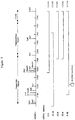
- Figure 1 is a map of the human FSH receptor cDNA clones.
- a partial restriction endonuclease map is shown which was determined by combining DNA sequence data derived from portions of each of the five clones. Size increments of 0.2 kilobase pair (kb) are marked. The regions to which the clones correspond are indicated by the solid lines below the restriction endonuclease map. The clone designation and the approximate size in kb are indicated to the left and right of each solid line, respectively. Approximate locations of the amino-terminal extracellular domain, transmembrane domain, and carboxy-terminal intracellular domain of the encoded protein are indicated by the dashed arrows above the restriction endonuclease map. The position of an insertion (probably an intron or a portion of an intron) in the 5-10 clone is indicated by the open box.
- Figures 2A and 2B depict the strategy used for engineering a "full-length" human FSH receptor cDNA for the purpose of expression of the encoded protein in a mammalian cell line.
- Figure 3 is a diagram of the expression vector plasmid used to develop CHO-DUKX cell lines stably transfected with the human FSH receptor.
- Figure 4 is a diagram of the expression vector plasmid used to develop Y1 cell lines stably transfected with the human FSH receptor.
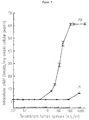
- Figure 5 illustrates intracellular cAMP levels measured in the CHO-DUKX cell line CHOHFSHR4Q-13, after treatment with varying doses of either FSH (circles), or LH (triangles). Each point represents the mean value. Standard errors are shown by the vertical bars.
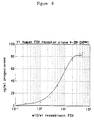
- Figure 6 illustrates progesterone levels measured in the culture medium of the Y1 cell line Y1HFSHR4-38, after treatment with varying doses of FSH. Vertical bars depict the standard error in the progesterone measurements at each FSH dose.
- human FSH receptor refers to polypeptides which are capable of recognizing and selectively binding with human FSH and which produce no significant immunological response in humans.
- the present invention includes human FSH receptor having the amino acid sequence depicted in Sequence ID No:2, as well as FSH-binding fragments or mutants thereof which retain a very high degree of homology (i.e. at least 95% identity) with the depicted amino acid sequence, or with at least the extracellular portion thereof.
- Fragments of the human FSH receptor embraced by the present invention include those fragments remaining after the cytoplasmic and/or the transmembrane domains have been deleted from the full polypeptide.
- An especially preferred fragment embraced by the present invention is the amino-terminal extracellular portion comprising approximately amino acids 1 to 349 of the human FSH receptor amino acid sequence shown in Sequence ID No:2. Since some of the loops which span the transmembrane regions (listed in features section, Sequence ID No:2) are also extracellular, these may be linked (e.g. through appropriate spacer molecules) to a fragment containing the amino-terminal extracellular portion to improve binding.
- the polypeptide may be glycosylated, as in the natural receptor, or may be partially or completely deglycosylated.
- this invention embraces a fragment of the human FSH receptor which comprises a substantial portion of the extracellular domain and which retains substantially the same FSH-binding characteristics as the complete extracellular domain.
- Mutant forms of the above-described receptor and fragments are also within the scope of the present invention. Such mutants include conservative substitutions in one to ten amino acid residues, the location and nature of such substitutions being selected so as not to significantly degrade the FSH-binding characteristics of the receptor or fragment thereof which is modified.
- Essentially pure human FSH receptor or a fragment or mutant thereof, is prepared by isolating and cloning the DNA encoding it from a cDNA or genomic library, ligating the DNA into a vector, transfecting host cells with the vector, culturing transfected host cells under conditions which permit expression of the receptor, fragment or mutant, and recovering the receptor, fragment or mutant from the culture.
- the DNA which is used to make expression vectors may be genomic DNA or cDNA encoding human FSH receptor, and may contain regions which enhance expression, such as introns, promoters, enhancers, etc.
- the DNA may be readily modified by substitution, deletion or insertion of nucleotides (e.g. by site-specific mutagenesis) that do not adversely affect the biological or FSH-binding activity of the expressed protein. For example, conservative substitutions (mutations) which alter from one to ten amino acids may be made without adversely affecting the overall structure and activity of the expressed protein (mutein).
- certain portions of the DNA may be deleted so that only a fragment, such as the soluble extracellular domain, of the protein is expressed.
- the human FSH receptor or FSH-binding fragment or mutant thereof may also be expressed as a fusion protein.
- One such fusion protein would include a polypeptide at the carboxy-terminus which would confer characteristics which would facilitate purification of the protein, or immobilization of the purified protein on a solid substrate for use in FSH assays or FSH purification protocols.
- Another such fusion protein would include a cleavable polypeptide at the amino-terminus which would facilitate expression.
- Human FSH receptor produced in accordance with the present invention is essentially pure, meaning that it is substantially free of biological adventitious agents normally associated with FSH receptor extracted from natural sources, such as, for example, bacteria, viruses, and other proteins.
- the receptor may be formulated into pharmaceutical compositions by mixing with suitable pharmaceutically acceptable carriers in a manner known to those skilled in the art.
- compositions may be formulated for oral, parenteral (including subcutaneous, intramuscular, and intravenous), vaginal, rectal, buccal (including sublingual), transdermal or intranasal administration.
- Compositions for parenteral administration are normally in the form of a liquid solution, dispersion, or emulsion, preferably isotonic; for vaginal or rectal administration, as a cream or suppository; for oral or buccal administration, as a tablet or capsule; and for intranasal administration, as a powder, nasal drop or aerosol.
- Various slow release, depot implant or injectable dosage forms may be utilized.
- the active component may also be incorporated into polymer matrices, liposomes and microspheres to control delivery.
- compositions may conveniently be administered in unit dosage form and may be prepared by any of the methods well-known in the pharmaceutical art.
- Formulations for parenteral administration may contain as common excipients sterile water or saline, alkylene glycols such as propylene glycol, polyalkylene glycols such as polyethylene glycol, oils of vegetable origin, hydrogenated naphthalenes and the like.
- Formulations for vaginal or rectal administration, e.g. suppositories may contain as excipients, for example, polyalkyleneglycols, vaseline, cocoa butter, and the like.
- Formulations for nasal administration may be in powder form and contain as excipients, for example, lactose or dextran, or may be aqueous or oily solutions for administration in the form of nasal drops or metered spray.
- excipients include sugars, calcium stearate, pregelatinated starch and the like.
- surfactant acids or salts can be added to the solution or powder formulation. Suitable pharmaceutically acceptable surfactant salts will be those which retain the phenomenon of enhanced peptide absorption, as well as the compound's surfactant characteristics and which are not deleterious to the subject or otherwise contraindicated.
- the dosage of active ingredient administered will obviously depend upon the needs and condition of the patient being treated, the therapeutic effect which is sought, and the judgement of the doctor conducting the treatment.
- compositions comprising human FSH receptor, or FSH-binding fragments or mutants thereof, may be administered to a patient in therapeutically effective doses to bind with endogenous circulating FSH in the patient and thereby control the available level of bioactive FSH.
- pharmaceutical compositions of the present invention are effectively utilized to reduce endogenous FSH bioactivity.
- a female patient such treatment may be effectively used to prevent follicle growth and maturation, thereby preventing pregnancy.
- a male patient such treatment may be effectively used to prevent spermatogenesis.
- a particularly suitable pharmaceutical composition for the above purpose comprises a fragment of the human FSH receptor which comprises the amino-terminal extracellular domain or a substantial portion thereof with substantially the same FSH-binding characteristics.
- Essentially pure human FSH receptor may also be advantageously utilized in conventional receptor assays for FSH, such as, for example, that disclosed in Reichert, Endocrinology 94:483, 1974. Substitution of the pure receptor of the present invention, or a fragment thereof which binds FSH, will substantially improve the consistency and performance of such assays.
- a fragment comprising the amino-terminal extracellular domain or an FSH-binding fragment and/or fusion protein thereof can also be linked to an affinity column to purify FSH from fluids, extracts, etc.
- the receptor can be incorporated into a stable cell line, preferably a eukaryotic cell line, and most preferably a mammalian cell line, which is capable of producing a measurable biological response upon stimulation of the receptor.
- Measurement of cell response in the presence of FSH under assay e.g. in test serum, plasma, culture media, tissue homogenates, etc.
- Such a cell line could also be used to screen chemical libraries for substances that may interact with the FSH receptor or to test peptides or small proteins for their ability to bind to the FSH receptor in a rapid through-put screening system.
- An example of a rapid through-put screening system is one in which the binding of a ligand to the recombinant FSH receptor results in the production or blockage of production of a measurable product such as cAMP or progesterone.
- a measurable product such as cAMP or progesterone.
- Such a system could be further enhanced by operatively linking an easily measured marker element such as one which produces bioluminescence (e.g. the luciferase gene) to the receptor signal transduction pathway (e.g. by using the cAMP response element).
- Essentially pure human FSH receptor or FSH-binding fragments or mutants thereof can also be used in X-ray crystallographic analysis to develop molecular models. Such models are useful in defining the tertiary structure of the hormone-binding domains of the human FSH receptor. Such information would provide insight into the structure of the actual regions of contact between FSH and its receptor, thus aiding the design of peptides which have FSH agonistic or antagonistic activity.
- pSVL SV40 late expression vector
- pSVLFSHR A 2.1 kb DNA fragment containing the region corresponding to the complete rat FSH receptor protein coding region was excised from the plasmid using the restriction endonuclease sites XbaI and BamHI.
- the digested DNA was size-fractionated by gel electrophoresis, and the 2.1 kb rat FSH receptor fragment was purified by electroelution from the gel. This purified DNA fragment was used as a probe for library screening to identify human FSH receptor cDNA clones.
- a lambda gt11 cDNA library constructed from RNA extracted from human testis, was purchased from Clontech, Palo Alto, CA (catalogue number HL1010b) and was amplified prior to use. Twenty aliquots of the amplified library, equivalent to approximately 7.5 x 10 4 plaque forming units (pfu), were each adsorbed to about 0.5 milliliters (ml) of a plating suspension of E. coli strain Y1088.
- the suspension had been prepared by growing an overnight culture of Y1088 at 37°C in NZYM or LB supplemented with 0.2% maltose and 10 millimolar (mM) MgSO 4 , pelleting the cells, and then resuspending them in 10 mM MgSO 4 to an O.D. 600 of 0.5.
- Prehybridization of the nitrocellulose filter phage lifts was done in a buffer containing 50% formamide, 5X SSC [1X SSC is 0.15 molar (M) sodium chloride, 0.015 M sodium citrate], 20 mM sodium phosphate buffer, pH 7.2, 10X Denhardt's reagent (50X Denhardt's reagent is 1% Ficoll, 1% polyvinylpyrrolidone and 1% bovine serum albumin) and 100 ⁇ g/ml tRNA at 37°C for about 6 hours.
- Hybridization of the filters was done in the same buffer except that the rat FSH receptor DNA probe was added at a concentration of about 3 X 10 6 cpm/ml buffer.
- Bacteriophage DNA was prepared from each of the ⁇ gt11 cDNA isolates using the plate lysate method described in Sambrook, "Molecular Cloning: A Laboratory Manual," 2nd ed., Cold Spring Harbor Laboratory Press, 1989, page 2.118.
- the bacteriophage DNA was digested with EcoRI restriction endonuclease, and then size-fractionated in an agarose gel for purification of the cDNA insert fragments.
- the purified cDNA inserts were subcloned into the EcoRI site of pUC18 in order to facilitate subsequent cloning and sequencing manipulations. Double-stranded plasmid DNA was purified from 5 ml cultures of the host strain E.
- coli MC1061 by the small-scale alkaline lysis method (Sambrook, ibid. p. 1.25), then further purified by passage over Elutip-d columns (Schleicher & Schuell, Reene, NH) using the manufacturer's protocol.
- Half of the plasmid DNA obtained from each small-scale plasmid preparation was then denatured in 0.2 normal NaOH, 0.2 mM EDTA in a volume of 20 microliters ( ⁇ l) at room temperature for 10 minutes.
- the denatured plasmid DNA was neutralized and ethanol precipitated by adding 7.5 ⁇ l of 7.5 M ammonium acetate and 110 ⁇ l 100% ethanol and chilling the mixture in liquid nitrogen.
- the DNA precipitate was pelleted by centrifugation in a microfuge for 10 minutes. The DNA pellets were washed in 70% ethanol and dried. Sequencing reactions were done with Sequenase T7 DNA polymerase (United States Biochemical) according to the manufacturer's specifications. Preliminary sequencing reactions were done with forward and reverse sequencing primers (Pharmacia LKB) for the pUC18 polylinker region. Data generated from preliminary sequencing was used to design human FSH receptor-specific sequencing primers. The primers were either synthesized on a model 391 Applied Biosystems DNA synthesizer or ordered from National Biosciences, Inc., Hamel, MN. Some DNA sequence data was obtained by subcloning smaller restriction endonuclease fragments of the original clones into pUC18 and repeating sequencing reactions with the forward and reverse primers.
- the human FSH receptor DNA sequence resulted in the identification of a long open reading frame of 2085 nucleotides which encoded a protein of 695 amino acids.
- the human FSH receptor is therefore 3 amino acids longer than the rat FSH receptor.
- the overall percent identities between the rat and human FSH receptor DNA and protein sequences were determined using the GCG Bestfit program and were 87% and 90%, respectively.
- the extracellular amino-terminal hydrophilic portion of the human FSH receptor is estimated to be 349 amino acids in length, and shares 87% identity with the corresponding region of the rat FSH receptor.
- the partial amino acid sequence published by Parmentier, Science 246:1620-1622, 1989 corresponds to amino acids 399 to 525 in Sequence ID No:2.
- Clone 5-10 was a variant in that it contained an insertion of 0.25 kb after the T at nucleotide position 448 in Sequence ID No:1.
- the DNA sequence of the insertion was not similar to any portion of the rat or human FSH receptor DNA sequence and also was not similar to any known sequence in the Genbank or EMBL DNA sequence databases. The corresponding region in clone 11-11 did not contain this insertion.
- LH receptor cDNA clones isolated from a human thyroid cDNA library contain similar variations (Frazier, Mol. Endocrinol. 4:1264-1276, 1990). These variants are likely derived from incompletely and/or aberrantly spliced mRNA molecules. The presence of a 3' splice consensus sequence (CAG'G) at the 3' junction of the 5-10 insertion is evidence which supports this explanation.
- CAG'G 3' splice consensus sequence
- pHFSHR11-11 The pUC18 plasmids harboring the 11-11 (called pHFSHR11-11), 15-6 (called pHFSHR15-6), and 5-10 (called pHFSHR5-10) cDNA inserts were deposited with the American Type Culture Collection (ATCC), Rockville, MD, on March 1, 1991 and have received the accession numbers ATCC68538, ATCC68540, and ATCC68539, respectively. These deposits were made in accordance with all of the requirements of the Budapest Treaty.
- ATCC American Type Culture Collection
- Example 2 Construction of vectors for the expression of the full-length human FSH receptor in mammalian cells.
- FIGs 2A and 2B The strategy for engineering a human FSH receptor DNA construct for expression in mammalian cells is shown in Figures 2A and 2B.
- the 5' 691 base pair (bp) NsiI-BamHI fragment which contained the start ATG was purified from pHFSHR11-11 and subcloned into pUC18 digested with PstI and BamHI.
- the resulting plasmid, pHFSHR11-11nb was linearized with SphI. The termini were blunted by treatment with the Klenow fragment of DNA polymerase I (New England Biolabs, Beverly, MA).
- XhoI linkers were ligated to the blunted ends and the resulting mixture was digested with SphI and XhoI and the 3' 690 bp (approximately) SphI-XhoI fragment was isolated and purified.
- the 5' 700 bp XhoI-BamHI and middle 734 bp BamHI-SphI human FSH receptor cDNA fragments were subcloned into pUC18-XhoI (created in this laboratory by converting the SmaI site in the pUC18 polylinker to an XhoI site with XhoI linkers) digested with XhoI and SphI.
- the resulting plasmid, pHFSHR1.4xs was digested with XhoI and SphI.
- the digested DNA was size-fractionated by electrophoresis in a 5-6% polyacrylamide gel and the approximately 1400 bp fragment containing the 5' and middle regions of the human FSH receptor cDNA was excised and purified by electroelution.
- the 3' SphI-XhoI fragment which contains the TAA stop codon, was subcloned into pUC18-XhoI digested with SphI and XhoI.
- the resulting plasmid, pHFSHR675sx was digested with SphI and EcoRI.
- the digested DNA was fractionated in a 5-6% polyacrylamide gel and the approximately 700 bp piece was excised and purified by electroelution.
- the complete human FSH receptor coding region was assembled by combining the 5' 1400 bp XhoI-SphI fragment with the 3' 700 bp SphI-EcoRI fragment in a ligation with pUC18-xhoI digested with XhoI and EcoRI. Correct assembly of the construction, called pHFSHRX, was verified by restriction endonuclease digestion and DNA sequencing.
- the completely engineered human FSH receptor 2.1 kb XhoI fragment which contains approximately 18 bp of 5' noncoding sequence and 12 bp of 3' noncoding sequence in addition to the entire human FSH receptor protein coding region, was excised from pHFSHRX by XhoI digestion.
- the digested DNA was size-fractionated by electrophoresis in a 0.7% agarose gel.
- the 2.1 kb XhoI fragment was excised from the gel, purified by electroelution in a Little Blue TankTM (ISCO) using the procedure recommended by the manufacturer, and inserted into the XhoI cloning sites of the mammalian cell expression vector plasmids. Plasmids containing the insert in the appropriate orientation for human FSH receptor mRNA transcription were selected by restriction endonuclease fragment analysis.
- expression vector plasmid DNA Prior to introduction into mammalian cells, expression vector plasmid DNA was purified either by two sequential high-speed centrifugations through cesium chloride density gradients, or by using the plasmid maxi kit (Qiagen, Chatsworth, CA) according to the manufacturer's protocol.
- the necessary vector plasmid components include the following: a eukaryotic promoter such as the mouse metallothionein I (MMT-I) promoter, Rous Sarcoma Virus promoter, or simian virus 40 early or late promoters for driving transcription of the human FSH receptor mRNA; a marker gene such as the neomycin resistance gene (Neo), dihydrofolate reductase (DHFR) gene, or multidrug resistance gene (MDR) for the selection of transfected cells; a polyadenylation signal (poly A), such as the SV40 early polyadenylation region for the 3' processing of the receptor RNA transcript; and a bacterial origin of replication and antibiotic resistance gene such as the pBR322 ori and the ampicillin resistance gene, to enable growth and propagation of the vector plasmid in a suitable E.
- MMT-I mouse metallothionein I
- DHFR dihydrofolate reductase
- MDR multidrug resistance gene
- the intron in the region which is transcribed into human FSH receptor encoding mRNA. It is preferable to place the intron between the promoter and the human FSH receptor cDNA insert, thereby positioning it in the 5' untranslated region of the human FSH receptor RNA transcript. Any suitable intron can be used.
- the intron used in our experiments was a 2 kb XbaI-PstI portion of intron A in the human glycoprotein ⁇ subunit gene (Fiddes, J. Mol. Appl. Genet. 1:13, 1981). In the expression vectors, it was inserted between the the MMT-1 promoter region and the human FSH receptor cDNA fragment. The truncated intron retained the endogenous splice acceptor, but the splice donor was supplied by a synthetic oligonucleotide.
- FIG. 3 A diagram of the human FSH receptor expression vector used for CHO cell transfections, pD ⁇ HFSHRX (human FSH receptor in CLH3AXSV2DHFRh ⁇ IVS), is shown in Figure 3 and a diagram of the human FSH receptor expression vector used to stably transfect Y1 cells, pN ⁇ HFSHRX (human FSH receptor in CLH3AXSV2NEOh ⁇ IVS), is shown in Figure 4.
- the MMT-I gene sequences (nucleotide numbers 4542-7514 in Figure 3, nucleotide numbers 5192-8164 in Figure 4) which include the promoter region, are the same as those shown upstream of the XhoI site in the construction of CLH3X (Reddy, DNA 6:461, 1987).
- the human glycoprotein ⁇ subunit gene intron A fragment is located between nucleotide numbers 7514 and 9514 in Figure 3, and between nucleotide numbers 8164 and 10164 in Figure 4. Downstream of the XhoI site, the MMT-I introns and polyadenylation signal sequences were removed and replaced with the SV40 early polyadenylation region (nucleotide numbers 11614-11857 in figure 3, nucleotide numbers 12264-12508 in figure 4).
- the pML region (Lusky, Nature 293:79, 1981) contains the bacterial origin of replication and ampicillin resistance gene from pBR322 (nucleotide numbers 1925-4542 in Figure 3, nucleotide numbers 2575-5192 in Figure 4).
- the DHFR gene transcription unit (nucleotide numbers 1 to 1925 in Figure 3), which includes the mouse DHFR cDNA and the SV40 early region promoter, small T intron and early region polyadenylation sequences, corresponds to the PvuII-BamHI fragment in pSV2DHFR (Subramani, Mol. Cell. Biol. 1:854, 1981).
- the PvuII site was converted to a BamHI site prior to insertion of the fragment into the expression vector plasmid.
- the neo gene transcription unit (nucleotide numbers 1-2575 in figure 4) was assembled by replacing the DHFR cDNA (nucleotide numbers 342-1077 in Figure 3) with a 1385 bp HindIII-SmaI fragment from pSV2-neo (Southern, J. Mol. Appl. Genet. 1:327, 1982).
- the SmaI site was converted to a BamHI site prior to insertion of the fragment into the expression vector plasmid.
- the plasmid pN ⁇ hFSHRX can be used to transfect most continuous mammalian cell lines, and was deposited with the ATCC on November 19, 1991, as accession number ATCC68833. The deposit was made in accordance with all of the requirements of the Budapest Treaty.
- the plasmid pD ⁇ hFSHRX is best suited for the transfection of cell lines which lack dihydrofolate reductase (DHFR) activity.
- DHFR dihydrofolate reductase
- DNA cloning and engineering techniques can be used by those skilled in the art to modify the human FSH receptor DNA expression construction so that FSH-binding fragments are encoded. These modified DNA fragments can be inserted into expression vectors such as those described herein and used to transfect mammalian cells to develop lines which secrete soluble FSH-binding fragments of the human FSH receptor, such as the amino terminal extracellular domain or an FSH-binding fragment thereof.
- Example 3 Development of Mammalian Cell Lines which Stably Express a Functional Human Recombinant FSH Receptor or an FSH-binding fragment or mutant thereof.
- Suitable mammalian cell lines for expression of recombinant human FSH and its derivatives include Chinese Hamster Ovary (CHO), mouse adenocarcinoma Y1, rat pituitary GH 3 , human breast carcinoma MCF7, and human embryonic kidney 293.
- CHO Chinese Hamster Ovary
- mouse adenocarcinoma Y1 rat pituitary GH 3
- human breast carcinoma MCF7 human embryonic kidney 293.
- Y1 and CHO cells is described.
- Y1 cells are a clonal steroid secreting cell strain initiated from a mouse adrenal cortex tumor (Yasumura, Cancer Res. 26: 529-536, 1966). These cells were obtained from the ATCC cell bank (ATCC CCL 79) and were maintained in culture by growth in Ham's F10 medium supplemented with 15% horse serum (HS), 2.5% FBS, and 1% L-glutamine (Y1 growth medium).
- ATCC CCL 79 ATCC CCL 79
- CHO-DUKX cells are a clonal mutant of Chinese hamster ovary cells lacking dihydrofolate reductase activity (Urlaub G. and Chasin, L.A. PNAS 77: 4216-4220, 1980). The cells were maintained in Minimum Essential Medium Alpha (MEM- ⁇ ) supplemented with 10% FBS and 1% L-glutamine (CHO growth medium).
- MEM- ⁇ Minimum Essential Medium Alpha
- transfection protocol used was a modification of a published method (Graham, Virology 52: 456, 1973). Approximately 24 hours prior to transfection, cells were plated in 100 mm diameter dishes at a density of 7 X 10 5 cells/dish (CHO-DUKX) or 1 X 10 6 cells/dish (Y1). For transfections, 10 ⁇ g of the vector plasmid DNA (pD ⁇ HFSHRX for CHO-DUKX cells, pN ⁇ HFSHRX for Y1 cells) was added to 0.5 ml of transfection buffer.
- Transfection buffer was prepared by combining 4 grams (g) NaCl, 0.185 g KCl, 0.05 g Na 2 HPO 4 , 0.5 g dextrose, and 2.5 g HEPES in sterile, distilled water and adjusting the volume to 500 ml, and the pH to 7.5.
- To the DNA/transfection buffer mixture was added 31 ⁇ l of 2 M CaCl 2 .
- the solution was mixed using a vortex mixer and allowed to stand at room temperature for 45 minutes to allow the DNA precipitate to form.
- the DNA precipitate was layered over the cells after removal of the culture medium. After 20 minutes at room temperature, 5 ml of the appropriate growth medium was added and the cells were cultured for 6 hours.
- the medium was removed and the cells shocked for 3.5 minutes in 3-4 ml of transfection buffer containing 15% glycerol. The cells were rinsed twice with phosphate buffered saline prior to the addition of 10 ml growth medium. Approximately 48 hours post transfection, the CHO-DUKX cells were subcultured at a 1:10 split ratio and selection medium was added. Y1 cells were allowed to grow for 72 hours post transfection before subculturing at a 1:5 split ratio in selection medium.
- Selection medium for CHO-DUKX cells consisted of MEM- ⁇ without ribonucleosides and deoxyribonucleosides supplemented with 10% dialyzed FBS, 1% L-glutamine, and 0.02 ⁇ M methotrexate (MTX).
- Selection medium for Y1 cells consisted of Y1 growth medium with 80 ⁇ g/ml G418. MTX-resistant CHO-DUKX cell colonies and G418-resistant Y1 cell colonies formed after approximately 2 to 3 weeks, and were individually picked and cultured until cell numbers were sufficient for cryopreservation and testing for hormone responsiveness.
- the engineered human FSH receptor cDNA construct could produce a protein that was biologically functional in stably transfected CHO cells
- the MTX-resistant CHO cell colonies were treated with human recombinant FSH and intracellular cAMP levels were measured.
- the cells were subcultured in 12 well plates at a density of 2.5 X 10 4 cells/well in CHO cell selection medium. After 72 hours of culture, each well was washed with 1.5 ml of warm growth medium. To each washed well was added 300 ⁇ l of serum-free growth medium containing 0.1 mM 3-isobutyl-1-methylxanthine (Sigma).
- Determination of total soluble protein was done with a protein assay kit purchased from Bio-Rad (catalog number 500-0002) using the protocol supplied by the manufacturer.
- the ethanol-treated lysate samples were freeze-dried in aliquots of 5-100 ⁇ l, and resuspended in 100 ⁇ l of the assay buffer provided in the Dupont/NEN Medical Products cAMP assay kit (catalog number NEK-033).
- the cAMP content of the resuspended lysate samples was determined using the acetylated radioimmunoassay protocol supplied with the kit. The samples were not diluted for the assay.
- the procedure used was the same as in the preceding paragraph, except that the cells were treated with either human recombinant FSH or LH in concentrations ranging from 0-10,000 mIU/ml. Each dose was analyzed in triplicate.
- the amount of intracellular cAMP produced was expressed in nanomoles (nmole) per milligram (mg) of soluble protein and plotted versus FSH or LH concentration to generate dose response curves.
- the FSH and LH dose response curves are shown in Figure 5.
- the results show that the CHOHFSHR4Q-13 CHO cell line displayed a saturable increase in intracellular cAMP in response to FSH stimulation but not in response to LH stimulation.
- Half-maximal FSH stimulation (ED 50 ) occurred at a dose of 144 mIU/ml FSH.
- the human FSH receptor cDNA therefore can be used to produce a biologically functional human FSH receptor protein in CHO cells, enabling the cells to mediate a specific cAMP response to FSH and not LH.
- the human FSH receptor content of the CHOHFSHR4Q-13 line, or a similar line which produces the human recombinant FSH receptor or FSH-binding fragments or mutants thereof may be increased by exposing the cells to stepwise increases in MTX concentration. This causes amplification of DHFR cDNA copy number along with linked sequences which include the human FSH receptor cDNA, indirectly increasing synthesis of the encoded proteins. This may be done, if necessary, to increase the sensitivity of the bioassay. Also, mammalian cells which express high levels of human FSH receptor or FSH-binding fragments or mutants thereof, can be used for the manufacture of large amounts of human FSH receptor protein for use as therapeutics or in receptor radioimmunoassays.
- the CHOHFSHR4Q-13 line may also be used in an assay for estimating the in vitro bioactivity of pharmaceutical preparations containing FSH, or FSH-like substances.
- a reporter gene such as luciferase, can be operatively linked to a cAMP response element, and increases in cAMP levels may be indirectly measured by a non-radioactive method, such as bioluminescence, to provide a measurement of FSH bioactivity.
- CHOHFSHR4Q-13 line was deposited with the ATCC on November 19, 1991, as accession number ATCC CRL 10921. The deposit was made in accordance with all the requirements of the Budapest Treaty.
- the G418-resistant Y1 cell colonies were treated with human recombinant FSH and the culture media analyzed for progesterone content.
- the cells were subcultured in 6 well plates (35 mm well diameter) at a density of 4 X 10 5 cells/well in Y1 cell selection medium. After two days of culture, the Y1 cell selection medium was removed and replaced with 3 ml Ham's F10 medium supplemented with 5% horse serum, 0.8% fetal bovine serum, 1% L-glutamine, and 80 ⁇ g/ml G418.
- the medium was removed and the cells were washed twice with 2 ml of Ham's F10 medium supplemented with 1 mg/ml bovine serum albumin (fraction V), 1% L-glutamine, and 80 ⁇ g/ml G418 (assay medium). At this time the average cell number per well was estimated for each cell line by removing and counting cells from three test wells. The cells were then cultured for 4 hours with 1 ml assay medium containing 100 mIU/ml human recombinant FSH. After incubation, the culture dishes were placed on ice while the culture medium from each well was transferred into separate glass 12 X 75 test tubes.
- the tubes containing the culture media were placed in a boiling water bath for 10 minutes, then centrifuged at 1100 X g at 4°C. The supernatants were transferred to clean 12 X 75 glass test tubes and stored at -20°C overnight.
- Progesterone levels were measured using the Serono Diagnostics Progesterone MAIA, product number 12274, distributed by Ciba Corning, Medfield, MA. The assay was done according to the instructions provided by the manufacturer, except that the culture medium samples and the progesterone for the standard curve were diluted in a solution of phosphate buffered saline containing 0.1% bovine serum albumin and 0.6% sodium azide, instead of the dilution buffer provided in the kit.
- the progesterone for the standard curve was obtained from Cal Biochem (catalog number 5341), and was diluted to a concentration of 15 ⁇ g/ml in 100% ethanol prior to use. The stock solution was stored at -70°C. The final concentrations of the progesterone standard curve dilutions were the same as those recommended in the assay kit. The diluted progesterone standards were stable at 4°C for one week.
- FSH-treated Y1 lines stably transfected with the human FSH receptor, secreted increased levels of progesterone relative to the controls (the same line not treated with FSH, untransfected Y1 cells, Y1 cells transfected with CLH3AXSV2NEOh ⁇ IVS).
- One nonclonal line, Y1HFSHR4-38 was chosen for hormone dose response analyses. The procedure used was the same as that described in the preceding paragraph except that the cells were treated with a range of FSH concentrations, 0-100 mIU/ml. Each dose was done in duplicate.
- the amount of progesterone produced by the FSH-stimulated Y1 cells was normalized to 1 X 10 6 cells and plotted versus FSH concentration to generate a dose response curve.
- the dose response curve is shown in Figure 6.
- a 25-fold increase in progesterone activity was observed at a dose of 20 mIU/ml human recombinant FSH.
- the linear range was from 2.5 to 20 mIU/ml FSH and the ED 50 was 6.4 mIU/ml FSH.
- Cell populations derived from the CHOHFSHR4Q-13 or Y1HFSHR4-38 cell lines, or similar cell lines, can be used to develop sensitive in vitro bioassays for FSH and FSH-like substances.
- Other FSH in vitro bioassays which are currently used such as the granulosa cell aromatase bioassay and the Sertoli cell aromatase bioassay, require the establishment of primary cell cultures from rats each time an assay is performed.
- stably transformed continuous cell lines are used for the new Y1 cell and CHO cell bioassays. This enables the practice of in vitro bioassay methods superior to the current methods in simplicity, accuracy, and consistency.
Landscapes
- Health & Medical Sciences (AREA)
- Life Sciences & Earth Sciences (AREA)
- Chemical & Material Sciences (AREA)
- Organic Chemistry (AREA)
- General Health & Medical Sciences (AREA)
- Medicinal Chemistry (AREA)
- General Chemical & Material Sciences (AREA)
- Nuclear Medicine, Radiotherapy & Molecular Imaging (AREA)
- Chemical Kinetics & Catalysis (AREA)
- Pharmacology & Pharmacy (AREA)
- Bioinformatics & Cheminformatics (AREA)
- Animal Behavior & Ethology (AREA)
- Endocrinology (AREA)
- Public Health (AREA)
- Veterinary Medicine (AREA)
- Engineering & Computer Science (AREA)
- Reproductive Health (AREA)
- Molecular Biology (AREA)
- Proteomics, Peptides & Aminoacids (AREA)
- Cell Biology (AREA)
- Immunology (AREA)
- Toxicology (AREA)
- Zoology (AREA)
- Gastroenterology & Hepatology (AREA)
- Biochemistry (AREA)
- Biophysics (AREA)
- Genetics & Genomics (AREA)
- Urology & Nephrology (AREA)
- Diabetes (AREA)
- Peptides Or Proteins (AREA)
- Preparation Of Compounds By Using Micro-Organisms (AREA)
- Medicines Containing Material From Animals Or Micro-Organisms (AREA)
- Medicines That Contain Protein Lipid Enzymes And Other Medicines (AREA)
- Steroid Compounds (AREA)
- Micro-Organisms Or Cultivation Processes Thereof (AREA)
- Investigating Or Analysing Biological Materials (AREA)
- Acyclic And Carbocyclic Compounds In Medicinal Compositions (AREA)
- Materials For Medical Uses (AREA)
Applications Claiming Priority (3)
| Application Number | Priority Date | Filing Date | Title |
|---|---|---|---|
| US670085 | 1984-11-13 | ||
| US67008591A | 1991-03-15 | 1991-03-15 | |
| EP92904833A EP0575357B1 (fr) | 1991-03-15 | 1992-01-02 | Recepteur de l'hormone folliculostimulante humaine |
Related Parent Applications (2)
| Application Number | Title | Priority Date | Filing Date |
|---|---|---|---|
| EP92904833A Division EP0575357B1 (fr) | 1991-03-15 | 1992-01-02 | Recepteur de l'hormone folliculostimulante humaine |
| EP92904833.8 Division | 1992-10-10 |
Publications (3)
| Publication Number | Publication Date |
|---|---|
| EP1167385A2 true EP1167385A2 (fr) | 2002-01-02 |
| EP1167385A3 EP1167385A3 (fr) | 2003-04-16 |
| EP1167385B1 EP1167385B1 (fr) | 2011-04-13 |
Family
ID=24688922
Family Applications (2)
| Application Number | Title | Priority Date | Filing Date |
|---|---|---|---|
| EP92904833A Expired - Lifetime EP0575357B1 (fr) | 1991-03-15 | 1992-01-02 | Recepteur de l'hormone folliculostimulante humaine |
| EP01202809A Expired - Lifetime EP1167385B1 (fr) | 1991-03-15 | 1992-01-02 | Recepteur de l'hormone folliculostimulante humaine |
Family Applications Before (1)
| Application Number | Title | Priority Date | Filing Date |
|---|---|---|---|
| EP92904833A Expired - Lifetime EP0575357B1 (fr) | 1991-03-15 | 1992-01-02 | Recepteur de l'hormone folliculostimulante humaine |
Country Status (19)
| Country | Link |
|---|---|
| US (3) | US6121016A (fr) |
| EP (2) | EP0575357B1 (fr) |
| JP (1) | JP3581148B2 (fr) |
| KR (1) | KR100245250B1 (fr) |
| AT (2) | ATE224446T1 (fr) |
| AU (1) | AU671417B2 (fr) |
| CA (1) | CA2106061C (fr) |
| DE (2) | DE69232779T2 (fr) |
| DK (1) | DK0575357T3 (fr) |
| ES (1) | ES2183806T3 (fr) |
| FI (1) | FI109360B (fr) |
| GE (1) | GEP19991604B (fr) |
| LT (1) | LT3973B (fr) |
| LV (1) | LV10724B (fr) |
| MX (1) | MX9203350A (fr) |
| NO (1) | NO315517B1 (fr) |
| RU (1) | RU2193599C2 (fr) |
| UA (1) | UA43826C2 (fr) |
| WO (1) | WO1992016620A1 (fr) |
Families Citing this family (9)
| Publication number | Priority date | Publication date | Assignee | Title |
|---|---|---|---|---|
| AU3949893A (en) * | 1992-03-30 | 1993-11-08 | Akzo Nobel N.V. | Human gonadotropin receptor (FSH receptor) |
| SI0894141T1 (en) | 1996-02-20 | 2005-10-31 | Applied Research Systems Ars Holding N.V. | Hybrid proteins which form heterodimers |
| US5925549A (en) * | 1996-04-15 | 1999-07-20 | The Board Of Trustees Of The Leland Stanford Junior University | Soluble 7-transmembrane domain G-protein-coupled receptor compositions and methods |
| US6521641B1 (en) | 1998-10-08 | 2003-02-18 | Allergan, Inc. | Male anti-fertility agents |
| AU5137900A (en) * | 1999-05-28 | 2000-12-18 | University Of Cincinnati, The | Antisense oligonucleotides for fertility and menstrual cycle regulation and for chemopreventive and chemotherapeutic use |
| EP1287135A2 (fr) * | 2000-05-18 | 2003-03-05 | Bayer Aktiengesellschaft | Regulation du recepteur couple a la proteine geanalogue g l'hormone folliculo-stimulante humaine |
| WO2003062396A2 (fr) * | 2002-01-23 | 2003-07-31 | Arena Pharmaceuticals, Inc. | Versions non endogenes de recepteur humain fshr couples aux proteines g |
| EP1466620A1 (fr) * | 2003-04-11 | 2004-10-13 | AXXAM S.r.l. | Compositions permettant de moduler le récepteur de l'hormone folliculostimulante et ses applications thérapeutiques |
| US20100061976A1 (en) * | 2008-07-24 | 2010-03-11 | Searete Llc, A Limited Liability Corporation Of The State Of Delaware | Method for treating or preventing osteoporosis by reducing follicle stimulating hormone to cyclic physiological levels in a mammalian subject |
Family Cites Families (7)
| Publication number | Priority date | Publication date | Assignee | Title |
|---|---|---|---|---|
| US4652450A (en) | 1984-08-31 | 1987-03-24 | Research Corporation | Bacterial FSH binding inhibitor |
| US4761371A (en) | 1985-02-12 | 1988-08-02 | Genentech, Inc. | Insulin receptor |
| US4859609A (en) * | 1986-04-30 | 1989-08-22 | Genentech, Inc. | Novel receptors for efficient determination of ligands and their antagonists or agonists |
| US4921808A (en) * | 1986-06-25 | 1990-05-01 | The Albany Medical College Of Union University | Method for determining follicle stimulating hormone |
| US4960700A (en) * | 1986-12-24 | 1990-10-02 | Genentech, Inc. | Compositions and methods for the synthesis and assay of a mammalian enkephalinase |
| EP1199361A3 (fr) * | 1989-05-05 | 2004-03-10 | Genentech Inc. | Molécules réceptrices des hormones glycoprotéiques. Leurs utilisations |
| US5155218A (en) * | 1990-05-08 | 1992-10-13 | Neurogenetic Corporation | Dna encoding human 5-ht1d receptors |
-
1992
- 1992-01-02 DE DE69232779T patent/DE69232779T2/de not_active Expired - Lifetime
- 1992-01-02 AT AT92904833T patent/ATE224446T1/de not_active IP Right Cessation
- 1992-01-02 RU RU93057956/13A patent/RU2193599C2/ru active
- 1992-01-02 DK DK92904833T patent/DK0575357T3/da active
- 1992-01-02 DE DE69233805T patent/DE69233805D1/de not_active Expired - Lifetime
- 1992-01-02 GE GEAP19921579A patent/GEP19991604B/en unknown
- 1992-01-02 EP EP92904833A patent/EP0575357B1/fr not_active Expired - Lifetime
- 1992-01-02 AU AU12514/92A patent/AU671417B2/en not_active Expired
- 1992-01-02 CA CA002106061A patent/CA2106061C/fr not_active Expired - Lifetime
- 1992-01-02 JP JP50530292A patent/JP3581148B2/ja not_active Expired - Lifetime
- 1992-01-02 ES ES92904833T patent/ES2183806T3/es not_active Expired - Lifetime
- 1992-01-02 WO PCT/US1992/000122 patent/WO1992016620A1/fr not_active Ceased
- 1992-01-02 AT AT01202809T patent/ATE505486T1/de not_active IP Right Cessation
- 1992-01-02 EP EP01202809A patent/EP1167385B1/fr not_active Expired - Lifetime
- 1992-02-01 UA UA93004376A patent/UA43826C2/uk unknown
- 1992-06-25 MX MX9203350A patent/MX9203350A/es unknown
-
1993
- 1993-09-14 NO NO19933272A patent/NO315517B1/no not_active IP Right Cessation
- 1993-09-14 FI FI934023A patent/FI109360B/fi active
- 1993-09-15 KR KR1019930702771A patent/KR100245250B1/ko not_active Expired - Lifetime
- 1993-10-11 LV LVP-93-1136A patent/LV10724B/en unknown
- 1993-12-20 LT LTIP1631A patent/LT3973B/lt not_active IP Right Cessation
-
1995
- 1995-06-07 US US08/482,855 patent/US6121016A/en not_active Expired - Lifetime
- 1995-06-07 US US08/474,986 patent/US6372711B1/en not_active Expired - Lifetime
- 1995-06-07 US US08/487,886 patent/US5744448A/en not_active Expired - Lifetime
Non-Patent Citations (3)
| Title |
|---|
| PARMENTIER, SCIENCE, vol. 246, 1989, pages 1620 |
| REICHERT, ENDOCRINOLOGY, vol. 94, 1974, pages 483 |
| SPRENGEL, MOL. ENDOCRINOL., vol. 4, 1990, pages 525 |
Also Published As
Similar Documents
| Publication | Publication Date | Title |
|---|---|---|
| Baumbach et al. | The growth hormone-binding protein in rat serum is an alternatively spliced form of the rat growth hormone receptor. | |
| US6261800B1 (en) | Luteinizing hormone/choriogonadotropin (LH/CG) receptor | |
| US5658876A (en) | Activin antagonists as novel contraceptives | |
| DE69834432T2 (de) | G-protein gekoppelter rezeptor | |
| IE883523L (en) | Interleukin-1 Receptors | |
| WO1992018641A1 (fr) | Recepteurs d'interleukine 8, molecules et procedes apparentes | |
| EP0575357B1 (fr) | Recepteur de l'hormone folliculostimulante humaine | |
| EP0531407A1 (fr) | Analogues d'hormones glycoproteiques ayant des caracteristiques immunologiques, une efficacite et/ou une specificite de reception modifiees | |
| EP0614975B1 (fr) | Molécules réceptrices d'hormone de glycoprotéine | |
| US20020155533A1 (en) | PACAP receptor protein, method for preparing said protein, and use thereof | |
| KR20040039320A (ko) | 인간호르몬의 비키메라 유사체를 제조하는 방법 | |
| US20050042205A1 (en) | Glycoprotein hormone receptor molecules | |
| Warren et al. | Evaluation of the somatogenic activity of bovine placental lactogen with cell lines transfected with the bovine somatotropin receptor | |
| KR100497685B1 (ko) | 당단백질 호르몬 초활성 효능약 | |
| Chen | Cloning and characterization of the pigeon prolactin receptor | |
| US20030139589A1 (en) | G protein coupled receptor A4 | |
| Huang | Molecular basis of the human choriogonadotropin-receptor interaction | |
| PT93394B (pt) | Processo para a preparacao de celulas de hibridonas produzindo anticorpos ligaveis a moleculas de adesao intercelular |
Legal Events
| Date | Code | Title | Description |
|---|---|---|---|
| PUAI | Public reference made under article 153(3) epc to a published international application that has entered the european phase |
Free format text: ORIGINAL CODE: 0009012 |
|
| AC | Divisional application: reference to earlier application |
Ref document number: 575357 Country of ref document: EP |
|
| AK | Designated contracting states |
Kind code of ref document: A2 Designated state(s): AT BE CH DE DK ES FR GB GR IT LI LU MC NL SE |
|
| PUAL | Search report despatched |
Free format text: ORIGINAL CODE: 0009013 |
|
| AK | Designated contracting states |
Designated state(s): AT BE CH DE DK ES FR GB GR IT LI LU MC NL SE |
|
| RIC1 | Information provided on ipc code assigned before grant |
Ipc: 7C 07K 14/72 A Ipc: 7C 12N 15/12 B Ipc: 7G 01N 33/74 B |
|
| 17P | Request for examination filed |
Effective date: 20031008 |
|
| AKX | Designation fees paid |
Designated state(s): AT BE CH DE DK ES FR GB GR IT LI LU MC NL SE |
|
| RAP1 | Party data changed (applicant data changed or rights of an application transferred) |
Owner name: LABORATOIRES SERONO SA |
|
| RAP1 | Party data changed (applicant data changed or rights of an application transferred) |
Owner name: MERCK SERONO SA |
|
| GRAP | Despatch of communication of intention to grant a patent |
Free format text: ORIGINAL CODE: EPIDOSNIGR1 |
|
| GRAS | Grant fee paid |
Free format text: ORIGINAL CODE: EPIDOSNIGR3 |
|
| GRAA | (expected) grant |
Free format text: ORIGINAL CODE: 0009210 |
|
| AC | Divisional application: reference to earlier application |
Ref document number: 0575357 Country of ref document: EP Kind code of ref document: P |
|
| AK | Designated contracting states |
Kind code of ref document: B1 Designated state(s): AT BE CH DE DK ES FR GB GR IT LI LU MC NL SE |
|
| REG | Reference to a national code |
Ref country code: GB Ref legal event code: FG4D |
|
| REG | Reference to a national code |
Ref country code: CH Ref legal event code: EP |
|
| REG | Reference to a national code |
Ref country code: CH Ref legal event code: NV Representative=s name: MERCK SERONO S.A. - GENEVA |
|
| REF | Corresponds to: |
Ref document number: 69233805 Country of ref document: DE Date of ref document: 20110526 Kind code of ref document: P |
|
| REG | Reference to a national code |
Ref country code: DE Ref legal event code: R096 Ref document number: 69233805 Country of ref document: DE Effective date: 20110526 |
|
| REG | Reference to a national code |
Ref country code: NL Ref legal event code: T3 |
|
| PG25 | Lapsed in a contracting state [announced via postgrant information from national office to epo] |
Ref country code: SE Free format text: LAPSE BECAUSE OF FAILURE TO SUBMIT A TRANSLATION OF THE DESCRIPTION OR TO PAY THE FEE WITHIN THE PRESCRIBED TIME-LIMIT Effective date: 20110413 |
|
| PG25 | Lapsed in a contracting state [announced via postgrant information from national office to epo] |
Ref country code: BE Free format text: LAPSE BECAUSE OF FAILURE TO SUBMIT A TRANSLATION OF THE DESCRIPTION OR TO PAY THE FEE WITHIN THE PRESCRIBED TIME-LIMIT Effective date: 20110413 Ref country code: GR Free format text: LAPSE BECAUSE OF FAILURE TO SUBMIT A TRANSLATION OF THE DESCRIPTION OR TO PAY THE FEE WITHIN THE PRESCRIBED TIME-LIMIT Effective date: 20110714 Ref country code: ES Free format text: LAPSE BECAUSE OF FAILURE TO SUBMIT A TRANSLATION OF THE DESCRIPTION OR TO PAY THE FEE WITHIN THE PRESCRIBED TIME-LIMIT Effective date: 20110724 |
|
| REG | Reference to a national code |
Ref country code: DE Ref legal event code: R071 Ref document number: 69233805 Country of ref document: DE |
|
| REG | Reference to a national code |
Ref country code: DE Ref legal event code: R071 Ref document number: 69233805 Country of ref document: DE |
|
| REG | Reference to a national code |
Ref country code: NL Ref legal event code: V4 Effective date: 20120102 |
|
| REG | Reference to a national code |
Ref country code: CH Ref legal event code: PL |
|
| PLBE | No opposition filed within time limit |
Free format text: ORIGINAL CODE: 0009261 |
|
| STAA | Information on the status of an ep patent application or granted ep patent |
Free format text: STATUS: NO OPPOSITION FILED WITHIN TIME LIMIT |
|
| PG25 | Lapsed in a contracting state [announced via postgrant information from national office to epo] |
Ref country code: DK Free format text: LAPSE BECAUSE OF FAILURE TO SUBMIT A TRANSLATION OF THE DESCRIPTION OR TO PAY THE FEE WITHIN THE PRESCRIBED TIME-LIMIT Effective date: 20110413 |
|
| 26N | No opposition filed |
Effective date: 20120116 |
|
| REG | Reference to a national code |
Ref country code: AT Ref legal event code: MK07 Ref document number: 505486 Country of ref document: AT Kind code of ref document: T Effective date: 20120102 |
|
| REG | Reference to a national code |
Ref country code: DE Ref legal event code: R097 Ref document number: 69233805 Country of ref document: DE Effective date: 20120116 |
|
| REG | Reference to a national code |
Ref country code: GB Ref legal event code: PE20 Expiry date: 20120101 |
|
| PG25 | Lapsed in a contracting state [announced via postgrant information from national office to epo] |
Ref country code: IT Free format text: LAPSE BECAUSE OF FAILURE TO SUBMIT A TRANSLATION OF THE DESCRIPTION OR TO PAY THE FEE WITHIN THE PRESCRIBED TIME-LIMIT Effective date: 20110413 Ref country code: GB Free format text: LAPSE BECAUSE OF EXPIRATION OF PROTECTION Effective date: 20120101 |
|
| PG25 | Lapsed in a contracting state [announced via postgrant information from national office to epo] |
Ref country code: DE Free format text: LAPSE BECAUSE OF EXPIRATION OF PROTECTION Effective date: 20120103 |