EP1228086B1 - Procede de correction d'un mauvais repliement de bisulfure dans les molecules fc - Google Patents
Procede de correction d'un mauvais repliement de bisulfure dans les molecules fc Download PDFInfo
- Publication number
- EP1228086B1 EP1228086B1 EP00978458A EP00978458A EP1228086B1 EP 1228086 B1 EP1228086 B1 EP 1228086B1 EP 00978458 A EP00978458 A EP 00978458A EP 00978458 A EP00978458 A EP 00978458A EP 1228086 B1 EP1228086 B1 EP 1228086B1
- Authority
- EP
- European Patent Office
- Prior art keywords
- pharmacologically active
- protein
- sequence
- proteins
- domain
- Prior art date
- Legal status (The legal status is an assumption and is not a legal conclusion. Google has not performed a legal analysis and makes no representation as to the accuracy of the status listed.)
- Expired - Lifetime
Links
Images





Classifications
-
- C—CHEMISTRY; METALLURGY
- C07—ORGANIC CHEMISTRY
- C07K—PEPTIDES
- C07K1/00—General methods for the preparation of peptides, i.e. processes for the organic chemical preparation of peptides or proteins of any length
- C07K1/107—General methods for the preparation of peptides, i.e. processes for the organic chemical preparation of peptides or proteins of any length by chemical modification of precursor peptides
- C07K1/113—General methods for the preparation of peptides, i.e. processes for the organic chemical preparation of peptides or proteins of any length by chemical modification of precursor peptides without change of the primary structure
- C07K1/1133—General methods for the preparation of peptides, i.e. processes for the organic chemical preparation of peptides or proteins of any length by chemical modification of precursor peptides without change of the primary structure by redox-reactions involving cystein/cystin side chains
-
- A—HUMAN NECESSITIES
- A61—MEDICAL OR VETERINARY SCIENCE; HYGIENE
- A61P—SPECIFIC THERAPEUTIC ACTIVITY OF CHEMICAL COMPOUNDS OR MEDICINAL PREPARATIONS
- A61P19/00—Drugs for skeletal disorders
- A61P19/08—Drugs for skeletal disorders for bone diseases, e.g. rachitism, Paget's disease
- A61P19/10—Drugs for skeletal disorders for bone diseases, e.g. rachitism, Paget's disease for osteoporosis
-
- A—HUMAN NECESSITIES
- A61—MEDICAL OR VETERINARY SCIENCE; HYGIENE
- A61P—SPECIFIC THERAPEUTIC ACTIVITY OF CHEMICAL COMPOUNDS OR MEDICINAL PREPARATIONS
- A61P3/00—Drugs for disorders of the metabolism
- A61P3/04—Anorexiants; Antiobesity agents
-
- A—HUMAN NECESSITIES
- A61—MEDICAL OR VETERINARY SCIENCE; HYGIENE
- A61P—SPECIFIC THERAPEUTIC ACTIVITY OF CHEMICAL COMPOUNDS OR MEDICINAL PREPARATIONS
- A61P3/00—Drugs for disorders of the metabolism
- A61P3/08—Drugs for disorders of the metabolism for glucose homeostasis
- A61P3/10—Drugs for disorders of the metabolism for glucose homeostasis for hyperglycaemia, e.g. antidiabetics
-
- A—HUMAN NECESSITIES
- A61—MEDICAL OR VETERINARY SCIENCE; HYGIENE
- A61P—SPECIFIC THERAPEUTIC ACTIVITY OF CHEMICAL COMPOUNDS OR MEDICINAL PREPARATIONS
- A61P43/00—Drugs for specific purposes, not provided for in groups A61P1/00-A61P41/00
-
- C—CHEMISTRY; METALLURGY
- C07—ORGANIC CHEMISTRY
- C07K—PEPTIDES
- C07K14/00—Peptides having more than 20 amino acids; Gastrins; Somatostatins; Melanotropins; Derivatives thereof
- C07K14/435—Peptides having more than 20 amino acids; Gastrins; Somatostatins; Melanotropins; Derivatives thereof from animals; from humans
- C07K14/705—Receptors; Cell surface antigens; Cell surface determinants
- C07K14/70578—NGF-receptor/TNF-receptor superfamily, e.g. CD27, CD30, CD40, CD95
-
- C—CHEMISTRY; METALLURGY
- C07—ORGANIC CHEMISTRY
- C07K—PEPTIDES
- C07K2319/00—Fusion polypeptide
-
- C—CHEMISTRY; METALLURGY
- C07—ORGANIC CHEMISTRY
- C07K—PEPTIDES
- C07K2319/00—Fusion polypeptide
- C07K2319/30—Non-immunoglobulin-derived peptide or protein having an immunoglobulin constant or Fc region, or a fragment thereof, attached thereto
-
- Y—GENERAL TAGGING OF NEW TECHNOLOGICAL DEVELOPMENTS; GENERAL TAGGING OF CROSS-SECTIONAL TECHNOLOGIES SPANNING OVER SEVERAL SECTIONS OF THE IPC; TECHNICAL SUBJECTS COVERED BY FORMER USPC CROSS-REFERENCE ART COLLECTIONS [XRACs] AND DIGESTS
- Y10—TECHNICAL SUBJECTS COVERED BY FORMER USPC
- Y10S—TECHNICAL SUBJECTS COVERED BY FORMER USPC CROSS-REFERENCE ART COLLECTIONS [XRACs] AND DIGESTS
- Y10S530/00—Chemistry: natural resins or derivatives; peptides or proteins; lignins or reaction products thereof
- Y10S530/82—Proteins from microorganisms
- Y10S530/825—Bacteria
-
- Y—GENERAL TAGGING OF NEW TECHNOLOGICAL DEVELOPMENTS; GENERAL TAGGING OF CROSS-SECTIONAL TECHNOLOGIES SPANNING OVER SEVERAL SECTIONS OF THE IPC; TECHNICAL SUBJECTS COVERED BY FORMER USPC CROSS-REFERENCE ART COLLECTIONS [XRACs] AND DIGESTS
- Y10—TECHNICAL SUBJECTS COVERED BY FORMER USPC
- Y10S—TECHNICAL SUBJECTS COVERED BY FORMER USPC CROSS-REFERENCE ART COLLECTIONS [XRACs] AND DIGESTS
- Y10S530/00—Chemistry: natural resins or derivatives; peptides or proteins; lignins or reaction products thereof
- Y10S530/866—Chemistry: natural resins or derivatives; peptides or proteins; lignins or reaction products thereof involving immunoglobulin or antibody fragment, e.g. fab', fab, fv, fc, heavy chain or light chain
-
- Y—GENERAL TAGGING OF NEW TECHNOLOGICAL DEVELOPMENTS; GENERAL TAGGING OF CROSS-SECTIONAL TECHNOLOGIES SPANNING OVER SEVERAL SECTIONS OF THE IPC; TECHNICAL SUBJECTS COVERED BY FORMER USPC CROSS-REFERENCE ART COLLECTIONS [XRACs] AND DIGESTS
- Y10—TECHNICAL SUBJECTS COVERED BY FORMER USPC
- Y10S—TECHNICAL SUBJECTS COVERED BY FORMER USPC CROSS-REFERENCE ART COLLECTIONS [XRACs] AND DIGESTS
- Y10S530/00—Chemistry: natural resins or derivatives; peptides or proteins; lignins or reaction products thereof
- Y10S530/867—Chemistry: natural resins or derivatives; peptides or proteins; lignins or reaction products thereof involving immunoglobulin or antibody produced via recombinant dna technology
Definitions
- Recombinant proteins are an emerging class of therapeutic agents. Such recombinant therapeutics have engendered advances in protein formulation and chemical modification. Such modifications can protect therapeutic proteins, primarily by blocking their exposure to proteolytic enzymes. Protein modifications may also increase the therapeutic protein's stability, circulation time, and biological activity.
- a review article describing protein modification and fusion proteins is Francis (1992), Focus on Growth Factors 3:4-10 (Mediscript, London).
- Antibodies comprise two functionally independent parts, a variable domain known as “Fab”, which binds antigen, and another domain known as “Fc”, which links to such effector functions as complement activation and attack by phagocytic cells.
- Fab variable domain
- Fc domain known as Fab
- An Fc has a long serum half-life, whereas an Fab is short-lived.
- an Fc domain can provide longer half-life or incorporate such functions as Fc receptor binding, protein A binding, complement fixation and perhaps even placental transfer. Id. Table 1 summarizes use of Fc fusions known in the art.
- IgM, or IgE (excluding the first domain) TNF receptor inflammation, autoimmune disorders U.S. Pat. No. 5,808,029 . issued September 15, 1998 IgG1 CD4 receptor AIDS Capon et al, (1989), Nature 337: 525-31 IgG1, IgG3 N-terminus of IL-2 anti-cancer, antiviral Harvill et al, (1995), 1: Immunotech.95-105 IgG1 C-terminus of OPG osteoarthritis; bone density WO 97/23614 , published July 3, 1997 IgG1 N-terminus of leptin anti-obesity PCT/US 97/23183 , filed December 11, 1997 Human Ig C ⁇ 1 CTLA-4 autoimmune disorders Linsley (1991), J. Exp. Med. 174:561-9
- Fc fusion molecules may be limited by misfolding upon expression in a desired cell line. Such misfolded Fc fusion molecules may generate an immune response in vivo or may cause aggregation or stability problems in production.
- US-A-4 572 798 discloses a method of oxidising a fully reduced recombinant protein selected from the group consisting of interferon- ⁇ , interleukin-2 and muteins thereof, whereby cysteines are oxidised preferentially to form the disulfide bridges which correspond to those present in the naturally occurring protein.
- US-A-5 654 403 discloses a stabilised immunoglobulin composition comprising at least one immunoglobulin together with a stabilising amount of a chelator of copper ions.
- WO 98/48024 discloses fusion proteins comprising the TGF-beta T II receptor linked to a portion of an immunoglobulin constant chain. Protein Function, a practical approach (1997), page 77, protocol 6, Ed. T.E. Creighton, Oxford University Press, Oxford ; discloses a method of denaturation and reduction of disulfide-containing proteins.
- EP-A-0 784 093 relates to an Fe - OPG fusion protein.
- US-A-5 077 392 relates to a process for activating recombinant proteins.
- a process comprises:
- the preferred copper (II) halide is CuCl 2 .
- the concentration thereof is at least about 10 m M for fusion molecules prepared in E.coli ; at least about 30 m M for fusion molecules prepared in CHO cells.
- pharmacologically active domains include OPG proteins, leptin proteins, TNF- ⁇ inhibitors (e.g., wherein the fusion molecule is etanercept), IL-1 inhibitors (e.g., IL-1ra proteins, which are preferred), and TPO-mimetic peptides.
- OPG proteins OPG proteins
- leptin proteins TNF- ⁇ inhibitors
- IL-1 inhibitors e.g., IL-1ra proteins, which are preferred
- TPO-mimetic peptides e.g., TPO-mimetic peptides.
- the Fc domain preferably has a human sequence, with an Fc sequence derived from IgG1 most preferred. An exemplary Fc sequence is shown in Figure 5 hereinafter.
- compounds prepared by this invention may also be useful in screening for such agents.
- an Fc-peptide e.g., Fc-SH2 domain peptide
- the vehicle, especially Fc may make insoluble peptides soluble and thus useful in a number of assays.
- the compounds prepared by the process of this invention may be used for therapeutic or prophylactic purposes by formulating them with appropriate pharmaceutical carrier materials and administering an effective amount to a patient, such as a human (or other mammal) in need thereof.
- a process for preparing a pharmacologically active compound comprising the steps of: (a) preparing a pharmacologically active compound; (b) refolding the pharmacologically active compound with at least 10 mM copper (II) halide; and (c) isolating the pharmacologically active compound, wherein the pharmacologically active compound is a fusion molecule comprising a pharmacologically active domain and an Fc domain.
- the pharmacologically active compound comprises an antibody.
- the pharmacologically active compound is prepared in E . coli .
- the copper (II) halide is CuCl 2 .
- the pharmacologically active compound is prepared in CHO cells.
- the copper (II) halide is CuCl 2 .
- the CuCl 2 is used in a concentration of at least about 30 m M.
- the present invention also provides a process for preparing a pharmacologically active compound, the process comprising: (a) preparing a pharmacologically active compound comprising an Fc domain; (b) treating the pharmacologically active compound with guanidine HCl at a concentration of at least about 4 M ; (c) increasing the pH to about 8.5; and (d) isolating the treated pharmaceutically active compound, wherein the pharmacologically active compound is a fusion molecule comprising a pharmacologically active domain and an Fc domain.
- the pharmacologically active compound comprises an antibody.
- the pharmacologically active compound is prepared in E . coli.
- the pharmacologically active compound is prepared in CHO cells.
- the pH is reduced to pH 5 in step (b) of the process.
- the pharmacologically active domain comprises the sequence of an OPG protein.
- the pharmacologically active domain comprises the sequence of a leptin protein.
- the pharmacologically active domain comprises the sequence of a TNF- ⁇ inhibitor.
- the pharmacologically active domain comprises the sequence of an IL-1 inhibitor.
- the pharmacologically active domain comprises the sequence of an IL-1ra protein.
- the pharmacologically active domain comprises the sequence of a TPO-mimetic peptide.
- the Fc domain is an IgG1 Fc domain.
- the Fc domain comprises the sequence of SEQ ID NO: 2.
- the refold process includes an oxidation step to form the disulfide structure of the produced recombinant protein.
- the reagents commonly used to catalyze formation of the disulfide structure are the free amino acids cysteine/cystamine at a pH of 8-9.
- copper sulfate at a copper concentration in the micromolar range can also be used.
- copper sulfate cannot be used due to the high levels of arginine (0.5 M ) which is a chelator of Cu**.
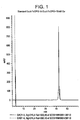
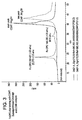
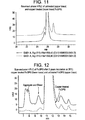
- CDAP For each free sulfhydryl, CDAP adds a CN group or increases the molecular weight by 26 Da. Treating Fc-OPG with CDAP and subsequent HPLC/MS analysis indicated that the molecular weight of the Fc-OPG RP post-peak increased by 52 Da or the equivalent of two sulfhydryl groups labeled (see Figure 2 ). The molecular weight of the RP main-peak did not change after treating with CDAP. Subsequent base cleavage of the cyanylated RP post-peak indicated that only cysteines 148 and 206 ( Figure 3 ) are labeled by CDAP.
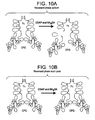
- the disulfide, cys148-cys206, which is not formed in the RP post-peak is found in the CH3 region, which is the second disulfide loop of Fc and is the same disulfide that was difficult to form in Fc-Leptin.
- pretreatment with CuCl 2 followed by labeling with CDAP produces no detectable change in molecular weight, supporting the conclusion that Cu** fixes the disulfide problem in Fc-OPG.
- Similar results utilizing CuCl 2 have been observed for the CHO-OPG-Fc ( Figure 4 ) and allows us to conclude that all of our recombinant Fc molecules have the same difficulty in forming the disulfide in the CH3 region of Fc.
- CHO cells have the same difficulty in Fc disulfide formation to approximately the same degree.
- the process could be effected as a post-refold treatment.
- Several methods can be used to eliminate the RP post-peak. In addition to the CuCl 2 treatment, a similar removal of post-peak is observed after denaturing in a minimum of 4 M guanidine HCl and increasing the pH from 5.0 to 8.5. Both treatments strongly support that free thiols are involved which can be converted to a disulfide.
- a compound may include additional amino acids on either or both of the N- or C- termini of the given sequence. Of course, these additional amino acids should not significantly interfere with the activity of the compound.
- native Fc refers to molecule or sequence comprising the sequence of a non-antigen-binding fragment resulting from digestion of whole antibody, whether in monomeric or multimeric form.
- the original immunoglobulin source of the native Fc is preferably of human origin and may be any of the immunoglobulins, although IgG1 and IgG2 are preferred.
- Native Fc's are made up of monomeric polypeptides that may be linked into dimeric or multimeric forms by covalent (i.e., disulfide bonds) and non-covalent association.
- the number of intermolecular disulfide bonds between monomeric subunits of native Fc molecules ranges from 1 to 4 depending on class (e.g., IgG, IgA, IgE) or subclass (e.g., IgG1 IgG2, IgG3, IgA1 IgGA2).
- class e.g., IgG, IgA, IgE
- subclass e.g., IgG1 IgG2, IgG3, IgA1 IgGA2
- One example of a native Fc is a disulfide-bonded dimer resulting from papain digestion of an IgG (see Ellison et al. (1982), Nucleic Acids Res. 10: 4071-9 ).
- native Fc as used herein is generic to the monomeric, dimeric, and multimeric forms.
- Fc variant refers to a molecule or sequence that is modified from a native Fc but still comprises a binding site for the salvage receptor, FcRn.
- International applications WO 97/34631 (published 25 September 1997 ) and WO 96/32478 describe exemplary Fc variants, as well as interaction with the salvage receptor, and are hereby incorporated by reference.
- Fc variant comprises a molecule or sequence that is humanized from a non-human native Fc.
- a native Fc comprises sites that may be removed because they provide structural features or biological activity that are not required for the fusion molecules of the present invention.
- Fc variant comprises a molecule or sequence that lacks one or more native Fc sites or residues that affect or are involved in (1) disulfide bond formation, (2) incompatibility with a selected host cell (3) N-terminal heterogeneity upon expression in a selected host cell, (4) glycosylation, (5) interaction with complement, (6) binding to an Fc receptor other than a salvage receptor, or (7) antibody-dependent cellular cytotoxicity (ADCC).
- ADCC antibody-dependent cellular cytotoxicity
- Fc domain encompasses native Fc and Fc variant molecules and sequences as defined above. As with Fc variants and native Fc's, the term “Fc domain” includes molecules in monomeric or multimeric form, whether digested from whole antibody or produced by other means.
- multimer as applied to Fc domains or molecules comprising Fc domains refers to molecules having two or more polypeptide chains associated covalently, noncovalently, or by both covalent and non-covalent interactions.
- IgG molecules typically form dimers; IgM, pentamers; IgD, dimers; and IgA, monomers, dimers, trimers, or tetramers. Multimers may be formed by exploiting the sequence and resulting activity of the native Ig source of the Fc or by derivatizing (as defined below) such a native Fc.
- dimer as applied to Fc domains or molecules comprising Fc domains refers to molecules having two polypeptide chains associated covalently or non-covalently.
- the terms "derivatizing” and “derivative” or “derivatized” comprise processes and resulting compounds respectively in which (1) the compound has a cyclic portion; for example, cross-linking between cysteinyl residues within the compound; (2) the compound is cross-linked or has a cross-linking site; for example, the compound has a cysteinyl residue and thus forms cross-linked dimers in culture or in vivo ; (3) one or more peptidyl linkage is replaced by a non-peptidyl linkage; (4) the N-terminus is replaced by -NRR', NRC(O)R', -NRC(O)OR', -NRS(O) 2 R', NHC(O)NHR, a succinimide group, or substituted or unsubstituted benzyloxycarbonyl-NH-, wherein R and R' and the ring substituents are as defined hereinafter; (5) the C-terminus is replaced by -C(O)R 2 or -NR
- peptide refers to molecules of 3 to 40 amino acids, with molecules of 3 to 20 amino acids preferred and those of 6 to 15 amino acids most preferred. Exemplary peptides may be randomly generated by any of the methods cited above, carried in a phage display library, or derived by digestion of proteins.
- mutant protein refers to a molecule having an amino acid sequence that may be isolated from an organism without modification by recombinant DNA techniques or other methods.
- protein fragment refers to a molecule or sequence that comprises only a portion of the sequence of a native protein but still retains the pharmacological activity of interest.
- protein fragment thus comprises, for example, the soluble domain of a cellular receptor (e.g., a receptor for tumor necrosis factor).
- protein variant refers to a molecule or sequence that is modified from a native protein but still retains the pharmacological activity of interest.
- protein variant comprises a molecule or sequence in which non-native residues substitute for native residues, non-native residues are added, or native residues are deleted. Any native residue may be removed because it provides structural features or biological activity that are not required for the pharmacological activity of interest of the fusion molecules of the present invention.
- protein variant comprises a molecule or sequence that lacks one or more native protein sites or residues that affect or are involved in (1) intracellular signaling, (2) incompatibility with a selected host cell (3) N-terminal heterogeneity upon expression in a selected host cell, (4) glycosylation, (5) interaction with other proteins (e.g., dimerization domains), (6) binding to a receptor or other protein that does not affect the pharmacological activity of interest, or (7) antibody-dependent cellular cytotoxicity (ADCC).
- ADCC antibody-dependent cellular cytotoxicity
- the terms "derivatizing” and “derivative” or “derivatized” as used with respect to proteins refers to proteins in which (1) the protein is modified to include a cyclic portion; for example, cross-linking between cysteinyl residues within the compound; (2) the compound is cross-linked or has a cross-linking site; for example, the compound has a cysteinyl residue and thus forms cross-linked dimers in culture or in vivo; (3) one or more peptidyl linkage is replaced by a non-peptidyl linkage; (4) the N-terminus is replaced by -NRR 1 , NRC(O)R 1 , -NRC(O)OR 1 , -NRS(O) 2 R 1 , - NHC(O)NHR, a succinimide group, or substituted or unsubstituted benzyloxycarbonyl-NH-, wherein R and R 1 and the ring substituents are as defined hereinafter; (5) the C-terminus is replaced by
- polypeptide refers to native proteins, protein variants, protein derivatives, and protein fragments.
- pharmacologically active means that a substance so described is determined to have activity that affects a medical parameter (e.g., blood pressure, blood cell count, cholesterol level) or disease state (e.g., cancer).
- pharmacologically active peptides comprise agonistic or mimetic and antagonistic peptides as defined below.
- OPG protein refers collectively to the novel member of the tumor necrosis factor receptor family described in International patent application WO 97/23614 .
- Exemplary OPG proteins are polypeptides comprising the rat, mouse or human OPG sequences or a consensus of the rat, mouse and human sequences.
- TNF- ⁇ inhibitor thus includes solubilized TNF receptors, antibodies to TNF, antibodies to TNF receptor, inhibitors of TNF- ⁇ converting enzyme (TACE), and other molecules that affect TNF activity.
- TNF- ⁇ inhibitors of various kinds are disclosed in the art, including the following references:
- German (DE) application 19731521 German (DE) application 19731521 ;
- interleukin-1 inhibitor refers to a polypeptide capable of specifically preventing activation of cellular receptors to IL-1, which may result from any number of mechanisms. Such mechanisms include downregulating IL-1 production, binding free IL-1, interfering with IL-1 binding to its receptor, interfering with formation of the IL-1 receptor complex (i.e., association of IL-1 receptor with IL-1 receptor accessory protein), or interfering with modulation of IL-1 signaling after binding to its receptor.
- Classes of interteukin-1 inhibitors include:
- IL-1 inhibitors are disclosed in the following references:
- IL-1ra and variants and derivatives thereof as discussed hereinafter are collectively termed "lL-1ra protein(s)".
- IL-1 inhibitors The molecules described in the above references and the variants and derivatives thereof discussed hereinafter are collectively termed "IL-1 inhibitors.”
- TPO-mimetic peptide comprises peptides that can be identified or derived as described in Cwirla et al. (1997), Science 276: 1696-9 , U.S. Pat. Nos. 5,869,451 and 5,932,946 and any other reference in Table 2 identified as having TPO-mimetic subject matter; as well as the U.S. patent application, "Thrombopoietic Compounds," filed on October 22,1999 .
- Thrombopoietic Compounds filed on October 22,1999 .
- leptin protein refers to native leptin protein and portions of native leptin protein that retain its anti-diabetes or anti-obesity activity: Exemplary leptin protein sequence is disclosed in PCT/US 97/23183, filed December 11, 1997 .
- physiologically acceptable salts of the compounds of this invention are also encompassed herein.
- physiologically acceptable salts is meant any salts that are known or later discovered to be pharmaceutically acceptable. Some specific examples are: acetate; trifluoroacetate; hydrohalides, such as hydrochloride and hydrobromide; sulfate; citrate; tartrate; glycolate; and oxalate.
- compound I comprises preferred compounds of the formulae II X 1 -F 1 and multimers thereof wherein F 1 is attached at the C-terminus of X 1 ; III F 1 -X 2 and multimers thereof wherein F 1 is attached at the N-terminus of X 2 ; IV F 1 -(L 1 ) c -P 1 and multimers thereof wherein F 1 is attached at the N-terminus of -(L 1 ) c -P 1 ; and V F 1 -(L 1 ) c -P 1 -(L 2 ) d -P 2 and multimers thereof wherein F' is attached at the N-terminus of -L'-P'-L 2 -P 2 .
- Peptides Any number of peptides may be used in conjunction with the present invention. Of particular interest are peptides that mimic the activity of EPO, TPO, growth hormone, G-CSF, GM-CSF, IL-1ra, leptin, CTLA4, TRAIL, TGF- ⁇ , and TGF- ⁇ . Peptide antagonists are also of interest, particularly those antagonistic to the activity of TNF, leptin, any of the interleukins (IL-1, 2, 3, ...), and proteins involved in complement activation (e.g., C3b). These peptides may be discovered by methods described in the references cited in this specification and other references.
- Phage display in particular, is useful in generating peptides for use in the present invention. It has been stated that affinity selection from libraries of random peptides can be used to identify peptide ligands for any site of any gene product. Dedman et al. (1993), J. Biol. Chem. 268: 23025-30 . Phage display is particularly well suited for identifying peptides that bind to such proteins of interest as cell surface receptors or any proteins having linear epitopes. Wilson et al. (1998), Can. J. Microbiol. 44: 313-29 ; Kay et al. (1998), Drug Disc. Today 3:370-8 . Such proteins are extensively reviewed in Herz et al. (1997), J.
- Polypeptides suitable for use with the subject invention are known in the art. Suitable proteins include hormones (e.g., growth hormone), cytokines (e.g., IL-1ra), and soluble receptors (e.g., tumor necrosis factor receptors I and II). Exemplary polypeptides are those listed in Table 1 (see above).
- hormones e.g., growth hormone
- cytokines e.g., IL-1ra
- soluble receptors e.g., tumor necrosis factor receptors I and II.
- Exemplary polypeptides are those listed in Table 1 (see above).
- Fc fusion An Fc domain may be fused to the N or C termini of the pharmacologically active molecule or at both the N and C termini.
- Fc variants are suitable vehicles within the scope of this invention.
- a native Fc may be extensively modified to form an Fc variant in accordance with this invention, provided binding to the salvage receptor is maintained; see, for example WO 97/34631 and WO 96/32478 .
- One may remove these sites by, for example, substituting or deleting residues, inserting residues into the site, or truncating portions containing the site.
- the inserted or substituted residues may also be altered amino acids, such as peptidomimetics or D-amino acids.
- Fc variants may be desirable for a number of reasons, several of which are described below.
- Exemplary Fc variants include molecules and sequences in which:
- Linkers Any "linker” group is optional. When present, its chemical structure is not critical, since it serves primarily as a spacer.
- the linker is preferably made up of amino acids linked together by peptide bonds.
- the linker is made up of from 1 to 20 amino acids linked by peptide bonds, wherein the amino acids are selected from the 20 naturally occurring amino acids. Some of these amino acids may be glycosylated, as is well understood by those in the art.
- the 1 to 20 amino acids are selected from glycine, alanine, proline, asparagine, glutamine, and lysine.
- a linker is made up of a majority of amino acids that are sterically unhindered, such as glycine and alanine.
- preferred linkers are polyglycines, poly(Gly-Ala), and polyalanines.
- Other specific examples of linkers are:
- Non-peptide linkers are also possible.
- These alkyl linkers may further be substituted by any non-sterically hindering group such as lower alkyl (e.g., C 1 -C 6 ) lower acyl, halogen (e.g., Cl, Br), CN, NH 2 , phenyl, etc .
- An exemplary non-peptide linker is a PEG linker, wherein n is such that the linker has a molecular weight of 100 to 5000 kD, preferably 100 to 500 kD.
- the peptide linkers may be altered to form derivatives in the same manner as described above.
- Derivatives include compounds in which:
- Lysinyl residues and amino terminal residues may be reacted with succinic or other carboxylic acid anhydrides, which reverse the charge of the lysinyl residues.
- suitable reagents for derivatizing alpha-amino-containing residues include imidoesters such as methyl picolinimidate; pyridoxal phosphate; pyridoxal; chloroborohydride; trinitrobenzenesulfonic acid; O-methylisourea; 2,4 pentanedione; and transaminase-catalyzed reaction with glyoxylate.
- Arginyl residues may be modified by reaction with any one or combination of several conventional reagents, including phenylglyoxal, 2,3-butanedione, 1,2-cyclohexanedione, and ninhydrin. Derivatization of arginyl residues requires that the reaction be performed in alkaline conditions because of the high pKa of the guanidine functional group. Furthermore, these reagents may react with the groups of lysine as well as the arginine epsilon-amino group.
- aspartyl and glutamyl residues may be converted to asparaginyl and glutaminyl residues by reaction with ammonium ions.
- Glutaminyl and asparaginyl residues may be deamidated to the corresponding glutamyl and aspartyl residues. Alternatively, these residues are deamidated under mildly acidic conditions. Either form of these residues falls within the scope of this invention.
- Cysteinyl residues can be replaced by amino acid residues or other moieties either to eliminate disulfide bonding or, conversely, to stabilize cross-linking. See, e.g., Bhatnagar et al. (1996), J. Med. Chem. 39: 3814-9 .
- Derivatization with bifunctional agents is useful for cross-linking the peptides or their functional derivatives to a water-insoluble support matrix or to other macromolecular vehicles.
- Commonly used cross-linking agents include, e.g., 1,1-bis(diazoacetyl)-2-phenylethane, glutaraldehyde, N-hydroxysuccinimide esters, for example, esters with 4-azidosalicylic acid, homobifunctional imidoesters, including disuccinimidyl esters such as 3,3'-dithiobis(succinimidylpropionate), and bifunctional maleimides such as bis-N-maleimido-1,8-octane.
- Derivatizing agents such as methyl-3-[(p-azidophenyl)dithio]propioimidate yield photoactivatable intermediates that are capable of forming crosslinks in the presence of light.
- reactive water-insoluble matrices such as cyanogen bromide-activated carbohydrates and the reactive substrates described in U.S. Pat. Nos. 3,969,287 ; 3,691,016 ; 4,195,128 ; 4,247,642 ; 4,229,537 ; and 4,330,440 are employed for protein immobilization.
- Carbohydrate (oligosaccharide) groups may conveniently be attached to sites that are known to be glycosylation sites in proteins.
- O-linked oligosaccharides are attached to serine (Ser) or threonine (Thr) residues while N-linked oligosaccharides are attached to asparagine (Asn) residues when they are part of the sequence Asn-X-Ser/Thr, where X can be any amino acid except proline.
- X is preferably one of the 19 naturally occurring amino acids other than proline.
- the structures of N-linked and O-linked oligosaccharides and the sugar residues found in each type are different.
- sialic acid is usually the terminal residue of both N-linked and O-linked oligosaccharides and, by virtue of its negative charge, may confer acidic properties to the glycosylated compound.
- site(s) may be incorporated in the linker of the compounds of this invention and are preferably glycosylated by a cell during recombinant production of the polypeptide compounds (e.g., in mammalian cells such as CHO, BHK, COS). However, such sites may further be glycosylated by synthetic or semi-synthetic procedures known in the art.
- Compounds prepared in the process of the present invention may be changed at the DNA level, as well.
- the DNA sequence of any portion of the compound may be changed to codons more compatible with the chosen host cell.
- optimized codons are known in the art. Codons may be substituted to eliminate restriction sites or to include silent restriction sites, which may aid in processing of the DNA in the selected host cell.
- the vehicle, linker and peptide DNA sequences may be modified to include any of the foregoing sequence changes.
- the compounds prepared in the process of this invention largely may be made in transformed host cells using recombinant DNA techniques.
- a recombinant DNA molecule coding for the peptide is prepared.
- Methods of preparing such DNA molecules are well known in the art. For instance, sequences coding for the peptides could be excised from DNA using suitable restriction enzymes. Alternatively, the DNA molecule could be synthesized using chemical synthesis techniques, such as the phosphoramidate method. Also, a combination of these techniques could be used.
- This invention also contemplates that a vector capable of expressing the molecules in an appropriate host.
- the vector comprises the DNA molecule that codes for the molecule operatively linked to appropriate expression control sequences. Methods of effecting this operative linking, either before or after the DNA molecule is inserted into the vector, are well known.
- Expression control sequences include promoters, activators, enhancers, operators, ribosomal binding sites, start signals, stop signals, cap signals, polyadenylation signals, and other signals involved with the control of transcription or translation.
- the resulting vector having the DNA molecule thereon is used to transform an appropriate host. This transformation may be performed using methods well known in the art.
- Any of a large number of available and well-known host cells may be used in the practice of this invention.
- the selection of a particular host is dependent upon a number of factors recognized by the art. These include, for example, compatibility with the chosen expression vector, toxicity of the peptides encoded by the DNA molecule, rate of transformation, ease of recovery of the peptides, expression characteristics, bio-safety and costs. A balance of these factors must be struck with the understanding that not all hosts may be equally effective for the expression of a particular DNA sequence.
- useful microbial hosts include bacteria (such as E. coli sp.), yeast (such as Saccharomyces sp.) and other fungi, insects, plants, mammalian (including human) cells in culture, or other hosts known in the art.
- Host cells may be cultured under conventional fermentation conditions so that the desired compounds are expressed. Such fermentation conditions are well known in the art.
- the peptides are purified from culture by methods well known in the art.
- the compounds may also be made by synthetic methods.
- solid phase synthesis techniques may be used. Suitable techniques are well known in the art, and include those described in Merrifield (1973), Chem. Polypeptides, pp. 335-61 (Katsoyannis and Panayotis eds .); Merrifield (1963), J Am. Chem. Soc. 85:2149 ; Davis et al. (1985), Biochem. Intl.10: 394-414 ; Stewart and Young (1969), Solid Phase Peptide Synthesis ; US. Pat. No. 3,941,763 ; Finn et al. (1976); The Proteins (3rd ed.) 2: 105-253 ; and Erickson et al. (1976), The Proteins (3rd ed.) 2: 257-527 . Solid phase synthesis is the preferred technique of making individual peptides since it is the most cost-effective method of making small peptides.
- the compounds produced by the process of this invention have pharmacologic activity resulting from the pharmacologically active molecules to which the Fc is attached.
- the activity of these compounds can be measured by assays known in the art.
- the compounds produced by the process of the present invention may also be useful in diagnosing diseases characterized by dysfunction of an associated protein of interest.
- a method of detecting in a biological sample a protein of interest e.g., a receptor
- the biological samples include tissue specimens, intact cells, or extracts thereof.
- the compounds produced by the process of this invention may be used as part of a diagnostic kit to detect the presence of their associated proteins of interest in a biological sample. Such kits employ the compounds produced by the process of the invention having an attached label to allow for detection.
- the compounds are useful for identifying normal or abnormal proteins of interest.
- presence of abnormal protein of interest in a biological sample may be indicative of such disorders as Diamond Blackfan anemia, where it is believed that the EPO receptor is dysfunctional.
- the present invention also provides methods of using pharmaceutical compositions of the compounds.
- Such pharmaceutical compositions may be for administration for injection, or for oral, pulmonary, nasal, transdermal or other forms of administration.
- the invention encompasses pharmaceutical compositions comprising effective amounts of a compound produced by the process of the invention together with pharmaceutically acceptable diluents, preservatives, solubilizers, emulsifiers, adjuvants and/or carrier.
- Such compositions include diluents of various bluffer content ( e . g ., Tris-HCl, acetate, phosphate), pH and ionic strength; additives such as detergents and solubilizing agents ( e .
- compositions may influence the physical state, stability, rate of in vivo release, and rate of in vivo clearance of the present proteins and derivatives.
- compositions may be prepared in liquid form, or may be in dried powder, such as lyophilized form.
- Implantable sustained release formulations are also contemplated, as are transdermal formulations.
- Pulmomary delivery forms are also contemplated herein.
- the protein (or derivative) is delivered to the lungs of a mammal while inhaling and traverses across the lung epithelial lining to the blood stream.
- Adjei et al. Pharma. Res. (1990) 7: 565-9
- Adjei et al. (1990), Internatl. J. Pharmaceutics 63:135-44 (leuprolide acetate); Braquet et al. (1989), I. Cardiovasc. Pharmacol.13 (suppl.5): s.143-146 (endothelin-1); Hubbard et al.
- Contemplated for use in the practice of this invention are a wide range of mechanical devices designed for pulmonary delivery of therapeutic products, including but not limited to nebulizers, metered dose inhalers, and powder inhalers, all of which are familiar to those skilled in the art.
- Some specific examples of commercially available devices suitable for the practice of this invention are the Ultravent nebulizer, manufactured by Mallinckrodt, Inc, St. Louis, Missouri; the Acorn II nebulizer, manufactured by Marquest Medical Product, Englewood, Colorado; the Ventolin metered dose inhaler, manufactured by Glaxo Inc., Research Triangle Park, North Carolina; and the Spinhaler powder inhaler, manufactured by Fisons Corp., Bedford, Massachusetts.
- each formulation is specific to the type of device employed and may involve the use of an appropriate propellant material, in addition to diluents, adjuvants and/or carriers useful in therapy.
- the compound should most advantageously be prepared in particulate form with an average particle size of less than 10 ⁇ m (or microns), most preferably 0.5 to 5 ⁇ m, for most effective delivery to the distal lung.
- Pharmaceutically acceptable carriers include carbohydrates such as trehalose, mannitol, xylitol, sucrose, lactose, and sorbitol.
- Other ingredients for use in formulations may include DPPC, DOPE, DSPC and DOPC.
- Natural or synthetic surfactants may be used.
- PEG may be used (even apart from its use in derivatizing the protein or analog).
- Dextrans such as cyclodextran, may be used.
- Bile salts and other related enhancers may be used.
- Cellulose and cellulose derivatives may be used.
- Amino acids may be used, such as use in a buffer formulation.
- liposomes are contemplated.
- microcapsules or microspheres inclusion complexes, or other types of carriers.
- Formulations suitable for use with a nebulizer will typically comprise the compound dissolved in water at a concentration of about 0.1 to 25 mg of biologically active protein per mL of solution.
- the formulation may also include a buffer and a simple sugar (e.g., for protein stabilization and regulation of osmotic pressure).
- the nebulizer formulation may also contain a surfactant, to reduce or prevent surface induced aggregation of the protein caused by atomization of the solution in forming the aerosol.
- Formulations for use with a metered-dose inhaler device will generally comprise a finely divided powder containing the inventive compound suspended in a propellant with the aid of a surfactant.
- the propellant may be any conventional material employed for this purpose, such as a chlorofluorocarbon, a hydrochlorofluorocarbon, a hydrofluorocarbon, or a hydrocarbon, including trichlorofluoromethane, dichlorodifluoromethane, dichlorotetrafluoroethanol, and 1,1,1,2-tetrafluoroethane, or combinations thereof.
- Suitable surfactants include sorbitan trioleate and soya lecithin. Oleic acid may also be useful as a surfactant.
- Formulations for dispensing from a powder inhaler device will comprise a finely divided dry powder containing the inventive compound and may also include a bulking agent, such as lactose, sorbitol, sucrose, mannitol, trehalose, or xylitol in amounts which facilitate dispersal of the powder from the device, e.g., 50 to 90% by weight of the formulation.
- a bulking agent such as lactose, sorbitol, sucrose, mannitol, trehalose, or xylitol in amounts which facilitate dispersal of the powder from the device, e.g., 50 to 90% by weight of the formulation.
- Nasal delivery forms Nasal delivery of the Fc fusion molecule is also contemplated. Nasal delivery allows the passage of the protein to the blood stream directly after administering the therapeutic product to the nose, without the necessity for deposition of the product in the lung. Formulations for nasal delivery include those with dextran or cyclodextran. Delivery via transport across other mucous membranes is also contemplated.
- the dosage regimen involved in a method for treating the above-described conditions will be determined by the attending physician, considering various factors which modify the action of drugs, e.g. the age, condition, body weight, sex and diet of the patient, the severity of any infection, time of administration and other clinical factors.
- the daily regimen should be in the range of 0.1-1000 micrograms of the inventive compound per kilogram of body weight, preferably 0.1-150 micrograms per kilogram.
- the reagent 1-cyano-4-dimethylamino-pyridinium tetrafluoroborate (CDAP) was employed to selectively cyanylate stable free-sulfhydryl groups at pH 4. Cyanylation reactions were analyzed by HPLC coupled with mass-spectral analysis (LC-MS). Reversed-phase HPLC was used to separate component peaks from the native and CDAP-reacted samples. The reversed-phase samples were collected, introduced into a solution of aqueous ammonium hydroxide plus guanidine hydrochloride and subsequently analyzed by LC-MS. Results. Reversed-phase HPLC analysis of Fc-Osteoprotegerin gave two peaks.
- LC-MS of the primary CDAP reaction revealed selective cyanylation of two-sulfhydryl group in a peak that represents approximately 10% of the proteinaceous material; the peak representing approximately 90% of the material was not cyanylated after reaction with CDAP.
- Analysis of the ammonium/guanidine treated isoforms by LC-MS detailed the location of two free cysteine-sulfhydryl groups.
- a reversed-phase separable form of Fc-Osteoprotegerin contains two free sulfhydryl groups.
- CDAP is an effective reagent for characterizing the free-sulfhydryl groups of proteins in acidic conditions.
- Fc-OPG a construct of the naturally occurring cytokine Osteoprotegerin (OPG) is under clinical investigation for utility in the treatment of osteoporosis.
- Fc-OPG is a homodimeric, high molecular weight protein (91 kD) containing 24 cysteines in each monomer sequence. All cysteines in the dimer are covalently associated through 24 disulfide bonds (or cystine). These covalent linkages play a crucial role in maintaining the tertiary and quaternary structure of the protein. Therefore, unpaired cysteines may result in a decrease in biological activity, have immunogenic effects, or be a precursor to further physical and chemical instability (oxidation and aggregation).
- a reverse-phase HPLC separable isoform of Fc-OPG was observed to be reactive to the addition of aqueous CuCl 2 .
- the isoform eluted with the same retention time as the main peak in the reverse-phase chromatogram.
- the nature of this reactivity led to speculation that the isoform was representative of free-sulfhydryl groups in the protein that were converted to cystine with the aid of a copper oxidant.
- Numerous techniques were employed to compare the number of free cysteine-sulfhydryl groups present in the main peak versus the isoform. No differences were found. A commonality between all of the techniques was the use of neutral to alkaline reaction conditions.
- This example presents the characterization of the isoform using the reagent 1-cyano-4-dimethylamino-pyridinium tetrafluoroborate (CDAP).
- CDAP reagent 1-cyano-4-dimethylamino-pyridinium tetrafluoroborate
- the Fc construct of OPG can be prepared by processes known in the art.
- CDAP can be purchased from Sigma-Aldrich (St. Louis, MO).
- RP-HPLC RP-HPLC : Samples were injected into a Zorbax 300SB C8 4.6mm x 25cm column and eluted with a gradient of 0.1 % TFA and 0.1% TFA in 90% ACN at 60 °C on a Hewlett-Packard 1100 or 1090 at 215 nm.
- Electrospray Mass Spectrometry All mass spectrometry was performed on a Perkin-Elmer/Sciex AP100 spectrometer using conditions consistent with ionization of peptides and proteins.
- Cyanylation Conditions A solution of 50 mg/mL of CDAP in 0.5 M HCl was prepared. 50 ⁇ L of the CDAP solution was added to 500 ⁇ L of 10mg/mL of protein in pH 5 acetate (10 m M ) and 5% sorbitol. 5 ⁇ L of 0.1 N NaOH was added to the protein-CDAP mixture and vortexed.
- Cyanylation of two cysteine sulfhydryl groups in Fc-OPG would give a mass increase of 50 daltons resulting from the addition of two 26 dalton cyanide groups and the assumed loss of two protons from the cysteine side chains.
- the selective cyanylation of the RP-HPLC isoform is evident in the -50 dalton mass increase detected for that peak; the main peak mass was unmodified.
- the nature of the isoform was further indicated by the observation that the isoform was no-longer responsive to the addition of CuCl 2 .
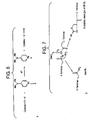
- a pair of cyanylated cysteines would not be competent for disulfide formation via CuCL 2 oxidation ( Figure 8 ).
- a reversed-phase HPLC separable isoform of Fc-OPG contains two free sulfhydryl groups.
- the detection of free cysteine sulfhydryl groups in a protein can be complicated by their transient nature in the alkaline conditions typically used for analysis.
- CDAP is an effective reagent for characterizing the free-sulfhydryl groups of proteins in acidic conditions.
- Fc-OPG As a function of copper treatment of the bulk protein, where Fc-OPG treated with copper was significantly more stable than Fc-OPG that was not. Specifically, the Fc-OPG that was not treated with copper was more prone to aggregation than the copper-treated Fc-OPG.
- the improved stability of Fc-OPG is thought to be due to the conversion of an unstable fraction of Fc-OPG with incomplete disulfide structure to a form with intact disulfide bonding upon treatment with copper ion.
- Reversed-phase chromatography Reversed-phase chromatography was performed on a Hewlett-Packard 1100 or 1090 HPLC system equipped with a diode-array detector and controlled by Chemstation Software. Fc-OPG samples were analyzed on a Zorbax (4.6 mm X 25 cm) 300SB column. The column is initially equilibrated at 90% buffer A (HPLC grade water containing 0.1% TFA). The samples were eluted with a linear gradient of 4.2% buffer B/min (90% acetonitrile, 10% HPLC grade water and 0.1% TFA) for 6 minutes then 0.11% buffer B/min over 37 minutes.
- buffer A HPLC grade water containing 0.1% TFA
Landscapes
- Health & Medical Sciences (AREA)
- Chemical & Material Sciences (AREA)
- Organic Chemistry (AREA)
- Life Sciences & Earth Sciences (AREA)
- General Health & Medical Sciences (AREA)
- Chemical Kinetics & Catalysis (AREA)
- Medicinal Chemistry (AREA)
- General Chemical & Material Sciences (AREA)
- Biophysics (AREA)
- Diabetes (AREA)
- Nuclear Medicine, Radiotherapy & Molecular Imaging (AREA)
- Animal Behavior & Ethology (AREA)
- Bioinformatics & Cheminformatics (AREA)
- Public Health (AREA)
- Veterinary Medicine (AREA)
- Pharmacology & Pharmacy (AREA)
- Proteomics, Peptides & Aminoacids (AREA)
- Molecular Biology (AREA)
- Genetics & Genomics (AREA)
- Engineering & Computer Science (AREA)
- Biochemistry (AREA)
- Physical Education & Sports Medicine (AREA)
- Immunology (AREA)
- Hematology (AREA)
- Cell Biology (AREA)
- Orthopedic Medicine & Surgery (AREA)
- Toxicology (AREA)
- Zoology (AREA)
- Gastroenterology & Hepatology (AREA)
- Analytical Chemistry (AREA)
- Obesity (AREA)
- Rheumatology (AREA)
- Endocrinology (AREA)
- Emergency Medicine (AREA)
- Child & Adolescent Psychology (AREA)
- Peptides Or Proteins (AREA)
- Medicines That Contain Protein Lipid Enzymes And Other Medicines (AREA)
- Medicines Containing Antibodies Or Antigens For Use As Internal Diagnostic Agents (AREA)
- Bidet-Like Cleaning Device And Other Flush Toilet Accessories (AREA)
- Refuge Islands, Traffic Blockers, Or Guard Fence (AREA)
Claims (15)
- Procédé de préparation d'un composé pharmacologiquement actif dans lequel un mauvais repliement d'une molécule de fusion Fc peut être évité ou corrigé, le procédé comprenant les étapes de :(a) préparer un composé pharmacologiquement actif ;(b) traiter le composé pharmacologiquement actif avec au moins un halogénure de cuivre (II) 10 mM ; et(c) isoler le composé pharmacologiquement actif,dans lequel le composé pharmacologiquement actif est une molécule de fusion comprenant un domaine pharmacologiquement actif et un domaine Fc.
- Procédé de la revendication 1, dans lequel le composé pharmacologiquement actif comprend un anticorps.
- Procédé de la revendication 1, dans lequel le composé pharmacologiquement actif est préparé dans E.coli.
- Procédé d'une quelconque revendication précédente, dans lequel l'halogénure de cuivre (II) est CuCl2.
- Procédé de la revendication 1 ou de la revendication 2, dans lequel le composé pharmacologiquement actif est préparé dans des cellules CHO.
- Procédé de la revendication 5, dans lequel l'halogénure de cuivre (II) est CuCl2.
- Procédé de la revendication 6, dans lequel le CuCl2 est utilisé dans une concentration d'au moins 30 mM.
- Procédé d'une quelconque revendication précédente, dans lequel le domaine pharmacologiquement actif comprend la séquence d'une protéine d'OPG.
- Procédé d'une quelconque des revendications 1 à 7, dans lequel le domaine pharmacologiquement actif comprend la séquence d'une protéine de leptine.
- Procédé d'une quelconque des revendications 1 à 7, dans lequel le domaine pharmacologiquement actif comprend la séquence d'un inhibiteur du TNF-α.
- Procédé d'une quelconque des revendications 1 à 7, dans lequel le domaine pharmacologiquement actif comprend la séquence d'un inhibiteur de l'IL-1.
- Procédé d'une quelconque des revendications 1 à 7, dans lequel le domaine pharmacologiquement actif comprend la séquence d'une protéine de l'IL-1 ra.
- Procédé d'une quelconque des revendications 1 à 7, dans lequel le domaine pharmacologiquement actif comprend la séquence d'un peptide mimétique de la TPO.
- Procédé d'une quelconque des revendications 1 à 7, dans lequel le domaine Fc est un domaine Fc de l'IgG1.
- Procédé d'une quelconque des revendications 1 à 7, dans lequel le domaine Fc comprend la séquence de la SEQ ID N° 2.
Priority Applications (1)
| Application Number | Priority Date | Filing Date | Title |
|---|---|---|---|
| EP08006559A EP1992636A3 (fr) | 1999-11-12 | 2000-11-10 | Procédé pour la correction d'un mauvais repliement de bisulfure dans les molécules Fc |
Applications Claiming Priority (5)
| Application Number | Priority Date | Filing Date | Title |
|---|---|---|---|
| US16518899P | 1999-11-12 | 1999-11-12 | |
| US165188P | 1999-11-12 | ||
| US709704 | 2000-11-09 | ||
| US09/709,704 US6808902B1 (en) | 1999-11-12 | 2000-11-09 | Process for correction of a disulfide misfold in IL-1Ra Fc fusion molecules |
| PCT/US2000/030798 WO2001034638A1 (fr) | 1999-11-12 | 2000-11-10 | Procede de correction d'un mauvais repliement de bisulfure dans les molecules fc |
Related Child Applications (1)
| Application Number | Title | Priority Date | Filing Date |
|---|---|---|---|
| EP08006559A Division EP1992636A3 (fr) | 1999-11-12 | 2000-11-10 | Procédé pour la correction d'un mauvais repliement de bisulfure dans les molécules Fc |
Publications (2)
| Publication Number | Publication Date |
|---|---|
| EP1228086A1 EP1228086A1 (fr) | 2002-08-07 |
| EP1228086B1 true EP1228086B1 (fr) | 2008-08-27 |
Family
ID=26861180
Family Applications (2)
| Application Number | Title | Priority Date | Filing Date |
|---|---|---|---|
| EP08006559A Withdrawn EP1992636A3 (fr) | 1999-11-12 | 2000-11-10 | Procédé pour la correction d'un mauvais repliement de bisulfure dans les molécules Fc |
| EP00978458A Expired - Lifetime EP1228086B1 (fr) | 1999-11-12 | 2000-11-10 | Procede de correction d'un mauvais repliement de bisulfure dans les molecules fc |
Family Applications Before (1)
| Application Number | Title | Priority Date | Filing Date |
|---|---|---|---|
| EP08006559A Withdrawn EP1992636A3 (fr) | 1999-11-12 | 2000-11-10 | Procédé pour la correction d'un mauvais repliement de bisulfure dans les molécules Fc |
Country Status (8)
| Country | Link |
|---|---|
| US (3) | US6808902B1 (fr) |
| EP (2) | EP1992636A3 (fr) |
| JP (1) | JP2003513656A (fr) |
| AT (1) | ATE406377T1 (fr) |
| AU (1) | AU1591901A (fr) |
| DE (1) | DE60040085D1 (fr) |
| ES (1) | ES2307539T3 (fr) |
| WO (1) | WO2001034638A1 (fr) |
Families Citing this family (20)
| Publication number | Priority date | Publication date | Assignee | Title |
|---|---|---|---|---|
| US6808902B1 (en) * | 1999-11-12 | 2004-10-26 | Amgen Inc. | Process for correction of a disulfide misfold in IL-1Ra Fc fusion molecules |
| IL157446A0 (en) | 2001-02-23 | 2004-03-28 | Immunex Corp Immunex Corp | Increased recovery of active proteins |
| TWI353991B (en) * | 2003-05-06 | 2011-12-11 | Syntonix Pharmaceuticals Inc | Immunoglobulin chimeric monomer-dimer hybrids |
| AU2005299716B2 (en) | 2004-10-22 | 2012-09-06 | Amgen Inc. | Methods for refolding of recombinant antibodies |
| US7625564B2 (en) | 2006-01-27 | 2009-12-01 | Novagen Holding Corporation | Recombinant human EPO-Fc fusion proteins with prolonged half-life and enhanced erythropoietic activity in vivo |
| ES2623925T3 (es) | 2007-05-30 | 2017-07-12 | Postech Academy-Industry- Foundation | Proteínas de fusión de inmunoglobulina |
| KR102055873B1 (ko) | 2007-07-09 | 2019-12-13 | 제넨테크, 인크. | 폴리펩티드의 재조합 생산 동안의 디술피드 결합 환원의 방지 |
| BRPI0814465B1 (pt) | 2007-07-26 | 2021-11-23 | Novagen Holding Corporation | Proteína de fusão, dímero, método para produzir uma proteína de fusão, linhagem de célula, usos de uma proteína de fusão e de uma composição farmacêutica e composição farmacêutica |
| MX2010008099A (es) * | 2008-01-28 | 2010-08-04 | Medimmune Ltd | Anticuerpos y angiopoyetina-2 estabilizados y sus usos. |
| US20090298186A1 (en) * | 2008-02-29 | 2009-12-03 | Michael Brigham-Burke | Method to Assess Stability of Proteins |
| EP3366692A1 (fr) | 2009-06-22 | 2018-08-29 | Amgen, Inc | Repliement de protéines au moyen d' un état redox chimiquement régulé |
| AU2010266093B2 (en) | 2009-06-25 | 2013-06-27 | Amgen Inc. | Capture purification processes for proteins expressed in a non-mammalian system |
| US9156897B2 (en) * | 2012-06-08 | 2015-10-13 | Alkermes, Inc. | Fusion polypeptides comprising an active protein linked to a mucin-domain polypeptide |
| US10582277B2 (en) | 2017-03-27 | 2020-03-03 | Snap Inc. | Generating a stitched data stream |
| JP7644706B2 (ja) | 2018-10-11 | 2025-03-12 | アムジエン・インコーポレーテツド | 二重特異性抗体コンストラクトの下流プロセシング |
| US10560898B1 (en) | 2019-05-30 | 2020-02-11 | Snap Inc. | Wearable device location systems |
| FI4065585T3 (fi) | 2019-11-25 | 2025-09-26 | Alkermes Inc | Substituoituja makrosyklisiä yhdisteitä ja niihin liittyviä hoitomenetelmiä |
| US11760747B2 (en) | 2020-12-21 | 2023-09-19 | Alkermes, Inc. | Substituted piperidino compounds and related methods of treatment |
| KR20230124578A (ko) | 2020-12-22 | 2023-08-25 | 암젠 인크 | 세포 배양 방법 |
| MX2023011268A (es) | 2021-03-24 | 2023-12-14 | Alkermes Inc | Anticuerpos upar y proteínas de fusión con estos. |
Citations (2)
| Publication number | Priority date | Publication date | Assignee | Title |
|---|---|---|---|---|
| US5077392A (en) * | 1988-10-17 | 1991-12-31 | Boehringer Mannheim Gmbh | Process for activation of recombinant protein produced by prokaryotes |
| EP0784093A1 (fr) * | 1995-12-22 | 1997-07-16 | Amgen Inc. | Ostéoprotégerin |
Family Cites Families (192)
| Publication number | Priority date | Publication date | Assignee | Title |
|---|---|---|---|---|
| US3691016A (en) | 1970-04-17 | 1972-09-12 | Monsanto Co | Process for the preparation of insoluble enzymes |
| CA1023287A (fr) | 1972-12-08 | 1977-12-27 | Boehringer Mannheim G.M.B.H. | Procede de fixation d'une proteine sur un substrat |
| US4195128A (en) | 1976-05-03 | 1980-03-25 | Bayer Aktiengesellschaft | Polymeric carrier bound ligands |
| GB1549069A (en) * | 1976-12-10 | 1979-08-01 | Erba Farmitalia | Enzyme linked immunoassay |
| US4330440A (en) | 1977-02-08 | 1982-05-18 | Development Finance Corporation Of New Zealand | Activated matrix and method of activation |
| CA1093991A (fr) | 1977-02-17 | 1981-01-20 | Hideo Hirohara | Traduction non-disponible |
| US4229537A (en) | 1978-02-09 | 1980-10-21 | New York University | Preparation of trichloro-s-triazine activated supports for coupling ligands |
| US4572798A (en) | 1984-12-06 | 1986-02-25 | Cetus Corporation | Method for promoting disulfide bond formation in recombinant proteins |
| JPS6291197A (ja) | 1985-10-17 | 1987-04-25 | Dainippon Pharmaceut Co Ltd | 抗ヒトインタ−ロイキン1抗体,その製法及びその使用法 |
| US4935343A (en) | 1986-08-08 | 1990-06-19 | Syntex (U.S.A.) Inc. | Monoclonal antibodies for interleukin-1β |
| DK590387A (da) | 1986-11-13 | 1988-05-14 | Otsuka Pharma Co Ltd | Antistoffer mod interleukin-1 |
| IL86090A (en) * | 1987-04-16 | 1993-03-15 | Cetus Oncology Corp | Production of purified, biologically active, bacterially produced recombinant human csf-1 |
| US5359032A (en) | 1987-08-26 | 1994-10-25 | Biogen Inc. | Interkeukin-1 inhibitor |
| US5512544A (en) | 1987-09-13 | 1996-04-30 | Yeda Research And Development Co. Ltd. | Pharmaceutical compositions comprising an anticytokine |
| IL83878A (en) | 1987-09-13 | 1995-07-31 | Yeda Res & Dev | Soluble protein corresponding to tnf inhibitory protein its preparation and pharmaceutical compositions containing it |
| IL98078A0 (en) | 1991-05-07 | 1992-06-21 | Yeda Res & Dev | Pharmaceutical compositions comprising an anticytokyne |
| US4968607A (en) | 1987-11-25 | 1990-11-06 | Immunex Corporation | Interleukin-1 receptors |
| WO1989004838A1 (fr) | 1987-11-25 | 1989-06-01 | Immunex Corporation | Recepteurs d'interleukine-1 |
| US5319071A (en) | 1987-11-25 | 1994-06-07 | Immunex Corporation | Soluble interleukin-1 receptors |
| GB8807803D0 (en) | 1988-03-31 | 1988-05-05 | Glaxo Group Ltd | Biochemical product |
| US5075222A (en) * | 1988-05-27 | 1991-12-24 | Synergen, Inc. | Interleukin-1 inhibitors |
| US5359037A (en) | 1988-09-12 | 1994-10-25 | Yeda Research And Development Co. Ltd. | Antibodies to TNF binding protein I |
| IL94039A (en) | 1989-08-06 | 2006-09-05 | Yeda Res & Dev | Antibodies to tbp - 1 and their use |
| US5811261A (en) | 1988-09-12 | 1998-09-22 | Yeda Research And Development Co. Ltd. | Expression of the recombinant tumor necrosis factor binding protein I (TBP-I) |
| EP0364778B1 (fr) | 1988-10-01 | 1996-03-13 | Otsuka Pharmaceutical Co., Ltd. | Anticorps contre l'interleukine-1 bêta |
| FR2640146B1 (fr) | 1988-12-08 | 1993-12-24 | Commissariat A Energie Atomique | Anticorps monoclonaux anti-interleukines 1(alpha) et 1(beta), leur procede de production et applications desdits anticorps a la detection des interleukines 1(alpha) et 1(beta) et en therapeutique |
| DK0393438T3 (da) | 1989-04-21 | 2005-05-30 | Amgen Inc | TNF-receptor, TNF-bindende proteiner og DNAér, der koder herfor |
| DE3922089A1 (de) | 1989-05-09 | 1990-12-13 | Basf Ag | Neue proteine und ihre herstellung |
| IL107267A (en) | 1993-10-12 | 2009-07-20 | Yeda Res & Dev | Ligand to a member of the tnf/ngf receptor family |
| AU636608B2 (en) | 1989-05-18 | 1993-05-06 | Yeda Research And Development Co. Ltd. | Tumor necrosis factor binding protein II, it's purification and antibodies thereto |
| US5627262A (en) | 1989-07-05 | 1997-05-06 | The Board Of Regents Of The University Of Oklahoma | Method and composition for the treatment of septic shock |
| IL95031A (en) | 1989-07-18 | 2007-03-08 | Amgen Inc | Method for the production of a human recombinant tumor necrosis factor inhibitor |
| WO1991003553A1 (fr) | 1989-09-05 | 1991-03-21 | Immunex Corporation | RECEPTEURS DES FACTEURS NECROSE TUMORALE α et $g(b) |
| US5395760A (en) | 1989-09-05 | 1995-03-07 | Immunex Corporation | DNA encoding tumor necrosis factor-α and -β receptors |
| EP0939121B2 (fr) | 1989-09-12 | 2007-12-26 | AHP Manufacturing B.V. | Protéines liant le TNF |
| JPH03127800A (ja) | 1989-10-13 | 1991-05-30 | Teijin Ltd | 腫瘍壊死因子活性抑制物質 |
| AU642938B2 (en) | 1989-12-13 | 1993-11-04 | Yeda Research And Development Co. Ltd. | Expression of the recombinant tumor necrosis factor binding protein 1 (TBP-1) |
| US5136021A (en) | 1990-02-27 | 1992-08-04 | Health Research, Inc. | TNF-inhibitory protein and a method of production |
| US6552170B1 (en) | 1990-04-06 | 2003-04-22 | Amgen Inc. | PEGylation reagents and compounds formed therewith |
| WO1991017184A1 (fr) | 1990-04-27 | 1991-11-14 | The Upjohn Company | Inhibiteurs ameliores d'interleukine-1 |
| AU655766B2 (en) | 1990-05-01 | 1995-01-12 | Chiron Corporation | Interleukin-1 antagonist and uses thereof |
| US5872095A (en) | 1990-05-01 | 1999-02-16 | Chiron Corporation | IL-1 receptor antagonists medicaments |
| US5350683A (en) | 1990-06-05 | 1994-09-27 | Immunex Corporation | DNA encoding type II interleukin-1 receptors |
| GB2246569A (en) | 1990-06-15 | 1992-02-05 | Charing Cross Sunley Research | Tumour necrosis factor - alpha binding protein |
| DK0464533T3 (da) | 1990-06-28 | 1999-04-26 | Gen Hospital Corp | Fusionsproteiner med immunglobulindele, deres fremstilling og anvendelse |
| WO1992001002A1 (fr) | 1990-07-11 | 1992-01-23 | Teijin Limited | Inhibiteur de l'activite du facteur de la necrose tumorale et son procede de preparation |
| DK0542795T5 (da) | 1990-08-03 | 1998-09-07 | Smithkline Beecham Corp | TNF-inhibitorer |
| US5840496A (en) | 1990-10-09 | 1998-11-24 | Chiron Corporation | Method for diagnosing endometrial cancer |
| GB9022648D0 (en) | 1990-10-18 | 1990-11-28 | Charing Cross Sunley Research | Polypeptide and its use |
| NZ314630A (en) | 1991-01-17 | 2000-11-24 | Harvard College | Use of trans-splicing ribozymes for genetic modification and cell ablation in a host cell |
| ES2145744T5 (es) | 1991-01-18 | 2008-02-01 | Amgen Inc. | Procedimientos para tratar las enfermedades inducidas por el factor de necrosis tumoral. |
| JP3507486B2 (ja) | 1991-03-15 | 2004-03-15 | アムジエン・インコーポレーテツド | 顆粒球コロニー刺激因子の肺内投与 |
| ATE240740T1 (de) | 1991-03-15 | 2003-06-15 | Amgen Inc | Pegylation von polypeptiden |
| IL99120A0 (en) | 1991-08-07 | 1992-07-15 | Yeda Res & Dev | Multimers of the soluble forms of tnf receptors,their preparation and pharmaceutical compositions containing them |
| WO1993007863A1 (fr) | 1991-10-15 | 1993-04-29 | Mullarkey Michael F | Procedes et compositions servant a traiter des reactions allergiques |
| GB9122820D0 (en) | 1991-10-28 | 1991-12-11 | Wellcome Found | Stabilised antibodies |
| ES2038546B1 (es) | 1991-11-08 | 1994-02-16 | Andromaco Lab | Procedimiento de obtencion de un producto de naturaleza polipeptidica con actividad inhibidora de la hiperproduccion del factor de necrosis tumoral. |
| MX9300141A (es) | 1992-01-13 | 1994-07-29 | Smithkline Beecham Corp | Compuestos de imidazol novedosos, procedimiento para su preparacion y composiciones farmaceuticas que lo contienen. |
| ATE242322T1 (de) | 1992-03-30 | 2003-06-15 | Immunex Corp | Fusionsprotein , das zwei rezeptoren des tumornekrose-faktors enthält |
| ATE188610T1 (de) | 1992-04-30 | 2000-01-15 | Amgen Inc | Methoden zur behandlung von interleukin- 1 und - tumor - nekrose - faktor - verursachten krankheiten |
| JPH05312248A (ja) | 1992-05-08 | 1993-11-22 | Nissan Motor Co Ltd | シフトレバー装置 |
| ATE311895T1 (de) | 1992-05-26 | 2005-12-15 | Immunex Corp | Neue zytokine die cd30 binden |
| JPH0630788A (ja) | 1992-07-16 | 1994-02-08 | Otsuka Pharmaceut Co Ltd | ヒトインターロイキン−1に対する組換え抗体 |
| US5545716A (en) | 1992-09-08 | 1996-08-13 | University Of Florida | Superantigen agonist and antagonist peptides |
| WO1994007498A1 (fr) | 1992-10-07 | 1994-04-14 | Sumitomo Pharmaceuticals Company, Limited | Composition pharmaceutique utilisee pour inhiber la production des facteurs de necrose tumorale |
| US5866576A (en) | 1992-12-16 | 1999-02-02 | Cell Therapeutics, Inc. | Epoxide-containing compounds |
| US5843905A (en) | 1993-06-04 | 1998-12-01 | Vertex Pharmaceuticals, Incorporated | Peptidic phosphinyloxymethyl ketones as interleukin-1β-converting enzyme inhibitors |
| US5698579A (en) | 1993-07-02 | 1997-12-16 | Celgene Corporation | Cyclic amides |
| WO1995001997A1 (fr) | 1993-07-09 | 1995-01-19 | Smithkline Beecham Corporation | ANTICORPS RECOMBINANTS ET HUMANISES, DIRIGES CONTRE L'IL-1β ET DESTINES AU TRAITEMENT DE TROUBLES INFLAMMATOIRES INDUITS PAR IL-1 CHEZ L'HOMME |
| JP3775685B2 (ja) | 1993-07-28 | 2006-05-17 | ローン−プーラン・ロレ・リミテツド | Pde▲iv▼およびtnf抑制剤としての化合物 |
| CA2175458C (fr) | 1993-11-29 | 1999-03-02 | Boyd L. Harrison | Nouveaux derives de benzenesulfonylimine en tant qu'inhibiteurs de l'action d'il-1 |
| CA2138305A1 (fr) | 1993-12-28 | 1995-06-29 | Naohito Ohashi | Inhibiteurs de la production de facteur de necrose des tumeurs |
| GB9401460D0 (en) | 1994-01-26 | 1994-03-23 | Rhone Poulenc Rorer Ltd | Compositions of matter |
| US5608035A (en) | 1994-02-02 | 1997-03-04 | Affymax Technologies N.V. | Peptides and compounds that bind to the IL-1 receptor |
| JPH09511496A (ja) | 1994-02-18 | 1997-11-18 | セル・セラピューティックス・インコーポレーテッド | 細胞内メッセンジャー |
| DE69503769T2 (de) | 1994-03-09 | 1998-12-03 | Pfizer Inc., New York, N.Y. | Isoxazoline verbindung zur hemmung tnf-freigabe |
| US5817822A (en) | 1994-06-24 | 1998-10-06 | Novartis Corporation | Certain alpha-azacycloalkyl substituted arylsulfonamido acetohydroxamic acids |
| IL114417A0 (en) | 1994-07-07 | 1995-10-31 | Res Dev Foundation | Tumor necrosis factor receptor-I associated proteins and protein kinase and methods for their use |
| US5877180A (en) | 1994-07-11 | 1999-03-02 | University Of Virginia Patent Foundation | Method for treating inflammatory diseases with A2a adenosine receptor agonists |
| IT1269989B (it) | 1994-09-21 | 1997-04-16 | Dompe Spa | Antagonisti recettoriali di il-1 ad aumentata attivita' inibitoria |
| CZ288436B6 (en) | 1994-10-05 | 2001-06-13 | Darwin Discovery Ltd | Peptidyl derivatives, their therapeutic use as inhibitors of metalloproteinases and pharmaceutical preparation in which they are comprised |
| US5852173A (en) | 1994-10-19 | 1998-12-22 | Genetics Institute, Inc. | TNF receptor death ligand proteins and inhibitors of ligand binding |
| US5639635A (en) * | 1994-11-03 | 1997-06-17 | Genentech, Inc. | Process for bacterial production of polypeptides |
| WO1996019990A1 (fr) | 1994-12-23 | 1996-07-04 | Smithkline Beecham Corporation | Monomeres 4,4-(disubstitues)cyclohexan-1-carboxylate et composes correspondants |
| ZA9510826B (en) | 1994-12-23 | 1996-06-20 | Smithkline Beecham Corp | 3,3-(disubstituted)cyclohexan-1-ol monomers and related compounds |
| US6323201B1 (en) | 1994-12-29 | 2001-11-27 | The Regents Of The University Of California | Compounds for inhibition of ceramide-mediated signal transduction |
| US6429221B1 (en) | 1994-12-30 | 2002-08-06 | Celgene Corporation | Substituted imides |
| US5886010A (en) | 1995-01-09 | 1999-03-23 | Otsuka Pharmaceutical Company, Limited | TNF-αinhibitor |
| PE64396A1 (es) | 1995-01-23 | 1997-01-28 | Hoffmann La Roche | Proteina accesoria del receptor de la interleucina 1 |
| HUP9800049A3 (en) | 1995-02-23 | 1999-01-28 | Novartis Nutrition Ag | Amino acid compositions and use thereof in clinical nutrition, and use of the said amino acids for preparing pharmaceutical compns. for the diminution of tnf |
| WO1996028546A1 (fr) | 1995-03-15 | 1996-09-19 | Human Genome Sciences, Inc. | Recepteur humain du facteur de necrose tumorale |
| EP0737471A3 (fr) | 1995-04-10 | 2000-12-06 | L'oreal | Utilisation d'un sel d'une métal alcalino-terreux comme inhibiteur de TNF-alpha dans une composition unique et composition obtenue |
| US6096871A (en) | 1995-04-14 | 2000-08-01 | Genentech, Inc. | Polypeptides altered to contain an epitope from the Fc region of an IgG molecule for increased half-life |
| ES2153031T4 (es) | 1995-04-20 | 2001-05-16 | Pfizer | Derivados del acido arilsulfonil hidroxamico como inhibidores de mmp y tnf. |
| EP0824543A1 (fr) | 1995-05-10 | 1998-02-25 | Chiroscience Limited | Composes peptidiques inhibant la liberation de la metalloproteinase et du tnf, et leur utilisation therapeutique |
| AR004471A1 (es) | 1995-05-31 | 1998-12-16 | Smithkline Beecham Corp | Compuestos de ciclohexan-1-ol-4,4-disustituidos, utiles en el tratamiento de enfermedades alergicas e inflamatorias y composiciones farmaceuticas que lascontienen |
| US5869451A (en) | 1995-06-07 | 1999-02-09 | Glaxo Group Limited | Peptides and compounds that bind to a receptor |
| US5739143A (en) | 1995-06-07 | 1998-04-14 | Smithkline Beecham Corporation | Imidazole compounds and compositions |
| US5817476A (en) | 1995-06-07 | 1998-10-06 | Genetics Institute, Inc. | Polynucleotides encoding interleukin-1 receptor intracellular ligand proteins |
| US5830742A (en) | 1995-06-08 | 1998-11-03 | Immunex Corporation | TNF-α converting enzyme |
| JP3964478B2 (ja) | 1995-06-30 | 2007-08-22 | エーザイ・アール・アンド・ディー・マネジメント株式会社 | ヘテロ環含有カルボン酸誘導体及びそれを含有する医薬 |
| US5746516A (en) | 1995-08-11 | 1998-05-05 | Hitachi Powdered Metals Co., Ltd. | Porous bearing system having internal grooves and electric motor provided with the same |
| US5728844A (en) | 1995-08-29 | 1998-03-17 | Celgene Corporation | Immunotherapeutic agents |
| EP0859779A4 (fr) | 1995-08-31 | 2000-04-12 | Smithkline Beecham Corp | Enzyme de conversion d'interleukine et apoptose |
| IL115245A (en) | 1995-09-11 | 2002-12-01 | Yissum Res Dev Co | Tumor necrosis factor inhibiting pharmaceuticals |
| WO1997012902A1 (fr) | 1995-10-05 | 1997-04-10 | Darwin Discovery Limited | Peptides thio-substitues utiles comme inhibiteurs de metalloproteases et de la liberation du tnf |
| DE19540475A1 (de) | 1995-10-20 | 1997-04-24 | Schering Ag | Chirale Methylphenyloxazolidinone |
| US6281352B1 (en) | 1995-11-14 | 2001-08-28 | Dupont Pharmaceuticals Company | Macrocyclic compounds as metalloprotease inhibitors |
| CA2237524A1 (fr) | 1995-11-14 | 1997-05-22 | Du Pont Pharmaceuticals Company | Nouveaux composes macrocycliques tenant lieu d'inhibiteurs de la metalloprotease |
| US5869315A (en) | 1995-12-18 | 1999-02-09 | Basf Aktiengesellschaft | Modified interleukin-1β converting enzyme with increased stability |
| US5891883A (en) | 1995-12-21 | 1999-04-06 | Smithkline Beecham Corporation | 4,4-(disubstituted)cyclohexan-1-ols monomers and related compounds |
| US5869677A (en) | 1995-12-21 | 1999-02-09 | Smithkline Beecham Corporation | 3,3-(disubstituted)cyclohexan-1-carboxylate monomers and related compounds |
| SK288144B6 (sk) | 1996-02-09 | 2013-12-02 | Amgen, Inc. | Pharmaceutical composition and its use for treating inflammatory diseases |
| JP4046354B2 (ja) | 1996-03-18 | 2008-02-13 | ボード オブ リージェンツ,ザ ユニバーシティ オブ テキサス システム | 増大した半減期を有する免疫グロブリン様ドメイン |
| GB9607249D0 (en) | 1996-04-04 | 1996-06-12 | Chiroscience Ltd | Compounds |
| GB9607119D0 (en) | 1996-04-04 | 1996-06-12 | Chiroscience Ltd | Compounds |
| GB9607120D0 (en) | 1996-04-04 | 1996-06-12 | Chiroscience Ltd | Compounds |
| GB9609795D0 (en) | 1996-05-10 | 1996-07-17 | Smithkline Beecham Plc | Novel compounds |
| EP0818439B1 (fr) | 1996-07-02 | 1999-10-13 | Nisshin Flour Milling Co., Ltd. | Dérivés d'imides |
| US5853977A (en) | 1996-07-12 | 1998-12-29 | Schering Corporation | Mammalian TNF-α convertases |
| JPH10130149A (ja) | 1996-07-12 | 1998-05-19 | Sankyo Co Ltd | Tnf産生抑制剤 |
| US5877222A (en) | 1996-07-19 | 1999-03-02 | The Regents Of The University Of California | Method for treating aids-associated dementia |
| GB9616643D0 (en) | 1996-08-08 | 1996-09-25 | Chiroscience Ltd | Compounds |
| NZ334148A (en) | 1996-08-12 | 2001-12-21 | Celgene Corp | 3-Substituted phenyl-ethyl or ethenyl derivatives terminated with a nitrile, alkane, carboxyl or carbamoyl group useful to reduce cytokine levels |
| US6069132A (en) | 1996-08-14 | 2000-05-30 | Revanker; Ganapathi R. | Phosphazole compounds |
| ES2217428T3 (es) | 1996-09-25 | 2004-11-01 | Ss Pharmaceutical Co., Ltd. | Derivados de vinilpiridina sustituidos y medicamentos que los contienen. |
| GB9621859D0 (en) | 1996-10-21 | 1996-12-11 | Xenova Ltd | Cytokine production inhibitors |
| GB9712761D0 (en) | 1997-06-17 | 1997-08-20 | Chiroscience Ltd | Quinolines and their therapeutic use |
| JPH10147531A (ja) | 1996-11-19 | 1998-06-02 | Otsuka Pharmaceut Co Ltd | TNF−α産生抑制剤 |
| WO1998021957A1 (fr) | 1996-11-20 | 1998-05-28 | Merck & Co., Inc. | Imidazoles a substitution triaryle, compositions renfermant de tels composes et modes d'utilisation |
| US5955480A (en) | 1996-11-20 | 1999-09-21 | Merck & Co., Inc. | Triaryl substituted imidazoles, compositions containing such compounds and methods of use |
| US5834435A (en) | 1996-11-27 | 1998-11-10 | Slesarev; Vladimir I. | Inhibition of TNF-α pleiotropic and cytotoxic effects |
| ES2312179T3 (es) * | 1996-12-06 | 2009-02-16 | Amgen Inc. | Terapia combinada que utiliza un inhibidor del il-1 para el tratamiento de enfermedades mediadas por el il-1. |
| DE19652227A1 (de) | 1996-12-16 | 1998-06-18 | Bosch Gmbh Robert | Verfahren und Vorrichtung zum Zuordnen einer Fernbedienung zu einer Basisstation |
| JPH10231285A (ja) | 1996-12-17 | 1998-09-02 | Ishihara Sangyo Kaisha Ltd | フタルイミド誘導体又はその塩、それらの製造方法及びそれらを含有する医薬組成物 |
| CA2275183A1 (fr) | 1996-12-20 | 1998-07-02 | Amgen Inc. | Procedes et compositions de proteines de fusion ob |
| PT853083E (pt) | 1997-01-06 | 2001-12-28 | Pfizer | Composto de piridilfurano e piridiltiofeno e sua utilizacao farmaceutica |
| ZA9818B (en) | 1997-01-07 | 1998-07-02 | Abbott Lab | C-terminal ketone inhibitors of matrix metalloproteinases and tnf alpha secretion |
| AU723895B2 (en) | 1997-01-29 | 2000-09-07 | Pfizer Inc. | Sulfonyl urea derivatives and their use in the control of interleukin-1 activity |
| US6638952B1 (en) | 1997-03-04 | 2003-10-28 | Pharmacia Corporation | Aromatic sulfonyl alpha-cycloamino hydroxamic acid compounds |
| WO1998039326A1 (fr) | 1997-03-04 | 1998-09-11 | Monsanto Company | Composes aromatiques d'acide sulfonyle alpha-hydroxy hydroxamique |
| US6476027B1 (en) | 1997-03-04 | 2002-11-05 | Monsanto Company | N-hydroxy 4-sulfonyl butanamide compounds |
| NZ337326A (en) | 1997-03-04 | 2001-05-25 | Monsanto Co | Sulfonyl divalent aryl or heteroaryl hydroxamic acid compounds to inhibit the activity of matrix metalloproteinases |
| ATE287885T1 (de) | 1997-03-04 | 2005-02-15 | Pharmacia Corp | Hydroxamsäure-sulfonamid-derivate mit amidiertem aromatischen ring |
| JPH10259140A (ja) | 1997-03-18 | 1998-09-29 | Sumitomo Pharmaceut Co Ltd | 腫瘍壊死因子産生抑制剤 |
| WO1998042325A2 (fr) | 1997-03-21 | 1998-10-01 | Cistron Biotechnology, Inc. | PROCEDE PERMETTANT D'INHIBER LE CLIVAGE DE L'IL-1β PRECURSEUR |
| GB9706255D0 (en) | 1997-03-26 | 1997-05-14 | Smithkline Beecham Plc | Novel compounds |
| US6251913B1 (en) | 1997-03-28 | 2001-06-26 | Zeneca Limited | Hydroxamic acids substituted by heterocycles useful for inhibition of tumor necrosis factor |
| AU6843498A (en) | 1997-03-28 | 1998-10-22 | Zeneca Limited | Process for the preparation of n-(3-hydroxy-succinyl)-amino acid derivatives |
| AU738037B2 (en) | 1997-04-04 | 2001-09-06 | Pfizer Products Inc. | Nicotinamide derivatives |
| EP0979099B1 (fr) | 1997-04-10 | 2005-06-15 | Agennix, Inc. | Utilisation de la lactoferrine dans le traitement des troubles induits par les allergenes |
| NZ500284A (en) | 1997-04-18 | 2001-09-28 | Biogen Inc | Type II TGF-beta receptor fusion proteins |
| FR2762315B1 (fr) | 1997-04-22 | 1999-05-28 | Logeais Labor Jacques | Derives d'amino-acides inhibiteurs des metalloproteases de la matrice extracellulaire et de la liberation du tnf alpha |
| US5965583A (en) | 1997-04-24 | 1999-10-12 | Ortho-Mcneil Pharmaceutical, Inc. | Substituted imidazoles useful in the treatment of inflammatory disease |
| FR2762514B1 (fr) | 1997-04-29 | 1999-10-22 | Sanofi Sa | Utilisation de derives de la tetrahydropyridine pour la preparation de medicaments pour le traitement des maladies entrainant une demyelinisation |
| JP3776203B2 (ja) | 1997-05-13 | 2006-05-17 | 第一製薬株式会社 | Icam−1産生阻害剤 |
| IL132736A0 (en) | 1997-05-22 | 2001-03-19 | Searle & Co | 3(5)-Heteroaryl substituted pyrazoles as p38 kinase inhibitors |
| US6265535B1 (en) | 1997-05-30 | 2001-07-24 | The Trustees Of The University Of Pennsylvania | Peptides and peptide analogues designed from binding sites of tumor necrosis factor receptor superfamily and their uses |
| DE69835518T2 (de) | 1997-06-12 | 2007-08-09 | Aventis Pharma Ltd., West Malling | Imidazolyl-cyclische acetale |
| KR19990001101A (ko) | 1997-06-12 | 1999-01-15 | 손경식 | 캐테콜 아미노산 유도체, 이의 제조방법 및 그를 함유한 약제 조성물 |
| AU7966198A (en) | 1997-06-13 | 1998-12-30 | Smithkline Beecham Corporation | Novel pyrazole and pyrazoline substituted compounds |
| GB9713732D0 (en) | 1997-06-27 | 1997-09-03 | Pharmacia & Upjohn Spa | Substituted triazinic compounds |
| GB9713733D0 (en) | 1997-06-27 | 1997-09-03 | Pharmacia & Upjohn Spa | Poly-branched polycarboxamido compounds |
| GB9713726D0 (en) | 1997-06-30 | 1997-09-03 | Ciba Geigy Ag | Organic compounds |
| US6235787B1 (en) | 1997-06-30 | 2001-05-22 | Hoffmann-La Roche Inc. | Hydrazine derivatives |
| AU8757098A (en) | 1997-06-30 | 1999-02-10 | Ortho-Mcneil Pharmaceutical, Inc. | 2-substituted imidazoles useful in the treatment of inflammatory diseases |
| US5843721A (en) | 1997-07-03 | 1998-12-01 | Tularik Inc. | Nucleic acids encoding human NIK protein |
| AU8280798A (en) | 1997-07-03 | 1999-01-25 | Thomas Jefferson University | An improved method for design and selection of efficacious antisense oligonucleotides |
| WO1999002510A1 (fr) | 1997-07-10 | 1999-01-21 | Pharmacia & Upjohn S.P.A. | Inhibiteurs de metalloproteases matricielles |
| DE19731521A1 (de) | 1997-07-23 | 1999-01-28 | Byk Gulden Lomberg Chem Fab | Budipin bei der Behandlung entzündlicher Erkrankungen des Nervensystems |
| AR016551A1 (es) | 1997-07-30 | 2001-07-25 | Smithkline Beecham Corp | Derivados de 2-oxindol, composiciones farmaceuticas que los comprenden y el uso de los mismos para la manufactura de medicamentos |
| FR2766822B1 (fr) | 1997-07-30 | 2001-02-23 | Adir | Nouveaux derives de benzimidazole, de benzoxazole et de benzothiazole, leur procede de preparation et les compositions pharmaceutiques qui les contiennent |
| HUP0003761A3 (en) | 1997-07-31 | 2001-04-28 | Celgene Corp Warren | Substituted alkanohydroxamic acids and pharmaceutical compositions containing them |
| EP1003751A1 (fr) | 1997-08-04 | 2000-05-31 | Amgen Inc. | Inhibiteurs de metalloproteases heterocycliques hybrides et substitues par de l'acide hydroxamique |
| WO1999006426A1 (fr) | 1997-08-04 | 1999-02-11 | Millennium Biotherapeutics, Inc. | Nouvelles molecules de la famille des proteines de type tango-77 et utilisations de ces molecules |
| CA2268190A1 (fr) | 1997-08-06 | 1999-02-18 | Suntory Limited | Derive de 1-aryl-1,8-naphtylidine-4-one utilise en tant qu'inhibiteur de phosphodiesterase de type iv |
| WO1999007679A1 (fr) | 1997-08-08 | 1999-02-18 | Chiroscience Limited | Composes peptidyles presentant une activite inhibitrice du tnf et de la mmp |
| ES2176913T3 (es) | 1997-08-08 | 2002-12-01 | Pfizer Prod Inc | Derivados de acidos arilsulfonilaminohidroxamicos. |
| US5994396A (en) | 1997-08-18 | 1999-11-30 | Centaur Pharmaceuticals, Inc. | Furansulfonic acid derivatives and pharmaceutical compositions containing the same |
| AU8747998A (en) | 1997-08-21 | 1999-03-16 | Takeda Chemical Industries Ltd. | Anti-inflammatory agent |
| US6207442B1 (en) * | 1997-10-16 | 2001-03-27 | Zymogenetics, Inc. | Plasmid construction by homologous recombination |
| US5955476A (en) | 1997-11-18 | 1999-09-21 | Celgene Corporation | Substituted 2-(2,6-dioxo-3-fluoropiperidin-3-yl)-isoindolines and method of reducing inflammatory cytokine levels |
| JP2002509143A (ja) | 1998-01-16 | 2002-03-26 | センター ファーマシューティカルズ, インコーポレイテッド | チオエーテルフランニトロン化合物 |
| PT1049703E (pt) | 1998-01-20 | 2003-06-30 | Warner Lambert Co | Aldeido do acido n-¬2-(5-benziloxicarbonilamino-6-oxo-2-(4-fluorofenil)-1,6-di-hidro-1-pirimidinil)acetoxil|-l-aspartico como inibidor da enzima de conversao da interleucina-1beta in vivo |
| WO1999037818A1 (fr) | 1998-01-27 | 1999-07-29 | Millennium Pharmaceuticals, Inc. | Nouvelles molecules de la superfamille du recepteur du facteur de necrose tumorale et leurs utilisations |
| EP1051407A1 (fr) | 1998-01-27 | 2000-11-15 | American Cyanamid Company | Acides 2,3,4,5-tetrahydro-1h-[1,4]-benzodiapezine-3-hydroxamiques utilises en tant qu'inhibiteurs de metalloproteases matricielles |
| MEP42108A (en) * | 1998-10-23 | 2011-02-10 | Kiren Amgen Inc | Dimeric thrombopoietin peptide mimetics binding to mp1 receptor and having thrombopoietic activity |
| US6660843B1 (en) * | 1998-10-23 | 2003-12-09 | Amgen Inc. | Modified peptides as therapeutic agents |
| US6627199B1 (en) * | 1999-07-09 | 2003-09-30 | Amgen Inc | Isolation, identification and characterization of tmst2, a novel member of the TNF-receptor supergene family |
| US20030144187A1 (en) * | 1999-09-03 | 2003-07-31 | Colin R. Dunstan | Opg fusion protein compositions and methods |
| US6808902B1 (en) * | 1999-11-12 | 2004-10-26 | Amgen Inc. | Process for correction of a disulfide misfold in IL-1Ra Fc fusion molecules |
| JP3794557B2 (ja) * | 2001-12-21 | 2006-07-05 | 信越化学工業株式会社 | ビニル系重合体の製造方法 |
-
2000
- 2000-11-09 US US09/709,704 patent/US6808902B1/en not_active Expired - Fee Related
- 2000-11-10 AU AU15919/01A patent/AU1591901A/en not_active Abandoned
- 2000-11-10 JP JP2001537349A patent/JP2003513656A/ja active Pending
- 2000-11-10 EP EP08006559A patent/EP1992636A3/fr not_active Withdrawn
- 2000-11-10 DE DE60040085T patent/DE60040085D1/de not_active Expired - Lifetime
- 2000-11-10 WO PCT/US2000/030798 patent/WO2001034638A1/fr not_active Ceased
- 2000-11-10 EP EP00978458A patent/EP1228086B1/fr not_active Expired - Lifetime
- 2000-11-10 AT AT00978458T patent/ATE406377T1/de not_active IP Right Cessation
- 2000-11-10 ES ES00978458T patent/ES2307539T3/es not_active Expired - Lifetime
-
2004
- 2004-08-24 US US10/925,183 patent/US7723490B2/en not_active Expired - Fee Related
-
2010
- 2010-04-27 US US12/768,639 patent/US20100267936A1/en not_active Abandoned
Patent Citations (2)
| Publication number | Priority date | Publication date | Assignee | Title |
|---|---|---|---|---|
| US5077392A (en) * | 1988-10-17 | 1991-12-31 | Boehringer Mannheim Gmbh | Process for activation of recombinant protein produced by prokaryotes |
| EP0784093A1 (fr) * | 1995-12-22 | 1997-07-16 | Amgen Inc. | Ostéoprotégerin |
Non-Patent Citations (1)
| Title |
|---|
| RUDOLPH ET AL: "PROTEIN FUNCTION. A PRACTICAL APPROACH. Ed. T.E. Creighton", 1997, IRL PRESS, XP001106186 * |
Also Published As
| Publication number | Publication date |
|---|---|
| JP2003513656A (ja) | 2003-04-15 |
| EP1992636A3 (fr) | 2009-04-08 |
| AU1591901A (en) | 2001-06-06 |
| US20100267936A1 (en) | 2010-10-21 |
| US7723490B2 (en) | 2010-05-25 |
| EP1992636A2 (fr) | 2008-11-19 |
| US20050019334A1 (en) | 2005-01-27 |
| EP1228086A1 (fr) | 2002-08-07 |
| WO2001034638A1 (fr) | 2001-05-17 |
| ATE406377T1 (de) | 2008-09-15 |
| DE60040085D1 (de) | 2008-10-09 |
| ES2307539T3 (es) | 2008-12-01 |
| US6808902B1 (en) | 2004-10-26 |
Similar Documents
| Publication | Publication Date | Title |
|---|---|---|
| US20100267936A1 (en) | PROCESS FOR CORRECTION OF A DISULFIDE MISFOLD IN Fc MOLECULES | |
| US7186810B2 (en) | Modified peptides as therapeutic agents | |
| JP5087536B2 (ja) | 延長された血液半減期を有するトキシンペプチド | |
| CA2160800C (fr) | Proteines gonadotropes modifiees par l'adjonction de sequences ctp | |
| US6743778B2 (en) | Apo-AI/AII peptide derivatives | |
| JP2004500838A (ja) | 副甲状腺ホルモンおよび副甲状腺ホルモン関連タンパク質アンタゴニスト | |
| JP2003531632A (ja) | グルカゴンアンタゴニスト | |
| IL224966A (en) | Peptibody Dried Medical Compositions | |
| CA3000697A1 (fr) | Traitement de troubles lies a l'acide biliaire | |
| US20020168363A1 (en) | Integrin/adhesion antagonists | |
| US20020090646A1 (en) | Calcitonin-related molecules | |
| WO1992014834A1 (fr) | Proteine de liaison du facteur de croissance proche de l'insuline | |
| CN101232903A (zh) | 具有延长的血液半衰期的毒素肽 | |
| AU2004200691C1 (en) | Modified peptides as therapeutic agents | |
| HK1235013A1 (en) | Composition for treating diabetes mellitus comprising insulin and a glp-1/ glucagon dual agonist | |
| AU2005211578A1 (en) | Integrin/adhesion antagonists |
Legal Events
| Date | Code | Title | Description |
|---|---|---|---|
| PUAI | Public reference made under article 153(3) epc to a published international application that has entered the european phase |
Free format text: ORIGINAL CODE: 0009012 |
|
| 17P | Request for examination filed |
Effective date: 20020510 |
|
| AK | Designated contracting states |
Kind code of ref document: A1 Designated state(s): AT BE CH CY DE DK ES FI FR GB GR IE IT LI LU MC NL PT SE TR |
|
| AX | Request for extension of the european patent |
Free format text: AL PAYMENT 20020510;LT PAYMENT 20020510;LV PAYMENT 20020510;MK PAYMENT 20020510;RO PAYMENT 20020510;SI PAYMENT 20020510 |
|
| RIN1 | Information on inventor provided before grant (corrected) |
Inventor name: O'CONNER, SHEILA, R. Inventor name: KOSKY, ANDREW, A. Inventor name: TREUHEIT, MICHAEL, J. |
|
| RAP1 | Party data changed (applicant data changed or rights of an application transferred) |
Owner name: AMGEN INC. |
|
| 17Q | First examination report despatched |
Effective date: 20030707 |
|
| GRAP | Despatch of communication of intention to grant a patent |
Free format text: ORIGINAL CODE: EPIDOSNIGR1 |
|
| GRAS | Grant fee paid |
Free format text: ORIGINAL CODE: EPIDOSNIGR3 |
|
| GRAA | (expected) grant |
Free format text: ORIGINAL CODE: 0009210 |
|
| AK | Designated contracting states |
Kind code of ref document: B1 Designated state(s): AT BE CH CY DE DK ES FI FR GB GR IE IT LI LU MC NL PT SE TR |
|
| AX | Request for extension of the european patent |
Extension state: AL LT LV MK RO SI |
|
| REG | Reference to a national code |
Ref country code: GB Ref legal event code: FG4D |
|
| REG | Reference to a national code |
Ref country code: CH Ref legal event code: NV Representative=s name: BOHEST AG Ref country code: CH Ref legal event code: EP |
|
| REG | Reference to a national code |
Ref country code: IE Ref legal event code: FG4D |
|
| REF | Corresponds to: |
Ref document number: 60040085 Country of ref document: DE Date of ref document: 20081009 Kind code of ref document: P |
|
| REG | Reference to a national code |
Ref country code: ES Ref legal event code: FG2A Ref document number: 2307539 Country of ref document: ES Kind code of ref document: T3 |
|
| PG25 | Lapsed in a contracting state [announced via postgrant information from national office to epo] |
Ref country code: NL Free format text: LAPSE BECAUSE OF FAILURE TO SUBMIT A TRANSLATION OF THE DESCRIPTION OR TO PAY THE FEE WITHIN THE PRESCRIBED TIME-LIMIT Effective date: 20080827 |
|
| LTIE | Lt: invalidation of european patent or patent extension |
Effective date: 20080827 |
|
| PG25 | Lapsed in a contracting state [announced via postgrant information from national office to epo] |
Ref country code: AT Free format text: LAPSE BECAUSE OF FAILURE TO SUBMIT A TRANSLATION OF THE DESCRIPTION OR TO PAY THE FEE WITHIN THE PRESCRIBED TIME-LIMIT Effective date: 20080827 Ref country code: FI Free format text: LAPSE BECAUSE OF FAILURE TO SUBMIT A TRANSLATION OF THE DESCRIPTION OR TO PAY THE FEE WITHIN THE PRESCRIBED TIME-LIMIT Effective date: 20080827 |
|
| PG25 | Lapsed in a contracting state [announced via postgrant information from national office to epo] |
Ref country code: BE Free format text: LAPSE BECAUSE OF FAILURE TO SUBMIT A TRANSLATION OF THE DESCRIPTION OR TO PAY THE FEE WITHIN THE PRESCRIBED TIME-LIMIT Effective date: 20080827 |
|
| PG25 | Lapsed in a contracting state [announced via postgrant information from national office to epo] |
Ref country code: DK Free format text: LAPSE BECAUSE OF FAILURE TO SUBMIT A TRANSLATION OF THE DESCRIPTION OR TO PAY THE FEE WITHIN THE PRESCRIBED TIME-LIMIT Effective date: 20080827 |
|
| PG25 | Lapsed in a contracting state [announced via postgrant information from national office to epo] |
Ref country code: PT Free format text: LAPSE BECAUSE OF FAILURE TO SUBMIT A TRANSLATION OF THE DESCRIPTION OR TO PAY THE FEE WITHIN THE PRESCRIBED TIME-LIMIT Effective date: 20090127 |
|
| PG25 | Lapsed in a contracting state [announced via postgrant information from national office to epo] |
Ref country code: MC Free format text: LAPSE BECAUSE OF NON-PAYMENT OF DUE FEES Effective date: 20081130 |
|
| PLBE | No opposition filed within time limit |
Free format text: ORIGINAL CODE: 0009261 |
|
| STAA | Information on the status of an ep patent application or granted ep patent |
Free format text: STATUS: NO OPPOSITION FILED WITHIN TIME LIMIT |
|
| 26N | No opposition filed |
Effective date: 20090528 |
|
| REG | Reference to a national code |
Ref country code: IE Ref legal event code: MM4A |
|
| PG25 | Lapsed in a contracting state [announced via postgrant information from national office to epo] |
Ref country code: IE Free format text: LAPSE BECAUSE OF NON-PAYMENT OF DUE FEES Effective date: 20081110 |
|
| PG25 | Lapsed in a contracting state [announced via postgrant information from national office to epo] |
Ref country code: SE Free format text: LAPSE BECAUSE OF FAILURE TO SUBMIT A TRANSLATION OF THE DESCRIPTION OR TO PAY THE FEE WITHIN THE PRESCRIBED TIME-LIMIT Effective date: 20081127 |
|
| PG25 | Lapsed in a contracting state [announced via postgrant information from national office to epo] |
Ref country code: LU Free format text: LAPSE BECAUSE OF NON-PAYMENT OF DUE FEES Effective date: 20081110 Ref country code: CY Free format text: LAPSE BECAUSE OF FAILURE TO SUBMIT A TRANSLATION OF THE DESCRIPTION OR TO PAY THE FEE WITHIN THE PRESCRIBED TIME-LIMIT Effective date: 20080827 |
|
| PG25 | Lapsed in a contracting state [announced via postgrant information from national office to epo] |
Ref country code: TR Free format text: LAPSE BECAUSE OF FAILURE TO SUBMIT A TRANSLATION OF THE DESCRIPTION OR TO PAY THE FEE WITHIN THE PRESCRIBED TIME-LIMIT Effective date: 20080827 |
|
| PG25 | Lapsed in a contracting state [announced via postgrant information from national office to epo] |
Ref country code: GR Free format text: LAPSE BECAUSE OF FAILURE TO SUBMIT A TRANSLATION OF THE DESCRIPTION OR TO PAY THE FEE WITHIN THE PRESCRIBED TIME-LIMIT Effective date: 20081128 |
|
| REG | Reference to a national code |
Ref country code: CH Ref legal event code: PCAR Free format text: NEW ADDRESS: HOLBEINSTRASSE 36-38, 4051 BASEL (CH) |
|
| REG | Reference to a national code |
Ref country code: FR Ref legal event code: PLFP Year of fee payment: 16 |
|
| REG | Reference to a national code |
Ref country code: FR Ref legal event code: PLFP Year of fee payment: 17 |
|
| REG | Reference to a national code |
Ref country code: FR Ref legal event code: PLFP Year of fee payment: 18 |
|
| REG | Reference to a national code |
Ref country code: FR Ref legal event code: PLFP Year of fee payment: 19 |
|
| PGFP | Annual fee paid to national office [announced via postgrant information from national office to epo] |
Ref country code: DE Payment date: 20191029 Year of fee payment: 20 |
|
| PGFP | Annual fee paid to national office [announced via postgrant information from national office to epo] |
Ref country code: ES Payment date: 20191202 Year of fee payment: 20 Ref country code: IT Payment date: 20191108 Year of fee payment: 20 Ref country code: FR Payment date: 20191014 Year of fee payment: 20 |
|
| PGFP | Annual fee paid to national office [announced via postgrant information from national office to epo] |
Ref country code: CH Payment date: 20191116 Year of fee payment: 20 |
|
| PGFP | Annual fee paid to national office [announced via postgrant information from national office to epo] |
Ref country code: GB Payment date: 20191108 Year of fee payment: 20 |
|
| REG | Reference to a national code |
Ref country code: DE Ref legal event code: R071 Ref document number: 60040085 Country of ref document: DE |
|
| REG | Reference to a national code |
Ref country code: CH Ref legal event code: PL |
|
| REG | Reference to a national code |
Ref country code: GB Ref legal event code: PE20 Expiry date: 20201109 |
|
| PG25 | Lapsed in a contracting state [announced via postgrant information from national office to epo] |
Ref country code: GB Free format text: LAPSE BECAUSE OF EXPIRATION OF PROTECTION Effective date: 20201109 |
|
| REG | Reference to a national code |
Ref country code: ES Ref legal event code: FD2A Effective date: 20210303 |
|
| PG25 | Lapsed in a contracting state [announced via postgrant information from national office to epo] |
Ref country code: ES Free format text: LAPSE BECAUSE OF EXPIRATION OF PROTECTION Effective date: 20201111 |