EP1239480A2 - Informationswiedergabegerät und Verfahren zum Löschen von Programmdaten - Google Patents
Informationswiedergabegerät und Verfahren zum Löschen von Programmdaten Download PDFInfo
- Publication number
- EP1239480A2 EP1239480A2 EP02251606A EP02251606A EP1239480A2 EP 1239480 A2 EP1239480 A2 EP 1239480A2 EP 02251606 A EP02251606 A EP 02251606A EP 02251606 A EP02251606 A EP 02251606A EP 1239480 A2 EP1239480 A2 EP 1239480A2
- Authority
- EP
- European Patent Office
- Prior art keywords
- data
- reproduction
- program data
- information
- count
- Prior art date
- Legal status (The legal status is an assumption and is not a legal conclusion. Google has not performed a legal analysis and makes no representation as to the accuracy of the status listed.)
- Withdrawn
Links
Images



Classifications
-
- G—PHYSICS
- G11—INFORMATION STORAGE
- G11B—INFORMATION STORAGE BASED ON RELATIVE MOVEMENT BETWEEN RECORD CARRIER AND TRANSDUCER
- G11B20/00—Signal processing not specific to the method of recording or reproducing; Circuits therefor
- G11B20/10—Digital recording or reproducing
-
- G—PHYSICS
- G11—INFORMATION STORAGE
- G11B—INFORMATION STORAGE BASED ON RELATIVE MOVEMENT BETWEEN RECORD CARRIER AND TRANSDUCER
- G11B19/00—Driving, starting, stopping record carriers not specifically of filamentary or web form, or of supports therefor; Control thereof; Control of operating function ; Driving both disc and head
- G11B19/02—Control of operating function, e.g. switching from recording to reproducing
- G11B19/022—Control panels
-
- G—PHYSICS
- G11—INFORMATION STORAGE
- G11B—INFORMATION STORAGE BASED ON RELATIVE MOVEMENT BETWEEN RECORD CARRIER AND TRANSDUCER
- G11B20/00—Signal processing not specific to the method of recording or reproducing; Circuits therefor
- G11B20/00007—Time or data compression or expansion
-
- G—PHYSICS
- G11—INFORMATION STORAGE
- G11B—INFORMATION STORAGE BASED ON RELATIVE MOVEMENT BETWEEN RECORD CARRIER AND TRANSDUCER
- G11B27/00—Editing; Indexing; Addressing; Timing or synchronising; Monitoring; Measuring tape travel
- G11B27/02—Editing, e.g. varying the order of information signals recorded on, or reproduced from, record carriers
- G11B27/031—Electronic editing of digitised analogue information signals, e.g. audio or video signals
- G11B27/036—Insert-editing
-
- G—PHYSICS
- G11—INFORMATION STORAGE
- G11B—INFORMATION STORAGE BASED ON RELATIVE MOVEMENT BETWEEN RECORD CARRIER AND TRANSDUCER
- G11B27/00—Editing; Indexing; Addressing; Timing or synchronising; Monitoring; Measuring tape travel
- G11B27/10—Indexing; Addressing; Timing or synchronising; Measuring tape travel
- G11B27/102—Programmed access in sequence to addressed parts of tracks of operating record carriers
- G11B27/105—Programmed access in sequence to addressed parts of tracks of operating record carriers of operating discs
-
- G—PHYSICS
- G11—INFORMATION STORAGE
- G11B—INFORMATION STORAGE BASED ON RELATIVE MOVEMENT BETWEEN RECORD CARRIER AND TRANSDUCER
- G11B27/00—Editing; Indexing; Addressing; Timing or synchronising; Monitoring; Measuring tape travel
- G11B27/10—Indexing; Addressing; Timing or synchronising; Measuring tape travel
- G11B27/11—Indexing; Addressing; Timing or synchronising; Measuring tape travel by using information not detectable on the record carrier
-
- G—PHYSICS
- G11—INFORMATION STORAGE
- G11B—INFORMATION STORAGE BASED ON RELATIVE MOVEMENT BETWEEN RECORD CARRIER AND TRANSDUCER
- G11B27/00—Editing; Indexing; Addressing; Timing or synchronising; Monitoring; Measuring tape travel
- G11B27/10—Indexing; Addressing; Timing or synchronising; Measuring tape travel
- G11B27/19—Indexing; Addressing; Timing or synchronising; Measuring tape travel by using information detectable on the record carrier
- G11B27/28—Indexing; Addressing; Timing or synchronising; Measuring tape travel by using information detectable on the record carrier by using information signals recorded by the same method as the main recording
- G11B27/32—Indexing; Addressing; Timing or synchronising; Measuring tape travel by using information detectable on the record carrier by using information signals recorded by the same method as the main recording on separate auxiliary tracks of the same or an auxiliary record carrier
- G11B27/327—Table of contents
- G11B27/329—Table of contents on a disc [VTOC]
-
- G—PHYSICS
- G11—INFORMATION STORAGE
- G11B—INFORMATION STORAGE BASED ON RELATIVE MOVEMENT BETWEEN RECORD CARRIER AND TRANSDUCER
- G11B27/00—Editing; Indexing; Addressing; Timing or synchronising; Monitoring; Measuring tape travel
- G11B27/10—Indexing; Addressing; Timing or synchronising; Measuring tape travel
- G11B27/34—Indicating arrangements
-
- G—PHYSICS
- G11—INFORMATION STORAGE
- G11B—INFORMATION STORAGE BASED ON RELATIVE MOVEMENT BETWEEN RECORD CARRIER AND TRANSDUCER
- G11B27/00—Editing; Indexing; Addressing; Timing or synchronising; Monitoring; Measuring tape travel
- G11B27/36—Monitoring, i.e. supervising the progress of recording or reproducing
-
- G—PHYSICS
- G11—INFORMATION STORAGE
- G11B—INFORMATION STORAGE BASED ON RELATIVE MOVEMENT BETWEEN RECORD CARRIER AND TRANSDUCER
- G11B20/00—Signal processing not specific to the method of recording or reproducing; Circuits therefor
- G11B20/00007—Time or data compression or expansion
- G11B2020/00014—Time or data compression or expansion the compressed signal being an audio signal
-
- G—PHYSICS
- G11—INFORMATION STORAGE
- G11B—INFORMATION STORAGE BASED ON RELATIVE MOVEMENT BETWEEN RECORD CARRIER AND TRANSDUCER
- G11B20/00—Signal processing not specific to the method of recording or reproducing; Circuits therefor
- G11B20/00007—Time or data compression or expansion
- G11B2020/00014—Time or data compression or expansion the compressed signal being an audio signal
- G11B2020/00043—Adaptive transform acoustic coding [ATRAC]
-
- G—PHYSICS
- G11—INFORMATION STORAGE
- G11B—INFORMATION STORAGE BASED ON RELATIVE MOVEMENT BETWEEN RECORD CARRIER AND TRANSDUCER
- G11B20/00—Signal processing not specific to the method of recording or reproducing; Circuits therefor
- G11B20/00007—Time or data compression or expansion
- G11B2020/00014—Time or data compression or expansion the compressed signal being an audio signal
- G11B2020/00057—MPEG-1 or MPEG-2 audio layer III [MP3]
-
- G—PHYSICS
- G11—INFORMATION STORAGE
- G11B—INFORMATION STORAGE BASED ON RELATIVE MOVEMENT BETWEEN RECORD CARRIER AND TRANSDUCER
- G11B20/00—Signal processing not specific to the method of recording or reproducing; Circuits therefor
- G11B20/10—Digital recording or reproducing
- G11B20/10527—Audio or video recording; Data buffering arrangements
- G11B2020/10537—Audio or video recording
- G11B2020/10546—Audio or video recording specifically adapted for audio data
-
- G—PHYSICS
- G11—INFORMATION STORAGE
- G11B—INFORMATION STORAGE BASED ON RELATIVE MOVEMENT BETWEEN RECORD CARRIER AND TRANSDUCER
- G11B2220/00—Record carriers by type
- G11B2220/20—Disc-shaped record carriers
- G11B2220/21—Disc-shaped record carriers characterised in that the disc is of read-only, rewritable, or recordable type
- G11B2220/213—Read-only discs
-
- G—PHYSICS
- G11—INFORMATION STORAGE
- G11B—INFORMATION STORAGE BASED ON RELATIVE MOVEMENT BETWEEN RECORD CARRIER AND TRANSDUCER
- G11B2220/00—Record carriers by type
- G11B2220/20—Disc-shaped record carriers
- G11B2220/25—Disc-shaped record carriers characterised in that the disc is based on a specific recording technology
- G11B2220/2537—Optical discs
- G11B2220/2545—CDs
-
- G—PHYSICS
- G11—INFORMATION STORAGE
- G11B—INFORMATION STORAGE BASED ON RELATIVE MOVEMENT BETWEEN RECORD CARRIER AND TRANSDUCER
- G11B2220/00—Record carriers by type
- G11B2220/20—Disc-shaped record carriers
- G11B2220/25—Disc-shaped record carriers characterised in that the disc is based on a specific recording technology
- G11B2220/2537—Optical discs
- G11B2220/2562—DVDs [digital versatile discs]; Digital video discs; MMCDs; HDCDs
-
- G—PHYSICS
- G11—INFORMATION STORAGE
- G11B—INFORMATION STORAGE BASED ON RELATIVE MOVEMENT BETWEEN RECORD CARRIER AND TRANSDUCER
- G11B27/00—Editing; Indexing; Addressing; Timing or synchronising; Monitoring; Measuring tape travel
- G11B27/02—Editing, e.g. varying the order of information signals recorded on, or reproduced from, record carriers
- G11B27/031—Electronic editing of digitised analogue information signals, e.g. audio or video signals
- G11B27/034—Electronic editing of digitised analogue information signals, e.g. audio or video signals on discs
Definitions
- the present invention relates to an information reproduction apparatus and to a method for erasing program data.
- the present invention relates to an information reproduction apparatus that provides, for a user, information for requesting a user to select program data to be erased from a large capacity recording medium, such as a hard disk.
- Information reproduction apparatuses are presently available that record, and reproduce, program data on large capacity recording media, such as hard disks. When fitted with a hard disk, by employing a variety of formats one of these information reproduction apparatuses can be used to compress program data stored as music content on a recording medium, such as a CD, and to load the compressed data on the hard disk for later reproduction.
- a recording medium such as a CD
- an information reproduction apparatus for reproducing program data stored on a large capacity medium such as a hard disk, can be usefully employed for recording a large quantity of program data.
- a user To avoid the occurrence of this problem, a user must manipulate a predetermined key to erase from a hard disk program data such as unnecessary music content.
- a user in order to delete program data recorded on a hard disk, a user must first select an erase mode. The user must then manipulate a track select key, or a forward or backward key, to search for program data to be deleted; and when such program data is found, to erase that data from the hard disk the user must manipulate an execute key.
- an object of the present invention to provide an information reproduction apparatus and program data deletion method that calculates information to be used as an index for erasing program data such as reproduction frequency, to permit the user to efficiently select for deletion program data recorded on the hard disk.
- an information reproduction apparatus for reproducing program data stored on a recording medium, comprises:
- the variety of information includes reproduction time data, which is obtained by the addition of each set of program data each time the program data is reproduced by the reproducing means, and total reproduction time data, which is obtained by adding the reproduction time data.
- the variety of information includes reproduction count data, which is obtained by the addition of data, for each set of program data, each time the program data is reproduced by the reproducing means, and total reproduction count data, which is obtained by adding the total reproduction count data.
- the reproduction frequency calculation means employs the reproduction time data and the total reproduction time data to obtain a reproduction time ratio for each set of the program data.
- the reproduction frequency calculation means employs the reproduction count data and the reproduction count total to obtain the reproduction count ratio for each set of the program data.
- the reproduction time data and the reproduction count data are obtained by the incrementation of the program data up to the final position of it.
- the reproduction frequency information is calculated for each set of program data by using a variety of information that is obtained (updated) when the program data is reproduced by the reproducing means.
- the reproduction frequency information and the identification information for identifying the program data that are displayed on the display means the user is requested to select the program data to be erased.
- reproduction frequency information is obtained based either on the time whereat the program data was reproduced or the number of times whereat the program data was reproduced, appropriate information to be used as a determination reference for erasing data from the hard disk can be provided for the user.
- a method for erasing program data stored on a recording medium comprises the steps of:
- reproduction frequency information is calculated for each set of program data by using a variety of information that is obtained (updated) when the program data is reproduced by the reproducing means. After the reproduction frequency information and the identification information for identifying the program data have been displayed on the display means, the user is requested to select the program data to be erased.
- an information reproduction apparatus 1 comprises: a reproduction section 2, for reproducing program data stored on a first recording medium (hereinafter referred to as an optical disc) 12, such as a CD, a CD-ROM or a DVD; a recording/reproduction section 3, for recording program data on a second recording medium (hereinafter referred to as a hard disk) or for reproducing the program data thereon; a control section 4, for controlling the reproduction section 2 and the recording/reproduction section 3, and for compressing or decompressing the program data reproduced by the recording/reproduction section 2 and 3; and an operation/displaying section 5, having an operation unit manipulated by a user and a display unit, such as a liquid crystal display panel.
- a reproduction section 2 for reproducing program data stored on a first recording medium (hereinafter referred to as an optical disc) 12, such as a CD, a CD-ROM or a DVD
- a recording/reproduction section 3 for recording program data on a second recording medium (hereinafter referred to as a hard disk) or for reproducing
- the reproduction section 2 includes: a spindle motor 11, for rotating the loaded optical disc 12 at a predetermined linear speed; a pickup 13 for optically reading data on the optical disc 12 and converting the data into an electric signal, and for outputting the electric signal; a servo controller 14; and a control micro-computer 15.
- the servo controller 14 processes the electrical signal output by the pickup 13, and generates an error signal, such as a tracking error signal or a focus error signal, and an RF signal.
- the servo controller 14 converts the RF signal into digital data, performs demodulation and error correction that conform to the data format of the optical disc 12, and transmits the obtained data to a decoder 32 provided for the control section 4.
- the servo controller 14 performs focus servo and tracking servo for the pickup 13 by using the error signal, such as a focus error signal or a tracking error signal, and a synchronous error signal obtained by demodulation and error correction.
- the servo controller 14 exercises servo control for the rotational speed of the spindle motor 11.
- the servo controller 14 transmits, to the decoder 32, the data obtained by demodulation and error correction, and transmits, to the control micro-computer 15 and a system control micro-computer 31 provided for the control section 4, identification information recorded on the optical disc 12.
- the identification information is TOC information recorded in the read-in area of a CD that serves as the optical disc 12.
- the TOC information is a reproduction condition, such as the reproduction time for program data, or a number (hereinafter referred to as a track number) provided in order to identify the program data.
- the servo controller 14 transmits the TOC information to the system control micro-computer 31.
- the recording/reproduction section 3 includes a hard disk drive A and a hard disk B, which is an area for recording program data using the hard disk drive A.
- a storage area such as a file folder, is formed to store the program data.
- the control section 4 includes: the decoder 32, for decoding data that is obtained, through demodulation and error correction, by the servo controller 14 of the reproduction section 2 and is transmitted therefrom, or data reproduced from the hard disk drive A; an error correction buffer memory 35 in which data sets, which are obtained, through demodulation and error correction, by the servo controller 14 are temporarily stored and rearranged in a predetermined order; an MP3 decoder 33, for expanding the data (e.g., data obtained using MP3 method or ATRAC3 method; in this embodiment, MP3 is employed for the following explanation) that is compressed using a predetermined compression process; a DAC 34, for outputting the expanded data as digital data, or for converting the expanded data into analog data and outputting the analog data; and the system control micro-computer 31.
- the decoder 32 for decoding data that is obtained, through demodulation and error correction, by the servo controller 14 of the reproduction section 2 and is transmitted therefrom, or data reproduced from the hard disk drive A
- the system control micro-computer 31 includes a micro-processor (MPU), and executes a predetermined program to control the overall processing of the information reproduction apparatus 1. Upon receiving decoded data from the decoder 32, the system control micro-computer 31 compresses and converts the received data into data that conforms to the standard, such as ATRAC3. The system control micro-computer 31 controls the hard disk drive A for the recording of the obtained data on the hard disk B. At this time, the identification information for identifying the program data is also stored on the hard disk B in correlation with the program data.
- MPU micro-processor
- the information reproduction apparatus 1 of this embodiment incorporates a calendar function (not shown).
- the system control micro-computer 31 confirms the calendar to correlate the program data with the information (hereinafter referred to as a recording date) for a date on which the program data was recorded on the hard disk B.
- the operation/display section 5 includes: a display unit (not shown) for displaying, based on the display data received from the system control micro-computer 31, identification information, such as a track number, for identifying program data, and reproduction frequency information that will be described later; and an operation unit (not shown), provided for which are a recording instruction button that is manipulated to record, on the hard disk B, the program data stored on the optical disc 12, an erase button that is manipulated to erase the program data stored on the hard disk B, a select button that is manipulated to select a track number, and a source select button that is manipulated to select a source, such as the optical disc 12 or the hard disk B.
- a display unit for displaying, based on the display data received from the system control micro-computer 31, identification information, such as a track number, for identifying program data, and reproduction frequency information that will be described later
- an operation unit (not shown), provided for which are a recording instruction button that is manipulated to record, on the hard disk B, the program data stored on the optical disc 12, an
- the operation/display section 5 transmits an operation signal to the system control micro-computer 31, following which, to instruct data reproduction, the system control micro-computer 31 transmits a control signal to the control micro-computer 15.
- control micro-computer 15 controls the servo controller 14.
- the servo controller 14 drives the spindle motor 11 and the pickup 13 to reproduce program data recorded on the optical disc 12, and transmits the RF signal obtained from the optical disc 12 to the decoder 32 for the control section 4.
- the decoder 32 transmits to the error correction buffer memory 35 data that is obtained, through demodulation and error correction, by the servo controller 14, decodes the data that are rearranged in the error correction buffer memory 35 in a predetermined order, and transmits the decoded data to the system control micro-computer 31.
- the system control micro-computer 31 compresses and converts the data received from the decoder 32 into data that conforms to the standard, such as ATRAC3.
- the system control micro-computer 31 controls the hard disk drive A so as to record the obtained data on the hard disk B in correlation with the identification information previously received from the serve controller 14.
- the program data on the optical disc 12 is stored on the hard disk B in accordance with the user's manipulation of the recording instruction button.
- the operation/display section 5 transmits the operation signal to the system control micro-computer 31. Then, the system control micro-computer 31 controls the hard disk drive A to reproduce the program data stored on the hard disk B. The reproduced program data is then transmitted to the decoder 32, whereat an MP3 decoder 33 expands the program data and a DAC 34 outputs the expanded program data to an amplifier (not shown), or converts the expanded program data and outputs the resultant data to the amplifier (not shown).
- the process for obtaining the reproduction frequency information is initiated in order to request that the user select program data to be erased from the hard disk B.
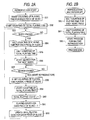
- the system control micro-computer 31 when the reproduction of music data stored on the hard disk B is initiated by the hard disk drive A, the system control micro-computer 31 begins to calculate the time required for the playing of the music represented by the music data (step S51). Then, the system control micro-computer 31 records, in a file folder formed for each set of music data, data designating the playing time required for the reproduction of the music data.
- the music data, the correlated identification data and the recording date are recorded in the file folder. Further, when the file folder is formed, "0" is set as the default value for both the required playing time and the number of times the music has been played.
- the system control micro-computer 31 Each time the music is played by reproducing the music data stored on the hard disk B, the system control micro-computer 31 employs a counter (not shown) to count the time required for playing and the number of times played.
- a time count "2.75" is acquired by the counter and is added to the default value "0" in the file folder, so that the setting is changed to "2.75".
- the playing time required for the reproduction of music data (hereinafter referred to as "music playing time”) can be obtained by examining the identification information.
- the identification information includes data indicating the playing (reproduction) time, and this data is used to manage the elapsed time each time the music is played. That is, by referring to this data, the system control micro-computer 31 can measure the music playing time, and can increment and record data representing the music playing time.
- the system control micro-computer 31 initiates the counting process for the music playing time, and also the addition of the music playing time to time data that is currently stored on the hard disk B up to now(step S52).
- the system control micro-computer 31 incorporates a memory (not shown), stored wherein are data for the total playing time (hereinafter referred to as the total playing time), obtained by adding together the music playing times that are designated for the individual file folders, and data for the total playing count (hereinafter referred to as the total playing count), obtained by adding together the playing counts designated for the individual file folders.
- step S53 a check is performed to determine whether the playing of music has been completed. If the playing has not yet been completed, the counting of the playing time is continued. But when the playing of the music has been completed, the counting of the playing time for setting the total playing time in the file folder is halted (step S54), as is the counting for the total playing time that is to be set in the internal memory (step S55).
- a search operation is initiated in order to reproduce music data beginning at the head position of the music data(step S56).
- a check is then performed to determine whether the search operation has been completed (step S57).
- the playing of the designated music data is initiated, and as is described above, the counter begins to count the music playing time (step S58) and the total playing time (step S59).
- the counter updates the frequency (hereinafter referred to as a music playing count) whereat the file folder for the pertinent music data has been stored. That is, the total playing count stored in the memory of the system control micro-computer 31 is incremented by one (step S60), as is the music playing count (step S61).
- the total playing time indicates the frequency whereat the information reproduction apparatus 1 has reproduced the music data stored on the hard disk B currently. After the reproduction of the music data for track number "1" has been completed, the total playing count setting is "1". And after the reproduction of the music data for track number "2" has been completed, the total playing count setting is incremented by one to "2" .
- the date whereat the stored music data was reproduced is set by using the calendar function incorporated in the information reproduction apparatus 1.
- This date indicates the final playing date, i.e., the latest playing date (year, month and day) is indicated (step S62).
- data for the cumulative music playing time and the music playing count are obtained for each set of music data (program data), and further, the total playing time and the total playing count up to now are obtained for all the music played by the information processing apparatus.
- the final playing date is entered each time the cumulative playing time and playing count are updated, and the latest playing (reproduction) date is set.
- step S63 the counting of the music playing time is also halted (step S63) and the count value is returned to the numerical value held before the counting was begun. Further, the counting of the total playing time to be stored in the memory of the system control micro-computer 31 is halted (step S64), and the count value is returned to the numerical value held before the counting was begun. The reproduction process is then halted (step S65).
- the system control micro-computer 31 always monitors the reproduction process to determine whether the music data has been reproduced to its end. That is, when music is not played until the end of the data is reached because the user instructs that the reproduction be halted, neither count is acquired for the music playing time and the total playing time, nor count for the music playing count and total playing count, and the two are not updated. Further, the final playing date is also not updated, so that the date set for the preceding reproduction session is retained.
- the music data has been reproduced to its end can be determined by monitoring the condition for the reproduction of the identificaiton information. Since the identification information includes not only the elapsed playing time but also the absolute playing time required for a piece of music, when the elapsed playing time equals the absolute playing time, it can be assumed that the playing of the piece of music has been completed.
- the system control micro-computer 31 prepares display data to permit the user to select an erasing method, and displays the data on the display unit provided for the operation/display section 5.
- the erasing methods that can be selected by the user are roughly sorted into five categories: the “erasing method by artists”, the “erasing method by genres”, the “erasing method by track titles”, the “erasing method by final playing dates” and the “erasing method by playing frequencies”. Also, the “erasing method by playing frequencies” is further sorted into five sub-categories: the “erasing method using the ratio of the playing time”, the “erasing method using the ratio of the playing count”, the “erasing method using the ratio of the recent listening frequency”, the “erasing method using the ratio of the listening frequency in the past” and the “erasing method using the ratio of the playing count within a predetermined period of time”.
- the user manipulates the select button provided for the operation/display section 5 to select one of the five initial categories, and the system control micro-computer 31 determines which erasing method has been selected (step S21).
- step S23 When the user selects the "erasing method by genres" (step S23), the system control micro-computer 31 shifts from the processing in Fig. 3 to the processing (a) in Fig. 4, and initiates the processing.
- “genre” represents the type of music data, such as pops, jazz, classics, enka (Japanese popular ballads) or rock. Data indicating these types are text data, and are stored, in correlation with identification information for identifying music data, in a folder other than a file folder for storing music data.
- the text data is obtained by using a communication line, such as the Internet. That is, the identification information for identifying the music data is transmitted to an external DB wherein text data indicating the genre, the artist and the music name (track title) is stored, and the relevant attribute data corresponding to the identification data is obtained from the external DB and is stored in the file folder.
- a communication line such as the Internet. That is, the identification information for identifying the music data is transmitted to an external DB wherein text data indicating the genre, the artist and the music name (track title) is stored, and the relevant attribute data corresponding to the identification data is obtained from the external DB and is stored in the file folder.
- the user can also prepare text data indicating the original genre or artist by manipulating the operation key provided for the operation unit, and may then store the text data in the folder.
- the system control micro-computer 31 calls the text data (hereinafter referred to as a genre name) that is stored on the hard disk B and indicates the genre, and prepares the display data (step S231).
- a genre name the text data that is stored on the hard disk B and indicates the genre
- the text data is sorted by genre name (step S232). For example, when the Japanese syllabary order is employed and when the text data sets include the same genre name "enka (Japanese popular ballad)", i.e., have genre “enka 1", “enka 2” and “enka 3", the text data are sorted in the ascending order of the numbers attached to the genre name.
- enka Japanese popular ballad
- the user selects a desired genre name from among the sorted genre names (step S233). Then, the system control micro-computer 31 calls for, from the folder, text data that represents the music title (track title) corresponding to the selected genre name, converts the text data into display data, and generates a music title list (track list) (step S234). When the data is to be displayed on the display unit provided for the operation/display section 5, the music titles (track titles) are sorted (step S235).
- the user selects a desired music title (track title) from among the sorted music titles (track titles) (step S236).
- a check is then performed to determine whether the user has confirmed the erasing of the music data corresponding to the selected music title (track title) (step S237). That is, a check is performed to determine whether the user has manipulated the decision button provided for the operation/display section 5.
- the system control micro-computer 31 controls the hard disk drive A to delete the pertinent music data from the hard disk B. Then, the erasing mode is released, and the erasing process is terminated.
- the decision button When the decision button is not manipulated, i.e., when the decision button is not operated after a predetermined time has elapsed following the selection of a desired music title by the user, the music title (track title) selected by the user is regarded as invalid, and the user is again requested to select a music title. Or the erasing mode is released, and the erasing process is terminated.
- the erasing process is performed in this manner when the erasing process selected by the user is "erasing method by genres". During this processing, the user can designate the genre name that is to be deleted and can perform a hierarchically search for the music data.
- step S22 When the user selects the "erasing method by artists" from among the five categories in Fig. 3 (step S22), the system control micro-computer 31 shifts the processing to the processing (b) in Fig. 4, and begins this processing.
- An "artist” may be a player of instrumental music or a singer.
- the data designating the artist is text data, and is stored, in correlation with corresponding identification information, in a folder other than the file folder for storing the music data.
- the text data is obtained by using a communication line, such as the Internet. That is, the identification information for identifying the music data is transmitted to an external DB wherein text data indicating the genre, the artist and the music name (track title) is stored, and the attribute data corresponding to the identification information is obtained from the external DB and stored in the file folder.
- the user can also prepare text data indicating the original genre or artist by manipulating the operation key provided for the operation unit, and can store the text data in the folder.
- the system control micro-computer 31 calls for the text data (hereinafter referred to as an artist name) that is stored on the hard disk B and designates the artist, and prepares the display data (step S221).
- the text data hereinafter referred to as an artist name
- the text data is sorted by artist name (step S222). For example, when the alphabetical order is employed and when the text data sets include the same artist name "XYZ", i.e., include artist name "XYZ1", “XYZ2" and "XYZ3", the text data are sorted in the ascending order of the numbers attached to the artist name.
- the user selects a desired artist name from among the sorted artist names (step S223). Then, the system control micro-computer 31 calls up, from the folder, text data that represents the music title (track title) corresponding to the selected artist name, converts the text data into display data, and generates a music title list (track list) (step S224).
- the system control micro-computer 31 then performs the processing from step S235 to step S238.
- the erasing process is performed in this manner when the "erasing method by artists" is selected by the user. That is, the user can designate the artist name that is to be deleted and hierarchically search for music data.
- step S24 When the user selects the "erasing method by track titles" from the among the five categories in Fig. 3 (step S24), the system control micro-computer 31 shifts the process to the processing (c) in Fig. 4.
- the "track title” is the music title provided for corresponding identification information (a track number) to identify music data.
- the data for the track title is text data, and is stored, in correlation with the identification information, in a folder other than the file folder for storing the music data.
- the text data is obtained by using a communication line, such as the Internet. That is, the identification information for identifying the music data is transmitted to an external DB wherein text data indicating the genre, the artist and the music name (track title) is stored, and attribute data corresponding to the identification information is obtained from the external DB and is stored in the file folder.
- a communication line such as the Internet. That is, the identification information for identifying the music data is transmitted to an external DB wherein text data indicating the genre, the artist and the music name (track title) is stored, and attribute data corresponding to the identification information is obtained from the external DB and is stored in the file folder.
- the user can also prepare text data indicating the original genre or artist, by manipulating the operation key provided for the operation unit, and can store the text data in the folder.
- the system control micro-computer 31 calls up the text data (hereinafter referred to as a track title name) that is stored on the hard disk B and indicates all the track titles, and prepares the display data (step S241).
- a track title name the text data that is stored on the hard disk B and indicates all the track titles
- the system control micro-computer 31 then performs the processing from step S235 to step S238.
- the erasing process is performed in this manner when the "erasing method by track titles" is selected by the user. That is, when the user knows the music title of music data that is to be deleted, the user can search for the music title directly, without designating a genre name or an artist name.
- step S25 When a user selects the "erasing method by final playing dates" from among the five categories in Fig. 3 (step S25), the system control micro-computer 31 shifts from the process in Fig. 3 to the processing (d) in Fig. 4, and begins the processing.
- the "final playing date” is the final playing date, recorded in the file folder, for the latest reproduction of the music data.
- the system control micro-computer 31 calls up the data indicating the final playing date from all the file folders on the hard disk B, and prepares the display data.
- the display data are sorted by year, month and day (step S251).
- the system control micro-computer 31 performs the process of from steps S236 to S238.
- the erasing process is performed in this manner when the user has selected the "erasing method by final playing dates". That is, when the user desires to employ the final playing date as a reference for the selection of music data to be deleted, the user need only select the "erasing method by final playing dates" category to easily perform a search for music data to be deleted.
- step S26 the system control micro-computer 31 prepares display data indicating the five sub-categories, and presents the data on the display unit provided for the operation/display section 5.
- step S260 When the user selects the "erasing method using the ratio of a playing time" from among the five sub-categories in Fig. 3 (step S260), the system control micro-computer 31 shifts from the process in Fig. 3 to the processing (a) in Fig. 5 and begins the processing.
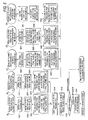
- the system control micro-computer 31 obtains data indicating the total playing time recorded in the memory (step S261), and obtains the data for the music playing time from each file folder formed on the hard disk B, i.e., for each music data sets (step S262).
- the system control micro-computer 31 sorts, in the ascending or descending order of the frequencies, the playing time ratios that are calculated for the individual music data sets, and prepares display data (step S264).
- the identification information is called up from the file folder, and is correlated with the data representing the playing time ratio.
- the user selects identification information (e.g., a track number) to be deleted, while referring to the data indicating the playing time ratio (step s264).
- identification information e.g., a track number
- the system control micro-computer 31 determines whether the erasure of music data corresponding to the selected identification information is to be performed (step S266). That is, the system control micro-computer 31 determines whether the user has manipulated the decision button provided for the operation/display section 5.
- the system control micro-computer 31 controls the hard disk drive A to erase the pertinent program data from the hard disk B. Thereafter, the erasing mode is released and the erasing processing is terminated.
- the identification information selected by the user is regarded as invalid, and the user is requested to re-select the identification information. Or the erasing mode is released and the erasing processing is terminated.
- the erasing processing is performed in this manner when the user selects the sub-category "erasing method using the playing time ratio". That is, when the user desires to employ the listening time as a reference to select music data to be deleted, the user need only select the "erasing method using the playing time ratio" in order to request the user to select the music data that is to be deleted.
- step S27 When the user selects the "erasing method using a playing count" from among the five sub-categories in Fig. 3 (step S27), the system control micro-computer 31 shifts to the process in Fig. 3 to the processing (b) in Fig. 5 and initiates the processing.
- the system control micro-computer 31 obtains the total playing count data that is stored in the internal memory (step S271), and then obtains the data from all the file folders for the music playing count (individual music data sets) (step S272).
- system control micro-computer 31 performs steps S264 to S267.
- the music data to be erased can be selected by comparing the "erasing method using a playing time ratio" with the "erasing method using a playing count ratio”.
- the system control micro-computer 31 performs in parallel the processing (a) in Fig. 5 and the processing (b) in Fig. 5.
- display data are generated, by correlating, with the identification information, the data for the playing time ratio and the data for the playing count ratio, and displayed on the display unit provided for the operation/display section 5.
- the playing time ratio is 9%
- the playing count ratio is 90%
- the playing time ratio is 10%
- the playing count ratio is 10%.
- the user can ascertain that music for the music data stored in the file folder A was played over a period constituting 10% of the total playing time of 100 minutes, i.e., for ten minutes. Also, since the playing count ratio is 10%, the user can ascertain that this music data was played only once out of a total playing count of 10. Further, the user can ascertain that the music for the music data stored in the file folder B was played over a period that constitutes 9% of the total playing time of 100 minutes, i.e., for nine minutes. Also, since the playing count ratio is 90%, the user can also ascertain that this music data was played nine times out of a total playing count of 10.
- the user Since the two erasing methods are performed in parallel, the user is permitted to compare music data having a high playing frequency, by referring to the playing time ratio (in this example, music data stored in the file folder A), with music data that having a high playing frequency by referring to the playing count ratio (in this example, music data stored in the file folder B), and to request the user to select the music data to be erased.
- the playing time ratio in this example, music data stored in the file folder A
- the playing count ratio in this example, music data stored in the file folder B
- step S28 When the user selects the "erasing method using the recently listening ratio" from among the five sub-categories in Fig. 3 (step S28), the system control micro-computer 31 shifts from the process in Fig. 3 to the processing (c) in Fig. 5 and initiates the processing.
- the system control micro-computer 31 obtains the total playing count data from the internal memory (step S281), and obtains the data, from all the file folders indicating the final playing date formed in the hard disk B (for individual music data sets).
- the system control micro-computer 31 then refers to the calendar function (not shown) incorporated in the information processing apparatus to determine whether the obtained data for the final playing date is within one year of the current date.
- the system control micro-computer 31 selects a file folder for which the final playing date is within one year of the current date and obtains, from the selected file folder, data indicating the music playing count (step S282).
- system control micro-computer 31 performs steps S264 to S267.
- the erasing process is performed in this manner when the user selects the sub-category "erasing method using the recently listening ratio". That is, when the user desires to employ, as a reference, the number of times music has recently been listened to for the selection of music data to be deleted, the user need only select the "erasing method using the recently listening count".
- step S29 When the user selects the "erasing method using the ratio for listening in the past" from among the five sub-categories in Fig. 3 (step S29), the system control micro-computer 31 shifts from the process in Fig. 3 to the processing (d) in Fig. 5 and initiates the processing.
- the system control micro-computer 31 obtains the total playing count data from the internal memory (step S291), and obtains the data from all the file folders indicating the final playing date formed on the hard disk B (for individual music data sets) .
- the system control micro-computer 31 refers to the calendar function (not shown) incorporated in the information processing apparatus to determine whether the obtained data for the final playing date indicates a period that is greater than one year from the current date. Then, the system control micro-computer 31 selects a file folder for which the final playing date that is greater than one year from the current date, and obtains, from the selected file folder, data indicating the music playing count (step S292).
- system control micro-computer 31 performs steps S264 to S267.
- the erasing process is performed in this manner when the user selects the sub-category "erasing method using the ratio for listening in the past". That is, when the user desires to employ, as a reference, the number of times music was listened to in the past to select music data to be deleted, the user need only select the "erasing method using the ratio for listening in the past".
- step S30 When the user selects the "erasing method using the ratio of a playing count within an elapsed period of time" from among the five sub-categories in Fig. 3 (step S30), the system control micro-computer 31 shifts from the process in Fig. 3 to the processing (e) in Fig. 5 and initiates the processing.
- the system control micro-computer 31 obtains from the all the file folders the playing count data and the data for the recording date for each file folder formed on the hard disk B (for individual music data sets) (step S301).
- the system control micro-computer 31 refers to the calendar function (not shown) incorporated in the information processing apparatus, and decrements from the current date to the recording date to obtain the number of days (hereinafter referred to as an elapse time) that have elapsed since the date set in the file folder for each music data set was stored (step S302).
- system control micro-computer 31 performs steps S264 to S267.
- the erasing process is performed in this manner when the user selects the sub-category "erasing method using the ratio of a playing count within the elapsed time". That is, when the user desires to select music data to be deleted by employing, as a reference, the number of times that the user has listened to the music since it was recorded on the hard disk, the user need only select the "erasing method using the ratio of a playing count within the elapsed time".
- the user may be permitted to perform in parallel a plurality of the five sub-categories and to select music to be deleted.
- the parallel processing for the "erasing method using a playing time ratio" and the “erasing method using a playing count ratio” has been explained as an example.
- the user may also be permitted to perform the parallel processing by combining several of the five sub-categories.
- program data on the optical disc 12 is recorded on to the hard disk B.
- program data may be downloaded through a communication line, such as the Internet, to the hard disk B.
- the reproduction frequency has been calculated when the user selects the erasing method.
- the reproduction frequency information may be calculated in advance for each program data set, and may be stored in a file folder.
- the user designates the erase mode by manipulating the erase button, all the erasing methods are performed and the obtained reproduction frequency information is stored in the file folder.
- the erasing method is selected, information pertinent to the selected erasing method is displayed on the display unit.
- the reproduction frequency information for the program data on the hard disk B is calculated by employing a variety of viewpoints, selection of the music data to be deleted can be required of the user. Therefore, even when a shortage of available memory capacity on the hard disk B occurs, the user need only refer to the reproduction frequency information to immediately delete unnecessary program data and obtain additional free space. As a result, program data, such as the latest music content, can be quickly recorded on the hard disk.
- the reproduction section 2 has been explained as one of the configuration for the information processing apparatus of the invention.
- this section is merely an example source for recording, on a hard disk, program data, such as a music content, stored on a recording medium such as a CD.
- program data such as a music content
- a recording medium such as a CD.
- Only the recording reproduction section 3, the control section 4 and the operation/display section 5 are required in order to calculate information, such as reproduction frequency, that serves as an index for erasing program data, and to permit the user to efficiently select and erase program data from the hard disk.
- information such as reproduction frequency
- reproduction frequency that serves as an index for erasing program data
- the user need only examine the reproduction frequency information to efficiently select program data to be deleted. Therefore, a great labor and a great deal of time are not required to search for program data to be erased. Further, even when the memory capacity of a hard disk runs low, the user can immediately select and erase unnecessary program data, and can quickly record, on the hard disk, such program data as the latest music content.
Landscapes
- Engineering & Computer Science (AREA)
- Signal Processing (AREA)
- Multimedia (AREA)
- Indexing, Searching, Synchronizing, And The Amount Of Synchronization Travel Of Record Carriers (AREA)
- Management Or Editing Of Information On Record Carriers (AREA)
- Information Retrieval, Db Structures And Fs Structures Therefor (AREA)
- Signal Processing For Digital Recording And Reproducing (AREA)
Applications Claiming Priority (2)
| Application Number | Priority Date | Filing Date | Title |
|---|---|---|---|
| JP2001063733A JP2002268923A (ja) | 2001-03-07 | 2001-03-07 | 情報再生装置及びプログラム情報の消去方法 |
| JP2001063733 | 2001-03-07 |
Publications (2)
| Publication Number | Publication Date |
|---|---|
| EP1239480A2 true EP1239480A2 (de) | 2002-09-11 |
| EP1239480A3 EP1239480A3 (de) | 2002-11-27 |
Family
ID=18922672
Family Applications (1)
| Application Number | Title | Priority Date | Filing Date |
|---|---|---|---|
| EP02251606A Withdrawn EP1239480A3 (de) | 2001-03-07 | 2002-03-07 | Informationswiedergabegerät und Verfahren zum Löschen von Programmdaten |
Country Status (4)
| Country | Link |
|---|---|
| US (1) | US6744701B2 (de) |
| EP (1) | EP1239480A3 (de) |
| JP (1) | JP2002268923A (de) |
| CN (1) | CN1374651A (de) |
Cited By (6)
| Publication number | Priority date | Publication date | Assignee | Title |
|---|---|---|---|---|
| EP1755018A3 (de) * | 2005-08-01 | 2008-04-02 | Sony Corporation | Elektronische Vorrichtung, Datenverarbeitungsverfahren, Datensteuerungsverfahren und Inhaltsdatenverarbeitungssystem |
| EP1918934A1 (de) * | 2006-10-26 | 2008-05-07 | Funai Electric Co., Ltd. | Datenträgervorrichtung |
| EP2043101A1 (de) * | 2007-09-28 | 2009-04-01 | Sony Corporation | Vorrichtung und Verfahren zur Signalaufzeichnung und -wiedergabe |
| EP2175450A1 (de) * | 2008-10-08 | 2010-04-14 | Sony Ericsson Mobile Communications Japan, Inc. | Tragbares Informationsendgerät, Informationsverarbeitungsverfahren und Informationsverarbeitungsprogramm |
| EP1624446A4 (de) * | 2003-03-26 | 2011-05-04 | Sony Corp | Musikkompositionsdatenübertragungsaufzeichnungsverfahren und musikkompositionswiedergabeeinrichtung |
| KR20170056532A (ko) * | 2014-09-11 | 2017-05-23 | 란세스 도이치란트 게엠베하 | 개선된 색가를 갖는 적색 산화철 안료 |
Families Citing this family (12)
| Publication number | Priority date | Publication date | Assignee | Title |
|---|---|---|---|---|
| JP4039158B2 (ja) * | 2002-07-22 | 2008-01-30 | ソニー株式会社 | 情報処理装置および方法、情報処理システム、記録媒体、並びにプログラム |
| US20040223417A1 (en) * | 2003-05-06 | 2004-11-11 | Bardsley David John | Audio storage and playback device and method of controlling same |
| JP3969348B2 (ja) * | 2003-06-05 | 2007-09-05 | 松下電器産業株式会社 | 記録媒体制御装置 |
| JP2006286060A (ja) * | 2005-03-31 | 2006-10-19 | Matsushita Electric Ind Co Ltd | 記録再生装置、およびコンテンツ管理方法 |
| US20070091736A1 (en) * | 2005-10-10 | 2007-04-26 | Lectronix, Inc. | System and method for storing and managing digital content |
| KR100946469B1 (ko) | 2005-10-17 | 2010-03-10 | 샤프 가부시키가이샤 | 기록 장치, 기록 장치의 제어 방법, 및 기록 장치의 제어프로그램이 기록되어 있는 컴퓨터 판독 가능한 기록 매체 |
| KR100738791B1 (ko) | 2005-12-19 | 2007-07-12 | 주식회사 대우일렉트로닉스 | 하드디스크를 이용한 데이터 녹화 및 재생 장치와 그 구동방법 |
| JP4563352B2 (ja) * | 2006-07-05 | 2010-10-13 | アルパイン株式会社 | 大容量記憶装置及びその楽曲ファイルコピー方法 |
| JP4978306B2 (ja) * | 2007-05-21 | 2012-07-18 | 株式会社Jvcケンウッド | コンテンツファイル処理装置、コンテンツファイル処理方法及びコンテンツファイル処理プログラム |
| JP4826661B2 (ja) * | 2009-07-27 | 2011-11-30 | ソニー株式会社 | コンテンツ削除装置、コンテンツ削除方法、コンテンツ削除プログラム及びコンテンツ管理システム |
| JP2011180872A (ja) * | 2010-03-02 | 2011-09-15 | Nec Corp | 情報処理装置、情報処理方法及び情報処理プログラム |
| CN106210862B (zh) * | 2016-07-21 | 2020-06-30 | 青岛海信传媒网络技术有限公司 | 节目信息处理方法及装置 |
Citations (2)
| Publication number | Priority date | Publication date | Assignee | Title |
|---|---|---|---|---|
| JPH04141696A (ja) * | 1990-10-02 | 1992-05-15 | Brother Ind Ltd | 楽音再生装置 |
| JPH1153819A (ja) * | 1997-08-01 | 1999-02-26 | Sony Corp | 音声記録再生装置 |
Family Cites Families (12)
| Publication number | Priority date | Publication date | Assignee | Title |
|---|---|---|---|---|
| US4615024A (en) * | 1982-03-19 | 1986-09-30 | Casio Computer Co., Ltd. | Electronic apparatus with magnetic recording and reproducing device |
| US4817075A (en) * | 1986-03-04 | 1989-03-28 | Pioneer Electronic Corporation | Program selection for a digital audio disk |
| JPH0770193B2 (ja) * | 1987-12-19 | 1995-07-31 | パイオニア株式会社 | 記録情報再生装置 |
| GB2219886A (en) | 1988-06-15 | 1989-12-20 | Philips Nv | Recording and playback apparatus |
| KR930006580B1 (ko) | 1989-05-26 | 1993-07-21 | 샤프 가부시끼가이샤 | 기록재생장치 |
| US5732237A (en) * | 1993-12-24 | 1998-03-24 | Fujitsu Ten Limited | Security system for audio equipment where identification data from a compact disc is stored in memory |
| JP2883603B1 (ja) * | 1998-03-02 | 1999-04-19 | 三洋電機株式会社 | 記録媒体再生装置 |
| JPH11259971A (ja) * | 1998-03-10 | 1999-09-24 | Sony Corp | ダビングシステム、ダビング方法 |
| JP2001110171A (ja) * | 1999-10-13 | 2001-04-20 | Sony Corp | 記録再生装置および方法、端末装置、送受信方法、ならびに、記憶媒体 |
| JP3566152B2 (ja) | 1999-10-27 | 2004-09-15 | 松下電器産業株式会社 | データ記録再生装置、およびプログラム記録媒体 |
| CN1193605C (zh) | 2000-04-21 | 2005-03-16 | 松下电器产业株式会社 | 数据重放装置 |
| HRP20000624A2 (en) | 2000-09-20 | 2001-04-30 | Grabar Ivan | Mp3 jukebox |
-
2001
- 2001-03-07 JP JP2001063733A patent/JP2002268923A/ja active Pending
-
2002
- 2002-03-05 CN CN02106660A patent/CN1374651A/zh active Pending
- 2002-03-06 US US10/091,028 patent/US6744701B2/en not_active Expired - Fee Related
- 2002-03-07 EP EP02251606A patent/EP1239480A3/de not_active Withdrawn
Patent Citations (2)
| Publication number | Priority date | Publication date | Assignee | Title |
|---|---|---|---|---|
| JPH04141696A (ja) * | 1990-10-02 | 1992-05-15 | Brother Ind Ltd | 楽音再生装置 |
| JPH1153819A (ja) * | 1997-08-01 | 1999-02-26 | Sony Corp | 音声記録再生装置 |
Cited By (9)
| Publication number | Priority date | Publication date | Assignee | Title |
|---|---|---|---|---|
| EP1624446A4 (de) * | 2003-03-26 | 2011-05-04 | Sony Corp | Musikkompositionsdatenübertragungsaufzeichnungsverfahren und musikkompositionswiedergabeeinrichtung |
| EP1755018A3 (de) * | 2005-08-01 | 2008-04-02 | Sony Corporation | Elektronische Vorrichtung, Datenverarbeitungsverfahren, Datensteuerungsverfahren und Inhaltsdatenverarbeitungssystem |
| US8700635B2 (en) | 2005-08-01 | 2014-04-15 | Sony Corporation | Electronic device, data processing method, data control method, and content data processing system |
| EP1918934A1 (de) * | 2006-10-26 | 2008-05-07 | Funai Electric Co., Ltd. | Datenträgervorrichtung |
| US7848193B2 (en) | 2006-10-26 | 2010-12-07 | Funai Electric Co., Ltd. | Disc device |
| EP2043101A1 (de) * | 2007-09-28 | 2009-04-01 | Sony Corporation | Vorrichtung und Verfahren zur Signalaufzeichnung und -wiedergabe |
| US8364496B2 (en) | 2007-09-28 | 2013-01-29 | Sony Corporation | Signal recording and reproducing apparatus and method |
| EP2175450A1 (de) * | 2008-10-08 | 2010-04-14 | Sony Ericsson Mobile Communications Japan, Inc. | Tragbares Informationsendgerät, Informationsverarbeitungsverfahren und Informationsverarbeitungsprogramm |
| KR20170056532A (ko) * | 2014-09-11 | 2017-05-23 | 란세스 도이치란트 게엠베하 | 개선된 색가를 갖는 적색 산화철 안료 |
Also Published As
| Publication number | Publication date |
|---|---|
| EP1239480A3 (de) | 2002-11-27 |
| CN1374651A (zh) | 2002-10-16 |
| US6744701B2 (en) | 2004-06-01 |
| JP2002268923A (ja) | 2002-09-20 |
| US20020126553A1 (en) | 2002-09-12 |
Similar Documents
| Publication | Publication Date | Title |
|---|---|---|
| US6744701B2 (en) | Information reproduction apparatus and method for erasing program data | |
| EP0962929B1 (de) | Aufzeichnungsmedium, Aufzeichnungsgerät und Wiedergabegerät zur Auswahl einer Wiedergabeordnung von nur spezifischen digitalen Daten | |
| JP3556602B2 (ja) | 再記録可能記録媒体のオーディオデータ再生方法 | |
| WO2002075741A1 (en) | Data manager | |
| US6389399B1 (en) | Audio dubbing system for digital audio recorder | |
| JP2006185584A (ja) | 記録再生装置 | |
| KR100956861B1 (ko) | 재생장치 및 편집장치 | |
| EP1367590A2 (de) | Ton Aufzeichnungs/Wiedergabegerät, Verfahren zur Erstellung von einer Liste und Informationsaufzeichnungsmedium | |
| US6573444B1 (en) | Music data compression apparatus and method | |
| US6194647B1 (en) | Method and apparatus for producing a music program | |
| US7573785B2 (en) | Method and apparatus for recording audio tracks into large storage device | |
| CN100409356C (zh) | 记录装置和记录方法 | |
| JP2004039113A (ja) | 情報出力装置、情報出力方法、プログラム、記憶媒体 | |
| JP2005038541A (ja) | コンテンツデータ記録再生装置及びコンテンツデータ記録再生方法 | |
| JP5094442B2 (ja) | 再生装置およびプレイリスト更新方法 | |
| KR100705951B1 (ko) | 재기록 가능 기록매체의 오디오 데이터 기록 관리방법 | |
| JP4093225B2 (ja) | 編集装置および編集方法 | |
| US20020024889A1 (en) | Audio information recording apparatus, audio information recording method, audio information reproducing apparatus, and audio information reproducing method | |
| JP4787670B2 (ja) | 記憶装置及び記憶方法 | |
| JPH09185863A (ja) | ディスク装置 | |
| KR100621123B1 (ko) | 플레이리스트 관리 시스템 및 방법 | |
| JP4836851B2 (ja) | オーディオ装置及びその再生方法 | |
| JP4570425B2 (ja) | 情報再生装置および記憶装置の空き容量増加方法 | |
| KR100401226B1 (ko) | 재기록 가능 기록매체의 오디오 데이터 기록 관리 및재생방법 | |
| JP3134681B2 (ja) | 光ディスク装置 |
Legal Events
| Date | Code | Title | Description |
|---|---|---|---|
| PUAI | Public reference made under article 153(3) epc to a published international application that has entered the european phase |
Free format text: ORIGINAL CODE: 0009012 |
|
| AK | Designated contracting states |
Kind code of ref document: A2 Designated state(s): AT BE CH CY DE DK ES FI FR GB GR IE IT LI LU MC NL PT SE TR |
|
| AX | Request for extension of the european patent |
Free format text: AL;LT;LV;MK;RO;SI |
|
| PUAL | Search report despatched |
Free format text: ORIGINAL CODE: 0009013 |
|
| RIC1 | Information provided on ipc code assigned before grant |
Free format text: 7G 11B 27/036 A, 7G 11B 20/10 B, 7G 11B 27/34 B, 7G 11B 27/36 B, 7G 11B 27/10 B, 7G 11B 23/36 B, 7G 11B 19/02 B, 7G 11B 33/10 B |
|
| AK | Designated contracting states |
Kind code of ref document: A3 Designated state(s): AT BE CH CY DE DK ES FI FR GB GR IE IT LI LU MC NL PT SE TR |
|
| AX | Request for extension of the european patent |
Free format text: AL;LT;LV;MK;RO;SI |
|
| 17P | Request for examination filed |
Effective date: 20030415 |
|
| AKX | Designation fees paid |
Designated state(s): DE FR GB NL |
|
| 17Q | First examination report despatched |
Effective date: 20070511 |
|
| STAA | Information on the status of an ep patent application or granted ep patent |
Free format text: STATUS: THE APPLICATION IS DEEMED TO BE WITHDRAWN |
|
| 18D | Application deemed to be withdrawn |
Effective date: 20070922 |