EP1293513A2 - Rekombinanter abkömmling des menschlichen faktors viii - Google Patents
Rekombinanter abkömmling des menschlichen faktors viii Download PDFInfo
- Publication number
- EP1293513A2 EP1293513A2 EP02009162A EP02009162A EP1293513A2 EP 1293513 A2 EP1293513 A2 EP 1293513A2 EP 02009162 A EP02009162 A EP 02009162A EP 02009162 A EP02009162 A EP 02009162A EP 1293513 A2 EP1293513 A2 EP 1293513A2
- Authority
- EP
- European Patent Office
- Prior art keywords
- factor viii
- human factor
- kda
- domain
- amino acid
- Prior art date
- Legal status (The legal status is an assumption and is not a legal conclusion. Google has not performed a legal analysis and makes no representation as to the accuracy of the status listed.)
- Withdrawn
Links
Images



Classifications
-
- C—CHEMISTRY; METALLURGY
- C07—ORGANIC CHEMISTRY
- C07K—PEPTIDES
- C07K14/00—Peptides having more than 20 amino acids; Gastrins; Somatostatins; Melanotropins; Derivatives thereof
- C07K14/435—Peptides having more than 20 amino acids; Gastrins; Somatostatins; Melanotropins; Derivatives thereof from animals; from humans
- C07K14/745—Blood coagulation or fibrinolysis factors
- C07K14/755—Factors VIII, e.g. factor VIII C (AHF), factor VIII Ag (VWF)
-
- A—HUMAN NECESSITIES
- A61—MEDICAL OR VETERINARY SCIENCE; HYGIENE
- A61P—SPECIFIC THERAPEUTIC ACTIVITY OF CHEMICAL COMPOUNDS OR MEDICINAL PREPARATIONS
- A61P7/00—Drugs for disorders of the blood or the extracellular fluid
- A61P7/04—Antihaemorrhagics; Procoagulants; Haemostatic agents; Antifibrinolytic agents
-
- C—CHEMISTRY; METALLURGY
- C12—BIOCHEMISTRY; BEER; SPIRITS; WINE; VINEGAR; MICROBIOLOGY; ENZYMOLOGY; MUTATION OR GENETIC ENGINEERING
- C12N—MICROORGANISMS OR ENZYMES; COMPOSITIONS THEREOF; PROPAGATING, PRESERVING, OR MAINTAINING MICROORGANISMS; MUTATION OR GENETIC ENGINEERING; CULTURE MEDIA
- C12N15/00—Mutation or genetic engineering; DNA or RNA concerning genetic engineering, vectors, e.g. plasmids, or their isolation, preparation or purification; Use of hosts therefor
- C12N15/09—Recombinant DNA-technology
- C12N15/63—Introduction of foreign genetic material using vectors; Vectors; Use of hosts therefor; Regulation of expression
- C12N15/79—Vectors or expression systems specially adapted for eukaryotic hosts
- C12N15/85—Vectors or expression systems specially adapted for eukaryotic hosts for animal cells
-
- A—HUMAN NECESSITIES
- A61—MEDICAL OR VETERINARY SCIENCE; HYGIENE
- A61K—PREPARATIONS FOR MEDICAL, DENTAL OR TOILETRY PURPOSES
- A61K38/00—Medicinal preparations containing peptides
Definitions
- the present invention relates to a DNA sequence coding for a biologically active recombinant human factor VIII derivative, a recombinant expression vector containing such DNA sequence, host cells transformed with such recombinant expression vector and a process for the manufacture of the recombinant human factor VIII derivative.
- the invention also covers the human factor VIII derivative comprising two polypeptides linked by a metal ion bridge.
- hemophilia or hemophilia A is the most common of the inherited bleeding disorders. It is a result of a chromosome X-linked deficiency in blood coagulation factor VIII. It affects almost exclusively males and the incidence is one to two individuals per 10 000 men. The X-chromosome defect is transmitted by female carriers who are not themselves hemophiliacs. Depending on the type of mutation in the X-chromosome, factor VIII is either dysfunctional or absent which leads to a retarded blood coagulation. The clinical manifestation of hemophilia A is an abnormal bleeding tendency and before treatment with factor VIII concentrates was introduced the mean life time for a person with severe hemophilia A was less than 20 years.
- a recombinant factor VIII is likely to solve a large extent of the problems associated with the use of plasma derived factor VIII concentrates.
- a couple of groups are presently working on the development of such a product.
- the development of a recombinant factor VIII has met some difficulties.
- One of the major problems is to produce recombinant factor VIII in sufficiently high yields.
- Most of the development work done has been performed with use of the cDNA gene coding for the full-length factor VIII molecule.
- This invention describes a deleted factor VIII cDNA which codes for a recombinant factor VIII derivative, corresponding, as regards to molecular weight and other biochemical characteristics, to a previously described plasma factor VIII form present in considerable amounts in commercial concentrates (Anderson, L-O. et al (1986), Proc.Natl.Acad.Sci. USA 83, 2979-2983).
- the expression level obtained upon expressing this molecule in an animal cell culture has proven to be considerably higher as compared to when the full-length factor VIII cDNA is used to express factor VIII.
- the new deleted factor VIII cDNA is likely to give sufficiently high yields of recombinant factor VIII to be used in an industrial process for a pharmaceutical preparation of recombinant factor VIII.
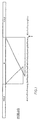
- the nomenclature of the different structural domains of the 2332 amino acid single stranded full-length factor VIII is similar to those defined by Vehar, GA. et al (1984), Nature 312, 337-342. Accordingly, the A1 and A2 domains are contained within the factor VIII heavy chain form of approximately 200 kDa (amino acids 1 through 1648) to approximately 90 kDa (amino acids 1 through 740). The A3, C1 and C2 domains are contained within the factor VIII light chain of approximately 80 kDa (amino acids 1649 through 2332).
- the B domain constitutes the heavily glycosylated middle region of full-length single chain factor VIII or the C-terminal part of the 200 kDa form of the factor VIII heavy chain (amino acids 741 through 1648).
- factor VIII deletion derivative is defined as one or more polypeptide chains having factor VIII:C activity derived from the full-length factor VIII polypeptide by deleting one or more amino acids.
- factor VIII:QD is defined as a polypeptide chain derived from full-length factor VIII lacking amino acids 745 through 1562.
- factor VIII:RE is defined as a polypeptide chain derived from full-length factor VIII lacking amino acids 741 through 1648.
- factor VIII:SQ is defined as a polypeptide chain derived from full-length factor VIII lacking amino acids 743 through 1636.
- factor VIII has been shown to have a molecular weight of 280 kDa and to be composed of two peptide chains with molecular weights of 200 kDa and 80 kDa, respectively (Andersson, L-O et al. (1986) Proc.Natl.Acad.Sci. USA 83, 2979-2983). These chains are held together by metal ion bridges. More or less proteolytically degraded forms of the factor VIII molecule were found as active fragments in factor VIII material purified from commercial concentrates (Andersson, L-O et al. 1986; Andersson, et al. (1985) EP 0197901).
- the fragmented forms of factor VIII having molecular weights from 260 kDa down to 170 kDa consisted of one heavy chain with a molecular weight ranging from 180 kDa down to 90 kDa (all variants having the identical N-termini) in combination with the 80 kDa light chain.
- the N-terminal region of the heavy chains is identical to that of the single chain factor VIII obtained from the nucleotide sequence data of the factor VIII cDNA (Wood, W.I., et al. (1984) Nature 312, 330-336, Vehar, G.A., et al., (1984) Nature 312, 337342).
- the smallest active form, with molecular weight 170 kDa, containing one 90 kDa and one 80 kDa chain could be activated with thrombin to the same extent as the higher molecular forms. It thus represents an unactivated form. It has also been shown to have full biological activity in vivo as tested in hemophilia dogs (Brinkhous, K.M. et al. (1985) Proc.Natl.Acad.Sci. USA 82, 8752-8756). Thus, the haemostatic effectiveness was the same as for the high molecular weight forms of factor VIII. Furthermore, there was an indication that the 170 kDa form had an in vivo survival time that was 50% longer as compared to that of the higher molecular forms.
- J.J. Toole, et al. reported the construction and expression of factor VIII lacking amino acids 982 through 1562, and 760 through 1639, respectively (Proc.Natl. Acad.Sci. USA (1986) 83, 5939-5942).
- D.L. Eaton et al. reported the construction and expression of factor VIII lacking amino acids 797 through 1562 (Biochemistry (1986) 25, 8343--8347).
- R.J. Kaufman described the expression of factor VIII lacking amino acids 741 through 1646 (PCT application No. WO 87/04187).
- N. Sarver et al. reported the construction and expression of factor VIII lacking amino acids 747 through 1560 (DNA (1987) 6, 553-564).
- the present invention deals with processes for production of proteins consisting of one or more polypeptide chains having factor VIII:C activity. More specifically, the present invention provides a modified cDNA sequence derived from the full-length factor VIII cDNA, which upon expression in animal cells gives rise to the high level production of a protein with factor VIII:C activity consisting essentially of two polypeptide chains of 90 kDa and 80 kDa molecular weight, respectively.
- the present invention provides for a DNA sequence coding for, a biologically active recombinant human factor VIII derivative, comprising a first DNA segment coding for the 90 kDa chain of human factor VIII and a second DNA segment coding for the 80 kDa chain of human factor VIII said segments being interconnected by a linker DNA segment coding for a linker peptide of 4 to about 100 amino acid residues of the B domain of human factor VIII, at least 4 of said amino acid residues originating from the C terminal of said domain.
- linker codes for at least 4 amino acid residues originating from the C terminal of the B domain of human factor VIII.
- said linker gene codes for up to about 20 amino acid residues of the B domain of human factor VIII.
- said DNA sequence contains a linker coding for an amino acid sequence comprising 12 amino acids originating from the B domain of human factor VIII.
- said linker may code for at least 7 amino acid residues of the B domain of human factor VIII, at least 7 amino acid residues originating from the C terminal and at least 2 amino acid residues originating from the N terminal of said domain.
- the DNA sequence contains a linker coding for 12 amino acid residues originating from the C terminal and 2 amino acid residues originating from the N terminal of the B domain of human factor VIII.
- the invention also relates to a recombinant expression vector containing a transcription unit comprising the DNA sequence as outlined above and, furthermore, a promoter and a polyadenylation signal sequence.
- the invention also covers host cells of animal origin transformed with the recombinant expression vector as defined above.
- the invention provides for a process for the manufacture of a biologically active recombinant human factor VIII derivative as described above, said process comprising cultivating an animal cell line transformed with a recombinant expression vector as defined above in a nutrient medium allowing expression and secretion of human factor VIII derivative composed of the 90 kDa domain and, linked thereto by metal ion bond, the 80 kDa domain, said expressed derivative being then recovered from the culture medium.
- the invention provides for a human factor VIII derivative comprising the 90 kDa domain and, linked thereto, optionally via the linker peptide or part thereof, by metal ion bond, the 80 kDa domain of human factor VIII.
- protein with factor VIII:C activity consisting of the above two polypeptide chains
- the single polypeptide chain created during translation in vivo has to be cleaved either by post-translational processing in the producing cell or by proteolytic processing in vitro , or both.
- protein with factor VIII activity consisting of the two polypeptide chains of 200 kDa and 80 kDa molecular weight, can be isolated from human plasma, it is assumed that there exists an appropriate cleavage site for processing enzymes, according to the above, on the single chain full--length factor VIII primary translation product. Most probably, an important in vivo processing site is located at the carboxy-terminal side of Arg-1648.
- Arg-1648 cleavage at Arg-1648 gives rise to a factor VIII protein consisting of two chains of molecular weights of 200 kDa and 80 kDa. Since Arg-1648 seems to be located at a border between structural domains in the factor VIII molecule, it constitutes a sterically accessible target for the processing enzyme or enzymes. Conceivably, there exists another processing site at Arg-740 which will give rise to conversion of the 200 kDa chain to a 90 kDa chain in vitro , thus creating the 90 kDa and 80 kDa form of factor VIII present in commercial human plasma derived factor VIII concentrates.
- sequence of the 12 carboxy-terminal amino acids of the above 14 amino acid fragment directly corresponds to the 12 amino acids preceding Glu-1649 in full-length factor VIII thus creating a 3 amino acid overlap between the N- and C-terminal regions of the B-domain.
- the cDNA encoding this factor VIII deletion derivative is assembled into an efficient transcriptional unit together with suitable regulatory elements in a cloning vector, that can be propagated in E.coli according to methods known to those skilled in the art.
- Efficient transcriptional regulatory elements could be derived from the chromosomal DNA of eucaryotic cells.
- promoter-enhancer combinations from strongly constitutively transcribed genes can be used, preferably metallothionein, beta-actin or GRP78.
- efficient transcriptional regulatory elements can be derived from viruses having eukaryotic cells as their natural hosts.
- promoter-enhancer combinations derived from viruses residing on animal hosts can be used, preferably the enhancer and promoter occurring in Rous sarcoma virus long terminal repeat, simian virus 40, the adenovirus major late promoter, and the human cytomegalovirus immediate early promoter.
- the transcriptional unit should contain in its 3'-proximal part a DNA region encoding a transcriptional termination-polyadenylation sequence.
- this sequence is derived from the Simian Virus 40 early transcriptional region or the rabbit beta-globin gene.
- the factor VIII:SQ cDNA assembled into an efficient transcription unit is then introduced into a suitable host organism for expression of the factor VIII:SQ protein.
- this organism should be an animal cell-line of vertebrate origin in order to ensure correct folding, disulfide bond formation and secretion as well as other post-translational modifications. Examples of the latter are asparagine--linked glycosylation, tyrosine O-sulfatation, and proteolytic processing of the nascent single polypeptide chain which is essential for the formation of the 90 kDa and 80 kDa two chain factor VIII protein.
- Examples of cell-lines that can be used are moneky COS-cells, mouse L-cells, mouse C127-cells, hamster BHK-21 cells, and preferentially CHO-cells.
- the transcription unit encoding the factor VIII:SQ cDNA can be introduced into an animal cell-line in several different ways.
- One example of this is to create recombinants between the above transcription unit and vectors based on different animal viruses. Examples of these are vectors based on vaccinia virus, SV40 virus, and preferably bovine papilloma virus.
- the transcription unit encoding the factor VIII:SQ cDNA can also be introduced into an animal cell-line together with another recombinant gene which may function as a dominant selectable marker in these cells in order to facilitate the isolation of specific cell clones which have integrated the recombinant DNA into the genome.
- Examples of this type of dominant selectable marker genes are Tn5 aminoglycoside phosphotransferase (resistance to Geneticin, G418), and puromycin acetyltransferase (resistance to puromycin).
- the transcription unit encoding such a selectable marker gene can reside either on the same vector as the one encoding the factor VIII:SQ unit. It can also be encoded on a separate vector which is simultaneously introduced and integrated into the genome of the host cell, frequently resulting in tight physical linkage between the different transcription units.
- dominant selectable marker genes which can be used together with the factor VIII:SQ cDNA are based on various transcription units encoding dihydrofolate reductase (dhfr). After introduction of this type of gene into cells lacking endogenous dhfr-activity, preferentially CHO--cells (DUKX-B11, DG-44) it will enable these to grow in medium lacking nucleosides.
- dhfr dihydrofolate reductase
- DUKX-B11, DG-414 preferentially CHO--cells
- An example of such a medium is Ham's F12 without hypoxanthin, thymidin, and glycine.
- dhfr-genes can be used in conjunction with the factor VIII:SQ transcriptional unit in CHO-cells of the above type, either linked on the same vector or in two different vectors, thus creating dhfr-positive cell-lines producing recombinant factor VIII:SQ protein.
- the above cell-lines producing factor VIII:SQ protein can be grown in a large scale, either in suspension culture or on various solid supports. Examples of these supports are microcarriers based on dextran or collagen matrices, or solid supports in the form of hollow fibers or various ceramic materials. When grown in suspension culture or on microcarriers the culture of the above cell-lines can be performed either as a batch culture or as a perfusion culture with continuous production of conditioned medium over extended periods of time.
- the above cell-lines are well suited for the development of an industrial process for the production of recombinant factor VIII:SQ which corresponds to the authentic two polypeptide chain factor VIII (90 kDa and 80 kDa) that can be isolated from human plasma.
- the recombinant factor VIII:SQ protein which accumulates in the medium of CHO-cells of the above type can be concentrated and purified by a variety of biochemical methods, including methods utilizing differences in size, charge, solubility, hydrophobicity, specific affinity, etc. between the recombinant factor VIII:SQ and other substances in the conditioned medium.
- factor VIII:SQ protein An example of such a purification is the adsorption of the recombinant factor VIII:SQ protein to a monoclonal antibody which is immobilised on a solid support. After desorption, the factor VIII:SQ protein can be further purified by a variety of chromatographic techniques based on the above properties.
- the protein with factor VIII activity described in this invention can be formulated into pharmaceutical preparations for therapeutic use.
- the produced recombinant factor VIII:SQ protein may be dissolved in conventional physiologically compatible aqueous buffer solutions to which there may be added, optionally, pharmaceutical adjuvants to provide pharmaceutical preparations.
- a deletion derivative of factor VIII cDNA has been constructed that encodes a polypeptide chain devoid of most of the B-domain, but containing parts of the amino-terminal and carboxy-terminal sequences of the B-domain that are essential for in vivo proteolytic processing of the primary translation product into two polypeptide chains.
- a 894 base-pair KpnI-PstI restriction fragment obtained from the cDNA of the factor VIII:QD deletion derivative (H. Pasek, PCT application No. WO88/00831) encoding the amino acids Leu 587 through Ala 1702 was introduced into the bacteriophage vector M13mp19 (Yanisch-Perron, C. et al. (1985) Gene 33, 103-119) according to the standard methods of the art.
- the resulting recombinant phage clone was used as source for preparation of single stranded DNA used as template for oligonucleotide directed mutagenesis (Nakamaye, K. and Eck-stein, F. (1986) Nucleic Acids Res. 14, 9679-9698).
- 10 ⁇ g purified circular single stranded vector DNA was annealed to 8 pmoles of a 5'-phosphorylated oligonucleotide with the following sequence:
- the second strand of circular DNA was synthesised on the resulting template by addition of all four deoxynucleotides, dCTP ⁇ S, 12 units of Klenow fragment of DNA-polymerase I, and 12 units of T4 DNA-ligase. After overnight incubation at 16°C, the reaction mixture was enriched for double stranded DNA by filtering through nitrocellulose in the presence of 500 mM NaCl. One fifth of the purified double stranded DNA was nicked by incubation with 5 units of the restriction enzyme NciI, treated by 50 units of Exonuclease III to such an extent that the template strand of the phage DNA was partially removed.
- the resulting partial duplex was reconverted to double stranded DNA by treatment with 3 units DNA polymerase I and 2 units T4 DNA-ligase in the presence of all four deoxynucleotide triphosphates at 16°C for 3 hours.
- One fourth of the resulting mixture was used to transform 300 ⁇ l E.coli TG1.
- ten were subjected to dideoxy sequencing (Sanger, F. et al. 1977, Proc. Natl.Acad.Sci. USA 74, 5463-5467).
- the 666 base-pair KpnI-PstI fragment encoding the factor VIII:SQ fusion according to the above was isolated from the double stranded replicative form of the M13mp19 phage DNA and introduced into the vector pKGE431.
- This vector consists of a 2046 base-pair KpnI-SphI fragment from the factor VIII:RE cDNA (M. Pasek, PCT application No. WO88/00831, ATCC accession No. 53517) encoding amino acids Leu 587 through Met 2176 of the factor VIII:RE protein in pUC19.
- the pKGE431 DNA had to be opened by complete Kpnl digestion and partial PstI digestion.
- the fragment of pKGE431 in which PstI cleaved in a position corresponding to Ala 1702 in the factor VIII:RE protein was isolated and ligated to the above KpnI-PstI fragment of the factor VIII:SQ cDNA creating the vector pKGE432.
- the latter vector was digested with KpnI and ApaI and the corresponding 1700 base--pair KpnI-ApaI fragment encoding Leu 587 through Ala 2047 of the factor VIII:SQ protein was ligated to the large fragment of the vector pKGE347 that had been digested with KpnI and ApaI.
- the vector pKGE347 which is based on the E.coli cloning vector pBR327, consists of the human cytomegalovirus enhancer/promoter encoded on a 741 base-pair DNA-segment (nucleotide positions - 671 to +71, Boshart, M.
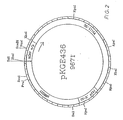
- the resulting vector (pKGE436), which is depicted in Figure 2, contains the complete factor VIII:SQ cDNA and is identical to pKGE347 except for the different deletion derivative of factor VIII that is encoded.
- CHO-DG44 dihydrofolate reductase deficient Chinese Hamster Ovary Cells
- Dulbecco's Modified Eagles Medium/Ham's F12 (1:1) supplemented by 10% foetal calf serum and incubated over night at 37°C in a 5% carbon dioxide incubator.
- the vector pKGE327 contains a transcription unit consisting of the mouse mammary tumor virus long terminal repeat upstream of the mouse dihydrofolate reductase cDNA with the SV40 t-antigen and polyadenylation sequence at the 3'-proximal part cloned into the vector pML2 in a clockwise manner ( Figure 3).
- Figure 3 the medium was removed, the cells washed and split into new cell cultivation dishes.
- the CHO-DG44 cell line 208:22 in Table 1 producing 467 mU/ml/day of factor VIII:SQ was chosen for further gene amplification by selection and growth in methotrexate. After several weeks of cultivation in 20 nM methotrexate the cell line 208:22 gave rise to several new resistant cell clones. These clones were harvested individually and further expanded as separate cultures as described above. The productivity of factor VIII:C in the medium of these clones were assayed as in Example 1. The result is shown in Table 2. Amplified cell-lines producing factor VIII:SQ derived from the CHO-DG44 cell-line 208:22 Cell-line No. Coatest assay (mU/ml) Cell-line No.
- Coatest assay 208:22:1 1040 208:22:13 1070 2 690 14 860 3 660 15 930 4 720 16 680 5 800 17 790 6 940 18 750 7 1100 19 960 8 260 20 80 9 900 21 1130 10 660 22 920 11 720 23 950 12 870 24 1010
- Factor VIII:SQ produced by the amplified CHO-DG44 cell-line 208:22 was examined for biochemical characteristics.
- a partial purification of the factor VIII material from culture medium was performed prior to the study. This included an immunoaffinity chromatography step with the use of a matrix containing monoclonal antibodies directed against factor VIII followed by an ion-exchange chromatography step.
- the specific activity of the purified factor VIII material obtained was in the range of 3000-4000 IU/A 280 and the ratio factor VIII activity/factor VIII antigen was close to 1 (activity was measured with Coatest (KABI), and antigen was determined by an Elisa assay with use of monoclonal antibodies directed against the 80 kDa chain).
- the purified factor VIII:SQ material was submitted to SDS-polyacrylamide gel electrophoresis (SDS-PAGE) and Western blot analysis.
- SDS-PAGE SDS-polyacrylamide gel electrophoresis
- the SDS-PAGE was carried out according to Laemmli (1970) Nature 227, 680-685.
- Rabitt polyclonal anti-human factor VIII antibodies were used for the Western blot analysis and the analysis was essentially performed as described by Towbin, H. et al. (1979) Proc. Natl.Acad.Sci. USA, 76, 4350-4354. The results obtained are shown in Fig. 4, Lane 1: plasma factor VIII containing an 80 kDa light chain and heavy chains ranging from 200 kDa to 90 kDa.
- Lanes 2 and 3 recombinant factor VIII:SQ containing an 80 kDa chain and a 90 kDa chain.
- the materials originated from two different batches factor VIII:SQ purified as described above. The analysis thus showed the presence of two major bands in the factor VIII SQ material; one at 90 kDa and one doublet band at 80 kDa. The two bands were found in the same position on the gel as the 90 kDa and 80 kDa peptides representing the smallest biologically active complex of plasma factor VIII. A minor amount of a 170 kDa band ( ⁇ of 5% of the total material) was also found in the factor VIII:SQ material, probably representing uncleaved primary translation product.
- N-terminal sequence determination with automated Edman degradation of the factor VIII:SQ protein indicated that the N-termini of the 90 kDa and 80 kDa chains are identical to those of plasma derived 90 kDa plus 80 kDa factor VIII. This result thus showed that the in vivo proteolytic processing of the primary translation product into two polypeptide chains had been effective.
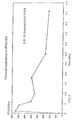
- Factor VIII:SQ could be activated by human thrombin in a dose dependent manner. Inactivation was subsequently followed. In Figure 5, the curve of activity changes obtained is shown when 0.1 U thrombin per 1 IU purified factor VIII:SQ was added.
- a one-stage clotting method (Mikaelsson, M. et al. (1983) Blood 62, 1006-1015) was used for immediate assay of samples from the reaction mixture. A fifteen-fold activation was obtained whithin one minute, which then was followed by inactivation. Sodium dodecyl sulfate at 0.02 g/ml was added to stop the reaction in samples for analysis.
- the results obtained showed a molecular change of factor VIII peptides identical to that of plasma factor VIII during incubation with thrombin.
- the 90 kDa peptide was cleaved by thrombin and a 50 kDa plus a 40 kDa peptide was formed.
- the 80 kDa peptide was cleaved and a 70 kDa peptide was formed.
- the weak band seen at 170 kDa in the factor VIII:SQ sample disappeared during the first minute of incubation with thrombin, and peptides were apparently formed identical to those formed from the 90 kDa-80 kDa complex.
- the studies with thrombin showed that factor VIII:SQ behaves as plasma factor VIII in the interaction with this enzyme. This feature is regarded to be essential for biological activity in vivo .
- factor VIII:SQ The interaction of factor VIII:SQ with human von Willebrand factor was studied with the use of size-exclusion chromatography on Sepharose CL-6B. Ten (10) IU of factor VIII:SQ was incubated with 30 U purified human von Willebrand factor at 37°C for 20 minutes. The incubation mixture was then applied on a column packed with Sepharose CL-6B. All material with factor VIII activity eluted in the void volume with von Willebrand factor. When factor VIII:SQ with no added von Willebrand factor was applied on the column, material with factor VIII activity eluted only in the inner fractions at a position where also the 90 kDa-80 kDa form of plasma factor VIII eluted.
- factor VIII:SQ has the capacity to bind to von Willebrand factor, which is a property necessary for good in vivo survival (Brinkhous, K.M. et al. (1985) Proc.Natl.Acad.Sci. USA 82, 8752-8756).
- the factor VIII:SQ DNA of the present invention has been deposited with Deutsche Sammlung von Mikroorganismen und Zellkulturen on December 13, 1989 and has been given the deposition number DSM 5693.
Landscapes
- Health & Medical Sciences (AREA)
- Chemical & Material Sciences (AREA)
- Life Sciences & Earth Sciences (AREA)
- Organic Chemistry (AREA)
- Genetics & Genomics (AREA)
- Engineering & Computer Science (AREA)
- Bioinformatics & Cheminformatics (AREA)
- Zoology (AREA)
- General Health & Medical Sciences (AREA)
- Biochemistry (AREA)
- Hematology (AREA)
- Wood Science & Technology (AREA)
- Medicinal Chemistry (AREA)
- General Engineering & Computer Science (AREA)
- Biotechnology (AREA)
- Biomedical Technology (AREA)
- Molecular Biology (AREA)
- Biophysics (AREA)
- Chemical Kinetics & Catalysis (AREA)
- Plant Pathology (AREA)
- Nuclear Medicine, Radiotherapy & Molecular Imaging (AREA)
- Toxicology (AREA)
- Diabetes (AREA)
- Veterinary Medicine (AREA)
- Proteomics, Peptides & Aminoacids (AREA)
- Physics & Mathematics (AREA)
- Public Health (AREA)
- General Chemical & Material Sciences (AREA)
- Animal Behavior & Ethology (AREA)
- Gastroenterology & Hepatology (AREA)
- Microbiology (AREA)
- Pharmacology & Pharmacy (AREA)
- Preparation Of Compounds By Using Micro-Organisms (AREA)
- Micro-Organisms Or Cultivation Processes Thereof (AREA)
- Peptides Or Proteins (AREA)
- Medicines That Contain Protein Lipid Enzymes And Other Medicines (AREA)
- Compositions Of Oxide Ceramics (AREA)
- Compounds Of Unknown Constitution (AREA)
- Saccharide Compounds (AREA)
- General Preparation And Processing Of Foods (AREA)
Applications Claiming Priority (4)
| Application Number | Priority Date | Filing Date | Title |
|---|---|---|---|
| SE8904239A SE465222C5 (sv) | 1989-12-15 | 1989-12-15 | Ett rekombinant, humant faktor VIII-derivat och förfarande för dess framställning |
| SE8904239 | 1989-12-15 | ||
| EP97103685A EP0786474B1 (de) | 1989-12-15 | 1990-12-06 | Rekombinanter Abkömmling des menschlichen Faktors VIII |
| EP91901327A EP0506757B2 (de) | 1989-12-15 | 1990-12-06 | Rekombinanter abkömmling des menschlichen faktors iii |
Related Parent Applications (1)
| Application Number | Title | Priority Date | Filing Date |
|---|---|---|---|
| EP97103685A Division EP0786474B1 (de) | 1989-12-15 | 1990-12-06 | Rekombinanter Abkömmling des menschlichen Faktors VIII |
Publications (2)
| Publication Number | Publication Date |
|---|---|
| EP1293513A2 true EP1293513A2 (de) | 2003-03-19 |
| EP1293513A3 EP1293513A3 (de) | 2003-04-02 |
Family
ID=20377785
Family Applications (3)
| Application Number | Title | Priority Date | Filing Date |
|---|---|---|---|
| EP02009162A Withdrawn EP1293513A3 (de) | 1989-12-15 | 1990-12-06 | Rekombinanter Abkömmling des menschlichen Faktors VIII |
| EP91901327A Expired - Lifetime EP0506757B2 (de) | 1989-12-15 | 1990-12-06 | Rekombinanter abkömmling des menschlichen faktors iii |
| EP97103685A Expired - Lifetime EP0786474B1 (de) | 1989-12-15 | 1990-12-06 | Rekombinanter Abkömmling des menschlichen Faktors VIII |
Family Applications After (2)
| Application Number | Title | Priority Date | Filing Date |
|---|---|---|---|
| EP91901327A Expired - Lifetime EP0506757B2 (de) | 1989-12-15 | 1990-12-06 | Rekombinanter abkömmling des menschlichen faktors iii |
| EP97103685A Expired - Lifetime EP0786474B1 (de) | 1989-12-15 | 1990-12-06 | Rekombinanter Abkömmling des menschlichen Faktors VIII |
Country Status (20)
| Country | Link |
|---|---|
| EP (3) | EP1293513A3 (de) |
| JP (1) | JP2644084B2 (de) |
| AT (2) | ATE170219T1 (de) |
| AU (1) | AU645539B2 (de) |
| BR (1) | BR9007921A (de) |
| CA (1) | CA2071875C (de) |
| DE (3) | DE19975066I2 (de) |
| DK (2) | DK0786474T3 (de) |
| ES (2) | ES2119769T5 (de) |
| FI (1) | FI104260B1 (de) |
| HU (1) | HU211504A9 (de) |
| IE (1) | IE904510A1 (de) |
| LU (1) | LU90457I2 (de) |
| NL (1) | NL990035I2 (de) |
| NO (1) | NO309041B1 (de) |
| NZ (1) | NZ236276A (de) |
| PT (1) | PT96208B (de) |
| SE (1) | SE465222C5 (de) |
| SG (1) | SG66753A1 (de) |
| WO (1) | WO1991009122A1 (de) |
Families Citing this family (142)
| Publication number | Priority date | Publication date | Assignee | Title |
|---|---|---|---|---|
| US5595886A (en) | 1986-01-27 | 1997-01-21 | Chiron Corporation | Protein complexes having Factor VIII:C activity and production thereof |
| US6060447A (en) * | 1987-05-19 | 2000-05-09 | Chiron Corporation | Protein complexes having Factor VIII:C activity and production thereof |
| US6346513B1 (en) | 1987-06-12 | 2002-02-12 | Baxter Trading Gmbh | Proteins with factor VIII activity: process for their preparation using genetically-engineered cells and pharmaceutical compositions containing them |
| IE69026B1 (en) | 1987-06-12 | 1996-08-07 | Immuno Ag | Novel proteins with factor VIII activity process for their preparation using genetically-engineered cells and pharmaceutical compositions containing them |
| US5629287A (en) * | 1991-01-18 | 1997-05-13 | University College London | Depot formulations |
| US5610148A (en) * | 1991-01-18 | 1997-03-11 | University College London | Macroscopically oriented cell adhesion protein for wound treatment |
| SE468050C (sv) * | 1991-03-15 | 1998-04-27 | Pharmacia & Upjohn Ab | Rekombinant derivat av human faktor VIII |
| US5744446A (en) * | 1992-04-07 | 1998-04-28 | Emory University | Hybrid human/animal factor VIII |
| US5663060A (en) * | 1992-04-07 | 1997-09-02 | Emory University | Hybrid human/animal factor VIII |
| US5888974A (en) * | 1992-04-07 | 1999-03-30 | Emory University | Hybrid human/animal factor VIII |
| US5364771A (en) * | 1992-04-07 | 1994-11-15 | Emory University | Hybrid human/porcine factor VIII |
| DK53792D0 (da) * | 1992-04-24 | 1992-04-24 | Novo Nordisk As | Fremgangsmaade til fremstilling af proteiner |
| WO1994007510A1 (en) * | 1992-10-02 | 1994-04-14 | Kabi Pharmacia Ab | Composition comprising coagulation factor viii formulation, process for its preparation and use of a surfactant as stabilizer |
| SE9300509D0 (sv) * | 1993-02-16 | 1993-02-16 | Kabi Pharmacia Ab | Peg treatment |
| SE9301581D0 (sv) * | 1993-05-07 | 1993-05-07 | Kabi Pharmacia Ab | Protein formulation |
| SE504074C2 (sv) * | 1993-07-05 | 1996-11-04 | Pharmacia Ab | Proteinberedning för subkutan, intramuskulär eller intradermal administrering |
| SE9303601D0 (sv) * | 1993-11-01 | 1993-11-01 | Kabi Pharmacia Ab | Improved cell cultivation method and medium |
| US6288030B1 (en) | 1993-12-22 | 2001-09-11 | Amgen Inc. | Stem cell factor formulations and methods |
| IL113010A (en) * | 1994-03-31 | 1999-10-28 | Pharmacia & Upjohn Ab | Pharmaceutical formulation comprising factor viii with an activity of at least 500iu/ml and an enhancer for improved subcutaneous intramuscular or intradermal administration |
| SE9403915D0 (sv) * | 1994-11-14 | 1994-11-14 | Annelie Almstedt | Process A |
| SE503424C2 (sv) * | 1994-11-14 | 1996-06-10 | Pharmacia Ab | Process för rening av rekombinant koagulationsfaktor VIII |
| US6818439B1 (en) | 1994-12-30 | 2004-11-16 | Chiron Corporation | Methods for administration of recombinant gene delivery vehicles for treatment of hemophilia and other disorders |
| SE9501189D0 (sv) * | 1995-03-31 | 1995-03-31 | Pharmacia Ab | Protein formulation |
| AU6455896A (en) * | 1995-07-11 | 1997-02-10 | Chiron Corporation | Novel factor viii:c polypeptide analogs with altered metal-binding properties |
| SE9503380D0 (sv) * | 1995-09-29 | 1995-09-29 | Pharmacia Ab | Protein derivatives |
| US5851800A (en) * | 1996-05-14 | 1998-12-22 | Pharmacia & Upjohn Ab | Process for producing a protein |
| EP1318198B1 (de) * | 1996-05-14 | 2006-03-22 | Biovitrum Ab | Verfahren zur Herstellung eines rekombinanten Polypeptids unter Hinzufügung eines Chymotrypsinhemmstoffes zum Zellkulturmedium |
| US6475725B1 (en) | 1997-06-20 | 2002-11-05 | Baxter Aktiengesellschaft | Recombinant cell clones having increased stability and methods of making and using the same |
| CA2312291A1 (en) * | 1997-12-05 | 1999-06-17 | The Immune Response Corporation | Novel vectors and genes exhibiting increased expression |
| US7820796B2 (en) | 1998-03-12 | 2010-10-26 | Genetics Institute, Llc. | Methods for producing Factor VIII proteins |
| US6797505B2 (en) * | 1998-05-27 | 2004-09-28 | Cell Genesys, Inc. | Recombinant AAV vectors for gene therapy of hemophilia A |
| US6221349B1 (en) | 1998-10-20 | 2001-04-24 | Avigen, Inc. | Adeno-associated vectors for expression of factor VIII by target cells |
| US6200560B1 (en) | 1998-10-20 | 2001-03-13 | Avigen, Inc. | Adeno-associated virus vectors for expression of factor VIII by target cells |
| US6358703B1 (en) | 1998-12-10 | 2002-03-19 | Bayer Corporation | Expression system for factor VIII |
| CA2634663C (en) | 1999-02-22 | 2009-08-25 | University Of Connecticut | Novel albumin-free factor viii formulations |
| SE9901379D0 (sv) | 1999-04-19 | 1999-04-19 | Pharmacia & Upjohn Ab | Receptor structures |
| AT409379B (de) | 1999-06-02 | 2002-07-25 | Baxter Ag | Medium zur protein- und serumfreien kultivierung von zellen |
| US7572619B2 (en) * | 2000-03-22 | 2009-08-11 | Octagene Gmbh | Recombinant blood clotting factors |
| GB0207092D0 (en) | 2002-03-26 | 2002-05-08 | Sod Conseils Rech Applic | Stable pharmaceutical composition containing factor VIII |
| CA2491992A1 (en) | 2002-07-09 | 2004-01-15 | Baxter International, Inc. | Animal protein free media for cultivation of cells |
| WO2004075923A2 (en) | 2003-02-26 | 2004-09-10 | Nektar Therapeutics Al, Corporation | Polymer-factor viii moiety conjugates |
| NZ542586A (en) | 2003-04-09 | 2009-11-27 | Biogenerix Ag | Method of forming a covalent conjugate between a G-CSF peptide and PEG |
| TWI353991B (en) | 2003-05-06 | 2011-12-11 | Syntonix Pharmaceuticals Inc | Immunoglobulin chimeric monomer-dimer hybrids |
| US9005625B2 (en) | 2003-07-25 | 2015-04-14 | Novo Nordisk A/S | Antibody toxin conjugates |
| HUE054805T2 (hu) | 2003-09-30 | 2021-09-28 | Univ Pennsylvania | Adeno-asszociált vírus (AAV) kládok, szekvenciák, az azokat tartalmazó vektorok és alkalmazásaik |
| US20080305992A1 (en) | 2003-11-24 | 2008-12-11 | Neose Technologies, Inc. | Glycopegylated erythropoietin |
| US20060094104A1 (en) | 2004-10-29 | 2006-05-04 | Leopold Grillberger | Animal protein-free media for cultivation of cells |
| EP3061461A1 (de) | 2004-10-29 | 2016-08-31 | ratiopharm GmbH | Remodellierung und glykopegylierung von fibroblasten-wachstumsfaktor (fgf) |
| KR101468345B1 (ko) | 2004-11-12 | 2014-12-03 | 바이엘 헬스케어 엘엘씨 | Fviii의 부위 지향 변형 |
| US9029331B2 (en) | 2005-01-10 | 2015-05-12 | Novo Nordisk A/S | Glycopegylated granulocyte colony stimulating factor |
| EP1707634A1 (de) | 2005-03-29 | 2006-10-04 | Octapharma AG | Verfahren zur Isolierung von rekombinant hergestellten Proteinen |
| EP3085389A1 (de) | 2005-04-07 | 2016-10-26 | The Trustees Of The University Of Pennsylvania | Methode um die funktion eines aav vektors zu erhöhen |
| EP1871795A4 (de) | 2005-04-08 | 2010-03-31 | Biogenerix Ag | Zusammensetzungen und verfahren zur herstellung von glycosylierungsmutanten eines proteaseresistenten menschlichen wachstumshormons |
| EP1739179A1 (de) | 2005-06-30 | 2007-01-03 | Octapharma AG | Serumfreie stabile Transfektion und Produktion von rekombinanten humanen Proteinen in humanen Zelllinien |
| US20070105755A1 (en) | 2005-10-26 | 2007-05-10 | Neose Technologies, Inc. | One pot desialylation and glycopegylation of therapeutic peptides |
| WO2007056191A2 (en) | 2005-11-03 | 2007-05-18 | Neose Technologies, Inc. | Nucleotide sugar purification using membranes |
| SI2522717T1 (sl) | 2006-01-04 | 2014-05-30 | Baxter International Inc. | Mediji celične kulture brez oligopeptidov |
| US7982010B2 (en) | 2006-03-31 | 2011-07-19 | Baxter International Inc. | Factor VIII polymer conjugates |
| US7985839B2 (en) | 2006-03-31 | 2011-07-26 | Baxter International Inc. | Factor VIII polymer conjugates |
| KR20080108147A (ko) | 2006-03-31 | 2008-12-11 | 백스터 인터내셔널 인코포레이티드 | 페질화된 인자 viii |
| US7645860B2 (en) | 2006-03-31 | 2010-01-12 | Baxter Healthcare S.A. | Factor VIII polymer conjugates |
| US20080242607A1 (en) | 2006-07-21 | 2008-10-02 | Neose Technologies, Inc. | Glycosylation of peptides via o-linked glycosylation sequences |
| US8969532B2 (en) | 2006-10-03 | 2015-03-03 | Novo Nordisk A/S | Methods for the purification of polypeptide conjugates comprising polyalkylene oxide using hydrophobic interaction chromatography |
| AU2007333049B2 (en) | 2006-12-15 | 2014-02-20 | Takeda Pharmaceutical Company Limited | Factor VIIa-(poly)sialic acid conjugate having prolonged in vivo half-life |
| KR101389376B1 (ko) | 2007-02-23 | 2014-04-29 | 에스케이케미칼주식회사 | 제 8 인자 및 그의 유도체의 제조 및 정제 방법 |
| CN101796063B (zh) | 2007-04-03 | 2017-03-22 | 拉蒂奥法姆有限责任公司 | 使用糖聚乙二醇化g‑csf的治疗方法 |
| US9493499B2 (en) | 2007-06-12 | 2016-11-15 | Novo Nordisk A/S | Process for the production of purified cytidinemonophosphate-sialic acid-polyalkylene oxide (CMP-SA-PEG) as modified nucleotide sugars via anion exchange chromatography |
| CA2709890A1 (en) | 2007-12-27 | 2009-07-09 | Andre Giovagnoli | Cell culture processes |
| DK2257311T3 (da) | 2008-02-27 | 2014-06-30 | Novo Nordisk As | Konjugerede Faktor VIII-Molekyler |
| CN108530543B (zh) | 2009-02-03 | 2023-06-23 | 阿穆尼克斯制药公司 | 延伸重组多肽和包含该延伸重组多肽的组合物 |
| LT2440239T (lt) | 2009-06-09 | 2017-12-11 | Prolong Pharmaceuticals, LLC | Hemoglobino kompozicijos |
| US8637640B2 (en) | 2009-07-27 | 2014-01-28 | Baxter International Inc. | Blood coagulation protein conjugates |
| US8809501B2 (en) | 2009-07-27 | 2014-08-19 | Baxter International Inc. | Nucleophilic catalysts for oxime linkage |
| WO2011012850A2 (en) | 2009-07-27 | 2011-02-03 | Lipoxen Technologies Limited | Glycopolysialylation of non-blood coagulation proteins |
| RU2744370C2 (ru) | 2009-07-27 | 2021-03-05 | Баксалта Инкорпорейтед | Конъюгаты белков свертывания крови |
| US8642737B2 (en) | 2010-07-26 | 2014-02-04 | Baxter International Inc. | Nucleophilic catalysts for oxime linkage |
| CN102741275B (zh) | 2009-08-24 | 2016-08-03 | 阿穆尼克斯运营公司 | 凝血因子ix组合物及其制备和使用方法 |
| GB0915481D0 (en) | 2009-09-04 | 2009-10-07 | Arecor Ltd | Stable manufacture of factor V111 |
| WO2011069164A2 (en) | 2009-12-06 | 2011-06-09 | Biogen Idec Ma Inc. | Factor viii-fc chimeric and hybrid polypeptides, and methods of use thereof |
| WO2011095604A1 (en) | 2010-02-04 | 2011-08-11 | Octapharma Biopharmaceuticals Gmbh | Half-life prolongation of proteins |
| KR20130040844A (ko) | 2010-03-29 | 2013-04-24 | 더 트러스티스 오브 더 유니버시티 오브 펜실바니아 | 약학적으로 유발된 전이유전자 제거 시스템 |
| US9315825B2 (en) | 2010-03-29 | 2016-04-19 | The Trustees Of The University Of Pennsylvania | Pharmacologically induced transgene ablation system |
| EP3508573A1 (de) | 2010-07-09 | 2019-07-10 | Bioverativ Therapeutics Inc. | Systeme für faktor viii-verarbeitung und verfahren davon |
| HRP20191305T1 (hr) | 2010-07-09 | 2019-10-18 | Bioverativ Therapeutics Inc. | Preradive jednolančane molekule i polipeptidi izrađeni koristeći iste |
| JP6042335B2 (ja) | 2010-09-15 | 2016-12-14 | ノヴォ ノルディスク アー/エス | 細胞取込みが低下した第viii因子変異体 |
| PL2654794T3 (pl) | 2010-12-22 | 2020-07-27 | Baxalta GmbH | Materiały i sposoby sprzęgania rozpuszczalnej w wodzie pochodnej kwasu tłuszczowego z białkiem |
| SG10202007803QA (en) | 2011-02-17 | 2020-09-29 | Univ Pennsylvania | Compositions and methods for altering tissue specificity and improving aav9-mediated gene transfer |
| CA2838833A1 (en) | 2011-06-10 | 2012-12-13 | Biogen Idec Ma Inc. | Pro-coagulant compounds and methods of use thereof |
| AU2012282875B2 (en) | 2011-07-08 | 2016-04-21 | Bioverativ Therapeutics Inc. | Factor VIII chimeric and hybrid polypeptides, and methods of use thereof |
| WO2013016454A1 (en) | 2011-07-25 | 2013-01-31 | Biogen Idec Hemophilia Inc. | Assays to monitor bleeding disorders |
| AU2012324020A1 (en) | 2011-12-30 | 2013-07-18 | Grifols, S.A. | Method for purifying Factor VIII |
| EP2804623B1 (de) | 2012-01-12 | 2019-08-07 | Bioverativ Therapeutics Inc. | Chimäre faktor-vii polypeptide und verwendungen davon |
| SMT201800586T1 (it) | 2012-01-12 | 2019-01-11 | Bioverativ Therapeutics Inc | Riduzione dell'immunogenicita' contro il fattore viii negli individui che si sottopongono alla terapia con fattore viii |
| LT3564260T (lt) | 2012-02-15 | 2023-01-10 | Bioverativ Therapeutics Inc. | Viii faktoriaus kompozicijos ir jų gamybos bei panaudojimo būdai |
| EP2822577B1 (de) | 2012-02-15 | 2019-02-06 | Bioverativ Therapeutics Inc. | Rekombinante faktor-viii-proteine |
| AU2013270682A1 (en) | 2012-06-08 | 2014-12-11 | Biogen Ma Inc. | Procoagulant compounds |
| EP2863940A4 (de) | 2012-06-08 | 2016-08-10 | Biogen Ma Inc | Chimäre gerinnungsfaktoren |
| EP3404105A1 (de) | 2012-07-06 | 2018-11-21 | Bioverativ Therapeutics Inc. | Einkettige faktor-viii-polypeptide exprimierende zelllinie und verwendungen davon |
| CN110054699A (zh) | 2012-07-11 | 2019-07-26 | 比奥贝拉蒂治疗公司 | 具有xten和血管性血友病因子蛋白的因子viii复合物、及其用途 |
| RU2500818C1 (ru) * | 2012-07-19 | 2013-12-10 | Общество с ограниченной ответственностью "Международный биотехнологический центр "Генериум" ("МБЦ "Генериум") | РЕКОМБИНАНТНАЯ ПЛАЗМИДНАЯ ДНК рАР227, КОДИРУЮЩАЯ ПОЛИПЕПТИД РЕКОМБИНАНТНОГО ФАКТОРА VIII СВЕРТЫВАЕМОСТИ КРОВИ ЧЕЛОВЕКА, ЛИНИЯ КЛЕТОК Cricetulus griseus CHO 2H5 - ПРОДУЦЕНТ РЕКОМБИНАНТНОГО ФАКТОРА VIII СВЕРТЫВАЕМОСТИ КРОВИ ЧЕЛОВЕКА И СПОСОБ ПОЛУЧЕНИЯ ПОЛИПЕПТИДА, ОБЛАДАЮЩЕГО АКТИВНОСТЬЮ ФАКТОРА VIII |
| US10001495B2 (en) | 2012-07-25 | 2018-06-19 | Bioverativ Therapeutics Inc. | Blood factor monitoring assay and uses thereof |
| US10391152B2 (en) | 2012-10-18 | 2019-08-27 | Bioverativ Therapeutics Inc. | Methods of using a fixed dose of a clotting factor |
| EP3446700A1 (de) | 2012-10-30 | 2019-02-27 | Bioverativ Therapeutics Inc. | Verfahren zur verwendung von fviii-polypeptid |
| FI3889173T3 (fi) | 2013-02-15 | 2023-10-02 | Bioverativ Therapeutics Inc | Optimoitu tekijä viii:n geeni |
| TWI828269B (zh) | 2013-03-15 | 2024-01-01 | 美商百歐維拉提夫治療公司 | 因子ix多肽調配物 |
| ES2926798T3 (es) | 2013-03-15 | 2022-10-28 | Bioverativ Therapeutics Inc | Formulaciones de polipéptido de factor VIII |
| WO2015012924A2 (en) | 2013-04-29 | 2015-01-29 | The Trustees Of The University Of Pennsylvania | Tissue preferential codon modified expression cassettes, vectors containing same, and use thereof |
| MX2015016567A (es) | 2013-06-28 | 2016-03-31 | Biogen Ma Inc | Enlazador escindible por trombina con xten y usos del mismo. |
| WO2015021423A2 (en) | 2013-08-08 | 2015-02-12 | Biogen Idec Ma Inc. | Purification of chimeric fviii molecules |
| TWI667255B (zh) | 2013-08-14 | 2019-08-01 | 美商生物化學醫療公司 | 因子viii-xten融合物及其用途 |
| US20160311885A1 (en) | 2013-08-14 | 2016-10-27 | Biogen Ma Inc. | Recombinant factor viii proteins |
| EP3048899B1 (de) | 2013-09-25 | 2021-09-08 | Bioverativ Therapeutics Inc. | Verfahren zur virusinaktivierung auf einer säule |
| EA201690817A1 (ru) | 2013-10-22 | 2016-08-31 | Дбв Текнолоджиз | Способ лечения гемофилии индукцией толерантности к факторам крови |
| WO2015070014A1 (en) | 2013-11-08 | 2015-05-14 | Biogen Idec Ma Inc. | Procoagulant fusion compound |
| EP3082848B1 (de) | 2013-12-06 | 2023-10-18 | Bioverativ Therapeutics Inc. | Pharmakokinetische werkzeuge für populationen und verwendungen davon |
| ES2813367T3 (es) | 2013-12-09 | 2021-03-23 | Sangamo Therapeutics Inc | Métodos y composiciones para ingeniería genómica |
| SG11201605242YA (en) | 2014-01-10 | 2016-07-28 | Biogen Ma Inc | Factor viii chimeric proteins and uses thereof |
| EP3102589A1 (de) | 2014-02-04 | 2016-12-14 | Biogen MA Inc. | Verwendung von kationenaustauscherchromatographie im durchflussmodus zur anreicherung von posttranslationalen modifikationen |
| WO2016004113A1 (en) | 2014-06-30 | 2016-01-07 | Biogen Ma Inc. | Optimized factor ix gene |
| US20170209546A1 (en) * | 2014-07-25 | 2017-07-27 | Csl Behring Gmbh | Improved factor viii preparations suitable for therapeutic use and processes to obtain these |
| MA40864A (fr) | 2014-10-31 | 2017-09-05 | Biogen Ma Inc | Hypotaurine, gaba, bêta-alanine et choline pour la régulation de l'accumulation de sous-produits résiduaires dans des procédés de culture de cellules mammifères |
| EP3283126B1 (de) | 2015-04-16 | 2019-11-06 | Emory University | Rekombinante promotoren und vektoren zur proteinexpression in leber und verwendung davon |
| IL257231B (en) | 2015-08-03 | 2022-09-01 | Bioverativ Therapeutics Inc | Factor ix fusion proteins and methods of making and using same |
| KR20180118659A (ko) | 2016-02-01 | 2018-10-31 | 바이오버라티브 테라퓨틱스 인크. | 최적화된 viii 인자 유전자 |
| MX2019006444A (es) | 2016-12-02 | 2019-10-30 | Bioverativ Therapeutics Inc | Métodos de tratamiento de artropatía hemofílica utilizando factores de coagulación quiméricos. |
| JP2019536794A (ja) | 2016-12-02 | 2019-12-19 | バイオベラティブ セラピューティクス インコーポレイテッド | 凝固因子に対する免疫寛容を誘導する方法 |
| BR112020002394A2 (pt) | 2017-08-09 | 2020-07-28 | Bioverativ Therapeutics Inc. | moléculas de ácidos nucleicos e usos das mesmas |
| CN111372612A (zh) | 2017-09-27 | 2020-07-03 | 西吉隆医疗股份有限公司 | 包含活性细胞的方法、组合物和可植入元件 |
| AU2019215063B2 (en) | 2018-02-01 | 2025-10-16 | Bioverativ Therapeutics, Inc. | Use of lentiviral vectors expressing Factor VIII |
| WO2019195055A1 (en) | 2018-04-04 | 2019-10-10 | Sigilon Therapeutics, Inc. | Implantable particles and related methods |
| US20210145889A1 (en) | 2018-04-04 | 2021-05-20 | Sigilon Therapeutics, Inc. | Methods, compositions, and implantable elements comprising stem cells |
| SI3793588T1 (sl) | 2018-05-18 | 2025-07-31 | Bioverativ Therapeutics Inc. | Postopki zdravljenja hemofilije A |
| KR102925832B1 (ko) | 2018-08-09 | 2026-02-11 | 바이오버라티브 테라퓨틱스 인크. | 핵산 분자 및 비바이러스 유전자 치료를 위한 이의 용도 |
| UY38389A (es) | 2018-09-27 | 2020-04-30 | Sigilon Therapeutics Inc | Dispositivos implantables para terapia celular y métodos relacionados |
| BR112021025426A2 (pt) | 2019-06-19 | 2022-06-21 | Bioverativ Therapeutics Inc | Fator recombinante viii-fc para tratamento de hemofilia e baixa densidade mineral óssea |
| US12403164B2 (en) | 2019-09-30 | 2025-09-02 | Bioverativ Therapeutics Inc. | Lentiviral vector formulations |
| KR20230074703A (ko) | 2020-06-24 | 2023-05-31 | 바이오버라티브 테라퓨틱스 인크. | 유리 인자 viii을 상기 단백질이 발현되도록 변형된 렌티바이러스 벡터의 제제로부터 제거하는 방법 |
| KR20230042754A (ko) | 2020-08-07 | 2023-03-29 | 아미쿠스 세라퓨틱스, 인코포레이티드 | 소포 표적화 단백질 및 이의 용도 |
| IL310997A (en) | 2021-08-23 | 2024-04-01 | Bioverativ Therapeutics Inc | Factor VIII gene optimization |
| EP4408874A1 (de) | 2021-09-30 | 2024-08-07 | Bioverativ Therapeutics Inc. | Faktor viii polypeptid kodierende nukleinsäuren mit verminderter immunogenität |
| CN120035657A (zh) | 2022-10-11 | 2025-05-23 | 西吉隆医疗股份有限公司 | 用于治疗疾病的经工程化的细胞和可植入元件 |
| US20260102435A1 (en) | 2022-10-11 | 2026-04-16 | Sigilon Therapeutics, Inc. | Engineered cells and implantable elements for treatment of disease |
Family Cites Families (7)
| Publication number | Priority date | Publication date | Assignee | Title |
|---|---|---|---|---|
| KR910006424B1 (ko) * | 1985-08-21 | 1991-08-24 | 인코텍스 비.브이 | 편성브리프(brief) 제조방법 |
| JP2525022B2 (ja) * | 1986-01-03 | 1996-08-14 | ジェネティックス・インスチチュ−ト・インコ−ポレ−テッド | ▲VIII▼:c因子型タンパク質の改良生産方法 |
| EP0251843A1 (de) * | 1986-06-06 | 1988-01-07 | Transgene S.A. | Verfahren zur Herstellung von Faktor VIII aus Säugerzellen |
| JPH0637425B2 (ja) * | 1986-11-11 | 1994-05-18 | 株式会社クラレ | 高沸点(メタ)アクリル酸エステルの製造方法 |
| FR2619314B1 (fr) * | 1987-08-11 | 1990-06-15 | Transgene Sa | Analogue du facteur viii, procede de preparation et composition pharmaceutique le contenant |
| JP2586092B2 (ja) * | 1988-04-06 | 1997-02-26 | 三菱瓦斯化学株式会社 | 多官能(メタ)アクリル酸エステルの製造法 |
| NZ236094A (en) * | 1989-11-17 | 1993-04-28 | Chiron Corp | Recombinant protein complex having human factor viii:c activity |
-
1989
- 1989-12-15 SE SE8904239A patent/SE465222C5/xx not_active Application Discontinuation
-
1990
- 1990-11-29 NZ NZ236276A patent/NZ236276A/xx unknown
- 1990-12-06 DK DK97103685T patent/DK0786474T3/da active
- 1990-12-06 AT AT91901327T patent/ATE170219T1/de active
- 1990-12-06 EP EP02009162A patent/EP1293513A3/de not_active Withdrawn
- 1990-12-06 AU AU70393/91A patent/AU645539B2/en not_active Expired
- 1990-12-06 BR BR909007921A patent/BR9007921A/pt unknown
- 1990-12-06 AT AT97103685T patent/ATE232213T1/de not_active IP Right Cessation
- 1990-12-06 EP EP91901327A patent/EP0506757B2/de not_active Expired - Lifetime
- 1990-12-06 DE DE1999175066 patent/DE19975066I2/de active Active
- 1990-12-06 CA CA002071875A patent/CA2071875C/en not_active Expired - Lifetime
- 1990-12-06 ES ES91901327T patent/ES2119769T5/es not_active Expired - Lifetime
- 1990-12-06 DK DK91901327T patent/DK0506757T4/da active
- 1990-12-06 ES ES97103685T patent/ES2189897T3/es not_active Expired - Lifetime
- 1990-12-06 WO PCT/SE1990/000809 patent/WO1991009122A1/en not_active Ceased
- 1990-12-06 DE DE69034040T patent/DE69034040T2/de not_active Expired - Lifetime
- 1990-12-06 EP EP97103685A patent/EP0786474B1/de not_active Expired - Lifetime
- 1990-12-06 JP JP3501715A patent/JP2644084B2/ja not_active Expired - Lifetime
- 1990-12-06 SG SG9603152A patent/SG66753A1/en unknown
- 1990-12-06 DE DE69032600T patent/DE69032600T3/de not_active Expired - Lifetime
- 1990-12-14 IE IE451090A patent/IE904510A1/en not_active IP Right Cessation
- 1990-12-14 PT PT96208A patent/PT96208B/pt not_active IP Right Cessation
-
1992
- 1992-06-12 NO NO922325A patent/NO309041B1/no not_active IP Right Cessation
- 1992-06-12 FI FI922745A patent/FI104260B1/fi active
-
1995
- 1995-06-28 HU HU95P/P00489P patent/HU211504A9/hu unknown
-
1999
- 1999-10-12 LU LU90457C patent/LU90457I2/fr unknown
- 1999-10-12 NL NL990035C patent/NL990035I2/nl unknown
Also Published As
Similar Documents
| Publication | Publication Date | Title |
|---|---|---|
| EP0786474B1 (de) | Rekombinanter Abkömmling des menschlichen Faktors VIII | |
| US5661008A (en) | Recombinant human factor VIII derivatives | |
| AU650730B2 (en) | Recombinant human factor VIII derivatives | |
| US5451521A (en) | Procoagulant proteins | |
| US6228620B1 (en) | Protein complexes having factor VIII:C activity and production thereof | |
| CA2068728A1 (en) | Protein complexes having factor viii:c activity and production thereof | |
| JP2872255B2 (ja) | ファクター▲viii▼の高収量生産法 | |
| US5910481A (en) | Hybrid proteins with modified activity | |
| EP1673391B1 (de) | MODIFIZIERTE cDNA FÜR HOHE EXPRESSIONSNIVEAUS VON FAKTOR VIII UND DESSEN DERIVATEN | |
| HK1050537A (en) | A recombinant human factor viii derivative | |
| HK1019449B (en) | A recombinant human factor viii derivative | |
| HK1009290B (en) | A recombinant human factor viii derivative |
Legal Events
| Date | Code | Title | Description |
|---|---|---|---|
| PUAI | Public reference made under article 153(3) epc to a published international application that has entered the european phase |
Free format text: ORIGINAL CODE: 0009012 |
|
| PUAL | Search report despatched |
Free format text: ORIGINAL CODE: 0009013 |
|
| AC | Divisional application: reference to earlier application |
Ref document number: 0506757 Country of ref document: EP Kind code of ref document: P Ref document number: 0786474 Country of ref document: EP Kind code of ref document: P |
|
| AK | Designated contracting states |
Kind code of ref document: A2 Designated state(s): AT BE CH DE DK ES FR GB GR IT LI LU NL SE |
|
| AK | Designated contracting states |
Kind code of ref document: A3 Designated state(s): AT BE CH DE DK ES FR GB GR IT LI LU NL SE Designated state(s): AT BE CH DE DK ES FR GB GR IT LI LU NL SE |
|
| 17P | Request for examination filed |
Effective date: 20030806 |
|
| AKX | Designation fees paid |
Designated state(s): AT BE CH DE DK ES FR GB GR IT LI LU NL SE |
|
| STAA | Information on the status of an ep patent application or granted ep patent |
Free format text: STATUS: THE APPLICATION HAS BEEN WITHDRAWN |
|
| 18W | Application withdrawn |
Effective date: 20061204 |
|
| REG | Reference to a national code |
Ref country code: HK Ref legal event code: WD Ref document number: 1050537 Country of ref document: HK |