EP1379663B1 - Terpen synthase/cyclase und olefin synthase sowie deren verwendung - Google Patents
Terpen synthase/cyclase und olefin synthase sowie deren verwendung Download PDFInfo
- Publication number
- EP1379663B1 EP1379663B1 EP02700889A EP02700889A EP1379663B1 EP 1379663 B1 EP1379663 B1 EP 1379663B1 EP 02700889 A EP02700889 A EP 02700889A EP 02700889 A EP02700889 A EP 02700889A EP 1379663 B1 EP1379663 B1 EP 1379663B1
- Authority
- EP
- European Patent Office
- Prior art keywords
- nucleic acid
- sequence
- linalool
- nerolidol
- information
- Prior art date
- Legal status (The legal status is an assumption and is not a legal conclusion. Google has not performed a legal analysis and makes no representation as to the accuracy of the status listed.)
- Expired - Lifetime
Links
Images











Classifications
-
- C—CHEMISTRY; METALLURGY
- C12—BIOCHEMISTRY; BEER; SPIRITS; WINE; VINEGAR; MICROBIOLOGY; ENZYMOLOGY; MUTATION OR GENETIC ENGINEERING
- C12N—MICROORGANISMS OR ENZYMES; COMPOSITIONS THEREOF; PROPAGATING, PRESERVING, OR MAINTAINING MICROORGANISMS; MUTATION OR GENETIC ENGINEERING; CULTURE MEDIA
- C12N15/00—Mutation or genetic engineering; DNA or RNA concerning genetic engineering, vectors, e.g. plasmids, or their isolation, preparation or purification; Use of hosts therefor
- C12N15/09—Recombinant DNA-technology
- C12N15/63—Introduction of foreign genetic material using vectors; Vectors; Use of hosts therefor; Regulation of expression
- C12N15/79—Vectors or expression systems specially adapted for eukaryotic hosts
- C12N15/82—Vectors or expression systems specially adapted for eukaryotic hosts for plant cells, e.g. plant artificial chromosomes (PACs)
- C12N15/8241—Phenotypically and genetically modified plants via recombinant DNA technology
- C12N15/8261—Phenotypically and genetically modified plants via recombinant DNA technology with agronomic (input) traits, e.g. crop yield
- C12N15/8271—Phenotypically and genetically modified plants via recombinant DNA technology with agronomic (input) traits, e.g. crop yield for stress resistance, e.g. heavy metal resistance
- C12N15/8279—Phenotypically and genetically modified plants via recombinant DNA technology with agronomic (input) traits, e.g. crop yield for stress resistance, e.g. heavy metal resistance for biotic stress resistance, pathogen resistance, disease resistance
- C12N15/8282—Phenotypically and genetically modified plants via recombinant DNA technology with agronomic (input) traits, e.g. crop yield for stress resistance, e.g. heavy metal resistance for biotic stress resistance, pathogen resistance, disease resistance for fungal resistance
-
- C—CHEMISTRY; METALLURGY
- C12—BIOCHEMISTRY; BEER; SPIRITS; WINE; VINEGAR; MICROBIOLOGY; ENZYMOLOGY; MUTATION OR GENETIC ENGINEERING
- C12N—MICROORGANISMS OR ENZYMES; COMPOSITIONS THEREOF; PROPAGATING, PRESERVING, OR MAINTAINING MICROORGANISMS; MUTATION OR GENETIC ENGINEERING; CULTURE MEDIA
- C12N15/00—Mutation or genetic engineering; DNA or RNA concerning genetic engineering, vectors, e.g. plasmids, or their isolation, preparation or purification; Use of hosts therefor
- C12N15/09—Recombinant DNA-technology
- C12N15/63—Introduction of foreign genetic material using vectors; Vectors; Use of hosts therefor; Regulation of expression
- C12N15/79—Vectors or expression systems specially adapted for eukaryotic hosts
- C12N15/82—Vectors or expression systems specially adapted for eukaryotic hosts for plant cells, e.g. plant artificial chromosomes (PACs)
- C12N15/8241—Phenotypically and genetically modified plants via recombinant DNA technology
- C12N15/8242—Phenotypically and genetically modified plants via recombinant DNA technology with non-agronomic quality (output) traits, e.g. for industrial processing; Value added, non-agronomic traits
- C12N15/8243—Phenotypically and genetically modified plants via recombinant DNA technology with non-agronomic quality (output) traits, e.g. for industrial processing; Value added, non-agronomic traits involving biosynthetic or metabolic pathways, i.e. metabolic engineering, e.g. nicotine, caffeine
-
- C—CHEMISTRY; METALLURGY
- C12—BIOCHEMISTRY; BEER; SPIRITS; WINE; VINEGAR; MICROBIOLOGY; ENZYMOLOGY; MUTATION OR GENETIC ENGINEERING
- C12N—MICROORGANISMS OR ENZYMES; COMPOSITIONS THEREOF; PROPAGATING, PRESERVING, OR MAINTAINING MICROORGANISMS; MUTATION OR GENETIC ENGINEERING; CULTURE MEDIA
- C12N15/00—Mutation or genetic engineering; DNA or RNA concerning genetic engineering, vectors, e.g. plasmids, or their isolation, preparation or purification; Use of hosts therefor
- C12N15/09—Recombinant DNA-technology
- C12N15/63—Introduction of foreign genetic material using vectors; Vectors; Use of hosts therefor; Regulation of expression
- C12N15/79—Vectors or expression systems specially adapted for eukaryotic hosts
- C12N15/82—Vectors or expression systems specially adapted for eukaryotic hosts for plant cells, e.g. plant artificial chromosomes (PACs)
- C12N15/8241—Phenotypically and genetically modified plants via recombinant DNA technology
- C12N15/8261—Phenotypically and genetically modified plants via recombinant DNA technology with agronomic (input) traits, e.g. crop yield
- C12N15/8271—Phenotypically and genetically modified plants via recombinant DNA technology with agronomic (input) traits, e.g. crop yield for stress resistance, e.g. heavy metal resistance
- C12N15/8279—Phenotypically and genetically modified plants via recombinant DNA technology with agronomic (input) traits, e.g. crop yield for stress resistance, e.g. heavy metal resistance for biotic stress resistance, pathogen resistance, disease resistance
- C12N15/8286—Phenotypically and genetically modified plants via recombinant DNA technology with agronomic (input) traits, e.g. crop yield for stress resistance, e.g. heavy metal resistance for biotic stress resistance, pathogen resistance, disease resistance for insect resistance
-
- C—CHEMISTRY; METALLURGY
- C12—BIOCHEMISTRY; BEER; SPIRITS; WINE; VINEGAR; MICROBIOLOGY; ENZYMOLOGY; MUTATION OR GENETIC ENGINEERING
- C12N—MICROORGANISMS OR ENZYMES; COMPOSITIONS THEREOF; PROPAGATING, PRESERVING, OR MAINTAINING MICROORGANISMS; MUTATION OR GENETIC ENGINEERING; CULTURE MEDIA
- C12N9/00—Enzymes; Proenzymes; Compositions thereof; Processes for preparing, activating, inhibiting, separating or purifying enzymes
- C12N9/10—Transferases (2.)
- C12N9/1085—Transferases (2.) transferring alkyl or aryl groups other than methyl groups (2.5)
-
- Y—GENERAL TAGGING OF NEW TECHNOLOGICAL DEVELOPMENTS; GENERAL TAGGING OF CROSS-SECTIONAL TECHNOLOGIES SPANNING OVER SEVERAL SECTIONS OF THE IPC; TECHNICAL SUBJECTS COVERED BY FORMER USPC CROSS-REFERENCE ART COLLECTIONS [XRACs] AND DIGESTS
- Y02—TECHNOLOGIES OR APPLICATIONS FOR MITIGATION OR ADAPTATION AGAINST CLIMATE CHANGE
- Y02A—TECHNOLOGIES FOR ADAPTATION TO CLIMATE CHANGE
- Y02A40/00—Adaptation technologies in agriculture, forestry, livestock or agroalimentary production
- Y02A40/10—Adaptation technologies in agriculture, forestry, livestock or agroalimentary production in agriculture
- Y02A40/146—Genetically Modified [GMO] plants, e.g. transgenic plants
Definitions
- the invention relates to the field of genetic engineering of flavor, fragrance or bio-control agent development. More specifically it relates to a process for production of bioactive isoprenoid compounds by the control or modulation of one or more genes implicated in that process.
- Isoprenoids are the largest and most diverse group of plant secondary compounds. At least 20,000 isoprenoids have been described and without doubt many more will be discovered in the future.
- isoprenoids are made up of socalled isoprene (C5) units. This can be recognized in the number of C-atoms present in the isoprenoids which usually can be divided by five (C5, C10, C15, C20, C25, C30 and C40), although also irregular isoprenoids and polyterpenes have been reported.
- Important members of the isoprenoids a.o. are the carotenoids, gibberellins, abscisic acid, some cytokinins, sterols, and the terpenoids, consisting of a.o. monoterpenes, sesquiterpenes, diterpenes, triterpenes, tetraterpenes and polyterpenes (rubbers), etc. Most of these compounds occur free but they can also be modified, or derivatized as esters and glycosides, or attached to proteins.
- isoprenoids there are many compounds with biological activity, for example as plant growth regulator (gibberellins, abscisic acid, cytokinins), and in the interaction between plants and other organisms (for example as anti-microbials, infochemicals and as the isoprenoid germination stimulants that are exuded by the roots of some plant species and induce the germination of parasitic weed seeds).
- plant growth regulator gibberellins, abscisic acid, cytokinins
- infochemicals for example as anti-microbials, infochemicals and as the isoprenoid germination stimulants that are exuded by the roots of some plant species and induce the germination of parasitic weed seeds.
- Mono- and sesquiterpenes, the C10 and C15 branch of the isoprenoid family were investigated for their economically interesting value as flavor and fragrance compounds in foods and cosmetics and their anti-carcinogenic and antimicrobial properties.
- Linalool is an acyclic monoterpenes alcohol that has a peculiar creamy floral, sweet taste.
- Clarkia breweri Onagraceae linalool, amongst other compounds, is responsible for the attraction of pollinating moths.
- Linalool is one of the volatile compounds released as a semiochemical after herbivore attack in some plants and as such may attract predators of the herbivores.
- the sweet taste of linalool makes it suitable to enhance the blueberry flavor of foodstuffs especially of beverages ( US Patent 4041185 ).
- linalool is known to have a broad-spectrum antimicrobial activity. It is reported by Pattnaik et al. (Microbios 89: 39-46, 1997 ) to display antibacterial activity against Gram-positive and Gram-negative bacteria as well as antifungal activity against yeast-like and filamentous fungi.
- Nerolidol the sesquiterpene analogue of the monoterpenoid linalool, is a component of many essential oils and flower headspaces ( Bauer et al., Common Fragrance and Flavor Materials. Preparations, Properties and Uses, VCH Verlaggesellschaft, Weinheim, Germany, 1990 ; Knudsen et al., Phytochemistry 33: 253-280, 1993 ). Nerolidol has been reported to have anti-microbial activity. EP 0420630A2 describes the use of nerolidol in an antiplaque oral composition. Bouwmeester et al (Plant Physiol.
- nerolidol biosynthesis is induced upon respectively spider mite or Spodoptera feeding.
- the enzyme responsible for the formation of nerolidol catalyses the regulatory step in the formation of the important signalling molecule 4,8-dimethyl-1,3( E ),7-nonatriene.
- Both nerolidol and 4,8-dimethyl-1,3( E ),7-nonatriene are important constituents of the volatile blend produced in maize upon feeding of beet army worm larvae ( Turlings et al., Science 250: 1251-1253, 1990 ; Degenhardt and Gershenzon, 2000) and in gerbera in response to feeding of spider mites (Krips et al., J. Chem Ecol 1999).
- nerolidol is an important constituent often together with 4,8-dimethyl-1,3( E ),7-nonatriene ( Kaiser, In: Perfumes: Art, Science and Technology, Elsevier Science Publishers, Essex, UK, pp 213-250, 1991 ; Knudsen et al., 1993). Nerolidol has also been reported as a constituent of pheromone mixtures of a number of insects and spider mites ( Aldrich-JR; Lusby-WR; Kochansky-JP, Experientia. 1986, 42: 5, 583-585 ; Regev-S; Cone-WW.
- WO 9715584 describes the use of S-linalool synthase, an acyclic monoterpene synthase, in the genetic engineering of scent production.
- the use of the limonene (monoterpene) cyclase in the control of corn rootworm, by inserting a nucleotide sequence coding for limonene cyclase into the plants is described in WO 9637102 .
- WO 0022150 the use of a limonene synthase, linalool synthase and combination of limonene and carveol synthase (actually called limonene hydroxylase) for the control of insects is described.
- limonene hydroxylase terpenoid products were only formed in combination with a GPP synthase.
- the enzymes involved in the production of precursors for the synthesis of the primary monoterpene skeletons are all active in the plastids, since all cloned genes of this pathway until now have plastid targeting signals.
- (4 S )-limonene synthase localisation in the leucoplasts of the secretory cells in Mentha spicata has been demonstrated with immunogold labeling.
- the plastid targeting signals indicate that isoprenoid precursors for monoterpene metabolism are formed in the plastids, although some partitioning of these precursors between the different cellular compartments in plants has been shown to occur.
- the S -linalool synthase cDNA isolated by Pichersky and co-workers encodes a protein with an apparent cleavable peptide of maximally only eight amino acids long. Nevertheless, typical plastid targeting signal characteristics were found in the first 60 amino acids of the cDNA, supporting that the linalool synthase enzyme, as expected for a monoterpene synthase, is indeed targeted to the plastids.
- FPP Farnesyl diphosphate
- the first committed step in the biosynthesis of these compounds is catalysed by a germacrene A synthase which was cloned from chicory ( PCT/EP 0002130 ).
- Other examples are the cloning of three sesquiterpene synthases (( E )- ⁇ -bisabolene, 5-selinene , and ⁇ -humulene synthase) from grand fir ( WO 99/37139 ; Bohlmann et al., proc Natl Acad Sci, USA, 95: 6756-6761 ), and a germacrene C synthase from tomato ( Colby et al., Proc Natl Acad Sci, USA, 95: 2216-2221 ).
- the invention provides a nucleic acid or functional fragment thereof encoding a proteinaceous molecule, wherein said proteinaceous molecule is capable of synthesizing at least a monoterpene alcohol linalool when contacted with geranyl diphosphate (GPP) and at least a sesquiterpene alcohol nerolidol when contacted with farnesyl diphosphate (FPP) under appropriate conditions, wherein said nucleic acid encodes a proteinaceous molecule comprising an amino acid sequence or functional fragment thereof that is at least 50% identical to the H64MUT sequence as shown in Figure 2 , or a functional fragment thereof, preferably 70% identical, more preferably 80% identical, more preferably 90% identical, more preferably 95% identical, and most preferably 99% identical.
- GPP geranyl diphosphate
- FPP farnesyl diphosphate
- said nucleic acid encodes a proteinaceous molecule comprising an amino acid sequence or functional fragment thereof that is identical to the H64MUT sequence as shown in Figure 2 , or the H64NORS sequence as shown in Fig. 2 or the H64VES sequence as shown in Fig. 2 , or a functional fragment of the H64MUT, H64NORS or H64VES sequence.
- the main way to produce plant flavor is by the synthetic route.
- Synthetic organic chemicals constitute more than 80-90% (by weight and value) of the raw materials used in flavor and fragrance formulations.
- problems often exist concerning production. Extraction from intact plants and conventional fermentation are currently providing alternative routes for the commercial production of flavor/ aroma chemicals.
- nucleic acids and their encoded proteinaceous molecules of the present invention are involved in the biosynthetic pathway for terpenoid production and as such they provide new means and methods for the in - vivo and in-vitro biotechnological production of bio-flavours, natural flavor chemicals and bio-control compounds.
- nucleic acids and their encoded proteinaceous molecules of the present invention and products synthesized are essentially capable acting as potent bio-control agents alone or in combination.
- Fungi and bacteria have become an increasing threat to humans.
- Opportunistic microbial infections have increased dramatically in the last two decades and have become a significant cause of morbidity and mortality.
- the frequency of life-threatening fungal infections has increased dramatically, making fungal infections now responsible for nearly 40% of all deaths from hospital-acquired infections.
- Increased numbers of patients with an impaired immune system (such as due to ageing, severe burns, AIDS, chemotherapy against cancer, or immunosuppressive therapy for organ transplants), together with a growing list of potential pathogenic fungi and bacteria are recognized as factors contributing to this rising public health-hazard.
- bio-control compounds There is only a limited set of bio-control compounds available, and resistance to existing bio-control drugs is becoming a problem of increasing concern. Also clinically used antimycotics may show harmful side effects.
- Fungi are responsible for substantial economic losses due to food spoilage caused by highly dangerous toxins (mycotoxins). To add to this problem food additives to prevent fungal contamination may also be potentially carcinogenic. Additionally plant pathogenic micro-organisms cause huge crop losses and this has promoted the extensive use of pesticides all over the world. Some pesticides have deleterious effects on other organisms than the pests they are intended to control, on water quality, and on the environment in general. Current antimicrobials are often not specific enough, and several microbial species exhibit increasing resistance to these pesticides. There is a need to develop new and more advanced bio-control agents with novel modes of action and broad spectra directed against plant and animal pathogens.
- nucleic acids and their encoded proteinaceous molecules of the present invention involved in terpenoid biosynthesis, as such provide a new method for the in-vivo and in-vitro biotechnological production of natural and more specific anti-microbials or bio-control agents, for example antifungals.
- the nucleic acid as used herein refers to an oligonucleotide, nucleotide or polynucleotide, and fragments or portions thereof, and to DNA or RNA of genomic or synthetic origin which may be single- or double-stranded, and represents the sense or antisense strand.
- a proteinaceous molecule as used herein refers to a molecule comprising peptide or protein.
- Natural flavor synthesis refers to flavor and fragrance compounds synthesized that are identical to their natural counterparts. Natural counterpart as used herein refers to products that are obtained directly from plants and sometimes from animal sources by physical procedures. Synthetic flavors refers to nature identical compounds that are produced synthetically but are chemically identical to their natural counterpart. Nature-identical compounds are with few exceptions the only synthetic compounds used in flavors in addition to natural products. Artificial flavor synthesis refers to flavor compounds that have not been identified in plant or animal products for human consumption. The nucleic acids of the present invention pave the way for the production of artificial flavors using techniques known in the art such as for example combinatorial biosynthesis, metabolic pathway engineering, gene shuffling, directed evolution of proteins etc.
- Bio-control synthesis as used herein refers to bio-control compounds synthesized which can act as a bio-control agent.
- a bio-control agent as used herein refers to a compound, which can at least in part suppress or inhibit or restrict the growth of a pathogenic organism (e.g. fungi, bacteria etc.), that is a compound that has anti-pathogenic activity.
- the definition 'functional fragment' means that a particular subject sequence may vary from the reference sequence by one or more substitutions, deletions, or additions, the net effect of which does not result in an adverse functional dissimilarity between the reference and the subject sequence. It may be advantageous to produce a nucleic acid according to the invention or derivatives thereof possessing a substantially different codon usage. It is known by those skilled in the art that as a result of degeneracy of the genetic code, a multitude of gene sequences, some bearing minimal homology to the nucleotide sequences of any known and any naturally occurring genes may be produced.
- the invention includes possible variation of the nucleic acid sequence that could be made by selecting combinations based on possible codon choices. In addition deliberate amino acid substitution may be made on the basis of similarity in polarity, charge, solubility, hydrophobicity, and/or the amphipathetic nature of the residues as long as the biological activity of the polypeptide is retained.
- Said nucleic acid encodes a terpene cyclase which has a combined nerolidol and linalool synthesizing capacity.
- Nerolidol is a sesquiterpene analog of the monoterpenoid linalool.
- the enzymes involved in the production of precursors for the synthesis of the primary monoterpene skeletons have been shown to be active in the plastids.
- the ability of said terpene cyclase to synthesize linalool appears to be influenced by the presence of a plastid targeting signal sequence that is rich in hydroxylated and basic residues.
- Sesquiterpene biosynthesis is compartmentalised to the cytosol, and none of the sofar isolated sesquiterpene synthases bear any targeting signal.
- the present invention shows that monoterpenes can also be produced by cytosolic monoterpene synthases. Apparently the substrate GPP is present in the cytosol.
- the invention shows that the production of sesquiterpenes in the cytosol is hampered by a lack of substrate.
- the co-expression of a cytosolic FPP-synthase or the transformation with a fusion construct of sesquiterpene synthase and FPP synthase is now provided to overcome this problem.
- An additional solution is the targeting of sesquiterpene biosynthesis to other cell compartments by adding or changing a targeting signal to/of the sesquiterpene synthase and/or co-transformation of an FPP synthase with the same targeting or transformation with a targeted fusion construct of sesquiterpene synthase and FPP synthase.
- FPP synthase other enzymes catalyzing committed steps in the biosynthesis of GPP and FPP through the mevalonate and non-mevalonate pathway can be coupled to or co-expressed with monoterpene and sesquiterpene synthases to increase the levels of monoterpenes and/or sesquiterpenes produced.
- the invention thus provides a nucleic acid according to the invention encoding a proteinaceous molecule provided with a targeting signal, such as a plastid targeting or a mitochondrial targeting signal, or a targeting signal to any other organel or a nucleic acid according to the invention encoding a proteinaceous molecule without such signal, depending on where synthesis is required.
- a targeting signal such as a plastid targeting or a mitochondrial targeting signal
- a targeting signal to any other organel or a nucleic acid according to the invention encoding a proteinaceous molecule without such signal, depending on where synthesis is required.
- the invention thus provides a nucleic acid according to the invention encoding a proteinaceous molecule essentially capable of isoprenoid bio-active compound synthesis in the cytosol in a cell when provided with a suitable substrate under appropriate reaction conditions. Similarly, it provides a nucleic acid according to the invention encoding a proteinaceous molecule essentially capable of isoprenoid bio-active compound synthesis in a plastid in a cell or in a mitochondrium in a cell when provided with a suitable substrate under appropriate reaction conditions.
- said nucleic acid as provided herein is provided with a nucleic acid encoding a targeting signal and/or remnants of a targeting signal.
- said targeting signal is a plastid targeting signal.
- Said plastid targeting signal is preferably located in the N terminus (N-terminal transit peptide) and may have a high abundance of serine residues and/or theronine and/or a low number of acidic residues and/or rich in hydroxylated and basic residues.
- said targeting signal has a F (Phe), K (Lys), V (Val), F (Phe), N (Asn) motif and/or a D (asp) S (Ser), L (Leu), L (Leu), Xaa, S (Ser), S (Ser) motif, where Xaa is preferably P(pro) or S (Ser).
- the target signal RRxxxxxxxxW is preferred.
- the invention provides a nucleic acid encoding an essentially sesquiterpene synthase bioactive fragment, said nucleic acid provided with a targeting signal to provide the encoded gene product with monoterpene synthase activity, or a nucleic acid encoding an essentially monoterpene synthase bioactive fragment, said nucleic acid deprived from an essentially plastid targeting signal to provide the encoded gene product with sesquiterpene synthase activity, and thus provides the various enzymes with a different activity as would be expected.
- the mutations that lead to divergence are mostly single base substitutions that engender individual amino acid replacements, although other events leading to deletions or insertions also occur.
- the mutations may be in a nucleic acid comprising the transit peptide and/or the open reading frame (ORF).
- the new protein usually contains many of the pre-existing features.
- the original biological function may be restored by reversing mutations (e.g. single base substitutions) using techniques known in the art (e.g. site directed mutagenesis).
- a predecessor sequence of said nucleic acid sequence e.g. H64NORL
- the N-terminal transit peptide is restored.
- Restored as used herein means that a stop codon in the target signal is removed, for example through a single base substitution, so that translation begins at the first ATG (Met) upstream of the target signal/transit sequence or target signal remnant.
- the predecessor sequence of said nucleic sequence is a sequence (common ancestor sequence) which has a stop codon in the target signal or the target signal remnant so that the translation of the protein begins at a second ATG (Met) truncating the target signal or the target signal remnant. It is conjectured that the presence of the restored target signal or target signal remnant influences the synthesis of linalool and/or nerolidol.
- FPP diphosphate substrates
- the products of many of the sesquiterpenoid synthases/cyclases catalyzing the formation of a terpenoid skeleton from the respective diphosphate substrates (FPP) are mostly cyclic hydrodrocarbons, with a few exceptions such as for example the acyclic sesquiterpene alcohol nerolidol. None of the sofar isolated sesquiterpene synthases bear any targeting signal.
- nucleic acid encodes a proteinaceous molecule comprising an amino acid sequence or functional fragment thereof that is at least 50% identical to H64MUT sequence, more preferred 53 or 60% homologous, and even more preferred 70, 80, 90, 95 or 99% homologous to the sequence as shown in Figure 2 or functional fragment thereof.
- Homology is generally over the full-length of the relevant sequence shown herein.
- homology at the amino acid level is generally in terms of amino acid similarity or identity. Similarity allows for "conservative variation", i. e.
- Deliberate amino acid substitution may be made on the basis of similarity in polarity, charge, solubility, hydrophobicity, and/or the amphipathetic nature of the residues as long as the biological activity of the polypeptide is retained.
- all percentage homologies referred to herein refer to percentage sequence identity, e.g.
- percent (%) amino acid sequence identity with respect to a particular reference sequence can be the percentage of amino acid residues in a candidate sequence that are identical with the amino acid residues in the reference sequence, after aligning the sequences and introducing gaps, if necessary, to achieve the maximum percent sequence identity, without considering any conservative substitutions as part of the sequence identity.
- Amino acid similarity or identity can be determined by genetic programs known in the art.
- the invention further comprises a nucleic acid encoding a proteinaceous molecule according to the invention obtainable from a eukaryote.
- a eukaroyte as used herein comprises a cell or organism with a membrane-bound, structurally discrete nucleus and other well-developed subcellular compartments.
- Eukaryotes as used herein include all organisms except viruses, bacteria, and cyanobacteria (blue-green algae).
- said nucleic acid is obtainable from strawberry and/or maize and/or tea and/or cucumber and/or lima bean and/or cotton and/or thyme species and/or citrus species and/or eucalypt species and/or grapefruit and/or fungi and/or yeasts.
- the invention further comprises a nucleic acid encoding a proteinaceous molecule according to the invention obtainable from a prokaroyte.
- a prokaryote as used herein comprises a cell or organism lacking a membrane- bound, structurally discrete nucleus and other subcellular compartments e.g. bacteria, including archaebacteria and cyanobacteria (blue green algae).
- the invention further comprises a nucleic acid encoding a proteinaceous molecule according to the invention obtainable from invertebrate animals.
- An arthropod is a member of a phylum of invertebrate animals that includes insects, arachnids (spiders and mites e.g. spider mites (Tetranychus urticae), aphids (e.g. Aphis gossypii, Myzus persicae), and thrips (Frankliniella occidentalis) and crustaceans (crabs, lobsters, pillbugs, shrimp, etc.).
- nucleic acid encoding a proteinaceous molecule according to the invention is obtainable from strawberry.
- the invention further provides a nucleic acid according to the invention wherein said nucleic acid expression is repressed by auxin during fruit maturation.
- Indole-3-acetic acid or auxin is a plant hormone that plays key roles in regulating cell division, extension, and differentiation.
- the invention provides a proteinaceous molecule encoded by a nucleic acid according to the invention.
- the invention further provides a vector comprising a nucleic acid according to the invention.
- said vector is a recombinant expression vector comprising a coding sequence which is operably linked to a promoter sequence capable of directing expression of said coding sequence in a host cell for said vector, and a transcription termination sequence, in which the coding sequence is a nucleic acid according to the invention.
- said nucleic acid has been provided with means for nuclear targeting and/or integration in a host genome.
- Methods which are well known in the art can be used to construct expression vectors containing the nucleic acid of the invention, and appropriate transcriptional and translational controls. These methods include in-vitro recombinant techniques. Exogenous transcriptional elements and initation codons can be used and also can be of various origins, both natural and synthetic. The efficiency of expression may be enhanced by the inclusion of enhancers appropriate to the cell system in use.
- the expression of a nucleic acid of the invention may be driven by a number of previously defined and yet to be defined promoters, including inducible and developmentally regulated promoters. The invention further contemplates the use of the individual promoters of the nucleic acid of the present invention for this purpose.
- wound-inducible or specific inducible promoters e.g. spider mite, insect etc. inducible promoters, which can be isolated from plants that were fed upon by for example spider mites or insects
- wound-inducible or specific inducible promoters e.g. spider mite, insect etc. inducible promoters, which can be isolated from plants that were fed upon by for example spider mites or insects
- viral promoters such as the 35S and the 19S promoters of CaMV may be used alone or in combination with the omega leader sequence from TMV. Promoters or enhancers derived from the genomes of plant cells, tissue specific promoters i.e fruit specific promoters, Fbp7 ( Columbo et al.
- Suitable terminator sequences include that of the Agrobacterium tumefaciens nopaline synthase gene (Nos 3' end), the tobacco ribulose bisphosphate carboxylase small subunit termination region; and other 3' regions known in the art. Methods known in the art can be used to construct recombinant vectors which will express 'sense' or 'antisense' nucleic acid. Antisense or partial sense or other techniques may also be used to reduce the expression of said nucleic acid leading to the production of a flavour, fragrance and/or bio-control compound. Full length sense techniques may be used to increase or reduce the expression of said nucleic acid leading to the production of a flavor and bio-control compound.
- the invention further provides a replicative cloning vector comprising a nucleic acid according to the invention and a replicon operative in a host cell for said vector.
- the invention contemplates the use of yet non-described biological and non biological based expression systems and novel host(s) systems that can be can be utilized to contain and express the nucleic acid of the invention.
- the definition host cell as used herein refers to a cell in which an foreign process is executed by bio-interaction, irrespective of the cell belongs to a unicellular, multicellular, a differentiated organism or to an artificial cell, cell culture or protoplast.
- the invention further provides a host comprising a nucleic acid according to the invention or a vector according to the invention.
- vector/host expression systems can be utilized to contain and express the nucleic acid of the invention. These include micro-organisms such as bacteria (e.g. E coli, B subtilis, Streptomyces, Pseudomonads) transformed with recombinant bacteriophage, plasmid or cosmid DNA expression systems, yeast (e.g S. cerevisiae, Kluyveroromyces lactis, Pichia pastoris, Hansenula polymorpha, Schizosacch.
- bacteria e.g. E coli, B subtilis, Streptomyces, Pseudomonads
- yeast e.g S. cerevisiae, Kluyveroromyces lactis, Pichia pastoris, Hansenula polymorpha, Schizosacch.
- filamentous fungi Aspergillus nidulans, Aspergillus orizae, Aspergillus niger
- filamentous fungi expression vectors insect cell systems transfected with virus expression vectors (eg baculovirus, adenovirus, herpes or vaccinia viruses); plant cell systems transfected with virus expression vectors (e.g.
- a host strain may be chosen for its ability to modulate the expression of the nucleic acid or to process the expressed proteinaceous molecule in the desired fashion.
- modifications of said proteinaceous molecule include acylation, carboxylation, glycosylation, phosphorylation and lipidation.
- Post translation processing which cleaves a 'prepro' form of said proteinaceous molecue may also be important for correct insertion, folding and/or function.
- Different host cells which have the correct cellular machinery and characteristic mechanisms for such post-translational activities maybe chosen to ensure correct modification and processing of the introduced, foreign proteinaceous molecule.
- the invention further provides a host comprising a nucleic acid according to the invention or a vector according to the invention wherein said host comprises a prokaroytic cell.
- the invention further provides a host comprising a nucleic acid according to the invention or a vector according to the invention wherein said host comprises a eukaryotic cell.
- the invention further provides a host comprising a nucleic acid according to the invention or a vector according to the invention wherein said host comprises a plant and propagating material thereof.
- the invention is particularly useful for enabling plants to produce linalool, nerolidol or a combination of the two. This enables breeding of plants with improved flavor/fragrance as described for linalool alone in WO 9715584 , or improved resistance against micro-organisms or insects as described in Examples 8, 9, 12, 13 and 14 and WO 0022150 for linalool that had however to be co-expressed with a GPP synthase.
- the bacterial diseases to which resistance is provided herein include but are not limited to:
- insects to which resistance is provided herein include but are not limited to Lepidoptera, Orthoptera, Homoptera, Hemiptera, especially squash bugs ( Anasa tristis ); green stink bug ( Acrosternum hilare ); Riptortus clavatus; Coleoptera, especially, Colorado potato beetle ( Leptinotarsa decemlineata ); three-lined potato beetle ( Lema trilineata ); asparagus beetle ( Crioceris asparagi ); Mexican bean beetle ( Epilachna varivestis ); red flour beetle ( Tribolium castaneum ); confused flour beetle ( Tribolium confusum ); the flea beetles ( Chaetocnema spp., Haltica spp.
- corn rootworm Diabrotica Spp.
- cowpea weevil Callosobruchus maculatus
- boll weevil Anthonomus grandis
- rice weevil Sitophilus oryza
- maize weevil Sitophilus zeamais
- granary weevil Sitophilus granarius
- Egyptian alfalfa weevil Hypera postica
- bean weevil Acanthoscelides obtectus
- lesser grain borer Rhyzopertha dominica
- yellow meal worm Tenebrio molitor
- Thysanoptera especially, western flower thrips ( Frankliniella occidentalis ); Diptera, especially, leafminer spp.
- Plant Liriomyza trifolii ); plant parasitic nematodes especially the potato cyst nematodes ( Globodera spp.), the beet cyst nematode ( Heterodera schachtii ) and root knot nematodes ( Meloidogyne spp.). Resistance can de determined by performing the appropriate test with the particular organism but can be predicted as well by determining terpene content such as demonstrated in figure 30 and example 13 herein.
- Plant as used herein refers to eukaryotic, autotrophic organisms. They are characterized by direct usage of solar energy for their primary metabolism, their permanent cell wall and in case of multicellular individuals their open unlimited growth.
- the organisms are in an evolutionary context essentially derived from autotrophic plants in their structure and metabolism.
- the invention provides a plant or a part, such as a stem, leave, tuber, root, fruit or seed or propagating material thereof transformed with the expression vector according to the invention.
- the invention further provides a plant or part thereof which contains within its genome a vector according the invention.
- the invention provides a host comprising a nucleic acid according to the invention or a vector according to the invention wherein said host comprises a plant cell.
- Plant cell' as used herein is any self-propagating cell bounded by a semi permeable membrane and containing one or more plastids. Such a cell requires a cell wall if further propagation is required.
- Plant cell as used herein may be part of a whole plant or may be an isolated cell or part of a tissue which may be regenerated into a whole plant and includes for example, seeds, suspension cultures, embryos, meristematic regions, callous tissues, protoplasts, leaves, roots, shoots, gametophytes, sporophytes, pollen and microspores.
- the vector constructs according to the invention can be introduced into plant cells by direct DNA transformation, or pathogen mediated transfection.
- the procedure or method for preparing a transformant can be performed according to the conventional technique used in the fields of molecular biology, biotechnology and genetic engineering.
- Manipulation of nucleic acid in plant cells may be carried out using the Cre/lox site specific recombination system as outlined in patent application WO9109957 .
- the target plant may be selected from any monocotyledonous or dicotyledonous plant species. Exemplary plants include potato, tomato, petunia, maize, sorghum, cotton, soybean, beans, rape, alfalfa, asparagus, sweet potato and chrysanthemum.
- the methods of the invention are readily applicable to numerous plant species, if they are found to be susceptible to the microbes or insect species listed hereinabove, including without limitation, species from the genera Medicago, Trifolium, Vigna, Citrus, Daucus, Arabidopsis, Brassica, Raphanus, Sinapis, Capsicum, Lycopersicon, Nicotiana, Solanum, Helianthus, Bromus, Asparagus, Panicum, Pennisetum, Cucumis, Glycine, Lolium, Triticum and Zea.
- the invention further provides a host comprising a nucleic acid according to the invention or a vector according to the invention wherein said host comprises an insect cell.
- Insect cells such as silkworm cells or larvae themselves may be used as a host.
- Autographa californica nuclear polyhedrosis virus (AcNPV) is used as a vector to express foreign nucleic acid in Spodoptera frugiperda cells or in Trichoplusia larvae.
- the nucleic acid of the invention may be cloned into the nonessential region of the virus, such as the polyhedrin gene, and placed under control of a polyhedrin promoter.
- the invention further provides a host wherein said vector according to the invention and said host expresses a nerolidol synthase/cyclase protein or polypeptide.
- said host exhibits suitable glycosyltransferase activity, whereby the produced linalool and nerolidol is converted and accumulated or stored in said host as its respective linaloylglycoside and nerolidylglycoside.
- said host contains the appropriate (inducible) glycosidase enzyme suitable for the release of the respective linalool and nerolidol.
- said host is provided with a nucleic acid coding for a suitable (inducible) glycosidase enzyme.
- Host which contain a nucleic acid encoding a proteinaceous molecule according to the invention may be identified by a variety of procedures known in the art. These procedures include, but are not limited to DNA-DNA, DNA-RNA hybridisation, amplification using probes (portions or fragments of said nucleic acid), protein bioassay or immunoassay techniques which include membrane, solution or chip based technologies for the detection and/or quantification of said nucleic acid and encoded proteinaceous molecule.
- the invention further provides a host wherein said vector according to the invention and said host expresses a monoterpenene synthase/cyclase protein or polypeptide.
- the invention provides a method for producing a flavor, fragrance and/or bio-control compound comprising a) transforming or transfecting a suitable host with at least one nucleic acid encoding a proteinaceous molecule according to the invention b) expressing said nucleic acid in the presence of a suitable substrate c) optionally isolating the formed product.
- said nucleic acid includes a restored target signal or a target signal remnant, i.e. in those case where plastid targeting is required.
- a preferred embodiment of the invention is a method to produce nerolidol and /or linalool and/or ⁇ -pinene and/or ß-pinene (bicyclic terpene hydrocarbons) and/or sabinene and/or ß-myrcene (acyclic monoterpene) and/or ⁇ -phellandrene and/or ß-phellandrene and/or ⁇ -terpinolene and/or ⁇ -terpineol and/or ⁇ -terpinene or mixtures thereof by a) transforming/transfecting a suitable host b) expressing at least one nucleic acid of the invention in the presence of a suitable substrate and c) isolating the formed products.
- said host exhibits suitable glycosyltransferase activity, whereby the produced linalool and/or nerolidol is converted and accumulated or stored in said host as its respective linaloylglycoside and nerolidylglycoside. It is most easy when said host already contains the appropriate (inducible) glycosidase enzyme suitable for the release of the respective linalool and nerolidol. This is however not required, expression without said glycosyltransferase and/or glycosidase activity is perfectly well suitable for most purposes and alternatively said host may even be provided with a nucleic acid coding for a suitable glycosidase enzyme, when deemed required.
- bio-control acitivity it is even provided to express the compounds according to the invention without said glycosyltransferase and/or glycosidase activity, and let the bio-control activity partly depend on said activity in the target organism, e.g. after uptake by an insect the insects saliva, or on the induction of said activity after herbivory or fungal infection.
- a method for producing a compound according to the invention comprising a) transforming or transfecting a suitable host with at least one nucleic acid encoding a proteinaceous molecule according to the invention b) expressing said nucleic acid in the presence of a suitable substrate c) optionally isolating the formed product, wherein said host comprises a microorganism, plant cell or plant.
- Micro-organism refers to microscopic organisms such as for example Archaea, Bacteria, Cyanobacteria, Microalgae, Fungi, Yeast, Viruses, Protozoa, Rotifers, Nematodes, Micro-Crustaceans, Micro-Molluscs, Micro-Shellfish, Micro-insects etc.
- the invention provides a method for producing a flavor, fragrance and or bio-control compound in a cell-free lysate expression system comprising expressing at least one nucleic acid encoding a proteinaceous molecule according to the invention in the presence of a suitable substrate and optionally isolating the formed product, wherein said free lysate system contains all the components necessary for expression and processing.
- Cell-free lysate expression system as used herein refer to cell-free translation/translocation systems known in the art, such as for example rabbit reticulocyte lysate translation system.
- the disclosure further provides a flavor and/or bio-control compound obtainable by a method according to the invention.
- said flavor and/or bio-control compound comprises at least a nerolidol and/or linalool and/or ⁇ -pinene and/or ß-pinene (bicyclic terpene hydrocarbons) and/or sabinene and/or ß-myrcene (acyclic monoterpene) and/or ⁇ -phellandrene and/or ß-phellandrene and/or ⁇ -terpinolene and/or ⁇ -terpineol and/or ⁇ -terpinene or mixtures thereof.
- the disclosure further provides use of a flavor compound according to the disclosure in the processed food industry as an additive.
- a flavor compound according to the disclosure in the processed food industry as an additive.
- a food additive to enhance the flavor of syrups, ice-creams, ices, frozen desserts, yogurts, pastries, sauces, sweets, confectionery, baked goods etc., and like products, for example the enhancement of blueberry flavor ( US Patent 4041185 ).
- Strawberry is a popular fruit for natural flavor ingredients because of its flavor, fragrance, aroma and scent.
- the disclosure provides the use of the nucleic acid according to the invention, for the industrial production of 'fruit' flavors which are natural to match the odor fidelity of the natural fruit.
- the disclosure provides for the production of novel flavors, fragrances and/or bio-control agents by the use of the nucleic acid according to the invention, alone or in combination, to provide novel avenues for production.
- the natural or the stereochemically pure nerolidol may be used as a substrate for the semi-synthesis of flavor and fragrance compounds or insect repellents as described in US Patent 005196200A ).
- the compounds of the present disclosure may be used to replace potentially carcinogenic synthetic food additives currently used.
- the disclosure provides use of a flavor and/or bio-control compound according to the disclosure as a disinfectant additive for example to obtain natural formulations and compositions such as antiplaque oral compositions as described in EP 0420630 ).
- the disclosure further provides use of a flavor and/or bio-control compound according to the disclosure as a degreasing solvent and/or plasticiser and/or dye carrier.
- the disclosure further provides use of a flavor and/or bio-control compound according to the disclosure as a flavoring and/or bio-control agent for oral medications and vitamins.
- the disclosure further provides use of a flavor compound according to the disclosure for providing additional flavor/aroma in beverages, including alcoholic and non-alcoholic beverages.
- the disclosure further provides use of a flavor compound according to the disclosure for enhancing or reducing plant flavor/aroma/fragrance/scent.
- the disclosure further provides use of a flavor compound according to the disclosure for enhancing the flavor/aroma of natural products and/or synthetic products and/or artificial products.
- the disclosure further provides use of a flavor compound according to the disclosure for the industrial synthesis of nature identical flavor/aroma substances. In a preferred embodiment said flavor compound of the present disclosure is used for the production of novel combinations of artificial flavor substances.
- the disclosure provides use of a flavor and/or bio-control compound according to the disclosure as a pest control agent.
- Pest as used herein is a general term for organisms (rats, insects, mites, micro-organisms etc.) which may cause illness or damage or consume food crops and other materials important to humans/animals.
- the nucleic acid of the present invention pave the way through plant breeding to produce crops at least more capable of controlling or even eliminating detrimental pest infestations by enabling them to produce more terpenoid volatiles (plant volatile allelochemicals) to repel the attacking pest and/or to attract natural pest enemies to the crop.
- terpenoid volatiles comprise nerolidol and/or linalool.
- the flavor and/or bio-control compounds of the present disclosure can be used as insecticides, insect repellents, insect pheromones, miticides, scabicides, antimicrobial agents, anti-fungals, anti-herbivore feeding agents etc.
- nerolidol has been reported to be an extremely effective repellent of mosquitoes.
- Formulations containing natural nerolidol, produced according to the present disclosure, may therefore be used in mosquito control.
- said compound according to the disclosure is used for control of the a) interaction between plants and insects b) interaction between plants and micro-organisms c) interaction between one plant and another.
- Anti-microbial agent refers to a compound which can at least in part suppress or inhibit or restrict the growth of a pathogenic organism (e.g. fungi, bacteria, yeast etc.).
- a pathogenic organism e.g. fungi, bacteria, yeast etc.
- said compound may be used together with at least one other compound having anti-microbial activity to augment or supplement said anti-microbial activity (e.g. said compound can act synergistically with at least one other anti-microbial compound).
- synergistic combinations of anti-microbial agents has many advantages. One such advantage is that it minimizes the known risk associated with the use of potentially deleterious anti-microbial agents which can be used in lower dosages to achieve the same effect.
- non specific/non-selective anti-microbial agents for example as additives in food and non food products.
- said compound can be used for crop treatment programs to reduce or eliminate the use of harmful pesticides/biocides [e.g. spray treatments]. It can be incorporated into products as an bio-control agent [e.g. household materials, detergents, food products etc.] or applied to products [e.g. as an external coating to leather products etc.] to reduce risk of spoilage or contamination.
- the disclosure further provides use of a flavor compound according to the disclosure for providing flavor/aroma in cosmetics (inc. soap perfumes, perfume specialties and bases), creams, sun-protectant products, hair conditioners, cleaning products, personal care products, health care products (inc. all mammalian health care products).
- a flavor compound according to the disclosure as a lengthening agent and fixative in perfumes or as a suspension aid for aluminium salts in anti-perspirants pharmaceuticals (e.g. deodorants).
- the disclosure provides use of a nucleic acid according to the invention as a molecular marker or diagnostic tool.
- a molecular marker for flavor formation for example nerolidol and /or linalool and/or ⁇ -pinene and/or ß-pinene (bicyclic terpene hydrocarbons) and/or sabinene and/or ß-myrcene (acyclic monoterpene) and/or ⁇ -phellandrene and/or ß-phellandrene and/or ⁇ -terpinolene and/or ⁇ -terpineol and/or ⁇ -terpinene production] in plant breeding.
- nucleic acid according to the invention can be used as markers for the selection of crop species, such as for example maize, cotton, apple, and cucumber, and any other crops employing a volatile release defense mechanism, with improved production of volatile terpenoids (e.g. a predator attracting flavor (terpenoid) compound according to the disclosure) in response to feeding pests.
- crop species such as for example maize, cotton, apple, and cucumber, and any other crops employing a volatile release defense mechanism, with improved production of volatile terpenoids (e.g. a predator attracting flavor (terpenoid) compound according to the disclosure) in response to feeding pests.
- terpenoid e.g. a predator attracting flavor (terpenoid) compound according to the disclosure
- compositions further provides use of a flavor and/or bio-control compound according to the disclosure in the preparation of a composition.
- Suitable basis for compositions are known in the art.
- said composition comprises at least nerolidol and/or linalool and/or ⁇ -pinene and/or ß-pinene and/or sabinene and/or ß-myrcene and/or ⁇ -phellandrene and/or ß-phellandrene and/or ⁇ -terpinolene and/or ⁇ -terpineol and/or ⁇ -terpinene, or mixtures thereof.
- the disclosure further provides a composition comprising a flavor and/or bio-control compound according to the disclosure.
- said compositions are antifungal, miticidal, or pesticidal.
- a miticidal composition is usefel for controlling spider mite populations.
- said compositions comprise slow-release formulations which can be employed for fumigation purposes.
- fumigation in agriculture for the protection of crops against micro-organisms and pests e.g. insects, mites etc.
- said composition is in a form that can be administered to a plant, animal (including human), food or non-food product, industrial product etc.
- the disclosure provides a composition comprising a flavor and/or bio-control compound according to the disclosure which is a pharmaceutical.
- Suitable pharmaceutical compositions are known and they may be in dosage forms such as tablets, pills, powders, suspensions, capsules, suppositories, injection preparations, ointments, eye drops etc.
- the disclosure provides a composition comprising a flavor and/or bio-control compound according to the disclosure which is a neutraceutical.
- the disclosure provides for use of a composition comprising a flavor and/or bio-control compound according to the disclosure for augmenting or enhancing the aroma and/or taste of food or non food products and/or protection of food or non food products against fungal contamination and/or pest infestation.
- a composition comprising a flavor and/or bio-control compound according to the disclosure for augmenting or enhancing the aroma and/or taste of food or non food products and/or protection of food or non food products against fungal contamination and/or pest infestation.
- a composition comprising a flavor and/or bio-control compound according to the disclosure for augmenting or enhancing the aroma and/or taste of food or non food products and/or protection of food or non food products against fungal contamination and/or pest infestation.
- said composition will enhance the shelf life/preservation of food and non-food products (inc. industrial products).
- the disclosure provides for use of a composition comprising a flavor and/or bio-control compound according to the disclosure for the biological control of pests.
- a composition comprising a flavor and/or bio-control compound according to the disclosure for the biological control of pests.
- Modes of administration can readily be determined by conventional protocols and may take the form of sprays, dissoluble pellets etc.
- the disclosure provides for use of a composition comprising a flavor and/or bio-control compound according to the disclosure for the protection of stored products.
- a composition comprising a flavor and/or bio-control compound according to the disclosure for the protection of stored products.
- stored products For example for the protection of stored products against micro-organisms, insects and other pests.
- insects and other pests For example the protection of potatoes, flowerbulbs, onions etc. against Phytophtora spp, Phoma spp, Fusarium, Botrytis spp and other stored product pathogens.
- compositions comprising a flavor and/or bio-control compound according to the disclosure for the prevention or treatment of disease.
- a composition comprising a flavor and/or bio-control compound according to the disclosure for the prevention or treatment of disease.
- a composition comprising a flavor and/or bio-control compound according to the disclosure for the prevention or treatment of disease.
- dental caries and/or dental plaque and/or skin disorders (dermatological formulations) and/or immunosuppressive, anti-leukaemia and anti-retroviral treatment are preferred embodiment.
- said composition is suitable for human consumption or external application.
- the disclosure provides for a method of treatment of disease comprising administering a composition according to the disclosure with a carrier to a suitable recipient.
- a carrier is a pharmaceutically acceptable carrier (e.g. drug carrier system) or inert carrier, such as a glycoside.
- Example 1 Analysis of terpenes in wild and cultivated strawberry
- the cultivated variety (Elsanta) used by us for the mentioned experiments produces both the monoterpene linalool and the sesquiterpene nerolidol.
- the wild cultivar used (PRI line 92189) produces low levels of linalool but does not show a trace of nerolidol.
- Both literature reports and our own GC-MS data show similar patterns of linalool and nerolidol production in several other cultivated and wild strawberry varieties.
- linalool in the cultivated varieties may also be formed by enzymes encoded by genes similar to H64TAR2, H64TAR4 and H64TAR6 which contain a proper targeting signal with no stop and therefore their protein products are directed to the plastid for forming linalool.
- linalool could also be produced there by an enzyme encoded by a cytosolically expressed cDNA.
- H64TAR2 H64TAR4 and H64TAR6 may also start from the downstream AUG codon (the one downstream from the RR motif and not the additional AUG codon present just prior the RR motif) and this will result in the formation of nerolidol as well.
- cultivated varieties like the ones used in this study are mostly octaploids it is likely that evolutionary processes as polyploidity allows the plant to form an additional (mutated) gene from an existing gene and to produce an additional beneficial compound such as nerolidol for flavour and defense.
- the injection port (splitless mode), interface and MS source temperatures were 250, 290 and 180°C, respectively, and the He inlet pressure was controlled by electronic pressure control to achieve a constant column flow of 1.0 mL min -1 .
- Ionization potential was set at 70 eV, and scanning was performed from 48-250 amu.
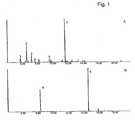
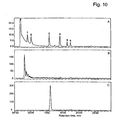
- the analysis of the headspace profiles was focused on terpenoids by only showing the ion 93 chromatogram (although samples were analysed using the SCAN mode). In that way, remarkable differences can be seen between cultivated and wild strawberry: the headspace profile of the wild strawberry contains carvylacetate and a number of olefinic monoterpenes such as ⁇ -pinene, myrcene, ⁇ -phellandrene, and ⁇ -terpinolene, ⁇ -terpineol and ⁇ -terpinene (the last three tentatively identified) ( Figure 1A ), whereas the cultivated is dominated by two major peaks only: linalool and trans- nerolidol ( Figure 1B ).
- DNA was isolated from young strawberry leaves as described by Marty et al., [Theor. Appl. Genet. (2000) 100:1129-1136 ].
- RNA gel blots experiments were performed as described by Aharoni et al., [The Plant Cell, (2000) 12, 647-661 ].
- Cloning full length cDNAs was performed by using the SMART RACE cDNA Amplification Kit (Clontech) according to the manufacturer instructions with slight modifications either to annealing temperatures (normally reduced by 5 to 10°C compared to the one recommended) or amount of cycles (up to 35 cycles).
- PCR, restriction digests, plasmid DNA isolation and gel electrophoresis were performed using standard protocols.
- the ExAssistTM/SOLRTM system (Stratagene) was used for mass excision of the pBluescript SK(-) phagemid. The excision was done according to the manufacturer instructions using 20 ⁇ 10 3 pfu from the non-amplified library for each excision. High quality plasmid DNA from randomly picked colonies was extracted using the QIAGEN BioROBOT 9600. Colonies were grown overnight in 3ml Luria Broth medium (10g/l tryptone, 5 g/l yeast extract, 5 g/l NaCl) supplemented with 100 mg/l ampicillin, centrifuged at 3000 RPM for 10 min. and the pellet was used directly for plasmid DNA isolation by the robot. Each DNA isolation round consisted of 96 cultures.
- Insert size was estimated by agarose gel electrophoresis after restriction enzyme digestion of the pBlueScript (SK-) vector with EcoRI and XhoI. Inserts with length above 500 bp were used for sequencing. Plasmid DNA from the selected samples were used for polymerase chain reaction (PCR) sequencing reactions using the ABI PRISMTM Dye Terminator Cycle Sequencing Ready Reaction Kit and the MJ Research PTC-200 DNA EngineTM thermal cycler. The T3 and T7 universal primers were used for sequencing from the 5' and 3'ends respectively. PCR program was according to the Dye Terminator manufacture's protocol (ABI PRISM). The ABI 373, 370A and 310 sequencers (Applied Bio-systems) were used.
- PCR polymerase chain reaction
- H64 cDNA out of our randomly sequenced clones originating from the cultivated strawberry cultivar Elsanta (ripe red fruit) cDNA library. Homology search results using the BLAST program indicated that the cDNA might encode a terpene synthase protein.
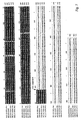
- the entire H64 cDNA is 1874 bp long [(termed H64 Normal Long (H64NORL)] and contains a open reading frame (ORF) encoding a 519 amino acids (aa) long protein [we termed the part of the cDNA forming the 519 aa ORF as H64 Normal Short (H64NORS), see Figure 2 ].
- the full length wild strawberry cDNA [H64 Vesca (H64VES)] was obtained by designing an oligonucleotide on the 3' untranslated region (UTR) based on the 1000 bp fragment obtained in the 3' RACE and using it to RACE for the 5' side (5' GTTCAACTCCACTTCCAGCAGTC 3').
- the H64VES cDNA is 1894 bp long and contains a open reading frame encoding a 580 amino acids (aa) long protein. Sixty one amino acids downstream of the first methionine residue of the 580 aa protein we could identify an additional methionine residue.
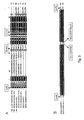
- This 61 amino acids resemble the characteristic plastidic targeting signal of monoterpene synthases since it contains the two arginines motif and a large number of serine residues [ Williams et al. (Biochemistry, 37 12213-12220, 1998 ); see Figure 3A ).
- the H64NORL and H64VES cDNAs share 96 % identity at the nucleic acid level and if the stop codon is eliminated and the rest of the sequence translated, 92.4 % at the amino acid level (from the ATG located at nucleotide 145 up to the end of the coding region).
- H64VES and H64NORS share 97.2 % identity at the nucleic acid level and 94.2 % at the amino acid level (when the part starting from the beginning of H64NORS from H64NORVES is used for the alignment up to the end of the coding region).
- RNA gel blot analysis using H64NORL as a probe revealed that it is upregulated during the cultivated strawberry fruit ripening ( Figure 4 ). No expression could be detected in the leaf and green fruit tissues. H64 expression increased from the white to red stage of fruit development. Analysis of H64 expression in ripe fruits of two wild and two cultivated cultivars showed that H64 is strongly expressed in the cultivated cultivars and hardly any expression could be detected in the wild cultivars (slight signal was detected in the wild cultivars after long exposure of the film, data not shown). Another RNA gel blot showed that H64 is repressed by auxin. This correlates with the fact that also other ripening up-regulated genes in strawberry are repressed by auxin.
- H64NORL H64NORL
- H64MUT non truncated H64NORL protein
- TGA stop codon
- CTA leucine residue
- the site directed mutagenesis was performed using the QuikChange kit as described by the manufacturer (Stratagene). The oligonucleotide used for the exchange was, 5'- GGGAAGCAAGCTATCTAGAAAGTAGCAG-GCAATT-3'.
- Sequencing four clones of the 300 bp length fragments revealed them to be similar to the original H64NORL cDNA. Sequencing and aligning 20 of the larger clones identified several isoforms which were different from the original cultivated H64NORL cDNA. All fragments (including the short ones) contained an intron of approximately 100 bp. Four unique different clones out of the 20 sequenced were identified. Two of them [SEQ6C(H64NORU1/W151) and SEQ7C(H64NORU2/UP3)] had an additional 20 aa (compared to H64MUT) but still contained a stop codon located immediately at the beginning of the peptide they formed.
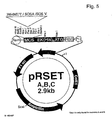
- the E.coli expression vector pRSETB (Invitrogen) was used for heterologous expression of strawberry terpene synthases (see Figure 5 ).
- the pRSETB vector contains the T7 promoter which can be induced by isopropyl- ⁇ -D-thiogalactopyranoside (IPTG) and therefore by inserting the desired gene downstream of this promoter, the gene can be expressed in E. coli.
- IPTG isopropyl- ⁇ -D-thiogalactopyranoside
- DNA inserts were positioned downstream and in frame with a sequence that encodes an N-terminal fusion peptide.
- This sequence includes (in 5' to 3' order from the N-terminal to C-terminal), an ATG translation initiation codon, a series of six histidine residues that function as a metal binding domain in the translated protein, the Anti-Xpress epitope, and the enterokinase cleavage recognition sequence.
- the original pRSETB was primarily used for the insertion of the gene encoding the Green Fluorescent Protein (GFP).
- the GFP gene was fused to the pRSETB vector using the BamHI and HindIII restriction sites located at the multiple cloning site (MCS) as can be seen in figure 5 .
- MCS multiple cloning site
- the 552 amino acid open reading frame of the H64MUT clone was amplified with the pfu DNA polymerase (Stratagene) and oligonucleotides (containing the BamHI and SalI sites) AAP339 (5'- CGGATCCGGCATC-GTCTTCTCGGGC- 3') and AAP334 (5'- CGTCGACCAACTCCACTTCCGGTAGTC- 3') according to the manufacturers instructions.
- the PCR product was cloned into PCR-script vector (Stratagene), cut out with BamHI and SalI and further inserted (as a translation fusion) into the corresponding restriction sites in the pRSETB vector.
- H64NORS was cloned in a similar way.
- the pRSETB vector harboring the H64MUT or H64NORS was used to transform E . coli strain BL21 Gold DE3 pLysE (Stratagene) as described by the manufacturer.
- E . coli strain BL21 Gold DE3 pLysE (Stratagene) as described by the manufacturer.
- For bacterial expression typically 1 ml of overnight liquid culture grown at 37°C in Luria Broth (LB) medium (10g/l tryptone, 5 g/l yeast extract, 5 g/l NaCl) supplemented with 100 mg/l ampicillin was diluted 50 times in the same medium and grown until the OD 600 reached 0.4 (at 37°C). At this stage IPTG was added to a final concentration of 1mM in order to induce expression. After overnight growth at 16°C the cells were harvested by centrifugation at 4000 x g for 15 min.
- LB Luria Broth
- IPTG was added to a final concentration of 1mM in order to induce expression.
- Pellet and a sample from the supernatant were kept for SDS gel analysis.
- the cells were further processed as described by the Ni-NTA Spin Columns manufacturers (QIAGEN) for protein purification under native conditions. First elute from the column (200 ⁇ l) was further used for enzymatic activity assays.
- the SOSV cDNA could be used for hybridization with blots containing RNA from both wild and cultivated cultivars since the SOSA genes and SOSV share nearly 99 % identity at the nucleic acid level (in the ORF region). Hardly any expression could be detected in the cultivated cultivars while strong expression could be detected in the wild cultivars.
- the SOSA probe was also used for hybridizing blots with RNA extracted from different cultivated (Elsanta) fruit developmental stages, but just weak signal could be detected after long exposure.
- Both the SOSA and SOSV coding regions were used for the formation of a recombinant protein in E. Coli cells.
- the entire ORF of SOSA cDNA although truncated was expressed in order to serve as a negative control for the enzymatic assays.
- Similar to the cloning of H64MUT the BamHI and SalI restriction sites at the 5' and 3'of the GFP gene respectively served as sites for the cloning of SOSA and SOSV ORFs into the pRSETB expression vector.
- the BamHI and SalI sites were introduced to the 5' and 3' respectively of the wild and cultivated SOS genes coding sequence by the use of PCR.
- restriction sites were added to the oligonucleotides used for PCR reaction (AAP325, 5'- CGGATCCGCCTGTCCATGCTACTCC- 3' and the reverse primer AAP341, 5'- CGTCGACTGAGTTCAGAGTGGCACTGG- 3').
- the PCR product was cloned into PCR-script vector (Stratagene), cut out with BamHI and SalI and further inserted (as a translation fusion) into the corresponding restriction sites in the pRSETB vector. Expression of SOSA and SOSV in E.Coli was performed parallel to the expression of H64MUT and under identical experimental conditions.
- the His-tag purified enzymes prepared as described above under Example 4.6 were diluted 10-fold with buffer A containing 15 mM MOPSO (pH 7.0), 10% glycerol, 10 mM MgCl 2 , 1 mM sodium ascorbate and 2 mM DTT.
- buffer A containing 15 mM MOPSO (pH 7.0), 10% glycerol, 10 mM MgCl 2 , 1 mM sodium ascorbate and 2 mM DTT.
- 40 ⁇ M of either [ 3 H]-geranyl diphosphate (GPP) or [ 3 H]-farnesyl diphosphate (FPP) were added.
- Assays with GPP as substrate were also supplemented with 1 mM MnCl 2 .
- Radio-GLC was performed on a Carlo-Erba 4160 Series gas chromatograph equipped with a RAGA-90 radioactivity detector (Raytest, Straubenhardt, Germany). Sample components eluting from the column were quantitatively reduced before radioactivity measurement by passage through a conversion reactor filled with platinum chips at 800°C. Samples of 1 ⁇ L were injected in the cold on-column mode.
- the column was a fused silica capillary (30 m x 0.32 mm i.d.) coated with a film of 0.25 ⁇ m of polyethylene glycol (EconoCap EC-WAX, Alltech Associates) and operated with a He-flow of 1.2 mL min -1 .
- the oven temperature was programmed to 70°C for 1 min, followed by a ramp of 5° min -1 to 210°C and a final time of 10 min.
- About 20% of the column effluent was split with an adjustable splitter to an FID (temperature 270°C). The remainder was directed to the conversion reactor and radio detector.
- H64TAR4 encodes a targeting signal ( Fig. 15 ).
- the protein encoded by H64TAR4 is targeted to the plastids (e.g. chloroplasts) and mitochondria while the H64VES protein is targeted to the plastids (e.g. chloroplasts).
- H64NORL and H64NORS which are most active in the ripe cultivated strawberry, are targeted to the cytosol.
- SOSV is also targeted to the cytosol, in-contrast to all monoterpene synthases described to date which are plastid localized.
- monoterpene synthases the cytosol and not only the plastids are a possible location and in the cytosol there are high levels of GPP to synthesize the monoterpenes.
- sesquiterpene synthases normally reported to be localized in the cytosol other sub-cellular localization may be possible such as in the mitochondria and chloroplasts and they may use FPP in these compartments and produce high levels of the sesquiterpene.
- the plastidic targeting signal encoded by the H64VES N-terminal part could be modified to dual targeting to mitochondria and chloroplasts by a change in 2 amino acid residues (Tryptophan-W6 changed to Arginine-R6 and deletion of Isoleucine-I16).
- FPP the precursor for sesquiterpene biosynthesis is a most common metabolite and exists in every living organism.
- the expression of a protein encoding a nerolidol synthase will result in the conversion of endogenous FPP to nerolidol in most living organisms.
- the H64 NORS gene was expressed in Agrobacterium and the protein encoded by it converted the bacterial endogenous FPP to nerolidol, which is highly toxic to the Agrobacterium cells, and therefore no transformants were obtained.
- transgenic plants expressing a nerolidol synthase will have an anti-microbial effect and could be used for the protection against Agrobacterium crown-gall disease.
- a plasmid containing such a terpene synthase having toxic effects on the bacteria one can introduce one or more introns into the coding sequence of the gene. These introns can not be spliced by the bacteria and hence no functional protein is formed by the micro-organism.
- the normal eukaryotic splicing process will lead to a functional protein.
- suitable, organ-specific and/or inducible promoters in the appropriate construct will allow the directed expression of linalool and/or nerolidol at the appropriate site to control crown-gall disease in plants such as fruits, rose, etc.
- slow release formulations or other compositions containing linalool and/or nerolidol may be useful to control crown-gall disease.
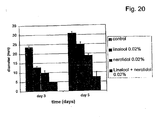
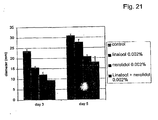
- Linalool and nerolidol were tested in three concentrations (0.2%, 0.02% and 0.002% (v/v)) through the addition to Plich medium in 6 well plates (3 ml per well).
- One 6 well plate per compound was used with two different concentrations in triplicate.
- mycelia were grown on control medium with the compounds (0.2%) added to the medium in the adjacent wells. Free exchange of the compounds through the vapour phase was possible this way.
- All wells were inoculated with a plug of Phytophthora infestans mycelium (isolate VK98014, 1 week old) and incubated at 20°C. On day 3 and 5 the radial growth of the mycelium was measured. The results are shown in Figures 18-21 .
- Figure 19 shows that nerolidol is slightly more effective than linalool (compare Figure 18 ) in inhibiting Phytophthora infestans mycelium growth and that it is a strong inhibitor of mycelium growth even at the lowest concentration of 20 ppm. In contrast to linalool the effects through the vapour phase are negligible. This can be explained by the fact that the sesquiterpene nerolidol is much less volatile than the monoterpene linalool.
- Figures 20 and 21 show that the action of linalool and nerolidol is stronger in combination than when taken alone. This suggests that the simultaneous production of these compounds in plants could result in more effective fungal control compared to a situation when only one of the two compounds is present.
- Leaves of potato cultivar Bintje were vacuum-infiltrated with a 0.05% (v/v) solution of nerolidol. This was done by placing 6 leaflets at a time in a 50 ml bluecap with the nerolidol solution or a water control. The tubes were placed for 15-30 min under vacuum which was then suddenly released. Good infiltration was visible by the dark green color of the leaves. The leaves had gained about 25% weight this way so that the actual concentration in the leaves was in the range of ca. 0.0125%. The leaves were placed on water agar (1.5%) and inoculated with 250-500 spores of the 4 different Phytophthora infestans isolates (race-0, IPO-c, 428-2, VK98014).
- Fusarium. Nerolidol and linalool were tested in a range of concentrations (10-5000 ppm) alone and in combination through the addition to Plich medium in 6 well plates (3 ml per well). In the case of comparing the application of nerolidol and linalool alone to the combination of the two compounds, 100 ppm of the single compound was for example compared to 50 + 50 ppm of the two compounds together. One 6 well plate per compound was used with two different concentrations in triplicate. All wells were inoculated with a mycelium plug of Fusarium graminearum, Fusarium culmorum or F.verticillioides strain MRC826 and incubated at 20°C.
- Botrytis Nerolidol and linalool were tested in a range of concentrations (10-5000 ppm) alone and in combination through the addition to Plich medium in 6 well plates (3 ml per well). In the case of comparing the application of nerolidol and linalool alone to the combination of the two compounds, 100 ppm of the single compound was for example compared to 50 + 50 ppm of the two compounds together. One 6 well plate per compound was used with two different concentrations in triplicate. All wells were inoculated with a mycelium plug of Botrytis cinerea isolated from grape and strawberry and incubated at 20°C. Each day the radial growth of the mycelium was measured. The results of day 7 are given in Figure 23 .
- nerolidol The mycelium growth of all Botrytis isolates was inhibited at concentrations above 10 ppm. At low concentrations nerolidol was more effective than linalool. At very high concentrations linalool or the combination of linalool and nerolidol was most effective. The combined use of nerolidol and linalool is at least as effective as either individual compound and appears to provide the most robust inhibition against all Botrytis isolates.
- a spectrophotometric assay was used to monitor the onset of germination of Fusarium verticillioides spores (isolates: ITEM2282, MRC3235, MRC826, MRC826-2) in solution.
- the spores were diluted to a concentration of 10 5 spores/ml in Czapek Dox medium and mixed with 8-4000 ppm of linalool or nerolidol. Linalool did not affect the germination of the spores at all ( Figure 24B ).
- Nerolidol showed strong inhibition of germination at concentrations above 250 ppm ( Figure 24A ).
- nerolidol provides an additional mode of control of Fusarium verticillioides at the level of spore germination in comparison to linalool and that for the most effective control at all stages of fungal development of Fusarium spp a combined use of nerolidol and linalool is most appropriate.
- Constructs with the H64 cDNAs are prepared for the transformation of plants in order to yield plants that will produce linalool and/or nerolidol in variuous compartments:
- the cDNAs are placed under the control of either the 35S promoter or the Rubisco promoter, both separately and in combination in order to obtain plants producing linalool or nerolidol alone or in combination. It is also contemplated that for some purposes glycosylation or deglycosylation of the terpene-alcohol is required for the mode of action against fungi or insects. For this reason also constructs are made containing glycosyl-transferases or glycosidases in conjunction with the linalool and/or nerolidol synthase cDNAs.
- the appropriate sequences were ligated into a pFlap10 vector.
- the ligation product was transformed to E.coli DH5a competent cells, and transformed colonies were grown O/N at 37°C and 250 rpm.
- the expression cassette was removed from the resulting vector by using PacI and AscI restriction enzymes (NEB, England) and ligated into the binary vector pBINPLUS, containing a kanamycin resistance selection marker (nptII), after digestion with PacI and AscI. Colonies were checked after transformation by back-transformation to E. coli DH5 ⁇ competent cells.
- the dishes were taped with parafilm and incubated overnight at 24 °C under a regime of 16 h light.
- the A . tumefaciens culture was poured in a sterile petridish containing the explants. After 5-10 min explants are removed from the culture, placed on a sterile filter paper to remove excess Agrobacteria and placed back on the R3B medium containing dishes after first removing the top filter paper (leaving one behind).
- Leaf cuttings of Petunia W115 were transformed with Agrobacterium tumefaciens strain LBA4404 using a standard plant transformation protocol ( Lücker et al., The Plant Journal 27: 315-324, 2001 ). As a control leaf cuttings were also transformed with LBA4404 containing the pBINPLUS vector. Furthermore some non-transformed leaf cuttings were carried through the regeneration process. Rooting plants, arising from the Agrobacterium transformation were tested with PCR for the presence of the respective gene construct. Positive plants were transferred to the greenhouse. All ransgenic plants were phenotypically normal and showed a normal development compared with non-transformed control plants, which had gone through the same regeneration process.
- the tomato cultivar 'Micro-Tom' ( Lycopersicon flavour ) was used (Scott and Harbaugh, 1989).
- the plants were grown from seeds provided by a seed company (Beekenkamp seed, Holland).
- Micro-Tom seeds were first sterilised. A rinse in 70% ethanol followed by a two hour bleaching in 1.5% HClO 4 . After bleaching, the seeds were quickly rinsed in water twice and then washed in water for ten and sixty minutes. After sterilisation, seeds were sowed in pots, containing 80ml vermiculite and 70ml of germination medium containing 4.4g/l MS salts with vitamins and 0.5% sucrose (pH 5.8).
- the cotyledons were cut under water near the petiole and the tip with a rolling action of the scalpel, to minimize damage.
- the explants were placed on their backs on filter paper on feederlayers to incubate overnight in the culture room (25°C), covered with 4 folds of filter paper, under low light conditions. After incubation, the explants were immersed in the Agrobacterium suspension for 20 minutes. After immersion, the explants were placed back on feederlayers for co-cultivation, following a rinse in a solution containing 400mg/l carbenicillin and 100mg/l tricarcillin.
- the explants were placed in callus inducing medium (4.4g/l MS salts with Nitsch vitamins, 3% sucrose, 0.8% purified agar (Oxoid), pH 6.0, 2mg/l zeatin, 400mg/l carbenicillin, 100mg/l tricarcillin, 100mg/l kanamycin).
- the plates were covered with 2 folds of filter paper and set to grow in a culture room (25°C) under low light conditions for 3 weeks.
- Formed callus was transferred to shoot inducing medium (as callus inducing medium, but with 1mg/l zeatin, 200mg/l carbenicillin, 50mg/l tricarcillin).
- the tissues to be analyzed were collected in the greenhouse and frozen in liquid nitrogen.
- 200mg frozen material was homogenized and transferred to a mortar containing 1.5mL 5M CaCl 2 and a small amount of purified sea sand. These tissues were mixed with 0.75 mL 5M CaCl 2 .
- the material was ground rapidly and thoroughly with a pestle, inhibiting enzymatic reactions.
- 0.75 mL of the material was introduced into a 1.8 mL GC vial containing a small magnetic stirrer.
- the vial was then closed with an aluminum cap with a PTFE/Butylrubber septum. Subsequently the vial was placed in a 50°C waterbath and preheated for 20 minutes while stirring.
- GC-MS analysis was performed using a Fisons 8060 gas chromatograph directly coupled to a MD 800 mass spectrophotometer (Interscience, Breda, the Netherlands).
- a HP-5 column 50 m x 0.32 mm, film thickness 1.05 ⁇ m was used with He (37 kPa) as carrier gas.
- GC oven temperature was programmed as follows: 2 min 80°C, ramp to 250°C at 8°min -1 and 5 min 250°C.
- Mass spectra in the electron impact mode were generated at 70 eV. The compounds were identified by comparison of GC retention indices and mass spectra with those of authentic reference compounds.
- the native linalool of potato which can also be detected, had a different stereochemistry as the transgenic linalool ( Fig. 26 ), which allowed a clear distinction between native and transgenic product. Because it was suspected that in some of the plant species these compounds were present in a bound form, leaf material of Petunia (transgenic and control samples) was harvested and frozen in liquid nitrogen, and ground to a fine powder in a cooled mortar and pestle. In total 60 mg of the powdered leaf material was transferred to 0.5 ml of citrate buffer at pH 4.5, to which 140 i.u. ß-glucosidase were added. The vial was capped and incubated during 12 h at 25°C.
- the headspace of the vial was sampled during 30 minutes with 100 micron PDMS solid phase microextraction device and analysed using GC-MS as described above. No linalool or nerolidol was detectable in samples from the untransformed control plants, whereas in the transgenic plants both linalool and nerolidol were detected.
- the sample of transgenic leaf material without beta-glucosidase present during the incubation did not show any detectable linalool or nerolidol, indicating that all linalool and nerolidol is stored in the petunia leaves in the form of its glucoside, instead of continuous emission as was described for linalool in the flowers of Clarkia breweri.
- High-performance-liquid-chromatography electrospray-ionization tandem mass spectrometry (HPLC-ESI-MS-MS) analysis of methanol extracts was performed on a triple stage quadrupole TSQ 7000 LC-MS-MS system with an electrospray ionization (ESI) interface (Finnigan MAT, Bremen, Germany).
- the temperature of the heated capillary was 240 °C.
- the ESI capillary voltage was set to 3.5 kV, resulting in a 3.4 ⁇ A current.
- Nitrogen served as both the sheath (70 psi) and auxiliary gas (10 L/min).
- Glycosides were eluted with 80 ml methanol. The extract was concentrated in vacuum. The residue was dissolved in 1 ml of 50% methanol in water and analyzed by HPLC-ESI-MS-MS.
- R,S -Linalyl ß-D-glucopyranoside was synthesized from R,S -linalool and 2,3,4,6-tetra-O-acetyl-beta-D-glucopyranosyl bromide according to a modified Koenigs-Knorr synthesis.
- Multidimensional gas chromatography mass spectrometry (MDGC-MS) analyses were performed with tandem Fison 8160 GC connected to a Fison 8130 GC and a Fisons MD 800 quadrupole mass spectrometer equipped with Fisons MassLab software (Version 1.3).
- the first GC was fitted with a split injector (1:10, at 230 °C) and a flame ionization detector (at 250°C).
- the first GC employed a 25 m x 0.25 mm i.d. fused silica capillary column coated with a 0.25 ⁇ m film of DB-Wax 20 M (J & W Scientific) for the pre-separation of the target molecule.
- the fused silica capillary column in GC1 was maintained at 60°C then programmed to 240°C at 10°C min -1 with He gas flow at 3 ml min -1 .
- the fused silica capillary column in GC2 was maintained at 60°C (15 min) then programmed to 200°C at 2°C min -1 with He gas flow at 3 ml min -1 .
- the compound of interest was transferred from GC1 to GC2 from 9.8 min to 10.3 min.
- the MS operating parameters were ionization voltage, 70 eV (electron impact ionization); ion source and interface temperature, 230°C and 240°C, respectively. Linalyl-ß-D-glucopyranoside was synthesised in order to verify the identity of the glycoside present in the transgenic petunia tissue transformed with S-linalool synthase.
- the control Petunia tissue ion trace m/z 375 showed only a slight elevation above background level at the retention time of the linalyl ß-D-glucoside indicating that there is also a basal level of linalyl-ß-D-glucoside present in the plant before transformation ( Figure 28A ).
- MDGC-MS Chiral phase Multidimensional Gas Chromatography Mass Spectrometry
- the enzyme can be formed in all plant organs and will give a product in all cells where GPP is present.
- a highly active endogenous glucosyltransferase of Petunia that is able to efficiently bind the S -linalool produced by the transgenic plants as ( S )-linalyl-ß-D-glucoside, cellular damage is prevented.
- Such a highly active glycosyltransferase was also reported in transgenic Kiwi fruit expressing stilbene synthase, that accumulated picied (resveratrol-glucoside) in stead of resveratrol.
- transgenic plants expressing the inserted transgenes are shown to produce the expected terpenoid compounds. Their amounts, release, oxidation to polyols, and derivatization to glycosides vary from species to species and can be influenced by the co-expression of other sequences (see Example 11). When these compounds are not stored in any bound intermediates such as glycosides, the plants have altered olfactory characteristics. Table 1.
- Example 10 shows that we are able to produce large amounts of monoterpenes in a range of different species, and that it is not necessary to introduce a GPP synthase unlike was claimed in WO 0022150 .
- the production of sesquiterpenes in transgenic plants proved difficult, as has been reported by several other authors ( Wallaart et al., Planta 212: 460-465, 2001 ; Hohn and Ohlrogge, Plant Physiol 97: 460-462, 1991 ).
- Single genes included an FPP synthase from strawberry encoding a cytosolic protein (FPPS), FPP synthase with a plastid targeting signal (TARFPPS) and a germacrene A synthase gene (GERA, sesquiterpene synthase) that was isolated from chicory ( PCT/EP 0002130 ). Co-transformation was performed with the following combinations of genes:
- Linalool and nerolidol, and its derivative 4,8-dimethyl-1,3( E ),7-nonatriene have been reported to play an important role in the attraction of predators of a variety of insect and spider mite pests by a large number of crops.
- the sequences described in the present invention can be used as markers for the selection of crop species, such as for example maize, cotton, apple, and cucumber, and any other crops employing this indirect defense mechanism, with improved production of volatile, predator attracting, compounds in response to feeding pests.
- the present invention can be used to make transgenic plants with improved signalling capacity.
- the DNA sequences are placed under the control of an inducible promoter, such as wound-inducible or specific inducible promoters.
- Spider mite inducible promoters can for example be isolated from cucumber or lima bean. These plant species have been shown to strongly react to spider mite feeding with the production of volatile signaling compounds (Bouwmeester et al., 1999).
- Subtractive (up- and down-regulated) libraries are made from non-infested (control) and infested plant material using the PCR-SelectTM cDNA Subtraction Kit (Clontech), and the expression of the cDNAs in these subtractive libraries checked using cDNA micro-array technology (see for example Aharoni et al., 2000) using mRNA from control, spider-mite infested and JA-treated plant materials as probes for hybridisation. Regulated cDNAs will be sequenced, and BLASTed to hint their identity. The full-length cDNAs of interesting, strongly regulated genes are obtained using the RACE PCR technology, or by screening a cDNA library.
- the interesting full-length cDNAs are characterised for their expression profile and using heterologous expression or model plant transformation.
- Promoters of strongly (up-)regulated genes are isolated using the Genome WalkerTM kit (Clontech).
- the DNA sequences from the invention are placed under the control of wound-inducible or the isolated suitable (tissue-) specific (inducible) promoters and used for transformation of crops in which biological control is enabled by the production of inducible volatile signalling compounds, such as cucumber, maize and cotton, using published protocols. Transformation of cucumber is carried out using a protocol for gene transfer and regeneration of cucumber as developed by a Dutch seed company.
- the altered response of the transgenic plants is determined using jasmonic acid treated and spider mite or beet army worm infested transgenic and control plants.
- Volatile production is determined using headspace trapping and GC-MS analysis (Bouwmeester et al., 1999).
- the response of the respective predators is determined using behavioural studies using a Y-tube olfactometer (e.g. Takabayashi et al., J. Chem. Ecol. 20(2), 373-385, 1994 ).
- the transgenic Arabidopsis from Example 10 was shown to produce large amounts of linalool and smaller amounts of nerolidol.
- Green fruits were harvested from various homozygous transgenic Microtom tomato lines. Earlier these lines had been characterized for linalool content by steam destillation and GC-MS. Ten different berries from each transgenic line were inoculated by pricking the top of the fruit with a tooth pick dipped in a suspension of 10,000 sporangia/ml of Phytophthora infestans IPO428-2. After 7 days the fruits were scored for infection level (Table 3). Nearly all diseased fruits had turned completely grey/black just below the skin. Fruits were scored clean if they had no infection at all. A strong correlation was observed between a high linalool expression level and a low percentage of diseased berries.
- H64NOR and H64TAR Transgenic potato lines expressing the H64NORS gene in two different constructs (H64NOR and H64TAR) were analyzed for production of linalool and nerolidol in the headspace using an SPME fiber and GC-MS.
- the H64NOR construct did not yield nerolidol or linalool production above the background present in potato, while the H64TAR construct gave very high levels of linalool and low levels nerolidol in the headspace.
- Both sets of plants were tested for Phytophthora infestans resistance by inoculating 5 detached leaves in 2 replicates with spore suspensions and scoring lesion area, lesion growth and sporulation (Table 4).
- Figure 30 combines the data of table 1 and 4.
- Figures 30A, B and C provide the correlation in lesion size, lesion growth rate, and sporulation respectively of Phytophthora infestans isolate IPO 428-2 plotted against the content of linalool, 8-hydroxylinalool, linalooltriol, lynalylglucoside, 8-hydroxylinalylglucoside and linalyltriolglucoside content of the potato transgenic lines T or TM-9, -13, -29 and a control line.
- the control data from table 4 on fungal growth and sporulation were taken to be the average values of the H64NOR plants (I-lines) with negligible increased levels of either linalool, nerolidol or derivatives.
- FIG. 30 demonstrates a strong dose-effect correlation of the levels of linalool (derivatives) produced in potato to the levels of resistance. With high levels of terpene expression clearly complete resistance to Phytophthora infestans infection was obtained. Furthermore, figure 30D provides the in vitro data on the sensitivity of Phytophthora infestans isolate IPO428-2 which was used for the in planta experiments to pure linalool in the medium as described in Example 9.
- a line of Arabidopsis thaliana transformed with the H64TAR construct was characterized to have a single gene insertion by Southern blot, high headspace levels of linalool and lower headspace levels of nerolidol (Example 10). This line was selected and selfed. Selfed seeds were sown and young, non-flowering plants were analysed for levels of linalool in the headspace using SPME GC-MS analysis (Example 10). Homo- and heterozygous plants with high levels of linalool were used in a bioassay with Myzus persicae female adults to observe repellent or deterrent effects of linalool expression (Table 5).
- Nucleic acid sequence (A) Translation of nucleic acid sequence of A (B) or if sequence contains an intron: (A) Nucleic acid sequence including intron; (B) Nucleic acid sequence from (A) excluding intron; (C) Translation of nucleic acid from (B).
Landscapes
- Health & Medical Sciences (AREA)
- Life Sciences & Earth Sciences (AREA)
- Genetics & Genomics (AREA)
- Engineering & Computer Science (AREA)
- Chemical & Material Sciences (AREA)
- Bioinformatics & Cheminformatics (AREA)
- Organic Chemistry (AREA)
- Zoology (AREA)
- Wood Science & Technology (AREA)
- Biotechnology (AREA)
- Biomedical Technology (AREA)
- General Engineering & Computer Science (AREA)
- Molecular Biology (AREA)
- Biochemistry (AREA)
- Microbiology (AREA)
- General Health & Medical Sciences (AREA)
- Physics & Mathematics (AREA)
- Cell Biology (AREA)
- Plant Pathology (AREA)
- Biophysics (AREA)
- Nutrition Science (AREA)
- Pest Control & Pesticides (AREA)
- Medicinal Chemistry (AREA)
- Insects & Arthropods (AREA)
- Micro-Organisms Or Cultivation Processes Thereof (AREA)
- Preparation Of Compounds By Using Micro-Organisms (AREA)
- Enzymes And Modification Thereof (AREA)
- Fats And Perfumes (AREA)
- Breeding Of Plants And Reproduction By Means Of Culturing (AREA)
- General Preparation And Processing Of Foods (AREA)
Claims (13)
- Nukleinsäure oder funktionelle Fragmente davon, ein proteinöses Molekül verschlüsselnd, wobei besagtes proteinöses Molekül die Fähigkeit hat, unter geeigneten Bedingungen zumindest ein Monoterpenalkohol-Linalool zu synthetisieren, wenn es in Kontakt mit Geranyl-Diphosphat (GPP) kommt, und zumindest ein Sesquiterpenalkohol-Nerolidol, wenn es in Kontakt mit Farnesyldiphosphat (FPP) kommt, wobei besagte Nukleinsäure ein proteinöses Molekül verschlüsselt, das eine Aminosäuresequenz aufweist oder ein funktionelles Fragment davon, welche zumindest zu 50 % identisch mit der H64MUT-Sequenz, wie in Fig. 2 dargestellt, oder einem funktionellen Fragment davon, ist, bevorzugt zu 70 % identisch, besonders bevorzugt zu 80 % identisch, insbesondere bevorzugt zu 90 % identisch, noch bevorzugter zu 95 % identisch, und äußerst bevorzugt zu 99 % identisch.
- Nukleinsäure nach Anspruch 1, wobei besagte Nukleinsäure ein proteinöses Molekül verschlüsselt, welches eine Aminosäuresequenz oder ein funktionelles Fragment davon enthält, das mit der H64MUT-Sequenz, wie in Fig. 2 dargestellt, oder mit der H64NORS-Sequenz, wie in Fig. 2 dargestellt, oder mit der H64VES-Sequenz, wie in Fig. 2 dargestellt, oder mit einem funktionellen Fragment der H64MUT-, H64NORS- oder H64VES-Sequenz identisch ist.
- Nukleinsäuresequenz nach einem der Ansprüche 1 bis 2, erzeugbar aus einem Eukaryoten, bevorzugt einer Pflanze, besonders bevorzugt einer Erdbeere.
- Nukleinsäuresequenz nach einem der Ansprüche 1 bis 3, mit einer Nukleinsäure, die ein Plastid-Zielsignal verschlüsselt, oder einer Nukleinsäure, die ein mitochondriales Zielsignal verschlüsselt.
- Nukleinsäure nach einem der Ansprüche 1 bis 4, welche ein proteinöses Molekül mit der Fähigkeit zur Synthese einer isoprenoiden bioaktiven Verbindung im Cytosol, Plastid oder Mitochondrium in einer Zelle verschlüsselt, wenn es mit einem geeigneten Substrat unter angemessenen Reaktionsbedingungen versehen ist.
- Träger, der eine Nukleinsäure nach einem der Ansprüche 1 bis 5 aufweist.
- Transgener Wirt mit einer Nukleinsäure nach einem der Ansprüche 1 bis 5 oder einem Träger nach Anspruch 6.
- Transgener Wirt nach Anspruch 7, wobei besagter Wirt eine Nerolidol-Synthase/- Cyclase oder eine monoterpene Synthase/Cyclase exprimiert.
- Transgener Wirt nach einem der Ansprüche 7 oder 8, wobei besagter Wirt eine Pflanze oder ein davon abgeleitetes Vermehrungsmaterial ist.
- Verfahren zur Herstellung eines Aromas, Dufts und/oder eines biologischen Pflanzenschutzmittels, bestehend aus a) der Umsetzung oder Transfektion eines geeigneten Wirts mit zumindest einer Nukleinsäure nach einem der Ansprüche 1 bis 5 oder einem Träger nach Anspruch 6; b) der Exprimierung besagter Nukleinsäure in Gegenwart eines geeigneten Substrats.
- Verfahren nach Anspruch 10, des Weiteren bestehend aus Schritt c) der wahlweisen Isolierung des Erzeugnisses.
- Verfahren zur Bildung einer Pathogenresistenz in einer Pflanze durch die Umsetzung oder Transfektion einer Pflanze mit zumindest einer Nukleinsäure nach einem der Ansprüche 1 bis 5 oder einem Träger nach Anspruch 6 und Exprimierung besagter Nukleinsäure in Gegenwart eines geeigneten Substrats.
- Verfahren nach Anspruch 12, wobei eine Resistenz gegen Pilze und/oder Insekten vorliegt.
Priority Applications (1)
| Application Number | Priority Date | Filing Date | Title |
|---|---|---|---|
| EP02700889A EP1379663B1 (de) | 2001-02-12 | 2002-02-12 | Terpen synthase/cyclase und olefin synthase sowie deren verwendung |
Applications Claiming Priority (4)
| Application Number | Priority Date | Filing Date | Title |
|---|---|---|---|
| EP01200488 | 2001-02-12 | ||
| EP01200488A EP1231273A1 (de) | 2001-02-12 | 2001-02-12 | Terpen Synthase/Cyclase und Olefin Synthase sowie deren Verwendung |
| EP02700889A EP1379663B1 (de) | 2001-02-12 | 2002-02-12 | Terpen synthase/cyclase und olefin synthase sowie deren verwendung |
| PCT/NL2002/000089 WO2002064764A2 (en) | 2001-02-12 | 2002-02-12 | Terpene synthase/cyclase and olefin synthase and uses thereof |
Publications (2)
| Publication Number | Publication Date |
|---|---|
| EP1379663A2 EP1379663A2 (de) | 2004-01-14 |
| EP1379663B1 true EP1379663B1 (de) | 2011-12-14 |
Family
ID=8179877
Family Applications (2)
| Application Number | Title | Priority Date | Filing Date |
|---|---|---|---|
| EP01200488A Withdrawn EP1231273A1 (de) | 2001-02-12 | 2001-02-12 | Terpen Synthase/Cyclase und Olefin Synthase sowie deren Verwendung |
| EP02700889A Expired - Lifetime EP1379663B1 (de) | 2001-02-12 | 2002-02-12 | Terpen synthase/cyclase und olefin synthase sowie deren verwendung |
Family Applications Before (1)
| Application Number | Title | Priority Date | Filing Date |
|---|---|---|---|
| EP01200488A Withdrawn EP1231273A1 (de) | 2001-02-12 | 2001-02-12 | Terpen Synthase/Cyclase und Olefin Synthase sowie deren Verwendung |
Country Status (6)
| Country | Link |
|---|---|
| US (2) | US7453024B2 (de) |
| EP (2) | EP1231273A1 (de) |
| AT (1) | ATE537260T1 (de) |
| BR (1) | BR0207164A (de) |
| ES (1) | ES2379461T3 (de) |
| WO (1) | WO2002064764A2 (de) |
Families Citing this family (29)
| Publication number | Priority date | Publication date | Assignee | Title |
|---|---|---|---|---|
| US7939091B2 (en) * | 1999-08-06 | 2011-05-10 | Iowa State University Research Foundation, Inc. | Biorational repellents obtained from terpenoids for use against arthropods |
| DE10201458A1 (de) * | 2001-04-11 | 2002-10-17 | Adelbert Bacher | Intermediate und Enzyme des Mevalonat-unabhängigen Isoprenoidbiosyntheseweg |
| ES2607122T3 (es) * | 2002-10-04 | 2017-03-29 | Firmenich Sa | Sesquiterpeno sintasas y procedimientos de uso |
| NZ523384A (en) * | 2002-12-24 | 2005-12-23 | Horticulture & Food Res Inst | Enzymes and polynucleotides encoding the same |
| WO2004111254A1 (en) * | 2003-06-19 | 2004-12-23 | Poalis A/S | A method of producing a low molecular weight organic compound in a cell |
| RU2006122534A (ru) | 2003-11-26 | 2008-01-10 | Фирмениш Са (Ch) | Сесквитерпен синтезы из пачулей |
| WO2005056803A1 (en) * | 2003-12-09 | 2005-06-23 | Firmenich Sa | Sesquiterpene synthases from patchouli |
| WO2006111924A2 (en) * | 2005-04-19 | 2006-10-26 | University Of Kentucky Research Foundation | Transformed plants accumulating terpenes |
| JP5430929B2 (ja) * | 2005-06-17 | 2014-03-05 | フイルメニツヒ ソシエテ アノニム | 新規セスキテルペン合成酵素ならびにその使用方法 |
| EP2066778B1 (de) * | 2006-09-26 | 2016-01-27 | The Regents of The University of California | Herstellung von isoprenoiden und isoprenoidvorläufern |
| US20080241329A1 (en) * | 2007-03-28 | 2008-10-02 | Kraft Foods Holdings, Inc. | Antimicrobial composition and its use in ready-to-drink beverages |
| WO2008150461A2 (en) | 2007-06-01 | 2008-12-11 | Sapphire Energy | High throughput screening of genetically modified photosynthetic organisms |
| WO2009005704A1 (en) * | 2007-07-03 | 2009-01-08 | The Regents Of The University Of California | Methods of increasing isoprenoid or isoprenoid precursor production |
| WO2009015079A1 (en) * | 2007-07-21 | 2009-01-29 | The Samuel Roberts Noble Foundation, Inc. | Modification of plant disease resistance |
| AU2008299020A1 (en) * | 2007-09-11 | 2009-03-19 | Sapphire Energy, Inc. | Molecule production by photosynthetic organisms |
| NZ583620A (en) * | 2007-09-11 | 2012-08-31 | Sapphire Energy Inc | Methods of producing organic fuel products with photosynthetic organisms |
| JP2011147432A (ja) * | 2009-12-25 | 2011-08-04 | Kirin Holdings Co Ltd | 新規のテルペン類合成酵素活性を有するタンパク質とそれをコードする遺伝子 |
| WO2012091165A1 (ja) * | 2010-12-28 | 2012-07-05 | サントリーホールディングス株式会社 | モノテルペン配糖体化酵素の利用方法 |
| US8741613B2 (en) | 2012-05-16 | 2014-06-03 | Glycos Biotechnologies, Inc. | Microorganisms and processes for the production of isoprene |
| WO2016008885A1 (en) * | 2014-07-14 | 2016-01-21 | Photanol B.V. | Biosynthesis of sesquiterpenes in cyanobacteria |
| WO2016064347A1 (en) | 2014-10-22 | 2016-04-28 | Temasek Life Sciences Laboratory Limited | Terpene synthases from ylang ylang (cananga odorata var. fruticosa) |
| GB201500377D0 (en) | 2015-01-09 | 2015-02-25 | Micromass Ltd | Lock mass using chromatographic peaks |
| EP3928776B1 (de) | 2016-04-22 | 2025-11-12 | Spoke Sciences, Inc. | Schnellwirkende pflanzenbasierte medizinische verbindungen und nahrungsergänzungen |
| EA201892396A1 (ru) | 2016-12-02 | 2019-04-30 | Ресептор Лайф Сайенсиз, Инк. | Быстродействующие растительные лекарственные соединения и биологически активные добавки |
| CN108893482B (zh) * | 2018-06-22 | 2021-11-05 | 中国医学科学院药用植物研究所 | 丹参萜类合酶基因SmTPS8、其克隆引物、表达载体、催化产物及应用 |
| AU2019385420A1 (en) | 2018-11-19 | 2021-07-08 | Spoke Sciences, Inc. | N-acylated fatty amino acids to reduce absorption variability in cannabinoid based compositions |
| EP3739055A1 (de) * | 2019-05-15 | 2020-11-18 | Symrise AG | Biotechnologische herstellung von aromastoffen aus johannisbeertrester |
| CN113841707B (zh) * | 2021-10-26 | 2022-07-05 | 中国热带农业科学院环境与植物保护研究所 | 反式法尼醇作为增效剂在防治荔枝霜疫病中的应用 |
| EP4565691A1 (de) * | 2022-11-14 | 2025-06-11 | Agency for Science, Technology and Research | Biosynthese von isoprenoid |
Family Cites Families (12)
| Publication number | Priority date | Publication date | Assignee | Title |
|---|---|---|---|---|
| US4041185A (en) * | 1975-08-25 | 1977-08-09 | General Foods Corporation | Blueberry flavor |
| US4775534A (en) | 1986-02-05 | 1988-10-04 | Fermone Chemicals, Inc. | Miticidal composition and method for controlling spider mite populations |
| US5116602A (en) * | 1989-09-27 | 1992-05-26 | Colgate-Palmolive Company | Antiplaque oral compositions |
| CA2071943C (en) | 1989-12-22 | 2007-04-24 | Joan Tellefsen Odell | Site-specific recombination of dna in plant cells |
| US5196200A (en) * | 1991-04-25 | 1993-03-23 | International Flavors & Fragrances Inc. | Bisabolene-containing composition, process for preparing same, organoleptic uses thereof and uses thereof as insect repellent |
| US6291745B1 (en) * | 1993-04-02 | 2001-09-18 | Pioneer Hi-Bred International, Inc. | Limonene and other downstream metabolites of geranyl pyrophosphate for insect control in plants |
| CA2222023C (en) | 1995-05-24 | 1999-11-23 | Terry E. Meyer | Corn rootworm control via formation of limonene in transgenic plants |
| EP0858507A2 (de) * | 1995-10-12 | 1998-08-19 | The Regents of The University of Michigan | Verwendung der linalool-synthase zur genetischen manipulation der duftproduktion |
| US5849526A (en) * | 1996-10-15 | 1998-12-15 | The Regents Of The University Of Michigan | Use of linalool synthase in genetic engineering of scent production |
| AU746684B2 (en) * | 1997-09-02 | 2002-05-02 | Washington State University Research Foundation | Nucleic and amino acid sequences for a novel transketolase from $i (Mentha Piperita) |
| US6265639B1 (en) * | 1998-01-22 | 2001-07-24 | Washington State University Foundation | Gymnosperm nucleic acid molecules encoding sesquiterpene synthases and methods of use |
| EP0982404A1 (de) | 1998-08-27 | 2000-03-01 | Wallaart, Thorvald Eelco | DNS, die für Amorpha-4,11-diensynthase codiert |
-
2001
- 2001-02-12 EP EP01200488A patent/EP1231273A1/de not_active Withdrawn
-
2002
- 2002-02-12 WO PCT/NL2002/000089 patent/WO2002064764A2/en not_active Ceased
- 2002-02-12 ES ES02700889T patent/ES2379461T3/es not_active Expired - Lifetime
- 2002-02-12 BR BR0207164-9A patent/BR0207164A/pt not_active Application Discontinuation
- 2002-02-12 EP EP02700889A patent/EP1379663B1/de not_active Expired - Lifetime
- 2002-02-12 AT AT02700889T patent/ATE537260T1/de active
-
2003
- 2003-08-05 US US10/635,223 patent/US7453024B2/en not_active Expired - Fee Related
-
2008
- 2008-11-17 US US12/272,329 patent/US8338663B2/en not_active Expired - Fee Related
Also Published As
| Publication number | Publication date |
|---|---|
| US20100144893A1 (en) | 2010-06-10 |
| WO2002064764A3 (en) | 2003-12-31 |
| US20040161819A1 (en) | 2004-08-19 |
| US7453024B2 (en) | 2008-11-18 |
| US8338663B2 (en) | 2012-12-25 |
| ES2379461T3 (es) | 2012-04-26 |
| EP1231273A1 (de) | 2002-08-14 |
| WO2002064764A8 (en) | 2003-11-06 |
| BR0207164A (pt) | 2004-02-10 |
| ATE537260T1 (de) | 2011-12-15 |
| WO2002064764A2 (en) | 2002-08-22 |
| EP1379663A2 (de) | 2004-01-14 |
Similar Documents
| Publication | Publication Date | Title |
|---|---|---|
| US8338663B2 (en) | Isoprenoid synthases | |
| US9572349B2 (en) | Repellent compositions and genetic approaches for controlling huanglongbing | |
| CN102458098A (zh) | 植物snf1相关蛋白激酶基因 | |
| US7154022B2 (en) | Divinyl ether synthase gene, and protein and uses thereof | |
| US20090313718A1 (en) | Polynucleotides encoding caryophyllene synthase and uses thereof | |
| AU747075B2 (en) | Sesquiterpene synthases from grand fir abies grandis, and methods of use | |
| US20140173771A1 (en) | Transcription factor modulating terpene biosynthesis | |
| US6974895B1 (en) | Transgenic legume plants modified to produce resveratrol glucoside and uses thereof | |
| CA2437863C (en) | Isoprenoid synthases | |
| Ramirez | Pyrethrum secondary metabolism: biosynthesis, localization and ecology of defence compounds | |
| AU2002233824A1 (en) | Isoprenoid synthases | |
| EP2184351A1 (de) | Polynukleotid-kondierende Caryophyllen-Synthase und ihre Verwendung | |
| CA2360365A1 (en) | Transgenic plants modified to contain resveratrol glucoside and uses thereof | |
| Lybrand | Secretory Glandular Trichomes: Analysis and Engineering of Plant Specialized Metabolism | |
| Bezuidenhout | Functional analysis of candidate terpenoid biosynthetic genes isolated from grapevine | |
| Nicolia et al. | Editing strigolactone biosynthesis genes in tomato reveals novel phenotypic effects and highlights D27 as a breeding target for parasitic weed resistance | |
| Huh | Biochemical, molecular and functional analysis of volatile terpene formation in Arabidopsis roots | |
| Cseke | Molecular biology of floral scent evolution: characterization of linalool synthase (LIS) in diverse species | |
| Ginglinger et al. | Gene Coexpression Analysis Reveals Complex Metabolism of the Monoterpene Alcohol Linalool in Arabidopsis FlowersW OPEN | |
| Kohlen | Regulation of biosynthesis and transport of strigolactones and their effect on plant development | |
| van Schie | Biosynthesis of volatile and hormonal terpenes in tomato |
Legal Events
| Date | Code | Title | Description |
|---|---|---|---|
| PUAI | Public reference made under article 153(3) epc to a published international application that has entered the european phase |
Free format text: ORIGINAL CODE: 0009012 |
|
| 17P | Request for examination filed |
Effective date: 20030804 |
|
| AK | Designated contracting states |
Kind code of ref document: A2 Designated state(s): AT BE CH CY DE DK ES FI FR GB GR IE IT LI LU MC NL PT SE TR |
|
| AX | Request for extension of the european patent |
Extension state: AL LT LV MK RO SI |
|
| R17D | Deferred search report published (corrected) |
Effective date: 20031231 |
|
| RAP1 | Party data changed (applicant data changed or rights of an application transferred) |
Owner name: DE RUITER SEEDS R&D B.V. Owner name: ENZA ZADEN BEHEER B.V. |
|
| 17Q | First examination report despatched |
Effective date: 20061211 |
|
| 111Z | Information provided on other rights and legal means of execution |
Free format text: AT BE CH CY DE DK ES FI FR GB GR IE IT LU MC NL PT SE TR Effective date: 20080710 |
|
| RAP1 | Party data changed (applicant data changed or rights of an application transferred) |
Owner name: ENZA ZADEN BEHEER B.V. Owner name: MONSANTO INVEST N.V. |
|
| GRAP | Despatch of communication of intention to grant a patent |
Free format text: ORIGINAL CODE: EPIDOSNIGR1 |
|
| GRAS | Grant fee paid |
Free format text: ORIGINAL CODE: EPIDOSNIGR3 |
|
| RAP1 | Party data changed (applicant data changed or rights of an application transferred) |
Owner name: ENZA ZADEN BEHEER B.V. Owner name: MONSANTO INVEST N.V. |
|
| GRAA | (expected) grant |
Free format text: ORIGINAL CODE: 0009210 |
|
| AK | Designated contracting states |
Kind code of ref document: B1 Designated state(s): AT BE CH CY DE DK ES FI FR GB GR IE IT LI LU MC NL PT SE TR |
|
| REG | Reference to a national code |
Ref country code: GB Ref legal event code: FG4D |
|
| REG | Reference to a national code |
Ref country code: CH Ref legal event code: EP |
|
| REG | Reference to a national code |
Ref country code: IE Ref legal event code: FG4D |
|
| REG | Reference to a national code |
Ref country code: DE Ref legal event code: R096 Ref document number: 60241733 Country of ref document: DE Effective date: 20120209 |
|
| REG | Reference to a national code |
Ref country code: NL Ref legal event code: T3 |
|
| REG | Reference to a national code |
Ref country code: CH Ref legal event code: NV Representative=s name: BOVARD AG |
|
| RAP2 | Party data changed (patent owner data changed or rights of a patent transferred) |
Owner name: ENZA ZADEN BEHEER B.V. |
|
| REG | Reference to a national code |
Ref country code: ES Ref legal event code: FG2A Ref document number: 2379461 Country of ref document: ES Kind code of ref document: T3 Effective date: 20120426 |
|
| PG25 | Lapsed in a contracting state [announced via postgrant information from national office to epo] |
Ref country code: GR Free format text: LAPSE BECAUSE OF FAILURE TO SUBMIT A TRANSLATION OF THE DESCRIPTION OR TO PAY THE FEE WITHIN THE PRESCRIBED TIME-LIMIT Effective date: 20120315 Ref country code: SE Free format text: LAPSE BECAUSE OF FAILURE TO SUBMIT A TRANSLATION OF THE DESCRIPTION OR TO PAY THE FEE WITHIN THE PRESCRIBED TIME-LIMIT Effective date: 20111214 |
|
| PG25 | Lapsed in a contracting state [announced via postgrant information from national office to epo] |
Ref country code: BE Free format text: LAPSE BECAUSE OF FAILURE TO SUBMIT A TRANSLATION OF THE DESCRIPTION OR TO PAY THE FEE WITHIN THE PRESCRIBED TIME-LIMIT Effective date: 20111214 Ref country code: CY Free format text: LAPSE BECAUSE OF FAILURE TO SUBMIT A TRANSLATION OF THE DESCRIPTION OR TO PAY THE FEE WITHIN THE PRESCRIBED TIME-LIMIT Effective date: 20111214 |
|
| REG | Reference to a national code |
Ref country code: CH Ref legal event code: PUEA Owner name: ENZA ZADEN BEHEER B.V. Free format text: MONSANTO INVEST N.V.#LEEUWENHOEKWEG 52#2661 CZ BERGSCHENHOEK (NL) $ ENZA ZADEN BEHEER B.V.#HALING 1E#1602 DB ENKHUIZEN (NL) -TRANSFER TO- ENZA ZADEN BEHEER B.V.#HALING 1E#1602 DB ENKHUIZEN (NL) |
|
| REG | Reference to a national code |
Ref country code: NL Ref legal event code: SD Effective date: 20120704 |
|
| PGFP | Annual fee paid to national office [announced via postgrant information from national office to epo] |
Ref country code: NL Payment date: 20120425 Year of fee payment: 11 Ref country code: CH Payment date: 20120420 Year of fee payment: 11 |
|
| PG25 | Lapsed in a contracting state [announced via postgrant information from national office to epo] |
Ref country code: PT Free format text: LAPSE BECAUSE OF FAILURE TO SUBMIT A TRANSLATION OF THE DESCRIPTION OR TO PAY THE FEE WITHIN THE PRESCRIBED TIME-LIMIT Effective date: 20120416 |
|
| PGFP | Annual fee paid to national office [announced via postgrant information from national office to epo] |
Ref country code: FR Payment date: 20120507 Year of fee payment: 11 |
|
| REG | Reference to a national code |
Ref country code: AT Ref legal event code: MK05 Ref document number: 537260 Country of ref document: AT Kind code of ref document: T Effective date: 20111214 |
|
| PG25 | Lapsed in a contracting state [announced via postgrant information from national office to epo] |
Ref country code: MC Free format text: LAPSE BECAUSE OF NON-PAYMENT OF DUE FEES Effective date: 20120229 |
|
| PGFP | Annual fee paid to national office [announced via postgrant information from national office to epo] |
Ref country code: IT Payment date: 20120412 Year of fee payment: 11 |
|
| PLBE | No opposition filed within time limit |
Free format text: ORIGINAL CODE: 0009261 |
|
| STAA | Information on the status of an ep patent application or granted ep patent |
Free format text: STATUS: NO OPPOSITION FILED WITHIN TIME LIMIT |
|
| PG25 | Lapsed in a contracting state [announced via postgrant information from national office to epo] |
Ref country code: DK Free format text: LAPSE BECAUSE OF FAILURE TO SUBMIT A TRANSLATION OF THE DESCRIPTION OR TO PAY THE FEE WITHIN THE PRESCRIBED TIME-LIMIT Effective date: 20111214 |
|
| 26N | No opposition filed |
Effective date: 20120917 |
|
| REG | Reference to a national code |
Ref country code: IE Ref legal event code: MM4A |
|
| GBPC | Gb: european patent ceased through non-payment of renewal fee |
Effective date: 20120314 |
|
| REG | Reference to a national code |
Ref country code: DE Ref legal event code: R119 Ref document number: 60241733 Country of ref document: DE Effective date: 20120901 |
|
| PGFP | Annual fee paid to national office [announced via postgrant information from national office to epo] |
Ref country code: ES Payment date: 20120425 Year of fee payment: 11 |
|
| PG25 | Lapsed in a contracting state [announced via postgrant information from national office to epo] |
Ref country code: GB Free format text: LAPSE BECAUSE OF NON-PAYMENT OF DUE FEES Effective date: 20120314 Ref country code: IE Free format text: LAPSE BECAUSE OF NON-PAYMENT OF DUE FEES Effective date: 20120212 Ref country code: AT Free format text: LAPSE BECAUSE OF FAILURE TO SUBMIT A TRANSLATION OF THE DESCRIPTION OR TO PAY THE FEE WITHIN THE PRESCRIBED TIME-LIMIT Effective date: 20111214 |
|
| PG25 | Lapsed in a contracting state [announced via postgrant information from national office to epo] |
Ref country code: FI Free format text: LAPSE BECAUSE OF FAILURE TO SUBMIT A TRANSLATION OF THE DESCRIPTION OR TO PAY THE FEE WITHIN THE PRESCRIBED TIME-LIMIT Effective date: 20111214 Ref country code: DE Free format text: LAPSE BECAUSE OF NON-PAYMENT OF DUE FEES Effective date: 20120901 |
|
| REG | Reference to a national code |
Ref country code: NL Ref legal event code: V1 Effective date: 20130901 |
|
| REG | Reference to a national code |
Ref country code: CH Ref legal event code: PL |
|
| PG25 | Lapsed in a contracting state [announced via postgrant information from national office to epo] |
Ref country code: NL Free format text: LAPSE BECAUSE OF NON-PAYMENT OF DUE FEES Effective date: 20130901 Ref country code: LI Free format text: LAPSE BECAUSE OF NON-PAYMENT OF DUE FEES Effective date: 20130228 Ref country code: CH Free format text: LAPSE BECAUSE OF NON-PAYMENT OF DUE FEES Effective date: 20130228 |
|
| REG | Reference to a national code |
Ref country code: FR Ref legal event code: ST Effective date: 20131031 |
|
| PG25 | Lapsed in a contracting state [announced via postgrant information from national office to epo] |
Ref country code: IT Free format text: LAPSE BECAUSE OF NON-PAYMENT OF DUE FEES Effective date: 20130212 |
|
| PG25 | Lapsed in a contracting state [announced via postgrant information from national office to epo] |
Ref country code: FR Free format text: LAPSE BECAUSE OF NON-PAYMENT OF DUE FEES Effective date: 20130228 |
|
| REG | Reference to a national code |
Ref country code: ES Ref legal event code: FD2A Effective date: 20140509 |
|
| PG25 | Lapsed in a contracting state [announced via postgrant information from national office to epo] |
Ref country code: LU Free format text: LAPSE BECAUSE OF NON-PAYMENT OF DUE FEES Effective date: 20120212 |
|
| PGFP | Annual fee paid to national office [announced via postgrant information from national office to epo] |
Ref country code: TR Payment date: 20120430 Year of fee payment: 11 |
|
| PG25 | Lapsed in a contracting state [announced via postgrant information from national office to epo] |
Ref country code: ES Free format text: LAPSE BECAUSE OF NON-PAYMENT OF DUE FEES Effective date: 20130213 |
|
| PG25 | Lapsed in a contracting state [announced via postgrant information from national office to epo] |
Ref country code: TR Free format text: LAPSE BECAUSE OF NON-PAYMENT OF DUE FEES Effective date: 20130212 |