EP1436281B1 - Piperidin- und piperazinacetamide als inhibitoren der 17beta-hydroxysteroiddehydrogenase des typs 3 zur behandlung androgenabhängiger krankheiten - Google Patents
Piperidin- und piperazinacetamide als inhibitoren der 17beta-hydroxysteroiddehydrogenase des typs 3 zur behandlung androgenabhängiger krankheiten Download PDFInfo
- Publication number
- EP1436281B1 EP1436281B1 EP02773770A EP02773770A EP1436281B1 EP 1436281 B1 EP1436281 B1 EP 1436281B1 EP 02773770 A EP02773770 A EP 02773770A EP 02773770 A EP02773770 A EP 02773770A EP 1436281 B1 EP1436281 B1 EP 1436281B1
- Authority
- EP
- European Patent Office
- Prior art keywords
- group
- alkyl
- aryl
- pharmaceutically acceptable
- solvate
- Prior art date
- Legal status (The legal status is an assumption and is not a legal conclusion. Google has not performed a legal analysis and makes no representation as to the accuracy of the status listed.)
- Expired - Lifetime
Links
- 0 CC*C(N(*)OC)=O Chemical compound CC*C(N(*)OC)=O 0.000 description 6
- AJGQYCUDBKLMCS-HXUWFJFHSA-N CC(C)(C)[C@@H](CN(Cc(cc1Cl)ccc1Cl)CC1)N1C(CC1CCNCC1)=O Chemical compound CC(C)(C)[C@@H](CN(Cc(cc1Cl)ccc1Cl)CC1)N1C(CC1CCNCC1)=O AJGQYCUDBKLMCS-HXUWFJFHSA-N 0.000 description 1
- HEXLDZXWUOIJFQ-GDLZYMKVSA-N CC(C)(C)[C@@H](CN(Cc1ccccc1-c(cc1Cl)ccc1Cl)CC1)N1C(CC(CC1)CCN1C(OC(C)(C)C)=O)=O Chemical compound CC(C)(C)[C@@H](CN(Cc1ccccc1-c(cc1Cl)ccc1Cl)CC1)N1C(CC(CC1)CCN1C(OC(C)(C)C)=O)=O HEXLDZXWUOIJFQ-GDLZYMKVSA-N 0.000 description 1
- TXAWBKBMGZKBNN-UHFFFAOYSA-N CCC(c(cc1)ccc1Cl)O Chemical compound CCC(c(cc1)ccc1Cl)O TXAWBKBMGZKBNN-UHFFFAOYSA-N 0.000 description 1
- ZEVGWMVFKYGTCZ-WUBHUQEYSA-N CCCC(c(cc1)ccc1Cl)N(CC1)C[C@H](C(C)C)N1C(CC(CC1)CCN1C(C)=O)=O Chemical compound CCCC(c(cc1)ccc1Cl)N(CC1)C[C@H](C(C)C)N1C(CC(CC1)CCN1C(C)=O)=O ZEVGWMVFKYGTCZ-WUBHUQEYSA-N 0.000 description 1
- QOIHLQUDYAHOTO-UHFFFAOYSA-M CCCCC(C(C(Cc1ccccc1)C1)=O)[N-]C1=O Chemical compound CCCCC(C(C(Cc1ccccc1)C1)=O)[N-]C1=O QOIHLQUDYAHOTO-UHFFFAOYSA-M 0.000 description 1
- IFMRSLPISXFABA-UHFFFAOYSA-N CS(OC(CC1CC1)c(cc1Cl)ccc1Cl)(=O)=O Chemical compound CS(OC(CC1CC1)c(cc1Cl)ccc1Cl)(=O)=O IFMRSLPISXFABA-UHFFFAOYSA-N 0.000 description 1
- UBGKBQYNPAXXTL-UHFFFAOYSA-N OC(CC1CC1)c(cc1)cc(Cl)c1Cl Chemical compound OC(CC1CC1)c(cc1)cc(Cl)c1Cl UBGKBQYNPAXXTL-UHFFFAOYSA-N 0.000 description 1
Classifications
-
- C—CHEMISTRY; METALLURGY
- C07—ORGANIC CHEMISTRY
- C07D—HETEROCYCLIC COMPOUNDS
- C07D401/00—Heterocyclic compounds containing two or more hetero rings, having nitrogen atoms as the only ring hetero atoms, at least one ring being a six-membered ring with only one nitrogen atom
- C07D401/02—Heterocyclic compounds containing two or more hetero rings, having nitrogen atoms as the only ring hetero atoms, at least one ring being a six-membered ring with only one nitrogen atom containing two hetero rings
- C07D401/12—Heterocyclic compounds containing two or more hetero rings, having nitrogen atoms as the only ring hetero atoms, at least one ring being a six-membered ring with only one nitrogen atom containing two hetero rings linked by a chain containing hetero atoms as chain links
-
- A—HUMAN NECESSITIES
- A61—MEDICAL OR VETERINARY SCIENCE; HYGIENE
- A61P—SPECIFIC THERAPEUTIC ACTIVITY OF CHEMICAL COMPOUNDS OR MEDICINAL PREPARATIONS
- A61P13/00—Drugs for disorders of the urinary system
-
- A—HUMAN NECESSITIES
- A61—MEDICAL OR VETERINARY SCIENCE; HYGIENE
- A61P—SPECIFIC THERAPEUTIC ACTIVITY OF CHEMICAL COMPOUNDS OR MEDICINAL PREPARATIONS
- A61P13/00—Drugs for disorders of the urinary system
- A61P13/08—Drugs for disorders of the urinary system of the prostate
-
- A—HUMAN NECESSITIES
- A61—MEDICAL OR VETERINARY SCIENCE; HYGIENE
- A61P—SPECIFIC THERAPEUTIC ACTIVITY OF CHEMICAL COMPOUNDS OR MEDICINAL PREPARATIONS
- A61P15/00—Drugs for genital or sexual disorders; Contraceptives
-
- A—HUMAN NECESSITIES
- A61—MEDICAL OR VETERINARY SCIENCE; HYGIENE
- A61P—SPECIFIC THERAPEUTIC ACTIVITY OF CHEMICAL COMPOUNDS OR MEDICINAL PREPARATIONS
- A61P17/00—Drugs for dermatological disorders
-
- A—HUMAN NECESSITIES
- A61—MEDICAL OR VETERINARY SCIENCE; HYGIENE
- A61P—SPECIFIC THERAPEUTIC ACTIVITY OF CHEMICAL COMPOUNDS OR MEDICINAL PREPARATIONS
- A61P17/00—Drugs for dermatological disorders
- A61P17/10—Anti-acne agents
-
- A—HUMAN NECESSITIES
- A61—MEDICAL OR VETERINARY SCIENCE; HYGIENE
- A61P—SPECIFIC THERAPEUTIC ACTIVITY OF CHEMICAL COMPOUNDS OR MEDICINAL PREPARATIONS
- A61P17/00—Drugs for dermatological disorders
- A61P17/14—Drugs for dermatological disorders for baldness or alopecia
-
- A—HUMAN NECESSITIES
- A61—MEDICAL OR VETERINARY SCIENCE; HYGIENE
- A61P—SPECIFIC THERAPEUTIC ACTIVITY OF CHEMICAL COMPOUNDS OR MEDICINAL PREPARATIONS
- A61P35/00—Antineoplastic agents
-
- A—HUMAN NECESSITIES
- A61—MEDICAL OR VETERINARY SCIENCE; HYGIENE
- A61P—SPECIFIC THERAPEUTIC ACTIVITY OF CHEMICAL COMPOUNDS OR MEDICINAL PREPARATIONS
- A61P35/00—Antineoplastic agents
- A61P35/02—Antineoplastic agents specific for leukemia
-
- A—HUMAN NECESSITIES
- A61—MEDICAL OR VETERINARY SCIENCE; HYGIENE
- A61P—SPECIFIC THERAPEUTIC ACTIVITY OF CHEMICAL COMPOUNDS OR MEDICINAL PREPARATIONS
- A61P43/00—Drugs for specific purposes, not provided for in groups A61P1/00-A61P41/00
-
- A—HUMAN NECESSITIES
- A61—MEDICAL OR VETERINARY SCIENCE; HYGIENE
- A61P—SPECIFIC THERAPEUTIC ACTIVITY OF CHEMICAL COMPOUNDS OR MEDICINAL PREPARATIONS
- A61P5/00—Drugs for disorders of the endocrine system
- A61P5/24—Drugs for disorders of the endocrine system of the sex hormones
- A61P5/28—Antiandrogens
-
- C—CHEMISTRY; METALLURGY
- C07—ORGANIC CHEMISTRY
- C07D—HETEROCYCLIC COMPOUNDS
- C07D211/00—Heterocyclic compounds containing hydrogenated pyridine rings, not condensed with other rings
- C07D211/04—Heterocyclic compounds containing hydrogenated pyridine rings, not condensed with other rings with only hydrogen or carbon atoms directly attached to the ring nitrogen atom
- C07D211/06—Heterocyclic compounds containing hydrogenated pyridine rings, not condensed with other rings with only hydrogen or carbon atoms directly attached to the ring nitrogen atom having no double bonds between ring members or between ring members and non-ring members
- C07D211/08—Heterocyclic compounds containing hydrogenated pyridine rings, not condensed with other rings with only hydrogen or carbon atoms directly attached to the ring nitrogen atom having no double bonds between ring members or between ring members and non-ring members with hydrocarbon or substituted hydrocarbon radicals directly attached to ring carbon atoms
- C07D211/18—Heterocyclic compounds containing hydrogenated pyridine rings, not condensed with other rings with only hydrogen or carbon atoms directly attached to the ring nitrogen atom having no double bonds between ring members or between ring members and non-ring members with hydrocarbon or substituted hydrocarbon radicals directly attached to ring carbon atoms with substituted hydrocarbon radicals attached to ring carbon atoms
- C07D211/34—Heterocyclic compounds containing hydrogenated pyridine rings, not condensed with other rings with only hydrogen or carbon atoms directly attached to the ring nitrogen atom having no double bonds between ring members or between ring members and non-ring members with hydrocarbon or substituted hydrocarbon radicals directly attached to ring carbon atoms with substituted hydrocarbon radicals attached to ring carbon atoms with hydrocarbon radicals, substituted by carbon atoms having three bonds to hetero atoms with at the most one bond to halogen, e.g. ester or nitrile radicals
Definitions
- the invention relates to novel inhibitors of Type 3 17 ⁇ - Hydroxysteroid Dehydrogenase, pharmaceutical compositions containing the compounds and the use of the compounds for the treatment or prevention of androgen dependent diseases.
- Androgen dependent diseases for example, diseases whose onset or progress is aided by androgenic activity, are well known. These diseases include but are not limited to prostate cancer, benign prostatic hyperplasia, acne, seborrhea, hirsutism, androgenic alopecia, precocious puberty, adrenal hyperplasia and polycystic ovarian syndrome.
- Estrogen dependent diseases i.e. diseases whose onset or progress is aided by estrogenic activity are also well known. These include but are not limited to breast cancer, endometriosis, leiomyoma and precocious puberty.
- Androgenic and estrogenic activity may be suppressed by administering androgen receptor antagonists or estrogen receptor antagonists respectively. See e.g. WO 94/26767 and WO 96/26201 . Androgenic and estrogenic activity may also be reduced by suppressing androgen or estrogen biosynthesis using inhibitors of enzymes that catalyze one or more steps of such biosynthesis.
- Type 3 17 ⁇ - Hydroxysteroid Dehydrogenase (17 ⁇ -HSD3) is the primary enzyme that converts androstenedione to testosterone in the testes. Androgenic and estrogenic activity may also be reduced by suppressing ovarian or testicular secretions by known methods. See e.g.
- Type 5 17B-Hydroxysteroid Dehydrogenase is described in WO 97/11162 .
- Novel inhibitors of both Type 3 and Type 5 17B-Hyroxysteroid Dehydrogenase are described in WO 99/46279 .
- US Pat. No. 5,665,735 discloses compounds useful in the treatment of asthma, allergy and inflammation, which are of the formula: or a pharmaceutically acceptable salt or solvate thereof, wherein:
- the present invention provides novel compounds represented by Formula (I): a prodrug thereof, or a pharmaceutically acceptable salt or solvate of the compound or of the prodrug wherein, R 1 is selected from the group consisting of aryl, heteroaryl, arylalkyl, heteroarylalkyl and diphenylalkyl, each optionally substituted with one to six groups selected from the group consisting of:
- Compounds represented by formula (I) are useful for the treatment or prevention of androgen dependent diseases, including, but not limited to, prostate cancer, benign prostatic hyperplasia and prostatic intraepithelial neoplasia.
- Another aspect of the invention comprises a pharmaceutical composition comprising a compound of formula (I), alone or with another active agent, and a pharmaceutically acceptable carrier or excipient therefore.
- the inventive compounds and compositions can be used alone or in combination with other active agents and/or methods of treatment for treating or preventing androgen dependent diseases.
- Double bonds may be represented by the presence of parentheses around an atom in a chemical formula.
- cycloalkyl or "cycloalkane,” as used herein, means an unsubstituted or substituted, saturated, stable, non-aromatic, chemically-feasible carbocyclic ring, having, preferably, from three to fifteen carbon atoms, more preferably, from three to eight carbon atoms.
- the cycloalkyl carbon ring radical is saturated and may be fused, for example, benzofused, with one to two cycloalkyl, aromatic, heterocyclic or heteroaromatic rings.
- the cycloalkyl may be attached at any endocyclic carbon atom that results in a stable structure.
- Preferred carbocyclic rings have from five to six carbons. Examples of cycloalkyl radicals include cyclopropyl, cyclobutyl, cyclopentyl, cyclohexyl, cycloheptyl, and the like.
- heterocycloalkyl refers to a cycloalkyl group which has at least one heteroatom.
- halogen or "Halo" (halogen) is intended to include fluorine, chlorine, bromine or iodine.
- fluoroalkyl represents a straight or branched saturated hydrocarbon chain having the designated number of carbon atoms, substituted with one or more fluorine atoms. Where the number of carbon atoms is not specified, 1 to 20 carbons are intended
- arylalkyl refers to an aryl group bonded directly to a subject structure through an alkyl group.
- heteroalkyl refers to an alkyl group which has at least one heteroatom. Representative examples include alcohols, alkoxyalkyls and alkylaminoalkyls.
- heterocycle or “heterocyclic ring” is defined by all non-aromatic, heterocyclic rings of 3-7 atoms containing 1-3 heteroatoms selected from N, O and S, such as oxirane, oxetane, tetrahydrofuran, tetrahydropyran, pyrrolidine, piperidine, piperazine, tetrahydropyridine, tetrahydropyrimidine, tetrahydrothiophene, tetrahydrothiopyran, morpholine, hydantoin, valerolactam, pyrrolidinone, and the like.
- heterocyclic acidic functional group is intended to include groups such as, pyrrole, imidazole, triazole, tetrazole, and the like.
- the heteroaryl group can be unsubstituted or substituted with one, two, or three substituents independently selected from lower alkyl, halo, cyano, nitro, haloalkyl, hydroxy, alkoxy, carboxy, carboxyalkyl, carboxamide, sulfhydryl, amino, alkylamino and dialkylamino.
- Representative heteroaryl groups include thiazoyl, thienyl, pyridyl, benzothienyl and quinolyl.
- heteroarylalkyl refers to a heteroaryl group bonded directly to a subject structure through an alkyl group.
- prodrug represents compounds that are drug precursors which, following administration to a patient, release the drug in vivo via a chemical or physiological process (e.g ., a prodrug on being brought to a physiological pH or through an enzyme action is converted to the desired drug form).
- a chemical or physiological process e.g ., a prodrug on being brought to a physiological pH or through an enzyme action is converted to the desired drug form.
- composition is intended to encompass a product comprising the specified ingredients in the specified amounts, as well as any product which results, directly or indirectly, from combination of the specified ingredients in the specified amounts.
- an effective amount means an amount of a compound or composition which is sufficient enough to significantly and positively modify the symptoms and/or conditions to be treated (e.g ., provide a positive clinical response).
- the effective amount of an active ingredient for use in a pharmaceutical composition will vary with the particular condition being treated, the severity of the condition, the duration of the treatment, the nature of concurrent therapy, the particular active ingredient(s) being employed, the particular pharmaceutically-acceptable excipient(s) / carrier(s) utilized, and like factors within the knowledge and expertise of the attending physician.
- disease is intended to include any abnormal physical or mental condition, including disorders, as well as any symptoms which are subject evidence of a disease or disorder.
- compound having the formula I represents a compound having a chemical structure encompassed by formula I, and includes any and all isomers (e.g ., enantiomers, stereoisomers, diastereomers, rotomers, tautomers) and prodrugs of the compound. These compounds can be neutral, acidic or alkaline, and further include their corresponding pharmaceutically-acceptable salts, solvates, esters, and the like.
- All isomers of the compounds of the instant invention are contemplated, either in admixture or in pure or substantially pure form.
- the definition of compounds according to the invention embraces all the possible isomers and their mixtures. It very particularly embraces the racemic forms and the isolated optical isomers having the specified activity.
- the racemic forms can be resolved by physical methods, such as, for example, fractional crystallization, separation or crystallization of diastereomeric derivatives or separation by chiral column chromatography.
- inventive compounds designated with a 1 or 2 above the formula correspond to the first and second isomers, respectively, to-elute from a chiral chromatography column during separation from a diastereomeric mixture.
- tetrahydrofuran THF
- EtOH ethanol
- MeOH methanol
- acetic acid HOAc or AcOH
- ethyl acetate EtOAc
- N,N-dimethylformamide DMF
- trifluoroacetic acid THF
- trifluoroacetic anhydride THF
- TFAA trifluoroacetic anhydride
- 1-hydroxybenzotriazole HOBT
- MCPBA m-chloroperbenzoic acid
- Et 3 N diethyl ether
- Et 2 O ethyl chloroformate
- ClCO 2 Et 1-(3-dimethylaminopropyl)-3-ethyl carbodiimide hydrochloride
- DEC t-butoxycarbonyl
- BOC phenyl group
- TMSNCO trimethylsilyl isocyanate
- chemotherapeutic agent examples include: alkylating agents, antimetabolites, natural products and their derivatives, hormones and steroids (including synthetic analogs), and synthetics. Examples of compounds within these classes are given below.
- Alkylating agents including nitrogen mustards, ethylenimine derivatives, alkyl sulfonates, nitrosoureas and triazenes: Uracil mustard, Chlormethine, Cyclophosphamide (Cytoxan ® ), Ifosfamide, Melphalan, Chlorambucil, Pipobroman, Triethylenemelamine, Triethylenethiophosphoramine, Busulfan, Carmustine, Lomustine, Streptozocin, dacarbazine, and Temozolomide.
- Antimetabolites including folic acid antagonists, pyrimidine analogs, purine analogs and adenosine deaminase inhibitors: Methotrexate, 5-Fluorouracil, Floxuridine, Cytarabine, 6-Mercaptopurine, 6-Thioguanine, Fludarabine phosphate, Pentostatine, and Gemcitabine.
- Natural products and their derivatives including vinca alkaloids, antitumor antibiotics, enzymes, lymphokines and epipodophyllotoxins: Vinblastine, Vincristine, Vindesine, Bleomycin, Dactinomycin, Daunorubicin, Doxorubicin, Epirubicin, Idarubicin, paclitaxel (paclitaxel is commercially available as Taxol ® and is described in more detail below in the subsection entitled "Microtubule Affecting Agents”), Mithramycin, Deoxycoformycin, Mitomycin-C, L-Asparaginase, Interferons- ⁇ and ⁇ (especially IFN- ⁇ ), Etoposide, and Teniposide.
- Vinblastine Vincristine
- Vindesine Bleomycin
- Dactinomycin Daunorubicin
- Doxorubicin Doxorubicin
- Epirubicin Idarubicin
- paclitaxel paclitaxel is commercially available
- Hormonal agents and steroids include synthetic analogs: 17 ⁇ -Ethinylestradiol, Diethylstilbestrol, Testosterone, Prednisone, Fluoxymesterone, Dromostanolone propionate, Testolactone, Megestrolacetate, Tamoxifen, Methylprednisolone, Methyltestosterone, Prednisolone, Triamcinolone, Chlorotrianisene, Hydroxyprogesterone, Aminoglutethimide, Estramustine, Medroxyprogesteroneacetate, Leuprolide, Flutamide, Toremifene, goserelin and Zoladex.
- Synthetics including inorganic complexes such as platinum coordination complexes: Cisplatin, Carboplatin, Hydroxyurea, Amsacrine, Procarbazine, Mitotane, Mitoxantrone, Levamisole, Navelbene, CPT-11, Anastrazole, Letrazole, Capecitabine, Ralozifine, Droloxifine and Hexamethylmelamine.
- biological agents useful in the methods of this invention include, but are not limited to, interferon- ⁇ , interferon- ⁇ and gene therapy.
- NSC 608832 NSC 608832
- thiocolchicine NSC 361792
- trityl cysteine NSC 83265
- vinblastine sulfate NSC 49842
- vincristine sulfate NSC 67574
- epothilone A epothilone
- discodermolide see Service, (1996) Science, 274:2009 ) estramustine, nocodazole, MAP4, and the like. Examples of such agents are also described in the scientific and patent literature, see, e.g., Bulinski (1997) J. Cell Sci. 110:3055-3064 ; Panda (1997) Proc. Natl. Acad. Sci.
- microtubule affecting agents can be assessed using one of many such assays known in the art, e.g., a semiautomated assay which measures the tubulin-polymerizing activity of paclitaxel analogs in combination with a cellular assay to measure the potential of these compounds to block cells in mitosis (see Lopes (1997) Cancer Chemother. Pharmacol. 41:37-47 ).
- R 1 is selected from aryl and heteroaryl, each optionally substituted with one to six groups selected from the following:
- R 1 is selected from phenyl and pyridyl, each optionally substituted with one to six groups selected from the following:
- a compound of formula I may form pharmaceutically acceptable salts with organic and inorganic acids or bases.
- suitable bases for salt formation include but are not limited to sodium hydroxide, lithium hydroxide, potassium hydroxide, and calcium hydroxide.
- salts formed with pharmaceutically acceptable amines such as ammonia, alkyl amines, hydroxyalkylamines, N-methylglucamine and the like.
- Certain compounds will be acidic in nature, e.g. those compounds which possess a carboxyl or phenolic hydroxyl group. Salts of phenols can be made by heating acidic compounds with any of the above mentioned bases according to procedures well known to those skilled in the art.
- aluminum, gold and silver salts of the compounds are also contemplated.
- suitable acids for salt formation are hydrochloric, sulfuric, phosphoric, acetic, citric, malonic, salicylic, malic, fumaric, succinic, ascorbic, maleic, methanesulfonic and other mineral and carboxylic acids well known to those skilled in the art.
- the salts are prepared by contacting the free base forms with a sufficient amount of the desired acid to produce a salt in the conventional manner.
- the free base forms may be regenerated by treating the salt with a suitable dilute aqueous base solution, such as dilute aqueous sodium hydroxide, lithium hydroxide, potassium hydroxide, calcium hydroxide, potassium carbonate, ammonia or sodium bicarbonate.
- the present invention provides the use of a compound of formula (I), or a pharmaceutically acceptable salt or solvate thereof in the manufacture of a medicine for the use comprising the inhibition of type 3 17 ⁇ -hydroxysteroid dehydrogenase in a mammal, e.g. a human.
- the present invention provides the use of a compound of formula (I), or a pharmaceutically acceptable salt or solvate thereof in the manufacture of a medicine for the use comprising the treatment or prevention of androgen- or estrogen-dependent diseases in a mammal, e.g. a human.
- the present invention provides the use of a compound of formula (1) in the manufacture of a medicine for the use comprising the treatment or prevention of prostate cancer, and other androgen-dependent neoplasms, benign prostatic hyperplasia, prostatic intraepithelial neoplasia, androgenic alopecia (i.e. pattern baldness in both male and female patients), hirsutism, polycystic ovary syndrome and acne in a mammal, e.g. a human.
- a compound of formula (1) in the manufacture of a medicine for the use comprising the treatment or prevention of prostate cancer, and other androgen-dependent neoplasms, benign prostatic hyperplasia, prostatic intraepithelial neoplasia, androgenic alopecia (i.e. pattern baldness in both male and female patients), hirsutism, polycystic ovary syndrome and acne in a mammal, e.g. a human.
- the present invention provides the use of a compound of formula (I) in the manufacture of a medicine, which in combination with at least one anti-androgenic agent (i.e. agents that decrease androgen synthesis or activity), is for the use comprising the treatment or prevention of an androgen-dependent disease.
- at least one anti-androgenic agent i.e. agents that decrease androgen synthesis or activity
- anti-androgenic agents include, but are not limited to, the following: inhibitors of 5 ⁇ -reductase type 1 and/or type 2, e.g. finasteride, SKF105,657, LY191,704 , LY320,236, dutasteride, Flutamide, nicalutamide, bicalutamide, LHRH agonists e.g. leuprolide and zoladex, LHRH antagonists, e.g. abarelix and cetrorelix, inhibitors of 17 ⁇ -hydroxylase/C17-20 lyase, e.g.
- inhibitors of 5 ⁇ -reductase type 1 and/or type 2 e.g. finasteride, SKF105,657, LY191,704 , LY320,236, dutasteride, Flutamide, nicalutamide, bicalutamide, LHRH agonists e.g. leuprolide and zolad
- YM116, CB7630 and liarozole inhibitors of 17 ⁇ -Hydroxysteroid dehydrogenase type 5 and/or other 17 ⁇ -Hydroxysteroid dehydrogenase/17 ⁇ -oxidoreductase isoenzymes, e.g. EM-1404.
- Types of androgen or estrogen dependent diseases include, but are not limited to, prostate cancer, benign prostatic hyperplasia, prostatic intraepithelial neoplasia, acne, seborrheas, hirsutism, androgenic alopecia, precocious puberty, adrenal hyperplasia, and polycystic ovarian syndrome, breast cancer, endometriosis and leiomyoma.
- This invention further provides the use of a compound of formula (I) in the manufacture of a medicine, which in combination with at least one agent useful in the treatment or prevention of benign prostatic hyperplasia, is for the use comprising the treatment or prevention of benign prostatic hyperplasia.
- agents include, but are not limited to, alpha-1 adrenergic antagonists, e.g. tamsulosin and terazosin.
- This invention also provides the use of a compound of formula (I) in the manufacture of a medicine, which in combination with at least one anti-alopecia agent, is for the use comprising the treatment or prevention of hair loss.
- Useful anti-alopecia agents i.e. agents that treat or prevent hair loss, include potassium channel agonists (e.g., minoxidil and KC-516), or 5 ⁇ -reductase inhibitors, (e.g., finasteride and dutasteride).
- the present invention also provides the use of a compound of formula (I) in the manufacture of a medicine, which in combination of an effective amount of one or more of a chemotherapeutic agent, biological agent, surgery (e.g. prostatectomy) or radiation therapy (preferably, y-radiation), is for the use comprising the treatment or prevention of proliferative diseases, especially cancers (tumors) in a mammal (e.g. a human).
- a chemotherapeutic agent e.g. prostatectomy
- radiation therapy preferably, y-radiation
- cancers i.e. tumors
- lung cancer e.g., lung adenocarcinoma
- pancreatic cancers e.g., pancreatic carcinoma such as, for example, exocrine pancreatic carcinoma
- colon cancers e.g., colorectal carcinomas, such as, for example, colon adenocarcinoma and colon adenoma
- renal cancers myeloid leukemias (for example, acute myelogenous leukemia (AML), thyroid follicular cancer, myelodysplastic syndrome (MDS), bladder carcinoma, epidermal carcinoma, melanoma, breast cancer and prostate cancer.
- myeloid leukemias for example, acute myelogenous leukemia (AML), thyroid follicular cancer, myelodysplastic syndrome (MDS)
- bladder carcinoma epidermal carcinoma, melanoma, breast cancer and prostate cancer.
- a compound of formula (I) in the manufacture of a medicine for treating proliferative diseases (cancer), includes treating (inhibiting) the abnormal growth of cells, including transformed cells, in a patient in need of such treatment (e.g., a mammal such as a human), by administering, concurrently or sequentially, an effective amount of a compound of this invention and an effective amount of an anti-cancer agent.
- Abnormal growth of cells means cell growth independent of normal regulatory mechanisms (e.g., contact inhibition or apoptosis), including the abnormal growth of: (1) tumor cells (tumors) expressing an activated ras oncogene; (2) tumor cells in which the ras protein is activated as a result of oncogenic mutation in another gene; and (3) benign and malignant cells of other proliferative diseases.
- tumors which may be treated include, but are not limited to, epithelial cancers, e.g., prostate cancer, lung cancer (e.g., lung adenocarcinoma), pancreatic cancers (e.g., pancreatic carcinoma such as, for example, exocrine pancreatic carcinoma), breast cancers, renal cancers, colon cancers (e.g., colorectal carcinomas, such as, for example, colon adenocarcinoma and colon adenoma), ovarian cancer, and bladder carcinoma.
- Other cancers that can be treated include melanoma, myeloid leukemias (for example, acute myelogenous leukemia), sarcomas, thyroid follicular cancer, and myelodysplastic syndrome.
- a mammal in need of treatment or prevention of one or more of the diseases/disorders described above would be administered a therapeutically effective amount of medicine comprising a compound of formula (I), or a pharmaceutically acceptable salt or solvate thereof, alone or in combination with therapeutically effective amounts of other agents or therapies described above.
- the tubes were centrifuged for 20 minutes at 3000 rpm at 4°C in a table top centrifuge and then snap frozen in a dry ice-methanol bath.
- the ether layer was decanted into another glass tube, and then evaporated to dryness using compressed nitrogen gas.
- the samples were resuspended in chloroform (20 mL) and spotted onto silica G60 thin layer chromatography plates. 14 C-Androstenedione substrate and 14 C-testosterone product were separated by placing the plates in chloroform:ethyl acetate (3:1). The plates were dried, exposed overnight, scanned and quantitated on a FUJI FLA2000 phosphorimager.
- the percent inhibition of 17 ⁇ -HSD3 activity is the difference between the percent of maximum specific binding ("MSB") and 100%.
- Compounds of this invention have a range of 17B-Hydroxysteroid dehydrogenase Type 3 binding activity from about 0.010 nM to about > 100 nM.
- Preferably compounds of this invention have a binding activity in the range of about 0.010 nM to 100 nM, more preferably about 0.010 to 50 nM, and most preferably about 0.010 nM to10 nM.
- the compounds of the invention may also be deliverable transdermally.
- the transdermal composition can take the form of creams, lotions, aerosols and/or emulsions and can be included in a transdermal patch of the matrix or reservoir type as are conventional in the art for this purpose.
- the compound is administered orally.
- the pharmaceutical preparation is in a unit dosage form.
- the preparation is subdivided into suitably sized unit doses containing appropriate quantities of the active component, e.g., an effective amount to achieve the desired purpose.
- the quantity of active compound in a unit dose of preparation may be varied or adjusted from about 0.01 mg to about 1000 mg, preferably from about 0.01 mg to about 750 mg, more preferably from about 0.01 mg to about 500 mg, and most preferably from about 0.01 mg to about 250 mg, according to the particular application.
- Anti-androgenic agents, anti-benign prostatic hyperplasia agents, potassium channel agonists and biological agents can be administered in association with the compounds of the present invention according to the dosage and administration schedule listed in the product information sheet of the approved agents, in the Physicians Desk Reference (PDR) as well as therapeutic protocols well known in the art. It will be apparent to those skilled in the art that the administration of the agents can be varied depending on the disease being treated and the known effects of the agents on that disease. Also, in accordance with the knowledge of the skilled clinician, the therapeutic protocols (e.g., dosage amounts and times of administration) can be varied in view of the observed effects of the administered agents on the patient, and in view of the observed responses of the disease to the administered therapeutic agents.
- PDR Physicians Desk Reference
- the regiochemical analogs can be prepared through the sequential modification of protecting groups in accordance with Scheme 3 above.
- ketone can be accomplished by the addition of an appropriate organometallic to the N, O-dimethylamide, which is converted from an appropriate acid under standard conditions (see Scheme 7 above).
- the substituted piperazines can be prepared through the reduction of commercially available diketopiperazines or alternatively from the desired amino acids, as shown in Scheme 8 above.
- N-BOC or N-acyl piperidine acetic acid can be prepared as described previously through the reduction of 4-pyridine acetic acid (see Scheme 9 above).
- N-Boc-4-piperidineacetic acid prepared as described in US Pat. No. 5,874,442 ; 35.0 g, 144 mmol
- TEA 20.0 mL, 1.0 eq.
- trimethylacetyl chloride 17.7 mL, 1.0 eq.
- the resulting slurry was stirred at 0 °C for 1.5 hours before adding the product from Preparative Example 9 (33.5 g, 151 mmol, 1.05 eq.) in toluene (100 mL) and the resulting solution was warmed to room temperature and stirred overnight.
- the resulting solution was stirred at 0 °C for 1 hour and room temperature for 1 hour.
- the reaction was quenched by pouring it over ice (100 g) and saturated NH 4 Cl.
- the resulting solution was extracted with CH 2 Cl 2 , the combined organics were dried over Na 2 SO 4 , filtered, concentrated and used without further purification.
- TFA (4.0 mL) was added to a solution of the product from Preparative Example 35 (2.00 g, 3.86 mmol) in anhydrous CH 2 Cl 2 (40 mL) at 0 °C under N 2 .
- the mixture was stirred at 0°C for 15 min, then 16 mL of TFA was added and the stirring was continued for another 30 min at 0°C.
- the mixture was poured onto solid K 2 CO 3 (50 g), H 2 O (200 mL) was added, and the mixture was extracted with CH 2 Cl 2 (4x 30 mL). The extracts were dried over Na 2 SO 4 , filtered, and the solvent was evaporated.
- TFA (4.0 mL) was added to a solution of the product from Preparative Example 35 (2.00 g, 3.86 mmol) in anhydrous CH 2 Cl 2 (40 mL) at 0°C under N 2 .
- the mixture was stirred at 0 °C for 15 min, then 16 mL of TFA was added and the stirring was continued for another 30 min at 0°C.
- the mixture was poured onto solid K 2 CO 3 (50 g), H 2 O (200 mL) was added and the mixture was extracted with CH 2 Cl 2 (4 x 30 mL). The extracts were dried over Na 2 SO 4 , filtered, and the solvent was evaporated.
Landscapes
- Health & Medical Sciences (AREA)
- Chemical & Material Sciences (AREA)
- Organic Chemistry (AREA)
- Life Sciences & Earth Sciences (AREA)
- General Health & Medical Sciences (AREA)
- Veterinary Medicine (AREA)
- Chemical Kinetics & Catalysis (AREA)
- General Chemical & Material Sciences (AREA)
- Medicinal Chemistry (AREA)
- Nuclear Medicine, Radiotherapy & Molecular Imaging (AREA)
- Public Health (AREA)
- Pharmacology & Pharmacy (AREA)
- Animal Behavior & Ethology (AREA)
- Engineering & Computer Science (AREA)
- Bioinformatics & Cheminformatics (AREA)
- Dermatology (AREA)
- Endocrinology (AREA)
- Urology & Nephrology (AREA)
- Diabetes (AREA)
- Hematology (AREA)
- Oncology (AREA)
- Reproductive Health (AREA)
- Pharmaceuticals Containing Other Organic And Inorganic Compounds (AREA)
- Plural Heterocyclic Compounds (AREA)
- Medicines That Contain Protein Lipid Enzymes And Other Medicines (AREA)
Claims (29)
- Verbindung der Formel (I):

R1 ausgewählt ist aus der Gruppe bestehend aus Aryl, Heteroaryl, Arylalkyl, Heteroarylalkyl und Diphenylalkyl, wobei jedes davon gegebenenfalls mit 1 bis 6 Gruppen substituiert ist, die ausgewählt sind aus der Gruppe bestehend aus:a) Halogen;b) -OCF3 oder -OCHF2;c) -CF3;d) -CN;e) Alkyl oder R18-Alkyl;f) Heteroalkyl oder R18-Heteroalkyl;g) Aryl oder R18-Aryl;h) Heteroaryl oder R18-Heteroaryl;i) Arylalkyl oder R18-Arylalkyl;j) Heteroarylalkyl oder R18-Heteroarylalkyl;k) Hydroxy;l) Alkoxy;m) Aryloxy;n) -SO2-Alkyl;o) -NR11R12;p) -N(R11)C(O)R13;q) Methylendioxy;r) Difluormethylendioxy;s) Trifluoralkoxy;t) -SCH3 oder -SCF3; undu) -SO2CF3 oder -NHSO2CF3;R2 und R3 jeweils unabhängig ausgewählt sind aus der Gruppe bestehend aus H, -OH, Alkoxy, Alkyl, Cycloalkyl, Heterocycloalkyl, Cycloalkylalkyl, Trifluoralkyl, Heteroalkyl, Arylalkyl, Heteroarylalkyl, Arylalkoxy, Heteroarylalkoxy, - (CH2)n-NR11R12 und - (CH2)n-SR11, mit der Maßgabe, dass wenn X N ist, R2 und R3 jeweils nicht -OH, Alkoxy, Arylalkoxy oder Heteroarylalkoxy sind;
R4, R5, R7 und R8 jeweils unabhängig ausgewählt sind aus der Gruppe bestehend aus H, -OR14, -NR11R12, -N(R11)C(O)R13, Alkyl, Aryl, Cycloalkyl, Arylalkyl, Heteroalkyl, Heteroaryl, Heteroarylalkyl, Heterocycloalkyl,
R6 ausgewählt ist aus der Gruppe bestehend aus -C(O)R15 und -SO2R15;
R9 und R10 jeweils unabhängig ausgewählt sind aus der Gruppe bestehend aus H, F, -CF3, -CHF2, Alkyl, Cycloalkyl, Arylalkyl, Heteroalkyl, Heteroarylalkyl, Heterocyloalkyl, Hydroxy, Alkoxy, Aryloxy, -NR11R12 und -N(R11)C(O)R13, mit der Maßgabe, dass wenn Z N ist, R9 und R10 jeweils nicht F, Hydroxy, Alkoxy, Aryloxy, -NR11R12 oder -N(R11)C(O)R13 sind;
R11 ausgewählt ist aus der Gruppe bestehend aus H, Alkyl, Aryl und Heteroaryl;
R12 ausgewählt ist aus der Gruppe bestehend aus H, Alkyl, Aryl und Heteroaryl;
R13 ausgewählt ist aus der Gruppe bestehend aus Alkyl, Alkoxy und Aryloxy;
R14 ausgewählt ist aus der Gruppe bestehend aus H, Alkyl, Aryl und Heteroaryl;
R15 ausgewählt ist aus der Gruppe bestehend aus -NR16R17, -OR16, Alkyl, Cycloalkyl, Heterocycloalkyl, Aryl, Arylalkyl und Heteroarylalkyl, wobei jedes gegebenenfalls mit R18 substituiert ist;
R16 und R17 jeweils unabhängig ausgewählt sind aus der Gruppe bestehend aus Alkyl, Aryl, Arylalkyl, Heteroalkyl und Heteroaryl, wobei jedes davon gegebenenfalls mit R18 substituiert ist, und H, mit der Maßgabe, dass wenn R15 -OR16 ist, R16 nicht H ist;
R18 1 bis 4 Substituenten ist, die jeweils unabhängig ausgewählt sind aus der Gruppe bestehend aus niederem Alkyl, Halogen, Cyano, Nitro, Halogenalkyl, Hydroxy, Alkoxy, Carboxy, Carboxyalkyl, Carboxamid, Mercapto, Amino, Alkylamino, Dialkylamino, Sulfonyl, Sulfonamido, Aryl und Heteroalkyl;
X und Z jeweils unabhängig ausgewählt sind aus der Gruppe bestehend aus C und N; und
n 1 bis 4 ist. - Verbindung nach Anspruch 1, oder ein pharmazeutisch annehmbares Salz oder Solvat davon, wobei
R1 ausgewählt ist aus der Gruppe bestehend aus Aryl und Heteroaryl, wobei jedes davon gegebenenfalls mit 1 bis 6 Gruppen substituiert ist, die jeweils ausgewählt sind aus der Gruppe bestehend aus:a) Halogen;b) -OCF3;c) -CF3;d) -CN;e) (C1-C20)Alkyl oder R18-(C1-C20)Alkyl;f) Heteroalkyl oder R18-Heteroalkyl;g) Aryl oder R18-Aryl;h) Heteroaryl oder R18-Heteroaryl;i) Arylalkyl oder R18-Arylalkyl;j) Heteroarylalkyl oder R18-Heteroarylalkyl;k) Hydroxy;l) Alkoxy;m) Aryloxy;n) -SO2-Alkyl;o) -NR11R12;p) -N(R11)C(O)R13;q) Methylendioxy;r) Difluormethylendioxy;s) Trifluoralkoxy;t) -SCH3; undu) -SO2CF3;R4, R5, R7 und R8 jeweils unabhängig ausgewählt sind aus der Gruppe bestehend aus H, Alkyl, Heteroalkyl, Aryl, Cycloalkyl, Arylalkyl, Heteroaryl, Heteroarylalkyl, Heterocycloalkyl, -OR14, -NR11R12,
Z C ist; und
n 1 bis 3 ist. - Verbindung nach Anspruch 1, oder ein pharmazeutisch annehmbares Salz oder Solvat davon, wobei:R1 ausgewählt ist aus der Gruppe bestehend aus Aryl und Heteroaryl, wobei jedes davon gegebenenfalls mit 1 bis 6 Gruppen substituiert ist, die ausgewählt sind aus der Gruppe bestehend aus:a) Halogen;b) -OCF3;c) -CF3;e) (C1-C6)Alkyl oder R18-(C1-C6)Alkyl;f) Heteroalkyl oder R18-Heteroalkyl;g) Aryl oder R18-Aryl;i) Arylalkyl oder R18-Arylalkyl;j) Heteroarylalkyl oder R18-Heteroarylalkyl;l) Alkoxy; unds) Trifluoralkoxy;R4, R5, R7 und R8 jeweils unabhängig ausgewählt sind aus der Gruppe bestehend aus H, -OR14, -NR11R12, Alkyl, Aryl, Cycloalkyl, Arylalkyl, Heteroalkyl, Heteroarylalkyl, Heterocycloalkyl,
 R11 ausgewählt ist aus der Gruppe bestehend aus H und Alkyl ;Z C ist; undn 1 bis 3 ist.
- Verbindung nach Anspruch 1, oder ein pharmazeutisch annehmbares Salz oder Solvat davon, wobei:R1 ausgewählt ist aus der Gruppe bestehend aus Aryl und Heteroaryl, wobei jedes davon gegebenenfalls mit 1 bis 6 Gruppen substituiert ist, die ausgewählt sind aus der Gruppe bestehend aus:a) Halogen;b) -OCF3;c) -CF3;e) (C1-C6)Alkyl oder R18-(C1-C6)Alkyl;l) Alkoxy; unds) Trifluoralkoxy;R2 und R3 jeweils unabhängig ausgewählt sind aus der Gruppe bestehend aus H, Alkyl und Heteroalkyl;R4, R5, R7 und R8 jeweils unabhängig ausgewählt sind aus der Gruppe bestehend aus H, Alkyl, Heteroalkyl, Aryl, Cycloalkyl, Arylalkyl, Heteroaryl, Heteroarylalkyl, Heterocycloalkyl, -OR14, -NR11R12,
 R11 ausgewählt ist aus der Gruppe bestehend aus H und Alkyl; undZ C ist.
- Verbindung nach Anspruch 1, oder ein pharmazeutisch annehmbares Salz oder Solvat davon, wobei
R1 ausgewählt ist aus der Gruppe bestehend aus Aryl und Heteroaryl, wobei jedes davon gegebenenfalls mit 1 bis 6 Gruppen substituiert ist, die ausgewählt sind aus der Gruppe bestehend aus:a) Halogen;b) -OCF3;c) -CF3;l) Alkoxy; unds) Trifluoralkoxy;R2 Alkyl ist;
R3 H ist;
R4 und R5 jeweils unabhängig ausgewählt sind aus der Gruppe bestehend aus H, (C1-C6)Alkyl, Heteroalkyl und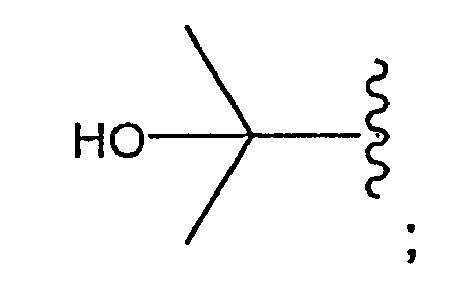
R8 ausgewählt ist aus der Gruppe bestehend aus H, Alkyl, Aryl und Heteroaryl;
R11 ausgewählt ist aus der Gruppe bestehend aus H und Alkyl; und
Z C ist. - Verbindung nach Anspruch 1, oder ein pharmazeutisch annehmbares Salz oder Solvat davon, wobei
R1 ausgewählt ist aus der Gruppe bestehend aus Phenyl und Pyridyl, die gegebenenfalls mit 1 bis 6 Gruppen substituiert sind, die ausgewählt sind aus der Gruppe bestehend aus:a) Br, F oder Cl;b) -OCF3;c) -CF3;l) Methoxy, Ethoxy oder Cyclopropylmethoxy; unds) -OCH2CF3;R2 ausgewählt ist aus der Gruppe bestehend aus Methyl, Ethyl, Propyl, Cyclopropylmethyl und t-Butyl;
R3 H ist;
R4 und R5 jeweils unabhängig ausgewählt sind aus der Gruppe bestehend aus H, Methyl, Ethyl, Isopropyl und t-Butyl;
R7 ausgewählt ist aus der Gruppe bestehend aus H, -OR14 und Alkyl;
R8, R9, R10, R11, R12 und R14 jeweils unabhängig ausgewählt sind aus der Gruppe bestehend aus H und Alkyl;
R13 Alkyl ist;
R15 ausgewählt ist aus der Gruppe bestehend aus -NR16R17, -OR16 und Alkyl;
R16 und R17 jeweils unabhängig ausgewählt sind aus der Gruppe bestehend aus H und Alkyl; und
Z C ist. - Verbindung nach Anspruch 1, oder das pharmazeutisch annehmbare Salz oder Solvat der Verbindung, ausgewählt aus der Gruppe bestehend aus:


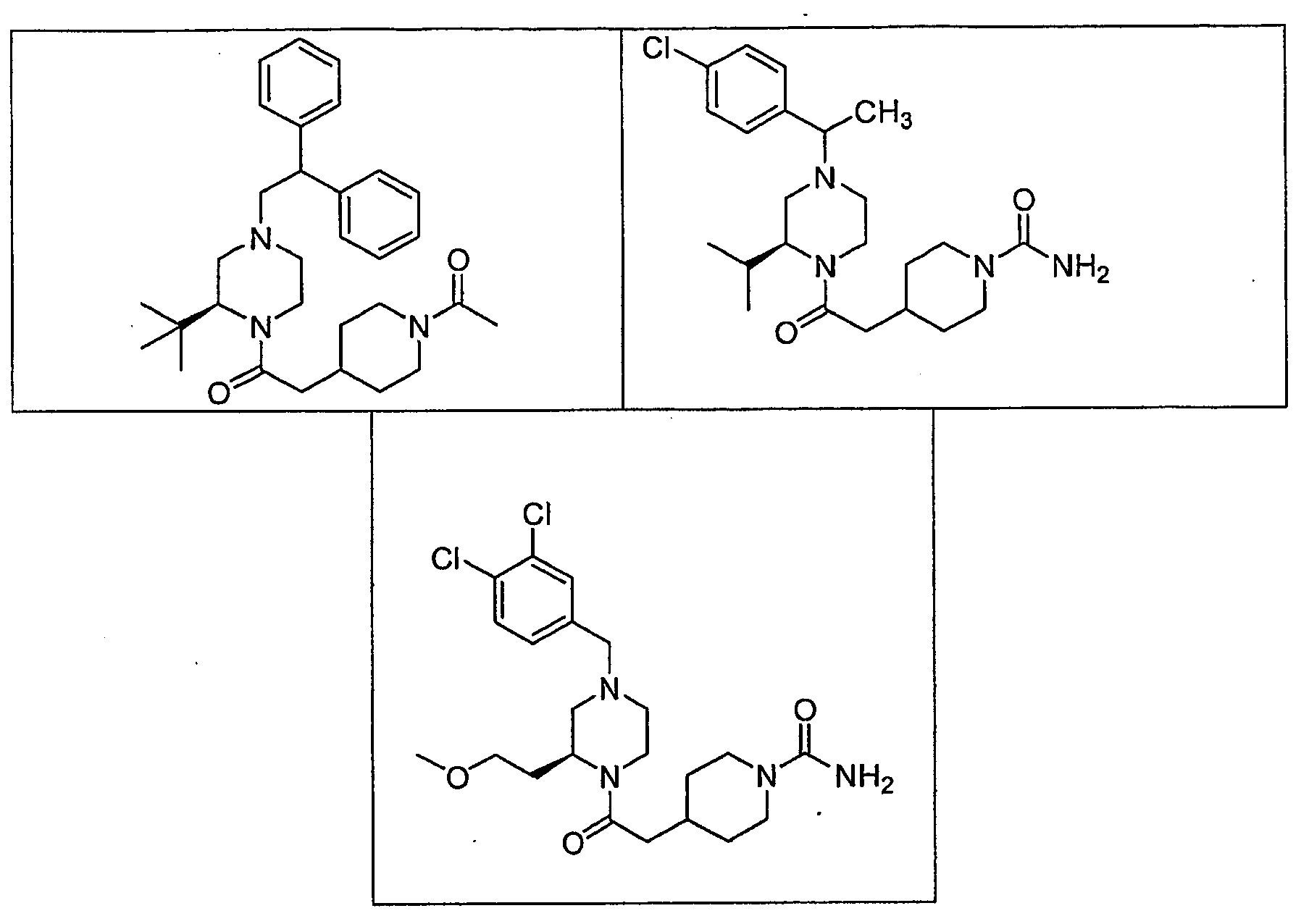
- Verbindung nach Anspruch 1, oder das pharmazeutisch annehmbare Salz oder Solvat der Verbindung, ausgewählt aus der Gruppe bestehend aus:


- Verbindung nach Anspruch 8, oder das pharmazeutisch annehmbare Salz oder Solvat der Verbindung, die
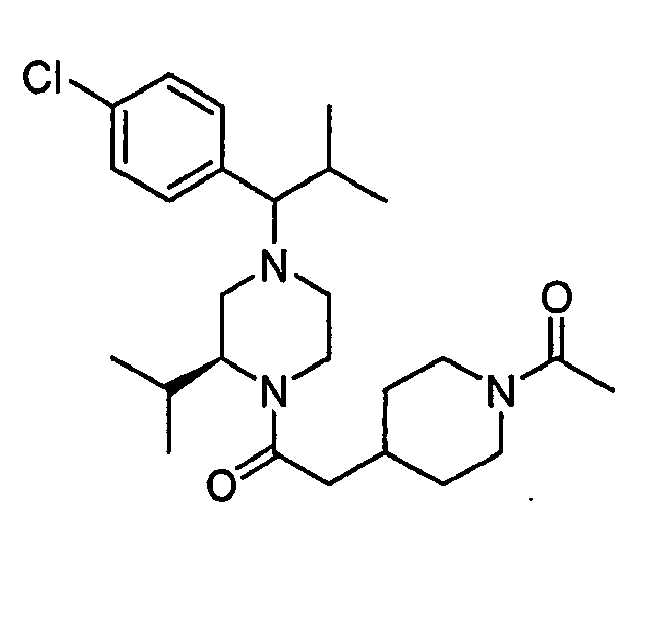
- Verbindung nach Anspruch 8, oder das pharmazeutisch annehmbare Salz oder Solvat der Verbindung, die

- Verbindung nach Anspruch 8, oder das pharmazeutisch annehmbare Salz oder Solvat der Verbindung, die

- Verbindung nach Anspruch 8, oder das pharmazeutisch annehmbare Salz oder Solvat der Verbindung, die
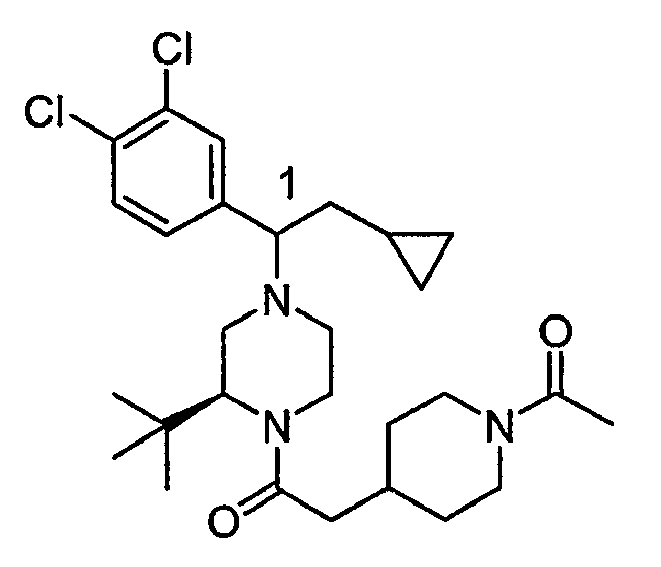
- Verbindung nach Anspruch 8, oder das pharmazeutisch annehmbare Salz oder Solvat der Verbindung, die
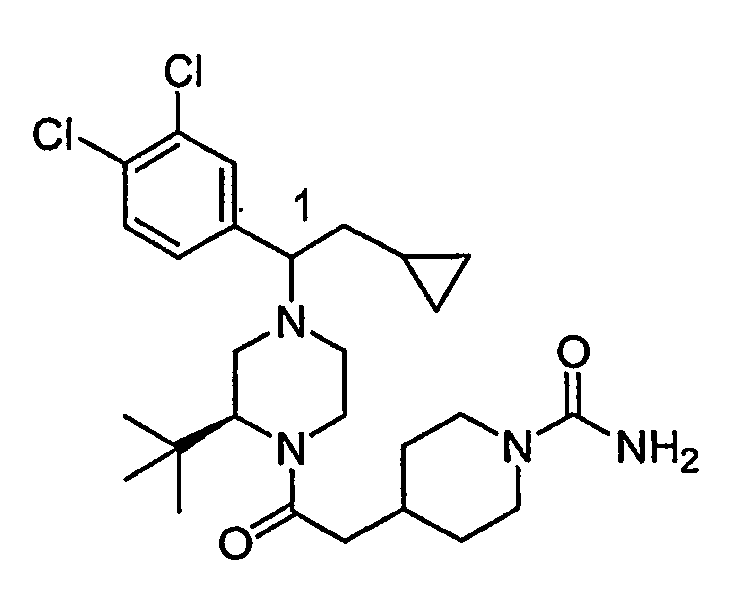
- Verbindung nach Anspruch 8, oder das pharmazeutisch annehmbare Salz oder Solvat der Verbindung, die

- Pharmazeutische Zusammensetzung, die die Verbindung nach einem der Ansprüche 1 bis 14, oder ein pharmazeutisch annehmbares Salz oder Solvat davon und einen pharmazeutisch annehmbaren Träger dafür enthält.
- Verwendung der Verbindung nach einem der Ansprüche 1 bis 14, oder des pharmazeutisch annehmbares Salzes oder Solvates davon, zur Herstellung eines Medikaments zur Behandlung oder Vorbeugung einer Androgen-abhängigen Krankheit.
- Verwendung nach Anspruch 16, wobei die Androgen-abhängige Krankheit ausgewählt ist aus der Gruppe bestehend aus Prostatakrebs, benigner Prostatahyperplasie, prostatischer intraepithelialer Neoplasie, Hirsutismus, Akne, androgenetischer Alopezie, polyzystischem Ovarialsyndrom und Kombinationen davon.
- Verwendung nach Anspruch 17, wobei die Androgen-abhängige Krankheit ausgewählt ist aus der Gruppe bestehend aus Prostatakrebs, benigner Prostatahyperplasie und prostatischer intraepithelialer Neoplasie.
- Verwendung der Verbindung nach einem der Ansprüche 1 bis 14, oder des pharmazeutisch annehmbaren Salzes oder Solvates davon, zur Herstellung eines Medikaments zur Hemmung der 17β-Hydroxysteroiddehydrogenase.
- Verwendung der Verbindung nach einem der Ansprüche 1 bis 14, oder eines pharmazeutisch annehmbaren Salzes oder Solvates davon, in Kombination mit mindestens einem antiandrogenen Wirkstoff zur Herstellung eines Medikaments zur Behandlung oder Vorbeugung einer Androgen-abhängigen Krankheit.
- Verwendung nach Anspruch 20, wobei der antiandrogene Wirkstoff ausgewählt ist aus der Gruppe bestehend aus Inhibitoren der 5α-Reduktase Typ 1 und/oder Typ 2, Flutamid, Nicalutamid, Bicalutamid, LHRH-Agonisten, LHRH-Antagonisten, Inhibitoren der 17α-Hydroxylase/C17-20-Lyase, Inhibitoren von 17β-Hydroxysteroiddehydrogenase/17β-Oxidoreduktase-Isoenzymen und Kombinationen davon.
- Verwendung der Verbindung nach einem der Ansprüche 1 bis 14, oder eines pharmazeutisch annehmbaren Salzes oder Solvates davon, in Kombination mit mindestens einem weiteren Wirkstoff zur Herstellung eines Medikaments, das zur Behandlung oder Vorbeugung der benignen Prostatahyperplasie geeignet ist.
- Verwendung nach Anspruch 22, wobei der weitere Wirkstoff der zur Behandlung oder Vorbeugung der benignen Prostatahyperplasie geeignet ist ein alpha-1-adrenerger Antagonist ist.
- Verwendung der Verbindung nach einem der Ansprüche 1 bis 14, oder eines pharmazeutisch annehmbaren Salzes oder Solvates davon, in Kombination mit mindestens einem Wirkstoff gegen Alopezie zur Herstellung eines Medikaments zur Behandlung oder Vorbeugung von Haarausfall.
- Verwendung nach Anspruch 24, wobei der Wirkstoff gegen Alopezie ein Kaliumkanal-Agonist oder ein 5α-Reduktasehemmer ist.
- Verwendung der Verbindung nach einem der Ansprüche 1 bis 14, oder eines pharmazeutisch annehmbaren Salzes oder Solvates davon, in Kombination mit einer effektiven Menge mindestens eines Wirkstoff oder einer Therapie, die ausgewählt sind aus der Gruppe bestehend aus einem chemotherapeutischen Wirkstoff, einem biologischen Wirkstoff, Chirurgie und Strahlentherapie, zur Herstellung eines Medikaments zur Behandlung oder Vorbeugung einer proliferativen Krankheit.
- Verwendung nach Anspruch 26, wobei der chemotherapeutische Wirkstoff ist:a) ein antineoplastischer Wirkstoff, der ausgewählt ist aus der Gruppe bestehend aus Uracil-Mustard, Chlormethin, Cyclophosphamid, Ifosfamid, Melphalan, Chlorambucil, Pipobroman, Triethylen-Melamin, Triethylenthiophosphoramin, Busulfan, Carmustin, Lomustin, Streptozocin, Dacarbazin, Temozolomid, Methotrexat, 5-Fluoruracil, Floxuridin, Cytarabin, 6-Mercaptopurin, 6-Thioguanin, Fludarabinphosphat, Pentostatin, Gemcitabin, Vinblastin, Vincristin, Vindesin, Bleomycin, Dactinomycin, Daunorubicin, Doxorubicin, Epirubicin, Idarubicin, Paclitaxel (Taxol), Mithramycin, Deoxycoformycin, Mitomycin-C, L-Asparaginase, Interferonen, Etoposid, Teniposid, 17α-Ethinylestradiol, Diethylstilbestrol, Testosteron, Prednison, Fluoxymesteron, Dromostanolon-Propionat, Testolacton, Megestrolacetat, Tamoxifen, Methylprednisolon, Methyltestosteron, Prednisolon, Triamcinolon, Chlortrianisen, Hydroxyprogesteron, Aminoglutethimid, Estramustin, Medroxyprogesteronacetat, Leuprolid, Flutamid, Toremifen, Goserelin, Cisplatin, Carboplatin, Hydroxyurea, Amsacrin, Procarbazin, Mitotan, Mitoxantron, Levamisol, Navelbin, CPT-11, Anastrozol, Letrozol, Capecitabin, Raloxifen, Droloxifen und Hexamethylmelamin; oderb) ein mikrotubulär angreifender Wirkstoff, der ausgewählt ist aus der Gruppe bestehend aus Allocolchicin, Halichondrin B, Colchicin, Colchicin-Derivaten, Dolastatin 10, Maytansin, Rhizoxin, Paclitaxel, Paclitaxel-Derivaten, Thiocolchicin, Trityl-Cystein, Vinblastinsulfat, Vincristinsulfat, Epothilon A, Epothilon, Discodermolid, Estramustin, Nocodazol und MAP4; und wobei
der biologische Wirkstoff ausgewählt ist aus der Gruppe bestehend aus Interferon-α, Interferon-β und Gentherapie; und wobei
die proliferative Krankheit ausgewählt ist aus der Gruppe bestehend aus Lungenkrebs, Bauchspeicheldrüsenkrebs, Dickdarmkrebs, Nierenkrebs, myeloische Leukämie, Schilddrüsenfollikelkrebs, myelodysplastischem Syndrom (MDS), Blasenkarzinom, epidermalem Karzinom, Melanom, Brustkrebs, Eierstockkrebs, Prostatakrebs und Kombinationen davon. - Verwendung nach Anspruch 27, wobei die proliferative Krankheit ausgewählt ist aus der Gruppe bestehend aus Prostatakrebs, Bauchspeicheldrüsenkrebs, Brustkrebs und Eierstockkrebs; der chemotherapeutische Wirkstoff ausgewählt ist aus der Gruppe bestehend aus Cyclophosphamid, 5-Fluoruracil, Temozolomid, Vincristin, Cisplatin, Carboplatin, Gemcitabin, Taxotere, Paclitaxel und/oder einem Paclitaxel-Derivat; und der biologische Wirkstoff Interferon-α ist.
- Verbindung nach einem der Ansprüche 1 bis 14, oder ein pharmazeutisch annehmbares Salz oder Solvat davon, zur Verwendung als ein Arzneimittel.
Applications Claiming Priority (3)
| Application Number | Priority Date | Filing Date | Title |
|---|---|---|---|
| US33006601P | 2001-10-17 | 2001-10-17 | |
| US330066P | 2001-10-17 | ||
| PCT/US2002/032979 WO2003033487A1 (en) | 2001-10-17 | 2002-10-15 | Piperidine- and piperazineacetamines as 17beta hydroxysteroid dehydrogenase type 3 inhibitors for the treatment of androgen dependent diseases |
Publications (2)
| Publication Number | Publication Date |
|---|---|
| EP1436281A1 EP1436281A1 (de) | 2004-07-14 |
| EP1436281B1 true EP1436281B1 (de) | 2010-06-16 |
Family
ID=23288179
Family Applications (1)
| Application Number | Title | Priority Date | Filing Date |
|---|---|---|---|
| EP02773770A Expired - Lifetime EP1436281B1 (de) | 2001-10-17 | 2002-10-15 | Piperidin- und piperazinacetamide als inhibitoren der 17beta-hydroxysteroiddehydrogenase des typs 3 zur behandlung androgenabhängiger krankheiten |
Country Status (12)
| Country | Link |
|---|---|
| US (1) | US6969718B2 (de) |
| EP (1) | EP1436281B1 (de) |
| JP (1) | JP4309761B2 (de) |
| CN (1) | CN1571782A (de) |
| AR (1) | AR036812A1 (de) |
| AT (1) | ATE471315T1 (de) |
| CA (1) | CA2463626C (de) |
| DE (1) | DE60236743D1 (de) |
| ES (1) | ES2347643T3 (de) |
| MX (1) | MXPA04003611A (de) |
| PE (1) | PE20030705A1 (de) |
| WO (1) | WO2003033487A1 (de) |
Families Citing this family (18)
| Publication number | Priority date | Publication date | Assignee | Title |
|---|---|---|---|---|
| ES2345146T3 (es) * | 2002-11-18 | 2010-09-16 | Schering Corporation | Inhibidores de 17beta-hidroxiesteroides deshidrogenasa de tipo 3 para el tratamiento de enfermedades dependientes de androgenos. |
| AU2003293555A1 (en) | 2002-12-17 | 2004-07-29 | Schering Corporation | 17 beta-hydroxysteroid dehydrogenase type 3 inhibitors for the treatment of androgen dependent diseases |
| GB0314733D0 (en) * | 2003-06-24 | 2003-07-30 | Glaxo Group Ltd | Medicaments |
| TW200528110A (en) * | 2003-12-17 | 2005-09-01 | Schering Corp | Pharmaceutical compositions |
| WO2005063247A1 (en) * | 2003-12-22 | 2005-07-14 | Amgen Inc. | Aryl sulfonamide compounds and uses related thereto |
| GB0513702D0 (en) | 2005-07-04 | 2005-08-10 | Sterix Ltd | Compound |
| WO2007016496A2 (en) * | 2005-08-02 | 2007-02-08 | Neurogen Corporation | Dipiperazinyl ketones and related analogues |
| US8080540B2 (en) | 2006-09-19 | 2011-12-20 | Abbott Products Gmbh | Therapeutically active triazoles and their use |
| US8288367B2 (en) | 2006-11-30 | 2012-10-16 | Solvay Pharmaceuticals Gmbh | Substituted estratriene derivatives as 17BETA HSD inhibitors |
| AU2014300894A1 (en) | 2013-06-25 | 2016-01-28 | Forendo Pharma Ltd | Therapeutically active 17-nitrogen substituted estratrienthiazole derivatives as inhibitors of 17.beta.-hydroxysteroid dehydrogenase |
| TW201512215A (zh) | 2013-06-25 | 2015-04-01 | Forendo Pharma Ltd | 治療活性雌三烯噻唑衍生物 |
| JP6456373B2 (ja) | 2013-06-25 | 2019-01-23 | フォレンド ファーマ リミテッド | 17β−ヒドロキシステロイドデヒドロゲナーゼ タイプ1の阻害剤として治療活性のあるエストラトリエンチアゾール誘導体 |
| WO2016102775A1 (en) | 2014-12-23 | 2016-06-30 | Forendo Pharma Ltd | PRODRUGS OF 17β-HSD1 -INHIBITORS |
| US10413557B2 (en) | 2014-12-23 | 2019-09-17 | Forendo Pharma Ltd. | Prodrugs of 17.BETA.-HSD1-inhibitors |
| SG11201911776PA (en) | 2017-06-08 | 2020-01-30 | Forendo Pharma Ltd | 15.beta.-[3-propanamido]-substituted estra-1,3,5(10)-trien-17-one compounds and their 17-oximes for use in inhibition of 17.beta.-hydroxysteroid dehydrogenases |
| EP3724178B1 (de) * | 2017-12-15 | 2024-05-01 | Inthera Bioscience AG | 1-(piperidinocarbonylmethyl)-2-oxopiperidin-derivate zur behandlung von krebs |
| CA3122049C (en) | 2018-12-05 | 2023-10-17 | Forendo Pharma Ltd | Estra-1,3,5(10)-triene compounds condensed in position 16(17) with a pyrazole ring as inhibitors of 17-hsd1 |
| US12611406B2 (en) | 2020-06-19 | 2026-04-28 | Inthera Bioscience AG | Oxopiperazine derivatives for the treatment of cancer |
Family Cites Families (37)
| Publication number | Priority date | Publication date | Assignee | Title |
|---|---|---|---|---|
| US3576810A (en) | 1968-06-20 | 1971-04-27 | Robins Co Inc A H | 1-substituted-3-(-4)-aroylpiperidines |
| DE2304153A1 (de) | 1973-01-29 | 1974-08-01 | Ichthyol Ges Cordes Hermanni & | Substituierte piperazin- und homopiperazinderivate |
| DE2304154A1 (de) * | 1973-01-29 | 1974-08-01 | Ichthyol Ges Cordes Hermanni & | Verfahren zur herstellung von substituierten piperazin- bzw. homopiperazinderivaten |
| DE3590389T1 (de) | 1984-08-02 | 1986-08-28 | Schering Corp., Kenilworth, N.J. | Pharmazeutische Zusammensetzung für eine Kombinationstherapie hormon-abhängiger Cancer |
| PH30747A (en) | 1989-03-10 | 1997-10-17 | Endorech Inc | Combination therapy for the treatment of estrogen sensitive disease. |
| DK0595796T3 (da) | 1989-07-07 | 2003-05-05 | Endorech Inc | Fremgangsmåde til behandling af androgen-relaterede sygdomme |
| CA2062973C (en) | 1989-07-07 | 2003-09-23 | Fernand Labrie | Combination therapy for prophylaxsis and/or treatment of benign prostatic hyperplasia |
| IL99320A (en) | 1990-09-05 | 1995-07-31 | Sanofi Sa | Arylalkylamines, their preparation and pharmaceutical compositions containing them |
| ATE122673T1 (de) * | 1990-10-10 | 1995-06-15 | Schering Corp | Pyridin- und pyridin-n-oxid-derivate von diarylmethyl- piperidinen oder piperazinen, deren zusammensetzungen und anwendung. |
| US6060503A (en) | 1991-12-02 | 2000-05-09 | Endorecherche, Inc. | Benzopyran-containing compounds and method for their use |
| DE69303605T2 (de) * | 1992-03-27 | 1997-01-23 | Schering Corp | Unverbrückte bis-aryl-carbinol-derivate, zusammensetzungen und ihre verwendung |
| EP0666856B1 (de) | 1992-10-28 | 2000-01-05 | MERCK SHARP & DOHME LTD. | 4-arylmethyloxymethyl piperidine als tachykinin antagonisten |
| JPH08504435A (ja) | 1992-12-14 | 1996-05-14 | メルク シヤープ エンド ドーム リミテツド | タキキニン受容体拮抗剤としての4−アミノメチル/チオメチル/スルホニルメチル−4−フェニルピペリジン |
| CZ285893B6 (cs) | 1993-05-17 | 1999-11-17 | Endorecherche Inc. | Antiandrogenní sloučenina, její prekursor a farmaceutický prostředek ji obsahující |
| EP0702681A1 (de) | 1993-06-07 | 1996-03-27 | Merck & Co. Inc. | Spiro-substituierte azaringe als neurokinin antagonisten |
| IL111730A (en) * | 1993-11-29 | 1998-12-06 | Fujisawa Pharmaceutical Co | Piperazine derivatives processes for the preparation thereof and pharmaceutical compositions containing the same |
| JPH09507500A (ja) | 1994-01-13 | 1997-07-29 | メルク シヤープ エンド ドーム リミテツド | gem二置換アザシクロ系のタキキニン拮抗薬 |
| EP0820452B1 (de) * | 1995-04-07 | 2003-06-04 | Schering Corporation | Carbonyl-piperaznyl und piperidinyl derivate zur hemmung farnesyl protein transferase |
| US5719156A (en) | 1995-05-02 | 1998-02-17 | Schering Corporation | Piperazino derivatives as neurokinin antagonists |
| US5696267A (en) | 1995-05-02 | 1997-12-09 | Schering Corporation | Substituted oximes, hydrazones and olefins as neurokinin antagonists |
| US5688960A (en) | 1995-05-02 | 1997-11-18 | Schering Corporation | Substituted oximes, hydrazones and olefins useful as neurokinin antagonists |
| US5795894A (en) | 1995-05-02 | 1998-08-18 | Schering Corporation | Piperazino derivatives as neurokinn antagonists |
| US5654316A (en) | 1995-06-06 | 1997-08-05 | Schering Corporation | Piperidine derivatives as neurokinin antagonists |
| US5892039A (en) * | 1995-08-31 | 1999-04-06 | Schering Corporation | Piperazino derivatives as neurokinin antagonists |
| US6124115A (en) | 1995-09-22 | 2000-09-26 | Endorecherche Inc. | Production and use of isolated type 5 17β-hydroxysteroid dehydrogenase |
| DE19614204A1 (de) * | 1996-04-10 | 1997-10-16 | Thomae Gmbh Dr K | Carbonsäurederivate, diese Verbindungen enthaltende Arzneimittel, deren Verwendung und Verfahren zu ihrer Herstellung |
| US5691362A (en) | 1996-06-05 | 1997-11-25 | Schering-Plough Corporation | Substituted benzene-fused hetero- and carbocyclics as nuerokinin antagonists |
| US5789422A (en) | 1996-10-28 | 1998-08-04 | Schering Corporation | Substituted arylalkylamines as neurokinin antagonists |
| US5968929A (en) | 1996-10-30 | 1999-10-19 | Schering Corporation | Piperazino derivatives as neurokinin antagonists |
| US5945428A (en) | 1996-11-01 | 1999-08-31 | Schering Corporation | Substituted oximes, hydrazones and olefins as neurokinin antagonists |
| US5783579A (en) | 1996-12-20 | 1998-07-21 | Schering Corporation | Spiro-substituted azacyclic-substituted piperazino derivatives as neurokinin antagonists |
| US6063926A (en) | 1998-11-18 | 2000-05-16 | Schering Corporation | Substituted oximes as neurokinin antagonists |
| US6204265B1 (en) | 1998-12-23 | 2001-03-20 | Schering Corporation | Substituted oximes and hydrazones as neurokinin antagonists |
| CA2355744A1 (en) * | 1998-12-23 | 2000-07-06 | Schering Corporation | Novel inhibitors of farnesyl-protein transferase |
| DE60018707T2 (de) | 1999-01-25 | 2006-02-09 | Smithkline Beecham Corp. | Anti-androgene und verfahren zur behandlung von krankheiten |
| WO2001036386A1 (en) * | 1999-11-17 | 2001-05-25 | Sumitomo Pharmaceuticals Co., Ltd. | Diabetic remedy containing dipiperazine derivative |
| MY141661A (en) * | 2001-09-06 | 2010-05-31 | Schering Corp | 17b-hydroxysteroid dehydrogenase type 3 inhibitors for the treatment of androgen dependent diseases |
-
2002
- 2002-10-15 ES ES02773770T patent/ES2347643T3/es not_active Expired - Lifetime
- 2002-10-15 EP EP02773770A patent/EP1436281B1/de not_active Expired - Lifetime
- 2002-10-15 CN CNA02820557XA patent/CN1571782A/zh active Pending
- 2002-10-15 JP JP2003536227A patent/JP4309761B2/ja not_active Expired - Fee Related
- 2002-10-15 US US10/271,358 patent/US6969718B2/en not_active Expired - Fee Related
- 2002-10-15 CA CA2463626A patent/CA2463626C/en not_active Expired - Fee Related
- 2002-10-15 AT AT02773770T patent/ATE471315T1/de not_active IP Right Cessation
- 2002-10-15 PE PE2002001016A patent/PE20030705A1/es not_active Application Discontinuation
- 2002-10-15 WO PCT/US2002/032979 patent/WO2003033487A1/en not_active Ceased
- 2002-10-15 AR ARP020103851A patent/AR036812A1/es unknown
- 2002-10-15 MX MXPA04003611A patent/MXPA04003611A/es active IP Right Grant
- 2002-10-15 DE DE60236743T patent/DE60236743D1/de not_active Expired - Lifetime
Also Published As
| Publication number | Publication date |
|---|---|
| ES2347643T3 (es) | 2010-11-03 |
| JP4309761B2 (ja) | 2009-08-05 |
| WO2003033487A1 (en) | 2003-04-24 |
| CA2463626C (en) | 2011-05-24 |
| MXPA04003611A (es) | 2004-07-30 |
| PE20030705A1 (es) | 2003-08-21 |
| JP2005506356A (ja) | 2005-03-03 |
| ATE471315T1 (de) | 2010-07-15 |
| DE60236743D1 (de) | 2010-07-29 |
| US6969718B2 (en) | 2005-11-29 |
| AR036812A1 (es) | 2004-10-06 |
| CN1571782A (zh) | 2005-01-26 |
| US20030232837A1 (en) | 2003-12-18 |
| EP1436281A1 (de) | 2004-07-14 |
| CA2463626A1 (en) | 2003-04-24 |
Similar Documents
| Publication | Publication Date | Title |
|---|---|---|
| EP1423381B1 (de) | 17beta-hydroxysteroid dehydrogenase type 3 inhibitoren zur behandlung von androgen-abhängigen erkrankungen | |
| AU2002326823A1 (en) | 17beta-Hydroxysteroid Dehydrogenase Type 3 inhibitors for the treatment of androgen dependent diseases | |
| CA2463626C (en) | Piperidine- and piperazineacetamines as 17beta-hydroxysteroid dehydrogenase type 3 inhibitors for the treatment of androgen dependent diseases | |
| US7053091B2 (en) | 17 β-hydroxysteroid dehydrogenase type 3 inhibitors for the treatment of androgen dependent diseases | |
| HK1054379A1 (en) | Serine protease inhibitors | |
| US7074795B2 (en) | 17β-hydroxysteroid dehydrogenase type 3 inhibitors for the treatment of androgen dependent diseases | |
| HK1062677B (en) | 17beta-hydroxysteroid dehydrogenase type 3 inhibitors for the treatment of androgen dependent diseases | |
| HK1074592B (en) | 17 beta-hydroxysteroid dehydrogenase type 3 inhibitors for the treatment of androgen dependent diseases | |
| HK1073313B (en) | 17beta-hydroxysteroid dehydrogenase type 3 inhibitors for the treatment of androgen dependent diseases |
Legal Events
| Date | Code | Title | Description |
|---|---|---|---|
| PUAI | Public reference made under article 153(3) epc to a published international application that has entered the european phase |
Free format text: ORIGINAL CODE: 0009012 |
|
| 17P | Request for examination filed |
Effective date: 20040326 |
|
| AK | Designated contracting states |
Kind code of ref document: A1 Designated state(s): AT BE BG CH CY CZ DE DK EE ES FI FR GB GR IE IT LI LU MC NL PT SE SK TR |
|
| AX | Request for extension of the european patent |
Extension state: AL LT LV MK RO SI |
|
| RIN1 | Information on inventor provided before grant (corrected) |
Inventor name: GUZI, TIMOTHY, J. Inventor name: PARUCH, KAMIL |
|
| REG | Reference to a national code |
Ref country code: HK Ref legal event code: DE Ref document number: 1062685 Country of ref document: HK |
|
| GRAP | Despatch of communication of intention to grant a patent |
Free format text: ORIGINAL CODE: EPIDOSNIGR1 |
|
| GRAS | Grant fee paid |
Free format text: ORIGINAL CODE: EPIDOSNIGR3 |
|
| GRAA | (expected) grant |
Free format text: ORIGINAL CODE: 0009210 |
|
| RIN1 | Information on inventor provided before grant (corrected) |
Inventor name: GUZI, TIMOTHY, J. Inventor name: PARUCH, KAMIL |
|
| AK | Designated contracting states |
Kind code of ref document: B1 Designated state(s): AT BE BG CH CY CZ DE DK EE ES FI FR GB GR IE IT LI LU MC NL PT SE SK TR |
|
| AX | Request for extension of the european patent |
Extension state: AL LT LV MK RO SI |
|
| REG | Reference to a national code |
Ref country code: CH Ref legal event code: EP |
|
| REG | Reference to a national code |
Ref country code: IE Ref legal event code: FG4D |
|
| REF | Corresponds to: |
Ref document number: 60236743 Country of ref document: DE Date of ref document: 20100729 Kind code of ref document: P |
|
| REG | Reference to a national code |
Ref country code: NL Ref legal event code: T3 |
|
| PG25 | Lapsed in a contracting state [announced via postgrant information from national office to epo] |
Ref country code: SE Free format text: LAPSE BECAUSE OF FAILURE TO SUBMIT A TRANSLATION OF THE DESCRIPTION OR TO PAY THE FEE WITHIN THE PRESCRIBED TIME-LIMIT Effective date: 20100616 |
|
| PGFP | Annual fee paid to national office [announced via postgrant information from national office to epo] |
Ref country code: IE Payment date: 20100928 Year of fee payment: 9 |
|
| REG | Reference to a national code |
Ref country code: ES Ref legal event code: FG2A Ref document number: 2347643 Country of ref document: ES Kind code of ref document: T3 |
|
| LTIE | Lt: invalidation of european patent or patent extension |
Effective date: 20100616 |
|
| PG25 | Lapsed in a contracting state [announced via postgrant information from national office to epo] |
Ref country code: FI Free format text: LAPSE BECAUSE OF FAILURE TO SUBMIT A TRANSLATION OF THE DESCRIPTION OR TO PAY THE FEE WITHIN THE PRESCRIBED TIME-LIMIT Effective date: 20100616 Ref country code: AT Free format text: LAPSE BECAUSE OF FAILURE TO SUBMIT A TRANSLATION OF THE DESCRIPTION OR TO PAY THE FEE WITHIN THE PRESCRIBED TIME-LIMIT Effective date: 20100616 |
|
| PG25 | Lapsed in a contracting state [announced via postgrant information from national office to epo] |
Ref country code: GR Free format text: LAPSE BECAUSE OF FAILURE TO SUBMIT A TRANSLATION OF THE DESCRIPTION OR TO PAY THE FEE WITHIN THE PRESCRIBED TIME-LIMIT Effective date: 20100917 Ref country code: CY Free format text: LAPSE BECAUSE OF FAILURE TO SUBMIT A TRANSLATION OF THE DESCRIPTION OR TO PAY THE FEE WITHIN THE PRESCRIBED TIME-LIMIT Effective date: 20100616 |
|
| PG25 | Lapsed in a contracting state [announced via postgrant information from national office to epo] |
Ref country code: EE Free format text: LAPSE BECAUSE OF FAILURE TO SUBMIT A TRANSLATION OF THE DESCRIPTION OR TO PAY THE FEE WITHIN THE PRESCRIBED TIME-LIMIT Effective date: 20100616 |
|
| PG25 | Lapsed in a contracting state [announced via postgrant information from national office to epo] |
Ref country code: CZ Free format text: LAPSE BECAUSE OF FAILURE TO SUBMIT A TRANSLATION OF THE DESCRIPTION OR TO PAY THE FEE WITHIN THE PRESCRIBED TIME-LIMIT Effective date: 20100616 Ref country code: PT Free format text: LAPSE BECAUSE OF FAILURE TO SUBMIT A TRANSLATION OF THE DESCRIPTION OR TO PAY THE FEE WITHIN THE PRESCRIBED TIME-LIMIT Effective date: 20101018 Ref country code: BE Free format text: LAPSE BECAUSE OF FAILURE TO SUBMIT A TRANSLATION OF THE DESCRIPTION OR TO PAY THE FEE WITHIN THE PRESCRIBED TIME-LIMIT Effective date: 20100616 Ref country code: SK Free format text: LAPSE BECAUSE OF FAILURE TO SUBMIT A TRANSLATION OF THE DESCRIPTION OR TO PAY THE FEE WITHIN THE PRESCRIBED TIME-LIMIT Effective date: 20100616 |
|
| PGFP | Annual fee paid to national office [announced via postgrant information from national office to epo] |
Ref country code: IT Payment date: 20101021 Year of fee payment: 9 |
|
| PLBE | No opposition filed within time limit |
Free format text: ORIGINAL CODE: 0009261 |
|
| STAA | Information on the status of an ep patent application or granted ep patent |
Free format text: STATUS: NO OPPOSITION FILED WITHIN TIME LIMIT |
|
| PG25 | Lapsed in a contracting state [announced via postgrant information from national office to epo] |
Ref country code: DK Free format text: LAPSE BECAUSE OF FAILURE TO SUBMIT A TRANSLATION OF THE DESCRIPTION OR TO PAY THE FEE WITHIN THE PRESCRIBED TIME-LIMIT Effective date: 20100616 |
|
| 26N | No opposition filed |
Effective date: 20110317 |
|
| PG25 | Lapsed in a contracting state [announced via postgrant information from national office to epo] |
Ref country code: MC Free format text: LAPSE BECAUSE OF NON-PAYMENT OF DUE FEES Effective date: 20101031 |
|
| REG | Reference to a national code |
Ref country code: CH Ref legal event code: PL |
|
| REG | Reference to a national code |
Ref country code: HK Ref legal event code: WD Ref document number: 1062685 Country of ref document: HK |
|
| PGFP | Annual fee paid to national office [announced via postgrant information from national office to epo] |
Ref country code: ES Payment date: 20101014 Year of fee payment: 9 |
|
| REG | Reference to a national code |
Ref country code: DE Ref legal event code: R097 Ref document number: 60236743 Country of ref document: DE Effective date: 20110316 |
|
| PG25 | Lapsed in a contracting state [announced via postgrant information from national office to epo] |
Ref country code: CH Free format text: LAPSE BECAUSE OF NON-PAYMENT OF DUE FEES Effective date: 20101031 Ref country code: LI Free format text: LAPSE BECAUSE OF NON-PAYMENT OF DUE FEES Effective date: 20101031 |
|
| REG | Reference to a national code |
Ref country code: IE Ref legal event code: MM4A |
|
| PG25 | Lapsed in a contracting state [announced via postgrant information from national office to epo] |
Ref country code: IT Free format text: LAPSE BECAUSE OF NON-PAYMENT OF DUE FEES Effective date: 20111015 |
|
| PG25 | Lapsed in a contracting state [announced via postgrant information from national office to epo] |
Ref country code: BG Free format text: LAPSE BECAUSE OF FAILURE TO SUBMIT A TRANSLATION OF THE DESCRIPTION OR TO PAY THE FEE WITHIN THE PRESCRIBED TIME-LIMIT Effective date: 20100616 Ref country code: LU Free format text: LAPSE BECAUSE OF NON-PAYMENT OF DUE FEES Effective date: 20101015 |
|
| REG | Reference to a national code |
Ref country code: NL Ref legal event code: TD Effective date: 20120924 |
|
| PG25 | Lapsed in a contracting state [announced via postgrant information from national office to epo] |
Ref country code: IE Free format text: LAPSE BECAUSE OF NON-PAYMENT OF DUE FEES Effective date: 20111015 Ref country code: TR Free format text: LAPSE BECAUSE OF FAILURE TO SUBMIT A TRANSLATION OF THE DESCRIPTION OR TO PAY THE FEE WITHIN THE PRESCRIBED TIME-LIMIT Effective date: 20100616 |
|
| PGFP | Annual fee paid to national office [announced via postgrant information from national office to epo] |
Ref country code: GB Payment date: 20120925 Year of fee payment: 11 |
|
| PGFP | Annual fee paid to national office [announced via postgrant information from national office to epo] |
Ref country code: DE Payment date: 20121031 Year of fee payment: 11 Ref country code: FR Payment date: 20121010 Year of fee payment: 11 |
|
| PGFP | Annual fee paid to national office [announced via postgrant information from national office to epo] |
Ref country code: NL Payment date: 20121008 Year of fee payment: 11 |
|
| REG | Reference to a national code |
Ref country code: ES Ref legal event code: FD2A Effective date: 20130417 |
|
| REG | Reference to a national code |
Ref country code: FR Ref legal event code: CD Owner name: SCHERING CORPORATION, US Effective date: 20130319 |
|
| PG25 | Lapsed in a contracting state [announced via postgrant information from national office to epo] |
Ref country code: ES Free format text: LAPSE BECAUSE OF NON-PAYMENT OF DUE FEES Effective date: 20111016 |
|
| REG | Reference to a national code |
Ref country code: DE Ref legal event code: R081 Ref document number: 60236743 Country of ref document: DE Owner name: MERCK SHARP & DOHME CORP., US Free format text: FORMER OWNER: SCHERING CORP., 07033-0530 KENILWORTH, US Effective date: 20130516 Ref country code: DE Ref legal event code: R082 Ref document number: 60236743 Country of ref document: DE Representative=s name: UEXKUELL & STOLBERG, DE Effective date: 20130516 Ref country code: DE Ref legal event code: R081 Ref document number: 60236743 Country of ref document: DE Owner name: MERCK SHARP & DOHME CORP., RAHWAY, US Free format text: FORMER OWNER: SCHERING CORP., 07033-0530 KENILWORTH, NEW JERSEY, US Effective date: 20130516 |
|
| PG25 | Lapsed in a contracting state [announced via postgrant information from national office to epo] |
Ref country code: BG Free format text: LAPSE BECAUSE OF FAILURE TO SUBMIT A TRANSLATION OF THE DESCRIPTION OR TO PAY THE FEE WITHIN THE PRESCRIBED TIME-LIMIT Effective date: 20100916 |
|
| REG | Reference to a national code |
Ref country code: NL Ref legal event code: V1 Effective date: 20140501 |
|
| GBPC | Gb: european patent ceased through non-payment of renewal fee |
Effective date: 20131015 |
|
| PG25 | Lapsed in a contracting state [announced via postgrant information from national office to epo] |
Ref country code: GB Free format text: LAPSE BECAUSE OF NON-PAYMENT OF DUE FEES Effective date: 20131015 |
|
| REG | Reference to a national code |
Ref country code: DE Ref legal event code: R119 Ref document number: 60236743 Country of ref document: DE Effective date: 20140501 |
|
| REG | Reference to a national code |
Ref country code: FR Ref legal event code: ST Effective date: 20140630 |
|
| PG25 | Lapsed in a contracting state [announced via postgrant information from national office to epo] |
Ref country code: NL Free format text: LAPSE BECAUSE OF NON-PAYMENT OF DUE FEES Effective date: 20140501 Ref country code: DE Free format text: LAPSE BECAUSE OF NON-PAYMENT OF DUE FEES Effective date: 20140501 Ref country code: FR Free format text: LAPSE BECAUSE OF NON-PAYMENT OF DUE FEES Effective date: 20131031 |