EP1441224A2 - Enzymhemmungsimmunverfahren - Google Patents
Enzymhemmungsimmunverfahren Download PDFInfo
- Publication number
- EP1441224A2 EP1441224A2 EP04000298A EP04000298A EP1441224A2 EP 1441224 A2 EP1441224 A2 EP 1441224A2 EP 04000298 A EP04000298 A EP 04000298A EP 04000298 A EP04000298 A EP 04000298A EP 1441224 A2 EP1441224 A2 EP 1441224A2
- Authority
- EP
- European Patent Office
- Prior art keywords
- mpa
- added
- mmol
- solution
- conjugate
- Prior art date
- Legal status (The legal status is an assumption and is not a legal conclusion. Google has not performed a legal analysis and makes no representation as to the accuracy of the status listed.)
- Granted
Links
Images










Classifications
-
- C—CHEMISTRY; METALLURGY
- C07—ORGANIC CHEMISTRY
- C07D—HETEROCYCLIC COMPOUNDS
- C07D405/00—Heterocyclic compounds containing both one or more hetero rings having oxygen atoms as the only ring hetero atoms, and one or more rings having nitrogen as the only ring hetero atom
- C07D405/02—Heterocyclic compounds containing both one or more hetero rings having oxygen atoms as the only ring hetero atoms, and one or more rings having nitrogen as the only ring hetero atom containing two hetero rings
- C07D405/12—Heterocyclic compounds containing both one or more hetero rings having oxygen atoms as the only ring hetero atoms, and one or more rings having nitrogen as the only ring hetero atom containing two hetero rings linked by a chain containing hetero atoms as chain links
-
- C—CHEMISTRY; METALLURGY
- C07—ORGANIC CHEMISTRY
- C07D—HETEROCYCLIC COMPOUNDS
- C07D307/00—Heterocyclic compounds containing five-membered rings having one oxygen atom as the only ring hetero atom
- C07D307/77—Heterocyclic compounds containing five-membered rings having one oxygen atom as the only ring hetero atom ortho- or peri-condensed with carbocyclic rings or ring systems
- C07D307/87—Benzo [c] furans; Hydrogenated benzo [c] furans
- C07D307/88—Benzo [c] furans; Hydrogenated benzo [c] furans with one oxygen atom directly attached in position 1 or 3
-
- C—CHEMISTRY; METALLURGY
- C07—ORGANIC CHEMISTRY
- C07D—HETEROCYCLIC COMPOUNDS
- C07D473/00—Heterocyclic compounds containing purine ring systems
- C07D473/02—Heterocyclic compounds containing purine ring systems with oxygen, sulphur, or nitrogen atoms directly attached in positions 2 and 6
- C07D473/04—Heterocyclic compounds containing purine ring systems with oxygen, sulphur, or nitrogen atoms directly attached in positions 2 and 6 two oxygen atoms
- C07D473/06—Heterocyclic compounds containing purine ring systems with oxygen, sulphur, or nitrogen atoms directly attached in positions 2 and 6 two oxygen atoms with radicals containing only hydrogen and carbon atoms, attached in position 1 or 3
- C07D473/08—Heterocyclic compounds containing purine ring systems with oxygen, sulphur, or nitrogen atoms directly attached in positions 2 and 6 two oxygen atoms with radicals containing only hydrogen and carbon atoms, attached in position 1 or 3 with methyl radicals in positions 1 and 3, e.g. theophylline
-
- C—CHEMISTRY; METALLURGY
- C07—ORGANIC CHEMISTRY
- C07H—SUGARS; DERIVATIVES THEREOF; NUCLEOSIDES; NUCLEOTIDES; NUCLEIC ACIDS
- C07H15/00—Compounds containing hydrocarbon or substituted hydrocarbon radicals directly attached to hetero atoms of saccharide radicals
- C07H15/20—Carbocyclic rings
-
- C—CHEMISTRY; METALLURGY
- C07—ORGANIC CHEMISTRY
- C07H—SUGARS; DERIVATIVES THEREOF; NUCLEOSIDES; NUCLEOTIDES; NUCLEIC ACIDS
- C07H15/00—Compounds containing hydrocarbon or substituted hydrocarbon radicals directly attached to hetero atoms of saccharide radicals
- C07H15/20—Carbocyclic rings
- C07H15/22—Cyclohexane rings, substituted by nitrogen atoms
-
- C—CHEMISTRY; METALLURGY
- C07—ORGANIC CHEMISTRY
- C07H—SUGARS; DERIVATIVES THEREOF; NUCLEOSIDES; NUCLEOTIDES; NUCLEIC ACIDS
- C07H15/00—Compounds containing hydrocarbon or substituted hydrocarbon radicals directly attached to hetero atoms of saccharide radicals
- C07H15/20—Carbocyclic rings
- C07H15/24—Condensed ring systems having three or more rings
-
- C—CHEMISTRY; METALLURGY
- C07—ORGANIC CHEMISTRY
- C07J—STEROIDS
- C07J17/00—Normal steroids containing carbon, hydrogen, halogen or oxygen, having an oxygen-containing hetero ring not condensed with the cyclopenta(a)hydrophenanthrene skeleton
-
- C—CHEMISTRY; METALLURGY
- C07—ORGANIC CHEMISTRY
- C07J—STEROIDS
- C07J19/00—Normal steroids containing carbon, hydrogen, halogen or oxygen, substituted in position 17 by a lactone ring
- C07J19/005—Glycosides
-
- C—CHEMISTRY; METALLURGY
- C07—ORGANIC CHEMISTRY
- C07J—STEROIDS
- C07J41/00—Normal steroids containing one or more nitrogen atoms not belonging to a hetero ring
- C07J41/0005—Normal steroids containing one or more nitrogen atoms not belonging to a hetero ring the nitrogen atom being directly linked to the cyclopenta(a)hydro phenanthrene skeleton
-
- C—CHEMISTRY; METALLURGY
- C07—ORGANIC CHEMISTRY
- C07J—STEROIDS
- C07J41/00—Normal steroids containing one or more nitrogen atoms not belonging to a hetero ring
- C07J41/0033—Normal steroids containing one or more nitrogen atoms not belonging to a hetero ring not covered by C07J41/0005
- C07J41/0055—Normal steroids containing one or more nitrogen atoms not belonging to a hetero ring not covered by C07J41/0005 the 17-beta position being substituted by an uninterrupted chain of at least three carbon atoms which may or may not be branched, e.g. cholane or cholestane derivatives, optionally cyclised, e.g. 17-beta-phenyl or 17-beta-furyl derivatives
-
- C—CHEMISTRY; METALLURGY
- C07—ORGANIC CHEMISTRY
- C07J—STEROIDS
- C07J43/00—Normal steroids having a nitrogen-containing hetero ring spiro-condensed or not condensed with the cyclopenta(a)hydrophenanthrene skeleton
- C07J43/003—Normal steroids having a nitrogen-containing hetero ring spiro-condensed or not condensed with the cyclopenta(a)hydrophenanthrene skeleton not condensed
-
- G—PHYSICS
- G01—MEASURING; TESTING
- G01N—INVESTIGATING OR ANALYSING MATERIALS BY DETERMINING THEIR CHEMICAL OR PHYSICAL PROPERTIES
- G01N33/00—Investigating or analysing materials by specific methods not covered by groups G01N1/00 - G01N31/00
- G01N33/48—Biological material, e.g. blood, urine; Haemocytometers
- G01N33/50—Chemical analysis of biological material, e.g. blood, urine; Testing involving biospecific ligand binding methods; Immunological testing
- G01N33/53—Immunoassay; Biospecific binding assay; Materials therefor
-
- G—PHYSICS
- G01—MEASURING; TESTING
- G01N—INVESTIGATING OR ANALYSING MATERIALS BY DETERMINING THEIR CHEMICAL OR PHYSICAL PROPERTIES
- G01N33/00—Investigating or analysing materials by specific methods not covered by groups G01N1/00 - G01N31/00
- G01N33/48—Biological material, e.g. blood, urine; Haemocytometers
- G01N33/50—Chemical analysis of biological material, e.g. blood, urine; Testing involving biospecific ligand binding methods; Immunological testing
- G01N33/53—Immunoassay; Biospecific binding assay; Materials therefor
- G01N33/531—Production of immunochemical test materials
- G01N33/532—Production of labelled immunochemicals
- G01N33/535—Production of labelled immunochemicals with enzyme label or co-enzymes, co-factors, enzyme inhibitors or enzyme substrates
-
- G—PHYSICS
- G01—MEASURING; TESTING
- G01N—INVESTIGATING OR ANALYSING MATERIALS BY DETERMINING THEIR CHEMICAL OR PHYSICAL PROPERTIES
- G01N33/00—Investigating or analysing materials by specific methods not covered by groups G01N1/00 - G01N31/00
- G01N33/48—Biological material, e.g. blood, urine; Haemocytometers
- G01N33/50—Chemical analysis of biological material, e.g. blood, urine; Testing involving biospecific ligand binding methods; Immunological testing
- G01N33/53—Immunoassay; Biospecific binding assay; Materials therefor
- G01N33/573—Immunoassay; Biospecific binding assay; Materials therefor for enzymes or isoenzymes
- G01N33/5735—Immunoassay; Biospecific binding assay; Materials therefor for enzymes or isoenzymes co-enzymes or co-factors, e.g. NAD or ATP
-
- G—PHYSICS
- G01—MEASURING; TESTING
- G01N—INVESTIGATING OR ANALYSING MATERIALS BY DETERMINING THEIR CHEMICAL OR PHYSICAL PROPERTIES
- G01N33/00—Investigating or analysing materials by specific methods not covered by groups G01N1/00 - G01N31/00
- G01N33/48—Biological material, e.g. blood, urine; Haemocytometers
- G01N33/50—Chemical analysis of biological material, e.g. blood, urine; Testing involving biospecific ligand binding methods; Immunological testing
- G01N33/58—Chemical analysis of biological material, e.g. blood, urine; Testing involving biospecific ligand binding methods; Immunological testing involving labelled substances
- G01N33/581—Chemical analysis of biological material, e.g. blood, urine; Testing involving biospecific ligand binding methods; Immunological testing involving labelled substances with enzyme label (including co-enzymes, co-factors, enzyme inhibitors or substrates)
-
- G—PHYSICS
- G01—MEASURING; TESTING
- G01N—INVESTIGATING OR ANALYSING MATERIALS BY DETERMINING THEIR CHEMICAL OR PHYSICAL PROPERTIES
- G01N33/00—Investigating or analysing materials by specific methods not covered by groups G01N1/00 - G01N31/00
- G01N33/48—Biological material, e.g. blood, urine; Haemocytometers
- G01N33/50—Chemical analysis of biological material, e.g. blood, urine; Testing involving biospecific ligand binding methods; Immunological testing
- G01N33/74—Chemical analysis of biological material, e.g. blood, urine; Testing involving biospecific ligand binding methods; Immunological testing involving hormones or other non-cytokine intercellular protein regulatory factors such as growth factors, including receptors to hormones and growth factors
- G01N33/78—Thyroid gland hormones, e.g. T3, T4, TBH, TBG or their receptors
-
- G—PHYSICS
- G01—MEASURING; TESTING
- G01N—INVESTIGATING OR ANALYSING MATERIALS BY DETERMINING THEIR CHEMICAL OR PHYSICAL PROPERTIES
- G01N33/00—Investigating or analysing materials by specific methods not covered by groups G01N1/00 - G01N31/00
- G01N33/48—Biological material, e.g. blood, urine; Haemocytometers
- G01N33/50—Chemical analysis of biological material, e.g. blood, urine; Testing involving biospecific ligand binding methods; Immunological testing
- G01N33/94—Chemical analysis of biological material, e.g. blood, urine; Testing involving biospecific ligand binding methods; Immunological testing involving narcotics or drugs or pharmaceuticals, neurotransmitters or associated receptors
- G01N33/9453—Cardioregulators, e.g. antihypotensives, antiarrhythmics
-
- G—PHYSICS
- G01—MEASURING; TESTING
- G01N—INVESTIGATING OR ANALYSING MATERIALS BY DETERMINING THEIR CHEMICAL OR PHYSICAL PROPERTIES
- G01N2333/00—Assays involving biological materials from specific organisms or of a specific nature
- G01N2333/90—Enzymes; Proenzymes
- G01N2333/902—Oxidoreductases (1.)
- G01N2333/904—Oxidoreductases (1.) acting on CHOH groups as donors, e.g. glucose oxidase, lactate dehydrogenase (1.1)
Definitions
- This invention relates generally to the field of measuring an analyte in a liquid medium. More specifically, it relates to an immunoassay for the measurement of an analyte in a biological sample.
- Inosine-5'-monophosphate dehydrogenase (EC 1.1.1.205) catalyzes the NAD-dependent oxidation of inosine-5'-monophosphate (IMP) to xanthosine-5'-monophosphate (XMP), Magasanik, B. et al., J . Biol. Chem. 226 :339-350 (1957) and Jackson et al., Nature 256 :331-333 (1975).
- the enzyme follows an ordered Bi-Bi reaction sequence of substrate and cofactor binding and product release. First, IMP binds to IMPDH. This is followed by the binding of the cofactor NAD. The reduced cofactor, NADH, is then released from the product, followed by the product, XMP. This mechanism differs from that of most other known NAD-dependent dehydrogenases, which have either a random order of substrate addition or require NAD to bind before the substrate.
- the present invention is exemplified by a quantitative homogeneous immunoassay specific for mycophenolic acid based upon the specific uncompetitive inhibition of the enzyme inosine-5'-monophosphate dehydrogenase (IMPDH) by mycophenolic acid.
- IMPDH inhibition depends only upon the concentration of mycophenolic acid due to the uncompetitive nature of inhibition by mycophenolic acid. Thus, the greater the mycophenolic acid concentration, the greater the inhibition of the enzyme.
- Measuring the formation of reduced nicotinamide adenine dinucleotide (NADH) at 340 nm monitors the reaction.
- NADH nicotinamide adenine dinucleotide
- a homogeneous immunoassay can be accomplished through the attachment of a ligand to a position on mycophenolic acid or an MPA derivative or any uncompetitive inhibitor of IMPDH where such attachment does not interfere with the uncompetitive inhibition of IMPDH.
- analyte-specific antibody binds the ligand-MPA derivative and prevents its inhibition of IMPDH.
- analyte binds to its antibody, thus freeing up ligand-MPA derivative to inhibit IMPDH (Table 3, part C.).
- the rate of formation of NADH (reduced nicotinamide adenine dinucleotide) can be measured by monitoring the change in absorption at a wavelength of 340 nm, i.e., the characteristic absorption region of NADH, and this change in absorption can then be correlated to analyte concentration.
- an uncompetitive inhibitor, mycophenolic acid was coupled to a ligand and used in a homogeneous immunoassay for mycophenolic acid.
- an uncompetitive inhibitor-ligand conjugate is preferred over a competitive inhibitor-ligand conjugate since the former conjugate is far less susceptible to interferences from drugs and naturally occurring substances, which commonly can be competitive inhibitors of enzymes. Uncompetitive inhibitors of enzymes are rare in nature and should therefore be less susceptible to interferences from drugs and natural substances.
- the present invention can be used to measure any analyte.
- any analyte Specifically exemplified herein is the use of the invention for measurement of mycophenolic acid, digoxigenin, thyroxine and theophylline. Also taught is the use of the invention for measurement of any analyte including drugs or drug derivatives, hormones, polypeptides and oligonucleotides.
- hormones which would be suitable for assay using the method of the present invention include thyroxine, thyroid stimulating hormone, estrogen, progesterone, testosterone, prolactin, follicle stimulating hormone, chorionic gonadotropin and leuteinizing hormone.
- polypeptides which would be suitable for assay using the method of the present invention include proteins and epitopes such as hemoglobin A1c, troponin-T and troponin-I.
- HIV human immunodeficiency virus
- test kit for conducting an assay for the determination of as analyte via the method of the present invention comprising, in packaged combination, one or more reagent compositions comprising NAD, IMPDH, IMP and a conjugate comprising MPA and a ligand of the analyte.
- An uncompetitive inhibitor of IMPDH enzyme is a substance that inhibits by binding at the active site of the enzyme and does not compete with IMP or NAD for inhibition of the enzyme. Uncompetitive inhibition occurs when an inhibitor combines reversibly with the IMPDH-XMP complex at the active site of the enzyme to form IMPDH-XMP-inhibitor complex, which then is unable to release the XMP product. This type of inhibition is not reversed by increasing substrate concentration. NADH is released only once, while XMP is not released. On the other hand, noncompetitive inhibitors bind at a site other than the substrate binding site. Noncompetitive inhibition is also not reversed by increased substrate concentration.
- the IMPDH enzyme preferred for use is a recombinant IMPDH-II enzyme from human T lymphocytes.
- the sensitivity of the present immunoassay to the analyte concentration may be modified through the use of different forms of IMPDH that vary in sensitivity to inhibition by MPA.
- the inhibitor constants ( K i ) of several forms of human IMPDH for MPA are as follows: IMPDH form K i ( IC 50 ) Reference IMPDH-I 37 nM J. Biol. Chem. 268 , 27286-27290 (1993) IMPDH-II 9.5 nM J. Biol. Chem. 268 , 27286-27290 (1993) IMPDH-II ser 275 ⁇ ala 275 4 nM Cell 85, 921-930 (1996)
- the different enzyme forms have varied sensitivities to MPA inhibition, they should also have varied sensitivities to inhibition by ligand-inhibitors and thus have utility in producing immunoassays with differing levels of sensitivity or measuring ranges of analytes.
- the invention provides for the adjustment of assay sensitivity.
- the adjustment or modification of assay sensitivity may not be easily obtainable without the use of different forms of IMPDH of varied sensitivity to MPA or MPA derivatives or any uncompetitive inhibitor of IMPDH.
- Sample suspected of containing the analyte Any sample that is reasonably suspected of containing the analyte, i.e., mycophenolic acid or other IMPDH inhibitor, can be analyzed by the method of the present invention.
- the sample is typically an aqueous solution such as a body fluid from a host, for example, urine, whole blood, plasma, serum, saliva, semen, stool, sputum, cerebral spinal fluid, tears, mucus or the like, but preferably is plasma or serum.
- the sample can be pretreated if desired and can be prepared in any convenient medium that does not interfere with the assay. An aqueous medium is preferred.
- Measuring the amount of mycophenolic acid Quantitative, semi-quantitative and qualitative methods as well as all other methods for determining mycophenolic acid are considered to be methods of measuring the amount of mycophenolic acid. For example, a method that merely detects the presence or absence of mycophenolic acid in a sample suspected of containing mycophenolic acid is considered to be included within the scope of the present invention. The terms "detecting” and “determining”, as well as other common synonyms for measuring, are contemplated within the scope of the present invention.
- the determination of MPA according to the present invention may be conducted by a rate-assay method wherein change in absorbance of NADH per unit time is measured or by an end-point method wherein the reaction is quenched after a certain period of time has elapsed.
- the method can easily be applied to automated analyzers for laboratory or clinical analysis. Examples of automated laboratory analyzers are COBAS INTEGRA and ROCHE/HITACHI series analyzers (Roche Diagnostics, Indianapolis, IN).
- NAD 2- p -nitrophenyl-5-phenyl tetrazolium chloride
- phenazine methosulfate serving as an intermediate electron carrier, as described in Babson, A.L. et al, Clinical Chemistry 19(7):766-769 (1973).
- Calibration material means any standard or reference material containing a known amount of the analyte to be measured.
- the sample suspected of containing the analyte and the calibration material are assayed under similar conditions.
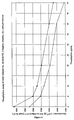
- Analyte concentration is then calculated by comparing the results obtained for the unknown specimen with results obtained for the standard. This is commonly done by constructing a calibration curve such as in Figures 2, 3, 4 and 5.
- Ancillary materials Various ancillary materials will frequently be employed in an assay in accordance with the present invention.
- buffers will normally be present in the assay medium, as well as stabilizers for the assay medium and the assay components.
- additional proteins may be included, such as albumin, or surfactants, particularly non-ionic surfactants, or the like.
- IMPDH refers to the enzyme inosine-5'-monophosphate dehydrogenase, EC 1.1.1.205, which catalyzes the formation of xanthine-5'-monophosphate from inosine-5'-monophosphate.
- the present invention contemplates the use of IMPDH from natural or recombinant sources or site-directed mutants, and any isoform, site-directed mutant or a mixture of isoforms may be used.
- mycophenolic acid any reference throughout the specification and claims to mycophenolic acid is meant to cover mycophenolic acid as well as its biologically active and therapeutically active metabolites and derivatives, which behave in a biological sense, i.e. via IMPDH inhibition, as mycophenolic acid.
- kits useful for conveniently performing the assay methods of the invention for the determination of an analyte can be provided in packaged combination, in the same or separate containers, in liquid or lyophilized form so that the ratio of the reagents provides for substantial optimization of the method and assay.
- the reagents may each be in separate containers or various reagents can be combined in one or more containers depending on the cross-reactivity and stability of the reagents.
- the kit of the present invention comprises NAD, a ligand-inhibitor conjugate comprising an inhibitor of IMPDH and a ligand of the analyte, IMP and IMPDH.
- the reagents may remain in liquid form or may be lyophilized.
- the kit can further comprise calibration and control materials.
- any ligand such as, but not limited to, theophylline, digoxin, phenytoin, peptide fragments, oligonucleotides, morphine, cocaine etc.
- any ligand such as, but not limited to, theophylline, digoxin, phenytoin, peptide fragments, oligonucleotides, morphine, cocaine etc.
- any ligand that has been derivatized with an appropriate reactive group for attachment to mycophenolic acid or MPA derivatives or any uncompetitive enzyme inhibitor of IMPDH suitably derivatized at the 4'-position or the 5'-position can be used to measure the corresponding analyte in an unknown sample. Derivatization at these positions creates new optically active centers. Stereoisomers are considered within the scope of the present invention.
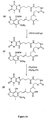
- a central feature of the present invention is the ability to synthesize MPA derivatives substituted at the 5'-position with a suitable linking group which can be extended to couple to drug derivatives.
- Two different types of linking groups have been disclosed in this invention, 5'-carboxy alkyl MPA drug derivatives and 5'-isoprenyl linking MPA drug derivatives.
- Substitution at the 5'-position of MPA ester involves alkylation reaction using alkyl halo acetate in the presence of sodium bis(trimethylsilyl)amide and DMPU at low temperature.
- Use of HMPA instead of DMPU appeared to improve the alkylation reactions in general.
- This alkylation reaction can be extended to use alkyl halo propionate or alkyl halo butyrate to prepare 5'-carboxyethyl MPA ester or 5'-carboxypropyl MPA ester after selective ester hydrolysis at the linker.
- the carboxy function at the linker then permits a wide variety of synthetic routes by conversion to an active ester and then to couple to suitably derivatized drug derivatives, most commonly, a drug with a linker-containing amino group to generate an amide linkage.
- the urethane linkage can also be produced by use of activation of the alcohol with 1,1'-carbonyldiimidazole or p -nitrophenyl chloroformate and reaction of the intermediates with the amino group modified drug derivatives.
- This synthesis can be extended to MPA bis-isoprenyl drug conjugates by use of bromo-bis isoprenyl TBDPS.
- the bromo-bis-isoprenyl TBDPS can be prepared from geraniol derivative following the literature procedure as described for chloro-bis-isoprenyl TBDPS in J.Org. Chem. 62, 3529 (1997).
- the MPA-drug conjugates with an urethane (carbamate) linkage in the linker may then be deprotected using reagents known in the art, but usually with some care being required.
- the protecting group on the phenolic hydroxy of the benzene nucleus of MPA itself such as, for example, the methoxyethoxymethyl- group (MEM group) used in various of the examples may be removed with the commonly used trifluoroacetic acid (TFA) diluted into methylene chloride (CH 2 Cl 2 ).
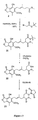
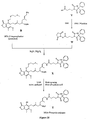
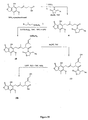
- the corresponding MPA-5'-isoprenylamine analog could be generated by a Mitsunobu reaction on the 5'-isoprenyl[OH]-MPA[OMEM] (5) derivative discussed above. Isomerization around the double bond was observed when we used a multi-step conversion sequence, e.g. conversion of the alcohol to the bromide, followed by conversion to the azide and hydrolysis to the amine.
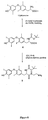
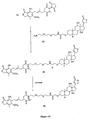
- the MPA-digoxigenin derivatives (i.e. wherein the sugar moieties of digoxin are missing) as shown in Figures 11, 12, 13 and 14 contain amide linkages and were synthesized from corresponding digoxigenin-amine derivatives and an MPA 5'-carboxyalkyl analog.
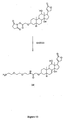
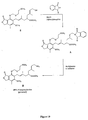
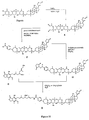
- the digoxin oxazepin analog (G) as shown in Figure 21, allows for the use of the MPA-5'-isoprenylamine described above to form MPA-digoxin conjugate (H) , also with an amide bond, as well as keeping the sugars of digoxin present.
- the corresponding digitoxin oxazepin analog (K) allows for the synthesis of the MPA-digitoxin conjugate (L) also with the sugars present.
- reaction of the protected MPA amine (B) with (G) gave the corresponding protected conjugate possessing the MEM and methyl ester groups which, on mild base treatment (hydrolysis of the ester), gave material with one or both lactone groups opened; while reaction of the partially deprotected MPA amine (C) with (G) gave the corresponding partially protected conjugate possessing the MEM group which on mild acid treatment (TFA in CH 2 Cl 2 ) gave material with the digoxigenin steroid nucleus cleaved off but with the MEM group still largely present.
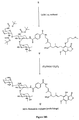
- the fully deprotected MPA-5'-isoprenylamine (D) may also be used with any other amine-reactive drug analog, such as but not limited to, drug-NHS esters or other drug-activated ester derivatives, to form MPA-drug conjugates with a stable amide linkage.
- the amino group of the fully deprotected MPA-5'-isoprenylamine (D) being the most nucleophilic amongst the three functional groups present, would under ordinary conditions wherein it is present as the free base react readily with such drug derivatives without significant interference from the other groups.
- Such an approach allows for the synthesis of MPA-drug conjugates from suitable drug derivatives without any further deprotection steps or chemical manipulations which might be harmful to the integrity of the whole conjugate.
- the protected MPA-5'-isoprenylamine (B) or the partially deprotected amine (C) , may be used with any other amine-reactive drug analog, such as but not limited to, drug-NHS esters or other drug-activated ester derivatives, to form MPA-drug conjugates with a stable amide linkage, followed by deprotection to the final Drug-MPA conjugates.
- any other amine-reactive drug analog such as but not limited to, drug-NHS esters or other drug-activated ester derivatives
- either the protected MPA-5'-isoprenyl amine (B), or (C), or the fully deprotected amine (D), all primary amines may each be converted into the corresponding lower alkyl secondary amine by alkylation at the amino group through methods well-known in the art. These substances may then be used to form yet further MPA-drug conjugates by reaction between these secondary amines with drugs containing a linker with a halogen (for example, Cl or Br or I) as a leaving group, when the drug itself does not contain additional labile groups.
- a linker with a halogen for example, Cl or Br or I
- MPA-drug conjugates may also be reacted with other amine-reactive drug analogs, such as but not limited to, drug-NHS esters or drug-isothiocyanates or drug-tosylates and the such, or other drug-activated ester derivatives, to form MPA-drug conjugates.
- Deprotection of the OMEM and the carboxylic ester groups, or of other protecting groups that may be used or may be present, may then be effected using methods similar to those described in this invention, or by methods readily known to skilled practitioners of the art.
- the preceding primary amines (B) , (C) , or (D) may also be used in an analogous fashion to generate the corresponding MPA-drug conjugates.
- Other combinations between such MPA amines and drug analogs would be suggested to those skilled in the art.
- MPA-5'-isoprenylthiol may be prepared by conversion of the corresponding isoprenylalcohol to a tosylate or mesylate, optionally followed by substitution with halide, preferably bromide or iodide, to give an MPA-5'-isoprenylhalide.
- halide preferably bromide or iodide
- Analyte refers to the substance, or group of substances, whose presence or amount thereof in a liquid medium is to be determined and is meant to include any drug or drug derivative, hormone, protein antigen or oligonucleotide.
- Antibody or preferably, receptor, means a specific binding partner of the analyte and is any substance, or group of substances, which has a specific binding affinity for the ligand to the exclusion of other substances.
- Ligand means any substance, or group of substances, which behaves essentially the same as the analyte with respect to binding affinity of the antibody for the analyte and is meant to include any drug or drug derivative and isomers thereof, hormone, polypeptide, or nucleotide.
- An example of the measurement of a drug would involve the coupling of morphine thiocyanate or cocaine NHS ester derivatives described by Salamone, S.J. et al., U.S. Patent No. 5,618,926 (1997) to 4'- or 5'-substituted alkyl amino derivatives of mycophenolic acid or MPA derivatives or any uncompetitive inhibitors of IMPDH to measure morphine or cocaine in unknown samples. Plotting the concentration of drug versus the IMPDH activity can produce a quantitative assay.
- the present invention can also be used in molecular diagnostics to determine the presence of a specific target DNA or RNA.
- a nucleotide-mycophenolic acid conjugate (N-MPA) would be able to inhibit IMPDH when it is not part of an oligonucleotide chain. Once the N-MPA is incorporated into an oligonucleotide chain, the ability of the mycophenolic acid portion of the conjugate to inhibit IMPDH would be modulated.
- the N-MPA conjugate can be prepared according to procedures that are well known in the art.
- the nucleotide can be derivatized through the sugar, base or phosphate moiety in such a way to allow it to be a substrate for enzymes that synthesize oligonucleotides.
- a derivatized nucleotide base could have a tether containing an electrophile or nucleophile. This derivative can then be reacted with an appropriately derivatized MPA molecule to form an N-MPA conjugate.
- the assay would be performed by adding a percentage of the N-MPA conjugate to the nucleotide mixture that would be used to synthesize the oligonucleotide.
- a sample would be added along with the enzymes, and probes used to polymerize the oligonucleotide, DNA and RNA polymerases would be examples of such polymerizing enzymes.
- IMPDH along with the appropriate IMPDH reactants would be added. If the sample does not contain the target oligonucleotide sequence, then oligonucleotide synthesis would not proceed and the N-MPA would be free to inhibit IMPDH.
- the N-MPA would be incorporated into the oligonucleotide and less N-MPA conjugate would be available to inhibit the IMPDH.
- the concentration of free N-MPA would be inversely proportional to the IMPDH activity. The more the free N-MPA is depleted, the higher the IMPDH activity will be.
- This assay can be used on both a qualitative and quantitative basis to determine the presence of particular target DNA or RNA molecules.
- the amount of target present in the sample will be proportional to the IMPDH activity.
- Modulation of IMPDH activity by MPA derivatives can also be applied to the detection of protein antigens.
- a short polypeptide which represents the epitope or mimitope of a larger antigen can be derivatized, according to methods known in the art, to contain a group that can be attached to an appropriately derivatized MPA molecule to form a polypeptide-MPA conjugate (PP-MPA). See Amerongen, A.V. et al., Peptide Research 5 (5):269-274 (1992).
- the assay is performed by mixing a clinical sample with PP-MPA, antibody or appropriate binding partner selective for the antigen of interest, IMPDH and the appropriate reactants used in the IMPDH assay. If the sample does not contain the antigen, the PP-MPA conjugate will be bound by the antibody and will not be available to inhibit IMPDH. If the sample contains the specific target antigen for which the assay is designed, the PP-MPA conjugate will compete with the antigen for the limited antibody present. The amount of inhibition of IMPDH is proportional to the amount of free antigen present in the sample.
- a quantitative assay can be generated by plotting the concentration of antigen versus the amount of IMPDH activity. The amount of antigen present will be inversely proportional to the amount of IMPDH activity.
- ACES N-[2-acetamido]-2-aminoethanesulfonic acid
- DADOO 1,8-diamino-3,6-dioxa-octane 2,2'-(ethylenedioxy)bis-ethylamine
- DCC 1,3-dicyclohexylcarbodiimide
- DMF N,N-dimethylformamide
- DMPU 1,3-dimethyl-3,4,5,6-tetrahydro-2(1H)-pyrimidinone
- EDC 1-ethyl-3(3-dimethylaminopropyl)carbodiimide HMPA hexamethylphosphoramide
- MEM 2-methoxyethoxymethyl NaHMDS sodium bis(trimethylsilyl)amide
- NHS N-hydroxysuccinimide
- TAPSO 3-[N-tris-(hydroxymethyl) methylamino]-2-hydroxypropanesulf
- Reagents were obtained from either Aldrich Chemical Company, Milwaukee, WI; or from Sigma Chemical Company, St. Louis, MO; unless otherwise stated.
- Triethylamine was obtained from Fluka Chemical Corp. (Cat# 90340; puriss.; ⁇ 99.5%)
- Trifluoroacetic acid was obtained from Fluka Chemical Corp. (Cat# 91703, for UV-spectroscopy)
- Anhydrous pyridine and dimethylformamide (DMF) were obtained from Aldrich Chemical Co., prepackaged in "Sure-SealTM” bottles. All additions/withdrawals and manipulation of anhydrous solvents were performed by syringe/needle.
- Tetrahydrofuran (THF) was dried by boiling over and distillation from sodium/benzophenone under argon.
- Methylene chloride was dried by boiling over and distillation from calcium hydride under argon.
- TLC Thin layer chromatography
- analytical RP-HPLC analyses were performed on either an Agilent HP1100 LC/MS system; or an Agilent HP1100 HPLC system, both configured with a diode-array detector and a quaternary pump.
- the LC/MS analyses were performed with a Vydac 218TP54 column (RP-C18; 300 ⁇ , 5 ⁇ ) equipped with a Phenomenex guard module (Phenomenex KJO-4282/C18 ODS 5 ⁇ ), with the chromatographic stream ported post-column into the MS detector.
- the MSD utilized was run in ES (+) mode (electrospray; positive mode).
- the HPLC analyses were performed with a Vydac 218TP54 column (RP-C18, 300 ⁇ , 5 ⁇ ) equipped with a Vydac 218GK54 guard module.
- Preparative RP-HPLC was performed on a Varian Dynamax (Rainin) system employing two SD1 titanium head 2000 psi pumps with a Varian Dynamax UV-C variable wavelength detector. Separations were carried out on a modular Varian Dynamax radial compression column (R00083221C; Microsorb 60-8, C18, 250 x 21.4 mm) equipped with a guard module (R00083221G; C18, 8 ⁇ ).
- lyophilization of HPLC fractions involved evaporation of the acetonitrile (or other organic co-solvent) under reduced pressure, followed by freezing of the aqueous residue (e.g. using a dry-ice/acetone cooling bath), followed by sublimation of the ice on a lyophilizer in the usual manner.
- Mass spectra were obtained from the Physical Chemistry/Analytical facilities of Hoffmann-La Roche (Nutley, NJ), Roche Bioscience (Palo Alto, CA), Roche Diagnostics GmbH (Penzberg, Germany), Roche Diagnostics Corp (Indianapolis, IN), or from the Kansas Center for Mass Spectrometry, Dept. of Chemistry, U. of Iowa (Lincoln, NE).
- UV spectra were obtained from Robertson Microlit Laboratories, Madison, NJ. The abbreviation used is: sh, shoulder.
- the antibody used was prepared according to the procedure described by Alexander et al. in PCT patent publication WO 96/02004 (1996). Any antibody with specificity for MPA, either monoclonal or polyclonal, may be used in the practice of the present invention. Monoclonal antibodies are generally preferred, however, because of their ease and consistency of production.
- IMPDH-II The procedure used for cloning and purification of IMPDH-II is described in Carr, S.F. et al., J. Biological Chemistry 268 (36):27286-27290 (1993), the content of which is herein incorporated by reference. Cloning of IMPDH is also described in Collart, F.R. et al., U.S. Patent No. 5,665,583 (1997). IMPDH from natural sources is not commercially available. Any natural source of IMPDH that is inhibited by MPA, MPA-derivative or uncompetitive inhibitor of IMPDH is also suitable.
- Effective amount of reagent components are variable depending on specific needs and may be adjusted by simple laboratory experimentation to meet particular assay requirements.
- the ligand-inhibitor concentration was chosen based on the degree of IMPDH inhibition by the ligand-inhibitor with and without specific antibody to the ligand.
- the maximum difference in percent change in inhibition with and without antibody was chosen for use in immunoassay. It was found that in general, a concentration of inhibitor slightly less than its IC 50 value and a molar concentration of antibody slightly less than half the molar concentration of ligand-inhibitor produced the maximum difference in percent change in IMPDH inhibition. With two binding sites per antibody, the total number of ligand binding sites was slightly less than the total molar concentration of ligand-inhibitor. The enzyme activity had a slight effect on the IC 50 values of the ligand-inhibitor.
- HITACHI 717 analyzer (Roche Diagnostics Corp., Indianapolis) was programmed to dispense 3 ⁇ l of sample and 150 ⁇ l of antibody reagent into a 37°C cuvette, which were then mixed and incubated for 5 minutes after which time 150 ⁇ l of enzyme reagent was added and mixed. The difference in absorbance at 340 nm was calculated from the initial addition of enzyme reagent to 5 minutes following enzyme reagent addition.
- Table 3 shows IMPDH activity as a function of ligand-inhibitor conjugate (MPA-MPA), MPA antibody and mycophenolic acid analyte (MPA) concentration.
- MPA-MPA ligand-inhibitor conjugate
- MPA antibody MPA antibody
- MPA mycophenolic acid analyte
- Sample set C was set up to show the modulation of IMPDH activity by MPA when both antibody and ligand-inhibitor are present.
- Sample set D not enough antibody was present in the antibody reagent to bind MPA or MPA-MPA conjugate and shows the effect of insufficient antibody concentration.
- Sample set E sufficient antibody is present to bind most of the MPA and shows the effect of antibody binding on MPA alone. Compare these results with those results obtained without antibody observed with sample set A.
- Bromo-isoprenyl linker (1) was prepared according to the procedure published by Stephanie E. Sen and Gregory J. Ewing in J. Org. Chem. 62, 3529-3536 (1997).
- MPA methyl ester (2) was prepared according to the procedure published by William A. Lee, Leo Gu, Andrew R. Miksztal, Nancy Chu, Kwan Leung and Peter H. Nelson in Pharmaceutical Research 7 ,161-166 (1990).
- 3- ⁇ -Amino-digoxigenin was prepared according to the procedure published in Bioorganic & Medicinal Chemistry Letters 9 ,771-774 (1999).
- reaction mixture was allowed to stir for 15 minutes at -78°C and a solution of 840 mg (2.08 mmol) of bromo-isoprenyl linker (1) in 2 ml of THF was added dropwise. The dry ice bath was removed and the reaction was allowed to slowly warm up to room temperature over a period of 20 minutes. The reaction mixture was quenched with 5 ml of saturated ammonium chloride. To the reaction mixture 100 ml of water was added and extracted with 200 ml of ethyl acetate. The organic layer was separated and the aqueous part was re-extracted with ethyl acetate (3 x 100 ml).
- the MPA-oxazolidinone imide (xi) was made from mycophenolic acid (MPA) by the method of Rohloff et al. (J.C. Rohloff, J.O. Gardner and R.W. Towne, Tetrahedron Lett., 1995, 36(43), 7803-7806).
- the product formation was monitored by analytical RP-HPLC (C-18, Vydac 4.6 mm x 250 mm) using a gradient system of water/acetonitrile containing 0.1% trifluoroacetic acid.
- the reaction was resubjected to trifluoroacetic acid treatment.
- the crude reaction mixture was redissolved in 1.5 ml of dichloromethane and the solution was cooled to 0 °C.
- To this solution was added an ice-cold solution of 200 ⁇ l of 50% trifluoroacetic acid in dichloromethane in two portions at an interval of 5 minutes. The mixture was allowed to stir at 0°C for 25 minutes.
- the reaction mixture was concentrated in the rotary evaporator and then in the high vacuum pump.
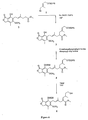
- the product formation was monitored by analytical RP-HPLC (C-18, Vydac 4.6 mm x 250 mm) using a gradient system of water/acetonitrile containing 0.1 % trifluoroacetic acid. The results indicated that the reaction is a conjugate mixture containing mostly the MEM-deprotected 5'-[(isoprenyloxycarbonylaminoethylene-amido)-thyroxine(N- t Boc)]-MPA (10) with some desired product (11) .
- the above product was again resubjected to the trifluoroacetic acid treatment.
- the above reaction mixture was treated with 2 ml of dichloromethane and cooled in an ice-bath.
- To the mixture was added an ice-cold solution of 600 ⁇ l of 50% trifluoroacetic acid in dichloromethane in three portions at an interval of 5 minutes.
- the mixture was allowed to stir in the ice-bath for additional 25 minutes.
- the mixture was concentrated under reduced pressure.
- the crude product was purified by semi-preparative RP-HPLC (C-18, Vydac, 10 mm x 250 mm) using a gradient system of water/acetonitrile containing 0.1% trifluoroacetic acid (3ml/min).
- Mycophenolic acid (860 mg, 2.68 mmol) was dissolved in a solution of 1,4-dioxane containing 700 ⁇ l of conc. H 2 SO 4 . The solution was transferred into a pressure bottle and this was cooled in ice. Isobutylene (20 ml) was poured into the mycophenolic acid solution. The pressure bottle was capped and stirred magnetically very slowly for 2 days at room temperature. The mixture was allowed to cool under dry ice/acetone and the pressure was slowly released. The mixture was allowed to warm up to room temperature and diluted with 150 ml of ethyl acetate. The aqueous part was separated and extracted with 3 x 100 ml of ethyl acetate.
- the resulting mixture was stirred stirred at -40°C for 3 hours and 0°C for 1 hour.
- the reaction was quenched with 10 ml of saturated ammonium chloride and the mixture was allowed to warm up to room temperature.
- An additional 80 ml of saturated ammonium chloride was added and the water part was extracted with ethyl acetate (3 x 80 ml).
- the organic layers were combined, dried (Na 2 SO 4 ) and concentrated.
- the crude product was purified by silica gel chromatography, first eluting using 80% hexane in ethyl acetate and then 50% ethyl acetate in hexane to give 330 mg of product containing impurities.
- a solution of 141mg (0.30 mmol) of (13) was prepared in 41.1 ml of DMSO. This was diluted with 81 ml of 0.1M potassium phosphate buffer pH 7.0 and 306 ⁇ l of esterase (from pig liver, Roche Diagnostics, suspension 10 mg/ml) was added. The reaction mixture was allowed to stir at room temperature for 3 days and filtered. The filtrate was purified using preparative RP-HPLC (WATERS DELTAPAK C-18 50 x 250 mm, water/acetonitrile-system containing 0.1% trifluoroacetic acid). Product containing fractions were combined, acetonitrile was evaporated and the mixture was lyophilized to give 76 mg (0.17 mmol, 57%) of 5'-carboxymethyl-MPA t-butyl ester (14).
- the antibody used was prepared according to procedures readily available and known to those skilled in the art to which the present invention belongs. Any antibody with specificity for thyroxine, either monoclonal or polyclonal, may be used in the practice of the present invention. Monoclonal antibodies are generally preferred, however, because of their ease and consistency of production.
- Saline samples spiked with L-thyroxine were assayed for thyroxine using the method of the present invention.
- the samples were prepared by suspending L-thyroxine (Sigma Chemical) in saline, dissolving by the dropwise addition of 1 N NaOH, and then diluting with saline to achieve final concentrations of 100, 250, 500 and 1000 ng/ml.
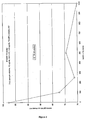
- HITACHI 917 analyzer (Roche Diagnostics Corp., Indianapolis) was programmed to dispense 3 ⁇ l of sample and 150 ⁇ l of antibody reagent into a 37°C cuvette, which were then mixed and incubated for 5 minutes after which time 150 ⁇ l of enzyme reagent was added and mixed. The rate at 340 nm (mA/min) was calculated during the period 3 minutes 13 seconds to 4 minutes 42 seconds (read window 29-34) following enzyme reagent addition. Results obtained are shown in Figure 2.
- the antibody used is commercially available (Roche Cat. No. 1333062). However, any antibody with specificity for digoxigenin, either monoclonal or polyclonal, may be used in the practice of the present invention. Monoclonal antibodies are generally preferred, however, because of their ease and consistency of production.
- coli lysate supernatant and dissolved completely in order to achieve a change in absorbance at 340 nm of 3300 x 10 -4 over 5 minutes at 37 °C.
- ligand-inhibitor 5'-[(digoxigenin-3-yl)- ⁇ -amidomethyl]-MPA, isomer A or 5'-[(digoxigenin-3-yl)- ⁇ -amidomethyl]-MPA, isomer B) was added and dissolved.
- ligand-inhibitor 5'-[(digoxigenin-3-yl)-oxymethylcarbonyl-DADOO-carbonylmethyl]-MPA, racemic was added and dissolved.
- One liter of a first reagent was prepared as follows. Approximately 800 ml deionized water was dispensed into a container and 6.0 grams of ACES were added and dissolved. The pH was adjusted to 6.0 with 2 N NaOH. Then 0.66 grams NAD were added and dissolved completely. Then 0.95 grams sodium azide was added and dissolved, and finally 1.0 gram of SUTTOCIDE A was added and dissolved. The volume was adjusted to one liter with deionized water. Composition of First Reagent First reagent, pH 6.0 Component Molec. wt.
- One liter of a second reagent was prepared as follows. Approximately 800 ml deionized water was dispensed into a container and 168.8 grams of NaTAPSO were added and completely dissolved. Next, 1.15 grams of TCEP were dissolved. Next 31.4 grams of IMP were dissolved, and then 2.23 grams of Na 2 EDTA were dissolved. Next 1.0 gram of SUTTOCIDE A was dissolved. The volume was adjusted to one liter with deionized water. Enough recombinant human IMPDH-II was added (as a 35% ammonium sulfate precipitate of an E.
- Second Reagent Second reagent, pH 8.0 Component Molec. wt.
- the antibody used was prepared according to procedures readily available and known to those skilled in the art to which the present invention belongs. Any antibody with specificity for theophylline, either monoclonal or polyclonal, may be used in the practice of the present invention. Monoclonal antibodies are generally preferred, however, because of their ease and consistency of production.
- Saline samples spiked with theophylline were assayed using the method of the present invention.
- Theophylline (Sigma Chemical) was first dissolved in saline (1 mg/10 ml) and then diluted to achieve concentrations of 0, 5, 10, 20, 40 and 50 ⁇ g/ml.
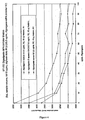
- An HITACHI 717 analyzer (Roche Diagnostics Corp., Indianapolis) was programmed to dispense 3 ⁇ l of sample and 150 ⁇ l of first reagent into a 37°C cuvette, which were then mixed and incubated for 5 minutes, after which time 150 ⁇ l of second reagent was added and mixed. The difference in absorbance at 340 nm was calculated from the initial addition of the second reagent to 5 minutes following the second reagent addition. Results obtained are shown in Figure 5.
- inhibitor and antibody were combined together in the same reagent.
- the particular theophylline antibody used in this example had a relatively low affinity for the inhibitor compared to that for the drug, so the antibody and inhibitor were combined first before adding sample in order to pre-form the inhibitor-antibody conjugate. Then when the sample containing drug is added, the drug displaces the inhibitor, because of the higher affinity of the antibody for the drug, thereby freeing the inhibitor for inhibiting the enzyme.
- the IC 50 is the molar concentration of inhibitor that produces 50% inhibition of enzymatic activity. This example is used to illustrate potency of enzyme inhibition by various MPA derivatives.
- This assay measures the formation of NADH during the conversion of IMP to XMP by IMPDH II.
- the reaction is monitored using a spectrophotometer at 340 nm for 10 minutes 40 °C.
- the procedure used in this example is that described by Nelson, P.H. et al., J. Med. Chem. 39, 4181-4196 (1996).
- Inhibitors were diluted in 100% DMSO.
- a reaction buffer 100 ml, was prepared containing 125 mM Tris HCl, pH 8.0, 125 mM KCl, 3.75 mM EDTA, 125 g/ml BSA, 0.0625 mM IMP and 0.125 mM NAD.
- An enzyme diluent, 100 ml was prepared containing 100 mM Tris HCl, pH 8.0, 100 mM KCl, 3.0 mM EDTA and 100 /ml BSA.
- the IMPDH II enzyme was diluted to 0.0065 U/ml in the enzyme diluent. The final concentration of the enzyme in the reaction cuvette was 0.00065 U/ml. Samples (derivatives) were dissolved in DMSO to 1 mg/ml. The samples were further diluted in 100% DMSO. All dilutions were prepared fresh from 1 mM stocks prepared previously.
- the assay format was as follows: 800 ⁇ l of reaction buffer were added to 6 cuvettes in a spectrophotometer. 100 ⁇ l of DMSO only (control) or sample concentrations were added per conjugate/MPA derivative tested. Cuvettes with reaction buffer and sample were mixed by inverting. Cuvettes with reaction buffer and sample were allowed to incubate for 5 minutes at 40 °C. Reaction was initiated with the addition of 100 ⁇ l of enzyme solution. Cuvettes were mixed again by inverting. The reactions were monitored at 340 nm and data collected for 10 minutes. The results were used to determine the IC 50 s for the samples.
- MPA-isoprenyl alcohol (racemic, 3A ) was prepared by lithium hydroxide hydrolysis of the ester group and deprotection of the TBDPS group of compound (3) following methods known to those skilled in the art and as described in Example 5A.
- the IC 50 data is the molar concentration of MPA-inhibitor that reduces the enzyme activity by 50%.
- the IC 50 values are determined by using a non-linear curve fit of the plot of fractional activity (enzyme rate with MPA-inhibitor/enzyme rate without any MPA-inhibitor) on the y-axis vs. molar concentration of the MPA-inhibitor in the assay mixture on the x-axis.
- the MPA-MPA derivative was used as a prototype inhibitor that had a drug (MPA) attached to the MPA parent structure. Since it was demonstrated that MPA-MPA as a prototype drug-inhibitor worked in an immunoassay for MPA, a measure of the IC 50 value for this inhibitor may be a predictor of success in an immunoassay not only for MPA but also for new drugs. Those drug inhibitors with lower IC 50 values would be more potent inhibitors of IMPDH activity and thus useful in the described immunoassay. For example, MPA-thyroxine isoprenyl had a lower IC 50 value and showed greater sensitivity in an immunoassay than MPA-theophylline. Also, chiral derivatives are more potent inhibitors of IMPDH consistent with a previous publication which reports the S enantiomer of an MPA derivative to be more potent. J. Org. Chem. 61, 2236-2241, (1996).
- IC 50 values for these derivatives were determined using a slightly different method.
- the enzyme rate with and without inhibitor was determined as described in Example 20 for thyroxine and Example 29 for theophylline, except no antibody was added to the second reagent and only saline was used as a sample.
- Multiple second reagents each containing a different concentration of inhibitor were assayed using an HITACHI 917.
- the first reagent was as described in Examples 20 and 29 without modification.
- the fractional rates obtained with these different concentrations of inhibitor were plotted vs. the molar concentration of the inhibitor and the IC 50 calculated as described.
- Theophylline amine (17) was prepared according to the procedure published in PCT patent application WO 87/07955 (1987).
- reaction mixture was acidified with dilute phosphoric acid (precipitate), concentrated to dryness, triturated with methanol and the solids filtered off. The filtrate was concentrated to dryness, the residue redissolved in CH 3 CN-H 2 O (1:1) and purified by preparative RP-HPLC (Rainin C-18 (ODS) 21.4 mm x 250 mm) using a 0.1% TFA-H 2 O/0.1 % TFA-CH 3 CN gradient. Fractions containing product were combined, acetonitrile evaporated off under reduced pressure and the residue lyophilized to give 8 mg (0.0097 mmol, 69%) of (19) as a white solid.
- the repooled material was re-concentrated, treated as before and resubjected to the TFA treatment as described above for a third time, with stirring for 30 minutes.
- RP-HPLC analysis of the resulting reaction mixture indicated essential completeness of the reaction, with increases in by-product peaks.
- the reaction was concentrated to dryness, redissolved in CH 3 CN and purified by semi-preparative RP-HPLC (Vydac C-18; 300 ⁇ 218TP510; 0.1% TFA-H 2 O/0.1% TFA-CH 3 CN gradient).
- the alkylation product (190 mg) was dissolved in methanol (30 ml) and treated with 660 mg of p -toluenesulfonic acid and stirred under nitrogen at ambient temperature for 5 hours. The methanol was then removed under reduced pressure and the reaction partitioned between water and ethyl acetate. The aqueous phase was washed with 75 ml of ethyl acetate, and then the combined organic layers were dried over magnesium sulfate. Filtration was followed by solvent removal to afford 150 mg of material, which was carried on to the last step.
- the ester from above was dissolved in 1:1 methanol:water and 400 mg of lithium hydroxide was added.
- the reaction was stirred magnetically under nitrogen for 20 hours at 60 °C, then cooled and poured onto 1 M NaHSO 4 and extracted three times with ethyl acetate (50 ml x 3).
- the combined organics were washed with saturated brine, then dried over magnesium sulfate.
- the solvent was removed under reduced pressure, then the crude product (101 mg) was obtained following recrystallization from t-butyl methyl ether/hexanes.
- a suspension of bis(cyclopentyldienyl)zirconium dichloride (16.0g, 55 mmol) was stirred in 100 ml THF at room temperature under an inert atmosphere.
- a solution of lithium triethylborohydride (55 mmol, 55ml, 1M in tetrahydrofuran) was added, and the solution stirred for 1 hour.
- a solution of the silylether (iii) prepared above (5.0 g, 27 mmol) in 10 ml of tetrahydrofuran was added via a cannula. The reaction was then heated to 50°C for 1.5 hours, then cooled to 25 °C.
- N-Bromosuccinimide (9.8 g, 55 mmol) was then added, the reaction stirred for 20 min. and then quenched with 50 ml 1N sodium thiosulfate. The mixture was diluted with diethyl ether, filtered through celite, and washed successively with 1 N sodium thiosulfate and brine, then dried over magnesium sulfate. The residue obtained after removing solvents in vacuo was chromatographed over silica gel using hexanes as eluent to give the product vinyl bromide (iv) as an oil (2.1 g), which was carried on to the next step.
- a suspension of magnesium (350 mg, 14 mmol) was stirred in a mixture of 20 ml diethyl ether and 5 ml benzene under an inert atmosphere at room temperature.
- ethylene dibromide (2.7g, 14.4 mmol, 1.24 ml) over 30 minutes via syringe, keeping the reaction at a gentle reflux.
- a solution of the vinyl bromide ( iv , 3.65 g, 13 mmol) was stirred in 100 ml THF at -78 °C.
- the reaction was then quenched with 30 ml of 1 N aqueous ammonium chloride solution, extracted with diethyl ether 3 times, and the ethereal solution washed with 1 N aqueous ammonium chloride solution, brine, and dried over magnesium sulfate.
- the solvent was removed in vacuo and the residue purified by chromatography over silica gel using a gradient of 10% to 20% ethyl acetate in hexanes to give 2.90 g of the allylic alcohol product (vi) as an oil.
- the protected diacid ( ix , 401 mg, 0.8 mmol) was stirred in 10 ml methanol at room temperature.
- Lithium hydroxide hydrate was dissolved in a solution of 10 ml methanol and 2 ml water and added to the solution of diacid, and the reaction stirred for 3.5 hours.
- the reaction was quenched with 10 ml 1 N aqueous hydrochloric acid, extracted with ethyl acetate 3 times, the ethyl acetate layers combined and washed with brine. Solvents were removed and the solid so obtained was triturated with a mixture of diethyl ether and hexanes.
- Digoxin dialdehyde (E) was synthesized from digoxin by oxidation with sodium periodate in aqueous ethanol following the analogous procedure used with digitoxin, as described by Satoh & Aoyama (D. Satoh and K. Aoyama Chem. Pharm. Bull. ( Jpn ), 1970, 18, 94-99).
- para-Aminobenzoic acid (0.221 g, 1.61 mmol) was dissolved in a total of 3 mL of methanol which was then diluted with 3 mL of 0.3 M acetic acid in water. The resulting solution was added to a stirring solution of digoxin dialdehyde ( E , 1.0 g, 1.28 mmol) in methanol (20 mL) under argon. To the resulting yellow mixture was added a solution of sodium cyanoborohydride (NaCNBH 3 , 0.11 g, 1.75 mmol) in a total of 4 mL of 0.3 M acetic acid in water. After stirring overnight at room temperature, thin layer chromatography (TLC) indicated the reaction was complete.
- digoxin dialdehyde E 1.0 g, 1.28 mmol
- NaCNBH 3 sodium cyanoborohydride
- Example 48 Preparation of digitoxin-MPA conjugate, 5'-[[[((digitoxin(1,4-oxazepin))-4-yl]-phenyl-4-carbonyl]amino]isoprenyl]-MPA conjugate (L)
- Digitoxin dialdehyde (I) was prepared from digitoxin by oxidation with sodium periodate in aqueous ethanol following the method of Satoh & Aoyama (D. Satoh and K. Aoyama Chem. Pharm. Bull. (Jpn), 1970, 18, 94-99).
- Digitoxin dialdehyde ( I , 1.0 g, 1.31 mmol) in MeOH (20mL) was reacted with para-aminobenzoic acid (220 mg, 1.60 mmol; dissolved in 6 mL 1:1 MeOH-0.3 M HOAc in water) and NaCNBH 3 (108 mg, 1.72 mmol; dissolved in 3 mL 0.3 M HOAc in water) in a similar manner to Example 47(ii), for 1.5 hours. Additional NaCNBH 3 (52 mg, 0.83 mmol) was added, and after a total of 4.33 hours, TLC analysis indicated the reaction was complete.
- Example 49 Preparation of fully protected gentamicin-MPA conjugate (carbamate linkage), 5'-[(N 2 ',N 3 ,N 6 -tri- t butoxycarbonyl-N 3" -trifluoroacetyl-gentamicin[C1a]-N 1 -carbonyl-oxy)-isoprenyl]-MPA[OMEM] methyl ester conjugate (N)
- the fractions from the column were analyzed by thin layer chromatography (TLC), using the same solvent system used in the column.
- TLC thin layer chromatography
- the plates were developed by dipping the plate in a phosphomolybdic acid solution, followed by heating on a hot plate.
- the retardation factor (Rf) of the product in CHCl 3 -MeOH- 28% NH 4 OH (7:3:0.1) was 0.27.
- the desired fractions were combined and concentrated.
- the residue was then suspended in 25 mL of dichloromethane and concentrated.
- the suspension in dichloromethane and concentration procedure was repeated twice more to give 481 mg (0.62 mmol, 51%) of 3,2',6'-tri-t-butoxycarbonyl gentamicin C1a as a white powder.
- the plates were developed by dipping the plate in phosphomolybdic acid solution, followed by heating on a hot plate.
- the Rf of the product in the 9:1 mixture of CHCl 3 and methanol was 0.30.
- the desired fractions were combined and concentrated.
- the residue was suspended in 20 mL of dichloromethane and was then concentrated.
- the suspension in dichloromethane and concentration procedure was repeated twice more to give 480 mg (0.55 mmol, 93%) of 3,2',6'-tri-t-butoxycarbonyl-3"-N-(trifluoroacetyl)gentamicin C1a (Z1) as a white powder.
- a solution of 16 mg (0.019 mmol) of the gentamicin amine: 2',3,6'-tri-t-butoxycarbonyl-3"-(N-trifluoroacetyl)-gentamicin[C1a] (Z1) was prepared in 1 mL of anhydrous DMF and 100 ⁇ L of triethylamine was added. To this solution was added dropwise the previously prepared MPA-N-hydroxysuccinimidyl carbonate solution (generated in situ ). The reaction mixture was allowed to stir under argon for 4 hours and concentrated under reduced pressure. The residue was purified by preparative RP-HPLC using a water/acetonitrile gradient system containing 0.1% trifluoroacetic acid.
- Example 50 Deprotection of the fully protected gentamicin-MPA conjugate, 5'-[(N 2' ,N 3 ,N 6' -tri- t butoxycarbonyl-N 3" -trifluoroacetyl-gentamicin[C1a]-N 1 -carbonyl-oxy)-isoprenyl]-MPA[OMEM] methyl ester conjugate (N) ; to the gentamicin-MPA conjugate, 5'-[(gentamicin(C1a]-N 1 -carbonyl-oxy)-isoprenyl]-MPA conjugate (R)
- Analytical HPLC showed gradual progression of the reaction through a faster running peak assigned as the intermediate (Q) , into the yet-faster running peak assigned as the intermediate (P) .
- analytical HPLC indicated the reaction to be comprised of very largely compound (P).
- the reaction was carefully adjusted to pH approx. 6 with dilute phosphoric acid (1 drop of 85% H 3 PO 4 in 2 mL water), with a small amount of solid (lithium phosphate) being precipitated. The mixture was evaporated to dryness under high vacuum.
- the reaction was evaporated to dryness by direct aspiration under high vacuum while maintaining cooling.
- the residue was washed down with a little dry CH 2 Cl 2 and re-aspirated under high vacuum.
- the residue was dissolved in ⁇ 0.5 mL MeCN, an aliquot withdrawn, and the remainder aspirated under high vacuum to dryness.
- the withdrawn aliquot was analyzed by analytical HPLC (gradient: as given above, but at 1 mL/min), which indicated the presence of largely starting material (P) [tR ⁇ 18.1 min] together with new product peaks at shorter retention times. Careful inspection of the peak corresponding to starting material indicated (UV) that the MEM protecting group was also partially being removed, with the des-MEM material almost co-running with actual starting material.
- reaction residue was redissolved in dry CH 2 Cl 2 (200 ⁇ L) and re-treated with TFA in CH 2 Cl 2 exactly as above (second treatment), but with stirring for 20 min.
- Aspiration and handling as described above and HPLC analysis of the aliquot of the reaction showed progressive decrease of (P) and appearance of a cascade of faster-running peaks.
- Example 52 Preparation of protected sentamicin-MPA conjugate (amide linkage), 5'-[(N 2' ,N 3 ,N 6' -tri- t butoxycarbonyl-N 3 -trifluoroacetyl-gentamicin[C1a]-N 1 -terephthaloyl)-amino-isoprenyl]-MPA[OMEM] methyl ester conjugate (S)
- di-N-hydroxysuccinimide (di-NHS) ester solution To 64.5 mg of 1,4-di-N-hydroxysuccinimide ester of terephthalic acid was added 6 mL of anhydrous DMF to produce a di-N-hydroxysuccinimide (di-NHS) ester solution. In another flask was added 64.5 mg (0.17 mmol) of (Z1) , 6 mL of anhydrous DMF, and 128 ⁇ L (0.89 mmol) of triethylamine. This gentamicin amine solution was added to the di-NHS ester solution dropwise under an argon atmosphere. The mixture was allowed to stir at room temperature for 48 h and was then concentrated.
- the residue was purified by silica gel column chromatography using 9:1 mixture of ethyl acetate and hexane as eluent.
- the fractions coming out of the column were analyzed by TLC, detecting the desired product under short wave UV.
- the Rf of the product in the same solvent system used for column was 0.36.
- the fractions containing the product were combined and concentrated, and then purified by preparative reverse-phase high performance liquid chromatography (RP-HPLC) using a gradient run at 10 mL/min.
- RP-HPLC reverse-phase high performance liquid chromatography
- Example 53 Preparation of partially protected gentamcin-MPA conjugate (amide linkage), 5'-[(N 2' ,N 3 ,N 6' -tri- t butoxycarbonyl-gentamicin[C1a]-N 1 -terephthaloyl)- amino-isoprenyl]-MPA[OMEM] conjugate (T)
- Example 54 Preparation of gentamicin-MPA conjugate (amide linkage), 5'-[(gentamicin[C1a]-N 1 -terphthaloyl)-amino-isoprenyl]-MPA coniugate (amide linkage, U )
- Example 58 Assays for phenytoin and gentamicin
- Assays for phenytoin and gentamicin were performed with a HITACHI 917 as follows: 3 ⁇ L sample was added to a cuvette and 150 ⁇ L enzyme reagent was added, mixed and incubated @ 37°C for 5 minutes, then 150 ⁇ L antibody reagent was added and mixed. The absorbance rate at 340 nm was monitored 9-10 minutes following the addition of the antibody reagent. A calibration curve was constructed using standards containing known amounts of phenytoin or gentamicin. Values for phenytoin or gentamicin were calculated by the HITACHI 917 analyzer.
- Roche INTEGRA phenytoin or gentamicin calibrators and a Roche INTEGRA FP phenytoin or gentamicin reagent cassettes were used with a Roche INTEGRA 700 analyzer for the method comparison studies. Passing/Bablock regression statistics were used. Patient samples were plasma.
- Enzyme reagent formulation Tris 100 mM KCL 100 mM IMP 80 mM TCEP 4 mM EDTA 6mM Phenytoin-isoprenyl-MPA (racemic) or gentamicinisoprenyl-MPA (racemic) derivatives 1.47 ⁇ M SUTTOCIDE A 4 mM MAB 0.1 mg/mL IMPDH-II Adjust to rate pH 8.0
Landscapes
- Health & Medical Sciences (AREA)
- Chemical & Material Sciences (AREA)
- Life Sciences & Earth Sciences (AREA)
- Organic Chemistry (AREA)
- Engineering & Computer Science (AREA)
- Immunology (AREA)
- Molecular Biology (AREA)
- General Health & Medical Sciences (AREA)
- Urology & Nephrology (AREA)
- Biomedical Technology (AREA)
- Hematology (AREA)
- Biotechnology (AREA)
- Biochemistry (AREA)
- Food Science & Technology (AREA)
- Microbiology (AREA)
- Medicinal Chemistry (AREA)
- Physics & Mathematics (AREA)
- Analytical Chemistry (AREA)
- Cell Biology (AREA)
- General Physics & Mathematics (AREA)
- Pathology (AREA)
- Genetics & Genomics (AREA)
- Endocrinology (AREA)
- Cardiology (AREA)
- Heart & Thoracic Surgery (AREA)
- Bioinformatics & Cheminformatics (AREA)
- Pharmacology & Pharmacy (AREA)
- Steroid Compounds (AREA)
- Measuring Or Testing Involving Enzymes Or Micro-Organisms (AREA)
- Saccharide Compounds (AREA)
- Plural Heterocyclic Compounds (AREA)
Applications Claiming Priority (2)
| Application Number | Priority Date | Filing Date | Title |
|---|---|---|---|
| US341692 | 2003-01-14 | ||
| US10/341,692 US6811998B2 (en) | 1999-06-25 | 2003-01-14 | Conjugates of uncompetitive inhibitors of inosine monophosphate dehydrogenase |
Publications (3)
| Publication Number | Publication Date |
|---|---|
| EP1441224A2 true EP1441224A2 (de) | 2004-07-28 |
| EP1441224A3 EP1441224A3 (de) | 2005-05-25 |
| EP1441224B1 EP1441224B1 (de) | 2011-03-02 |
Family
ID=32594824
Family Applications (1)
| Application Number | Title | Priority Date | Filing Date |
|---|---|---|---|
| EP04000298A Expired - Lifetime EP1441224B1 (de) | 2003-01-14 | 2004-01-09 | Enzymhemmungsimmunverfahren |
Country Status (7)
| Country | Link |
|---|---|
| US (3) | US6811998B2 (de) |
| EP (1) | EP1441224B1 (de) |
| JP (2) | JP4184986B2 (de) |
| AT (1) | ATE500505T1 (de) |
| CA (1) | CA2455097C (de) |
| DE (1) | DE602004031571D1 (de) |
| ES (1) | ES2360699T3 (de) |
Cited By (1)
| Publication number | Priority date | Publication date | Assignee | Title |
|---|---|---|---|---|
| WO2019001935A1 (en) * | 2017-06-30 | 2019-01-03 | Helmholtz-Zentrum für Infektionsforschung GmbH | AMINOGLYCOSIDE DERIVATIVES AND THEIR NANO-ASSEMBLIES, INCLUDING THOSE WITH INHIBITORY QUORUM DETECTION FUNCTION |
Families Citing this family (7)
| Publication number | Priority date | Publication date | Assignee | Title |
|---|---|---|---|---|
| US6811998B2 (en) * | 1999-06-25 | 2004-11-02 | Roche Diagnostics Operations, Inc. | Conjugates of uncompetitive inhibitors of inosine monophosphate dehydrogenase |
| US7724740B1 (en) * | 2002-08-27 | 2010-05-25 | 3Com Corporation | Computer system and network interface supporting class of service queues |
| US20050164330A1 (en) * | 2004-01-27 | 2005-07-28 | Daiichi Pure Chemicals Co., Ltd. | Method for quantitatively determining a specific component in a biological specimen, and reagent for quantitative determination |
| US20090215993A1 (en) * | 2007-11-14 | 2009-08-27 | Mitali Ghoshal | Mycophenolic acid immunogens and antibodies |
| WO2015029035A1 (en) | 2013-08-29 | 2015-03-05 | Yeda Research And Development Co. Ltd. | SELECTIVE INHIBITORS OF α2 ISOFORM OF Na,K-ATPase AND USE FOR REDUCTION OF INTRA-OCULAR PRESSURE |
| EP3907231A1 (de) | 2015-07-19 | 2021-11-10 | Yeda Research and Development Co., Ltd. | Selektive inhibitoren der alpha2-haltigen isoformen der na, k-atpase und deren verwendung zur reduzierung des augeninnendruckes |
| WO2017013637A1 (en) * | 2015-07-19 | 2017-01-26 | Yeda Research And Development Co. Ltd. | Selective inhibitors of alpha2-containing isoforms of na,k-atpase and use thereof for reduction of intraocular pressure |
Citations (8)
| Publication number | Priority date | Publication date | Assignee | Title |
|---|---|---|---|---|
| WO1994001105A1 (en) | 1992-07-10 | 1994-01-20 | The Board Of Trustees Of The Leland Stanford Junior University | Method of treating hyperproliferative vascular disease |
| WO1994012184A1 (en) | 1992-11-24 | 1994-06-09 | Syntex (U.S.A.) Inc. | Use of mycophenolic acid, mycophenolate mofetil or derivate thereof to inhibit stenosis |
| US5380879A (en) | 1994-02-18 | 1995-01-10 | Syntex (U.S.A.) Inc. | Derivatives of mycophenolic acid |
| US5444072A (en) | 1994-02-18 | 1995-08-22 | Syntex (U.S.A.) Inc. | 6-substituted mycophenolic acid and derivatives |
| WO1995022538A1 (en) | 1994-02-18 | 1995-08-24 | Syntex (U.S.A.) Inc. | 5-substituted derivatives of mycophenolic acid |
| US5618926A (en) | 1989-03-10 | 1997-04-08 | Hoffmann-La Roche Inc. | Immunoassay reagents |
| US5665583A (en) | 1988-08-12 | 1997-09-09 | Arch Dev Corp | Methods and materials relating to IMPDH and GMP production |
| US5807876A (en) | 1996-04-23 | 1998-09-15 | Vertex Pharmaceuticals Incorporated | Inhibitors of IMPDH enzyme |
Family Cites Families (21)
| Publication number | Priority date | Publication date | Assignee | Title |
|---|---|---|---|---|
| US1595101A (en) | 1925-07-01 | 1926-08-10 | American Assembling Machine Co | Method of and machine for assembling signatures |
| US4134792A (en) * | 1976-12-06 | 1979-01-16 | Miles Laboratories, Inc. | Specific binding assay with an enzyme modulator as a labeling substance |
| GB1595101A (en) | 1977-03-15 | 1981-08-05 | Hoffmann La Roche | Enzyme modifier immunoassay |
| US4273866A (en) | 1979-02-05 | 1981-06-16 | Abbott Laboratories | Ligand analog-irreversible enzyme inhibitor conjugates and methods for use |
| US4341865A (en) | 1980-07-21 | 1982-07-27 | Abbott Laboratories | Determination of thyroxine binding globulin |
| US4510251A (en) | 1982-11-08 | 1985-04-09 | Abbott Laboratories | Fluorescent polarization assay for ligands using aminomethylfluorescein derivatives as tracers |
| US5352803A (en) | 1992-03-30 | 1994-10-04 | Abbott Laboratories | 5(6)-methyl substituted fluorescein derivatives |
| US5512568A (en) | 1994-02-18 | 1996-04-30 | Syntex (U.S.A.) Inc. | Method of using 4-amino derivatives of 5-substituted mycophenolic acid |
| US5525602A (en) | 1994-02-18 | 1996-06-11 | Syntex (U.S.A.) Inc. | Method of using 4-amino 6-substituted mycophenolic acid and derivatives |
| US6225073B1 (en) | 1994-07-07 | 2001-05-01 | Dade Behring Marburg Gmbh | Immunoassay for mycophenolic acid |
| US5756771A (en) | 1995-04-13 | 1998-05-26 | Abbott Laboratories | 5(6)-methyl substituted fluorescein derivatives |
| US6128582A (en) | 1996-04-30 | 2000-10-03 | Vertex Pharmaceuticals Incorporated | Molecules comprising an IMPDH-like binding pocket and encoded data storage medium capable of graphically displaying them |
| US6153398A (en) | 1997-12-24 | 2000-11-28 | The University Of Chicago | Method to identify specific inhibitors of IMP dehydrogenase |
| US6420403B1 (en) * | 1998-10-29 | 2002-07-16 | Edwin J. Iwanowicz | Inhibitors of IMPDH enzyme |
| JP2002528499A (ja) * | 1998-10-29 | 2002-09-03 | ブリストル−マイヤーズ スクイブ カンパニー | Impdh酵素のインヒビターであるアミノ核誘導化合物 |
| JP2000310638A (ja) * | 1999-04-28 | 2000-11-07 | Fuji Photo Film Co Ltd | 均一系酵素免疫分析方法 |
| US6107052A (en) * | 1999-06-09 | 2000-08-22 | Roche Diagnostics Corporation | Enzymatic measurement of mycophenolic acid |
| WO2001001135A1 (en) * | 1999-06-25 | 2001-01-04 | Roche Diagnostics Corporation | Enzyme inhibition immunoassay |
| US6811998B2 (en) * | 1999-06-25 | 2004-11-02 | Roche Diagnostics Operations, Inc. | Conjugates of uncompetitive inhibitors of inosine monophosphate dehydrogenase |
| US6524808B1 (en) * | 1999-06-25 | 2003-02-25 | Roche Diagnostics Corporation | Enzyme inhibition immunoassay |
| EP1207394B1 (de) * | 2000-11-14 | 2009-12-30 | Roche Diagnostics GmbH | Immunoassay für HIV-Protease-Hemstoffe |
-
2003
- 2003-01-14 US US10/341,692 patent/US6811998B2/en not_active Expired - Fee Related
-
2004
- 2004-01-09 EP EP04000298A patent/EP1441224B1/de not_active Expired - Lifetime
- 2004-01-09 JP JP2004004171A patent/JP4184986B2/ja not_active Expired - Fee Related
- 2004-01-09 DE DE602004031571T patent/DE602004031571D1/de not_active Expired - Lifetime
- 2004-01-09 ES ES04000298T patent/ES2360699T3/es not_active Expired - Lifetime
- 2004-01-09 AT AT04000298T patent/ATE500505T1/de active
- 2004-01-12 CA CA002455097A patent/CA2455097C/en not_active Expired - Fee Related
- 2004-07-27 US US10/900,447 patent/US7235675B2/en not_active Expired - Fee Related
-
2006
- 2006-12-06 JP JP2006329870A patent/JP4648891B2/ja not_active Expired - Fee Related
-
2007
- 2007-02-09 US US11/673,180 patent/US7476727B2/en not_active Expired - Fee Related
Patent Citations (12)
| Publication number | Priority date | Publication date | Assignee | Title |
|---|---|---|---|---|
| US5665583A (en) | 1988-08-12 | 1997-09-09 | Arch Dev Corp | Methods and materials relating to IMPDH and GMP production |
| US5618926A (en) | 1989-03-10 | 1997-04-08 | Hoffmann-La Roche Inc. | Immunoassay reagents |
| WO1994001105A1 (en) | 1992-07-10 | 1994-01-20 | The Board Of Trustees Of The Leland Stanford Junior University | Method of treating hyperproliferative vascular disease |
| WO1994012184A1 (en) | 1992-11-24 | 1994-06-09 | Syntex (U.S.A.) Inc. | Use of mycophenolic acid, mycophenolate mofetil or derivate thereof to inhibit stenosis |
| US5380879A (en) | 1994-02-18 | 1995-01-10 | Syntex (U.S.A.) Inc. | Derivatives of mycophenolic acid |
| US5444072A (en) | 1994-02-18 | 1995-08-22 | Syntex (U.S.A.) Inc. | 6-substituted mycophenolic acid and derivatives |
| WO1995022536A1 (en) | 1994-02-18 | 1995-08-24 | Syntex (U.S.A.) Inc. | 6-substituted mycophenolic and derivatives with immunosuppressive activity |
| WO1995022538A1 (en) | 1994-02-18 | 1995-08-24 | Syntex (U.S.A.) Inc. | 5-substituted derivatives of mycophenolic acid |
| US5493030A (en) | 1994-02-18 | 1996-02-20 | Syntex (U.S.A.) Inc. | 5-substituted derivatives of mycophenolic acid |
| US5536747A (en) | 1994-02-18 | 1996-07-16 | Syntex (U.S.A.) Inc. | 6-substituted mycophenolic acid and derivatives |
| US5633279A (en) | 1994-02-18 | 1997-05-27 | Syntex (U.S.A.) Inc. | 5-substituted derivatives of mycophenolic acid |
| US5807876A (en) | 1996-04-23 | 1998-09-15 | Vertex Pharmaceuticals Incorporated | Inhibitors of IMPDH enzyme |
Non-Patent Citations (4)
| Title |
|---|
| ANDERSON, J.H. ET AL., JOURNAL OFBIOLOGICAL CHEMISTRY, vol. 243, no. 18, 1968, pages 4762 - 4768 |
| KONNO, Y. ET AL., J. BIOL. CHEM, vol. 266, no. 1, 1991, pages 506 - 509 |
| NELSON, P.H. ET AL., JOURNAL OFMEDICINAL CHEMISTRY, vol. 33, 1990, pages 833 - 838 |
| ROHLOFF, J.C., TETRAHEDRON LETTERS, vol. 36, no. 43, 1995, pages 7803 - 7806 |
Cited By (2)
| Publication number | Priority date | Publication date | Assignee | Title |
|---|---|---|---|---|
| WO2019001935A1 (en) * | 2017-06-30 | 2019-01-03 | Helmholtz-Zentrum für Infektionsforschung GmbH | AMINOGLYCOSIDE DERIVATIVES AND THEIR NANO-ASSEMBLIES, INCLUDING THOSE WITH INHIBITORY QUORUM DETECTION FUNCTION |
| US11839658B2 (en) | 2017-06-30 | 2023-12-12 | Helmholtz-Zentrum für Infektionsforschung GmbH | Aminoglycoside derivatives and nano-assemblies thereof, including those with quorum sensing inhibitory function |
Also Published As
| Publication number | Publication date |
|---|---|
| CA2455097A1 (en) | 2004-07-14 |
| JP4184986B2 (ja) | 2008-11-19 |
| JP2007126466A (ja) | 2007-05-24 |
| EP1441224B1 (de) | 2011-03-02 |
| US6811998B2 (en) | 2004-11-02 |
| DE602004031571D1 (de) | 2011-04-14 |
| US7476727B2 (en) | 2009-01-13 |
| US7235675B2 (en) | 2007-06-26 |
| US20070142631A1 (en) | 2007-06-21 |
| JP4648891B2 (ja) | 2011-03-09 |
| ES2360699T3 (es) | 2011-06-08 |
| CA2455097C (en) | 2009-08-25 |
| US20050009076A1 (en) | 2005-01-13 |
| US20030207431A1 (en) | 2003-11-06 |
| ATE500505T1 (de) | 2011-03-15 |
| JP2004239894A (ja) | 2004-08-26 |
| EP1441224A3 (de) | 2005-05-25 |
Similar Documents
| Publication | Publication Date | Title |
|---|---|---|
| US7476727B2 (en) | Conjugates of mycophenolic acid | |
| EP1105730B1 (de) | Enzymhemmungsimmunverfahren | |
| CN112285038B (zh) | 6-磷酸葡萄糖脱氢酶突变体及其在制备洋地黄毒苷检测试剂中的用途 | |
| US4510251A (en) | Fluorescent polarization assay for ligands using aminomethylfluorescein derivatives as tracers | |
| EP0108399B1 (de) | Substituierte Fluorescein-Carbonsäure-Derivate | |
| US4614823A (en) | Aminomethylfluorescein derivatives | |
| SE447026B (sv) | Forfarande for immunologisk bestemning | |
| US6524808B1 (en) | Enzyme inhibition immunoassay | |
| US4771008A (en) | Method for quantitative analysis of thyroid hormone | |
| US7781570B2 (en) | Site-specific aminoglycoside derivatives for use in immunodiagnostic assays | |
| EP0380019B1 (de) | Fluoreszenz-Polarisationsimmunoassay für Methadon | |
| JPH02270847A (ja) | gem―ジフェニル誘導体および免疫学的検定法への使用 | |
| Fujiwara et al. | The preparation of puromycin antibody and its use in enzyme immunoassay for the quantification using β-D-galactosidase as a label | |
| JPH06316599A (ja) | ジフェンヒドラミンおよびその代謝産物の免疫学的測定のための組成物および方法 | |
| JPH0689039B2 (ja) | ノルトリプチリン誘導体およびコンジユゲート | |
| US4387086A (en) | Organic compounds | |
| CN121263420A (zh) | 嘧啶三并环衍生物的结晶及用途 | |
| WO2021023271A1 (zh) | 作为前列环素受体激动剂的化合物的晶型及其制备方法 | |
| JPS6072863A (ja) | 新規なジソピラミド査導体ならびにその高分子物質結合体 |
Legal Events
| Date | Code | Title | Description |
|---|---|---|---|
| PUAI | Public reference made under article 153(3) epc to a published international application that has entered the european phase |
Free format text: ORIGINAL CODE: 0009012 |
|
| AK | Designated contracting states |
Kind code of ref document: A2 Designated state(s): AT BE BG CH CY CZ DE DK EE ES FI FR GB GR HU IE IT LI LU MC NL PT RO SE SI SK TR |
|
| AX | Request for extension of the european patent |
Extension state: AL LT LV MK |
|
| PUAL | Search report despatched |
Free format text: ORIGINAL CODE: 0009013 |
|
| AK | Designated contracting states |
Kind code of ref document: A3 Designated state(s): AT BE BG CH CY CZ DE DK EE ES FI FR GB GR HU IE IT LI LU MC NL PT RO SE SI SK TR |
|
| AX | Request for extension of the european patent |
Extension state: AL LT LV MK |
|
| 17P | Request for examination filed |
Effective date: 20051125 |
|
| AKX | Designation fees paid |
Designated state(s): AT BE BG CH CY CZ DE DK EE ES FI FR GB GR HU IE IT LI LU MC NL PT RO SE SI SK TR |
|
| 17Q | First examination report despatched |
Effective date: 20070302 |
|
| GRAP | Despatch of communication of intention to grant a patent |
Free format text: ORIGINAL CODE: EPIDOSNIGR1 |
|
| RTI1 | Title (correction) |
Free format text: ENZYME INHIBITION IMMUNOASSAY |
|
| GRAS | Grant fee paid |
Free format text: ORIGINAL CODE: EPIDOSNIGR3 |
|
| GRAA | (expected) grant |
Free format text: ORIGINAL CODE: 0009210 |
|
| AK | Designated contracting states |
Kind code of ref document: B1 Designated state(s): AT BE BG CH CY CZ DE DK EE ES FI FR GB GR HU IE IT LI LU MC NL PT RO SE SI SK TR |
|
| REG | Reference to a national code |
Ref country code: GB Ref legal event code: FG4D |
|
| REG | Reference to a national code |
Ref country code: CH Ref legal event code: EP |
|
| REG | Reference to a national code |
Ref country code: IE Ref legal event code: FG4D |
|
| REF | Corresponds to: |
Ref document number: 602004031571 Country of ref document: DE Date of ref document: 20110414 Kind code of ref document: P |
|
| REG | Reference to a national code |
Ref country code: DE Ref legal event code: R096 Ref document number: 602004031571 Country of ref document: DE Effective date: 20110414 |
|
| REG | Reference to a national code |
Ref country code: ES Ref legal event code: FG2A Ref document number: 2360699 Country of ref document: ES Kind code of ref document: T3 Effective date: 20110608 |
|
| REG | Reference to a national code |
Ref country code: NL Ref legal event code: VDEP Effective date: 20110302 |
|
| PG25 | Lapsed in a contracting state [announced via postgrant information from national office to epo] |
Ref country code: GR Free format text: LAPSE BECAUSE OF FAILURE TO SUBMIT A TRANSLATION OF THE DESCRIPTION OR TO PAY THE FEE WITHIN THE PRESCRIBED TIME-LIMIT Effective date: 20110603 Ref country code: SE Free format text: LAPSE BECAUSE OF FAILURE TO SUBMIT A TRANSLATION OF THE DESCRIPTION OR TO PAY THE FEE WITHIN THE PRESCRIBED TIME-LIMIT Effective date: 20110302 |
|
| PG25 | Lapsed in a contracting state [announced via postgrant information from national office to epo] |
Ref country code: CY Free format text: LAPSE BECAUSE OF FAILURE TO SUBMIT A TRANSLATION OF THE DESCRIPTION OR TO PAY THE FEE WITHIN THE PRESCRIBED TIME-LIMIT Effective date: 20110302 Ref country code: SI Free format text: LAPSE BECAUSE OF FAILURE TO SUBMIT A TRANSLATION OF THE DESCRIPTION OR TO PAY THE FEE WITHIN THE PRESCRIBED TIME-LIMIT Effective date: 20110302 Ref country code: BG Free format text: LAPSE BECAUSE OF FAILURE TO SUBMIT A TRANSLATION OF THE DESCRIPTION OR TO PAY THE FEE WITHIN THE PRESCRIBED TIME-LIMIT Effective date: 20110602 Ref country code: FI Free format text: LAPSE BECAUSE OF FAILURE TO SUBMIT A TRANSLATION OF THE DESCRIPTION OR TO PAY THE FEE WITHIN THE PRESCRIBED TIME-LIMIT Effective date: 20110302 Ref country code: NL Free format text: LAPSE BECAUSE OF FAILURE TO SUBMIT A TRANSLATION OF THE DESCRIPTION OR TO PAY THE FEE WITHIN THE PRESCRIBED TIME-LIMIT Effective date: 20110302 |
|
| PG25 | Lapsed in a contracting state [announced via postgrant information from national office to epo] |
Ref country code: BE Free format text: LAPSE BECAUSE OF FAILURE TO SUBMIT A TRANSLATION OF THE DESCRIPTION OR TO PAY THE FEE WITHIN THE PRESCRIBED TIME-LIMIT Effective date: 20110302 |
|
| PG25 | Lapsed in a contracting state [announced via postgrant information from national office to epo] |
Ref country code: EE Free format text: LAPSE BECAUSE OF FAILURE TO SUBMIT A TRANSLATION OF THE DESCRIPTION OR TO PAY THE FEE WITHIN THE PRESCRIBED TIME-LIMIT Effective date: 20110302 Ref country code: PT Free format text: LAPSE BECAUSE OF FAILURE TO SUBMIT A TRANSLATION OF THE DESCRIPTION OR TO PAY THE FEE WITHIN THE PRESCRIBED TIME-LIMIT Effective date: 20110704 |
|
| PG25 | Lapsed in a contracting state [announced via postgrant information from national office to epo] |
Ref country code: CZ Free format text: LAPSE BECAUSE OF FAILURE TO SUBMIT A TRANSLATION OF THE DESCRIPTION OR TO PAY THE FEE WITHIN THE PRESCRIBED TIME-LIMIT Effective date: 20110302 Ref country code: SK Free format text: LAPSE BECAUSE OF FAILURE TO SUBMIT A TRANSLATION OF THE DESCRIPTION OR TO PAY THE FEE WITHIN THE PRESCRIBED TIME-LIMIT Effective date: 20110302 Ref country code: RO Free format text: LAPSE BECAUSE OF FAILURE TO SUBMIT A TRANSLATION OF THE DESCRIPTION OR TO PAY THE FEE WITHIN THE PRESCRIBED TIME-LIMIT Effective date: 20110302 |
|
| PLBE | No opposition filed within time limit |
Free format text: ORIGINAL CODE: 0009261 |
|
| STAA | Information on the status of an ep patent application or granted ep patent |
Free format text: STATUS: NO OPPOSITION FILED WITHIN TIME LIMIT |
|
| 26N | No opposition filed |
Effective date: 20111205 |
|
| PG25 | Lapsed in a contracting state [announced via postgrant information from national office to epo] |
Ref country code: DK Free format text: LAPSE BECAUSE OF FAILURE TO SUBMIT A TRANSLATION OF THE DESCRIPTION OR TO PAY THE FEE WITHIN THE PRESCRIBED TIME-LIMIT Effective date: 20110302 |
|
| REG | Reference to a national code |
Ref country code: DE Ref legal event code: R097 Ref document number: 602004031571 Country of ref document: DE Effective date: 20111205 |
|
| PGFP | Annual fee paid to national office [announced via postgrant information from national office to epo] |
Ref country code: FR Payment date: 20120111 Year of fee payment: 9 Ref country code: CH Payment date: 20120126 Year of fee payment: 9 |
|
| PGFP | Annual fee paid to national office [announced via postgrant information from national office to epo] |
Ref country code: DE Payment date: 20120131 Year of fee payment: 9 |
|
| PGFP | Annual fee paid to national office [announced via postgrant information from national office to epo] |
Ref country code: IT Payment date: 20120123 Year of fee payment: 9 |
|
| PG25 | Lapsed in a contracting state [announced via postgrant information from national office to epo] |
Ref country code: MC Free format text: LAPSE BECAUSE OF NON-PAYMENT OF DUE FEES Effective date: 20120131 |
|
| REG | Reference to a national code |
Ref country code: IE Ref legal event code: MM4A |
|
| PG25 | Lapsed in a contracting state [announced via postgrant information from national office to epo] |
Ref country code: IE Free format text: LAPSE BECAUSE OF NON-PAYMENT OF DUE FEES Effective date: 20120109 |
|
| PGFP | Annual fee paid to national office [announced via postgrant information from national office to epo] |
Ref country code: AT Payment date: 20111230 Year of fee payment: 9 |
|
| PGFP | Annual fee paid to national office [announced via postgrant information from national office to epo] |
Ref country code: ES Payment date: 20120116 Year of fee payment: 9 |
|
| REG | Reference to a national code |
Ref country code: CH Ref legal event code: PL |
|
| REG | Reference to a national code |
Ref country code: AT Ref legal event code: MM01 Ref document number: 500505 Country of ref document: AT Kind code of ref document: T Effective date: 20130131 |
|
| GBPC | Gb: european patent ceased through non-payment of renewal fee |
Effective date: 20130109 |
|
| REG | Reference to a national code |
Ref country code: FR Ref legal event code: ST Effective date: 20130930 |
|
| PG25 | Lapsed in a contracting state [announced via postgrant information from national office to epo] |
Ref country code: CH Free format text: LAPSE BECAUSE OF NON-PAYMENT OF DUE FEES Effective date: 20130131 Ref country code: AT Free format text: LAPSE BECAUSE OF NON-PAYMENT OF DUE FEES Effective date: 20130131 Ref country code: LI Free format text: LAPSE BECAUSE OF NON-PAYMENT OF DUE FEES Effective date: 20130131 Ref country code: DE Free format text: LAPSE BECAUSE OF NON-PAYMENT OF DUE FEES Effective date: 20130801 |
|
| REG | Reference to a national code |
Ref country code: DE Ref legal event code: R119 Ref document number: 602004031571 Country of ref document: DE Effective date: 20130801 |
|
| PG25 | Lapsed in a contracting state [announced via postgrant information from national office to epo] |
Ref country code: FR Free format text: LAPSE BECAUSE OF NON-PAYMENT OF DUE FEES Effective date: 20130131 Ref country code: GB Free format text: LAPSE BECAUSE OF NON-PAYMENT OF DUE FEES Effective date: 20130109 |
|
| PG25 | Lapsed in a contracting state [announced via postgrant information from national office to epo] |
Ref country code: IT Free format text: LAPSE BECAUSE OF NON-PAYMENT OF DUE FEES Effective date: 20130109 |
|
| PG25 | Lapsed in a contracting state [announced via postgrant information from national office to epo] |
Ref country code: TR Free format text: LAPSE BECAUSE OF FAILURE TO SUBMIT A TRANSLATION OF THE DESCRIPTION OR TO PAY THE FEE WITHIN THE PRESCRIBED TIME-LIMIT Effective date: 20110302 |
|
| PG25 | Lapsed in a contracting state [announced via postgrant information from national office to epo] |
Ref country code: LU Free format text: LAPSE BECAUSE OF NON-PAYMENT OF DUE FEES Effective date: 20120109 |
|
| REG | Reference to a national code |
Ref country code: ES Ref legal event code: FD2A Effective date: 20140611 |
|
| PG25 | Lapsed in a contracting state [announced via postgrant information from national office to epo] |
Ref country code: HU Free format text: LAPSE BECAUSE OF FAILURE TO SUBMIT A TRANSLATION OF THE DESCRIPTION OR TO PAY THE FEE WITHIN THE PRESCRIBED TIME-LIMIT Effective date: 20040109 |
|
| PG25 | Lapsed in a contracting state [announced via postgrant information from national office to epo] |
Ref country code: ES Free format text: LAPSE BECAUSE OF NON-PAYMENT OF DUE FEES Effective date: 20130110 |