EP1490441B2 - Farbstoffmischungen von faserreaktiven azofarbstoffen, ihre herstellung und ihre verwendung - Google Patents
Farbstoffmischungen von faserreaktiven azofarbstoffen, ihre herstellung und ihre verwendung Download PDFInfo
- Publication number
- EP1490441B2 EP1490441B2 EP03718695A EP03718695A EP1490441B2 EP 1490441 B2 EP1490441 B2 EP 1490441B2 EP 03718695 A EP03718695 A EP 03718695A EP 03718695 A EP03718695 A EP 03718695A EP 1490441 B2 EP1490441 B2 EP 1490441B2
- Authority
- EP
- European Patent Office
- Prior art keywords
- iii
- alkyl
- general formula
- dye
- sulfo
- Prior art date
- Legal status (The legal status is an assumption and is not a legal conclusion. Google has not performed a legal analysis and makes no representation as to the accuracy of the status listed.)
- Expired - Lifetime
Links
- 239000000975 dye Substances 0.000 title claims abstract description 342
- 239000000203 mixture Substances 0.000 title claims abstract description 151
- 239000000987 azo dye Substances 0.000 title description 15
- 238000004519 manufacturing process Methods 0.000 title description 2
- -1 carbamoylphenyl Chemical group 0.000 claims abstract description 141
- 238000000034 method Methods 0.000 claims abstract description 27
- 239000000985 reactive dye Substances 0.000 claims abstract description 18
- 125000001997 phenyl group Chemical group [H]C1=C([H])C([H])=C(*)C([H])=C1[H] 0.000 claims abstract description 16
- 239000007788 liquid Substances 0.000 claims abstract description 11
- 238000002360 preparation method Methods 0.000 claims abstract description 11
- 125000001624 naphthyl group Chemical group 0.000 claims abstract description 4
- 238000005859 coupling reaction Methods 0.000 claims description 65
- 238000004043 dyeing Methods 0.000 claims description 60
- 125000004178 (C1-C4) alkyl group Chemical group 0.000 claims description 51
- UFHFLCQGNIYNRP-UHFFFAOYSA-N Hydrogen Chemical compound [H][H] UFHFLCQGNIYNRP-UHFFFAOYSA-N 0.000 claims description 48
- 229910052739 hydrogen Inorganic materials 0.000 claims description 47
- 239000001257 hydrogen Substances 0.000 claims description 47
- 125000000229 (C1-C4)alkoxy group Chemical group 0.000 claims description 42
- 230000008878 coupling Effects 0.000 claims description 40
- 238000010168 coupling process Methods 0.000 claims description 40
- 229910052736 halogen Inorganic materials 0.000 claims description 35
- 150000002367 halogens Chemical class 0.000 claims description 35
- NYGZLYXAPMMJTE-UHFFFAOYSA-M metanil yellow Chemical group [Na+].[O-]S(=O)(=O)C1=CC=CC(N=NC=2C=CC(NC=3C=CC=CC=3)=CC=2)=C1 NYGZLYXAPMMJTE-UHFFFAOYSA-M 0.000 claims description 33
- 125000002887 hydroxy group Chemical group [H]O* 0.000 claims description 27
- 239000007864 aqueous solution Substances 0.000 claims description 26
- 125000001951 carbamoylamino group Chemical group C(N)(=O)N* 0.000 claims description 24
- 125000002496 methyl group Chemical group [H]C([H])([H])* 0.000 claims description 24
- 125000000020 sulfo group Chemical group O=S(=O)([*])O[H] 0.000 claims description 24
- 125000004169 (C1-C6) alkyl group Chemical group 0.000 claims description 23
- 125000003368 amide group Chemical group 0.000 claims description 22
- ZAMOUSCENKQFHK-UHFFFAOYSA-N Chlorine atom Chemical group [Cl] ZAMOUSCENKQFHK-UHFFFAOYSA-N 0.000 claims description 19
- 125000003178 carboxy group Chemical group [H]OC(*)=O 0.000 claims description 19
- 230000008569 process Effects 0.000 claims description 17
- 239000007787 solid Substances 0.000 claims description 16
- PXGOKWXKJXAPGV-UHFFFAOYSA-N Fluorine Chemical compound FF PXGOKWXKJXAPGV-UHFFFAOYSA-N 0.000 claims description 15
- 239000000460 chlorine Chemical group 0.000 claims description 15
- 229910052801 chlorine Chemical group 0.000 claims description 15
- 125000004093 cyano group Chemical group *C#N 0.000 claims description 15
- 125000000449 nitro group Chemical group [O-][N+](*)=O 0.000 claims description 15
- 229910052731 fluorine Inorganic materials 0.000 claims description 14
- 239000011737 fluorine Substances 0.000 claims description 14
- 150000002431 hydrogen Chemical group 0.000 claims description 13
- NINIDFKCEFEMDL-UHFFFAOYSA-N Sulfur Chemical group [S] NINIDFKCEFEMDL-UHFFFAOYSA-N 0.000 claims description 12
- 229910052760 oxygen Inorganic materials 0.000 claims description 12
- 239000001301 oxygen Substances 0.000 claims description 12
- 125000000472 sulfonyl group Chemical group *S(*)(=O)=O 0.000 claims description 12
- 125000001495 ethyl group Chemical group [H]C([H])([H])C([H])([H])* 0.000 claims description 9
- 239000002657 fibrous material Substances 0.000 claims description 9
- 125000001424 substituent group Chemical group 0.000 claims description 9
- 150000001412 amines Chemical class 0.000 claims description 8
- QVGXLLKOCUKJST-UHFFFAOYSA-N atomic oxygen Chemical group [O] QVGXLLKOCUKJST-UHFFFAOYSA-N 0.000 claims description 8
- 229910052717 sulfur Inorganic materials 0.000 claims description 8
- 239000011593 sulfur Chemical group 0.000 claims description 8
- 125000004122 cyclic group Chemical group 0.000 claims description 7
- 125000001153 fluoro group Chemical group F* 0.000 claims description 7
- 125000004957 naphthylene group Chemical group 0.000 claims description 7
- 125000000843 phenylene group Chemical group C1(=C(C=CC=C1)*)* 0.000 claims description 7
- 125000004191 (C1-C6) alkoxy group Chemical group 0.000 claims description 6
- 125000004181 carboxyalkyl group Chemical group 0.000 claims description 6
- 125000001309 chloro group Chemical group Cl* 0.000 claims description 6
- 125000002924 primary amino group Chemical group [H]N([H])* 0.000 claims description 6
- 239000011541 reaction mixture Substances 0.000 claims description 6
- 229910052783 alkali metal Inorganic materials 0.000 claims description 5
- 125000004435 hydrogen atom Chemical group [H]* 0.000 claims description 5
- 125000000956 methoxy group Chemical group [H]C([H])([H])O* 0.000 claims description 5
- 238000002156 mixing Methods 0.000 claims description 5
- 125000000391 vinyl group Chemical group [H]C([*])=C([H])[H] 0.000 claims description 5
- 125000002777 acetyl group Chemical group [H]C([H])([H])C(*)=O 0.000 claims description 4
- 125000003118 aryl group Chemical group 0.000 claims description 4
- 125000005518 carboxamido group Chemical group 0.000 claims description 4
- 229920002554 vinyl polymer Polymers 0.000 claims description 4
- 150000001340 alkali metals Chemical class 0.000 claims description 3
- 229910052784 alkaline earth metal Inorganic materials 0.000 claims description 3
- 150000001342 alkaline earth metals Chemical class 0.000 claims description 3
- 125000001246 bromo group Chemical group Br* 0.000 claims description 3
- 125000003917 carbamoyl group Chemical group [H]N([H])C(*)=O 0.000 claims description 3
- 125000003107 substituted aryl group Chemical group 0.000 claims description 3
- NAWXUBYGYWOOIX-SFHVURJKSA-N (2s)-2-[[4-[2-(2,4-diaminoquinazolin-6-yl)ethyl]benzoyl]amino]-4-methylidenepentanedioic acid Chemical compound C1=CC2=NC(N)=NC(N)=C2C=C1CCC1=CC=C(C(=O)N[C@@H](CC(=C)C(O)=O)C(O)=O)C=C1 NAWXUBYGYWOOIX-SFHVURJKSA-N 0.000 claims description 2
- 239000007900 aqueous suspension Substances 0.000 claims description 2
- 150000001989 diazonium salts Chemical class 0.000 claims description 2
- 125000000738 acetamido group Chemical group [H]C([H])([H])C(=O)N([H])[*] 0.000 claims 3
- 125000002490 anilino group Chemical group [H]N(*)C1=C([H])C([H])=C([H])C([H])=C1[H] 0.000 claims 2
- FRZNJFWQVYAVCE-UHFFFAOYSA-N 1-[5-tert-butyl-2-(4-methylphenyl)pyrazol-3-yl]-3-[4-(2-morpholin-4-ylethoxy)phenyl]urea Chemical compound C1=CC(C)=CC=C1N1C(NC(=O)NC=2C=CC(OCCN3CCOCC3)=CC=2)=CC(C(C)(C)C)=N1 FRZNJFWQVYAVCE-UHFFFAOYSA-N 0.000 claims 1
- APJAEXGNDLFGPD-AWCRTANDSA-N 3-amino-n-{4-[2-(2,6-dimethyl-phenoxy)-acetylamino]-3-hydroxy-1-isobutyl-5-phenyl-pentyl}-benzamide Chemical compound C([C@@H]([C@@H](O)C[C@H](CC(C)C)NC(=O)C=1C=CC(N)=CC=1)NC(=O)COC=1C(=CC=CC=1C)C)C1=CC=CC=C1 APJAEXGNDLFGPD-AWCRTANDSA-N 0.000 claims 1
- WQUBEIMCFHCJCO-AWCRTANDSA-N 4-amino-n-{4-[2-(2,6-dimethyl-phenoxy)-acetylamino]-3-hydroxy-1-isobutyl-5-phenyl-pentyl}-benzamide Chemical compound C([C@@H]([C@@H](O)C[C@H](CC(C)C)NC(=O)C=1C=C(N)C=CC=1)NC(=O)COC=1C(=CC=CC=1C)C)C1=CC=CC=C1 WQUBEIMCFHCJCO-AWCRTANDSA-N 0.000 claims 1
- 125000000217 alkyl group Chemical group 0.000 abstract description 2
- 239000000980 acid dye Substances 0.000 abstract 4
- 239000000243 solution Substances 0.000 description 56
- 125000000664 diazo group Chemical group [N-]=[N+]=[*] 0.000 description 48
- VEXZGXHMUGYJMC-UHFFFAOYSA-N Hydrochloric acid Chemical compound Cl VEXZGXHMUGYJMC-UHFFFAOYSA-N 0.000 description 43
- CDBYLPFSWZWCQE-UHFFFAOYSA-L Sodium Carbonate Chemical compound [Na+].[Na+].[O-]C([O-])=O CDBYLPFSWZWCQE-UHFFFAOYSA-L 0.000 description 41
- 239000003792 electrolyte Substances 0.000 description 40
- LPXPTNMVRIOKMN-UHFFFAOYSA-M sodium nitrite Chemical compound [Na+].[O-]N=O LPXPTNMVRIOKMN-UHFFFAOYSA-M 0.000 description 40
- 229920000742 Cotton Polymers 0.000 description 36
- 239000000843 powder Substances 0.000 description 35
- UIIMBOGNXHQVGW-UHFFFAOYSA-M Sodium bicarbonate Chemical compound [Na+].OC([O-])=O UIIMBOGNXHQVGW-UHFFFAOYSA-M 0.000 description 31
- HEMHJVSKTPXQMS-UHFFFAOYSA-M Sodium hydroxide Chemical compound [OH-].[Na+] HEMHJVSKTPXQMS-UHFFFAOYSA-M 0.000 description 27
- 0 *c(cc1C=*(*)C2)cc(O)c1C(N)=C2N=N* Chemical compound *c(cc1C=*(*)C2)cc(O)c1C(N)=C2N=N* 0.000 description 22
- 238000001704 evaporation Methods 0.000 description 22
- 235000002639 sodium chloride Nutrition 0.000 description 22
- 230000008020 evaporation Effects 0.000 description 21
- 235000010288 sodium nitrite Nutrition 0.000 description 20
- XLYOFNOQVPJJNP-UHFFFAOYSA-N water Chemical compound O XLYOFNOQVPJJNP-UHFFFAOYSA-N 0.000 description 19
- 229910000029 sodium carbonate Inorganic materials 0.000 description 18
- 235000017550 sodium carbonate Nutrition 0.000 description 18
- 239000005457 ice water Substances 0.000 description 17
- APRRQJCCBSJQOQ-UHFFFAOYSA-N 4-amino-5-hydroxynaphthalene-2,7-disulfonic acid Chemical compound OS(=O)(=O)C1=CC(O)=C2C(N)=CC(S(O)(=O)=O)=CC2=C1 APRRQJCCBSJQOQ-UHFFFAOYSA-N 0.000 description 16
- 150000003839 salts Chemical group 0.000 description 14
- FAPWRFPIFSIZLT-UHFFFAOYSA-M Sodium chloride Chemical compound [Na+].[Cl-] FAPWRFPIFSIZLT-UHFFFAOYSA-M 0.000 description 13
- 229910000030 sodium bicarbonate Inorganic materials 0.000 description 13
- 235000017557 sodium bicarbonate Nutrition 0.000 description 13
- 238000001694 spray drying Methods 0.000 description 13
- QTBSBXVTEAMEQO-UHFFFAOYSA-N Acetic acid Chemical compound CC(O)=O QTBSBXVTEAMEQO-UHFFFAOYSA-N 0.000 description 12
- PAYRUJLWNCNPSJ-UHFFFAOYSA-N Aniline Chemical compound NC1=CC=CC=C1 PAYRUJLWNCNPSJ-UHFFFAOYSA-N 0.000 description 12
- 239000000463 material Substances 0.000 description 12
- IOVCWXUNBOPUCH-UHFFFAOYSA-M Nitrite anion Chemical compound [O-]N=O IOVCWXUNBOPUCH-UHFFFAOYSA-M 0.000 description 11
- KYZCICREGNZECW-UHFFFAOYSA-N 4-hydroxy-7-(sulfomethylamino)naphthalene-2-sulfonic acid Chemical compound OS(=O)(=O)CNC1=CC=C2C(O)=CC(S(O)(=O)=O)=CC2=C1 KYZCICREGNZECW-UHFFFAOYSA-N 0.000 description 10
- 239000000835 fiber Substances 0.000 description 10
- 239000004744 fabric Substances 0.000 description 9
- 235000011121 sodium hydroxide Nutrition 0.000 description 9
- 239000000725 suspension Substances 0.000 description 9
- JVMSQRAXNZPDHF-UHFFFAOYSA-N 2,4-diaminobenzenesulfonic acid Chemical compound NC1=CC=C(S(O)(=O)=O)C(N)=C1 JVMSQRAXNZPDHF-UHFFFAOYSA-N 0.000 description 8
- 229920003043 Cellulose fiber Polymers 0.000 description 8
- 239000002253 acid Substances 0.000 description 8
- 230000002378 acidificating effect Effects 0.000 description 8
- 238000006243 chemical reaction Methods 0.000 description 8
- 239000004952 Polyamide Substances 0.000 description 7
- 229920002647 polyamide Polymers 0.000 description 7
- 239000011780 sodium chloride Substances 0.000 description 7
- KYARBIJYVGJZLB-UHFFFAOYSA-N 7-amino-4-hydroxy-2-naphthalenesulfonic acid Chemical compound OC1=CC(S(O)(=O)=O)=CC2=CC(N)=CC=C21 KYARBIJYVGJZLB-UHFFFAOYSA-N 0.000 description 6
- 239000003513 alkali Substances 0.000 description 6
- DETXZQGDWUJKMO-UHFFFAOYSA-N 2-hydroxymethanesulfonic acid Chemical compound OCS(O)(=O)=O DETXZQGDWUJKMO-UHFFFAOYSA-N 0.000 description 5
- DGAQECJNVWCQMB-PUAWFVPOSA-M Ilexoside XXIX Chemical compound C[C@@H]1CC[C@@]2(CC[C@@]3(C(=CC[C@H]4[C@]3(CC[C@@H]5[C@@]4(CC[C@@H](C5(C)C)OS(=O)(=O)[O-])C)C)[C@@H]2[C@]1(C)O)C)C(=O)O[C@H]6[C@@H]([C@H]([C@@H]([C@H](O6)CO)O)O)O.[Na+] DGAQECJNVWCQMB-PUAWFVPOSA-M 0.000 description 5
- 230000015572 biosynthetic process Effects 0.000 description 5
- 238000010790 dilution Methods 0.000 description 5
- 239000012895 dilution Substances 0.000 description 5
- 239000008363 phosphate buffer Substances 0.000 description 5
- 150000003254 radicals Chemical class 0.000 description 5
- 239000011734 sodium Substances 0.000 description 5
- 229910052708 sodium Inorganic materials 0.000 description 5
- 238000003786 synthesis reaction Methods 0.000 description 5
- 239000000080 wetting agent Substances 0.000 description 5
- MYMOFIZGZYHOMD-UHFFFAOYSA-N Dioxygen Chemical compound O=O MYMOFIZGZYHOMD-UHFFFAOYSA-N 0.000 description 4
- WCUXLLCKKVVCTQ-UHFFFAOYSA-M Potassium chloride Chemical compound [Cl-].[K+] WCUXLLCKKVVCTQ-UHFFFAOYSA-M 0.000 description 4
- 235000011054 acetic acid Nutrition 0.000 description 4
- 239000003795 chemical substances by application Substances 0.000 description 4
- 238000006193 diazotization reaction Methods 0.000 description 4
- 239000002609 medium Substances 0.000 description 4
- 230000007935 neutral effect Effects 0.000 description 4
- 239000000126 substance Substances 0.000 description 4
- 239000000758 substrate Substances 0.000 description 4
- 210000002268 wool Anatomy 0.000 description 4
- WKBOTKDWSSQWDR-UHFFFAOYSA-N Bromine atom Chemical compound [Br] WKBOTKDWSSQWDR-UHFFFAOYSA-N 0.000 description 3
- KWYUFKZDYYNOTN-UHFFFAOYSA-M Potassium hydroxide Chemical compound [OH-].[K+] KWYUFKZDYYNOTN-UHFFFAOYSA-M 0.000 description 3
- 229940092714 benzenesulfonic acid Drugs 0.000 description 3
- 239000011230 binding agent Substances 0.000 description 3
- GDTBXPJZTBHREO-UHFFFAOYSA-N bromine Substances BrBr GDTBXPJZTBHREO-UHFFFAOYSA-N 0.000 description 3
- 229910052794 bromium Inorganic materials 0.000 description 3
- 239000000872 buffer Substances 0.000 description 3
- 150000007522 mineralic acids Chemical class 0.000 description 3
- LNOPIUAQISRISI-UHFFFAOYSA-N n'-hydroxy-2-propan-2-ylsulfonylethanimidamide Chemical compound CC(C)S(=O)(=O)CC(N)=NO LNOPIUAQISRISI-UHFFFAOYSA-N 0.000 description 3
- 229920002635 polyurethane Polymers 0.000 description 3
- 239000004814 polyurethane Substances 0.000 description 3
- 239000000047 product Substances 0.000 description 3
- 159000000000 sodium salts Chemical class 0.000 description 3
- 238000010025 steaming Methods 0.000 description 3
- 241000974482 Aricia saepiolus Species 0.000 description 2
- NBIIXXVUZAFLBC-UHFFFAOYSA-N Phosphoric acid Chemical compound OP(O)(O)=O NBIIXXVUZAFLBC-UHFFFAOYSA-N 0.000 description 2
- 229920000297 Rayon Polymers 0.000 description 2
- PMZURENOXWZQFD-UHFFFAOYSA-L Sodium Sulfate Chemical compound [Na+].[Na+].[O-]S([O-])(=O)=O PMZURENOXWZQFD-UHFFFAOYSA-L 0.000 description 2
- VMHLLURERBWHNL-UHFFFAOYSA-M Sodium acetate Chemical compound [Na+].CC([O-])=O VMHLLURERBWHNL-UHFFFAOYSA-M 0.000 description 2
- UIIMBOGNXHQVGW-DEQYMQKBSA-M Sodium bicarbonate-14C Chemical compound [Na+].O[14C]([O-])=O UIIMBOGNXHQVGW-DEQYMQKBSA-M 0.000 description 2
- QAOWNCQODCNURD-UHFFFAOYSA-N Sulfuric acid Chemical compound OS(O)(=O)=O QAOWNCQODCNURD-UHFFFAOYSA-N 0.000 description 2
- 150000001339 alkali metal compounds Chemical class 0.000 description 2
- 239000012736 aqueous medium Substances 0.000 description 2
- SRSXLGNVWSONIS-UHFFFAOYSA-N benzenesulfonic acid Chemical compound OS(=O)(=O)C1=CC=CC=C1 SRSXLGNVWSONIS-UHFFFAOYSA-N 0.000 description 2
- 239000012928 buffer substance Substances 0.000 description 2
- 125000004432 carbon atom Chemical group C* 0.000 description 2
- 239000007795 chemical reaction product Substances 0.000 description 2
- 150000001875 compounds Chemical class 0.000 description 2
- 238000010014 continuous dyeing Methods 0.000 description 2
- 230000007812 deficiency Effects 0.000 description 2
- BNIILDVGGAEEIG-UHFFFAOYSA-L disodium hydrogen phosphate Chemical compound [Na+].[Na+].OP([O-])([O-])=O BNIILDVGGAEEIG-UHFFFAOYSA-L 0.000 description 2
- 125000004185 ester group Chemical group 0.000 description 2
- OMRRUNXAWXNVFW-UHFFFAOYSA-N fluoridochlorine Chemical compound ClF OMRRUNXAWXNVFW-UHFFFAOYSA-N 0.000 description 2
- 239000008187 granular material Substances 0.000 description 2
- 125000005843 halogen group Chemical group 0.000 description 2
- 239000010985 leather Substances 0.000 description 2
- 229910000403 monosodium phosphate Inorganic materials 0.000 description 2
- 235000019799 monosodium phosphate Nutrition 0.000 description 2
- 150000002790 naphthalenes Chemical class 0.000 description 2
- 229910052757 nitrogen Inorganic materials 0.000 description 2
- 125000004433 nitrogen atom Chemical group N* 0.000 description 2
- 150000007524 organic acids Chemical class 0.000 description 2
- 235000005985 organic acids Nutrition 0.000 description 2
- NFBAXHOPROOJAW-UHFFFAOYSA-N phenindione Chemical class O=C1C2=CC=CC=C2C(=O)C1C1=CC=CC=C1 NFBAXHOPROOJAW-UHFFFAOYSA-N 0.000 description 2
- BWHMMNNQKKPAPP-UHFFFAOYSA-L potassium carbonate Chemical compound [K+].[K+].[O-]C([O-])=O BWHMMNNQKKPAPP-UHFFFAOYSA-L 0.000 description 2
- 239000001103 potassium chloride Substances 0.000 description 2
- 235000011164 potassium chloride Nutrition 0.000 description 2
- 159000000001 potassium salts Chemical class 0.000 description 2
- 235000019353 potassium silicate Nutrition 0.000 description 2
- 239000001632 sodium acetate Substances 0.000 description 2
- 235000017281 sodium acetate Nutrition 0.000 description 2
- AJPJDKMHJJGVTQ-UHFFFAOYSA-M sodium dihydrogen phosphate Chemical compound [Na+].OP(O)([O-])=O AJPJDKMHJJGVTQ-UHFFFAOYSA-M 0.000 description 2
- NTHWMYGWWRZVTN-UHFFFAOYSA-N sodium silicate Chemical compound [Na+].[Na+].[O-][Si]([O-])=O NTHWMYGWWRZVTN-UHFFFAOYSA-N 0.000 description 2
- 229910052938 sodium sulfate Inorganic materials 0.000 description 2
- 235000011152 sodium sulphate Nutrition 0.000 description 2
- 238000001308 synthesis method Methods 0.000 description 2
- 239000004753 textile Substances 0.000 description 2
- 125000004959 2,6-naphthylene group Chemical group [H]C1=C([H])C2=C([H])C([*:1])=C([H])C([H])=C2C([H])=C1[*:2] 0.000 description 1
- GWIAAIUASRVOIA-UHFFFAOYSA-N 2-aminonaphthalene-1-sulfonic acid Chemical compound C1=CC=CC2=C(S(O)(=O)=O)C(N)=CC=C21 GWIAAIUASRVOIA-UHFFFAOYSA-N 0.000 description 1
- ZAJAQTYSTDTMCU-UHFFFAOYSA-N 3-aminobenzenesulfonic acid Chemical compound NC1=CC=CC(S(O)(=O)=O)=C1 ZAJAQTYSTDTMCU-UHFFFAOYSA-N 0.000 description 1
- YKVBYISUDGOVDM-UHFFFAOYSA-N 6-acetamido-4-hydroxynaphthalene-2-sulfonic acid Chemical compound C1=C(S(O)(=O)=O)C=C(O)C2=CC(NC(=O)C)=CC=C21 YKVBYISUDGOVDM-UHFFFAOYSA-N 0.000 description 1
- KKAMNIDZQVXDJV-UHFFFAOYSA-N 7-acetamido-4-hydroxynaphthalene-2-sulfonic acid Chemical compound OC1=CC(S(O)(=O)=O)=CC2=CC(NC(=O)C)=CC=C21 KKAMNIDZQVXDJV-UHFFFAOYSA-N 0.000 description 1
- USFZMSVCRYTOJT-UHFFFAOYSA-N Ammonium acetate Chemical compound N.CC(O)=O USFZMSVCRYTOJT-UHFFFAOYSA-N 0.000 description 1
- 239000005695 Ammonium acetate Substances 0.000 description 1
- 240000008564 Boehmeria nivea Species 0.000 description 1
- MVJNMOBXIYHFAS-UHFFFAOYSA-N CCCCBc1ccc(C)cc1 Chemical compound CCCCBc1ccc(C)cc1 MVJNMOBXIYHFAS-UHFFFAOYSA-N 0.000 description 1
- 244000025254 Cannabis sativa Species 0.000 description 1
- 235000012766 Cannabis sativa ssp. sativa var. sativa Nutrition 0.000 description 1
- 235000012765 Cannabis sativa ssp. sativa var. spontanea Nutrition 0.000 description 1
- 240000000491 Corchorus aestuans Species 0.000 description 1
- 235000011777 Corchorus aestuans Nutrition 0.000 description 1
- 235000010862 Corchorus capsularis Nutrition 0.000 description 1
- IAYPIBMASNFSPL-UHFFFAOYSA-N Ethylene oxide Chemical compound C1CO1 IAYPIBMASNFSPL-UHFFFAOYSA-N 0.000 description 1
- WHXSMMKQMYFTQS-UHFFFAOYSA-N Lithium Chemical compound [Li] WHXSMMKQMYFTQS-UHFFFAOYSA-N 0.000 description 1
- 241001465754 Metazoa Species 0.000 description 1
- 229920000571 Nylon 11 Polymers 0.000 description 1
- 229920001007 Nylon 4 Polymers 0.000 description 1
- 229920002292 Nylon 6 Polymers 0.000 description 1
- 229920002302 Nylon 6,6 Polymers 0.000 description 1
- VNMGVBPCESRCOG-UHFFFAOYSA-N OC(=O)ClS(O)(=O)=O Chemical compound OC(=O)ClS(O)(=O)=O VNMGVBPCESRCOG-UHFFFAOYSA-N 0.000 description 1
- REYJJPSVUYRZGE-UHFFFAOYSA-N Octadecylamine Chemical compound CCCCCCCCCCCCCCCCCCN REYJJPSVUYRZGE-UHFFFAOYSA-N 0.000 description 1
- ZLMJMSJWJFRBEC-UHFFFAOYSA-N Potassium Chemical compound [K] ZLMJMSJWJFRBEC-UHFFFAOYSA-N 0.000 description 1
- 239000004280 Sodium formate Substances 0.000 description 1
- SAQSTQBVENFSKT-UHFFFAOYSA-M TCA-sodium Chemical compound [Na+].[O-]C(=O)C(Cl)(Cl)Cl SAQSTQBVENFSKT-UHFFFAOYSA-M 0.000 description 1
- MNLAVFKVRUQAKW-UHFFFAOYSA-N VR nerve agent Chemical compound CCN(CC)CCSP(C)(=O)OCC(C)C MNLAVFKVRUQAKW-UHFFFAOYSA-N 0.000 description 1
- 150000007513 acids Chemical class 0.000 description 1
- 125000004423 acyloxy group Chemical group 0.000 description 1
- 150000008044 alkali metal hydroxides Chemical class 0.000 description 1
- 229910052910 alkali metal silicate Inorganic materials 0.000 description 1
- 150000001447 alkali salts Chemical class 0.000 description 1
- 150000001341 alkaline earth metal compounds Chemical class 0.000 description 1
- 229910000147 aluminium phosphate Inorganic materials 0.000 description 1
- 235000019257 ammonium acetate Nutrition 0.000 description 1
- 229940043376 ammonium acetate Drugs 0.000 description 1
- BFNBIHQBYMNNAN-UHFFFAOYSA-N ammonium sulfate Chemical compound N.N.OS(O)(=O)=O BFNBIHQBYMNNAN-UHFFFAOYSA-N 0.000 description 1
- 229910052921 ammonium sulfate Inorganic materials 0.000 description 1
- 235000011130 ammonium sulphate Nutrition 0.000 description 1
- 230000008901 benefit Effects 0.000 description 1
- 150000008107 benzenesulfonic acids Chemical class 0.000 description 1
- WPYMKLBDIGXBTP-UHFFFAOYSA-N benzoic acid Chemical class OC(=O)C1=CC=CC=C1 WPYMKLBDIGXBTP-UHFFFAOYSA-N 0.000 description 1
- 235000010233 benzoic acid Nutrition 0.000 description 1
- 238000009835 boiling Methods 0.000 description 1
- 229910021538 borax Inorganic materials 0.000 description 1
- 235000009120 camo Nutrition 0.000 description 1
- 229910052799 carbon Inorganic materials 0.000 description 1
- 125000005521 carbonamide group Chemical group 0.000 description 1
- 150000003857 carboxamides Chemical class 0.000 description 1
- 150000001735 carboxylic acids Chemical class 0.000 description 1
- 229920002678 cellulose Polymers 0.000 description 1
- 239000001913 cellulose Substances 0.000 description 1
- 235000005607 chanvre indien Nutrition 0.000 description 1
- 239000003086 colorant Substances 0.000 description 1
- 238000004040 coloring Methods 0.000 description 1
- MGNCLNQXLYJVJD-UHFFFAOYSA-N cyanuric chloride Chemical compound ClC1=NC(Cl)=NC(Cl)=N1 MGNCLNQXLYJVJD-UHFFFAOYSA-N 0.000 description 1
- 230000001419 dependent effect Effects 0.000 description 1
- 239000003599 detergent Substances 0.000 description 1
- 125000004663 dialkyl amino group Chemical group 0.000 description 1
- 125000001664 diethylamino group Chemical group [H]C([H])([H])C([H])([H])N(*)C([H])([H])C([H])([H])[H] 0.000 description 1
- 125000002147 dimethylamino group Chemical group [H]C([H])([H])N(*)C([H])([H])[H] 0.000 description 1
- 239000003651 drinking water Substances 0.000 description 1
- 235000020188 drinking water Nutrition 0.000 description 1
- 210000004209 hair Anatomy 0.000 description 1
- 239000011487 hemp Substances 0.000 description 1
- VKJQZSSBQZSTIM-UHFFFAOYSA-N hydroxymethanesulfonic acid;sodium Chemical compound [Na].OCS(O)(=O)=O VKJQZSSBQZSTIM-UHFFFAOYSA-N 0.000 description 1
- 238000010409 ironing Methods 0.000 description 1
- 125000000959 isobutyl group Chemical group [H]C([H])([H])C([H])(C([H])([H])[H])C([H])([H])* 0.000 description 1
- 125000001449 isopropyl group Chemical group [H]C([H])([H])C([H])(*)C([H])([H])[H] 0.000 description 1
- 229910052744 lithium Inorganic materials 0.000 description 1
- 230000014759 maintenance of location Effects 0.000 description 1
- AJDUTMFFZHIJEM-UHFFFAOYSA-N n-(9,10-dioxoanthracen-1-yl)-4-[4-[[4-[4-[(9,10-dioxoanthracen-1-yl)carbamoyl]phenyl]phenyl]diazenyl]phenyl]benzamide Chemical compound O=C1C2=CC=CC=C2C(=O)C2=C1C=CC=C2NC(=O)C(C=C1)=CC=C1C(C=C1)=CC=C1N=NC(C=C1)=CC=C1C(C=C1)=CC=C1C(=O)NC1=CC=CC2=C1C(=O)C1=CC=CC=C1C2=O AJDUTMFFZHIJEM-UHFFFAOYSA-N 0.000 description 1
- 125000004108 n-butyl group Chemical group [H]C([H])([H])C([H])([H])C([H])([H])C([H])([H])* 0.000 description 1
- YRLXBWHNSONKOH-UHFFFAOYSA-N n-phenylethenesulfonamide Chemical class C=CS(=O)(=O)NC1=CC=CC=C1 YRLXBWHNSONKOH-UHFFFAOYSA-N 0.000 description 1
- 125000004123 n-propyl group Chemical group [H]C([H])([H])C([H])([H])C([H])([H])* 0.000 description 1
- 150000005002 naphthylamines Chemical class 0.000 description 1
- 239000001048 orange dye Substances 0.000 description 1
- 229920002451 polyvinyl alcohol Polymers 0.000 description 1
- 235000019422 polyvinyl alcohol Nutrition 0.000 description 1
- 229910052700 potassium Inorganic materials 0.000 description 1
- 239000011591 potassium Substances 0.000 description 1
- 229910000027 potassium carbonate Inorganic materials 0.000 description 1
- 235000011181 potassium carbonates Nutrition 0.000 description 1
- 150000003112 potassium compounds Chemical class 0.000 description 1
- 235000011118 potassium hydroxide Nutrition 0.000 description 1
- 239000002964 rayon Substances 0.000 description 1
- 238000004045 reactive dyeing Methods 0.000 description 1
- 230000009257 reactivity Effects 0.000 description 1
- 239000004627 regenerated cellulose Substances 0.000 description 1
- 238000005185 salting out Methods 0.000 description 1
- 239000013535 sea water Substances 0.000 description 1
- 125000002914 sec-butyl group Chemical group [H]C([H])([H])C([H])([H])C([H])(*)C([H])([H])[H] 0.000 description 1
- 239000001509 sodium citrate Substances 0.000 description 1
- NLJMYIDDQXHKNR-UHFFFAOYSA-K sodium citrate Chemical compound O.O.[Na+].[Na+].[Na+].[O-]C(=O)CC(O)(CC([O-])=O)C([O-])=O NLJMYIDDQXHKNR-UHFFFAOYSA-K 0.000 description 1
- 235000011083 sodium citrates Nutrition 0.000 description 1
- HLBBKKJFGFRGMU-UHFFFAOYSA-M sodium formate Chemical compound [Na+].[O-]C=O HLBBKKJFGFRGMU-UHFFFAOYSA-M 0.000 description 1
- 235000019254 sodium formate Nutrition 0.000 description 1
- 239000001488 sodium phosphate Substances 0.000 description 1
- 235000010339 sodium tetraborate Nutrition 0.000 description 1
- 238000010561 standard procedure Methods 0.000 description 1
- 239000007858 starting material Substances 0.000 description 1
- IIACRCGMVDHOTQ-UHFFFAOYSA-N sulfamic acid Chemical compound NS(O)(=O)=O IIACRCGMVDHOTQ-UHFFFAOYSA-N 0.000 description 1
- 150000003460 sulfonic acids Chemical class 0.000 description 1
- DHCDFWKWKRSZHF-UHFFFAOYSA-N sulfurothioic S-acid Chemical compound OS(O)(=O)=S DHCDFWKWKRSZHF-UHFFFAOYSA-N 0.000 description 1
- 125000000999 tert-butyl group Chemical group [H]C([H])([H])C(*)(C([H])([H])[H])C([H])([H])[H] 0.000 description 1
- 239000002562 thickening agent Substances 0.000 description 1
- BSVBQGMMJUBVOD-UHFFFAOYSA-N trisodium borate Chemical compound [Na+].[Na+].[Na+].[O-]B([O-])[O-] BSVBQGMMJUBVOD-UHFFFAOYSA-N 0.000 description 1
- RYFMWSXOAZQYPI-UHFFFAOYSA-K trisodium phosphate Chemical compound [Na+].[Na+].[Na+].[O-]P([O-])([O-])=O RYFMWSXOAZQYPI-UHFFFAOYSA-K 0.000 description 1
- 229910000406 trisodium phosphate Inorganic materials 0.000 description 1
- 235000019801 trisodium phosphate Nutrition 0.000 description 1
- 235000013311 vegetables Nutrition 0.000 description 1
- 238000005406 washing Methods 0.000 description 1
- 239000001043 yellow dye Substances 0.000 description 1
Classifications
-
- C—CHEMISTRY; METALLURGY
- C09—DYES; PAINTS; POLISHES; NATURAL RESINS; ADHESIVES; COMPOSITIONS NOT OTHERWISE PROVIDED FOR; APPLICATIONS OF MATERIALS NOT OTHERWISE PROVIDED FOR
- C09B—ORGANIC DYES OR CLOSELY-RELATED COMPOUNDS FOR PRODUCING DYES, e.g. PIGMENTS; MORDANTS; LAKES
- C09B67/00—Influencing the physical, e.g. the dyeing or printing properties of dyestuffs without chemical reactions, e.g. by treating with solvents grinding or grinding assistants, coating of pigments or dyes; Process features in the making of dyestuff preparations; Dyestuff preparations of a special physical nature, e.g. tablets, films
- C09B67/0033—Blends of pigments; Mixtured crystals; Solid solutions
-
- C—CHEMISTRY; METALLURGY
- C09—DYES; PAINTS; POLISHES; NATURAL RESINS; ADHESIVES; COMPOSITIONS NOT OTHERWISE PROVIDED FOR; APPLICATIONS OF MATERIALS NOT OTHERWISE PROVIDED FOR
- C09B—ORGANIC DYES OR CLOSELY-RELATED COMPOUNDS FOR PRODUCING DYES, e.g. PIGMENTS; MORDANTS; LAKES
- C09B67/00—Influencing the physical, e.g. the dyeing or printing properties of dyestuffs without chemical reactions, e.g. by treating with solvents grinding or grinding assistants, coating of pigments or dyes; Process features in the making of dyestuff preparations; Dyestuff preparations of a special physical nature, e.g. tablets, films
- C09B67/0033—Blends of pigments; Mixtured crystals; Solid solutions
- C09B67/0046—Mixtures of two or more azo dyes
- C09B67/0055—Mixtures of two or more disazo dyes
- C09B67/0057—Mixtures of two or more reactive disazo dyes
-
- C—CHEMISTRY; METALLURGY
- C09—DYES; PAINTS; POLISHES; NATURAL RESINS; ADHESIVES; COMPOSITIONS NOT OTHERWISE PROVIDED FOR; APPLICATIONS OF MATERIALS NOT OTHERWISE PROVIDED FOR
- C09B—ORGANIC DYES OR CLOSELY-RELATED COMPOUNDS FOR PRODUCING DYES, e.g. PIGMENTS; MORDANTS; LAKES
- C09B67/00—Influencing the physical, e.g. the dyeing or printing properties of dyestuffs without chemical reactions, e.g. by treating with solvents grinding or grinding assistants, coating of pigments or dyes; Process features in the making of dyestuff preparations; Dyestuff preparations of a special physical nature, e.g. tablets, films
- C09B67/0033—Blends of pigments; Mixtured crystals; Solid solutions
- C09B67/0046—Mixtures of two or more azo dyes
- C09B67/0047—Mixtures of two or more reactive azo dyes
Definitions
- the invention is in the technical field of fiber-reactive azo dyes.
- Dyestuff mixtures of fiber-reactive azo dyes and their use for dyeing hydroxyl- and carboxamide-containing material in black shades are known, for example, from the documents US 5,445,654 . US 5,611,821 . KR 94-2560 . Sho 58-160362 and EP-A-0 870 807 known.
- these have certain application-related deficiencies, such as an excessive dependence of the color yield of changing Därbeparametern in the dyeing process, or an insufficient or uneven color structure on cotton (a good color buildup results from the ability of a dye, when using increased dye concentrations in the dyebath the corresponding stronger color To provide coloring).
- the new dye mixtures are characterized mainly by high Fixierausbeuten and easy leachability of not fixed to the fiber fractions.
- the dyeings have good fastness properties, such as high light fastness and very good wet fastness and show a low tendency for dyeing of polyamide in cotton / polyamide blended fabrics.
- (C 1 -C 4 ) -alkyl groups which are substituents R may be straight-chain or branched and are in particular methyl, ethyl, n-propyl, isopropyl, n-butyl, isobutyl, sec-butyl and tert-butyl , Preferred are methyl and ethyl.
- R may be straight-chain or branched and are in particular methyl, ethyl, n-propyl, isopropyl, n-butyl, isobutyl, sec-butyl and tert-butyl , Preferred are methyl and ethyl.
- (C 1 -C 4 ) -alkoxy groups are substituents R.
- Aryl groups standing for substituents R are in particular the phenyl group.
- a substituted aryl group standing for R 8 to R 10 , R 12 or R 21 is especially one having one, two or three independent groups from the series (C 1 -C 4 ) -alkyl, (C 1 -C 4 ) -alkoxy , Hydroxy, sulfo, carboxy, amido or halogen substituted phenyl group.
- halogen standing for substituents R is fluorine, chlorine and bromine, fluorine and chlorine being preferred.
- Alkali eliminable substituents Z 1 which are in the ⁇ -position of the ethyl group of Z are, for example, halogen atoms, such as chlorine and bromine, ester groups of organic carboxylic and sulfonic acids, such as alkylcarboxylic acids, optionally substituted benzene carboxylic acids and optionally substituted benzenesulfonic acids, such as the alkanoyloxy groups of 2 to 5 carbon atoms, thereof in particular acetyloxy, benzoyloxy, sulfobenzoyloxy, phenylsulfonyloxy and toluenesulfonyloxy, further acidic ester groups of inorganic acids such as phosphoric acid, sulfuric acid and thiosulfuric acid (phosphato, sulfato and thiosulfato groups), as well as dialkylamino groups having alkyl groups of each 1 to 4 carbon atoms, such as dimethylamino and die
- Z is preferably vinyl, ⁇ -chloroethyl and especially preferably ⁇ -sulfatoethyl.
- sulfo groups are groups corresponding to the general formula -SO 3 M, thiosulfato groups corresponding to the general formula -S-SO 3 M, carboxy groups corresponding to the general formula -COOM, phosphato groups corresponding to the general formula -OPO 3 M 2 and sulfato groups corresponding groups of the general formula -OSO 3 M, in each case with M of the abovementioned meaning.
- the dyes of the general formula (I) to (III) may have different fiber-reactive groups -SO 2 Z.
- the fiber-reactive groups -SO 2 Z may mean, on the one hand, vinylsulfonyl groups and, on the other hand, groups -CH 2 CH 2 Z 1 , preferably ⁇ -sulfatoethylsulfonyl groups. Containing the dyes of the general formula (I) to (III) partially vinylsulfonyl, the proportion of the respective dye with the vinylsulfonyl group is up to about 30 mol%, based on the total amount of total dye before.
- M standing alkali is especially lithium, sodium and potassium.
- M is hydrogen or sodium.
- the radical R * in the general formula (II) is preferably hydrogen, methyl or a group of the formula (14), hydrogen or a group of the formula (14) being particularly preferred.
- the radicals R 1 and R 2 are preferably hydrogen, (C 1 -C 4 ) -alkyl groups, (C 1 -C 4 ) -alkoxy groups, sulfo or carboxy and particularly preferably hydrogen, methyl, methoxy or sulfo.
- the radicals R 3 to R 6 and R 12 to R 18 are preferably hydrogen, R 3 to R 6 , R 17 and R 18 are also preferably sulfo.
- R 7 to R 10 are preferably hydrogen or methyl
- R 7 and R 8 are preferably also phenyl
- R 9 and R 10 are preferably 2-sulfoethyl, 2-, 3- or 4-sulfophenyl or R 9 and R 10 form a cyclic ring system which preferably corresponds to the formula - (CH 2 ) 2 -O- (CH 2 ) 2 -.
- Examples of groups D 1 to D 5 of the general formula (1) and (2) are 2- ( ⁇ -sulfatoethylsulfonyl) -phenyl, 3- ( ⁇ -sulfatoethylsulfonyl) -phenyl, 4- ( ⁇ -sulfatoethylsulfonyl) -phenyl, 2 Carboxy-5- ( ⁇ -sulfatoethylsulfonyl) -phenyl, 2-chloro-4- ( ⁇ -sulfatoethylsulfonyl) -phenyl, 2-chloro-5- ( ⁇ -sulfatoethylsulfonyl) -phenyl, 2-bromo-4- ( ⁇ -) sulfatoethylsulfonyl) -phenyl, 2-sulfo-4- ( ⁇ -sulfatoethylsulfonyl) -phenyl, 2-sulfo-5- ( ⁇ -
- D 1 to D 5 represent a group of the general formula (1) and X 1 represents --SO 2 Z
- the SO 2 Z group is preferably in the meta or para position to the diazo group and in the case D 1 to D 5 represents a group of the general formula (2), the bond which leads to the diazo group is preferably bonded in the ⁇ -position to the naphthalene nucleus.
- the SO 2 Z group is preferably in the meta or para position to the nitrogen atom.
- the carbonamide group is preferably in para or meta position to the diazo group.
- the bond leading to the nitrogen atom is preferably bonded to the naphthalene nucleus in the ⁇ -position.
- substituents A are in particular 1,2-phenylene, 1,3-phenylene, 1,4-phenylene, 2-chloro-1,4-phenylene, 2-chloro-1, 5-phenylene, 2-bromo 1,4-phenylene, 2-sulfo-1,4-phenylene, 2-sulfo-1,5-phenylene, 2-methoxy-1,5-phenylene, 2-ethoxy-1,5-phenylene, 2,5- Dimethoxy-1,4-phenylene, 2-methoxy-5-methyl-1,4-phenylene, 2-methyl-1,4-phenylene, 2,6-naphthylene, 2,8-naphthylene, 1-sulfo-2,6-naphthylene, 6-sulfo-2,8-naphthylene.
- A is 1,3-phenylene, 1,4-phenylene, 2-sulfo-1,4-phenylene, 2-methoxy-1,5-phenylene, 2,5-dimethoxy-1,4-phenylene, 2 Methoxy-5-methyl-1,4-phenylene.
- W is preferably 1,3-phenylene, 1,4-phenylene, 2-sulfo-1,4-phenylene, 2-methoxy-1,5-phenylene, 2,5-dimethoxy-1,4-phenylene, 2-methoxy 5-methyl-1,4-phenylene, 1,2-ethylene, 1,3-propylene.
- Examples of the groups Q 1 and Q 2 in the general formula (5) are independently fluorine, chlorine, hydroxy, methoxy, ethoxy, phenoxy, 3-sulfophenoxy, 4-sulfophenoxy, methylmercapto, cyanamido, amino, methylamino, ethylamino, morpholino , Piperidino, phenylamino, methylphenylamino, 2-sulfophenylamino, 3-sulfophenylamino, 4-sulfophenylamino, 2,4-disulfophenylamino, 2,5-disulfophenylamino, 2-sulfoethylamino, N-methyl-2-sulfoethylamino, pyridino, 3-carboxypyridino, 4 Carboxypyridino, 3-carbamoylpyridino, 4-carbamoylpyridino, 2- (2-sulfatoe
- the groups Q 1 and Q 2 in the general formula (5) independently of one another are fluorine, chlorine, cyanamido, morpholino, 2-sulfophenylamino, 3-sulfophenylamino, 4-sulfophenylamino, N-methyl-2-sulfoethylamino, 3-carboxypyridino , 4-carboxypyridino, 3-carbamoylpyridino, 4-carbamoylpyridino, 3- (2-sulfatoethylsulfonyl) -phenylamino, 4- (2-sulfatoethylsulfonyl) -phenylamino, 3- (vinylsulfonyl) -phenylamino, 4- (vinylsulfonyl) -phenylamino), 4- (3- (2-sulfatoethylsulfonyl) -phenylcarbamoyl)
- the groups Q 1 and Q 2 in the general formula (5) independently of one another are fluorine, chlorine, cyanamido, morpholino, 2-sulfophenylamino, 3-sulfophenylamino, 4-sulfophenylamino, 3- (2-sulfatoethylsulfonyl) -phenylamino, 4- (2-sulfatoethylsulfonyl) -phenylamino, 3- (vinylsulfonyl) -phenylamino, 4- (vinylsulfonyl) -phenylamino), N -methyl-N- (2- (2-sulfatoethylsulfonyl) -ethyl) -amino, N -phenyl -N- (2- (2-sulfatoethylsulfonyl) ethyl) amino.
- Examples of the group Z 2 are 2,4-difluoropyrimidin-6-yl, 4,6-difluoropyrimidin-2-yl, 5-chloro-2,4-difluoropyrimidin-6-yl, 5-chloro 4,6-difluoro-pyrimidin-2-yl, 4,5-difluoro-pyrimidin-6-yl, 5-chloro-4-fluoro-pyrimidin-6-yl, 2,4,5-trichloro-pyrimidine-6 -yl, 4,5-dichloro-pyrimidin-6-yl, 2,4-dichloro-pyrimidin-6-yl, 4-fluoro-pyrimidin-6-yl, 4-chloro-pyrimidin-6-yl, or a group of the general formula (5) having the above-mentioned examples of Q 1 and Q 2 or a group of the general formula (6).
- Z 2 is preferably 2,4-difluoropyrimidin-6-yl, 4,6-difluoropyrimidin-2-yl, 5-chloro-2,4-difluoro-pyrimidin-6-yl, 5-chloro-4, 6-difluoro-pyrimidin-2-yl or a group of the general formula (5) having the above-mentioned preferred groups Q 1 and Q 2 .
- Z 2 particularly preferably represents 2,4-difluoropyrimidin-6-yl, 5-chloro-2,4-difluoro-pyrimidin-6-yl or a group of the general formula (5) with the particularly preferred groups given above Q 1 and Q 2 .
- T is preferably hydroxy or amino, bonded in the ⁇ -position on the naphthalene nucleus, hydroxy being particularly preferred.
- b and v are preferably 1 and f is 0.
- R 0 particularly preferably represents acetyl, 2,4-dichloro-1,3,5-triazin-6-yl or 2,4-difluoropyrimidin-6-yl.
- the dye mixtures according to the invention contain bisazo dyes of the general formula (I) in an amount of 30 to 95% by weight, preferably 50 to 90% by weight, and dyes of the general formula (II) in an amount of 1 to 70% by weight, preferably 5 up to 50% by weight.
- the dye mixtures according to the invention may additionally contain one or more monoazo dyes of the general formulas (15) to (18) in an amount of up to 10% by weight, preferably up to 5% by weight, wherein D 2 , D 3 , M, R * and R ** have the meanings mentioned above.
- D 2 and D 3 are independently 3- ( ⁇ -sulfatoethylsulfonyl) -phenyl, 4- ( ⁇ -sulfatoethylsulfonyl) -phenyl, 2-sulfo-4- ( ⁇ -sulfatoethylsulfonyl) -phenyl, 2-methoxy-5- ( ⁇ -sulfatoethylsulfonyl) -phenyl, 2,5-dimethoxy-4- ( ⁇ -sulfatoethylsulfonyl) -phenyl, 2-methoxy-5-methyl-4- ( ⁇ -sulfatoethylsulfonyl) -phenyl, 3- or 4-vinylsulfonyl-phenyl , 2-sulfo-4- (vinylsulfonyl) -phenyl, 2-methoxy-5- (vinylsulfonyl) -phenyl, 2,5
- Preferred dye mixtures contain one or more, such as two or three, preferably 1 or 2, dyes of the stated and defined general formula (I), one or more dyes of the general formula (II) given and defined below and one or more dyes of the general formula (III-a) given and defined below in which D 1 , D 2 , D 3 , D 4 D 5 , R o , R *, R **, f and M have the abovementioned meanings.
- preferred mixtures contain one or more dyes of the general formula (I) in which D 1 , D 2 and M have the abovementioned meanings and one or more dyes of the general formula (II) wherein D 3 , D 4 , R *, R ** and M have the abovementioned meanings, and one or more dyes of the general formulas (Ga) to (Gf).
- Particularly preferred mixtures according to the invention comprise one or more dyes of the general formula (Ib), one or more dyes of the general formula (II-d) and one or more dyes of the general formula (III-b)
- R 101 to R 110 independently of one another preferably represent hydrogen, C 1 -C 4 -alkyl, C 1 -C 4 -alkoxy, sulfo, carboxy or halogen and Z are vinyl or ⁇ -sulfatoethyl, very particularly preferably in the formulas (Ib), (II-d) and (III-b) R 101 to R 110 independently of one another are hydrogen, methyl, methoxy or sulfo and Z is vinyl or ⁇ -sulfatoethyl.
- R 0 has one of the meanings given above.
- the dye mixtures according to the invention can be present as a preparation in solid or in liquid (dissolved) form.
- solid form they contain, as far as necessary, the water-soluble and especially fiber-reactive Dyes commonly used electrolyte salts, such as sodium chloride, potassium chloride and sodium sulfate, and may further contain the usual commercial dye aids, such as buffer substances that can adjust a pH in aqueous solution between 3 and 7, such as sodium acetate, sodium citrate, sodium borate, sodium bicarbonate, sodium dihydrogen phosphate and Disodium hydrogen phosphate, also dyeing aids, dedusting agents and small amounts of siccatives; if they are in liquid aqueous solution (including the level of thickening agents such as are common in printing pastes), they may also contain substances which will ensure the durability of these preparations, such as mildewproofing agents.
- the dye mixtures according to the invention are generally in the form of electrolytic salt-containing powders or granules (hereinafter generally referred to as preparation) with, if appropriate, one or more of the abovementioned auxiliaries.
- preparation electrolytic salt-containing powders or granules
- the dye mixture to 20 to 90 wt .-%, based on the preparation contained.
- the buffer substances are generally present in a total amount of up to 5% by weight, based on the preparation.
- the total dye content in these aqueous solutions is up to about 50 wt .-%, such as between 5 and 50 wt .-%.
- the electrolyte salt content in these aqueous solutions preferably below 10 wt. -%, based on the aqueous solution is; the aqueous solutions (liquid preparations) may contain the mentioned buffer substances usually in an amount of up to 5% by weight, preferably up to 2% by weight.
- Dyes of the general formula (I) are numerous described in the literature and, for example, from U.S. Patent 2,657,205 and Japanese Patent Application Publication Sho-58-160 362 as well as from the U.S. Patent 4,257,770 and the literature mentioned therein and dyes of the general formula (II) are known in DE 196 00 765 A1 described.
- Dyes of the general formula (III) are likewise described in numerous ways and accessible via standard synthesis methods.
- Dyes of the general formulas (15) to (18) are formed in part during the synthesis of dyes of the general formulas (I) and (II) and are likewise accessible via standard synthesis methods.
- Dyes of the general formulas (15) and (16) are usually used as Nuancierkomponenten.
- Dyes of the formula (Ga) - (Gf) are known from the literature and accessible by standard methods.
- the dye mixtures according to the invention can be prepared in per se conventional procedure, such as by mechanical mixing of the individual dyes, either in the form of their dye powders or granules or their synthesis solutions or aqueous solutions of the individual dyes in general, which may contain conventional auxiliaries or by Diazotization familiar to the person skilled in the art and coupling of suitable mixtures of diazo and coupling components in the desired proportions.
- the dye mixture according to the invention can be prepared by reacting an amine of general formula (21), D 2 - NH 2 (21), wherein D 2 is as defined above, diazotized in a conventional manner and to a mixture of the coupling components of the general formulas (22) and (23) wherein M, R * and R ** are as defined above, coupled at a pH below 3 in the first stage, the reaction mixture is admixed with a further coupling component of the general formula (20) and then an amine of the general formula ( 19) diazotized and coupled with the resulting mixture of the monoazo dyes of the general formulas (15) and (17) and the coupling component of the general formula (20).
- the dye mixture according to the invention is isolated in a manner known per se by salting out, for example, with common salt or potassium chloride or by spray-drying or evaporation.
- Dye mixtures which, in addition to ⁇ -chloroethylsulfonyl or ⁇ -thiosulfatoethylsulfonyl or ⁇ -sulfatoethylsulfonyl groups, also have vinylsulfonyl groups as reactive radicals, can be synthesized not only starting from correspondingly substituted vinylsulfonylanilines or naphthylamines but also by reacting a dye mixture in which Z is ⁇ - Chloroethyl, ⁇ -thiosulfatoethyl, or ⁇ -sulfatoethyl, with an amount required for the desired amount of alkali and conversion of said ⁇ -substituted ethylsulfonyl be obtained in vinylsulfonyl groups. This transfer takes place in a manner familiar to the person skilled in the art.
- the dye mixtures according to the invention have valuable performance properties. They are used for dyeing or printing hydroxyl- and / or carboxamido-containing materials, for example in the form of fabrics, such as paper and leather or films, such as polyamide, or in the mass, such as polyamide and polyurethane, but especially of these Materials used in fiber form. Also, the resulting in the synthesis of solutions of the dye mixtures according to the invention, optionally after addition of a buffer substance, optionally after concentration or dilution, can be supplied directly as a liquid preparation of the dyeing use.
- the present invention thus also relates to the use of the dye mixtures according to the invention for dyeing or printing these materials or processes for dyeing or printing such materials in per se conventional procedures, in which a dye mixture according to the invention or their individual components (dyes) individually together as a colorant starts.
- the materials are preferably used in the form of fiber materials, in particular in the form of textile fibers, such as fabrics or yarns, such as in the form of strands or wound bodies.
- Hydroxy-containing materials are those of natural or synthetic origin such as cellulosic fiber materials or their regenerated products and polyvinyl alcohols.
- Cellulose fiber materials are preferably cotton, but also other vegetable fibers such as linen, hemp, jute and ramie fibers; regenerated cellulose fibers
- rayon and viscose rayon as well as chemically modified cellulosic fibers such as aminated cellulose fibers or fibers such as those described in U.S. Pat WO 96/37641 and WO 96/37642 as in EP-A-0 538 785 and EP-A-0 692 559 are described.
- Carbonamidity perfume pieces are for example synthetic and natural polyamides and polyurethanes, especially in the form of fibers, such as wool and other animal hair, silk, leather, polyamide-6,6, polyamide-6, polyamide-11 and polyamide-4.
- the dye mixtures according to the invention can be applied and fixed on the substrates mentioned, in particular on the fiber materials mentioned, according to the application techniques known for water-soluble, in particular, those known for fiber-reactive dyes.
- they are obtained with them on cellulose fibers by exhaustion both from short and long liquor, for example in the ratio of product to liquor from 1: 5 to 1: 100, preferably 1: 6 to 1: 30, using a variety of acid-binding agents and optionally neutral salts as required, such as sodium chloride or sodium sulfate, dyeings with very good color yields.
- aqueous bath at temperatures between 40 and 105 ° C, optionally at a temperature up to 130 ° C under pressure, but preferably at 30 to 95 ° C, in particular 45 to 65 ° C, and optionally in the presence of conventional dyeing auxiliaries , It is possible to proceed in such a way that the material is introduced into the warm bath and this is gradually heated to the desired dyeing temperature and the dyeing process is completed at this temperature. If desired, the neutral salts which accelerate the removal of the dyes can also be added to the bath only after the actual dyeing temperature has been reached.
- the single-phase for example by printing with a sodium bicarbonate or other acid-binding agent-containing printing paste and subsequent steaming at 100 to 103 ° C
- two-phase for example by printing with a neutral or weakly acidic ink and then fixing
- thermofixing hot air is used from 120 to 200 ° C.
- water vapor of 101 to 103 ° C and superheated steam and pressure steam of temperatures up to 160 ° C can be used.
- the acid-binding and fixing the dyes of the dye mixtures of the invention on the cellulose fibers effecting agents are, for example, water-soluble basic salts of alkali metals and also alkaline earth metals of inorganic or organic acids or compounds which release alkali in the heat, further alkali metal silicates.
- alkali metal hydroxides and alkali metal salts of weak to medium inorganic or organic acids may be mentioned, of the alkali metal compounds preferably the sodium and potassium compounds are meant.
- Such acid-binding agents are, for example, sodium hydroxide, potassium hydroxide, sodium carbonate, sodium bicarbonate, potassium carbonate, sodium formate, sodium dihydrogenphosphate, disodium hydrogenphosphate, sodium trichloroacetate, trisodium phosphate or waterglass or mixtures thereof, for example mixtures of sodium hydroxide solution and waterglass.
- the dye mixtures according to the invention are distinguished on the cellulose fiber materials when used in the dyeing and printing process by an excellent color strength, which can be achieved partially in the presence of no or only very small alkali or alkaline earth metal compounds.
- no electrolyte salt is needed for a small depth of color, for an average color depth no more than 5 g / l of electrolyte salt and for large color depths no more than 10 g / l of electrolyte salt.
- a low color depth refers to the use of 2% by weight of dye based on the substrate to be dyed
- an average color depth denotes the use of 2 to 4% by weight of dye based on the substrate to be dyed
- a large color depth denotes the use of 4 to 10% by weight of dye based on the substrate to be dyed.
- the dyeings and prints obtainable with the dye mixtures according to the invention have clear shades; in particular, the dyeings and prints on cellulose fiber materials have good lightfastness and, in particular, good wet fastness properties, such as washing, flexing, water, seawater, overdyeing and acidic and alkaline perspiration, furthermore good pleating fastness, ironing fastness and rub fastness. Furthermore, the cellulose dyeings after the usual aftertreatment by rinsing to remove unfixed dye fractions show excellent wet fastness properties, especially since unfixed dye fractions are easily washed out because of their good cold water solubility.
- the dye mixtures according to the invention can also be used for the fiber-reactive dyeing of Wool find use.
- Also can be felt-free or felt poorly equipped wool (see, for example H. Rath, textbook of textile chemistry, Springer-Verlag, 3rd edition (1972), pp. 295-299 , in particular the equipment according to the so-called Hercosett method (p. 298 ); J. Soc. Dyers and Colorists 1972, 93-99 , and 1975, 33-44 ) with very good fastness properties.
- the process of dyeing wool is carried out here in the usual and well-known Därbeweise from an acidic environment.
- acetic acid and / or ammonium sulfate or acetic acid and ammonium acetate or sodium acetate may be added to the dyebath to obtain the desired pH.
- conventional leveling agents such as based on a reaction product of cyanuric chloride with three times the molar amount of an aminobenzenesulfonic acid and / or a Aminonaphthalinsulfonklare or based on a reaction product of, for example, stearylamine with ethylene oxide.
- the dye mixture according to the invention is preferably first subjected to the exhaustion process from an acid dyebath having a pH of about 3.5 to 5.5 under the control of the pH and the pH then, towards the end of the dyeing time, in the neutral and possibly weak shifted alkaline range to a pH of 8.5, especially to achieve high color depths, the full reactive binding between the dyes of the dye mixtures of the invention and the fiber bring about. At the same time, the non-reactively bound dye fraction is removed.
- the procedure described here also applies to the production of dyeings on fiber materials from other natural polyamides or from synthetic polyamides and polyurethanes.
- the material to be dyed is introduced at a temperature of about 40 ° C in the bath, there for some time moved therein, the dyebath then adjusted to the desired weakly acidic, preferably slightly acetic acid, pH and the actual color in a Temperature between 60 and 98 ° C performed.
- the dyeings can also be carried out at boiling temperature or in closed dyeing apparatus at temperatures up to 106 ° C. Since the water solubility of the dye mixtures according to the invention is very good, they can also be used with advantage in conventional continuous dyeing processes.
- the color intensity of the dye mixtures according to the invention is very high.
- the dye mixtures according to the invention provide on the materials mentioned, preferably fiber materials, navy blue to deep black dyeings with very good fastness properties.
- the following examples serve to illustrate the invention.
- the parts are by weight, the percentages are by weight unless otherwise stated. Parts by weight refer to parts by volume such as kilograms to liters.
- the compounds described by formula in the examples are written in the form of the sodium salts, since they are generally prepared and isolated in the form of their salts, preferably sodium or potassium salts, and used in the form of their salts for dyeing.
- the starting compounds mentioned in the following examples, in particular table examples can be used in the synthesis in the form of the free acid or else in the form of their salts, preferably alkali metal salts, such as sodium or potassium salts.
- an electrolyte-containing dye powder containing the navy blue disazo dye of the formula (I-1) in the proportion of 75% 18 parts of an electrolyte-containing dye powder containing the scarlet disazo dye of the formula (II-1) contains 70 parts and 12 parts of an electrolyte-containing dye powder containing the orange azo dye of the formula (III-1) contained in 75% proportion, are mechanically mixed together.
- the resulting dye mixture according to the invention gives deep black dyeings and prints under the dyeing conditions customary for reactive dyes, for example on cotton.
- an electrolyte-containing dye powder containing the navy blue disazo dye of the formula (I-1) in a proportion of 70%, 15 parts of an electrolyte-containing dye powder containing the scarlet disazo dye of the formula (II-2) in 75% and 10 parts of an electrolyte-containing dye powder containing the orange azo dye of the formula (III-1) in 80% proportion are dissolved in 700 parts of water and the resulting dye solution to pH 5.5-6 , 5 set. Evaporation of this dye solution gives a dye mixture which gives deep black dyeings and prints on cotton under the dyeing conditions customary for reactive dyestuffs.
- the specified pH range is adjusted by the addition of solid sodium bicarbonate and maintained during the coupling reaction. After completion of the first coupling is added to this mixture 76 parts of 7-acetylamino-4-hydroxy-naphthalene-2-sulfonic acid and sets below 25 ° C with sodium carbonate pH 5.5 - 6.5 a.
- the 65:20:15 mixture of the three azo dyes (I-1), (II-1) and (III-2) formed after the second coupling reaction has ended is isolated by spray-drying.
- the dye solution obtained can also be buffered by addition of a phosphate buffer at pH 5.5-6 and adjusted by further dilution or concentration as a liquid brand of certain strength.
- the resulting inventive dye mixture dyes cotton in black shades.
- the pH is adjusted to 5.5-6.5 with sodium carbonate below 25 ° C. and the 65:20:15 mixture of the three dyes (I-1), (II-2) and (III-3) formed after the end of the coupling reaction. isolated by evaporation in vacuo or by spray drying.
- the resulting inventive dye mixture dyes cotton in black shades.
- an electrolyte-containing dye powder containing the greenish-blue navy disazo dye of the formula (I-4) contains 70 parts, 25 parts of an electrolyte-containing dye powder containing the navy blue disazo dye of the formula (I-1) in 75%, 20 parts of an electrolyte-containing dye powder containing the scarlet disazo dye of the formula (II-2) also contains 75% and 5 parts of an electrolyte-containing dye powder containing the orange azo dye of formula (III-1) in 80% proportion are dissolved in 500 parts of water and the resulting dye solution to pH 5.5-6 , 5 and buffered with phosphate buffer. Evaporation of this solution gives a dye mixture which gives deep black dyeings and prints on cotton under the dyeing conditions customary for reactive dyestuffs.
- 70 parts of an electrolyte-containing dye powder containing the navy blue disazo dye of the formula (I-6) contains 70 parts, 18 parts of an electrolyte-containing dye powder containing the scarlet disazo dye of the formula (II-1) in 75% and 12 parts of an electrolyte-containing dye powder containing the orange azo dye of the formula (III-1) in 70% proportion are mixed as described in Example 1 or 2.
- the resulting dye mixture according to the invention gives deep dyeings under the dyeing conditions customary for reactive dyestuffs and with a reduced amount of salt compared to the standard process, for example on cotton.
- Dye according to general formula (I) Dye according to general formula (II)
- Dye according to general formula (III) relationship 450 (I-1) (II-1) 70: 15: 15 451 (I-1) (II-2) 72: 16: 12 453 (I-1) (II-7) 68: 20: 12 454 (I-1) (II-24) 72: 19: 9 455 (I-1) (II-26) 71: 16: 13 457 (I-1) (II-37) 70: 15: 15 459 (I-1) (II-45) 70: 20: 10 463 (I-2) (II-2) 70: 18: 12 464 (I-2) (II-7) 71: 15: 14 465 (I-7) (II-2) 70: 17: 13 466 (I-19) (II-7) 68: 18: 14 467 (I-21) (II-2) 68: 20: 12: 12
- 70 parts of an electrolyte-containing dye powder containing the navy blue disazo dye of the formula (I-1) contains 70 parts, 20 parts of an electrolyte-containing dye powder containing the scarlet disazo dye of the formula (II-1) contains 75 parts and 10 parts of an electrolyte-containing dye powder containing the yellow disazo dye of the formula (Ga-1) contained in 70% proportion, are mechanically mixed together.
- the resulting dye mixture according to the invention gives deep black dyeings and prints under the dyeing conditions customary for reactive dyes, for example on cotton.
- an electrolyte-containing dye powder containing the navy blue disazo dye of the formula (I-1) in a proportion of 70% 15 parts of an electrolyte-containing dye powder containing the scarlet disazo dye of the formula (II-2) contains in 75% and 20 parts of an electrolyte-containing dye powder containing the yellow disazo dye of the formula (Gf-1) contains in 60%, are dissolved in 750 parts of water and the resulting dye solution adjusted to pH 5.5-6.5. Evaporation of this dye solution gives a dye mixture which gives deep black dyeings and prints on cotton under the dyeing conditions customary for reactive dyestuffs.
- the specified pH range is adjusted by the addition of solid sodium bicarbonate and maintained during the coupling reaction. After completion of the first coupling is adjusted below 25 ° C with sodium carbonate pH 5-6 and formed after completion of the second coupling reaction 70: 20: 10 - mixture of the three disazo dyes (I-1), (II-1) and (Gb-3) isolated by spray drying.
- the dye solution obtained can also be buffered by addition of a phosphate buffer at pH 5.5-6 and adjusted by further dilution or concentration as a liquid brand of certain strength.
- the resulting inventive dye mixture dyes cotton in black shades.
- an aqueous solution of 206 parts of the scarlet monoazo dye of the formula (17-2) and 94 parts of the yellow monoazo dye of the formula (Ga-4) is added to the reaction mixture, by diazotization of 148 parts of 2-amino- ( ⁇ -sulfatoethylsulfonyl) benzenesulfonic acid with 71 parts of 40% sodium nitrite solution in acidic medium and subsequent coupling to a mixture of 86.5 parts of 4-hydroxy-7- (sulfomethyl-amino) ) -naphthalene-2-sulfonic acid and 28 parts of 2,4-diaminobenzenesulfonic acid at pH 1-2 was added.
- pH 25 is adjusted below 25 ° C. with sodium carbonate and the 70:20:10 mixture of the three disazo dyes (I-1), (II-2) and (Gb-2) formed after completion of the coupling reaction by evaporation in vacuo or isolated by spray drying.
- the resulting inventive dye mixture dyes cotton in black shades.
- a binary mixture of 1021 parts of the navy blue disazo dye of formula (I-2) and 335 parts of the scarlet disazo dye of formula (II-7) prepared analogously to the procedure described in Example 475 is treated with 168 parts of the yellow disazo dye of formula (Ge-1 ) adjusted to a pH of 5.5 - 6.5 and isolated by evaporation of the aqueous solution.
- the resulting inventive dye mixture dyes cotton in black shades.
- 70 parts of an electrolyte-containing dye powder containing the navy blue disazo dye of the formula (I-6) contains 70 parts, 18 parts of an electrolyte-containing dye powder containing the scarlet disazo dye of the formula (II-1) in 75% and 12 parts of an electrolyte-containing dye powder containing the yellow disazo dye of the formula (Gf-3) in the 70% portion are mixed together as described in Example 468.
- the resulting dye mixture according to the invention gives deep dyeings under the dyeing conditions customary for reactive dyestuffs and with a reduced amount of salt compared to the standard process, for example on cotton.
- a binary mixture of 1012 parts of the navy blue disazo dye of the formula (I-7) and 290 parts of the scarlet disazo dye of the formula (II-14) prepared analogously to the procedure described in Example 473 is treated with 145 parts of the yellow disazo dye of the formula (Ga-2 ), adjusted to a pH of 5.5-6.5 and isolated by evaporating the aqueous solution.
- the resulting inventive dye mixture dyes cotton in black shades.
- the specified pH range is adjusted by the addition of solid sodium bicarbonate and maintained during the coupling reaction. After completion of the first coupling, pH 5-6 is set below 25 ° C. with sodium carbonate and the 64:20:16 mixture of the three azo dyes (I-1), (II-1) and (Ga-6) formed after the second coupling reaction has ended. isolated by spray drying or evaporation in vacuo. The resulting inventive dye mixture dyes cotton in black shades.
- the reaction mixture is mixed with 737 parts of the red monoazo dye of the formula (15-2) in the form of an aqueous solution which is obtainable as described in Example 475 a). Subsequently, the pH is adjusted to 5-6 with sodium carbonate below 25 ° C. and the 67:20:13 mixture of the three disazo dyes (I-12), (II-1) and (Gb-5) obtained by the second coupling reaction by spray-drying or Evaporation in vacuo isolated. The resulting inventive dye mixture dyes cotton in black shades.
- Dye according to general formula (I) Dye according to general formula (11)
- Dye according to general formula (G) Ratio (I) :( II) :( G) 717 (I-1) (II-1) (Gf-2) 65: 20: 1 5 718 (I-2) (II-3) (Ge-1) 70: 20: 10 719 (I-6) (II-41) (Gf-3) 67: 22: 11 720 (I-7) (II-14) (Gd-2) 65: 22: 13 721 (I-24) (II-15) (Gf-1) 67: 20: 13 722 (I-9) (II-17) (Ga-3) 67: 18: 15 723 (I-10) (11-54) (Ga-4) 66: 22: 12 724 (I-16) (II-83) (Ga-2) 65: 20: 15 725 (I-17) (II-85) (Gb-5) 67: 20: 13 726 (I-18) (II-76) (Gb
- Dye according to general formula (I) Dye according to general formula (II) Ratio (I) :( II) 729 (I-3) (II-1) 70:30 730 (I-3) (II-2) 67: 33 731 (I-3) (II-54) 70:30 732 (I-3) (II-24) 75: 25 733 (I-3) (II-26) 70:30 734 (I-3) (II-67) 72: 28 735 (I-3) (II-69) 75: 25 736 (I-3) (II-72) 68:32 737 (I-4) (II-1) 67: 33 738 (I-4) (II-2) 65: 35 739 (I-4) (II-3) 75: 25 740 (I-4) (II-14) 68:32 741 (I-4) (II-54) 70:30 742 (I-4) (II-24) 76: 24 743 (I-4) (II-26) 72: 28 744 (I-
- Dye according to general formula (I) Dye according to general formula (II) Ratio (I) :( II) 789 (I-4) (II-4) 70:30 790 (I-5) (II-17) 75: 25 791 (I-12) (II-1) 73: 27 792 (I-12) (II-2) 70:30 793 (I-12) (II-24) 72: 28 794 (I-12) (II-67) 73: 27 795 (I-12) (II-72) 72: 28 796 (I-12) (II-45) 65: 35 797 (I-13) (II-4) 75: 25 798 (I-14) (II-17) 77: 23
- the dye solution obtained can also be buffered by addition of a phosphate buffer at pH 5.5-6 and adjusted by further dilution or concentration as a liquid brand of certain strength.
- Dye according to general formula (I) Dye according to general formula (II)
- Dye according to general formula (III) Dye according to formula (G) relationship 1190 (I-1) (II-1) (III-21) (Ga-1) 70: 10: 10: 10 1191 (I-1) (II-2) (III-22) 66: 12: 10: 12 1193 (I-1) (II-7) (III-24) 68: 8: 10: 14 1194 (I-1) (II-24) (III-27) 67: 11: 12: 10 1195 (I-1) (II-26) (III-21) 70: 12: 10: 8 1197 (I-1) (II-37) (III-24) 70: 10: 10: 10 1199 (I-1) (II-45) (III-22) 60: 15: 10: 15
- the dyed product is neutralized at 40 ° C. in 1000 parts of an aqueous solution containing 1 part of 50% acetic acid for 10 minutes. With E-water is rinsed at 70 ° C and then soaped for 15 minutes with a detergent, rinsed again and dried. This gives a strong navy to gray coloration with very good fastness properties.
Landscapes
- Chemical & Material Sciences (AREA)
- Chemical Kinetics & Catalysis (AREA)
- Organic Chemistry (AREA)
- Coloring (AREA)
- Inks, Pencil-Leads, Or Crayons (AREA)
Description
- Die Erfindung liegt auf dem technischen Gebiet der faserreaktiven Azofarbstoffe.
- Farbstoffmischung faserreaktiver Azofarbstoffe und deren Verwendung zum Färben von Hydroxy- und Carbonamidgruppen-haltigen Material in schwarzen Farbtönen sind beispielsweise aus den Dokumenten
US 5,445,654 ,US 5,611,821 ,KR 94-2560 Sho 58-160362 EP-A-0 870 807 bekannt. Diese besitzen jedoch gewisse anwendungstechnische Mängel, wie beispielsweise eine zu große Abhängigkeit der Farbausbeute von wechselnden Färbeparametern im Färbeprozeß, oder einen ungenügenden oder unegalen Farbaufbau auf Baumwolle (ein guter Farbaufbau ergibt sich aus der Fähigkeit eines Farbstoffes, bei Anwendung erhöhter Farbstoffkonzentrationen im Färbebad die entsprechend farbstärkere Färbung zu liefern). Folge dieser Mängel können beispielsweise schlechte Reproduzierbarkeiten der erhältlichen Färbungen sein, was letztendlich die Wirtschaftlichkeit des Färbeprozesses beeinträchtigt.
Infolgedessen besteht weiterhin ein Bedarf nach neuen Reaktivfarbstoffen bzw. Reaktivfarbstoffmischungen mit verbesserten Eigenschaften, wie hohe Substantivität bei gleichzeitig guter Auswaschbarkeit von nicht fixierten Anteilen.
Sie müssen darüberhinaus auch gute färberische Ausbeuten aufweisen und eine hohe Reaktivität besitzen, wobei insbesondere Färbungen mit hohen Fixiergraden geliefert werden sollen. - Mit der vorliegenden Erfindung wurden nunmehr Farbstoffmischungen gefunden, die diese oben beschriebenen Eigenschaften in hohem Maße besitzen. Die neuen Farbstoffmischungen zeichnen sich vor allem durch hohe Fixierausbeuten und leichte Auswaschbarkeit der nicht auf der Faser fixierten Anteile aus. Zudem weisen die Färbungen gute Allgemeinechtheiten, wie beispielsweise hohe Lichtechtheit und sehr gute Nassechtheiten auf und zeigen eine geringe Tendenz zum Anfärben von Polyamid bei Baumwolle/Polyamid-Mischgewebe.
- Die Erfindung betrifft somit Farbstoffmischungen, die einen oder mehrere, wie zwei oder drei, bevorzugt 1 oder 2, Farbstoffe der nachstehend angegebenen und definierten allgemeinen Formel (I),


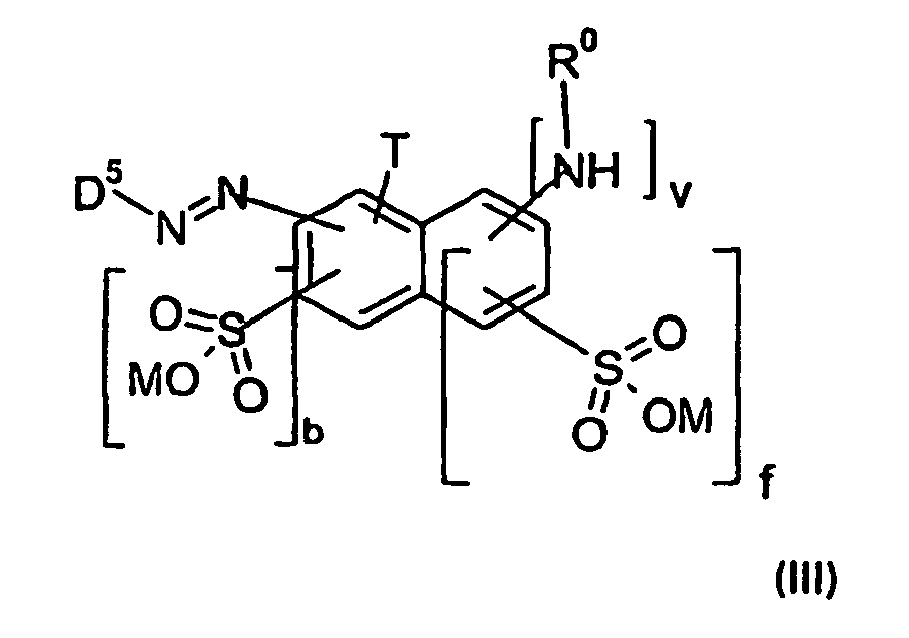
- D1, D2, D3, D4 und D5 sind unabhängig voneinander eine Gruppe der allgemeinen Formel (1)

- R1 und R2
- unabhängig voneinander Wasserstoff, (C1-C4)-Alkyl, (C1-C4)-Alkoxy, Hydroxy, Sulfo, Carboxy, Cyano, Nitro, Amido, Ureido oder Halogen sind; und
- X1
- für Wasserstoff oder eine Gruppe der Formel -SO2-Z steht,
wobei
Z -CH = CH2, -CH2CH2Z1 oder Hydroxy bedeutet,
worin
Z1 Hydroxy oder eine unter Alkaliwirkung abspaltbare Gruppe ist oder
- D1, D2, D3, D4 und D5 bedeuten unabhängig voneinander eine Naphthylgruppe der allgemeinen Formel (2)

- R3 und R4
- unabhängig voneinander Wasserstoff, (C1-C4)-Alkyl, (C1-C4)-Alkoxy, Hydroxy, Sulfo, Carboxy, Cyano, Nitro, Amido, Ureido oder Halogen sind; und
- X2
- eine der Bedeutungen von X1 hat; oder
- D1, D2, D3, D4 und D5 sind unabhängig voneinander eine Gruppe der allgemeinen Formel (3)

- R5 und R6
- unabhängig voneinander eine der Bedeutungen von R1 und R2 haben;
- R7
- ist Wasserstoff, (C1-C4)-Alkyl, unsubstituiertes oder durch (C1-C4)-Alkyl, (C1-C4)-Alkoxy, Sulfo, Halogen oder Carboxy substituiertes Phenyl; und
- Z2
- ist eine Gruppe der allgemeinen Formel (4) oder (5) oder (6)

V Fluor oder Chlor bedeutet;
U1, U2 unabhängig voneinander Fluor, Chlor oder Wasserstoff sind;
und
Q1, Q2 unabhängig voneinander Chlor, Fluor, Cyanamido, Hydroxy, (C1-C6)-Alkoxy, Phenoxy, Sulfophenoxy, Mercapto, (C1-C6)-Alkylmercapto, Pyridino, Carboxypyridino, Carbamoylpyridino oder eine Gruppe der allgemeinen Formel (7) oder (8) bedeuten
R8 Wasserstoff oder (C1-C6)-Alkyl, Sulfo-(C1-C6)-Alkyl oder Phenyl ist, das unsubstituiert oder durch (C1-C4)-Alkyl, (C1-C4)-Alkoxy, Sulfo, Halogen, Carboxy, Acetamido, Ureido substituiert ist;
R9 und R10 haben unabhängig voneinander eine der Bedeutungen von R8, oder bilden ein cyclisches Ringsystem der Formel -(CH2)j- wobei j 4 oder 5 bedeutet, oder alternativ -(CH2)2-E-(CH2)2-, wobei E Sauerstoff, Schwefel, Sulfonyl, -NR11 mit R11 = (C1-C6)-Alkyl ist;
W ist Phenylen, das unsubstituiert oder substituiert ist durch 1 oder 2 Substituenten, wie (C1-C4)-Alkyl, (C1-C4)-Alkoxy, Carboxy, Sulfo, Chlor, Brom, oder ist (C1-C4)-Alkylen-Arylen oder (C2-C6)-Alkylen, das unterbrochen sein kann durch Sauerstoff, Schwefel, Sulfonyl, Amino, Carbonyl, Carbonamido, oder ist Phenylen-CONH-Phenylen, das unsubstituiert oder durch (C1-C4)-Alkyl, (C1-C4)-Alkoxy, Hydroxy, Sulfo, Carboxy, Amido, Ureido oder Halogen substituiert ist, oder ist Naphthylen, das unsubstituiert oder durch eine oder zwei Sulfogruppen substituiert ist; und
Z die obengenannte Bedeutung hat; oder
- D1, D2, D3, D4 und D5 stehen unabhängig voneinander für eine Gruppe der allgemeinen Formel (9)

- R12
- Wasserstoff, (C1-C4)-Alkyl, Aryl oder ein substituierter Arylrest ist;
- R13 und R14
- unabhängig voneinander Wasserstoff, (C1-C4)-Alkyl, (C1-C4)-Alkoxy, Hydroxy, Sulfo, Carboxy, Cyano, Nitro, Amido, Ureido oder Halogen sind; und
- A
- eine Phenylengruppe der allgemeinen Formel (10) ist

R15 und R16 unabhängig voneinander Wasserstoff, (C1-C4)-Alkyl, (C1-C4)-Alkoxy, Hydroxy, Sulfo, Carboxy, Cyano, Nitro, Amido, Ureido oder Halogen bedeuten; oder - A
- ist eine Naphthylengruppe der allgemeinen Formel (11)

R17 und R18 unabhängig voneinander Wasserstoff, (C1-C4)-Alkyl, (C1-C4)-Alkoxy, Hydroxy, Sulfo, Carboxy, Cyano, Nitro, Amido, Ureido oder Halogen bedeuten; - X3
- eine der Bedeutungen von X1 hat; und
- R0
- für eine Gruppe der allgemeinen Formel (4) oder (5) steht oder eine Gruppe der allgemeinen Formel (13)

- R21
- (C1-C6)-Alkyl, Sulfo-(C1-C6)-Alkyl, Carboxy-(C1-C6)-Alkyl oder Phenyl ist, das unsubstituiert oder durch (C1-C4)-Alkyl, (C1-C4)-Alkoxy, Sulfo, Halogen, Carboxy, Acetamido, Ureido substituiert ist; und
- b, f, v unabhängig voneinander für 0 oder 1 stehen;
und - R*, Wasserstoff, (C1-C4)-Alkyl oder eine Gruppe der Formel (14)
-CH2-SO3M (14)
sind;- T
- für Hydroxy oder NH2 steht, wobei für T gleich NH2 v für 0 steht
und - M
- Wasserstoff, ein Alkalimetall oder ein Äquivalent eines Erdalkalimetalls bedeutet, wobei in den Mischungen die Farbstoffe der allgemeinen Formeln (I) - (III) enthalten mindestens eine faserreaktive Gruppe der Formel -SO2-Z oder -Z2 enthalten.
- In den obigen allgemeinen Formeln sowie in den nachfolgenden allgemeinen Formeln können die einzelnen Formelglieder, sowohl verschiedener als auch gleicher Bezeichnung, im Rahmen ihrer Bedeutung zueinander gleiche oder voneinander verschiedene Bedeutungen haben.
- Für Substituenten R stehende (C1-C4)-Alkylgruppen können geradkettig oder verzweigt sein und bedeuten insbesondere Methyl, Ethyl, n-Propyl, i-Propyl, n-Butyl, i-Butyl, sek.-Butyl und tert.-Butyl. Bevorzugt sind Methyl und Ethyl. Analoges gilt für (C1-C4)-Alkoxygruppen.
- Für Substituenten R stehende Arylgruppen sind insbesondere die Phenylgruppe. Eine für R8 bis R10, R12 oder R21 stehende substituierte Arylgruppe ist insbesondere eine mit ein, zwei oder drei voneinander unabhängigen Gruppen aus der Reihe (C1-C4)-Alkyl, (C1-C4)-Alkoxy, Hydroxy, Sulfo, Carboxy, Amido oder Halogen substituierte Phenylgruppe.
Für Substituenten R stehendes Halogen ist insbesondere Fluor, Chlor und Brom, wobei Fluor und Chlor bevorzugt sind. - Alkalisch eliminierbare Substituenten Z1, die in β-Stellung der Ethylgruppe von Z stehen, sind beispielsweise Halogenatome, wie Chlor und Brom, Estergruppen organischer Carbon- und Sulfonsäuren, wie Alkylcarbonsäuren, ggf. substituierter Benzolcarbonsäuren und ggf. substituierter Benzolsulfonsäuren, wie die Gruppen Alkanoyloxy von 2 bis 5 C-Atomen, hiervon insbesondere Acetyloxy, Benzoyloxy, Sulfobenzoyloxy, Phenylsulfonyloxy und Toluylsulfonyloxy, des weiteren saure Estergruppen anorganischer Säuren, wie der Phosphorsäure, Schwefelsäure und Thioschwefelsäure (Phosphato-, Sulfato- und Thiosulfatogruppen), ebenso Dialkylaminogruppen mit Alkylgruppen von jeweils 1 bis 4 C-Atomen, wie Dimethylamino und Diethylamino.
- Z ist bevorzugt Vinyl, β-Chlorethyl und insbesondere bevorzugt β-Sulfatoethyl.
- Die Gruppen "Sulfo", "Carboxy", "Thiosulfato", "Phosphato", und "Sulfato" schließen sowohl deren Säureform als auch deren Salzform ein. Demgemäß bedeuten Sulfogruppen Gruppen entsprechend der allgemeinen Formel -SO3M, Thiosulfatogruppen Gruppen entsprechend der allgemeinen Formel -S-SO3M, Carboxygruppen Gruppen entsprechend der allgemeinen Formel -COOM, Phosphatogruppen Gruppen entsprechend der allgemeinen Formel -OPO3M2 und Sulfatogruppen Gruppen entsprechend der allgemeinen Formel -OSO3M, jeweils mit M der obengenannten Bedeutung.
- Die Farbstoffe der allgemeinen Formel (I) bis (III) können innerhalb der Bedeutung von Z unterschiedliche faserreaktive Gruppen -SO2Z besitzen. Insbesondere können die faserreaktiven Gruppen -SO2Z zum einen Vinylsulfonylgruppen und zum anderen Gruppen -CH2CH2Z1, bevorzugt β-Sulfatoethylsulfonyl-Gruppen, bedeuten. Enthalten die Farbstoffe der allgemeinen Formel (I) bis (III) teilweise Vinylsulfonylgruppen, so liegt der Anteil des jeweiligen Farbstoffes mit der Vinylsulfonylgruppe bis zu etwa 30 Mol-%, bezogen auf die jeweilige Gesamtfarbstoffmenge, vor.
- Für M stehendes Alkali ist insbesondere Lithium, Natrium und Kalium. Bevorzugt steht M für Wasserstoff oder Natrium.
- Der Rest R* in der allgemeinen Formel (II) bedeutet bevorzugt Wasserstoff, Methyl oder eine Gruppe der Formel (14), wobei Wasserstoff oder eine Gruppe der Formel (14) besonders bevorzugt sind.
Die Reste R1 und R2 sind bevorzugt Wasserstoff, (C1-C4)-Alkylgruppen, (C1-C4)-Alkoxygruppen, Sulfo oder Carboxy und besonders bevorzugt Wasserstoff, Methyl, Methoxy oder Sulfo.
Die Reste R3 bis R6 und R12 bis R18 sind bevorzugt Wasserstoff, R3 bis R6, R17 und R18 sind außerdem bevorzugt Sulfo.
Die Reste R7 bis R10 sind bevorzugt Wasserstoff oder Methyl, R7 und R8 sind bevorzugt auch Phenyl und R9 und R10 sind bevorzugt 2-Sulfoethyl, 2-, 3- oder 4-Sulfophenyl oder R9 und R10 bilden ein cyclisches Ringsystem, das bevorzugt der Formel -(CH2)2-O-(CH2)2- entspricht. - Beispiele für Gruppen D1 bis D5 der allgemeinen Formel (1) und (2) sind 2-(β-Sulfatoethylsulfonyl)-phenyl, 3-(β-Sulfatoethylsulfonyl)-phenyl, 4-(β-Sulfatoethylsulfonyl)-phenyl, 2-Carboxy-5-(β-sulfatoethylsulfonyl)-phenyl, 2-Chlör-4-(β-sulfatoethylsulfonyl)-phenyl, 2-Chlor-5-(β-sulfatoethylsulfonyl)-phenyl, 2-Brom-4-(β-sulfatoethylsulfonyl)-phenyl, 2-Sulfo-4-(β-sulfatoethylsulfonyl)-phenyl, 2-Sulfo-5-(β-sulfatoethylsulfonyl)-phenyl, 2-Methoxy-5-(β-sulfatoethylsulfonyl)-phenyl, 2-Ethoxy-5-(β-sulfatoethylsulfonyl)-phenyl, 2,5-Dimethoxy-4-(β-sulfatoethylsulfonyl)-phenyl, 2-Methoxy-5-methyl-4-(β-sulfatoethylsulfonyl)-phenyl, 2-Methyl-4-(β-sulfatoethylsulfonyl)-phenyl, 2- oder 3- oder 4-(β-Thiosulfatoethylsulfonyl)-phenyl, 2-Methoxy-5-(β-thiosulfatoethylsulfonyl)-phenyl, 2-Sulfo-4-(β-phosphatoethylsulfonyl)-phenyl, 2- oder 3- oder 4-Vinylsulfonyl-phenyl, 2-Sulfo-4-vinylsulfonyl-phenyl, 2-Chlor-4-(β-chlorethylsulfonyl)-phenyl, 2-Chlor-5-(β-chlorethylsulfonyl)-phenyl, 3- oder 4-(β-Acetoxyethylsulfonyl)-phenyl, 6- oder 8-(β-Sulfatoethylsulfonyl)-naphth-2-yl, 6-(β-Sulfatoethylsulfonyl)-1-sulfo-naphth-2-yl und 8-(β-Sulfatoethylsulfonyl)-6-sulfonaphth-2-yl, hiervon bevorzugt sind 3-(β-Sulfatoethylsulfonyl)-phenyl, 4-(β-Sulfatoethylsulfonyl)-phenyl, 2-Sulfo-4-(β-sulfatoethylsulfonyl)-phenyl, 2-Methoxy-5-(β-sulfatoethylsulfonyl)-phenyl, 2,5-Dimethoxy-4-(β-sulfatoethylsulfonyl)-phenyl, 2-Methoxy-5-methyl-4-(β-sulfatoethylsulfonyl)-phenyl und 3- oder 4-Vinylsulfonyl-phenyl, oder D1 bis D5 entsprechen einer Gruppe der allgemeinen Formeln (3) oder (9), wobei R5 bis R7 und R12 bis R14 die oben beschriebenen bevorzugten Bedeutungen besitzen.
- Im Falle, daß D1 bis D5 für eine Gruppe der allgemeinen Formel (1) und X1 für - SO2Z stehen, steht die SO2Z-Gruppe bevorzugt in meta- oder para-Stellung zur Diazogruppe und im Falle, daß D1 bis D5 für eine Gruppe der allgemeinen Formel (2) steht, steht die Bindung, die zur Diazogruppe führt bevorzugt in β-Stellung an den Naphthalinkern gebunden.
- Im Falle, daß A für Phenylen und X3 für -SO2Z stehen, steht die SO2Z-Gruppe bevorzugt in meta- oder para-Stellung zum Stickstoffatom. In der Gruppe der allgemeinen Formel (9) steht die Carbonamid-Gruppe bevorzugt in para- oder meta-Position zur Diazogruppe. Im Falle, daß A für Naphthylen steht, steht die Bindung, die zum Stickstoffatom führt, bevorzugt in β-Stellung an den Naphthalinkern gebunden.
- Beispiele für für A stehende Substituenten sind insbesondere 1,2-Phenylen, 1,3-Phenylen, 1,4-Phenylen, 2-Chlor-1,4-phenylen, 2-Chlor-1 ,5-phenylen, 2-Brom-1,4-phenylen, 2-Sulfo-1,4-phenylen, 2-Sulfo-1,5-phenylen, 2-Methoxy-1,5-phenylen, 2-Ethoxy-1,5-phenylen, 2,5-Dimethoxy-1,4-phenylen, 2-Methoxy-5-methyl-1,4-phenylen, 2-Methyl-1,4-phenylen, 2,6-Naphthylen, 2,8-Naphthylen, 1-Sulfo-2,6-naphthylen, 6-Sulfo-2,8-naphthylen.
- Besonders bevorzugt steht A für 1,3-Phenylen, 1,4-Phenylen, 2-Sulfo-1,4-phenylen, 2-Methoxy-1,5-phenylen, 2,5-Dimethoxy-1,4-phenylen, 2-Methoxy-5-methyl-1,4-phenylen bedeutet.
- W ist bevorzugt 1,3-Phenylen, 1,4-Phenylen, 2-Sulfo-1,4-phenylen, 2-Methoxy-1,5-phenylen, 2,5-Dimethoxy-1,4-phenylen, 2-Methoxy-5-methyl-1,4-phenylen, 1,2-Ethylen, 1,3-Propylen.
- Beispiele für die Gruppen Q1 und Q2 in der allgemeinen Formel (5) sind unabhängig voneinander Fluor, Chlor, Hydroxy, Methoxy, Ethoxy, Phenoxy, 3-Sulfophenoxy, 4-Sulfophenoxy, Methylmercapto, Cyanamido, Amino, Methylamino, Ethylamino, Morpholino, Piperidino, Phenylamino, Methylphenylamino, 2-Sulfophenylamino, 3-Sulfophenylamino, 4-Sulfophenylamino, 2,4-Disulfophenylamino, 2,5-Disulfophenylamino, 2-Sulfoethylamino, N-Methyl-2-sulfoethylamino, Pyridino, 3-Carboxypyridino, 4-Carboxypyridino, 3-Carbamoylpyridino, 4-Carbamoylpyridino, 2-(2-Sulfatoethylsulfonyl)-phenylamino, 3-(2-Sulfatoethylsulfonyl)-phenylamino, 4-(2-Sulfatoethylsulfonyl)-phenylamino, N-Ethyl-3-(2-sulfatoethylsulfonyl)-phenylamino, N-Ethyl-4-(2-sulfatoethylsulfonyl)-phenylamino, 2-Carboxy-5-(2-sulfatoethylsulfonyl)-phenylamino), 2-Chlor-4-(2-sulfatoethylsulfonyl)-phenylamino, 2-Chlor-5-(2-sulfatoethylsulfonyl)-phenylamino, 2-Brom-4-(2-sulfatoethylsulfonyl)-phenylamino, 2-Sulfo-4-(2-sulfatoethylsulfonyl)-phenylamino, 2-Sulfo-5-(2-sulfatoethylsulfonyl)-phenylamino, 2-Methoxy-5-(2-sulfatoethylsulfonyl)-phenylamino, 2,5-Dimethoxy-4-(2-sulfatoethylsulfonyl)-phenylamino, 2-Methoxy-5-methyl-4-(2-sulfatoethylsulfonyl)-phenylamino, 2-Methyl-4-(2-sulfatoethylsulfonyl)-phenylamino, 2-(Vinylsulfonyl)-phenylamino, 3-(Vinylsulfonyl)-phenylamino, 4-(Vinylsulfonyl)-phenylamino), N-Ethyl-3-(vinylsulfonyl)-phenylamino, N-Ethyl-4-(vinylsulfonyl)-phenylamino, 6-(2-Sulfatoethylsulfonyl)-naphth-2-ylamino, 8-(2-Sulfatoethylsulfonyl)-naphth-2-ylamino, 8-(2-Sulfatoethylsulfonyl)-6-sulfo-naphth-2-ylamino, 3-(2-(2-Sulfatoethylsulfonyl)-ethylcarbamoyl)-phenylamino, 4-(2-(2-Sulfatoethylsulfonyl)-ethylcarbamoyl)-phenylamino, 3-(2-(Vinylsulfonyl)-ethylcarbamoyl)-phenylamino, 4-(2-(2-Vinylsulfonyl)-ethylcarbamoyl)-phenylamino, 4-(N-Methyl-2-(2-sulfatoethylsulfonyl)-ethylcarbamoyl)-phenylamino, 4-(N-Phenyl-2-(2-sulfatoethylsulfonyl)-ethylcarbamoyl)-phenylamino, 4-(3-(2-Sulfatoethylsulfonyl)-phenylcarbamoyl)-phenylamino, 4-(4-(2-Sulfatoethylsulfonyl)-phenylcarbamoyl)-phenylamino, 3-(3-(2-Sulfatoethylsulfonyl)-phenylcarbamoyl)-phenylamino, 3-(4-(2-Sulfatoethylsulfonyl)-phenylcarbamoyl)-phenylamino, 3-(2-Sulfatoethylsulfonyl)-propylamino, N-Methyl-N-(2-(2-sulfatoethylsulfonyl)-ethyl)-amino, N-Phenyl-N-(2-(2-sulfatoethylsulfonyl)-ethyl)-amino, N-Phenyl-N-(2-(2-sulfatoethylsulfonyl)-propyl)-amino.
- Bevorzugt stehen die Gruppen Q1 und Q2 in der allgemeinen Formel (5) unabhängig voneinander für Fluor, Chlor, Cyanamido, Morpholino, 2-Sulfophenylamino, 3-Sulfophenylamino, 4-Sulfophenylamino, N-Methyl-2-sulfoethylamino, 3-Carboxypyridino, 4-Carboxypyridino, 3-Carbamoylpyridino, 4-Carbamoylpyridino, 3-(2-Sulfatoethylsulfonyl)-phenylamino, 4-(2-Sulfatoethylsulfonyl)-phenylamino, 3-(Vinylsulfonyl)-phenylamino, 4-(Vinylsulfonyl)-phenylamino), 4-(3-(2-Sulfatoethylsulfonyl)-phenylcarbamoyl)-phenylamino, 4-(4-(2-Sulfatoethylsulfonyl)-phenylcarbamoyl)-phenylamino, 3-(3-(2-Sulfatoethylsulfonyl)-phenylcarbamoyl)-phenylamino, 3-(4-(2-Sulfatoethylsulfonyl)-phenylcarbamoyl)-phenylamino, N-Methyl-N-(2-(2-sulfatoethylsulfonyl)-ethyl)-amino, N-Phenyl-N-(2-(2-sulfatoethylsulfonyl)-ethyl)-amino.
- Besonders bevorzugt stehen die Gruppen Q1 und Q2 in der allgemeinen Formel (5) unabhängig voneinander für Fluor, Chlor, Cyanamido, Morpholino, 2-Sulfophenylamino, 3-Sulfophenylamino, 4-Sulfophenylamino, 3-(2-Sulfatoethylsulfonyl)-phenylamino, 4-(2-Sulfatoethylsulfonyl)-phenylamino, 3-(Vinylsulfonyl)-phenylamino, 4-(Vinylsulfonyl)-phenylamino), N-Methyl-N-(2-(2-sulfatoethylsulfonyl)-ethyl)-amino, N-Phenyl-N-(2-(2-sulfatoethylsulfonyl)-ethyl)-amino.
- Beispiele für die Gruppe Z2 sind 2,4-Difluor-pyrimidin-6-yl, 4,6-Difluor-pyrimidin-2-yl, 5-Chlor-2,4-difluor-pyrimidin-6-yl, 5-Chlor-4,6-difluor-pyrimidin-2-yl, 4,5-Difluor-pyrimidin-6-yl, 5-Chlor-4-fluor-pyrimidin-6-yl, 2,4,5-Trichlor-pyrimidin-6-yl, 4,5-Dichlor-pyrimidin-6-yl, 2,4-Dichlor-pyrimidin-6-yl, 4-Fluor-pyrimidin-6-yl, 4-Chlor-pyrimidin-6-yl, oder eine Gruppe der allgemeinen Formel (5) mit den oben angegebenen Beispielen für Q1 und Q2 oder eine Gruppe der allgemeinen Formel (6).
- Bevorzugt bedeutet Z2 2,4-Difluor-pyrimidin-6-yl, 4,6-Difluor-pyrimidin-2-yl, 5-Chlor-2,4-difluor-pyrimidin-6-yl, 5-Chlor-4,6-difluor-pyrimidin-2-yl oder eine Gruppe der allgemeinen Formel (5) mit den oben angegebenen bevorzugten Gruppen Q1 und Q2.
- Besonders bevorzugt steht Z2 für 2,4-Difluor-pyrimidin-6-yl, 5-Chlor-2,4-difluor-pyrimidin-6-yl oder für eine Gruppe der allgemeinen Formel (5) mit den oben angegebenen besonders bevorzugten Gruppen Q1 und Q2.
- In Formel (III) steht T bevorzugt für Hydroxy oder Amino, in α-Position an den Naphthalinkern gebunden, wobei Hydroxy besonders bevorzugt ist.
b und v stehen bevorzugt für 1 und f für 0.
R0 steht besonders bevorzugt für Acetyl, 2,4-Dichlor-1,3,5-triazin-6-yl oder 2,4-Difluor-pyrimidin-6-yl. - Die erfindungsgemäßen Farbstoffmischungen enthalten Bisazofarbstoffe der allgemeinen Formel (I) in einer Menge von 30 bis 95 Gew-%, bevorzugt 50 bis 90 Gew-% und Farbstoffe der allgemeinen Formel (II) in einer Menge von 1 bis 70 Gew-%, bevorzugt 5 bis 50 Gew-%.
- Optional können die erfindungsgemäßen Farbstoffmischungen außerdem einen oder mehrere Monoazofarbstoffe der allgemeinen Formeln (15) bis (18) in einer Menge bis zu 10 Gew.-%, bevorzugt bis zu 5 Gew.-%, enthalten,


- Bevorzugt stehen D2 und D3 unabhängig voneinander für 3-(β-Sulfatoethylsulfonyl)-phenyl, 4-(β-Sulfatoethylsulfonyl)-phenyl, 2-Sulfo-4-(β-sulfatoethylsulfonyl)-phenyl, 2-Methoxy-5-(β-sulfatoethylsulfonyl)-phenyl, 2,5-Dimethoxy-4-(β-sulfatoethylsulfonyl)-phenyl, 2-Methoxy-5-methyl-4-(β-sulfatoethylsulfonyl)-phenyl, 3- oder 4-Vinylsulfonyl-phenyl, 2-Sulfo-4-(vinylsulfonyl)-phenyl, 2-Methoxy-5-(vinylsulfonyl)-phenyl, 2,5-Dimethoxy-4-(vinylsulfonyl)-phenyl oder 2-Methoxy-5-methyl-4-(vinylsulfonyl)-phenyl.
- Die erfindungsgemäßen Farbstoffmischungen können gegebenenfalls noch einen oder mehrere, wie zwei oder drei, bevorzugt 1 oder 2, Farbstoffe mit beispielsweise den nachstehend angegebenen und definierten allgemeinen Formeln (Ga) - (Gf) als weitere Misch- bzw. Nuancierkomponenten enthalten


- D6, D7, D8, D9, D10
- eine der Bedeutungen von D1, D2, D3, D4 oder D5 besitzen, wobei D6, wenn R31 nicht für eine Gruppe der allgemeinen Formel (4) oder (5) steht, sowie D7 oder D8 und D10 mindestens eine faserreaktive Gruppe der Formel -SO2Z oder Z2 enthalten;
- R31
- Wasserstoff, Acetyl, Carbamoyl, Sulfomethyl ist oder für eine Gruppe der allgemeinen Formel (4-1) oder (5-1) steht,

- V1
- Fluor oder Chlor bedeutet;
- U11, U21
- unabhängig voneinander Fluor, Chlor oder Wasserstoff sind;
und - Q11, Q21
- unabhängig voneinander Chlor, Fluor, Cyanamido, Hydroxy, (C1-C6)-Alkoxy, Phenoxy, Sulfophenoxy, Mercapto, (C1-C6)-Alkylmercapto, Pyridino, Carboxypyridino, Carbamoylpyridino oder eine Gruppe der allgemeinen Formel (7-1) oder (8-1) bedeuten
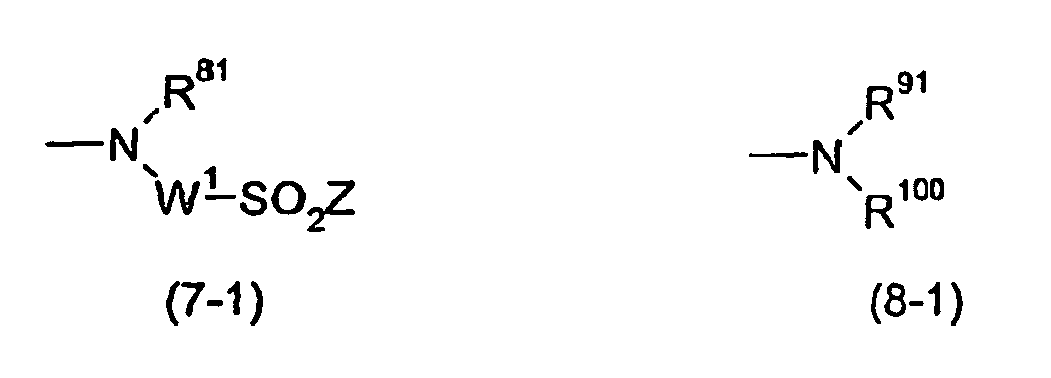
- R81
- Wasserstoff oder (C1-C6)-Alkyl, Sulfo-(C1-C6)-Alkyl, oder Phenyl ist, das unsubstituiert oder durch (C1-C4)-Alkyl, (C1-C4)-Alkoxy, Sulfo, Halogen, Carboxy, Acetamido, Ureido substituiert ist;
- R91 und R100
- haben unabhängig voneinander eine der Bedeutungen von R81, oder bilden ein cyclisches Ringsystem der Formel -(CH2)j- wobei j 4 oder 5 bedeutet, oder alternativ -(CH2)2-E-(CH2)2-, wobei E Sauerstoff, Schwefel, Sulfonyl, -NR11 mit R11 = (C1-C6)-Alkyl ist;
- W1
- ist Phenylen, das unsubstituiert oder substituiert ist durch 1 oder 2 Substituenten, wie (C1-C4)-Alkyl, (C1-C4)-Alkoxy, Carboxy, Sulfo, Chlor, Brom, oder ist (C1-C4)-Alkylen-Arylen oder (C2-C6)-Alkylen, das unterbrochen sein kann durch Sauerstoff, Schwefel, Sulfonyl, Amino, Carbonyl, Carbonamido, oder ist Phenylen-CONH-Phenylen, das unsubstituiert oder durch (C1-C4)-Alkyl, (C1-C4)-Alkoxy, Hydroxy, Sulfo, Carboxy, Amido, Ureido oder Halogen substituiert ist, oder ist Naphthylen, das unsubstituiert oder durch eine oder zwei Sulfogruppen substituiert ist; und
- Z
- die obengenannte Bedeutung hat, und
- R32
- Wasserstoff oder Sulfomethyl ist,
- R33
- Methyl, Carboxy oder Carboxyalkyl mit C1- bis C4-Alkyl ist,
- R34
- Wasserstoff oder Methyl ist,
- R35
- Wasserstoff, Cyano, Carbamoyl, Carboxy oder Sulfomethyl ist,
- R36
- Methyl, Ethyl oder β-Sulfoethyl ist,
- R37
- Methyl, Carboxy oder Carboxyalkyl mit C1- bis C4-Alkyl ist,
- R38
- Acetamido, Ureido oder Methyl ist,
- R39
- Wasserstoff, Methyl oder Methoxy ist,
- m
- 0 oder 1 ist,
- n
- 1, 2 oder 3 ist,
- Z3
- eine der Bedeutungen von Z2 hat, und
- M und Z
- eine der oben genannten Bedeutungen haben.
- Bevorzugte Farbstoffmischungen enthalten einen oder mehrere, wie zwei oder drei, bevorzugt 1 oder 2 Farbstoffe der angegebenen und definierten allgemeinen Formel (I),


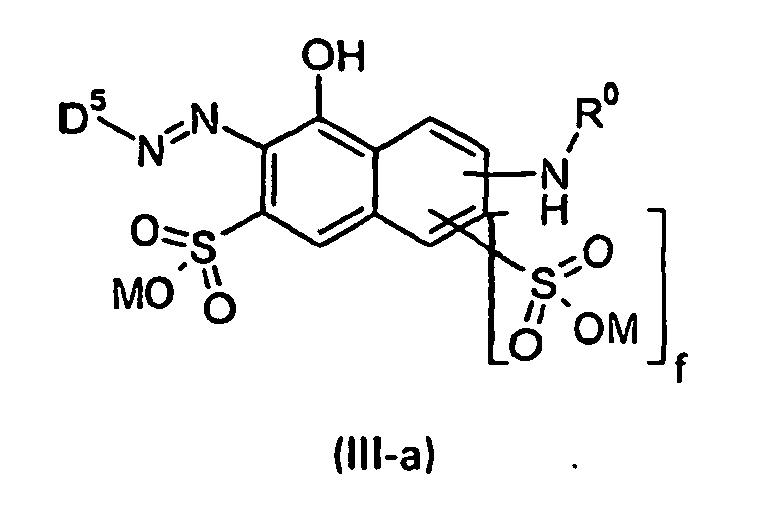
- Weiterhin enthalten bevorzugte Mischungen einen oder mehrere Farbstoffe der allgemeinen Formel (I)


- Weitere bevorzugte Farbstoffmischungen enthalten einen oder mehrere, wie zwei oder drei, bevorzugt 1 oder 2, Farbstoffe der nachstehend angegebenen und definierten allgemeinen Formel (I),

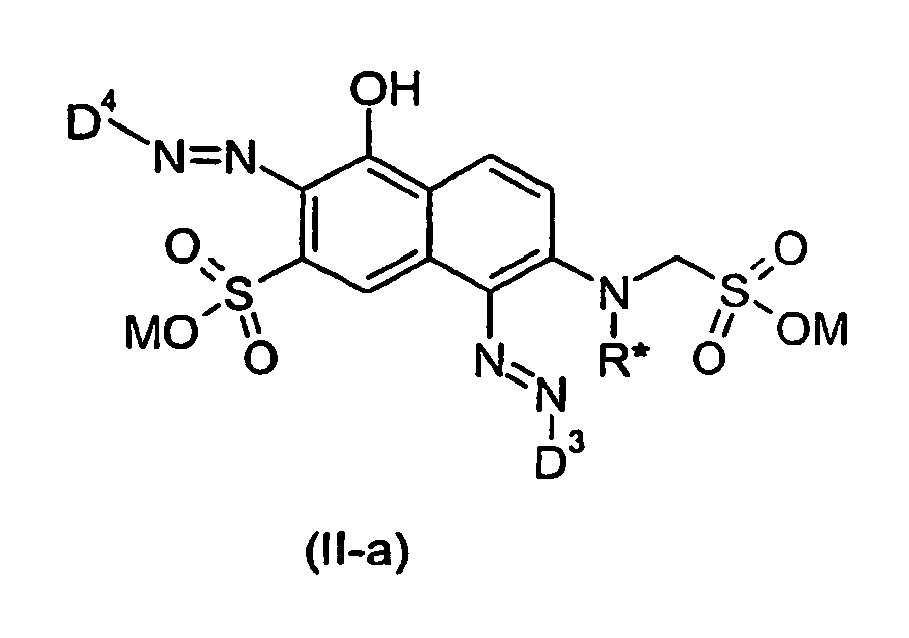
- D1, D2, D3, D4, R* und M die oben angegebenen Bedeutungen haben. Besonders bevorzugt stehen D1, D2, D3 und D4 unabhängig voneinander für 3-(β-Sulfatoethylsulfonyl)-phenyl, 4-(β-Sulfatoethylsulfonyl)-phenyl, 2-Sulfo-4-(β-sulfatoethylsulfonyl)-phenyl, 2-Methoxy-5-(β-sulfatoethylsulfonyl)-phenyl, 2,5-Dimethoxy-4-(β-sulfatoethylsulfonyl)-phenyl, 2-Methoxy-5-methyl-4-(β-sulfatoethylsulfonyl)-phenyl, 3- oder 4-Vinylsulfonyl-phenyl, 2-Sulfo-4-(vinylsulfonyl)-phenyl, 2-Methoxy-5-(vinylsulfonyl)-phenyl, 2,5-Dimethoxy-4-(vinylsulfonyl)-phenyl oder 2-Methoxy-5-methyl-4-(vinylsulfonyl)-phenyl.
- Besonders bevorzugte erfindungsgemäße Mischungen enthalten einen oder mehrere Farbstoffe der allgemeinen Formel (I-b),


- In den allgemeinen Formeln (I-b), (II-d) und (III-b) haben M und Z die obengenannten Bedeutungen.
- In den allgemeinen Formeln (I-b), (II-d) und (III-b) stehen R101 bis R110 unabhängig voneinander bevorzugt für Wasserstoff, C1-C4-Alkyl, C1-C4-Alkoxy, Sulfo, Carboxy oder Halogen und Z für Vinyl oder β-Sulfatoethyl, ganz besonders bevorzugt sind in den Formeln (I-b), (II-d) und (III-b) R101 bis R110 unabhängig voneinander Wasserstoff, Methyl, Methoxy oder Sulfo und Z Vinyl oder β-Sulfatoethyl. In der allgemeinen Formel (III-b) hat R0 eine der obengenannten Bedeutungen.
- Die erfindungsgemäßen Farbstoffmischungen können als Präparation in fester oder in flüssiger (gelöster) Form vorliegen. In fester Form enthalten sie, so weit erforderlich, die bei wasserlöslichen und insbesondere faserreaktiven Farbstoffen üblichen Elektrolytsalze, wie Natriumchlorid, Kaliumchlorid und Natriumsulfat, und können desweiteren die in Handelsfarbstoffen üblichen Hilfsmittel enthalten, wie Puffersubstanzen, die einen pH-Wert in wäßriger Lösung zwischen 3 und 7 einzustellen vermögen, wie Natriumacetat, Natriumcitrat, Natriumborat, Natriumhydrogencarbonat, Natriumdihydrogenphosphat und Dinatriumhydrogenphosphat, außerdem Färbehilfsmittel, Entstaubungsmittel und geringe Mengen an Sikkativen; falls sie in flüssiger, wäßriger Lösung (einschließlich des Gehaltes von Verdickungsmitteln, wie sie bei Druckpasten üblich sind) vorliegen, können sie auch Substanzen enthalten, die die Haltbarkeit dieser Präparationen gewährleisten, wie beispielsweise schimmelverhütende Mittel.
- In fester Form liegen die erfindungsgemäßen Farbstoffmischungen im allgemeinen als elektrolytsalzhaltige Pulver oder Granulate (im nachfolgenden allgemein als Präparation bezeichnet) mit gegebenenfalls einem oder mehreren der obengenannten Hilfsmittel vor. In den Präparationen ist die Farbstoffmischung zu 20 bis 90 Gew.-%, bezogen auf die enthaltene Präparation, enthalten. Die Puffersubstanzen liegen in der Regel in einer Gesamtmenge von bis zu 5 Gew.-%, bezogen auf die Präparation, vor.
- Sofern die erfindungsgemäßen Farbstoffmischungen in wäßriger Lösung vorliegen, so beträgt der Gesamtfarbstoffgehalt in diesen wäßrigen Lösungen bis zu etwa 50 Gew.-%, wie beispielsweise zwischen 5 und 50 Gew.-%., wobei der Elektrolytsalzgehalt in diesen wäßrigen Lösungen bevorzugt unterhalb 10 Gew.-%, bezogen auf die wäßrige Lösung, beträgt; die wäßrigen Lösungen (Flüssigpräparationen) können die erwähnten Puffersubstanzen in der Regel in einer Menge von bis zu 5 Gew.-%, bevorzugt bis zu 2 Gew.-%, enthalten.
- Farbstoffe der allgemeinen Formel (I) sind zahlreich in der Literatur beschrieben und beispielsweise aus der
U.S.-Patentschrift 2 657 205 und aus der japanischen Patentanmeldungs-VeröffentlichungSho-58-160 362 U.S.-Patentschrift 4 257 770 und der dort genannten Literatur bekannt und Farbstoffe der allgemeinen Formel (II) sind inDE 196 00 765 A1 beschrieben. Farbstoffe der allgemeinen Formel (III) sind ebenfalls zahlreich beschrieben und über Standardsynthesemethoden zugänglich. Farbstoffe der allgemeinen Formeln (15) bis (18) werden teilweise während der Synthese von Farbstoffen der allgemeinen Formeln (I) und (II) gebildet und sind ebenfalls über Standardsynthesemethoden zugänglich. Farbstoffe der allgemeinen Formeln (15) und (16) werden üblicherweise als Nuancierkomponenten eingesetzt. Farbstoffe der Formel (Ga)-(Gf) sind literaturbekannt und nach Standardverfahren zugänglich. - Die erfindungsgemäßen Farbstoffmischungen lassen sich in an und für sich üblicher Verfahrensweise herstellen, wie durch mechanisches Vermischen der Einzelfarbstoffe, sei es in Form von deren Farbstoffpulvern oder -granulaten oder deren Syntheselösungen oder von wäßrigen Lösungen der Einzelfarbstoffe generell, welche noch übliche Hilfsmittel enthalten können oder durch dem Fachmann geläufige Diazotierung und Kupplung geeigneter Mischungen von Diazo- und Kupplungskomponenten in den gewünschten Mengenverhältnissen.
- Beispielsweise kann, wenn die Diazokomponenten mit den Gruppen D1, D4 und D5 gemäß den allgemeinen Formeln (I), (II) und (III) gleiche Bedeutung besitzen (D1 = D4 = D5), ein Amin der allgemeinen Formel (19)
D1 - NH2 (19),
worin D1 wie oben angegeben definiert ist, in üblicher Weise diazotiert und die erhaltene Diazoniumverbindung anschließend mit einer wässrigen Lösung oder Suspension einer Mischung mit festgelegtem Verhältnis eines Monoazofarbstoffs gemäß der allgemeinen Formel (15), einem Monoazofarbstoff gemäß der allgemeinen Formel (17) und einer Kupplungskomponente der allgemeinen Formel (20)
- Für den Fall, daß die Gruppen D2 und D3 sowie D1, D4 und D5 gemäß den allgemeinen Formeln (I), (II) und (III) gleiche Bedeutung besitzen (D2 = D3 und D1 = D4 = D5), kann die erfindungsgemäße Farbstoffmischung hergestellt werden, indem man ein Amin der allgemeinen Formel (21),
D2 - NH2 (21),
worin D2 wie oben angegeben definiert ist, in üblicher Weise diazotiert und auf eine Mischung der Kupplungskomponenten der allgemeinen Formeln (22) und (23)
- Alternativ kann die erfindungsgemäße Farbstoffmischung für den Fall, daß die Gruppen D1 bis D5 gemäß den allgemeinen Formeln (I), (II) und (III) gleiche Bedeutung besitzen (D1 = D2 = D3 = D4 = D5), hergestellt werden, indem man ein Amin der allgemeinen Formel (19) in üblicher Weise diazotiert und auf eine Mischung mit festgelegtem Verhältnis der Kupplungskomponenten der allgemeinen Formeln (20), (22) und (23) zuerst bei einem pH-Wert unterhalb von 3 in erster Stufe zu einer Mischung der Monoazofarbstoffe der allgemeinen Formeln (15) und (17) sowie der Kupplungskomponente der allgemeinen Formel (20) kuppelt, und daran anschließend durch Erhöhung des pH-Wertes die Zweitkupplung zur Mischung der Farbstoffe der allgemeinen Formeln (I), (II) und (III) durchführt.
- Die erfindungsgemäße Farbstoffmischung wird in an und für sich bekannter Weise durch Aussalzen beispielsweise mit Kochsalz oder Kaliumchlorid oder durch Sprühtrocknung bzw. Eindampfen isoliert.
- Es können auch die bei der Synthese der Farbstoffe der allgemeinen Formel (1), (II) und (III) anfallenden Lösungen, ggf. nach Zusatz einer Puffersubstanz und ggf. nach Konzentrierung, direkt als Flüssigpräparationen der färberischen Verwendung zugeführt werden.
- Farbstoffmischungen die neben β-Chloroethylsulfonyl oder β-Thiosulfatoethylsulfonyl oder β-Sulfatoethylsulfonyl-Gruppen auch Vinylsulfonylgruppen als reaktive Reste haben, können nicht nur ausgehend von entsprechend substituierten Vinylsulfonyl-Anilinen oder Naphthylaminen synthetisiert werden, sondern auch durch Umsetzung einer Farbstoffmischung, worin Z für β-Chloroethyl, β-Thiosulfatoethyl, oder β-Sulfatoethyl steht, mit einer für den gewünschten Anteil erforderlichen Menge an Alkali und Überführung der genannten β-substituierten Ethylsulfonylgruppen in Vinylsulfonylgruppen erhalten werden. Diese Überführung erfolgt in einer dem Fachmann geläufigen Art und Weise.
- Die erfindungsgemäßen Farbstoffmischungen besitzen wertvolle anwendungstechnische Eigenschaften. Sie werden zum Färben oder Bedrucken von hydroxy- und/oder carbonamidgruppenhaltigen Materialien, beispielsweise in Form von Flächengebilden, wie Papier und Leder oder von Folien, wie beispielsweise aus Polyamid, oder in der Masse, wie beispielsweise von Polyamid und Polyurethan, insbesondere aber von diesen Materialien in Faserform verwendet. Auch können die bei der Synthese anfallenden Lösungen der erfindungsgemäßen Farbstoffmischungen, gegebenenfalls nach Zusatz einer Puffersubstanz, gegebenenfalls auch nach Aufkonzentrieren oder Verdünnen, direkt als Flüssigpräparation der färberischen Verwendung zugeführt werden.
- Die vorliegende Erfindung betrifft somit auch die Verwendung der erfindungsgemäßen Farbstoffmischungen zum Färben oder Bedrucken dieser Materialien bzw. Verfahren zum Färben oder Bedrucken solcher Materialien in an und für sich üblichen Verfahrensweisen, bei welchen man eine erfindungsgemäße Farbstoffmischung oder deren Einzelkomponenten (Farbstoffe) einzeln zusammen als Farbmittel einsetzt. Bevorzugt kommen die Materialien in Form von Fasermaterialien zur Anwendung, insbesondere in Form von Textilfasern, wie Geweben oder Garnen, wie in Form von Strängen oder Wickelkörpern.
- Hydroxygruppenhaltige Materialien sind solche natürlichen oder synthetischen Ursprungs, wie beispielsweise Cellulosefasermaterialien oder deren Regeneratprodukte und Polyvinylalkohole. Cellulosefasermaterialien sind vorzugsweise Baumwolle, aber auch andere Pflanzenfasern, wie Leinen, Hanf, Jute und Ramiefasern; regenerierte Cellulosefasern sind beispielsweise Zellwolle und Viskosekunstseide sowie chemisch modifizierte Cellulosefasern, wie aminierte Cellulosefasern oder Fasern, wie sie beispielsweise in
WO 96/37641 WO 96/37642 EP-A-0 538 785 undEP-A-0 692 559 beschrieben sind. - Carbonamidgruppenhaltige Materialien sind beispielsweise synthetische und natürliche Polyamide und Polyurethane, insbesondere in Form von Fasern, beispielsweise Wolle und andere Tierhaare, Seide, Leder, Polyamid-6,6, Polyamid-6, Polyamid-11 und Polyamid-4.
- Die erfindungsgemäßen Farbstoffmischungen lassen sich auf den genannten Substraten, insbesondere auf den genannten Fasermaterialien, nach den für wasserlösliche, insbesondere nach den für faserreaktive Farbstoffe bekannten Anwendungstechniken applizieren und fixieren. So erhält man mit ihnen auf Cellulosefasern nach den Ausziehverfahren sowohl aus kurzer als auch aus langer Flotte, beispielsweise im Verhältnis Ware zu Flotte von 1 : 5 bis 1 : 100, bevorzugt 1 : 6 bis 1 : 30, unter Verwendung von verschiedensten säurebindenden Mitteln und gegebenenfalls neutralen Salzen soweit erforderlich, wie Natriumchlorid oder Natriumsulfat, Färbungen mit sehr guten Farbausbeuten. Man färbt bevorzugt in wäßrigem Bad bei Temperaturen zwischen 40 und 105°C, gegebenenfalls bei einer Temperatur bis zu 130°C unter Druck, bevorzugt jedoch bei 30 bis 95°C, insbesondere 45 bis 65°C, und gegebenenfalls in Gegenwart von üblichen Färbereihilfsmitteln. Man kann dabei so vorgehen, daß man das Material in das warme Bad einbringt und dieses allmählich auf die gewünschte Färbetemperatur erwärmt und den Färbeprozeß bei dieser Temperatur zu Ende führt. Die das Ausziehen der Farbstoffe beschleunigenden Neutralsalze können dem Bade gewünschtenfalls auch erst nach Erreichen der eigentlichen Färbetemperatur zugesetzt werden.
- Nach den Klotzverfahren werden auf Cellulosefasern ebenfalls ausgezeichnete Farbausbeuten und ein sehr guter Farbaufbau erhalten, wobei durch Verweilen bei Raumtemperatur oder erhöhter Temperatur, beispielsweise bis zu etwa 60°C, oder in kontinuierlicher Färbeweise, beispielsweise mittels eines Pad-Dry-Pad-Steam-Verfahrens, durch Dämpfen oder mit Trockenhitze in üblicher Weise fixiert werden kann.
- Ebenfalls nach den üblichen Druckverfahren für Cellulosefasern, die einphasig, beispielsweise durch Bedrucken mit einer Natriumbicarbonat oder ein anderes säurebindendes Mittel enthaltenden Druckpaste und anschließendes Dämpfen bei 100 bis 103°C, oder zweiphasig, beispielsweise durch Bedrucken mit neutraler oder schwach saurer Druckfarbe und anschließendem Fixieren entweder durch Hindurchführen durch ein heißes elektrolythaltiges alkalisches Bad oder durch Überklotzen mit einer alkalischen elektrolythaltigen Klotzflotte und anschließendem Verweilen oder Dämpfen oder Behandlung mit Trockenhitze des alkalisch überklotzten Materials, durchgeführt werden können, erhält man farbstarke Drucke mit gutem Stand der Konturen und einem klaren Weißfond. Der Ausfall der Drucke ist von wechselnden Fixierbedingungen nur wenig abhängig.
- Bei der Fixierung mittels Trockenhitze nach den üblichen Thermofixierverfahren verwendet man Heißluft von 120 bis 200°C. Neben dem üblichen Wasserdampf von 101 bis 103°C kann auch überhitzter Dampf und Druckdampf von Temperaturen bis zu 160°C eingesetzt werden.
- Die säurebindenden und die Fixierung der Farbstoffe der erfindungsgemäßen Farbstoffmischungen auf den Cellulosefasern bewirkenden Mittel sind beispielsweise wasserlösliche basische Salze der Alkalimetalle und ebenfalls Erdalkalimetalle von anorganischen oder organischen Säuren oder Verbindungen, die in der Hitze Alkali freisetzen, des weiteren Alkalisilicate. Insbesondere sind die Alkalimetallhydroxide und Alkalimetallsalze von schwachen bis mittelstarken anorganischen oder organischen Säuren zu nennen, wobei von den Alkaliverbindungen vorzugsweise die Natrium- und Kaliumverbindungen gemeint sind. Solche säurebindenden Mittel sind beispielsweise Natriumhydroxid, Kaliumhydroxid, Natriumcarbonat, Natriumbicarbonat, Kaliumcarbonat, Natriumformiat, Natriumdihydrogenphosphat, Dinatriumhydrogenphosphat, Natriumtrichloracetat, Trinatriumphosphat oder Wasserglas oder Mischungen derselben, wie beispielsweise Mischungen aus Natronlauge und Wasserglas.
- Die erfindungsgemäßen Farbstoffmischungen zeichnen sich auf den Cellulosefasermaterialien bei Anwendung in den Färbe- und Druckverfahren durch eine hervorragende Farbstärke aus, die teilweise auch in Gegenwart keiner oder nur sehr geringer Alkali- oder Erdalkaliverbindungen erreicht werden kann. In diesen speziellen Fällen benötigt man beispielsweise für eine geringe Farbtiefe kein Elektrolytsalz, für eine mittlere Farbtiefe nicht mehr als 5g/l an Elektrolytsalz und für große Farbtiefen nicht mehr als 10 g/l an Elektrolytsalz. Eine geringe Farbtiefe bezeichnet hierbei den Einsatz von 2 Gew-% Farbstoff bezogen auf das zu färbende Substrat, eine mittlere Farbtiefe bezeichnet den Einsatz von 2 bis 4 Gew-% Farbstoff bezogen auf das zu färbende Substrat und eine große Farbtiefe bezeichnet den Einsatz von 4 bis 10-Gew.- % Farbstoff bezogen auf das zu färbende Substrat.
- Die mit den erfindungsgemäßen Farbstoffmischungen erhältlichen Färbungen und Drucke besitzen klare Nuancen; insbesondere weisen die Färbungen und Drucke auf Cellulosefasermaterialien eine gute Lichtechtheit und insbesondere gute Naßechtheiten, wie Wasch-, Walk-, Wasser-, Seewasser-, Überfärbe- und saure sowie alkalische Schweißechtheiten, desweiteren eine gute Plissierechtheit, Bügelechtheit und Reibechtheit auf. Weiterhin zeigen die Cellulosefärbungen nach der üblichen Nachbehandlung durch Spülen zur Entfernung von nicht fixierten Farbstoffanteilen ausgezeichnete Naßechtheiten, zumal sich nicht fixierte Farbstoffanteile wegen ihrer guten Kaltwasserlöslichkeit leicht auswaschen lassen.
- Des weiteren können die erfindungsgemäßen Farbstoffmischungen auch für das faserreaktive Färben von Wolle Verwendung finden. Auch läßt sich filzfrei oder filzarm ausgerüstete Wolle (vgl. beispielsweise H. Rath, Lehrbuch der Textilchemie, Springer-Verlag, 3. Auflage (1972), S. 295-299, insbesondere die Ausrüstung nach dem sogenannten Hercosett-Verfahren (S. 298); J. Soc. Dyers and Colorists 1972, 93-99, und 1975, 33-44) mit sehr guten Echtheitseigenschaften färben. Das Verfahren des Färbens auf Wolle erfolgt hierbei in üblicher und bekannter Färbeweise aus saurem Milieu. So kann man beispielsweise dem Färbebad Essigsäure und/oder Ammoniumsulfat oder Essigsäure und Ammoniumacetat oder Natriumacetat zufügen, um den gewünschten pH-Wert zu erhalten. Um eine brauchbare Egalität der Färbung zu erreichen, empfiehlt sich ein Zusatz an üblichen Egalisierhilfsmitteln, wie beispielsweise auf Basis eines Umsetzungsproduktes von Cyanurchlorid mit der dreifach molaren Menge einer Aminobenzolsulfonsäure und/oder einer Aminonaphthalinsulfonsäure oder auf Basis eines Umsetzungsproduktes von beispielsweise Stearylamin mit Ethylenoxid. So wird beispielsweise die erfindungsgemäße Farbstoffmischung bevorzugt zunächst aus saurem Färbebad mit einem pH von etwa 3,5 bis 5,5 unter Kontrolle des pH-Wertes dem Ausziehprozeß unterworfen und der pH-Wert sodann, gegen Ende der Färbezeit, in den neutralen und gegebenenfalls schwach alkalischen Bereich bis zu einem pH-Wert von 8,5 verschoben, um besonders zur Erzielung von hohen Farbtiefen die volle reaktive Bindung zwischen den Farbstoffen der erfindungsgemäßen Farbstoffmischungen und der Faser herbeizuführen. Gleichzeitig wird der nicht reaktiv gebundene Farbstoffanteil abgelöst.
- Die hier beschriebene Verfahrensweise gilt auch zur Herstellung von Färbungen auf Fasermaterialien aus anderen natürlichen Polyamiden oder aus synthetischen Polyamiden und Polyurethanen. In der Regel wird das zu färbende Material bei einer Temperatur von etwa 40°C in das Bad eingebracht, dort einige Zeit darin bewegt, das Färbebad dann auf den gewünschten schwach sauren, vorzugsweise schwach essigsauren, pH-Wert nachgestellt und die eigentliche Färbung bei einer Temperatur zwischen 60 und 98 ° C durchgeführt. Die Färbungen können aber auch bei Siedetemperatur oder in geschlossenen Färbeapparaturen bei Temperaturen bis zu 106°C ausgeführt werden. Da die Wasserlöslichkeit der erfindungsgemäßen Farbstoffmischungen sehr gut ist, lassen sie sich auch mit Vorteil bei üblichen kontinuierlichen Färbeverfahren einsetzen. Die Farbstärke der erfindungsgemäßen Farbstoffmischungen ist sehr hoch.
- Die erfindungsgemäßen Farbstoffmischungen liefern auf den genannten Materialien, bevorzugt Fasermaterialien, marineblaue bis tiefschwarze Färbungen mit sehr guten Echtheitseigenschaften.
- Die nachstehenden Beispiele dienen zur Erläuterung der Erfindung. Die Teile sind Gewichtsteile, die Prozentangaben stellen Gewichtsprozente dar, sofern nicht anders vermerkt. Gewichtsteile beziehen sich zu Volumenteilen wie Kilogramm zu Liter. Die in den Beispielen formelmäßig beschriebenen Verbindungen sind in Form der Natriumsalze geschrieben, da sie im allgemeinen in Form ihrer Salze, vorzugsweise Natrium- oder Kaliumsalze, hergestellt und isoliert und in Form ihrer Salze zum Färben verwendet werden. Die in den nachfolgenden Beispielen, insbesondere Tabellenbeispielen, genannten Ausgangsverbindungen können in Form der freien Säure oder ebenso in Form ihrer Salze, vorzugsweise Alkalimetallsalze, wie Natrium- oder Kaliumsalze, in die Synthese eingesetzt werden.
- 70 Teile eines elektrolythaltigen Farbstoffpulvers, das den marineblauen Disazofarbstoff der Formel (I-1)


- Die resultierende, erfindungsgemäße Farbstoffmischung liefert unter den für Reaktivfarbstoffe üblichen Färbebedingungen, beispielsweise auf Baumwolle, tiefschwarze Färbungen und Drucke.
- 75 Teile eines elektrolythaltigen Farbstoffpulvers, das den marineblauen Disazofarbstoff der Formel (I-1) in 70%-igem Anteil enthält, 15 Teile eines elektrolythaltigen Farbstoffpulvers, das den scharlachroten Disazofarbstoff der Formel (II-2)

- 580 Teile 4-(β-Sulfatoethylsulfonyl)-anilin werden in 1400 Teilen Eiswasser und 371 Teilen 30%-iger Salzsäure suspendiert und durch Zutropfen von 357 Teilen 40%-iger Natriumnitritlösung diazotiert. Nach Entfernung des Nitritüberschusses mit Amidosulfonsäure gibt man hierzu 210 Teile 1-Amino-8-hydroxy-naphthalin-3,6-disulfonsäure und 67 Teile 4-Hydroxy-7-(sulfomethyl-amino)-naphthalin-2-sulfonsäure, die durch Umsetzung von 48 Teilen 7-Amino-4-hydroxy-naphthalin-2-sulfonsäure mit 32 Teilen Formaldehydnatriumbisulfit in wässrigem Medium bei pH 5,5 - 6 und 45°C hergestellt wurde, und kuppelt zunächst in erster Stufe bei pH 1 bis 1,5 unterhalb 20°C zu einer Mischung von zwei Monoazofarbstoffen gemäß den Formeln (15-1) und (17-1). Der angegebene pH-Bereich wird dabei durch Zusatz von festem Natriumhydrogencarbonat eingestellt und während der Kupplungsreaktion gehalten.


- Alternativ kann die erhaltene Farbstofflösung auch durch Zusatz eines PhosphatPuffers bei pH 5,5 - 6 gepuffert und durch weitere Verdünnung bzw. Konzentration als Flüssigmarke bestimmter Stärke eingestellt werden. Die erhaltene, erfindungsgemäße Farbstoffmischung färbt Baumwolle in schwarzen Tönen.
- 515 Teile 4-(β-Sulfatoethylsulfonyl)-anilin werden in 1200 Teilen Eiswasser und 330 Teilen 30%-iger Salzsäure suspendiert und durch Zutropfen von 318 Teilen 40%-iger Natriumnitritlösung diazotiert. Nach Entfernung des Nitritüberschusses mit Amidosulfonsäure gibt man hierzu 210 Teile 1-Amino-8-hydroxy-naphthalin-3,6-disulfonsäure und kuppelt in erster Stufe bei pH 1 bis 1,5 unterhalb 20°C zu einem roten Monoazofarbstoff der Formel (15-1). Der angegebene pH-Bereich wird dabei durch Zusatz von festem Natriumhydrogencarbonat eingestellt und während der Kupplungsreaktion gehalten.
Nach beendeter erster Kupplung setzt man dem Reaktionsgemisch 76 Teile 6-Acetylamino-4-hydroxy-naphthalin-2-sulfonsäure sowie eine wässrige Lösung von 143 Teilen des scharlachroten Monoazofarbstoffs der Formel (17-2),

-
- a) 230 Teile 4-(β-Sulfatoethylsulfonyl)-anilin werden in 550 Teilen Eiswasser und 148 Teilen 30%-iger Salzsäure suspendiert und durch Zutropfen von 142 Teilen 40%-iger Natriumnitritlösung diazotiert. Nach Entfernung des Nitritüberschusses mit Amidosulfonsäure gibt man hierzu 187 Teile 1-Amino-8-hydroxy-naphthalin-3,6-disulfonsäure und 64 Teile 4-Hydroxy-7-(sulfomethyl-amino)-naphthalin-2-sulfonsäure, die wie in Beispiel 3 angegeben, hergestellt wurden, und kuppelt in erster Stufe bei pH 1 bis 1,5 unterhalb 20°C zu einer Mischung der zwei Monoazofarbstoffe gemäß den Formeln (15-1) und (17-1). Der angegebene pH-Bereich wird dabei durch Zusatz von festem Natriumhydrogencarbonat eingestellt und während der Kupplungsreaktion gehalten. Nach beendeter erster Kupplungsreaktion werden zu dieser Mischung 120 Teile eines Kupplers der Formel (20-1) zugesetzt.

- b) In einem zweiten, separaten Reaktionsgefäß werden 316 Teile 2-Methoxy-5-(β-sulfatoethylsulfonyl)-anilin in 950 Teilen Eiswasser und 183 Teilen 30%-iger Salzsäure suspendiert und durch Zutropfen von 177 Teilen 40%-iger Natriumnitritlösung diazotiert. Anschließend wird der Nitritüberschuß mit Amidosulfonsäurelösung entfernt und die erhaltene Diazo-Suspension zur Kuppler-Mischung aus a) gepumpt.
-
- a) 351 Teile 4-(β-Sulfatoethylsulfonyl)-anilin werden in 850 Teilen Eiswasser und 225 Teilen 30%-iger Salzsäure suspendiert und durch Zutropfen von 216 Teilen 40%-iger Natriumnitritlösung diazotiert. Hierzu gibt man 319 Teile 1-Amino-8-hydroxy-naphthalin-3,6-disulfonsäure und 83 Teile 4-Hydroxy-7-(sulfomethylamino)-naphthalin-2-sulfonsäure, die wie in Beispiel 3 angegeben, hergestellt wurden, und kuppelt in erster Stufe bei pH 1 bis 1,5 unterhalb 20°C zu einer Mischung der beiden Monoazofarbstoffe gemäß den Formeln (15-1) und (17-1). Der angegebene pH-Bereich wird dabei durch Zusatz von festem Natriumhydrogencarbonat eingestellt und während der Kupplungsreaktion gehalten.
- b) In einem zweiten, separaten Reaktionsgefäß werden 427 Teile 2,5-Dimethoxy-4-(β-sulfatoethylsulfonyl)-anilin in 1200 Teilen Eiswasser und 226 Teilen 30%-iger Salzsäure suspendiert und durch Zutropfen von 217 Teilen 40%-iger Natriumnitritlösung diazotiert. Anschließend wird der Nitritüberschuß mit Amidosulfonsäurelösung entfernt und die erhaltene Diazo-Suspension nach beendeter erster Kupplung zur Lösung der beiden Monoazofarbstoffe aus a) gepumpt.
- 50 Teile eines elektrolythaltigen Farbstoffpulvers, das den grünstichig marineblauen Disazofarbstoff der Formel (I-4)

- 70 Teile eines elektrolythaltigen Farbstoffpulvers, das den marineblauen Disazofarbstoff der Formel (I-6)

- Die resultierende, erfindungsgemäße Farbstoffmischung liefert unter den für Reaktivfarbstoffe üblichen Färbebedingungen sowie mit gegenüber dem Standardverfahren reduzierter Salzmenge, beispielsweise auf Baumwolle, tiefschwarze Färbungen.
- Die nachfolgenden Tabellenbeispiele beschreiben weitere erfindungsgemäße Mischungen der Farbstoffe der allgemeinen Formeln (I) - (III), die jeweils in Form der Natriumsalze angeführt sind. Die Mischungsverhältnisse sind in Gewichtsprozent angegeben. Die Farbstoffmischungen liefern nach den für Reaktivfarbstoffen üblichen Färbemethoden, beispielsweise auf Baumwolle, graue bis tiefschwarze Färbungen.
-
Beispeil Farbstoff nach allg. Formel (I) Farbstoff nach allg. Formel (II) Farbstoff nach Formel (III) Verhältnis (I):(II):(III) 11 (I-1) (II-1) (III-4) 65 : 20 : 15 12 (I-1) (II-1) (III-6) 68 : 20 : 12 13 (I-1) (II-2) (III-2) 67 : 20 : 13 14 (I-1) (II-2) (III-4) 65 : 21 : 14 15 (I-1) (II-2) (III-6) 65 : 22 : 13 16 (I-1) (II-2) (III-7) 64 : 18 : 18 23 (I-1) 
(III-1) 65 : 20 : 15 24 (I-1) 

70 : 20 : 10 30 (I-1) 
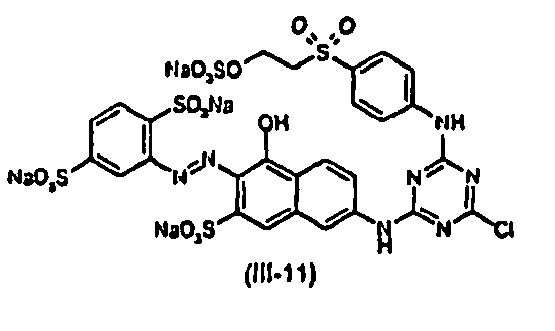
60 : 22 : 18 31 (I-1) 
(III-1) 72 : 18 : 10 33 (I-1) 
(III-7) 70 : 20 : 10 36 (I-1) 
(III-1) 66 : 22 : 12 40 (I-1) 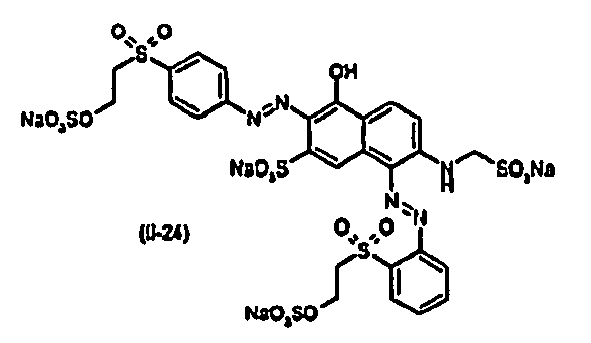
(III-1) 67 : 22 : 11 41 (I-1) 

65 : 22 : 13 42 (I-1) 
(III-1) 68 : 20 : 12 43 (I-1) 
(III-2) 65 : 20 : 15 47 (I-1) 
(III-10) 64 : 20 : 16 51 (I-1) 
(III-2) 68 : 20 : 12 53 (I-1) 
(III-1) 70 : 15 : 15 54 (I-1) 
(III-12) 65 : 20 : 15 57 (I-1) 
(III-2) 70 : 15 : 15 58 (I-1) 
(III-10) 65 : 23 : 12 61 (I-1) 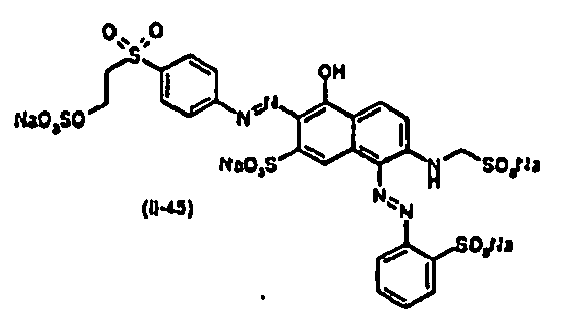
(III-1) 64 : 22 : 14 63 (I-1) 
(III-7) 65 : 22 : 13 65 (I-1) 
(III-1) 69 : 20 : 11 66 (I-2) (II-1) (III-2) 65 : 18 : 17 67 (I-2) (II-2) (III-1) 65 : 20 : 15 68 (I-2) (II-7) (III-1) 67 : 20 : 13 70 (I-2) (II-24) (III-13) 65 : 22 : 13 71 (I-2) (II-26) (III-1) 66 : 20 : 14 74 (I-2) (II-45) (III-1) 60 : 25 : 15 77 (I-3) (II-1) (III-2) 65 : 18 : 17 78 (I-3) (II-2) (III-1) 65 : 20 : 15 81 (I-3) (II-7) (III-14) 67 : 20 : 13 85 (I-3) (II-24) (III-8) 65 : 22 : 13 86 (I-3) (II-26) (III-1) 66 : 20 : 14 89 (I-3) (II-37) (III-1) 70 : 20 : 10 91 (I-3) (II-45) (III-13) 60 : 25 : 15 94 (I-4) (II-1) (III-2) 65 : 18 : 17 95 (I-4) (II-2) (III-7) 63 : 21 : 16 98 (I-4) (II-7) (III-14) 67 : 20 : 13 102 (I-4) (II-24) (III-8) 65 : 22 : 13 103 (I-4) (II-26) (III-1) 66 : 20 : 14 106 (I-4) (II-37) (III-1) 70 : 20 : 10 108 (I-4) (II-45) (III-13) 60 : 25 : 15 111 (I-5) (II-1) (III-2) 65 : 18 : 17 112 (I-5) (II-2) (III-1) 65 : 20 : 15 115 (I-5) (II-7) (III-14) 67 : 20 : 13 119 (I-5) (II-24) (III-8) 65 : 22 : 13 120 (I-5) (II-26) (III-1) 66 : 20 : 14 123 (I-5) (II-37) (III-1) 70 : 20 : 10 125 (I-5) (II-45) (III-13) 60 : 25 : 15 128 (I-6) (II-1) (III-2) 65 : 18 : 17 129 (I-6) (II-2) (III-1) 65 : 20 : 15 132 (I-6) (II-7) (III-14) 67 : 20 : 13 137 (I-6) (11-24) (III-8) 65 : 22 : 13 138 (I-6) (II-26) (III-1) 66 : 20 : 14 141 (I-6) (II-37) (III-1) 70 : 20 : 10 143 (I-6) (II-41) (III-1) 65 : 18 : 17 145 (I-6) (II-45) (III-13) 60 : 25 : 15 148 (I-7) (II-1) (III-2) 65 : 18 : 17 149 (I-7) (II-2) (III-1) 65 : 20 : 15 152 (I-7) (II-7) (III-14) 67 : 20 : 13 156 (I-7) (II-24) (III-8) 65 : 22 : 13 157 (I-7) (II-26) (III-1) 66 : 20 : 14 160 (I-7) (II-37) (III-1) 70 : 20 : 10 161 (I-7) (II-42) (III-12) 62 : 22 : 16 163 (I-7) (II-45) (III-13) 60 : 25 : 15 166 
(II-1) (III-2) 65 : 18 : 17 167 (I-8) (II-2) (III-1) 65 : 20 : 15 169 (I-8) (II-7) (III-14) 67 : 20 : 13 171 (I-8) (II-24) (III-8) 65 : 22 : 13 172 (I-8) (II-26) (III-1) 66 : 20 : 14 175 (I-8) (II-45) (III-13) 60 : 25 : 15 178 
(II-1) (III-2) 65 : 18 : 17 179 (I-9) (II-2) (III-1) 65 : 20 : 15 182 (I-9) (II-7) (III-14) 67 : 20 : 13 186 (I-9) (II-24) (III-8) 65 : 22 : 13 187 (I-9) (II-26) (III-1) 66 : 20 : 14 190 (I-9) (II-37) (III-1) 70 : 20 : 10 192 (I-9) (II-45) (III-13) 60 : 25 : 15 195 
(II-1) (III-2) 65 : 18 : 17 196 (I-10) (II-2) (III-1) 65 : 20 : 15 198 (I-10) (II-7) (III-14) 67 : 20 : 13 200 (I-10) (II-24) (III-8) 65 : 22 : 13 201 (I-10) (II-26) (III-1) 66 : 20 : 14 204 (I-10) (II-45) (III-13) 60 : 25 : 15 207 
(II-1) (III-2) 65 : 18 : 17 208 (I-11) (II-2) (III-1) 65 : 20 : 15 211 (I-11) (II-7) (III-14) 67 : 20 : 13 215 (I-11) (II-24) (III-8) 65 : 22 : 13 216 (I-11) (II-26) (III-1) 66 : 20 : 14 219 (I-11) (II-37) (III-1) 70 : 20 : 10 221 (I-11) (II-45) (III-13) 60 : 25 : 15 224 
(II-1) (III-2) 65 : 18 : 17 225 (I-12) (II-2) (III-1) 65 : 20 : 15 228 (I-12) (II-7) (III-14) 67 : 20 : 13 232 (I-12) (II-24) (III-8) 65 : 22 : 13 233 (I-12) (II-26) (III-1) 66 : 20 : 14 236 (I-12) (II-37) (III-1) 70 : 20 : 10 238 (I-12) (II-45) (III-13) 60 : 25 : 15 241 
(II-1) (III-2) 65 : 18 : 17 242 (I-13) (II-2) (III-1) 65 : 20 : 15 245 (I-13) (II-7) (III-14) 67 : 20 : 13 249 (I-13) (II-24) (III-8) 65 : 22 : 13 250 (I-13) (II-26) (III-1) 66 : 20 : 14 253 (I-13) (II-37) (III-1) 70 : 20 : 10 255 (I-13) (II-45) (III-13) 60 : 25 : 15 258 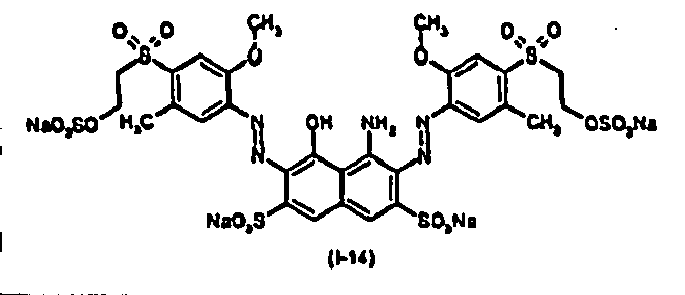
(II-1) (III-2) 68 : 16 : 16 259 (I-14) (II-2) (III-1) 65 : 20 : 15 262 (I-14) (II-7) (III-14) 67 : 20 : 13 266 (I-14) (II-24) (III-8) 65 : 22 : 13 267 (I-14) (II-26) (III-1) 66 : 20 : 14 270 (I-14) (II-37) (III-1) 70 : 20 : 10 272 (I-14) (II-45) (III-13) 60 : 25 : 15 275 (II-1) (III-2) 65 : 18 : 17 276 (I-15) (II-2) (III-1) 65 : 20 : 15 279 (I-15) (II-7) (III-14) 67 : 20 : 13 284 (I-15) (II-24) (III-8) 65 : 22 : 13 285 (I-15) (II-26) (III-1) 66 : 20 : 14 288 (I-15) (II-37) (III-1) 70 : 20 : 10 290 (I-15) (II-41) (III-5) 65 : 18 : 17 292 (I-15) (II-45) (III-13) 60 : 25 : 15 295 
(II-1) (III-2) 65 : 18 : 17 296 (I-16) (II-2) (III-1) 65 : 20 : 15 299 (I-16) (II-7) (III-14) 67 : 20 : 13 303 (I-16) (II-24) (III-8) 65 : 22 : 13 304 (I-16) (II-26) (III-1) 66 : 20 : 14 307 (I-16) (II-37) (III-1) 70 : 20 : 10 308 (I-16) (II-42) (III-1) 67 : 22 : 11 310 (I-16) (II-45) (III-13) 60 : 25 : 15 313 
(II-1) (III-2) 65 : 18 : 17 314 (I-17) (II-2) (III-1) 65 : 20 : 15 317 (I-17) (II-7) (III-14) 67 : 20 : 13 321 (I-17) (II-24) (III-8) 65 : 22 : 13 322 (I-17) (II-26) (III-1) 66 : 20 : 14 325 (I-17) (II-37) (III-1) 70 : 20 : 10 328 (I-17) (II-45) (III-13) 60 : 25 : 15 331 
(II-1) (III-2) 65 : 18 : 17 332 (I-18) (II-2) (III-1) 65 : 20 : 15 335 (I-18) (II-7) (III-14) 67 : 20 : 13 339 (I-18) (II-24) (III-8) 65 : 22 : 13 340 (I-18) (II-26) (III-1) 66 : 20 : 14 343 (I-18) (II-37) (III-1) 70 : 20 : 10 345 (I-18) (II-45) (III-13) 60 : 25 : 1 5 348 
(II-1) (III-2) 65 : 18 : 17 349 (I-19) (II-2) (III-1) 65 : 20 : 15 352 (I-19) (II-7) (III-14) 67 : 20 : 13 356 (I-19) (II-24) (III-8) 65 : 22 : 13 357 (I-19) (II-26) (III-1) 66 : 20 : 14 360 (1-19) (II-37) (III-1) 70 : 20 : 10 362 (I-19) (II-45) (III-13) 60 : 25 : 15 365 
(II-1) (III-2) 65 : 18 : 17 366 (I-20) (II-2) (III-1) 65 : 20 : 15 369 (I-20) (II-7) (III-14) 67 : 20 : 13 373 (I-20) (II-24) (III-8) 65 : 22 : 13 374 (I-20) (II-26) (III-1) 66 : 20 : 14 377 (I-20) (II-37) (III-1) 70 : 20 : 10 379 (I-20) (II-45) (III-13) 60 : 25 : 15 382 
(II-1) (III-2) 65 : 18 : 17 383 (I-21) (II-2) (III-1) 65 : 20 : 15 386 (I-21) (II-7) (III-14) 67 : 20 : 13 390 (I-21) (II-24) (III-8) 65 : 22 : 13 391 (I-21) (II-26) (III-1) 66 : 20 : 14 394 (I-21) (II-37) (III-1) 70 : 20 : 10 395 (I-21) (II-38) (III-1) 65 : 22 : 13 397 (I-21) (II-45) (III-13) 60 : 25 : 15 400 
(II-1) (III-2) 65 : 18 : 17 401 (I-22) (II-2) (III-1) 65 : 20 : 15 404 (I-22) (II-7) (III-14) 67 : 20 : 13 408 (I-22) (II-24) (III-8) 65 : 22 : 13 409 (I-22) (II-26) (III-1) 66 : 20 : 14 412 (I-22) (II-37) (III-1) 70 : 20 : 10 415 (I-22) (II-45) (III-13) 60 : 25 : 15 -
Beispiel Farbstoff nach allg. Formel (I) Farbstoff nach allg. Formel (II) Farbstoff nach Formel (III) Verhältnis (I):(II):(III) 418 (I-1) (II-1) (III-1) 65 : 20 : 15 419 (I-1) (II-1) (III-3) 63 : 20 : 1 7 420 (I-1) (II-1) (III-5) 68 : 20 : 12 421 (I-1) (II-1) (III-7) 64 : 18 : 18 422 (I-1) (II-1) (III-13) 70 : 18 : 12 423 (I-1) (II-1) (III-14) 62 : 19 : 19 -
Beispiel Farbstoff nach allg. Formel (I) Farbstoff nach allg. Formel (II) Farbstoff nach Formel (III) Verhältnis (I):(II):(III) 424 (I-1) (II-2) (III-1) 65 : 20 : 15 425 (I-1) (II-24) (III-13) 63 : 20 : 17 427 (I-1) (II-45) (III-7) 64 : 18 : 18 428 (I-4) (II-4) 
65 : 20 : 15 430 (I-14) (II-8) 
68 : 17 : 15 432 (I-14) (II-17) (III-16) 66 : 14 : 20 -
Beispiel Farbstoff nach allg. Formel (I) Farbstoff nach allg. Formel (II) Farbstoff nach Formel (III) Verhältnis (I):(II):(III) 433 (I-2) (II-3) (III-8) 65 : 20 : 15 435 (I-3) (II-4) (III-15) 68 : 20 : 12 436 (I-6) (II-41) 
64 : 20 : 16 437 (I-7) (II-14) 
70 : 18 : 12 438 (I-9) (II-17) (III-16) 66 : 19 : 15 440 (I-21) (II-38) 
64 : 21 : 15 -
Beispiel Farbstoff nach allg. Formel (I) Farbstoff nach allg. Formel (II) Farbstoff nach Formel (III) Verhältnis (I):(II):(III) 441 (I-2) (II-3) (III-14) 65 : 18 : 17 443 (I-3) (II-4) (III-8) 67 : 20 : 13 444 (I-6) (II-41) (III-13) 65 : 20 : 15 445 (I-7) (II-14) (III-12) 64 : 22 : 14 446 (I-9) (II-17) (III-7) 66 : 19 : 15 448 (I-21) (II-38) (III-13) 64 : 22 : 14 - 73 Teile eines elektrolythaltigen Farbstoffpulvers, das den marineblauen Disazofarbstoff der Formel (I-1) in 70%-igem Anteil enthält, 15 Teile eines elektrolythaltigen Farbstoffpulvers, das den scharlachroten Disazofarbstoff der Formel (II-2) in 75%-igem Anteil enthält und 13 Teile eines elektrolythaltigen Farbstoffpulvers, das den orangefarbenen Azofarbstoff der Formel (III-21)

-
Beispiel Farbstoff nach allg. Formel (I) Farbstoff nach allg. Formel (II) Farbstoff nach allg. Formel (III) Verhältnis 450 (I-1) (II-1) 
70 : 15 : 15 451 (I-1) (II-2) 
72 : 16 : 12 453 (I-1) (II-7) 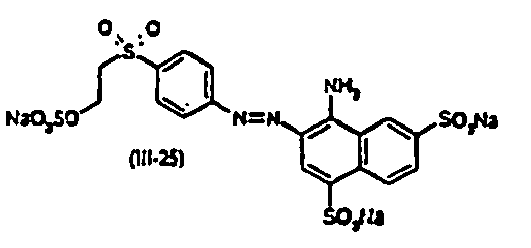
68 : 20 : 12 454 (I-1) (II-24) 
72 : 19 : 9 455 (I-1) (II-26) 
71 : 16 : 13 457 (I-1) (II-37) 
70 : 15 : 15 459 (I-1) (II-45) 
70 : 20 : 10 463 (I-2) (II-2) 
70 : 18 : 12 464 (I-2) (II-7) 
71 : 15 : 14 465 (I-7) (II-2) 
70 : 17 : 13 466 (I-19) (II-7) 
68 : 18 : 14 467 (I-21) (II-2) 
68 : 20 :12 - 70 Teile eines elektrolythaltigen Farbstoffpulvers, das den marineblauen Disazofarbstoff der Formel (I-1)
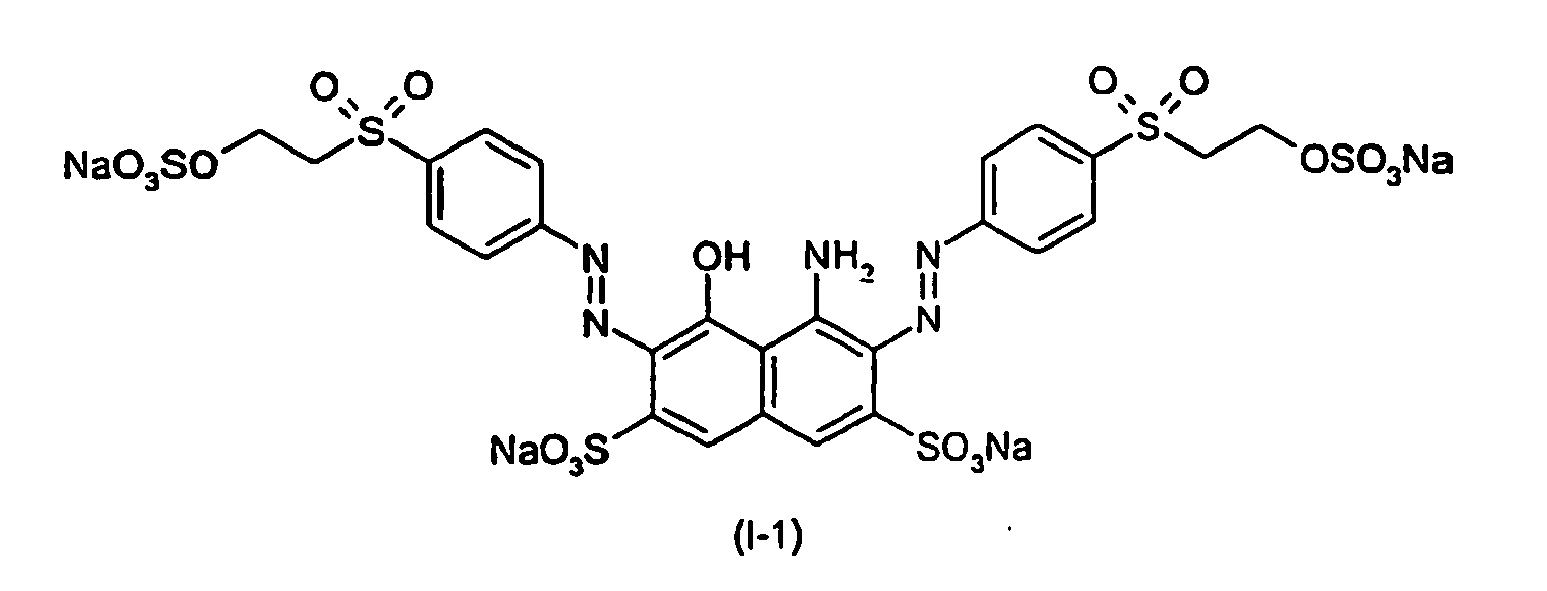


- Die resultierende, erfindungsgemäße Farbstoffmischung liefert unter den für Reaktivfarbstoffe üblichen Färbebedingungen, beispielsweise auf Baumwolle, tiefschwarze Färbungen und Drucke.
- 65 Teile eines elektrolythaltigen Farbstoffpulvers, das den marineblauen Disazofarbstoff der Formel (I-1) in 70%-igem Anteil enthält, 15 Teile eines elektrolythaltigen Farbstoffpulvers, das den scharlachroten Disazofarbstoff der Formel (II-2)


- 812 Teile 4-(β-Sulfatoethylsulfonyl)-anilin werden in 1900 Teilen Eiswasser und 520 Teilen 30%-iger Salzsäure suspendiert und durch Zutropfen von 500 Teilen 40%-iger Natriumnitritlösung diazotiert. Hierzu gibt man 319 Teile 1-Amino-8-hydroxynaphthalin-3,6-disulfonsäure, 93 Teile 4-Hydroxy-7-(sulfomethyl-amino)-naphthalin-2-sulfonsäure, die durch Umsetzung von 67 Teilen 7-Amino-4-hydroxy-naphthalin-2-sulfonsäure mit 42 Teilen Formaldehydnatriumbisulfit in wässrigem Medium bei pH 5,5 - 6 und 50°C hergestellt wurde, und 31 Teile 2,4-Diaminobenzolsulfonsäure und kuppelt zunächst in erster Stufe bei pH 1 bis 1,3 unterhalb 20°C zu einer Mischung von drei Monoazofarbstoffen gemäß den Formeln (15-1), (17-1) und (Ga-3). Der angegebene pH-Bereich wird dabei durch Zusatz von festem Natriumhydrogencarbonat eingestellt und während der Kupplungsreaktion gehalten.


Alternativ kann die erhaltene Farbstofflösung auch durch Zusatz eines PhosphatPuffers bei pH 5,5 - 6 gepuffert und durch weitere Verdünnung bzw. Konzentration als Flüssigmarke bestimmter Stärke eingestellt werden.
Die erhaltene, erfindungsgemäße Farbstoffmischung färbt Baumwolle in schwarzen Tönen.
- 677 Teile 4-(β-Sulfatoethylsulfonyl)-anilin werden in 1570 Teilen Eiswasser und 434 Teilen 30%-iger Salzsäure suspendiert und durch Zutropfen von 417 Teilen 40%-iger Natriumnitritlösung diazotiert. Hierzu gibt man 319 Teile 1-Amino-8-hydroxynaphthalin-3,6-disulfonsäure und kuppelt in erster Stufe bei pH 1 bis 1,3 unterhalb 20°C zu einem roten Monoazofarbstoff der Formel (15-1). Der angegebene pH-Bereich wird dabei durch Zusatz von festem Natriumhydrogencarbonat eingestellt und während der Kupplungsreaktion gehalten.
Nach beendeter erster Kupplung setzt man dem Reaktionsgemisch eine wässrige Lösung von 206 Teilen des scharlachroten Monoazofarbstoffs der Formel (17-2) und 94 Teilen des gelben Monoazofarbstoffs der Formel (Ga-4),
Anschließend wird unterhalb 25°C mit Natriumcarbonat pH 5 - 6 eingestellt und die nach beendeter Kupplungsreaktion entstandene 70 : 20 : 10 - Mischung der drei Disazofarbstoffe (I-1), (II-2) und (Gb-2) durch Eindampfen im Vakuum bzw. durch Sprühtrocknung isoliert.
Die erhaltene, erfindungsgemäße Farbstoffmischung färbt Baumwolle in schwarzen Tönen.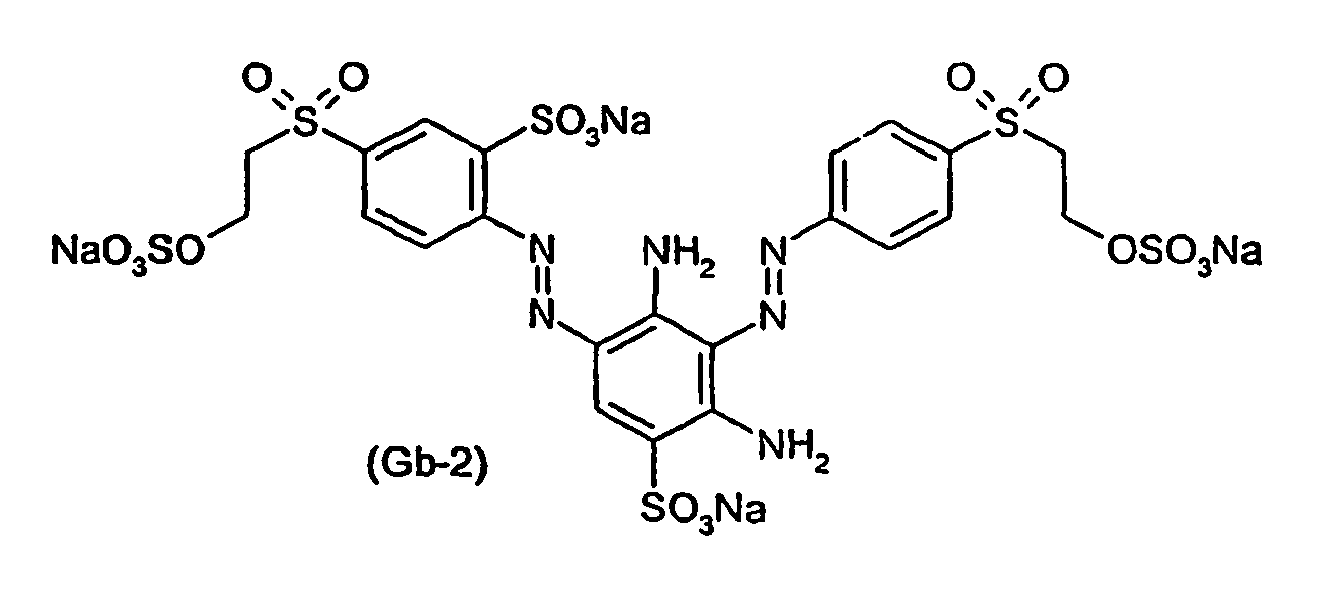
-
- a) 406 Teile 4-(β-Sulfatoethylsulfonyl)-anilin werden in 950 Teilen Eiswasser und 260 Teilen 30%-iger Salzsäure suspendiert und durch Zutropfen von 250 Teilen 40%-iger Natriumnitritlösung diazotiert. Hierzu gibt man 319 Teile 1-Amino-8-hydroxynaphthalin-3,6-disulfonsäure, 93 Teile 4-Hydroxy-7-(sulfomethyl-amino)-5-naphthalin-2-sulfonsäure und 31 Teile 2,4-Diaminobenzolsulfonsäure und kuppelt in erster Stufe bei pH 1 bis 1,3 unterhalb 20°C zu einer Mischung der drei Monoazofarbstoffe gemäß den Formeln (15-1), (17-1) und (Ga-3). Der angegebene pH-Bereich wird dabei durch Zusatz von festem Natriumhydrogencarbonat eingestellt und während der Kupplungsreaktion gehalten.
- b) In einem zweiten, separaten Reaktionsgefäß werden 451 Teile 2-Methoxy-5-(β-sulfatoethylsulfonyl)-anilin in 1300 Teilen Eiswasser und 261 Teilen 30%-iger Salzsäure suspendiert und durch Zutropfen von 251 Teilen 40%-iger Natriumnitritlösung diazotiert. Anschließend wird der Nitritüberschuß mit Amidosulfonsäurelösung entfernt und die erhaltene Diazo-Suspension nach beendeter erster Kupplung zur Lösung der Monoazofarbstoffe aus a) gepumpt.
-
- a) 351 Teile 4-(β-Sulfatoethylsulfonyl)-anilin werden in 825 Teilen Eiswasser und 225 Teilen 30%-iger Salzsäure suspendiert und durch Zutropfen von 216 Teilen 40%-iger Natriumnitritlösung diazotiert. Hierzu gibt man 319 Teile 1-Amino-8-hydroxynaphthalin-3,6-disulfonsäure und 83 Teile 4-Hydroxy-7-(sulfomethyl-amino)-naphthalin-2-sulfonsäure und kuppelt in erster Stufe bei pH 1 bis 1,3 unterhalb 20°C zu einer Mischung der beiden Monoazofarbstoffe gemäß den Formeln (15-1) und (17-1). Der angegebene pH-Bereich wird dabei durch Zusatz von festem Natriumhydrogencarbonat eingestellt und während der Kupplungsreaktion gehalten.
- b) In einem zweiten, separaten Reaktionsgefäß werden 427 Teile 2,5-Dimethoxy-4-(β-sulfatoethylsulfonyl)-anilin in 1150 Teilen Eiswasser und 226 Teilen 30%-iger Salzsäure suspendiert und durch Zutropfen von 217 Teilen 40%-iger Natriumnitritlösung diazotiert. Anschließend wird der Nitritüberschuß mit Amidosulfonsäurelösung entfernt und die erhaltene Diazo-Suspension nach beendeter erster Kupplung zur Lösung der beiden Monoazofarbstoffe aus a) gepumpt.
- 70 Teile eines elektrolythaltigen Farbstoffpulvers, das den grünstichig marineblauen Disazofarbstoff der Formel (I-4)

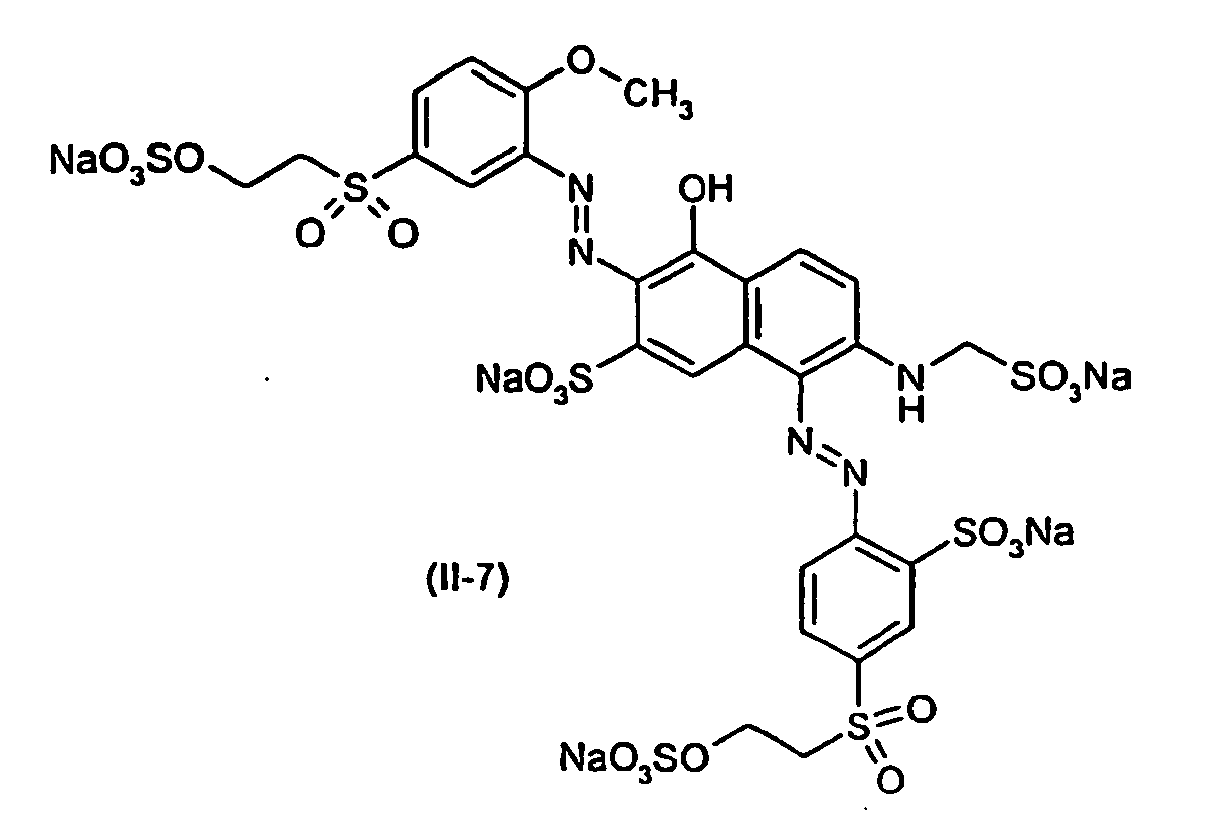
-
- a) 341 Teile 2,5-Dimethoxy-4-(β-sulfatoethylsulfonyl)-anilin werden in 950 Teilen Eiswasser und 180 Teilen 30%-iger Salzsäure suspendiert und durch Zutropfen von 173 Teilen 40%-iger Natriumnitritlösung diazotiert. Hierzu gibt man 319 Teile 1-Amino-8-hydroxy-naphthalin-3,6-disulfonsäure und kuppelt in erster Stufe bei pH 1 bis 1,5 unterhalb 20°C zu einem roten Monoazofarbstoff der Formel (15-2). Der angegebene pH-Bereich wird dabei durch Zusatz von festem Natriumhydrogencarbonat eingestellt und während der Kupplungsreaktion gehalten.

- b) In einem zweiten, separaten Reaktionsgefäß werden 430 Teile 2-Methoxy-5-methyl-4-(β-sulfatoethylsulfonyl)-anilin in 1250 Teilen Eiswasser und 238 Teilen 30%-iger Salzsäure suspendiert und durch Zutropfen von 229 Teilen 40%-iger Natriumnitritlösung diazotiert. Anschließend wird der Nitritüberschuß mit Amidosulfonsäurelösung entfernt und die erhaltene Diazo-Suspension zur Lösung der Monoazofarbstoff-Mischung aus a) gepumpt.
Dann wird unterhalb 25°C mit Natriumcarbonat pH 5 - 6 eingestellt und die nach beendeter zweiter Kupplungsreaktion entstandene 75 : 25 - Mischung der beiden Disazofarbstoffe (I-5) und (II-8) durch Eindampfen im Vakuum bzw. durch Sprühtrocknung isoliert.
- Eine analog zur in Beispiel 475 beschriebenen Verfahrensweise hergestellte binäre Mischung von 1021 Teilen des marineblauen Disazofarbstoffs der Formel (I-2) und 335 Teilen des scharlachroten Disazofarbstoffs der Formel (II-7) wird mit 168 Teilen des gelben Disazofarbstoffs der Formel (Ge-1)

- 70 Teile eines elektrolythaltigen Farbstoffpulvers, das den marineblauen Disazofarbstoff der Formel (I-6)


- Die resultierende, erfindungsgemäße Farbstoffmischung liefert unter den für Reaktivfarbstoffe üblichen Färbebedingungen sowie mit gegenüber dem Standardverfahren reduzierter Salzmenge, beispielsweise auf Baumwolle, tiefschwarze Färbungen.
- Eine analog zur in Beispiel 473 beschriebenen Verfahrensweise hergestellte binäre Mischung von 1012 Teilen des marineblauen Disazofarbstoffs der Formel (I-7) und 290 Teilen des scharlachroten Disazofarbstoffs der Formel (II-14) wird mit 145 Teilen des gelben Disazofarbstoffs der Formel (Ga-2) versetzt, auf einen pH-Wert von 5,5 - 6,5 eingestellt und durch Eindampfen der wässrigen Lösung isoliert. Die resultierende, erfindungsgemäße Farbstoffmischung färbt Baumwolle in schwarzen Tönen.

-
- a) Eine Mischung aus 70,5 Teilen 7-Amino-4-hydroxy-naphthalin-2-sulfonsäure und 37,5 Teilen 2,4-Diaminobenzolsulfonsäure werden in 800 Teilen Wasser suspendiert und durch Zugabe von Natronlauge gelöst. Bei einem pH-Wert von 5,5 - 6 werden 79 Teile Formaldehydnatriumbisulfit zugegeben und 4 h bei 50 - 55°C gerührt, wobei der angegebene pH-Bereich mittels verdünnter Natronlauge gehalten wird.
- b) In einem separaten Reaktionsgefäß werden 843 Teile 4-(β-Sulfatoethylsulfonyl)-anilin in 2000 Teilen Eiswasser und 540 Teilen 30%-iger Salzsäure suspendiert und durch Zutropfen von 520 Teilen 40%-iger Natriumnitritlösung diazotiert. Nach Entfernung des Nitritüberschusses mit Amidosulfonsäurelösung gibt man hierzu 319 Teile 1-Amino-8-hydroxy-naphthalin-3,6-disulfonsäure sowie die Mischung der weiteren Kupplungskomponenten aus a) und kuppelt zunächst in erster Stufe bei pH 0,8 bis 1,3 unterhalb 20°C zu einer Mischung von drei Monoazofarbstoffen gemäß den Formeln (15-1), (17-1) und (Ga-6). Der angegebene pH-Bereich wird dabei durch Zusatz von festem Natriumhydrogencarbonat eingestellt und während der Kupplungsreaktion gehalten.

- 843 Teile 4-(β-Sulfatoethylsulfonyl)-anilin werden in 2000 Teilen Eiswasser und 540 Teilen 30%-iger Salzsäure suspendiert und durch Zutropfen von 520 Teilen 40%-iger Natriumnitritlösung diazotiert. Nach Entfernung des Nitritüberschusses mit Amidosulfonsäurelösung gibt man hierzu 319 Teile 1-Amino-8-hydroxy-naphthalin-3,6-disulfonsäure sowie ein Gemisch weiterer Kupplungskomponenten, das analog Beispiel 479 a) durch Umsetzung von 72 Teilen 7-Amino-4-hydroxy-naphthalin-2-sulfonsäure und 75 Teilen 2,4-Diaminobenzolsulfonsäure mit 112 Teilen Formaldehydnatriumbisulfit bei pH 5,7 und 50°C erhalten wurde, und kuppelt zunächst in erster Stufe bei pH 0,8 bis 1,3 unterhalb 20°C zu einer Mischung von drei Monoazofarbstoffen gemäß den Formeln (15-1), (17-1) und (Ga-6). Der angegebene pH-Bereich wird dabei durch Zusatz von festem Natriumhydrogencarbonat eingestellt und während der Kupplungsreaktion gehalten.
Nach vollständiger erster Kupplung wird unterhalb 25°C mit Natriumcarbonat pH 5-6 eingestellt und die nach beendeter zweiter Kupplungsreaktion entstandene 64 : 20 : 16 - Mischung der drei Azofarbstoffe (I-1), (II-1) und (Ga-6) durch Sprühtrocknung oder Eindampfen im Vakuum isoliert.
Die erhaltene, erfindungsgemäße Farbstoffmischung färbt Baumwolle in schwarzen Tönen. - 574 Teile 4-(β-Sulfatoethylsulfonyl)-anilin werden in 1350 Teilen Eiswasser und 368 Teilen 30%-iger Salzsäure suspendiert und durch Zutropfen von 354 Teilen 40%-iger Natriumnitritlösung diazotiert. Nach Entfernung des Nitritüberschusses mit Amidosulfonsäurelösung gibt man hierzu eine wässrige Lösung zweier Kupplungskomponenten, die analog Beispiel 479 a) durch Umsetzung von 74 Teilen 7-Amino-4-hydroxy-naphthalin-2-sulfonsäure und 39,5 Teilen 2,4-Diaminobenzolsulfonsäure mit 83 Teilen Formaldehydnatriumbisulfit bei pH 5,5-6 und 50°C erhalten wurde, und kuppelt zunächst in erster Stufe bei pH 1,0 bis 1,3 unterhalb 20°C zu einer Mischung von zwei Monoazofarbstoffen gemäß den Formeln (17-1) und (Ga-6). Der angegebene pH-Bereich wird dabei durch Zusatz von festem Natriumhydrogencarbonat eingestellt und während der Kupplungsreaktion gehalten. Nach vollständiger erster Kupplung versetzt man das Reaktionsgemisch mit 737 Teilen des roten Monoazofarbstoffs der Formel (15-2) in Form einer wässrigen Lösung, die wie in Beispiel 475 a) beschrieben, erhältlich ist. Anschließend wird unterhalb 25°C mit Natriumcarbonat pH 5-6 eingestellt und die nach beendeter zweiter Kupplungsreaktion entstandene 67 : 20 : 13 - Mischung der drei Disazofarbstoffe (I-12), (II-1) und (Gb-5) durch Sprühtrocknung oder Eindampfen im Vakuum isoliert.

- Die nachfolgenden Tabellenbeispiele beschreiben weitere erfindungsgemäße Mischungen der Farbstoffe der allgemeinen Formeln (I) und (II) bzw. (I) und (II) und (G), die jeweils in Form der Natriumsalze angeführt sind. Die Mischungsverhältnisse sind in Gewichtsprozent angegeben. Die Farbstoffmischungen liefern nach den für Reaktivfarbstoffen üblichen Färbemethoden, beispielsweise auf Baumwolle, graue bis tiefschwarze Färbungen.
-
Beispiel Farbstoff nach allg. Formel (I) Farbstoff nach allg. Formel (II) Farbstoff nach Formel (G) Verhältnis (I):(II):(G) 482 (I-1) (II-1) (Ga-2) 63 : 19 : 18 483 (I-1) (II-1) (Ga-3) 68 : 20 : 12 484 (I-1) (II-1) (Gb-2) 67 : 20 : 13 485 (I-1) (II-1) 
65 : 18 : 17 486 (I-1) (II-1) 
65 : 20 : 15 487 (I-1) (II-1) (Ge-1) 70 : 20 : 10 488 (I-1) (II-1) (Gf-1) 63 : 18 : 19 489 (I-1) (II-1) 
70 : 18 : 12 490 (I-1) (II-2) (Ga-1) 67 : 20 : 13 491 (I-1) (II-2) (Ga-2) 65 : 20 : 15 492 (I-1) (II-2) (Ga-6) 64 : 20 : 16 493 (I-1) (II-2) (Gb-3) 67 : 20 : 13 494 (I-1) (II-2) (Gb-5) 68 : 20 : 12 495 (I-1) (II-2) (Ge-1) 68 : 22 : 10 496 (I-1) (II-2) (Gf-2) 64 : 18 : 18 497 (I-1) (II-3) (Ga-1) 70 : 18 : 12 498 (I-1) (II-3) (Ga-2) 65 : 1 5 : 20 499 (I-1) (II-3) (Gb-2) 67 : 20 : 13 500 (I-1) (II-3) (Gb-5) 68 : 18 : 14 501 (I-1) (II-3) (Ge-1) 72 : 18 : 10 502 (I-1) (II-3) (Gf-1) 65 : 15 : 20 503 (I-1) (II-4) 
67 : 18 : 15 504 (I-1) (II-7) (Ga-1) 68 : 20 : 12 505 (I-1) (II-7) (Ga-2) 66 : 16 : 18 506 (I-1) (II-7) (Gb-2) 70 : 18 : 12 507 (I-1) (11-7) (Gb-5) 67 : 20 : 13 508 (I-1) (II-7) (Ge-1) 73 : 17 : 10 509 (I-1) (II-7) (Gf-1) 65 : 17 : 18 510 (I-1) (II-8) 
65 : 20 : 15 511 (I-1) (II-14) (Ga-1) 60 : 25 : 15 512 (I-1) (II-14) (Gb-5) 66 : 22 : 12 513 (I-1) (II-14) (Ge-1) 65 : 23 : 12 514 (I-1) (II-14) (Gf-2) 63 : 20 : 17 515 (I-1) 
(Ga-1) 66 : 20 : 14 516 (I-1) (II-15) (Gb-2) 70 : 20 : 10 517 (I-1) (II-15) (Gb-5) 68 : 20 : 12 518 (I-1) (II-15) 
70 : 20 : 10 519 (I-1) (II-15) (Gf-1) 68 : 17 : 15 520 (I-1) 
(Ga-1) 68 : 20 : 12 521 (I-1) (II-54) (Ga-2) 65 : 20 : 15 522 (I-1) (II-54) (Gb-2) 70 : 18 : 12 523 (I-1) (II-54) (Gb-5) 67 : 20 : 13 524 (I-1) (II-54) (Ge-1) 70 : 20 : 10 525 (I-1) (II-54) (Gf-1) 65 : 18 : 17 526 (I-1) 
(Gb-2) 70 : 18 : 12 527 (I-1) 
(Ge-1) 67 : 22 : 11 528 (I-1) 
(Gf-2) 63 : 20 : 17 529 (I-1) 
(Ga-1) 67 : 20 : 1 3 530 (I-1) (II-24) (Ga-2) 65 : 20 : 15 531 (I-1) (II-24) (Gb-2) 70 : 18 : 12 532 (I-1) (II-24) (Gb-5) 67 : 20 : 13 533 (I-1) (II-24) (Ge-1) 70 : 20 : 10 534 (I-1) (II-24) (Gf-1) 66 : 17 : 17 535 (I-1) 
(Ge-1) 70 : 20 : 10 536 (I-1) 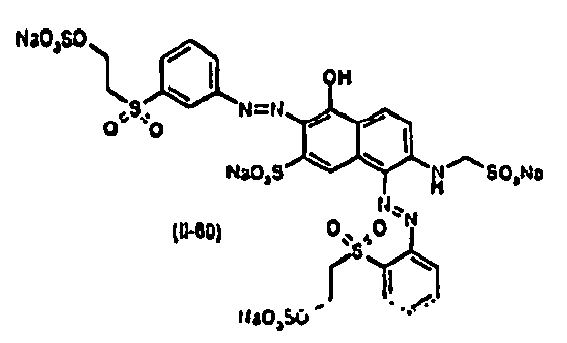
(Gb-2) 68 : 20 : 12 537 (I-1) 
(Gf-2) 65 : 20 : 15 538 (I-1) 
(Ga-1) 67 : 20 : 13 539 (I-1) 
(Gf-1) 62 : 22 : 16 540 (I-1) 
(Ga-1) 70 : 18 : 12 541 (I-1) (II-26) (Gb-5) 68 : 20 : 12 542 (I-1) (II-26) (Ge-1) 70 : 20 : 10 543 (I-1) (II-26) (Gf-1) 65 : 20 : 15 544 (I-1) 
(Ga-1) 67 : 18 : 15 545 (I-1) (II-27) (Ga-2) 66 : 17 : 17 546 (I-1) (II-27) (Gb-2) 73 : 15 : 12 547 (I-1) (II-27) (Gb-5) 67 : 20 : 13 548 (I-1) (II-27) (Ge-1) 70 : 18 : 12 549 (I-1) (II-27) (Gf-1) 67 : 15 : 18 550 (I-1) 
(Ga-1) 65 : 20 : 15 551 (I-1) (II-67) (Ga-2) 63 : 20 : 17 552 (I-1) (II-67) (Ga-6) 64 : 20 : 16 553 (I-1) (II-67) (Gb-2) 63 : 25 : 12 554 (I-1) (II-67) (Gb-5) 68 : 20 : 12 555 (I-1) (II-67) (Ge-1) 66 : 23 : 11 556 (I-1) (II-67) (Gf-1) 60 : 20 : 20 557 (I-1) 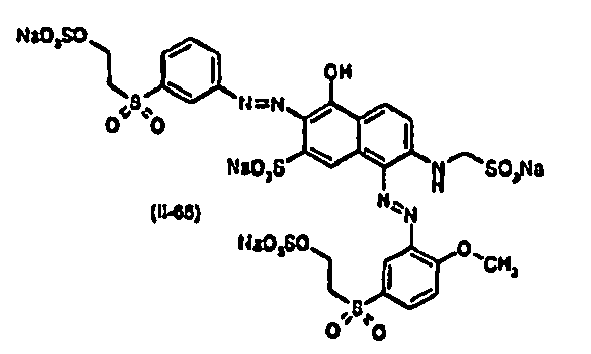
(Ge-1) 65 : 25 : 10 558 (I-1) 
(Gb-2) 68 : 20 : 12 559 (I-1) 
(Ga-2) 67 : 20 : 13 560 (I-1) 
(Ga-1) 65 : 20 : 15 561 (I-1) (II-72) (Gb-5) 68 : 20 : 12 562 (I-1) (II-72) (Ge-1) 70 : 20 : 10 563 (I-1) (II-72) (Gf-2) 63 : 20 : 17 564 (I-1) 

65 : 20 : 15 565 (I-1) 
(Ge-1) 72 : 18 : 10 566 (I-1) 
(Ga-1) 67 : 18 : 15 567 (I-1) 
(Gb-2) 70 : 15 : 15 568 (I-1) 
(Ge-2) 75 : 15 : 10 569 (I-1) 
(Gf-1) 66 : 20 : 14 570 (I-1) 
(Gf-2) 65 : 20 : 15 571 (I-1) 
(Gf-3) 68 : 20 : 12 572 (I-1) 

67 : 18 : 15 573 (I-1) 
(Ga-3) 62 : 20 : 18 574 (I-1) 
(Gb-2) 66 : 22 : 12 575 (I-1) 
(Ga-1) 62 : 23 : 15 576 (I-1) (II-86) (Gb-5) 70 : 20 : 10 577 (I-1) (II-86) (Ge-1) 67 : 22 : 11 578 (I-1) (II-86) (Gf-1) 63 : 20 : 1 7 579 (I-1) 
(Ga-1) 60 : 25 : 15 580 (I-1) 
(Gf-2) 65 : 20 : 15 581 (I-1) 
(Gb-2) 67 : 20 : 13 582 (I-2) (II-1) (Gb-5) 68 : 20 : 12 583 (I-2) (II-2) (Gb-2) 72 : 18 : 10 584 (I-2) (II-14) (Gf-3) 65 : 23 : 12 585 (I-2) (II-54) (Ge-2) 70 : 20 : 10 586 (I-2) (II-24) (Gf-2) 67 : 18 : 15 587 (I-2) (II-27) (Ga-1) 69 : 18 : 13 588 (I-2) (II-67) (Ge-1) 70 : 20 : 10 589 (I-2) (II-69) (Gf-1) 65 : 20 : 15 590 (I-2) (II-72) (Gf-4) 66 : 22 : 12 591 (I-2) (II-86) (Ga-3) 60 : 20 : 20 592 (I-3) (11-3) (Ge-1) 73 : 20 : 7 593 (I-3) (II-7) (Gb-5) 69 : 20 : 11 594 (I-3) (II-27) (Gf-2) 70 : 20 : 10 595 (I-3) (II-86) (Ga-1) 67 : 22 : 11 596 (I-4) (II-4) (Gb-2) 72 : 20 : 8 597 (I-4) (II-8) (Gf-2) 70 : 20 : 10 598 (I-4) (II-17) (Ge-1) 73 : 22 : 5 599 (I-5) (II-4) (Ge-1) 72 : 20 : 8 600 (I-5) (II-17) (Gb-2) 73 : 20 : 7 601 (I-6) (II-1) (Gb-3) 70 : 20 : 10 602 (I-6) (II-3) (Gf-3) 67 : 22 : 11 603 (I-6) (II-24) (Ge-1) 72 : 20 : 8 604 (I-6) (II-27) (Gb-5) 66 : 20 : 14 605 (I-6) (11-67) (Ga-3) 66 : 17 : 17 606 (I-6) (II-72) (Gf-4) 63 : 22 : 15 607 (I-6) (II-41) (Gc-4) 67 : 22 : 11 608 (I-7) (II-1) (Ge-1) 70 : 20 : 10 609 (I-7) (II-2) (Gb-2) 73 : 18 : 9 610 (I-7) (II-3) (Gf-1) 67 : 20 : 13 611 (I-7) (II-7) (Gb-5) 66 : 21 : 13 612 (I-7) (II-26) (Gf-4) 65 : 20 : 15 613 (I-7) (II-67) (Ga-1) 67 : 22 : 11 614 (I-7) (II-72) (Gf-3) 66 : 20 : 14 615 
(II-1) (Gb-5) 68 : 20 : 12 616 (I-24) (II-2) (Gb-2) 67 : 22 : 11 617 (I-24) (II-3) (Ga-1) 67 : 20 : 13 618 (I-24) (II-7) (Gf-2) 66 : 17 : 17 619 (I-24) (II-67) (Ge-1) 70 : 22 : 8 620 
(II-1) (Ge-1) 70 : 20 : 10 621 (I-9) (II-2) (Gf-2) 65 : 20 : 15 622 (I-9) (II-3) (Ga-1) 67 : 22 : 11 623 (I-9) (II-7) (Gb-5) 67 : 20 : 13 624 (I-9) (II-67) (Gb-2) 68 : 22 : 10 625 
(II-1) (Gb-5) 68 : 20 : 12 626 (I-10) (II-2) (Gb-2) 69 : 20 : 11 627 (I-10) (II-3) (Ga-1) 67 : 22 : 11 628 (I-10) (II-7) (Gf-2) 66 : 18 : 16 629 (I-10) (II-67) (Ge-1) 70 : 20 : 10 630 
(II-1) (Ge-1) 72 : 20 : 8 631 (I-11) (II-2) (Gf-1) 66 : 20 : 14 632 (I-11) (II-3) (Ga-1) 68 : 20 : 12 633 (I-11) (II-7) (Gb-2) 72 : 18 : 10 634 (I-11) (II-67) (Gb-5) 67 : 20 : 13 635 (I-12) (II-3) (Ge-1) 70 : 23 : 7 636 (I-12) (II-7) (Gb-2) 70 : 20 : 10 637 (I-12) (II-27) (Gf-1) 67 : 20 : 13 638 (I-12) (II-86) (Ga-1) 68 : 22 : 10 639 
(II-8) (Ge-1) 72 : 20 : 8 640 (I-13) (II-17) (Gb-2) 70 : 20 : 10 641 (I-13) (II-67) (Gf-2) 66 : 20 : 14 642 
(II-4) (Gb-2) 70 : 20 : 10 643 (I-14) (II-8) (Gf-1) 68 : 20 : 12 644 (I-14) (II-17) (Ge-1) 72 : 20 : 8 645 
(II-1) (Gb-1) 70 : 20 : 10 646 (I-15) (II-3) (Gf-3) 66 : 22 : 12 647 (I-15) (II-20) (Ge-1) 72 : 20 : 8 648 (I-15) (II-27) (Gb-1) 67 : 20 : 13 649 (I-15) (II-67) (Ga-3) 66 : 18 : 16 650 (I-15) (II-72) (Gf-4) 66 : 20 : 14 651 (I-15) (II-81) (Gf-3) 68 : 20 : 12 652 (I-15) (II-41) (Gc-4) 70 : 18 : 12 653 
(I-1) (Ge-1) 72 : 20 : 8 654 (I-16) (II-2) (Gb-2) 70 : 20 : 10 655 (I-16) (II-3) (Ga-1) 68 : 20 : 1 2 656 (I-16) (II-7) (Gb-5) 66 : 20 : 14 657 (I-16) (II-67) (Gf-1) 66 : 17 : 17 658 
(II-1) (Gb-5) 71 : 18 : 11 659 (I-17) (II-2) (Gb-2) 70 : 20 : 10 660 (I-17) (II-3) (Ga-1) 70 : 18 : 12 661 (I-17) (II-7) (Gf-2) 67 : 20 : 13 662 (I-17) (II-67) (Ge-1) 72 : 18 : 10 663 
(II-1) (Gb-5) 67 : 20 : 1 3 664 (I-18) (II-2) (Gb-2) 68 : 20 : 12 665 (I-18) (II-3) (Ga-1) 68 : 18 : 14 666 (I-18) (II-7) (Gf-1) 65 : 20 : 15 667 (I-18) (II-67) (Ge-1) 70 : 20 : 10 668 
(II-1) (Ge-1) 68 : 22 : 10 669 (I-19) (II-2) (Gb-2) 70 : 20 : 10 670 (I-19) (II-3) (Gf-1) 67 : 20 : 13 671 (I-19) (II-7) (Ga-2) 66 : 22 : 12 672 (I-19) (II-14) (Gf-4) 65 : 22 : 13 673 (I-19) (II-26) (Gf-3) 67 : 20 : 13 674 (I-19) (II-67) (Ga-1) 68 : 20 : 12 675 (I-19) (II-72) (Gd-2) 67 : 22 : 11 676 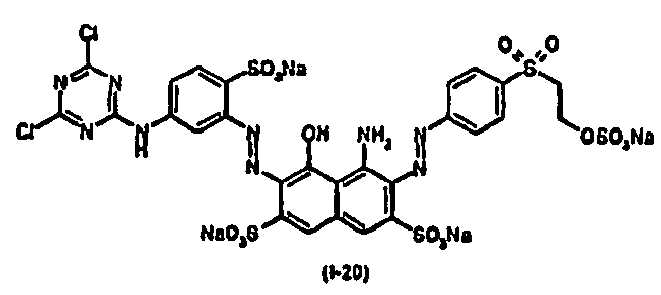
(II-1) (Ge-1) 67 : 22 : 11 677 (I-20) (II-2) (Gf-1) 65 : 20 : 1 5 678 (I-20) (II-3) (Ga-1) 68 : 20 : 12 679 (I-20) (II-7) (Gb-2) 70 : 20 : 10 680 (I-20) (II-67) (Gb-5) 66 : 22 : 12 681 (I-20) (II-80) (Ga-2) 65 : 20 : 15 682 
(II-1) (Gb-5) 68 : 20 : 12 683 (I-21) (II-2) (Gf-2) 66 : 20 : 14 684 (I-21) (II-3) (Ga-1) 67 : 20 : 13 685 (I-21) (II-7) (Gb-2) 67 : 22 : 11 686 (I-21) (II-67) (Ge-1) 68 : 22 : 10 687 
(II-1) (Ge-1) 72 : 20 : 8 688 (I-22) (II-2) (Gf-1) 67 : 20 : 13 689 (I-22) (II-3) (Ga-1) 68 : 20 : 12 690 (I-22) (II-7) (Gb-2) 70 : 20 : 10 691 (I-22) (II-67) (Ge-2) 67 : 22 : 11 692 (I-22) (II-80) (Gd-1) 65 : 20 : 15 -
Beispiel Farbstoff nach allg. Formel (I) Farbstoff nach allg. Formel (II) Farbstoff nach Formel (G) Verhältnis (I):(II):(G) 693 (I-1) (II-1) 
72 : 18 : 10 694 (I-1) (II-2) 
68 : 21 : 11 695 (I-1) (II-7) 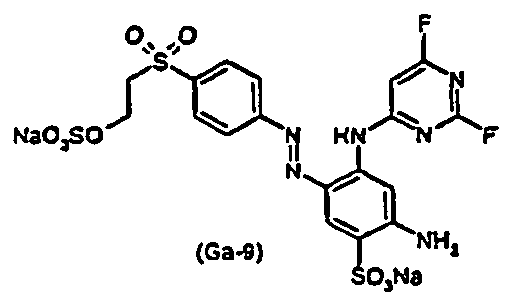
70 : 20 : 10 696 (I-1) (II-54) 
70 : 18 : 12 697 (I-1) (II-26) (Ga-9) 72 : 17 : 11 698 (I-1) (II-77) (Ga-7) 73 : 18 : 9 699 (I-2) (II-1) (Ga-7) 72 : 18 : 10 700 (I-2) (II-2) (Ga-7) 68 : 21 : 11 701 (I-2) (II-7) (Ga-9) 70 : 20 : 10 702 (I-2) (II-54) (Ga-10) 70 : 18 : 12 703 (I-2) (II-26) (Ga-9) 72 : 17 : 11 704 (I-2) (II-77) (Ga-7) 73 : 18 : 9 705 (I-4) (II-1) (Ga-7) 72 : 18 : 10 706 (I-4) (II-2) (Ga-8) 68 : 21 : 11 707 (I-4) (II-7) (Ga-9) 70 : 20 : 10 708 (I-4) (II-54) (Ga-10) 70 : 18 : 12 709 (I-4) (II-26) (Ga-9) 72 : 17 : 11 710 (I-4) (II-77) (Ga-7) 73 : 18 : 9 711 (I-7) (II-1) (Ga-7) 72 : 18 : 10 712 (I-7) (II-2) (Ga-8) 68 : 21 : 11 713 (I-7) (II-7) (Ga-9) 70 : 20 : 10 714 (I-7) (II-54) (Ga-10) 70 : 18 : 12 715 (I-7) (II-26) (Ga-9) 72 : 17 : 11 716 (I-7) (II-77) (Ga-7) 73 : 18 : 9 -
Beispiel Farbstoff nach allg. Formel (I) Farbstoff nach allg. Formel (11) Farbstoff nach allg. Formel (G) Verhältnis (I):(II):(G) 717 (I-1) (II-1) (Gf-2) 65 : 20 : 1 5 718 (I-2) (II-3) (Ge-1) 70 : 20 : 10 719 (I-6) (II-41) (Gf-3) 67 : 22 : 11 720 (I-7) (II-14) (Gd-2) 65 : 22 : 13 721 (I-24) (II-15) (Gf-1) 67 : 20 : 13 722 (I-9) (II-17) (Ga-3) 67 : 18 : 15 723 (I-10) (11-54) (Ga-4) 66 : 22 : 12 724 (I-16) (II-83) (Ga-2) 65 : 20 : 15 725 (I-17) (II-85) (Gb-5) 67 : 20 : 13 726 (I-18) (II-76) (Gb-3) 70 : 17 : 13 727 (I-20) (II-77) (Gf-3) 70 : 15 : 15 728 (I-21) (II-38) (Gd-1) 65 : 20 : 15 -
Beispiel Farbstoff nach allg. Formel (I) Farbstoff nach allg. Formel (II) Verhältnis (I):(II) 729 (I-3) (II-1) 70 : 30 730 (I-3) (II-2) 67 : 33 731 (I-3) (II-54) 70 : 30 732 (I-3) (II-24) 75 : 25 733 (I-3) (II-26) 70 : 30 734 (I-3) (II-67) 72 : 28 735 (I-3) (II-69) 75 : 25 736 (I-3) (II-72) 68 : 32 737 (I-4) (II-1) 67 : 33 738 (I-4) (II-2) 65 : 35 739 (I-4) (II-3) 75 : 25 740 (I-4) (II-14) 68 : 32 741 (I-4) (II-54) 70 : 30 742 (I-4) (II-24) 76 : 24 743 (I-4) (II-26) 72 : 28 744 (I-4) (II-27) 77 : 23 745 (I-4) (II-67) 73 : 27 746 (I-4) (II-69) 70 : 30 747 (I-4) (II-72) 70 : 30 748 (I-4) (II-86) 80 : 20 749 (I-5) (II-1) 70 : 30 750 (I-5) (II-2) 67 : 33 751 (I-5) (II-3) 72 : 28 752 (I-5) (II-7) 70 : 30 753 (I-5) (II-14) 66 : 34 754 (I-5) (II-54) 68 : 32 755 (I-5) (II-24) 75 : 25 756 (I-5) (II-26) 73 : 27 757 (I-5) (II-27) 75 : 25 758 (I-5) (II-67) 72 : 28 759 (I-5) (II-69) 70 : 30 760 (I-5) (II-72) 70 : 30 761 (I-12) (II-54) 70 : 30 762 (I-12) (II-26) 75 : 25 763 (I-12) (II-69) 68 : 32 764 (I-13) (II-1) 75 : 25 765 (I-13) (II-2) 67 : 33 766 (I-13) (II-3) 70 : 30 767 (I-13) (II-7) 72 : 28 768 (I-13) (II-14) 65 : 35 769 (I-13) (II-54) 68 : 32 770 (I-13) (II-24) 73 : 27 771 (I-13) (II-26) 72 : 28 772 (I-13) (II-27) 75 : 25 773 (I-13) (II-67) 70 : 30 774 (I-13) (II-69) 68 : 32 775 (I-13) (II-72) 70 : 30 776 (I-14) (II-1) 72 : 28 777 (I-14) (II-2) 68 : 32 778 (I-14) (II-3) 72 : 28 779 (I-14) (II-7) 70 : 30 780 (I-14) (II-14) 66 : 34 781 (I-14) (II-54) 70 : 30 782 (I-14) (II-24) 75 : 25 783 (I-14) (II-26) 72 : 28 784 (I-14) (II-27) 74 : 26 785 (I-14) (II-67) 72 : 28 786 (I-14) (II-69) 68 : 32 787 (I-14) (II-72) 72 : 28 788 (I-14) (II-86) 75 : 25 -
Beispiel Farbstoff nach allg. Formel (I) Farbstoff nach allg. Formel (II) Verhältnis (I):(II) 789 (I-4) (II-4) 70 : 30 790 (I-5) (II-17) 75 : 25 791 (I-12) (II-1) 73 : 27 792 (I-12) (II-2) 70 : 30 793 (I-12) (II-24) 72 : 28 794 (I-12) (II-67) 73 : 27 795 (I-12) (II-72) 72 : 28 796 (I-12) (II-45) 65 : 35 797 (I-13) (II-4) 75 : 25 798 (I-14) (II-17) 77 : 23 -
Beispiel Farbstoff nach allg. Formel (I) Farbstoff nach allg. Formel (II) Farbstoff nach allg. Formel (G) Verhältnis (I):(II):(G) 799 (I-1) (II-24) (Gf-2) 66 : 20 : 14 800 (I-1) (II-67) (Gb-5) 67 : 20 : 13 801 (I-1) (II-72) (Gf-1) 65 : 20 : 15 802 (I-1) (II-45) (Ga-3) 60 : 25 : 15 803 (I-2) (II-57) (Ge-1) 70 : 20 : 10 804 (I-2) (II-62) (Ga-1) 65 : 22 : 13 805 (I-2) (II-27) (Gb-2) 70 : 20 : 10 806 (I-2) (II-35) (Gf-1) 66 : 20 : 14 807 (I-7) (II-63) (Ge-1) 70 : 22 : 8 808 (I-7) (II-26) (Gb-2) 70 : 20 : 10 809 (I-7) (II-31) (Gd-2) 67 : 20 : 13 810 (I-7) (II-47) (Gb-1) 65 : 25 : 10 811 (I-24) (II-20) (Ga-2) 65 : 20 : 15 812 (I-24) (II-60) (Gf-1) 67 : 18 : 15 813 (I-24) (II-25) (Gf-3) 66 : 20 : 14 814 (I-24) (II-68) (Gb-2) 67 : 22 : 11 815 (I-24) (II-73) (Gd-2) 65 : 18 : 17 816 (I-9) (II-8) (Gf-1) 65 : 20 : 15 817 (I-10) (II-59) (Gb-2) 67 : 22 : 11 818 (I-10) (II-69) (Ga-1) 65 : 23 : 12 819 (1-10) (II-74) (Ga-2) 67 : 20 : 13 - 70 Teile eines elektrolythaltigen Farbstoffpulvers, das den marineblauen Disazofarbstoff der Formel (I-1) in 70%-igem Anteil enthält, 8 Teile eines elektrolythaltigen Farbstoffpulvers, das den scharlachroten Disazofarbstoff der Formel (II-2) in 75%-igem Anteil enthält, 12 Teile eines elektrolythaltigen Farbstoffpulvers, das den orangefarbenen Azofarbstoff der Formel (III-21) in 80%-igem Anteil enthält und 10 Teile eines elektrolythaltigen Farbstoffpulvers, das den gelben Azofarbstoff der Formel (Ga-1) in 75%-igem Anteil enthält, werden in 700 Teilen Wasser gelöst und die erhaltene Farbstofflösung auf pH 5,5-6,5 eingestellt. Durch Eindampfen dieser Farbstofflösung erhält man eine Farbstoffmischung, die auf Baumwolle unter den für Reaktivfarbstoffe üblichen Färbebedingungen tiefschwarze Färbungen und Drucke liefert.
- Alternativ kann die erhaltene Farbstofflösung auch durch Zusatz eines PhosphatPuffers bei pH 5,5 - 6 gepuffert und durch weitere Verdünnung bzw. Konzentration als Flüssigmarke bestimmter Stärke eingestellt werden.
- Eine analog Beispiel 2 hergestellte wässrige Lösung, der drei Farbstoffe (I-1), (II-2) und (III-1) im Verhältnis 65 : 15 : 10, wird mit 10 Teilen eines elektrolythaltigen Farbstoffpulvers, das den orangefarbenen Azofarbstoff der Formel (III-21) in 80%-igem Anteil enthält, versetzt und die erhaltene Farbstofflösung auf pH 5,5-6,5 eingestellt. Durch Eindampfen dieser Farbstofflösung erhält man eine Farbstoffmischung, die auf Baumwolle unter den für Reaktivfarbstoffe üblichen Färbebedingungen tiefschwarze Färbungen und Drucke liefert.
- Eine analog Beispiel 2 hergestellte wässrige Lösung, der drei Farbstoffe (I-1), (II-1) und (III-1) im Verhältnis 66 : 17 : 7, wird mit 10 Teilen eines elektrolythaltigen Farbstoffpulvers, das den gelben Azofarbstoff der Formel (Ga-1) in 75%-igem Anteil enthält, versetzt und die erhaltene Farbstofflösung auf pH 5,5-6,5 eingestellt. Durch Eindampfen dieser Farbstofflösung erhält man eine Farbstoffmischung, die auf Baumwolle unter den für Reaktivfarbstoffe üblichen Färbebedingungen tiefschwarze Färbungen und Drucke liefert.
-
Beispiel Farbstoff nach allg. Formel (I) Farbstoff nach allg. Formel (II) Farbstoff nach allg. Formel (III) Farbstoff nach Formel (G) Verhältnis 1190 (I-1) (II-1) (III-21) (Ga-1) 70:10:10:10 1191 (I-1) (II-2) (III-22) 
66:12:10:12 1193 (I-1) (II-7) (III-24) 
68:8:10:14 1194 (I-1) (II-24) (III-27) 
67:11:12:10 1195 (I-1) (II-26) (III-21) 
70:12:10:8 1197 (I-1) (II-37) (III-24) 
70:10:10:10 1199 (I-1) (II-45) (III-22) 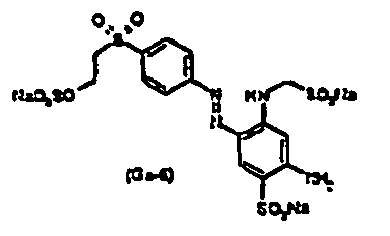
60:15:10:15 -
Beispiel Farbstoff nach allg. Formel (I) Farbstoff nach allg. Formel (II) Farbstoff nach allg. Formel (III) Farbstoff nach Formel (III) Verhältnis 1203 (I-1) (II-1) (III-21) (III-7) 70:10:10:10 1204 (I-1) (II-2) (III-22) (III-1) 66:12:12:10 1206 (I-1) (II-7) (III-24) (III-8) 68:10:10:12 1207 (I-1) (II-24) (III-27) (III-4) 65:11:12:12 1208 (I-1) (II-26) (III-21) (III-10) 70:12:10:8 1210 (I-1) (II-37) (III-24) (III-7) 70:10:10:10 1212 (I-1) (II-45) (III-22) (III-2) 60:15:10:15 -
Beispiel Farbstoff nach allg. Formel (I) Farbstoff nach allg. Formel (II) Farbstoff nach allg. Formel (III) Farbstoff nach Formel (G) Verhältnis 1216 (I-1) (II-1) (III-7) (Ga-2) 67:10:11:12 1217 (I-1) (II-2) (III-1) (Ga-1) 67:12:10:11 1219 (I-1) (II-7) (III-8) (Gf-1) 67:8:10:15 1220 (I-1) (II-24) (III-4) (Ge-1) 67:11:12:10 1221 (I-1) (II-26) (III-10) (Gf-3) 69:12:10:9 1223 (I-1) (II-37) (III-7) (Ga-7) 70:10:10:10 1225 (I-1) (II-45) (III-2) (Ga-6) 60:15:10:15 - 2 Teile einer gemäß Beispiel 1 - 7, 9, 449, 468 - 481, 1187 - 1189 erhaltenen Farbstoffmischung und 50 Teile Natriumchlorid werden in 999 Teilen Wasser gelöst und 5 Teile Natriumcarbonat, 0,7 Teile Natriumhydroxyd (in Form einer 32,5%-igen wässrigen Lösung) und gegebenenfalls 1 Teil eines Benetzungsmittels zugesetzt. In dieses Färbebad gibt man 100 g eines Baumwollgewebes. Die Temperatur des Färbebades wird zunächst 10 Minuten bei 25°C gehalten, dann in 30 Minuten auf Endtemperatur (40-80°C) erhöht und diese Temperatur weitere 60-90 Minuten gehalten. Danach wird die gefärbte Ware zunächst 2 Minuten mit Trinkwasser und anschließend 5 Minuten mit E-Wasser gespült. Man neutralisiert die gefärbte Ware bei 40°C in 1000 Teilen einer wäßrigen Lösung, die 1 Teil einer 50%igen Essigsäure enthält, während 10 Minuten. Mit E-Wasser wird bei 70°C nachgespült und dann 15 Minuten mit einem Waschmittel kochend geseift, nochmals gespült und getrocknet. Man erhält eine farbstarke marineblaue bis graue Färbung mit sehr guten Echtheitseigenschaften.
- 6 Teile einer gemäß Beispiel 1 - 7, 9, 449, 468 - 481, 1187 - 1189 erhaltenen Farbstoffmischung und 50 Teile Natriumchlorid werden in 998 Teilen Wasser gelöst und 7 Teile Natriumcarbonat, 2 Teile Natriumhydroxyd (in Form einer 32,5%-igen wässrigen Lösung) und gegebenenfalls 1 Teil eines Benetzungsmittels zugesetzt. In dieses Färbebad gibt man 100 g eines Baumwollgewebes. Die weitere Bearbeitung erfolgt wie in Anwendungsbeispiel 1 angegeben. Man erhält eine tiefschwarze Färbung mit sehr guten Echtheitseigenschaften.
- 2 Teile einer gemäß Beispiel 9, 128, 129, 132, 137, 138, 141, 143, 145, 275, 276, 279, 284, 285, 288, 290, 292, 436 oder 444 , 477, 601-607, 645-652, 719, erhaltenen Farbstoffmischung werden in 999 Teilen Wasser gelöst und 5 Teile Natriumcarbonat, 0,7 Teile Natriumhydroxyd (in Form einer 32,5%-igen wässrigen Lösung) und gegebenenfalls 1 Teil eines Benetzungsmittels zugesetzt. In dieses Färbebad gibt man 100 g eines Baumwollgewebes. Die weitere Bearbeitung erfolgt wie in Anwendungsbeispiel 1 angegeben. Man erhält eine farbstarke marineblaue bis graue Färbung mit sehr guten Echtheitseigenschaften.
- 4 Teile einer gemäß Beispiel 9, 128, 129, 132, 137, 138, 141, 143, 145, 275, 276, 279, 284, 285, 288, 290, 292, 436 oder 444, 477, 601-607, 645-652, 719, erhaltenen Farbstoffmischung und 5 Teile Natriumchlorid werden in 999 Teilen Wasser gelöst, 7 Teile Natriumcarbonat, 0,7 Teile Natriumhydroxyd (in Form einer 32,5%-igen wässrigen Lösung) und gegebenenfalls 1 Teil eines Benetzungsmittels zugesetzt. In dieses Färbebad gibt man 100 g eines Baumwollgewebes. Die weitere Bearbeitung erfolgt wie in Anwendungsbeispiel 1 angegeben. Man erhält eine farbstarke graublaue bis schwarze Färbung mit sehr guten Echtheitseigenschaften.
- 8 Teile einer gemäß Beispiel 9, 128, 129, 132, 137, 138, 141, 143, 145, 275, 276, 279, 284, 285, 288, 290, 292, 436 oder 444, 477, 601-607, 645-652, 719, erhaltenen Farbstoffmischung und 10 Teile Natriumchlorid werden in 997 Teilen Wasser gelöst, 10 Teile Natriumcarbonat, 1,3 Teile Natriumhydroxyd (in Form einer 32,5%-igen wässrigen Lösung) und gegebenenfalls 1 Teil eines Benetzungsmittels zugesetzt. In dieses Färbebad gibt man 100 g eines Baumwollgewebes. Die weitere Bearbeitung erfolgt wie in Anwendungsbeispiel 1 angegeben. Man erhält eine tiefschwarze Färbung mit sehr guten Echtheitseigenschaften.


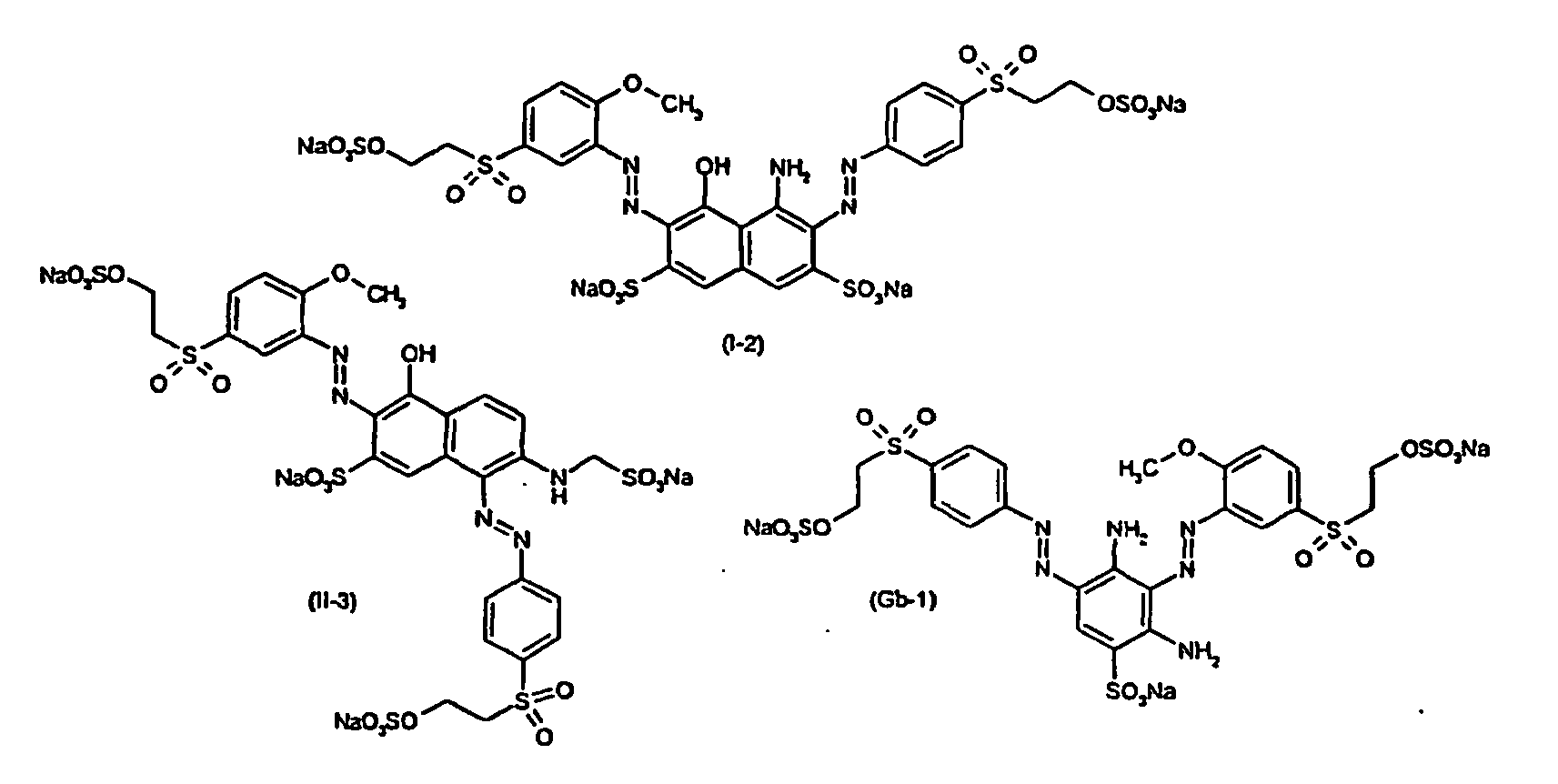

Alternativ kann die erhaltene Farbstofflösung auch durch Zusatz eines PhosphatPuffers bei pH 5,5 - 6 gepuffert und durch weitere Verdünnung bzw. Konzentration als Flüssigmarke bestimmter Stärke eingestellt werden.

Claims (13)
- Reaktivfarbstoffmischungen, die einen oder mehrere Farbstoffe der nachstehend angegebenen und definierten allgemeinen Formel (I),


 D1, D2, D3, D4 und D5 sind unabhängig voneinander eine Gruppe der allgemeinen Formel (1)
R1 und R2 unabhängig voneinander Wasserstoff, (C1-C4)-Alkyl, (C1-C4)-Alkoxy, Hydroxy, Sulfo, Carboxy, Cyano, Nitro, Amido, Ureido oder Halogen sind; und
X1 für Wasserstoff oder eine Gruppe der Formel -SO2-Z steht, wobei Z -CH=CH2, -CH2CH2Z1 oder Hydroxy bedeutet, worin
Z1 Hydroxy oder eine unter Alkaliwirkung abspaltbare Gruppe ist; oderD1, D2, D3, D4 und D5 bedeuten unabhängig voneinander eine Naphthylgruppe der allgemeinen Formel (2)
R3 und R4 unabhängig voneinander Wasserstoff, (C1-C4)-Alkyl, (C1-C4)-Alkoxy, Hydroxy, Sulfo, Carboxy, Cyano, Nitro, Amido, Ureido oder Halogen sind; und X2 eine der Bedeutungen von X1 hat; oderD1, D2, D3, D4 und D5 sind unabhängig voneinander eine Gruppe der allgemeinen Formel (3)
R5 und R6 unabhängig voneinander eine der Bedeutungen von R1 und R2 haben; R7 ist Wasserstoff, (C1-C4)-Alkyl, unsubstituiertes oder durch (C1-C4)- Alkyl, (C1-C4)-Alkoxy, Sulfo, Halogen oder Carboxy substituiertes Phenyl; und
Z2 ist eine Gruppe der allgemeinen Formel (4) oder (5) oder (6)
V Fluor oder Chlor bedeutet;
U1, U2 unabhängig voneinander Fluor, Chlor oder Wasserstoff sind; und
Q1, Q2 unabhängig voneinander Chlor, Fluor, Cyanamido, Hydroxy, (C1-C6)-Alkoxy, Phenoxy, Sulfophenoxy, Mercapto, (C1-C6)-Alkylmercapto, Pyridino, Carboxypyridino, Carbamoylpyridino oder eine Gruppe der allgemeinen Formel (7) oder (8) bedeuten
R8 Wasserstoff oder (C1-C6)-Alkyl, Sulfo-(C1-C6)-Alkyl, oder Phenyl ist, das unsubstituiert oder durch (C1-C4)-Alkyl, (C1-C4)-Alkoxy, Sulfo, Halogen, Carboxy, Acetamido, Ureido substituiert ist;
R9 und R10 haben unabhängig voneinander eine der Bedeutungen von R8, oder bilden ein cyclisches Ringsystem der Formel -(CH2)j- wobei j 4 oder 5 bedeutet, oder alternativ -(CH2)2-E-(CH2)2-, wobei E Sauerstoff, Schwefel, Sulfonyl, -NR11 mit R11 = (C1-C6)-Alkyl ist;
W ist Phenylen, das unsubstituiert oder substituiert ist durch 1 oder 2 Substituenten, wie (C1-C4)-Alkyl, (C1-C4)-Alkoxy, Carboxy, Sulfo, Chlor, Brom, oder ist (C1-C4)-Alkylen-Arylen oder (C2-C6)-Alkylen, das unterbrochen sein kann durch Sauerstoff, Schwefel, Sulfonyl, Amino, Carbonyl, Carbonamido, oder ist Phenylen-CONH-Phenylen, das unsubstituiert oder durch (C1-C4)-Alkyl, (C1-C4)-Alkoxy, Hydroxy, Sulfo, Carboxy, Amido, Ureido oder Halogen substituiert ist, oder ist Naphthylen, das unsubstituiert oder durch eine oder zwei Sulfogruppen substituiert ist; und
Z die obengenannte Bedeutung hat; oderD1, D2, D3, D4 und D5 stehen unabhängig voneinander für eine Gruppe der allgemeinen Formel (9)
R12 Wasserstoff, (C1-C4)-Alkyl, Aryl oder ein substituierter Arylrest ist;
R13 und R14 unabhängig voneinander Wasserstoff, (C1-C4)-Alkyl, (C1-C4)-Alkoxy, Hydroxy, Sulfo, Carboxy, Cyano, Nitro, Amido, Ureido oder Halogen sind; und A eine Phenylengruppe der allgemeinen Formel (10) ist
R15 und R16 unabhängig voneinander Wasserstoff, (C1-C4)-Alkyl, (C1-C4)-Alkoxy, Hydroxy, Sulfo, Carboxy, Cyano, Nitro, Amido, Ureido oder Halogen bedeuten; oder A ist eine Naphthylengruppe der allgemeinen Formel (11)
R17 und R18 unabhängig voneinander Wasserstoff, (C1-C4)-Alkyl, (C1-C4)-Alkoxy, Hydroxy, Sulfo, Carboxy, Cyano, Nitro, Amido, Ureido oder Halogen bedeuten; und X3 eine der Bedeutungen von X1 hat; und
R0 für eine Gruppe der allgemeinen Formel (4) oder (5) steht oder eine Gruppe der allgemeinen Formel (13)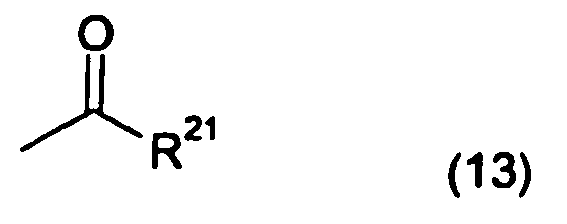
R21 (C1-C6)-Alkyl, Sulfo-(C1-C6)-Alkyl, Carboxy-(C1-C6)-Alkyl oder Phenyl ist, das unsubstituiert oder durch (C1-C4)-Alkyl, (C1-C4)-Alkoxy, Sulfo, Halogen, Carboxy, Acetamido, Ureido substituiert ist; und
b, f, v unabhängig voneinander für 0 oder 1 stehen; und
R*, Wasserstoff, (C1-C4)-Alkyl oder eine Gruppe der Formel (14)
-CH2-SO3M (14)
sind;
T für Hydroxy oder NH2 steht, wobei für T gleich NH2 v für 0 steht und
M Wasserstoff, ein Alkalimetall oder ein Äquivalent eines Erdalkalimetalls bedeutet,
wobei die Mischungen die Farbstoffe der allgemeinen Formeln (I) - (III) mindestens eine faserreaktive Gruppe der Formel -SO2-Z oder -Z2 enthalten. - Reaktivfarbstoffmischungen gemäß Ansprüche 1, enthaltend einen oder mehrere Monoazofarbstoffe der Formel (15) und/oder einen oder mehrere Monoazofarbstoffe der Formel (16) mit jeweils 0.5 bis 6 Gew.-%,

- Reaktivfarbstoffmischungen gemäß mindestens einem der Ansprüche 1 bis 2, enthaltend einen oder mehrere Monoazofarbstoffe der allgemeinen Formeln (17) bis (18), jeweils in einer Menge von 0 - 10 Gew.-%,

- Reaktivfarbstoffmischungen gemäß mindestens einem der Ansprüche 1 bis 3, dadurch gekennzeichnet, dass sie zusätzlich mindestens einen den nachstehend angegebenen un definierten allgemeinen Formeln (Ga)-(Gf) entsprechenden Farbstoff als weitere Misch- bzw. Nuancierkomponente enthalten


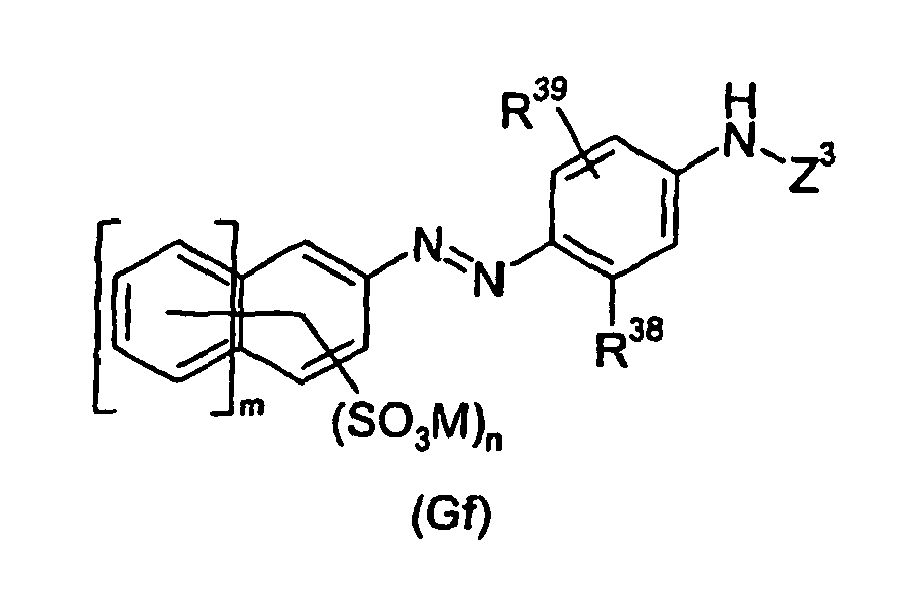 D6, D7, D8, D9, D10 eine der Bedeutungen von D1, D2, D3, D4 oder D5 besitzen, wobei D6, wenn R31 nicht für eine Gruppe der allgemeinen Formel (4) oder (5) steht, sowie D7 oder D8 und D10 mindestens eine faserreaktive Gruppe der Formel -SO2Z oder Z2 enthalten;R31 Wasserstoff, Acetyl, Carbamoyl, Sulfomethyl ist oder für eine Gruppe der allgemeinen Formel (4-1) oder (5-1) steht,
 V1 Fluor oder Chlor bedeutet;U11, U21 unabhängig voneinander Fluor, Chlor oder Wasserstoff sind;
undQ11, Q21 unabhängig voneinander Chlor, Fluor, Cyanamido, Hydroxy, (C1-C6)-Alkoxy, Phenoxy, Sulfophenoxy, Mercapto, (C1-C6)-Alkylmercapto, Pyridino, Carboxypyridino, Carbamoylpyridino oder eine Gruppe der allgemeinen Formel (7-1) oder (8-1) bedeuten R81 Wasserstoff oder (C1-C6)-Alkyl, Sulfo-(C1-C6)-Alkyl, oder Phenyl ist, das unsubstituiert oder durch (C1-C4)-Alkyl, (C1-C4)-Alkoxy, Sulfo, Halogen, Carboxy, Acetamido, Ureido substituiert ist;R91 und R100 haben unabhängig voneinander eine der Bedeutungen von R81, oder bilden ein cyclisches Ringsystem der Formel -(CH2)j- wobei j 4 oder 5 bedeutet, oder alternativ -(CH2)2-E-(CH2)2-, wobei E Sauerstoff, Schwefel, Sulfonyl, -NR11 mit R11 = (C1-C6)-Alkyl ist;W1 ist Phenylen, das unsubstitutiert oder substituiert ist durch 1 oder 2 Substituenten, wie (C1-C4)-Alkyl, (C1-C4)-Alkoxy, Carboxy, Sulfo, Chlor, Brom, oder ist (C1-C4)-Alkylen-Arylen oder (C2-C6)-Alkylen, das unterbrochen sein kann durch Sauerstoff, Schwefel, Sulfonyl, Amino, Carbonyl, Carbonamido, oder ist Phenylen-CONH-Phenylen, das unsubstituiert oder durch (C1-C4)-Alkyl, (C1-C4)-Alkoxy, Hydroxy, Sulfo, Carboxy, Amido, Ureido oder Halogen substituiert ist, oder ist Naphthylen, das unsubstituiert oder durch eine oder durch eine oder zwei Sulfogruppen substituiert ist; undZ die in Anspruch 1 genannte Bedeutung hat,R32 Wasserstoff oder Sulfomethyl ist,R33 Methyl, Carboxy oder Carboxyalkyl mit C1- bis C4-Alkyl ist,R34 Wasserstoff oder Methyl ist,R35 Wasserstoff, Cyano, Carbamoyl, Carboxy oder Sulfomethyl ist,R36 Methyl, Ethyl oder β-Sulfoethyl ist,R37 Methyl, Carboxy oder Carboxyalkyl mit C1- bis C4-Alkyl ist,R38 Acetamido, Ureido oder Methyl ist,R39 Wasserstoff, Methyl oder Methoxy ist,m 0 oder 1 ist,n 1, 2 oder 3 ist,Z3 eine der Bedeutungen von Z2 hat, undM und Z eine der in Anspruch 1 genannten Bedeutungen haben.
 - Reaktivfarbstoffmischungen gemäß mindestens einem der Ansprüche 1 bis 4, dadurch gekennzeichnet, dass Z Vinyl, β-Chlorethyl oder β-Sulfatoethyl bedeutet.
- Reaktivfarbstoffmischungen gemäß mindestens einem der Ansprüche 1 bis 5, dadurch gekennzeichnet, dass Q1 und Q2 in der allgemeinen Formel (5) unabhängig voneinander Fluor, Chlor, Cyanamido, Morpholino, 2-Sulfophenylamino, 3-Sulfophenylamino, 4-Sulfophenylamino, 3-(2-Sulfatoethylsulfonyl)-phenylamino, 4-(2-Sulfatoethylsulfonyl)-phenylamino, 3-(Vinylsulfonyl)-phenylamino, 4-(Vinylsulfonyl)-phenylamino, N-Methyl-N-(2-(2-sulfatoethylsulfonyl)-ethyl)-amino oder N-Phenyl-N-(2-(2-sulfatoethylsulfonyl)-ethyl)-amino bedeuten.
- Reaktivfarbstoffmischungen gemäß Anspruch 1, enthaltend einen oder mehrere Farbstoffe der Formel (I) in einem Anteil von 25 bis 99 Gew.-% und einen oder mehrere Farbstoffe der Formel (II) in einem Anteil von 1 bis 75 Gew.-%.
- Verfahren zur Herstellung von Farbstoffmischungen gemäß einem oder mehreren der Ansprüche 1 bis 7, dadurch gekennzeichnet, dass die Einzelfarbstoffe der Formeln (I), (II) und gegebenenfalls (III) und (G) im vorgegebenen Verhältnis entweder in fester Form mechanism miteinander vermischt werden oder in Form der wässrigen Lösungen gemischt werden.
- Verfahren zur Herstellung von Farbstoffmischungen gemäß einem oder mehreren der Ansprüche 1 bis 7, für den Fall dass D1, D4 und ggf. D5 gemäß den allgemeinen Formeln (I), (II) und ggf (III) gleiche Bedeutung besitzen (D1 = D4 = D5), dadurch gekennzeichnet, dass man ein Amin der allgemeinen Formel (19)
D1-NH2 (19),
worin D1 wie in Anspruch 1 angegeben definiert ist, in üblicher Weise diazotiert und die erhaltene Diazoniumverbindung anschießend mit einer wässrigen Lösung oder Suspension einer Mischung mit festgelegtem Verhältnis eines Monoazofarbstoffs gemäß der allgemeinen Formel (15), einem Monoazofarbstoff gemäß der allgemeinen Formel (17) und ggf. einer Kupplungskomponente der allgemeinen Formel (20)
- Verfahren zur Herstellung von Farbstoffmischungen gemäß einem oder mehreren der Ansprüche 1 bis 7, für den Fall dass die Gruppen D2 und D3 sowie D1, D4 und ggf. D5 gemäß den allgemeinen Formeln (I), (II) und ggf. (III) gleiche Bedeutung besitzen (D2 = D3 und D1 = D4 = D5), dadurch gekennzeichnet, dass man ein Amin der allgemeinen Formel (21),
D2-NH2 (21),
worin D2 wie in Anspruch 1 angegeben definiert ist, in üblicher Weise diazotiert und auf eine Mischung der Kupplungskomponenten der allgemeinen Formeln (22) und (23)
- Verfahren zur Herstellung von Farbstoffmischungen gemäß einem oder mehreren der Ansprüche 1 bis 7, für den Fall, dass die Gruppen D1 bis D5 gemäß den allgemeinen Formeln (I), (II) und ggf. (III) gleiche Bedeutung besitzen (D1 = D2 = D3 = D4 = D5), dadurch gekennzeichnet, dass man ein Amin der allgemeinen Formel (19) in üblicher Weise diazotiert und auf eine Mischung mit festgelegtem Verhältnis der Kupplungskomponente der allgemeinen Formeln (22), (23) und ggf. (20) in erster Stufe zu einer Mischung der Monoazofarbstoffe der allgemeinen Formel (15) und (17) sowie ggf. der Kupplungskomponente der allgemeinen Formel (20) kuppelt, und daran anschließend durch Erhöhung des pH-Wertes die Zweitkupplung zur Mischung der Farbstoffe der allgemeinen Formeln (17) und ggf. einer Kupplungskomponente der allgemeinen Formel (I), (II) und ggf. (III) durchgeführt wird.
- Wässrige Flüssigpräparation, enthaltend eine Farbstoffmischung nach mindestens einem der Ansprüche 1 bis 11 mit einem Gesamtfarbstoffgehalt von 5-50 Gew.-%
- Verwendung von Reaktivfarbstoffmischungen gemäß einem oder mehreren der Ansprüche 1 bis 12 zum Färben von hydroxy- und/oder carbonamidgruppen-haltigem Fasermaterial.
Applications Claiming Priority (11)
| Application Number | Priority Date | Filing Date | Title |
|---|---|---|---|
| DE10212769A DE10212769A1 (de) | 2002-03-22 | 2002-03-22 | Farbstoffmischungen von faserreaktiven Azofarbstoffen, ihre Herstellung und ihre Verwendung |
| DE10212769 | 2002-03-22 | ||
| DE2002112770 DE10212770A1 (de) | 2002-03-22 | 2002-03-22 | Farbstoffmischungen von faserreaktiven Azofarbstoffen und ihre Verwendung |
| DE10212770 | 2002-03-22 | ||
| DE2002117478 DE10217478A1 (de) | 2002-04-19 | 2002-04-19 | Farbstoffmischungen von faserreaktiven Azofarbstoffen, ihre Herstellung und ihre Verwendung |
| DE2002117476 DE10217476A1 (de) | 2002-04-19 | 2002-04-19 | Farbstoffmischungen von faserreaktiven Azofarbstoffen, ihre Herstellung und ihre Verwendung |
| DE10217476 | 2002-04-19 | ||
| DE10217478 | 2002-04-19 | ||
| DE2003109406 DE10309406A1 (de) | 2003-03-05 | 2003-03-05 | Farbstoffmischungen von faserreaktiven Azofarbstoffen, ihre Herstellung und ihre Verwendung |
| DE10309406 | 2003-03-05 | ||
| PCT/EP2003/002836 WO2003080739A1 (de) | 2002-03-22 | 2003-03-18 | Farbstoffmischungen von faserreaktiven azofarbstoffen, ihre herstellung und ihre verwendung |
Publications (3)
| Publication Number | Publication Date |
|---|---|
| EP1490441A1 EP1490441A1 (de) | 2004-12-29 |
| EP1490441B1 EP1490441B1 (de) | 2008-09-10 |
| EP1490441B2 true EP1490441B2 (de) | 2012-12-26 |
Family
ID=28457949
Family Applications (1)
| Application Number | Title | Priority Date | Filing Date |
|---|---|---|---|
| EP03718695A Expired - Lifetime EP1490441B2 (de) | 2002-03-22 | 2003-03-18 | Farbstoffmischungen von faserreaktiven azofarbstoffen, ihre herstellung und ihre verwendung |
Country Status (15)
| Country | Link |
|---|---|
| US (2) | US7455699B2 (de) |
| EP (1) | EP1490441B2 (de) |
| JP (1) | JP4534093B2 (de) |
| KR (1) | KR100890687B1 (de) |
| CN (1) | CN100434483C (de) |
| AT (1) | ATE407978T1 (de) |
| AU (1) | AU2003222770A1 (de) |
| BR (1) | BRPI0308755B1 (de) |
| CA (1) | CA2477718C (de) |
| DE (2) | DE10212769A1 (de) |
| MX (1) | MXPA04009131A (de) |
| PT (1) | PT1490441E (de) |
| TW (1) | TWI289587B (de) |
| WO (1) | WO2003080739A1 (de) |
| ZA (1) | ZA200406383B (de) |
Families Citing this family (27)
| Publication number | Priority date | Publication date | Assignee | Title |
|---|---|---|---|---|
| DE10217477A1 (de) * | 2002-04-19 | 2003-11-06 | Dystar Textilfarben Gmbh & Co | Faserreaktive Azofarbstoffe, deren Herstellung und ihre Verwendung |
| JP4486810B2 (ja) | 2003-01-08 | 2010-06-23 | 富士フイルム株式会社 | 着色組成物及びインクジェット記録方法 |
| MY158815A (en) * | 2003-04-01 | 2016-11-15 | Ciba Specialty Chemicals Holding Inc | Mixture of reactive dyes and their use |
| DE10337636A1 (de) * | 2003-08-16 | 2005-03-17 | Dystar Textilfarben Gmbh & Co. Deutschland Kg | Farbstoffmischungen von faserreaktiven Azofarbstoffen, ihre Herstellung und ihre Verwendung |
| EP1675915A1 (de) * | 2003-10-20 | 2006-07-05 | Ciba SC Holding AG | Mischungen von reaktionsfarbstoffen und deren verwendung |
| EP1713865B1 (de) * | 2004-02-13 | 2012-11-28 | Huntsman Advanced Materials (Switzerland) GmbH | Mischungen von reaktivfarbstoffen und ihre verwendung |
| GB0411589D0 (en) * | 2004-05-24 | 2004-06-23 | Dystar Textilfarben Gmbh & Co | Mixtures of fibre reactive azo dyes |
| DE102004042521A1 (de) * | 2004-09-02 | 2006-03-09 | Dystar Textilfarben Gmbh & Co. Deutschland Kg | Farbstoffmischungen von faserreaktiven Azofarbstoffen, ihre Herstellung und ihre Verwendung |
| CH695613A5 (de) * | 2005-06-08 | 2006-07-14 | Bezema Ag | Mischungen von schwermetallfreien faserreaktiven Farbstoffen auf der Basis von Triazo-Verbindungen, deren Herstellung und Verwendung. |
| DE102005047391A1 (de) * | 2005-10-05 | 2007-04-12 | Dystar Textilfarben Gmbh & Co. Deutschland Kg | Farbstoffe und Farbstoffmischungen von faserreaktiven Azofarbstoffen, ihre Herstellung und ihre Verwendung |
| CN101440227B (zh) * | 2007-11-22 | 2012-10-03 | 上海雅运精细化工有限公司 | 黄色活性染料组合物及其应用 |
| CN102250491B (zh) * | 2010-05-17 | 2013-04-10 | 中国中化股份有限公司 | 双偶氮活性染料 |
| CN103031004B (zh) * | 2010-08-27 | 2015-07-15 | 天津德凯化工股份有限公司 | 一种活性兰染料及其制备方法 |
| WO2013021352A2 (en) | 2011-08-10 | 2013-02-14 | Colourtex Industries Limited | Black mixtures of fibre reactive azo reactive dyestuffs |
| CN102504586A (zh) * | 2011-09-28 | 2012-06-20 | 天津德凯化工股份有限公司 | 一种蓝色活性染料及其制备方法 |
| CN102504584B (zh) * | 2011-09-28 | 2016-04-27 | 天津德凯化工股份有限公司 | 一种偶氮型蓝色活性蓝染料、制备方法及其应用 |
| CN102433029B (zh) * | 2011-09-28 | 2013-08-07 | 吴江桃源染料有限公司 | 一种活性黑色染料混合物 |
| CN103073917B (zh) * | 2012-12-31 | 2014-09-03 | 浙江瑞华化工有限公司 | 一种黑色活性染料组合物 |
| CN103087549A (zh) * | 2012-12-31 | 2013-05-08 | 浙江瑞华化工有限公司 | 一种新型活性藏青染料及其制备方法 |
| GB201317952D0 (en) | 2013-10-10 | 2013-11-27 | Guest John Int Ltd | A connector for connecting to a tube |
| CN104327543A (zh) * | 2014-10-13 | 2015-02-04 | 天津德凯化工股份有限公司 | 一种藏青色尼龙活性染料 |
| CN104861739A (zh) * | 2015-04-29 | 2015-08-26 | 浙江亿得化工有限公司 | 红色活性染料及其制备方法 |
| TWI683863B (zh) | 2015-09-22 | 2020-02-01 | 德商德司達染料分銷有限公司 | 纖維活性染料之混合物 |
| NL2018826B1 (en) * | 2017-05-02 | 2018-11-09 | Spgprints B V | One-pot synthesis of reactive deep black |
| CN107987555B (zh) * | 2017-09-08 | 2019-12-31 | 浙江科永化工有限公司 | 一种活性蓝至黑染料组合物及染料制品 |
| CN107987556B (zh) * | 2017-12-04 | 2020-01-21 | 湖北华丽染料工业有限公司 | 一种复合活性黑染料 |
| PE20252246A1 (es) * | 2023-02-17 | 2025-09-15 | Archroma Switzerland Gmbh | Nueva clase de tintes azo dispersos, un proceso para la preparacion de los mismos y el uso de los mismos |
Citations (2)
| Publication number | Priority date | Publication date | Assignee | Title |
|---|---|---|---|---|
| JPH01289868A (ja) † | 1988-05-17 | 1989-11-21 | Kiwa Kagaku Kogyo Kk | ジスアゾ染料とその製法及び黒色反応染料混合物 |
| DE19600765A1 (de) † | 1996-01-11 | 1997-07-17 | Basf Ag | Reaktive Azofarbstoffe mit einer Kupplungskomponente aus der Reihe der Aminonaphthalinsulfonsäuren sowie deren Zwischenprodukte |
Family Cites Families (22)
| Publication number | Priority date | Publication date | Assignee | Title |
|---|---|---|---|---|
| NL74990C (de) | 1950-01-09 | |||
| JPS594451B2 (ja) | 1978-07-21 | 1984-01-30 | 住友化学工業株式会社 | ジスアゾ染料の製法 |
| JPS58160362A (ja) | 1982-03-17 | 1983-09-22 | Sumitomo Chem Co Ltd | 反応染料組成物、その製法およびそれを用いる繊維の染色方法 |
| JPH0812887B2 (ja) * | 1985-04-13 | 1996-02-07 | 富士通株式会社 | 高速集積回路パツケ−ジ |
| TW222298B (en) * | 1991-10-23 | 1994-04-11 | Hoechst Ag | Fiber reactive dyes which contain a sulfonamido-triazinyl group and one or two groups or the vinyl sulfone series |
| TW268967B (de) * | 1992-11-28 | 1996-01-21 | Hoechst Ag | |
| DE4405358A1 (de) * | 1994-02-19 | 1995-08-24 | Hoechst Ag | Reaktivfarbstoffmischungen |
| DE4415313A1 (de) * | 1994-05-02 | 1995-11-09 | Hoechst Ag | Mischungen von faserreaktiven Farbstoffen und deren Verwendung zum Färben von Fasermaterialien |
| DE4422864A1 (de) | 1994-06-30 | 1996-01-04 | Hoechst Ag | Mit polymeren Aminverbindungen modifizierte synthetische cellulosische Fasern |
| DE19508156A1 (de) * | 1995-03-08 | 1996-09-12 | Hoechst Ag | Schwarze Farbstoffmischungen von faserreaktiven Azofarbstoffen und ihre Verwendung zum Färben von hydroxy- und/oder carbonamidgruppenhaltigem Fasermaterial |
| DE19519025C1 (de) * | 1995-05-24 | 1996-12-05 | Hoechst Ag | Hochgradig mit Alkylsulfonsäureresten veretherte Stärke |
| DE19549408A1 (de) | 1995-05-24 | 1997-01-09 | Hoechst Ag | Mit hochsubstituierter Stärke aminierte Celluloseregeneratfasern |
| US5611821A (en) * | 1995-09-16 | 1997-03-18 | Everlight Usa, Inc. | Black reactive dye composition |
| SG68660A1 (en) | 1997-04-07 | 1999-11-16 | Ciba Sc Holding Ag | Mixtures of reactive dyes and their use |
| US6011995A (en) * | 1997-12-29 | 2000-01-04 | The Regents Of The University Of California | Endovascular device for hyperthermia and angioplasty and method for using the same |
| DE59906709D1 (de) * | 1998-07-27 | 2003-09-25 | Ciba Sc Holding Ag | Reaktivfarbstoffe, mischungen von reaktivfarbstoffen, deren herstellung und deren verwendung |
| TW466263B (en) | 1998-07-28 | 2001-12-01 | Dystar Textilfarben Gmbh & Amp | Fiber-reactive black dye mixtures and use thereof for dyeing hydroxy-and/or carboxamido-containing fiber material |
| US6171349B1 (en) * | 1999-01-20 | 2001-01-09 | Everlight Usa, Inc. | Reactive dye composition |
| US6036732A (en) * | 1999-04-30 | 2000-03-14 | Dystar Textilfarben Gmbh & Co. Deuschland Kg | Black dye mixtures of fiber-reactive azo dyes, methods for their preparation and use thereof for dyeing hydroxy-and/or carboxamido-cont |
| AU2002344364A1 (en) * | 2001-06-01 | 2002-12-16 | Dystar Textilfarben Gmbh And Co. Deutschland Kg | Black dye mixtures of fiber-reactive azo dyes and use thereof for dyeing material containing hydroxy-and/or carboxamido groups |
| DE50309413D1 (de) | 2002-03-22 | 2008-04-30 | Dystar Textilfarben Gmbh & Co | Farbstoffmischungen von faserreaktiven azofarbstoffen, deren herstellung und ihre verwendung |
| KR100942560B1 (ko) | 2009-05-04 | 2010-02-12 | 김관정 | 자체 구동형 케이지 엘리베이터 |
-
2002
- 2002-03-22 DE DE10212769A patent/DE10212769A1/de not_active Withdrawn
-
2003
- 2003-03-18 AT AT03718695T patent/ATE407978T1/de not_active IP Right Cessation
- 2003-03-18 CN CNB038065843A patent/CN100434483C/zh not_active Expired - Fee Related
- 2003-03-18 KR KR1020047014948A patent/KR100890687B1/ko not_active Expired - Fee Related
- 2003-03-18 JP JP2003578477A patent/JP4534093B2/ja not_active Expired - Fee Related
- 2003-03-18 MX MXPA04009131A patent/MXPA04009131A/es active IP Right Grant
- 2003-03-18 BR BRPI0308755A patent/BRPI0308755B1/pt not_active IP Right Cessation
- 2003-03-18 PT PT03718695T patent/PT1490441E/pt unknown
- 2003-03-18 AU AU2003222770A patent/AU2003222770A1/en not_active Abandoned
- 2003-03-18 EP EP03718695A patent/EP1490441B2/de not_active Expired - Lifetime
- 2003-03-18 DE DE50310472T patent/DE50310472D1/de not_active Expired - Lifetime
- 2003-03-18 US US10/508,630 patent/US7455699B2/en not_active Expired - Lifetime
- 2003-03-18 CA CA2477718A patent/CA2477718C/en not_active Expired - Fee Related
- 2003-03-18 WO PCT/EP2003/002836 patent/WO2003080739A1/de not_active Ceased
- 2003-03-20 TW TW092106213A patent/TWI289587B/zh not_active IP Right Cessation
-
2004
- 2004-08-12 ZA ZA200406383A patent/ZA200406383B/en unknown
-
2008
- 2008-06-27 US US12/163,236 patent/US7708786B2/en not_active Expired - Lifetime
Patent Citations (2)
| Publication number | Priority date | Publication date | Assignee | Title |
|---|---|---|---|---|
| JPH01289868A (ja) † | 1988-05-17 | 1989-11-21 | Kiwa Kagaku Kogyo Kk | ジスアゾ染料とその製法及び黒色反応染料混合物 |
| DE19600765A1 (de) † | 1996-01-11 | 1997-07-17 | Basf Ag | Reaktive Azofarbstoffe mit einer Kupplungskomponente aus der Reihe der Aminonaphthalinsulfonsäuren sowie deren Zwischenprodukte |
Non-Patent Citations (1)
| Title |
|---|
| Künstliche Organische Farbstoffe und ihre Zwischenprodukte, H.R.Schweizer,Springer Verlag, Berlin-Göttingen-Heidelberg,1964, Seite 125 † |
Also Published As
| Publication number | Publication date |
|---|---|
| KR20050019066A (ko) | 2005-02-28 |
| DE50310472D1 (de) | 2008-10-23 |
| MXPA04009131A (es) | 2004-12-07 |
| CA2477718C (en) | 2010-07-13 |
| DE10212769A1 (de) | 2003-10-02 |
| JP4534093B2 (ja) | 2010-09-01 |
| HK1075267A1 (zh) | 2005-12-09 |
| EP1490441B1 (de) | 2008-09-10 |
| US7708786B2 (en) | 2010-05-04 |
| WO2003080739A1 (de) | 2003-10-02 |
| JP2005520909A (ja) | 2005-07-14 |
| US20050166339A1 (en) | 2005-08-04 |
| CA2477718A1 (en) | 2003-10-02 |
| US7455699B2 (en) | 2008-11-25 |
| BRPI0308755B1 (pt) | 2015-09-15 |
| TWI289587B (en) | 2007-11-11 |
| EP1490441A1 (de) | 2004-12-29 |
| CN100434483C (zh) | 2008-11-19 |
| BR0308755A (pt) | 2005-01-11 |
| ATE407978T1 (de) | 2008-09-15 |
| CN1643079A (zh) | 2005-07-20 |
| US20090025152A1 (en) | 2009-01-29 |
| TW200306335A (en) | 2003-11-16 |
| ZA200406383B (en) | 2006-05-31 |
| PT1490441E (pt) | 2008-11-03 |
| AU2003222770A1 (en) | 2003-10-08 |
| KR100890687B1 (ko) | 2009-03-26 |
Similar Documents
| Publication | Publication Date | Title |
|---|---|---|
| EP1490441B2 (de) | Farbstoffmischungen von faserreaktiven azofarbstoffen, ihre herstellung und ihre verwendung | |
| EP1508596B1 (de) | Farbstoffmischungen von faserreaktiven Azofarbstoffen, ihre Herstellung und ihre Verwendung | |
| EP2035507B1 (de) | Farbstoffmischungen von faserreaktiven azofarbstoffen, ihre herstellung und ihre verwendung | |
| DE102005047391A1 (de) | Farbstoffe und Farbstoffmischungen von faserreaktiven Azofarbstoffen, ihre Herstellung und ihre Verwendung | |
| DE102007005795A1 (de) | Mischungen von faserreaktiven Azofarbstoffen | |
| EP1508598B1 (de) | Farbstoffmischungen von faserreaktiven Azofarbstoffen, ihre Herstellung und ihre Verwendung | |
| EP1490442B1 (de) | Farbstoffmischungen von faserreaktiven azofarbstoffen, deren herstellung und ihre verwendung | |
| EP1789499B1 (de) | Farbstoffmischungen von faserreaktiven azofarbstoffen, ihre herstellung und ihre verwendung | |
| EP1397438B1 (de) | Farbstoffmischungen von faserrektiven azofarbstoffen und ihre verwendung | |
| EP1397439B1 (de) | Farbstoffmischungen von faserreaktiven azofarbstoffen und ihre verwendung | |
| DE10217477A1 (de) | Faserreaktive Azofarbstoffe, deren Herstellung und ihre Verwendung | |
| DE102009000423A1 (de) | Faserreaktive Kupferkomplex-Disazofarbstoffe | |
| DE10309406A1 (de) | Farbstoffmischungen von faserreaktiven Azofarbstoffen, ihre Herstellung und ihre Verwendung | |
| DE10212770A1 (de) | Farbstoffmischungen von faserreaktiven Azofarbstoffen und ihre Verwendung | |
| DE10217478A1 (de) | Farbstoffmischungen von faserreaktiven Azofarbstoffen, ihre Herstellung und ihre Verwendung | |
| DE10217476A1 (de) | Farbstoffmischungen von faserreaktiven Azofarbstoffen, ihre Herstellung und ihre Verwendung | |
| EP1501898B1 (de) | Wasserlösliche faserreaktive farbstoffe, verfahren zu ihrer herstellung und ihre verwendung | |
| EP1316587A2 (de) | Mischungen von faserreaktiven Bisazofarbstoffen und ihre Verwendung | |
| DE10212772A1 (de) | Farbstoffmischungen von faserreaktiven Azofarbstoffen, deren Herstellung und ihre Verwendung | |
| DE10217479A1 (de) | Farbstoffmischungen von faserreaktiven Azofarbstoffen, ihre Herstellung und ihre Verwendung |
Legal Events
| Date | Code | Title | Description |
|---|---|---|---|
| PUAI | Public reference made under article 153(3) epc to a published international application that has entered the european phase |
Free format text: ORIGINAL CODE: 0009012 |
|
| 17P | Request for examination filed |
Effective date: 20041022 |
|
| AK | Designated contracting states |
Kind code of ref document: A1 Designated state(s): AT BE BG CH CY CZ DE DK EE ES FI FR GB GR HU IE IT LI LU MC NL PT RO SE SI SK TR |
|
| AX | Request for extension of the european patent |
Extension state: AL LT LV MK |
|
| 17Q | First examination report despatched |
Effective date: 20070802 |
|
| GRAP | Despatch of communication of intention to grant a patent |
Free format text: ORIGINAL CODE: EPIDOSNIGR1 |
|
| GRAS | Grant fee paid |
Free format text: ORIGINAL CODE: EPIDOSNIGR3 |
|
| GRAA | (expected) grant |
Free format text: ORIGINAL CODE: 0009210 |
|
| AK | Designated contracting states |
Kind code of ref document: B1 Designated state(s): AT BE BG CH CY CZ DE DK EE ES FI FR GB GR HU IE IT LI LU MC NL PT RO SE SI SK TR |
|
| REG | Reference to a national code |
Ref country code: GB Ref legal event code: FG4D Free format text: NOT ENGLISH |
|
| REG | Reference to a national code |
Ref country code: CH Ref legal event code: EP |
|
| REG | Reference to a national code |
Ref country code: IE Ref legal event code: FG4D Free format text: LANGUAGE OF EP DOCUMENT: GERMAN |
|
| REF | Corresponds to: |
Ref document number: 50310472 Country of ref document: DE Date of ref document: 20081023 Kind code of ref document: P |
|
| REG | Reference to a national code |
Ref country code: PT Ref legal event code: SC4A Free format text: AVAILABILITY OF NATIONAL TRANSLATION Effective date: 20081023 |
|
| PG25 | Lapsed in a contracting state [announced via postgrant information from national office to epo] |
Ref country code: FI Free format text: LAPSE BECAUSE OF FAILURE TO SUBMIT A TRANSLATION OF THE DESCRIPTION OR TO PAY THE FEE WITHIN THE PRESCRIBED TIME-LIMIT Effective date: 20080910 Ref country code: SI Free format text: LAPSE BECAUSE OF FAILURE TO SUBMIT A TRANSLATION OF THE DESCRIPTION OR TO PAY THE FEE WITHIN THE PRESCRIBED TIME-LIMIT Effective date: 20080910 |
|
| NLV1 | Nl: lapsed or annulled due to failure to fulfill the requirements of art. 29p and 29m of the patents act | ||
| REG | Reference to a national code |
Ref country code: IE Ref legal event code: FD4D |
|
| PG25 | Lapsed in a contracting state [announced via postgrant information from national office to epo] |
Ref country code: IE Free format text: LAPSE BECAUSE OF FAILURE TO SUBMIT A TRANSLATION OF THE DESCRIPTION OR TO PAY THE FEE WITHIN THE PRESCRIBED TIME-LIMIT Effective date: 20080910 Ref country code: BG Free format text: LAPSE BECAUSE OF FAILURE TO SUBMIT A TRANSLATION OF THE DESCRIPTION OR TO PAY THE FEE WITHIN THE PRESCRIBED TIME-LIMIT Effective date: 20081210 Ref country code: ES Free format text: LAPSE BECAUSE OF FAILURE TO SUBMIT A TRANSLATION OF THE DESCRIPTION OR TO PAY THE FEE WITHIN THE PRESCRIBED TIME-LIMIT Effective date: 20081221 |
|
| PG25 | Lapsed in a contracting state [announced via postgrant information from national office to epo] |
Ref country code: CZ Free format text: LAPSE BECAUSE OF FAILURE TO SUBMIT A TRANSLATION OF THE DESCRIPTION OR TO PAY THE FEE WITHIN THE PRESCRIBED TIME-LIMIT Effective date: 20080910 Ref country code: RO Free format text: LAPSE BECAUSE OF FAILURE TO SUBMIT A TRANSLATION OF THE DESCRIPTION OR TO PAY THE FEE WITHIN THE PRESCRIBED TIME-LIMIT Effective date: 20080910 Ref country code: SK Free format text: LAPSE BECAUSE OF FAILURE TO SUBMIT A TRANSLATION OF THE DESCRIPTION OR TO PAY THE FEE WITHIN THE PRESCRIBED TIME-LIMIT Effective date: 20080910 Ref country code: NL Free format text: LAPSE BECAUSE OF FAILURE TO SUBMIT A TRANSLATION OF THE DESCRIPTION OR TO PAY THE FEE WITHIN THE PRESCRIBED TIME-LIMIT Effective date: 20080910 |
|
| PLBI | Opposition filed |
Free format text: ORIGINAL CODE: 0009260 |
|
| PLAX | Notice of opposition and request to file observation + time limit sent |
Free format text: ORIGINAL CODE: EPIDOSNOBS2 |
|
| 26 | Opposition filed |
Opponent name: HUNTSMAN ADVANCED MATERIALS (SWITZERLAND) GMBH Effective date: 20090603 |
|
| PG25 | Lapsed in a contracting state [announced via postgrant information from national office to epo] |
Ref country code: EE Free format text: LAPSE BECAUSE OF FAILURE TO SUBMIT A TRANSLATION OF THE DESCRIPTION OR TO PAY THE FEE WITHIN THE PRESCRIBED TIME-LIMIT Effective date: 20080910 Ref country code: DK Free format text: LAPSE BECAUSE OF FAILURE TO SUBMIT A TRANSLATION OF THE DESCRIPTION OR TO PAY THE FEE WITHIN THE PRESCRIBED TIME-LIMIT Effective date: 20080910 |
|
| PG25 | Lapsed in a contracting state [announced via postgrant information from national office to epo] |
Ref country code: IT Free format text: LAPSE BECAUSE OF FAILURE TO SUBMIT A TRANSLATION OF THE DESCRIPTION OR TO PAY THE FEE WITHIN THE PRESCRIBED TIME-LIMIT Effective date: 20080910 |
|
| PG25 | Lapsed in a contracting state [announced via postgrant information from national office to epo] |
Ref country code: MC Free format text: LAPSE BECAUSE OF NON-PAYMENT OF DUE FEES Effective date: 20090331 |
|
| PLAF | Information modified related to communication of a notice of opposition and request to file observations + time limit |
Free format text: ORIGINAL CODE: EPIDOSCOBS2 |
|
| PG25 | Lapsed in a contracting state [announced via postgrant information from national office to epo] |
Ref country code: SE Free format text: LAPSE BECAUSE OF FAILURE TO SUBMIT A TRANSLATION OF THE DESCRIPTION OR TO PAY THE FEE WITHIN THE PRESCRIBED TIME-LIMIT Effective date: 20081210 |
|
| 29U | Proceedings interrupted after grant according to rule 142 epc |
Effective date: 20091201 |
|
| 29W | Proceedings resumed after grant [after interruption of proceedings according to rule 142 epc] |
Effective date: 20100802 |
|
| PG25 | Lapsed in a contracting state [announced via postgrant information from national office to epo] |
Ref country code: AT Free format text: LAPSE BECAUSE OF NON-PAYMENT OF DUE FEES Effective date: 20090318 |
|
| RAP2 | Party data changed (patent owner data changed or rights of a patent transferred) |
Owner name: DYSTAR COLOURS DEUTSCHLAND GMBH |
|
| PG25 | Lapsed in a contracting state [announced via postgrant information from national office to epo] |
Ref country code: GR Free format text: LAPSE BECAUSE OF FAILURE TO SUBMIT A TRANSLATION OF THE DESCRIPTION OR TO PAY THE FEE WITHIN THE PRESCRIBED TIME-LIMIT Effective date: 20081211 |
|
| PLBB | Reply of patent proprietor to notice(s) of opposition received |
Free format text: ORIGINAL CODE: EPIDOSNOBS3 |
|
| REG | Reference to a national code |
Ref country code: GB Ref legal event code: 732E Free format text: REGISTERED BETWEEN 20110303 AND 20110309 |
|
| PG25 | Lapsed in a contracting state [announced via postgrant information from national office to epo] |
Ref country code: LU Free format text: LAPSE BECAUSE OF NON-PAYMENT OF DUE FEES Effective date: 20090318 |
|
| PG25 | Lapsed in a contracting state [announced via postgrant information from national office to epo] |
Ref country code: HU Free format text: LAPSE BECAUSE OF FAILURE TO SUBMIT A TRANSLATION OF THE DESCRIPTION OR TO PAY THE FEE WITHIN THE PRESCRIBED TIME-LIMIT Effective date: 20090311 |
|
| REG | Reference to a national code |
Ref country code: FR Ref legal event code: TP |
|
| PG25 | Lapsed in a contracting state [announced via postgrant information from national office to epo] |
Ref country code: CY Free format text: LAPSE BECAUSE OF FAILURE TO SUBMIT A TRANSLATION OF THE DESCRIPTION OR TO PAY THE FEE WITHIN THE PRESCRIBED TIME-LIMIT Effective date: 20080910 |
|
| PLAY | Examination report in opposition despatched + time limit |
Free format text: ORIGINAL CODE: EPIDOSNORE2 |
|
| RAP2 | Party data changed (patent owner data changed or rights of a patent transferred) |
Owner name: DYSTAR COLOURS DISTRIBUTION GMBH |
|
| PLBC | Reply to examination report in opposition received |
Free format text: ORIGINAL CODE: EPIDOSNORE3 |
|
| REG | Reference to a national code |
Ref country code: DE Ref legal event code: R081 Ref document number: 50310472 Country of ref document: DE Owner name: DYSTAR COLOURS DISTRIBUTION GMBH, DE Free format text: FORMER OWNER: DYSTAR COLOURS DEUTSCHLAND GMBH, 65929 FRANKFURT, DE Effective date: 20111216 |
|
| RIC2 | Information provided on ipc code assigned after grant |
Ipc: C09B 67/00 20060101AFI20120223BHEP |
|
| REG | Reference to a national code |
Ref country code: GB Ref legal event code: 732E Free format text: REGISTERED BETWEEN 20120726 AND 20120801 |
|
| REG | Reference to a national code |
Ref country code: PT Ref legal event code: PC4A Owner name: DYSTAR COLOURS DISTRIBUTION GMBH, DE Effective date: 20121015 |
|
| REG | Reference to a national code |
Ref country code: CH Ref legal event code: PUE Owner name: DYSTAR COLOURS DISTRIBUTION GMBH Free format text: DYSTAR TEXTILFARBEN GMBH & CO. DEUTSCHLAND KG#INDUSTRIEPARK HOECHST, GEBAEUDE B 598#65926 FRANKFURT AM MAIN (DE) -TRANSFER TO- DYSTAR COLOURS DISTRIBUTION GMBH#INDUSTRIEPARK HOECHST#65926 FRANKFURT AM MAIN (DE) |
|
| PUAH | Patent maintained in amended form |
Free format text: ORIGINAL CODE: 0009272 |
|
| STAA | Information on the status of an ep patent application or granted ep patent |
Free format text: STATUS: PATENT MAINTAINED AS AMENDED |
|
| 27A | Patent maintained in amended form |
Effective date: 20121226 |
|
| AK | Designated contracting states |
Kind code of ref document: B2 Designated state(s): AT BE BG CH CY CZ DE DK EE ES FI FR GB GR HU IE IT LI LU MC NL PT RO SE SI SK TR |
|
| REG | Reference to a national code |
Ref country code: CH Ref legal event code: AELC |
|
| REG | Reference to a national code |
Ref country code: DE Ref legal event code: R102 Ref document number: 50310472 Country of ref document: DE Effective date: 20121226 |
|
| REG | Reference to a national code |
Ref country code: CH Ref legal event code: NV Representative=s name: FIAMMENGHI-FIAMMENGHI, CH |
|
| REG | Reference to a national code |
Ref country code: DE Ref legal event code: R082 Ref document number: 50310472 Country of ref document: DE Representative=s name: KILBURN & STRODE LLP, GB |
|
| REG | Reference to a national code |
Ref country code: DE Ref legal event code: R082 Ref document number: 50310472 Country of ref document: DE Representative=s name: KILBURN & STRODE LLP, GB |
|
| REG | Reference to a national code |
Ref country code: DE Ref legal event code: R081 Ref document number: 50310472 Country of ref document: DE Owner name: DYSTAR COLOURS DISTRIBUTION GMBH, DE Free format text: FORMER OWNER: DYSTAR COLOURS DISTRIBUTION GMBH, 65479 RAUNHEIM, DE Effective date: 20130710 Ref country code: DE Ref legal event code: R081 Ref document number: 50310472 Country of ref document: DE Owner name: DYSTAR COLOURS DISTRIBUTION GMBH, DE Free format text: FORMER OWNER: DYSTAR COLOURS DISTRIBUTION GMBH, 65929 FRANKFURT, DE Effective date: 20130709 Ref country code: DE Ref legal event code: R082 Ref document number: 50310472 Country of ref document: DE Representative=s name: KILBURN & STRODE LLP, GB Effective date: 20130710 Ref country code: DE Ref legal event code: R082 Ref document number: 50310472 Country of ref document: DE Representative=s name: KILBURN & STRODE LLP, GB Effective date: 20130709 |
|
| REG | Reference to a national code |
Ref country code: FR Ref legal event code: PLFP Year of fee payment: 13 |
|
| REG | Reference to a national code |
Ref country code: FR Ref legal event code: TP Owner name: DYSTAR COLOURS DISTRIBUTION GMBH, DE Effective date: 20151022 |
|
| REG | Reference to a national code |
Ref country code: FR Ref legal event code: PLFP Year of fee payment: 14 |
|
| REG | Reference to a national code |
Ref country code: FR Ref legal event code: PLFP Year of fee payment: 15 |
|
| REG | Reference to a national code |
Ref country code: FR Ref legal event code: PLFP Year of fee payment: 16 |
|
| PGFP | Annual fee paid to national office [announced via postgrant information from national office to epo] |
Ref country code: PT Payment date: 20200304 Year of fee payment: 18 Ref country code: GB Payment date: 20200326 Year of fee payment: 18 |
|
| PGFP | Annual fee paid to national office [announced via postgrant information from national office to epo] |
Ref country code: CH Payment date: 20200324 Year of fee payment: 18 Ref country code: BE Payment date: 20200325 Year of fee payment: 18 |
|
| PGFP | Annual fee paid to national office [announced via postgrant information from national office to epo] |
Ref country code: TR Payment date: 20200306 Year of fee payment: 18 Ref country code: FR Payment date: 20200326 Year of fee payment: 18 |
|
| PGFP | Annual fee paid to national office [announced via postgrant information from national office to epo] |
Ref country code: DE Payment date: 20200331 Year of fee payment: 18 |
|
| REG | Reference to a national code |
Ref country code: DE Ref legal event code: R082 Ref document number: 50310472 Country of ref document: DE Representative=s name: KILBURN & STRODE LLP, NL |
|
| REG | Reference to a national code |
Ref country code: DE Ref legal event code: R119 Ref document number: 50310472 Country of ref document: DE |
|
| REG | Reference to a national code |
Ref country code: CH Ref legal event code: PL |
|
| GBPC | Gb: european patent ceased through non-payment of renewal fee |
Effective date: 20210318 |
|
| PG25 | Lapsed in a contracting state [announced via postgrant information from national office to epo] |
Ref country code: PT Free format text: LAPSE BECAUSE OF NON-PAYMENT OF DUE FEES Effective date: 20210920 |
|
| REG | Reference to a national code |
Ref country code: BE Ref legal event code: MM Effective date: 20210331 |
|
| PG25 | Lapsed in a contracting state [announced via postgrant information from national office to epo] |
Ref country code: CH Free format text: LAPSE BECAUSE OF NON-PAYMENT OF DUE FEES Effective date: 20210331 Ref country code: LI Free format text: LAPSE BECAUSE OF NON-PAYMENT OF DUE FEES Effective date: 20210331 Ref country code: DE Free format text: LAPSE BECAUSE OF NON-PAYMENT OF DUE FEES Effective date: 20211001 Ref country code: GB Free format text: LAPSE BECAUSE OF NON-PAYMENT OF DUE FEES Effective date: 20210318 Ref country code: FR Free format text: LAPSE BECAUSE OF NON-PAYMENT OF DUE FEES Effective date: 20210331 |
|
| PG25 | Lapsed in a contracting state [announced via postgrant information from national office to epo] |
Ref country code: BE Free format text: LAPSE BECAUSE OF NON-PAYMENT OF DUE FEES Effective date: 20210331 |