EP1491631B1 - Procede de criblage d'inhibiteurs de transporteurs - Google Patents
Procede de criblage d'inhibiteurs de transporteurs Download PDFInfo
- Publication number
- EP1491631B1 EP1491631B1 EP03715597.5A EP03715597A EP1491631B1 EP 1491631 B1 EP1491631 B1 EP 1491631B1 EP 03715597 A EP03715597 A EP 03715597A EP 1491631 B1 EP1491631 B1 EP 1491631B1
- Authority
- EP
- European Patent Office
- Prior art keywords
- transporter
- virus
- channel
- activity
- transporters
- Prior art date
- Legal status (The legal status is an assumption and is not a legal conclusion. Google has not performed a legal analysis and makes no representation as to the accuracy of the status listed.)
- Expired - Lifetime
Links
Images


Classifications
-
- C—CHEMISTRY; METALLURGY
- C12—BIOCHEMISTRY; BEER; SPIRITS; WINE; VINEGAR; MICROBIOLOGY; ENZYMOLOGY; MUTATION OR GENETIC ENGINEERING
- C12N—MICROORGANISMS OR ENZYMES; COMPOSITIONS THEREOF; PROPAGATING, PRESERVING, OR MAINTAINING MICROORGANISMS; MUTATION OR GENETIC ENGINEERING; CULTURE MEDIA
- C12N15/00—Mutation or genetic engineering; DNA or RNA concerning genetic engineering, vectors, e.g. plasmids, or their isolation, preparation or purification; Use of hosts therefor
- C12N15/09—Recombinant DNA-technology
- C12N15/63—Introduction of foreign genetic material using vectors; Vectors; Use of hosts therefor; Regulation of expression
- C12N15/79—Vectors or expression systems specially adapted for eukaryotic hosts
- C12N15/85—Vectors or expression systems specially adapted for eukaryotic hosts for animal cells
- C12N15/86—Viral vectors
-
- C—CHEMISTRY; METALLURGY
- C07—ORGANIC CHEMISTRY
- C07K—PEPTIDES
- C07K14/00—Peptides having more than 20 amino acids; Gastrins; Somatostatins; Melanotropins; Derivatives thereof
- C07K14/435—Peptides having more than 20 amino acids; Gastrins; Somatostatins; Melanotropins; Derivatives thereof from animals; from humans
- C07K14/705—Receptors; Cell surface antigens; Cell surface determinants
-
- C—CHEMISTRY; METALLURGY
- C12—BIOCHEMISTRY; BEER; SPIRITS; WINE; VINEGAR; MICROBIOLOGY; ENZYMOLOGY; MUTATION OR GENETIC ENGINEERING
- C12N—MICROORGANISMS OR ENZYMES; COMPOSITIONS THEREOF; PROPAGATING, PRESERVING, OR MAINTAINING MICROORGANISMS; MUTATION OR GENETIC ENGINEERING; CULTURE MEDIA
- C12N7/00—Viruses; Bacteriophages; Compositions thereof; Preparation or purification thereof
-
- A—HUMAN NECESSITIES
- A61—MEDICAL OR VETERINARY SCIENCE; HYGIENE
- A61K—PREPARATIONS FOR MEDICAL, DENTAL OR TOILETRY PURPOSES
- A61K38/00—Medicinal preparations containing peptides
-
- C—CHEMISTRY; METALLURGY
- C12—BIOCHEMISTRY; BEER; SPIRITS; WINE; VINEGAR; MICROBIOLOGY; ENZYMOLOGY; MUTATION OR GENETIC ENGINEERING
- C12N—MICROORGANISMS OR ENZYMES; COMPOSITIONS THEREOF; PROPAGATING, PRESERVING, OR MAINTAINING MICROORGANISMS; MUTATION OR GENETIC ENGINEERING; CULTURE MEDIA
- C12N2710/00—MICROORGANISMS OR ENZYMES; COMPOSITIONS THEREOF; PROPAGATING, PRESERVING, OR MAINTAINING MICROORGANISMS; MUTATION OR GENETIC ENGINEERING; CULTURE MEDIA dsDNA viruses
- C12N2710/00011—Details
- C12N2710/14011—Baculoviridae
- C12N2710/14111—Nucleopolyhedrovirus, e.g. autographa californica nucleopolyhedrovirus
- C12N2710/14121—Viruses as such, e.g. new isolates, mutants or their genomic sequences
-
- C—CHEMISTRY; METALLURGY
- C12—BIOCHEMISTRY; BEER; SPIRITS; WINE; VINEGAR; MICROBIOLOGY; ENZYMOLOGY; MUTATION OR GENETIC ENGINEERING
- C12N—MICROORGANISMS OR ENZYMES; COMPOSITIONS THEREOF; PROPAGATING, PRESERVING, OR MAINTAINING MICROORGANISMS; MUTATION OR GENETIC ENGINEERING; CULTURE MEDIA
- C12N2710/00—MICROORGANISMS OR ENZYMES; COMPOSITIONS THEREOF; PROPAGATING, PRESERVING, OR MAINTAINING MICROORGANISMS; MUTATION OR GENETIC ENGINEERING; CULTURE MEDIA dsDNA viruses
- C12N2710/00011—Details
- C12N2710/14011—Baculoviridae
- C12N2710/14111—Nucleopolyhedrovirus, e.g. autographa californica nucleopolyhedrovirus
- C12N2710/14141—Use of virus, viral particle or viral elements as a vector
- C12N2710/14143—Use of virus, viral particle or viral elements as a vector viral genome or elements thereof as genetic vector
-
- G—PHYSICS
- G01—MEASURING; TESTING
- G01N—INVESTIGATING OR ANALYSING MATERIALS BY DETERMINING THEIR CHEMICAL OR PHYSICAL PROPERTIES
- G01N2333/00—Assays involving biological materials from specific organisms or of a specific nature
- G01N2333/005—Assays involving biological materials from specific organisms or of a specific nature from viruses
- G01N2333/01—DNA viruses
-
- G—PHYSICS
- G01—MEASURING; TESTING
- G01N—INVESTIGATING OR ANALYSING MATERIALS BY DETERMINING THEIR CHEMICAL OR PHYSICAL PROPERTIES
- G01N2500/00—Screening for compounds of potential therapeutic value
- G01N2500/10—Screening for compounds of potential therapeutic value involving cells
Definitions
- the present invention relates to methods for expressing transporters having transporter activity, where the methods comprise using transporter-encoding genes to express transporters on the envelope of budding viruses, wherein the transporter is a peptide transporter or OATP-C.
- the present invention relates to viruses that express transporters having transporter activity,wherein the transporter is a peptide transporter or OATP-C, methods that use these viruses for measuring the transporter activity of a transporter expressed on a viral envelope, and methods of screening for substances that inhibit or promote the transporter activity of the transporters.
- Mammals must take in nutrients from outside the body, and many transporter proteins (transporters) are known to exist in mammalian cells. These transporters mainly act to transport substances essential to the maintenance of life (amino acids, sugars, and such) into cells. In the physiological environment, cells often have multiple transporters that transport the same substrate. In these cases, the individual contribution of transporters to cellular uptake can be estimated using kinetic analysis (calculation of Km, Vmax, and so on; e.g., Wright E.M., Am. J. Physiol. Renal Physiol., 2001, 280: F10-18 ). Thus, identification of transport substrates and kinetic analysis of transporters are extremely important for revealing their physiological function and their potential in drug delivery.
- transporter proteins transporters
- methods for analysing transporter function use the following resources as materials: (1) primary cultured cells and cell membrane vesicles (such as lung cells and brush border membrane vesicles) comprising transporters isolated from living bodies; (2) cell lines derived from transporter-comprising cancer cells and so on (such as Caco-2 cells); (3) mammalian cells introduced with transporter genes (such as LLC-PK1 cells and MDCK cells) and Xenopus oocytes; and (4) insect cell membranes (such as Sf9 cell membranes) in which transporters have been expressed using baculovirus expression systems.
- primary cultured cells and cell membrane vesicles such as lung cells and brush border membrane vesicles
- cell lines derived from transporter-comprising cancer cells and so on such as Caco-2 cells
- mammalian cells introduced with transporter genes such as LLC-PK1 cells and MDCK cells
- Xenopus oocytes Xenopus oocytes
- insect cell membranes such as Sf9 cell membranes
- transporter activity can be measured using electrophysiological methods.
- transporters driven by Na and H ions and substrates having an electric charge at physiological pH
- transporter activity can be detected by measuring the electrical current caused by substrate transport.
- measuring transport activity is difficult when there is no driving force and also when substrates are electrically neutral at physiological pH.
- Kinetic analysis is also difficult in cases where transporter activity is observed but only a weak current can be detected.
- electrophysiological methods require specific equipment, they are not simple or convenient.
- drug-transporters include p-glycoprotein ( Annu. Rev. Biochem. 58: 137 (1989 )), multidrug resistance protein ( Science 258: 1650 (1992 ); Cancer Res. 55: 102 (1995 )), lung resistance protein ( Ann. Oncl. 7: 625 (1996 ); Int. J. Cancer 73: 1021 (1997 )), and organic cation transporter ( Proc. Natl. Acad. Sci. USA 91: 133 (1994 ) ; Molec. Pharmacol. 51: 913 (1997 )).
- Transporter SNPs that bring about functional changes have been recently found. These SNPs are receiving attention as one of the factors causing fluctuations between individuals ( Ryu S. et al., J. Biol. Chem. 275: 39617-39624 (2000 ); Tirona R.G. et al., J. Biol. Chem. 276: 35669-35675 (2001 )).
- functional analysis of transporter SNPs mainly uses mammalian cells introduced with genes. However, this is speculated to be problematic for accurately detecting functional changes caused by SNPs in substrates having a low activity ratio compared to parent cell lines.
- An objective of the present invention is to provide methods for measuring the target transporter activity, which have a low background level and a high degree of sensitivity and wherein the transporter is expressed on a viral envelope.
- another objective of the present invention is to provide methods of screening for substances that inhibit or promote the transport activity of transporters, using the above methods.
- viruses Since viruses have no fundamental need to self-reproduce, the present inventors speculated that there was no physiological value in taking up substances essential to maintenance of life. Thus, they focused on the assumption that endogenous transporters may not be expressed (or maybe expressed in extremely low amounts) on viral envelopes.
- the method for measuring transporter activity using budding baculoviruses that do not express endogenous transporters on their envelopes are thought to have a low background level, and to enable a highly sensitive measurement of target activity. Furthermore, by using such methods, functional changes due to transporter SNPs can be measured for a broader range of substrates, and may be applied to tailor-made therapies.
- the present invention provides:
- the present invention relates to methods for expressing transporters having transporter activity, which methods comprise culturing a host cell infected with a recombinant virus that comprises a gene coding for a transporter, and expressing the transporter on the envelope of a budding virus released from the host, wherein the transporter is a peptide transporter or OATP-C.
- examples of a "transporter” include peptide transporters, amino acid transporters, and sugar transporters. More specifically, transporters such as those listed in Table 1 can be given as examples.
- OAT1 Facilitated diffusion (organic anion) 550 12 NP_004781 Commun. 255 (2), 508-514 (1999 )
- OAT2 Facilitated diffusion (organic anion) 548 12 NP_006663
- OAT3 Facilitated diffusion (organic anion) 568 12 NP_004781 Commun. 255 (2), 508-514 (1999 )
- OAT4 Facilitated diffusion (organic anion) 550 12 AAK68155 J. Biol. Chem.
- Preferable transporters in the context of the method for measuring the activity of a transporter expressed on a viral envelope and/or for the screening method in the present invention are peptide transporters or organic anion transporters, and especially preferable are PepT1, Pept2, and OATP-C.
- the nucleotide and amino acid sequences of PepT1 and PepT2 are known (human PepT1: GenBank XM_007063, J. Biol. Chem. 270(12): 6456-6463 (1995 ); human PepT2: GenBank NP_066568, XM_002922, Biochem. Biophys. Acta. 1235:461-466 (1995 ); mouse PepT1 GenBank AF205540, Biochim.
- cDNA libraries or genomic libraries can be screened to obtain genes coding for transporters. More specifically, for example, cDNA or genomic libraries are screened using probes (antibodies against target transporters, or oligonucleotides that hybridise to nucleotide sequences coding for target transporters). Screening can be carried out, for example, by following the standard methods described by Sambrook et al. in Chapters 10 to 12 of "Molecular Cloning: A Laboratory Manual” (New York, Cold Spring Harbor Laboratory Press, 1989 ). Alternatively, genes encoding target transporters can be isolated using PCR (see e.g., Chapter 14 in the above-mentioned Sambrook et al., 1989).
- a recombinant vector for insect cells comprising a gene encoding a transporter is constructed, and inserted, along with baculoviral DNA, into insect cells such as Sf9.
- the transporter encoded by the recombinant vector is then expressed on mature viral particles (virions), which are released by infected cells to the outside of cells prior to infected cell death.
- recombinant viruses that express the transporter can be obtained.
- a budding virus is a virus that is released from infected cells by budding.
- viruses covered by an envelope can bud from cells infected with these viruses, even when the cells have not been destroyed, and are released continuously.
- adenoviruses that are not covered by an envelope and herpes viruses that are covered by a nuclear envelope, are released from the cells all at once upon their destruction.
- budding viruses are particularly preferable.
- host cells infected with a recombinant virus of the present invention can be suitably selected by those skilled in the art, depending on the type of virus used, so long as viral replication is possible in the host.
- insect Sf9 cells can be used when using baculoviruses.
- protein expression systems using baculoviruses and insect cells may be useful because modifications such as fatty acid acetylation or glycosylation are carried out at the same time as translation or post-translation, in the same way as in mammalian cells.
- modifications such as fatty acid acetylation or glycosylation are carried out at the same time as translation or post-translation, in the same way as in mammalian cells.
- the expression level of heterologous proteins in such systems is greater than that in mammalian cell systems ( Luckow V.A. and Summers M.D., Virol. 167: 56 (1988 )).
- the present invention also provides viruses that express transporters comprising transporter activity on the viral envelope, wherein the transporter is a peptide transporter or OATP-C.
- these viruses include baculoviruses, papillomaviruses, polyomaviruses, simian virus 40 (SV40), adenoviruses, Epstein-Bar virus (EBV), and retroviruses.
- particularly preferable viruses include baculovirus, and budding viruses.
- the transporters expressed by the viruses are preferably of a non-viral origin, for example the transporters in Table 1. Of these, peptide transporters and organic anion transporters are preferable, and Pept 1, PepT2, and OATP-C are even more preferable.
- the viruses expressing peptide transporters or OATP-C having transporter activity on the viral envelope of the present invention can be obtained by, for example, culturing a host that has been infected with a recombinant virus comprising a gene that codes for a transporter.
- a recombinant vector encoding a transporter can be inserted into an insect cell along with a baculovirus, and transporters can be expressed on the envelope of the baculovirus which is released outside of the cell.
- packaging cells such as PA317 can be infected with recombinant Moloney murine leukemia viruses, which are constructed using vectors derived from Moloney viruses introduced with transporter-encoding genes, and the transporters can be expressed on the envelope of the viruses released outside of the cells.
- the viruses of the present invention are not limited to those that are constructed using the above methods. They include viruses constructed using any method as long as transporters can be expressed in viral particles or on viral surfaces.
- Recombinant viruses constructed as described above can be purified using known methods.
- known methods for purifying viruses include: augmented density gradient centrifugation ( Albrechtsen et al., J. Virological Methods 28: 245-256 (1990 ) ; Hewish et al., J. Virological Methods 7: 223-228 (1983 )), size exclusion chromatography ( Hjorth and Mereno-Lopez, J. Virological Methods 5: 151-158 (1982 ); Crooks et al., J. Chrom. 502: 59-68 (1990 ); Mento S.J.
- Viruses of the present invention are not limited to these, and can be purified using the above methods, or combinations thereof.
- the present invention relates to methods for measuring the activity of transporters expressed on a viral envelope, which comprise expressing transporters on viral envelopes.
- measurement of transporter activity using budding baculoviruses can be carried out by the following method. First, if necessary, a substrate to be taken into the virus by the transporters is labelled so as to be detected. For example, the substrate is labelled with radioactive substances, fluorescence, or so on. Next, the substrate is mixed with the budding baculovirus that expresses the transporter, and reacted at 37°C. After a set length of time, the reaction solution is transferred onto a filter such as a cellulose membrane. The substrate taken into the virus is separated by vacuum filtration from the substrate that was not taken up.
- Nonspecific uptake can be detected by the substrate uptake into wild type viruses that do not express the transporter.
- nonspecific uptake can also be evaluated by carrying out experiments on substrate uptake by coexisting the substrate with transporter inhibitors, or if the substrate is radioactive, by coexisting it with an excess of unlabelled substance.
- Non-specific uptake can be evaluated by carrying out uptake experiments at 4°C.
- budding baculovirus solutions expressing a transporter can be added to a 96-well plate and incubated overnight at 4°C to perform plate coating.
- antibodies against proteins such as gp64 protein, which is highly expressed on viral envelopes, can be added to a 96-well plate, and incubated overnight at 4°C. After this, budding baculoviruses that express the transporter are added to the plate.
- Antibodies against membrane proteins, such as anti-gp64 antibodies (Novagen, Clontech) can also be used to coat the plate with the viruses. A substrate is then added to the plate, and reaction begins.
- Non-specific uptake can be detected by substrate uptake into wild-type viruses not expressing the transporter.
- transporter inhibitors can be coexisted with the substrate to detect non-specific uptake.
- the substrate is a radioactive substance
- non-specific uptake can also be evaluated by carrying out uptake experiments by coexisting the substrate with an excess of unlabeled substances.
- uptake experiments can be carried out at 4°C to evaluate non-specific uptake.
- budding baculoviruses can be preserved at 4°C, and do not require any special freezing devices.
- there are no complicated steps such as cell culturing, and there is no requirement for special equipment when measuring activity, as used in electrophysiological methods.
- budding baculovirus expression systems are simple methods for measuring transporter activity.
- the methods of the present invention for measuring the transporter activity that comprise expressing transporters on viral envelopes can also be applied in searching for substances that inhibit or promote the transporter activity.
- methods using budding baculovirus expression systems are simple, and useful in identifying substances that inhibit or promote the transporter activity.
- the methods of the present inventions produce, for example, budding baculoviruses that express target transporters.
- the radioactive or fluorescent substrates of those transporters are mixed with test substances, and added to the transporter-expressing viruses. Before adding the substrates, compounds can be preloaded to the viruses. Transport activity in the absence of a test substrate is taken as 100, and substances that inhibit or promote the transporter activity are searched for by using changes in activity in the presence of the test substrate as an index.
- Whether or not the test compound is inhibiting or promoting the transporter activity can be judged by known methods, for example, by labeling the transport target substrate (e.g. peptides in the case of peptide transporters) with a radioactive substance (such as 14 C) or fluorescent substance, and then measuring the amount of that substrate that is taken up by a transporter-expressing virus, etc.
- a radioactive substance such as 14 C
- fluorescent substance such as 14 C
- test substances in the methods of screening for substances that inhibit or promote transport activity of the transporters of the present invention include, but are not limited to, purified or crude proteins (comprising antibodies), gene library expression products, synthetic peptide libraries, cell extracts, cultured cell supernatants, products of fermentation microorganisms, marine organism extracts, vegetable extracts, synthetic low molecular weight compound libraries, peptides, non-peptide compounds, and natural compounds.
- Transporters expressed on viral envelopes can be contacted with test compounds in the form of, for example, a purified protein, a form bound to a carrier, a fusion protein with another protein, or a membrane fraction.
- carriers on which viruses can be immobilized include synthetic or natural organic high molecular weight compounds, inorganic materials such as glass beads, silica gel, alumina, and active carbon, and these materials coated with polysaccharides or synthetic high molecular weight molecules.
- organic high molecular weight compounds comprise a large number of compounds, including polysaccharides such as agarose, cellulose, chitin, chitosan, sepharose, and dextran, polyesters, polyvinyl cholorides, polystyrenes, polysulfones, polyether sulphones, polypropylenes, polyvinyl alcohols, polyamides, silicon resins, fluorocarbon resins, polyurethanes, polyacrylamides, and derivatives thereof.
- polysaccharides such as agarose, cellulose, chitin, chitosan, sepharose, and dextran
- polyesters polyvinyl cholorides, polystyrenes, polysulfones, polyether sulphones, polypropylenes, polyvinyl alcohols, polyamides, silicon resins, fluorocarbon resins, polyurethanes, polyacrylamides, and derivatives thereof.
- polysaccharides such as agarose
- the form of the carrier is also not particularly limited, and examples include membranes such as a plate, fibers, granules, hollow filaments, nonwoven fabrics, porous forms, and honeycomb forms.
- membranes such as a plate, fibers, granules, hollow filaments, nonwoven fabrics, porous forms, and honeycomb forms.
- simplicity of immobilization makes commercially available plates especially preferable.
- the contact area of test compounds can be controlled.
- Viruses can be immobilized to carriers using, for example, antibodies against the envelope proteins expressed in the viruses.
- immobilization onto carriers can also be achieved using streptoavidin, avidin or such when biotinylated beforehand.
- the physiological function of transporters can be elucidated by searching for inhibitors or promoters of transporter activity. At the same time, those inhibitors or promoters may be applied to developing pharmaceutical agents for diseases caused by transporter abnormalities.
- the present invention's budding baculoviruses that express promoters, and the envelope portions that comprise a transporter of those viruses, can be used as screening antigens or immune antigens when producing transporter antibodies. Preparation of such an antigen can be carried out, for example, according to the methods using baculoviruses described in WO98/46777 .
- an active transporter in the construction of anti-transporter antibodies, it was problematic to use an active transporter as an immunogen.
- transporters that are expressed by the methods of the present invention have been confirmed to have transporter activity.
- an active transporter can be used as an immunogen by using transporter-expressing viruses, or envelope portions that comprise a transporter of those viruses.
- the present disclosure provides methods for constructing anti-transporter antibodies, which methods comprise using, as immunogens, transporter-expressing viruses or envelope portions that comprise a transporter of those viruses.
- the present disclosure also provides the antibodies constructed using these methods.
- Transporter antibodies of the present disclosure can be constructed by those skilled in the art, using known methods where non-human animals are administered, by subcutaneous or intraperitoneal injection, several times with transporter-expressing viruses or envelope portions that comprise a transporter of those viruses.
- the non-human mammals immunized with sensitizing antigens are not particularly limited, however are preferably selected considering compatibility with parent cells used for cell fusion.
- Animals generally used include rodents, lagomorphs, and primates.
- rodents that can be used are mice, rats, and hamsters. As lagomorphs, for example, rabbits can be used. Examples of primates are monkeys. Monkeys that can be used include catarrhines (old-world monkeys) such as cynomolgous monkeys, rhesus monkeys, hamadryas, and chimpanzees.
- catarrhines old-world monkeys
- cynomolgous monkeys rhesus monkeys
- hamadryas chimpanzees.
- Animals can be immunized with a sensitizing antigen using known methods.
- General methods include injecting a sensitizing antigen into a mammal by subcutaneous or intraperitoneal injection. Specifically, a sensitizing antigen is diluted with an appropriate volume of Phosphate-Buffered Saline (PBS) or physiological saline, and if desired, the suspension is mixed with an appropriate volume of a conventional adjuvant, for example, Freund's complete adjuvant. After emulsification, this is applied to the mammals. In addition, after this, the sensitizing antigen that has been mixed with an appropriate volume of Freund's incomplete adjuvant is preferably applied every four to 21 days for several times. When immunizing a sensitizing antigen, an appropriate carrier can also be used. Thus immunization occurs, and the increased level of the desired antibody in the serum can be confirmed using conventional methods.
- PBS Phosphate-Buffered Saline
- physiological saline physiological saline
- the increase in the level of the desired antibody in the serum is confirmed, and blood is then obtained from the mammals sensitized to the antigens.
- Serum can be separated from this blood using known methods.
- serum comprising polyclonal antibodies can be used.
- fractions comprising polyclonal antibodies can be isolated from this serum, and this fraction can also be used.
- fractions that only recognize the transporters disclosed herein can be obtained using affinity columns coupled to these transporters. By purifying these fractions using a protein A or protein G column, immunoglobulin G or M can be prepared.
- immunocytes can be obtained from the mammals, and then subjected to cell fusion.
- immunocytes for cell fusion can preferably be splenocytes.
- mammal myeloma cells are preferable, and more preferable are myeloma cells that have acquired a characteristic for selection of fusion cells using a pharmaceutical agent.
- the above-mentioned cell fusion of immunocytes and myeloma cells can be performed according to known methods, for example, the method of Milstein et al . ( Galfre, G. and Milstein, C., Methods Enzymol. (1981) 73, 3-46 ).
- Hybridomas obtained from the cell fusions can be selected by culturing in a conventional selective culture medium, for example HAT culture medium (medium comprising hypoxanthine, aminopterin, and thymidine). Culture in this HAT culture medium is carried out for a continuous period of usually several days to several weeks, a sufficient time to kill cells other than the target hybridomas (non-fusion cells). Next, conventional limiting dilution methods are carried out, and hybridomas that produce the target antibodies are screened and cloned.
- a conventional selective culture medium for example HAT culture medium (medium comprising hypoxanthine, aminopterin, and thymidine). Culture in this HAT culture medium is carried out for a continuous period of usually several days to several weeks, a sufficient time to kill cells other than the target hybridomas (non-fusion cells). Next, conventional limiting dilution methods are carried out, and hybridomas that produce the target antibodies are screened and cloned.
- human lymphocytes for example human lymphocytes infected with EB virus
- a virus expressing a transporter of the present invention or to an envelope portion comprising a transporter of that virus.
- the sensitized lymphocytes are fused with human-derived myeloma cells that can permanently divide, for example U266.
- hybridomas that produce the desired human antibodies that have the activity to bind to the transporters can be obtained (Unexamined Published Japanese Patent Application No. (JP-A) Sho 63-17688 ).
- the obtained hybridomas are transplanted into mice peritoneal cavities, and ascites are recovered from the mice.
- the monoclonal antibodies thus obtained can be prepared by purification using ammonium sulphate precipitation, protein A or G columns, DEAE ion exchange chromatography, affinity columns to which a transporter of the present disclosure has been coupled, or the like.
- the antibodies disclosed herein can become candidates for agonists and antagonists of these transporters.
- these antibodies can also be applied to antibody therapies for diseases involving transporters of the present disclosure.
- human antibodies and humanized antibodies are preferable due to their low antigenicity.
- antibody-producing cells can be obtained by immunizing transgenic animals that comprise a repertoire of human antibody genes, with a virus expressing a transporter that becomes the antigen, or a portion of the viral envelope comprising the transporter.
- Hybridomas produced by fusing the antibody-producing cells with myeloma cells can be used to obtain human antibodies against the transporter (see International Publication WO92-03918 , W093-2227 , WO94-02602 , WO94-25585 , W096-33735 , and WO96-34096 ).
- immunocytes of antibody-producing sensitized lymphocytes and such that have been immortalized using oncogenes can also be used.
- Monoclonal antibodies obtained in this way can also be obtained as recombinant antibodies produced using gene recombination technologies (for example, see Borrebaeck, C.A.K. and Larrick, J.W., Therapeutic Monoclonal Antibodies, UK, Macmillan Publishers Ltd., 1990 ).
- Recombinant antibodies can be produced by cloning DNA that encodes them from immunocytes such as hybridomas and antibody-producing sensitized lymphocytes, incorporating into a suitable vector, and introducing this into a host.
- the present disclosure also encompasses such recombinant antibodies.
- an antibody fragment can be an Fab, F(ab')2, Fv, or a single chain Fv (scFv) where Fvs of H chain and L chain are linked by a suitable linker ( Huston, J.S. el al., Proc. Natl. Acad. Sci. U.S.A., (1998) 85, 5879-5883 ).
- the antibody fragments can be produced by treating antibodies with an enzyme such as papain or pepsin.
- genes encoding these antibody fragments are constructed, inserted into an expression vector, and expressed in appropriate host cells (see for example, Co, M. S. et al., J. Immunol. (1994) 152, 2968-2976 ; Better, M. and Horwitz, A. H., Methods Enzymol. (1989) 178, 476-496 ; Pluckthun, A. and Skerra, A., Methods Enzymol. (1989) 178, 497-515 ; Lamoyi, E., Methods Enzymol. (1986) 121, 652-663 ; Rousseaux, J. et al., Methods Enzymol. (1986) 121, 663-669 ; Bird, R. E. and Walker, B. W., Trends Biotechnol. (1991) 9, 132-137 ).
- Antibodies bound to various molecules such as polyethylene glycols (PEG), can also be used as the modified antibodies.
- “Antibody” in the present disclosure also encompasses these modified antibodies.
- Such a modified antibody can be obtained by chemically modifying obtained antibodies. These methods have already been established in the art.
- the antibodies disclosed herein can be obtained as chimeric antibodies comprising non-human antibody-derived variable regions and human antibody-derived constant regions, or alternatively, as humanized antibodies comprising non-human antibody-derived complementarity determining regions (CDRs), human antibody-derived framework regions (FRs), and constant regions.
- CDRs non-human antibody-derived complementarity determining regions
- FRs human antibody-derived framework regions
- Antibodies obtained as above can be purified until homogenous.
- the separation and purification of antibodies used in the present disclosure can use conventional separation and purification methods.
- antibodies can be separated and purified by appropriately selecting and combining chromatography columns such as affinity chromatography columns, filters, ultrafiltration, salt precipitation, dialysis, SDS polyacrylamide gel electrophoresis, isoelectric focusing and so on ( Antibodies: A Laboratory Manual. Ed Harlow and David Lane, Cold Spring Harbor Laboratory, 1988 ).
- the concentration of the above-obtained antibodies can be determined by measuring absorbance, by enzyme-linked immunosorbent assays (ELISA), etc.
- Protein A columns, protein G columns, and such can be used as the columns used for affinity chromatography.
- the columns using protein A Hyper D, POROS, Sepharose F.F. (Pharmacia) and so on can be used.
- chromatography other than affinity chromatography examples include ion exchange chromatography, hydrophobic chromatography, gel filtration, reverse chromatography, and adsorption chromatography ( strategies for Protein Purification and Characterisation: A Laboratory Course Manual. Ed Daniel R, Marshak et al., Cold Spring Harbor Laboratory Press, 1996 ). These chromatographies can be carried out using liquid phase chromatography such as HPLC and FPLC.
- Examples of the methods for measuring antigen-binding activities of the antibodies disclosed herein include absorbance measurements, enzyme-linked immunosorbent assays (ELISA), enzyme immunoassays (EIA), radioimmunoassay (RIA), and immunofluorescence.
- ELISA enzyme-linked immunosorbent assays
- EIA enzyme immunoassays
- RIA radioimmunoassay
- the transporters disclosed herein are added to a plate to which the antibodies of the present disclosure have been solid phased. Next, samples comprising a target antibody, for example the culture supernatant of antibody-producing cells or purified antibodies, are added. Secondary antibodies that recognise the antibody, which is labelled with enzymes such as alkaline phosphatase, are then added and the plate is incubated. After washing, an enzyme substrate such as p-nitrophenol phosphate is added, and antigen-binding activity can be evaluated by measuring absorbance.
- BIAcore Pharmacia
- Transporter-binding antibodies can be screened by ELISA using 96-well plates coated with budding baculoviruses. Antibodies against the viral antigens can be removed by ELISA using wild type viruses as the screening antigen. Alternatively, hybridoma culture supernatant and a wild type virus can be reacted, and after antibodies against the viral antigen have been removed, ELISA can be then carried out using a transporter-expressing virus as the screening antigen to acquire transporter-binding antibodies. Function-inhibiting antibodies can also be screened for from the binding antibodies. In other words, a radioactive or fluorescent substrate of the target transporter can be mixed with a solution comprising antibodies, such as hybridoma culture supernatant, and then added to a transporter-expressing virus.
- the solution comprising antibodies, such as hybridoma culture supernatant, can be preloaded onto the virus prior to adding the substrate.
- Transport activity in the absence of antibodies is taken as 100, and function-inhibiting antibodies can be screened for using, as an index, decreased activity in the presence of antibodies.
- Transporter topography at the cellular level can be revealed by binding antibodies to that transporter.
- function-inhibiting antibodies can be added to cell cultures or administered to laboratory animals to make a great contribution to the elucidation of the physiological functions of the transporters. Function-inhibiting antibodies or binding antibodies to transporters associated with disease can be applied as pharmaceutical agents.
- the present disclosure can also be used to evaluate the ways in which transporter activity is altered by changes in amino acid sequence due to mutations, polymorphisms such as SNPs, and so on.
- SNPs polymorphisms
- the methods of the present disclosure to measure the transport activity of each of these OATP-Cs with altered amino acid sequences, the SNPs that influence transport activity can be identified, transporters with high activity can be screened, and so on.
- transporter activity can be measured and transporters with high activity can be screened, or regions that influence transporter activity can be identified.
- Those skilled in the art can prepare transporters with substituted amino acids by using well-known methods. For example, site-specific mutagenesis and such can be used ( Hashimoto-Gotoh, T.
- substances transported by a transporter can be used as test substances and measure transporter activity to screen for substances that are easily transported by transporters, or substances that are difficult to transport.
- the present disclosure can also be applied to proteins other than transporters.
- similar methods for measuring activity, screening and such can be carried out for ion channels such as sodium channels, calcium channels, potassium channels, chloride channels, cation channels, and anion channels.
- ion channels such as sodium channels, calcium channels, potassium channels, chloride channels, cation channels, and anion channels.
- a transporter instead of a transporter, a channel is expressed on the viral envelope, and a substance passed through the channel can be used as a substrate.
- Channels that can be used in the present disclosure include those listed in Table 2.
- the present disclosure can be used for proteins that can transport or transmit a substance, such as transporters and ion channels (especially proteins which are expressed on membranes and can be transported or passed in a substrate-specific manner).
- GPCRs G protein coupled receptors
- Table 2 Symbol Name Sequence ID ACCN1 amiloride-seinsitive cation channel 1, neuronal (degenerin) NM_001094 ACCN2 amiloride-seinsitive cation channel 2, neuronal NM_001095 NM_020039 ACCN3 amiloride-seinsitive cation channel 3, testis NM_004769 NM_020321 NM_020322 AQP1 aquaporin 1 (channel-forming integral protein, 28kD) NM_000385 ASIC4 putative acid-sensing ion channel NM_018674 CACNA1A calcium channel, voltage-dependent, P/Q type, alpha 1A subunit NM_000068 NM_023035 CACNA1B calcium channel, voltage-dependent, L type, alpha 1B subunit NM_000718 CACNA1C calcium channel,
- SCN2A2 sodium channel voltage-gated, type II, alpha 2 polypeptide NM_021007 SCN2B sodium channel, voltage-gated, type II, beta polypeptide NM_004588 SCN3A sodium channel, voltage-gated, type III, alpha polypeptide AF225987 SCN4A sodium channel, voltage-gated, type IV, alpha polypeptide NM_000334 SCN5A sodium channel, voltage-gated, type V, alpha polypeptide (long (electrocardiographic) QT syndrome 3) NM_000335 SCN6A sodium channel, voltage-gated, type VI, alpha polypeptide NM_002976 SCN8A sodium channel, voltage gated, type VIII, alpha polypeptide NM_014191 SCN9A sodium channel, voltage-gated, type IX, alpha polypeptide NM_002977 SCNN1A sodium channel, nonvoltage-gated 1 alpha NM_001038 SCNN1B sodium channel, nonvoltage
- a full-length PepT1 gene was isolated from a human kidney library using PCR. By inserting the full-length human PepT1 gene into pBlueBacHis2A (Invitrogen), the pBlueBacHis-PepTl transfer vector was constructed. A Bac-N-Blue transfection kit (Invitrogen) was then used to introduce this transfer vector into Sf9 cells, along with Bac-N-Blue DNA. Thus, a recombinant virus for the expression of human PepT1 was constructed.
- the supernatant was again centrifuged at 45,000x g for 30 minutes, and the precipitate was again suspended in PBS. This suspension was the budding virus fraction. Expression of PepT1 in the virus and on the Sf-9 cell membrane was confirmed by Western analysis using anti-His antibodies. In addition, protein concentration was measured using Dc Protein Assay kit (Bio-Rad), with BSA as the standard.
- 14 C glycylsarcosine was diluted with HBSS (pH6.0) to a final concentration of 50 ⁇ M, and used as a substrate solution.
- 40 ⁇ L of viral solution 100 ⁇ g protein
- 160 ⁇ L of substrate solution that had been preheated to 37°C was added, and the reaction was started.
- 1 mL of ice-cold HBSS (pH 7.4) (hereinbelow also called "quenching solution”) was added, and the reaction was stopped.
- the virus-comprising reaction solution was immediately vacuum filtered using a mixed cellulose membrane filter, and washed twice with 5 mL of the quenching solution.
- the membrane filter was transferred to a liquid scintillation vial, 5 mL of clear-zol I was added, and the filter was dissolved. After the dissolving, a liquid scintillation counter was used to measure radioactivity on the filter. Non-specific adsorption to the filter was measured in the same way for systems where the quenching solution was added before adding the substrate solution to the viral solution, and values thus obtained were subtracted from the counts for each experiment.
- the PepT1 activity of the PepT1-expressing virus with a His-tag added at its N-terminal is shown in Fig. 1 .
- the full-length PepT2 gene was isolated from a human kidney library. PCR was used to integrate the gene encoding the full-length human PepT2 into pBlueBacHis2A (Invitrogen), and a full-length PepT2 transfer vector (pBlueBac) was constructed. This vector was introduced into Sf-9 cells along with the viral DNA. After cloning the recombinant virus constructed by homologous recombination, a stock with a high recombinant virus activity was constructed. Sf-9 cells were infected with the stock virus, and after culturing for a certain period, PepT2 was expressed in the virus and on the membrane of Sf-P cells. PepT2 expression in the virus and on the membrane of the Sf-9 cells was confirmed by Western analysis using anti-His antibodies. More specifically, except for using the PepT2 gene, operations were carried out according to the methods described in Example 1.
- 3 H glycylsarcosine was diluted with HBSS (pH6.0) to a final concentration of 0.8 ⁇ M, and used as a substrate solution.
- 40 ⁇ L of viral solution 100 ⁇ g protein
- 160 ⁇ L of the substrate solution preheated to 37°C was added to commence the reaction.
- 1 mL of the quenching solution was added, and the reaction was stopped.
- the virus-comprising reaction solution was immediately vacuum filtered using a mixed cellulose membrane filter, and washed twice with 5 mL of the quenching solution.
- the membrane filter was transferred to a liquid scintillation vial, 5 mL of clear-sol I was added, and the filter was dissolved. After the dissolving, a liquid scintillation counter was used to measure radioactivity on the filter. The quenching solution was added before adding the substrate solution to the viral solution, and similar manipulations were performed. Non-specific adsorption to the filter was measured and the obtained value was subtracted from the counts for each experiment.
- the PepT2 activity of the PepT2-expressing virus with a His-tag added to its N-terminal is shown in Fig. 2 .
- OATP-C WT wild type human OATP-C
- adult human liver-derived cDNA was used as a template, and the OATP-C WT cDNA was divided into two fragments and amplified using PCR with the following primer combinations: 5' side OAHC17 primer: 5' gat ggt acc aaa ctg agc atc aac aac aaaac 3' (SE Q ID NO: 1)
- 3'side OAHC21 primer 5' gat ggt acc tac cct ggg atc tct gttttc taa 3' (S EQ ID NO: 3)
- OAHC22 primer 5' gat ggt acc g
- the primers used for mutagenesis were as follows: Primer for OATP-C N130D: 5' gaa act aat atc gat tca tca gaa aat 3' (SEQ ID NO: 5) Primer for OATP-C V174A: 5' atg tgg ata tat gcg ttc atg ggt aat 3' (SEQ ID NO: 6)
- the primers for use in mutagenesis and the selection primers included in kits (for bottom strand use) were both annealed to the template plasmid DNA, which had been made into a single strand. Thus, a new DNA strand was constructed. This was introduced into E . coli, and GeneEditor TM antibiotic-resistant clones were obtained. These clones were sequenced and clones containing mutations were thus selected (pcDNA3/OATP-C N130D and pcDNA3/OATP-C V174A).
- PCR was carried out using the primers below, thus amplifying the respective cDNAs with SalI sites on each end.
- C45 primer 5' gat gtc gac tta aca atg tgt ttc act 3' (SEQ ID NO 7)
- C58 primer 5' gat gtc gac tat gga cca aaa tca aca t 3' (SEQ ID NO: 8)
- 3 H estrone sulphate conjugate was diluted with HBSS (pH7.4) to a final concentration of 10 nM, and used as a substrate solution.
- 20 ⁇ L of viral solution (50 ⁇ g protein) was preincubated at 37°C for 30 minutes. 180 ⁇ L of the substrate solution preheated to 37°C was added, and the reaction was started. After one minute, 1 mL of ice-cold HBSS (pH7.4) (hereinafter referred to as "quenching solution”) was added, and the reaction was stopped.
- the virus-comprising reaction solution was immediately vacuum filtered using a mixed cellulose membrane filter, and washed twice with 5 mL of the quenching solution.
- the membrane filter was transferred to a liquid scintillation vial, 5 mL of clear-sol I was added, and the filter was dissolved. After the dissolving, a liquid scintillation counter was used to measure radioactivity on the filter. To measure non-specific adsorption to the filter, the reaction quenching solution was added before adding the substrate solution and similar manipulations were performed. The obtained value was subtracted from the counts for each experiment.
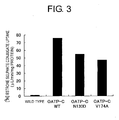
- the activity of 3 H estrone sulphate conjugate uptake is shown in Fig. 3 for three types of OATP-C-expressing viruses with His-tags added to their N-terminals.
- the detected 3 H estrone sulphate conjugate uptake activity ratios for wild type OATP-C, N130D, and V174A were respectively 57, 41, and 36 times that of a wild type virus not expressing OATP-C.
- virus-derived endogenous OATP-C activity was hardly detected in experiments on the uptake in wild type viruses.
- budding baculovirus expression systems are systems with extremely low background levels.
- OATP-C mutants N130D, V174A
- changes in substrate specificity due to SNPs can also be determined, making also applications to tailor-made therapy possible.
- 14 C glycylsarcosine was diluted with HBSS (pH 6.0) to a final concentration of 50 ⁇ M, and used as a substrate solution.
- a mouse monoclonal antibody recognising the extracellular region of human PepT1 was diluted with PBS to a final concentration of 200 ⁇ g/mL, and used as an antibody solution.
- 20 ⁇ L (50 ⁇ g protein) of solution of budding baculoviruses expressing PepT1 with a His-tag added at the N-terminal was mixed with 20 ⁇ L of the antibody solution and incubated for one hour at 37°C. 160 ⁇ L of substrate solution preheated to 37°C was added, and the reaction was started.
- ice-cold HBSS pH 7.4 (below also called “quenching solution”) was added, and the reaction was stopped.
- the virus-comprising reaction solution was immediately vacuum filtered using a mixed cellulose membrane filter, and washed twice with 5 mL of the quenching solution.
- the membrane filter was transferred to a liquid scintillation vial, 5 mL of clear-sol I was added, and the filter was dissolved.
- a liquid scintillation counter was used to measure radioactivity on the filter. Non-specific adsorption to the filter was measured by adding the reaction quenching solution before adding the substrate solution to the viral solution, and performing similar manipulations. The obtained value was subtracted from the counts for each experiment.
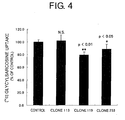
- PepT1 activity inhibition by the anti-human PepT1 monoclonal antibodies is shown in Fig. 4 .
- PepT1 activity in the absence of the antibodies was taken as the control and expressed as 100.
- clone 119 inhibited PepT1 activity by about 20%, and clone 253 by about 10%, compared to the control.
- This PepT1 activity inhibition was statistically significant (Student t-test).
- budding baculovirus expression systems will be useful in the search for substrates that inhibit or promote transporter activity.
- the present invention provides viruses that express transporters having transporter activity on the viral envelope, wherein the transporter is a peptide transporter or OATP-C, and by using these viruses, transporter activity can be measured with a high sensitivity and less background level then in the past.
- the transporter is a peptide transporter or OATP-C
- identification of transport substrates and driving force of transporters, and functional analysis such as kinetic analysis can be carried out more easily and accurately than before.
- substances that inhibit or promote the transport activities of transporters expressed on the viral envelopes can be screened. Since transporters have also been reported to be involved in the transport of drugs into cells, substances that inhibit or promote the activities of transporters associated with diseases can become candidates for new pharmaceutical agents in the context of the present disclosure.
Landscapes
- Health & Medical Sciences (AREA)
- Life Sciences & Earth Sciences (AREA)
- Chemical & Material Sciences (AREA)
- Genetics & Genomics (AREA)
- Organic Chemistry (AREA)
- Zoology (AREA)
- Engineering & Computer Science (AREA)
- Wood Science & Technology (AREA)
- Bioinformatics & Cheminformatics (AREA)
- General Engineering & Computer Science (AREA)
- Biotechnology (AREA)
- Biochemistry (AREA)
- General Health & Medical Sciences (AREA)
- Biomedical Technology (AREA)
- Biophysics (AREA)
- Medicinal Chemistry (AREA)
- Molecular Biology (AREA)
- Microbiology (AREA)
- Virology (AREA)
- Immunology (AREA)
- Gastroenterology & Hepatology (AREA)
- Toxicology (AREA)
- Plant Pathology (AREA)
- Physics & Mathematics (AREA)
- Proteomics, Peptides & Aminoacids (AREA)
- Cell Biology (AREA)
- Measuring Or Testing Involving Enzymes Or Micro-Organisms (AREA)
- Micro-Organisms Or Cultivation Processes Thereof (AREA)
Claims (22)
- Procédé d'expression d'un transporteur possédant une activité de transporteur, où le procédé comprend la culture d'une cellule hôte infectée avec un virus recombinant qui comprend un gène codant pour le transporteur, et l'expression du transporteur sur l'enveloppe d'un virus bourgeonnant libéré à partir de la cellule hôte, où le transporteur est un transporteur de peptides ou OATP-C.
- Procédé selon la revendication 1, dans lequel le virus est un baculovirus.
- Procédé selon la revendication 1 ou 2, dans lequel le transporteur est d'une origine non virale.
- Procédé selon l'une quelconque des revendications 1 à 3, dans lequel le transporteur est PepT1 ou PepT2.
- Virus qui exprime un transporteur possédant une activité de transporteur sur l'enveloppe virale, où le transporteur est un transporteur de peptides ou OATP-C.
- Virus selon la revendication 5, dans lequel le transporteur est d'une origine non virale.
- Virus selon la revendication 5 ou 6, où le virus est un virus bourgeonnant.
- Virus selon l'une quelconque des revendications 5 à 7, où le virus est un baculovirus.
- Virus selon l'une quelconque des revendications 5 à 8, dans lequel le transporteur est PepT1 ou PepT2.
- Procédé de mesure de l'activité d'un transporteur exprimé sur une enveloppe virale, où le procédé comprend l'expression du transporteur sur l'enveloppe virale.
- Procédé selon la revendication 10, dans lequel le virus est un baculovirus bourgeonnant.
- Procédé selon la revendication 10 ou 11, dans lequel le transporteur est un transporteur de peptides ou un transporteur d'anions organiques.
- Procédé selon la revendication 12, dans lequel le transporteur est PepT1, PepT2 ou OATP-C.
- Procédé de criblage à la recherche d'une substance qui inhibe ou favorise l'activité de transport d'un transporteur, où le procédé comprend les étapes suivantes :(a) l'expression du transporteur sur une enveloppe virale ;(b) la mise en contact du transporteur avec une substance à tester ; et(c) la sélection d'une substance qui inhibe ou favorise l'activité de transport.
- Procédé selon la revendication 14, dans lequel le virus est un virus bourgeonnant.
- Procédé selon la revendication 14 ou 15, dans lequel le virus est un baculovirus.
- Procédé selon l'une quelconque des revendications 14 à 16, dans lequel le transporteur est d'une origine non virale.
- Procédé selon l'une quelconque des revendications 14 à 17, dans lequel le transporteur est un transporteur de peptides ou un transporteur d'anions organiques.
- Procédé selon la revendication 18, dans lequel le transporteur est PepT1, PepT2 ou OATP-C.
- Procédé selon l'une quelconque des revendications 14 à 19, qui comprend l'immobilisation du virus sur un support.
- Procédé selon la revendication 20, dans lequel le virus est immobilisé sur le support par l'intermédiaire d'un anticorps dirigé contre une protéine d'enveloppe exprimée sur l'enveloppe virale.
- Procédé selon la revendication 20, dans lequel le virus est immobilisé sur le support par l'intermédiaire d'une réaction biotine-streptavidine par la biotinylation d'une protéine exprimée sur l'enveloppe virale.
Applications Claiming Priority (3)
| Application Number | Priority Date | Filing Date | Title |
|---|---|---|---|
| JP2002096038 | 2002-03-29 | ||
| JP2002096038 | 2002-03-29 | ||
| PCT/JP2003/003975 WO2003083116A1 (fr) | 2002-03-29 | 2003-03-28 | Procede de criblage d'inhibiteurs de transporteurs |
Publications (3)
| Publication Number | Publication Date |
|---|---|
| EP1491631A1 EP1491631A1 (fr) | 2004-12-29 |
| EP1491631A4 EP1491631A4 (fr) | 2005-07-20 |
| EP1491631B1 true EP1491631B1 (fr) | 2013-05-08 |
Family
ID=28671820
Family Applications (1)
| Application Number | Title | Priority Date | Filing Date |
|---|---|---|---|
| EP03715597.5A Expired - Lifetime EP1491631B1 (fr) | 2002-03-29 | 2003-03-28 | Procede de criblage d'inhibiteurs de transporteurs |
Country Status (5)
| Country | Link |
|---|---|
| US (1) | US7666610B2 (fr) |
| EP (1) | EP1491631B1 (fr) |
| JP (2) | JPWO2003083116A1 (fr) |
| AU (1) | AU2003220930A1 (fr) |
| WO (1) | WO2003083116A1 (fr) |
Families Citing this family (9)
| Publication number | Priority date | Publication date | Assignee | Title |
|---|---|---|---|---|
| US20050004227A1 (en) * | 2001-10-16 | 2005-01-06 | Ryoichi Saitoh | Cell growth inhibitor |
| ATE458498T1 (de) | 2001-12-04 | 2010-03-15 | Chugai Pharmaceutical Co Ltd | Zellwachstumshemmer mit anti-pept-antikörper |
| JPWO2003083116A1 (ja) | 2002-03-29 | 2005-08-04 | 中外製薬株式会社 | トランスポーター阻害物質スクリーニング方法 |
| US7750204B2 (en) | 2002-06-05 | 2010-07-06 | Chugai Seiyaku Kabushiki Kaisha | Methods for producing antibody |
| JP4551326B2 (ja) | 2003-03-28 | 2010-09-29 | 中外製薬株式会社 | ペプチドトランスポーターの輸送活性を阻害する抗体 |
| WO2005054861A1 (fr) * | 2003-11-22 | 2005-06-16 | Bayer Healthcare Ag | Agents diagnostiques et therapeutiques pour des maladies associees a la sous-famille k du canal de potassium, membre 10 (kcnk10) |
| EP1731032B1 (fr) * | 2004-03-31 | 2016-10-19 | Chugai Seiyaku Kabushiki Kaisha | SOURIS TRANSGÉNIQUES COMPORTANT UN GÈNE POUR UNE FORME SOLUBLE DE PROTéINE MEMBRANAIRE, UTILES POUR LA PRODUCTION D'ANTICORPS CONTRE UN ANTIGÈNE CIBLE |
| DE102004048391B4 (de) * | 2004-10-01 | 2007-08-16 | Iongate Biosciences Gmbh | Typ-PepT1-Protein-Assay |
| EP3605090A1 (fr) * | 2012-05-23 | 2020-02-05 | F. Hoffmann-La Roche AG | Procédé de sélection d'agents thérapeutiques |
Family Cites Families (24)
| Publication number | Priority date | Publication date | Assignee | Title |
|---|---|---|---|---|
| ATE300615T1 (de) | 1990-08-29 | 2005-08-15 | Genpharm Int | Transgene mäuse fähig zur produktion heterologer antikörper |
| WO1993002227A1 (fr) | 1991-07-15 | 1993-02-04 | Eco-Tec Limited | Procede et dispositif de traitement de solutions acides contenant du fluorure |
| NZ255101A (en) | 1992-07-24 | 1997-08-22 | Cell Genesys Inc | A yeast artificial chromosome (yac) vector containing an hprt minigene expressible in murine stem cells and genetically modified rodent therefor |
| US5285485A (en) | 1993-02-01 | 1994-02-08 | General Electric Company | Composite nuclear fuel container and method for producing same |
| IL108499A (en) | 1993-02-04 | 2000-02-29 | Lilly Co Eli | Mammalian influx peptide transporter |
| CA2161351C (fr) | 1993-04-26 | 2010-12-21 | Nils Lonberg | Animaux transgeniques, pouvant produire des anticorps heterologues |
| US5500346A (en) | 1993-06-29 | 1996-03-19 | Eli Lilly And Company | Monoclonal antibodies to human influx peptide transporter |
| US5849525A (en) | 1994-03-09 | 1998-12-15 | Brigham And Women's Hospital, Inc. | Compositions corresponding to a proton-coupled peptide transporter and methods of making and using same |
| JPH08134100A (ja) | 1994-11-09 | 1996-05-28 | Unitika Ltd | 糖鎖特異的抗体の製造方法 |
| CA2219361C (fr) | 1995-04-27 | 2012-02-28 | Abgenix, Inc. | Anticorps humains derives d'une xenosouris immunisee |
| EP0823941A4 (fr) | 1995-04-28 | 2001-09-19 | Abgenix Inc | Anticorps humains derives de xeno-souris immunisees |
| JP2843532B2 (ja) | 1995-07-25 | 1999-01-06 | 建設基礎エンジニアリング株式会社 | 仕上げプレート付き網状型枠 |
| KR19990071666A (ko) | 1995-11-30 | 1999-09-27 | 이경하 | 술파미드 유도체 |
| FR2761994B1 (fr) | 1997-04-11 | 1999-06-18 | Centre Nat Rech Scient | Preparation de recepteurs membranaires a partir de baculovirus extracellulaires |
| JPH11172A (ja) | 1997-06-11 | 1999-01-06 | Snow Brand Milk Prod Co Ltd | ペプチド輸送タンパク質遺伝子を含むdna、ベクター及び微生物 |
| AU776865B2 (en) | 1998-11-10 | 2004-09-23 | University Of Rochester | T cells specific for target antigens and methods and vaccines based thereon |
| JP4552056B2 (ja) | 1999-11-15 | 2010-09-29 | 独立行政法人科学技術振興機構 | 後天的免疫寛容の獲得方法 |
| JP2001197846A (ja) | 2000-01-18 | 2001-07-24 | Ys New Technology Kenkyusho:Kk | 免疫寛容動物の作製方法 |
| US20050004227A1 (en) | 2001-10-16 | 2005-01-06 | Ryoichi Saitoh | Cell growth inhibitor |
| ATE458498T1 (de) | 2001-12-04 | 2010-03-15 | Chugai Pharmaceutical Co Ltd | Zellwachstumshemmer mit anti-pept-antikörper |
| JPWO2003083116A1 (ja) | 2002-03-29 | 2005-08-04 | 中外製薬株式会社 | トランスポーター阻害物質スクリーニング方法 |
| US7750204B2 (en) | 2002-06-05 | 2010-07-06 | Chugai Seiyaku Kabushiki Kaisha | Methods for producing antibody |
| JP4551326B2 (ja) * | 2003-03-28 | 2010-09-29 | 中外製薬株式会社 | ペプチドトランスポーターの輸送活性を阻害する抗体 |
| EP1731032B1 (fr) | 2004-03-31 | 2016-10-19 | Chugai Seiyaku Kabushiki Kaisha | SOURIS TRANSGÉNIQUES COMPORTANT UN GÈNE POUR UNE FORME SOLUBLE DE PROTéINE MEMBRANAIRE, UTILES POUR LA PRODUCTION D'ANTICORPS CONTRE UN ANTIGÈNE CIBLE |
-
2003
- 2003-03-28 JP JP2003580549A patent/JPWO2003083116A1/ja not_active Withdrawn
- 2003-03-28 WO PCT/JP2003/003975 patent/WO2003083116A1/fr not_active Ceased
- 2003-03-28 EP EP03715597.5A patent/EP1491631B1/fr not_active Expired - Lifetime
- 2003-03-28 AU AU2003220930A patent/AU2003220930A1/en not_active Abandoned
- 2003-03-28 US US10/509,343 patent/US7666610B2/en not_active Expired - Fee Related
-
2009
- 2009-09-25 JP JP2009220017A patent/JP5258112B2/ja not_active Expired - Fee Related
Also Published As
| Publication number | Publication date |
|---|---|
| EP1491631A4 (fr) | 2005-07-20 |
| US20060084119A1 (en) | 2006-04-20 |
| EP1491631A1 (fr) | 2004-12-29 |
| AU2003220930A1 (en) | 2003-10-13 |
| JP2010046068A (ja) | 2010-03-04 |
| US7666610B2 (en) | 2010-02-23 |
| JPWO2003083116A1 (ja) | 2005-08-04 |
| JP5258112B2 (ja) | 2013-08-07 |
| WO2003083116A1 (fr) | 2003-10-09 |
Similar Documents
| Publication | Publication Date | Title |
|---|---|---|
| US6887683B1 (en) | Human G-protein coupled receptors | |
| EP1126028B1 (fr) | NOUVELLES PROTEINES RECEPTRICES COUPLEES AUX PROTEINES G, LEURS ADN ET LEURS lIGANDS | |
| US7160546B2 (en) | Human G-protein chemokine receptor (CCR5) HDGNR10 | |
| JP5258112B2 (ja) | トランスポーター阻害物質スクリーニング方法 | |
| US20040142471A1 (en) | Preparing membrane receptors from extracellular baciloviruses | |
| BAKOS et al. | Characterization of the human multidrug resistance protein containing mutations in the ATP-binding cassette signature region | |
| US6743594B1 (en) | Methods of screening using human G-protein chemokine receptor HDGNR10 (CCR5) | |
| US9051392B2 (en) | Inhibitors of pre-ligand assembly doman and function of the tumor necrosis factor receptor family | |
| KR20040004509A (ko) | 신규단백질 및 그 제조방법 | |
| EP1378749A1 (fr) | Procede de criblage | |
| JPH10510719A (ja) | ヒトgタンパク質ケモカインレセプターhdgnr10 | |
| US20050260576A1 (en) | Expression system for human brain-specific voltage-gated sodium channel, type 1 | |
| US20040151719A1 (en) | Human G-protein chemokine receptor (CCR5) HDGNR10 | |
| JPH09502725A (ja) | Il8阻害剤 | |
| US20100129347A1 (en) | Herpes virus infection inhibitor, method for inhibiting infection with herpes virus, and use thereof | |
| US20040092712A1 (en) | Tlr/cd14 binding inhibitor | |
| EP1148127A2 (fr) | Chemokine Récepteur HDGNR10 aux protéines G humaines (Récepteur CCR5) | |
| US20110112177A1 (en) | Human G-Protein Coupled Receptor (HETGQ23) | |
| EP1473365A1 (fr) | Inhibiteurs d'angiogenese | |
| Menotti et al. | Substitution in the murine nectin1 receptor of a single conserved amino acid at a position distal from the herpes simplex virus gD binding site confers high-affinity binding to gD | |
| Böhni et al. | Signaling steps involving the cytoplasmic domain of the interferon-gamma receptor alpha-subunit are not species-specific. | |
| US20060014243A1 (en) | Human G-protein chemokine receptor HSATU68 | |
| Wei et al. | One-Step Affinity Purification of Human Mu-Opioid Receptor Overexpressed in Baculovirus System | |
| JPH1194833A (ja) | 抗ヒト甲状腺ペルオキシダーゼ抗体免疫測定用抗原及び組換えヒト甲状腺ペルオキシダーゼ | |
| JP2007130021A (ja) | ヒトgタンパク質ケモカインレセプターhdgnr10 |
Legal Events
| Date | Code | Title | Description |
|---|---|---|---|
| PUAI | Public reference made under article 153(3) epc to a published international application that has entered the european phase |
Free format text: ORIGINAL CODE: 0009012 |
|
| 17P | Request for examination filed |
Effective date: 20041011 |
|
| AK | Designated contracting states |
Kind code of ref document: A1 Designated state(s): AT BE BG CH CY CZ DE DK EE ES FI FR GB GR HU IE IT LI LU MC NL PT RO SE SI SK TR |
|
| AX | Request for extension of the european patent |
Extension state: AL LT LV MK |
|
| A4 | Supplementary search report drawn up and despatched |
Effective date: 20050608 |
|
| 17Q | First examination report despatched |
Effective date: 20080114 |
|
| GRAP | Despatch of communication of intention to grant a patent |
Free format text: ORIGINAL CODE: EPIDOSNIGR1 |
|
| GRAS | Grant fee paid |
Free format text: ORIGINAL CODE: EPIDOSNIGR3 |
|
| GRAA | (expected) grant |
Free format text: ORIGINAL CODE: 0009210 |
|
| AK | Designated contracting states |
Kind code of ref document: B1 Designated state(s): AT BE BG CH CY CZ DE DK EE ES FI FR GB GR HU IE IT LI LU MC NL PT RO SE SI SK TR |
|
| REG | Reference to a national code |
Ref country code: GB Ref legal event code: FG4D |
|
| REG | Reference to a national code |
Ref country code: CH Ref legal event code: EP Ref country code: AT Ref legal event code: REF Ref document number: 611124 Country of ref document: AT Kind code of ref document: T Effective date: 20130515 |
|
| REG | Reference to a national code |
Ref country code: IE Ref legal event code: FG4D |
|
| REG | Reference to a national code |
Ref country code: DE Ref legal event code: R096 Ref document number: 60343991 Country of ref document: DE Effective date: 20130704 |
|
| REG | Reference to a national code |
Ref country code: AT Ref legal event code: MK05 Ref document number: 611124 Country of ref document: AT Kind code of ref document: T Effective date: 20130508 |
|
| REG | Reference to a national code |
Ref country code: NL Ref legal event code: VDEP Effective date: 20130508 |
|
| PG25 | Lapsed in a contracting state [announced via postgrant information from national office to epo] |
Ref country code: FI Free format text: LAPSE BECAUSE OF FAILURE TO SUBMIT A TRANSLATION OF THE DESCRIPTION OR TO PAY THE FEE WITHIN THE PRESCRIBED TIME-LIMIT Effective date: 20130508 Ref country code: SI Free format text: LAPSE BECAUSE OF FAILURE TO SUBMIT A TRANSLATION OF THE DESCRIPTION OR TO PAY THE FEE WITHIN THE PRESCRIBED TIME-LIMIT Effective date: 20130508 Ref country code: SE Free format text: LAPSE BECAUSE OF FAILURE TO SUBMIT A TRANSLATION OF THE DESCRIPTION OR TO PAY THE FEE WITHIN THE PRESCRIBED TIME-LIMIT Effective date: 20130508 Ref country code: ES Free format text: LAPSE BECAUSE OF FAILURE TO SUBMIT A TRANSLATION OF THE DESCRIPTION OR TO PAY THE FEE WITHIN THE PRESCRIBED TIME-LIMIT Effective date: 20130819 Ref country code: PT Free format text: LAPSE BECAUSE OF FAILURE TO SUBMIT A TRANSLATION OF THE DESCRIPTION OR TO PAY THE FEE WITHIN THE PRESCRIBED TIME-LIMIT Effective date: 20130909 Ref country code: AT Free format text: LAPSE BECAUSE OF FAILURE TO SUBMIT A TRANSLATION OF THE DESCRIPTION OR TO PAY THE FEE WITHIN THE PRESCRIBED TIME-LIMIT Effective date: 20130508 Ref country code: GR Free format text: LAPSE BECAUSE OF FAILURE TO SUBMIT A TRANSLATION OF THE DESCRIPTION OR TO PAY THE FEE WITHIN THE PRESCRIBED TIME-LIMIT Effective date: 20130809 |
|
| PG25 | Lapsed in a contracting state [announced via postgrant information from national office to epo] |
Ref country code: BG Free format text: LAPSE BECAUSE OF FAILURE TO SUBMIT A TRANSLATION OF THE DESCRIPTION OR TO PAY THE FEE WITHIN THE PRESCRIBED TIME-LIMIT Effective date: 20130808 Ref country code: CY Free format text: LAPSE BECAUSE OF FAILURE TO SUBMIT A TRANSLATION OF THE DESCRIPTION OR TO PAY THE FEE WITHIN THE PRESCRIBED TIME-LIMIT Effective date: 20130508 |
|
| PG25 | Lapsed in a contracting state [announced via postgrant information from national office to epo] |
Ref country code: BE Free format text: LAPSE BECAUSE OF FAILURE TO SUBMIT A TRANSLATION OF THE DESCRIPTION OR TO PAY THE FEE WITHIN THE PRESCRIBED TIME-LIMIT Effective date: 20130508 Ref country code: SK Free format text: LAPSE BECAUSE OF FAILURE TO SUBMIT A TRANSLATION OF THE DESCRIPTION OR TO PAY THE FEE WITHIN THE PRESCRIBED TIME-LIMIT Effective date: 20130508 Ref country code: EE Free format text: LAPSE BECAUSE OF FAILURE TO SUBMIT A TRANSLATION OF THE DESCRIPTION OR TO PAY THE FEE WITHIN THE PRESCRIBED TIME-LIMIT Effective date: 20130508 Ref country code: DK Free format text: LAPSE BECAUSE OF FAILURE TO SUBMIT A TRANSLATION OF THE DESCRIPTION OR TO PAY THE FEE WITHIN THE PRESCRIBED TIME-LIMIT Effective date: 20130508 Ref country code: CZ Free format text: LAPSE BECAUSE OF FAILURE TO SUBMIT A TRANSLATION OF THE DESCRIPTION OR TO PAY THE FEE WITHIN THE PRESCRIBED TIME-LIMIT Effective date: 20130508 |
|
| PG25 | Lapsed in a contracting state [announced via postgrant information from national office to epo] |
Ref country code: RO Free format text: LAPSE BECAUSE OF FAILURE TO SUBMIT A TRANSLATION OF THE DESCRIPTION OR TO PAY THE FEE WITHIN THE PRESCRIBED TIME-LIMIT Effective date: 20130508 Ref country code: IT Free format text: LAPSE BECAUSE OF FAILURE TO SUBMIT A TRANSLATION OF THE DESCRIPTION OR TO PAY THE FEE WITHIN THE PRESCRIBED TIME-LIMIT Effective date: 20130508 Ref country code: NL Free format text: LAPSE BECAUSE OF FAILURE TO SUBMIT A TRANSLATION OF THE DESCRIPTION OR TO PAY THE FEE WITHIN THE PRESCRIBED TIME-LIMIT Effective date: 20130508 |
|
| PLBE | No opposition filed within time limit |
Free format text: ORIGINAL CODE: 0009261 |
|
| STAA | Information on the status of an ep patent application or granted ep patent |
Free format text: STATUS: NO OPPOSITION FILED WITHIN TIME LIMIT |
|
| 26N | No opposition filed |
Effective date: 20140211 |
|
| REG | Reference to a national code |
Ref country code: DE Ref legal event code: R097 Ref document number: 60343991 Country of ref document: DE Effective date: 20140211 |
|
| PG25 | Lapsed in a contracting state [announced via postgrant information from national office to epo] |
Ref country code: LU Free format text: LAPSE BECAUSE OF FAILURE TO SUBMIT A TRANSLATION OF THE DESCRIPTION OR TO PAY THE FEE WITHIN THE PRESCRIBED TIME-LIMIT Effective date: 20140328 |
|
| REG | Reference to a national code |
Ref country code: CH Ref legal event code: PL |
|
| REG | Reference to a national code |
Ref country code: IE Ref legal event code: MM4A |
|
| PG25 | Lapsed in a contracting state [announced via postgrant information from national office to epo] |
Ref country code: IE Free format text: LAPSE BECAUSE OF NON-PAYMENT OF DUE FEES Effective date: 20140328 Ref country code: LI Free format text: LAPSE BECAUSE OF NON-PAYMENT OF DUE FEES Effective date: 20140331 Ref country code: CH Free format text: LAPSE BECAUSE OF NON-PAYMENT OF DUE FEES Effective date: 20140331 |
|
| REG | Reference to a national code |
Ref country code: FR Ref legal event code: PLFP Year of fee payment: 14 |
|
| PG25 | Lapsed in a contracting state [announced via postgrant information from national office to epo] |
Ref country code: MC Free format text: LAPSE BECAUSE OF FAILURE TO SUBMIT A TRANSLATION OF THE DESCRIPTION OR TO PAY THE FEE WITHIN THE PRESCRIBED TIME-LIMIT Effective date: 20130508 |
|
| PG25 | Lapsed in a contracting state [announced via postgrant information from national office to epo] |
Ref country code: TR Free format text: LAPSE BECAUSE OF FAILURE TO SUBMIT A TRANSLATION OF THE DESCRIPTION OR TO PAY THE FEE WITHIN THE PRESCRIBED TIME-LIMIT Effective date: 20130508 Ref country code: HU Free format text: LAPSE BECAUSE OF FAILURE TO SUBMIT A TRANSLATION OF THE DESCRIPTION OR TO PAY THE FEE WITHIN THE PRESCRIBED TIME-LIMIT; INVALID AB INITIO Effective date: 20030328 |
|
| REG | Reference to a national code |
Ref country code: FR Ref legal event code: PLFP Year of fee payment: 15 |
|
| PGFP | Annual fee paid to national office [announced via postgrant information from national office to epo] |
Ref country code: DE Payment date: 20170322 Year of fee payment: 15 Ref country code: FR Payment date: 20170322 Year of fee payment: 15 |
|
| PGFP | Annual fee paid to national office [announced via postgrant information from national office to epo] |
Ref country code: GB Payment date: 20170322 Year of fee payment: 15 |
|
| REG | Reference to a national code |
Ref country code: DE Ref legal event code: R119 Ref document number: 60343991 Country of ref document: DE |
|
| GBPC | Gb: european patent ceased through non-payment of renewal fee |
Effective date: 20180328 |
|
| PG25 | Lapsed in a contracting state [announced via postgrant information from national office to epo] |
Ref country code: DE Free format text: LAPSE BECAUSE OF NON-PAYMENT OF DUE FEES Effective date: 20181002 |
|
| PG25 | Lapsed in a contracting state [announced via postgrant information from national office to epo] |
Ref country code: GB Free format text: LAPSE BECAUSE OF NON-PAYMENT OF DUE FEES Effective date: 20180328 |
|
| PG25 | Lapsed in a contracting state [announced via postgrant information from national office to epo] |
Ref country code: FR Free format text: LAPSE BECAUSE OF NON-PAYMENT OF DUE FEES Effective date: 20180331 |