EP1504103B1 - Promoteurs ayant une efficacité de transcription modifiée, derivés de levure methylotrophe hanseluna polymorpha - Google Patents
Promoteurs ayant une efficacité de transcription modifiée, derivés de levure methylotrophe hanseluna polymorpha Download PDFInfo
- Publication number
- EP1504103B1 EP1504103B1 EP03729992A EP03729992A EP1504103B1 EP 1504103 B1 EP1504103 B1 EP 1504103B1 EP 03729992 A EP03729992 A EP 03729992A EP 03729992 A EP03729992 A EP 03729992A EP 1504103 B1 EP1504103 B1 EP 1504103B1
- Authority
- EP
- European Patent Office
- Prior art keywords
- dna
- promoter
- sequence
- host cell
- wild
- Prior art date
- Legal status (The legal status is an assumption and is not a legal conclusion. Google has not performed a legal analysis and makes no representation as to the accuracy of the status listed.)
- Expired - Lifetime
Links
- 238000013518 transcription Methods 0.000 title claims abstract description 28
- 230000035897 transcription Effects 0.000 title claims abstract description 28
- 240000004808 Saccharomyces cerevisiae Species 0.000 title abstract description 22
- 108020004414 DNA Proteins 0.000 claims abstract description 86
- 102000053602 DNA Human genes 0.000 claims abstract description 68
- 108090000623 proteins and genes Proteins 0.000 claims abstract description 45
- 102000004169 proteins and genes Human genes 0.000 claims abstract description 28
- 239000013604 expression vector Substances 0.000 claims abstract description 24
- 230000004568 DNA-binding Effects 0.000 claims abstract description 19
- 238000000034 method Methods 0.000 claims abstract description 15
- 238000004519 manufacturing process Methods 0.000 claims abstract description 12
- 210000004027 cell Anatomy 0.000 claims description 39
- 241000320412 Ogataea angusta Species 0.000 claims description 36
- 101000795074 Homo sapiens Tryptase alpha/beta-1 Proteins 0.000 claims description 27
- 101000662819 Physarum polycephalum Terpene synthase 1 Proteins 0.000 claims description 27
- 102100029639 Tryptase alpha/beta-1 Human genes 0.000 claims description 27
- 239000013612 plasmid Substances 0.000 claims description 26
- 108010011619 6-Phytase Proteins 0.000 claims description 24
- 101150066555 lacZ gene Proteins 0.000 claims description 18
- 108091028043 Nucleic acid sequence Proteins 0.000 claims description 13
- 102000007056 Recombinant Fusion Proteins Human genes 0.000 claims description 13
- 108010008281 Recombinant Fusion Proteins Proteins 0.000 claims description 13
- 230000001965 increasing effect Effects 0.000 claims description 10
- 230000014509 gene expression Effects 0.000 claims description 9
- 230000028327 secretion Effects 0.000 claims description 9
- 241000222120 Candida <Saccharomycetales> Species 0.000 claims description 8
- 241000235648 Pichia Species 0.000 claims description 8
- 230000006698 induction Effects 0.000 claims description 8
- 238000012986 modification Methods 0.000 claims description 8
- 230000004048 modification Effects 0.000 claims description 8
- 238000003780 insertion Methods 0.000 claims description 7
- 230000037431 insertion Effects 0.000 claims description 7
- 210000005253 yeast cell Anatomy 0.000 claims description 6
- 238000012217 deletion Methods 0.000 claims description 5
- 230000037430 deletion Effects 0.000 claims description 5
- 230000022532 regulation of transcription, DNA-dependent Effects 0.000 claims description 5
- 230000003247 decreasing effect Effects 0.000 claims description 4
- 239000013598 vector Substances 0.000 claims description 4
- 241000287828 Gallus gallus Species 0.000 claims description 2
- 102000016943 Muramidase Human genes 0.000 claims description 2
- 108010014251 Muramidase Proteins 0.000 claims description 2
- 108010062010 N-Acetylmuramoyl-L-alanine Amidase Proteins 0.000 claims description 2
- 108091081548 Palindromic sequence Proteins 0.000 claims description 2
- 229960000274 lysozyme Drugs 0.000 claims description 2
- 239000004325 lysozyme Substances 0.000 claims description 2
- 235000010335 lysozyme Nutrition 0.000 claims description 2
- 238000006467 substitution reaction Methods 0.000 claims 3
- 108091092566 Extrachromosomal DNA Proteins 0.000 claims 1
- 238000010367 cloning Methods 0.000 claims 1
- 238000010276 construction Methods 0.000 claims 1
- PEDCQBHIVMGVHV-UHFFFAOYSA-N Glycerine Chemical compound OCC(O)CO PEDCQBHIVMGVHV-UHFFFAOYSA-N 0.000 description 41
- 108010025188 Alcohol oxidase Proteins 0.000 description 39
- 230000027455 binding Effects 0.000 description 32
- 102000005636 Cyclic AMP Response Element-Binding Protein Human genes 0.000 description 23
- 108010045171 Cyclic AMP Response Element-Binding Protein Proteins 0.000 description 23
- 230000000694 effects Effects 0.000 description 16
- 102000000806 Basic-Leucine Zipper Transcription Factors Human genes 0.000 description 15
- 108010001572 Basic-Leucine Zipper Transcription Factors Proteins 0.000 description 15
- 235000011187 glycerol Nutrition 0.000 description 15
- 229940085127 phytase Drugs 0.000 description 15
- WQZGKKKJIJFFOK-GASJEMHNSA-N Glucose Natural products OC[C@H]1OC(O)[C@H](O)[C@@H](O)[C@@H]1O WQZGKKKJIJFFOK-GASJEMHNSA-N 0.000 description 13
- 239000008103 glucose Substances 0.000 description 13
- 108700008625 Reporter Genes Proteins 0.000 description 12
- 230000033228 biological regulation Effects 0.000 description 12
- UYTPUPDQBNUYGX-UHFFFAOYSA-N guanine Chemical compound O=C1NC(N)=NC2=C1N=CN2 UYTPUPDQBNUYGX-UHFFFAOYSA-N 0.000 description 12
- 102100026189 Beta-galactosidase Human genes 0.000 description 10
- 101000759453 Homo sapiens YY1-associated protein 1 Proteins 0.000 description 10
- 102100023267 YY1-associated protein 1 Human genes 0.000 description 10
- OKKJLVBELUTLKV-UHFFFAOYSA-N Methanol Chemical compound OC OKKJLVBELUTLKV-UHFFFAOYSA-N 0.000 description 9
- 238000012360 testing method Methods 0.000 description 9
- 108010020589 trehalose-6-phosphate synthase Proteins 0.000 description 9
- OKTJSMMVPCPJKN-UHFFFAOYSA-N Carbon Chemical compound [C] OKTJSMMVPCPJKN-UHFFFAOYSA-N 0.000 description 6
- WSFSSNUMVMOOMR-UHFFFAOYSA-N Formaldehyde Chemical compound O=C WSFSSNUMVMOOMR-UHFFFAOYSA-N 0.000 description 6
- 229910052799 carbon Inorganic materials 0.000 description 6
- 108700026226 TATA Box Proteins 0.000 description 5
- 102000040945 Transcription factor Human genes 0.000 description 5
- 108091023040 Transcription factor Proteins 0.000 description 5
- 102100031590 Uncharacterized protein encoded by LINC01587 Human genes 0.000 description 5
- 101710185494 Zinc finger protein Proteins 0.000 description 5
- 102100023597 Zinc finger protein 816 Human genes 0.000 description 5
- 238000006243 chemical reaction Methods 0.000 description 4
- 239000012228 culture supernatant Substances 0.000 description 4
- 239000000523 sample Substances 0.000 description 4
- 230000002103 transcriptional effect Effects 0.000 description 4
- KUWPCJHYPSUOFW-YBXAARCKSA-N 2-nitrophenyl beta-D-galactoside Chemical compound O[C@@H]1[C@@H](O)[C@@H](O)[C@@H](CO)O[C@H]1OC1=CC=CC=C1[N+]([O-])=O KUWPCJHYPSUOFW-YBXAARCKSA-N 0.000 description 3
- OPIFSICVWOWJMJ-AEOCFKNESA-N 5-bromo-4-chloro-3-indolyl beta-D-galactoside Chemical compound O[C@@H]1[C@@H](O)[C@@H](O)[C@@H](CO)O[C@H]1OC1=CNC2=CC=C(Br)C(Cl)=C12 OPIFSICVWOWJMJ-AEOCFKNESA-N 0.000 description 3
- 108010076504 Protein Sorting Signals Proteins 0.000 description 3
- 108010005774 beta-Galactosidase Proteins 0.000 description 3
- 238000002474 experimental method Methods 0.000 description 3
- 230000001939 inductive effect Effects 0.000 description 3
- 238000005259 measurement Methods 0.000 description 3
- 239000000047 product Substances 0.000 description 3
- 230000001105 regulatory effect Effects 0.000 description 3
- AGGRGODMKWLSDE-UHFFFAOYSA-N 1-[2,4,6-tri(propan-2-yl)phenyl]sulfonylimidazole Chemical compound CC(C)C1=CC(C(C)C)=CC(C(C)C)=C1S(=O)(=O)N1C=NC=C1 AGGRGODMKWLSDE-UHFFFAOYSA-N 0.000 description 2
- 241001136792 Alle Species 0.000 description 2
- CURLTUGMZLYLDI-UHFFFAOYSA-N Carbon dioxide Chemical compound O=C=O CURLTUGMZLYLDI-UHFFFAOYSA-N 0.000 description 2
- 108091026890 Coding region Proteins 0.000 description 2
- NBSCHQHZLSJFNQ-GASJEMHNSA-N D-Glucose 6-phosphate Chemical compound OC1O[C@H](COP(O)(O)=O)[C@@H](O)[C@H](O)[C@H]1O NBSCHQHZLSJFNQ-GASJEMHNSA-N 0.000 description 2
- VFRROHXSMXFLSN-UHFFFAOYSA-N Glc6P Natural products OP(=O)(O)OCC(O)C(O)C(O)C(O)C=O VFRROHXSMXFLSN-UHFFFAOYSA-N 0.000 description 2
- MHAJPDPJQMAIIY-UHFFFAOYSA-N Hydrogen peroxide Chemical compound OO MHAJPDPJQMAIIY-UHFFFAOYSA-N 0.000 description 2
- 238000012300 Sequence Analysis Methods 0.000 description 2
- 108091081024 Start codon Proteins 0.000 description 2
- HSCJRCZFDFQWRP-JZMIEXBBSA-N UDP-alpha-D-glucose Chemical compound O[C@@H]1[C@@H](O)[C@H](O)[C@@H](CO)O[C@@H]1OP(O)(=O)OP(O)(=O)OC[C@@H]1[C@@H](O)[C@@H](O)[C@H](N2C(NC(=O)C=C2)=O)O1 HSCJRCZFDFQWRP-JZMIEXBBSA-N 0.000 description 2
- HSCJRCZFDFQWRP-UHFFFAOYSA-N Uridindiphosphoglukose Natural products OC1C(O)C(O)C(CO)OC1OP(O)(=O)OP(O)(=O)OCC1C(O)C(O)C(N2C(NC(=O)C=C2)=O)O1 HSCJRCZFDFQWRP-UHFFFAOYSA-N 0.000 description 2
- FZNCGRZWXLXZSZ-CIQUZCHMSA-N Voglibose Chemical compound OCC(CO)N[C@H]1C[C@](O)(CO)[C@@H](O)[C@H](O)[C@H]1O FZNCGRZWXLXZSZ-CIQUZCHMSA-N 0.000 description 2
- WQZGKKKJIJFFOK-VFUOTHLCSA-N beta-D-glucose Chemical compound OC[C@H]1O[C@@H](O)[C@H](O)[C@@H](O)[C@@H]1O WQZGKKKJIJFFOK-VFUOTHLCSA-N 0.000 description 2
- 230000035071 co-translational protein modification Effects 0.000 description 2
- 210000003527 eukaryotic cell Anatomy 0.000 description 2
- 108020004445 glyceraldehyde-3-phosphate dehydrogenase Proteins 0.000 description 2
- 102000006602 glyceraldehyde-3-phosphate dehydrogenase Human genes 0.000 description 2
- 230000010354 integration Effects 0.000 description 2
- 230000003834 intracellular effect Effects 0.000 description 2
- 230000004481 post-translational protein modification Effects 0.000 description 2
- 238000002360 preparation method Methods 0.000 description 2
- 238000003259 recombinant expression Methods 0.000 description 2
- 102000037983 regulatory factors Human genes 0.000 description 2
- 108091008025 regulatory factors Proteins 0.000 description 2
- 210000002023 somite Anatomy 0.000 description 2
- 238000010561 standard procedure Methods 0.000 description 2
- 231100000331 toxic Toxicity 0.000 description 2
- 230000002588 toxic effect Effects 0.000 description 2
- 238000013519 translation Methods 0.000 description 2
- HDTRYLNUVZCQOY-UHFFFAOYSA-N α-D-glucopyranosyl-α-D-glucopyranoside Natural products OC1C(O)C(O)C(CO)OC1OC1C(O)C(O)C(O)C(CO)O1 HDTRYLNUVZCQOY-UHFFFAOYSA-N 0.000 description 1
- 108091006112 ATPases Proteins 0.000 description 1
- 241001019659 Acremonium <Plectosphaerellaceae> Species 0.000 description 1
- 102000057290 Adenosine Triphosphatases Human genes 0.000 description 1
- 235000001674 Agaricus brunnescens Nutrition 0.000 description 1
- 102100039702 Alcohol dehydrogenase class-3 Human genes 0.000 description 1
- 241001523626 Arxula Species 0.000 description 1
- 241000228212 Aspergillus Species 0.000 description 1
- 241001225321 Aspergillus fumigatus Species 0.000 description 1
- 101710186200 CCAAT/enhancer-binding protein Proteins 0.000 description 1
- 241000238154 Carcinus maenas Species 0.000 description 1
- 244000062995 Cassia occidentalis Species 0.000 description 1
- 102100035882 Catalase Human genes 0.000 description 1
- 108010053835 Catalase Proteins 0.000 description 1
- 108091035707 Consensus sequence Proteins 0.000 description 1
- 102000004163 DNA-directed RNA polymerases Human genes 0.000 description 1
- 108090000626 DNA-directed RNA polymerases Proteins 0.000 description 1
- 101710093617 Dihydroxyacetone synthase Proteins 0.000 description 1
- 241000196324 Embryophyta Species 0.000 description 1
- 102000004190 Enzymes Human genes 0.000 description 1
- 108090000790 Enzymes Proteins 0.000 description 1
- LFQSCWFLJHTTHZ-UHFFFAOYSA-N Ethanol Chemical compound CCO LFQSCWFLJHTTHZ-UHFFFAOYSA-N 0.000 description 1
- 108010067193 Formaldehyde transketolase Proteins 0.000 description 1
- BDAGIHXWWSANSR-UHFFFAOYSA-M Formate Chemical compound [O-]C=O BDAGIHXWWSANSR-UHFFFAOYSA-M 0.000 description 1
- 108090000698 Formate Dehydrogenases Proteins 0.000 description 1
- 101000893906 Fowl adenovirus A serotype 1 (strain CELO / Phelps) Protein GAM-1 Proteins 0.000 description 1
- 241000233866 Fungi Species 0.000 description 1
- 102000003886 Glycoproteins Human genes 0.000 description 1
- 108090000288 Glycoproteins Proteins 0.000 description 1
- 102000007625 Hirudins Human genes 0.000 description 1
- 108010007267 Hirudins Proteins 0.000 description 1
- 241000235649 Kluyveromyces Species 0.000 description 1
- ROHFNLRQFUQHCH-UHFFFAOYSA-N Leucine Natural products CC(C)CC(N)C(O)=O ROHFNLRQFUQHCH-UHFFFAOYSA-N 0.000 description 1
- 241000235395 Mucor Species 0.000 description 1
- 241000221960 Neurospora Species 0.000 description 1
- 101150023810 PHO1 gene Proteins 0.000 description 1
- 241000228143 Penicillium Species 0.000 description 1
- 108090000608 Phosphoric Monoester Hydrolases Proteins 0.000 description 1
- 102000004160 Phosphoric Monoester Hydrolases Human genes 0.000 description 1
- 241000235070 Saccharomyces Species 0.000 description 1
- 101100271429 Saccharomyces cerevisiae (strain ATCC 204508 / S288c) ATP6 gene Proteins 0.000 description 1
- 241000311088 Schwanniomyces Species 0.000 description 1
- 241000221948 Sordaria Species 0.000 description 1
- 101150114671 TPS9 gene Proteins 0.000 description 1
- 108010043652 Transketolase Proteins 0.000 description 1
- 102100033055 Transketolase Human genes 0.000 description 1
- HDTRYLNUVZCQOY-WSWWMNSNSA-N Trehalose Natural products O[C@@H]1[C@@H](O)[C@@H](O)[C@@H](CO)O[C@@H]1O[C@@H]1[C@H](O)[C@@H](O)[C@@H](O)[C@@H](CO)O1 HDTRYLNUVZCQOY-WSWWMNSNSA-N 0.000 description 1
- 241000223259 Trichoderma Species 0.000 description 1
- 241000223230 Trichosporon Species 0.000 description 1
- 101100115751 Trypanosoma brucei brucei dnaaf11 gene Proteins 0.000 description 1
- 241000235013 Yarrowia Species 0.000 description 1
- HCHKCACWOHOZIP-UHFFFAOYSA-N Zinc Chemical compound [Zn] HCHKCACWOHOZIP-UHFFFAOYSA-N 0.000 description 1
- HDTRYLNUVZCQOY-LIZSDCNHSA-N alpha,alpha-trehalose Chemical compound O[C@@H]1[C@@H](O)[C@H](O)[C@@H](CO)O[C@@H]1O[C@@H]1[C@H](O)[C@@H](O)[C@H](O)[C@@H](CO)O1 HDTRYLNUVZCQOY-LIZSDCNHSA-N 0.000 description 1
- 238000013459 approach Methods 0.000 description 1
- 238000003556 assay Methods 0.000 description 1
- 230000015572 biosynthetic process Effects 0.000 description 1
- 238000011138 biotechnological process Methods 0.000 description 1
- 210000004899 c-terminal region Anatomy 0.000 description 1
- 239000001569 carbon dioxide Substances 0.000 description 1
- 229910002092 carbon dioxide Inorganic materials 0.000 description 1
- 210000000170 cell membrane Anatomy 0.000 description 1
- 238000012512 characterization method Methods 0.000 description 1
- 238000012411 cloning technique Methods 0.000 description 1
- 230000000052 comparative effect Effects 0.000 description 1
- 239000002299 complementary DNA Substances 0.000 description 1
- 150000001875 compounds Chemical class 0.000 description 1
- 238000012258 culturing Methods 0.000 description 1
- 230000001086 cytosolic effect Effects 0.000 description 1
- 238000013461 design Methods 0.000 description 1
- 239000000539 dimer Substances 0.000 description 1
- 210000001163 endosome Anatomy 0.000 description 1
- 230000002708 enhancing effect Effects 0.000 description 1
- 229940088598 enzyme Drugs 0.000 description 1
- 238000011156 evaluation Methods 0.000 description 1
- 239000013613 expression plasmid Substances 0.000 description 1
- 230000002538 fungal effect Effects 0.000 description 1
- 238000012215 gene cloning Methods 0.000 description 1
- 108010051015 glutathione-independent formaldehyde dehydrogenase Proteins 0.000 description 1
- 229940006607 hirudin Drugs 0.000 description 1
- WQPDUTSPKFMPDP-OUMQNGNKSA-N hirudin Chemical compound C([C@@H](C(=O)N[C@@H](CCC(O)=O)C(=O)N[C@@H](CCC(O)=O)C(=O)N[C@@H]([C@@H](C)CC)C(=O)N1[C@@H](CCC1)C(=O)N[C@@H](CCC(O)=O)C(=O)N[C@@H](CCC(O)=O)C(=O)N[C@@H](CC=1C=CC(OS(O)(=O)=O)=CC=1)C(=O)N[C@@H](CC(C)C)C(=O)N[C@@H](CCC(N)=O)C(O)=O)NC(=O)[C@H](CC(O)=O)NC(=O)CNC(=O)[C@H](CC(O)=O)NC(=O)[C@H](CC(N)=O)NC(=O)[C@H](CC=1NC=NC=1)NC(=O)[C@H](CO)NC(=O)[C@H](CCC(N)=O)NC(=O)[C@H]1N(CCC1)C(=O)[C@H](CCCCN)NC(=O)[C@H]1N(CCC1)C(=O)[C@@H](NC(=O)CNC(=O)[C@H](CCC(O)=O)NC(=O)CNC(=O)[C@@H](NC(=O)[C@@H](NC(=O)[C@H]1NC(=O)[C@H](CCC(N)=O)NC(=O)[C@H](CC(N)=O)NC(=O)[C@H](CCCCN)NC(=O)[C@H](CCC(O)=O)NC(=O)CNC(=O)[C@H](CC(O)=O)NC(=O)[C@H](CO)NC(=O)CNC(=O)[C@H](CC(C)C)NC(=O)[C@H]([C@@H](C)CC)NC(=O)[C@@H]2CSSC[C@@H](C(=O)N[C@@H](CCC(O)=O)C(=O)NCC(=O)N[C@@H](CO)C(=O)N[C@@H](CC(N)=O)C(=O)N[C@H](C(=O)N[C@H](C(NCC(=O)N[C@@H](CCC(N)=O)C(=O)NCC(=O)N[C@@H](CC(N)=O)C(=O)N[C@@H](CCCCN)C(=O)N2)=O)CSSC1)C(C)C)NC(=O)[C@H](CC(C)C)NC(=O)[C@H]1NC(=O)[C@H](CC(C)C)NC(=O)[C@H](CC(N)=O)NC(=O)[C@H](CCC(N)=O)NC(=O)CNC(=O)[C@H](CO)NC(=O)[C@H](CCC(O)=O)NC(=O)[C@H]([C@@H](C)O)NC(=O)[C@@H](NC(=O)[C@H](CC(O)=O)NC(=O)[C@@H](NC(=O)[C@H](CC=2C=CC(O)=CC=2)NC(=O)[C@@H](NC(=O)[C@@H](N)C(C)C)C(C)C)[C@@H](C)O)CSSC1)C(C)C)[C@@H](C)O)[C@@H](C)O)C1=CC=CC=C1 WQPDUTSPKFMPDP-OUMQNGNKSA-N 0.000 description 1
- 230000003054 hormonal effect Effects 0.000 description 1
- 238000001727 in vivo Methods 0.000 description 1
- 238000010921 in-depth analysis Methods 0.000 description 1
- 239000000543 intermediate Substances 0.000 description 1
- 238000002955 isolation Methods 0.000 description 1
- 125000001909 leucine group Chemical group [H]N(*)C(C(*)=O)C([H])([H])C(C([H])([H])[H])C([H])([H])[H] 0.000 description 1
- 108020004999 messenger RNA Proteins 0.000 description 1
- 230000004060 metabolic process Effects 0.000 description 1
- 238000002703 mutagenesis Methods 0.000 description 1
- 231100000350 mutagenesis Toxicity 0.000 description 1
- 230000003647 oxidation Effects 0.000 description 1
- 238000007254 oxidation reaction Methods 0.000 description 1
- 238000003752 polymerase chain reaction Methods 0.000 description 1
- 229920001184 polypeptide Polymers 0.000 description 1
- 102000035123 post-translationally modified proteins Human genes 0.000 description 1
- 108091005626 post-translationally modified proteins Proteins 0.000 description 1
- 238000004321 preservation Methods 0.000 description 1
- 108090000765 processed proteins & peptides Proteins 0.000 description 1
- 102000004196 processed proteins & peptides Human genes 0.000 description 1
- 238000000746 purification Methods 0.000 description 1
- 238000011002 quantification Methods 0.000 description 1
- 238000012216 screening Methods 0.000 description 1
- 230000003248 secreting effect Effects 0.000 description 1
- 230000035939 shock Effects 0.000 description 1
- PVFDPMYXCZLHKY-MLLWLMKGSA-M sodium [(1R,2R,4aR,8aS)-2-hydroxy-5-[(2E)-2-[(4S)-4-hydroxy-2-oxooxolan-3-ylidene]ethyl]-1,4a,6-trimethyl-2,3,4,7,8,8a-hexahydronaphthalen-1-yl]methyl sulfate Chemical compound [Na+].C([C@@H]1[C@](C)(COS([O-])(=O)=O)[C@H](O)CC[C@]11C)CC(C)=C1C\C=C1/[C@H](O)COC1=O PVFDPMYXCZLHKY-MLLWLMKGSA-M 0.000 description 1
- 230000032258 transport Effects 0.000 description 1
- LABSPYBHMPDTEL-JGZVXCDNSA-N trehalose-6-phosphate Chemical compound O[C@H]1[C@H](O)[C@@H](O)[C@H](CO)O[C@@H]1O[C@@H]1[C@@H](O)[C@H](O)[C@@H](O)[C@H](COP(O)(O)=O)O1 LABSPYBHMPDTEL-JGZVXCDNSA-N 0.000 description 1
- 238000012795 verification Methods 0.000 description 1
- 239000011701 zinc Substances 0.000 description 1
- 229910052725 zinc Inorganic materials 0.000 description 1
Images




Classifications
-
- C—CHEMISTRY; METALLURGY
- C12—BIOCHEMISTRY; BEER; SPIRITS; WINE; VINEGAR; MICROBIOLOGY; ENZYMOLOGY; MUTATION OR GENETIC ENGINEERING
- C12N—MICROORGANISMS OR ENZYMES; COMPOSITIONS THEREOF; PROPAGATING, PRESERVING, OR MAINTAINING MICROORGANISMS; MUTATION OR GENETIC ENGINEERING; CULTURE MEDIA
- C12N15/00—Mutation or genetic engineering; DNA or RNA concerning genetic engineering, vectors, e.g. plasmids, or their isolation, preparation or purification; Use of hosts therefor
- C12N15/09—Recombinant DNA-technology
- C12N15/63—Introduction of foreign genetic material using vectors; Vectors; Use of hosts therefor; Regulation of expression
- C12N15/79—Vectors or expression systems specially adapted for eukaryotic hosts
- C12N15/80—Vectors or expression systems specially adapted for eukaryotic hosts for fungi
- C12N15/81—Vectors or expression systems specially adapted for eukaryotic hosts for fungi for yeasts
- C12N15/815—Vectors or expression systems specially adapted for eukaryotic hosts for fungi for yeasts for yeasts other than Saccharomyces
-
- C—CHEMISTRY; METALLURGY
- C12—BIOCHEMISTRY; BEER; SPIRITS; WINE; VINEGAR; MICROBIOLOGY; ENZYMOLOGY; MUTATION OR GENETIC ENGINEERING
- C12N—MICROORGANISMS OR ENZYMES; COMPOSITIONS THEREOF; PROPAGATING, PRESERVING, OR MAINTAINING MICROORGANISMS; MUTATION OR GENETIC ENGINEERING; CULTURE MEDIA
- C12N15/00—Mutation or genetic engineering; DNA or RNA concerning genetic engineering, vectors, e.g. plasmids, or their isolation, preparation or purification; Use of hosts therefor
- C12N15/09—Recombinant DNA-technology
- C12N15/11—DNA or RNA fragments; Modified forms thereof; Non-coding nucleic acids having a biological activity
-
- C—CHEMISTRY; METALLURGY
- C07—ORGANIC CHEMISTRY
- C07K—PEPTIDES
- C07K14/00—Peptides having more than 20 amino acids; Gastrins; Somatostatins; Melanotropins; Derivatives thereof
- C07K14/37—Peptides having more than 20 amino acids; Gastrins; Somatostatins; Melanotropins; Derivatives thereof from fungi
- C07K14/39—Peptides having more than 20 amino acids; Gastrins; Somatostatins; Melanotropins; Derivatives thereof from fungi from yeasts
-
- C—CHEMISTRY; METALLURGY
- C12—BIOCHEMISTRY; BEER; SPIRITS; WINE; VINEGAR; MICROBIOLOGY; ENZYMOLOGY; MUTATION OR GENETIC ENGINEERING
- C12N—MICROORGANISMS OR ENZYMES; COMPOSITIONS THEREOF; PROPAGATING, PRESERVING, OR MAINTAINING MICROORGANISMS; MUTATION OR GENETIC ENGINEERING; CULTURE MEDIA
- C12N15/00—Mutation or genetic engineering; DNA or RNA concerning genetic engineering, vectors, e.g. plasmids, or their isolation, preparation or purification; Use of hosts therefor
- C12N15/09—Recombinant DNA-technology
- C12N15/11—DNA or RNA fragments; Modified forms thereof; Non-coding nucleic acids having a biological activity
- C12N15/113—Non-coding nucleic acids modulating the expression of genes, e.g. antisense oligonucleotides; Antisense DNA or RNA; Triplex- forming oligonucleotides; Catalytic nucleic acids, e.g. ribozymes; Nucleic acids used in co-suppression or gene silencing
-
- C—CHEMISTRY; METALLURGY
- C12—BIOCHEMISTRY; BEER; SPIRITS; WINE; VINEGAR; MICROBIOLOGY; ENZYMOLOGY; MUTATION OR GENETIC ENGINEERING
- C12N—MICROORGANISMS OR ENZYMES; COMPOSITIONS THEREOF; PROPAGATING, PRESERVING, OR MAINTAINING MICROORGANISMS; MUTATION OR GENETIC ENGINEERING; CULTURE MEDIA
- C12N15/00—Mutation or genetic engineering; DNA or RNA concerning genetic engineering, vectors, e.g. plasmids, or their isolation, preparation or purification; Use of hosts therefor
- C12N15/09—Recombinant DNA-technology
- C12N15/63—Introduction of foreign genetic material using vectors; Vectors; Use of hosts therefor; Regulation of expression
- C12N15/79—Vectors or expression systems specially adapted for eukaryotic hosts
- C12N15/80—Vectors or expression systems specially adapted for eukaryotic hosts for fungi
- C12N15/81—Vectors or expression systems specially adapted for eukaryotic hosts for fungi for yeasts
Definitions
- the present invention relates to a deoxyribonucleic acid (DNA) comprising at least one promoter sequence derived from a wild-type promoter of a methylotrophic yeast whose transcription efficiency is modulated compared to the efficiency of the wild-type promoter.
- the present invention further relates to host cells, expression vectors, kits and methods of producing proteins using the DNA of the present invention, and various uses thereof, and a method of producing expression vectors.
- Mushrooms, and in particular yeasts, are attractive systems for the production of recombinant proteins because of their ability to mammally-like co- and post-translational modification of proteins.
- the coding sequence of a gene for a protein of interest is often expressed under the control of a suitable heterologous promoter .
- the inducible promoters of methylotrophic yeasts have proved to be particularly advantageous.
- Methylotrophic yeasts include, for example, the genera Candida , Hansenula , Pichia and Torulopsis . Their promoters are characterized by an exceptionally strong transcription induction and good and easy adjustability. Particularly advantageous promoters are the promoters responsible in vivo for the regulation of methanol metabolism. Methylotrophic yeasts catalyze the oxidation of methanol via the intermediates of formaldehyde and formate to carbon dioxide, these reactions each being catalysed by an alcohol or methanol oxidase (Aoxp or Moxp), a formaldehyde dehydrogenase (Fmdp) and a formate dehydrogenase (Fmdhp).
- Alxp or Moxp an alcohol or methanol oxidase
- Fmdp formaldehyde dehydrogenase
- Fmdhp formate dehydrogenase
- the hydrogen peroxide formed in the first step is degraded by catalase.
- the C1 compound is assimilated by the transketolase reaction of xylulose-5 (P) with formaldehyde. This reaction is catalyzed by the dihydroxyacetone synthase (Dhasp).
- the enzymes Aoxp or Moxp, Fmdhp and Dhasp, which are expressed under the control of the AOX or MOX, FMD and DHAS promoters, represent up to 40% of the total cell protein in methanol-induced cells. These promoters are therefore also considered to be super promoters in the art designated. Most of the promoters for the genes mentioned are repressible by glucose and therefore very well individually regulated.
- TPS1 promoter Another very strong promoter from methylotrophic yeasts is the TPS1 promoter, which controls the expression of the trehalose-6-phosphate synthase gene and is heat-inducible.
- Tps1p catalyzes the conversion of glucose-6-phosphate (GLU6P) and UDP-glucose (UDPG) to trehalose-6-phosphate and UDP.
- GLU6P glucose-6-phosphate
- UDPG UDP-glucose
- Treated yeast cells accumulate during a one-hour heat shock from 27 ° C to 40 ° C trehalose and thereby build up an increased thermotolerance.
- Methylotrophic yeasts also have exceptionally strong constitutive promoters. Two of these very strong constitutive promoters are GAPDH (glyceraldehyde phosphate dehydrogenase) and PMA1 (plasma membrane bound H + ATPase 1).
- both the activity of the promoter sequence, its regulation as well as its integration into the genome of a suitable host cell determines the efficiency and efficiency of the method.
- a particularly high transcriptional activity is desirable, but in some cases too high a transcriptional activity may result in the host cell being damaged or dying before all heterologous gene products have been added to the co-and post-translational modification necessary for activity.
- toxic proteins must be regulated in their amount to minimize the toxic effect to the optimum yield of transcribed and post-translationally modified proteins. Such regulation is difficult to achieve even with the known methanol-inducible promoters.
- the object of the present invention is therefore to provide a DNA sequence comprising a promoter sequence which meets the individual requirements of methylotrophic yeast transcription systems.
- MOX, FMD and TPS1 promoters of Hansenula polymorpha can be modulated in their transcription efficiency.
- modulation of transcriptional efficiency can be achieved both by enhancing and decreasing the activity of the promoter sequence and / or increasing or decreasing integration of the promoter sequence into the genome of a suitable host cell.
- a wild-type promoter from a methylotrophic yeast such a promoter having the same DNA sequence and the same transcription efficiency as the promoters from a naturally occurring methylotrophic yeast.
- the person skilled in the art is aware of suitable wild-type promoters from the specialist literature, by public deposit and by publication in databases.
- the promoters FMD , MOX and TPS1 are in the European patent applications EP299108 .
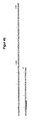
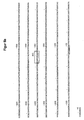
- FIGS. 4 to 6 Examples of sequences of certain wild-type FMD , MOX and TPS1 promoters may be the FIGS. 4 to 6 be removed. Since the sequence analysis was faulty, especially before ten and more than twenty years, but possible errors are readily discernible by testing using standard routine methods, among wild-type promoters in the sense of the invention not only those disclosed in the prior art by description but also understood the actually available wild-type promoters.
- transcription efficiency is meant the production of transcript, ie mRNA per unit time.
- it is determined to be the amount of a heterologous protein expressed in a suitable host cell under the control of a promoter per unit of time, assuming that translation efficiency depends only on the amount of transcript available.
- the transcription efficiency is determined, for example, by quantitative determination of the heterologous protein or by evaluation of the signals of a reporter gene such as lacZ or phytase at different times by standard methods.
- a DNA according to the invention in which the transcription efficiency of the promoter sequence is increased compared to the efficiency of the wild-type promoter by insertion of a DNA binding site.
- the DNA sequences according to the invention even have a significantly increased transcription efficiency compared with the wild-type promoters. This is all the more surprising since the wild-type promoters of methylotrophic yeasts are already among the most efficient promoters of all. A further and above all so significant increase is therefore most astonishing.
- the invention relates to a DNA whose promoter sequence has an increased by at least a factor of 1.5 compared to the wild-type promoter, preferably by at least a factor of 2, more preferably by at least a factor of 2.5 increased transcription efficiency.
- the invention relates to a DNA whose promoter sequence has a reduced transcription efficiency in comparison to the wild-type promoter is preferably a transcription efficiency reduced by at least a factor of 0.5.
- the promoter sequences of a DNA according to the invention are derived from a promoter of the genus Hansenula polymorpha.
- the promoter sequence of a DNA according to the invention is derived from promoters of the group of MOX, FMD, and TPS1- .
- a DNA according to the invention comprises at least one promoter sequence which is derived from the insertion, deletion and / or exchange of at least one base, preferably by the exchange of one or two bases, from a wild-type promoter.
- the wild-type promoter sequences of methylotrophic yeasts have DNA regions which are the DNA binding sites for transcription factors are similar but not identical to the class of bZip proteins, these DNA regions naturally having no DNA binding function in the methylotrophic yeast.
- These so-called cryptic, ie similar but nonfunctional, DNA binding sites for bZip protein class transcription factors are a preferred way to alter promoter transcription efficiency. It has been found that modification of these cryptic DNA binding sites by deletion, insertion or replacement single or multiple base pairs can significantly alter the promoter transcription efficiency of methylotrophic yeasts. In particular, the design of this DNA binding site as palindromic DNA shows a strong change in the transcriptional activity.
- the present invention therefore comprises a DNA whose promoter sequence has at least one DNA binding site, preferably a palindromic DNA binding site for transcription factors of the class bZip proteins.
- BZip proteins Transcription factors of the class of bZip proteins are described in, for example, Suckow et al., J. Mol. Biol. (1998) 276, 887-902 described. BZip proteins have a basic region responsible for DNA recognition and a C-terminal leucine "zipper" responsible for the specific dimer formation of these factors. Corresponding DNA binding sites for the bZip proteins are mostly palindromic or pseudopalindromic sequences of 10 or 9 base pairs.
- the transcription efficiency of methylotrophic yeast promoter sequences can be modulated by altering DNA regions whose motif resembles the palindromic DNA binding sites of zinc finger proteins. These DNA regions may be altered by deletion, insertion or replacement of at least one base pair, preferably resulting in a palindromic DNA binding site for zinc finger proteins.
- the promoter sequence of a DNA according to the invention therefore comprises at least one DNA binding site, preferably a palindromic DNA binding site, for zinc finger proteins.
- DNA sequences according to the invention whose promoter sequence has at least one DNA binding site which essentially corresponds to the ATF / CREB binding site, the YAP binding site, the C / EBP binding site, the AP1 binding site or the G box
- AP1 or G-box "Substantially" means that per strand not more than three, preferably two bases or only one base of the sequence at the said binding site deviate (t) s.
- the promoter sequence of a DNA according to the invention contains at least one palindromized DNA sequence which is derived from the sequences indicated in SEQ ID NO: 1-4, 11, 13, 16 or 20.
- Table 1 shows the preferred cryptic bZip sequences in the promoters FMD , MOX and TPS1 according to the FIGS. 4 to 6 ,
- the palindromized sequence comprises at least 8 to 20, preferably 8 to 12, particularly preferably 10 bases.
- the palindromized sequence may be symmetric or unsymmetrical. Preferably, it is symmetrical.
- the palindromized sequence deviates no more than maximally in 2 bases per strand, more preferably in only one base and most preferably not at all from a completely palindromic sequence.
- the DNA molecules according to the invention can be synthesized, for example, by customary methods, or isolated from suitable DNA libraries and subsequently mutated.
- the preparation of such libraries is also known to the person skilled in the art. Isolation is accomplished, for example, by preparing a probe of at least 200-400 bp in length and the sequence of a wild-type promoter of a methylotrophic yeast and screening a DNA library, particularly a genomic DNA library.
- a probe may be prepared by PCR using suitable polymerase chain reaction primers, each preferably at least 20-21 bp in length and having appropriate sequences, and genomic or cDNA of methylotrophic yeasts as "template".
- probes can be synthesized or prepared by fragmenting existing wild-type promoter DNA. It is also possible to screen parts of the promoter sequence directly with probes. However, such a procedure is less preferred due to poor preservation of the sequence within non-coding portions.
- the DNA molecules of the invention may further comprise at least one DNA sequence under the transcriptional control of the promoter sequence for a homologous and / or heterologous gene.
- heterologous gene By a “heterologous gene” is meant the coding region of a structural gene which either is not under the control of its own (homologous) promoter or is not expressed in the organism from which it is derived, or under the control of its own Promotors still expressed in the original organism.
- the DNA molecule according to the invention can furthermore comprise a DNA sequence coding for a signal peptide, which ensures the export of the expressed protein, wherein the DNA sequence coding for the signal peptide is preferably connected directly to the heterologous gene to be expressed.
- the DNA sequence coding for the signal peptide is preferably connected directly to the heterologous gene to be expressed.
- components from the S. occidentalis gene GAM1 or from a hormonal gene of the crab Carcinus maenas (CHH) which have been used successfully for the secretion of hirudin (Weydemann et al., 1995) can be considered here.
- a DNA according to the invention comprises a secretion signal selected from the group GAM, GAM-kex2, CHH-kex2, MF ⁇ -prepro and the chicken lysozyme secretion signal.
- secretion signals are known to the person skilled in the art from the prior art, for example from the European patents EP 394,538 B1 .
- EP 716,705 B1 and the European patent application EP 725,822 A1 are known to the person skilled in the art from the prior art, for example from the European patents EP 394,538 B1 .
- EP 716,705 B1 and the European patent application EP 725,822 A1
- the DNA according to the invention may comprise a terminator element which contains signal structures for the RNA polymerase which lead to the termination of the transcription. Examples of useful terminator elements are the MOX or PHO1 terminator of H. polymorpha .
- the invention furthermore relates to a host cell which contains at least one DNA according to the invention, wherein the host cell is a prokaryotic or a eukaryotic cell.
- the eukaryotic cell may be a plant cell.
- the cell is a fungal cell, more preferably a yeast cell.
- Suitable host cells for carrying out the present invention are, for example, filamentous fungi such as Aspergillus, Neurospora, Mucor, Trichoderma, Acremonium, Sordaria and Penicillium or yeasts such as Saccharomyces, Hansenula, Pichia, Torulopsis, Kluyveromyces, Schwanniomyces, Yarrowia, Arxula, Trichosporon and Candida ,
- a methylotrophic yeast cell in particular one of the genus Candida, Torulopsis, Hansenula or Pichia . Most preferred is Hansenula polymorpha .
- the present invention also relates to expression vectors, preferably plasmids, in which the vector comprises a DNA according to the invention.
- such expression vectors contain the phytase gene or lacZ as the reporter reading frame.
- DNA encoding a recombinant protein can be accomplished by any of the cloning techniques known in the art. However, these are not all described in detail, because they belong to the obvious tools of the expert.
- DNA molecules, host cells, expression vectors and kits of the present invention may be used for recombinant expression of a gene under the control of the promoter sequence to produce one or more proteins.
- the present invention thus also relates to the use of the articles according to the invention for producing proteins.
- Recombinant expression in a suitable host cell is intended to mean all known in the prior art expression methods in known expression systems that could be used here. However, these are not all described in detail, because they belong to the obvious tools of the expert.
- Another aspect of the present invention relates to methods of making the invention Expression vectors as defined in claim 20.
- the following examples show the change in the transcription efficiency of promoters of methylotrophic yeasts such as the FMD , MOX and TPS1 promoters by converting one or more cryptic DNA binding sites into their palindromic and thus formally idealized derivatives.
- the wild-type promoters to be changed (see FIGS. 4 ( FMD ), 5 ( MOX ), and 6 ( TPS1 )) were transferred to pUC18 and selectively altered there by PCR mutagenesis in a conventional manner. After verification of the exchanges by sequence analysis, the altered promoters were subcloned into expression plasmids containing either phytase or lacZ as the reporter reading frame.
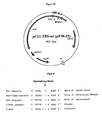
- the two series of reporter plasmids generated in this way differ only in their promoter sequences (see, for example, for / acZ as reporter gene) FIGS. 7A ( FMD promoter), FIG. 7B ( MOX promoter) and FIG. 7C ( TPS1 promoter)).
- the reporter endosomes of the strains to be compared must be comparable. Therefore, the following integrative assay system has been constructed which is suitable for both lacZ and phytase reporter plasmids .
- H. polymorpha was transformed with the respective reporter plasmid and 48 strains were generated with genomically integrated plasmid DNA per construct. These 48 strains were then subjected to a reporter protein test. This test yielded two pieces of information: on the one hand the construct-related reporter gene expression levels under the tested condition as end point determination, on the other hand the identification of the two strains with the highest reporter gene expression rates. These strains were then further comparative Subjected to experiments. Furthermore, they determined the copy number of the integrated reporter plasmid to exclude that any amplified promoter activities are due to a gene dosage effect.
- strains with id1 or id1-4 in the stain designation contain expression cassettes with FMD promoter variants with specific changes in the region of cryptic bZip binding sites (here: in the area of the ATF / CREB sequences 1 to 4).
- the different promoters were tested both in combination with lacZ and in combination with the phytase gene .
- ONPG measurements For the quantification of ⁇ -galactosidase, ONPG measurements ( ONPG: ortho-nitrophenyl- ⁇ -D-galactopyranoside; JH Miller (1972) Experiments in Molecular Genetics. Cold Spring Harbor Laboratory Press. Cold Spring Harbor, NY, USA ) with intracellular soluble fractions.
- the strongest strain per reporter plasmid was cultured for 48 hours on glucose or on glycerol as carbon source. After 4, 24 and 48 hours cells ( lacZ ) or culture supernatant ( phytase gene ) were harvested.
- lacZ starting from the harvested cells, intracellular soluble fractions were prepared, with which an ONPG measurement was subsequently carried out to determine the specific ⁇ -galactosidase activity.
- a phosphatase test was performed in which the challenged culture supernatants were used directly.
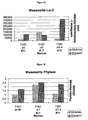
- Figures 1 A and B show the absolute readings of the tested strains after 24 hours growth on glucose ( Figure 1A ) and glycerol ( FIG. 1 B) , Both with lacZ and with phytase gene , the altered promoters reach peak values which are significantly higher than those achieved with the wild-type FMD promoter. This effect was with / acZ ( Fig. 1B ) are generally more pronounced than with phytase gene ( Fig. 1A ).
- the phytase is a secretory glyco-protein, in which between the transcription of the gene and the occurrence of the active gene product in the culture supernatant a large number of transport and modification steps must be completed, which are necessary for the provision of the cytosolic localized ⁇ - Galactosidase are not required.
- individual FMD promoter variants on glucose achieve higher activities than the wild-type promoter on glycerol.
- the peak values obtained with the wild-type promoter were exceeded by up to 3.5-fold, in the case of phytase gene by up to 2.5-fold (see Figures 1A and 1B ).
- the tested FMD promoter variants partially showed a different regulation than the wild-type promoter.
- the quotient of the measured values after 24-hour cultivation on glycerol and on glucose was calculated.
- a factor of 1 means constancy, based on the carbon sources investigated. Higher factors indicate that the particular promoter on glycerol has a higher activity than on glucose.
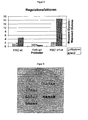
- the sequence of the various FMD promoter variants measured regulatory factors is qualitatively identical to both reporter genes ( lacZ and phytase gene ) ( FIG. 2 ): id1-4>wt> id1.
- the promoter id1 is approximately constitutive, while the promoter id1-4 with both reporter genes a higher regulatory factor than the wild-type FMD promoter (see FIG. 2 ).
- MOX and TPS1 promoter variants with increased activity on media with glucose as carbon source have increased activity on media with glucose as carbon source
- an MOX promoter and a TPS1 promoter were also modulated according to the invention in terms of their transcription efficiency.
- sequence of the MOX promoter of H. polymorpha five cryptic binding sites for bZip proteins were identified, two motifs similar to the ATF / CREB sequence and three motifs similar to the YAP binding site (see FIG. 5 ).
- two of these sequence motifs were palindromized.
- MOX -idA / CI and MOX -idY1 and the wild-type MOX promoter were, as already described for the FMD promoter, transferred to the lacZ reporter plasmid in such a way that they took over the control of the reporter gene.
- TPS1 promoter In the sequence of the TPS1 promoter, a total of eight possible bZip cryptic motifs were identified (see FIG. 6 ). Of the motifs shown in this example, five are similar to the ATF / CREB sequence, two to the C / EBP binding site and one to the YAP binding site. For this promoter, two variants were constructed, each with a palindromized sequence motif, TPS -idA / C1 and TPS -idC1.
- FIG. 3 Figure 5 shows an X-gal overlay test of five of these strains previously grown at 37 ° C on YNB / glucose plates.
- Both the MOX and TPS1 promoters showed that palindromization of the first (TATA box nearest) ATF / CREB sequence-like motif under the condition tested resulted in a visible increase in promoter activity , compared with the respective wild-type promoter (see FIG. 3 ). This effect could not be observed with other carbon sources tested.
- This result shows that the transcription properties of MOX and TPS1 promoters can also be altered by altering, in particular palindromizing, already existing cryptic DNA binding sites.
Landscapes
- Life Sciences & Earth Sciences (AREA)
- Health & Medical Sciences (AREA)
- Genetics & Genomics (AREA)
- Engineering & Computer Science (AREA)
- Chemical & Material Sciences (AREA)
- Organic Chemistry (AREA)
- Biomedical Technology (AREA)
- Mycology (AREA)
- Biotechnology (AREA)
- General Engineering & Computer Science (AREA)
- Zoology (AREA)
- Bioinformatics & Cheminformatics (AREA)
- Wood Science & Technology (AREA)
- Molecular Biology (AREA)
- Microbiology (AREA)
- Biochemistry (AREA)
- General Health & Medical Sciences (AREA)
- Biophysics (AREA)
- Plant Pathology (AREA)
- Physics & Mathematics (AREA)
- Gastroenterology & Hepatology (AREA)
- Medicinal Chemistry (AREA)
- Proteomics, Peptides & Aminoacids (AREA)
- Micro-Organisms Or Cultivation Processes Thereof (AREA)
- Preparation Of Compounds By Using Micro-Organisms (AREA)
Claims (20)
- ADN comprenant au moins une séquence promotrice, qui est dérivée d'un promoteur de type sauvage de Hansenula polymorpha, choisi dans le groupe constitué par le promoteur MOX, FMD et TPS1, caractérisé en ce que l'efficacité de transcription de cette séquence promotrice est modulée par rapport à l'efficacité du promoteur de type sauvage par modification d'un site de liaison de l'ADN, où la modification s'effectue par palindromisation d'au moins une des séquences d'ADN selon SEQ ID N° 1 - 4, 11, 13, 16 et 20, où la séquence palindromisée ne diffère pas d'une séquence entièrement palindromisée par plus de 2 bases par brin.
- ADN selon la revendication 1, caractérisé en ce que l'efficacité de transcription de la séquence promotrice est accrue par rapport à l'efficacité du promoteur de type sauvage.
- ADN selon la revendication 1, caractérisé en ce que l'efficacité de transcription de la séquence promotrice par rapport à l'efficacité du promoteur de type sauvage est accrue au moins d'un facteur 1,5, de préférence au moins d'un facteur 2, de préférence au moins d'un facteur 2,5.
- ADN selon la revendication 1, caractérisé en ce que l'efficacité de transcription de la séquence promotrice par rapport à l'efficacité du promoteur de type sauvage est réduite, de préférence au moins d'un facteur 0,5.
- ADN selon l'une des revendications 1 à 4, caractérisé en ce que la séquence promotrice est dérivée d'un promoteur de type sauvage par insertion, délétion et/ou remplacement d'au moins une base, de préférence par remplacement d'une ou deux bases.
- ADN selon l'une des revendications 1 à 5, caractérisé en ce que la séquence palindromisée est symétrique ou non symétrique, de préférence symétrique, et ne diffère d'une séquence entièrement palindromisée que par une seule base, et particulièrement préférentiellement n'en diffère absolument pas.
- ADN selon l'une des revendications précédentes, caractérisé en ce qu'il comprend également au moins une séquence d'ADN se trouvant sous le contrôle de transcription de la séquence promotrice, pour un gène homologue et/ou hétérologue.
- ADN selon l'une des revendications précédentes, caractérisé en ce qu'il comprend également une séquence d'ADN codant pour un signal de sécrétion.
- ADN selon l'une des revendications précédentes, caractérisé en ce que le signal de sécrétion est choisi dans le groupe constitué par GAM, GAM-kex2, CHH-kex2, MFα-prépro et le signal de sécrétion du lysozyme de poulet.
- Cellule hôte, caractérisée en ce que la cellule hôte comprend au moins un ADN selon l'une des revendications 1 à 9.
- Cellule hôte selon la revendication 10, caractérisée en ce que l'ADN est intégré au génome de la cellule hôte ou se présente sous forme de molécule d'ADN extrachromosomique, de préférence épisomale, dans la cellule hôte.
- Cellule hôte selon l'une des revendications 10 ou 11, caractérisée en ce que la cellule hôte est une cellule de levure, de préférence une cellule de levure méthylotrophe, particulièrement préférentiellement une cellule de levure des genres Candida, Torulopsis, Hansenula ou Pichia, particulièrement préférentiellement Hansenula polymorpha.
- Vecteur d'expression, de préférence un plasmide, caractérisé en ce que le vecteur comprend un ADN selon l'une des revendications 1 à 9.
- Vecteur d'expression selon la revendication 13, caractérisé en ce que le vecteur comprend le gène de la phytase ou le gène lacZ à titre de cadre de lecture rapporteur.
- Kit comprenant :(a) un vecteur d'expression selon la revendication 13 ou 14, qui est adapté pour le clonage d'un ADN, lequel code pour une protéine recombinante, et(b) une cellule hôte adaptée pour la production de la protéine recombinante.
- Utilisation d'un ADN selon l'une des revendications 1 à 9 ou d'une cellule hôte selon l'une des revendications 10 à 12 ou d'un vecteur d'expression selon la revendication 13 ou 14 ou d'un kit selon la revendication 15 pour l'expression d'un gène.
- Utilisation d'un ADN selon l'une des revendications 1 à 9 ou d'une cellule hôte selon l'une des revendications 10 à 12 ou d'un vecteur d'expression selon la revendication 13 ou 14 ou d'un kit selon la revendication 15 pour la production d'une ou de plusieurs protéines.
- Procédé de production d'une ou de plusieurs protéines, comprenant :(i) l'introduction d'un vecteur d'expression selon la revendication 13, contenant un ADN selon la revendication 7, dans une cellule hôte, qui est adaptée pour la production de la protéine recombinante, le cas échéant après induction de la séquence promotrice ;(ii) la culture de la cellule hôte obtenue au (i) ;(iii) et le cas échéant l'induction de la séquence promotrice par une manière connue en soi, de telle sorte que la ou les protéine(s) est/sont produite(s) par la cellule hôte.
- Procédé de production d'une ou de plusieurs protéines, comprenant :(i) la construction du vecteur d'expression, comprenant un ADN selon la revendication 7 ;(ii) l'introduction d'un vecteur d'expression dans une cellule hôte, qui est adaptée pour la production d'une protéine recombinante, le cas échéant après induction de la séquence promotrice ;(iii) la culture de la cellule hôte obtenue au (ii) ;(iv) et le cas échéant l'induction de la séquence promotrice par manière connue en soi, de telle sorte que la ou les protéine(s) est/sont produite(s) par la cellule hôte.
- Procédé de production de vecteurs d'expression selon l'une des revendications 13 ou 14, comprenant:(i) l'introduction d'un ADN selon l'une des revendications 1 à 9 dans un vecteur d'expression ; ou(ii) la modification d'une séquence promotrice de Hansenula polymorpha, le promoteur étant choisi dans le groupe constitué par le promoteur MOX, FMD et TPS1, dans un vecteur d'expression par insertion, délétion et/ou remplacement d'au moins une paire de bases par une manière connue en soi, où l'efficacité de transcription de cette séquence promotrice est modulée par rapport à l'efficacité du promoteur de type sauvage par modification d'un site de liaison de l'ADN, la modification se faisant par palindromisation d'au moins une des séquences d'ADN selon SEQ ID N°1 - 4, 11, 13, 16 et 20 et la séquence palindromisée ne différant pas d'une séquence entièrement palindromisée par plus de 2 bases par brin ; et(iii) le cas échéant l'introduction d'un gène hétérologue par une manière connue en soi dans un vecteur d'expression de sorte que le gène hétérologue soit sous le contrôle de transcription de l'ADN provenant de (a) ou (b).
Applications Claiming Priority (3)
| Application Number | Priority Date | Filing Date | Title |
|---|---|---|---|
| DE10220894 | 2002-05-10 | ||
| DE10220894A DE10220894A1 (de) | 2002-05-10 | 2002-05-10 | Promotoren mit veränderter Transkriptionseffizienz |
| PCT/EP2003/004844 WO2003095653A1 (fr) | 2002-05-10 | 2003-05-08 | Promoteurs à efficacité de transcription modifiée, dérivés de levure méthylotrophe hanseluna polymorpha |
Publications (2)
| Publication Number | Publication Date |
|---|---|
| EP1504103A1 EP1504103A1 (fr) | 2005-02-09 |
| EP1504103B1 true EP1504103B1 (fr) | 2011-11-23 |
Family
ID=29285267
Family Applications (1)
| Application Number | Title | Priority Date | Filing Date |
|---|---|---|---|
| EP03729992A Expired - Lifetime EP1504103B1 (fr) | 2002-05-10 | 2003-05-08 | Promoteurs ayant une efficacité de transcription modifiée, derivés de levure methylotrophe hanseluna polymorpha |
Country Status (10)
| Country | Link |
|---|---|
| US (1) | US7718398B2 (fr) |
| EP (1) | EP1504103B1 (fr) |
| KR (1) | KR20050025180A (fr) |
| AT (1) | ATE534743T1 (fr) |
| AU (1) | AU2003240610A1 (fr) |
| CA (1) | CA2485119A1 (fr) |
| DE (1) | DE10220894A1 (fr) |
| ES (1) | ES2377116T3 (fr) |
| RU (2) | RU2004132861A (fr) |
| WO (1) | WO2003095653A1 (fr) |
Families Citing this family (7)
| Publication number | Priority date | Publication date | Assignee | Title |
|---|---|---|---|---|
| DK2106447T3 (da) | 2007-01-26 | 2013-06-24 | Novozymes As | Fremgangsmåde til methanoluafhængig induktion fra methanolinducerbare promotorer i Pichia |
| CN101182499B (zh) * | 2007-11-13 | 2010-06-02 | 沈阳市信利生物技术发展有限公司 | 一种以甘油为碳源的制备植酸酶的方法 |
| EP2279241B1 (fr) * | 2008-05-06 | 2020-04-08 | Archer Daniels Midland Co. | Développement de souches de la levure hansenula polymorpha thermotolerante capable de la fermentation alcoolique de l'amidon et xylan par l'expression de amidon et enzymes xylan dégradants |
| WO2010141924A2 (fr) * | 2009-06-05 | 2010-12-09 | The General Hospital Corporation | Promoteurs natifs manipulés améliorés et leurs utilisations |
| KR101813981B1 (ko) * | 2009-10-22 | 2018-01-04 | 다우 아그로사이언시즈 엘엘씨 | 지방산 생합성에 포함된 식물 유전자를 표적하는 조작된 징크 핑거 단백질 |
| EP3184642B1 (fr) * | 2015-12-22 | 2019-05-08 | bisy e.U. | Cellule de levure |
| EP3922726A1 (fr) | 2020-06-10 | 2021-12-15 | Erber Aktiengesellschaft | Promoteur tronqué pour l'expression du gène recombinant |
-
2002
- 2002-05-10 DE DE10220894A patent/DE10220894A1/de not_active Withdrawn
-
2003
- 2003-05-08 RU RU2004132861/13A patent/RU2004132861A/ru unknown
- 2003-05-08 AU AU2003240610A patent/AU2003240610A1/en not_active Abandoned
- 2003-05-08 EP EP03729992A patent/EP1504103B1/fr not_active Expired - Lifetime
- 2003-05-08 CA CA002485119A patent/CA2485119A1/fr not_active Abandoned
- 2003-05-08 ES ES03729992T patent/ES2377116T3/es not_active Expired - Lifetime
- 2003-05-08 KR KR1020047018167A patent/KR20050025180A/ko not_active Ceased
- 2003-05-08 US US10/513,836 patent/US7718398B2/en not_active Expired - Fee Related
- 2003-05-08 AT AT03729992T patent/ATE534743T1/de active
- 2003-05-08 WO PCT/EP2003/004844 patent/WO2003095653A1/fr not_active Ceased
-
2009
- 2009-01-13 RU RU2009100910/10A patent/RU2009100910A/ru unknown
Also Published As
| Publication number | Publication date |
|---|---|
| RU2009100910A (ru) | 2010-07-20 |
| RU2004132861A (ru) | 2005-07-20 |
| DE10220894A1 (de) | 2003-11-27 |
| US20060089492A1 (en) | 2006-04-27 |
| KR20050025180A (ko) | 2005-03-11 |
| ATE534743T1 (de) | 2011-12-15 |
| EP1504103A1 (fr) | 2005-02-09 |
| CA2485119A1 (fr) | 2003-11-20 |
| AU2003240610A1 (en) | 2003-11-11 |
| WO2003095653B1 (fr) | 2004-03-04 |
| US7718398B2 (en) | 2010-05-18 |
| ES2377116T3 (es) | 2012-03-22 |
| WO2003095653A1 (fr) | 2003-11-20 |
Similar Documents
| Publication | Publication Date | Title |
|---|---|---|
| DE3486491T2 (de) | Hybrid-DNS-Synthesis von reifen insulinähnlichen Wachstumsfaktoren | |
| DE3650664T2 (de) | Verwendung von promotoren von filamentösen pilzen | |
| DE69532603T2 (de) | Hefestämme und modifizierte albumine | |
| DE3854249T2 (de) | Rekombinante Humicola-Lipase und Verfahren zur Herstellung von rekombinanten Humicola-Lipasen. | |
| EP1127146B1 (fr) | Nouvelle cassette d'expression permettant d'exprimer des genes quelconques de graines de plantes | |
| DE69535326T2 (de) | Transformierte linie der hefe candida utilis und die dadurch möglich expression eines heterogens | |
| DE69133066T2 (de) | Verfahren zur Expression heterologischer Gene in der Hefe Pichia Pastoris, Expressionsverfahren und transformierte Mikroorganismen | |
| DE60036647T2 (de) | Klonierung und expression einer extrazellulären säurebeständigen lipase aus yarrowia lipolytica | |
| EP1176205B1 (fr) | Expression de la phosphatase alkaline dans la levure | |
| DE3854256T2 (de) | Expressionsvektor für hefe. | |
| DE69805627T2 (de) | Verbesserte stämme für die protein-expression | |
| EP1040193B1 (fr) | Promoteur issu d'ashbya gossypii | |
| DE10196565B4 (de) | Rekombinantes Human-Parathyroidhormon erzeugender Hefe-Transformant und Verfahren zur Herstellung des Hormons | |
| DE3782560T2 (de) | Hefestaemme zur expression fremder gene. | |
| DE69130684T2 (de) | Für menschlichen fk506-bindendes protein kodierende dns und deren expression | |
| DE69027970T2 (de) | Hefe-Promoter | |
| EP1504103A1 (fr) | Promoteurs efficacit de transcription modifiee, derives de levure methylotrophe hanseluna polymorpha | |
| DE69303943T2 (de) | Neuer Vektor, einen von Methanol und/oder Glyzerin induzierbaren Promotor enthaltend | |
| DE69325169T2 (de) | Verfahren zur herstellung von häm-proteinen | |
| DE69331121T2 (de) | Ornithin-Carbamoyl-Transferase Gen und seine Verwendung als Gen-Marker in einem Expression-System für die Herstellung von Proteinen bei Basidiomyceten | |
| DE69435058T2 (de) | Multicloning-vektor, expressionsvektor und herstellung von fremdproteinen unter verwendung des expressionsvektors | |
| EP1242603B1 (fr) | Vecteurs et procede de production de proteines recombinantes dans des champignons | |
| EP1280893B1 (fr) | Procede de production de proteines dans une levure du genre arxula et promoteurs adaptes a cette fin | |
| DE60032585T2 (de) | Hyphenwachstum in pilzen | |
| DE69025081T2 (de) | DNS für Expression und Sekretion |
Legal Events
| Date | Code | Title | Description |
|---|---|---|---|
| PUAI | Public reference made under article 153(3) epc to a published international application that has entered the european phase |
Free format text: ORIGINAL CODE: 0009012 |
|
| 17P | Request for examination filed |
Effective date: 20041123 |
|
| AK | Designated contracting states |
Kind code of ref document: A1 Designated state(s): AT BE BG CH CY CZ DE DK EE ES FI FR GB GR HU IE IT LI LU MC NL PT RO SE SI SK TR |
|
| AX | Request for extension of the european patent |
Extension state: AL LT LV MK |
|
| DAX | Request for extension of the european patent (deleted) | ||
| 17Q | First examination report despatched |
Effective date: 20070221 |
|
| GRAP | Despatch of communication of intention to grant a patent |
Free format text: ORIGINAL CODE: EPIDOSNIGR1 |
|
| RTI1 | Title (correction) |
Free format text: PROMOTERS HAVING A MODIFIED TRANSCRIPTION EFFICIENCY AND DERIVED FROM METHYLOTROPHIC YEAST |
|
| GRAS | Grant fee paid |
Free format text: ORIGINAL CODE: EPIDOSNIGR3 |
|
| GRAA | (expected) grant |
Free format text: ORIGINAL CODE: 0009210 |
|
| AK | Designated contracting states |
Kind code of ref document: B1 Designated state(s): AT BE BG CH CY CZ DE DK EE ES FI FR GB GR HU IE IT LI LU MC NL PT RO SE SI SK TR |
|
| REG | Reference to a national code |
Ref country code: GB Ref legal event code: FG4D Free format text: NOT ENGLISH |
|
| REG | Reference to a national code |
Ref country code: CH Ref legal event code: EP |
|
| REG | Reference to a national code |
Ref country code: IE Ref legal event code: FG4D Free format text: LANGUAGE OF EP DOCUMENT: GERMAN |
|
| REG | Reference to a national code |
Ref country code: DE Ref legal event code: R096 Ref document number: 50314084 Country of ref document: DE Effective date: 20120202 |
|
| REG | Reference to a national code |
Ref country code: NL Ref legal event code: VDEP Effective date: 20111123 |
|
| REG | Reference to a national code |
Ref country code: ES Ref legal event code: FG2A Ref document number: 2377116 Country of ref document: ES Kind code of ref document: T3 Effective date: 20120322 |
|
| PG25 | Lapsed in a contracting state [announced via postgrant information from national office to epo] |
Ref country code: GR Free format text: LAPSE BECAUSE OF FAILURE TO SUBMIT A TRANSLATION OF THE DESCRIPTION OR TO PAY THE FEE WITHIN THE PRESCRIBED TIME-LIMIT Effective date: 20120224 Ref country code: SI Free format text: LAPSE BECAUSE OF FAILURE TO SUBMIT A TRANSLATION OF THE DESCRIPTION OR TO PAY THE FEE WITHIN THE PRESCRIBED TIME-LIMIT Effective date: 20111123 Ref country code: NL Free format text: LAPSE BECAUSE OF FAILURE TO SUBMIT A TRANSLATION OF THE DESCRIPTION OR TO PAY THE FEE WITHIN THE PRESCRIBED TIME-LIMIT Effective date: 20111123 Ref country code: PT Free format text: LAPSE BECAUSE OF FAILURE TO SUBMIT A TRANSLATION OF THE DESCRIPTION OR TO PAY THE FEE WITHIN THE PRESCRIBED TIME-LIMIT Effective date: 20120323 Ref country code: SE Free format text: LAPSE BECAUSE OF FAILURE TO SUBMIT A TRANSLATION OF THE DESCRIPTION OR TO PAY THE FEE WITHIN THE PRESCRIBED TIME-LIMIT Effective date: 20111123 |
|
| REG | Reference to a national code |
Ref country code: IE Ref legal event code: FD4D |
|
| PG25 | Lapsed in a contracting state [announced via postgrant information from national office to epo] |
Ref country code: CY Free format text: LAPSE BECAUSE OF FAILURE TO SUBMIT A TRANSLATION OF THE DESCRIPTION OR TO PAY THE FEE WITHIN THE PRESCRIBED TIME-LIMIT Effective date: 20111123 |
|
| PG25 | Lapsed in a contracting state [announced via postgrant information from national office to epo] |
Ref country code: IE Free format text: LAPSE BECAUSE OF FAILURE TO SUBMIT A TRANSLATION OF THE DESCRIPTION OR TO PAY THE FEE WITHIN THE PRESCRIBED TIME-LIMIT Effective date: 20111123 Ref country code: BG Free format text: LAPSE BECAUSE OF FAILURE TO SUBMIT A TRANSLATION OF THE DESCRIPTION OR TO PAY THE FEE WITHIN THE PRESCRIBED TIME-LIMIT Effective date: 20120223 Ref country code: CZ Free format text: LAPSE BECAUSE OF FAILURE TO SUBMIT A TRANSLATION OF THE DESCRIPTION OR TO PAY THE FEE WITHIN THE PRESCRIBED TIME-LIMIT Effective date: 20111123 Ref country code: SK Free format text: LAPSE BECAUSE OF FAILURE TO SUBMIT A TRANSLATION OF THE DESCRIPTION OR TO PAY THE FEE WITHIN THE PRESCRIBED TIME-LIMIT Effective date: 20111123 Ref country code: EE Free format text: LAPSE BECAUSE OF FAILURE TO SUBMIT A TRANSLATION OF THE DESCRIPTION OR TO PAY THE FEE WITHIN THE PRESCRIBED TIME-LIMIT Effective date: 20111123 Ref country code: DK Free format text: LAPSE BECAUSE OF FAILURE TO SUBMIT A TRANSLATION OF THE DESCRIPTION OR TO PAY THE FEE WITHIN THE PRESCRIBED TIME-LIMIT Effective date: 20111123 |
|
| PG25 | Lapsed in a contracting state [announced via postgrant information from national office to epo] |
Ref country code: RO Free format text: LAPSE BECAUSE OF FAILURE TO SUBMIT A TRANSLATION OF THE DESCRIPTION OR TO PAY THE FEE WITHIN THE PRESCRIBED TIME-LIMIT Effective date: 20111123 |
|
| PLBE | No opposition filed within time limit |
Free format text: ORIGINAL CODE: 0009261 |
|
| STAA | Information on the status of an ep patent application or granted ep patent |
Free format text: STATUS: NO OPPOSITION FILED WITHIN TIME LIMIT |
|
| 26N | No opposition filed |
Effective date: 20120824 |
|
| BERE | Be: lapsed |
Owner name: RHEIN BIOTECH G.- FUR NEUE BIOTECHNOLOGISCHE PROZ Effective date: 20120531 |
|
| REG | Reference to a national code |
Ref country code: DE Ref legal event code: R097 Ref document number: 50314084 Country of ref document: DE Effective date: 20120824 |
|
| PG25 | Lapsed in a contracting state [announced via postgrant information from national office to epo] |
Ref country code: MC Free format text: LAPSE BECAUSE OF NON-PAYMENT OF DUE FEES Effective date: 20120531 |
|
| REG | Reference to a national code |
Ref country code: CH Ref legal event code: PL |
|
| PG25 | Lapsed in a contracting state [announced via postgrant information from national office to epo] |
Ref country code: LI Free format text: LAPSE BECAUSE OF NON-PAYMENT OF DUE FEES Effective date: 20120531 Ref country code: CH Free format text: LAPSE BECAUSE OF NON-PAYMENT OF DUE FEES Effective date: 20120531 |
|
| PG25 | Lapsed in a contracting state [announced via postgrant information from national office to epo] |
Ref country code: BE Free format text: LAPSE BECAUSE OF NON-PAYMENT OF DUE FEES Effective date: 20120531 |
|
| PG25 | Lapsed in a contracting state [announced via postgrant information from national office to epo] |
Ref country code: FI Free format text: LAPSE BECAUSE OF FAILURE TO SUBMIT A TRANSLATION OF THE DESCRIPTION OR TO PAY THE FEE WITHIN THE PRESCRIBED TIME-LIMIT Effective date: 20111123 |
|
| REG | Reference to a national code |
Ref country code: AT Ref legal event code: MM01 Ref document number: 534743 Country of ref document: AT Kind code of ref document: T Effective date: 20120508 |
|
| PG25 | Lapsed in a contracting state [announced via postgrant information from national office to epo] |
Ref country code: AT Free format text: LAPSE BECAUSE OF NON-PAYMENT OF DUE FEES Effective date: 20120508 |
|
| PG25 | Lapsed in a contracting state [announced via postgrant information from national office to epo] |
Ref country code: TR Free format text: LAPSE BECAUSE OF FAILURE TO SUBMIT A TRANSLATION OF THE DESCRIPTION OR TO PAY THE FEE WITHIN THE PRESCRIBED TIME-LIMIT Effective date: 20111123 |
|
| PG25 | Lapsed in a contracting state [announced via postgrant information from national office to epo] |
Ref country code: LU Free format text: LAPSE BECAUSE OF NON-PAYMENT OF DUE FEES Effective date: 20120508 |
|
| PG25 | Lapsed in a contracting state [announced via postgrant information from national office to epo] |
Ref country code: HU Free format text: LAPSE BECAUSE OF FAILURE TO SUBMIT A TRANSLATION OF THE DESCRIPTION OR TO PAY THE FEE WITHIN THE PRESCRIBED TIME-LIMIT Effective date: 20030508 |
|
| REG | Reference to a national code |
Ref country code: FR Ref legal event code: PLFP Year of fee payment: 14 |
|
| PGFP | Annual fee paid to national office [announced via postgrant information from national office to epo] |
Ref country code: GB Payment date: 20160512 Year of fee payment: 14 Ref country code: ES Payment date: 20160520 Year of fee payment: 14 Ref country code: DE Payment date: 20160531 Year of fee payment: 14 |
|
| PGFP | Annual fee paid to national office [announced via postgrant information from national office to epo] |
Ref country code: FR Payment date: 20160512 Year of fee payment: 14 Ref country code: IT Payment date: 20160531 Year of fee payment: 14 |
|
| REG | Reference to a national code |
Ref country code: DE Ref legal event code: R119 Ref document number: 50314084 Country of ref document: DE |
|
| GBPC | Gb: european patent ceased through non-payment of renewal fee |
Effective date: 20170508 |
|
| REG | Reference to a national code |
Ref country code: FR Ref legal event code: ST Effective date: 20180131 |
|
| PG25 | Lapsed in a contracting state [announced via postgrant information from national office to epo] |
Ref country code: DE Free format text: LAPSE BECAUSE OF NON-PAYMENT OF DUE FEES Effective date: 20171201 Ref country code: GB Free format text: LAPSE BECAUSE OF NON-PAYMENT OF DUE FEES Effective date: 20170508 |
|
| PG25 | Lapsed in a contracting state [announced via postgrant information from national office to epo] |
Ref country code: IT Free format text: LAPSE BECAUSE OF NON-PAYMENT OF DUE FEES Effective date: 20170508 Ref country code: FR Free format text: LAPSE BECAUSE OF NON-PAYMENT OF DUE FEES Effective date: 20170531 |
|
| REG | Reference to a national code |
Ref country code: ES Ref legal event code: FD2A Effective date: 20180626 |
|
| PG25 | Lapsed in a contracting state [announced via postgrant information from national office to epo] |
Ref country code: ES Free format text: LAPSE BECAUSE OF NON-PAYMENT OF DUE FEES Effective date: 20170509 |