EP1521767B1 - Verfahren und konstrukte zur expression von clostripain mit hoher ausbeute - Google Patents
Verfahren und konstrukte zur expression von clostripain mit hoher ausbeute Download PDFInfo
- Publication number
- EP1521767B1 EP1521767B1 EP03734200A EP03734200A EP1521767B1 EP 1521767 B1 EP1521767 B1 EP 1521767B1 EP 03734200 A EP03734200 A EP 03734200A EP 03734200 A EP03734200 A EP 03734200A EP 1521767 B1 EP1521767 B1 EP 1521767B1
- Authority
- EP
- European Patent Office
- Prior art keywords
- clostripain
- promoter
- cell
- expression cassette
- sequence
- Prior art date
- Legal status (The legal status is an assumption and is not a legal conclusion. Google has not performed a legal analysis and makes no representation as to the accuracy of the status listed.)
- Expired - Lifetime
Links
Images




Classifications
-
- C—CHEMISTRY; METALLURGY
- C12—BIOCHEMISTRY; BEER; SPIRITS; WINE; VINEGAR; MICROBIOLOGY; ENZYMOLOGY; MUTATION OR GENETIC ENGINEERING
- C12N—MICROORGANISMS OR ENZYMES; COMPOSITIONS THEREOF; PROPAGATING, PRESERVING, OR MAINTAINING MICROORGANISMS; MUTATION OR GENETIC ENGINEERING; CULTURE MEDIA
- C12N9/00—Enzymes; Proenzymes; Compositions thereof; Processes for preparing, activating, inhibiting, separating or purifying enzymes
- C12N9/14—Hydrolases (3)
- C12N9/48—Hydrolases (3) acting on peptide bonds (3.4)
- C12N9/50—Proteinases, e.g. Endopeptidases (3.4.21-3.4.25)
- C12N9/52—Proteinases, e.g. Endopeptidases (3.4.21-3.4.25) derived from bacteria or Archaea
-
- C—CHEMISTRY; METALLURGY
- C12—BIOCHEMISTRY; BEER; SPIRITS; WINE; VINEGAR; MICROBIOLOGY; ENZYMOLOGY; MUTATION OR GENETIC ENGINEERING
- C12N—MICROORGANISMS OR ENZYMES; COMPOSITIONS THEREOF; PROPAGATING, PRESERVING, OR MAINTAINING MICROORGANISMS; MUTATION OR GENETIC ENGINEERING; CULTURE MEDIA
- C12N15/00—Mutation or genetic engineering; DNA or RNA concerning genetic engineering, vectors, e.g. plasmids, or their isolation, preparation or purification; Use of hosts therefor
- C12N15/09—Recombinant DNA-technology
- C12N15/63—Introduction of foreign genetic material using vectors; Vectors; Use of hosts therefor; Regulation of expression
- C12N15/67—General methods for enhancing the expression
-
- C—CHEMISTRY; METALLURGY
- C12—BIOCHEMISTRY; BEER; SPIRITS; WINE; VINEGAR; MICROBIOLOGY; ENZYMOLOGY; MUTATION OR GENETIC ENGINEERING
- C12N—MICROORGANISMS OR ENZYMES; COMPOSITIONS THEREOF; PROPAGATING, PRESERVING, OR MAINTAINING MICROORGANISMS; MUTATION OR GENETIC ENGINEERING; CULTURE MEDIA
- C12N9/00—Enzymes; Proenzymes; Compositions thereof; Processes for preparing, activating, inhibiting, separating or purifying enzymes
- C12N9/14—Hydrolases (3)
- C12N9/48—Hydrolases (3) acting on peptide bonds (3.4)
- C12N9/50—Proteinases, e.g. Endopeptidases (3.4.21-3.4.25)
Definitions
- the present invention relates generally to the field of protein expression. More specifically, it relates to DNA constructs for the expression of clostripain.
- Polypeptides are useful for the treatment of disease in humans and animals.
- examples of such polypeptides include insulin for the treatment of diabetes, interferon for treating viral infections, interleukins for modulating the immune system, erythropoietin for stimulating red blood cell formation, and growth factors that act to mediate both prenatal and postnatal growth.
- bioactive polypeptides can be produced through use of chemical synthesis methods. However, such production methods are often times inefficient and labor intensive which leads to increased cost and lessened availability of therapeutically useful polypeptides.
- An alternative to chemical synthesis is provided by recombinant technology which allows the high yield production of bioactive polypeptides in microbes. Such production permits a greater number of people to be treated at a lowered cost.
- polypeptides having increased resistance to proteolytic degradation may be produced by replacing a carboxyl group located on the carboxyl-terminus of the polypeptide with an amine group through a process of amidation.
- Clostripain (EC 3.4.22.8) is an endopeptidase that cleaves a polypeptide at the carboxyl-terminus of Arg residue. Accordingly, use of clostripain during the production of an amidated therapeutic polypeptide from a precursor polypeptide allows the precursor polypeptide to be cleaved and amidated in the same step to produce a therapeutic polypeptide.
- Clostripain is expressed by the anaerobic bacteria Clostridium histoliticum and can be isolated from culture filtrates by conventional methods. However, isolation of clostripain from culture filtrates is expensive, inefficient, and is susceptible to contamination by other unwanted proteases that may adversely affect later use of clostripain during production of therapeutic polypeptides. Clostripain has also been expressed and isolated from Escherichia coli and Bacillus subtilis. However, these attempts produced low yields of clostripain that was of low enzymatic activity.
- the invention provides an expression cassette containing a promoter that is operably linked to an open reading frame that encodes a tag that is operably linked to clostripain or a variant of clostripain.
- the invention also provides a nucleic acid construct containing a vector and the expression cassette of the invention.
- a cell containing the expression cassette of the invention is also provided.
- the invention provides a cell containing the nucleic acid construct of the invention.
- a method to overproduce clostripain is also provided by the invention.
- An RNA transcript produced by transcription of the expression cassette of the invention is provided. Accordingly, a polypeptide produced by translation of the RNA transcript of the invention is also provided.
- the invention provides an expression cassette containing a promoter that is operably linked to an open reading frame that encodes a tag that is operably linked to clostripain.
- the promoter is a constituitive promoter. More preferably the promoter is a regulatable promoter. Even more preferably the promoter is an inducible promoter. Most preferably the promoter is a tac promoter.
- the tag increases the production of clostripain by a cell.
- the tag has an amino acid sequence corresponding to SEQ m NO: 17.
- the open reading frame encodes a variant of clostripain having at least 70 % amino acid sequence identity to SEQ ID NO: 29.
- the open reading frame encodes a variant of clostripain having at least 80 % amino acid sequence identity to SEQ m NO: 29. Even more preferably the open reading frame encodes a variant of clostripain having at least 90 % amino acid sequence identity to SEQ ID NO: 29. Still even more preferably the open reading frame encodes a variant of clostripain having at least 98 % amino acid sequence identity to SEQ ID NO: 29. Most preferably the open reading frame encodes clostripain having an amino acid sequence corresponding to SBQ ID NO: 29.
- the expression cassette of the invention can also include an operator sequence that is operably linked to the promoter that is operably linked to the open reading flame encoding clostripain.
- the operator sequence is a bacterial operator sequence. More preferably the operator sequence is obtained from a gene involved in sugar metabolism. Most preferably the operator sequence is the lac operator sequence.
- the invention also provides a nucleic acid construct containing a vector and an expression cassette of the invention.
- the vector is a phagemid, cosmid, f-factor, virus, bacteriophage, yeast artificial chromosome, or bacterial artificial chromosome. More preferably the vector is a plasmid.
- the invention provides a cell containing a nucleic acid construct of the invention.
- the call is a eukaryotic cell.
- the eukaryotic coll is a mammalian cell.
- the eukaryotic cell is a yeast cell.
- the eukaryotic cell is an insect cell.
- the cell is a prokaryotic cell.
- the prokaryotic cell is a bacterium.
- the prokaryotic cell is an Escherichia coli.
- the prokaryotic cell is Escherichia coli BL21.
- IPTG isopropylthio- ⁇ -D-galactoside
- PCR polymerase chain reaction
- mRNA messenger ribonucleic acid
- DNA deoxyribonucleic acid
- RNA ribonucleic acid
- FLAG hydrophilic 8-amino acid peptide (DYKDDDDK)(SEQ ID NO: 25).
- altered isoelectric point refers to changing the amino acid composition of an inclusion body fusion partner to effect a change in the isoelectric point of clostripain or a variant thereof that is operably linked to the inclusion body fusion partner.
- amino acid analog includes amino acids that are in the D rather than L form, as well as other well known amino acid analogs, e.g., N-alkyl amino acids, lactic acid, and the like. These analogs include phosphoserine, phosphothreonine, phosphotyrosine, hydroxyproline, gamma-carboxyglutamate; hippuric acid, octahydroindole-2-carboxylic acid, statine, 1,2,3,4,-tetrahydroisoquinoline-3-carboxylic acid, penicillamine, ornithine, citruline, N-methyl-alanine, para-benzoyl-phenylalanine, phenylglycine, propargylglycine, sarcosine, N-acetylserine, N-formylmethionine, 3-methylhistidine, 5-hydroxylysine, norleucine, norvaline, orthonitrophenylglycine, and other
- cells denote, for example, microorganisms, insect cells, and mammalian cells, that can be, or have been, used as recipients for nucleic acid constructs or expression cassettes, and include the progeny of the original cell which has been transformed. It is understood that the progeny of a single parental cell may not necessarily be completely identical in morphology or in genomic or total DNA complement as the original parent, due to natural, accidental, or deliberate mutation. Many cells are available from ATCC and commercial sources.
- CHO Chinese hamster ovary
- HeLa HeLa cells
- BHK baby hamster kidney
- COS monkey kidney cells
- human hepatocellular carcinoma cells e.g., Hep G2
- Many prokaryotic cells are known in the art and include, but are not limited to, Escherichia coli and Salmonella typhimurium. Sambrook and Russell, Molecular Cloning: A Laboratory Manual, 3rd edition (January 15, 2001) Cold Spring Harbor Laboratory Press, ISBN: 0879695765 .
- Many insect cells are known in the art and include, but are not limited to, silkworm cells and mosquito cells. ( Franke and Hruby, J. Gen. Virol., 66:2761 (1985 ); Marumoto et al., J. Gen. Virol., 68:2599 (1987 )).
- a “Cleavable peptide linker” refers to a peptide sequence having a cleavage recognition sequence.
- a cleavable peptide linker can be cleaved by an enzymatic or a chemical cleavage agent. Numerous peptide sequences are known that are cleaved by enzymes or chemicals. Harlow and Lane, Antibodies: A Laboratory Manual, Cold Spring Harbor Laboratory Press, Cold Spring Harbor, NY (1988 ); Walsh, Proteins Biochemistry and Biotechnology, John Wiley & Sons, LTD., Westshire, England (2002 ).
- a “Coding sequence” is a nucleic acid sequence which is translated into a polypeptide, such as a preselected polypeptide, usually via mRNA.
- the boundaries of the coding sequence are determined by a translation start codon at the 5'-terminus and a translation stop codon at the 3'-terminus of an mRNA.
- a coding sequence can include, but is not limited to, cDNA, and recombinant nucleic acid sequences.
- a “Conservative amino acid” refers to an amino acid that is functionally similar to a second amino acid. Such amino acids may be substituted for each other in a polypeptide with a minimal disturbance to the structure or function of the polypeptide according to well known techniques.
- the following five groups each contain amino acids that are conservative substitutions for one another: Aliphatic: Glycine (G), Alanine (A), Valine (V), Leucine (L), Isoleucine (I); Aromatic: Phenylalanine (F), Tyrosine (Y), Tryptophan (W); Sulfur-containing: Methionine (M), Cysteine (C); Basic: Arginine (R), Lysine (K), Histidine (H); Acidic: Aspartic acid (D), Glutamic acid (E), Asparagine (N), Glutamine (Q).
- Constant promoter refers to a promoter that is able to express a gene or open reading frame without additional regulation. Such constitutive promoters provide constant expression of operatively linked genes or open reading frames under nearly all conditions.
- An “enhancer” is a DNA sequence which can stimulate promoter activity and may be an innate element of the promoter or a heterologous element inserted to enhance the expression level of a promoter.
- An enhancer is capable of operating in both orientations (normal or flipped), and is capable of functioning even when moved either upstream or downstream from the promoter.
- a “eukaryotic promoter” is a promoter sequence that is operable in a eukaryotic cell.
- eukaryotic promoters include, but are not limited to, a baculovirus promoter, a yeast promoter, an SV40 early promoter, a mouse mammary tumor virus LTR promoter, and a herpes simplex promoter.
- Many eukaryotic promoters are also tissue specific promoters in that they are more active in one type of tissue than in another tissue type.
- An “Expression cassette” as used herein means a DNA sequence capable of directing expression of a particular polynucleotide sequence in an appropriate host cell, comprising a promoter operably linked to the polynucleotide sequence of interest which is operably linked to termination signals. It also typically comprises sequences required for proper translation of the nucleotide sequence.
- the coding region (open reading frame) codes for clostripain or a variant of clostripain.
- the expression cassette comprising the open reading frame may be chimeric, meaning that at least one of its components is heterologous with respect to at least one of its other components.
- the expression cassette may also be one which is naturally occurring but has been obtained in a recombinant form useful for heterologous expression.
- the expression of the nucleotide sequence (open reading frame) in the expression cassette may be under the control of a constitutive promoter or of an inducible promoter that initiates transcription only when the host cell is exposed to some particular external stimulus.
- the promoter can also be specific to a particular tissue or organ or stage of development.
- Gene is used broadly to refer to any segment of nucleic acid that encodes clostripain or a variant thereof.
- a gene may include a coding sequence for clostripain and/or the regulatory sequences required for expression.
- a gene encoding clostripain may also be optimized for expression in a given organism. For example, a codon usage table may be used to optimize the gene for expression in Escherichia coli. Harlow and Lane, Antibodies: A Laboratory Manual, Cold Spring Harbor Laboratory Press, Cold Spring Harbor, NY (1988 ).
- An “Inclusion body” is an amorphous deposit in the cytoplasm of a cell; an aggregated protein appropriate to the cell but damaged, improperly folded or liganded, or a similarly inappropriately processed foreign protein, such as a viral coat protein or recombinant DNA product.
- An “Inclusion body fusion partner” is an amino acid sequence having SEQ ID NO: 1-16, or variants thereof, that cause a clostripain or a variant of clostripain that is operably linked to the inclusion body fusion partner to form an inclusion body when expressed within a cell.
- the inclusion body fusion partners can be altered to confer isolation enhancement onto an inclusion body that contains the altered inclusion body fusion partner. Examples of inclusion body fusion partners are provided in Table L
- “Inducible promoter” refers to these regulated promoters that can be turned on by an external stimulus (e.g. a chemical nutritional stress, or heat).
- an external stimulus e.g. a chemical nutritional stress, or heat
- the lac promoter can be induced through use of IPTG (isopropylthio- ⁇ -D-galactoside).
- the bacteriophage lambda P L promoter can be regulated by the temperature-sensitive repressor, cIts857 which represses P L transcription at low temperatures but not at high temperatures. Thus, temperature shift may be used to induce transcription from the P L promoter, Sambrook and Russell, Molecular Cloning: A Laboratory Manual, 3rd edition (January 15, 2001) Cold Spring Harbor Laboratory Press, ISBN: 0879695765 .
- isolation enhancement refers to the alteration of characteristics of an inclusion body that aids in purification of a clostripain or variant of clostripain that is operably linked to the inclusion body fusion partner.
- alteration of an inclusion body fusion partner to increase the solubility of an inclusion body formed from clostripain or a variant of clostripain that is operably linked to an inclusion body fusion partner would be isolation enhancement.
- alteration of an inclusion body fusion partner to control the solubility of an inclusion body at a select pH would be isolation enhancement.
- nucleic acid construct is a vector into which an expression cassette has been inserted.
- a nucleic acid construct can be a plasmid containing an expression cassette of the invention.
- a nucleic acid construct can be a virus into which an expression cassette of the invention has been inserted.
- ORF open reading frame
- “Operably-linked” refers to the association of nucleic acid sequences or amino acid sequences on a single nucleic acid fragment or a single amino acid sequence so that the function of one is affected by the other.
- a regulatory DNA sequence is said to be “operably linked to” or “associated with” a DNA sequence that codes for an RNA if the two sequences are situated such that the regulatory DNA sequence affects expression of the coding DNA sequence (i.e., that the coding sequence is under the transcriptional control of the promoter).
- an inclusion body fusion partner is said to be operably linked to clostripain when the inclusion body fusion partner causes the linked clostripain or variant of clostripain to form an inclusion body.
- a signal sequence is said to be operably linked to clostripain when the signal sequence directs the linked clostripain to a specific location in a cell or promotes secretion of the linked clostripain from the cell.
- An "Operator” is a site on DNA at which a repressor protein binds to prevent transcription from initiating at the adjacent promoter. Many operators and repressors are known and may be exemplified by the lac operator and the lac repressor. Lewin, Genes VII, Oxford University Press, New York, New York (2000 ).
- polypeptide refers to a polymer of amino acids, thus, peptides, oligopeptides, and proteins are included within the definition of polypeptide. This term optionally includes post expression modifications of the polypeptide, for example, glycosylations, acetylations, phosphorylations and the like. Included within the definition are, for example, polypeptides containing one or more analogues of an amino acid or labeled amino acids. Examples of rabiolabeled amino acids include, but are not limited to, S 35 -methionine, S 35 -cysteine, H 3 -alanine, and the like.
- the invention may also be used to produce deuterated polypeptides by growing cells that express the polypeptide in deuterium. Such deuterated polypeptides are particularly useful during NMR studies.
- Promoter refers to a nucleotide sequence, usually upstream (5') to its coding sequence, which controls the expression of the coding sequence by providing the recognition site for RNA polymerase and other factors required for proper transcription.
- Promoter includes a minimal promoter that is a short DNA sequence comprised of a TATA- box and other sequences that serve to specify the site of transcription initiation, to which regulatory elements are added for control of expression.
- Promoter also refers to a nucleotide sequence that includes a minimal promoter plus one or more regulatory elements that are capable of controlling the expression of a coding sequence.
- Promoters may be derived in their entirety from a native gene, or be composed of different elements derived from different promoters found in nature, or even be comprised of synthetic DNA segments.
- a promoter may also contain DNA sequences that are involved in the binding of protein factors which control the effectiveness of transcription initiation in response to physiological or environmental conditions.
- Purification stability refers to the isolation characteristics of an inclusion body formed from clostripain or a variant of clostripain that is operably linked to an inclusion body fusion partner. High purification stability indicates that an inclusion body is able to be isolated from a cell in which it was produced. Low purification stability indicates that the inclusion body is unstable during purification due to dissociation of the linked clostripain or variant of clostripain forming the inclusion body.
- Purified and isolated mean, when referring to a polypeptide or nucleic acid sequence, that the indicated molecule is present in the substantial absence of other biological macromolecules of the same type.
- the term “purified” as used herein preferably means at least 75 % by weight, more preferably at least 85 % by weight, more preferably still at least 95 % by weight, and most preferably at least 98 % by weight, of biological macromolecules of the same type present (but water, buffers, and other small molecules, especially molecules having a molecular weight of less than 1000, can be present).
- Regulated promoter refers to a promoter that directs gene expression in a controlled manner rather than in a constitutive manner.
- Regulated promoters include inducible promoters and repressible promoters. Such promoters may include natural and synthetic sequences as well as sequences that may be a combination of synthetic and natural sequences. Different promoters may direct the expression of a gene in response to different environmental conditions.
- Typical regulated promoters useful in the invention include, but are not limited to, promoters used to regulate metabolism (e.g. an IPTG-inducible lac promoter) heat-shock promoters (e.g. an SOS promoter), and bacteriophage promoters (e.g. a T7 promoter).
- Ribosome binding site is a DNA sequence that encodes a site on an mRNA at which the small and large subunits of a ribosome associate to form an intact ribosome and initiate translation of the mRNA.
- Ribosome binding site consensus sequences include AGGA or GAGG and are usually located some 8 to 13 nucleotides upstream (5') of the initiator AUG codon on the mRNA.
- Many ribosome binding sites are known in the art. ( Shine et al., Nature, 254: 34, (1975 ); Steitz et al., "Genetic signals and nucleotide sequences in messenger RNA", in: Biological Regulation and Development: Gene Expression (ed. R. F. Goldberger) (1979 )).
- Self-adhesion refers to the association between individual polypeptides, that have an inclusion body fusion partner operably linked to clostripain, to form an inclusion body.
- Self-adhesion affects the purification stability of an inclusion body formed from the linked clostripain. Self-adhesion that is too great produces inclusion bodies containing clostripain that are so tightly associated with each other that it is difficult to separate individual clostripain molecules from an isolated inclusion body. Self-adhesion that is too low produces inclusion bodies that are unstable during isolation due to dissociation of the clostripain molecules that form the inclusion body. Self-adhesion can be regulated by altering the amino acid sequence of an inclusion body fusion partner.
- a “Signal sequence” is a region in a protein or polypeptide responsible for directing an operably linked polypeptide to a cellular location, compartment, or secretion from the cell as designated by the signal sequence.
- signal sequences direct operably linked polypeptides to the inner membrane, periplasmic space, and outer membrane in bacteria.
- the nucleic acid and amino acid sequences of such signal sequences are well known in the art and have been reported.
- Signal sequences preferably for use in insect cells, can be derived from genes for secreted insect or baculovirus proteins, such as the baculovirus polyhedrin gene ( Carbonell et al., Gene, 73: 409 (1988 )).
- signal sequences of non-insect origin such as those derived from genes encoding human ⁇ -interferon ( Maeda et al., Nature, 315:592 (1985 )), human gastrin-releasing peptide ( Lebacq-Verheyden et al., Mol. Cell. Biol., 8: 3129 (1988 )), human IL-2 ( Smith et al., Proc. Natl.
- mice IL-3 Miyajima et al., Gene, 58: 273 (1987 )
- human glucocerebrosidase Martin et al., DNA, 7: 99 (1988 )
- Suitable yeast signal sequences can be derived from genes for secreted yeast proteins, such as the yeast invertase gene ( EPO Publ. No. 012 873 ; JPO Publ. No. 62,096,086 ) and the A-factor gene ( U.S. Pat. No. 4,588,684 ).
- sequences of non-yeast origin such as from interferon, exist that also provide for secretion in yeast ( EPO Publ. No. 060 057 ).
- solubility refers to the amount of a substance that can be dissolved in a unit volume of solvent.
- solubility as used herein refers to the ability of clostripain to be resuspended in a volume of solvent, such as a biological buffer.
- a “Tag” refers to an amino acid sequence that is operably linked to a peptide or protein. Such tag sequences may provide for the increased expression of a desired peptide or protein. Such tag sequences may also form a cleavable peptide linker when they are operably linked to another peptide or protein.
- An example of a tag sequence includes, but is not limited to, the sequence indicated in SEQ ID NO: 17.
- a "Transcription terminator sequence” is a signal within DNA that functions to stop RNA synthesis at a specific point along the DNA template.
- a transcription terminator may be either rho factor dependent or independent.
- An example of a transcription terminator sequence is the T7 terminator.
- Transcription terminators are known in the art and may be isolated from commercially available vectors according to recombinant methods known in the art. ( Sambrook and Russell, Molecular Cloning: A Laboratory Manual, 3rd edition (January 15, 2001) Cold Spring Harbor Laboratory Press, ISBN: 0879695765 ; Stratagene, La Jolla, CA).
- Transformation refers to the insertion of an exogenous nucleic acid sequence into a host cell, irrespective of the method used for the insertion. For example, direct uptake, transduction, f-mating or electroporation may be used to introduce a nucleic acid sequence into a host cell.
- the exogenous nucleic acid sequence may be maintained as a non-integrated vector, for example, a plasmid, or alternatively, may be integrated into the host genome.
- a "Translation initiation sequence” refers to a DNA sequence that codes for a sequence in a transcribed mRNA that promotes efficient translation of an mRNA. Numerous translation initiation sequences are known in the art. These sequences are sometimes referred to as leader sequences. A translation inititation sequence may include an optimized ribosome binding site. In the present invention, bacterial translational initiation sequences are preferred. Such translation initiation sequences are well known in the art and can be obtained from, but are not limited to, bacteriophage T7, bacteriophage ⁇ 10, and the gene encoding ompT.
- plasmids such as the pET (plasmid for expression of T7 RNA polymerase) series of plasmids. (Novagen, Madison, WI). Examples of translation initiation sequences are provided in Table I. Those of skill in the art realize that many translation initiation sequences can be used according to the invention.
- a "variant" of clostripain is a polypeptide derived from native clostripain by deletion or addition of one or more amino acids to the N-terminal and/or C-terminal end of the native polypeptide; deletion or addition of one or more amino acids at one or more sites in the native protein; or substitution of one or more amino acids at one or more sites in the native protein. Such substitutions or insertions are preferably conservative amino acid substitutions. Also, a variant of clostripain will exhibit a detectable amount of protease activity. Methods for such manipulations are generally known in the art. ( Kunkel, Proc. Natl. Acad. Sci.
- kits are commercially available for mutating DNA. (Quick change Kit, Stratagene, La Jolla, CA). Guidance as to appropriate amino acid substitutions that do not affect biological activity of the protein of interest may be found in the model of Dayhoff et al. (1978) Atlas of Protein Sequence and Structure (Natl. Biomed. Res. Found., Washington, D.C .).
- An example of a variant of clostripain is a linker deletion variant in which the nonapeptide linker that connects the light chain from the heavy chain in the native enzyme has been deleted.
- a "Vector” includes, but is not limited to, any plasmid, cosmid, bacteriophage, yeast artificial chromosome, bacterial artificial chromosome, f-factor, phagemid or virus in double or single stranded linear or circular form which may or may not be self transmissible or mobilizable, and which can transform a prokaryotic or eukaryotic host either by integration into the cellular genome or exist extrachromosomally (e.g. autonomous replicating plasmid with an origin of replication).
- shuttle vectors by which are DNA vehicles capable, naturally or by design, of replication in two different host organisms (e.g. bacterial, mammalian, yeast or insect cells).
- Clostripain is expressed naturally in the anaerobic bacteria Clostridium histoliticum. Clostripain selectively hydrolyzes the carboxyl peptide linkage of positively charged amino acids.
- the preferred cleavage site in a polypeptide is on the carboxyl-side of an arginine residue and, under selective conditions, peptide bond cleavage can be so limited.
- Native clostripain is a heterodimeric protein of 467 amino acids; the molecular weight of the heavy and light chains are approximately 43,000 and 15,000 Daltons respectively.
- the clostripain precursor protein comprises a putative signal peptide (27aa), propeptide (23aa), light chain subunit (131aa), linker peptide (9 aa), and heavy chain subunit (336aa).
- the present invention relates to nucleic acid expression constructs that can be used to express large quantities of high activity clostripain in prokaryotic and eukaryotic cells.
- the invention provides expression cassettes capable of directing the expression of clostripain.
- a preferred translation initiation sequence is the T7 tag sequence as described herein (SEQ ID NO: 17 and 18).
- the expression cassette of the invention includes a promoter. Any promoter able to direct transcription of the expression cassette may be used. Accordingly, many promotes may be included within the expression cassette of the invention. Some useful promoters include, constitutive promoters, inducible promoters, regulated promoters, cell specific promoters, viral promoters, and synthetic promoters.
- a promoter is a nucleotide sequence which controls expression of an operably linked nucleic acid sequence by providing a recognition site for RNA polymerase, and possibly other factors, required for proper transcription.
- a promoter includes a minimal promoter, consisting only of all basal elements needed for transcription initiation, such as a TATA-box and/or other sequences that serve to specify the site of transcription initiation.
- a promoter may be obtained from a variety of different sources.
- a promoter may be derived entirely from a native gene, be composed of different elements derived from different promoters found in nature, or be composed of nucleic acid sequences that are entirely synthetic.
- a promoter may be derived from many different types of organisms and tailored for use within a given cell.
- an expression cassette having a bacterial promoter may be used.
- a bacterial promoter is any DNA sequence capable of binding bacterial RNA polymerase and initiating the downstream (3") transcription of a coding sequence into mRNA.
- a promoter will have a transcription initiation region that is usually placed proximal to the 5' end of the coding sequence. This transcription initiation region usually includes an RNA polymerase binding site and a transcription initiation site.
- a second domain called an operator may be present and overlap an adjacent RNA polymerase binding site at which RNA synthesis begins.
- the operator permits negatively regulated (inducible) transcription, as a gene repressor protein may bind the operator and thereby inhibit transcription of a specific gene. Constitutive expression may occur in the absence of negative regulatory elements, such as the operator.
- positive regulation may be achieved by a gene activator protein binding sequence, which, if present is usually proximal (5') to the RNA polymerase binding sequence.
- a gene activator protein is the catabolite activator protein (CAP), which helps initiate transcription of the lac operon in E. coli ( Raibaud et al., Ann. Rev. Genet., 18:173 (1984 )). Regulated expression may therefore be positive or negative, thereby either enhancing or reducing transcription.
- Sequences encoding metabolic pathway enzymes provide particularly useful promoter sequences. Examples include promoter sequences derived from sugar metabolizing enzymes, such as galactose, lactose (lac) ( Chang et al., Nature, 198:1056 (1977 )), and maltose. Additional examples include promoter sequences derived from biosynthetic enzymes such as tryptophan (trp) ( Goeddel et al., N.A.R., 8: 4057 (1980 ); Yelverton et al., N.A.R., 9: 731 (1981 ); U.S. Pat. No. 4,738,921 ; and EPO Publ. Nos. 036 776 and 121 775 ).
- sugar metabolizing enzymes such as galactose, lactose (lac) ( Chang et al., Nature, 198:1056 (1977 )
- maltose additional examples include promoter sequences derived from biosynthetic enzyme
- the ⁇ -lactamase (bla) promoter system (Weissmann, "The cloning of interferon and other mistakes", in: Interferon 3 (ed. I. Gresser), 1981), and bacteriophage lambda P L ( Shimatake et al., Nature, 292:128 (1981 )) and T5 ( U.S. Pat. No. 4,689,406 ) promoter systems also provide useful promoter sequences.
- a preferred promoter is the Chlorella Virus promoter. ( U.S. Patent No: 6,316,224 ).
- Synthetic promoters that do not occur in nature also function as bacterial promoters.
- transcription activation sequences of one bacterial or bacteriophage promoter may be joined with the operon sequences of another bacterial or bacteriophage promoter, creating a synthetic hybrid promoter ( U.S. Pat. No. 4,551,433 ).
- the tac promoter is a hybrid trp-lac promoter comprised of both trp promoter and lac operon sequences that is regulated by the lac repressor ( Amann et al., Gene, 25:167 (1983 ); de Boer et al., Proc. Natl. Acad. Sci. USA, 80: 21 (1983 )).
- a bacterial promoter can include naturally occurring promoters of non-bacterial origin that have the ability to bind bacterial RNA polymerase and initiate transcription.
- a naturally occurring promoter of non-bacterial origin can also be coupled with a compatible RNA polymerase to produce high levels of expression of some genes in prokaryotes.
- the bacteriophage T7 RNA polymerase/promoter system is an example of a coupled promoter system ( Studier et al., J. Mol. Biol., 189: 113 (1986 ); Tabor et al., Proc. Natl. Acad. Sci. USA, 82:1074 (1985 )).
- a hybrid promoter can also be comprised of a bacteriophage promoter and an E . coli operator region ( EPO Publ. No. 267 851 ).
- An expression cassette having a baculovirus promoter can be used for expression of clostripain or a variant of clostripain in an insect cell.
- a baculovirus promoter is any DNA sequence capable of binding a baculovirus RNA polymerase and initiating transcription of a coding sequence into mRNA.
- a promoter will have a transcription initiation region which is usually placed proximal to the 5' end of the coding sequence. This transcription initiation region usually includes an RNA polymerase binding site and a transcription initiation site.
- a second domain called an enhancer may be present and is usually distal to the structural gene.
- a baculovirus promoter may be a regulated promoter or a constitutive promoter.
- Useful promoter sequences may be obtained from structural genes that are transcribed at times late in a viral infection cycle. Examples include sequences derived from the gene encoding the baculoviral polyhedron protein ( Friesen et al., "The Regulation of Baculovirus Gene Expression", in: The Molecular Biology of Baculoviruses (ed. Walter Doerfler), 1986 ; and EPO Publ. Nos. 127 839 and 155 476 ) and the gene encoding the baculoviral p10 protein ( Vlak et al., J. Gen. Virol., 69: 765 (1988 )).
- Promoters that are functional in yeast are known to those of ordinary skill in the art.
- a yeast promoter may also have a second region called an upstream activator sequence.
- the upstream activator sequence permits regulated expression that may be induced. Constitutive expression occurs in the absence of an upstream activator sequence. Regulated expression may be either positive or negative, thereby either enhancing or reducing transcription.
- Promoters for use in yeast may be obtained from yeast genes that encode enzymes active in metabolic pathways. Examples of such genes include alcohol dehydrogenase (ADH) ( EPO Publ. No. 284 044 ), enolase, glucokinase, glucose-6-phosphate isomerase, glyceraldehyde-3-phosphatedehydrogenase (GAP or GAPDH), hexokinase, phosphofructokinase, 3-phosphoglyceratemutase, and pyruvate kinase (PyK). ( EPO Publ. No. 329 203 ).
- the yeast PHO5 gene, encoding acid phosphatase also provides useful promoter sequences. ( Myanohara et al., Proc. Natl. Acad. Sci. USA, 80: 1 (1983 )).
- Synthetic promoters which do not occur in nature may also be used for expression of clostripain or a variant of clostripain in yeast.
- upstream activator sequences from one yeast promoter may be joined with the transcription activation region of another yeast promoter, creating a synthetic hybrid promoter.
- hybrid promoters include the ADH regulatory sequence linked to the GAP transcription activation region ( U.S. Pat. Nos. 4,876,197 and 4,880,734 ).
- Other examples of hybrid promoters include promoters which consist of the regulatory sequences of either the ADH2, GAL4, GAL10, or PHO5 genes, combined with the transcriptional activation region of a glycolytic enzyme gene such as GAP or PyK ( EPO Publ. No.
- a yeast promoter can include naturally occurring promoters of non-yeast origin that have the ability to bind yeast RNA polymerase and initiate transcription. Examples of such promoters are known in the art. ( Cohen et al., Proc. Natl. Acad. Sci. USA, 77:1078 (1980 ); Henikoff et al., Nature, 283:835 (1981 ); Hollenberg et al., Curr. Topics Microbiol.
- Mammalian promoters are known in the art that may be used in conjunction with the expression cassette of the invention. Mammalian promoters often have a transcription initiating region, which is usually placed proximal to the 5' end of the coding sequence, and a TATA box, usually located 25-30 base pairs (bp) upstream of the transcription initiation site. The TATA box is thought to direct RNA polymerase II to begin RNA synthesis at the correct site.
- a mammalian promoter may also contain an upstream promoter element, usually located within 100 to 200 bp upstream of the TATA box.
- An upstream promoter element determines the rate at which transcription is initiated and can act in either orientation ( Sambrook et al., "Expression of Cloned Genes in Mammalian Cells", in: Molecular Cloning: A Laboratory Manual, 2nd ed., 1989 ).
- Mammalian viral genes are often highly expressed and have a broad host range; therefore sequences encoding mammalian viral genes often provide useful promoter sequences. Examples include the SV40 early promoter, mouse mammary tumour virus LTR promoter, adenovirus major late promoter (Ad MLP), and herpes simplex virus promoter. In addition, sequences derived from non-viral genes, such as the murine metallothionen gene, also provide useful promoter sequences. Expression may be either constitutive or regulated.
- a mammalian promoter may also be associated with an enhancer.
- the presence of an enhancer will usually increase transcription from an associated promoter.
- An enhancer is a regulatory DNA sequence that can stimulate transcription up to 1000-fold when linked to homologous or heterologous promoters, with synthesis beginning at the normal RNA start site. Enhancers are active when they are placed upstream or downstream from the transcription initiation site, in either normal or flipped orientation, or at a distance of more than 1000 nucleotides from the promoter. ( Maniatis et al., Science, 236:1237 (1987 ); Alberts et al., Molecular Biology of the Cell, 2nd ed., 1989 )). Enhancer elements derived from viruses are often times useful, because they usually have a broad host range.
- Examples include the SV40 early gene enhancer ( Dijkema et al., EMBO J., 4:761 (1985 )) and the enhancer/promoters derived from the long terminal repeat (LTR) of the Rous Sarcoma Virus ( Gorman et al., Proc. Natl. Acad. Sci. USA, 79:6777 (1982b )) and from human cytomegalovirus ( Boshart et al., Cell, 41: 521 (1985 )).
- LTR long terminal repeat
- enhancers are regulatable and become active only in the presence of an inducer, such as a hormone or metal ion ( Sassone-Corsi and Borelli, Trends Genet., 2:215 (1986 ); Maniatis et al., Science, 236:1237 (1987 )).
- an inducer such as a hormone or metal ion ( Sassone-Corsi and Borelli, Trends Genet., 2:215 (1986 ); Maniatis et al., Science, 236:1237 (1987 )).
- promoters and associated regulatory elements may be used within the expression cassette of the invention to transcribe an encoded clostripain or variant of clostripain.
- the promoters described above are provided merely as examples and are not to be considered as a complete list of promoters that are included within the scope of the invention.
- the expression cassette of the invention may contain a nucleic acid sequence for increasing the translation efficiency of an mRNA encoding clostripain or a variant thereof according to the invention. Such increased translation serves to increase production of clostripain.
- the presence of an efficient ribosome binding site is useful for gene expression in prokaryotes. In bacterial mRNA a conserved stretch of six nucleotides, the Shine-Dalgarno sequence, is usually found upstream of the initiating AUG codon. ( Shine et al., Nature, 254: 34 (1975 )). This sequence is thought to promote ribosome binding to the mRNA by base pairing between the ribosome binding site and the 3' end of Escherichia coli 16S rRNA.
- a translation initiation sequence can be derived from any expresssed Escherichia coli gene and can be used within an expression cassette of the invention. Preferably the gene is a highly expressed gene.
- a translation initiation sequence can be obtained via standard recombinant methods, synthetic techniques, purification techniques, or combinations thereof, which are all well known. ( Ausubel et al., Current Protocols in Molecular Biology, Green Publishing Associates and Wiley Intersdenea, NY. (1989 ); Beaucage and Caruthers, Tetra, Letts., 22:1859 (1981 ); VanDevanter et al., Nucleic Acids Res., 12:6159 (1984 )). Alternatively, translational start sequences can be obtained from numerous commercial vendors.
- the T7tag sequence (SEQ m NO: 17 and 18) is used.
- the T7tag sequence is derived from the highly expressed T7 Gene 10 cistron.
- Other examples of translation initiation sequences include, but are not limited to, the maltose-binding protein (Mal E gene) start sequence ( Guan et al., Gene, 67:21 (1997 )) present in the pMalc2 expression vector (New England Biolabs, Beverly, MA) and the translation initiation sequence for the following genes: thioredoxin gene (Novagen, Madison, WI), Glutathione-S-transferase gene (Pharmacia, Piscataway, NJ), ⁇ -galactosidase gene, chloramphenicol acetyltransferase gene and E . coli Trp B gene ( Ausubel et al., 1989, Current Protocols in Molecular Biology, Chapter 16, Green Publishing Associates and
- Eukaryotic mRNA does not contain a Shine-Dalgamo sequence. Instead, the selection of the translational start codon is usually determined by its proximity to the cap at the 5' end of an mRNA. The nucleotides immediately surrounding the start codon in eukaryotic mRNA influence the efficiency of translation. Accordingly, one skilled in the art can determine what nucleic acid sequences will increase translation of clostripain or a variant thereof that is encoded by an expression cassette of the invention. Such nucleic acid sequences are within the scope of the invention.
- transcription termination sequences recognized by bacteria are regulatory regions located 3' to the translation stop codon, and thus together with the promoter flank the coding sequence, These sequences direct the transcription of an mRNA which can be translated into the polypeptide encoded by the DNA.
- Transcription termination sequences frequently include DNA sequences of about 50 nucleotides capable of forming steam loop structures that aid in terminating transcription. Examples include transcription termination sequences derived from genes with strong promoters, such as the trp gene in E . coli as well as other biosynthetic genes.
- transcription termination and polyadenylation sequences recognized by mammalian cells are regulatory regions located 3' to the translation stop codon and thus, together with the promoter elements, flank the coding sequence.
- the 3' terminus of the mature mRNA is formed by site-specific post-transcriptional cleavage and polyadenylation ( Birnstiel et al., Cell, 41:349 (1985 ); Proudfoot and Whitelaw, "Termination and 3' end processing of eukaryotic RNA", in: Transcription and Splicing (eds. B. D. Hames and D. M. Glover) 1988 ; Proudfoot, Trends Biochem. Sci., 14:105 (1989 )).
- transcription terminator/polyadenylation signals include those derived from SV40 ( Sambrook et al., "Expression of cloned genes in cultured mammalian cells", in: Molecular Cloning: A Laboratory Manual, 1989 ).
- Transcription termination sequences recognized by yeast are regulatory regions that are usually located 3' to the translation stop codon. Examples of transcription terminator sequences that may be used as termination sequences in yeast and insect expression systems are well known. ( Lopez-Ferber et al., Methods Mol. Biol., 39:25 (1995 ); King and Possee, The baculovirus expression system. A laboratory guide. Chapman and Hall, London, England (1992 ); Gregor and Proudfoot, EMBO J., 17:4771 (1998 ); O'Reilly et al., Baculovirus expression vectors: a laboratory manual. W.H. Freeman & Company, New York, NY (1992 ); Richardson, Crit. Rev. Biochem. Mol. Biol., 28:1 (1993 ); Zhao et al., Microbiol. Mol. Biol. Rev., 63:405 (1999 )).
- Nucleic acid constructs and expression cassettes can be created through use of recombinant methods that are well known.
- recombinant methods involve preparation of a desired DNA fragment and ligation of that DNA fragment into a preselected position in another DNA vector, such as a plasmid.
- a desired DNA fragment is first obtained by digesting a DNA that contains the desired DNA fragment with one or more restriction enzymes that cut on both sides of the desired DNA fragment.
- the restriction enzymes may leave a "blunt" end or a "sticky” end.
- a "blunt” end means that the end of a DNA fragment does not contain a region of single-stranded DNA.
- a DNA fragment having a "sticky” end means that the end of the DNA fragment has a region of single-stranded DNA.
- the sticky end may have a 5' or a 3' overhang.
- Numerous restriction enzymes are commercially available and conditions for their use are also well known. (USB, Cleveland, OH; New England Biolabs, Beverly, MA).
- the digested DNA fragments may be extracted according to known methods, such as phenol / chloroform extraction, to produce DNA fragments free from restriction enzymes.
- the restriction enzymes may also be inactivated with heat or other suitable means.
- a desired DNA fragment may be isolated away from additional nucleic acid sequences and restriction enzymes through use of electrophoresis, such as agarose gel or polyacrylamide gel electrophoresis.
- electrophoresis such as agarose gel or polyacrylamide gel electrophoresis.
- agarose gel electrophoresis is used to isolate large nucleic acid fragments while polyacrylamide gel electrophoresis is used to isolate small nucleic acid fragments. Such methods are used routinely to isolate DNA fragments.
- the electrophoresed DNA fragment can then be extracted from the gel following electrophoresis through use of many known methods, such as electoelution, column chromatography, or binding to glass beads. Many kits containing materials and methods for extraction and isolation of DNA fragments are commercially available. (Qiagen, Venlo, Netherlands; Qbiogene, Carlsbad, CA).
- the DNA segment into which the fragment is going to be inserted is then digested with one or more restriction enzymes.
- the DNA segment is digested with the same restriction enzymes used to produce the desired DNA fragment.
- This will allow for directional insertion of the DNA fragment into the DNA segment based on the orientation of the complimentary ends. For example, if a DNA fragment is produced that has an EcoR I site on its 5' end and a BamH I site at the 3' end, it may be directionally inserted into a DNA segment that has been digested with EcoR I and BamH I based on the complementarity of the ends of the respective DNAs.
- blunt ended cloning may be used if no convenient restriction sites exist that allow for directional cloning.
- restriction enzyme BsaA I leaves DNA ends that do not have a 5' or 3' overhang.
- Blunt ended cloning may be used to insert a DNA fragment into a DNA segment that was also digested with an enzyme that produces a blunt end.
- DNA fragments and segments may be digested with a restriction enzyme that produces an overhang and then treated with an appropriate enzyme to produce a blunt end.
- enzymes include polymerases and exonucleases. Those of skill in the art know how to use such methods alone or in combination to selectively produce DNA fragments and segments that may be selectively combined.
- a DNA fragment and a DNA segment can be combined though conducting a ligation reaction.
- Ligation links two pieces of DNA through formation of a phosphodiester bond between the two pieces of DNA.
- ligation of two or more pieces of DNA occurs through the action of the enzyme ligase when the pieces of DNA are incubated with ligase under appropriate conditions.
- Ligase and methods and conditions for its use are well known in the art and are commercially available.
- the ligation reaction or a portion thereof is then used to transform cells to amplify the recombinant DNA formed, such as a plasmid having an insert.
- Methods for introducing DNA into cells are well known and are disclosed herein.
- nucleic acid constructs can be produced by many techniques for producing recombinant nucleic acids. These techniques may be used to isolate individual components of an expression cassette of the invention from existing DNA constructs and insert the components into another piece of DNA to construct an expression cassette. Such techniques can also be used to isolate an expression cassette of the invention and insert it into a desired vector to create a nucleic acid construct of the invention.
- open reading frames may be obtained from genes that are available or are obtained from nature. Methods to isolate and clone genes from nature are known. For example, a desired open reading frame may be obtained through creation of a cDNA library from cells that express a desired polypeptide. The open reading frame may then be inserted into an expression cassette of the invention to allow for production of an encoded clostripain.
- Vectors that may be used include, but are not limited to, those able to be replicated in prokaryotes and eukaryotes.
- vectors may be used that are replicated in bacteria, yeast, insect cells, and mammalian cells.
- Vectors may be exemplified by plasmids, phagemids, bacteriophages, viruses, cosmids, and F-factors.
- the invention includes any vector into which the expression cassette of the invention may be inserted and replicated in vitro or in vivo.
- Specific vectors may be used for specific cells types.
- shuttle vectors may be used for cloning and replication in more than one cell type. Such shuttle vectors are known in the art.
- the nucleic acid constructs may be carried extrachromosomally within a host cell or may be integrated into a host cell chromosome.
- Numerous examples of vectors are known in the art and are commercially available. ( Sambrook and Russell, Molecular Cloning: A Laboratory Manual, 3rd edition (January 15, 2001) Cold Spring Harbor Laboratory Press, ISBN: 0879695765 ; New England Biolab, Beverly, MA; Stratagene, La Jolla, CA; Promega, Madision, WI; ATCC, Rockville, MD; CLONTECH, Palo Alto, CA; Invitrogen, Carlabad, CA; Origene, Rockville, MD; Sigma, St. Louis, MO; Pharmacia, Peapack, NJ; USB, Cleveland, OH).
- These vectors also provide many promoters and other regulatory elements that those of skill in the art may include within the nucleic acid constructs of the invention through use of known recombinant techniques.
- a nucleic acid construct for use in a prokaryote host such as a bacteria, will preferably include a replication system allowing it to be maintained in the host for expression or for cloning and amplification.
- a nucleic acid construct may be present in the cell in either high or low copy number. Generally, about 5 to about 200, and usually about 10 to about 150 copies of a high copy number nucleic acid construct will be present within a host cell.
- a host containing a high copy number plasmid will preferably contain at least about 10, and more preferably at least about 20 plasmids. Generally, about 1 to 10, and usually about 1 to 4 copies of a low copy number nucleic acid construct will be present in a host cell.
- the copy number of a nucleic acid construct may be controlled by selection of different origins of replication according to methods known in the art. Sambrook and Russell, Molecular Cloning: A Laboratory Manual, 3rd edition (January 15, 2001) Cold Spring Harbor Laboratory Press, ISBN: 0879695765 .
- a nucleic acid construct containing an expression cassette can be integrated into the genome of a bacterial host cell through use of an integrating vector.
- Integrating vectors usually contain at least one sequence that is homologous to the bacterial chromosome which allows the vector to integrate. Integrations are thought to result from recombinations between homologous DNA in the vector and the bacterial chromosome.
- integrating vectors constructed with DNA from various Bacillus strains integrate into the Bacillus chromosome ( EPO Publ. No. 127 328 ). Integrating vectors may also contain bacteriophage or transposon sequences.
- Extrachromosomal and integrating nucleic acid constructs may contain selectable markers to allow for the selection of bacterial strains that have been transformed.
- Selectable markers can be expressed in the bacterial host and may include genes which render bacteria resistant to drugs such as ampicillin, chloramphenicol, erythromycin, kanamycin (neomycin), and tetracycline ( Davies et al., Ann. Rev. Microbiol., 32: 469 (1978 )).
- Selectable markers may also include biosynthetic genes, such as those in the histidine, tryptophan, and leucine biosynthetic pathways.
- vectors either extra-chromosomal or integrating vectors, have been developed for transformation into many bacteria.
- vectors have been developed for the following bacteria: B. subtilis ( Palva et al., Proc. Natl. Acad. Sci. USA, 79: 5582 (1982 ); EPO Publ. Nos. 036 259 and 063 953 ; PCT Publ. No. WO 84/04541 ), E. coli ( Shimatake et al., Nature, 292:128 (1981 ); Amann et al., Gene, 40:183 (1985 ); Studier et al., J. Mol. Biol., 189:113 (1986 ); EPO Publ. Nos.
- vectors may be used to construct a nucleic acid construct that contains an expression cassette of the invention and that provides for the expression of clostripain in yeast.
- Such vectors include, but are not limited to, plasmids and yeast artificial chromosomes.
- the vector has two replication systems, thus allowing it to be maintained, for example, in yeast for expression and in a prokaryotic host for cloning and amplification.
- yeast-bacteria shuttle vectors include YEp24 ( Botstein, et al., Gene, 8:17 (1979 )), pC1/1 ( Brake et al., Proc. Natl. Acad. Sci.
- a vector may be maintained within a host cell in either high or low copy number.
- a high copy number plasmid will generally have a copy number ranging from about 5 to about 200, and usually about 10 to about 150.
- a host containing a high copy number plasmid will preferably have at least about 10, and more preferably at least about 20.
- Either a high or low copy number vector may be selected, depending upon the effect of the vector and the encoded clostripain or variant of clostripain on the host. ( Brake et al., Proc. Natl. Acad. Sci. USA, 81:4642 (1984 )).
- a nucleic acid construct may also be integrated into the yeast genome with an integrating vector.
- Integrating vectors usually contain at least one sequence homologous to a yeast chromosome that allows the vector to integrate, and preferably contain two homologous sequences flanking an expression cassette of the invention. Integrations appear to result from recombinations between homologous DNA in the vector and the yeast chromosome. ( Orr-Weaver et al., Methods in Enzymol., 101:228 (1983 )).
- An integrating vector may be directed to a specific locus in yeast by selecting the appropriate homologous sequence for inclusion in the vector.
- One or more nucleic acid constructs may integrate, which may affect the level of recombinant protein produced. ( Rine et al., Proc.
- the chromosomal sequences included in the vector can occur either as a single segment in the vector, which results in the integration of the entire vector, or two segments homologous to adjacent segments in the chromosome and flanking an expression cassette included in the vector, which can result in the stable integration of only the expression cassette.
- Extrachromosomal and integrating nucleic acid constructs may contain selectable markers that allow for selection of yeast strains that have been transformed.
- Selectable markers may include, but are not limited to, biosynthetic genes that can be expressed in the yeast host, such as ADE2, HIS4, LEU2, TRP1, and ALG7, and the G418 resistance gene, which confer resistance in yeast cells to tunicamycin and G418, respectively.
- a selectable marker may also provide yeast with the ability to grow in the presence of toxic compounds, such as metal. For example, the presence of CUP1 allows yeast to grow in the presence of copper ions. ( Butt et al., Microbiol. Rev., 51:351 (1987 )).
- vectors have been developed for transformation into many yeasts.
- yeasts Candida albicans ( Kurtz et al., Mol. Cell. Biol., 6:142 (1986 )), Candida maltose ( Kunze et al., J. Basic Microbiol., 25:141 (1985 )), Hansenula polymorpha ( Gleeson et al., J. Gen. Microbiol., 132:3459 (1986 ); Roggenkamp et al., Mol. Gen. Genet., 202:302 (1986 ), kluyveromyces fragilis ( Das et al., J.
- Baculovirus vectors have been developed for infection into several insect cells and may be used to produce nucleic acid constructs that contain an expression cassette of the invention.
- recombinant baculoviruses have been developed for Aedes aegypti, Autographa californica, Bombyx mori, Drosophila melanogaster, Spodoptera frugiperda, and Trichoplusia ni ( PCT Pub. No. WO 89/046699 ; Carbonell et al., J. Virol., 56:153 (1985 ); Wright, Nature, 321: 718 (1986 ); Smith et al., Mol. Cell.
- Such a baculovirus vector may be used to introduce an expression cassette into an insect and provide for the expression of clostripain or a variant of clostripain within the insect cell.
- an expression cassette of the invention is inserted into a transfer vector, usually a bacterial plasmid which contains a fragment of the baculovirus genome, through use of common recombinant methods.
- the plasmid may also contain a polyhedrin polyadenylation signal ( Miller et al., Ann. Rev. Microbiol., 42:177 (1988 )) and a prokaryotic selection marker, such as ampicillin resistance, and an origin of replication for selection and propagation in Escherichia coli.
- a convenient transfer vector for introducing foreign genes into AcNPV is pAc373. Many other vectors, known to those of skill in the art, have been designed. Such a vector is pVL985 ( Luckow and Summers, Virology, 17:31 (1989 )).
- a wild-type baculoviral genome and the transfer vector having an expression cassette insert are transfected into an insect host cell where the vector and the wild-type viral genome recombine.
- Methods for introducing an expression cassette into a desired site in a baculovirus virus are known in the art. ( Summers and Smith, Texas Agricultural Experiment Station Bulletin No. 1555, 1987 . Smith et al., Mol. Cell. Biol., 3:2156 (1983 ); and Luckow and Summers, Virology, 17:31 (1989 )).
- the insertion can be into a gene such as the polyhedrin gene, by homologous double crossover recombination; insertion can also be into a restriction enzyme site engineered into the desired baculovirus gene ( Miller et al., Bioessays, 4:91 (1989 )).
- the expression cassette when cloned in place of the polyhedrin gene in the nucleic acid construct, will be flanked both 5' and 3' by polyhedrin-specific sequences.
- An advantage of inserting an expression cassette into the polyhedrin gene is that occlusion bodies resulting from expression of the wild-type polyhedrin gene may be eliminated. This may decrease contamination of clostripain or variants thereof that are produced through expression and formation of occlusion bodies in insect cells by wild-type proteins that would otherwise form occlusion bodies in an insect cell having a functional copy of the polyhedrin gene.
- the packaged recombinant virus is expressed and recombinant plaques are identified and purified.
- Materials and methods for baculovirus and insect cell expression systems are commercially available in kit form. (Invitrogen, San Diego, Calif., USA ("MaxBac” kit)). These techniques are generally known to those skilled in the art and fully described in Summers and Smith, Texas Agricultural Experiment Station Bulletin No. 1555, 1987 .
- Plasmid-based expression systems have also been developed the may be used to introduce an expression cassette of the invention into an insect cell and produce clostripain or a variant of clostripain. ( McCarroll and King, Curr. Opin. Biotechnol., 8:590 (1997 )). These plasmids offer an alternative to the production of a recombinant virus for the production of clostripain.
- An expression cassette of the invention may be inserted into many mammalian vectors that are known in the art and are commercially available. (CLONTECH, Carlsbad, CA; Promega, Madision, WI; Invitrogen, Carlsbad, CA). Such vectors may contain additional elements such as enhancers and introns having functional splice donor and acceptor sites. Nucleic acid constructs may be maintained extrachromosomally or may integrate in the chromosomal DNA of a host cell. Mammalian vectors include those derived from animal viruses, which require trans-acting factors to replicate.
- vectors containing the replication systems of papovaviruses such as SV40 ( Gluzman, Cell, 23:175 (1981 )) or polyomaviruses, replicate to extremely high copy number in the presence of the appropriate viral T antigen.
- mammalian vectors include those derived from bovine papillomavirus and Epstein-Barr virus.
- the vector may have two replication systems, thus allowing it to be maintained, for example, in mammalian cells for expression and in a prokaryotic host for cloning and amplification.
- mammalian-bacteria shuttle vectors include pMT2 ( Kaufman et al., Mol. Cell. Biol., 9:946 (1989 )) and pHEBO ( Shimizu et al., Mol. Cell. Biol., 6:1074 (1986 )).
- the invention provides cells that contain an expression cassette of the invention or a nucleic acid construct of the invention. Such cells may be used for expression of clostripain or a variant of clostripain. Such cells may also be used for the amplification of nucleic acid constructs. Many cells are suitable for amplifying nucleic acid constructs and for expressing clostripain. These cells may be prokaryotic or eukaryotic cells.
- bacteria are used as host cells.
- bacteria include, but are not limited to, Gram-negative and Gram-positive organisms.
- Escherichia coli is a preferred organism for expression of clostripain and variants of clostripain.
- Escherichia coli is also preferred for amplification of nucleic acid constructs of the invention.
- Many publicly available E . coli strains include K-strains such as MM294 (ATCC 31, 466); X1776 (ATCC 31, 537); KS 772 (ATCC 53, 635); JM109; MC1061; HMS174; and the B-strain BL21.
- Recombination minus strains may be used for nucleic acid construct amplification to avoid recombination events. Such recombination events may remove concatamers of open reading frames as well as cause inactivation of an expression cassette.
- bacterial strains that do not express a select protease may also be useful for expression of clostripain or variants thereof to reduce proteolysis of the expressed polypeptides. Such a strain is exemplified by Y1090hsdR which is deficient in the lon protease.
- Eukaryotic cells may also be used to produce clostripain or variants thereof as well as for amplifying nucleic acid constructs.
- Examples of eukaryotic cell lines that may be used include, but are not limited to: AS52, H187, mouse L cells, NIH-3T3, HeLa, Jurkat, CHO-K1, COS-7, BHK-21, A-431, HEK293, L6, CV-1, HepG2, HC11, MDCK, silkworm cells, mosquito cells, and yeast.
- Methods for introducing exogenous DNA into bacteria are well known in the art, and usually include either the transformation of bacteria treated with CaCl 2 or other agents, such as divalent cations and DMSO.
- DNA can also be introduced into bacterial cells by electroporation, use of a bacteriophage, or ballistic transformation. Transformation procedures usually vary with the bacterial species to be transformed ( Masson et al., FEMS Microbiol. Lett., 60:273 (1989 ); Palva et al., Proc. Natl. Acad. Sci. USA, 79:5582 (1982 ); EPO Publ. Nos. 036 259 and 063 953 ; PCT Publ. No.
- Methods for introducing exogenous DNA into yeast cells are well known in the art, and usually include either the transformation of spheroplasts or of intact yeast cells treated with alkali cations. Transformation procedures usually vary with the yeast species to be transformed ( Kurtz et al., Mol. Cell. Biol., 6:142 (1986 ); Kunze et al., J. Basic Microbiol., 25:141 (1985 ) [ Candida ], Gleeson et al., J. Gen. Microbiol., 132:3459 (1986 ); Roggenkamp et al., Mol. Gen. Genet., 202:302 (1986 ) [ Hansenula ], Das et al., J.
- Exogenous DNA is conveniently introduced into insect cells through use of recombinant viruses, such as the baculoviruses described herein.
- Methods for introduction of polynucleotides into mammalian cells include lipid-mediated transfection, dextran-mediated transfection, calcium phosphate precipitation, polybrene-mediated transfection, protoplast fusion, electroporation, encapsulation of -the polynucleotide(s) in liposomes, biollistics, and direct microinjection of the DNA into nuclei.
- the choice of method depends on the cell being transformed as certain transformation methods are more efficient with one type of cell than another.
- the cell may be selected for through use of a selectable marker.
- a selectable marker is generally encoded on the nucleic acid being introduced into the recipient cell. However, co-transfection of selectable marker can also be used during introduction of nucleic acid into a host cell.
- Selectable markers that can be expressed in the recipient host cell may include, but are not limited to, genes which render the recipient host cell resistant to drugs such as actinomycin C 1 , actinomycin D, amphotericin, ampicillin, bleomycin, carbenicillin, chloramphenicol, geneticin, gentamycin, hygromycin B, kanamycin monosulfate, methotrexate, mitomycin C, neomycin B sulfate, novobiocin sodium salt, penicillin G sodium salt, puromycin dihydrochloride, rifampicin, streptomycin sulfate, tetracycline hydrochloride, and erythromycin.
- drugs such as actinomycin C 1 , actinomycin D, amphotericin, ampicillin, bleomycin, carbenicillin, chloramphenicol, geneticin, gentamycin, hygromycin B, kanamycin monosulfate, methotrexate, mitomycin C
- Selectable markers may also include biosynthetic genes, such as those in the histidine, tryptophan, and leucine biosynthetic pathways. Upon transfection or transformation of a host cell, the cell is placed into contact with an appropriate selection marker.
- a bacterium is transformed with a nucleic acid construct that encodes resistance to ampicillin
- the transformed bacterium may be placed on an agar plate containing ampicillin. Thereafter, cells into which the nucleic acid construct was not introduced would be prohibited from growing to produce a colony while colonies would be formed by those bacteria that were successfully transformed.
- An analogous system may be used to select for other types of cells, including both prokaryotic and eukaryotic cells.
- Clostripain can be produced in vitro through use of an in vitro transcription and translation system, such as a rabbit reticulocyte lysate or a wheat germ cell-free system. ( Stueber et al., EMBO J., 3:3143 (1984 )).
- clostripain is produced though in vivo expression within a cell into which an expression cassette encoding clostripain has been introduced.
- cells having an expression cassette integrated into their genome or which carry an expression cassette extrachromosomally are grown to high density and then induced. Following induction, the cells are harvested and the expressed clostripain is isolated.
- an expression cassette includes a repressed promoter.
- the cells can be induced by many art recognized methods that include, but are not limited to, heat shift, addition of an inducer such as IPTG, or infection by a virus or bacteriophage that causes expression of the expression cassette.
- cells that carry an expression cassette having a constitutive promoter do not need to be induced as the promoter is always active. In such systems, the cells are allowed to grow until a desired quantity of clostripain is produced and then the cells are harvested.
- An E . coli high yield nucleic acid construct of the invention is preferably constructed through use of a high copy number vector that is stably maintained within a host cell.
- the vector contains an expression cassette having a strong promoter that is operably linked to an open reading frame that encodes clostripain.
- the vectors pBN115 and pBN121 were constructed according to these considerations. These vectors were constructed through use of the larger DNA fragment produced from restriction enzyme digestion of pGEX2T (Amersham Pharmacia Biotech, Piscataway, NJ) with Fsp I- Sma I. This fragment contained the replication origin of pMB1 for high copy number maintenance, the LacIq gene for promoter suppression, the GST terminator for transcription termination, and the bla gene for ampicillin resistance.
- a strong promoter, Tac was amplified from the pGEX2T plasmid with restriction enzyme sites at both ends using the following primers:
- PCR amplification produced the following product:
- the -35 and -10 promoter consensus sequences are bolded and underlined with dots, and the downstream transcriptional start A residue (within the lac operator gene sequence) is bolded and underlined with a solid line.
- the lac operator sequence is enclosed within brackets.
- the PCR product of the Tac promoter fragment was ligated into the larger Fsp I- Sma I fragment from pGEX2T ( U.S. Pat. No. 6,316,224 ).
- the ligation mixture was transformed into high efficiency E. coli competent cells by heat shock at 42 °C for 45 seconds and streaked on LB + 50 ⁇ g/ml Ampicillin + Agar plates.
- Vectors (plasmids) from cultures of single colonies were prepared.
- a correct vector (plasmid) was identified by restriction enzyme digestion.
- the Xba I- Xho I fragment from pET23a plasmid (Novagen, Madison, WI), which contained the T7 gene 10 ribosome binding site and the T7tag initiation sequence, was inserted into the correct vector identified above at the Xba I- Sma I site of the nucleic acid construct.
- the resulting vector (plasmid) was named pBN115(Tac). (More information about pBN115 was described in U.S. Pat. No. 6,316,224 ).
- the plasmid pBN115(Tac) was digested with Aat II- Fsp I to remove the 0.7 kb ampicillin resistance gene.
- the kanamycin resistance gene was produced through selective PCR amplification of the pCT-Blunt plasmid (Invitrogen, Carlsbad, CA) using the following primers:
- pBN121(Tac) The resulting plasmid was designated as pBN121(Tac), and E. coli that were transformed with this plasmid could be selected in LB + 25 ⁇ g/ml kanamycin media.
- pBN121 contains unique Nhe I and Xho I restriction sites for inserting the foreign gene sequence to be expressed, such as the gene sequence that encodes clostripain.
- the prepro-clostripain(1-526) gene was PCR amplified from the C . histolyticum genome by using Pfu DNA polymerase (Stratagene, La Jolla, CA) and the following primers: and
- the genomic DNA template was prepared by repeated phenolchloroform extraction and ethanol precipitation of C . histolyticum Collagenase (Worthington, Lakewood, NJ).
- the PCR product was blunt-end inserted into linearized pCR-Blunt vector using the Zero Blunt cloning kit (Invitrogen), and produced the pCR-Blunt-preproClos(1-526) plasmid.
- the cloned clostripain gene was confirmed by DNA sequencing.
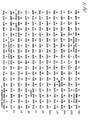
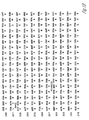
- Figure 1 provides the open reading frame of the cloned prepro-clostripain(1-526) gene with some restriction enzyme sites indicated.
- the Nde I- Xho I fragment of the prepro-clostripain(1-526) gene from the above pCR-Blunt-preproClos(1-526) plasmid was cloned into the pET23a expression vector (Novagen) at Nde I- Xho I sites to produce a nucleic acid construct.
- the resulting nucleic acid construct pET23a-preproClos(1-526) was transformed into E. coli BL21(DE3) cells, colonies were grown in LB + 100 ⁇ g/ml ampicillin media.
- the correct nucleic acid construct was identified by restriction enzyme digestion and DNA sequencing. Glycerol stocks of the E . coli host cells harboring the construct were stored at -80°C or below with 15 % glycerol.
- a DNA fragment containing pro-clostripain (28-526) was amplified by PCR using the pCR-Blunt-preproClos(1-526) plasmid as template and the following primers
- the amplified fragment had the ATG start codon at the N-terminus of the pro-clostripain (28-526).
- the PCR product was cleaved with the restriction enzymes Nde I- Bam HI and inserted using the same enzymes into the pET23a-preproClos(1-526) nucleic acid construct (Example 2) to produce the pET23a-proClos(28-526) nucleic acid construct.
- the nucleic acid construct was transformed into E . coli HM174(DE3) and BL21(DE3).
- the correct nucleic acid construct was selected in LB + 100 ⁇ g/ml ampicillin media. Glycerol stocks of the construct were stored as in Example 2.
- a PCR amplification reaction was carried out using the pCR-Blunt-preproClos(1-526) plasmid as the template and the following primers: and (as in Example 3)
- the amplified fragment contained the ATG start codon at the N-terminus of clostripain (51-526).
- the PCR product was cleaved with the restriction enzymes Nde I- Bam HI and inserted using the same enzymes into the pET23a-preproClos(1-526) nucleic acid construct (Example 2) to produce the pET23a-Clos(51-526) nucleic acid construct.
- the pET23a-Clos(51-526) nucleic acid construct was transformed into E. coli BL21(DE3) or BL21 (DE3)pLysS cells. The correct construct was selected in LB + 100 ⁇ g/ml ampicillin media. Glycerol stocks of the construct were saved as in Example 2.
- the pET24a-Clos(51-526) nucleic acid construct was transformed into E. coli BL21(DE3) or BL21(DE3)pLysS cells. The correct construct was selected in LB + 25 ⁇ g/ml kanamycin media and glycerol stocks of the construct were saved.
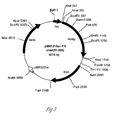
- the Nde I- Xho I fragment from pET23a-Clos(51-526) was also inserted into the pBN121(Tac) plasmid (Example 1) at the Nde I- Xho I site to produce the pBN121(Tac)-Clos(51-526) nucleic acid construct.
- This construct was transformed into E. coli BL21 cells. The correct construct was selected in LB + 25 ⁇ g/ml kanamycin media and glycerol stocks of the construct were saved.
- clostripain a short (8 aa) peptide (T7tag) carrying a strong translation initiation signal from a highly expressed gene, T7 gene 10, was fused to clostripain (51-526) at its N-terminus to optimize clostripain translation.
- the DNA fragment coding the T7tag-clostripain (51-526) was PCR-amplified using the pCR-Blunt-preproClos(1-526) plasmid as the template and the following primers: (same as in Example 3) and
- the amplified fragment contained the T7tag sequence at the N-terminal of clostripain (51-526) light chain ( Figure 2 ).
- the PCR product was cleaved with restriction enzymes Nde I- BamH I and inserted using the same enzymes into pET24a-Clos(51-526) nucleic acid construct (Example 4) to produce the pET24a-T7tag-Clos(51-526) nucleic acid construct.
- This construct was transformed into E . coli BL21(DE3) cells. Transformants were selected in LB + 25 ⁇ g/ml kanamycin media and glycerol stocks of cells containing the correct construct were saved as in Example 2.
- This construct was transformed into E. coli BL21 cells. Transformants were selected in LB + 100 ⁇ g/ml ampicillin media and glycerol stocks of cells containing the correct construct were saved.
- the construct was further modified by the method described Example 1.
- the resulting construct was designated pBN121(Tac)-T7tag-Closet(51-526) ( Fig. 3 ).
- This construct was transformed into E. coli B21 cells. Transformants were selected in LB + 25 ⁇ g/ml kanamycin media and glycerol stocks of cells containing the correct construct were saved.
- the clostripain core protein is composed of light and heavy chain subunits linked by a nonapeptide into a single polypeptide chain.
- the nonapeptide is preceded by an Arg residue (Arg 181 at the C-terminal end of the light chain), ends with an Arg residue (Arg 190 ), and contains another Arg residue inside the nonapeptide (Arg 187 ). These residues could provide cleavage sites that are used during the maturation of the protein.
- the amplified DNA fragment was cleaved with the restriction enzymes Nde I- Sac I and inserted using the same enzymes into pET24a, to create the nucleic acid construct pET24a-Clos(51-sac).
- the PCR product contained the mutated nonapeptide region (R181Q, R187Q and R190Q) and the heavy chain (191-526) ( Figure 4 ).
- the PCR product was cleaved with the restriction enzymes Sac I- Hind III and inserted using the same enzymes into the pET24a plasmid (Novagen) to create the nucleic acid construct pET24a-Clos(51- Hind III).
- a 540 bp Bam HI -Hind III fragment from the pET24a-Clos(51- Hind III) construct, which carried the three intended Arg to Gln mutations in the nonapeptide was cloned into the pET23a-Clos(51-526) construct to replace the fragment containing the wild-type nonapeptide sequence.
- the resulting nucleic acid construct was designated pET23a-Mclos(51-526, R181Q, R187Q, R190Q), and was transformed into E . coli HMS174(DE3) cells. Transformants were selected in LB + 50 ⁇ g/ml ampicillin media and glycerol stocks of cells containing the correct construct were saved as in Example 2.
- the nonapeptide deletion mutant was constructed by PCR using the pCR-Blunt-preproClost(1-526) as template and the following primers:
- the codon AGG for Arg 181 was changed to CAG, a codon encoding Gln, which was followed immediately by Ala 191 , the first residue of the heavy chain.
- the PCR product was cleaved with Sac I- Xho I and inserted into pET24a-Clos(51-Sac) to produce the pET24a-Clos(51-526, ⁇ [182-190], R181Q) nucleic acid construct.
- This construct was transformed into an E . coli BL21(DE3) strain and a BL21 (DE3)pLysS. Tranformants were selected in LB + 25 ⁇ g/ml kanamycin media and glycerol stocks of cells containing the correct construct were saved.
- LBA media (LB + ampicillin) were used when expressing the pET23a or pBN115 derived nucleic acid constructs.
- LBK media (LB + kanamycin) were used when expressing the pET24a or pBN121(Tac) derived constructs.
- Shaking flask cultures of 5 ml LBA or LBK media were started from single colonies of the transformed cells. Shaking flask cultures in 5 ml to 500 ml LBA or LBK media (inoculated by 100 ⁇ l to 10 ml overnight culture) were grown at 37°C and 220 rpm to an A 600 of 0.5-1.0. Polypeptide expression was induced by addition of IPTG (1mM final concentration). Cultures were induced for 2 to 8 hours.
- Samples were taken from cells having the same A 600 of pre- and post-induced cells. Cells were pelleted and then lysed in distilled water or 10 mM Tris, pH 8 by sonication. The lysate was then centrifuged to separate insoluble and soluble proteins.
- the supernatant (soluble protein) from the cell lysate was mixed 1:1 with 2x SDS-PAGE sample buffer.
- the pellets were resuspended directly in 1 ⁇ SDS-PAGE sample buffer. These samples were resolved by SDS-PAGE (Invitrogen) according to the manufacturer's instructions and stained with Coomassie Brilliant Blue.
- E. coli BL21 cells transformed with pBN121(Tac)-T7tag-Clos(51-526) produced an insoluble protein of 60 kDa upon IPTG induction, corresponding to the calculated size of the 484 amino acid encoded by the T7tag-clostripain(51-526) construct.
- BL21 cells transformed with pBN121 (Tac)-Clos(51-526) also produced an insoluble protein that was 59 kDa. This protein corresponded in size to the 476 amino acid clostripain (51-526) encoded by the construct.
- the T7tag sequence markedly increased the expression yield of the recombinant clostripain (51-526) ( Figure 5 ).
- T7tag-clostripain by E. coli BL21 cells transformed with the pBN121(Tac)-T7tag-Clos(51-526) nucleic acid construct was evaluated in 5 L or larger fermentation.
- a 100 ⁇ l glycerol stock of the construct was used to inoculate 100 ml LB + 25 ⁇ g/ml Kanamycine media in a shaking flask.
- the shaking culture was grown in a rotary shaker at 37 °C until the A 540 reached 1.5 ⁇ 0.5.
- the contents of the shaking flask culture were then used to inoculate a 5 L fermentation tank containing a defined minimal media (e.g. M9 media, Molecular Cloning, 2 nd edition, Sambrook et al).
- Glucose served as the carbon source and was maintained at below 4 %. About 10 ⁇ g/ml kanamycin was used in the fermentation. Dissolved oxygen was controlled at 40 % by cascading agitation and aeration with additional oxygen. Ammonium hydroxide solution was fed to control the pH at about 6.9 and to supply additional nitrogen. The cells were induced with IPTG at a final concentration of 0.1-1mM after the A 540 reached 50-75 for 2-6 hours. After the induction was complete, the cells were cooled and harvested by centrifugation. The cell sediments were stored at a temperature below -20 °C or were lysed immediately for use.
- Clostripain-containing inclusion bodies isolated from 1 OD 600 of IPTG-induced cells were solubilized in 50 ⁇ L of 8 M urea and maintained in 4 M urea at 4 °C after removal of the insoluble fraction by centrifugation. Activation was carried out by diluting the clostripain solution (in 8 M urea) into activation buffer containing 50 mM Tris-HCl (pH 7.6), 10mM DTT, 1mM CaCl 2 , and 2M urea (final concentration) at room temperature and incubating for 1 hr.
- the activity assay was conducted at the same temperature by mixing 10 ⁇ L of the activated clostripain with 1 ml of assay buffer containing 50 mM Tris-HCl (pH 7.6), 10 mM DTT, 5mM CaCl 2 , and 67 ⁇ g/ml N-carbobenzoxy-L-arginine p -nitroanilide (BAPNA). After incubation for 10 min, release of p- nitroaniline was followed spectrophotometrically by measuring the increase in absorbance at 410 nm.
- assay buffer containing 50 mM Tris-HCl (pH 7.6), 10 mM DTT, 5mM CaCl 2 , and 67 ⁇ g/ml N-carbobenzoxy-L-arginine p -nitroanilide (BAPNA).
- T7tag-clostripain (51-526) polypeptide were rapidly refolded and converted into active clostripain enzyme through use of the procedure described above. Upon activation, the nonapeptide linker was removed and the T7tag-clostripain (51-526) polypeptide was converted into a heavy chain of 43 kDa and a light chain of 16 kDa, the latter contained 8 amino acids of T7tag ( Figure 6 ). Surprisingly, full clostripain activity was still retained when the T7tag sequence was linked to the N-terminus of the light chain. Other polypeptides containing clostripain (51-526) were activated with less efficiency by the same procedure.
- the plasmid vector pCR-Blunt was from Invitrogen (Carlsbad, CA).
- pGEX-2T was from Pharmacia Biotech (Piscataway, NJ).
- E. coli strains BL21, BL21(DE3), BL219(DE3)pLysS, HMS174, and HMS174(DE3) were from Novagen (Madison, WI);
- E. coli strain Top10 was from Invitrogen.
- Restriction endonucleases and calf intestinal alkaline phosphatase (CIP) were purchased from New England Biolabs (Beverly, MA).
- PCR primers were prepared by Operon Technologies (Alameda, CA).
- Pfu DNA polymerase and Taq DNA polymerase were purchased from Stratagene (La Jolla, CA) and Promega (Madison, WI), respectively.
- T4 DNA ligase was from Life Technologies (Rockville, MD).
- the QIAquick PCR Purification kit and QIAprep Spin Miniprep kit were from QIAGEN (Valencia, CA).
- PCR amplification reaction was carried out in PCR reaction buffer (20 mM Tris-HCl (pH 8.8), 2 mM MgSO 4 , 10 mM KCl, 10 mM (NN 4 ) 2 SO 4 , 1 % Triton X-100, 100 ⁇ g/ml nuclease-free BSA) containing primers (0.4 ⁇ M) and dNTP (1.0 mM) for 30 cycles of 94°C for 45s, 55°C for 45s, and 72°C for 45s to 5 min, depending on the size of the DNA fragment.
- PCR products were purified using the QIAquick PCR Purification kit.
- PCR primers were from Operon Technologies (Alameda, CA).
Landscapes
- Health & Medical Sciences (AREA)
- Life Sciences & Earth Sciences (AREA)
- Genetics & Genomics (AREA)
- Chemical & Material Sciences (AREA)
- Engineering & Computer Science (AREA)
- Organic Chemistry (AREA)
- Zoology (AREA)
- Wood Science & Technology (AREA)
- Bioinformatics & Cheminformatics (AREA)
- Biomedical Technology (AREA)
- Biotechnology (AREA)
- General Engineering & Computer Science (AREA)
- Microbiology (AREA)
- Biochemistry (AREA)
- Molecular Biology (AREA)
- General Health & Medical Sciences (AREA)
- Medicinal Chemistry (AREA)
- Biophysics (AREA)
- Physics & Mathematics (AREA)
- Plant Pathology (AREA)
- Micro-Organisms Or Cultivation Processes Thereof (AREA)
- Peptides Or Proteins (AREA)
- Waveguides (AREA)
- Preparation Of Compounds By Using Micro-Organisms (AREA)
- Medicines Containing Plant Substances (AREA)
- Drying Of Semiconductors (AREA)
Claims (21)
- Expressionskassette, umfassend einen Promotor, der funktionell mit einem offenen Leseraster verknüpft ist, welches ein mit Clostripain oder einer Variante von Clostripain verknüpftes Tag codiert, und wobei das Tag aus einer Aminosäuresequenz der SEQ.-ID-NR: 17 besteht.
- Expressionskassette nach Anspruch 1, wobei der Promotor ein regulierbarer oder ein konstitutiver Promotor ist.
- Expressionskassette nach Anspruch 1, wobei der Promotor ein tac-Promotor, ein T5-Promotor, ein T7-Promotor, ein Trp-Promotor, ein lac-Promotor, ein lambda-Phagen-PL-Promotor, ein Hitzeschock-Promotor, oder ein Chlorella-Virus-Promotor ist.
- Expressionskassette nach Anspruch 1, wobei das Tag durch eine der SEQ.-ID-NR. 18 entsprechende Nukleinsäuresequenz codiert wird.
- Expressionskassette nach Anspruch 1, wobei das Tag durch eine Nukleinsäuresequenz mit zumindest 70 %, vorzugsweise zumindest 80 %, noch bevorzugter zumindest 90 % Identität zu der SEQ.-ID-NR: 18 codiert wird.
- Expressionskassette nach Anspruch 1, wobei die Variante von Clostripain Clostripain (51-526, Δ [182-190], R181Q) ist.
- Expressionskassette nach Anspruch 1, wobei die Variante von Clostripain zumindest 70 %, vorzugsweise zumindest 90 %, noch bevorzugter zumindest 80 % Identität der Aminosäuresequenz zu der SEQ.-ID-NR: 29 aufweist.
- Expressionskassette nach Anspruch 1, des Weiteren umfassend eine Operatorsequenz.
- Nukleinsäurekonstrukt, umfassend einen Vektor und die Expressionskassette nach Anspruch 1.
- Nukleinsäurekonstrukt nach Anspruch 9, wobei der Vektor ein Plasmid, ein Phagemid, ein artifizielles Bakterien-Chromosom, ein Bakteriophage, ein f-Faktor oder ein Cosmid ist.
- Zelle umfassend das Nukleinsäurekonstrukt nach Anspruch 10.
- Zelle nach Anspruch 11, wobei die Zelle eine prokaryotische Zelle oder eine eukaryotische Zelle ist.
- Zelle nach Anspruch 11, wobei die Zelle ein Bakterium ist.
- Zelle nach Anspruch 11, wobei das Bakterium Escherichia coli ist.
- Zelle nach Anspruch 11, wobei die Zelle eine Hefe-Zelle, eine Insekten-Zelle oder eine Säugetier-Zelle ist.
- Zelle, in welche die Expressionskassette nach Anspruch 1 chromosomal integriert ist.
- RNA-Transkript, hergestellt durch Transkription der Expressionskassette nach Anspruch 1.
- Polypeptid, hergestellt durch Translation des RNA-Transkripts nach Anspruch 17.
- Verfahren zur Überproduktion von Clostripain, umfassend die Inkubation einer eine Expressionskassette nach Anspruch 1 enthaltenden Zelle unter Bedingungen, welche die Zelle zur Erzeugung von Clostripain veranlassen.
- Polypeptid, bestehend aus der SEQ.-ID-NR: 17.
- Polypeptid umfassend eine Aminosäuresequenz, bestehend aus der SEQ.-ID-NR: 17 funktionell verknüpft mit einer Aminosäuresequenz, bestehend aus SEQ.-ID-NR. 28 oder SEQ.-ID-NR: 29.
Applications Claiming Priority (3)
| Application Number | Priority Date | Filing Date | Title |
|---|---|---|---|
| US38335702P | 2002-05-24 | 2002-05-24 | |
| US383357P | 2002-05-24 | ||
| PCT/US2003/016642 WO2003100020A2 (en) | 2002-05-24 | 2003-05-23 | Methods and constructs for high yield expression of clostripain |
Publications (3)
| Publication Number | Publication Date |
|---|---|
| EP1521767A2 EP1521767A2 (de) | 2005-04-13 |
| EP1521767A4 EP1521767A4 (de) | 2006-04-19 |
| EP1521767B1 true EP1521767B1 (de) | 2009-12-16 |
Family
ID=29584550
Family Applications (1)
| Application Number | Title | Priority Date | Filing Date |
|---|---|---|---|
| EP03734200A Expired - Lifetime EP1521767B1 (de) | 2002-05-24 | 2003-05-23 | Verfahren und konstrukte zur expression von clostripain mit hoher ausbeute |
Country Status (8)
| Country | Link |
|---|---|
| US (1) | US8003362B2 (de) |
| EP (1) | EP1521767B1 (de) |
| AT (1) | ATE452137T1 (de) |
| AU (1) | AU2003239894A1 (de) |
| CA (1) | CA2485829A1 (de) |
| DE (1) | DE60330564D1 (de) |
| DK (1) | DK1521767T3 (de) |
| WO (1) | WO2003100020A2 (de) |
Families Citing this family (8)
| Publication number | Priority date | Publication date | Assignee | Title |
|---|---|---|---|---|
| ES2224792B1 (es) * | 2002-06-28 | 2007-02-16 | Era Plantech, S.L. | Produccion de peptidos y proteinas por acumulacion de cuerpos proteicos derivados de reticulos endoplasmico en plantas. |
| GB0426160D0 (en) * | 2004-11-29 | 2004-12-29 | Era Plantech S L | Production of proteins |
| WO2010040847A2 (en) | 2008-10-10 | 2010-04-15 | Era Biotech, S.A. | Recombinant protein bodies as immunogen-specific adjuvants |
| US8163880B2 (en) * | 2006-02-23 | 2012-04-24 | Era Biotech S.A. | Production of biologically active proteins |
| KR101423697B1 (ko) | 2012-07-27 | 2014-07-31 | 가톨릭대학교 산학협력단 | 인간 유전자의 세포 내 발현과 독성을 대장균에서 간단하고 빠르게 진단하기 위한 시스템 |
| WO2017074257A1 (en) * | 2015-10-26 | 2017-05-04 | Nanyang Technological University | Non-viable derivatives of clostridium sporogenes as anti-cancer therapeutic agents |
| WO2021046486A1 (en) * | 2019-09-05 | 2021-03-11 | Luckow Verne A | Combinatorial assembly of composite arrays of site-specific synthetic transposons inserted into sequences comprising novel target sites in modular prokaryotic and eukaryotic vectors |
| CN113025599B (zh) * | 2021-04-02 | 2023-09-12 | 重庆科润生物医药研发有限公司 | 一种重组溶组织梭菌i型胶原酶及其制备方法和应用 |
Family Cites Families (20)
| Publication number | Priority date | Publication date | Assignee | Title |
|---|---|---|---|---|
| US4336336A (en) | 1979-01-12 | 1982-06-22 | President And Fellows Of Harvard College | Fused gene and method of making and using same |
| US4551433A (en) | 1981-05-18 | 1985-11-05 | Genentech, Inc. | Microbial hybrid promoters |
| US4876197A (en) | 1983-02-22 | 1989-10-24 | Chiron Corporation | Eukaryotic regulatable transcription |
| US4588684A (en) | 1983-04-26 | 1986-05-13 | Chiron Corporation | a-Factor and its processing signals |
| US4663280A (en) | 1983-05-19 | 1987-05-05 | Public Health Research Institute Of The City Of New York | Expression and secretion vectors and method of constructing vectors |
| US4689406A (en) | 1983-08-10 | 1987-08-25 | Amgen | Enhancement of microbial expression of polypeptides |
| US4880734A (en) | 1984-05-11 | 1989-11-14 | Chiron Corporation | Eukaryotic regulatable transcription |
| US4738921A (en) | 1984-09-27 | 1988-04-19 | Eli Lilly And Company | Derivative of the tryptophan operon for expression of fused gene products |
| US4745056A (en) | 1984-10-23 | 1988-05-17 | Biotechnica International, Inc. | Streptomyces secretion vector |
| US4837148A (en) | 1984-10-30 | 1989-06-06 | Phillips Petroleum Company | Autonomous replication sequences for yeast strains of the genus pichia |
| US4873192A (en) | 1987-02-17 | 1989-10-10 | The United States Of America As Represented By The Department Of Health And Human Services | Process for site specific mutagenesis without phenotypic selection |
| US4929555A (en) | 1987-10-19 | 1990-05-29 | Phillips Petroleum Company | Pichia transformation |
| BR8807310A (pt) | 1987-11-18 | 1990-03-13 | Chiron Corp | Polinucleotidio,polinucleotidio recombinante,vetor recombinante,celula hospedeira,sistema de expressao recombinante,celula transformada,polipeptidio,hcv,preparacao de polipeptidio,polipeptidio de hcv,polipeptidio purificado,polipeptidio recombinante,polipeptidio de fusao,anticorpo monoclonal,preparacao purificada de anticorpos policlonais,particula,sonda de polinucleotidio,kit anticorpo para epetopo de hcv,metodo para producao de polipeptidio,metodo para deteccao de acidos nucleicos de hcv,imunoensaio para detectar antigeno de hcv,imunoensaio para detectar anticorpos dirigidos contra antigeno de hcv,vacina para tratamento de infeccao de hcv,celula,celula infectada com hcv,metodo para producao de anticorpos para hcv e metodo para isolar cdna derivado do genoma de um agente infeccioso nao identificado |
| CA1340772C (en) * | 1987-12-30 | 1999-09-28 | Patricia Tekamp-Olson | Expression and secretion of heterologous protiens in yeast employing truncated alpha-factor leader sequences |
| US5191063A (en) * | 1989-05-02 | 1993-03-02 | University Of Medicine And Dentistry Of New Jersey | Production of biologically active polypeptides by treatment with an exogenous peptide sequence |
| JPH04108378A (ja) * | 1990-08-28 | 1992-04-09 | Sumitomo Electric Ind Ltd | ヒトパーフォリンと反応するモノクローナル抗体 |
| DE4445891A1 (de) * | 1994-12-22 | 1996-06-27 | Boehringer Mannheim Gmbh | Rekombinante Proteinase aus Clostridium histolyticum und ihre Verwendung zur Isolierung von Zellen und Zellverbänden |
| US5846774A (en) | 1997-03-21 | 1998-12-08 | Bionebraska, Inc. | Chlorella virus promoters |
| EP1127170A4 (de) * | 1998-11-05 | 2005-04-27 | Univ Leland Stanford Junior | Menschliche monoklonale antikörper gegen menschlichen pan-hepatitis c virus |
| US7186539B1 (en) * | 2001-08-31 | 2007-03-06 | Pharmacia & Upjohn Company | Method for refolding enzymes |
-
2003
- 2003-05-23 AU AU2003239894A patent/AU2003239894A1/en not_active Abandoned
- 2003-05-23 DK DK03734200.3T patent/DK1521767T3/da active
- 2003-05-23 CA CA002485829A patent/CA2485829A1/en not_active Abandoned
- 2003-05-23 WO PCT/US2003/016642 patent/WO2003100020A2/en not_active Ceased
- 2003-05-23 DE DE60330564T patent/DE60330564D1/de not_active Expired - Lifetime
- 2003-05-23 EP EP03734200A patent/EP1521767B1/de not_active Expired - Lifetime
- 2003-05-23 AT AT03734200T patent/ATE452137T1/de not_active IP Right Cessation
-
2004
- 2004-11-24 US US10/997,697 patent/US8003362B2/en not_active Expired - Fee Related
Also Published As
| Publication number | Publication date |
|---|---|
| WO2003100020A2 (en) | 2003-12-04 |
| US20050244924A1 (en) | 2005-11-03 |
| DE60330564D1 (de) | 2010-01-28 |
| EP1521767A2 (de) | 2005-04-13 |
| CA2485829A1 (en) | 2003-12-04 |
| US8003362B2 (en) | 2011-08-23 |
| ATE452137T1 (de) | 2010-01-15 |
| WO2003100020A3 (en) | 2004-10-28 |
| AU2003239894A8 (en) | 2003-12-12 |
| EP1521767A4 (de) | 2006-04-19 |
| DK1521767T3 (da) | 2010-04-12 |
| AU2003239894A1 (en) | 2003-12-12 |
Similar Documents
| Publication | Publication Date | Title |
|---|---|---|
| US9951368B2 (en) | Methods of DNA constructs for high yield production of polypeptides | |
| US8148508B2 (en) | Method for enzymatic production of GLP-2(1-33) and GLP-2(1-34) peptides | |
| US7498148B2 (en) | Method for universal enzymatic production of bioactive peptides | |
| US8003362B2 (en) | Methods and constructs for high yield expression of clostripain | |
| US20050239172A1 (en) | Methods and DNA constructs for high yield production of polypeptides | |
| US20050260701A1 (en) | Method for enzymatic production of GLP-1 (7-36) amide peptides | |
| Class et al. | Patent application title: METHOD FOR ENZYMATIC PRODUCTION OF GLP-2 (1-33) AND GLP-2 (1-34) PEPTIDES Inventors: Fred W. Wagner (Walton, NE, US) Peng Luan (Omaha, NE, US) Yuannan Xia (Lincoln, NE, US) Daniel Strydom (Lincoln, NE, US) Jin Seog Seo (Brampton, CA) Assignees: NPS PHARMACEUTICALS, INC. | |
| EP1772519A1 (de) | RNS-bindendes Protein und Bindungsstelle, die für die Expression von rekombinanten Molekülen nützlich ist |
Legal Events
| Date | Code | Title | Description |
|---|---|---|---|
| PUAI | Public reference made under article 153(3) epc to a published international application that has entered the european phase |
Free format text: ORIGINAL CODE: 0009012 |
|
| 17P | Request for examination filed |
Effective date: 20041223 |
|
| AK | Designated contracting states |
Kind code of ref document: A2 Designated state(s): AT BE BG CH CY CZ DE DK EE ES FI FR GB GR HU IE IT LI LU MC NL PT RO SE SI SK TR |
|
| AX | Request for extension of the european patent |
Extension state: AL LT LV MK |
|
| DAX | Request for extension of the european patent (deleted) | ||
| A4 | Supplementary search report drawn up and despatched |
Effective date: 20060308 |
|
| 17Q | First examination report despatched |
Effective date: 20060705 |
|
| 17Q | First examination report despatched |
Effective date: 20060705 |
|
| GRAP | Despatch of communication of intention to grant a patent |
Free format text: ORIGINAL CODE: EPIDOSNIGR1 |
|
| RAP1 | Party data changed (applicant data changed or rights of an application transferred) |
Owner name: RESTORAGEN INC. |
|
| GRAS | Grant fee paid |
Free format text: ORIGINAL CODE: EPIDOSNIGR3 |
|
| GRAA | (expected) grant |
Free format text: ORIGINAL CODE: 0009210 |
|
| AK | Designated contracting states |
Kind code of ref document: B1 Designated state(s): AT BE BG CH CY CZ DE DK EE ES FI FR GB GR HU IE IT LI LU MC NL PT RO SE SI SK TR |
|
| REG | Reference to a national code |
Ref country code: GB Ref legal event code: FG4D |
|
| REG | Reference to a national code |
Ref country code: CH Ref legal event code: EP |
|
| RAP2 | Party data changed (patent owner data changed or rights of a patent transferred) |
Owner name: MEDTRONIC, INC. |
|
| REG | Reference to a national code |
Ref country code: IE Ref legal event code: FG4D |
|
| REF | Corresponds to: |
Ref document number: 60330564 Country of ref document: DE Date of ref document: 20100128 Kind code of ref document: P |
|
| NLT2 | Nl: modifications (of names), taken from the european patent patent bulletin |
Owner name: MEDTRONIC, INC. Effective date: 20100113 |
|
| REG | Reference to a national code |
Ref country code: SE Ref legal event code: TRGR |
|
| REG | Reference to a national code |
Ref country code: DK Ref legal event code: T3 |
|
| REG | Reference to a national code |
Ref country code: NL Ref legal event code: VDEP Effective date: 20091216 |
|
| PG25 | Lapsed in a contracting state [announced via postgrant information from national office to epo] |
Ref country code: FI Free format text: LAPSE BECAUSE OF FAILURE TO SUBMIT A TRANSLATION OF THE DESCRIPTION OR TO PAY THE FEE WITHIN THE PRESCRIBED TIME-LIMIT Effective date: 20091216 |
|
| PG25 | Lapsed in a contracting state [announced via postgrant information from national office to epo] |
Ref country code: SI Free format text: LAPSE BECAUSE OF FAILURE TO SUBMIT A TRANSLATION OF THE DESCRIPTION OR TO PAY THE FEE WITHIN THE PRESCRIBED TIME-LIMIT Effective date: 20091216 |
|
| PG25 | Lapsed in a contracting state [announced via postgrant information from national office to epo] |
Ref country code: AT Free format text: LAPSE BECAUSE OF FAILURE TO SUBMIT A TRANSLATION OF THE DESCRIPTION OR TO PAY THE FEE WITHIN THE PRESCRIBED TIME-LIMIT Effective date: 20091216 |
|
| PG25 | Lapsed in a contracting state [announced via postgrant information from national office to epo] |
Ref country code: ES Free format text: LAPSE BECAUSE OF FAILURE TO SUBMIT A TRANSLATION OF THE DESCRIPTION OR TO PAY THE FEE WITHIN THE PRESCRIBED TIME-LIMIT Effective date: 20100327 Ref country code: NL Free format text: LAPSE BECAUSE OF FAILURE TO SUBMIT A TRANSLATION OF THE DESCRIPTION OR TO PAY THE FEE WITHIN THE PRESCRIBED TIME-LIMIT Effective date: 20091216 Ref country code: PT Free format text: LAPSE BECAUSE OF FAILURE TO SUBMIT A TRANSLATION OF THE DESCRIPTION OR TO PAY THE FEE WITHIN THE PRESCRIBED TIME-LIMIT Effective date: 20100416 Ref country code: RO Free format text: LAPSE BECAUSE OF FAILURE TO SUBMIT A TRANSLATION OF THE DESCRIPTION OR TO PAY THE FEE WITHIN THE PRESCRIBED TIME-LIMIT Effective date: 20091216 Ref country code: BG Free format text: LAPSE BECAUSE OF FAILURE TO SUBMIT A TRANSLATION OF THE DESCRIPTION OR TO PAY THE FEE WITHIN THE PRESCRIBED TIME-LIMIT Effective date: 20100316 Ref country code: EE Free format text: LAPSE BECAUSE OF FAILURE TO SUBMIT A TRANSLATION OF THE DESCRIPTION OR TO PAY THE FEE WITHIN THE PRESCRIBED TIME-LIMIT Effective date: 20091216 |
|
| PG25 | Lapsed in a contracting state [announced via postgrant information from national office to epo] |
Ref country code: BE Free format text: LAPSE BECAUSE OF FAILURE TO SUBMIT A TRANSLATION OF THE DESCRIPTION OR TO PAY THE FEE WITHIN THE PRESCRIBED TIME-LIMIT Effective date: 20091216 Ref country code: CZ Free format text: LAPSE BECAUSE OF FAILURE TO SUBMIT A TRANSLATION OF THE DESCRIPTION OR TO PAY THE FEE WITHIN THE PRESCRIBED TIME-LIMIT Effective date: 20091216 Ref country code: SK Free format text: LAPSE BECAUSE OF FAILURE TO SUBMIT A TRANSLATION OF THE DESCRIPTION OR TO PAY THE FEE WITHIN THE PRESCRIBED TIME-LIMIT Effective date: 20091216 |
|
| PLBE | No opposition filed within time limit |
Free format text: ORIGINAL CODE: 0009261 |
|
| STAA | Information on the status of an ep patent application or granted ep patent |
Free format text: STATUS: NO OPPOSITION FILED WITHIN TIME LIMIT |
|
| PG25 | Lapsed in a contracting state [announced via postgrant information from national office to epo] |
Ref country code: CY Free format text: LAPSE BECAUSE OF FAILURE TO SUBMIT A TRANSLATION OF THE DESCRIPTION OR TO PAY THE FEE WITHIN THE PRESCRIBED TIME-LIMIT Effective date: 20091216 Ref country code: GR Free format text: LAPSE BECAUSE OF FAILURE TO SUBMIT A TRANSLATION OF THE DESCRIPTION OR TO PAY THE FEE WITHIN THE PRESCRIBED TIME-LIMIT Effective date: 20100317 |
|
| 26N | No opposition filed |
Effective date: 20100917 |
|
| PG25 | Lapsed in a contracting state [announced via postgrant information from national office to epo] |
Ref country code: MC Free format text: LAPSE BECAUSE OF NON-PAYMENT OF DUE FEES Effective date: 20100531 |
|
| REG | Reference to a national code |
Ref country code: CH Ref legal event code: PL |
|
| PG25 | Lapsed in a contracting state [announced via postgrant information from national office to epo] |
Ref country code: CH Free format text: LAPSE BECAUSE OF NON-PAYMENT OF DUE FEES Effective date: 20100531 Ref country code: LI Free format text: LAPSE BECAUSE OF NON-PAYMENT OF DUE FEES Effective date: 20100531 |
|
| PGFP | Annual fee paid to national office [announced via postgrant information from national office to epo] |
Ref country code: FR Payment date: 20110603 Year of fee payment: 9 Ref country code: SE Payment date: 20110523 Year of fee payment: 9 Ref country code: IE Payment date: 20110530 Year of fee payment: 9 |
|
| PGFP | Annual fee paid to national office [announced via postgrant information from national office to epo] |
Ref country code: DK Payment date: 20110525 Year of fee payment: 9 Ref country code: GB Payment date: 20110523 Year of fee payment: 9 |
|
| PGFP | Annual fee paid to national office [announced via postgrant information from national office to epo] |
Ref country code: DE Payment date: 20110530 Year of fee payment: 9 Ref country code: IT Payment date: 20110527 Year of fee payment: 9 |
|
| PG25 | Lapsed in a contracting state [announced via postgrant information from national office to epo] |
Ref country code: LU Free format text: LAPSE BECAUSE OF NON-PAYMENT OF DUE FEES Effective date: 20100523 Ref country code: HU Free format text: LAPSE BECAUSE OF FAILURE TO SUBMIT A TRANSLATION OF THE DESCRIPTION OR TO PAY THE FEE WITHIN THE PRESCRIBED TIME-LIMIT Effective date: 20100617 |
|
| PG25 | Lapsed in a contracting state [announced via postgrant information from national office to epo] |
Ref country code: TR Free format text: LAPSE BECAUSE OF FAILURE TO SUBMIT A TRANSLATION OF THE DESCRIPTION OR TO PAY THE FEE WITHIN THE PRESCRIBED TIME-LIMIT Effective date: 20091216 |
|
| REG | Reference to a national code |
Ref country code: SE Ref legal event code: EUG |
|
| REG | Reference to a national code |
Ref country code: DK Ref legal event code: EBP |
|
| GBPC | Gb: european patent ceased through non-payment of renewal fee |
Effective date: 20120523 |
|
| REG | Reference to a national code |
Ref country code: IE Ref legal event code: MM4A |
|
| PG25 | Lapsed in a contracting state [announced via postgrant information from national office to epo] |
Ref country code: SE Free format text: LAPSE BECAUSE OF NON-PAYMENT OF DUE FEES Effective date: 20120524 Ref country code: IT Free format text: LAPSE BECAUSE OF NON-PAYMENT OF DUE FEES Effective date: 20120523 |
|
| REG | Reference to a national code |
Ref country code: FR Ref legal event code: ST Effective date: 20130131 |
|
| REG | Reference to a national code |
Ref country code: DE Ref legal event code: R119 Ref document number: 60330564 Country of ref document: DE Effective date: 20121201 |
|
| PG25 | Lapsed in a contracting state [announced via postgrant information from national office to epo] |
Ref country code: GB Free format text: LAPSE BECAUSE OF NON-PAYMENT OF DUE FEES Effective date: 20120523 Ref country code: IE Free format text: LAPSE BECAUSE OF NON-PAYMENT OF DUE FEES Effective date: 20120523 Ref country code: DK Free format text: LAPSE BECAUSE OF NON-PAYMENT OF DUE FEES Effective date: 20120531 Ref country code: FR Free format text: LAPSE BECAUSE OF NON-PAYMENT OF DUE FEES Effective date: 20120531 |
|
| PG25 | Lapsed in a contracting state [announced via postgrant information from national office to epo] |
Ref country code: DE Free format text: LAPSE BECAUSE OF NON-PAYMENT OF DUE FEES Effective date: 20121201 |