EP1550729A1 - Polypeptides se fixant à une cible comprenant un domaine de type immunoglobuline (IG-like) VL fusioné à une domaine de type immunoglobuline (IG-like) VH - Google Patents
Polypeptides se fixant à une cible comprenant un domaine de type immunoglobuline (IG-like) VL fusioné à une domaine de type immunoglobuline (IG-like) VH Download PDFInfo
- Publication number
- EP1550729A1 EP1550729A1 EP04075704A EP04075704A EP1550729A1 EP 1550729 A1 EP1550729 A1 EP 1550729A1 EP 04075704 A EP04075704 A EP 04075704A EP 04075704 A EP04075704 A EP 04075704A EP 1550729 A1 EP1550729 A1 EP 1550729A1
- Authority
- EP
- European Patent Office
- Prior art keywords
- polypeptide
- target
- binding
- domain
- affinity
- Prior art date
- Legal status (The legal status is an assumption and is not a legal conclusion. Google has not performed a legal analysis and makes no representation as to the accuracy of the status listed.)
- Granted
Links
Images








Classifications
-
- C—CHEMISTRY; METALLURGY
- C07—ORGANIC CHEMISTRY
- C07K—PEPTIDES
- C07K16/00—Immunoglobulins [IG], e.g. monoclonal or polyclonal antibodies
- C07K16/08—Immunoglobulins [IG], e.g. monoclonal or polyclonal antibodies against material from viruses
- C07K16/10—RNA viruses
- C07K16/108—Orthomyxoviridae (F), e.g. influenza virus
-
- A—HUMAN NECESSITIES
- A61—MEDICAL OR VETERINARY SCIENCE; HYGIENE
- A61P—SPECIFIC THERAPEUTIC ACTIVITY OF CHEMICAL COMPOUNDS OR MEDICINAL PREPARATIONS
- A61P31/00—Antiinfectives, i.e. antibiotics, antiseptics, chemotherapeutics
- A61P31/12—Antivirals
-
- A—HUMAN NECESSITIES
- A61—MEDICAL OR VETERINARY SCIENCE; HYGIENE
- A61P—SPECIFIC THERAPEUTIC ACTIVITY OF CHEMICAL COMPOUNDS OR MEDICINAL PREPARATIONS
- A61P35/00—Antineoplastic agents
-
- A—HUMAN NECESSITIES
- A61—MEDICAL OR VETERINARY SCIENCE; HYGIENE
- A61P—SPECIFIC THERAPEUTIC ACTIVITY OF CHEMICAL COMPOUNDS OR MEDICINAL PREPARATIONS
- A61P35/00—Antineoplastic agents
- A61P35/02—Antineoplastic agents specific for leukemia
-
- A—HUMAN NECESSITIES
- A61—MEDICAL OR VETERINARY SCIENCE; HYGIENE
- A61P—SPECIFIC THERAPEUTIC ACTIVITY OF CHEMICAL COMPOUNDS OR MEDICINAL PREPARATIONS
- A61P37/00—Drugs for immunological or allergic disorders
-
- A—HUMAN NECESSITIES
- A61—MEDICAL OR VETERINARY SCIENCE; HYGIENE
- A61P—SPECIFIC THERAPEUTIC ACTIVITY OF CHEMICAL COMPOUNDS OR MEDICINAL PREPARATIONS
- A61P43/00—Drugs for specific purposes, not provided for in groups A61P1/00-A61P41/00
-
- C—CHEMISTRY; METALLURGY
- C07—ORGANIC CHEMISTRY
- C07K—PEPTIDES
- C07K16/00—Immunoglobulins [IG], e.g. monoclonal or polyclonal antibodies
-
- C—CHEMISTRY; METALLURGY
- C07—ORGANIC CHEMISTRY
- C07K—PEPTIDES
- C07K16/00—Immunoglobulins [IG], e.g. monoclonal or polyclonal antibodies
- C07K16/18—Immunoglobulins [IG], e.g. monoclonal or polyclonal antibodies against material from animals or humans
-
- A—HUMAN NECESSITIES
- A61—MEDICAL OR VETERINARY SCIENCE; HYGIENE
- A61K—PREPARATIONS FOR MEDICAL, DENTAL OR TOILETRY PURPOSES
- A61K38/00—Medicinal preparations containing peptides
-
- C—CHEMISTRY; METALLURGY
- C07—ORGANIC CHEMISTRY
- C07K—PEPTIDES
- C07K2317/00—Immunoglobulins specific features
- C07K2317/50—Immunoglobulins specific features characterized by immunoglobulin fragments
- C07K2317/55—Fab or Fab'
-
- C—CHEMISTRY; METALLURGY
- C07—ORGANIC CHEMISTRY
- C07K—PEPTIDES
- C07K2317/00—Immunoglobulins specific features
- C07K2317/60—Immunoglobulins specific features characterized by non-natural combinations of immunoglobulin fragments
- C07K2317/62—Immunoglobulins specific features characterized by non-natural combinations of immunoglobulin fragments comprising only variable region components
- C07K2317/622—Single chain antibody (scFv)
-
- C—CHEMISTRY; METALLURGY
- C07—ORGANIC CHEMISTRY
- C07K—PEPTIDES
- C07K2319/00—Fusion polypeptide
- C07K2319/01—Fusion polypeptide containing a localisation/targetting motif
- C07K2319/02—Fusion polypeptide containing a localisation/targetting motif containing a signal sequence
-
- C—CHEMISTRY; METALLURGY
- C07—ORGANIC CHEMISTRY
- C07K—PEPTIDES
- C07K2319/00—Fusion polypeptide
- C07K2319/40—Fusion polypeptide containing a tag for immunodetection, or an epitope for immunisation
- C07K2319/43—Fusion polypeptide containing a tag for immunodetection, or an epitope for immunisation containing a FLAG-tag
Definitions
- This invention relates to the construction, application and production of novel polypeptides with enhanced or modified binding activity or specificity to haptens and antigens.
- the invention also relates to the construction, modification and selection of recombinant antibody-like molecules derived from expression of libraries of surface presenting antigen- or hapten-binding moieties, and to uses of these molecules.
- polypeptides of the invention have utility in the diagnostic, therapeutic, predictive or preventative fields of the pharmaceutical and health care industries, as well as more general application in the detection and assay of chemical entities.
- Antibodies are protein molecules which possess a binding affinity for a target antigen or hapten. Due to the specificity of the binding interaction, antibodies are commonly used as diagnostic and therapeutic reagents. Monoclonal antibodies are derived from a pure cell line such as hybridoma cells; however, the hybridoma technology is expensive, time-consuming to maintain and limited in scope. It is not possible to produce monoclonal antibodies, much less antibodies of the appropriate affinity, to a complete range of antigens.
- Antibody genes or fragments thereof can be cloned and expressed in E. coli in a biologically functional form. Antibodies and antibody fragments can also be produced by recombinant DNA technology using either bacterial or mammalian cells.
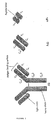
- the combination of the two heavy and light chains provides six variable surface loops at the extremity of the molecule. These loops in the outer domain (Fv) are termed complementarity-determining-regions (CDRs), and provide the specificity of binding of the antibody to its antigenic target. This binding function is localised to the variable domains of the antibody molecule, which are located at the amino-terminal end of both the heavy and light chains. This is illustrated in Figure 1.
- variable regions of some antibodies remain non-covalently associated (as V H V L dimers, termed Fv regions) even after proteolytic cleavage from the native antibody molecule, and retain much of their antigen recognition and binding capabilities.
- Methods of manufacture of two-chain Fv substantially free of constant region are disclosed in US-4,642,334
- scFv a construct designated scFv, in which two peptides with binding domains (usually antibody heavy and light variable regions) are joined by a linker peptide connecting the C-terminus of one domain to the N-terminus of the other, so that the relative positions of the antigen binding domains are consistent with those found in the original antibody (see Figure 1).
- scFv libraries are disclosed for example in European Patent Application No. 239400 and U.S. Patent No.4,946,778.
- single-chain Fv libraries are limited in size because of problems inherent in the cloning of a single DNA molecule encoding the scFv.
- Non-scFv libraries such as V H or Fab libraries, are also known, (Ladner and Guterman WO 90/02809), and may be used with a phage system for surface expression (Ladner et al WO 88/06630 and Bonnert et al at WO 92/01047).
- variable domains of an antibody consist of a ⁇ -sheet framework with six hypervariable regions (CDRs) which fashion the antigen-binding site.
- CDRs hypervariable regions
- Humanisation consists of substituting mouse sequences that provide the binding affinity, particularly the CDR loop sequences, into a human variable domain structure.
- the murine CDR loop regions can therefore provide the binding affinities for the required antigen.
- Recombinant antibody "humanisation” by grafting of CDRs is disclosed by Winter et al (EP-239400).
- Receptor molecules whose expression is the result of the receptor-coding gene library in the expressing organism, may also be displayed in the same way (Lerner and Sorge, WO 90/14430).
- the cell surface expression of single chain antibody domains fused to a cell surface protein is disclosed by Ladner et al WO 88/06630.
- Affinity maturation is a process whereby the binding specificity, affinity or avidity of an antibody can be modified.
- a number of laboratory techniques have been devised whereby amino acid sequence diversity is created by the application of various mutation strategies, either on the entire antibody fragment or on selected regions such as the CDRs. Mutation to change enzyme specific activity has also been reported.
- the person skilled in the art will be aware of a variety of methods for achieving random or site-directed mutagenesis, and for selecting molecules with a desired modification.
- Mechanisms to increase diversity and to select specific antibodies by the so called "chain shuffling" technique, ie. the reassortment of a library of one chain type e.g.
- heavy chain with a fixed complementary chain, such as light chain, have also been described (Kang et al , Proc. Natl. Acad. Sci. USA, 1991 88 4363-466; Hoogenboom et al , Nucl. Acid Res., 1991 19 4133-4137; Marks et al , Bio/Technology, 1992 10 779-783).
- recombinant human antibody-gene libraries may be constructed from a variety of human tissues, including peripheral blood lymphocytes (Winter and Milstein Nature, 1991 349 293).
- Human humans will already have been subjected to antigenic stimulation, and therefore the capacity of the pre-immunised adult B-cell population to recognise as wide a range of antigens is diminished compared to the naive B-cell population, and is reflected in the restricted populations of antibody mRNA molecules.
- one of the tissues of choice is foetal peripheral blood, which being naive has a higher proportion of IgM antibody molecules than adult blood, (approximately 70% compared to the 30% for IgG), and provides the ideal source of genetic material for the construction of an antibody library destined for maturation (evolution) to a breadth where a wide range of antigens can be bound.
- the present invention therefore includes within its scope:
- the invention provides a target-binding polypeptide having:
- the SCR is preferably formed by association of two covalently linked Ig-like domains of the Ig superfamily such as to antibody variable domains or CD8 domains.
- polyfunctional target binding polypeptides can be produced by forming separate or overlapping TBRs on a SCR.
- Ig-like domains of members of the Ig superfamily can be constructed as SCRs and joined non-covalently to produce bifunctional or polyfunctional target-binding polypeptides.
- the target-binding region is able to bind a target molecule, which may be a chemical entity of any type.
- the target may be a small molecule such as a pesticide or a drug, a hormone such as a steroid, an amino acid, a peptide, or a polypeptide; an antigen, such as a bacterial, viral or cell surface antigen; antibodies or other members of the Ig superfamily; a tumour marker, a growth factor, etc.
- a target molecule such as a pesticide or a drug, a hormone such as a steroid, an amino acid, a peptide, or a polypeptide
- an antigen such as a bacterial, viral or cell surface antigen
- antibodies or other members of the Ig superfamily such as a bacterial, viral or cell surface antigen
- a tumour marker such as a tumor marker, a growth factor, etc.
- the core polypeptide region may be any suitable protein.
- the core polypeptide region should preferably be non-antigenic.
- any normal human protein of the type which is present in serum or displayed on cell surfaces, and is generally tolerated would be suitable.
- Certain domains of normal cell-surface proteins can be produced in soluble form and, by the methods of this invention, have their affinity properties enhanced or modified.
- the soluble fragments become potential immunomodulatory therapeutic reagents especially useful for transplantation. Many of these fragments will possess homology to proteins of the immunoglobulin superfamily.
- the target is selected from the group consisting of glycophorin or other red blood cell surface proteins, influenza virus neuraminidase; viral antigens such as hepatitis B antigen, and the gp40 protein of HIV; tumour markers, cell surface proteins such as CD28 and CD4; transforming growth factor ⁇ (TGF- ⁇ ); and leukaemia inhibitory factor (LIF).
- the target binding region has more than one specificity. It is especially preferred that the target binding polypeptide possesses affinity to more than one target; this affinity is provided by separate or overlapping surfaces, thus forming a bifunctional or polyfunctional reagent. It is envisaged that bifunctional or polyfunctional reagents can also be formed by covalent or non-covalent attachment of individual target binding polypeptides, optionally using a linker polypeptide.
- the invention provides a DNA construct encoding the target binding polypeptide.
- the invention provides a method for producing a DNA construct encoding a target binding polypeptide of the invention, comprising the step of subjecting DNA encoding a target binding polypeptide to one or more cycles of mutagenesis and selection to obtain a sub-population of DNA molecules encoding target binding polypeptides having modified characteristics of affinity, specificity, or avidity.
- the DNA encoding the target binding polypeptide is present in a replication-competent element or display vector, ie. a vector which is self-replicating, optionally when present in a suitable host.
- the display vector is preferably selected from the group consisting of bacteriophage, filamentous bacteriophages such as Fd, viruses, bacteria, yeast, slime moulds, or mammalian cells.
- Mutagenesis may be either random or site-directed, and the person skilled in the art will be aware of many suitable methods for carrying out this step.
- One or more target binding regions of the target binding polypeptide may be subjected to mutagenesis.
- a preferred mutation system for use in the invention utilises specific mutator strains of Escherichia coli, designated mutD and mutT1 (R. Fowler et al, J. Bacteriol., 1986 167 130). These particular mutator strains permit transfection with phage, making them especially useful for the purposes of the invention.
- the method of producing the target binding polypeptide comprises the steps of:
- Selection of the sub-population of display vectors may be achieved by a variety of conventional methods such as target binding, fluorescence-activated cell sorting, or exploitation of the biotin-avidin or biotin-streptavidin systems.
- a particularly preferred method is affinity selection on an insoluble support such as immunotubes; this has been found to be especially convenient.
- the invention therefore also provides a method of producing the target binding polypeptide, by transferring the high level expression vector described above into an appropriate expression host, expressing the target binding polypeptide, and isolating the protein thus produced.
- target binding regions and the stable core polypeptide may be different regions of the same molecule, or may be derived from different molecules.
- Types of target binding polypeptide constructs which are contemplated by the invention include modified antibodies or antibody fragments, scFv fragments comprising an association link to permit continuous reassortment, modified CD8 molecules, for example single chain CD8, and combinations of antibody molecules or fragments thereof with CD8 or other molecules related to the immunoglobulin superfamily such as the individual domains of the MHC Class I and II molecules.
- modified CD8 molecules for example single chain CD8
- CD8 molecules for example single chain CD8
- CD8 molecules for example single chain CD8
- CD8 molecules for example single chain CD8
- CD8 molecules for example single chain CD8
- CD8 molecules for example single chain CD8
- CD8 molecules for example single chain CD8
- CD8 molecules for example single chain CD8
- CD8 molecules for example single chain CD8
- CD8 molecules for example single chain CD8
- CD8 molecules for example single chain CD8
- CD8 molecules for example single chain CD8
- CD8 molecules for example single chain CD8
- Target binding polypeptides may include covalently attached polypeptide tails which can be TBRs or which may permit non-covalent association to other TBPs.
- the DNA sequence encoding the target binding polypeptide may be cloned into any vector which will allow display of the polypeptide on bacteriophage or cell surfaces.
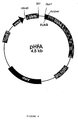
- Preferred vectors include pHFA, whose construction is described in International Patent Application No. PCT/AU93/00228, and its structure is illustrated in Figure 4.
- Preferred bacterial hosts for protein expression are E . coli and Bacillus subtilis .
- Sequence I.D. 1 shows an example of a mouse Ly-2 + Ly-3 V domains construct designed for bacterial expression.
- Sequence I.D. 2 shows an example of a human single-chain CD8 construct designed for expression in a bacterial secretion vector such as pPOW.
- Sequence I.D. 3 shows an example of a mouse MHC ⁇ 3 domain designed for expression.
- Sequence I.D. 4 shows the DNA sequence of the linkerless 1C3 scFv in pHFA.
- Sequence I.D. 5 shows the DNA sequence of the anti influenza NC10 scFv with the pel B secretion signal and the FLAG C-terminal peptide.
- Sequence I.D. 6 shows the DNA sequence of the first 1443 bases of the anti-glycophorin 1C3Fab fragment in pHFA ready for ligation post PCR amplification for ligation into p569.
- Preferred embodiments of the invention include the following:
- a parent scFv fragment of NC10 (a monoclonal antibody that recognises the neuraminidase (NA) molecule on the N9 strain of influenza virus) was designed, constructed and expressed in E. coli (Sequence I.D. 5).
- the amino terminal secretion signal PelB directed the synthesised protein into the E . coli periplasm where it became associated with the insoluble membrane fraction.
- An octapeptide (FLAG; IBI USA) tail was fused to the carboxyl-terminal of the scFv and was used to monitor the scFv through subsequent purification procedures. This reagent is bifunctional with specificity to both neuraminidase and anti-FLAG antibodies.
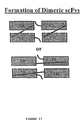
- the scFv NC10 protein was purified by solubilization of the E . coli membrane fraction with guanidinium hydrochloride followed by column chromatography. Size exclusion HPLC of purified scFv NC10 showed that the scFv fragment emerged in two peaks corresponding in size to monomers (27 kDa) and dimers (54 kDa). Furthermore, the monomeric form bound to N9 NA to form a complex of -320 kDa while the dimeric form bound to N9 NA to form a complex of ⁇ 640 kDa.
- the 320 kDa complex could consist of four scFv molecules binding to a single NA molecule, while the 640 kDa complex could consist of four scFv molecules binding to two NA molecules.
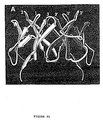
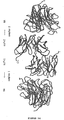
- Electron microscopy confirmed the tight coupling of two neuraminidase tetramers by four bifunctional scFv dimers ( Figure 15). High resolution electron microscopy was performed on the tern N9 (avian) strain of influenza neuraminidase complexed with scFv constructs of the NC10 of the Mab, where the molecular complexes were stained (contrasted) either with potassium phopho-tungstate at pH 7.0 or with uranyl acetate at pH 4.0.
- the first pPOW-scFv NC10 construct has a polypeptide linker consisting of three pentameric Gly4Ser units (this pPOW-scFv NC10 construct was referred to as the 15 residue linker, V H .15.V L ).
- the deletion linker mutants were constructed by sequentially removing each of these pentameric units to form constructs with two, one and zero units (referred to as the V H .10,V L , V H .5.V L and V H .V L residue linker pPOW-scFv NC10 constructs respectively).
- a scFv NC10 construct was made by deleting the first ⁇ -strand of the V L domain (the first 13 amino acids) so that the carboxyl-terminal of the V H domain joined directly to the V L domain (V H .-13.V L ).
- the pPOW-scFv NC10 construct was digested successively with BstE II (New England Biolabs) and Sac I (Pharmacia) according to manufacturers' specifications and the polypeptide linker released.
- the restricted linkerless pPOW-scFv NC10 DNA was electroeluted from an 0.8% agarose gel and the DNA concentrated by precipitation with 0.3M Na acetate and 2.5 volumes of ethanol.
- Synthetic oligonucleotides were phosphorylated at their 5' termini by incubating at 37°C for 30 min with 0.5 units of T4 polynucleotide kinase (Pharmacia) and 1mM ATP in One-Phor-All Buffer PLUS (Pharmacia).
- Pairs of complementary phosphorylated oligonucleotide primers ( Figure 6) were premixed in equimolar ratios to form DNA duplexes encoding single chain linkers of altered lengths. These duplexes were ligated into the Bst E II- Sac I restricted pPOW-scFv NC10 plasmid using an Amersham ligation kit. A slightly different approach was required to make the V H .-13.V L construct. An oligonucleotide primer ( Figure 6) spanning the deleted V L domain was constructed and used in conjunction with a FLAG specific oligonucleotide ( Figure 6) to amplify by PCR a V H .-13.V L fragment of the scFv NC10.
- the amplification product was digested with Bst E II and Eco R I and ligated into similarly digested pPOW-scFv NC10 plasmid using an Amersham ligation kit.
- the ligation mixtures were purified by extraction with an equal volume of phenol/chloroform and precipitated with 0.3 M Na acetate and 2.5 volumes of ethanol.
- the ligated DNA was resuspended in 20 ml H20 and 5 ml of the sample was transformed into E . coil DH5a ( sup E44, hsdR 17, rec A1, end A1, gyr A96.
- Transformed LE392 were grown overnight at 30°C in SB medium and diluted 1:10 to inoculate fresh SB medium. Cultures were grown at 30°C with shaking until the absorbance at 600nm (A 600 ) was approximately four. The temperature was raised to 42°C for the remainder of the induction period (which continued for 4 hr until the A 600 ⁇ 7). Cells were recovered by centrifugation (Beckman JA10 6,000 rpm for 15 min) and the supernatant fraction removed. The cell pellet was resuspended in 10% of the original volume in 20% sucrose, 10 mM Tris.HCl. pH7.5 and left on ice for 5 min.
- EDTA was added to a final volume of 5 mM and the mixture incubated on ice for a further 10 min and centrifuged as before to pellet the cells. The supernatant was discarded and the cell pellet resuspended in H 2 O, the mixture was recentrifuged and the supernatant containing the periplasmic proteins removed. The resulting cell pellet was resuspended in H 2 O and lysed by sonication (six 30 sec bursts for large scale preparations and one 30 sec burst for small scale preparations) and kept on ice for 5 min. After centrifugation the aqueous phase was recovered as the solubilized cytoplasmic fraction while the pellet contained the insoluble membrane-associated fraction.
- the soluble products were purified by gel filtration and chromatography on Mono-Q or on an affinity matrix containing an antibody specific for the tail moiety.
- the pure products were characterized by SDS-PAGE, size exclusion HPLC (SE-HPLC), ultracentrifugal analysis, binding activity towards the parent antigen (influenza virus neuraminidase), electron microscopy of the complexes formed between the antigen and reagent.
- Cross linking experiments confirmed the size of the products. The properties are summarized in Figure 8.
- the ⁇ and ⁇ chains containing only the V-like domains of mouse CD8 were amplified separately by PCR with Vent polymerase using primers containing homology to the V-like domains (using available database sequences) and with additional nucleotides encoding the (Gly 4 Ser) 3 linker (Sequence I.D. 1). After annealing the two separate domains the products were extended using dNTPs and polymerase.
- the scCD8 gene was amplified using new primers containing Msc I site at the 3' end and Sal I site at the 5' end.
- the single chain product was digested with Msc I and Sal I then cloned into Msc I and Sal I digested pPOW vector.
- High level protein synthesis was obtained in E. coli host cell strain pop2136.
- An N-terminal modification was designed to increase the synthesis of correctly cleaved product which was achieved by changing the N-terminal residue of mouse CD8 ⁇ chain from Lysine to Serine (the Human CD8 a chain N-terminal residue is a Serine).
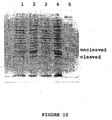
- the synthesis of scCD8 in pPOW using E. coli host cell strain pop2136, showing whole cell lysates, can be seen in Figure 10.
- the synthesised seCD8 product was detected by anti-CD8 antibodies that only recognise protein in the conformationaly correct form.
- the DNA encoding the V-like domain of the mature ⁇ chain protein was amplified by PCR using Taq polymerase and primers containing homology to the V-like domain (using available database sequences) with additional nucleotides encoding the (Gly 4 Ser) 3 linker and incorporating restriction enzyme sites Msc I and Bam HI (Sequence I.D. 2).
- the V-like domain of the CD8 ⁇ chain was amplified by PCR directly from DNA isolated from blood using primers containing Bam HI and Eco RI restriction enzyme sites. The two individual products were digested with the appropriate enzymes then ligated into Msc I and Eco RI digested pPOW vector.
- each of the single chain CD8 constructs was confirmed by double stranded DNA sequencing.
- the nucleotide sequence can be seen in Sequence I.D. 1 and 2.
- the vector directs the synthesis of a scCD8 with a C-terminal peptide tail for diagnostic and coupling applications, including affinity purification.
- Preferred techniques to monitor the biological activity of the scCD8 product include:
- Oligonucleotide N2034 (5'-ACGTAGGTCACCGTCGCCTCCGACATCGTCATGTCACAGTCTCCATCCTCC-3') was synthesised to have complementarity to the last 15 bases at the 3' end of 1C3 V H coupled directly to the first 30 bases of the 1C3 V L 5' sequence without any intervening linker sequence.
- Oligonucleotide N2035 (5'-TTTATAATCTGCGGCCGCCCGATTAATTTC-3') was synthesised to have complementarity to the 1C3 V L sequence on the opposite strand around the Not I site near the 3' end.
- the two oligonucleotides were used with 1C3 template DNA in a Polymerase Chain Reaction to produce a 1C3 product of 3'-V H sequence juxtaposed to 5'-V L sequence flanked by Bst EII and Not I restriction endonuclease sites.
- This gene construct was expressed in this vector and related vectors when transferred to a non-suppressor E. coli strain and induced with IPTG, or by transferring the 1C3 coding region to the thermoinducible expression vector pPOW.
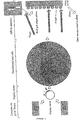
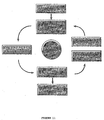
- NC10 scFv plasmid coding for the expression of the recombinant antineuraminidase antibody NC10 scFv was electroporated into E. coli mut D. Mutants were produced by subjecting the samples to the mutation cycle shown in Figure 11. They were grown for 50 generations in exponential phase (to induce mutation of the phasmid DNA) in YT+AMP+TET and then rescued with the helper phage.
- the rescued phage was applied to the immunotubes previously coated with 10 ⁇ g/ml of the antigen, non-binding phage removed by washing with PBS etc and the specifically bound phage eluted with 100mM triethylamine, collected into 0.5 volumes of 1M Tris-Hydroxymethylmethylamine-HCl pH7.5 and then transfected into mutD cells by standard methods, (unless otherwise specfically stated all standard methods referred to herein are to be found in "Molecular Cloning-A Laboratory Manual" Sambrook et al, 1990) and again grown through 50 generations whilst maintaining the cells in the logarithmic phase of growth.
- the phage titres are in the region of 10 7 -10 8 phage/ml.
- eluted phage were transfected into E. coli TG1 cells and plated onto YT+AMP+Glucose plates and then each of the isolated colonies grown before phage rescue and analysis by ELISA on "flu" virus or glycophorin.
- the colonies which exhibited non-wild-type levels of ELISA activity were then amplified, the DNA sequenced and the phage transfected into E. coli HB2151 cells available from the American Type Culture Collection, for soluble expression.
- the phage were transfected into HB2151 by the standard methods and the selected individual colonies of each phage sample grown in YT+AMP(100 ⁇ g/ml) prior to induction with 1mM IPTG (isopropylthiogalactoside) for 4 to 16h at 37°C, with or without subsequent incubation at 4°C for 16h.
- IPTG isopropylthiogalactoside
- the culture supernatant and the extracts of periplasm, cell membranes and cell cytoplasm were collected and analysed for the recombinant gene expression as described (Power et al, 1992, Gene)
- the recombinant 1C3 scFv (a glycophorin-binding antibody coding region) in the phagmid pHFA prepared as described in International Patent Application No. PCT/AU93/00228 was subjected to random mutation in the mutD E. coli as discussed in Example 4, and the selection protocol similarly applied, with the exceptions that the selection involved coating the solid phase matrix (ELISA plate, Immmotube, or latex bead) with glycophorin A from a 10 ⁇ g/ml solution in PBS.
- the results of the ELISA screening for selection of individual colonies is illustrated in Figure 12.
- a scFv library in the phagemid vector pHEN (MedicalResearch Council, U.K.) was transferred into the mut D strains of E. coli and treated as for Examples 4 or 5 for the mutation, detection and selection of scFv with modified binding ability. Selecting for glycophorin binders. To increase the range of glycophorin-binding antibodies available the naive scFv library was used as the starting point for this maturation and affinity selection of phage displayed seFvs.
- Expression of the antibody-fragment coding regions in D. discoideum is from the vector pAV1 which has has been constructed from the parent vector p569 (a gift from W. Nellen, Max-Planck Institute, Kunststoff, Germany) and the V H coding region of the NC41V H as described below.
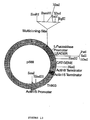
- the vector p569 is shown in Figure 13; this is one of a family of vectors that are E. coli / D. discoideum shuttle vectors using the ⁇ -L fucosidase promoter and signal sequence for the secretion of the expressed "ligand binding peptide" to the cell surface.
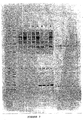
- Table 4 shows the results from the immunodot-blot of the expression of the Influenza NC41 V H FLAG detected by the antiFLAG antibody (M2).
- V H coding sequence of the monoclonal antibody NC41 was amplified by Polymerase Chain Reaction using the oligonucleotide sequences:
- N849 contains sequence complementary to the N-terminus of the NC41V H coding region together with the ⁇ -L-fucosidase signal sequence and cleavage site, as well as SalI restriction site suitable for cloning into the expression vector p569.
- N863 contains sequence complementary to the FLAG coding sequence of the NC41V H , together with a transmembrane hydrophobic sequence, an NcoI restriction site for cloning and a translation stop codon.
- DNA of the vector pAV 569 (a gift from W. Nellen, Max-Planck Institute, Martinsreid, Germany) was digested with the restriction enzyme Nco I and SaiI, and the cut vector was purified by the standard techniques of agarose electrophoresis and phenol extraction.
- the PCR amplified and restriction digested NC41V H FLAG was ligated into the vector and the mixture was transformed into E. coli. Recombinant colonies were selected on ampicillin-containing YT plates and recombinant plasmids were recovered, purified and identified using standard techniques. The recombinant plasmid is designated pAV1.
- the recombinant plasmid pAV1 was transformed into vegetative cells of D. discoideum by the feeding method disclosed in GB-2159821, by Friendlender and Mella.
- Recombinant D. discoideum were selected using the antibiotic G418 at 10 ⁇ g/ml on DMB medium.
- Recombinant D. discoideum amoebae were grown in 2ml cultures of DMB medium containing 10 ⁇ g/ml G418. After growth for 48 hours at 22°C, dot blot analysis was performed on 100 ⁇ l aliquots of the culture supernatant, and an anti-FLAG antibody was used to detect the presence of the NC10V H FLAG antibody fragment in the culture. The results are summarised in Table 4.
- EXPRESSION OF NC41V H -FLAG IN D. DISCOIDEUM Immunodetection Dot Blot with Anti-FLAG Antibody D.
- Transformation of D . discoideum is effected by feeding transformed E. coli (see GB-2159821A) or by standard methods by those skilled in the art as published in the literature such as by calcium phosphate crystals (Nellen et al , Mol. Cell. Biol., 1984 4 2890-2898) or electroporation (Howard et al, 1988, 16 2613-2623) with selection on G418 (geneticin).
Landscapes
- Health & Medical Sciences (AREA)
- Chemical & Material Sciences (AREA)
- Organic Chemistry (AREA)
- Life Sciences & Earth Sciences (AREA)
- General Health & Medical Sciences (AREA)
- Medicinal Chemistry (AREA)
- Immunology (AREA)
- Proteomics, Peptides & Aminoacids (AREA)
- Molecular Biology (AREA)
- Genetics & Genomics (AREA)
- Biophysics (AREA)
- Biochemistry (AREA)
- General Chemical & Material Sciences (AREA)
- Chemical Kinetics & Catalysis (AREA)
- Public Health (AREA)
- Veterinary Medicine (AREA)
- Virology (AREA)
- Animal Behavior & Ethology (AREA)
- Pharmacology & Pharmacy (AREA)
- Nuclear Medicine, Radiotherapy & Molecular Imaging (AREA)
- Oncology (AREA)
- Bioinformatics & Cheminformatics (AREA)
- Engineering & Computer Science (AREA)
- Communicable Diseases (AREA)
- Hematology (AREA)
- Peptides Or Proteins (AREA)
- Preparation Of Compounds By Using Micro-Organisms (AREA)
- Medicines That Contain Protein Lipid Enzymes And Other Medicines (AREA)
- Medicines Containing Antibodies Or Antigens For Use As Internal Diagnostic Agents (AREA)
Applications Claiming Priority (3)
| Application Number | Priority Date | Filing Date | Title |
|---|---|---|---|
| AUPL497392 | 1992-09-25 | ||
| AUPL497392 | 1992-09-25 | ||
| EP93921744A EP0672068A4 (fr) | 1992-09-25 | 1993-09-24 | Polypeptide se fixant a une cible. |
Related Parent Applications (1)
| Application Number | Title | Priority Date | Filing Date |
|---|---|---|---|
| EP93921744A Division EP0672068A4 (fr) | 1992-09-25 | 1993-09-24 | Polypeptide se fixant a une cible. |
Publications (2)
| Publication Number | Publication Date |
|---|---|
| EP1550729A1 true EP1550729A1 (fr) | 2005-07-06 |
| EP1550729B1 EP1550729B1 (fr) | 2009-05-27 |
Family
ID=3776442
Family Applications (2)
| Application Number | Title | Priority Date | Filing Date |
|---|---|---|---|
| EP04075704A Expired - Lifetime EP1550729B1 (fr) | 1992-09-25 | 1993-09-24 | Polypeptides se fixant à une cible comprenant un domaine de type immunoglobuline (IG-like) VL fusioné à une domaine de type immunoglobuline (IG-like) VH |
| EP93921744A Withdrawn EP0672068A4 (fr) | 1992-09-25 | 1993-09-24 | Polypeptide se fixant a une cible. |
Family Applications After (1)
| Application Number | Title | Priority Date | Filing Date |
|---|---|---|---|
| EP93921744A Withdrawn EP0672068A4 (fr) | 1992-09-25 | 1993-09-24 | Polypeptide se fixant a une cible. |
Country Status (7)
| Country | Link |
|---|---|
| US (1) | US5844094A (fr) |
| EP (2) | EP1550729B1 (fr) |
| JP (2) | JPH08504320A (fr) |
| CA (1) | CA2145278C (fr) |
| DE (1) | DE69334287D1 (fr) |
| SG (1) | SG41929A1 (fr) |
| WO (1) | WO1994007921A1 (fr) |
Cited By (5)
| Publication number | Priority date | Publication date | Assignee | Title |
|---|---|---|---|---|
| US10077300B2 (en) | 2007-08-22 | 2018-09-18 | The Regents Of The University Of California | Activatable binding polypeptides and methods of identification and use thereof |
| US10517969B2 (en) | 2009-02-17 | 2019-12-31 | Cornell University | Methods and kits for diagnosis of cancer and prediction of therapeutic value |
| US11180570B2 (en) | 2009-12-02 | 2021-11-23 | Imaginab, Inc. | J591 minibodies and cys-diabodies for targeting human prostate specific membrane antigen (PSMA) and methods for their use |
| US11254744B2 (en) | 2015-08-07 | 2022-02-22 | Imaginab, Inc. | Antigen binding constructs to target molecules |
| US11266745B2 (en) | 2017-02-08 | 2022-03-08 | Imaginab, Inc. | Extension sequences for diabodies |
Families Citing this family (200)
| Publication number | Priority date | Publication date | Assignee | Title |
|---|---|---|---|---|
| US6027725A (en) * | 1991-11-25 | 2000-02-22 | Enzon, Inc. | Multivalent antigen-binding proteins |
| US20080152586A1 (en) * | 1992-09-25 | 2008-06-26 | Avipep Pty Limited | High avidity polyvalent and polyspecific reagents |
| ATE199392T1 (de) * | 1992-12-04 | 2001-03-15 | Medical Res Council | Multivalente und multispezifische bindungsproteine, deren herstellung und verwendung |
| GB9225453D0 (en) | 1992-12-04 | 1993-01-27 | Medical Res Council | Binding proteins |
| AUPO591797A0 (en) | 1997-03-27 | 1997-04-24 | Commonwealth Scientific And Industrial Research Organisation | High avidity polyvalent and polyspecific reagents |
| US6136311A (en) | 1996-05-06 | 2000-10-24 | Cornell Research Foundation, Inc. | Treatment and diagnosis of cancer |
| US20020146740A1 (en) * | 1997-10-09 | 2002-10-10 | William D. Huse | Method for identifying optimal binding ligands to a receptor |
| US6156509A (en) * | 1997-11-12 | 2000-12-05 | Genencor International, Inc. | Method of increasing efficiency of directed evolution of a gene using phagemid |
| US6660843B1 (en) | 1998-10-23 | 2003-12-09 | Amgen Inc. | Modified peptides as therapeutic agents |
| ATE348163T1 (de) | 1998-10-23 | 2007-01-15 | Amgen Inc | Thrombopoietin substitute |
| US7488590B2 (en) | 1998-10-23 | 2009-02-10 | Amgen Inc. | Modified peptides as therapeutic agents |
| DE19946142A1 (de) * | 1999-09-27 | 2001-03-29 | Bundesrepublik Deutschland Let | Gentransfer in humane Lymphocyten mittels retroviraler scFv-Zelltargeting Vektoren |
| ATE391789T1 (de) | 1999-12-10 | 2008-04-15 | Invitrogen Corp | Verwendung einer vielzahl von rekombinationsstellen mit einzigartiger spezifität beim rekombinatorischen klonen |
| US7198924B2 (en) | 2000-12-11 | 2007-04-03 | Invitrogen Corporation | Methods and compositions for synthesis of nucleic acid molecules using multiple recognition sites |
| US20040001839A1 (en) * | 2000-12-29 | 2004-01-01 | Avigdor Levanon | Multimers - isolated molecules comprising epitopes containing sulfated moieties, antibodies to such epitopes, and uses thereof |
| IL161417A0 (en) * | 2001-10-15 | 2004-09-27 | Immunomedics Inc | Affinity enhancement agents |
| CN1604966A (zh) * | 2001-10-15 | 2005-04-06 | 免疫医疗公司 | 直接靶定的结合蛋白 |
| PL372144A1 (en) * | 2001-12-26 | 2005-07-11 | Immunomedics, Inc. | Methods of generating multispecific, multivalent agents from v sb h /sb and v sb l /sb domains |
| US8071096B2 (en) | 2002-01-25 | 2011-12-06 | G2 Therapies Ltd | Anti-C5aR antibodies and uses thereof |
| CA2478047C (fr) | 2002-03-01 | 2014-01-21 | Immunomedics, Inc. | Anticorps rs7 |
| ES2524767T3 (es) | 2002-06-14 | 2014-12-12 | Immunomedics, Inc. | Anticuerpo monoclonal humanizado HPAM4 |
| US9701754B1 (en) | 2002-10-23 | 2017-07-11 | City Of Hope | Covalent disulfide-linked diabodies and uses thereof |
| US7158889B2 (en) * | 2002-12-20 | 2007-01-02 | International Business Machines Corporation | Gene finding using ordered sets |
| US20050003403A1 (en) * | 2003-04-22 | 2005-01-06 | Rossi Edmund A. | Polyvalent protein complex |
| BRPI0415533A (pt) | 2003-10-24 | 2006-12-26 | Immunaid Pty Ltd | método de terapia |
| DE602004027538D1 (de) | 2003-12-01 | 2010-07-15 | Life Technologies Corp | Rekombinationsstellen enthaltende nukleinsäuremoleküle und verfahren zur verwendung davon |
| CA2580796C (fr) | 2004-09-24 | 2013-03-26 | Amgen Inc. | Molecules fc modifiees ayant des peptides inserees dans les regions de boucle interne |
| ATE423140T1 (de) | 2005-01-05 | 2009-03-15 | F Star Biotech Forsch & Entw | Synthetische immunoglobulindomänen mit in regionen des moleküls, die sich von den die komplementarität bestimmenden bereichen unterscheiden, modifizierten bindeeigenschaften |
| US8008453B2 (en) | 2005-08-12 | 2011-08-30 | Amgen Inc. | Modified Fc molecules |
| EP2674440B1 (fr) | 2005-12-16 | 2019-07-03 | IBC Pharmaceuticals, Inc. | Ensembles bioactifs à base d'immunoglobuline multivalent |
| ATE509033T1 (de) | 2006-03-20 | 2011-05-15 | Univ California | Manipulierte anti-prostatastammzellenantigen (psca)-antikörper für krebs-targeting |
| AT503889B1 (de) | 2006-07-05 | 2011-12-15 | Star Biotechnologische Forschungs Und Entwicklungsges M B H F | Multivalente immunglobuline |
| ZA200900954B (en) | 2006-08-22 | 2010-05-26 | G2 Inflammation Pty Ltd | Ant-C5aR antibodies with improved properties |
| PL3241842T3 (pl) | 2007-06-26 | 2024-06-10 | F-Star Therapeutics Limited | Prezentacja środków wiążących |
| US8940298B2 (en) | 2007-09-04 | 2015-01-27 | The Regents Of The University Of California | High affinity anti-prostate stem cell antigen (PSCA) antibodies for cancer targeting and detection |
| BRPI0819063A2 (pt) | 2007-11-27 | 2020-08-18 | The University Of British Columbia | método para tratamento de artrite, anticorpo, hibridoma, antagonista de 14-3-3, usos de um antagonista de 14-3-3, composições farmacêuticas, método para redução da expressão de mmp no sinóvio de um paciente e usos de uma composição farmacêutica |
| EA021967B1 (ru) | 2008-01-03 | 2015-10-30 | Дзе Скриппс Рисерч Инститьют | Доставка антител посредством модульного домена распознавания |
| US8557243B2 (en) | 2008-01-03 | 2013-10-15 | The Scripps Research Institute | EFGR antibodies comprising modular recognition domains |
| US8574577B2 (en) | 2008-01-03 | 2013-11-05 | The Scripps Research Institute | VEGF antibodies comprising modular recognition domains |
| US8557242B2 (en) | 2008-01-03 | 2013-10-15 | The Scripps Research Institute | ERBB2 antibodies comprising modular recognition domains |
| US8454960B2 (en) | 2008-01-03 | 2013-06-04 | The Scripps Research Institute | Multispecific antibody targeting and multivalency through modular recognition domains |
| CA2714296A1 (fr) | 2008-02-20 | 2009-08-27 | G2 Inflammation Pty Ltd | Anticorps anti-c5ar humanises |
| WO2009120905A2 (fr) | 2008-03-26 | 2009-10-01 | Cellerant Therapeutics, Inc. | Protéines de récepteurs d'immunoglobuline et/ou de récepteurs toll associées à des troubles prolifératifs hématologiques myélogènes et utilisations correspondantes |
| EP2113255A1 (fr) | 2008-05-02 | 2009-11-04 | f-star Biotechnologische Forschungs- und Entwicklungsges.m.b.H. | Immunoglobuline cytotoxique |
| EP3543256A1 (fr) | 2009-01-12 | 2019-09-25 | Cytomx Therapeutics Inc. | Compositions d anticorps modifiées et leurs procédés de production et d'utilisation |
| US8399219B2 (en) | 2009-02-23 | 2013-03-19 | Cytomx Therapeutics, Inc. | Protease activatable interferon alpha proprotein |
| AU2010239131A1 (en) | 2009-04-21 | 2011-11-17 | Genetic Technologies Limited | Methods for obtaining fetal genetic material |
| EP2246364A1 (fr) * | 2009-04-29 | 2010-11-03 | Pierre Fabre Médicament | Anticorps anti CXCR4 pour le traitement du VIH |
| DK2435825T3 (en) | 2009-05-27 | 2015-10-19 | Biotempus Ltd | Modes for medical care |
| CA2766409C (fr) | 2009-07-03 | 2023-04-25 | Avipep Pty Ltd | Immunoconjugues et leurs procedes de production |
| CA2784610C (fr) | 2009-12-23 | 2020-07-14 | Avipep Pty Ltd | Immuno-conjugues et leurs methodes de production |
| WO2012009705A1 (fr) | 2010-07-15 | 2012-01-19 | Zyngenia, Inc. | Complexes liant ang-2 et leurs utilisations |
| JP5972871B2 (ja) | 2010-07-20 | 2016-08-17 | テバ・ファーマシューティカルズ・オーストラリア・ピーティワイ・リミテッド | 抗il−23ヘテロ二量体特異的抗体 |
| NZ604510A (en) | 2010-08-17 | 2013-10-25 | Csl Ltd | Dilutable biocidal compositions and methods of use |
| WO2012122590A1 (fr) | 2011-03-14 | 2012-09-20 | Cellmid Limited | Anticorps de reconnaissance de domaine n-terminal de midkine |
| CA2833404A1 (fr) | 2011-04-21 | 2012-10-26 | Garvan Institute Of Medical Research | Molecules a domaine variable modifie et procedes de preparation et d'utilisation de celles-ci |
| DK2714738T3 (en) | 2011-05-24 | 2019-01-28 | Zyngenia Inc | MULTIVALENT AND MONOVALENT MULTISPECIFIC COMPLEXES AND THEIR APPLICATIONS |
| ES2929575T3 (es) | 2011-06-06 | 2022-11-30 | Novo Nordisk As | Anticuerpos terapéuticos |
| RU2605595C2 (ru) | 2011-06-13 | 2016-12-20 | СиЭсЭл Лимитид | Антитела против g-csfr и их применение |
| EP3495389A1 (fr) | 2011-09-30 | 2019-06-12 | Teva Pharmaceuticals Australia Pty Ltd | Anticorps dirigés contre l'tl1a et leurs utilisations |
| CN104011068A (zh) | 2011-10-21 | 2014-08-27 | 奥古雷克斯生命科学公司 | 衍生自瓜氨酸化的14-3-3的抗原及其在风湿性关节炎诊断中的用途 |
| JP2015504413A (ja) | 2011-10-28 | 2015-02-12 | パトリス リミテッド | Pat−lm1エピトープおよびそれを使用するための方法 |
| AU2013302696B9 (en) | 2012-08-14 | 2018-08-09 | Ibc Pharmaceuticals, Inc. | T-cell redirecting bispecific antibodies for treatment of disease |
| WO2014063194A1 (fr) | 2012-10-23 | 2014-05-01 | The University Of Sydney | Hydrogel élastique |
| US10842913B2 (en) | 2012-12-10 | 2020-11-24 | Allergan Pharmaceuticals International Limited | Scalable three-dimensional elastic construct manufacturing |
| AU2014213009B2 (en) | 2013-02-01 | 2019-01-03 | Kira Biotech Pty Limited | Anti-CD83 antibodies and use thereof |
| PT2953971T (pt) | 2013-02-07 | 2023-05-02 | Csl Ltd | Proteínas de ligação à il-11r e suas utilizações |
| MX2015013163A (es) | 2013-03-15 | 2016-04-04 | Zyngenia Inc | Complejos multiespecificos multivalente y monovalentes y sus usos. |
| RU2677637C2 (ru) | 2013-08-13 | 2019-01-18 | Эластаджен Пти Лтд | Регенерация поврежденной ткани |
| CN105979965B (zh) | 2013-12-18 | 2021-07-09 | 杰特有限公司 | 治疗伤口的方法 |
| UA122479C2 (uk) | 2014-01-24 | 2020-11-25 | Дана-Фарбер Кенсер Інстітьют, Інк. | Виділена молекула антитіла, яка зв’язується з людським білком програмованої смерті-1 (pd-1) |
| PL3099717T3 (pl) | 2014-01-31 | 2019-10-31 | Novartis Ag | Cząsteczki przeciwciała dla TIM-3 i ich zastosowanie |
| ES2978993T3 (es) | 2014-02-21 | 2024-09-23 | Ibc Pharmaceuticals Inc | Terapia de enfermedades mediante la inducción de la respuesta inmunitaria a las células que expresan Trop-2 |
| EA201691765A1 (ru) | 2014-03-14 | 2016-12-30 | Новартис Аг | Молекулы антител против lag-3 и их применения |
| CN122399016A (zh) | 2014-03-15 | 2026-07-17 | 诺华股份有限公司 | 使用嵌合抗原受体治疗癌症 |
| MX2016017393A (es) | 2014-07-01 | 2017-09-05 | Pfizer | Diacuerpos heterodimericos biespecificos y sus usos. |
| JP6831777B2 (ja) | 2014-07-21 | 2021-02-17 | ノバルティス アーゲー | Cd33キメラ抗原受容体を使用する癌の処置 |
| WO2016014553A1 (fr) | 2014-07-21 | 2016-01-28 | Novartis Ag | Récepteurs d'antigènes chimères synthétisés par l'intermédiaire d'une sortase |
| JP2017528433A (ja) | 2014-07-21 | 2017-09-28 | ノバルティス アーゲー | 低い免疫増強用量のmTOR阻害剤とCARの組み合わせ |
| AU2015292744C1 (en) | 2014-07-21 | 2021-01-21 | Novartis Ag | Treatment of cancer using humanized anti-BCMA chimeric antigen receptor |
| WO2016019300A1 (fr) | 2014-07-31 | 2016-02-04 | Novartis Ag | Sous-ensemble optimisé de lymphocytes t contenant un récepteur d'antigène chimère |
| EP3180359A1 (fr) | 2014-08-14 | 2017-06-21 | Novartis AG | Traitement du cancer à l'aide du récepteur d'antigène chimérique gfr alpha-4 |
| EP3712171A1 (fr) | 2014-08-19 | 2020-09-23 | Novartis AG | Traitement du cancer à l'aide d'un récepteur d'antigène chimérique cd123 |
| US10577417B2 (en) | 2014-09-17 | 2020-03-03 | Novartis Ag | Targeting cytotoxic cells with chimeric receptors for adoptive immunotherapy |
| SG11201702401RA (en) | 2014-10-14 | 2017-04-27 | Novartis Ag | Antibody molecules to pd-l1 and uses thereof |
| WO2016061632A1 (fr) | 2014-10-23 | 2016-04-28 | La Trobe University | Protéines de liaison à fn14 et leurs utilisations |
| AU2015336931B2 (en) | 2014-10-23 | 2021-04-29 | Kira Biotech Pty Limited | CD83 binding proteins and uses thereof |
| US20180334490A1 (en) | 2014-12-03 | 2018-11-22 | Qilong H. Wu | Methods for b cell preconditioning in car therapy |
| EP3233120A4 (fr) | 2014-12-19 | 2018-05-30 | Monash University | Anticorps il -21 |
| PL3280729T3 (pl) | 2015-04-08 | 2022-08-22 | Novartis Ag | Terapie cd20, terapie cd22 i terapie skojarzone komórką eksprymującą chimeryczny receptor antygenowy (car) cd19 |
| AU2016249392A1 (en) | 2015-04-17 | 2017-11-16 | The Regents Of The University Of California | Methods for detecting agglutination and compositions for use in practicing the same |
| WO2016172583A1 (fr) | 2015-04-23 | 2016-10-27 | Novartis Ag | Traitement du cancer à l'aide de protéine récepteur antigénique chimérique et un inhibiteur de protéine kinase |
| US20180207273A1 (en) | 2015-07-29 | 2018-07-26 | Novartis Ag | Combination therapies comprising antibody molecules to tim-3 |
| EP3328418A1 (fr) | 2015-07-29 | 2018-06-06 | Novartis AG | Traitements combinés comprenant des molécules d'anticorps qui se lient à pd-1 |
| US20180340025A1 (en) | 2015-07-29 | 2018-11-29 | Novartis Ag | Combination therapies comprising antibody molecules to lag-3 |
| US11008372B2 (en) | 2015-11-07 | 2021-05-18 | Board Of Regents, The University Of Texas System | Targeting proteins for degradation |
| AU2016361462B2 (en) | 2015-11-27 | 2023-09-21 | Csl Limited | CD131 binding proteins and uses thereof |
| CN108495651A (zh) | 2015-12-17 | 2018-09-04 | 诺华股份有限公司 | 抗pd-1的抗体分子及其用途 |
| CN108697794A (zh) | 2015-12-17 | 2018-10-23 | 诺华股份有限公司 | C-met抑制剂和抗pd-1抗体分子的组合及其用途 |
| PT3393504T (pt) | 2015-12-22 | 2025-12-30 | Novartis Ag | Recetor de antigénio quimérico (car) de mesotelina e anticorpo contra o inibidor de pd-l1 para utilização combinada em terapia anticancerígena |
| EP3851457A1 (fr) | 2016-01-21 | 2021-07-21 | Novartis AG | Molécules multispécifiques ciblant cll-1 |
| SG11201807489PA (en) | 2016-03-04 | 2018-09-27 | Novartis Ag | Cells expressing multiple chimeric antigen receptor (car) molecules and uses therefore |
| EP3432924A1 (fr) | 2016-03-23 | 2019-01-30 | Novartis AG | Mini-corps sécrétés par des cellules et leurs usages |
| US20230071283A1 (en) | 2016-04-15 | 2023-03-09 | Aimee S. Payne | Compositions and methods for selective protein expression |
| WO2017210617A2 (fr) | 2016-06-02 | 2017-12-07 | Porter, David, L. | Régimes thérapeutiques pour cellules exprimant un récepteur antigénique chimérique (car) |
| EP3484455A2 (fr) | 2016-07-15 | 2019-05-22 | Novartis AG | Traitement et prévention du syndrome de libération de cytokine à l'aide d'un récepteur d'antigène chimérique en combinaison avec un inhibiteur de kinase |
| KR20230100748A (ko) | 2016-07-28 | 2023-07-05 | 노파르티스 아게 | 키메라 항원 수용체 및 pd-1 억제제의 조합 요법 |
| SG11201900885VA (en) | 2016-08-01 | 2019-02-27 | Novartis Ag | Treatment of cancer using a chimeric antigen receptor in combination with an inhibitor of a pro-m2 macrophage molecule |
| CA3034105A1 (fr) | 2016-09-23 | 2018-03-29 | Csl Limited | Proteines de liaison au facteur de coagulation et leurs utilisations |
| JP7467117B2 (ja) | 2016-10-07 | 2024-04-15 | ノバルティス アーゲー | 癌の治療のためのキメラ抗原受容体 |
| US11535662B2 (en) | 2017-01-26 | 2022-12-27 | Novartis Ag | CD28 compositions and methods for chimeric antigen receptor therapy |
| WO2018160731A1 (fr) | 2017-02-28 | 2018-09-07 | Novartis Ag | Compositions d'inhibiteur shp et utilisations pour une thérapie de récepteur d'antigène chimère |
| EP3589650A1 (fr) | 2017-03-02 | 2020-01-08 | Novartis AG | Protéines hétérodimères modifiées |
| EP3615068A1 (fr) | 2017-04-28 | 2020-03-04 | Novartis AG | Agent ciblant le bcma et polythérapie incluant un inhibiteur de gamma-sécrétase |
| EP3615055A1 (fr) | 2017-04-28 | 2020-03-04 | Novartis AG | Cellules exprimant un récepteur antigénique chimérique ciblant le bcma, et polythérapie comprenant un inhibiteur de gamma sécrétase |
| MX2019015885A (es) | 2017-06-22 | 2020-09-10 | Novartis Ag | Moleculas de anticuerpo que se unen a cd73 y usos de las mismas. |
| CN111050791A (zh) | 2017-06-27 | 2020-04-21 | 诺华股份有限公司 | 用于抗tim-3抗体的给药方案及其用途 |
| SG10201913147WA (en) | 2017-07-11 | 2020-02-27 | Compass Therapeutics Llc | Agonist antibodies that bind human cd137 and uses thereof |
| WO2019018730A1 (fr) | 2017-07-20 | 2019-01-24 | Novartis Ag | Régimes posologiques pour des anticorps anti-lag3 et leurs utilisations |
| KR102755742B1 (ko) | 2017-09-11 | 2025-01-15 | 모나쉬 유니버시티 | 인간 트롬빈 수용체 par4 결합 단백질 |
| KR102715492B1 (ko) | 2017-10-18 | 2024-10-11 | 씨에스엘 리미티드 | 인간 혈청 알부민 변이체 및 이의 용도 |
| WO2019075523A1 (fr) * | 2017-10-20 | 2019-04-25 | Csl Ltd. | Procédé |
| US11718679B2 (en) | 2017-10-31 | 2023-08-08 | Compass Therapeutics Llc | CD137 antibodies and PD-1 antagonists and uses thereof |
| MX2020004756A (es) | 2017-11-16 | 2020-08-20 | Novartis Ag | Terapias de combinacion. |
| EP3713961A2 (fr) | 2017-11-20 | 2020-09-30 | Compass Therapeutics LLC | Anticorps cd137 et anticorps ciblant un antigène tumoral et leurs utilisations |
| US20210179721A1 (en) | 2017-11-29 | 2021-06-17 | Csl Limited | Method of treating or preventing ischemia-reperfusion injury |
| US12247060B2 (en) | 2018-01-09 | 2025-03-11 | Marengo Therapeutics, Inc. | Calreticulin binding constructs and engineered T cells for the treatment of diseases |
| AU2019215031C1 (en) | 2018-01-31 | 2026-02-26 | Novartis Ag | Combination therapy using a chimeric antigen receptor |
| EP3765517A1 (fr) | 2018-03-14 | 2021-01-20 | Elstar Therapeutics, Inc. | Molécules multifonctionnelles se liant à calréticuline et utilisations associees |
| US12281160B2 (en) | 2018-03-23 | 2025-04-22 | Csl Limited | Method of treating asthma |
| US20210147547A1 (en) | 2018-04-13 | 2021-05-20 | Novartis Ag | Dosage Regimens For Anti-Pd-L1 Antibodies And Uses Thereof |
| US20210047405A1 (en) | 2018-04-27 | 2021-02-18 | Novartis Ag | Car t cell therapies with enhanced efficacy |
| CN112118859A (zh) | 2018-05-16 | 2020-12-22 | 杰特有限公司 | 1型可溶性补体受体变体及其用途 |
| CN112384534A (zh) | 2018-05-21 | 2021-02-19 | 指南针制药有限责任公司 | 用于增强nk细胞对靶细胞的杀死的组合物和方法 |
| WO2019226658A1 (fr) | 2018-05-21 | 2019-11-28 | Compass Therapeutics Llc | Compositions multispécifiques de liaison à l'antigène et procédés d'utilisation |
| US20210213063A1 (en) | 2018-05-25 | 2021-07-15 | Novartis Ag | Combination therapy with chimeric antigen receptor (car) therapies |
| WO2019232244A2 (fr) | 2018-05-31 | 2019-12-05 | Novartis Ag | Molécules d'anticorps anti-cd73 et leurs utilisations |
| IL279367B2 (en) | 2018-06-13 | 2026-05-01 | Novartis Ag | BCMA chimeric antigen receptors and their uses |
| CA3104295A1 (fr) | 2018-06-19 | 2019-12-26 | Atarga, Llc | Molecules d'anticorps se liant au composant du complement 5 et leurs utilisations |
| WO2020010250A2 (fr) | 2018-07-03 | 2020-01-09 | Elstar Therapeutics, Inc. | Molécules d'anticorps anti-tcr et leurs utilisations |
| AR116109A1 (es) | 2018-07-10 | 2021-03-31 | Novartis Ag | Derivados de 3-(5-amino-1-oxoisoindolin-2-il)piperidina-2,6-diona y usos de los mismos |
| JP2021531306A (ja) | 2018-07-25 | 2021-11-18 | アドバンスド アクセラレーター アプリケーションズ エスエー | 神経内分泌腫瘍の処置の方法 |
| US12466892B2 (en) | 2018-11-08 | 2025-11-11 | The Regents Of The University Of California | Systems and methods for targeting cancer cells |
| JP7497351B2 (ja) | 2018-11-13 | 2024-06-10 | コンパス セラピューティクス リミテッド ライアビリティ カンパニー | チェックポイント分子に対する多重特異性結合性構築物およびその使用 |
| US20210386763A1 (en) | 2018-12-20 | 2021-12-16 | Novartis Ag | Pharmaceutical combinations |
| AU2019402189B2 (en) | 2018-12-20 | 2023-04-13 | Novartis Ag | Dosing regimen and pharmaceutical combination comprising 3-(1-oxoisoindolin-2-yl)piperidine-2,6-dione derivatives |
| EP3924054B1 (fr) | 2019-02-15 | 2025-04-02 | Novartis AG | Dérivés de 3-(1-oxo-5-(pipéridin-4-yl)isoindolin-2-yl)pipéridine-2,6-dione et leurs utilisations |
| CA3123519A1 (fr) | 2019-02-15 | 2020-08-20 | Novartis Ag | Derives de 3-(1-oxoisoindoline-2-yl)piperidine-2,6-dione substitues et leurs utilisations |
| US10871640B2 (en) | 2019-02-15 | 2020-12-22 | Perkinelmer Cellular Technologies Germany Gmbh | Methods and systems for automated imaging of three-dimensional objects |
| AU2020226893B2 (en) | 2019-02-21 | 2025-02-27 | Marengo Therapeutics, Inc. | Multifunctional molecules that bind to T cell related cancer cells and uses thereof |
| JP7579795B2 (ja) | 2019-02-21 | 2024-11-08 | マレンゴ・セラピューティクス,インコーポレーテッド | NKp30に結合する抗体分子およびその使用 |
| EP3927371A1 (fr) | 2019-02-22 | 2021-12-29 | Novartis AG | Polythérapies à base de récepteurs d'antigènes chimériques egfrviii et d'inhibiteurs de pd -1 |
| PH12021552414A1 (en) | 2019-03-29 | 2022-07-25 | Atarga Llc | Anti fgf23 antibody |
| CN114502583A (zh) | 2019-08-12 | 2022-05-13 | 杰特创新股份有限公司 | 补体c2结合蛋白及其用途 |
| CN114786679A (zh) | 2019-10-21 | 2022-07-22 | 诺华股份有限公司 | 具有维奈托克和tim-3抑制剂的组合疗法 |
| WO2021079195A1 (fr) | 2019-10-21 | 2021-04-29 | Novartis Ag | Inhibiteurs de tim-3 et leurs utilisations |
| CA3158174A1 (fr) | 2019-10-28 | 2021-05-06 | Monash University | Anticorps pour liaison a la plasmine |
| WO2021108661A2 (fr) | 2019-11-26 | 2021-06-03 | Novartis Ag | Récepteurs antigéniques chimériques et leurs utilisations |
| US20230057071A1 (en) | 2019-12-20 | 2023-02-23 | Novartis Ag | Combination of anti tim-3 antibody mbg453 and anti tgf-beta antibody nis793, with or without decitabine or the anti pd-1 antibody spartalizumab, for treating myelofibrosis and myelodysplastic syndrome |
| JP7807372B2 (ja) | 2019-12-20 | 2026-01-27 | ハドソン インスティチュート オブ メディカル リサーチ | Cxcl10結合タンパク質及びその使用 |
| WO2021138474A2 (fr) | 2020-01-03 | 2021-07-08 | Marengo Therapeutics, Inc. | Molécules d'anticorps anti-tcr et leurs utilisations |
| CN115298322A (zh) | 2020-01-17 | 2022-11-04 | 贝克顿迪金森公司 | 用于单细胞分泌组学的方法和组合物 |
| EP4090335A1 (fr) | 2020-01-17 | 2022-11-23 | Novartis AG | Polythérapies comprenant un inhibiteur tim-3 et un agent d'hypométhylation à utiliser dans le traitement du syndrome myélodysplasique ou de la leucémie myélomonocytaire chronique |
| IL295878A (en) | 2020-02-27 | 2022-10-01 | Novartis Ag | Methods for producing cells expressing a chimeric antigen receptor |
| CA3180222A1 (fr) | 2020-04-15 | 2021-10-21 | Voyager Therapeutics, Inc. | Composes de liaison a la proteine tau |
| CN115768475A (zh) | 2020-06-04 | 2023-03-07 | Csl创新私人有限公司 | 治疗或预防急性呼吸窘迫综合征的方法 |
| EP4168007A1 (fr) | 2020-06-23 | 2023-04-26 | Novartis AG | Schéma posologique comprenant des dérivés de 3-(1-oxoisoindoline-2-yl) pipéridine-2,6-dione |
| CA3176556A1 (fr) | 2020-07-16 | 2022-01-20 | Novartis Ag | Anticorps anti-betacelluline, fragments de ceux-ci et molecules de liaison multi-specifiques |
| WO2022013613A2 (fr) | 2020-07-17 | 2022-01-20 | Onena Medicines S.L. | Anticorps dirigés contre des protéines lefty |
| WO2022026592A2 (fr) | 2020-07-28 | 2022-02-03 | Celltas Bio, Inc. | Molécules d'anticorps contre le coronavirus et leurs utilisations |
| EP4188549A1 (fr) | 2020-08-03 | 2023-06-07 | Novartis AG | Dérivés de 3-(1-oxoisoindolin-2-yl)pipéridine-2,6-dione substitués par hétéroaryle et leurs utilisations |
| WO2022043558A1 (fr) | 2020-08-31 | 2022-03-03 | Advanced Accelerator Applications International Sa | Méthode de traitement de cancers exprimant le psma |
| US20230321285A1 (en) | 2020-08-31 | 2023-10-12 | Advanced Accelerator Applications International Sa | Method of treating psma-expressing cancers |
| WO2022097065A2 (fr) | 2020-11-06 | 2022-05-12 | Novartis Ag | Variants fc d'anticorps |
| KR20230107617A (ko) | 2020-11-13 | 2023-07-17 | 노파르티스 아게 | 키메라 항원 수용체(car)-발현 세포를 사용한 병용 요법 |
| EP4284510A1 (fr) | 2021-01-29 | 2023-12-06 | Novartis AG | Régimes posologiques d'anticorps anti-cd73 et anti-entpd2 et leurs utilisations |
| TW202304979A (zh) | 2021-04-07 | 2023-02-01 | 瑞士商諾華公司 | 抗TGFβ抗體及其他治療劑用於治療增殖性疾病之用途 |
| AR125874A1 (es) | 2021-05-18 | 2023-08-23 | Novartis Ag | Terapias de combinación |
| WO2023044483A2 (fr) | 2021-09-20 | 2023-03-23 | Voyager Therapeutics, Inc. | Compositions et procédés pour le traitement du cancer positif her2 |
| WO2023092004A1 (fr) | 2021-11-17 | 2023-05-25 | Voyager Therapeutics, Inc. | Compositions et méthodes pour le traitement de troubles liés à tau |
| TW202342548A (zh) | 2022-02-07 | 2023-11-01 | 美商威特拉公司 | 抗獨特型(anti-idiotype)抗體分子及其用途 |
| IL316174A (en) | 2022-04-26 | 2024-12-01 | Novartis Ag | Multiple specific antibodies targeting IL-13 and IL-18 |
| WO2023220695A2 (fr) | 2022-05-13 | 2023-11-16 | Voyager Therapeutics, Inc. | Compositions et procédés pour le traitement du cancer her2 positif |
| CA3263767A1 (fr) | 2022-08-03 | 2024-02-08 | Voyager Therapeutics, Inc. | Compositions et procédés permettant le franchissement de la barrière hémato-encéphalique |
| JP2025535203A (ja) | 2022-09-15 | 2025-10-23 | ボイジャー セラピューティクス インコーポレイテッド | タウ結合化合物 |
| WO2024102948A1 (fr) | 2022-11-11 | 2024-05-16 | Celgene Corporation | Molécules de liaison spécifiques de l'homologue 5 du récepteur fc (fcrh5) et anticorps bispécifiques d'activation des lymphocytes t les comprenant et procédés associés |
| WO2024168061A2 (fr) | 2023-02-07 | 2024-08-15 | Ayan Therapeutics Inc. | Molécules d'anticorps se liant au sars-cov-2 |
| EP4739706A1 (fr) | 2023-07-05 | 2026-05-13 | CSL Innovation Pty Ltd | Méthodes de traitement ou de prévention d'une complication de la drépanocytose |
| WO2025122634A1 (fr) | 2023-12-05 | 2025-06-12 | Voyager Therapeutics, Inc. | Compositions et méthodes pour le traitement de troubles liés à la protéine tau |
| WO2025171411A1 (fr) | 2024-02-09 | 2025-08-14 | Herophilus, Inc. | Compositions et procédés associés à la modulation de la signalisation du facteur inhibiteur de la migration des macrophages (mif)-cd74 et traitements associés pour des états neuroinflammatoires |
| WO2025240670A2 (fr) | 2024-05-15 | 2025-11-20 | Abalytics Oncology, Inc. | Anticorps anti-pd-1 et molécules de liaison associées et procédés et utilisations associés |
| WO2026036047A1 (fr) | 2024-08-08 | 2026-02-12 | Altus Enterprises, Inc. | Molécules d'anticorps se liant à fixa et fx et leurs utilisations |
| US20260167709A1 (en) | 2024-09-11 | 2026-06-18 | Novartis Ag | Antibodies targeting il-31 |
| WO2026073816A1 (fr) | 2024-09-25 | 2026-04-09 | Centre Hospitalier Universitaire Vaudois | Ligands cd70 accordés en puissance, récepteurs antigéniques chimériques (car) ciblés et méthodes de traitement du cancer |
| WO2026093923A1 (fr) | 2024-10-29 | 2026-05-07 | Csl Behring Ag | Procédé de détection d'une protéine plasmatique |
| WO2026102093A1 (fr) | 2024-11-07 | 2026-05-15 | Voyager Therapeutics, Inc. | Compositions et procédés pour le traitement de troubles liés à la protéine tau |
| WO2026151679A1 (fr) | 2025-01-07 | 2026-07-16 | Compass Therapeutics, Llc. | Constructions de liaison multispécifiques ciblant pd-1 et vegf et utilisations associées |
| WO2026161387A1 (fr) | 2025-01-21 | 2026-07-30 | Bristol-Myers Squibb Company | Molécules de liaison à cd3, procédés et utilisations associés |
| WO2026161391A2 (fr) | 2025-01-21 | 2026-07-30 | Bristol-Myers Squibb Company | Molécules de liaison à cd19 comprenant des anticorps bispécifiques engageant les cellules t cd3 et cd19 et procédés et utilisations associés |
| US20260217815A1 (en) | 2025-01-29 | 2026-07-30 | Novartis Ag | Treatment of atopic dermatitis with multispecific antibodies |
Citations (3)
| Publication number | Priority date | Publication date | Assignee | Title |
|---|---|---|---|---|
| WO1988001649A1 (fr) * | 1986-09-02 | 1988-03-10 | Genex Corporation | Molecules de liaison de chaines de polypeptide simples |
| WO1991016927A1 (fr) * | 1990-04-27 | 1991-11-14 | Celltech Limited | Anticorps anti-molecule 1 d'adherence intercellulaire a greffe de regions determinantes complementaires adaptes au modele humain, leur procede de preparation et d'utilisation |
| WO1992001787A1 (fr) * | 1990-07-25 | 1992-02-06 | Cambridge Antibody Technology Limited | Domaines d'agglutination |
Family Cites Families (12)
| Publication number | Priority date | Publication date | Assignee | Title |
|---|---|---|---|---|
| ATE45285T1 (de) * | 1983-11-07 | 1989-08-15 | Wistar Inst | Durch antiidiotype antikoerper induzierte immune antwort zu tumoren und viren. |
| GB8607679D0 (en) * | 1986-03-27 | 1986-04-30 | Winter G P | Recombinant dna product |
| WO1990000614A1 (fr) * | 1988-07-13 | 1990-01-25 | Baylor College Of Medicine | Proteines specifiques de recepteurs et utilisation de telles proteines dans l'identification du type de recepteur |
| AU2138388A (en) * | 1988-07-13 | 1990-02-05 | Baylor College Of Medicine | Receptor specific proteins and their use in receptor typing |
| DE68927933T2 (de) * | 1988-09-02 | 1997-08-14 | Dyax Corp | Herstellung und auswahl von rekombinantproteinen mit verschiedenen bindestellen |
| GB9012995D0 (en) * | 1990-06-11 | 1990-08-01 | Celltech Ltd | Multivalent antigen-binding proteins |
| GB9015198D0 (en) * | 1990-07-10 | 1990-08-29 | Brien Caroline J O | Binding substance |
| GB9026837D0 (en) * | 1990-12-11 | 1991-01-30 | Lucas Ind Plc | Fuel injection pump |
| CA2097291A1 (fr) * | 1990-12-13 | 1992-06-14 | David P. Gearing | Recepteurs de facteurs d'inhibition de la leucemie |
| CA2062582C (fr) * | 1991-03-27 | 1996-03-26 | Tse-Wen Chang | Methodes et substances pour recruter des agents therapeutiques a des tissus solides |
| GB9114948D0 (en) * | 1991-07-11 | 1991-08-28 | Pfizer Ltd | Process for preparing sertraline intermediates |
| DE69233528T2 (de) * | 1991-11-25 | 2006-03-16 | Enzon, Inc. | Verfahren zur Herstellung von multivalenten antigenbindenden Proteinen |
-
1993
- 1993-09-24 CA CA002145278A patent/CA2145278C/fr not_active Expired - Lifetime
- 1993-09-24 US US08/403,853 patent/US5844094A/en not_active Expired - Lifetime
- 1993-09-24 DE DE69334287T patent/DE69334287D1/de not_active Expired - Lifetime
- 1993-09-24 WO PCT/AU1993/000491 patent/WO1994007921A1/fr not_active Ceased
- 1993-09-24 EP EP04075704A patent/EP1550729B1/fr not_active Expired - Lifetime
- 1993-09-24 EP EP93921744A patent/EP0672068A4/fr not_active Withdrawn
- 1993-09-24 JP JP6508515A patent/JPH08504320A/ja not_active Withdrawn
- 1993-09-24 SG SG1995001185A patent/SG41929A1/en unknown
-
2008
- 2008-11-27 JP JP2008302527A patent/JP2009148252A/ja active Pending
Patent Citations (3)
| Publication number | Priority date | Publication date | Assignee | Title |
|---|---|---|---|---|
| WO1988001649A1 (fr) * | 1986-09-02 | 1988-03-10 | Genex Corporation | Molecules de liaison de chaines de polypeptide simples |
| WO1991016927A1 (fr) * | 1990-04-27 | 1991-11-14 | Celltech Limited | Anticorps anti-molecule 1 d'adherence intercellulaire a greffe de regions determinantes complementaires adaptes au modele humain, leur procede de preparation et d'utilisation |
| WO1992001787A1 (fr) * | 1990-07-25 | 1992-02-06 | Cambridge Antibody Technology Limited | Domaines d'agglutination |
Non-Patent Citations (4)
| Title |
|---|
| HOLLIGER P ET AL: "DIABODIES: SMALL BIVALENT AND BISPECIFIC ANTIBODY FRAGMENTS", PROCEEDINGS OF THE NATIONAL ACADEMY OF SCIENCES OF USA, NATIONAL ACADEMY OF SCIENCE. WASHINGTON, US, vol. 90, 1 July 1993 (1993-07-01), pages 6444 - 6448, XP002008022, ISSN: 0027-8424 * |
| LAROCHE ET AL: "Characterization of a recombinant single-chain molecule comprising the variable domains of a monoclonal antibody specific for human fibrin d-dimer", JOURNAL OF BIOLOGICAL CHEMISTRY, AMERICAN SOCIETY OF BIOLOGICAL CHEMISTS, BALTIMORE, MD, US, vol. 266, no. 25, 5 September 1991 (1991-09-05), pages 16343 - 16349, XP002024003, ISSN: 0021-9258 * |
| MALBY R L ET AL: "RECOMBINANT ANTINEURAMINIDASE SINGLE CHAIN ANTIBODY: EXPRESSION, CHARACTERIZATION, AND CRYSTALLIZATION IN COMPLEX WITH ANTIGEN", PROTEINS: STRUCTURE, FUNCTION AND GENETICS, ALAN R. LISS, US, vol. 16, no. 1, 1 May 1993 (1993-05-01), pages 57 - 63, XP000610885, ISSN: 0887-3585 * |
| SHARON, J.: "Structural correlates of high antibody affinity: ...", PROC. NATL. ACAD. SCI. USA, vol. 87, 1990, pages 4814 - 4817, XP000611716 * |
Cited By (7)
| Publication number | Priority date | Publication date | Assignee | Title |
|---|---|---|---|---|
| US10077300B2 (en) | 2007-08-22 | 2018-09-18 | The Regents Of The University Of California | Activatable binding polypeptides and methods of identification and use thereof |
| US11028162B2 (en) | 2007-08-22 | 2021-06-08 | The Regents Of The University Of California | Methods for manufacturing activatable binding polypeptides comprising matrix metalloprotease cleavable moieties |
| US12209120B2 (en) | 2007-08-22 | 2025-01-28 | The Regents Of The University Of California | Activatable anti-VEGF scFv |
| US10517969B2 (en) | 2009-02-17 | 2019-12-31 | Cornell University | Methods and kits for diagnosis of cancer and prediction of therapeutic value |
| US11180570B2 (en) | 2009-12-02 | 2021-11-23 | Imaginab, Inc. | J591 minibodies and cys-diabodies for targeting human prostate specific membrane antigen (PSMA) and methods for their use |
| US11254744B2 (en) | 2015-08-07 | 2022-02-22 | Imaginab, Inc. | Antigen binding constructs to target molecules |
| US11266745B2 (en) | 2017-02-08 | 2022-03-08 | Imaginab, Inc. | Extension sequences for diabodies |
Also Published As
| Publication number | Publication date |
|---|---|
| JPH08504320A (ja) | 1996-05-14 |
| US5844094A (en) | 1998-12-01 |
| EP0672068A4 (fr) | 1997-02-26 |
| CA2145278C (fr) | 2009-03-10 |
| EP1550729B1 (fr) | 2009-05-27 |
| WO1994007921A1 (fr) | 1994-04-14 |
| JP2009148252A (ja) | 2009-07-09 |
| HK1078110A1 (en) | 2006-03-03 |
| SG41929A1 (en) | 1997-08-15 |
| EP0672068A1 (fr) | 1995-09-20 |
| CA2145278A1 (fr) | 1994-04-14 |
| DE69334287D1 (de) | 2009-07-09 |
Similar Documents
| Publication | Publication Date | Title |
|---|---|---|
| EP1550729B1 (fr) | Polypeptides se fixant à une cible comprenant un domaine de type immunoglobuline (IG-like) VL fusioné à une domaine de type immunoglobuline (IG-like) VH | |
| JP3210342B2 (ja) | 全合成親和性試薬 | |
| US11292841B2 (en) | Anti-PD-1 nano-antibody and application thereof | |
| US7122646B2 (en) | Multivalent and multispecific binding proteins, their manufacture and use | |
| JP3507073B2 (ja) | 特異的結合対の成員の製造方法 | |
| CA2909921C (fr) | Banque synthetique de molecules de liaison specifiques | |
| ES2334184T3 (es) | Metodo de identificacion de dominios de sitios de union que conservan la capacidad de unirse a un epitopo. | |
| US20040202995A1 (en) | Nucleic acids, proteins, and screening methods | |
| WO2005012481A2 (fr) | Polypeptides de liaison anti-immunoglobuline | |
| JPH06510671A (ja) | キメラ抗体の製造−組合せアプローチ | |
| JP2009183292A (ja) | 抗体模倣物および他の結合タンパク質のためのタンパク質骨格 | |
| JP2006523086A (ja) | 発癌性形態のrasに対する細胞内発現抗体 | |
| Pini et al. | Hierarchical affinity maturation of a phage library derived antibody for the selective removal of cytomegalovirus from plasma | |
| US20060275811A1 (en) | Method for producing target substance capturing protein and method for selecting component materials thereof | |
| JPH07506727A (ja) | 凝集アッセイ用試薬 | |
| CN116284386A (zh) | 一种新型pd1单域抗体的开发 | |
| US20150240230A1 (en) | Method for producing and obtaining variable domains of anti-digoxin monoclonal antibody fab fragment using the molecular biology cloning technique | |
| AU689079B2 (en) | Target binding polypeptide | |
| HK1078110B (en) | Target binding polypeptide comprising an ig-like vl domain linked to an ig-like vh domain | |
| CN111333732B (zh) | 一种靶向人bcma且激活nk细胞的双特异性抗体的制备及其应用 | |
| DE10238846A1 (de) | Aktive Fusionsproteine und Verfahren zu ihrer Herstellung | |
| EP0947582A1 (fr) | Une structure polypeptidique utilisable comme un squelette | |
| CN121975012A (zh) | 一种靶向taci的纳米抗体及其应用 | |
| Roberts | The cloning, characterisation and engineering of an IGF-I-BINDING single chain Fv |
Legal Events
| Date | Code | Title | Description |
|---|---|---|---|
| PUAI | Public reference made under article 153(3) epc to a published international application that has entered the european phase |
Free format text: ORIGINAL CODE: 0009012 |
|
| AC | Divisional application: reference to earlier application |
Ref document number: 0672068 Country of ref document: EP Kind code of ref document: P |
|
| AK | Designated contracting states |
Kind code of ref document: A1 Designated state(s): CH DE FR GB IT LI |
|
| REG | Reference to a national code |
Ref country code: HK Ref legal event code: DE Ref document number: 1078110 Country of ref document: HK |
|
| 17P | Request for examination filed |
Effective date: 20060104 |
|
| AKX | Designation fees paid |
Designated state(s): CH DE FR GB IT LI |
|
| RAP1 | Party data changed (applicant data changed or rights of an application transferred) |
Owner name: AVIPEP PTY LIMITED |
|
| 17Q | First examination report despatched |
Effective date: 20070511 |
|
| GRAP | Despatch of communication of intention to grant a patent |
Free format text: ORIGINAL CODE: EPIDOSNIGR1 |
|
| GRAS | Grant fee paid |
Free format text: ORIGINAL CODE: EPIDOSNIGR3 |
|
| GRAA | (expected) grant |
Free format text: ORIGINAL CODE: 0009210 |
|
| AC | Divisional application: reference to earlier application |
Ref document number: 0672068 Country of ref document: EP Kind code of ref document: P |
|
| AK | Designated contracting states |
Kind code of ref document: B1 Designated state(s): CH DE FR GB IT LI |
|
| REG | Reference to a national code |
Ref country code: GB Ref legal event code: FG4D |
|
| REG | Reference to a national code |
Ref country code: CH Ref legal event code: EP |
|
| REG | Reference to a national code |
Ref country code: CH Ref legal event code: NV Representative=s name: KIRKER & CIE S.A. |
|
| REF | Corresponds to: |
Ref document number: 69334287 Country of ref document: DE Date of ref document: 20090709 Kind code of ref document: P |
|
| REG | Reference to a national code |
Ref country code: HK Ref legal event code: GR Ref document number: 1078110 Country of ref document: HK |
|
| PLBE | No opposition filed within time limit |
Free format text: ORIGINAL CODE: 0009261 |
|
| STAA | Information on the status of an ep patent application or granted ep patent |
Free format text: STATUS: NO OPPOSITION FILED WITHIN TIME LIMIT |
|
| 26N | No opposition filed |
Effective date: 20100302 |
|
| PGFP | Annual fee paid to national office [announced via postgrant information from national office to epo] |
Ref country code: DE Payment date: 20101119 Year of fee payment: 18 |
|
| PGFP | Annual fee paid to national office [announced via postgrant information from national office to epo] |
Ref country code: GB Payment date: 20110825 Year of fee payment: 19 |
|
| PGFP | Annual fee paid to national office [announced via postgrant information from national office to epo] |
Ref country code: IT Payment date: 20110910 Year of fee payment: 19 |
|
| PGFP | Annual fee paid to national office [announced via postgrant information from national office to epo] |
Ref country code: CH Payment date: 20110930 Year of fee payment: 19 Ref country code: FR Payment date: 20111010 Year of fee payment: 19 |
|
| REG | Reference to a national code |
Ref country code: CH Ref legal event code: PL |
|
| GBPC | Gb: european patent ceased through non-payment of renewal fee |
Effective date: 20120924 |
|
| REG | Reference to a national code |
Ref country code: FR Ref legal event code: ST Effective date: 20130531 |
|
| REG | Reference to a national code |
Ref country code: DE Ref legal event code: R119 Ref document number: 69334287 Country of ref document: DE Effective date: 20130403 |
|
| PG25 | Lapsed in a contracting state [announced via postgrant information from national office to epo] |
Ref country code: GB Free format text: LAPSE BECAUSE OF NON-PAYMENT OF DUE FEES Effective date: 20120924 Ref country code: LI Free format text: LAPSE BECAUSE OF NON-PAYMENT OF DUE FEES Effective date: 20120930 Ref country code: DE Free format text: LAPSE BECAUSE OF NON-PAYMENT OF DUE FEES Effective date: 20130403 Ref country code: CH Free format text: LAPSE BECAUSE OF NON-PAYMENT OF DUE FEES Effective date: 20120930 |
|
| PG25 | Lapsed in a contracting state [announced via postgrant information from national office to epo] |
Ref country code: FR Free format text: LAPSE BECAUSE OF NON-PAYMENT OF DUE FEES Effective date: 20121001 Ref country code: IT Free format text: LAPSE BECAUSE OF NON-PAYMENT OF DUE FEES Effective date: 20120924 |