EP1566441A1 - Gènes codant pour des hydroxynitrile lyases, protéines récombinantes à activité d'hydroxynitrile lyase et leur utilisation - Google Patents
Gènes codant pour des hydroxynitrile lyases, protéines récombinantes à activité d'hydroxynitrile lyase et leur utilisation Download PDFInfo
- Publication number
- EP1566441A1 EP1566441A1 EP05001539A EP05001539A EP1566441A1 EP 1566441 A1 EP1566441 A1 EP 1566441A1 EP 05001539 A EP05001539 A EP 05001539A EP 05001539 A EP05001539 A EP 05001539A EP 1566441 A1 EP1566441 A1 EP 1566441A1
- Authority
- EP
- European Patent Office
- Prior art keywords
- gene
- sequence
- dna
- hnl
- genes
- Prior art date
- Legal status (The legal status is an assumption and is not a legal conclusion. Google has not performed a legal analysis and makes no representation as to the accuracy of the status listed.)
- Granted
Links
Images





Classifications
-
- C—CHEMISTRY; METALLURGY
- C12—BIOCHEMISTRY; BEER; SPIRITS; WINE; VINEGAR; MICROBIOLOGY; ENZYMOLOGY; MUTATION OR GENETIC ENGINEERING
- C12P—FERMENTATION OR ENZYME-USING PROCESSES TO SYNTHESISE A DESIRED CHEMICAL COMPOUND OR COMPOSITION OR TO SEPARATE OPTICAL ISOMERS FROM A RACEMIC MIXTURE
- C12P13/00—Preparation of nitrogen-containing organic compounds
- C12P13/002—Nitriles (-CN)
- C12P13/004—Cyanohydrins
-
- C—CHEMISTRY; METALLURGY
- C12—BIOCHEMISTRY; BEER; SPIRITS; WINE; VINEGAR; MICROBIOLOGY; ENZYMOLOGY; MUTATION OR GENETIC ENGINEERING
- C12N—MICROORGANISMS OR ENZYMES; COMPOSITIONS THEREOF; PROPAGATING, PRESERVING, OR MAINTAINING MICROORGANISMS; MUTATION OR GENETIC ENGINEERING; CULTURE MEDIA
- C12N15/00—Mutation or genetic engineering; DNA or RNA concerning genetic engineering, vectors, e.g. plasmids, or their isolation, preparation or purification; Use of hosts therefor
- C12N15/09—Recombinant DNA-technology
- C12N15/11—DNA or RNA fragments; Modified forms thereof; Non-coding nucleic acids having a biological activity
- C12N15/52—Genes encoding for enzymes or proenzymes
-
- C—CHEMISTRY; METALLURGY
- C12—BIOCHEMISTRY; BEER; SPIRITS; WINE; VINEGAR; MICROBIOLOGY; ENZYMOLOGY; MUTATION OR GENETIC ENGINEERING
- C12N—MICROORGANISMS OR ENZYMES; COMPOSITIONS THEREOF; PROPAGATING, PRESERVING, OR MAINTAINING MICROORGANISMS; MUTATION OR GENETIC ENGINEERING; CULTURE MEDIA
- C12N9/00—Enzymes; Proenzymes; Compositions thereof; Processes for preparing, activating, inhibiting, separating or purifying enzymes
- C12N9/88—Lyases (4.)
Definitions
- Biocatalytic processes have become very important for the chemical industry.
- the carrying out of chemical reactions with the aid of biological catalysts is of particular interest in those fields of application in which the often present property of enzymes can be used in chemical reactions with chiral or prochiral components of one of the two enantiomers, preferably to form or can be used.
- Essential prerequisites for the use of these favorable properties of enzymes are their availability in technically required amounts and a sufficiently high reactivity, and stability under the real conditions of a technical process.
- a particularly interesting class of chiral chemical compounds are cyanohydrins.
- Cyanohydrins are for example in the synthesis of ⁇ -hydroxy acids, ⁇ -hydroxy ketones, ⁇ -amino alcohols, which are used to obtain biologically active substances, such as pharmaceutical agents, vitamins or pyrethroid compounds, of importance. These cyanohydrins are prepared by addition of hydrogen cyanide to the carbonyl group of a ketone or aldehyde.
- the aim of this invention was therefore to provide a basis which is an R-hydroxynitrile lyase in quantities required for technical applications can.
- the present invention accordingly provides novel genes comprising a DNA sequence coding for hydroxynitrile lyase, producible by a primer combination of primers based on the DNA sequences of the 5 'region and the 3' region of the MDL1 gene of Prunus amygdalus and one of Prunus serotina mdl genes 1-5, by amplification with a DNA polymerase using DNA from organisms containing hydroxynitrile lyase-encoding genes as templates and subsequent cloning.
- gene-specific PCR primers based on the sequence homology of the MDL1 gene of Prunus amygdalus and the mdl5 gene of Prunus serotina can be produced, after which the HNL5 gene is obtained after amplification and cloning.
- the HNL5 gene from Prunus amygdalus obtained by PCR amplification has the nucleotide sequence shown in FIG.
- gene-specific PCR primers can be produced based on the sequence homology of the mdl1 gene of Prunus serotina , whereupon, after amplification and cloning, a new gene, the HNL1 gene, is obtained.
- the HNL1 gene obtained by PCR amplification has the nucleotide sequence shown in Figure 8, which is also the subject of the invention.
- the invention therefore also relates to HNL1 genes which have a nucleotide sequence which is at least 80%, preferably 85%, identical to the sequence depicted in FIG. 8.
- further gene-specific PCR primers for example based on the sequence of the MDL1 gene of Prunus amygdalus and / or based on the sequence of the known mdl1, mdl2, mdl3 and mdl4 genes of Prunus serotina can be produced according to the invention , after which after amplification and cloning other novel genes such as HNL2, 3 or 4, all of which are the subject of the present invention.
- genomic clones or their genomic DNA provide the basis for the Obtaining enzyme preparations by heterologous expression, for example by inducible or constitutive expression, in different host cells.
- the proteins encoded by the new genes are proteins which have a signal sequence or a plant signal peptide, which also results in secretory expression of heterologous proteins in suitable host cells is enabled.
- Special expression vectors are used with which the protein encoded by one of the encoded new genes is expressed as a fusion protein with a signal peptide.
- the present invention accordingly also relates to recombinant proteins producible by heterologous expression of the DNA sequence of the HNL genes HNL1, HNL2, HNL3 and HNL4 from Prunus amygdalus in suitable host cells.
- Suitable host cells are, for example, microorganisms. Preference is given to eukaryotic microorganisms, particularly preferably fungi. Examples are Saccharomyces cerevisiae or Pichia pastoris.
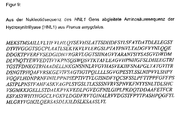
- amino acid sequence derived from the nucleotide sequence of the HNL5 gene of hydroxynitrile lyase HNL5 from Prunus amygdalus in Figure 3 and the amino acid sequence derived from the nucleotide sequence of the HNL1 gene of Hydroxynitrillyase HNL1 from Prunus amygdalus in Figure 9.
- the invention also relates to the use of a DNA sequence suitable for the Signal peptide from a hydroxynitrile lyase, for example from rosacea species, coded for the secretory expression of heterologous proteins in host cells and the proteins thus obtained.
- Another object of the invention are therefore fusion proteins, which can be produced by using a DNA sequence from the HNL genes 1-5 and a signal sequence of the fusion protein and by secretory expression of the same in suitable host cells.
- Suitable host cells are again, for example, microorganisms.
- Preferred are bacteria or eukaryotic microorganisms, more preferably fungi such as Saccharomyces cerevisiae or Pichia pastoris.
- the nucleic acid sequence of the DNA fragment encoding a secretory hybrid protein (PamHNL5xGOX) having HNL activity consisting of sequences of the HNL5 gene of P. amygdalus and the glucose oxidase gene of Aspergillus niger is shown in FIG.
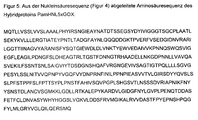
- the deduced from the nucleotide sequence ( Figure 4) amino acid sequence of the hybrid protein PamHNL5xGOX is shown in Figure 5.
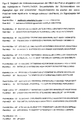
- Figure 6 shows the comparison of the amino acid sequences de HNL5 protein from Prunus amygdalus and the hybrid protein PamHNL5xGOX.
- the clones which show homology to the known genes of MDL1 of P. amygdalus and / or mdl1, mdl2, mdl3, mdl4 and mdl5 of P.serotina and others are further processed.
- the corresponding genes are incorporated, for example into an expression vector for Pichia pastoris or for Saccharomyces cerevisiae .
- the genomic DNA can be spliced by PCR.
- a base fragment for the construction of expression plasmids for the heterologous expression of the corresponding gene in bacteria and eukaryotes is produced.
- a plasmid is constructed, from which a DNA fragment coding for a gene according to the invention for incorporation into different expression vectors can be obtained by excision with restriction endonucleases.
- the genes according to the invention can thus be used to produce a functional HNL in a heterologous host by expression, for example using an inducible promoter system or a constitutively expressing promoter system.
- recombinant strains of, for example, Pichia pastoris can be found which overexpress recombinant protein with R-HNL activity.
- the protein with R-HNL activity is found in these strains after induction of expression for the most part in the culture supernatant.
- a recombinant protein could be produced in quantities usable for technical applications, which has a comparable R-HNL activity found in almond kernels (cores of Prunus amygdalus ).
- the recombinant proteins with R-HNL activity which are derived for example from the HNL1-5 genes according to the invention and are termed Pam-HNL1-5, compared to almonds isolated enzyme preparation significantly better properties than biocatalyst in reaction mixtures for the preparation of cyanohydrins and thus can be used particularly advantageously for the biocatalytic synthesis of cyanohydrins.
- sequences of the recombinant proteins according to the invention can also be shortened at the C-terminal end, or the sequences in the N- and C-terminal region can be exchanged for those of the glucose oxidase from Aspergillus niger .
- modified proteins are therefore also an object of the invention.
- the recombinant proteins are also characterized in particular by the fact that they have a specific glycosylation, whereby the recombinant proteins are much more stable than the native proteins.
- a particular advantage of the recombinant proteins according to the invention results from the considerably higher stability, by which much less amount of enzyme is required in comparison to native enzyme in order to achieve high enantiomeric purity.
- comparative experiments showed that when using the recombinant proteins according to the invention only one tenth of the required amount of native protein is needed to achieve comparable enantiomeric purities (ee values).
- Another object of the invention is therefore the use of Recombinant proteins (HNLs) according to the invention for the preparation of (S) - or (R) -cyanohydrins.
- starting materials for the preparation of the (S) - or (R) -cyanohydrins are a Aldehyde or a ketone as a substrate, a cyanide group donor and a used according to the invention recombinant protein.
- Aldehydes are to be understood as meaning aliphatic, aromatic or heteroaromatic aldehydes.
- Aliphatic aldehydes are to be understood as meaning saturated or unsaturated, aliphatic, straight-chain, branched or cyclic aldehydes.
- Preferred aliphatic aldehydes are straight-chain aldehydes having in particular 2 to 30 C atoms, preferably from 2 to 18 C atoms, which are saturated or mono- or polyunsaturated.
- the aldehyde can have both CC double bonds and CC triple bonds.
- the aliphatic, aromatic or heteroaromatic aldehydes may further unsubstituted or by inert groups under the reaction conditions, for example by optionally substituted aryl or heteroaryl groups, such as phenyl, phenoxy or indolyl groups, by halogen, hydroxy, hydroxy-C 1 -C 5 Alkyl, C 1 -C 5 alkoxy, C 1 -C 5 alkylthio, ether, alcohol, carboxylic acid ester, nitro or azido groups.
- aryl or heteroaryl groups such as phenyl, phenoxy or indolyl groups, by halogen, hydroxy, hydroxy-C 1 -C 5 Alkyl, C 1 -C 5 alkoxy, C 1 -C 5 alkylthio, ether, alcohol, carboxylic acid ester, nitro or azido groups.
- aromatic or heteroaromatic aldehydes are benzaldehyde or variously substituted benzaldehydes, such as 3,4-difluorobenzaldehyde, 3-phenoxybenzaldehyde, 4-fluoro-3-phenoxybenzaldehyde, hydroxybenzaldehyde, methoxybenzaldehyde, furthermore furfural, methylfurfural, anthracene-9-carbaldehyde, furan.
- Ketones are aliphatic, aromatic or heteroaromatic ketones in which the carbonyl carbon atom is unequivocally substituted.
- aliphatic ketones are meant saturated or unsaturated, straight-chain, branched or cyclic ketones.
- the ketones may be saturated or monounsaturated or polyunsaturated. They may be unsubstituted or substituted by groups inert under reaction conditions, for example by optionally substituted aryl or heteroaryl groups such as phenyl or inolyl groups, by halogen, ether, alcohol, carboxylic acid ester, nitro or azido groups. Examples of aromatic or heteroaromatic ketones are acetophenone, indolylacetone, etc.
- the substrates are in the presence of HNLs according to the invention with a Implemented cyanide group donor.
- Cyanide group donors are hydrocyanic acid, alkali cyanides or a cyanohydrin of general formula I.
- R 1 R 2 C (OH) (CN) into consideration.
- R 1 and R 2 independently of one another denote hydrogen or an unsubstituted hydrocarbon group, or R 1 and R 2 together denote an alkylene group having 4 or 5 C atoms, where R 1 and R 2 are not simultaneously hydrogen.
- the hydrocarbon groups are aliphatic or aromatic, preferably aliphatic groups.
- R 1 and R 2 are alkyl groups having 1-6 C atoms, most preferably the cyanide group donor is acetone cyanohydrin.
- the preparation of the cyanide donor can be carried out by known methods. Cyanohydrins, in particular acetone cyanohydrin, are also commercially available. Preference is given to using hydrocyanic acid (HCN), KCN, NaCN or acetone cyanohydrin, particularly preferably hydrocyanic acid as cyanide group donor.
- HCN hydrocyanic acid
- KCN KCN
- NaCN acetone cyanohydrin
- acetone cyanohydrin particularly preferably hydrocyanic acid as cyanide group donor.
- the hydrocyanic acid can also be just before the reaction of one of its salts such about NaCN or KCN released and in substance or in dissolved form the Reaction mixture are added.
- the reaction can be carried out in the organic, aqueous or 2-phase system or in emulsion.
- the aqueous system used is an aqueous solution or buffer solution containing the HNL according to the invention. Examples are Na citrate buffer, phosphate buffer, etc.
- organic diluent water-immiscible or slightly-miscible aliphatic or aromatic hydrocarbons optionally halogenated, alcohols, ethers or esters or mixtures thereof may be used. Preference is given to using methyl tert-butyl ether (MTBE), diisopropyl ether, dibutyl ether and ethyl acetate or a mixture thereof.
- MTBE methyl tert-butyl ether
- the HNLs according to the invention can be present either as such or immobilized in the organic diluent, but the reaction can also be carried out in a two-phase system or in emulsion with non-immobilized HNL.
- Dried almond kernels (farm gold, lot number L4532, harvest 1999) finely chopped with a knife and placed in a mortar with liquid nitrogen frozen and under liquid nitrogen with a pestle to a fine powder wiped out.
- 0.1 gram of frozen almond kernel powder was taken directly at 65 ° C warm "Breaking Buffer" (100 mM NaAc; 50 mM EDTA; 500 mM NaCl) to pH 5.5; 1.4% SDS and 20 ⁇ g / ml RNAse A). After 15 minutes Incubation with constant shaking, the insoluble cell residues were through Centrifugation (10 min at 7000 g) separated and the supernatant with a same Volume 10M ammonium acetate added and then incubated for 10 min on ice.
- the amplification was carried out in a 50 ul batch with 1.2 U "Hotstar” Taq DNA polymerase (Qiagen, Hilden, Germany), with 50 ng of genomic almond DNA as a template, 200 ng each primer 1 and 2, 5 ul one dNTP (2 mM each) mix, all in 1x PCR buffer according to the manual of the "Hotstar Kit” (Qiagen, Hilden, Germany), starting with a 15 minute denaturation step at 95 ° C, followed by 30 cycles (1 min 95 ° C , 30 ° C 64 ° C, 1 min 72 ° C) for amplification and a final incubation for 5 min at 72 ° C to produce complete products.
- the peptide masses were calculated using the program package GCG (Genetics Computer Group, Wisconsin, USA). For this protein, the name PamHNL5 has been defined.
- the protein sequence deduced for the open reading frame (without introns) is shown in FIG. Extensive homologies to known rosaceae hydroxynitrile lyes were found ("Blast" program, GCG package, version 10.1, Genetics Computer Group, Wisconsin, USA) with the highest homologies to the published sequences of Mdl1 from Prunus amygdalus (99% identity, Suelves et al., 1998) and Mdl5 from Prunus serotina (94 percent identity, Hu and Poulton, 1999).
- a cleavable signal sequence with cleavage between S27 and L28 was identified.
- Such a cleavage site could be detected in the two isoenzymes Mdl1 and Mdl4 of Prunus serotina by N-terminal sequencing of native proteins purified from plant material (Zihua Hu and Jonathan E. Poulton, Plant Physiology, 119, 1535-1546, 1999).
- the sequences of various HNL isoenzymes present in Rosacea species are known only from Prunus serotina . Due to the highest homology to the sequence of Mdl5 from Prunus serotina , the new HNL gene from Prunus amygdalus was designated HNL5 .
- the search for sequence motifs in the PROSITE sequence motif database revealed the presence of 13 potential N-glycosylation sites (shown in Figure 3).
- the 50 ⁇ l PCR mixtures in 1x PCR buffer contained: 100 pmol of the corresponding primer, 2.5 U of "Hotstar" Taq DNA polymerase (Qiagen), 5 ⁇ l of a dNTP (2 mM each) mix, 10 ng of the plasmid pBSPamHNL5g as template.
- the following program was run: 95 ° C. for 15 minutes, 95 ° C. for 30 minutes, 68 ° C. for 30 seconds, 72 ° C. for 1 minute and 72 ° C. for 5 minutes to produce complete products).
- the products from PCR1-1 and PCR1-2 were eluted from the gel after electrophoretic separation in an agarose gel using Qiaexll kit.
- PCR2 By amplification of about 50 ng of the product from PCR1-1 with 100 pmol each Primer PamHNL5a2 and PamHNL5c were in the second round of PCR (PCR2) an extension of this first PCR product. It became the following program run: 15 min 95 ° C, 30 cycles 1 min 95 ° C, 30 sec. 68 ° C, 1 min 72 ° C and the Completion 5 min 72 ° C for the preparation of complete products). The others Conditions were the same as in PCR1. This PCR product was after electrophoretic separation also purified on an agarose gel and eluted
- PCR3 primerless PCR in the third round of PCR
- the products from PCR1-2 and PCR2 were connected together using the overlapping ends (5 cycles with 1 min at 94 ° C, 30 sec at 68 ° C and 1.5 min 72 ° C., approx. 100 ng each of the two products from PCR1-1 and PCR2 in 50 ⁇ l batches in 1x PCR buffer (Qiagen), 5 ⁇ l of the dNTP (2 mM each) mix and 2.5 U "Hotstar” Taq DNA Polymerase (Qiagen).
- PCR4 The full-length complement of the coding Prunus amygdalus HNL5 gene and the amplification of the complete product was carried out in a fourth PCR round (PCR4) with 100 pmol each of the primers PamHNL5a1 and PamHNL5f. These were added directly to the reaction mixture of PCR 3.
- the aim of this experiment was the construction of a plasmid from which a DNA fragment coding for Prunus amygdalus HNL5 can be obtained for insertion into various expression vectors by excision with restriction endonucleases.
- suitable sequences were added by PCR amplification via appropriate primers at the ends of the Prunus amygdalus HNL5 gene contained in pBSPamHNL5orf.
- the insert of the plasmid pBSPamHNL5orf was amplified by means of PCR (10 ng DNA of the plasmid pBSPamHNL5orf as template, 400 ng primer PCRHNL5-a, 200 ng primer PCRHNL5-e).
- the PCR reaction was carried out in 50 ⁇ l batches in 1x PCR buffer (Qiagen), containing 5 ⁇ l of the dNTP (2 mM each) mix and 1.2 U "Hotstar" Taq DNA polymerase (Qiagen). The following program was run: 95 ° C. for 15 minutes, 95 ° C. for 30 minutes, 68 ° C.
- the resulting DNA fragment was cloned into the vector pBSSK (-) (Stratagene, USA) after cutting with the restriction endonuclease Eco RI and verified by sequencing.
- the resulting plasmid was named pBSPamHNL5ex.
- DNA from the plasmid pBSPamHNL5ex was cut with Eco RI and the HNL fragment separated from the vector portion by preparative gel electrophoresis. After elution of the HNL fragment DNA using Qiaex II kit (Qiagen), this was cloned into the plasmids pHILD2 and pGAPZ (Invitrogen, San Diego, CA, USA) via the Eco RI sites. The correct orientation of the inserts to the promoters was checked by means of control sections. One clone with a correctly oriented insert was selected and preserved. The correct transitions from the vector portion to the incorporated HNL fragment were verified by sequencing. These two resulting expression plasmids for Pichia pastoris were referred to as pHILDPamHNL5a (for inducible expression) and pGAPPamHNL5a (for constitutive expression).
- DNA of the plasmid pHILDPamHNL5a was cut with the restriction endonuclease Not I and transformed into Pichia pastoris GS115 (Invitrogen, San Diego, CA, USA). The transformation was carried out according to the regulations of the "Pichia Expression Kit” (Invitrogen, San Diego, CA, USA). 100 histidine-prototrophic clones were cultured in liquid medium (500 ml shake cultures) according to the instructions of the "Pichia Expression Kit” and induced with methanol for 48 hours.
- the cells were spun down and suspended with digestion buffer (50 mM Tris-HCl, pH 7.6) to an optical density (OD 600 ) of 50.0 and purified by the "glass bead method" (Ausubel et al., Current Protocols in Molecular Biology, Green Publishing Associates and Wiley-Interscience, New York, 1999) in a “Merckenschlager” homogenizer (Braun, Melsungen, Germany). Both culture supernatants and cell lysates were assayed for HNL enzyme activity by a standard activity assay (analogous to WO 97/03204) using racemic mandelonitrile as the substrate.
- digestion buffer 50 mM Tris-HCl, pH 7.6
- OD 600 optical density
- the plasmid pGAPPamHNL5a was transformed into P. pastoris GS115.
- the transformation was carried out according to the instructions of the Pichia Expression Kit of Invitrogen Corp. (San Diego, CA, USA).
- the selection of transformants was carried out on YPD full medium plates with 100 mg / l Zeocin.
- 100 zeocin-resistant clones were grown in 500 ml of YPD complete medium and shaken at 30 ° C. for 96 hours. The cells were centrifuged off and the HNL activity in the culture supernatant was determined. A clone showing the best activity in the culture supernatant was preserved and designated Pichia pastoris PamHNL5-a2.
- Pichia pastoris PamHNL5-a37 was carried out in a standard laboratory bioreactor (42 L total volume) in a three-phase procedure. This consisted of a first exponential and a second linear growth phase for the formation of biomass and a subsequent expression phase for the formation of the recombinant Prunus amygdalus HNL enzyme, which in principle according to the method described for the production of recombinant Hevea brasiliensis HNL (Hasslacher, M., Schall , M., Hayn, M., Bona, R., Rumbold, K., Lückl, J., Griengl, H., Kohlwein, SD, Schwab, H .: High level intracellular expression of hydroxynitrile lyase from the tropical rubber tree Hevea brasiliensis in microbial hosts, Protein Expression and Purification 11 , 61-71, 1997).
- Chemicals 1-8 measured for 20 liters, were placed in 15 liters of water dissolved in the bioreactor and sterilized together with the reactor at 121 ° C for 1 hour. After cooling to 29 ° C., the pH in the medium was adjusted to pH 5.0 with ammonia (Chemical 9, initially introduced in sterile feed bottle). Thereafter, about 200 ml of a sterile-filtered trace element solution (chemicals 10-18, corresponding amounts for 20 L) were introduced via a feed bottle in the bioreactor.
- the bioreactor thus prepared was inoculated with 2 liters of preculture grown in shake flasks at 30 ° C according to the conditions given in the manual of the "Pichia Expression Kit” (Invitrogen Corp., San Diego, CA, USA). The cultivation was carried out at a constant temperature of 29 ° C. By controlling the aeration (between 15 and a maximum of 40 lit. of air / min) and the stirrer speed (between 250 to 500 rpm), the O 2 partial pressure was maintained at a value greater than 30% of the saturation concentration. After 21 hours, the biomass had grown to a level in the range of 22 g / L cell dry weight (ZTG).
- sterile glycerol was added in constant small portions at 15 minute intervals, with 130 g of glycerol added per hour.
- a biomass concentration in the range of 70 g / l ZTG could be achieved over a period of 42 hours.
- the third phase was initiated with the induction of expression by addition of methanol.
- the methanol content in the culture broth was adjusted to a value of 0.8-1% by weight.
- sterile trace element solution chemicals 10-18, corresponding amounts for 20 L, dissolved in about 200 ml of water
- an enzyme amount of 110 U / ml culture broth could be obtained.
- a crude enzyme preparation can be obtained which can be used directly for biocatalytic reactions.
- the following chemicals were used to prepare the culture medium (amount per liter): 1. 85% ortho-phosphoric acid 21 ml Second CaSO 4 0.9 g Third K 2 SO 4 14.3 g 4th MgSO 4 .7H 2 O 12.2 g 5th KOH (chemicals 1 to 5 in pa quality) 3.3 g 6th Glycerine, technical quality. 50 ml 7th Deionized water, house quality, conductivity 5.5-9.1 ⁇ S / cm 8th. Antifoam 10% Acepol 83E (Carl Becker Chemie GmbH, Hamburg, Germany 1 ml 9th 25% ammonia, technical quality Trace elements and vitamin H (all chemicals in pa quality): 10th biotin 0.8 mg 11th CuSO 4 .5H 2 O.
- This construction was designed so that the formed fusion protein on the heterologous signal sequence is directed into the secretory pathway.
- the PCR product was inserted into the plasmid pHILD2 (Invitrogen, San Diego, CA) after cutting with Eco RI via the simultaneously introduced Eco RI cleavage sites at the ends of the DNA fragment.
- a clone with the correct orientation of the insert to the aox promoter of the pHILD2 plasmid was verified by sequencing the transition regions from vector to insert and conserved.
- the plasmid so constructed was designated pHILDPamHNL5gox. DNA linearized with Not 1 of the plasmid pHILDPamHNL5gox was transformed into the strain Pichia pastoris GS115 as well as into the protease deficient strain Pichia pastoris SMD1168.
- the nucleic acid sequence of a secretory hybrid protein (PamHNL5xGOX) DNA fragment encoding HNL activity is shown in Figure 4, derived therefrom deduced amino acid sequence is shown in FIG.
- a comparison of Amino acid sequences of HNL5 from Prunus amygdalus and the hybrid protein PamHNL5xGOX is shown in FIG.
- a genomic DNA fragment with the coding region of the HNL 1 gene of Prunus amygdalus was isolated from the genomic almond DNA with the primers mandlp2f (5'-ACTACGAATTCGACCATGGAGAAATCAAC-3 ') and ecpamHNL1e (5'-CAGAATTCGCCCTTGTGCATGCATCGATTAAAGAACCAAGGATGCTGCTGAC-3') (for preparation, see Example 1). amplified with the help of a PCR.
- the amplification was carried out in 50 ⁇ l reactions with 1.2 units of "Hotstar” DNA polymerase (Qiagen GmbH, Hilden, Germany), 10 pmol each of the two primers, 2 ⁇ l of a dNTP mix (5 mM each) and 100 ng of genomic almond DNA in standard PCR Buffer (Qiagen GmbH, Hilden, Germany), performed.
- the following PCR program was used: 95 ° C for 15 minutes, then 10 cycles at 94 ° C for 1 minute, 45 ° C for 1 minute and 72 ° C for 1 minute, followed by 30 cycles of 94 ° C for 1 minute, 64 ° C for 1 minute and 1 min 20 sec at 72 ° C and a final "extension" step for 5 min at 72 ° C.
- the amplification was carried out in 50 ⁇ l reactions with 2.5 units of "Hotstar” DNA polymerase (Qiagen GmbH, Hilden, Germany), 10 pmol each of the two primers, 2 ⁇ l of a dNTP mix (5 mM each) and 50 ng of genomic almond DNA in standard PCR buffer (Qiagen GmbH, Hilden, Germany) performed.
- the following PCR program was used: 95 ° C for 15 min, then 5 cycles at 94 ° C for 1 min, 55 ° C for 30 sec and 72 ° C for 2 min, then 30 cycles at 94 ° C for 1 min, 30 sec at 68 ° C and 2 min at 72 ° C and a final "extension" step for 7 min at 72 ° C.
- the PCR product was purified using the Qiaquick Gel Extraction Kit (Qiagen GmbH, Hilden, Germany) and directly sequenced using a "primer walking" strategy.
- the DNA sequence is shown in Figure 8. Possible introns were identified by their general 5 'and 3' splice sites and their homology to the Prunus serotina HNL 1 gene. The nucleotides in the regions of the three introns are shown in lower case to recognize the intronic regions.
- the cloned insert in plasmid pSKpamHNL1_5_3 has the same sequence.
- the protein sequence of the HNL1 protein of Prunus amygdalus was derived from the coding region of the DNA sequence and is shown in FIG.
- HNL5 according to the invention was Directed by QuikChange XL Site Mutagenesis by replacement of specific amino acid residues in the converted HNL1 according to the invention.
- Gene-specific PCR primers were prepared based on the sequence homology of the mdl4 gene of Prunus serotina : The amplification was carried out in a 50 .mu.l batch with 1.2 .mu. "Hotstar” Taq DNA polymerase (Qiagen, Hilden, Germany), with 50ng genomic almond DNA (isolated from Farmgold Almond Kernels batch number L4532, crop 1999) as "template”, each 10pMol primer mandlp2f (oBT2204) and mandlp5r (oBT2206), 5 ⁇ L dNTP (each 2mM) mix, all in 1x PCR buffer according to the manual of the "Hotstar Kit” (Qiagen , Hilden, Germany), beginning with a 15 minute denaturation step at 95 ° C., followed by 10 cycles (1 minute at 94 ° C., 1 minute at 45 ° C., 72 ° C.
- This PCR product was purified from an agarose gel using the "Qiaquick Kit” (Qiagen, Hilden, Germany) according to the enclosed manual, cloned into the cloning vector pBSSK (-) via Eco RI cleavage sites and using the "Dye Deoxy Terminator Cycle Sequencing” kit (Applied Biosystems Inc., Forster City, CA, USA) according to the strategy of "primer walkings” sequenced. From the 5 'and 3' region of the DNA sequence new PCR primer were derived and used for a new PCR.
- the following reaction mixture was selected: 20 ⁇ g genomic DNA, 10 ⁇ mol each of the two primer Pam hnl4a (oBT2544) and Pam hnl4e (oBT2543), 2 ⁇ l dNTP mix (5mM each), 1 x Hotstar PCR buffer and 1.2U Hotstar DNA polymerase (Qiagen, Hilden, D).
- the amplification was carried out after a 15 minute step at 95 ° C. with 30 cycles (1 min 94 ° C., 60 ° C. for 30 sec, 72 ° C. for 2 min) and 72 ° C. for 15 min.
- the PCR product was passed twice over Qiaquick (Qiagen, Hilden, D) columns purified and sequenced directly. In the resulting DNA sequence of the 2232 base pair PCR fragment, the exons were identified and the protein sequence of the isoenzyme PaHNL4 was derived from the coding sequence (Appendix).
- the last 27 amino acids of the PaHNL4 (PaHNL4 nucleotide sequence 1641 to 1722 including stop codon) were replaced by the final 13 amino acids of the Pam HNL5 ( Pam HNL5 nucleotide sequence 1638 to 1680 including stop codon).
- the C-terminal protein sequences of the hnl isoenzymes show high similarity up to this point. Therefore, based on our results in expression with Pam HNL5, the outermost, highly divergent peptide segment was converted to the C-terminus of the well-expressed Pam HNL5 sequence. Both changes (N- and C-terminal) were realized by PCR strategy and the generated gene segment was designated PaHNL4C5.
- R-oxynitrilase solution (E.C.4.1.2.10; 2187 units / ml) was added at 50 mM Citrate / phosphate buffer (pH 4.0) diluted to 4 ml and the pH of the enzyme solution optionally adjusted to pH 4.0 with a few drops of citric acid solution.
- the reaction mixture was added by magnetic stirrer Room temperature stirred at 900 rpm.
- the conversion and enantiomeric purity of the (R) -cyanohydrin formed was analyzed by GC.
- a sample of the reaction solution was centrifuged and diluted 50 .mu.l of the organic phase with dichloromethane. After derivatization with acetyl chloride was analyzed by gas chromatography on a cyclodextrin column.
- Time (h) 0.25 ml of enzyme corresponds to 96 units / mmol of aldehyde 0.5 ml of enzyme corresponds to 192 units / mmol of aldehyde 1.0 ml enzyme corresponds to 384 units / mmol aldehyde % Sales % ee % Sales % ee %Sales % ee 1.5 79.1 77.5 97.6 81.6 98.7 89.4 3 98 77.4 100 81.5 100 89.1
Landscapes
- Life Sciences & Earth Sciences (AREA)
- Health & Medical Sciences (AREA)
- Chemical & Material Sciences (AREA)
- Engineering & Computer Science (AREA)
- Genetics & Genomics (AREA)
- Organic Chemistry (AREA)
- Zoology (AREA)
- Wood Science & Technology (AREA)
- Bioinformatics & Cheminformatics (AREA)
- Biomedical Technology (AREA)
- General Engineering & Computer Science (AREA)
- Biotechnology (AREA)
- General Health & Medical Sciences (AREA)
- Molecular Biology (AREA)
- Microbiology (AREA)
- Biochemistry (AREA)
- Physics & Mathematics (AREA)
- Medicinal Chemistry (AREA)
- Chemical Kinetics & Catalysis (AREA)
- General Chemical & Material Sciences (AREA)
- Biophysics (AREA)
- Plant Pathology (AREA)
- Enzymes And Modification Thereof (AREA)
- Micro-Organisms Or Cultivation Processes Thereof (AREA)
- Preparation Of Compounds By Using Micro-Organisms (AREA)
- Peptides Or Proteins (AREA)
Priority Applications (1)
| Application Number | Priority Date | Filing Date | Title |
|---|---|---|---|
| AT05001539T ATE423209T1 (de) | 2001-01-16 | 2001-12-18 | Gene, enthaltend eine für hydroxynitrillyase codierende dna-sequenz, rekombinante proteine mit hydroxynitrillyase-aktivität und deren verwendung |
Applications Claiming Priority (5)
| Application Number | Priority Date | Filing Date | Title |
|---|---|---|---|
| AT602001 | 2001-01-16 | ||
| AT0006001A AT411600B (de) | 2001-01-16 | 2001-01-16 | Dna-sequenzen kodierend für hydroxynitrillyase, daraus abgeleitete rekombinante proteine mit hydroxynitrillyase-aktivität, verfahren zu deren herstellung und deren verwendung |
| AT5232001 | 2001-04-03 | ||
| AT5232001 | 2001-04-03 | ||
| EP01130058A EP1223220B1 (fr) | 2001-01-16 | 2001-12-18 | Gènes codant pour des hydroxynitrile lyases, protéines récombinantes à activité d'hydroxynitrile lyase et leur utilisation |
Related Parent Applications (2)
| Application Number | Title | Priority Date | Filing Date |
|---|---|---|---|
| EP01130058.9 Division | 2001-12-18 | ||
| EP01130058A Division EP1223220B1 (fr) | 2001-01-16 | 2001-12-18 | Gènes codant pour des hydroxynitrile lyases, protéines récombinantes à activité d'hydroxynitrile lyase et leur utilisation |
Publications (2)
| Publication Number | Publication Date |
|---|---|
| EP1566441A1 true EP1566441A1 (fr) | 2005-08-24 |
| EP1566441B1 EP1566441B1 (fr) | 2009-02-18 |
Family
ID=25602728
Family Applications (2)
| Application Number | Title | Priority Date | Filing Date |
|---|---|---|---|
| EP05001539A Expired - Lifetime EP1566441B1 (fr) | 2001-01-16 | 2001-12-18 | Gènes codant pour des hydroxynitrile lyases, protéines récombinantes à activité d'hydroxynitrile lyase et leur utilisation |
| EP01130058A Expired - Lifetime EP1223220B1 (fr) | 2001-01-16 | 2001-12-18 | Gènes codant pour des hydroxynitrile lyases, protéines récombinantes à activité d'hydroxynitrile lyase et leur utilisation |
Family Applications After (1)
| Application Number | Title | Priority Date | Filing Date |
|---|---|---|---|
| EP01130058A Expired - Lifetime EP1223220B1 (fr) | 2001-01-16 | 2001-12-18 | Gènes codant pour des hydroxynitrile lyases, protéines récombinantes à activité d'hydroxynitrile lyase et leur utilisation |
Country Status (9)
| Country | Link |
|---|---|
| US (2) | US6861243B2 (fr) |
| EP (2) | EP1566441B1 (fr) |
| JP (1) | JP4350930B2 (fr) |
| AT (2) | ATE318914T1 (fr) |
| CA (1) | CA2366135A1 (fr) |
| DE (2) | DE50109062D1 (fr) |
| ES (2) | ES2256149T3 (fr) |
| IL (2) | IL188710A0 (fr) |
| TW (1) | TW200516146A (fr) |
Cited By (1)
| Publication number | Priority date | Publication date | Assignee | Title |
|---|---|---|---|---|
| EP2465929A1 (fr) | 2006-12-14 | 2012-06-20 | DSM IP Assets B.V. | Variantes aléatoires de R-HNL et leur utilisation pour la préparation de cyanohydrines optiquement pures et stériquement entravées |
Families Citing this family (10)
| Publication number | Priority date | Publication date | Assignee | Title |
|---|---|---|---|---|
| DE10251547C5 (de) * | 2002-11-05 | 2008-05-21 | Biospring Gmbh | Rekombinante (R)-Hydroxynitrillyase |
| AT412156B (de) * | 2003-03-20 | 2004-10-25 | Dsm Fine Chem Austria Gmbh | R-hydroxynitrillyasen mit verbesserter substratakzeptanz und deren verwendung |
| EP2009093A3 (fr) * | 2004-09-22 | 2009-04-08 | Bioworks, Inc. | Souches transgéniques de trichoderma et leur utilisation dans la lutte biologique |
| EP2267124A1 (fr) | 2004-10-15 | 2010-12-29 | Mitsubishi Rayon Co., Ltd. | Hydroxynitrile lyase ameliorée |
| CN101103113A (zh) * | 2005-01-20 | 2008-01-09 | Dsm精细化学奥地利Nfg两合公司 | 具有改善的底物接受性的r-羟腈裂解酶及其用途 |
| JP4903512B2 (ja) * | 2006-07-13 | 2012-03-28 | 住友化学株式会社 | 還元酵素遺伝子を含む発現ベクター |
| DE102006058373A1 (de) | 2006-12-08 | 2008-06-12 | Evocatal Gmbh | (R)-Hydroxynitril-Lyase aus Brassicaceen |
| JP5236249B2 (ja) * | 2007-10-26 | 2013-07-17 | 株式会社日本触媒 | キメラ組換え(r)−ヒドロキシニトリルリアーゼ |
| JP6384748B2 (ja) * | 2014-03-04 | 2018-09-05 | 公立大学法人 富山県立大学 | 新規(r)−ヒドロキシニトリルリアーゼ |
| CN113584096A (zh) * | 2021-07-30 | 2021-11-02 | 江西科苑生物股份有限公司 | 一种r-2-羟基苯丁腈的制备方法及其应用 |
Citations (6)
| Publication number | Priority date | Publication date | Assignee | Title |
|---|---|---|---|---|
| EP0276375A2 (fr) | 1987-01-20 | 1988-08-03 | Degussa Aktiengesellschaft | Procédé de préparation d'alpha-hydroxynitriles optiquement actifs |
| EP0326063A2 (fr) | 1988-01-29 | 1989-08-02 | Forschungszentrum Jülich Gmbh | Procédé enzymatique de préparation de cyanhydrines optiquement actives |
| EP0547655A1 (fr) | 1991-12-11 | 1993-06-23 | Duphar International Research B.V | Méthode de préparation de cyanohydrines optiquement actives |
| WO1997003204A2 (fr) | 1995-07-12 | 1997-01-30 | Dsm Chemie Linz Gmbh | (s)-hydroxynitrillyase extraite d'hevea brasiliensis |
| EP0927766A1 (fr) | 1997-12-29 | 1999-07-07 | DSM Fine Chemicals Austria GmbH | Procédé enzymatique de préparation de (S)-cyanhydrines |
| EP0951561A1 (fr) | 1997-01-13 | 1999-10-27 | DSM Fine Chemicals Austria GmbH | Procedes enzymatiques pour preparer des (s)-cyanhydrines |
-
2001
- 2001-12-18 AT AT01130058T patent/ATE318914T1/de not_active IP Right Cessation
- 2001-12-18 EP EP05001539A patent/EP1566441B1/fr not_active Expired - Lifetime
- 2001-12-18 ES ES01130058T patent/ES2256149T3/es not_active Expired - Lifetime
- 2001-12-18 EP EP01130058A patent/EP1223220B1/fr not_active Expired - Lifetime
- 2001-12-18 DE DE50109062T patent/DE50109062D1/de not_active Expired - Lifetime
- 2001-12-18 AT AT05001539T patent/ATE423209T1/de not_active IP Right Cessation
- 2001-12-18 DE DE50114716T patent/DE50114716D1/de not_active Expired - Lifetime
- 2001-12-18 ES ES05001539T patent/ES2320669T3/es not_active Expired - Lifetime
- 2001-12-27 TW TW094102270A patent/TW200516146A/zh unknown
-
2002
- 2002-01-11 JP JP2002005090A patent/JP4350930B2/ja not_active Expired - Lifetime
- 2002-01-14 CA CA002366135A patent/CA2366135A1/fr not_active Abandoned
- 2002-01-15 IL IL188710A patent/IL188710A0/en unknown
- 2002-01-15 IL IL147635A patent/IL147635A/en unknown
- 2002-01-16 US US10/046,232 patent/US6861243B2/en not_active Expired - Lifetime
-
2004
- 2004-09-15 US US10/940,954 patent/US7202075B2/en not_active Expired - Lifetime
Patent Citations (6)
| Publication number | Priority date | Publication date | Assignee | Title |
|---|---|---|---|---|
| EP0276375A2 (fr) | 1987-01-20 | 1988-08-03 | Degussa Aktiengesellschaft | Procédé de préparation d'alpha-hydroxynitriles optiquement actifs |
| EP0326063A2 (fr) | 1988-01-29 | 1989-08-02 | Forschungszentrum Jülich Gmbh | Procédé enzymatique de préparation de cyanhydrines optiquement actives |
| EP0547655A1 (fr) | 1991-12-11 | 1993-06-23 | Duphar International Research B.V | Méthode de préparation de cyanohydrines optiquement actives |
| WO1997003204A2 (fr) | 1995-07-12 | 1997-01-30 | Dsm Chemie Linz Gmbh | (s)-hydroxynitrillyase extraite d'hevea brasiliensis |
| EP0951561A1 (fr) | 1997-01-13 | 1999-10-27 | DSM Fine Chemicals Austria GmbH | Procedes enzymatiques pour preparer des (s)-cyanhydrines |
| EP0927766A1 (fr) | 1997-12-29 | 1999-07-07 | DSM Fine Chemicals Austria GmbH | Procédé enzymatique de préparation de (S)-cyanhydrines |
Non-Patent Citations (13)
| Title |
|---|
| AUSUBEL ET AL.: "Current Protocolls in Molecular Biology", 1999, GREEN PUBLISHING ASSOCIATES AND WILEY-INTERSCIENCE |
| CEREGHINO JOAN LIN ET AL: "Heterologous protein expression in the methylotrophic yeast Pichia pastoris.", FEMS MICROBIOLOGY REVIEWS, vol. 24, no. 1, January 2000 (2000-01-01), pages 45 - 66, XP002195512, ISSN: 0168-6445 * |
| DATABASE EMBL 1 October 1998 (1998-10-01), "Prunus serotina (R)-(+)-mandelonitrile lyase isoform MDL5 precursor (MDL5), mRNA, complete cds.", XP002195848, Database accession no. AF053886 * |
| DATABASE EMBL 16 December 1996 (1996-12-16), "Prunus serotina (R)-(+)-mandelonitrile lyase isoform MDL1 precursor gene, complete cds.", XP002195849, Database accession no. U78814 * |
| DATABASE EMBL 24 September 1996 (1996-09-24), "P. amygdalus mRNA for mandelonitrile lyase", XP002195850, Database accession no. Y08211 * |
| EFFENBERGER F: "ENZYME-CATALYZED PREPARATION AND SYNTHETIC APPLICATIONS OF OPTICALLY ACTIVE CYANOHYDRINS", CHIMIA, AARAU, CH, vol. 53, no. 12, 1999, pages 3 - 10, XP000986127, ISSN: 0009-4293 * |
| HASSLACHER, M. ET AL.: "High level intracellular expression of hydroxynitrile lyase from the tropical rubber tree Hevea brasiliensis in microbial hosts", PROTEIN EXPRESSION AND PURIFICATION, vol. 11, 1997, pages 61 - 71, XP000915456, DOI: doi:10.1006/prep.1997.0765 |
| HU ZIHUA ET AL: "Molecular analysis of (R)-(+)-mandelonitrile lyase microheterogeneity in black cherry.", PLANT PHYSIOLOGY (ROCKVILLE), vol. 119, no. 4, AF053886, April 1999 (1999-04-01), pages 1535 - 1546, XP002195510, ISSN: 0032-0889 * |
| ISOENZYM, PLANTA, vol. 206, 1998, pages 388 - 393 |
| PLANT PHYSIOLOGY, vol. 119, April 1999 (1999-04-01), pages 1535 - 1546 |
| PLANTA, vol. 206, 1998, pages 388 - 393 |
| SUELVES MONICA ET AL: "Molecular cloning of the cDNA coding for the (R)-(+)-mandelonitrile lyase of Prunus amygdalus: Temporal and spatial expression patterns in flowers and mature seeds.", PLANTA (BERLIN), vol. 206, no. 3, Y08211, 11 October 1998 (1998-10-11), pages 388 - 393, XP002195511, ISSN: 0032-0935 * |
| ZIHUA HU; JONATHAN E. POULTON, PLANT PHYSIOLOGY, vol. 119, 1999, pages 1535 - 1546 |
Cited By (1)
| Publication number | Priority date | Publication date | Assignee | Title |
|---|---|---|---|---|
| EP2465929A1 (fr) | 2006-12-14 | 2012-06-20 | DSM IP Assets B.V. | Variantes aléatoires de R-HNL et leur utilisation pour la préparation de cyanohydrines optiquement pures et stériquement entravées |
Also Published As
| Publication number | Publication date |
|---|---|
| JP2002330791A (ja) | 2002-11-19 |
| DE50114716D1 (de) | 2009-04-02 |
| ES2320669T3 (es) | 2009-05-27 |
| EP1223220B1 (fr) | 2006-03-01 |
| ATE423209T1 (de) | 2009-03-15 |
| TW200516146A (en) | 2005-05-16 |
| ES2256149T3 (es) | 2006-07-16 |
| US20050064552A1 (en) | 2005-03-24 |
| IL147635A (en) | 2009-05-04 |
| CA2366135A1 (fr) | 2002-07-16 |
| JP4350930B2 (ja) | 2009-10-28 |
| US7202075B2 (en) | 2007-04-10 |
| ATE318914T1 (de) | 2006-03-15 |
| EP1223220A1 (fr) | 2002-07-17 |
| DE50109062D1 (de) | 2006-04-27 |
| EP1566441B1 (fr) | 2009-02-18 |
| IL188710A0 (en) | 2008-04-13 |
| US6861243B2 (en) | 2005-03-01 |
| IL147635A0 (en) | 2002-08-14 |
| US20030119099A1 (en) | 2003-06-26 |
Similar Documents
| Publication | Publication Date | Title |
|---|---|---|
| EP3274465B1 (fr) | Production bio-catalytique de fucose l | |
| DE69314280T2 (de) | Rekombinantes Nitrilase und deren Verwendung | |
| EP1223220B1 (fr) | Gènes codant pour des hydroxynitrile lyases, protéines récombinantes à activité d'hydroxynitrile lyase et leur utilisation | |
| WO2001044480A2 (fr) | Enzymes et genes pour produire de la vanilline | |
| DE69030615T2 (de) | Neue Polypeptide, DNA-Sequenzen, die deren Expression erlauben, Verfahren zur Vorbereitung und Verwendung | |
| AT404837B (de) | (s)-hydroxynitrillyase aus hevea brasiliensis | |
| AT407397B (de) | (s)-hydroxynitrillyasen mit verbesserter substratakzeptanz und deren verwendung | |
| EP1613748B1 (fr) | R-hydroxynitrillyases a compatibilite amelioree avec le substrat et utilisation desdites substances | |
| AT411600B (de) | Dna-sequenzen kodierend für hydroxynitrillyase, daraus abgeleitete rekombinante proteine mit hydroxynitrillyase-aktivität, verfahren zu deren herstellung und deren verwendung | |
| DE60120379T2 (de) | Hydroperoxidlyase der Warzenmelone (Cucumis Melo) sowie deren Verwendungen | |
| DE10114999A1 (de) | D-Carbamoylase aus Arthrobacter crystallopoietes DSM 20117 | |
| DE69928206T2 (de) | Verfahren zur Herstellung von S-Hydroxynitrillyasen | |
| DE69231145T2 (de) | Für eine Esterase kodierendes Gen und dieses Gen enthaltender Mikroorganismus | |
| DE10251547B4 (de) | Rekombinante (R)-Hydroxynitrillyase | |
| EP2092061B1 (fr) | (r)-hydroxynitrile lyase de la famille des brassicacées | |
| DE60126767T2 (de) | Neuartige (r)-2-hydroxy-3-phenylpropionat (d-phenyllaktat) dehydrogenase und für diese kodierendes gen | |
| DE10255597B4 (de) | Rekombinante Expression der (S)-Hydroxynitrillyase aus Manihot esculenta in Mikroorganismen | |
| DE60218033T2 (de) | Verfahren zur herstellung von l-aminosäuren | |
| EP1270720A2 (fr) | Rec-D-hydantoinases activées | |
| WO2001048178A1 (fr) | Procede de fabrication d'hydroxynitrile-lyases | |
| EP1829975A1 (fr) | Procédé de préparation du 2-hydroxy-4-(methylthio)butanamide chiral par hydrolyse enzymatique du 2-hydroxy-4- (méhylthio)-butanenitrile chiral correspondant en utilisant d' une nitrile hydratase | |
| AT502992B1 (de) | Verfahren zur herstellung von enantiomerenangereicherten 2-alkyl-5-halogen-pent-4-en-carbonsäuren bzw. -carbonsäureestern | |
| WO2003093467A1 (fr) | Proteines a activite de (r)-hydroxynitrile lyase extraites de prunus laurocerasus et de sorbus aucuparia | |
| DE3842174A1 (de) | Gen und genstruktur, codierend fuer eine aminotransferase, und mikroorganismen, die dieses gen exprimieren |
Legal Events
| Date | Code | Title | Description |
|---|---|---|---|
| PUAI | Public reference made under article 153(3) epc to a published international application that has entered the european phase |
Free format text: ORIGINAL CODE: 0009012 |
|
| AC | Divisional application: reference to earlier application |
Ref document number: 1223220 Country of ref document: EP Kind code of ref document: P |
|
| AK | Designated contracting states |
Kind code of ref document: A1 Designated state(s): AT BE CH DE ES FI FR GB IE IT LI NL |
|
| 17P | Request for examination filed |
Effective date: 20060116 |
|
| AKX | Designation fees paid |
Designated state(s): AT BE CH DE ES FI FR GB IE IT LI NL |
|
| 17Q | First examination report despatched |
Effective date: 20060517 |
|
| 17Q | First examination report despatched |
Effective date: 20060517 |
|
| GRAP | Despatch of communication of intention to grant a patent |
Free format text: ORIGINAL CODE: EPIDOSNIGR1 |
|
| GRAS | Grant fee paid |
Free format text: ORIGINAL CODE: EPIDOSNIGR3 |
|
| GRAA | (expected) grant |
Free format text: ORIGINAL CODE: 0009210 |
|
| AC | Divisional application: reference to earlier application |
Ref document number: 1223220 Country of ref document: EP Kind code of ref document: P |
|
| AK | Designated contracting states |
Kind code of ref document: B1 Designated state(s): AT BE CH DE ES FI FR GB IE IT LI NL |
|
| REG | Reference to a national code |
Ref country code: GB Ref legal event code: FG4D Free format text: NOT ENGLISH |
|
| REG | Reference to a national code |
Ref country code: CH Ref legal event code: EP |
|
| REG | Reference to a national code |
Ref country code: IE Ref legal event code: FG4D Free format text: LANGUAGE OF EP DOCUMENT: GERMAN |
|
| REF | Corresponds to: |
Ref document number: 50114716 Country of ref document: DE Date of ref document: 20090402 Kind code of ref document: P |
|
| REG | Reference to a national code |
Ref country code: ES Ref legal event code: FG2A Ref document number: 2320669 Country of ref document: ES Kind code of ref document: T3 |
|
| PG25 | Lapsed in a contracting state [announced via postgrant information from national office to epo] |
Ref country code: NL Free format text: LAPSE BECAUSE OF FAILURE TO SUBMIT A TRANSLATION OF THE DESCRIPTION OR TO PAY THE FEE WITHIN THE PRESCRIBED TIME-LIMIT Effective date: 20090218 Ref country code: FI Free format text: LAPSE BECAUSE OF FAILURE TO SUBMIT A TRANSLATION OF THE DESCRIPTION OR TO PAY THE FEE WITHIN THE PRESCRIBED TIME-LIMIT Effective date: 20090218 |
|
| NLV1 | Nl: lapsed or annulled due to failure to fulfill the requirements of art. 29p and 29m of the patents act | ||
| REG | Reference to a national code |
Ref country code: IE Ref legal event code: FD4D |
|
| PG25 | Lapsed in a contracting state [announced via postgrant information from national office to epo] |
Ref country code: IE Free format text: LAPSE BECAUSE OF FAILURE TO SUBMIT A TRANSLATION OF THE DESCRIPTION OR TO PAY THE FEE WITHIN THE PRESCRIBED TIME-LIMIT Effective date: 20090218 |
|
| PLBE | No opposition filed within time limit |
Free format text: ORIGINAL CODE: 0009261 |
|
| STAA | Information on the status of an ep patent application or granted ep patent |
Free format text: STATUS: NO OPPOSITION FILED WITHIN TIME LIMIT |
|
| 26N | No opposition filed |
Effective date: 20091119 |
|
| BERE | Be: lapsed |
Owner name: DSM FINE CHEMICALS AUSTRIA NFG GMBH & CO KG Effective date: 20091231 |
|
| REG | Reference to a national code |
Ref country code: FR Ref legal event code: ST Effective date: 20100831 |
|
| PG25 | Lapsed in a contracting state [announced via postgrant information from national office to epo] |
Ref country code: FR Free format text: LAPSE BECAUSE OF NON-PAYMENT OF DUE FEES Effective date: 20091231 Ref country code: BE Free format text: LAPSE BECAUSE OF NON-PAYMENT OF DUE FEES Effective date: 20091231 |
|
| PG25 | Lapsed in a contracting state [announced via postgrant information from national office to epo] |
Ref country code: IT Free format text: LAPSE BECAUSE OF FAILURE TO SUBMIT A TRANSLATION OF THE DESCRIPTION OR TO PAY THE FEE WITHIN THE PRESCRIBED TIME-LIMIT Effective date: 20090218 |
|
| PG25 | Lapsed in a contracting state [announced via postgrant information from national office to epo] |
Ref country code: AT Free format text: LAPSE BECAUSE OF NON-PAYMENT OF DUE FEES Effective date: 20091218 |
|
| PGFP | Annual fee paid to national office [announced via postgrant information from national office to epo] |
Ref country code: CH Payment date: 20201215 Year of fee payment: 20 Ref country code: GB Payment date: 20201210 Year of fee payment: 20 Ref country code: DE Payment date: 20201208 Year of fee payment: 20 |
|
| PGFP | Annual fee paid to national office [announced via postgrant information from national office to epo] |
Ref country code: ES Payment date: 20210108 Year of fee payment: 20 |
|
| REG | Reference to a national code |
Ref country code: DE Ref legal event code: R071 Ref document number: 50114716 Country of ref document: DE |
|
| REG | Reference to a national code |
Ref country code: CH Ref legal event code: PL |
|
| REG | Reference to a national code |
Ref country code: GB Ref legal event code: PE20 Expiry date: 20211217 |
|
| PG25 | Lapsed in a contracting state [announced via postgrant information from national office to epo] |
Ref country code: GB Free format text: LAPSE BECAUSE OF EXPIRATION OF PROTECTION Effective date: 20211217 |
|
| REG | Reference to a national code |
Ref country code: ES Ref legal event code: FD2A Effective date: 20220405 |
|
| PG25 | Lapsed in a contracting state [announced via postgrant information from national office to epo] |
Ref country code: ES Free format text: LAPSE BECAUSE OF EXPIRATION OF PROTECTION Effective date: 20211219 |