EP1600512A1 - Purification d'ARNm sur microplaques - Google Patents
Purification d'ARNm sur microplaques Download PDFInfo
- Publication number
- EP1600512A1 EP1600512A1 EP05017491A EP05017491A EP1600512A1 EP 1600512 A1 EP1600512 A1 EP 1600512A1 EP 05017491 A EP05017491 A EP 05017491A EP 05017491 A EP05017491 A EP 05017491A EP 1600512 A1 EP1600512 A1 EP 1600512A1
- Authority
- EP
- European Patent Office
- Prior art keywords
- pcr
- mrna
- immobilized
- microplates
- oligonucleotide
- Prior art date
- Legal status (The legal status is an assumption and is not a legal conclusion. Google has not performed a legal analysis and makes no representation as to the accuracy of the status listed.)
- Granted
Links
Images





Classifications
-
- C—CHEMISTRY; METALLURGY
- C12—BIOCHEMISTRY; BEER; SPIRITS; WINE; VINEGAR; MICROBIOLOGY; ENZYMOLOGY; MUTATION OR GENETIC ENGINEERING
- C12Q—MEASURING OR TESTING PROCESSES INVOLVING ENZYMES, NUCLEIC ACIDS OR MICROORGANISMS; COMPOSITIONS OR TEST PAPERS THEREFOR; PROCESSES OF PREPARING SUCH COMPOSITIONS; CONDITION-RESPONSIVE CONTROL IN MICROBIOLOGICAL OR ENZYMOLOGICAL PROCESSES
- C12Q1/00—Measuring or testing processes involving enzymes, nucleic acids or microorganisms; Compositions therefor; Processes of preparing such compositions
- C12Q1/68—Measuring or testing processes involving enzymes, nucleic acids or microorganisms; Compositions therefor; Processes of preparing such compositions involving nucleic acids
- C12Q1/6844—Nucleic acid amplification reactions
- C12Q1/686—Polymerase chain reaction [PCR]
-
- C—CHEMISTRY; METALLURGY
- C12—BIOCHEMISTRY; BEER; SPIRITS; WINE; VINEGAR; MICROBIOLOGY; ENZYMOLOGY; MUTATION OR GENETIC ENGINEERING
- C12N—MICROORGANISMS OR ENZYMES; COMPOSITIONS THEREOF; PROPAGATING, PRESERVING, OR MAINTAINING MICROORGANISMS; MUTATION OR GENETIC ENGINEERING; CULTURE MEDIA
- C12N1/00—Microorganisms; Compositions thereof; Processes of propagating, maintaining or preserving microorganisms or compositions thereof; Processes of preparing or isolating a composition containing a microorganism; Culture media therefor
- C12N1/06—Lysis of microorganisms
-
- C—CHEMISTRY; METALLURGY
- C12—BIOCHEMISTRY; BEER; SPIRITS; WINE; VINEGAR; MICROBIOLOGY; ENZYMOLOGY; MUTATION OR GENETIC ENGINEERING
- C12Q—MEASURING OR TESTING PROCESSES INVOLVING ENZYMES, NUCLEIC ACIDS OR MICROORGANISMS; COMPOSITIONS OR TEST PAPERS THEREFOR; PROCESSES OF PREPARING SUCH COMPOSITIONS; CONDITION-RESPONSIVE CONTROL IN MICROBIOLOGICAL OR ENZYMOLOGICAL PROCESSES
- C12Q1/00—Measuring or testing processes involving enzymes, nucleic acids or microorganisms; Compositions therefor; Processes of preparing such compositions
- C12Q1/68—Measuring or testing processes involving enzymes, nucleic acids or microorganisms; Compositions therefor; Processes of preparing such compositions involving nucleic acids
- C12Q1/6806—Preparing nucleic acids for analysis, e.g. for polymerase chain reaction [PCR] assay
-
- C—CHEMISTRY; METALLURGY
- C12—BIOCHEMISTRY; BEER; SPIRITS; WINE; VINEGAR; MICROBIOLOGY; ENZYMOLOGY; MUTATION OR GENETIC ENGINEERING
- C12Q—MEASURING OR TESTING PROCESSES INVOLVING ENZYMES, NUCLEIC ACIDS OR MICROORGANISMS; COMPOSITIONS OR TEST PAPERS THEREFOR; PROCESSES OF PREPARING SUCH COMPOSITIONS; CONDITION-RESPONSIVE CONTROL IN MICROBIOLOGICAL OR ENZYMOLOGICAL PROCESSES
- C12Q1/00—Measuring or testing processes involving enzymes, nucleic acids or microorganisms; Compositions therefor; Processes of preparing such compositions
- C12Q1/68—Measuring or testing processes involving enzymes, nucleic acids or microorganisms; Compositions therefor; Processes of preparing such compositions involving nucleic acids
- C12Q1/6813—Hybridisation assays
- C12Q1/6834—Enzymatic or biochemical coupling of nucleic acids to a solid phase
- C12Q1/6837—Enzymatic or biochemical coupling of nucleic acids to a solid phase using probe arrays or probe chips
-
- C—CHEMISTRY; METALLURGY
- C12—BIOCHEMISTRY; BEER; SPIRITS; WINE; VINEGAR; MICROBIOLOGY; ENZYMOLOGY; MUTATION OR GENETIC ENGINEERING
- C12Q—MEASURING OR TESTING PROCESSES INVOLVING ENZYMES, NUCLEIC ACIDS OR MICROORGANISMS; COMPOSITIONS OR TEST PAPERS THEREFOR; PROCESSES OF PREPARING SUCH COMPOSITIONS; CONDITION-RESPONSIVE CONTROL IN MICROBIOLOGICAL OR ENZYMOLOGICAL PROCESSES
- C12Q1/00—Measuring or testing processes involving enzymes, nucleic acids or microorganisms; Compositions therefor; Processes of preparing such compositions
- C12Q1/68—Measuring or testing processes involving enzymes, nucleic acids or microorganisms; Compositions therefor; Processes of preparing such compositions involving nucleic acids
- C12Q1/6844—Nucleic acid amplification reactions
- C12Q1/6851—Quantitative amplification
Definitions
- PCR Polymerase chain reaction
- RT-PCR reverse transcription-polymerase chain reaction
- thermostable polymerase has activities of both reverse transcriptase and DNA polymerase, both steps can be performed simultaneously in a single tube without changing the buffer system (Myers TW, Gelfand DH, "Reverse transcription and DNA amplification by a Thermus thermophilus DNA polymerase", Biochemistry 1991; 30 :7661-6).
- Myers TW, Gelfand DH "Reverse transcription and DNA amplification by a Thermus thermophilus DNA polymerase", Biochemistry 1991; 30 :7661-6.
- Myers TW, Gelfand DH "Reverse transcription and DNA amplification by a Thermus thermophilus DNA polymerase", Biochemistry 1991; 30 :7661-6.
- it still requires purification of total RNA or mRNA from cells and tissues, which takes additional time-consuming, and labor-intensive step(s).
- RT-PCR is a very useful technology in various fields including diagnostic molecular pathology (Bortolin S, et al., "Quantitative RT-PCR combined with time-resolved fluorometry for determination of BCR-ABL mRNA", Clin Chem 1996: 42 :1924-9).
- diagnostic molecular pathology Bostolin S, et al., "Quantitative RT-PCR combined with time-resolved fluorometry for determination of BCR-ABL mRNA", Clin Chem 1996: 42 :1924-9.
- steps involved in the analysis of RT-PCR collection of cells, purification of RNA/mRNA, cDNA synthesis, PCR, and quantitation of PCR products.
- the purification of intact RNA molecules is the critical first step for the successful RT-PCR, and this requires labor-intensive multiple manipulations to eliminate or inactivate endogenous or contaminated ribonuclease (RNase) in cells and tissues.
- RNase ribon
- oligonucleotide-immobilized microplates to which oligonucleotides are securely immobilized and which can be subjected to thermal cycles of PCR (PCR microplates)
- PCR microplates capturing of mRNA and reverse transcription-polymerase chain reaction (RT-PCR) can be conducted on the same plates.
- RT-PCR reverse transcription-polymerase chain reaction
- PCR microplates such as those made of polypropylene, polyolefine, or polycarbonate, because of their fluorescent characteristics, immobilized oligonucleotide, hybridized mRNA, and synthesized cDNA are quantitated fluorometrically by using nucleic acid stain or enzymatically by producing fluorescence or chemiluminescence.
- the PCR microplates can also capture mRNA from crude cell lysates without purification of RNA or mRNA.
- two-step RT-PCR exhibits surprisingly higher sensitivity than one-step RT-PCR. This is surprising because two-step RT-PCR requires an inefficient solid phase reverse transcription reaction, whereas one-step RT-PCR is conducted in a more efficient liquid phase reaction by first dissociating mRNA from the PCR microplates.
- cDNA synthesized from mRNA captured by immobilized oligonucleotide on the PCR microplates can be used more than once, thereby amplifying plural times different or the same portions of the cDNA by using appropriate primers.
- This multiple-PCR system wherein multiple PCRs are synthesized from the cDNA on the PCR microplates, is useful in basic research, diagnostics, and drug screening, with potential application to future automation.
- cell lysate is prepared by vigorous homogenization processes which are not only time-consuming and labor-intensive, but also cause fluctuation of the amount of recovered mRNA.
- the present invention in combination with the PCR microplates, by placing target cells on a filter plane evenly and passing a lysis buffer through the cell layer on the filter without disturbing the cells, it is possible to drastically simplify the preparation of cell lysate and significantly stabilize the yield of recovered cytosolic RNA. h is very convenient if the microplate and the filter plate are available as a kit for direct RT-PCR. In the above, a lysis buffer, wash buffer, reagents for RT-PCR/PCR, and PBS are commercially available or can readily be prepared so that they need not be included in the kit.
- a lysis buffer may be included in the kit for releasing cytosolic mRNA present in the cells when passing through the cell layer on the filter plate.
- the lysis buffer comprises a mild detergent for destructing cell membranes but maintaining nuclei to be intact and a reagent for inhibiting RNase activity or inactivating RNase, said lysis buffer having a pH and salt concentration for hybridization.
- the PCR microplates and filter plates can drastically and surprisingly simplify the entire process of RT-PCR from the preparation of cell lysate to measuring specific PCR products with high reliability.
- this technology is highly useful in various molecular analyses including basic research, diagnostics, and drug screening, with potential application to future automation.
- oligonucleotide-immobilized microplates to which oligonucleotides are securely immobilized and which can be subjected to thermal cycles of PCR
- PCR microplates oligonucleotide-immobilized microplates to which oligonucleotides are securely immobilized and which can be subjected to thermal cycles of PCR
- RT-PCR reverse transcription-polymerase chain reaction
- the PCR microplates can also capture mRNA from crude cell lysates without purification of RNA or mRNA. What makes PCR using microplates possible is the use of PCR microplates to which oligonucleotides are securely immobilized and which can be subjected to thermal cycles of PCR.
- oligonucleotide-immobilized polystyrene microplates such as GENEPLATE®(AGCT, Irvine, CA) cannot be used for PCR because polystyrene's heat stability is low.
- PCR microplates usable in the present invention include, but are not limited to, oligonucleotide-immobilized microplates made of polypropylene, polyolefine, or polycarbonate, and other microplates made of heat resistant polymer or resin which can be used in thermal cycles of PCR.
- polyolefine microplates may be preferred due to their surface characteristics allowing secure immobilization of oligonucleotides.
- Oligonuleotides immobilized on microplates include, but are not limited to, oligo(dT) and other oligonuleotides specific to mRNA or target RNA.
- Appropriate sequences can be identified by using HYBsimulatorTM software (AGCT, Irvine, CA) using hybridization simulation against GenBank primate database (Mitsuhashi M, et al., "Oligonucleotide probe design - a new approach", Nature 1994:367:759-61, Hyndman D, et aL, "Software to determine optimal oligonucleotide sequences based on hybridization simulation data", BioTechniques 1996: 20 :1090-7). See also US Patent No.
- the amount of immobilized oligonucleotides can be as high as 10-100 pmol per well (normally 10-30 pmol).
- oligonucleotides cannot be immobilized thereon easily.
- some manufacturers produce PCR microplates for molecular biological applications, which can allow researchers to conduct high throughput PCR.
- a company such as Hitachi Chemical Research Center (Irvine, CA) can pretreat any commercially available PCR plates to allow oligonucleotides to be immobilized thereonto. Accordingly, this oligonucleotide-immobilized polypropylene (or polyolefine or polycarbonate) plate has recently become available (AGCT, Irvine, CA).
- PCR microplates can advantageously be used for PCR.
- PCR microplates have low capacity for nonspecific absorption of proteins and DNA/RNA, and resistance to organic chemicals (i.e. phenol/chloroform). These characteristics can be maintained even when oligonucleodites are immobilized thereonto.
- oligonucleotide-immobilized PCR microplates Another advantage of oligonucleotide-immobilized PCR microplates is the strict specificity to mRNA; but not to rRNA, tRNA or DNA, eliminating the potential problem of false PCR amplification from contaminated genomic DNA, whereas cellulose or beads often contain detectable amounts of rRNA, tRNA and DNA. Furthermore, less variation among wells and plates, excellent stability, and availability of various quality control protocols make this technology very competitive.
- Oligonucleotide-immobilized polystyrene microplates have been shown to exhibit a wide variety of applications, which include the capture of total and specific mRNA, ss-cDNA and ds-cDNA synthesis, quantitation of specific mRNA, and sense and antisense mRNA synthesis. oligonucleotide-immobilized PCR microplates can also be used for the same purposes as PS microplates. See US Patent No. 5,656,462, issued August 12, 1997 to Keller C, et aL, entitled “Method for synthesizing polynucleotide immobilized support", which is incorporated hereby by reference herein.
- PCR microplates are cloudy and not completely transparent compared to PS plates, fluorescence measurement of YOYOTM-1 or equivalent dyes exhibited better performance in PCR microplates than in PS microplates (Ogura M, Mitsuhashi M, "Screening method for a large quantity of polymerase chain reaction products by measuring YOYO-1 fluorescence on 96-well polypropylene plates", Anal Biochem 1994: 218 :458-9). See also US Patent No. 5,545,528, issued August 13, 1996 to Mitsuhashi M, et al., entitled “Rapid screening method of gene amplification products in polypropylene plates", which is incorporated hereby by reference herein. This allows for conducting various analysis quite easily. For example, the amounts of both immobilized oligonucleotides, i.e., captured mRNA and synthesized cDNA, can be determined fluorometrically without using radioactive materials.
- immobilized oligonucleotide, hybridized mRNA, synthesized cDNA, and PCR products are quantitated fluorometrically by using nucleic acid stain or enzymatically by producing fluorescence or chemiluminescence, e.g., ATTOPHOSTM or LUMIPHOSTM.
- the nucleic acid stains include, but are not limited to, a fluorescent dye selected from the group consisting of 1,1'-(4,4,7,7-tetramethyl-4,7-diazaundecamethylene)-bis-4-[3-methyl-2,3-dihydro-(benzo-1,3-oxazole)-2-methylidene]-quinoliumetraiodide (YOYOTM-1), 1,1'-(4,4,7,7-tetramethyl-4,7-diazaundecamethylene)-bis-4-(3-methyl-2,3-dihydro-(benzo-1,3-thiazole)-2-methylidene]-quinoliumetraiodide (TOTOTM-1), 1,1'-(4,4,7,7-tetramethyl-4,7-diazaundecamethylene)-bis-4-[3-methyl-2,3-dihydro-(benzo-1,3-thiazole)-2-propenylidene]-quinoliume
- oligonucleotide-immobilized PCR microplate As a oligonucleotide-immobilized PCR microplate, oligo(dT)-immobilized polypropylene/polyolefine microplate GENEPLATE®-PP (Hitachi Chemical Research Center, Irvine, CA) was used.
- oligonucleotide-immobilized PCR microplates are not limited to the above, and include any oligonucleotide-immobilized microplates to which oligonucleotides are securely immobilized and which can be subjected to thermal cycles of PCR.
- RT-PCR there are roughly two ways to perform RT-PCR: one-step RT-PCR and two-step RT-PCR.
- one-step RT-PCR with rTth polymerase or optimal combination of reverse transcriptase and DNA polymerase (TitanTM, one tube RT-PCR kit, Boehringer Mannheim, Indianapolis, IN), RT-PCR can be performed on the oligonucleotide-immobilized PCR microplate without changing the buffer.
- RT-PCR after capturing mRNA by hybridization of mRNA and immobilized oligo(dT), mRNA is removed to a RT-PCR buffer, and RT-PCR can be performed.
- RT-PCR in two-step RT-PCR, after hybridization on oligonucleotide-immobilized PCR microplates, captured mRNA is reverse transcribed to cDNA on the same microplates, reactants are removed by aspiration, and PCR is conducted by using heat stable DNA polymerase, e.g., either rTth or Taq polymerase with an appropriate buffer.
- PCR is conducted in a thermal cycler with, e.g., 60 cycles of 94°C denaturation for 1 min, 60°C annealing for 1 min followed by 72°C extension for 1 min, by using the same oligonucleotide-immobilized PCR microplates as used for hybridization.
- RT-PCR when PCR is conducted from synthesized cDNA on the oligonucleotide-immobilized PCR microplates (two-step RT-PCR), RT-PCR can be approximately 10,000-fold more sensitive than conventional one-step RT-PCR, and transcript can be detected from cell lysates containing only 100 cells. This is very surprising because two-step RT-PCR requires inefficient solid phase reverse transcription reaction, whereas one-step RT-PCR is conducted in more efficient liquid phase reaction by first dissociating mRNA from the oligonucleotide-immobilized PCR microplates.
- primers are used for dimer formation during reverse transcription. More primer dimers are formed in one-step PCR than two-step RT-PCR. Although hybridization efficiency is lower in two-step RT-PCR than one-step RT-PCR, primer dimers formed during initial reverse transcription phase exist throughout PCR in two-step RT-PCR, thereby drastically increasing RT-PCR sensitivity.
- cDNA synthesized from mRNA captured by immobilized oligonucleotide on the oligonucleotide-immobilized PCR microplate can be used more than once, i.e., cDNA on the oligonucleotide-immobilized PCR microplate is quite stable.
- This interesting feature allows reamplification by the same immobilized cDNA to amplify plural times different or the same portions of the cDNA of interest by using appropriate primers.
- This multiple-PCR system wherein multiple PCRs are synthesized from the cDNA on the oligonucleotide-immobilized PCR microplates, is useful in basic research, diagnostics, and drug screening, with potential application to future automation.
- cell lysate is prepared by disrupting cells with a lysis buffer to release cytosolic mRNA, followed by centrifugation. Supernatants are used for hybridization. This vigorous homogenization process is not only time-consuming and labor-intensive, but also causes fluctuation of the amount of recovered mRNA.
- cells are transferred to a filter plate and cells are trapped onto its membrane by vacuum aspiration, positive pressure, or centrifugation.
- the filter plate is then assembled on top of a oligonucleotide-immobilized PCR microplate having plural wells, and Lysis buffer is added to each well to mildly destruct cell membranes.
- Lysis buffer is added to each well to mildly destruct cell membranes.
- cell lysate containing cytosolic mRNA are transferred to the oligonucleotide-immobilized PCR microplate for hybridization. After hybridization at room temperature for 1 hour, for example, RT-PCR can be conducted in automated instrument.
- a filter or membrane of the filter plate includes, but is not limited to, glass fiber, polypropylene or polyolefine mesh, wool, and other membranes which have a pore size such that target cells can be trapped without any leakage of cells from the membrane, but cytosolic mRNA can pass therethrough.
- glass fiber Grade 934AH, Cambridge Technology, Inc. Watertown, MA
- Whatman GF/F grade glass fiber memberane most of cultured cells and blood leukocyte can be trapped.
- glass fiber plates are preferable.
- the configuration of the filter plate needs to correspond to that of the oligonucleotide-immobilized PCR microplate with respect to, e.g., the number of wells wherein the wells of the filter plate are communicated with the respective wells of the oligonucleotide-immobilized PCR microplate when subjected to centrifugation.
- the maximum capacity of cells per well is normally 10 4 to 10 7 .
- the cell lysate can be passed through the membrane of the filter plate with the aid of force generated by means of centrifugation, vacuum, or positive pressure.
- the force necessary to pass the cell lysate through the membrane is easily determined by simple experiments.
- the lysis buffer comprises a detergent for destructing cell membranes, RNase inhibitor for inhibiting RNase activity or deactivating or destroying RNase, and pH control agent and salt for hybridization.
- RNase must be active in the lysis buffer.
- a mild detergent e.g., NP-40 or TRITONTM-X.
- the above-described lysis buffer is useful and can be used for oligonucleotide-immobilized PCR microplates without the use of fitter plates.
- the protocols of this system include, but are not limited to, the following:
- Step 1 Transfer Cells from Culture Plate to Filter Plate
- Step 2 Transfer Cell Lysate From Filter Plate to oligonucleotide-immobilized PCR microplate for Hybridization
- Step 3 RT-PCR and Post-PCR Analysis
- a rapid, inexpensive, high throughput, and easily automated method for the entire RT-PCR process starting from cells can be realized.
- Specific RT-PCR amplification of BCR-ABL mRNA from peripheral blood cells or bone marrow cells provides a highly sensitive and quantitative methodology for the detection of residual leukemic cells.
- RNA or mRNA is first purified from cell suspension.
- oligonucleotide-immobilized PCR microplates may be accepted as a platform for various molecular analyses including basic research, diagnostics, and drug screening, with potential application to future automation, especially in combination with filter plates.
- RNA was prepared by automated instrument (MAGEXTRACTORTM MFX-2000, Toyobo, Osaka, Japan). In brief, cell pellets were suspended in kit-supplied caotropic agents, and placed in MAGEXTRACTOR, where RNA was absorbed to the surface of silica felite particles followed by magnet separation. RNA was then automatically eluted to 40 ⁇ l of low salt buffer, and was stored at -80°C in a freezer until use. The final RNA was analyzed by agarose gel electrophoresis to confirm 18s and 28s rRNA bands.
- Primer design and synthesis Primers for cd4465 (sense: 5'-agtttcggagcggatgaatgc-3', antisense: 5'-ggggcatcagaattttggttga-3'), rabbit globin mRNA (sense: 5'-cgtggagaggatgttcttgg-3', antisense: 5'-aacgatatttggaggtcagcac-3') and bcr-abl (sense: 5'-gaccaactcgtgtgtgaaactcca-3', antisense: 5'-aaagtcagatgctactggccgct-3') were designed by HYBsimulatorTM software (AGCT, Irvine, CA) using hybridization simulation against GenBank primate database (Mitsuhashi M, et aL, Nature 1994: 367 :759-61, Hyndman D, et al., BioTechniques 1996
- the sense primer was located at bcr exon 2 and the antisense primer was located at abl exon 2.
- Primers were synthesized by DNA synthesizer (380B, Applied Biosystem, Foster City), according to the manufacturer's protocol.
- One-Step RT-PCR Template DNA/RNA, 300 ⁇ mol/L each of dATP, dGTP, dCTP and dTTP, 1x EZ buffer, 2 mmol/L Mn(OAc) 2 , 0.5 ⁇ mol/L each of primer, and 0. 1 ⁇ l rTth polymerase were mixed in a final volume of 5-50 ⁇ l, and overlayered with one drop of nuclease free mineral oil (Sigma).
- PCR was conducted in a thermal cycler (MJ Research, Watertown, MA) with 1 cycle of reverse transcription at 60°C for 30 min and 94°C denaturation for 1 min, followed by 40 cycles of 60°C annealing/extension for 1 min and 94°C of denaturation for 1 min. After PCR was completed, PCR products were analyzed by a 2.0 % agarose gel electrophoresis with 0.5 ⁇ g/ml ethidium bromide in an electrophoresis chamber. Photographic images were recorded on Polaroid films (667, Cambridge, MA).
- Two-Step RT-PCR After hybridization, captured mRNA was reverse transcribed to cDNA by replacing biotin-dUTP with 10 mmol/L dTTP. Reactants were removed by aspiration, and PCR was conducted by using either rTth or Taq polymerase.
- the buffer contained 1x buffer, 1.25 mmol/L MgCl 2 , 300 ⁇ mol/L each of dATP, dGTP, dCTP and dTTP, 0.5 ⁇ mol/L each of primer, and 0.5 ⁇ l Taq polymerase in a final volume of 10-50 ⁇ l.
- PCR was conducted in a thermal cycler (MJ Research) with 60 cycles of 94°C denaturation for 1 min, 60°C annealing for 1 min followed by 72°C extension for 1 min.
- GENUNCTM PP microplates (Nunc, Naparville, IL) treated at Hitachi Chemical Research Center, Irvine, CA, were obtained from AGCT, irvine, CA, and oligonucleotides were immobilized thereonto. Oligonucleotide concentrations were determined before and after immobilization as 1.0 OD 260 unit equals to 30 ⁇ g/ml, and the amounts of immobilized oligonucleotides were calculated by subtracting one value from another. In separate experiments, YOYO-1 was diluted in TE (10 mmol/L Tris, pH 8. 0, 1 mmol/L EDTA) in a final dilution of 1:1000, and applied to GENEPLATE®-PP microplates.
- the fluorescence was determined by CYTOFLUORTM 2300 (Millipore, Bedford, MA) with excitation and emission wavelengths of 485 nm (bandwidth 20 nm) and 530 nm (band width 25 nm), respectively, as previously described (Miura Y, et al., Clin Chem 1996: 42 :1758-64, Miura Y, et al., Cancer Lett 1997: 116 :139-44).
- Fig. 1 is a graph showing quantities of oligo(dT) immobilized onto the oligonucleotide-immobilized PCR microplates. Oligonucleotide concentrations were determined before and after immobilization as 1.0 OD 260 , and the amounts of immobilized oligonucleotides were calculated by subtracting one value from another ( ⁇ ). In parallel experiments, 1:1000 dilution of YOYO-1 was added to each well and its fluorescence was determined ( ⁇ ). Bars indicate the % immobilization from applied oligo(dT) 20 . Each data point was the mean from triplicate determinations.
- oligonucleotide-immobilized PCR microplates were opaque and not transparent compared to conventional PS plates, as shown in Fig. 1 ( ⁇ ), the fluorescence of the oligonucleotide-immobilized PCR microplates was significantly increased and reached a plateau when more than 10 pmol of oligonucleotides were applied.
- Fig. 1 ( ⁇ ) In further quantitating the actual amounts of immobilized oligonucleotides on the oligonucleotide-immobilized PCR microplates, as shown in Fig. 1 ( ⁇ ), 21.1 pmol of oligonucleotides were immobilized after 100 pmol of oligonucleotides were applied to each well.
- the amounts of immobilized oligonucleotides were saturated to 10-20 pmol, when more than 10 pmol of oligonucleotides were applied. Approximately 69% of applied oligonucleotides (10 pmol) were immobilized onto the surface of the microplates (Fig. 1, bar graph).
- Fig. 2A is a graph showing mRNA specificity of the oligonucleotide-immobilized PCR microplates, wherein YOYO-1 fluorescent intensity indicates high specificity to mRNA ( ⁇ ) over DNA ( ⁇ ), rRNA ( ⁇ ), and tRNA (V).
- Fig. 2B is a graph showing mRNA specificity of the oligonucleotide-immobilized PCR microplates, wherein substrate ATTOPHOSTM indicates high specificity to mRNA ( ⁇ ) over DNA ( ⁇ ), rRNA ( ⁇ ), and tRNA (V).
- YOYOTM-1 was diluted in TE (10 mmol/L Tris, pH 8.0, 1 mmol/L EDTA) in a final dilution of 1:1000, and applied to each well, and the fluorescence was determined by CYTOFLUORTM 2300.
- TE 10 mmol/L Tris, pH 8.0, 1 mmol/L EDTA
- each well was resuspended in 50 ⁇ l of cDNA synthesis buffer (50 mmol/L Tris, pH 8.3, containing 75 mmol/L KCl, 3 mmol/L MgC12, 10 mmol/L DTT, 10 mmol/L each of dATP, dGTP, dCTP, 250 ⁇ mol/L biotin-dUTP, and 400 U of MMLV reverse transcriptase), and incubated at 37°C for 1 hour.
- cDNA synthesis buffer 50 mmol/L Tris, pH 8.3, containing 75 mmol/L KCl, 3 mmol/L MgC12, 10 mmol/L DTT, 10 mmol/L each of dATP, dGTP, dCTP, 250 ⁇ mol/L biotin-dUTP, and 400 U of MMLV reverse transcriptase
- wash buffer (10 mmol/L Tris, pH 7.6, containing 300 mmol/L NaCl and 10 mmol/L Tween 20
- 50 ⁇ l of wash buffer containing 1:1000 dilution of streptavidin-alkaline phosphatase conjugates and incubated at room temperature for 30 min.
- 50 ⁇ l of substrate (ATTOPHOSTM) was added and incubated at room temperature for 20 min.
- the reaction was terminated by adding an equal volume (50 ⁇ l) of 100 mmol/L EDTA, and the fluorescence was determined by CYTOFLUORTM 2300. Each data point was the mean ⁇ S.D. from triplicate determinations.
- YOYOTM-1 fluorescence was obtained from the wells where more than 100 ng of mRNA was applied, whereas YOYOTM-1 fluorescence was not increased in the wells of rRNA, tRNA and DNA even when as many as 10 ⁇ g was applied.
- the specificity of quantitative cDNA synthesis on the oligonucleotide-immobilized PCR microplates was also tested as described above.
- Fig. 2B significant ATTOPHOSTM fluorescence was obtained from the well where more than 0.1 ng/well of mRNA was applied, but not from the wells of rRNA, tRNA and DNA even when as many as 10 ⁇ g was applied.
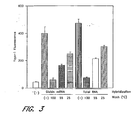
- Fig. 3 is a graph showing reversible hybridization of mRNA on the oligonucleotide-immobilized PCR microplates.
- One ⁇ g of rabbit globin mRNA or 20 ⁇ g of total liver RNA was suspended in 50 ⁇ l of hybridization buffer and applied to the well of the oligonucleotide-immobilized PCR microplates. After hybridization at room temperature for 1 hour, wells were washed three times with DEPC water at different temperatures (25°C, 55°C or boiling).
- YOYOTM-1 was then applied to each well, and the fluorescence was determined by CYTOFLUORTM 2300 as described above (Miura Y, et al., Clin Chem 1996: 42 :1758-64). Each data point was the mean ⁇ S.D. from triplicate determinations. As shown in Fig. 3, YOYOTM-1 fluorescence was reduced to the basal levels by adding boiling DEPC water.
- cDNA synthesis buffer 50 mmol/L Tris, pH 8.3, containing 75 mmol/L KCl, 3 mmol/L MgCl 2 , 10 mmol/L DTT, 10 mmol/L each of dATP, dGTP, dCTP, 250 ⁇ mol/L biotin-dUTP, and 400 U of MMLV reverse transcriptase
- cDNA synthesis buffer 50 mmol/L Tris, pH 8.3, containing 75 mmol/L KCl, 3 mmol/L MgCl 2 , 10 mmol/L DTT, 10 mmol/L each of dATP, dGTP, dCTP, 250 ⁇ mol/L biotin-dUTP, and 400 U of MMLV reverse transcriptase
- wash buffer (10 mmol/L Tris, pH 7.6, containing 300 mmol/L NaCl and 10 mmol/L Tween 20
- 50 ⁇ l of wash buffer containing 1:1000 dilution of streptavidin-alkaline phosphatase conjugates was added and incubated at room temperature for 30 min.
- 50 ⁇ l of substrate (ATTOPHOSTM, 1x concentration) was added and incubated at room temperature for 20 min.
- reaction was terminated by adding an equal volume (50 ⁇ l) of 100 mmol/L EDTA, and fluorescence was determined by CYTOFLUORTM 2300 (Millipore) with excitation and emission wavelengths of 485 nm (bandwidth 20 nm) and 560 nm (band width 25 nm), respectively.
- the plates are not saturated even when as much as 500 ng of mRNA is applied, which also represents approximately 500 ⁇ g of total RNA or 10 7 cells per small surface area of 96 well plates. This is more than enough for the majority of experiments.
- Human K562 leukemic cells which express the b3a2 transcript from the Ph 1 translocation, were lysed with lysis buffer followed by centrifugation to remove cell debris and nuclear DNA. The supernatant containing cytosolic mRNA was then applied to the oligonucleotide-immobilized PCR microplates for hybridization. After 1 hour of hybridization at room temperature, unbound materials were removed by washing with hybridization buffer twice, and RT-PCR was started in the same wells.
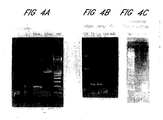
- Fig. 4A 10 6 K562 cells were suspended in lysis buffer (10 mmol/L Tris, pH 7.6, 1 mmol/L EDTA, 0.1% NP-40 and 20 mmol/L VRC) on ice for 5 min to release cytosolic mRNA. Samples were then centrifuged at 15,000 xg at 4°C for 5 min, and supernatants were applied to the oligonucleotide-immobilized PCR microplates for hybridization (lane 1). In lane 2, cells were suspended in VRC-free lysis buffer, and immediately treated with an equal volume of phenol/chloroform twice to absorb proteins/nucleases. Deproteinated solutions were then subjected to hybridization.
- lysis buffer 10 mmol/L Tris, pH 7.6, 1 mmol/L EDTA, 0.1% NP-40 and 20 mmol/L VRC
- RNA was prepared by automated instrument as described in the Methods. After hybridization, RT-PCR was conducted in a thermal cycler with 1 cycle of reverse transcription at 60°C for 30 min and 94°C denaturation for 1 min, followed by 40 cycles of 60°C annealing/extension for 1 min and 94°C of denaturation for 1 min, as described in the Methods. Lane 4 was a control cd4465 DNA.
- Fig. 4A As shown in Fig. 4A (lane 1), BCR-ABL transcript was successfully amplified from the captured mRNA in crude cell lysates with the expected size of 168 base pairs. The size of PCR products was identical to that of PCR products from purified total RNA in the same cells (Fig. 4A, lane 3). Phenol/chloroform treated cell lysates exhibited thicker PCR products than VRC-containing cell lysates (Fig. 4A, lane 2).
- RNA was removed by 55°C or boiling DEPC water and one-step RT-PCR was conducted. That is, in Fig. 4B, after total RNA was hybridized, wells were washed with 55°C DEPC water or boiling DEPC water 3 times, and one-step RT-PCR was conducted. As shown in Fig. 4B, PCR products of BCR-ABL transcript when washed with disappeared when wells were washed with boiling water, but not when washed with 55°C water. These results were comparable to that of Fig. 3.
- PCR was conducted with or without reverse transcription. That is, in Fig. 4C, after total RNA was hybridized, cDNA was synthesized in one tube (+) and one tube was left without reverse transcription (-). PCR was then conducted with Taq polymerase in the presence of 1.25 mM MgCl 2 with 60 cycles of 94°C denaturation for 1 min, 60°C annealing for 1 min followed by 72°C extension for 1 min. PCR products were separated by 2.0% agarose gel electrophoresis followed by staining with ethidium bromide. Mk indicates a 100 bp ladder. As shown in Fig. 4C, PCR products of BCR-ABL transcript were not amplified from the wells of negative reverse transcription even under low stringent conditions with a higher Mg concentration, whereas significant amounts of PCR products were obtained from the wells of positive reverse transcription.
- an advantage of the oligonucleotide-immobilized PCR microplates is the strict specificity to mRNA, but not to rRNA, tRNA or DNA (Figs. 2A, 2B, 4A, 4B, 4C), eliminating the potential problem of false PCR amplification from contaminated genomic DNA, whereas cellulose or beads often contain detectable amounts of rRNA, tRNA and DNA.
- cDNA was synthesized from captured mRNA using MMLV reverse transcriptase and immobilized oligo(dT) as a primer in the presence of biotin dUTP, followed by quantitation of cDNA synthesis, as described above.
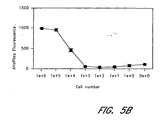
- cDNA was synthesized on the oligonucleotide-immobilized PCR microplates by replacing biotin-dUTP with unlabeled dTTP, and PCR was conducted with rTth polymerase, as shown above (Inset, lower). The PCR products were separated by 2.0% agarose gel electrophoresis followed by staining with ethidium bromide. M indicates a 100 bp ladder. Each data point was the mean ⁇ S.D. from triplicate determinations.
- RT-PCR from synthesized cDNA on the oligonucleotide-immobilized PCR microplates is approximately 100,000-fold more sensitive than conventional one-step RT-PCR, and bcr-abl transcript was detected from cell lysates containing only 10 cells (Fig. 5A, top inset).
- rTth was used for both experiments, the difference was not due to the enzyme.
- primer dimers are used for dimer formation during reverse transcription.
- these primer dimers can be removed when the reaction mixture was switched from cDNA synthesis to PCR, whereas primer dimers formed during the initial reverse transcription phase exist throughout PCR.
- oligonucleotide-immobilized PCR microplates In order to conduct quantitative analysis on the oligonucleotide-immobilized PCR microplates, well-to-well variation is a critical issue.
- One hundred pmol of oligonucleotides were applied to the oligonucleotide-immobilized PCR microplates for immobilization followed by YOYOTM-1 fluorescence determination in a fluorescent plate reader, as described above (Fig. 6A ⁇ ).
- YOYOTM-1 fluorescence determination in a fluorescent plate reader As described above (Fig. 6A ⁇ ).
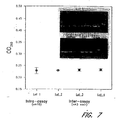
- Figs. 6A and 6B variation of the amounts of immobilized oligonucleotides (Fig. 6A ⁇ ), hybridized rabbit globin mRNA (Fig. 6A ⁇ ), and synthesized cDNA from captured rabbit globin mRNA (Fig. 6B ⁇ ) were all less than 10-15% within a single microplate (Intra-assay) or multiple lots of microplates (Inter-assay). More importantly, the variation of the amount of PCR products in these intra- and inter-assays were also within 10% (Fig. 7). In Fig. 7, one hundred ng of rabbit globin mRNA was applied to each well for hybridization, followed by cDNA synthesis in the presence of unlabeled dTTP.
- PCR was then conducted with rabbit globin specific primers and Taq polymerase, as described in the Methods.
- the PCR products were separated by 2.0% agarose gel electrophoresis followed by staining with ethidium bromide. Right lanes indicate a 100 bp ladder.
- the amounts of PCR products were determined by measuring OD 260 ( ⁇ ). Each data point was the mean ⁇ S.D. from 10 (Intra-assay) to 3 (Inter-assay) separate determinations.
- the oligonucleotide-immobilized PCR microplates were stored at room temperature ( ⁇ ), 55°C ( ⁇ ) or 72°C ( ⁇ ) for 2, 8 or 15 days.
- One hundred ng of rabbit globin mRNA was then applied to each well for hybridization, followed by cDNA synthesis in the presence of biotin-dUTP.
- ATTOPHOSTM fluorescence was then determined in a fluorescent plate reader, as described above. Each data point was the mean ⁇ S.D. from triplicate determinations.
- K562 cells (10 4 -10 6 ) were suspended in Lysis buffer and were applied to the oligonucleotide-immobilized PCR microplates for hybridization.
- the captured mRNA was converted to cDNA with MMLV reverse transcriptase as described above.
- some wells were treated identically but without MMLV reverse transcriptase.
- bcr-abl transcript was amplified by PCR with Taq polymerase, as described above (1st bcr-abl). After PCR, each well was washed with boiling DEPC water five times, and PCR was repeated with the same primer set (2nd bcr-abl). PCR was then repeated a third time with primer pair from G3PDH (3rd 63PDH).
- PCR products were separated by 2.0% agarose gel electrophoresis, followed by staining with ethidium bromide.
- the agarose gel electrophoresis indicates that PCR products of bcr-abl and 63PDH transcripts were not amplified from the wells of negative reverse transcription, indicating no "false” PCR products from contaminating genomic cDNA in the plates.
- the agarose gel electrophoresis confirms that bcr-abl and G3PDH transcripts were reamplified plural times from immobilized cDNAs from wells.
- lysis buffer (10 mM Tris, pH 8.0, 1 mM EDTA, 0.5 M NaCl, 0.5% NP-40 detergent, and 20 mM vanadyl ribonucleoside complex (VRC, Gibco-BRL, Geithersburg, MD)
- VRC vanadyl ribonucleoside complex
- the oligonucleotide-immobilized PCR microplate was washed twice with a wash buffer (10 mM Tris, pH 8.0, 1 mM EDTA, and 0.5 M NaCl). At this stage, total mRNA was captured in each well of the oligonucleotide-immobilized PCR microplate for analysis. Because of the heat-stable characteristics of the oligonucleotide-immobilized PCR microplate, the oligonucleotide-immobilized PCR microplates were directly subjected to PCR without transfer of mRNA to PCR vessels.
- the cDNA was synthesized by adding RT-buffer (50 mM Tris, pH 8.3, containing 75 mM KCl, 3 mM MgCl 2 , and 10 mM DTT; 10 mM of each dNTP; and 100 U of MMLV reverse transcriptase (Gibco-BRL), and incubated at 37°C for 1 hour: PCR was then conducted on the same plate, by replacing RT-buffer with PCR-buffer (10X PCR buffer, 1.5 mM MgCl 2 , 100 ⁇ M of dNTPs, 1.5 units of Taq DNA polymerase (Perkin Elmer, Fostercity, CA), 0.5 ⁇ M each of upstream sense primer and downstream antisense primer of human ⁇ -actin (Clontech, Palo Alto, CA) in a final volume of 20 ⁇ L.
- RT-buffer 50 mM Tris, pH 8.3, containing 75 mM KCl, 3 mM MgCl 2
- PCR was conducted in a thermal cycler (MJ Research, PTC-100, Watertown, MA) with 35 cycles of 45 seconds at 94°C, 45 seconds at 60°C and 2 minutes at 72°C.
- PCR products were analyzed in a 1.0% agarose gel electrophoresis with 0.5 ⁇ g/mL ethidium bromide.
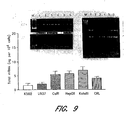
- Fig. 9 (left insets: lane M, 100 bp DNA ladder; lane 1 K562; lane 2, U937; lane 3, CaRI; lane 4, HepGll; lane 5, Katolll; lane 6, CRL5800), ⁇ -actin gene was successfully amplified from various cultured cells.
- the amounts of captured mRNA on the oligonucleotide-immobilized PCR microplate were quantitated by the method published previously from our laboratory (Tominaga K, et al., "Colorimetric EUSA measurement of specific mRNA on immobilized-oligonucleotide-coated microtiter plates by reverse transcription with biotinylated mononucleotides", Clin Chem 1996:1750-1757, 1996) with minor modifications.
- the first strand cDNA was synthesized on the microplate by adding RT-buffer containing 250 ⁇ M biotin-dUTP instead of 10 mM of dTTP, and incubated at 37°C for 1 hour.
- rabbit globin mRNA was used as a control as previously described (Tominaga K, et aL, Clin Chem 1996:1750-1757, 1996). As shown in Fig. 9, captured mRNA from 10 4 cells was approximately 5 ng from 5 different cell lines.
- cytosolic fraction was collected after hybridization, and treated with two rounds of phenol/chloroform/isoamyl alcohol extraction followed by ethanol precipitation. RNA was then analyzed by agarose gel electrophoresis. As shown in Fig. 9 (right inset: Lane M, ⁇ Hind III; lane 1, K562; lane 2, U937; lane 3, CaRI; lane 4, HepGll; lane 5, Katolll; lane 6, CRL5800), 18s and 28s rRNA bands were clearly present in all cells even after 1 hour incubation at room temperature, suggesting that simple cytosolic fraction in the presence of VRC was essentially free from RNase activity.
- RT-PCR from starting cell suspension can be conducted using just two plates; the glass fiber filter plate and the oligo(dT)-immobilized polypropylene/polyolefine plate.
- the 96-well format allows researchers to conduct RT-PCR in high throughput fashion with potential full automation.
- PCR products were analyzed by agarose gel electrophoresis, however, PCR products may be quantitated continuously by TaqMan system (Morris T, et al., J Clin Microbiol 34:p2933-6, 1996). This experiment proved that this system is a useful tool for high throughput RT-PCR.
Landscapes
- Chemical & Material Sciences (AREA)
- Life Sciences & Earth Sciences (AREA)
- Organic Chemistry (AREA)
- Health & Medical Sciences (AREA)
- Engineering & Computer Science (AREA)
- Wood Science & Technology (AREA)
- Zoology (AREA)
- Proteomics, Peptides & Aminoacids (AREA)
- Genetics & Genomics (AREA)
- Biotechnology (AREA)
- Bioinformatics & Cheminformatics (AREA)
- Biochemistry (AREA)
- Analytical Chemistry (AREA)
- General Health & Medical Sciences (AREA)
- Microbiology (AREA)
- General Engineering & Computer Science (AREA)
- Molecular Biology (AREA)
- Chemical Kinetics & Catalysis (AREA)
- Physics & Mathematics (AREA)
- Immunology (AREA)
- Biophysics (AREA)
- Tropical Medicine & Parasitology (AREA)
- Medicinal Chemistry (AREA)
- Mycology (AREA)
- Virology (AREA)
- Biomedical Technology (AREA)
- Measuring Or Testing Involving Enzymes Or Micro-Organisms (AREA)
- Apparatus Associated With Microorganisms And Enzymes (AREA)
- Saccharide Compounds (AREA)
- Preparation Of Compounds By Using Micro-Organisms (AREA)
Applications Claiming Priority (5)
| Application Number | Priority Date | Filing Date | Title |
|---|---|---|---|
| US6839497P | 1997-12-22 | 1997-12-22 | |
| US68394P | 1997-12-22 | ||
| US7162798P | 1998-01-16 | 1998-01-16 | |
| US71627P | 1998-01-16 | ||
| EP98964860A EP1042497B1 (fr) | 1997-12-22 | 1998-12-22 | Rt-pcr directe sur des microplaquettes de pcr a oligonucleotides immobilises |
Related Parent Applications (1)
| Application Number | Title | Priority Date | Filing Date |
|---|---|---|---|
| EP98964860A Division EP1042497B1 (fr) | 1997-12-22 | 1998-12-22 | Rt-pcr directe sur des microplaquettes de pcr a oligonucleotides immobilises |
Publications (2)
| Publication Number | Publication Date |
|---|---|
| EP1600512A1 true EP1600512A1 (fr) | 2005-11-30 |
| EP1600512B1 EP1600512B1 (fr) | 2008-05-28 |
Family
ID=26748929
Family Applications (3)
| Application Number | Title | Priority Date | Filing Date |
|---|---|---|---|
| EP07016364A Expired - Lifetime EP1865074B1 (fr) | 1997-12-22 | 1998-12-22 | RT-PCR directe sur microplaques de PCR à oligonucléotides immobilisés |
| EP05017491A Expired - Lifetime EP1600512B1 (fr) | 1997-12-22 | 1998-12-22 | Purification d'ARNm sur microplaques |
| EP98964860A Expired - Lifetime EP1042497B1 (fr) | 1997-12-22 | 1998-12-22 | Rt-pcr directe sur des microplaquettes de pcr a oligonucleotides immobilises |
Family Applications Before (1)
| Application Number | Title | Priority Date | Filing Date |
|---|---|---|---|
| EP07016364A Expired - Lifetime EP1865074B1 (fr) | 1997-12-22 | 1998-12-22 | RT-PCR directe sur microplaques de PCR à oligonucléotides immobilisés |
Family Applications After (1)
| Application Number | Title | Priority Date | Filing Date |
|---|---|---|---|
| EP98964860A Expired - Lifetime EP1042497B1 (fr) | 1997-12-22 | 1998-12-22 | Rt-pcr directe sur des microplaquettes de pcr a oligonucleotides immobilises |
Country Status (5)
| Country | Link |
|---|---|
| EP (3) | EP1865074B1 (fr) |
| JP (3) | JP4325114B2 (fr) |
| AT (3) | ATE506449T1 (fr) |
| DE (3) | DE69839734D1 (fr) |
| WO (1) | WO1999032654A1 (fr) |
Families Citing this family (69)
| Publication number | Priority date | Publication date | Assignee | Title |
|---|---|---|---|---|
| US6844158B1 (en) | 1997-12-22 | 2005-01-18 | Hitachi Chemical Co., Ltd. | Direct RT-PCR on oligonucleotide-immobilized PCR microplates |
| US7399589B2 (en) | 1998-02-06 | 2008-07-15 | Digene Corporation | Immunological detection of RNA:DNA hybrids on microarrays |
| US6686151B1 (en) * | 1998-02-06 | 2004-02-03 | Digene Corporation | Immunological detection of RNA:DNA hybrids on microarrays |
| US20050100943A1 (en) | 2000-04-11 | 2005-05-12 | Hideki Kambara | Method of producing probe arrays for biological materials using fine particles |
| WO2000061198A1 (fr) * | 1999-04-12 | 2000-10-19 | Hitachi Chemical Co., Ltd. | Procede relatif a l'elaboration d'alignements de sondes pour substances biologiques utilisant de fines particules |
| FR2798675B1 (fr) * | 1999-09-16 | 2004-02-27 | Centre Nat Rech Scient | Procede et dispositif de fabrication d'un support porteur d'une pluralite de sequences polynucleotidiques et/ou peptidiques differentes |
| CA2318730C (fr) * | 1999-09-20 | 2008-01-22 | Ortho-Clinical Diagnostics, Inc. | Methode de transcription inversee de l'arn isolee sous forme seche |
| US6642000B1 (en) * | 1999-11-12 | 2003-11-04 | University Of Chicago | PCR amplification on microarrays of gel immobilized oligonucleotides |
| ITCA20000004A1 (it) * | 2000-03-07 | 2001-09-07 | Mario Raimondo Caria | Metodo e sistema per la rivelazione simultanea e multipla con quantificazione della ibridizzazione di composti molecolari quali acidi nuclei |
| US6376191B1 (en) * | 2000-03-22 | 2002-04-23 | Mergen, Ltd. | Microarray-based analysis of polynucleotide sequence variations |
| US7601497B2 (en) | 2000-06-15 | 2009-10-13 | Qiagen Gaithersburg, Inc. | Detection of nucleic acids by target-specific hybrid capture method |
| US7439016B1 (en) | 2000-06-15 | 2008-10-21 | Digene Corporation | Detection of nucleic acids by type-specific hybrid capture method |
| DE10033091A1 (de) * | 2000-07-07 | 2002-01-31 | Max Planck Gesellschaft | Polymer-Chip |
| AU2000275323A1 (en) * | 2000-09-27 | 2002-04-08 | Centre National De La Recherche Scientifique (C.N.R.S.) | Method and device for making a support bearing a plurality of different polynucleotide and/or peptide sequences |
| ATE480618T1 (de) * | 2000-10-31 | 2010-09-15 | Hitachi Chemical Res Ct Inc | Methode für das sammeln und das verwenden von kern-mrna |
| WO2002042500A2 (fr) | 2000-10-31 | 2002-05-30 | Hitachi Chemical Research Center, Inc. | Appareil et procede pour la concentration electrophoretique sur micropoint |
| GB0105790D0 (en) * | 2001-03-08 | 2001-04-25 | Expresson Biosystems Ltd | Detecting binding of mRNA to an oligonnucleotide array using RNA dependent nucleic acid modifying enzymes |
| JPWO2003006650A1 (ja) * | 2001-07-09 | 2004-11-04 | 旭化成株式会社 | 不織布を用いた核酸精製法及び検出法 |
| WO2003060116A1 (fr) * | 2002-01-09 | 2003-07-24 | Sysmex Corporation | Procede de detection d'acides nucleiques et systeme associe |
| US7745180B2 (en) * | 2002-04-24 | 2010-06-29 | Hitachi Chemical Co., Ltd. | Device and method for high-throughput quantification of mRNA from whole blood |
| JP2005525114A (ja) * | 2002-04-24 | 2005-08-25 | ヒタチ ケミカル リサーチ センター インコーポレイテッド | 全血からのmRNAをハイスループットに定量するための装置および方法 |
| US7508608B2 (en) | 2004-11-17 | 2009-03-24 | Illumina, Inc. | Lithographically fabricated holographic optical identification element |
| US7441703B2 (en) | 2002-08-20 | 2008-10-28 | Illumina, Inc. | Optical reader for diffraction grating-based encoded optical identification elements |
| US7399643B2 (en) | 2002-09-12 | 2008-07-15 | Cyvera Corporation | Method and apparatus for aligning microbeads in order to interrogate the same |
| US7619819B2 (en) | 2002-08-20 | 2009-11-17 | Illumina, Inc. | Method and apparatus for drug product tracking using encoded optical identification elements |
| EP1540591A1 (fr) | 2002-09-12 | 2005-06-15 | Cyvera Corporation | Microparticules codees sur la base d'un reseau de diffraction pour experimentations multiplexees |
| US7092160B2 (en) | 2002-09-12 | 2006-08-15 | Illumina, Inc. | Method of manufacturing of diffraction grating-based optical identification element |
| US20040067492A1 (en) * | 2002-10-04 | 2004-04-08 | Allan Peng | Reverse transcription on microarrays |
| CA2513899C (fr) | 2003-01-29 | 2013-03-26 | 454 Corporation | Procede d'amplification et de sequencage d'acides nucleiques |
| CN1580283A (zh) * | 2003-08-13 | 2005-02-16 | 清华大学 | 一种检测核酸分子的方法 |
| DE10353887A1 (de) * | 2003-11-18 | 2005-06-16 | Febit Ag | Hochparalleler DNA-Synthesizer auf Matrizenbasis |
| EP1548126A1 (fr) * | 2003-12-22 | 2005-06-29 | Bio-Rad Pasteur | Support pour acide nucléique de contrôle et usage pour la détection des acides nucléiques. |
| US7433123B2 (en) | 2004-02-19 | 2008-10-07 | Illumina, Inc. | Optical identification element having non-waveguide photosensitive substrate with diffraction grating therein |
| US20050277121A1 (en) | 2004-06-11 | 2005-12-15 | Ambion, Inc. | Crude biological derivatives competent for nucleic acid detection |
| WO2006055735A2 (fr) | 2004-11-16 | 2006-05-26 | Illumina, Inc | Scanner dote d'un modulateur spatial de lumiere |
| EP2194485B1 (fr) | 2004-11-16 | 2012-10-17 | Illumina, Inc. | Procédés et appareils pour la lecture de microbilles codées |
| US7604173B2 (en) | 2004-11-16 | 2009-10-20 | Illumina, Inc. | Holographically encoded elements for microarray and other tagging labeling applications, and method and apparatus for making and reading the same |
| CN101268198A (zh) * | 2005-01-21 | 2008-09-17 | 纽约血液中心有限公司 | 用于核酸提取和鉴定的方法 |
| US7816081B2 (en) | 2005-04-28 | 2010-10-19 | Hitachi Chemical Co., Ltd. | Method of minimizing reagent consumption in microplate-based reactions |
| FR2885140B1 (fr) * | 2005-04-29 | 2010-12-31 | Millipore Corp | Procede de detection et de caracterisation de microorgarnismes sur une membrane. |
| JP4916689B2 (ja) * | 2005-09-12 | 2012-04-18 | 住友ベークライト株式会社 | Dna鎖増幅方法 |
| US7623624B2 (en) | 2005-11-22 | 2009-11-24 | Illumina, Inc. | Method and apparatus for labeling using optical identification elements characterized by X-ray diffraction |
| US7830575B2 (en) | 2006-04-10 | 2010-11-09 | Illumina, Inc. | Optical scanner with improved scan time |
| JPWO2007141912A1 (ja) * | 2006-06-07 | 2009-10-15 | 住友ベークライト株式会社 | Rna検出方法 |
| EP2064655A4 (fr) | 2006-07-12 | 2012-02-29 | Color Savvy Systems Ltd | Procédé de dérivation de mesures de couleurs cohérentes |
| AU2007281535A1 (en) * | 2006-08-01 | 2008-02-07 | Applied Biosystems, Llc. | Detection of analytes and nucleic acids |
| TWI419974B (zh) | 2008-10-27 | 2013-12-21 | Qiagen Gaithersburg Inc | 於自動平台上之快速結果雜交捕捉法 |
| WO2010127228A1 (fr) | 2009-05-01 | 2010-11-04 | Qiagen Gaithersburg, Inc. | Procédé d'amplification non ciblée pour la détection de formes d'épissage d'arn dans un échantillon |
| JP5729904B2 (ja) * | 2009-06-02 | 2015-06-03 | キヤノン株式会社 | 細胞から蛋白質、dna、rnaを調製する方法 |
| EP2454378B1 (fr) * | 2009-07-17 | 2015-12-23 | Canon U.S. Life Sciences, Inc. | Méthodes et systèmes d'isolement d'adn sur un dispositif microfluidique |
| JP5826752B2 (ja) | 2009-09-14 | 2015-12-02 | キアジェン ゲイサーズバーグ インコーポレイテッド | 細胞学用培地に固定された組織サンプルから核酸またはタンパク質を回収するための組成物および方法 |
| JP2013517803A (ja) | 2010-01-29 | 2013-05-20 | キアジェン ゲイサーズバーグ インコーポレイテッド | サンプル中のhpvの存在を決定および確認する方法 |
| CA2787924A1 (fr) | 2010-01-29 | 2011-08-04 | Qiagen Gaithersburg, Inc. | Procedes et compositions pour la purification et l'analyse multiplexee d'acides nucleiques sequence-specifique |
| WO2011127099A1 (fr) | 2010-04-05 | 2011-10-13 | Prognosys Biosciences, Inc. | Tests biologiques à codage spatial |
| US20190300945A1 (en) | 2010-04-05 | 2019-10-03 | Prognosys Biosciences, Inc. | Spatially Encoded Biological Assays |
| US10787701B2 (en) | 2010-04-05 | 2020-09-29 | Prognosys Biosciences, Inc. | Spatially encoded biological assays |
| EP2572001A2 (fr) | 2010-05-19 | 2013-03-27 | QIAGEN Gaithersburg, Inc. | Procédés et compositions pour purification séquence-spécifique et analyse multiplex d'acides nucléiques |
| JP6153866B2 (ja) | 2010-05-25 | 2017-06-28 | キアゲン ガイサーズバーグ アイエヌシー. | 迅速なハイブリッド捕捉アッセイ、及び関連する戦略的に切断されたプローブ |
| WO2012116220A2 (fr) | 2011-02-24 | 2012-08-30 | Qiagen Gaithersburg, Inc. | Matériels et procédés de détection d'acide nucléique de hpv |
| GB201106254D0 (en) | 2011-04-13 | 2011-05-25 | Frisen Jonas | Method and product |
| WO2013053855A1 (fr) * | 2011-10-11 | 2013-04-18 | Qiagen Gmbh | Procédé de traitement d'échantillon et cartouche de traitement d'échantillon |
| EP4592400A3 (fr) | 2012-10-17 | 2025-10-29 | 10x Genomics Sweden AB | Procédés et produits pour optimiser la detection localisée ou spatiale de l'expression génique dans un échantillon de tissu |
| JP2014176303A (ja) * | 2013-03-13 | 2014-09-25 | Seiko Epson Corp | cDNAの合成方法 |
| CA2916662C (fr) | 2013-06-25 | 2022-03-08 | Prognosys Biosciences, Inc. | Procedes et systemes pour determiner des motifs spatiales de cibles biologiques dans un echantillon |
| EP3901282B1 (fr) | 2015-04-10 | 2023-06-28 | Spatial Transcriptomics AB | Analyse de plusieurs acides nucléiques spatialement différenciés de spécimens biologiques |
| CN106867993A (zh) * | 2017-02-17 | 2017-06-20 | 唐旌生物科技(上海)有限公司 | 一种逆转录方法、逆转录试剂盒及其应用 |
| US12110541B2 (en) | 2020-02-03 | 2024-10-08 | 10X Genomics, Inc. | Methods for preparing high-resolution spatial arrays |
| US12031177B1 (en) | 2020-06-04 | 2024-07-09 | 10X Genomics, Inc. | Methods of enhancing spatial resolution of transcripts |
| EP4363573A4 (fr) * | 2021-07-01 | 2025-05-14 | Cubit Diagnostics, Inc. | Procédés et réactifs pour l'analyse d'acides nucléiques |
Citations (5)
| Publication number | Priority date | Publication date | Assignee | Title |
|---|---|---|---|---|
| WO1992007863A1 (fr) * | 1990-10-26 | 1992-05-14 | Diagen Institut Für Molekularbiologische Diagnostik Gmbh | Procede et dispositif de separation d'acides nucleiques contenus dans des suspensions de cellules |
| EP0487028A2 (fr) * | 1990-11-22 | 1992-05-27 | Shimadzu Corporation | Appareil pour extraire et purifier des acides nucléiques |
| WO1995002049A1 (fr) * | 1993-07-09 | 1995-01-19 | Cambridge Molecular Technologies Limited | Appareil et procede de purification |
| WO1996041810A1 (fr) * | 1995-06-08 | 1996-12-27 | Progen Industries Limited | Procede et appareil d'extraction d'adn |
| EP0814156A2 (fr) * | 1996-06-18 | 1997-12-29 | The Institute Of Physical & Chemical Research | Procédé pour la purification d'ADN |
Family Cites Families (6)
| Publication number | Priority date | Publication date | Assignee | Title |
|---|---|---|---|---|
| JPH04360686A (ja) * | 1991-06-04 | 1992-12-14 | Tosoh Corp | Dnaの精製方法 |
| US5437976A (en) * | 1991-08-08 | 1995-08-01 | Arizona Board Of Regents, The University Of Arizona | Multi-domain DNA ligands bound to a solid matrix for protein and nucleic acid affinity chromatography and processing of solid-phase DNA |
| BR9206705A (pt) * | 1991-11-01 | 1995-11-21 | Adelaide Children S Hospital | Processo de amplificação de fase sólida |
| WO1993015228A1 (fr) * | 1992-01-29 | 1993-08-05 | Hitachi Chemical Co., Ltd. | Support d'immobilisation de polynucleotide |
| US5545528A (en) * | 1993-04-15 | 1996-08-13 | Hitachi Chemical Research Center | Rapid screening method of gene amplification products in polypropylene plates |
| GB9507238D0 (en) * | 1995-04-07 | 1995-05-31 | Isis Innovation | Detecting dna sequence variations |
-
1998
- 1998-12-22 DE DE69839734T patent/DE69839734D1/de not_active Expired - Lifetime
- 1998-12-22 EP EP07016364A patent/EP1865074B1/fr not_active Expired - Lifetime
- 1998-12-22 EP EP05017491A patent/EP1600512B1/fr not_active Expired - Lifetime
- 1998-12-22 JP JP2000525571A patent/JP4325114B2/ja not_active Expired - Lifetime
- 1998-12-22 EP EP98964860A patent/EP1042497B1/fr not_active Expired - Lifetime
- 1998-12-22 WO PCT/US1998/027293 patent/WO1999032654A1/fr not_active Ceased
- 1998-12-22 AT AT07016364T patent/ATE506449T1/de not_active IP Right Cessation
- 1998-12-22 AT AT05017491T patent/ATE397086T1/de not_active IP Right Cessation
- 1998-12-22 AT AT98964860T patent/ATE401415T1/de not_active IP Right Cessation
- 1998-12-22 DE DE69842238T patent/DE69842238D1/de not_active Expired - Lifetime
- 1998-12-22 DE DE69839572T patent/DE69839572D1/de not_active Expired - Lifetime
-
2005
- 2005-09-26 JP JP2005278646A patent/JP4337796B2/ja not_active Expired - Lifetime
-
2009
- 2009-04-13 JP JP2009097473A patent/JP4983836B2/ja not_active Expired - Lifetime
Patent Citations (5)
| Publication number | Priority date | Publication date | Assignee | Title |
|---|---|---|---|---|
| WO1992007863A1 (fr) * | 1990-10-26 | 1992-05-14 | Diagen Institut Für Molekularbiologische Diagnostik Gmbh | Procede et dispositif de separation d'acides nucleiques contenus dans des suspensions de cellules |
| EP0487028A2 (fr) * | 1990-11-22 | 1992-05-27 | Shimadzu Corporation | Appareil pour extraire et purifier des acides nucléiques |
| WO1995002049A1 (fr) * | 1993-07-09 | 1995-01-19 | Cambridge Molecular Technologies Limited | Appareil et procede de purification |
| WO1996041810A1 (fr) * | 1995-06-08 | 1996-12-27 | Progen Industries Limited | Procede et appareil d'extraction d'adn |
| EP0814156A2 (fr) * | 1996-06-18 | 1997-12-29 | The Institute Of Physical & Chemical Research | Procédé pour la purification d'ADN |
Non-Patent Citations (3)
| Title |
|---|
| HAMAGUCHI Y ET AL: "Direct reverse transcription-PCR on oligo(dT)-immobilized polypropylene microplates after capturing total mRNA from crude cell lysates", CLINICAL CHEMISTRY, AMERICAN ASSOCIATION FOR CLINICAL CHEMISTRY. WINSTON, US, vol. 44, no. 11, 1998, pages 2256 - 2263, XP002208861, ISSN: 0009-9147 * |
| NICOLAIDES N C ET AL: "A SIMPLE, EFFICIENT METHOD FOR THE SEPARATE ISOLATION OF RNA AND DNA FROM THE SAME CELLS", BIOTECHNIQUES, NATICK, MA, US, vol. 8, no. 2, January 1990 (1990-01-01), pages 154,156, XP008006726 * |
| RUPPERT A ET AL: "A FILTRATION METHOD FOR PLASMID ISOLATION USING MICROTITER FILTER PLATES", ANALYTICAL BIOCHEMISTRY, ACADEMIC PRESS, SAN DIEGO, CA, US, vol. 230, no. 1, 1 September 1995 (1995-09-01), pages 130 - 134, XP000611257, ISSN: 0003-2697 * |
Also Published As
| Publication number | Publication date |
|---|---|
| EP1865074A2 (fr) | 2007-12-12 |
| EP1042497A1 (fr) | 2000-10-11 |
| DE69839572D1 (de) | 2008-07-10 |
| ATE401415T1 (de) | 2008-08-15 |
| EP1865074B1 (fr) | 2011-04-20 |
| EP1042497B1 (fr) | 2008-07-16 |
| EP1865074A3 (fr) | 2008-02-27 |
| JP2009189368A (ja) | 2009-08-27 |
| ATE506449T1 (de) | 2011-05-15 |
| JP4325114B2 (ja) | 2009-09-02 |
| WO1999032654A1 (fr) | 1999-07-01 |
| DE69842238D1 (de) | 2011-06-01 |
| JP2006051042A (ja) | 2006-02-23 |
| DE69839734D1 (de) | 2008-08-28 |
| ATE397086T1 (de) | 2008-06-15 |
| JP2002505080A (ja) | 2002-02-19 |
| JP4983836B2 (ja) | 2012-07-25 |
| JP4337796B2 (ja) | 2009-09-30 |
| EP1600512B1 (fr) | 2008-05-28 |
| EP1042497A4 (fr) | 2004-09-22 |
Similar Documents
| Publication | Publication Date | Title |
|---|---|---|
| EP1865074B1 (fr) | RT-PCR directe sur microplaques de PCR à oligonucléotides immobilisés | |
| US7258976B2 (en) | Method of preparing cell lysate | |
| EP0676476B1 (fr) | Amplification isotherme d'acide nucléique par déplacement d'un brin | |
| EP4471155A2 (fr) | Puits à code-barres pour la cartographie spatiale de cellules individuelles par séquençage | |
| EP3350732B1 (fr) | Méthode de préparation d'une bibliothèque de séquençage de nouvelle génération (ngs) à partir d'un échantillon d'acide ribonucléique (arn) et kit pour la mise en oeuvre de cette dernière | |
| WO2019121842A1 (fr) | Enrichissement d'une cible par extension d'amorce à double sonde unidirectionnelle | |
| CN108449933A (zh) | 用于汇集来自多孔装置的样品的系统和方法 | |
| JP2005511030A (ja) | 核酸の増幅方法 | |
| JP2012055311A (ja) | 増幅用一般バッファー | |
| WO2020118200A1 (fr) | Procédés de préparation d'échantillons d'adnc pour séquençage d'arn, et échantillons d'adnc et leurs utilisations | |
| AU2004304765A1 (en) | Nucleic acid amplification methods | |
| US6849400B1 (en) | Methods for detecting and measuring spliced nucleic acids | |
| US12018324B2 (en) | Method of detecting minor BCR-ABL1 gene | |
| EP4555101A1 (fr) | Enrichissement d'allèle variant par allongement d'amorce à double sonde unidirectionnelle | |
| EP1220954A2 (fr) | Amorces et sondes d'acides nucleiques permettant de detecter des cellules tumorales | |
| JP7068451B2 (ja) | C1orf43核酸を検出するための組成物および方法 | |
| EP0753074B1 (fr) | Procede de reduction de signaux de fond dans des techniques de replication/detection d'adn | |
| HK1083354A (en) | Mrna purification on microplates | |
| EP4490320A1 (fr) | Procédé de détection d'une séquence d'acide nucléique cible | |
| CA2810316A1 (fr) | Methode de lyse cellulaire et pcr a l'interieur du meme recipient de reaction | |
| WO2007076420A2 (fr) | Appareil, procedes et produits pour la detection de mutation genetique | |
| JP2020520664A (ja) | 多重核酸増幅測定法 | |
| EP0959141A2 (fr) | Méthode de préparation des acides nucléiques de gènes rares exprimés et méthodes d'analyse les utilisant | |
| TW202613306A (zh) | 抑制核酸酶活性的方法、自細胞單離細胞核的方法及延展dna的方法 | |
| HK40025475A (en) | Method for detecting minor bcr-abl1 gene |
Legal Events
| Date | Code | Title | Description |
|---|---|---|---|
| PUAI | Public reference made under article 153(3) epc to a published international application that has entered the european phase |
Free format text: ORIGINAL CODE: 0009012 |
|
| AC | Divisional application: reference to earlier application |
Ref document number: 1042497 Country of ref document: EP Kind code of ref document: P |
|
| AK | Designated contracting states |
Kind code of ref document: A1 Designated state(s): AT BE CH CY DE DK ES FI FR GB GR IE IT LI LU MC NL PT SE |
|
| AX | Request for extension of the european patent |
Extension state: AL LT LV MK RO SI |
|
| 17P | Request for examination filed |
Effective date: 20060330 |
|
| REG | Reference to a national code |
Ref country code: HK Ref legal event code: DE Ref document number: 1083354 Country of ref document: HK |
|
| AKX | Designation fees paid |
Designated state(s): AT BE CH CY DE DK ES FI FR GB GR IE IT LI LU MC NL PT SE |
|
| 17Q | First examination report despatched |
Effective date: 20070404 |
|
| GRAP | Despatch of communication of intention to grant a patent |
Free format text: ORIGINAL CODE: EPIDOSNIGR1 |
|
| GRAS | Grant fee paid |
Free format text: ORIGINAL CODE: EPIDOSNIGR3 |
|
| GRAA | (expected) grant |
Free format text: ORIGINAL CODE: 0009210 |
|
| RIN1 | Information on inventor provided before grant (corrected) |
Inventor name: MITSUHASHI, MASATO |
|
| RAP1 | Party data changed (applicant data changed or rights of an application transferred) |
Owner name: HITACHI CHEMICAL CO., LTD. Owner name: HITACHI CHEMICAL RESEARCH CENTER, INC. |
|
| AC | Divisional application: reference to earlier application |
Ref document number: 1042497 Country of ref document: EP Kind code of ref document: P |
|
| AK | Designated contracting states |
Kind code of ref document: B1 Designated state(s): AT BE CH CY DE DK ES FI FR GB GR IE IT LI LU MC NL PT SE |
|
| REG | Reference to a national code |
Ref country code: GB Ref legal event code: FG4D |
|
| REG | Reference to a national code |
Ref country code: CH Ref legal event code: EP |
|
| REF | Corresponds to: |
Ref document number: 69839572 Country of ref document: DE Date of ref document: 20080710 Kind code of ref document: P |
|
| REG | Reference to a national code |
Ref country code: CH Ref legal event code: NV Representative=s name: VOSSIUS & PARTNER |
|
| REG | Reference to a national code |
Ref country code: IE Ref legal event code: FG4D |
|
| REG | Reference to a national code |
Ref country code: SE Ref legal event code: TRGR |
|
| PG25 | Lapsed in a contracting state [announced via postgrant information from national office to epo] |
Ref country code: ES Free format text: LAPSE BECAUSE OF FAILURE TO SUBMIT A TRANSLATION OF THE DESCRIPTION OR TO PAY THE FEE WITHIN THE PRESCRIBED TIME-LIMIT Effective date: 20080908 |
|
| PG25 | Lapsed in a contracting state [announced via postgrant information from national office to epo] |
Ref country code: AT Free format text: LAPSE BECAUSE OF FAILURE TO SUBMIT A TRANSLATION OF THE DESCRIPTION OR TO PAY THE FEE WITHIN THE PRESCRIBED TIME-LIMIT Effective date: 20080528 Ref country code: NL Free format text: LAPSE BECAUSE OF FAILURE TO SUBMIT A TRANSLATION OF THE DESCRIPTION OR TO PAY THE FEE WITHIN THE PRESCRIBED TIME-LIMIT Effective date: 20080528 |
|
| NLV1 | Nl: lapsed or annulled due to failure to fulfill the requirements of art. 29p and 29m of the patents act | ||
| PG25 | Lapsed in a contracting state [announced via postgrant information from national office to epo] |
Ref country code: DK Free format text: LAPSE BECAUSE OF FAILURE TO SUBMIT A TRANSLATION OF THE DESCRIPTION OR TO PAY THE FEE WITHIN THE PRESCRIBED TIME-LIMIT Effective date: 20080528 Ref country code: PT Free format text: LAPSE BECAUSE OF FAILURE TO SUBMIT A TRANSLATION OF THE DESCRIPTION OR TO PAY THE FEE WITHIN THE PRESCRIBED TIME-LIMIT Effective date: 20081028 |
|
| PG25 | Lapsed in a contracting state [announced via postgrant information from national office to epo] |
Ref country code: BE Free format text: LAPSE BECAUSE OF FAILURE TO SUBMIT A TRANSLATION OF THE DESCRIPTION OR TO PAY THE FEE WITHIN THE PRESCRIBED TIME-LIMIT Effective date: 20080528 |
|
| PLBE | No opposition filed within time limit |
Free format text: ORIGINAL CODE: 0009261 |
|
| STAA | Information on the status of an ep patent application or granted ep patent |
Free format text: STATUS: NO OPPOSITION FILED WITHIN TIME LIMIT |
|
| 26N | No opposition filed |
Effective date: 20090303 |
|
| PG25 | Lapsed in a contracting state [announced via postgrant information from national office to epo] |
Ref country code: MC Free format text: LAPSE BECAUSE OF NON-PAYMENT OF DUE FEES Effective date: 20081231 |
|
| PG25 | Lapsed in a contracting state [announced via postgrant information from national office to epo] |
Ref country code: IT Free format text: LAPSE BECAUSE OF FAILURE TO SUBMIT A TRANSLATION OF THE DESCRIPTION OR TO PAY THE FEE WITHIN THE PRESCRIBED TIME-LIMIT Effective date: 20080528 |
|
| REG | Reference to a national code |
Ref country code: IE Ref legal event code: MM4A |
|
| PG25 | Lapsed in a contracting state [announced via postgrant information from national office to epo] |
Ref country code: IE Free format text: LAPSE BECAUSE OF NON-PAYMENT OF DUE FEES Effective date: 20081222 |
|
| PG25 | Lapsed in a contracting state [announced via postgrant information from national office to epo] |
Ref country code: FI Free format text: LAPSE BECAUSE OF FAILURE TO SUBMIT A TRANSLATION OF THE DESCRIPTION OR TO PAY THE FEE WITHIN THE PRESCRIBED TIME-LIMIT Effective date: 20080528 |
|
| PG25 | Lapsed in a contracting state [announced via postgrant information from national office to epo] |
Ref country code: CY Free format text: LAPSE BECAUSE OF FAILURE TO SUBMIT A TRANSLATION OF THE DESCRIPTION OR TO PAY THE FEE WITHIN THE PRESCRIBED TIME-LIMIT Effective date: 20080528 Ref country code: LU Free format text: LAPSE BECAUSE OF NON-PAYMENT OF DUE FEES Effective date: 20081222 |
|
| PG25 | Lapsed in a contracting state [announced via postgrant information from national office to epo] |
Ref country code: GR Free format text: LAPSE BECAUSE OF FAILURE TO SUBMIT A TRANSLATION OF THE DESCRIPTION OR TO PAY THE FEE WITHIN THE PRESCRIBED TIME-LIMIT Effective date: 20080829 |
|
| REG | Reference to a national code |
Ref country code: HK Ref legal event code: WD Ref document number: 1083354 Country of ref document: HK |
|
| REG | Reference to a national code |
Ref country code: FR Ref legal event code: PLFP Year of fee payment: 18 |
|
| PGFP | Annual fee paid to national office [announced via postgrant information from national office to epo] |
Ref country code: CH Payment date: 20151229 Year of fee payment: 18 |
|
| PGFP | Annual fee paid to national office [announced via postgrant information from national office to epo] |
Ref country code: SE Payment date: 20151221 Year of fee payment: 18 |
|
| REG | Reference to a national code |
Ref country code: CH Ref legal event code: PFA Owner name: HITACHI CHEMICAL CO., LTD., US Free format text: FORMER OWNER: HITACHI CHEMICAL CO., LTD., US |
|
| REG | Reference to a national code |
Ref country code: FR Ref legal event code: PLFP Year of fee payment: 19 |
|
| REG | Reference to a national code |
Ref country code: CH Ref legal event code: PL |
|
| REG | Reference to a national code |
Ref country code: SE Ref legal event code: EUG |
|
| PG25 | Lapsed in a contracting state [announced via postgrant information from national office to epo] |
Ref country code: SE Free format text: LAPSE BECAUSE OF NON-PAYMENT OF DUE FEES Effective date: 20161223 |
|
| PG25 | Lapsed in a contracting state [announced via postgrant information from national office to epo] |
Ref country code: LI Free format text: LAPSE BECAUSE OF NON-PAYMENT OF DUE FEES Effective date: 20161231 Ref country code: CH Free format text: LAPSE BECAUSE OF NON-PAYMENT OF DUE FEES Effective date: 20161231 |
|
| REG | Reference to a national code |
Ref country code: FR Ref legal event code: PLFP Year of fee payment: 20 |
|
| PGFP | Annual fee paid to national office [announced via postgrant information from national office to epo] |
Ref country code: FR Payment date: 20171213 Year of fee payment: 20 |
|
| PGFP | Annual fee paid to national office [announced via postgrant information from national office to epo] |
Ref country code: GB Payment date: 20171222 Year of fee payment: 20 |
|
| PGFP | Annual fee paid to national office [announced via postgrant information from national office to epo] |
Ref country code: DE Payment date: 20171229 Year of fee payment: 20 |
|
| REG | Reference to a national code |
Ref country code: DE Ref legal event code: R071 Ref document number: 69839572 Country of ref document: DE |
|
| REG | Reference to a national code |
Ref country code: GB Ref legal event code: PE20 Expiry date: 20181221 |
|
| PG25 | Lapsed in a contracting state [announced via postgrant information from national office to epo] |
Ref country code: GB Free format text: LAPSE BECAUSE OF EXPIRATION OF PROTECTION Effective date: 20181221 |