EP1707563A2 - Chinazolinone Benutzende Verfahren und Zusammenstellungen - Google Patents
Chinazolinone Benutzende Verfahren und Zusammenstellungen Download PDFInfo
- Publication number
- EP1707563A2 EP1707563A2 EP06075276A EP06075276A EP1707563A2 EP 1707563 A2 EP1707563 A2 EP 1707563A2 EP 06075276 A EP06075276 A EP 06075276A EP 06075276 A EP06075276 A EP 06075276A EP 1707563 A2 EP1707563 A2 EP 1707563A2
- Authority
- EP
- European Patent Office
- Prior art keywords
- substituted
- alkyl
- chosen
- hydrogen
- aryl
- Prior art date
- Legal status (The legal status is an assumption and is not a legal conclusion. Google has not performed a legal analysis and makes no representation as to the accuracy of the status listed.)
- Withdrawn
Links
- 0 C*(C(*)(*)/C(/*1*)=*/CCc(c(*)c(c(*)c2O)I)c2C1=O)[N+](*)[O-] Chemical compound C*(C(*)(*)/C(/*1*)=*/CCc(c(*)c(c(*)c2O)I)c2C1=O)[N+](*)[O-] 0.000 description 7
Images

































Classifications
-
- C—CHEMISTRY; METALLURGY
- C07—ORGANIC CHEMISTRY
- C07D—HETEROCYCLIC COMPOUNDS
- C07D239/00—Heterocyclic compounds containing 1,3-diazine or hydrogenated 1,3-diazine rings
- C07D239/70—Heterocyclic compounds containing 1,3-diazine or hydrogenated 1,3-diazine rings condensed with carbocyclic rings or ring systems
- C07D239/72—Quinazolines; Hydrogenated quinazolines
- C07D239/86—Quinazolines; Hydrogenated quinazolines with hetero atoms directly attached in position 4
- C07D239/88—Oxygen atoms
- C07D239/90—Oxygen atoms with acyclic radicals attached in position 2 or 3
-
- A—HUMAN NECESSITIES
- A61—MEDICAL OR VETERINARY SCIENCE; HYGIENE
- A61P—SPECIFIC THERAPEUTIC ACTIVITY OF CHEMICAL COMPOUNDS OR MEDICINAL PREPARATIONS
- A61P1/00—Drugs for disorders of the alimentary tract or the digestive system
- A61P1/04—Drugs for disorders of the alimentary tract or the digestive system for ulcers, gastritis or reflux esophagitis, e.g. antacids, inhibitors of acid secretion, mucosal protectants
-
- A—HUMAN NECESSITIES
- A61—MEDICAL OR VETERINARY SCIENCE; HYGIENE
- A61P—SPECIFIC THERAPEUTIC ACTIVITY OF CHEMICAL COMPOUNDS OR MEDICINAL PREPARATIONS
- A61P19/00—Drugs for skeletal disorders
- A61P19/02—Drugs for skeletal disorders for joint disorders, e.g. arthritis, arthrosis
-
- A—HUMAN NECESSITIES
- A61—MEDICAL OR VETERINARY SCIENCE; HYGIENE
- A61P—SPECIFIC THERAPEUTIC ACTIVITY OF CHEMICAL COMPOUNDS OR MEDICINAL PREPARATIONS
- A61P29/00—Non-central analgesic, antipyretic or antiinflammatory agents, e.g. antirheumatic agents; Non-steroidal antiinflammatory drugs [NSAID]
-
- A—HUMAN NECESSITIES
- A61—MEDICAL OR VETERINARY SCIENCE; HYGIENE
- A61P—SPECIFIC THERAPEUTIC ACTIVITY OF CHEMICAL COMPOUNDS OR MEDICINAL PREPARATIONS
- A61P35/00—Antineoplastic agents
-
- A—HUMAN NECESSITIES
- A61—MEDICAL OR VETERINARY SCIENCE; HYGIENE
- A61P—SPECIFIC THERAPEUTIC ACTIVITY OF CHEMICAL COMPOUNDS OR MEDICINAL PREPARATIONS
- A61P35/00—Antineoplastic agents
- A61P35/02—Antineoplastic agents specific for leukemia
-
- A—HUMAN NECESSITIES
- A61—MEDICAL OR VETERINARY SCIENCE; HYGIENE
- A61P—SPECIFIC THERAPEUTIC ACTIVITY OF CHEMICAL COMPOUNDS OR MEDICINAL PREPARATIONS
- A61P37/00—Drugs for immunological or allergic disorders
-
- A—HUMAN NECESSITIES
- A61—MEDICAL OR VETERINARY SCIENCE; HYGIENE
- A61P—SPECIFIC THERAPEUTIC ACTIVITY OF CHEMICAL COMPOUNDS OR MEDICINAL PREPARATIONS
- A61P37/00—Drugs for immunological or allergic disorders
- A61P37/02—Immunomodulators
-
- A—HUMAN NECESSITIES
- A61—MEDICAL OR VETERINARY SCIENCE; HYGIENE
- A61P—SPECIFIC THERAPEUTIC ACTIVITY OF CHEMICAL COMPOUNDS OR MEDICINAL PREPARATIONS
- A61P37/00—Drugs for immunological or allergic disorders
- A61P37/02—Immunomodulators
- A61P37/06—Immunosuppressants, e.g. drugs for graft rejection
-
- A—HUMAN NECESSITIES
- A61—MEDICAL OR VETERINARY SCIENCE; HYGIENE
- A61P—SPECIFIC THERAPEUTIC ACTIVITY OF CHEMICAL COMPOUNDS OR MEDICINAL PREPARATIONS
- A61P43/00—Drugs for specific purposes, not provided for in groups A61P1/00-A61P41/00
-
- A—HUMAN NECESSITIES
- A61—MEDICAL OR VETERINARY SCIENCE; HYGIENE
- A61P—SPECIFIC THERAPEUTIC ACTIVITY OF CHEMICAL COMPOUNDS OR MEDICINAL PREPARATIONS
- A61P9/00—Drugs for disorders of the cardiovascular system
- A61P9/04—Inotropic agents, i.e. stimulants of cardiac contraction; Drugs for heart failure
-
- A—HUMAN NECESSITIES
- A61—MEDICAL OR VETERINARY SCIENCE; HYGIENE
- A61P—SPECIFIC THERAPEUTIC ACTIVITY OF CHEMICAL COMPOUNDS OR MEDICINAL PREPARATIONS
- A61P9/00—Drugs for disorders of the cardiovascular system
- A61P9/10—Drugs for disorders of the cardiovascular system for treating ischaemic or atherosclerotic diseases, e.g. antianginal drugs, coronary vasodilators, drugs for myocardial infarction, retinopathy, cerebrovascula insufficiency, renal arteriosclerosis
-
- C—CHEMISTRY; METALLURGY
- C07—ORGANIC CHEMISTRY
- C07D—HETEROCYCLIC COMPOUNDS
- C07D239/00—Heterocyclic compounds containing 1,3-diazine or hydrogenated 1,3-diazine rings
- C07D239/70—Heterocyclic compounds containing 1,3-diazine or hydrogenated 1,3-diazine rings condensed with carbocyclic rings or ring systems
- C07D239/72—Quinazolines; Hydrogenated quinazolines
- C07D239/86—Quinazolines; Hydrogenated quinazolines with hetero atoms directly attached in position 4
- C07D239/88—Oxygen atoms
- C07D239/91—Oxygen atoms with aryl or aralkyl radicals attached in position 2 or 3
Definitions
- This invention relates to quinazolinone derivatives, which are inhibitors of the mitotic kinesin KSP and are useful in the treatment of cellular proliferative diseases, for example cancer, hyperplasias, restenosis, cardiac hypertrophy, immune disorders and inflammation.
- Quinazolinones and derivatives thereof are now known to have a wide variety of biological properties including hypnotic, sedative, analgesic, anticonvulsant, antitussive and anti-inflammatory activities.
- Quinazolinone derivatives for which specific biological uses have been described include U.S. Patent No. 5,147,875 describing 2-(substituted phenyl)-4-oxo quinazolines with bronchodilator activity.
- U.S. Patent Nos. 3,723,432, 3,740,442, and 3,925,548 describe a class of 1 -substituted-4-aryl-2(1H)-quinazolinone derivatives useful as anti-inflammatory agents.
- European patent publication EP 0 056 637 B1 claims a class of 4(3H)-quinazolinone derivatives for the treatment of hypertension.
- European patent publication EP 0 884 319 A1 describes pharmaceutical compositions of quinazolin-4-one derivatives used to treat neurodegenerative, psychotropic, and drug and alcohol induced central and peripheral nervous system disorders.
- Quinazolinones are among a growing number of therapeutic agents used to treat cell proliferative disorders, including cancer.
- PCT WO 96/06616 describes a pharmaceutical composition containing a quinazolinone derivative to inhibit vascular smooth cell proliferation.
- PCT WO 96/19224 uses this same quinazolinone derivative to inhibit mesengial cell proliferation.
- U.S. Patent Nos. 4,981,856, 5,081,124 and 5,280,027 describe the use of quinazolinone derivatives to inhibit thymidylate synthase, the enzyme that catalyzes the methylation of deoxyuridine monophosphate to produce thymidine monophosphate which is required for DNA synthesis.
- Taxanes and vinca alkaloids act on microtubules, which are present in a variety of cellular structures.
- Microtubules are the primary structural element of the mitotic spindle. The mitotic spindle is responsible for distribution of replicate copies of the genome to each of the two daughter cells that result from cell division. It is presumed that disruption of the mitotic spindle by these drugs results in inhibition of cancer cell division, and induction of cancer cell death.
- microtubules form other types of cellular structures, including tracks for intracellular transport in nerve processes. Because these agents do not specifically target mitotic spindles, they have side effects that limit their usefulness.
- Mitotic kinesins are enzymes essential for assembly and function of the mitotic spindle, but are not generally part of other microtubule structures, such as in nerve processes. Mitotic kinesins play essential roles during all phases of mitosis. These enzymes are "molecular motors" that transform energy released by hydrolysis of ATP into mechanical force which drives the directional movement of cellular cargoes along microtubules. The catalytic domain sufficient for this task is a compact structure of approximately 340 amino acids. During mitosis, kinesins organize microtubules into the bipolar structure that is the mitotic spindle.
- Kinesins mediate movement of chromosomes along spindle microtubules, as well as structural changes in the mitotic spindle associated with specific phases of mitosis.
- Experimental perturbation of mitotic kinesin function causes malformation or dysfunction of the mitotic spindle, frequently resulting in cell cycle arrest and cell death.
- KSP belongs to an evolutionarily conserved kinesin subfamily of plus end-directed microtubule motors that assemble into bipolar homotetramers consisting of antiparallel homodimers.
- KSP associates with microtubules of the mitotic spindle.
- Microinjection of antibodies directed against KSP into human cells prevents spindle pole separation during prometaphase, giving rise to monopolar spindles and causing mitotic arrest and induction of programmed cell death.
- KSP and related kinesins in other, non-human, organisms bundle antiparallel microtubules and slide them relative to one another, thus forcing the two spindle poles apart.
- KSP may also mediate in anaphase B spindle elongation and focussing of microtubules at the spindle pole.
- HsEg5 Human KSP (also termed HsEg5) has been described [Blangy, et al., Cell, 83:1159-69 (1995); Whitehead, et al., Arthritis Rheum., 39:1635-42 (1996); Galgio et al., J. Cell Biol., 135:339-414 (1996); Blangy, et al., J Biol. Chem., 272:19418-24 (1997); Blangy, et al., Cell Motil Cytoskeleton, 40:174-82 (1998); Whitehead and Rattner, J.
- Mitotic kinesins are attractive targets for the discovery and development of novel mitotic chemotherapeutics. Accordingly, it is an object of the present invention to provide methods and compositions useful in the inhibition of KSP, a mitotic kinesin.
- compositions and methods that can be used to treat diseases of proliferating cells.
- the compositions are KSP inhibitors, particularly human KSP inhibitors.
- the invention relates to methods for treating cellular proliferative diseases, for treating disorders associated with KSP kinesin activity, and for inhibiting KSP kinesin.
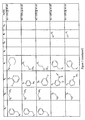
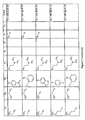
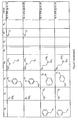
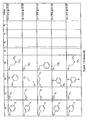
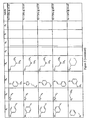
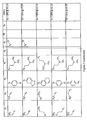
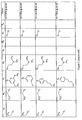
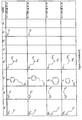
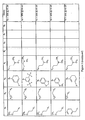
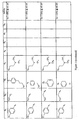
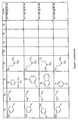
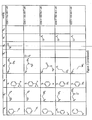
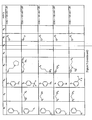
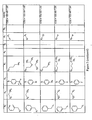
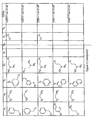
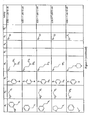
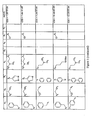
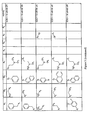
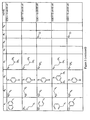
- the methods employ compounds chosen from the group consisting of: wherein:
- Diseases and disorders that respond to therapy with compounds of the invention include cancer, hyperplasia, restenosis, cardiac hypertrophy, immune disorders and inflammation; especially cancer, hyperplasia, restenosis, and cardiac hypertrophy; particularly cancer.
- the invention relates to compounds useful in inhibiting KSP kinesin.
- the compounds have the structures shown above.
- the present invention provides methods of screening for compounds that will bind to a KSP kinesin, for example compounds that will displace or compete with the binding of the compositions of the invention.
- the methods comprise combining a labeled compound of the invention, a KSP kinesin, and at least one candidate agent and determining the binding of the candidate bioactive agent to the KSP kinesin.
- the invention provides methods of screening for modulators of KSP kinesin activity.
- the methods comprise combining a composition of the invention, a KSP kinesin, and at least one candidate agent and determining the effect of the candidate bioactive agent on the KSP kinesin activity.
- the present invention is directed to a class of novel compounds, based on a core quinazolinone structure, that are modulators of mitotic kinesins.
- mitotic kinesins By inhibiting or modulating mitotic kinesins, but not other kinesins (e.g., transport kinesins), specific inhibition of cellular proliferation is accomplished.
- the present invention capitalizes on the finding that perturbation of mitotic kinesin function causes malformation or dysfunction of mitotic spindles, frequently resulting in cell cycle arrest and cell death.
- the methods of inhibiting a human KSP kinesin comprise contacting an inhibitor of the invention with a KSP kinesin, particularly human KSP kinesins, including fragments and variants of KSP.
- the inhibition can be of the ATP hydrolysis activity of the KSP kinesin and/or the mitotic spindle formation activity, such that the mitotic spindles are disrupted. Meiotic spindles may also be disrupted.
- An object of the present invention is to develop inhibitors and modulators of mitotic kinesins, in particular KSP, for the treatment of disorders associated with cell proliferation.
- KSP mitotic kinesins
- An object of the present invention is to develop inhibitors and modulators of mitotic kinesins, in particular KSP, for the treatment of disorders associated with cell proliferation.
- dramatic improvements in the treatment of cancer, one type of cell proliferative disorder have been associated with identification of therapeutic agents acting through novel mechanisms. Examples of this include not only the taxane class of agents that appear to act on microtubule formation, but also the camptothecin class of topoisomerase I inhibitors.
- the compositions and methods described herein can differ in their selectivity and are preferably used to treat diseases of proliferating cells, including, but not limited to cancer, hyperplasias, restenosis, cardiac hypertrophy, immune disorders and inflammation.
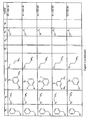
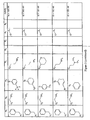
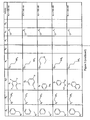
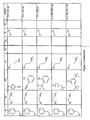
- the present invention relates to methods employing quinazolinone amides of formula 1a: quinazolinone sulfonamides of formula 1b and quinazolinone amines of formulae 1c and 1d wherein:
- optionally substituted alkyl means either “alkyl” or “substituted alkyl,” as defined below. It will be understood by those skilled in the art with respect to any group containing one or more substituents that such groups are not intended to introduce any substitution or substitution patterns (e.g., substituted alkyl includes optionally substituted cycloalkyl groups, which in turn are defined as including optionally substituted alkyl groups, potentially ad infinitum ) that are sterically impractical and/or synthetically non-feasible.
- Alkyl is intended to include linear, branched, or cyclic hydrocarbon structures and combinations thereof.
- Lower alkyl refers to alkyl groups of from 1 to 5 carbon atoms. Examples of lower alkyl groups include methyl, ethyl, propyl, isopropyl, butyl, s-and t-butyl and the like.
- Preferred alkyl groups are those of C 20 or below. More preferred alkyl groups are those of C 13 or below.
- Cycloalkyl is a subset of alkyl and includes cyclic hydrocarbon groups of from 3 to 13 carbon atoms.
- cycloalkyl groups include c-propyl, c-butyl, c-pentyl, norbomyl, adamantyl and the like.
- alkyl refers to alkanyl, as well as the unsaturated alkenyl and alkynyl residues; it is intended to include cyclohexylmethyl, vinyl, allyl, isoprenyl and the like.
- Alkylene refers to the same residues as alkyl, but having two points of attachment.
- butyl is meant to include n-butyl, sec-butyl, isobutyl and t-butyl;
- propyl includes n-propyl and isopropyl (or “i-propyl”).
- Alkoxy or alkoxyl refers to groups of from 1 to 8 carbon atoms of a straight, branched, cyclic configuration and combinations thereof attached to the parent structure through an oxygen. Examples include methoxy, ethoxy, propoxy, isopropoxy, cyclopropyloxy, cyclohexyloxy and the like. Lower-alkoxy refers to groups containing one to four carbons.
- Acyl refers to groups of from 1 to 8 carbon atoms of a straight, branched, cyclic configuration, saturated, unsaturated and aromatic and combinations thereof, attached to the parent structure through a carbonyl functionality.
- One or more carbons in the acyl residue may be replaced by nitrogen, oxygen or sulfur as long as the point of attachment to the parent remains at the carbonyl. Examples include acetyl, benzoyl, propionyl, isobutyryl, t-butoxycarbonyl, benzyloxycarbonyl and the like.
- Lower-acyl refers to groups containing one to four carbons.
- Aryl and heteroaryl mean a 5- or 6-membered aromatic or heteroaromatic ring containing 0-3 heteroatoms selected from O, N, or S; a bicyclic 9- or 10-membered aromatic or heteroaromatic ring system containing 0-3 heteroatoms selected from O, N, or S; or a tricyclic 13- or 14-membered aromatic or heteroaromatic ring system containing 0-3 heteroatoms selected from O, N, or S.
- the aromatic 6- to 14-membered carbocyclic rings include, e.g., benzene, naphthalene, indane, tetralin, and fluorene and the 5- to 10-membered aromatic heterocyclic rings include, e.g., imidazole, pyridine, indole, thiophene, benzopyranone, thiazole, furan, benzimidazole, quinoline, isoquinoline, quinoxaline, pyrimidine, pyrazine, tetrazole and pyrazole.
- Alkylaryl refers to a residue in which an aryl moiety is attached to the parent structure via an alkylene residue. Examples are benzyl, phenethyl, phenylvinyl, phenylallyl and the like.
- Oxaalkyl and oxaalkylaryl refer to alkyl and alkylaryl residues in which one or more methylenes have been replaced by oxygen. Examples of oxaalkyl and oxaalkylaryl residues are ethoxyethoxyethyl (3,6-dioxaoctyl), benzyloxymethyl and phenoxymethyl; in general, glycol ethers, such as polyethyleneglycol, are intended to be encompassed by this group.
- Alkylheteroaryl refers to a residue in which a heteroaryl moiety is attached to the parent structure via an alkylene residue. Examples include furanylmethyl, pyridinylmethyl, pyrimidinylethyl and the like.
- Heterocycle means a cycloalkyl or aryl residue in which one to four of the carbons is replaced by a heteroatom such as oxygen, nitrogen or sulfur.
- heterocycles that fall within the scope of the invention include imidazoline, pyrrolidine, pyrazole, pyrrole, indole, quinoline, isoquinoline, tetrahydroisoquinoline, benzofuran, benzodioxan, benzodioxole (commonly referred to as methylenedioxyphenyl, when occurring as a substituent), tetrazole, morpholine, thiazole, pyridine, pyridazine, pyrimidine, thiophene, furan, oxazole, oxazoline, isoxazole, dioxane, tetrahydrofuran and the like.
- N-heterocyclyl refers to a nitrogen-containing heterocycle as a substituent residue.
- the term heterocyclyl encompasses heteroaryl, which is a subset of heterocyclyl.
- Examples of N-heterocyclyl residues include 4-morpholinyl, 4-thiomorpholinyl, 1-piperidinyl, 1-pyrrolidinyl, 3-thiazolidinyl, piperazinyl and 4-(3,4-dihydrobenzoxazinyl).
- substituted heterocyclyl include 4-methyl-1-piperazinyl and 4-benzyl-1-piperidinyl.
- Substituted alkyl, aryl and heteroaryl refer to alkyl, aryl or heteroaryl wherein one or more H atoms are replaced with alkyl, halogen, hydroxy, alkoxy, alkylenedioxy (e.g., methylenedioxy), fluoroalkyl, carboxy (-COOH), carboalkoxy (i.e., acyloxy -O(O)CR), carboxyalkyl (i.e., esters -C(O)OR), carboxamido, sulfonamidoalkyl, sulfonamidoaryl, aminocarbonyl, benzyloxycarbonylamino (CBZ-amino), cyano, carbonyl, nitro, primary-, secondary- and tertiary-amino (e.g., alkylamino and dialkylamino) and aminoaklylene, alkylthio, alkylsulfinyl, alkyl
- substituted alkyl also includes oxaalkyl residues, i.e. alkyl residues in which one or more carbons has been replaced by oxygen.
- Substituted alkylaryl and substituted oxaalkylaryl refer to residues where either or both of the alkylene and aryl moieties are substituted.
- Substituted alkylheteroaryl and substituted oxaalkylheteroaryl residues where either or both of the alkylene and heteroaryl moieties are substituted. It should additionally be noted that certain positions may contain two or even three substitution groups, R, R' and R" (e.g., diethylamino and trifluoromethyl).
- Halogen refers to fluorine, chlorine, bromine or iodine. Fluorine, chlorine and bromine are preferred.
- Dihaloaryl, dihaloalkyl, trihaloaryl, etc. refer to aryl and alkyl substituted with a plurality of halogens, but not necessarily a plurality of the same halogen; thus 4-chloro-3-fluorophenyl is within the scope of dihaloaryl.
- Most of the compounds described herein contain one or more asymmetric centers (e.g. the carbon to which R 2 and R 2 ' are attached) and may thus give rise to enantiomers, diastereomers, and other stereoisomeric forms that may be defined, in terms of absolute stereochemistry, as (R)- or (S)-.
- the present invention is meant to include all such possible isomers, including racemic mixtures, optically pure forms and intermediate mixtures.
- Optically active (R)- and (S)- isomers may be prepared using chiral synthons or chiral reagents, or resolved using conventional techniques.
- the compounds described herein contain olefinic double bonds or other centers of geometric asymmetry, and unless specified otherwise, it is intended that the compounds include both E and Z geometric isomers. Likewise, all tautomeric forms are also intended to be included.
- the R- and S-isomers may be resolved by methods known to those skilled in the art, for example by formation of diastereoisomeric salts or complexes which may be separated, for example, by crystallisation; via formation of diastereoisomeric derivatives which may be separated, for example, by crystallisation, gas-liquid or liquid chromatography; selective reaction of one enantiomer with an enantiomer-specific reagent, for example enzymatic oxidation or reduction, followed by separation of the modified and unmodified enantiomers; or gas-liquid or liquid chromatography in a chiral environment, for example on a chiral support, such as silica with a bound chiral ligand or in the presence of a chiral solvent.
- a chiral support such as silica with a bound chiral ligand or in the presence of a chiral solvent.
- the two adjacent R 2 groups may be fused together to form a ring structure.
- the fused ring structure may contain heteroatoms and may be substituted with one or more substitution groups "R".
- R substitution groups
- certain positions may contain two substitution groups, R and R'.
- R 1 is selected from hydrogen, alkyl, aryl, substituted alkyl, substituted aryl, heteroaryl, substituted heteroaryl, alkylaryl and substituted alkylaryl.
- R 1 is selected from hydrogen, lower alkyl,substituted lower alkyl, benzyl, substituted benzyl, phenyl, naphthyl and substituted phenyl.
- R 1 is chosen from hydrogen, ethyl, propyl, methoxyethyl, naphthyl, phenyl, bromophenyl, chlorophenyl, methoxyphenyl, ethoxyphenyl, tolyl, dimethylphenyl, chorofluorophenyl, methylchlorophenyl, ethylphenyl, phenethyl, benzyl, chlorobenzyl, methylbenzyl, methoxybenzyl, cyanobenzyl, hydroxybenzyl, tetrahydrofuranylmethyl and (ethoxycarbonyl)ethyl.
- R 2 is hydrogen, alkyl,cycloalkyl or substituted alkyl.
- Formulae 1a, 1b, 1c and 1d possess a potentially chiral center at the carbon to which R 2 is attached.
- the R 2 position may comprise two substitution groups, R 2 and R 2 '.
- the R 2 and R 2 ' groups may be the same or different; if different, the composition is chiral.
- preferred embodiments utilize only a single non-hydrogen R 2 .
- the invention contemplates the use of pure enantiomers and mixtures of enantiomers, including racemic mixtures, although the use of the substantially optically pure eutomer will generally be preferred, particularly the R enantiomer.
- R 2 is chosen from hydrogen, lower alkyl and substituted lower alkyl, and R 2 ' is hydrogen.
- R 2 is chosen from hydrogen, methyl, ethyl, propyl (particularly i -propyl), butyl (particularly t-butyl), methylthioethyl, aminobutyl, (CBZ)aminobutyl, cyclohexylmethyl, benzyloxymethyl, methylsulfinylethyl, methylsulfinylmethyl, hydroxymethyl, benzyl and indolylmethyl.
- R enantiomer where R 2 is i -propyl.
- R 3 is selected from chosen from alkyl, substituted alkyl, alkylaryl, heteroaryl, aryl, substituted aryl, substituted oxaalkylaryl, -O-R 15 and -NH-R 15 , and R 15 is chosen from alkyl, aryl and substituted aryl.
- R 3 when R 3 is not -NHR 15 , R 3 is chosen from C 1 -C 13 alkyl; substituted lower alkyl;aryl, including phenyl, biphenyl and naphthyl; substituted aryl, including phenyl substituted with one or more halo, lower alkyl, loweralkoxy, nitro, carboxy, methylenedioxy or trifluoromethyl; benzyl; phenoxymethyl; halophenoxymethyl; phenylvinyl; heteroaryl; heteroaryl substituted with lower alkyl; and benzyloxymethyl.
- R 3 is chosen from ethyl, propyl, chloropropyl, butoxy, heptyl, butyl, octyl, tridecanyl, (ethoxycarbonyl)ethyl, dimethylaminoethyl, dimethylaminomethyl, phenyl, naphthyl, halophenyl, dihalophenyl, cyanophenyl, halo(trifluoromethyl)phenyl, chlorophenoxymethyl, methoxyphenyl, carboxyphenyl, ethylphenyl, tolyl, biphenyl, methylenedioxyphenyl, methylsulfonylphenyl, methoxychlorophenyl, chloronaphthyl, methylhalophenyl, trifluoromethylphenyl, butylphenyl, pentylphenyl, methylnitrophen
- R 15 is chosen from lower alkyl; cyclohexyl; phenyl; and phenyl substituted with halo, lower alkyl, loweralkoxy, or lower alkylthio.
- R 15 is isopropyl, butyl, cyclohexyl, phenyl, bromophenyl, dichlorophenyl, methoxyphenyl, ethylphenyl, tolyl, trifluoromethylphenyl or methylthiophenyl.
- R 4 is chosen from alkyl, aryl, alkylaryl, alkylheteroaryl, substituted alkyl, substituted aryl, and -alkylene-R 16 , and R 16 is chosen from alkoxy, amino, alkylamino, dialkylamino and N-heterocyclyl.
- R 4 is selected from lower alkyl, substituted lower alkyl, cyclohexyl; phenyl substituted with hydroxy, lower alkoxy or lower alkyl; benzyl; heteroarylmethyl; heteroarylethyl; heteroarylpropyl and -alkylene-R 16 , wherein R 16 is amino, lower alkylamino, di(lower alkyl)amino, lower alkoxy, or N-heterocyclyl.
- R 4 is chosen from methyl, ethyl, propyl, butyl, cyclohexyl, carboxyethyl, carboxymethyl, methoxyethyl, hydroxyethyl, hydroxypropyl, dimethylaminoethyl, dimethylaminopropyl, diethylaminoethyl, diethylaminopropyl, aminopropyl, methylaminopropyl, 2,2-dimethyl-3-(dimethylamino)propyl, 1-cyclohexyl-4-(diethylamino)butyl, aminoethyl, aminobutyl, aminopentyl, aminohexyl, aminoethoxyethyl, isopropylaminopropyl, diisopropylaminoethyl, 1-methyl-4-(diethylamino)butyl, (t-Boc)aminopropyl, hydroxyphenyl,
- R 5 , R 6 , R 7 and R 8 are chosen from hydrogen, halo (particularly chloro and fluoro), lower alkyl (particularly methyl), substituted lower alkyl (particularly trifluoromethyl), lower alkoxy (particularly methoxy), and cyano; more preferably from hydrogen and halo.
- R 5 is hydrogen or halo
- R 6 is hydrogen, methyl or halo
- R 7 is hydrogen, halo, alkyl (particularly methyl), alkoxy (particularly methoxy) or cyano
- R 8 is hydrogen or halo.
- Still further preferred are the compounds where only one of R 5 , R 6 , R 7 and R 8 is not hydrogen, especially R 7 .
- R 1 is benzyl or halobenzyl
- R 2 is chosen from ethyl and propyl
- R 2 ' is hydrogen
- R 3 (or R 3' or R 3" ) is substituted phenyl
- R 4 is - (CH 2 ) m OH where m is two or three, or -(CH 2 ) p- R 16 where p is one to three and R 16 is amino, propylamino or azetidinyl
- R 5 is hydrogen
- R 6 is hydrogen
- R 7 is halo
- R 8 is hydrogen.
- R 1 is preferably chosen from hydrogen, lower alkyl, substituted lower alkyl, benzyl, substituted benzyl, phenyl and substituted phenyl;
- R 2 is chosen from hydrogen and lower alkyl and R 2 ' is hydrogen;
- R 3' is chosen from C 1 -C 13 alkyl; phenyl; naphthyl; phenyl substituted with halo, lower alkyl, lower alkoxy, nitro, methylenedioxy, or trifluoromethyl; biphenylyl and heteroaryl; and R 4 is chosen from lower alkyl, cyclohexyl; phenyl substituted with hydroxy, lower alkoxy or lower alkyl; benzyl; heteroarylmethyl; heteroarylethyl; heteroarylpropyl; heteroarylethyl; heteroarylpropyl and -alkylene-R 16 , wherein R 16 is di(lower alkyl)
- R 1 is most preferably chosen from lower alkyl, benzyl, substituted benzyl and substituted phenyl;
- R 2 is hydrogen or lower alkyl;
- R 2 ' is hydrogen;
- R 3 is chosen from substituted phenyl and naphthyl;
- R 4 is -alkylene-R 16 ;
- R 7 is hydrogen, fluoro, methyl or chloro;
- R 5 , R 6 and R 8 are hydrogen; and
- R 16 is chosen from di(lower alkylamino), (lower alkyl)amino, amino, pyrrolidino, piperidino, imidazolyl and morpholino.
- R 1 is preferably chosen from hydrogen, lower alkyl, substituted lower alkyl, benzyl, substituted benzyl, phenyl, naphthyl and substituted phenyl;
- R 2 is chosen from hydrogen, lower alkyl and substituted lower alkyl and R 2 ' is hydrogen;
- R 3" is chosen from C 1 -C 13 alkyl; substituted lower alkyl; phenyl; naphthyl; phenyl substituted with halo, lower alkyl, lower alkoxy, nitro, methylenedioxy, or trifluoromethyl; biphenylyl, benzyl and heterocyclyl; and
- R 4 is chosen from lower alkyl; cyclohexyl; phenyl substituted with hydroxy, lower alkoxy or lower alkyl; benzyl; substituted benzyl; heterocyclyl; heteroarylmethyl; heteroarylethyl; heteroarylpropyl
- R 1 is most preferably chosen from lower alkyl, benzyl, substituted benzyl and substituted phenyl;
- R 2 is hydrogen or lower alkyl;
- R 2 ' is hydrogen;
- R 3" is chosen from substituted phenyl, heterocyclyl and naphthyl;
- R 4 is chosen from subtituted benzyl, heterocyclyl and -alkylene-R 16 ;
- R 6 and R 7 are chosen from hydrogen and halo;
- R 5 and R 8 are hydrogen; and
- R 16 is chosen from di(lower alkylamino), (lower alkyl)amino, amino, pyrrolidinyl, piperidinyl, imidazolyl and morpholinyl.
- R 3" is present (as in 1d) it is most preferably chosen from halophenyl, polyhalophenyl, tolyl, dimethylphenyl, methoxyphenyl, dimethoxyphenyl, cyanophenyl, trifluoromethylphenyl, trifluoromethoxyphenyl, bis(trifluoromethyl)phenyl, carboxyphenyl, t-butylphenyl, methoxycarbonylphenyl, piperidinyl and naphthyl.
- R 1 is alkylaryl or substituted alkylaryl (particularly benzyl or substituted benzyl), R 2 is lower alkyl (particularly i-propyl), R 2 ' is hydrogen, R 3 is substituted aryl (particularly methyl-and/or halo-substituted phenyl), R 4 is substituted alkyl (particularly 3-amino-n-propyl), R 5 , R 6 and R 8 are hydrogen, and R 7 is halo or cyano (particularly chloro), where the stereogenic center to which R 2 and R 2 ' are attached is of the R configuration.
- compositions of the invention are synthesized as outlined below, utilizing techniques well known in the art. For example, as described in Ager et al., J. of Med. Chem., 20:379-386 (1977), hereby incorporated by reference, quinazolinones can be obtained by acid-catalyzed condensation of N-acylanthranilic acids with aromatic primary amines. Other processes for preparing quinazolinones are described in U.S. Patent applications 5,783,577, 5,922,866 and 5,187,167, all of which are incorporated by reference.
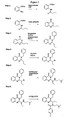
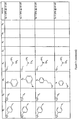
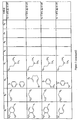
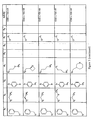
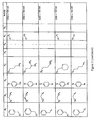
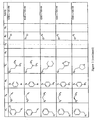
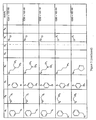
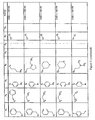
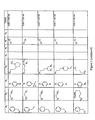
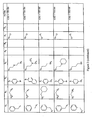
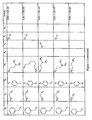
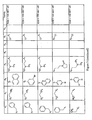
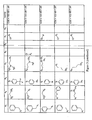
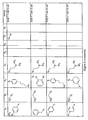
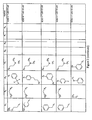
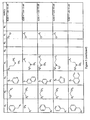
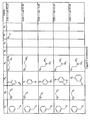
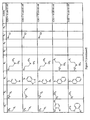
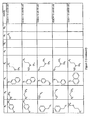
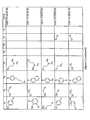
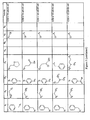
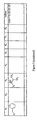
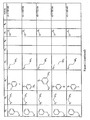
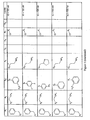
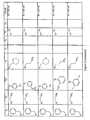
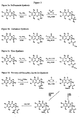
- the compositions of the invention may be made as shown in Figures 1, 2, 4 and 5. Compounds of formulae 1d are made in analogous fashion to Figure 1, except that the acyl halide in the final step is replaced by an alkyl halide.
- compositions of the invention find use in a variety of applications.
- mitosis may be altered in a variety of ways; that is, one can affect mitosis either by increasing or decreasing the activity of a component in the mitotic pathway. Stated differently, mitosis may be affected (e.g., disrupted) by disturbing equilibrium, either by inhibiting or activating certain components. Similar approaches may be used to alter meiosis.
- compositions of the invention are used to modulate mitotic spindle formation, thus causing prolonged cell cycle arrest in mitosis.
- modulate herein is meant altering mitotic spindle formation, including increasing and decreasing spindle formation.
- mitotic spindle formation herein is meant organization of microtubules into bipolar structures by mitotic kinesins.
- mitotic spindle dysfunction herein is meant mitotic arrest and monopolar spindle formation.
- compositions of the invention are useful to bind to and/or modulate the activity of a mitotic kinesin, KSP.
- the KSP is human KSP, although KSP kinesins from other organisms may also be used.
- modulate means either increasing or decreasing spindle pole separation, causing malformation, i.e., splaying, of mitotic spindle poles, or otherwise causing morphological perturbation of the mitotic spindle.
- variants and/or fragments of KSP See U.S. Patent Application "Methods of Screening for Modulators of Cell Proliferation and Methods of Diagnosing Cell Proliferation States", filed Oct. 27, 1999 (U.S. Serial Number 09/428,156), hereby incorporated by reference in its entirety.
- other mitotic kinesins may be used in the present invention.
- the compositions of the invention have been shown to have specificity for KSP.
- KSP or a compound according to the invention is non-diffusably bound to an insoluble support having isolated sample receiving areas (e.g., a microtiter plate, an array, etc.).
- the insoluble support may be made of any composition to which the compositions can be bound, is readily separated from soluble material, and is otherwise compatible with the overall method of screening.
- the surface of such supports may be solid or porous and of any convenient shape.
- suitable insoluble supports include microtiter plates, arrays, membranes and beads. These are typically made of glass, plastic (e.g., polystyrene), polysaccharides, nylon or nitrocellulose, TeflonTM, etc.
- Microtiter plates and arrays are especially convenient because a large number of assays can be carried out simultaneously, using small amounts of reagents and samples.
- the particular manner of binding of the composition is not crucial so long as it is compatible with the reagents and overall methods of the invention, maintains the activity of the composition and is nondiffusable.
- Preferred methods of binding include the use of antibodies (which do not sterically block either the ligand binding site or activation sequence when the protein is bound to the support), direct binding to "sticky" or ionic supports, chemical crosslinking, the synthesis of the protein or agent on the surface, etc. Following binding of the protein or agent, excess unbound material is removed by washing. The sample receiving areas may then be blocked through incubation with bovine serum albumin (BSA), casein or other innocuous protein or other moiety.
- BSA bovine serum albumin
- the antimitotic agents of the invention may be used on their own to modulate the activity of a mitotic kinesin, particularly KSP.
- the mitotic agents of the invention are combined with KSP and the activity of KSP is assayed.
- Kinesin activity is known in the art and includes one or more kinesin activities. Kinesin activities include the ability to affect ATP hydrolysis; microtubule binding; gliding and polymerization/depolymerization (effects on microtubule dynamics); binding to other proteins of the spindle; binding to proteins involved in cell-cycle control; serving as a substrate to other enzymes; such as kinases or proteases; and specific kinesin cellular activities such as spindle pole separation.
- ATPase hydrolysis activity assay utilizes 0.3 M PCA (perchloric acid) and malachite green reagent (8.27 mM sodium molybdate II, 0.33 mM malachite green oxalate, and 0.8 mM Triton X-1 00).
- ATPase activity ofkinesin motor domains also can be used to monitor the effects of modulating agents.
- ATPase assays of kinesin are performed in the absence of microtubules.
- the ATPase assays are performed in the presence of microtubules.
- Different types of modulating agents can be detected in the above assays.
- the effect of a modulating agent is independent of the concentration of microtubules and ATP.
- the effect of the agents on kinesin ATPase can be decreased by increasing the concentrations of ATP, microtubules or both.
- the effect of the modulating agent is increased by increasing concentrations of ATP, microtubules or both.
- Agents that modulate the biochemical activity of KSP in vitro may then be screened in vivo.
- Methods for such agents in vivo include assays of cell cycle distnbution, cell viability, or the presence, morphology, activity, distribution, or amount of mitotic spindles.
- Methods for monitoring cell cycle distribution of a cell population, for example, by flow cytometry are well known to those skilled in the art, as are methods for determining cell viability. See for example, U.S. Patent Application "Methods of Screening for Modulators of Cell Proliferation and Methods of Diagnosing Cell Proliferation States," filed Oct. 22, 1999, serial number 09/428,156, hereby incorporated by reference in its entirety.
- compositions of the invention inhibit the KSP kinesin.
- One measure of inhibition is IC 50 , defined as the concentration of the composition at which the activity of KSP is decreased by fifty percent.
- Preferred compositions have IC 50 's of less than about 1 mM, with preferred embodiments having IC 50 's of less than about 100 ⁇ M, with more preferred embodiments having IC 50 's of less than about 10 ⁇ M, with particularly preferred embodiments having IC 50 's of less than about 1 ⁇ M, and especially preferred embodiments having IC 50 's of less than about 100 nM, and with the most preferred embodiments having IC 50 's of less than about 10 nM.
- Measurement of IC 50 is done using an ATPase assay.
- K i Another measure of inhibition is K i .
- the K i or K d is defined as the dissociation rate constant for the interaction of the quinazolinone with KSP.
- Preferred compounds have K i 's of less than about 100 ⁇ M, with preferred embodiments having K i 's of less than about 10 ⁇ M, and particularly preferred embodiments having K i 's of less than about 1 ⁇ M and especially preferred embodiments having K i 's of less than about 100 nM, and with the most preferred embodiments having K i 's of less than about 10 nM.
- the K i for a compound is determined from the IC 50 based on three assumptions.
- V is the observed rate
- V max is the rate of the free enzyme
- I 0 is the inhibitor concentration
- E 0 is the enzyme concentration
- K d is the dissociation constant of the enzyme-inhibitor complex.
- GI 50 defined as the concentration of the compound that results in a decrease in the rate of cell growth by fifty percent.
- Preferred compounds have GI 50 's of less than about 1 mM.
- the level of preferability of embodiments is a function of their GI 50 : those having GI 50 's of less than about 20 ⁇ M are more preferred; those having GI 50 's of 10 ⁇ M more so; those having GI 50 of less than about 1 ⁇ M more so; those having GI 50 's of 100 nM more so; those having GI 50 of less than about 10 nM even more so.
- Measurement of GI 50 is done using a cell proliferation assay.
- compositions of the invention are used to treat cellular proliferation diseases.
- Disease states which can be treated by the methods and compositions provided herein include, but are not limited to, cancer (further discussed below), autoimmune disease, arthritis, graft rejection, inflammatory bowel disease, proliferation induced after medical procedures, including, but not limited to, surgery, angioplasty, and the like. It is appreciated that in some cases the cells may not be in a hyper or hypo proliferation state (abnormal state) and still require treatment. For example, during wound healing, the cells may be proliferating "normally", but proliferation enhancement may be desired.
- cells may be in a "normal" state, but proliferation modulation may be desired to enhance a crop by directly enhancing growth of a crop, or by inhibiting the growth of a plant or organism which adversely affects the crop.
- the invention herein includes application to cells or individuals afflicted or impending affliction with any one of these disorders or states.
- compositions and methods provided herein are particularly deemed useful for the treatment of cancer including solid tumors such as skin, breast, brain, cervical carcinomas, testicular carcinomas, etc. More particularly, cancers that may be treated by the compositions and methods of the invention include, but are not limited to: Cardiac: sarcoma (angiosarcoma, fibrosarcoma, rhabdomyosarcoma, liposarcoma), myxoma, rhabdomyoma, fibroma, lipoma and teratoma; Lung : bronchogenic carcinoma (squamous cell, undifferentiated small cell, undifferentiated large cell, adenocarcinoma), alveolar (bronchiolar) carcinoma, bronchial adenoma, sarcoma, lymphoma, chondromatous hamartoma, mesothelioma; Gastrointestinal: esophagus (squamous cell carcinoma, adenocar
- compositions of the invention are administered to cells.
- administered herein is meant administration of a therapeutically effective dose of the mitotic agents of the invention to a cell either in cell culture or in a patient.
- therapeutically effective dose herein is meant a dose that produces the effects for which it is administered. The exact dose will depend on the purpose of the treatment, and will be ascertainable by one skilled in the art using known techniques. As is known in the art, adjustments for systemic versus localized delivery, age, body weight, general health, sex, diet, time of administration, drug interaction and the severity of the condition may be necessary, and will be ascertainable with routine experimentation by those skilled in the art.
- cells herein is meant almost any cell in which mitosis or meiosis can be altered.
- a "patient” for the purposes of the present invention includes both humans and other animals, particularly mammals, and other organisms. Thus the methods are applicable to both human therapy and veterinary applications.
- the patient is a mammal, and in the most preferred embodiment the patient is human.
- Mitotic agents having the desired pharmacological activity may be administered in a physiologically acceptable carrier to a patient, as described herein.
- the compounds may be formulated in a variety of ways as discussed below.
- the concentration of therapeutically active compound in the formulation may vary from about 0.1-100 wt.%.
- the agents may be administered alone or in combination with other treatments, i.e., radiation, or other chemotherapeutic agents.
- the pharmaceutical compositions are in a water soluble form, such as pharmaceutically acceptable salts, which is meant to include both acid and base addition salts.
- “Pharmaceutically acceptable acid addition salt” refers to those salts that retain the biological effectiveness of the free bases and that are not biologically or otherwise undesirable, formed with inorganic acids such as hydrochloric acid, hydrobromic acid, sulfuric acid, nitric acid, phosphoric acid and the like, and organic acids such as acetic acid, propionic acid, glycolic acid, pyruvic acid, oxalic acid, maleic acid, malonic acid, succinic acid, fumaric acid, tartaric acid, citric acid, benzoic acid, cinnamic acid, mandelic acid, methanesulfonic acid, ethanesulfonic acid, p-toluenesulfonic acid, salicylic acid and the like.
- “Pharmaceutically acceptable base addition salts” include those derived from inorganic bases such as sodium, potassium, lithium, ammonium, calcium, magnesium, iron, zinc, copper, manganese, aluminum salts and the like. Particularly preferred are the ammonium, potassium, sodium, calcium, and magnesium salts.
- Salts derived from pharmaceutically acceptable organic non-toxic bases include salts of primary, secondary, and tertiary amines, substituted amines including naturally occurring substituted amines, cyclic amines and basic ion exchange resins, such as isopropylamine, trimethylamine, diethylamine, triethylamine, tripropylamine, and ethanolamine.
- compositions can be prepared in various forms, such as granules, tablets, pills, suppositories, capsules, suspensions, salves, lotions and the like.
- Pharmaceutical grade organic or inorganic carriers and/or diluents suitable for oral and topical use can be used to make up compositions containing the therapeutically-active compounds.
- Diluents known to the art include aqueous media, vegetable and animal oils and fats. Stabilizing agents, wetting and emulsifying agents, salts for varying the osmotic pressure or buffers for securing an adequate pH value, and skin penetration enhancers can be used as auxiliary agents.
- compositions may also include one or more of the following: carrier proteins such as serum albumin; buffers; fillers such as microcrystalline cellulose, lactose, corn and other starches; binding agents; sweeteners and other flavoring agents; coloring agents; and polyethylene glycol.
- carrier proteins such as serum albumin
- buffers such as buffers
- fillers such as microcrystalline cellulose, lactose, corn and other starches
- binding agents such as microcrystalline cellulose, lactose, corn
- the administration of the mitotic agents of the present invention can be done in a variety of ways as discussed above, including, but not limited to, orally, subcutaneously, intravenously, intranasally, transdermally, intraperitoneally, intramuscularly, intrapulmonary, vaginally, rectally, or intraocularly.
- the anti-mitotic agents may be directly applied as a solution or spray.
- the KSP is bound to a support, and a compound of the invention (which is a mitotic agent) is added to the assay.
- a compound of the invention which is a mitotic agent
- the compound of the invention is bound to the support and KSP is added.
- Classes of compounds among which novel binding agents may be sought include specific antibodies, non-natural binding agents identified in screens of chemical libraries, peptide analogs, etc. Of particular interest are screening assays for candidate agents that have a low toxicity for human cells.
- assays may be used for this purpose, including labeled in vitro protein-protein binding assays, electrophoretic mobility shift assays, immunoassays for protein binding, functional assays (phosphorylation assays, etc.) and the like.
- the determination of the binding of the mitotic agent to KSP may be done in a number of ways.
- the mitotic agent (the compound of the invention) is labeled, for example, with a fluorescent or radioactive moiety and binding determined directly.
- this may be done by attaching all or a portion of KSP to a solid support, adding a labeled mitotic agent (for example a compound of the invention in which at least one atom has been replaced by a detectable isotope), washing off excess reagent, and determining whether the amount of the label is that present on the solid support.
- a labeled mitotic agent for example a compound of the invention in which at least one atom has been replaced by a detectable isotope
- washing off excess reagent for example a compound of the invention in which at least one atom has been replaced by a detectable isotope
- Various blocking and washing steps may be utilized as is known in the art.
- label herein is meant that the compound is either directly or indirectly labeled with a label which provides a detectable signal, e.g., radioisotope, fluorescent tag, enzyme, antibodies, particles such as magnetic particles, chemiluminescent tag, or specific binding molecules, etc.
- Specific binding molecules include pairs, such as biotin and streptavidin, digoxin and antidigoxin etc.
- the complementary member would normally be labeled with a molecule which provides for detection, in accordance with known procedures, as outlined above.
- the label can directly or indirectly provide a detectable signal.
- the kinesin proteins may be labeled at tyrosine positions using 125 I, or with fluorophores.
- more than one component may be labeled with different labels; using 125 I for the proteins, for example, and a fluorophor for the mitotic agents.
- the compounds of the invention may also be used as competitors to screen for additional drug candidates.
- "Candidate bioactive agent” or “drug candidate” or grammatical equivalents as used herein describe any molecule, e.g., protein, oligopeptide, small organic molecule, polysaccharide, polynucleotide, etc., to be tested for bioactivity. They may be capable of directly or indirectly altering the cellular proliferation phenotype or the expression of a cellular proliferation sequence, including both nucleic acid sequences and protein sequences. In other cases, alteration of cellular proliferation protein binding and/or activity is screened. Screens of this sort may be performed either in the presence or absence of microtubules.
- preferred embodiments exclude molecules already known to bind to that particular protein, for example, polymer structures such as microtubules, and energy sources such as ATP.
- Preferred embodiments of assays herein include candidate agents which do not bind the cellular proliferation protein in its endogenous native state termed herein as "exogenous" agents.
- exogenous agents further exclude antibodies to KSP.
- Candidate agents can encompass numerous chemical classes, though typically they are organic molecules, preferably small organic compounds having a molecular weight of more than 100 and less than about 2,500 daltons.
- Candidate agents comprise functional groups necessary for structural interaction with proteins, particularly hydrogen bonding and lipophilic binding, and typically include at least an amine, carbonyl, hydroxyl, ether, or carboxyl group, preferably at least two of the functional chemical groups.
- the candidate agents often comprise cyclical carbon or heterocyclic structures and/or aromatic or polyaromatic structures substituted with one or more of the above functional groups.
- Candidate agents are also found among biomolecules including peptides, saccharides, fatty acids, steroids, purines, pyrimidines, derivatives, structural analogs or combinations thereof. Particularly preferred are peptides.
- Candidate agents are obtained from a wide variety of sources including libraries of synthetic or natural compounds. For example, numerous means are available for random and directed synthesis of a wide variety of organic compounds and biomolecules, including expression of randomized oligonucleotides. Alternatively, libraries of natural compounds in the form of bacterial, fungal, plant and animal extracts are available or readily produced. Additionally, natural or synthetically produced libraries and compounds are readily modified through conventional chemical, physical and biochemical means. Known pharmacological agents may be subjected to directed or random chemical modifications, such as acylation, alkylation, esterification, amidification to produce structural analogs.
- a second sample comprises a mitotic agent, KSP and a drug candidate. This may be performed in either the presence or absence of microtubules.
- the binding of the drug candidate is determined for both samples, and a change, or difference in binding between the two samples indicates the presence of an agent capable of binding to KSP and potentially modulating its activity. That is, if the binding of the drug candidate is different in the second sample relative to the first sample, the drug candidate is capable of binding to KSP.
- the binding of the candidate agent is determined through the use of competitive binding assays.
- the competitor is a binding moiety known to bind to KSP, such as an antibody, peptide, binding partner, ligand, etc. Under certain circumstances, there may be competitive binding as between the candidate agent and the binding moiety, with the binding moiety displacing the candidate agent.
- the candidate agent is labeled. Either the candidate agent, or the competitor, or both, is added first to KSP for a time sufficient to allow binding, if present. Incubations may be performed at any temperature which facilitates optimal activity, typically between 4 and 40°C.
- Incubation periods are selected for optimum activity, but may also be optimized to facilitate rapid high throughput screening. Typically between 0.1 and 1 hour will be sufficient. Excess reagent is generally removed or washed away. The second component is then added, and the presence or absence of the labeled component is followed, to indicate binding.
- the competitor is added first, followed by the candidate agent.
- Displacement of the competitor is an indication the candidate agent is binding to KSP and thus is capable of binding to, and potentially modulating, the activity of KSP.
- either component can be labeled.
- the presence of label in the wash solution indicates displacement by the agent.
- the candidate agent is labeled, the presence of the label on the support indicates displacement.
- the candidate agent is added first, with incubation and washing, followed by the competitor.
- the absence of binding by the competitor may indicate the candidate agent is bound to KSP with a higher affinity.
- the candidate agent is labeled, the presence of the label on the support, coupled with a lack of competitor binding, may indicate the candidate agent is capable of binding to KSP.
- KSP binding site of KSP. This can be done in a variety of ways. In one embodiment, once KSP has been identified as binding to the mitotic agent, KSP is fragmented or modified and the assays repeated to identify the necessary components for binding.
- Modulation is tested by screening for candidate agents capable of modulating the activity of KSP comprising the steps of combining a candidate agent with KSP, as above, and determining an alteration in the biological activity of KSP.
- the candidate agent should both bind to KSP (although this may not be necessary), and alter its biological or biochemical activity as defined herein.
- the methods include both in vitro screening methods and in vivo screening of cells for alterations in cell cycle distribution, cell viability, or for the presence, morpohology, activity, distribution, or amount of mitotic spindles, as are generally outlined above.
- differential screening may be used to identify drug candidates that bind to the native KSP, but cannot bind to modified KSP.
- Positive controls and negative controls may be used in the assays.
- Preferably all control and test samples are performed in at least triplicate to obtain statistically significant results. Incubation of all samples is for a time sufficient for the binding of the agent to the protein. Following incubation, all samples are washed free of non-specifically bound material and the amount of bound, generally labeled agent determined. For example, where a radiolabel is employed, the samples may be counted in a scintillation counter to determine the amount of bound compound.
- reagents may be included in the screening assays. These include reagents like salts, neutral proteins, e.g., albumin, detergents, etc which may be used to facilitate optimal protein-protein binding and/or reduce non-specific or background interactions. Also reagents that otherwise improve the efficiency of the assay, such as protease inhibitors, nuclease inhibitors, anti-microbial agents, etc., may be used. The mixture of components may be added in any order that provides for the requisite binding.
- Step 1 N-butyryl anthranilic acid.
- Step 2 2-Propyl-3,1-[4H]benzoxazin-4-one.
- Step 4 2-(1'-bromopropyl)-3-benzylquinazolin-4-one.
- Step 5 2-[1'-(N,N-dimethylethylenediamino)propyl]-3-benzylquinazolin-4-one.
- Step 6 2-[1'-(N-4-fluorobenzoyl)-(N,N-dimethylethylenediamino)propyl]-3-benzylquinazolin-4-one .
- a stock solution of compound 5 (1.822 g, 5.0 mmol) was prepared in HPLC grade CHCl 3 (0.5 mL).
- a third solution of triethylamine (2.0 mL of 0.5 M) was prepared in HPLC grade 1,2-dichlorethane.
- a 100 ⁇ L aliquot of each solution was pipetted into a glass reaction vessel using a Beckman Biomet 2000 automated liquid dispenser.
- reaction mixture was shaken using a mechanical shaker, sonicated in an ultrasonic water bath, and then incubated overnight at room temperature.
- the mixture was diluted in CHCl 3 (300 ⁇ L) and washed with 5% aqueous NaHCO 3 and water.
- the solvent was removed in vacuo to provide compound 6 (65%).
- the purity of the compound was analyzed by TLC eluted with CH 2 Cl 2 -ethanol-concentrated aqueous NH 3 , 100:10:1.
- Filtrations were performed using Whatman/Polyfiltronics 24 well, 10 mL filtration blocks. Evaporation of volatile materials from the array was performed with a Labconco Vortex-Evaporator or by sweeping with a 4 x 6 nitrogen manifold.
- Step 2 The resin from Step 1 was swelled in 3 mL of DCM. DIEA (0.130 mL, 0.72 mmol) and 4-bromobenzyl bromide (0.12 g, 0.48 mmol) were added. The vial was sealed and shaken overnight. LCMS analysis of a cleaved aliquot revealed an approximate 1:1 mixture of starting material and product. Another 0.130 mL of DIEA and 0.12 g of 4-bromobenzyl bromide were added and the mixture was shaken at 70 °C for 8 h. The resin was filtered, washed (as above), and dried under vacuum.
- Step 3 The resin from Step 2 was twice shaken for 30 min with 5:5:90 TFA:TES:DCM and filtered. The filtrates were combined and evaporated, yielding 140 mg of an orange oil. This material was purified by reverse phase preparative HPLC (acetonitrile-water gradient) to provide 27 mg (17% for 3 steps) of the mono-TFA salt.
- STEP 1 1,2-Diaminoethane trityl resin (Novabiochem, 0.95 mmol/g) (200 g, 1.9 mmol) and 1,3-Diaminopropane trityl resin (Novabiochem, 1.14 mmol/g) (2.0 g, 2.28 mmol) were each placed in different 10 mL polypropylene fritted tubes (Bio-Rad). To each were added 4 mL of DMF, 4 mL of chloroform, 3 eq. of DIEA (1.0 mL and 1.2 mL, respectively) and 2 eq.
- the R enantiomer of B can be crystallized selectively by heating a mixture of B with 1.1 equivalents of D -tartaric acid in a mixture of isopropanol and methanol and then letting the mixture return to room temperature.
- Racemic intermediate B (1.5 g), dissolved in 100 mL of boiling isopropanol, was mixed with 0.8 g of D-tartaric acid in 100 mL of boiling methanol. The mixture was allowed to slowly reach room temperature. After standing overnight, the solid was removed by filtration and rinsed with ethyl acetate and hexanes, and allowed to air dry. The dried solid (0.8 g) was then dissolved in a boiling mixture of 50 mL of isopropanol and 50 mL of methanol and allowed to slowly cool to room temperature. After standing overnight, the resulting solid was removed by filtration and rinsed with ethyl acetate and hexanes, and allowed to air dry.
- FACS analysis to determine cell cycle stage by measuring DNA content was performed as follows. Skov-3 cells (human ovarian cancer) were split 1:10 for plating in 10cm dishes and grown to subconfluence with RPMI 1640 medium containing 5% fetal bovine serum (FBS). The cells were then treated with either 10nM paclitaxel, 400nM quinazolinone 1, 200nM quinazolinone2, or 0.25% DMSO (vehicle for compounds) for 24 hours. Cells were then rinsed off the plates with PBS containing 5mM EDTA, pelleted, washed once in PBS containing 1% FCS, and then fixed overnight in 85% ethanol at 4°C.
- Skov-3 cells human ovarian cancer
- RNAse ribonuclease
- human tumor cell lines Skov-3 (ovarian), HeLa (cervical), and A549 (lung) were plated in 96-well plates at densities of 4,000 cells per well (SKOV-3 & HeLa) or 8,000 cells per well (A549), allowed to adhere for 24 hours, and treated with various concentrations of the quinazolinone compounds for 24 hours.
- Cells were fixed in 4% formaldehyde and stained with anti-tubulin antibodies (subsequently recognized using fluorescently-labeled secondary antibody) and Hoechst dye (which stains DNA).
- a Gi 50 was calculated by plotting the concentration of compound in ⁇ M vs the percentage of cell growth of cell growth in treated wells.
- Solution 1 consists of 3 mM phosphoenolpyruvate potassium salt (Sigma P-7127), 2 mM ATP (Sigma A-3377), 1 mM IDTT (Sigma D-9779), 5 ⁇ M paclitaxel (Sigma T-7402), 10 ppm antifoam 289 (Sigma A-8436), 25 mM Pipes/KOH pH 6.8 (Sigma P6757), 2 mM MgCl2 (VWR JT400301), and 1 mM EGTA (Sigma E3889).
- Solution 1 consists of 3 mM phosphoenolpyruvate potassium salt (Sigma P-7127), 2 mM ATP (Sigma A-3377), 1 mM IDTT (Sigma D-9779), 5 ⁇ M paclitaxel (Sigma T-7402), 10 ppm antifoam 289 (Sigma A-8436), 25 mM Pipes/KOH pH 6.8 (Sigma P6757), 2
- Solution 2 consists of 1 mM NADH (Sigma N8129), 0.2 mg/ml BSA (Sigma A7906), pyruvate kinase 7U/ml, L-lactate dehydrogenase 10 U/ml (Sigma P0294), 100 nM KSP motor domain, 50 ⁇ g/ml microtubules, 1 mM DTT (Sigma D9779), 5 ⁇ M paclitaxel (Sigma T-7402), 10 ppm antifoam 289 (Sigma A-8436), 25 mM Pipes/KOH pH 6.8 (Sigma P6757), 2 mM MgC12 (VWR JT4003-01), and 1 mM EGTA (Sigma E3889).
- the quinazolinone compounds inhibit growth in a variety of cell lines, including cell lines (MCF-7/ADR-RES, HCT1 5) that express P-glycoprotein (also known as Multidrug Resistance, or MDR + ), which conveys resistance to other chemotherapeutic drugs, such as pacilitaxel. Therefore, the quinazolinones are anti-mitotics that inhibit cell proliferation, and are not subject to resistance by overexpression of MDR + by drug-resistant tumor lines.
- GI 50 values for the quinazolinone compounds tested ranged from 200 nM to greater than the highest concentration tested. By this we mean that although most of the compounds that inhibited KSP activity biochemically did inhibit cell proliferation, for some, at the highest concentration tested (generally about 20 ⁇ M), cell growth was inhibited less than 50%. Many of the compounds have GI 50 values less than 10 ⁇ M, and several have GI 50 values less than 1 ⁇ M.
- Antiproliferative compounds that have been successfully applied in the clinic to treatment of cancer have GI 50 's that vary greatly.
- paclitaxel GI 50 is 4 nM
- doxorubicin is 63 nM
- 5-fluorouracil is 1 ⁇ M
- hydroxyurea is 500 ⁇ M (data provided by National Cancer Institute, Developmental Therapeutic Program, http://dtp.nci.nih.gov/). Therefore, compounds that inhibit cellular proliferation at virtually any concentration may be useful.
- compounds will have GI 50 values of less than 1 mM. More preferably, compounds will have GI 50 values of less than 20 ⁇ M. Even more preferably, compounds will have GI 50 values of less than 10 ⁇ M. Further reduction in GI 50 values may also be desirable, including compounds with GI 50 values of less than 1 ⁇ M.
- mice Female nude mice weighing approximately 20 g were implanted s.c. by trocar with fragments of human tumor carcinomas harvested from s.c. growing tumors in nude mice host. When the tumors were approximately 77 mg in size, the animals were pair matched into treatment and control groups. Each group containted 8 tumored mice, each of which was ear-tagged and followed individually throughout the experiment. Initial doses (10 mL/kg of a 66 mM Citrate buffer, pH 5.0/0.9% Saline / 10% Tween 80 formulation of each test compound having a maximum concentration of 5 mg/mL) were given on Day 1 following pair matching, dosing at the levels and schedules indicated.
- mice were weighed twice weekly, and tumor measurements were taken by calipers twice weekly, starting on Day 1. These tumor measurements were converted to mg tumor weight by a well-known formula, W 2 x L/2. The experiment was terminated when the control group tumor size reached an average of 1 gram. Upon termination, the mice were weighted, sacrificed and their tumors excised. Tumors were weighted and the mean treated tumor weight per group was calculated. In this model, the change in mean treated tumor weight / the change in mean control tumor weight x 100% ( ⁇ T/ ⁇ C) was subtracted from 100% to give the tumor growth inhibition (TGI) for each group.
- TGI tumor growth inhibition
Landscapes
- Health & Medical Sciences (AREA)
- Chemical & Material Sciences (AREA)
- Organic Chemistry (AREA)
- Pharmacology & Pharmacy (AREA)
- Nuclear Medicine, Radiotherapy & Molecular Imaging (AREA)
- Engineering & Computer Science (AREA)
- Veterinary Medicine (AREA)
- Chemical Kinetics & Catalysis (AREA)
- General Chemical & Material Sciences (AREA)
- Medicinal Chemistry (AREA)
- Public Health (AREA)
- Bioinformatics & Cheminformatics (AREA)
- General Health & Medical Sciences (AREA)
- Life Sciences & Earth Sciences (AREA)
- Animal Behavior & Ethology (AREA)
- Immunology (AREA)
- Cardiology (AREA)
- Rheumatology (AREA)
- Heart & Thoracic Surgery (AREA)
- Urology & Nephrology (AREA)
- Vascular Medicine (AREA)
- Transplantation (AREA)
- Hematology (AREA)
- Oncology (AREA)
- Pain & Pain Management (AREA)
- Hospice & Palliative Care (AREA)
- Orthopedic Medicine & Surgery (AREA)
- Physical Education & Sports Medicine (AREA)
- Pharmaceuticals Containing Other Organic And Inorganic Compounds (AREA)
- Plural Heterocyclic Compounds (AREA)
- Paints Or Removers (AREA)
- Compositions Of Macromolecular Compounds (AREA)
- Medicines That Contain Protein Lipid Enzymes And Other Medicines (AREA)
- Medicinal Preparation (AREA)
- Fats And Perfumes (AREA)
- Agricultural Chemicals And Associated Chemicals (AREA)
- Measuring Or Testing Involving Enzymes Or Micro-Organisms (AREA)
- Investigating Or Analysing Biological Materials (AREA)
Applications Claiming Priority (3)
| Application Number | Priority Date | Filing Date | Title |
|---|---|---|---|
| US21310400P | 2000-06-21 | 2000-06-21 | |
| US09/699,047 US6545004B1 (en) | 1999-10-27 | 2000-10-24 | Methods and compositions utilizing quinazolinones |
| EP01932769A EP1296959B1 (de) | 2000-06-21 | 2001-04-27 | Verfahren und Zusammensetzungen unter Verwendung von Chinazolinonen |
Related Parent Applications (1)
| Application Number | Title | Priority Date | Filing Date |
|---|---|---|---|
| EP01932769A Division EP1296959B1 (de) | 2000-06-21 | 2001-04-27 | Verfahren und Zusammensetzungen unter Verwendung von Chinazolinonen |
Publications (2)
| Publication Number | Publication Date |
|---|---|
| EP1707563A2 true EP1707563A2 (de) | 2006-10-04 |
| EP1707563A3 EP1707563A3 (de) | 2007-06-06 |
Family
ID=26907773
Family Applications (2)
| Application Number | Title | Priority Date | Filing Date |
|---|---|---|---|
| EP06075276A Withdrawn EP1707563A3 (de) | 2000-06-21 | 2001-04-27 | Chinazolinone Benutzende Verfahren und Zusammenstellungen |
| EP01932769A Expired - Lifetime EP1296959B1 (de) | 2000-06-21 | 2001-04-27 | Verfahren und Zusammensetzungen unter Verwendung von Chinazolinonen |
Family Applications After (1)
| Application Number | Title | Priority Date | Filing Date |
|---|---|---|---|
| EP01932769A Expired - Lifetime EP1296959B1 (de) | 2000-06-21 | 2001-04-27 | Verfahren und Zusammensetzungen unter Verwendung von Chinazolinonen |
Country Status (23)
| Country | Link |
|---|---|
| US (7) | US6545004B1 (de) |
| EP (2) | EP1707563A3 (de) |
| JP (1) | JP4854906B2 (de) |
| KR (1) | KR100847788B1 (de) |
| CN (1) | CN1229353C (de) |
| AT (1) | ATE323684T1 (de) |
| AU (3) | AU2001259270B2 (de) |
| BR (1) | BR0111898A (de) |
| CA (1) | CA2413426C (de) |
| CY (1) | CY1105070T1 (de) |
| CZ (1) | CZ303007B6 (de) |
| DE (1) | DE60118921T2 (de) |
| DK (1) | DK1296959T3 (de) |
| ES (1) | ES2262649T3 (de) |
| HU (1) | HU229078B1 (de) |
| IL (1) | IL153554A (de) |
| MX (1) | MXPA02012627A (de) |
| NO (1) | NO324440B1 (de) |
| NZ (1) | NZ523233A (de) |
| PL (1) | PL204525B1 (de) |
| PT (1) | PT1296959E (de) |
| SI (1) | SI1296959T1 (de) |
| WO (1) | WO2001098278A1 (de) |
Families Citing this family (124)
| Publication number | Priority date | Publication date | Assignee | Title |
|---|---|---|---|---|
| US4965825A (en) | 1981-11-03 | 1990-10-23 | The Personalized Mass Media Corporation | Signal processing apparatus and methods |
| US7831204B1 (en) | 1981-11-03 | 2010-11-09 | Personalized Media Communications, Llc | Signal processing apparatus and methods |
| US6559160B1 (en) | 1999-08-27 | 2003-05-06 | Chemocentryx, Inc. | Compounds and methods for modulating cxcr3 function |
| US20070021493A1 (en) * | 1999-09-16 | 2007-01-25 | Curis, Inc. | Mediators of hedgehog signaling pathways, compositions and uses related thereto |
| US6545004B1 (en) | 1999-10-27 | 2003-04-08 | Cytokinetics, Inc. | Methods and compositions utilizing quinazolinones |
| US7671200B2 (en) * | 1999-10-27 | 2010-03-02 | Cytokinetics, Inc. | Quinazolinone KSP inhibitors |
| US7230000B1 (en) * | 1999-10-27 | 2007-06-12 | Cytokinetics, Incorporated | Methods and compositions utilizing quinazolinones |
| EP1226129B1 (de) * | 1999-10-27 | 2006-05-24 | Cytokinetics, Inc. | Chinazolinone benutzende verfahren und zusammenstellungen |
| NZ526622A (en) * | 2000-12-11 | 2006-07-28 | Amgen Sf Llc | CXCR3 antagonists |
| EP1360180A1 (de) * | 2001-01-19 | 2003-11-12 | Cytokinetics, Inc. | Phenothiazinkinesininhibitoren |
| US6794379B2 (en) | 2001-06-06 | 2004-09-21 | Tularik Inc. | CXCR3 antagonists |
| CA2450762A1 (en) | 2001-06-22 | 2003-01-03 | Pfizer Products Inc. | Pharmaceutical compositions comprising low-solubility and/or acid-sensitive drugs and neutralized acidic polymers |
| EP1425016B1 (de) * | 2001-09-05 | 2010-06-02 | Minerva Biotechnologies Corporation | Zusammensetzungen und deren verwendung zur behandlung von krebs |
| CA2465491A1 (en) | 2001-11-07 | 2003-05-15 | Merck & Co., Inc. | Mitotic kinesin inhibitors |
| WO2003043961A2 (en) * | 2001-11-19 | 2003-05-30 | Iconix Pharmaceuticals, Inc. | Modulators of rho c activity |
| ATE480527T1 (de) * | 2001-12-11 | 2010-09-15 | Kyowa Hakko Kirin Co Ltd | Thiadiazolinderivate zur krebsbehandlung |
| US7009049B2 (en) * | 2002-02-15 | 2006-03-07 | Cytokinetics, Inc. | Syntheses of quinazolinones |
| DE60336901D1 (de) | 2002-03-07 | 2011-06-09 | X Ceptor Therapeutics Inc | Chinazolinon modulatoren von nukleinrezeptoren |
| JP4664597B2 (ja) * | 2002-04-17 | 2011-04-06 | サイトキネティクス・インコーポレーテッド | 化合物、組成物および方法 |
| US7166595B2 (en) * | 2002-05-09 | 2007-01-23 | Cytokinetics, Inc. | Compounds, methods and compositions |
| AU2003270015A1 (en) | 2002-05-09 | 2003-12-02 | Cytokinetics, Inc. | Compounds, compositions, and methods |
| WO2003103575A2 (en) * | 2002-05-23 | 2003-12-18 | Cytokinetics, Inc. | Compounds, compositions, and methods |
| CA2489367A1 (en) * | 2002-06-14 | 2003-12-24 | Cytokinetics, Inc. | Compounds, compositions, and methods |
| ATE423110T1 (de) * | 2002-07-17 | 2009-03-15 | Cytokinetics Inc | Verbindungen, zusammensetzungen und verfahren zur behandlung von zellulären proliferativen erkrankungen |
| WO2004009036A2 (en) * | 2002-07-23 | 2004-01-29 | Cytokinetics, Inc. | Compounds compositions and methods |
| EP1539180A4 (de) * | 2002-08-21 | 2006-08-30 | Cytokinetics Inc | Verbindungen, zusammensetzungen und verfahren |
| WO2004024086A2 (en) * | 2002-09-13 | 2004-03-25 | Cytokinetics, Inc. | Compounds, compositions and methods |
| WO2004034972A2 (en) * | 2002-09-30 | 2004-04-29 | Cytokinetics, Inc. | Compounds, compositions, and methods |
| US7358262B2 (en) | 2003-01-29 | 2008-04-15 | Whitehead Institute For Biomedical Research | Identification of genotype-selective anti-tumor agents |
| SE0300627D0 (sv) * | 2003-03-07 | 2003-03-07 | Astrazeneca Ab | Novel fused heterocycles and uses therof |
| AR050920A1 (es) * | 2003-03-07 | 2006-12-06 | Astrazeneca Ab | Enantiomeros de heterociclos fusionados seleccionados y usos de los mismos |
| PT1601673E (pt) * | 2003-03-07 | 2009-07-29 | Astrazeneca Ab | Heterociclos fundidos e suas utilizações |
| WO2004092123A2 (en) * | 2003-04-10 | 2004-10-28 | Microbia, Inc. | Inhibitors of fungal invasion |
| WO2004091547A2 (en) * | 2003-04-10 | 2004-10-28 | Cytokinetics, Inc | Compounds, compositions, and methods |
| KR101096948B1 (ko) | 2003-04-18 | 2011-12-20 | 후지필름 홀딩스 가부시끼가이샤 | M기 키네신 저해제 |
| EP1620092A4 (de) * | 2003-05-07 | 2008-04-16 | Cytokinetics Inc | Verbindungen, zusammensetzungen und verfahren |
| WO2004103282A2 (en) * | 2003-05-15 | 2004-12-02 | Cytokinetics, Inc. | Compounds, compositions and methods |
| US7345046B2 (en) | 2003-05-30 | 2008-03-18 | Chiron Corporation | Heteroaryl-fused pyrimidinyl compounds as anticancer agents |
| CA2528433A1 (en) * | 2003-06-10 | 2004-12-23 | Kyowa Hakko Kogyo Co., Ltd. | Thiadiazoline derivative |
| ES2339862T3 (es) * | 2003-06-20 | 2010-05-26 | Novartis Vaccines And Diagnostics, Inc. | Compuestos de piridino 1,2-a-pirimidin-4-ona como agentes anticancerosos. |
| US7638549B2 (en) * | 2003-08-15 | 2009-12-29 | Merck & Co. Inc. | Mitotic kinesin inhibitors |
| JP2007507539A (ja) * | 2003-10-06 | 2007-03-29 | サイトキネティクス・インコーポレーテッド | 化合物、組成物及び方法 |
| JPWO2005035512A1 (ja) * | 2003-10-10 | 2006-12-21 | 協和醗酵工業株式会社 | チアジアゾリン誘導体 |
| JP2007510652A (ja) * | 2003-11-03 | 2007-04-26 | サイトキネティクス・インコーポレーテッド | ピリミジン−4−オン化合物、組成物、および方法 |
| WO2005046588A2 (en) * | 2003-11-07 | 2005-05-26 | Cytokinetics, Inc. | Compounds, compositions, and methods |
| SI1689724T1 (sl) * | 2003-11-25 | 2012-04-30 | Novartis Ag | Spojine kinazolinona kot sredstva proti raku |
| EP1692112A4 (de) | 2003-12-08 | 2008-09-24 | Cytokinetics Inc | Verbindungen, zusammensetzungen und verfahren |
| US7662581B1 (en) | 2003-12-18 | 2010-02-16 | Novartis Vaccines And Diagnostics, Inc. | Eg5 co-crystals |
| AU2004303876A1 (en) * | 2003-12-19 | 2005-07-07 | Merck & Co., Inc. | Mitotic kinesin inhibitors |
| CA2549641A1 (en) * | 2003-12-19 | 2005-07-21 | Merck & Co., Inc. | Mitotic kinesin inhibitors |
| WO2005060654A2 (en) * | 2003-12-19 | 2005-07-07 | Merck & Co., Inc. | Mitotic kinesin inhibitors |
| DK1737831T3 (da) | 2004-04-02 | 2013-08-19 | Prana Biotechnology Ltd | Neurologisk aktive forbindelser |
| US7795448B2 (en) * | 2004-05-06 | 2010-09-14 | Cytokinetics, Incorporated | Imidazoyl-benzamide anti-cancer agents |
| US7504413B2 (en) | 2004-05-06 | 2009-03-17 | Cytokinetics, Inc. | N-(4-(imidazo[1,2A]pyridin-YL)phenethyl)benzamide inhibitors of the mitotic kinesin CENP-E for treating certain cellular proliferation diseases |
| US7618981B2 (en) * | 2004-05-06 | 2009-11-17 | Cytokinetics, Inc. | Imidazopyridinyl-benzamide anti-cancer agents |
| DE602005008953D1 (de) * | 2004-05-21 | 2008-09-25 | Novartis Vaccines & Diagnostic | Substituierte chinolinderivate als inhibitoren von mitotischem kinesin |
| US20050282834A1 (en) * | 2004-06-09 | 2005-12-22 | Fady Malik | Compositions, devices and methods for treating cardiovascular disease |
| MXPA06014909A (es) | 2004-06-18 | 2007-02-28 | Chiron Corp | Derivados de n-(1-(1-bencil -4-fenil-1h -imidazol -2-il)-2, 2-dimetilpropil) benzamida y compuestos relacionados como inhibidores de proteina de huso de cinesina (ksp) para el tratamiento del cancer. |
| US7271271B2 (en) | 2004-06-28 | 2007-09-18 | Amgen Sf, Llc | Imidazolo-related compounds, compositions and methods for their use |
| US7375102B2 (en) | 2004-06-28 | 2008-05-20 | Amgen Sf, Llc | Tetrahydroquinazolin-4(3H)-one-related and tetrahydropyrido[2,3-D]pyrimidin-4(3H)-one-related compounds, compositions and methods for their use |
| US7939538B2 (en) * | 2004-06-28 | 2011-05-10 | Amgen Inc. | Compounds, compositions and methods for prevention and treatment of inflammatory and immunoregulatory disorders and diseases |
| US20070287703A1 (en) * | 2004-07-22 | 2007-12-13 | Astrazeneca Ab | Fused Pyrimidones Useful in the Treatment and the Prevention of Cancer |
| CN101027309B (zh) * | 2004-08-18 | 2010-10-27 | 阿斯利康(瑞典)有限公司 | 所选择的稠合嘧啶酮的对映体和在治疗和预防癌症中的用途 |
| US20060041128A1 (en) * | 2004-08-18 | 2006-02-23 | Astrazeneca Ab | Selected fused heterocyclics and uses thereof |
| EP1786265A4 (de) * | 2004-08-30 | 2009-08-19 | Smithkline Beecham Corp | Neue zusammensetzungen und behandlungsverfahren |
| US20080064680A1 (en) * | 2004-09-14 | 2008-03-13 | Bamdad Cynthia C | Methods for Diagnosis and Treatment of Cancer |
| US7449486B2 (en) * | 2004-10-19 | 2008-11-11 | Array Biopharma Inc. | Mitotic kinesin inhibitors and methods of use thereof |
| EP1807399A2 (de) * | 2004-10-19 | 2007-07-18 | Novartis Vaccines and Diagnostics, Inc. | Indol- und benzimidazolderivate |
| US20100093767A1 (en) * | 2004-12-03 | 2010-04-15 | Takeda San Diego, Inc. | Mitotic Kinase Inhibitors |
| BRPI0607306A2 (pt) * | 2005-01-25 | 2009-08-25 | Prolexys Pharmaceuticals Inc | derivados de quinoxalina como agentes anti-tumor |
| US20070161644A1 (en) * | 2005-01-25 | 2007-07-12 | Stockwell Brent R | Erastin analogs and uses thereof |
| CN101193877A (zh) * | 2005-03-22 | 2008-06-04 | 协和发酵工业株式会社 | 造血系统肿瘤治疗剂 |
| CN101193878A (zh) * | 2005-03-22 | 2008-06-04 | 协和发酵工业株式会社 | 实体肿瘤治疗剂 |
| DE102005024017A1 (de) * | 2005-05-25 | 2006-11-30 | Merck Patent Gmbh | Chinazolinone |
| WO2006137490A1 (ja) * | 2005-06-24 | 2006-12-28 | Kyowa Hakko Kogyo Co., Ltd. | 再狭窄治療剤 |
| MY147188A (en) * | 2005-08-09 | 2012-11-14 | Novartis Ag | Substituted imidazole compounds as ksp inhibitors |
| PE20070335A1 (es) | 2005-08-30 | 2007-04-21 | Novartis Ag | Benzimidazoles sustituidos y metodos para su preparacion |
| EP1940407B1 (de) * | 2005-09-26 | 2010-11-10 | Merck Sharp & Dohme Corp. | N-(4-oxo-3,4-dihydrochinazolin-2-yl)butanamide als androgenrezeptormodulatoren |
| DE102006002065B4 (de) * | 2006-01-16 | 2007-11-29 | Infineon Technologies Austria Ag | Kompensationsbauelement mit reduziertem und einstellbarem Einschaltwiderstand |
| GB0603041D0 (en) | 2006-02-15 | 2006-03-29 | Angeletti P Ist Richerche Bio | Therapeutic compounds |
| KR101464385B1 (ko) | 2006-04-19 | 2014-11-21 | 노파르티스 아게 | 6-o-치환된 벤즈옥사졸 및 벤조티아졸 화합물, 및 csf-1r 신호전달의 억제 방법 |
| WO2007149476A2 (en) * | 2006-06-19 | 2007-12-27 | Trustees Of Columbia University In The City Of New York | Assays for non-apoptotic cell death and uses thereof |
| JP2009544329A (ja) * | 2006-07-27 | 2009-12-17 | スミスクライン・ビーチャム・コーポレイション | KSP阻害剤に対する感受性マーカーとしてのHSPA1a |
| AU2007300627B2 (en) | 2006-09-22 | 2012-02-16 | Merck Sharp & Dohme Corp. | Method of treatment using fatty acid synthesis inhibitors |
| CA2663436A1 (en) * | 2006-10-04 | 2008-04-10 | Pfizer Products Inc. | Pyrido[4,3-d]pyrimidin-4(3h)-one derivatives as calcium receptor antagonists |
| US8883790B2 (en) | 2006-10-12 | 2014-11-11 | Astex Therapeutics Limited | Pharmaceutical combinations |
| US8916552B2 (en) | 2006-10-12 | 2014-12-23 | Astex Therapeutics Limited | Pharmaceutical combinations |
| US20110218176A1 (en) | 2006-11-01 | 2011-09-08 | Barbara Brooke Jennings-Spring | Compounds, methods, and treatments for abnormal signaling pathways for prenatal and postnatal development |
| MX2009005071A (es) * | 2006-11-13 | 2009-05-25 | Novartis Ag | Compuestos de pirazol y triazol sustituidos como inhibidores de ksp. |
| GEP20125415B (en) * | 2007-01-05 | 2012-03-12 | Novartis Ag | Imidazole derivatives as kinesin spindle protein inhibitors (eg-5) |
| BRPI0806245B1 (pt) | 2007-01-10 | 2022-01-25 | Msd Italia S.R.L. | Compostos de fórmula i e seus usos |
| CN101679266B (zh) | 2007-03-01 | 2015-05-06 | 诺华股份有限公司 | Pim激酶抑制剂及其应用方法 |
| AU2008254425A1 (en) | 2007-05-21 | 2008-11-27 | Novartis Ag | CSF-1R inhibitors, compositions, and methods of use |
| CN101801937A (zh) | 2007-06-22 | 2010-08-11 | 艾科尔公司 | 喹唑啉酮化合物及其使用方法 |
| WO2009002553A1 (en) * | 2007-06-25 | 2008-12-31 | Prolexys Pharmaceuticals, Inc. | Methods of treating multiple myeloma and resistant cancers |
| WO2009002495A1 (en) | 2007-06-27 | 2008-12-31 | Merck & Co., Inc. | 4-carboxybenzylamino derivatives as histone deacetylase inhibitors |
| EP2276455A2 (de) * | 2008-04-22 | 2011-01-26 | Centre National de la Recherche Scientifique | Verwendung von k1f13a und ap-1-hemmern zur hemmung von melanogenese |
| CN103068980B (zh) | 2010-08-02 | 2017-04-05 | 瑟纳治疗公司 | 使用短干扰核酸(siNA)的RNA干扰介导的联蛋白(钙粘蛋白关联蛋白质),β1(CTNNB1)基因表达的抑制 |
| RU2745848C2 (ru) | 2010-08-17 | 2021-04-01 | Сирна Терапьютикс, Инк. | ОПОСРЕДУЕМОЕ РНК-ИНТЕРФЕРЕНЦИЕЙ ИНГИБИРОВАНИЕ ЭКСПРЕССИИ ГЕНОВ ВИРУСА ГЕПАТИТА B (HBV) С ПРИМЕНЕНИЕМ МАЛОЙ ИНТЕРФЕРИРУЮЩЕЙ НУКЛЕИНОВОЙ КИСЛОТЫ (миНК) |
| US8883801B2 (en) | 2010-08-23 | 2014-11-11 | Merck Sharp & Dohme Corp. | Substituted pyrazolo[1,5-a]pyrimidines as mTOR inhibitors |
| US9242981B2 (en) | 2010-09-16 | 2016-01-26 | Merck Sharp & Dohme Corp. | Fused pyrazole derivatives as novel ERK inhibitors |
| US8927559B2 (en) * | 2010-10-11 | 2015-01-06 | Merck Sharp & Dohme Corp. | Quinazolinone-type compounds as CRTH2 antagonists |
| WO2012058210A1 (en) | 2010-10-29 | 2012-05-03 | Merck Sharp & Dohme Corp. | RNA INTERFERENCE MEDIATED INHIBITION OF GENE EXPRESSION USING SHORT INTERFERING NUCLEIC ACIDS (siNA) |
| EP2455456A1 (de) | 2010-11-22 | 2012-05-23 | Institut Curie | Verwendung von Kinesininhibitoren bei der Behandlung von HIV-Infektion und Verfahren zu deren Abtastung |
| WO2012143879A1 (en) | 2011-04-21 | 2012-10-26 | Piramal Healthcare Limited | A crystalline form of a salt of a morpholino sulfonyl indole derivative and a process for its preparation |
| US8940742B2 (en) | 2012-04-10 | 2015-01-27 | Infinity Pharmaceuticals, Inc. | Heterocyclic compounds and uses thereof |
| EP3919620A1 (de) | 2012-05-02 | 2021-12-08 | Sirna Therapeutics, Inc. | Zusammensetzungen mit kurzer interferierender nukleinsäure (sina) |
| TW201441216A (zh) | 2012-12-21 | 2014-11-01 | Gilead Calistoga Llc | 肌醇磷酯3-激酶的抑制劑 |
| US9029384B2 (en) | 2012-12-21 | 2015-05-12 | Gilead Calistoga, LLC. | Phosphatidylinositol 3-kinase inhibitors |
| ES2667173T3 (es) | 2013-06-14 | 2018-05-09 | Gilead Calistoga Llc | Inhibidores de fosfatidilinositol 3-quinasa |
| WO2015034925A1 (en) | 2013-09-03 | 2015-03-12 | Moderna Therapeutics, Inc. | Circular polynucleotides |
| WO2015051241A1 (en) * | 2013-10-04 | 2015-04-09 | Infinity Pharmaceuticals, Inc. | Heterocyclic compounds and uses thereof |
| EP3964507A1 (de) | 2013-10-04 | 2022-03-09 | Infinity Pharmaceuticals, Inc. | Heterocyclische verbindungen und verwendungen davon |
| CN106456628A (zh) | 2014-03-19 | 2017-02-22 | 无限药品股份有限公司 | 用于治疗PI3K‑γ介导的障碍的杂环化合物 |
| JO3589B1 (ar) | 2014-08-06 | 2020-07-05 | Novartis Ag | مثبطات كيناز البروتين c وطرق استخداماتها |
| WO2016054491A1 (en) | 2014-10-03 | 2016-04-07 | Infinity Pharmaceuticals, Inc. | Heterocyclic compounds and uses thereof |
| CN114230571B (zh) | 2015-09-14 | 2025-07-08 | 无限药品股份有限公司 | 异喹啉酮的固体形式、其制备方法、包含其的组合物及其使用方法 |
| WO2017161116A1 (en) | 2016-03-17 | 2017-09-21 | Infinity Pharmaceuticals, Inc. | Isotopologues of isoquinolinone and quinazolinone compounds and uses thereof as pi3k kinase inhibitors |
| US10919914B2 (en) | 2016-06-08 | 2021-02-16 | Infinity Pharmaceuticals, Inc. | Heterocyclic compounds and uses thereof |
| TW201813963A (zh) | 2016-09-23 | 2018-04-16 | 美商基利科學股份有限公司 | 磷脂醯肌醇3-激酶抑制劑 |
| TW201815787A (zh) | 2016-09-23 | 2018-05-01 | 美商基利科學股份有限公司 | 磷脂醯肌醇3-激酶抑制劑 |
| TW201825465A (zh) | 2016-09-23 | 2018-07-16 | 美商基利科學股份有限公司 | 磷脂醯肌醇3-激酶抑制劑 |
| KR20250006924A (ko) * | 2022-04-22 | 2025-01-13 | 펀더멘탈 파마 게엠베하 | Nmda 수용체-매개 독성을 조절하는 효과적인 방법 |
| WO2024223617A1 (en) * | 2023-04-24 | 2024-10-31 | Fundamental Pharma Gmbh | Effective means to modulate nmda receptor-mediated toxicity |
Family Cites Families (199)
| Publication number | Priority date | Publication date | Assignee | Title |
|---|---|---|---|---|
| GB1053063A (de) | 1963-05-18 | |||
| US3320124A (en) | 1964-07-20 | 1967-05-16 | American Cyanamid Co | Method for treating coccidiosis with quinazolinones |
| US3846549A (en) | 1966-09-03 | 1974-11-05 | Boehringer Sohn Ingelheim | Pharmaceutical compositions containing an n-(1-bicyclic aryl-propyl -2)-n-phenyl-piperazine |
| BG16042A3 (bg) | 1968-11-12 | 1972-05-20 | Nans Ott | Метод за получаване на нови 2(1н)-хиназолинони |
| US3962244A (en) | 1971-01-23 | 1976-06-08 | Hoechst Aktiengesellschaft | Benzene sulfonyl ureas |
| US3740442A (en) | 1972-01-14 | 1973-06-19 | Sandoz Ag | 2-isopropylaminobenzophenones in treating inflammation |
| US4011324A (en) * | 1976-01-20 | 1977-03-08 | Pfizer Inc. | Esters and amides of pyrimido[4,5-b]quinolin-4(3H)-one-2-carboxylic acids as antiulcer agents |
| EP0009008A3 (de) | 1978-09-08 | 1980-05-14 | Ciba-Geigy Ag | Cephalosporinderivate, Verfahren zu ihrer Herstellung und diese enthaltende pharmazeutische Präparate |
| US4281127A (en) | 1979-07-09 | 1981-07-28 | Hoffmann-La Roche Inc. | Trans-3-(4-oxo-4H-quinazolin-3-yl)-2-propenoic acid derivatives |
| DE3177130D1 (de) | 1980-08-30 | 1990-01-11 | Hoechst Ag | Aminosaeurederivate, verfahren zu ihrer herstellung, diese enthaltende mittel und deren verwendung. |
| AU543928B2 (en) | 1981-01-16 | 1985-05-09 | Masayuki Ishikawa | 4(311)-quinazolinone derivatives |
| EP0090068A1 (de) | 1982-03-31 | 1983-10-05 | Hans Wenner | Münzautomat für Zeitungen, Zeitschriften, Lebensmittel oder andere Waren |
| GB8524663D0 (en) | 1985-10-07 | 1985-11-13 | Fujisawa Pharmaceutical Co | Quinazoline derivatives |
| JPH0625123B2 (ja) | 1985-12-12 | 1994-04-06 | 大塚製薬株式会社 | カルボスチリル誘導体−シクロデキストリン包接化合物 |
| JPH0333118Y2 (de) | 1986-02-20 | 1991-07-12 | ||
| DE3609598A1 (de) | 1986-03-21 | 1987-10-01 | Hoechst Ag | 2-azolylmethyl-2-aryl-1,3-dioxolane und deren salze, verfahren zu ihrer herstellung, sie enthaltende mittel und ihre verwendung |
| US5187167A (en) | 1986-03-27 | 1993-02-16 | Imperial Chemical Industries Plc | Pharmaceutical compositions comprising quinazolin-4-one derivatives |
| GB8607683D0 (en) | 1986-03-27 | 1986-04-30 | Ici Plc | Anti-tumor agents |
| US4670560A (en) * | 1986-04-28 | 1987-06-02 | Ortho Pharmaceutical Corporation | Thienopyrimidine-2,4-dione derivatives and intermediates thereof |
| US4729996A (en) | 1986-05-29 | 1988-03-08 | Harbor Branch Oceanographic Institution, Inc. | Antitumor compositions and their methods of use |
| DE3721855A1 (de) | 1987-03-12 | 1988-09-22 | Merck Patent Gmbh | Aminosaeurederivate |
| GB8707053D0 (en) | 1987-03-25 | 1987-04-29 | Ici Plc | Anti-tumour agents |
| US4866084A (en) | 1987-07-17 | 1989-09-12 | Harbor Branch Oceanographic Institution, Inc. | Topsentin compounds effective against viruses and certain tumors |
| US4808590A (en) | 1987-07-17 | 1989-02-28 | Harbor Branch Oceanographic Institution, Inc. | Antiviral, antitumor and antifungal compositions and their methods of use |
| JPS6430768A (en) * | 1987-07-28 | 1989-02-01 | Toshiba Corp | Thermal head |
| US5756450A (en) | 1987-09-15 | 1998-05-26 | Novartis Corporation | Water soluble monoesters as solubilisers for pharmacologically active compounds and pharmaceutical excipients and novel cyclosporin galenic forms |
| US4857530A (en) | 1987-11-03 | 1989-08-15 | Warner-Lambert Company | Substituted quinazolinones as anticancer agents |
| ATE113953T1 (de) | 1988-05-10 | 1994-11-15 | Ici Plc | Cephalosporine, verfahren zu ihrer herstellung und pharmazeutische präparate. |
| GB8820129D0 (en) | 1988-08-24 | 1988-09-28 | Schering Agrochemicals Ltd | Fungicides |
| GB8827820D0 (en) | 1988-11-29 | 1988-12-29 | Janssen Pharmaceutica Nv | (1h-azol-1-ylmethyl)substituted quinoline derivatives |
| GB8827988D0 (en) | 1988-11-30 | 1989-01-05 | Smith Kline French Lab | Chemical compounds |
| GB8829296D0 (en) | 1988-12-15 | 1989-01-25 | Ici Plc | Anti-tumour compounds |
| US4970226A (en) | 1989-10-03 | 1990-11-13 | Harbor Branch Oceanographic Institution, Inc. | Bis-indole imidazole compounds which are useful antitumor and antimicrobial agents |
| US5032598A (en) | 1989-12-08 | 1991-07-16 | Merck & Co., Inc. | Nitrogens containing heterocyclic compounds as class III antiarrhythmic agents |
| US5264439A (en) | 1990-02-13 | 1993-11-23 | Merck & Co., Inc. | Quinazolinone, triazolinone and pyrimidinone angiotensin II antagonists incorporating a substituted benzyl element |
| WO1991012001A1 (en) | 1990-02-13 | 1991-08-22 | Merck & Co., Inc. | Angiotensin ii antagonists incorporating a substituted benzyl element |
| AU640016B2 (en) | 1990-05-30 | 1993-08-12 | Imperial Chemical Industries Plc | Hydroquinazoline derivatives |
| FR2665159B1 (fr) * | 1990-07-24 | 1992-11-13 | Rhone Poulenc Sante | Nouveaux derives de la pyridine et de la quinoleine, leur preparation et les compositions pharmaceutiques qui les contiennent. |
| EP0481614A1 (de) | 1990-10-01 | 1992-04-22 | Merck & Co. Inc. | Substituierte Pyridopyrimidinone und verwandte Heterocyclen als Angiotensin-II-Antagoniste |
| NL9100023A (nl) * | 1991-01-09 | 1992-08-03 | Crown Gear Bv | Slijpschijf voor het vervaardigen van kroonwielen, alsmede werkwijze voor het vervaardigen van een dergelijke slijpschijf. |
| GB9105771D0 (en) | 1991-03-19 | 1991-05-01 | Cancer Res Inst Royal | Anti-cancer compounds |
| US5162325A (en) | 1991-05-07 | 1992-11-10 | Merck & Co., Inc. | Angiotensin ii antagonists incorporating a substituted benzyl element |
| US5714493A (en) | 1991-05-10 | 1998-02-03 | Rhone-Poulenc Rorer Pharmaceuticals, Inc. | Aryl and heteroaryl quinazoline compounds which inhibit CSF-1R receptor tyrosine kinase |
| US5316906A (en) | 1991-08-23 | 1994-05-31 | Molecular Probes, Inc. | Enzymatic analysis using substrates that yield fluorescent precipitates |
| US5256667A (en) | 1991-09-25 | 1993-10-26 | Merck & Co., Inc. | Quinazolinones and pyridopyrimidinones |
| CA2079982A1 (en) | 1991-10-07 | 1993-04-08 | Stephen E. De Laszlo | Substituted pyrazino (2,3-d)-pyrimidinones as angiotensin ii antagonists |
| GB9125515D0 (en) | 1991-11-29 | 1992-01-29 | Merck Sharp & Dohme | Therapeutic agents |
| US5204354A (en) | 1992-02-14 | 1993-04-20 | Merck & Co., Inc. | Substituted quinazolinones as neurotensin antagonists useful in the treatment of CNS disorders |
| RU2104279C1 (ru) | 1992-03-12 | 1998-02-10 | Смитклайн Бичам Плс | Конденсированное индольное производное или его фармацевтически приемлемая соль, фармацевтическая композиция, проявляющая активность антагониста 5-нт*004-рецептора |
| GB9205907D0 (en) | 1992-03-18 | 1992-04-29 | Cancer Res Inst Royal | Anti-cancer compounds |
| US5430148A (en) | 1992-03-31 | 1995-07-04 | Agouron Pharmaceuticals, Inc. | Antiproliferative quinazolines |
| AU4376893A (en) | 1992-05-19 | 1993-12-13 | Immunopharmaceutics, Inc. | Compounds that modulate endothelin activity |
| GB9220571D0 (en) | 1992-09-30 | 1992-11-11 | Ici Plc | Quinazoline derivatives |
| JPH06148835A (ja) | 1992-11-04 | 1994-05-27 | Fuji Photo Film Co Ltd | ハロゲン化銀カラー写真感光材料およびその処理方法 |
| US5817662A (en) | 1992-11-09 | 1998-10-06 | Cell Therapeutics, Inc. | Substituted amino alkyl compounds |
| US5780476A (en) | 1992-11-16 | 1998-07-14 | Cell Therapeutics, Inc. | Hydroxyl-containing xanthine compounds |
| AU6087894A (en) | 1993-01-14 | 1994-08-15 | Cell Therapeutics, Inc. | Acetal or ketal substituted therapeutic compounds |
| WO1994016704A1 (en) | 1993-01-19 | 1994-08-04 | Cell Therapeutics, Inc. | Oxime-substituted therapeutic compounds |
| US5574057A (en) | 1993-02-03 | 1996-11-12 | University Of Utah Research Foundation | Naamidine A extracted from sea sponges and methods for its use as an anti-tumor agent |
| US5401745A (en) | 1993-03-19 | 1995-03-28 | Merck & Co., Inc. | Quinazolinones substituted with phenoxyphenylacetic acid derivatives |
| US5837703A (en) | 1993-03-31 | 1998-11-17 | Cell Therapeutics, Inc. | Amino-alcohol substituted cyclic compounds |
| US5342944A (en) | 1993-07-19 | 1994-08-30 | American Cyanamid Company | Process for the preparation of 2-alkyl-3,5,6,7- or 8-substituted-4(3H)-quinazolinones |
| US20020198326A1 (en) | 1993-11-12 | 2002-12-26 | Taizo Aoyama | Polyolefin resin composition |
| US5589489A (en) | 1993-12-15 | 1996-12-31 | Zeneca Limited | Cyclic amide derivatives for treating asthma |
| US5700823A (en) | 1994-01-07 | 1997-12-23 | Sugen, Inc. | Treatment of platelet derived growth factor related disorders such as cancers |
| CA2113229C (en) | 1994-01-11 | 1999-04-20 | Mark Pines | Anti-fibrotic quinazolinone-containing compositions and methods for the use thereof |
| AU1831395A (en) | 1994-01-14 | 1995-08-01 | Cell Therapeutics, Inc. | Method for treating diseases mediated by cellular proliferation in response to pdgf, egf, fgf and vegf |
| JPH09511496A (ja) | 1994-02-18 | 1997-11-18 | セル・セラピューティックス・インコーポレーテッド | 細胞内メッセンジャー |
| WO1995024190A2 (en) | 1994-03-07 | 1995-09-14 | Sugen, Inc. | Receptor tyrosine kinase inhibitors for inhibiting cell proliferative disorders and compositions thereof |
| GB9404485D0 (en) | 1994-03-09 | 1994-04-20 | Cancer Res Campaign Tech | Benzamide analogues |
| US5807861A (en) | 1994-03-24 | 1998-09-15 | Cell Therapeutics, Inc. | Amine substituted xanthinyl compounds |
| US5801182A (en) | 1994-03-24 | 1998-09-01 | Cell Therapeutics, Inc. | Amine substituted compounds |
| US5756502A (en) | 1994-08-08 | 1998-05-26 | Warner-Lambert Company | Quinazolinone derivatives as cholyecystokinin (CCK) ligands |
| JPH09165385A (ja) * | 1994-08-26 | 1997-06-24 | Kyowa Hakko Kogyo Co Ltd | キナゾリン誘導体 |
| IL110831A (en) | 1994-08-31 | 1998-12-27 | Hadasit Med Res Service | Pharmaceutical compositions containing quinazolinone derivatives for preventing restenosis |
| US5891879A (en) | 1994-08-31 | 1999-04-06 | Hadasit Medical Research Services & Development Co., Inc. | Quinazolinone-containing pharmaceutical compositions and methods for the use thereof |
| IL112125A (en) | 1994-12-22 | 1998-02-08 | Hadasit Med Res Service | Quinazolinone-containing pharmaceutical compositions |
| HUP9801828A3 (en) | 1995-03-14 | 2001-02-28 | Novartis Ag | Benzoic acid, quinoline and quinazoline derivatives, pharmaceutical compositions containing them and process for producing them |
| WO1996028444A1 (en) | 1995-03-15 | 1996-09-19 | Pfizer Inc. | 5,10-DIHYDROPYRIMIDO[4,5-b]QUINOLIN-4(1H)-ONE TYROSINE KINASE INHIBITORS |
| US5753664A (en) | 1995-03-16 | 1998-05-19 | Takeda Chemical Industries, Ltd. | Heterocyclic compounds, their production and use |
| EP0735143B1 (de) * | 1995-03-28 | 1998-11-18 | Tanabe Seiyaku Co., Ltd. | Verfahren zur Herstellung von D-Aminosäuren |
| WO1996039403A1 (en) | 1995-06-05 | 1996-12-12 | Neurogen Corporation | 1-(n'-(arylalkylaminoalkyl)) aminoisoindoles as dopamine receptor ligands |
| US6245768B1 (en) | 1995-06-05 | 2001-06-12 | Neurogen Corporation | 1-(N′-(arylalkylaminoalkyl)) aminoisoindoles; a new class of dopamine receptor subtype specific ligands |
| US5747498A (en) | 1996-05-28 | 1998-05-05 | Pfizer Inc. | Alkynyl and azido-substituted 4-anilinoquinazolines |
| CN1090621C (zh) | 1995-08-30 | 2002-09-11 | 株式会社大冢制药厂 | 制备喹唑啉-4-酮衍生物的方法 |
| WO1997010221A1 (en) | 1995-09-15 | 1997-03-20 | Torrey Pines Institute For Molecular Studies | Synthesis of quinazolinone libraries |
| US5783577A (en) | 1995-09-15 | 1998-07-21 | Trega Biosciences, Inc. | Synthesis of quinazolinone libraries and derivatives thereof |
| DE19546918A1 (de) | 1995-12-15 | 1997-06-19 | Bayer Ag | Bicyclische Heterocyclen |
| DE19615262A1 (de) | 1996-04-18 | 1997-10-23 | Bayer Ag | Heteroverknüpfte Phenylglycinolamide |
| BR9709085A (pt) | 1996-05-15 | 1999-08-03 | Pfizer | Novas 2,3-dissubstituído-4(3H)-quinazolinonas |
| US6008010A (en) | 1996-11-01 | 1999-12-28 | University Of Pittsburgh | Method and apparatus for holding cells |
| BR9714222A (pt) * | 1996-12-17 | 2000-04-18 | Du Pont | Método para o controle de doenças de plantas |
| US5852024A (en) | 1997-02-11 | 1998-12-22 | Hadasit | Treatment and prevention of adhesions |
| US6028075A (en) | 1997-02-11 | 2000-02-22 | Pines; Mark | Quinazolinone containing pharmaceutical compositions for prevention of neovascularization and for treating malignancies |
| JPH10259176A (ja) | 1997-03-17 | 1998-09-29 | Japan Tobacco Inc | 血管新生阻害作用を有する新規アミド誘導体及びその用途 |
| US5948775A (en) | 1997-03-19 | 1999-09-07 | American Home Products Corporation | 2- or 3-(substitutedaminoalkoxyphenyl)quinazolin-4-ones |
| US6627755B1 (en) | 1997-06-09 | 2003-09-30 | Pfizer Inc | Quinazolin-4-one AMPA antagonists |
| ES2245015T3 (es) | 1997-06-09 | 2005-12-16 | Pfizer Products Inc. | Quinazolin-4-onas como antagonistas de ampa. |
| US6060479A (en) | 1997-06-09 | 2000-05-09 | Pfizer Inc | Quinazoline-4-one AMPA antagonists |
| US6251902B1 (en) | 1997-06-25 | 2001-06-26 | Pfizer Inc. | Dipeptide derivatives as growth hormone secretagogues |
| US5939421A (en) | 1997-07-01 | 1999-08-17 | Signal Pharmaceuticals, Inc. | Quinazoline analogs and related compounds and methods for treating inflammatory conditions |
| JP2934628B2 (ja) * | 1997-08-21 | 1999-08-16 | 株式会社資生堂 | キナゾリノン誘導体及び養毛剤、皮膚外用剤 |
| DE69842109D1 (de) | 1997-08-21 | 2011-03-10 | Shiseido Co Ltd | Chinazolin-4-on Derivate, deren Herstellung und deren Verwendung als Haarwuchsmittel oder in äusserlich anzuwendenden Hautpflegemitteln |
| IL125950A0 (en) * | 1997-09-05 | 1999-04-11 | Pfizer Prod Inc | Methods of administering ampa receptor antagonists to treat dyskinesias associated with dopamine agonist therapy |
| US6639051B2 (en) | 1997-10-20 | 2003-10-28 | Curis, Inc. | Regulation of epithelial tissue by hedgehog-like polypeptides, and formulations and uses related thereto |
| JP2002500190A (ja) * | 1998-01-08 | 2002-01-08 | ザ リージェンツ オブ ザ ユニバーシティ オブ カリフォルニア | 海洋海綿から誘導されるキネシンモーターモジュレーター |
| US6214879B1 (en) * | 1998-03-24 | 2001-04-10 | Virginia Commonwealth University | Allosteric inhibitors of pyruvate kinase |
| CN1208326C (zh) | 1998-04-23 | 2005-06-29 | 雷迪实验室有限公司 | 杂环化合物及其在医药方面的应用、其制备方法及含有它们的药物组合物 |
| WO2000000491A1 (en) | 1998-06-29 | 2000-01-06 | The Regents Of The University Of California | Bifunctional antagonists of cytokine-sensitive protein kinase activation cascades and methods for use as anti-inflammatory agents |
| WO2000007017A2 (en) | 1998-07-27 | 2000-02-10 | President And Fellows Of Harvard College | Method of high-throughput screening |
| US6596497B1 (en) * | 1999-03-17 | 2003-07-22 | New York Blood Center, Inc. | Screening of antiviral compounds targeted to the HIV-1 gp41 core structure |
| GB9911071D0 (en) | 1999-05-12 | 1999-07-14 | Darwin Discovery Ltd | Hydroxamic and carboxylic acid derivatives |
| US6197488B1 (en) | 1999-07-21 | 2001-03-06 | Eastman Kodak Company | Color photographic element containing a coupler releasing derivative with at least three heteroatoms with specific hydrophobicity |
| US6559160B1 (en) * | 1999-08-27 | 2003-05-06 | Chemocentryx, Inc. | Compounds and methods for modulating cxcr3 function |
| US6156758A (en) | 1999-09-08 | 2000-12-05 | Isis Pharmaceuticals, Inc. | Antibacterial quinazoline compounds |
| DE60017157T2 (de) | 1999-09-16 | 2005-12-22 | Curis, Inc., Cambridge | Vermittler von igel signalwegen, deren zusammenstellungen und verwendungen |
| KR20020047186A (ko) | 1999-09-28 | 2002-06-21 | 플레믹 크리스티안 | 퀴나졸리논 |
| WO2001023364A1 (en) | 1999-09-28 | 2001-04-05 | Merck Patent Gmbh | Quinazolinones |
| AU7734700A (en) | 1999-10-01 | 2001-05-10 | Advanced Medicine, Inc. | Macrocyclic quinazolinones and their use as local anesthetics |
| US7230000B1 (en) | 1999-10-27 | 2007-06-12 | Cytokinetics, Incorporated | Methods and compositions utilizing quinazolinones |
| US6545004B1 (en) | 1999-10-27 | 2003-04-08 | Cytokinetics, Inc. | Methods and compositions utilizing quinazolinones |
| EP1226129B1 (de) | 1999-10-27 | 2006-05-24 | Cytokinetics, Inc. | Chinazolinone benutzende verfahren und zusammenstellungen |
| US6291499B1 (en) | 1999-10-29 | 2001-09-18 | Merck & Co., Inc. | 2-cyclohexyl benzimidazole NMDA/NR2B antagonists |
| US6380205B1 (en) | 1999-10-29 | 2002-04-30 | Merck & Co., Inc. | 2-cyclohexyl quinazoline NMDA/NR2B antagonists |
| US6369076B1 (en) | 1999-10-29 | 2002-04-09 | Merck & Co. Inc. | 5-benzyl-octahydroindole and 6-benzyl-decahydroquinoline NMDA/NR2B antagonists |
| US6476041B1 (en) * | 1999-10-29 | 2002-11-05 | Merck & Co., Inc. | 1,4 substituted piperidinyl NMDA/NR2B antagonists |
| US6495561B2 (en) * | 1999-10-29 | 2002-12-17 | Merck & Co., Inc. | 2-cyclohexyl imidazopyridine NMDA/NR2B antagonists |
| AR026748A1 (es) | 1999-12-08 | 2003-02-26 | Vertex Pharma | Un compuesto inhibidor de caspasas, una composicion farmaceutica que lo comprende, un metodo para la sintesis del mismo y un compuesto intermediario paradicha sintesis |
| CN1201283C (zh) | 2000-01-13 | 2005-05-11 | 皇家菲利浦电子有限公司 | 保护从初始源中分离后的压缩内容 |
| ES2159488B1 (es) | 2000-03-07 | 2002-04-16 | Uriach & Cia Sa J | Procedimiento para la preparacion de derivados de pirimidona con actividad antifungica. |
| AU2001249262A1 (en) | 2000-03-20 | 2001-10-03 | Sepracor, Inc. | Therapeutic compounds for the treatment of asthma and allergy, and methods of use thereof |
| US6613798B1 (en) | 2000-03-30 | 2003-09-02 | Curis, Inc. | Small organic molecule regulators of cell proliferation |
| US6683192B2 (en) | 2000-03-30 | 2004-01-27 | Curis, Inc. | Small organic molecule regulators of cell proliferation |
| US7115653B2 (en) | 2000-03-30 | 2006-10-03 | Curis, Inc. | Small organic molecule regulators of cell proliferation |
| WO2001074344A2 (en) | 2000-03-30 | 2001-10-11 | Curis, Inc. | Small organic molecule regulators of cell proliferation |
| DE60144277D1 (de) | 2000-04-25 | 2011-05-05 | Icos Corp | Hemmer der menschlichen phosphatidyl-inositol-3-kinase delta |
| CN1446080A (zh) | 2000-06-09 | 2003-10-01 | Osi药物公司 | 脂质体苯并喹唑啉胸苷酸合成酶抑制剂制剂 |
| US6559145B2 (en) | 2000-07-12 | 2003-05-06 | Pharmacia & Upjohn Company | Heterocycle carboxamides as antiviral agents |
| EP1174430A1 (de) | 2000-07-20 | 2002-01-23 | Universität Konstanz | Verfahren zur Herstellung von Heteroringen unter Verwendung von C1-Bausteinen |
| CN1452619A (zh) | 2000-07-26 | 2003-10-29 | 史密斯克莱·比奇曼公司 | 具有抗细菌活性的氨基哌啶喹啉和它们的氮杂等排的类似物 |
| EP1307201B1 (de) | 2000-08-01 | 2004-11-24 | Bayer HealthCare AG | Selektive pde 2-inhibitoren als arzneimittel zur verbesserung der wahrnehmung |
| EP1309596B1 (de) | 2000-08-11 | 2008-02-06 | Boehringer Ingelheim Pharmaceuticals Inc. | Heterozyklische verbindungen als inhibitoren von tyrosin-kinasen |
| ES2623711T3 (es) | 2000-10-13 | 2017-07-12 | Curis, Inc. | Antagonistas de hedgehog, procedimientos y usos relacionados con los mismos |
| US20020165221A1 (en) | 2000-10-13 | 2002-11-07 | Baxter Anthony David | Mediators of hedgehog signaling pathways, compositions and uses related thereto |
| AUPR201600A0 (en) | 2000-12-11 | 2001-01-11 | Fujisawa Pharmaceutical Co., Ltd. | Quinazolinone derivative |
| NZ526622A (en) | 2000-12-11 | 2006-07-28 | Amgen Sf Llc | CXCR3 antagonists |
| JP2004529918A (ja) * | 2001-04-09 | 2004-09-30 | オーソ−マクニール・フアーマシユーチカル・インコーポレーテツド | インテグリンに由来する疾患の治療のためのキナゾリンおよびキナゾリン類似化合物 |
| US7365199B2 (en) * | 2001-04-20 | 2008-04-29 | Fujifilm Corporation | Dye-forming coupler, silver halide photographic light-sensitive material, and azomethine dye compound |
| EP1383771A1 (de) * | 2001-04-20 | 2004-01-28 | Vertex Pharmaceuticals Incorporated | 9-deazaguaninderivate als gsk-3 inhibitoren |
| US20040176361A1 (en) | 2001-05-23 | 2004-09-09 | Masakazu Fujio | Fused heterocyclic compound and medicinal use thereof |
| US6794379B2 (en) | 2001-06-06 | 2004-09-21 | Tularik Inc. | CXCR3 antagonists |
| US6936842B2 (en) * | 2001-06-27 | 2005-08-30 | Applied Materials, Inc. | Method and apparatus for process monitoring |
| US6596723B1 (en) * | 2001-07-16 | 2003-07-22 | Essential Therapeutics, Inc. | Fungal efflux pump inhibitors |
| US20030220338A1 (en) | 2001-07-16 | 2003-11-27 | Watkins Will J. | Fungal efflux pump inhibitors |
| WO2003007888A2 (en) * | 2001-07-20 | 2003-01-30 | Adipogenix, Inc. | Fat accumulation-modulating compounds |
| EP1425016B1 (de) | 2001-09-05 | 2010-06-02 | Minerva Biotechnologies Corporation | Zusammensetzungen und deren verwendung zur behandlung von krebs |
| CA2459584A1 (en) | 2001-09-05 | 2003-03-13 | Cynthia C. Bamdad | Compositions and use thereof in the treatment of cancer |
| DE122009000048I1 (de) | 2001-10-26 | 2010-04-08 | Angeletti P Ist Richerche Bio | N-substituierte hydroxypyrimidinoncarboxamid-hemmer der hiv-integrase |
| CA2463975A1 (en) | 2001-10-26 | 2003-05-01 | Maria Emilia Di Francesco | Dihydroxypyrimidine carboxamide inhibitors of hiv integrase |
| CA2465491A1 (en) | 2001-11-07 | 2003-05-15 | Merck & Co., Inc. | Mitotic kinesin inhibitors |
| WO2003043961A2 (en) | 2001-11-19 | 2003-05-30 | Iconix Pharmaceuticals, Inc. | Modulators of rho c activity |
| AU2002346471A1 (en) | 2001-11-20 | 2003-06-10 | Cytokinetics, Inc. | Process for the racemization of chiral quinazolinones |
| ATE424388T1 (de) | 2001-12-06 | 2009-03-15 | Merck & Co Inc | Mitotische kinesinhemmer |
| ATE372341T1 (de) | 2001-12-06 | 2007-09-15 | Merck & Co Inc | Inhibitoren von mitotischem kinesin |
| WO2003050122A2 (en) | 2001-12-06 | 2003-06-19 | Merck & Co., Inc. | Mitotic kinesin inhibitors |
| JP4467979B2 (ja) | 2001-12-06 | 2010-05-26 | メルク・シャープ・エンド・ドーム・コーポレイション | 有糸分裂キネシン阻害剤 |
| CA2467916A1 (en) | 2001-12-06 | 2003-06-19 | Merck & Co., Inc. | Mitotic kinesin inhibitors |
| MXPA03008967A (es) | 2002-02-01 | 2004-02-12 | King Pharmaceuticals Res & Dev | Antagonistas receptores de 8-heteroarilo xantina adenosina a-2b. |
| US7009049B2 (en) | 2002-02-15 | 2006-03-07 | Cytokinetics, Inc. | Syntheses of quinazolinones |
| US20030158188A1 (en) * | 2002-02-20 | 2003-08-21 | Chih-Hung Lee | Fused azabicyclic compounds that inhibit vanilloid receptor subtype 1 (VR1) receptor |
| US7074805B2 (en) * | 2002-02-20 | 2006-07-11 | Abbott Laboratories | Fused azabicyclic compounds that inhibit vanilloid receptor subtype 1 (VR1) receptor |
| DE60336901D1 (de) | 2002-03-07 | 2011-06-09 | X Ceptor Therapeutics Inc | Chinazolinon modulatoren von nukleinrezeptoren |
| EP1492487B1 (de) | 2002-03-08 | 2009-11-11 | Merck & Co., Inc. | Mitotische kinesin-hemmer |
| WO2003084544A2 (en) | 2002-04-04 | 2003-10-16 | Cv Therapeutics, Inc. | Compounds dor increasing abca-1 expression useful for treating coronary artery disease and atherosclerosis |
| US7166595B2 (en) | 2002-05-09 | 2007-01-23 | Cytokinetics, Inc. | Compounds, methods and compositions |
| AU2003270015A1 (en) | 2002-05-09 | 2003-12-02 | Cytokinetics, Inc. | Compounds, compositions, and methods |
| JP2005530806A (ja) | 2002-05-23 | 2005-10-13 | メルク エンド カムパニー インコーポレーテッド | 有糸分裂キネシン阻害薬 |
| WO2003103575A2 (en) | 2002-05-23 | 2003-12-18 | Cytokinetics, Inc. | Compounds, compositions, and methods |
| EP1517904A4 (de) | 2002-05-23 | 2007-02-21 | Merck & Co Inc | Inhibitoren von mitotischem kinesin |
| AU2003276005B2 (en) | 2002-06-14 | 2009-01-15 | Merck Sharp & Dohme Corp. | Mitotic kinesin inhibitors |
| IL165624A0 (en) | 2002-06-14 | 2006-01-15 | Merck & Co Inc | Mitotic kinesin inhibitors |
| CA2489367A1 (en) | 2002-06-14 | 2003-12-24 | Cytokinetics, Inc. | Compounds, compositions, and methods |
| WO2003106435A1 (en) | 2002-06-18 | 2003-12-24 | Sankyo Company, Limited | Fused-ring pyrimidin-4(3h)-one derivatives, processes for the preparation and uses thereof |
| AU2003247891A1 (en) | 2002-07-08 | 2004-01-23 | Merck & Co., Inc. | Mitotic kinesin binding site |
| EP1531813A1 (de) | 2002-07-10 | 2005-05-25 | Applied Research Systems ARS Holding N.V. | VERWENDUNG VON vEBINDUNGEN ZUR ERHÖHUNG DER BEWEGLICHKEIT VON SPERMATOZOEN |
| US20040092561A1 (en) * | 2002-11-07 | 2004-05-13 | Thomas Ruckle | Azolidinone-vinyl fused -benzene derivatives |
| WO2004009036A2 (en) | 2002-07-23 | 2004-01-29 | Cytokinetics, Inc. | Compounds compositions and methods |
| EP1539180A4 (de) | 2002-08-21 | 2006-08-30 | Cytokinetics Inc | Verbindungen, zusammensetzungen und verfahren |
| AU2003265853A1 (en) | 2002-08-29 | 2004-03-19 | Curis, Inc. | Hedgehog antagonists, methods and uses related thereto |
| WO2004022554A1 (en) | 2002-09-07 | 2004-03-18 | Celltech R & D Limited | Quinazolinone derivatives |
| WO2004034972A2 (en) | 2002-09-30 | 2004-04-29 | Cytokinetics, Inc. | Compounds, compositions, and methods |
| CA2505195C (en) | 2002-12-23 | 2012-07-10 | Icagen, Inc. | Quinazolinones as potassium channel modulators |
| JP2006515886A (ja) | 2003-01-17 | 2006-06-08 | サイトキネティクス・インコーポレーテッド | 化合物、組成物、および方法 |
| PT1601673E (pt) | 2003-03-07 | 2009-07-29 | Astrazeneca Ab | Heterociclos fundidos e suas utilizações |
| US7022850B2 (en) | 2003-05-22 | 2006-04-04 | Bristol-Myers Squibb Co. | Bicyclicpyrimidones and their use to treat diseases |
| AU2004272104B2 (en) * | 2003-09-10 | 2011-09-08 | Icagen, Inc | Fused ring heterocycles as potassium channel modulators |
| SI1689724T1 (sl) * | 2003-11-25 | 2012-04-30 | Novartis Ag | Spojine kinazolinona kot sredstva proti raku |
| US20050152940A1 (en) * | 2003-12-23 | 2005-07-14 | Medtronic Vascular, Inc. | Medical devices to treat or inhibit restenosis |
| US20050282834A1 (en) | 2004-06-09 | 2005-12-22 | Fady Malik | Compositions, devices and methods for treating cardiovascular disease |
-
2000
- 2000-10-24 US US09/699,047 patent/US6545004B1/en not_active Expired - Lifetime
- 2000-11-28 US US09/724,713 patent/US6630479B1/en not_active Expired - Lifetime
- 2000-11-28 US US09/724,897 patent/US7105668B1/en not_active Expired - Fee Related
- 2000-11-28 US US09/724,644 patent/US6562831B1/en not_active Expired - Fee Related
- 2000-11-28 US US09/724,941 patent/US6831085B1/en not_active Expired - Lifetime
-
2001
- 2001-04-27 DE DE60118921T patent/DE60118921T2/de not_active Expired - Lifetime
- 2001-04-27 EP EP06075276A patent/EP1707563A3/de not_active Withdrawn
- 2001-04-27 MX MXPA02012627A patent/MXPA02012627A/es active IP Right Grant
- 2001-04-27 AU AU2001259270A patent/AU2001259270B2/en not_active Ceased
- 2001-04-27 BR BR0111898-6A patent/BR0111898A/pt not_active Application Discontinuation
- 2001-04-27 DK DK01932769T patent/DK1296959T3/da active
- 2001-04-27 CA CA2413426A patent/CA2413426C/en not_active Expired - Fee Related
- 2001-04-27 AU AU5927001A patent/AU5927001A/xx active Pending
- 2001-04-27 SI SI200130539T patent/SI1296959T1/sl unknown
- 2001-04-27 CZ CZ20024178A patent/CZ303007B6/cs not_active IP Right Cessation
- 2001-04-27 IL IL153554A patent/IL153554A/en active IP Right Grant
- 2001-04-27 PL PL358412A patent/PL204525B1/pl not_active IP Right Cessation
- 2001-04-27 NZ NZ523233A patent/NZ523233A/en not_active IP Right Cessation
- 2001-04-27 PT PT01932769T patent/PT1296959E/pt unknown
- 2001-04-27 ES ES01932769T patent/ES2262649T3/es not_active Expired - Lifetime
- 2001-04-27 EP EP01932769A patent/EP1296959B1/de not_active Expired - Lifetime
- 2001-04-27 HU HU0301201A patent/HU229078B1/hu not_active IP Right Cessation
- 2001-04-27 JP JP2002504234A patent/JP4854906B2/ja not_active Expired - Fee Related
- 2001-04-27 CN CNB018115829A patent/CN1229353C/zh not_active Expired - Lifetime
- 2001-04-27 US US10/312,323 patent/US20040023996A1/en not_active Abandoned
- 2001-04-27 KR KR1020027017358A patent/KR100847788B1/ko not_active Expired - Fee Related
- 2001-04-27 WO PCT/US2001/013901 patent/WO2001098278A1/en not_active Ceased
- 2001-04-27 AT AT01932769T patent/ATE323684T1/de active
-
2002
- 2002-12-20 NO NO20026172A patent/NO324440B1/no not_active IP Right Cessation
-
2004
- 2004-07-20 US US10/893,929 patent/US7294634B2/en not_active Expired - Lifetime
-
2006
- 2006-07-07 CY CY20061100942T patent/CY1105070T1/el unknown
- 2006-11-16 AU AU2006236024A patent/AU2006236024A1/en not_active Abandoned
Also Published As
Similar Documents
| Publication | Publication Date | Title |
|---|---|---|
| US6630479B1 (en) | Methods and compositions utilizing quinazolinones | |
| US8470838B2 (en) | Methods and compositions utilizing quinazolinones | |
| AU774748B2 (en) | Methods and compositions utilizing quinazolinones | |
| US8008311B2 (en) | Methods and compostions utilizing quinazolinones | |
| AU2001259270A1 (en) | Methods and compositions utilizing quinazolinones | |
| HK1096393A (en) | Methods and compositions utilizing quinazolinones | |
| HK1096669A (en) | Methods and compositions utilizing quinazolinones | |
| ZA200210133B (en) | Methods and compositions utilizing quinazolinones. | |
| HK1045994B (en) | Methods and compositions utilizing quinazolinones | |
| HK1053837B (en) | Methods and compositions utilizing quinazolinones |
Legal Events
| Date | Code | Title | Description |
|---|---|---|---|
| PUAI | Public reference made under article 153(3) epc to a published international application that has entered the european phase |
Free format text: ORIGINAL CODE: 0009012 |
|
| AC | Divisional application: reference to earlier application |
Ref document number: 1296959 Country of ref document: EP Kind code of ref document: P |
|
| AK | Designated contracting states |
Kind code of ref document: A2 Designated state(s): AT BE CH CY DE DK ES FI FR GB GR IE IT LI LU MC NL PT SE TR |
|
| AX | Request for extension of the european patent |
Extension state: SI |
|
| PUAL | Search report despatched |
Free format text: ORIGINAL CODE: 0009013 |
|
| REG | Reference to a national code |
Ref country code: HK Ref legal event code: DE Ref document number: 1096393 Country of ref document: HK |
|
| AK | Designated contracting states |
Kind code of ref document: A3 Designated state(s): AT BE CH CY DE DK ES FI FR GB GR IE IT LI LU MC NL PT SE TR |
|
| AX | Request for extension of the european patent |
Extension state: SI |
|
| 17P | Request for examination filed |
Effective date: 20070712 |
|
| 17Q | First examination report despatched |
Effective date: 20071130 |
|
| AKX | Designation fees paid |
Designated state(s): AT BE CH CY DE DK ES FI FR GB GR IE IT LI LU MC NL PT SE TR |
|
| AXX | Extension fees paid |
Extension state: SI Payment date: 20070712 |
|
| STAA | Information on the status of an ep patent application or granted ep patent |
Free format text: STATUS: THE APPLICATION IS DEEMED TO BE WITHDRAWN |
|
| 18D | Application deemed to be withdrawn |
Effective date: 20100529 |
|
| REG | Reference to a national code |
Ref country code: HK Ref legal event code: WD Ref document number: 1096393 Country of ref document: HK |