EP1782833A2 - Conjugés polymériques pH-sensitives d'un médicament anthracycline cancérostatique pour la théraphie visée - Google Patents
Conjugés polymériques pH-sensitives d'un médicament anthracycline cancérostatique pour la théraphie visée Download PDFInfo
- Publication number
- EP1782833A2 EP1782833A2 EP06025316A EP06025316A EP1782833A2 EP 1782833 A2 EP1782833 A2 EP 1782833A2 EP 06025316 A EP06025316 A EP 06025316A EP 06025316 A EP06025316 A EP 06025316A EP 1782833 A2 EP1782833 A2 EP 1782833A2
- Authority
- EP
- European Patent Office
- Prior art keywords
- amino acids
- units
- polymeric
- methacryloylated
- oligopeptides
- Prior art date
- Legal status (The legal status is an assumption and is not a legal conclusion. Google has not performed a legal analysis and makes no representation as to the accuracy of the status listed.)
- Withdrawn
Links
Images


Classifications
-
- A—HUMAN NECESSITIES
- A61—MEDICAL OR VETERINARY SCIENCE; HYGIENE
- A61K—PREPARATIONS FOR MEDICAL, DENTAL OR TOILETRY PURPOSES
- A61K47/00—Medicinal preparations characterised by the non-active ingredients used, e.g. carriers or inert additives; Targeting or modifying agents chemically bound to the active ingredient
- A61K47/50—Medicinal preparations characterised by the non-active ingredients used, e.g. carriers or inert additives; Targeting or modifying agents chemically bound to the active ingredient the non-active ingredient being chemically bound to the active ingredient, e.g. polymer-drug conjugates
- A61K47/51—Medicinal preparations characterised by the non-active ingredients used, e.g. carriers or inert additives; Targeting or modifying agents chemically bound to the active ingredient the non-active ingredient being chemically bound to the active ingredient, e.g. polymer-drug conjugates the non-active ingredient being a modifying agent
- A61K47/68—Medicinal preparations characterised by the non-active ingredients used, e.g. carriers or inert additives; Targeting or modifying agents chemically bound to the active ingredient the non-active ingredient being chemically bound to the active ingredient, e.g. polymer-drug conjugates the non-active ingredient being a modifying agent the modifying agent being an antibody, an immunoglobulin or a fragment thereof, e.g. an Fc-fragment
- A61K47/6835—Medicinal preparations characterised by the non-active ingredients used, e.g. carriers or inert additives; Targeting or modifying agents chemically bound to the active ingredient the non-active ingredient being chemically bound to the active ingredient, e.g. polymer-drug conjugates the non-active ingredient being a modifying agent the modifying agent being an antibody, an immunoglobulin or a fragment thereof, e.g. an Fc-fragment the modifying agent being an antibody or an immunoglobulin bearing at least one antigen-binding site
- A61K47/6883—Polymer-drug antibody conjugates, e.g. mitomycin-dextran-Ab; DNA-polylysine-antibody complex or conjugate used for therapy
-
- A—HUMAN NECESSITIES
- A61—MEDICAL OR VETERINARY SCIENCE; HYGIENE
- A61K—PREPARATIONS FOR MEDICAL, DENTAL OR TOILETRY PURPOSES
- A61K47/00—Medicinal preparations characterised by the non-active ingredients used, e.g. carriers or inert additives; Targeting or modifying agents chemically bound to the active ingredient
- A61K47/50—Medicinal preparations characterised by the non-active ingredients used, e.g. carriers or inert additives; Targeting or modifying agents chemically bound to the active ingredient the non-active ingredient being chemically bound to the active ingredient, e.g. polymer-drug conjugates
-
- A—HUMAN NECESSITIES
- A61—MEDICAL OR VETERINARY SCIENCE; HYGIENE
- A61K—PREPARATIONS FOR MEDICAL, DENTAL OR TOILETRY PURPOSES
- A61K47/00—Medicinal preparations characterised by the non-active ingredients used, e.g. carriers or inert additives; Targeting or modifying agents chemically bound to the active ingredient
- A61K47/50—Medicinal preparations characterised by the non-active ingredients used, e.g. carriers or inert additives; Targeting or modifying agents chemically bound to the active ingredient the non-active ingredient being chemically bound to the active ingredient, e.g. polymer-drug conjugates
- A61K47/51—Medicinal preparations characterised by the non-active ingredients used, e.g. carriers or inert additives; Targeting or modifying agents chemically bound to the active ingredient the non-active ingredient being chemically bound to the active ingredient, e.g. polymer-drug conjugates the non-active ingredient being a modifying agent
- A61K47/62—Medicinal preparations characterised by the non-active ingredients used, e.g. carriers or inert additives; Targeting or modifying agents chemically bound to the active ingredient the non-active ingredient being chemically bound to the active ingredient, e.g. polymer-drug conjugates the non-active ingredient being a modifying agent the modifying agent being a protein, peptide or polyamino acid
- A61K47/65—Peptidic linkers, binders or spacers, e.g. peptidic enzyme-labile linkers
-
- A—HUMAN NECESSITIES
- A61—MEDICAL OR VETERINARY SCIENCE; HYGIENE
- A61K—PREPARATIONS FOR MEDICAL, DENTAL OR TOILETRY PURPOSES
- A61K49/00—Preparations for testing in vivo
-
- A—HUMAN NECESSITIES
- A61—MEDICAL OR VETERINARY SCIENCE; HYGIENE
- A61P—SPECIFIC THERAPEUTIC ACTIVITY OF CHEMICAL COMPOUNDS OR MEDICINAL PREPARATIONS
- A61P35/00—Antineoplastic agents
Definitions
- the invention involves polymeric anti-cancer drugs which enable targeted transport in the body and are focused on targeted tumor therapy in human medicine.
- the anti-cancer drug in such substances is attached to a polymeric N-(2-hydroxypropyl)methacrylamide carrier by an enzyme-cleavable oligopeptide sequence, prepared as a substrate for lysosome enzymes (enzymes present in mammalian cells).
- enzyme-cleavable oligopeptide sequence prepared as a substrate for lysosome enzymes (enzymes present in mammalian cells).
- the structure, synthesis and properties of such conjugates have been described in a patent [Duncan 1985].
- the results obtained in this area up to now have been clearly summarized by Kopee k et4 al [Kope ek et al 2000].
- the above polymeric drugs have been effective in the treatment of a number of tumors in mice and rats. At present, two of the polymeric conjugates are even being tested clinically.
- conjugates either contain no targeting unit at all, such as PK1, or contain a carbohydrate of a relatively low specificity (galactosamine in the PK2 conjugate in which the ability to direct a polymeric drug to the liver is being tested). Therefore, conjugates in which the aimed specific effect is achieved by attaching a specific targeting molecule (e.g. antibodies, as well as lectin, the growth hormone, transferrin, etc.) to the carrier molecule are being developed.
- a specific targeting molecule e.g. antibodies, as well as lectin, the growth hormone, transferrin, etc.
- Another disadvantage of the clinically tested conjugates including those of poly(HPMA) and doxorubicin, is the fact that the drug in its pharmacologically active form is only released from such conjugates in cells by an enzymatic reaction which occurs in lysosomes. This means that the drug is only effective in cells with a high concentration of lysosome enzymes - peptidases.
- Another disadvantage is a relatively complex structure of the conjugate requiring the inclusion of a sequence from which the drug is released by peptidases, mostly the GlyPheLeuGly tetrapeptide link, which makes the synthesis more expensive and complicated.
- the polymeric cancerostatic drugs developed by us and prepared on the basis of copolymers of HPMA and a cancerostatic drug linked by a pH-sensitive hydrazone bond have shown, in both in vitro and in vivo tests in mice, a significantly higher anti-tumor efficacy in relation to a number of tumor lines compared to conjugates with the drug attached to the polymeric carrier by an enzyme-cleavable bond via an oligopeptide link.
- the synthesis of such conjugates compared with the poly(HPMA) conjugates developed earlier is more simple, less expensive and easier to manage since one amino acid only can be used as a link instead of the enzyme-degradable oligopeptide sequence and bonding of the drug to the polymer is a simple reaction.
- the drug is released as a result of a change of pH in the medium and therefore the presence of lysosome enzymes is not essential for activation.
- the rate of such release (and therefore the immediate cytostatic concentration) is much higher compared to conjugates containing sequences only degradable by enzymes. [ ⁇ hová et al, 2001, Etrych et al, 2001].
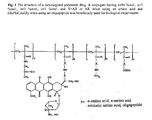
- the invention provides linear and branched polymeric conjugates of doxorubicin, daunomycin, pharmorubicin and other anthracycline cancerostatic drugs containing a carbonyl group with copolymers prepared on the basis of N -(2-hydroxypropyl)-methacrylamide (HPMA) and optionally with antibodies, their fragments or non-specific immunoglobulin (Fig. 3). It is characteristic for these conjugates that the polymeric carrier along with the antibody (immunoglobulin) ensures prolonged circulation of the polymeric drug in blood vessels and its subsequent preferred passive or active accumulation in the tumor.
- the anti-cancer drug is attached to the carrier by a bond stable in the blood vessels (at pH 7.4).
- the cancerostatic loses its biological effect and is transported by the blood vessels in its inactive form.
- the cytotoxic drug only becomes activated intracellularily, in the organelles of the target cells, as pH decreases and the bond between the drug and the polymer is hydrolyzed.
- the conjugates comprise a polymeric carrier formed by 30 to 3,000 monomer units linked to form a polymeric chain, 60 to 99 % of them being constituted by N-(2-hydroxypropyl)methacrylamide units, 1 to 25 % of them being the units of methacryloylated hydrazones of ⁇ -amino acids, ⁇ -amino acids, aromatic amino acids or oligopeptides terminated by an anthracycline cancerostatic molecule (preferably doxorubicin) and 0.5 to 15 % being the units of methacryloylated ⁇ -amino acids, ⁇ -amino acids, aromatic amino acids or oligopeptides or their sodium salts; optionally, 0.5 to 10 % units of methacryloylated hydrazides of ⁇ -amino acids, ⁇ -amino acids, aromatic amino acids or oligopeptides are included and the conjugate may optionally include 0.5 to 5 % of methacryloylated ⁇ -
- the branched macromolecular structures also contain 0.1 to 5 % of units forming links that interconnect the individual polymeric chains to form the branched macromolecular structure, which links consist of enzyme-degradable methacryloylated oligopeptides, preferably tripeptides GlyPheGly, GlyLeuGly or tetrapeptide GlyPheLeuGly, interconnected by diamines (ethylene diamine, hexamethylene diamine).
- links consist of enzyme-degradable methacryloylated oligopeptides, preferably tripeptides GlyPheGly, GlyLeuGly or tetrapeptide GlyPheLeuGly, interconnected by diamines (ethylene diamine, hexamethylene diamine).
- a characteristic of the polymeric conjugates with targeted anti-tumor action of this invention is the linkage between the active component - cytostatic - and the polymeric carrier via a hydrazone group formed in the reaction between the carbonyl group of the drug molecule and the polymer's hydrazide group.
- the linkage of the drug to the polymeric carrier significantly increases the drug's molecular weight resulting in prolonged time of circulation in the blood and of total retention time of the active component in the body.
- the linkage between the drug and the polymer is relatively stable during the drug transport in the blood vessels and hydrolytically cleavable in the slightly acidic environment inside the cells, namely in cellular organelles characterized by acidic pH.
- a polymeric carrier on the basis of HPMA copolymers is responsible for targeted transport to the tumor or tumor cells.
- HPMA high-molecular poly(HPMA) carrier
- the polymeric drug is stored in the solid tumor tissue due to passive targeting and the EPR effect (Enhanced Permeability and Retention effect).
- the polymer may be released from the body following enzymatic degradation of the oligopeptide links in the form of shorter polymeric chains, for example by glomerular filtration.
- the antibody In carriers containing antibodies (immunoglobulin) the antibody is attached to the carrier via a hydrazone bond formed in reaction between the aldehyde groups, incorporated into an F C fragment of the antibody by sodium periodate oxidation, and the carrier's hydrazone groups.
- the antibody (immunoglobulin) may also be attached to the polymeric carrier chain using bifunctional agents.
- the antibody molecule is modified by reacting with 2-iminothiolane (introduction of -SH groups), maleimide groups are introduced into the polymer by reacting its hydrazide groups with succinimide ester of 3-maleimide propionic acid and the conjugation then occurs by addition of the -SH group of the antibody to the double bond of the polymer's maleimide group.
- the conjugation may also be initiated by another bifunctional agent, such as SPDP (N-hydroxysuccinimide ester of 3-(2-pyridyldithio) propionic acid), which can be used to conjugate an -SH group containing antibody (immunoglobulin) directly to the hydrazide groups of the polymeric carrier.
- SPDP N-hydroxysuccinimide ester of 3-(2-pyridyldithio) propionic acid
- the conjugate with the antibody is accumulated in the target organs/tissues both passively and actively. Passive accumulation is enabled by the higher molecular weight of the conjugate and involves the so-called EPR effect, active accumulation is ensured by a process in which the binding site of the targeting antibody interacts with relevant receptors on the surface of the target cells. In the latter case the HPMA copolymer plays the role of both the carrier and a protective wrap significantly reducing immunogenicity of the targeting glycoprotein in the conjugate.
- the polymeric drug according to this invention can be used in three forms differing in their detailed structure.
- the first structure is represented by a linear polymeric conjugate with the drug without the targeting antibody (immunoglobulin) (Fig. 1); the second one is high molecular and represents a branched polymeric structure with biodegradable oligopeptide links (Fig. 2).
- the third structure includes also the targeting molecule (immunoglobulin) (Fig. 3).
- Preparation of non-targeted linear polymeric drugs occurs in a plurality of reaction steps.
- the first step involves preparation of polymeric precursor I (see Fig. 4) as a copolymer of HPMA and methacryloylated reactive esters (4-nitrophenyl esters, N-hydroxysuccinimide esters, etc.) of amino acids or oligopeptides
- the second step leading to preparation of polymeric precursor II, involves hydrazinolytic transformation of the terminal ester groups to hydrazides.
- a cancerostatic containing a keto group in the molecule is attached to the hydrazide groups by a chemical hydrazone bond.
- Preparation of a branched polymeric drug needs to be started from polymeric precursor I containing an enzyme-degradable oligopeptide in its side chains, preferably GlyPheGly, GlyLeuGly, GlyPheLeuGly or GlyLeuPheGly.
- the second step is initiated by slight branching of the polymer by reacting polymeric precursor I and alkylene diamine (ethyl, butyl, hexyl) and terminated by subsequent hydrazinolysis with hydrazine hydrate as described in the previous case.
- Drugs targeted with antibodies can be prepared from both previous types of drugs by subsequent reaction with an antibody (immunoglobulin) into the structure of which aldehyde groups have been previously introduced by mild oxidation with KIO 4 or NaIO 4 or by way of their conjugation with the antibody (immunoglobulin) using bifunctional agents as described above.
- This invention can be used to prepare polymeric drugs for the treatment of various types of tumors in human medicine.
- Synthesis of the polymeric drug was made in four synthetic steps.
- the monomers N-(2-hydroxypropyl)methacrylamide (HPMA) and 4-nitrophenyl esters of a methacryloylated amino acid or oligopeptide (MA-X-ONp) were prepared.
- the second step was the preparation of polymeric precursor I by radical copolymerization of HPMA and MA-X-ONp.
- polymeric precursor II was prepared by hydrazinolysis of precursor I and in the last step linking of Dox to the polymeric precursor was effected.
- HPMA was prepared by the method as described previously [Ulbrich 2000].
- DCCI dicyclohexylcarbodiimide
- MA-AB-ONp 0.024 mol (3.34 g) p-amino benzoic acid was dissolved in a triple-neck flask in 15 ml of a solution of 0.024 mol (0.97 g) sodium hydroxide.
- 0.024 mol (2.55 g) methacryloyl chloride and a solution of 0.024 mol (0.97 g) sodium hydroxide dissolved in 10 ml water were simultaneously added drop-wise to the aqueous solution of the sodium salt of the amino acid under stirring and cooling (5 °C). During the reaction the pH of the reaction mixture must not exceed pH 9. The reaction mixture was stirred for 1 hour and following its acidification to pH 2 the resulting white precipitate was filtered off on filter glass S4.
- the product was purified by crystallization from an ethanol-water mixture.
- 4-Nitrophenyl ester was prepared by reacting 0.014 mol (2.85 g) N -methacryloyl 4-amino benzoic acid with 0.014 mol (1.93 g) 4-nitrophenol in dimethylformamide at -10 °C in the presence of 0.0153 mol (3.16 g) dicyclohexylcarbodiimide.
- the reaction ran for 10 hours after which the precipitated dicyclohexylurea was filtered off and the product was purified by crystallization from an acetone-water mixture.
- the other two 4-nitrophenyl esters (MA-X-ONp) can be prepared in an analogous way.
- the methacryloylated derivatives of GlyLeuGly, GlyPheGly, GlyPheLeuGly, ⁇ -alanine and ⁇ -amino caproic acid were also prepared by methacryloylation of oligopeptides or of an acid, however, following the acidification of the aqueous phase the methacryloylated acids had to be extracted into ethyl acetate and isolated by crystallization.
- the appropriate reactive esters (ONp esters) are prepared analogously as MA-AB-ONp except that the reaction medium for the esterification of MA-GlyLeuGly-OH and MA-GlyPheLeuGly-OH was tetrahydrofuran.
- polymeric precursor I 1 g of a mixture of HPMA (95 %mol, 0.89 g) and MA-AB-ONp (5 %mol, 0.11 g) and 0.048 g azo-bis-isobutyronitrile were dissolved in 6.95 g acetone and the solution was placed in a polymerization ampoule. After the polymerization mixture was bubbled with nitrogen the ampoule was sealed up and the polymerization carried out at 50 °C for 24 hours. The precipitated polymer was filtered off, rinsed for three times with acetone and diethyl ether and vacuum dried.
- the content of side chains terminated with reactive -ONp groups can be controlled by the composition of the polymerization charge (the ratio of monomers).
- the same process was used to prepare all the polymeric precursors differing in the composition of the side chains.
- polymeric precursor II The poly(HPMA-co-MA-AB-NHNH 2 ) copolymer was prepared by reacting polymeric precursor I with hydrazine hydrate. 300 mg polymeric precursor I (1.3 x 10 -4 mol ONp) were dissolved in 2 ml methanol and a solution of 69 mg NH 2 NH 2 .H 2 O in 1 ml methanol (1.3 x 10 -3 mol, 10 fold excess relative to ONp) was added under intensive stirring. The reaction mixture was left to react for 3 hours after which the methanol solution was diluted with distilled water to 30 ml and the product stripped of low-molecular components using dialysis against distilled water (2 days).
- the final product was isolated from the aqueous solution by lyophilization.
- the molecular weight (M w ) and polydispersity of the polymer were determined by means of gel chromatography equipped with a light dispersion detector.
- the amount of hydrazide groups was determined by spectroscopy following the reaction of hydrazide groups with TNBS (trinitrobenzenesulfonic acid).
- Precursors containing other amino acids and oligopeptides were prepared in the same manner.
- Polymeric precursors II were also prepared by radical precipitation copolymerization of the corresponding N-tert.
- the product was re-precipitated from methanol into diethyl ether and dried until constant weight.
- the content of Dox and hydrazide groups was determined by spectroscopy ( ⁇ 480 nm, ⁇ 11 500 L mol -1 cm -1 , water) and by TNBS, respectively.
- the high molecular precursor was lyophilized. ⁇ M w > and molecular weight distribution were determined by liquid chromatography, the content of hydrazide groups was determined spectroscopically by means of the TNBSA method. Doxorubicin was linked to the polymer and the conjugate was characterized under the same conditions as described in Example 1.
- a copolymer bearing hydrazide and maleimide groups (MI) (poly(HPMA-co-MA-X-NHNH 2 -co-MA-X-NHNH-MI)) in its side chains was prepared by partial modification of the hydrazide groups of polymeric precursor II containing 10 to 15 % mol of hydrazide groups using N -hydroxysuccinimidyl ester of maleimidyl propionic acid (SMP).
- -SH groups into the antibody (immunoglobulin) molecule 15 mg of antibodies (polyclonal anti-thymocyte IgG) (0.1 ⁇ mol) were transferred into 1 ml phosphate buffer (0.05 M NaH 2 PO 4 /Na 2 HPO 4 ; 0.1 M NaCl; 0.01 M EDTA; pH 7.4) in a PD-10 column. 0.67 mg 2-iminothiolan (4 ⁇ mol) were dissolved in 50 ⁇ l DMF and added to the solution of intensely stirred antibodies. After 2.5 hours of stirring at laboratory temperature the product was isolated by gel filtration in a PD-10 column (phosphate buffer, pH 7.4).
- the final product was purified by gel filtration and characterized by means of UV spectroscopy (Dox content), amino acid analysis (antibody and immunoglobulin content) and electrophoresis with Phastsystem - Pharmacia LKB (presence of a free protein or drug).
- conjugates were prepared by reacting antibodies into the molecules of which were aldehyde groups had been introduced by mild sodium periodate oxidation with hydrazide groups remaining after the reaction of polymeric precursor II with doxorubicin.
- oxidized antibodies 40 mg of antibodies (polyclonal anti-thymocyte IgG) were transferred to acetate buffer (0.02 M CH 3 COONa/CH 3 COOH; 0,15 M NaCl; pH 5) using a PD-10 column. A 0.1 M solution of NaIO 4 was prepared in the same buffer in the dark. The solutions of antibodies and periodate were mixed in the ratio of 4:1 to reach the final concentrations of NaIO 4 and antibodies of 0.02 mol/l and 9 mg/l, respectively. The reaction mixture was stirred at laboratory temperature in the dark for 2 hours after which 25 ⁇ l ethylene glycol per each ml of the reaction mixture were added.
- the oxidized antibodies (immunoglobulin) were purified and isolated by liquid chromatography in a PD-10 column.
- the concentration of antibodies (immunoglobulin) in the solution was determined by spectrophotometry.
- the number of aldehyde groups was determined by a method utilizing the reaction of aldehyde groups with the Lucifer Yellow CH dye.
- IgG immunoglobulin
- ATG polyclonal anti-thymocyte antibodies
- monoclonal antibodies anti-Thy 1.2 anti-CD4, anti-CD 71, anti-BCL1, anti-CD4, anti-CD8, anti-CD14 and other antibodies against tumor-associating antigens (anti-TAA) were used for conjugations with polymers.
- Fig. 5 shows the measurement results of the release rates of doxorubicin from polymers differing in the spacer compositions at a pH modeling the blood pH (7.4) and at a pH modeling the endosome or lysosome environment (pH 5 - 6).
- the concentration of linked Dox (0.5 mmol.l -1 ) was constant in 0.1 M acetate buffer (CH 3 COONa/CH 3 COOH, 0,05 M NaCl) in the experiments.
- the samples were incubated at 37 °C in the dark and 0.1 ml portions were taken in predefined intervals and analysed by means of HPLC after extraction of Dox from the solution.
- cytotoxic activity The ability of polymeric conjugates to reduce cell division or proliferation of target cells is called a cytotoxic or cytostatic activity.
- the cytotoxic activity was detected in vitro by inhibition of incorporation of 3 H-thymidine to the target cell nuclei [ ⁇ hová et al, 2000]. Incorporation of thymidine and the activity of conjugates are indirectly proportional. Low incorporation of thymidine means high cytotoxic activity of tested substances.
- mice T leukemic line EL4 mouse B cellular leukemia BCL1, mouse B cellular lymphoma 38C13, primary human colorectal carcinoma SW 480, metastasizing human colorectal carcinoma SW 620, human colorectal carcinoma SW620 genetically modified by mouse gene for Thy 1.2 SW620/T
- mouse splenocytes stimulated by T-cellular mitogen, i.e. concanavalin A, and human peripheral lymphocytes were pipetted in the amounts of 1 x 10 4 - 5 x 10 5 (depending on the testing cell systems used) in growth medium RPMI 1640 into 96-well FB-tissue plates (NUNC, Denmark).
- microtitration tissue plates were incubated at 37 °C in the atmosphere of 5 % CO 2 for 24 to 72 hours. After completing the cultivation 1 ⁇ Ci of 3 H-thymidine was added to each well. After another five or six hours (depending on the testing system) the cells were collected (Tomtec cell collector) on a glass fiber filter (Filtermat, Wallac), dried and evaluated for radioactivity incorporated (MicroBeta Trilux, Wallac).
- IC 50 for non-targeted conjugates containing hydrolytically released doxorubicin ranged from 0.01 ⁇ g doxorubicin/ml to 1.41 ⁇ g doxorubicin/ml depending on the resistance (sensitivity to treatment of the target line used) and on the type of conjugate. It was confirmed that cytotoxicity is an exclusive property of conjugates containing hydrolytically released doxorubicin since a conjugate without the drug is not cytotoxic.
- mice of inbred strain C57BL/10 were subcutaneously transplanted with T-cellular lymphoma (EL4).
- the tumor cells were injected in the lower half of the back of experimental animals in the amount of 1 x 10 5 cells/mouse.
- the cell transplantation day was marked day 0.
- Polymeric conjugates with hydrolytically released doxorubicin were then administered intraperitoneally either on day 1, 3, 5, 7 and 9 (protective regimen), on day 10, 12, 14, 16 and 18 or on day 12, 14, 16, 18 and 20 (therapeutic regimen).
- the daily dose of doxorubicin was 50 ⁇ g/mouse.
- the conjugates significantly inhibited tumor growth and increased the number of long-term surviving experimental animals.
- Polymeric conjugates with hydrolytically released doxorubicin were then administered intravenously on day 11, 13 and 17 (therapeutic regimen).
- the daily dose of doxorubicin was 100 ⁇ g/mouse.
- the tested conjugates had significant anti-tumor activity. While the control mice survived no longer than 40 days, 20 % of mice treated with the tested conjugates survived longer than 100 days and 10 % longer than 140 days.
Landscapes
- Health & Medical Sciences (AREA)
- Life Sciences & Earth Sciences (AREA)
- Veterinary Medicine (AREA)
- Bioinformatics & Cheminformatics (AREA)
- Engineering & Computer Science (AREA)
- Animal Behavior & Ethology (AREA)
- General Health & Medical Sciences (AREA)
- Public Health (AREA)
- Chemical & Material Sciences (AREA)
- Epidemiology (AREA)
- Medicinal Chemistry (AREA)
- Pharmacology & Pharmacy (AREA)
- Proteomics, Peptides & Aminoacids (AREA)
- Biotechnology (AREA)
- Immunology (AREA)
- Organic Chemistry (AREA)
- Nuclear Medicine, Radiotherapy & Molecular Imaging (AREA)
- General Chemical & Material Sciences (AREA)
- Chemical Kinetics & Catalysis (AREA)
- Medicinal Preparation (AREA)
- Pharmaceuticals Containing Other Organic And Inorganic Compounds (AREA)
- Medicines That Contain Protein Lipid Enzymes And Other Medicines (AREA)
- Medicines Containing Antibodies Or Antigens For Use As Internal Diagnostic Agents (AREA)
- Saccharide Compounds (AREA)
- Peptides Or Proteins (AREA)
- Acyclic And Carbocyclic Compounds In Medicinal Compositions (AREA)
Applications Claiming Priority (2)
| Application Number | Priority Date | Filing Date | Title |
|---|---|---|---|
| CZ20014653A CZ293787B6 (cs) | 2001-12-20 | 2001-12-20 | pH senzitivní polymerní konjugáty antracyklinového kancerostatika pro cílenou terapii |
| EP02805243A EP1463529B9 (fr) | 2001-12-20 | 2002-12-20 | Conjugues polymeres sensibles au ph d'un cancerostatique a base d'antracycline pour therapie ciblee |
Related Parent Applications (1)
| Application Number | Title | Priority Date | Filing Date |
|---|---|---|---|
| EP02805243A Division EP1463529B9 (fr) | 2001-12-20 | 2002-12-20 | Conjugues polymeres sensibles au ph d'un cancerostatique a base d'antracycline pour therapie ciblee |
Publications (2)
| Publication Number | Publication Date |
|---|---|
| EP1782833A2 true EP1782833A2 (fr) | 2007-05-09 |
| EP1782833A3 EP1782833A3 (fr) | 2008-03-19 |
Family
ID=5473644
Family Applications (2)
| Application Number | Title | Priority Date | Filing Date |
|---|---|---|---|
| EP06025316A Withdrawn EP1782833A3 (fr) | 2001-12-20 | 2002-12-20 | Conjugés polymériques pH-sensitives d'un médicament anthracycline cancérostatique pour la théraphie visée |
| EP02805243A Expired - Lifetime EP1463529B9 (fr) | 2001-12-20 | 2002-12-20 | Conjugues polymeres sensibles au ph d'un cancerostatique a base d'antracycline pour therapie ciblee |
Family Applications After (1)
| Application Number | Title | Priority Date | Filing Date |
|---|---|---|---|
| EP02805243A Expired - Lifetime EP1463529B9 (fr) | 2001-12-20 | 2002-12-20 | Conjugues polymeres sensibles au ph d'un cancerostatique a base d'antracycline pour therapie ciblee |
Country Status (18)
| Country | Link |
|---|---|
| US (1) | US7919076B2 (fr) |
| EP (2) | EP1782833A3 (fr) |
| JP (1) | JP4718117B2 (fr) |
| KR (1) | KR20040076874A (fr) |
| AT (1) | ATE439864T1 (fr) |
| AU (1) | AU2002366715A1 (fr) |
| CA (1) | CA2470976A1 (fr) |
| CZ (1) | CZ293787B6 (fr) |
| DE (1) | DE60233434D1 (fr) |
| DK (1) | DK1463529T5 (fr) |
| EA (1) | EA007353B1 (fr) |
| ES (1) | ES2331303T3 (fr) |
| HU (1) | HUP0500541A3 (fr) |
| PL (1) | PL216518B1 (fr) |
| PT (1) | PT1463529E (fr) |
| SI (1) | SI1463529T1 (fr) |
| SK (1) | SK2912004A3 (fr) |
| WO (1) | WO2003053473A2 (fr) |
Cited By (1)
| Publication number | Priority date | Publication date | Assignee | Title |
|---|---|---|---|---|
| WO2008034391A1 (fr) * | 2006-09-18 | 2008-03-27 | Zentiva, A.S. | Conjugués macromoléculaires greffés de doxorubicine anticancéreux et procédé d'élaboration |
Families Citing this family (15)
| Publication number | Priority date | Publication date | Assignee | Title |
|---|---|---|---|---|
| CZ294996B6 (cs) * | 2003-07-16 | 2005-04-13 | Ústav Makromolekulární Chemie Av Čr | Reaktivní polymery a kopolymery na bázi N-(2-hydroxypropyl)methakrylamidu, způsob jejich přípravy a jejich použití pro syntézu polymerních léčiv, pro modifikaci biologicky aktivních proteinů a přípravu systémů pro dopravu genů |
| US8614228B2 (en) | 2004-08-11 | 2013-12-24 | Arqule, Inc. | Quinone prodrug compositions and methods of use |
| CA2583700A1 (fr) | 2004-08-11 | 2006-02-23 | Arqule, Inc. | Compositions de promedicaments a base de quinone et methodes d'utilisation |
| CZ2005558A3 (cs) * | 2005-09-05 | 2007-04-04 | Zentiva, A. S. | Zpusob prípravy polymerních konjugátu doxorubicinu s pH-rízeným uvolnováním léciva |
| CZ2006207A3 (cs) * | 2006-03-28 | 2008-01-16 | Zentiva, A. S. | Micelární nosiče léčiv s protinádorovou aktivitou |
| EP2799868A3 (fr) | 2006-08-09 | 2015-04-22 | Sumitomo Bakelite Co., Ltd. | Substance de capture de chaîne de sucre et utilisation associée |
| CZ2006505A3 (cs) * | 2006-08-09 | 2008-04-09 | Zentiva, A. S. | Polymerní konjugáty doxorubicinu s pH-rízeným uvolnováním léciva a zpusob jejich prípravy |
| US7790765B2 (en) | 2007-04-30 | 2010-09-07 | Arqule, Inc. | Hydroxy sulfonate of quinone compounds and their uses |
| CZ301288B6 (cs) * | 2008-10-23 | 2009-12-30 | Zentiva, A. S | Polymerní prípravek se synergickým úcinkem pri lécbe nádorových onemocnení |
| CZ302830B6 (cs) * | 2009-12-15 | 2011-11-30 | Ústav makromolekulární chemie AV CR, v.v.i. | Vysokomolekulární polymerní nosice léciv odvozené od dendrimeru a jejich konjugáty s lécivy pro lécbu zejména pevných nádoru |
| EP3069715A1 (fr) | 2015-03-20 | 2016-09-21 | Salmon Pharma GmbH | Formes posologiques à libération immédiate d'atomoxétine |
| EP3525808A4 (fr) * | 2016-10-14 | 2020-06-24 | University of Utah Research Foundation | Conjugués anticorps-polymère-médicament |
| WO2020214858A1 (fr) * | 2019-04-17 | 2020-10-22 | Avidea Technologies, Inc. | Compositions et procédés de fabrication de polymères en étoile pour l'affichage de ligand et/ou l'administration de médicament |
| CZ309828B6 (cs) * | 2019-10-09 | 2023-11-15 | I.T.A.-Intertact S.R.O. | Fluorescenční polymer, fluorescenční sonda a konjugační sada pro pokročilé funkční analýzy buněk v hematologii, imunologii a mikrobiologii, způsob jejich přípravy a jejich použití |
| EP4051320A1 (fr) * | 2019-10-30 | 2022-09-07 | CIS Pharma AG | Supports de médicament polymères biocompatibles permettant l'administration d'agents actifs |
Family Cites Families (1)
| Publication number | Priority date | Publication date | Assignee | Title |
|---|---|---|---|---|
| GB8500209D0 (en) | 1985-01-04 | 1985-02-13 | Ceskoslovenska Akademie Ved | Synthetic polymeric drugs |
-
2001
- 2001-12-20 CZ CZ20014653A patent/CZ293787B6/cs not_active IP Right Cessation
-
2002
- 2002-12-20 DK DK02805243.9T patent/DK1463529T5/da active
- 2002-12-20 EP EP06025316A patent/EP1782833A3/fr not_active Withdrawn
- 2002-12-20 SK SK291-2004A patent/SK2912004A3/sk not_active Application Discontinuation
- 2002-12-20 WO PCT/CZ2002/000070 patent/WO2003053473A2/fr not_active Ceased
- 2002-12-20 KR KR10-2004-7009872A patent/KR20040076874A/ko not_active Withdrawn
- 2002-12-20 SI SI200230855T patent/SI1463529T1/sl unknown
- 2002-12-20 JP JP2003554229A patent/JP4718117B2/ja not_active Expired - Lifetime
- 2002-12-20 US US10/499,422 patent/US7919076B2/en active Active
- 2002-12-20 AT AT02805243T patent/ATE439864T1/de active
- 2002-12-20 DE DE60233434T patent/DE60233434D1/de not_active Expired - Lifetime
- 2002-12-20 HU HU0500541A patent/HUP0500541A3/hu unknown
- 2002-12-20 PL PL370719A patent/PL216518B1/pl not_active IP Right Cessation
- 2002-12-20 CA CA002470976A patent/CA2470976A1/fr not_active Abandoned
- 2002-12-20 AU AU2002366715A patent/AU2002366715A1/en not_active Abandoned
- 2002-12-20 EP EP02805243A patent/EP1463529B9/fr not_active Expired - Lifetime
- 2002-12-20 PT PT02805243T patent/PT1463529E/pt unknown
- 2002-12-20 EA EA200400802A patent/EA007353B1/ru not_active IP Right Cessation
- 2002-12-20 ES ES02805243T patent/ES2331303T3/es not_active Expired - Lifetime
Non-Patent Citations (9)
| Title |
|---|
| CHOI W-M ET AL: 'Synthesis of HPMA copolymer containing adriamycin bound via an acid- labile spacer and its activity toward human ovarian carcinoma cells' JOURNAL OF BIOACTIVE AND COMPATIBLE POLYMERS 1999 UNITED STATES vol. 14, no. 6, 1999, pages 447 - 456, XP008019678 ISSN: 0883-9115 * |
| ETRYCH T ET AL: "New HPMA copolymers containing doxorubicin bound via pH-sensitive linkage: synthesis and preliminary in vitro and in vivo biological properties." JOURNAL OF CONTROLLED RELEASE : OFFICIAL JOURNAL OF THE CONTROLLED RELEASE SOCIETY. 18 MAY 2001, vol. 73, no. 1, 18 May 2001 (2001-05-18), pages 89-102, XP002248058 ISSN: 0168-3659 * |
| LU Z R ET AL: "Modification of cyclosporin A and conjugation of its derivative to HPMA copolymers." BIOCONJUGATE CHEMISTRY. 2001 JAN-FEB, vol. 12, no. 1, January 2001 (2001-01), pages 129-133, XP002248060 ISSN: 1043-1802 * |
| RÍHOVÁ B ET AL: "Antibody-directed affinity therapy applied to the immune system: in vivo effectiveness and limited toxicity of daunomycin conjugated to HPMA copolymers and targeting antibody." CLINICAL IMMUNOLOGY AND IMMUNOPATHOLOGY JAN 1988, vol. 46, no. 1, January 1988 (1988-01), pages 100-114, XP002467694 ISSN: 0090-1229 * |
| RÍHOVÁ B ET AL: "Doxorubicin bound to a HPMA copolymer carrier through hydrazone bond is effective also in a cancer cell line with a limited content of lysosomes." JOURNAL OF CONTROLLED RELEASE : OFFICIAL JOURNAL OF THE CONTROLLED RELEASE SOCIETY. 6 JUL 2001, vol. 74, no. 1-3, 6 July 2001 (2001-07-06), pages 225-232, XP002248059 ISSN: 0168-3659 * |
| RÍHOVÁ B ET AL: "Polymeric drugs based on conjugates of synthetic and natural macromolecules. II. Anti-cancer activity of antibody or (Fab')(2)-targeted conjugates and combined therapy with immunomodulators." JOURNAL OF CONTROLLED RELEASE : OFFICIAL JOURNAL OF THE CONTROLLED RELEASE SOCIETY 14 FEB 2000, vol. 64, no. 1-3, 14 February 2000 (2000-02-14), pages 241-261, XP002467695 ISSN: 0168-3659 * |
| RIHOVA B: "BIOLOGICAL PROPERTIES OF TARGETABLE POLYÚN-(I-HYDROXYPROPYL)- METHACRYLAMIDE-ANTIBODY CONJUGATES" JOURNAL OF CONTROLLED RELEASE, ELSEVIER, AMSTERDAM, NL, vol. 2, 1985, pages 289-310, XP002910382 ISSN: 0168-3659 * |
| SOLOVSKIJ M V ET AL: 'Synthesis of N-(2-hydroxypropyl)methacrylamide copolymers with antimicrobial activity.' BIOMATERIALS. JAN 1983 vol. 4, no. 1, January 1983, pages 44 - 48, XP001149273 ISSN: 0142-9612 * |
| ULBRICH K ET AL: "HPMA copolymers with pH-controlled release of doxorubicin. In vitro cytotoxicity and in vivo antitumor activity." JOURNAL OF CONTROLLED RELEASE : OFFICIAL JOURNAL OF THE CONTROLLED RELEASE SOCIETY. 21 FEB 2003, vol. 87, no. 1-3, 21 February 2003 (2003-02-21), pages 33-47, XP002248061 ISSN: 0168-3659 * |
Cited By (3)
| Publication number | Priority date | Publication date | Assignee | Title |
|---|---|---|---|---|
| WO2008034391A1 (fr) * | 2006-09-18 | 2008-03-27 | Zentiva, A.S. | Conjugués macromoléculaires greffés de doxorubicine anticancéreux et procédé d'élaboration |
| EA017073B1 (ru) * | 2006-09-18 | 2012-09-28 | Зентива, К.С. | Привитые макромолекулярные конъюгаты доксорубицина, обладающие противораковой активностью, и способ их получения |
| US8603990B2 (en) | 2006-09-18 | 2013-12-10 | Zentiva K.S. | Grafted macromolecular conjugates of doxorubicin with anticancer activity and method of their preparation |
Also Published As
| Publication number | Publication date |
|---|---|
| CZ293787B6 (cs) | 2004-07-14 |
| DK1463529T5 (da) | 2011-06-27 |
| WO2003053473A3 (fr) | 2004-04-29 |
| DE60233434D1 (de) | 2009-10-01 |
| HUP0500541A2 (hu) | 2005-09-28 |
| PT1463529E (pt) | 2009-11-03 |
| ATE439864T1 (de) | 2009-09-15 |
| ES2331303T3 (es) | 2009-12-29 |
| WO2003053473A2 (fr) | 2003-07-03 |
| ES2331303T9 (es) | 2011-08-18 |
| CA2470976A1 (fr) | 2003-07-03 |
| US7919076B2 (en) | 2011-04-05 |
| EP1463529A2 (fr) | 2004-10-06 |
| AU2002366715A1 (en) | 2003-07-09 |
| EA200400802A1 (ru) | 2005-02-24 |
| CZ20014653A3 (cs) | 2003-08-13 |
| PL216518B1 (pl) | 2014-04-30 |
| EP1463529B9 (fr) | 2011-03-23 |
| JP4718117B2 (ja) | 2011-07-06 |
| US20060057099A1 (en) | 2006-03-16 |
| EP1782833A3 (fr) | 2008-03-19 |
| SI1463529T1 (sl) | 2010-01-29 |
| JP2005519044A (ja) | 2005-06-30 |
| PL370719A1 (en) | 2005-05-30 |
| HUP0500541A3 (en) | 2011-08-29 |
| EP1463529B1 (fr) | 2009-08-19 |
| AU2002366715A8 (en) | 2003-07-09 |
| SK2912004A3 (en) | 2004-12-01 |
| KR20040076874A (ko) | 2004-09-03 |
| DK1463529T3 (da) | 2009-10-19 |
| EA007353B1 (ru) | 2006-10-27 |
Similar Documents
| Publication | Publication Date | Title |
|---|---|---|
| Ulbrich et al. | Antibody-targeted polymer–doxorubicin conjugates with pH-controlled activation | |
| Etrych et al. | New HPMA copolymers containing doxorubicin bound via pH-sensitive linkage: synthesis and preliminary in vitro and in vivo biological properties | |
| Ulbrich et al. | HPMA copolymers with pH-controlled release of doxorubicin: in vitro cytotoxicity and in vivo antitumor activity | |
| Li | Poly (L-glutamic acid)–anticancer drug conjugates | |
| EP1463529B9 (fr) | Conjugues polymeres sensibles au ph d'un cancerostatique a base d'antracycline pour therapie ciblee | |
| Kopeček et al. | Water soluble polymers in tumor targeted delivery | |
| US8603990B2 (en) | Grafted macromolecular conjugates of doxorubicin with anticancer activity and method of their preparation | |
| Etrych et al. | Star-shaped immunoglobulin-containing HPMA-based conjugates with doxorubicin for cancer therapy | |
| AU4094300A (en) | Amplification of folate-mediated targeting to tumor cells using polymers | |
| WO2007080114A2 (fr) | Conjugué de macromolecule | |
| Etrych et al. | HPMA copolymer conjugates with reduced anti-CD20 antibody for cell-specific drug targeting. I. Synthesis and in vitro evaluation of binding efficacy and cytostatic activity | |
| ES2717836T3 (es) | Sistema de administración de fármacos multifuncional a base de ácido polimálico | |
| JP5781084B2 (ja) | 樹状高分子量ポリマー薬物担体および特に固形腫瘍の処置のための薬物とのそれらの結合体 | |
| Pechar et al. | Poly (ethylene glycol)-doxorubicin conjugates with pH-controlled activation | |
| Chytil et al. | Structural design and synthesis of polymer prodrugs | |
| Hudecz et al. | Drug targeting by macromolecules without recognition unit? | |
| CZ2003605A3 (en) | pH sensitive polymeric conjugates of anthracycline cancerostatic for targeted therapy | |
| CZ2006207A3 (cs) | Micelární nosiče léčiv s protinádorovou aktivitou | |
| Hoes et al. | Design of soluble conjugates of biodegradable polymeric carriers and adriamycin | |
| SK9785A3 (en) | Polymeric remedy and preparation method thereof | |
| Etrych et al. | Micellar and Antibody‐Targeted Polymer Therapeutics | |
| Rihova et al. | HPMA-Anticancer Drug Conjugates | |
| Ulbrich et al. | Synthetic polymer-drug conjugates for human therapy | |
| DUNCAN | Centre for Polymer Therapeutics, Welsh School of Pharmacy, Cardiff University, Cardiff, UK | |
| AU2004201277A1 (en) | Amplification of folate-mediated targeting to tumor cells using polymers |
Legal Events
| Date | Code | Title | Description |
|---|---|---|---|
| PUAI | Public reference made under article 153(3) epc to a published international application that has entered the european phase |
Free format text: ORIGINAL CODE: 0009012 |
|
| AC | Divisional application: reference to earlier application |
Ref document number: 1463529 Country of ref document: EP Kind code of ref document: P |
|
| AK | Designated contracting states |
Kind code of ref document: A2 Designated state(s): AT BE BG CH CY CZ DE DK EE ES FI FR GB GR IE IT LI LU MC NL PT SE SI SK TR |
|
| AX | Request for extension of the european patent |
Extension state: AL LT LV MK RO |
|
| PUAL | Search report despatched |
Free format text: ORIGINAL CODE: 0009013 |
|
| AK | Designated contracting states |
Kind code of ref document: A3 Designated state(s): AT BE BG CH CY CZ DE DK EE ES FI FR GB GR IE IT LI LU MC NL PT SE SI SK TR |
|
| AX | Request for extension of the european patent |
Extension state: AL LT LV MK RO |
|
| AKX | Designation fees paid |
Designated state(s): AT BE BG CH CY CZ DE DK EE ES FI FR GB GR IE IT LI LU MC NL PT SE SI SK TR |
|
| AXX | Extension fees paid |
Extension state: RO Payment date: 20061219 Extension state: MK Payment date: 20061219 Extension state: LV Payment date: 20061219 Extension state: LT Payment date: 20061219 Extension state: AL Payment date: 20061219 |
|
| STAA | Information on the status of an ep patent application or granted ep patent |
Free format text: STATUS: THE APPLICATION IS DEEMED TO BE WITHDRAWN |
|
| 18D | Application deemed to be withdrawn |
Effective date: 20080920 |
|
| RIC1 | Information provided on ipc code assigned before grant |
Ipc: A61K 47/48 20060101AFI20110921BHEP |