EP1785487A2 - Beim Ausdruck der Resistenz gegenüber Glykopeptid-Antibiotika implizierte Polypeptide - Google Patents
Beim Ausdruck der Resistenz gegenüber Glykopeptid-Antibiotika implizierte Polypeptide Download PDFInfo
- Publication number
- EP1785487A2 EP1785487A2 EP07000325A EP07000325A EP1785487A2 EP 1785487 A2 EP1785487 A2 EP 1785487A2 EP 07000325 A EP07000325 A EP 07000325A EP 07000325 A EP07000325 A EP 07000325A EP 1785487 A2 EP1785487 A2 EP 1785487A2
- Authority
- EP
- European Patent Office
- Prior art keywords
- sequence
- seq
- sequences
- resistance
- nucleotide sequence
- Prior art date
- Legal status (The legal status is an assumption and is not a legal conclusion. Google has not performed a legal analysis and makes no representation as to the accuracy of the status listed.)
- Withdrawn
Links
Images


















Classifications
-
- C—CHEMISTRY; METALLURGY
- C12—BIOCHEMISTRY; BEER; SPIRITS; WINE; VINEGAR; MICROBIOLOGY; ENZYMOLOGY; MUTATION OR GENETIC ENGINEERING
- C12Q—MEASURING OR TESTING PROCESSES INVOLVING ENZYMES, NUCLEIC ACIDS OR MICROORGANISMS; COMPOSITIONS OR TEST PAPERS THEREFOR; PROCESSES OF PREPARING SUCH COMPOSITIONS; CONDITION-RESPONSIVE CONTROL IN MICROBIOLOGICAL OR ENZYMOLOGICAL PROCESSES
- C12Q1/00—Measuring or testing processes involving enzymes, nucleic acids or microorganisms; Compositions therefor; Processes of preparing such compositions
- C12Q1/68—Measuring or testing processes involving enzymes, nucleic acids or microorganisms; Compositions therefor; Processes of preparing such compositions involving nucleic acids
- C12Q1/6876—Nucleic acid products used in the analysis of nucleic acids, e.g. primers or probes
- C12Q1/6888—Nucleic acid products used in the analysis of nucleic acids, e.g. primers or probes for detection or identification of organisms
- C12Q1/689—Nucleic acid products used in the analysis of nucleic acids, e.g. primers or probes for detection or identification of organisms for bacteria
-
- C—CHEMISTRY; METALLURGY
- C07—ORGANIC CHEMISTRY
- C07K—PEPTIDES
- C07K14/00—Peptides having more than 20 amino acids; Gastrins; Somatostatins; Melanotropins; Derivatives thereof
- C07K14/195—Peptides having more than 20 amino acids; Gastrins; Somatostatins; Melanotropins; Derivatives thereof from bacteria
- C07K14/315—Peptides having more than 20 amino acids; Gastrins; Somatostatins; Melanotropins; Derivatives thereof from bacteria from Streptococcus (G), e.g. Enterococci
-
- C—CHEMISTRY; METALLURGY
- C07—ORGANIC CHEMISTRY
- C07K—PEPTIDES
- C07K16/00—Immunoglobulins [IG], e.g. monoclonal or polyclonal antibodies
- C07K16/12—Immunoglobulins [IG], e.g. monoclonal or polyclonal antibodies against material from bacteria
- C07K16/1267—Gram-positive bacteria
-
- C—CHEMISTRY; METALLURGY
- C12—BIOCHEMISTRY; BEER; SPIRITS; WINE; VINEGAR; MICROBIOLOGY; ENZYMOLOGY; MUTATION OR GENETIC ENGINEERING
- C12N—MICROORGANISMS OR ENZYMES; COMPOSITIONS THEREOF; PROPAGATING, PRESERVING, OR MAINTAINING MICROORGANISMS; MUTATION OR GENETIC ENGINEERING; CULTURE MEDIA
- C12N15/00—Mutation or genetic engineering; DNA or RNA concerning genetic engineering, vectors, e.g. plasmids, or their isolation, preparation or purification; Use of hosts therefor
- C12N15/09—Recombinant DNA-technology
- C12N15/11—DNA or RNA fragments; Modified forms thereof; Non-coding nucleic acids having a biological activity
- C12N15/52—Genes encoding for enzymes or proenzymes
-
- C—CHEMISTRY; METALLURGY
- C12—BIOCHEMISTRY; BEER; SPIRITS; WINE; VINEGAR; MICROBIOLOGY; ENZYMOLOGY; MUTATION OR GENETIC ENGINEERING
- C12N—MICROORGANISMS OR ENZYMES; COMPOSITIONS THEREOF; PROPAGATING, PRESERVING, OR MAINTAINING MICROORGANISMS; MUTATION OR GENETIC ENGINEERING; CULTURE MEDIA
- C12N15/00—Mutation or genetic engineering; DNA or RNA concerning genetic engineering, vectors, e.g. plasmids, or their isolation, preparation or purification; Use of hosts therefor
- C12N15/09—Recombinant DNA-technology
- C12N15/63—Introduction of foreign genetic material using vectors; Vectors; Use of hosts therefor; Regulation of expression
- C12N15/65—Introduction of foreign genetic material using vectors; Vectors; Use of hosts therefor; Regulation of expression using markers
-
- C—CHEMISTRY; METALLURGY
- C12—BIOCHEMISTRY; BEER; SPIRITS; WINE; VINEGAR; MICROBIOLOGY; ENZYMOLOGY; MUTATION OR GENETIC ENGINEERING
- C12N—MICROORGANISMS OR ENZYMES; COMPOSITIONS THEREOF; PROPAGATING, PRESERVING, OR MAINTAINING MICROORGANISMS; MUTATION OR GENETIC ENGINEERING; CULTURE MEDIA
- C12N9/00—Enzymes; Proenzymes; Compositions thereof; Processes for preparing, activating, inhibiting, separating or purifying enzymes
-
- C—CHEMISTRY; METALLURGY
- C12—BIOCHEMISTRY; BEER; SPIRITS; WINE; VINEGAR; MICROBIOLOGY; ENZYMOLOGY; MUTATION OR GENETIC ENGINEERING
- C12N—MICROORGANISMS OR ENZYMES; COMPOSITIONS THEREOF; PROPAGATING, PRESERVING, OR MAINTAINING MICROORGANISMS; MUTATION OR GENETIC ENGINEERING; CULTURE MEDIA
- C12N9/00—Enzymes; Proenzymes; Compositions thereof; Processes for preparing, activating, inhibiting, separating or purifying enzymes
- C12N9/0004—Oxidoreductases (1.)
Definitions
- the invention relates to polypeptides associated with the expression of resistance to antibiotics of the family of glycopeptides, especially in Gram-positive bacteria, in particular of the Gram-positive cocci family.
- the invention also relates to a nucleotide sequence encoding these polypeptides. It also relates to the use of these polypeptides and their nucleotide sequence as means for in vitro detection of resistance to glycopeptides.
- the invention is particularly directed to enterococci, streptococci and staphylococci which are of particular interest for the implementation of the invention.
- Glycopeptides including vancomycin and teicoplanin, are antibiotics that inhibit bacterial wall synthesis. These antibiotics are widely used for the treatment of severe infections caused by Gram-positive cocci (enterococci, streptococci and staphylococci), especially in cases of allergy and penicillin resistance. Despite a long clinical use of vancomycin, this antibiotic remained active on almost all strains until 1986, when the first resistant strains were isolated. Since then, resistance to glycopeptides has been detected by many microbiologists in Europe and the United States, particularly in isolated strains of immunocompromised patients, making it necessary to systematic evaluation of the sensitivity of germs in a hospital environment.
- glycopeptides The activity of the glycopeptides is dependent on the formation of a complex between the antibiotic and the peptidoglycan precursors, rather than the direct interaction with cell wall metabolism enzymes. In particular it has been found that glycopeptides bind to the D-alanyl-D-alanine (D-ala-D-ala) end-residues of the peptidoglycan precursors.
- glycopeptide resistance particularly in enterococci
- Enteroccus faecium BM4147 was found in a particular enterococci strain that the determinant of glycopeptide resistance was located on a 34 kb plasmid, plasmid pIP816. This determinant was cloned in E. coli ( Brisson No ⁇ l et al, 1990, Antimicrob Agents Chemother 34, 924-927 ).
- the resistance to glycopeptides was associated with the production of a protein with a molecular weight of approximately 40 kDa, the synthesis of this protein being induced by sub-inhibitory concentrations of certain glycopeptides such as vancomycin.
- strain resistant to a high level is meant a bacterial strain, in particular a gram-positive cocci strain for which the minimum inhibitory concentrations (MIC) of vancomycin and teicoplanin are respectively greater than 32 and 8 ⁇ g / ml.
- the MIC of vancomycin with respect to low-level resistant strains are between 16 and 32 ⁇ g / ml.
- VANA a particular protein having a certain homology with D-alanine-D-alanine ligases. VanA is nevertheless functionally distinct from ligases.
- the invention relates to polypeptides or proteins involved in the expression of resistance to antibiotics of the glycopeptide family and in particular to vancomycin and / or teicoplanin, as well as the nucleotide sequences coding for such complexes.
- the invention also relates to nucleotide probes that can be used for the detection of glycopeptide resistance, in particular by means of the reaction polymerase chain reaction (PCR), or by assays involving antibodies.
- PCR reaction polymerase chain reaction
- the invention relates to a polypeptide composition, characterized in that it comprises at least one protein or part of a protein selected from the amino acid sequences identified in the sequence list by SED ID NO 1 (VanH), SEQ ID NO 2 (VanA), SEQ ID No. 3 (VanX) or SEQ ID NO 19 (VanC), or any protein or part of a protein recognized by the antibodies directed against VanH, VanA, VanX or VanC, or any protein or part of encoded protein by a sequence hybridizing with one of the nucleotide sequences identified in the sequence listing by SEQ ID NO 8, SEQ ID NO 9, SEQ ID NO 10 or SEQ ID NO 21 or with one of the following sequences V1 or V2 in stringent or weakly stringent conditions:
- ORF3 ORF1 containing the vanH gene, vanA (or ORF2); they characterize the resistance proteins as obtained from the strain Enterococcus faecium BM4147 described by Leclerq et al (N Engl J Med 319: 157-161 ).
- VanC Another protein, VanC, related to D-Ala-D-Ala ligases but of different specificity was characterized in Enterococcus gallinarum BM4173; the vanC gene has domains having sufficient homology with the vanA gene, so that probes corresponding to specific vanA regions allow its detection.
- E. gallinarum is an isolate that is constitutively resistant to low levels of vancomycin ( Dutka-Malen et al, Antimicrob. Agents Chemother 34 (1990b) 1875-1879 ).
- polypeptides any sequence of amino acids that may contain proteins, or of a size smaller than that of a protein.
- glycopeptides The expression of resistance to glycopeptides can result in the persistence of an infection due to germs usually sensitive to glycopeptides.
- a polypeptide or a protein is necessary for the expression of glycopeptide resistance, since its absence renders the strain which contains this polypeptide or this protein, more sensitive to glycopeptides and that this polypeptide or protein is not present in sensitive strains.
- polypeptides used in the composition defined above corresponds to the combination of the proteins identified in the sequence listing by SEQ ID No. 1 (VanH), SEQ ID NO 2 (VanA). ), SEQ ID NO. 3 (VanX).
- glycopeptide resistance in Gram-positive bacteria requires the expression of at least three proteins or polypeptides derived from these proteins.
- the polypeptides of the composition are further characterized in that the amino acid sequences necessary for the expression of resistance to antibiotics of the glycopeptide family are under the control of regulatory elements, in particular proteins corresponding to the sequences designated SEQ ID NO 4 or SEQ ID NO 5 in the sequence listing, and which respectively correspond to a control sequence R, and to a sensor S sequence.
- VanS and VanR are a two-component regulatory system, with VanR being a transcriptional activator and VanS stimulating VanR-dependent transcription. VanS is able to modulate the level of phosphorylation of VanR in response to vancomycin present in the external medium and thus intervenes in the control of the transcription of vancomycin resistance genes.
- regulatory sequences are in particular capable of increasing the level of resistance, insofar as they promote the expression of the resistance proteins included in the polypeptides of the invention.
- polypeptides of the above composition are encoded by the sequence SEQ ID No. 6 identified in the sequence listing, which represents the coding sequence of the proteins described above.
- SEQ ID No. 11 Another sequence according to the invention is designated by SEQ ID No. 11 which contains the sequence SEQ ID NO 6 as well as a sequence upstream of SEQ ID No. 6 coding for a transposase (encoded by the strand (-) of the sequence, and a downstream sequence of SEQ ID No. 6 corresponding to vanY and vanZ genes and at each end, repeated inverted sequences of 38 bp SEQ ID No. 11 is a transposon whose genes intervene at different levels in the establishment of resistance to glycopeptides.
- the invention also relates to the purified proteins belonging to the composition and to the polypeptides described above.
- the invention relates to the purified VanA protein, characterized in that it corresponds to the amino acid sequence SEQ ID No. 2 in the sequence listing or a VanC protein, encoded by a gene capable of hybridizing with the gene. vanA.
- the VanA protein has 343 amino acids and has a calculated molecular mass of 37400 Da.
- the VanC protein has 343 amino acids and has a calculated molecular mass of 37504 Da.
- proteins of interest in the context of the invention correspond to the sequences identified by SEQ ID No. 1 (VanH), SEQ ID No. 3 (VanX), SEQ ID No. 4 (VanR), SEQ ID No. 5 (VanS) in the sequence list.
- SEQ ID No. 1 contains the VanH protein encoded by the vanH gene, this protein comprises 322 amino acids and begins with a methionine.
- This protein is an enzyme involved in the synthesis of peptidoglycan and has a molecular weight of 35.754 kDa.
- VanH has some similarities with dehydrogenases that catalyze the NAD + dependent oxidation of 2-hydroxy carboxylic acids to form the corresponding 2-keto-carboxylic acids. In fact, the VanH protein could use NADP + rather than NAD + .
- the VanH protein also contains several residues of reactive sites that probably participate directly in substrate binding and catalysis. VanH would be involved in the synthesis of a VanA ligase substrate.
- This VanA substrate would be a D- ⁇ -hydroxycarboxylic acid, which would be condensed by VanA with D-alanine in place of a D-amino acid, which would affect the binding of the peptidoglycan precursor, with vancomycin, by loss of a hydrogen bond because one of the hydrogen bonds formed between vancomycin and N-acetyl-D-Ala-D-Ala is carried out with the NH group of the D-alanine-terminal residue.
- Al is the abbreviation of "alanine”.
- the inventors have been able to highlight certain interactions between the VanA and VanH proteins and in particular have been able to describe this: the nature of the VanA protein (D-alanine ligase: D-alanine of specificity altered for its substrate) which has allowed the resistance to glycopeptides involves the biosynthesis of a new compound different from D-Ala-D-Ala by VanA, which peptide can be incorporated into peptidoglycans but is not recognized by vancomycin.
- D-alanine ligase D-alanine of specificity altered for its substrate
- the invention also relates to any combination of these different proteins in a resistance complex, as well as hybrid proteins comprising one or more of the above proteins, or some of these proteins, in association with a determined amino acid sequence.
- nucleotide sequences encoding one of the amino acid sequences described above.
- a particular sequence is the nucleotide sequence of about 7.3 kb, corresponding to the Hin dIII- Eco RI restriction fragment, as obtained from the plasmid pIP816 described in the publication of Leclercq et al. - 1988, cited above.
- This 7.3 kb sequence comprises the nucleotide sequence coding for the 3 resistance proteins and the 2 regulatory proteins referred to above.
- This coding sequence is included in a Bgl II- XbaI internal fragment. It also comprises a part of the coding sequences of the transposase and of the resolvase.
- the invention also relates to any nucleotide fragment comprising the aforesaid restriction fragment and any part of the Hin dIII- Eco RI fragment, in particular the 3.4 kb fragment about Eco RI- Xba I encoding the 3 resistance proteins or fragment of about 1.7 kb Eco RV- SacI I encoding VanA or the fragment of 3.3 kb approximately Hind III- Eco RI encoding the two regulatory proteins VanR and VanS.
- sequence SEQ ID NO 7 codes for the 3 resistance proteins VanH, VanA and VanX.
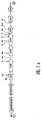
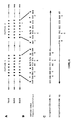
- sequence SEQ ID No. 22 and the sequence SEQ ID No. 11 comprise a transposon represented in FIG. 7a; this transposon contains the genes necessary for the expression of glycopeptide resistance, as well as the genes associated with this resistance involved for example in the regulation of the expression of the genes necessary to obtain the resistance phenotype or involved in the quantity of polypeptide resistance obtained.
- a particular sequence as defined above is one of the following sequences: or
- V1 and V2 allow the constitution of probes where appropriate in combination with other nucleotides, depending on the degree of specificity sought to detect vanA and vanC and can also be used as primers in polymerase chain reactions.
- nucleotide sequences are the sequences SEQ ID NO 8, SEQ ID NO 9, SEQ ID NO 10, SEQ ID NO 21, SEQ ID NO 12 (transposase), SEQ ID NO 13 (resolvase), SEQ ID NO 14 (vanY ), SEQ ID No. 15 (vanZ), SEQ ID No. 23 (vanR), SEQ ID No.
- vanS or a variant of one of these sequences as it encodes a protein having immunological properties and / or functional similar to those of the proteins encoded by the sequences SEQ ID NO 8 SEQ (vanA), ID NO 9 (vanH), SEQ ID NO 10 (vanX), or SEQ ID NO 21 (vanC), SEQ ID NO 12 ( transposase), SEQ ID NO: 13 (resolvase), SEQ ID NO: 14 (vanY), SEQ ID NO: 15 (vanZ), SEQ ID NO: 23 (vanR), SEQ ID NO: 24 (vanS) or in that it allows the detection of strains resistant to antibiotics of the glycopeptide family.
- Variants include all fragments of sequences having the following properties.
- SEQ ID NO 8 corresponds to a DNA fragment of 1029 bp located between the ATG codon at position 377 and the TGA codon at position 1406 on plasmid pAT214 (Fig. 6).
- the invention also relates to a nucleotide sequence corresponding to the sequence SEQ ID NO 6 corresponding to the coding sequence of the proteins (2 regulatory proteins and 3 resistance proteins), and also comprising the flanking sequences associated with these coding sequences, or including this sequence.
- the inventors have identified upstream and downstream vanR, vanS, vanH, vanA and vanX genes required or associated with the expression of resistance to glycopeptides at a given level, as long as genes coding for a transposase and a resolvase (upstream of the aforementioned group) and vanY and vanZ genes, downstream of this group.
- the transposase and resolvase genes would be involved in transposition functions and the vanY gene encoding a D, D-carboxy peptidase would be involved in the metabolism of peptidoglycan, and could contribute to glycopeptide resistance in E. faecium BM4147 even though vanR, vanS, vanH, vanA and vanX carried by a high copy number plasmid alone confer a high level of resistance.
- the coding sequence of the transposase is located on the (-) strand of the sequence ID NO 22 which codes for vanR, vanS, vanH, vanA, vanX, vanY, vanZ and the resolvase.
- the invention relates not only to the DNA sequences identified in the sequence listing but also to the complementary DNA sequences and the corresponding RNA sequences.
- the invention furthermore relates to the equivalent sequences of the preceding ones, either in terms of the expression of proteins, polypeptides or fragments thereof described above, or in terms of their ability to detect, for example by the chain polymerization techniques of the strains. of Gram-positive bacteria, having resistance to antibiotics of the family of glycopeptides such as vancomycin or teicoplanin.
- recombinant sequences characterized in that they comprise one of the nucleotide sequences above.
- the invention also relates to a recombinant vector characterized in that it comprises one of the nucleotide sequences above, in a non-essential site for its replication, under the control of regulatory elements likely to intervene in the expression, of resistance to antibiotics of the family of glycopeptides, in particular vancomycin or teicoplanin, in a specific host.
- Particularly advantageous recombinant vectors for carrying out the invention are the following vectors: pAT214 containing the 1761 bp Eco RV- Sac II fragment containing a nucleotide sequence coding for the VanA protein; in these vectors, the sequences of the invention are advantageously placed under the control of promoters such as the lac promoter.
- the invention also relates to a recombinant cell host comprising a nucleotide sequence as described above or a vector described above, under conditions allowing the expression of resistance to antibiotics of the family of glycopeptides, in particular the resistance to vancomycin or / and teicoplanin, this host being for example selected from bacteria, including gram-positive cocci.
- yeasts for some applications it is also possible to use yeasts, fungi, insect or mammalian cells.
- the invention also relates to a nucleotide probe characterized in that it is capable of hybridizing with a sequence described above, this probe being optionally labeled. These probes may or may not be specific for glycopeptide resistance proteins.
- Markers that can be used for the purposes of the invention are known radioactive markers as well as than other markers such as enzymatic markers or chemoluminescent markers.
- Probes so labeled can be used in hybridization assays to detect glycopeptide resistance in Gram-positive bacteria. In this case, it will be possible to implement conditions of low stringency.
- Nucleotide probes according to the invention can be characterized in that they are specific in Gram-positive bacteria for sequences coding for a glycopeptide resistance protein, in particular vancomycin and / or teicoplanin, these probes being able to besides being universal among these sequences.
- probes any oligonucleotide hybridizing with a nucleotide sequence coding for one of the proteins according to the invention, as described in the preceding pages, and exhibiting no cross-hybridization or amplification reaction (PCR ) with sequences present in all the susceptible strains.
- PCR cross-hybridization or amplification reaction
- the universal character of the oligonucleotides usable in PCR is determined by their ability to specifically promote the amplification of a nucleotide sequence involved in resistance in any strain of Gram-positive bacterium, resistant to antibiotics of the glycopeptide family.
- the size of the nucleotide probes according to the invention may vary according to the desired use.
- fragments of the usual length will be used in this technique.
- probes you can take any part of the sequences of the invention, for example probes fragments of 200 nucleotides.
- a nucleotide probe is chosen for its specificity with respect to a nucleotide sequence coding for a protein required for expression in Gram-positive bacteria of a high level of resistance. to antibiotics of the glycopeptide family, in particular to vancomycin and teicoplanin.
- interesting probes may be chosen in the intragenic part of the vanA gene.
- probes that are advantageous for carrying out the invention are characterized by their universal character, according to the above definition, but not specific to the resistance genes. They can also be used as PCR primers, and are for example:
- V1 and V2 hybridize with vanA and vanC and are likely to lead to the detection in other microorganisms of proteins associated with glycopeptide resistance.
- probes of the invention have the specific character of a nucleotide sequence coding for a protein necessary for the expression in Gram-positive bacteria of a low level of resistance to antibiotics of the family of glycopeptides, particularly to vancomycin in Gram-positive bacteria.
- oligonucleotide probes that are derived from the vanA gene sequence encoding the VanA protein can be used to search indifferently for a high level or low level resistance.
- a probe of the invention is characterized in that it hybridises with a chromosomal or non-chromosomal nucleotide sequence of a Gram-positive strain resistant to glycopeptides, in particular vancomycin and / or teicoplanin, in particular in that it hybridises with a chromosomal or non-chromosomal nucleotide sequence of a Gram-positive cocci strain, for example an enterococci strain and preferably E. faecium 4147 or E. gallinarum .
- a hybridization test can be carried out using conditions of high stringency.
- oligonucleotides of the invention can be obtained from the sequences of the invention, by cleavage with restriction enzymes, or by chemical synthesis according to conventional methods.
- the invention also relates to polyclonal or monoclonal antibodies, characterized in that they recognize the polypeptide or polypeptides described above or an amino acid sequence described above.
- These antibodies can be obtained by conventional methods of producing antibodies.
- the Kolher method will be used for the preparation of the monoclonal antibodies. Milstein according to which monoclonal antibodies are prepared by cell fusion between myeloma cells and mouse spleen cells previously immunized with a polypeptide or a composition according to the invention, according to the conventional method.
- the antibodies of the invention are advantageously usable for the detection of the presence of proteins characteristic of a resistance to glycopeptides, in particular to vancomycin and teicoplanin.
- antibodies are the polyclonal or monoclonal antibodies directed against the VanA or VanC protein. Such antibodies advantageously make it possible to detect bacterial strains, in particular Gram-positive cocci, which have a high level of resistance against antibiotics of the glycopeptide family. If necessary, a prior lysis step of the cells of the sample subjected to detection is carried out prior to contacting the sample with the antibodies.
- the means developed by the inventors also have the advantage of being very advantageous for being suitable for carrying out a rapid and reliable test or kit for the detection of Gram-positive strains resistant to glycopeptides by the polymerase chain reaction (PCR).
- PCR polymerase chain reaction
- the IPCR technique allows the amplification of the NH 2 and terminal COOH regions of the genes that one wishes to detect.
- primers make it possible to amplify the genes of the resistant strains at low level. These primers are, for example, chosen from the sequence encoding the VanA resistance protein.
- sequences can be used as primers for the preparation of probes for the detection of amplification by the PCR or IPCR method.
- X represents one of the bases A, T, C or G or in each case corresponds to inosine.
- the invention naturally targets the complementary probes of the oligonucleotides previously described as well as possibly the corresponding RNA probes.
- the detection of the elongation products of the desired sequence can be carried out by a probe identical to the primers used to perform the PCR or IPCR technique, or by a probe different from these primers, this probe being optionally labeled.
- Enterococcus faecium BM4147 was cultured until an optical density (OD 600 ) of 0.7 in 500 ml brain-heart broth (BHI broth medium) was obtained. Induction was performed with 10 ⁇ g / ml of vancomycin (Eli Lilly Indianapolis Ind). The subsequent steps were carried out at 4 ° C. The cells were recovered by centrifugation for 10 minutes at 6000 g, washed in TE buffer (0.01 M TRIS-HCl, 0.002 M EDTA, pH 7.0) and lysed with glass beads (100 diameter) in a Braun device for 2 minutes. Cell debris was separated by centrifugation for 10 minutes at 6000 g. The membranes were collected by centrifugation for 1 hour at 65000 g and resuspended in 0.5 ml of TE buffer.
- Plasmids were introduced by transformation into E. coli strain AR1062 prepared as a bacterial sac.
- the bacterial sacs were recovered on sucrose gradients and the proteins were labeled with 50 ⁇ Ci of [ 35 S] L-methionine (Amersham, Great Britain) according to the method of Rambach and Hogness (1977, PNAS USA, 74; 5041-5045 ).
- E.coli JM83 and derived strains were cultured in BHI medium until an optical density (OD 600 ) of 0.7 was obtained, washed and suspended in TE buffer.
- the cell suspension was sonicated (phonolysed) for 20 seconds with 50 W doses in a Branson B7 ultrasonic apparatus and the intact cells were removed by centrifugation for 10 minutes at 6000 g.
- the supernatant was fractionated into membrane and cytoplasmic fractions by centrifugation for 1 hour at 100000g.
- Proteins from bacterial fractions were separated by SDS-PAGE in polyacrylamide linear gradient gels (7.5% -15%) ( Laemmli 1970, Nature 227: 680-685 ). The electrophoresis was carried out for 1 hour at 200 V then 3 hours at 350 V. The gels were stained with Coomassie blue. Proteins from the extracts were separated in 10% polyacrylamide gels and visualized by autoradiography.
- Proteins from the membrane fractions of an E. coli BN4147 induced culture were separated by SDS-PAGE.
- the gel was electrotransferred for 1 hour at 200 mA on a polyvinylidene difluoride membrane (Immobilon Transfer, Millipore) using a transfer apparatus (Electrophoresis Unit LKB 2117 Multiphor II) according to the manufacturer's recommendations.
- the transferred proteins were stained with Ponceau red.
- the membrane portion carrying the protein of interest was cut off, centered on a teflon filter and placed in the block cartridge of a sequencer (Applied Biosystems Model 470A Sequencer).
- the protein was sequenced by the automated degradation of Edman (1967, Eur J. Biochem 1, 80-81 ).
- the plasmid pAT213 ( Brisson-No ⁇ l et al, 1990, Antimicrob Agents chemother, 34; 924-927 ) consists of a 4.0 kb Eco RI DNA fragment of plasmid pIP816 enterococci cloned at the EcoRI site of a gram-positive-gram-negative shuttle vector pAT187 ( Trieu-Cuot et al., 1987, FEMS Microbiol Lett 48; 289-294 ).
- the restriction DNA fragments were subcloned into the polylinker of the replication forms of the bacteriophage M13 mp18 and mp19 derivatives ( Norrander et al., 1983, Gene 26; 101-106 ), obtained from Pharmacia PL Biochemicals.
- E. coli JM103 was transfected with recombinant phages and single stranded DNA was prepared.
- Nucleotide sequencing was performed by the enzymatic method of di-deoxy nucleotides ( Sanger et al., 1977, PNAS USA 74; 5463-5467 ) using T7 polymerase DNA (Sequenase, United States Biochemical Corporation, Cleveland Ohio) and [ ⁇ 35 S] dATP (Amersham, UK). The products of the reactions were revealed in polyacrylamide gels containing a 6% denaturing buffer.
- the complete DNA sequence was assembled using the computer programs DBCOMP and DBUTIL ( Staden, 1980, Nucleic Acids Res 8; 3673-3694 ).
- the PSEQIP protein data bank of the Institut Pasteur was screened using an alogorythmus developed by Clavery (1984, Nucleic Acids Res 12; 397-407 ). Alignments between pairs of amino acid sequences were constructed using the algorythmus of Wilbur et al (1983, PNAS USA 80, 726-730 ). The statistical significance of homology has been evaluated with the algorithm of Lipman and Pearson (1985, Science 227; 1435-1440 ).
- Plasmids were introduced by transformation into E. coli ST640, a temperature-sensitive mutant with an unmodified D-ala-D-ala ligase ( Lugtenberg et al. 1973, J. Bacteriol 110; 26-34 ). Transformants were selected at 30 ° C on plates containing 100 ⁇ g / ml ampicillin and the presence of plasmid DNA of the desired size and restriction maps were verified. Single colonies grown at 30 ° C.
- the protein band represents the same protein since this band is absent from the membranes of a BM4147 derivative which has lost the plasmid pIP816.
- the inducible protein, designated VanA was purified after SDS-PAGE and automated Edman degradation was performed on a 50 pmol sample.
- VanA Nine amino acids of the N-terminal sequence of VanA have been identified: Met Asn Arg Ile Lys Val Ala Ile Leu.
- the 4.0 kb insert of plasmid pAT213 is the determinant of glycopeptide resistance of E. faecium BM4147.
- Various restriction fragments of this insert were subcloned into pUC18 and the Recombinant plasmids specific for vanA in E. coli were identified by SDS-PAGE analysis of the proteins of the cytoplasmic and membrane fractions or bacterial bag extracts. This approach has been used because E.coli is intrinsically resistant to the glycopeptide.
- the Eco RV- Sac II insert of plasmid pAT214 (FIG. 2) encodes a single 40 kDa polypeptide which migrates together with VanA, derived from the membrane preparations of E. faecium BM4147.
- the nucleotide sequence of the Eco RV- Sac II insert of 1761 bp in pAT214 was determined on both strands of the DNA according to the strategy described in FIG. 2.
- the localization of the termination codons (TGA, TAA, TAG) in three reading frames on each strand of DNA showed the presence of a single open reading frame (ORF) of sufficient size to encode the VanA protein.
- This ORF reading frame is located between the TAA codon at position 281 and the TAG codon at position 1406.
- the deduced amino acid sequence of ORF was compared with that of the N-terminus of VanA.
- the nine amino acids identified by the protein sequencing are encoded by the nucleotide sequence starting with the ATG codon (methionine) at position 377 (FIG.
- This translation initiation codon is preceded by a sequence (TGAAAGGAGA), characteristic of a ribosome binding site (RBS) of Gram-positive bacteria that is complementary to the 8 bases of the subunit rRNA. 16S of Bacillus subtilis in its part (3'OH UCUUUCCUCC 5 ') ( Moran et al, 1982, Mol. Gen. Broom. 186; 339-346 ).
- ORF there is no other ATG or GTG initiation codon between positions 281 and 377.
- the 1029 bp sequence that extends from the ATG codon at position 377 to the TGA codon at position 1406 encodes a protein containing 343 amino acid residues. The calculated molecular weight of this protein is 37400 Da which is consistent with the 40 kDa estimate obtained by SDS-PAGE analysis.
- E. coli strain ST640 is a thermosensitive mutant with a deficient D-ala-D-ala ligase activity ( Lugtenberg et al, 1973, J. Bacteriol 113: 96-104 ).
- Plasmids pUC18 and pAT214 were introduced by transformation into E. coli ST640. Strains ST640 and ST640 (pUC18) grew normally only at permissive temperature (30 ° C) while E. coli ST640 (pAT214) grew at both permissive and non-permissive temperatures (42 ° C) .
- VANA is functionally related to D-Ala-D-Ala ligases in E. coli and is likely capable of catalyzing the same ligation reaction as DALIG.
- restriction fragments of pIP816 (Tra-, Mob + , Vm r ) were cloned into pAT29 vector derivatives which constitutes a shuttle vector between gram-positive and gram-negative bacteria (oriR pAM ⁇ 1, oriR pUC, oriT RK2, spc, lacZ ⁇ ) ( Trieu-Cuot et al, 1990, Nucleic Acids Res. 18: 4296 ). This vector was constructed by the inventors and used to transform E.
- Plasmid DNA was prepared by a small-scale alkaline lysis protocol ( Sambrook et al., 1982, Molecular cloning, a laboratory manual. Cold Spring Harbor Laboratory, Cold Spring Harbor NY ) and introduced by electrotransformation ( Cruz-Rodz AL et al, 1990, Mol. Gen. Broom. 224: 152-154 ) in E.
- the integrative plasmid pAT113 (Mob + , Em R , Km R , oriR PACYC184, attTn1545, LacZ ⁇ ) ( Trieu-Cuot et al, Gene 106: 21-27 ) carries the joined ends of transposon Tn1545.
- This vector does not replicate in gram-positive bacteria but integrates with the chromosome of the host by illegitimate recombination mediated by the integrase of Tn1545 or Tn916 (Trieu-Cuot et al).
- Integrative plasmids were introduced by electrotransformation into E. faecalis BM4148 (strain JH2-2 :: Tn916). This strain is modified by the transposon Tn916 described by Frank AE et al (1981, J. Bacteriol 145: 494-502). ).
- the cultures were made in Brain Heart Infusion Broth (BHI) or on agar at 37 ° C.
- BHI Brain Heart Infusion Broth
- the method of Steers et al (Antibiot, Chemother, Basel, 9: 307-311 ) was used to determine the minimal inhibition concentrations (MICs) of the antibiotics on an agar medium Mueller-Hinton agar.
- the restriction DNA fragments were subcloned into a polylinker of bacteriophage M13 replicative derivatives, these derivatives being termed mp18 and mp19 (Norrander et al., 1983, Gene 26 : 101-106).
- E. coli JM103 was transfected with recombinant phages and single stranded DNA was prepared.
- Nucleotide sequencing was performed according to the conditions described by Sanger et al (Proc Natl Acad Sci USA, 1977, 74: 5463-5467 ) using the modified T7 DNA polymerase (Sequenase, United States, Cliveland OH Biochemical Corporation) and [ ⁇ -35S] dATP (Amersham). The products of the reactions were resolved on gradient gels in 6% polyacrylamide buffer.
- the JH2-2 derivatives of E. faecalis were cultured at OD 600 optical density of 0.7 in BHI broth medium supplemented with spectinomycin (300 ⁇ g / ml). The cells were treated with lysozyme, lysed by sonication and cell debris was centrifuged for 45 minutes at 100000g according to the description of Courvalin et al (1978, Antimicrob Agents Chemother 13: 716-725 ). The formation of 5-thio-2-nitrobenzoate was measured at 37 ° C in the presence and absence of chloramphenicol and the specific CAT activity was expressed in micromoles per minute and per milligram of protein ( Shaw et al, 1975, Methods Enzymol. 43: 737-755 ).
- vanH and vanA genes of pIP816 were cloned in plasmid pAT79 under the control of the heterologous promoter P2 ( Caillaud et al., 1987, Mol. Gen. Broom. 207: 509-513 ) and the plasmid pAT86 formed did not give the strain E. faecalis JH2-2 the resistance to vancomycin. These genes are therefore not sufficient for the synthesis of peptidoglycan in the absence of the antibiotic.
- Various restriction fragments of pIP816 were cloned into the pAT78 vector. The 5.5 kb Bgl II- Xba I fragment of pAT80 is the most small fragment obtained conferring resistance to vancomycin.
- the sequence of the pAT80 insert was determined on both strands of the DNA from the Bgl II site to the VanH ATG translation initiation codon.
- Two open reading phases (orf) were found within the 2475 bp sequence: the first open reading phase extends from nucleotide 386 to nucleotide 1123; at position 431 there is a sequence characteristic of RBS sequences of gram-positive bacteria, 6 base pairs upstream of the ATG translation initiation codon (T GAAAGG GT G ); the other translation initiation codons in this orf are not preceded by this type of sequence.
- the 693 bp sequence from the ATG codon at level 431 to the TAA codon at position 1124 is capable of encoding a protein of 231 amino acids with a molecular weight of 26.612 Da and which is designated VanR.
- the deduced amino acid sequence from the first in-phase initiation codon (TTG at position 1104) would encode a 384 amino acid protein with a molecular weight of 43,847 Da and designated by VanS.
- the TTG codons at position 1116 and ATG at position 1164 are phase translation initiation codons preceded by sequences with low complementarity to the 3'OH termination of the 16S subunit of B. subtilis RNA ( G G GGG G TT GG -N8-TTG and AGAA C G A AA-N6-ATG respectively).
- VanS has two groups of hydrophobic amino acids in the N-terminal region.
- the Histidine residue 164 of VanS is aligned with the residue His216 of PhoR ( Makino et al., 1986, J. Mol. Biol. 192: 549-556 ) and His 243 of EnvZ (Comeau et al., 1985, 164 : 578-584) which are presumed sites of autophosphorylation in these proteins.
- VanR amino acids 1 to 122 of VanR have similarities to the effector domains of RR response regulators.
- Aspartic acid 53 from VanR could be a site of phosphorylation since this residue is aligned with Asp 57 of Che Y which is phosphorylated by HPK associated with CheA and corresponds to an invariant position in other RR-like proteins (Stock et al. supra).
- VanR could belong to the subclass OmpR-PhoB of RR which activates the transcription initiation mediated by the RNA polymerase comprising the ⁇ 70S factor of E. coli (Stock et al supra).
- Kanamycin resistance cassettes inserted into the van gene cluster in plasmid pAT80 showed that: insertion into vanR suppresses resistance to vancomycin and chloramphenicol; VanR is a transcription enhancer required for the expression of vancomycin resistance genes. Inactivation of vanS results in a reduction of twice the minimum inhibitory concentration (MIC) of chloramphenicol and a three-fold reduction in specific CAT activity, but the minimal inhibitory concentration of vancomycin remains unchanged. Thus VanS is necessary to obtain a high level of transcription of the vancomycin resistance genes, although it is not required for the expression of the vancomycin resistance phenotype.
- MIC minimum inhibitory concentration
- This dissociated phenotype corresponds to the inactivation of genes coding for enzymes that synthesise depsipeptide precursors necessary for the assembly of bacterial walls in the presence of vancomycin.
- VanX glycopeptide resistance
- the integrative plasmid pAT89 encoding VanR and VanS was introduced into the chromosome of E. faecalis BM4138. Plasmid pAT87 carrying vanH, vanA and vanX genes cloned upstream of cat gene lacking pAT78 promoter, conferred vancomycin resistance on this strain but not E. faecalis JH2-2. The level of expression of the pAT87 cat gene in strains BM4138 :: pAT89 and JH2-2 indicated that VanR activates transcription of the reporter gene located at the 3 'end of the van gene cluster. Similar levels of CAT synthesis were observed for pAT88 which carries a transcriptional fusion between the 5 'vanA moieties and the cat gene .
- the VanA protein required to express a high level of glycopeptide resistance in E. faecium BM4147 shares approximately 28-36% amino acid similarity with E. coli D-Ala-D-Ala ligases but has specificity of substrates different from that of these ligases.
- Peptides designated 1 and 2 which are conserved in the sequences of the Dd1A and DdlB ligases ( Zawadzke, 1991 Biochemistry 30: 1673-1682 ) of E. coli and in the VanA protein were selected to synthesize universal primers for amplifying internal fragments of genes encoding D-Ala-D-Ala ligases or related enzymes.
- the GEDG (S / T) (I / L) QG and NT (I / L) PGFT target peptides were translated back as shown in Figure IV.1, to obtain degenerate oligonucleotides V1 and V2. Since peptides 1 and 2 of VanA, Dd1A and Dd1B are separated by amino acid sequences of similar length, the predicted size for the amplification product was about 640 bp.
- a probe generated from a recombinant phage obtained with the BM4147 amplification fragment was used for Southern analysis of a BM4147 and BM4147-1 DNA which is a vancomycin-sensitive BM4147 derivative and which is devoid of plasmid pIP816 ( Leclercq et al., 1988, N. Engl. J. Med. 319: 157-161 ).
- the probe hybridized with the DNA fragment EcoRI 4 kb of BM4147 but not to the DNA of E. faecium BM4147-1.
- vanA gene is carried by the Eco RI fragment of 4 kb pIP816, these results indicate that the primers also allow the amplification of a portion of vanA.
- oligonucleotides V1 and V2 can amplify gene fragments encoding different proteins related to D-Ala-D-Ala ligases in different species.
- PCR amplification was performed on the total DNA of. E. gallinarum BM4174 and the obtained amplification product of about 640 bp was cloned into bacteriophage M13mp10. Single-stranded DNA isolated from recombinant phage was used to construct a C-probe ( Hu et al, 1982, Gene 17: 2171-2177 ). In Southern analysis the probe hybridized with a 1.7 kb Pst I fragment of BM4174 but not with the BM4147 and BM4147-1 DNA.
- BM4174 DNA was digested with Pst I and 1.5 and 2 kb fragments were purified by agarose gel electrophoresis and cloned into pUC18 (Norrander et al, 1983, supra).
- the recombinant plasmids were introduced into E. coli JM83 by transformation and screened by colony hybridization ( Sambrook et al, 1989, Molecular cloning, a laboratory manual. Cold Spring Harbor Laboratory Press, Cold Spring Harbor, NY ) using the C probe. Homology was detected with a transformant harboring a plasmid, called pAT216, which contained a 1.7 kb Pst I insert.
- the sequence of the 1347 bp Sac I- Pst I portion of the pAT216 insert was demonstrated on both strands of DNA. Localization of the termination codons in the three reading frames of each DNA strand revealed the presence of an ORF phase located between the TGA codons at positions 47 and 1244.
- the ATG transcription initiation codon at position 215 is preceded by a GAAAGGA A G A sequence characteristic of the RBS sequences complementary to the B. subtilis 16S subunit RNA ( Moran et al, 1982, Mol. Gen. Broom. 186: 339-346 ).
- the 1029 bp sequence extending from the ATG codon at position 215 to the TGA codon at position 1244 could encode a 343 amino acid protein with a calculated molecular weight of 37504Da designated VanC. Sequence similarity was detected between VanC, VanA and E. coli D-Ala-D-Ala ligases . In particular, four domains of strong homology previously found between VanA and the enterobacterial D-Ala-D-Ala ligases are also present in VanC. The percentage of identical amino acids calculated for these proteins taken in pairs was between 29 and 38%. Alignment of the four sequences revealed the presence of 57 invariant amino acids that include the conserved residues of peptides 1 and 2 used to define oligonucleotide probes V1 and V2.
- vanC gene was inactivated by insertion.
- a vanC- internal 660 bp Eco RI-Hinc II fragment was cloned into pAT114 which did not replicate in gram-positive bacteria.
- the resulting plasmid pAT217 was introduced into BM4174 by electrotransformation ( Cruz-Rodz et al, 1990, Mol. Gen. Broom. 224: 152-154 ) and the clones presumed to result from homologous recombination leading to the integration of pAT217 in vanC were selected on erythromycin.
- Clone BM4175 was compared to BM4174 by Southern hybridization using pAT114-specific C and aphA-3 probe. Both probes hybridized with the 8.6 kb Eco RI fragment of BM4175. Probe C hybridized with a 2.5 kb fragment of BM4174 whereas no signal was observed with the aphA-3 probe. The results indicate that the 6.1 kb plasmid pAT217 was integrated into the vanC gene. Determination of the minimum inhibitory concentration of vancomycin for BM4174 (16 mg / l) and BM4175 (2 mg / l) indicated that inactivation by insertion into vanC abolished vancomycin resistance.
- VanC is therefore required for vancomycin resistance. This protein may therefore be thought to synthesize a dipeptide or depsipeptide that is incorporated into the peptidoglycan precursors and is not recognized by vancomycin.
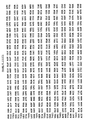
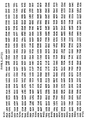
- sequences which are the subject of the invention are given in the following pages after the list of sequences containing the description of these sequences.
- sequence listing the proteins are identified with respect to the position of the nucleotide bases corresponding to the amino acids of the protein ends.
Landscapes
- Chemical & Material Sciences (AREA)
- Health & Medical Sciences (AREA)
- Life Sciences & Earth Sciences (AREA)
- Genetics & Genomics (AREA)
- Organic Chemistry (AREA)
- Engineering & Computer Science (AREA)
- Zoology (AREA)
- Wood Science & Technology (AREA)
- Bioinformatics & Cheminformatics (AREA)
- Molecular Biology (AREA)
- Biotechnology (AREA)
- General Engineering & Computer Science (AREA)
- Biomedical Technology (AREA)
- Biochemistry (AREA)
- General Health & Medical Sciences (AREA)
- Proteomics, Peptides & Aminoacids (AREA)
- Microbiology (AREA)
- Biophysics (AREA)
- Medicinal Chemistry (AREA)
- Physics & Mathematics (AREA)
- Analytical Chemistry (AREA)
- Immunology (AREA)
- Plant Pathology (AREA)
- Gastroenterology & Hepatology (AREA)
- Measuring Or Testing Involving Enzymes Or Micro-Organisms (AREA)
- Peptides Or Proteins (AREA)
- Micro-Organisms Or Cultivation Processes Thereof (AREA)
- Preparation Of Compounds By Using Micro-Organisms (AREA)
Applications Claiming Priority (2)
| Application Number | Priority Date | Filing Date | Title |
|---|---|---|---|
| FR9013579A FR2668489A1 (fr) | 1990-10-31 | 1990-10-31 | Sequences nucleotidiques et polypeptidiques impliquees dans l'expression de la resistance aux glycopeptides. utilisation pour le diagnostic. |
| EP91920753A EP0507934B1 (de) | 1990-10-31 | 1991-10-29 | Polypeptide die in der exprimierung der glykopeptidantibiotikaresistenz einbegriffen sind |
Related Parent Applications (2)
| Application Number | Title | Priority Date | Filing Date |
|---|---|---|---|
| EP91920753A Division EP0507934B1 (de) | 1990-10-31 | 1991-10-29 | Polypeptide die in der exprimierung der glykopeptidantibiotikaresistenz einbegriffen sind |
| EP91920753.0 Division | 1992-05-15 |
Publications (2)
| Publication Number | Publication Date |
|---|---|
| EP1785487A2 true EP1785487A2 (de) | 2007-05-16 |
| EP1785487A3 EP1785487A3 (de) | 2012-01-11 |
Family
ID=9401774
Family Applications (2)
| Application Number | Title | Priority Date | Filing Date |
|---|---|---|---|
| EP91920753A Expired - Lifetime EP0507934B1 (de) | 1990-10-31 | 1991-10-29 | Polypeptide die in der exprimierung der glykopeptidantibiotikaresistenz einbegriffen sind |
| EP07000325A Withdrawn EP1785487A3 (de) | 1990-10-31 | 1991-10-29 | Beim Ausdruck der Resistenz gegenüber Glykopeptid-Antibiotika implizierte Polypeptide |
Family Applications Before (1)
| Application Number | Title | Priority Date | Filing Date |
|---|---|---|---|
| EP91920753A Expired - Lifetime EP0507934B1 (de) | 1990-10-31 | 1991-10-29 | Polypeptide die in der exprimierung der glykopeptidantibiotikaresistenz einbegriffen sind |
Country Status (9)
| Country | Link |
|---|---|
| US (1) | US6013508A (de) |
| EP (2) | EP0507934B1 (de) |
| JP (3) | JP3404533B2 (de) |
| CA (3) | CA2475116C (de) |
| DE (1) | DE69133555T2 (de) |
| DK (1) | DK0507934T3 (de) |
| ES (1) | ES2280079T3 (de) |
| FR (1) | FR2668489A1 (de) |
| WO (1) | WO1992007942A1 (de) |
Families Citing this family (9)
| Publication number | Priority date | Publication date | Assignee | Title |
|---|---|---|---|---|
| FR2699537B1 (fr) * | 1992-12-18 | 1995-02-17 | Pasteur Institut | Protéine conférant une résistance de type inductible, à des glycopeptides, notamment chez des bactéries à gram-positif. Séquences de nucléotides codant pour cette protéine. |
| FR2699539B1 (fr) * | 1992-12-18 | 1995-02-17 | Pasteur Institut | Protéine conférant une résistance de type inductible, à des glycopeptides, notamment chez des bactéries à gram-positif. Séquence de nucléotides codant pour cette protéine. |
| US5770690A (en) * | 1995-06-27 | 1998-06-23 | Neurex Corporation | Bax omega protein and methods |
| US6107071A (en) * | 1996-09-24 | 2000-08-22 | Smithkline Beecham Corporation | Histidinol dehydrogenase |
| US6270992B1 (en) * | 1997-07-29 | 2001-08-07 | Smithkline Beecham Corporation | Histidine kinase of Staphylococcus aureus |
| EP1210365A2 (de) * | 1999-08-17 | 2002-06-05 | Beth Israel Deaconess Medical Center, Inc. | Verfahren und zusammensetzungen zur wiederherstellung der empfindlichkeit zur antibiotika in glykopeptid-resistente enterococcus |
| JP2009502137A (ja) | 2005-07-21 | 2009-01-29 | アイシス ファーマシューティカルズ インコーポレイティッド | 核酸変種の迅速な同定および定量のための方法 |
| US20110200995A1 (en) * | 2009-09-04 | 2011-08-18 | Intelligent Medical Devices, Inc. | Optimized probes and primers and methods of using same for the detection, screening, isolation and sequencing of vancomycin resistance genes and vancomycin resistant enterococci |
| FR2994270B1 (fr) | 2012-08-01 | 2020-01-03 | Biomerieux | Procede de detection d'au moins un mecanisme de resistance aux glycopeptides par spectrometrie de masse |
Family Cites Families (2)
| Publication number | Priority date | Publication date | Assignee | Title |
|---|---|---|---|---|
| AU606043B2 (en) * | 1985-03-28 | 1991-01-31 | F. Hoffmann-La Roche Ag | Detection of viruses by amplification and hybridization |
| FR2699537B1 (fr) * | 1992-12-18 | 1995-02-17 | Pasteur Institut | Protéine conférant une résistance de type inductible, à des glycopeptides, notamment chez des bactéries à gram-positif. Séquences de nucléotides codant pour cette protéine. |
-
1990
- 1990-10-31 FR FR9013579A patent/FR2668489A1/fr active Granted
-
1991
- 1991-10-29 DK DK91920753T patent/DK0507934T3/da active
- 1991-10-29 ES ES91920753T patent/ES2280079T3/es not_active Expired - Lifetime
- 1991-10-29 CA CA002475116A patent/CA2475116C/fr not_active Expired - Lifetime
- 1991-10-29 WO PCT/FR1991/000855 patent/WO1992007942A1/fr not_active Ceased
- 1991-10-29 JP JP50003892A patent/JP3404533B2/ja not_active Expired - Lifetime
- 1991-10-29 EP EP91920753A patent/EP0507934B1/de not_active Expired - Lifetime
- 1991-10-29 CA CA2637710A patent/CA2637710C/fr not_active Expired - Lifetime
- 1991-10-29 DE DE69133555T patent/DE69133555T2/de not_active Expired - Lifetime
- 1991-10-29 CA CA002072350A patent/CA2072350C/fr not_active Expired - Lifetime
- 1991-10-29 EP EP07000325A patent/EP1785487A3/de not_active Withdrawn
-
1997
- 1997-11-28 US US08/980,357 patent/US6013508A/en not_active Expired - Lifetime
-
2002
- 2002-02-21 JP JP2002045484A patent/JP2002320494A/ja active Pending
-
2003
- 2003-05-06 JP JP2003128349A patent/JP4128905B2/ja not_active Expired - Lifetime
Also Published As
| Publication number | Publication date |
|---|---|
| CA2637710C (fr) | 2010-12-14 |
| CA2072350A1 (fr) | 1992-05-01 |
| US6013508A (en) | 2000-01-11 |
| ES2280079T3 (es) | 2007-09-01 |
| FR2668489A1 (fr) | 1992-04-30 |
| CA2637710A1 (fr) | 1992-05-14 |
| DE69133555D1 (de) | 2007-02-22 |
| JP2004024251A (ja) | 2004-01-29 |
| JPH05503222A (ja) | 1993-06-03 |
| WO1992007942A1 (fr) | 1992-05-14 |
| EP0507934B1 (de) | 2007-01-10 |
| FR2668489B1 (de) | 1995-03-31 |
| EP1785487A3 (de) | 2012-01-11 |
| JP2002320494A (ja) | 2002-11-05 |
| DE69133555T2 (de) | 2007-10-25 |
| JP3404533B2 (ja) | 2003-05-12 |
| EP0507934A1 (de) | 1992-10-14 |
| CA2072350C (fr) | 2004-11-30 |
| JP4128905B2 (ja) | 2008-07-30 |
| DK0507934T3 (da) | 2007-05-14 |
| CA2475116A1 (fr) | 1992-05-14 |
| CA2475116C (fr) | 2008-12-02 |
Similar Documents
| Publication | Publication Date | Title |
|---|---|---|
| JP3581352B2 (ja) | ウレアーゼの調節及び成熟のために必要なHelicobacterpyloriの遺伝子及びその用途 | |
| EP0367644B1 (de) | Nukleotidesequenzen, die ein Protein mit Ureareaktivität kodieren | |
| Arias et al. | vanC cluster of vancomycin-resistant Enterococcus gallinarum BM4174 | |
| EP0672147B1 (de) | Protein die eine induzierbare resistenz gegen glycopeptide verursacht , insbesondere bei gram-negativen bakterien | |
| Méndez-Álvarez et al. | Glycopeptide resistance in enterococci | |
| EP0507934B1 (de) | Polypeptide die in der exprimierung der glykopeptidantibiotikaresistenz einbegriffen sind | |
| Kataoka et al. | Characterization of a methyl-accepting chemotaxis protein gene, dmcA, from the oral spirochete Treponema denticola | |
| EP0770138B1 (de) | Funktionelles aufspüren und/oder expressionsvektoren bei mycobakterien | |
| WO1995025738A1 (en) | Recombinase-deficient helicobacter pylori and related methods | |
| US5871910A (en) | Probes for the detection of nucleotide sequences implicated in the expression of resistance to glycopeptides, in particular in gram-positive bacteria | |
| US6916906B1 (en) | Polypeptides implicated in the expression of resistance to glycopeptides, in particular in gram-positive bacteria, nucleotide sequence coding for these polypeptides and use for diagnosis | |
| Haas et al. | Cloning of a superoxide dismutase gene from Listeria ivanovii by functional complementation in Escherichia coli and characterization of the gene product | |
| FR2699539A1 (fr) | Protéine conférant une résistance de type inductible, à des glycopeptides, notamment chez des bactéries à gram-positif. Séquence de nucléotides codant pour cette protéine. | |
| EP0772686A1 (de) | Topoisomerase iv, entsprechende nukleinsauresequenz und verwendungen | |
| FR2584419A1 (fr) | Sonde et procede pour la detection de facteurs de resistance a l'erythromycine dans des cultures cellulaires, notamment bacteriennes | |
| HK1110887A (en) | Polypeptides involved in the expression of resistance to glycopeptide antibiotics | |
| FR2616804A1 (fr) | Sonde d'adn destinee a la detection de listeria monocytogenes, kit analytique et methode permettant d'effectuer cette detection | |
| EP0219407A1 (de) | DNS-Fragment, das mindestens einen Teil eines lincosamidresistenten Gens enthält, Verfahren zu dessen Herstellung und biochemische Anwendungen |
Legal Events
| Date | Code | Title | Description |
|---|---|---|---|
| PUAI | Public reference made under article 153(3) epc to a published international application that has entered the european phase |
Free format text: ORIGINAL CODE: 0009012 |
|
| 17P | Request for examination filed |
Effective date: 20070109 |
|
| AC | Divisional application: reference to earlier application |
Ref document number: 0507934 Country of ref document: EP Kind code of ref document: P |
|
| AK | Designated contracting states |
Kind code of ref document: A2 Designated state(s): AT BE CH DE DK ES FR GB GR IT LI LU NL SE |
|
| RIN1 | Information on inventor provided before grant (corrected) |
Inventor name: COURVALIN, PATRICE Inventor name: DUKTA-MALEN, SYLVIE Inventor name: MOLINAS, CATHERINE Inventor name: ARTHUR, MICHEL |
|
| REG | Reference to a national code |
Ref country code: HK Ref legal event code: DE Ref document number: 1110887 Country of ref document: HK |
|
| PUAL | Search report despatched |
Free format text: ORIGINAL CODE: 0009013 |
|
| AK | Designated contracting states |
Kind code of ref document: A3 Designated state(s): AT BE CH DE DK ES FR GB GR IT LI LU NL SE |
|
| RIC1 | Information provided on ipc code assigned before grant |
Ipc: C12N 15/52 20060101AFI20111205BHEP Ipc: C12Q 1/10 20060101ALN20111205BHEP Ipc: C07K 14/315 20060101ALI20111205BHEP Ipc: C12Q 1/68 20060101ALI20111205BHEP |
|
| 17Q | First examination report despatched |
Effective date: 20111228 |
|
| AKX | Designation fees paid |
Designated state(s): AT BE CH DE DK ES FR GB GR IT LI LU NL SE |
|
| STAA | Information on the status of an ep patent application or granted ep patent |
Free format text: STATUS: THE APPLICATION IS DEEMED TO BE WITHDRAWN |
|
| 18D | Application deemed to be withdrawn |
Effective date: 20120508 |
|
| REG | Reference to a national code |
Ref country code: HK Ref legal event code: WD Ref document number: 1110887 Country of ref document: HK |