EP1806148A1 - Préparation thérapeutique pour inhalation - Google Patents
Préparation thérapeutique pour inhalation Download PDFInfo
- Publication number
- EP1806148A1 EP1806148A1 EP05795486A EP05795486A EP1806148A1 EP 1806148 A1 EP1806148 A1 EP 1806148A1 EP 05795486 A EP05795486 A EP 05795486A EP 05795486 A EP05795486 A EP 05795486A EP 1806148 A1 EP1806148 A1 EP 1806148A1
- Authority
- EP
- European Patent Office
- Prior art keywords
- alkyl
- ring
- substituted
- substituent
- ethyl
- Prior art date
- Legal status (The legal status is an assumption and is not a legal conclusion. Google has not performed a legal analysis and makes no representation as to the accuracy of the status listed.)
- Withdrawn
Links
- 0 *C(C*C1=I)*1NO Chemical compound *C(C*C1=I)*1NO 0.000 description 1
Images



Classifications
-
- A—HUMAN NECESSITIES
- A61—MEDICAL OR VETERINARY SCIENCE; HYGIENE
- A61K—PREPARATIONS FOR MEDICAL, DENTAL OR TOILETRY PURPOSES
- A61K31/00—Medicinal preparations containing organic active ingredients
- A61K31/33—Heterocyclic compounds
- A61K31/395—Heterocyclic compounds having nitrogen as a ring hetero atom, e.g. guanethidine or rifamycins
- A61K31/41—Heterocyclic compounds having nitrogen as a ring hetero atom, e.g. guanethidine or rifamycins having five-membered rings with two or more ring hetero atoms, at least one of which being nitrogen, e.g. tetrazole
- A61K31/425—Thiazoles
- A61K31/427—Thiazoles not condensed and containing further heterocyclic rings
-
- A—HUMAN NECESSITIES
- A61—MEDICAL OR VETERINARY SCIENCE; HYGIENE
- A61K—PREPARATIONS FOR MEDICAL, DENTAL OR TOILETRY PURPOSES
- A61K31/00—Medicinal preparations containing organic active ingredients
-
- A—HUMAN NECESSITIES
- A61—MEDICAL OR VETERINARY SCIENCE; HYGIENE
- A61K—PREPARATIONS FOR MEDICAL, DENTAL OR TOILETRY PURPOSES
- A61K45/00—Medicinal preparations containing active ingredients not provided for in groups A61K31/00 - A61K41/00
- A61K45/06—Mixtures of active ingredients without chemical characterisation, e.g. antiphlogistics and cardiaca
-
- A—HUMAN NECESSITIES
- A61—MEDICAL OR VETERINARY SCIENCE; HYGIENE
- A61P—SPECIFIC THERAPEUTIC ACTIVITY OF CHEMICAL COMPOUNDS OR MEDICINAL PREPARATIONS
- A61P11/00—Drugs for disorders of the respiratory system
-
- A—HUMAN NECESSITIES
- A61—MEDICAL OR VETERINARY SCIENCE; HYGIENE
- A61P—SPECIFIC THERAPEUTIC ACTIVITY OF CHEMICAL COMPOUNDS OR MEDICINAL PREPARATIONS
- A61P11/00—Drugs for disorders of the respiratory system
- A61P11/06—Antiasthmatics
-
- A—HUMAN NECESSITIES
- A61—MEDICAL OR VETERINARY SCIENCE; HYGIENE
- A61P—SPECIFIC THERAPEUTIC ACTIVITY OF CHEMICAL COMPOUNDS OR MEDICINAL PREPARATIONS
- A61P11/00—Drugs for disorders of the respiratory system
- A61P11/08—Bronchodilators
-
- A—HUMAN NECESSITIES
- A61—MEDICAL OR VETERINARY SCIENCE; HYGIENE
- A61P—SPECIFIC THERAPEUTIC ACTIVITY OF CHEMICAL COMPOUNDS OR MEDICINAL PREPARATIONS
- A61P43/00—Drugs for specific purposes, not provided for in groups A61P1/00-A61P41/00
-
- A—HUMAN NECESSITIES
- A61—MEDICAL OR VETERINARY SCIENCE; HYGIENE
- A61P—SPECIFIC THERAPEUTIC ACTIVITY OF CHEMICAL COMPOUNDS OR MEDICINAL PREPARATIONS
- A61P9/00—Drugs for disorders of the cardiovascular system
- A61P9/12—Antihypertensives
-
- C—CHEMISTRY; METALLURGY
- C07—ORGANIC CHEMISTRY
- C07D—HETEROCYCLIC COMPOUNDS
- C07D417/00—Heterocyclic compounds containing two or more hetero rings, at least one ring having nitrogen and sulfur atoms as the only ring hetero atoms, not provided for by group C07D415/00
- C07D417/02—Heterocyclic compounds containing two or more hetero rings, at least one ring having nitrogen and sulfur atoms as the only ring hetero atoms, not provided for by group C07D415/00 containing two hetero rings
- C07D417/12—Heterocyclic compounds containing two or more hetero rings, at least one ring having nitrogen and sulfur atoms as the only ring hetero atoms, not provided for by group C07D415/00 containing two hetero rings linked by a chain containing hetero atoms as chain links
Definitions
- the present invention relates to a pharmaceutical composition for inhalation comprising EP2 agonist.
- a pharmaceutical composition for inhalation comprising a sustained prodrug of EP2 agonist which is long-acting and reduces hypotensive effect.
- a pharmaceutical composition for inhalation comprising a compound represented by formula (I): wherein all symbols have the same meanings as described below, a salt thereof, a solvate thereof or a cyclodextrin clathrate thereof.
- COPD chronic obstructive pulmonary disease
- a bronchodilator for example, an anticholinergic drug, a ⁇ 2 -stimultor, a xanthine derivative or the like
- an expectorant for example, an expectorant, a steroid or an antibiotic
- improvement of the symptoms can be expected, however, they are not agents that fundamentally improve the pathological conditions.
- long-term dosing of a steroid is not preferable in terms of side effects or the like. Accordingly, a safe and useful therapeutic agent for COPD has been demanded.
- Patent Reference 1 the compound described in WO03/74483 (Patent Reference 1) has EP2 agonist action and is useful for prevention and/or treatment of pulmonary injury, pulmonary fibrosis, pulmonary emphysema, bronchitis, chronic obstructive pulmonary disease etc.
- An object of the present invention is to provide a safe and effective medicament which has bronchodilating and anti-inflammatory effect to treat respiratory disease.
- the inventors of the present invention carried out intensive studies for the purpose of solving the above problems. As a result, they found that by administering an EP2 agonist by inhalation, a bronchodilating effect and an anti-inflammatory effect are locally exhibited and an undesired effect of the EP2 agonist, for example, an effect on circulatory organs such as a hypotensive effect can be avoided or reduced.
- a carboxylic acid prodrug is favorable.
- the inventors of the present invention particularly found that a prodrug having an ester with a high lipid- soluble long-chain aliphatic alcohol or an amide with a long-chain aliphatic amine remains in an affected area in the respiratory organ and exhibits its effect in a sustained manner for a long period of time.
- an inhaled prodrug of the above-mentioned EP2 agonist in an inactive form remains in an affected area, and since the ester with a long-chain aliphatic alcohol or the like is not susceptible to enzymatic digestion, the inactive form of EP2 agonist is gradually changed into an active form of EP2 agonist, and the desired effect is sustained in the desired organ for a long period of time. Furthermore, by inhalation of the prodrug, since the concentration of the EP2 agonist does not increase transiently, an effect on circulatory organs is avoided and a hypotensive effect can be reduced.
- a prodrug is sometimes used for the purpose of increasing the oral absorption of an agent.
- the inventors of the present invention found an amazing effect that the effect is sustained in the respiratory organ and the hypotensive effect is reduced, which is an object completely different from that of the oral pharmaceutical composition, by using a sustained prodrug in a pharmaceutical composition for inhalation.
- EP2 agonist particularly a pharmaceutical composition for inhalation comprising a sustained prodrug of EP2 agonist has bronchodelating and anti-inflammatory effect and it can be a safe and effective medicament, and have completed the present invention.
- the present invention relates to the followings.
- a pharmaceutical composition for inhalation comprising a sustained prodrug of EP2 agonist topically exhibits a prolonged bronchodilating and antiinflammatory effects and may avoid any systemic effect such as lowering blood pressure. Therefore, the pharmaceutical composition for inhalation comprising a sustained prodrug of EP2 agonist is useful as a safe agent for preventing and/or treating respiratory diseases (for example, asthma, pulmonary injury (e.g. acute pulmonary injury, chronic pulmonary injury), pulmonary fibrosis, pulmonary emphysema, bronchitis (e.g. acute bronchitis, chronic bronchitis etc. ), chronic obstructive pulmonary disease, adult respiratory distress syndrome, cystic fibrosis, pulmonary hypertension or the like).
- respiratory diseases for example, asthma, pulmonary injury (e.g. acute pulmonary injury, chronic pulmonary injury), pulmonary fibrosis, pulmonary emphysema, bronchitis (e.g. acute bronchitis, chronic bronchi
- the EP2 agonist includes not only a compound which has EP2 agonist activity, but also a compound which is converted into EP2 agonist by reaction with enzymes etc . within a living body, namely, a prodrug of EP2 agonist.
- the duration time of the bronchodilator effect is in the range of from 6 hours to 1 week, preferably from 6 to 48 hours, more preferably from 6 to 24 hours after administration.
- the reduction of hypotensive effect means that in a dose that allows a bronchodilator effect to be exhibited, a significant decrease in blood pressure is not caused and the rate of change in blood pressure is smaller than with that before administration.
- the significant decrease in blood pressure refers to a decrease in blood pressure by 20 to 10 mmHg from blood pressure before administration.
- the decrease in blood pressure compared with before drug administration is preferably within 10 mmHg, and more preferably within 5 mmHg.
- the EP2 agonist in which the desired effect in the respiratory organs can be sustained and the hypotensive effect can be reduced particularly a sustained prodrug of the EP2 agonist is preferred.
- the sustained prodrug of the EP2 agonist as used herein means a prodrug designed such that an inactive form of the EP2 agonist remains in an affected area in the respiratory organ and is gradually changed into an active form of the EP2 agonist by an enzyme in vivo, and the desired effect can be exhibited in the desired organ in a sustained manner for a long period of time. Since the sustained prodrug of the present invention is gradually changed into an active form of the EP2 agonist in the desired organ, the concentration of the active form of EP2 agonist in the blood does not increase transiently and the hypotensive effect is less likely to be caused.
- a carboxylic acid prodrug is preferred as a sustained prodrug of EP2 agonist.
- the carboxylic acid prodrug means EP2 agonist whose the carboxy is esterified or amidated.
- a sustained prodrug of EP2 agonist a ester of a long-chain aliphatic alcohol or a amide of a long-chain aliphatic amine are preferred particularly.
- the "ester of a long-chain aliphatic alcohol” is a compound whose carboxy group is esterfied with an alcohol having 3 to 22 carbon atoms in its main chain.
- the number of carbon atoms in the "alcohol having 3 to 22 carbon atoms in its main chain” is preferably 6 to 20, and more preferably 10 to 20.
- the ester of a long-chain aliphatic alcohol for example, decyl ester, 10-phenyldecyl ester or undecyl ester etc. is preferred.
- the "long-chain aliphatic alcohol” may be substituted by a substituent(s).
- the "substituent” has the same meaning as substituent of R 2 described below. Preferably, for example, phenyl or hydroxy is included.
- the "amide of a long-chain aliphatic amine” is a compound whose carboxy group is amidated with an amine substituted by aliphatic hydrocarbon having 3 to 22 carbon atoms in its main chain.
- the number of carbon atoms in the "amine substituted by aliphatic hydrocarbon having 3 to 22 carbon atoms in its main chain” is preferably 6 to 20, and more preferably 10 to 20.
- the aliphatic hydrocarbon having 3 to 22 carbon atoms in its main chain for example, C3-22 alkyl, C3-22 alkenyl or C3-22 alkynyl is included.
- C3-22 alkyl is propyl, butyl, pentyl, hexyl, heptyl, octyl, nonyl, decyl, undecyl, dodecyl, tridecyl, tetradecyl, pentadecyl, hexadecyl, heptadecyl, octadecyl, nonadecyl, icosyl, henicosanyl, docosanyl or isomer thereof.
- C3-22 alkenyl is propenyl, butenyl, pentenyl, hexenyl, heptenyl, octenyl, nonenyl, decenyl, undecenyl, dodecenyl, tridecenyl, tetradecenyl, pentadecenyl, hexadecenyl, heptadecenyl, octadecenyl, nonadecenyl, icosenyl, henicosenyl, docosenyl, butadienyl, pentadienyl, hexadienyl, heptadienyl, octadienyl, nonadienyl, decadienyl, undecadienyl, dodecadienyl, tridecadienyl, tetradecadienyl, pentadecadienyl,
- C3-22 alkynyl is propynyl, butynyl, pentynyl, hexynyl, heptynyl, octynyl, nonynyl, decynyl, undecynyl, dodecynyl, tridecynyl, tetradecynyl, pentadecynyl, hexadecynyl, heptadecynyl, octadecynyl, nonadecynyl, icosynyl, henicosynyl, docosynyl, butadiynyl, pentadiynyl, hexadiynyl, heptadiynyl, octadiynyl, nonadiynyl, decadiynyl, undecadiynyl, do
- the long-chain aliphatic amine is, for example, decylamine, undecylamine etc .
- the long-chain aliphatic amine may be substituted by a substituent(s).
- the "substituent" has the same mean as substituent of R 2 described below.
- phenyl or hydroxy is included.
- EP2 agonist for example, a compound represented by formula (I): wherein all symbols have the same meanings as described above, is included.
- C1-4 alkyl is methyl, ethyl, propyl, butyl or isomer thereof.
- C1-8 alkyl is methyl, ethyl, propyl, butyl, pentyl, hexyl, heptyl, octyl or isomer thereof.
- C1-10 alkyl is methyl, ethyl, propyl, butyl, pentyl, hexyl, heptyl, octyl, nonyl, decyl or isomer thereof.
- C1-15 alkyl is methyl, ethyl, propyl, butyl, pentyl, hexyl, heptyl, octyl, nonyl, decyl, undecyl, dodecyl, tridecyl, tetradecyl, pentadecyl or isomer thereof.
- C1-20 alkyl is methyl, ethyl, propyl, butyl, pentyl, hexyl, heptyl, octyl, nonyl, decyl, undecyl, dodecyl, tridecyl, tetradecyl, pentadecyl, hexadecyl, heptadecyl, octadecyl, nonadecyl, icosyl or isomer thereof.
- C7-20 alkyl is heptyl, octyl, nonyl, decyl, undecyl, dodecyl, tridecyl, tetradecyl, pentadecyl, hexadecyl, heptadecyl, octadecyl, nonadecyl, icosyl or isomer thereof.
- C11-20 alkyl is undecyl, dodecyl, tridecyl, tetradecyl, pentadecyl, hexadecyl, heptadecyl, octadecyl, nonadecyl, icosyl or isomer thereof.
- C2-8 alkenyl is ethenyl, propenyl, butenyl, pentenyl, hexenyl, heptenyl, octenyl or isomer thereof.
- C2-10 alkenyl is ethenyl, propenyl, butenyl, pentenyl, hexenyl, heptenyl, octenyl, nonenyl, decenyl or isomer thereof,
- C2-15 alkenyl is vinyl, propenyl, butenyl, pentenyl, hexenyl, heptenyl, octenyl, nonenyl, decenyl, undecenyl, dodecenyl, tridecenyl, tetradecenyl, pentadecenyl, butadienyl, pentadienyl, hexadienyl, heptadienyl, octadienyl, nonadienyl, decadienyl, undecadienyl, dodecadienyl, tridecadienyl, tetradecadienyl, pentadecadienyl, hexatrienyl, heptatrienyl, octatrienyl, nonatrienyl, decatrienyl, undecatrienyl, dodecatrienyl, tridecatrienyl,
- C2-20 alkenyl is vinyl, propenyl, butenyl, pentenyl, hexenyl, heptenyl, octenyl, nonenyl, decenyl, undecenyl, dodecenyl, tridecenyl, tetradecenyl, pentadecenyl, hexadecenyl, heptadecenyl, octadecenyl, nonadecenyl, icosenyl, butadienyl, pentadienyl, hexadienyl, heptadienyl, octadienyl, nonadienyl, decadienyl, undecadienyl, dodecadienyl, tridecadienyl, tetradecadienyl, pentadecadienyl, hexadecadienyl
- C7-20 alkenyl is heptenyl, octenyl, nonenyl, decenyl, undecenyl, dodecenyl, tridecenyl, tetradecenyl, pentadecenyl, hexadecenyl, heptadecenyl, octadecenyl, nonadecenyl, icosenyl, heptadienyl, octadienyl, nonadienyl, decadienyl, undecadienyl, dodecadienyl, tridecadienyl, tetradecadienyl, pentadecadienyl, hexadecadienyl, heptadecadienyl, octadecadienyl, nonadecadienyl, icosadienyl, heptatrienyl, pen
- C2-8 alkynyl is ethynyl, propynyl, butynyl, pentynyl, hexynyl, heptynyl, octynyl or isomer thereof.
- C2-10 alkynyl is ethynyl, propynyl, butynyl, pentynyl, hexynyl, heptynyl, octynyl, nonynyl, decynyl or isomer thereof.
- C2-15 alkynyl is ethynyl, propynyl, butynyl, pentynyl, hexynyl, heptynyl, octynyl, nonynyl, decynyl, undecynyl, dodecynyl, tridecynyl, tetradecynyl, pentadecynyl, butadiynyl, pentadiynyl, hexadiynyl, heptadiynyl, octadiynyl, nonadiynyl, decadiynyl, undecadiynyl, dodecadiynyl, tridecadiynyl, tetradecadiynyl, pentadecadiynyl, hexatriynyl,
- C2-20 alkynyl is ethynyl, propynyl, butynyl, pentynyl, hexynyl, heptynyl, octynyl, nonynyl, decynyl, undecynyl, dodecynyl, tridecynyl, tetradecynyl, pentadecynyl, hexadecynyl, heptadecynyl, octadecynyl, nonadecynyl, icosynyl, butadiynyl, pentadiynyl, hexadiynyl, heptadiynyl, octadiynyl, nonadiynyl, decadiynyl, undecadiynyl, dodecad
- C7-20 alkynyl is heptynyl, octynyl, nonynyl, decynyl, undecynyl, dodecynyl, tridecynyl, tetradecynyl, pentadecynyl, hexadecynyl, heptadecynyl, octadecynyl, nonadecynyl, icosynyl, heptadiynyl, octadiynyl, nonadiynyl, decadiynyl, undecadiynyl, dodecadiynyl, tridecadiynyl, tetradecadiynyl, pentadecadiynyl, hexadecadiynyl, heptadecadiynyl
- C1-4 straight-chain alkylene is methylene, ethylene, trimethylene or tetramethylene.
- C2-8 straight-chain alkylene is ethylene, trimethylene, tetramethylene, pentamethylene, hexamethylene, heptamethylene and octamethylene.
- C1-4 alkylene is methylene, ethylene, trimethylene, tetramethylene or isomer thereof.
- C1-15 alkylene is methylene, ethylene, trimethylene, tetramethylene, pentamethylene, hexamethylene, heptamethylene, octamethylene, nonamethylene, decamethylene, undecamethylene, dodecamethylene, tridecamethylene, tetradecamethylene, pentadecamethylene or isomer thereof.
- C2-4 straight-chain alkenylene is ethenylene, propenylene and butenylene.
- C2-8 straight-chain alkenylene which has one or two double bond, is ethenylene, propenylene, butenylene, butadienylene, pentenylene, pentadienylene, hexenylene, hexadienylene, heptenylene, heptadienylene, octenylene and octadienylene.
- C2-4 alkenylene is ethenylene, propenylene, butenylene or isomer thereof.
- C2-15 alkenylene is ethenylene, propenylene, butenylene, pentenylene, hexenylene, heptenylene, octenylene, nonenylene, decenylene, undecenylene, dodecenylene, tridecenylene, tetradecenylene, pentadecenylene or isomer thereof.
- C2-4 straight-chain alkynylene is ethynylene, propynylene or butynylene.
- C2-8 straight-chain alkynylene which has one or two triple bond, is ethynylene, propynylene, butynylene, butadiynylene, pentynylene, pentadiynylene, hexynylene, hexadiynylene, heptynylene, heptadiynylene, octynylene and octadiynylene.
- C2-4 alkynylene is ethynylene, propynylene, butynylene or isomer thereof
- C2-15 alkynylene is ethynylene, propynylene, butynylene, pentynylene, hexynylene, heptynylene, octynylene, nonynylene, decynylene, undecynylene, dodecynylene, tridecynylene, tetradecynylene, pentadecynylene or isomer thereof.
- C1-10 alkoxy is methoxy, ethoxy, propoxy, butoxy, pentyloxy, hexyloxy, heptyloxy, octyloxy, nonyloxy, decyloxy or isomer thereof.
- C1-10 alkylthio is methylthio, ethylthio, propylthio, butylthio, pentylthio, hexylthio, heptylthio, octylthio, nonylthio, decylthio or isomer thereof.
- C3-8 cycloalkyl is cyclopropyl, cyclobutyl, cyclopentyl, cyclohexyl, cycloheptyl or cyclooctyl.
- C2-10 acyl is ethanoyl, propanoyl, butanoyl, pentanoyl, hexanoyl, heptanoyl, octanoyl, nonanoyl, decanoyl or isomer thereof.
- halogen atom is fluorine, chlorine, bromine or iodine.
- amino acid of -CO-(NH-amino acid residue-CO) m -OH and -O-(CO-amino acid residue-NH) m -H which means natural amino acid or abnormal amino acid, includes, for example, glycine, alanine, valine, leucine, isoleucine, serine, threonine, cystein, methionine, proline, asparagine, glutamine, phenylalanine, tyrosine, tryptophan, aspartic acid, glutamic acid, lysine, arginine, histidine, ⁇ -alanine, cystathionine, cystine, homoserine, isoleucine, lanthionine, norleucine, norvaline, ornithine, sarcosine, thyronine etc .
- amino acid residue in -CO-(NH- amino acid residue-CO) m -OH and -O-(CO-amino acid residue-NH) m -H an amino acid with protecting group is included.
- the "cyclic hydrocarbon” represented by ring 1, ring 2, ring 3, ring 4, ring 5 or ring Z is included an "unsaturated cyclic hydrocarbon” or a “saturated cyclic hydrocarbon”.
- the “saturated cyclic hydrocarbon” is a "3-15 membered saturated cyclic hydrocarbon” which is cycloalkane such as cyclopropane, cyclobutane, cyclopentane, cyclohexane, cycloheptane, cyclooctane, cyclononane, cycfodecane, cycloundecane, cyclododecane, cyclotridecan, cyclotetradecane or cyclopentadecane, perhydropentalene, perhydroazulene, perhydroindene, perhydronaphthalene, perhydroheptalene, spiro[4.4]nonane, spiro[
- the "unsaturated cyclic hydrocarbon” is included a "3-15 membered unsaturated cyclic hydrocarbon” which is cycloalkene such as cyclopentene, cyclohexene, cycloheptene, cyclooctene, cyclopentadiene, cyclohexadiene, cycloheptadiene or cyclooctadiene, aromatic hydrocarbon such as benzene, azulene, naphthalene, phenanthrene, anthracene or biphenyl (for example, 2-phenylphenyl, 3-phenylphenyl and 4-phenylphenyl etc .), pentalene, inden, indan, dihydronaphthalene, teterahydronaphthalene, heptalene, biphenylene, as-indacene, s-indacene, acenaphthene, acenaphthylene
- the "heterocyclic ring” represented by ring 1, ring 2, ring 3, ring 4, ring 5 or ring Z is mono-, bi- or tri-heterocyclic ring which may have 1 to 7 hetero atom(s) selected from nitrogen atom, oxygen atom and sulfur atom.
- the "heterocyclic ring” includes, for example, a "3 to 15 membered mono-, bi- or tri-unsaturated heterocyclic ring” or a "3 to 15 membered mono-, bi- or tri-saturated heterocyclic ring” etc .
- the "3 to 15 membered mono-, bi- or tri-unsaturated heterocyclic ring” includes, for example, mono-aromatic heterocyclic ring such as pyrrole, imidazole, triazole, tetrazole, pyrazole, pyridine, pyrazine, pyrimidine, pyridazine, triazine, furan, thiophene, oxazole, isoxazole, thiazole, isothiazole, furazan, oxadiazole or thiadiazole, condensed aromatic heterocyclic ring such as indole, isoindole, benzofuran, isobenzofuran, benzothiophene, isobenzothiophene, indazole, quinoline, isoquinoline, purine, phthalazine, pteridine, naphthyridine, quinoxaline, quinazoline, cinnoline, benzoxazole
- the "3 to 15 membered mono-, bi- or tri-saturated heterocyclic ring” includes, for example, aziridine, azetidine, pyrrolidine, imidazolidine, triazolidine, tetrazolidine, pyrazolidine, piperidine, piperazine, perhydropyrimidine, perhydropyridazine, perhydroazepine, perhydrodiazepine, perhydroazocine, oxirane, oxetane, tetrahydrofuran, tetrahydropyran, perhydrooxepine, thiirane, thietane, tetrahydrothiophene, tetrahydrothiopyran, perhydrothiepine, tetrahydrooxazole (oxazolidine), tetrahydroisoxazole (isoxazolidine), tetrahydrothiazofe (thiazolidine), tetra
- the "5 to 7 membered nitrogen-containing heterocyclic ring” is 5 to 7 membered heterocyclic ring which contains at least one nitrogen atom in addition to carbon atom and may be contain 1 to 3 hetero atom(s) selected from oxygen atom, nitrogen atom and sulfur atom.
- a "5 to 7 membered nitrogen-containing unsaturated heterocyclic ring” or a “5 to 7 membered nitrogen-containing saturated heterocyclic ring” is included.
- the "5 to 7 membered nitrogen-containing unsaturated heterocyclic ring” includes, for example, pyrrole, imidazole, triazole, tetrazole, pyrazole, pyrroline, azepine, imidazoline, triazoline, tetrazoline, pyrazoline, dihydropyridine, tetrahydropyridine, dihydropyrazine, tetrahydropyrazine, dihydropyrimidine, tetrahydropyrimidine, dihydropyridazine, tetrahydropyridazine, dihydroazepine, tetrahydroazepine, dihydrodiazepine, tetrahydrodiazepine, dihydrooxazole, dihydroisoxazole, dihydrothiazole, dihydroisothiazole, dihydrofurazan, dihydrooxadiazole, dihydrooxazine, dihydrox
- the 5-7 membered nitrogen-containing saturated heterocyclic ring includes pyrrolidine, imidazolidine, triazolidine, tetrazolidine, pyrazolidine, piperidine, piperazine, perhydropyrimidine, perhydropyridazine, perhydroazepine, perhydrodiazepine, tetrahydrooxazole (oxazolidine), tetrahydroisoxazole (isoxazolidine), tetrahydrothiazole (thiazolidine), tetrahydroisothiazole (isothiazolidine), tetrahydrofurazan, tetrahydrooxadiazole (oxadiazolidine), tetrahydrooxazine, tetrahydrooxadiazine, perhydrooxazepine, perhydrooxadiazepine, tetrahydrothiadiazole (thiadiazolidine), tetrahydrothiazine,
- hydrocarbon in “hydrocarbon which may have a substituent(s)” represented by R 2 included, for example, straight or branched chain aliphatic hydrocarbon or cyclic hydrocarbon etc .
- the "straight or branched chain aliphatic hydrocarbon” is included, for example, a “C1-20 aliphatic hydrocarbon”.
- the "C1-20 aliphatic hydrocarbon” is included, for example, C1-20 alkyl, C2-20 alkenyl, C2-20 alkynyl etc .
- the "C1-20 alkyl”, the “C2-20 alkenyl” and the “C2-20 alkynyl” have the same meanings as defined above.
- cyclic hydrocarbon has the same meaning as the "cyclic hydrocarbon” in ring 1, ring 2, ring 3, ring 4, ring 5 or ring Z.
- the "hydrocarbon" in the "hydrocarbon which may have a substituent(s)" represented by R 2 is C7-20 aliphatic hydrocarbon.
- the "substituent" in the "hydrocarbon which may have a substituent(s)" represented by R 2 includes (1) hydrocarbon which may have a substituent(s) such as C1-10 alkyl, phenyl, amino, C1-10 alkoxy, sulfo, halogen atom, carboxy, cyano, nitro, oxo, thioxo, hydroxy, trifluoromethyl or trifluoromethoxy.
- the "hydrocarbon” has the same meaning as above-described "hydrocarbon”.
- heterocyclic ring may have a substituent(s) such as hydrocarbon (the "hydrocarbon” has the same meaning as above-described "hydrocarbon”.), amino, sulfo, halogen atom, carboxy, cyano, nitro, oxo, thioxo, hydroxy, methoxy, trifluoromethyl, trifluoromethoxy or acetyl.
- the "heterocyclic ring” has the same meaning as the “heterocyclic ring” in ring 1, ring 2, ring 3, ring 4, ring 5 or ring Z.
- C1-6 acylamino such as acetylamino or propionylamino
- (5) primary or secondary amino substituted by hydrocarbon for example, methylamino, ethylamino, propylamino, isopropylamino, butylamino, heptylamino, octylamino, dimethylamino, diethylamino, cyclohexylamino, 1-carbamoyl-2-cyclohexylethylamino, N-butyl-N-cyclohexylmethylamino, phenylamino, 6,6-dimethylbicyclo[3.1.1]heptylmethylamino etc. ).
- the "hydrocarbon” has the same meaning as above-described "hydrocarbon” and is optionally substituted halogen atom, oxo, amino, carbamoyl etc .
- C1-4 alkylsulfonylamino such as methylsulfonylamino or ethylsulfonylamino
- phenylsulfonylamino (8) C1-4 alkylsulfonyl such as methylsulfonyl or ethylsulfonyl, (9) phenylsulfonyl, (10) halogen atom such as fluorine, chlorine, bromine or iodine, (11) carboxy, (12) cyano, (13) nitro, (14) oxo, (15) thioxo, (16) hydroxy, (17) C1-10 alkoxy such as methoxy, ethoxy, propoxy, isopropoxy, butoxy, isobutoxy, sec-
- hydrocarbon has the same meaning as the above-described "hydrocarbon”.
- sulfamoyl (27) aminosulfonyl substituted by hydrocarbon (for example, methylaminosulfonyl etc. ).
- hydrocarbon for example, methylaminosulfonyl etc.
- hydrocarbon has the same meaning as above-described "hydrocarbon”.
- aminosulfonyl substituted by hydrocarbon substituted by amino for example, dimethylaminoethylaminosulfonyl, dimethylaminopropylaminosulfonyl etc.
- the "hydrocarbon” has the same meaning as above-described "hydrocarbon”.
- C1-6 alkoxycarbonyl such as methoxycarbonyl, ethoxycarbonyl, tert-butoxycarbonyl, (30) sulfo (-SO 3 H), (31) sulfino, (32) phosphono, (33) amidino, (34) imino, (35) -B(OH) 2 , (36) C1-4 alkylsulfinyl such as methylsulfinyl or ethylsulfinyl, (37) C1-6 acyl such as formyl, acetyl, propionyl or butylyl, (38) benzoyl, (39) hydroxyimino, (40) C1-8 alkyloxyimino such as methyloxyimino or ethyloxyimino etc.
- the "hydrocarbon which may have a substitent(s)” may have 1 to 5 substituent(s) selected from above (1) to (49). When the number of substituent is two or more, the substituents are the
- the "substituent" in the "hydrocarbon which may have a substituent(s)" represented by R 2 is, for example, phenyl or hydroxy etc.
- A is A 1 or A 2 in formula (I), more preferably A 2 .
- ring 1 is C3-10 cyclic hydrocarbon or 3 to 10 membered heterocyclic ring, more preferably C3-7 cyclic hydrocarbon or 3 to 7 membered heterocyclic ring.
- ring 1 is C5 or 6 cyclic hydrocarbon or 5 or 6 membered heterocyclic ring, especially furan, thiophene, oxazole or benzene.
- D is -COOH, -COOR 2 or -COO-Z 1 -Z 2 -Z 3 .
- R 2 is C7-20 aliphatic hydrocarbon which may have a substituent(s).
- Z 1 is C1-15 alkylene, more preferably C1-8 alkylene, especially C1-4 alkylene.
- Z 2 is -CO-, -OCO-, -COO-, -CONRZ 1 , -OCONRZ 7 , -OCOO-, more preferably -OCO-, -OCONRZ 7 , -OCOO-.
- Z 3 is C1-15 alkyl, C1-10 alkoxy, C1-10 alkylthio, C1-10 alkyl-NRZ 8 - or C1-10 alkyl substituted by ring Z, more preferably C4-12 alkyl.
- T is oxygen atom or sulfur atom in formula (I), more preferably oxygen.
- X is -CH 2 -, -O- or -S- in formula (I), more preferably -CH 2 -.
- E is E 2 in formula (I).
- E 2 is -U 1 -U 2 -U 3 .
- U 1 is C1-4 alkylene, C2-4 alkenylene or C2-4 alkynylene.
- U 2 is -CHOH-, -O-, -S-, -SO-, -SO 2 - or -NR 12 -.
- the compound represented by formula (I) is the compound represented by formula (I-A): wherein G 2A-1 is -Y a -ring 1-, Y a is -S-, -SO 2 -, -O- or -NR 1 -, the other symbols have the same meanings as described above.
- the compound represented by formula (I-A) is the compound represented by formula (I-A-a): wherein ring 6 is C5 or 6 cyclic hydrocarbon or 5 or 6 membered heterocyclic ring, R 2 is hydrocarbon which may have a substituent(s), the other symbols have the same meanings as described above.
- ring 6 is furan, thiophene, oxazole, thiazole or benzene. That is, included. Binding site can be anywhere other than same carbon.
- the compound represented formula (I-A) is the compound represented by formula (I-A-b): wherein U 1a-1 is C1-4 alkylene, C2-4 alkenylene, C2-4 alkynylene, U 2a-1 or -CHOH-, -O-, -S-, -SO-, -SO 2 - -NR 12 -, the other symbols have the same meanings as described above, the compound represented by formula (I-A-c): wherein U 2a-2 is -O- or -NR 12 -, the other symbols have the same meanings as described above, or the compound represented by formula (I-A-d): wherein all symbols have the same meanings as described above.
- the compound represented by formula (I) is, for example, the compound represented by wherein R 100 is hydrocarbon which may have a substituent(s), the other symbol have the same meanings as described above.
- the hydrocarbon in the "hydrocarbon which may have a substituent(s)" represented by R 100 has the same meaning as the "hydrocarbon which may have a substituent(s)” represented by R 2 .
- R 100 is hydrocarbon which has 3 to 22 carbon atoms in its main chain and may have a substituent(s), more preferably hydrocarbon which has 6 to 20 carbon atoms in its main chain and may have a substituent(s).
- hydrocarbon which has 10 to 20 carbon atoms in its main chain and may have a substituent(s) is preferred.
- the substituent in the "hydrocarbon which may have a substituent(s)" represented by R 100 has the same meaning as the "hydrocarbon which may have a substituent(s)" represented by R 2 .
- R 100 preferably, for example, phenyl or hydroxy etc . is included.
- the compound used as the pharmaceutical composition for inhalation in the present invention is 2-[(2- ⁇ (2R)-2-[(2-chloro-4-heptylphenoxy)methyl]-5-oxo-1-pyrrolidinyl ⁇ ethyl)sulfanyl]-1,3-thiazole-4-carboxylic acid, undecyl 2-[(2- ⁇ (2R)-2-[(3,5-dichlorophenoxy)methyl]-5-oxo-1-pyrrolidinyl ⁇ ethyl)sulfanyl]-1,3-thiazole-4-carboxylate, 10-phenyldecyl 2-[(2- ⁇ (2R)-2-[(3,5-dichlorophenoxy)methyl]-5-oxo-1-pyrrolidinyl ⁇ ethyl)sulfanyl]-1,3-thiazole-4-carboxylate, 10-phenyldecyl 2- ⁇ [2-((5R)-2-oxo-5- ⁇ [3
- R 100a is hydrocarbon which may have a substituent(s), with the proviso that, (1) C1-10 alkyl, (2) phenyl, (3) C1-10 alkyl substituted by phenyl, (4) biphenyl, (5) C1-10 alkyl substituted by biphenyl which may have 1 to 3 substituent(s) selected from C1-10 alkyl, C1-10 alkoxy or halogen atom and (6) biphenyl substituted by 1 to 3 substituent(s) selected from C1-10 alkyl, C1-10 alkoxy or halogen atom are excluded, the other symbol has the same meaning as described above, is a new compound among the compound represented by formula (I-1) in the present invention.
- R 100-1 is C11-20 alkyl which may have a substituent(s), C7-20 alkenyl which may have a substituent(s) or C7-20 alkynyl which may have a substituent(s), the other symbol have the same meanings as described above.
- the substituent in the "C11-20 alkyl which may have a substituent(s)", "C7-20 alkenyl which may have a substituent(s)” and “C7-20 alkynyl which may have a substituent(s)” represented by R 100-1 has the same meaning as the substituent in the "hydrocarbon which may have a substituent(s)" represented by above-described R 2 .
- phenyl or hydroxy is preferred.
- the symbol indicates that it is bound to the opposite side of the sheet (namely ⁇ -configuration), the symbol indicates that it is bound to the front side of the sheet (namely ⁇ -configuration), the symbol indicates that it is a ⁇ -configuration, ⁇ -configuration or a mixture thereof which may be mixed by voluntary ratio , and the symbol indicates that it is a mixture of ⁇ -configuration and ⁇ -configuration which may be mixed by voluntary ratio.
- alkyl, alkenyl, alkynyl, alkoxy, alkylthio, alkylene, alkenylene or alkynylene includes straight-chain or branched-chain ones.
- isomers on double bond, ring, fused ring (E-, Z-, cis-, trans-isomer), isomers generated from asymmetric carbon atom(s) (R-, S-isomer, ⁇ -, ⁇ -configuration, enantiomer, diastereomer), optically active isomers (D-, L-, d-, I-isomer), polar compounds generated by chromatographic separation (more polar compound, less polar compound), equilibrium compounds, rotational isomers, mixtures thereof at voluntary ratios and racemic mixtures are also included in the present invention.
- the salt of the compound represented by formula (I) includes pharmacologically acceptable salts etc .
- the pharmacologically acceptable salt is a low-toxic and water-soluble one.
- the suitable salt includes, for example, salts of alkali metals (e.g. , potassium, sodium, lithium, etc. ), salts of alkaline earth metals ( e.g. , calcium, magnesium, etc. ), ammonium salts ( e.g. , tetramethylammonium salt, tetrabutylammonium salt, etc. ), salts of organic amine (e.g.
- salts of organic acids e.g., acetate, trifluoroacetate, lactate, tartrate, oxalate, fumarate, maleate, benzoate, citrate, methanesulfonate, ethanesulfonate, benzenesulfonate, toluenesulfonate, isethionate, glucuronate, gluconate etc. )] .
- organic acids e.g., acetate, trifluoroacetate, lactate, tartrate, oxalate, fumarate, maleate, benzoate, citrate, methanesulfonate, ethanesulfonate, benzenesulfonate, toluenesulfonate, isethionate, glucuronate, gluconate etc.
- the salt includes a quaternary ammonium salt.
- the quaternary ammonium salt is the compound represented by formula (I) wherein the nitrogen atom is quarternalized by R 0 which is C1-8 alkyl or C1-8 alkyl substituted by phenyl.
- R 0 which is C1-8 alkyl or C1-8 alkyl substituted by phenyl.
- an N-oxide of the compound represented by formula (I) is included.
- the N-oxide is the compound wherein nitrogen is oxidized.
- the N-oxide may be converted into an alkaline (earth) metal, an ammonium salt, an organic amine salt or an acid addition salt.
- the suitable solvate of the compound represented formula (I) for example, water or alcohol solvents such as ethanol are included.
- the non-toxic and water-soluble solvate is preferred.
- the solvate of the present invention includes a solvate of an alkaline (earth) metal, an ammonium salt, an organic amine salt, an acid addition salt or an N-oxide of the compound represented by formula (I) described above.
- the compound of the present invention may be converted into the salt, the N-oxide or the solvate described above by the known method.
- the compounds of represented by formula (I) may be converted into the corresponding cyclodextrin clathrates by the method described in the specification of JP-B-50-3362 , 52-31404 or 61-52146 using ⁇ -, ⁇ - or ⁇ -cyclodextrin or a mixture thereof. Converting into the corresponding cyclodextrin clathrates serves to increase the stability and solubility in water of the compounds, and therefore it is useful in the use for pharmaceuticals.
- EP2 agonist used in the present invention can be prepared by the methods by methods which properly improved and combined the methods described in EP860430 , JP2000-128858 , WO99/33794 , EP974580 , WO95/19964 , WO98/28264 , WO99/19300 , EP0911321 , WO98/58911 , US5,698,598 , US6,376,533 , WO2005/061492 or WO2005/080367 , the methods based on them or the methods described in Example of the present invention.
- the compound represented by formula (I) of the present invention can be prepared by the methods which properly improved and combined known the methods such as the methods described in Comprehensive Organic Transformations : A Guide to Functional Group Preparations, 2nd Edition (Richard C. Larock, John Wiley & Sons Inc, 1999 ) or WO2003/74483 , the methods based on them or the methods described in Example of the present invention.
- the compound represented by formula (I-A) can be prepared by esterifying the carboxylic acid derivative of formula (II): wherein all symbols have the same meanings as described above, and alcohol represented by HO-R 2 (III) wherein R 2 has the same meaning as described above, as follows.
- the esterification is known. For example, it includes (1) dehydration-condensation reaction in the presence of acid catalyst, (2) ester exchange reaction, etc .
- the compound represented by formula (1-1) can be prepared by the above esterification of the compound represented by formula (VI): wherein all symbols have the same meanings as described above, instead of the compound represented by formula (II) and the compound represented by formula (V): HO-R 100 (V) wherein all symbols have the same meanings as described above, instead of the compound represented by formula (III),
- the compound represented by formula (I-A) also can be prepared by the following esterification of the carboxylic acid derivative represented by formula (II) and the compound represented by formula (VI): Q-R 2 (VI) wherein Q is a halogen atom and R 2 has the same meaning as described above.
- the esterification is known.
- the compound represented by formula (I) can be prepared, for example, by reacting the carboxylic acid derivative represented by formula (II) and the compound represented by formula (VI) in an organic solvent (e.g. dimethylformamide, dimethylactoeamide dimethylimmidazoline, tetrahydrofuran, ethyl eter, ethyl ether, dichloromethane, chloroform) in the presence of a base (e.g. potassium carbonate, sodium carboneta, cesium carbonate, sodium hydride, t-butoxypotassium, sodium methoxide, sodium ethoxide) at 0 to 100°C.
- an organic solvent e.g. dimethylformamide, dimethylactoeamide dimethylimmidazoline, tetrahydrofuran, ethyl eter, ethyl ether, dichloromethane, chloroform
- a base e.g. potassium carbonate, sodium carbone
- the compound represented by formula (I-1) also can be prepared by the above reaction of the compound represented by formula (IV) and the compound represented by formula (Vll): Q-R 100 (VII) wherein all symbols have the same meaning as described above.
- the above esterification can be carried out either in the presence or absence of the inert gas such as argon or nitrogen.
- the compound represented by formula (II) or the compound represented by formula (IV) can be prepared by the methods described in WO03/74483 or the modified methods thereof.
- test compounds is known or can be prepared easily by the combination of the known methods such as the methods described in Comprehensive Organic Transformations : A Guide to Functional Group Preparations, 2nd Edition (Richard C. Larock, John Wiley & Sons Inc, 1999 ) or Elmer J. Rauckman et. al., J. Org. Chem., vol.41 , No.3, 1976, p564-565 .
- a solid phase reagent which is supported by polymer (for example, polystyrene, polyacrylamide, polypropylene or polyethyleneglycol etc. ).
- the obtained products may be purified by conventional techniques.
- the purification may be carried out by distillation at atmospheric or reduced pressure, by high performance liquid chromatography with silica gel or magnesium silicate, by thin layer chromatography, by ion-exchange resin, by scavenger resin, by column chromatography, by washing or by recrystallization.
- the purification may be done each reaction or after several reactions.
- the toxicity of the compound represented by formula (I) is very low and therefore the compound may be considered safe for pharmaceutical use.
- the pharmaceutical composition for inhalation comprising EP2 agonist has bronchodilating and antiinflammatory effects. Therefore, it is useful for preventing and/or treating respiratory diseases such as asthma, pulmonary injury (e.g. acute pulmonary injury, chronic pulmonary injury), pulmonary fibrosis, pulmonary emphysema, bronchitis (e.g. acute bronchitis, chronic bronchitis), chronic obstructive pulmonary disease, adult respiratory distress syndrome, cystic fibrosis or pulmonary hypertension.
- respiratory diseases such as asthma, pulmonary injury (e.g. acute pulmonary injury, chronic pulmonary injury), pulmonary fibrosis, pulmonary emphysema, bronchitis (e.g. acute bronchitis, chronic bronchitis), chronic obstructive pulmonary disease, adult respiratory distress syndrome, cystic fibrosis or pulmonary hypertension.
- the pharmaceutical composition for inhalation comprising a sustained prodrug of EP2 agonist is a safe and effective agent for preventing and/or treating respiratory diseases in which a desired effect such as a bronchodilating effect is sustained and a hypotensive effect is reduced.
- the pharmaceutical composition for inhalation comprising the compound represented by formula (I) may be administered as a combined preparation by combining with other medicaments for the purpose of 1) supplementing and/or enhancing of prevention and/or treatment effect of the compound, 2) improvement in pharmacokinetics and absorption and reduction of dose of the compound, and/or 3) reduction of side effect of the compound.
- the compound represented by formula (I) and other medicaments may be administered in the form of combination preparation having these components incorporated in one preparation or may be administered in separate preparations. In the case where these medicaments are administered in separate preparations, they may be administered simultaneously or at different times. In the latter case, the medicament of the present invention may be administered before the other medicaments. Alternatively, the other medicaments may be administered before the medicament of the present invention. The method for the administration of these may be the same or different.
- the other medicaments may be low-molecular compounds.
- they may be macromolecular protein, polypeptide, polynucleotide (DNA, RNA, and gene), antisense, decoy, antibody or vaccine and so on.
- the dose of the other medicaments can be accordingly selected as a standard of clinical dose.
- the compounding ratio of EP 4 agonist of the present invention and the other medicaments can be accordingly selected by the age and body weight of administering object, the administration method, the administration time, the object disease, the symptom, the combination etc .
- the other medicaments may be used from 0.0001 to 100 parts by weight relative to 1 part by weight of the medicament of the present invention.
- the other medicaments may be administered in combination, for example, any one or more compounds selected from the following same or different group at appropriate ratios.
- the other medicaments to compensate for and/or enhance the treatment effect of the compound represented by formula (I) do not only include ones which have ever been found but ones which will be found from now based on the above-mentioned mechanism.
- the other medicaments include, for example, phosphodiesterase type 4 inhibitors, steroids, ⁇ agonists, leukotriene receptor antagonists, thromboxane synthase inhibitors, thromboxane A 2 receptor antagonists, mediator release inhibitors, antihistamines, xanthine derivatives, anticholinergic drugs, cytokine inhibitors, prostaglandins, forskolin preparations, elastase inhibitors, metalloproteinase inhibitors, expectorants, antibiotics or immunosuppressives etc .
- Examples of phosphodiesterase type 4 inhibitors include rolipram, cilomilast, Bay19-8004, NIK-616, roflumilast(BY-217), cipamfylline(BRL-61063), Atizoram (CP-80633), SCH-351591, YM-976, V-11294A, PD-168787, D-4396, IC-485 or the like.
- steroid examples include internal or injectable steroid such as cortisone acetate, hydrocortisone, hydrocortisone sodium phosphate, hydrocortisone sodium succinate, fludrocortisone acetate, prednisolone, prednisolone acetate, prednisolone sodium succinate, prednisolone butylacetate, prednisolone sodium phosphate, halopredone acetate, methylprednisolone, methylprednisolone acetate, methylprednisolone sodium succinate, triamcinolone, triamcinolone acetate, triamcinolone acetonide, dexamethasone, dexamethasone acetate, dexamethasone sodium phosphate, dexamethasone palmitate, paramethason acetate or betamethasone, inhalation steroid such as beclometasone dipropionate, fluticasone propionate, bude
- ⁇ agonist examples include fenoterol hydrobromide, salbutamol sulfate, terbutaline sulfate, formoterol fumarate, salmeterol xinafoate, isoproterenol sulfate, orciprenaline sulfate, clorprenaline sulfate, epinephrine, trimetoquinol hydrochloride, hexoprenaline mesyl sulfate, procaterol hydrochloride, tulobuterol hydrochloride, tulobuterol, pirbuterol hydrochloride, clenbuterol hydrochloride, mabuterol hydrochloride, ritodrine hydrochloride, bambuterol, dopexamine hydrochloride, meluadrine tartrate, AR-C68397, levosalbutamol, KUR-1246, KUL-7211, AR-C89855, S-13
- leukotriene receptor antagonist examples include pranlukast hydrate, montelukast, zafirlukast, seratrodast, MCC-847, KCA-757, CS-615, YM-158, L-740515, CP-195494, LM-1484, RS-635, A-93178, S-36496, BIIL-284, ONO-4057 or the like.
- thromboxane A 2 receptor antagonist examples include seratrodast, ramatroban, domitroban calcium hydrate, KT-2-962 or the like.
- mediator release inhibitor examples include tranilast, sodium cromoglicate, amlexanox, repirinast, ibudilast, dazanolast, pemirolast potassium or the like.
- antihistamine examples include ketotifen fumarate, mequitazine, azelastine hydrochloride, oxatomide, terfenadine, emedastine difumarate, epinastine hydrochloride, astemizole, ebastine, cetirizine hydrochloride, bepotastine, fexofenadinehydrochloride, loratadine, desloratadine, olopatadine hydrochloride, TAK-427, ZCR-2060, NIP-530, mometasone furoate, mizolastine, BP-294, andolast, auranofin, acrivastine or the like.
- xanthine derivative examples include aminophylline, theophylline, doxophylline, cipamphylline, diprophylline or the like.
- anticholinergic drug examples include ipratropium bromide, oxitropium bromide, flutropium bromide, cimetropium bromide, temiverine, tiotropium bromide, revatropate (UK-112166) or the like.
- cytokine inhibitor examples include suplatast tosilate or the like.
- elastase inhibitor examples include sivelestat, ONO-6818, MR-889, PBI-1101, EPI-HNE-4, R-665 or the like.
- expectorant examples include foeniculated ammonia spirit, sodium bicarbonate, bromhexine hydrochloride, carbocisteine, ambroxol hydrochloride, sustained preparation of ambroxol hydrochloride, methylcysteine hydrochloride, acetlycysteine, L-cysteine ethyl ester hydorochloride, tyloxapol or the like.
- antibiotic examples include cefuroxime sodium, meropenem trihydrate, netilmicin sulfate, sisomycin sulfate, ceftibuten, PA-1806, IB-367, tobramycin, PA-1420, doxorubicin, astromicin sulfate, cefetamet pivoxil hydrochloride and the like.
- antibiotic for inhalation examples include PA-1806, IB-367, tobramycin, PA-1420, doxorubicin, astromicin sulfate, cefetamet pivoxil hydrochloride or the like.
- immunosuppressive examples include cyclosporine, tacrolimus, azathioprine, methotrexate, cyclophosphamide or the like,
- the other medicaments to compensate for and/or enhance the preventive and/or treatment effect of the compound represented by formula (I) do not only include ones which have ever been found but ones which will be found from now based on the above-mentioned mechanism.
- the pharmaceutical composition for inhalation of the present invention can be produced by adding an additive permissible for pharmaceuticals, and by forming a preparation with a technology which is commonly utilized for a single preparation or a combination preparation to the compound represented by formula (I).
- the pharmaceutical composition for inhalation of the present invention preferably shows a specific activity in the tissues around trachea such as bronchus, trachea and lung for the purpose of dose reduction and by-effect reduction.
- the doses to be administered are differently determined depending upon, for example, age, body weight, symptom, the desired therapeutic effect, the route of administration, and the duration of the treatment etc.
- the doses per person are generally from 1 ng to 100 mg, by inhalation administration (via lung or airway), from one time to several times per day.
- the preparation forms of the pharmaceutical composition for inhalation of the present invention include inhalation preparations, such as an aerosol, an inhalation powder preparation, an inhalation liquid preparation such as inhalation solution, an inhalation suspension and the like, or an encapsulated inhalation preparation.
- inhalation liquid preparations may be in a form to be dissolved or suspended in water or another suitable solvent when they are used.
- Such inhalation preparations can be administered with an appropriate inhalation container, such as a sprayer (atomizer or nebulizer and the like) in case of an inhalation liquid preparation, or an inhalation administrator for powder preparation in case of an inhalation powder preparation.
- Such inhalation preparations can be according to publicly known methods. For example, these can be produced by forming the compound represented by formula (I) into powder or liquid and blending it in an inhalation propellant and/or a carrier, followed by filling it in an appropriate inhalation container.
- the compound represented by formula (I) into powder it can be formed into powder according to the ordinary method. For example it is formed into fine powder with lactose, starch, magnesium stearate or the like to obtain a uniform mixture, or followed by granulation to obtain a powder preparation.
- a liquid carrier such as water, physiological saline or an organic solvent.
- an already known propellant such assubstitute flon, a liquefied gas propellant such as fluorinated hydrocarbon, liquefied petroleum, diethyl ether, dimethyl ether and the like, a compressed gas such as a soluble gas such as carbon dioxide gas, nitrous oxide gas and the like or an insoluble gas such as nitrogen gas and the like, and the like can be used.
- a liquefied gas propellant such as fluorinated hydrocarbon, liquefied petroleum, diethyl ether, dimethyl ether and the like
- a compressed gas such as a soluble gas such as carbon dioxide gas, nitrous oxide gas and the like or an insoluble gas such as nitrogen gas and the like, and the like
- an additive may be suitably blended if necessary.
- the additive may be any additive which is ordinarily utilized and it may be for example a solid excipient such as white sugar, lactose, glucose, mannitol, sorbitol, maltose, cellulose and the like, a liquid filler such as propylene glycol and the like, a binder such as starch, dextrin, methylcellulose, hydroxypropylcellulose, polyvinylpyrrolidone, polyethylene glycol, white sugar and the like, a lubricant such as magnesium stearate, light silicic anhydride, talc, sodium laurylsulfate and the like, a taste-masking agent such as citric acid, menthol, ammonium glycyrrhizinate, glycin, orange powder, and the like, a preservative such as sodium benzoate, sodium hydrogensulfite, methylparaben, propylparaben
- an inhalation liquid preparation is prepared by suitably selecting an antiseptic, a colorant, a buffer, an isotonizing agent, a viscosifier, an absorption promoter and the like according to the necessity.
- an inhalation powder preparation is prepared by suitably selecting a lubricant, a binder, a filler, a colorant, an antiseptic, an absorption promoter such as a bile salt, chitosan and the like, and the like, according to the necessity.
- the inhalation preparation may contain a biodegradable polymer.
- the biodegradable polymer include a polymer or a copolymer of a fatty acid ester, a variety of polyacrylic acid ester, a variety of polyhydroxybutyric acid, a variety of polyalkylene oxalate, polyorthoester, plycarbonate and a variety of polyamino acids, and these may be used singly or as a mixture of plural kinds.
- a phospholipid such as egg yolk lecithin or chitosan may be also used.
- polystyrene resin examples include polylactic acid, polyglycolic acid, polycitric acid, polymalic acid and a lactic acid-glycolic acid copolymer, and these may be used singly or as a mixture of plural kinds.
- a poly- ⁇ -cyanoacrylic acid ester, poly- ⁇ -hydroxybutyric acid, polytrimethylene oxalate, polyorthoester, polyorthocarbonate, polyethylene carbonate, poly- ⁇ -benzyl-L-glutamic acid or poly-L-alanine may be used singly or in a mixture of plural kinds.
- Polylactic acid, polyglycolic acid or a lactic acid-glycolic acid copolymer is preferred, and a lactic acid-glycolic acid copolymer is more preferred.
- microspheres or nanospheres incorporating an agent may be prepared by a biodegradable polymer such as lactic acid-glycolic acid copolymer and the like.
- NMR data is 1 H-NMR data.
- the solvents in parenthesis in NMR show the solvents used for measurement.
- a carboxylic acid derivative used as the source material in Example is described in WO03/74483 .
- 2-[(2- ⁇ (2R)-2-[(3,5-dichlorophenoxy)methyl]-5-oxopyrrolidin-1 -yl ⁇ ethyl)thio]-1,3-thiazole-4-carboxylic acid is prepared in Example 6(32) of WO03/74483 .
- Example 4 By the same procedure as a series of reactions of Example 4 ⁇ Example 5 using a corresponding alcohol derivative instead of the compound prepared in Example 2, the following compounds of the present invention were obtained.
- Example 5(2) 2-[(2- ⁇ (2R)-2-[(4-chloro-2-heptylphenoxy)methyl]-5-oxo-1-pyrrolidinyl ⁇ ethyl)sulfanyl]-1,3-thiazole-4-carboxylic acid
- Example 5(3) 2-[(2- ⁇ (2R)-2-[(3-chloro-4-heptylphenoxy)methyl]-5-oxo-1-pyrrolidinyl ⁇ ethyl)sulfanyl]-1,3-thiazole-4-carboxylic acid
- Example 6(3) 10-phenyldecyl 2-[(2- ⁇ (2R)-2-[(1 E,4S)-4-(1-ethylcyclobutyl)-4-hydroxy-1-buten-1-yl]-5-oxo-1-pyrrolidinyl ⁇ ethyl)sulfanyl]-1,3-thiazole-4-carboxylate
- Example 8 10-phenyldecyl 2-( ⁇ 2-[(2R)-2-( ⁇ [tert-butyl(dimethyl)silyl]oxy ⁇ methyl)-5-oxa-1-pyrrolidinyl]ethyl ⁇ thio)-1,3-thiazole-4-carboxylate
- Example 8 By the same procedure as a series of reactions of Example 8 ⁇ Example 9 ⁇ Example 10 ⁇ Example 11 using 1-bromoundecane instead of 10-iododecylbenzene, the compound of the present invention having the following physical data was obtained.
- Example 12(3) 10-hydroxydecyl 2-[(2- ⁇ (2R)-2-[(3,5-dichlorophenoxy)methyl]-5-oxo-1-pyrrolidinyl ⁇ ethyl)sulfanyl]-1,3-thiazole-4-carboxylate
- histamine (10 ⁇ g/kg, i.v.) was used, and the airway contractile response was determined by the Konzett & Roessler method ( Konzett, H., Roessler, R. tenusan extract zu undersuchungen ander Bronchial- muskulatur. Arch Exp Pathol Pharmacol 1940; 195: 71-74 ). Additionally, the blood pressure was also measured at the same time.
- test substance was administered intravenously or by inhalation (the test substance or a physiological saline solution was atomized using an ultrasonic nebulizer and inhaled directly into the trachea for 5 minutes using an artificial respirator).
- An inhibition ratio of airway contraction (%) was calculated by taking the airway contraction induced by histamine before administration of the test substance or in a group administered with a physiological saline solution as 0% inhibition.
- the amount of blood pressure reduction (mmHg) was expressed as the amount of diastolic blood pressure reduction. The results are shown in Fig. 1.
- the guinea pig was anesthetized with sodium pentobarbital (50 mg/kg, i.p.) and treated with gallamine (10 mg/kg, i.v.).
- the resulting airway contractile response was determined under artificial respiration.
- methacholine (10 ⁇ g/kg, i.v.) was used, and the airway contractile response was determined by the Konzett & Roessler method.
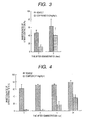
- a ratio of airway contraction was calculated by taking the airway response obtained by closing a three-way stopcock attached to an upper part of a cannula inserted into the tracheal tube of the guinea pig as 100%. The results are shown in Figs. 2 to 5. Although Compound B which is an EP2 agonist having a carboxyl group has a bronchodilator effect, the effect was lost at around 3 hours after the administration.
- butyl 2-[(2- ⁇ (2R)-2-[(3,5-dichlorophenoxy)methyl]-5-oxopyrrolidin-1-yl ⁇ ethyl)thio]-1,3-thiazole-4-carboxylate (a compound described in Example 5(32) in WO 03/74483 , hereinafter abbreviated as Compound E), which is a butyl ester of Compound B, showed a more prolonged duration of activity compared with Compound B.
- undecyl 2-[(2- ⁇ (2R)-2-[(3,5- dichlorophenoxy)methyl]-5-oxopyrrolidin-1-yl ⁇ ethyl)sulfanyl]-1,3-thiazole-4-carboxylate a compound described in Example 6, hereinafter abbreviated as Compound F
- 10-phenyldecyl 2-[(2- ⁇ (2R)-2-[(3,5-dichlorophenoxy) methyl]-5-oxopyrrolidin-1-yl ⁇ ethyl)sulfanyl]-1,3-thiazole-4-carboxylate which are a longer chain ester, showed a more prolonged duration of activity compared with Compound F. From this, it was shown that the pharmaceutical composition for inhalation with high lipid solubility has a more prolonged duration of activity.
- methacholine (10 ⁇ g/kg, i.v.) was used, and the airway contractile response was determined by the Konzett & Roessler method.
- Compound B was dissolved in an equimolar amount of sodium hydroxide and diluted with a physiological saline solution.
- Compound F was suspended in a physiological saline solution containing 2% ethanol and 10% Tween 80 to prepare a test substance.
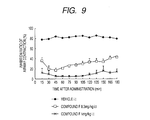
- the test substance was intratracheally administered using a tube for intratracheal administration. After the administration of the test substance, the blood pressure and the airway contractile response were measured for 12.5 minutes and 3 hours, respectively.
- a ratio of airway contraction (%) was calculated by taking the airway response obtained by closing a three-way stopcock attached to an upper part of a cannula inserted into the tracheal tube of the guinea pig as 100% contraction.
- the amount of blood pressure reduction (mmHg) was expressed based on the blood pressure before administration of the test substance.
- the results are shown in Figs. 6 to 9.
- Compound F which is an undecyl ester of Compound B, did not change the blood pressure and showed a prolonged duration of bronchodilator activity compared with Compound B. From this, it was shown that the sustained prodrug has a long duration of a bronchodilator effect, which is a main effect, and can reduce a hypotensive effect.
- a medicinal composition for inhalation containing a sustained prodrug of an EP2 agonist topically exhibits a prolonged bronchodilating and antiinflammatory effects.
- the pharmaceutical composition for inhalation containing a sustained prodrug of an EP2 agonist is useful as a safe preventive and/or treatment agent for respiratory diseases (for example, asthma, pulmonary injury such as acute pulmonary injury and chronic injury, pulmonary fibrosis, pulmonary emphysema, bronchitis such as acute bronchitis and chronic bronchitis, chronic obstructive pulmonary disease, adult respiratory distress syndrome, cystic fibrosis, pulmonary hypertension or the like) without causing any systemic effect such as blood pressure reduction.
- respiratory diseases for example, asthma, pulmonary injury such as acute pulmonary injury and chronic injury, pulmonary fibrosis, pulmonary emphysema, bronchitis such as acute bronchitis and chronic bronchitis, chronic obstructive pulmonary disease, adult respiratory distress syndrome
Landscapes
- Health & Medical Sciences (AREA)
- Chemical & Material Sciences (AREA)
- Organic Chemistry (AREA)
- Animal Behavior & Ethology (AREA)
- Veterinary Medicine (AREA)
- Public Health (AREA)
- General Health & Medical Sciences (AREA)
- Life Sciences & Earth Sciences (AREA)
- Medicinal Chemistry (AREA)
- Pharmacology & Pharmacy (AREA)
- Epidemiology (AREA)
- Nuclear Medicine, Radiotherapy & Molecular Imaging (AREA)
- General Chemical & Material Sciences (AREA)
- Chemical Kinetics & Catalysis (AREA)
- Bioinformatics & Cheminformatics (AREA)
- Engineering & Computer Science (AREA)
- Pulmonology (AREA)
- Heart & Thoracic Surgery (AREA)
- Cardiology (AREA)
- Pharmaceuticals Containing Other Organic And Inorganic Compounds (AREA)
- Plural Heterocyclic Compounds (AREA)
- Medicinal Preparation (AREA)
- Medicines That Contain Protein Lipid Enzymes And Other Medicines (AREA)
Applications Claiming Priority (2)
| Application Number | Priority Date | Filing Date | Title |
|---|---|---|---|
| JP2004307902 | 2004-10-22 | ||
| PCT/JP2005/019376 WO2006043655A1 (fr) | 2004-10-22 | 2005-10-21 | Préparation thérapeutique pour inhalation |
Publications (2)
| Publication Number | Publication Date |
|---|---|
| EP1806148A1 true EP1806148A1 (fr) | 2007-07-11 |
| EP1806148A4 EP1806148A4 (fr) | 2009-12-02 |
Family
ID=36203068
Family Applications (1)
| Application Number | Title | Priority Date | Filing Date |
|---|---|---|---|
| EP05795486A Withdrawn EP1806148A4 (fr) | 2004-10-22 | 2005-10-21 | Préparation thérapeutique pour inhalation |
Country Status (4)
| Country | Link |
|---|---|
| US (1) | US7858650B2 (fr) |
| EP (1) | EP1806148A4 (fr) |
| JP (1) | JP4893999B2 (fr) |
| WO (1) | WO2006043655A1 (fr) |
Cited By (4)
| Publication number | Priority date | Publication date | Assignee | Title |
|---|---|---|---|---|
| EP1886693A4 (fr) * | 2005-06-03 | 2010-03-03 | Ono Pharmaceutical Co | Agent de regeneration et/ou de protection des nerfs |
| US7833995B2 (en) | 2003-12-05 | 2010-11-16 | Ono Pharmaceutical Co., Ltd. | Blood flow promoters for cauda equina tissues |
| US8410281B2 (en) | 2009-06-10 | 2013-04-02 | Ono Pharmaceutical Co., Ltd. | Compound having detrusor muscle-contracting activity and urethral sphincter muscle-relaxing activity |
| US9643940B2 (en) | 2012-08-31 | 2017-05-09 | Ono Pharmaceutical Co., Ltd. | Amine salt and crystals thereof |
Families Citing this family (12)
| Publication number | Priority date | Publication date | Assignee | Title |
|---|---|---|---|---|
| EP1481976B1 (fr) * | 2002-03-05 | 2012-11-07 | Ono Pharmaceutical Co., Ltd. | Composes derives de 8 azaprostaglandine et medicaments contenant ceux-ci comme principe actif |
| US9272036B2 (en) | 2012-04-18 | 2016-03-01 | Clover Hill Healthcare, Inc. | Carbon dioxide, saline and additional active nasal delivery methods and treatments |
| US10052464B2 (en) | 2012-06-04 | 2018-08-21 | Clover Hill Healthcare, Inc. | Low flow rate nasal treatment delivery device for mixed carbon dioxide and saline |
| US9370632B2 (en) | 2012-06-04 | 2016-06-21 | Clover Hill Healthcare, Inc. | Nasal treatment delivery device for mixed carbon dioxide and saline |
| AU2014244926A1 (en) | 2013-03-28 | 2015-11-12 | Ube Industries, Ltd. | Substituted biaryl compound |
| US20160213657A1 (en) | 2013-09-02 | 2016-07-28 | Ube Industries, Ltd. | Pharmaceutical composition for treatment and/or prevention of pulmonary disease |
| SI3060041T1 (sl) | 2013-10-25 | 2021-04-30 | Insmed Incorporated | Spojine prostaciklina |
| JP2017206443A (ja) * | 2014-09-26 | 2017-11-24 | 宇部興産株式会社 | 置換ビアリール化合物及び他の医薬の組み合わせ |
| EP3904326A1 (fr) | 2014-11-18 | 2021-11-03 | Insmed Incorporated | Procédés de fabrication de tréprostinil et de promédicaments dérivés du tréprostinil |
| US20220117951A1 (en) | 2019-02-14 | 2022-04-21 | Algernon Pharmaceuticals Inc. | Compositions and methods for treating idiopathic pulmonary fibrosis |
| CN114072136B (zh) | 2019-04-29 | 2024-11-29 | 英斯梅德股份有限公司 | 曲前列素前药的干粉组合物及其使用方法 |
| WO2021081624A1 (fr) | 2019-10-28 | 2021-05-06 | Algernon Pharmaceuticals Inc. | Utilisation d'antagonistes du récepteur du glutamate 2b et d'agonistes du récepteur sigma comme antitussifs |
Family Cites Families (28)
| Publication number | Priority date | Publication date | Assignee | Title |
|---|---|---|---|---|
| DE2332663C2 (de) | 1973-06-23 | 1986-07-31 | Schering AG, 1000 Berlin und 4709 Bergkamen | Verwendung von Kortikoid-Wirkstoffen zur Inhalationstherapie |
| US4039668A (en) | 1973-06-23 | 1977-08-02 | Schering Aktiengesellschaft | Corticoid-containing inhalants |
| DE2619638A1 (de) * | 1976-05-04 | 1977-11-17 | Hoechst Ag | Pyrrolidone und verfahren zu ihrer herstellung |
| US5462968A (en) | 1994-01-19 | 1995-10-31 | Allergan, Inc. | EP2 -receptor agonists as agents for lowering intraocular pressure |
| PE44995A1 (es) | 1994-01-27 | 1995-12-18 | Schering Corp | Furoato de mometasona para el tratamiento de las enfermedades pulmonares y de las vias respiratorias |
| US5837699A (en) | 1994-01-27 | 1998-11-17 | Schering Corporation | Use of mometasone furoate for treating upper airway passage diseases |
| US5698598A (en) | 1995-08-04 | 1997-12-16 | Allergan | EP2 -receptor agonists as agents for lowering intraocular pressure |
| UA59384C2 (uk) | 1996-12-20 | 2003-09-15 | Пфайзер, Інк. | Похідні сульфонамідів та амідів як агоністи простагландину, фармацевтична композиція та способи лікування на їх основі |
| JP4029251B2 (ja) | 1997-02-04 | 2008-01-09 | 小野薬品工業株式会社 | ω−シクロアルキル−プロスタグランジンE2誘導体 |
| NO317155B1 (no) | 1997-02-04 | 2004-08-30 | Ono Pharmaceutical Co | <omega>-cykloalkyl-prostagladin-E<N>2</N>-derivater |
| US6531485B2 (en) | 1997-06-23 | 2003-03-11 | Pfizer Inc. | Prostaglandin agonists |
| UA67754C2 (uk) | 1997-10-10 | 2004-07-15 | Пфайзер, Інк. | Агоністи простагландину, фармацевтична композиція на їх основі (варіанти), спосіб нарощення та збереження кісткової маси у хребетних та спосіб лікування (варіанти) |
| US6124314A (en) | 1997-10-10 | 2000-09-26 | Pfizer Inc. | Osteoporosis compounds |
| ES2216336T3 (es) | 1997-12-25 | 2004-10-16 | Ono Pharmaceutical Co., Ltd. | Derivados omega-cicloalquilos de la prostaglandina e2. |
| US6235780B1 (en) | 1998-07-21 | 2001-05-22 | Ono Pharmaceutical Co., Ltd. | ω-cycloalkyl-prostaglandin E1 derivatives |
| US6376533B1 (en) | 2000-10-20 | 2002-04-23 | Allergan Sales, Inc. | Omega-cycloalkyl 17-heteroaryl prostaglandin E2 analogs as EP2-receptor agonists |
| NZ525164A (en) * | 2000-11-27 | 2005-04-29 | Pfizer Prod Inc | EP4 receptor selective agonists in the treatment of osteoporosis |
| DE10104367A1 (de) | 2001-02-01 | 2002-08-08 | Boehringer Ingelheim Pharma | Betamimetika enthaltende Arzneimittelkompositionen mit geringeren Nebenwirkungen |
| US20020189610A1 (en) | 2001-02-01 | 2002-12-19 | Karl-Heinz Bozung | Pharmaceutical compositions containing an ipratropium salt and a betamimetic |
| US6481221B2 (en) | 2001-03-08 | 2002-11-19 | James E. Ferris | Apparatus and methods for placing an additive fluid into a refrigerant circuit |
| ES2254726T3 (es) | 2001-07-16 | 2006-06-16 | F. Hoffmann-La Roche Ag | Analogos de prostaglandina como agonistas receptores de ep4. |
| CN101921220B (zh) | 2001-07-23 | 2013-05-22 | 小野药品工业株式会社 | 治疗与骨质损失有关的疾病的含有ep4激动剂作为活性成分的药物组合物 |
| TW200304371A (en) * | 2002-02-22 | 2003-10-01 | Akzo Nobel Nv | Substituted 10-ary1-11H-benzo [b] fluorenes and 7-ary1-5, 6-dihydro-benz [a] anthracenes for selective effects on estrogen receptors |
| EP1481976B1 (fr) * | 2002-03-05 | 2012-11-07 | Ono Pharmaceutical Co., Ltd. | Composes derives de 8 azaprostaglandine et medicaments contenant ceux-ci comme principe actif |
| WO2004065365A1 (fr) | 2003-01-21 | 2004-08-05 | Ono Pharmaceutical Co., Ltd. | Derives de 8-azaprostalangine et utilisations de ces derives en tant que medicaments |
| US7833995B2 (en) | 2003-12-05 | 2010-11-16 | Ono Pharmaceutical Co., Ltd. | Blood flow promoters for cauda equina tissues |
| WO2005061492A1 (fr) | 2003-12-22 | 2005-07-07 | Ono Pharmaceutical Co., Ltd. | Composes heterocycliques azotes et medicaments dont ils sont le principe actif |
| EP1723132A1 (fr) | 2004-02-12 | 2006-11-22 | Asterand Uk Limited | Agonistes des recepteurs ep sb 2 /sb |
-
2005
- 2005-10-21 WO PCT/JP2005/019376 patent/WO2006043655A1/fr not_active Ceased
- 2005-10-21 EP EP05795486A patent/EP1806148A4/fr not_active Withdrawn
- 2005-10-21 US US11/665,966 patent/US7858650B2/en not_active Expired - Fee Related
- 2005-10-21 JP JP2006543085A patent/JP4893999B2/ja not_active Expired - Fee Related
Cited By (9)
| Publication number | Priority date | Publication date | Assignee | Title |
|---|---|---|---|---|
| US7833995B2 (en) | 2003-12-05 | 2010-11-16 | Ono Pharmaceutical Co., Ltd. | Blood flow promoters for cauda equina tissues |
| US8501793B2 (en) | 2003-12-05 | 2013-08-06 | Ono Pharmaceutical Co., Ltd. | Blood flow promoters for cauda equina tissues |
| EP1886693A4 (fr) * | 2005-06-03 | 2010-03-03 | Ono Pharmaceutical Co | Agent de regeneration et/ou de protection des nerfs |
| US7863263B2 (en) | 2005-06-03 | 2011-01-04 | Ono Pharmaceutical Co., Ltd. | Agent for regeneration and/or protection of nerves |
| US8404858B2 (en) | 2005-06-03 | 2013-03-26 | Ono Pharmaceutical Co., Ltd. | Agent for regeneration and/or protection of nerves |
| US8410281B2 (en) | 2009-06-10 | 2013-04-02 | Ono Pharmaceutical Co., Ltd. | Compound having detrusor muscle-contracting activity and urethral sphincter muscle-relaxing activity |
| US8716490B2 (en) | 2009-06-10 | 2014-05-06 | Ono Pharmaceutical Co., Ltd. | Compound having detrusor muscle-contracting activity and urethral sphincter muscle-relaxing activity |
| US9150528B2 (en) | 2009-06-10 | 2015-10-06 | Ono Pharmaceutical Co., Ltd. | Compound having detrusor muscle-contracting activity and urethral sphincter muscle-relaxing activity |
| US9643940B2 (en) | 2012-08-31 | 2017-05-09 | Ono Pharmaceutical Co., Ltd. | Amine salt and crystals thereof |
Also Published As
| Publication number | Publication date |
|---|---|
| US20080114043A1 (en) | 2008-05-15 |
| JP4893999B2 (ja) | 2012-03-07 |
| WO2006043655A1 (fr) | 2006-04-27 |
| US7858650B2 (en) | 2010-12-28 |
| EP1806148A4 (fr) | 2009-12-02 |
| JPWO2006043655A1 (ja) | 2008-05-22 |
Similar Documents
| Publication | Publication Date | Title |
|---|---|---|
| RU2306309C2 (ru) | Производное 8-азапростагландина, фармацевтическая композиция, агент для профилактики заболеваний | |
| US8207223B2 (en) | Pharmaceutical composition for treatment of diseases associated with decrease in bone mass comprising EP4 agonist as active ingredient | |
| US7858650B2 (en) | Medicinal composition for inhalation | |
| US8501793B2 (en) | Blood flow promoters for cauda equina tissues | |
| JP4582456B2 (ja) | 8−アザプロスタグランジン誘導体およびその医薬用途 | |
| KR20110140139A (ko) | S1p 수용체 결합능을 갖는 화합물 및 그 의약 용도 | |
| EP1785421A1 (fr) | Dérivé du tropane | |
| CN1893977A (zh) | 以ep4激动剂为活性成分的治疗与骨质损失有关的疾病的药物 |
Legal Events
| Date | Code | Title | Description |
|---|---|---|---|
| PUAI | Public reference made under article 153(3) epc to a published international application that has entered the european phase |
Free format text: ORIGINAL CODE: 0009012 |
|
| 17P | Request for examination filed |
Effective date: 20070420 |
|
| AK | Designated contracting states |
Kind code of ref document: A1 Designated state(s): AT BE BG CH CY CZ DE DK EE ES FI FR GB GR HU IE IS IT LI LT LU LV MC NL PL PT RO SE SI SK TR |
|
| DAX | Request for extension of the european patent (deleted) | ||
| A4 | Supplementary search report drawn up and despatched |
Effective date: 20091102 |
|
| 17Q | First examination report despatched |
Effective date: 20101015 |
|
| GRAP | Despatch of communication of intention to grant a patent |
Free format text: ORIGINAL CODE: EPIDOSNIGR1 |
|
| INTG | Intention to grant announced |
Effective date: 20140122 |
|
| STAA | Information on the status of an ep patent application or granted ep patent |
Free format text: STATUS: THE APPLICATION IS DEEMED TO BE WITHDRAWN |
|
| 18D | Application deemed to be withdrawn |
Effective date: 20140603 |